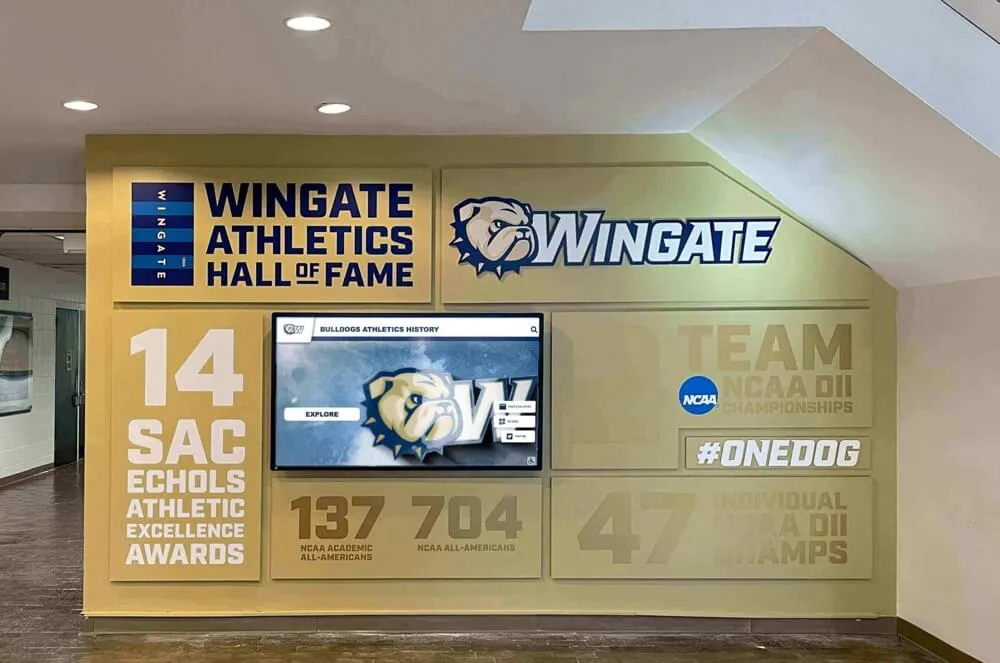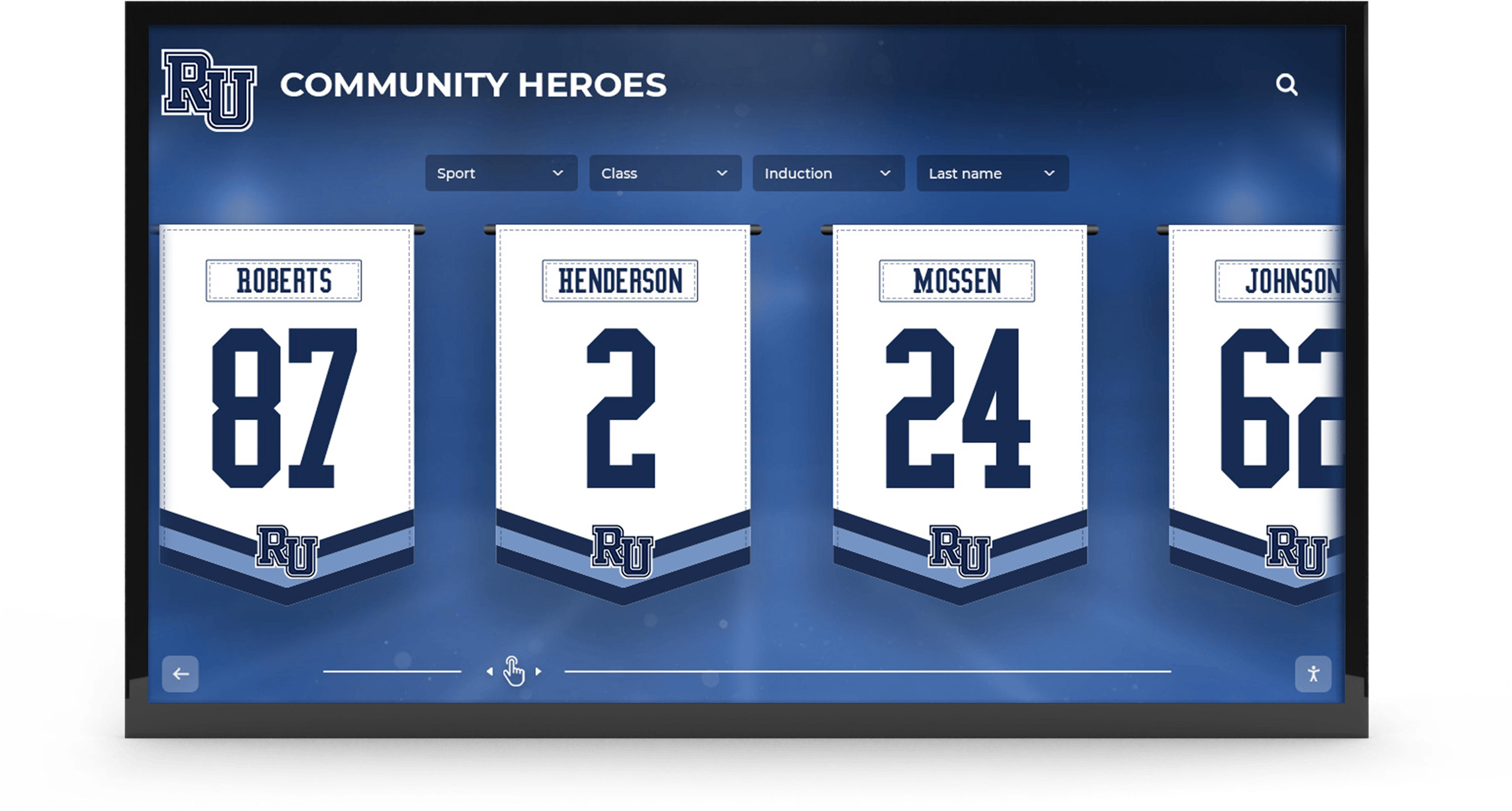
School communications teams, athletic directors, and district administrators face constant pressure to create engaging social media content that celebrates student achievements while maintaining professional brand standards. Athletic spotlights, score updates, event promotions, and recognition graphics consume hours each week—time that many understaffed programs simply cannot spare.
Gipper emerged as a popular solution offering template-based graphics for schools, but the platform requires annual subscriptions ranging from hundreds to thousands of dollars depending on school size and features needed. For budget-constrained districts already juggling technology expenses, software licenses, and operational costs, another recurring subscription represents a significant financial burden.
Enter Rocket Graphics—a completely free graphics and social media platform with AI built in, created specifically for schools, athletic departments, and educational organizations. Unlike traditional template tools, Rocket Graphics includes AI agents that create professional, on-brand content from simple text prompts, eliminating both subscription costs and design expertise requirements.
Schools allocating budget dollars toward Gipper subscriptions should understand that powerful, free alternatives now exist—alternatives that often surpass paid platforms in both capability and ease of use through artificial intelligence integration.

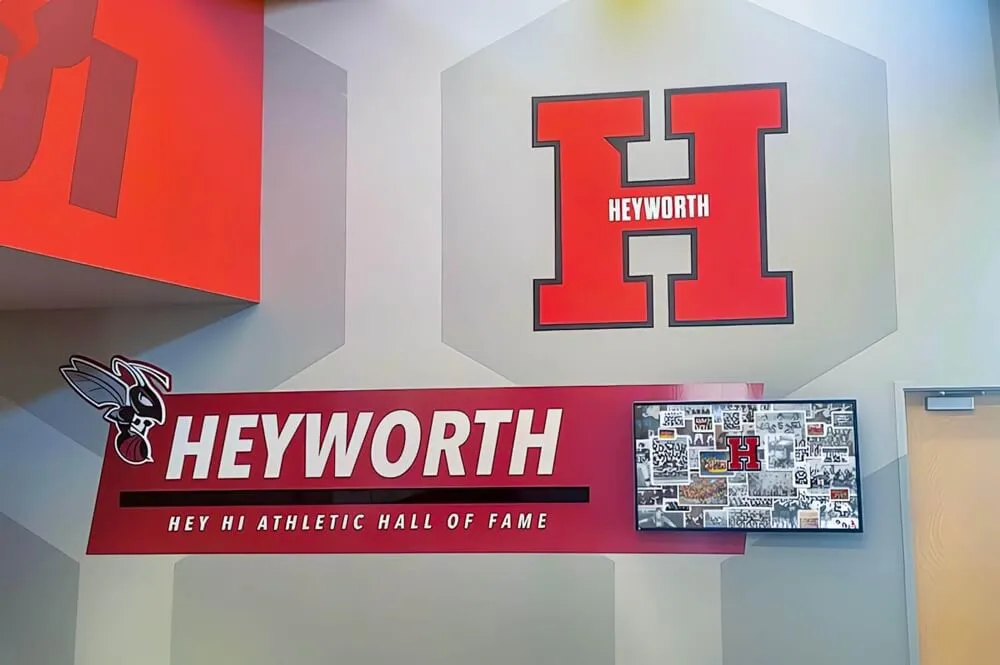
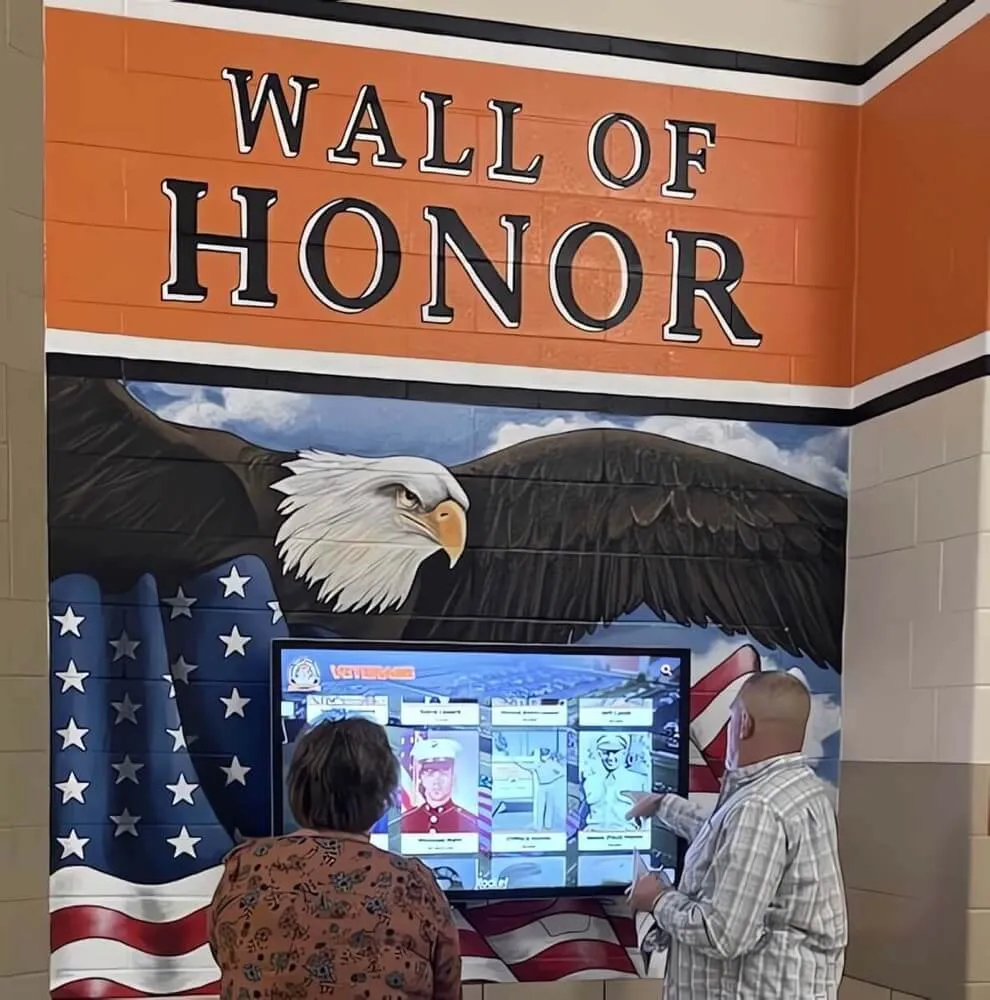
Modern schools need flexible content creation tools that celebrate student achievements across multiple platforms and formats
Understanding the School Graphics Software Landscape
Before comparing specific platforms, examining the broader context of school communications challenges helps clarify why graphics tools became essential for modern educational institutions.
Why Schools Invested in Graphics Platforms
Educational communications transformed dramatically over the past decade as social media became central to school community engagement:
Parent Communication Expectations - Families expect regular visual updates on student activities, athletic results, and school events delivered through Instagram, Facebook, Twitter, and district apps rather than printed newsletters.
Athletic Recruitment Visibility - High school athletes seeking college opportunities require polished highlight graphics, signing day announcements, and achievement posts that attract recruiter attention and demonstrate program professionalism.
Student Recognition Culture - Modern schools recognize the importance of celebrating diverse achievements publicly, creating demand for athlete spotlights, academic honors graphics, and milestone announcements that boost student morale.
Brand Consistency Requirements - Districts need cohesive visual identities across schools, sports, and programs while allowing individual staff to create content without professional design training or expensive software.
Time and Resource Constraints - Small communications teams supporting multiple schools, sports, and activities lack capacity to design custom graphics for every request, creating demand for template-based quick-creation tools.
Platforms like Gipper addressed these needs by offering pre-designed templates schools could customize with their branding, colors, and content. The subscription model provided predictable costs while reducing design time compared to creating graphics from scratch in Adobe Photoshop or Canva.
The Cost Reality of Subscription-Based Graphics Tools
Schools evaluating graphics platforms should understand the true total cost of ownership beyond initial sticker prices:
Annual Subscription Fees - Gipper pricing varies based on school size, but many districts pay $500-$2,000+ annually per school or program depending on features, user seats, and support levels selected.
Multi-School District Costs - Districts supporting multiple schools multiply subscription expenses, potentially spending $5,000-$10,000+ annually across all campuses and athletic programs for comprehensive coverage.
Staff Training Investment - New platform adoption requires staff training time, learning curve productivity loss, and occasional frustration adapting to specific interface limitations or template constraints.
Template Limitation Workarounds - When available templates don’t match specific needs, staff spend additional time modifying designs, searching for alternatives, or creating supplemental content in other tools.
Feature Tier Restrictions - Lower-cost subscription tiers may lack advanced features like video integration, social scheduling, or additional user seats, forcing schools to upgrade or compromise functionality.
These recurring expenses compound over years, representing tens of thousands of dollars that budget-strapped districts might redirect toward student programming, instructional technology, or staffing if equivalent free alternatives existed.
Schools implementing comprehensive digital recognition programs recognize that content creation tools represent just one component of modern student celebration strategies.
Introducing Rocket Graphics: AI-Driven School Content Creation
Rocket Graphics approaches school communications differently than traditional template platforms by integrating artificial intelligence throughout the content creation process.
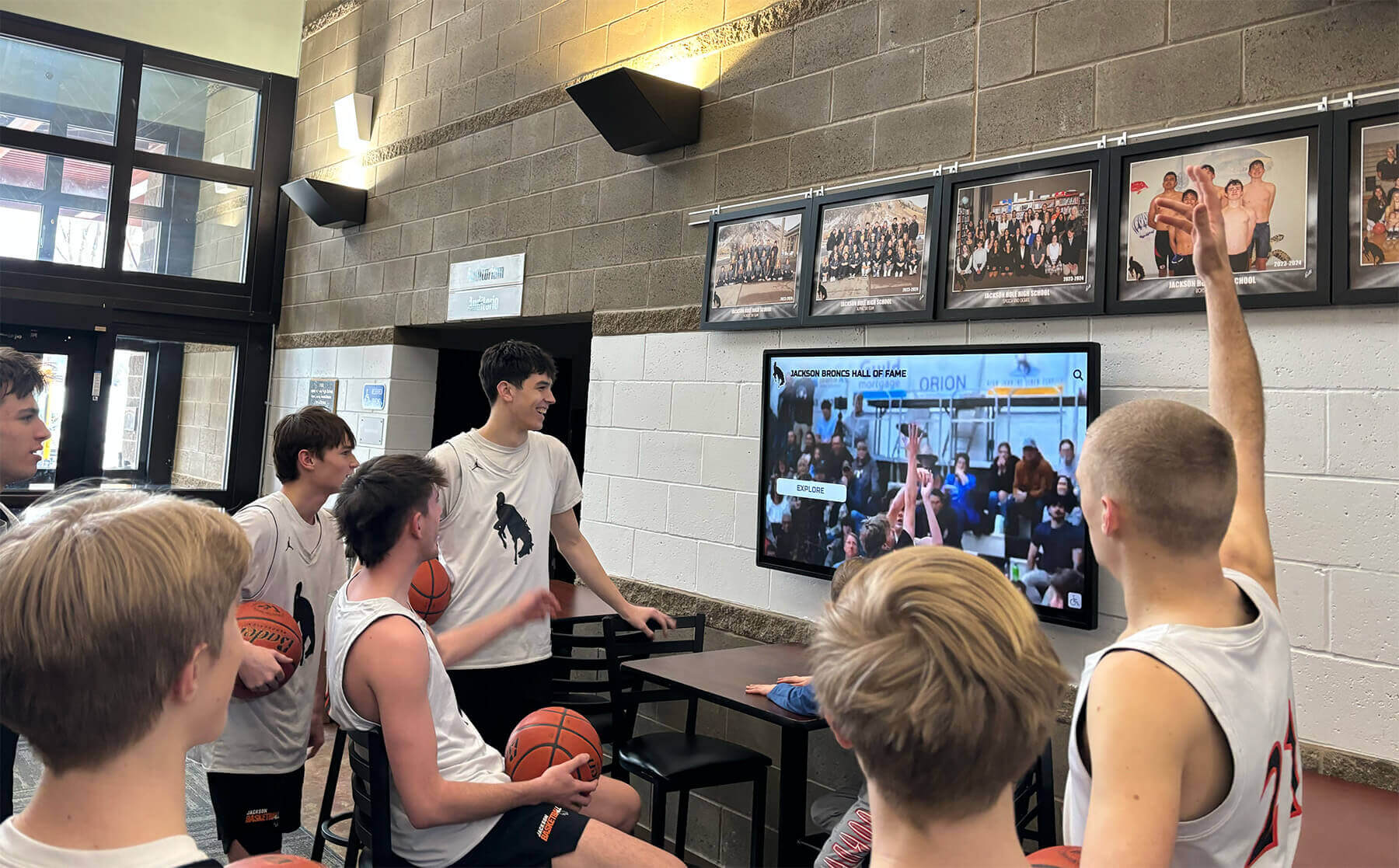
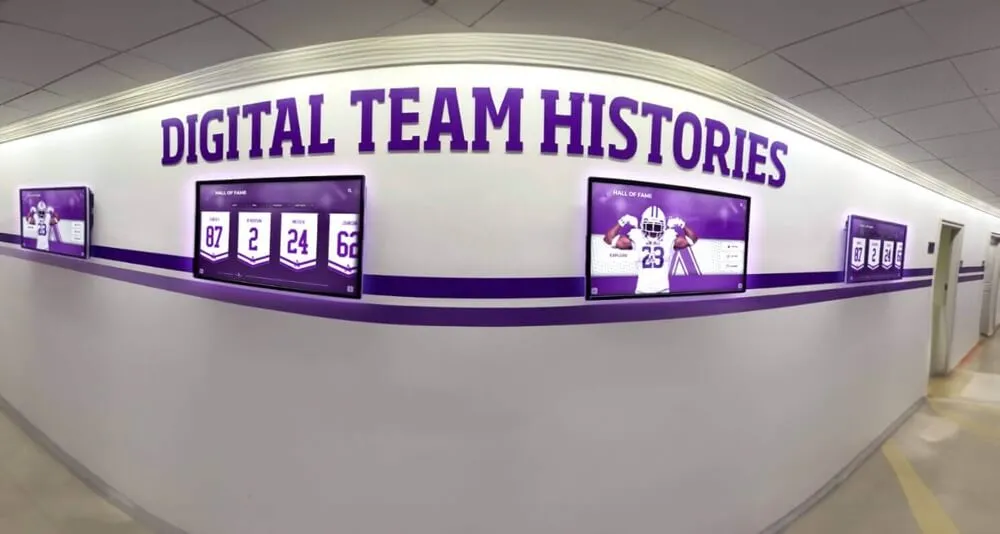
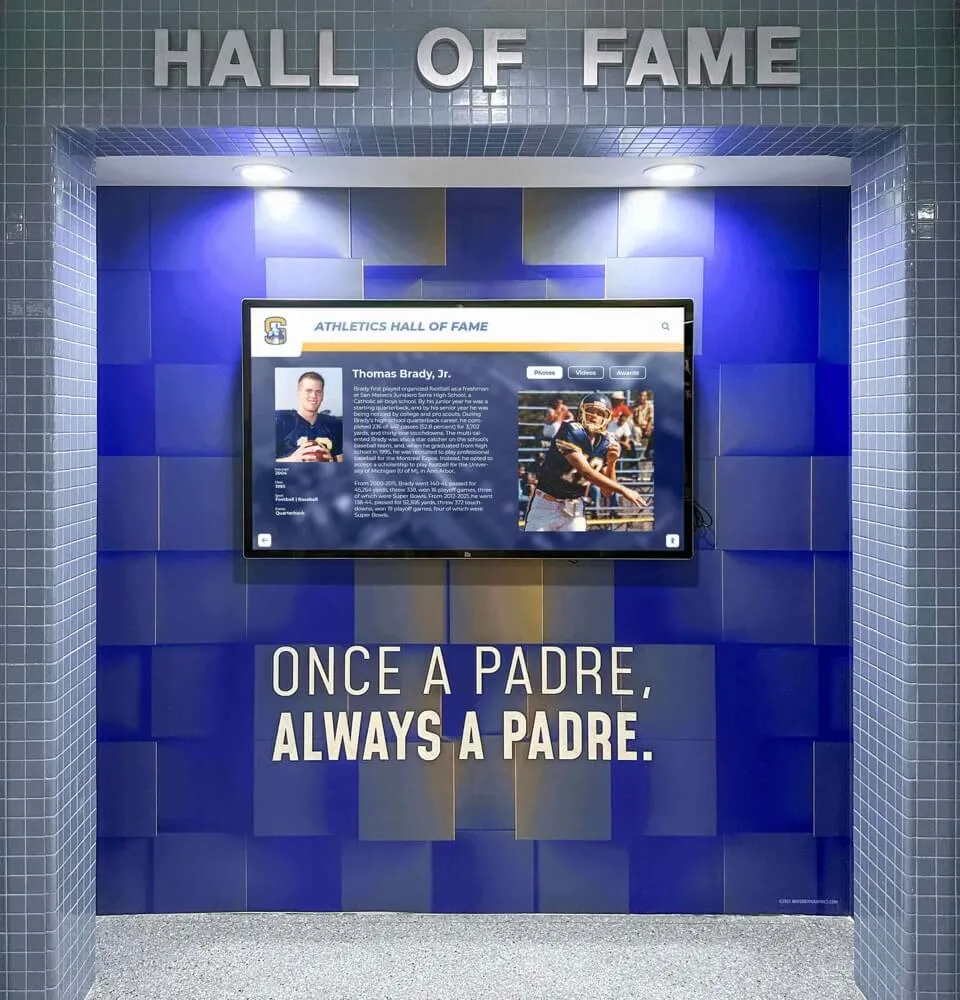
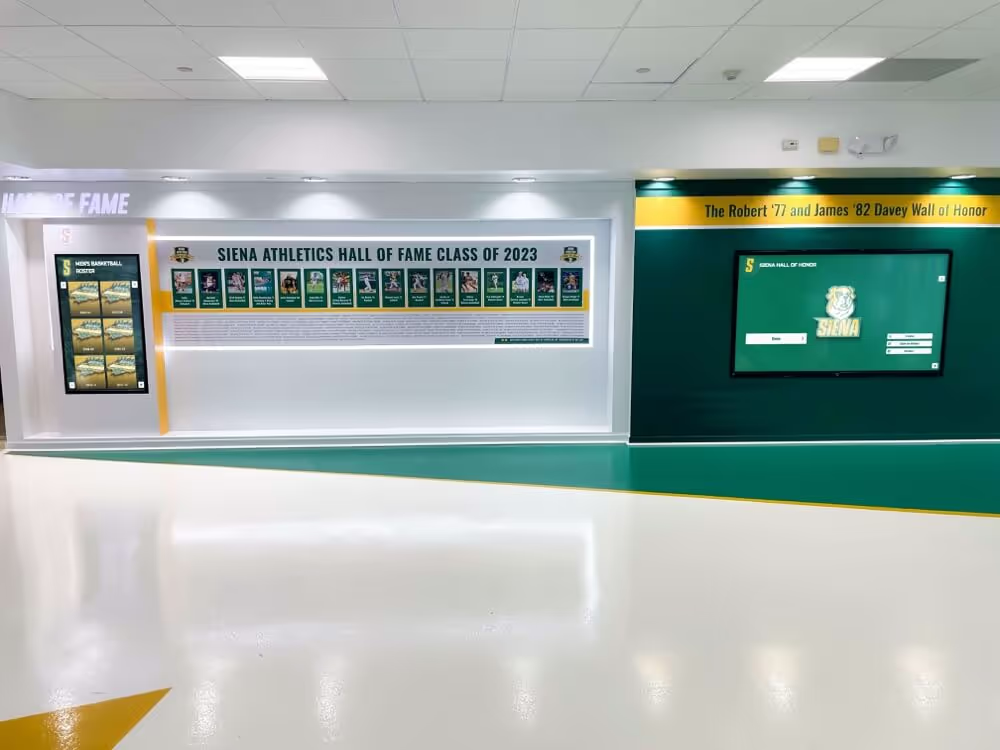
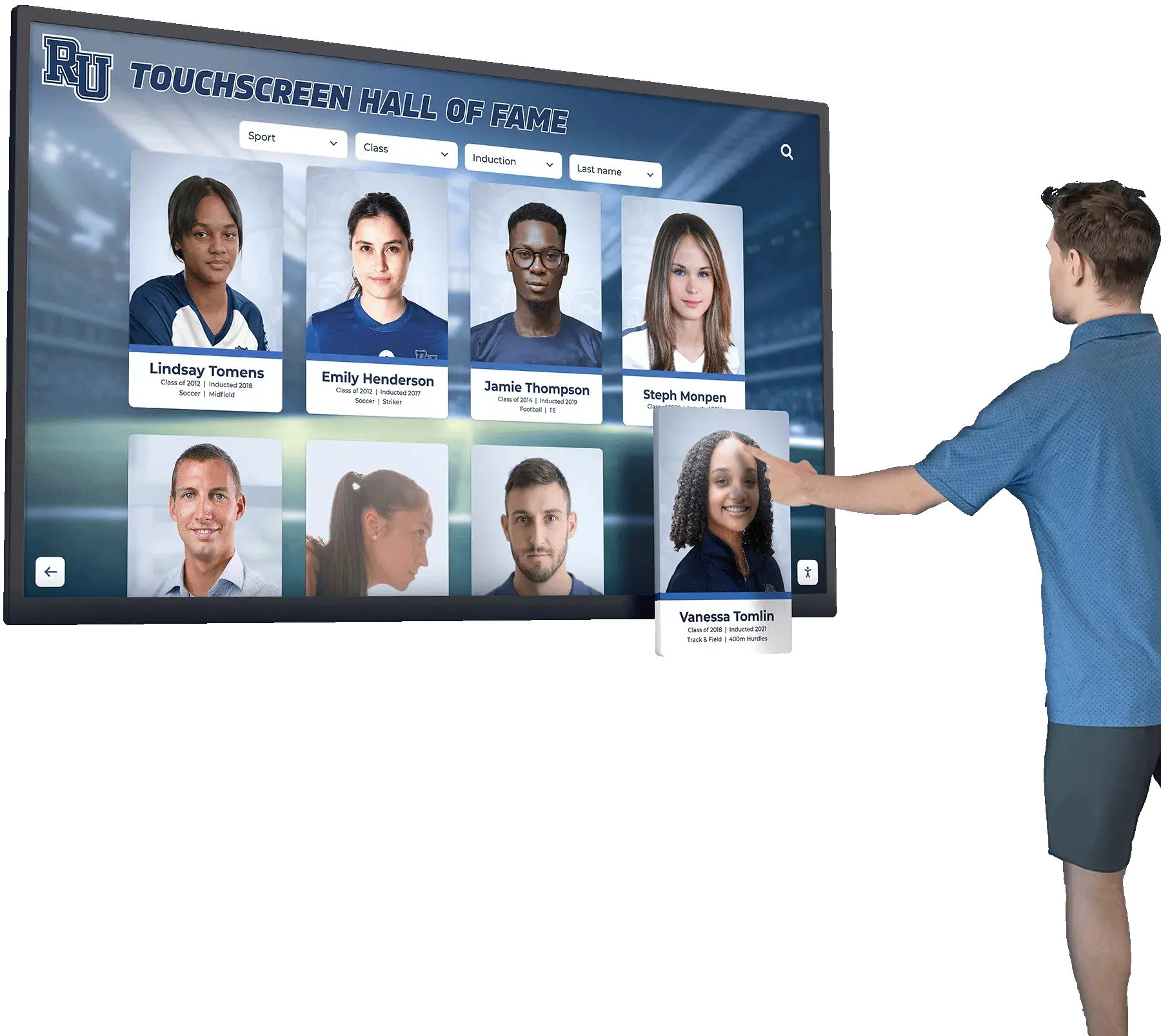
Content created for social media can also power digital displays, newsletters, and school communications across multiple channels
What Makes Rocket Graphics Different
Rather than requiring users to browse template libraries, select designs, and manually customize each element, Rocket Graphics employs text-to-post AI that generates complete graphics from simple descriptions.
Text-to-Post AI Creation - Type what you want—“create a senior night post for girls soccer” or “make a district championship graphic for Instagram”—and Rocket generates polished, branded content automatically without template browsing or manual design work.
Built-In AI Agents - Specialized AI assistants help create, edit, resize, rewrite, schedule, and optimize school content, essentially providing every school a virtual design team available 24/7 without additional staffing costs.
Automatic Brand Application - Upload school logos, colors, fonts, and style preferences once, and Rocket applies consistent branding automatically to every graphic generated, ensuring visual cohesion without manual formatting.
Multi-Platform Format Optimization - Generate content optimized for Instagram, Facebook, Twitter, newsletters, digital signage, and websites simultaneously rather than recreating designs for each platform separately.
Recognition-First Content Focus - Unlike generic graphic design tools, Rocket specifically emphasizes student, athlete, alumni, staff, and team recognition—the content types educational institutions create most frequently.
Comprehensive Template Library - When users prefer starting points over AI generation, Rocket includes extensive templates for athletics, academics, events, awards, and recognition that serve as quick-creation foundations.
Totally Free Platform Access - Rocket Graphics requires no subscription fees, per-user charges, or premium tier upgrades, making professional content creation accessible to schools regardless of budget constraints.
This fundamental architectural difference—AI-first rather than template-first—represents more than incremental improvement; it reconceives how schools approach content creation entirely.
How AI Agents Transform School Communications Workflows
Understanding Rocket’s AI capabilities requires examining specific use cases where artificial intelligence eliminates traditional design friction:
Athlete Spotlight Creation - Instead of selecting athlete spotlight templates, adding photos, typing stats, and adjusting text sizing, simply tell Rocket “Create a spotlight for basketball player Sarah Johnson, senior, averaging 18 points and 6 assists per game.” The AI generates complete graphics with appropriate layouts, stat visualizations, and formatting.
Score Update Graphics - After games, type “We beat Central High 45-42 in girls basketball” and Rocket creates professional score graphics with team logos, final scores, and appropriate celebratory formatting ready for immediate social posting.
Event Promotion Content - Generate “Fall sports banquet invitation for November 15 at 6:30 PM in the cafeteria” and receive professionally designed event graphics, appropriate background imagery, and clear information hierarchy without template hunting.
Season Schedule Posts - Provide schedule data and Rocket creates formatted schedule graphics maintaining brand consistency across all sports rather than manually entering dates and opponents into individual template fields.
Achievement Announcements - Recognize “Three students named National Merit Semifinalists: James Chen, Maria Rodriguez, and Taylor Washington” and receive instant graphics celebrating academic excellence with school branding and appropriate visual treatment.
The AI approach reduces typical 10-15 minute graphic creation tasks to 60-90 seconds while producing results that match or exceed template-customization quality.
Athletic programs implementing strategic recognition displays understand that efficient content creation enables more frequent student celebration across multiple channels.
Detailed Platform Comparison: Rocket Graphics vs. Gipper
Schools considering graphics platforms deserve transparent, factual comparisons based on publicly available information as of May 2026.
Core Functionality Comparison
Content Creation Approach
Rocket Graphics employs AI-first text-to-post generation allowing users to describe desired content in natural language and receive complete graphics automatically. This approach eliminates template browsing, selection, and manual customization steps.
Gipper centers on template-based design where users browse pre-made layouts, select appropriate templates, and customize elements manually through form fields and drag-drop interfaces.
Pricing Structure
Rocket Graphics operates completely free with no subscription fees, user limits, or premium tiers requiring payment for additional features or capacity.
Gipper utilizes subscription-based pricing with costs varying by school size, features selected, and number of users requiring access. Based on publicly available information, schools typically invest hundreds to thousands of dollars annually.
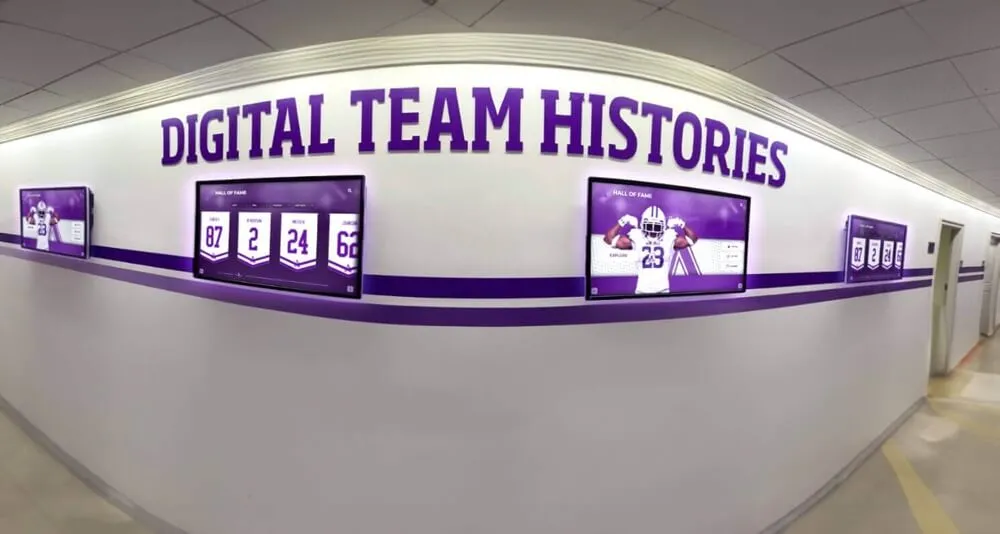
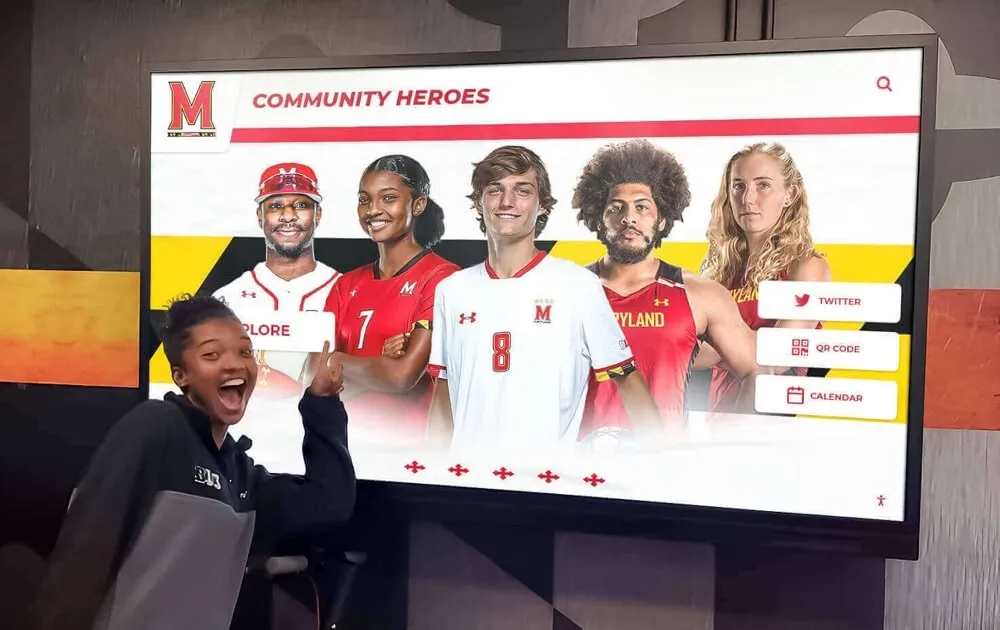
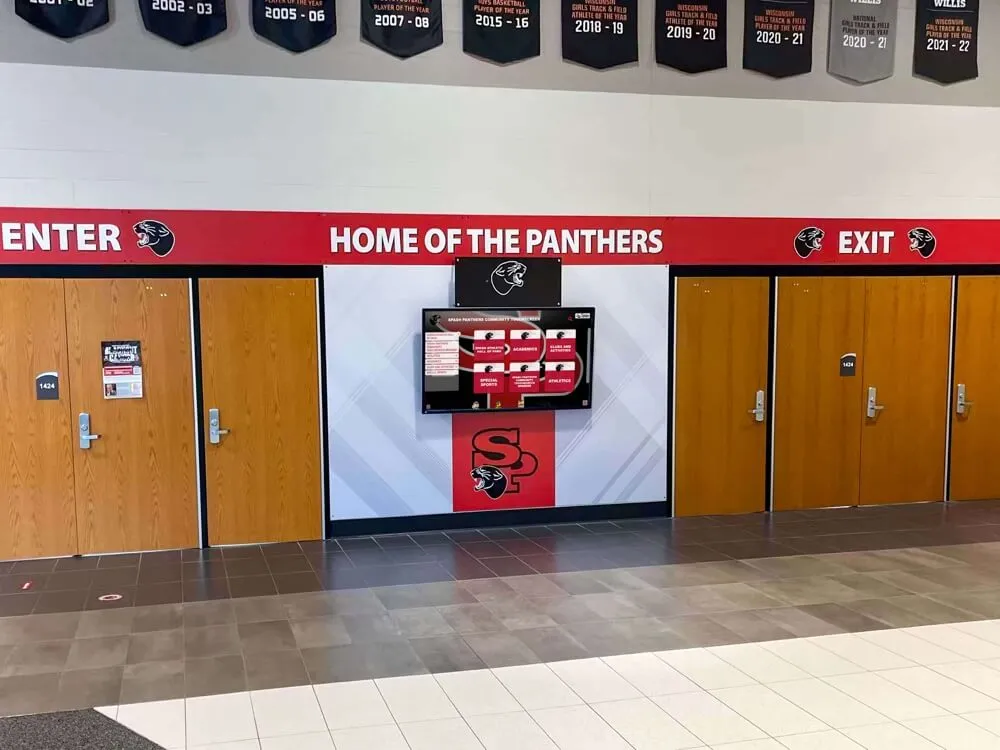
Content creation tools should support both social media and permanent recognition displays throughout campus
Platform Architecture
Rocket includes built-in AI agents specifically designed to assist with content creation, editing, resizing, rewriting, scheduling, and optimization—essentially providing virtual design assistance throughout the creative process.
Gipper offers template customization interfaces where users manually adjust text, images, colors, and layouts to create desired graphics within template parameters.
Branding Management
Both platforms allow schools to upload logos, define color palettes, and establish visual brand standards. Rocket applies branding automatically to AI-generated content, while Gipper applies saved brand elements to selected templates requiring manual verification and adjustment.
Multi-Platform Support
Rocket generates content optimized for social platforms, newsletters, websites, and digital signage simultaneously, understanding different aspect ratios and format requirements for each distribution channel.
Gipper provides template variations for major social platforms with users selecting appropriate formats during creation and potentially recreating content for additional platforms as needed.
Advanced Feature Comparison
AI Integration
Rocket Graphics builds artificial intelligence throughout the platform—powering text-to-post generation, intelligent editing suggestions, automated resizing, caption writing, and content optimization recommendations.
Based on publicly available information, Gipper focuses primarily on template-based design rather than AI-assisted content generation, though specific feature capabilities may vary by subscription tier.
Digital Signage Integration
Rocket specifically supports pushing created content to digital displays, TVs, and touchscreens throughout campus, extending social media graphics into permanent recognition installations.
Gipper’s digital signage capabilities depend on subscription level and specific feature offerings that schools should verify directly with the company.
Recognition Content Specialization
Rocket specifically emphasizes recognition-first content creation—celebrating students, athletes, alumni, staff, donors, teams, and achievements through purpose-built templates and AI prompts.
Gipper provides sports-focused templates with recognition content supported through general graphic design capabilities rather than specialized recognition workflows.
Schools developing comprehensive academic recognition programs benefit from tools supporting both athletic and academic achievement celebration equally.
Newsletter and Multi-Channel Publishing
Rocket supports creating content for newsletters, websites, and school communications beyond social media, providing unified content creation across all distribution channels schools maintain.
Gipper primarily focuses on social media graphic creation with additional channel support varying by subscription package.
Real-World Implementation: Making the Switch
Schools currently using Gipper or evaluating graphics platforms should understand practical transition considerations when adopting new tools.
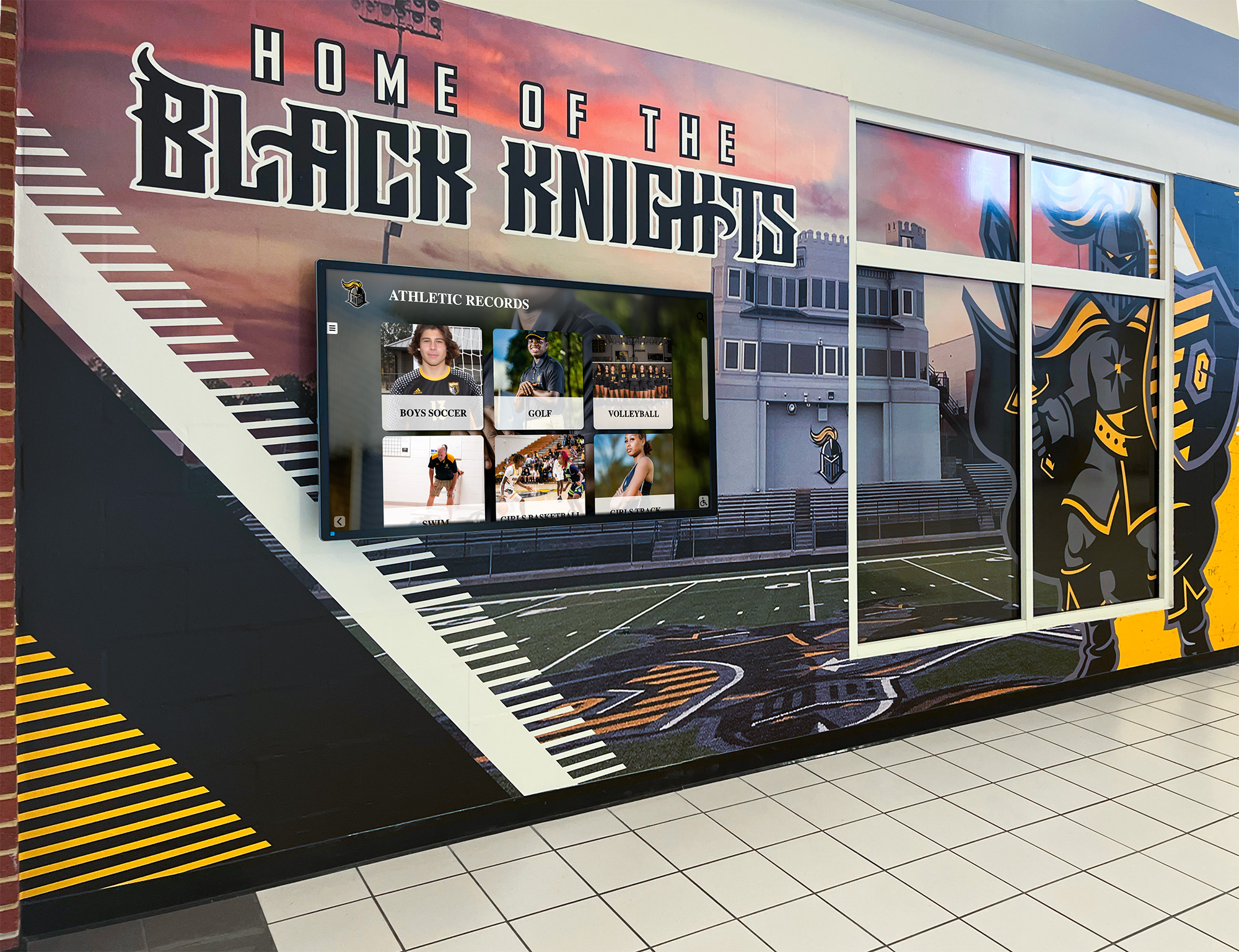
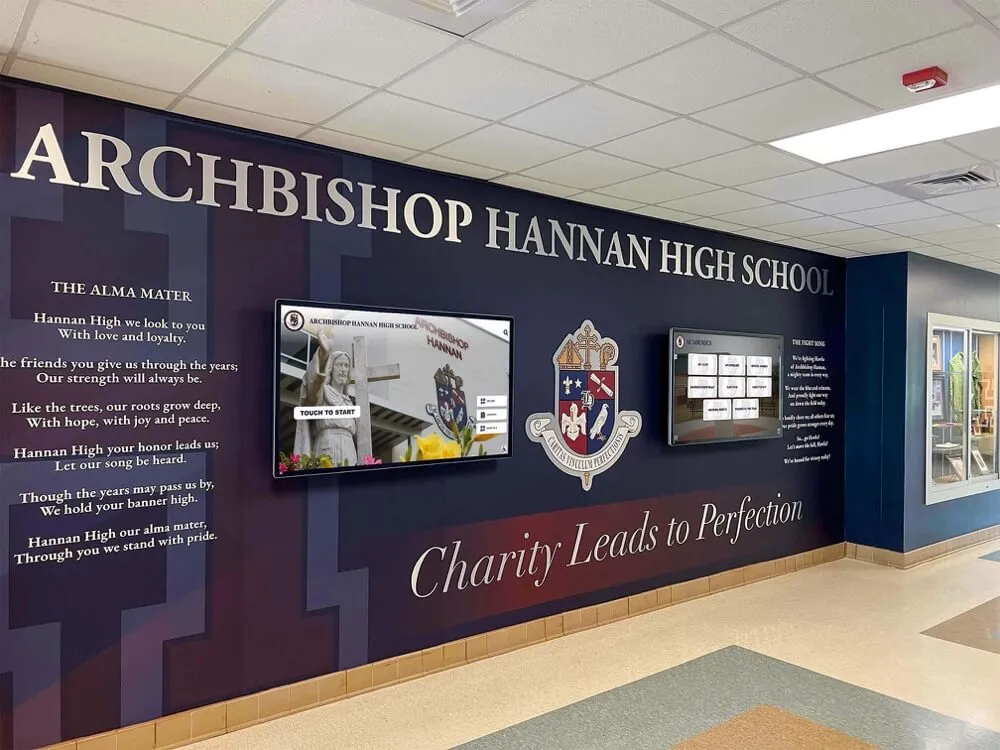
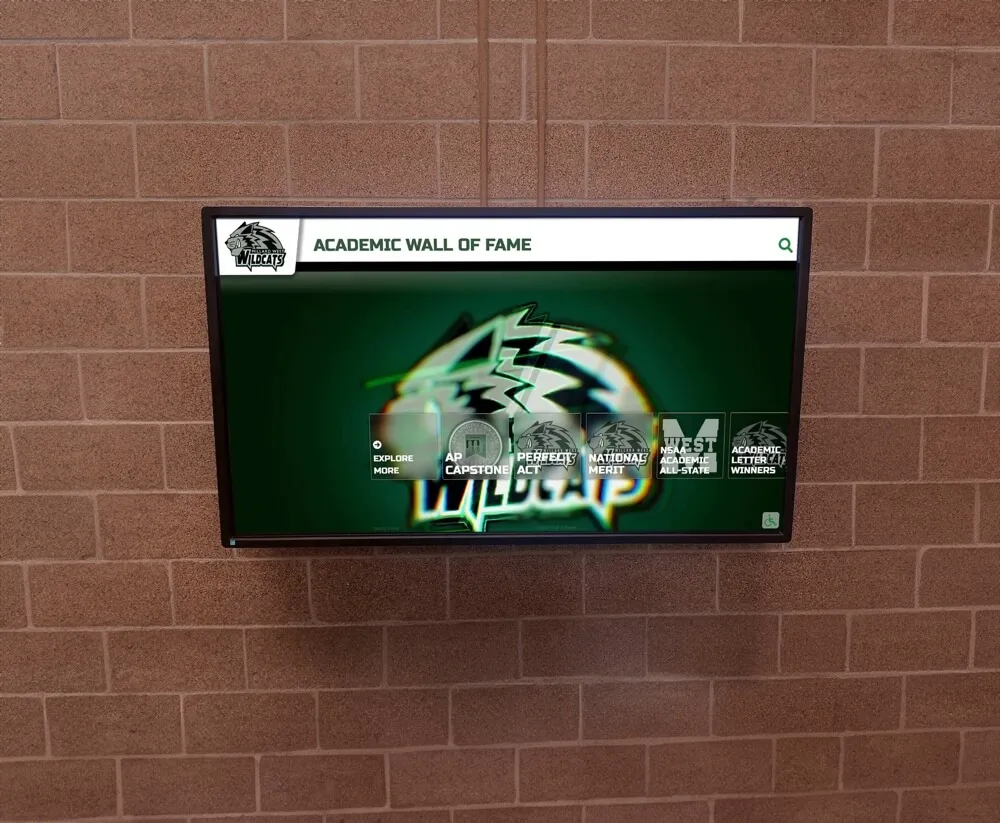
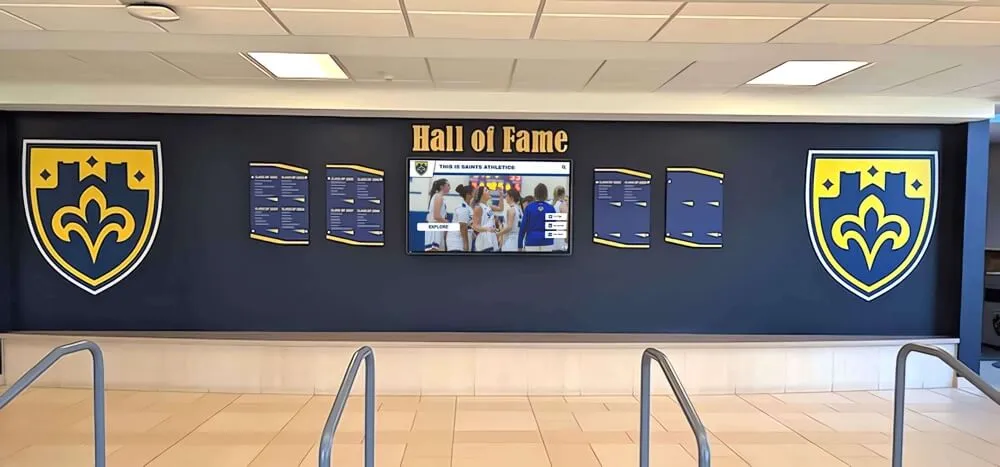
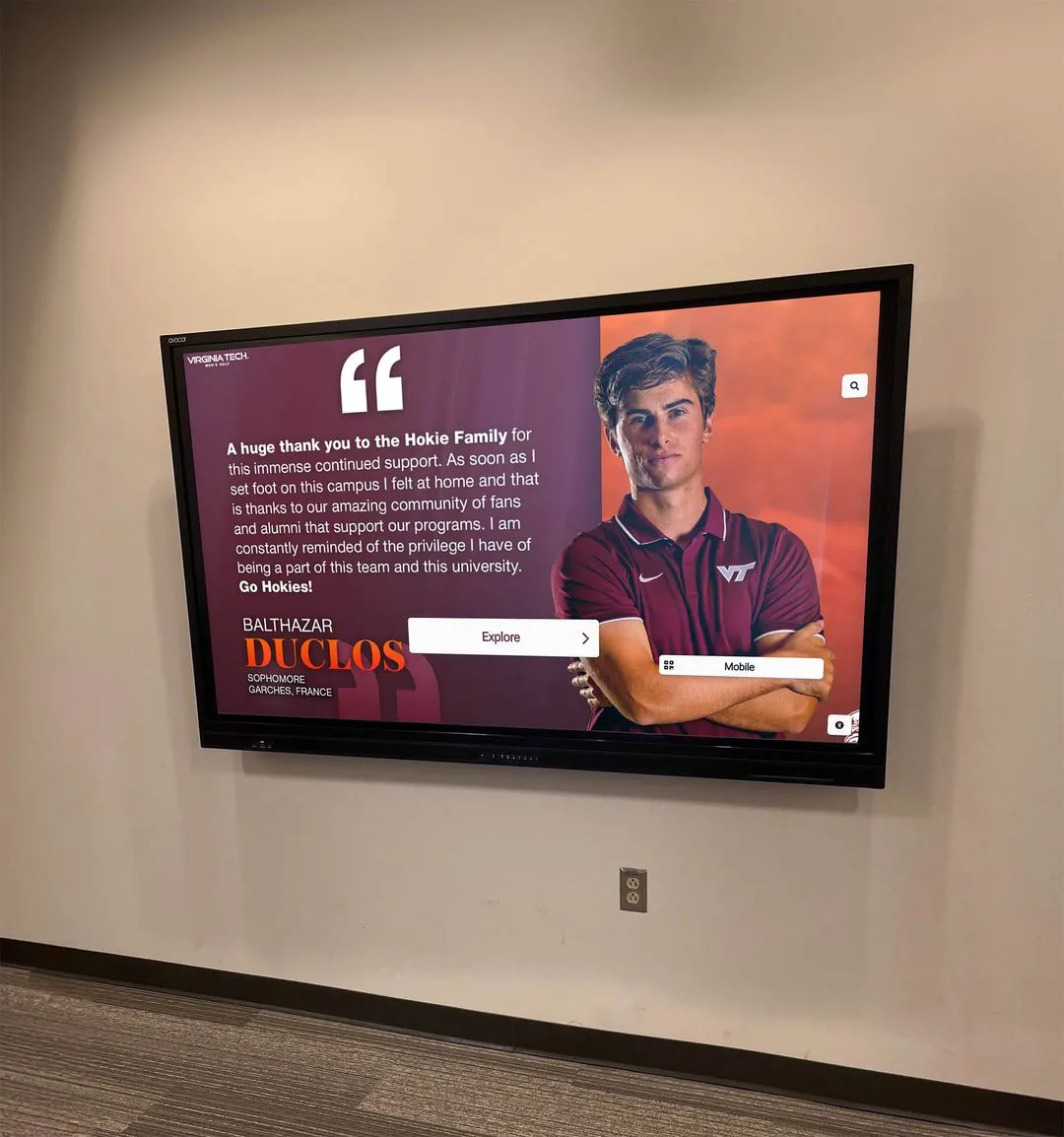
Modern school communications integrate social content, digital displays, and traditional recognition in cohesive strategies
Migration Planning for Current Gipper Users
Schools with active Gipper subscriptions approaching renewal should evaluate whether Rocket Graphics meets their needs before committing to another annual payment cycle.
Content Audit and Needs Assessment - Document current graphic types created most frequently, identifying which content categories consume most staff time and represent highest priorities for efficiency improvement.
Trial Period Testing - Create free Rocket Graphics accounts and assign staff to produce actual needed content—athlete spotlights, score updates, event promotions—comparing creation speed, quality, and ease of use against existing Gipper workflows.
Brand Asset Migration - Upload school logos, colors, fonts, and visual brand standards to Rocket, testing how automatically branded AI-generated content compares to manually-customized Gipper template outputs.
Staff Training Requirements - Evaluate learning curve differences between platforms, recognizing that AI text-to-post creation often proves more intuitive for non-designers than template browsing and manual customization.
Feature Gap Analysis - Identify any Gipper-specific features your workflow depends on that may not exist in Rocket, determining whether those capabilities justify continued subscription costs or whether alternative approaches exist.
Subscription Timing Coordination - Plan Rocket adoption to align with Gipper renewal dates, avoiding overlap costs while ensuring communications capacity continuity during transitions.
Most schools find that AI-powered creation actually reduces learning curves compared to template-based tools because describing desired content in plain language requires less design thinking than navigating template libraries and customization interfaces.
Building AI-Enhanced Communications Workflows
Rocket’s AI capabilities enable communications approaches that weren’t previously practical for small school teams.
Volume Increase Through Efficiency - AI-assisted 60-second graphic creation enables celebrating more students, covering more events, and maintaining higher social media posting frequencies without additional staffing.
Consistency Through Automation - Automated brand application ensures visual consistency across all staff creators, sports, and schools within districts without manual enforcement or review bottlenecks.
Multi-Channel Content Repurposing - Creating social graphics, newsletter content, digital signage materials, and website imagery simultaneously from single AI prompts maximizes communication reach per minute invested.
Non-Designer Empowerment - Coaches, teachers, and activity advisors can create professional graphics without design expertise or communications team bottlenecks, distributing content creation across more staff while maintaining quality.
Real-Time Event Coverage - AI-speed creation enables posting score updates, event highlights, and achievement recognition during or immediately after activities while audiences remain engaged and interested.
Districts implementing strategic digital signage content recognize that efficient graphics creation powers both social media and permanent campus recognition displays.
Cost Savings Reallocation Opportunities
Schools eliminating Gipper subscriptions through Rocket adoption free budget dollars for alternative educational technology investments.
District-Wide Annual Savings - A district paying $1,500 per school across five campuses saves $7,500 annually—enough to fund classroom technology, instructional software, or professional development.
Multi-Year Compounding Benefits - Subscription savings compound over 3-5 year budget cycles, potentially redirecting $30,000-$40,000 toward student-facing programs rather than administrative software licenses.
Expanded Communications Capacity - Freed budget dollars might fund additional communications staff, expanded social media management, video production capabilities, or comprehensive digital recognition systems.
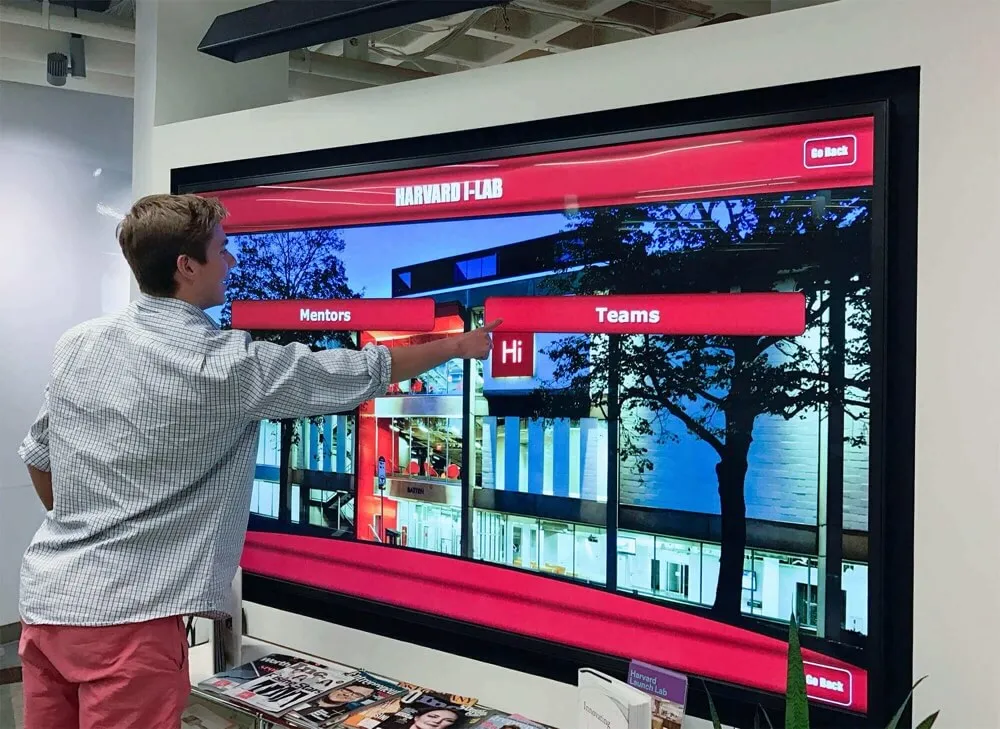
Technology Infrastructure Investment - Savings could support digital signage installations, campus touchscreen displays, or interactive recognition walls that extend beyond social media into permanent campus presence.
Emergency Budget Flexibility - Eliminating recurring subscription obligations provides budget cushion during tight fiscal years when districts face revenue shortfalls or unexpected expense increases.
Budget-conscious administrators should calculate actual multi-year subscription costs rather than focusing only on single-year expenses to understand true savings opportunities.
Beyond Graphics: Building Comprehensive Recognition Ecosystems
While graphics tools solve immediate content creation needs, schools maximizing student recognition impact integrate social content into broader visibility strategies.
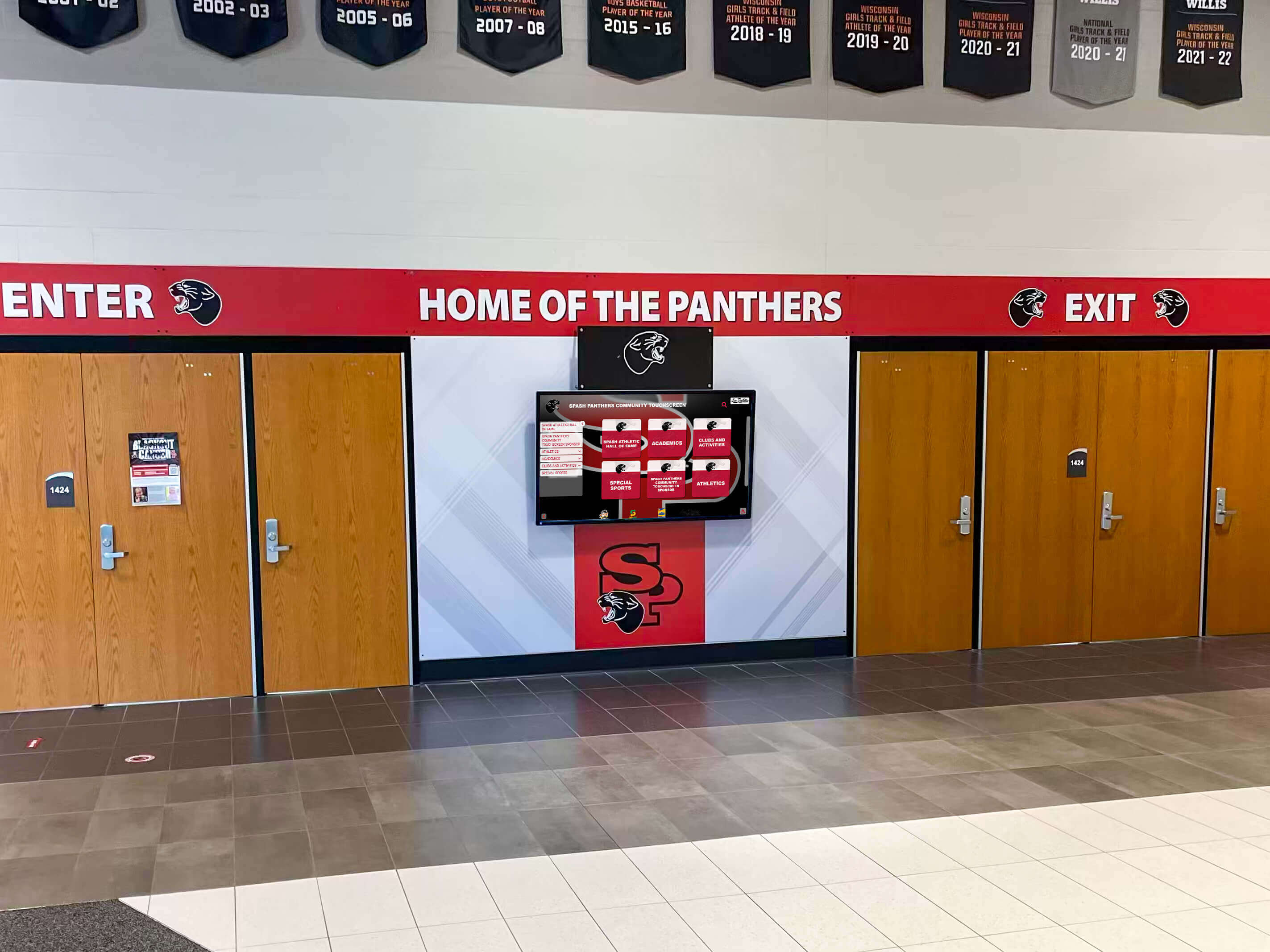
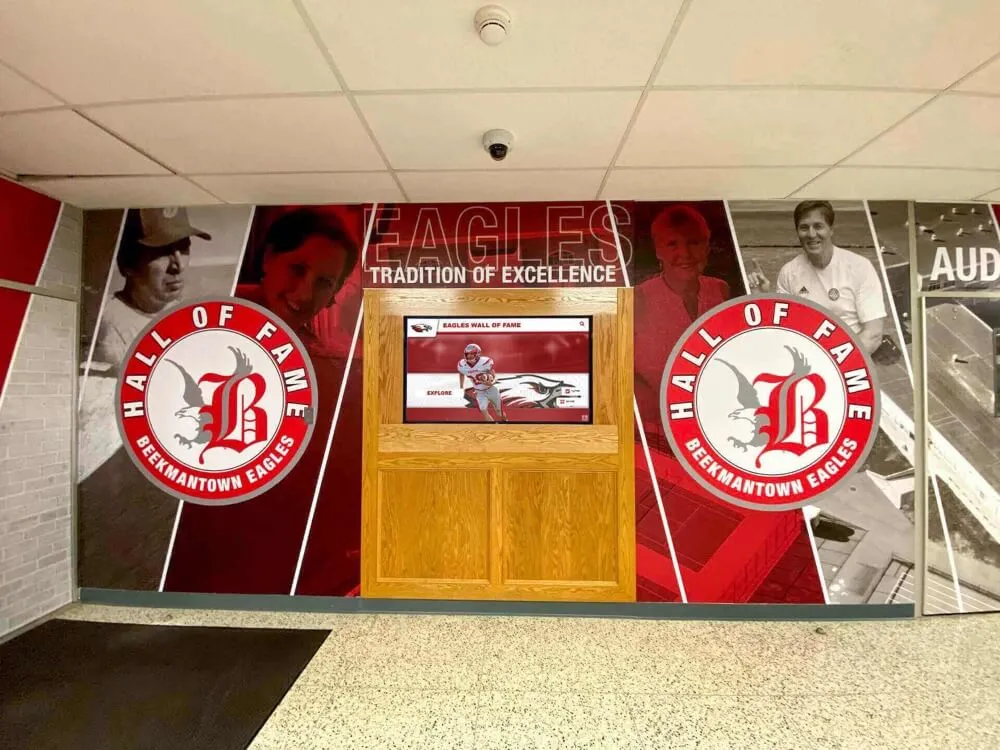
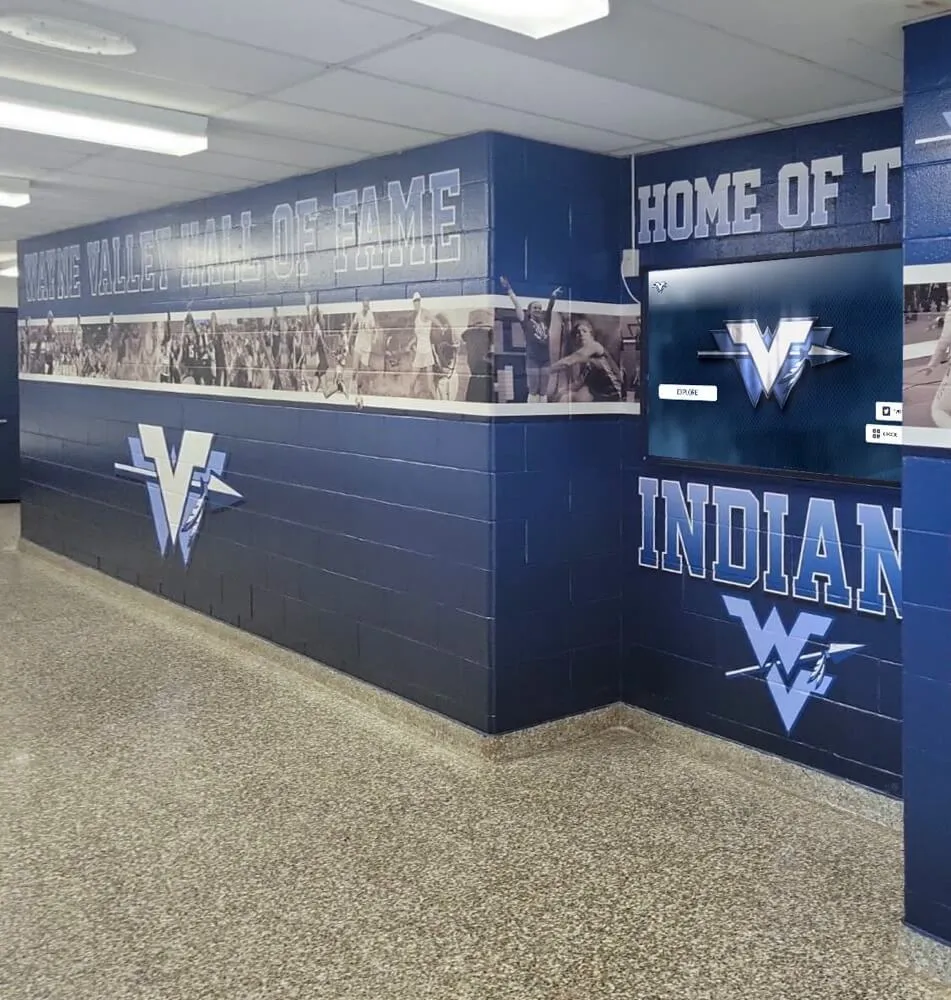
Effective recognition extends beyond social media into permanent campus installations that celebrate achievement daily
Connecting Social Media and Physical Recognition
Content created for social posts shouldn’t disappear after brief feed visibility—schools should repurpose recognition content across multiple touchpoints.
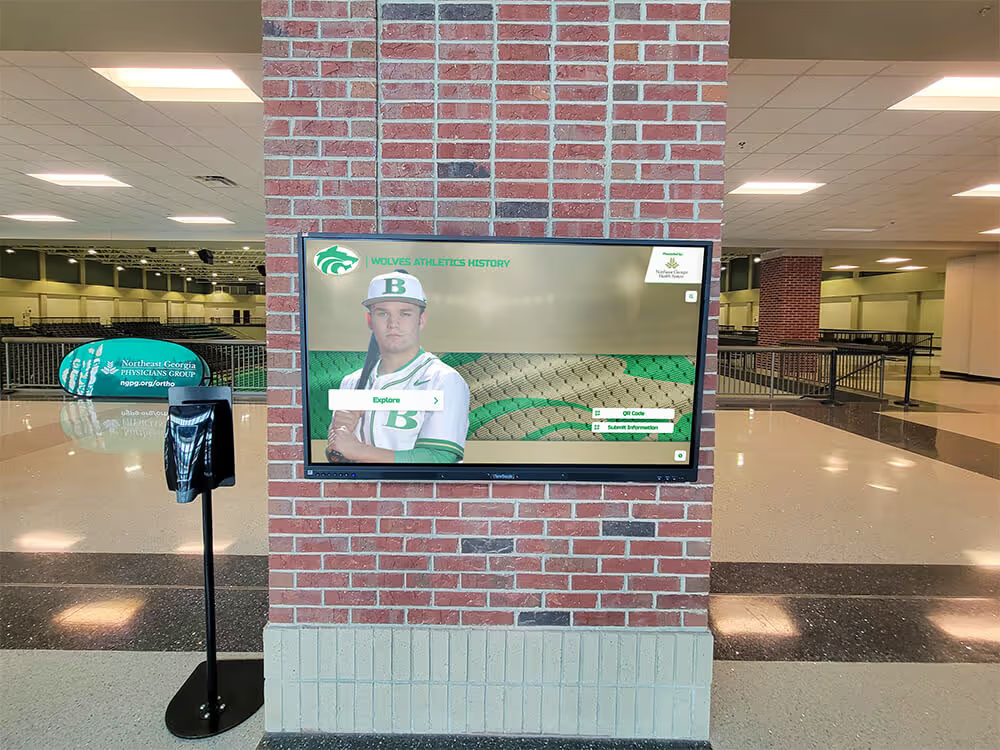
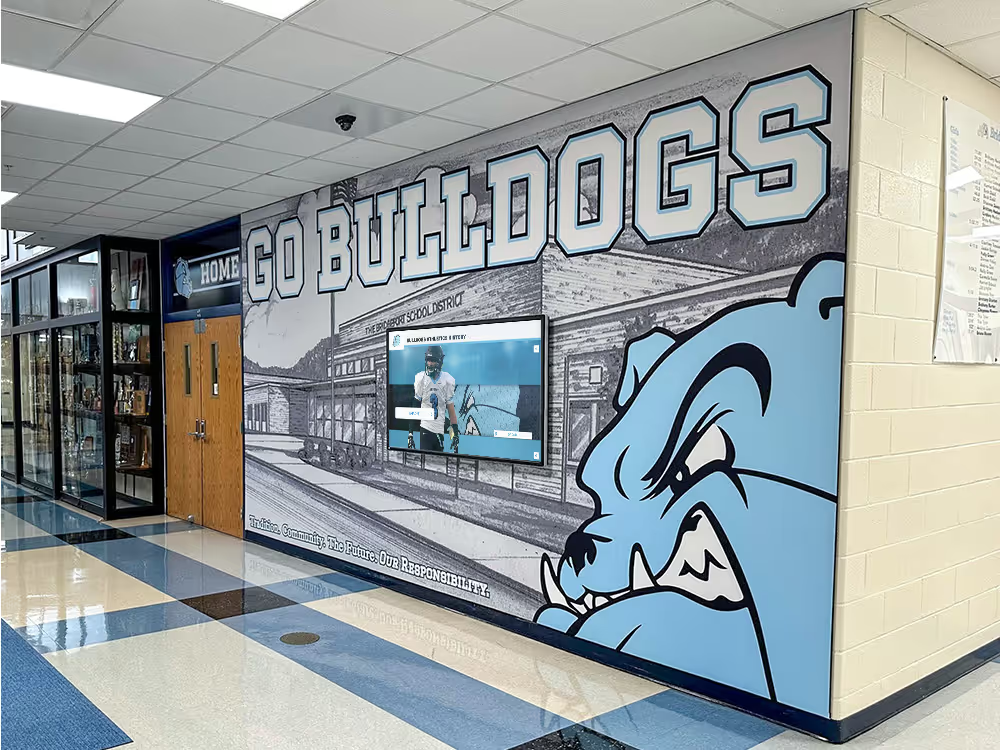
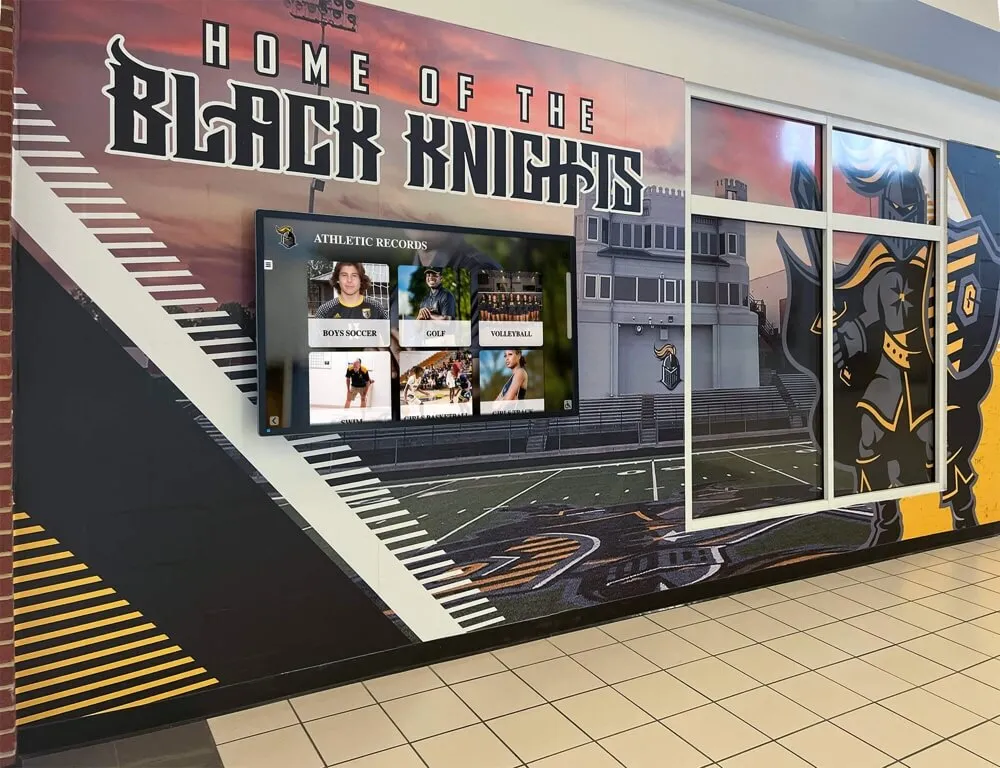
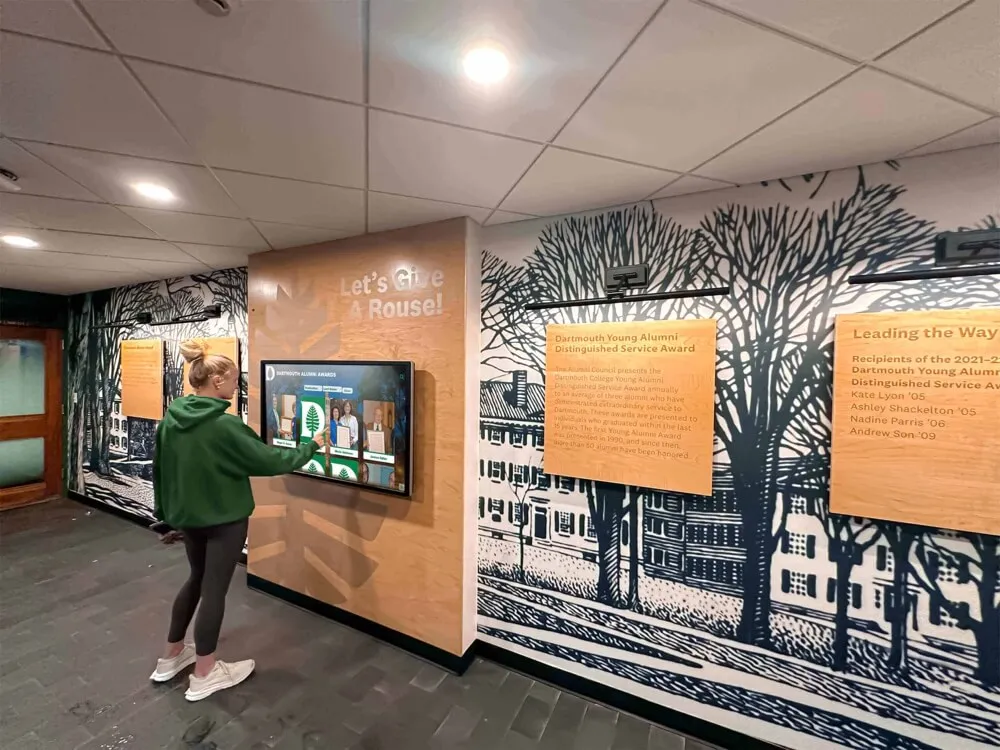
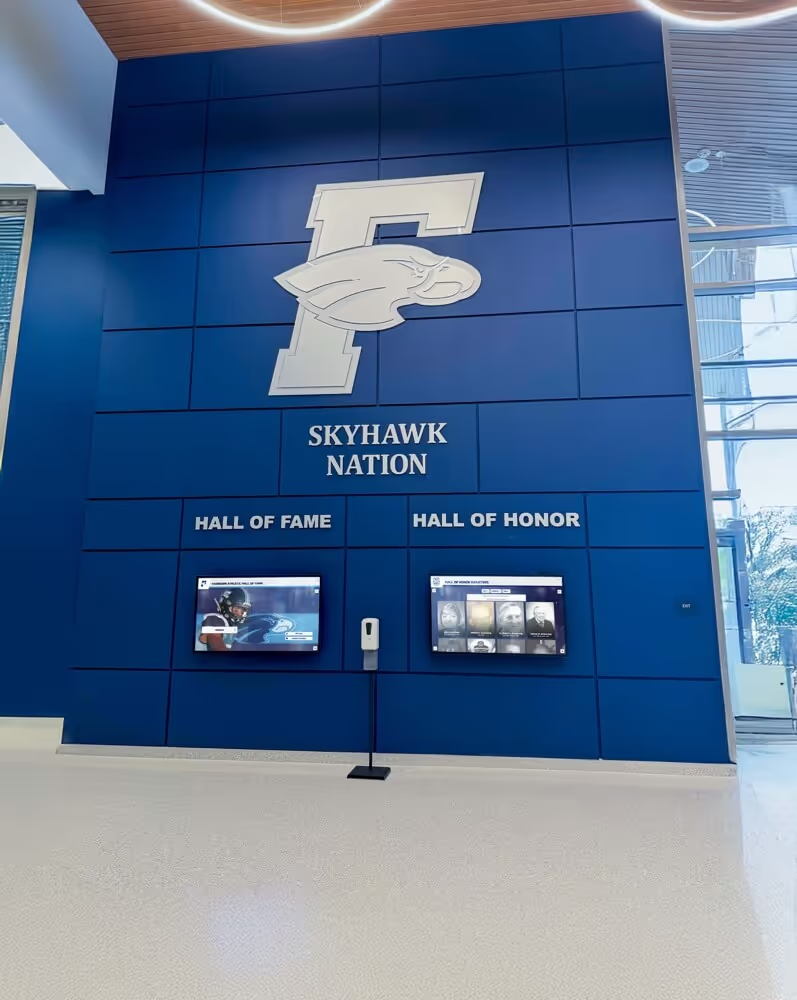
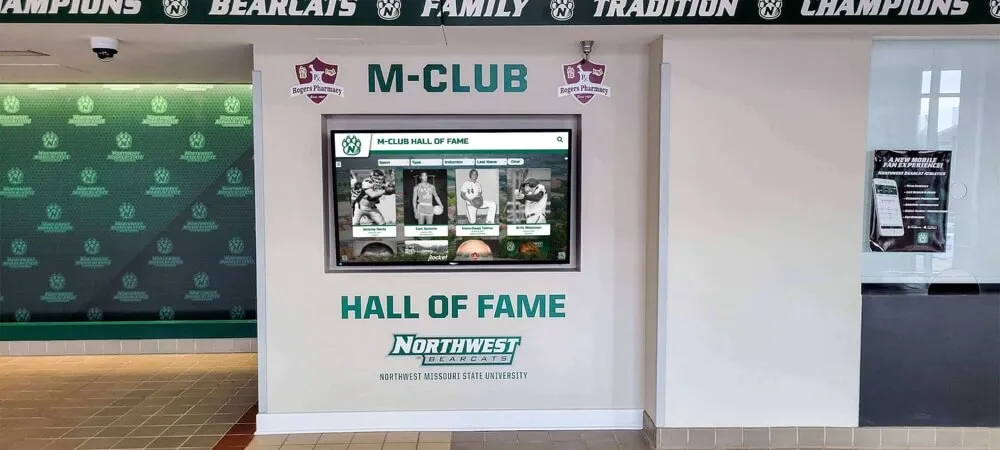
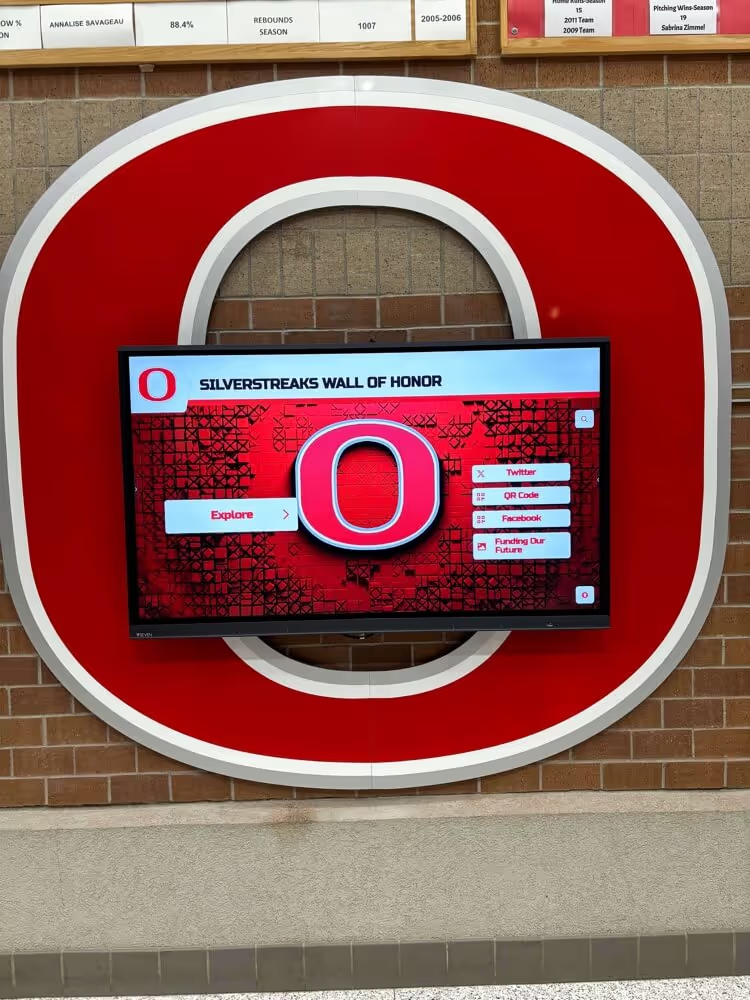
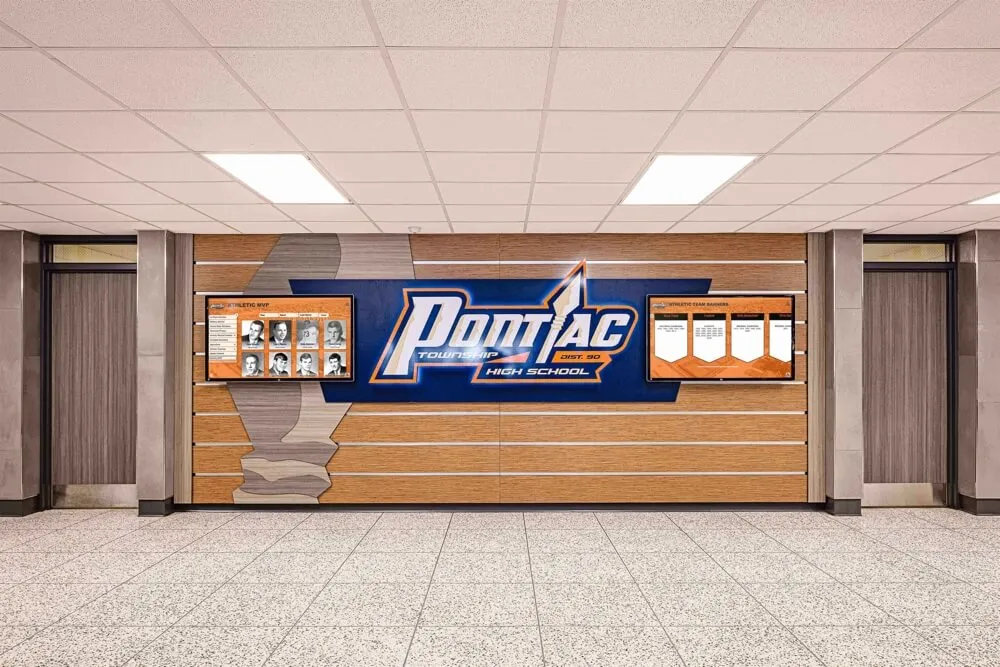
Digital Display Integration - Push social graphics to hallway screens, lobby displays, and cafeteria televisions, extending recognition visibility from momentary social feeds to continuous campus presence.
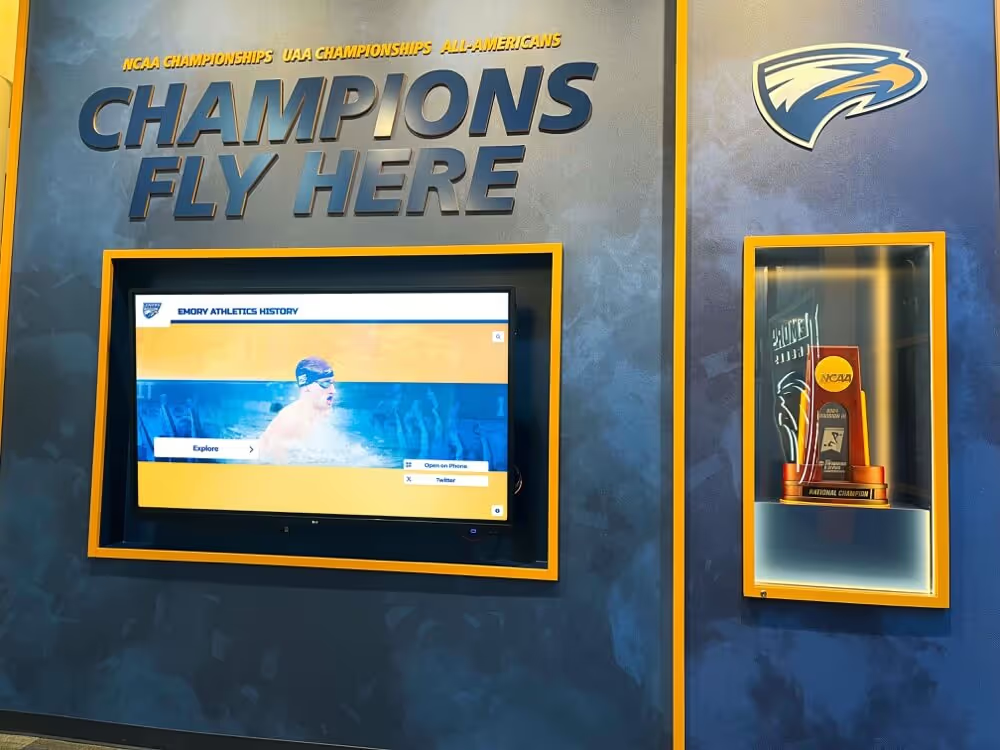
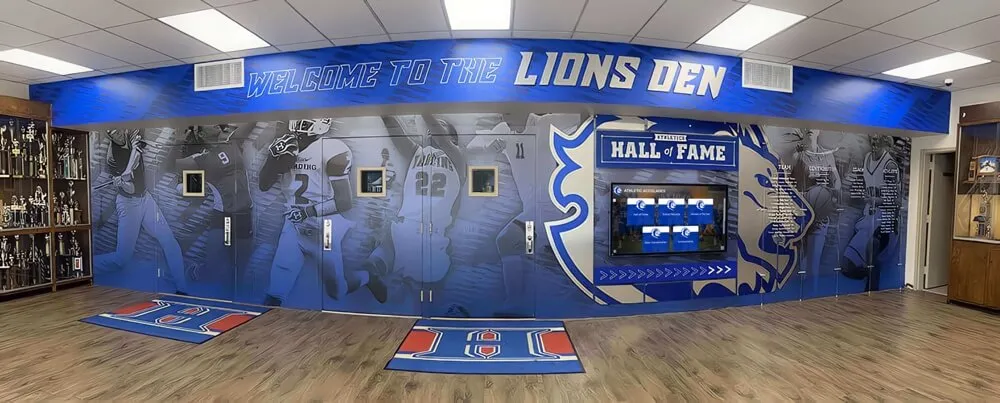
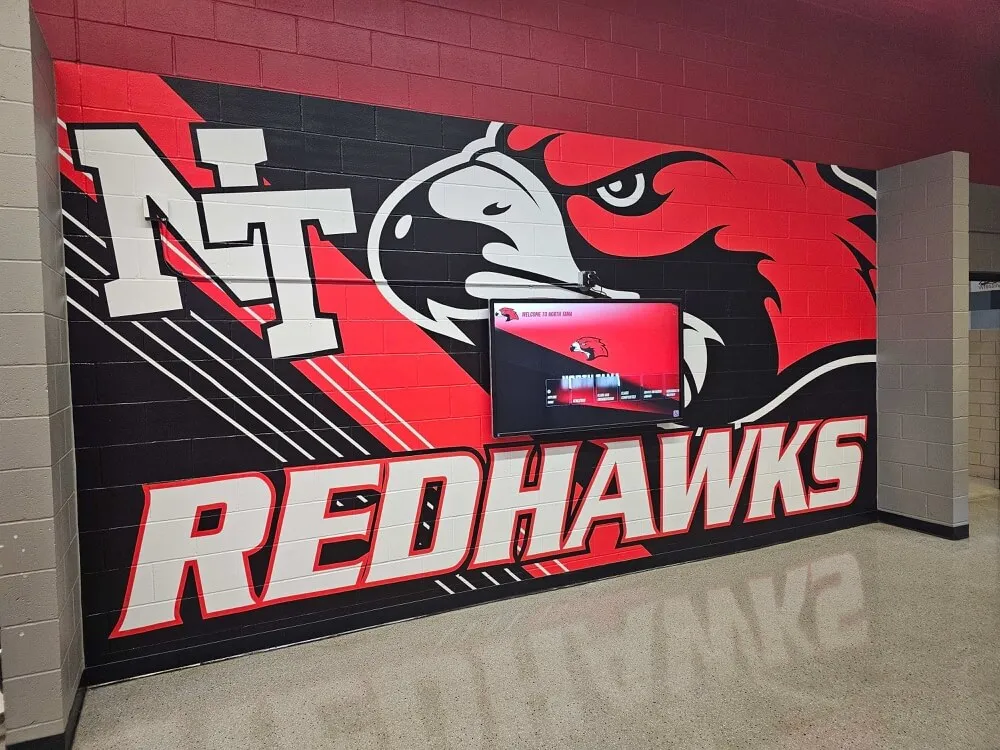
Athletic Facility Recognition Walls - Display athlete spotlights, season highlights, and championship celebrations on permanent installations in gyms, locker rooms, and field houses where teams gather daily.
Digital Yearbook Content - Incorporate social recognition graphics into digital yearbook platforms, preserving moment-in-time celebrations in permanent archives accessible to future alumni and families.
Reception Area Welcome Displays - Showcase student achievements, upcoming events, and program highlights on screens greeting visitors in main offices, demonstrating institutional priorities immediately.
Parent Communication Repurposing - Include graphics created for social media in email newsletters, parent portals, and district communications, maximizing content value across multiple distribution channels.
Schools implementing interactive athletic recognition systems recognize that graphics tools should support both social media and permanent campus installations.
Creating Recognition Programs That Last
Sustainable recognition requires systematic approaches rather than sporadic posting when staff find time.
Content Calendar Development - Plan regular recognition rhythms including weekly athlete spotlights, monthly academic achievement features, and seasonal event promotions ensuring consistent celebration rather than reactive posting.
Multi-Sport Equity Strategies - Establish equitable recognition standards across all sports and activities rather than disproportionately featuring high-profile programs, ensuring all students receive appropriate celebration.
Academic Achievement Parity - Balance athletic recognition with equally prominent academic accomplishments, honor roll celebrations, competition successes, and scholarly achievements demonstrating comprehensive value placement.
Staff and Community Recognition - Extend recognition beyond students to celebrate teachers, coaches, support staff, volunteers, and community supporters whose contributions enable student success.
Historical Archive Building - Preserve recognition content in searchable digital archives rather than allowing social media posts to disappear, creating permanent institutional memory and alumni engagement resources.
Solutions like Rocket Alumni Solutions combine graphics creation tools like Rocket Graphics with permanent digital recognition displays, enabling schools to celebrate achievements both socially and physically through integrated platforms.
Measuring Recognition Impact
Schools investing time in content creation should track metrics demonstrating recognition program value and community engagement.
Social Media Performance Metrics - Monitor post reach, engagement rates, shares, and comments specifically on recognition content to understand what resonates most with community audiences.
Student Morale Indicators - Assess student satisfaction, school pride, and belonging through surveys, noting whether comprehensive recognition correlates with improved school culture metrics.
Alumni Engagement Connection - Track whether students receiving recognition during enrollment maintain stronger alumni connections, participate in reunion events, and engage with institutional communications after graduation.
Parent Satisfaction Measures - Survey family satisfaction with school communications and recognition visibility, understanding whether parents feel their students receive appropriate celebration and acknowledgment.
Recruitment Impact Assessment - Monitor whether improved social media presence and recognition visibility correlates with increased enrollment inquiries, transfer interest, or athletic recruitment attention.
Programs emphasizing student athlete recognition understand that visibility directly impacts team culture, individual motivation, and program reputation.
Getting Started with Rocket Graphics
Schools ready to explore free AI graphics creation can begin immediately without financial commitment or lengthy procurement processes.
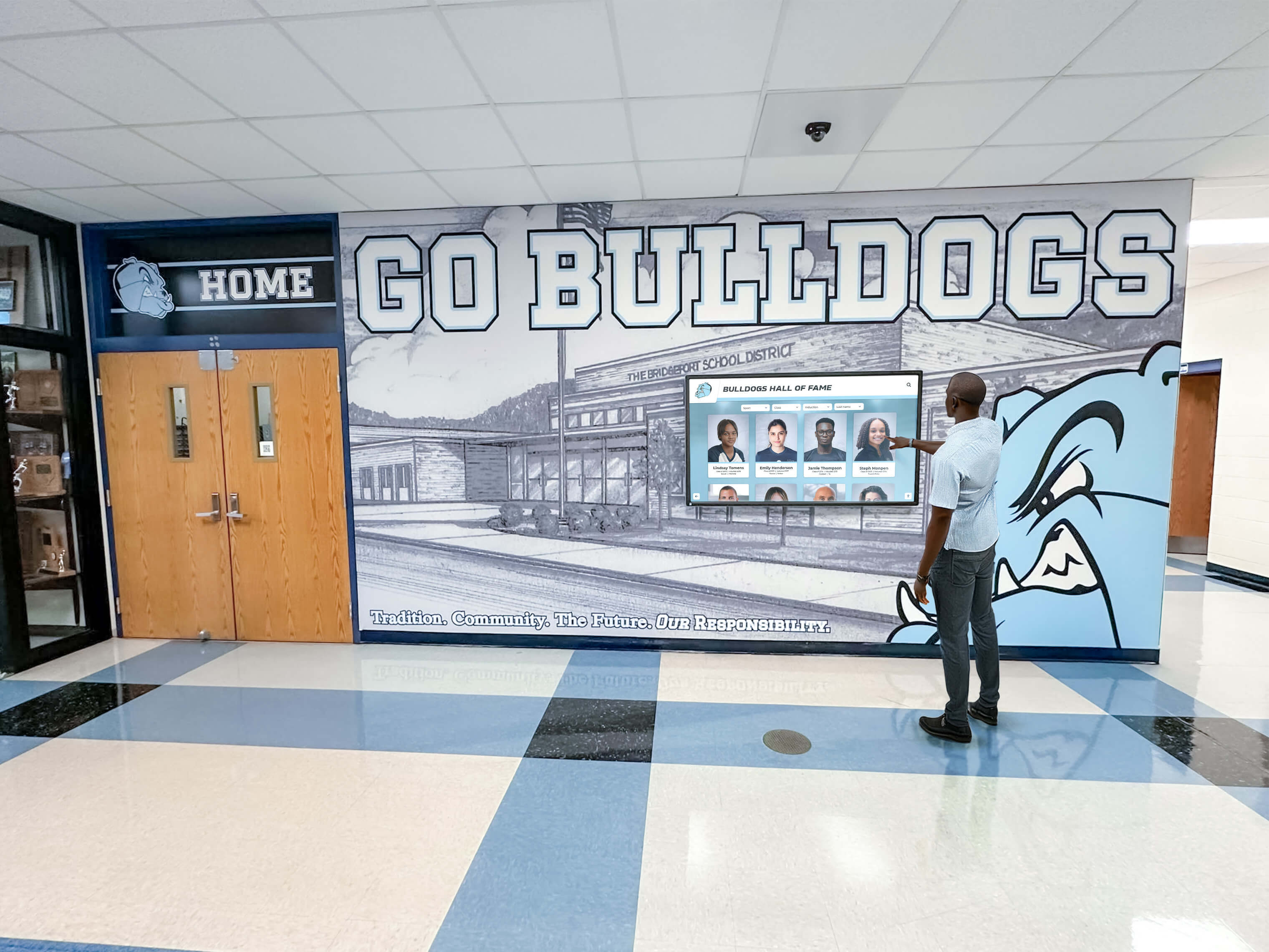
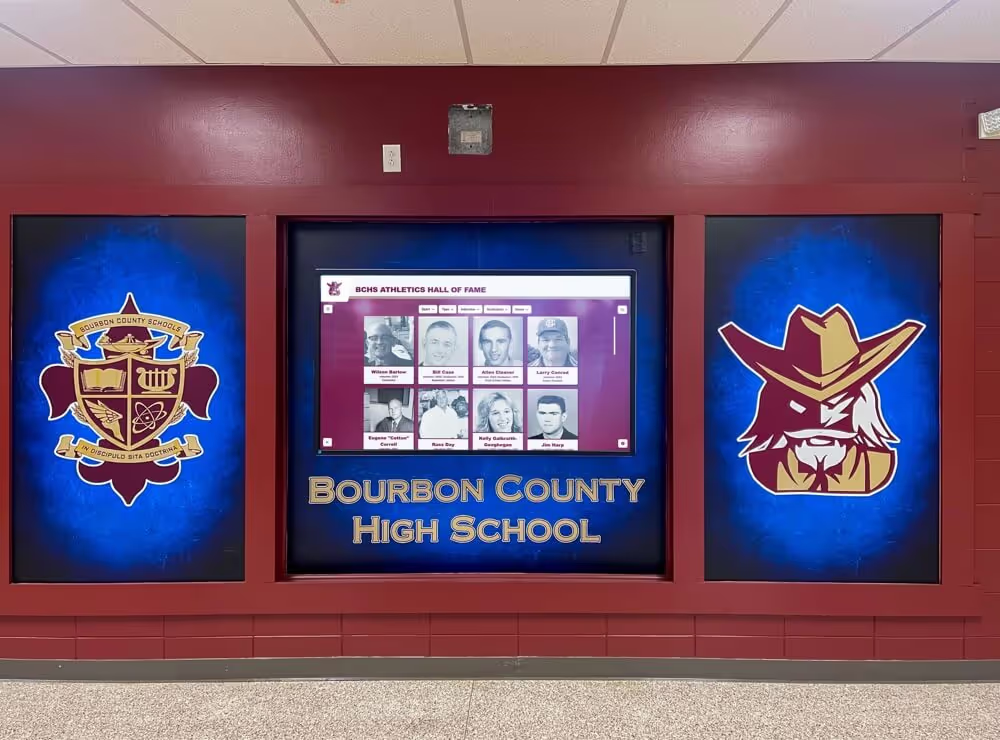
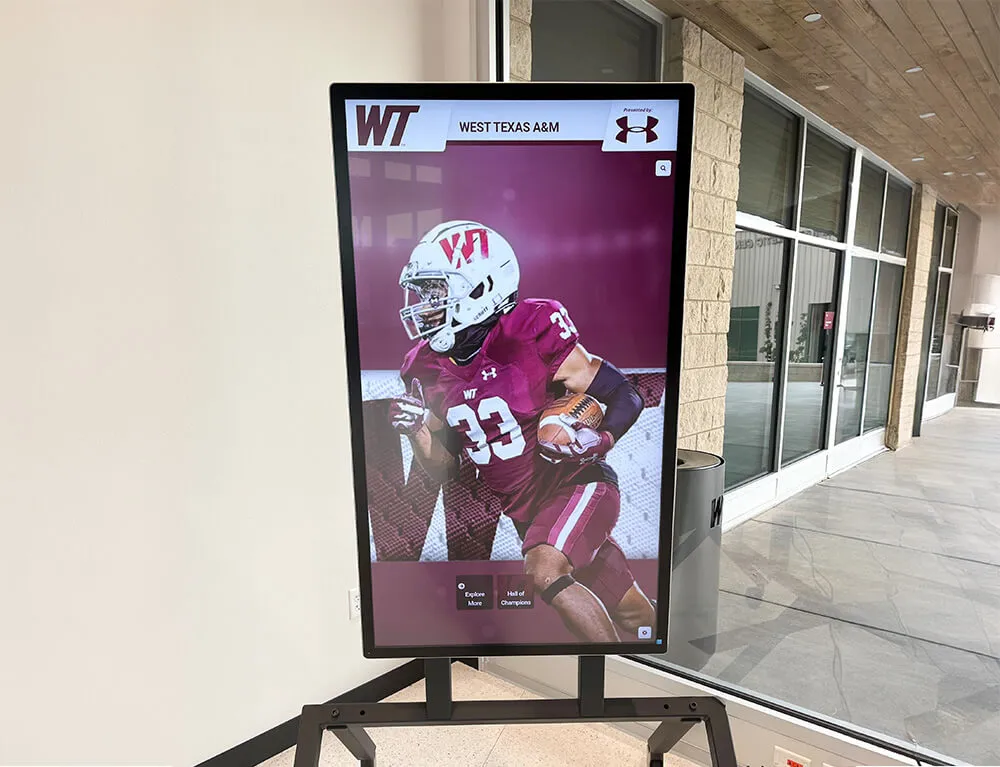
Modern recognition platforms integrate content creation, social media management, and permanent campus displays
Implementation Quick Start
Begin using Rocket Graphics through straightforward setup requiring minimal technical expertise:
Create Free Account - Visit Rocket Graphics and establish accounts for key communications staff, athletic directors, coaches, or teachers who regularly create school content.
Upload Brand Assets - Add school logos, define official color palettes, upload custom fonts if applicable, and establish visual brand standards Rocket will apply automatically to generated content.
Test AI Text-to-Post Creation - Try creating actual needed content through simple text prompts: “Create a football game announcement for Friday night against rival Lincoln High” or “Make a congratulations graphic for our state debate champions.”
Explore Template Library - Browse available templates for athletics, academics, events, and recognition to understand quick-start options when AI generation doesn’t fit specific needs.
Experiment with AI Agents - Test built-in AI assistance for editing, resizing, rewriting, and optimizing content to discover workflow efficiencies beyond initial creation.
Generate Multi-Platform Content - Create single graphics and let Rocket generate optimized versions for Instagram, Facebook, Twitter, newsletters, and digital signage simultaneously.
Integrate Existing Workflows - Connect Rocket-created content to current social media management tools, digital signage systems, newsletter platforms, and website content management as appropriate.
Most schools begin seeing productivity improvements within the first week as staff discover how quickly AI-assisted creation replaces traditional template-hunting and manual-customization workflows.
Training and Adoption Strategies
Successfully adopting new tools requires intentional staff onboarding rather than assuming self-directed learning.
Hands-On Creation Sessions - Gather communications staff, coaches, and frequent content creators for working sessions where everyone creates actual needed graphics under guidance rather than watching passive demonstrations.
Department Pilot Programs - Begin with one athletic program or academic department testing Rocket thoroughly before district-wide rollout, learning implementation lessons and building internal champions.
Workflow Documentation - Create simple quick-reference guides showing common content types and effective AI prompts for typical school graphics needs, reducing learning curve for new users.
Regular Feedback Collection - Gather user input on features, challenges, desired capabilities, and workflow friction points, identifying training opportunities and process improvements.
Success Story Sharing - Highlight time savings, quality improvements, and efficiency gains achieved by early adopters, building organizational enthusiasm and adoption motivation across remaining staff.
Districts implementing comprehensive digital recognition strategies recognize that tools work only when staff understand and embrace new workflows.
The Future of School Communications Technology
Understanding current graphics platform capabilities helps, but recognizing emerging trends positions schools for long-term success.
AI Integration Acceleration
Artificial intelligence will continue transforming school communications beyond graphics creation into comprehensive content assistance:
Automated Content Planning - AI systems suggesting optimal posting schedules, content types, and recognition opportunities based on school calendars, past engagement, and community preferences.
Automated Caption Writing - Automated caption generation with appropriate tone, hashtags, and calls-to-action saving writing time while maintaining engagement quality.
Performance Optimization - AI analyzing which content performs best with specific audiences, recommending design improvements, timing adjustments, and format variations.
Multi-Language Translation - Automatic content translation enabling schools with diverse communities to celebrate students in multiple languages without manual translation work or additional expense.
Accessibility Enhancement - AI-driven alt text generation, color contrast checking, and readability optimization ensuring all content meets accessibility standards automatically.
Schools adopting AI tools now build organizational comfort with artificial intelligence that will increasingly permeate all educational technology categories.
Unified Recognition Platforms
Future school technology will integrate currently-separate systems into comprehensive recognition ecosystems:
Social + Physical Integration - Platforms combining social media content creation with digital display management, ensuring consistent messaging across all channels from single creation sources.
Recognition + Archives - Systems connecting moment-in-time recognition with permanent historical archives, building institutional memory while celebrating current achievements.
Communication + Analytics - Tools providing sophisticated engagement analytics alongside content creation, demonstrating recognition impact through data rather than assumptions.
Internal + External Audiences - Platforms serving both community social audiences and on-campus recognition needs without requiring separate content creation for different distribution channels.
The distinction between graphics tools, social media management, digital signage, and recognition displays will blur as integrated platforms emerge serving complete communications workflows rather than isolated functions.
Ready to eliminate graphics software subscription costs while accessing more capable AI content creation? Explore Rocket Graphics and discover how free tools are transforming school communications. Or talk to our team to learn how Rocket’s comprehensive recognition platform combines graphics tools with permanent digital displays celebrating student achievement.
Comparison Disclosure and Trademark Notice
This comparison is based on publicly available information as of May 2026. All product names and trademarks belong to their respective owners. Comparative statements reflect Rocket Alumni Solutions’ interpretation of available data and may change over time.
All trademarks are property of their respective owners. Rocket Alumni Solutions is not affiliated with or endorsed by Gipper.
This content was produced by or on behalf of Rocket Alumni Solutions.