



Intent: Transform & Engage — This comprehensive guide shows high school athletic departments and basketball programs how interactive touchscreen displays enhance game day experiences by celebrating player achievements in real-time, engaging fans with interactive content during pre-game and halftime, showcasing comprehensive team history and records, and building the energized atmosphere that transforms ordinary games into memorable community events.
Walk into any high school gymnasium on game night and you’ll find familiar patterns: static championship banners hanging from rafters, printed programs listing basic rosters, announcements delivered over crackling PA systems, and trophy cases gathering dust in empty hallways far from the action. Meanwhile, fans arrive early but have limited ways to engage with team history before tip-off, halftime breaks offer few entertainment options beyond concession stands, player achievements receive minimal recognition beyond brief announcements, and opportunities to build excitement and school pride remain largely untapped.
Rocket Alumni Solutions interactive touchscreen displays revolutionize high school basketball game experiences by creating dynamic recognition hubs positioned strategically in gymnasium lobbies and concourse areas where fans naturally gather. These engaging displays transform pre-game arrivals into discovery experiences as spectators explore player profiles and season statistics, energize halftime periods with interactive challenges and historical content, provide real-time recognition updating throughout games as players hit milestones, and create lasting impressions connecting casual attendees with program tradition and excellence.
This guide explores how high school basketball programs can leverage Rocket Alumni Solutions touchscreen technology to elevate game day atmospheres, strengthen fan engagement, celebrate player achievements more effectively, and build the vibrant basketball culture where every game becomes an opportunity to showcase program excellence while creating memories extending far beyond final scores.
The integration of interactive touchscreen displays into high school basketball game day operations represents more than technological upgrade—it creates fundamental transformation in how programs celebrate achievements, engage communities, and build lasting traditions that strengthen athletic programs competitively and culturally.

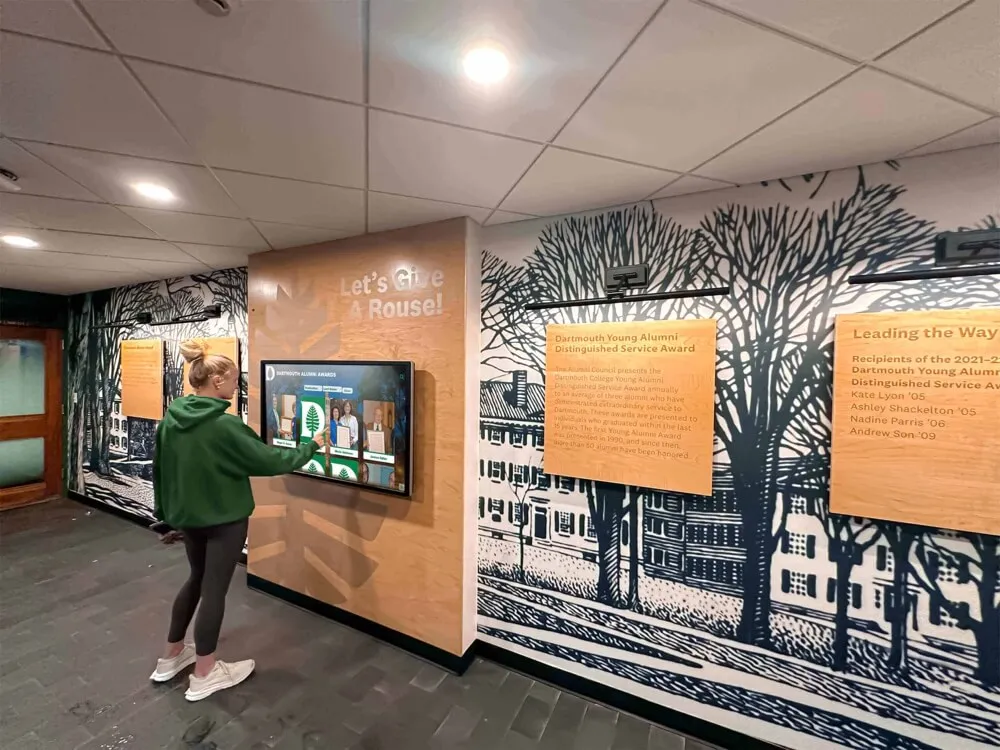
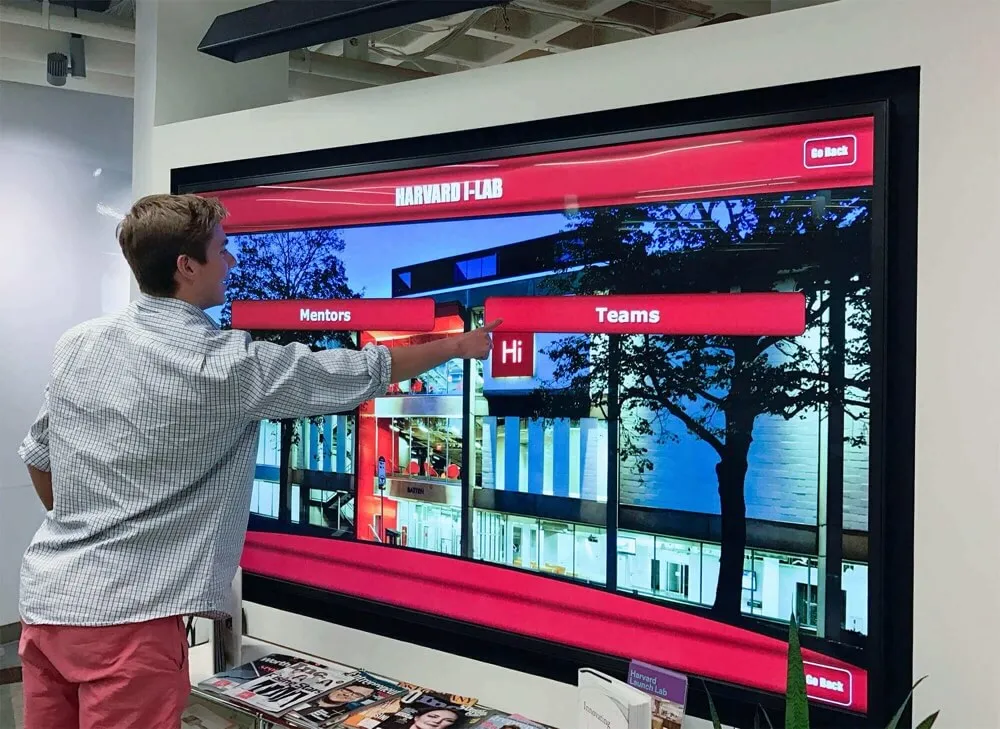
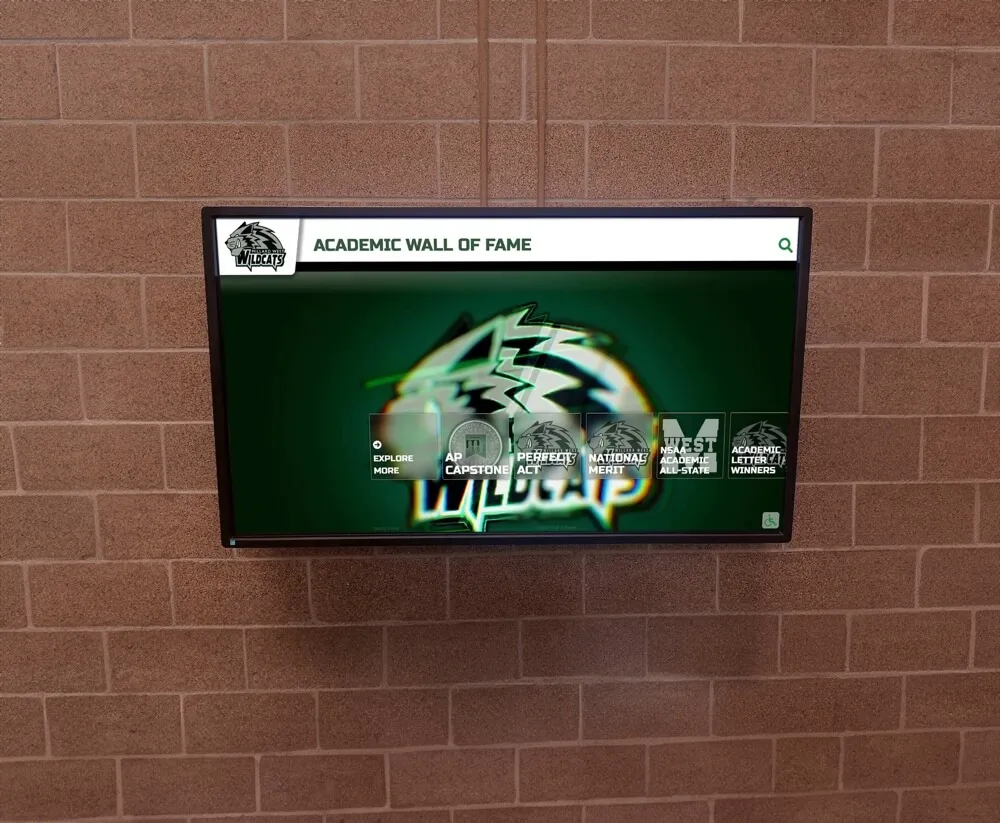
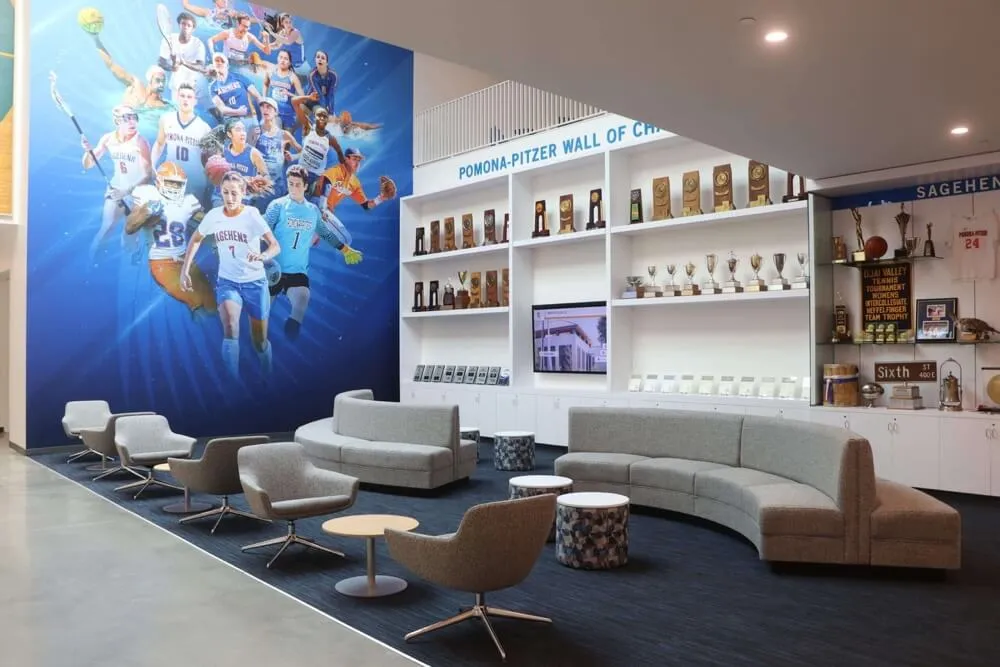
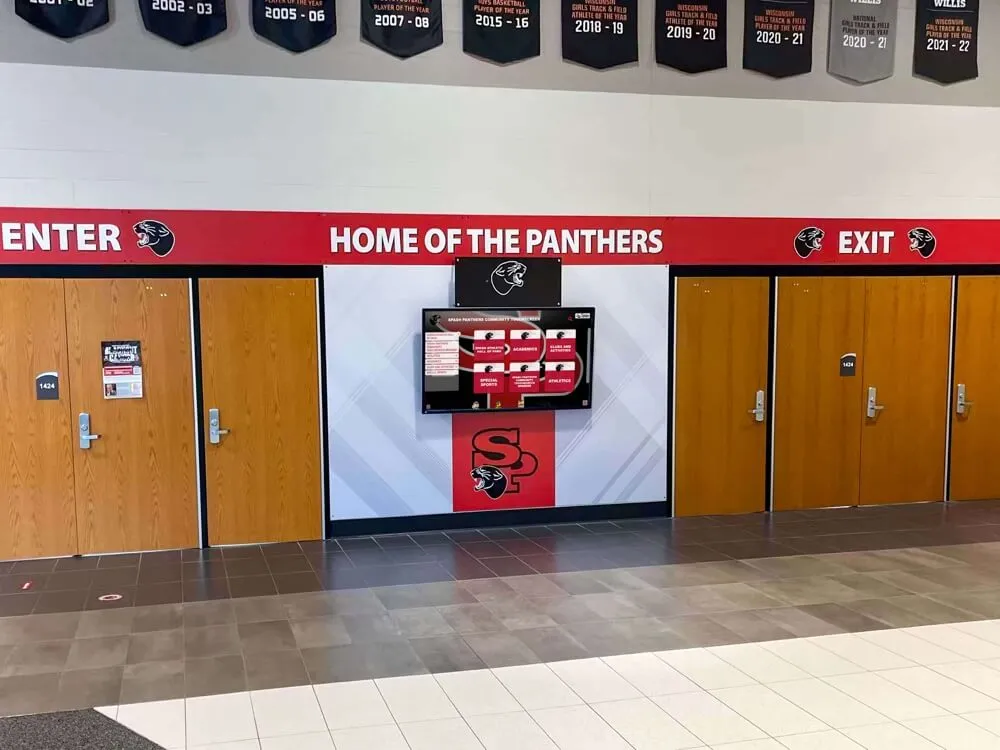
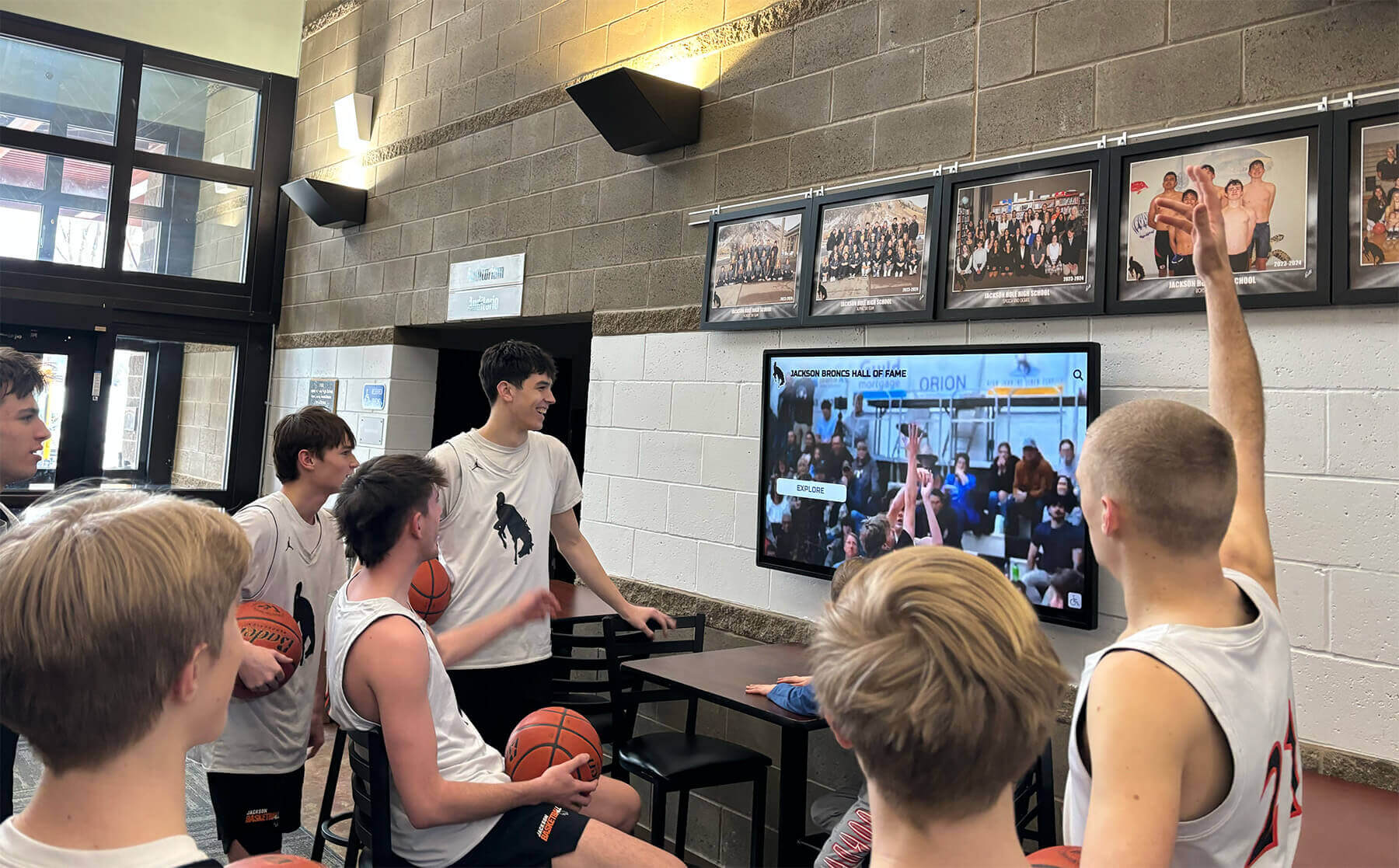
Interactive touchscreen displays positioned in gymnasium lobbies create natural gathering points where players and fans explore achievements, watch highlights, and build excitement before games begin
The Evolution of Game Day Recognition in High School Basketball
Understanding how basketball recognition has traditionally functioned during games reveals why interactive technology creates such transformative impact for modern programs.
Traditional Game Day Recognition Methods
High school basketball programs have long used familiar approaches to celebrate achievements during games:
Static Championship Banners Championship banners hanging from gymnasium rafters represent the most visible traditional recognition method. These fabric banners commemorate team accomplishments including conference championships, regional tournament victories, state championship appearances, and state titles. While banners create impressive visual atmosphere in gymnasiums, they face significant limitations—providing no detailed information about championship teams, remaining unchanged throughout games regardless of current action, offering no interactive exploration of historical context, and accumulating over decades until gymnasiums run out of hanging space.
Printed Game Programs Many programs distribute paper programs at games featuring basic rosters, season schedules, senior player recognition, and local business advertisements. These programs provide useful reference information but lack engagement features—they can’t update with real-time statistics, provide no multimedia content like video highlights, offer limited space constraining recognition depth, and most get discarded after games end rather than creating lasting connections.
PA Announcements and Manual Scoreboards Public address announcers deliver player introductions, scoring updates, and milestone recognition throughout games. Manual or basic digital scoreboards show essential game information. While functional, these traditional methods provide minimal context—announcements are fleeting with no permanent record, scoreboards show only current game statistics without historical comparison, and recognition remains limited to what can be conveyed verbally during brief game pauses.
Schools implementing comprehensive athletic recognition systems discover that traditional methods, while meaningful, barely scratch the surface of recognition possibilities that modern technology enables.
How Interactive Touchscreens Transform Game Day
Rocket Alumni Solutions touchscreen displays overcome traditional limitations while expanding game day possibilities:
Pre-Game Fan Engagement Interactive displays positioned in gymnasium lobbies and concourse areas create engagement opportunities during the critical 30-45 minutes when fans arrive before tip-off. Rather than standing idly or immediately finding seats, spectators naturally gravitate to touchscreens where they can search for current players and explore detailed profiles with photos and statistics, discover team records and compare current season performance with historical benchmarks, watch highlight videos from previous games and championship seasons, explore opponent history and head-to-head series records, and participate in interactive trivia challenges testing basketball knowledge.
This pre-game engagement serves multiple purposes—building excitement and energy before games begin, educating casual fans about program history and current team strengths, creating social gathering points where fans discuss content they discover, and setting positive tone emphasizing program excellence and tradition.
Real-Time Recognition During Games Modern touchscreen systems can integrate with game management software to provide dynamic content updating throughout games. As players reach significant milestones during games—1,000th career point, school records broken, exceptional performances exceeding statistical thresholds—displays can automatically update to celebrate achievements instantly. This real-time capability ensures recognition happens when excitement peaks rather than weeks later when momentum fades.
Athletic directors implementing interactive digital displays for basketball report that immediate milestone recognition visible to entire gymnasium communities creates powerful motivation for current players while demonstrating program commitment to honoring every achievement.
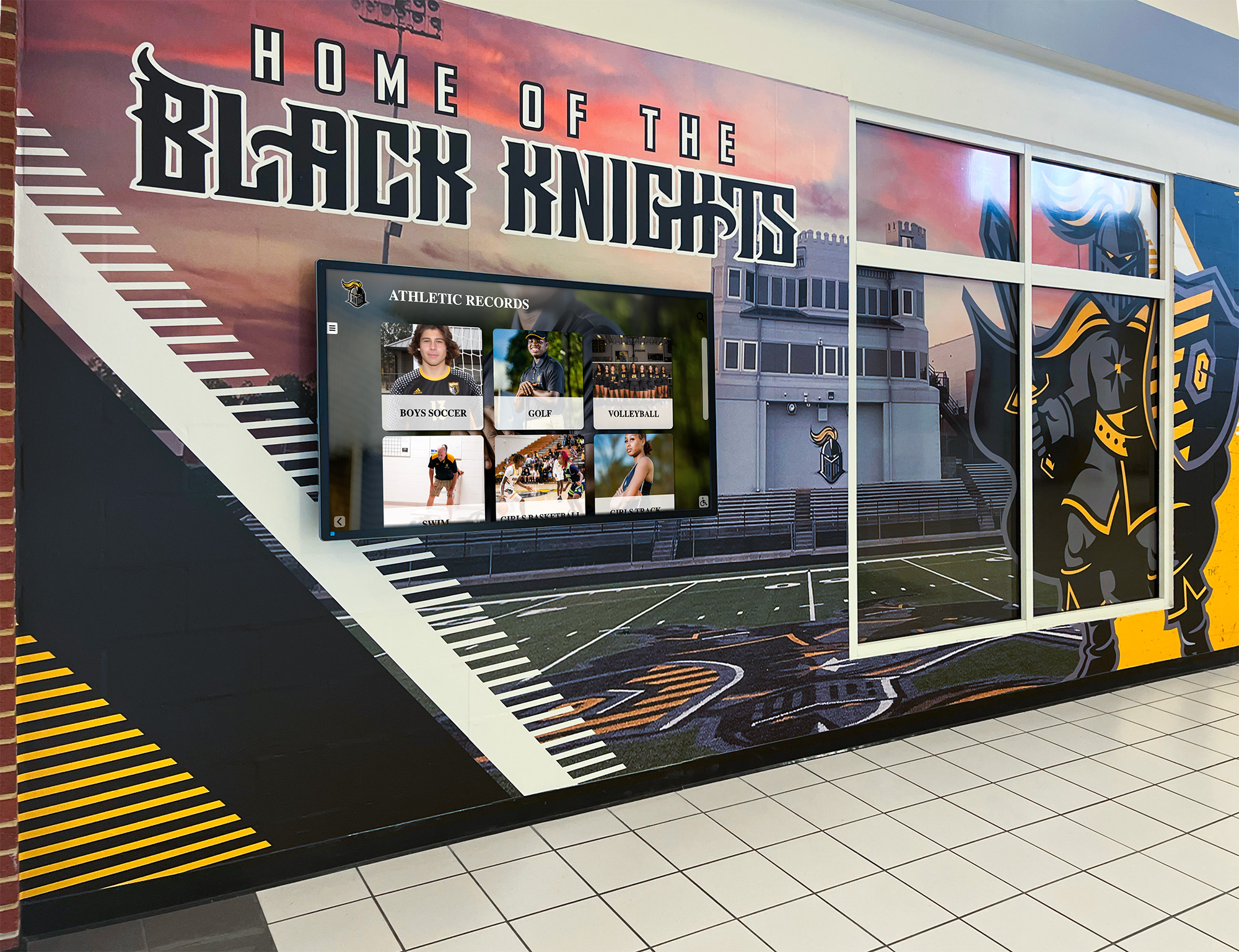
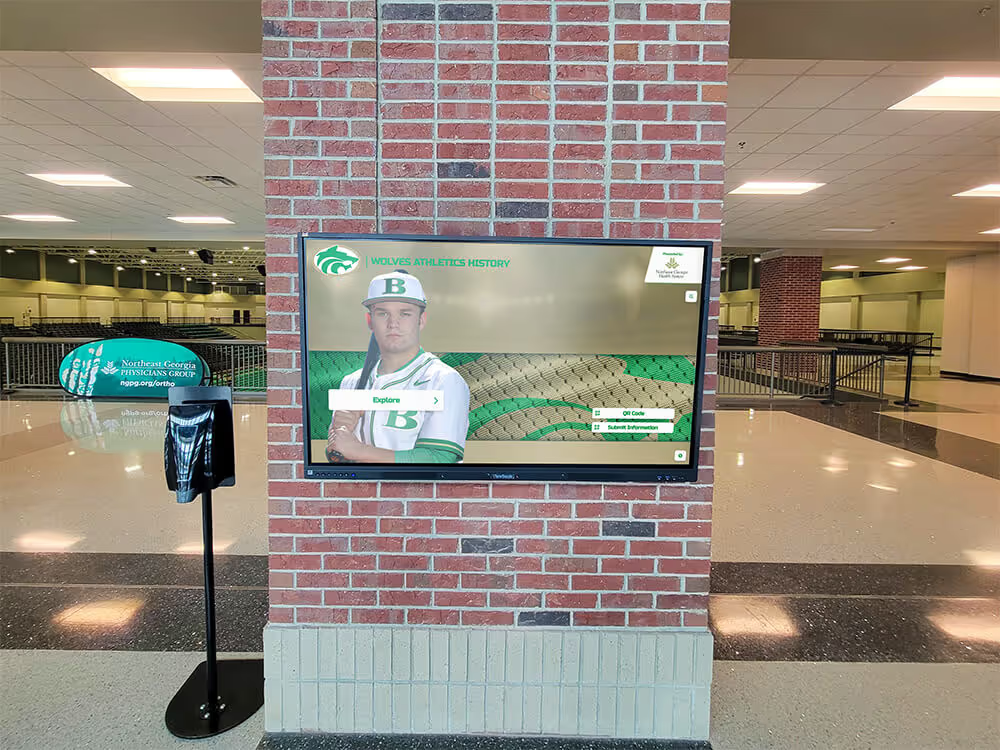
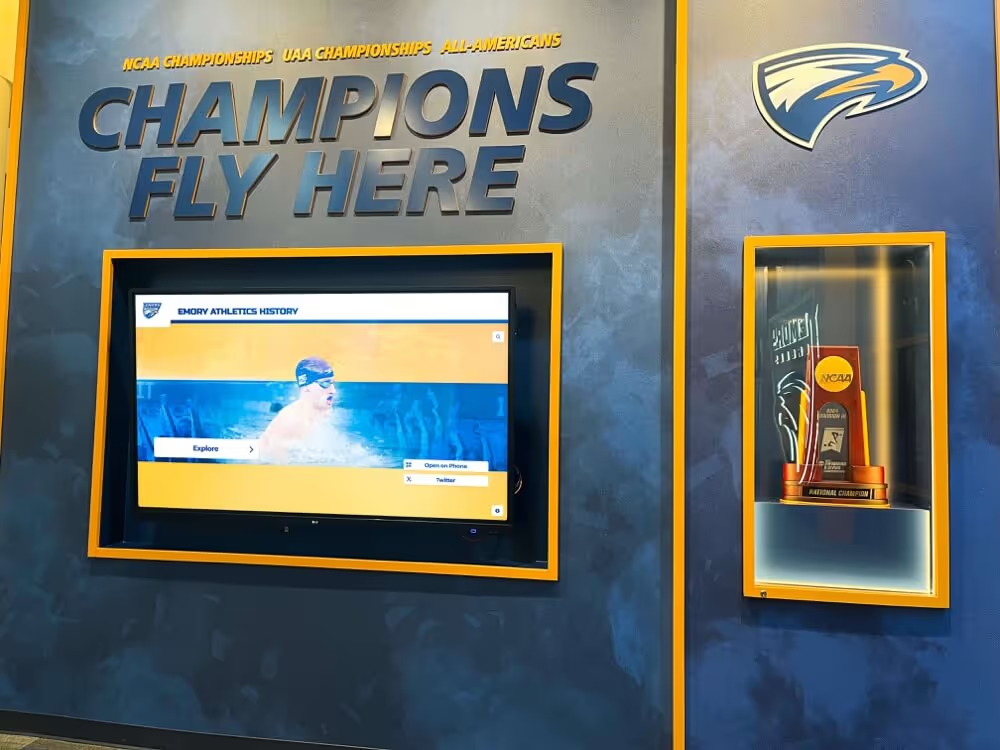
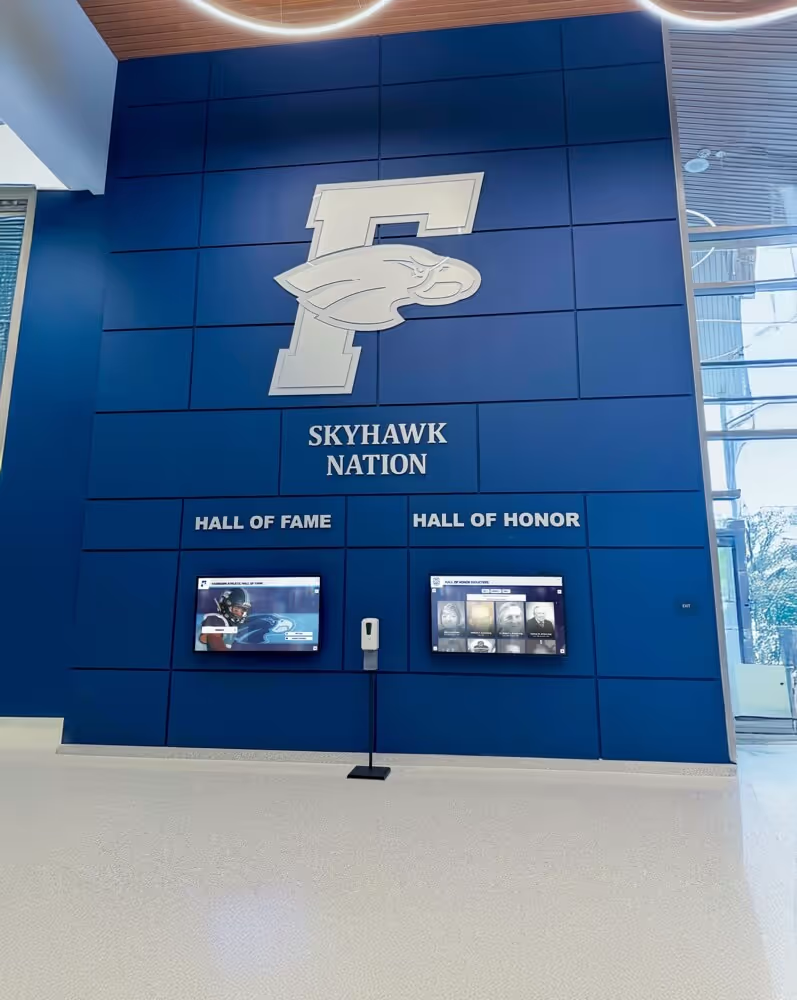
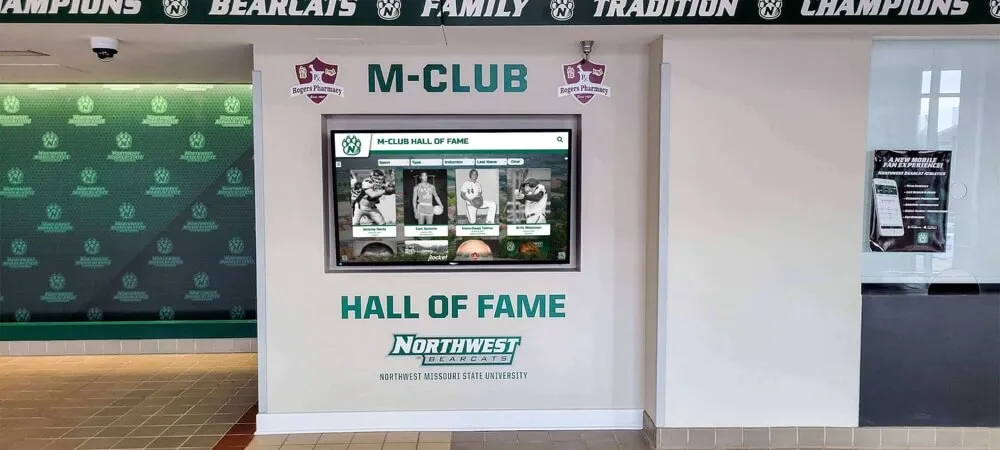
Strategic placement near gymnasium entrances ensures fans encounter recognition displays naturally as they arrive, maximizing engagement while reinforcing program tradition and excellence
Halftime Entertainment and Engagement The typical 10-15 minute halftime period presents valuable but often underutilized opportunity for fan engagement. Interactive touchscreen displays transform halftime from passive waiting into active entertainment. Fans can participate in digital challenges recognizing historical players and moments, explore “where are they now” updates about program alumni, watch curated highlight compilations from memorable games, compare current team statistics with previous seasons, and discover upcoming program events and recognition ceremonies.
This halftime engagement keeps fans in seats and engaged with program rather than spending entire break at concession stands or outside gymnasium. Programs report that quality halftime content significantly improves overall game atmosphere and fan satisfaction.
Post-Game Celebration and Documentation After games conclude, winning teams and standout performers deserve immediate recognition. Touchscreen displays can showcase game statistical leaders, highlight exceptional individual performances, update season statistical rankings, celebrate team victories with appropriate graphics and messages, and provide instant highlights from games just completed.
This immediate post-game recognition capitalizes on peak excitement while fans remain present, creating shareable moments that extend program visibility through social media as attendees photograph and share display content celebrating victories.
Core Benefits of Touchscreen Displays at Basketball Games
Integrating Rocket Alumni Solutions interactive displays into game day operations delivers measurable advantages across multiple stakeholder groups within basketball programs and school communities.
Enhanced Fan Experience and Engagement
Game day atmosphere significantly influences whether community members become regular supporters or occasional attendees:
Arrival Experience Improvement First impressions matter profoundly in creating positive game day experiences. When fans enter gymnasiums and immediately encounter professional, engaging touchscreen displays showcasing program excellence, they receive powerful messages about program quality and commitment to honoring achievements. This positive first impression sets tone for entire game experience.
Schools with prominent lobby displays report that visitors—including prospective students, opposing team supporters, and first-time attendees—consistently comment on recognition quality as memorable game day element distinguishing their programs from competitors.
Multi-Generational Appeal Effective fan engagement must appeal to diverse age groups attending games together. Interactive touchscreen displays naturally accommodate multi-generational families—younger children enjoy touch interaction and visual content, teenagers appreciate technology integration and social sharing features, parents value seeing their athletes recognized and celebrated, and grandparents enjoy exploring historical content connecting to eras when they attended games.
This broad appeal makes touchscreen displays valuable community gathering points where families with varied interests all find engaging content rather than feeling bored during pre-game waiting periods.
Programs implementing comprehensive basketball recognition discover that quality recognition infrastructure significantly impacts community support, attendance trends, and overall program health beyond just winning percentages.
Extended Engagement Beyond Game Duration Traditional game day experiences begin at tip-off and end with final buzzer. Interactive displays extend engagement windows substantially—encouraging early arrivals to explore content before games start, providing entertainment during halftime maintaining gymnasium energy, and creating post-game gathering points for celebration and reflection.
This extended engagement increases overall time fans spend in gymnasium environments, which correlates with stronger program connections, higher concession revenue, and improved booster club participation.
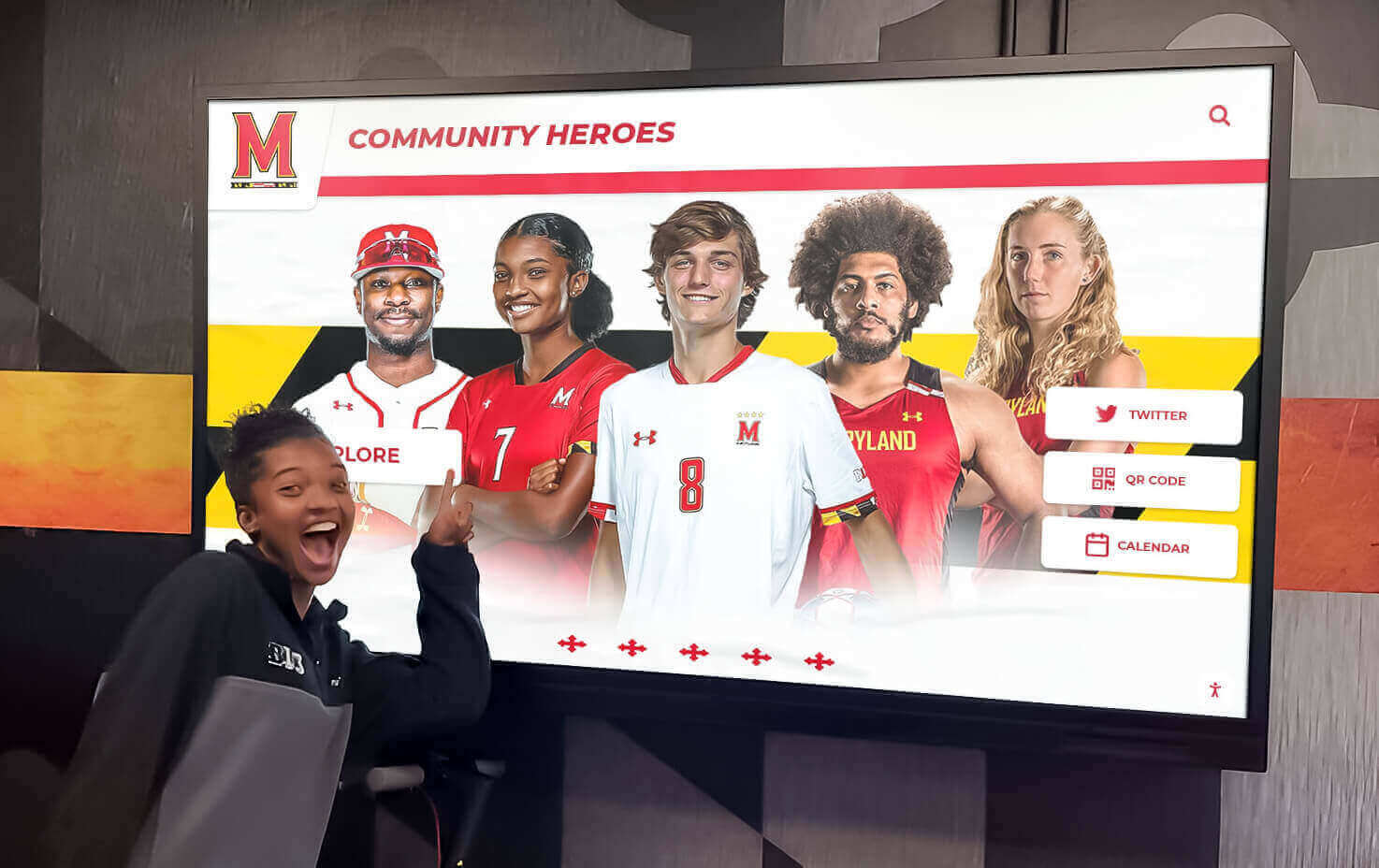
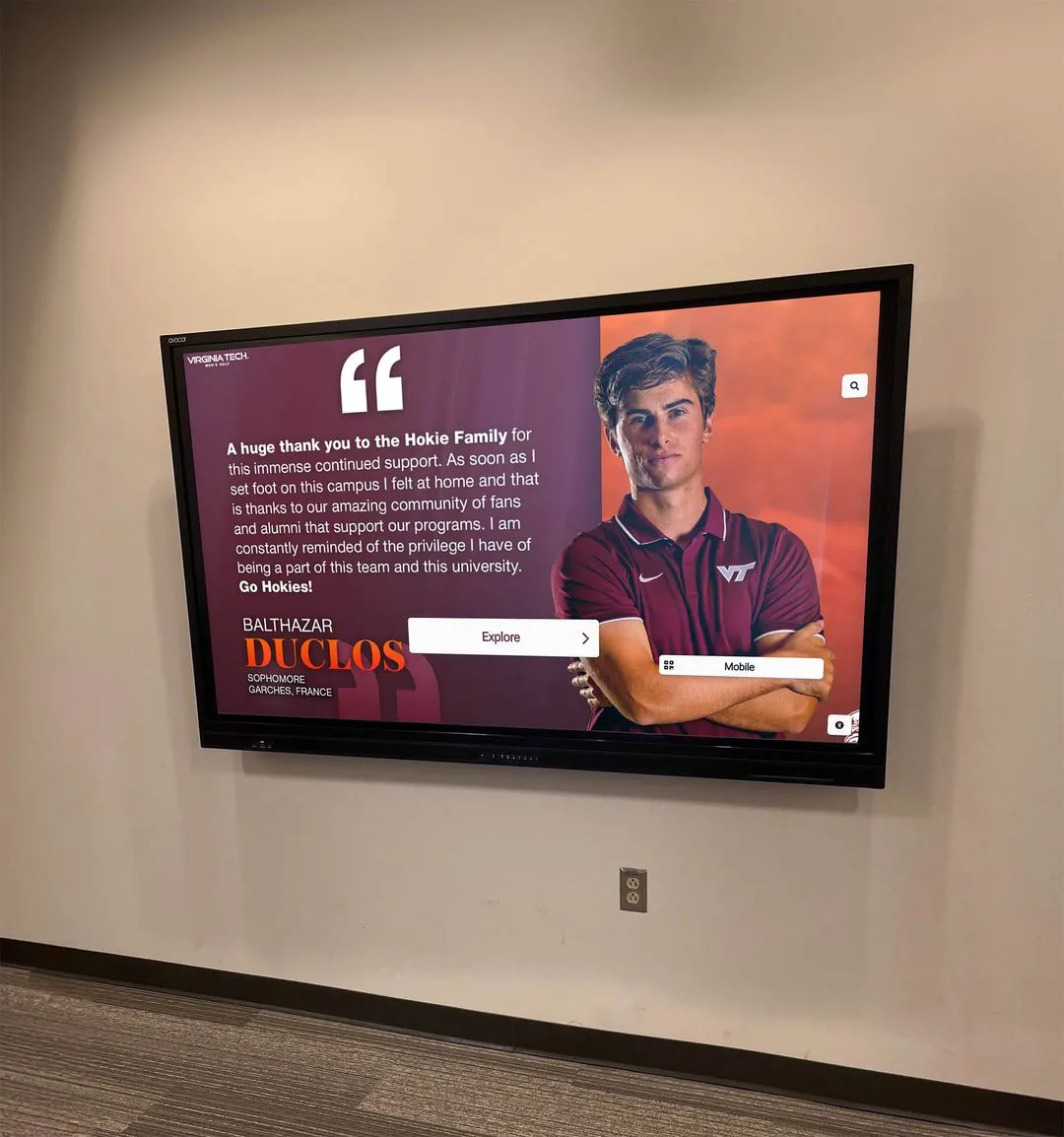
Players gain motivation and pride seeing their achievements prominently displayed where teammates, opponents, families, and entire school communities recognize their dedication and excellence
Player Recognition and Motivation
Basketball players represent primary stakeholders whose experiences should drive recognition decisions:
Visible Achievement Celebration Players dedicate countless hours to basketball excellence—early morning practices, after-school training, weekend tournaments, and year-round skill development. When achievements result from this dedication receive prominent, permanent recognition visible during games, players gain powerful validation that their work matters and receives appreciation.
Interactive displays ensure recognition extends beyond brief PA announcements that many fans miss. Every player can see their profile, statistics, and accomplishments showcased professionally where entire gymnasium communities encounter them. This visibility creates lasting pride and motivation transcending individual games.
Family Pride and Sharing Parents and extended families attending games to support student-athletes take tremendous pride in seeing their children recognized prominently. Interactive displays create natural photography opportunities where families capture images of players exploring their own profiles and achievements. These shareable moments extend program visibility as families post recognition content to social media, creating organic marketing and community pride building.
Schools report that parent satisfaction with recognition quality significantly influences booster club participation, volunteer support, and overall athletic program advocacy within broader communities.
Peer Recognition and Team Culture Prominent recognition during games ensures achievements gain acknowledgment not just from adults but from peer groups that often matter most to high school students. When teammates, classmates, and friends see accomplishments displayed professionally at games, social recognition reinforces athletic achievement value while strengthening team culture celebrating individual excellence within collective success.
Programs implementing comprehensive player recognition systems report improved team cohesion, reduced transfer rates, and enhanced athlete satisfaction compared to programs offering minimal recognition infrastructure.

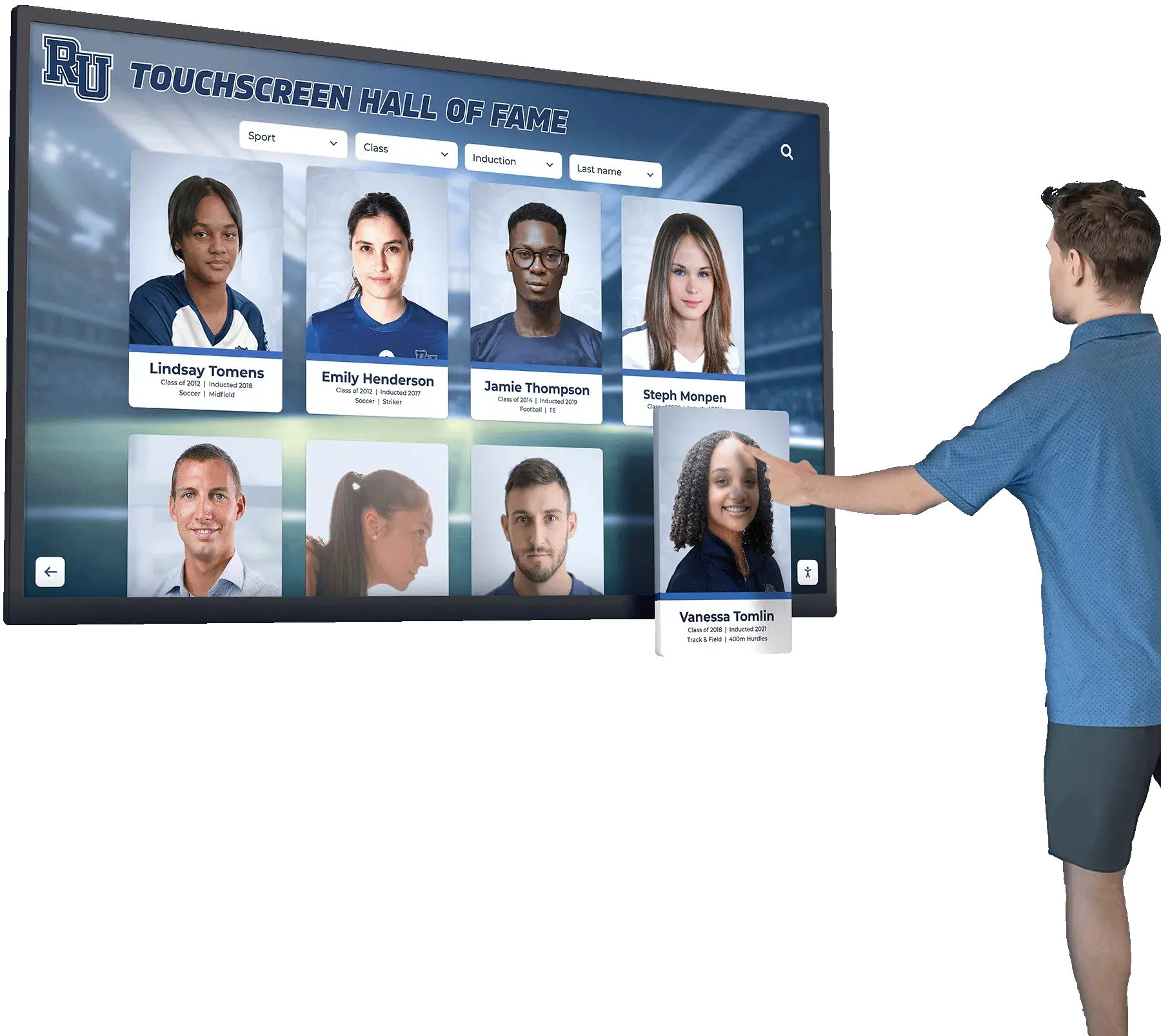
Intuitive touch interfaces enable quick navigation between current players and program legends, creating connections between present excellence and historical tradition that inspire continued achievement
Program Development and Competitive Advantages
Strategic recognition infrastructure influences program success beyond immediate game day experiences:
Recruiting Enhancement Prospective players and families evaluating basketball programs consistently consider program prestige, tradition, and commitment to honoring athletes. When recruits visit campuses for games or tours and encounter professional touchscreen displays showcasing comprehensive recognition, they receive powerful messages about program quality and institutional support.
High schools with prominent recognition systems report that displays frequently become discussion focal points during recruiting conversations, with prospective athletes and parents specifically commenting on recognition quality as factor differentiating programs from competitors.
Athletic directors implementing strategic athletic recognition discover that quality infrastructure provides measurable recruiting advantages, particularly when competing for top talent choosing between multiple program options.
Alumni Engagement and Fundraising Basketball alumni represent valuable resources for program support, mentorship, and fundraising. Interactive displays that include historical content honoring previous generations create powerful connection points bringing alumni back to games and maintaining program relationships long after graduation.
When alumni attend games and can explore touchscreen displays featuring their own playing careers—profiles, statistics, photos from their eras—they experience meaningful recognition that strengthens emotional bonds with programs. This emotional connection translates into tangible support including financial contributions, volunteer coaching assistance, mentorship for current players, and advocacy building program reputation within broader communities.
Media Coverage and Program Visibility Local media covering high school basketball often seek compelling content beyond game recaps. Interactive displays showcasing program history, player milestones, and statistical achievements provide ready content sources for journalists developing feature stories. Additionally, professional recognition infrastructure signals program quality that encourages more comprehensive media coverage.
Schools implementing sophisticated recognition systems report increased media attention including feature articles about recognition programs themselves, human interest stories about honored players and coaches, and enhanced coverage of milestone achievements that displays help identify and document.
Strategic Implementation: Game Day Touchscreen Placement and Usage
Maximizing touchscreen display value requires thoughtful planning addressing location, content strategy, and operational integration with game day activities.
Optimal Display Locations for Game Day Impact
Physical placement dramatically influences engagement levels and recognition effectiveness:
Primary Gymnasium Lobby Installations The main entrance lobby where fans enter gymnasiums represents the highest-value location for interactive touchscreen displays. This positioning ensures every attendee encounters recognition naturally upon arrival, creates gathering points in otherwise empty spaces during pre-game periods, enables easy access without disrupting gymnasium traffic flow during games, and provides prominent visibility to visitors forming first impressions of programs.
Display sizing for lobby installations typically ranges from 55-75 inches depending on viewing distances and space constraints. Larger displays create more impressive visual impact while accommodating multiple simultaneous users exploring content during busy pre-game arrival periods.
Schools implementing strategic hallway and lobby displays report that entrance positioning generates 60-80% higher engagement rates compared to secondary locations like side hallways or administrative areas.
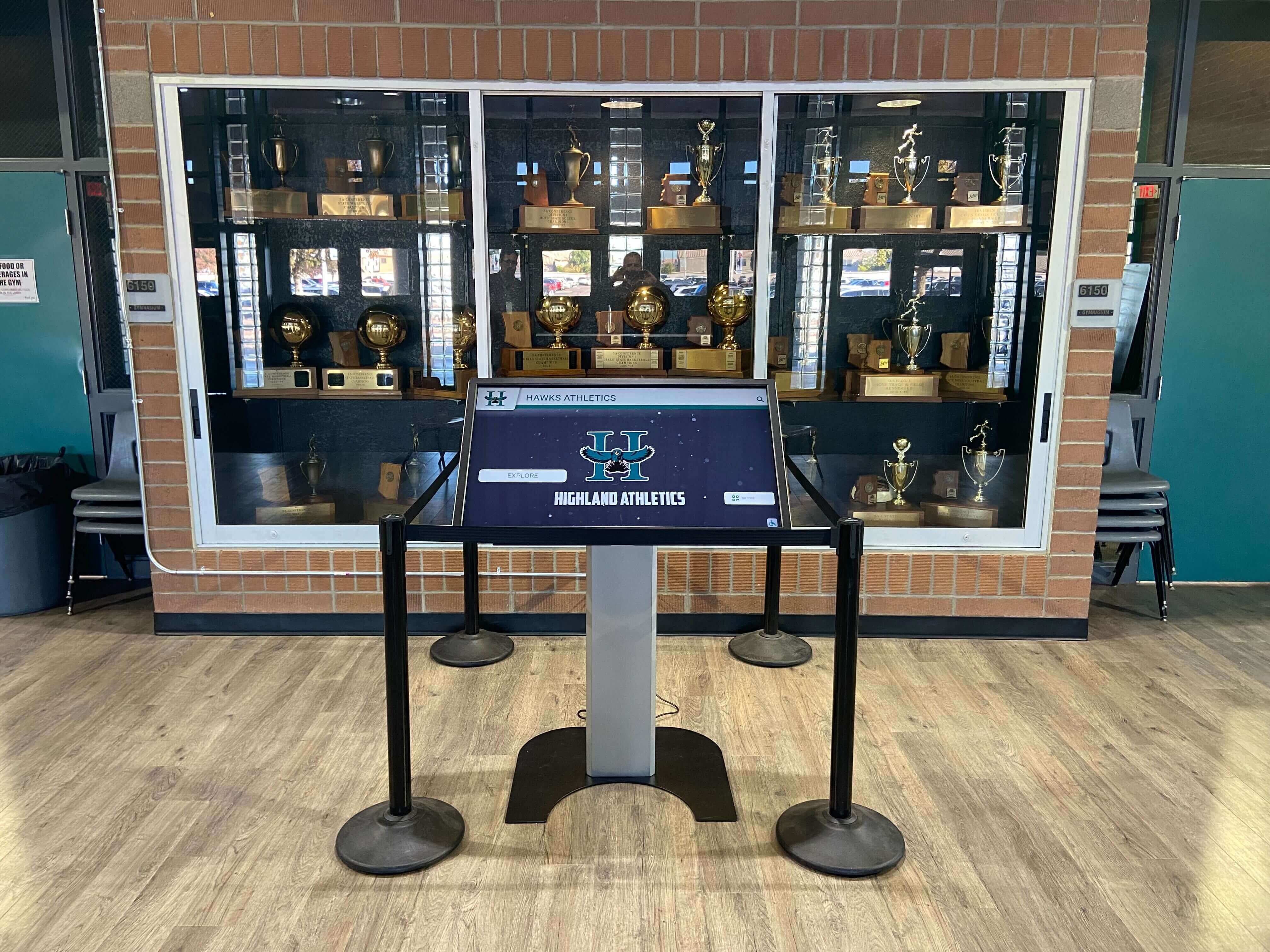
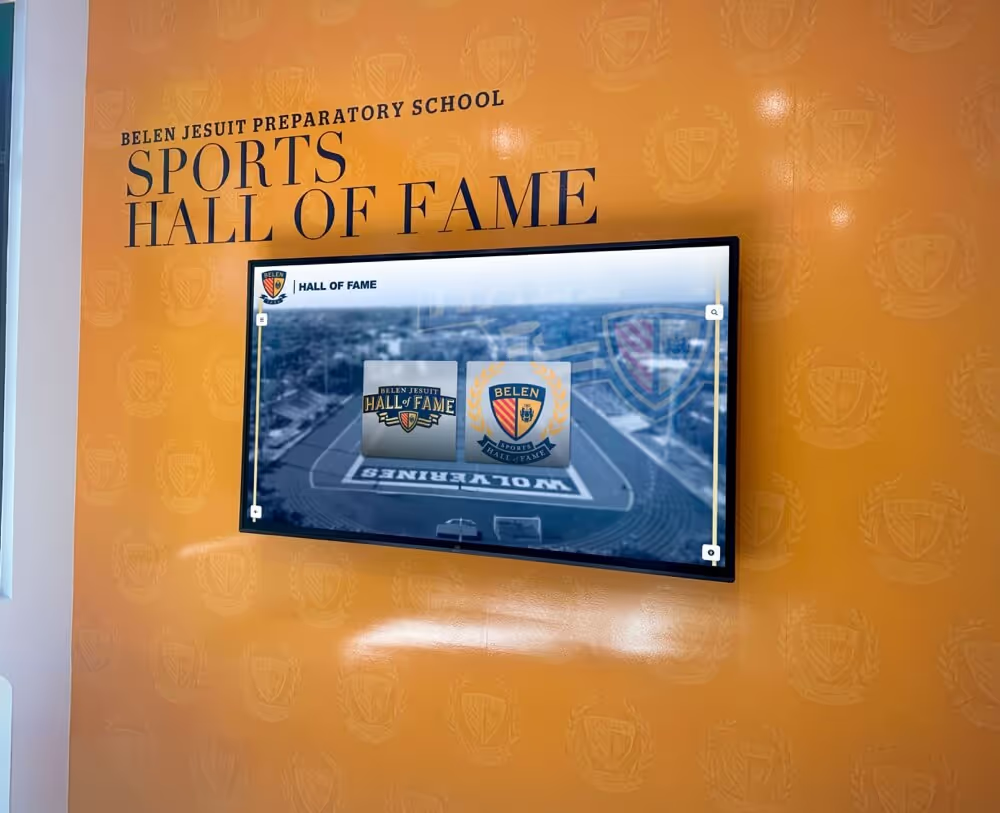
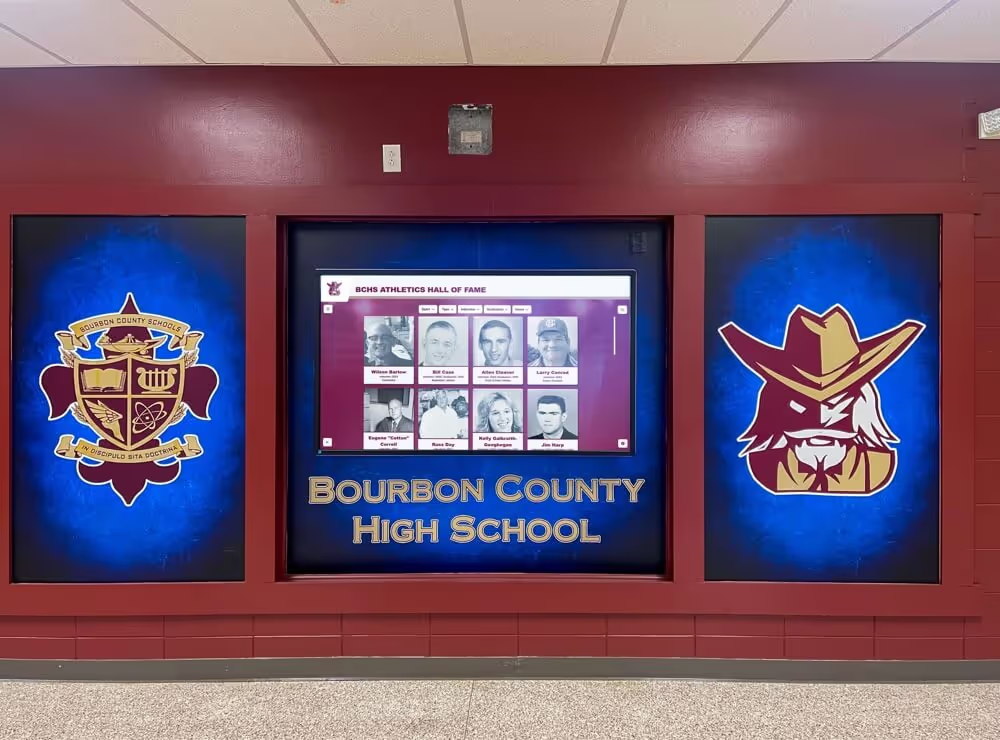
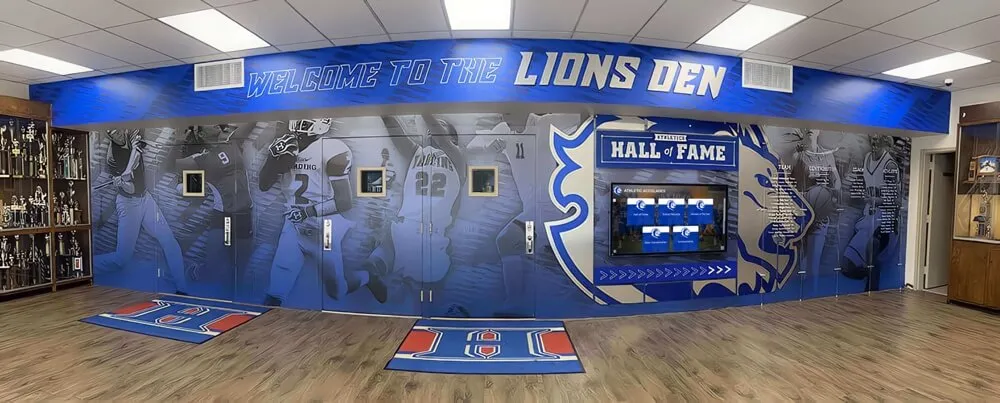
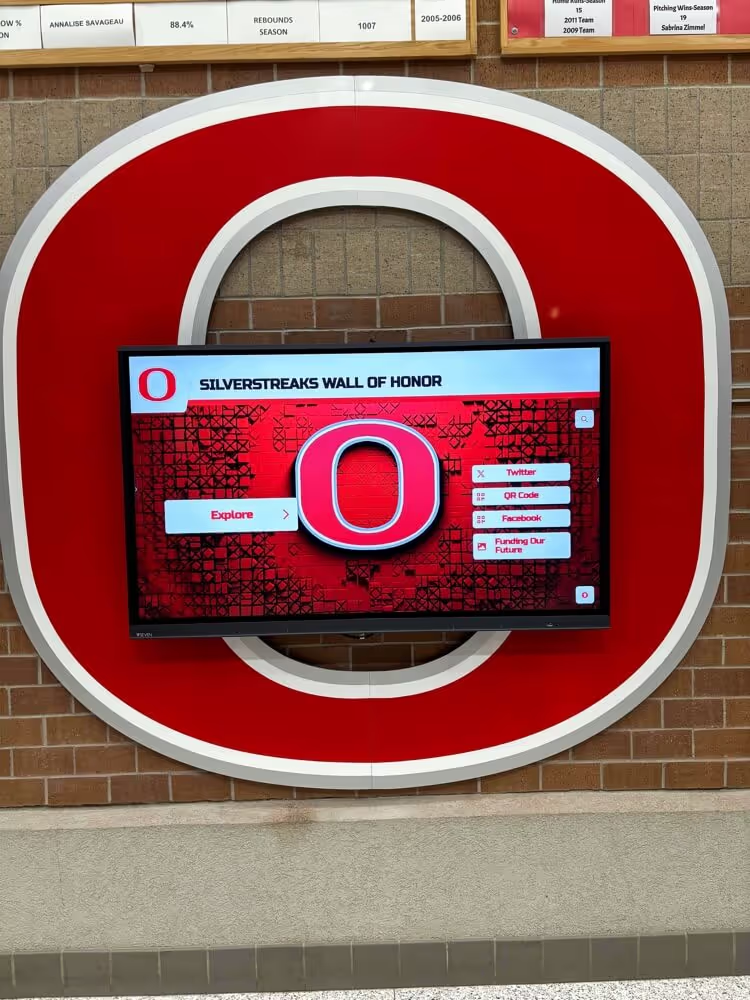
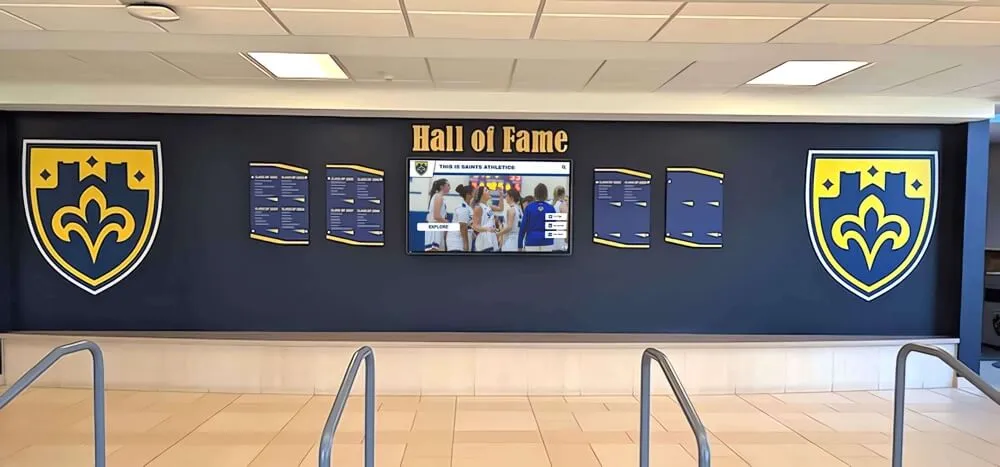
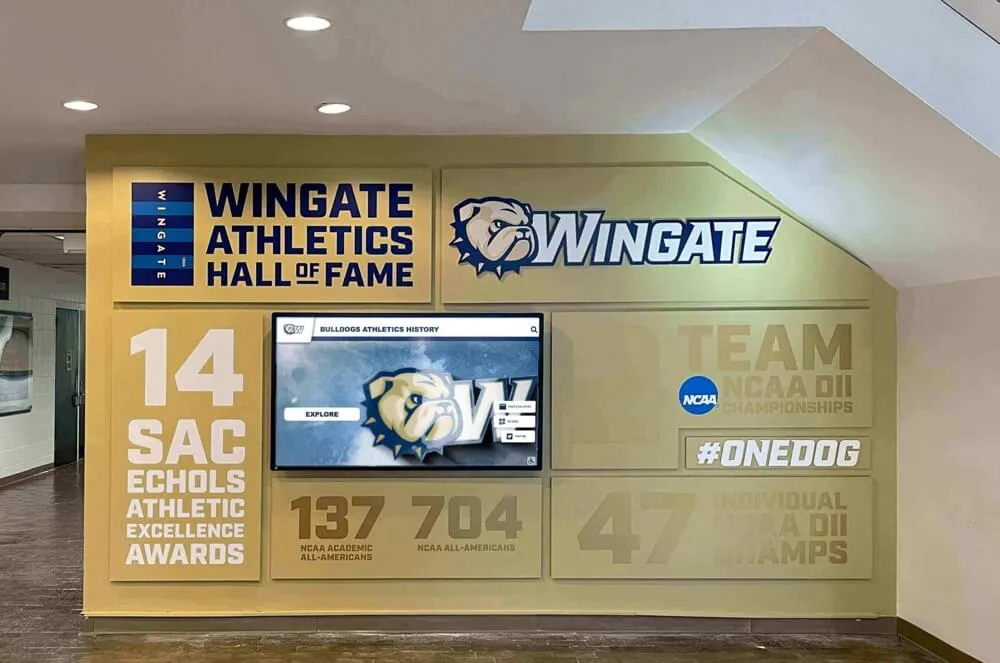
Integration with existing trophy case areas preserves traditional physical recognition while adding interactive digital dimension that dramatically expands recognition capacity and engagement potential
Gymnasium Concourse Areas Larger facilities with concourse areas surrounding gymnasiums benefit from secondary display installations positioned near high-traffic zones including concession stand areas where fans naturally gather during halftime, restroom corridors with consistent foot traffic throughout games, and entrance/exit points capturing attention as fans move between seating and lobby areas.
Multiple coordinated displays throughout concourse create comprehensive recognition environments where fans encounter content naturally regardless of which areas they visit during games. This distributed approach ensures recognition reaches broader audiences while reducing crowding around single displays during peak usage periods.
Team Areas and Locker Room Corridors Some programs install additional displays in areas primarily accessed by players, coaches, and team personnel. These installations serve different purposes than public-facing lobby displays—providing motivational content emphasizing program standards and expectations, showcasing current season goals and statistical benchmarks, celebrating recent achievements and performances, and creating environment where players constantly encounter reminders of program tradition and excellence.
Team area displays typically use smaller screens (32-43 inches) since audiences are smaller and viewing occurs in more intimate settings than public lobbies accommodating large crowds.
Game Day Content Strategy and Programming
Effective touchscreen systems offer flexibility to feature content specifically relevant to game day contexts:
Pre-Game Content Focus During the 30-45 minutes before tip-off, content strategy should emphasize building excitement and providing context for upcoming game:
- Current team rosters and profiles: Enable fans to learn about players they’ll watch, including background information, season statistics, and career highlights
- Head-to-head series history: Show historical records against current opponent, memorable past games, and notable players from rivalry matchups
- Season statistical leaders: Highlight current team leaders across various categories, creating awareness of performances to watch during upcoming game
- Upcoming milestone tracking: Feature players close to achieving significant career milestones (approaching 1,000 points, near school records, career achievement thresholds)
- Interactive trivia and challenges: Engage fans with basketball knowledge questions about program history, testing and building awareness simultaneously
This pre-game content transforms arrival period from passive waiting into active engagement building anticipation and investment in outcomes.
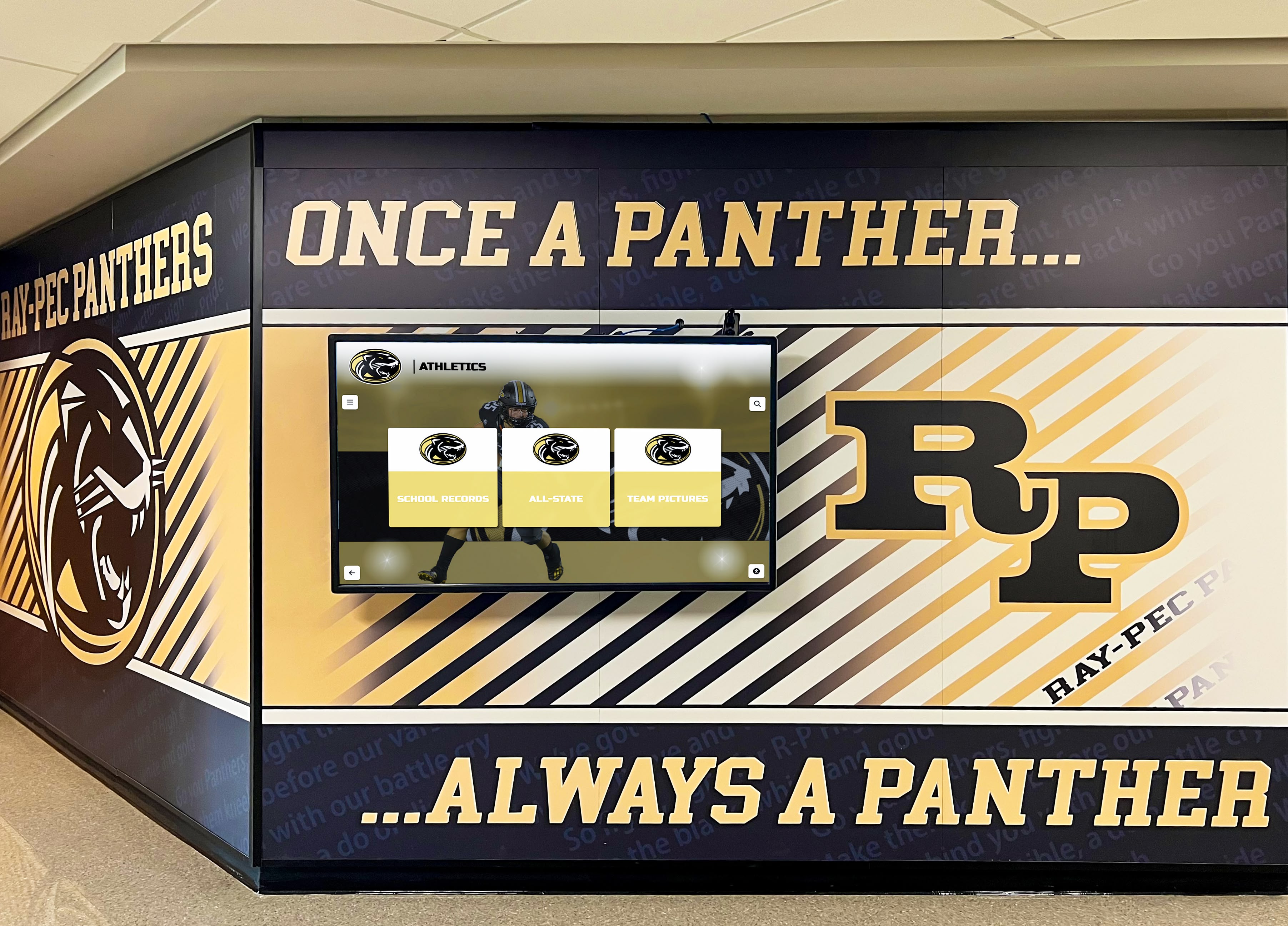
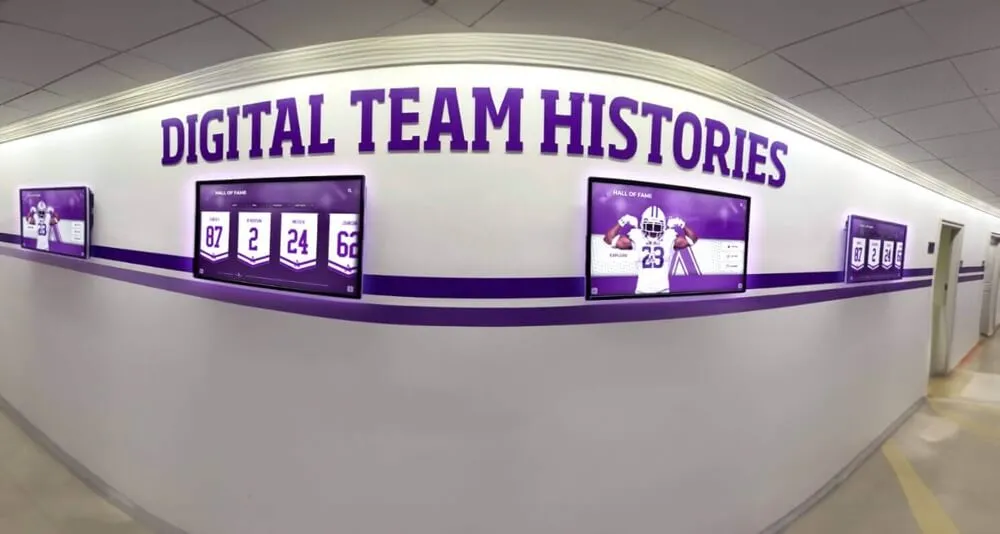
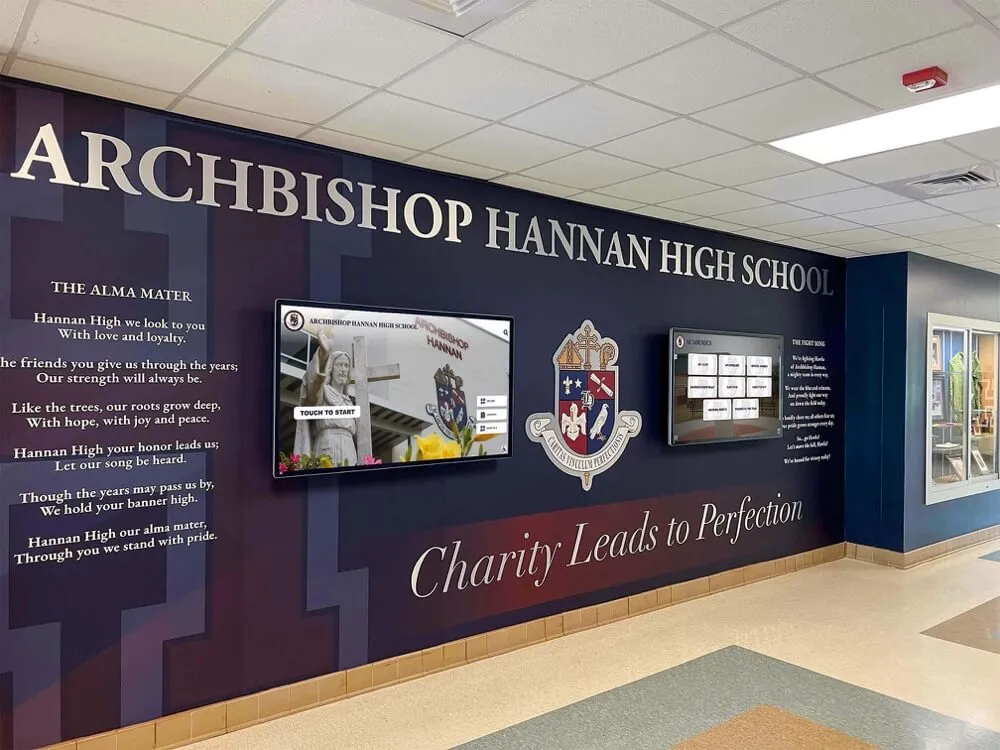
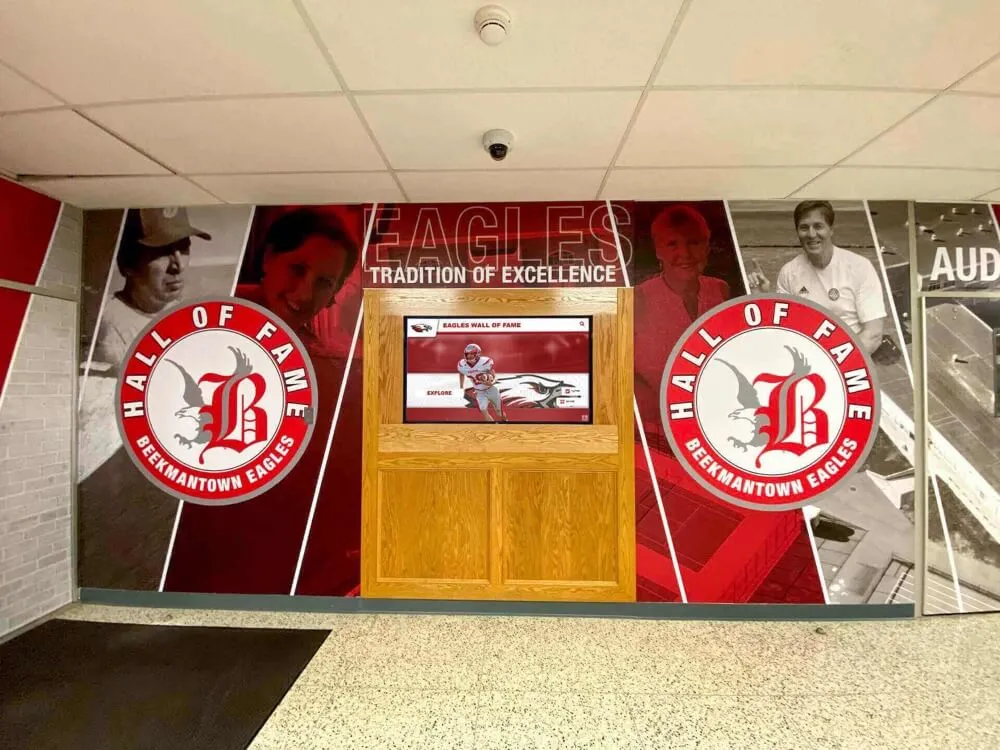
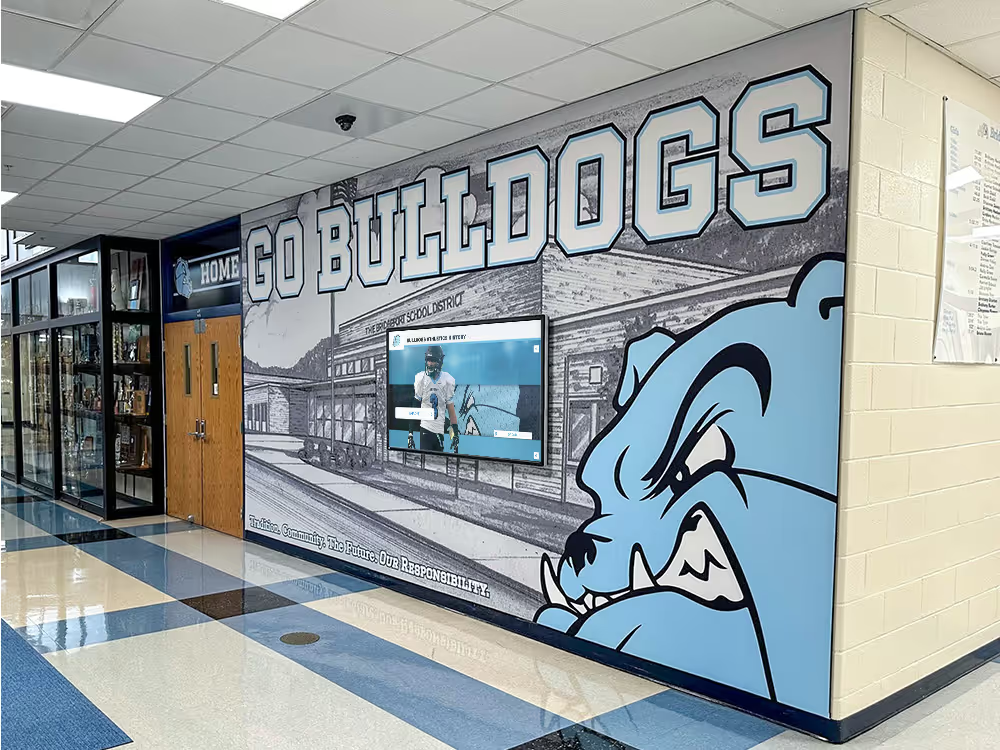
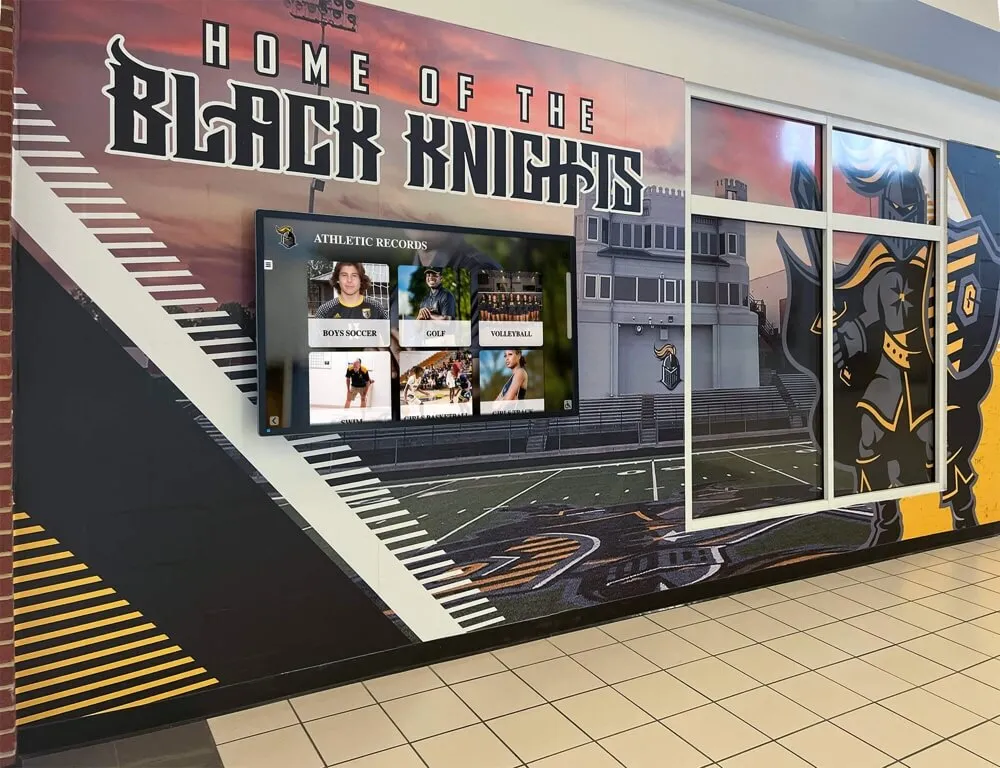
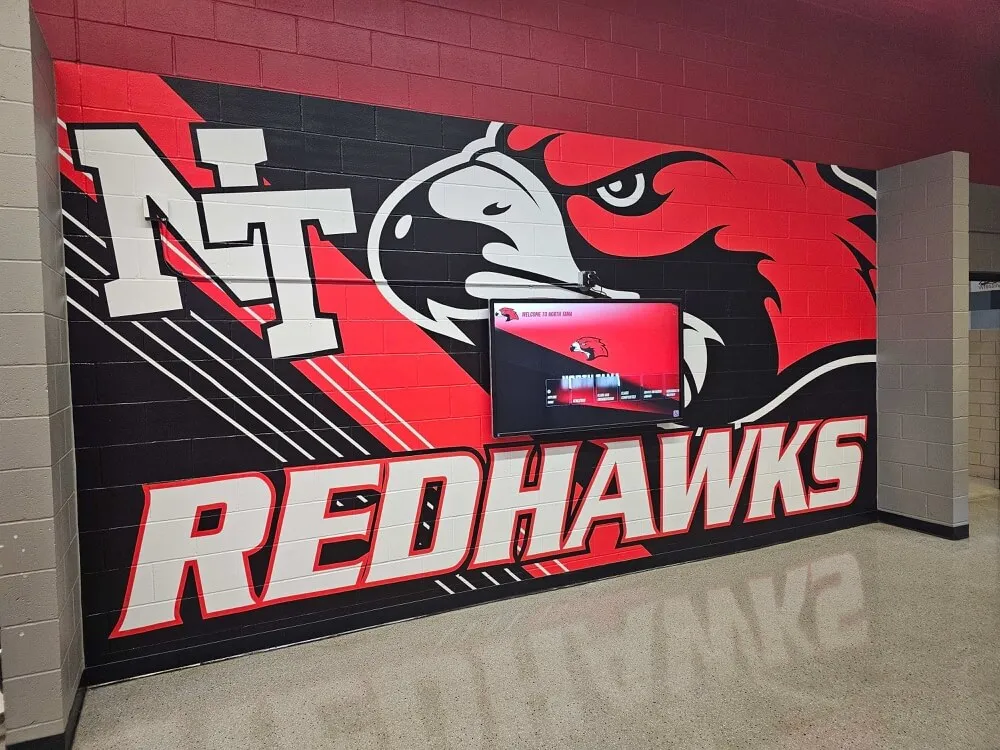
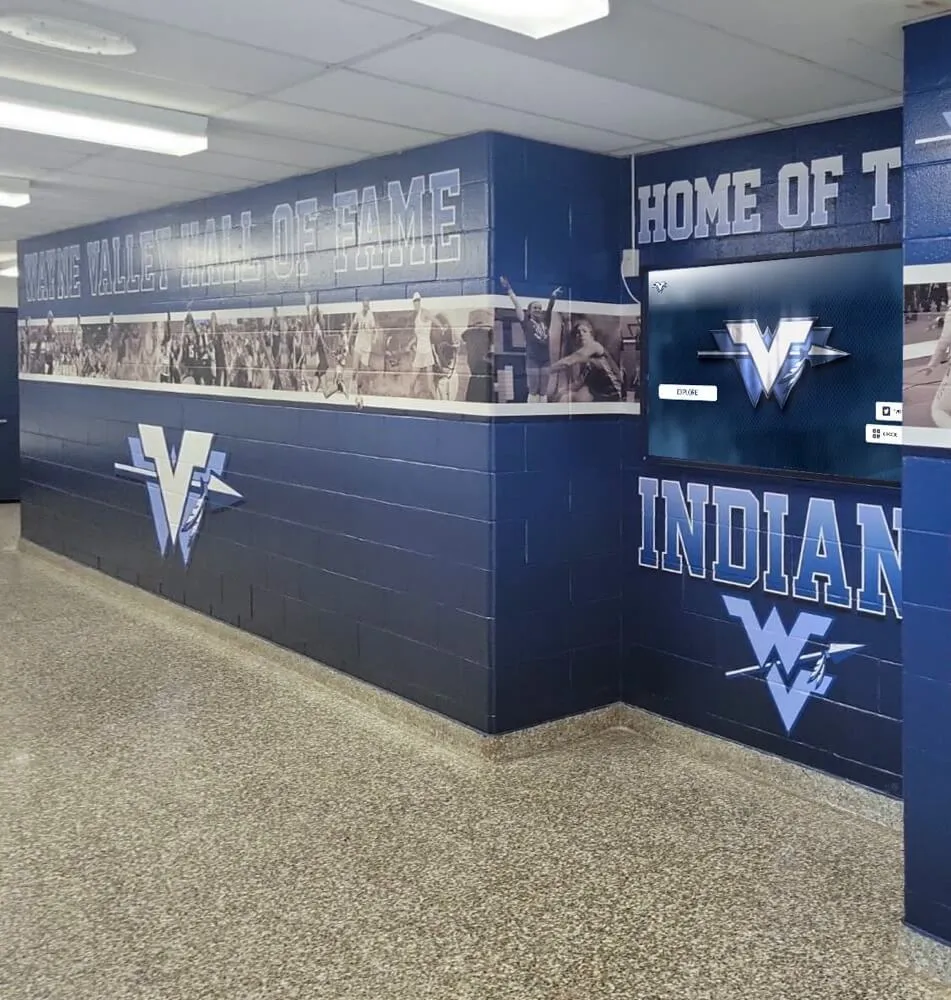
Coordinating digital displays with traditional athletic murals and branding creates cohesive visual environments that reinforce school identity while providing modern interactive engagement capabilities
Halftime Content Programming The halftime period presents concentrated opportunity for focused engagement when fans remain relatively stationary:
- First half statistical highlights: Automatically update displays showing leading scorers, key statistics from first half, and notable performances
- Historical “on this date” content: Feature memorable games, achievements, or milestones that occurred on current date in program history
- Championship season retrospectives: Showcase video highlights and stories from championship teams, particularly during anniversary years
- Alumni “where are they now” features: Provide updates on program graduates playing college basketball, professional careers, or notable life accomplishments
- Halftime competitions and challenges: Engage fans with interactive contests, prediction challenges, or trivia with prizes for winners
Halftime content should refresh regularly ensuring repeat attendees encounter new material rather than identical content at every game, maintaining engagement throughout entire season.
Post-Game Recognition and Celebration After final buzzer, displays should immediately celebrate game outcomes and exceptional performances:
- Game statistical leaders: Showcase top performers with final statistics prominently displayed
- Milestone achievements: Recognize any career milestones or school records achieved during game just completed
- Victory celebrations: Display appropriate graphics, messages, and imagery celebrating wins
- Updated season statistics: Show how game results impact season-long statistical rankings and team records
- Upcoming game information: Transition attention to next scheduled games, building anticipation for continued season
This immediate post-game recognition capitalizes on peak excitement and emotion, creating shareable moments and reinforcing positive experiences that build long-term fan loyalty.
Content Types That Engage Basketball Fans Most Effectively
Understanding which content formats generate highest engagement helps programs maximize touchscreen display value for game day experiences.
Player Profiles and Statistical Recognition
Individual player recognition represents consistently highest-engagement content category:
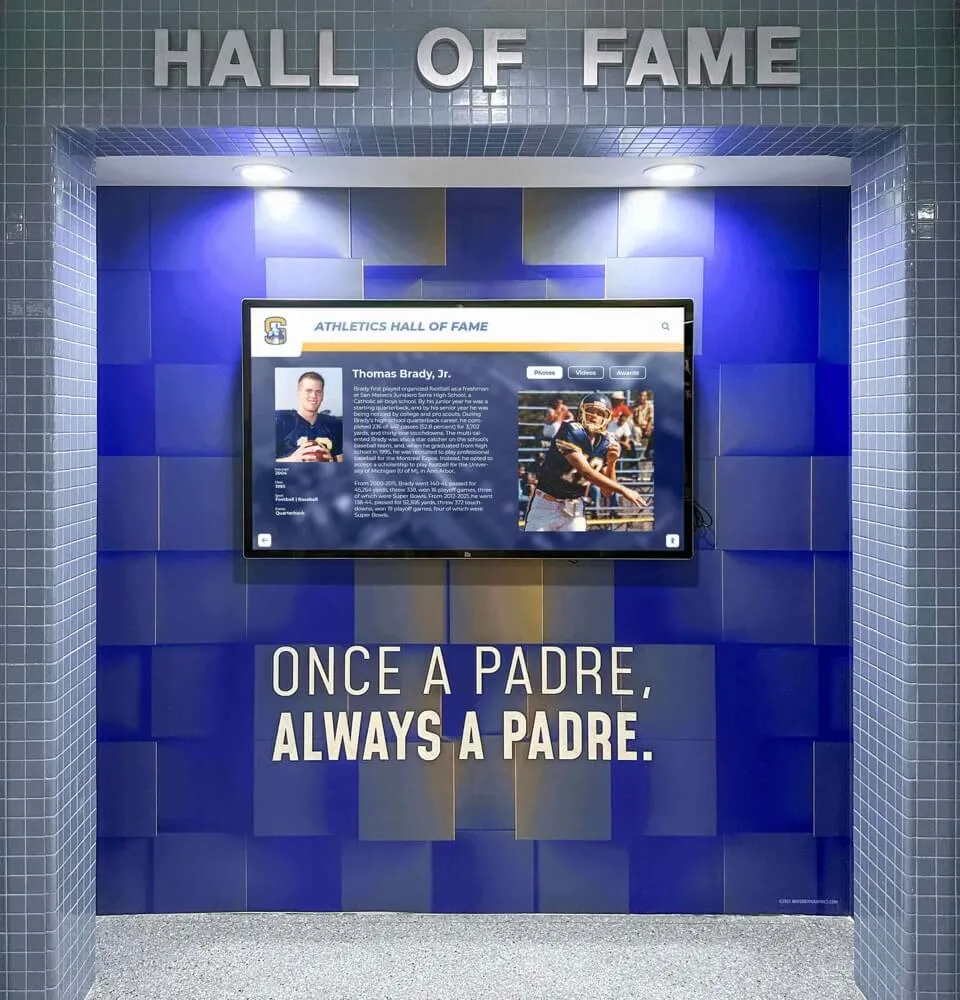
Current Season Player Profiles Comprehensive individual profiles should include high-quality player photographs in uniform, complete season and career statistics across all relevant categories, biographical information including class year and position, honors and awards received at various levels, memorable game performances and career highlights, and video highlights showcasing playing style and exceptional moments.
Fans naturally search for specific players—their own children, relatives, friends, or standout performers they want to learn more about. Robust search functionality enabling quick name-based player location ensures satisfying user experiences.
Schools implementing detailed player recognition systems report that individual profiles generate 40-60% of all display interactions, demonstrating primary value proposition for most users.
Statistical Leaderboards and Rankings Basketball fans inherently enjoy statistics, rankings, and comparisons. Interactive displays should showcase season statistical leaders across categories including points per game, total points, rebounds, assists, steals, blocks, three-point shooting percentage, free throw percentage, and field goal percentage.
Beyond single-season leaders, career rankings showing all-time program leaders create engaging content connecting current excellence with historical benchmarks. Fans enjoy discovering where current players rank compared with program legends, creating natural conversation starters and building appreciation for both current athletes and historical tradition.
Milestone Tracking and Achievement Celebration Programs should prominently feature players approaching significant career milestones like 1,000 career points, 500 career rebounds, 300 career assists, school record proximity, and all-time ranking advancement.
This milestone tracking serves dual purposes—building fan anticipation and awareness encouraging attendance when milestones might be reached, and ensuring achievements receive proper recognition and celebration when they occur rather than being overlooked in game action focus.
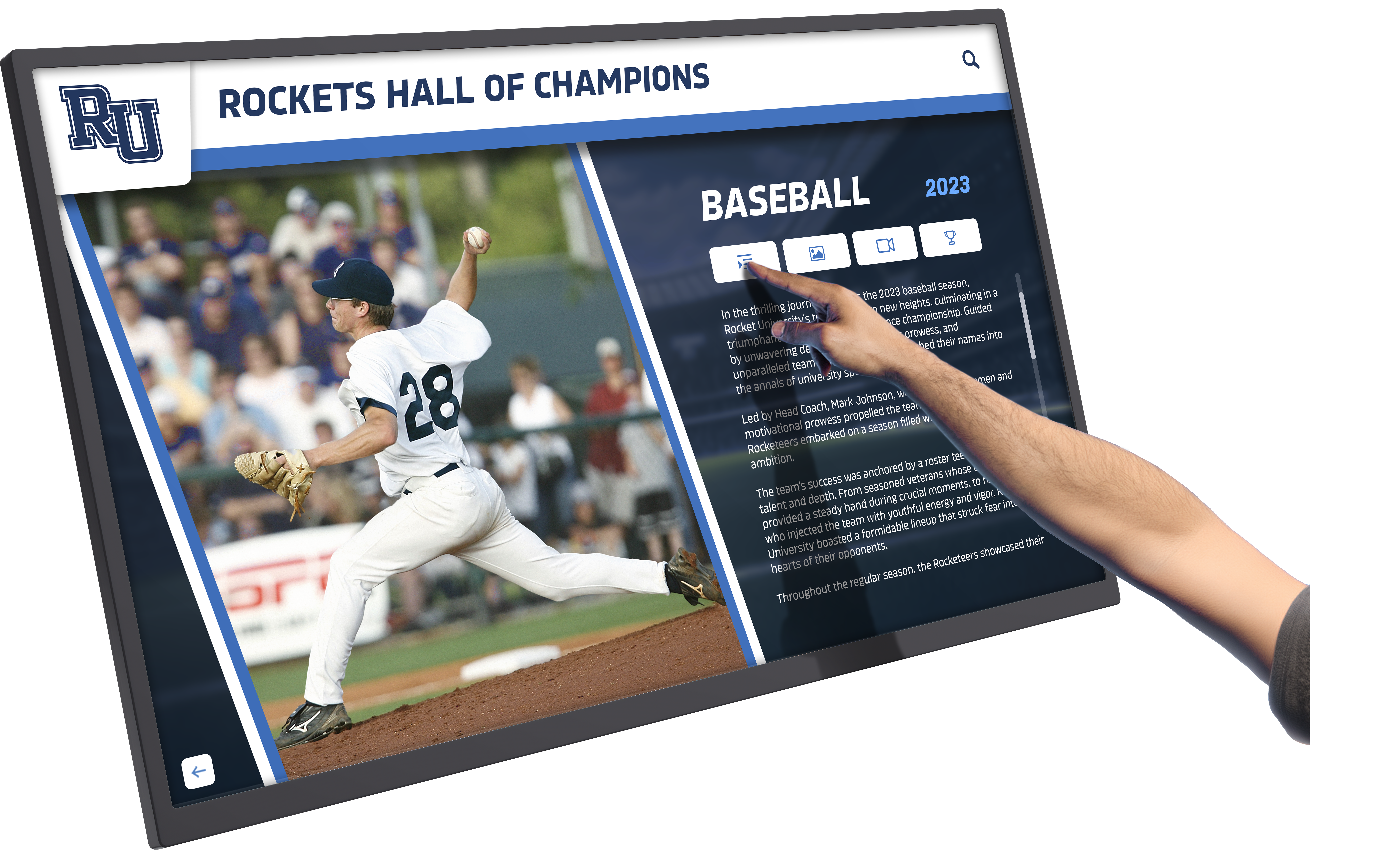
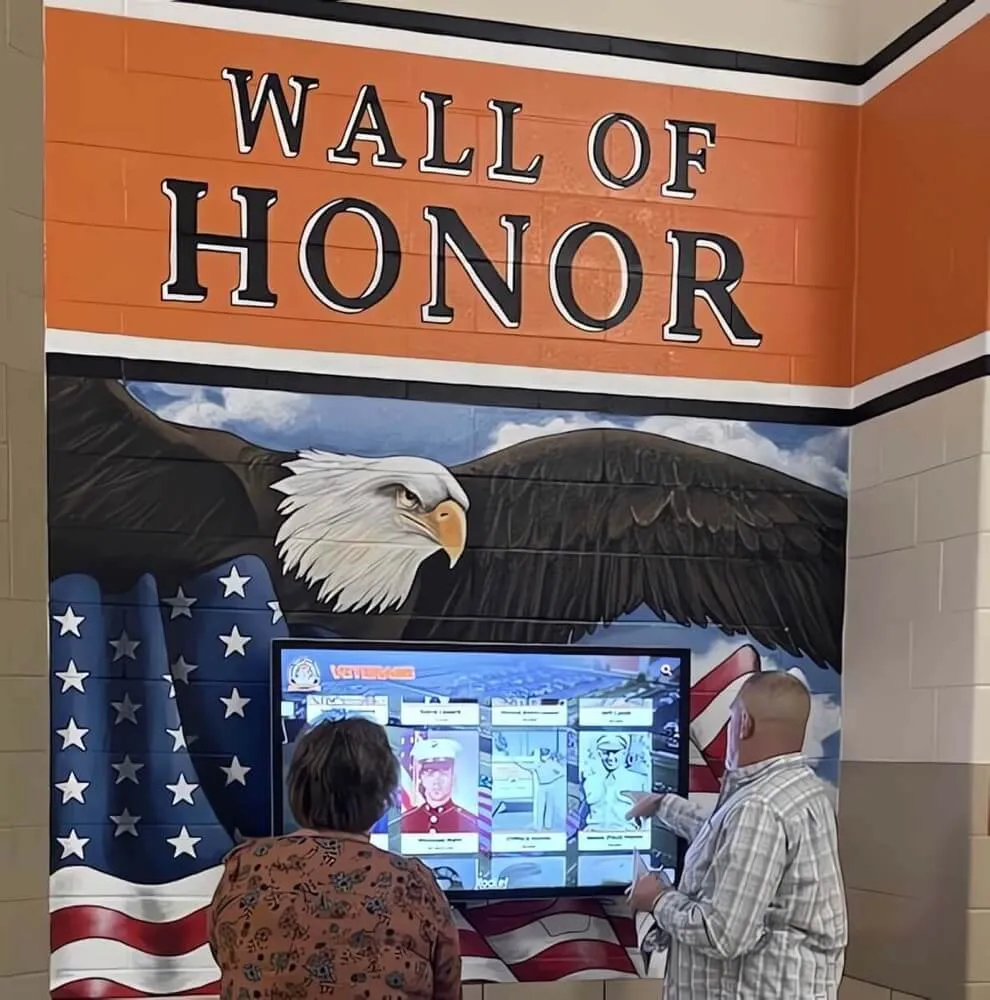
Smartphone-like touch interfaces require no instructions or training, enabling fans of all ages to intuitively explore player profiles, statistics, and program history through familiar gestures
Team History and Championship Recognition
Historical content provides context and builds pride in program tradition:
Championship Team Showcases Interactive platforms should comprehensively document championship seasons including complete team rosters with photos, season records and tournament results, game-by-game championship run documentation, individual player statistics and leaders, coaching staff and key contributors, championship game highlights and memorable moments, and “where are they now” updates about championship team members.
This championship documentation serves multiple purposes—educating younger fans about program tradition they didn’t experience firsthand, honoring alumni who built program foundation, providing motivational content for current players, and creating continuity connecting past excellence with present efforts.
Programs implementing comprehensive championship recognition report that historical content generates particularly high engagement during anniversary years, rivalry games, and playoff seasons when tradition and pressure intersect.
Record Books and Statistical History Basketball programs should maintain accessible digital record books documenting single-game records across all statistical categories, single-season records showing best individual performances, career records honoring sustained excellence over multiple years, team records for wins, scoring, defense, and other collective achievements, and historical progression showing how records have evolved over decades.
This statistical documentation creates engaging content for fans who enjoy basketball analytics while preserving institutional memory that might otherwise fade as administrators, coaches, and community members change over time.
Head-to-Head Rivalry Documentation Most basketball programs maintain intense rivalries with specific opponents. Interactive displays should document rivalry history including all-time series records, memorable game results and performances, current win/loss streaks, largest margins of victory, and playoff meeting results.
Rivalry content generates particularly high engagement immediately before rivalry games, creating natural conversation points and building excitement for upcoming competition. This historical context transforms individual games into chapters of ongoing narratives that fans follow across years and decades.
Interactive Features and Engagement Elements
Beyond static information display, interactive elements significantly boost engagement:
Search and Discovery Features Robust search functionality enabling fans to quickly find specific players by name, filter athletes by graduation year or era, sort statistical rankings by various categories, explore championship teams by year, and navigate intuitive menu structures creates satisfying exploration experiences where users feel control rather than passively consuming predetermined content sequences.
The ability to self-direct exploration based on individual interests ensures diverse fan groups all find personally relevant content rather than displays serving single narrow audience at expense of others.
Video Highlights and Multimedia Content Moving images and sound create dramatically more engaging experiences than static photos and text alone. Programs should develop video content libraries including championship game highlights and memorable moments, individual player career highlight reels, exceptional single-game performances, coach interviews and team features, pregame introduction videos, and historical footage showing program evolution.
Video content serves multiple purposes—providing entertainment that holds attention longer than static content, educating fans about players and history more effectively than text descriptions, and creating shareable moments fans photograph or record for social media distribution, extending program visibility beyond physical gymnasium locations.
Learn about digital storytelling approaches for athletic programs that leverage multimedia content to create compelling recognition narratives.
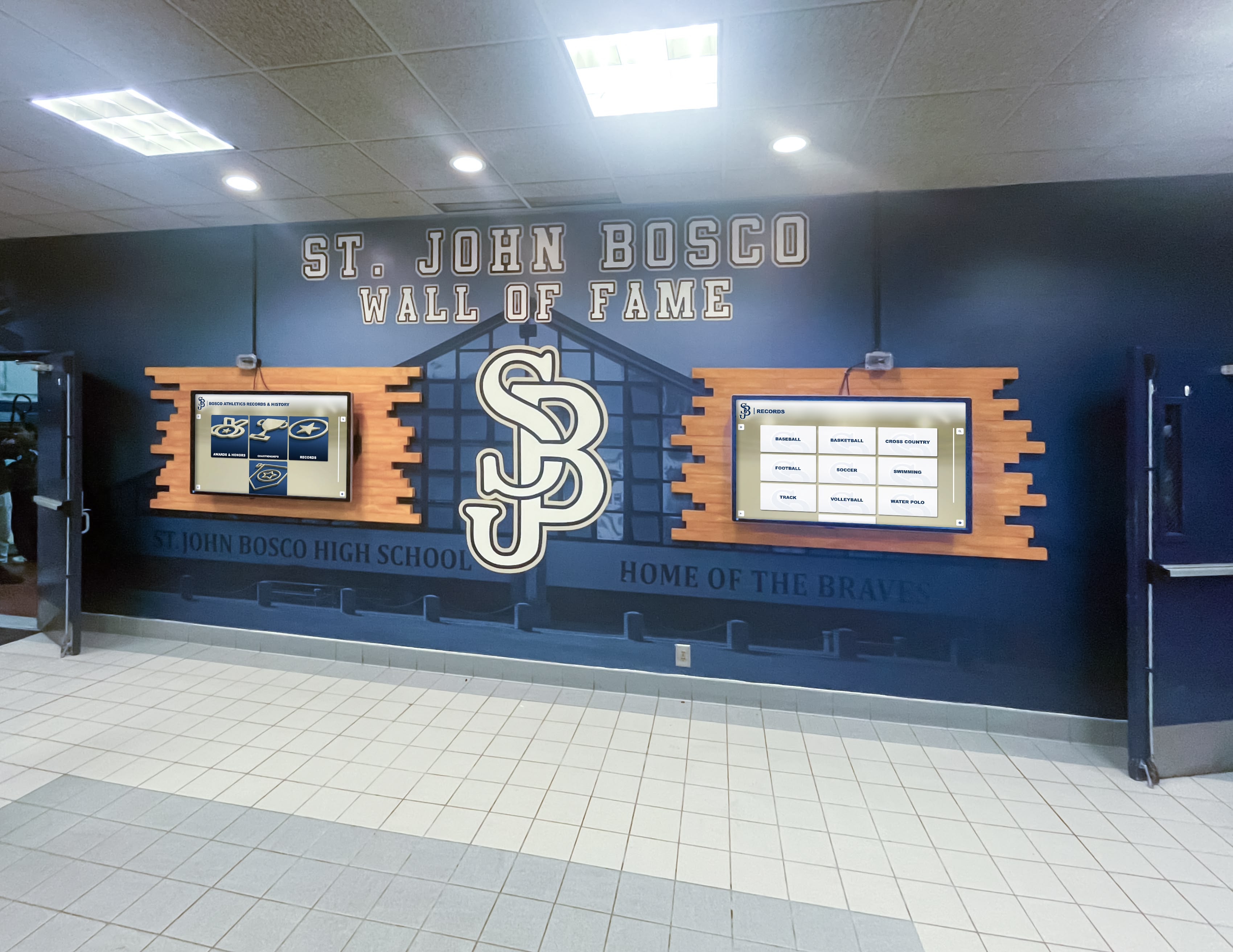
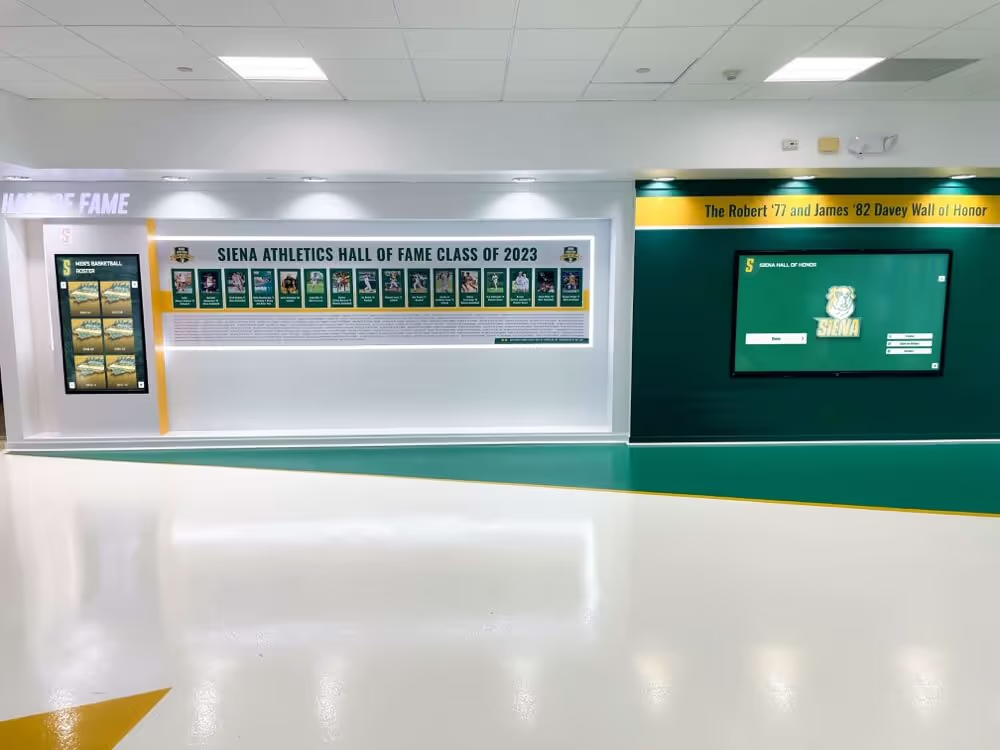
Multiple coordinated displays enable simultaneous content presentation—current season focus on one screen while historical content appears on another, accommodating diverse fan interests simultaneously
Social Sharing Integration Modern fans expect seamless social media integration enabling them to share interesting content they discover. Touchscreen displays should incorporate QR codes linking to online versions of displayed content, enabling easy sharing, screenshot-friendly layouts encouraging photography, social media handles and hashtags promoting online engagement, and downloadable content fans can save and redistribute.
This social integration extends program visibility far beyond gymnasium walls as fans share recognition content with broader networks, creating organic marketing that builds program reputation and community pride.
Technical Considerations for Game Day Display Operations
Successful game day touchscreen deployment requires addressing operational details ensuring reliable performance during high-profile events.
Hardware Specifications for Gymnasium Environments
Basketball gymnasium environments present unique technical challenges requiring appropriate equipment:
Commercial-Grade Display Requirements Consumer televisions lack durability for continuous public interactive use. Programs should specify commercial-grade touchscreen displays rated for 16-24 hour daily operation, featuring vandal-resistant protective glass, responsive capacitive touch technology providing smartphone-like interaction, high brightness levels (350-450 cd/m²) ensuring visibility despite gymnasium lighting, and wide viewing angles accommodating multiple simultaneous users approaching from various directions.
Display sizing should match viewing distances—lobby installations serving groups require larger screens (55-75 inches) while more intimate locations can use smaller displays (43-55 inches) effectively.
Secure Mounting and Installation Gymnasium environments require security-conscious installations preventing unauthorized removal or tampering. Wall-mounted installations should use heavy-duty commercial mounts with security hardware, protective enclosures with lockable access panels, cable management concealing and protecting network and power connections, and ADA-compliant positioning ensuring accessibility for all users including wheelchair users.
Professional installation by experienced integrators familiar with commercial AV environments typically ensures compliance with safety codes, security requirements, and accessibility standards while avoiding costly mistakes that plague DIY installations.
Network Connectivity and Bandwidth Touchscreen displays require reliable network connections enabling content updates and real-time information synchronization. Programs should prioritize hardwired Ethernet connections providing stable connectivity, WiFi backup systems for installation locations where wired connections are impractical, sufficient bandwidth (minimum 10-25 Mbps) supporting video content streaming, network security protocols protecting student information, and remote monitoring enabling technical staff to detect and resolve connectivity issues quickly.
Schools implementing comprehensive digital signage infrastructure should work with IT departments during planning phases ensuring network infrastructure adequately supports display requirements without compromising other school systems.
Content Management and Update Workflows
Sustainable game day display operations require manageable content administration:
Cloud-Based Management Platforms Rocket Alumni Solutions provides cloud-based content management systems enabling authorized users to update recognition content from any internet-connected device without requiring technical expertise. This accessibility ensures athletic directors, coaches, and designated administrators can maintain current content during busy seasons without depending on limited IT staff availability.
Key management capabilities include web-based dashboards accessible from computers, tablets, and smartphones, intuitive editors requiring no coding or technical skills, scheduled content changes enabling advance preparation, multi-user access with appropriate permission controls, and preview modes showing content before publication.
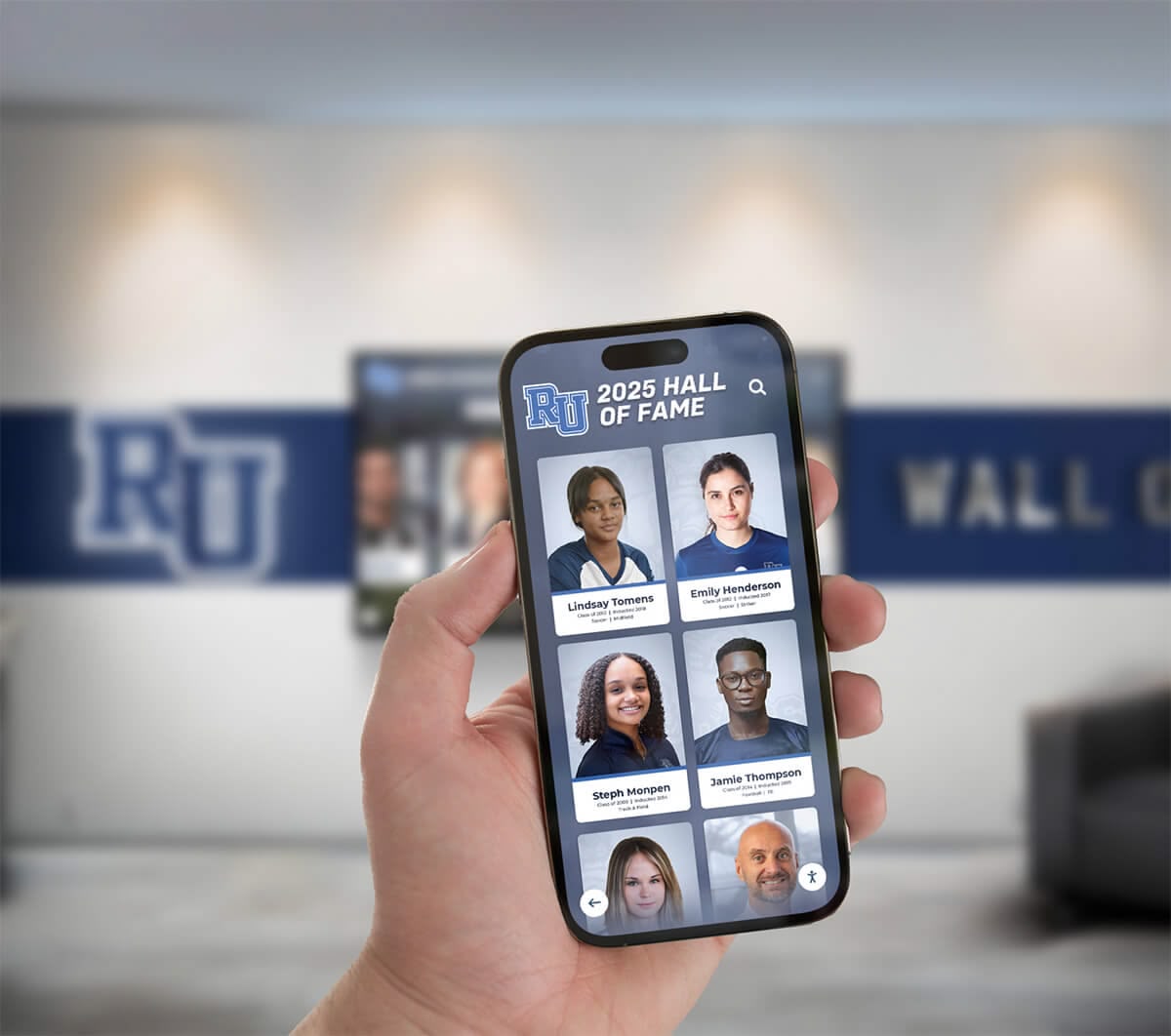
Mobile-responsive content management enables coaches and administrators to update recognition displays from sidelines during games, ensuring immediate milestone celebration and real-time information accuracy
Game Day Update Procedures Programs should establish systematic workflows ensuring displays remain current throughout seasons:
- Pre-season setup: Load complete rosters, season schedules, statistical baselines, and relevant historical content before first games
- Weekly maintenance: Update season statistics after each game, add new photos and highlights, feature upcoming opponent information
- Real-time milestone recognition: Update displays immediately when players achieve significant accomplishments during games
- Post-game celebrations: Modify content after wins to celebrate victories with appropriate graphics and updated statistics
- Tournament and playoff focus: Adjust content emphasis during postseason highlighting bracket position, tournament history, and opponent analysis
Clear responsibility assignment—typically to athletic directors, athletic communications staff, or designated student managers—ensures updates happen consistently rather than becoming overlooked during busy seasons.
Quality Assurance and Content Standards Maintaining professional display quality requires attention to content standards including high-resolution photos meeting minimum quality thresholds, proofread text free of spelling and grammatical errors, accurate statistics verified against official records, appropriate content suitable for all-ages school environments, and consistent branding following school visual identity standards.
Regular content audits ensure displays maintain quality standards while avoiding common problems like outdated information, broken links in interactive elements, missing photos, or statistical errors that undermine credibility.
Real-World Applications: Game Day Scenarios and Use Cases
Understanding concrete examples helps programs envision how touchscreen displays enhance specific game day situations.
Scenario: Senior Night Recognition
Senior night games represent emotionally significant events when programs honor graduating players:
Pre-Game Senior Showcases Rather than limiting senior recognition to brief on-court ceremonies, interactive displays can feature comprehensive senior tributes including detailed career retrospectives with complete statistics, photo galleries showing progression from freshman to senior years, highlight video compilations of memorable performances, future plans including college destinations, quotes from seniors reflecting on careers, and messages from coaches, teammates, and family members.
This expanded senior recognition ensures these important athletes receive thorough acknowledgment rather than rushed ceremonies competing with game preparation. Families arrive early specifically to view senior content, creating special memories and photo opportunities that traditional ceremonies alone cannot provide.
Family Gathering and Celebration Spaces Touchscreen displays positioned near senior recognition create natural gathering points where extended families converge before games. Grandparents, relatives, and friends can explore comprehensive content about senior athletes, creating conversation opportunities and building anticipation for on-court ceremonies that follow.
Programs report that enhanced senior recognition significantly improves family satisfaction with senior night experiences while demonstrating program commitment to honoring every senior athlete regardless of playing time or statistical achievement.
Explore comprehensive senior recognition approaches applicable to basketball and other athletic programs.
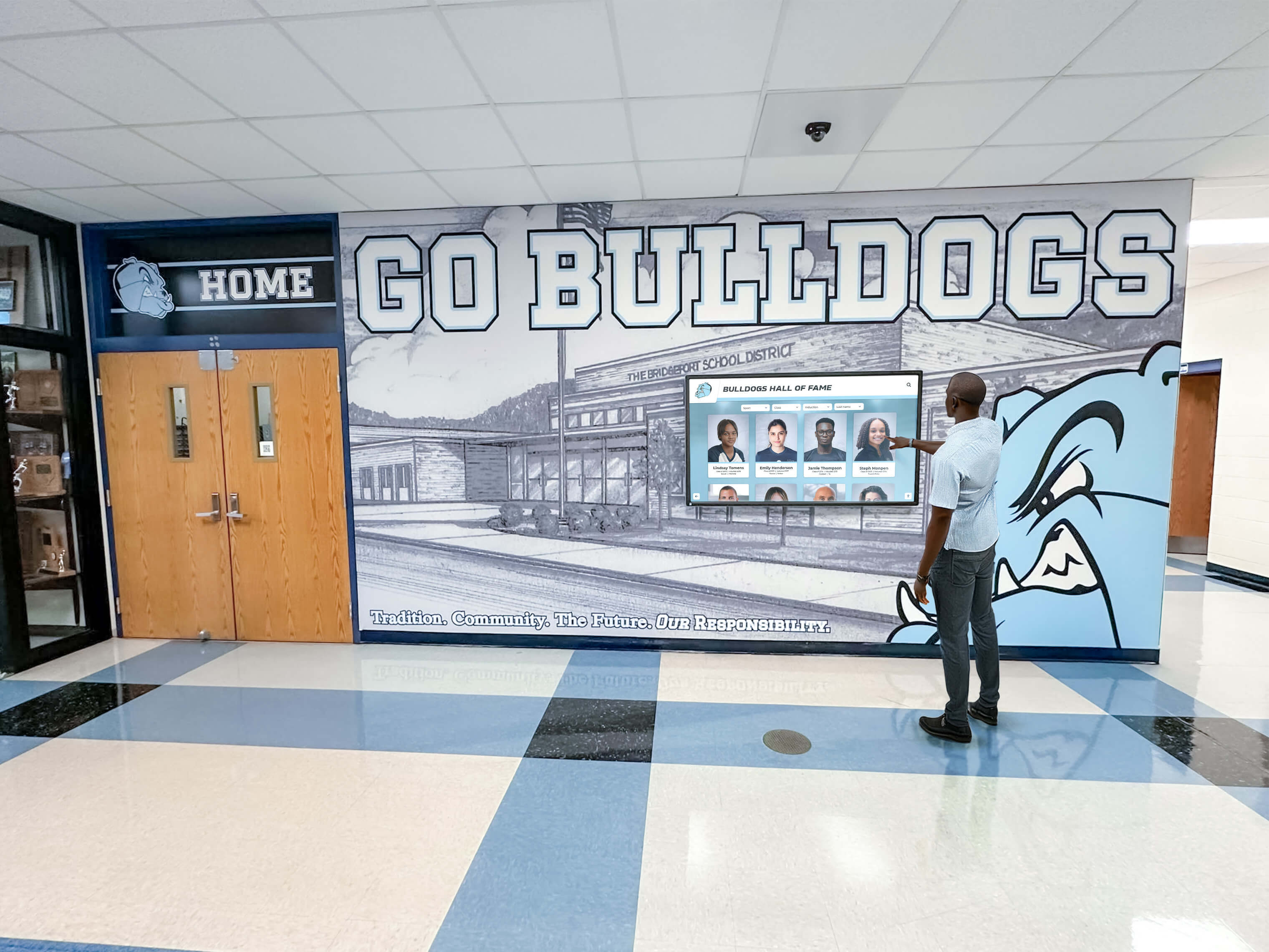
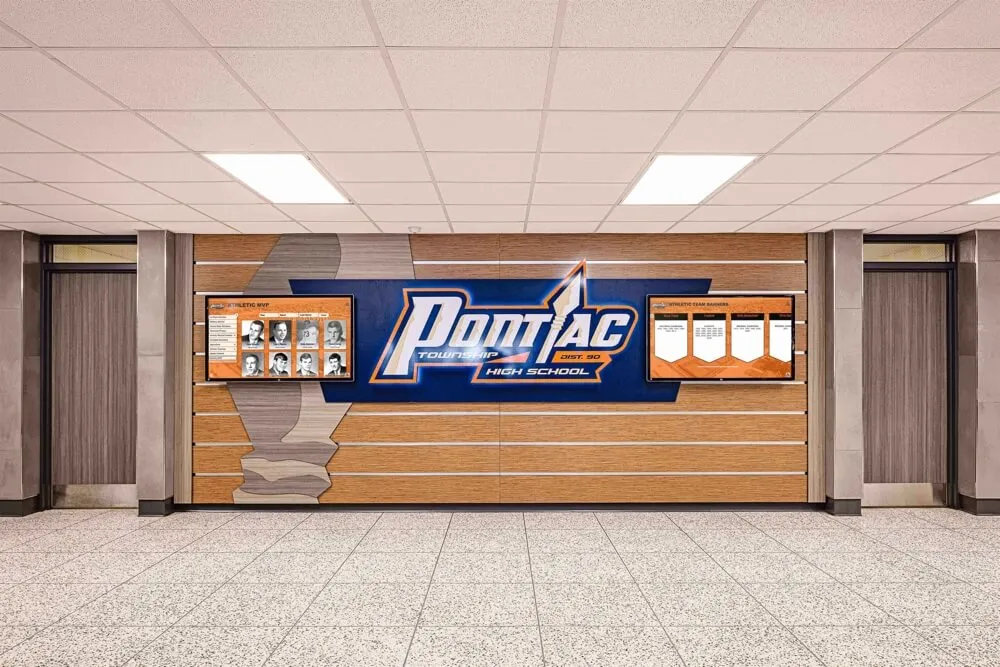
Strategic positioning in hallways connecting school main areas to gymnasiums ensures maximum visibility for recognition displays, reaching not just game attendees but entire school populations daily
Scenario: Record-Breaking Performances
When players approach or achieve significant career milestones during games, immediate recognition creates powerful moments:
Pre-Game Milestone Awareness Building When players enter games close to achieving milestones like 1,000 career points, displays should prominently feature milestone tracking showing current totals, points needed to reach milestones, statistical context comparing achievements to program history, and timeline of previous players reaching similar milestones.
This pre-game awareness building ensures fans arrive knowing to watch for milestone achievements rather than missing significance of performances unfolding before them.
In-Game Real-Time Updates As players reach milestones during games, modern touchscreen systems can update immediately to celebrate achievements. This real-time capability requires integration with scoring systems or manual update capability from courtside, but creates powerful recognition moments when entire gymnasium communities can see milestone achievement documentation happen instantaneously.
Post-Game Milestone Celebration After games where milestones occurred, displays should feature comprehensive achievement celebration including final statistics showing milestone performance, career trajectory showing path to achievement, historical context comparing accomplishment to program legends, photos from milestone game, and social media integration enabling sharing and celebration.
This immediate post-game recognition capitalizes on peak excitement while fan attention remains focused, creating memorable celebration moments that athletes and families treasure.
Schools implementing systematic milestone recognition programs report that immediate visibility significantly enhances achievement impact compared to delayed recognition occurring days or weeks after performances.
Scenario: Playoff and Championship Games
Postseason games carry heightened significance demanding enhanced recognition:
Tournament History and Context Interactive displays should provide comprehensive tournament context including complete playoff history showing all previous appearances, tournament records and performance statistics, memorable playoff games and championship runs, current tournament bracket position and path forward, and opponent analysis including tournament history and head-to-head results.
This historical context transforms individual playoff games into chapters of longer narratives while building appreciation for significance of postseason opportunities that not all players and teams experience.
Championship Legacy Emphasis During championship games, displays should prominently feature past championship teams creating connection between current team pursuing title and program legends who achieved similar success. This tradition emphasis builds pride while providing motivation and inspiration for players competing for championships.
Immediate Championship Celebration When teams win championships, displays should instantly transform to championship celebration mode featuring victory graphics and imagery, complete championship game statistics, team roster recognition, coach and player quotes, and historical context showing where championship ranks in program history.
This immediate celebration creates shareable moments that families and fans photograph and distribute widely, extending championship recognition far beyond gymnasium walls to broader communities and social networks.
Measuring Success and ROI of Game Day Touchscreen Displays
Quantifying display impact helps justify investment while identifying improvement opportunities.
Fan Engagement Metrics
Modern touchscreen displays provide detailed analytics measuring usage and engagement:
Interaction Tracking Analytics systems measure total interactions per game, average session duration per user, most-viewed content categories and individual profiles, peak usage times during game day timeline, and return visitor rates showing sustained engagement.
These metrics reveal whether displays achieve engagement goals while identifying which content types resonate most strongly with audiences, informing future content development priorities.
Schools implementing interactive recognition report average session durations of 3-7 minutes during pre-game and halftime periods compared to brief 15-30 second glances at traditional static displays—demonstrating 10-20× engagement improvement.
Social Media and Digital Extension Beyond physical display interaction, programs should track web traffic to online recognition platforms, social media mentions and shares featuring display content, QR code scans enabling mobile access, and hashtag usage in posts about recognition content.
These digital extension metrics reveal how effectively physical displays drive broader online engagement, extending program visibility and recognition impact far beyond fans physically present at games.
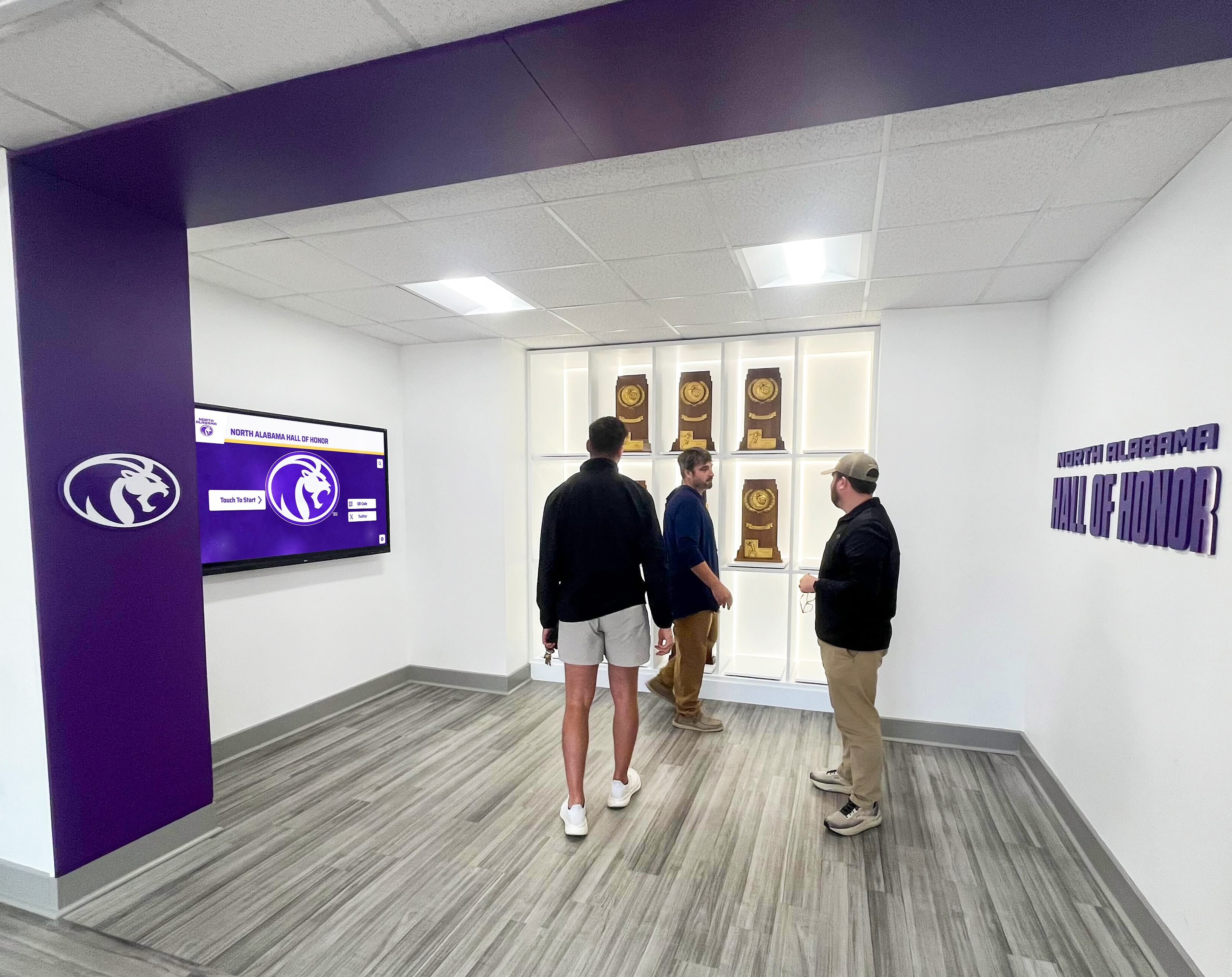
Interactive displays accommodate group viewing as families, teams, and friend groups explore achievements together, creating shared experiences that strengthen community connections and program traditions
Attendance and Program Support Indicators
While numerous factors influence attendance, recognition quality contributes to overall program health:
Game Attendance Trends Programs should monitor season ticket sales year-over-year, average attendance per game compared to previous seasons, early arrival rates as fans come earlier to explore displays, and family attendance patterns as extended families attend to see recognition.
Multiple schools report 8-15% attendance increases in seasons following major recognition upgrades, attributing improvements partially to enhanced game day experiences creating positive word-of-mouth recommendations.
Booster and Donor Engagement Quality recognition infrastructure influences fundraising and support including booster club membership growth, athletic program donations and contributions, volunteer coaching and support recruitment, and facility improvement campaign success.
Alumni and community members take pride in program quality markers like professional recognition displays, translating emotional connection into tangible financial and volunteer support that strengthens programs competitively.
Player Recruitment and Retention Success Recognition quality affects roster stability and recruiting effectiveness through reduced transfer rates as athletes feel valued and recognized, successful recruitment of top prospects citing recognition infrastructure, and enhanced player satisfaction scores in program evaluations.
Athletic directors implementing comprehensive recognition systems consistently report that displays provide measurable competitive advantages in recruiting when candidates evaluate multiple program options.
Stakeholder Satisfaction Assessment
Qualitative feedback complements quantitative metrics:
Player and Family Feedback Programs should systematically gather input through post-season surveys measuring athlete satisfaction with recognition, family feedback about game day experiences, specific comments about display content and functionality, and suggestions for recognition improvements.
This stakeholder input ensures recognition serves primary beneficiaries—student-athletes and their families—rather than just satisfying administrative or technical preferences.
Community and Alumni Perspectives Broader community feedback reveals recognition impact including visitor comments and testimonials, alumni engagement with historical content, media coverage mentioning recognition quality, and prospective family impressions during campus visits.
Positive community perception enhances program reputation while creating competitive advantages in environments where multiple schools compete for athletic participation, attendance, and support.
Overcoming Common Implementation Challenges
Anticipating obstacles enables proactive solutions ensuring successful display deployments.
Budget Constraints and Funding Strategies
Recognition technology represents significant investment that budget-conscious schools must approach strategically:
Total Investment Understanding Complete touchscreen display systems for basketball programs typically include initial hardware costs ($8,000-$15,000 per display), professional installation ($1,500-$3,000), content management software subscriptions ($1,200-$3,600 annually), initial content development ($2,000-$5,000), and training and support ($500-$1,500).
Total first-year investment typically ranges $15,000-$30,000 for single comprehensive display with ongoing costs of $1,500-$4,000 annually covering software subscriptions, content updates, and maintenance.
While substantial, this investment should be evaluated against eliminated costs including recurring vinyl record board updates ($500-$2,000 annually), physical trophy case expansions ($5,000-$15,000), printed program production ($1,000-$3,000 annually), and banner production expenses ($500-$1,500 per banner).
Alternative Funding Sources Programs can pursue various funding options beyond general athletic budgets:
- Booster club fundraising: Many booster organizations fund recognition projects through special campaigns or major gifts
- Alumni association support: Alumni groups often provide funding for initiatives honoring past athletes and building tradition
- Naming opportunities: Displays can be dedicated to honor major donors or community supporters
- Corporate sponsorships: Local businesses may sponsor recognition displays receiving appropriate acknowledgment
- Grant applications: Some foundations and corporate programs fund educational technology including athletic recognition
Schools implementing strategic fundraising specifically for recognition projects report higher success rates than competing for limited general athletic budget allocations.
Explore fundraising strategies using digital recognition as development tool generating resources for broader program needs.
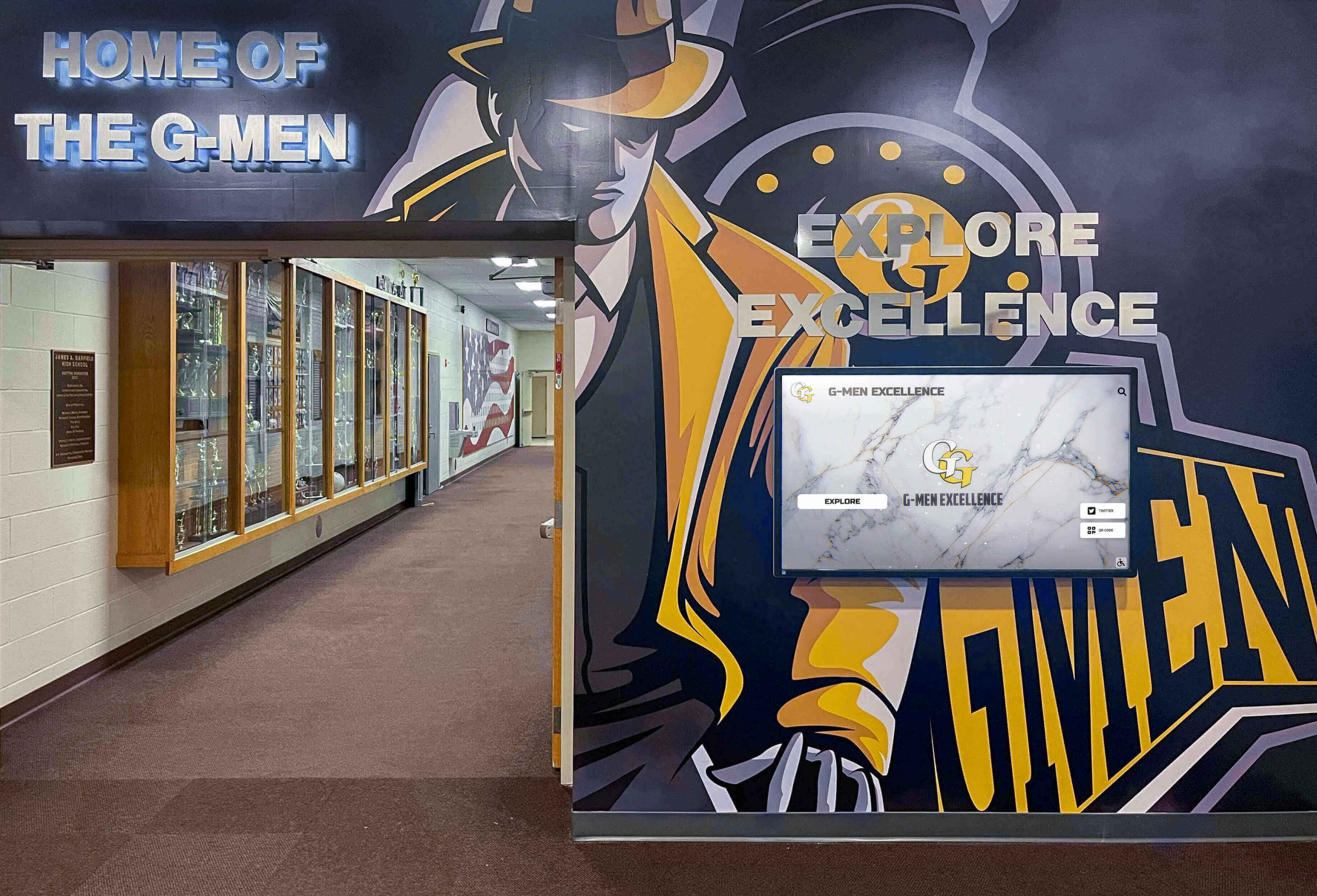
Blending interactive displays with preserved traditional trophy cases creates comprehensive recognition honoring both past achievements and present excellence through complementary physical and digital methods
Content Development and Maintenance
Building comprehensive recognition content requires systematic approaches:
Initial Content Population Challenges Launching displays with robust content demands significant upfront work including researching historical player information and statistics, collecting and digitizing old photos and materials, documenting championship teams and achievements, verifying statistical accuracy and record claims, and loading content into management platforms.
This foundational work often requires 40-80 hours depending on program size and desired historical depth. Programs can address workload through student manager assignments providing academic credit or experience, parent volunteer committees organized by booster clubs, retired coach consultation preserving institutional knowledge, alumni outreach requesting information and corrections, and professional content development services.
Ongoing Update Sustainability Maintaining current content throughout seasons requires systematic workflows and clear responsibility assignment. Programs should designate specific individuals responsible for updates, establish regular maintenance schedules, create simple update procedures minimizing time requirements, utilize template systems simplifying content creation, and prioritize essential updates when time is limited.
Athletic directors report that once initial content population completes, ongoing maintenance typically requires 2-4 hours monthly during seasons—manageable even for busy programs when systematic procedures exist.
Learn about sustainable content management strategies ensuring long-term recognition program success.
Technical Support and Troubleshooting
Game day reliability demands attention to technical support:
Preventing Game Day Technical Issues Programs should implement preventive measures including pre-game display testing verifying operation, backup content plans if real-time features fail, local technical contact availability during games, vendor support agreements providing rapid response, and redundant systems for critical recognition functions.
While technical issues occasionally occur with any technology, proper planning prevents problems from significantly impacting game day experiences or creating embarrassment during high-profile events.
Staff Training and Competency Development Sustainable operations require training multiple staff members on display operation and content management, creating documentation for common procedures, establishing vendor contact protocols for complex issues, and cross-training ensuring single-person dependency doesn’t create vulnerabilities.
Schools report that user-friendly platforms like Rocket Alumni Solutions require minimal training—typically 1-2 hours for basic proficiency—enabling busy athletic directors to manage systems effectively without extensive technical expertise.
Conclusion: Transforming Basketball Game Experiences Through Interactive Recognition
Rocket Alumni Solutions interactive touchscreen displays represent powerful tools for elevating high school basketball programs by transforming game day experiences, celebrating player achievements more effectively, engaging fans through interactive content, and building lasting traditions connecting past excellence with present efforts. From gymnasium lobbies where fans arrive before tip-off to halftime periods when engagement maintains excitement, these displays create opportunities for recognition and community building that traditional methods simply cannot match.
The most successful implementations share common characteristics: strategic placement in high-traffic locations maximizing visibility and access, comprehensive content celebrating current players while honoring program history, sustainable management workflows ensuring displays remain current throughout seasons, integration with game day operations and special events, and regular assessment measuring impact while identifying improvement opportunities.
Transform Your Basketball Game Day Experience
Discover how Rocket Alumni Solutions interactive touchscreen displays can revolutionize how your basketball program celebrates achievements, engages fans, and builds lasting traditions that strengthen competitive performance and community support.
Explore Basketball Recognition SolutionsModern technology has eliminated traditional constraints that limited recognition to brief announcements and static displays serving narrow purposes. Interactive touchscreens provide unlimited recognition capacity honoring every player and achievement regardless of playing time or statistical prominence, multimedia capabilities bringing basketball excellence to life through photos and videos rather than text alone, real-time update flexibility ensuring recognition happens when excitement peaks, and web accessibility extending celebration beyond physical gymnasium locations to reach alumni and supporters anywhere.
Yet technology alone doesn’t create meaningful recognition. The most successful programs invest not just in equipment but in systematic approaches to content development, thoughtful integration with game day operations, and sustained commitment to honoring basketball excellence comprehensively and consistently. Recognition succeeds when programs treat displays as strategic tools serving athletic and community development goals rather than passive technology installations requiring minimal attention after initial implementation.
Your basketball program—whether established powerhouse or developing program building tradition—deserves recognition infrastructure matching the dedication your athletes, coaches, and supporters invest in pursuing excellence. Outstanding players spending countless hours perfecting skills deserve more than brief PA announcements during games. Families traveling to support athletes deserve professional recognition creating lasting memories. Alumni who built program foundation deserve connections to current teams carrying traditions forward.
Start planning your game day recognition transformation today. Evaluate current recognition methods honestly, identifying gaps between existing approaches and ideal experiences. Explore interactive display solutions like Rocket Alumni Solutions specifically designed for athletic recognition. Engage stakeholders including players, families, coaches, and boosters in planning recognition serving entire basketball community. And commit to systematic implementation creating sustainable recognition programs that strengthen competitive success while building the vibrant basketball culture where every game becomes opportunity to celebrate achievement and build lasting pride.
Ready to begin? Explore how interactive touchscreen displays transform athletic recognition, discover basketball-specific recognition strategies, or learn about comprehensive approaches to celebrating student-athlete achievements that can inform your basketball program planning.
Every basket scored, defensive stop made, and team victory achieved represents dedication and excellence worthy of celebration. Rocket Alumni Solutions touchscreen displays ensure these achievements receive the visibility, recognition, and lasting honor they deserve—transforming good basketball programs into great ones where tradition, excellence, and community pride create competitive advantages that extend far beyond gymnasium walls.