Schools, universities, and organizations evaluating digital recognition solutions face a fundamental budget question: How do subscription pricing models align with educational procurement cycles, bond funding requirements, and long-term financial planning? For institutions accustomed to one-time purchases of physical plaques and trophy cases, the shift to software subscriptions raises valid concerns about ongoing costs, budget predictability, and total ownership expenses.
Yet the narrative that subscription models create “traps” or force schools into perpetual payments misunderstands how modern digital recognition platforms actually work—and overlooks the substantial flexibility that solutions like Rocket Alumni Solutions provide to accommodate diverse procurement requirements and budget constraints.
The reality is more nuanced and more flexible than many procurement officers initially realize. Rocket Alumni Solutions supports multi-year prepayment agreements with substantial discounts for schools seeking price certainty, accommodates one-time payment structures when bond funding or RFP requirements mandate them, and structures subscriptions specifically to fund the continuous platform maintenance that protects school investments from technological obsolescence, security vulnerabilities, and accessibility compliance changes.
This guide explains exactly how Rocket Alumni Solutions’ pricing models work, why subscription structures benefit schools rather than trap them, what multi-year and one-time payment options exist for different procurement scenarios, and how subscription revenue directly funds the engineering work that keeps your recognition platform secure, compatible, and continuously improving without requiring expensive upgrades or professional services down the road.
School administrators and business officers making recognition platform decisions deserve complete transparency about pricing structures, procurement flexibility, and how subscription models translate to long-term value. The following sections address common pricing questions, misconceptions about subscriptions, and the specific options Rocket offers to align with educational budget realities.

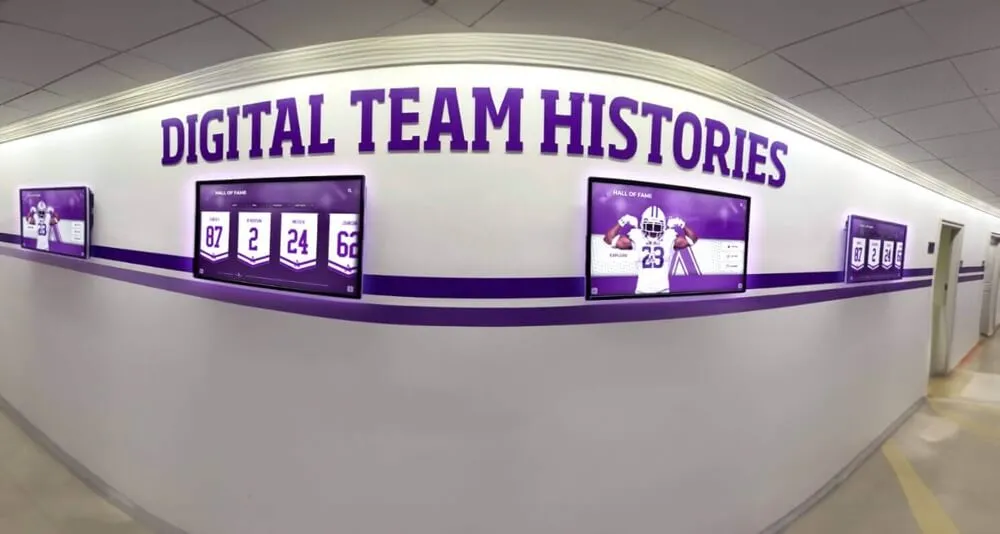
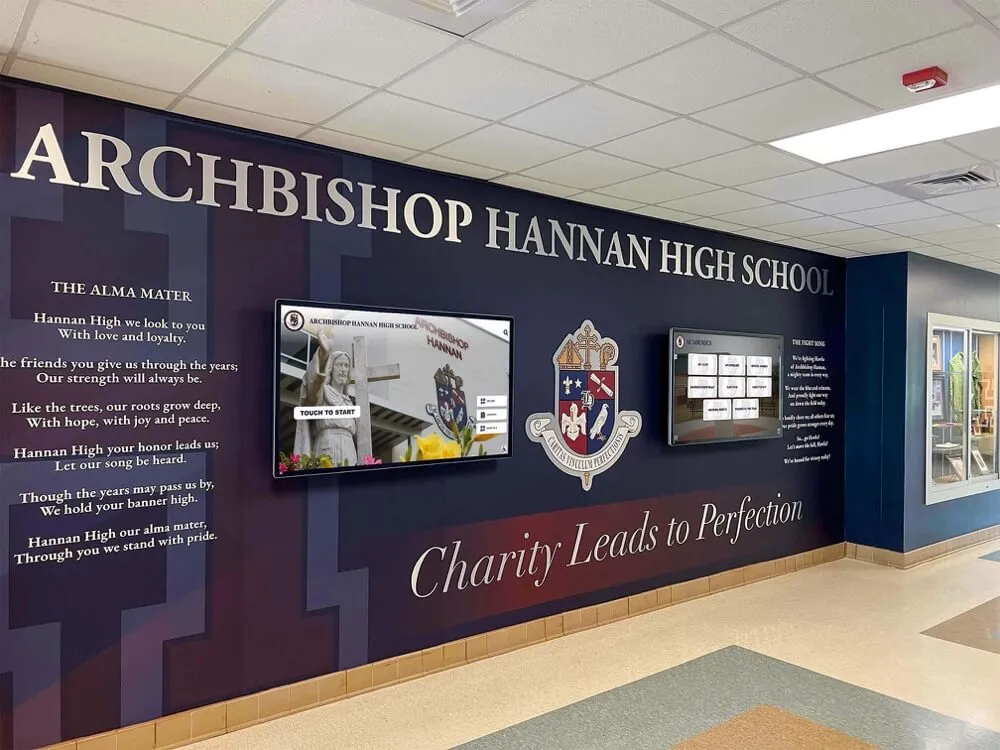
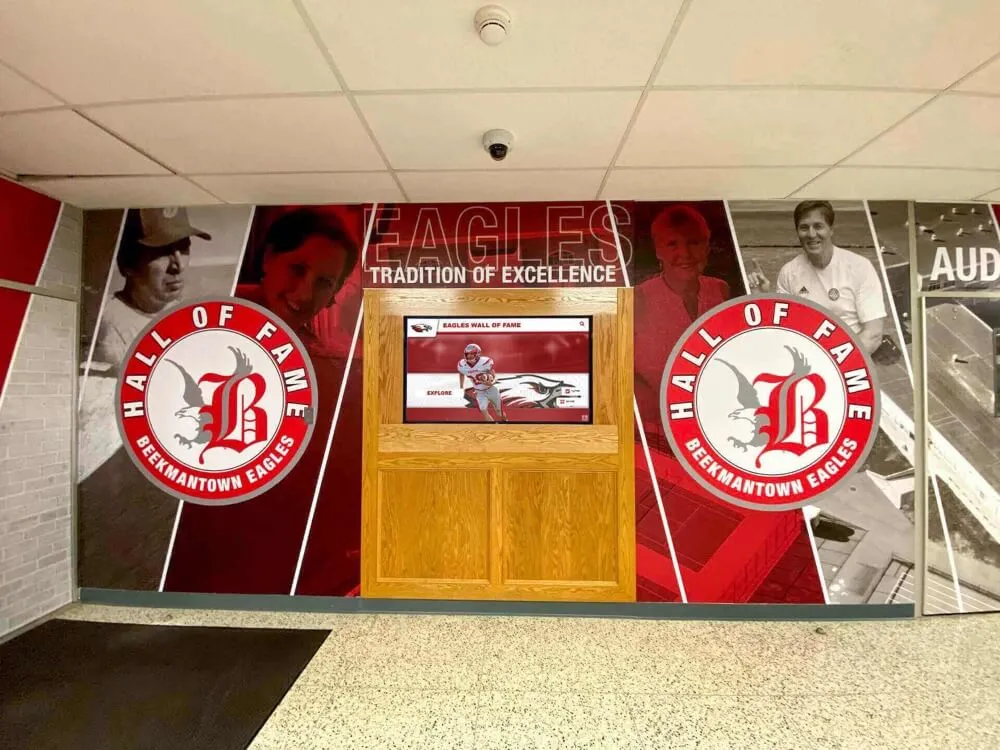
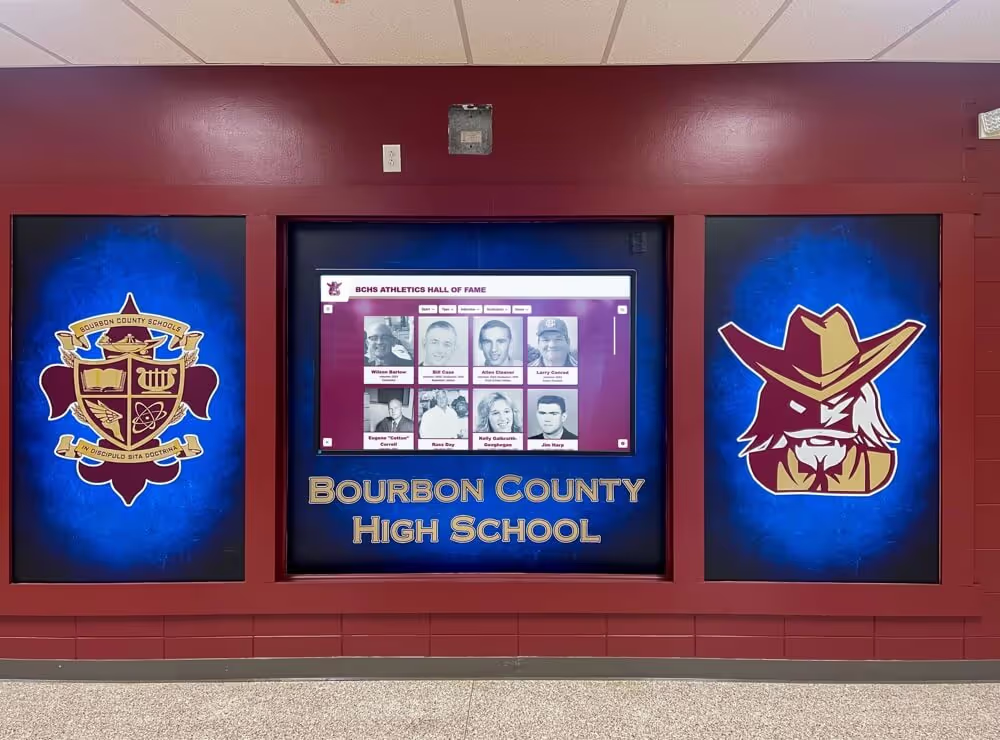
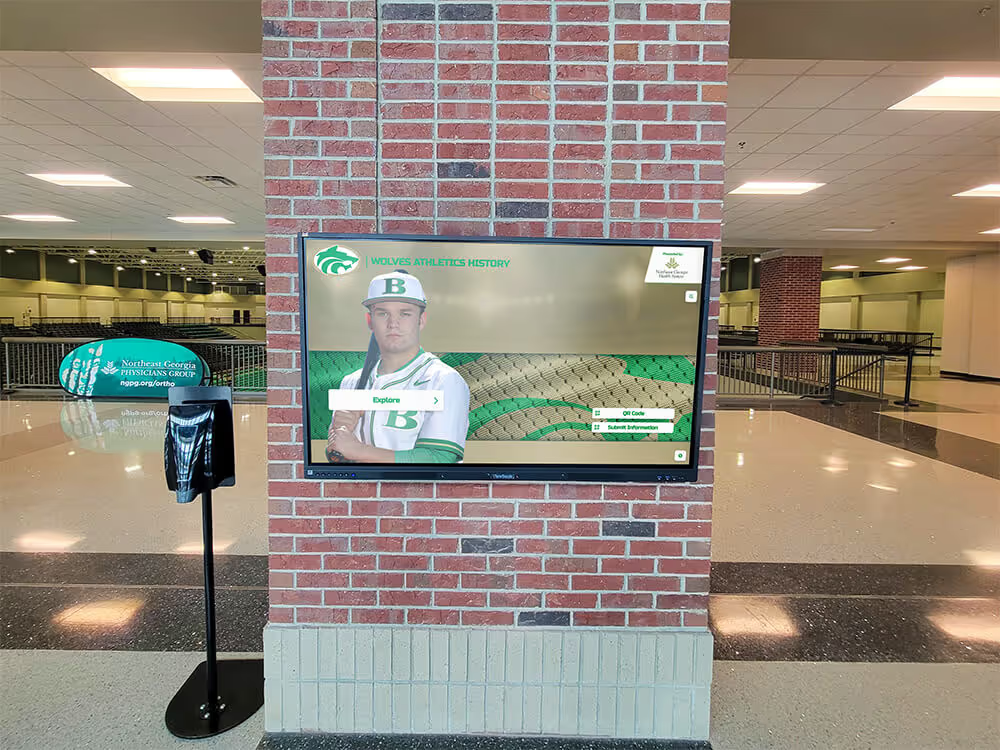
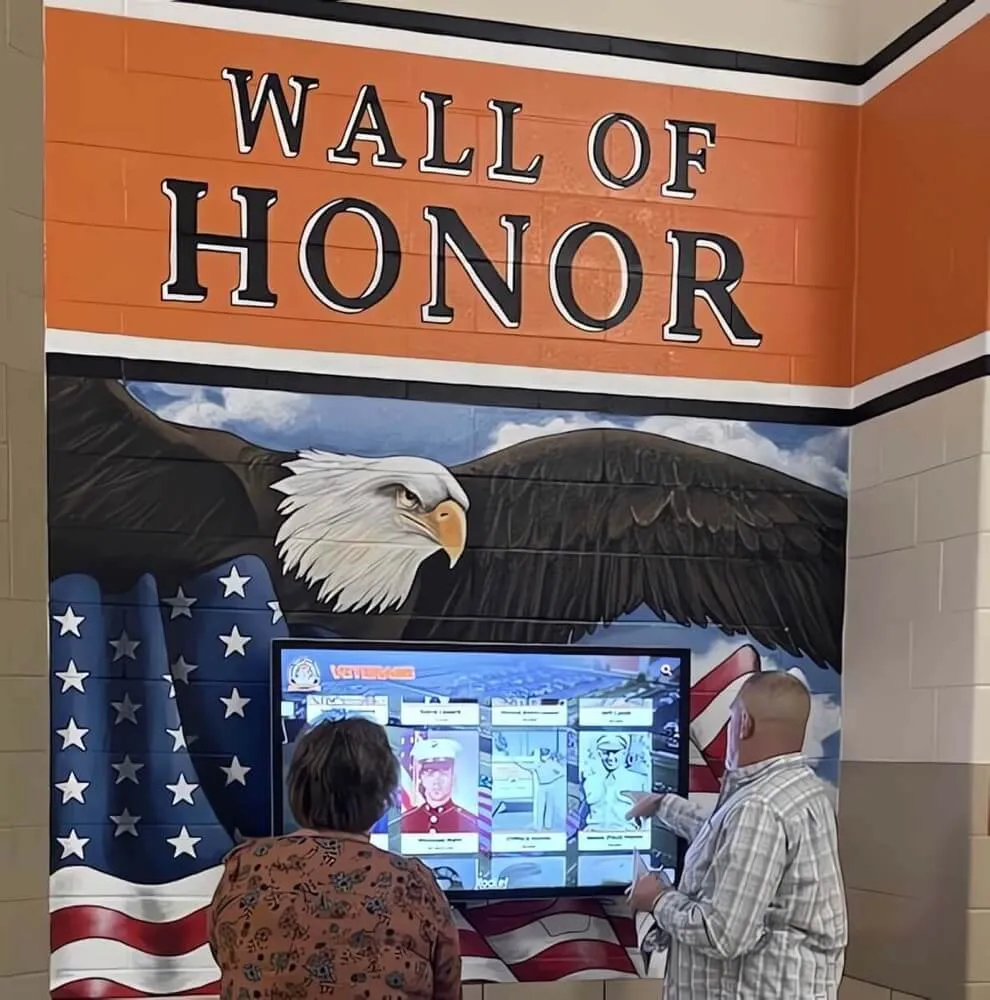
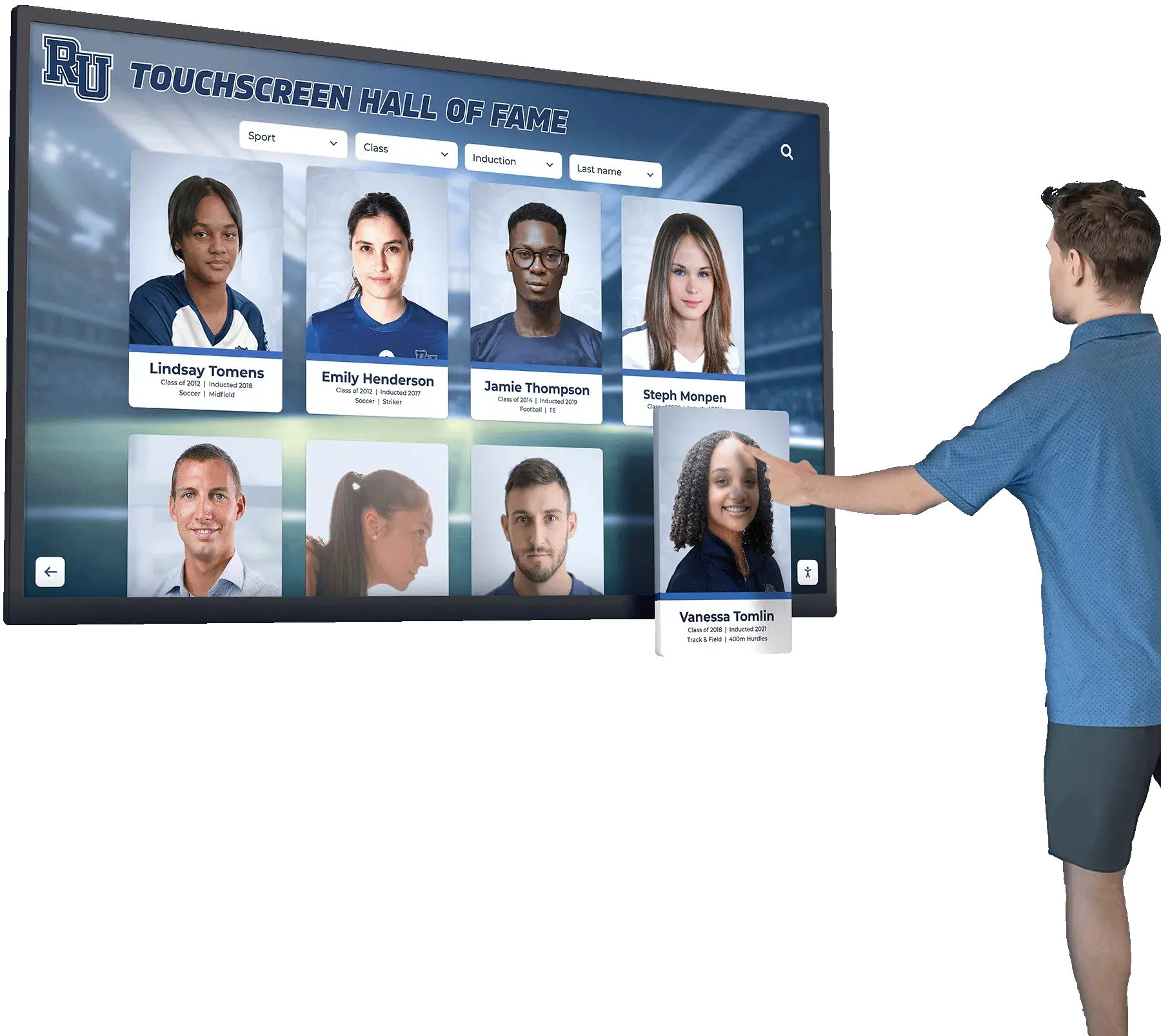
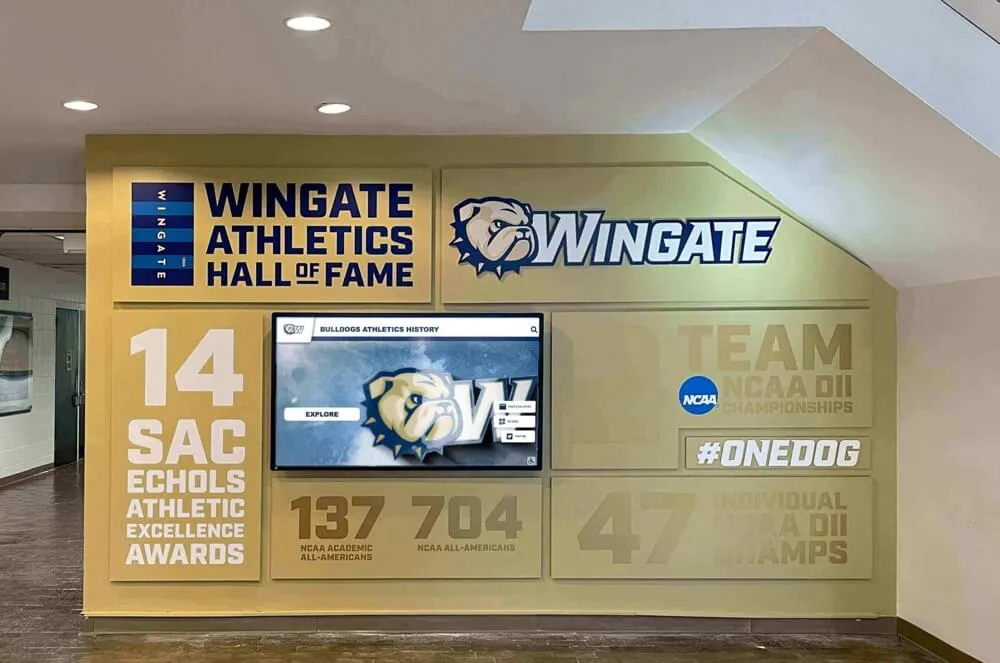
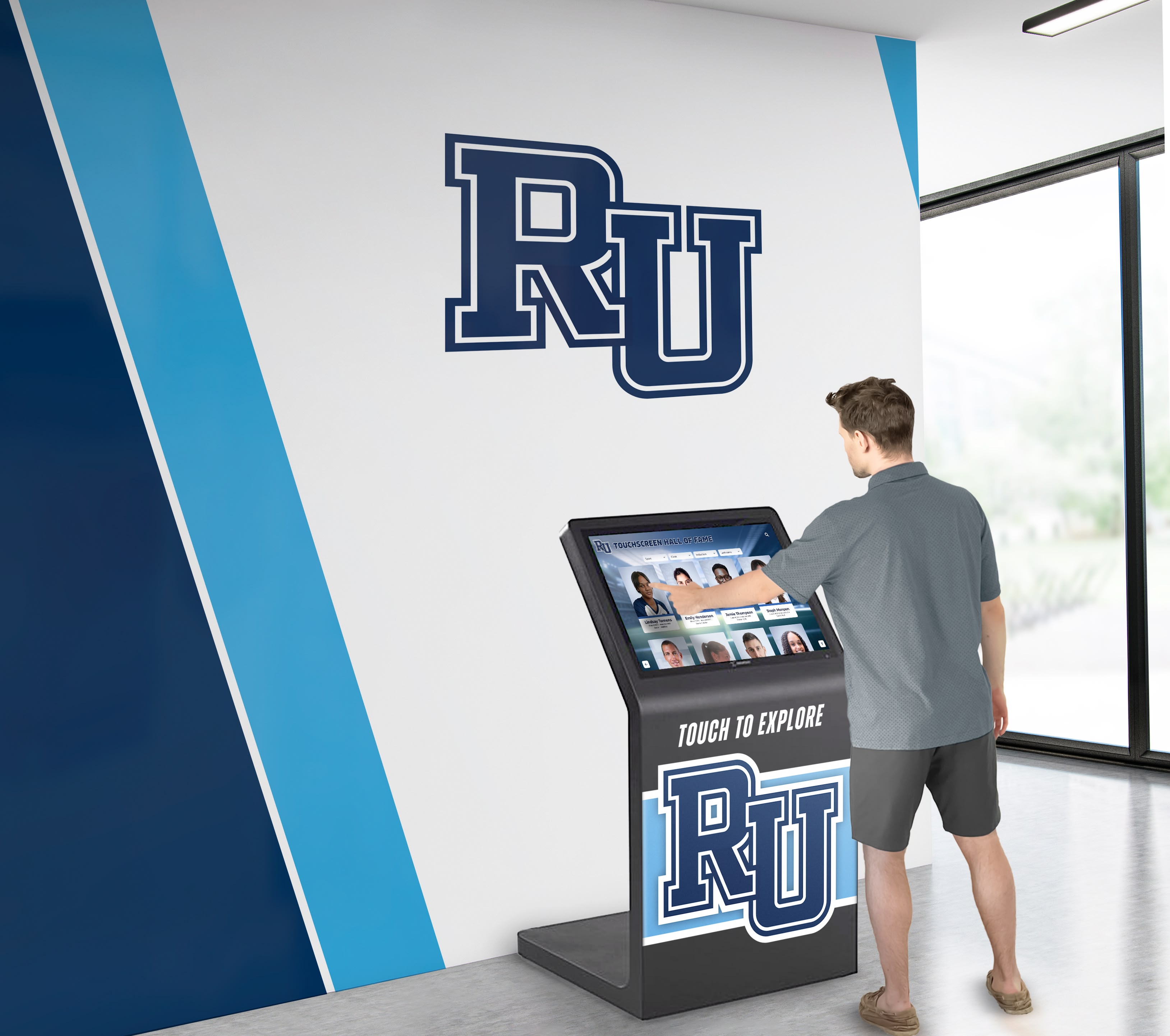
Rocket Alumni Solutions provides flexible pricing structures accommodating diverse educational procurement requirements while maintaining platform quality and reliability
Understanding Subscription Pricing for Digital Recognition Platforms
Before addressing specific Rocket Alumni Solutions pricing options, understanding why digital recognition platforms typically use subscription models rather than one-time purchases clarifies how these structures actually protect school investments.
Why Digital Recognition Differs from Physical Displays
Physical plaques and trophy cases represent essentially static products. Once manufactured and installed, they require minimal ongoing maintenance beyond occasional cleaning. A plaque purchased in 2010 functions identically to how it worked the day it was installed—displaying the same information in the same way indefinitely.
Digital recognition platforms operate fundamentally differently. These systems are living software environments that must continuously adapt to evolving technological landscapes including browser engine changes affecting display rendering, operating system updates requiring compatibility adjustments, security vulnerabilities demanding immediate patches, accessibility standard interpretations requiring implementation updates, network protocol changes affecting connectivity, and database dependency updates maintaining stability.
Schools implementing digital hall of fame systems purchase platforms that must remain actively maintained to continue functioning properly. Unlike static physical displays, digital platforms left unmaintained degrade over time as the technological environment evolves around them.
The Hidden Costs of “Buy Once” Software Models
Organizations purchasing software through one-time perpetual licenses often discover that avoiding subscription fees doesn’t actually eliminate ongoing costs—it just transforms how those costs manifest:
Paid Upgrade Cycles
Perpetual license vendors eventually stop supporting older versions, forcing customers to purchase “major version upgrades” to maintain compatibility and security. These upgrade purchases recur every 2-4 years and often cost 40-60% of the original license price—functioning as irregular subscription payments without the predictable budgeting subscription models provide.
Professional Services and Customization Fees
When perpetual license software doesn’t adapt to changing requirements, schools must hire consultants or pay vendor professional services teams to implement custom modifications. Browser compatibility issues, accessibility requirements, or new feature needs become expensive professional services engagements rather than included platform improvements.
System Degradation and Technical Debt
Schools avoiding upgrade costs by continuing to use outdated software versions experience progressive system degradation: displays stop working with newest browsers, security vulnerabilities remain unpatched creating liability risks, accessibility compliance gaps emerge as WCAG standards evolve, and modern smartphones may not render content properly as mobile operating systems advance.
Organizations implementing touchscreen digital signage systems must account for ongoing maintenance costs whether paid through subscriptions, periodic upgrades, or eventual system replacements when accumulated technical debt becomes too severe.
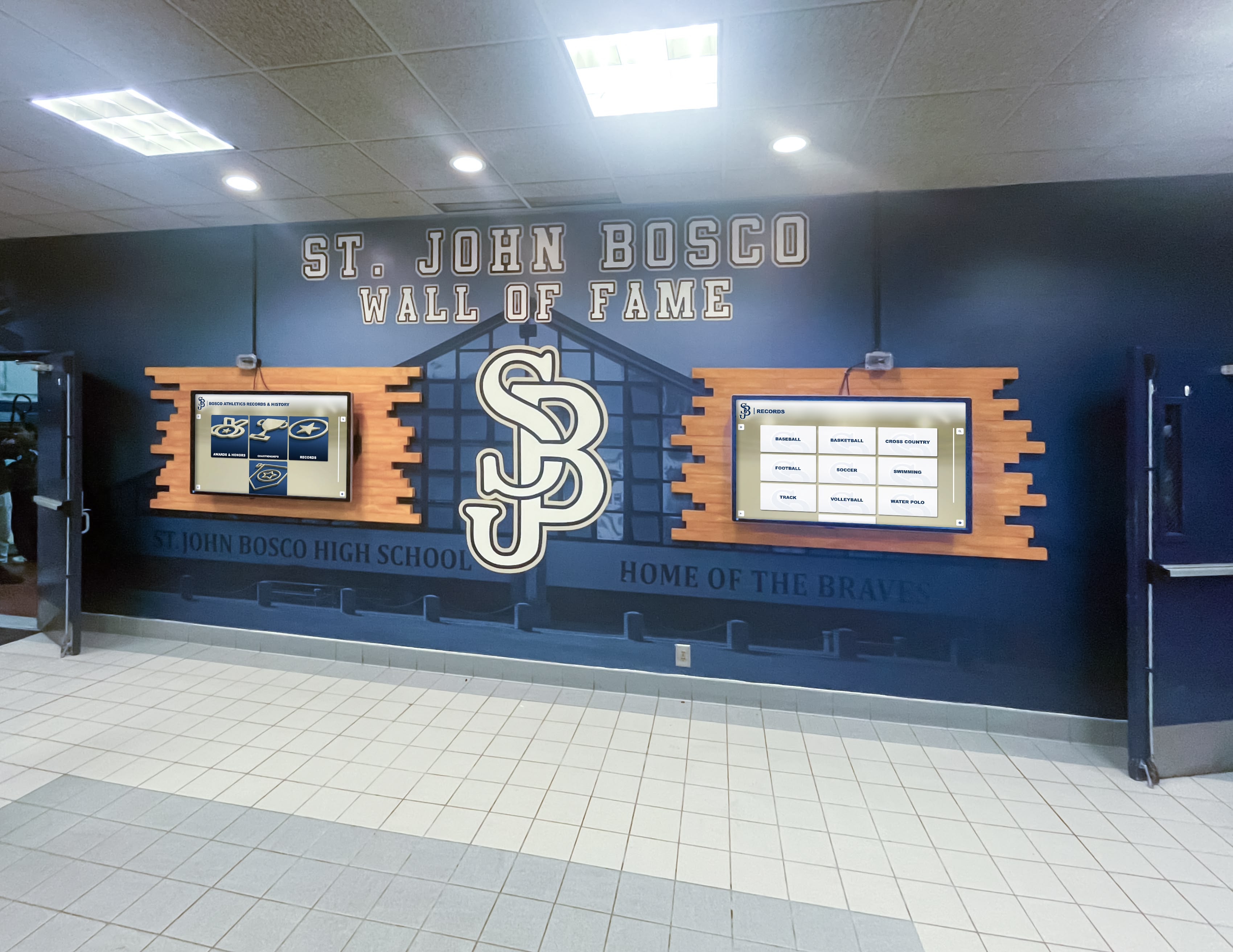
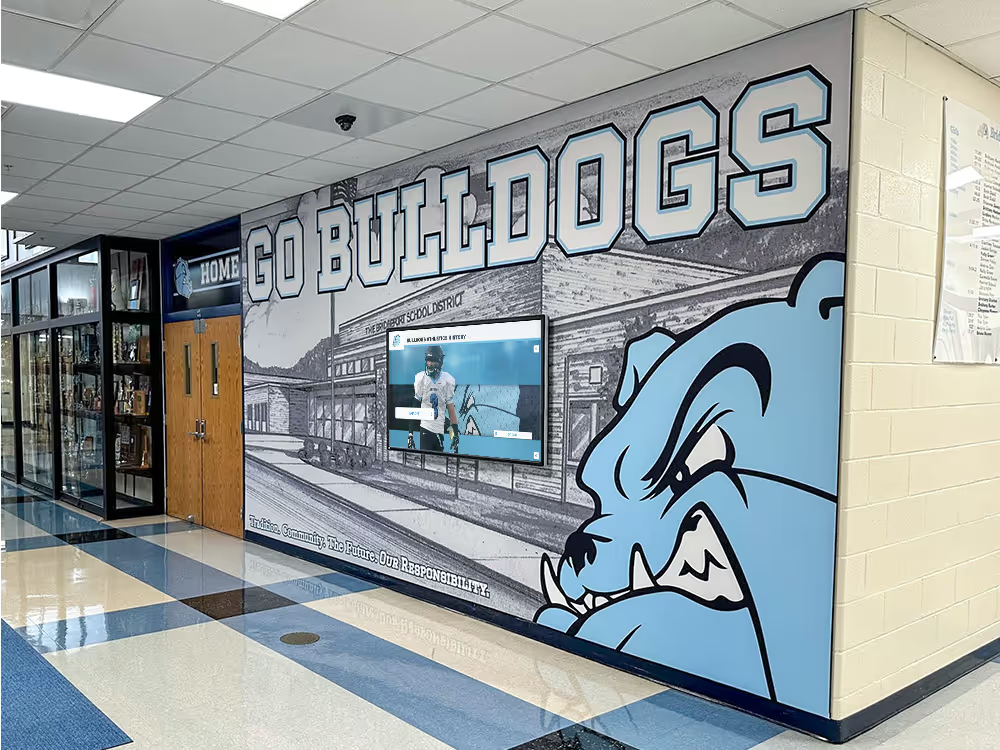
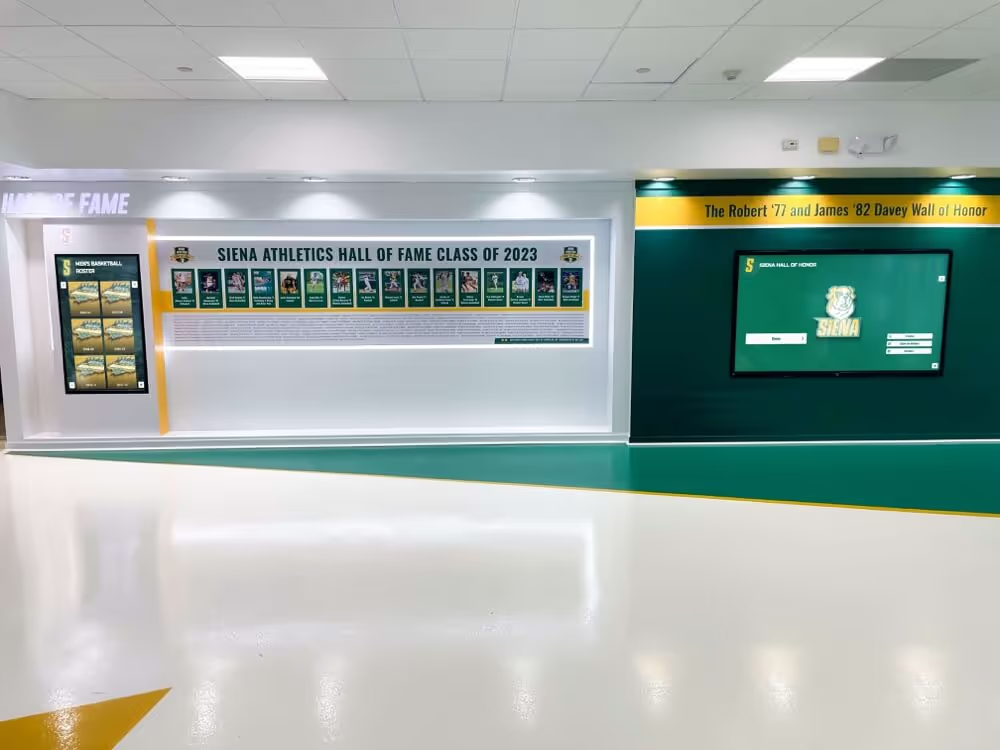
Multi-display installations benefit from centralized maintenance ensuring all screens remain secure, compatible, and current without individual update management
How Subscriptions Fund Continuous Platform Maintenance
Rocket Alumni Solutions structures subscription pricing specifically to fund ongoing engineering work that keeps platforms current without requiring schools to manage technical maintenance:
Automatic Security Patching
Subscription revenue funds security teams monitoring for vulnerabilities and deploying patches automatically across all client installations. Schools don’t need to evaluate security bulletins, test patches, or coordinate update deployments—security maintenance happens transparently in the background.
Browser Compatibility Maintenance
Chrome, Safari, Firefox, and Edge release major updates every 6-8 weeks, each potentially affecting how digital displays render content. Subscription-funded engineering teams test upcoming browser releases, identify compatibility issues before they affect schools, and deploy necessary adjustments automatically—ensuring displays continue working perfectly as browsers evolve.
Accessibility Compliance Updates
WCAG standards and ADA interpretation evolve continuously as courts issue rulings and guidance documents clarify requirements. Subscription models fund accessibility specialists who monitor these developments and implement necessary platform adjustments, protecting schools from compliance risks without requiring in-house accessibility expertise.
Infrastructure and Hosting Maintenance
Cloud-based platforms require ongoing database maintenance, server security hardening, network infrastructure updates, backup system verification, and capacity scaling as usage grows. Subscription fees cover this operational infrastructure that keeps platforms reliable and available.
Schools implementing interactive recognition displays benefit from subscription models that distribute maintenance costs across client bases rather than requiring individual schools to fund all engineering work themselves.
The Shared Codebase Advantage
Unlike some vendors who maintain different platform versions for different client tiers or vintage years, Rocket Alumni Solutions operates all clients on a shared codebase. Every school runs the current platform version regardless of when they originally purchased or what tier they selected.
This architectural decision creates substantial client benefits. When Rocket’s engineering team improves any platform aspect—better search algorithms, enhanced accessibility features, performance optimizations, new content templates, or interface refinements—those improvements automatically benefit every school, even those on basic packages purchased years ago.
Budget-conscious schools particularly benefit from this approach. Organizations implementing affordable digital recognition systems on entry-level packages receive the same platform quality, security maintenance, and feature improvements as institutions paying for comprehensive enterprise implementations—the difference lies in number of displays, content capacity, and support levels rather than platform capabilities.
Multi-Year Agreements: Long-Term Pricing with Substantial Discounts
For schools seeking budget predictability, avoiding annual renewal processes, or needing to align digital recognition investments with bond funding cycles or multi-year budget allocations, Rocket Alumni Solutions offers extended prepayment options with significant price reductions.
Multi-Year Prepayment Structure
Rocket structures multi-year agreements to provide schools meaningful financial incentives for longer commitments while ensuring predictable costs throughout agreement terms:
3-Year Prepaid Agreements
Three-year prepayment options typically provide 10-15% total cost savings compared to annual renewals, locking in current pricing regardless of future price increases and simplifying budget management by eliminating annual renewal processes.
5-Year Prepaid Agreements
Five-year commitments commonly offer 20-25% total savings, providing substantial cost reductions for schools confident in long-term platform use and aligning well with typical capital improvement budget cycles.
7-10 Year Prepaid Agreements
For schools seeking maximum budget certainty or using bond funding requiring longer commitment horizons, Rocket offers prepaid agreements up to 10 years with discount structures scaled to reflect extended commitment length—commonly 30-40% total savings compared to annual renewals.
These extended agreements directly address grant-funded and bond-funded procurement scenarios where schools need to commit entire project budgets upfront rather than managing annual renewal processes. Athletic facilities funded through bond measures, major renovation projects, or capital campaigns commonly require allocating complete technology costs within initial project budgets—multi-year prepayment structures accommodate these requirements while providing substantial financial benefits.
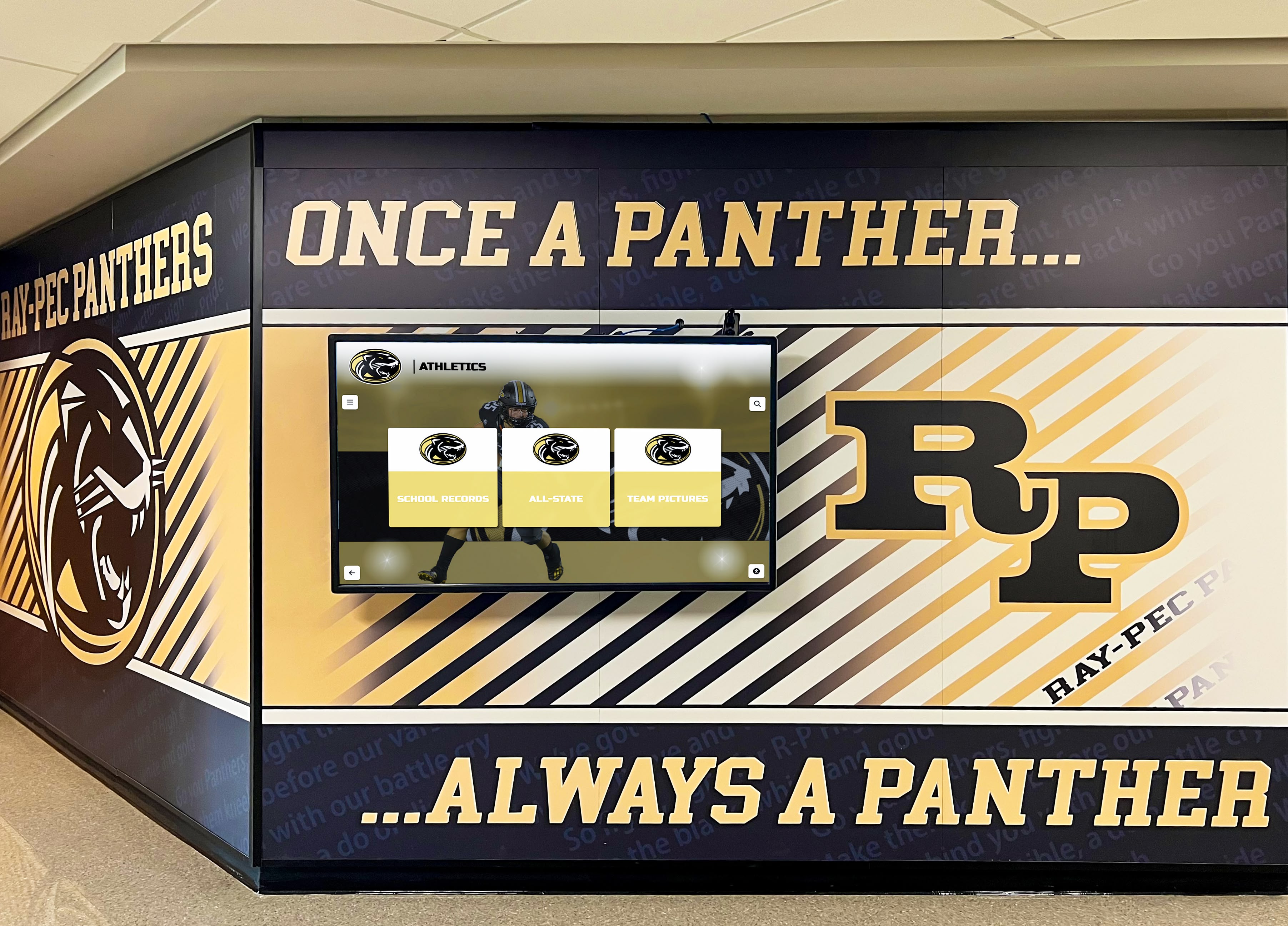
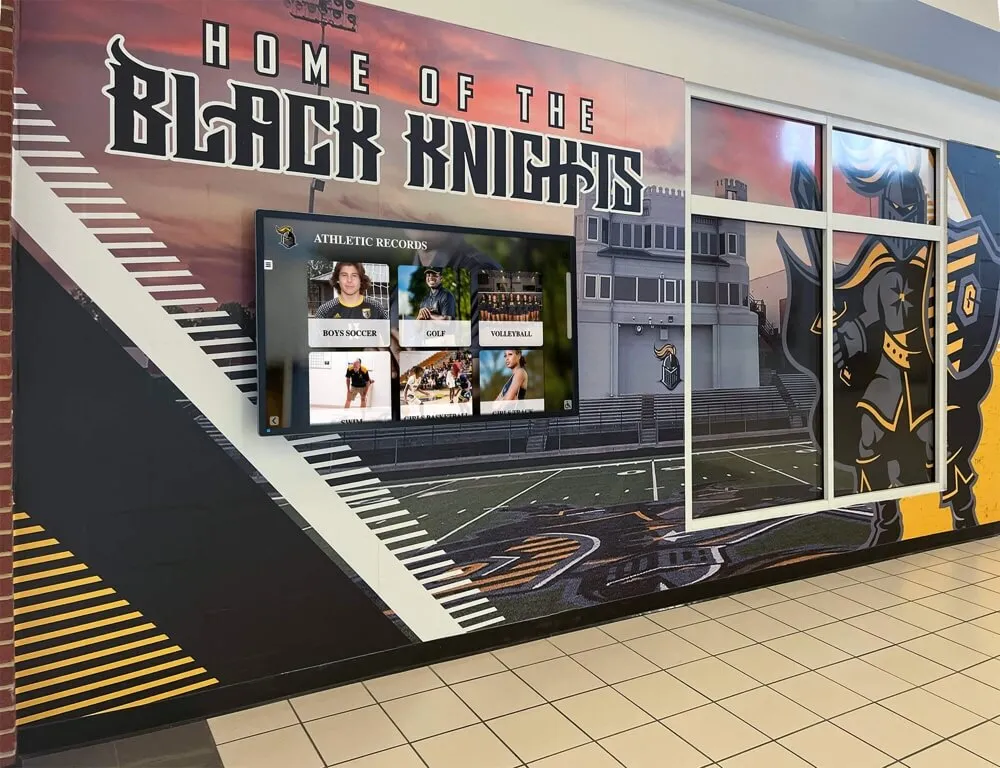
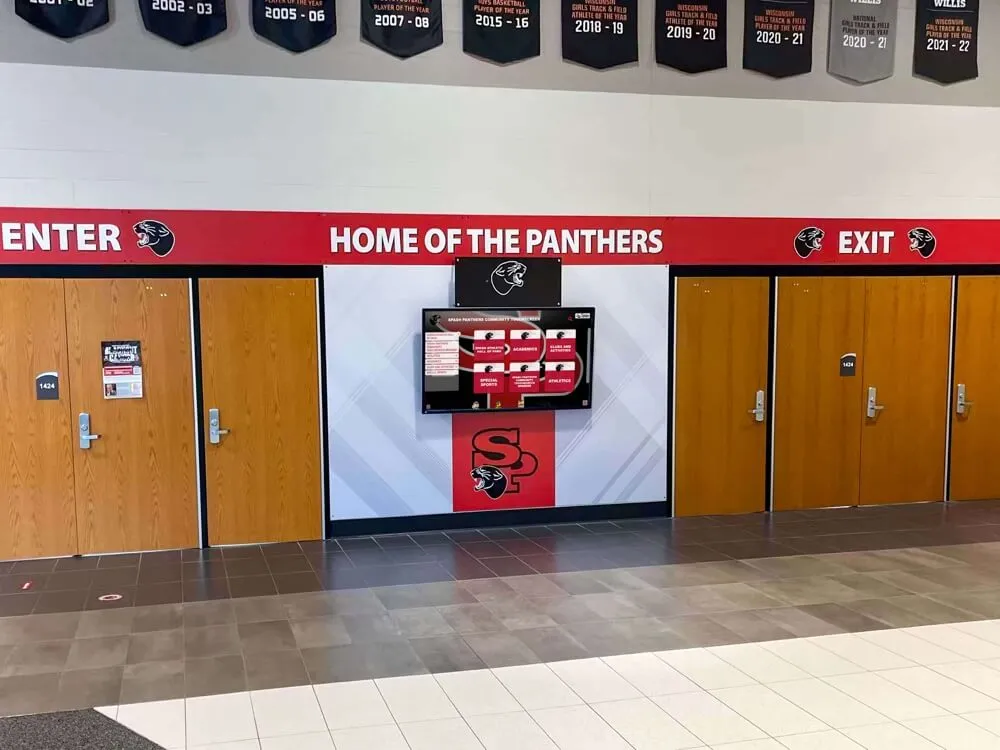
Long-term prepayment agreements provide budget certainty for schools financing recognition displays through bonds, capital campaigns, or multi-year budget allocations
Aligning with Procurement and Budget Cycles
Educational procurement operates on distinct cycles that often conflict with annual subscription renewals. Rocket’s multi-year prepayment options specifically address these institutional budget realities:
Capital Improvement and Bond Funding Alignment
When schools construct new athletic facilities, renovate lobbies, or undertake major campus improvements funded through bond measures, project budgets must capture all associated costs upfront. Digital recognition displays represent technology components of these construction projects—multi-year prepayment allows schools to allocate complete platform costs within capital project budgets rather than creating ongoing operational expenses requiring annual appropriations.
Organizations planning new facility touchscreen installations benefit from prepayment structures that integrate technology costs into facility construction budgets.
Grant-Funded Implementation Scenarios
Educational technology grants, athletic facility improvement grants, and community development funding commonly require complete project cost accounting upfront with limited flexibility for ongoing operational expenses. Multi-year prepayment enables schools to capture entire recognition platform costs within grant budgets, satisfying funding agency requirements for comprehensive cost disclosure while securing multi-year platform access.
Multi-Year Budget Approval Processes
Some districts or institutions conduct comprehensive budget planning on 3-5 year cycles, with limited flexibility for new ongoing expenses between major budget revision periods. Extended prepayment agreements allow schools to secure recognition platform funding within these multi-year budget cycles without requiring annual appropriation renewals that may face uncertain approval in future budget years.
Price Protection Benefits
Multi-year prepayment agreements lock in current pricing regardless of future rate increases, providing protection against both standard price escalations and unexpected cost pressures:
Inflation Protection
Annual subscription prices typically increase 3-5% annually reflecting inflation, increased cloud infrastructure costs, and expanded platform capabilities. Multi-year prepayment locks in current rates throughout agreement terms, effectively saving the cumulative impact of those increases—commonly 15-25% over 5-7 year periods.
Feature Expansion Without Price Increases
Rocket regularly enhances platform capabilities—expanded content capacity, new recognition categories, enhanced analytics, mobile app improvements, and additional integrations. Multi-year agreement holders receive all these improvements without additional costs, whereas annual subscribers might face tier upgrades or feature-based pricing adjustments to access new capabilities.
Budget Predictability for Fixed-Cost Environments
Educational budgets often operate with limited flexibility, making unexpected cost increases difficult to accommodate. Multi-year agreements eliminate renewal negotiation uncertainty, provide exact cost certainty for extended periods, and protect against market volatility affecting technology service pricing.
Schools implementing digital trophy case replacements commonly select multi-year prepayment to align recognition technology costs with facility renovation budgets and capital improvement cycles.
One-Time Payment Options for Bond-Funded and RFP Scenarios
While subscription models provide optimal long-term value for most schools, certain procurement scenarios require one-time payment structures. Rocket Alumni Solutions accommodates these requirements when procurement regulations, funding source restrictions, or organizational policies mandate single-payment approaches.
Understanding One-Time Payment Structure
One-time payment options provide perpetual access to the Rocket Alumni Solutions platform through single upfront payments rather than recurring subscription fees. These arrangements typically include initial platform access, defined update and support periods (commonly 3-5 years), and options for extended maintenance agreements after initial terms expire.
One-time payment structures commonly cost 3-5 times annual subscription pricing, reflecting the compressed payment timeline and multi-year support obligations. For example, a platform typically costing $2,500 annually might offer one-time payment around $8,000-10,000 including 3-5 years of updates, support, and maintenance.
What One-Time Payments Include
Complete platform access with unlimited content capacity, full touchscreen and web functionality, initial content setup assistance and training, and defined update periods ensuring security, compatibility, and accessibility maintenance during contracted timeframes.
Post-Contract Maintenance Options
After initial maintenance periods expire, schools typically can continue platform use with several options: purchase annual maintenance extensions at renewal rates (commonly 20-30% of initial one-time cost), migrate to standard subscription pricing for ongoing updates and support, or continue using platforms without updates (accepting gradual compatibility degradation risks).
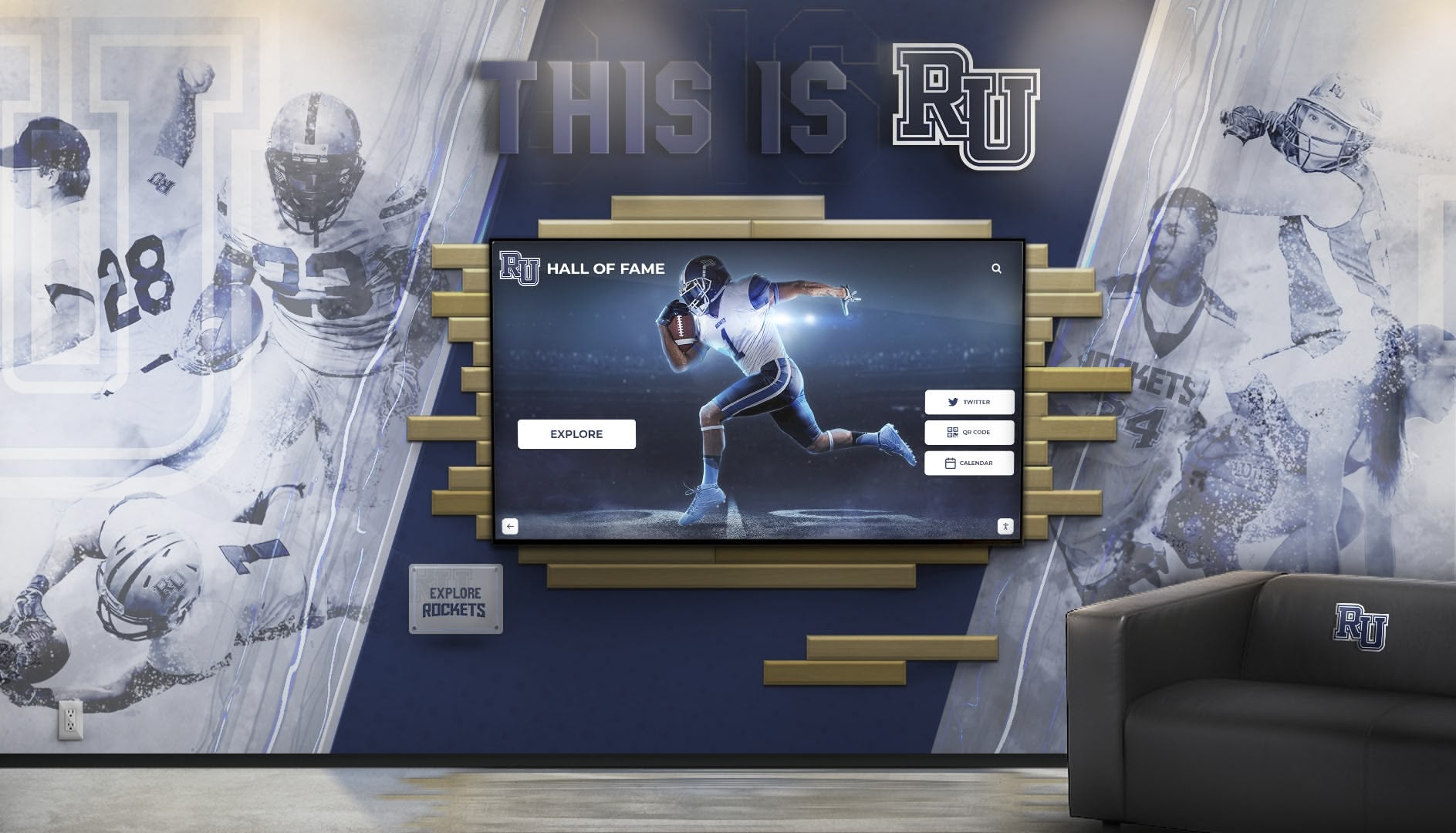
One-time payment options accommodate bond-funded projects and RFP requirements while maintaining access to platform capabilities and support services
Bond-Funded Project Requirements
Educational bond measures commonly fund significant capital improvements including facility construction, major renovations, and permanent infrastructure investments. Bond regulations typically prohibit using bond proceeds for ongoing operational expenses, requiring that all project costs be capital expenditures paid upfront.
Digital recognition displays installed as components of bond-funded facilities must align with these capital expenditure requirements. One-time payment structures enable schools to classify recognition platforms as capital assets rather than operational subscriptions, satisfying bond compliance requirements while securing long-term platform access.
Capital Asset Classification
Accounting standards and bond regulations commonly require capital assets to meet minimum value thresholds and useful life expectations. One-time platform purchases costing $8,000-15,000 with 5-10 year expected useful lives typically qualify as capital assets eligible for bond funding, whereas annual subscription fees representing operational expenses do not.
Bond Counsel and Auditor Requirements
Bond counsel and auditors reviewing facility construction budgets verify that expenditures align with bond authorization language and comply with applicable regulations. One-time technology purchases integrated into facility construction budgets more readily satisfy these review requirements than ongoing subscription obligations that extend beyond construction completion.
Organizations planning digital recognition installations within new facilities should consult with bond counsel early in procurement planning to ensure pricing structures align with funding source requirements.
RFP and Competitive Procurement Scenarios
Formal request for proposal (RFP) processes and competitive procurement requirements sometimes mandate specific pricing structures or evaluation criteria that favor one-time purchases over subscription arrangements:
Single-Year Budget Authorizations
Some procurement regulations limit contract approvals to single fiscal years, requiring that multi-year financial obligations receive annual board approvals or appropriations. One-time payments eliminate ongoing authorization requirements by converting multi-year financial commitments into single-year capital expenditures.
Vendor Comparison Standardization
RFPs commonly request pricing in standardized formats enabling direct vendor comparisons. One-time payment options facilitate comparison when competing vendors offer perpetual licenses rather than subscriptions, creating evaluation consistency that simplifies procurement committee decisions.
Grant Compliance Documentation
Federal and state grants funding recognition technology commonly require comprehensive budget documentation accounting for all project costs. One-time payment structures simplify compliance by capturing entire technology costs within grant budgets rather than creating dependencies on future appropriations to maintain grant-funded installations.
Important Considerations for One-Time Payment Approaches
While one-time payments accommodate specific procurement requirements, schools should understand important distinctions from subscription models before selecting payment approaches:
Maintenance Responsibility Shifts
Subscription models include perpetual platform maintenance, updates, security patching, and compatibility adjustments without additional costs. One-time payment structures include defined maintenance periods (commonly 3-5 years), after which schools must either purchase maintenance extensions or accept that platforms will gradually lose compatibility with evolving browsers, operating systems, and security standards.
Feature Enhancement Access
Subscription clients automatically receive all platform improvements and new features as Rocket develops them. One-time purchase clients typically receive security and compatibility updates during contracted maintenance periods but may not receive major feature enhancements without upgrade purchases or maintenance extension agreements.
Total Cost of Ownership Comparison
Schools should compare total costs over realistic operational timeframes (7-10 years) rather than focusing exclusively on initial expenditures. One-time payments appear less expensive initially but may result in higher total costs when accounting for necessary maintenance extensions, eventual upgrade purchases, or complete system replacements when unmaintained platforms become obsolete.
The optimal payment structure depends on procurement requirements, funding sources, budget management preferences, and long-term technology plans rather than any single “best” approach applying universally across all institutional contexts.
Why Subscriptions Protect School Investments Better Than Perpetual Licenses
Beyond procurement flexibility and payment structure options, understanding how subscription models specifically benefit schools clarifies why many educational technology implementations increasingly favor subscription approaches over traditional perpetual licensing.
Continuous Security Maintenance Without Additional Costs
Security vulnerabilities represent serious institutional risks. Digital displays connected to school networks create potential entry points for attackers if not maintained with current security patches. Unpatched systems expose sensitive student information, create liability concerns, and may violate data protection regulations.
Subscription models incorporate continuous security maintenance within base pricing. Rocket’s security team monitors vulnerability databases, tests patches, and deploys security updates automatically across all client installations—schools don’t need to track security bulletins, evaluate vulnerability severity, or coordinate patch deployments themselves.
One-time purchase models commonly include security updates only during contracted maintenance periods. After those periods expire, schools must either purchase maintenance extensions specifically for security patching or operate platforms with known unpatched vulnerabilities—creating security risks and compliance concerns that often cost more to address than continuing subscription payments would have.
Organizations implementing school technology systems bear responsibility for maintaining security regardless of software licensing models—subscription structures simply include security maintenance rather than requiring schools to purchase it separately.
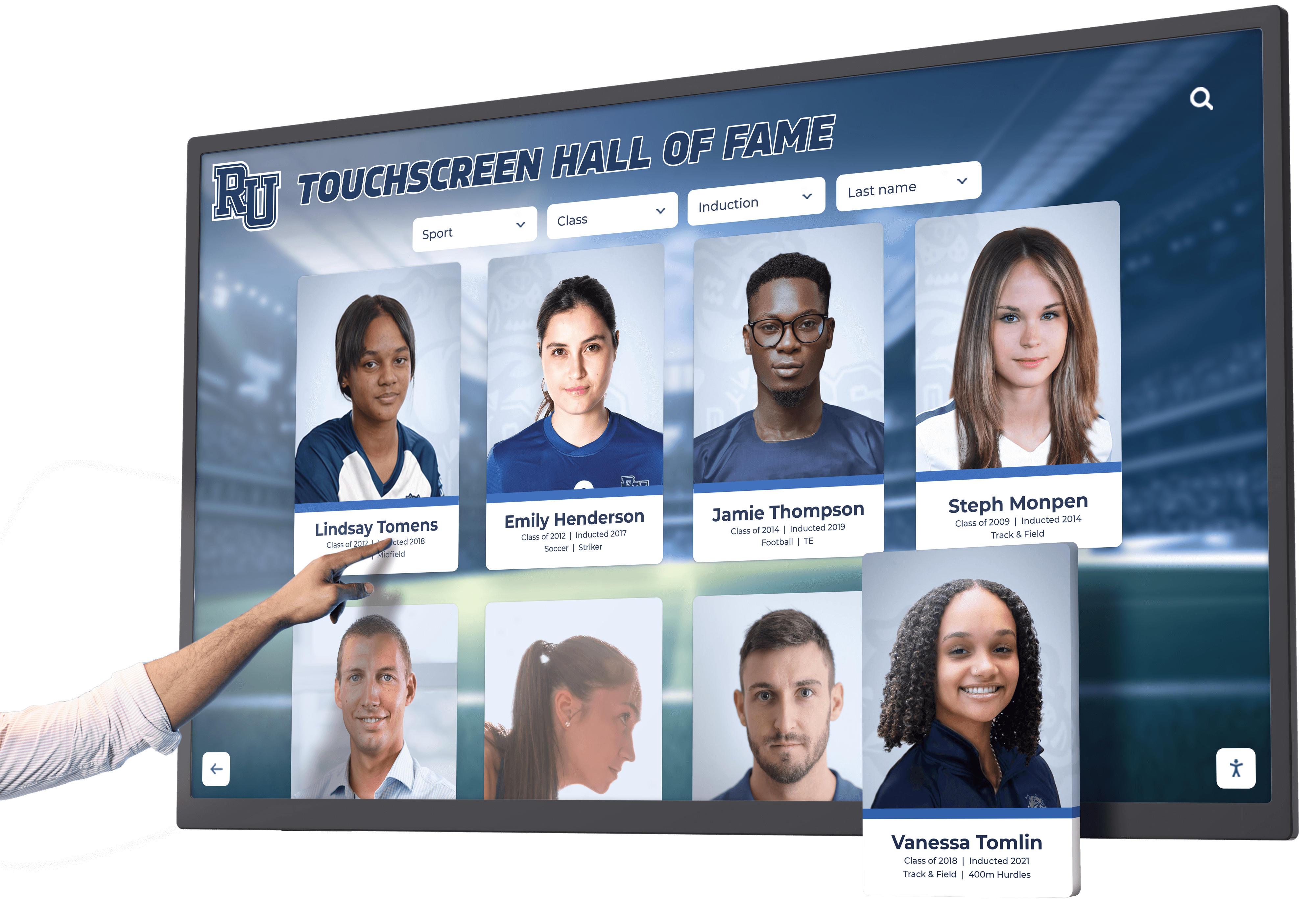
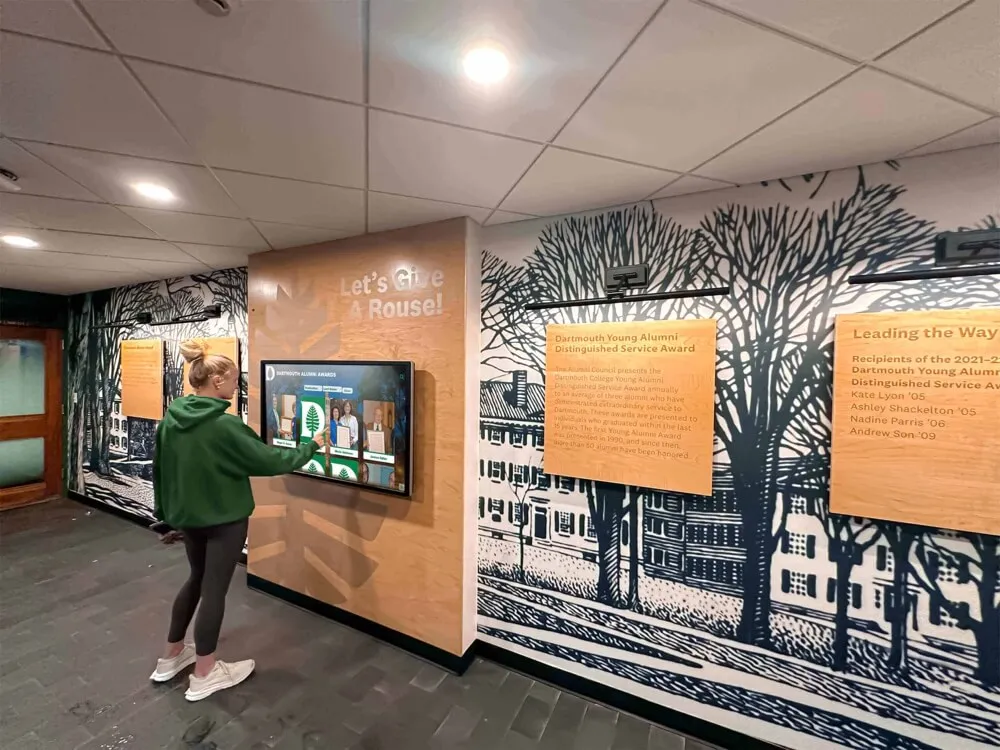
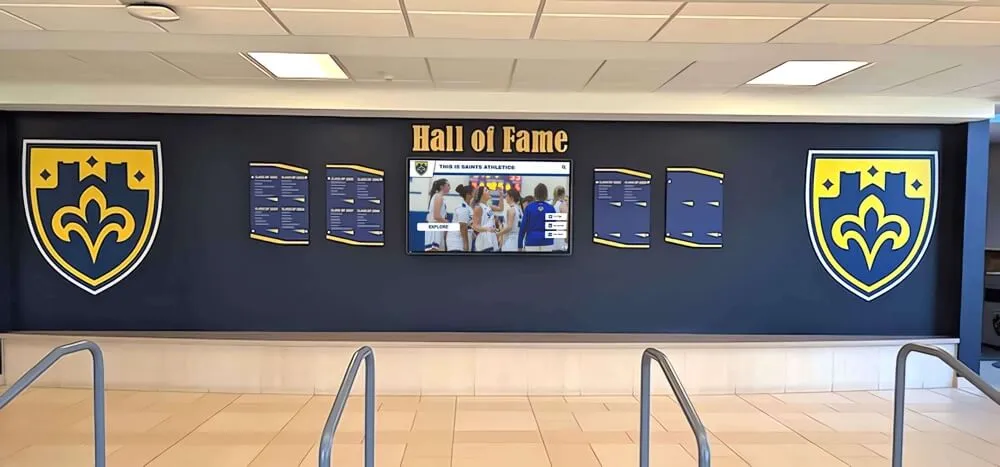
Subscription models ensure displays remain secure, compatible, and continuously maintained without requiring schools to manage technical updates
Automatic Browser Compatibility Updates
Web browsers—Chrome, Safari, Firefox, and Edge—update every 6-8 weeks, each release potentially affecting how digital recognition displays render content. Browser updates may change CSS interpretation, modify JavaScript execution behavior, alter touchscreen gesture handling, or adjust security policies affecting embedded media playback.
Digital recognition platforms must adapt continuously to these changes or risk displays gradually degrading—layouts breaking, touchscreen interactions failing, videos not playing, or search features malfunctioning as browser updates accumulate.
Subscription models fund engineering teams who test upcoming browser releases in pre-production environments, identify compatibility issues before they affect live displays, develop necessary code adjustments, and deploy fixes automatically before browser updates reach end users. Schools never experience broken displays because browser compatibility maintenance happens proactively and continuously.
One-time purchase models may include compatibility updates during initial maintenance periods but commonly cease browser compatibility work after contracted terms expire. Schools then face choices: purchase annual maintenance extensions specifically for browser compatibility, accept gradual display degradation as browser updates accumulate, or undertake expensive platform replacements when accumulated incompatibilities render systems unusable.
Accessibility Compliance Protection
Accessibility requirements evolve continuously as courts interpret ADA Title III application to digital content, WCAG standards advance (currently version 2.2, with 3.0 in development), and federal agencies issue guidance clarifying institutional obligations. Educational institutions bear particular accessibility compliance obligations given their public accommodation status and frequent federal funding dependencies.
Digital recognition platforms installed today must adapt as accessibility standards evolve or risk non-compliance creating legal vulnerability. Recent trends suggest increasing accessibility litigation targeting educational institutions, making proactive compliance maintenance critical for risk management.
Subscription models include accessibility specialists who monitor standard evolution, analyze court decisions and regulatory guidance, implement necessary platform adjustments to maintain WCAG compliance, and deploy accessibility improvements automatically across all client installations. Schools remain compliant as standards evolve without needing in-house accessibility expertise or paying consultants to evaluate and implement accessibility requirements.
Organizations implementing accessible recognition displays benefit from subscription models that internalize accessibility maintenance costs rather than requiring schools to fund compliance updates separately.
Platform Evolution Without Upgrade Cycles
Technology platforms must evolve to remain competitive and serve changing user expectations. Subscription models align vendor incentives with client success—Rocket succeeds only if schools find platforms valuable enough to continue subscriptions, creating strong incentives to continuously improve capabilities, user experience, and performance.
This incentive alignment results in regular platform enhancements: improved search algorithms making content discovery faster, enhanced mobile experiences adapting to smartphone usage patterns, new content templates supporting diverse recognition types, expanded analytics providing deeper engagement insights, and performance optimizations improving loading speed and responsiveness.
Subscription clients receive these improvements automatically without additional costs, upgrade purchases, or migration projects. The platform schools use in 2026 will naturally evolve into a better platform by 2028 and 2030 as Rocket implements continuous improvements—all included in base subscription pricing.
Perpetual license models create different incentive structures. Vendors profit most by selling new versions rather than enhancing existing ones, commonly withholding significant improvements for “major version upgrades” requiring new license purchases. Schools face decisions every 2-4 years: purchase expensive upgrades, continue using stagnant platforms missing modern capabilities, or research alternative vendors and undertake complete platform migrations.
Lower Long-Term IT Burden
Schools selecting subscription platforms reduce internal IT department burdens. IT staff don’t need to monitor security bulletins, evaluate browser compatibility, test platform updates before deployment, maintain backup server infrastructure, manage database maintenance and optimization, or coordinate software patching across displays.
Subscription models shift these operational technology burdens to vendors with specialized expertise and economies of scale, freeing school IT teams to focus on educational technology supporting teaching and learning rather than maintaining recognition display infrastructure.
Organizations with limited IT capacity particularly benefit from subscription models that externalize platform maintenance responsibilities rather than requiring internal technical expertise for ongoing system management.
Practical Budget Planning: Calculating Total Cost of Ownership
Schools making recognition platform decisions should evaluate total cost of ownership over realistic operational timeframes rather than comparing only initial purchase prices. Comprehensive TCO analysis often reveals that subscription models provide better financial value despite higher year-one costs.
7-Year TCO Comparison Framework
Digital recognition displays typically operate 7-10 years before requiring hardware replacement. Evaluating costs over this realistic timeframe provides meaningful comparison between payment structures:
Annual Subscription Model (7 Years)
- Year 1: $2,500 (platform subscription + support)
- Years 2-7: $2,500 annually ($15,000 total)
- 7-Year Total: $17,500
Includes continuous security updates, browser compatibility maintenance, accessibility compliance updates, platform feature enhancements, technical support, and cloud infrastructure.
5-Year Prepaid Subscription (7 Years)
- Year 1: $10,000 (5-year prepayment at 20% discount)
- Years 6-7: $5,000 (2-year renewal)
- 7-Year Total: $15,000
Same comprehensive maintenance and support with 14% savings compared to annual renewals through prepayment discounts.
One-Time Purchase + Maintenance (7 Years)
- Year 1: $10,000 (one-time purchase including 3 years maintenance)
- Years 4-7: $8,000 ($2,000/year maintenance extensions at 80% of subscription rate)
- 7-Year Total: $18,000
Similar costs to annual subscription but requires actively purchasing maintenance extensions to maintain security, compatibility, and support—or accepting platform degradation if extensions not purchased.
One-Time Purchase Without Maintenance Extensions
- Year 1: $10,000 (one-time purchase including 3 years maintenance)
- Years 4-7: $0 (no additional payments)
- 7-Year Total: $10,000
Lowest nominal cost but platforms gradually lose browser compatibility, don’t receive security patches after year 3, lack accessibility compliance updates, and may require complete replacement by years 6-7 when accumulated technical debt makes systems unreliable.
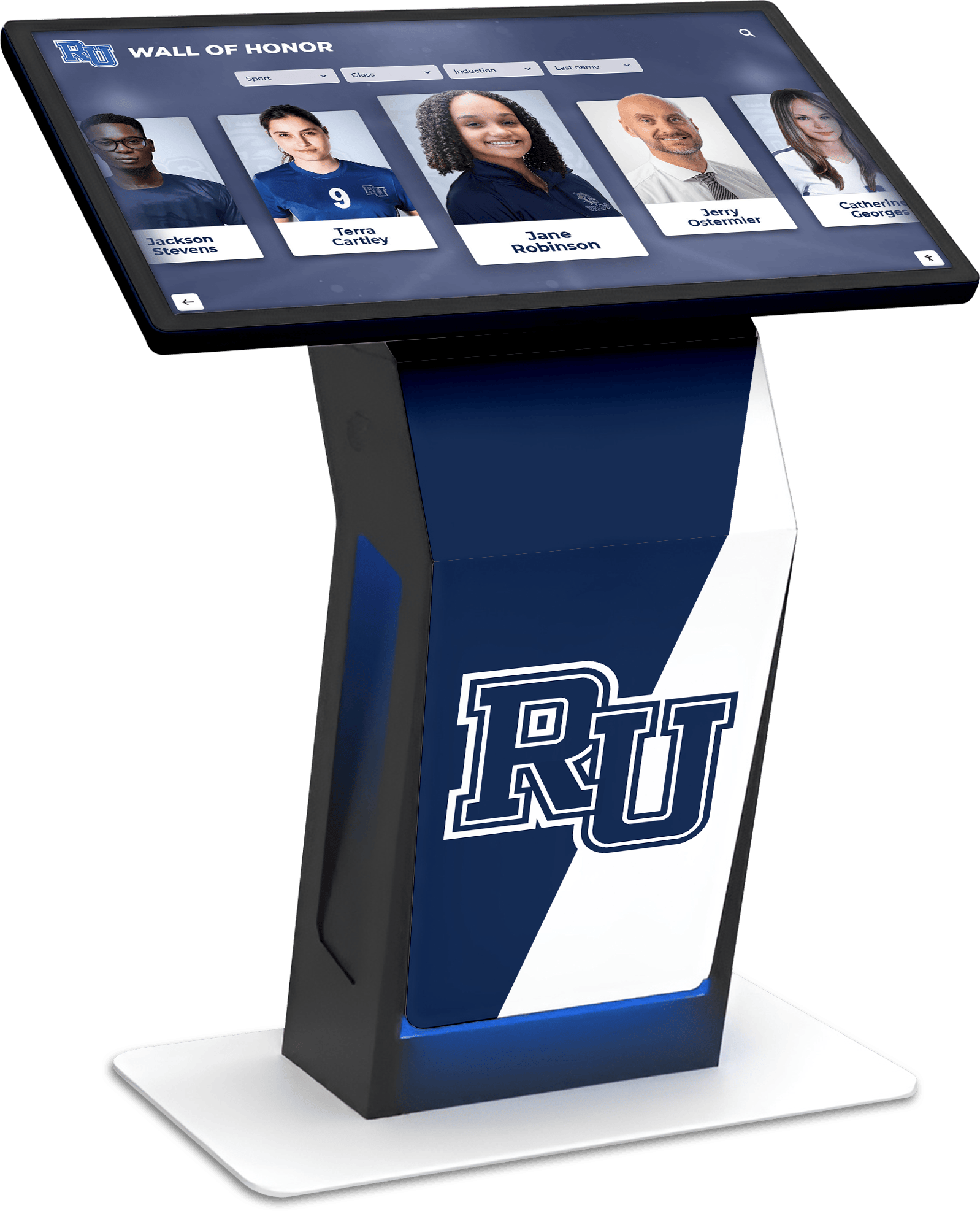
Comprehensive TCO analysis over realistic operational timeframes reveals subscription models commonly provide better long-term value than perpetual licensing
Hidden Costs in Perpetual License Models
TCO analysis must account for costs beyond software licensing to provide accurate comparisons:
Professional Services and Customization
When perpetual license platforms don’t adapt to changing requirements, schools commonly purchase professional services: accessibility audits and remediation ($2,000-5,000), browser compatibility troubleshooting ($1,000-3,000), custom feature development ($5,000-15,000), and content migration when replacing systems ($3,000-8,000).
These irregular but substantial costs often exceed subscription differences while providing capabilities that subscription platforms include automatically.
IT Department Time and Expertise
Internal IT staff time managing platform maintenance, security patching, backup administration, and troubleshooting represents real costs even when not invoiced separately. Schools with limited IT capacity may need to hire additional staff or contract managed service providers specifically to maintain perpetual license platforms—costs that subscription models eliminate by externalizing maintenance.
Opportunity Costs and Delayed Value
Perpetual license platforms commonly require 3-6 months between contract signing and deployment for implementation, customization, content migration, and integration work. Subscription platforms often deploy in 2-4 weeks with turnkey approaches, allowing schools to begin realizing recognition value months sooner—time advantages that benefit community engagement, donor recognition, and alumni connection objectives.
System Replacement Acceleration
Unmaintained perpetual license platforms often require replacement 4-5 years after deployment as accumulated browser incompatibilities, security vulnerabilities, and unpatched bugs make systems unreliable. Subscription platforms maintained continuously commonly operate reliably for 8-10 years before requiring hardware upgrades—roughly doubling useful life and significantly reducing total ownership costs.
Organizations implementing digital donor recognition should conduct comprehensive TCO analysis accounting for all these factors rather than comparing only software licensing costs.
Calculating Your Specific Budget Scenario
Schools can apply this TCO framework to their specific situations:
Step 1: Define Operational Timeframe
Establish realistic platform lifespan expectations (typically 7-10 years until hardware replacement needed).
Step 2: Identify All Cost Components
Document software licensing or subscription fees, initial implementation costs, hardware expenses, ongoing maintenance or support costs, internal IT time allocation, and potential professional services needs.
Step 3: Calculate Each Pricing Model
Compute total costs over your operational timeframe for annual subscription, multi-year prepayment, and one-time purchase with and without maintenance extensions.
Step 4: Account for Risk and Opportunity Costs
Consider security vulnerability risks, accessibility compliance concerns, browser compatibility degradation impact, and value delays from longer implementation timelines.
Step 5: Compare True Total Costs
Identify which approach provides lowest TCO while maintaining platform quality, security, and compliance throughout operational timeframe.
This analysis commonly reveals that multi-year subscription prepayment provides optimal balance of upfront cost management, long-term value, and comprehensive maintenance inclusion for most educational procurement scenarios.
Making the Right Pricing Decision for Your Institution
No single pricing structure optimally serves every school’s unique combination of procurement requirements, budget constraints, funding sources, and operational preferences. Selecting the right Rocket Alumni Solutions payment approach requires evaluating your specific institutional context against available options.
When Multi-Year Prepayment Makes Sense
Consider extended prepayment agreements when:
Budget Stability and Predictability Are Priorities
You prefer locking in exact costs for extended periods rather than managing annual renewals with potential price increases.
Capital Funding Sources Are Available
Bond measures, capital campaigns, or major facility renovation budgets can absorb multi-year technology costs more easily than annual operating budgets accommodate recurring expenses.
Procurement Approval Processes Are Complex
Obtaining annual funding approvals requires extensive committee reviews, board presentations, or budget justifications—multi-year commitments reduce administrative burden by eliminating repetitive approval cycles.
Discount Values Are Significant
The 20-40% savings from 5-10 year prepayment represents substantial budget relief worth sacrificing payment schedule flexibility to secure.
Multi-year prepayment particularly suits schools implementing recognition displays as components of larger facility projects funded through bonds or capital campaigns where complete project costs must be allocated upfront.
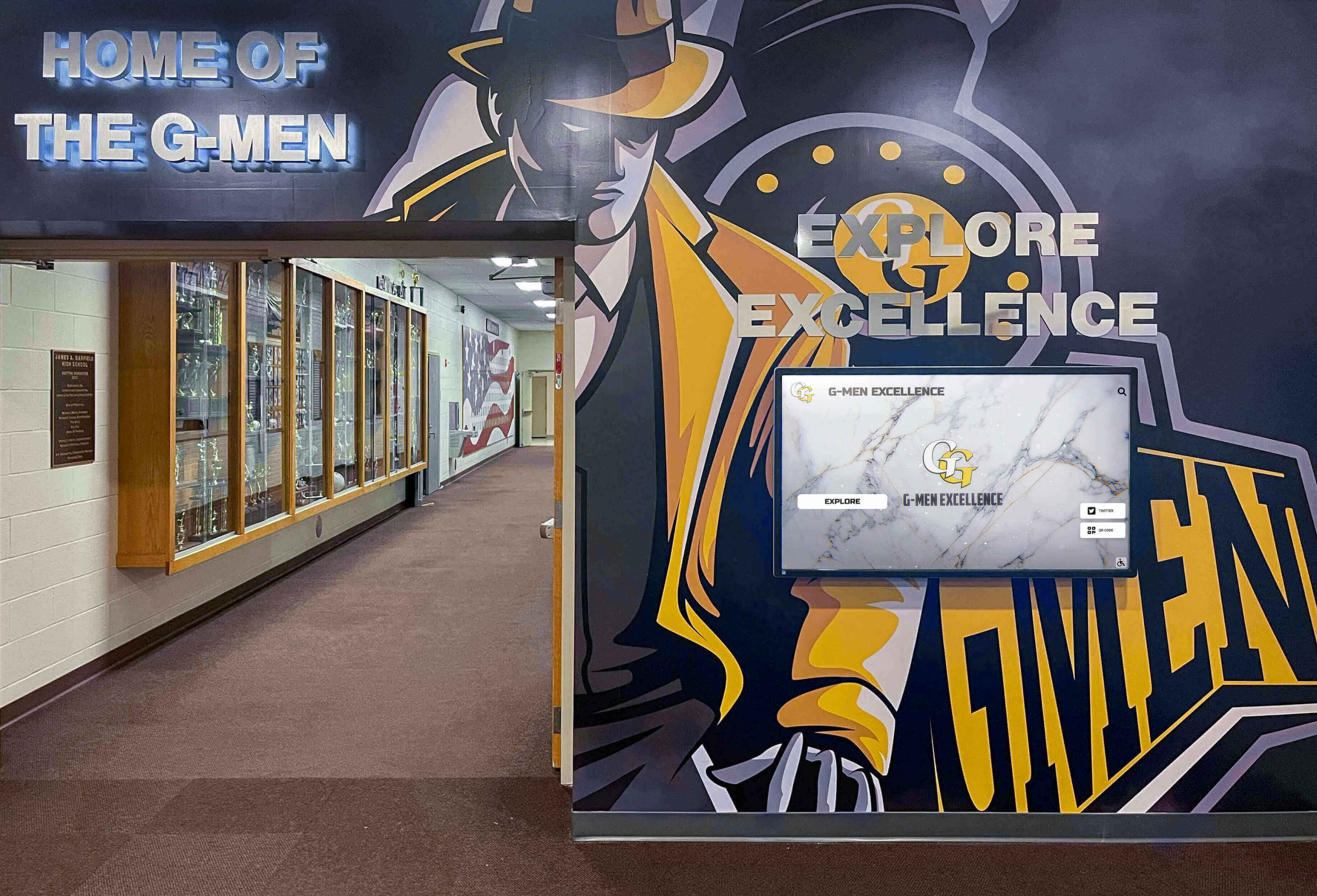
Multi-year prepayment aligns recognition technology costs with facility renovation timelines and capital improvement budget cycles
When One-Time Payment Structures Are Required
Select one-time payment options when:
Bond Regulations Mandate Capital Expenditures
Bond counsel or auditors require that technology purchases qualify as capital assets rather than operational subscriptions, necessitating one-time payment structures regardless of long-term cost implications.
Procurement Regulations Limit Multi-Year Obligations
District or state regulations prohibit multi-year financial commitments without specific authorization processes, but allow single-year capital equipment purchases within existing approval frameworks.
Grant Funding Requires Comprehensive Budget Accounting
Funding agencies require complete project cost documentation within grant applications without dependencies on future appropriations for ongoing operational expenses.
Organizational Policy Prefers Asset Ownership
Institutional preferences favor purchasing assets over licensing services, making one-time payments psychologically or politically more acceptable even if subscription models provide better economic value.
One-time payment structures legitimately serve specific procurement scenarios—but schools should understand that these approaches commonly result in higher total costs over time unless organizations commit to purchasing ongoing maintenance extensions preserving platform security, compatibility, and compliance.
When Annual Subscriptions Provide Optimal Flexibility
Standard annual subscription models suit schools when:
Budget Flexibility Allows Operational Expenses
Annual operating budgets accommodate recurring technology expenses without requiring special capital appropriations or multi-year commitment authorizations.
Organizational Uncertainty Warrants Flexibility
Unclear long-term enrollment trends, potential consolidation discussions, or leadership transitions create uncertainty making extended commitments risky—annual renewals preserve decision flexibility.
Cash Flow Management Is Priority
Spreading costs across multiple years preserves capital for other investments rather than allocating large upfront payments to single projects.
You Want to Evaluate Before Long-Term Commitment
Testing platform performance, user experience, and community engagement for 1-2 years before committing to extended agreements reduces decision risk for particularly cautious procurement teams.
Annual subscriptions provide maximum flexibility while ensuring comprehensive maintenance, though schools sacrifice the discount benefits that multi-year commitments provide.
Questions to Ask During Procurement Planning
Schools evaluating Rocket Alumni Solutions pricing should discuss these questions with both internal stakeholders and Rocket representatives:
For Internal Stakeholders:
- What funding sources are available (operating budget, bond proceeds, capital funds, grant funding)?
- What procurement regulations or policies govern technology purchases versus service subscriptions?
- What approval processes are required for multi-year financial commitments?
- What budget certainty level do we need over what timeframe?
- How do we typically handle software maintenance costs?
- What IT capacity exists for managing platform maintenance internally?
For Rocket Alumni Solutions Representatives:
- What specific discounts apply to 3-year, 5-year, and 7-10 year prepayment agreements?
- What one-time payment options exist and what do they include/exclude?
- What happens after one-time purchase maintenance periods expire?
- Can payment structures be customized to align with specific procurement requirements?
- What implementation timeline differences exist between payment models?
- Can we see detailed TCO comparisons for our specific scenario?
Transparent discussion of these factors ensures selected payment approaches align with institutional realities while maximizing long-term value from recognition platform investments.
The Real Value Proposition: What Your Subscription Funds
Beyond comparing payment structures and calculating costs, understanding exactly what subscription revenue funds clarifies how Rocket Alumni Solutions pricing translates to ongoing platform value and school benefits.
Active Engineering and Development Team
Subscription revenue directly funds full-time engineers, designers, security specialists, and accessibility experts who continuously maintain and improve the Rocket platform. This isn’t passive maintenance—it’s active development ensuring platforms remain current, secure, and increasingly capable as technology evolves.
Security Team Monitoring and Response
Dedicated security professionals monitor vulnerability databases, participate in security research communities, review code for potential vulnerabilities, test security patches before deployment, and respond immediately to emerging threats—protecting school networks and student data.
Browser Compatibility Engineering
Platform engineers test pre-release browser versions, identify compatibility issues before they affect schools, develop and deploy necessary code adjustments, and verify fixes across multiple browser versions and operating systems—ensuring displays continue working perfectly as browsers evolve.
Accessibility Compliance Specialists
Accessibility experts monitor WCAG standard development, analyze court cases and regulatory guidance affecting educational institutions, audit platform compliance regularly, implement necessary improvements maintaining accessibility standards, and test with assistive technologies ensuring excellent experiences for users with disabilities.
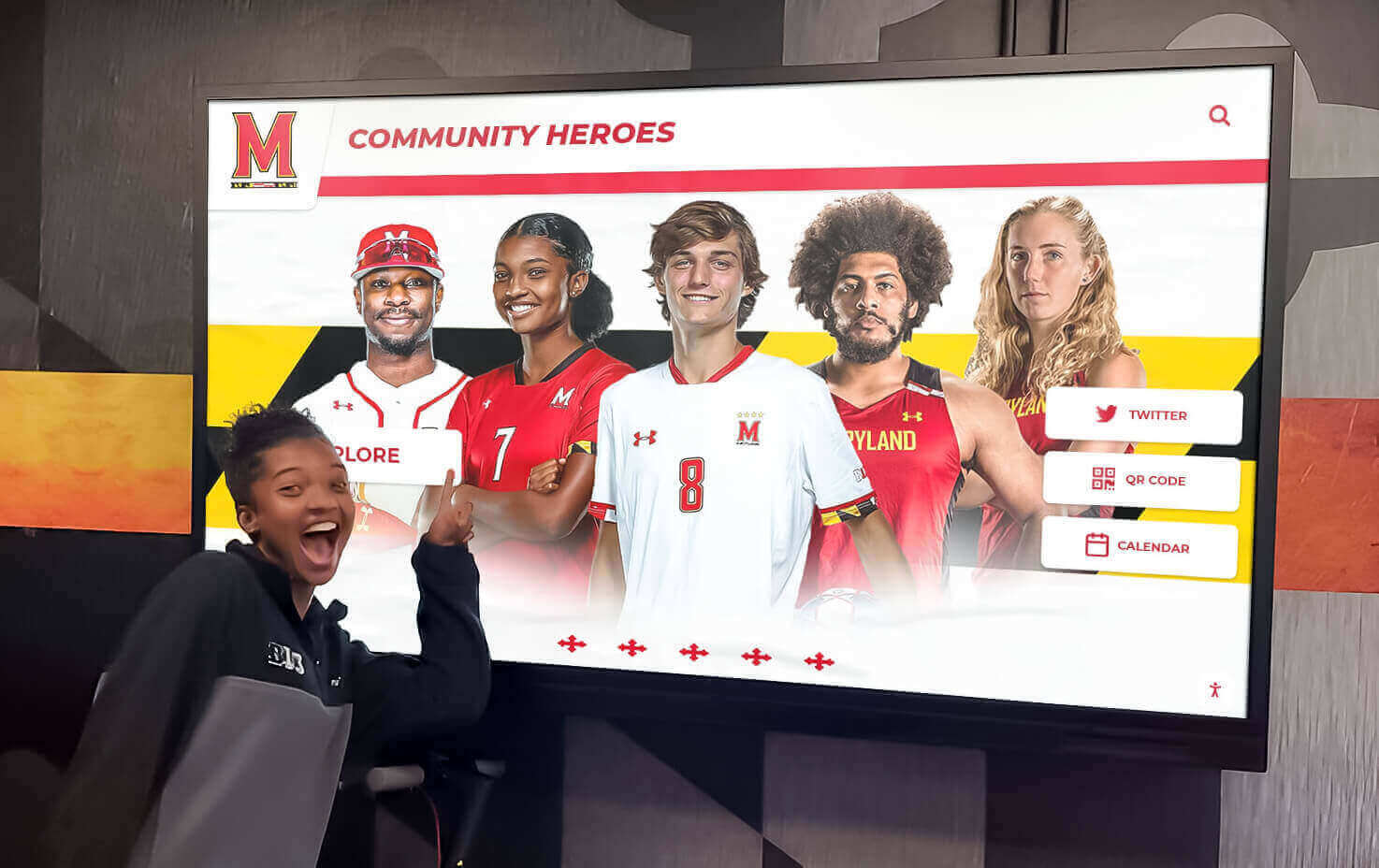
Active platform development funded by subscriptions ensures recognition displays continue engaging students and communities effectively as technology evolves
Cloud Infrastructure and Reliability
Subscription fees fund robust cloud infrastructure ensuring platform reliability, data protection, and global accessibility:
Redundant Server Networks
Multiple data centers across geographic regions provide redundancy—if one data center experiences issues, platforms automatically shift to backup facilities ensuring continuous availability without school IT intervention.
Automatic Backup Systems
Daily automated backups protect content from accidental deletion, corruption, or other data loss scenarios. Schools can restore previous versions when needed without maintaining backup infrastructure themselves.
Performance Optimization
Content delivery networks (CDNs) cache media assets geographically close to users, reducing loading times and bandwidth consumption. Database optimization maintains fast search performance even as content libraries grow to thousands of profiles.
Scaling Capacity
Infrastructure automatically scales during high-traffic events like homecoming weekends, reunion celebrations, or viral social media sharing—ensuring excellent performance regardless of usage spikes without school capacity planning.
Comprehensive Technical Support
Subscription clients receive priority technical support including responsive help desk access via phone, email, and chat during business hours, content management assistance helping staff navigate interface questions, troubleshooting support resolving display issues quickly, training resources including documentation, videos, and live sessions, and implementation guidance for expansions and enhancements.
This support represents substantial value—schools don’t need internal expertise managing recognition platforms or solving technical problems. Issues get resolved quickly by specialists intimately familiar with platform architecture rather than generic IT support reading documentation.
Continuous Feature Enhancement
Subscription revenue funds ongoing platform improvement beyond just maintenance:
User Experience Refinements
Interface improvements based on analytics showing how visitors actually use platforms, navigation optimizations reducing steps to find information, search enhancements making content discovery faster, and mobile experience improvements adapting to changing device usage patterns.
New Recognition Capabilities
Additional content templates supporting diverse achievement types, enhanced multimedia integration for richer storytelling, expanded analytics providing deeper engagement insights, and improved social sharing features increasing viral promotion.
Integration Expansions
Connections to additional school systems reducing manual data entry, enhanced website embedding options creating seamless experiences, and social media platform integrations adapting to emerging networks.
Organizations implementing digital yearbook platforms benefit from continuous enhancement ensuring platforms remain current with user expectations and technological capabilities rather than gradually becoming dated.
The “Sleep at Night” Value
Perhaps the most valuable subscription benefit is simply knowing the platform is being actively maintained. School administrators don’t need to worry about security vulnerabilities being exploited, displays breaking when browsers update, accessibility compliance gaps creating legal vulnerability, or outdated technology reflecting poorly on institutional image.
This operational peace of mind has real value—it frees leadership to focus on educational mission and community engagement rather than managing technology infrastructure. The recognition display simply works reliably, continuously, and excellently without requiring attention.
Conclusion: Flexible Pricing Serving Diverse Educational Needs
The narrative that subscription models create “traps” or force schools into unfavorable ongoing payments misunderstands both how Rocket Alumni Solutions structures pricing and why subscription economics actually protect school investments rather than exploiting them.
Rocket provides substantial pricing flexibility addressing diverse procurement scenarios. Multi-year prepayment agreements deliver 20-40% cost savings for schools seeking budget certainty or aligning recognition technology with capital funding cycles. One-time payment options accommodate bond-funded projects and RFP requirements mandating capital asset purchases. Standard annual subscriptions provide maximum flexibility for schools preferring to evaluate platforms before extended commitments.
Most importantly, subscription revenue directly funds the continuous platform maintenance that protects school investments from technological obsolescence, security vulnerabilities, and accessibility compliance risks. The alternative to subscriptions isn’t “free”—it’s either periodic expensive upgrade purchases, accumulating professional services fees, or eventual complete system replacement when unmaintained platforms degrade beyond usability.
Schools evaluating digital recognition solutions should focus on total cost of ownership over realistic operational timeframes, understand what subscription revenue funds, recognize how active maintenance protects investments, evaluate specific procurement requirements determining payment structure needs, and discuss pricing flexibility with Rocket representatives during procurement planning.
The practical outcome is lower risk and reduced maintenance burden for schools. Recognition displays remain secure, compatible, accessible, and continuously improving without requiring school IT intervention or management attention—allowing organizations to focus on community engagement, achievement celebration, and institutional mission rather than technology maintenance.
Ready to discuss specific pricing options aligned with your procurement requirements and budget constraints? Talk to our team about multi-year agreements, one-time payment structures, or flexible subscription approaches serving your institutional needs.