Recognition transforms ordinary moments into memorable milestones. Whether you’re an HR director planning employee appreciation initiatives, a school administrator designing student honor programs, or a nonprofit leader celebrating volunteer contributions, effective recognition creates lasting impact that extends far beyond the initial acknowledgment. The right awards don’t just celebrate past achievements—they inspire future excellence, strengthen community bonds, and communicate organizational values in tangible ways.
Yet many organizations struggle with recognition that feels meaningful. Generic plaques gather dust in forgotten corners. Certificates disappear into drawers within weeks. Traditional trophy cases overflow while newer achievements go uncelebrated due to space constraints. Meanwhile, deserving individuals across all levels—from breakthrough innovators to consistent contributors, from rising stars to long-tenured veterans—never receive the acknowledgment their efforts deserve.
The challenge isn’t whether to recognize achievement; that commitment remains clear. The real questions center on how: What recognition formats create genuine emotional connections rather than obligatory gestures? How do you design award programs that remain sustainable year after year without becoming administrative burdens? What approaches honor exceptional contributions appropriately while ensuring opportunities exist across all achievement levels? And how can organizations with limited budgets create professional recognition that reflects the significance of accomplishment?
This comprehensive guide explores proven recognition awards examples across educational institutions, corporate environments, nonprofit organizations, and community groups. You’ll discover innovative approaches that solve fundamental limitations of traditional methods while creating experiences that genuinely celebrate achievement and inspire continued excellence.
Organizations implementing thoughtful recognition programs report measurable improvements in engagement, retention, and performance—outcomes demonstrating that strategic acknowledgment functions as infrastructure supporting excellence rather than optional niceties organizations pursue when convenient.

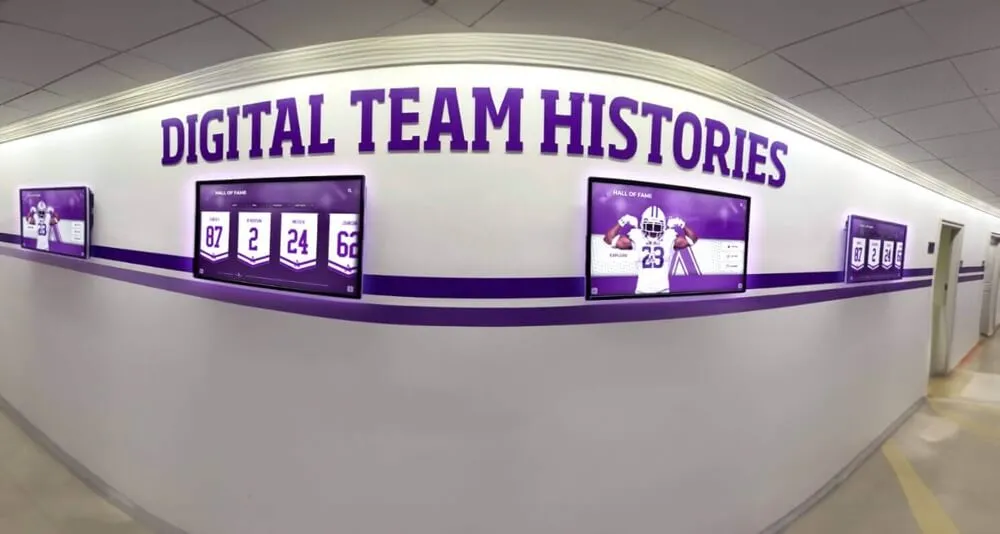
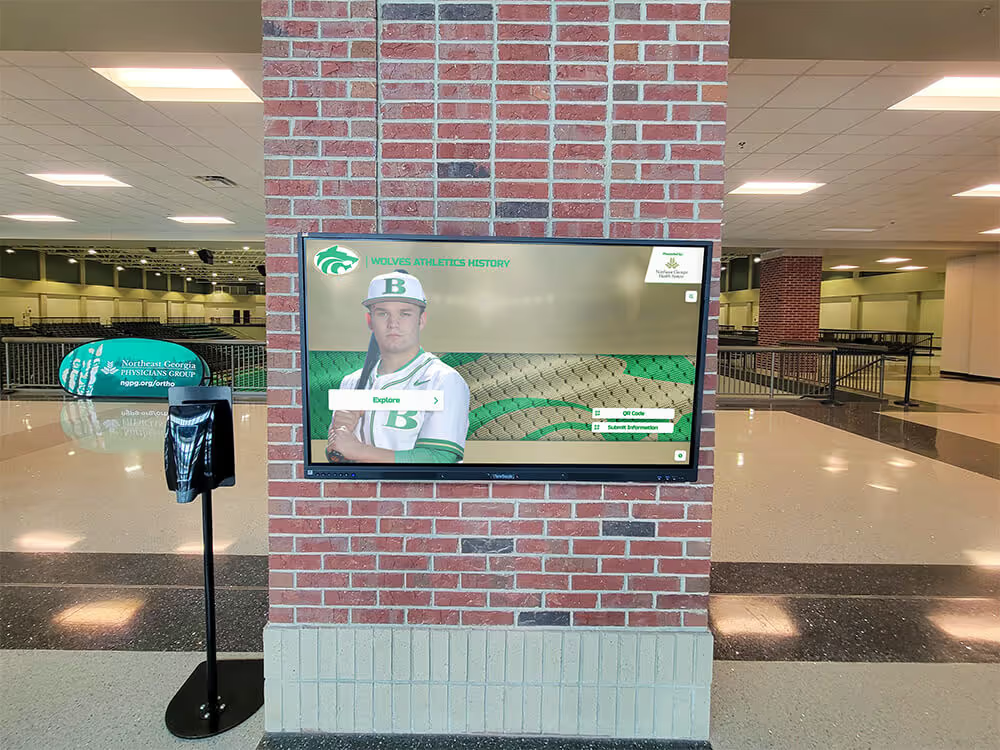
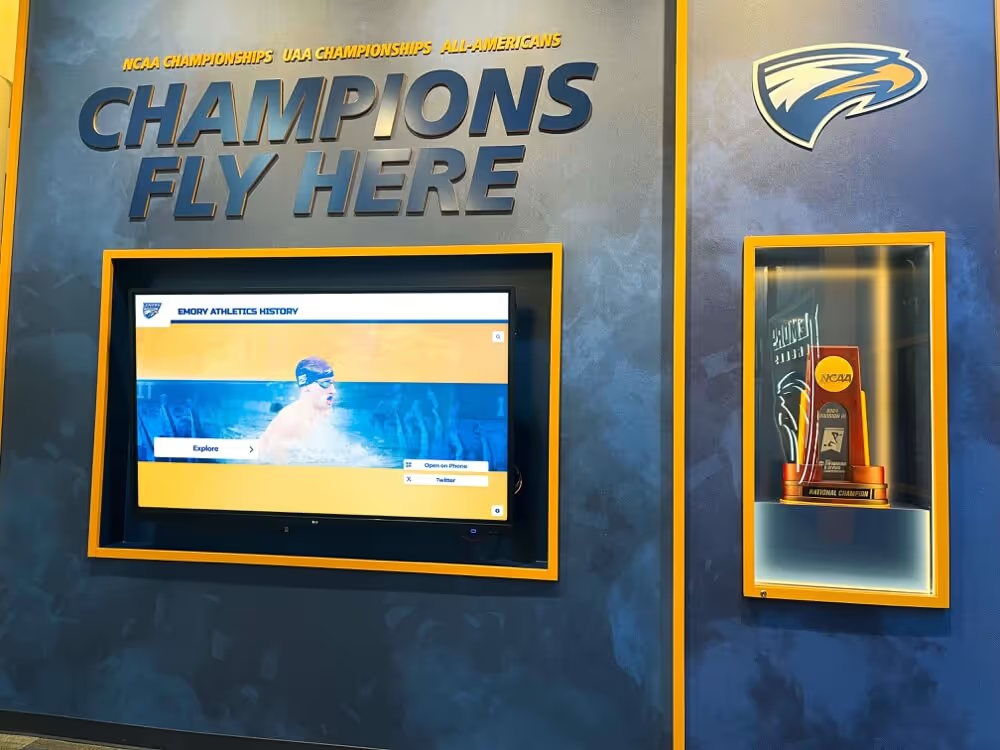
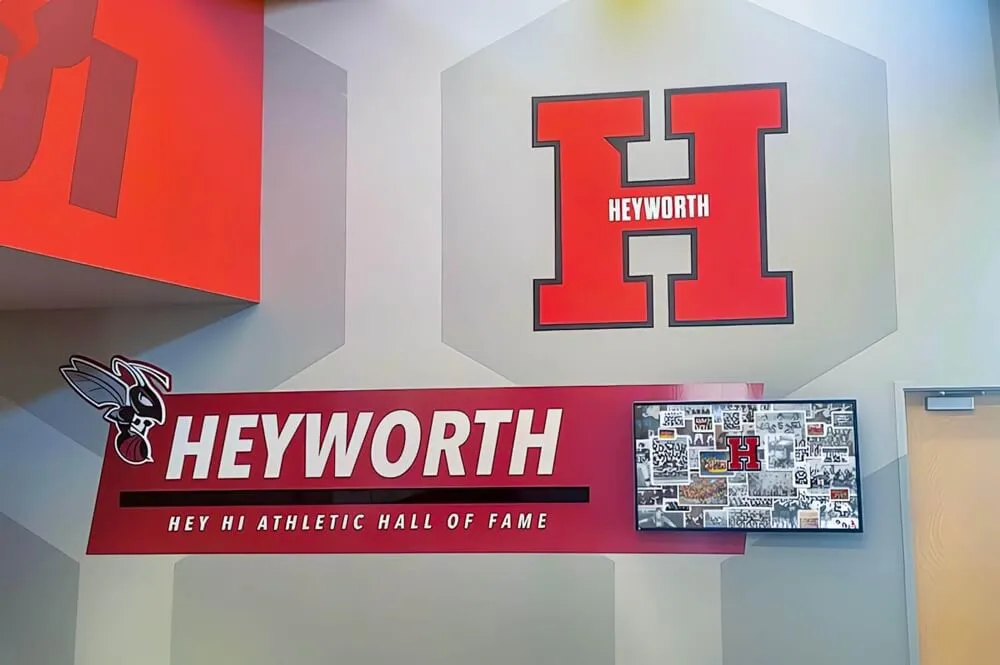
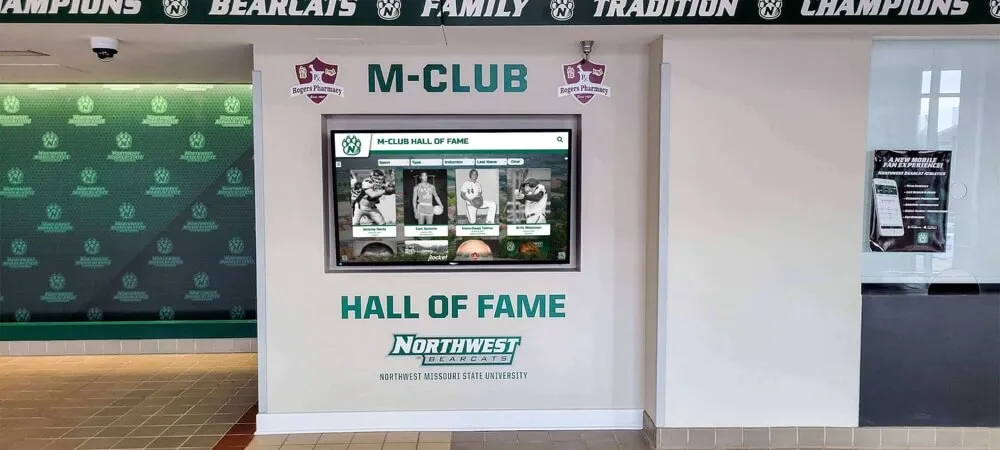
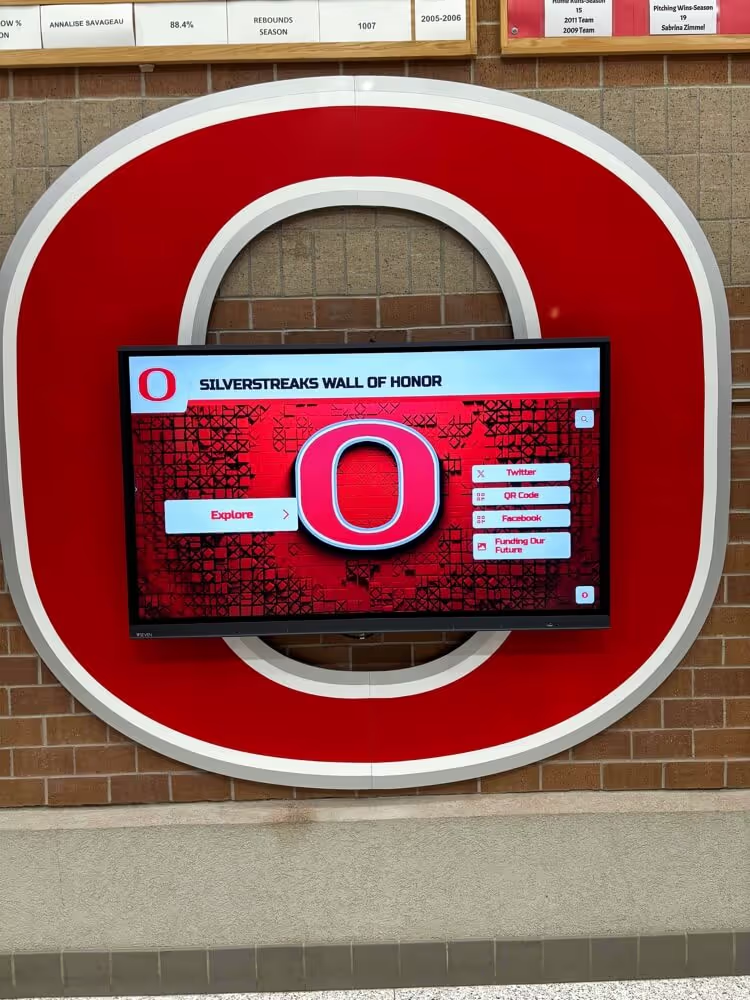
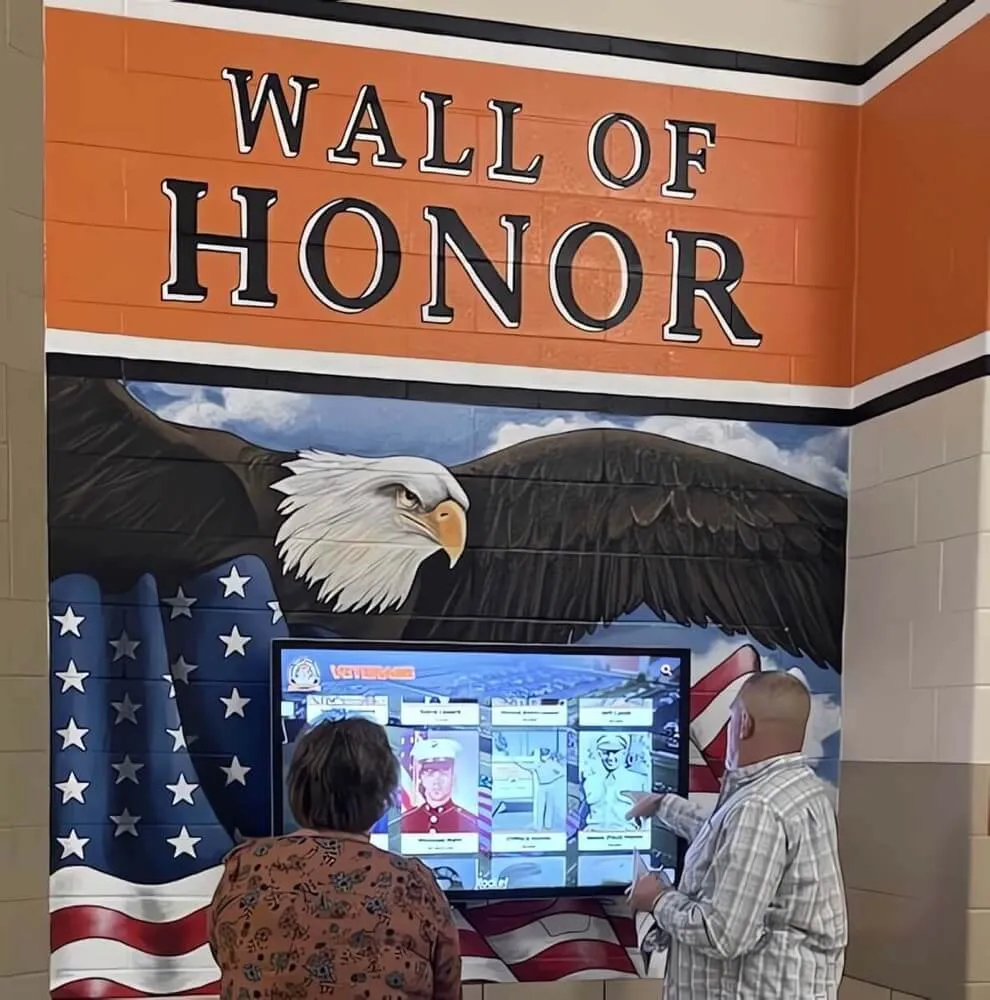
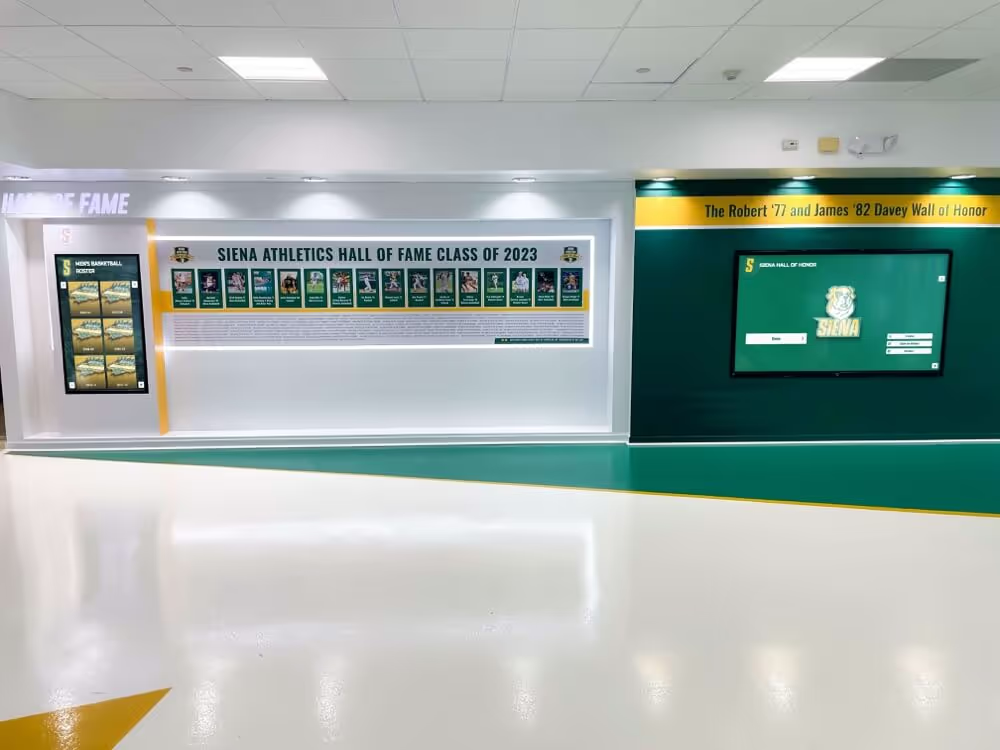
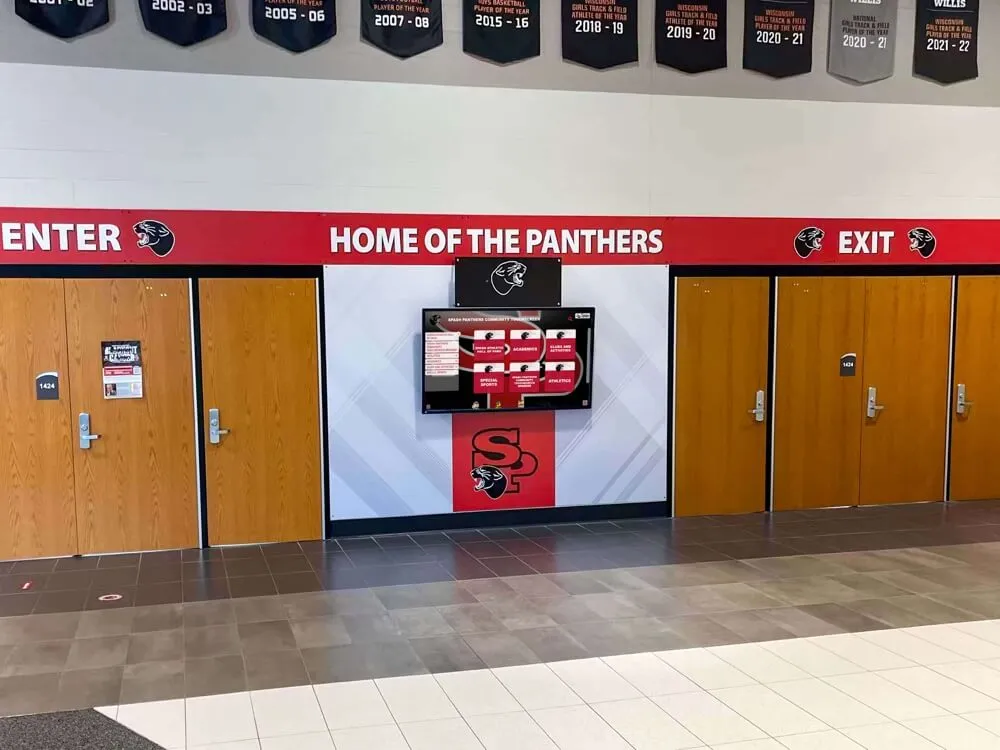
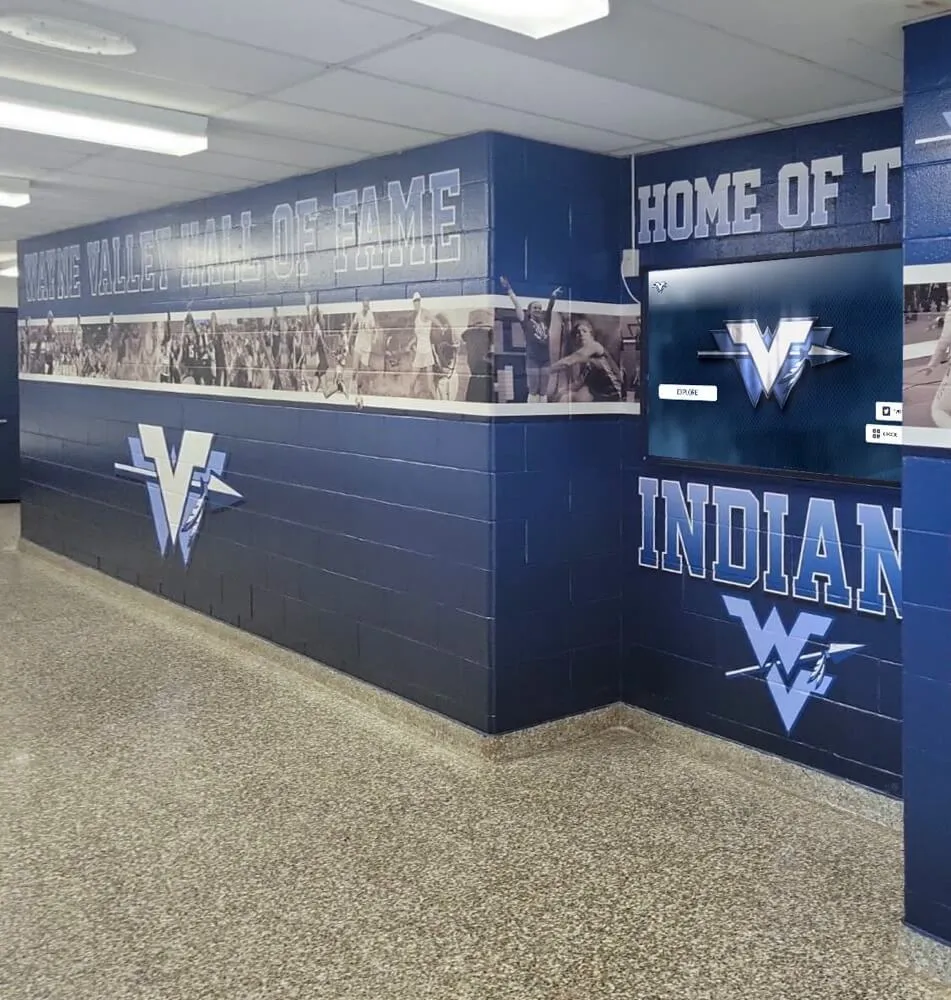
Modern recognition systems transform traditional acknowledgment into engaging experiences that celebrate achievements while inspiring continued excellence across organizations
Understanding Recognition Awards: Purpose and Psychology
Before exploring specific recognition awards examples, understanding why acknowledgment matters helps organizations design programs that achieve intended outcomes.
The Psychology Behind Effective Recognition
Why Recognition Creates Impact
Human beings possess fundamental needs for validation and belonging that transcend cultural boundaries and organizational contexts. Recognition satisfies these deep psychological requirements while simultaneously reinforcing behaviors organizations want repeated.
Motivation and Performance Enhancement Meaningful recognition produces measurable behavioral changes:
- Acknowledged individuals demonstrate 15-25% higher sustained performance compared to non-recognized peers
- Public acknowledgment creates positive peer influence encouraging similar excellence
- Visible displays of accomplishment normalize achievement as desirable and attainable
- Recognition reinforces specific approaches and behaviors worth repeating
- Anticipation of acknowledgment increases engagement with goals and activities
Research published by organizational psychology associations consistently demonstrates that employees and students receiving systematic recognition maintain higher achievement trajectories, pursue more challenging opportunities, develop stronger organizational commitment, and demonstrate greater resilience during difficulties compared to peers receiving equivalent compensation without comparable acknowledgment.
Cultural and Community Building Recognition shapes organizational identity beyond individual motivation:
- Programs with comprehensive acknowledgment develop stronger achievement-oriented cultures
- Recognition criteria communicate clear expectations about institutional values
- Community members engage more actively when achievements receive meaningful celebration
- Stakeholders understand organizational priorities through visible recognition patterns
- Traditions spanning multiple recognition cycles create lasting institutional memory
Organizations report that comprehensive recognition correlates with improved overall performance, increased stakeholder satisfaction, stronger community relationships, and enhanced external perception of organizational excellence.
Recognition Equity and Inclusion
Creating Fair Opportunity
Effective recognition programs ensure acknowledgment opportunities exist across multiple dimensions:
Multiple Recognition Pathways
- Absolute achievement celebrating highest performance levels
- Growth and improvement honoring progress from all starting points
- Effort-based recognition valuing persistence regardless of outcome
- Innovation awards acknowledging creative problem-solving
- Collaboration recognition celebrating teamwork and support
- Character-based acknowledgment honoring integrity and values
This multi-dimensional approach ensures recognition opportunities exist for individuals across different backgrounds, roles, and achievement profiles.
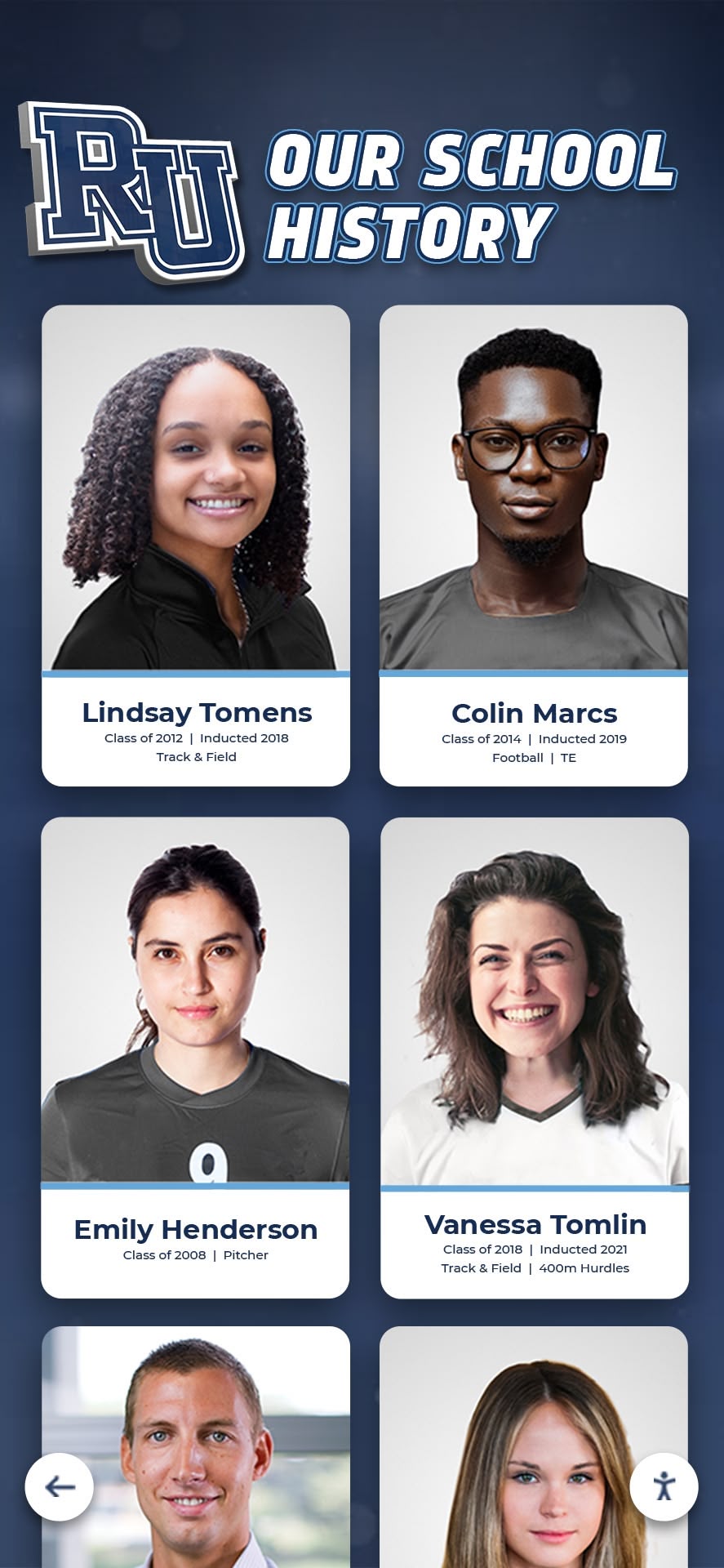
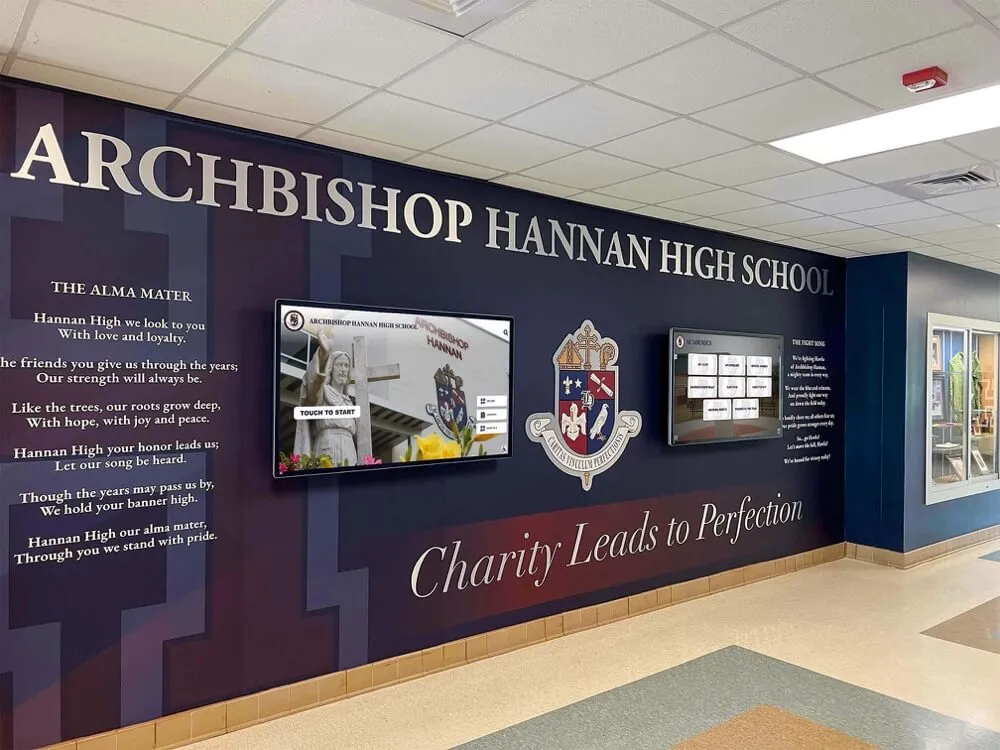
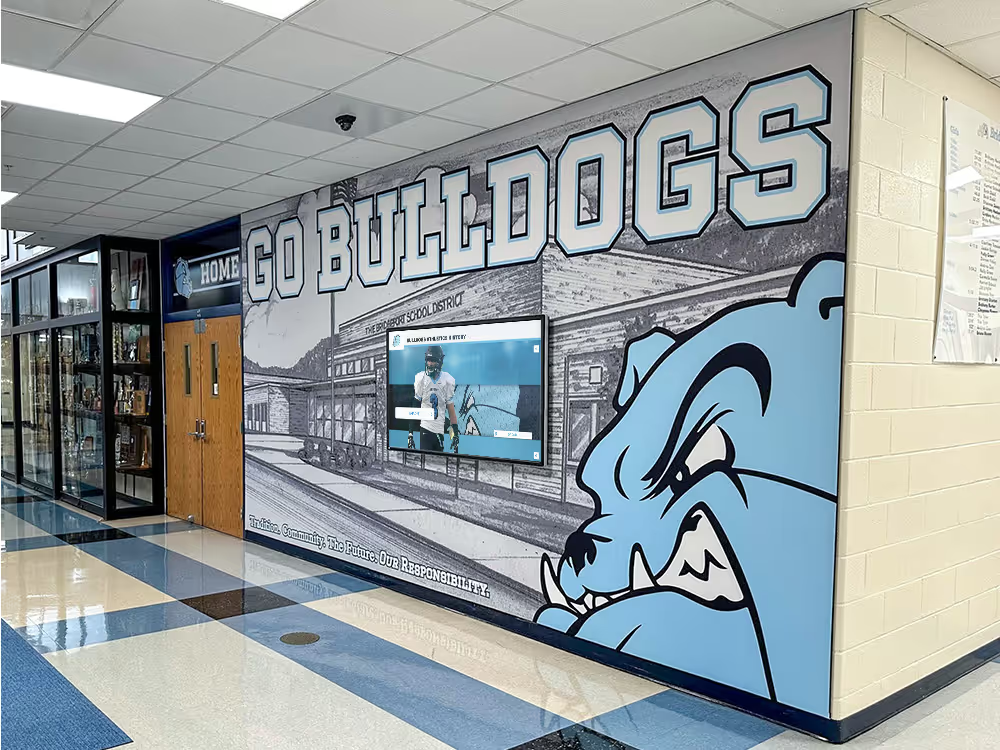
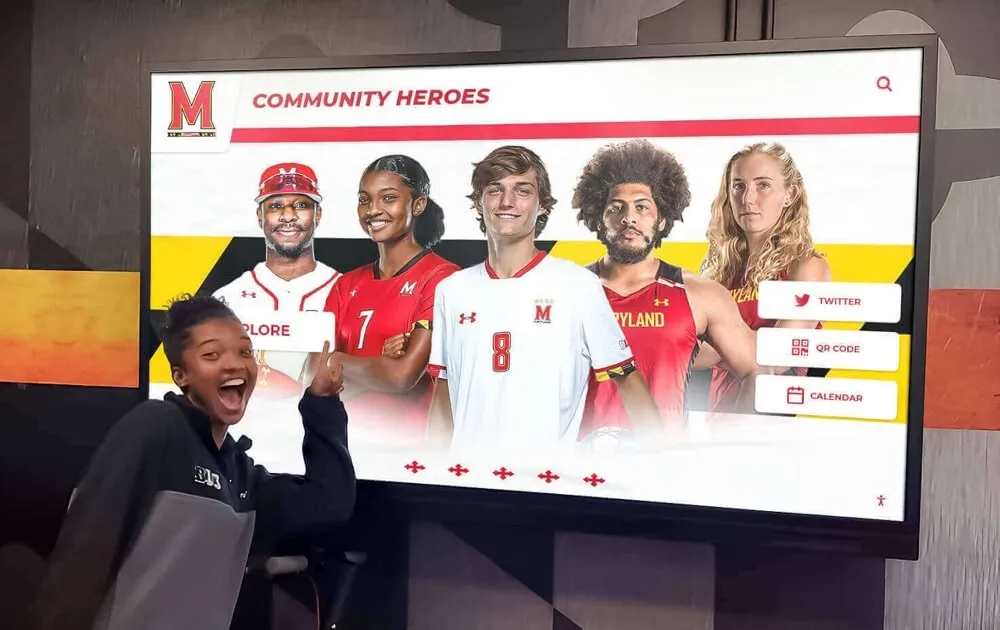
Comprehensive recognition systems celebrate diverse achievement types, ensuring all contributors find pathways to acknowledgment
Accessibility and Inclusive Design Programs eliminating barriers to recognition:
- Criteria focusing on achievement rather than participation requiring financial resources
- Recognition opportunities across all departments and contribution types
- Culturally responsive approaches honoring diverse backgrounds and values
- Multiple celebration formats accommodating different comfort levels with visibility
- Translation and multilingual support for diverse communities
- Accommodations ensuring individuals with disabilities receive equal acknowledgment
Organizations implementing inclusive recognition report broader participation, stronger engagement across demographic groups, and enhanced sense of belonging among previously marginalized community members.
Recognition Awards Examples for Educational Institutions
Schools face unique recognition opportunities celebrating both student achievement and educator excellence.
Student Academic Recognition Awards
Honor Roll and Academic Excellence
Traditional academic recognition remains powerful within balanced programs:
Core Academic Categories:
- High Honor Roll for exceptional GPA achievement (typically 3.75-4.0)
- Honor Roll recognizing strong academic performance (typically 3.5-3.74)
- Merit Roll acknowledging solid achievement (typically 3.0-3.49)
- Subject-specific excellence awards for particular academic strengths
- Most Improved Student recognition celebrating significant growth
- Perfect Attendance with Academic Engagement honors
- National Honor Society and scholarship program acknowledgment
Schools implementing comprehensive academic recognition programs discover that systematic celebration increases motivation while creating positive peer influence.
Competition and Achievement Recognition Honoring competitive academic success:
- Science Olympiad medals and team accomplishments
- Math competition achievements at regional, state, and national levels
- Debate tournament recognition and forensics excellence
- Academic quiz bowl and knowledge competition honors
- Writing contest achievements and literary awards
- National Merit Scholarship and AP Scholar designations
Competition recognition ensures academic achievements receive visibility comparable to athletic accomplishments, reinforcing that intellectual excellence deserves equal celebration.
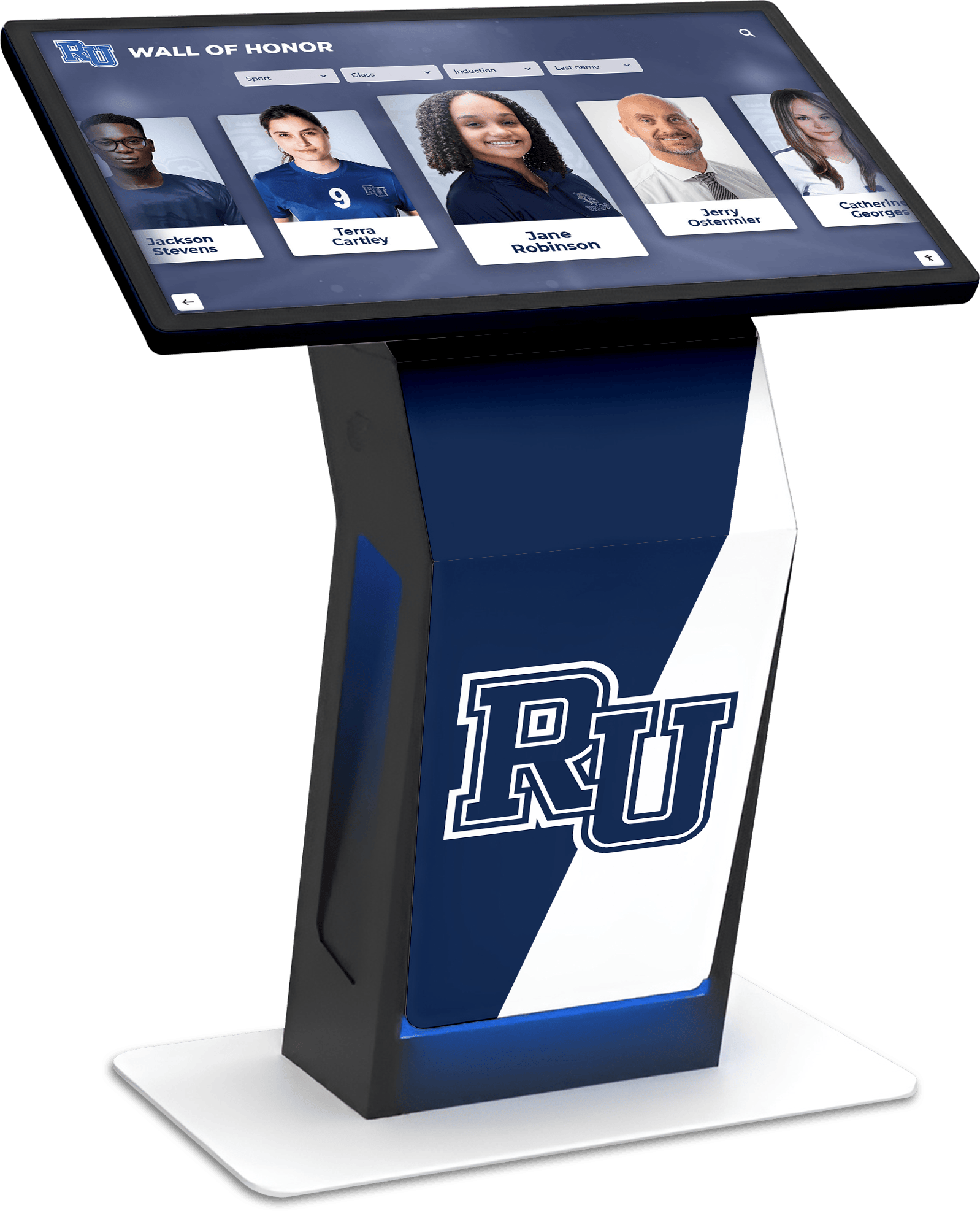
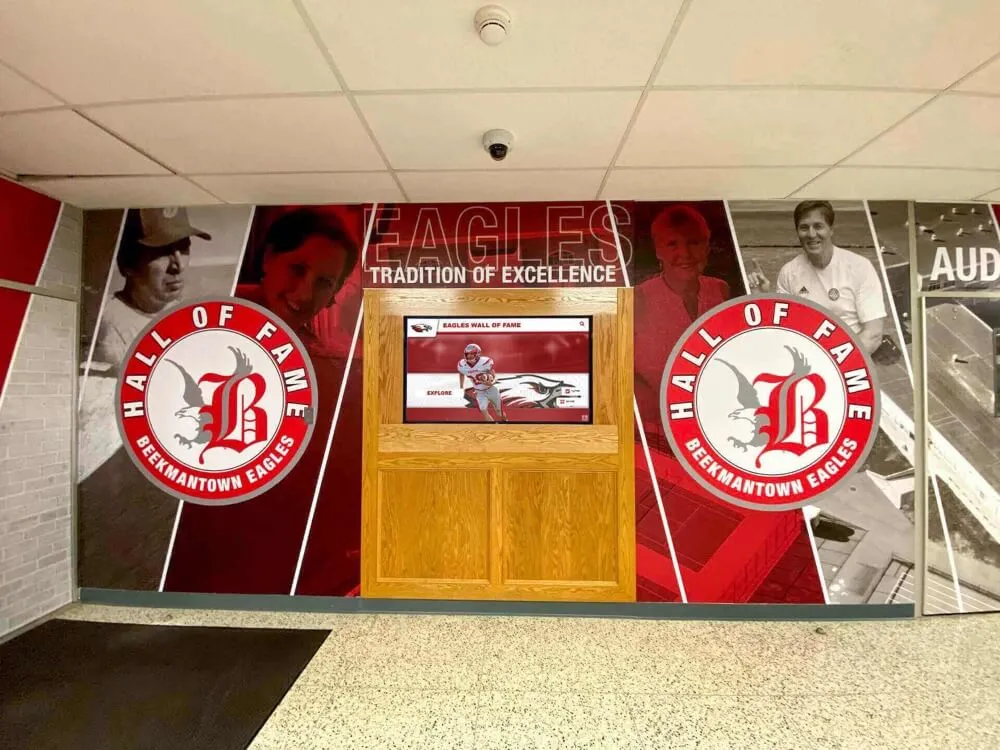
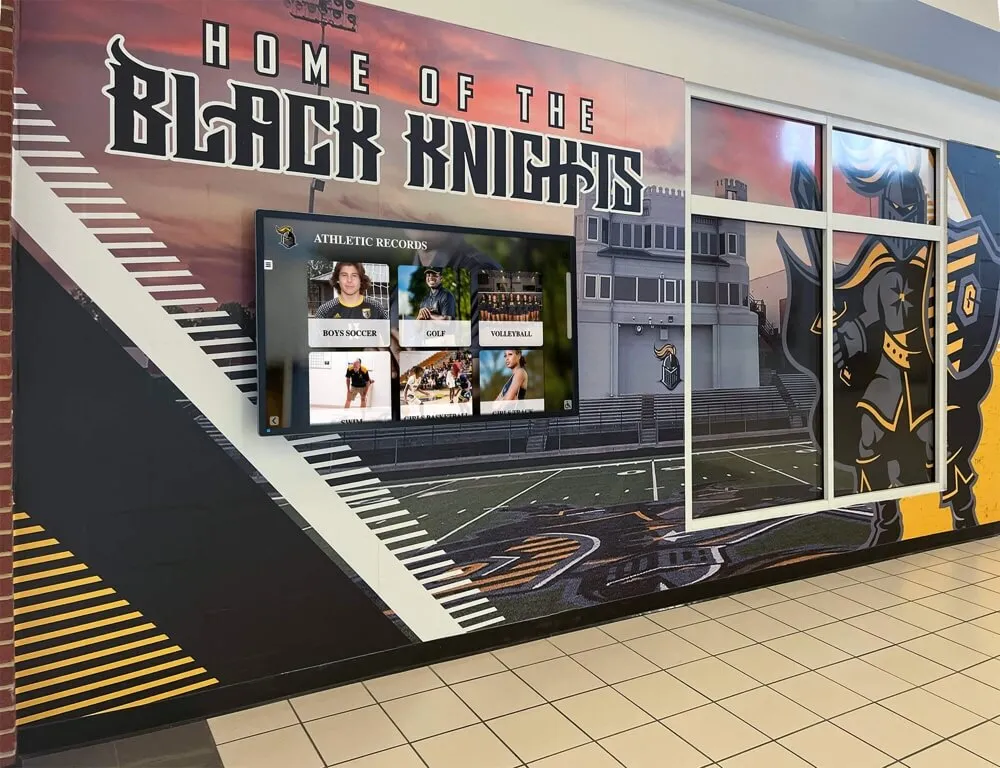
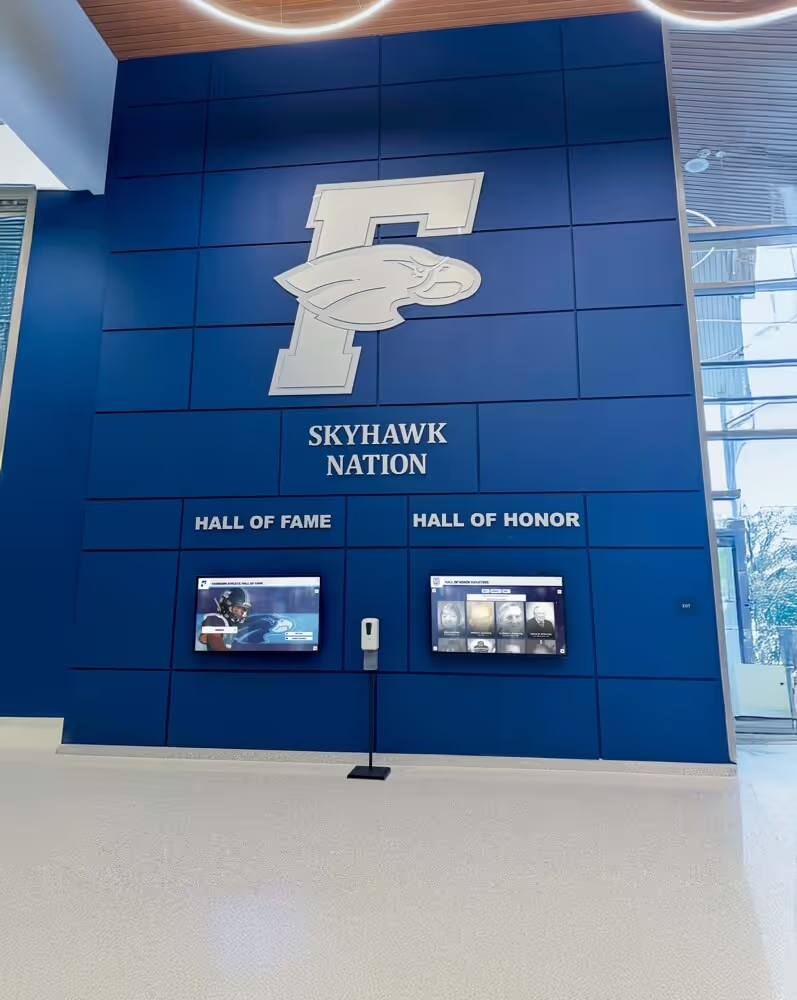
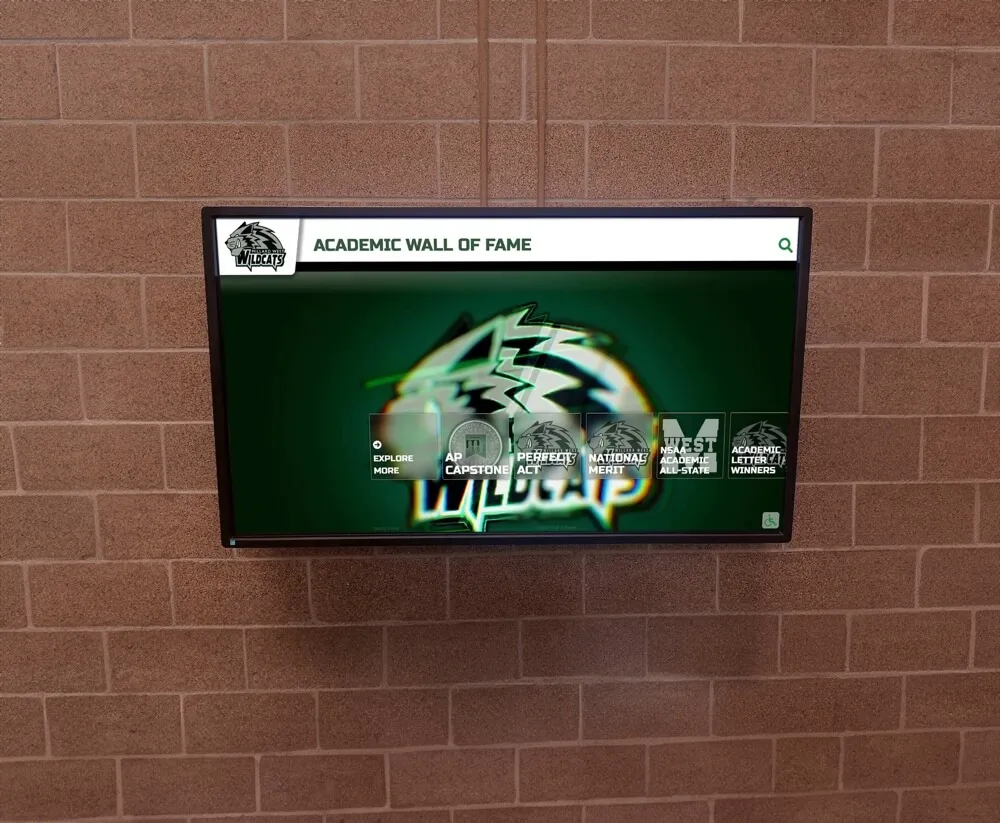
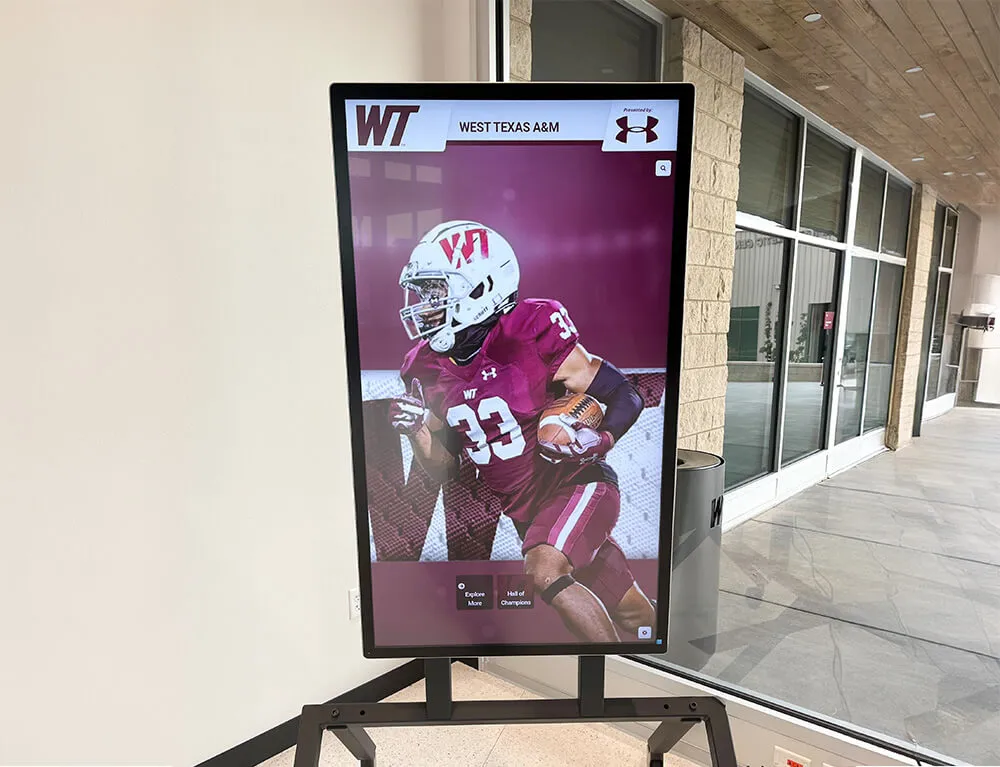
Purpose-built recognition kiosks provide elegant solutions combining unlimited acknowledgment capacity with intuitive interfaces enabling all community members to explore achievements
Student Character and Leadership Awards
Beyond Academic Performance
Comprehensive recognition celebrates multifaceted excellence:
Character Recognition Categories:
- Citizenship awards honoring community contribution
- Service learning recognition for volunteer commitment
- Peer mentoring and tutoring acknowledgment
- Academic integrity and ethical behavior celebration
- Kindness and compassion awards recognizing positive culture
- Environmental stewardship for sustainability leadership
- Cultural ambassador recognition for diversity advocacy
Character recognition reinforces that educational mission extends beyond test scores and grades, celebrating complete human development that prepares students for meaningful lives.
Leadership Development Recognition Acknowledging student leadership:
- Student government officer acknowledgment
- Club and organization president recognition
- Team captain and athletic leadership honors
- Peer leadership in residence halls or advisory groups
- Senior mentorship programs connecting upperclassmen with younger students
- Event planning and coordination leadership
Leadership recognition creates visibility around positive influence beyond formal authority, encouraging more students to pursue constructive leadership roles.
Athletic Achievement Recognition
Celebrating Sports Excellence
Athletic recognition balances individual and team accomplishments:
Individual Athletic Awards:
- All-Conference and All-State selections
- Team Most Valuable Player recognition
- Sportsmanship awards honoring character in competition
- Scholar-athlete acknowledgment balancing academics and athletics
- Record-breaking performance celebrations
- College commitment recognition for recruiting success
Team Athletic Recognition:
- Conference championship celebrations
- State tournament and playoff achievements
- Winning season recognition regardless of postseason results
- Team improvement acknowledgment from previous seasons
- Perfect season or undefeated records
- Regional and national ranking recognition
Schools discover that digital athletic recognition displays solve space constraints while enabling comprehensive celebration of athletic tradition across all sports and achievement levels.
Staff and Educator Recognition
Honoring Educational Professionals
School staff deserve systematic recognition:
Teacher Excellence Awards:
- Teacher of the Year recognition through peer or student nomination
- Subject-specific teaching excellence awards
- Innovation in instruction acknowledgment
- Mentorship and student support recognition
- Professional development leadership
- Years of service milestone celebrations
- Retirement recognition honoring complete careers
Staff appreciation initiatives demonstrate organizational commitment to educators whose contributions enable all other achievements.
Support Staff Recognition:
- Administrative excellence acknowledgment
- Facilities and maintenance appreciation
- Food service team recognition
- Transportation staff acknowledgment
- Counseling and student support services
- Library and media specialist celebration
Comprehensive staff recognition reinforces that educational excellence requires contributions across all roles, not exclusively classroom instruction.
Recognition Awards Examples for Corporate Environments
Workplace recognition addresses diverse achievement types and organizational structures.
Performance-Based Employee Awards
Results and Achievement Recognition
Corporate environments recognize quantifiable contributions:
Sales and Revenue Recognition:
- Top sales performer awards by period (monthly, quarterly, annual)
- President’s Club for sustained sales excellence
- New account acquisition recognition
- Territory growth and market expansion awards
- Customer retention excellence acknowledgment
- Revenue milestone achievements
Operational Excellence Awards:
- Productivity improvement recognition
- Quality achievement and error reduction
- Safety record milestones and incident-free periods
- Cost savings and efficiency enhancement
- Process improvement and innovation
- Project delivery excellence
Organizations implementing comprehensive employee recognition programs report measurable improvements in performance metrics alongside engagement and retention benefits.
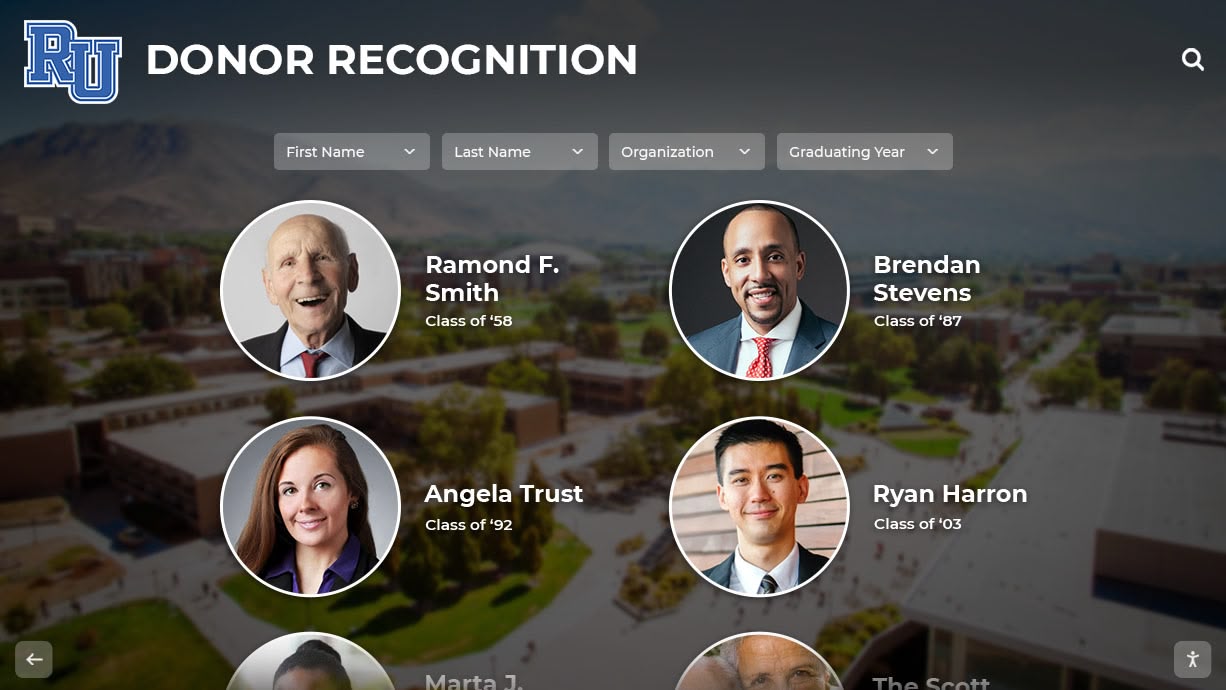
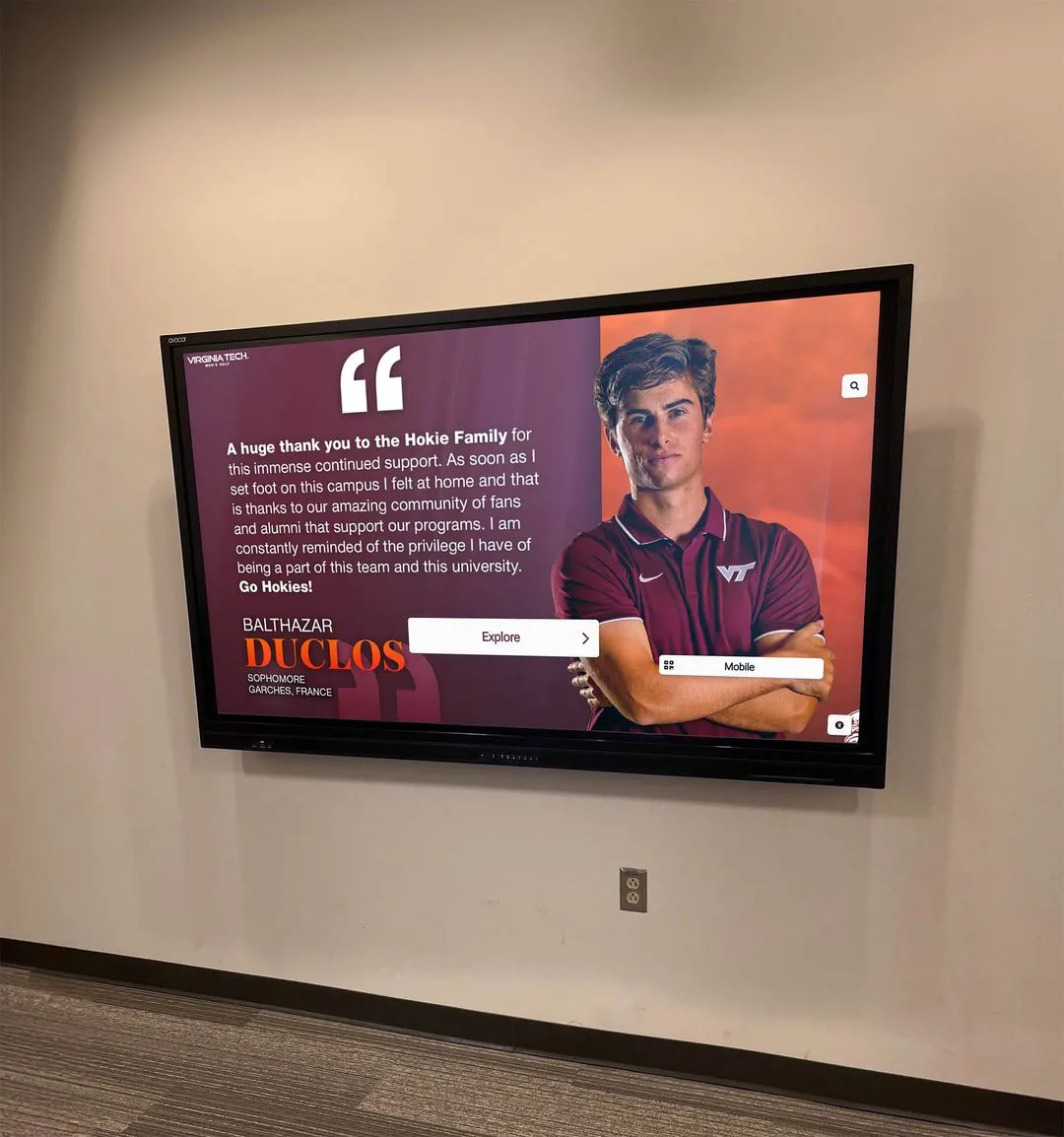
Professional recognition environments celebrate diverse contributions through rich profiles that tell complete stories of achievement and impact
Values-Based Recognition Awards
Reinforcing Organizational Culture
Recognition aligned with core values:
Cultural Excellence Categories:
- Innovation and creativity awards for new approaches
- Customer service excellence based on feedback and satisfaction
- Collaboration and teamwork recognition
- Integrity and ethical behavior acknowledgment
- Diversity, equity, and inclusion leadership
- Environmental sustainability champions
- Community engagement and corporate citizenship
Values-based recognition communicates that organizational culture matters as much as financial results, shaping behavior through acknowledgment rather than merely rhetoric.
Service Milestone Recognition
Honoring Loyalty and Tenure
Long-term commitment deserves systematic celebration:
Milestone Anniversary Recognition:
- 5, 10, 15, 20, 25+ year service acknowledgments
- Increasing recognition significance with tenure
- Personalized gifts reflecting individual interests
- Experience-based rewards (travel, events, dining)
- Permanent recognition through digital displays or traditional plaques
- Leadership acknowledgment demonstrating executive appreciation
Service recognition demonstrates organizational appreciation for sustained contributions while providing aspiration for newer employees envisioning long-term careers.
Retirement Recognition Honoring complete careers:
- Career retrospective celebrations highlighting major contributions
- Peer testimonials and leadership appreciation
- Permanent legacy recognition preserving institutional memory
- Post-retirement engagement opportunities maintaining connections
- Mentorship and knowledge transfer acknowledgment
Retirement recognition ensures decades of contribution receive appropriate dignity while demonstrating to current employees that loyalty receives lasting appreciation.
Peer-to-Peer Recognition Awards
Colleague-Initiated Acknowledgment
Peer recognition creates organic appreciation cultures:
Peer Nomination Programs:
- Monthly peer recognition with rotating categories
- “Above and Beyond” awards for extraordinary effort
- Team player acknowledgment from colleagues
- Cross-functional collaboration recognition
- Mentorship and support appreciation
- Innovation and problem-solving from peer perspective
Peer recognition carries unique weight because colleagues understand daily challenges, observe contributions leadership might miss, and provide appreciation from those working most closely with recognized individuals.
Recognition Awards Examples for Nonprofit Organizations
Mission-driven organizations face unique recognition contexts balancing donor stewardship, volunteer appreciation, and programmatic impact.
Donor Recognition Awards
Acknowledging Philanthropic Support
Nonprofits systematically celebrate contributor communities:
Giving Level Recognition:
- Tiered giving societies with appropriate designations
- Cumulative lifetime giving calculations
- Annual giving circles recognizing consistent support
- Legacy society for planned giving commitments
- First-time donor welcome acknowledgment
- Major gift recognition with appropriate visibility
Organizations implementing comprehensive donor recognition report improved retention rates and increased gift size progression demonstrating that acknowledgment functions as active stewardship infrastructure.
Impact-Based Donor Recognition:
- Scholarship donor connections to beneficiary stories
- Program funding recognition showing outcomes enabled
- Facility naming opportunities for capital campaign contributors
- Research advancement acknowledgment
- Community impact visualization demonstrating reach
- Mission milestone achievements made possible by support
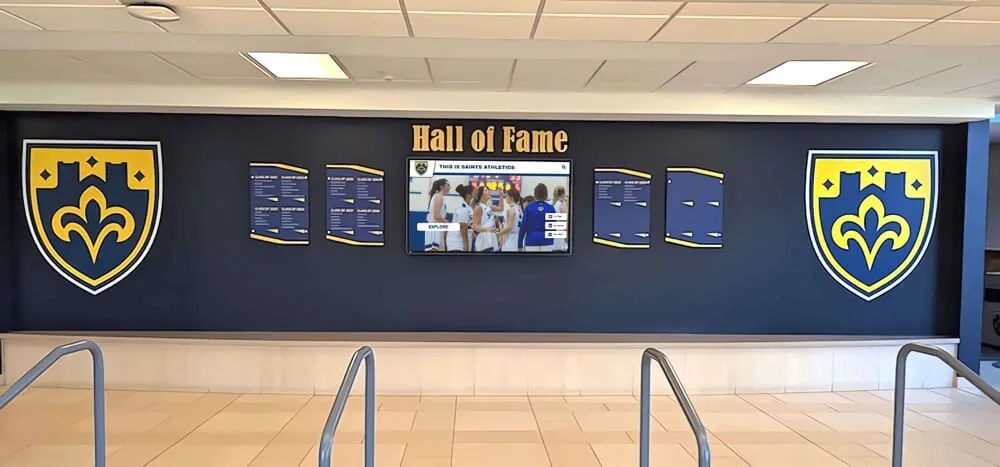
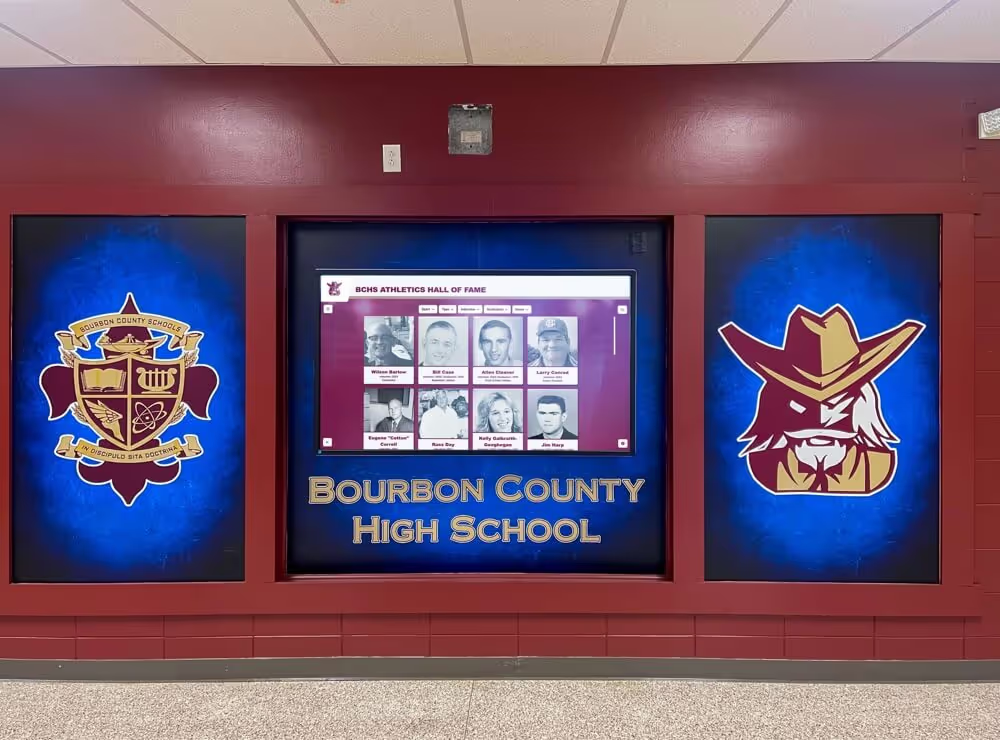
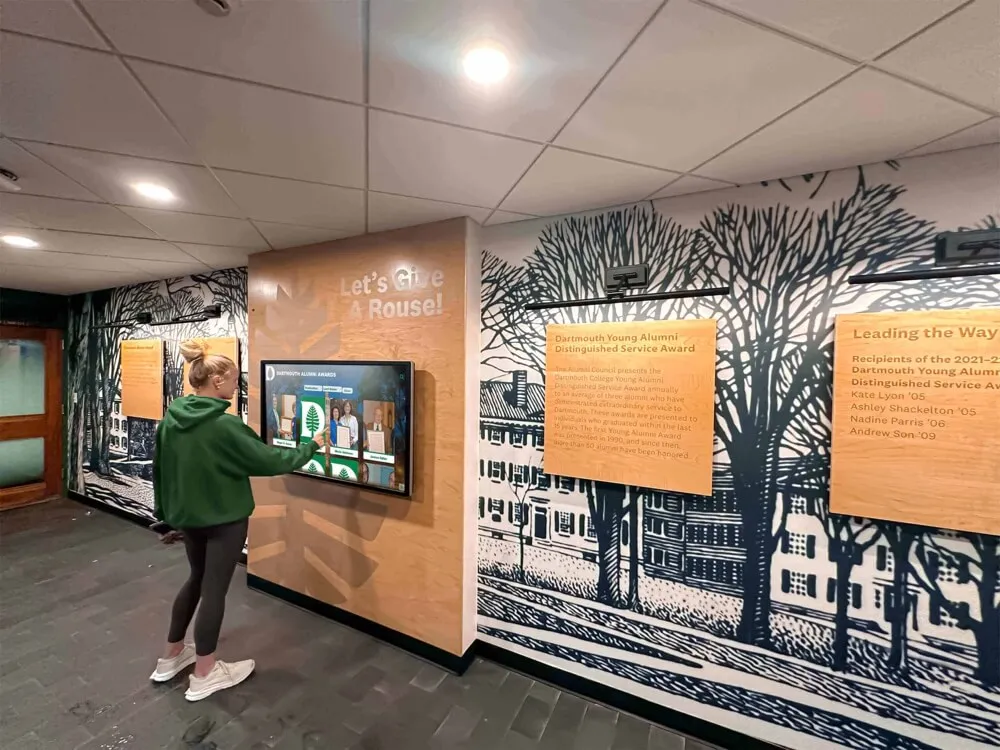
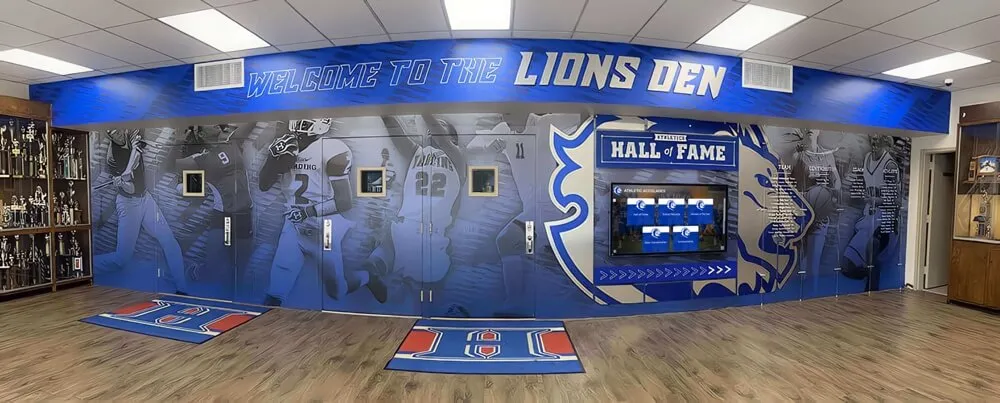
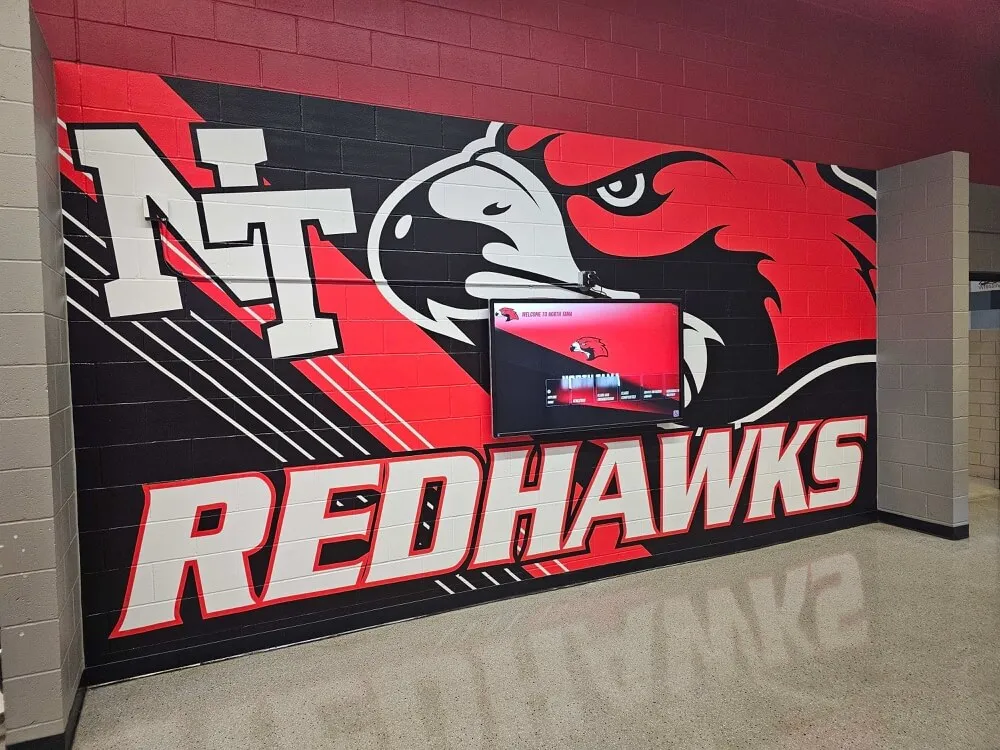
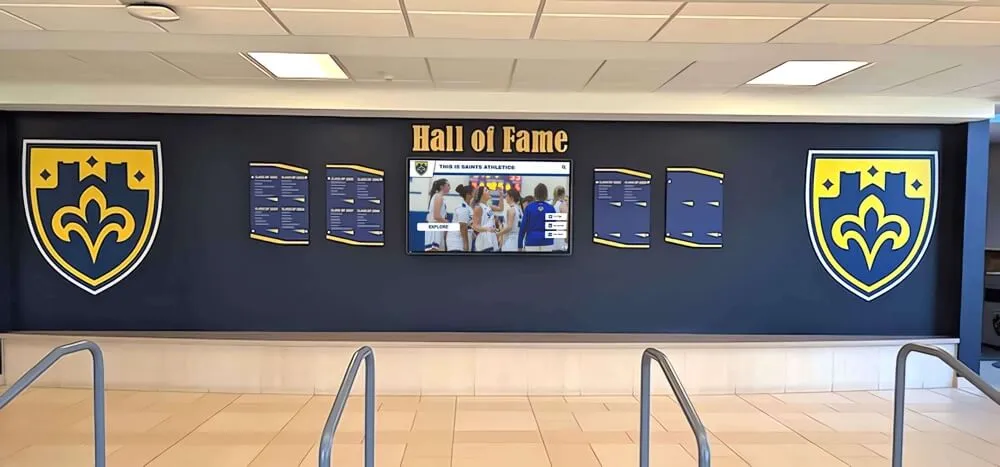
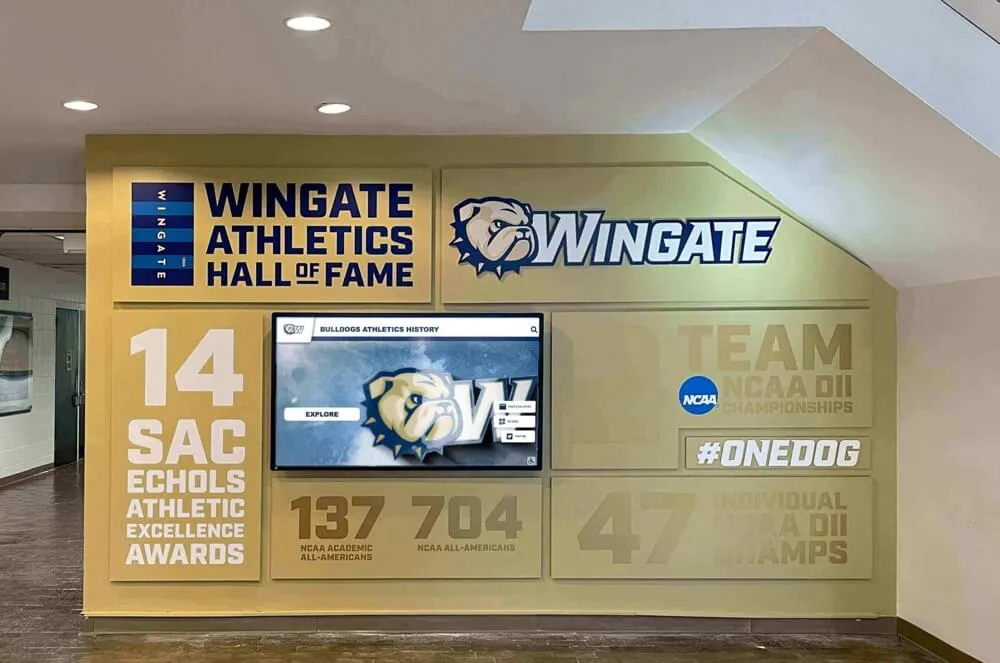
Hybrid recognition approaches combine traditional design elements with digital capacity, honoring heritage while embracing innovation that solves fundamental space constraints
Volunteer Recognition Awards
Celebrating Service Contributions
Volunteer acknowledgment motivates continued engagement:
Service Hour Recognition:
- Tiered acknowledgment at milestone hour thresholds (50, 100, 250, 500, 1000+ hours)
- Annual volunteer appreciation events
- Long-term volunteer loyalty recognition
- New volunteer welcome and onboarding acknowledgment
- Volunteer leadership and coordination roles
Organizations implementing volunteer recognition programs discover that systematic appreciation significantly improves volunteer retention and recruitment through positive word-of-mouth.
Impact-Based Volunteer Recognition:
- Program-specific volunteer contributions
- Skills-based volunteering acknowledgment
- Board service and governance recognition
- Advocacy and awareness campaign participation
- Fundraising volunteer recognition
- Community outreach and engagement leadership
Program Beneficiary Recognition
Celebrating Success Stories
Beneficiary acknowledgment demonstrates program effectiveness:
Achievement Recognition for Participants:
- Program completion celebrations
- Milestone achievement acknowledgment
- Skill development and certification recognition
- Success story showcases inspiring others
- Peer mentorship and leadership among beneficiaries
- Alumni engagement and giving back recognition
Beneficiary recognition transforms abstract program descriptions into compelling narratives demonstrating tangible impact while celebrating individual journeys.
Recognition Awards Examples for Community Organizations
Clubs, associations, and community groups require tailored recognition approaches.
Membership Recognition Awards
Acknowledging Community Participation
Community organizations celebrate active engagement:
Participation Recognition:
- Attendance and engagement acknowledgment
- Committee service and volunteer leadership
- Event planning and coordination recognition
- New member welcome and integration
- Long-term membership milestone celebrations
- Ambassador and recruitment recognition
Achievement Recognition:
- Competition and tournament victories
- Skill development and certification achievement
- Community service contributions
- Leadership positions and officer service
- Mentorship and knowledge sharing
- Innovation and program improvement
Sports Club and League Recognition
Athletic Community Acknowledgment
Recreational sports organizations recognize diverse contributions:
Player Recognition Awards:
- Championship team celebrations
- Individual statistical achievements
- Most Valuable Player selections
- Sportsmanship and character awards
- Most Improved Player recognition
- Perfect attendance and commitment acknowledgment
Coach and Volunteer Recognition:
- Coach appreciation for leadership and development
- Referee and official acknowledgment
- Parent volunteer and team parent recognition
- Facility and equipment coordination appreciation
- League administration and organization leadership
Modern Recognition Technology: Digital Recognition Solutions
Technology transforms recognition by eliminating fundamental limitations constraining traditional approaches.
Interactive Touchscreen Recognition Displays
Unlimited Acknowledgment Capacity
Digital platforms solve space constraints permanently:
Digital Recognition Benefits:
- Unlimited recognition capacity within single display footprint
- Real-time updates adding recent achievements immediately
- Rich multimedia profiles with photos, videos, and detailed narratives
- Interactive search enabling instant name-based discovery
- Filtering by category, year, department, or achievement type
- Web integration extending recognition worldwide beyond physical location
- Cost-effective scalability compared to per-plaque expenses
- Simple content management requiring no technical expertise
Solutions like Rocket Alumni Solutions provide comprehensive digital recognition platforms managing both physical touchscreen displays and web-based systems through unified interfaces, ensuring content consistency while simplifying management across unlimited achievement categories.
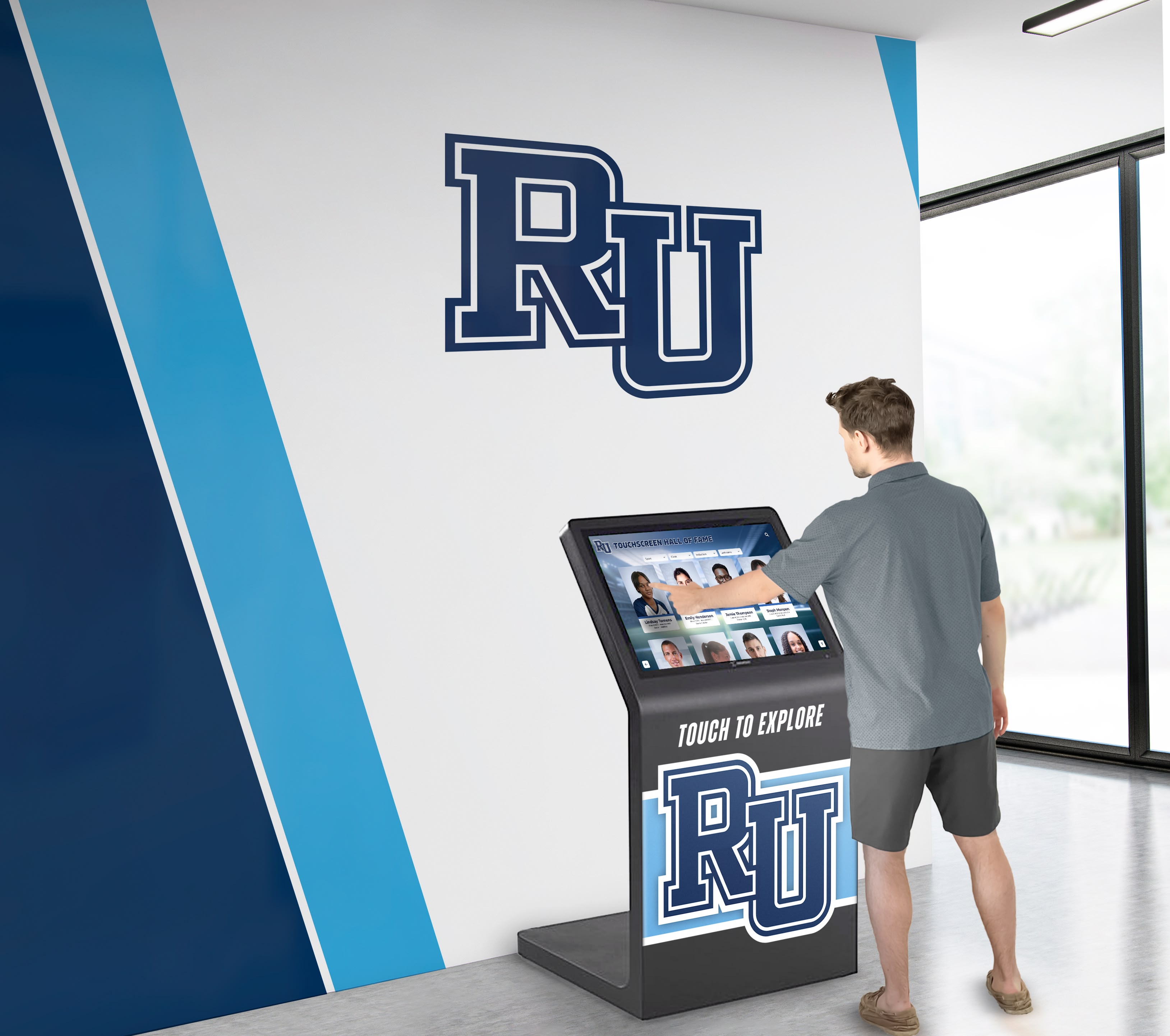
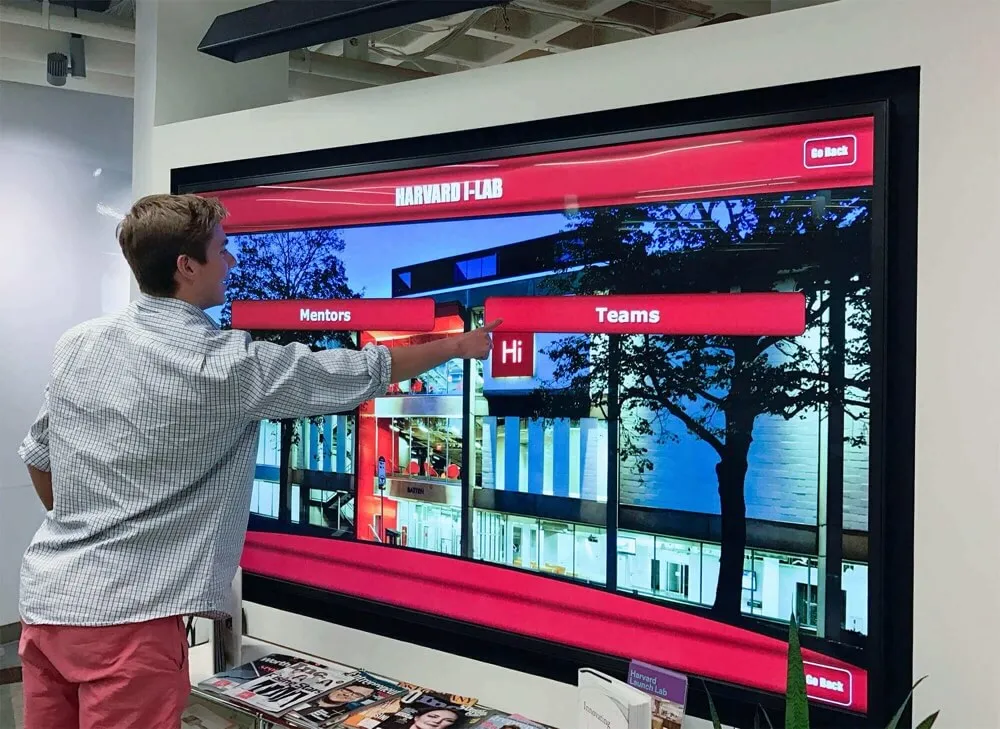
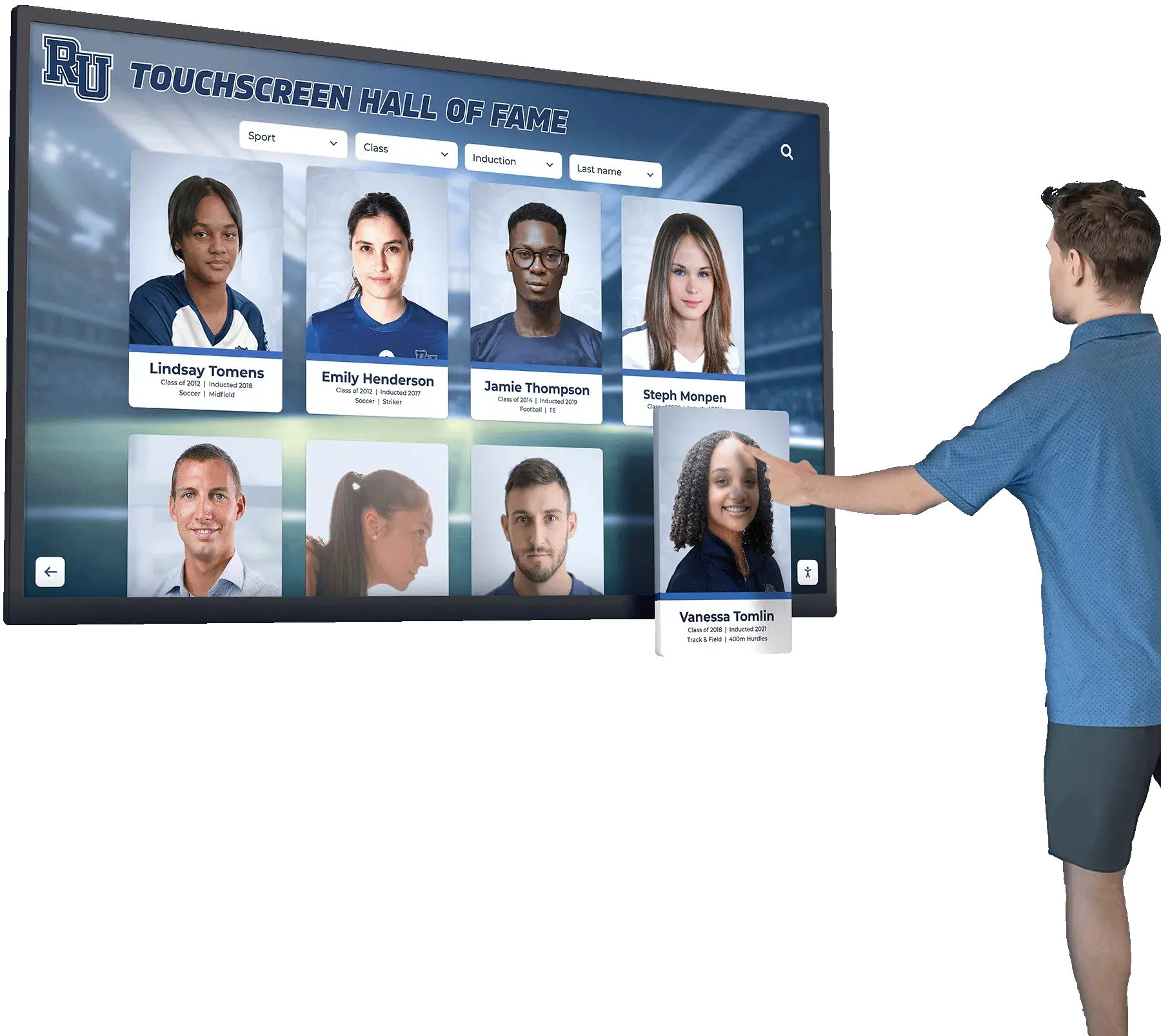
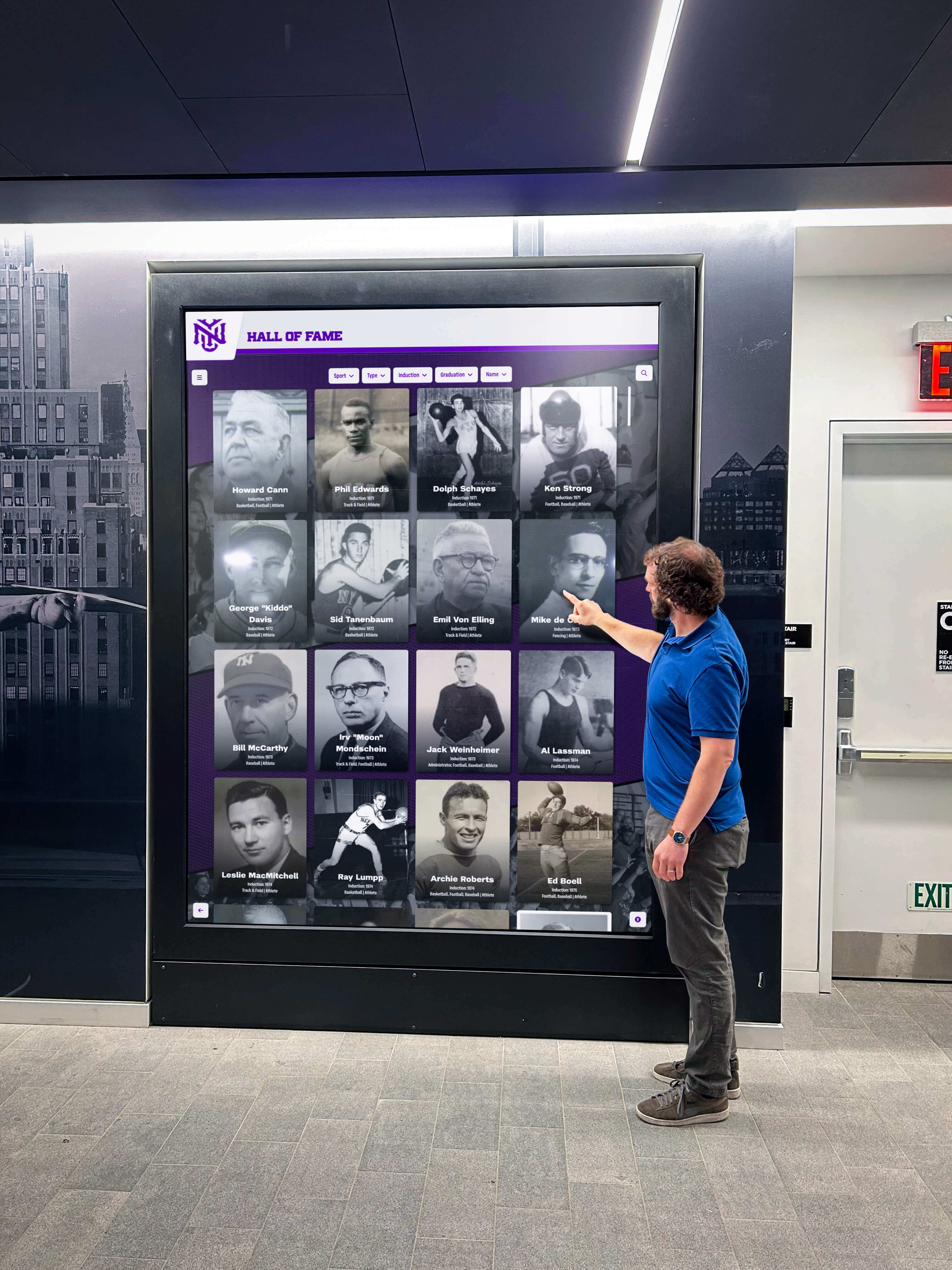
Intuitive touchscreen interfaces enable all community members to explore recognition databases, discover achievements, and celebrate excellence through simple touch interactions
Content Management Simplicity
Cloud-based platforms eliminate administrative burdens:
- Remote updates from any internet-connected device
- Bulk import tools adding entire lists efficiently
- Template-based design ensuring visual consistency
- Role-based permissions enabling appropriate staff access
- Scheduled publishing automation for coordinated announcements
- Instant corrections without physical replacement costs
- Analytics tracking showing engagement and popular content
- Automated backup preventing data loss
Organizations implementing digital recognition report 70-85% reduction in time spent maintaining awards compared to traditional approaches requiring manual printing, engraving, mounting, and updating.
Web-Based Recognition Extensions
Anytime, Anywhere Access
Online platforms extend recognition reach universally:
Web Recognition Features:
- Website sections dedicated to achievement celebration
- Mobile-responsive designs ensuring smartphone accessibility
- QR codes near physical displays linking to expanded content
- Social media integration enabling sharing throughout networks
- Email newsletter features spotlighting award recipients
- Alumni engagement platforms connecting past honorees
- Search engine discovery introducing organizations to prospective members
Web accessibility enables families, community members, and alumni to explore recognition from anywhere, extending program impact beyond physical campus or facility boundaries.
Hybrid Recognition Approaches
Combining Traditional and Digital
Organizations bridge heritage with innovation:
Integrated Recognition Strategies:
- Traditional plaques or trophies for highest-level achievements
- Digital displays providing comprehensive acknowledgment capacity
- Physical elements creating architectural presence
- Technology enabling unlimited scalability and rich storytelling
- Coordinated design language unifying physical and digital
- Budget allocation balancing both approaches appropriately
Hybrid strategies honor traditions important to stakeholder communities while solving practical limitations through modern technology.
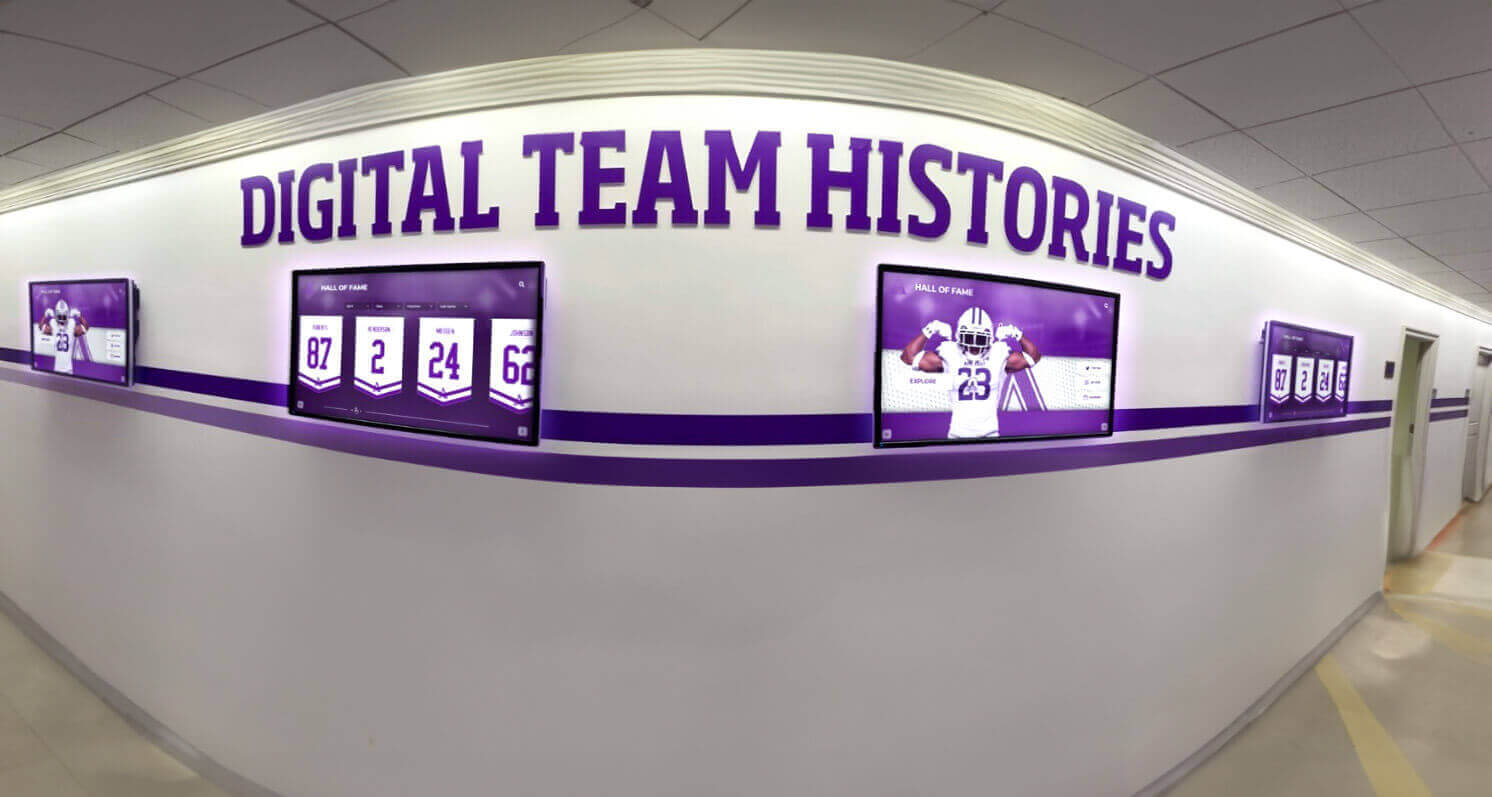
Distributed digital displays create comprehensive recognition environments throughout facilities, ensuring visibility regardless of which spaces community members utilize most frequently
Designing Effective Recognition Programs: Implementation Guide
Successful recognition requires systematic approaches beyond isolated acknowledgment gestures.
Establishing Clear Recognition Criteria
Transparent Standards Building Trust
Well-defined criteria ensure fair, consistent acknowledgment:
Criteria Development Principles:
- Specific, measurable achievement descriptions
- Objective evaluation methods reducing bias
- Multiple recognition levels accommodating varying accomplishment scales
- Frequency planning (daily, weekly, monthly, quarterly, annual)
- Department or category-specific adaptations reflecting unique contexts
- Documentation enabling transparent communication
Publishing criteria at program outset gives participants clear targets while helping stakeholders understand recognition standards and build confidence in fairness.
Creating Recognition Budgets
Sustainable Resource Allocation
Appropriate funding enables lasting programs:
Budget Components:
- Awards and gift allocations
- Recognition event costs (venue, catering, supplies)
- Technology investments (platforms, displays, software)
- Administrative support and program management
- Communication and marketing materials
- Training for managers and committee members
Cost Comparison: Traditional vs. Digital Recognition
Traditional Plaque Systems:
- Individual plaques: $200-800 each depending on materials and engraving
- Wall preparation and mounting: $1,000-5,000
- Professional lighting: $500-2,000
- Each additional honoree: $200-800 indefinitely
- Typical 10-year cost for 200 recipients: $110,000-130,000
Digital Recognition Systems:
- Touchscreen hardware (43-65 inch): $3,000-10,000
- Wall mounting or kiosk enclosure: $200-2,500
- Software platform subscription: $500-2,000 annually
- Initial content design and setup: $1,000-3,000
- Typical 10-year cost for 200 recipients: $20,000-65,000
Digital systems achieve cost parity within 2-3 years while accommodating unlimited additional recipients without incremental expenses—200 honorees cost the same as 2,000 honorees.
Recognition Timing and Frequency
Strategic Scheduling Maximizing Impact
Consistent celebration maintains motivation:
Recognition Cycles:
- Regular intervals creating predictable rhythms (monthly, quarterly, annual)
- Achievement-triggered recognition occurring when milestones occur
- Event-based acknowledgment during gatherings and ceremonies
- Real-time recognition through digital platforms adding immediately
- Retrospective recognition honoring historical achievements
Frequent recognition maintains engagement throughout years while ensuring achievements receive timely acknowledgment before impact fades.
Communication Strategies
Multi-Channel Outreach Maximizing Visibility
Comprehensive communication ensures recognition resonates:
Direct Communication with Recipients:
- Email congratulations to award recipients and families
- Printed certificates or recognition letters
- Personal notification by supervisors or leadership
- Invitation to recognition ceremonies and celebrations
- Social sharing templates for personal network distribution
Broader Community Awareness:
- Announcement acknowledgments during meetings or assemblies
- Website features and news stories
- Social media celebration posts
- Local media submissions for community recognition
- Newsletter features highlighting achievements
- Physical and digital display updates
Organizations implementing digital recognition strategies discover technology enables coordination across multiple communication channels from single content source.
Measuring Recognition Program Success
Regular assessment ensures programs achieve intended goals and justify resource investment.
Quantitative Success Metrics
Data-Driven Evaluation
Measurable indicators demonstrating effectiveness:
Participation and Coverage Data:
- Percentage of eligible individuals receiving recognition
- Distribution across departments, demographics, and categories
- Recognition frequency per individual
- Number of recognition categories utilized
- Year-over-year participation trends
Tracking participation ensures recognition remains inclusive while identifying underserved populations requiring attention.
Engagement Indicators:
- Digital display interaction rates and session duration
- Web-based recognition platform traffic and page views
- Social media engagement with recognition content
- Recognition ceremony and event attendance
- Family and stakeholder response rates to communications
Engagement metrics reveal whether recognition resonates with stakeholders or requires adjustment to format, content, or communication approaches.
Outcome Correlation:
- Performance trends among recognized versus non-recognized individuals
- Retention rates comparing acknowledged contributors to others
- Satisfaction survey scores specifically addressing recognition
- Recruitment success and applicant quality improvements
- Long-term trajectory analysis of recognized individuals
Outcome data demonstrates recognition program effectiveness while justifying continued resource investment to organizational leadership and stakeholders.
Qualitative Assessment
Perception and Experience Data
Stakeholder feedback providing context:
Feedback Collection Methods:
- Surveys assessing recognition awareness and perceived fairness
- Focus groups gathering detailed experience descriptions
- Individual interviews with recipients and nominees
- Informal conversations during events and interactions
- Exit interviews mentioning recognition (or lack thereof)
Qualitative feedback provides context quantitative metrics cannot capture while identifying improvement opportunities invisible in numerical data.
Success Story Documentation:
- Individuals motivated by recognition to pursue higher achievement
- First-time recipients sharing emotional impact
- Alumni crediting recognition for continued organizational connection
- Leaders describing recognition influence on culture development
- Families expressing gratitude for meaningful celebration
Stories humanize program impact while providing powerful communication materials demonstrating value to skeptical stakeholders.
Common Recognition Challenges and Solutions
Addressing predictable obstacles ensures program sustainability.
Limited Budget Constraints
Cost-Effective Implementation
Strategies maximizing impact within resource limitations:
- Begin with digital platforms offering unlimited capacity at fixed costs
- Implement phased deployment over multiple fiscal years
- Seek alternative funding through grants, sponsorships, or fundraising
- Calculate long-term cost advantages of digital versus traditional per-recipient costs
- Focus resources on highest-impact categories and audiences initially
- Utilize peer nomination reducing staff administrative burden
Recognition investments typically recover costs within 2-3 years through improved retention alone, justifying initial expenditures.
Space and Capacity Limitations
Overcoming Physical Constraints
Solutions when traditional recognition exhausts space:
- Digital displays providing unlimited capacity in fixed footprints
- Freestanding kiosks when wall mounting proves impractical
- Web-based recognition complementing limited physical displays
- Rotation strategies cycling featured recognition periodically
- Distributed smaller displays throughout facilities instead of single large installation
- Archive functions preserving historical recognition without physical space requirements
Space challenges often represent opportunities to implement superior digital solutions delivering better long-term value than expanded physical displays.
Maintaining Program Momentum
Sustaining Recognition Over Time
Strategies preventing program abandonment:
- Assign clear ownership with dedicated responsibilities
- Integrate recognition into regular workflows rather than separate initiatives
- Automate processes through technology reducing manual burden
- Train multiple staff ensuring continuity despite turnover
- Celebrate program milestones maintaining enthusiasm
- Continuously communicate impact justifying continued investment
Sustainable programs become institutional infrastructure rather than dependent on individual champions whose departure ends recognition.
Transform Your Recognition Program Today
Discover how modern digital recognition solutions help organizations celebrate every achievement meaningfully while building cultures of excellence that inspire continued success across all community members.
Explore Recognition SolutionsConclusion: Building Cultures of Recognition and Excellence
Recognition awards represent far more than polite acknowledgment of accomplishment—they function as strategic infrastructure creating environments where excellence becomes normalized, achievements receive systematic celebration, and individuals feel genuinely valued for contributions enabling organizational success. Organizations implementing comprehensive recognition programs consistently outperform peers in engagement, retention, performance, and culture development.
The recognition awards examples explored throughout this guide—from academic honor rolls through workplace performance celebrations, from donor acknowledgment to volunteer appreciation, from athletic achievements to character recognition—demonstrate how thoughtful acknowledgment adapts across contexts while maintaining core principles of fairness, meaningfulness, and sustainability.
Effective recognition doesn’t require implementing every innovation simultaneously. Success comes from selecting approaches aligned with organizational culture, stakeholder preferences, available resources, and strategic goals. Whether beginning with simple peer nomination systems, launching comprehensive interactive displays, or creating integrated approaches combining multiple recognition formats, every step toward meaningful, consistent acknowledgment strengthens culture while honoring individuals whose contributions enable success.
The strategies explored provide comprehensive frameworks for building recognition programs that honor diverse achievements while remaining sustainable, equitable, and aligned with institutional mission. From digital recognition displays eliminating space constraints to multi-dimensional award categories ensuring opportunities at all achievement levels, these approaches transform acknowledgment from occasional gestures to systematic celebration woven throughout organizational culture.
Implementation begins with assessing current recognition approaches and identifying gaps, clarifying goals for enhanced acknowledgment, establishing realistic budgets accounting for both initial and ongoing costs, exploring solutions matching organizational needs and technical capacity, developing clear criteria ensuring transparent fairness, and systematically communicating recognition throughout communities.
Digital recognition platforms make comprehensive acknowledgment achievable through intuitive touchscreen displays, unlimited recipient capacity, simple content management, web integration extending reach beyond physical locations, and analytics demonstrating program effectiveness. Organizations implementing these solutions report dramatic improvements in recognition comprehensiveness, program visibility, and stakeholder satisfaction—precisely the outcomes justifying recognition investments.
Every individual—from exceptional performers to consistent contributors, from breakthrough innovators to long-tenured veterans, from students to staff members to volunteers—deserves recognition acknowledging their commitment and celebrating their role in organizational excellence. With thoughtful planning, appropriate technology, quality content, and consistent implementation, you can create recognition programs that genuinely honor every contribution while building engaged communities sustaining excellence for generations.
Ready to enhance your recognition program? Explore comprehensive approaches in student recognition programs, discover sportsmanship award ideas, or learn about top sales performer recognition applicable across organizational contexts. Organizations implementing thoughtful recognition create lasting cultures celebrating achievement while inspiring continued excellence across entire communities.