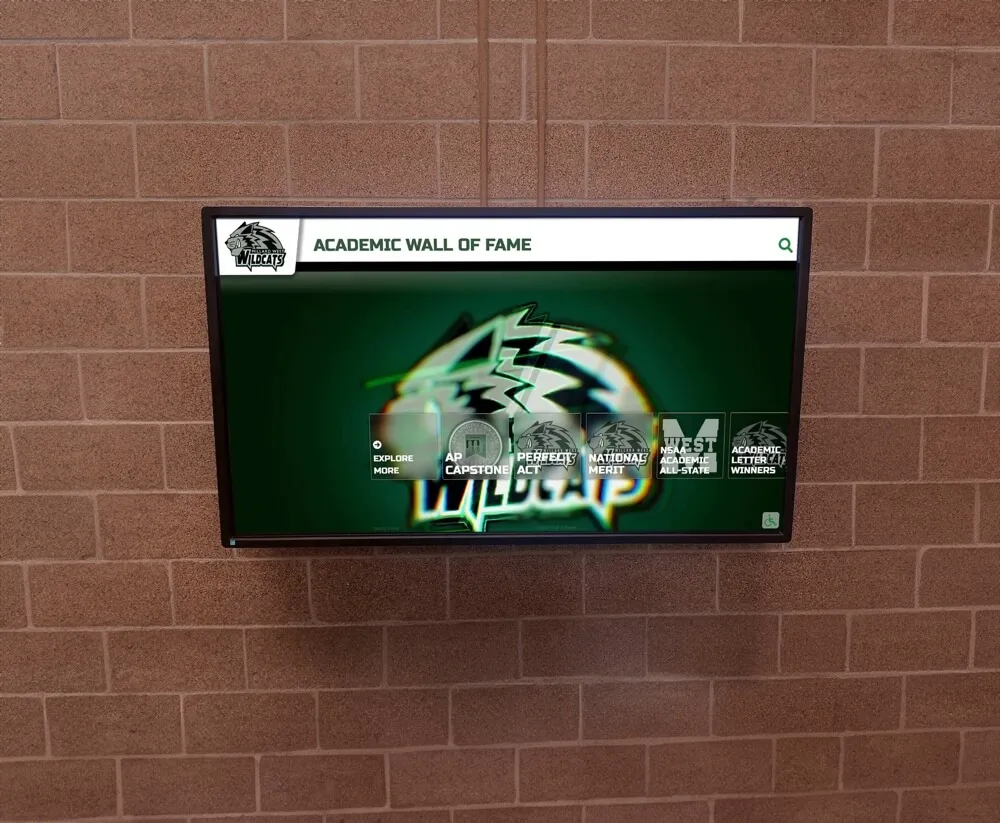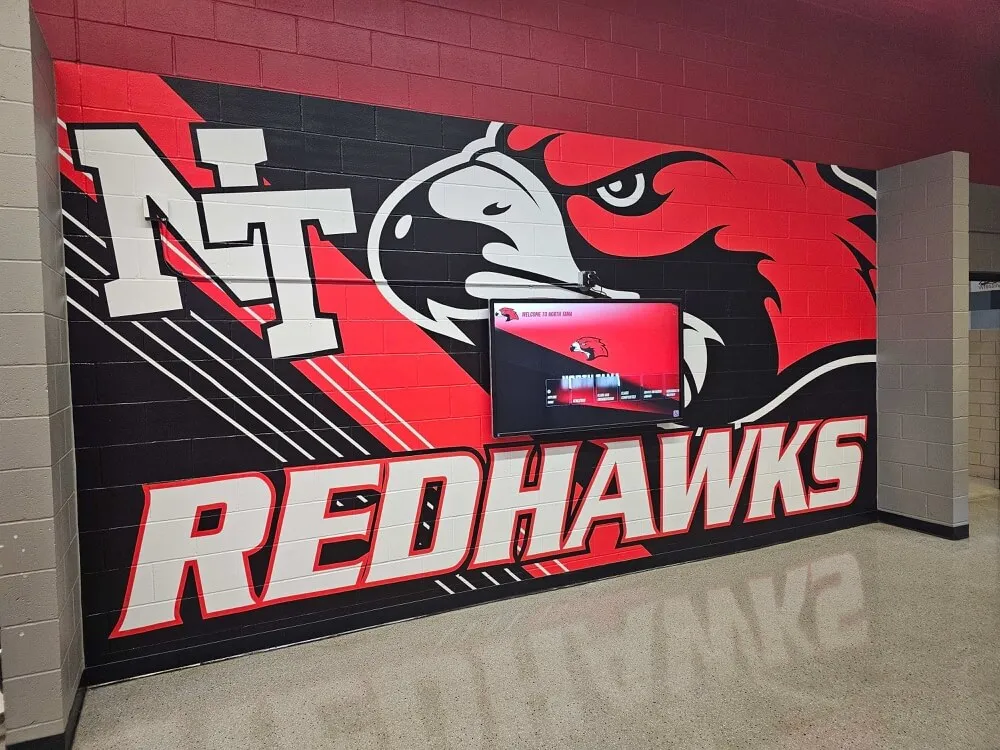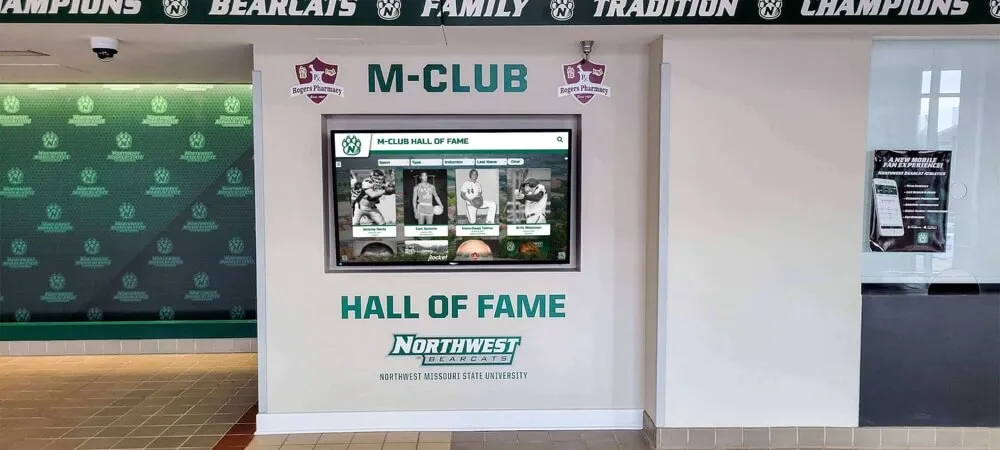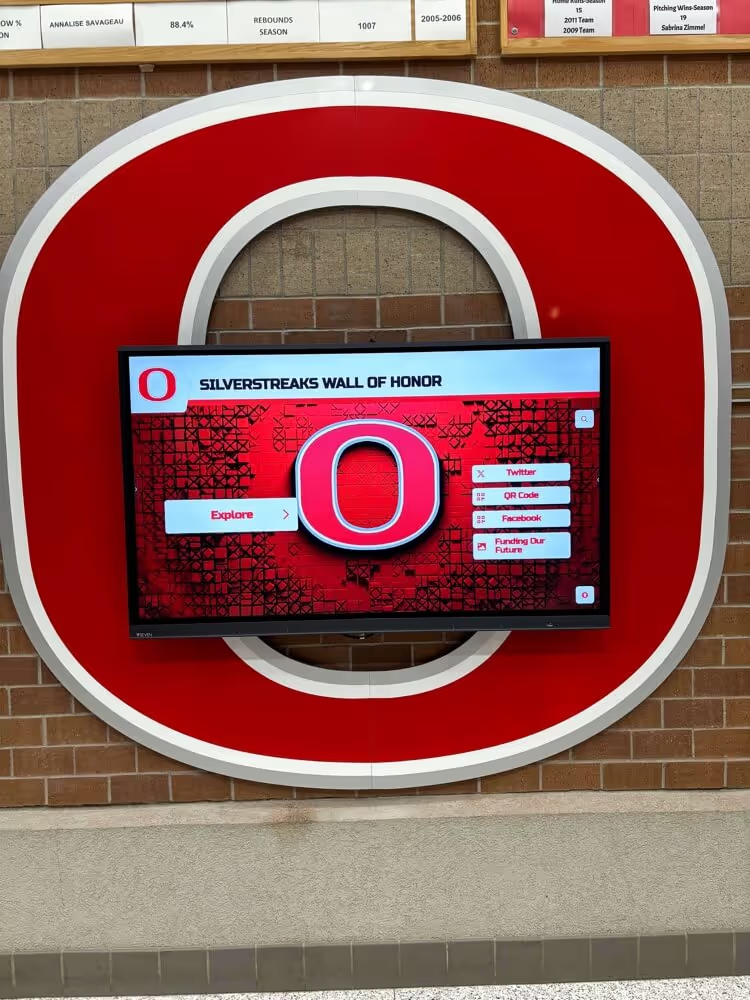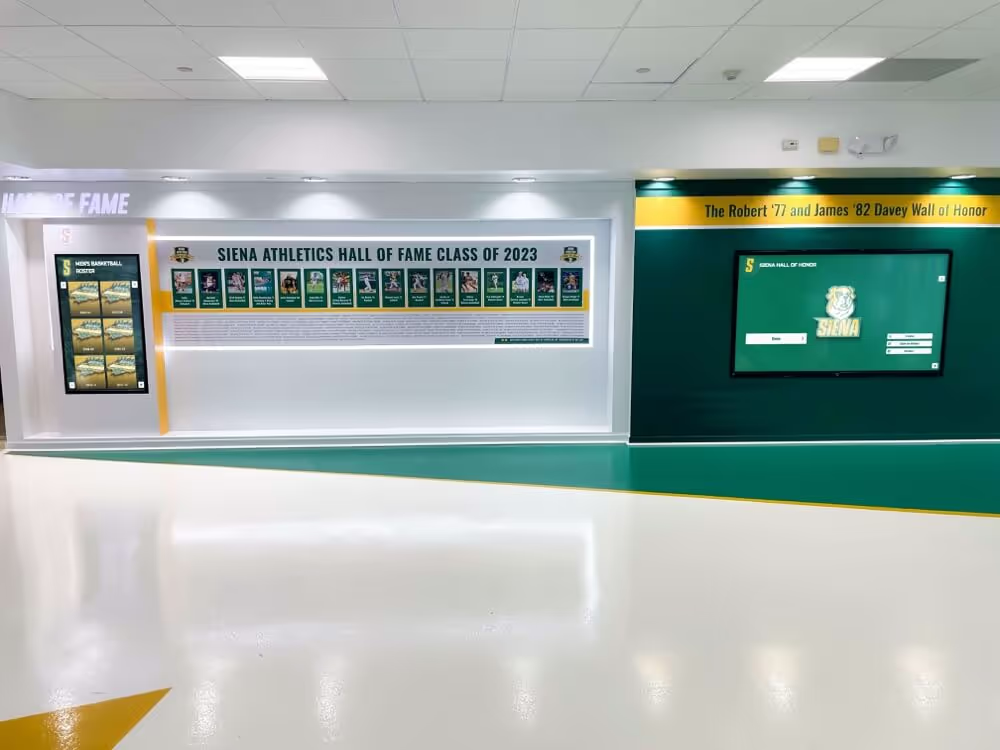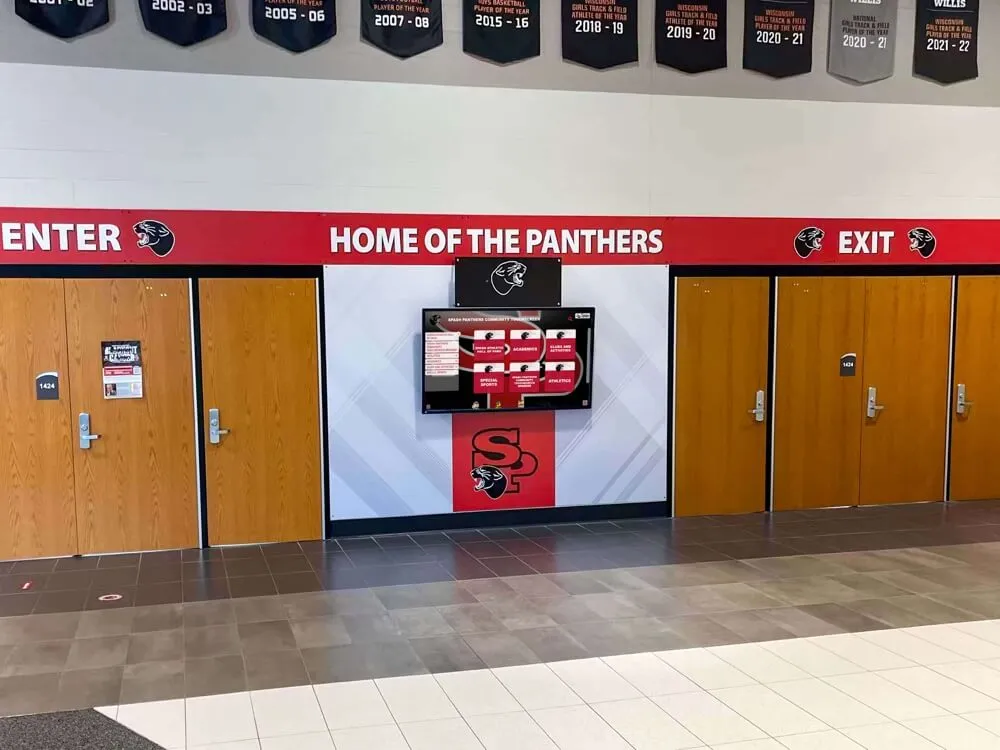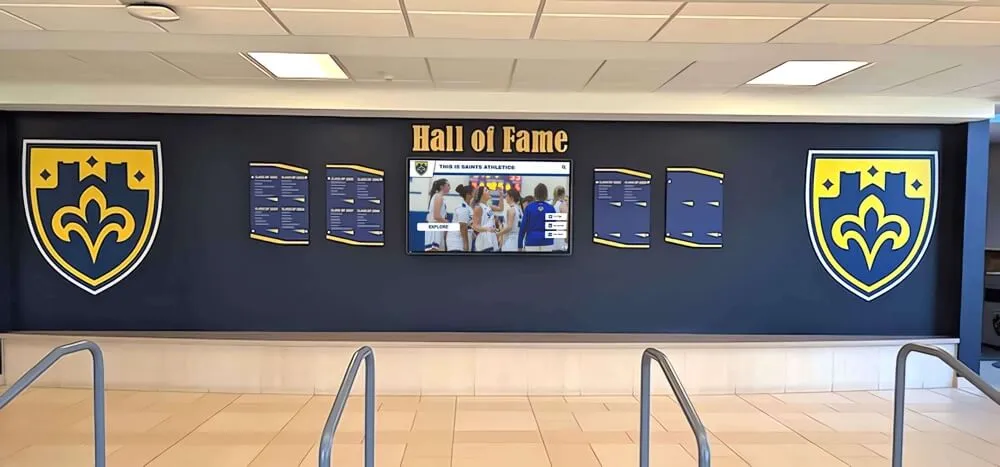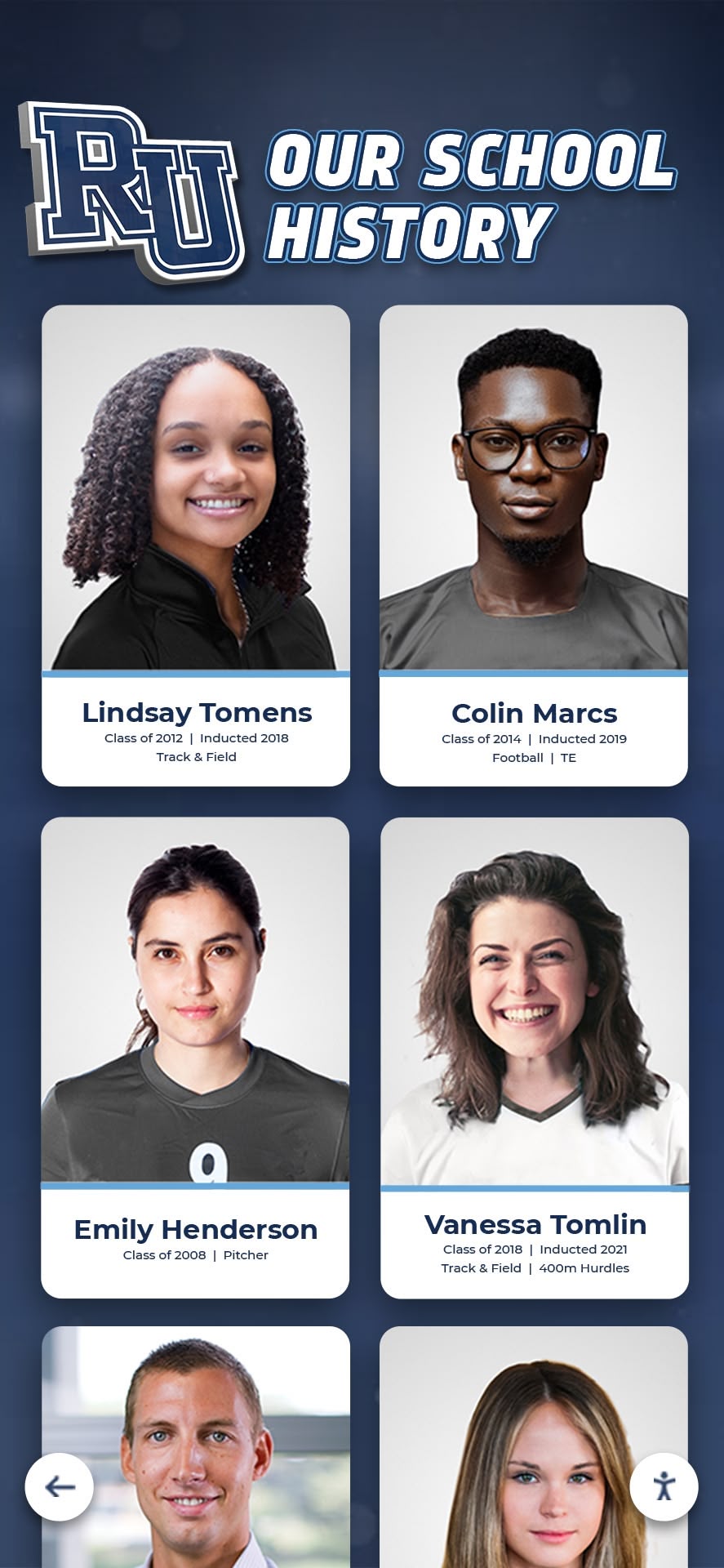
School yearbooks document decades of institutional memory through thousands of student portraits, team photographs, and captured moments that define community heritage. Yet most of these irreplaceable volumes remain hidden in storage rooms where deteriorating bindings, yellowing pages, and fragile materials face accelerating damage with each passing year. Access remains limited to those who can physically retrieve volumes from archives, carefully page through brittle materials, and return them before further wear occurs.
Professional yearbook digitization services transform these vulnerable physical collections into permanent digital archives that schools can integrate into interactive displays, share through alumni platforms, and preserve for future generations. These specialized providers handle the entire workflow from condition assessment and careful scanning through metadata creation and digital delivery, enabling institutions to protect heritage while creating accessible content serving multiple constituencies.
The growing market for yearbook digitization includes full-service professional providers offering comprehensive end-to-end solutions, hybrid services combining school participation with professional expertise, and specialized vendors focusing on educational institution archives. Understanding the landscape of service options, quality standards, pricing models, and vendor evaluation criteria empowers schools to make informed decisions matching their collections, budgets, and strategic objectives.
This comprehensive guide explores everything schools need to know about professional yearbook digitization—from evaluating service providers and understanding costs through ensuring quality standards and integrating digitized content with modern recognition displays. Whether preserving five years or five decades of yearbooks, you’ll discover proven approaches that protect originals while creating digital assets ready for institutional use.

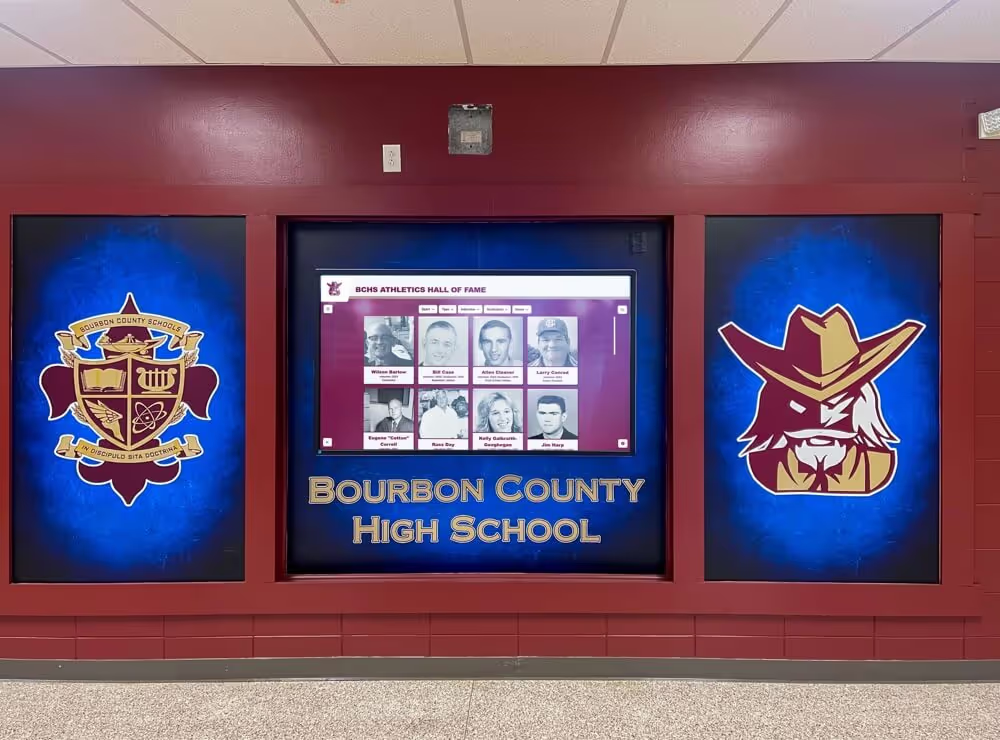
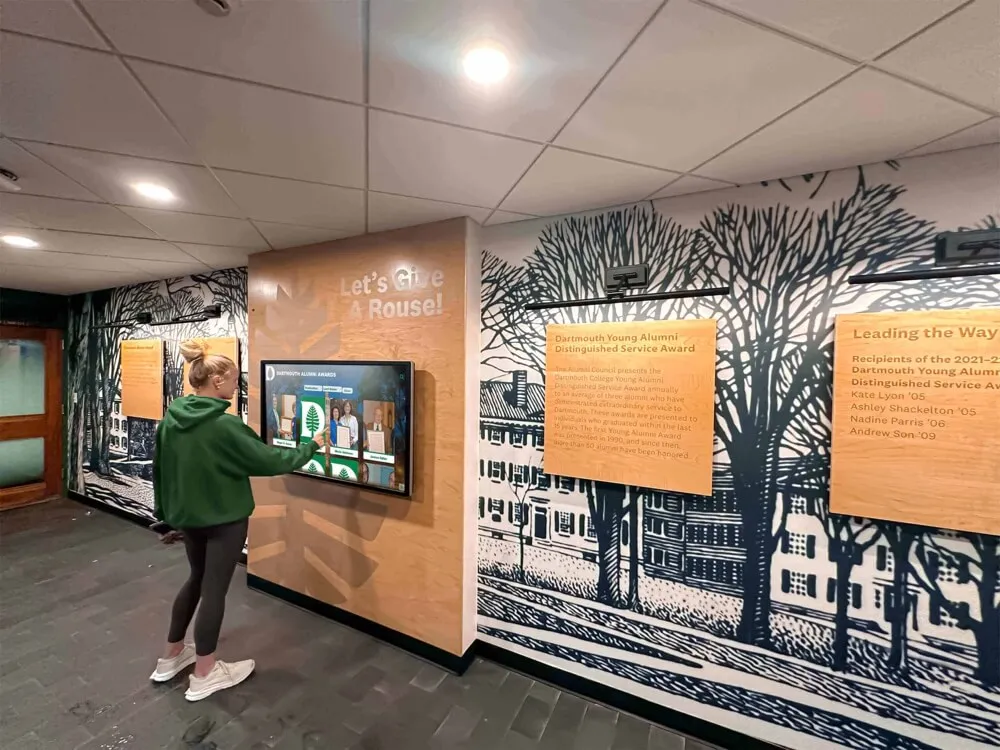
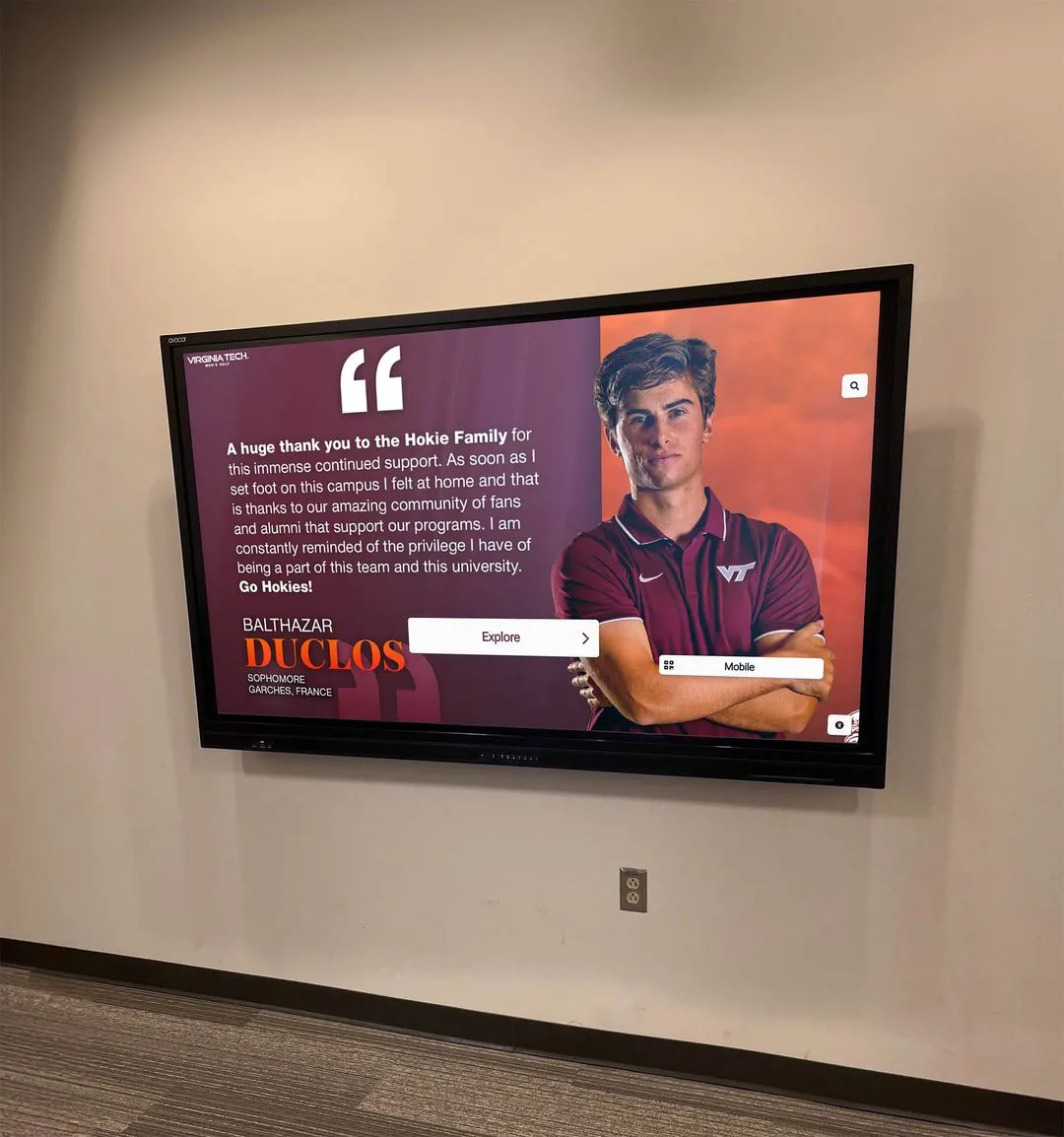
Professional yearbook digitization services transform physical archives into organized digital collections featuring individual portraits, team photos, and historical content ready for integration into recognition displays and alumni platforms
Why Schools Choose Professional Yearbook Digitization Services
Before evaluating specific providers, understanding the strategic value professional digitization delivers helps justify budget allocations and resource commitments.
Preservation of Irreplaceable Historical Materials
Physical yearbooks face multiple deterioration threats that professional digitization addresses systematically:
Accelerating Physical Degradation
Yearbooks published from the 1950s through 1990s used acidic paper that yellows, becomes brittle, and eventually disintegrates with age. Perfect-bound volumes suffer adhesive failure causing pages to separate from spines. Sewn bindings experience stress from repeated handling, leading to thread breakage and structural failure. Once significant physical damage occurs, recovery becomes impossible or requires conservation services costing hundreds of dollars per volume.
Professional digitization creates permanent backup copies that survive indefinitely after original volumes deteriorate beyond usability. When stored with proper redundancy in cloud infrastructure, digital files remain accessible without degradation for decades.
Environmental Vulnerability and Emergency Risks
Schools typically store yearbook collections in conditions ranging from climate-controlled archive rooms to dusty closets experiencing temperature and humidity fluctuations that accelerate deterioration. Water damage from plumbing leaks, fire risk from building emergencies, mold growth from moisture exposure, and pest damage from insects or rodents all threaten physical collections occupying single locations.
Digital copies eliminate these concentrated risks entirely. Multiple backup locations ensure that even catastrophic loss of physical archives doesn’t erase institutional memory permanently.
Making Historical Content Accessible for Modern Use
Physical yearbooks serve only those who can access specific storage locations and handle fragile materials:
Breaking Down Access Barriers
Traditional yearbook storage creates multiple access barriers—staff must know where volumes are kept, have physical access to storage locations, be available during limited hours, handle materials carefully to prevent damage, and return volumes promptly for others. These barriers mean most yearbook content remains functionally inaccessible despite physical existence.
Professional digitization creates access from anywhere for authorized users. Staff researching historical content, alumni seeking memories, students exploring institutional heritage, and development teams building recognition programs all gain instant access without risking damage to originals.
Enabling Advanced Search and Discovery
Physical yearbooks require page-by-page browsing to locate specific individuals, teams, or events. Finding all appearances of particular students across their school years demands hours of manual searching through multiple volumes.
Professional digitization services typically include optical character recognition (OCR) creating searchable text layers, individual portrait extraction and naming, metadata tagging by category, year, and activity, and indexed databases enabling instant searches. Staff creating hall of fame profiles or alumni content locate relevant materials in seconds rather than hours.

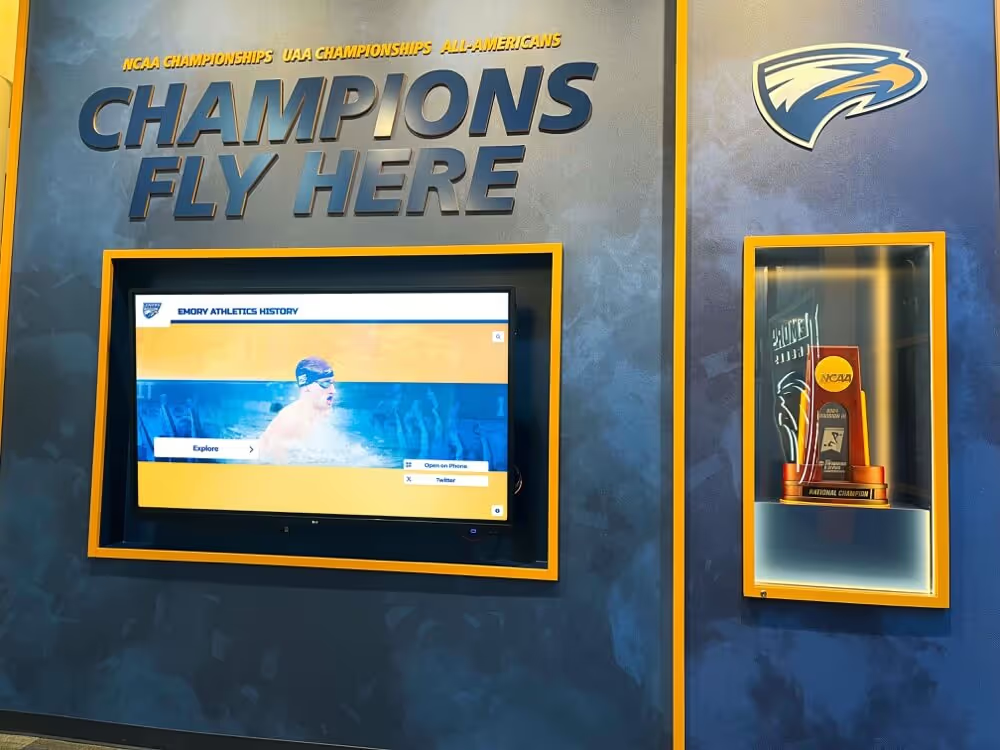
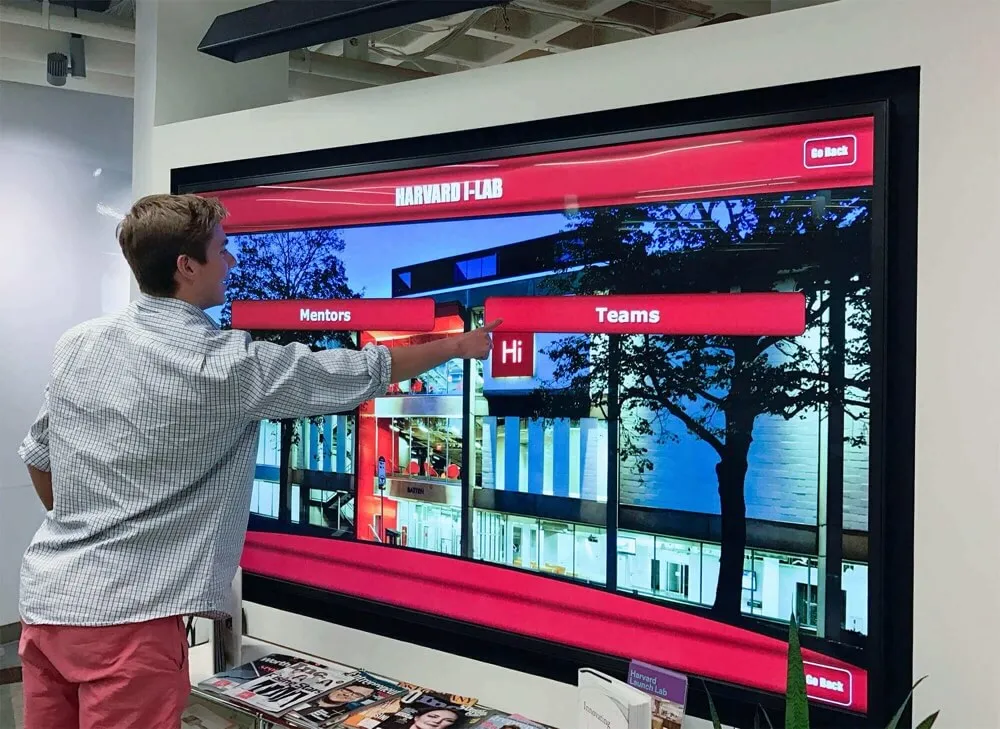
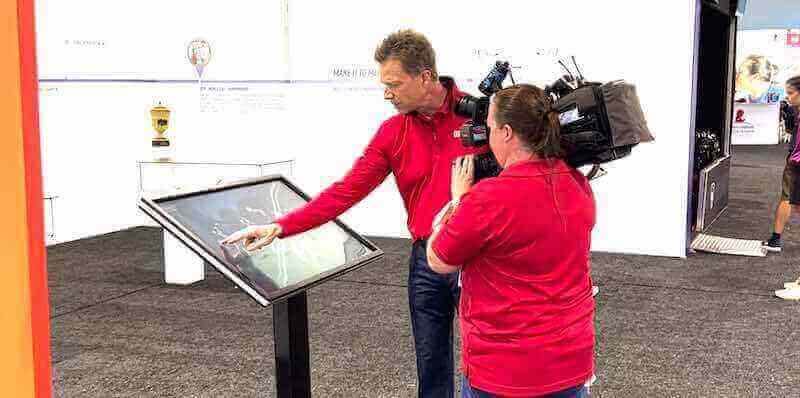
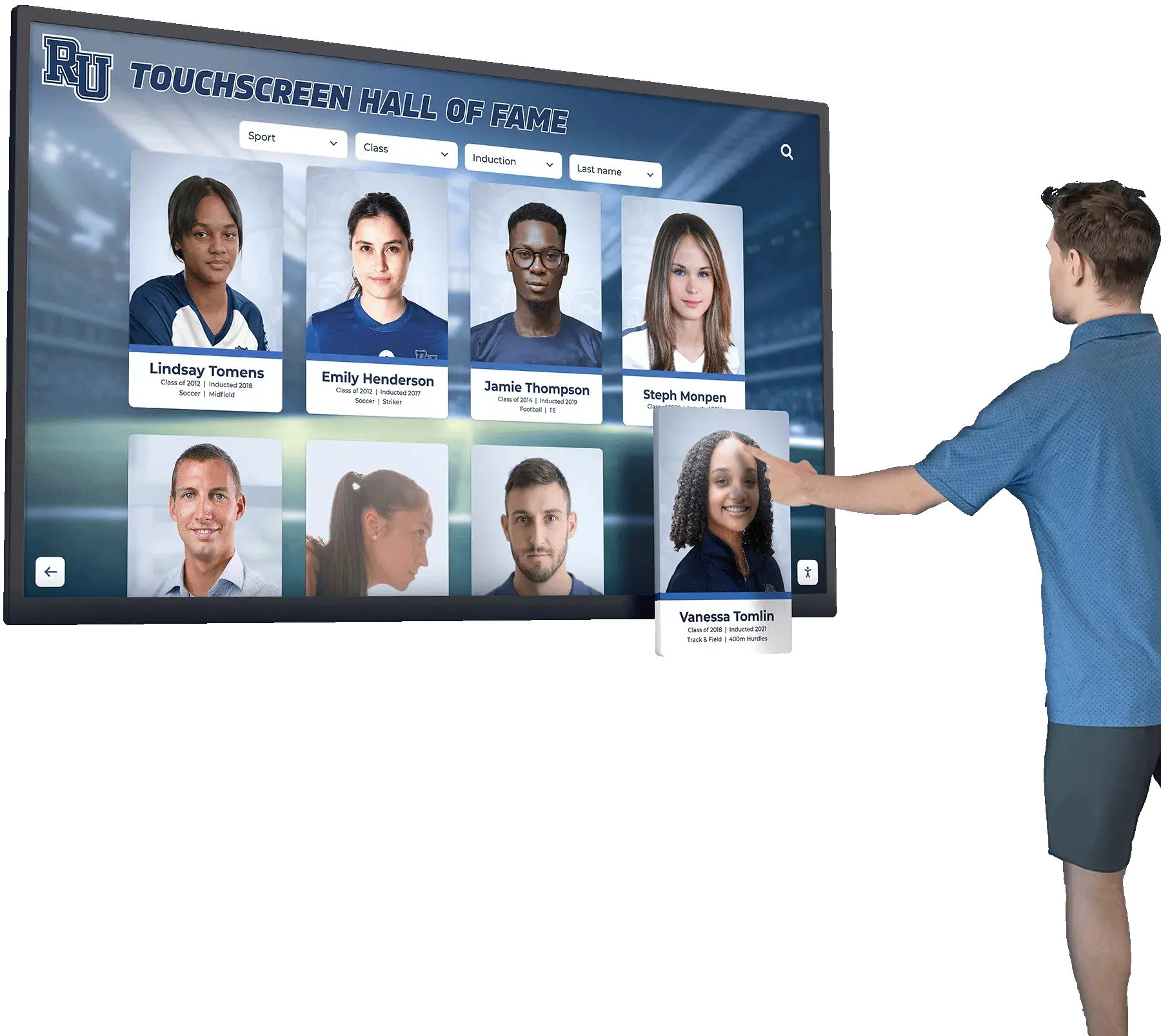
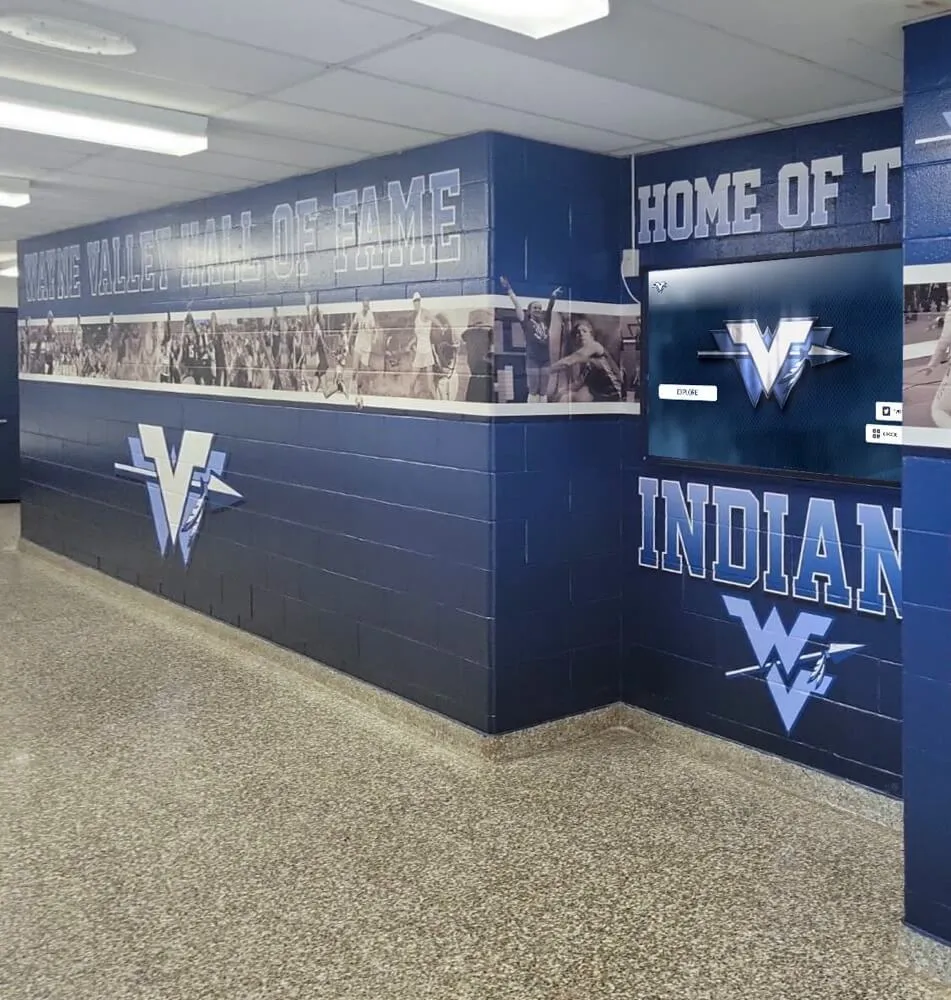
Digitized yearbook collections become accessible through modern touchscreen interfaces, enabling intuitive exploration of decades of institutional history without handling fragile originals
Population of Digital Recognition and Display Systems
Schools implementing modern digital displays throughout campus facilities require extensive content libraries—thousands of photographs, biographical information, and historical documentation spanning decades. Yearbooks contain exactly this content in concentrated form.
Content Foundation for Recognition Displays
Professional digitization transforms yearbook archives into searchable content databases feeding multiple display systems. Rather than recreating historical information from scattered sources or leaving displays empty of historical context, schools extract organized materials directly from systematic yearbook digitization.
The same digitized content populates lobby recognition displays, athletic facility halls of fame, academic achievement showcases, and alumni engagement platforms—single investment serving multiple institutional functions.
Visual Documentation of Institutional Evolution
Beyond individual portraits, yearbook photographs document facility evolution, program development, community traditions, and cultural changes across decades. These materials provide visual storytelling opportunities for anniversary celebrations, capital campaign materials, recruitment presentations, and historical exhibits demonstrating institutional stability and heritage.
Alumni Engagement and Development Support
Alumni relations and advancement offices leverage digitized yearbook collections for strategic initiatives generating measurable institutional value:
Nostalgia-Driven Reconnection and Engagement
Alumni discovering digitized yearbooks from their student years—especially when individual portraits link to personal profiles and searchable by name—develop renewed emotional connections to alma maters. Research on alumni engagement consistently demonstrates that nostalgia serves as a powerful motivator for event attendance, volunteer participation, and philanthropic support.
Schools providing searchable digital yearbook access report alumni spending 10-15 minutes exploring archives, sharing discoveries with classmates through social media, and initiating renewed relationships with institutions after years of minimal contact. These renewed connections create foundation opportunities for development staff cultivating major gifts.
Reunion Planning and Class Mobilization
Reunion committees use digitized yearbooks for event planning and promotion—identifying classmates through comprehensive searches, creating reunion marketing materials featuring class-specific photographs, facilitating reconnection among scattered alumni, and developing engagement strategies based on shared memories. Digital access enables reunion chairs to work remotely rather than requiring campus visits for archive access.
Development Research and Prospect Identification
Development professionals use yearbook archives for prospect research—documenting family connections across generations, identifying former student athletes who became successful, discovering alumni leadership positions from student years, and finding conversation starters for cultivation activities. Professional digitization with comprehensive metadata makes this research efficient rather than prohibitively time-consuming.
Understanding Professional Yearbook Digitization Service Models
Schools choose from several service models offering different combinations of cost, quality, convenience, and control over workflow.
Full-Service Professional Digitization Providers
Comprehensive providers handle entire digitization workflows from material pickup through digital delivery:
Complete Service Scope and Deliverables
Full-service professional yearbook digitization companies typically offer:
- Secure transportation: Insured pickup and return protecting valuable materials during transit
- Condition assessment: Documentation of pre-existing damage and conservation recommendations
- Professional scanning: High-resolution capture using book-safe equipment respecting binding limitations
- Image processing: Color correction, cropping, and enhancement optimizing display quality
- OCR text extraction: Creation of searchable text layers enabling name and keyword searches
- Individual portrait extraction: Separation of individual photos from composite pages
- Comprehensive metadata creation: Indexing by year, name, activity, sport, and custom categories
- Quality assurance review: Multi-point inspection ensuring completeness and accuracy
- Digital delivery: Cloud hosting, downloadable files, or both depending on specifications
- Preservation consultation: Guidance on proper storage of originals after digitization
This comprehensive approach eliminates school staff burden entirely, enabling institutions to transform archives into accessible digital collections without diverting internal resources from core educational functions.
Ideal Candidates for Full-Service Approaches
Full-service professional digitization best suits schools with:
- Large collections spanning multiple decades requiring systematic processing (50+ volumes)
- Fragile or damaged volumes needing expert handling and conservation assessment
- Limited internal staff capacity for long-term scanning projects
- Budget supporting comprehensive outsourcing ($20-$40 per yearbook typical)
- Timeline pressure requiring faster completion than internal resources allow
- Desire for highest quality professional results including advanced metadata
- Integration requirements with complex technical platforms
Schools with these characteristics typically find the convenience, speed, and professional quality of full-service providers justify higher costs compared to DIY alternatives.
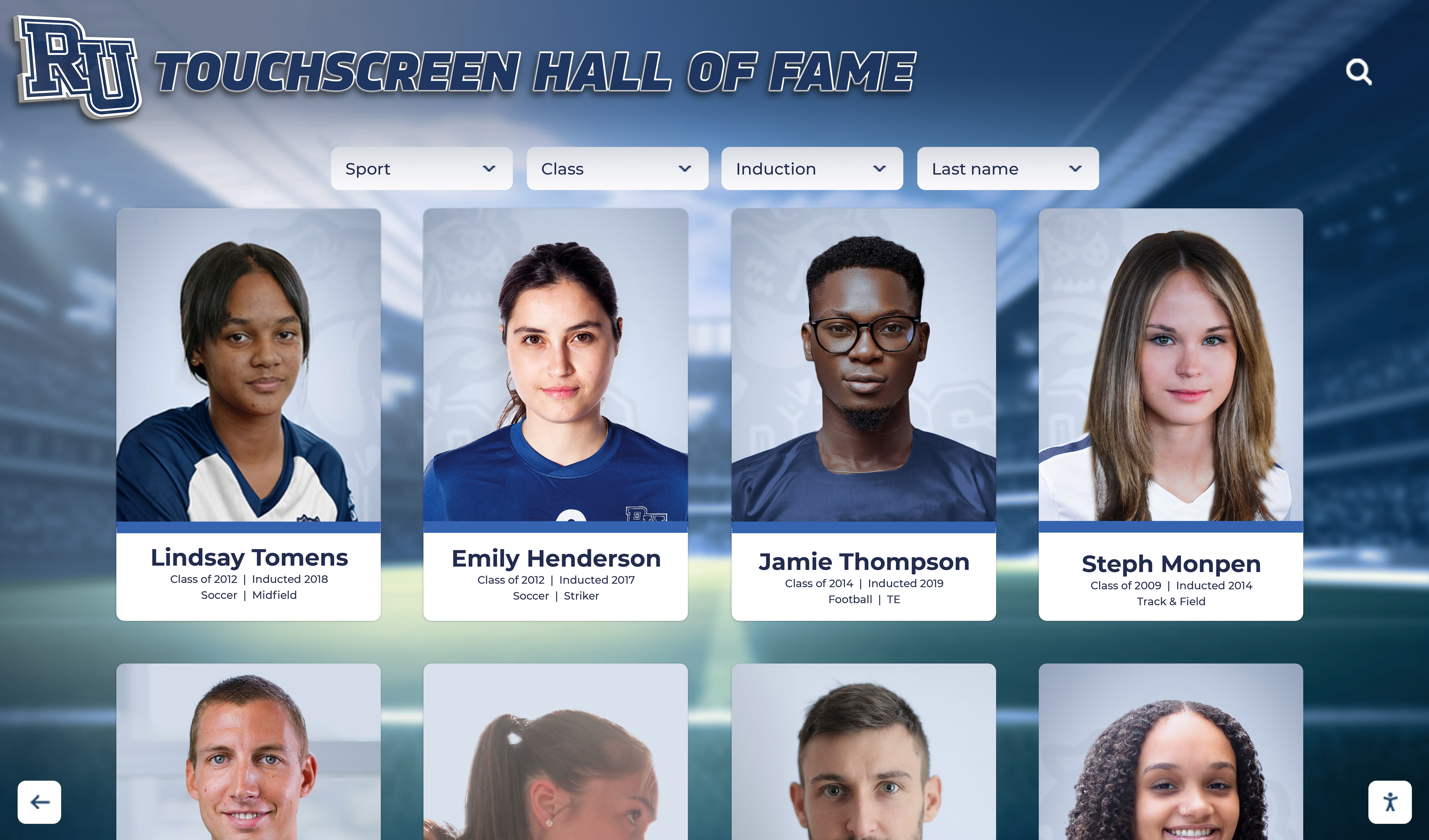
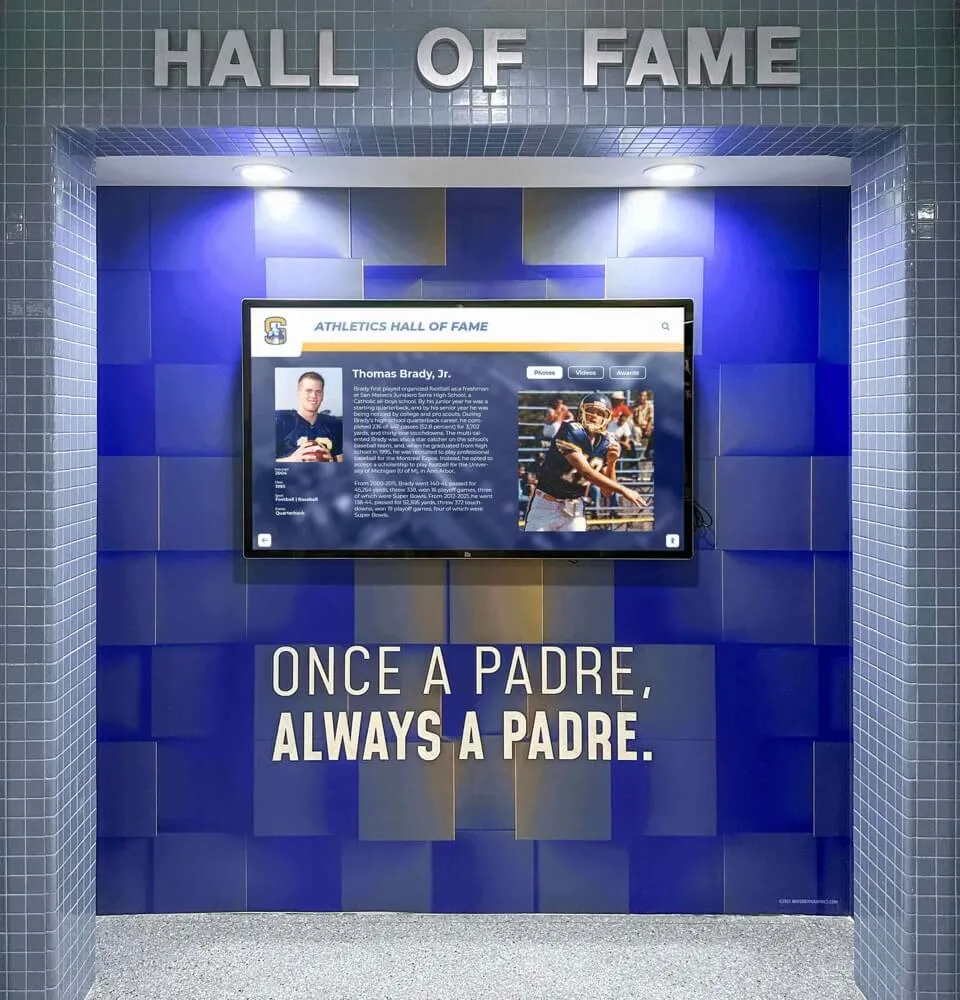
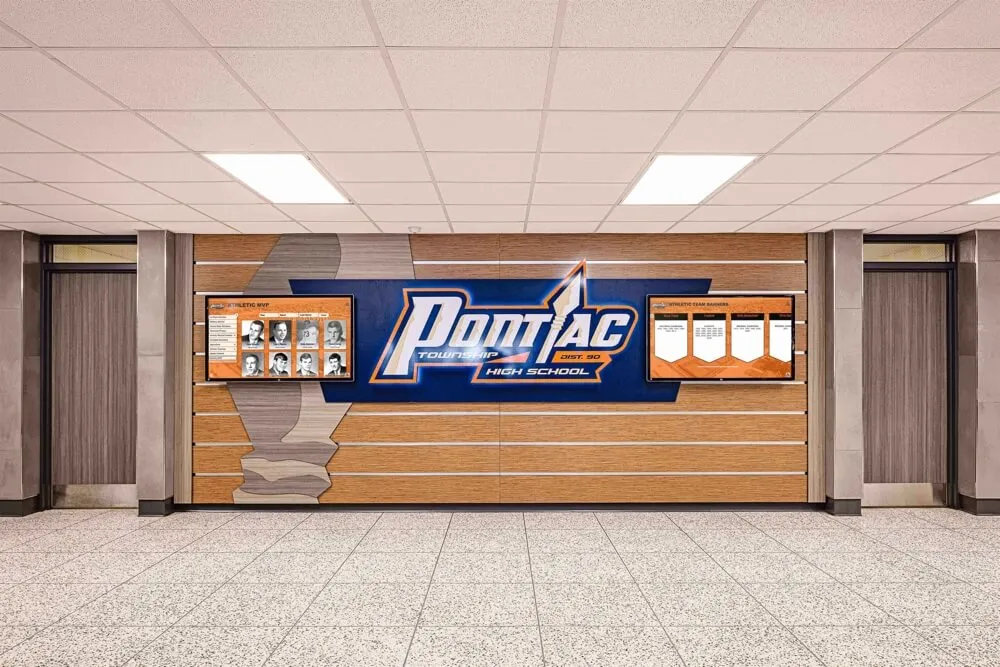
Professional extraction of individual portraits from yearbook composites creates organized libraries ready for integration into interactive recognition displays and alumni platforms
Hybrid Service Models With School Participation
Hybrid approaches balance professional expertise with school involvement, reducing costs while maintaining quality:
Equipment Rental Programs
Some professional providers rent specialized scanning equipment to schools along with training and technical support. Schools perform actual scanning using professional-grade equipment while vendors provide:
- Remote quality review of submitted scans
- Technical troubleshooting and support
- Post-processing services (enhancement, OCR, metadata)
- Equipment maintenance and insurance
- Workflow consulting and best practice guidance
This model suits schools with staff capacity for systematic scanning work but lacking equipment investment budgets, collections too large for consumer-grade equipment efficiency, and desire for professional quality without full outsourcing costs.
Typical equipment rental programs cost $500-$1,500 monthly with minimum commitments of 3-6 months. Schools completing digitization within rental periods achieve significant savings compared to full-service providers while producing professional-quality results.
Partial Outsourcing Approaches
Schools scan yearbooks internally using consumer or institutional equipment, then contract professional services for labor-intensive post-processing work:
- OCR text recognition and accuracy correction
- Individual portrait extraction and naming
- Comprehensive metadata creation and database development
- Cloud platform setup and integration support
- Quality control and consistency review
This division reduces total service costs by 40-60% compared to full outsourcing while ensuring professional handling of technical processing requiring specialized expertise. Schools retain control over scanning schedules and priorities while benefiting from professional data management.
Specialized Educational Archive Services
Some professional digitization providers specialize specifically in educational institution archives, offering expertise particularly valuable for yearbook projects:
Education-Focused Expertise
Specialized providers understand educational archive characteristics—yearbook layout conventions across different decades, student privacy considerations and FERPA compliance, integration requirements with common school platforms, metadata structures supporting educational use cases, and institutional workflow constraints during academic years.
This specialized knowledge often produces better results than general document scanning services lacking education sector experience. Providers familiar with yearbook structures efficiently extract portraits from standard layouts, apply appropriate metadata categories, and deliver formats optimized for common educational technology platforms.
University Library and Archive Partnerships
Many university libraries operate commercial digitization services leveraging professional archival equipment and expertise. These services often provide excellent value for K-12 schools and smaller colleges—combining archival-quality standards with competitive pricing and deep understanding of educational materials.
Partnership advantages include archival-grade preservation standards meeting professional guidelines, equipment calibrated for optimal quality, staff trained in proper material handling, and potential preferential pricing for educational institutions. Regional proximity often enables easier coordination and faster turnaround compared to national providers.
Evaluating Professional Yearbook Digitization Service Providers
Selecting appropriate professional partners requires systematic assessment across multiple criteria affecting quality, cost, and project success.
Technical Quality Standards and Specifications
Resolution Requirements for Different Use Cases
Professional services should clearly specify scanning resolution and provide options matching intended uses:
For Digital Display Integration: 300-600 DPI resolution produces excellent results for touchscreen displays and web platforms. Standard yearbook portraits of 2x3 inches at 600 DPI yield 1200x1800 pixel images—far exceeding typical display requirements of 1920x1080 pixels full HD.
For Archival Preservation: 1200+ DPI creates preservation-quality masters enabling future uses impossible to anticipate currently. While these large files require substantial storage, they protect against need for re-scanning if higher resolution becomes necessary for future applications.
For Print Reproduction: 600-1200 DPI supports moderate enlargement (2-3x original size) for banners, posters, and commemorative publications without visible pixelation.
Verify that providers offer resolution options matching your primary use cases without unnecessary expense. Many schools request 600 DPI as optimal balance between quality and file manageability, with option for higher resolution scanning of priority materials.
File Format Standards and Deliverables
Professional providers should deliver files in formats balancing preservation quality with practical usability:
Master Archival Files: TIFF (uncompressed or lossless compression) or PNG formats maintain maximum quality for long-term preservation. These master files remain in secure storage while derivatives serve daily uses.
Access and Display Derivatives: JPEG files at 85-90% quality settings provide excellent visible quality with 60-70% file size reduction compared to uncompressed formats. These derivatives suit integration with digital display systems, websites, and distribution to staff.
Complete Yearbook PDFs: Searchable PDF files maintain page layout for traditional yearbook viewing experience while enabling text searches through OCR layers.
Request sample deliverables before contracting to verify file formats meet your technical requirements and integrate properly with intended platforms.
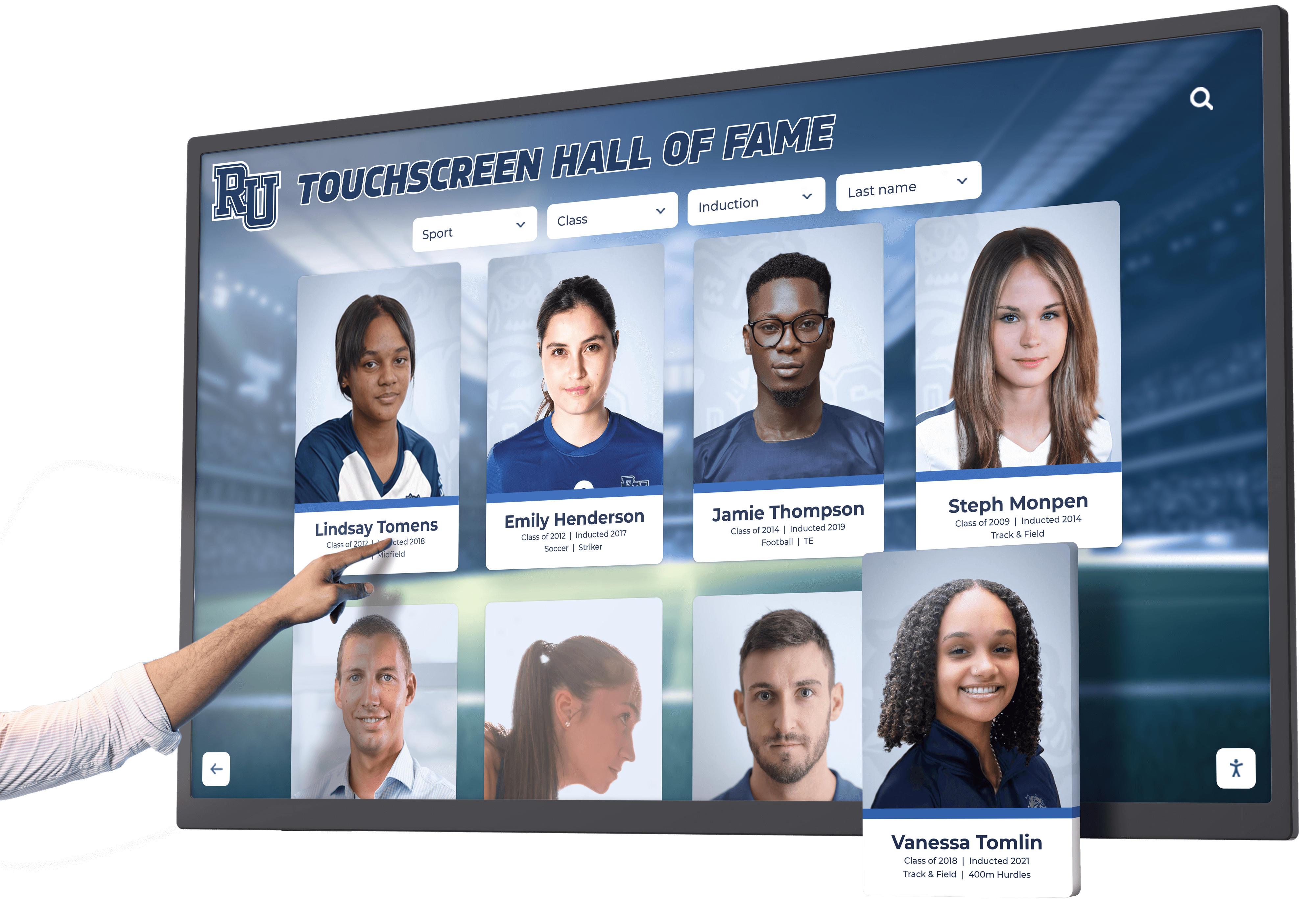
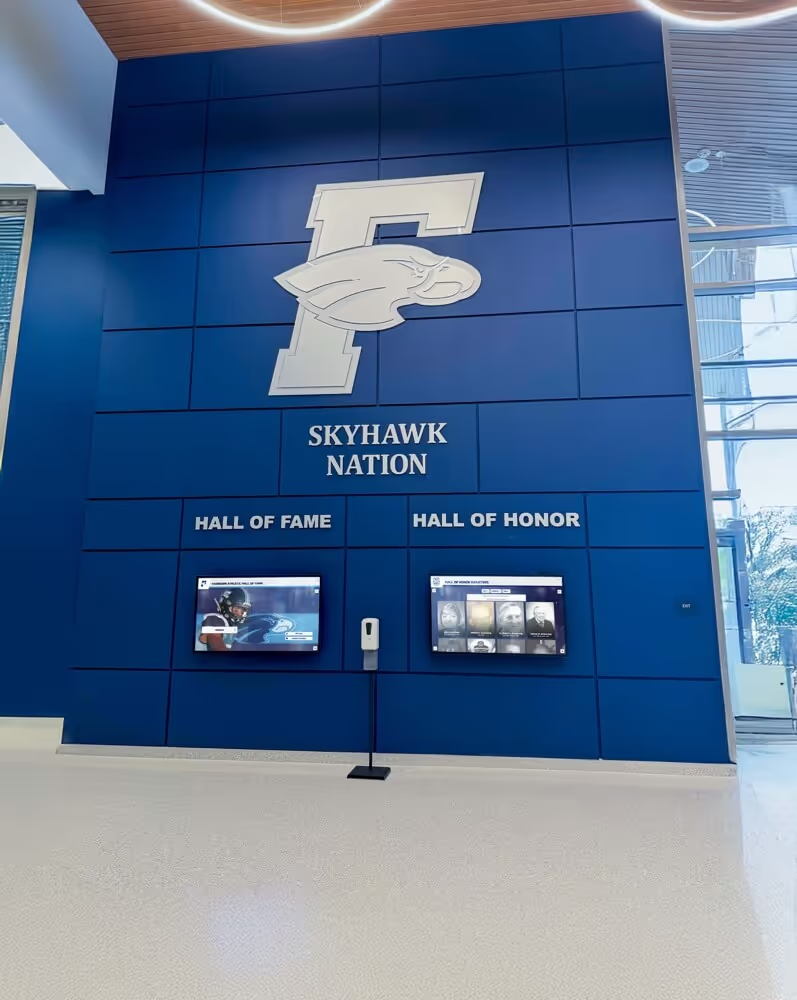
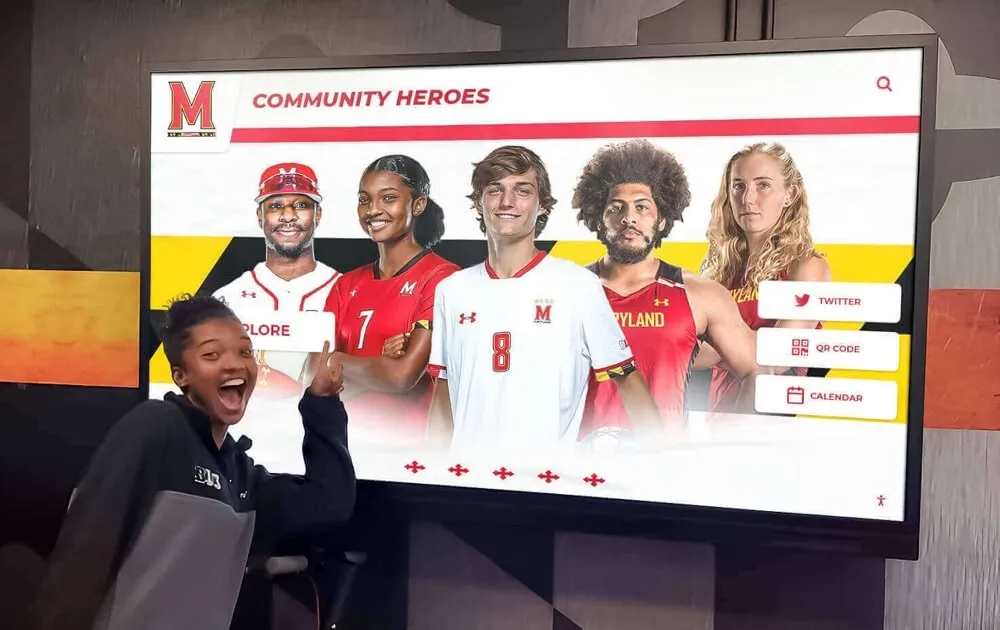
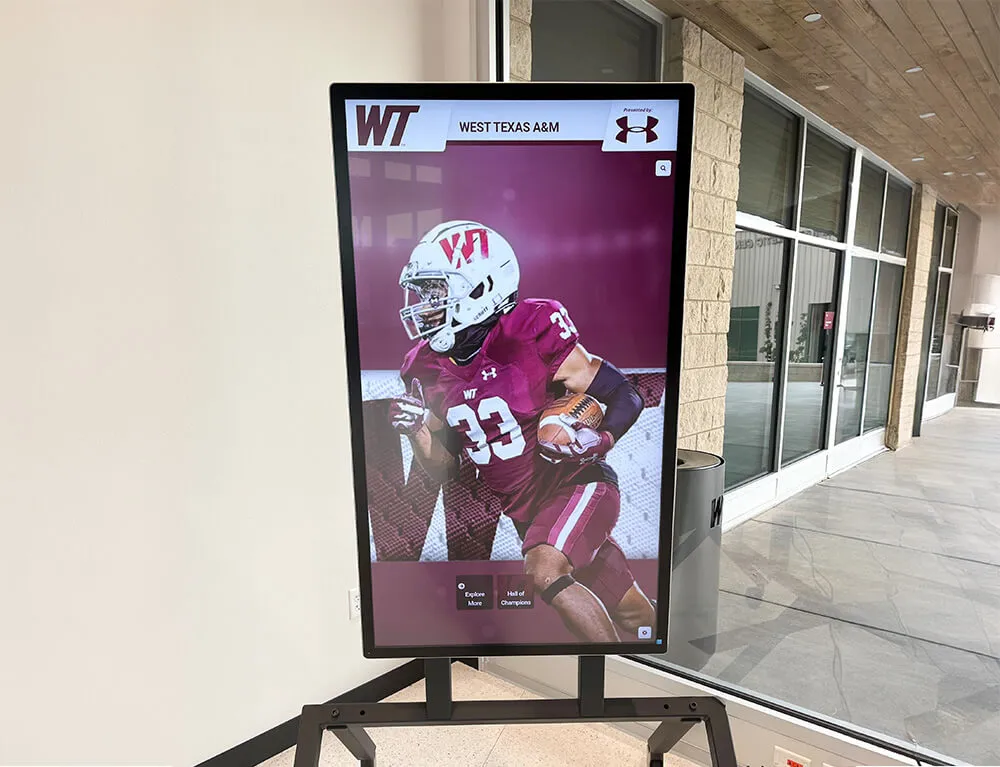
Professional digitization creates content optimized for modern touchscreen displays, enabling interactive exploration of historical photographs in engaging formats
Color Accuracy and Image Enhancement
Quality professional services maintain color fidelity to original materials while offering enhancement correcting age-related deterioration:
- Color calibration using professional standards ensuring consistency
- Correction of yellowing and fading without distorting historical accuracy
- Contrast optimization improving visibility without over-processing
- Sharpness enhancement appropriate for display media
- Consistent processing across large projects maintaining visual coherence
Request sample scans from your actual yearbooks before approving large projects—comparing digital versions against originals verifies acceptable quality standards and enhancement approaches.
OCR Quality and Searchability
Optical character recognition transforming printed text into searchable digital content varies significantly in quality between providers:
- High-quality OCR: Achieves 95%+ accuracy on clear text with manual correction of errors
- Standard OCR: Provides 85-90% accuracy adequate for general searching but with more false negatives
- Enhanced name extraction: Specifically identifies personal names with higher accuracy than general text
- Metadata structure: Organizes extracted text into searchable fields rather than unstructured data
Poor quality OCR creates frustration when searches fail to find content that exists but was misrecognized. Verify providers’ OCR processes and accuracy standards, particularly for name recognition critical to alumni searching.
Material Handling and Security Procedures
Safe Handling Protocols
Professional providers should demonstrate clear protocols protecting materials throughout digitization workflows:
Transportation Protection: Climate-controlled vehicles, secure packaging, and insured transit protecting against loss or damage during pickup and return.
Facility Security: Controlled access to work areas, surveillance systems, and chain of custody documentation ensuring materials remain secure during processing.
Book-Safe Scanning Techniques: Equipment and methods respecting binding limitations—avoiding excessive opening angles, using protective supports, and minimizing handling stress.
Condition Documentation: Photographic documentation of pre-existing damage protecting both schools and vendors against perceived damage disputes.
Request detailed handling protocols and facility descriptions before entrusting irreplaceable yearbook collections to service providers. Reputable companies readily provide this information and welcome questions demonstrating commitment to proper archival practices.
Insurance Coverage and Liability Protection
Verify that professional services carry appropriate insurance protecting your materials:
- Commercial general liability insurance covering accidental damage
- Professional liability coverage for errors and service failures
- Valuable papers insurance specifically protecting client materials
- Transit insurance covering loss or damage during shipping
Request certificates of insurance documenting coverage limits adequate for your collection value. Most professional providers carry $1-5 million coverage and readily provide documentation upon request.
Data Security and Privacy Compliance
Yearbook content includes student names, photographs, and potentially sensitive information requiring privacy protection:
- Secure digital storage: Encryption during transfer and at rest
- Access controls: Limited personnel with documented need for access
- Data retention policies: Clear timelines for file deletion after delivery
- FERPA compliance: Understanding of educational privacy regulations
- Secure delivery methods: Encrypted file transfer or secure physical media
Schools in states with specific student privacy laws should verify provider compliance before contracting. Privacy violations create legal liability and community trust damage far exceeding any digitization cost savings.
Service Scope and Enhanced Offerings
Standard Service Inclusions
Clarify precisely what base digitization services include to enable accurate provider comparisons:
- High-resolution page scanning at specified DPI
- Basic color correction and image optimization
- OCR text extraction creating searchable layers
- File organization and systematic naming
- Digital delivery via specified method
- Original material return with condition documentation
These standard services transform physical yearbooks into accessible digital files but may lack enhanced features valuable for institutional uses.
Enhanced Service Options
Professional providers often offer valuable upgrades for additional fees:
Individual Portrait Extraction: Separation of individual photos from composite class pictures, team rosters, and group photos. This labor-intensive process creates libraries of individual portraits ready for integration into recognition displays and alumni platforms. Typical cost: $0.25-$1.00 per extracted portrait.
Comprehensive Metadata and Indexing: Beyond basic OCR, enhanced metadata includes extracted individual names, categorical tagging by sport, activity, or program, graduation year and class association, achievement documentation, and database-ready structured data. Typical cost: $5-$15 additional per yearbook.
Photo Restoration and Enhancement: Professional correction of severely faded or damaged photos, removal of stains and discoloration, reconstruction of torn or missing areas, and optimization for specific display applications. Typical cost: $2-$10 per photo depending on damage extent.
Cloud Hosting and Platform Integration: Ongoing platform access through provider-managed systems, integration support with school websites and displays, user authentication and access control, and technical support for platform use. Typical cost: $300-$1,500 annually depending on capacity and features.
Understanding the distinction between base and enhanced services prevents budget surprises and ensures deliverables match institutional needs.
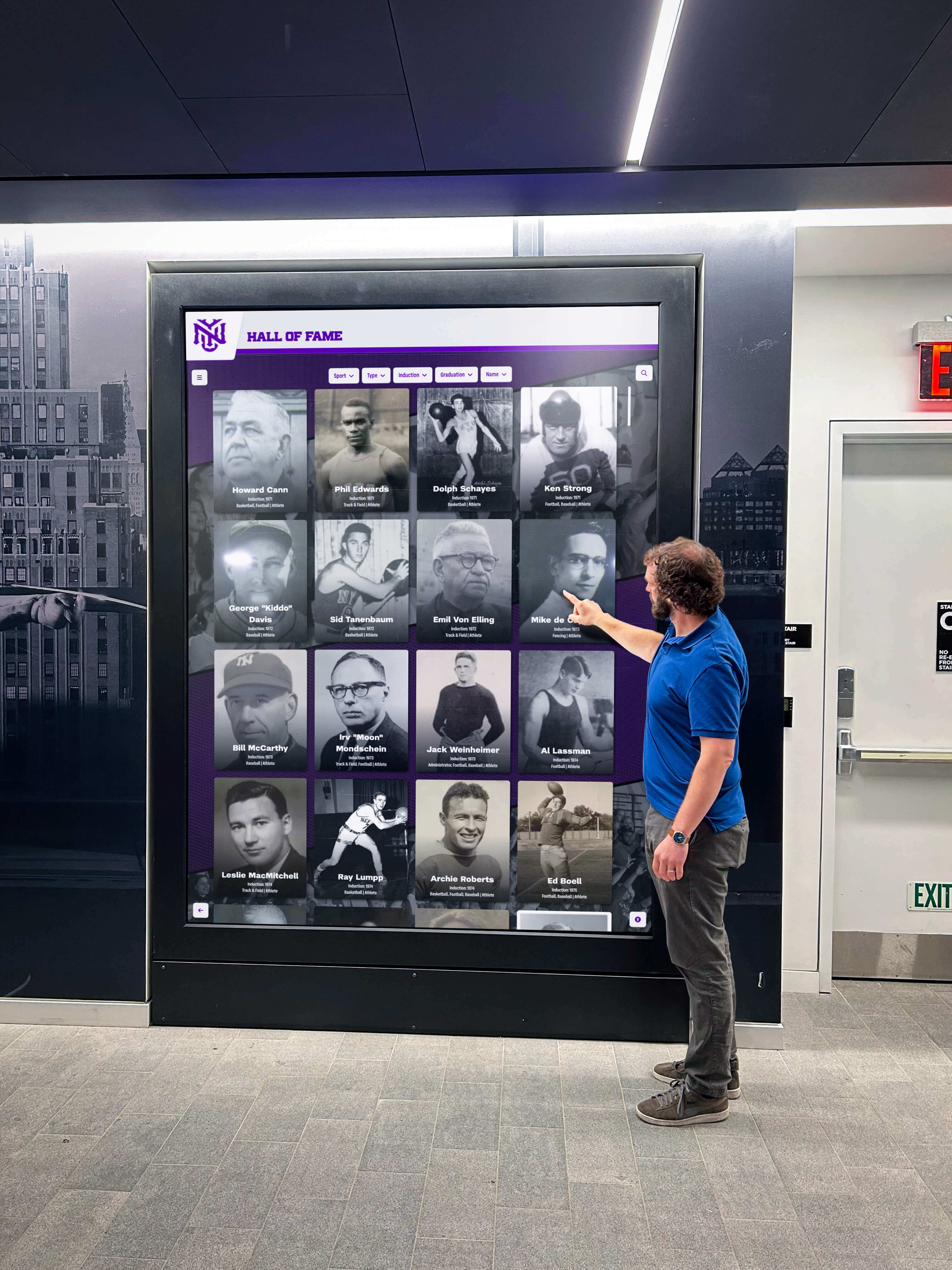
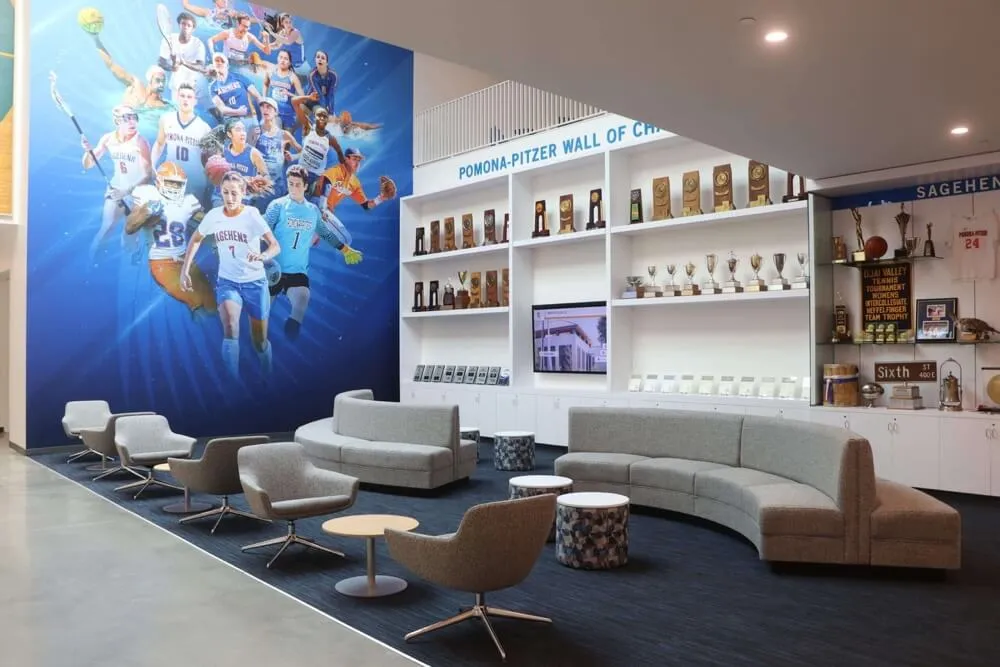
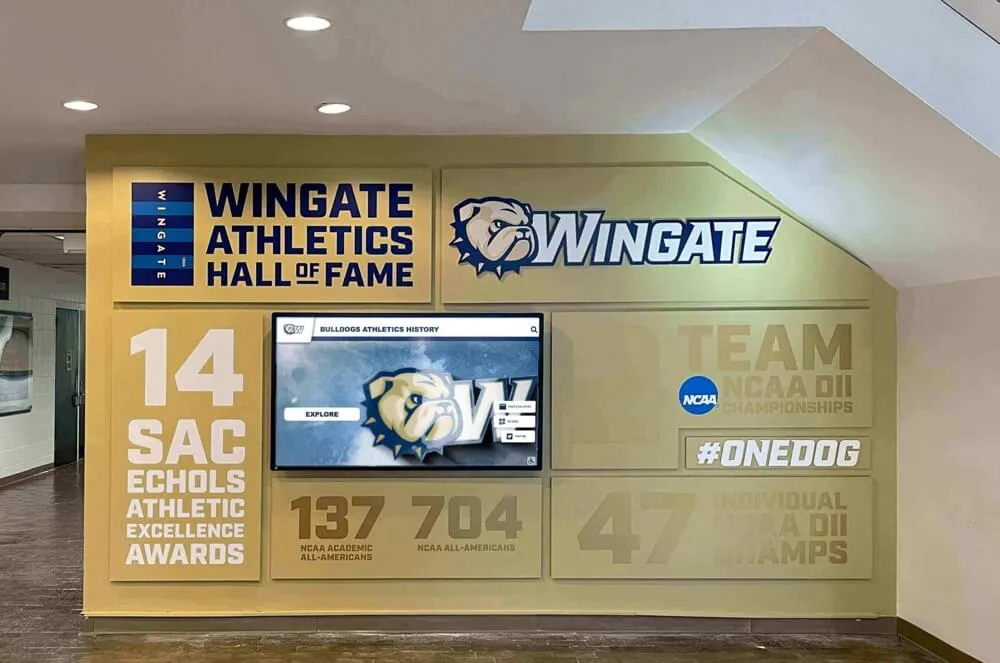
Strategic placement of interactive displays in lobbies and high-traffic areas maximizes value from professional yearbook digitization investments by creating engaging visitor experiences
Understanding Yearbook Digitization Costs and Pricing Models
Professional digitization pricing varies significantly based on service level, collection characteristics, and deliverable specifications. Understanding pricing structures enables accurate budgeting and effective provider comparisons.
Common Pricing Structures
Per-Volume Pricing
Most professional providers charge per yearbook with pricing ranging from $20-$40 for standard scanning to $50-$100 for comprehensive services including portrait extraction and enhanced metadata. Pricing factors include:
- Yearbook size and page count affecting scan time
- Binding condition and handling difficulty
- Service level selected (basic vs. comprehensive)
- Resolution requirements and file format complexity
- Volume discounts for large collections (typically 10-20% for 50+ yearbooks)
Example pricing tiers:
- Basic digitization ($20-$30 per yearbook): High-resolution scanning, basic OCR, standard file delivery
- Standard service ($35-$50 per yearbook): Enhanced image processing, quality OCR, organized metadata
- Comprehensive service ($60-$100 per yearbook): Portrait extraction, enhanced metadata, database integration, cloud hosting
Per-Page Pricing
Some providers charge $0.75-$2.50 per page depending on specifications and services. This model suits situations with:
- Collections of varying yearbook sizes and page counts
- Projects digitizing only priority sections rather than complete volumes
- Need for different service levels across materials
- Flexibility for phased projects with changing scope
Calculate per-page pricing carefully—standard yearbooks of 100-150 pages may cost more per volume than flat per-yearbook pricing from other providers.
Project-Based Pricing
For large institutional collections, providers may offer comprehensive project pricing encompassing:
- Complete assessment and project planning
- Systematic digitization of entire archives
- Enhanced metadata and database development
- Platform integration and technical support
- Ongoing hosting and access management
Project pricing often delivers better overall value for multi-year digitization initiatives exceeding 100+ yearbooks while providing budget certainty and preventing scope creep.
Hidden Costs and Additional Fees
Beyond base digitization charges, clarify potential additional costs before contracting:
Transportation and Logistics: Pickup and return shipping fees ($50-$200 depending on distance and volume), special handling surcharges for fragile materials, and insurance fees for valuable collections during transit.
Rush Processing Fees: Expedited timelines may incur 20-50% premium charges depending on urgency and provider capacity.
Enhanced Resolution: Some providers charge premiums for scanning above standard 600 DPI—clarify whether quoted prices include your desired resolution.
Storage and Hosting: Cloud hosting fees ($200-$1,000 annually) for ongoing platform access beyond initial file delivery.
Technical Support and Training: Staff training on content management systems, integration assistance with school platforms, and ongoing technical support may incur hourly consulting fees ($75-$150 per hour typical).
File Format Conversions: Specialized format requirements or multiple derivative versions may add $2-$5 per yearbook.
Request comprehensive written quotes detailing all services, deliverables, and potential additional charges before committing to prevent budget surprises mid-project.
Budget Development and Total Cost Assessment
Calculating Complete Project Costs
Develop comprehensive budgets including all cost components:
Direct Service Costs:
- Base digitization fees: [Number of yearbooks] × [cost per volume]
- Enhanced services: Portrait extraction, metadata, restoration
- Transportation and handling fees
- Rush fees if applicable
Technical Infrastructure:
- Cloud storage subscriptions for hosting files
- Backup systems maintaining redundancy
- Platform integration costs
- Content management system licensing if needed
Internal Resource Costs:
- Staff time coordinating project and quality review
- Content organization and metadata verification
- Integration with display systems and websites
- Ongoing maintenance and content additions
Example budget calculation:
- 50 yearbooks × $40 = $2,000 base scanning
- Enhanced metadata: $10 × 50 = $500
- Portrait extraction: $0.50 × 2,000 estimated photos = $1,000
- Transportation: $150
- Cloud hosting (first year): $500
- Staff coordination (40 hours): $1,600 (at $40/hour)
- Total project cost: $5,750
Funding Strategies for Digitization Projects
Schools fund yearbook digitization through multiple sources rather than single budget allocations:
Operating Budget Allocations: Library, technology, archives, or communications departmental budgets may fund preservation initiatives as part of core institutional functions.
Capital Campaign Inclusion: Comprehensive fundraising initiatives often include heritage preservation as campaign components—particularly when digitization connects to visible recognition displays or anniversary celebrations.
Designated Alumni Donations: Alumni associations and development offices solicit contributions specifically for yearbook preservation and digital archive creation. Nostalgia motivates donations when communicated effectively.
Class Gift Programs: Encourage reunion classes to fund digitization of their cohort years as class gift projects benefiting entire community while creating personal legacy.
Grant Funding: Educational foundations, community foundations, and preservation organizations offer grants supporting historical documentation and archival preservation. Research relevant grant opportunities in your region.
Booster and Parent Organizations: School support groups may fund heritage preservation as community-building initiatives when proposed effectively with clear outcomes.
When yearbook digitization connects to visible projects like alumni gathering area displays, fundraising often proves easier as donors visualize tangible results from contributions.
Integration of Digitized Yearbooks With Digital Recognition Displays
Professional digitization creates maximum value when integrated strategically with broader institutional technology and recognition systems.
From Archives to Interactive Experiences
Traditional yearbook scanning produces static digital copies replicating print limitations—sequential page viewing, manual browsing, and limited discoverability. Modern integration transforms digitized content into interactive experiences:
Searchable Recognition Databases
Professional metadata creation enables instant searches by individual names, graduation years, sports and activities, achievement types, and time periods. Staff and visitors locate specific content in seconds rather than minutes of page scrolling.
Portrait Libraries for Profile Creation
Individual portrait extraction creates organized photo libraries feeding recognition displays throughout campus. The same professional digitization populates lobby hall of fame displays, athletic facility recognition, academic achievement showcases, and alumni platforms—single investment serving multiple functions.
Historical Context Integration
Yearbook candid photos, team pictures, and activity images provide visual documentation illustrating institutional heritage. Digital displays cycle through historical content alongside contemporary achievements, connecting past and present while demonstrating tradition.
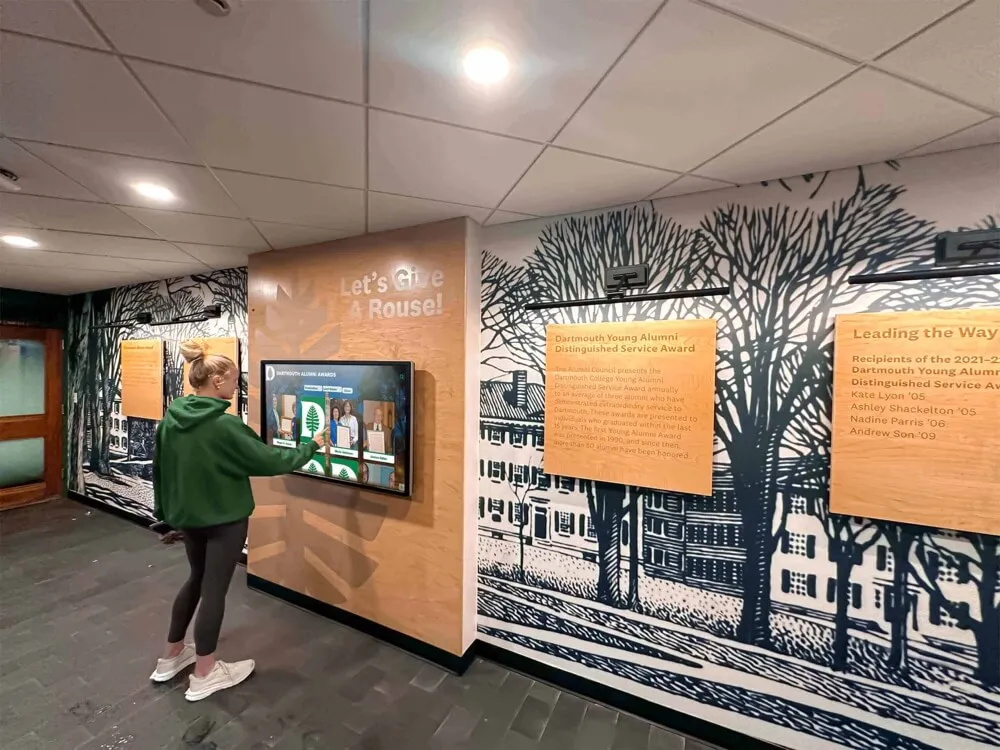
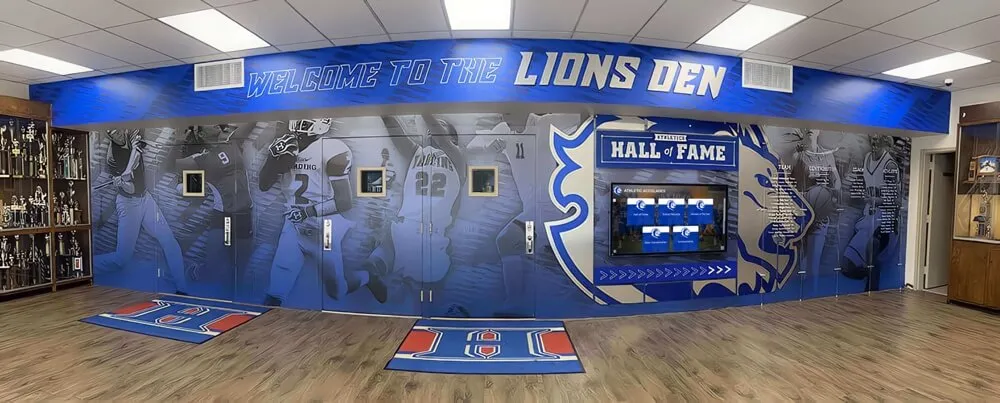
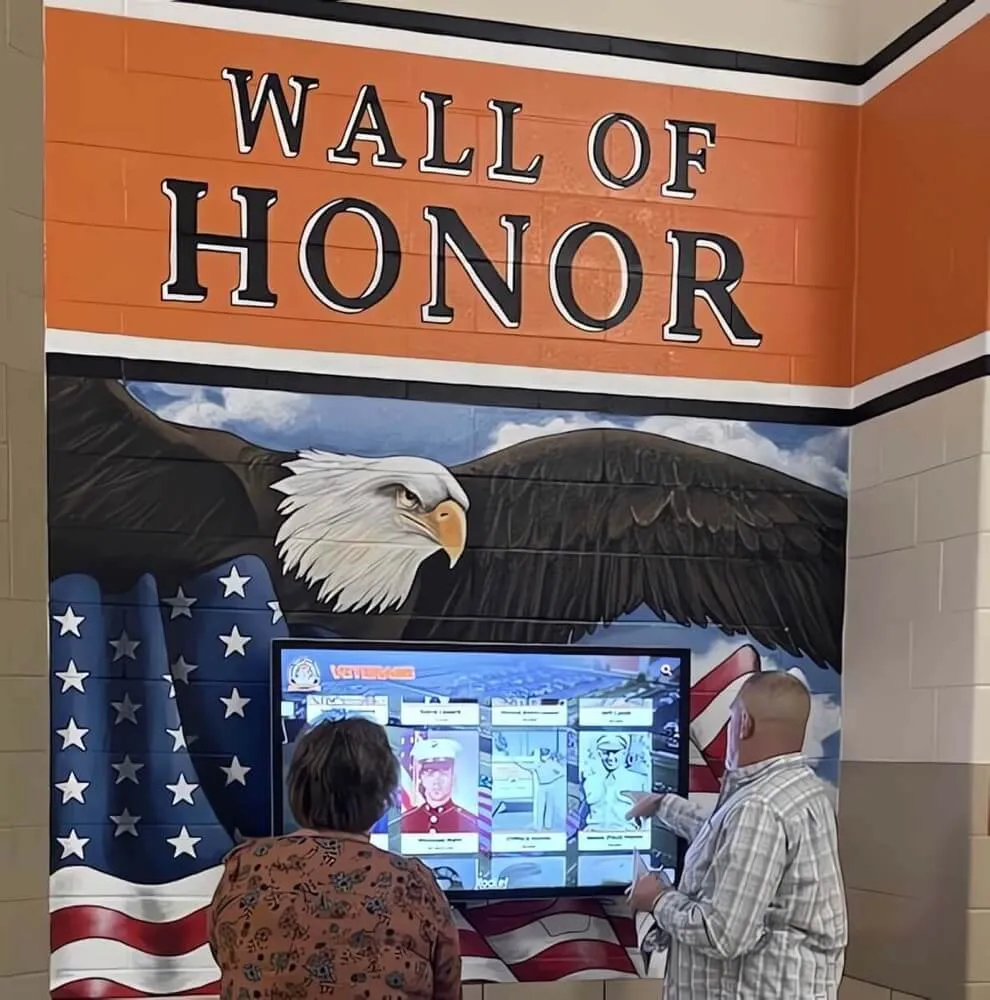
Professional yearbook digitization enables engaging alumni experiences through interactive campus displays that bring institutional heritage to life in accessible formats
Platform Integration Considerations
Content Management System Compatibility
Select digitization providers understanding common educational technology platforms:
- File formats compatible with your display system requirements
- Metadata structures matching your database schema
- Resolution and sizing appropriate for screen specifications
- Integration support during implementation
- Documentation enabling smooth technical handoff
Schools planning to integrate yearbook content with systems like Rocket Alumni Solutions benefit from providers familiar with common recognition platform requirements—reducing technical friction during implementation.
Multi-Use Case Deployment
Strategic integration creates value across institutional functions:
Development and Alumni Relations: Prospect research databases, reunion planning materials, cultivation communication content, donor recognition displays, and legacy marketing materials.
Communications and Marketing: Anniversary celebration content, historical social media posts, recruitment materials demonstrating heritage, media relations supporting news stories, and website historical sections.
Academic and Student Services: Classroom history resources, orientation heritage presentations, student research primary sources, library special collections, and institutional archive expansion.
When schools implement comprehensive approaches to digital signage content strategies, yearbook archives provide endless material for rotating displays throughout campus facilities.
Cloud Platforms and Web Access
Professional services increasingly bundle digitization with cloud-based hosting platforms:
Alumni Access Portals
Web-based yearbook archives enable worldwide alumni to search for classmates, explore school history, download images for personal use, share discoveries through social media, and reconnect with institutional heritage remotely.
These platforms typically include:
- User authentication controlling access appropriately
- Advanced search and filtering functionality
- Responsive design supporting mobile devices
- Social sharing and engagement features
- Usage analytics tracking engagement patterns
Institutional Website Integration
Digitized yearbooks embed in school websites through:
- Dedicated historical archive sections
- Timeline presentations showing institutional evolution
- Alumni engagement pages featuring searchable content
- Anniversary and milestone celebration features
- Media libraries supporting multiple departments
Implementation Planning for Professional Digitization Projects
Successful yearbook digitization projects require systematic planning addressing scope, timeline, budget, and stakeholder communication.
Project Scope Definition and Prioritization
Collection Assessment
Begin by inventorying existing yearbook collections systematically:
- Complete count identifying all volumes and gaps
- Condition evaluation documenting preservation concerns
- Priority ranking based on community interest, condition urgency, and strategic value
- Use case clarification defining how digitized content will be used
- Budget reality check ensuring plans match available resources
Most schools phase large projects rather than attempting simultaneous digitization of entire archives. Common phased approaches include:
Recent Decades First: Digitize past 20-30 years working backward—these volumes serve most active alumni and typically maintain better condition enabling faster processing.
Priority Eras: Focus on significant institutional periods—championship decades, anniversary years, periods of major growth—creating high-value content first.
Best Condition Materials: Process volumes in good condition avoiding conservation delays, generating momentum and deliverables while planning more complex restoration work.
Strategic Milestones: Connect digitization to upcoming anniversaries, capital campaigns, or facility dedications when increased interest and funding opportunity align.
Vendor Selection Process
Request for Proposal Development
Create detailed RFPs enabling accurate vendor quotes and effective comparisons:
- Collection characteristics (volume count, date range, condition)
- Service level requirements (basic scanning vs. comprehensive)
- Technical specifications (resolution, formats, metadata)
- Timeline requirements and constraints
- Budget parameters and funding structure
- Evaluation criteria and weights
- Reference requirements
Sample Request and Review
Request sample digitization of 2-3 actual yearbooks from your collection before committing to large projects. This pilot enables evaluation of:
- Technical quality meeting specifications
- Handling care and material protection
- Metadata accuracy and completeness
- Deliverable formats and organization
- Communication and project management
- Timeline adherence
Sample costs ($100-$300 typically) prove worthwhile for large projects by preventing expensive mistakes from mismatched expectations.
Reference Checks and Site Visits
Speak with peer schools about experiences and satisfaction:
- Service quality and deliverable accuracy
- Communication and responsiveness
- Timeline adherence and project management
- Problem resolution and flexibility
- Value relative to cost
Visit provider facilities if feasible—observing operations demonstrates commitment to quality and builds confidence in material handling practices.
Timeline Development and Project Management
Realistic Schedule Planning
Professional digitization timelines vary based on collection size, service level, and provider capacity:
Small Collections (10-30 yearbooks): 4-8 weeks from contract signature to final delivery including:
- 1-2 weeks: Planning, logistics, material pickup
- 2-4 weeks: Digitization and processing
- 1-2 weeks: Quality review, delivery, original return
Medium Collections (30-100 yearbooks): 8-20 weeks depending on service complexity and enhanced metadata requirements.
Large Collections (100+ yearbooks): 16-52 weeks, often phased across multiple delivery milestones preventing extended delays before receiving any content.
Project Management Essentials
Successful implementations require structured management:
- Clear role assignment for school and vendor responsibilities
- Regular status meetings and progress reporting
- Quality assurance checkpoints throughout workflow
- Stakeholder communication maintaining awareness
- Issue escalation protocols addressing problems promptly
- Documentation maintaining institutional knowledge
Designate dedicated project coordinator ensuring accountability and preventing projects from stalling due to divided attention across multiple staff.
Privacy, Permissions, and Ethical Considerations
Responsible archive management balances accessibility with appropriate protections for individuals depicted in historical materials.
Privacy Protection Policies
While yearbooks were public documents at publication, contemporary privacy expectations may warrant access controls:
Authentication and Access Management: Limiting digital archive access to verified alumni, current community members, and authorized researchers rather than unrestricted public access.
Takedown Request Procedures: Implementing clear processes for individuals requesting photo removal or use restrictions with reasonable response timelines.
Sensitive Content Restriction: Identifying and restricting materials involving minors, documenting disciplinary issues, or containing potentially harmful content.
Transparent Privacy Policies: Communicating clearly with users about data collection, permitted uses, sharing restrictions, and privacy protections.
Schools implementing comprehensive digital archive programs should establish privacy frameworks before large-scale publication preventing reactive policy development after community concerns arise.
Copyright and Usage Rights
Institutional Ownership Verification
Most yearbooks qualify as institutional works under school copyright, but verify ownership before large-scale digitization and publication—particularly for volumes produced by external publishers or containing professional photography under separate copyright.
Usage Terms Communication
Communicate clearly with users about permitted and prohibited uses:
Generally Permitted: Personal viewing and research, educational use within academic contexts, limited sharing with classmates and family, non-commercial use with attribution.
Generally Prohibited: Commercial publication or sale, mass distribution without permission, altered representations misrepresenting originals, use in contexts damaging to individuals depicted.
Third-Party Content Considerations
Some yearbooks include professional photography, commercial advertisements, or other third-party content potentially under separate copyright. Professional digitization services should flag these materials and advise on appropriate handling—which may include selective exclusion or securing additional permissions.
Ethical Representation of Historical Materials
Historical documents sometimes contain content reflecting problematic attitudes or practices of their eras:
Contextual Presentation Rather Than Censorship
Rather than censoring difficult history, provide context acknowledging problematic elements while preserving complete historical records. Include explanatory notes addressing offensive content, historical context explaining attitudes and practices, acknowledgment of harm to affected communities, and commitment to inclusive contemporary practices.
Diverse Voices in Archive Interpretation
Ensure multiple perspectives inform how historical materials are presented and interpreted—engaging diverse community members in advisory roles, highlighting underrepresented achievements and contributions, and acknowledging historical exclusions and inequities alongside accomplishments.
Professional digitization creates opportunities to enhance historical materials with contemporary context—going beyond simple reproduction to create richer understanding of institutional evolution.
Transform Your Yearbook Archives Into Accessible Digital Collections
Professional yearbook digitization services eliminate the barriers preventing schools from preserving irreplaceable heritage while creating accessible digital content serving multiple institutional functions. From systematic scanning and metadata creation through integration with recognition displays and alumni platforms, comprehensive providers handle technical complexity enabling schools to focus on storytelling and community engagement.
Whether you’re planning comprehensive archive digitization for decades of yearbooks, building interactive recognition displays integrating historical content, or creating alumni engagement initiatives celebrating institutional heritage, modern platforms combine professional digitization support with powerful display and access technologies designed specifically for educational institutions.
Discover how integrated solutions preserve your school’s heritage while creating engaging experiences that strengthen community connections across generations.
Maximizing Long-Term Value From Digitization Investments
Professional yearbook digitization represents significant investment of budget and institutional energy. Maximizing return requires strategic thinking about ongoing use, content expansion, and integration across functions.
Multiple-Use Case Development
Leverage digitized yearbooks across institutional departments:
Advancement and Development: Donor research and prospect identification, personalized cultivation materials leveraging yearbook memories, campaign content demonstrating heritage and stability, reunion promotion mobilizing classes, and legacy gift marketing using multi-generational family documentation.
Communications and Marketing: Anniversary and milestone celebration content, social media historical posts generating engagement, recruitment materials demonstrating tradition, media relations providing historical context, and publication archives showing institutional evolution.
Academic and Student Services: Classroom resources for history and social studies, student orientation introducing heritage, leadership development using historical examples, research support providing primary sources, and library collections expanding accessible materials.
Facilities and Athletics: Recognition display content honoring achievements, facility dedication materials documenting evolution, championship documentation celebrating success, and coaching resources illustrating program history.
When digitization connects to visible initiatives like athletic recognition events, community engagement increases as stakeholders see tangible application of preservation investments.
Ongoing Content Addition and Archive Growth
Digitization creates foundation archives requiring systematic expansion:
Current Yearbook Integration
Establish workflows ensuring new yearbooks add to digital archives immediately upon publication—maintaining continuity and completeness. Modern yearbook publishers increasingly provide digital files as standard deliverables—incorporate these systematically preventing future digitization backlogs.
Historical Gap Filling
Initial projects often leave gaps where yearbooks went missing over decades. Ongoing efforts to identify and acquire missing volumes from alumni collections, library networks, used book markets, or local historical societies complete archives providing unbroken documentation.
Community-Contributed Enhancement
Alumni possess knowledge current staff lacks—names of unidentified individuals in group photos, context for historical events, corrections to errors in original publications, and memories adding richness to bare biographical facts.
Platforms enabling community contribution improve archive quality while creating engagement opportunities as alumni interact meaningfully with institutional heritage.
Measurement and Success Evaluation
Track metrics demonstrating value from digitization investments:
Usage and Engagement: Web platform access frequency and duration, search queries revealing interest areas, content sharing and social media engagement, touchscreen display interaction rates, and alumni platform activation.
Institutional Impact: Development prospect identification from archive research, donor recognition display visitor engagement, reunion attendance correlation with digital access, media coverage featuring historical content, and recruitment family feedback mentioning heritage.
Operational Efficiency: Time savings from searchable archives vs. physical browsing, staff productivity creating recognition content, reduced physical archive access requests, elimination of re-scanning redundant efforts, and content reuse across departments.
Taking Action on Yearbook Preservation
Schools across the country face identical challenges—decades of yearbooks documenting irreplaceable institutional memory yet remaining inaccessible, vulnerable to deterioration, and disconnected from modern technology enabling discovery and engagement. Each year of delay means more materials cross from preservation candidates to conservation emergencies requiring expensive restoration or facing permanent loss.
Professional yearbook digitization services offer systematic solutions matching diverse institutional contexts. Full-service comprehensive providers handle everything from secure transportation through enhanced metadata delivery. Hybrid models balance professional expertise with school participation reducing costs. Specialized educational archive services provide sector-specific knowledge optimizing results for academic institutions.
Regardless of service model, successful projects share common characteristics: clear scope specifications preventing misunderstandings, realistic budgets accounting for comprehensive costs, appropriate quality standards matching uses, systematic project management maintaining progress, and strategic deployment planning maximizing value.
The digitized yearbook collections resulting from these investments deliver returns far exceeding simple preservation insurance. They populate digital recognition displays throughout facilities, enable worldwide alumni access creating renewed engagement, support development initiatives through personalized cultivation, provide educational resources enriching curriculum, and demonstrate heritage attracting prospective families.
Begin with manageable scope matching available resources—perhaps recent decades most relevant to active alumni, priority years connected to upcoming anniversaries, or volumes in urgent conservation need. Request comprehensive quotes from multiple professional providers understanding service levels and deliverables. Speak with peer schools about experiences and satisfaction. Most importantly, begin before additional materials deteriorate beyond recovery or institutional knowledge holders retire.
Your school’s history deserves preservation ensuring current students, future generations, and worldwide alumni can explore the heritage defining institutional identity and community character. The yearbooks documenting that history require action now—transforming vulnerability into permanence, inaccessibility into engagement, and static archives into dynamic resources serving educational missions.
Ready to begin professional yearbook digitization for your school? Explore comprehensive solutions combining expert digitization services with modern display and access technologies at Rocket Alumni Solutions.