Every school year, thousands of students across the country earn spots on their school’s principal’s honor roll—the highest tier of academic recognition that celebrates exceptional dedication, consistent excellence, and outstanding achievement. For students and families, making the principal’s honor roll represents a significant milestone worth celebrating. For schools, effectively recognizing these high achievers reinforces academic culture while inspiring peers to pursue their own excellence.
Yet many students, parents, and even educators remain unclear about what precisely distinguishes principal’s honor roll from standard honor roll, how schools calculate eligibility, and why this recognition matters beyond a line on a college application. Meanwhile, schools struggle with effectively celebrating honor roll students in ways that feel meaningful, visible, and lasting rather than routine or forgettable.
This comprehensive guide explores everything you need to know about principal’s honor roll: what the criteria typically involve, how it differs from regular honor roll and other academic distinctions, why this recognition matters for student development and college admissions, and most importantly—how schools can create effective, engaging recognition programs that truly celebrate academic excellence while building cultures where achievement feels valued and attainable.
Academic recognition serves purposes extending far beyond acknowledging past performance. Well-designed honor roll programs motivate students toward continued excellence, create visible role models demonstrating that achievement is attainable, build school cultures valuing academics alongside athletics, and provide families with milestones to celebrate together.

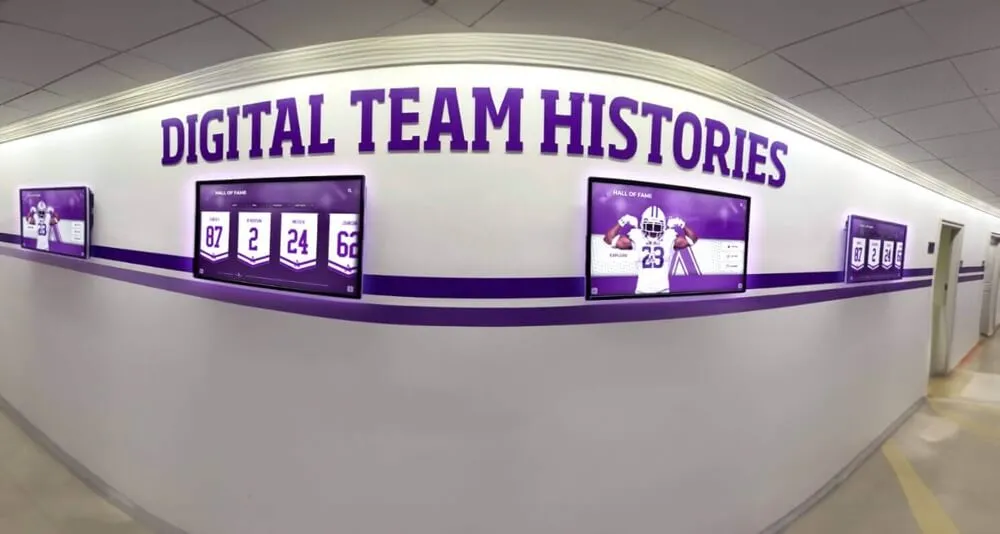
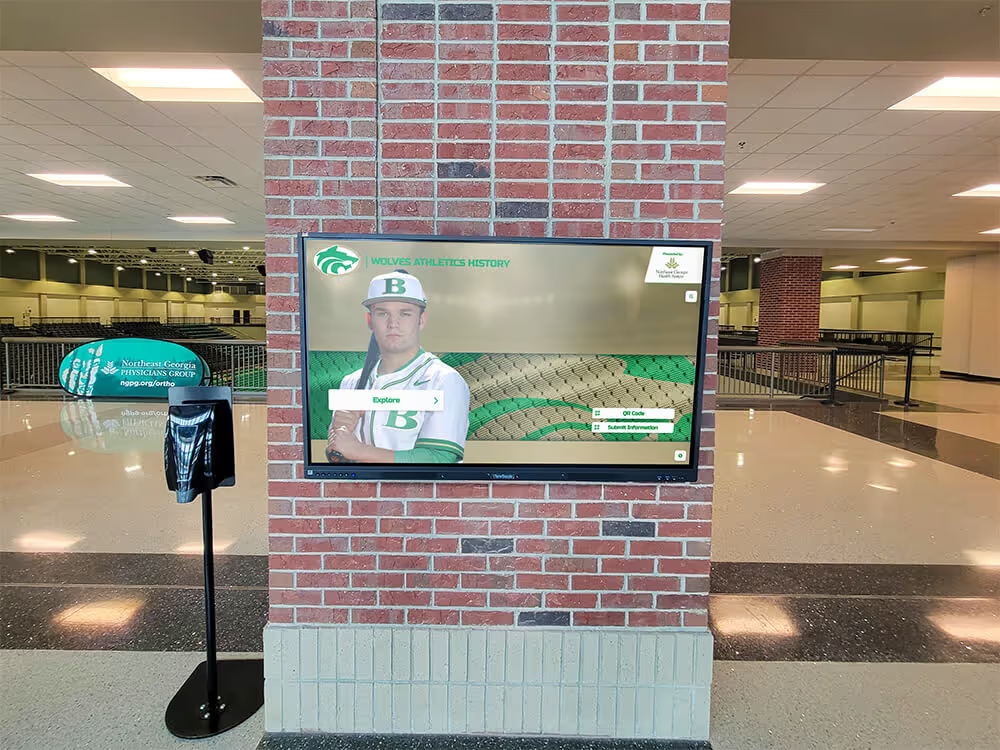
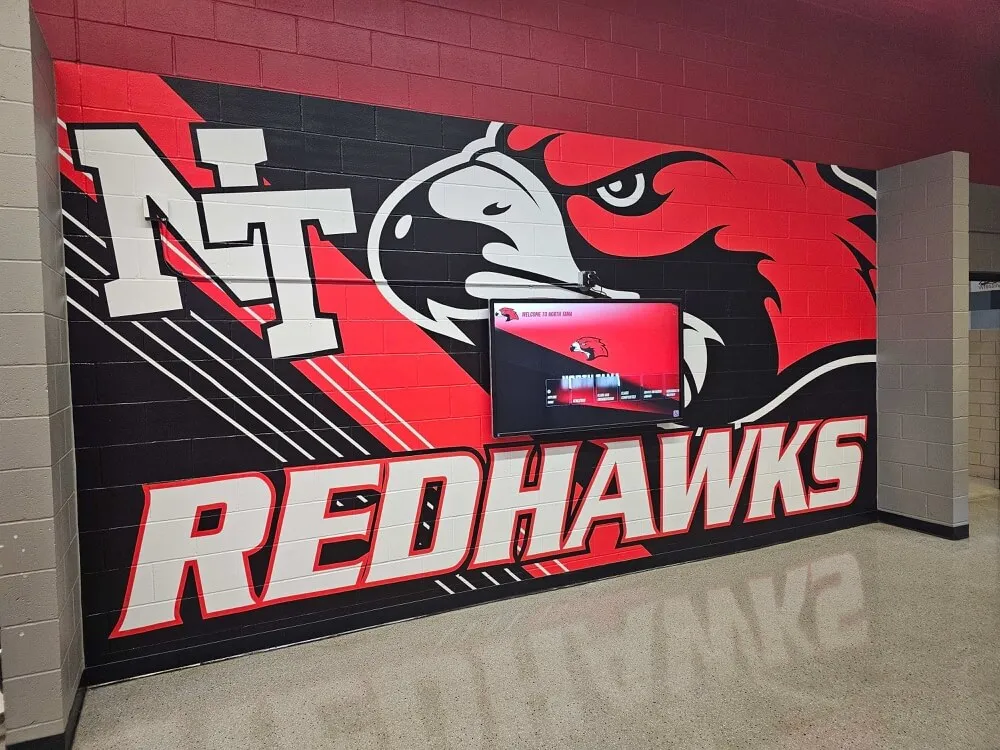
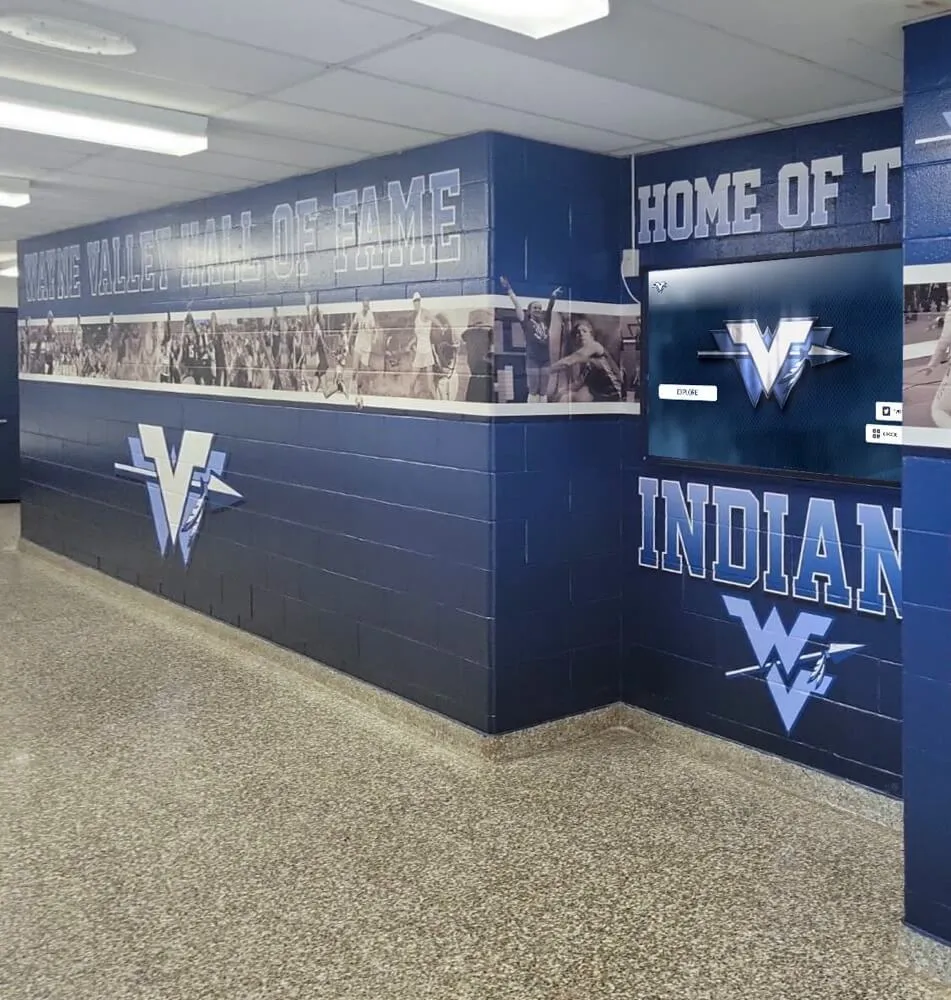
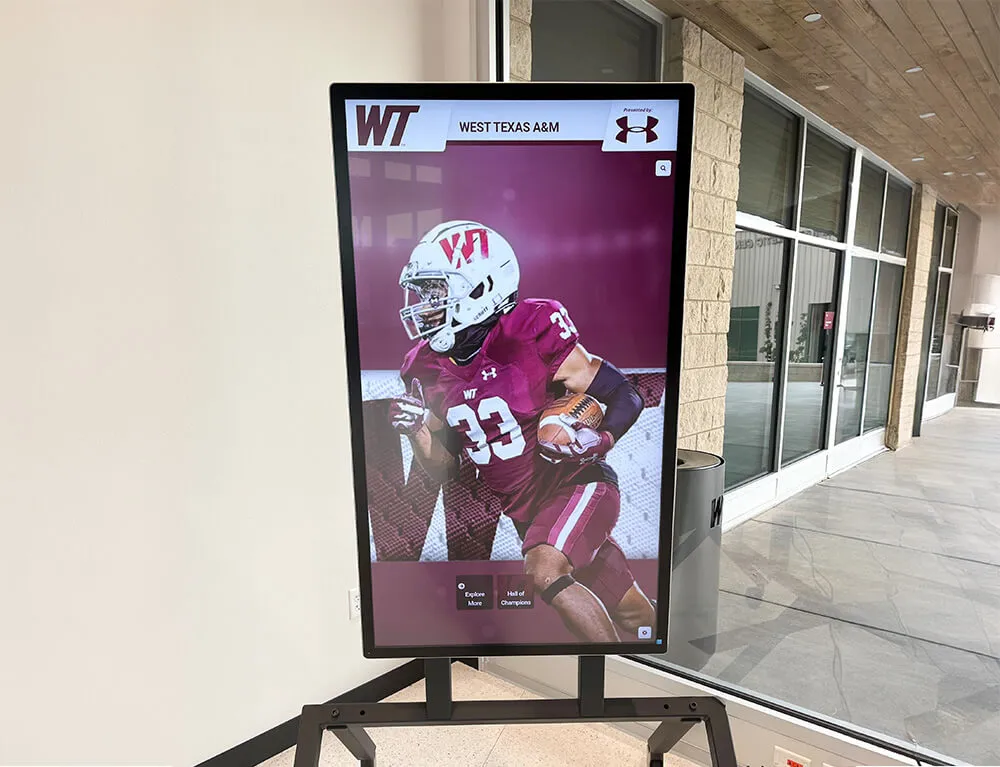
Modern recognition displays showcase honor roll students through professional portrait galleries that celebrate academic achievement throughout campus
What Is Principal’s Honor Roll?
Principal’s honor roll represents the highest level of academic recognition most middle schools and high schools offer students who demonstrate exceptional grade point averages across all courses. While specific criteria vary by institution, principal’s honor roll typically requires significantly higher academic performance than standard honor roll—often a perfect or near-perfect GPA.
Standard Principal’s Honor Roll Criteria
Most schools establish principal’s honor roll requirements around these common thresholds:
GPA Requirements
The most typical principal’s honor roll standard requires a GPA of 3.75 or higher on a 4.0 scale, though many schools set the bar at 4.0 (straight As). Some institutions use 3.8 or 3.9 as their cutoff, particularly when weighted GPAs factor into calculations.
Schools using weighted GPA systems—where honors, Advanced Placement (AP), and International Baccalaureate (IB) courses receive grade boosts—typically maintain higher principal’s honor roll thresholds to account for the weighting. A school might require an unweighted 4.0 GPA or a weighted 4.5 GPA, depending on their grading philosophy.
Grade Requirements Across All Subjects
Unlike some recognition programs focusing solely on core academics, principal’s honor roll typically considers all courses including electives, physical education, and extracurricular classes. This comprehensive approach ensures recognition goes to well-rounded students achieving excellence across their entire academic program rather than just in specific subject areas.
Most schools require:
- No grade below an A- (90% or 3.7 on a 4.0 scale)
- All grades at A or A- level across every course
- No incomplete grades during the recognition period
- Satisfactory marks in all non-graded courses (pass/fail classes)
Recognition Periods
Schools calculate principal’s honor roll on different timelines:
- Semester or Trimester Basis: Many secondary schools recognize honor roll each marking period (typically semester or trimester), enabling students to earn recognition 2-3 times annually
- Quarter System: Some schools award honor roll quarterly, providing four annual opportunities
- Yearly Recognition: A smaller number of schools calculate honor roll annually based on full-year performance
More frequent recognition periods give students who struggle one term the opportunity to rebound and earn recognition in subsequent periods, while annual systems require sustained excellence across the entire school year.
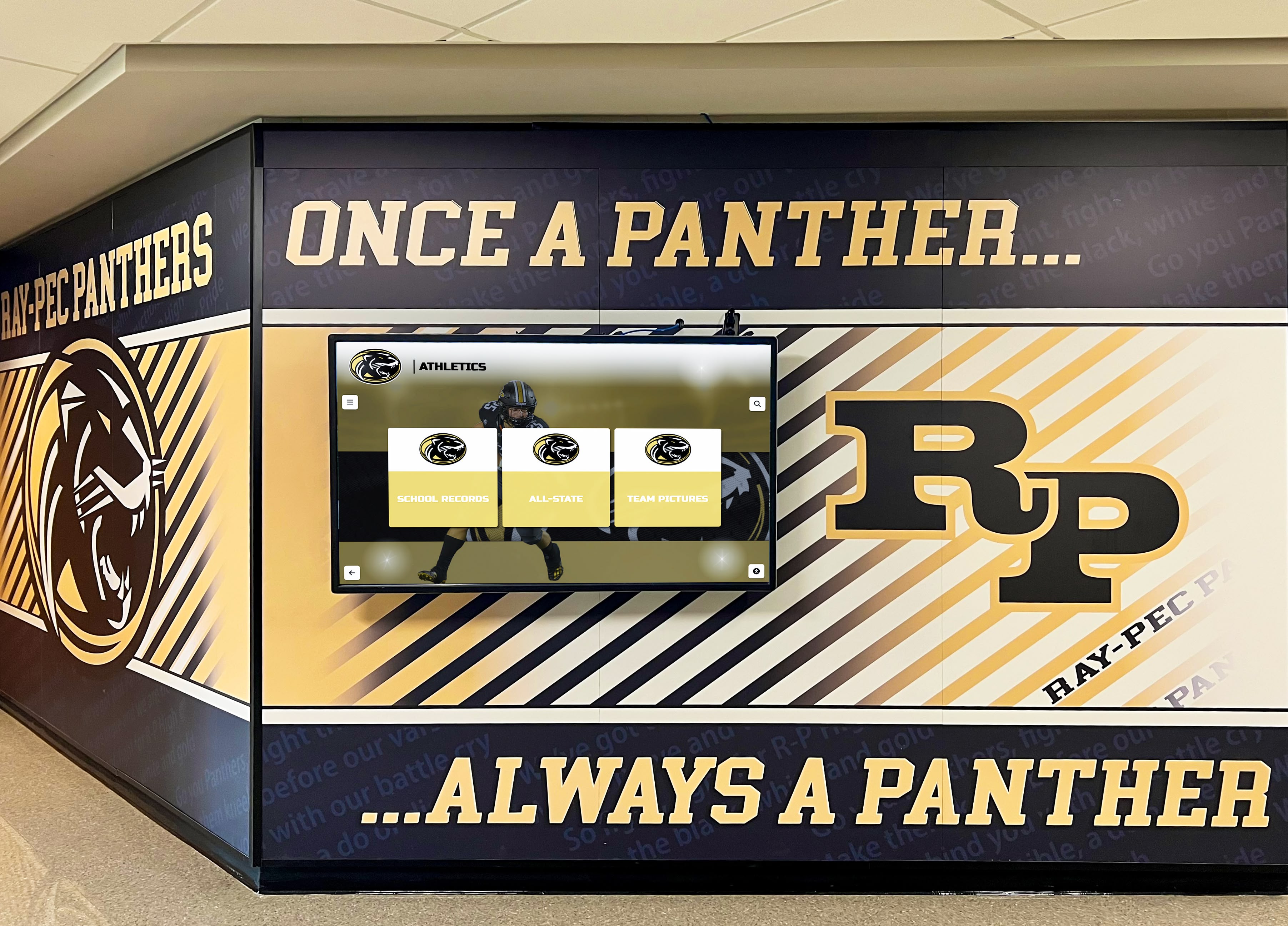
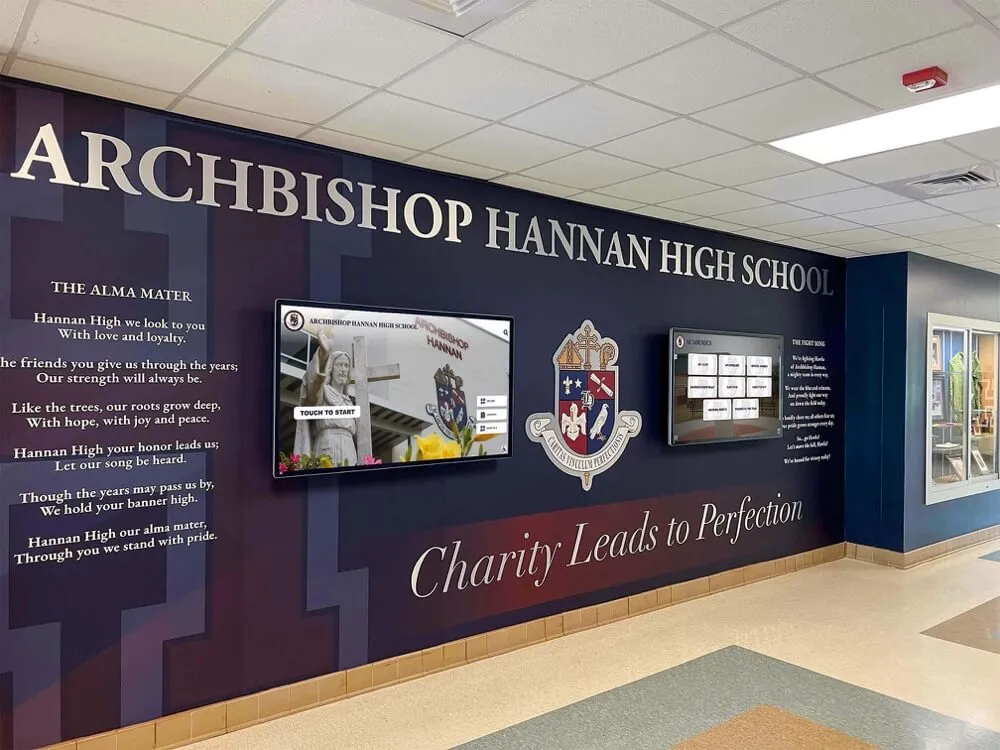
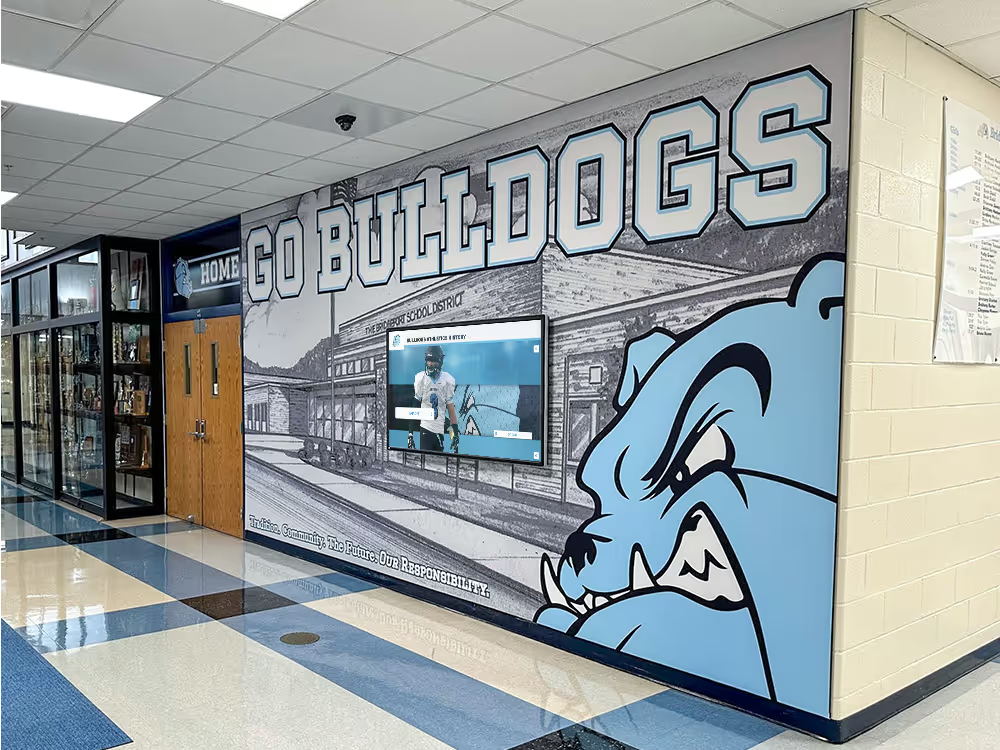
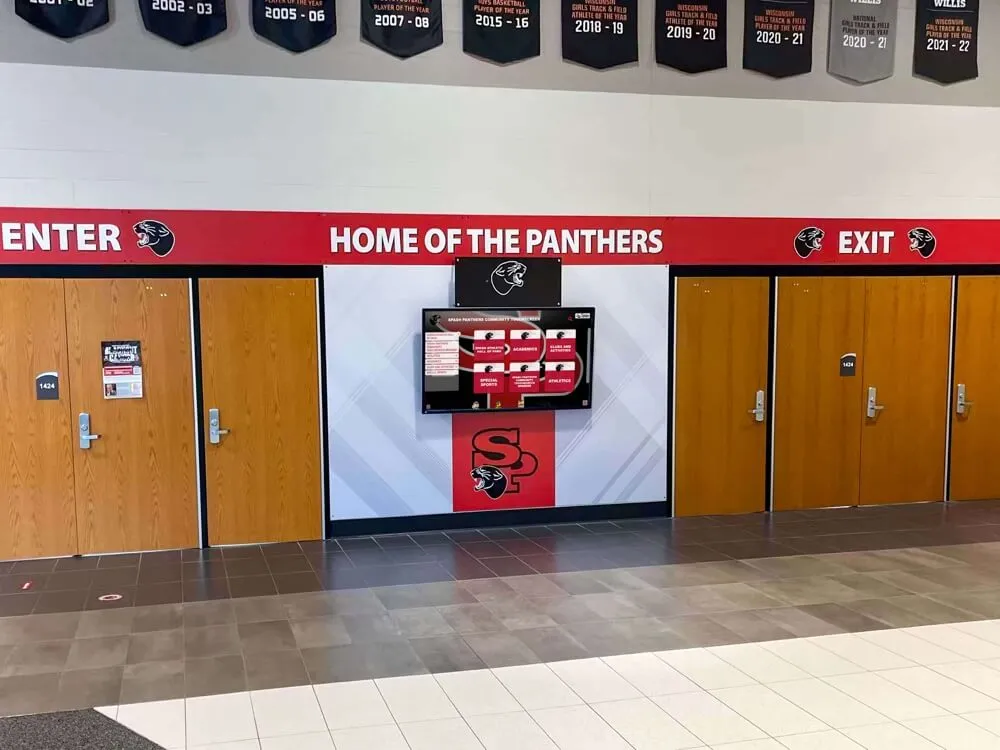
Strategic display placement in high-traffic hallways ensures academic recognition receives the visibility it deserves
Attendance and Conduct Requirements
Some schools incorporate non-academic factors into honor roll eligibility:
- Minimum attendance thresholds (often 90-95% attendance)
- No serious disciplinary infractions or suspensions
- Satisfactory citizenship grades or conduct marks
- Completion of all required assessments
These additional requirements ensure principal’s honor roll recognizes students who demonstrate excellence not just academically but also in responsible behavior and school engagement.
How Principal’s Honor Roll Differs from Regular Honor Roll
Schools typically maintain multiple honor roll tiers recognizing different achievement levels:
Principal’s Honor Roll (Highest Distinction)
- GPA requirement: 3.75-4.0 (often 4.0)
- Typical percentage: Top 10-15% of students
- Grade requirement: All As or high As across all courses
- Recognition level: Highest school academic honor
Honor Roll (High Distinction)
- GPA requirement: 3.5-3.74
- Typical percentage: Next 15-20% of students
- Grade requirement: Mostly As with some Bs allowed
- Recognition level: Significant academic achievement
Some schools add additional tiers like “High Honor Roll” or use different naming conventions, but the two-tier structure (principal’s honor roll for highest achievers, regular honor roll for strong performers) remains most common.
The distinction matters because principal’s honor roll specifically identifies students performing at the very highest level—not just doing well, but achieving near-perfection across their entire course load. This selectivity gives the recognition special significance in college applications, scholarship competitions, and personal achievement.
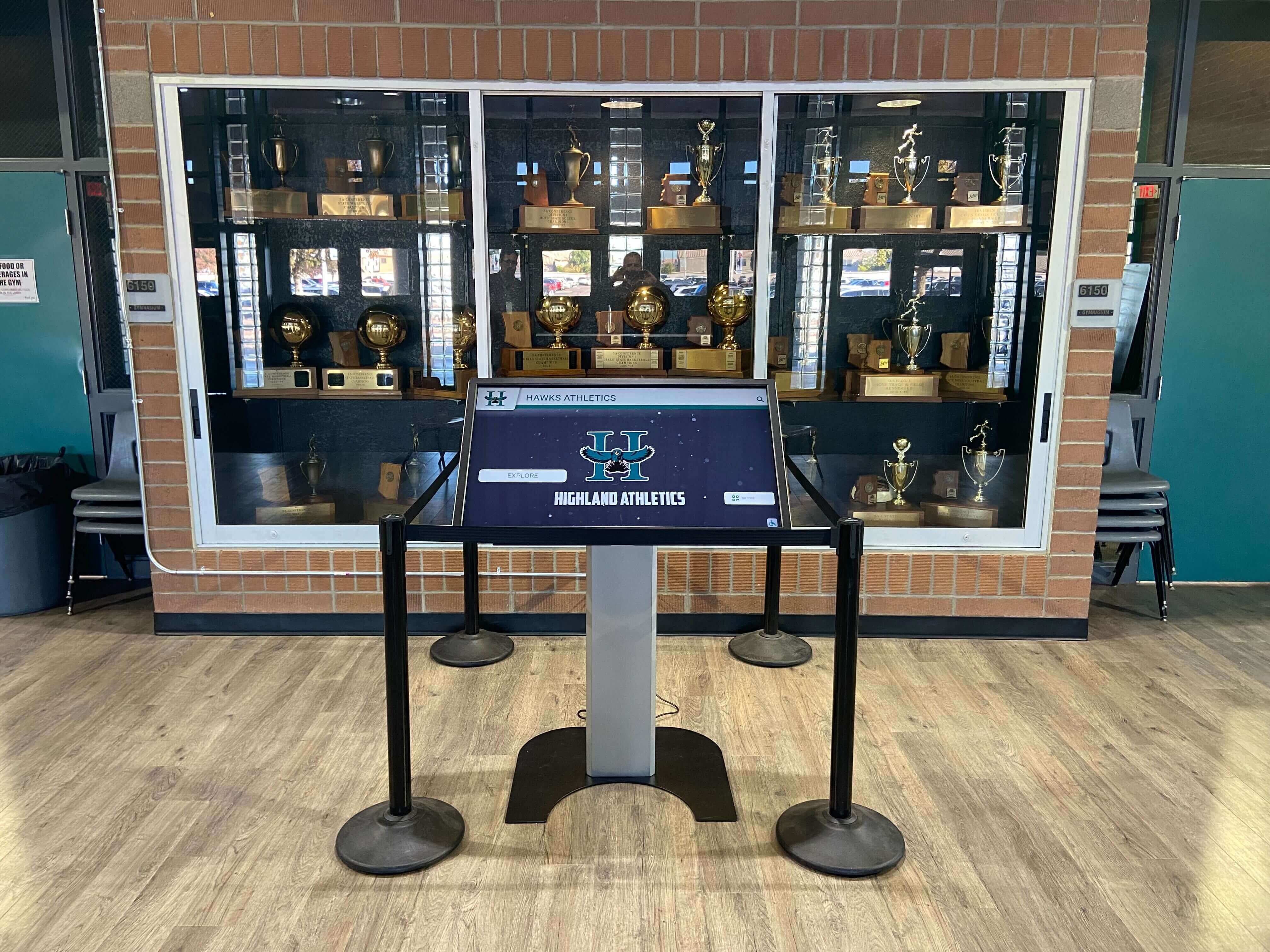
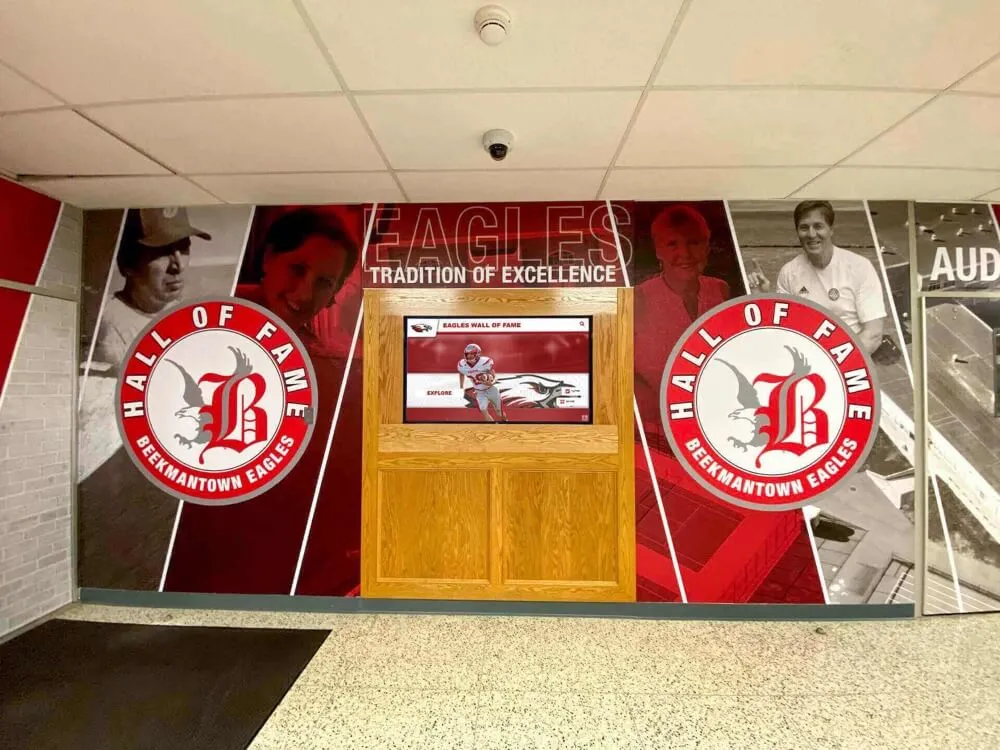
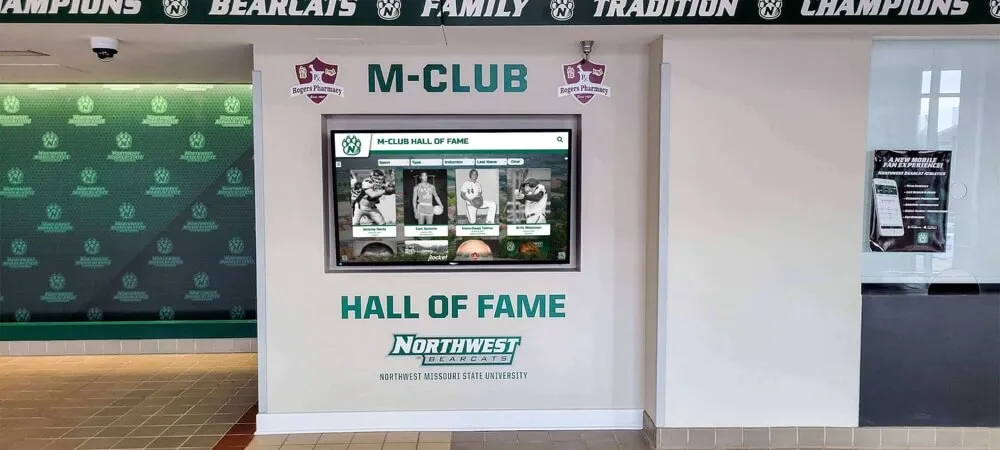
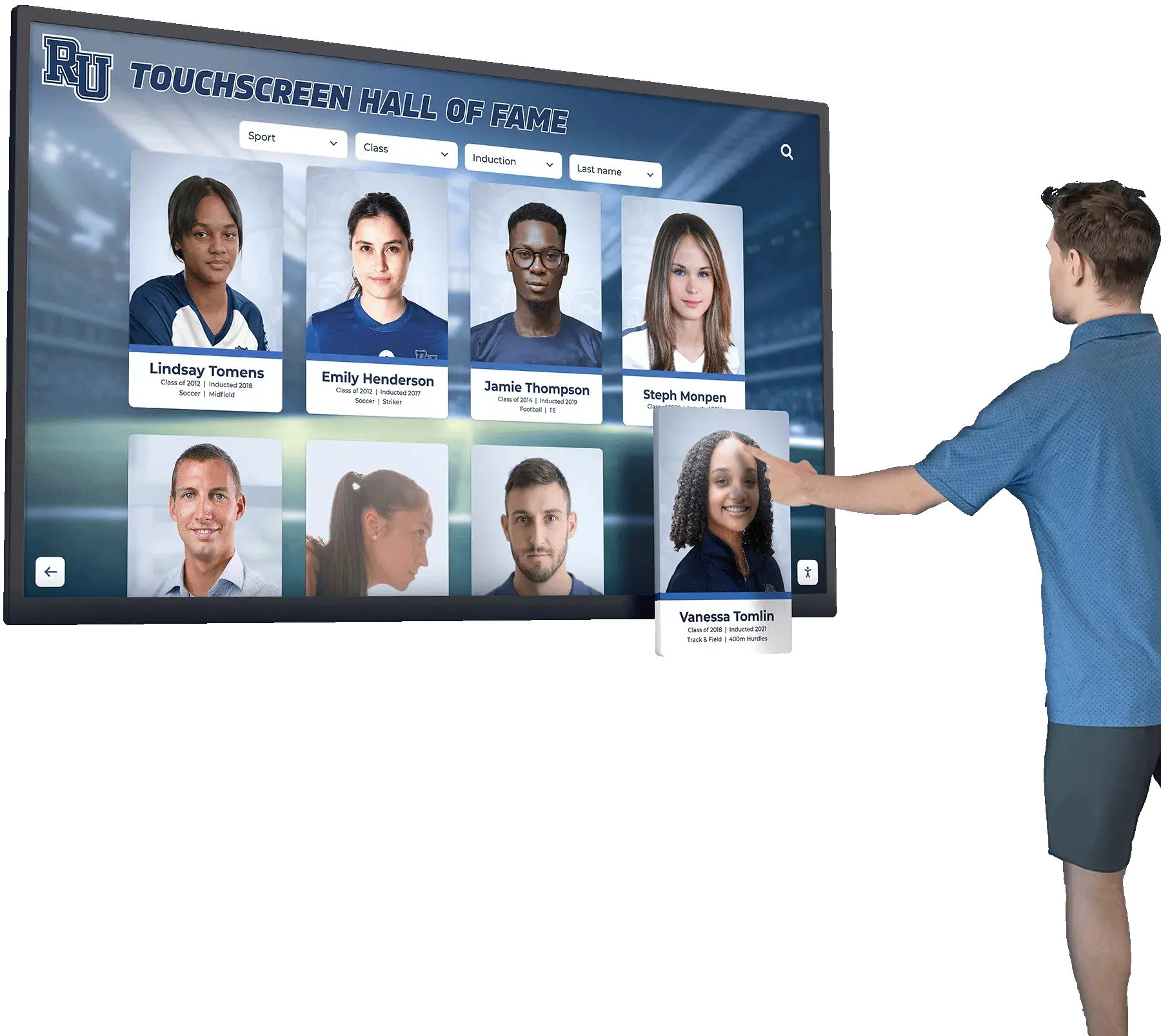
Touchscreen kiosks enable visitors to explore honor roll students' achievements and academic profiles interactively
Regional and District Variations in Honor Roll Standards
While the general concept of principal’s honor roll remains consistent nationwide, specific implementation varies significantly across states, districts, and individual schools:
Geographic Differences
Different regions emphasize different aspects:
- Northeastern schools often use stricter numeric grade cutoffs (93+ for A rather than 90+)
- Southern and Midwestern schools more frequently incorporate conduct and citizenship requirements
- Western schools increasingly adopt standards-based grading systems that complicate traditional GPA calculations
- Urban districts sometimes adjust standards to account for course availability and student population characteristics
Public vs. Private School Standards
Private and independent schools frequently maintain higher or different standards:
- Many require 4.0 unweighted GPAs for principal’s honor roll (no Bs tolerated)
- Some elite preparatory schools eliminate honor roll entirely, viewing it as incompatible with their educational philosophy
- Others create school-specific recognitions aligned with their unique grading systems
Grade-Level Considerations
Middle schools often use slightly more accessible standards than high schools:
- Middle school principal’s honor roll might start at 3.7 GPA
- High school principal’s honor roll more commonly requires 3.85-4.0 GPA
- Elementary schools sometimes use “principal’s list” with different criteria entirely
These variations mean families relocating between districts or students comparing achievements with peers at different schools should understand that honor roll standards aren’t universal. A student who made principal’s honor roll at one school might find achieving the same recognition more or less challenging after transferring, depending on the new institution’s specific standards.
Why Principal’s Honor Roll Matters
Beyond the certificate or recognition assembly, earning principal’s honor roll carries meaningful benefits for student development, college preparation, and personal growth:
Academic Benefits and College Applications
College Admissions Consideration
While principal’s honor roll alone doesn’t guarantee college acceptance, consistent honor roll achievement throughout high school demonstrates several qualities admissions committees value:
- Academic consistency: Making honor roll multiple years shows sustained achievement rather than occasional success
- Work ethic and discipline: Maintaining high grades across all subjects requires consistent effort
- Time management: Students balancing advanced courses, extracurriculars, and honor roll grades demonstrate strong organizational skills
- Intellectual capability: Repeated honor roll recognition validates strong academic foundation
Selective colleges particularly notice consistent principal’s honor roll recognition combined with rigorous course selection—students taking challenging AP, IB, or honors courses while maintaining principal’s honor roll standing demonstrate both ambition and capability.
Scholarship Opportunities
Many scholarships include honor roll achievement among eligibility criteria or selection factors:
- Local community scholarships frequently require honor roll standing
- National merit programs consider consistent academic recognition
- University merit scholarships often establish GPA thresholds aligned with honor roll standards
- Corporate and organizational scholarships view honor roll as evidence of dedication
Students who consistently make principal’s honor roll expand their scholarship opportunities significantly compared to peers with lower academic profiles.
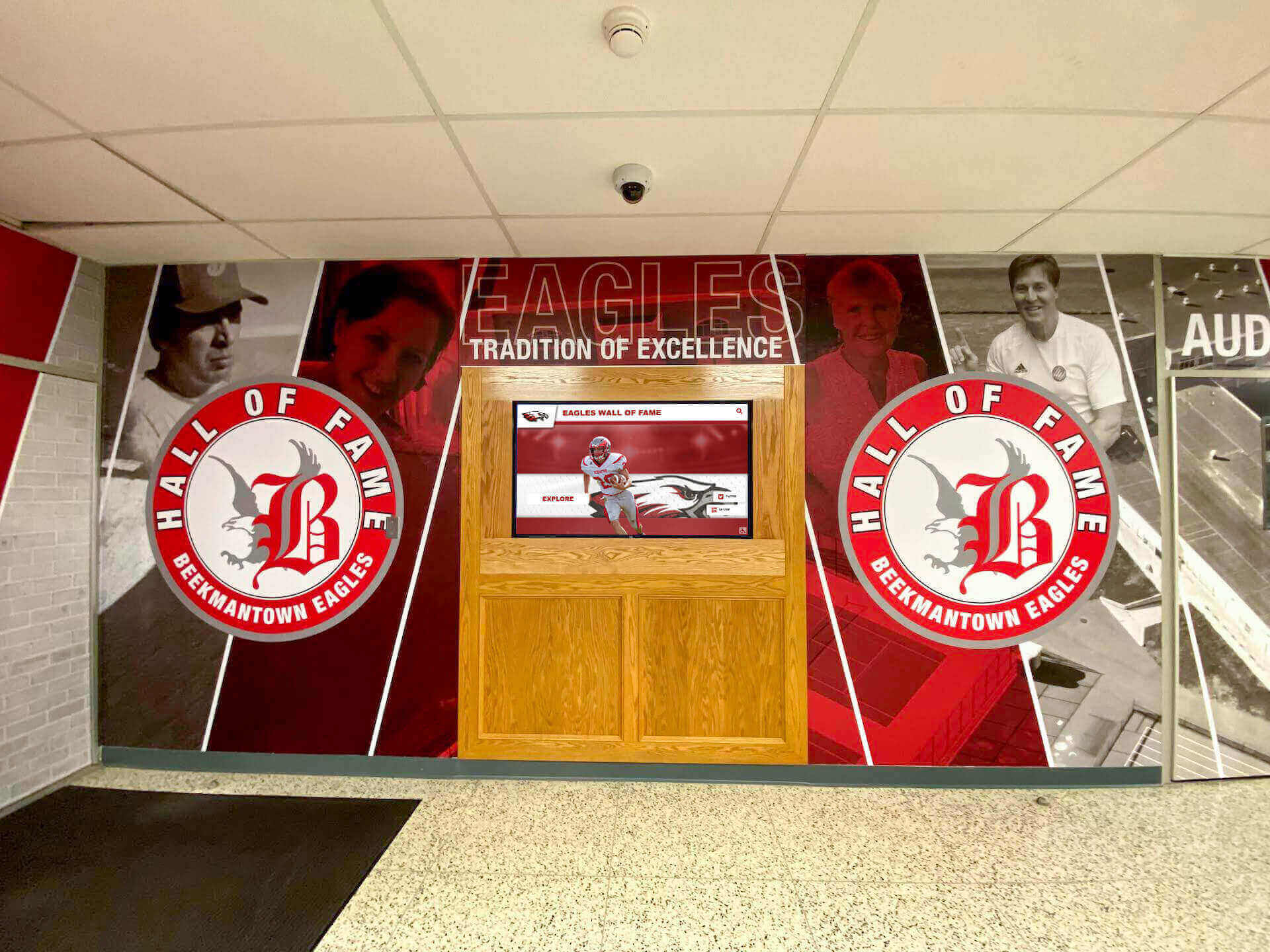
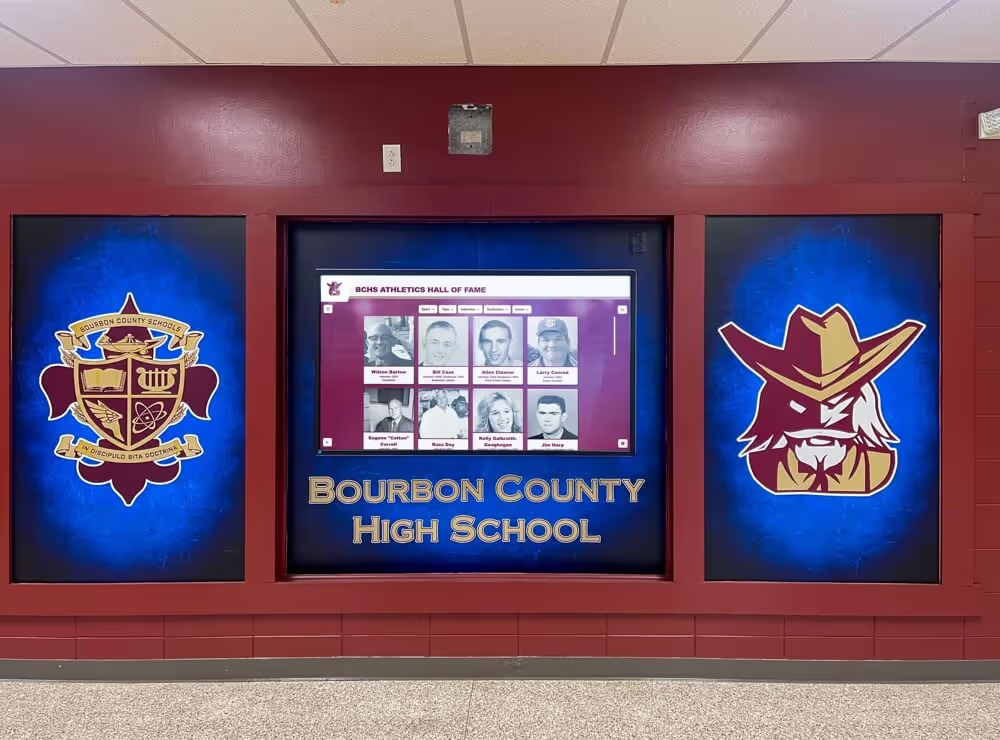
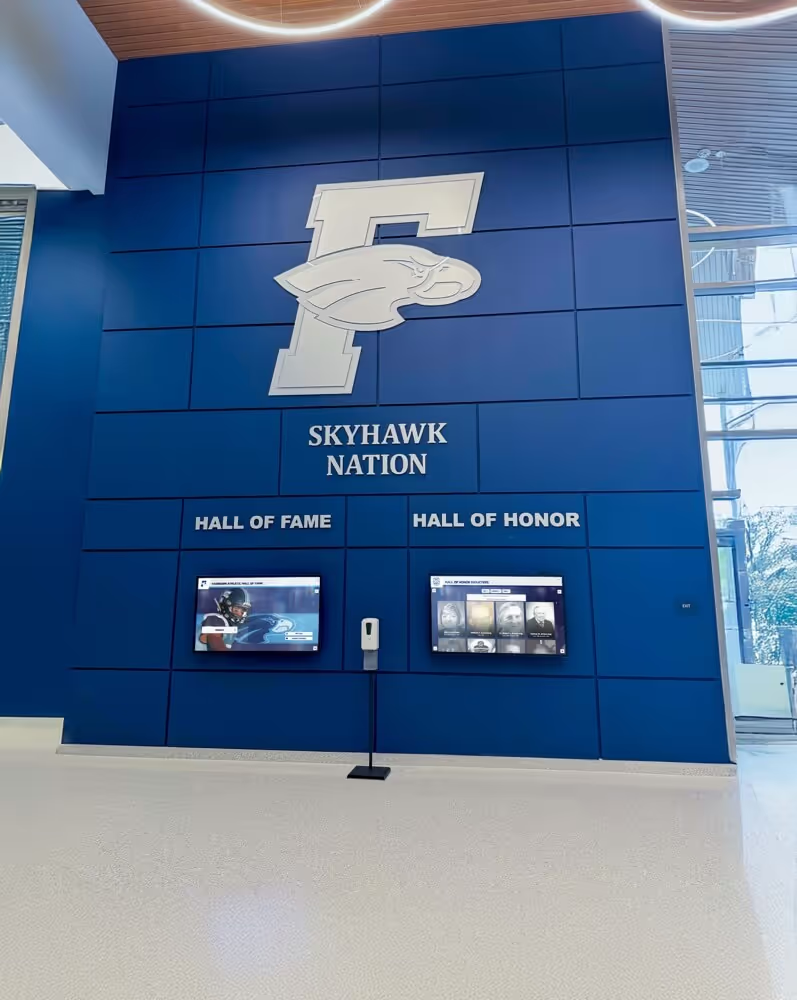
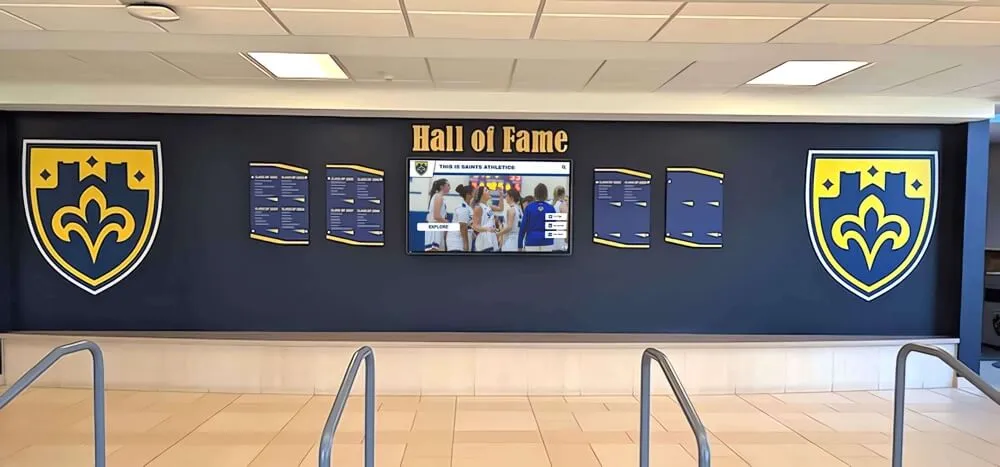
Prominent lobby recognition creates lasting impressions while demonstrating institutional commitment to celebrating academic excellence
Academic Program Access
Principal’s honor roll achievement sometimes provides access to special opportunities:
- Eligibility for advanced or accelerated courses
- Invitation to academic honor societies like National Honor Society
- Selection for academic competitions and teams
- Participation in special programs, workshops, or mentorships
- Priority registration for popular elective courses
These opportunities compound academic advantages—students who earn honor roll gain access to experiences further accelerating their learning and achievement.
Personal Development and Motivation
Building Academic Identity
Regular honor roll recognition helps students develop positive academic self-concepts:
- Viewing themselves as capable, high-achieving students
- Building confidence in their intellectual abilities
- Developing pride in academic accomplishments
- Creating identity extending beyond social or athletic spheres
- Establishing achievement expectations they maintain throughout education
This academic identity particularly matters during challenging periods—students who see themselves as honor roll achievers persist through difficult courses or temporary setbacks because they’ve internalized high achievement as part of who they are.
Goal-Setting and Achievement Habits
Working toward honor roll teaches valuable skills applicable throughout life:
- Setting specific, measurable goals (maintaining certain GPAs)
- Breaking large goals into manageable tasks (studying for individual tests)
- Maintaining focus over extended periods (full marking periods or semesters)
- Recovering from setbacks when individual grades disappoint
- Celebrating incremental progress toward larger objectives
These achievement habits transfer well beyond academics into career development, personal projects, and lifelong learning pursuits.
Peer Influence and School Culture
Visible honor roll recognition strengthens overall school academic culture:
When schools celebrate honor roll students prominently, achievement becomes normalized and aspirational rather than viewed as “uncool” or nerdy. Other students observe peers receiving recognition and begin viewing honor roll as an attainable goal worth pursuing.
This positive peer influence particularly benefits students from families without strong college-going traditions—seeing classmates from similar backgrounds achieve honor roll demonstrates that academic success is accessible and valued within their community.

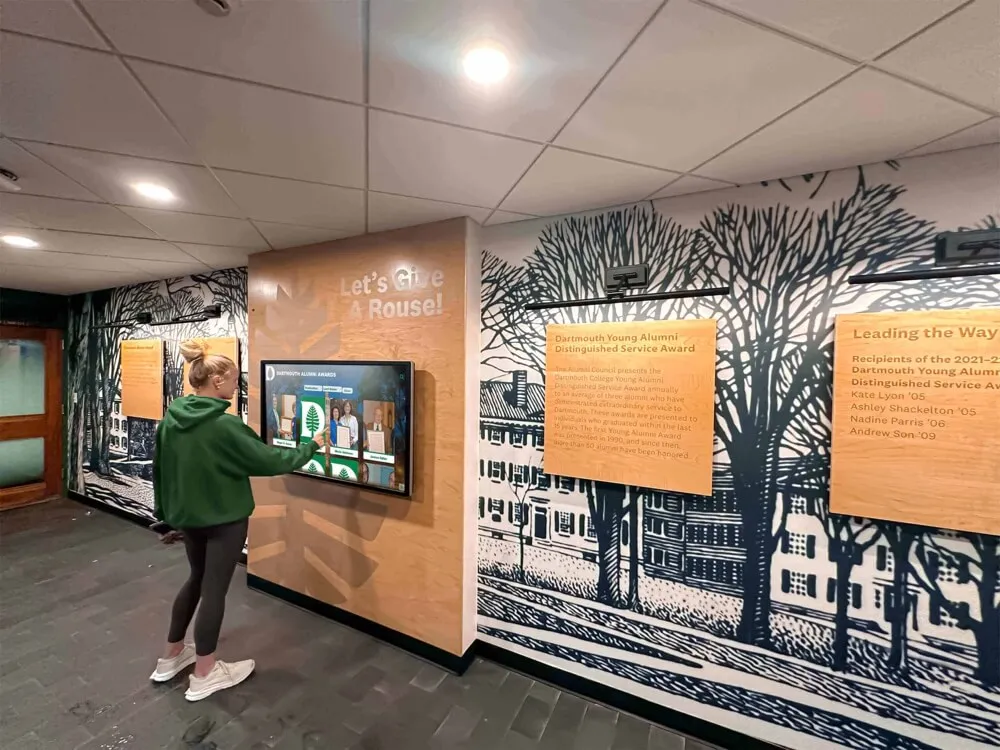
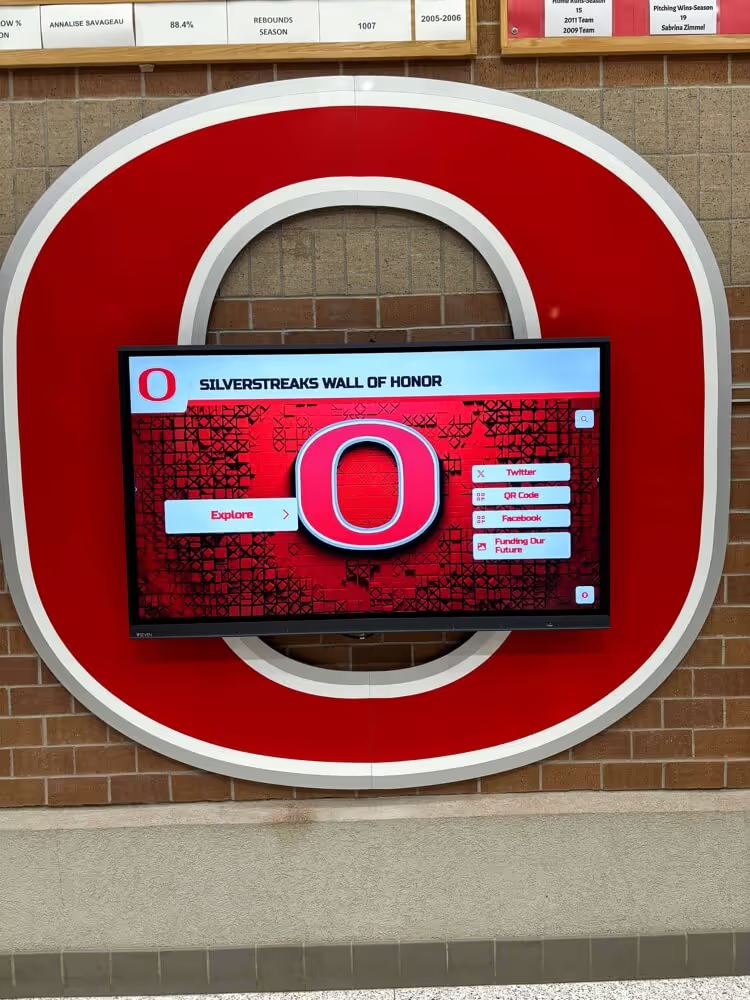
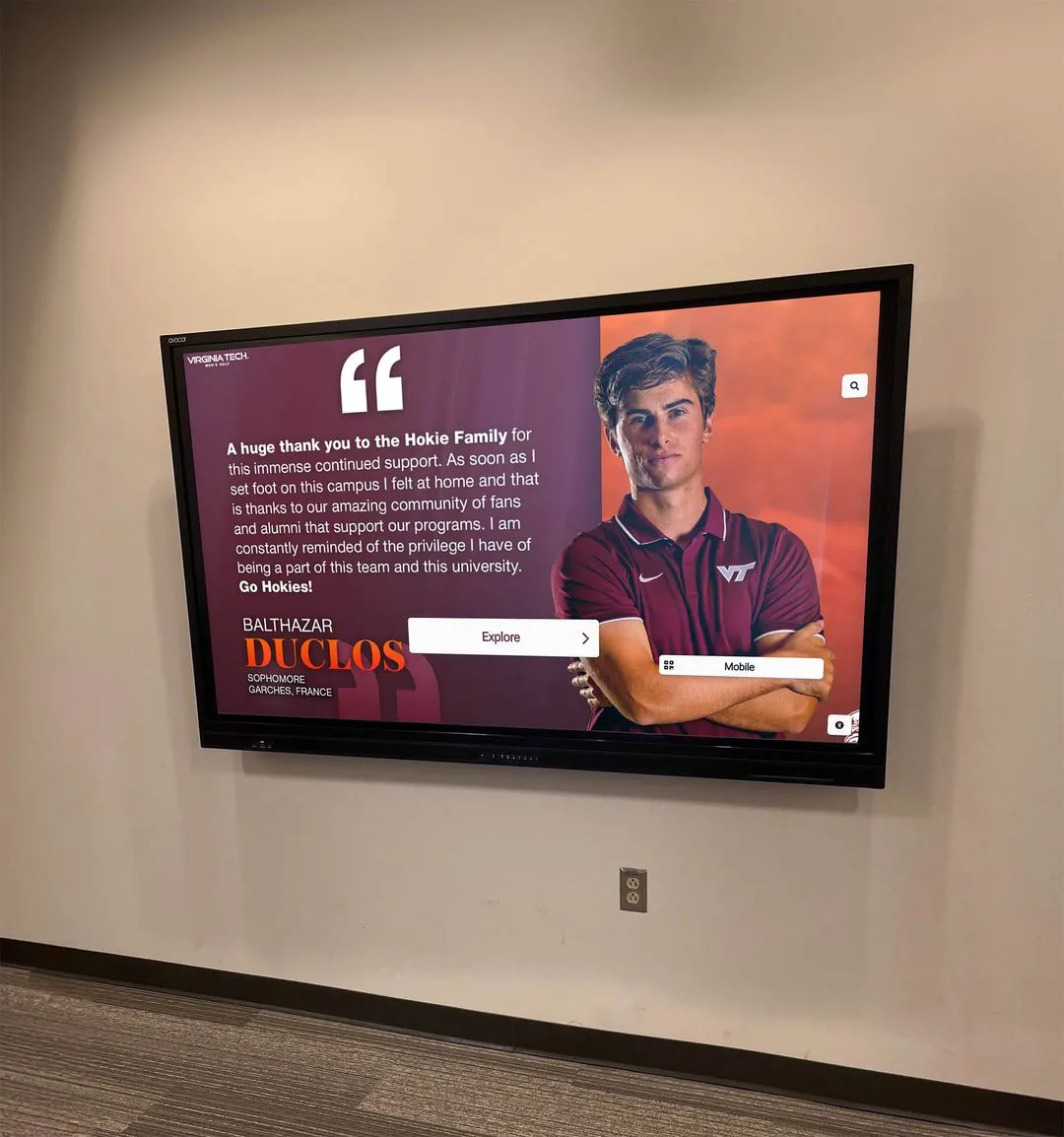
Interactive displays engage students with academic achievements, making honor roll recognition feel dynamic rather than static
How Schools Traditionally Recognize Principal’s Honor Roll
Schools employ various approaches to celebrate honor roll achievement, ranging from simple to elaborate:
Certificates and Letters
The most universal recognition method involves providing honor roll students with certificates or letters:
Physical Certificates
- Printed certificates presented during advisory periods or mailed home
- Formal designs including school seals, administrator signatures, and specific achievement details
- Suitable for framing and display in students’ homes
- Relatively inexpensive (under $1-2 per certificate when printed in bulk)
- Creates tangible recognition students and families can keep permanently
Recognition Letters
- Formal letters from principals or academic deans congratulating students
- Often mailed home to families rather than distributed at school
- May include specific GPA achievement and encouragement for continued success
- Creates formal documentation of achievement parents appreciate
- Lower-cost option for schools with large honor roll populations
While certificates and letters provide meaningful recognition, their impact often diminishes if they’re the only form of acknowledgment—students may view them as routine paperwork rather than special distinction.
Honor Roll Assemblies and Award Ceremonies
Many schools host recognition events celebrating honor roll students publicly:
Schoolwide Assemblies
- Gathering entire student body to recognize honor roll achievers
- Reading names or having honor roll students stand for recognition
- Sometimes including brief remarks from administrators about achievement
- Creates public celebration visible to entire school community
- Can consume significant instructional time (30-60 minutes per assembly)
Grade-Level Recognition Programs
- Smaller ceremonies for individual grade levels rather than whole school
- Enables more personal recognition and family attendance
- Often scheduled during non-instructional time (evenings, after school)
- May include refreshments and social time for families
- Creates more intimate setting than large assemblies
Awards Nights and Academic Banquets
- Annual formal recognition events celebrating academic achievement
- Often includes honor roll alongside subject-specific awards, scholarships, and special recognitions
- Provides opportunity for extended family attendance
- May feature guest speakers or student performances
- Requires significant planning and volunteer coordination
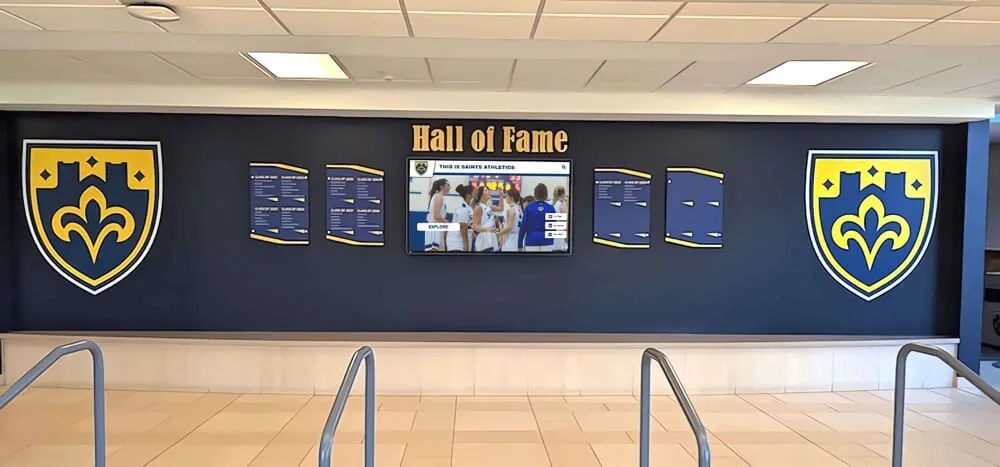
Permanent recognition displays honor academic excellence alongside athletic and extracurricular achievements
Physical Display Recognition
Schools create various types of displays showcasing honor roll students:
Bulletin Boards and Display Cases
- Printed lists of honor roll students posted in hallways, main offices, or display cases
- Sometimes including student photos arranged by grade level
- Updated each marking period with new honor roll lists
- Visible to daily campus traffic throughout recognition period
- Relatively inexpensive but labor-intensive to update regularly
Honor Roll Plaques and Nameplates
- Permanent plaques mounted in prominent locations listing honor roll students
- Often organized by year and marking period
- Creates lasting recognition but quickly consumes available wall space
- Expensive to continuously produce ($15-50 per nameplate)
- Difficult to update or correct if errors occur
These traditional physical displays face inherent limitations—available wall space eventually fills completely, creating difficult decisions about whose achievement deserves visible recognition. Schools with decades of honor roll history find themselves unable to display current students prominently while maintaining historical recognition.
Digital and Social Media Recognition
Modern schools increasingly incorporate digital channels into honor roll recognition:
School Website Features
- Publishing honor roll lists on school websites
- Creating dedicated honor roll pages updated each marking period
- Sometimes including searchable databases of historical honor roll students
- Extends recognition beyond campus to families, colleges, and community
- Relatively simple to implement through existing school websites
Social Media Announcements
- Posting honor roll achievement announcements on school social media
- Sometimes featuring individual student spotlights with photos
- Creates shareable content families can distribute to extended networks
- Generates positive attention for school academic programs
- Requires careful consideration of privacy and student permission
Email and Newsletter Communications
- Including honor roll lists in school newsletters distributed to families
- Email congratulations to families of honor roll students
- Highlighting honor roll achievement in parent communication
- Ensures families receive recognition even if students don’t bring home certificates
- Simple addition to existing communication workflows
While digital recognition extends reach and enables families to share achievements broadly, it sometimes lacks the physical presence and permanence that makes recognition feel truly special to students experiencing it daily at school.
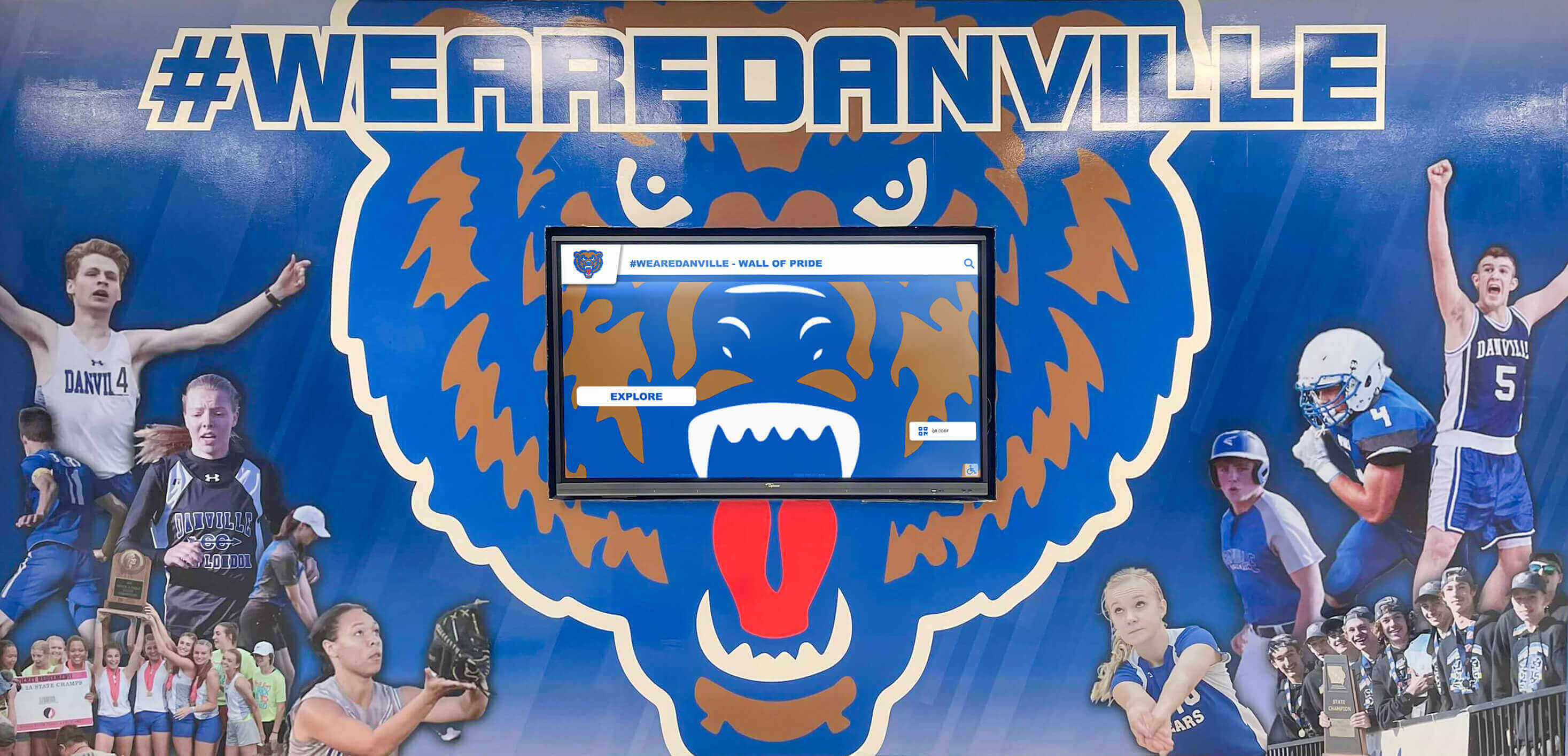
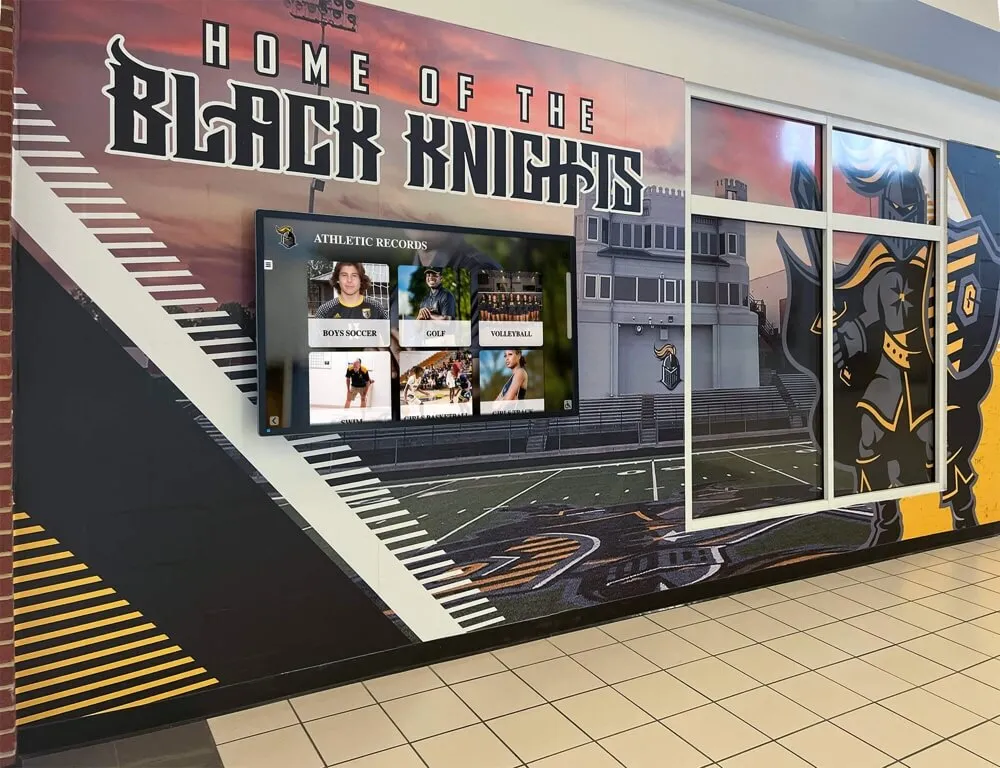
Integrated recognition systems celebrate academic achievement alongside athletics, reinforcing balanced institutional values
Modern Approaches: Digital Recognition Displays for Honor Roll
Forward-thinking schools increasingly implement comprehensive digital recognition systems that address fundamental limitations inherent in traditional honor roll recognition while creating more engaging, inclusive, and lasting celebration of academic achievement.
The Challenge with Traditional Honor Roll Recognition
Traditional approaches face several persistent problems:
Limited Space and Capacity Physical displays inevitably reach capacity—bulletin boards fill completely, display cases overflow, and wall space for plaques exhausts. Schools then face difficult choices: archive older recognition to make room for current students, or maintain historical displays while giving current achievers inadequate visibility.
Labor-Intensive Updates Printing, posting, and maintaining physical honor roll displays requires significant staff time every marking period. Administrative assistants spend hours creating lists, printing materials, mounting displays, and storing previous recognition—time that could support other academic priorities.
Minimal Information Capacity Traditional displays typically communicate only names, perhaps grade levels, and which honor roll tier students achieved. They can’t share the fuller story of individual students’ academic journeys, course selections, areas of excellence, or post-graduation outcomes.
Limited Engagement Static lists don’t invite exploration or interaction. Students glance at names but rarely engage deeply with recognition displays. There’s no mechanism for celebrating specific achievements, academic interests, or the diverse paths students take toward honor roll success.
Difficult Historical Preservation Paper lists deteriorate, plaques become dated, and institutional memory fades. Ten or twenty years later, schools struggle to document which students achieved honor roll in specific years—lost institutional history that could inspire current students and provide alumni connection points.
How Digital Recognition Platforms Transform Honor Roll Celebration
Comprehensive digital recognition systems solve these challenges while creating more meaningful, engaging honor roll programs:
Unlimited Recognition Capacity
Digital platforms eliminate space constraints entirely. Whether your school has 20 honor roll students or 200, whether you’re recognizing this semester’s achievers or preserving 50 years of honor roll history, single touchscreen displays accommodate unlimited students.
Schools never face difficult decisions about whose achievement deserves visibility—every honor roll student from every marking period receives equal recognition without competing for limited physical space. As your honor roll programs grow, your recognition capacity scales infinitely without requiring additional displays or wall space.
Rich Student Profiles Beyond Names
Instead of simple name lists, digital systems enable comprehensive student profiles featuring:
- Professional student portraits creating visual galleries
- Academic highlights including specific course achievements
- GPA details and honor roll tier achieved
- Activities, clubs, and extracurricular involvement
- Academic interests and intended college majors
- Personal statements about their academic journey
- Teacher or counselor recognition of specific strengths
- Photos from academic competitions, events, or ceremonies
These rich profiles transform recognition from routine list-checking into compelling storytelling about diverse paths to academic excellence. Current students exploring displays discover role models with similar interests, backgrounds, or challenges—making achievement feel attainable rather than distant.

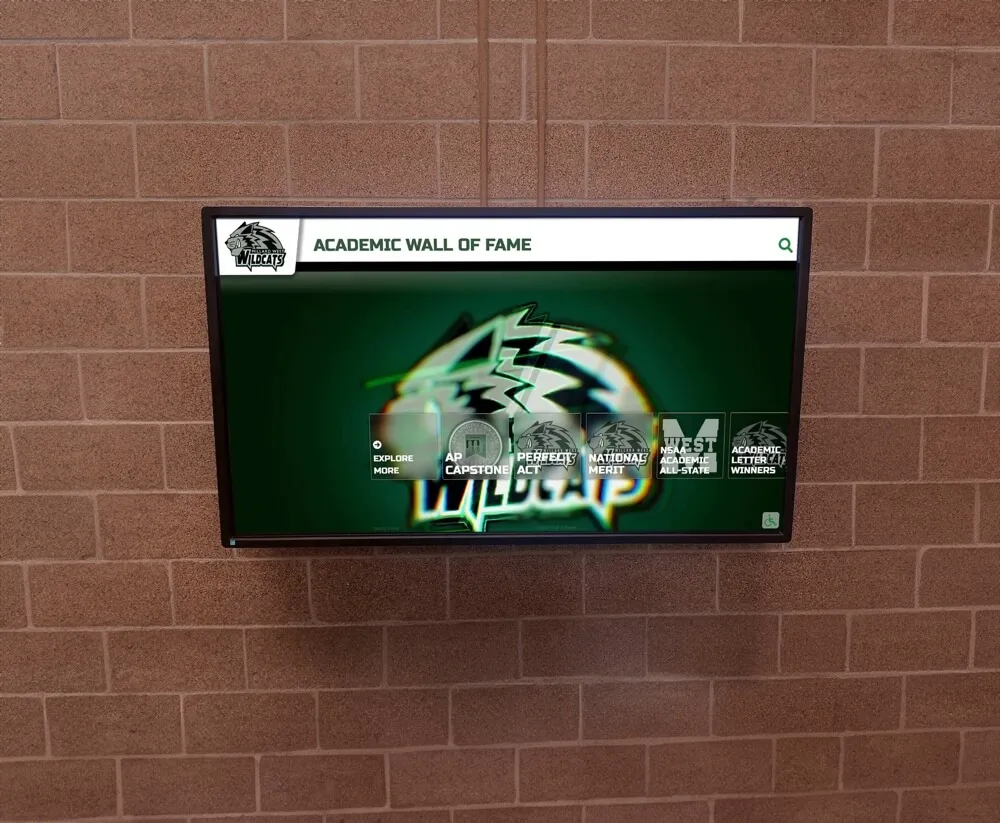
Card-based navigation makes exploring honor roll students intuitive and engaging for users of all ages
Multiple Organization and Search Options
Digital platforms provide various ways to explore honor roll recognition:
- Grade level browsing: View all 9th, 10th, 11th, or 12th grade honor roll students
- Marking period or year filtering: See who achieved honor roll in specific semesters
- Honor roll tier sorting: Distinguish principal’s honor roll from regular honor roll
- Name search: Find specific students instantly through searchable databases
- Academic department grouping: Highlight students excelling in specific subject areas
- Timeline views: Track honor roll achievement trends across multiple years
This flexible organization helps different users find relevant information—prospective families researching school academic culture, current students seeking role models in their intended field, or alumni reminiscing about their cohort’s achievements.
Simple Content Management
Cloud-based platforms eliminate technical barriers to maintaining honor roll recognition:
- Update displays remotely from any internet-connected device
- Upload new honor roll students each marking period in minutes
- Use template systems ensuring visual consistency
- Bulk import student data from existing systems
- Schedule automatic display updates
- Correct errors instantly without reprinting
Academic counselors, deans, or administrative staff with basic computer skills easily manage comprehensive recognition systems—no IT expertise or design capabilities required.
Professional Facility Integration
Commercial-grade touchscreen displays designed specifically for educational recognition provide:
- Multiple installation options (wall-mounted, freestanding kiosks, integrated with architectural features)
- Custom branding matching school colors, logos, and design standards
- Durable construction withstanding high-traffic school environments
- High-resolution screens ensuring sharp, professional appearance
- Intuitive touch interfaces requiring no instruction for visitors
- Accessibility features ensuring all users can explore content
Solutions like interactive kiosk systems transform how schools celebrate academic achievement by combining professional hardware with purpose-built recognition software.
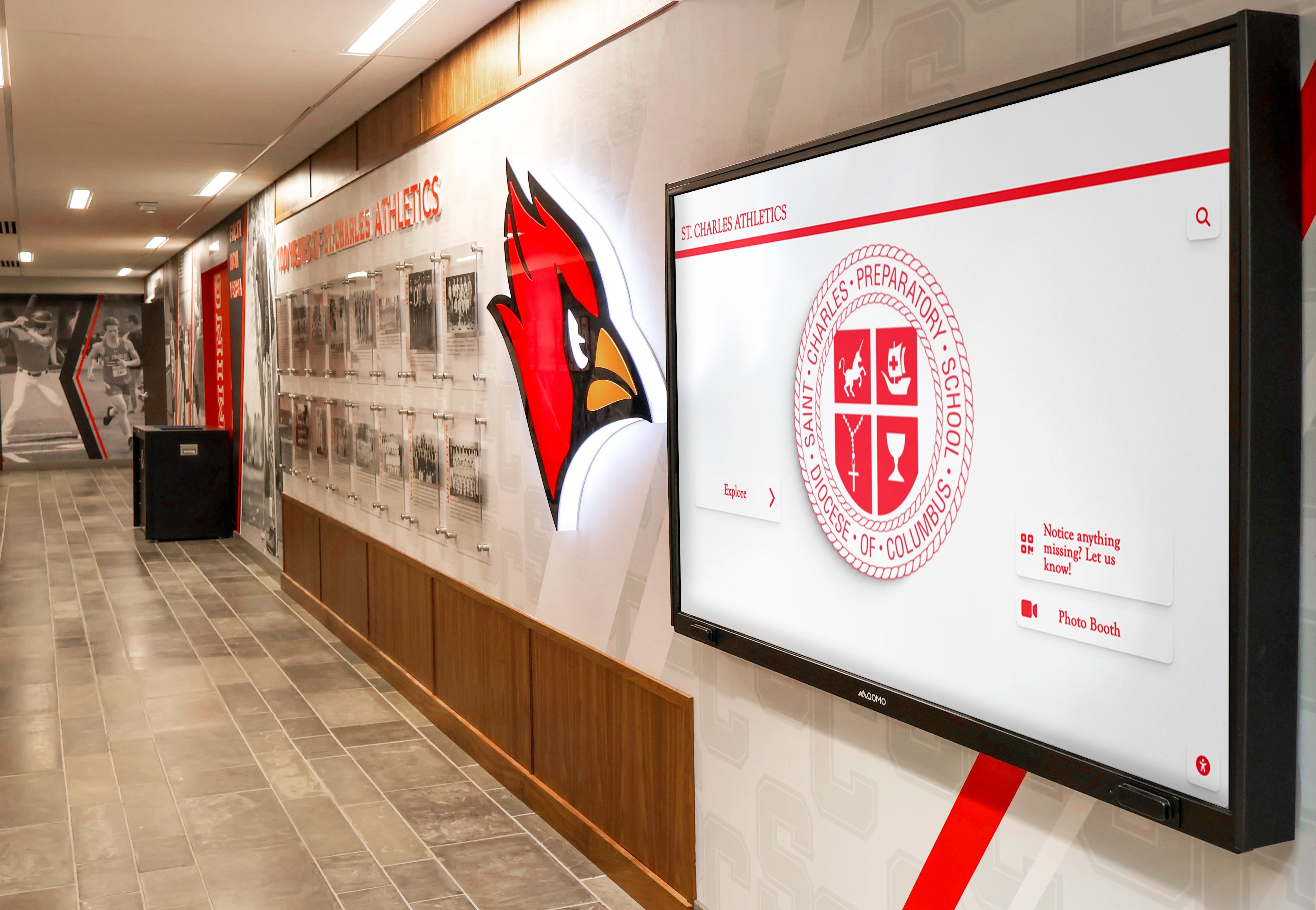
Branded digital displays integrate seamlessly with school aesthetics while celebrating academic and extracurricular excellence
Implementation Considerations for Schools
Schools exploring digital honor roll recognition should consider several key factors:
Display Placement Strategy
Maximize recognition impact through thoughtful location selection:
- Main entrance lobbies: Creates immediate impression for visitors, prospective families, and community members
- Library or academic commons: Places recognition in spaces associated with learning
- Hallway corridors: Provides visibility during passing periods when entire student body sees displays
- Counseling center areas: Connects recognition with college planning and academic support
- Multiple locations: Larger schools may benefit from displays in different buildings or grade-level areas
The goal is placing displays where students interact with them regularly rather than relegating recognition to administrative offices or locations with limited student traffic.
Content Development Planning
Successful implementations require systematic content creation:
- Decide which semesters to include (current year only vs. multi-year history)
- Establish consistent profile structure across all honor roll students
- Collect student photos through school portrait systems or submissions
- Gather additional information beyond GPA (activities, interests, statements)
- Create clear process for ongoing updates each marking period
- Define quality standards ensuring professional presentation
Many schools begin by recognizing current year’s honor roll students, then gradually add historical data as time and resources permit. Starting with one year of high-quality content succeeds better than attempting comprehensive history poorly.
Integration with Existing Recognition Programs
Digital systems work best when integrated thoughtfully with broader recognition:
- Combination with traditional certificates: Digital displays complement rather than replace certificates families treasure
- Connection to academic awards programs: Include honor roll recognition within comprehensive academic celebration
- Coordination with college counseling: Ensure honor roll documentation supports application processes
- Alignment with honor society inductions: Connect honor roll with invitations to NHS or other academic organizations
- Extension to alumni engagement: Enable graduates to revisit their honor roll achievements
Schools implementing comprehensive recognition approaches often discover that digital platforms naturally expand to celebrate achievement across academics, athletics, arts, and service.
Balancing Academic Recognition with Inclusivity Concerns
While celebrating honor roll achievement provides clear benefits, schools must navigate legitimate concerns about exclusion and equity:
Common Concerns About Honor Roll Recognition
Student Exclusion and Self-Esteem
Critics worry that prominent honor roll recognition makes students who don’t achieve high GPAs feel inadequate or excluded. When schools celebrate one group’s achievement highly visibly, do students not on honor roll internalize messages that they’re less valued or capable?
Research presents mixed findings. Some studies suggest that visible achievement recognition motivates broader student populations toward higher performance—creating aspirational goals and demonstrating that excellence is attainable. Other research indicates that for some students, particularly those struggling academically, constant reminders of others’ success can be demotivating.
Equity and Access Issues
Honor roll achievement correlates with various forms of privilege:
- Students from higher-income families often have more academic support resources
- Some students balance significant family responsibilities limiting study time
- Access to rigorous courses affects weighted GPA honor roll calculations
- Learning differences and disabilities may impact honor roll eligibility even with strong effort
- Schools in under-resourced communities may struggle to offer support systems enabling broad honor roll achievement
These equity concerns raise valid questions about whether traditional honor roll systems adequately recognize effort, growth, and achievement relative to individual circumstances versus purely outcome-based performance metrics.
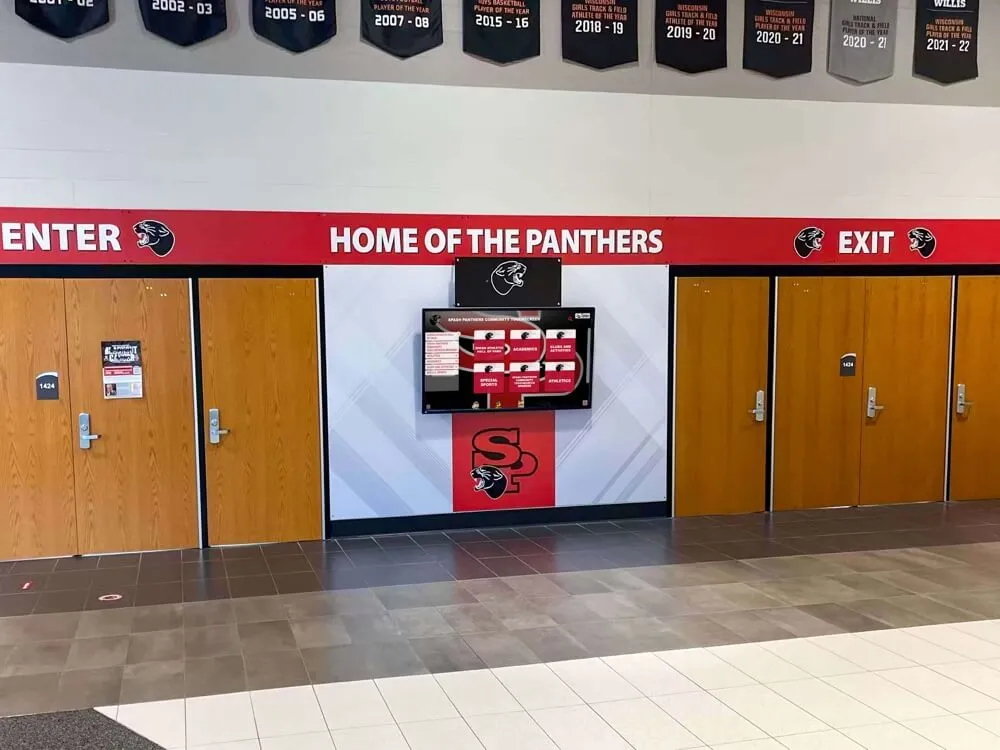
Welcoming recognition displays in main entrances celebrate academic achievement while creating positive first impressions
Strategies for Balanced Recognition Programs
Schools can address these concerns while maintaining meaningful honor roll recognition through several approaches:
Multiple Recognition Categories
Expand recognition beyond pure GPA-based honor roll to celebrate diverse achievements:
- Improvement recognition: Celebrating students who significantly improved their GPA
- Effort awards: Acknowledging students demonstrating exceptional work ethic regardless of grades
- Subject-specific excellence: Recognizing outstanding achievement in particular academic areas
- Citizenship recognition: Celebrating students contributing positively to school community
- Attendance achievement: Acknowledging perfect or excellent attendance
- Service awards: Recognizing community contribution and volunteer work
By celebrating multiple paths to distinction, schools communicate that various forms of excellence receive institutional recognition and value.
Growth-Based Recognition Alongside Achievement
Supplement outcome-focused honor roll with growth-oriented recognition:
- Most improved GPA by marking period
- Significant grade improvement in specific challenging subjects
- Academic comeback stories (students recovering from difficult periods)
- Progress toward individual academic goals
- Growth on standardized assessments or benchmark testing
Growth-based systems acknowledge that students starting from different places deserve recognition for their progress, not just those who achieve absolute performance thresholds.
Transparent Communication About Honor Roll Purpose
Help students and families understand recognition philosophy:
- Honor roll celebrates specific academic achievement, not personal worth
- Different students excel in different areas—academics is one among many
- Recognition aims to motivate excellence and celebrate hard work
- Schools value all students regardless of honor roll status
- Honor roll provides concrete goal for students prioritizing academics
- Alternative recognition programs celebrate diverse student strengths
This communication helps students separate their identity and self-worth from honor roll achievement while understanding its purpose within the school’s recognition ecosystem.
Private vs. Public Recognition Options
Balance public celebration with sensitivity to student concerns:
- Offer students choice about public recognition (opt-in for photos, displays)
- Provide private acknowledgment alongside public celebration
- Celebrate honor roll within advisory or homeroom contexts
- Enable families to share achievements without mandatory schoolwide publicity
- Respect student preferences about social media recognition
Some students thrive on public recognition while others prefer quieter acknowledgment—flexible approaches accommodate diverse preferences.
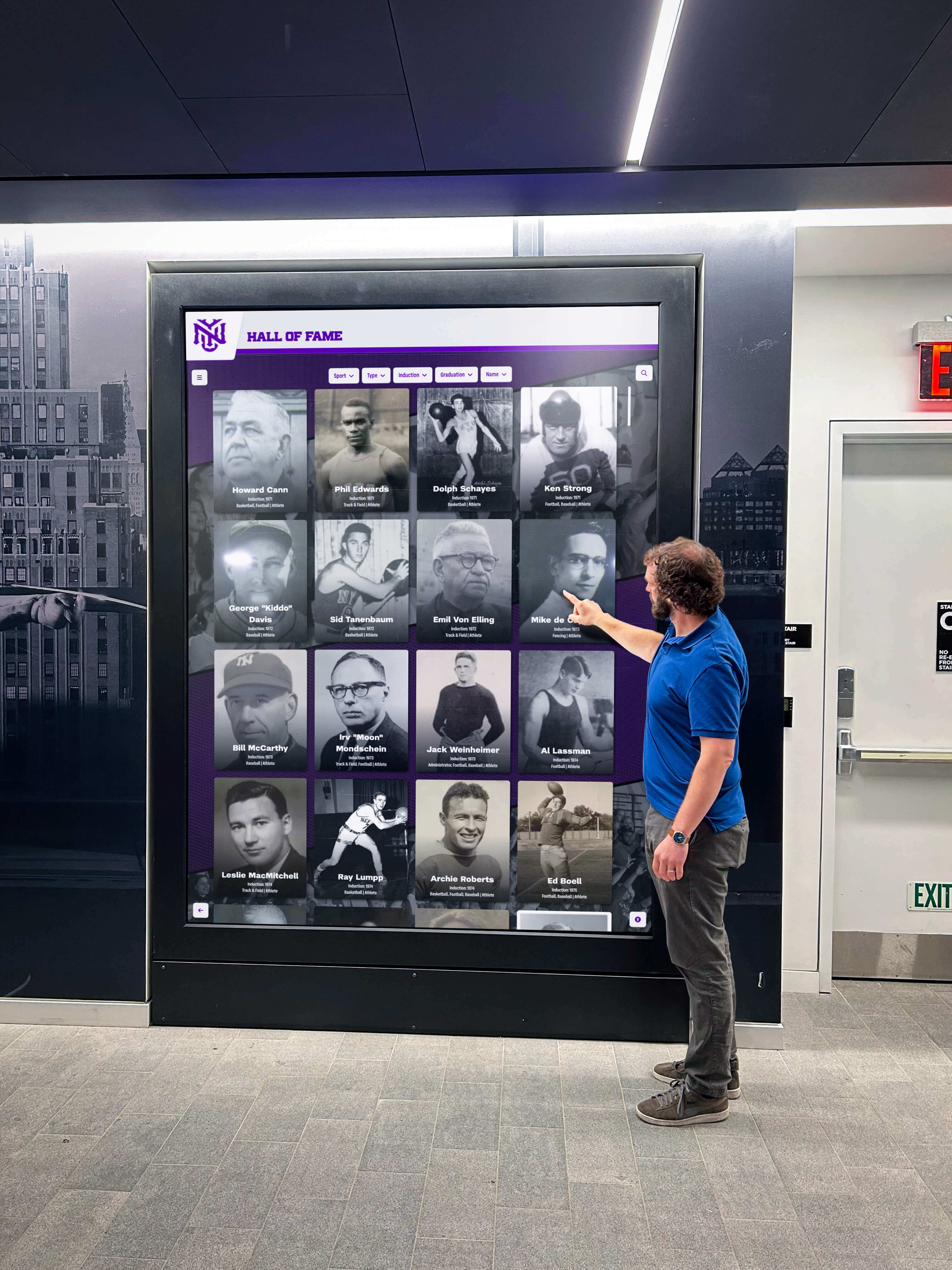
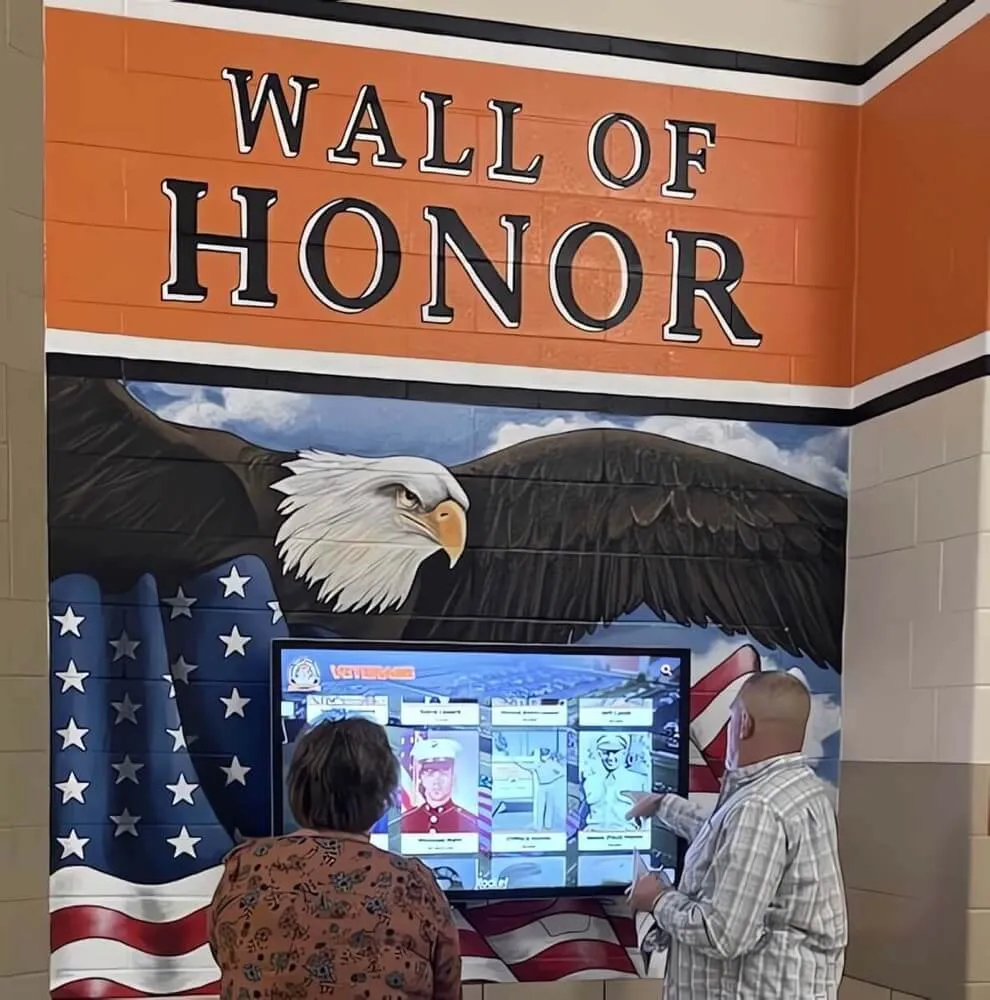
Interactive displays invite exploration and engagement, transforming passive recognition into active discovery experiences
Schools implementing recognition programs similar to those celebrating student leadership and achievement discover that comprehensive approaches acknowledging diverse strengths create more inclusive cultures than single-dimension recognition systems.
Connecting Honor Roll to Broader Academic Recognition
Principal’s honor roll functions most effectively when integrated within comprehensive recognition ecosystems celebrating academic achievement at multiple levels:
Academic Honor Societies
Honor roll achievement often serves as foundation for selection to prestigious academic organizations:
National Honor Society (NHS)
The most recognized academic honor society requires:
- Strong GPA (typically 3.5+) often aligned with honor roll standards
- Demonstrated leadership in school or community
- Significant service contribution
- Character references from teachers or administrators
Students who consistently make principal’s honor roll naturally become strong NHS candidates, as academic excellence represents one of the four pillars (scholarship, leadership, service, character) NHS evaluates.
Subject-Specific Honor Societies
Various disciplines maintain their own honor societies recognizing excellence:
- National Spanish Honor Society (Sociedad Honoraria Hispánica)
- National English Honor Society
- Science National Honor Society
- Tri-M Music Honor Society
- National Art Honor Society
- Mathematics Honor Society
Schools can learn from Spanish Honor Society recognition approaches to create comprehensive academic celebration across disciplines.
Academic All-American Recognition
For student-athletes, academic all-american honors combine athletic participation with honor roll-level academic achievement. These recognitions validate that athletic excellence and academic achievement aren’t mutually exclusive—an important message in schools where athletics sometimes overshadow academics.
Schools celebrating academic all-american achievement demonstrate institutional commitment to balanced student development.

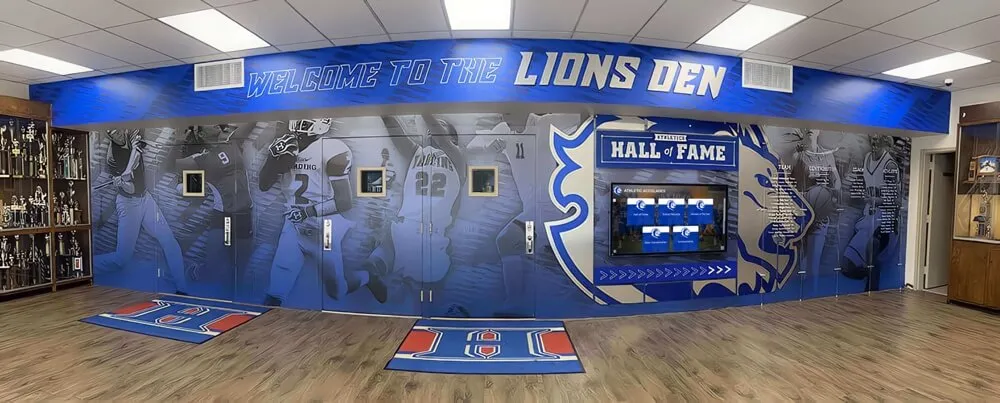
Integrated displays celebrate both athletic and academic achievement, reinforcing that excellence across multiple domains deserves equal recognition
Special Academic Recognition Programs
Beyond honor roll, schools create various program-specific recognitions:
Advanced Placement and IB Achievement
Recognition for students completing rigorous coursework:
- AP Scholar awards (various levels based on number and scores)
- IB diploma recipients celebrating successful completion
- Dual enrollment achievement in college-level courses
- Early college program graduates
Academic Competition Success
Celebrating students representing schools in intellectual competitions:
- Science Olympiad teams and individual medals
- Math League competition achievements
- Quiz Bowl and Knowledge Bowl team members
- Academic decathlon participants
- Debate and forensics tournament success
- DECA, FBLA, and other career-technical competition wins
Perfect Attendance and Citizenship
Non-GPA-based recognitions complementing academic achievement:
- Perfect attendance across marking periods or full year
- Excellent citizenship and conduct
- Peer tutoring and academic mentorship
- Study group leadership
Schools implementing comprehensive recognition similar to ACT achievement programs discover multiple recognition categories create inclusive environments where more students experience celebration.
How Parents Can Support Honor Roll Achievement
Families play critical roles in supporting students toward honor roll success:
Creating Home Environments That Support Academic Excellence
Establishing Study Routines
Consistent academic habits form foundations for honor roll achievement:
- Designated homework time and quiet study space
- Minimizing distractions during academic work
- Balancing extracurriculars with adequate academic time
- Age-appropriate independence with supportive oversight
- Regular check-ins about assignments and upcoming assessments
Communication with Teachers
Proactive family-school communication prevents problems from becoming crises:
- Regular review of grade portals and school communication platforms
- Attendance at parent-teacher conferences
- Reaching out when concerns arise rather than waiting
- Collaborative problem-solving when students struggle
- Expressing appreciation for teacher support and instruction
Resource Provision
Ensuring students have tools needed for success:
- Reliable internet access for research and online platforms
- Appropriate technology for digital assignments
- Quality writing implements, calculators, and school supplies
- Access to library resources and research materials
- Tutorial support when specific subjects present challenges

Prominent exterior recognition displays demonstrate community pride in academic achievement
Maintaining Healthy Perspectives on Academic Achievement
Celebrating Effort Alongside Outcomes
Honor roll achievement matters, but the habits and character developed pursuing excellence matter more:
- Acknowledging hard work regardless of specific grades
- Discussing what students learned beyond report card marks
- Valuing intellectual curiosity and engagement
- Recognizing improvement and growth
- Maintaining perspective that grades don’t define worth
Avoiding Excessive Pressure
Well-intentioned parents sometimes create counterproductive stress:
- Setting expectations aligned with individual student capabilities rather than external comparisons
- Recognizing that honor roll may not be realistic goal for every student
- Prioritizing student mental health and well-being over achievement
- Understanding that temporary struggles don’t predict future failure
- Communicating unconditional love regardless of academic performance
Modeling Lifelong Learning
Parents demonstrate value of learning through their own engagement:
- Pursuing continuing education or professional development
- Reading regularly and discussing ideas with family
- Showing curiosity about new topics and skills
- Acknowledging own learning struggles and persistence
- Demonstrating that education extends beyond school years
Helping Students Who Miss Honor Roll
Not every student achieves honor roll, and many who make it occasionally fall short in specific marking periods. How schools and families respond to students who miss honor roll significantly impacts their future academic engagement:
Constructive Responses to Not Making Honor Roll
Analyzing What Happened
Rather than focusing on disappointment, examine contributing factors:
- Which specific classes prevented honor roll achievement?
- Were challenges due to content difficulty, study habits, time management, or other factors?
- Did circumstances beyond academic control impact performance (illness, family situation, excessive obligations)?
- What worked well in classes where grades were strong?
- Which strategies should change going forward?
This analytical approach identifies actionable improvements rather than generalizing that student “isn’t smart enough” for honor roll.
Creating Improvement Plans
Develop specific, concrete strategies addressing identified challenges:
- Increased study time for problematic subjects
- Tutorial support or teacher office hours attendance
- Organizational systems improving assignment tracking
- Time management tools balancing commitments
- Test preparation strategies for assessment difficulties
- Communication plans ensuring awareness of grades before report cards
Setting Realistic Goals
Honor roll achievement requires breaking larger goals into manageable steps:
- Target specific grade improvements by next progress report
- Master particular concept areas before cumulative assessments
- Improve assignment completion rates week by week
- Develop one new study habit at a time
Small, incremental improvements often succeed where attempting dramatic transformations overwhelms students.
Identifying Support Resources
Schools and communities offer various supports for academic improvement:
- Teacher extra help sessions and office hours
- Peer tutoring programs
- School counselor academic support services
- Community tutorial centers and homework help programs
- Online learning platforms and educational resources
- Subject-specific support groups and study teams
Connecting students with appropriate supports communicates that not making honor roll isn’t failure—it’s feedback guiding next steps.
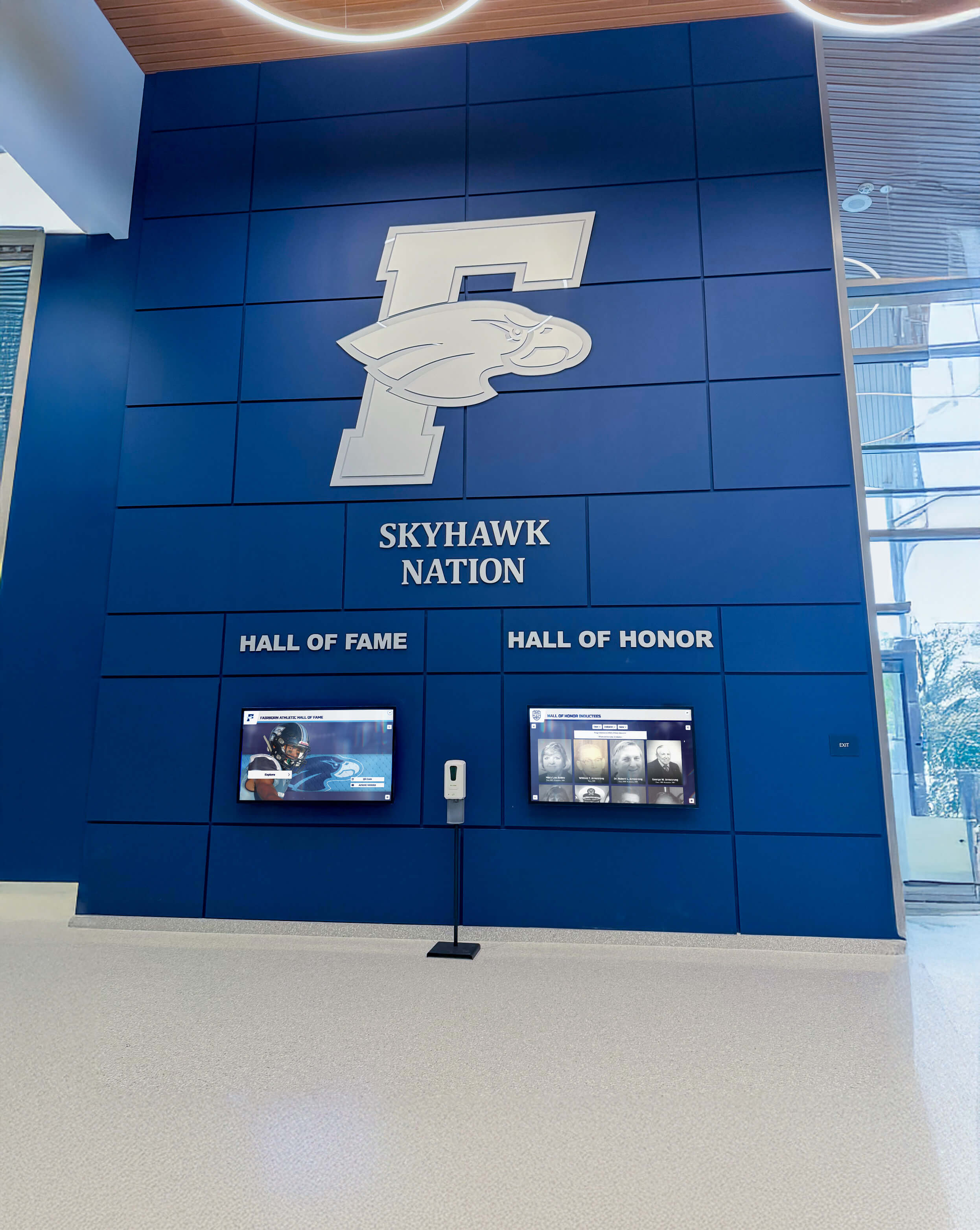
Comprehensive recognition systems celebrate achievement across academics, athletics, and service
Alternative Recognition to Celebrate
When students don’t achieve honor roll, celebrate other accomplishments:
- Significant improvement in challenging subjects
- Perfect attendance or excellent citizenship
- Extracurricular achievements and leadership
- Service contributions to school or community
- Personal growth and character development
- Specific academic successes (excellent projects, strong test scores)
These alternative celebrations communicate that students have value and achieve meaningful things regardless of overall GPA.
The Future of Academic Recognition
School recognition programs continue evolving as education itself changes:
Competency-Based Recognition
Some schools move away from traditional grade-based honor roll toward competency or mastery-based recognition:
- Celebrating demonstration of specific skills regardless of timeframe
- Recognizing mastery across standards rather than comparative performance
- Acknowledging different learning paths and paces
- Focusing on what students can do rather than numerical grades
These approaches may eventually transform what “honor roll” means, though traditional GPA-based systems remain standard across most schools currently.
Comprehensive Digital Recognition Ecosystems
The most forward-thinking schools implement integrated recognition platforms celebrating all forms of student achievement—academic, athletic, artistic, service-oriented—through unified systems accessible to entire school communities.
Solutions like Rocket Alumni Solutions provide schools with professional platforms that transform how institutions celebrate student achievement through unlimited digital recognition capacity, rich multimedia content, intuitive touchscreen interfaces, and simple content management—enabling schools to honor every honor roll student from every marking period without space constraints or administrative burden.
Growing Emphasis on Holistic Student Profiles
Beyond single-dimension metrics like GPA, schools increasingly recognize and celebrate comprehensive student profiles:
- Academic achievement alongside leadership development
- Intellectual growth combined with character formation
- Individual excellence balanced with collaborative contribution
- Present accomplishment connected to future aspirations
This holistic approach acknowledges that outstanding students demonstrate excellence across multiple dimensions, not just in grade accumulation.
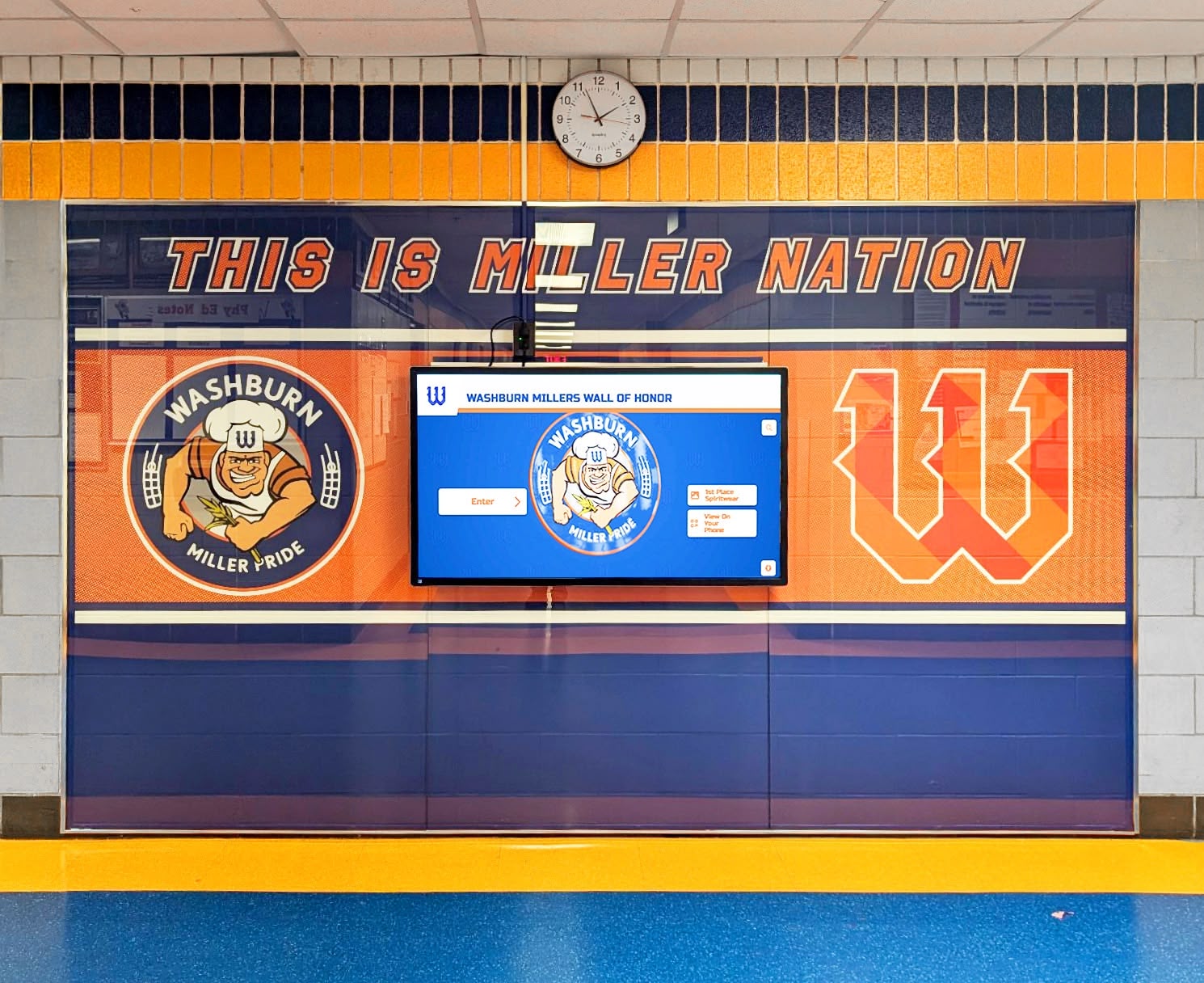
Strategic hallway placement ensures recognition remains visible throughout daily school experience
Best Practices for School Honor Roll Programs
Schools creating or refining honor roll recognition should consider these evidence-based practices:
Clear, Consistent, Transparent Criteria
Published Standards
- Explicitly document honor roll requirements in student handbooks
- Post criteria prominently on school websites
- Communicate standards clearly during student orientations
- Ensure consistency across grade levels and departments
- Review criteria periodically for continued appropriateness
Fair Application
- Apply standards consistently to all students without favoritism
- Establish clear processes for addressing grade disputes
- Create appeals mechanisms when circumstances warrant consideration
- Document decisions transparently
- Communicate clearly when standards change
Timely Recognition
Prompt Acknowledgment
- Recognize honor roll achievement soon after marking period ends
- Avoid extended delays between earning and receiving recognition
- Update displays within 2-3 weeks of report cards
- Communicate achievement to families quickly
Regular Cadence
- Maintain consistent recognition schedule across marking periods
- Avoid skipping recognition some semesters due to scheduling challenges
- Create predictable timeline students anticipate
Multiple Recognition Modes
Layered Approach Effective programs combine several recognition forms:
- Private acknowledgment (certificates, letters, family communication)
- Semi-public recognition (advisory announcements, small ceremonies)
- Public celebration (displays, assemblies, websites)
- Permanent documentation (historical records, digital archives)
Different students respond to different recognition forms—comprehensive approaches ensure honor roll celebration resonates with diverse student preferences and family cultures.
Integration with Academic Support
Connection to Resources Use honor roll data to identify both celebrating high achievement and supporting students who narrowly miss recognition:
- Proactive outreach to students close to honor roll thresholds
- Tutorial support offers for those missing by small margins
- Academic counseling about course selection and study strategies
- Recognition of improvement even when absolute performance doesn’t reach honor roll standards
Honor roll programs work best when viewed as tools supporting all students’ academic growth rather than just celebrating high performers.
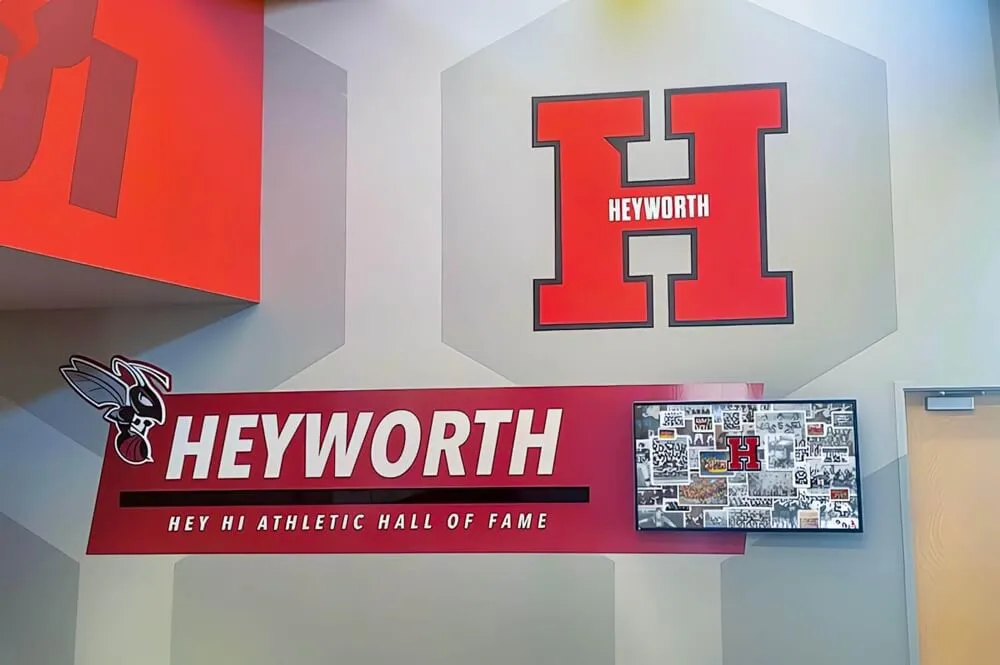
Professional recognition installations integrate traditional design elements with modern digital capabilities
Conclusion: Making Honor Roll Recognition Meaningful
Principal’s honor roll represents more than just academic achievement—it embodies dedication, consistent effort, intellectual curiosity, and the pursuit of excellence that serves students throughout their lives. When schools recognize honor roll students effectively, they accomplish multiple goals simultaneously: celebrating individuals who earned distinction through hard work, creating visible role models demonstrating that achievement is attainable, building school cultures where academic excellence receives the prominence it deserves, and inspiring current and future students to pursue their own academic potential.
The most effective honor roll recognition programs balance celebration with inclusion, acknowledge diverse paths to excellence, integrate honor roll within comprehensive recognition ecosystems, maintain clear and fair standards consistently applied, and leverage modern technology to create engaging, lasting recognition that grows with schools rather than reaching capacity limitations.
Transform How Your School Celebrates Academic Excellence
Discover how modern digital recognition displays enable schools to honor unlimited honor roll students with rich profiles, engaging multimedia content, and professional touchscreen systems that never run out of space or become outdated. Create lasting academic recognition that inspires excellence for generations.
Explore Digital Recognition SolutionsFor schools still relying on printed lists, overcrowded bulletin boards, or recognition systems that reached capacity years ago, modern digital platforms eliminate these frustrations while creating more meaningful honor roll celebration. Platforms like comprehensive digital recognition systems enable schools to preserve decades of honor roll history while highlighting current achievement—creating connections across generations of students who achieved academic excellence.
Whether your school recognizes 20 honor roll students or 200, whether you’re celebrating this semester’s achievement or preserving 50 years of honor roll tradition, effective recognition programs communicate that academic dedication matters, intellectual achievement deserves celebration alongside athletic success, and every student who earns honor roll distinction receives recognition reflecting the significance of their accomplishment.
Students who make principal’s honor roll demonstrate more than strong grades—they exhibit work ethic, discipline, time management, and commitment to excellence that will serve them throughout college, career, and life. These students deserve recognition programs reflecting the magnitude of their achievement while inspiring peers to pursue their own academic potential.
Your school’s honor roll students have earned distinction through countless hours of focused study, personal sacrifice, and intellectual engagement. They deserve recognition equal to their dedication—celebration that feels meaningful, visible, and lasting rather than routine or forgettable. With thoughtful planning and appropriate technology, you can create honor roll programs that truly honor academic excellence while building cultures where achievement feels valued, celebrated, and fundamentally part of your school’s identity.