



Nonprofit donor recognition represents far more than polite thank-you gestures—it functions as a strategic stewardship practice that strengthens relationships, motivates continued giving, and demonstrates transparent accountability to supporters whose contributions enable mission fulfillment. Organizations that implement comprehensive recognition programs consistently outperform peers in donor retention, gift size progression, and long-term fundraising sustainability.
Yet many nonprofits struggle with donor acknowledgment. Traditional approaches—brief email thank-yous, names buried in annual reports, static plaques with limited capacity—fail to create the visibility and emotional connection that inspire continued support. Limited budgets force difficult decisions about who receives recognition, while manual processes consume staff time that could advance program delivery. Small contributions go unacknowledged, and even major donors lack the compelling recognition that reinforces their philanthropic decisions.
This comprehensive guide explores effective nonprofit donor recognition strategies that honor every supporter meaningfully while building the engaged donor community sustaining organizational mission. From understanding recognition psychology and developing tiered acknowledgment systems to implementing digital donor walls and measuring program effectiveness, these approaches help nonprofits of all sizes create stewardship excellence that advances fundraising capacity.
Nonprofits implementing comprehensive donor recognition systems report 35-50% improvements in donor retention rates and 30-45% increases in subsequent gift sizes compared to organizations relying solely on transactional acknowledgment methods, according to development professionals working across the sector.

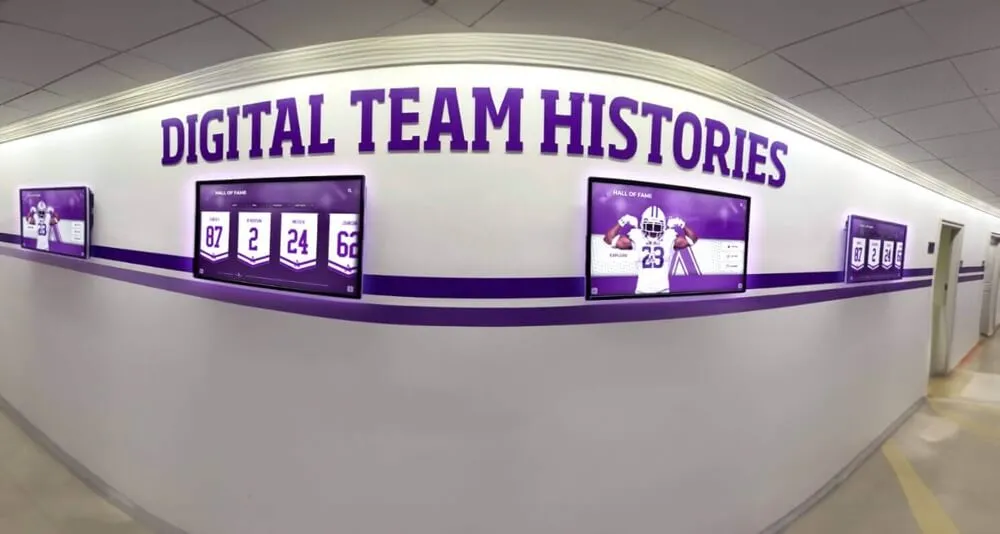
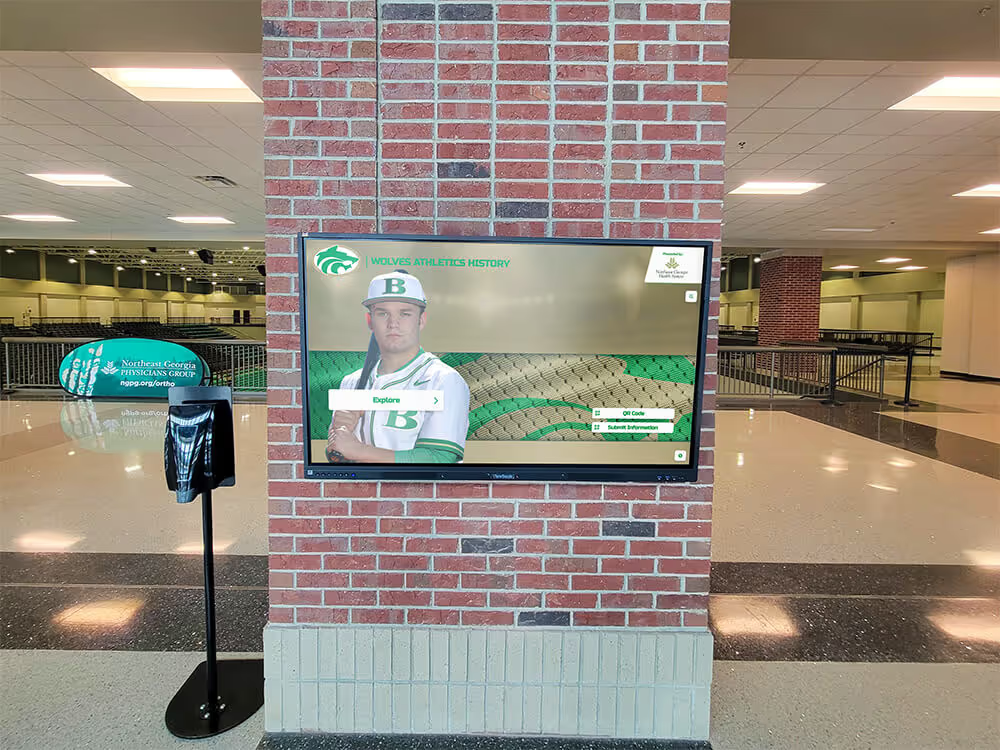
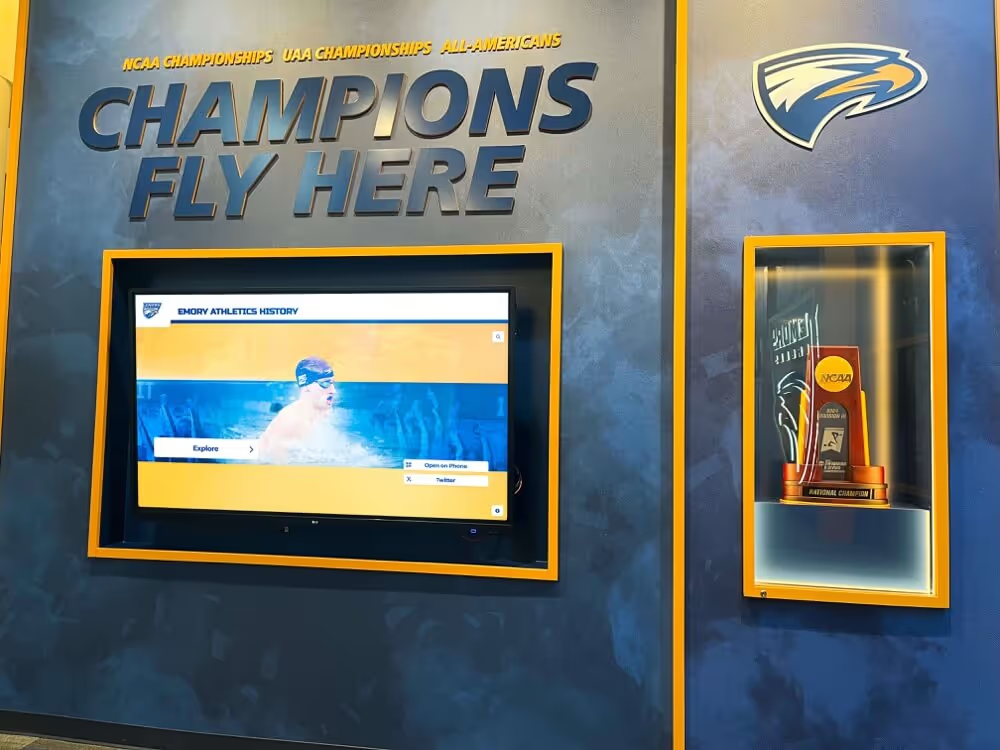
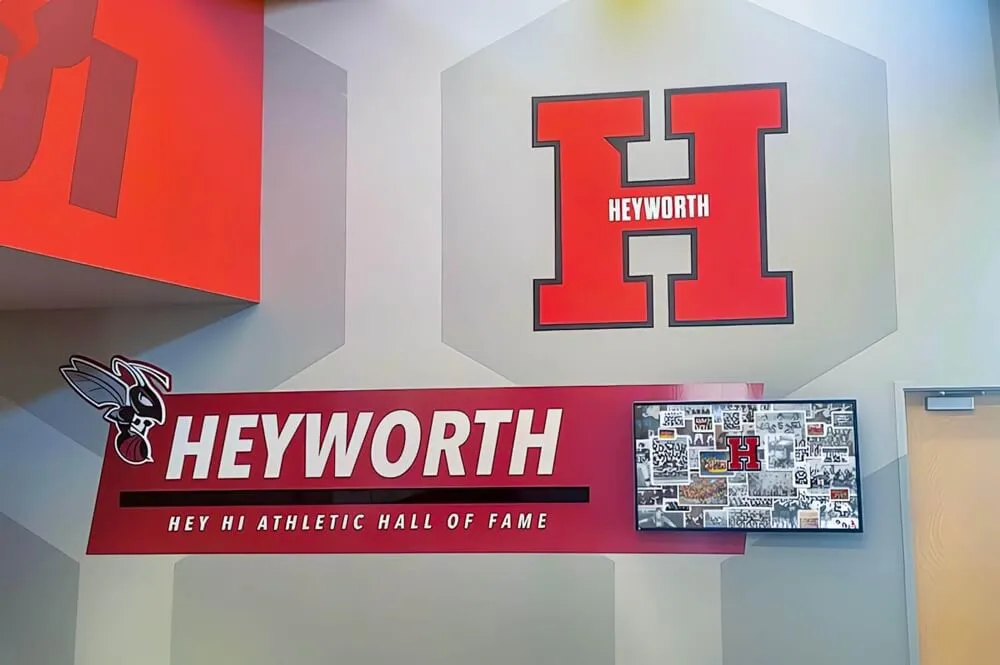
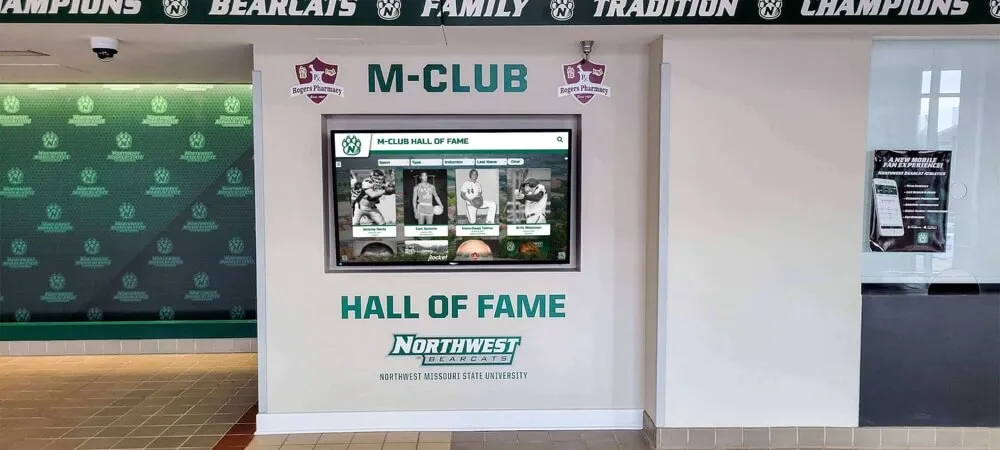
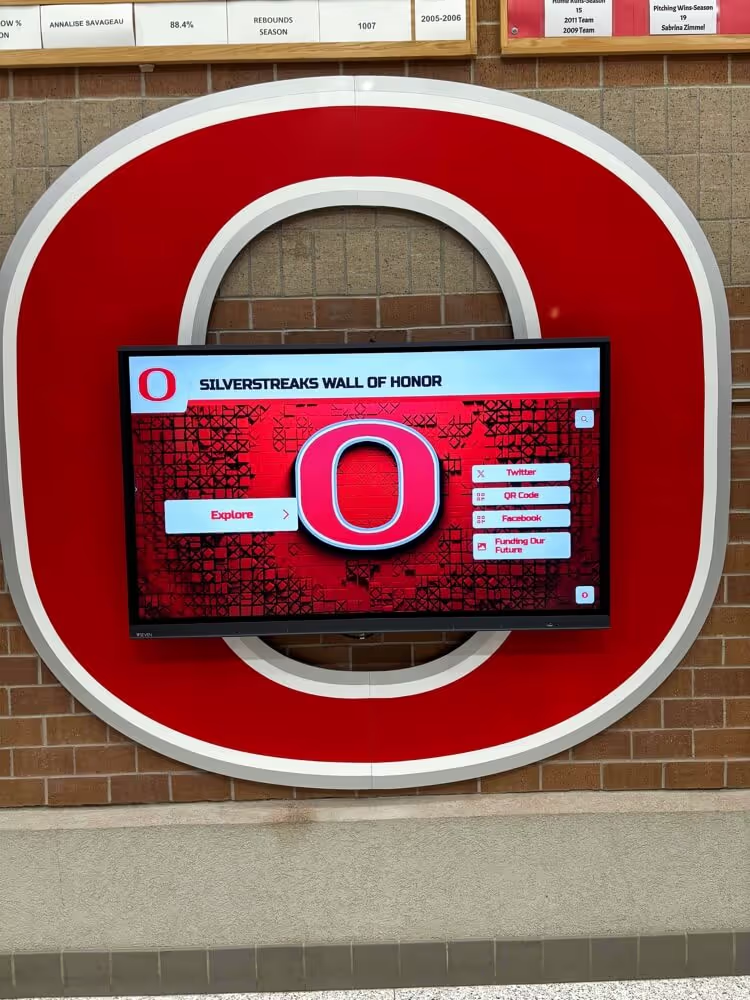
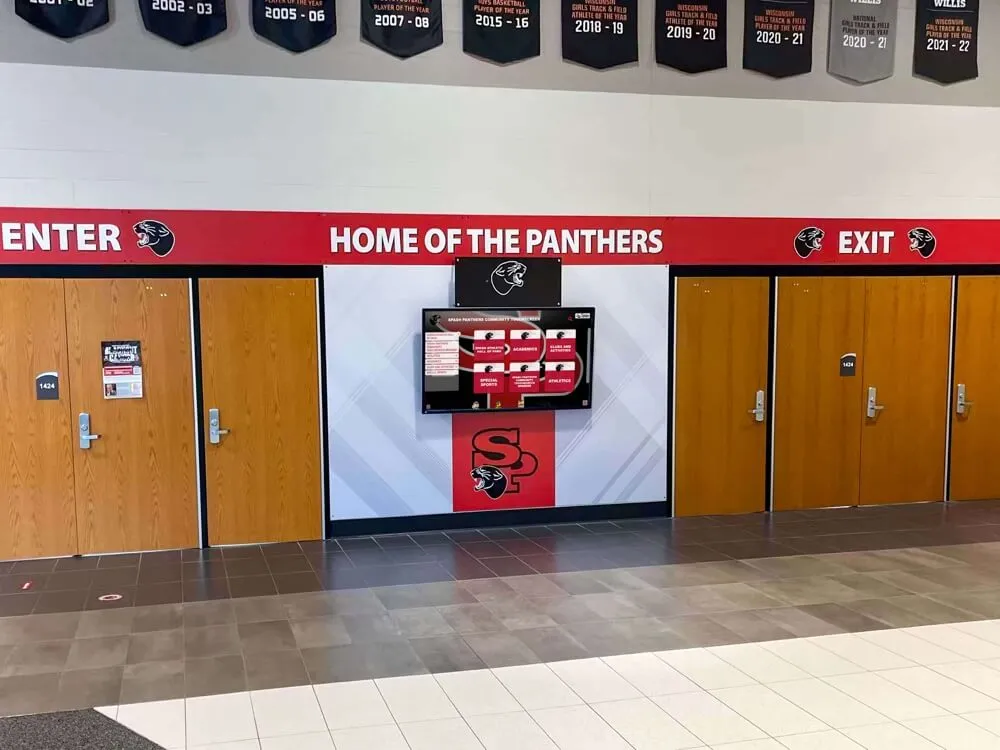
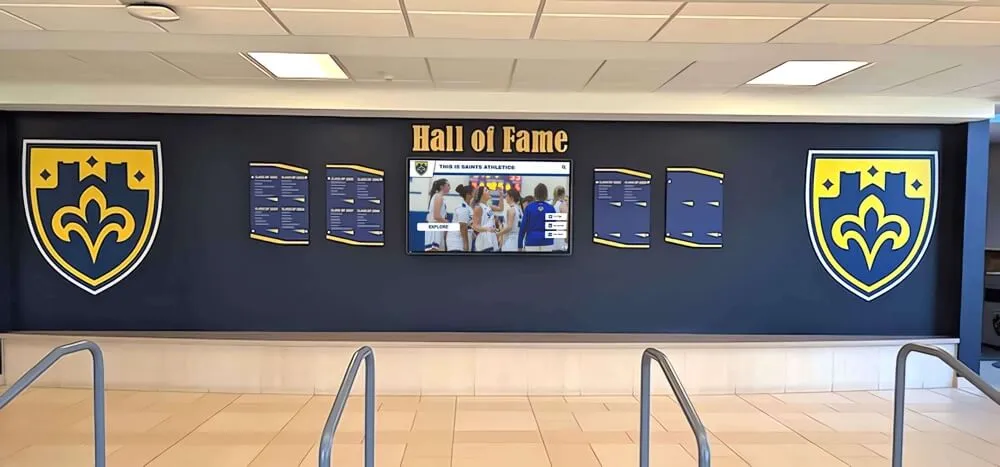
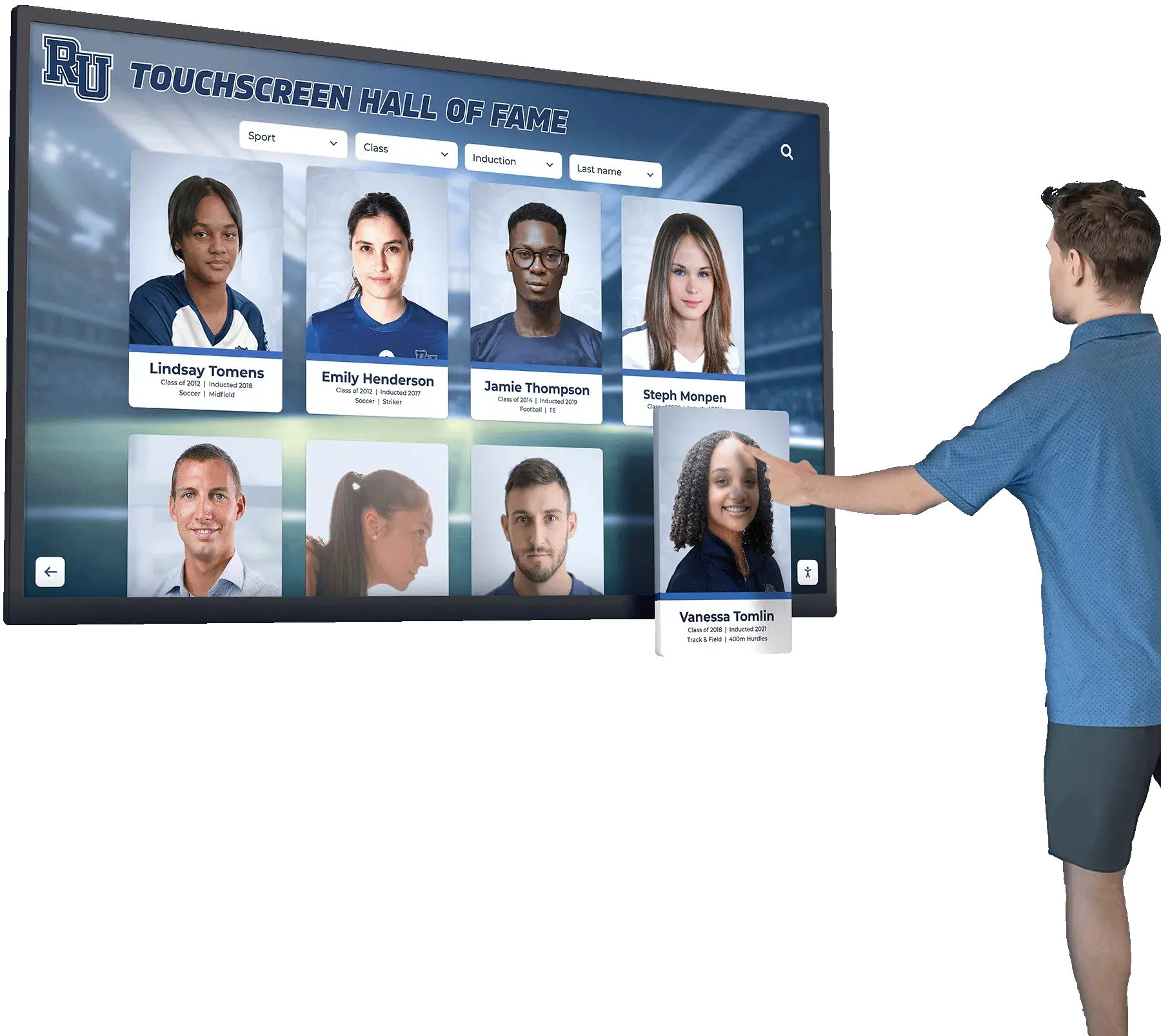
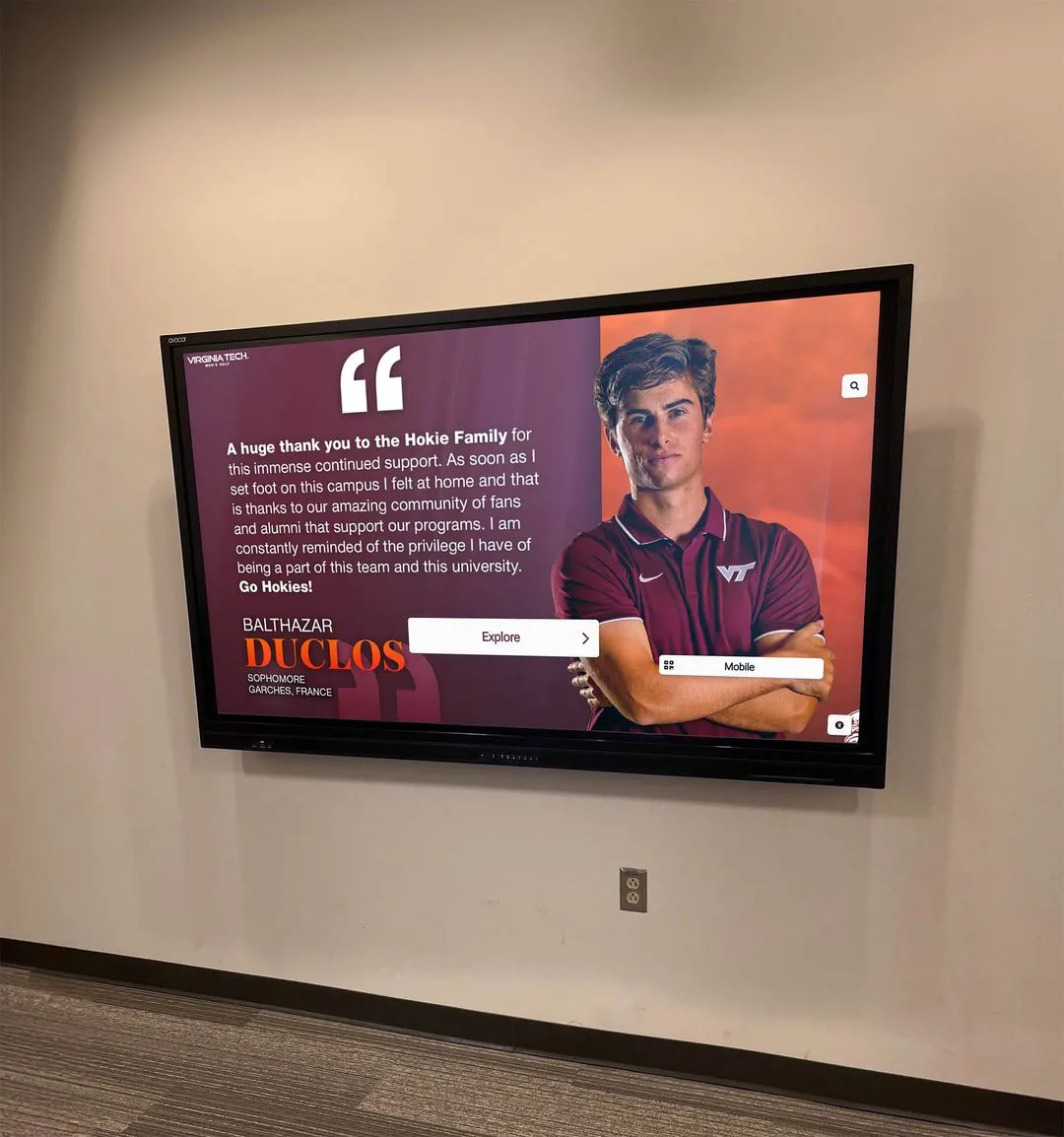
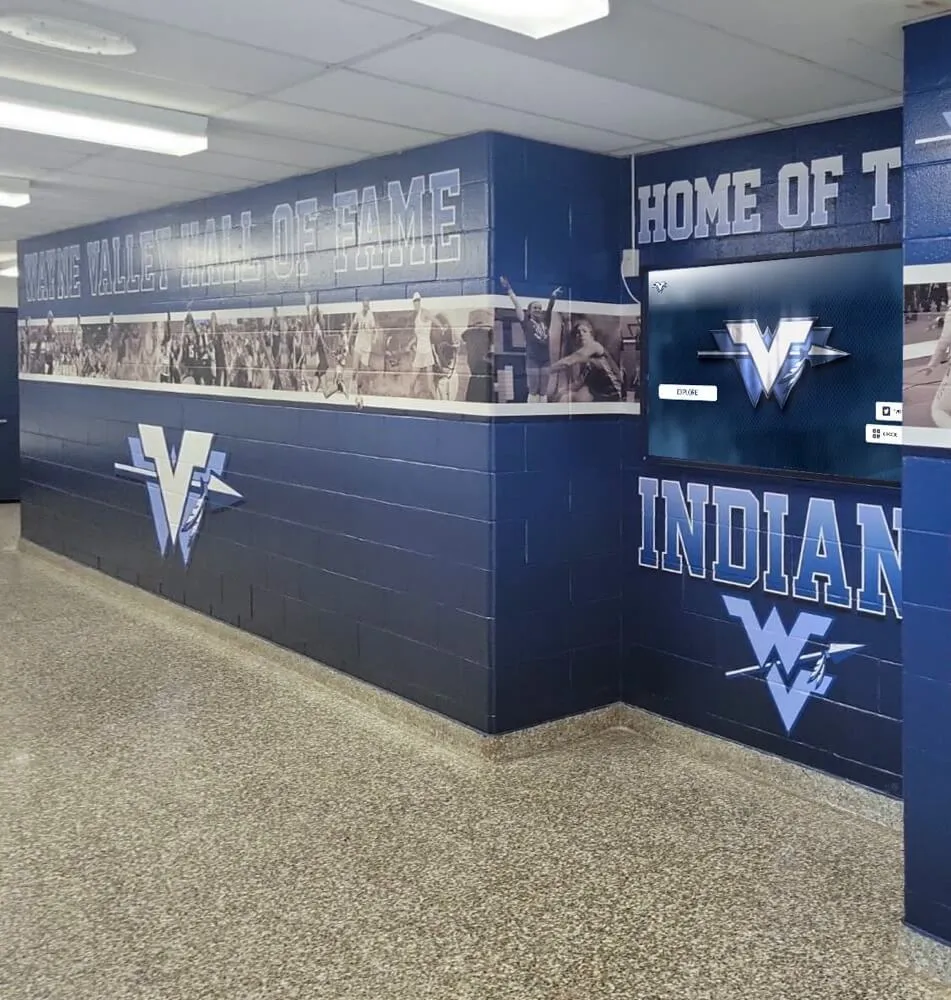
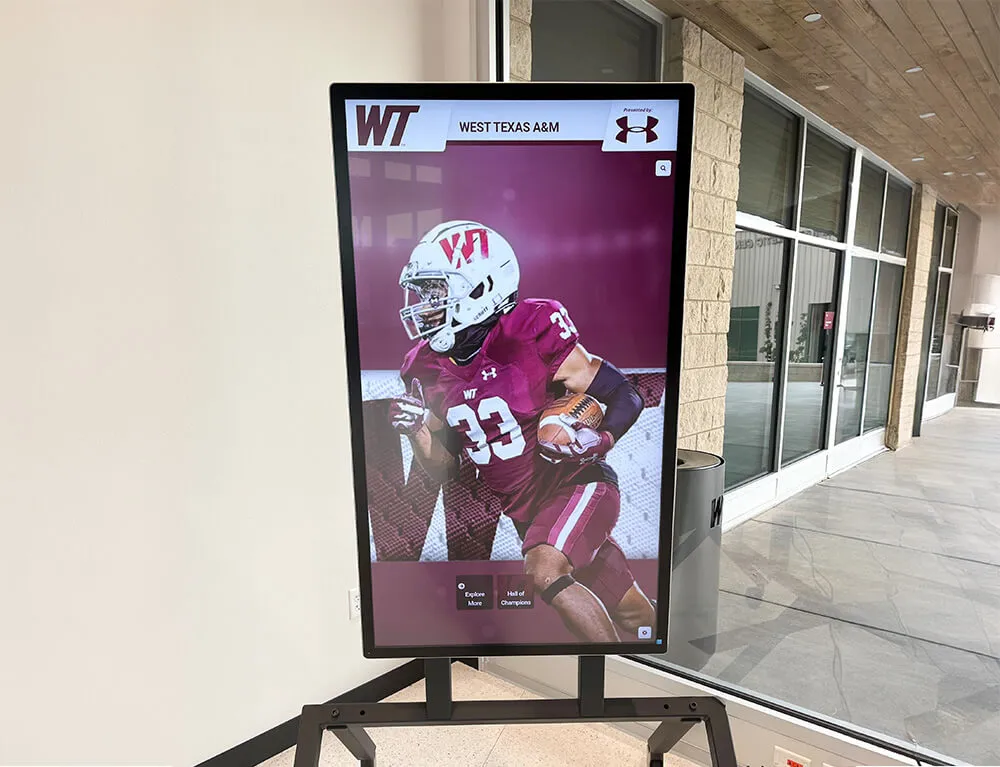
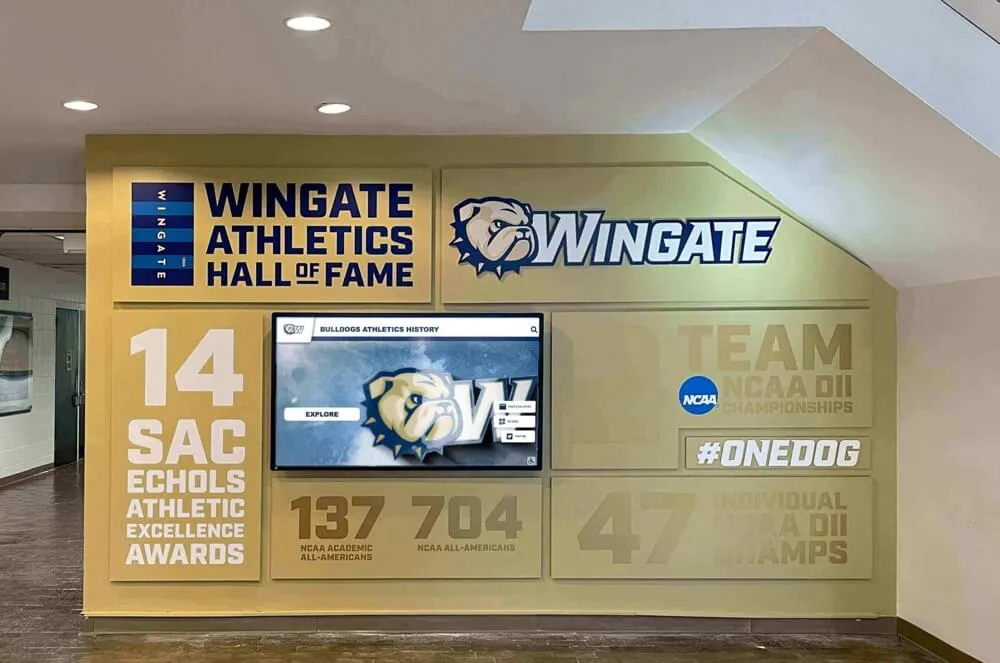
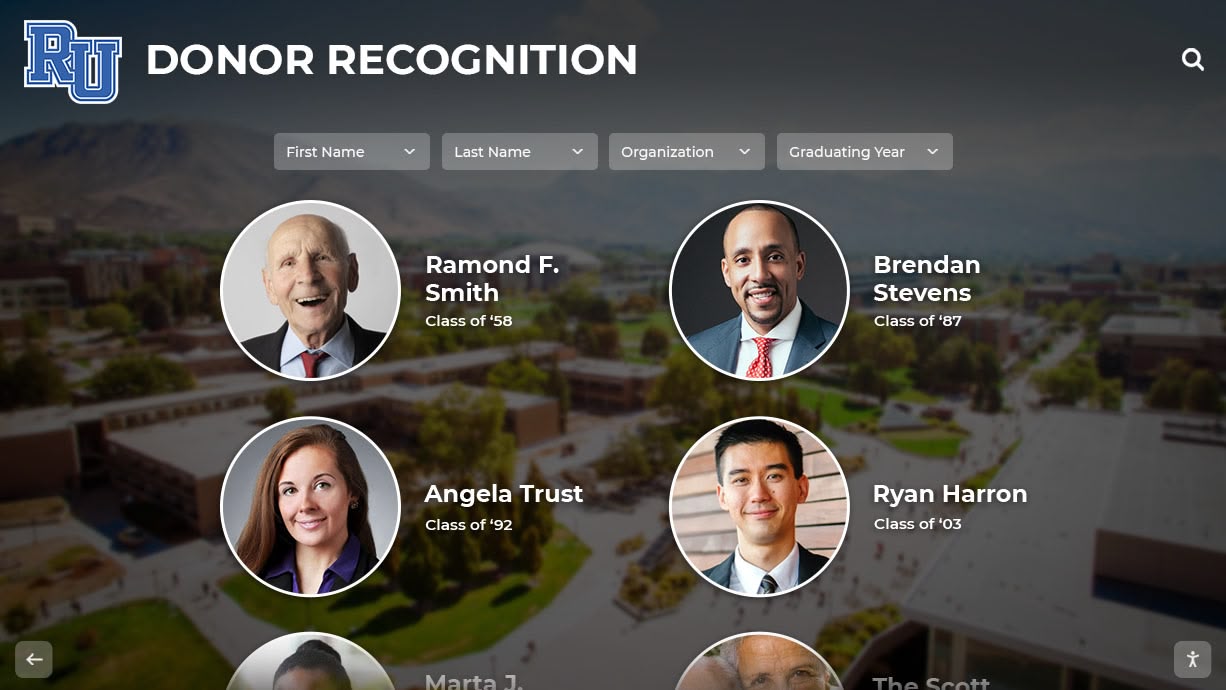
Modern donor recognition displays transform acknowledgment into strategic stewardship systems that honor contributors and inspire ongoing generosity
Understanding the Importance of Donor Recognition
Effective recognition serves multiple strategic purposes beyond expressing gratitude to contributors.
The Psychology of Recognition and Giving
Intrinsic Motivation Reinforcement
Donors contribute to nonprofits because they believe in organizational missions and want to create positive change. Recognition validates these motivations by:
- Confirming that contributions matter and generate real impact
- Demonstrating organizational appreciation for support
- Creating emotional satisfaction reinforcing giving decisions
- Building personal identity as philanthropist supporting important causes
- Generating social recognition from peer communities
Research in behavioral economics demonstrates that recognition significantly influences continued giving behavior. When donors receive meaningful acknowledgment, they develop stronger emotional connections to organizations, view themselves as integral community members, and demonstrate higher likelihood of repeat contributions.
Social Proof and Peer Influence
Public donor recognition creates powerful social dynamics:
- Visible donor communities demonstrate organizational credibility and support
- Prospective contributors gain confidence seeing others supporting missions
- Recognition inspires competitive giving and matching behaviors
- Community celebration of philanthropy normalizes generous participation
- Peer acknowledgment creates accountability motivating continued engagement
Organizations that showcase donor communities through recognition displays effectively leverage social proof, making giving aspirational and reinforcing community participation norms.
Recognition as Stewardship Practice
Donor Retention Economics
Acquiring new donors costs 5-7 times more than retaining existing supporters, according to nonprofit fundraising research. Recognition directly influences retention by:
- Creating positive experiences following contribution decisions
- Building relationships beyond transactional exchanges
- Demonstrating respect for donor generosity and partnership
- Providing ongoing value through continued visibility
- Establishing communication touchpoints maintaining engagement
Even modest improvements in donor retention generate substantial financial impact. An organization retaining 65% of donors rather than 55% compounds differences dramatically over multi-year timeframes, creating hundreds of thousands in additional lifetime value from existing donor bases.
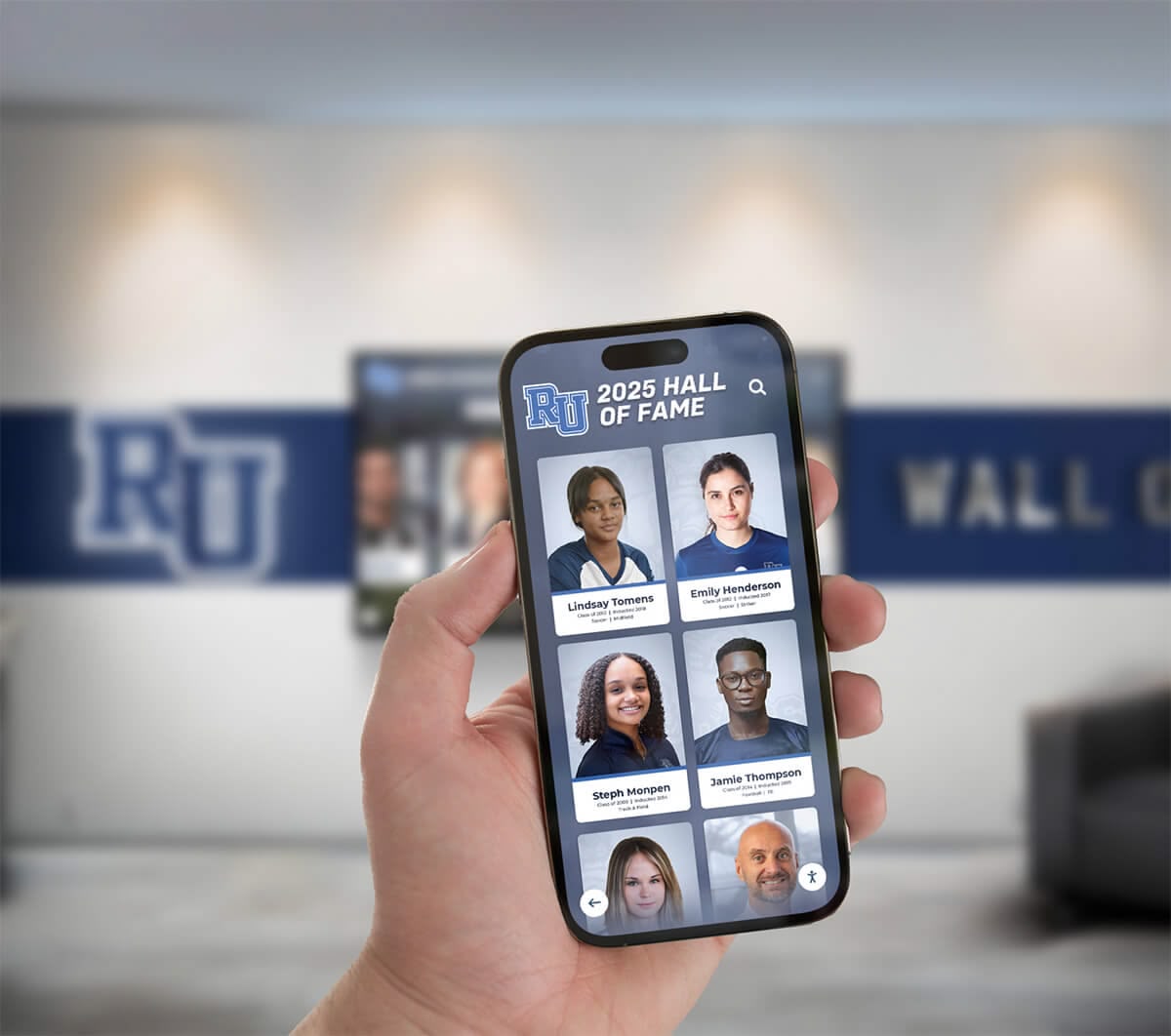
Mobile-accessible recognition platforms extend acknowledgment worldwide, enabling donors to view recognition and share with networks from anywhere
Major Gift Cultivation
Recognition plays critical roles in major gift fundraising:
- Demonstrates organizational recognition capacity before solicitation
- Showcases how previous major donors receive acknowledgment
- Creates naming opportunities motivating transformative contributions
- Builds confidence that generous giving receives appropriate honor
- Establishes precedent for recognition level major donors expect
Development professionals regularly incorporate recognition tours into major gift cultivation processes, showing prospects how organizations celebrate contributors and demonstrating the meaningful acknowledgment their philanthropy would receive.
The Cost of Inadequate Recognition
Donor Attrition Consequences
Organizations with weak recognition programs experience:
- First-year donor retention rates below 30% compared to 50%+ for strong programs
- Multi-year consecutive giving rates half those of recognition-focused peers
- Stagnant or declining average gift sizes over donor lifetimes
- Difficulty upgrading donors to higher giving levels
- Challenges securing legacy commitments and planned gifts
These differences compound dramatically. An organization with 40% retention versus 60% retention loses more than half its donor base every three years, requiring constant acquisition investment just to maintain fundraising levels rather than growing capacity.
Mission Impact Limitations
Poor donor stewardship ultimately constrains mission delivery:
- Unstable revenue streams preventing strategic program planning
- Excessive resource allocation to constant donor acquisition
- Inability to invest in capacity building and infrastructure
- Difficulty attracting foundation and corporate partnerships
- Reduced community confidence in organizational sustainability
Recognition excellence creates stable funding enabling organizations to focus resources on mission rather than perpetual fundraising cycles.
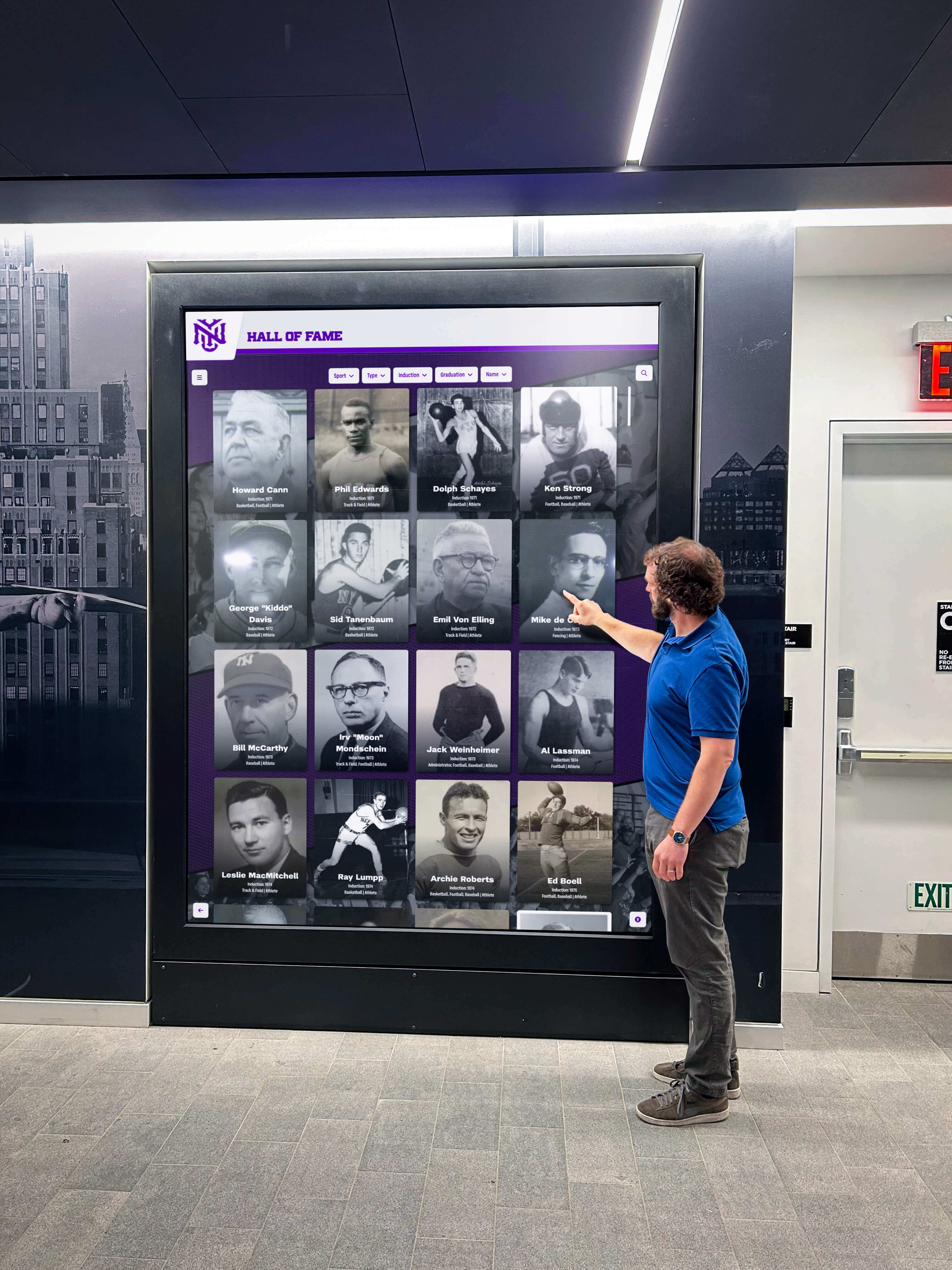
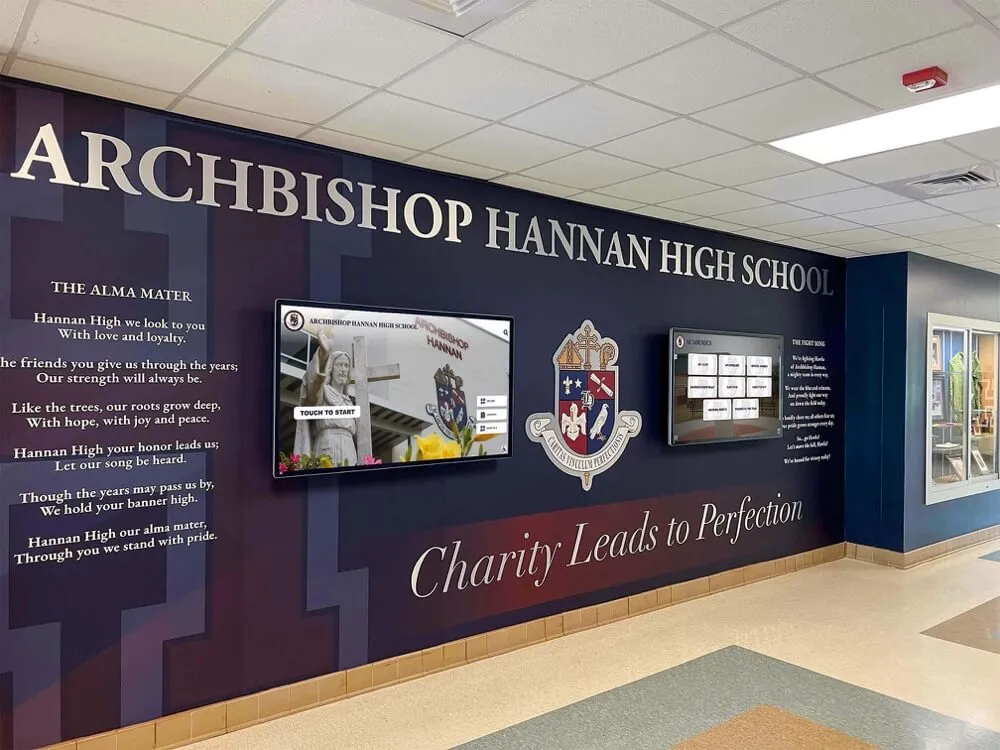
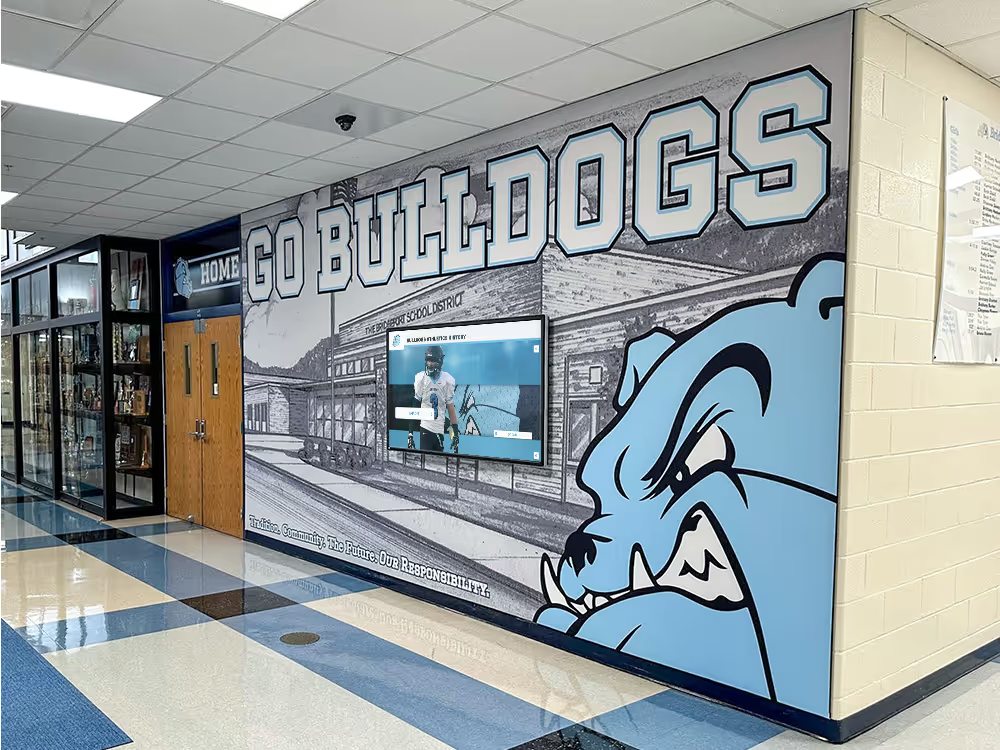
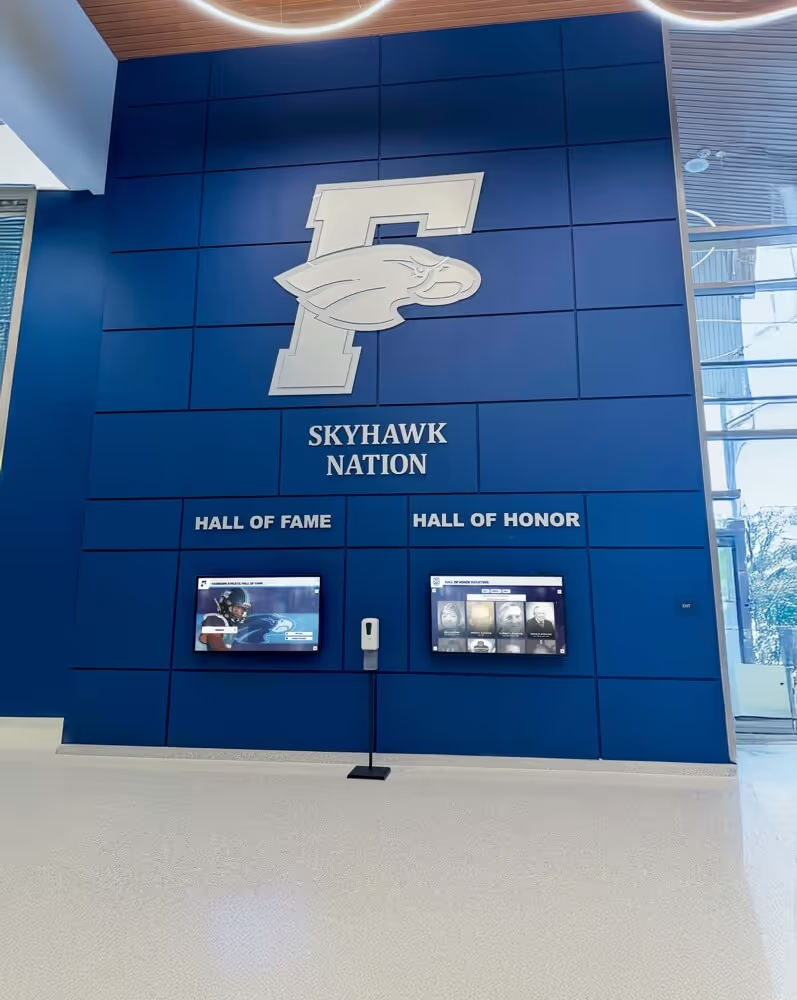
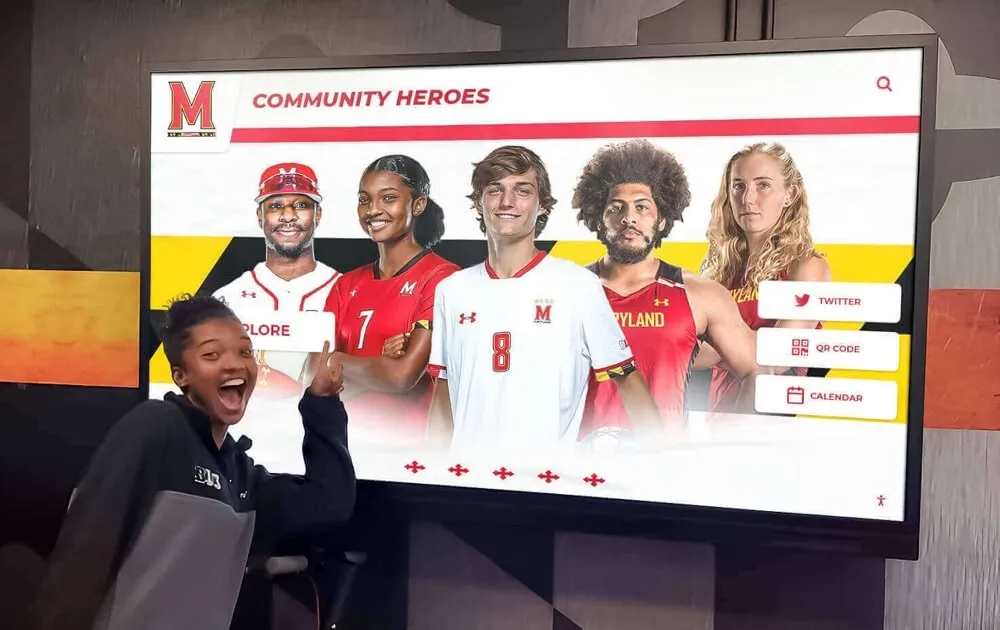
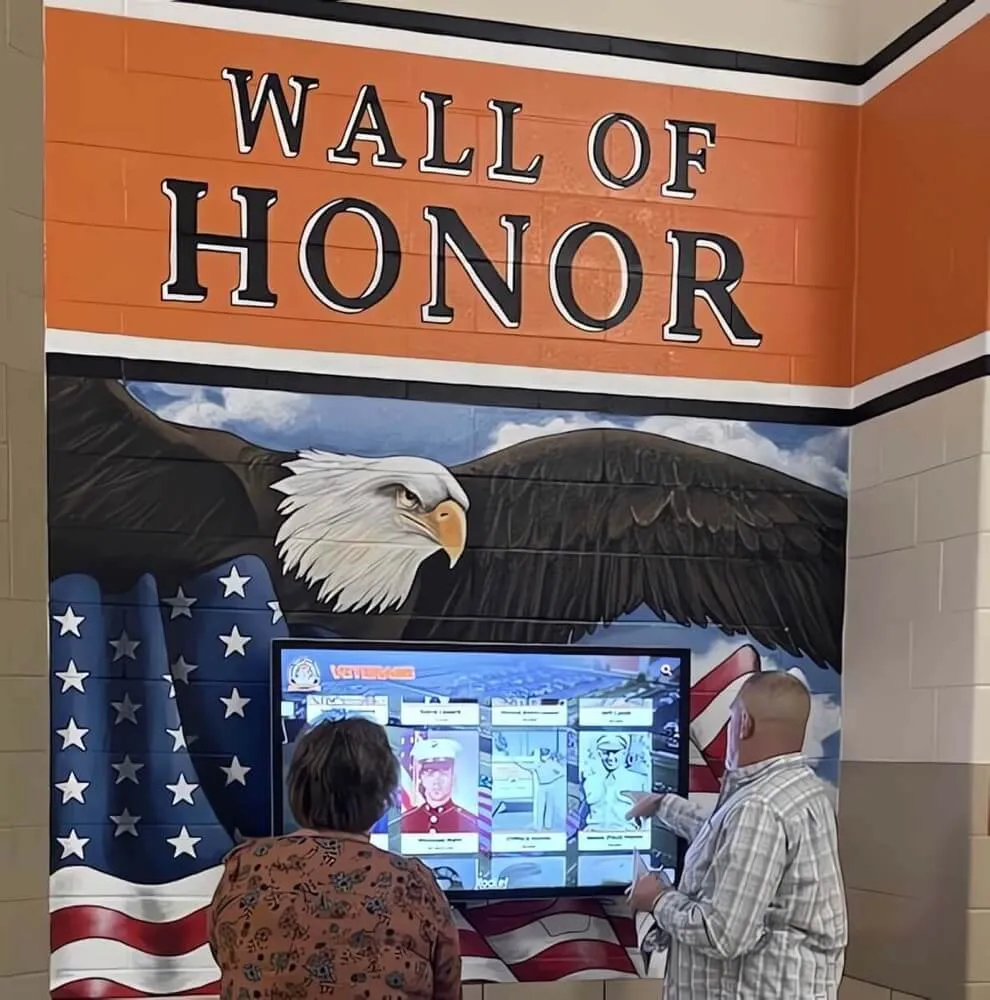
Interactive recognition displays create engaging experiences that honor contributors while inspiring prospective donors to join giving communities
Building Effective Donor Recognition Programs
Comprehensive recognition systems require strategic planning addressing organizational capacity, donor preferences, and sustainable implementation.
Establishing Recognition Tiers and Levels
Society Structure Development
Tiered recognition creates clear giving targets while appropriately acknowledging support across contribution ranges:
Leadership Circle ($10,000+)
- Premier recognition in all materials and communications
- Individual profile features with photos and biographical information
- Featured rotation on digital displays and website
- Exclusive events and leadership gathering access
- Naming opportunities for programs or facilities when appropriate
- Legacy society consideration and planned giving resources
Major Donor Society ($5,000-$9,999)
- Prominent recognition across donor acknowledgment systems
- Comprehensive profiles in digital displays
- Annual stewardship events and impact updates
- Special communication recognizing contribution significance
- Multi-year cumulative giving tracking
Sustainer Circle ($2,500-$4,999)
- Recognition in donor walls and annual communications
- Standard profiles with photos in digital systems
- Quarterly impact reporting showing contribution effects
- Invitation to annual appreciation events
- Acknowledgment of consecutive giving patterns
Benefactor Society ($1,000-$2,499)
- Digital display recognition and searchable profiles
- Inclusion in annual reports and donor listings
- Regular communication updating on organizational progress
- Recognition of multi-year support
Supporter Circle ($500-$999)
- Digital recognition ensuring visibility
- Annual communication including in donor community
- Acknowledgment in year-end materials
- Access to donor resources and information
Friend Society ($100-$499)
- Inclusive recognition in digital platforms
- Collective acknowledgment in communications
- Equal search and discovery access
- Appreciation for every contribution
Organizations should adjust dollar thresholds based on mission area, community capacity, and organizational scale. A community food bank differs substantially from a university endowment in appropriate recognition levels.
Learn about effective tiered approaches in donor recognition screen implementation strategies applicable across organizational contexts.
Inclusive Recognition Philosophy
While tiers differentiate acknowledgment detail, effective programs honor all contributors:
- Every donor receives recognition regardless of amount
- Digital capacity eliminates space constraints limiting acknowledgment
- Search functionality makes all donors equally discoverable
- Profile templates ensure professional presentation at all levels
- First-time donor celebration regardless of gift size
- Small recurring gift cumulative recognition over time
This inclusivity builds broad-based support while demonstrating authentic gratitude for every expression of generosity.
Essential Recognition Components
Immediate Acknowledgment
Prompt recognition reinforces positive giving decisions:
Automated Thank-You Systems
- Email confirmations within seconds of online contributions
- Personalized templates addressing donors by name
- Tax receipt information and contribution details
- Expression of genuine gratitude for support
- Links to impact information and organizational content
Personal Follow-Up Communications
- Handwritten notes from executive leadership for major gifts
- Phone calls thanking significant contributors
- Video messages from beneficiaries when appropriate
- Board member outreach for leadership-level support
- Staff acknowledgment for longtime supporters
Research demonstrates donors receiving both automated immediate acknowledgment and personal follow-up within 48 hours show retention rates 40-60% higher than those experiencing delayed or impersonal recognition.
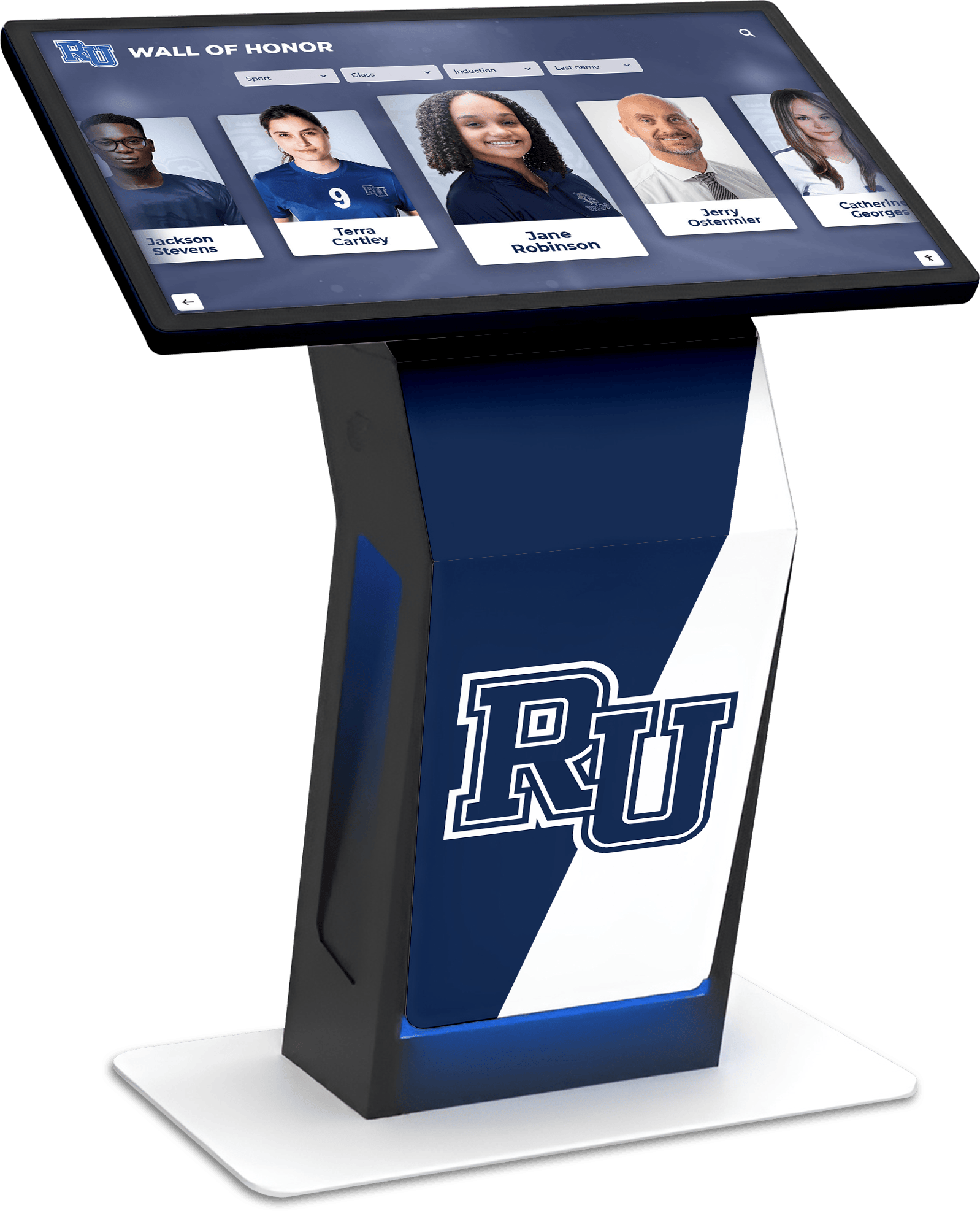
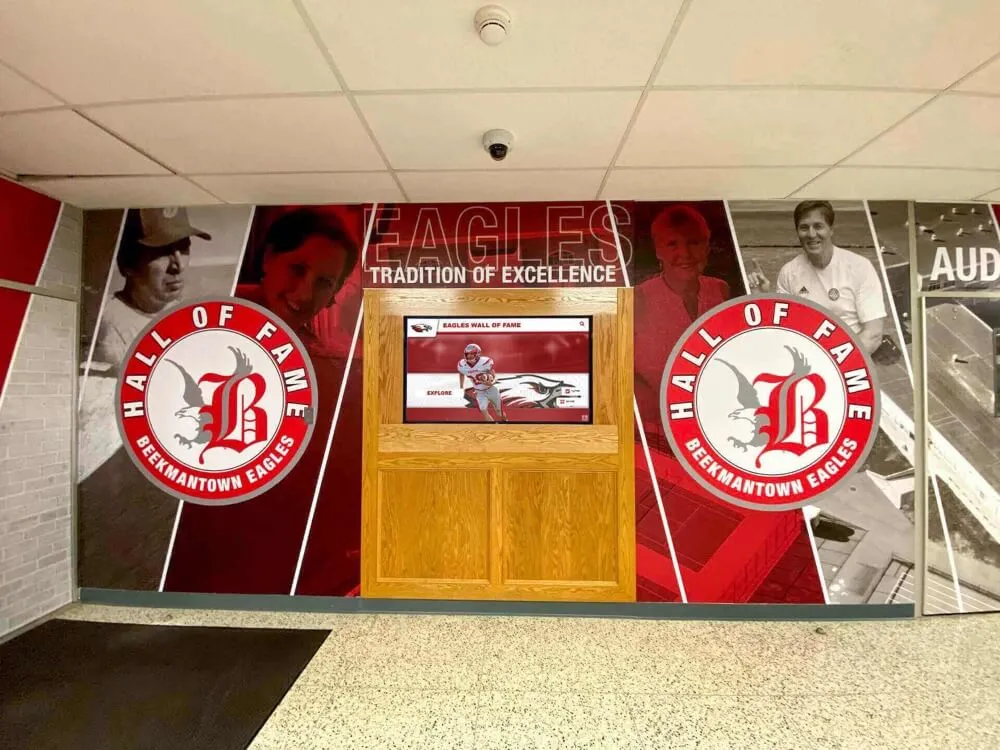
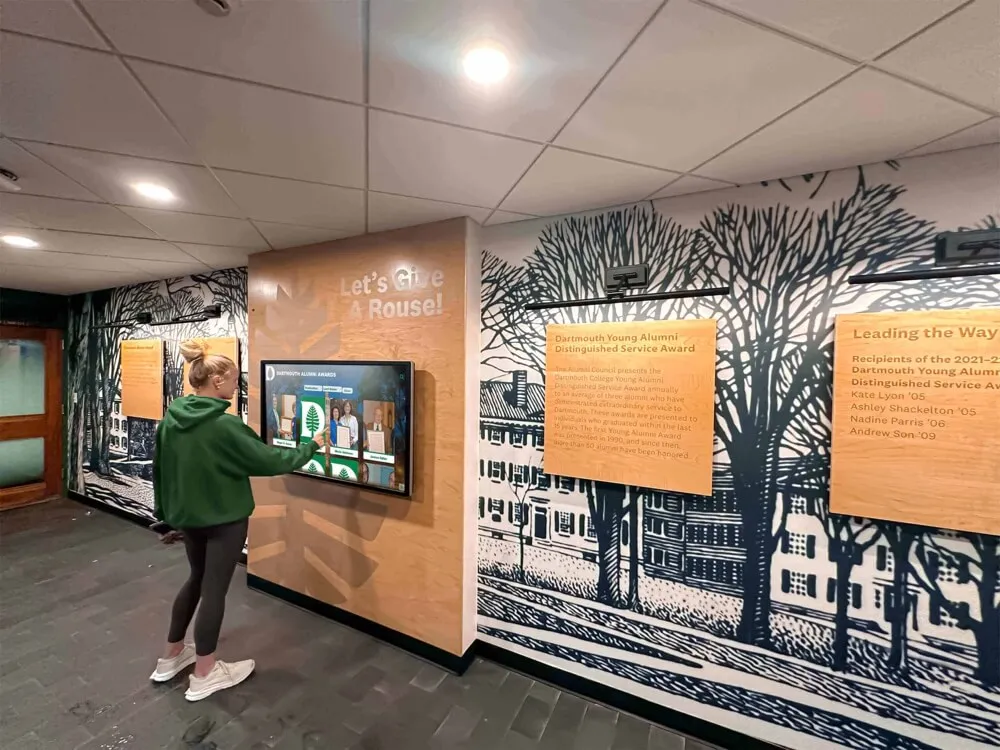
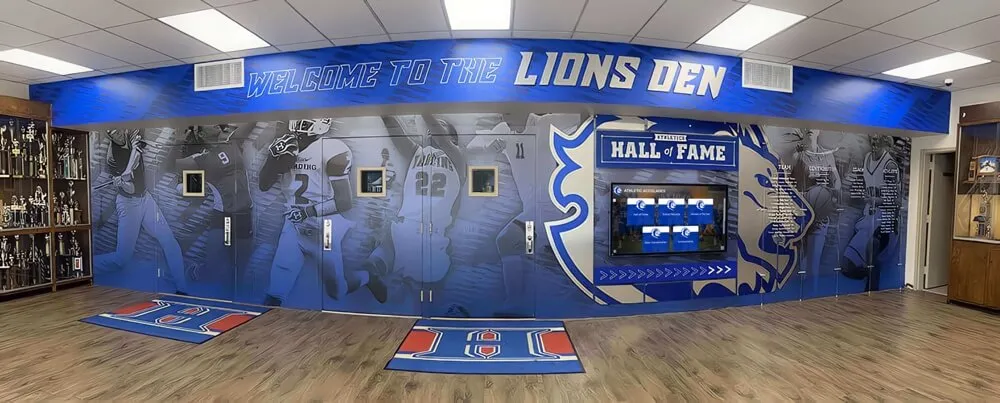
Purpose-built interactive donor recognition kiosks provide elegant, searchable acknowledgment for contributors across all giving levels
Public Recognition Platforms
Visible acknowledgment creates social proof while honoring contributors:
Digital Donor Walls
Modern recognition systems provide:
- Unlimited capacity accommodating every donor regardless of gift size
- Rich multimedia profiles with photos, videos, and biographical information
- Interactive search enabling name-based discovery
- Real-time updates adding donors immediately after contributions
- Web accessibility extending recognition beyond physical locations
- Mobile-responsive interfaces working across all devices
Solutions like Rocket Alumni Solutions provide comprehensive platforms specifically designed for nonprofit donor recognition, combining hardware, software, and implementation support.
Annual Reports and Publications
- Printed donor listings organized by recognition level
- Feature stories highlighting individual donors and impact
- Financial transparency connecting contributions to outcomes
- Cumulative giving recognition tracking multi-year support
- Digital publication versions with enhanced interactivity
Social Media Recognition
- Thank-you posts celebrating recent contributors (with permission)
- Campaign updates acknowledging donor community support
- Impact stories attributing success to donor generosity
- Milestone celebrations recognizing giving achievements
- Hashtag campaigns amplifying recognition across networks
Event-Based Acknowledgment
- Annual donor appreciation gatherings celebrating supporters
- Recognition ceremonies honoring major contributors
- Beneficiary meetings connecting donors with impact
- Volunteer appreciation events acknowledging service alongside giving
- Campaign kickoff events showcasing donor community strength
Organizations implementing gala fundraiser recognition strategies create memorable experiences strengthening emotional connections beyond transactional giving relationships.
Creating Compelling Donor Profiles
Essential Profile Information
Comprehensive donor acknowledgment includes:
Core Details
- Full name or organization name as donor prefers
- Recognition giving level or cumulative contribution
- High-quality photograph or organization logo
- Relationship to mission (beneficiary, volunteer, board member)
- Years of support or first contribution date
Personal Narrative Elements
- Donor quotes explaining philanthropic motivations
- Stories connecting supporters to organizational mission
- Family or professional background providing context
- Advice for others considering support
- Future aspirations for organizational impact
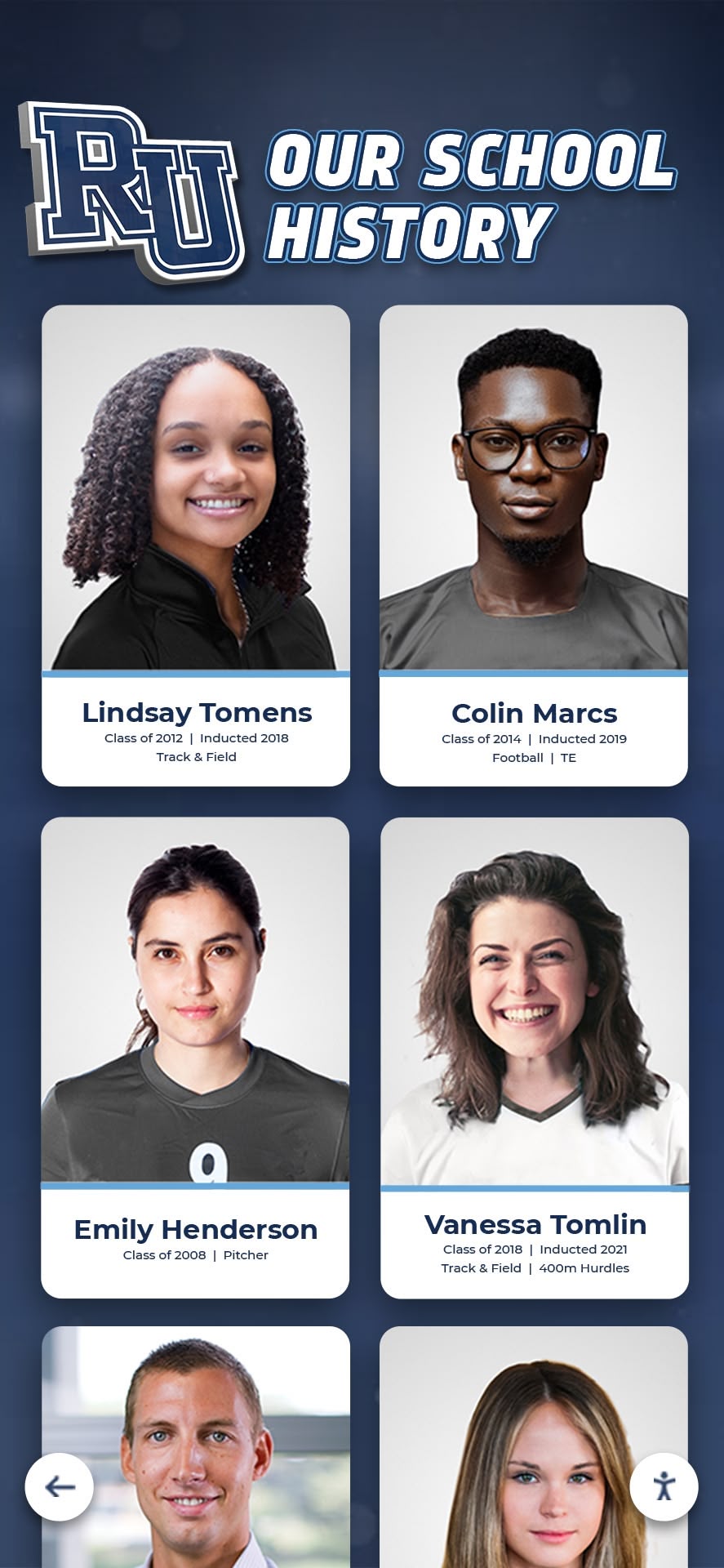
Detailed profiles document giving stories and personal motivations, creating inspiring examples for prospective supporters
Impact Connection
- Specific programs, services, or initiatives funded
- Number of beneficiaries served through contribution
- Outcomes achieved with donor support
- Multi-year impact tracking for consecutive givers
- Connection to organizational strategic priorities
Content Collection Strategies
Gathering profile information systematically:
Donation Form Integration
- Checkbox requesting public recognition permission
- Optional fields for photos and biographical details
- Preference options (anonymous, partial name, full profile)
- Contact information for follow-up questionnaires
Post-Gift Questionnaires
- Brief 5-8 question surveys respecting donor time
- Photo upload capabilities
- Open-ended response opportunities
- Video message requests for major donors willing to participate
Development Staff Collection
- Notes from donor meetings and cultivation visits
- Information gathered during stewardship activities
- Insights from conversations about giving motivations
- Background research on major donor prospects
Organizations implementing systematic collection processes report 65-80% donor participation in providing enhanced profile information beyond basic acknowledgment.
Implementing Digital Donor Recognition Systems
Modern technology transforms donor acknowledgment from static plaques to dynamic engagement platforms.
Advantages of Digital Recognition Platforms
Unlimited Capacity and Scalability
Traditional physical donor walls face fundamental constraints:
- Limited wall space forcing difficult decisions about recognition thresholds
- Each additional plaque requires expensive purchasing, engraving, and installation
- Space exhaustion necessitates removing older recognition or expanding walls
- Multiple locations require duplicate physical installations
Digital donor recognition eliminates these limitations:
- Single display showcases unlimited donors without capacity constraints
- Add thousands of contributors without additional hardware costs
- Scale recognition programs alongside fundraising growth
- Deploy synchronized content across multiple locations instantly
- Web platforms extend recognition worldwide without physical presence
Nonprofits implementing digital donor walls report ability to recognize 10-20 times more contributors compared to space-constrained physical plaques, according to development professionals. Discover comprehensive approaches in digital donor wall solutions designed for nonprofit contexts.
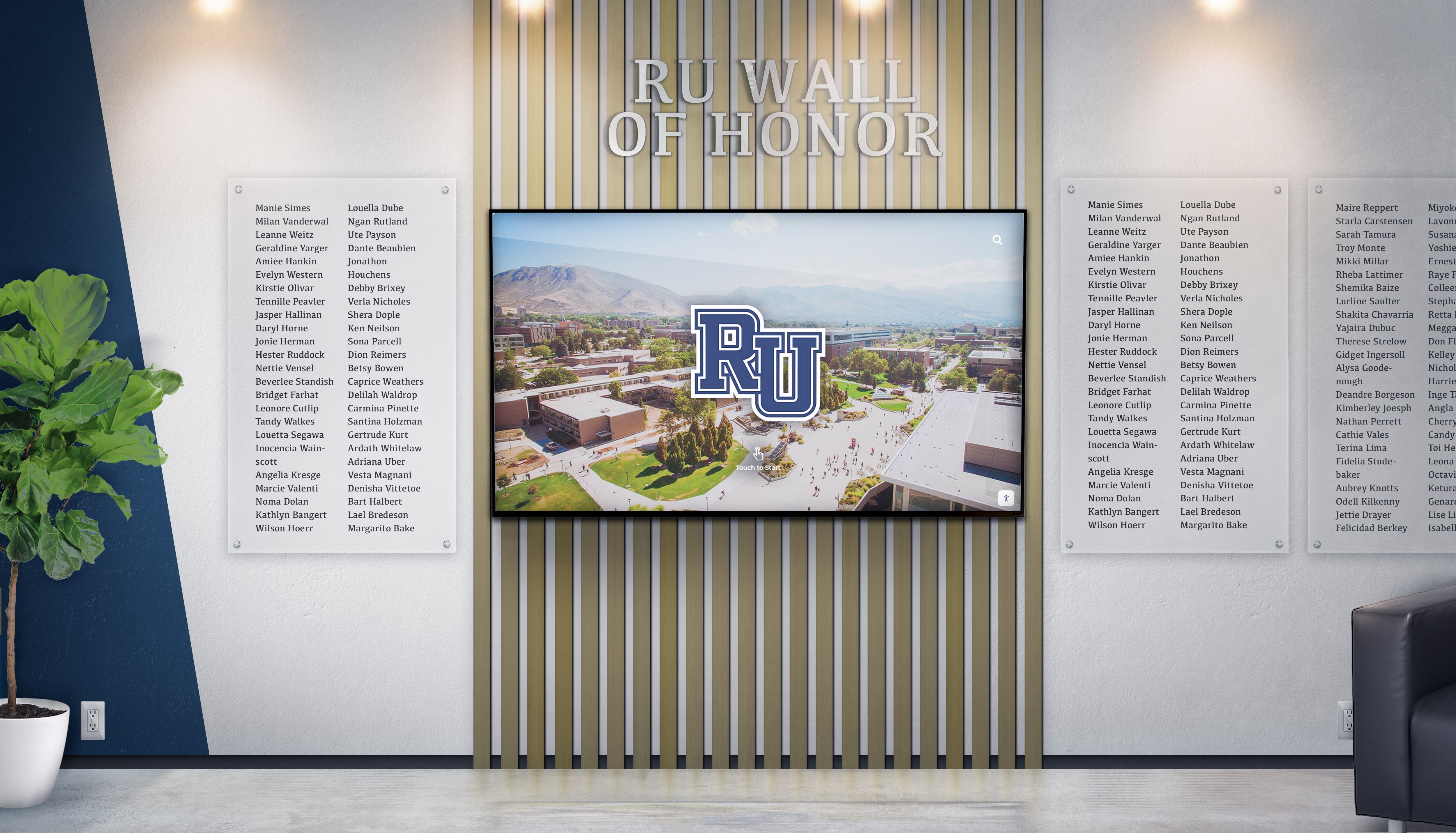
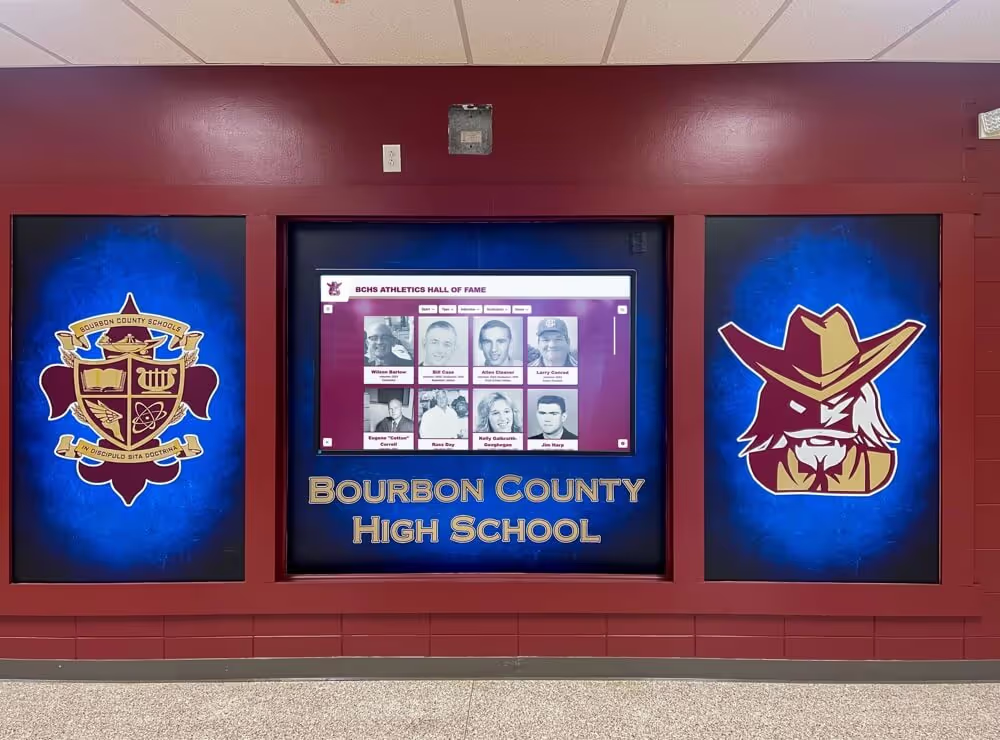
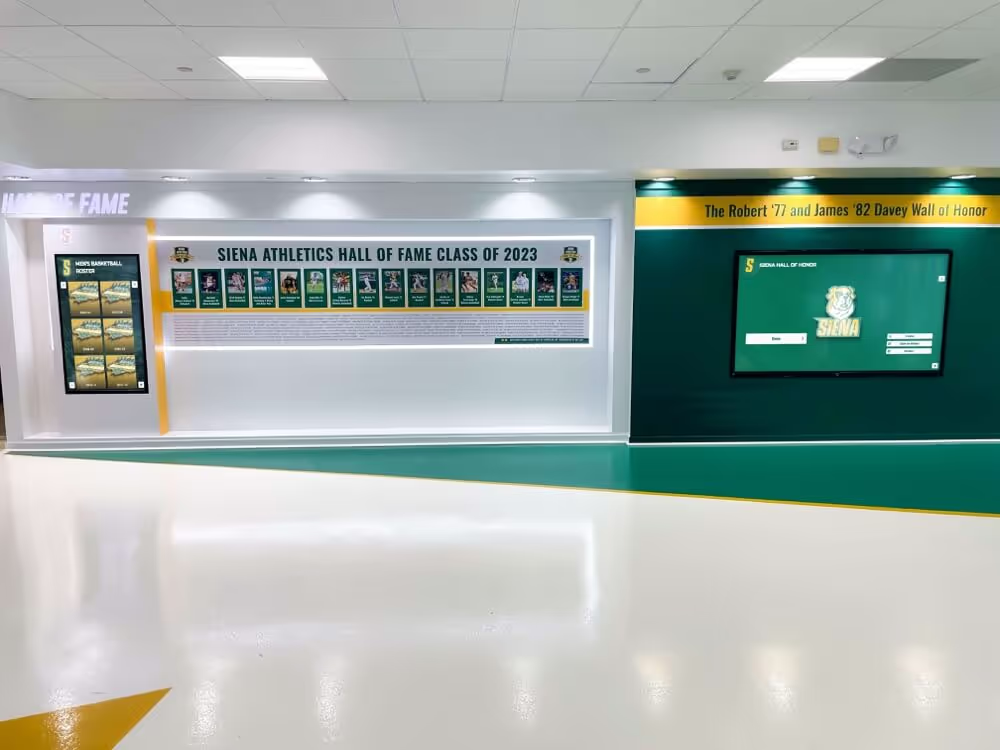
Comprehensive recognition systems integrate donor acknowledgment with organizational imagery celebrating mission and community
Real-Time Updates and Current Recognition
Digital systems provide immediate acknowledgment:
- Add new donors within hours of contributions
- Update information instantly across all displays
- Correct errors immediately without physical plaque replacement
- Reflect current campaign status in real-time
- Add memorial designations honoring deceased donors
- Modify giving levels as contributions accumulate
This immediacy demonstrates organizational responsiveness while reinforcing donor decisions through prompt recognition.
Rich Multimedia Storytelling
Digital platforms enable depth impossible with engraved plaques:
- Multiple high-quality photographs documenting donor involvement
- Video testimonials explaining philanthropic motivations
- Detailed biographical narratives celebrating donor stories
- Impact documentation connecting contributions to outcomes
- Links to program information and beneficiary testimonials
- Historical archives preserving giving legacy
This richness transforms simple name acknowledgment into compelling storytelling that honors complete donor relationships while inspiring prospective contributors.
Interactive Exploration and Discovery
Digital recognition creates engaging experiences:
- Full-text search finding donors instantly by name
- Filter by giving level, campaign, or program supported
- Browse featured donor spotlights highlighting compelling stories
- Explore cumulative giving patterns and consecutive support
- Discover family and organizational giving traditions
- Access related content deepening mission understanding
Interactivity increases engagement time from seconds spent glancing at static plaques to minutes spent actively exploring donor communities—creating deeper appreciation for philanthropic support.
Selecting Digital Recognition Solutions
Platform Evaluation Criteria
Nonprofits should assess:
Technical Requirements
- Cloud-based management enabling updates from any internet-connected device
- Intuitive content management requiring minimal technical expertise
- Mobile-responsive design working across smartphones, tablets, computers
- API connectivity integrating with donation platforms and CRM systems
- Backup and security protecting donor information
- Analytics tracking engagement and interaction patterns
Organizational Fit
- Pricing appropriate for organizational budget and scale
- Implementation timeline matching fundraising calendar needs
- Training requirements fitting staff capacity and technical skill
- Vendor support quality and availability
- Reference installations at similar organizations
- Long-term viability and vendor stability
Recognition Capacity
- Unlimited donor profile storage without capacity constraints
- Customizable giving level categories and tier structures
- Multimedia support for photos, videos, and rich content
- Search and filter functionality enabling discovery
- Campaign organization separating recognition initiatives
- Historical archive preservation maintaining institutional memory
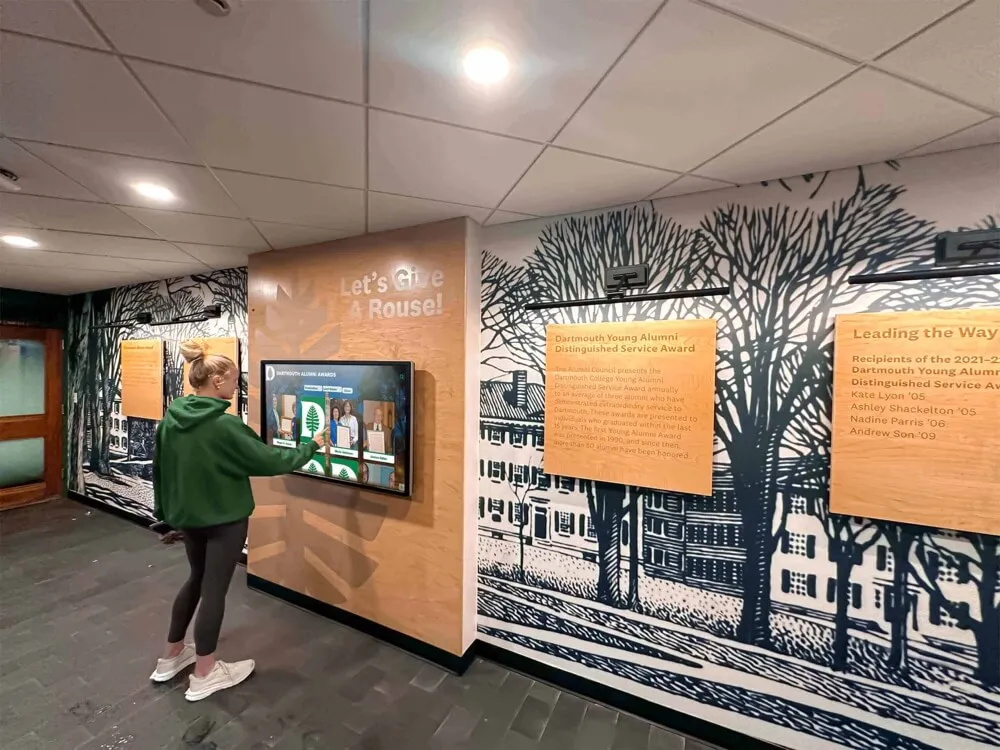
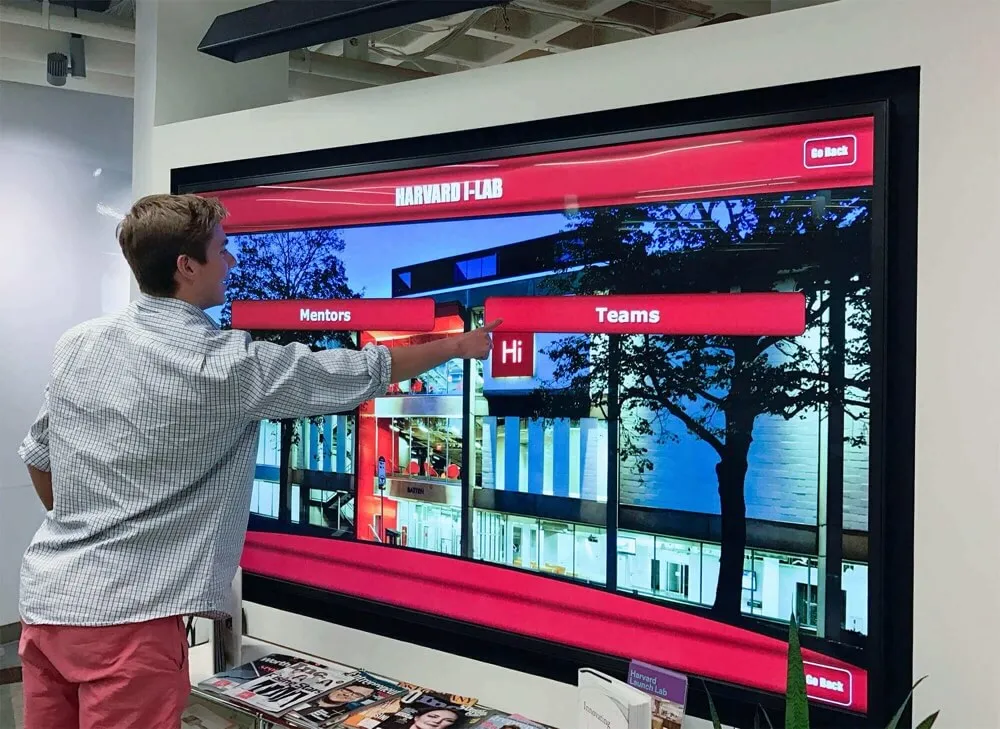
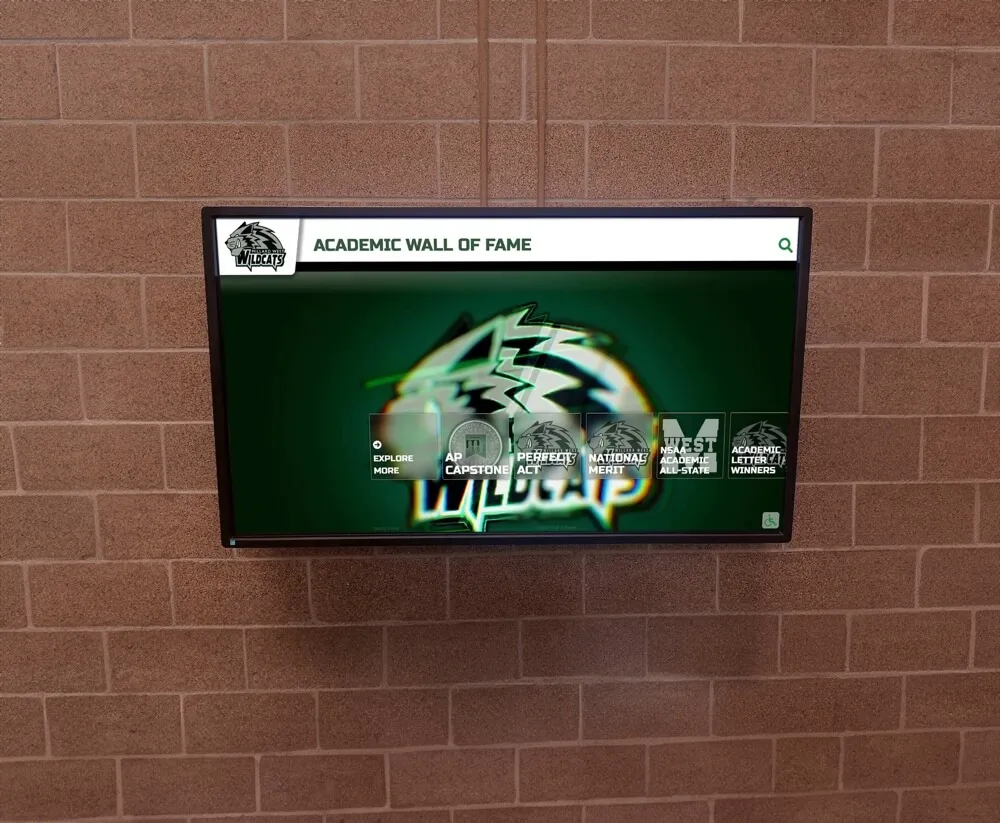
Strategic placement in high-traffic areas maximizes visibility while intuitive interfaces enable all visitors to explore donor communities
Implementation Approaches
Comprehensive Turnkey Systems
Purpose-built platforms offer complete packages:
- Hardware, software, and support integrated from single vendor
- Professional design templates ensuring polished appearance
- Training and implementation assistance included
- Proven reliability with nonprofit reference installations
- Simplified vendor relationship and accountability
Organizations lacking technical capacity benefit from turnkey solutions like Rocket Alumni Solutions that handle complexity while delivering professional recognition systems optimized for nonprofit donor acknowledgment.
DIY Digital Signage Approaches
Budget-conscious organizations can build systems using:
- General digital signage software with donor content
- Commodity display hardware from electronics retailers
- Internal IT team configuration and maintenance
- Staff-created design and content templates
These approaches require technical expertise and ongoing management capacity but offer lower initial costs for organizations with appropriate resources.
Web-Only Recognition Platforms
Starting points for limited budgets:
- Cloud-based donor databases with public-facing websites
- No physical display hardware required initially
- Lower cost entry points establishing recognition programs
- Expandable to physical displays as budgets permit
- Worldwide accessibility without geographic constraints
Learn about effective implementation in Giving Tuesday donor recognition strategies applicable year-round.
Installation and Deployment
Strategic Location Selection
Physical display placement dramatically affects recognition impact:
High-Traffic Areas
- Main entrance lobbies where visitors enter facilities
- Reception areas with waiting guests and volunteers
- Community spaces hosting programs and services
- Board rooms emphasizing donor support importance
- Event spaces for fundraising gatherings and celebrations
Environmental Considerations
- Adequate viewing space with 6-8 feet clearance
- Appropriate lighting avoiding screen glare
- Climate control protecting electronics
- Security considerations in public areas
- Power and network connectivity availability
- ADA accessibility ensuring universal access
Technical Setup Requirements
Professional installation ensures:
- Secure display mounting with proper hardware
- Clean cable management concealing wiring
- Network connectivity configuration
- Software setup and content management training
- User account provisioning with appropriate permissions
- Testing and quality assurance before launch
Organizations working with vendors like Rocket Alumni Solutions benefit from professional installation services ensuring correct setup and providing on-site training.
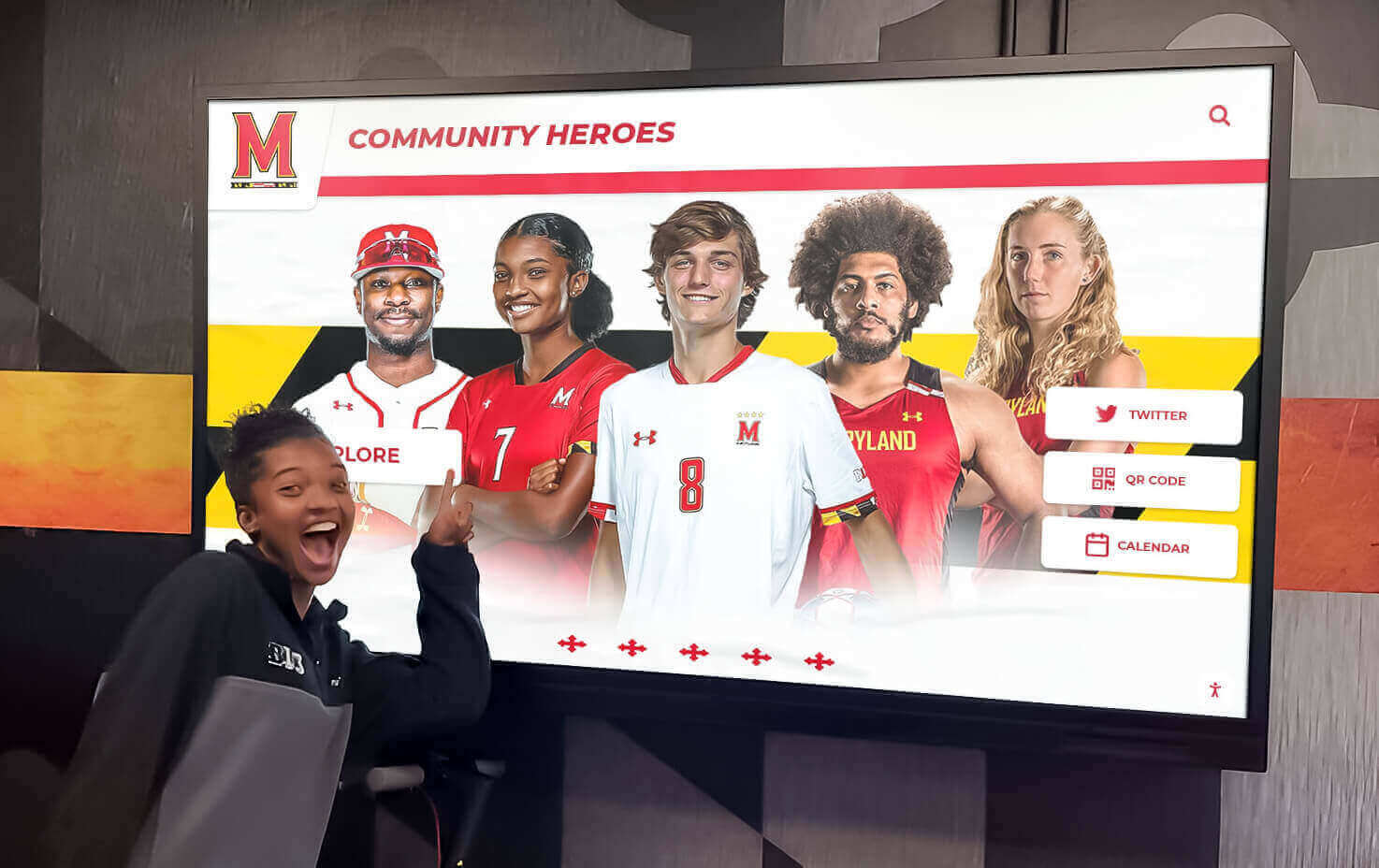
Recognition systems engaging diverse audiences build philanthropic culture and inspire future participation across communities
Connecting Recognition to Active Fundraising
Strategic recognition programs extend beyond acknowledgment to drive continued giving and donor engagement.
Integrated Giving Opportunities
QR Code Implementation
Physical displays link to digital giving:
- Prominent QR codes on or near donor recognition displays
- Codes directing to mobile-optimized donation pages
- Campaign-specific attribution tracking referral sources
- Signage reading “Inspired? Join our donor community”
- Printed materials explaining how to contribute
Direct Donation Integration
Advanced systems enable seamless giving:
- “Donate Now” buttons integrated into donor wall interfaces
- In-platform donation forms collecting contributions directly
- One-click payment options (Apple Pay, Google Pay)
- Real-time updating adding donors immediately upon contribution
- Matching gift program promotion and eligibility checking
Recurring Giving Conversion
Transform one-time donors into sustained supporters:
- Monthly giving program information prominently featured
- Calculator tools showing annual impact of monthly commitments
- Special recognition for sustainer society members
- Simplified enrollment processes minimizing friction
- Benefits packages exclusive to recurring donors
Research shows recurring donors provide 3-5 times more lifetime value compared to one-time contributors, making conversion critical for sustainability.
Campaign-Specific Recognition
Capital Campaign Acknowledgment
Major initiatives deserve dedicated recognition:
- Campaign-specific sections in digital displays
- Progress thermometers showing goal achievement
- Featured profiles of leadership gift donors
- Timeline documentation tracking campaign evolution
- Legacy recognition for transformative contributions
Annual Fund Recognition
Consistent giving programs require systematic acknowledgment:
- Current fiscal year donor showcases
- Consecutive giving recognition celebrating loyalty
- First-time donor welcome and appreciation
- Giving day campaign participation (Giving Tuesday, year-end)
- Class year or affinity group participation competitions
Special Initiative Acknowledgment
Program-specific fundraising benefits from targeted recognition:
- Scholarship program donor appreciation connecting supporters to beneficiaries
- Emergency campaign acknowledgment thanking rapid response
- Capital project recognition tying donors to tangible outcomes
- Restricted fund supporters for designated program areas
- In-kind donation acknowledgment for goods and services
Organizations implementing comprehensive strategies explored in nonprofit fundraising recognition create systematic stewardship addressing all contribution types.
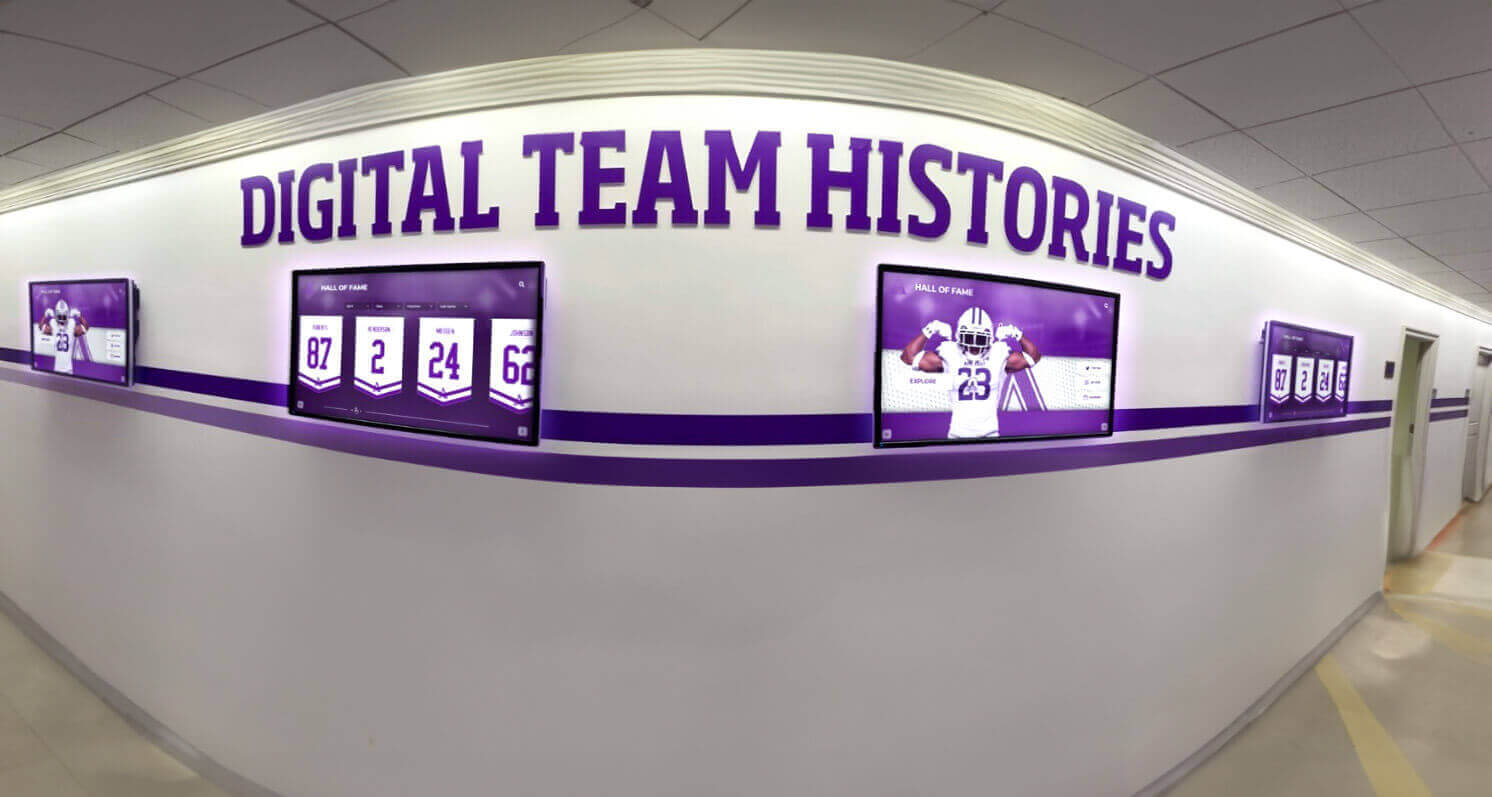
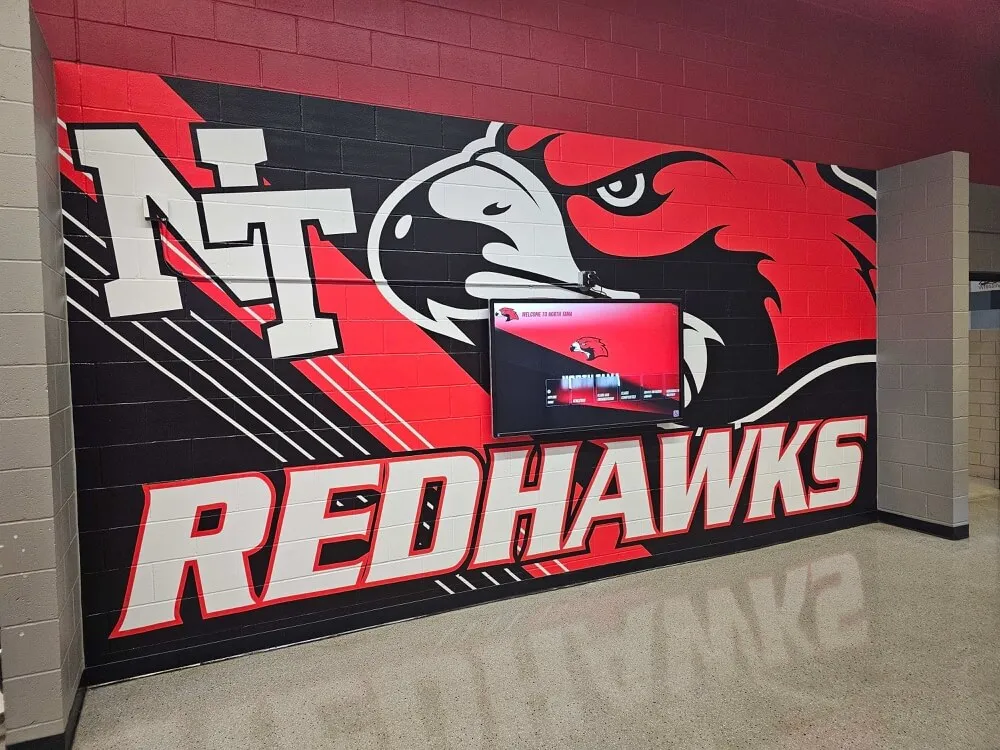
Coordinated displays throughout facilities create comprehensive recognition environments celebrating diverse contributions
Best Practices for Nonprofit Donor Recognition
Successful programs follow proven principles maximizing impact while respecting donor preferences and organizational capacity.
Privacy and Preference Management
Donor Autonomy Respect
Ethical stewardship requires honoring donor choices:
Recognition Options
- Public acknowledgment with full name and details
- Partial recognition using first name or initials only
- Anonymous designation appearing as “A Friend” or similar
- Private recognition visible only through secure donor login
- Complete opt-out for donors declining any public acknowledgment
Information Control
- Clear communication during giving process about recognition practices
- Easy preference updating through donor portals or contact
- Gift amount display policies (full transparency, ranges, or complete privacy)
- Photo and video consent documentation for multimedia use
- Recognition withdrawal accommodation if circumstances change
Organizations maintaining rigorous privacy systems build trust encouraging participation while demonstrating ethical stewardship excellence.
Data Security and Compliance
Protecting donor information:
- Secure databases with encryption and access controls
- GDPR and data protection regulation compliance
- Regular security audits and vulnerability assessments
- Staff training on confidential information handling
- Incident response protocols for potential breaches
- Transparency about data usage and storage practices
Inclusive Recognition Strategies
All-Donor Acknowledgment
Every contribution deserves recognition:
- Digital capacity enables acknowledgment regardless of amount
- First-time donor celebration welcoming new supporters
- Small recurring gift cumulative recognition over time
- In-kind donation valuation and acknowledgment
- Volunteer service hour recognition alongside financial contributions
- Advocacy and awareness-raising appreciation
Inclusive approaches build broad-based support demonstrating authentic gratitude for every expression of generosity rather than reserving recognition exclusively for major donors.
Diverse Contribution Recognition
Acknowledge multiple engagement types:
- Financial donations (one-time and recurring)
- In-kind gifts providing goods and services
- Planned giving and estate commitments
- Fundraising participation and peer-to-peer campaign leadership
- Board service and volunteer contributions
- Corporate matching gift program participation
- Pro bono professional services
Comprehensive recognition honors complete donor engagement beyond checkbook philanthropy, strengthening relationships and motivating continued multi-modal support.
Discover effective strategies in academic recognition programs applicable to nonprofit donor contexts.
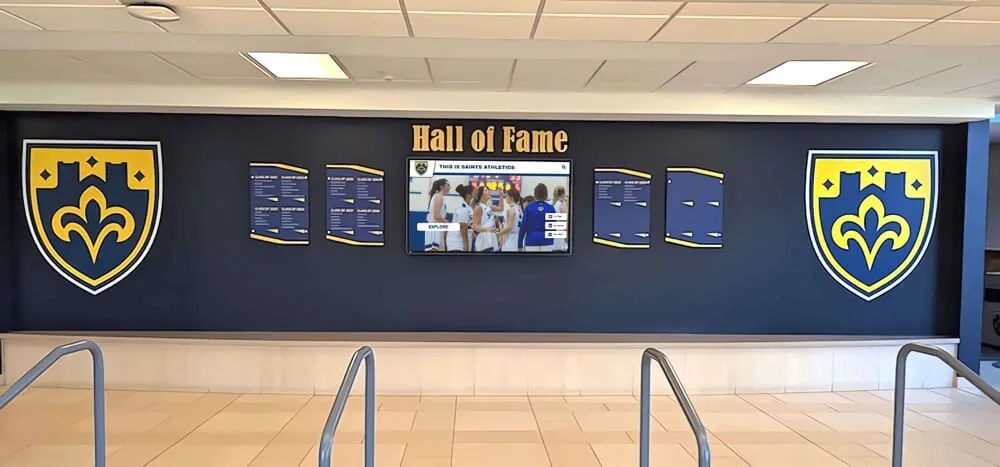
Hybrid approaches combining traditional and digital elements provide flexibility while honoring existing recognition investments
Content Quality and Accuracy
Verification Processes
Ensure recognition accuracy:
- Donor review of profile content before publication
- Name spelling and formatting consistency checks
- Contribution level and attribution verification
- Photo quality and usage rights confirmation
- Contact information currency for ongoing communication
- Annual comprehensive audits catching errors or outdated details
Mistakes undermine stewardship effectiveness and potentially offend contributors whose generosity deserves respectful, accurate acknowledgment.
Regular Content Maintenance
Keep information current:
- Quarterly updates adding recent donors
- Annual verification campaigns confirming donor details
- Memorial designations honoring deceased contributors
- Name change accommodations (marriage, legal changes)
- Cumulative giving updates as contributions accumulate
- Featured donor spotlight rotation maintaining fresh content
Fresh, accurate content demonstrates organizational professionalism and ongoing commitment to proper stewardship.
Measuring Recognition Program Effectiveness
Regular assessment ensures recognition investments achieve intended goals and justify continued resource allocation.
Quantitative Success Metrics
Donor Retention Analysis
Track retention improvements:
- First-year donor retention rates (target: 50%+ compared to sector average 30%)
- Multi-year consecutive giving patterns
- Retention by giving level and recognition tier
- Comparison to pre-recognition implementation baselines
- Benchmarking against peer organizations and sector standards
Organizations implementing comprehensive digital recognition typically observe 35-50% improvements in donor retention rates within 2-3 years of implementation.
Gift Size Progression
Measure giving growth:
- Average gift amounts over donor lifetime
- Upgrade rates moving donors to higher recognition tiers
- Major gift pipeline development from annual fund donors
- Cumulative giving milestone achievement patterns
- Comparison to control groups without recognition exposure
Development professionals report 30-45% increases in average gift sizes among donors receiving comprehensive recognition compared to those with minimal acknowledgment.
Cost-Effectiveness Analysis
Demonstrate recognition ROI:
- Implementation costs versus donor lifetime value improvements
- Staff time savings from automated systems versus manual processes
- Acquisition cost reductions from recognition-inspired new donors
- Retention-driven revenue increases offsetting recognition investments
- Comparative analysis against traditional plaque system costs
Most organizations achieve positive ROI within 18-24 months through retention improvements and gift size increases alone, before accounting for operational efficiencies.
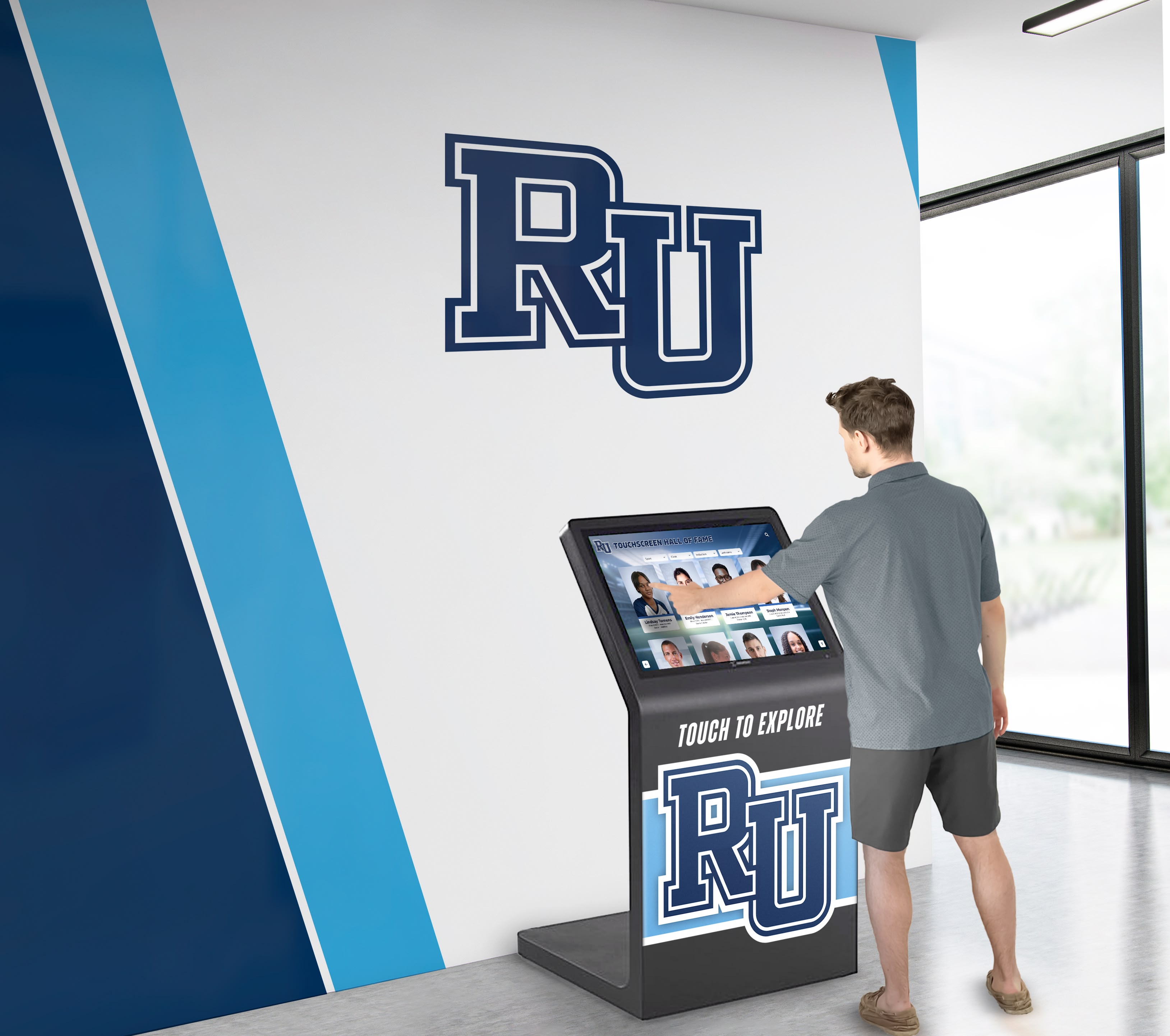
Elegant kiosk installations provide intuitive interfaces enabling all visitors to explore donor communities and organizational impact
Qualitative Assessment Methods
Donor Satisfaction Feedback
Gather stakeholder input:
Survey Questions
- “How satisfied are you with how our organization recognizes your contribution?”
- “Have you viewed your donor recognition profile? What was your experience?”
- “What would make donor recognition more meaningful to you?”
- “Has recognition visibility influenced your continued support?”
- “Would you recommend supporting our organization to others?”
Anecdotal Evidence Collection
- Donor comments during facility visits or events
- Unsolicited thank-you communications about recognition
- Social media posts sharing acknowledgment experiences
- Board member observations and feedback
- Development staff insights from donor conversations
Organizations gathering systematic feedback report donors strongly value comprehensive recognition, with 70-85% of surveyed contributors citing acknowledgment quality as important factor in continued support decisions.
Engagement Analytics
Digital platform measurement:
- Daily visitor counts using recognition displays
- Average session duration indicating engagement depth
- Most viewed donor profiles revealing compelling content
- Search query patterns showing discovery behaviors
- Web-based recognition platform traffic statistics
- Social media sharing frequency extending recognition reach
Analytics demonstrate recognition system value while identifying improvement opportunities and high-impact content types.
Learn about measurement strategies in interactive touchscreen display effectiveness applicable to nonprofit contexts.
Overcoming Common Recognition Challenges
Nonprofits implementing donor recognition systems navigate predictable obstacles requiring strategic solutions.
Budget Constraints
Cost-Effective Implementation Approaches
Phased Deployment
- Begin with web-based recognition requiring minimal hardware investment
- Implement single physical display in highest-traffic location
- Expand to additional displays as budget permits over fiscal years
- Start with current campaign recognition, adding historical content incrementally
- Utilize existing displays and infrastructure where possible
Alternative Solutions
- Printed donor recognition posters as interim approaches
- Social media recognition requiring no dedicated platform investment
- Annual report donor listings providing comprehensive acknowledgment
- Event-based recognition maximizing impact of gatherings already planned
- Volunteer labor or in-kind donations for recognition system development
ROI Demonstration
Justify recognition investments through data:
- Project retention improvements and associated revenue increases
- Calculate acquisition cost savings from recognition-inspired donors
- Compare digital platform costs to equivalent physical plaque expenses
- Document staff time savings from automated versus manual systems
- Survey donors demonstrating satisfaction improvements
Organizations typically achieve cost recovery within 2-3 years through improved retention and giving levels, creating compelling business cases for recognition program funding.
Technical Capacity Limitations
Simplicity Prioritization
Match systems to organizational capability:
- Choose intuitive platforms requiring minimal training
- Prioritize vendor support quality over feature complexity
- Select turnkey solutions over custom development requiring IT resources
- Ensure multiple staff members understand management preventing single-person dependency
- Document processes thoroughly for knowledge retention and transition
Right-sized solutions prevent recognition systems from becoming unsustainable burdens overwhelming capacity-constrained teams.
External Support Options
Supplement internal capacity:
- Vendor-managed service contracts handling content updates
- Freelance designer relationships for recurring needs
- Volunteer coordination programs engaging skilled supporters
- Board member professional services donated or discounted
- Fiscal sponsorship arrangements sharing resources with partner organizations
External capacity enables recognition excellence even with limited internal staff resources.
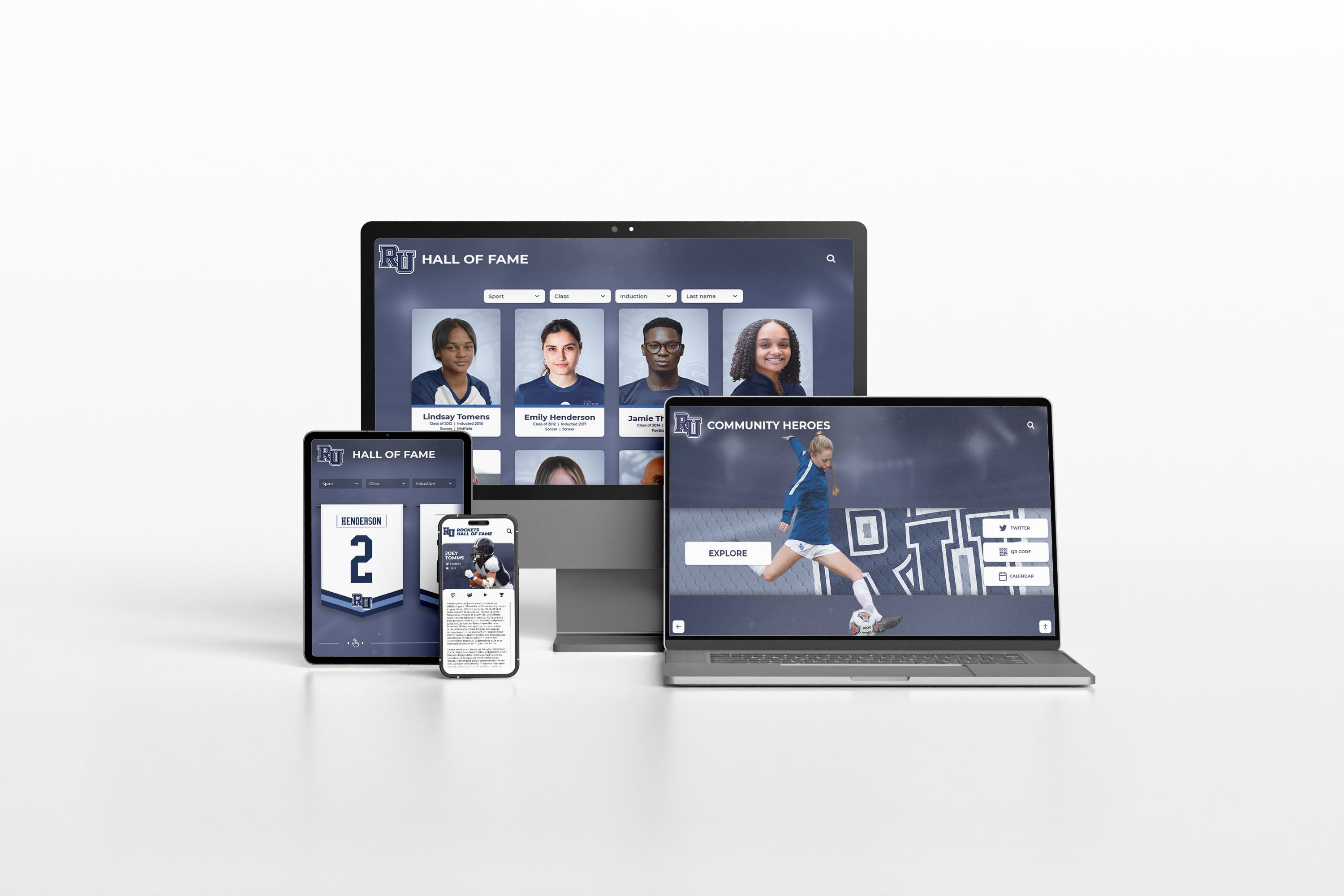
Cloud-based platforms enable worldwide access across devices, extending recognition beyond physical locations to global donor communities
Data Collection Challenges
Systematic Information Gathering
Streamline donor data collection:
Donation Form Integration
- Checkboxes requesting public recognition permission
- Optional fields for photos and biographical information
- Preference selections minimizing follow-up needs
- Default values reducing required information burden
Automated Data Flows
- CRM system integration pulling donor records automatically
- Export and import workflows minimizing manual data entry
- Synchronization maintaining consistency across platforms
- Error checking preventing duplicate or conflicting records
Manual Collection Protocols
For organizations lacking integrated systems:
- Standardized questionnaires gathering consistent information
- Photo upload instructions with technical specifications
- Staff checklists ensuring complete profile creation
- Quality assurance reviews before publication
- Regular update campaigns maintaining currency
Organizations implementing systematic processes report significant efficiency improvements while achieving more complete donor profile information.
Special Considerations for Different Nonprofit Types
Recognition approaches should adapt to mission area, beneficiary populations, and community characteristics.
Human Services and Social Service Organizations
Mission-Centered Recognition
Nonprofits serving vulnerable populations emphasize:
Impact Storytelling
- Beneficiary testimonials thanking donor community (with appropriate privacy protection)
- Program outcomes demonstrating contribution effectiveness
- Before-and-after documentation showing transformation
- Quantified impact metrics (meals served, families housed, clients employed)
- Long-term outcome tracking showing sustained results
Values Alignment
- Social justice and equity emphasis in recognition narratives
- Community transformation stories connecting giving to change
- Dignity and respect language honoring both donors and beneficiaries
- Systemic change framing beyond individual charity
- Participatory approaches including beneficiary voices
Organizations should balance donor recognition with beneficiary privacy, ensuring acknowledgment systems never exploit vulnerable populations for fundraising purposes.
Healthcare and Medical Organizations
Patient Care and Research Impact
Healthcare nonprofits emphasize outcomes:
Treatment and Care Support
- Equipment donation recognition connecting contributions to capabilities
- Program funding acknowledgment explaining services enabled
- Patient family testimonials (with HIPAA-compliant consent)
- Care innovation stories demonstrating medical advancement
- Access expansion recognition for underserved population services
Research and Innovation
- Research program endowment donors enabling discovery
- Clinical trial funding supporting breakthrough treatments
- Laboratory equipment contributors advancing capabilities
- Faculty researcher support creating expertise
- Breakthrough discovery attribution acknowledging philanthropic role
Healthcare recognition often incorporates memorial and honor giving prominently, with substantial portions of contributions made in memory of or tribute to patients, caregivers, and loved ones.
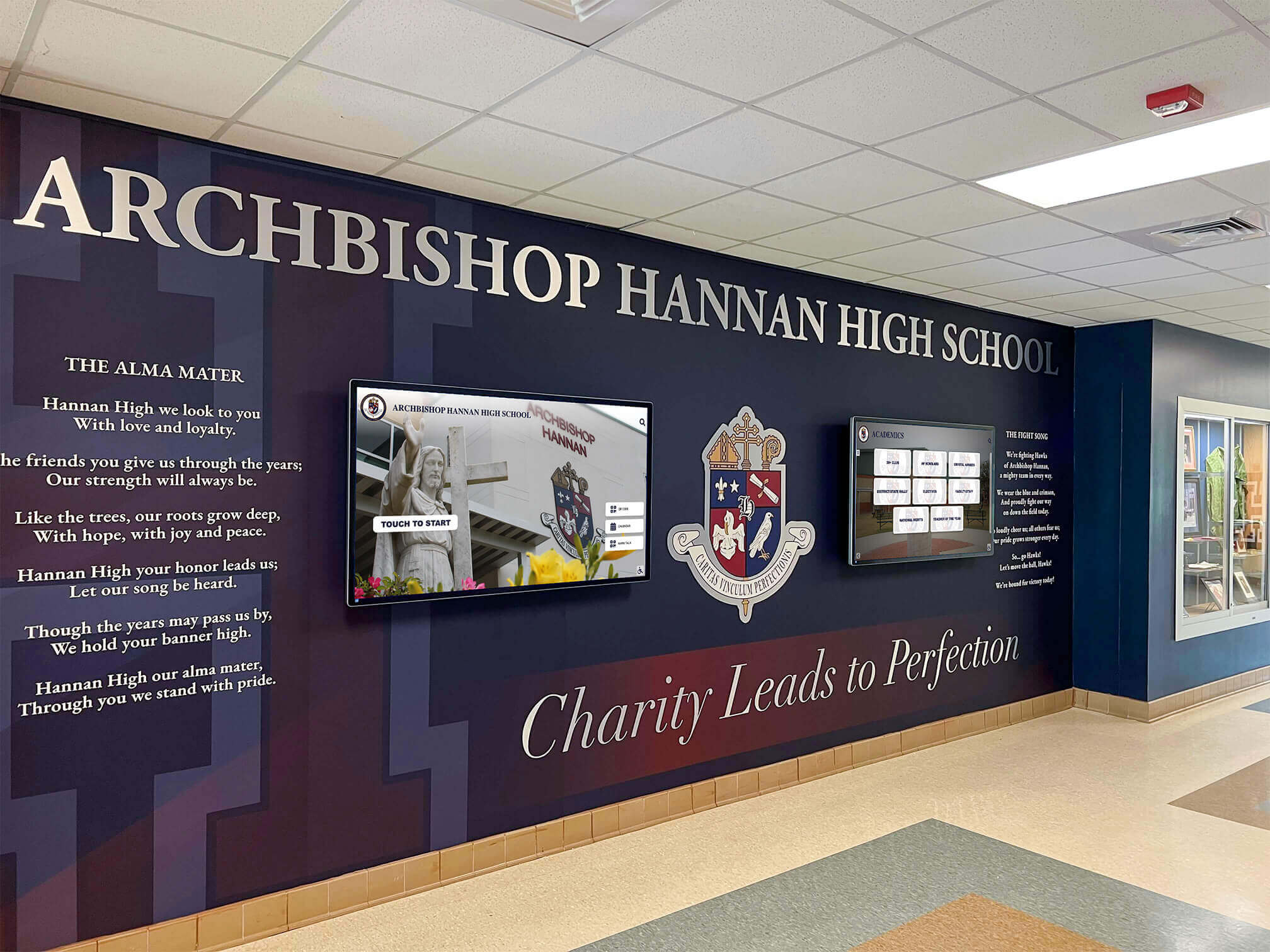
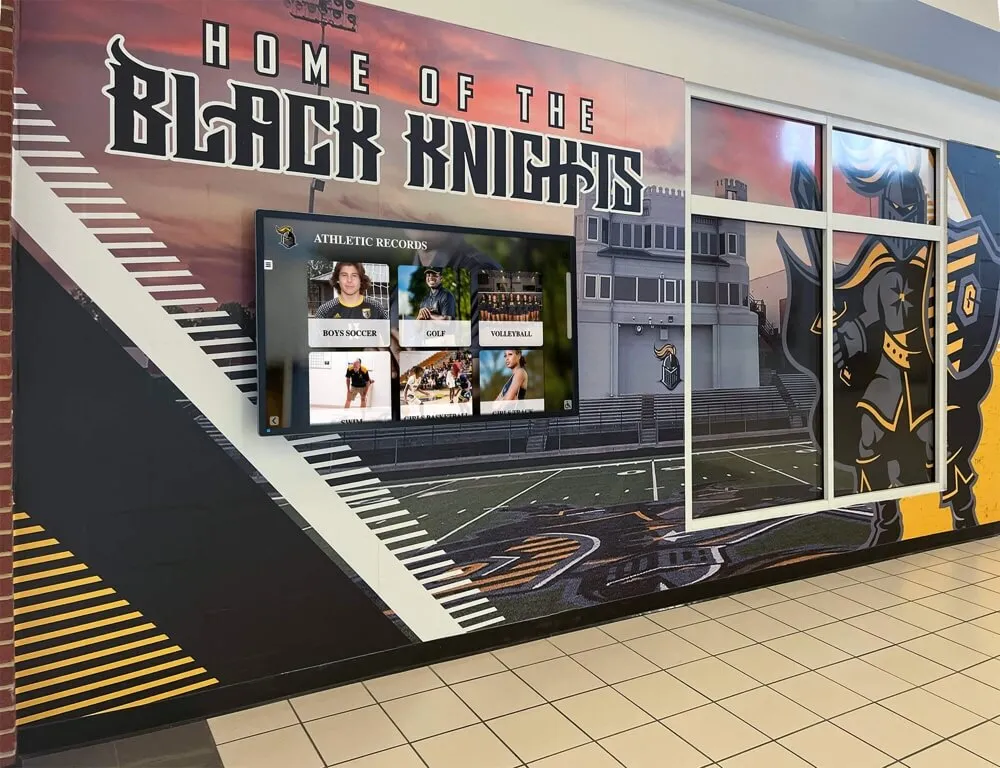
Thoughtful design integration connects donor recognition with organizational identity and branding throughout facilities
Arts and Cultural Organizations
Patron and Access Focus
Arts nonprofits emphasize:
Cultural Enrichment
- Programming support enabling performances, exhibitions, and events
- Artist support funding creative work and community engagement
- Facility improvements creating welcoming spaces
- Education program funding providing access and instruction
- Collection acquisition building permanent cultural assets
Access and Equity
- Free admission programs funded by donor generosity
- School partnership initiatives bringing arts to students
- Community programming serving diverse populations
- Scholarship support for instruction and participation
- Barrier reduction (transportation, language access, sensory accommodations)
Arts organizations benefit from creative recognition approaches incorporating donor acknowledgment into lobby displays, performance programs, exhibition materials, and artistic installations celebrating philanthropic partnerships.
Environmental and Conservation Organizations
Stewardship and Legacy Emphasis
Environmental nonprofits highlight:
Conservation Outcomes
- Acres protected through donor contributions
- Species populations recovered with philanthropic support
- Ecosystem restoration projects funded by giving
- Climate impact mitigation achievements
- Water quality improvements and watershed protection
Intergenerational Impact
- Legacy language emphasizing perpetual environmental benefits
- Future generation framing connecting current giving to descendant welfare
- Natural heritage preservation for community benefit
- Sustainable practice modeling demonstrating values
- Policy and systems change creating lasting structural impact
Environmental organizations often incorporate outdoor recognition elements, nature center displays, and trail markers alongside traditional donor walls, connecting acknowledgment to landscapes protected through philanthropic support.
Future-Proofing Donor Recognition Programs
Sustainable recognition systems adapt to evolving technology, donor expectations, and organizational needs.
Emerging Technology Trends
Artificial Intelligence Applications
AI enhancement opportunities:
- Automated donor matching suggesting similar profiles for discovery
- Natural language search enabling conversational queries
- Personalized content recommendations based on visitor interests
- Predictive analytics identifying giving likelihood and optimal ask amounts
- Sentiment analysis of donor feedback informing program improvements
Augmented Reality Integration
Immersive recognition experiences:
- Mobile apps overlaying digital content on physical spaces
- Virtual donor wall tours from remote locations accessible worldwide
- Interactive timeline visualizations exploring giving history
- Gamified donor discovery experiences engaging younger audiences
- 3D rendered recognition environments creating innovative presentations
Voice and Conversational Interfaces
Hands-free interaction:
- Voice search finding donors by name
- Audio tours narrating recognition stories and impact
- Accessibility improvements for vision-impaired visitors
- Smart speaker integration extending recognition reach
- Multilingual voice support serving diverse communities
Organizations implementing virtual recognition platforms position programs for evolving technological capabilities.
Building Recognition Culture
Organizational Commitment
Long-term success requires institutional support:
- Board-level recognition policy adoption establishing standards
- Budget line items dedicated to recognition system maintenance
- Staff position descriptions including stewardship responsibilities
- Strategic plan integration connecting recognition to advancement goals
- Regular assessment and continuous improvement processes
Community Expectation Setting
Clear communication prevents disappointment:
- Recognition criteria and timeline transparency
- Privacy policy clarity respecting donor preferences
- Update schedule communication managing expectations
- Appeal processes for recognition concerns
- Evolution communication as programs mature and improve
Cultural alignment transforms recognition from administrative logistics to institutional values embedded throughout organizational operations.
Volunteer and Board Integration
Leverage community capacity:
- Volunteer recognition committees gathering donor information
- Board member recognition visits to major donors
- Peer-to-peer acknowledgment among donor community members
- Ambassador programs extending recognition reach through networks
- Stewardship event planning engaging volunteer leadership
Community involvement in recognition programs builds ownership while distributing implementation burden beyond professional development staff.
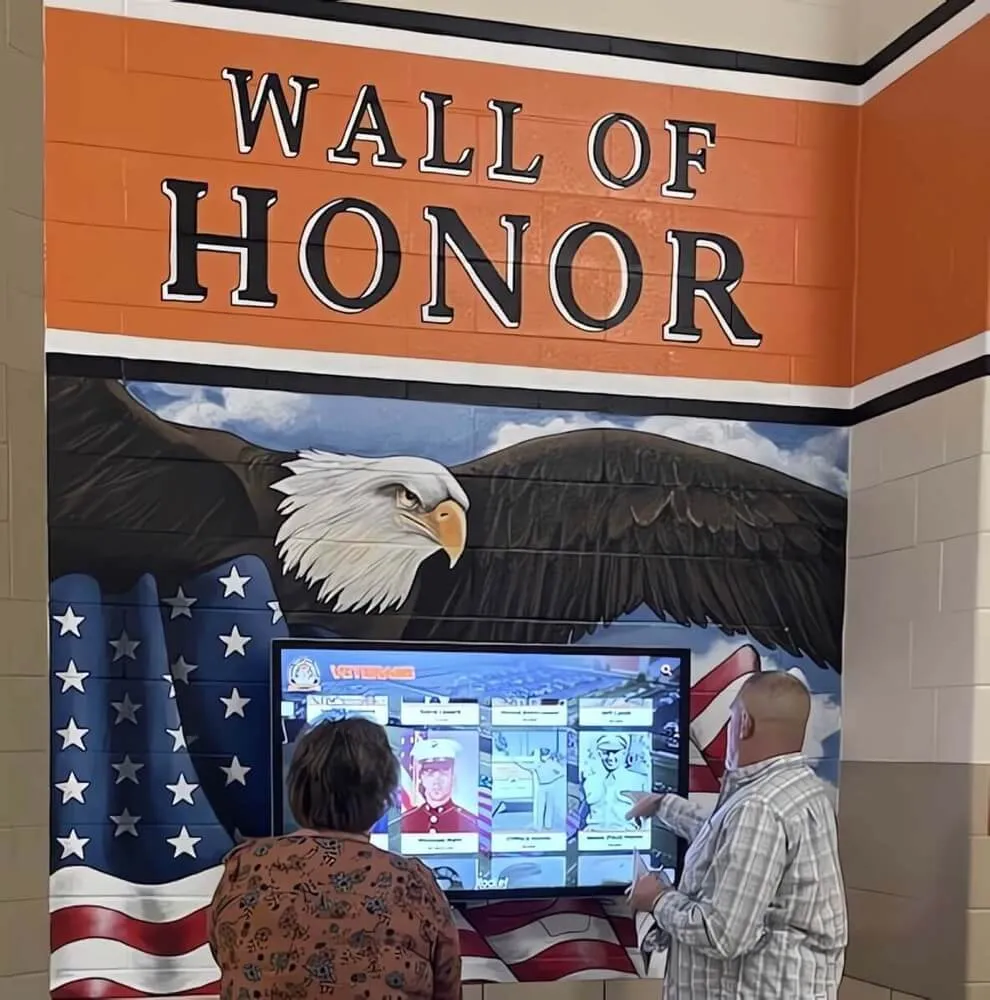
Community-centered recognition installations create gathering spaces celebrating shared values and collective philanthropic commitment
Conclusion: Building Donor Recognition Excellence
Nonprofit donor recognition represents far more than polite acknowledgment of financial contributions—it functions as strategic stewardship practice that strengthens relationships, motivates continued giving, and demonstrates organizational commitment to honoring supporters whose generosity enables mission fulfillment. Organizations that implement comprehensive recognition programs consistently outperform peers in donor retention, gift size progression, major gift cultivation, and long-term fundraising sustainability.
The strategies explored throughout this guide demonstrate how modern recognition approaches transform acknowledgment from transactional thank-yous into relationship-building systems that honor every contributor meaningfully while driving sustained philanthropic engagement. From developing appropriate recognition tiers and implementing digital donor walls to connecting acknowledgment with ongoing giving opportunities and measuring program effectiveness, these approaches help nonprofits of all sizes create stewardship excellence advancing organizational capacity.
Transform Your Nonprofit Donor Recognition
Discover how modern digital recognition solutions can help your organization honor every contributor meaningfully while building lasting relationships that strengthen fundraising capacity and advance your mission.
Explore Digital Recognition SolutionsSolutions like Rocket Alumni Solutions make comprehensive donor recognition achievable through intuitive platforms combining interactive touchscreen displays, cloud-based content management, unlimited donor capacity, multimedia storytelling capabilities, and web integration. Nonprofits implementing these purpose-built systems create acknowledgment programs that honor every supporter appropriately while building engaged donor communities committed to sustained philanthropic partnership.
Start where you are: assess current donor recognition approaches, identify gaps between acknowledgment aspirations and current practices, clarify goals for enhanced stewardship, and explore solutions matching your resources and community needs. Whether beginning with simple web-based donor lists, launching comprehensive interactive recognition displays, or creating hybrid approaches combining traditional and digital elements, every step toward meaningful, sustained recognition strengthens advancement capacity while honoring supporters whose generosity enables organizational mission.
Every donor—from transformative major gift contributors to first-time community-level supporters—deserves recognition acknowledging their contribution and celebrating their commitment to your cause. With thoughtful planning, appropriate technology, and consistent implementation, you can create recognition programs that truly honor every supporter while building the engaged, motivated donor community sustaining your organization’s important work for generations to come.
Ready to begin? Explore comprehensive recognition approaches in donor wall design guides applicable across organizational contexts, discover interactive donor display implementation strategies for nonprofits, or learn about recognition program ideas that create lasting impact while advancing fundraising objectives.