Each year, approximately 1.3 million high school juniors enter the National Merit Scholarship Program, hoping to join the prestigious 1% who earn recognition as Semifinalists and the even more elite group who ultimately receive scholarship awards. For students, families, and educators navigating the college preparation landscape, understanding this program represents far more than chasing another credential—it opens doors to substantial scholarship opportunities, prestigious college recognition, and validation of years of academic dedication.
Yet confusion surrounds nearly every aspect of the competition. Students miss critical deadlines simply because they didn’t realize their PSAT served as the qualifying test. Families struggle to understand the difference between Commended Students, Semifinalists, Finalists, and Scholarship winners. High-performing students in competitive states watch peers with lower scores earn recognition simply because state cutoffs vary dramatically. Meanwhile, schools grapple with how to support candidates through the complex application process while celebrating achievements appropriately.
This comprehensive guide clarifies every aspect of the National Merit Scholarship Program—from initial qualification through final scholarship awards—providing students, families, and educators the knowledge needed to navigate this prestigious competition successfully while understanding what each designation actually means for college and beyond.
Understanding the National Merit Scholarship Program enables strategic preparation rather than passive hoping. Students who grasp the competition structure, timeline, and requirements position themselves to maximize opportunities while schools can systematically support candidates and celebrate achievements that enhance institutional reputation and student outcomes.

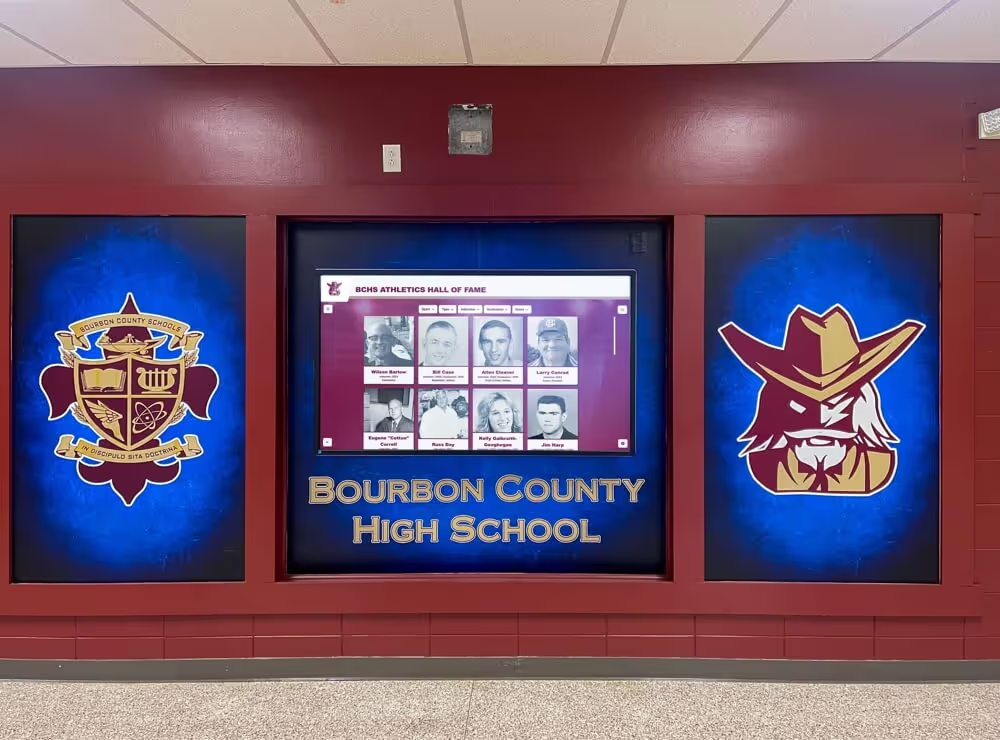
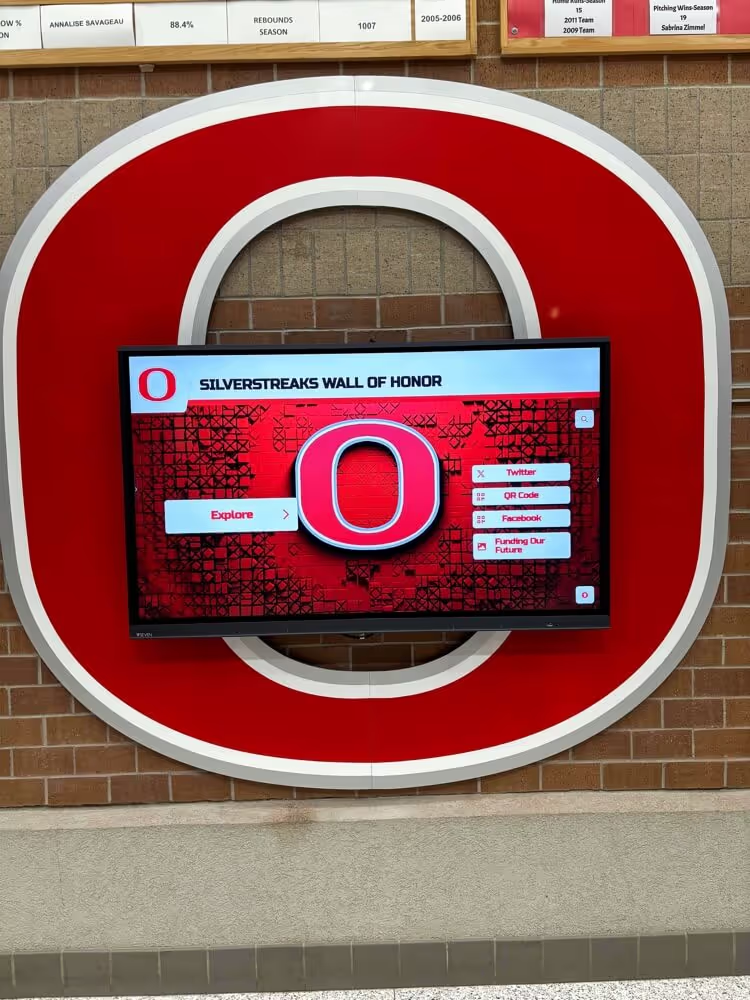
National Merit Scholars represent the highest levels of academic achievement, earning recognition that schools celebrate through comprehensive digital displays and recognition programs
What Is the National Merit Scholarship Program?
The National Merit Scholarship Program represents one of America’s most prestigious and longest-running academic competitions, operated by the National Merit Scholarship Corporation (NMSC), an independent nonprofit organization.
Program History and Mission
Established in 1955, the program aims to identify and honor academically talented high school students throughout the United States. According to the National Merit Scholarship Corporation, the organization has recognized approximately 3.5 million students and awarded more than $2 billion in scholarships since inception.
The program operates entirely through PSAT/NMSQT (Preliminary SAT/National Merit Scholarship Qualifying Test) scores, making it unique among major scholarship competitions that often require separate applications, essays, or interviews for initial entry.
Core Program Objectives
- Identify academically exceptional high school students nationwide
- Provide scholarship opportunities supporting higher education access
- Recognize intellectual talent and academic achievement
- Honor sustained excellence beyond single test performance
- Create connections between high-achieving students and colleges
This merit-based approach rewards intellectual capability and academic preparation measured through standardized assessment, distinguishing it from need-based financial aid or holistic admissions processes.
Competition Scale and Selectivity
The program’s prestige derives from its highly selective nature:
Annual Participation
- Approximately 1.3 million high school juniors enter by taking the PSAT/NMSQT
- About 50,000 students receive initial recognition (top 3-4%)
- Approximately 16,000 advance to Semifinalist status (top 1%)
- Around 15,000 progress to Finalist designation (top 0.9%)
- Roughly 7,500 receive scholarship awards (top 0.5%)

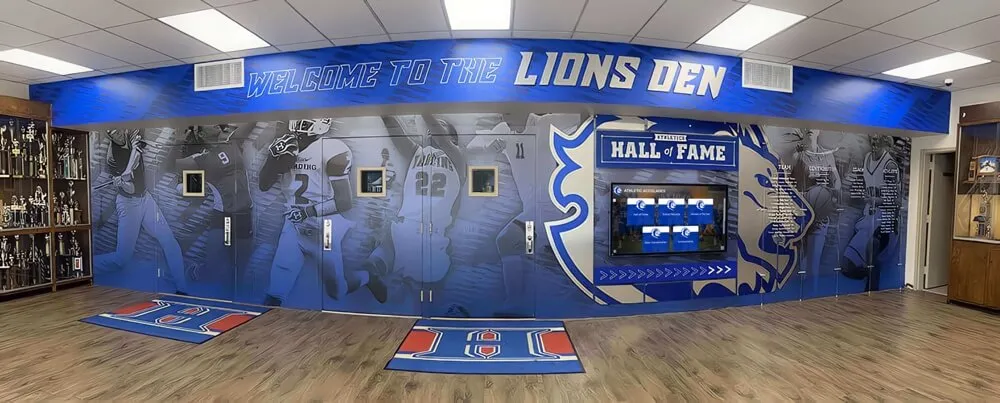
Digital recognition systems make National Merit achievements accessible and inspirational for current students exploring academic pathways
These statistics reveal that even initial recognition as a Commended Student places students in the top few percent nationally, while Semifinalist designation represents truly exceptional achievement. The multi-stage selection process ensures scholarship recipients demonstrate sustained excellence across multiple dimensions beyond a single test score.
Why the National Merit Scholarship Matters
Beyond the monetary awards ranging from $2,500 one-time scholarships to renewable packages worth thousands annually, National Merit recognition provides substantial benefits:
College Admissions Advantages
- Highly prestigious credential enhancing applications
- Special recognition in admissions processes at selective universities
- Demonstrated academic excellence across rigorous standardized assessment
- Evidence of sustained achievement for Finalists who complete applications
- National comparison showing standing among peers nationwide
Scholarship Opportunities Beyond NMSC Many universities offer substantial merit scholarships specifically targeting National Merit Finalists, sometimes providing full-tuition or comprehensive financial packages significantly exceeding the official National Merit awards. These college-sponsored opportunities often represent the designation’s greatest financial value, with some institutions offering renewable four-year scholarships worth $100,000 or more to attract high-achieving students.
Learn more about comprehensive approaches to celebrating academic achievement in academic recognition programs that showcase student excellence.

Schools use digital platforms to document complete academic journeys including National Merit recognition alongside other achievements
Complete National Merit Timeline: From PSAT to Scholarship
Understanding the multi-year timeline proves essential for strategic preparation and appropriate celebration.
Sophomore Year: Early Preparation Phase
While formal competition begins junior year, preparation should start earlier:
October Sophomore Year Many students take the PSAT as sophomores, though these scores don’t count for National Merit qualification. This “practice run” provides several advantages:
- Familiarity with test format, timing, and question types
- Baseline scores identifying strengths and growth areas
- Experience managing test-day procedures and environment
- Reduced anxiety for junior year qualifying test
- Early identification of content knowledge gaps
Students and families should clearly understand that only the junior year PSAT matters for National Merit qualification, preventing confusion or false assumptions about sophomore scores.
Sophomore Year Preparation Activities
- Build strong reading habits developing vocabulary and comprehension
- Master foundational mathematics concepts through Algebra II
- Take challenging courses developing analytical thinking skills
- Establish effective study habits and time management
- Research PSAT content and format understanding requirements
- Consider prep courses or materials for junior year readiness
Junior Year: Competition Entry and Qualifying Test
The junior year PSAT represents the single opportunity to enter National Merit competition:
September-October Junior Year: Qualifying Test Schools typically administer the PSAT/NMSQT to juniors in mid-October, though some offer alternate test dates. The specific test date matters less than ensuring registration and participation.
Critical Importance of Test Registration Many students miss National Merit opportunities simply because they didn’t register for the PSAT or misunderstood its significance. Schools should systematically ensure all college-bound juniors understand:
- PSAT/NMSQT serves as the National Merit qualifying test
- No other test (SAT, ACT, later PSAT administrations) substitutes for qualification
- Single opportunity exists—no retakes or alternate paths to enter competition
- Cost ($18 as of 2025) should not prevent participation due to fee waivers available
- Test date conflicts (religious observances, illness) have limited accommodation options
Students missing the October test date have extremely limited recourse. According to NMSC, only students with documented emergencies may qualify for alternate testing, making advance preparation and schedule management critical.

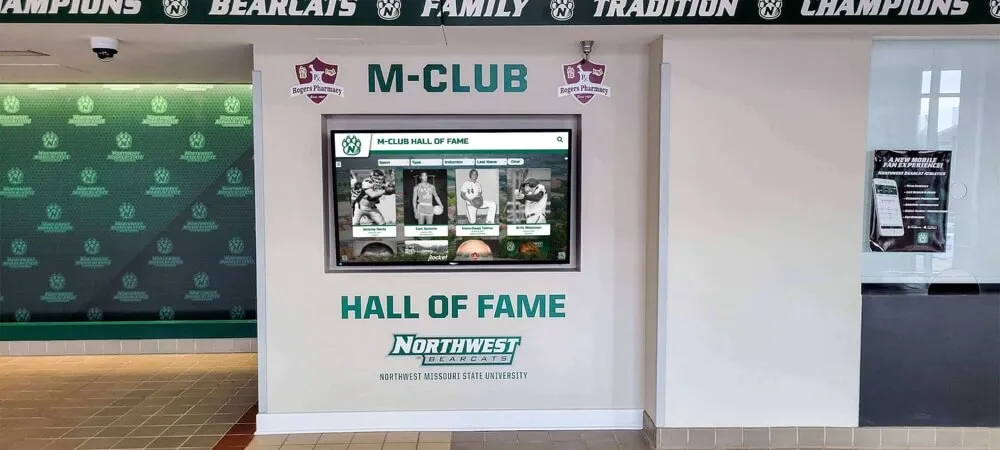
Interactive displays enable students to explore pathways to academic recognition including National Merit competition
Score Release and Initial Assessment Schools typically receive PSAT scores in December, though students access scores through College Board accounts several weeks earlier. This period allows:
- Initial score assessment against historical Semifinalist cutoffs
- Understanding Section Scores and Selection Index calculation
- Identifying whether scores fall in potential recognition ranges
- Beginning strategic planning for advancement if competitive
- Celebrating strong performance regardless of designation level
Families should understand that December scores don’t immediately reveal National Merit status—recognition notifications arrive during senior year after NMSC completes national analysis.
Senior Year: Recognition and Advancement
The senior year brings all recognition notifications and advancement opportunities:
September Senior Year: Semifinalist Notification Approximately 16,000 students nationwide receive Semifinalist notification, typically announced in early September. Schools receive direct notification enabling public announcement and celebration.
State-Based Selection Process Semifinalist designation uses state representation ensuring geographic diversity rather than purely national cutoffs. Each state receives Semifinalist allocations roughly proportional to their percentage of national PSAT test-takers, meaning:
- Cutoff scores vary significantly by state (typically 209-224 on 1520 scale)
- Competitive states (Massachusetts, California, New Jersey) require higher scores
- Less competitive states have lower thresholds
- Every Semifinalist achieved top performance relative to their state’s test-taker pool
- Moving states between testing and selection doesn’t change designation
Students and families sometimes express frustration about state-based selection, particularly when marginally missing cutoffs in highly competitive states. However, NMSC’s geographic representation ensures the program honors academic excellence throughout the country rather than concentrating recognition in certain regions.
October-February: Finalist Application Process
Semifinalists must complete detailed applications demonstrating sustained excellence:
Application Components
- Detailed academic record with GPA and course rigor documentation
- SAT scores confirming PSAT performance (typically 1400+ required)
- Essay describing educational plans, career interests, and personal perspectives
- School official endorsement and recommendation
- Extracurricular activities, leadership, and employment information

Permanent recognition displays document National Merit achievements alongside other academic honors
This application demonstrates that National Merit recognition extends beyond test scores, requiring evidence of consistent academic performance, intellectual commitment, and personal character. Schools play crucial roles supporting students through application completion, providing recommendations, and submitting required documentation.
February Senior Year: Finalist Notification Approximately 15,000 Semifinalists advance to Finalist status, representing about 94% of applicants. While progression appears nearly automatic, students can lose Finalist advancement through:
- Incomplete applications or missed deadlines
- SAT scores not confirming PSAT performance
- Significantly declining grades or academic issues
- Disciplinary problems or character concerns
- Missing or inadequate school recommendation
Finalist designation itself carries substantial value even before scholarship awards, as many colleges offer significant merit aid specifically for National Merit Finalists regardless of official scholarship status.
March-June: Scholarship Awards NMSC announces scholarship winners throughout the spring:
National Merit $2,500 Scholarships (March)
- One-time $2,500 awards to approximately 2,500 Finalists
- Merit-based selection from Finalist pool
- No separate application beyond Finalist documentation
- Recipients may not receive other NMSC scholarships
Corporate-Sponsored Scholarships (March-May)
- Awards for Finalists who are children of company employees
- Varying amounts from single payments to renewable packages
- Specific to approximately 200 participating corporations
- Finalist designation required but not guaranteed for eligibility
College-Sponsored Scholarships (March-June)
- Renewable awards from approximately 180 participating colleges
- Available only to Finalists attending sponsoring institutions
- Varying amounts ($500-$2,000 annually typical, though some higher)
- Requires first-choice college designation to NMSC
Schools should celebrate scholarship winners while recognizing that all Finalists achieved remarkable distinction regardless of official NMSC scholarship receipt, particularly since college-specific merit aid often exceeds official scholarship amounts.
Explore comprehensive student recognition approaches in end-of-year awards programs that celebrate diverse achievements.
Understanding PSAT Scoring and Selection Index
The PSAT score that determines National Merit status differs from the simple three-digit score students typically reference.
PSAT Score Components
The PSAT provides multiple score types:
Section Scores (160-760 each)
- Evidence-Based Reading and Writing
- Mathematics
- Total Score: Sum of both sections (320-1520)
This total score represents what students typically reference when discussing PSAT performance. However, National Merit selection uses a different calculation.
Selection Index (48-228) The National Merit Selection Index multiplies the sum of three area scores by two:
- Reading Test score (8-38)
- Writing and Language Test score (8-38)
- Math Test score (8-38)
- Formula: (Reading + Writing + Math) × 2 = Selection Index
This creates a 48-228 scale where maximum performance of 38 on each section multiplies to 228 (38+38+38 = 114 × 2 = 228). Historical Semifinalist cutoffs typically range from 209-224 Selection Index depending on state.
Why Selection Index Differs from Total Score The Selection Index calculation gives equal weight to all three skill areas (reading, writing/language, math) rather than combining reading and writing into one section. This means students with math weaknesses face challenges since math contributes one-third of Selection Index compared to one-half of Total Score.
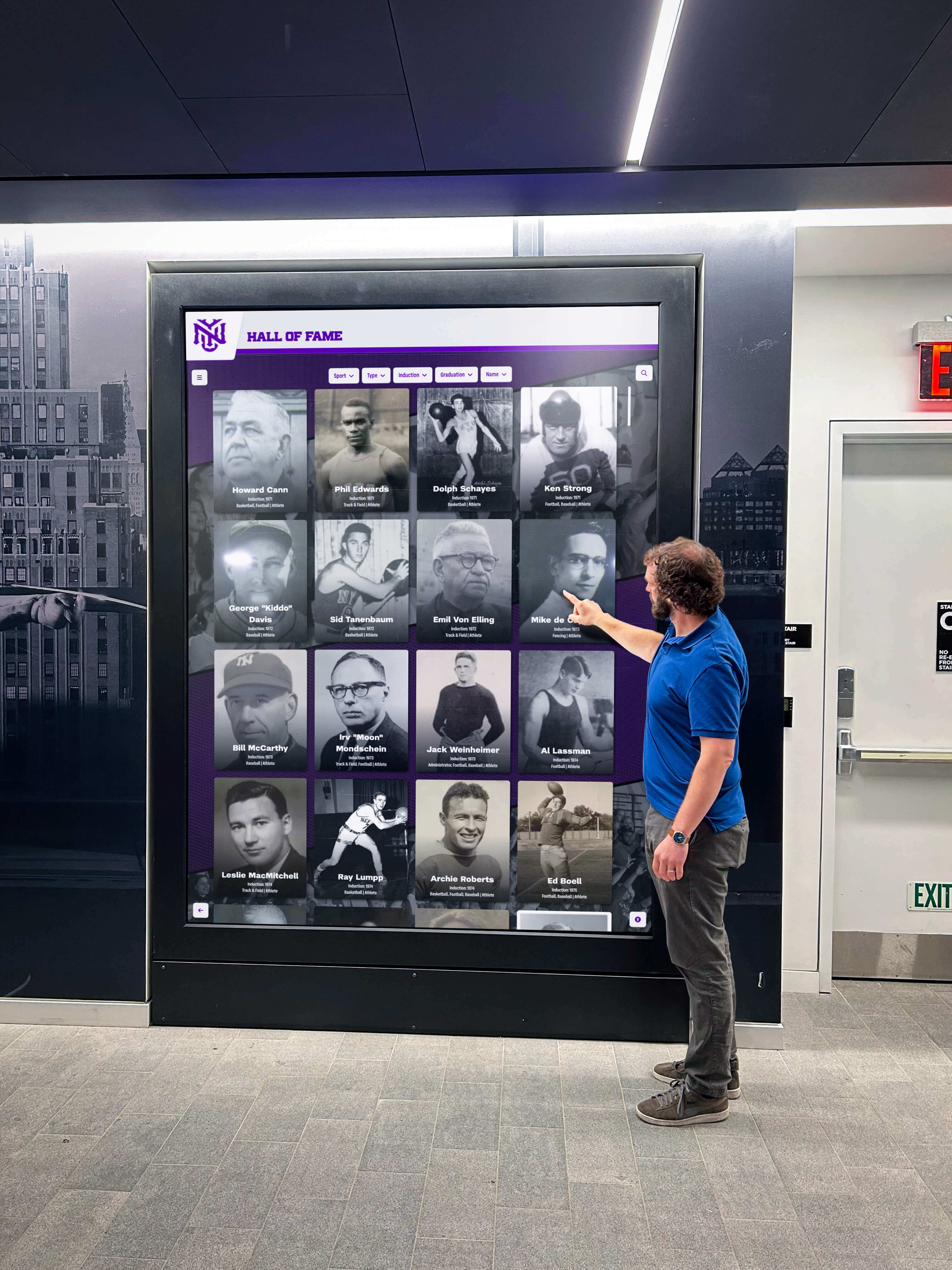
Recognition displays serve as gathering points during school events, creating conversations about academic pathways and achievement
Score Conversion Examples
Understanding how Total Scores convert to Selection Index helps students assess National Merit qualification likelihood:
Example 1: Balanced High Scorer
- Reading: 38, Writing: 38, Math: 38
- Total Score: 1520 (perfect)
- Selection Index: 228 (38+38+38 = 114 × 2)
- National Merit Status: Likely Semifinalist in all states
Example 2: Math-Strong Student
- Reading: 33, Writing: 31, Math: 38
- Total Score: 1450 (excellent)
- Selection Index: 204 (33+31+38 = 102 × 2)
- National Merit Status: Below typical Semifinalist cutoffs
Example 3: Verbal-Strong Student
- Reading: 38, Writing: 38, Math: 31
- Total Score: 1450 (excellent)
- Selection Index: 214 (38+38+31 = 107 × 2)
- National Merit Status: Potential Semifinalist in many states
These examples illustrate how students with identical Total Scores may have dramatically different National Merit prospects based on score distribution. Students aiming for National Merit recognition should develop balanced skills across all three areas rather than relying on exceptional strength in one domain to compensate for weaknesses.
State-by-State Cutoff Variations
Semifinalist cutoff Selection Index scores vary significantly by state:
2025 Semifinalist Cutoffs (Examples)
- California: 222
- Massachusetts: 222
- New Jersey: 222
- Virginia: 221
- Florida: 219
- Texas: 219
- Illinois: 218
- Ohio: 217
- Michigan: 216
- Wisconsin: 214
- West Virginia: 209
- North Dakota: 209
- Wyoming: 209
These cutoffs fluctuate slightly each year based on state test-taker performance. Competitive states with high test participation and strong student preparation require significantly higher scores than less competitive states, creating situations where students with identical scores receive different recognition depending on residence.
Understanding the State-Based System NMSC allocates Semifinalist designations to each state proportionally based on percentage of national test-takers, ensuring geographic representation. While creating score variations across states, this approach honors academic excellence throughout the country rather than concentrating recognition in regions with strongest educational systems or test preparation industries.
National Merit Recognition Levels Explained
The program includes multiple designation levels with different requirements and benefits:
Commended Students: Top 3-4% Nationally
Approximately 34,000 students receive Letters of Commendation, placing them in roughly the top 3-4% of test-takers nationally.
Qualification Requirements
- Selection Index typically around 207-209 (varies annually)
- Score above national recognition threshold but below state Semifinalist cutoff
- No additional application or requirements beyond PSAT performance
Recognition and Benefits Commended Students receive:
- Letter of Commendation from NMSC
- Recognition certificate suitable for framing
- Credential listing on college applications
- School and community announcement opportunities
- Validation of strong academic performance
While Commended Students don’t continue in the scholarship competition, this designation carries meaningful prestige, particularly for students in highly competitive states where Semifinalist cutoffs reach exceptional levels. Many selective colleges specifically recognize Commended Students in admissions materials.
Supporting Commended Student Recognition Schools should celebrate Commended Students prominently rather than treating this designation as “not quite good enough.” These students achieved distinction placing them among the top few percent nationally, representing exceptional academic talent worthy of systematic recognition. Learn about effective recognition approaches in academic honor roll programs celebrating diverse achievement levels.
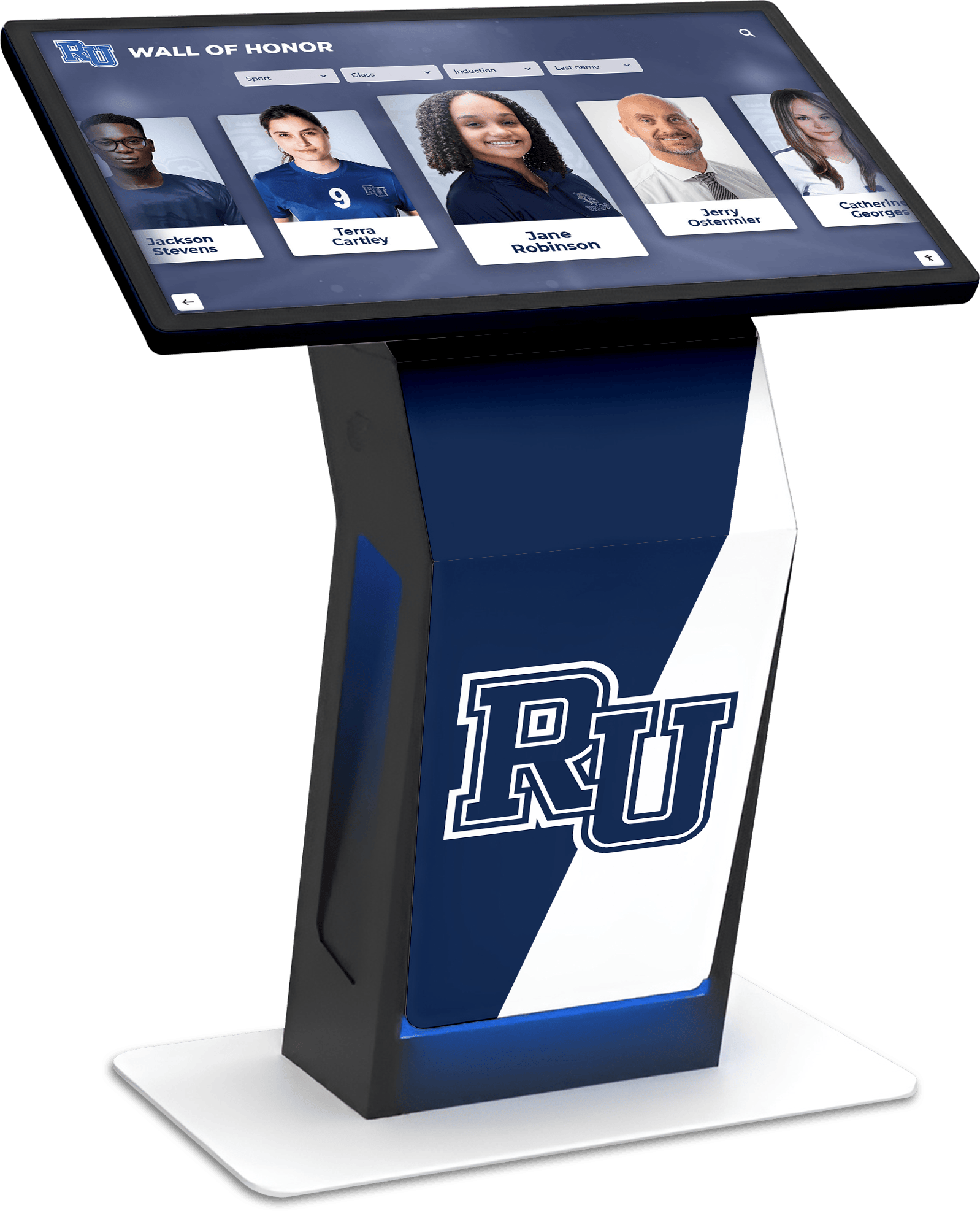
Modern recognition systems document complete academic excellence including National Merit designations at all levels
Semifinalists: Top 1% Nationally
Approximately 16,000 students nationwide receive Semifinalist recognition, representing about 1% of graduating seniors.
Qualification Requirements
- Selection Index meeting or exceeding state-specific cutoff (typically 209-224)
- PSAT/NMSQT taken during junior year at approved test date
- U.S. citizenship or lawful permanent resident status
- Full-time enrollment at U.S. high school
Recognition and Opportunities Semifinalist status provides:
- Official NMSC notification and recognition
- Certificate suitable for framing and display
- Media announcement opportunities
- Eligibility to apply for Finalist status
- Enhanced college applications even if not advancing further
Strategic Considerations for Semifinalists Students receiving Semifinalist notification should:
- Complete Finalist application promptly and thoroughly
- Ensure SAT scores will confirm PSAT performance
- Maintain academic excellence through senior year
- Work closely with school counselors on recommendation
- Research college-sponsored scholarship opportunities
- Understand First Choice College designation process
Semifinalist advancement to Finalist is not automatic, requiring diligent application completion and sustained academic performance.
Finalists: Top 0.9% Nationally
Approximately 15,000 Semifinalists advance to Finalist designation, representing the program’s most widely recognized level.
Advancement Requirements
- Complete detailed Finalist application by deadline
- Submit SAT scores confirming PSAT performance (typically 1400+)
- Maintain outstanding academic record with strong GPA
- Receive school official’s endorsement and recommendation
- Complete essay describing educational and career plans
- Demonstrate good citizenship and character
Finalist Benefits and Recognition Beyond potential scholarship awards, Finalist status provides:
- Prestigious national credential for college applications
- Many colleges’ largest merit scholarships targeting Finalists specifically
- Official Finalist Certificate of Merit
- Recognition in school and community
- Connection to network of high-achieving peers
- Enhanced admissions prospects at selective universities
College-Specific Opportunities for Finalists The most significant financial value of Finalist status often comes from college-sponsored merit scholarships independent of official NMSC awards. Numerous universities offer Finalists:
- Full-tuition scholarships renewable across four years
- Comprehensive packages including tuition, room, board, and fees
- Priority consideration for honors programs and special opportunities
- Additional departmental or program-specific scholarships
- Research, study abroad, and enrichment funding
Students should research National Merit Finalist benefits at schools they’re considering, as these can significantly exceed official scholarship amounts. Some public universities in particular have built recruitment strategies around attracting National Merit Finalists through exceptional financial packages.
Explore how schools celebrate Finalists in valedictorian and academic recognition programs honoring top academic achievement.
Scholarship Winners: Top 0.5% Nationally
Approximately 7,500 Finalists receive official NMSC scholarship awards, representing the competition’s pinnacle recognition.
Three Scholarship Types
National Merit $2,500 Scholarships
- One-time awards to approximately 2,500 Finalists
- Merit selection based on Finalist applications
- Single payment disbursed through recipients’ colleges
- Recipients ineligible for other NMSC scholarships
- Announced in March
Corporate-Sponsored Merit Scholarships
- Awards from approximately 200 participating corporations
- Available to Finalists meeting corporate criteria (typically employee children)
- Vary from one-time payments to renewable awards
- Amounts range from $500-$10,000 annually
- Some renewable across four years
- Announced March through May
College-Sponsored Merit Scholarships
- Offered by approximately 180 participating colleges and universities
- Available only to Finalists attending sponsor institutions
- Renewable awards typically $500-$2,000 annually
- Require First Choice College designation to NMSC
- Announced March through June
- May combine with institutional merit aid
Strategic First Choice Designation Students interested in college-sponsored NMSC scholarships must designate that institution as their First Choice to NMSC. Key considerations include:
- Designation required for college-sponsored scholarship eligibility
- Students may change First Choice through May 31 of senior year
- Many colleges’ non-NMSC merit aid for Finalists exceeds official scholarship amounts
- Strategic designation timing can preserve multiple options
- Undecided students should research policies carefully

Integrated recognition systems preserve academic achievement history while enabling interactive exploration
Preparation Strategies for National Merit Competition
Strategic preparation significantly improves National Merit prospects beyond general academic excellence.
Understanding What the PSAT Measures
Effective preparation requires understanding assessment structure:
Evidence-Based Reading and Writing
- Reading Test: 47 questions, 60 minutes
- U.S. and World Literature passages
- History/Social Studies documents
- Science articles
- Writing and Language Test: 44 questions, 35 minutes
- Grammar and usage conventions
- Sentence structure and rhetoric
- Organization and development
Mathematics
- Math Test – No Calculator: 17 questions, 25 minutes
- Math Test – Calculator: 31 questions, 45 minutes
- Content emphasis:
- Heart of Algebra (linear equations, inequalities, systems)
- Problem Solving and Data Analysis (ratios, proportions, statistics)
- Passport to Advanced Math (quadratic and higher-order functions)
- Additional Topics (geometry, trigonometry basics)
Understanding content emphasis enables targeted preparation addressing specific skill areas rather than general “test prep.”
Effective Preparation Timeline
Freshman-Sophomore Years: Building Foundation
- Develop strong reading habits across diverse genres
- Master core mathematics through Algebra II
- Build robust vocabulary through reading, not just memorization
- Take challenging courses developing analytical thinking
- Establish effective study habits and time management
Spring of Sophomore Year Through Summer: Focused Preparation
- Obtain official PSAT practice tests from College Board
- Take diagnostic practice tests under timed conditions
- Identify specific content gaps and skill weaknesses
- Consider test prep courses or tutoring if appropriate
- Develop test-taking strategies and time management approaches
- Practice regularly rather than cramming before test date
Fall of Junior Year: Final Preparation
- Continue regular practice testing through September
- Focus on persistent weaknesses and timing issues
- Review test-day procedures and logistics
- Ensure proper PSAT registration and test date awareness
- Manage stress and maintain balanced perspective
- Get adequate sleep before test day

Strategic recognition placement in high-traffic areas ensures academic achievements receive visibility throughout daily school life
Targeted Strategies by Skill Area
Reading Comprehension Enhancement
- Read challenging material regularly (college-level texts, sophisticated journalism)
- Practice active reading with annotation and summary
- Develop vocabulary through context rather than isolated lists
- Work on reading pace while maintaining comprehension
- Practice evidence-based answer selection
Writing and Language Improvement
- Master standard English grammar conventions systematically
- Understand rhetorical skills (organization, style, tone)
- Practice identifying errors in context
- Learn common grammar patterns tested on PSAT
- Develop sentence structure analysis skills
Mathematics Mastery
- Ensure solid foundation in Algebra I and II concepts
- Practice translating word problems into mathematical expressions
- Develop mental math efficiency for time savings
- Master calculator usage for appropriate problems
- Understand problem-solving approaches for unfamiliar questions
Common Preparation Mistakes to Avoid
Ineffective Approaches
- Focusing exclusively on vocabulary memorization
- Taking endless practice tests without analyzing mistakes
- Preparing only in final weeks before test date
- Using non-official or outdated preparation materials
- Neglecting time management practice
- Assuming strong grades automatically translate to PSAT success
- Overlooking registration or treating PSAT casually
Effective Preparation Principles
- Use official College Board materials as primary resources
- Analyze every practice test mistake understanding why answers were wrong
- Balance preparation across all three test sections
- Practice under timed conditions matching actual test format
- Address foundational content gaps before test-taking strategies
- Maintain perspective recognizing PSAT as one factor among many
Students sometimes benefit from formal test preparation courses or tutoring, particularly if struggling with specific content areas or test-taking strategies. However, motivated self-study using quality materials produces excellent results for many students, making expensive commercial prep programs unnecessary for all candidates.
Supporting Students Through the Finalist Application Process
Schools play critical roles helping Semifinalists advance to Finalist status.
Application Component Guidance
Academic Record Documentation Counselors must provide:
- Official transcript showing all coursework and grades
- Verification of class rank or GPA relative to peers
- Explanation of grading scale and academic program rigor
- Context for any academic irregularities or circumstances
Schools should ensure transcripts clearly demonstrate sustained academic excellence rather than declining performance that might concern reviewers.
School Recommendation Requirements The principal or designated official must submit a recommendation addressing:
- Academic performance and intellectual promise
- Personal qualities and character traits
- Leadership experiences and contributions
- Context for any disciplinary issues or special circumstances
- Endorsement that student represents school values positively
This recommendation carries significant weight, particularly if highlighting concerns. Schools should carefully consider endorsements, ensuring they enthusiastically support candidates rather than providing merely adequate recommendations that might prevent advancement.
Student Essay Guidance Students must write an essay describing:
- Educational and career plans with reasonable specificity
- Academic interests and intellectual passions
- Extracurricular activities and their significance
- Leadership experiences and personal growth
- How college education connects to long-term goals
Effective essays demonstrate genuine intellectual engagement, personal authenticity, and realistic planning rather than generic platitudes or implausible ambitions. Students benefit from counselor review ensuring essays present themselves effectively while remaining authentic to their experiences.
SAT Score Confirmation Students must submit SAT scores confirming PSAT performance, typically requiring:
- Total SAT score of 1400 or higher (1600 scale)
- Scores taken by December of senior year for consideration
- Official score submission through College Board
Students who struggled on initial SAT attempts should retake tests ensuring scores confirm National Merit eligibility. This requirement prevents Semifinalist advancement for students whose PSAT performance represented statistical outliers rather than consistent capability.
Timeline Management and Deadline Adherence
Missing application deadlines eliminates students from Finalist consideration regardless of qualifications:
Critical Dates
- Early October: Semifinalist notification and application materials distribution
- Mid-October: First Choice College designation deadline for early scholarship consideration
- Early February: Complete Finalist application package deadline
- May 31: Final deadline for First Choice College changes
Schools should implement systematic tracking ensuring all Semifinalists complete applications on time with all required components. Even excellent students sometimes miss deadlines through simple oversight or time management challenges, making proactive counselor follow-up essential.
Common Application Pitfalls
Mistakes Preventing Finalist Advancement
- Incomplete applications or missing required components
- Essays lacking substance or appearing plagiarized
- SAT scores not meeting confirmation thresholds
- Declining grades or academic performance in senior year
- Disciplinary issues or conduct problems
- Inadequate school recommendations
- Missed deadlines despite reminders
Schools can prevent most advancement failures through systematic support, clear communication, and proactive counselor engagement with candidates and families.

Prominent entrance placement ensures academic achievements greet students, families, and visitors daily
How Schools Can Celebrate National Merit Achievement
Appropriate recognition honors student accomplishment while inspiring future candidates.
Multi-Stage Recognition Programs
Effective celebration acknowledges each competition level:
Semifinalist Announcement Recognition
- Press releases to local media outlets
- Social media campaigns featuring individual student profiles
- Website homepage features celebrating achievement
- Morning announcements providing detailed recognition
- School board meeting acknowledgment
- Special celebration events with families
Finalist Advancement Celebration
- Renewed media outreach and social media campaigns
- Updated recognition displays showing advancement
- Additional certificate presentations
- Senior awards night special recognition
- College counseling support sessions
Scholarship Winner Final Recognition
- Culminating press releases and community announcements
- Graduation ceremony special acknowledgment
- Permanent recognition displays documenting full achievement
- Alumni network notifications
- Legacy recognition in institutional history
Digital Recognition Display Solutions
Modern platforms transform how schools preserve and celebrate National Merit achievement:
Unlimited Historical Archives Solutions like those from digital recognition providers enable schools to document:
- Complete records of all National Merit Scholars across years
- Individual student profiles with photos and achievement details
- Searchable databases enabling exploration by year or designation
- Integration with other academic recognition and honors
- Permanent preservation ensuring achievements never disappear
Unlike physical trophy cases with finite space requiring removal of historical recognition to accommodate new achievements, digital platforms provide unlimited capacity documenting complete institutional excellence tradition.
Interactive Engagement Features Touchscreen displays create discovery experiences:
- Search functionality finding specific scholars or graduation years
- Filtering by designation level or scholarship type
- Detailed profiles telling complete achievement stories
- College destination tracking showing scholar outcomes
- Comparison views showing trends across years
Web-Based Extensions Recognition extends beyond physical campus:
- Mobile-responsive platforms enabling anytime access
- Social sharing capabilities for families and community
- Alumni portal integration maintaining lifelong connections
- QR codes linking physical displays to expanded online content
Discover comprehensive recognition solutions in academic recognition program guides showcasing best practices.
Creating Motivational Programs for Younger Students
National Merit recognition should inspire future candidates:
Sophomore and Junior Outreach
- Information sessions explaining competition structure and opportunities
- PSAT registration campaigns emphasizing significance
- Test preparation resource guidance and support
- Current scholar mentorship connecting with aspiring students
- Study groups and peer learning opportunities
Building Academic Excellence Culture
- Recognition giving academic achievement visibility equal to athletics
- Alumni scholar profiles demonstrating long-term impact
- Parent engagement programs building family support
- Celebration events positioning intellectual achievement as aspirational
Schools with strong National Merit traditions create cultures where the designation becomes something younger students naturally aspire to pursue, building preparation into academic program expectations rather than treating it as exceptional outlier achievement.

Accessible recognition displays enable casual exploration creating inspiration through regular exposure to achievement examples
Maximizing College Opportunities as a National Merit Finalist
While official scholarships provide meaningful recognition, strategic planning unlocks significantly greater value.
Understanding College-Sponsored Opportunities
Many universities offer substantial merit aid specifically for National Merit Finalists:
Full-Tuition Scholarship Programs Several public universities provide comprehensive packages:
- University of Alabama: Full tuition plus additional benefits
- University of Oklahoma: Extensive packages including housing stipends
- University of Central Florida: Substantial renewable scholarships
- Arizona State University: Full in-state tuition packages
- University of Kentucky: Significant renewable awards
These college-sponsored packages often significantly exceed official NMSC scholarship amounts, sometimes totaling $100,000+ across four years. Finalists should thoroughly research opportunities at schools they’re considering.
Private University Recognition While generally offering smaller designated National Merit packages, many selective private universities consider Finalist status favorably in merit aid decisions even when not offering official college-sponsored NMSC scholarships.
Strategic First Choice College Designation
The First Choice designation process requires careful strategy:
Key Considerations
- Designation required for college-sponsored NMSC scholarships
- Students may change designation through May 31
- Some schools require early designation for maximum benefits
- Non-NMSC institutional aid often exceeds official scholarship amounts
- Strategic timing preserves multiple options during decision process
Recommended Approach
- Research National Merit benefits at all schools under serious consideration
- Understand designation deadlines at schools of interest
- Communicate with admissions and financial aid offices confirming policies
- Delay designation until admission decisions and financial aid packages received if possible
- Evaluate total financial packages not just designated National Merit amounts
Students sometimes mistakenly designate First Choice prematurely before knowing admission outcomes and complete financial aid packages, potentially limiting flexibility. Understanding each institution’s specific requirements and deadlines enables optimal decision-making.
Beyond Scholarship Dollars
National Merit Finalist status provides non-financial benefits:
Admissions Advantages
- Enhanced applications at selective universities
- Evidence of exceptional academic capability
- National comparison demonstrating standing among peers
- Validation of sustained excellence beyond single test
Campus Community Connections
- Honors program priority consideration
- Scholar cohort connections with other high achievers
- Faculty research opportunities and mentorship
- Special programming and enrichment activities
These qualitative benefits often match or exceed direct financial value, particularly at institutions where National Merit Finalists form communities of engaged scholars supporting each other’s academic success.
Addressing Common Questions and Misconceptions
Clarifying frequent confusion ensures students and families make informed decisions.
Can Students Retake the PSAT or Use SAT Scores Instead?
No. National Merit entry requires taking the PSAT/NMSQT specifically during junior year at an approved administration date. The SAT cannot substitute for PSAT qualification regardless of score level. Students missing junior year PSAT have no alternative entry path into National Merit competition.
This inflexible requirement makes PSAT registration and test date awareness critical. Students with conflicts (religious observances, documented emergencies) must work with NMSC directly for accommodation, but options remain extremely limited.
Do All Finalists Receive Scholarships?
No. Only approximately half of the 15,000 Finalists receive official NMSC scholarship awards. However, Finalist designation itself carries substantial value:
- Many colleges offer merit scholarships specifically for Finalists regardless of NMSC award
- Admissions benefits extend to all Finalists
- The credential enhances applications and resumes
- Recognition represents achievement independent of scholarship receipt
Students should understand that not receiving an official NMSC scholarship doesn’t diminish Finalist achievement or eliminate financial benefits from the designation.
How Do State Cutoffs Get Determined?
NMSC allocates Semifinalist positions to each state proportionally based on their percentage of national PSAT test-takers. This ensures geographic representation rather than concentrating recognition in states with strongest educational systems or test preparation industries.
State cutoffs fluctuate slightly each year based on state-specific test-taker performance, making exact prediction impossible before official announcements. Historical cutoffs provide guidance but don’t guarantee current year thresholds.
Can International Students Participate?
Students must be U.S. citizens, U.S. nationals, or lawful permanent residents to participate. International students on temporary visas cannot qualify for National Merit recognition regardless of PSAT scores.
Additionally, students must attend U.S. high schools. American citizens attending schools abroad generally cannot participate except through approved alternatives in limited circumstances.
What Happens If Students Move States Between Testing and Selection?
NMSC uses the state where students attend school when taking the PSAT for Semifinalist determination, not their state of residence when receiving results during senior year. Moving between junior and senior years doesn’t change cutoff scores applied for qualification.
Families sometimes consider strategic relocation to states with lower cutoffs, but NMSC policies prevent gaming the system through address changes after testing.

Comprehensive recognition systems throughout campus facilities ensure regular visibility for academic achievements
The Broader Value of National Merit Recognition
Beyond immediate college benefits, National Merit designation provides lasting value:
Professional and Graduate School Applications
National Merit recognition remains relevant:
- CV and resume enhancement throughout careers
- Graduate school applications demonstrating historical academic excellence
- Professional achievement contexts showing consistent high performance
- Alumni networking connections with other scholars
- Personal validation of intellectual capability
Many professionals list National Merit recognition decades after high school, particularly in academic, research, or intellectual property fields where early achievement indicators remain relevant.
Building School Reputation and Excellence Culture
Schools benefit from National Merit success:
- Enhanced institutional reputation attracting families
- Evidence of academic program quality and excellence
- Recruitment advantages in competitive education markets
- Faculty pride and morale boost
- Community perception of school quality
- Alumni legacy creation building tradition
Schools producing consistent National Merit recognition build reputations that self-perpetuate as families seeking academic excellence choose those institutions, creating virtuous cycles of achievement.
Inspiring Future Achievement
Current National Merit Scholars inspire younger students:
- Visible examples making exceptional achievement attainable
- Mentorship connections providing guidance and support
- Recognition creating aspirational goals
- Demonstration that preparation and dedication produce results
- Building achievement cultures where excellence becomes norm
This inspirational impact often exceeds immediate value to individual scholars, creating long-term institutional benefits as subsequent generations pursue academic distinction.
Conclusion: Navigating National Merit Opportunities Successfully
The National Merit Scholarship Program represents one of America’s most prestigious academic competitions, offering substantial recognition, scholarship opportunities, and college admissions advantages to students demonstrating exceptional standardized test performance and sustained academic excellence. Understanding the competition structure—from single-chance PSAT qualification through multi-stage advancement and final scholarship awards—enables strategic preparation, appropriate support, and maximized opportunities.
For students and families, successful navigation requires early awareness that junior year PSAT serves as the qualifying test, balanced preparation across all test sections rather than relying on single subject strength, understanding state-specific cutoff variations and what scores realistically require, thorough completion of Finalist applications if achieving Semifinalist status, and strategic research of college-sponsored opportunities exceeding official scholarship amounts.
For schools and educators, supporting National Merit candidates means systematic PSAT awareness campaigns ensuring no qualified students miss testing, preparation resources and guidance helping students maximize scores, application support helping Semifinalists advance to Finalist status, appropriate celebration honoring achievement at every level, and permanent recognition systems inspiring future candidates while celebrating current scholars.
Celebrate National Merit Excellence with Lasting Recognition
Discover how modern digital recognition platforms help schools honor National Merit Scholars alongside all academic achievements through comprehensive displays providing unlimited capacity, engaging interactive exploration, and permanent documentation that inspires current students while preserving institutional excellence tradition.
Explore Recognition Solutions to see how digital platforms can transform academic recognition beyond traditional trophy cases and bulletin boards.
The strategies explored in this guide provide frameworks for understanding National Merit qualification requirements, preparing effectively for the competition, advancing successfully through application stages, and maximizing scholarship and recognition opportunities. From selection index calculations and state cutoff variations to Finalist application requirements and college-sponsored scholarship research, these approaches transform National Merit pursuit from passive hoping to strategic achievement.
Your students’ National Merit accomplishments—whether Commended recognition, Semifinalist distinction, Finalist achievement, or scholarship awards—deserve celebration systems providing lasting visibility rather than temporary acknowledgment. Modern recognition platforms enable comprehensive documentation preserving every designation level across unlimited students and years, ensuring no achievement disappears as new scholars join the tradition.
Start today by ensuring current juniors understand PSAT significance and registration requirements, supporting aspiring candidates through preparation resources and guidance, celebrating current scholars appropriately at each recognition stage, and exploring recognition solutions providing permanent documentation that traditional approaches cannot deliver.
Ready to learn more? Explore digital recognition display options for academic achievement or discover comprehensive student recognition approaches celebrating diverse excellence effectively.