The NASCAR Hall of Fame in Charlotte, North Carolina stands as one of the most sophisticated sports recognition facilities in America, celebrating drivers, crew chiefs, team owners, and contributors who shaped stock car racing into a cultural phenomenon. From Dale Earnhardt and Richard Petty to Jeff Gordon and Jimmie Johnson, the Hall honors legends whose achievements defined generations of racing excellence.
What makes the NASCAR Hall of Fame particularly relevant for educational institutions isn’t just its celebration of racing achievement—it’s the recognition principles and engagement strategies that schools and organizations can adapt for their own hall of fame programs. The facility demonstrates how modern recognition systems combine historical preservation, multimedia storytelling, interactive technology, and community engagement to create experiences that inspire visitors while honoring achievements comprehensively.
This guide explores how the NASCAR Hall of Fame recognizes racing excellence, examines the selection criteria and induction processes that maintain recognition prestige, and identifies practical lessons that schools, athletic programs, and organizations can apply when developing their own recognition systems—transforming static plaques into dynamic celebrations of achievement.
Every year, tens of thousands of racing fans, families, and tourists visit the NASCAR Hall of Fame to explore racing history, discover driver stories, and experience interactive exhibits that bring stock car racing to life. The facility succeeds not just because NASCAR enjoys passionate fans, but because its recognition approach creates engaging experiences that connect visitors emotionally with achievements while preserving racing heritage systematically.

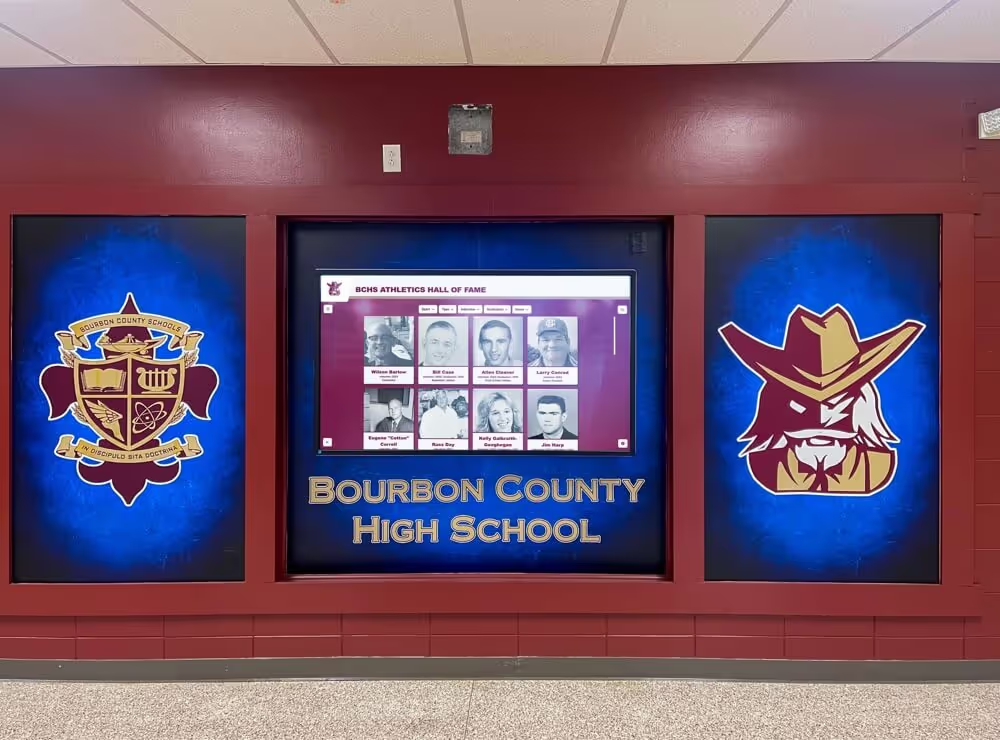
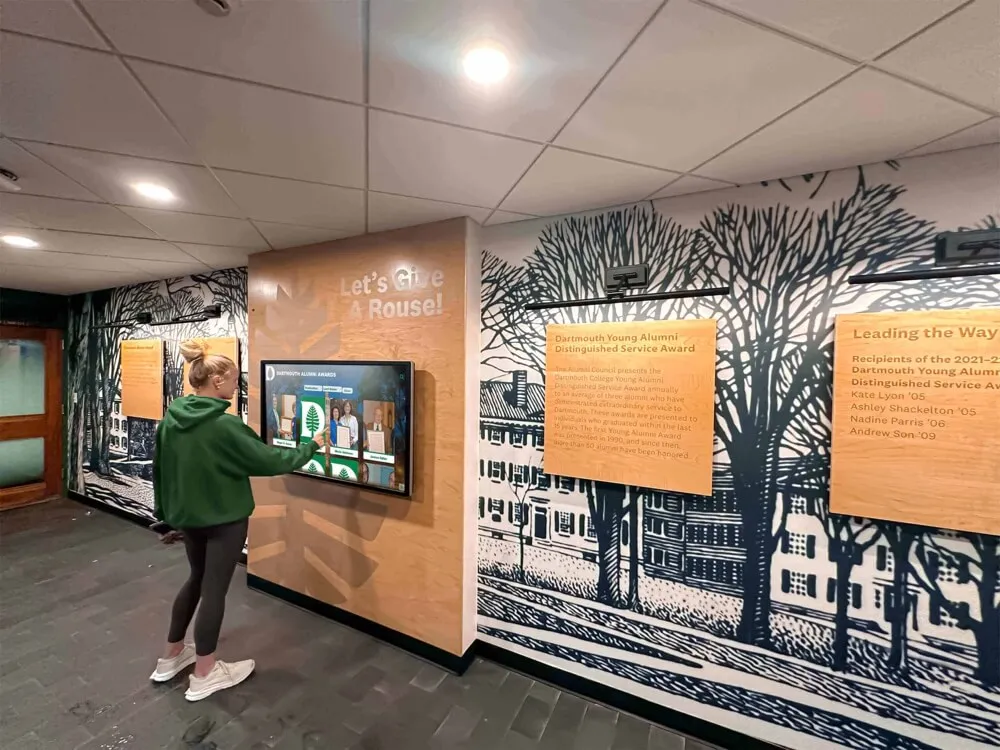
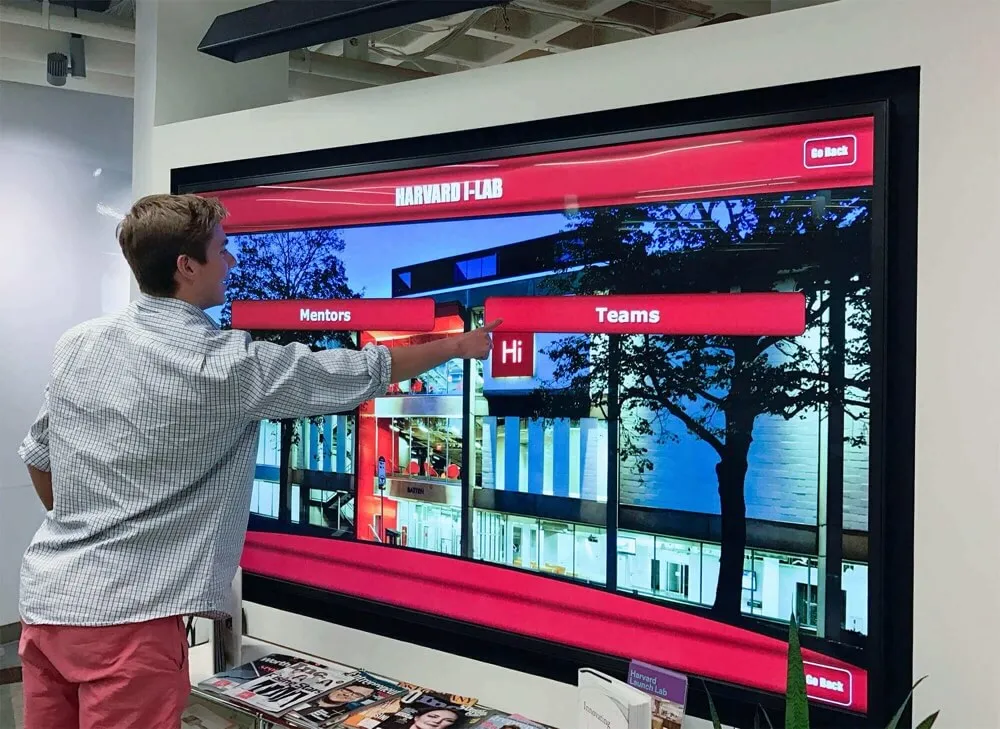
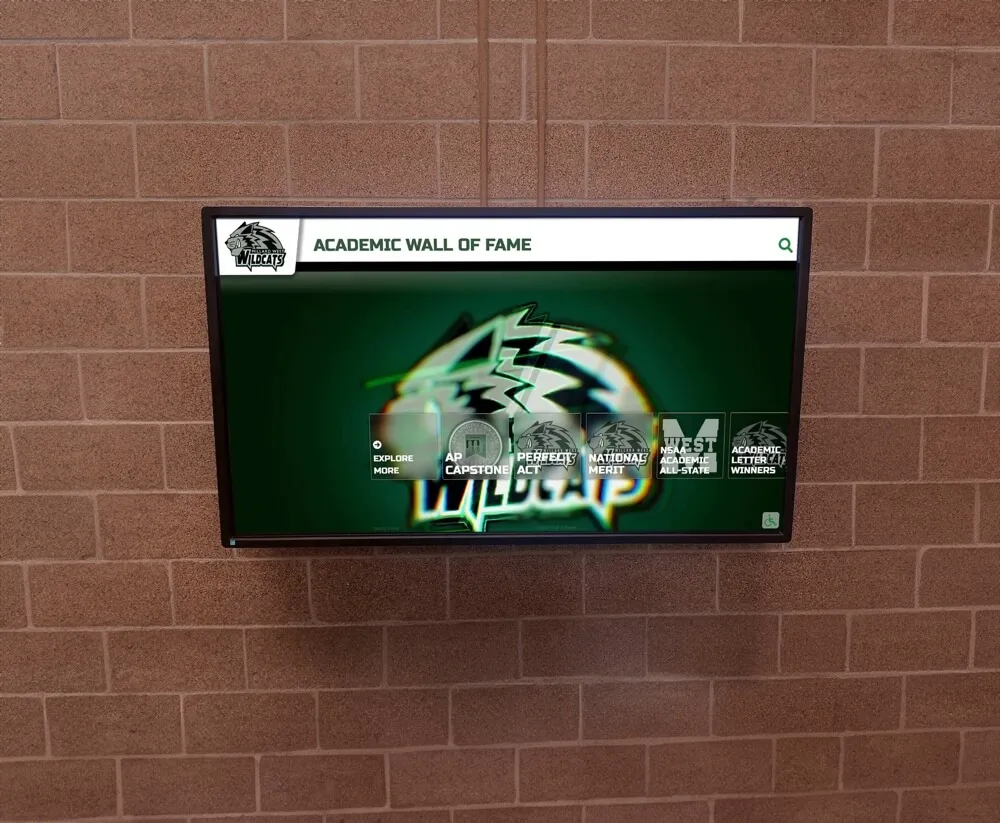
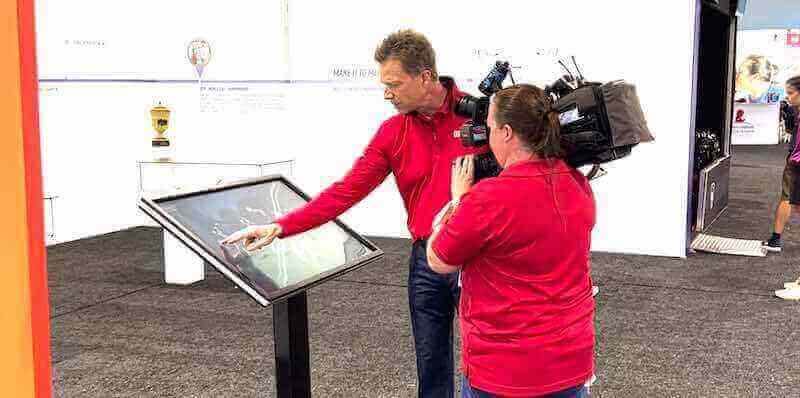
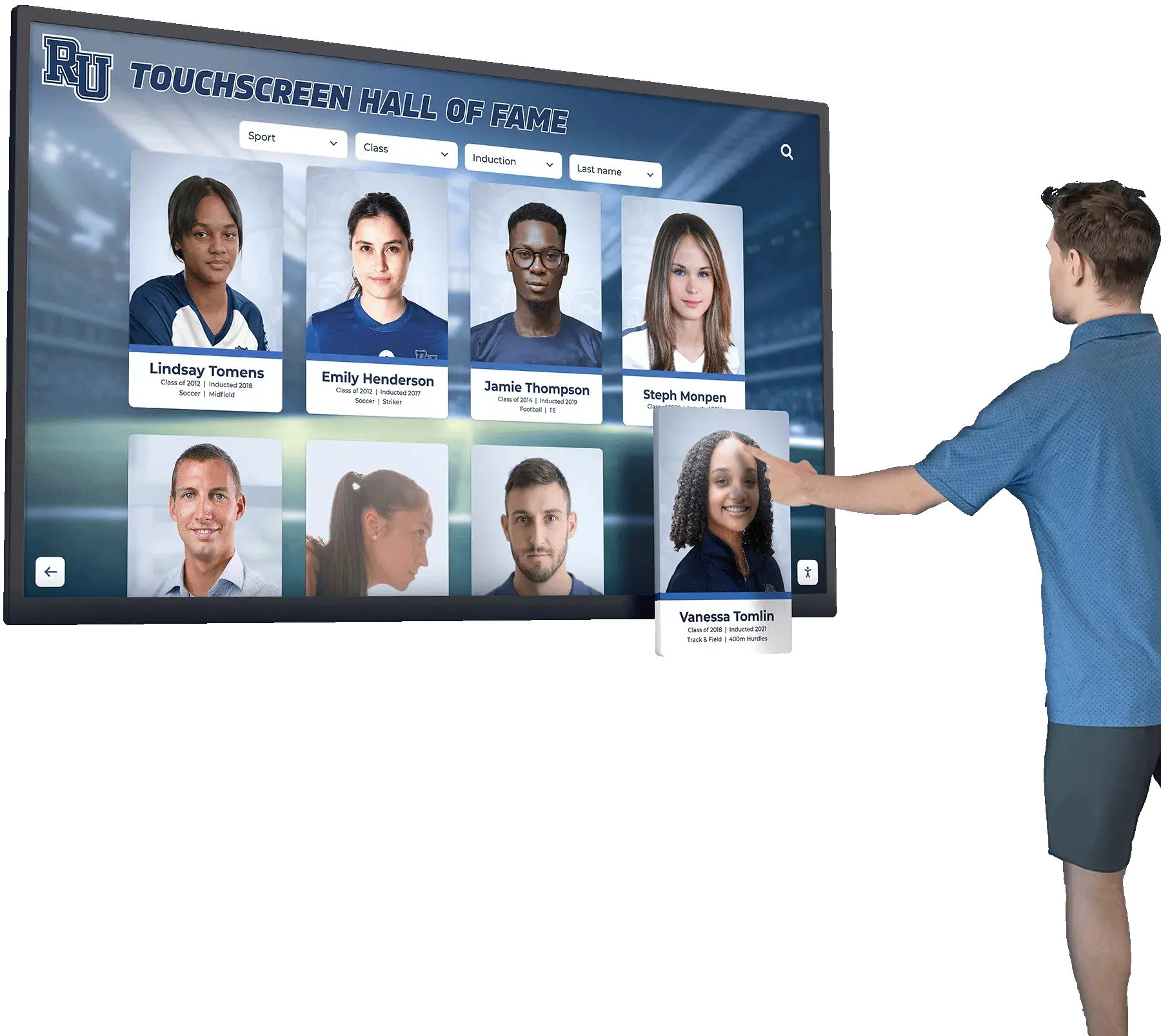
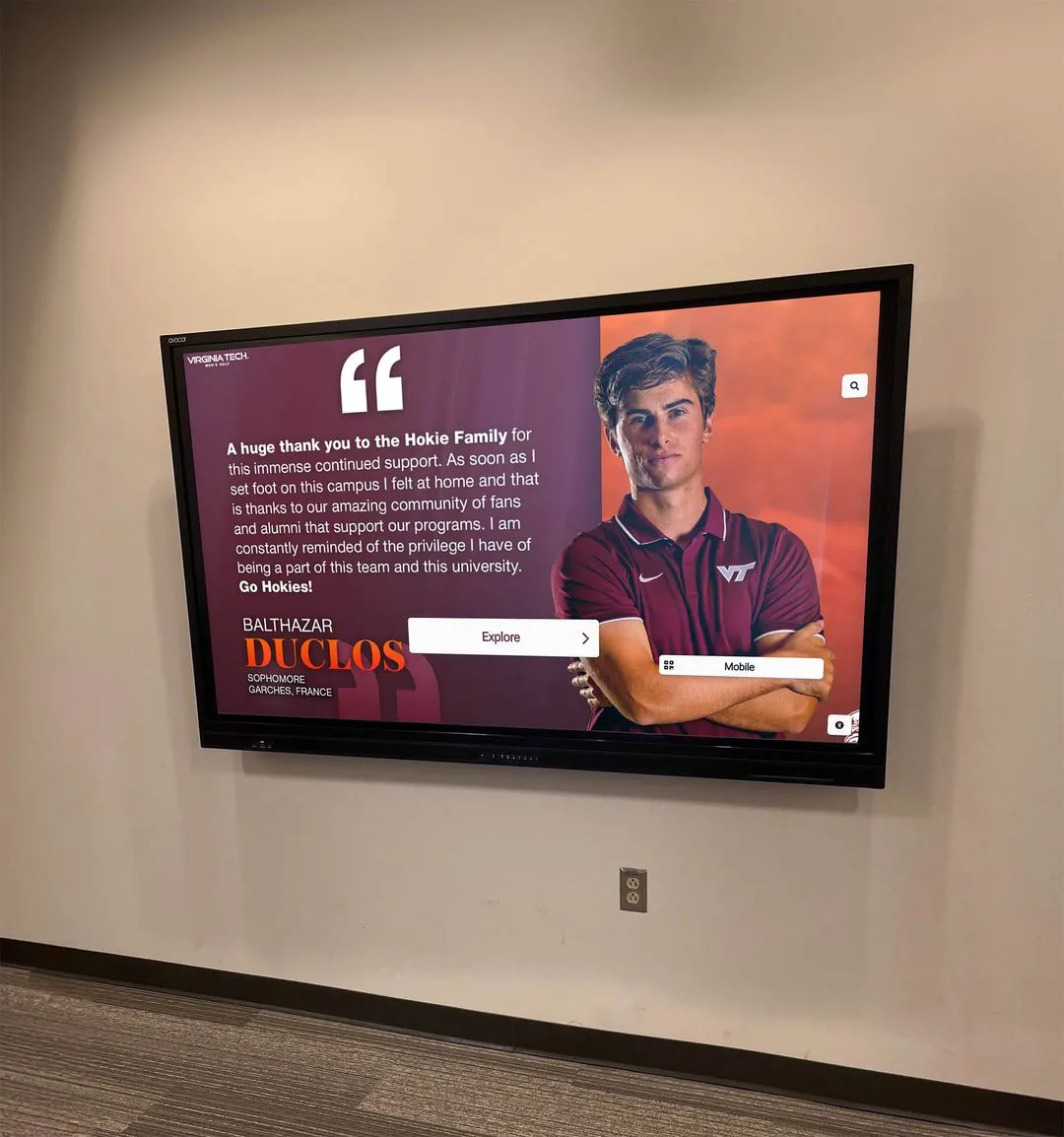
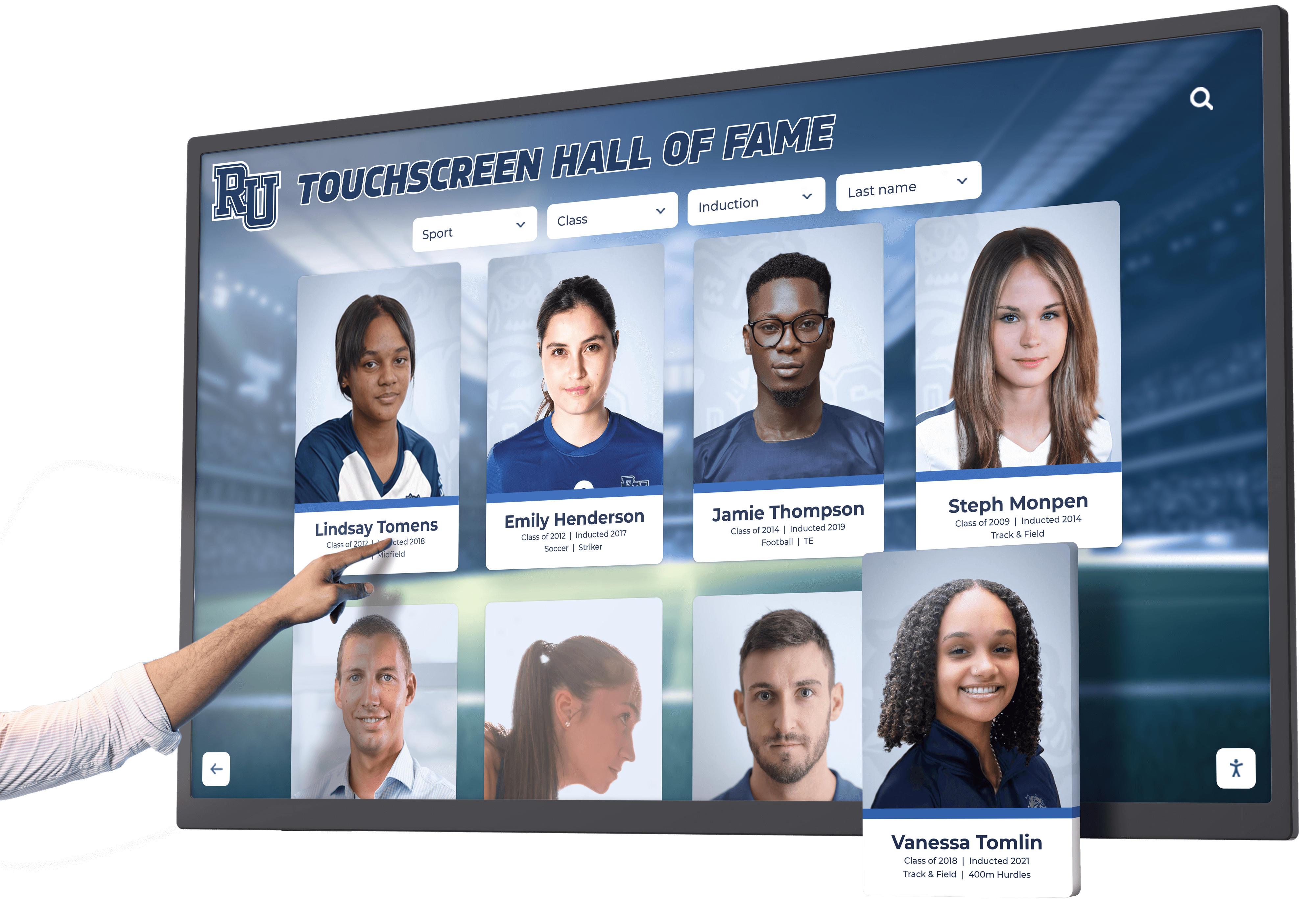
Modern hall of fame systems use interactive touchscreens to create engaging exploration experiences, allowing visitors to discover detailed achievement stories
Understanding the NASCAR Hall of Fame
The NASCAR Hall of Fame opened in May 2010 as a 150,000-square-foot facility dedicated to honoring NASCAR’s greatest contributors while educating visitors about stock car racing history and culture. Unlike traditional sports halls of fame that rely primarily on static plaques, the NASCAR facility integrates recognition with interactive exhibits, historical artifacts, multimedia presentations, and immersive experiences.
The NASCAR Hall of Fame Mission and Structure
The Hall serves multiple interconnected purposes that schools and organizations can learn from:
Honoring Excellence Through Formal Recognition
The core mission centers on identifying and inducting individuals who made outstanding contributions to NASCAR racing. Annual induction ceremonies celebrate new honorees while maintaining selection standards ensuring hall of fame status represents career-defining achievement. This balance between accessibility and exclusivity maintains recognition prestige—inductees understand their selection represents rare distinction among thousands of racing contributors.
Preserving Racing History and Heritage
Beyond individual recognition, the Hall functions as comprehensive archive documenting NASCAR’s evolution from regional sport to national phenomenon. Historical exhibits explore racing’s origins, technological developments, cultural impact, and defining moments. This historical preservation ensures future generations understand how the sport developed and who shaped its trajectory.
Educating Visitors About Racing
Interactive exhibits teach visitors about racing strategy, car technology, pit crew operations, and driver skills. This educational mission extends recognition beyond simple achievement listing into experiential learning that deepens appreciation for inductees’ accomplishments and the sport itself.
Creating Community Engagement Opportunities
The facility hosts events, special exhibitions, and community programs that bring racing fans together. Annual induction ceremonies become reunion occasions for racing families, alumni gatherings for former drivers and crew members, and celebration events that strengthen NASCAR’s community bonds.
Schools implementing comprehensive athletic recognition programs can adapt these interconnected purposes—recognition shouldn’t exist in isolation but rather support broader institutional goals including community building, historical preservation, and educational mission advancement.
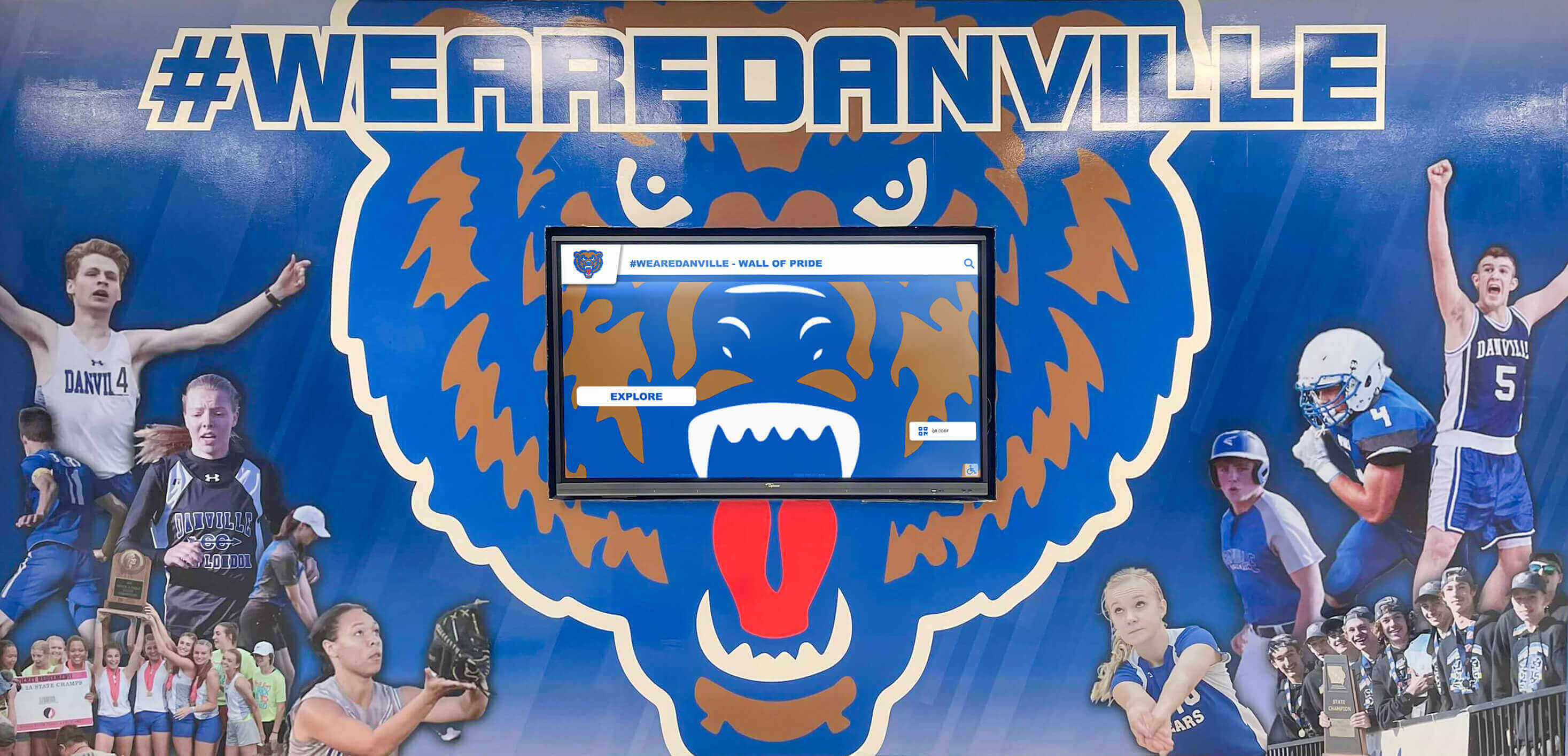
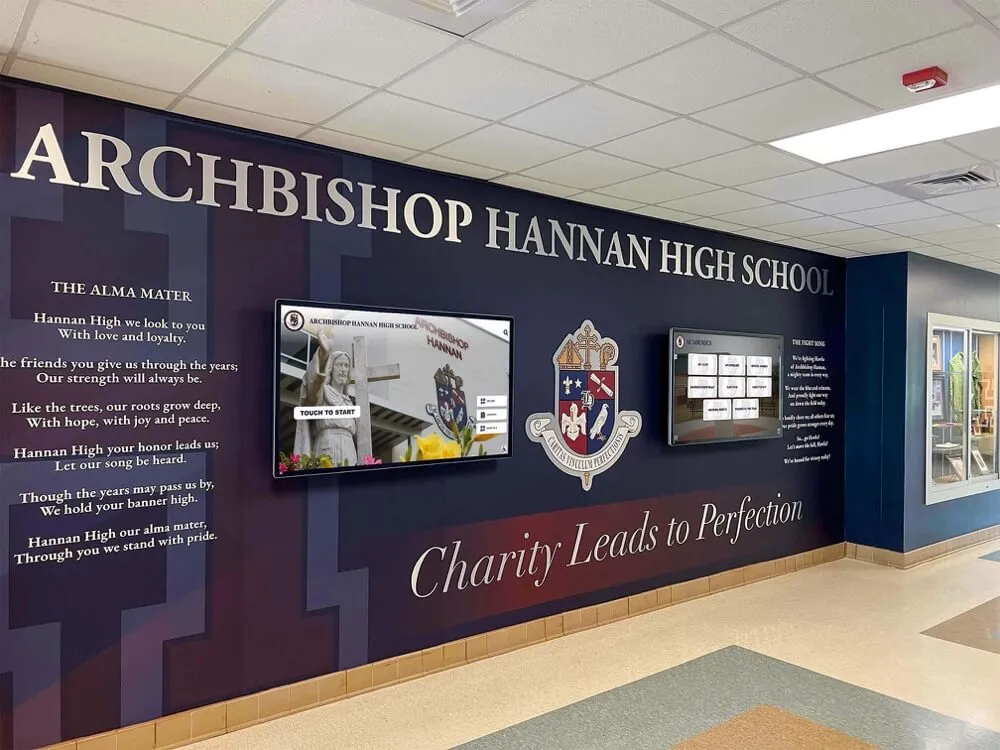
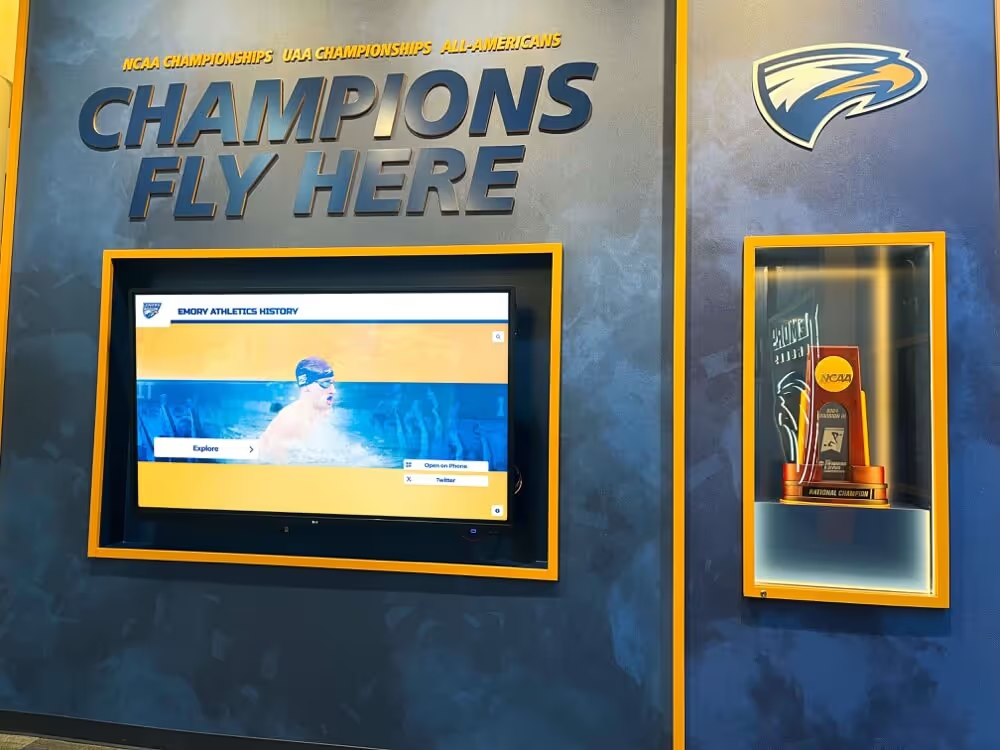
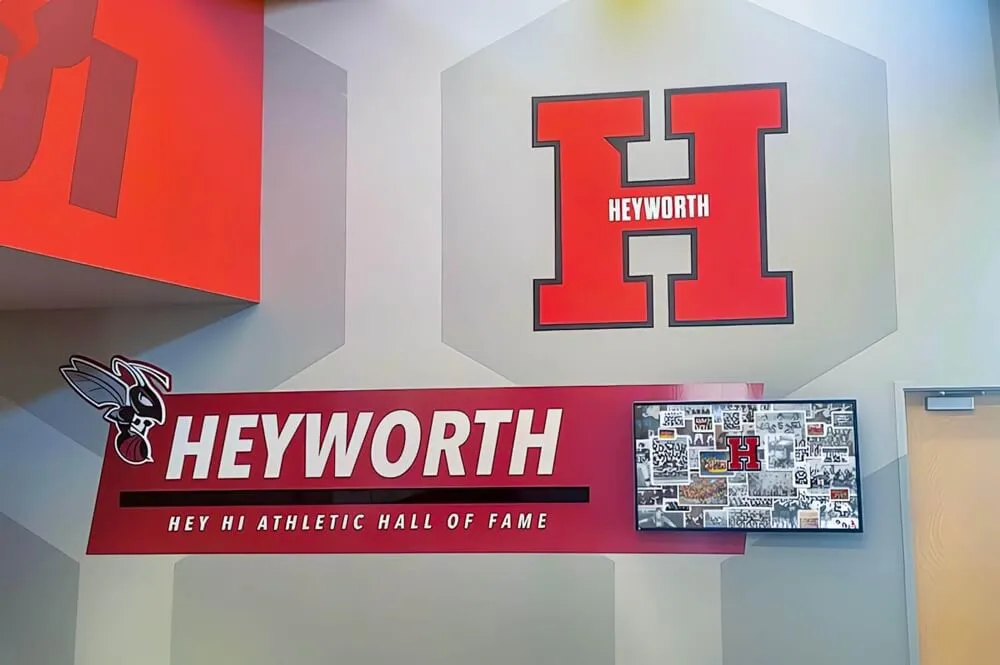
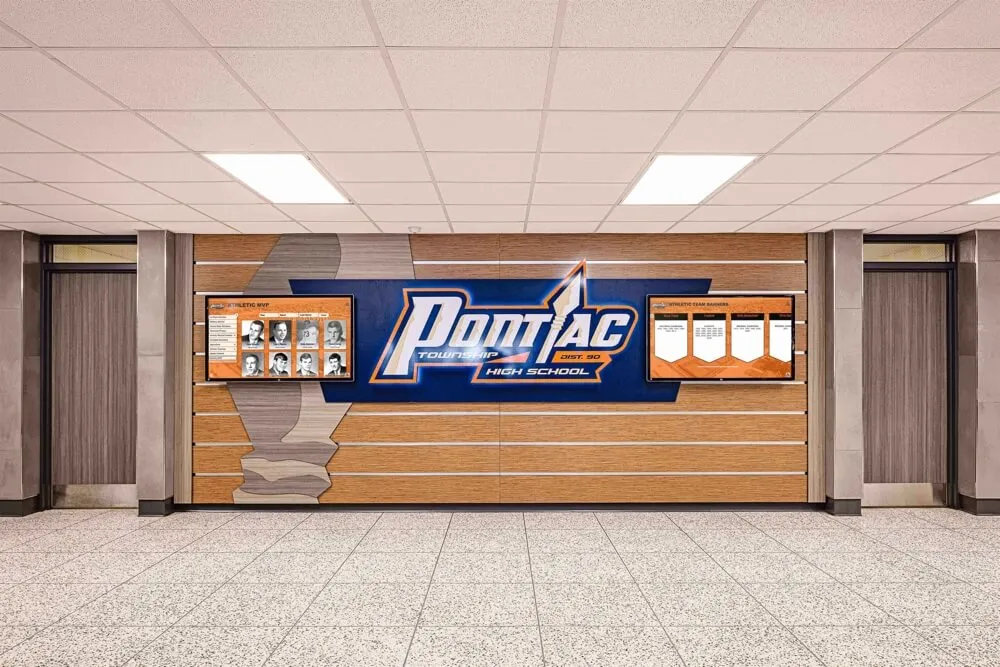
Effective recognition programs integrate institutional branding with digital technology, creating displays that celebrate achievement while reinforcing organizational identity
NASCAR Hall of Fame Selection Criteria and Process
Understanding how NASCAR maintains recognition standards offers valuable lessons for any organization establishing hall of fame programs.
Eligibility Requirements and Categories
The NASCAR Hall of Fame inducts individuals across multiple categories recognizing diverse contributions:
Modern Era Drivers
Drivers become eligible after retirement and meeting minimum participation requirements. Selection considers championship victories and consistency, total wins and competitive success, impact on the sport’s popularity and growth, sportsmanship and character, and contributions beyond driving performance. This multi-dimensional evaluation ensures recognition honors well-rounded excellence rather than just statistical achievement.
Pioneer Era Drivers
The Hall recognizes early racing pioneers who competed before NASCAR’s modern era, acknowledging that achievement standards differed significantly across racing history. This era-appropriate evaluation prevents recency bias while ensuring historical contributors receive appropriate recognition despite competing under vastly different conditions.
Crew Chiefs and Mechanics
Recognition extends beyond drivers to honor crew chiefs and mechanics whose expertise enabled racing success. This inclusive approach acknowledges that championships result from team excellence rather than individual performance alone—a lesson relevant for school athletic programs where coaches, trainers, and support staff enable student-athlete success.
Team Owners and Executives
The Hall honors owners and executives who built racing organizations, invested in NASCAR’s growth, and shaped the sport’s business development. This category recognizes that sustainable excellence requires organizational leadership and financial commitment beyond on-track performance.
Contributors and Pioneers
A special category acknowledges individuals who advanced NASCAR through broadcasting, track development, safety innovations, marketing, or other contributions. This flexible recognition ensures that diverse excellence receives acknowledgment rather than limiting honor to drivers and team members alone.
Schools establishing hall of fame recognition systems benefit from similar categorical flexibility—recognizing athletes, coaches, contributors, and supporters ensures comprehensive celebration of excellence across multiple dimensions.
The Voting Process and Committee Structure
NASCAR’s selection process maintains credibility through systematic procedures:
Nomination Phase
Each year, eligible candidates are nominated through established processes. The initial candidate pool includes all eligible individuals meeting basic criteria, ensuring systematic consideration rather than arbitrary selection.
Voting Committee Composition
A diverse voting panel includes NASCAR executives and administrators, motorsports media and historians, retired drivers and crew chiefs, track owners and racing industry leaders, and representatives from various racing stakeholder groups. This balanced composition ensures multiple perspectives influence selection rather than allowing single constituencies to dominate recognition decisions.
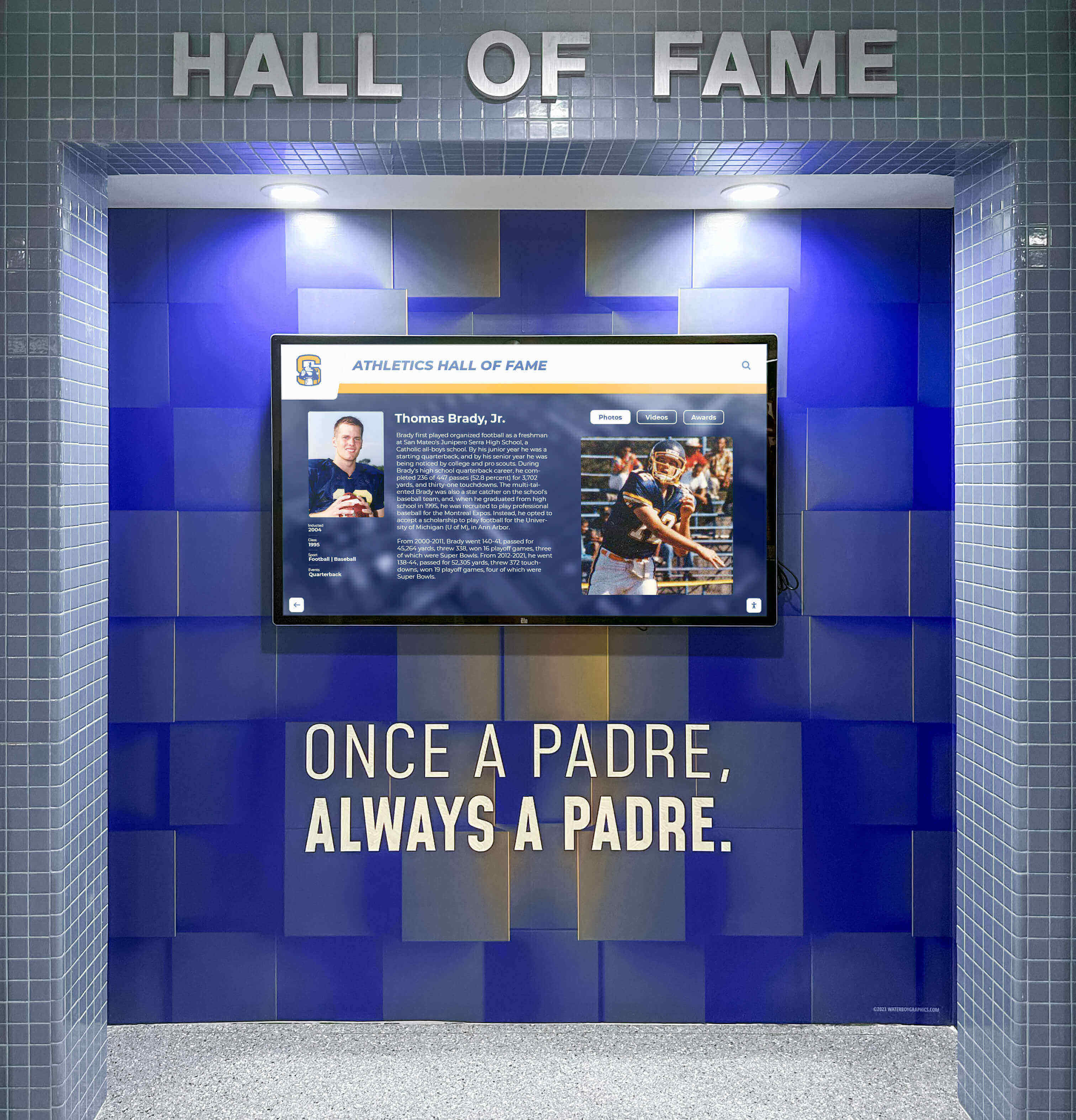
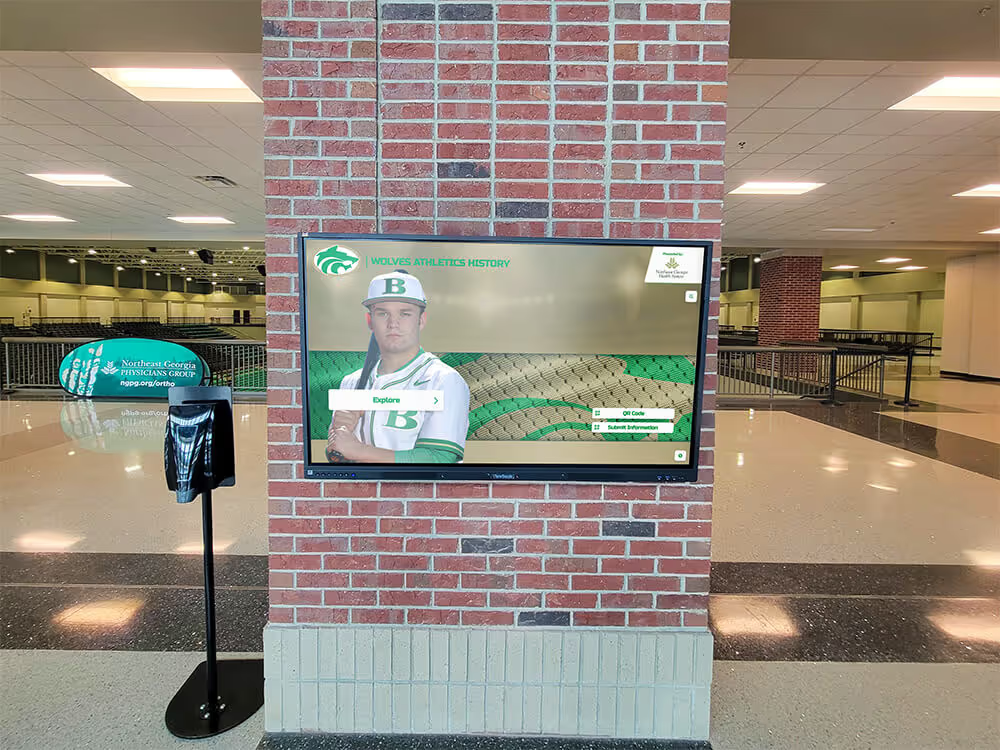
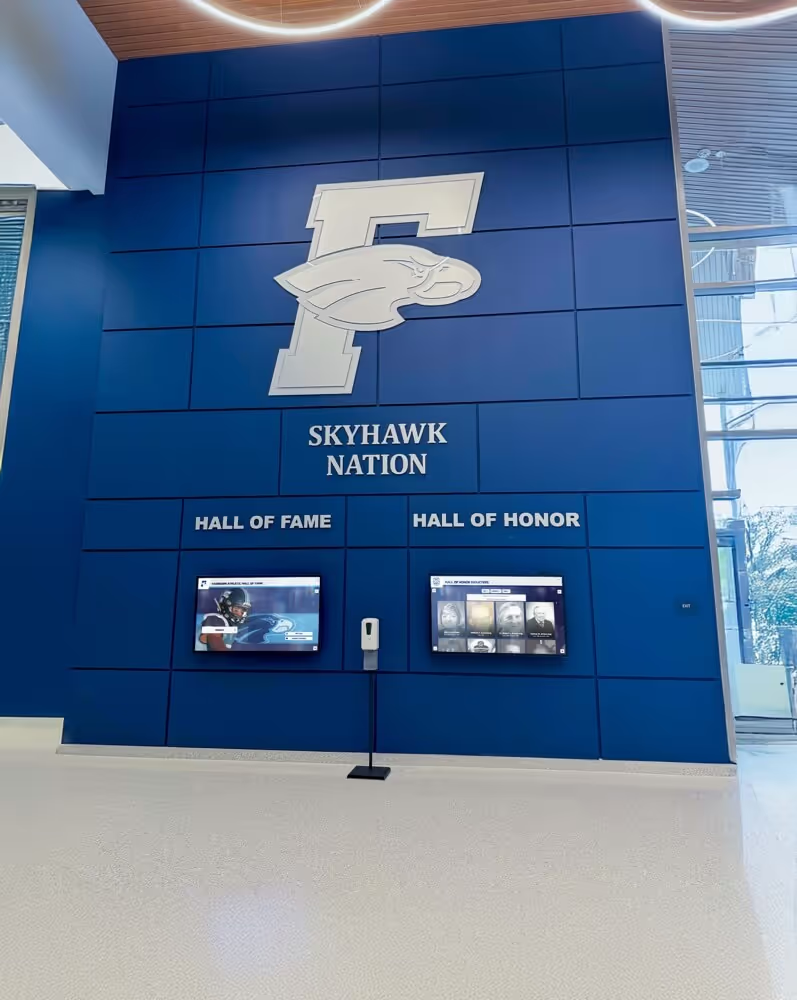
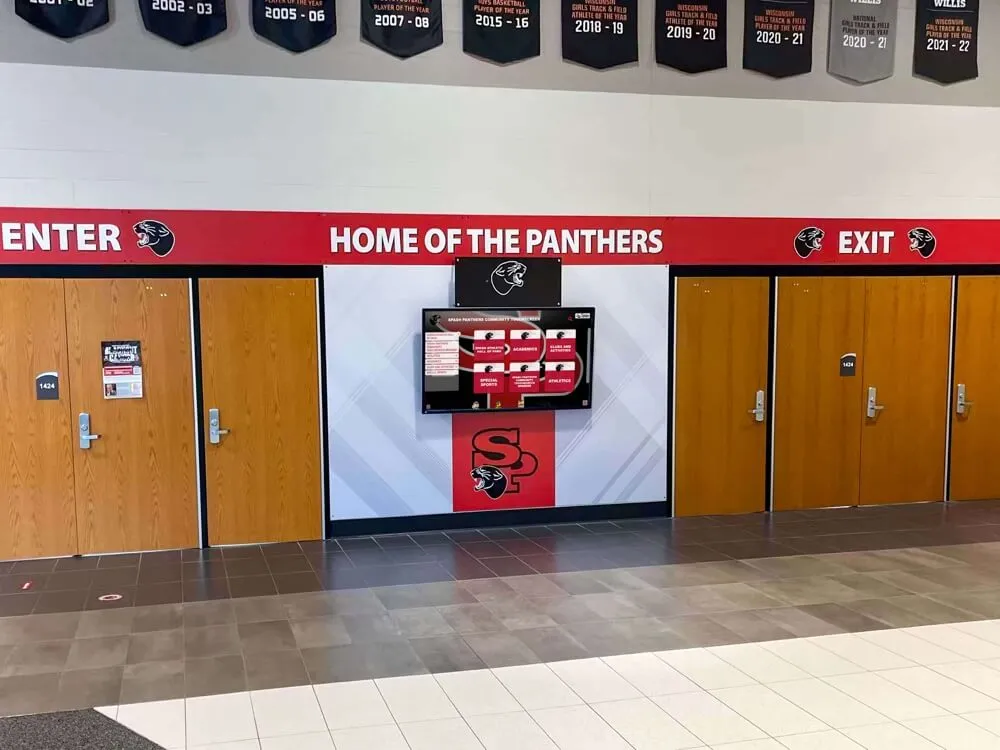
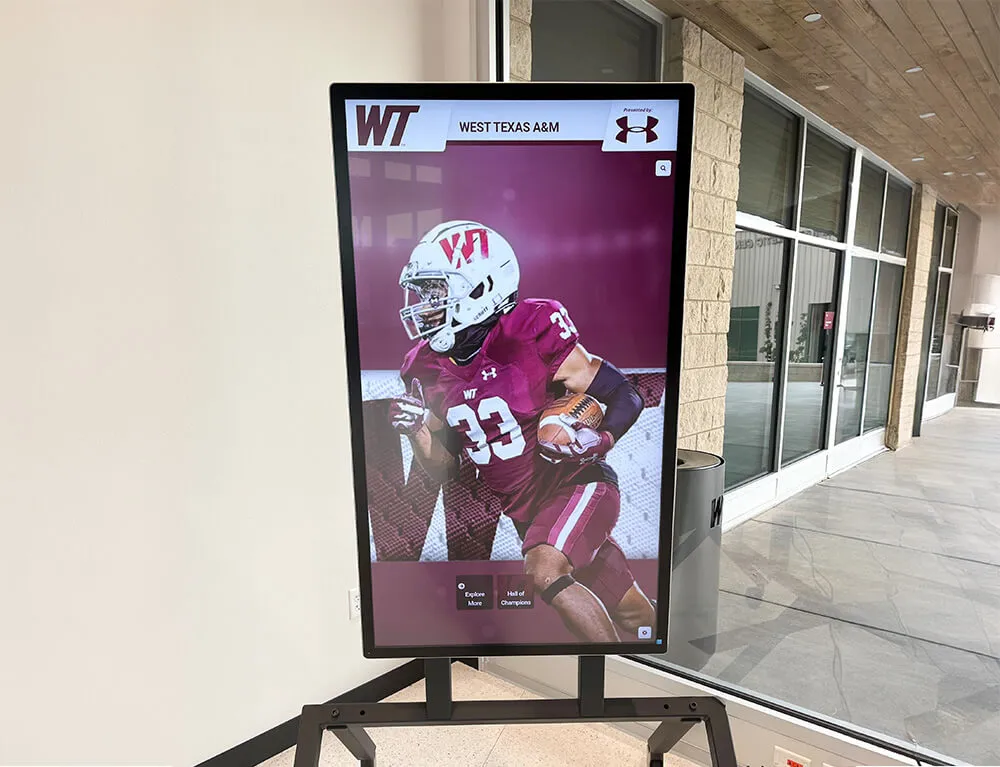
Strategic placement of recognition displays in athletic facilities ensures visibility among students, families, and community members
Selection Balloting
Committee members vote on candidates using structured balloting processes that consider achievement comprehensively. Multiple voting rounds narrow candidate fields progressively, ensuring thorough deliberation rather than hasty decisions. Vote tallies remain confidential, protecting committee members from external pressure while maintaining selection integrity.
Induction Class Size
The Hall typically inducts 5 members annually, balancing recognition accessibility with exclusivity. Class size limits prevent selection inflation that could diminish hall of fame prestige while ensuring regular recognition opportunities for deserving candidates.
Educational institutions implementing systematic recognition approaches benefit from similarly structured selection processes—formal committees, clear criteria, systematic voting, and controlled induction rates maintain recognition credibility and community trust.
Recognition Display and Visitor Experience
The NASCAR Hall of Fame’s physical space demonstrates how recognition facilities can create engaging experiences rather than passive displays.
Interactive Exhibit Design
Unlike traditional halls of fame featuring walls of plaques, NASCAR integrates recognition throughout experiential exhibits:
Glory Road Exhibit
A banked racetrack display showcases historic race cars positioned as if competing, with each vehicle accompanied by detailed information about its significance, driver achievements, and racing era context. This immersive presentation transforms car displays from static exhibits into storytelling vehicles that educate visitors about racing evolution and technological development.
Great Hall Recognition
The main recognition space features sophisticated displays combining photos, biographical information, career highlights, and multimedia content for each inductee. Digital screens provide deep dives into achievement details, allowing visitors to explore at their own pace based on personal interest levels.
Interactive Touchscreen Stations
Throughout the facility, touchscreen kiosks enable visitors to search for specific drivers, explore racing statistics, watch race footage, and access detailed achievement records. This interactive capability mirrors digital recognition systems that schools increasingly implement—transforming recognition from passive viewing into active exploration.
Multimedia Theater Presentations
Regular presentations in the Hall’s theater share inductee stories through documentary-style productions combining interview footage, race highlights, and narrative storytelling. These presentations create emotional connections between visitors and achievements while providing context that simple plaques cannot convey.
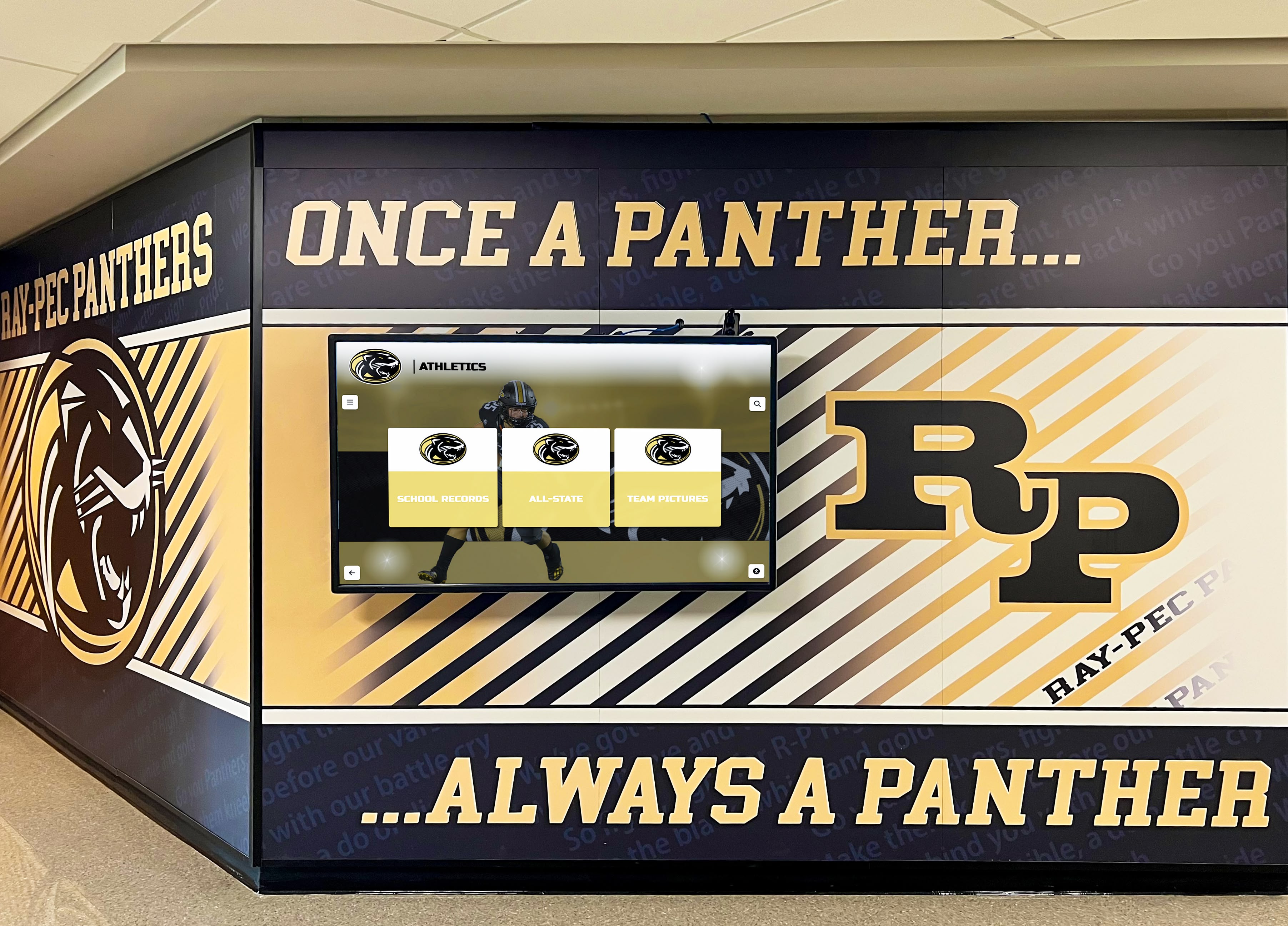
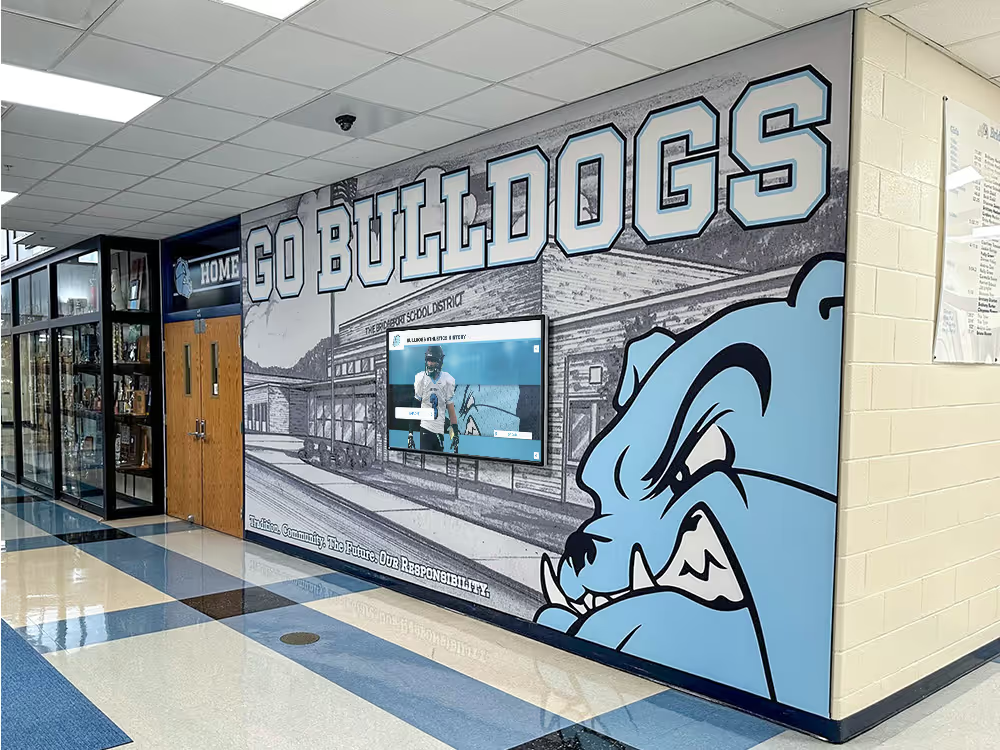
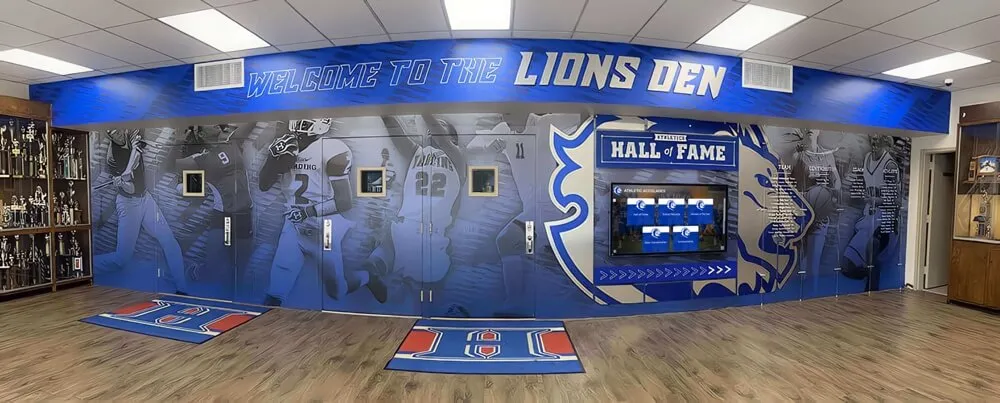
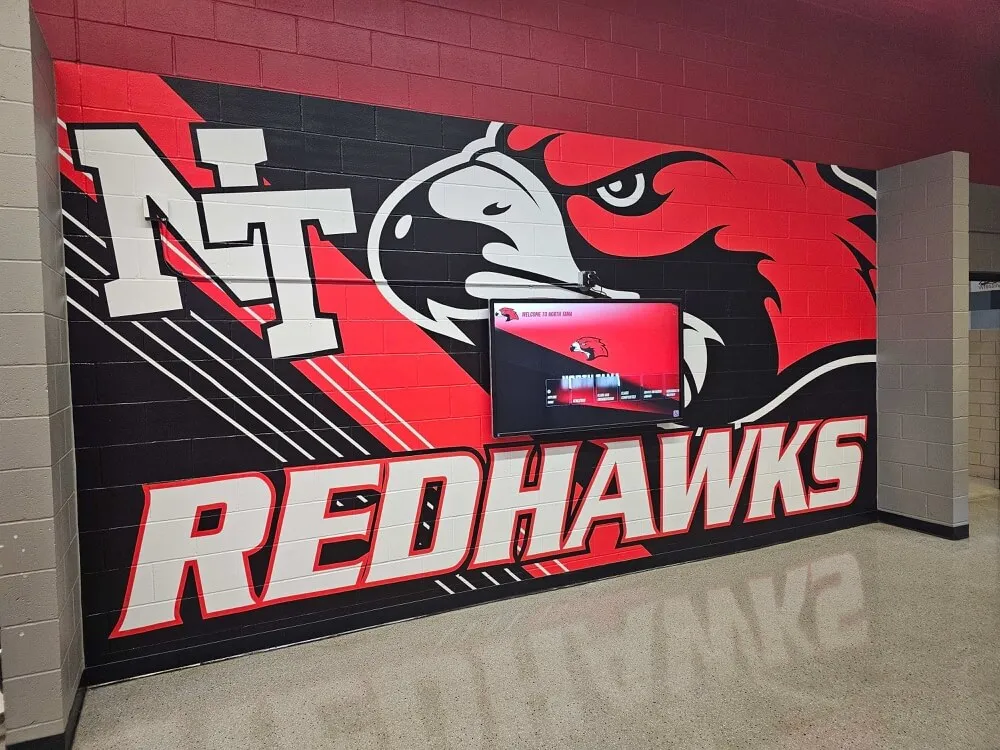
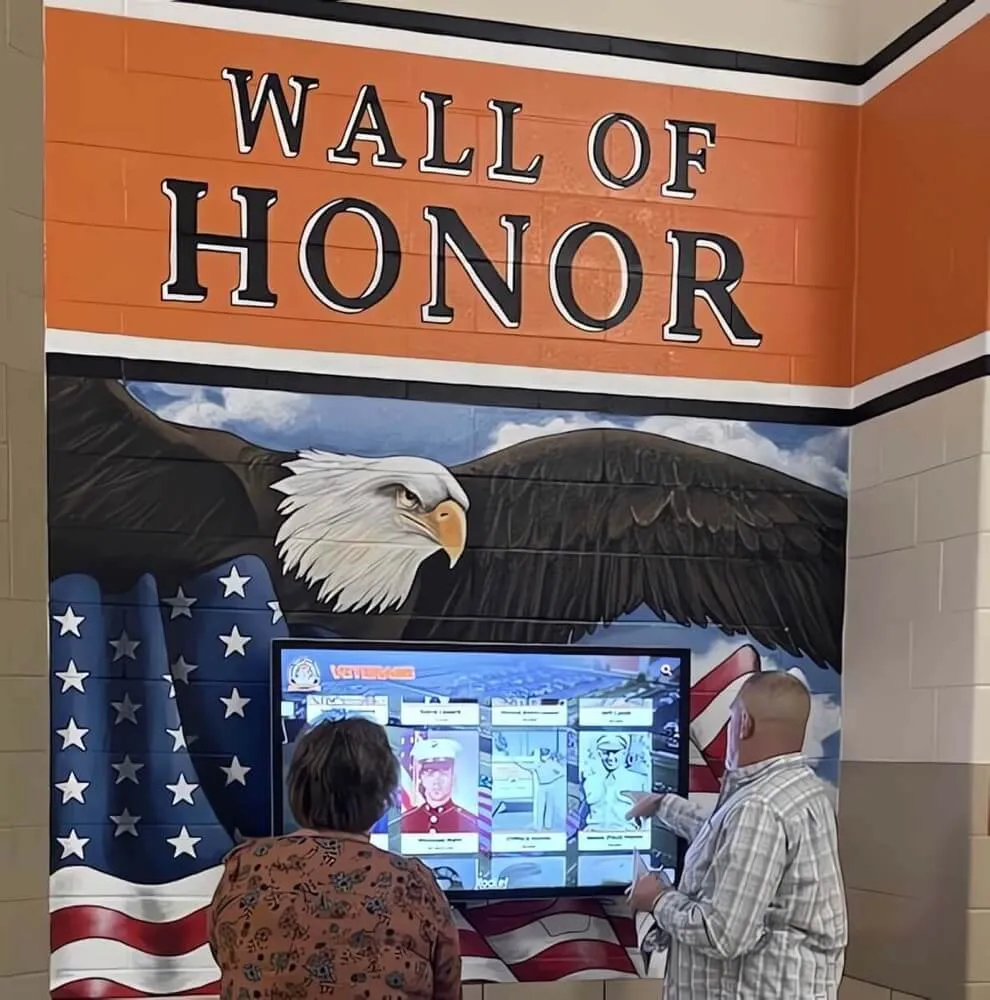
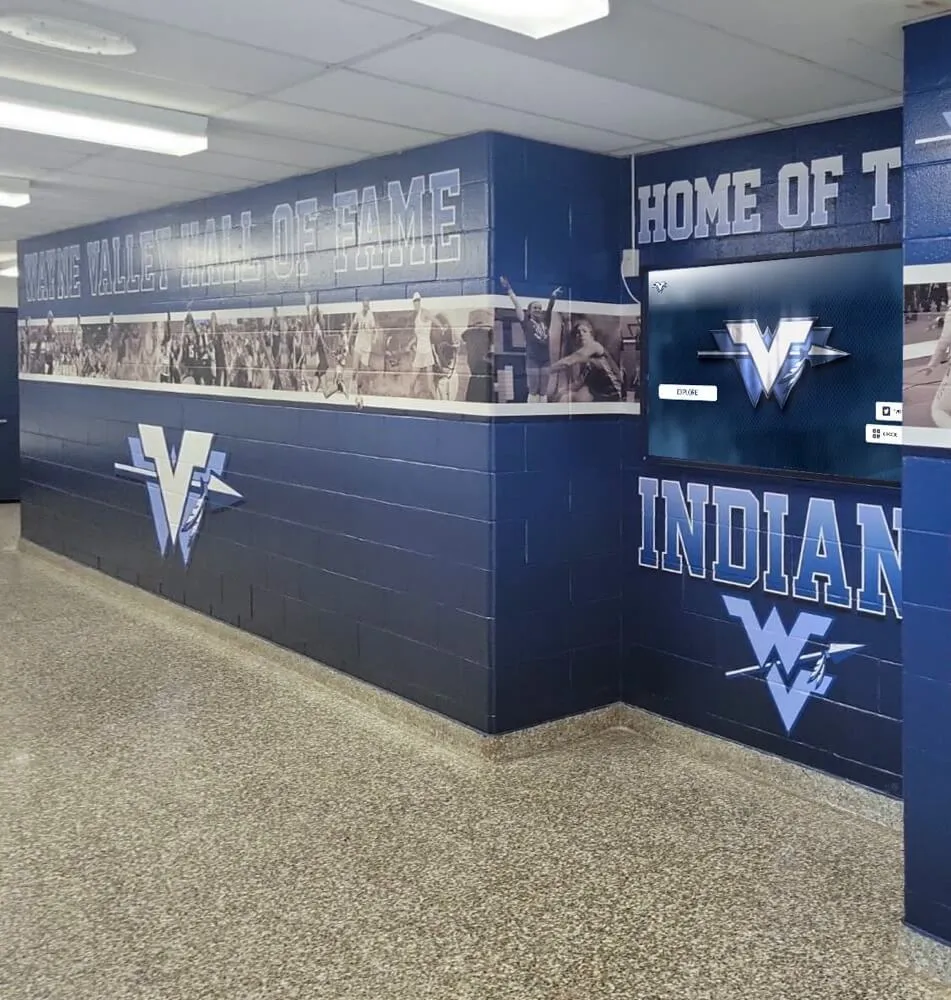
Schools can integrate digital recognition displays with existing murals and branding, creating comprehensive recognition environments in high-traffic areas
Storytelling Through Multiple Media
The NASCAR Hall of Fame demonstrates how comprehensive storytelling requires diverse content types:
Photography and Visual Documentation
Extensive photo collections show drivers throughout their careers—rookie photos, championship celebrations, racing action shots, team interactions, and retirement moments. This visual narrative helps visitors understand career arcs and personal journeys rather than just seeing final achievement summaries.
Video Archives and Race Footage
Historic race footage brings achievements to life in ways text cannot match. Watching Dale Earnhardt’s aggressive driving style or Jeff Gordon’s smooth precision provides visceral understanding of what made these drivers exceptional—context that statistics alone struggle to convey.
Oral History Interviews
First-person accounts from drivers, crew chiefs, family members, and competitors add personal dimensions to achievement stories. These interviews capture personalities, motivations, and experiences that shaped careers while preserving institutional memory before it fades with aging racing generations.
Statistical Records and Data Visualization
Comprehensive statistics document achievements quantitatively while data visualizations help visitors understand historical context. Comparing winning percentages across eras, visualizing championship progressions, and analyzing career trajectories transform raw numbers into meaningful achievement narratives.
Schools implementing recognition display systems should adopt similar multimedia approaches—combining photos, videos, statistics, and biographical narratives creates richer storytelling than any single content type alone.
Annual Induction Ceremonies and Community Celebration
The NASCAR Hall of Fame Induction Ceremony represents one of racing’s most prestigious annual events, demonstrating how recognition ceremonies can strengthen community bonds while honoring achievement meaningfully.
Ceremony Structure and Traditions
NASCAR’s induction ceremony balances formality with entertainment, creating memorable experiences for inductees, families, and racing fans:
Pre-Ceremony Recognition Events
Induction weekend includes multiple events beyond the formal ceremony itself—media days where inductees share stories with journalists, fan meet-and-greet opportunities, special exhibits featuring inductee memorabilia, and private gatherings for racing families. This extended celebration ensures recognition extends beyond single moments into comprehensive acknowledgment.
Formal Ceremony Elements
The ceremony itself follows structured formats including introduction of each inductee with biographical video presentations, acceptance speeches from honorees reflecting on careers and expressing gratitude, presentation by previous inductees or NASCAR officials, unveiling of hall of fame displays, and group photos of induction classes. These traditional elements create ceremonial gravitas while allowing personalized moments that recognize individual achievements uniquely.
Family and Community Involvement
Induction ceremonies prioritize family participation—spouses, children, parents, and racing families share in recognition. This inclusive approach acknowledges that achievement rarely results from individual effort alone but rather reflects support networks that enabled excellence. Ceremonies also recognize team members, crew chiefs, and colleagues who contributed to honorees’ success.
Media Coverage and Broader Reach
NASCAR promotes induction ceremonies extensively through television broadcasts, social media coverage, press releases and feature articles, and digital content distribution. This amplified visibility extends recognition far beyond ceremony attendees, ensuring broader racing communities participate in celebration while elevating inductee profiles nationally.
Educational institutions can adapt these ceremony approaches for school athletic recognition programs—creating meaningful ceremonies doesn’t require massive budgets but rather thoughtful planning that makes honorees feel valued while engaging broader communities.
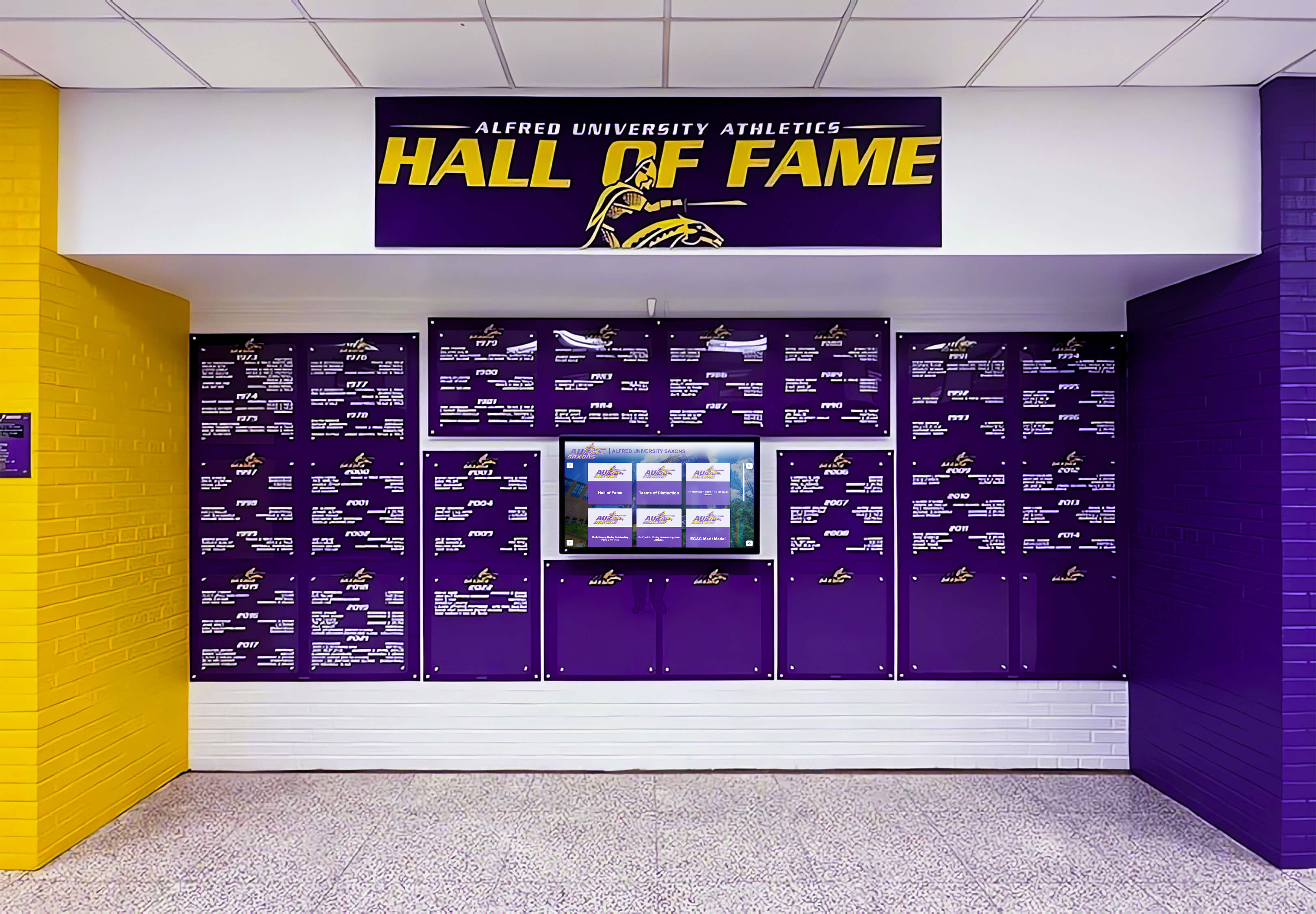
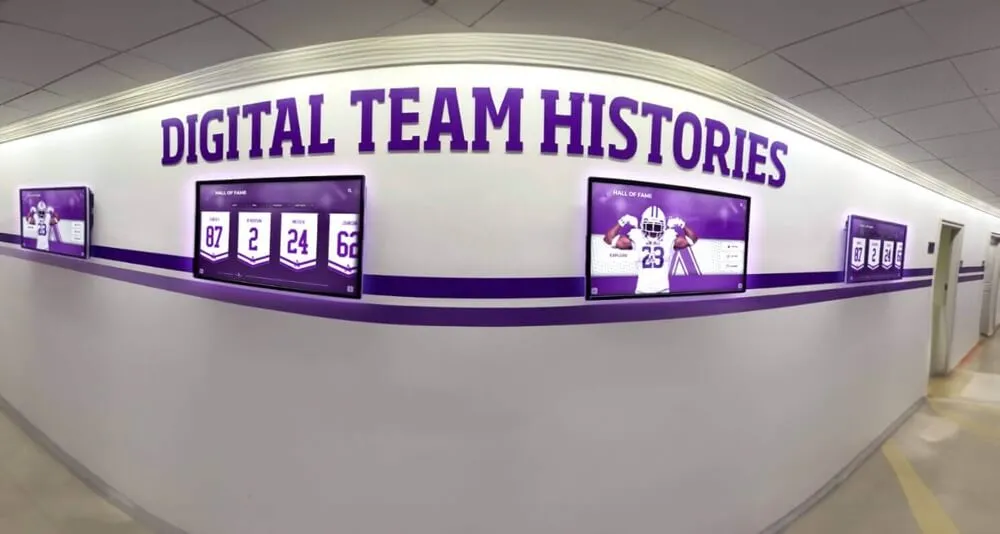
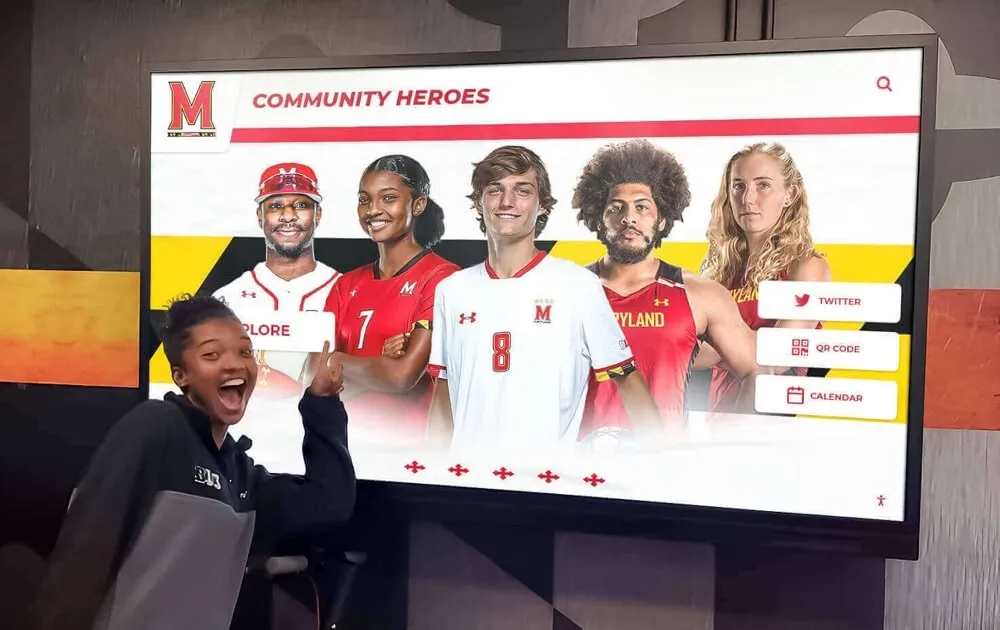
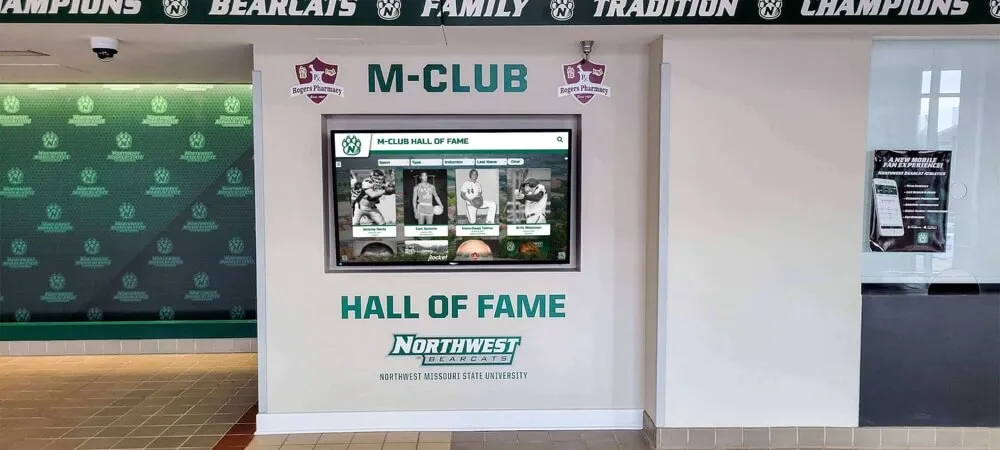
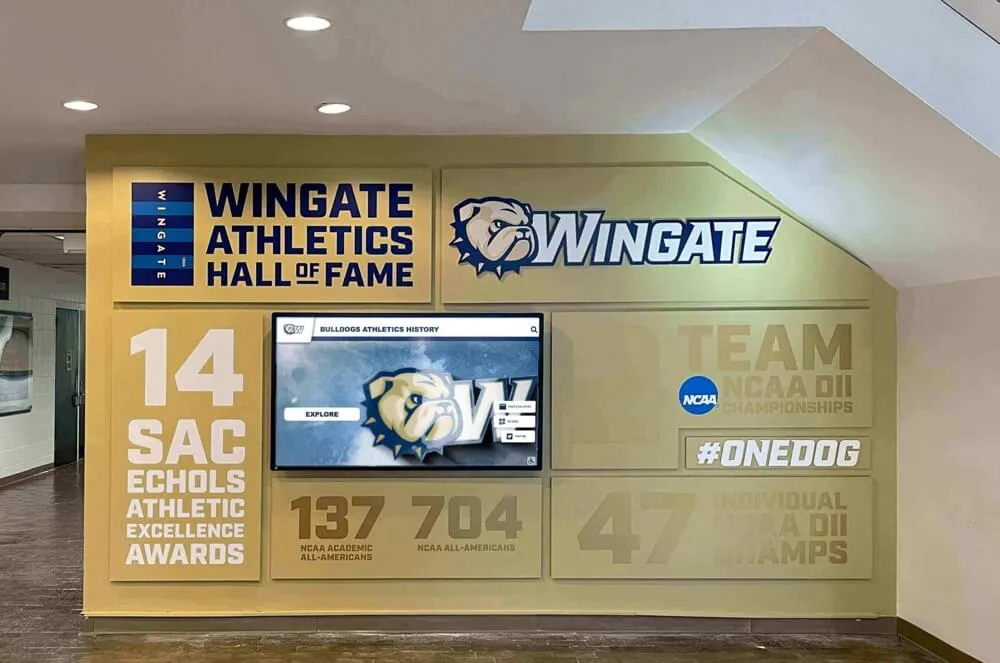
University hall of fame displays integrate school colors and branding while providing comprehensive recognition of athletic excellence
Lessons Schools Can Learn From NASCAR Hall of Fame Recognition
While few schools have NASCAR’s resources or scale, the Hall’s recognition principles translate effectively to educational contexts regardless of budget or facility size.
Principle 1: Tell Complete Achievement Stories, Not Just Lists
NASCAR’s recognition succeeds because it tells stories rather than simply listing achievements. Schools should adopt similar narrative approaches:
Beyond Basic Statistics
Instead of plaques listing points scored or championships won, comprehensive profiles should share athlete backgrounds and personal journeys, challenges overcome and adversity faced, leadership examples and character demonstrations, coach perspectives on athlete impact, team success contributions, and post-graduation achievements and career paths.
This storytelling depth transforms recognition from data reporting into inspirational narratives that current students connect with emotionally while learning what excellence requires.
Contextualizing Achievements
Help visitors understand why achievements matter by explaining competitive contexts, comparing performance to historical standards, describing obstacles athletes overcame, sharing defining moments and breakthrough performances, and connecting individual excellence to program development.
Context transforms numbers into meaningful accomplishments—1,000 points scored becomes more impressive when visitors learn the athlete achieved this milestone while maintaining honor roll status and volunteering extensively in the community.
Principle 2: Use Technology to Eliminate Space Constraints
NASCAR demonstrates how technology enables comprehensive recognition impossible with physical displays alone:
Unlimited Recognition Capacity
Digital platforms like interactive touchscreen systems provide unlimited storage for inductee profiles, allowing schools to recognize more achievements without space limitations, eliminate difficult decisions about whose plaques get removed when walls fill up, preserve all historical achievements regardless of era, and expand recognition categories beyond traditional hall of fame selections.
This unlimited capacity fundamentally changes recognition philosophy—schools can celebrate broader achievement rather than restricting honor to rare exceptional cases.
Multimedia Content Integration
Technology enables schools to include game highlight videos, championship footage, athlete interviews, coach testimonials, photo galleries showing career progression, statistical visualizations, and news articles documenting achievements.
This multimedia richness creates significantly more engaging recognition experiences than static plaques while preserving institutional memory more comprehensively.
Remote Accessibility
Web-based recognition platforms extend accessibility beyond physical campuses, allowing alumni worldwide to explore achievements, families to share recognition with extended networks, college recruiters to research athletes, community members to connect with school tradition, and future generations to discover historical excellence.
Schools implementing web-accessible digital recognition systems report dramatically increased alumni engagement compared to physical-only displays—recognition becomes living platforms rather than campus-bound exhibits.
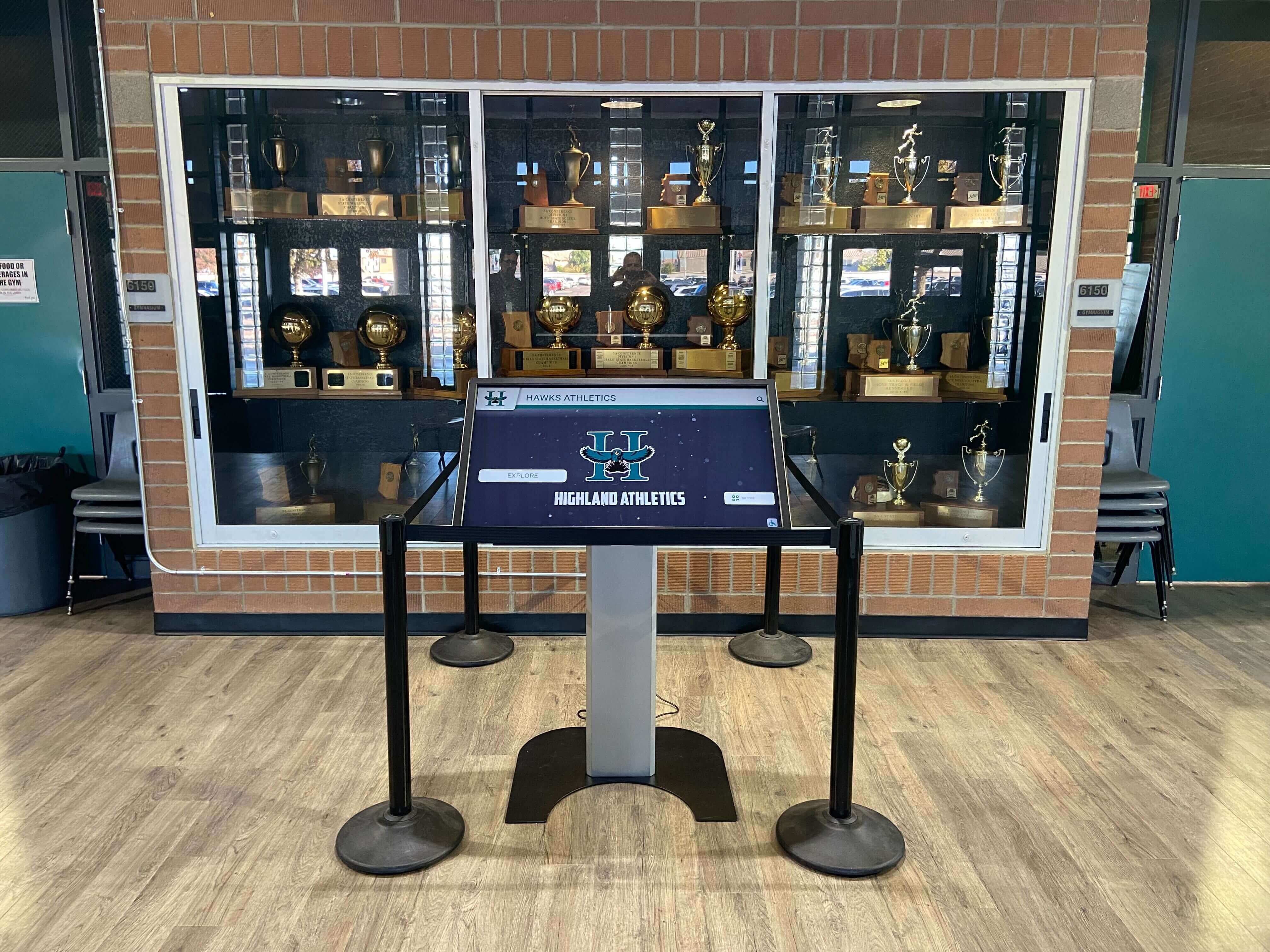
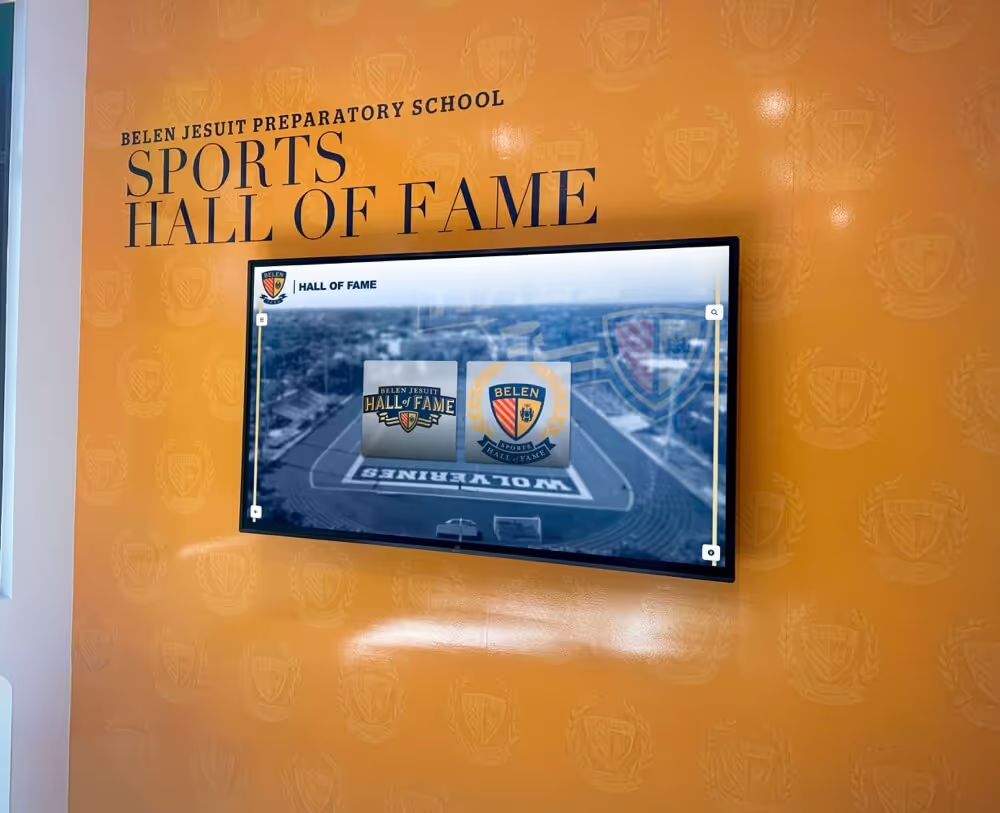
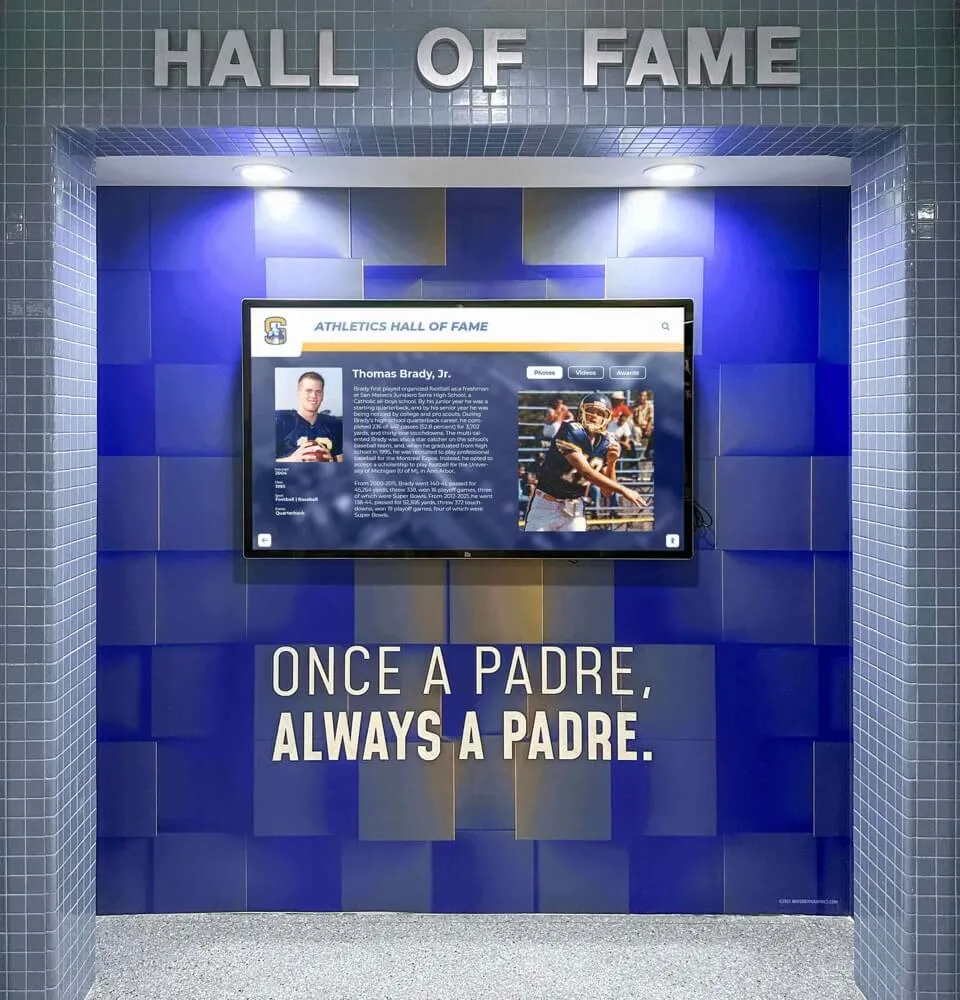
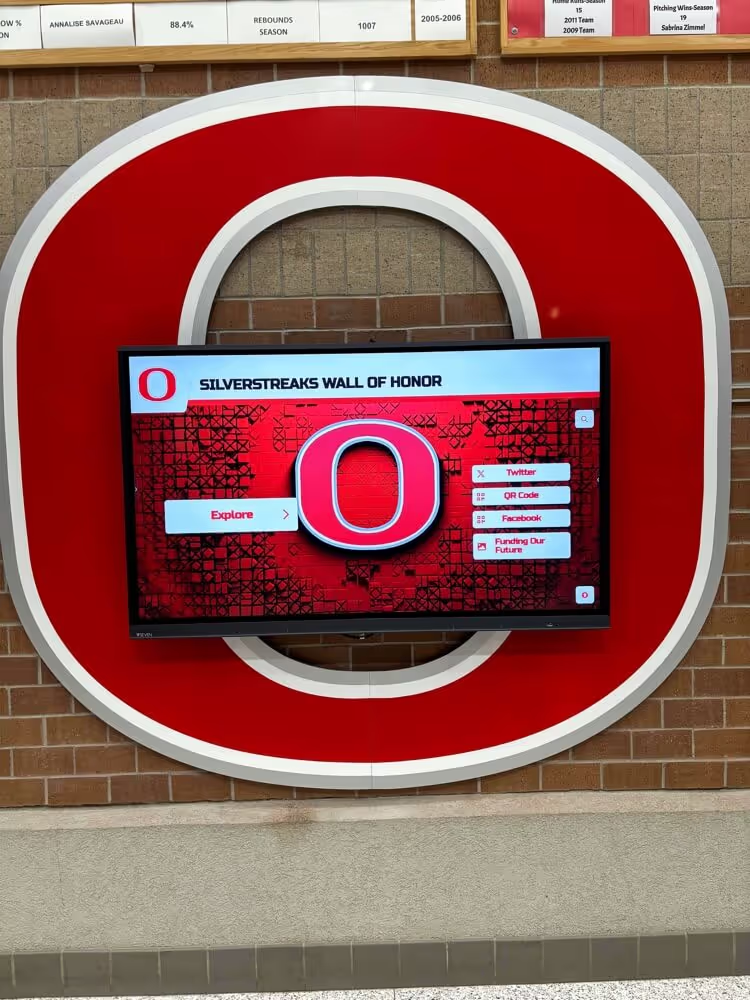
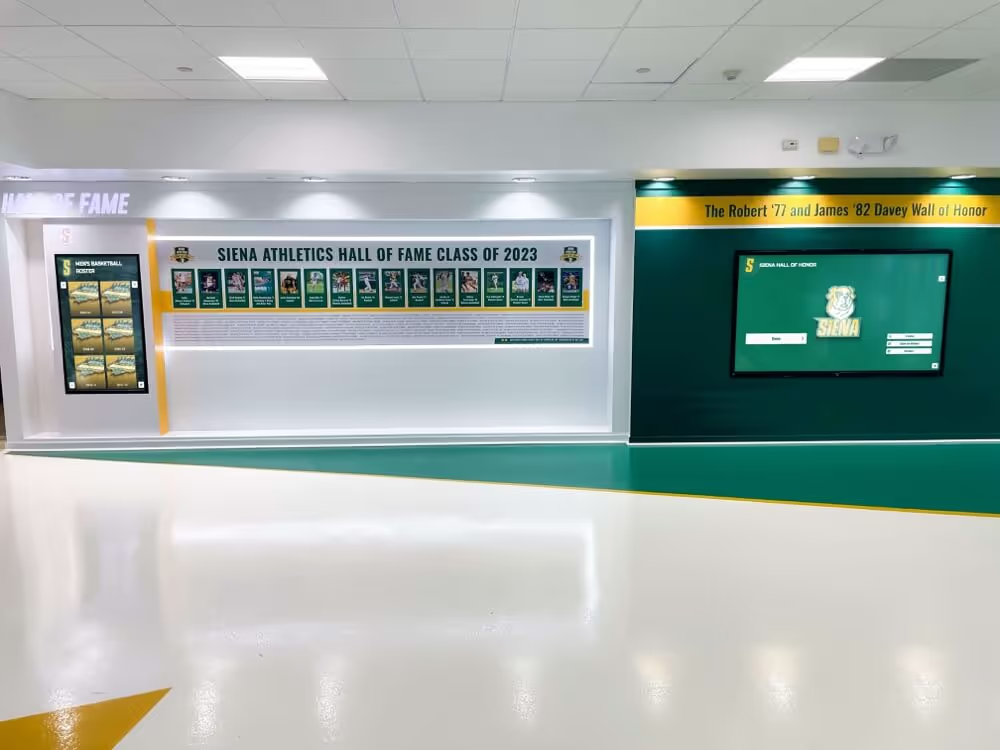
Schools can install interactive touchscreen kiosks in existing trophy case areas, modernizing recognition while preserving traditional display elements
Principle 3: Maintain Rigorous Selection Standards
NASCAR’s prestige stems partly from selective induction—schools should prioritize quality over quantity:
Clear, Objective Criteria
Establish transparent standards defining hall of fame eligibility including statistical thresholds appropriate to your competitive level, honor requirements (all-conference, all-state, etc.), championship contributions, character and sportsmanship standards, post-graduation achievement consideration, and coach evaluation components.
Written criteria prevent subjective favoritism while ensuring community understanding of what recognition requires.
Formal Selection Processes
Create structured committees representing diverse perspectives including athletic directors and administrators, retired coaches with program history, alumni representatives, community members, and potentially student-athletes. Documented voting procedures maintain transparency while protecting committee members from external pressure.
Limited Annual Induction Numbers
Resist pressure to induct large classes annually. Smaller, selective classes maintain prestige while ensuring ceremonies remain manageable and meaningful. Many successful school programs induct 3-5 individuals annually—enough to recognize deserving candidates without diluting honor through excessive accessibility.
Organizations establishing systematic recognition programs discover that selection rigor directly correlates with program prestige and community respect.
Principle 4: Create Meaningful Induction Ceremonies
NASCAR demonstrates how ceremonies become recognition highlights rather than administrative formalities:
Strategic Timing and Coordination
Schedule induction ceremonies during high-attendance events like homecoming weekends, significant athletic competitions, or alumni reunions. This timing ensures larger audiences while creating natural celebration contexts. Coordinate with athletic calendars avoiding conflicts with championships or playoffs when honorees and families face competing obligations.
Personal Recognition Elements
Make each inductee feel uniquely honored through biographical video presentations, personalized speeches from coaches or teammates, display of career memorabilia and artifacts, family participation and acknowledgment, and physical recognition items like jackets, plaques, or rings.
These personalized touches distinguish meaningful ceremonies from generic award presentations.
Community Engagement Opportunities
Use ceremonies to strengthen broader community connections by inviting youth teams and future athletes, promoting media coverage, live-streaming for remote alumni, creating social media engagement opportunities, and hosting receptions enabling networking and relationship building.
Ceremonies should celebrate current inductees while strengthening institutional bonds throughout athletic communities.
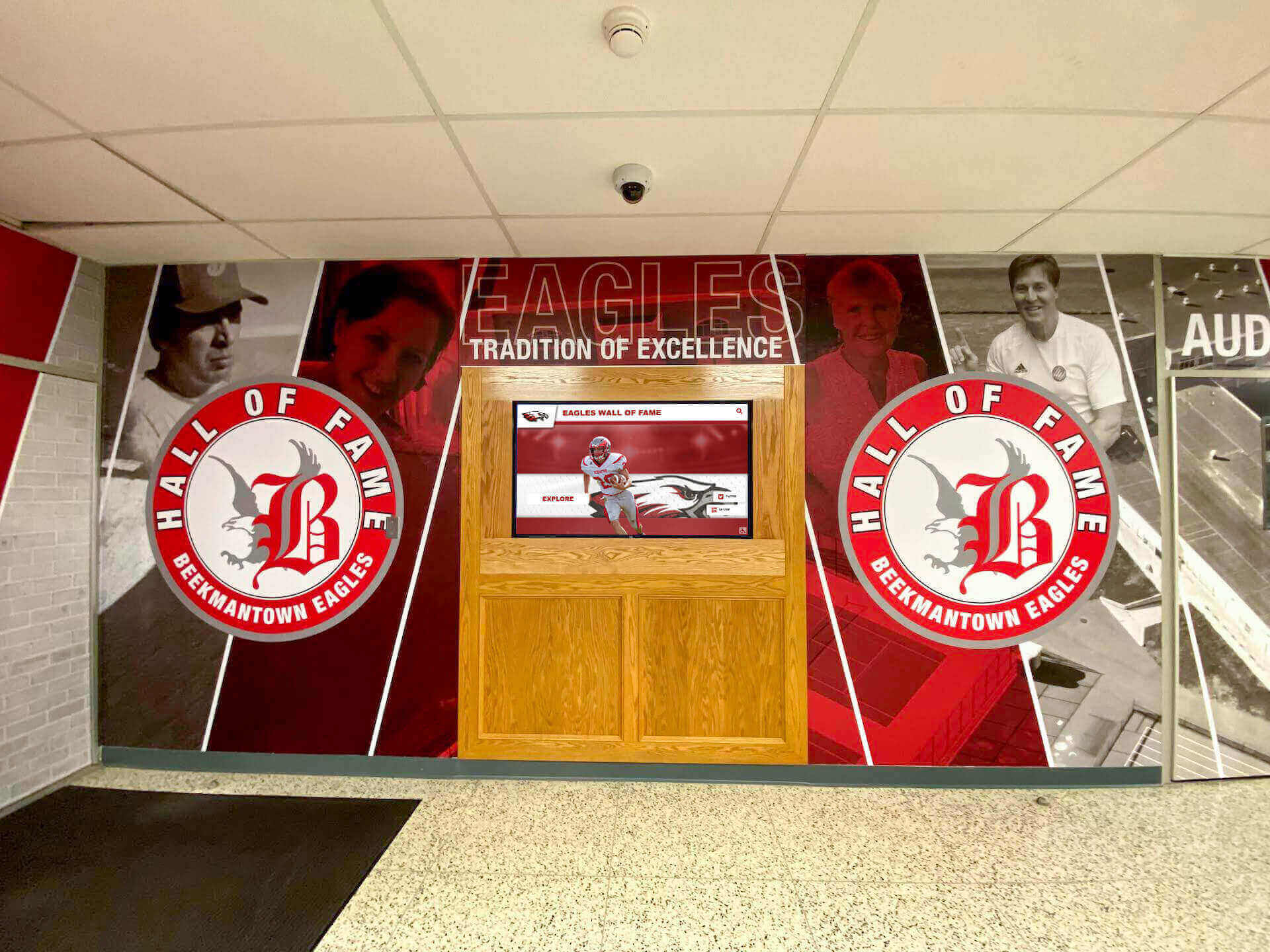
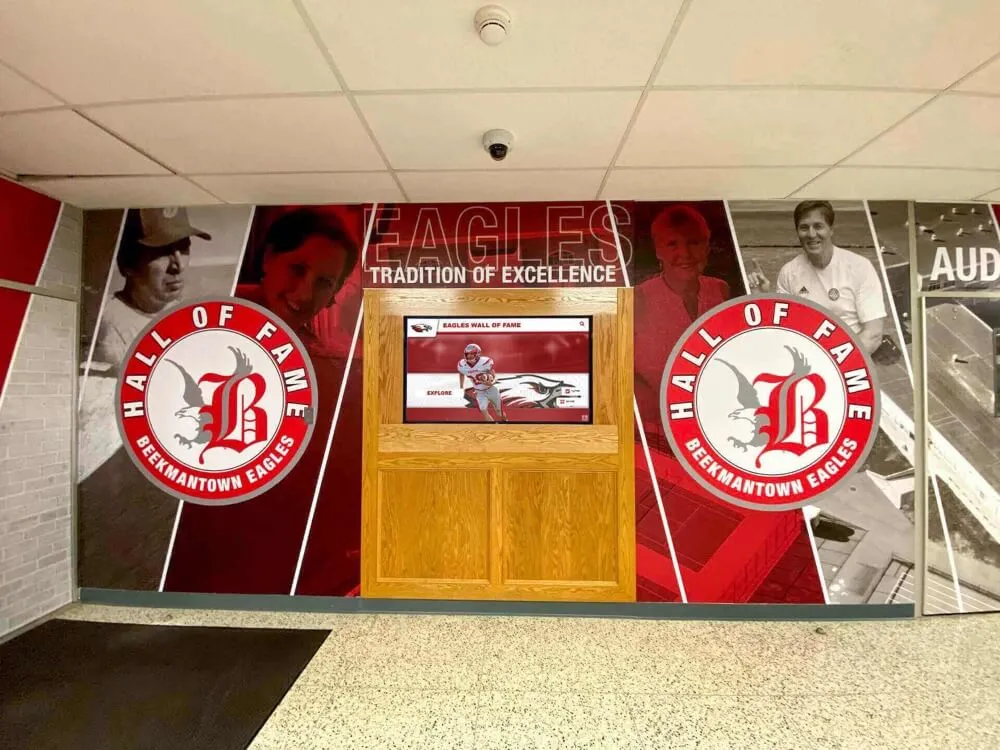
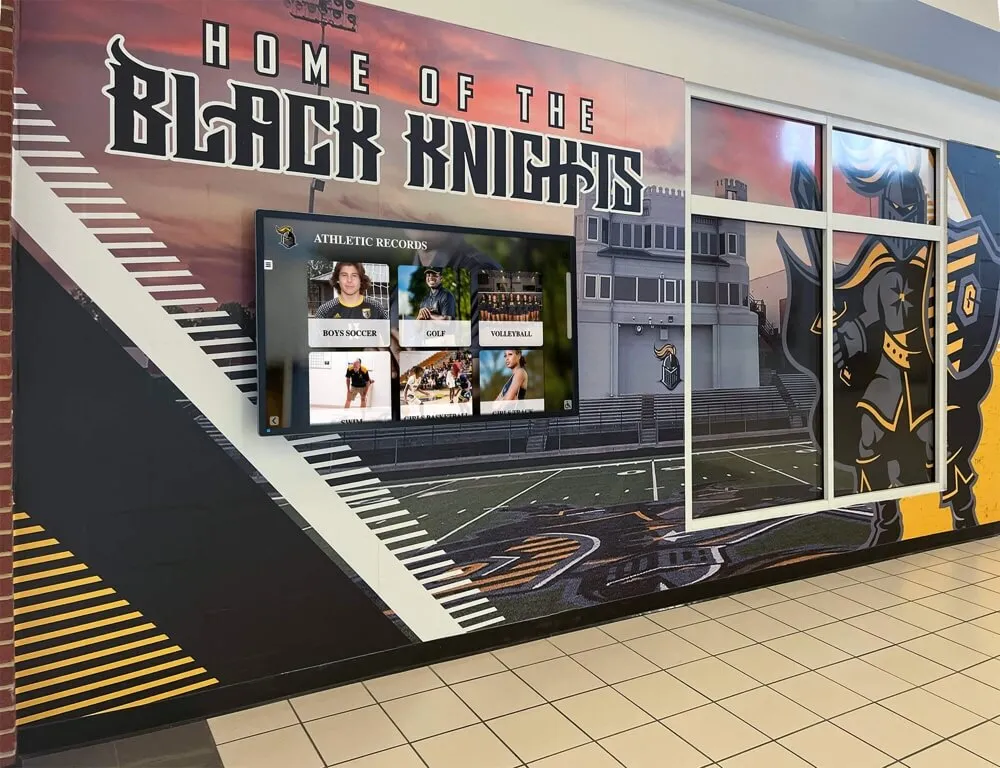
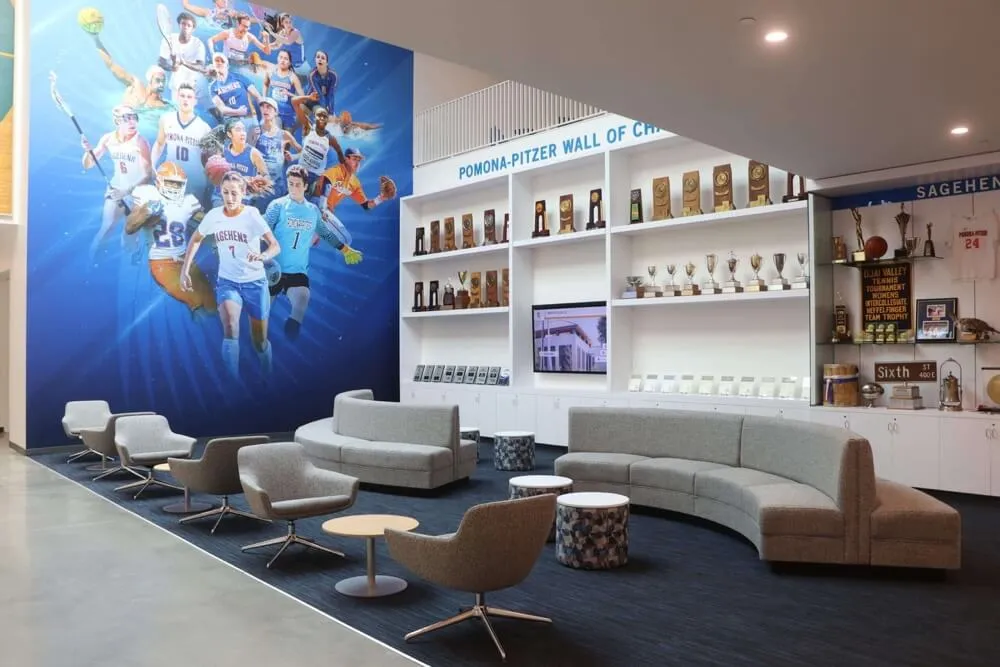
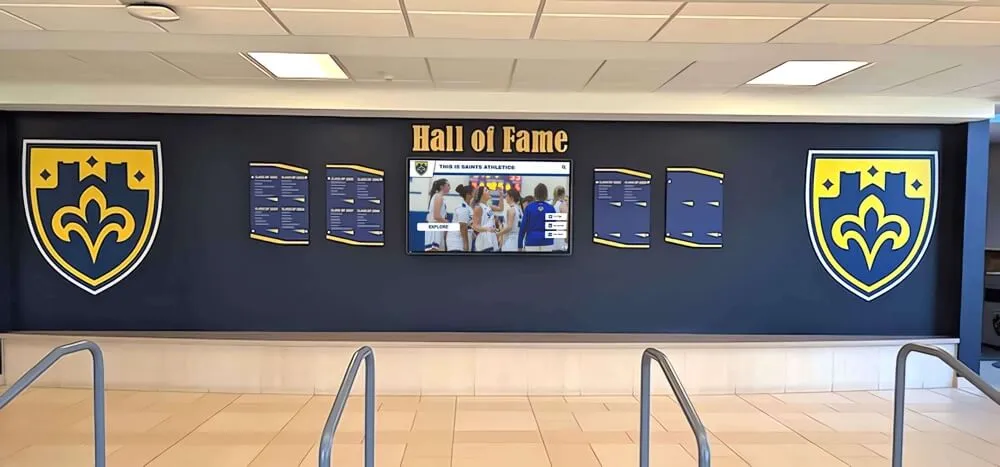
Comprehensive recognition installations combine traditional murals with modern digital displays, creating impressive first impressions in school lobbies
Principle 5: Balance Historical Preservation with Current Recognition
NASCAR successfully honors past legends while celebrating contemporary stars—schools should achieve similar balance:
Comprehensive Historical Research
Invest time documenting historical achievements before institutional memory fades through yearbook research and alumni interviews, newspaper archive reviews, former coach consultations, statistical record verification, and photo collection and digitization.
This historical foundation ensures early program excellence receives equal recognition to recent achievements.
Ongoing Content Updates
Maintain recognition relevance through immediate updates for new achievements, annual induction additions, periodic historical content enhancements, correction of errors or outdated information, and alumni career update integration.
Recognition should feel living and current rather than static historical museums.
Era-Appropriate Evaluation
Recognize that achievement standards evolve across decades. Evaluate historical candidates relative to their competitive contexts rather than applying identical standards across vastly different eras. This contextual evaluation ensures fair recognition across program history.
Implementing NASCAR-Inspired Recognition in Your School
Schools ready to apply NASCAR Hall of Fame principles can start with practical, budget-conscious approaches:
Starting Points for Schools of All Sizes
Establish Clear Recognition Goals
Define what you want hall of fame recognition to accomplish—honoring achievement, preserving history, building school pride, strengthening alumni engagement, supporting recruiting, or all these purposes. Clear goals guide all subsequent decisions about criteria, displays, and processes.
Form Planning Committees
Assemble diverse groups including athletic directors managing implementation, coaches providing achievement context, alumni representatives ensuring community input, administrators aligning recognition with institutional priorities, and technology coordinators addressing technical needs.
Develop Selection Criteria and Processes
Document eligibility requirements, achievement standards, voting procedures, and induction timelines before launching programs. Written standards prevent future conflicts while maintaining community trust.
Choose Appropriate Technology
Evaluate options matching budgets and technical capacity through comprehensive digital recognition platforms offering touchscreens, content management, and web access, basic digital signage for rotating content display, hybrid approaches combining traditional and digital elements, or web-only platforms providing affordable starting points before hardware investment.
Technology selection should balance current budgets with long-term vision—start where you can while planning future enhancements.
Begin Content Development
Start building recognition content through historical research and documentation, photo collection and digitization, statistical record compilation, alumni outreach for information and stories, and coach interviews providing context.
Initial content development requires significant effort but creates foundations supporting decades of recognition.
Plan Launch Events
Create momentum through inaugural induction ceremony planning, media and community promotion, social media campaign development, and stakeholder engagement ensuring broad awareness.
Successful launches build excitement while demonstrating institutional commitment to systematic recognition.
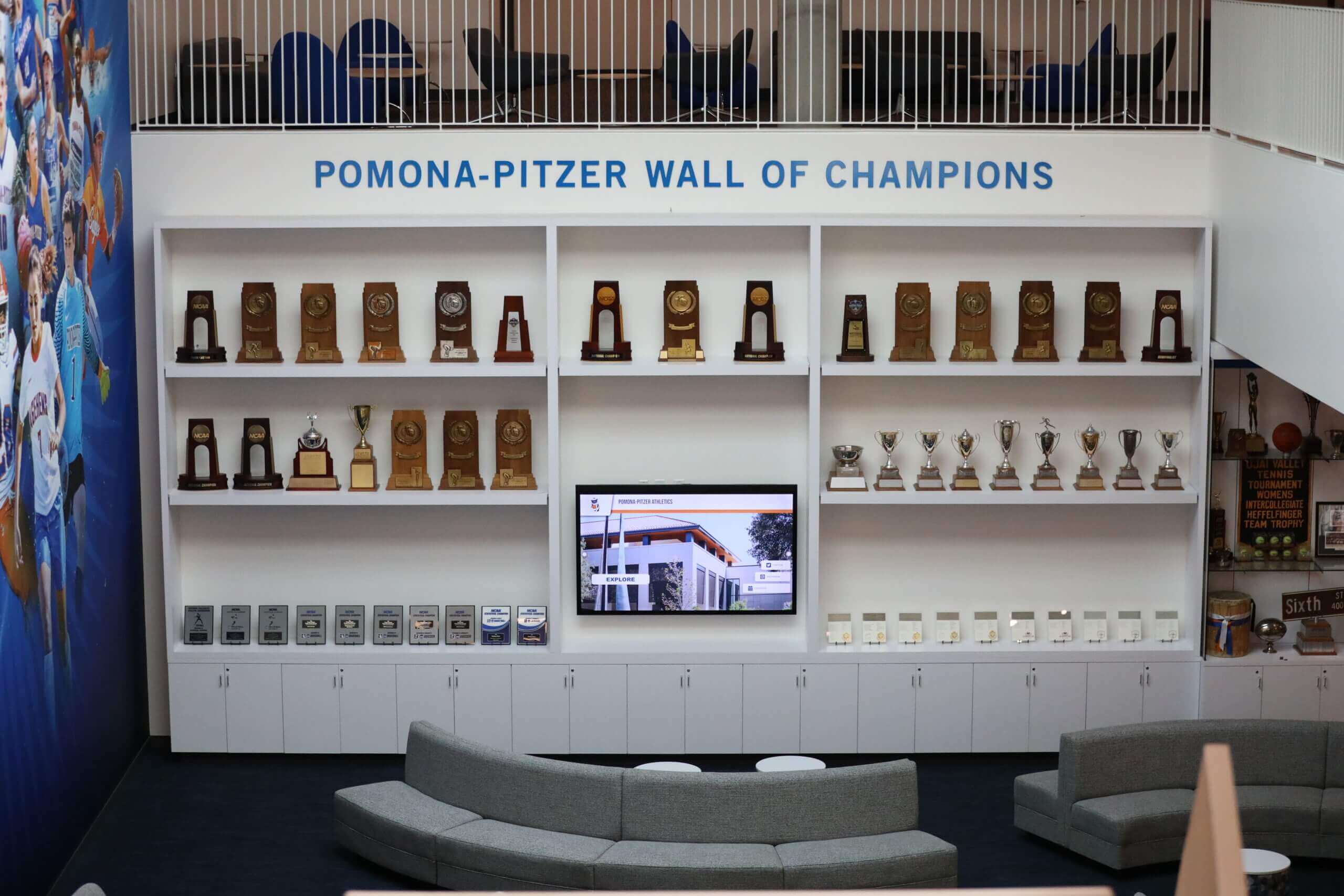
Recognition spaces can double as gathering areas where athletic communities celebrate achievements and build program tradition
Funding Recognition Programs Sustainably
NASCAR’s substantial resources aren’t required for effective recognition—strategic funding approaches make programs sustainable:
Booster Club and Foundation Support
Athletic boosters and school foundations frequently fund recognition projects as tangible ways to support programs. Frame hall of fame systems as permanent tributes celebrating booster members’ own children’s achievements—creating personal investment in recognition success.
Corporate and Local Business Sponsorships
Digital displays offer valuable sponsorship opportunities through logo placement, individual profile sponsorships, or category sponsorships. Local businesses appreciate recognition visibility while supporting community schools.
Alumni Giving Campaigns
Anniversary reunions and milestone celebrations provide natural opportunities for recognition fundraising. Alumni respond positively to campaigns ensuring their achievements receive modern, permanent recognition.
Phased Implementation Approaches
Start with affordable web-based recognition platforms, add touchscreen displays when budgets allow, expand to multiple locations over time, and enhance content progressively through ongoing efforts.
Phased approaches make recognition accessible immediately while supporting long-term vision development.
Measuring Recognition Program Success
Like NASCAR tracking Hall attendance and engagement, schools should measure recognition effectiveness:
Key Performance Indicators
Engagement Metrics
- Touchscreen interaction frequency and duration
- Web platform visits and session length
- Search queries indicating what visitors seek
- Most-viewed profiles and popular content
- Geographic distribution of online visitors
Community Impact
- Alumni feedback and testimonials
- Social media sharing and engagement
- Ceremony attendance trends
- Media coverage and mentions
- Prospective student/athlete tour feedback
Institutional Benefits
- Alumni giving rate changes
- Booster membership and contribution trends
- Recruiting success and athlete commitment factors
- School pride indicators in surveys
- Parent and community satisfaction measures
Organizations implementing comprehensive recognition analytics use data to optimize content, justify additional investments, and demonstrate program value to stakeholders.
Continuous Improvement Processes
Successful recognition programs evolve through regular content review and quality enhancement, user feedback collection and response, technology updates and feature additions, ceremony format refinement, and criterion evaluation and adjustment.
This continuous improvement ensures recognition remains relevant, engaging, and valuable to evolving communities.
Conclusion: Building Your Hall of Fame Legacy
The NASCAR Hall of Fame demonstrates how thoughtful recognition programs celebrate achievement while strengthening communities, preserving history, and inspiring future generations. While schools operate at different scales than professional sports organizations, the core principles translate effectively—tell complete achievement stories rather than listing statistics, use technology to eliminate recognition limitations, maintain rigorous selection standards preserving prestige, create meaningful ceremonies that honor excellence personally, balance historical preservation with current recognition, and measure effectiveness while continuously improving.
Transform Your School's Athletic Recognition
Discover how modern digital recognition systems can help you celebrate every achievement, preserve program history, and build lasting traditions that inspire excellence for generations—just like the NASCAR Hall of Fame.
Explore Recognition SolutionsSchools implementing NASCAR-inspired recognition discover that comprehensive hall of fame programs deliver measurable benefits extending throughout athletic departments and broader educational communities. Recognition strengthens student motivation, supports college recruiting, enhances alumni engagement, generates development opportunities, preserves institutional history, and builds school pride that unifies communities around shared excellence.
The technology enabling sophisticated recognition has never been more accessible or affordable. Solutions like those from Rocket Alumni Solutions provide touchscreen displays, cloud-based content management, and web accessibility in integrated platforms designed specifically for schools—eliminating technical barriers that once made comprehensive recognition programs accessible only to large, well-funded institutions.
Yet technology alone doesn’t create meaningful recognition. Success requires thoughtful selection criteria maintaining standards, content development telling achievement stories compellingly, ceremonial traditions honoring excellence meaningfully, sustainable funding ensuring long-term program viability, and ongoing commitment to continuous improvement.
Your school’s athletes, coaches, and contributors deserve recognition equal to their dedication and achievement. By applying NASCAR Hall of Fame principles at scales matching your resources and community needs, you can create hall of fame programs that honor every worthy accomplishment while building the proud athletic tradition your programs deserve—inspiring current students while connecting them to the excellence that came before and the aspirations that lie ahead.
Ready to begin? Explore how comprehensive digital recognition systems can transform your school’s approach to celebrating achievements and preserving athletic heritage—creating recognition experiences that honor the past, celebrate the present, and inspire the future of your athletic programs.