Mock trial programs offer students extraordinary opportunities to develop critical thinking, public speaking, and analytical skills while engaging with the American legal system in authentic, competitive contexts. High school and college mock trial teams across the country prepare complex legal cases, argue before actual attorneys and judges, and compete in tournaments that test their ability to think quickly, present persuasively, and work collaboratively under pressure.
Yet starting a successful mock trial program from scratch—or revitalizing an existing team—presents significant challenges. Coaches must recruit students with diverse skill sets, teach courtroom procedures and legal concepts, coordinate with community legal professionals, manage rigorous practice schedules, and navigate competition logistics. Meanwhile, many schools struggle to provide mock trial programs with the visibility and recognition these academic achievements deserve, leaving team accomplishments underappreciated compared to athletic competitions.
This comprehensive guide provides everything educators, legal professionals, and administrators need to establish thriving mock trial programs that develop student talent, compete successfully, and receive appropriate institutional recognition for academic excellence.
Mock trial combines elements of theater, debate, legal reasoning, and teamwork into one of secondary and higher education’s most intellectually rigorous extracurricular activities. Students who participate develop transferable skills highly valued by colleges and employers—persuasive communication, analytical thinking, collaboration, and grace under pressure. Schools that build strong mock trial traditions create pathways for students interested in law, government, advocacy, and countless other fields requiring critical reasoning and effective communication.

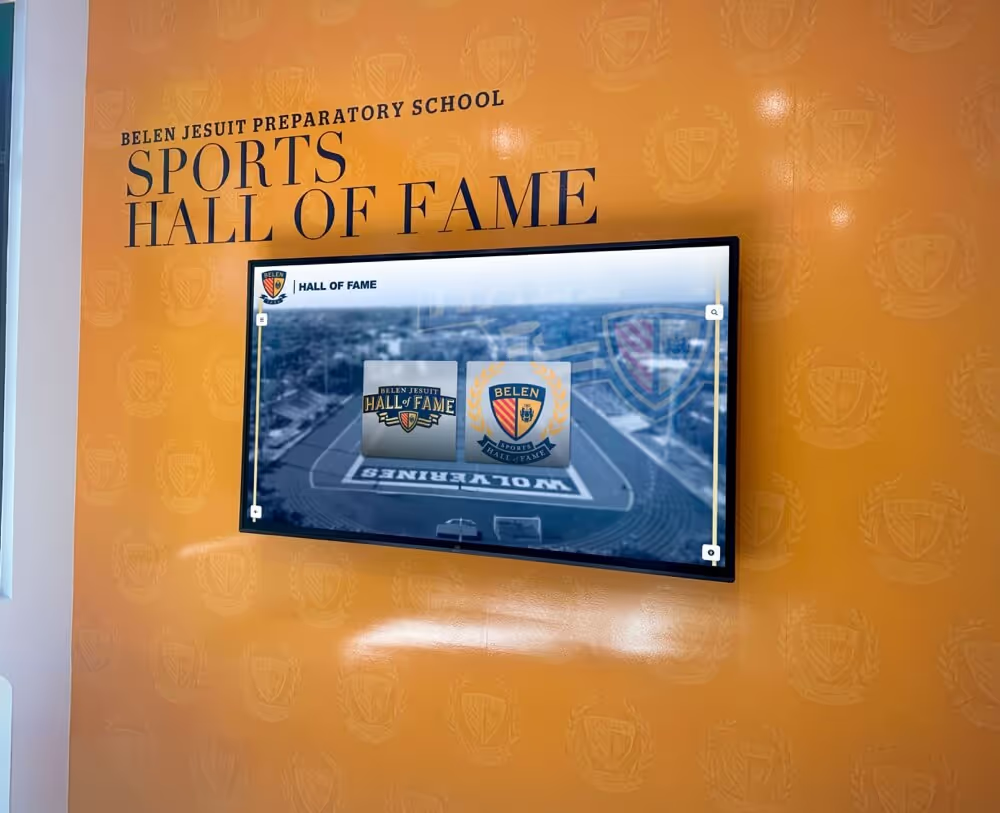
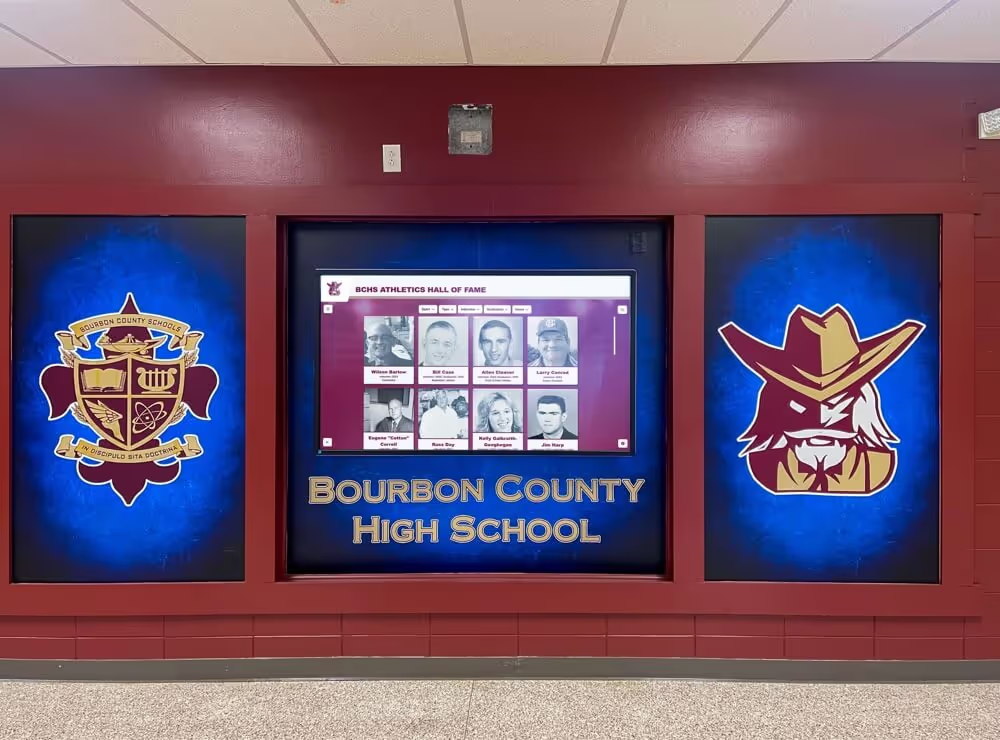
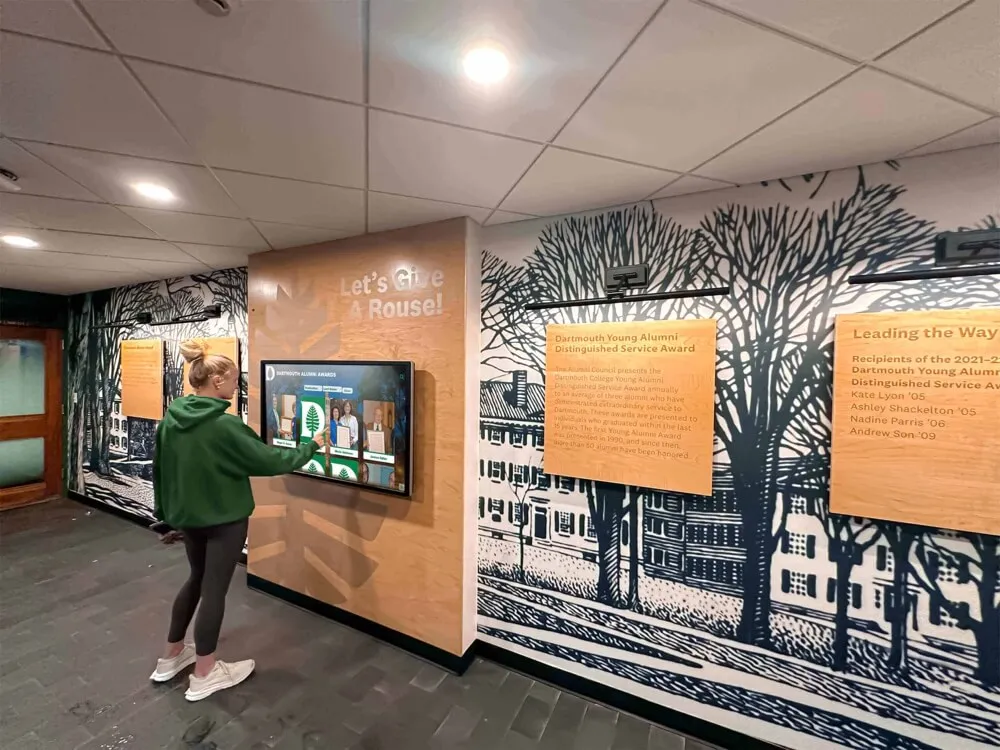
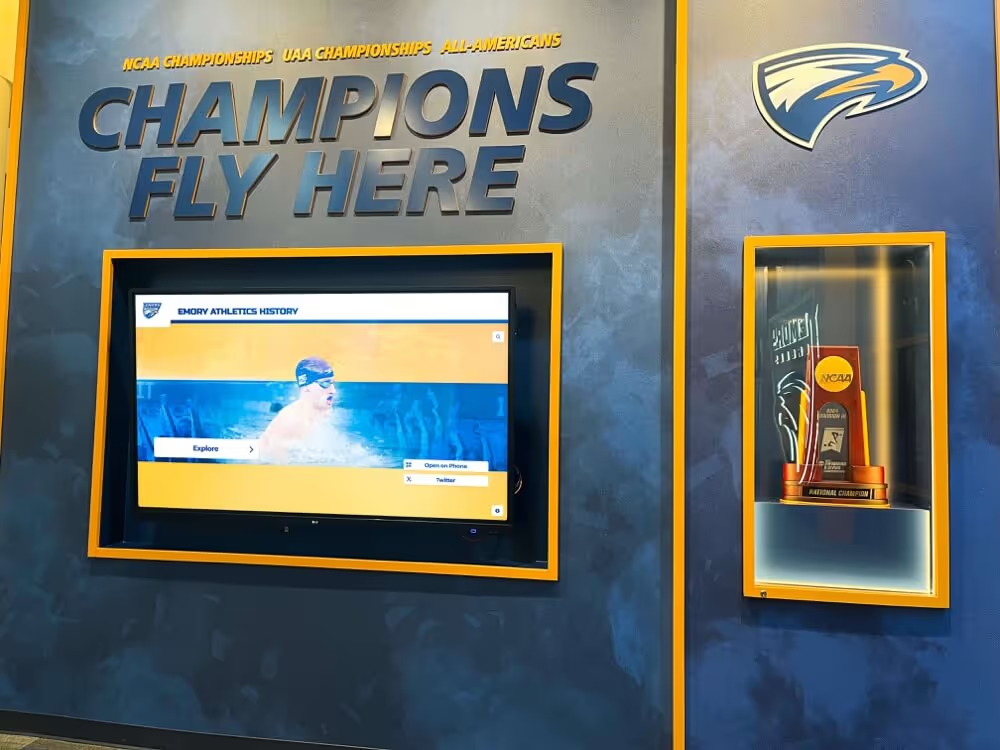
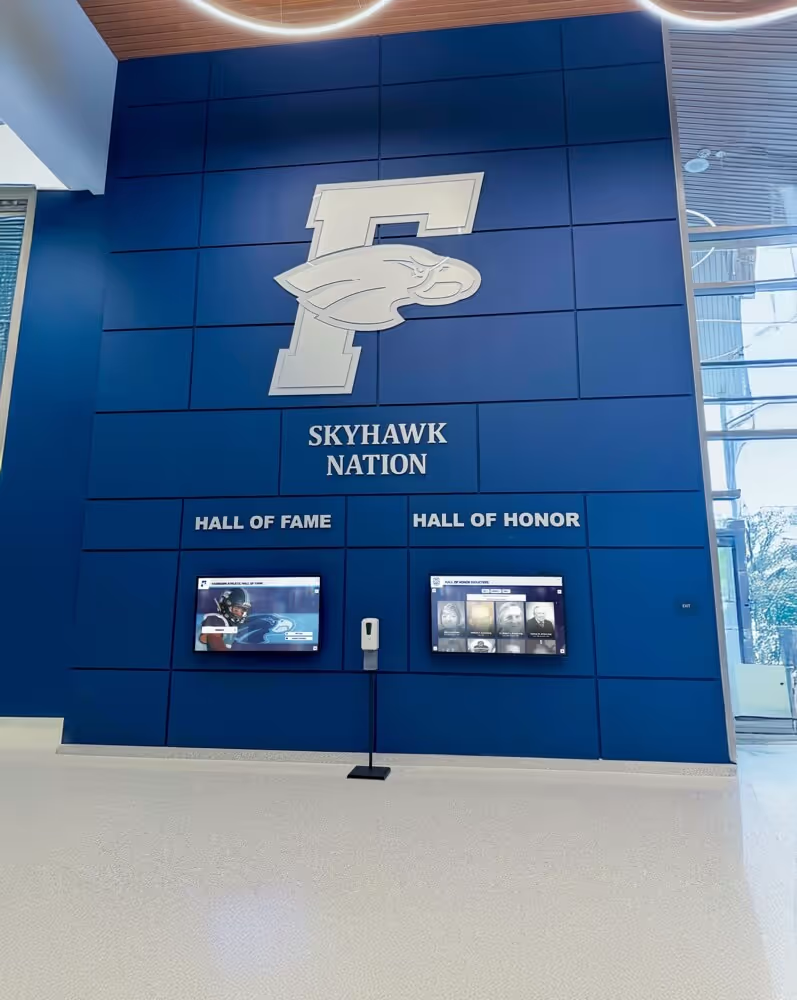
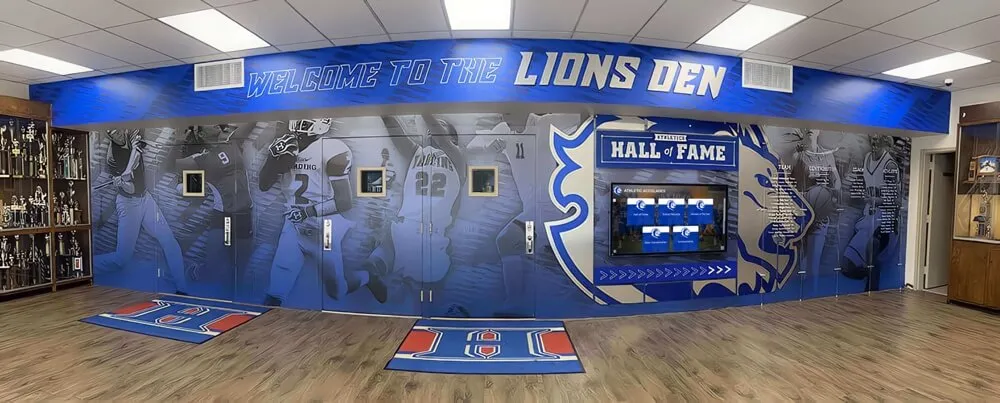
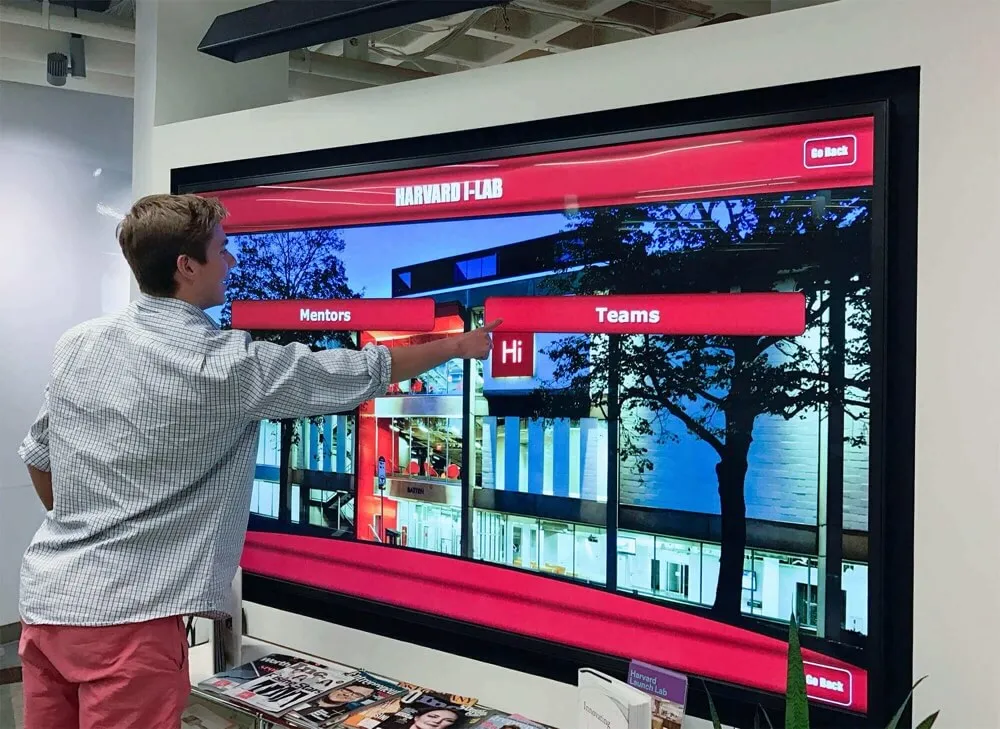
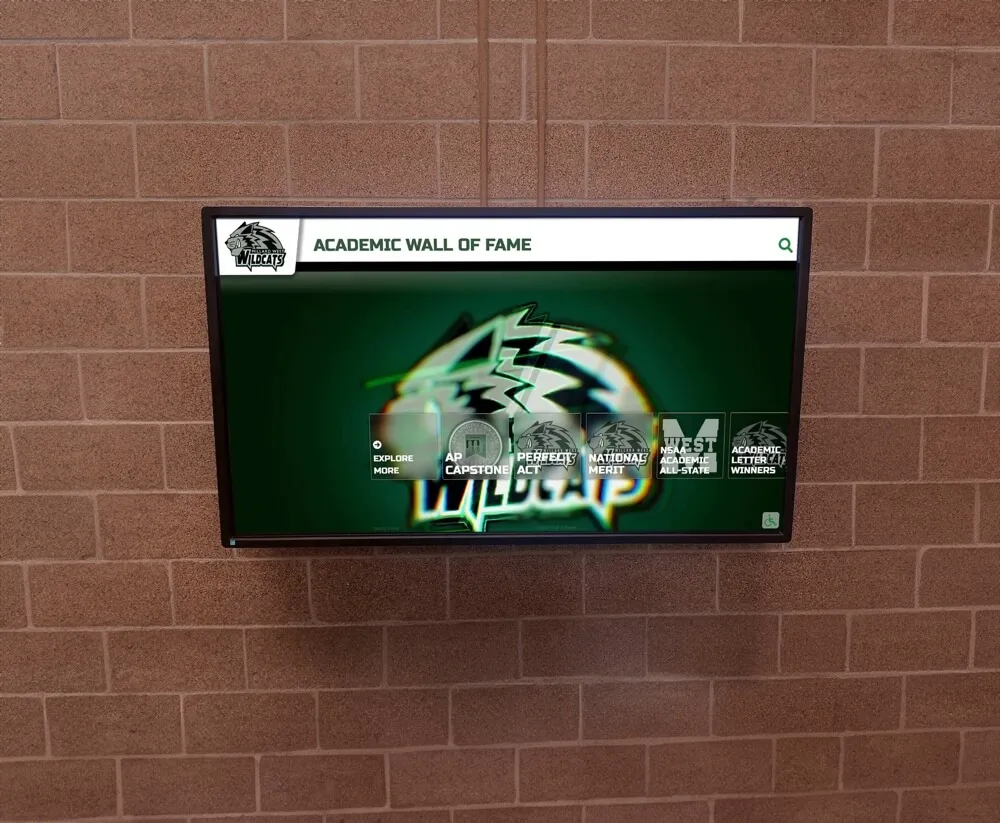
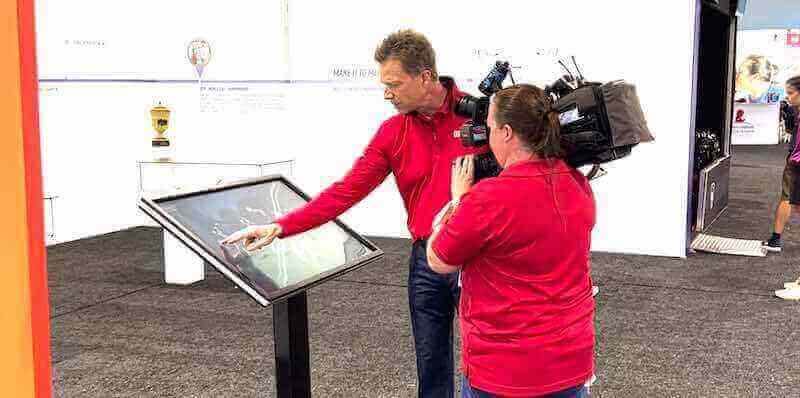
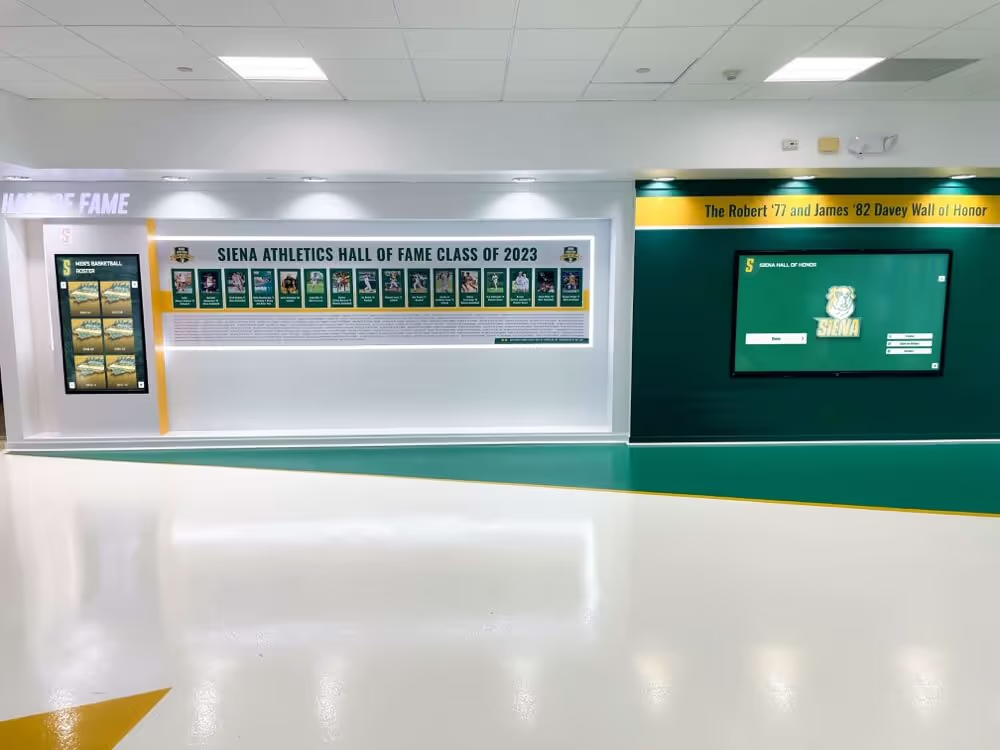
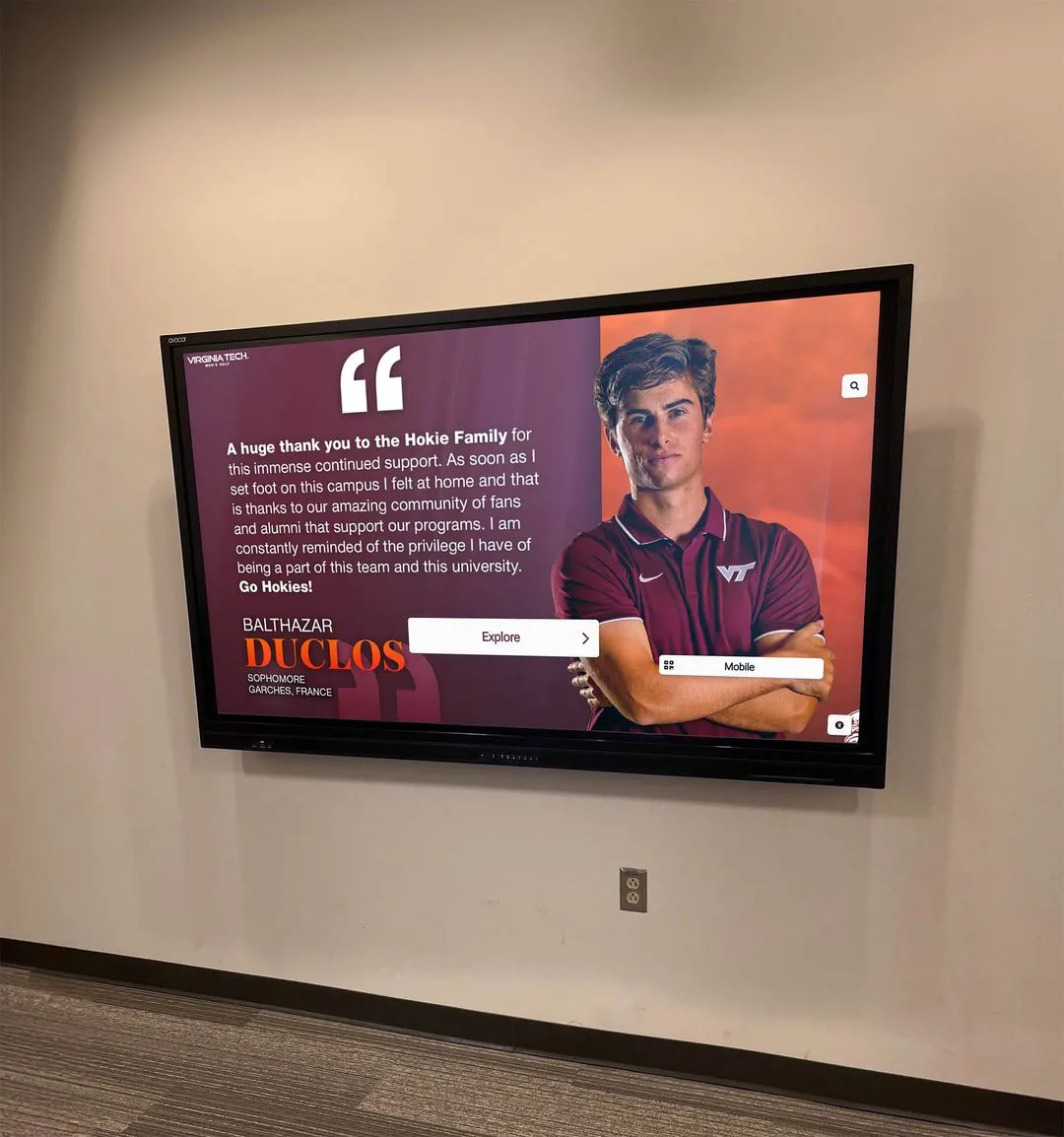
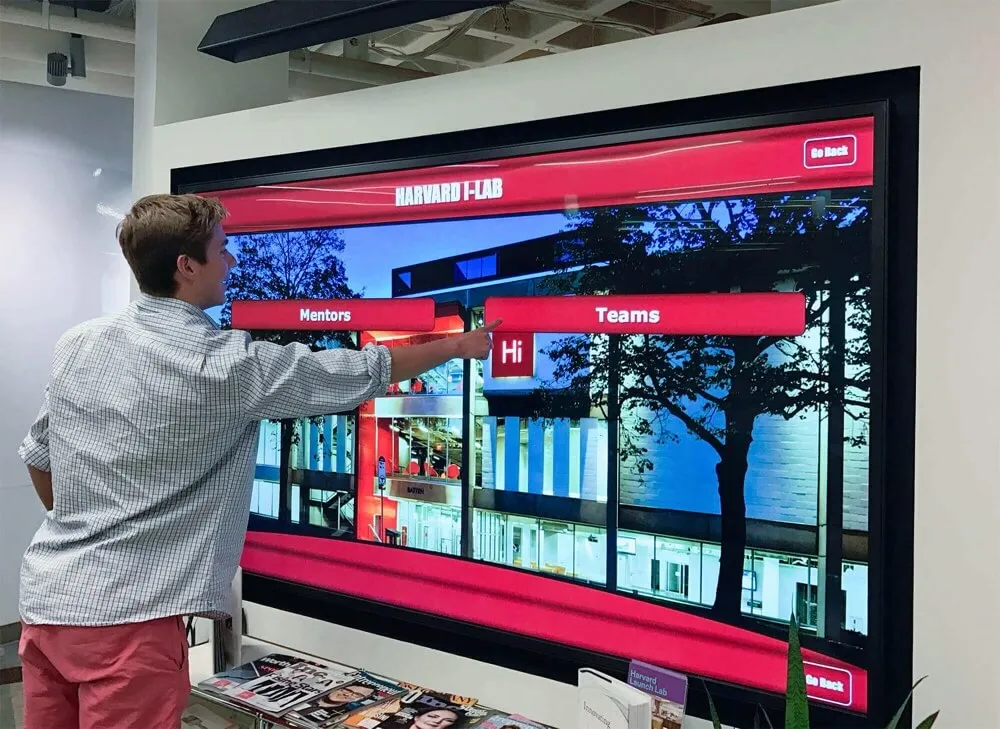
Modern recognition systems help mock trial programs showcase team achievements and competition results to school communities
Understanding Mock Trial Competitions
Before launching a program, educators should understand the mock trial landscape and how competitions function.
What Is Mock Trial?
Mock trial is an academic competition where student teams simulate criminal or civil trials by taking on the roles of attorneys and witnesses. Teams receive a case packet several months before competition containing case facts, witness statements, relevant laws, and evidence exhibits. Students must prepare both prosecution/plaintiff and defense sides of the case, as they won’t know which side they’ll argue until immediately before each trial.
Core Competition Elements
- Teams typically include 6-10 students serving as attorneys and witnesses
- Each trial features opening statements, direct examinations, cross-examinations, and closing arguments
- Actual attorneys and judges score teams based on performance quality, legal knowledge, and courtroom professionalism
- Tournaments progress through preliminary rounds to elimination rounds based on cumulative scores
- Success requires mastering both theatrical performance (as witnesses) and legal argumentation (as attorneys)
Educational Benefits Mock trial participation develops critical competencies including public speaking confidence and courtroom presentation skills, legal reasoning and argument construction, quick thinking and improvisational response to unexpected questions, research skills and case law understanding, teamwork and collaborative preparation, and ethical reasoning about justice and legal systems.
According to research on academic competition impact, students who participate in mock trial demonstrate significantly higher college admission rates to competitive institutions and enhanced performance in undergraduate programs—particularly in fields requiring analytical reasoning and communication skills.
Organizational Structure and Levels
Mock trial competitions operate through coordinated organizational structures:
High School Mock Trial The National High School Mock Trial Championship, coordinated through state bar associations and bar foundations, represents the premier high school competition. Most states conduct regional and state competitions, with winning teams advancing to the national championship held each May.
State competitions typically begin with regional tournaments in late fall or early winter, followed by state championships in winter or early spring. Teams compete in 3-4 preliminary rounds at each level, with top scorers advancing to elimination rounds.
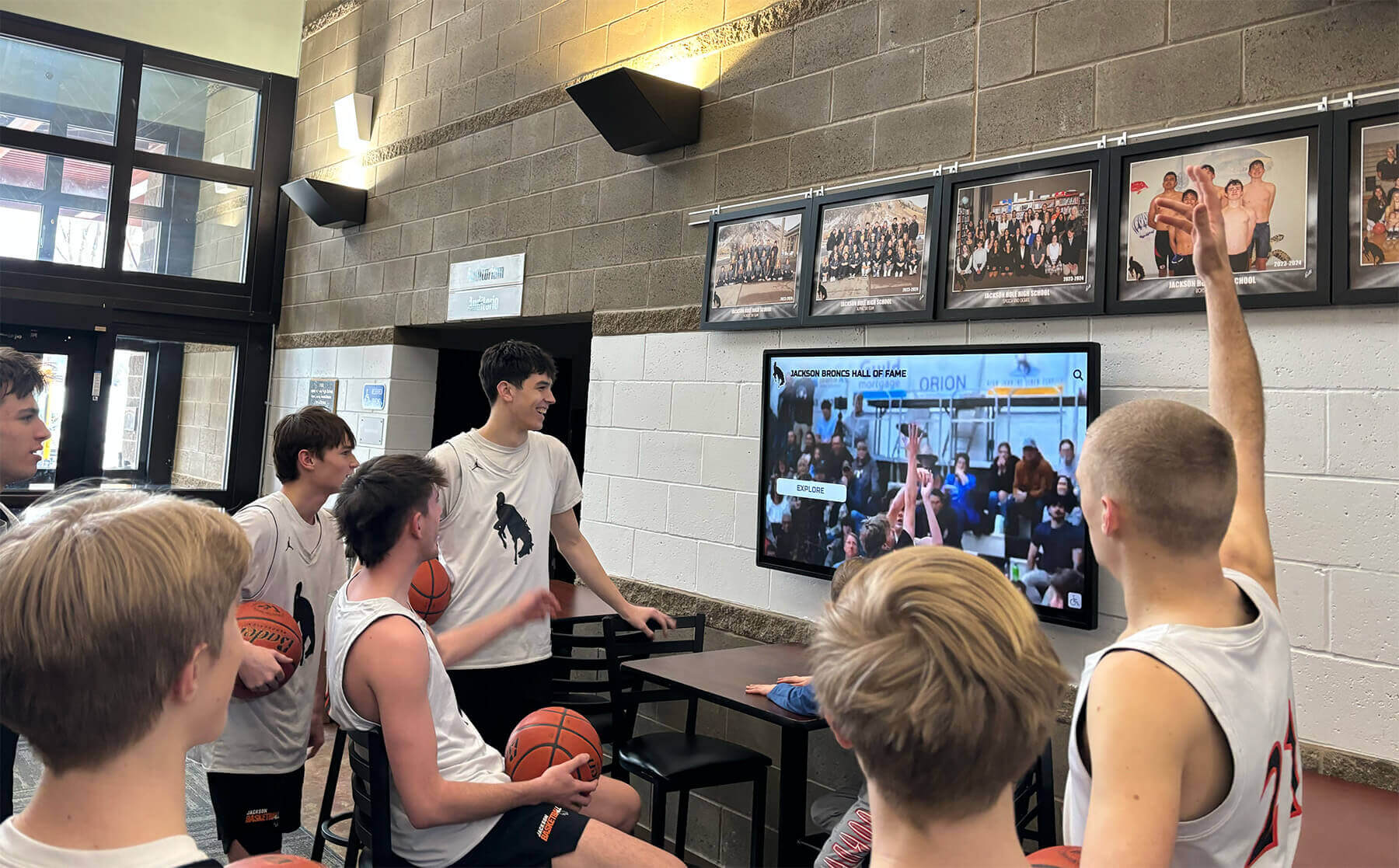
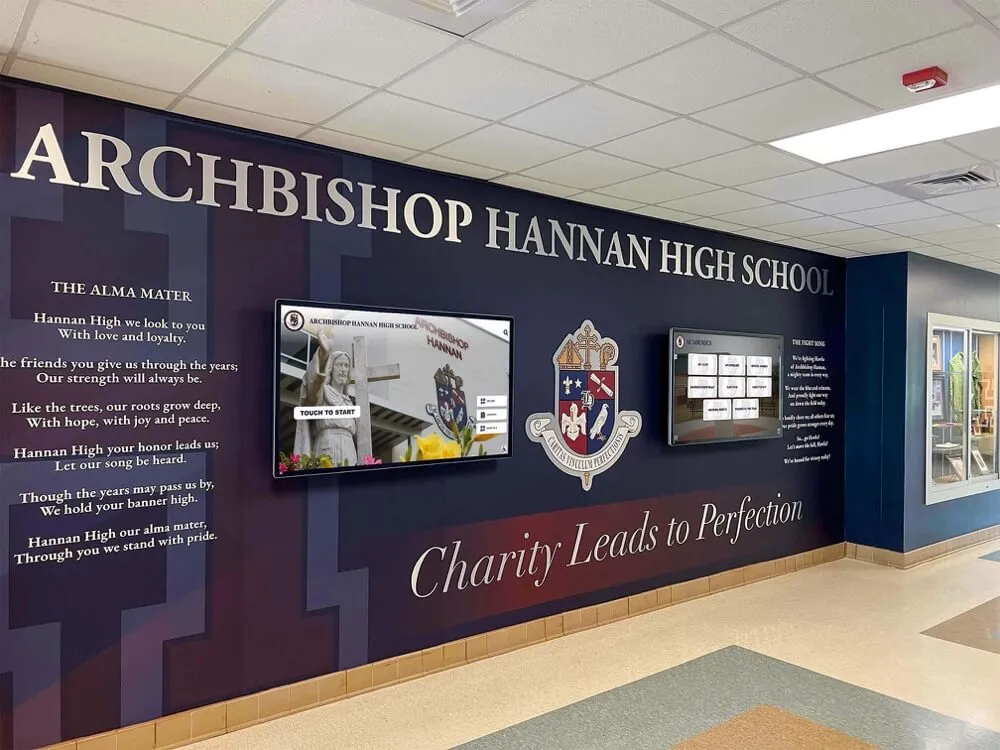
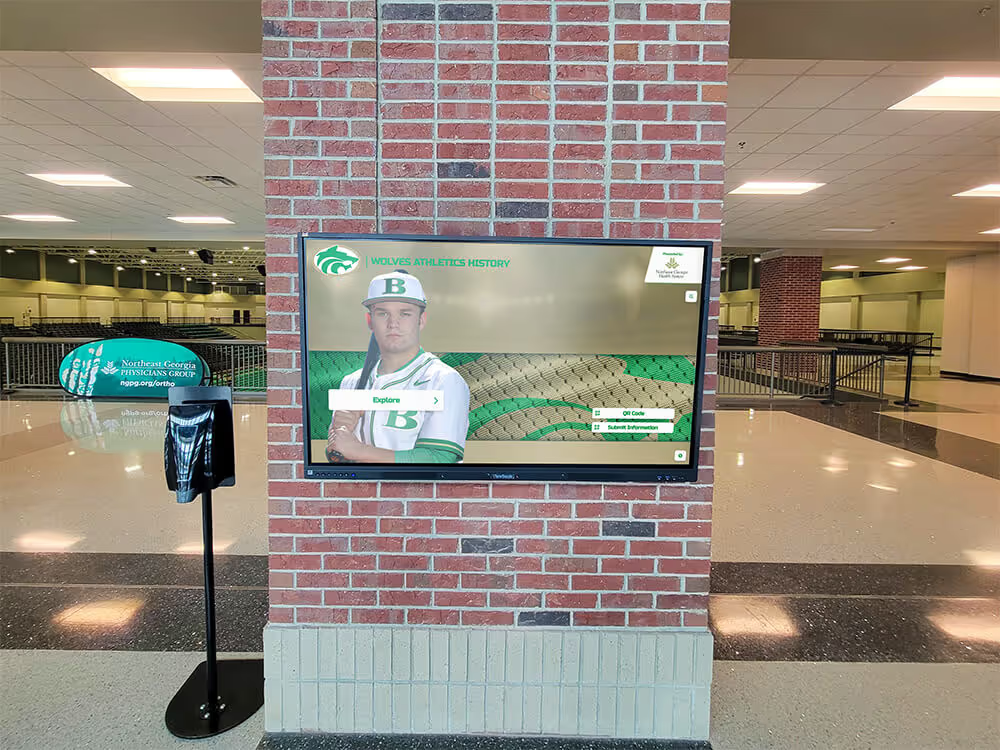
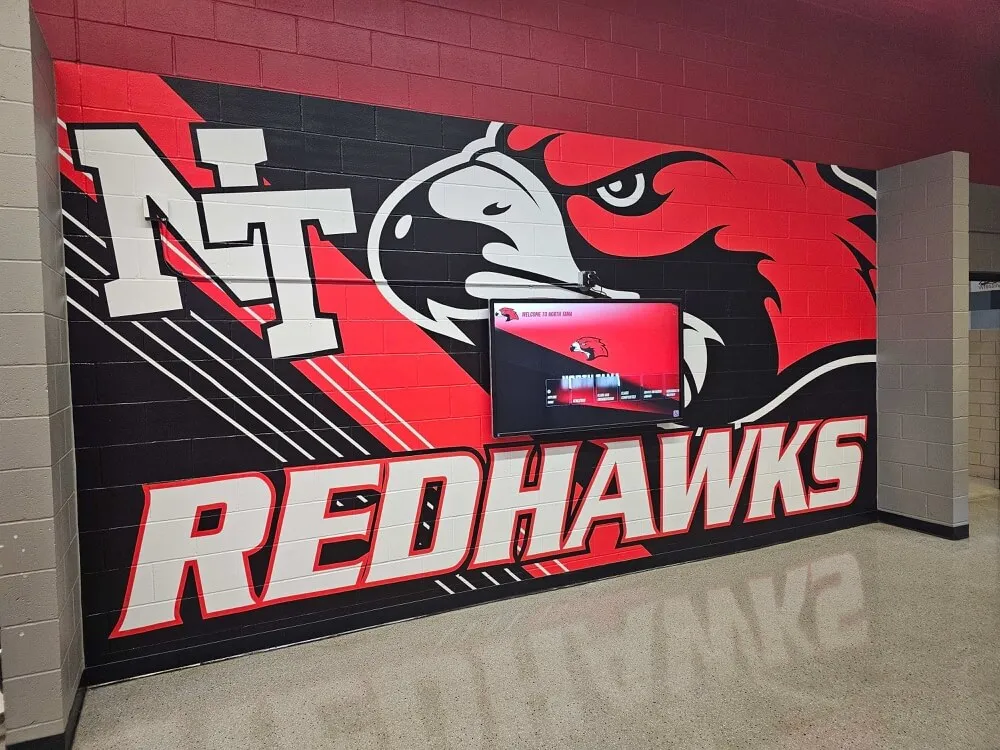
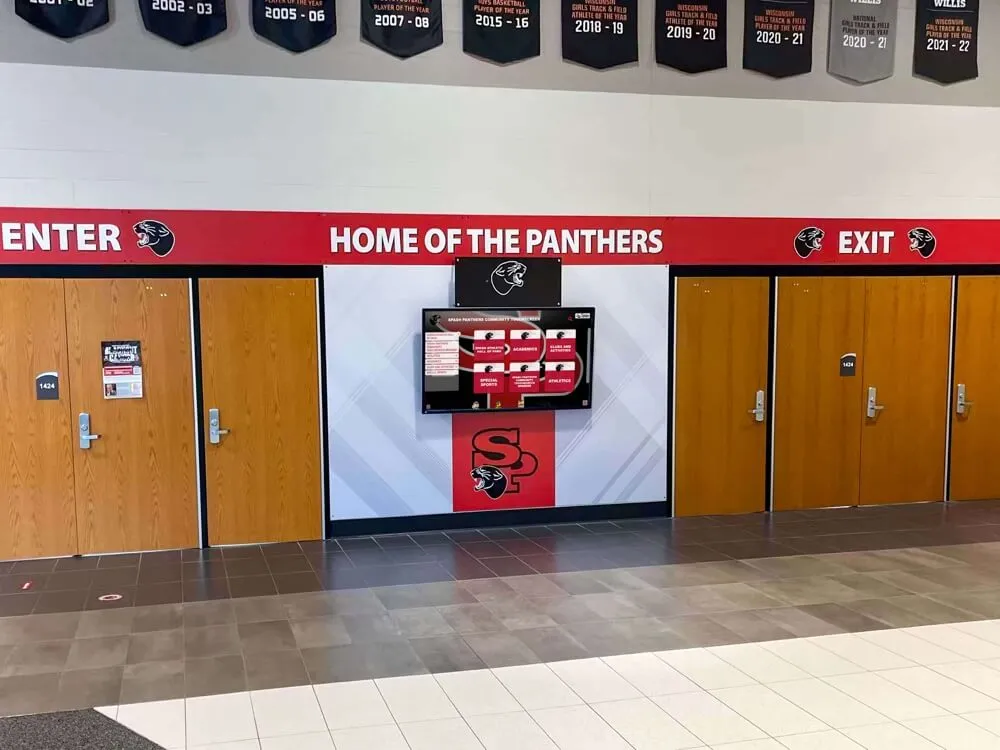
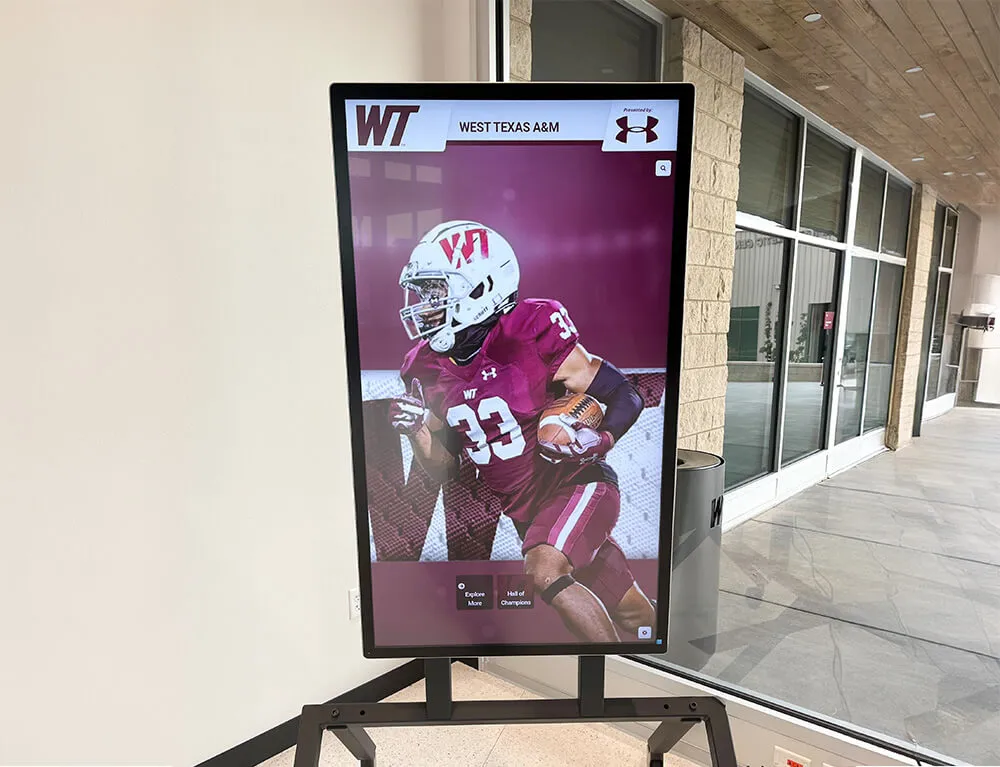
Strategic display placement ensures mock trial achievements receive visibility throughout school communities
Collegiate Mock Trial The American Mock Trial Association (AMTA) governs college-level competition through a structured tournament system. Regional competitions occur throughout fall and spring, with successful teams advancing to the Opening Round Championship Series (ORCS) and potentially the National Championship Tournament in April.
Collegiate competition features more sophisticated legal analysis and typically draws from actual case precedents rather than simplified scenarios. Teams face opponents from across regions, creating national competitive exposure.
Competition Formats Most tournaments follow similar structures with teams competing in 4-6 preliminary rounds, arguing both sides of the case against different opponents. Judges score each team’s performance, with cumulative scores determining advancement to elimination rounds. Final rounds often occur before panels of three judges, with championship rounds sometimes held in actual courtrooms with ceremonial atmospheres.
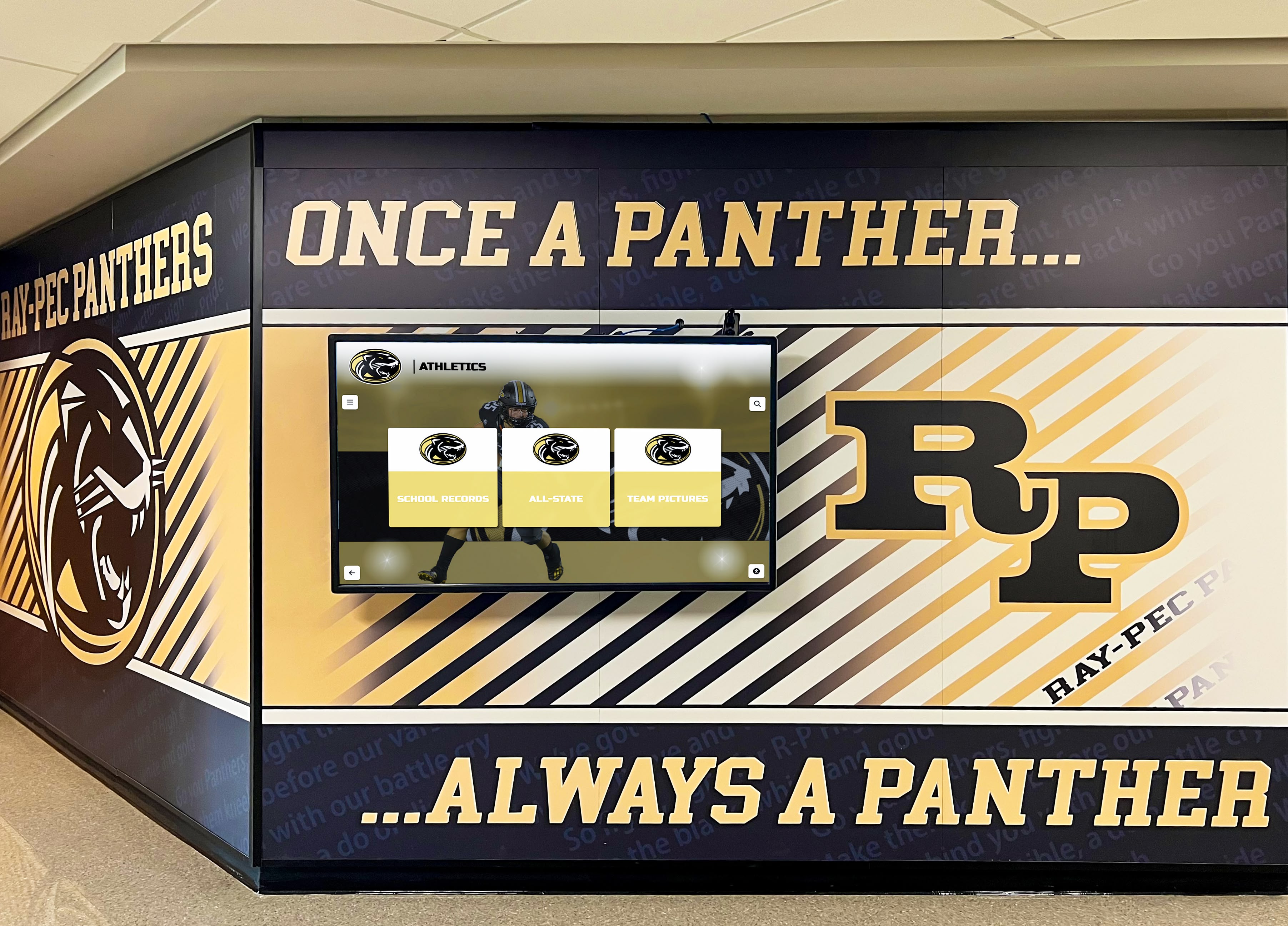
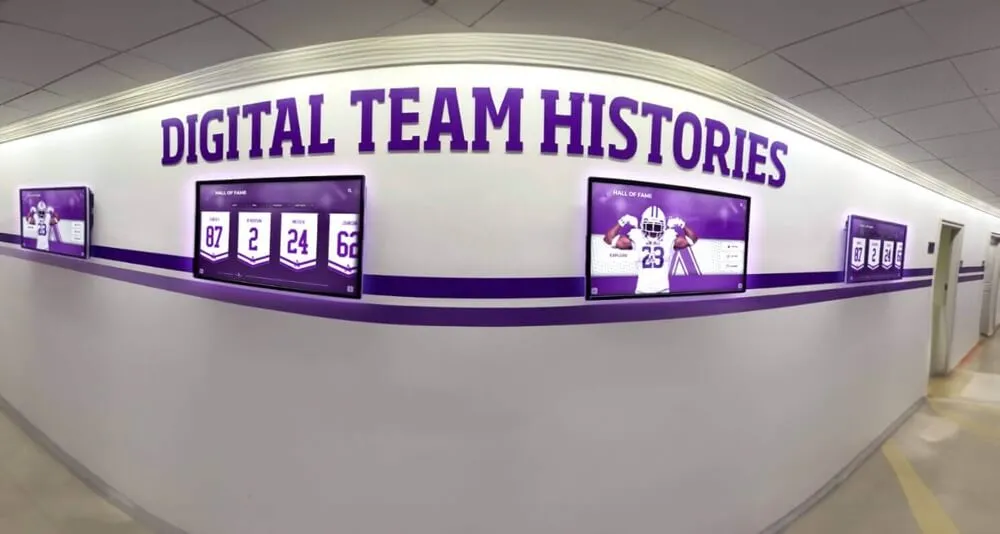
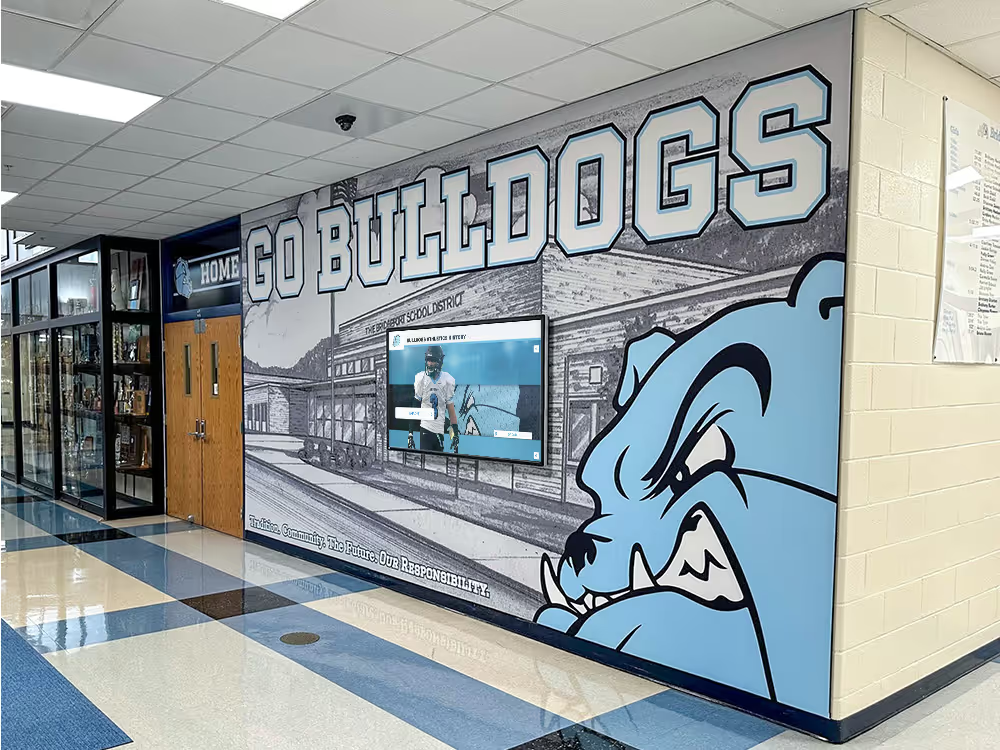
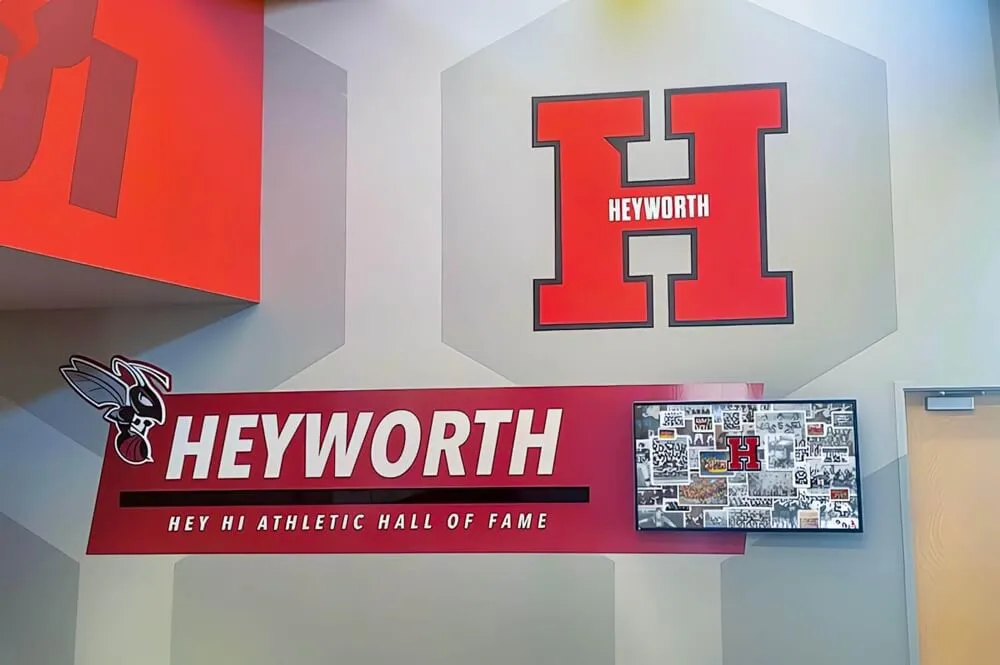
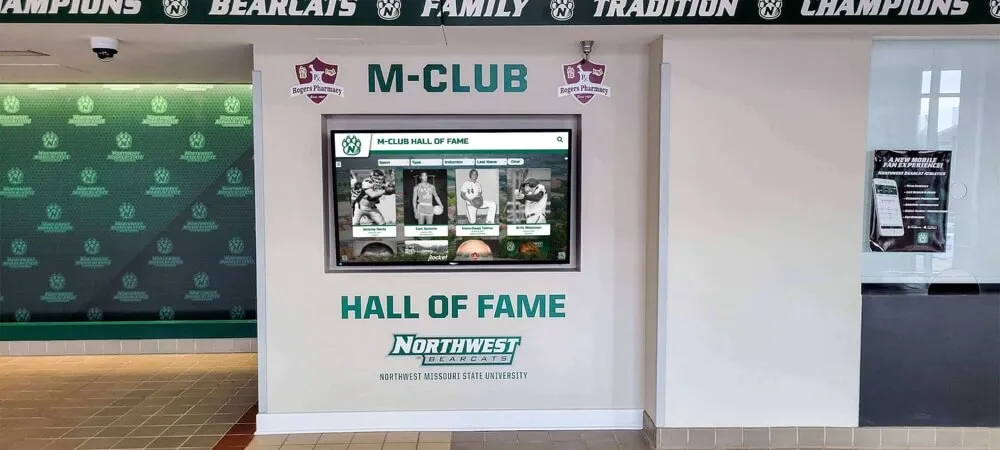
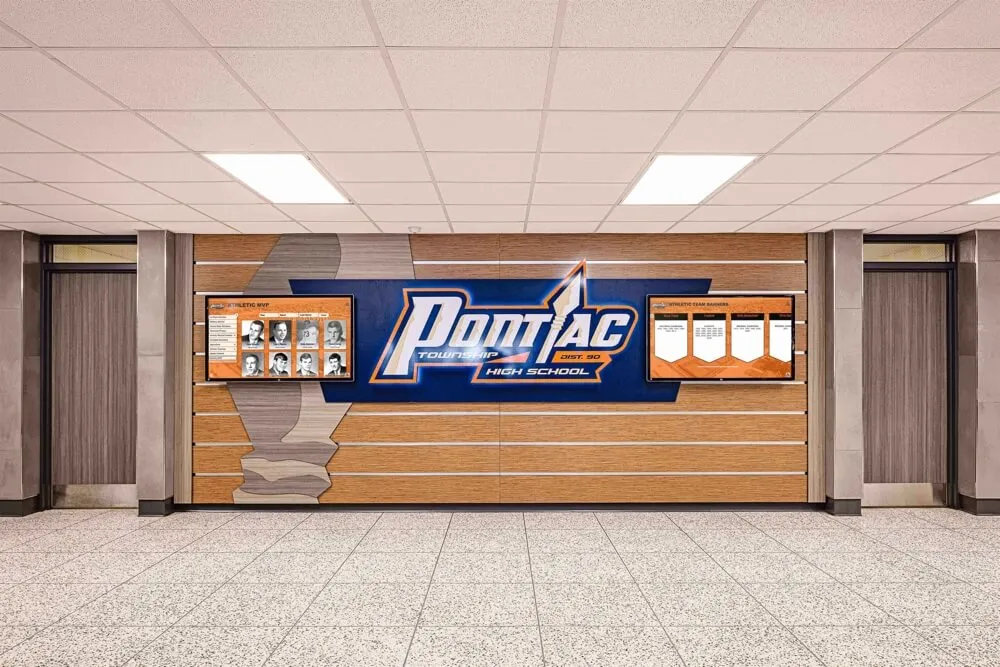
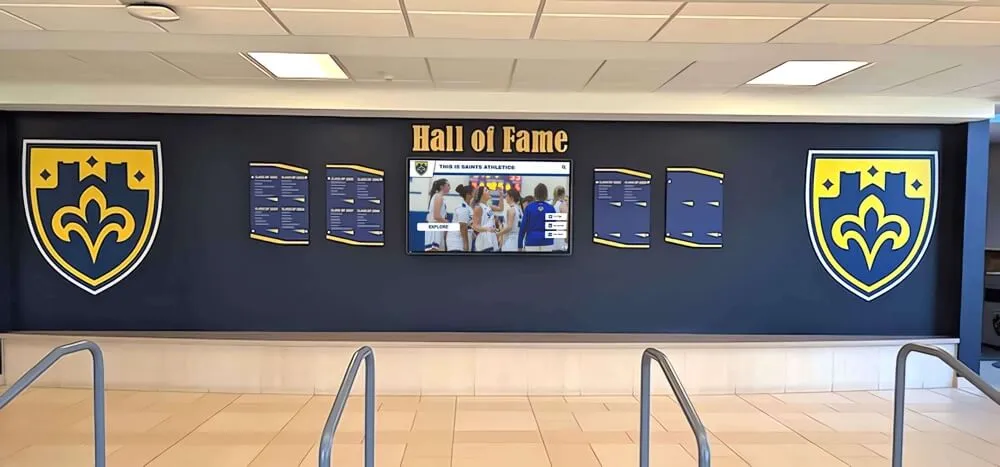
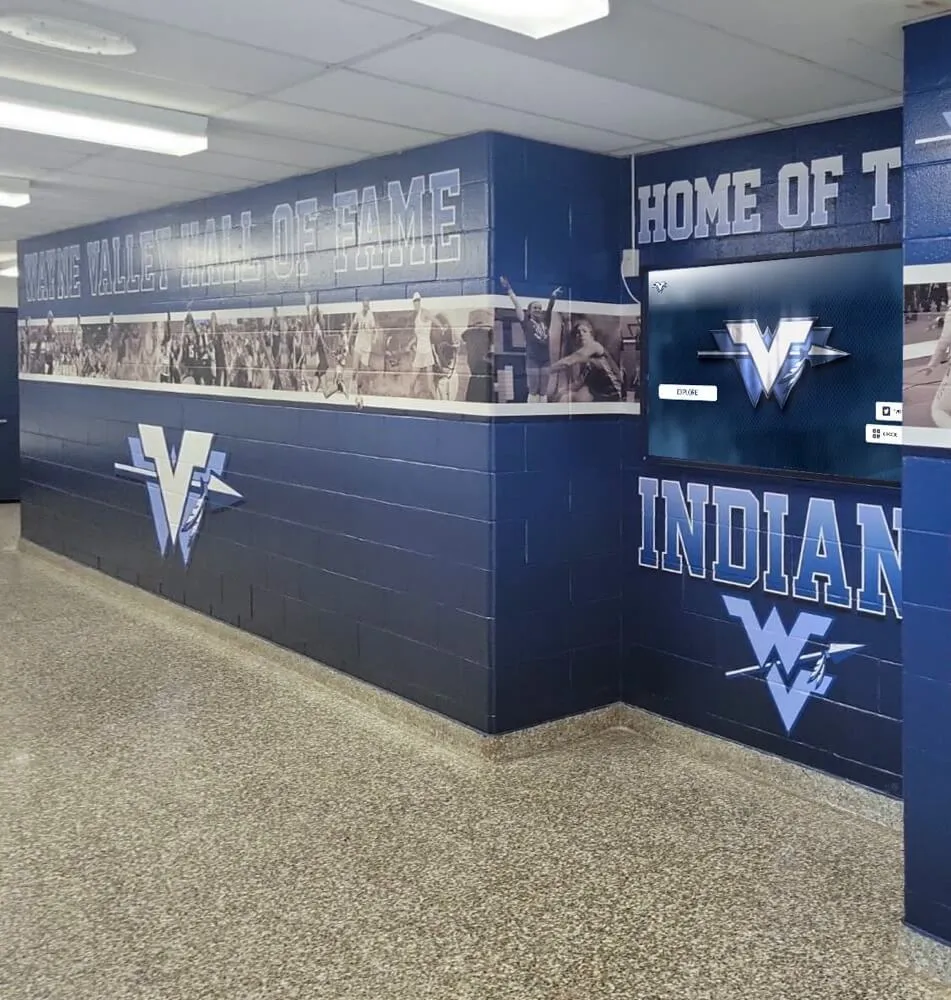
Hallway installations provide consistent visibility for academic competition achievements including mock trial success
Starting a Mock Trial Program: Essential First Steps
Launching a successful program requires careful planning, institutional support, and community partnerships.
Building Administrative and Institutional Support
Mock trial programs require resources, facilities, and ongoing institutional commitment—making administrative buy-in essential from the start.
Making the Case to Administration When proposing a new mock trial program, emphasize academic and institutional benefits: development of critical thinking and communication skills aligned with college readiness goals, competitive opportunities for non-athletic students, positive community partnerships with legal professionals, potential recruitment advantages for academically talented students, and enhancement of school’s academic reputation and competitive achievement portfolio.
Present concrete implementation plans addressing budget requirements, supervision and liability considerations, facility needs for practices and meetings, transportation for competitions, and integration with existing academic programming.
Resource Requirements and Budgeting Typical first-year mock trial programs require modest but meaningful investment. Essential expenses include competition registration fees (typically $200-600 per tournament), case materials and legal resources (often provided by organizing bodies), student materials including binders, folders, and evidence exhibits, transportation to tournaments (often the largest expense), coaching stipends or supplementary pay for teacher sponsors, and potential attorney coaching support.
Many programs begin with $2,000-5,000 annual budgets, increasing as teams expand and qualify for higher-level competitions. Schools implementing comprehensive academic recognition programs often find budget justification easier when mock trial sits alongside other celebrated academic competitions.
Funding Sources Programs can pursue multiple funding strategies including school activity budgets and academic department allocations, parent booster organizations and support groups, local bar association sponsorships and grants, community foundation funding for educational programming, fundraising events and student-led campaigns, and law firm partnerships providing financial and mentorship support.
Strong partnerships with legal communities often provide not just funding but also coaching expertise, practice space, and professional development opportunities for students.
Recruiting and Selecting Team Members
Building competitive teams requires identifying students with diverse skills and strong commitment.
Ideal Team Composition Successful mock trial teams need varied talents. Attorney roles require strong public speaking confidence and vocal projection, quick analytical thinking and adaptability, research skills and legal reasoning capacity, persuasive argumentation and rhetorical effectiveness, and composure under pressure during cross-examination.
Witness roles demand different capabilities: theatrical performance and character embodiment, memorization skills for detailed witness statements, emotional authenticity and believability, consistency under aggressive cross-examination, and collaborative preparation with attorney teammates.
Most teams include 8-12 students allowing flexibility in assignments, depth for practice competitions, and coverage for student absences.
Recruitment Strategies Effective recruitment casts wide nets beyond traditional “debate students”:
- Target students from theater programs who possess performance skills
- Recruit from honors English and history classes demonstrating analytical abilities
- Reach civics and government students interested in legal systems
- Connect with debate and speech team members having public speaking experience
- Include students from diverse backgrounds reflecting community demographics
Avoid recruiting only “A+ students”—successful mock trial teams include students with varied academic profiles but strong work ethic and commitment.
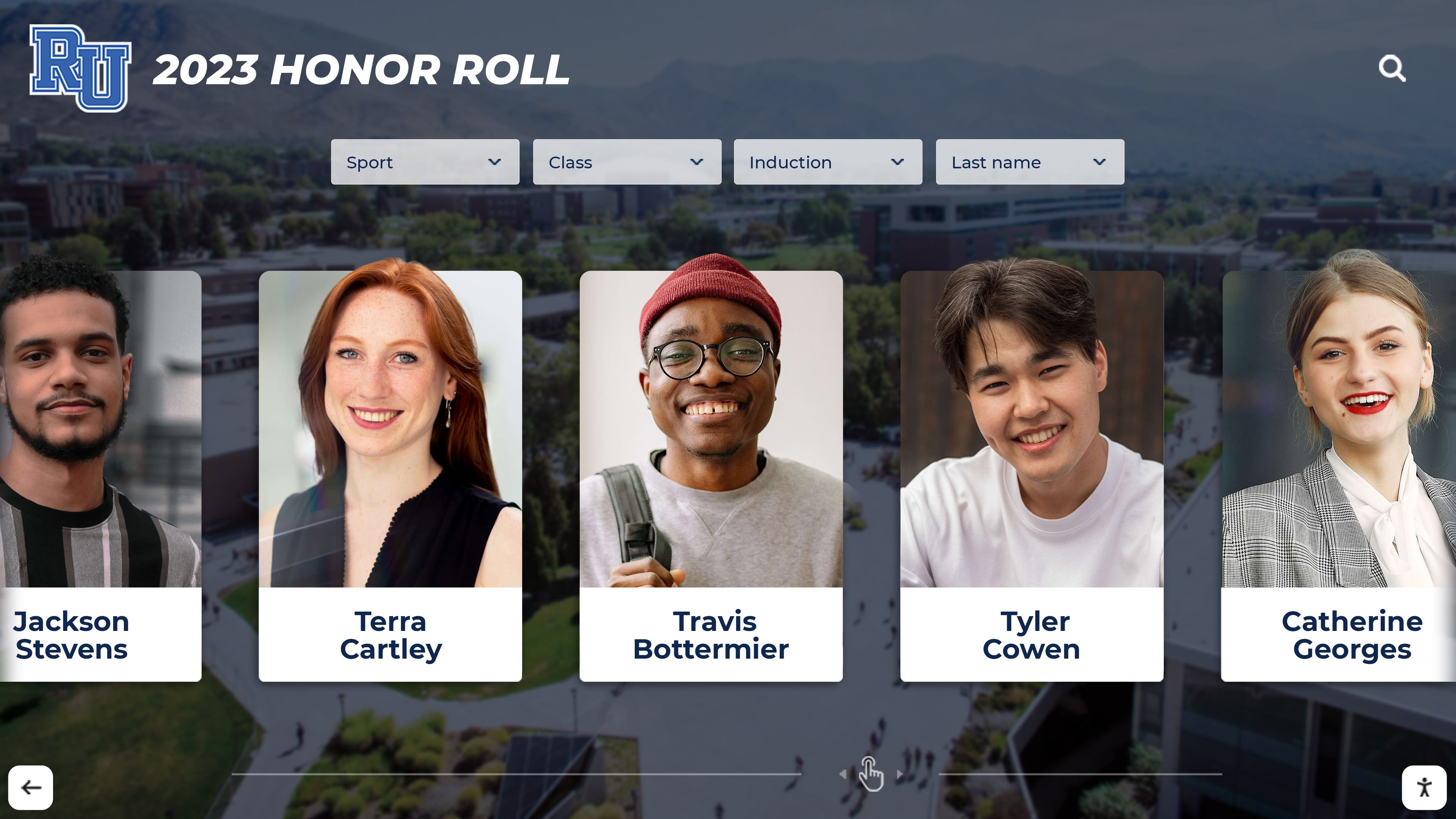
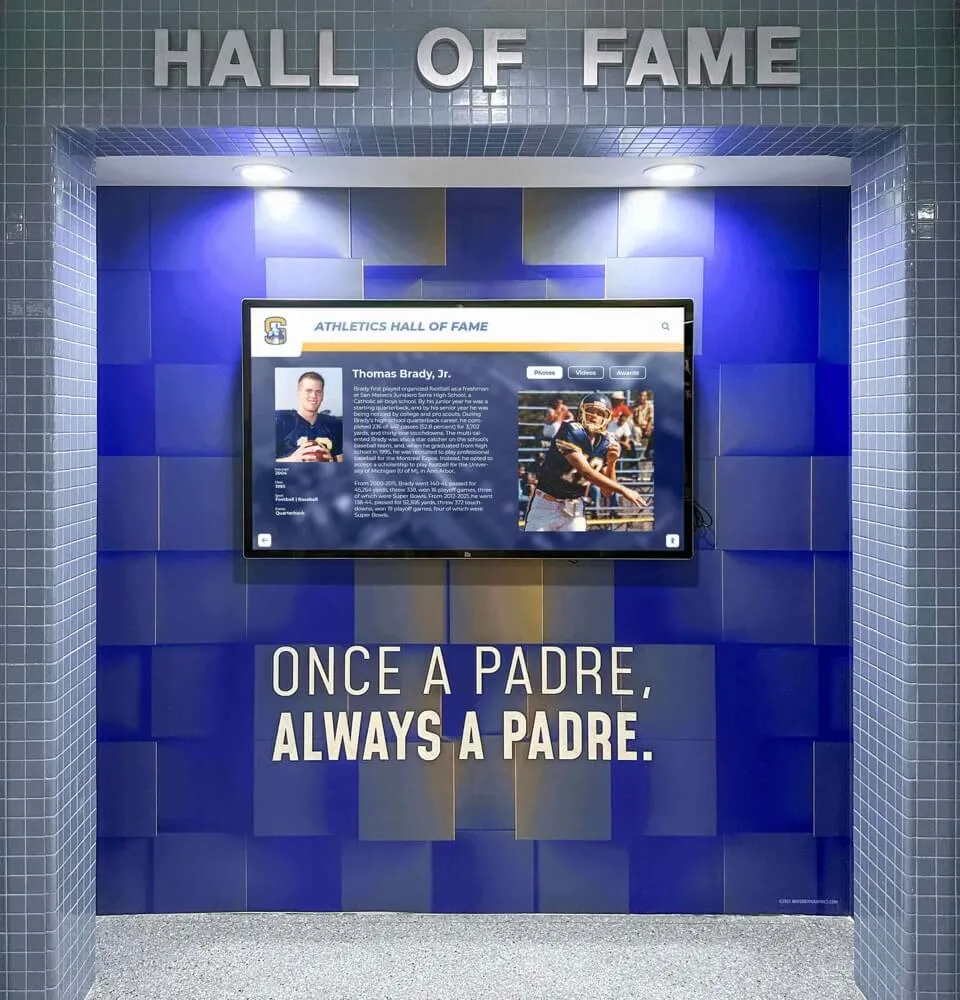
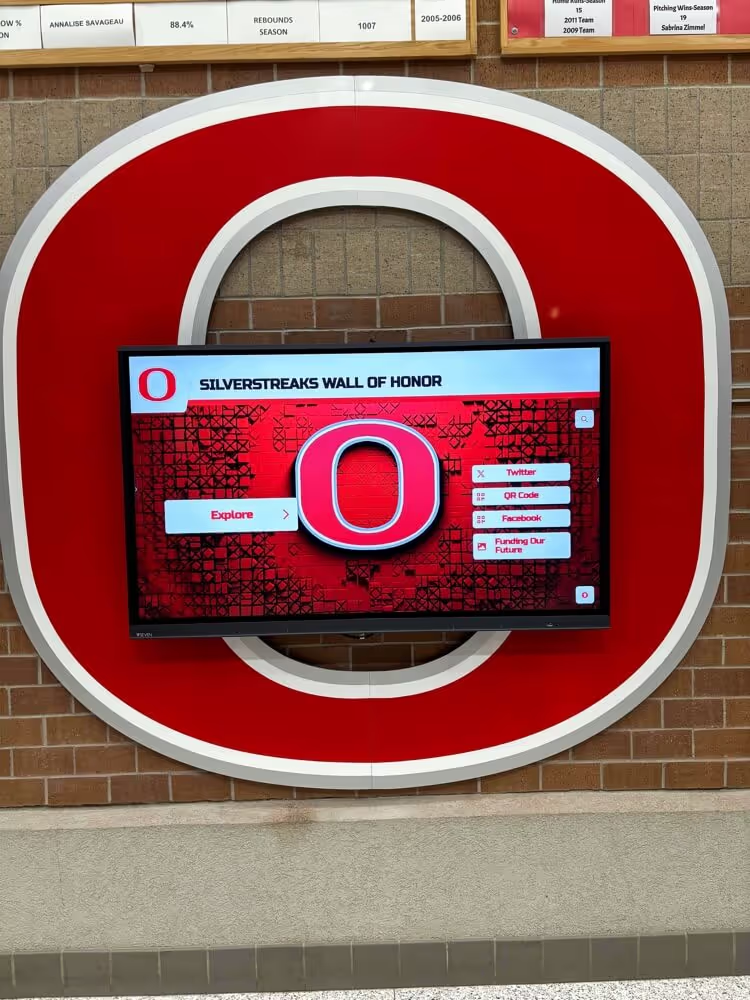
Individual recognition profiles celebrate mock trial participants' contributions and competitive achievements
Selection and Audition Processes New programs often include all interested students initially, providing opportunities to discover hidden talents while building program culture. Established competitive teams may implement structured selection including case analysis writing samples demonstrating legal reasoning, public speaking tryouts simulating courtroom presentations, witness character auditions assessing performance abilities, commitment evaluations including schedule availability and willingness to prepare, and interview components exploring motivation and team collaboration potential.
Selection processes should prioritize potential and commitment over existing expertise—most successful mock trial students develop skills through coaching rather than arriving fully prepared.
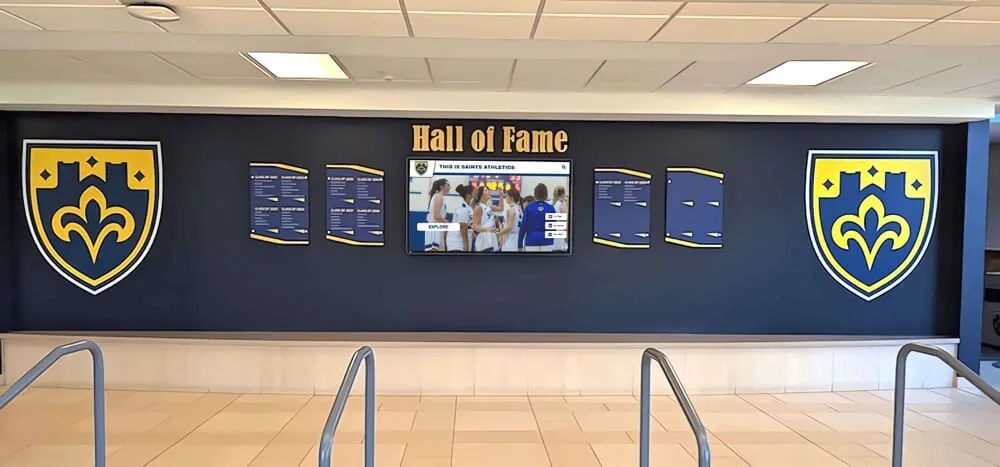
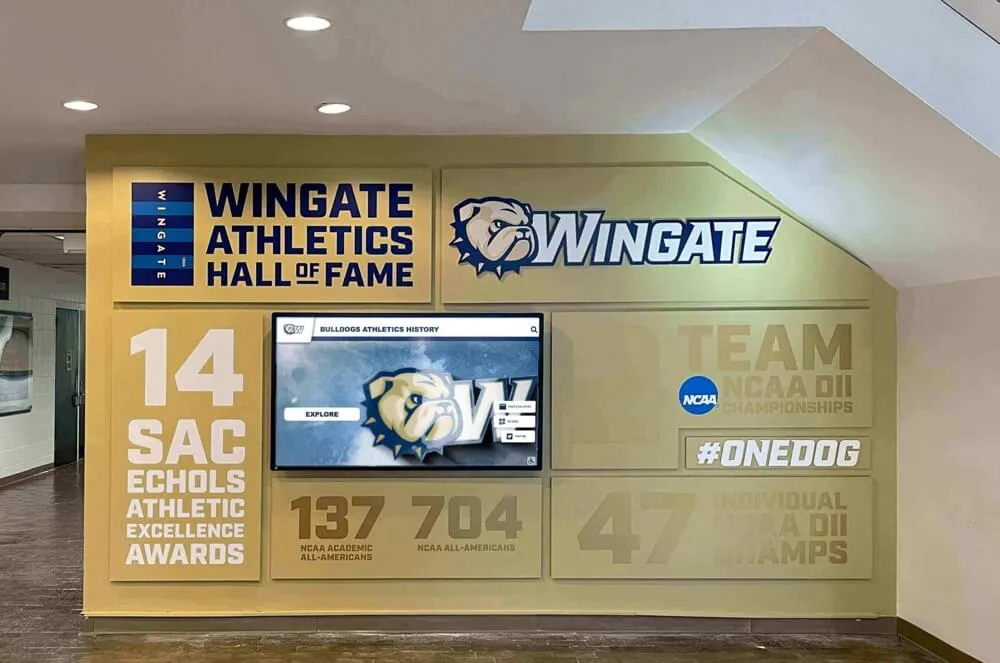
Comprehensive recognition systems preserve mock trial legacy while celebrating current team achievements
Team Roles and Responsibilities
Understanding specific positions helps coaches assign students effectively and develop specialized skills.
Attorney Positions
Each side (prosecution/plaintiff and defense) typically features three attorneys handling different case components.
Opening Statement Attorney This role delivers the trial’s first substantive argument, framing the case narrative and establishing themes. Opening attorneys must possess strong storytelling abilities presenting case facts persuasively, confidence managing first-impression pressure, clear organizational skills outlining case structure, and vocal authority commanding courtroom attention.
Opening statements typically run 5-8 minutes and cannot include argument—only case preview. Students excel here when they combine analytical understanding with theatrical presentation.
Direct Examination Attorneys These team members question their own side’s witnesses, eliciting testimony supporting case theories. Strong direct examiners demonstrate careful question preparation following logical sequences, collaborative witness preparation ensuring testimony consistency, listening skills allowing responsive follow-up questions, and confident but natural courtroom demeanor.
Direct examination represents controlled storytelling—attorneys guide witnesses through planned testimony while making presentations feel spontaneous and authentic. This role suits students who are organized, prepared, and comfortable managing structured interactions.
Cross-Examination Attorneys Arguably the most challenging role, cross-examiners question opposing witnesses attempting to undermine credibility, expose inconsistencies, or elicit favorable admissions. Exceptional cross-examiners possess quick analytical thinking adapting to unexpected testimony, strategic questioning pursuing specific case objectives, assertive confidence without inappropriate aggression, improvisation skills when witnesses provide unanticipated answers, and emotional control maintaining composure regardless of witness responses.
Cross-examination requires extensive preparation of planned question sequences while simultaneously demanding flexibility when witnesses deviate from expected testimony.
Closing Argument Attorney Delivering final persuasive arguments before judges, closing attorneys synthesize trial evidence into compelling narratives. This role requires analytical synthesis connecting testimony to legal standards, persuasive argumentation highlighting case strengths, responsive thinking addressing opponent’s case weaknesses, time management fitting complex arguments into limited periods, and dramatic conclusion creating memorable final impressions.
Closing arguments represent the last opportunity to persuade judges, making this assignment critical for competitive success. Students who excel at extemporaneous speaking and rhetorical persuasion often thrive in this position.
Witness Roles
Witnesses perform scripted characters based on case materials, requiring different skills than attorney positions.
Character Development and Preparation Effective witnesses thoroughly understand character backgrounds including personal history, motivations, and relationships, memorize detailed witness statements with precision, develop consistent physical mannerisms and vocal characteristics, understand case facts from character perspective, and prepare for likely cross-examination questions while maintaining character authenticity.
Witness preparation resembles theatrical rehearsal more than traditional academic study, making theater students often excel in these roles.
Types of Witnesses Most mock trial cases include varied witness types:
- Expert Witnesses: Testifying about specialized knowledge (forensic science, medical expertise, financial analysis), requiring students to master technical terminology and concepts
- Eyewitnesses: Providing direct observation testimony, demanding believable delivery and emotional authenticity
- Character Witnesses: Testifying about defendant’s or victim’s reputation and behavior patterns
- Involved Parties: Defendants, victims, or directly affected individuals central to case events
Each witness type presents unique challenges requiring different preparation approaches and performance skills.
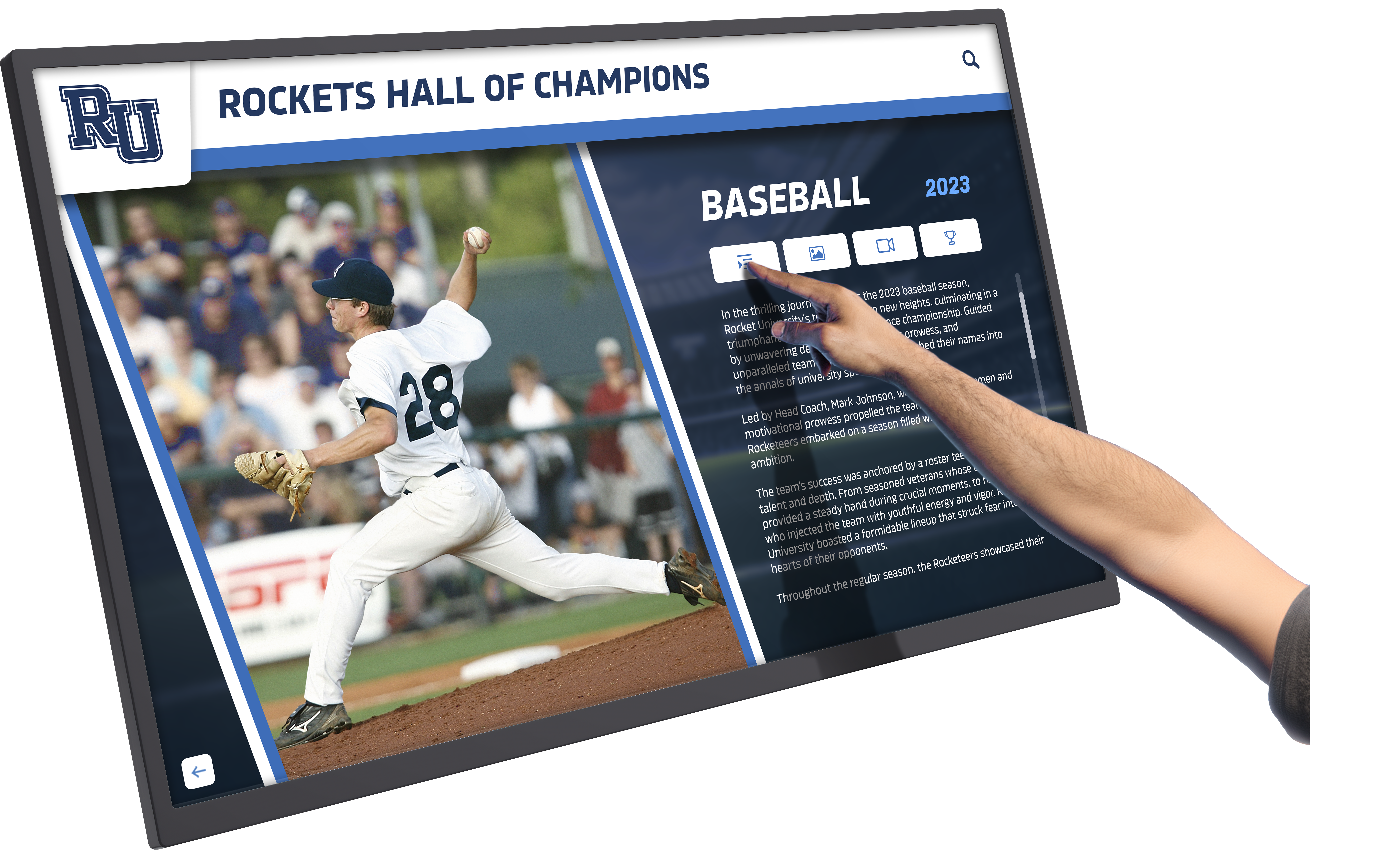
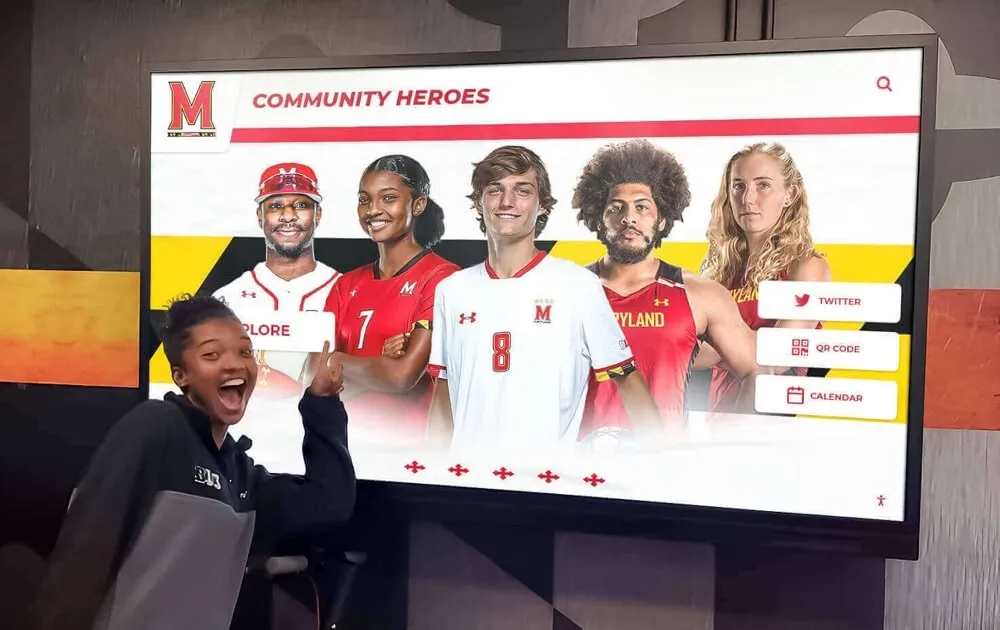
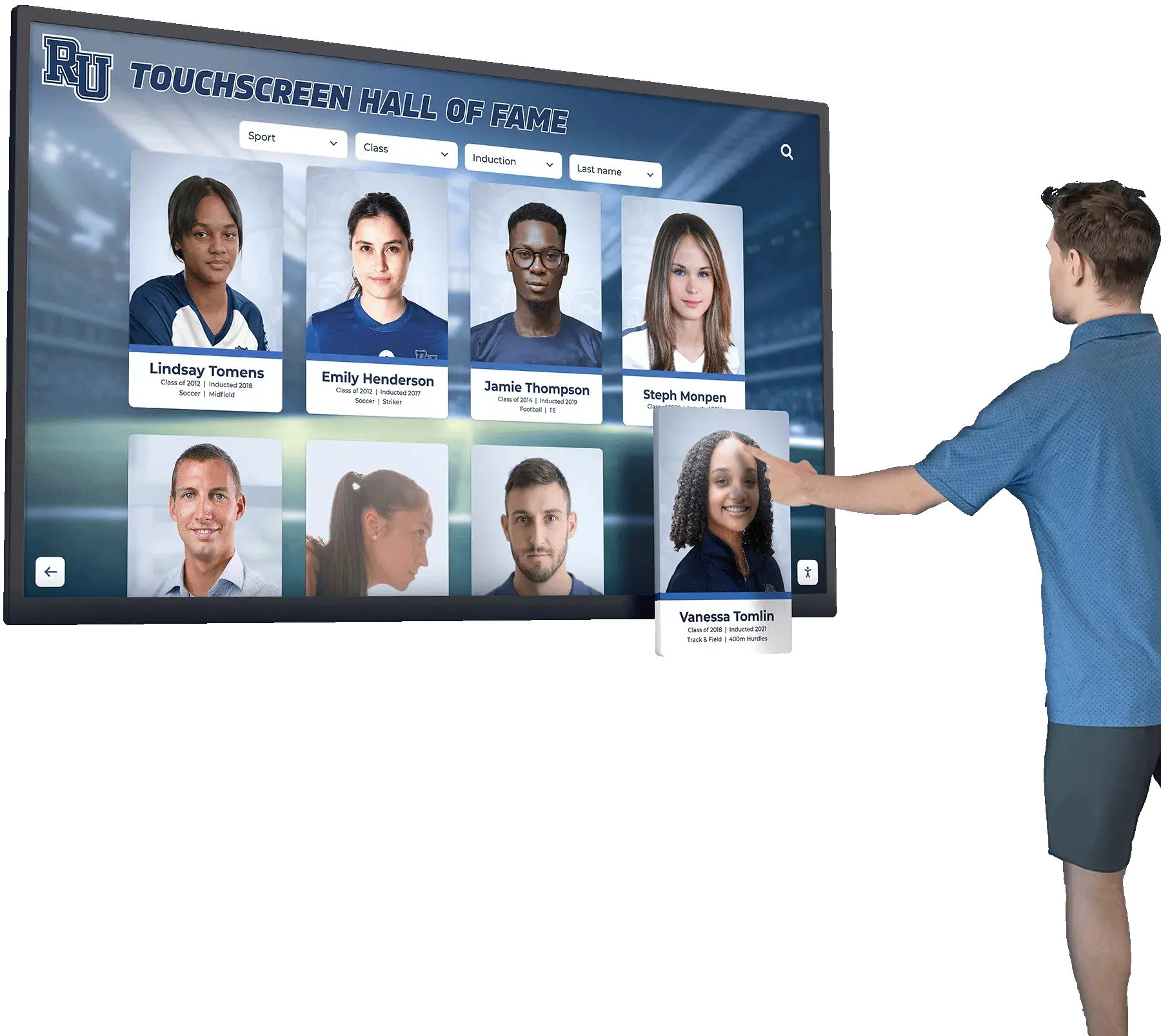
Interactive displays enable detailed exploration of team member contributions and individual achievements
Coaching Strategies and Program Management
Effective coaching transforms interested students into competitive mock trial teams through structured preparation and skill development.
Coach Qualifications and Team Composition
Mock trial programs benefit from diverse coaching expertise combining legal knowledge with educational experience.
Teacher-Coaches Most high school programs feature teacher-sponsors who provide day-to-day coaching, team management, and student supervision. Effective teacher-coaches need not be attorneys—successful coaches come from English, history, social studies, theater, and debate backgrounds. Key teacher-coach qualities include commitment to substantial time investment during competition season, ability to manage logistics including transportation and competition registration, student relationship skills fostering team culture and motivation, and willingness to learn legal procedures and case analysis alongside students.
Many exceptional mock trial coaches have no formal legal training but develop expertise through experience, continuing education, and collaboration with attorney-coaches.
Attorney-Coaches Legal professionals provide invaluable expertise many teacher-coaches lack, offering courtroom experience and procedural knowledge, legal reasoning and case analysis instruction, credibility assessment and cross-examination strategy, professional networking connecting students with legal career pathways, and authentic mentorship from practicing attorneys.
Attorney-coaches typically volunteer through bar associations, law firm pro bono programs, or personal commitment to education. Schools should actively recruit attorney coaching support through local bar associations, alumni attorney networks, parent communities including legal professionals, local law firms interested in community partnerships, and law school student volunteers seeking teaching experience.
The ideal coaching structure pairs teacher-coaches managing daily operations with attorney-coaches providing specialized legal instruction and competition guidance.
Practice Structure and Preparation Timeline
Competitive preparation requires systematic skill-building progressing from fundamentals through sophisticated competition strategies.
Pre-Season Preparation (2-3 months before competition) Begin with courtroom basics including trial structure and procedure, legal terminology and concepts, rules of evidence fundamentals, objection practice and recognition, and witness examination techniques.
Introduce case materials early, having students read through case facts, witness statements, and applicable laws. Assign preliminary roles allowing students to begin identifying preferred positions while maintaining flexibility.
Early Season Development (6-8 weeks before competition) Focus on role-specific skill building with attorneys developing opening statements, planning direct examinations, and outlining cross-examination approaches. Witnesses should begin memorizing statements, developing character interpretations, and practicing testimony delivery.
Schedule scrimmages against other teams or internal squad competitions. Early practice trials identify weak areas requiring additional work while building student confidence in courtroom procedures.
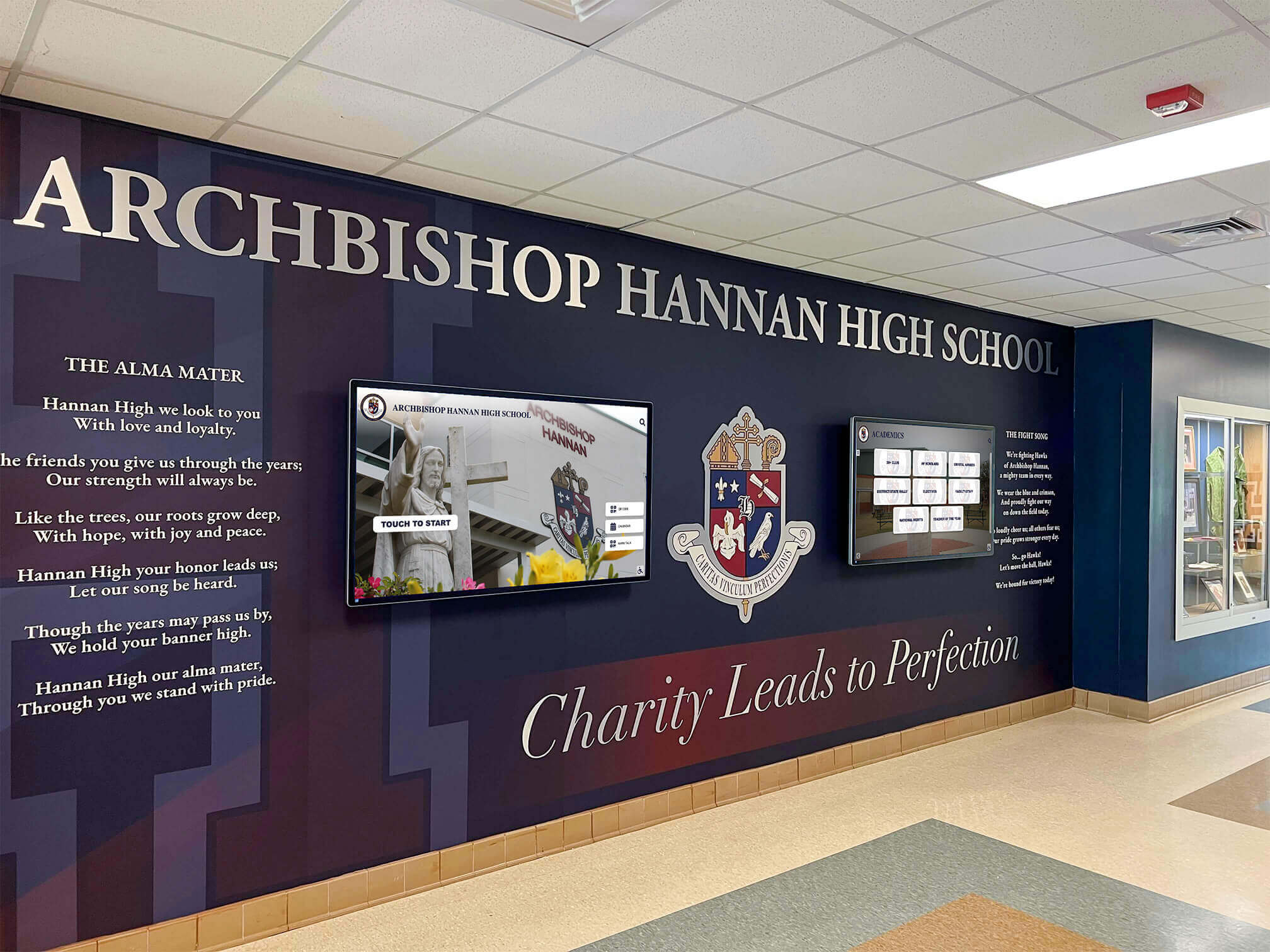
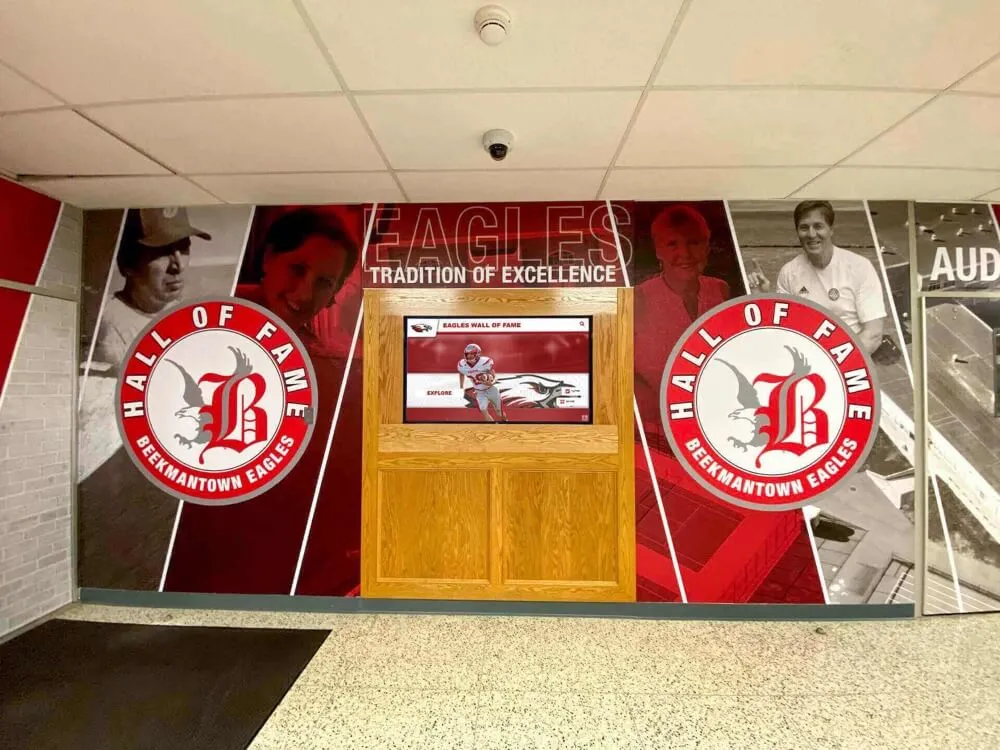
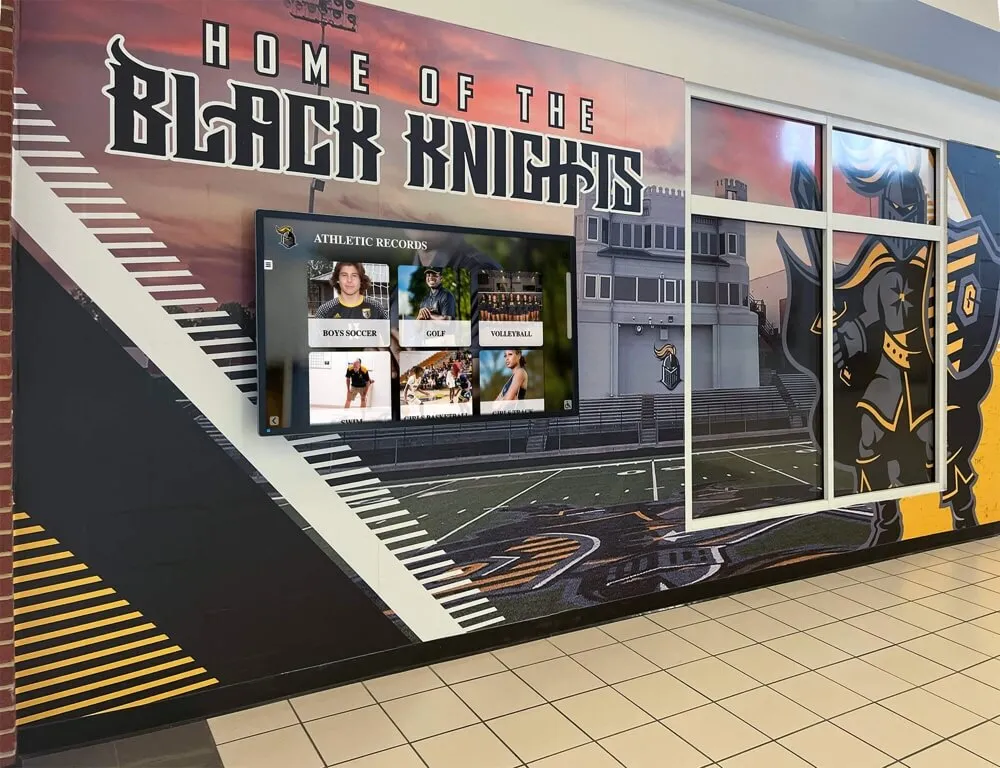
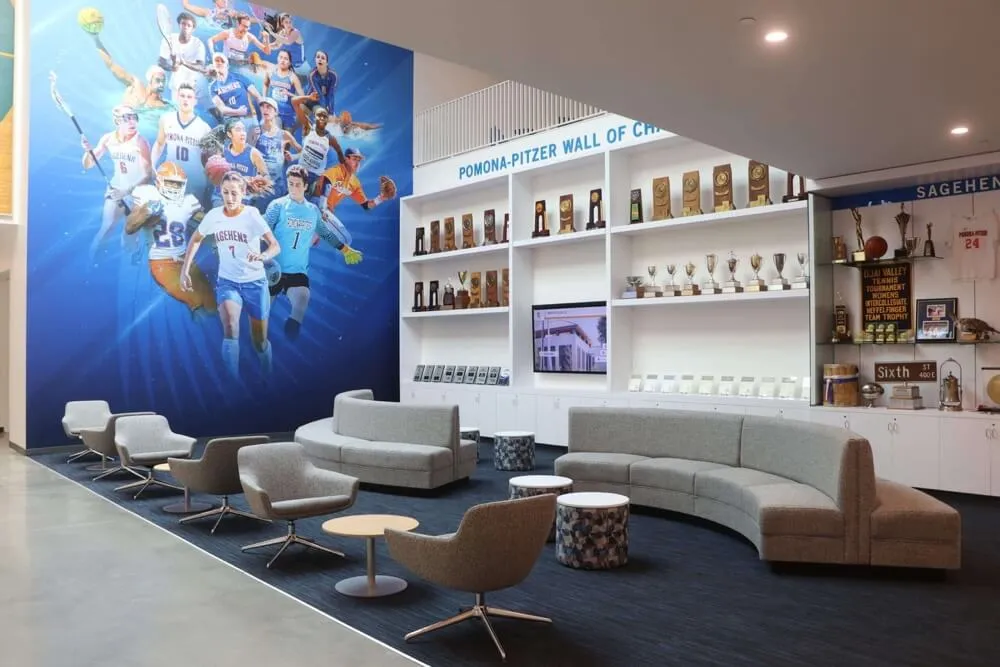
Lobby installations celebrate diverse student achievements including academic competitions like mock trial
Competition Season (4-6 weeks before tournament through competition) Intensive preparation includes multiple full practice trials weekly, refined examination and cross-examination strategies, witness coaching for consistency under pressure, timing practice ensuring compliance with competition rules, and frequent scrimmages against varied opponents exposing students to different styles.
Final weeks before competition require polished practice with attorneys delivering smooth, confident presentations and witnesses maintaining character consistency regardless of questioning approach.
Practice Frequency and Time Commitment Competitive programs typically require 6-10 hours weekly during peak season including 2-3 after-school practices (1.5-2 hours each), weekend scrimmages against other schools, individual attorney-witness preparation time, and case research and argument refinement outside formal practices.
Students and families need clear communication about time expectations before committing to teams—successful programs require dedication comparable to athletic season commitments.
Teaching Legal Concepts and Courtroom Skills
Students need accessible instruction in legal fundamentals most have never encountered.
Rules of Evidence Basics Students must understand core evidentiary concepts including relevance (evidence must relate to case issues), hearsay (out-of-court statements offered to prove truth require exceptions for admission), character evidence limitations (generally inadmissible except under specific circumstances), opinion testimony rules (lay witnesses describe observations; experts offer specialized opinions), and authentication requirements (exhibits require proper foundation for admission).
Teach these concepts through practical application rather than abstract lecture. Have students practice objections, rule on hypothetical evidence issues, and apply concepts during practice trials.
Objection Practice Effective objection use requires recognizing improper questions, stating concise objection grounds, and articulating rules supporting objections when judges request explanation. Common objections students must master include leading questions on direct examination, asked and answered when counsel repeats questions, argumentative questions requiring witnesses to agree with attorney interpretations, speculation when witnesses lack personal knowledge, and compound questions asking multiple things simultaneously.
Regular objection drills build recognition speed and confidence—essential skills for competitive success.
Persuasive Techniques Beyond legal mechanics, students need training in persuasion including vocal variety and projection maintaining judge attention, strategic pausing emphasizing key points, eye contact establishing credibility and connection, body language projecting confidence without arrogance, storytelling techniques making legal arguments memorable, and theme development creating cohesive case narratives.
These communication skills transfer to countless contexts beyond mock trial, representing core educational value these programs provide.
Many schools implementing successful mock trial programs integrate achievements into comprehensive student recognition systems celebrating diverse academic excellence.
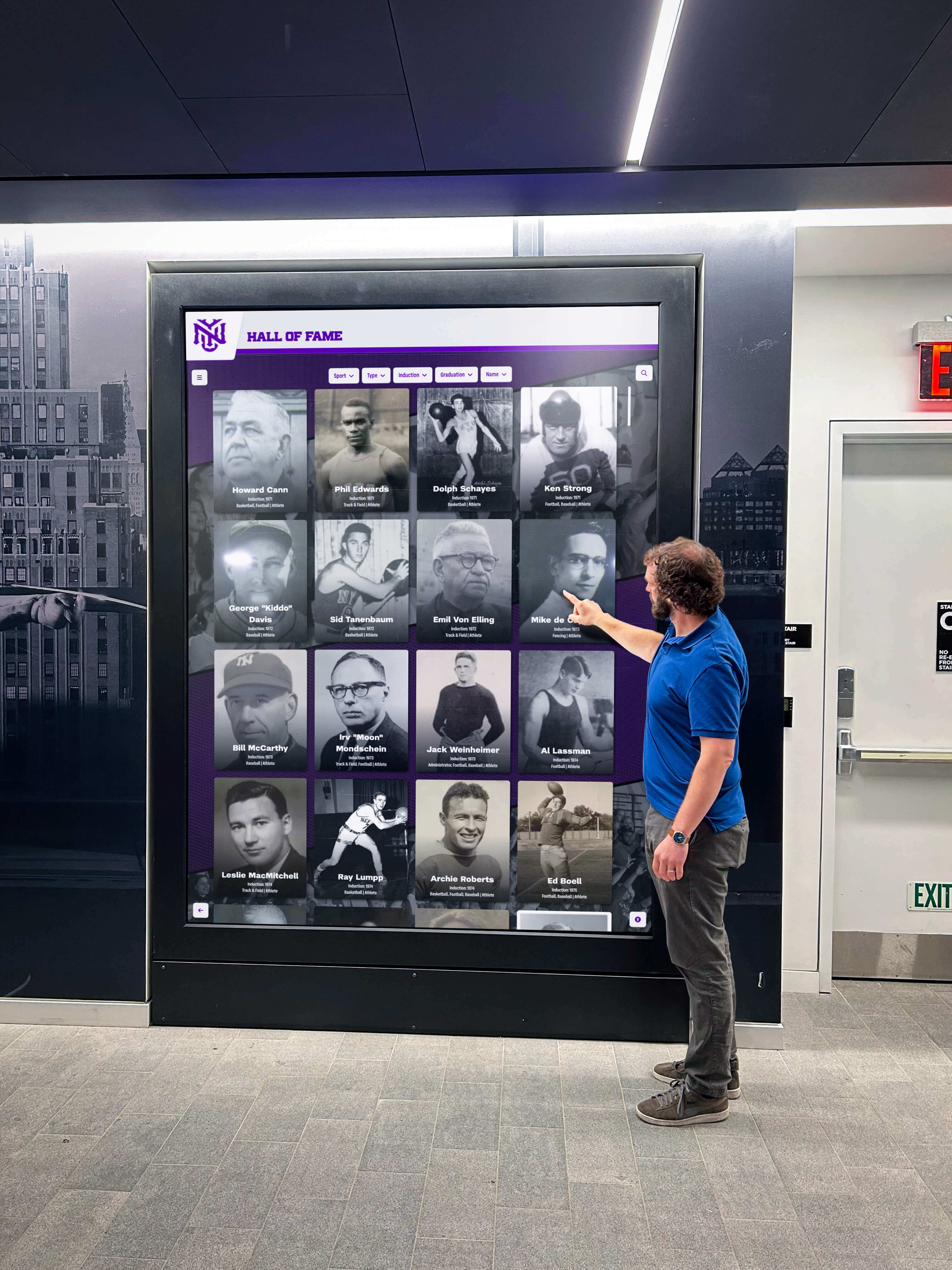
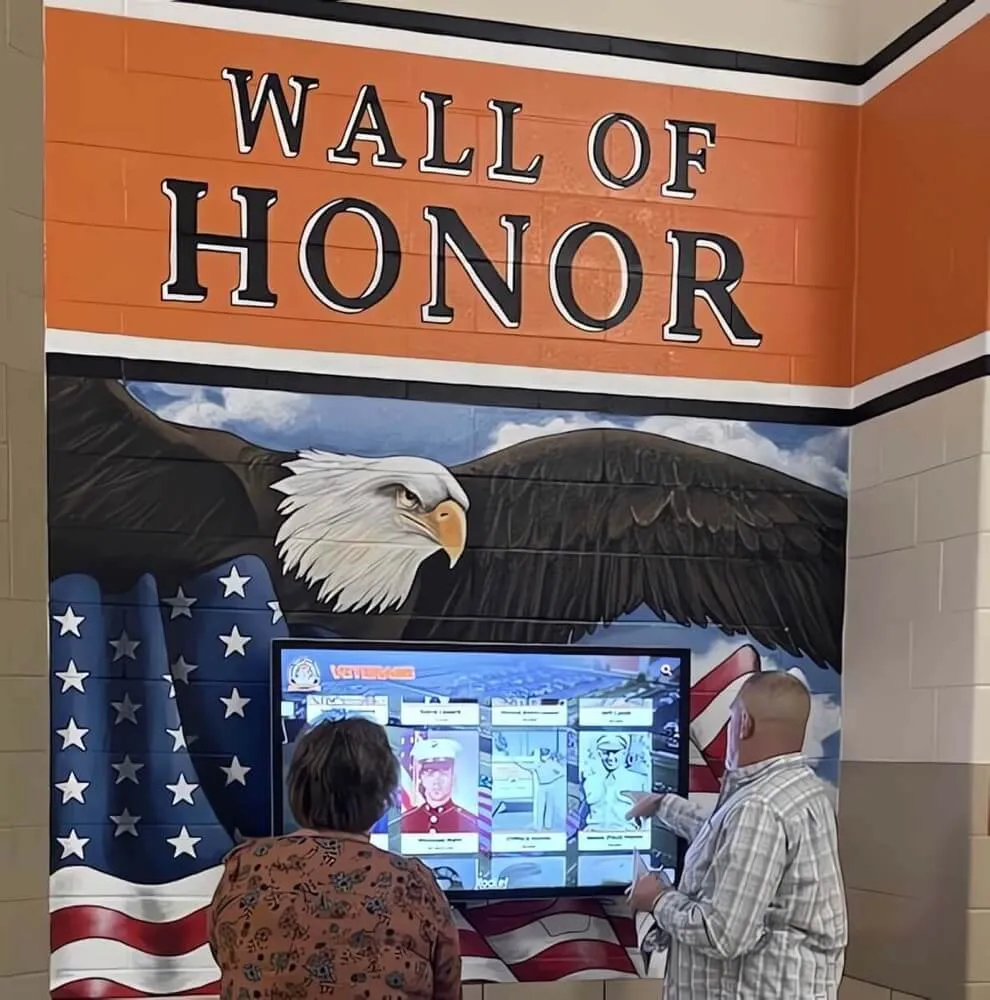
Interactive recognition systems educate broader communities about mock trial excellence and competitive achievement
Competition Preparation and Tournament Success
Transforming practice preparation into competitive success requires strategic tournament planning and performance optimization.
Final Preparation Strategies
The weeks immediately before competition demand focused refinement and psychological preparation.
Case Theory Finalization Teams must commit to clear case theories—central narratives explaining why their side should prevail. Strong case theories simplify complex facts into memorable themes, connect emotionally with judges while maintaining legal grounding, remain consistent across opening statements through closings, and anticipate opponent’s likely counter-narratives.
Coaches should ensure every team member understands and articulates the case theory consistently—unified messaging significantly impacts competitive scoring.
Witness Consistency and Refinement Witnesses must deliver identical testimony across multiple trials while maintaining authentic performance. Final preparation includes drilling witness statements until automatic, practicing responses to likely cross-examination questions, developing consistent character mannerisms and vocal qualities, preparing for unusual or aggressive questioning approaches, and memorizing case exhibits and timeline details referenced in testimony.
Witness inconsistencies between trials dramatically harm scores—judges notice contradictions and lower credibility ratings accordingly.
Attorney Performance Polishing Attorneys need final refinement of courtroom presence including smooth, natural examination without excessive note dependence, confident objection assertion with supporting rules, flexible questioning adapting to witness variations, effective time management maximizing available periods, and professional demeanor under pressure or adversity.
Final practices should simulate competition pressure through timed trials, unexpected judge rulings, and challenging cross-examination from skilled opponents.
Tournament Day Logistics and Management
Successful tournament experiences require careful logistical planning beyond courtroom performance.
Travel and Schedule Coordination Most competitions occur at courthouses, law schools, or host school facilities requiring travel. Effective logistics include confirmed transportation and arrival timing, meal planning for full-day competitions, communication systems among team members and coaches, emergency contact protocols for student safety, and clear schedule understanding for all participants.
Students need adequate rest before competition—avoid late practices the night before tournaments.
Materials and Preparation Checklist Teams should bring comprehensive competition materials including case binders for all team members, exhibit copies for presentation during trial, witness props enhancing character authenticity (appropriate to case), timer for practice and preparation periods, rule books for objection reference, notepad for coaching observations, and emergency supplies (water, snacks, over-the-counter medications).
Assign specific team members responsibility for material management preventing last-minute scrambling.
Pre-Trial Preparation Rituals Teams typically receive 30-minute preparation periods before each trial for final review and psychological readiness. Effective preparation includes side assignment confirmation and strategy adjustment if needed, brief opening statement review, witness last-minute question rehearsal, team huddle reinforcing confidence and support, and individual quiet time for mental preparation.
Coaches should balance substantive preparation with emotional encouragement—student confidence significantly impacts performance quality.
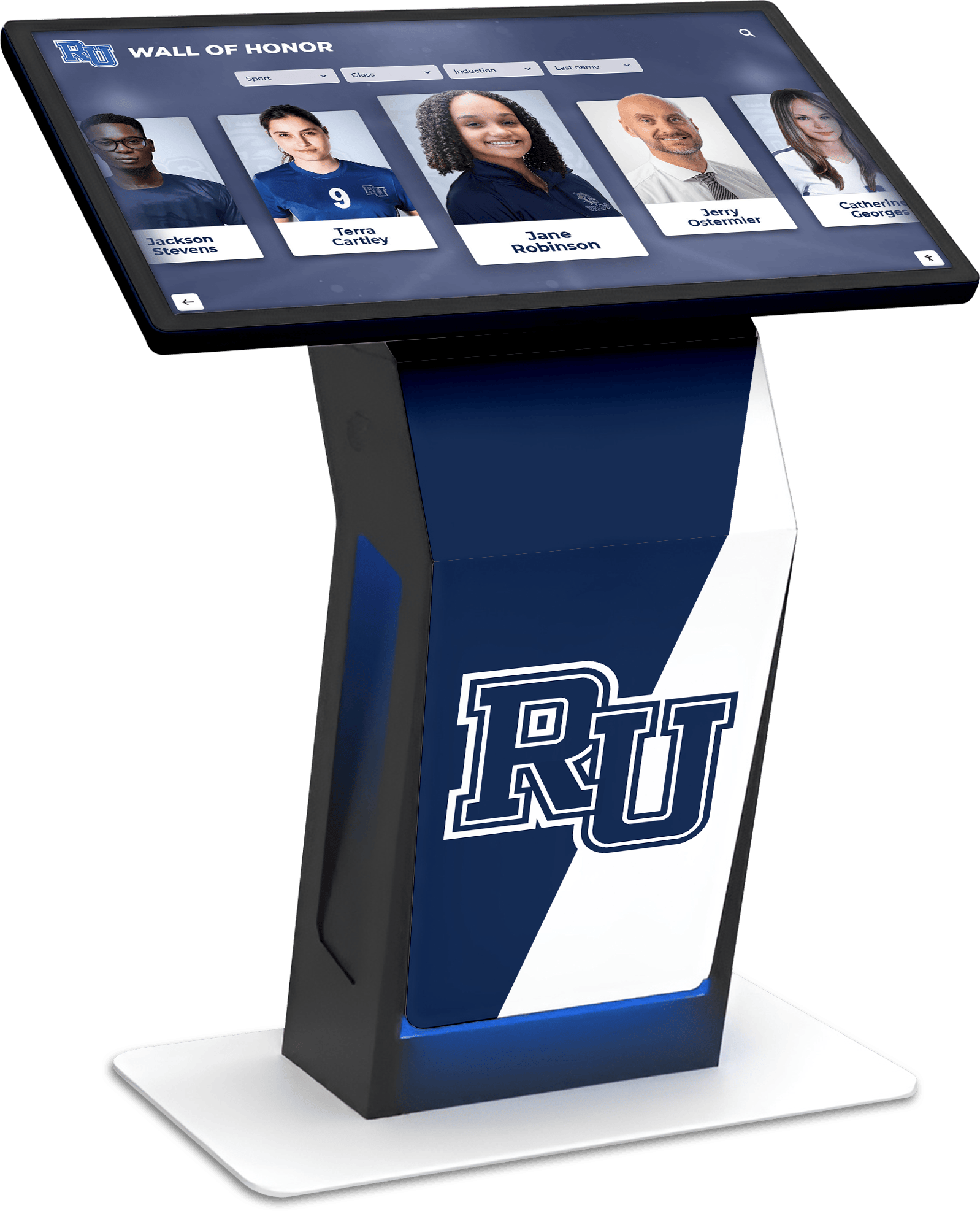
Professional recognition systems demonstrate institutional commitment to celebrating academic competition excellence
Scoring and Advancement Understanding
Students perform better when they understand how judges evaluate competitions.
Scoring Criteria Judges typically evaluate teams using standardized rubrics assessing attorney performances on knowledge of case and legal procedures, effectiveness of presentations and examinations, response to developments and objections, professionalism and courtroom demeanor, and adherence to time limits and competition rules.
Witness performances are scored on knowledge of facts and role, consistency throughout examination, responsiveness to questions, believability and character authenticity, and maintenance of appropriate demeanor.
Teams receive cumulative scores across all rounds, with highest scorers advancing to elimination rounds at most competitions.
Feedback and Improvement Most tournaments provide written judge comments following each trial. Coaches should review feedback carefully with students, identifying consistent patterns across multiple judges, distinguishing substantive concerns from individual judge preferences, celebrating specific strengths judges highlighted, and developing concrete improvement plans for identified weaknesses.
Post-tournament debriefing represents crucial learning opportunities—effective coaches frame losses as growth experiences while celebrating competitive effort and achievement.
Learn about comprehensive recognition approaches in guides about celebrating diverse student achievements.
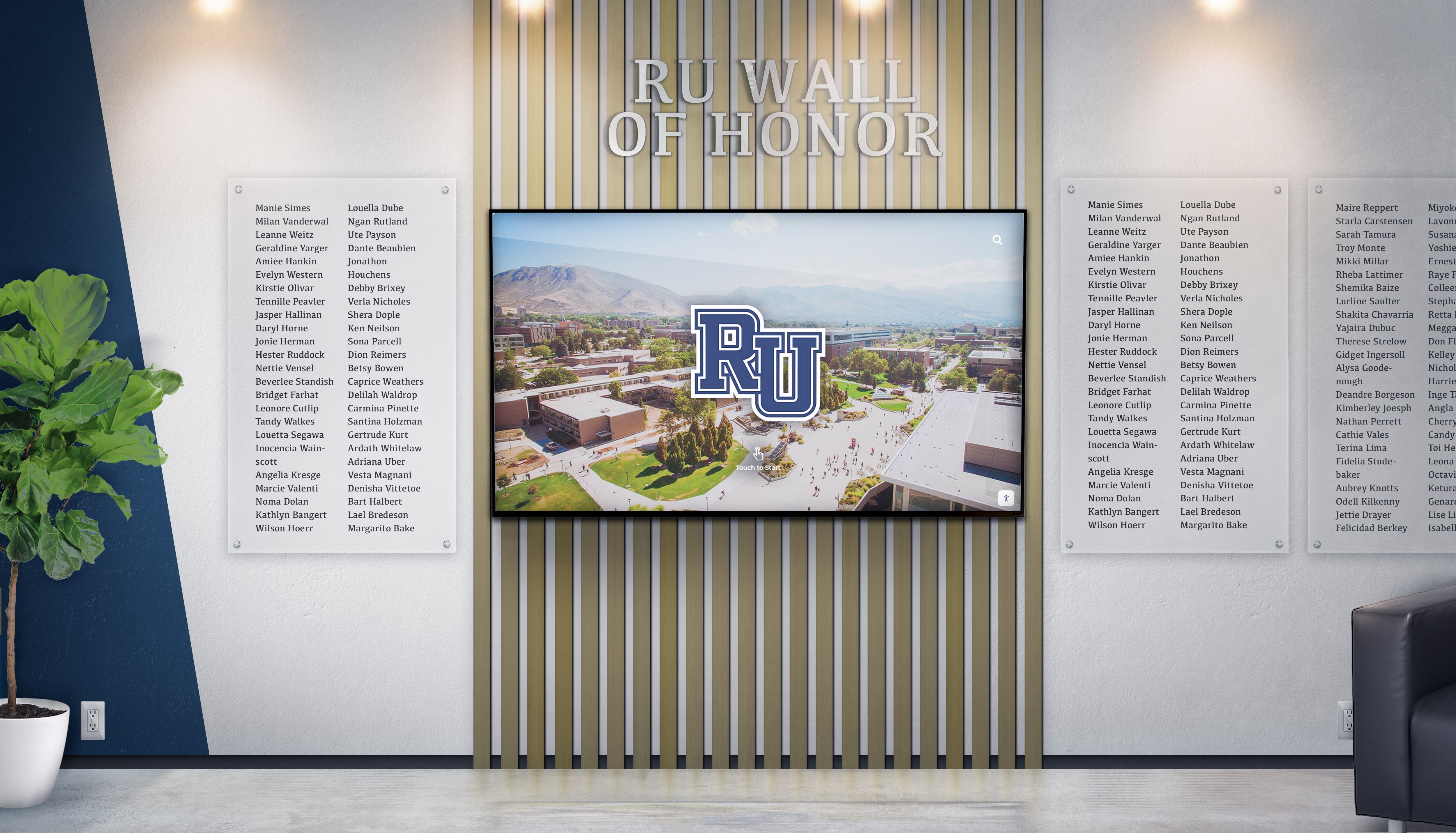
Integrated recognition systems preserve program history while showcasing current competitive achievements
Building Sustainable Mock Trial Programs
Long-term program success requires attention to culture-building, recruitment continuity, and institutional integration beyond competition seasons.
Developing Team Culture and Identity
Strong mock trial programs cultivate distinctive identities and supportive team dynamics.
Creating Welcoming, Inclusive Environments Successful programs emphasize team culture over individual star performers through collaborative preparation valuing all contributions, support systems where experienced members mentor newcomers, recognition of diverse roles from attorneys to witnesses to team managers, social activities building relationships beyond competition, and inclusive practices welcoming students from all backgrounds and experience levels.
Programs with positive cultures sustain membership and competitive success across coaching changes and graduating classes.
Program Traditions and Rituals Distinctive traditions build program identity including team name or motto connecting to school heritage, pre-tournament team meals or gatherings, post-competition celebration traditions regardless of results, senior recognition ceremonies honoring graduating members, and alumni events connecting past and current team members.
These traditions create sense of belonging extending beyond academic year—important for sustained enthusiasm and program legacy.
Balancing Competition and Education While competitive success motivates students, effective programs maintain educational mission including skill development beyond winning trophies, intellectual growth through legal reasoning, character building through sportsmanship and professionalism, and preparation for future academic and career opportunities.
Coaches should celebrate competitive achievement while emphasizing learning, growth, and personal development as ultimate program measures.
Program Growth and Recruitment Continuity
Sustaining programs requires intentional recruitment and leadership development.
Building Recruitment Pipelines Establish systematic recruitment including middle school outreach through informational sessions and demonstrations, freshman orientation presentations about mock trial opportunities, classroom visits by team members promoting program, showcase events where community observes practice trials, and digital recognition displays celebrating achievements and attracting prospective members.
Visible recognition throughout schools significantly impacts recruitment—prospective students need awareness of opportunities and achievement possibilities.
Developing Student Leadership Sustainable programs cultivate student leaders including team captains managing practice coordination, peer mentors providing newcomer support, recruitment ambassadors promoting program to prospective members, case research coordinators organizing preparation materials, and social coordinators planning team-building activities.
Leadership development creates investment in program success while teaching management and organizational skills valuable beyond mock trial.
Managing Coaching Transitions Programs depending on single coach face sustainability challenges when that individual leaves. Build resilience through co-coach models sharing responsibilities, documentation systems preserving institutional knowledge, alumni coach pipelines bringing back graduated team members, and administrator understanding ensuring continued institutional support.
Schools implementing systematic approaches to academic recognition often find maintaining diverse programs easier as success in one area builds broader support for academic competitions generally.
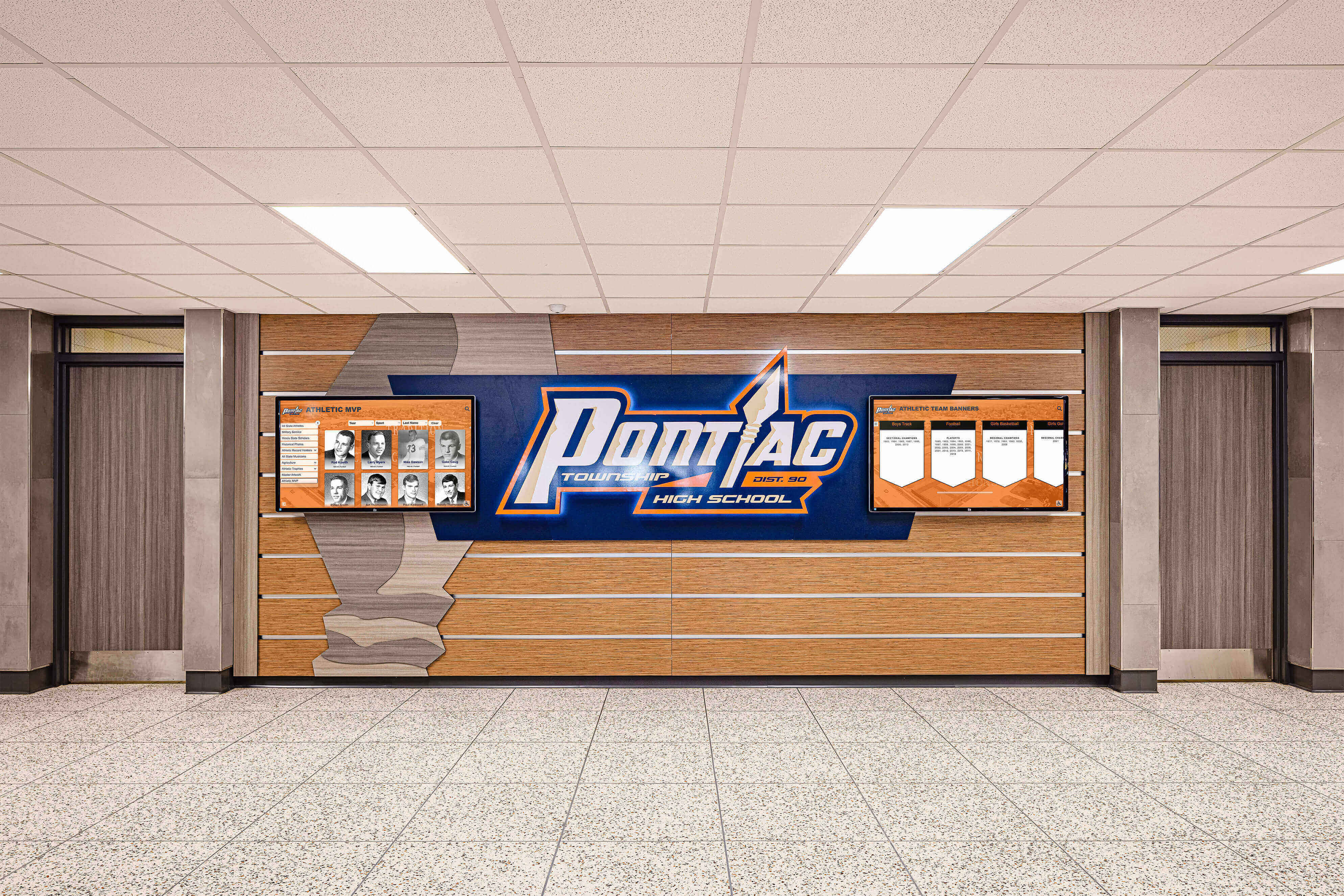
Multiple display categories ensure mock trial receives recognition alongside other academic and athletic achievements
Recognizing Mock Trial Achievement
Mock trial accomplishments deserve visibility and celebration equal to other competitive achievements—yet many programs struggle to showcase success effectively.
The Recognition Gap for Academic Competitions
Schools frequently celebrate athletic achievements prominently through lobby trophy cases, banner displays, morning announcements, and social media features. Meanwhile, academic competition success including mock trial often receives minimal recognition despite comparable time commitment, competitive rigor, and student achievement.
This recognition disparity creates perception that athletic accomplishments matter more than intellectual achievements—undermining academic program recruitment, student motivation, and institutional culture emphasizing diverse excellence. Schools committed to comprehensive student achievement must address recognition gaps systematically.
Modern Recognition Solutions for Mock Trial Programs
Digital recognition systems transform how schools celebrate mock trial excellence while overcoming traditional display limitations.
Comprehensive Achievement Documentation Interactive digital displays enable unlimited recognition capacity showcasing every team member across multiple graduating classes, complete tournament results and advancement documentation, individual awards and standout performance recognition, team photos and competition documentation, attorney and witness role descriptions and achievements, and program history connecting past success to current teams.
Unlike physical trophy cases with limited space, digital systems accommodate comprehensive program documentation without removing historical achievements to display current seasons.
Strategic Visibility Placement Effective recognition requires prominent placement in high-traffic school areas including main entrance lobbies establishing first impressions, library and academic commons where intellectually-oriented students gather, hallway intersections with consistent daily circulation, performing arts facilities hosting community events, and guidance counselor offices where prospective team members explore opportunities.
Strategic placement ensures mock trial achievements receive visibility comparable to athletic recognition—essential for recruitment, program advocacy, and institutional culture-building.
Interactive Exploration Features Modern recognition platforms offer engagement impossible with static plaques through searchable databases finding specific students and achievements, photo galleries documenting competition experiences, video clips showcasing actual trial performances, detailed profiles explaining mock trial excellence for non-participants, and links to program websites for recruitment information.
This interactivity educates broader communities about mock trial while celebrating student achievement authentically.
Schools implementing comprehensive recognition often reference solutions like those featured in guides about student achievement celebration.
Recognition’s Impact on Program Success
Visible recognition delivers measurable program benefits including recruitment advantages as prospective students discover opportunities, administrative support when achievement receives institutional visibility, community awareness educating families about program excellence, student motivation knowing accomplishments receive appropriate celebration, and alumni engagement connecting past and current team members.
Programs featured prominently in school recognition systems consistently report stronger recruitment, increased institutional support, and enhanced competitive success—creating virtuous cycles where recognition enables achievement enabling further recognition.
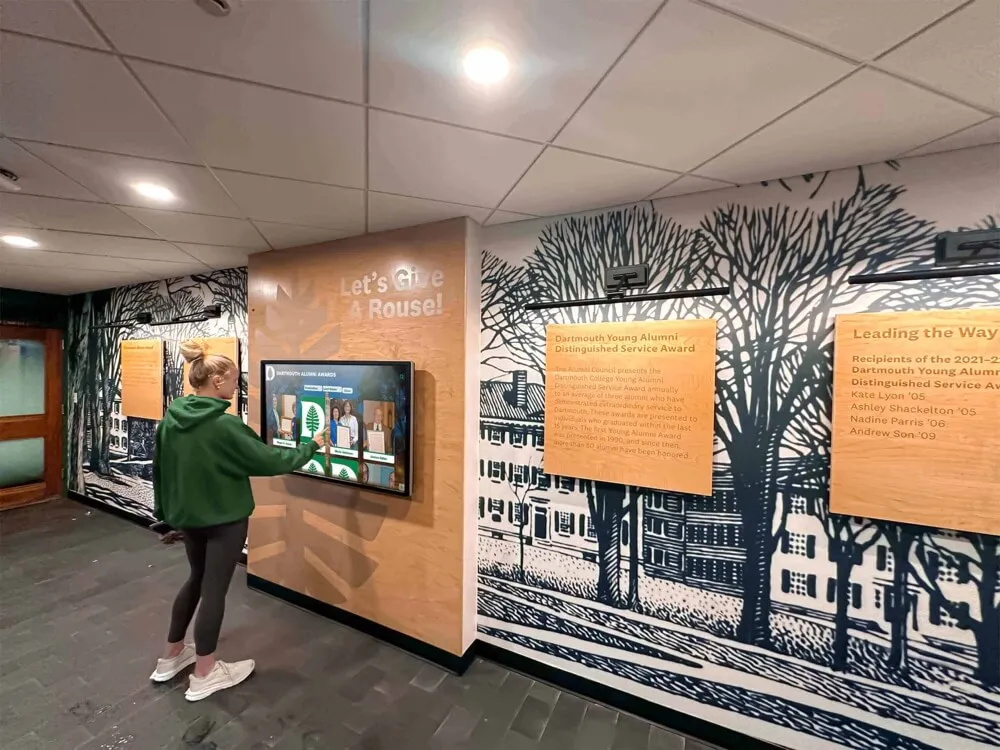
Hallway recognition displays create natural gathering spaces where students explore achievements and discover opportunities
Community Partnerships and Support Systems
Strong mock trial programs leverage partnerships extending beyond school walls.
Bar Association Collaboration
Most states coordinate mock trial competitions through bar associations or bar foundations—organizations that can provide invaluable program support.
Available Resources and Support Bar associations frequently offer competition coordination and tournament hosting, case materials and legal resources, attorney-coach recruitment and coordination, judicial recruitment providing trial evaluators, professional development for teacher-coaches, scholarship opportunities for graduating mock trial students, and advocacy supporting mock trial funding and resources.
Program coaches should actively engage with state and local bar associations, attending coordination meetings, requesting available resources, and building relationships with legal community partners.
Attorney Mentorship Programs Many bar associations coordinate attorney volunteer programs specifically supporting mock trial including coaching volunteer databases connecting attorneys with teams, law firm partnership programs providing sustained support, courthouse visit coordination for student education, legal career pathway presentations and mentorship, and scholarship programs for students pursuing legal education.
These partnerships provide students with authentic exposure to legal professions while building community support for school programs.
Law School Partnerships
Universities with law schools offer unique partnership opportunities for high school and college mock trial programs.
Student Coach Programs Law students often volunteer as mock trial coaches through law school public service requirements, student organization community outreach, judicial externship programs requiring educational components, and personal interest in teaching and mentorship.
Law student coaches bring recent competition experience, fresh perspectives on case analysis, enthusiasm for working with younger students, and flexible schedules accommodating practice times.
Facility Access and Scrimmage Opportunities Law schools frequently provide practice courtroom facilities for team use, scrimmage partnerships with law school trial teams, mock trial competition hosting, and access to legal research resources.
These partnerships benefit both high school/college programs gaining resources and law schools building community relationships and providing law students with teaching experience.
Family and Booster Support
Parent and family engagement strengthens programs through fundraising, logistics support, and community advocacy.
Mock Trial Booster Organizations Dedicated support groups can provide significant program enhancement through fundraising campaigns for competition costs, volunteer coordination for tournaments and events, hospitality management during competitions, communication systems keeping families informed, and advocacy with school administrations and boards.
Effective booster organizations operate transparently with clear missions, appropriate school oversight, and inclusive practices ensuring all students benefit regardless of family resources.
Celebrate Mock Trial Excellence
Discover how comprehensive recognition solutions can showcase your mock trial program's achievements, build team pride, and elevate academic competition visibility throughout your institution.
Explore Recognition SolutionsAdvanced Competition Strategies
As programs develop competitive experience, advanced strategies distinguish good teams from championship contenders.
Case Theory and Theme Development
Beyond basic legal arguments, sophisticated teams develop overarching narratives unifying all case elements.
Creating Compelling Case Narratives Championship teams craft case theories that transcend legal technicalities to create emotionally resonant stories. Effective narratives identify central human elements within legal disputes, develop clear protagonist and antagonist framing, connect facts to universal themes judges understand, maintain consistency from opening through closing arguments, and distinguish your interpretation from predictable opponent approaches.
Students often struggle initially with theme development—coaches should provide examples from famous trials, literature, or media demonstrating powerful storytelling’s persuasive impact.
Evidence Presentation Strategy Strategic teams make intentional choices about evidence emphasis including strongest evidence presentation during direct examination peaks, strategic ordering creating persuasive momentum, clear exhibit integration with testimonial evidence, anticipatory presentation of potentially damaging facts on direct examination (preventing cross-examination impact), and thematic connection ensuring evidence serves broader case narrative.
Random evidence presentation without strategic ordering significantly reduces persuasive impact even when legal arguments remain sound.
Psychological Preparation and Performance Optimization
Competitive success requires not just legal knowledge but psychological readiness for high-pressure performance.
Managing Competition Anxiety Even talented students experience performance anxiety during competitions. Effective preparation includes regular exposure to evaluation through practice trials, specific anxiety management techniques (breathing exercises, positive visualization, reframing), pre-performance routines creating psychological readiness, team support systems normalizing nerves while building confidence, and post-trial reflection processing experiences constructively.
Coaches should discuss performance anxiety openly—normalizing stress while providing concrete management strategies.
Developing Mental Flexibility Mock trial demands adaptation when judges make unexpected rulings, witnesses deviate from prepared testimony, opponents employ surprising strategies, time pressures force condensed presentations, and equipment or facilities present unanticipated challenges.
Mental flexibility training includes improvisational practice with unexpected scenarios, discussion of contingency plans for likely problems, growth mindset cultivation viewing challenges as learning opportunities, and regular exposure to varied opponents and judging styles.
Teams prepared for adversity dramatically outperform those expecting perfect circumstances.
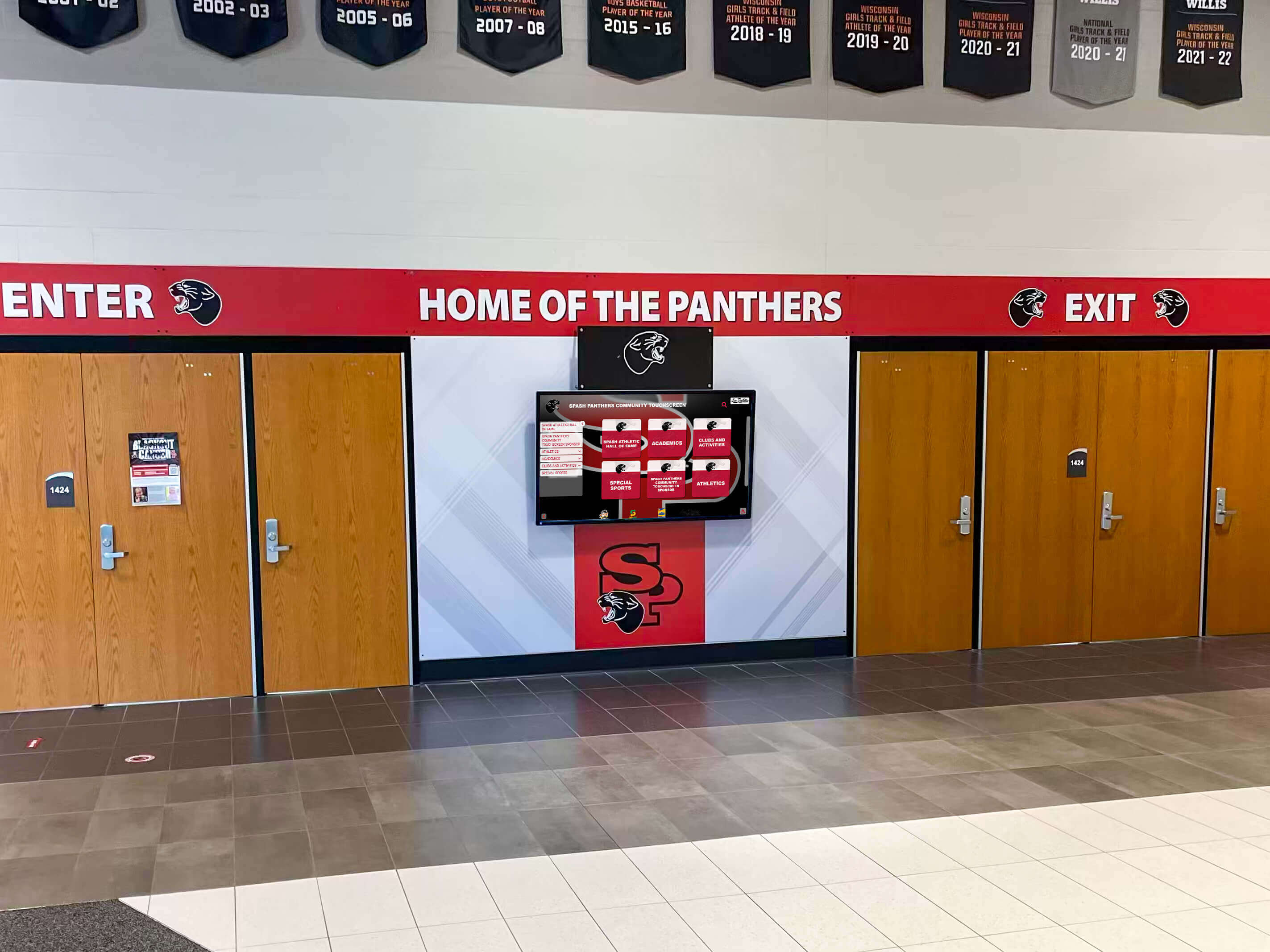
Entrance recognition ensures maximum audience exposure to mock trial achievements during daily circulation and special events
Addressing Common Challenges
All programs encounter obstacles—successful coaches anticipate and address common difficulties proactively.
Student Commitment and Scheduling Conflicts
Mock trial’s intensive time requirements inevitably create conflicts with other activities.
Managing Multi-Activity Students Many talented students participate in multiple demanding activities creating scheduling conflicts. Approaches include establishing clear minimum participation requirements, building flexible practice schedules accommodating major conflicts, prioritizing competition preparation during peak seasons, communicating expectations early in recruitment, and accepting that some students may participate partially rather than full-season.
Programs should avoid ultimatums requiring students to choose mock trial exclusively—collaborative scheduling approaches with other programs benefit students and school culture.
Academic Balance Concerns Parents and administrators sometimes worry mock trial compromises academic performance. Address these concerns through academic eligibility requirements (many programs require minimum GPAs), scheduled study time during practices for homework completion, emphasis on mock trial’s academic skill development, data tracking showing mock trial participants’ academic performance often improves, and communication with teachers coordinating major academic deadlines with competition schedules.
Mock trial should enhance rather than compromise academic achievement—programs monitoring student success prevent problems while building stakeholder confidence.
Limited Resources and Budget Constraints
Not all schools can provide substantial mock trial funding—creative programs succeed despite resource limitations.
Low-Budget Program Strategies Programs with minimal funding can succeed through shared transportation coordination among families, local competition focus reducing travel costs, free attorney-coach recruitment through bar associations, shared case materials among team members, student fundraising activities offsetting competition fees, and community partnerships providing resources in lieu of funding.
Many championship teams operate on budgets under $2,000 annually through strategic resource management and community support.
In-Kind Support Solicitation Legal community partners may provide valuable support requiring no financial contribution including donated attorney coaching time, free courthouse practice facility access, complimentary printing and case materials, law firm meeting space for practices, and professional wardrobe donations for students lacking appropriate attire.
Direct requests to legal professionals frequently generate generous support—attorneys often want to help but need specific asks about useful contributions.
Competitive Setbacks and Losses
Even excellent programs face disappointing results—effective coaches help students process losses constructively.
Learning from Competitive Disappointment Losses provide crucial learning opportunities when framed appropriately. Effective processing includes honest assessment of performance strengths and weaknesses, identification of specific improvement areas, recognition that judging involves subjective evaluation, celebration of effort and growth beyond win-loss records, and perspective maintaining that mock trial represents one activity among many life experiences.
Students who learn resilience through competitive setbacks develop critical life skills—arguably more valuable than trophies.
Maintaining Motivation After Losses Prevent post-loss demoralization through focus on measurable skill improvement regardless of placement, celebration of individual standout performances within team results, connection to programs’ educational mission beyond competition, planning for future competition opportunities, and team bonding reinforcing that membership value transcends win-loss records.
Programs that frame participation value appropriately retain students even during challenging competitive seasons.
Learn more about comprehensive student recognition approaches in resources about celebrating academic achievement.
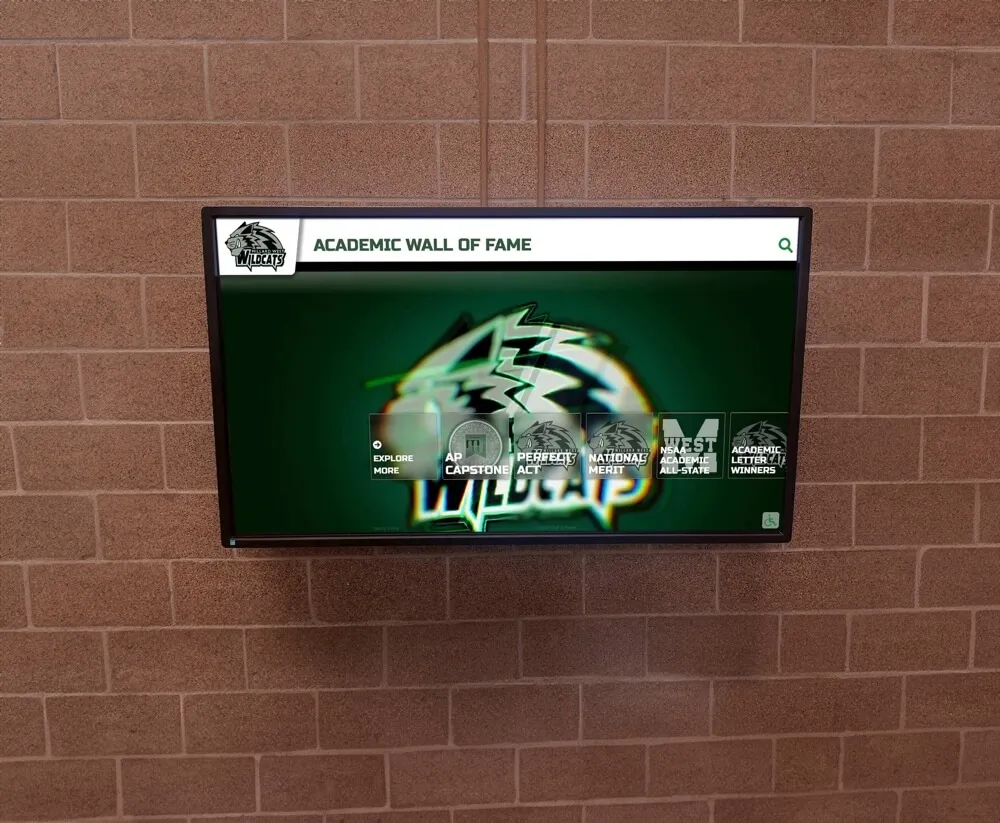
Dedicated academic recognition displays ensure mock trial and other intellectual achievements receive appropriate celebration
Long-Term Program Vision and Growth
Establishing mock trial programs represents just the beginning—thoughtful long-term planning creates enduring institutional traditions.
Expanding Program Reach and Participation
Mature programs often expand beyond single competitive teams.
Multiple Team Levels Large programs may develop tiered participation including varsity competitive teams focused on tournament success, junior varsity teams providing development opportunities for newer members, freshman/novice teams introducing younger students to mock trial, and intramural mock trial programs allowing broader participation without intensive competition commitment.
Tiered programs ensure opportunities exist for varied interest and commitment levels while building competitive depth.
Curricular Integration Opportunities Some schools integrate mock trial into academic programming through mock trial elective courses for academic credit, government or law class mock trial units, summer mock trial camps and workshops, credit-bearing independent studies in trial advocacy, and partnerships with social studies departments for curricular alignment.
Curricular integration provides structured time for mock trial preparation while enhancing educational legitimacy and institutional support.
Building Program Legacy and Institutional Tradition
Successful programs become cherished institutional traditions connecting generations of students and alumni.
Alumni Network Development Mock trial alumni networks provide program support through career mentorship for current students, financial contributions supporting program budgets, volunteer coaching and judging, recruiting advocacy with prospective students and families, and legacy celebration connecting program history to current achievements.
Schools should intentionally cultivate alumni relationships through regular communication, reunion events during tournaments, digital recognition displays featuring alumni achievements, and structured mentorship programs connecting alumni with current participants.
Program Documentation and History Preservation Preserve program legacy through comprehensive photo archives documenting teams across years, tournament result databases tracking competitive achievement, student testimonial collections reflecting program impact, video archives preserving memorable performances and moments, and digital recognition platforms showcasing complete program histories.
This documentation serves current recognition needs while building institutional memory connecting past excellence to future possibilities.
Conclusion: Building Mock Trial Excellence
Mock trial programs offer students extraordinary opportunities for intellectual growth, skill development, and competitive achievement while preparing them for college success and diverse career pathways. Schools that commit to building strong mock trial traditions create lasting value—not just through individual team accomplishments but through institutional cultures that celebrate intellectual achievement alongside athletic excellence.
Starting a successful mock trial program requires careful planning, administrative support, community partnerships, and sustained coaching commitment. But schools following systematic approaches—recruiting diverse talent, providing structured preparation, developing team culture, competing strategically, and celebrating achievements appropriately—create thriving programs that serve students for generations.
The strategies explored in this guide provide comprehensive frameworks for establishing competitive teams while addressing common challenges that programs face. From initial administrative proposals through advanced competition strategies, these approaches enable educators to build sustainable programs regardless of starting resources or prior experience.
Beyond competitive success, mock trial develops essential life competencies: critical thinking and analytical reasoning, persuasive communication in high-pressure contexts, collaboration and teamwork toward shared goals, quick thinking and adaptation to unexpected challenges, and professional presentation and courtroom comportment. These transferable skills serve students throughout academic careers and professional lives—making mock trial participation valuable regardless of students’ ultimate career directions.
Schools committed to comprehensive student achievement must ensure mock trial receives recognition appropriate to its academic rigor and student dedication. Modern recognition solutions enable schools to showcase mock trial excellence through interactive displays that celebrate every participant, document complete competitive histories, and elevate program visibility throughout institutions and communities. When mock trial achievements receive recognition equal to athletic accomplishments, schools send powerful messages about valuing diverse excellence—strengthening recruitment, building institutional support, and creating cultures where intellectual achievement receives deserved celebration.
Whether launching a new program or revitalizing existing teams, educators should approach mock trial systematically—building administrative support and community partnerships, recruiting diverse student talent, providing structured preparation and coaching, competing with strategic preparation and psychological readiness, addressing challenges proactively, and celebrating achievements visibly throughout institutions.
The students who dedicate themselves to mock trial preparation deserve programs that serve them well—providing excellent coaching, competitive opportunities, supportive team culture, and appropriate recognition of their accomplishments. With thoughtful planning, sustained commitment, and comprehensive support, educators can create mock trial programs that become cherished institutional traditions, preparing students for future success while celebrating intellectual excellence alongside every other form of achievement schools value.
Your school’s future attorneys, judges, advocates, and communicators may be waiting to discover mock trial opportunities. By building excellent programs and celebrating their achievements appropriately, you create pathways for students to develop their talents, compete successfully, and discover capabilities they never knew they possessed. That transformation—more than any trophy or championship—represents mock trial’s most enduring value and greatest promise.
Ready to begin? Connect with your state bar association about mock trial programs, explore successful models at similar schools, recruit attorney-coaches from your legal community, and consider how comprehensive recognition solutions can celebrate your program’s achievements. Learn more about student competition recognition or discover academic achievement celebration strategies that can inform your mock trial program planning.