



The Minnesota girls basketball state tournament represents one of the state’s most celebrated athletic traditions—bringing together the best teams, dedicated athletes, passionate communities, and unforgettable moments that define high school sports excellence. From the opening tip-off at Target Center to the championship trophy presentation, the tournament creates memories that resonate throughout players’ lives and communities’ histories. Yet the question facing schools after tournament runs isn’t just how to compete—it’s how to permanently honor these achievements so they inspire future generations and remain visible long after nets are cut down and celebration crowds disperse.
Many Minnesota schools struggle with championship recognition. Traditional approaches like gymnasium banners fade over time, trophy cases run out of space, and static plaques offer limited context about tournament journeys. Meanwhile, younger athletes lack connection to program history, community members forget past achievements, and recruiting suffers when prospective players can’t easily explore a program’s tournament tradition and success.
This comprehensive guide explores the Minnesota girls basketball state tournament’s rich history while providing practical strategies for schools to preserve tournament memories, celebrate championship achievements, and create lasting recognition systems that honor every athlete who represented their community on the state’s biggest stage.
The Minnesota State High School League (MSHSL) girls basketball tournament has evolved from modest beginnings into a premier sporting event drawing thousands of fans annually. Understanding this history helps schools appreciate the significance of tournament participation and championship achievement while contextualizing recognition programs within Minnesota’s broader basketball tradition.

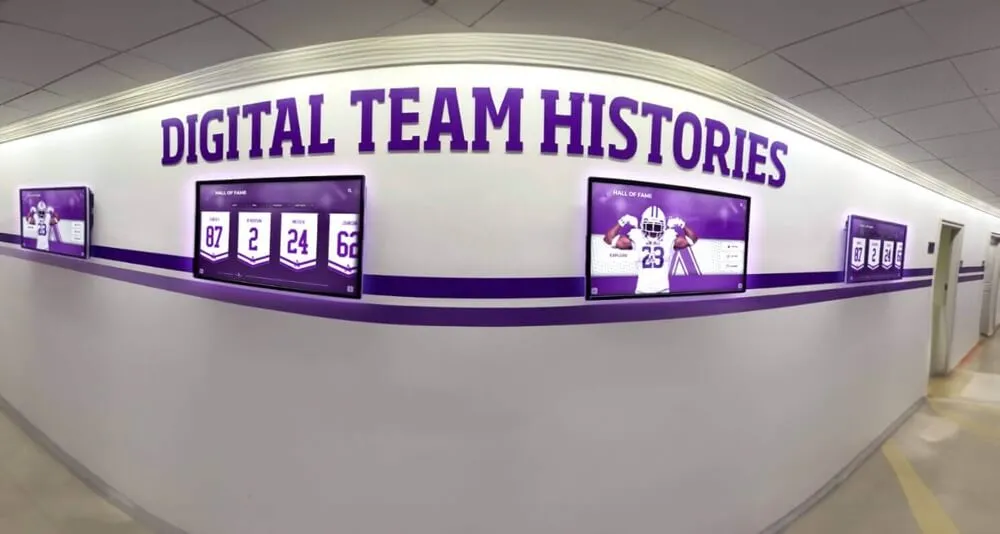
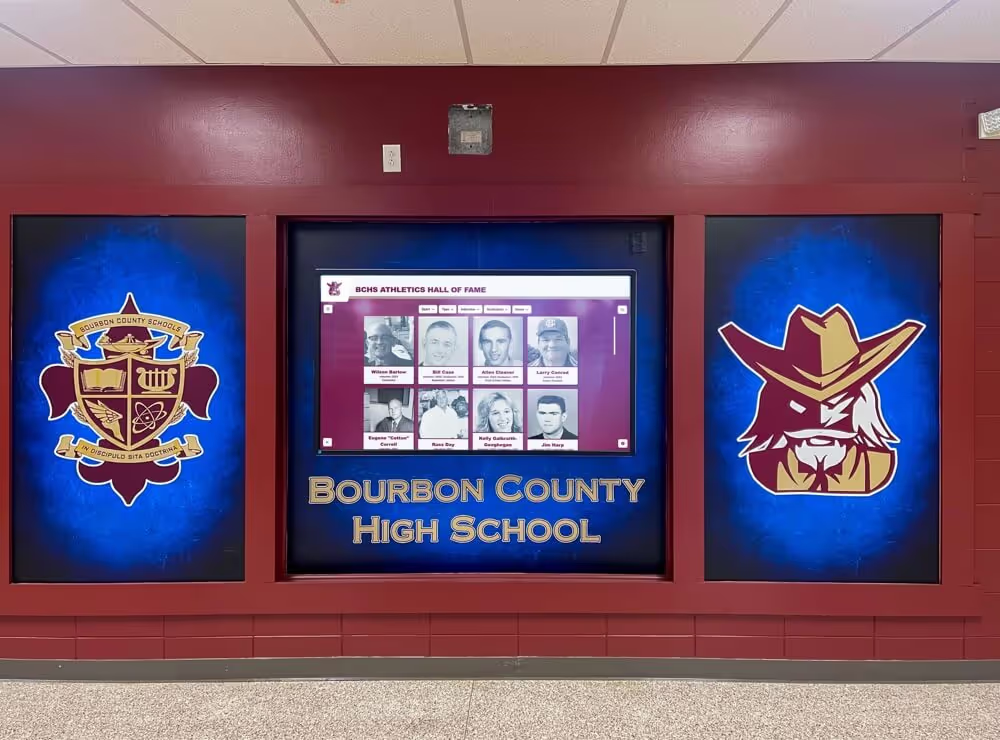
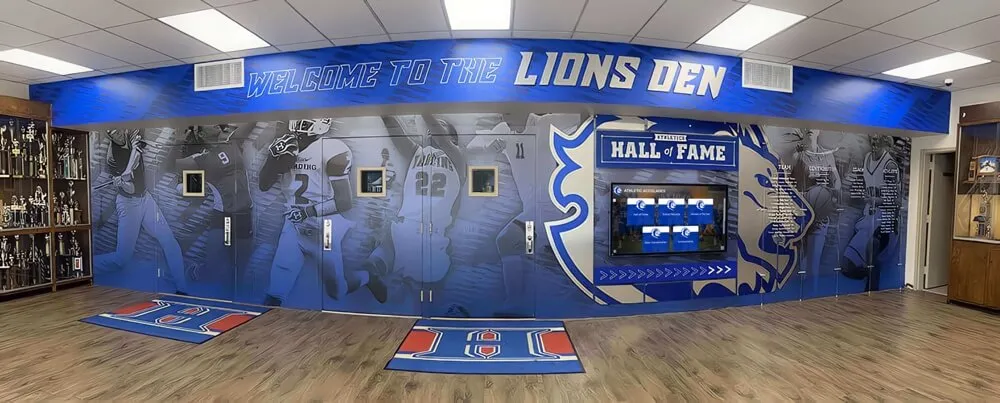
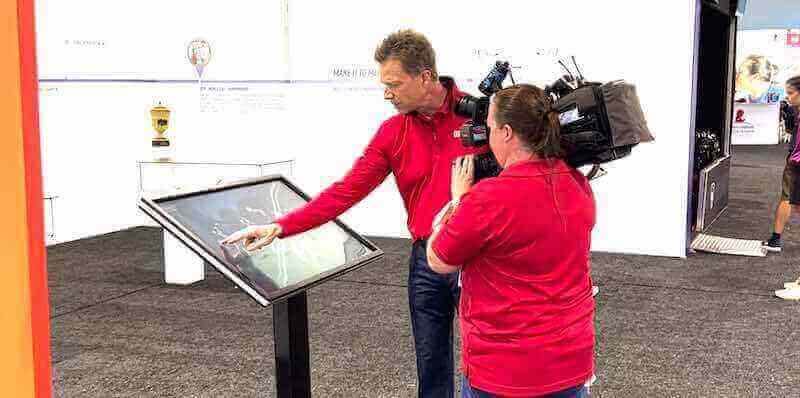
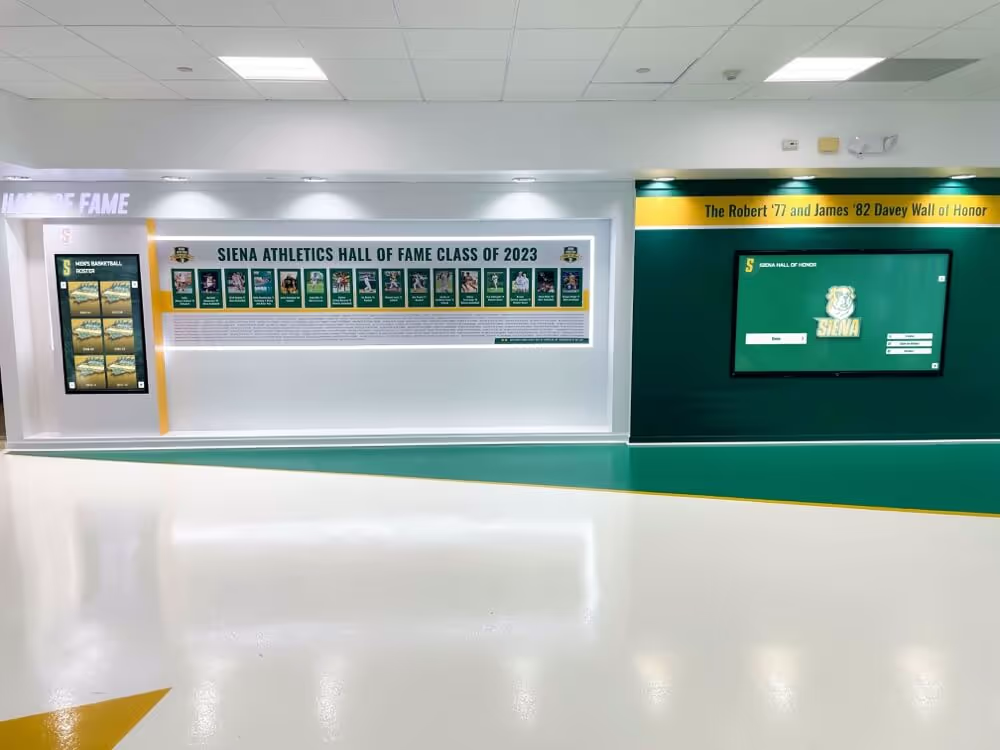
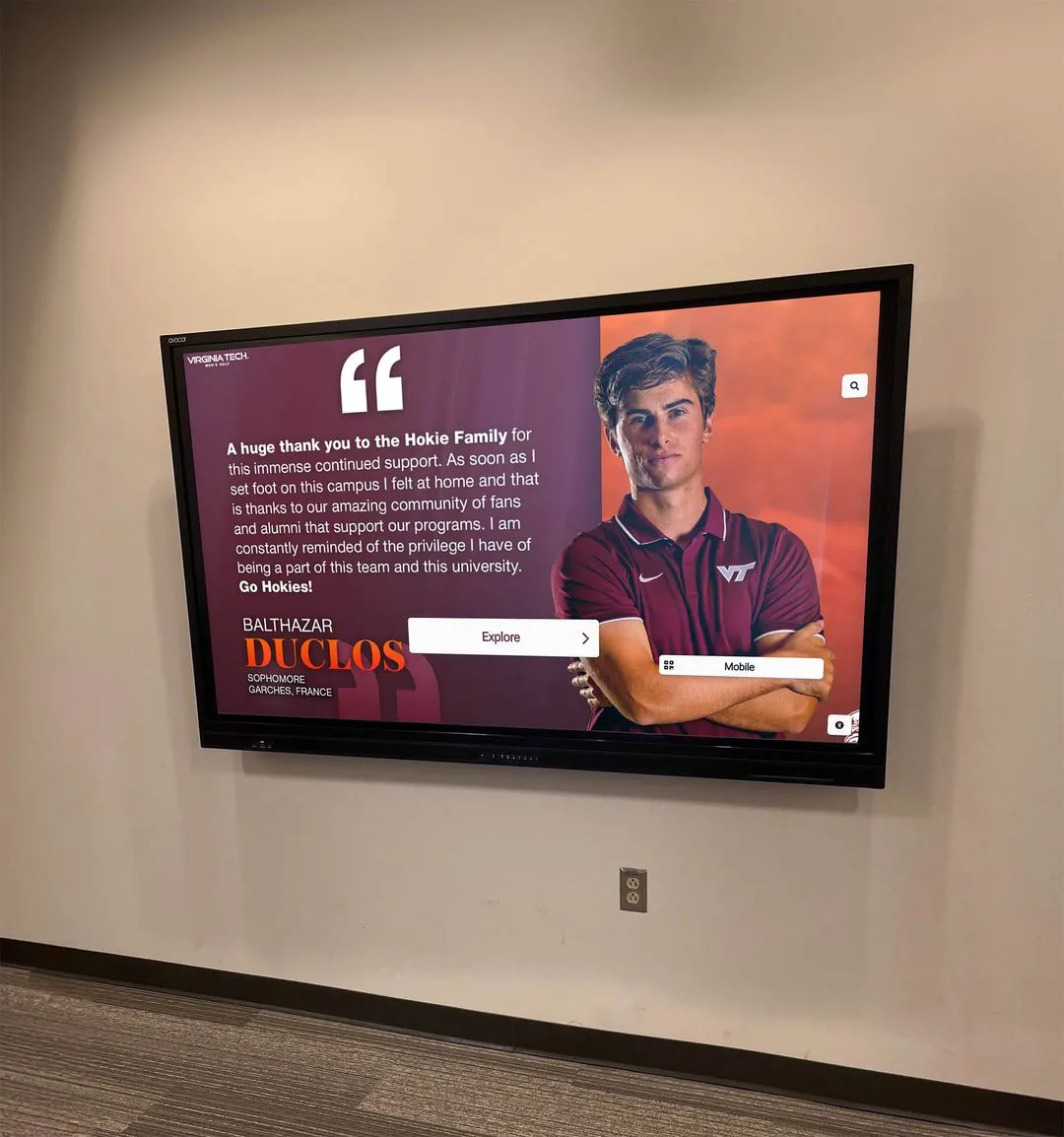
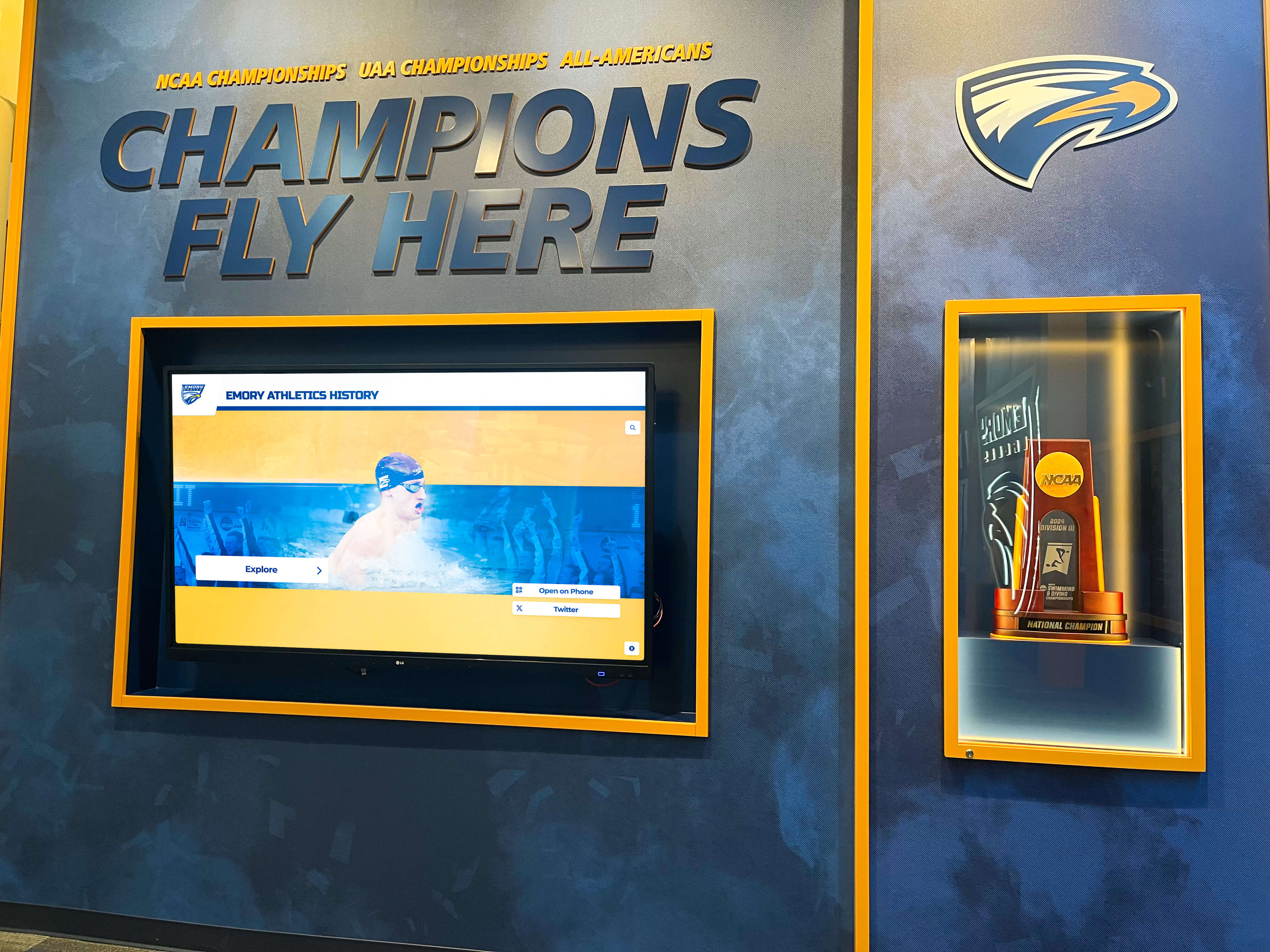
Championship recognition displays preserve tournament memories while creating inspirational spaces celebrating athletic excellence
The History of Minnesota Girls Basketball State Tournament
Minnesota’s girls basketball tournament represents decades of athletic achievement, competitive evolution, and community celebration that has shaped the state’s sports landscape.
Tournament Origins and Early Years
Girls basketball in Minnesota began gaining organized structure in the 1970s as Title IX legislation mandated equal athletic opportunities for female students. The Minnesota State High School League responded by establishing sanctioned girls basketball programs, leading to the first official state tournament.
Early Tournament Format
The inaugural tournaments featured simpler structures than today’s multi-class system:
- Single-class format initially accommodating all schools regardless of size
- Regional qualification through section tournaments
- Championship games held at smaller venues before moving to major arenas
- Growing spectator interest as communities rallied behind their teams
- Media coverage expanding as girls athletics gained recognition and support
These early tournaments established traditions that continue defining Minnesota girls basketball—intense regional rivalries, passionate community support, dramatic championship games, and breakthrough moments for female athletes gaining recognition equal to their male counterparts.
Pioneering Programs and Players
Several Minnesota schools established themselves as early powers, creating dynasties that set standards for excellence:
- Programs in communities of all sizes competed successfully
- Dominant teams emerged from both urban and rural areas
- Individual players gained statewide recognition for exceptional performance
- Coaches built sustained success through systematic program development
- Communities embraced girls basketball as central to athletic identity
Schools implementing comprehensive athletic recognition programs preserve these pioneering achievements while connecting current athletes to program tradition.
Evolution to Multi-Class Tournament Format
As participation grew and competitive balance concerns emerged, the MSHSL evolved the tournament structure to ensure fair competition:
Introduction of Multiple Classes
Minnesota implemented classification systems based on school enrollment:
- Class A initially served smaller schools
- Class AA accommodated larger schools
- Later expansion to four classes (A, AA, AAA, AAAA) providing more appropriate competition levels
- Section assignments grouping geographically proximate schools
- Qualification standards ensuring tournament fields included strongest teams
This multi-class system enabled schools of all sizes to pursue realistic championship goals while maintaining competitive integrity across classifications.
Tournament Growth and Venues
As popularity expanded, tournament venues evolved to accommodate growing crowds:
- Early tournaments at high school gymnasiums
- Move to college facilities for increased capacity
- Eventually settling at Target Center in downtown Minneapolis
- Modern venues providing professional atmosphere enhancing tournament prestige
- Television and streaming coverage extending reach beyond attendees
The tournament’s growth to major arena venues elevated its significance—athletes compete in the same building hosting NBA games, creating memories and experiences reinforcing tournament importance.
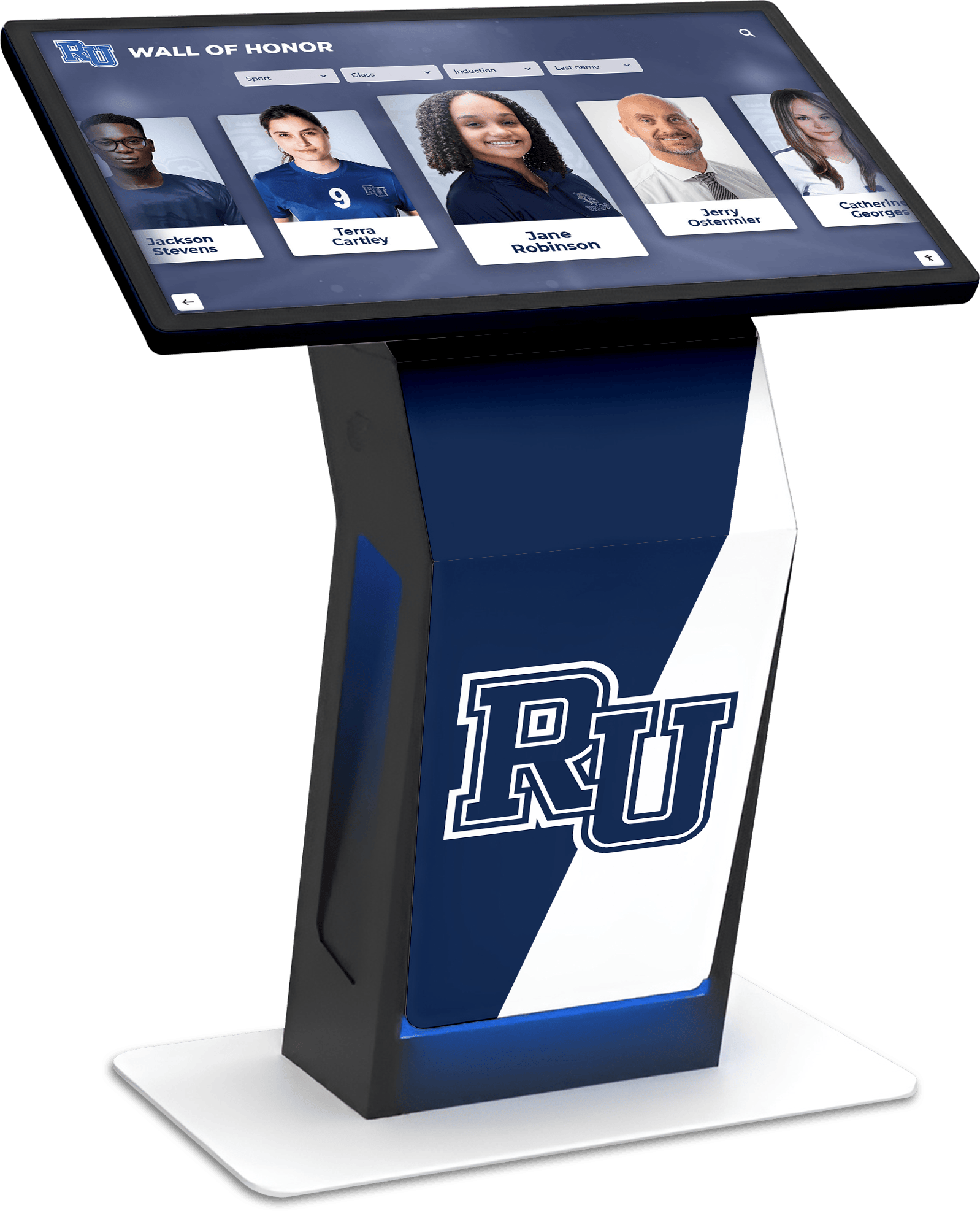
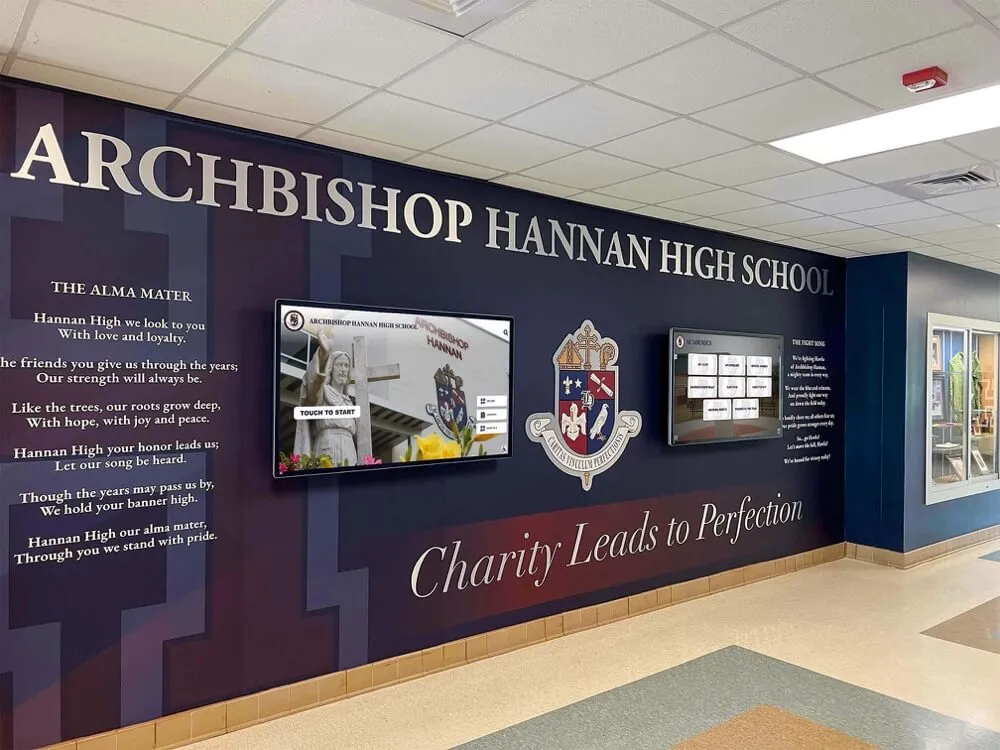
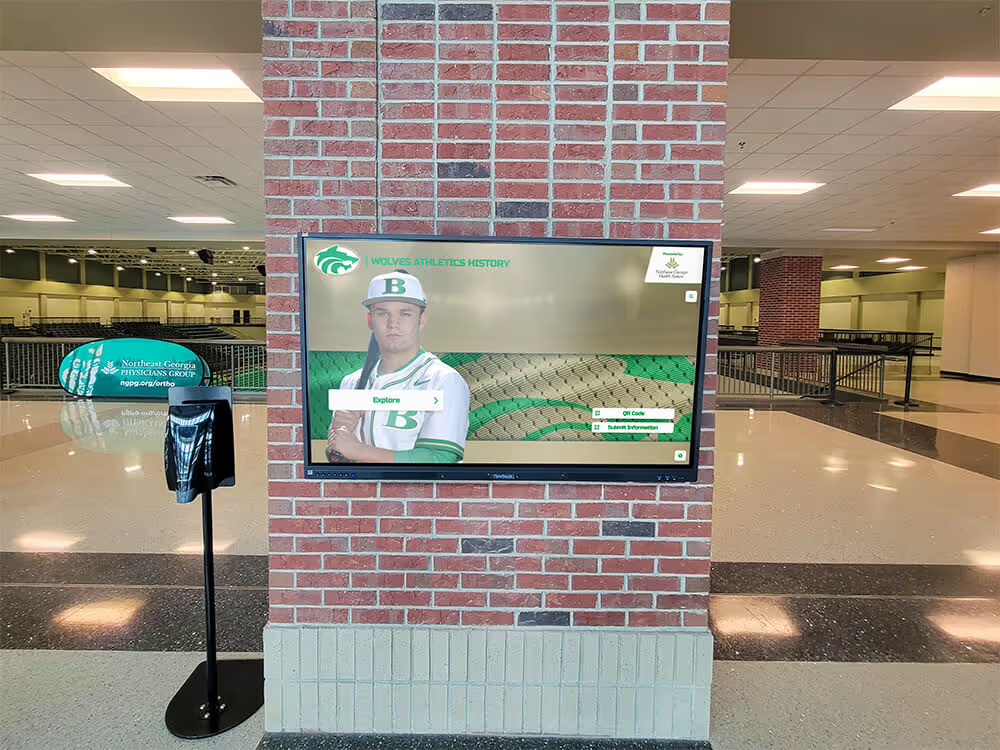
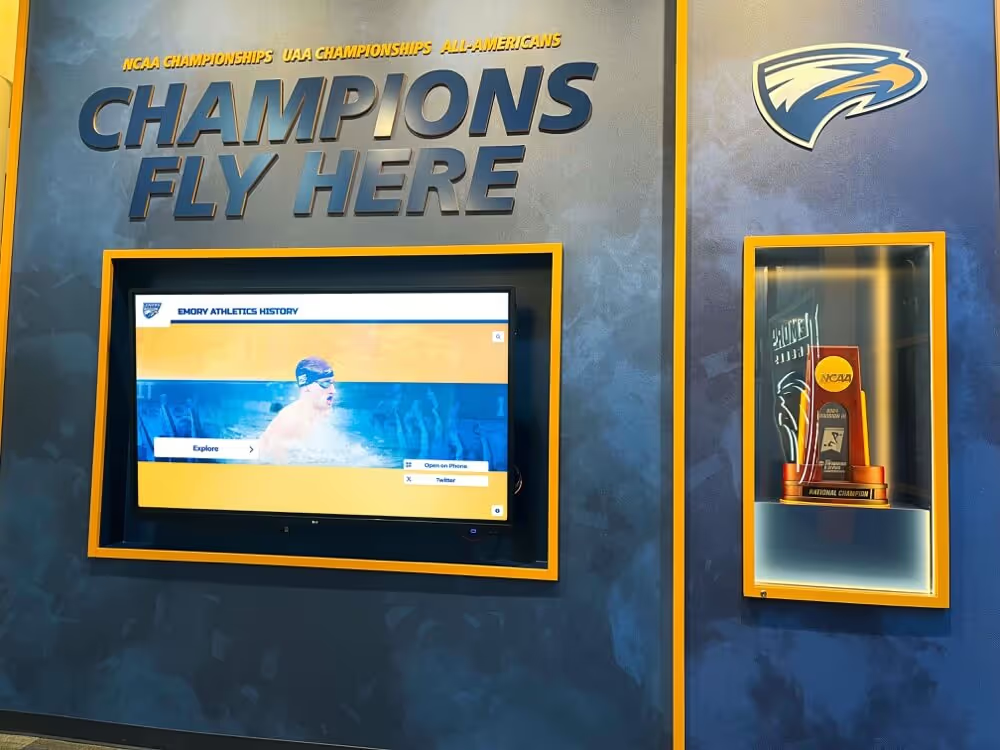
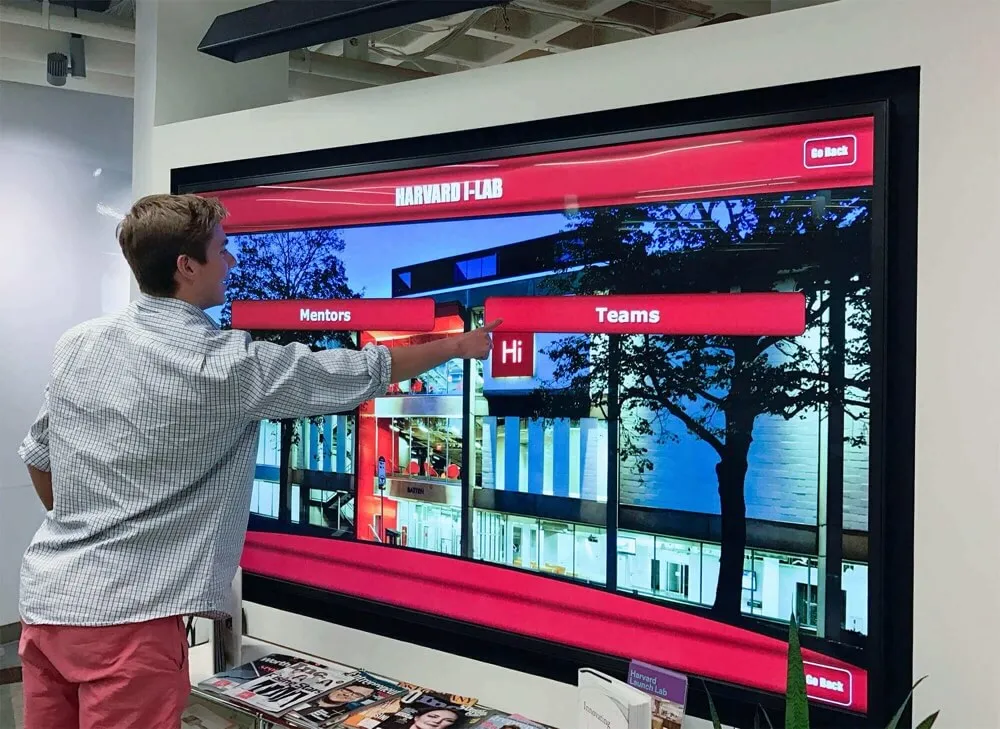
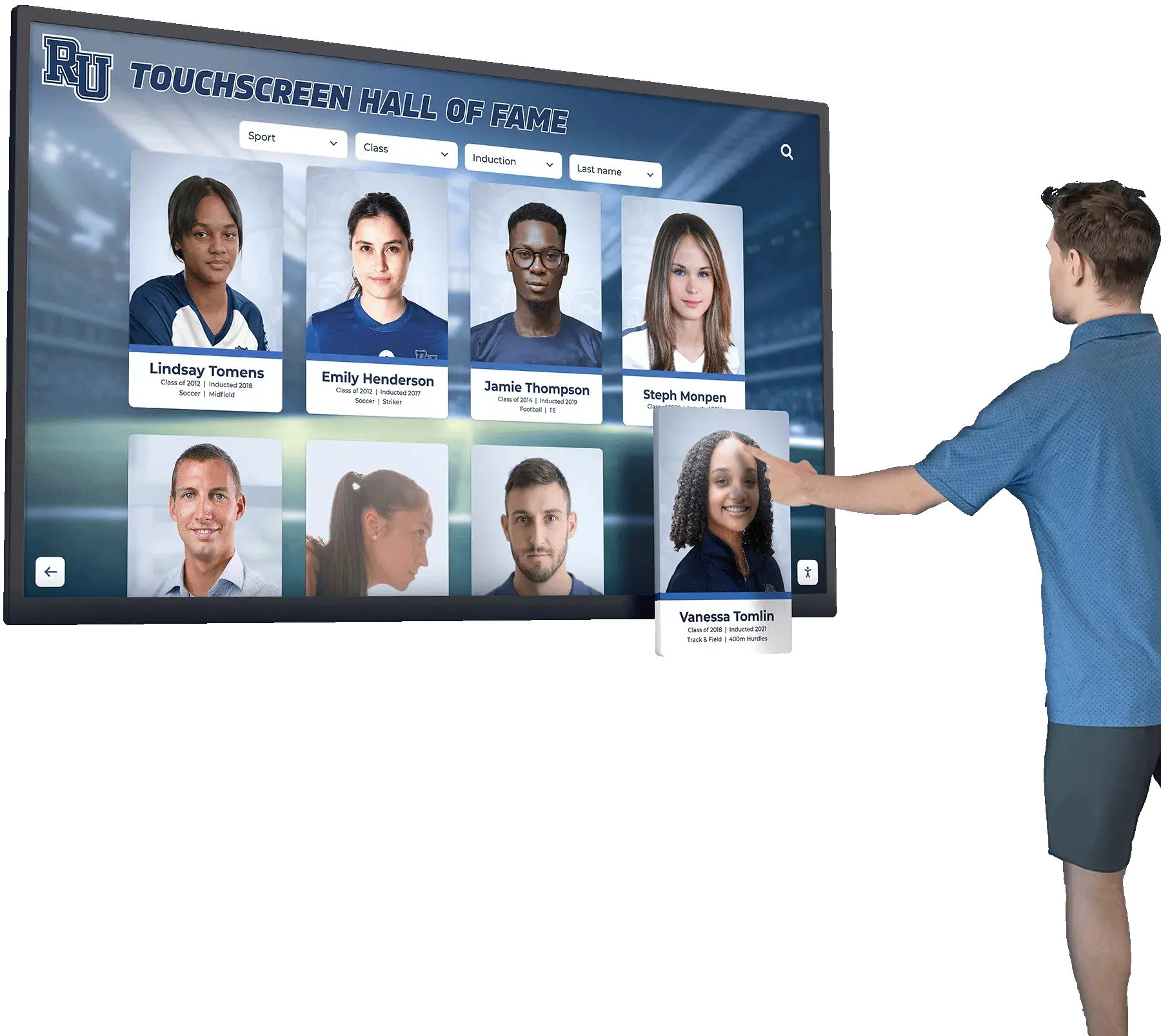
Modern recognition technology enables schools to document complete tournament histories with unlimited capacity
Notable Tournament Moments and Records
Decades of competition have produced memorable moments defining Minnesota girls basketball:
Championship Dynasties
Several programs have established sustained excellence:
- Schools winning multiple championships across different eras
- Coaches building programs that compete consistently for decades
- Communities where tournament participation becomes expected tradition
- Pipeline development systems producing college-bound athletes regularly
- Program cultures where championship pursuit drives daily commitment
Individual Achievement Records
Tournament history includes remarkable individual performances:
- Career tournament scoring records from multi-year standouts
- Single-game scoring explosions in championship settings
- All-tournament team selections honoring top performers
- Statistical achievements in assists, rebounds, and defensive excellence
- Breakthrough performances from unexpected players in crucial moments
Schools can preserve these individual achievements through digital recognition systems documenting complete player profiles with statistics, photographs, and tournament context.
Dramatic Championship Games
Tournament lore includes unforgettable championship contests:
- Overtime thrillers decided in final possessions
- Underdog victories over favored opponents
- Dominant championship performances establishing dynasties
- Rivalry matchups producing intense competition
- Comebacks from significant deficits showcasing determination
These moments deserve permanent documentation so future athletes and community members can experience tournament drama that defined eras in Minnesota girls basketball.
Understanding Tournament Structure and Qualification
Minnesota’s tournament system creates pathways to state competition while maintaining competitive standards:
Section Tournaments and Qualification
The road to Target Center runs through section tournaments held throughout Minnesota:
Geographic Section Organization
The MSHSL divides the state into geographic sections:
- Each class (A, AA, AAA, AAAA) has multiple sections
- Sections group nearby schools creating regional competitions
- Section assignments consider enrollment, geography, and competitive balance
- Annual section tournament qualification as culmination of regular season
- Winner of each section advances to state tournament
This structure ensures every Minnesota school has a realistic pathway to state tournament participation through section tournament success.
Section Tournament Format
Section tournaments follow bracket-style elimination:
- Top teams from regular season conference play earn tournament seeds
- Single-elimination format where losses end season
- Home courts for higher-seeded teams creating advantages
- Neutral site championship games in some sections
- Intense competitive pressure as seasons hang in balance
For many Minnesota communities, section championship games rival state tournament excitement—particularly when schools end long droughts or younger programs achieve breakthrough success.
State Tournament Bracket and Format
Teams advancing to Target Center compete in the ultimate test:
Tournament Week Schedule
State tournament follows established patterns:
- Quarterfinal games typically Wednesday-Thursday
- Semifinal games Friday
- Championship games Saturday across all classes
- Consolation games determining 3rd-4th place finishers
- Full-day championship Saturday creating festival atmosphere
This condensed schedule creates intensity—teams must win multiple games in days, testing depth, conditioning, and mental toughness.
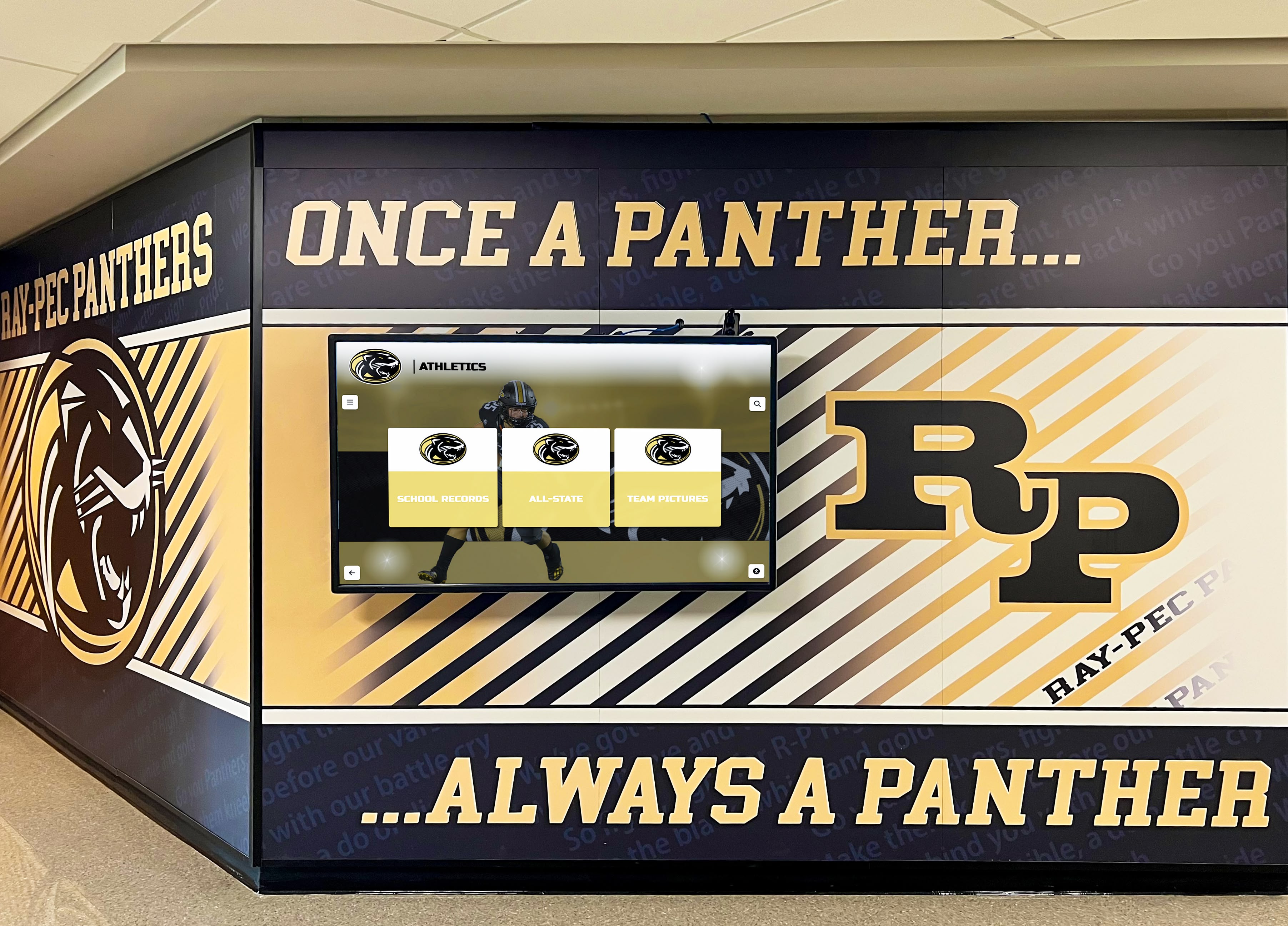
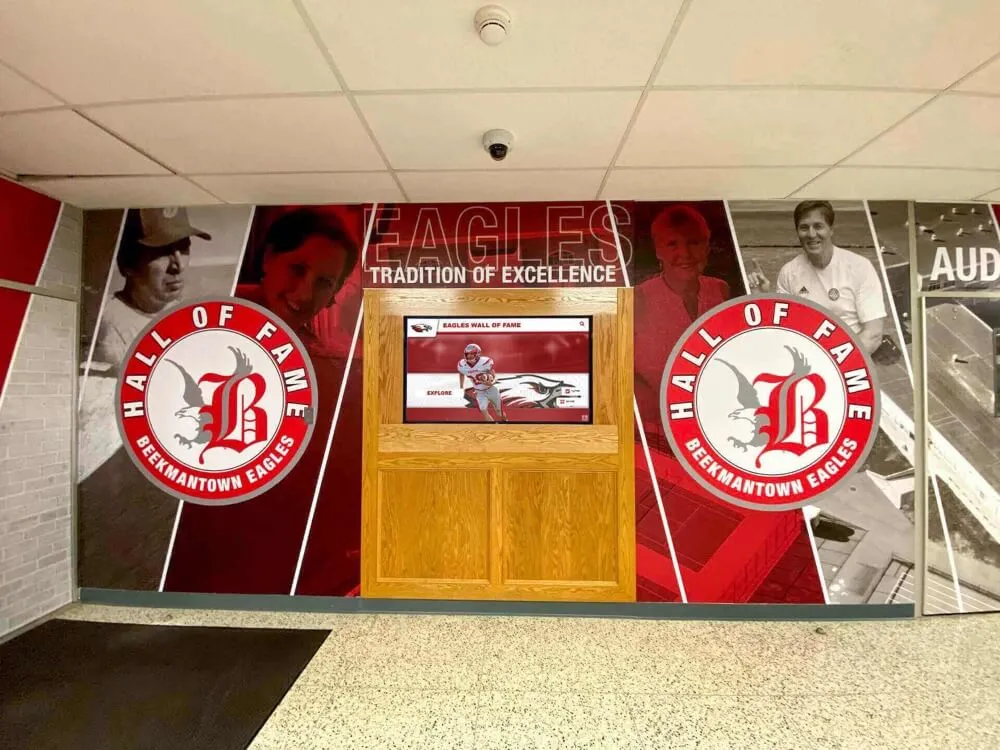
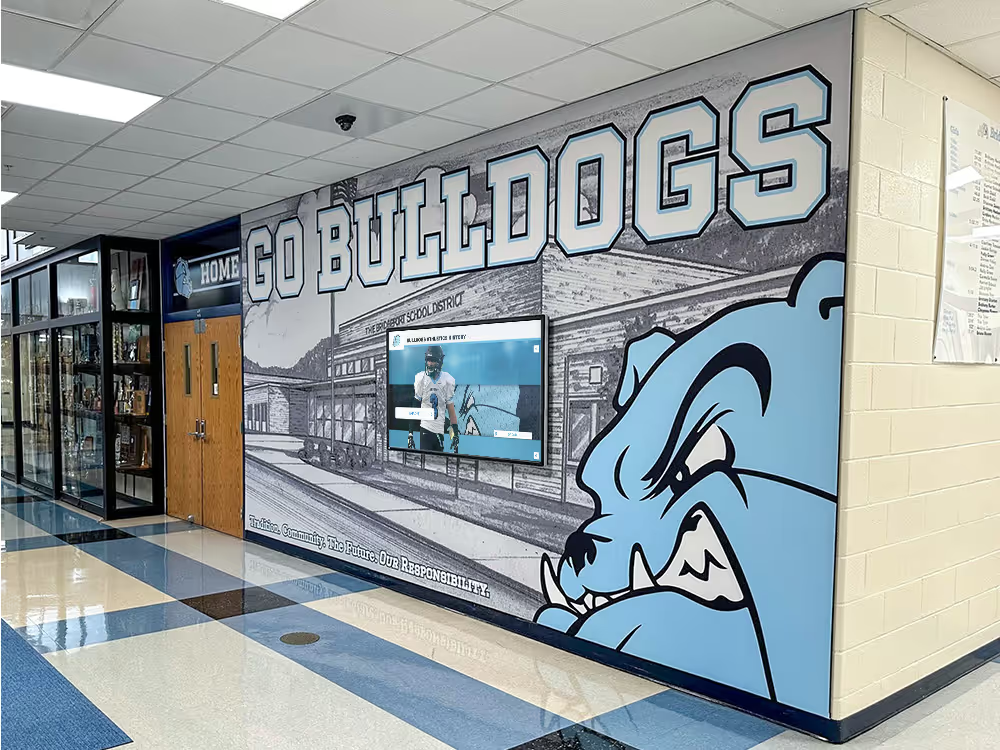
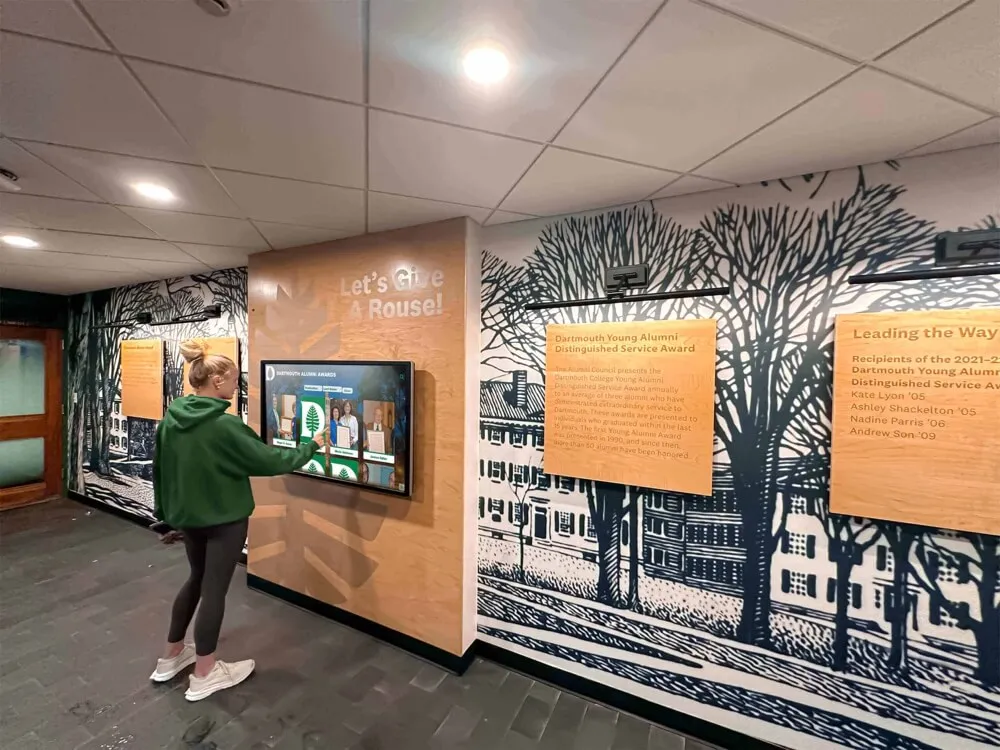
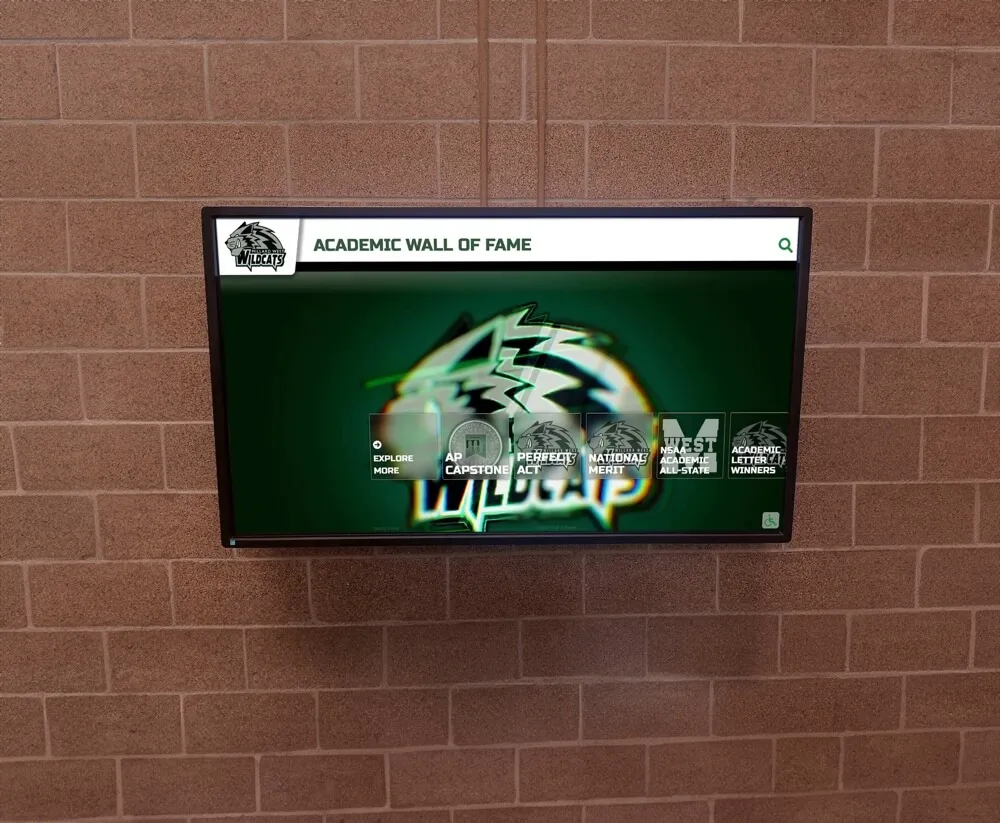
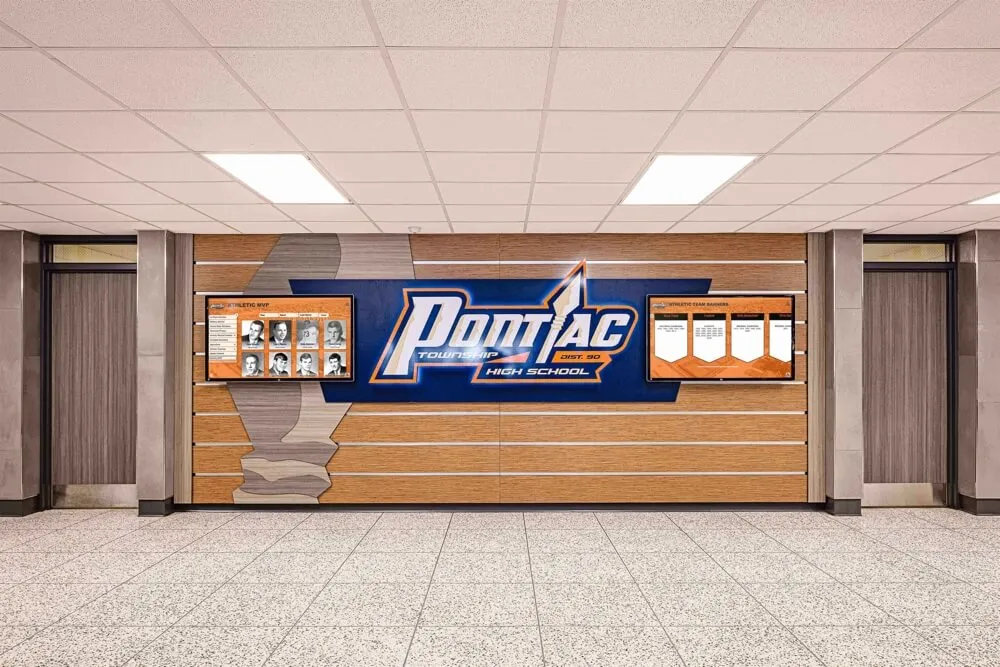
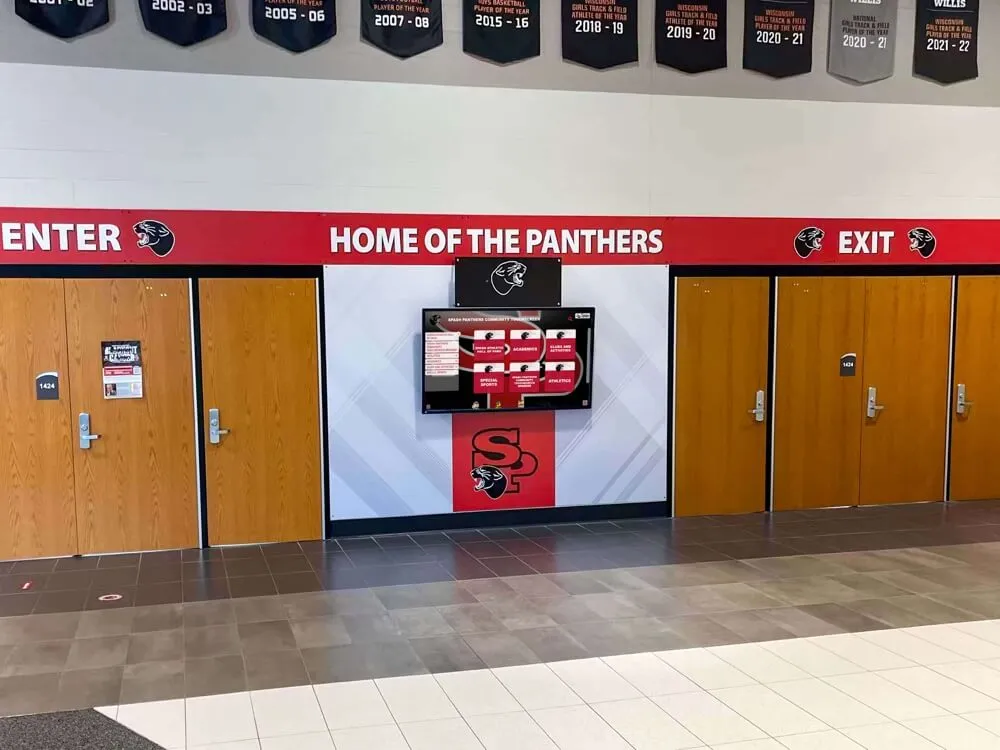
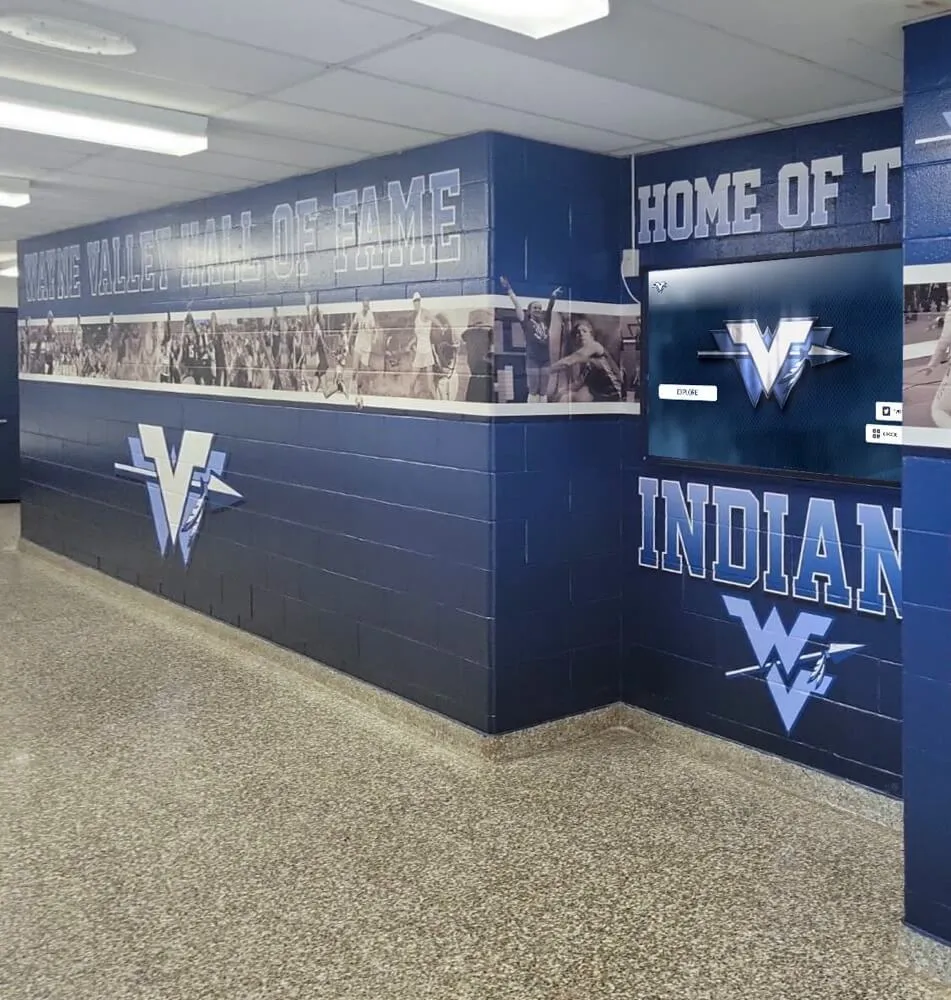
Prominent school hallways integrate tournament recognition with daily educational environments
Tournament Seeding and Brackets
State tournament seeds reflect section strength and team performance:
- Eight teams per class (winners of eight sections)
- Seeding committee evaluates teams for bracket placement
- Higher seeds theoretically face lower-seeded opponents initially
- Bracket location affecting semifinal timing and logistics
- Championship game scheduled as featured evening event
Understanding bracket structure helps communities appreciate the competitive gauntlet teams navigate to reach championship games.
The State Tournament Experience at Target Center
Beyond competition, the tournament creates comprehensive experiences for athletes, families, and communities:
Game Day Atmosphere and Traditions
Target Center provides professional venue atmosphere rarely experienced by high school athletes:
Professional Venue Features
Tournament participants enjoy NBA-caliber facilities:
- Locker rooms used by professional teams during regular season
- Court-level benches providing intimate game experience
- Video boards displaying game statistics and replays
- Professional sound systems for introductions and music
- Concourse areas with championship memorabilia and displays
For many athletes, competing at Target Center represents career highlight—playing in venue they’ve attended as fans, experiencing what professional athletes encounter regularly.
Tournament Traditions
Established traditions define the tournament experience:
- Team introductions with schools taking floor to enthusiastic support
- Championship trophy presentations immediately following final buzzer
- Net-cutting ceremonies where players preserve championship mementos
- All-tournament team selections honoring top individual performers
- Media coverage including television broadcasts and newspaper features
These traditions create shared experiences connecting generations of Minnesota basketball participants.
Community Support and Fan Culture
Minnesota communities embrace tournament participation enthusiastically:
- Schools organize fan buses bringing hundreds to Minneapolis
- Community businesses sponsor travel and support
- Local media provides extensive coverage of team journeys
- Alumni return to support alma mater tournament runs
- Temporary school closures or early dismissals for championship games
This community engagement transforms tournament participation into shared cultural events transcending basketball alone.
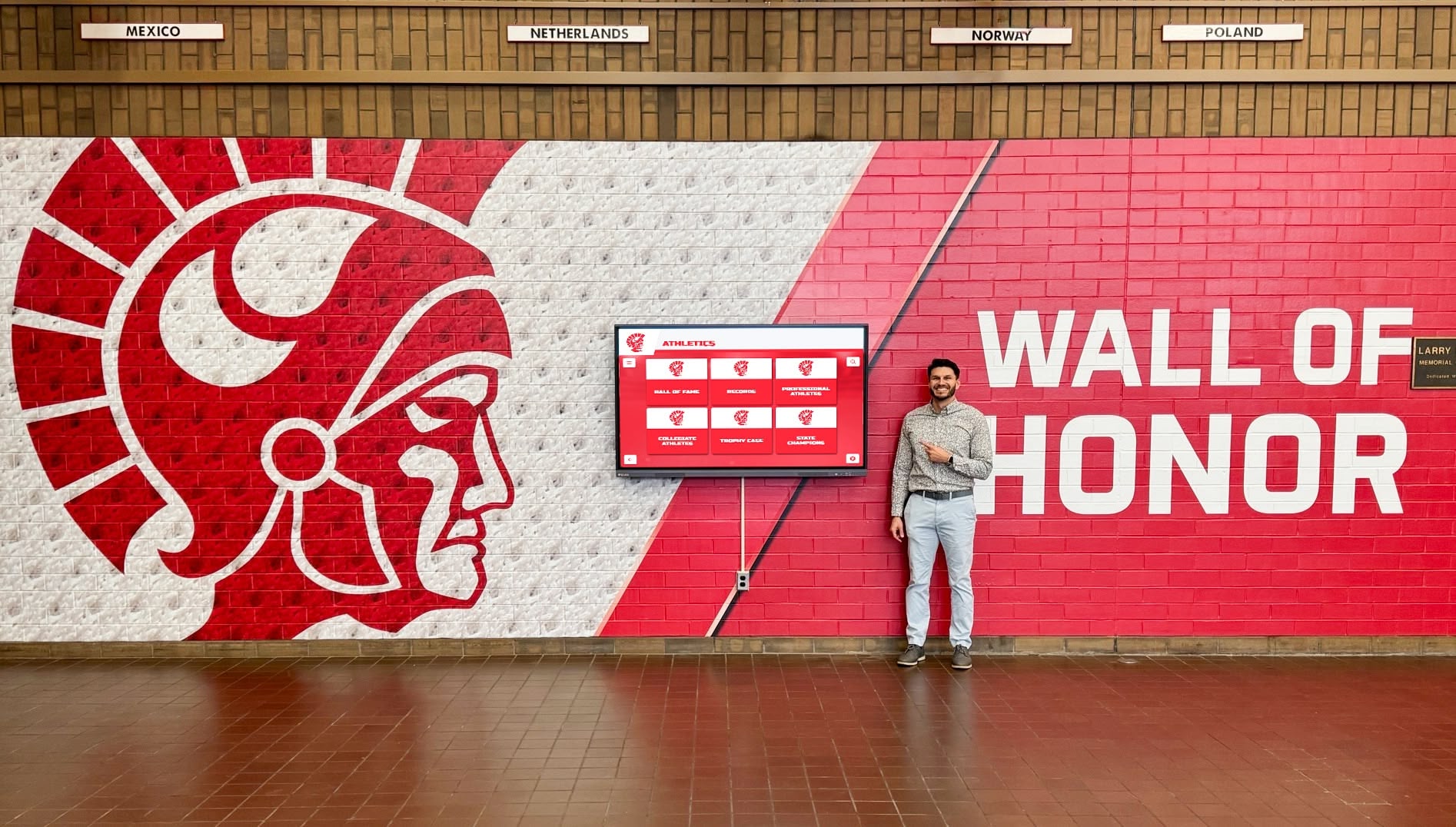
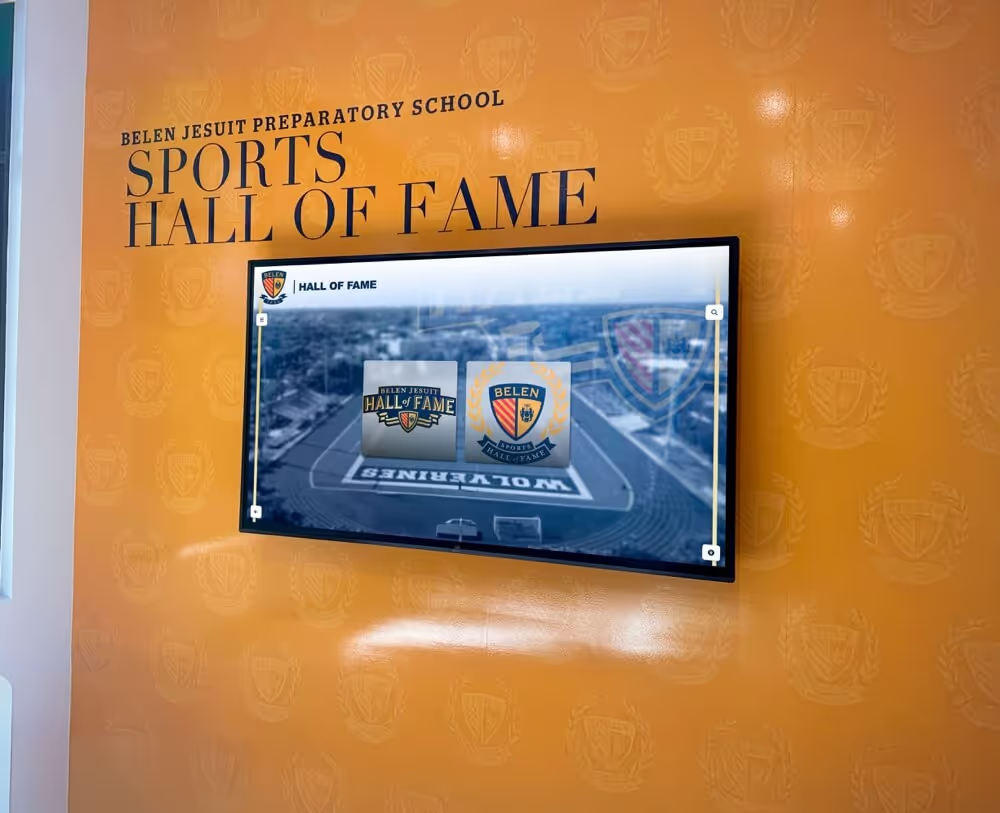
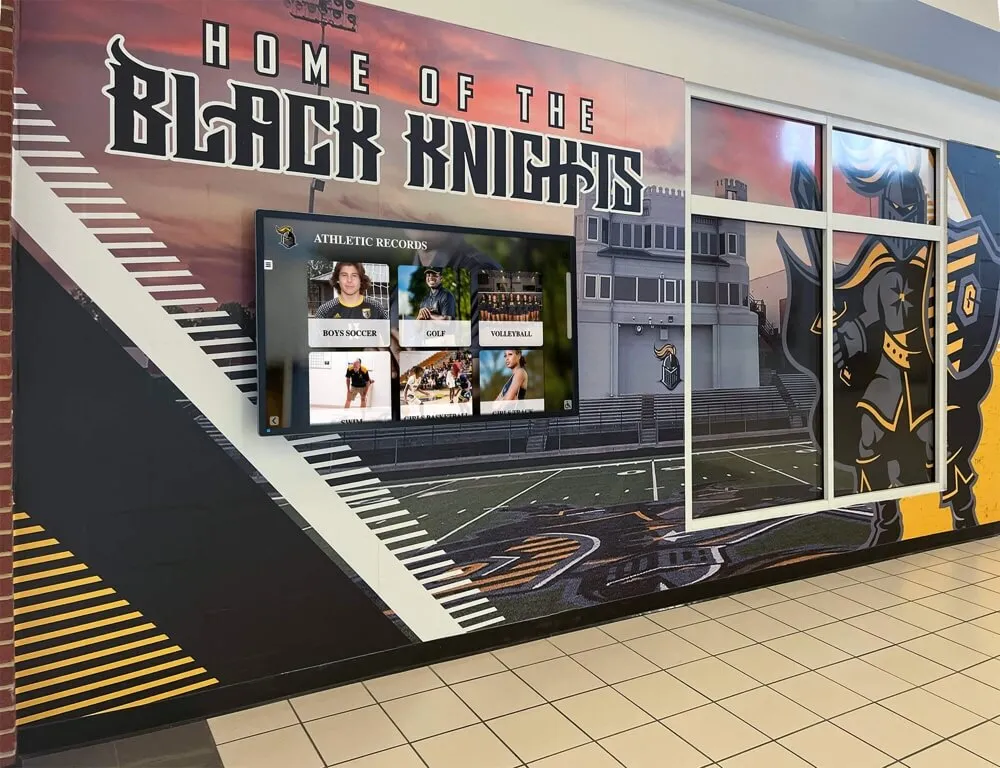
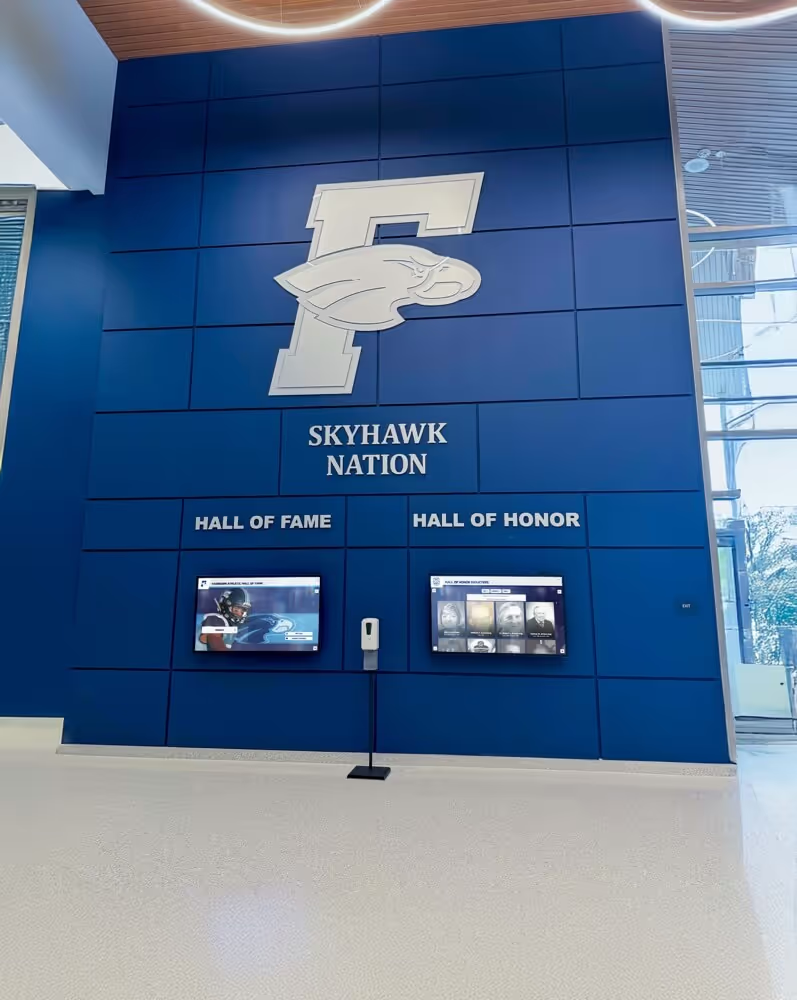
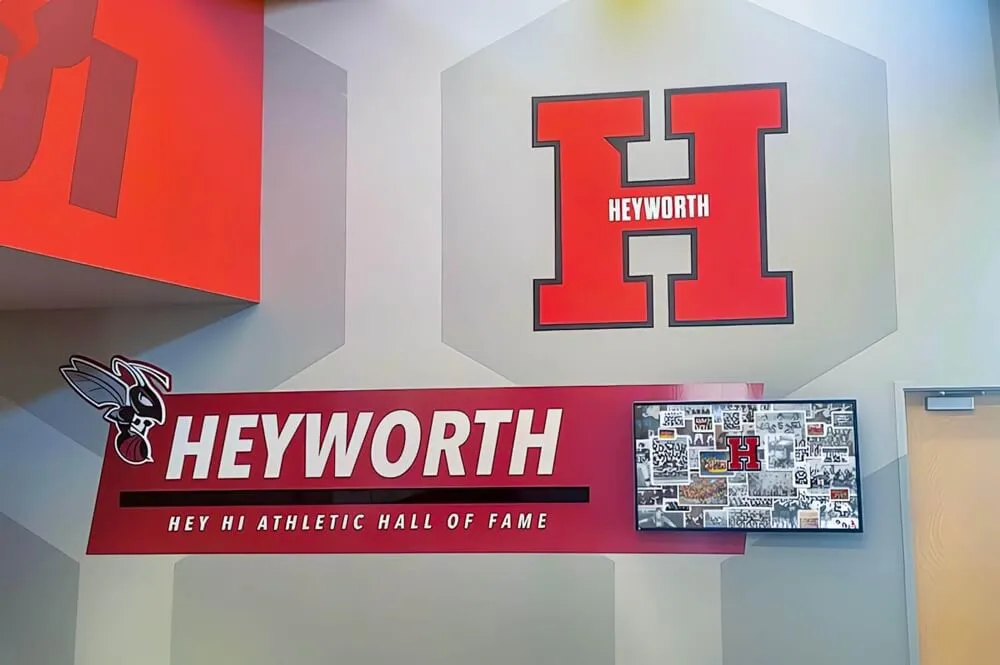
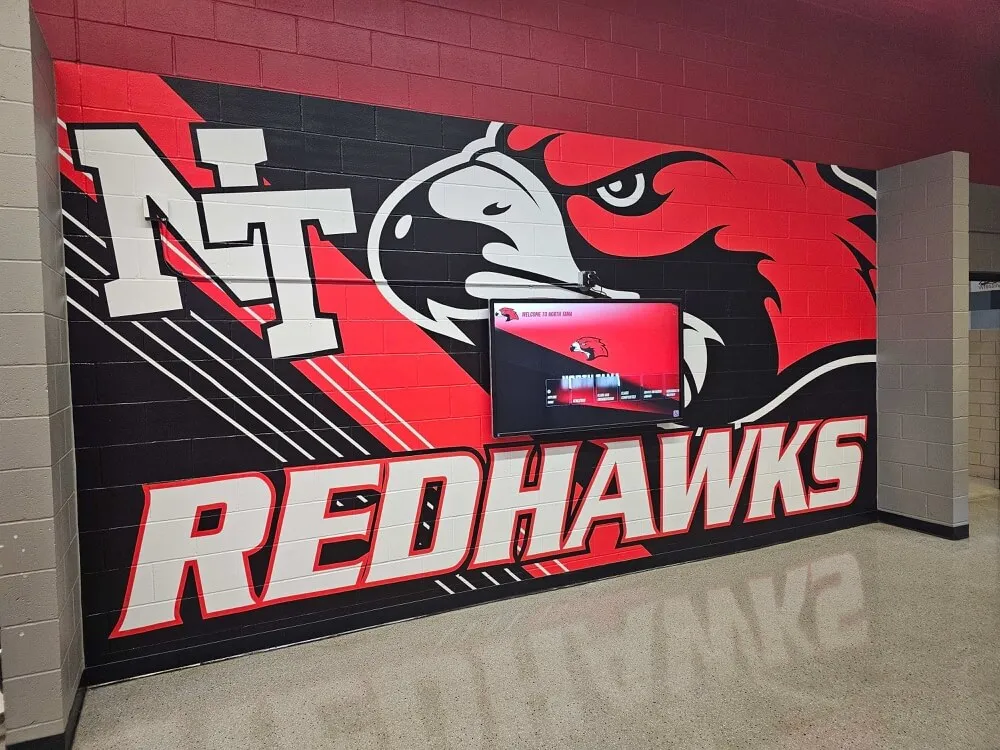
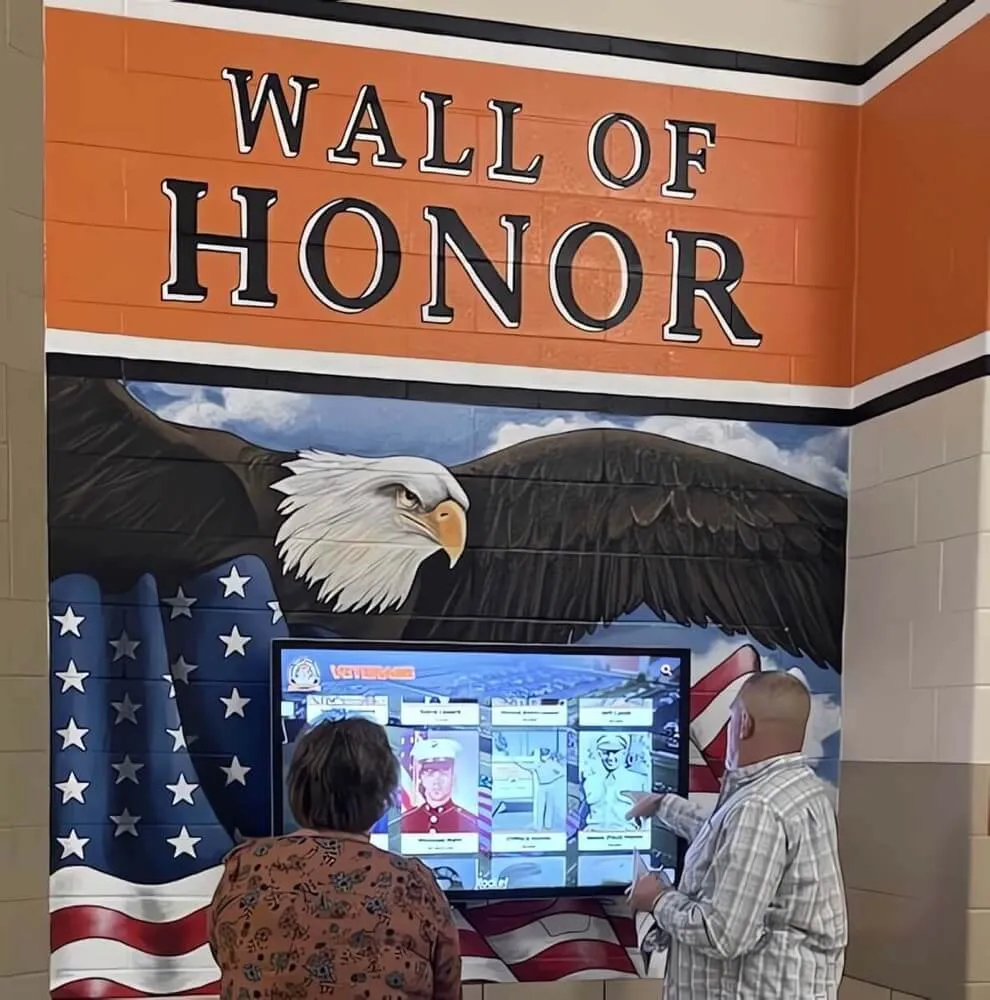
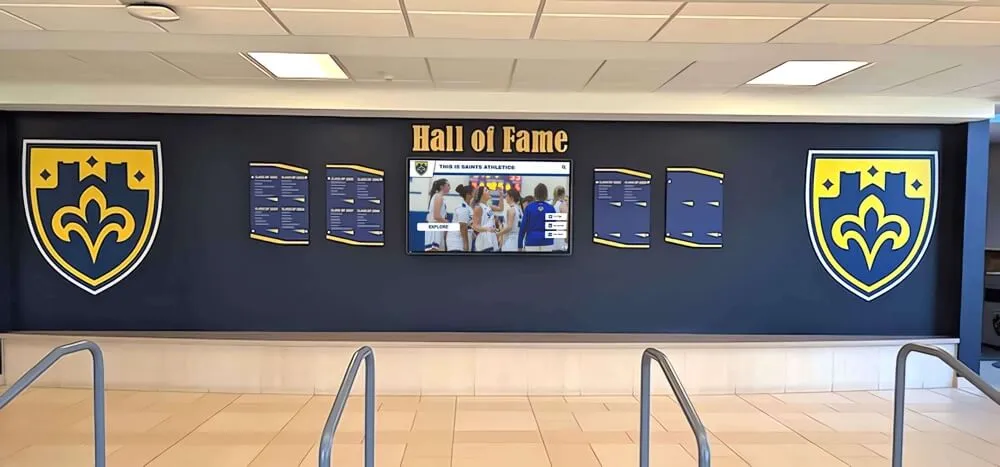
Athletic walls of honor create focal points where students and visitors encounter tournament achievements and program tradition
The Championship Experience
Winning state championships creates defining moments in athletes’ lives and communities’ histories:
Championship Game Intensity
Title games provide pressure and drama:
- Full arena attendance creating electric atmosphere
- Statewide television coverage bringing fame and pressure
- Opponents equally talented and motivated
- Coaches’ strategies and adjustments determining outcomes
- Individual performances under ultimate pressure becoming legendary
Championship games test everything programs have built—skill development, mental toughness, teamwork, coaching excellence, and community support all converging in 32 minutes determining season outcome.
Trophy Presentation and Celebration
Championship recognition follows immediately:
- Trophy presentation at center court before departing crowds
- Players and coaches celebrating with families and community members
- Media interviews with championship team
- All-tournament team announcements recognizing individual excellence
- Return to home communities for celebration rallies and recognition
Schools should document these celebrations comprehensively—photographs, videos, interviews, and memorabilia that preserve championship moments for permanent recognition displays.
Long-Term Championship Impact
Championships create lasting effects beyond immediate celebration:
- Enhanced school reputation and community pride
- Recruiting advantages for future athletes considering programs
- Alumni engagement and giving inspired by championship success
- Younger athletes motivated by observing championship teams
- Program culture shifts when championship expectations become reality
Schools implementing championship recognition displays leverage these impacts by maintaining championship visibility long after celebration events conclude.
Preserving Tournament Memories and Recognizing Athletes
Tournament participation and championship achievement deserve permanent recognition systems that honor athletes while inspiring future generations:
Traditional Recognition Approaches
Schools have historically recognized tournament achievement through conventional methods:
Championship Banners
Gymnasium banners remain most visible tournament recognition:
- Banners hung from gymnasium rafters displaying championship years
- Class designation and tournament placement
- School colors and mascot imagery
- Visible during games reminding current athletes of program tradition
- Accumulation over decades documenting sustained excellence
However, banners provide minimal information—year and placement only, without context about team composition, tournament journey, or individual contributors.
Trophy Cases
Physical trophies preserve championship hardware:
- Glass cases protecting trophies from damage
- Prominent display in main entrances or athletic lobbies
- Team photos accompanying trophies
- Championship plaques with roster listings
- Space limitations forcing difficult choices as achievements accumulate
Traditional trophy cases face fundamental constraints—finite space eventually fills, forcing older recognition removal to accommodate recent achievements.
Plaque Walls
Individual recognition through mounted plaques:
- All-tournament team selections
- Individual statistical achievements
- Career milestone recognitions
- Coach accomplishments and longevity
- Tournament participation for all team members
Similar to trophy cases, plaque walls eventually exhaust available space, and static displays provide limited information beyond basic facts.
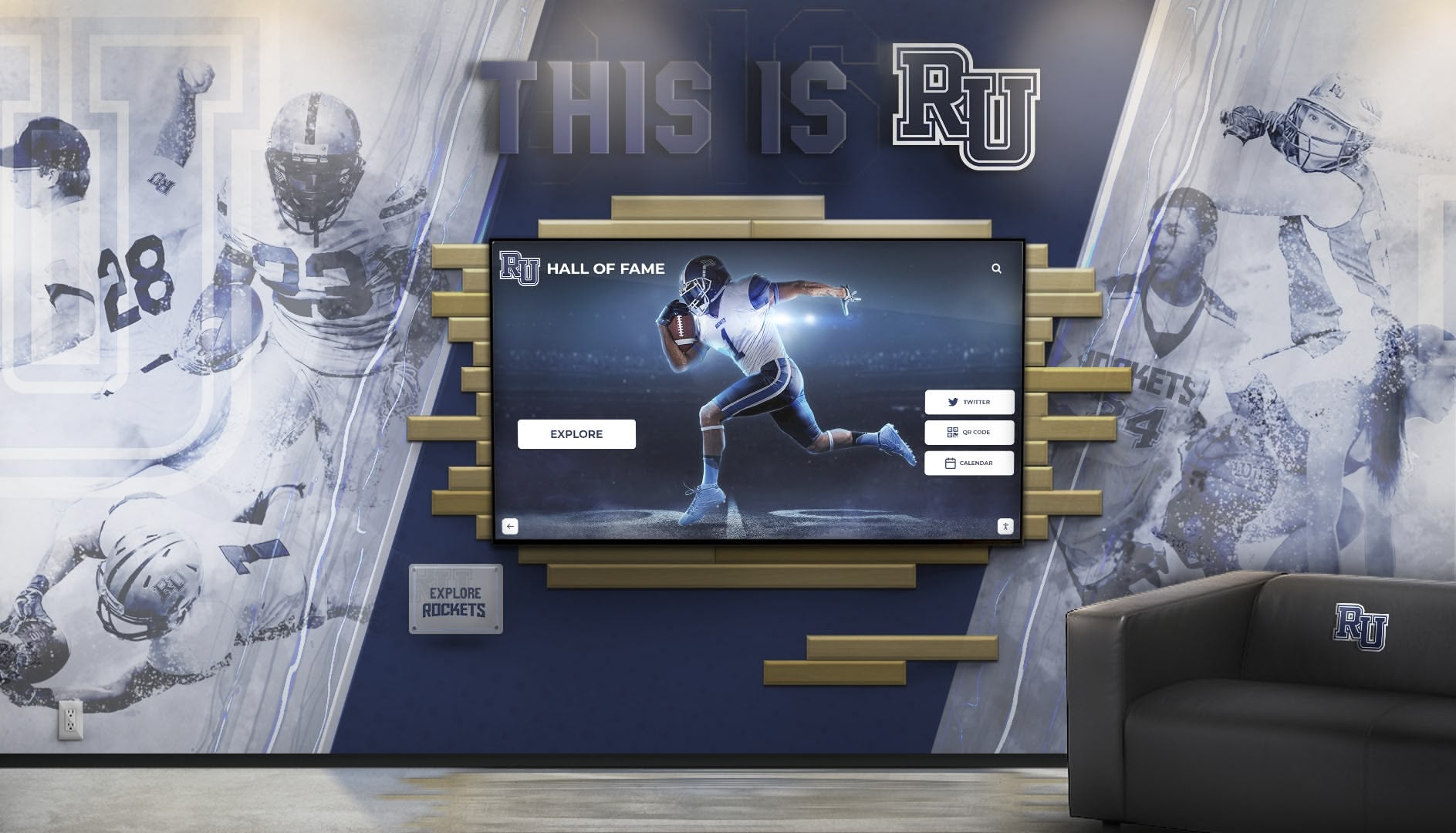
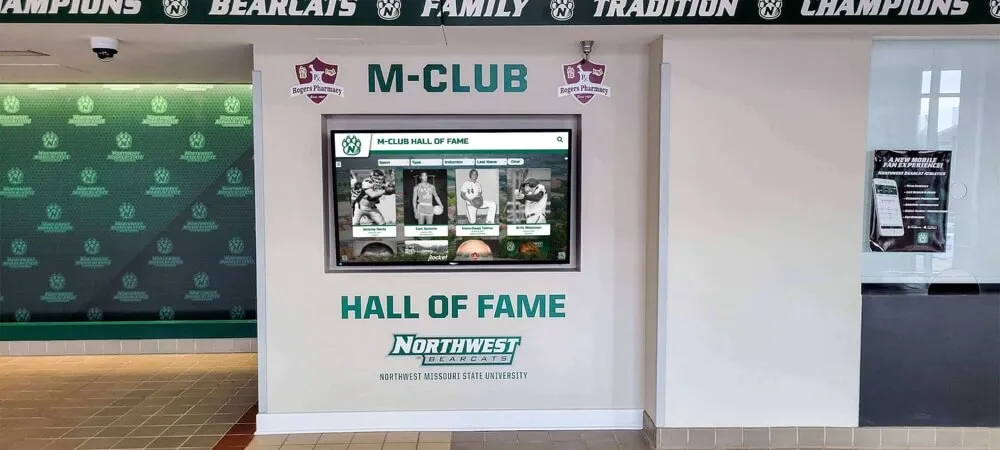
Modern schools integrate digital recognition with traditional murals creating comprehensive celebration of athletic achievement
Modern Digital Recognition Solutions
Digital displays overcome traditional limitations while creating engaging recognition experiences:
Unlimited Recognition Capacity
Digital platforms eliminate space as constraint:
- Single touchscreen showcases unlimited tournament teams across decades
- Complete roster recognition for every state tournament participant
- Detailed statistical documentation of all tournament games
- Individual player profiles with biographical information and achievements
- Comprehensive photo galleries from tournament journeys
- Video highlights from memorable games and moments
Schools implementing solutions like Rocket Alumni Solutions discover that digital platforms provide recognition capacity equivalent to hundreds of physical plaques while occupying minimal space.
Interactive Exploration Features
Digital systems transform passive viewing into active discovery:
- Search functionality finding specific athletes, teams, or years instantly
- Filter by class, tournament placement, or decade
- Browse chronological timelines showing program evolution
- Individual athlete profiles with complete tournament statistics
- Team pages documenting rosters, records, and tournament results
- Coaching recognition across multiple tournament appearances
This interactivity creates significantly higher engagement—visitors spend 5-10 minutes exploring digital displays compared to brief glances at static plaques.
Learn about comprehensive digital trophy case solutions that celebrate tournament achievements alongside broader athletic recognition.
Multimedia Content Integration
Digital platforms support rich content types:
- Video highlights from tournament games and celebrations
- Championship game broadcasts or key possession replays
- Interview footage with players and coaches
- Photographs from pre-game preparations through championship celebrations
- Audio commentary from memorable moments
- Newspaper articles and media coverage
This multimedia depth preserves tournament experiences in ways static displays never could—enabling future generations to experience tournament moments vicariously through comprehensive documentation.
Simple Content Management
Cloud-based systems ensure sustainability:
- Update content from any internet-connected device
- Add new tournament teams within hours of return
- Correct errors or add information as it becomes available
- Manage content without technical expertise
- Schedule content reveals for anniversary dates
- Maintain displays remotely without physical access
Schools report 80-90% reduction in time maintaining digital recognition compared to traditional plaque systems requiring ordering, engraving, and physical mounting.
Creating Comprehensive Tournament Recognition Content
Effective digital recognition requires systematic content development:
Essential Information to Document
Complete tournament recognition includes:
- Season year and tournament class
- Section and conference affiliation
- Regular season record and conference standing
- Section tournament results and path to state
- State tournament seeding and bracket placement
- Game-by-game tournament results with scores
- Individual player statistics from tournament games
- Tournament placement (champion, runner-up, semifinalist)
- All-tournament team selections
- Individual awards and recognition
- Complete roster with jersey numbers
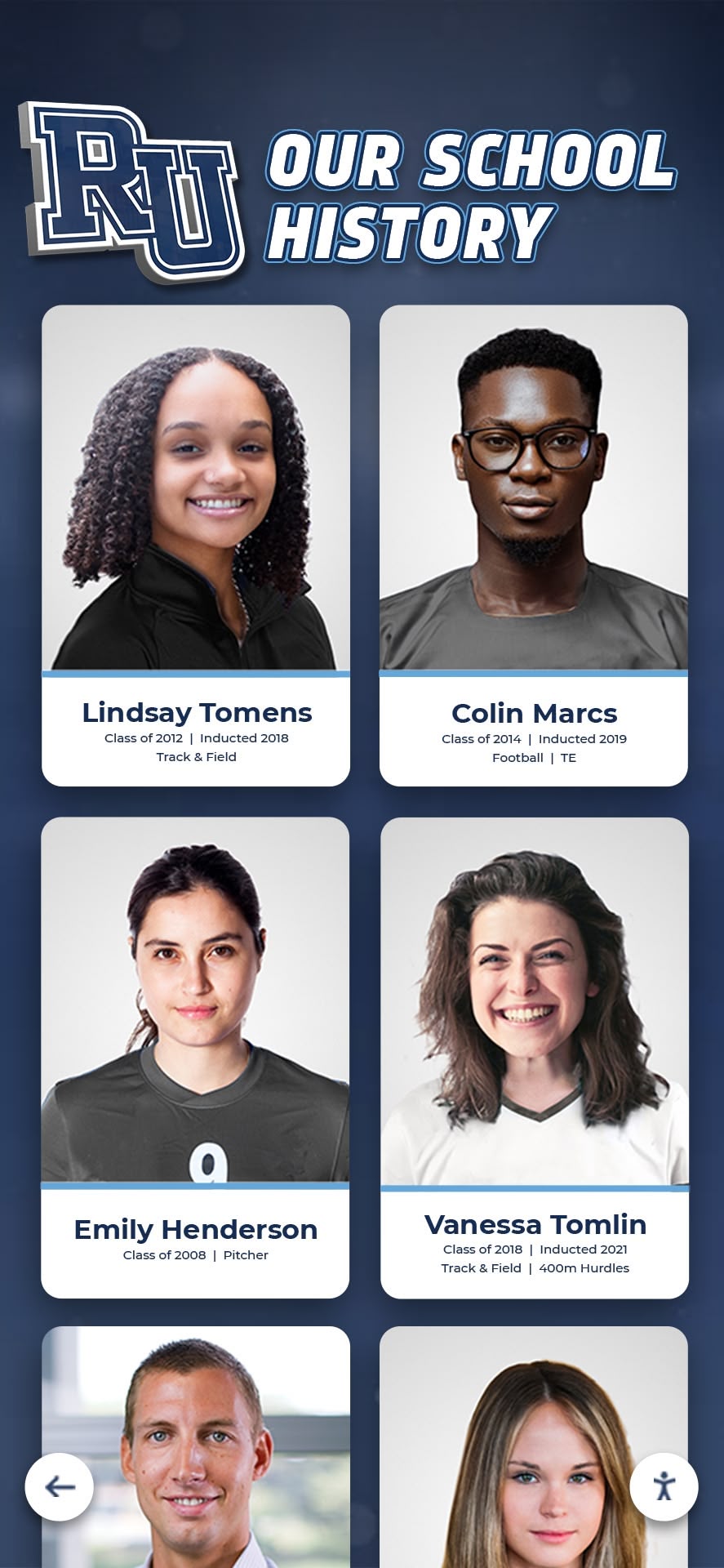
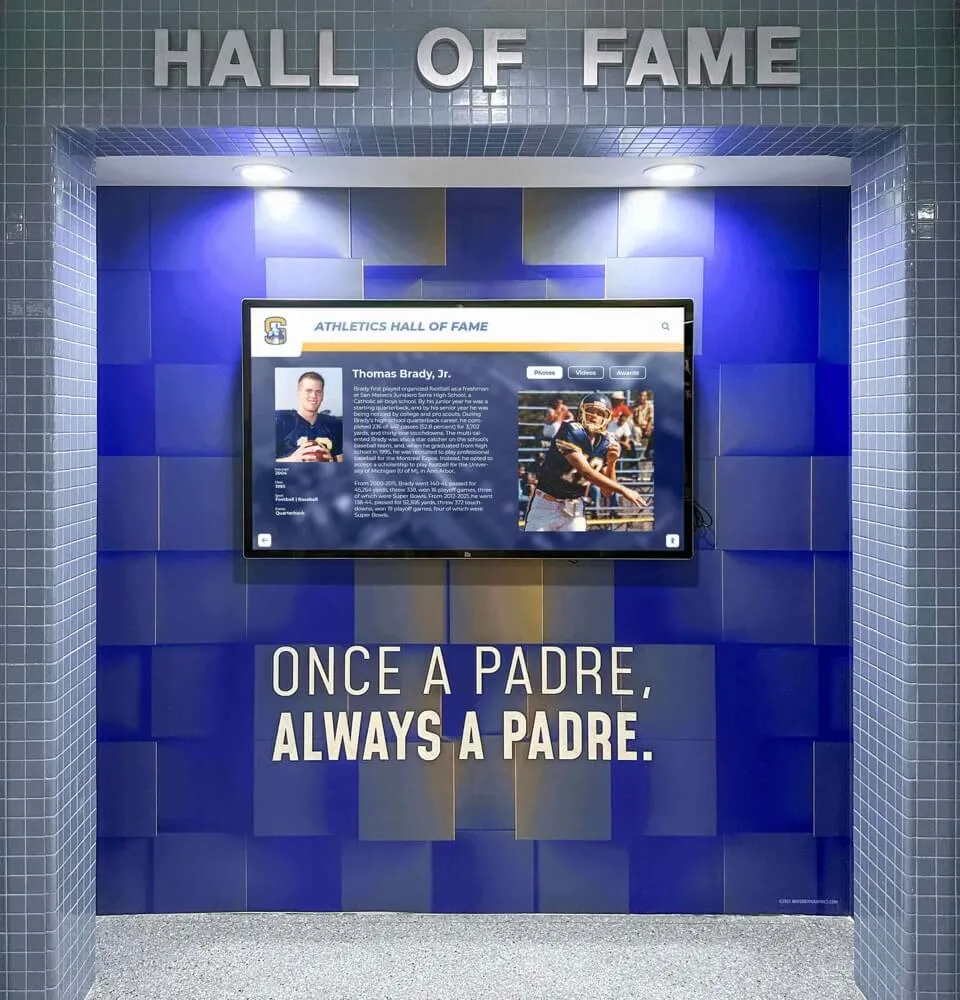
Individual athlete profiles preserve complete tournament stories beyond team recognition
Individual Athlete Profiles
Comprehensive player recognition should include:
- Full name and jersey number
- Playing position and role
- Years participating in state tournament
- Career tournament statistics
- Individual awards and all-tournament selections
- Notable performances and memorable moments
- Biographical information (hometown, family, post-high school path)
- Quotes reflecting on tournament experiences
- Multiple action and portrait photographs
- Post-graduation updates about college athletics or career
Coaching and Support Recognition
Complete documentation honors all contributors:
- Head coach biographical information
- Career tournament record and appearances
- Assistant coaches and their roles
- Athletic directors supporting program
- Training staff and support personnel
- Student managers and statisticians
- Booster organizations and community support
Explore approaches to senior athlete recognition that complement tournament documentation.
Building Program Culture Through Tournament Recognition
Effective recognition systems do more than preserve history—they actively shape program culture and athlete development:
Inspiring Future Athletes
Visible tournament recognition creates aspirational goals:
Daily Exposure to Program Tradition
Strategic display placement ensures regular encounters:
- Gymnasium lobbies where athletes pass daily
- Weight rooms during off-season training
- Hallways connecting athletic and academic buildings
- Team meeting rooms for video review and preparation
- Locker room areas providing constant reinforcement
This consistent visibility keeps tournament goals present in athletes’ minds throughout seasons—not just during tournament runs.
Accessible Examples of Excellence
Detailed recognition helps athletes understand achievement pathways:
- Young players see specific journey of tournament participants
- Position-specific examples show development possibilities
- Statistical achievement provides concrete targets
- Personal stories illustrate work ethic and commitment required
- Coaching recognition shows value of relationships and mentorship
Rather than vague aspirations, tournament recognition provides concrete models athletes can study and emulate.
Recruiting Advantages
Comprehensive tournament recognition serves as recruiting tool:
Demonstrating Program Tradition
Prospective athletes and families evaluate program quality:
- Tournament appearances show sustained competitive success
- Championship displays demonstrate program peaks
- Individual recognition shows player development quality
- Coaching longevity and success visible through tournament history
- Post-graduation paths showing college athletic opportunities
Digital recognition systems enable coaches to share complete program history with recruits through web access before campus visits.
Creating Differentiation
Tournament recognition provides competitive advantages:
- Programs with rich tournament tradition attract ambitious athletes
- Championship culture becomes self-fulfilling as talent seeks successful programs
- Recognition systems demonstrate commitment to honoring achievement
- Professional presentation reflects program standards and values
Schools implementing comprehensive athletic recognition report improved recruiting outcomes as prospective athletes recognize program commitment to excellence.
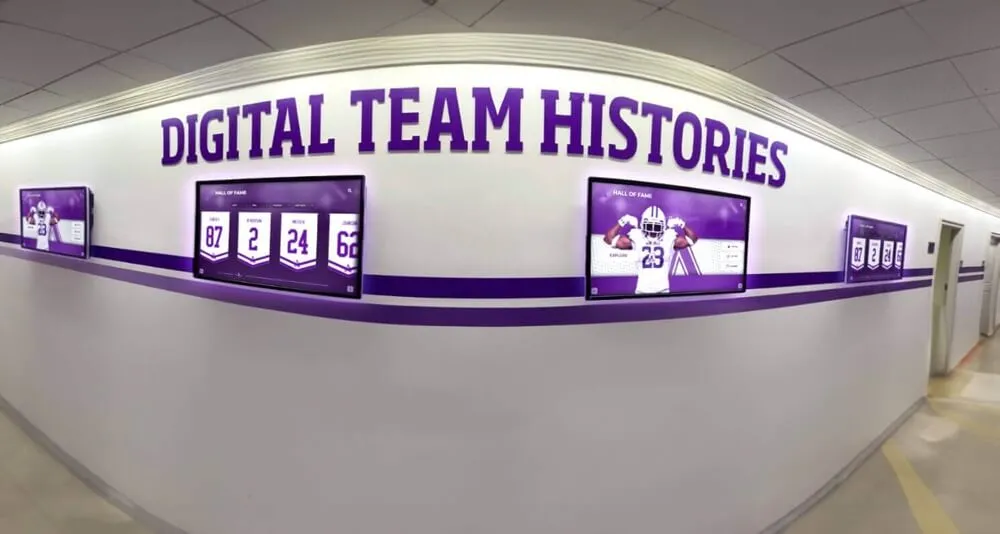
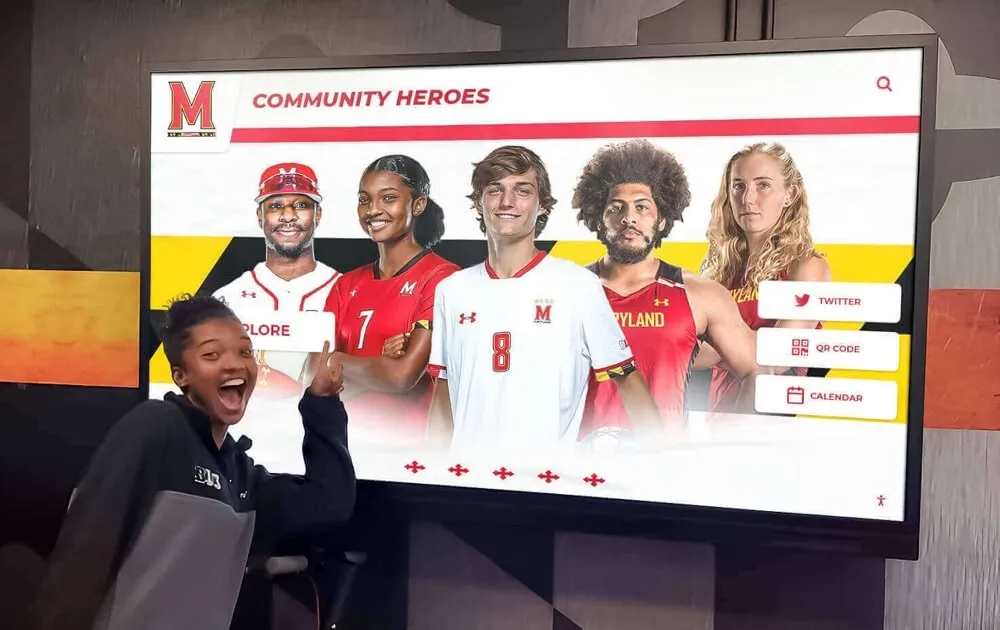
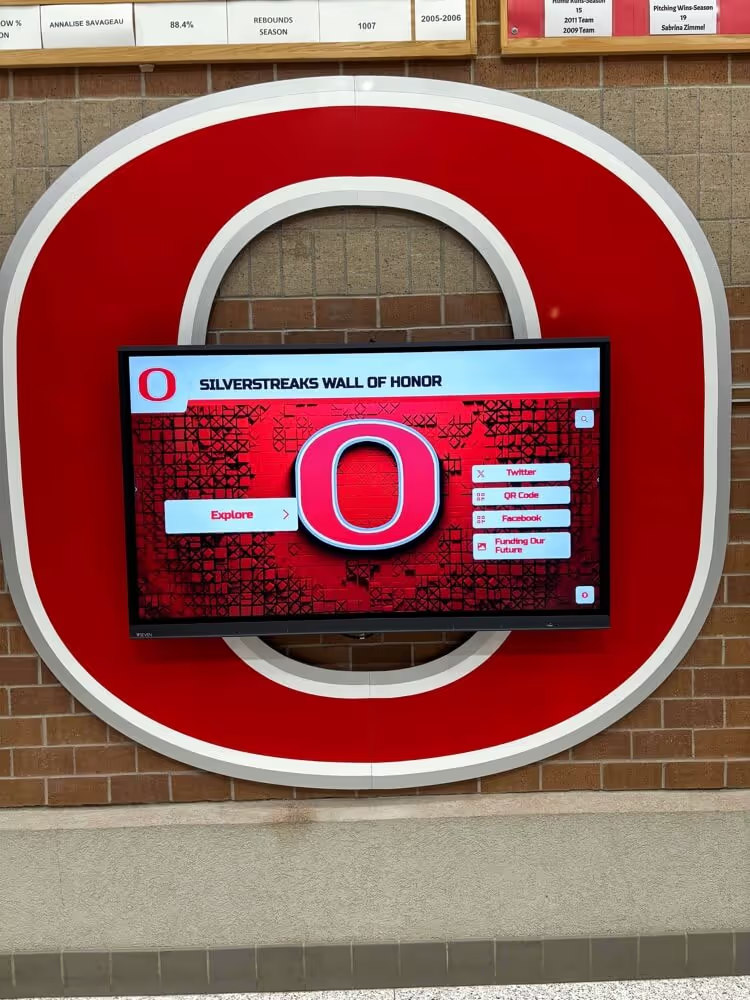
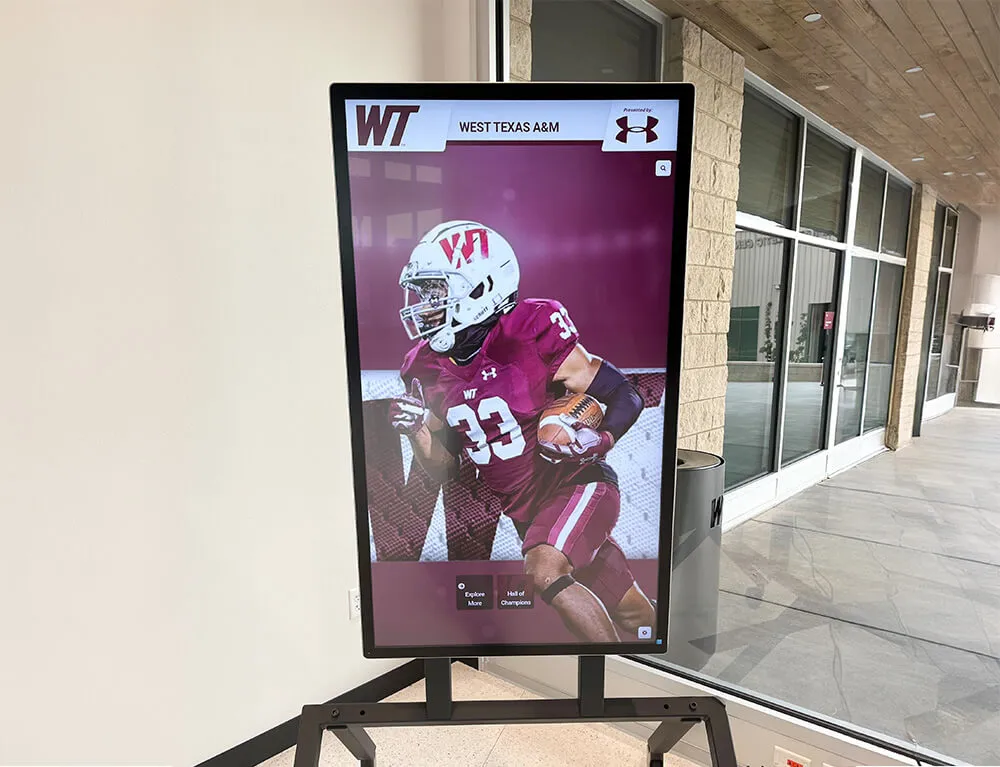
Distributed digital displays enable comprehensive recognition across multiple sports and tournament achievements
Engaging Alumni and Community
Tournament recognition strengthens connections beyond current athletes:
Alumni Engagement
Former tournament participants maintain connections:
- Alumni return to see their tournament recognition
- Digital displays accessible online for distant alumni
- Reunion planning resources through complete roster information
- Anniversary celebrations for championship teams
- Fundraising appeals leveraging tournament nostalgia
- Mentorship connections between alumni and current athletes
Community Pride and Support
Tournament recognition reinforces community bonds:
- Visible celebration of community investment in athletics
- Reminder of shared experiences and memories
- Booster organization motivation through recognition of support
- Media interest in tournament anniversaries and retrospectives
- Community gathering spaces around recognition displays
Planning Your Tournament Recognition System
Schools considering tournament recognition should approach implementation systematically:
Content Collection and Organization
Begin by gathering available tournament documentation:
Historical Research
Compile complete tournament history:
- School archives and athletic records
- Yearbooks documenting tournament appearances
- Local newspaper archives with game coverage
- MSHSL records and tournament programs
- Coach and athletic director files
- Alumni memories and personal collections
- Family photograph and video contributions
Many schools discover substantial documentation exists when systematic collection efforts occur—materials scattered across storage rooms, personal collections, and community repositories.
Digital Asset Preparation
Prepare materials for recognition displays:
- Photograph scanning at high resolution
- Video digitization from various formats
- Document transcription and preservation
- Statistical data compilation and verification
- Biographical information collection from alumni
- Permission securing for photograph and video use
Learn about creating digital archives that preserve tournament documentation permanently.
Technology Selection and Implementation
Choose recognition platforms matching institutional needs:
Hardware Considerations
Physical installations require planning:
- Commercial-grade touchscreen displays (43-65 inches)
- Protective enclosures for high-traffic public spaces
- Mounting options (wall-mounted, kiosk, table)
- Power and network infrastructure
- Location selection for visibility and engagement
- ADA compliance for accessibility
Software Platform Features
Evaluate systems based on capabilities:
- Intuitive content management for non-technical staff
- Unlimited recognition capacity
- Multimedia support (photos, videos, documents)
- Search and filtering functionality
- Timeline and chronological browsing
- Mobile-responsive web access
- Cloud-based remote management
- Professional design templates
- Analytics showing visitor engagement
Solutions like Rocket Alumni Solutions provide purpose-built platforms specifically designed for athletic recognition, eliminating need for custom development while ensuring professional results.
Budget Planning
Comprehensive implementations typically include:
- Hardware: $3,000-8,000 per display location
- Software licensing: $1,200-3,600 annually
- Content development: $2,000-5,000 for historical migration
- Installation: $500-2,000 for mounting and setup
- Training: Included with professional systems
- Ongoing maintenance: Minimal with cloud platforms
Most schools find digital recognition becomes cost-effective within 2-3 years compared to ongoing plaque purchasing while providing dramatically expanded capability.
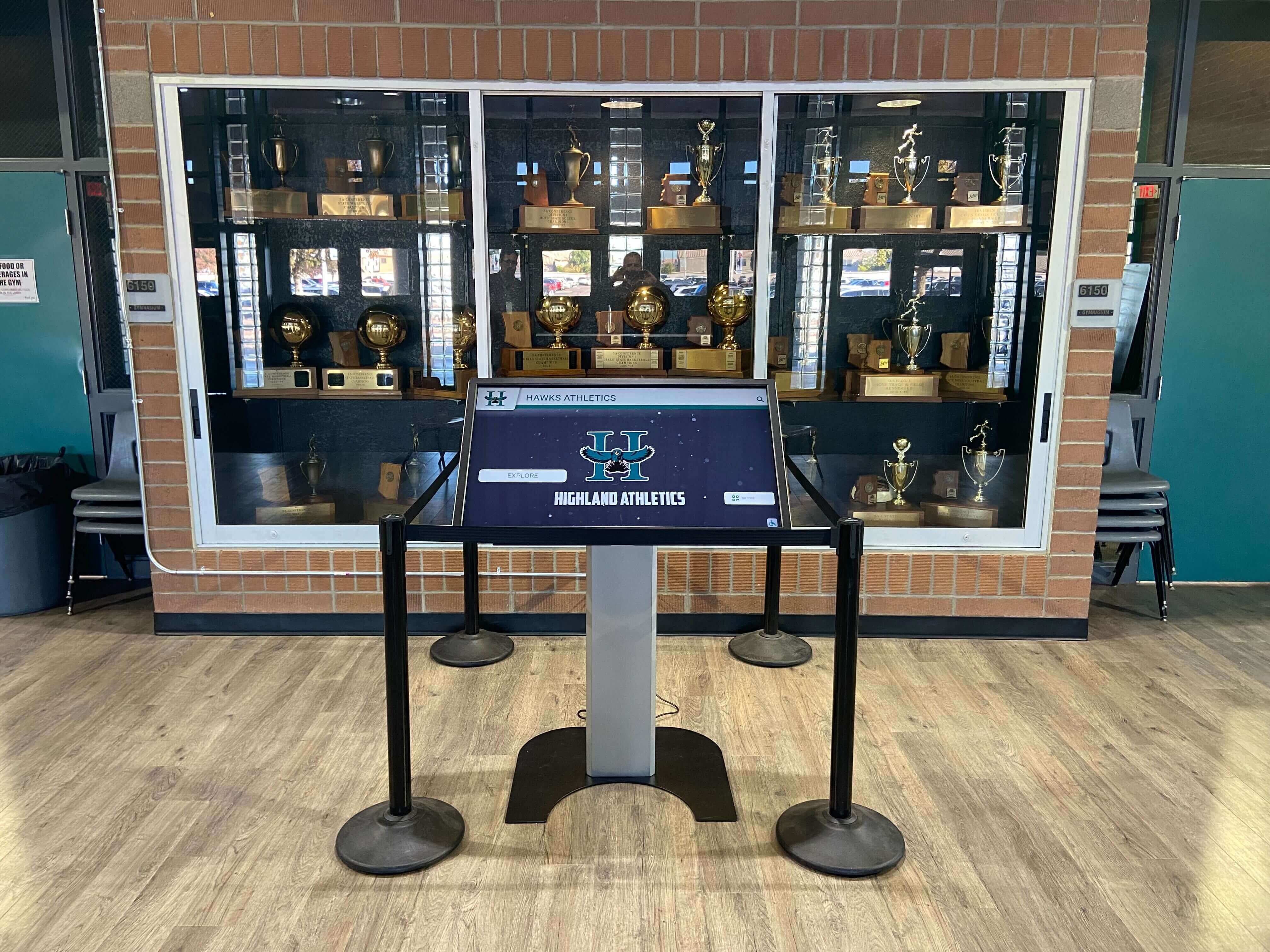
Hybrid approaches combine traditional trophy cases with interactive digital displays leveraging strengths of both methods
Ongoing Management and Sustainability
Ensure recognition systems remain current and valuable:
Annual Tournament Updates
Establish routines for adding new tournament teams:
- Photograph collection immediately following tournament return
- Statistical compilation while information remains accessible
- Player interview and reflection gathering
- Video highlight editing and preparation
- Content publishing within days of tournament conclusion
- Social media promotion announcing recognition addition
Historical Enhancement
Continuously improve older tournament documentation:
- Alumni contributions adding photographs and memories
- Research discoveries filling information gaps
- Video digitization as technology improves
- Expanded biographical information from reunions
- Anniversary features highlighting significant tournament teams
Community Engagement
Leverage recognition systems for broader connection:
- Tournament anniversary celebrations
- Alumni reunion facilitation
- Educational programming about program history
- Media partnerships documenting program tradition
- Fundraising campaigns supporting athletic facilities
Explore youth sports recognition strategies that celebrate achievement at all competitive levels.
Special Tournament Recognition Opportunities
Beyond standard team and individual recognition, comprehensive systems honor diverse tournament-related achievements:
All-Tournament Team Recognition
Individual excellence deserves specific celebration:
Historical All-Tournament Selections
Document complete recognition history:
- Name and position for all selections
- Tournament year and class
- Statistical performance during tournament
- Post-tournament career (college athletics, professional play)
- Multiple selection recognition for repeat honorees
Selection Criteria Context
Help viewers understand recognition significance:
- Explanation of selection process
- Number selected per tournament
- Comparison to total tournament participants showing selectivity
- Notable performances earning selection
- Impact on subsequent opportunities (recruiting, scholarships)
Coaching Milestone Recognition
Tournament success reflects coaching excellence:
Career Tournament Records
Comprehensive coaching documentation:
- Career tournament appearances by year
- Overall tournament record (wins-losses)
- Championship game appearances
- Title wins by class
- Career milestones (100th win, 20th tournament appearance)
- Tournament coaching honors and recognition
Coaching Legacy Content
Beyond statistics, preserve coaching impact:
- Philosophy and approach reflections
- Player testimonials about coaching influence
- Staff member recognition and longevity
- Program building achievements
- Contributions to broader basketball community
Historical Tournament Narratives
Create comprehensive stories connecting tournament moments:
Decade-by-Decade Tournament History
Organize recognition chronologically:
- Tournament participation by decade
- Championship eras and dynasty periods
- Evolution of competitive class as school size changed
- Notable rivalry games and tournament matchups
- Connections to broader Minnesota basketball history
Thematic Tournament Collections
Group recognition by specific themes:
- Championship teams across all eras
- Undefeated tournament runs
- Comeback victories and dramatic finishes
- Upset wins over higher-seeded opponents
- Overtime games and close competition
- Individual record-breaking performances
Learn about digital storytelling for athletic programs that brings tournament history to life.
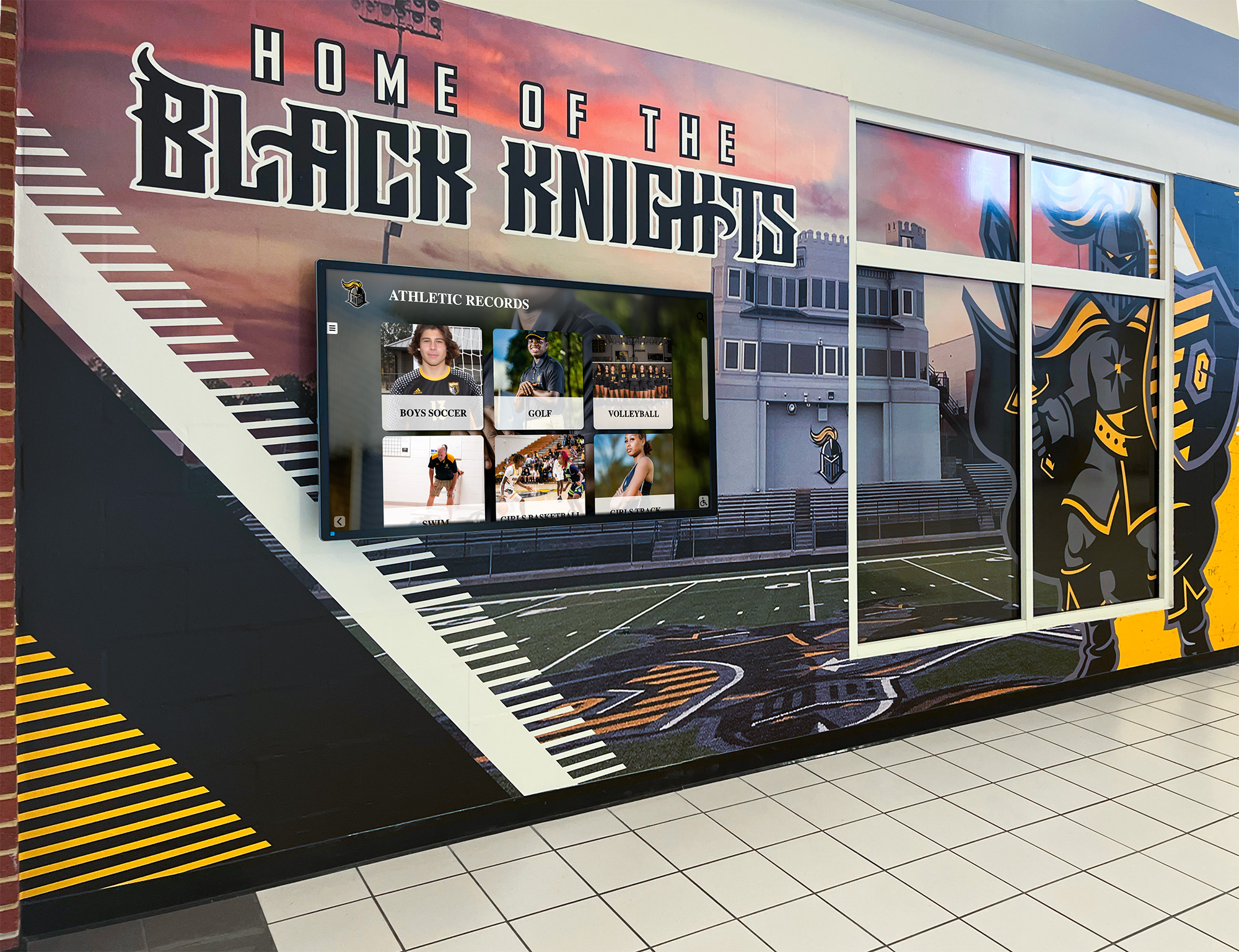
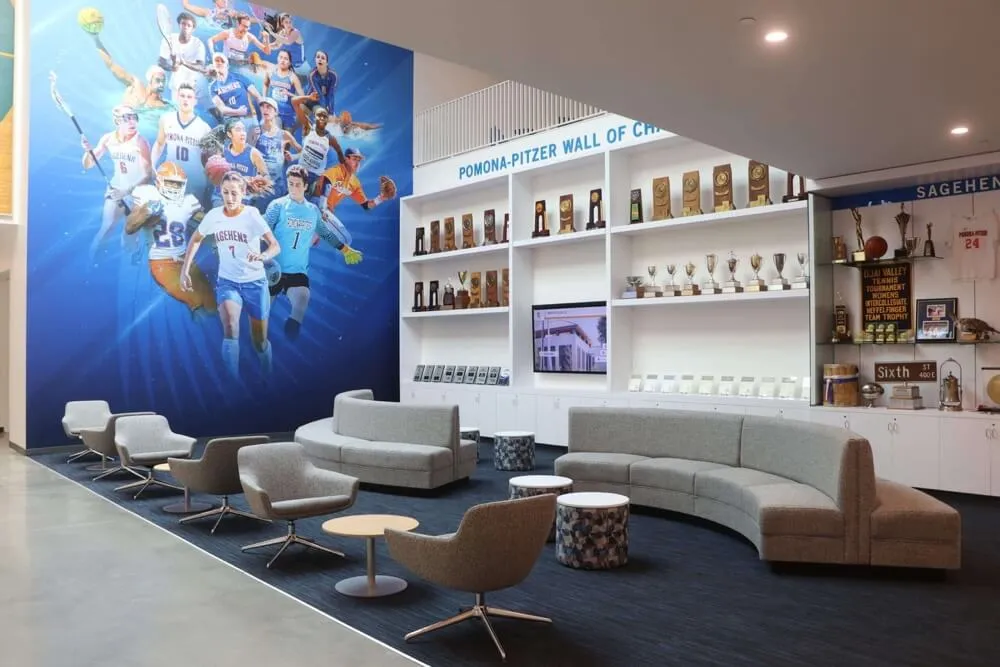
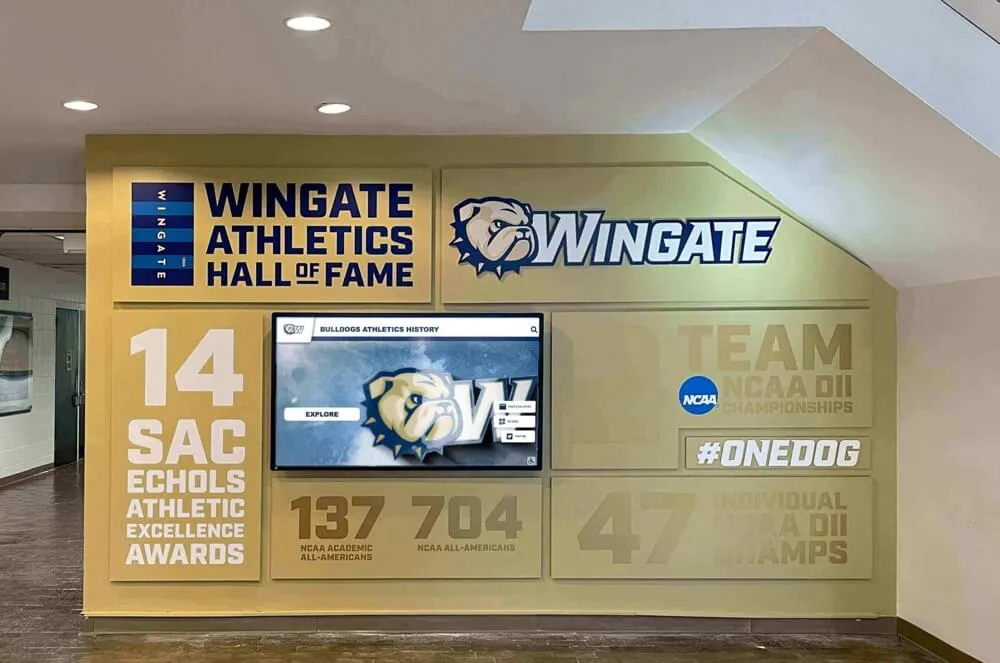
Comprehensive athletic spaces integrate physical design with digital recognition creating immersive celebration of program achievements
Connecting Tournament Recognition to Broader Athletic Programs
Tournament recognition works best as component of comprehensive athletic celebration:
Multi-Sport Recognition Systems
Extend recognition approaches across athletics:
Unified Recognition Platforms
Comprehensive systems celebrate all athletic achievement:
- Basketball tournament recognition within broader athletic displays
- Parallel recognition for other sports’ state tournament appearances
- Conference championship celebration across all sports
- Individual athletic achievement and awards
- Academic-athletic excellence recognition
Consistent Recognition Standards
Maintain equity across programs:
- Equal display quality regardless of sport
- Parallel information depth for all tournament participants
- Fair distribution of recognition space and prominence
- Consistent design and presentation standards
Integrating Academic and Athletic Recognition
Celebrate well-rounded excellence:
Scholar-Athlete Recognition
Honor athletes excelling academically and athletically:
- Academic all-conference and all-state selections
- Individual GPA recognition for tournament participants
- National Honor Society athletes
- Academic scholarship recipients
- Post-graduation academic success documentation
Explore academic recognition programs complementing athletic celebration.
Leadership and Character Recognition
Acknowledge contributions beyond performance:
- Team captain and leadership recognition
- Sportsmanship awards and fair play honors
- Community service through basketball participation
- Mentor recognition for supporting younger athletes
- Character development demonstration
Creating Comprehensive School History
Position athletics within broader institutional story:
Historical Timeline Integration
Connect athletic achievement to school evolution:
- Tournament appearances marking periods in school history
- Facility improvements enabling program development
- Demographic changes affecting competitive classification
- Community growth reflected in program resources
- Notable alumni achievements in multiple domains
This comprehensive approach shows athletics as part of complete educational mission rather than isolated pursuit.
Conclusion: Honoring Minnesota Girls Basketball Excellence
The Minnesota girls basketball state tournament represents the pinnacle of high school athletic competition—bringing together talented athletes, dedicated coaches, supportive communities, and unforgettable moments that define careers and shape lives. From first tournament appearances building program foundation to championship trophies celebrating peak achievement, every tournament journey deserves recognition honoring the commitment, sacrifice, and excellence it represents.
Traditional recognition approaches—championship banners, trophy cases, and plaque walls—provide visible celebration but face fundamental limitations in space, depth, and engagement. Schools implementing modern digital recognition systems overcome these constraints while creating interactive experiences that truly honor every tournament participant, preserve complete program histories, and inspire future generations to pursue their own tournament dreams.
Celebrate Your Tournament Tradition
Discover how modern digital recognition displays can help your Minnesota school honor state tournament achievements, preserve complete program history, and inspire current athletes to build on your basketball tradition.
Book a DemoSolutions like Rocket Alumni Solutions provide comprehensive platforms specifically designed for educational athletic recognition—combining unlimited capacity with intuitive management, multimedia support with interactive exploration, and professional presentation with accessible pricing. Schools implementing these systems report dramatic improvements in recognition comprehensiveness, community engagement, and athlete motivation—precisely the outcomes justifying recognition program investments.
Whether your school has won multiple championships or celebrated first tournament appearances, whether your program has decades of tournament tradition or recent breakthrough success, comprehensive recognition systems ensure every achievement receives appropriate honor. The athletes who represented your community on Minnesota’s biggest stage, the coaches who built programs creating tournament opportunities, and the communities that supported their tournament journeys all deserve recognition equal to their commitment.
Start planning today: assess existing tournament documentation, identify recognition goals, explore modern technology options, and implement systems that will honor tournament excellence for decades to come. Your athletes’ tournament memories, your program’s competitive tradition, and your community’s basketball pride deserve permanent celebration.
Ready to begin? Explore how schools nationwide honor end-of-year athletic achievement, discover approaches to athletic history preservation, or learn about comprehensive athletic recognition systems that celebrate tournament achievement alongside broader program success.
The Minnesota girls basketball state tournament continues creating memories and defining achievements every March. The schools that implement comprehensive recognition systems ensure these moments inspire athletes and communities not just during tournament weeks but throughout the years and decades that follow—honoring excellence while building the championship culture where future tournament success becomes reality.