Michigan high school football playoffs represent the pinnacle of athletic competition for thousands of student-athletes across the state. Each fall, teams battle through district, regional, and semifinal rounds, all pursuing the ultimate goal of hoisting a championship trophy at Ford Field in Detroit. The Michigan High School Athletic Association (MHSAA) playoff system determines state champions across eight divisions, creating opportunities for schools of all sizes to compete for glory.
For coaches, athletic directors, and school administrators, the playoff journey extends beyond game day performance. Successful playoff runs create lasting memories that shape school culture, strengthen community bonds, and deserve permanent recognition honoring the dedication of athletes, coaches, and supporters who made championship moments possible.
This comprehensive guide explores everything you need to know about Michigan high school football playoffs—from understanding bracket structures and scheduling formats through playoff traditions, recognition strategies, and how schools preserve playoff achievements for generations to come.
Understanding the Michigan High School Football Playoff System
The MHSAA organizes Michigan’s high school football playoffs into a structured system ensuring fair competition while creating clear pathways to state championships.
Eight-Division Structure
Michigan divides participating schools into eight divisions based on enrollment numbers, creating competitive balance and championship opportunities across school sizes:
Division 1 features the state’s largest schools with enrollments typically exceeding 1,200 students. These programs often field multiple team levels and compete in highly competitive conferences throughout southeastern Michigan and other metropolitan areas.
Divisions 2-4 encompass mid-to-large schools ranging from approximately 500-1,200 students. These divisions balance competitive depth with geographic diversity, featuring programs from both suburban and smaller urban communities.
Divisions 5-8 include Michigan’s smaller schools with enrollments under 500 students. Many of these programs come from rural communities where football represents central community gathering points and sources of civic pride.

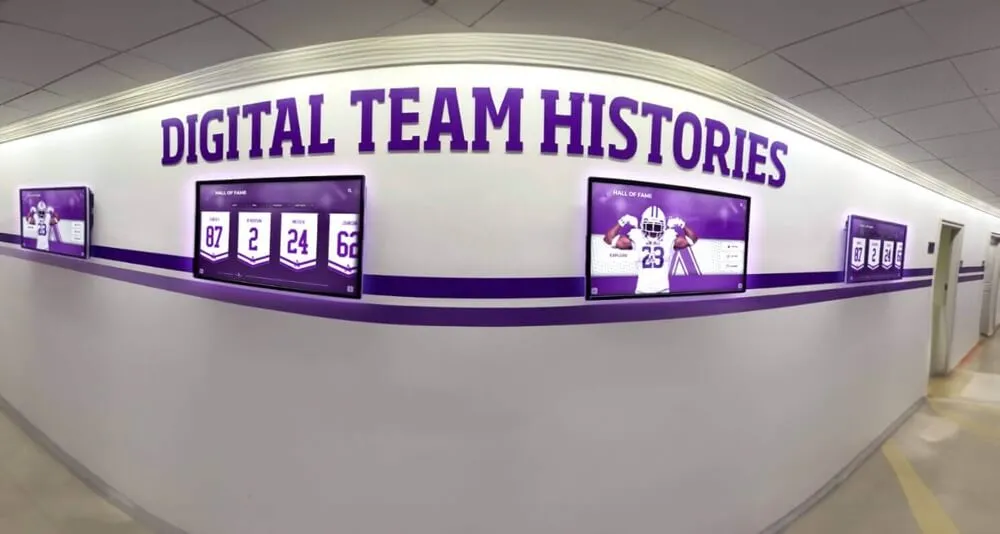
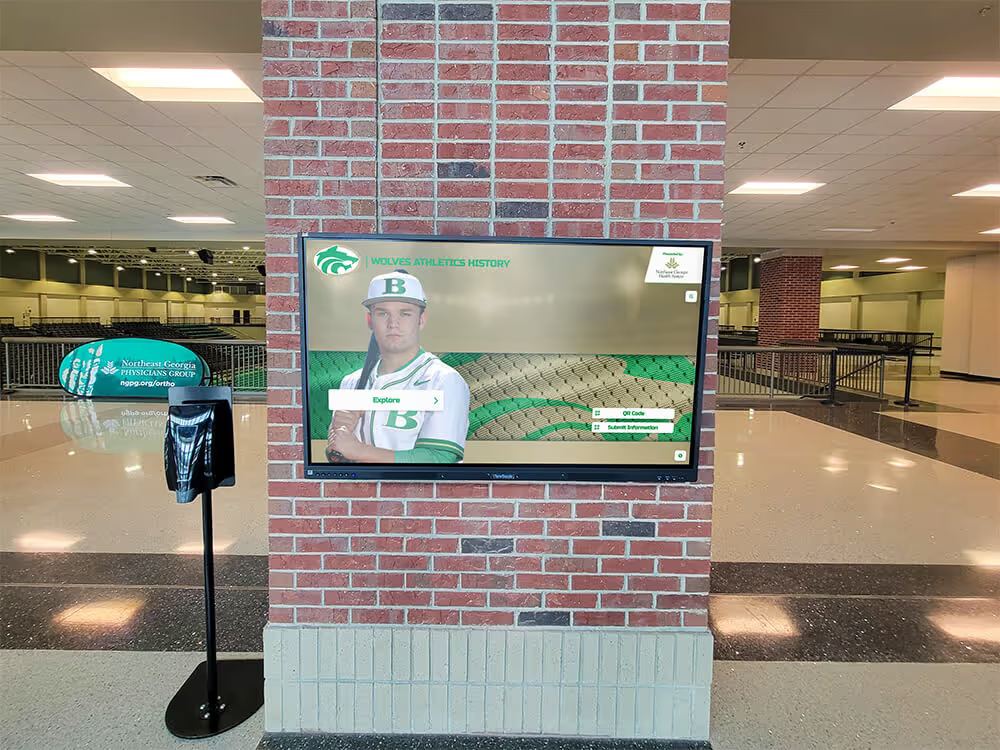
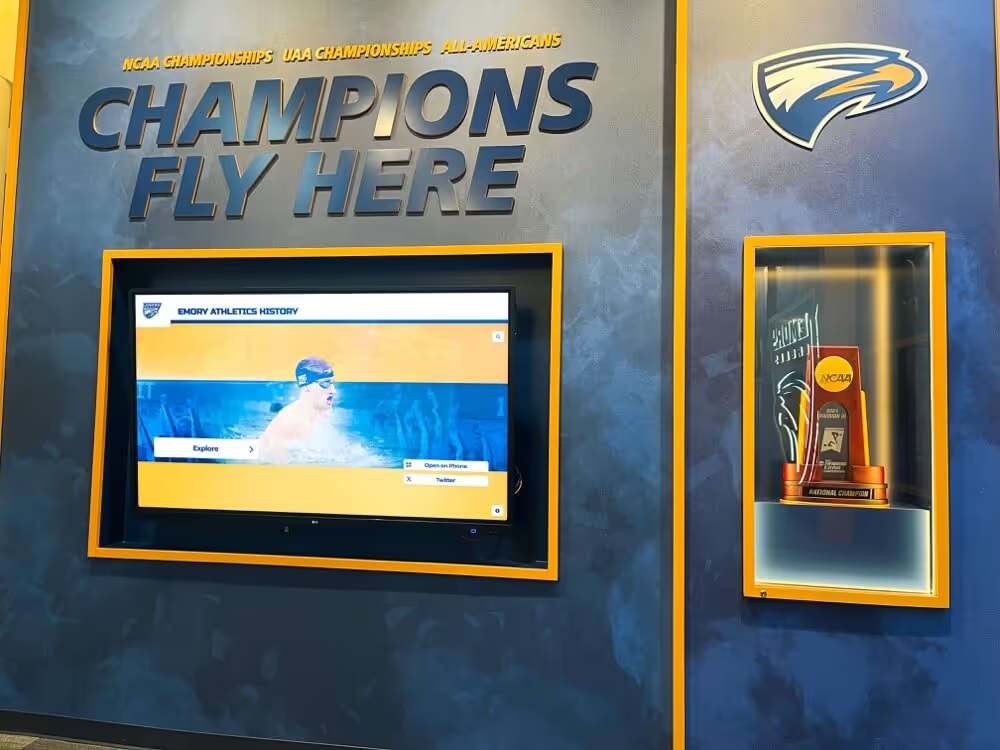
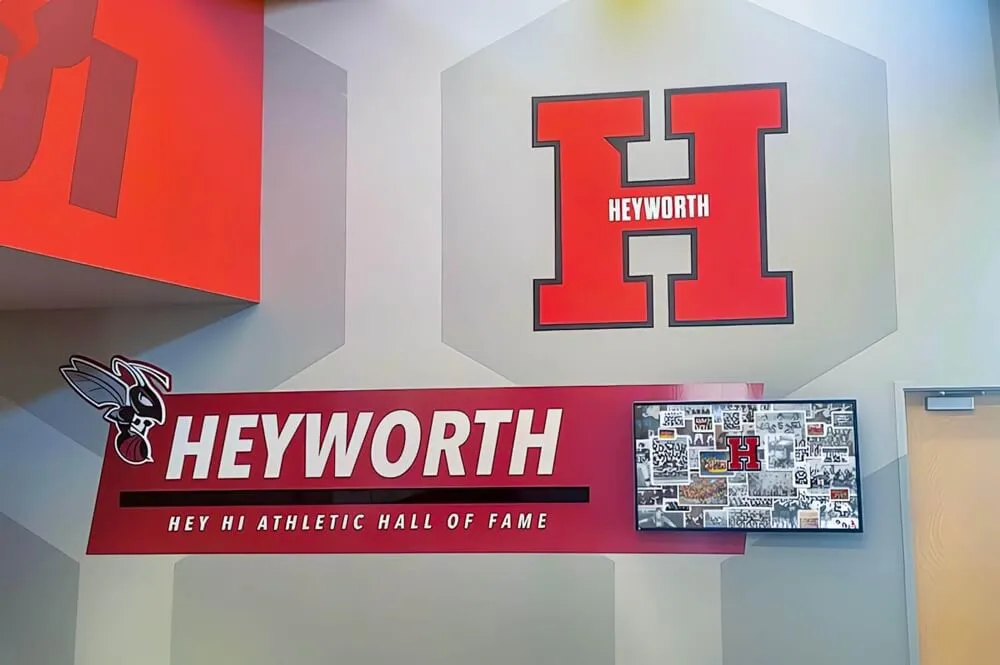
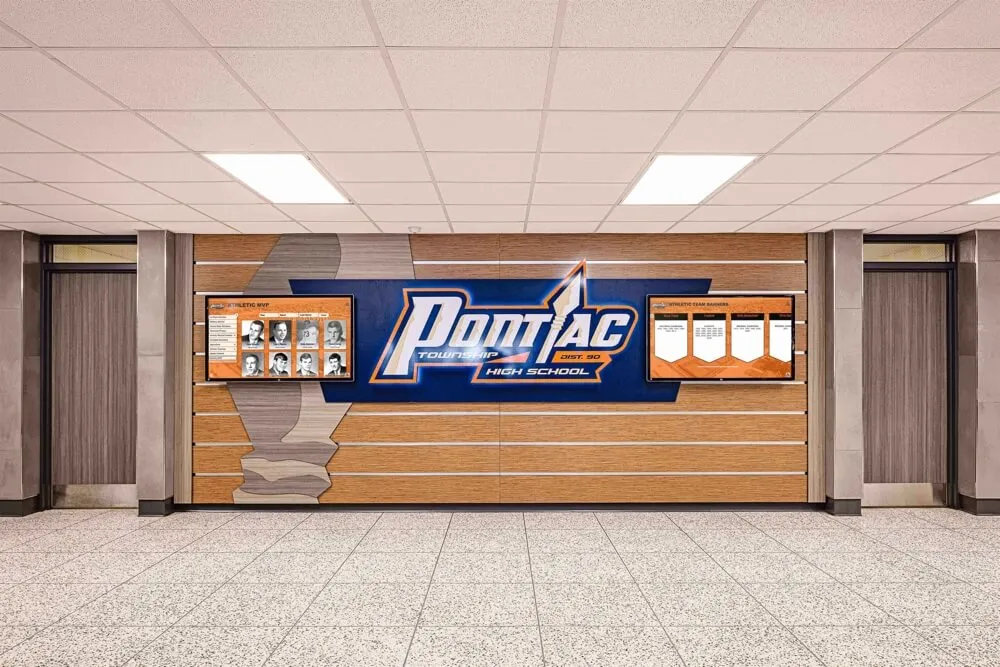
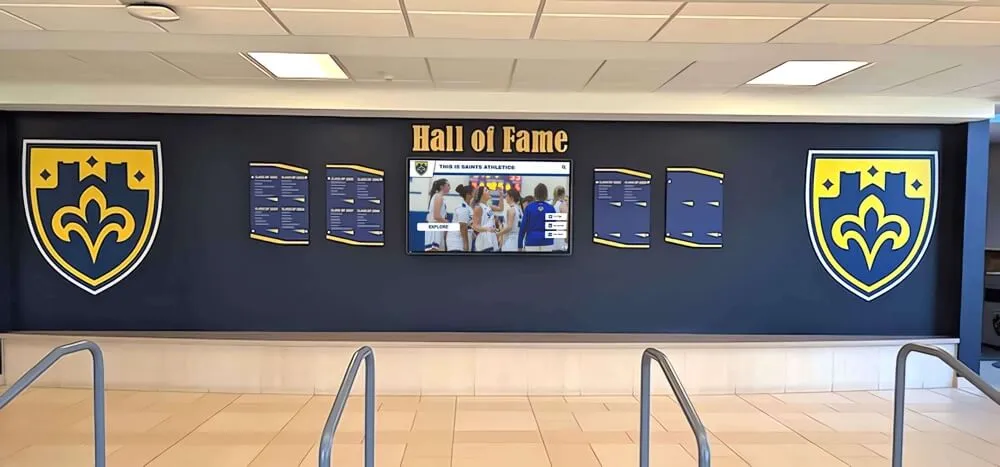
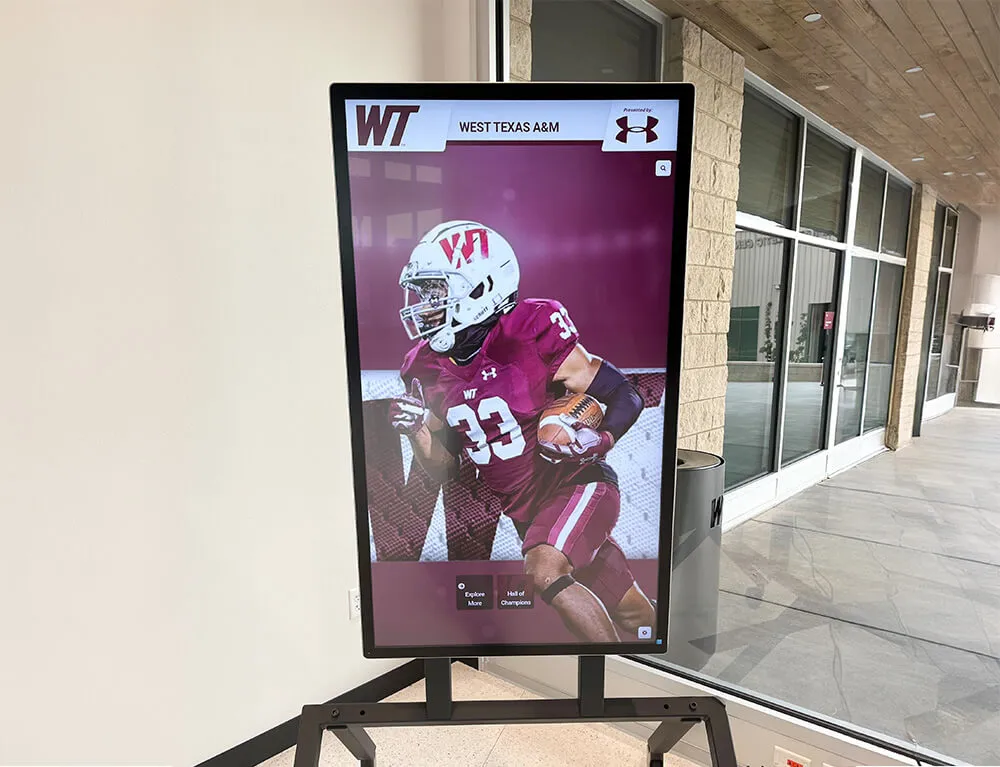
Schools preserve playoff achievements through permanent displays celebrating championship moments and athlete dedication
The division structure recalculates every two years based on updated enrollment figures, ensuring competitive balance as school populations shift over time. This periodic realignment means programs may move between divisions, requiring strategic adjustments to long-term program planning.
Playoff Qualification Format
Michigan’s playoff qualification system has evolved to balance tradition with expanded participation opportunities:
Automatic Qualification: Teams earning six wins during the regular season automatically qualify for playoff positions. This win-based standard creates clear objectives while ensuring playoff-bound programs demonstrate competitive capability.
Playoff Point System: Schools failing to reach six wins may still qualify through the playoff point system. Points accumulate based on opponent strength and win percentages, with calculations considering:
- Record of defeated opponents
- Record of opponents’ opponents
- Win bonus points for victories over strong competition
- Adjustments for games against lower-division opponents
The point system creates complexity but ensures deserving teams—particularly those playing challenging schedules—receive playoff opportunities even with records below .500.
Wild Card Positions: Each division fills 32 playoff positions. After automatic qualifiers claim spots, remaining positions go to teams with highest playoff point totals. This structure rewards both winning records and schedule strength, encouraging schools to schedule competitive non-conference opponents rather than seeking easy victories.
Schools implementing comprehensive athletic recognition programs often track not just playoff appearances but also selection methods, creating historical records showing program strength across multiple seasons.
Bracket Structure and Tournament Progression
Once the 32-team field is set for each division, the single-elimination tournament follows a structured five-round format:
First Round (Week 10): The initial playoff week features 16 matchups in each division. Higher-seeded teams host games, with seeding determined by regular season records and playoff point totals. Home field advantage matters significantly, particularly in November weather conditions.
Second Round (Week 11): Winners advance to district finals featuring eight games per division. Geographic considerations influence bracket positioning, though competitive balance takes priority over minimizing travel distances.
Third Round/Regionals (Week 12): Four regional championship games per division determine semifinalists. Regional winners earn the right to compete at neutral sites for berths in championship games.
Semifinals (Week 13): The four remaining teams in each division play at designated neutral sites, typically college or professional stadiums. Recent years have featured semifinal games at Central Michigan University, Western Michigan University, and Eastern Michigan University, creating special experiences for participating programs.
Finals (Week 14): State championship games occur at Ford Field in Detroit, home of the NFL’s Detroit Lions. Playing on the same field where professional athletes compete represents the culmination of high school football careers, creating unforgettable moments for athletes, coaches, and communities.
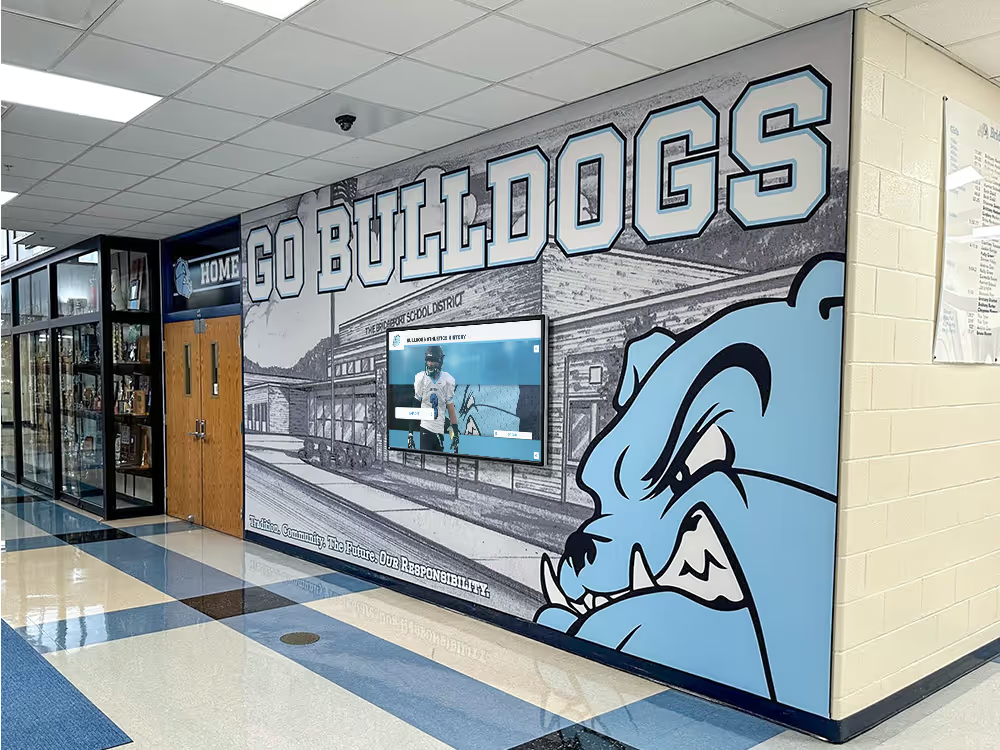
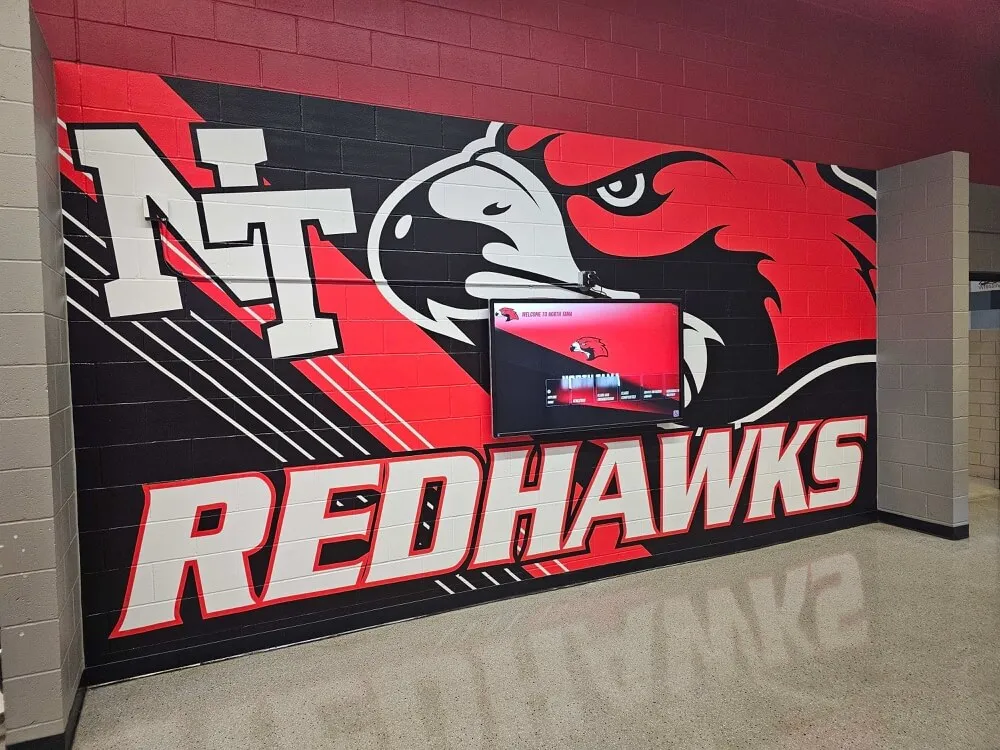
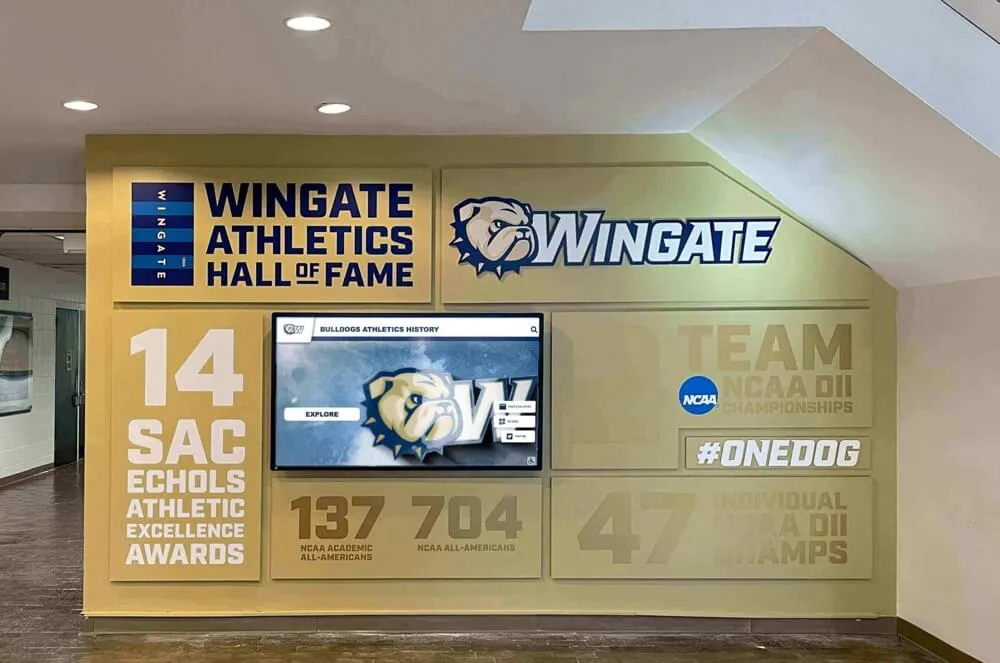
Championship achievements deserve prominent hallway recognition where students encounter excellence daily
The compressed five-week format means teams must maintain physical and mental preparation through potential weather challenges, academic demands during Thanksgiving week, and the emotional intensity of win-or-go-home competition.
The Road to Ford Field: Playoff Schedule and Logistics
Understanding playoff scheduling helps schools prepare for the unique demands of postseason competition.
Timeline and Key Dates
The Michigan playoff schedule follows a consistent annual pattern:
Week 9 (Final Regular Season Week): The final Friday night of October typically concludes regular seasons. Playoff point calculations finalize over the weekend as outcomes determine qualification status.
Selection Sunday: MHSAA announces playoff pairings the Sunday following Week 9. Athletic directors learn opponents, seeding, and whether they host or travel for first-round games.
Preparation Week: Schools have six days between Selection Sunday and first-round kickoffs. This compressed timeline requires rapid preparation for opponents teams may not have scouted during the regular season.
Playoff Progression: Weekly elimination continues through mid-November, with championship weekend typically falling the weekend before Thanksgiving or Thanksgiving weekend itself.
The timing creates logistical challenges. Schools must coordinate travel for away games during academic weeks, manage player academics during Thanksgiving break, support families attending potentially distant games, and maintain practice schedules despite weather challenges and shortened daylight.
Schools implementing student recognition programs often celebrate playoff qualifiers during the season, not just champions, recognizing that postseason participation itself represents significant achievement.
Home Field Advantage and Neutral Sites
Playoff site selection follows established protocols:
First and Second Rounds: Higher-seeded teams host games at their home stadiums. This advantage extends beyond crowd support—teams know their playing surface, locker room facilities, and field dimensions intimately. Home field particularly benefits northern Michigan schools where weather familiarity and crowd support significantly impact November games.
Regional Championships: Week 12 games generally follow the home-field model, though increasing travel distances sometimes require neutral site compromises when teams from opposite corners of the state meet.
Semifinals and Finals: Neutral sites ensure fairness while providing enhanced experiences. College stadiums offer superior facilities, larger seating capacity for traveling fans, and special atmospheres elevating playoff importance. Ford Field’s indoor environment for championships eliminates weather variables, focusing competition purely on athletic performance.
Weather Considerations and Challenges
November football in Michigan presents unique challenges:
Temperature variations can range from pleasant autumn afternoons to freezing conditions with snow or rain. Teams from southern Michigan may lack experience in severe cold, while northern programs train in challenging conditions regularly.
Field conditions deteriorate significantly by November. Well-maintained natural grass becomes muddy and worn after nine regular season games, while artificial turf provides consistent surfaces regardless of weather.
Daylight limitations mean games often conclude in darkness, requiring quality stadium lighting. Schools with inadequate lighting sometimes reschedule playoff games to afternoon starts or Saturday dates.
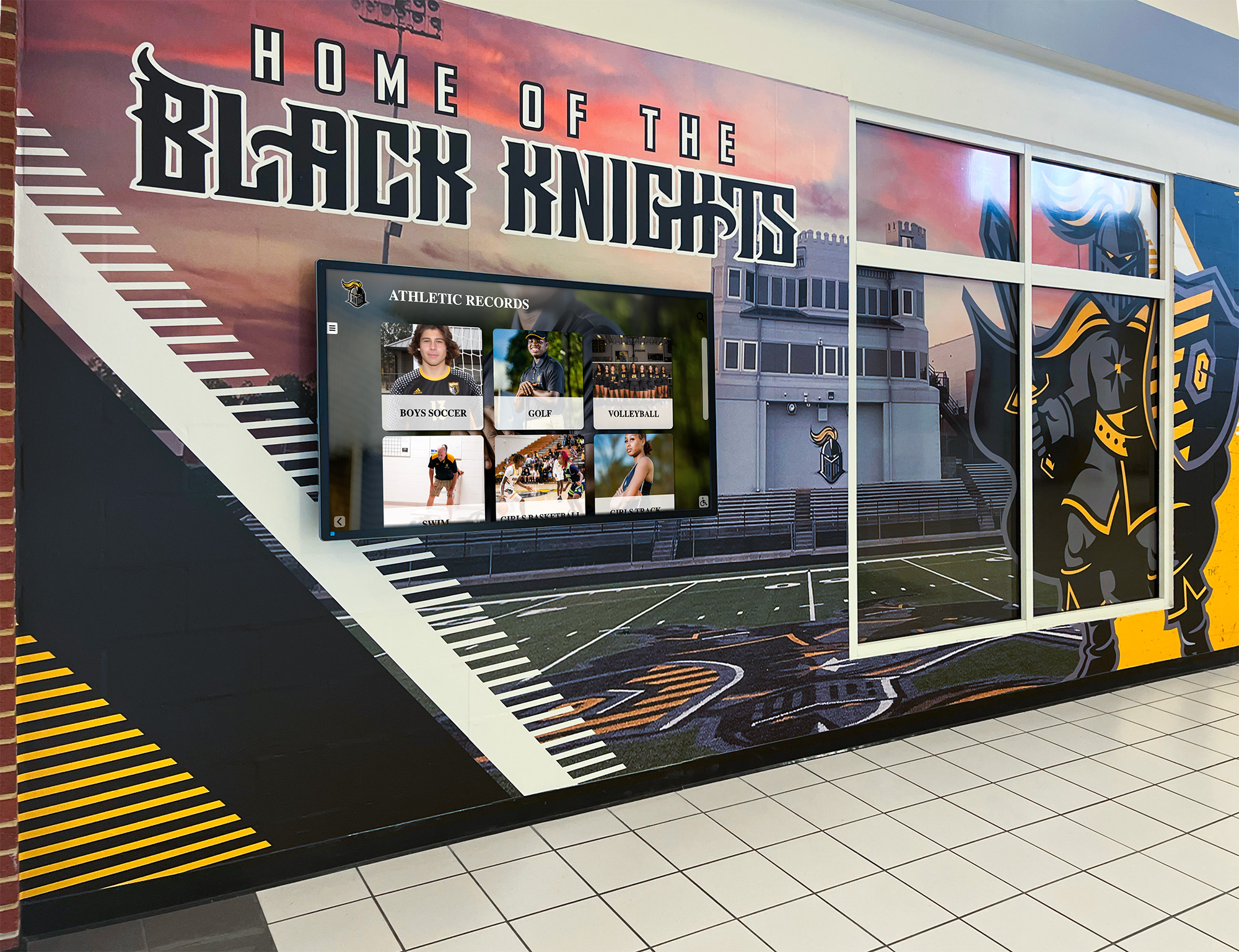
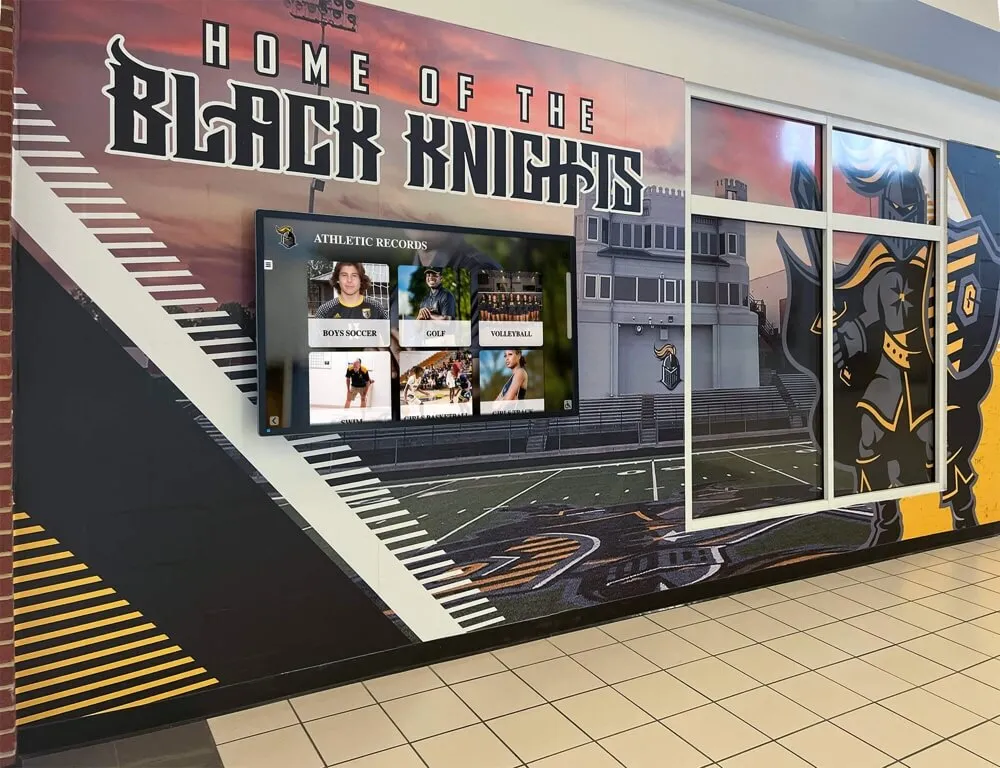
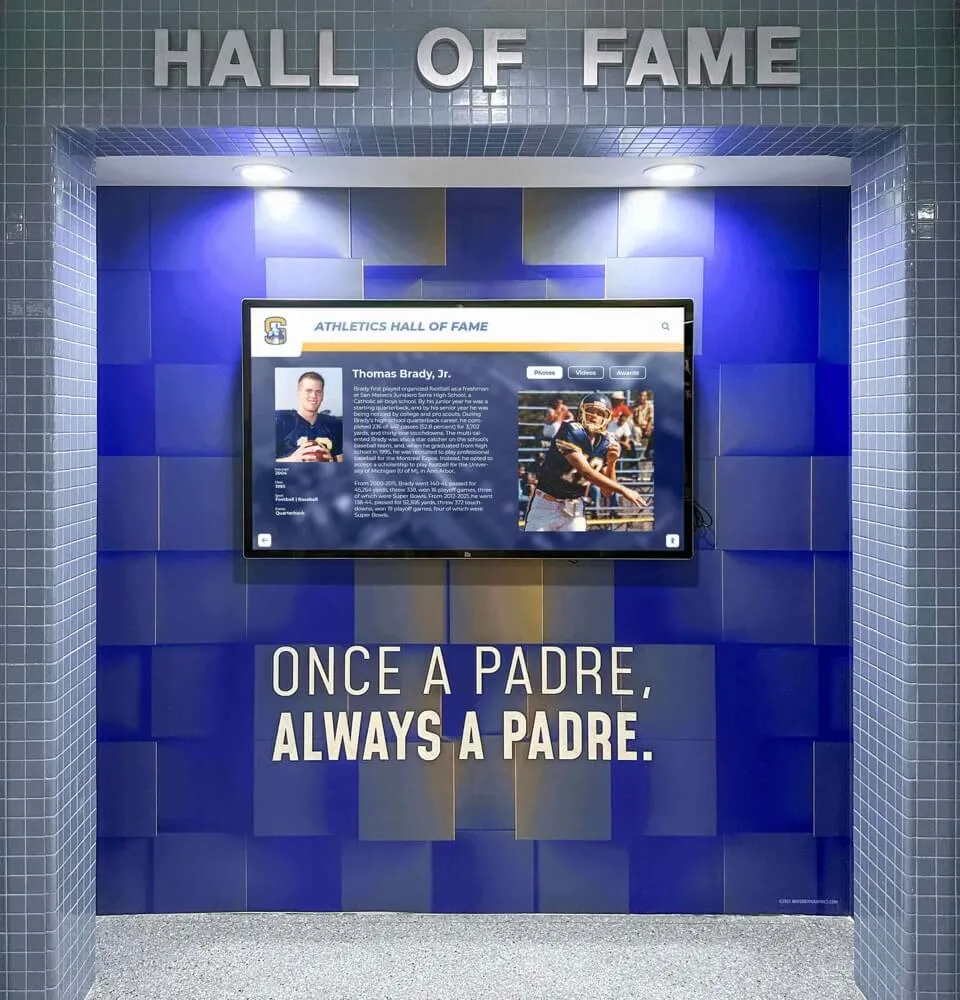
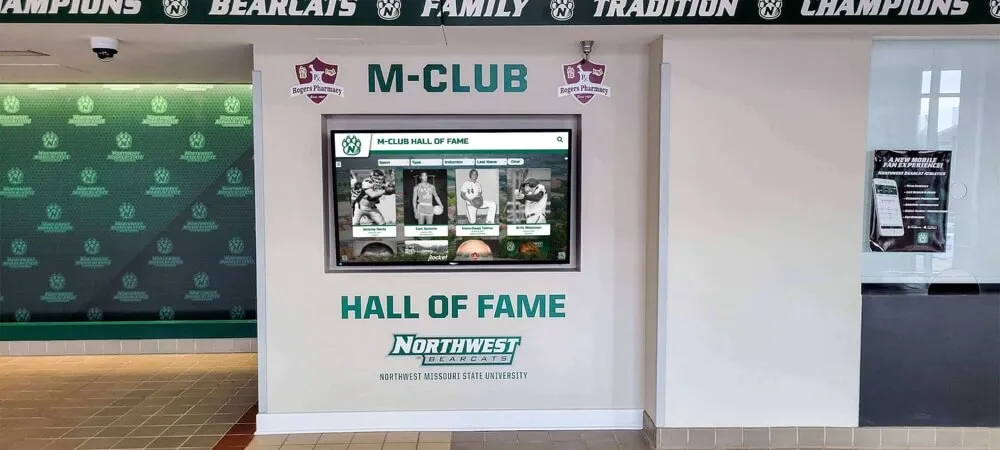
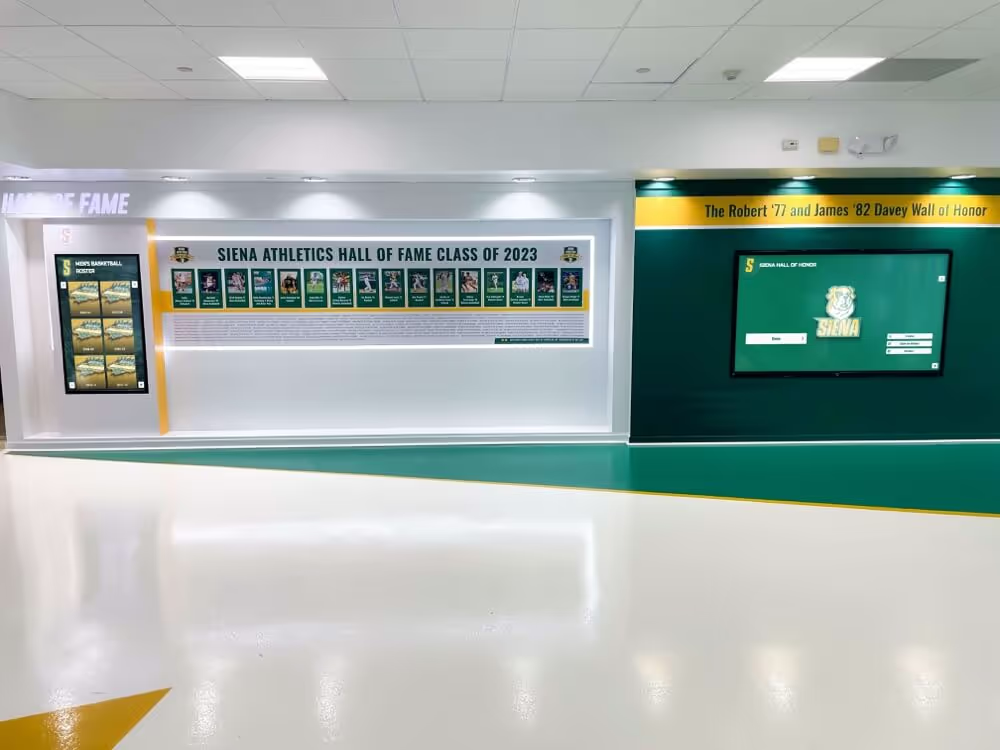
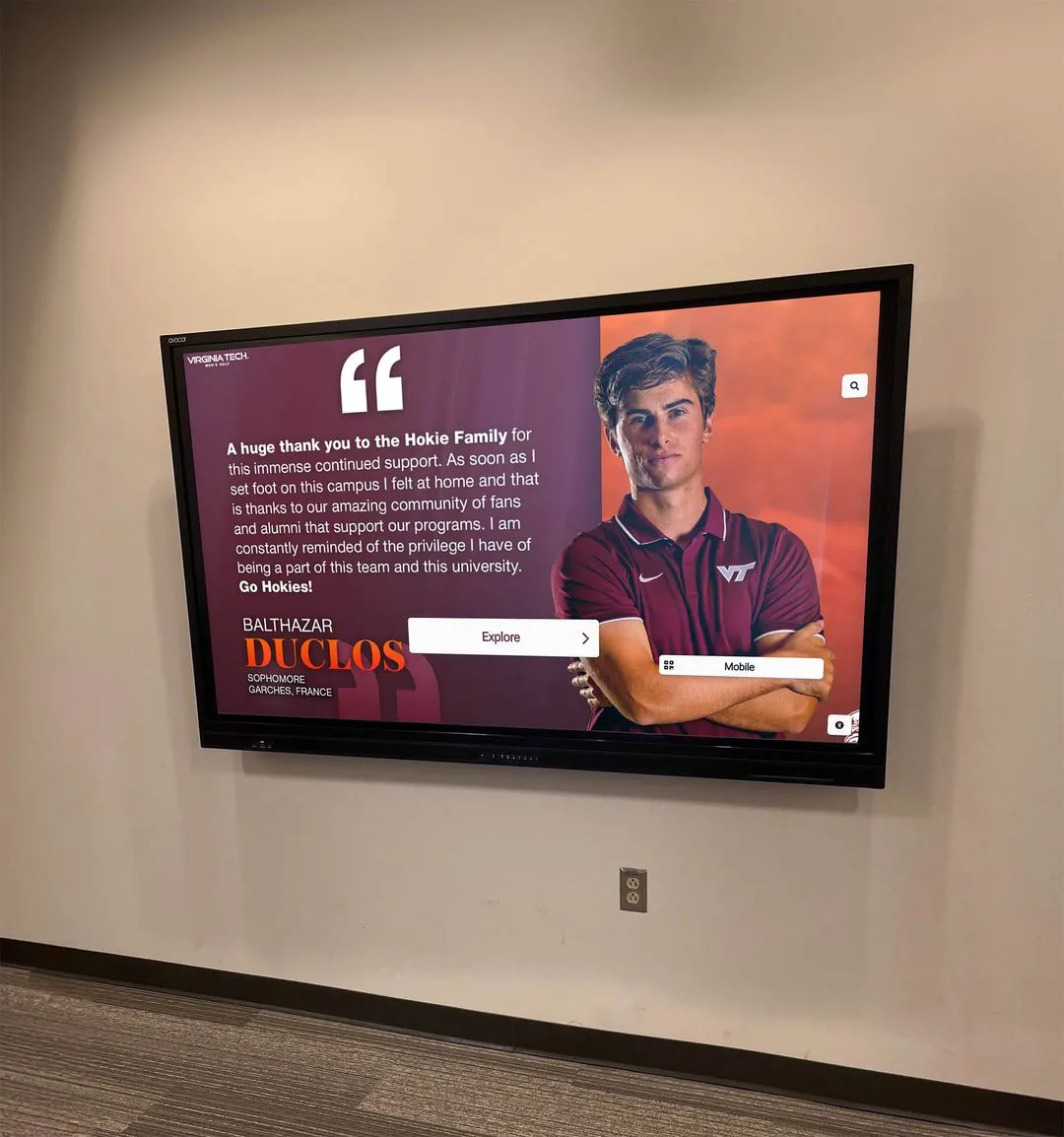
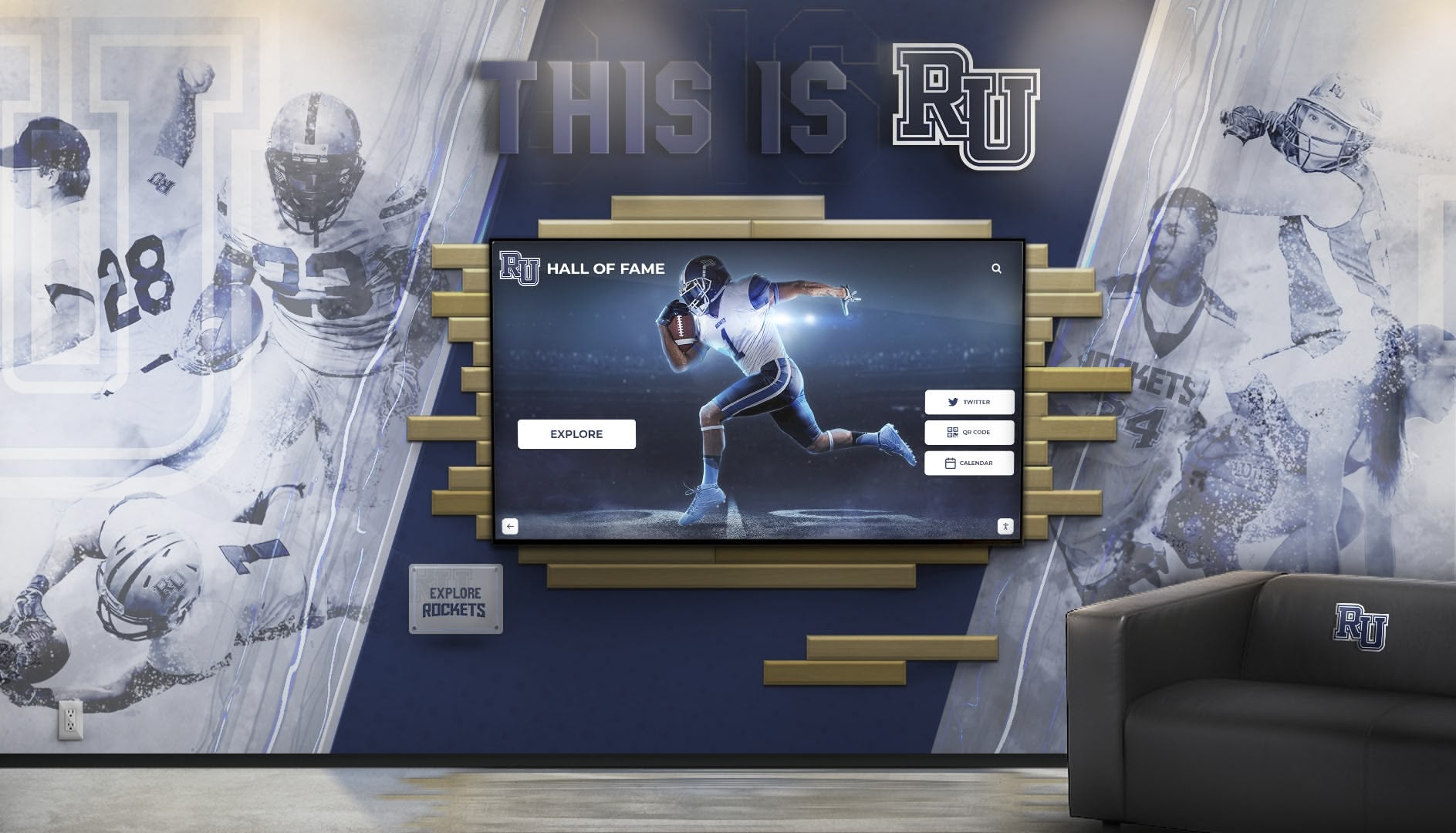
Digital displays enable schools to document playoff runs with detailed statistics, rosters, and achievement records
The weather challenges add drama and test team resilience, becoming part of Michigan playoff lore. Legendary games played in snowstorms or frigid temperatures often receive greater recognition than victories achieved in comfortable conditions.
Michigan High School Football Playoff Traditions
Beyond brackets and schedules, playoff culture includes traditions that make Michigan’s postseason special.
Community Rallies and Send-Offs
Schools with playoff-bound teams typically organize community events building excitement and support:
Pep Rallies: Friday morning assemblies before playoff games feature student body celebrations, coach speeches, player recognition, and traditions unique to individual schools. These events unify communities around team success while marking playoff games as special occasions beyond regular season contests.
Sendoffs: Communities often line streets as team buses depart for playoff road games. Fire trucks, police escorts, and crowds of supporters waving signs create memorable moments for athletes and demonstrate community investment in team success.
Downtown Decorations: Businesses post encouraging signs, display team colors, and show support through window decorations and marquee messages. This visible community backing reinforces that playoff runs affect entire communities, not just athletic departments.
Schools preserving these traditions through photography and documentation can later incorporate them into comprehensive recognition displays that capture the complete playoff experience beyond game outcomes.
Rivalry Intensification
Playoff brackets occasionally create regular season rematches or first-time matchups between neighboring rivals. These games generate extraordinary community interest:
Conference opponents meeting again in playoffs add new stakes to established rivalries. Teams splitting regular season games face “rubber match” scenarios where playoff advancement intensifies already meaningful competitions.
Regional pride comes into play when schools from adjacent communities or counties meet. Bragging rights extend beyond single seasons when playoff matchups occur, creating lasting memories regardless of outcome.
Unexpected matchups between programs without regular connections still generate excitement as communities discover connections through shared state championship pursuits.
State Championship Week Festivities
Teams reaching Ford Field experience special traditions surrounding championship weekend:
Media Day: Finalist teams participate in media sessions at Ford Field before championship games. Athletes and coaches experience professional-style press conferences, creating unique memories beyond game competition.
Team Activities: Many programs organize special team meals, Detroit tourism activities, or team-building experiences around championship weekend. These events acknowledge the special nature of reaching finals while maintaining competitive focus.
Family Experiences: Schools often coordinate ticket blocks, travel arrangements, and hospitality spaces for families attending championship games. The family-inclusive approach recognizes that playoff runs represent community achievements, not just team accomplishments.
Post-Game Ceremonies: Championship trophy presentations occur on Ford Field following victories, with players, coaches, and administrators sharing celebration moments. These ceremonies create defining memories athletes carry throughout their lives.
Schools can preserve championship experiences through digital recognition systems featuring photos, videos, and biographical information about championship teams and individual contributors.
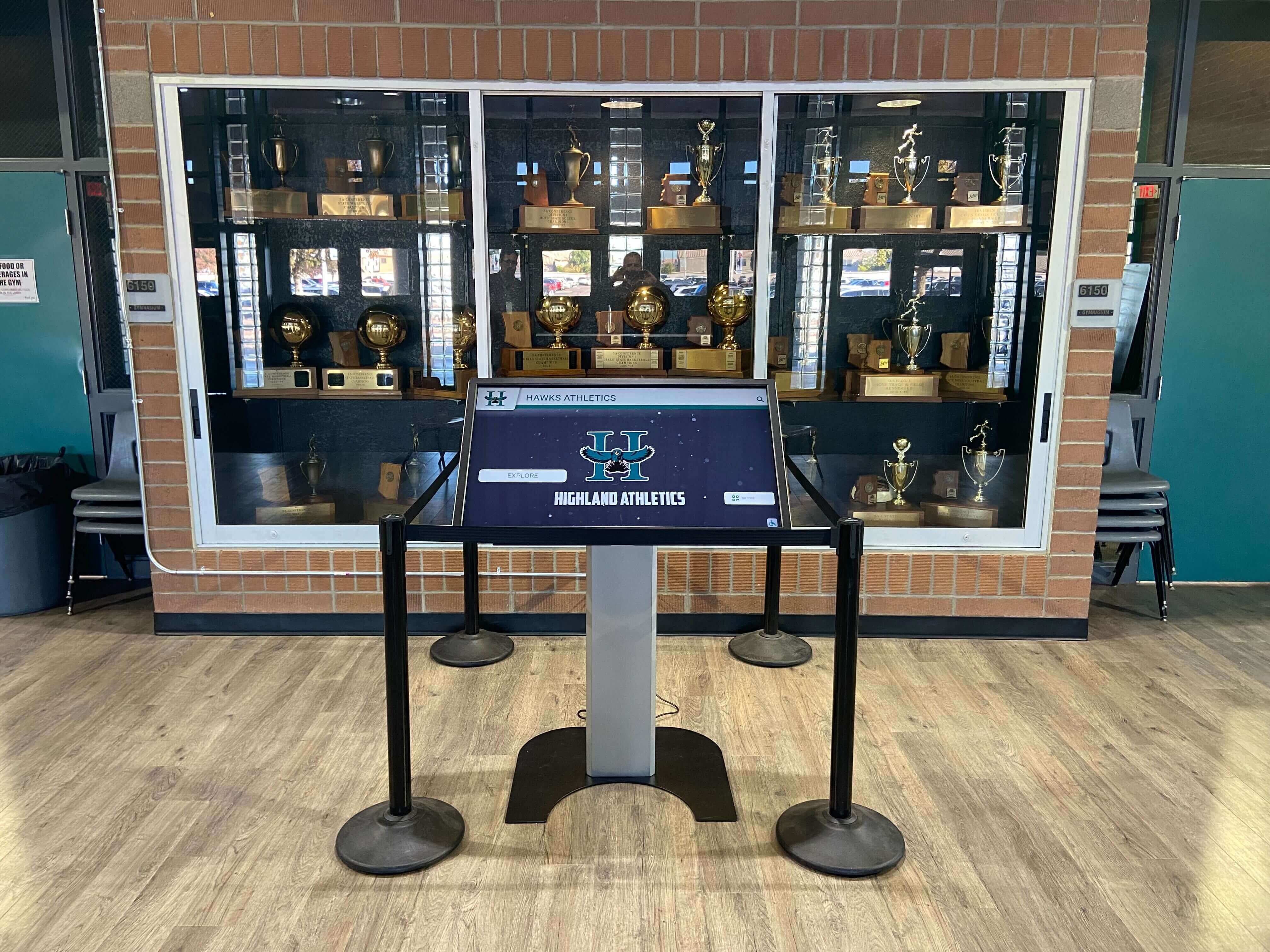
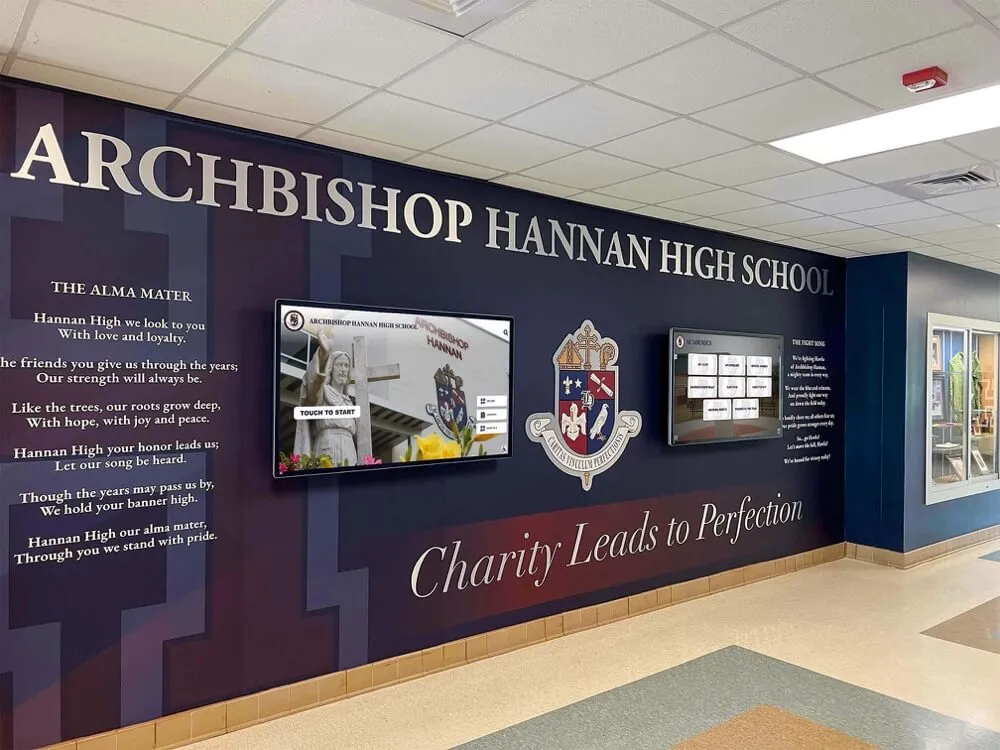
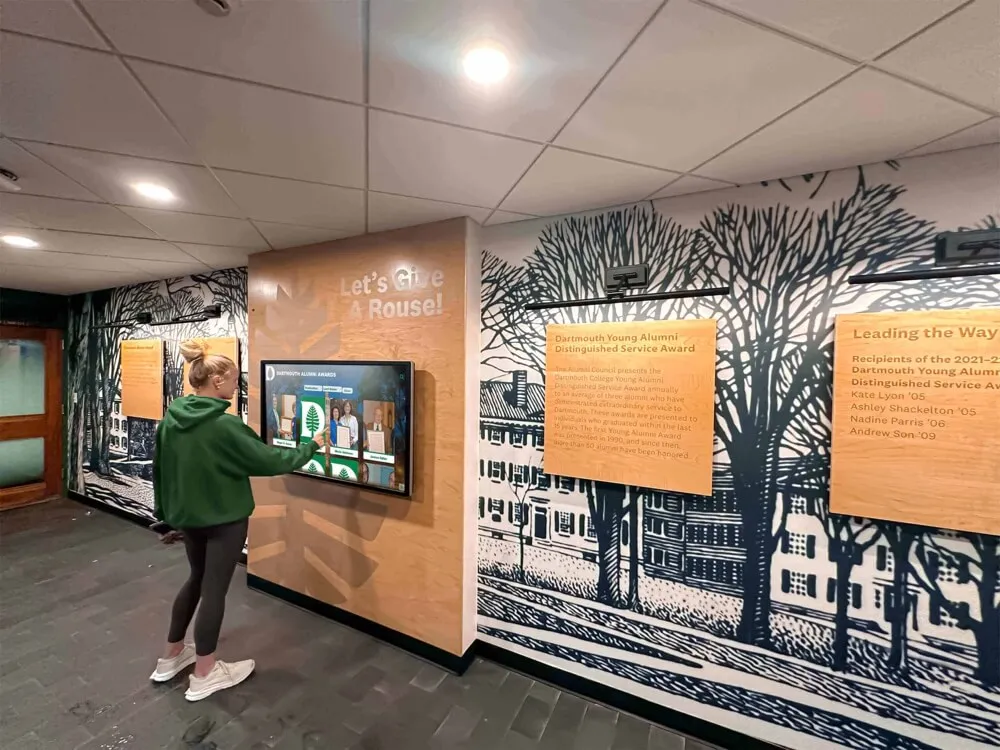
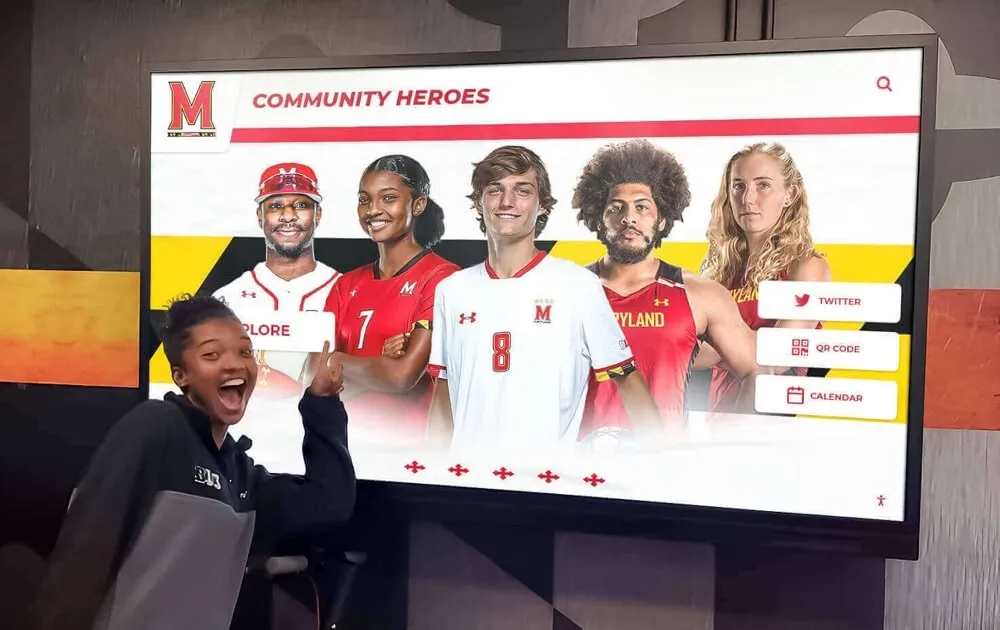
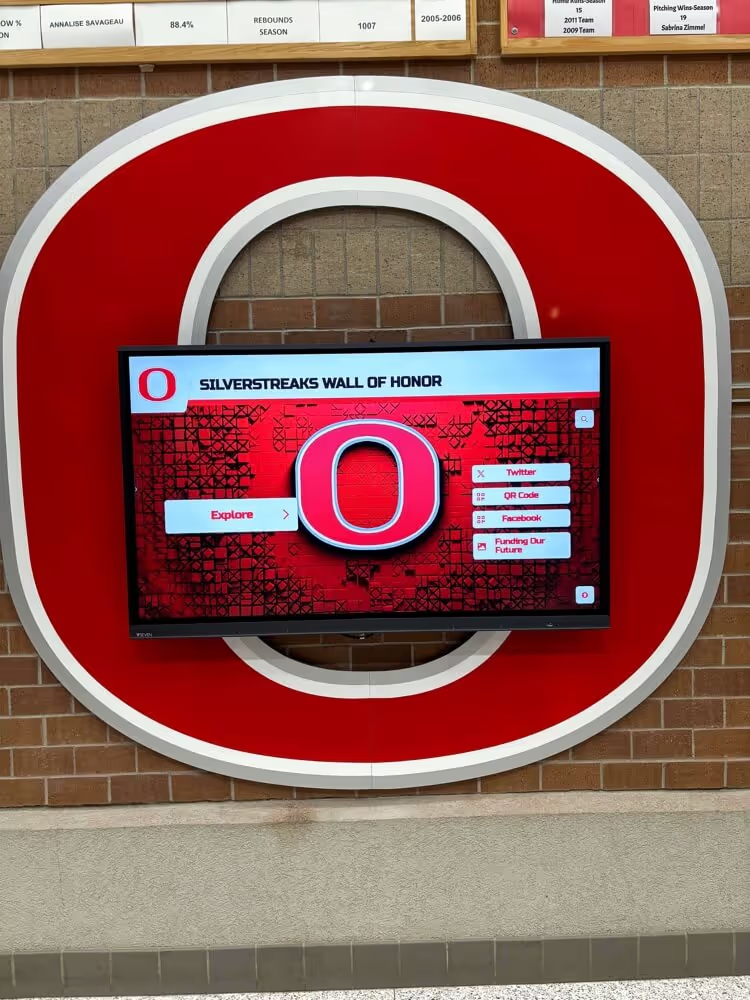
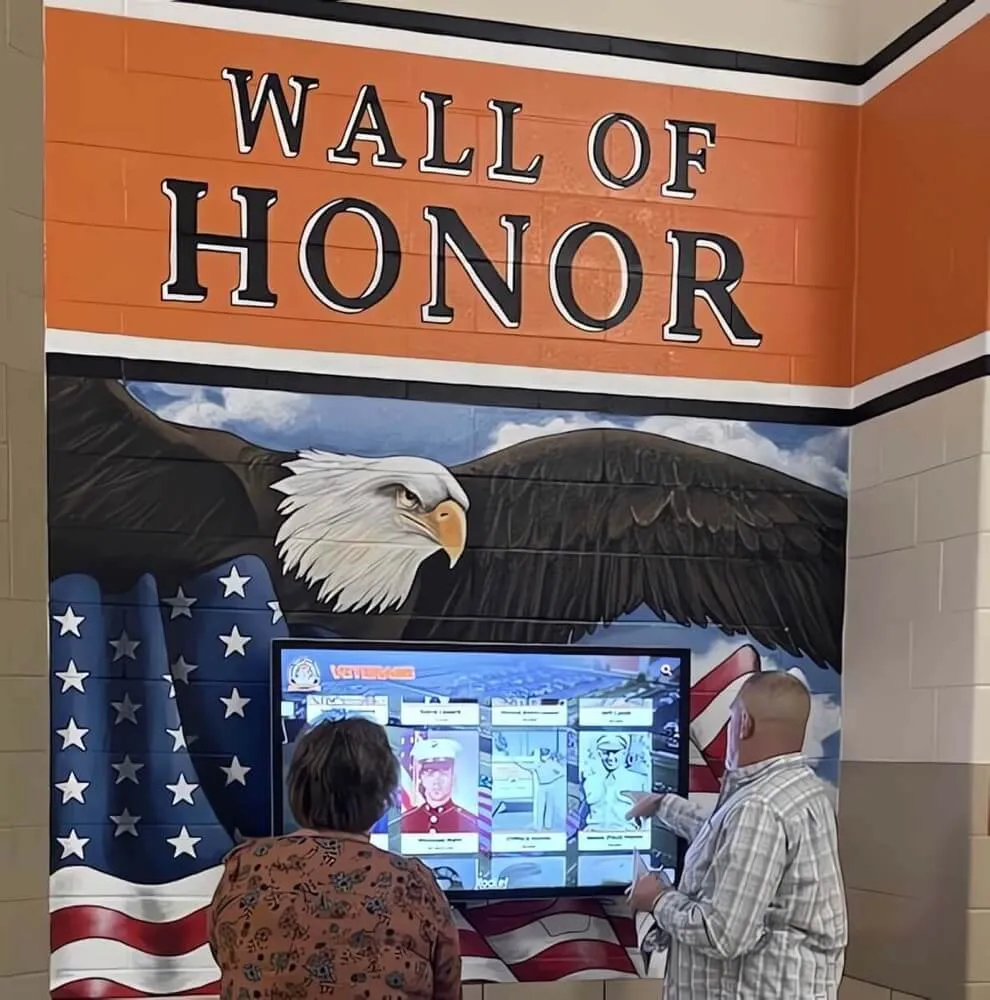
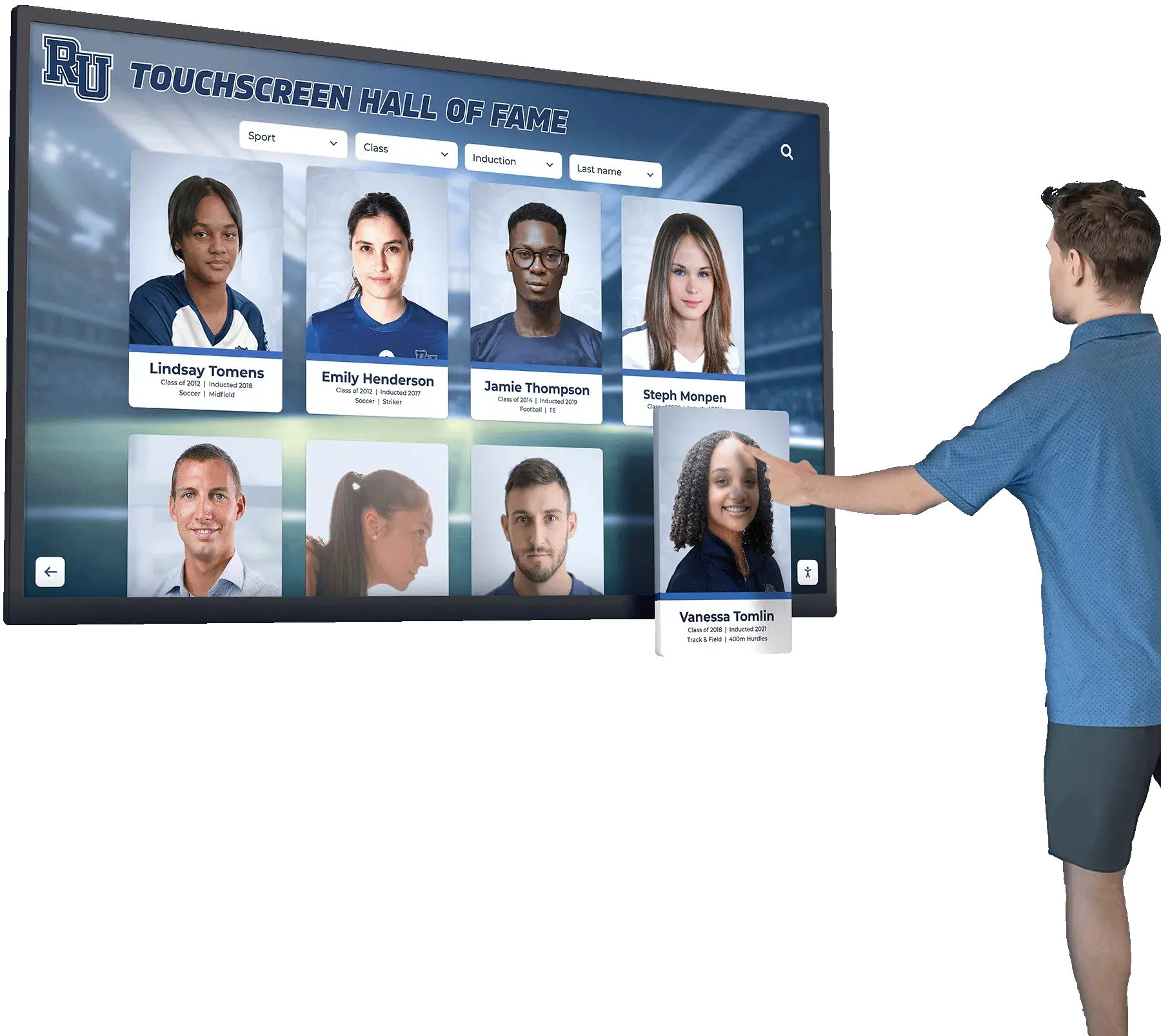
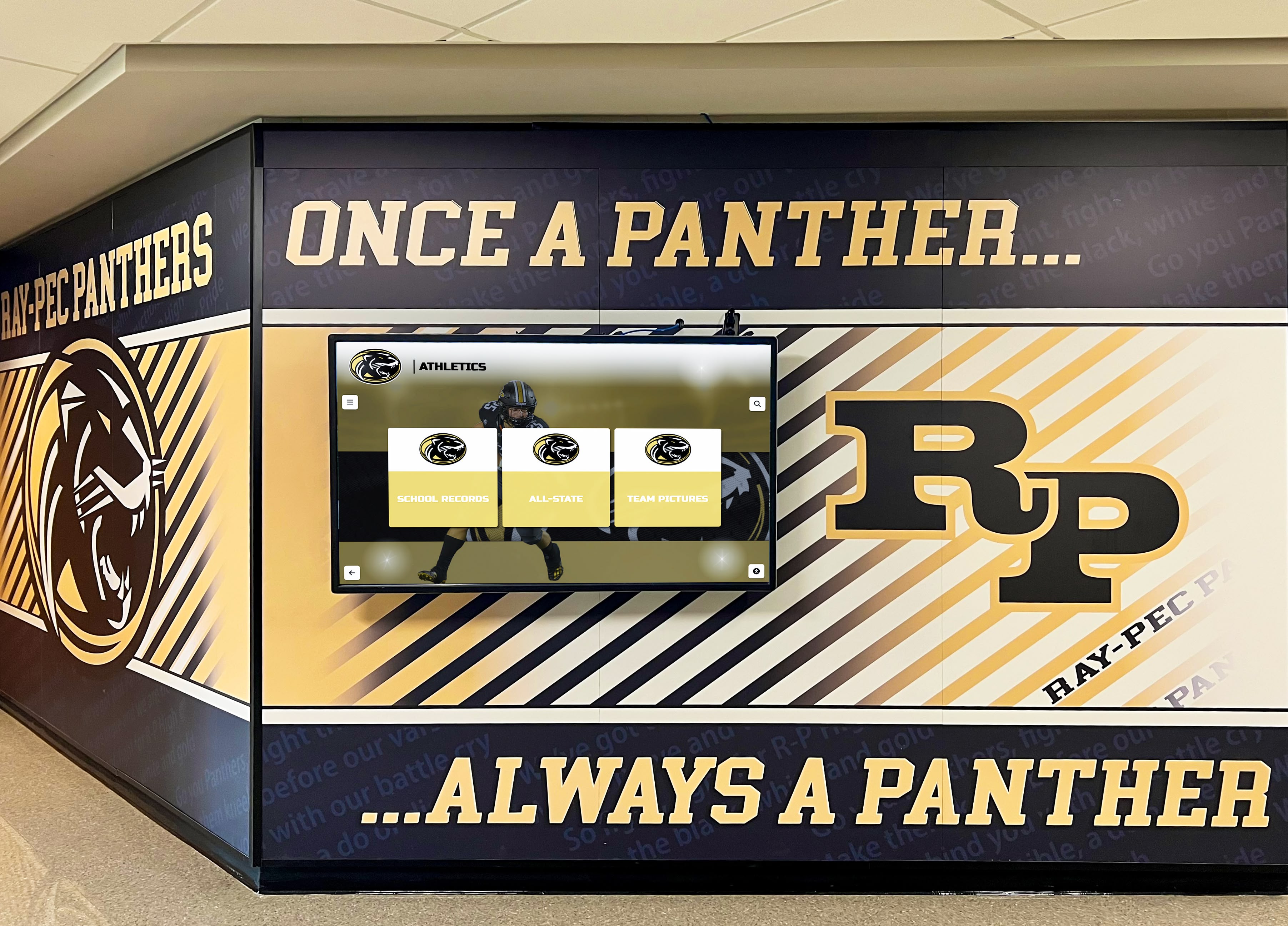
Interactive displays enable exploration of playoff history, allowing students and visitors to discover championship stories across multiple seasons
Preserving Playoff Achievements: Recognition Strategies
Playoff appearances and championships deserve permanent recognition honoring athlete dedication and program excellence.
Traditional Physical Recognition
Schools have long used physical displays to celebrate playoff success:
Championship Banners: Fabric banners hung in gymnasiums list state championship years, division designations, and sometimes team records. These visible reminders create tradition-rich environments while celebrating pinnacle achievements.
Trophy Cases: Glass-fronted cases display championship trophies, game balls, and memorabilia from successful playoff runs. Well-maintained trophy cases create focal points in athletic facilities and school lobbies.
Wall Plaques: Individual plaques mounted on hall of fame walls recognize playoff qualifiers, regional champions, and state finalists. These permanent installations acknowledge achievement levels beyond championships.
Team Photos: Framed photographs of playoff teams line hallway walls, creating visual timelines of program history. Schools often include rosters, coaching staffs, and season records alongside photos.
While valuable, traditional physical recognition faces inherent limitations: space constraints limit how many seasons receive display prominence, static displays cannot accommodate growing achievement histories without removing earlier recognition, limited information capacity means displays show basic facts without deeper storytelling, maintenance challenges arise as physical materials deteriorate, and accessibility limitations prevent remote viewing by alumni and community members no longer regularly visiting school facilities.
Modern Digital Recognition Solutions
Digital recognition systems solve traditional limitations while enhancing recognition capabilities:
Unlimited Capacity: Digital platforms accommodate every playoff team across program history without space constraints. Schools can document all playoff appearances, not just championships, ensuring every successful season receives appropriate recognition.
Rich Storytelling: Digital systems enable comprehensive documentation including detailed team rosters with player photos and biographical information, game-by-game playoff statistics and scoring summaries, coach reflections about season accomplishments, video highlights from memorable games, and photo galleries capturing playoff experiences beyond game action.
Interactive Exploration: Touchscreen displays and web-based platforms allow searching by year, player name, or achievement type, filtering playoff appearances by division, round reached, or opponent, browsing team histories discovering connections across seasons, and sharing achievements through social media integration.
Simple Content Management: Cloud-based platforms with intuitive interfaces enable athletic directors or staff to update recognition content without technical expertise, add new playoff teams annually within hours, incorporate new photos and information as it becomes available, and maintain accurate records across unlimited timeframes.
Web Accessibility: Online recognition platforms extend visibility beyond physical campuses, enabling alumni to explore their playoff teams regardless of location, families to share achievements with extended networks, and recruiting prospects to research program playoff traditions.
Solutions like digital recognition displays create engaging experiences impossible with traditional static approaches while ensuring no playoff achievement ever disappears from institutional memory.
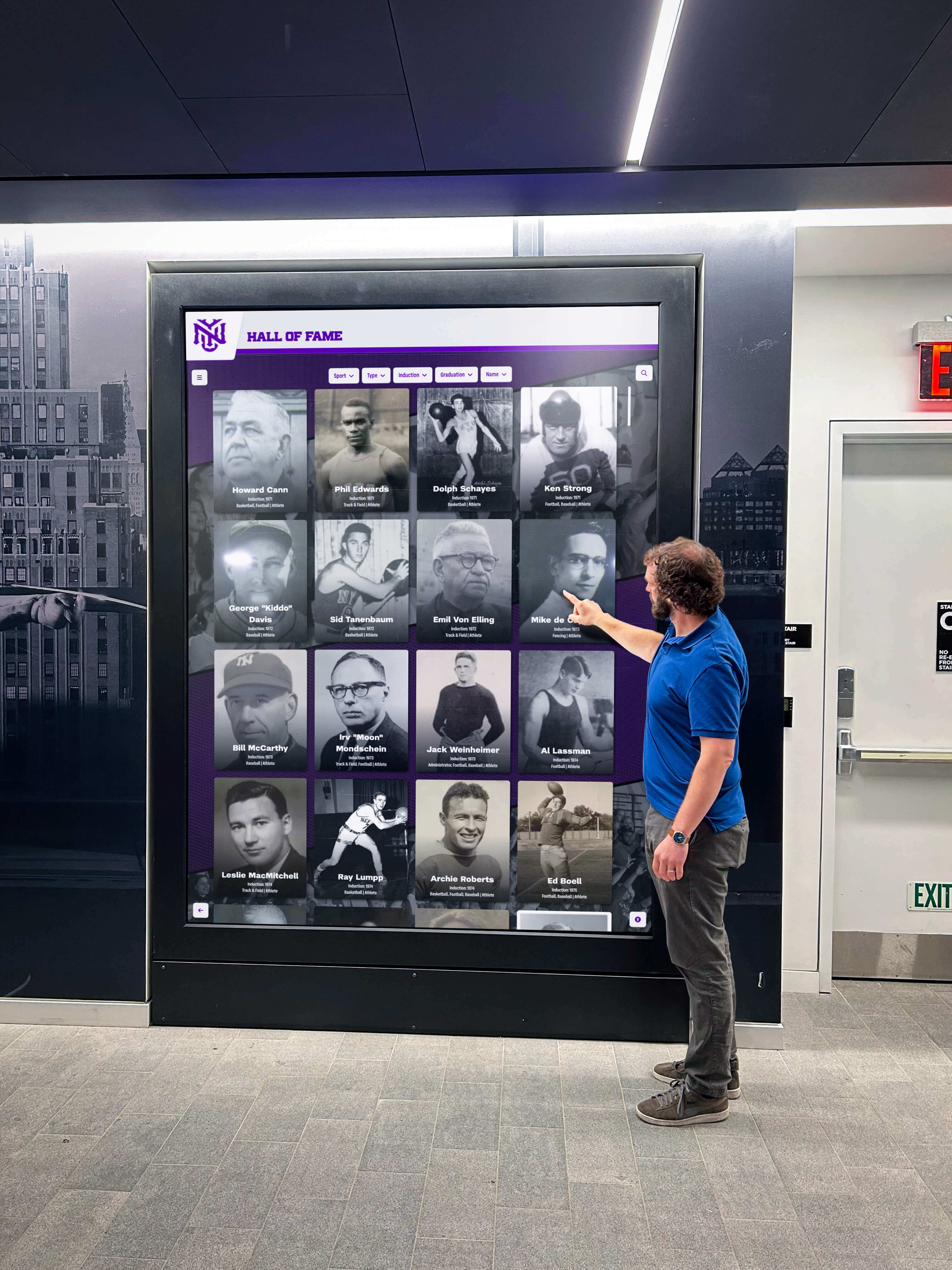
Digital recognition creates engagement opportunities where visitors explore achievement histories through interactive interfaces
Comprehensive Recognition Frameworks
Effective playoff recognition extends beyond championships:
Playoff Qualifiers: Document every team reaching postseason play, acknowledging that playoff qualification itself represents significant achievement requiring successful regular seasons.
Round Progression: Recognize teams by deepest playoff advancement—first-round qualifiers, district champions, regional champions, semifinalists, and finalists—creating multiple recognition tiers celebrating various achievement levels.
Individual Achievements: Honor All-State selections, All-Region performers, and statistical leaders from playoff teams. Individual recognition ensures outstanding athletes receive appropriate acknowledgment even when team success falls short of championships.
Milestone Recognition: Celebrate programs reaching notable playoff milestones such as 10th playoff appearance, first district championship, or program-record playoff win total. These markers document program development across time.
Coaching Recognition: Acknowledge coaching contributions to playoff success through career playoff statistics, district/regional/state titles, and years reaching postseason play. Coaching recognition demonstrates institutional appreciation while providing motivation for current staff.
Schools implementing student athlete recognition programs discover that comprehensive frameworks celebrating diverse achievement levels engage broader populations than championship-only approaches.
Building Playoff Culture: Preparing Programs for Success
Sustained playoff success requires systematic program development extending beyond single seasons.
Year-Round Development Programs
Successful playoff programs maintain athlete development throughout the calendar:
Offseason Strength and Conditioning: Structured weight training and conditioning programs beginning immediately after previous seasons conclude build physical capabilities required for playoff-level competition. November football demands strength and endurance only systematic training develops.
Spring Practice: MHSAA-permitted spring practice periods allow skill development, scheme installation, and player evaluation without game pressure. Programs maximizing spring opportunities create competitive advantages for fall seasons.
Summer 7-on-7 and Camps: Quarterback and receiver development through 7-on-7 competitions, combined with position-specific camp participation, accelerates skill growth while building team chemistry before formal fall practices.
Film Study and Mental Preparation: Successful programs emphasize football intelligence development through film study habits, scheme understanding, and situational awareness that separates playoff-caliber programs from recreational participation.
Building Competitive Depth
Playoff runs require depth surviving November’s physical toll:
Multi-Level Programs: Schools fielding freshman, junior varsity, and varsity teams develop larger player pools and provide development pathways ensuring talent supply for varsity playoff runs.
Youth Program Integration: Strong relationships between high school and youth programs create competitive advantages as elementary and middle school players develop within consistent systems preparing them for high school success.
Reduced Attrition: Programs retaining athletes from freshman through senior years build experience and cohesion that single-year participants cannot provide. Creating positive cultures where athletes want to remain builds competitive foundations.
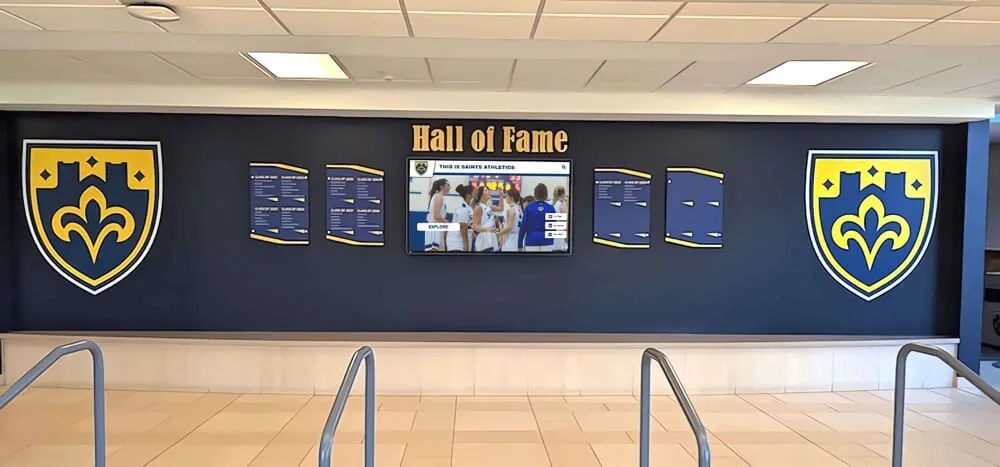
Effective recognition combines traditional design elements with modern digital capabilities, respecting tradition while solving historical limitations
Strategic Scheduling
Regular season scheduling decisions affect both playoff qualification and postseason preparation:
Playoff Point Considerations: Scheduling strong non-conference opponents builds playoff point totals that matter for teams finishing with 5-4 or similar records. Programs seeking playoff positions must balance winning probability against schedule strength.
Competitive Preparation: Playing quality opponents prepares teams for playoff intensity better than scheduling wins against weak competition. Programs with championship aspirations often prioritize schedule difficulty over easy victories.
Late-Season Scheduling: Placing challenging games late in seasons simulates playoff pressure and weather conditions. Teams peaking in November rather than September gain competitive advantages in postseason play.
Culture and Expectations
Sustained playoff success requires cultural foundations:
Championship Expectations: Programs with playoff traditions communicate expectations that postseason play represents normal outcomes rather than occasional achievements. This mindset affects preparation commitment and competitive mentality.
Work Ethic Standards: Playoff-caliber programs establish offseason participation expectations, practice intensity standards, and academic requirements creating cultures where excellence becomes habitual rather than situational.
Alumni Connection: Maintaining relationships with former players who experienced playoff success provides current athletes with mentors and role models who understand championship pursuit requirements.
Community Support: Building community investment in program success creates supportive environments where athletes receive encouragement and programs gain resources supporting competitive excellence.
Schools can strengthen culture through athletic recognition displays celebrating not just outcomes but also the work ethic, dedication, and values that produce playoff-caliber performance.
Notable Michigan High School Football Playoff Moments
Michigan’s playoff history includes legendary games and achievements deserving remembrance:
Historic Championship Programs
Several programs stand out for sustained excellence:
Muskegon has established itself among Michigan’s most successful programs with multiple state championships across different eras. The Big Reds’ combination of tradition, community support, and consistent talent development creates sustained competitive advantages.
Detroit Catholic Central represents private school excellence with numerous championships and playoff appearances. The Shamrocks’ statewide recruiting base and strong program culture produce consistent contenders.
Montague demonstrates that smaller schools can build dynasty-level programs through exceptional coaching, community commitment, and systematic player development creating championship cultures.
Memorable Championship Games
Certain finals have achieved legendary status:
Overtime classics where championships were decided by single plays create lasting memories for participating communities. These games often receive greater long-term recognition than comfortable victories.
Weather-challenged championships played in difficult conditions test team toughness and create dramatic narratives around resilience and determination.
David-versus-Goliath finals where smaller schools defeat larger, favored opponents generate inspiration for programs throughout the state demonstrating that championships remain accessible through proper preparation and execution.
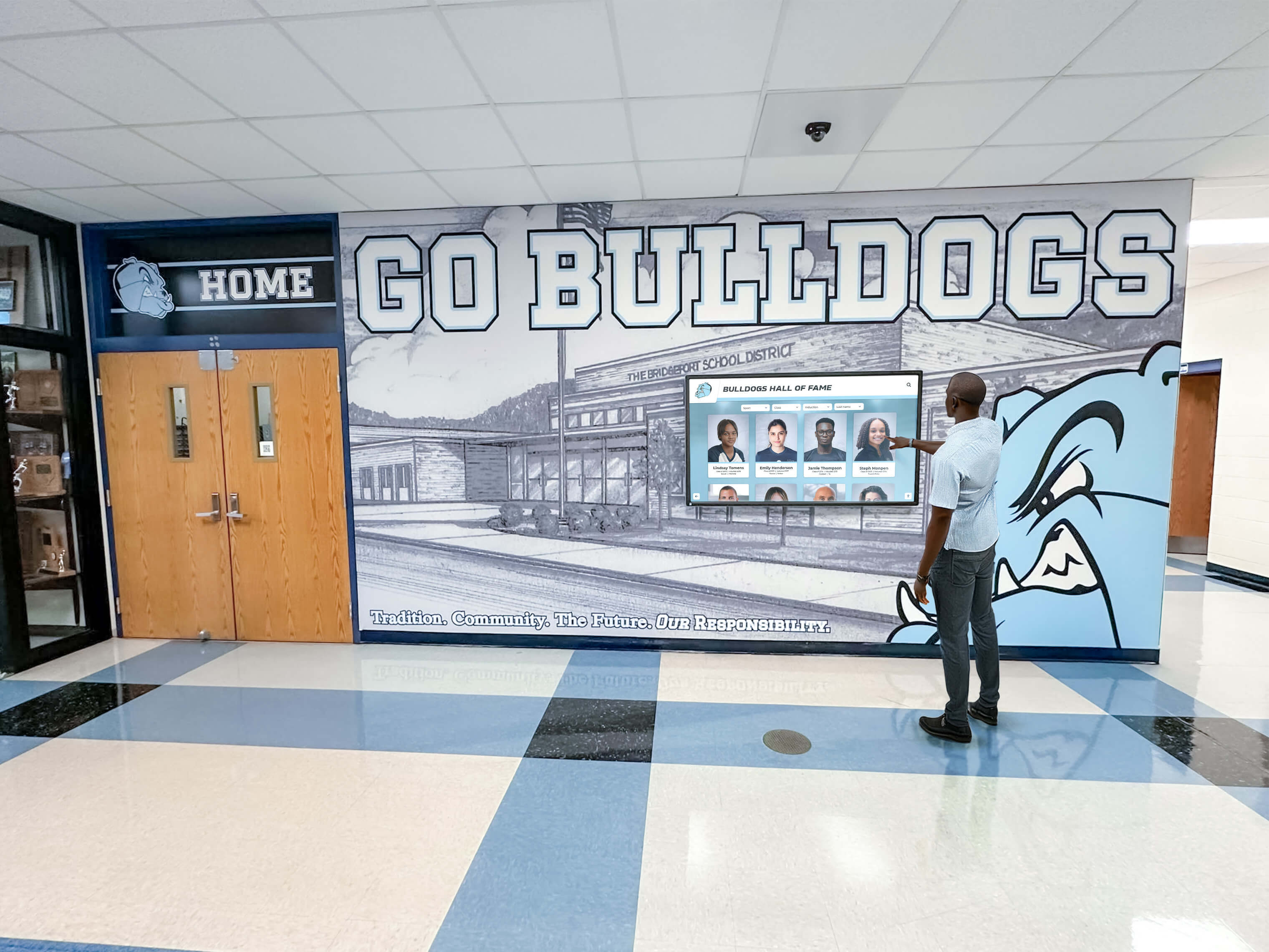
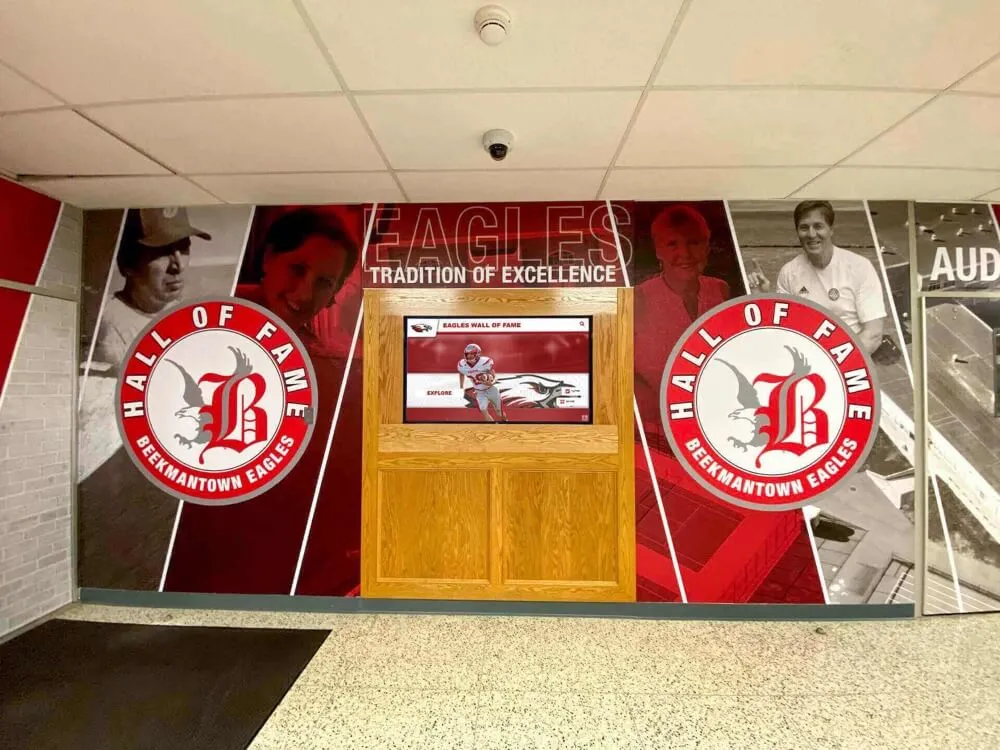
Modern recognition systems create engaging experiences where students discover program history and connect with school athletic tradition
Individual Playoff Performances
Outstanding individual achievements in playoff contexts become part of school and state lore:
Record-setting rushing performances in championship games create statistical benchmarks and memorable individual accomplishments within team success frameworks.
Game-winning plays in final minutes of playoff games—whether touchdown passes, interceptions, or defensive stands—define careers and create lasting memories beyond statistics.
Multi-year playoff performers who consistently deliver in postseason pressure situations become program legends whose achievements inspire future generations.
Schools implementing comprehensive athlete recognition ensure these individual stories receive appropriate documentation alongside team accomplishments, creating complete historical records.
Challenges and Controversies in Michigan Playoffs
Like any competitive system, Michigan’s playoff format includes ongoing discussions and occasional controversies:
Expanded Playoff Field Debates
Michigan’s move toward more inclusive playoff qualification generated philosophical discussions:
Participation Expansion: Allowing teams with losing records to reach playoffs through the point system creates opportunities but raises questions about playoff prestige and whether postseason play should reward regular season success more exclusively.
Division Proliferation: Expanding from four to eight divisions created more championship opportunities but diluted championship significance in some perspectives. Others argue that appropriate competitive groupings outweigh tradition.
Geographic Considerations: Single-elimination brackets sometimes create significant travel burdens, particularly for Upper Peninsula schools facing 6-8 hour bus rides for playoff games. Balancing competitive fairness with travel reasonableness remains challenging.
Competitive Balance and Enrollment Multipliers
Private school success generated discussions about competitive equity:
Some advocate for enrollment multipliers that place private schools in higher divisions based on recruiting advantages, while others argue that private school success reflects superior coaching and culture rather than unfair advantages.
The MHSAA continues evaluating policies ensuring competitive balance while respecting different school types and avoiding discriminatory approaches.
Weather and Field Condition Impacts
November football creates occasional outcome-affecting situations:
Severe weather sometimes forces game postponements or relocations, disrupting preparation schedules and competitive advantages. Questions arise about how weather challenges should affect semifinal and final site selections.
Field condition disparities where some schools maintain superior playing surfaces create potential advantages that weather magnifies in November. Discussions about minimum field standards and neutral site requirements continue.
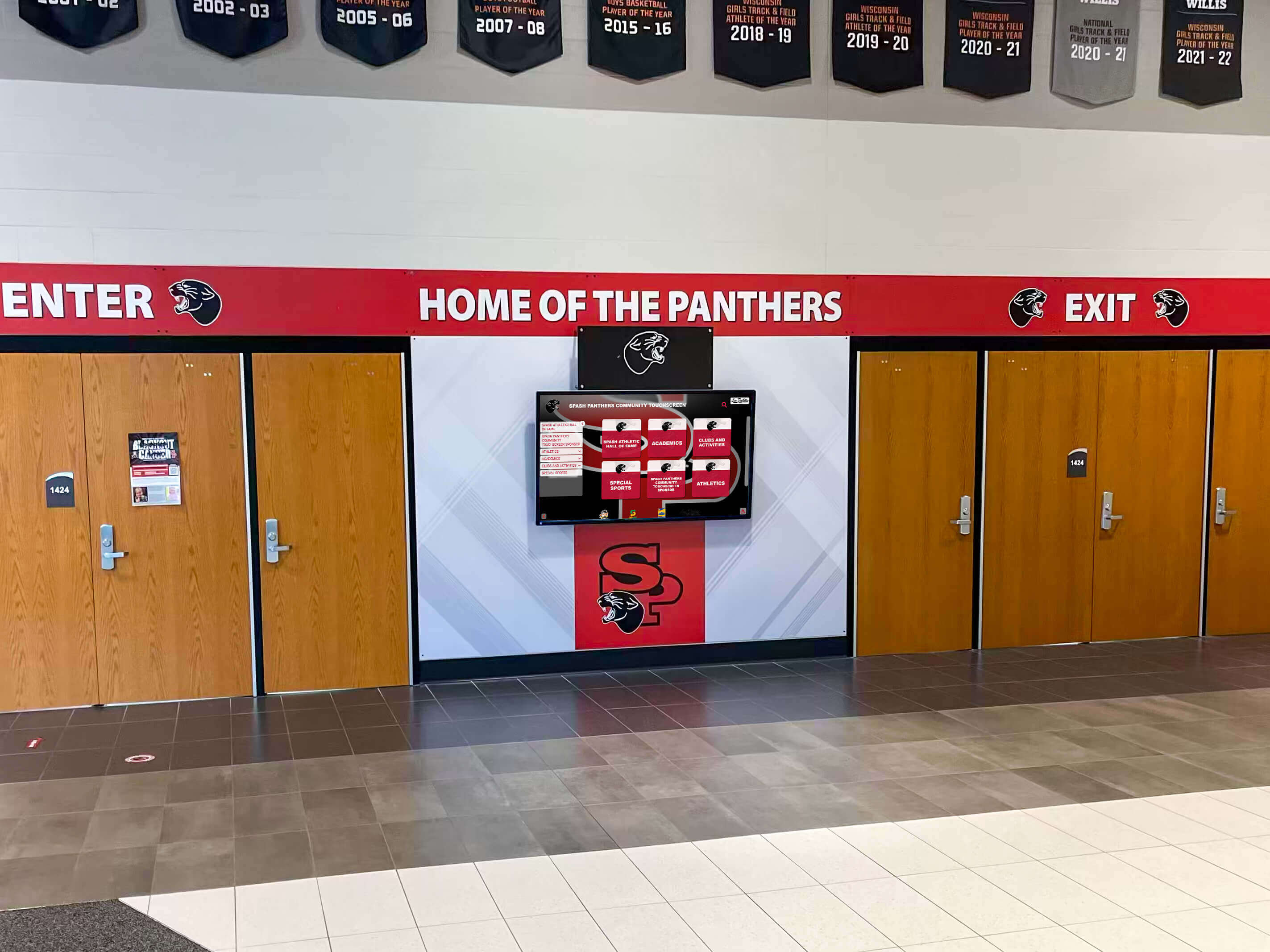
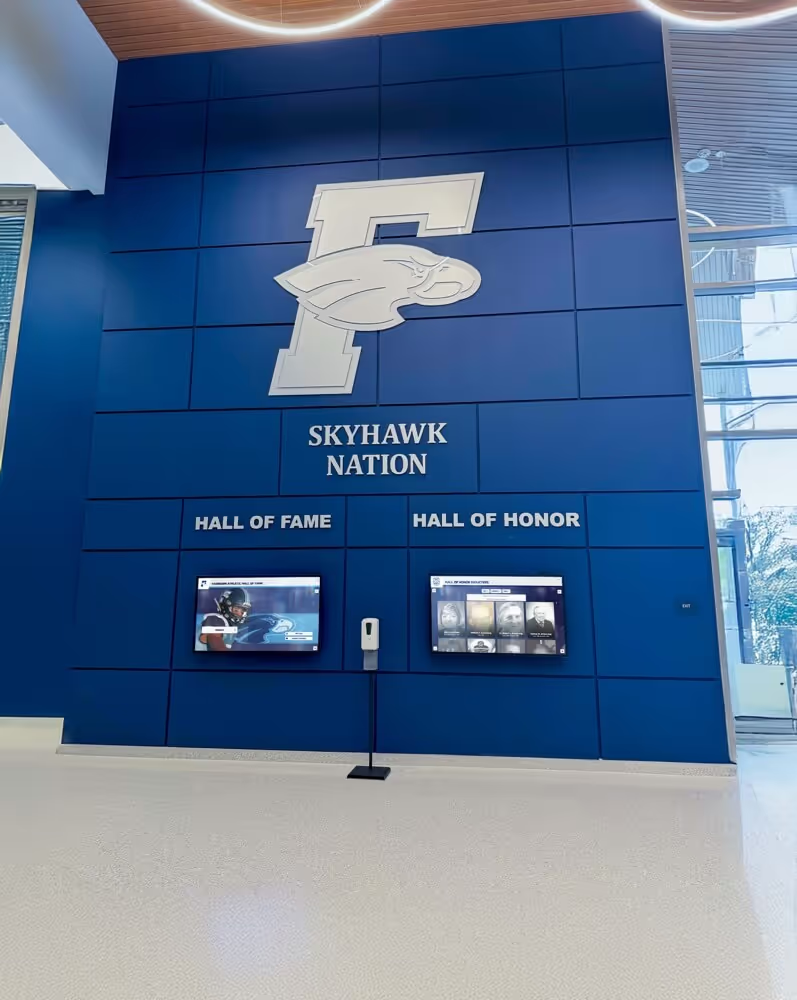
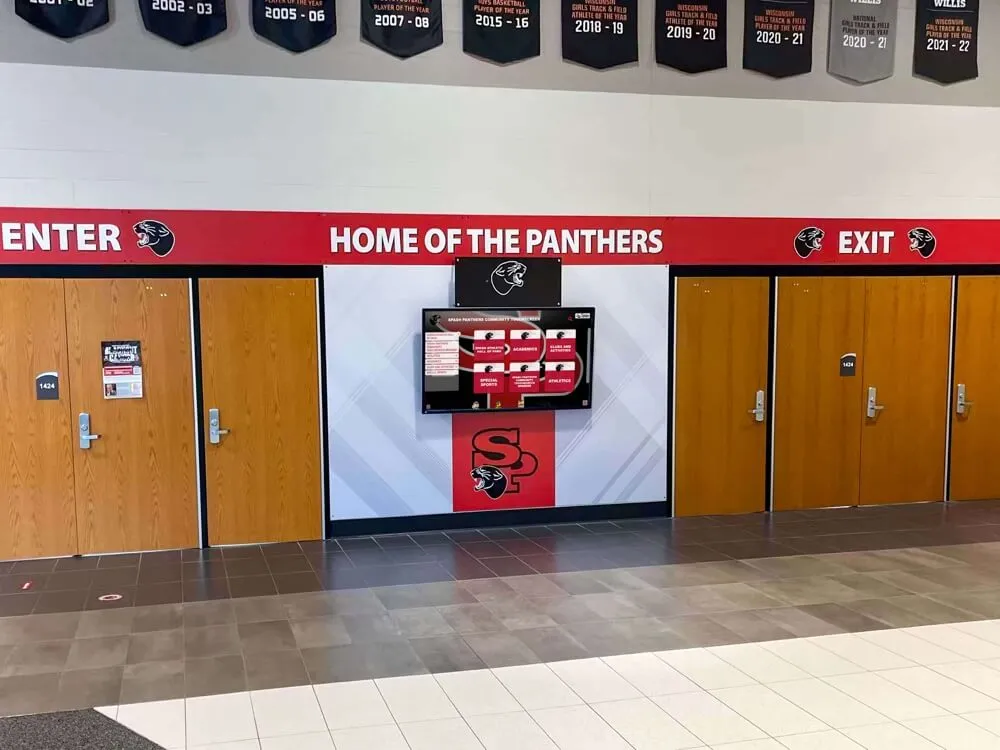
Strategic recognition placement at entrances ensures achievement visibility for students, families, and visitors entering school facilities
The Future of Michigan High School Football Playoffs
Several trends may shape playoff evolution:
Technology Integration
Digital platforms are increasingly integral to playoff experiences:
Streaming and Broadcasts: More playoff games receive live streaming coverage, extending access to families and communities unable to attend distant road games. This technology democratizes playoff access while generating additional program visibility.
Statistical Tracking: Enhanced statistical systems document individual and team performance across playoff runs, creating richer historical records and more sophisticated performance analysis.
Digital Recognition: Schools increasingly adopt digital platforms preserving playoff achievements through interactive displays, web-based archives, and social media integration that traditional physical recognition cannot match.
Safety and Participation Concerns
National discussions about football safety affect Michigan participation:
Programs must balance competitive intensity with player welfare, particularly during compressed playoff schedules offering minimal recovery time between physical contests.
Concussion protocols and return-to-play standards require careful management during playoff runs where athletes face pressure to play through injuries.
Participation trends in youth and middle school football affect future high school program sizes and competitive balance, potentially requiring playoff format adjustments if participation declines significantly.
Format Refinement
The MHSAA continues evaluating playoff structures:
Discussions about optimal qualification standards, division boundaries, bracket seeding methods, and semifinal/final site selections reflect ongoing efforts to improve competitive balance and participant experiences.
Future changes might address travel burden concerns, field condition standards, weather-related challenges, or competitive equity between public and private schools.
Maximizing Your Playoff Recognition: Practical Steps
Schools seeking to celebrate playoff achievements effectively should consider these actionable strategies:
Document Throughout the Season
Rather than scrambling after successful playoff runs, implement systematic documentation:
Photography: Assign photographers (parents, volunteers, or professionals) to capture practices, games, sideline moments, celebrations, and community events throughout playoff runs. Comprehensive photo archives enable later recognition development.
Video Compilation: Record game highlights, locker room celebrations, coach speeches, and player reactions creating multimedia documentation that digital recognition platforms can showcase.
Statistics and Records: Maintain detailed statistical records for team performance and individual achievements throughout playoff runs, creating historical data supporting later recognition content.
Biographical Information: Collect athlete and coach biographical details during seasons when information is readily available rather than attempting to reconstruct details years later when memories fade and people become difficult to locate.
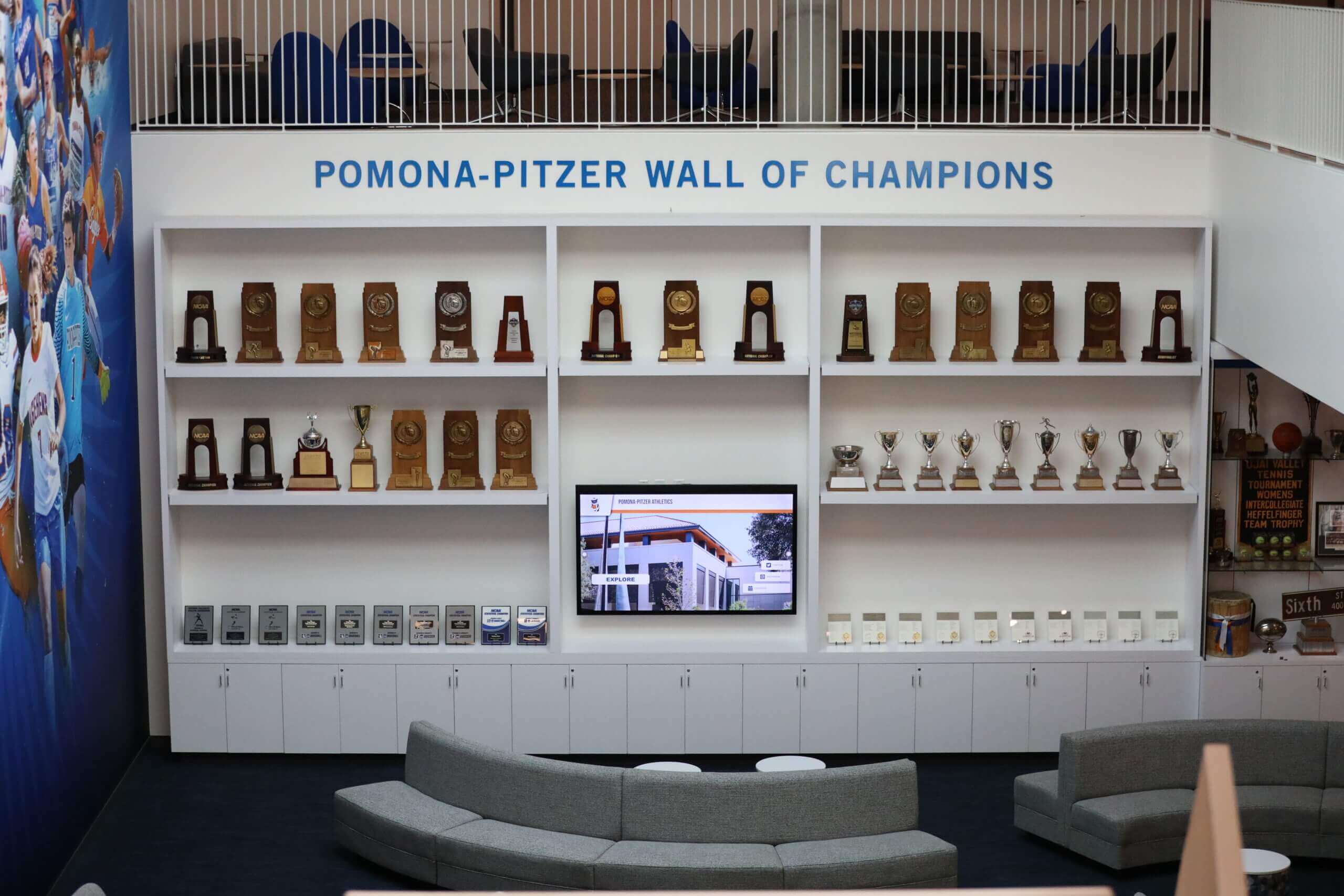
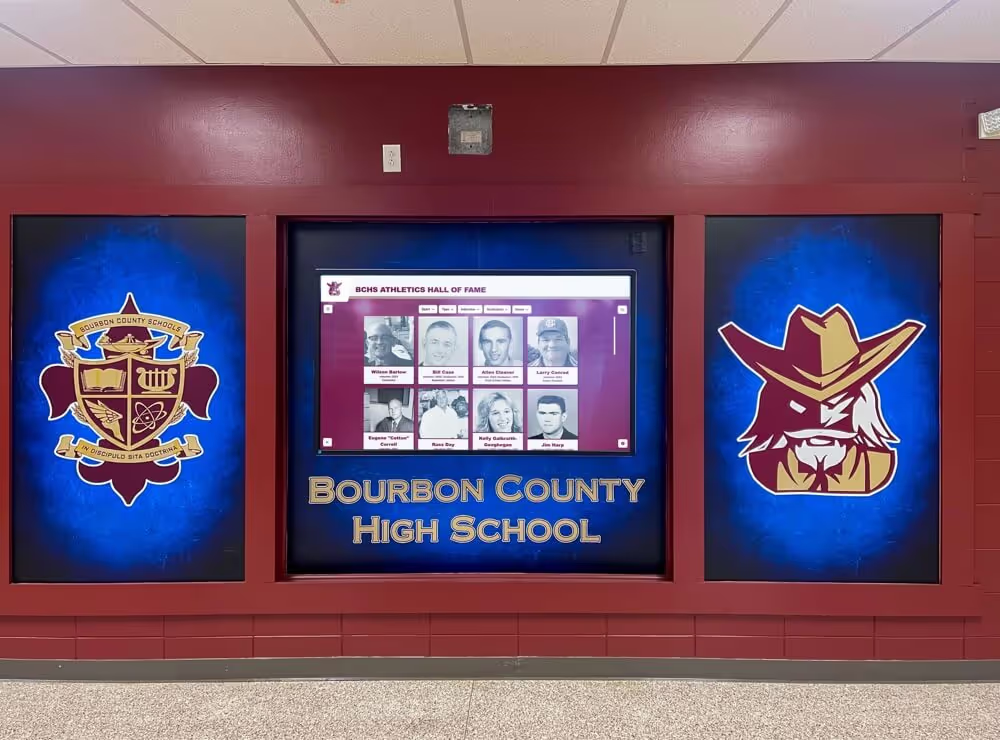
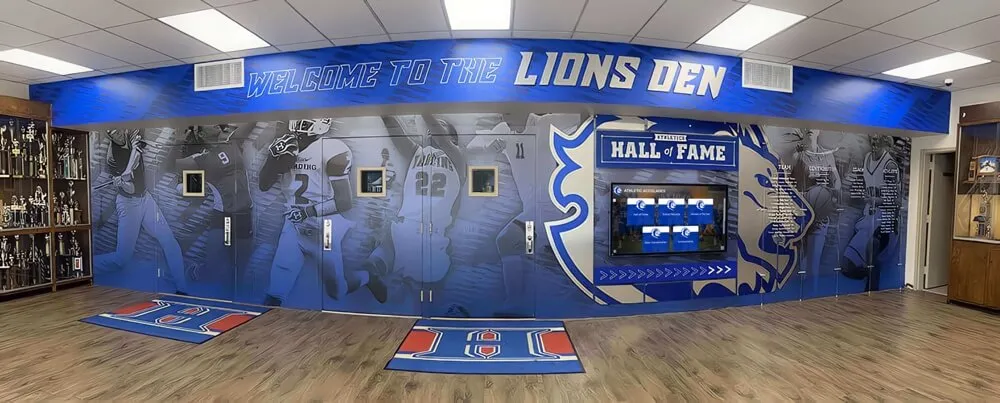
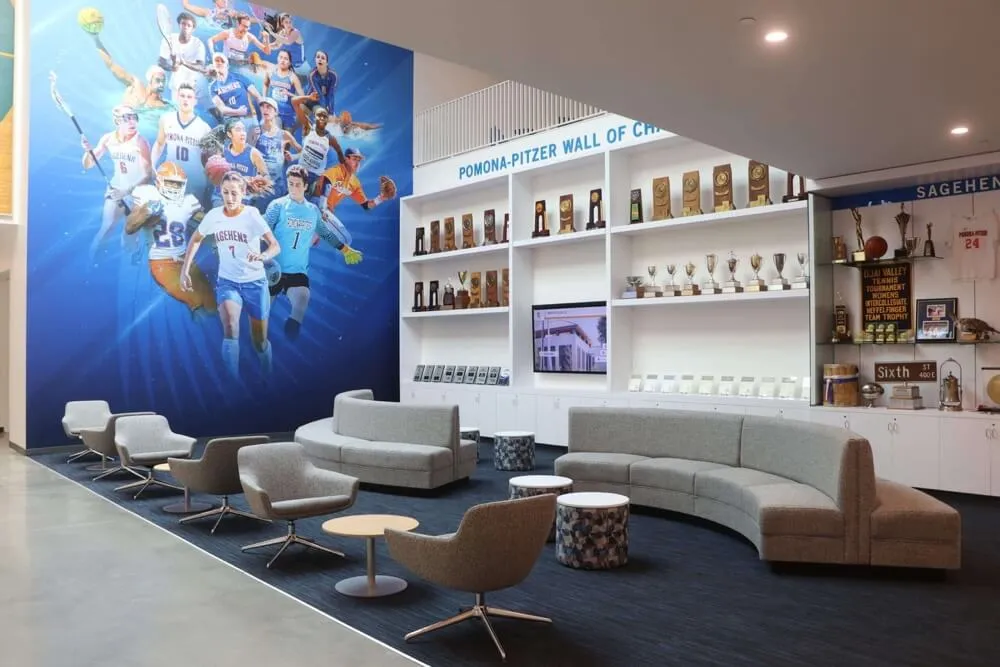
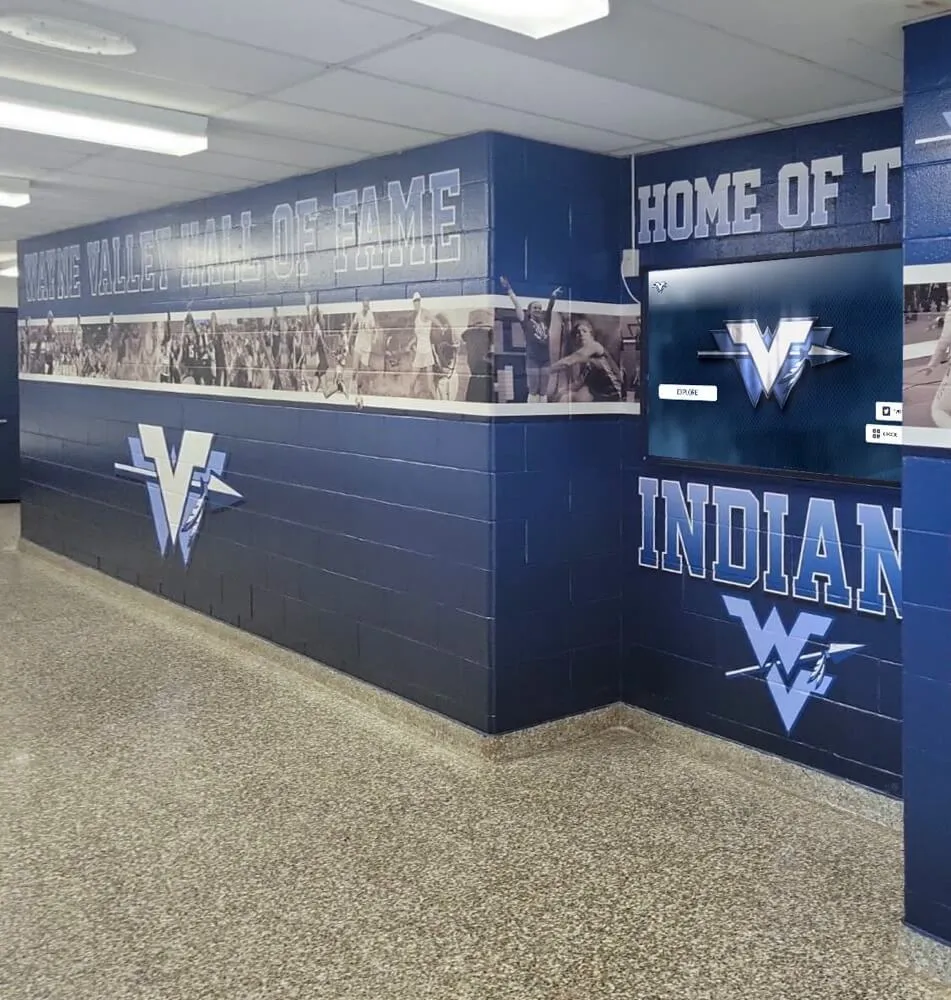
Recognition spaces create gathering areas celebrating tradition while providing destinations where athletic history remains visible
Immediate Post-Playoff Recognition
Celebrate playoff achievement promptly while excitement remains high:
Recognition Assemblies: Host school-wide assemblies celebrating playoff teams regardless of how deep runs extended. Acknowledging postseason participation demonstrates that playoff qualification itself represents significant achievement.
Community Events: Organize community celebrations where supporters can acknowledge team accomplishments and athletes can appreciate community investment in their success.
Social Media Campaigns: Leverage social media platforms to share playoff stories, photos, statistics, and achievements with broader audiences including alumni networks and community members.
Media Coverage: Work with local media outlets to feature playoff participants, documenting achievement in permanent newspaper archives and local sports coverage.
Long-Term Recognition Implementation
Develop permanent recognition ensuring playoff achievements remain visible:
Digital Recognition Platforms: Implement comprehensive digital systems documenting all playoff teams across program history. These platforms provide unlimited capacity, rich storytelling capabilities, interactive exploration features, and web accessibility extending recognition beyond physical campuses.
Physical Display Updates: Update trophy cases, championship banners, and hallway displays acknowledging playoff achievements alongside existing recognition. Ensure new accomplishments receive equal visibility to historical achievements.
Website Integration: Create dedicated playoff history sections within athletic department websites where supporters can explore achievement records, team rosters, statistics, and photos from successful seasons.
Recognition Events: Consider annual athletic recognition events where playoff participants from recent seasons receive formal acknowledgment through awards, certificates, or other commemoration creating ceremony around achievement celebration.
Schools implementing comprehensive recognition strategies discover that systematic approaches produce better long-term results than reactive responses after particular successful seasons.
Budget and Resource Allocation
Athletic directors should plan recognition investments:
Traditional Recognition Costs:
- Championship banners: $150-400 each
- Trophy case updates: $500-2,000 depending on scope
- Team photo framing: $100-300 per team
- Wall plaques: $50-150 per plaque
Digital Recognition Investment:
- Initial platform implementation: $10,000-18,000 (hardware, software, installation)
- Annual platform subscription: $1,200-3,600
- Historical content development: $2,000-5,000 (one-time)
- Annual content updates: $500-1,500 (staff time or contracted)
While digital recognition requires greater initial investment, it provides superior long-term value through unlimited capacity, enhanced engagement, simple maintenance, web accessibility, and permanent preservation that traditional approaches cannot deliver.
Many schools fund recognition through booster organizations, specific fundraising campaigns, or multi-year budget allocations rather than attempting complete implementation through single-year athletic budgets.
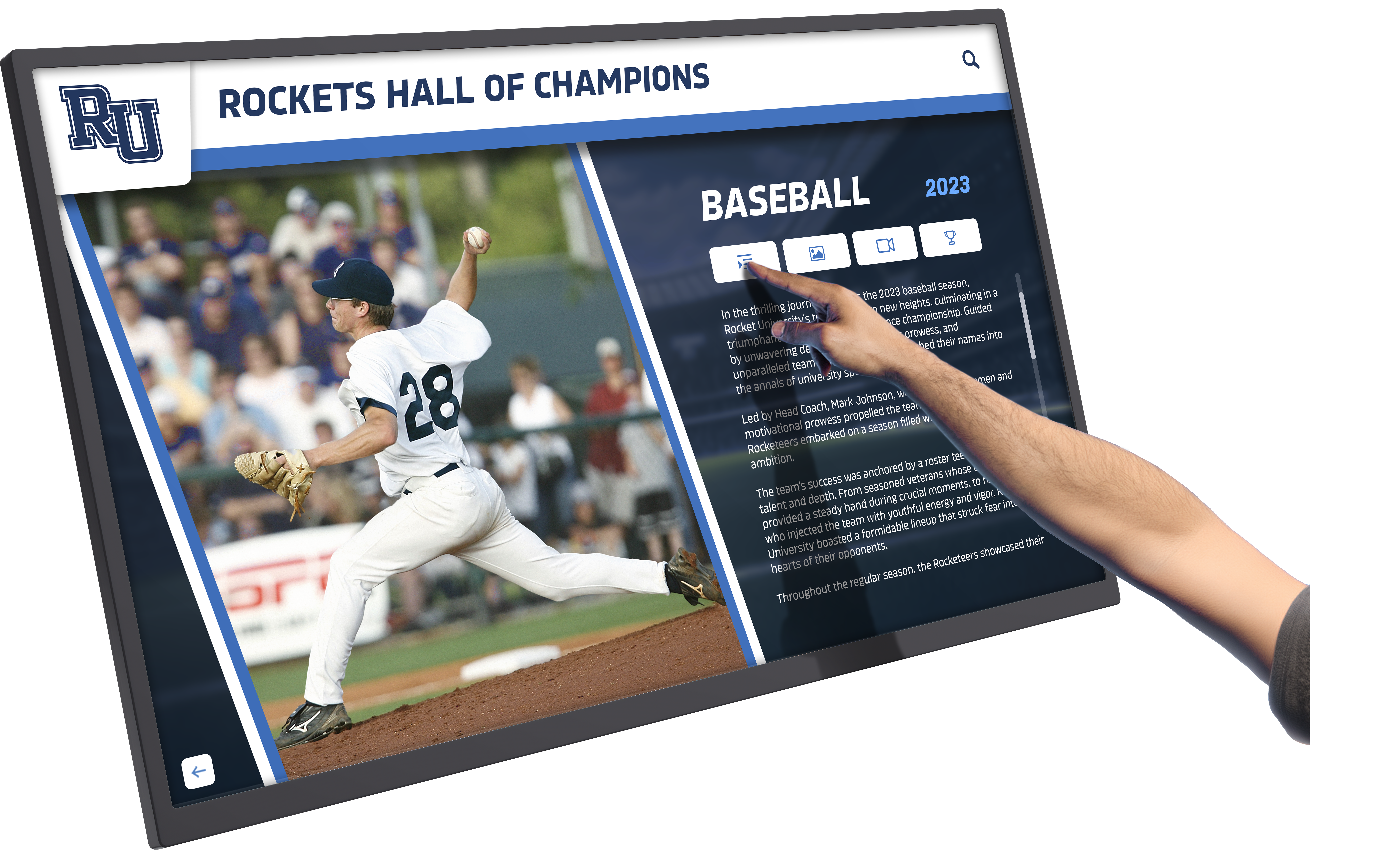
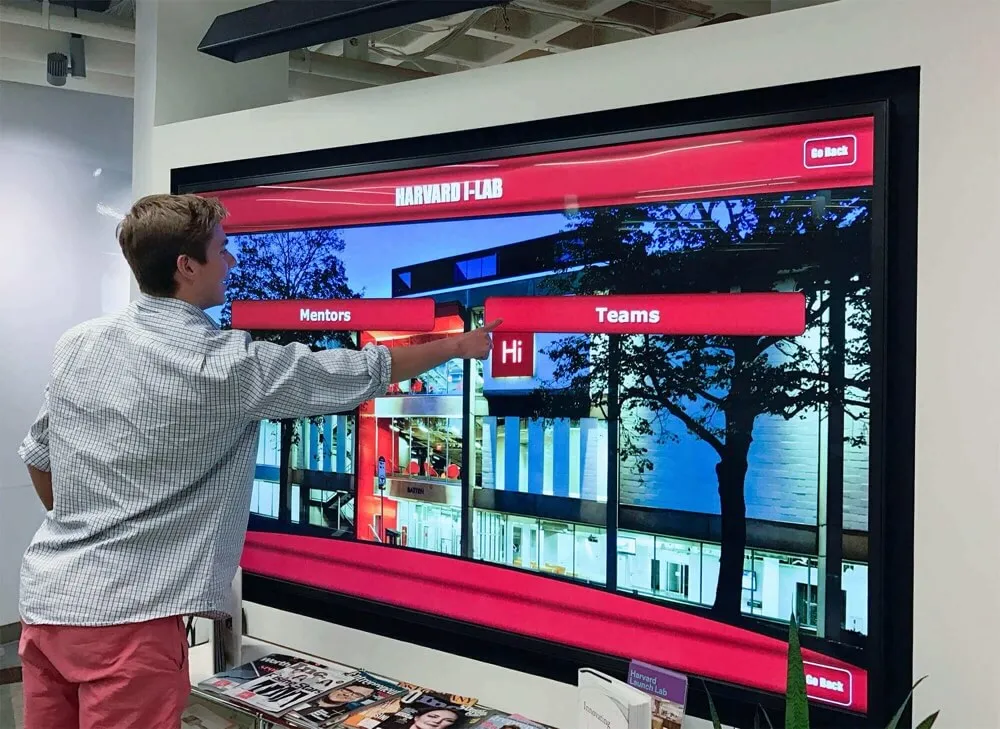
Touchscreen interfaces enable detailed exploration of individual athlete profiles, statistics, and achievements from playoff teams
Conclusion: Celebrating Michigan Playoff Excellence
Michigan high school football playoffs represent more than athletic competitions—they create community gathering points, student development opportunities, and lasting memories that shape school cultures and individual lives. Understanding playoff structures, scheduling complexities, traditions, and recognition opportunities helps schools maximize these experiences for athletes, families, and communities.
The journey to Ford Field requires dedication extending throughout years of off-season preparation, regular season competition, and playoff intensity. Programs reaching state championship games accomplish extraordinary achievements deserving permanent recognition honoring everyone who contributed to success.
Preserve Your Playoff Achievements Forever
Discover how digital recognition solutions help Michigan schools celebrate playoff excellence through comprehensive platforms providing unlimited capacity for documenting every playoff team, rich multimedia content bringing achievements to life, interactive exploration enabling discovery across program history, and permanent preservation ensuring no accomplishment ever disappears from institutional memory.
Explore Recognition Solutions to see how modern technology can transform how your school celebrates playoff tradition while building the recognition culture where achievement receives appropriate acknowledgment.
Whether your program pursues first playoff appearances or next state championships, systematic approaches to documentation, celebration, and recognition ensure achievements receive appropriate acknowledgment. Every playoff qualifier demonstrates success worthy of recognition—not just state champions but also district champions, regional finalists, and programs reaching postseason play after years of development.
Modern recognition technology eliminates traditional barriers that limited playoff celebration to recent seasons or championship years exclusively. Digital platforms accommodate comprehensive playoff histories documenting every successful season across unlimited timeframes while providing engaging interactive experiences that traditional static displays cannot deliver.
Your playoff achievements—player dedication, coaching excellence, community support, and competitive success—deserve recognition systems providing lasting celebration rather than temporary acknowledgment disappearing as trophy cases fill or wall space runs out. Through thoughtful planning, appropriate technology investment, and systematic documentation, you can create playoff recognition honoring every achievement while building the proud tradition your program deserves.
Start preserving your playoff legacy today by documenting current season achievements comprehensively, exploring recognition solutions that eliminate space constraints, planning long-term recognition investments supporting sustained celebration, and building systematic approaches ensuring future playoff teams receive appropriate acknowledgment. Every playoff team deserves permanent recognition—modern platforms make comprehensive celebration achievable reality.
Ready to transform your athletic recognition? Explore how digital yearbook platforms enable comprehensive playoff documentation, learn about championship recognition displays, or discover athletic hall of fame strategies that preserve playoff excellence for generations to come.