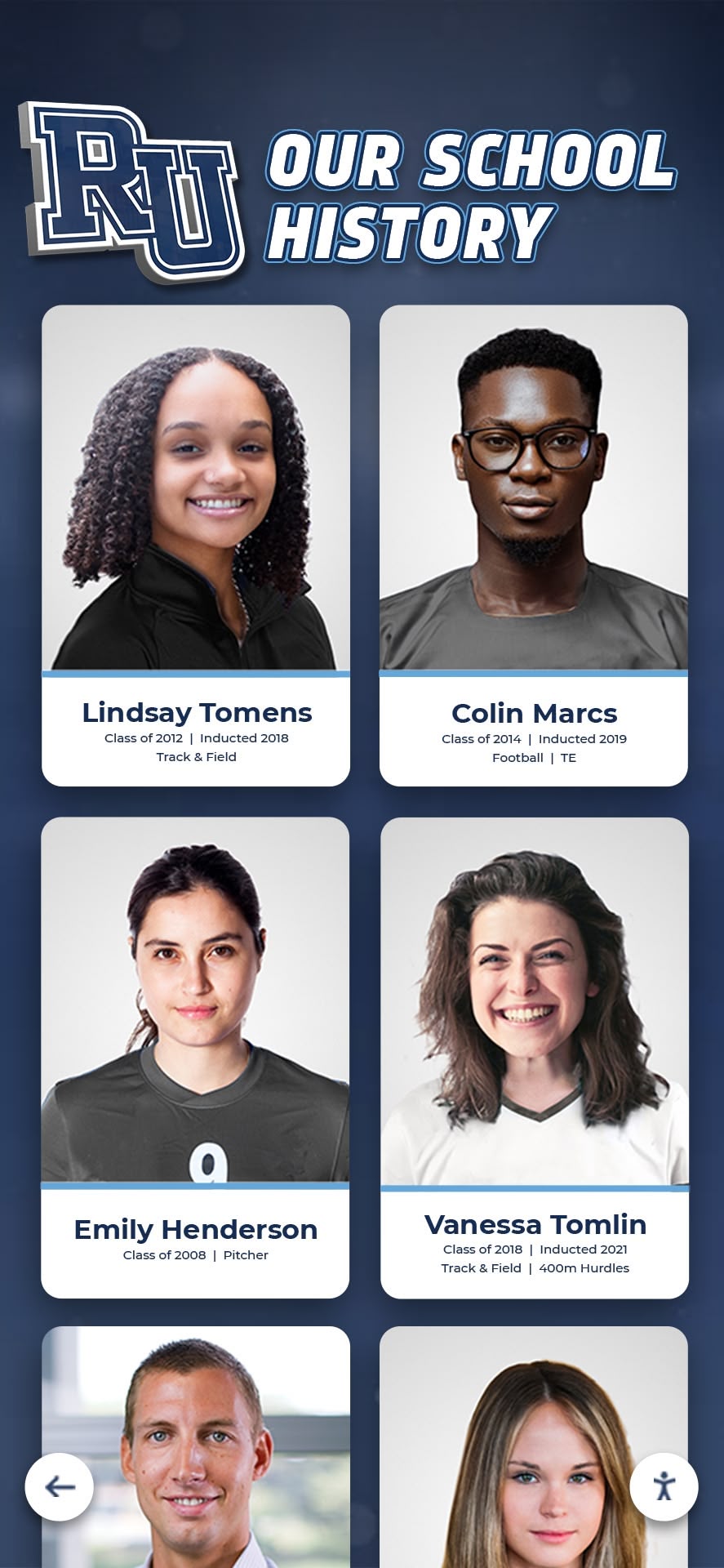
Memory books serve as powerful vessels for preserving the stories, achievements, and connections that define educational experiences. Whether celebrating graduating seniors, honoring athletic champions, commemorating class reunions, or documenting alumni milestones, these curated collections transform fleeting moments into lasting tributes that students, families, and communities treasure for decades.
Yet creating compelling memory books presents significant challenges for schools with limited time, budget, and design resources. How do you choose the right format for your specific needs? What essential elements should every memory book include? Where can you find professional-quality templates that don’t require expensive software or graphic design expertise? Most importantly, how can you balance traditional memory book sentiment with modern digital capabilities that make memories searchable, shareable, and accessible to broader audiences?
This comprehensive guide presents 15 proven memory book template designs schools successfully use to preserve senior memories, celebrate athletic achievements, honor alumni contributions, and commemorate class reunions—from traditional print layouts to innovative digital formats that extend memory preservation far beyond physical pages.
Schools implementing structured memory book programs report significantly higher alumni engagement, stronger community connections, and more meaningful recognition of student achievement compared to institutions relying solely on yearbooks or informal documentation approaches.

Modern memory book approaches combine traditional sentiment with digital accessibility, creating searchable archives that preserve student stories for generations
Understanding Memory Book Categories and Purposes
Different Memory Book Types Serve Distinct Recognition Needs
Before selecting templates, clarify which memory book category aligns with your specific goals:
Senior Memory Books
Celebrating Graduating Classes
Senior memory books document final-year experiences, friendships, and achievements:
Key Characteristics:
- Focus on graduating class members and their senior year journey
- Include individual student profiles, quotes, and future plans
- Capture senior activities, traditions, events, and milestones
- Feature candid photos from throughout the school year
- Document friendship groups, inside jokes, and shared experiences
- Serve as keepsakes students treasure long after graduation
Distribution Approach:
- Typically created by student committees, yearbook staff, or parent volunteers
- Distributed at graduation ceremonies or senior events
- Often supplement rather than replace official yearbooks
- May be created as class gifts or fundraising projects
- Increasingly offered in both print and digital formats
Purpose: Senior memory books provide more intimate, personal documentation than traditional yearbooks—focusing specifically on the graduating class’s unique story and relationships while offering creative freedom beyond yearbook production constraints.
Athletic Team Memory Books
Documenting Championship Seasons
Team memory books commemorate exceptional athletic achievements:
Key Characteristics:
- Chronicle complete season progression from first practice to final game
- Include individual player profiles, statistics, and highlights
- Feature game summaries, tournament brackets, and season milestones
- Capture team chemistry through candid practice and travel photos
- Highlight coaching philosophy and team culture
- Document the specific elements that made the season memorable
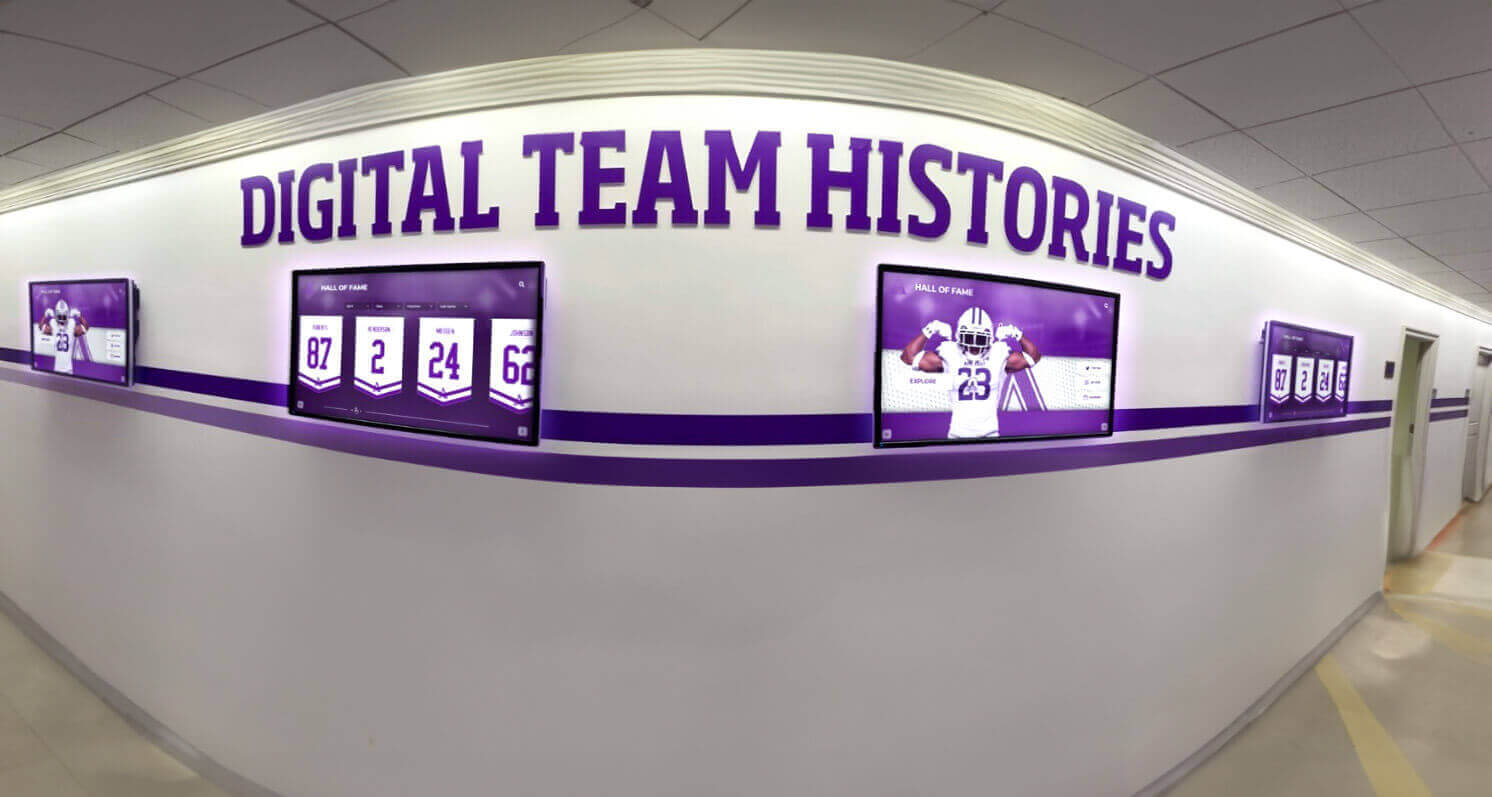
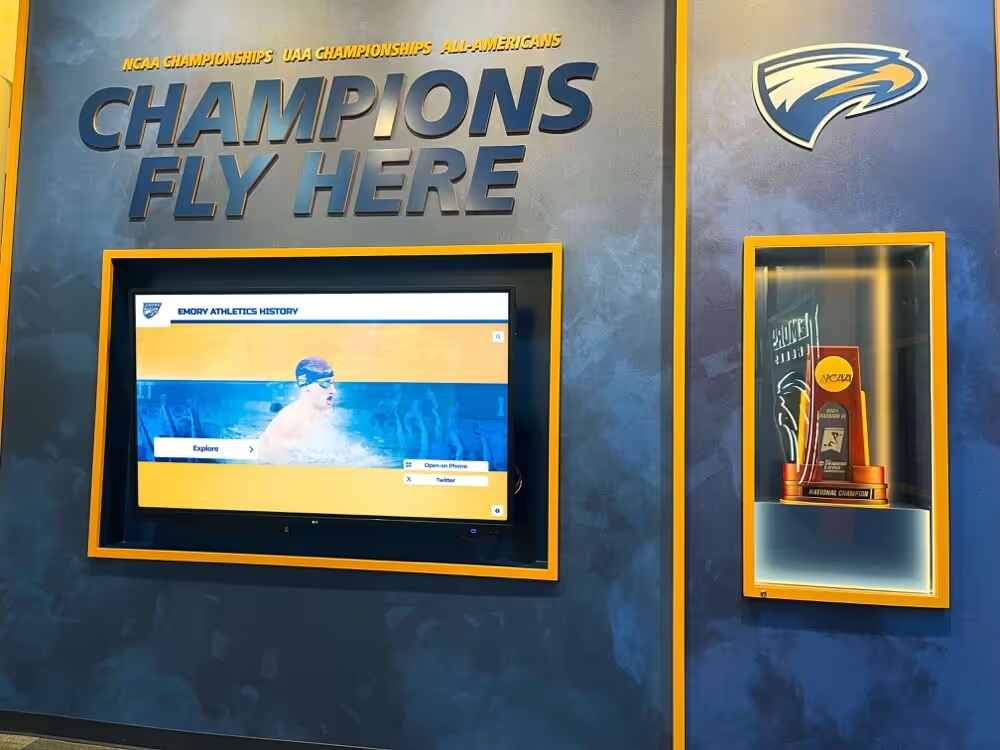
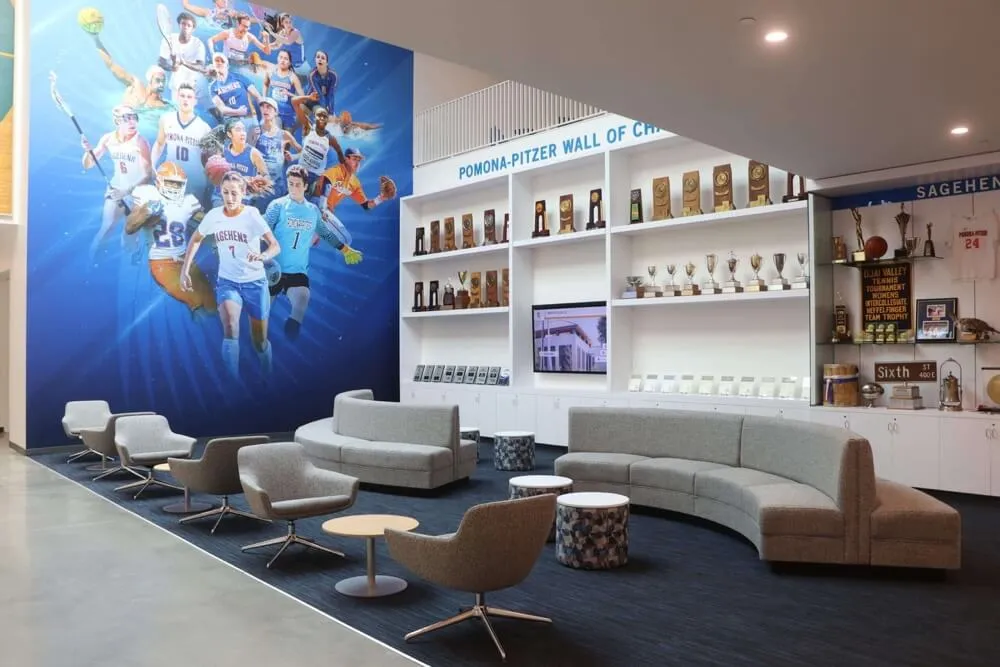
Schools preserve athletic memories through both traditional memory books and [modern digital recognition displays](https://touchwall.us/blog/college-intramural-sports-digital-recognition-display/?utm_source=organic&utm_medium=seo-auto&utm_content=digitalyearbook&utm_campaign=memory-book-templates&utm_term=seo) that celebrate team achievements
Distribution Timing:
- Created following championship seasons or milestone achievements
- Presented at end-of-season banquets or awards ceremonies
- Given to players, coaches, and key supporters
- Archived in athletic departments alongside trophies and awards
Purpose: Athletic memory books preserve the unique story of exceptional teams in ways traditional yearbooks cannot, documenting the journey, relationships, and moments that transformed groups of individuals into championship units.
Class Reunion Memory Books
Reconnecting Alumni Across Decades
Reunion memory books help classmates reconnect and celebrate shared history:
Key Characteristics:
- Combine “then and now” formats showing alumni progression
- Include submitted updates on careers, families, and life milestones
- Feature reminiscences about shared experiences and school traditions
- Highlight classmate achievements since graduation
- Incorporate historical photos from original graduation year
- Document attendance at current reunion event
Creation Process:
- Typically coordinated by reunion planning committees
- Collect submissions from classmates months before reunion
- Combine historical yearbook content with current updates
- Often include memorial pages honoring deceased classmates
Purpose: Reunion memory books facilitate meaningful reconnection by providing context about classmates’ journeys since graduation while celebrating the enduring bonds formed during school years.
Alumni Achievement Memory Books
Honoring Distinguished Graduates
Alumni memory books celebrate notable graduate accomplishments:
Key Characteristics:
- Profile distinguished alumni across multiple graduation years
- Document professional achievements, community service, and leadership
- Connect alumni success back to school foundation and values
- Include nomination processes, selection criteria, and award descriptions
- Feature photo archives showing alumni during school years and currently
- Highlight alumni contributions back to the institution
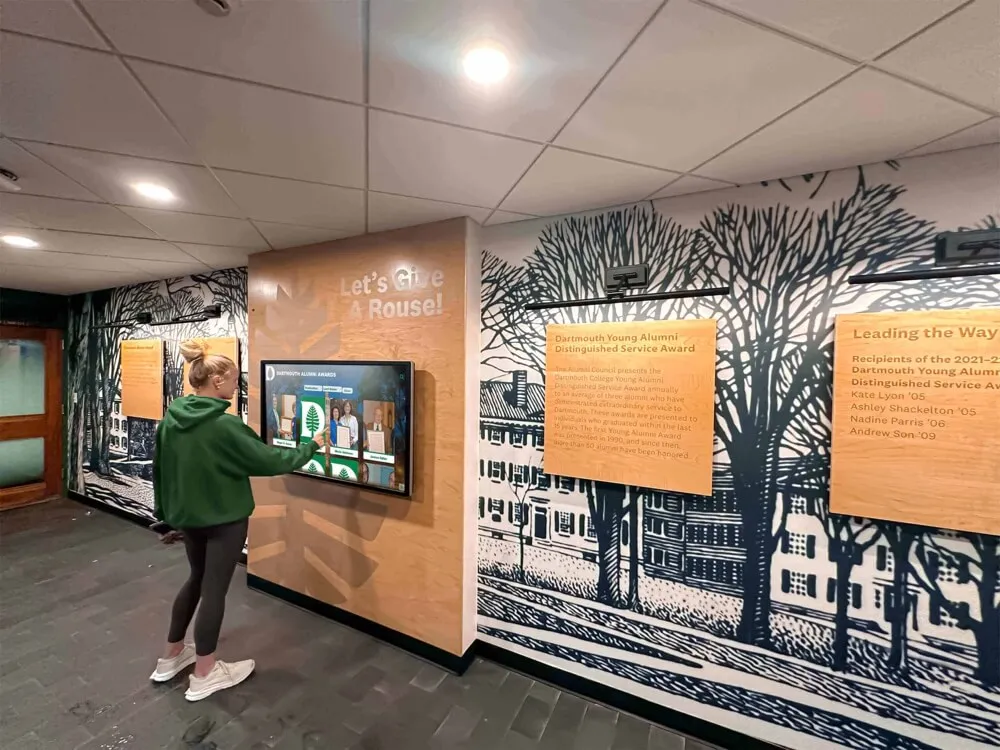
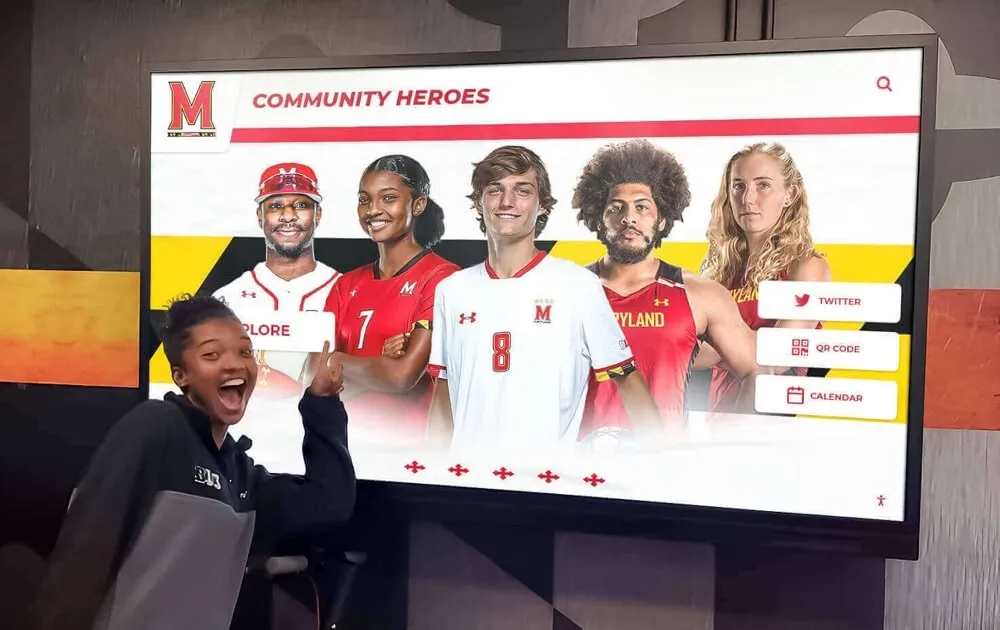
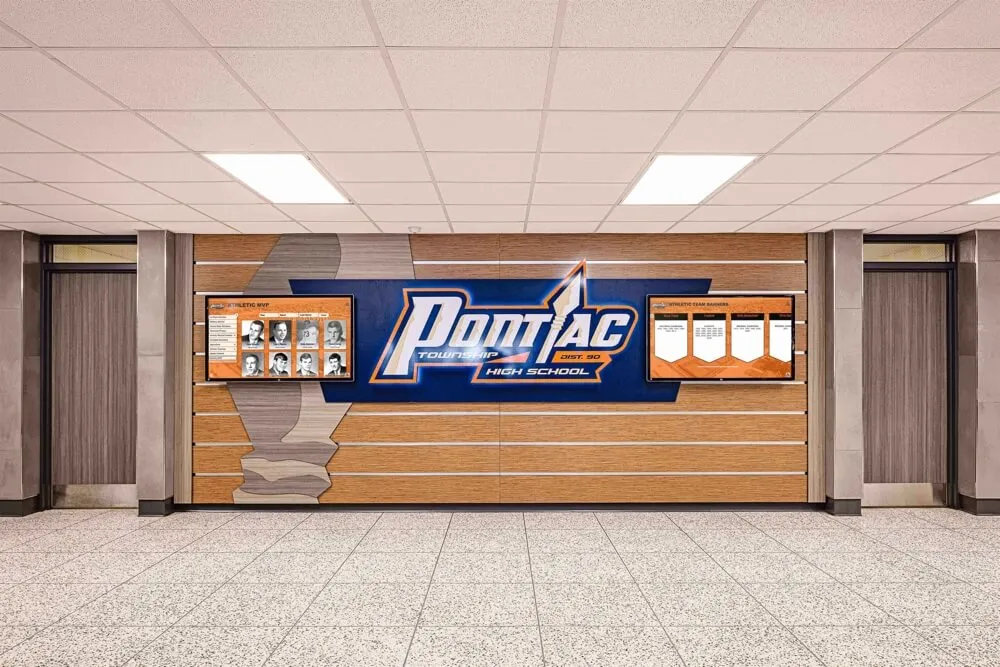
Schools increasingly showcase alumni achievements through interactive digital recognition boards that complement traditional memory book formats while making achievements accessible to current students who benefit from seeing authentic success pathways.
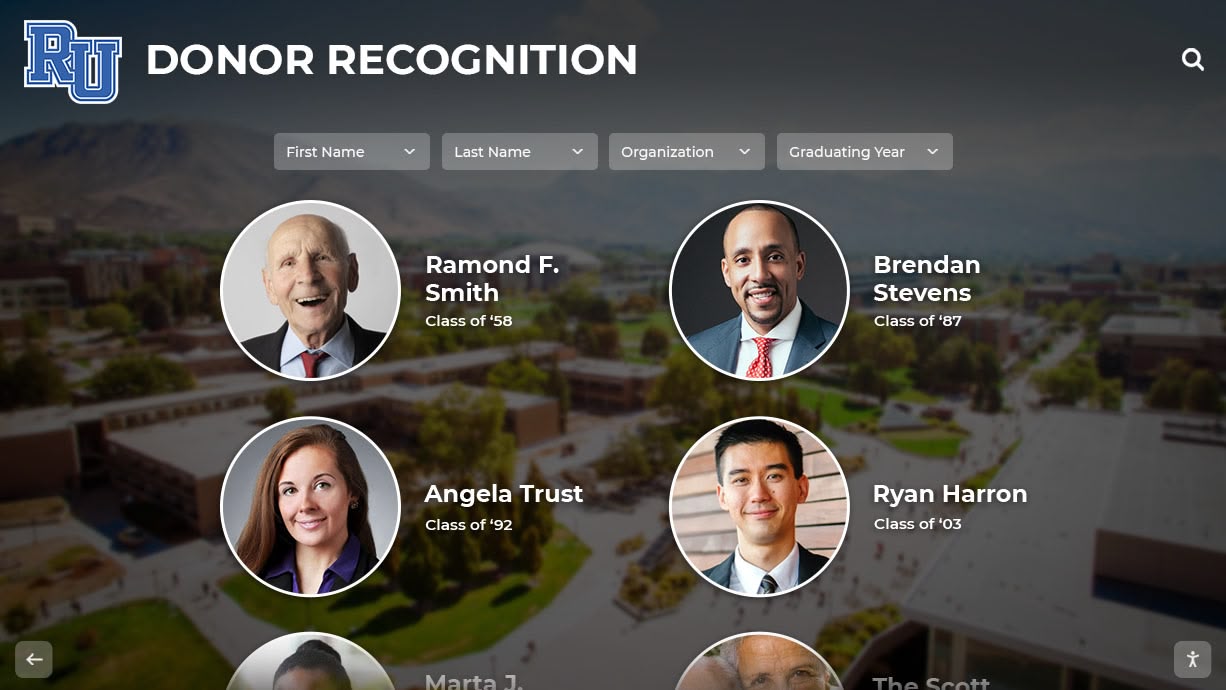
Alumni achievement memory books preserve stories of distinguished graduates while inspiring current students through visible success examples
15 Proven Memory Book Template Designs
Template Selection Guide for Different Memory Preservation Needs
Each template design addresses specific memory preservation objectives while accommodating varying resource levels and technical capabilities.
Template 1: Classic Senior Portrait Grid
Traditional Yearbook-Style Layout
Design Elements:
- Individual senior portraits arranged in alphabetical grid format
- Names and future plans listed beneath each photo
- Simple, clean layout prioritizing equal representation
- Optional senior quotes or nicknames
- Group photos of clubs, activities, and events in separate sections
Best For:
- Schools with limited design resources
- Large graduating classes requiring efficient layout
- Traditional communities preferring familiar formats
- Projects with tight production timelines
Production Approach:
- Use consistent photo specifications for all portraits
- Organize alphabetically or by advisory group
- Supplement with candid section showcasing events
- Print affordably through school yearbook printer or online services
Why It Works: The classic grid format ensures every senior receives equal visual space while maintaining clean, professional presentation that families appreciate. Simplicity reduces production complexity and costs while delivering recognizable, accessible layouts.
Template 2: Senior Superlatives Showcase
Personality-Based Recognition
Design Elements:
- Creative superlative categories highlighting student personalities
- Photo pairs showing superlative winners
- Humorous and meaningful category balance
- Student quotes about each other
- Celebration of class character and culture
Best For:
- Smaller graduating classes where everyone knows each other
- Schools with strong senior class culture
- Informal memory book supplements to official yearbooks
- Student-led memory book projects
Production Approach:
- Survey seniors to vote on superlative categories and winners
- Photograph winners together when possible
- Design full-page spreads for each superlative
- Include brief explanations of why winners embody each category
Why It Works: Superlative-based memory books celebrate the unique personalities and relationships that define class identity rather than focusing solely on formal portraits, creating more personal, entertaining keepsakes students frequently reference.
Template 3: Timeline-Based Senior Year Journey
Chronological Documentation
Design Elements:
- Month-by-month or event-by-event progression through senior year
- Photos from first day through graduation
- Captions documenting what was happening during each period
- Integration of school events, activities, and milestones
- Narrative flow showing how year unfolded
Best For:
- Schools with active senior class programming
- Documentary-style memory preservation
- Digital memory books with multimedia capabilities
- Classes that experienced significant events worth chronicling
Production Approach:
- Assign photographers to document events throughout the year
- Organize photos chronologically rather than thematically
- Write captions providing context for each period
- Include both scheduled events and spontaneous moments
Why It Works: Timeline formats tell the complete story of senior year rather than presenting isolated moments, helping students remember not just individual events but how the entire year progressed and evolved.
Template 4: Senior Advice and Reflections
Wisdom-Sharing Format
Design Elements:
- Individual senior pages featuring portrait plus advice
- Responses to prompts like “What I wish I’d known freshman year”
- Reflections on high school experience
- Advice to underclassmen from graduating class
- Quotes about lessons learned and growth experienced
Best For:
- Schools emphasizing mentorship and tradition
- Creating resources for younger students
- Personal reflection and growth documentation
- Building school culture across grade levels
Production Approach:
- Provide consistent prompts to all seniors
- Allow creative responses ranging from serious to humorous
- Design template accommodating varying response lengths
- Include senior portraits alongside their advice
Why It Works: Advice-based memory books serve dual purposes—providing meaningful keepsakes for seniors while creating valuable mentorship resources current students appreciate, extending memory book relevance beyond the graduating class.
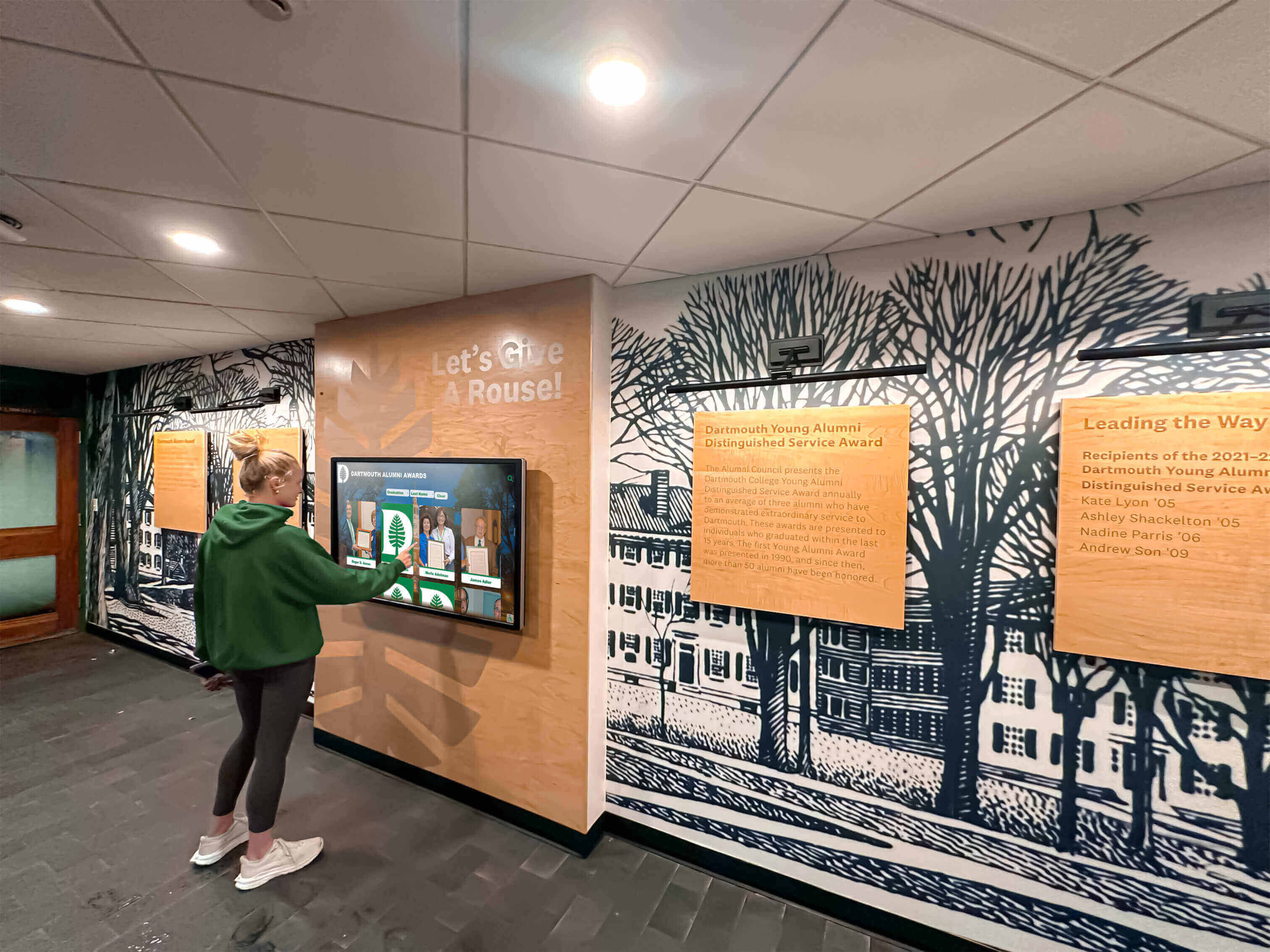
Digital memory platforms enable students to explore advice and reflections from previous graduating classes, creating mentorship connections across generations
Template 5: Championship Season Documentary
Athletic Achievement Chronicle
Design Elements:
- Season progression from preseason through championship
- Game-by-game results with photo highlights
- Individual player statistics and achievements
- Coach reflections on season’s defining moments
- Team roster with player profiles
- Championship bracket or tournament path
Best For:
- State championship teams
- Record-breaking seasons
- Milestone team achievements
- End-of-season recognition gifts
Production Approach:
- Document entire season photographically from first practice
- Collect statistics and achievements throughout season
- Conduct interviews with coaches and players post-season
- Design around championship game as climactic focal point
Why It Works: Championship memory books preserve the complete journey rather than just final results, capturing the practices, setbacks, breakthrough moments, and team chemistry that made exceptional achievement possible.
Schools often complement printed team memory books with permanent digital athletic recognition displays that showcase championship seasons alongside other program achievements in high-visibility locations.
Template 6: Multi-Sport Senior Athlete Tribute
Comprehensive Athletic Recognition
Design Elements:
- Individual pages for senior athletes across all sports
- Photos from multiple sports for multi-sport athletes
- Career statistics and achievements across high school years
- Quotes about athletic experience and lessons learned
- College plans or next-level athletic commitments
- Coach testimonials about each athlete
Best For:
- Schools recognizing senior athletes across programs
- End-of-year athletic banquet commemorations
- Comprehensive athletic department recognition
- Athletic recognition programs honoring multi-sport participation
Production Approach:
- Collect athlete information from all coaches
- Photograph athletes in primary sport uniform
- Calculate career statistics across all sports
- Design consistent template applied to all athletes
Why It Works: Multi-sport athlete memory books recognize the complete athletic identity of student-athletes who contributed across multiple programs rather than highlighting only single-sport achievements, validating diverse athletic participation.
Template 7: “Then and Now” Reunion Format
Class Progression Documentation
Design Elements:
- Side-by-side senior year photos with current photos
- Brief life updates including career, family, location
- Responses to “What has changed most since graduation?”
- Classmate predictions from graduation versus reality
- Memory sharing about favorite high school experiences
- Contact information for ongoing connections
Best For:
- 10, 25, or 50-year class reunions
- Reconnecting classmates who’ve lost touch
- Documenting class life journey progression
- Memorial sections honoring deceased classmates
Production Approach:
- Send submission forms to all classmates months before reunion
- Scan original yearbook photos for “then” component
- Design template accommodating varying submission lengths
- Include both attendees and non-attendees in memory book
Why It Works: “Then and now” formats facilitate meaningful reconnection by providing context about classmates’ lives since graduation, sparking conversations and helping alumni find common ground decades after last seeing each other.
Template 8: Senior Scrapbook Collage Style
Informal Memory Collection
Design Elements:
- Casual, scrapbook-inspired design aesthetic
- Mixed photo sizes and orientations
- Handwritten-style fonts and decorative elements
- Individual senior pages with personalized layouts
- Stickers, borders, and embellishments
- Emphasis on candid moments over formal portraits
Best For:
- Parent-led senior recognition projects
- Informal supplements to official yearbooks
- Smaller graduating classes
- Creative, artistic school communities
Production Approach:
- Provide templates to parent volunteers or students
- Allow customization within overall design framework
- Collect favorite photos from senior year
- Print through scrapbooking services or photo book platforms
Why It Works: Scrapbook-style memory books feel more personal and intimate than formal yearbooks, emphasizing authentic moments and relationships over polished production values in ways that often resonate more deeply with students.
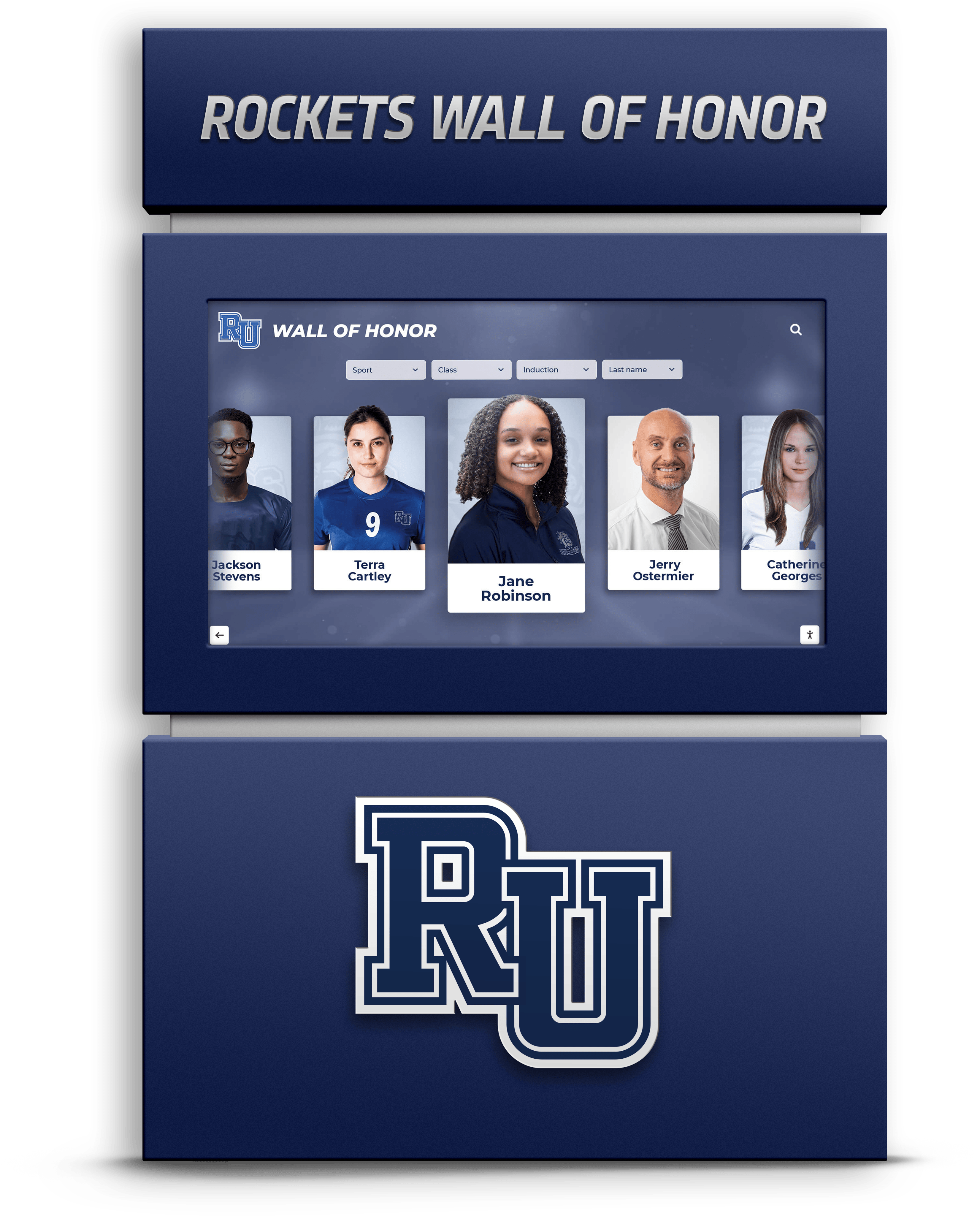
Modern scrapbook memories translate effectively to [digital touchscreen formats](https://touchscreenwebsite.com/blog/digital-recognition-displays-buyer-guide/?utm_source=organic&utm_medium=seo-auto&utm_content=digitalyearbook&utm_campaign=memory-book-templates&utm_term=seo) that preserve informal photo collections while enabling easy updates and broader accessibility
Template 9: Academic Achievement Showcase
Scholarly Excellence Documentation
Design Elements:
- Individual profiles of academic award recipients
- Scholarship winners and college acceptances
- Academic competition achievements and honors
- National Honor Society and academic club recognition
- Research projects and special academic accomplishments
- Teacher recommendations and testimonials
Best For:
- Academic recognition programs celebrating scholarly achievement
- College preparatory schools
- End-of-year academic awards ceremonies
- Supplementing athletic and social recognition
Production Approach:
- Coordinate with counseling department for achievement data
- Include standardized test scores, GPAs, class rankings when appropriate
- Feature academic competition results and honors
- Design around school colors and academic symbols
Why It Works: Academic memory books ensure scholarly achievement receives recognition proportional to athletic and social accomplishments, validating the dedication students invest in classroom excellence while documenting competitive academic success.
Template 10: Senior Class Legacy Project
Future-Focused Documentation
Design Elements:
- Time capsule messages to future graduating classes
- Predictions about the future and school changes
- Documentation of current events and cultural context
- Senior class gifts or improvements to school
- Advice and wisdom for students following behind
- Vision statements about hoped-for futures
Best For:
- Creating tradition across graduating classes
- Schools with strong community culture
- Senior class gift coordination
- Building bridges between current and future students
Production Approach:
- Facilitate group discussions about legacy and advice
- Document senior class contributions to school
- Include messages to specific future graduating years
- Archive copies for future classes to discover
Why It Works: Legacy-focused memory books help seniors think beyond their own experience to consider their place in ongoing school tradition, creating meaningful connections between past, present, and future classes.
Template 11: Candid Moments Collection
Unposed Memory Documentation
Design Elements:
- Exclusively candid, unposed photographs
- Emphasis on authentic moments and genuine expressions
- Behind-the-scenes documentation of school life
- Action shots from activities, events, and casual interactions
- Minimal text allowing photos to tell the story
- Chronological or thematic organization
Best For:
- Photography-focused schools and programs
- Documentary-style memory preservation
- Capturing authentic school culture
- Supplementing formal portrait-based publications
Production Approach:
- Assign student photographers to document daily school life
- Shoot events from student perspective rather than official angles
- Select photos showing genuine emotion and interaction
- Design with large photos and minimal text overlay
Why It Works: Candid collections capture the actual experience of school life rather than staged representations, preserving the spontaneous moments students most vividly remember years later.
Template 12: Friendship Group Features
Relationship-Centered Design
Design Elements:
- Self-selected friend groups featured together
- Group photos with individual profiles
- Shared memories and inside jokes
- Documentation of how friendships formed and evolved
- Contact information for maintaining connections
- Individual photos within group context
Best For:
- Smaller schools where everyone knows each other
- Informal, student-led memory book projects
- Emphasizing relationships over individual achievements
- Digital memory books with tagging capabilities
Production Approach:
- Allow students to self-select friend group arrangements
- Photograph groups together in meaningful locations
- Collect shared memories through group submissions
- Design flexible layouts accommodating varying group sizes
Why It Works: Friendship-centered memory books acknowledge that relationships form the heart of school experience, organizing around the connections students value most rather than artificial alphabetical or activity-based groupings.
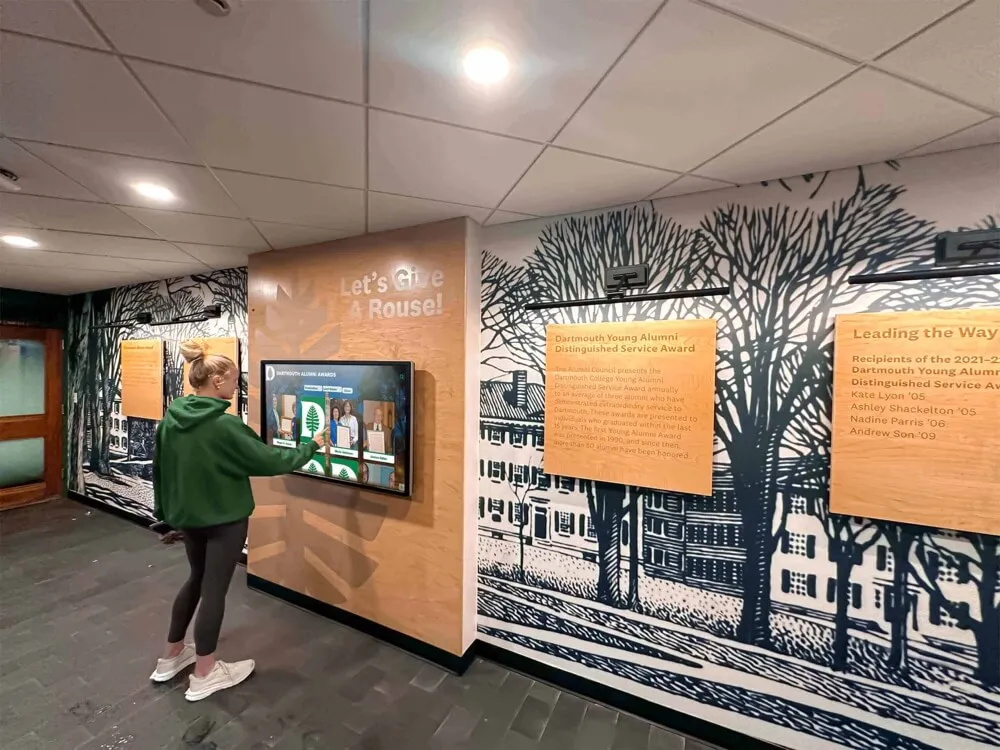
Friendship networks preserved in memory books extend into digital platforms where alumni can search for friend groups and reconnect across decades
Template 13: Alumni Hall of Fame Recognition
Distinguished Graduate Celebration
Design Elements:
- Individual profiles of inductees across multiple years
- Career achievements and contributions
- Photos from school years alongside current professional photos
- Connection between school foundation and later success
- Nomination and selection process documentation
- Impact statements and legacy descriptions
Best For:
- Formal alumni recognition programs
- Schools with established hall of fame processes
- Development and fundraising initiatives
- Inspiring current students through alumni examples
Production Approach:
- Coordinate with alumni relations office
- Collect professional biographies and achievements
- Source historical photos from school archives
- Design prestigious, formal layouts befitting honor level
Why It Works: Hall of fame memory books create permanent recognition for distinguished alumni while demonstrating to current students the pathways and achievements possible through strong educational foundations.
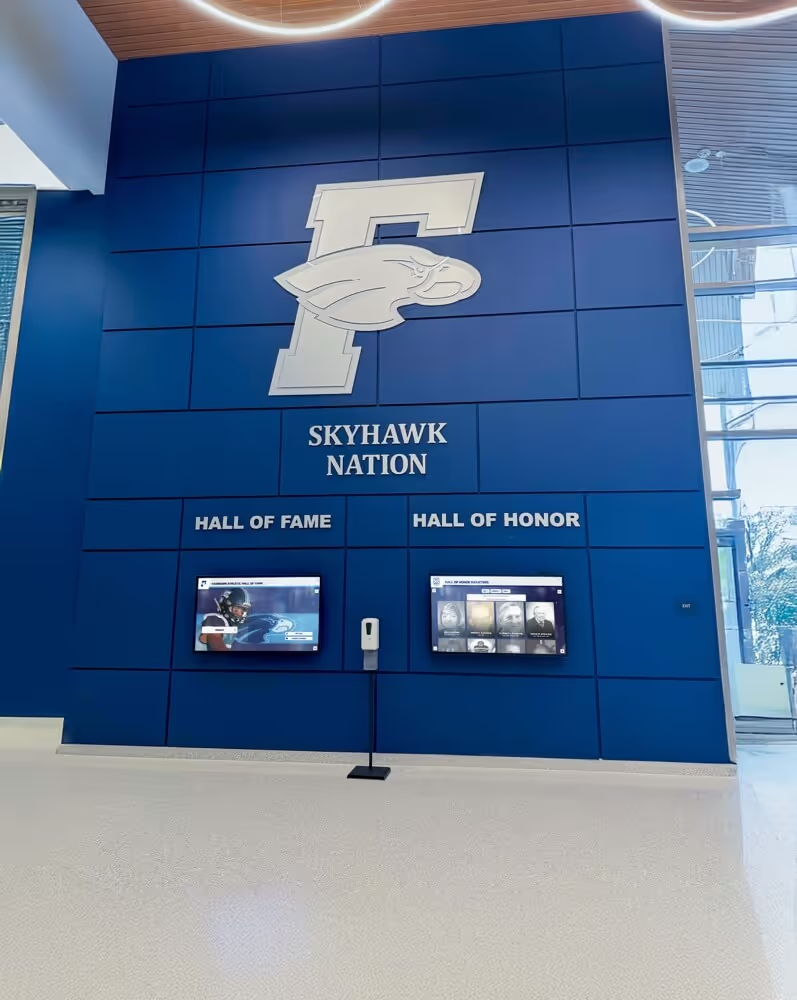
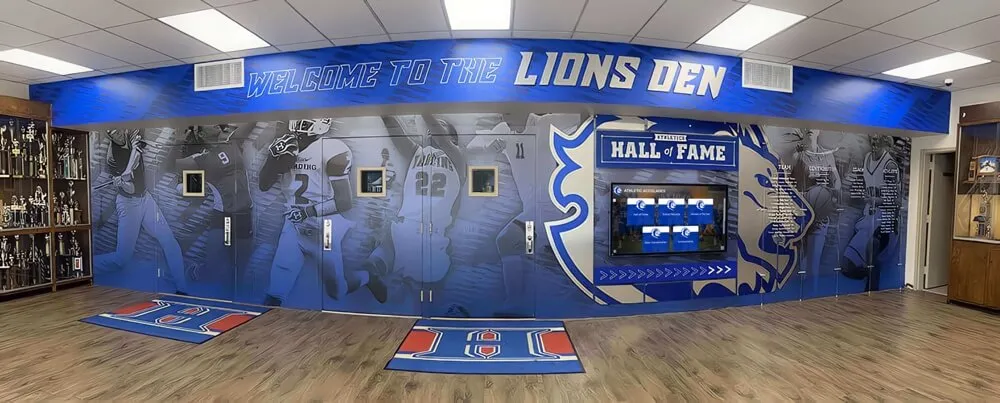
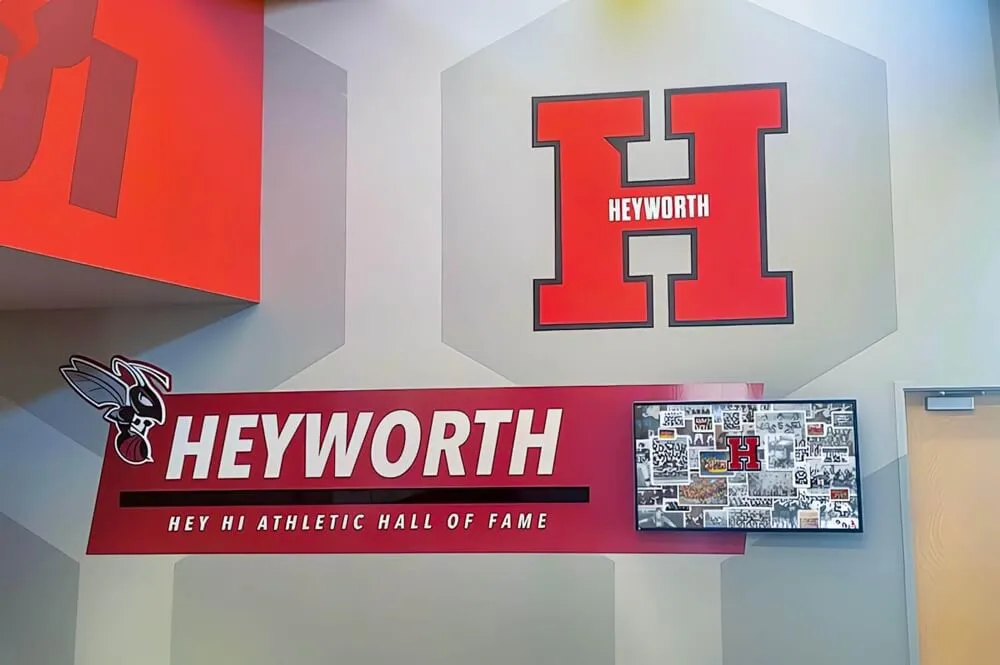
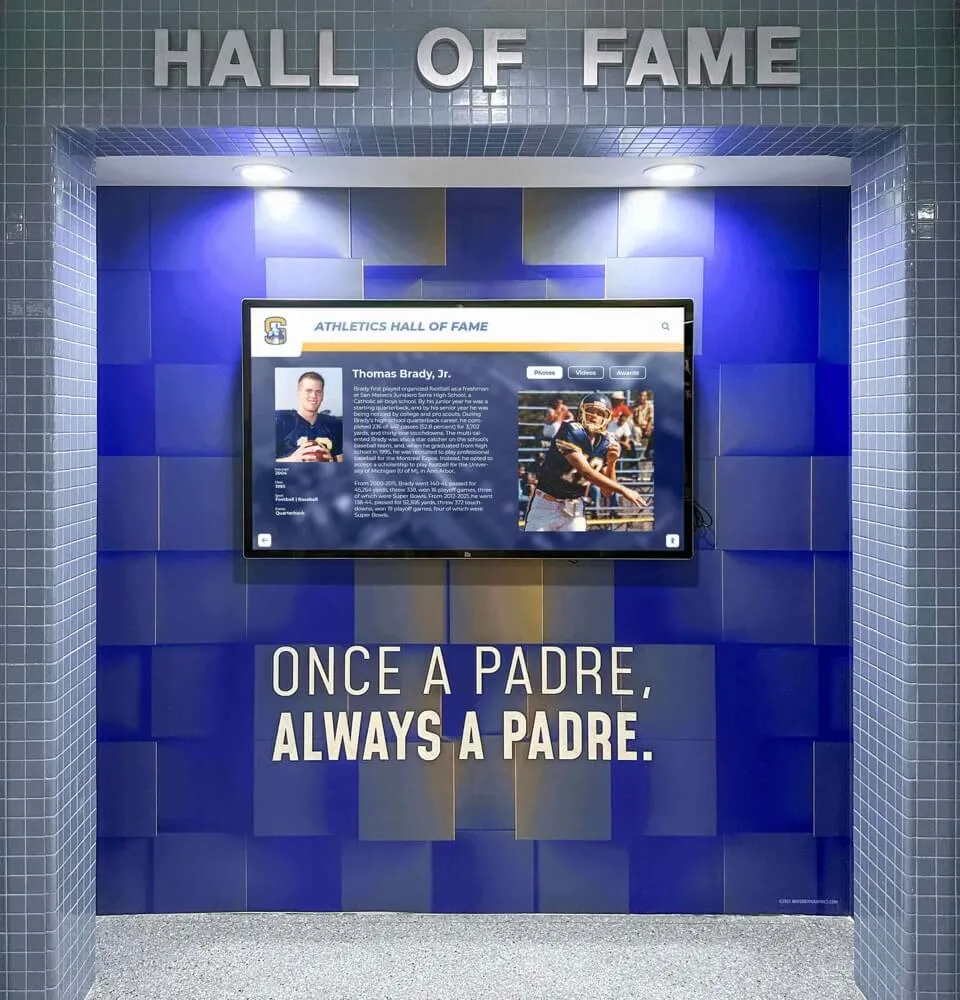
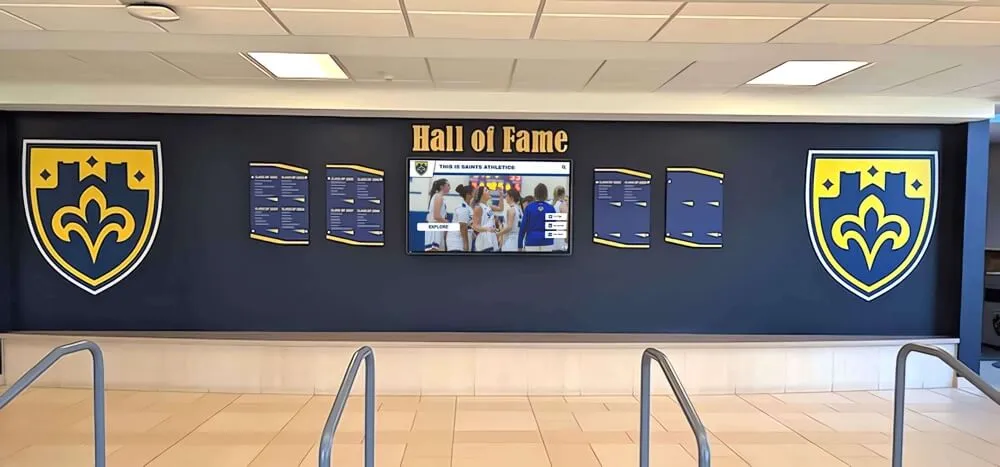
Many schools now present hall of fame inductees through both printed memory books and permanent digital recognition displays in high-visibility campus locations where achievements remain continuously accessible.
Template 14: “Day in the Life” Documentary
Immersive Experience Documentation
Design Elements:
- Hour-by-hour documentation of typical senior day
- Multiple students’ schedules followed simultaneously
- Classes, activities, lunch, study periods captured
- Student reflections on daily routines and rhythms
- Before school, during school, after school sections
- Weekend and special event additions
Best For:
- Capturing authentic school culture
- Documentary-focused approaches
- Photography programs and classes
- Time capsule-style historical documentation
Production Approach:
- Select diverse students representing various schedules
- Follow subjects photographically through entire day
- Include student commentary about daily experiences
- Design sequential, narrative-driven layouts
Why It Works: “Day in the life” documentation preserves the texture of daily school experience—the routines, rhythms, and mundane moments that define student life but typically go undocumented in highlight-focused yearbooks.
Template 15: Digital Interactive Memory Archive
Multimedia Recognition Platform
Design Elements:
- Searchable database of student profiles and photos
- Video interviews and multimedia content integration
- Alumni update submission capabilities
- Comment and message features enabling ongoing connections
- Mobile-responsive design for anywhere access
- Privacy controls and authentication
Best For:
- Schools with technical resources and infrastructure
- Large graduating classes exceeding print book practicality
- Alumni engagement and fundraising initiatives
- Ongoing memory collection beyond single publication date
- Preserving school history digitally
Production Approach:
- Build or subscribe to digital yearbook platform
- Collect content throughout school year
- Enable student and family submissions
- Launch with graduation, update continuously
Why It Works: Digital memory archives overcome print limitations—unlimited photos, searchable content, multimedia integration, ongoing updates, and accessibility from anywhere enable richer, more dynamic memory preservation that evolves rather than remaining static.
Schools implementing digital memory platforms report 3-5x higher alumni engagement compared to print-only approaches, as searchability and continuous access encourage repeated interaction rather than one-time viewing.
Memory Book Production Best Practices
Implementation Strategies That Ensure Quality Results
Successful memory book projects share common planning and execution approaches:
Start Early and Build Timelines
Planning Requirements
Memory books require months of preparation:
- 6 months before distribution: Form committee, select template, establish goals
- 4-5 months out: Begin collecting photos, content, submissions
- 3 months out: Organize content, complete major design work
- 2 months out: Finalize design, conduct proofreading and quality review
- 1 month out: Send to printer or finalize digital platform
- 2 weeks out: Receive printed books or launch digital access
Last-minute memory book projects inevitably suffer from missing content, design inconsistencies, and production errors. Early timelines enable thoughtful content collection and quality review.
Establish Clear Roles and Responsibilities
Team Structure
Divide work among committee members:
- Project coordinator: Overall timeline, budget, and vendor management
- Content collectors: Gathering photos, quotes, submissions from students
- Photo editors: Organizing, sizing, and editing images
- Designers: Layout creation and design consistency
- Writers/editors: Captions, proofreading, grammar checking
- Quality reviewers: Final review before printing or publication
Clear role definition prevents duplicated effort and ensures no critical tasks fall through cracks.
Set and Communicate Submission Deadlines
Content Collection
Establish firm deadlines and communicate repeatedly:
- Send initial requests 3-4 months before final deadline
- Provide specific submission requirements (photo specifications, word counts)
- Send reminder communications at regular intervals
- Establish non-negotiable final deadline allowing design completion
- Communicate that late submissions cannot be accommodated
Missing or late content represents the most common memory book challenge. Firm deadlines and clear communication minimize this issue.
Maintain Design Consistency
Visual Cohesion
Consistency creates professional results:
- Use consistent fonts throughout (2-3 maximum)
- Maintain uniform photo treatment and sizing
- Apply consistent spacing and margins
- Use school colors in headers, backgrounds, and accents
- Create and apply design templates for repeated elements
- Establish hierarchy for headings, body text, and captions
Inconsistent design makes memory books appear amateur regardless of content quality. Templates ensure consistency even when multiple people contribute to design.
Proofread Obsessively
Quality Assurance
Errors in printed memory books cannot be corrected:
- Review all names for correct spelling
- Verify photo captions identify correct individuals
- Check all dates and factual information
- Review for grammar and punctuation errors
- Have multiple people proofread independently
- Read content backward to catch spelling errors
- Verify page numbers and table of contents accuracy
Name misspellings and photo misidentifications create lasting embarrassment. Multiple proofreading rounds catch errors single reviews miss.
Plan Distribution Strategy
Getting Memory Books to Recipients
Distribution logistics matter:
In-Person Distribution:
- Graduation ceremonies or senior events
- Athletic banquets or end-of-season celebrations
- Reunion gatherings
- Special distribution events
Shipping Distribution:
- Mail to alumni unable to attend events
- Send to families requesting copies
- Distribute to contributors and sponsors
Digital Distribution:
- Email access credentials
- Provide download links
- Enable online viewing
Plan distribution timing ensuring memory books reach recipients when most meaningful—graduation day for seniors, reunion day for alumni, end of season for athletes.
Transitioning from Print to Digital Memory Preservation
Why Schools Increasingly Choose Digital Formats
While traditional print memory books maintain sentimental value, digital alternatives offer compelling advantages:
Unlimited Capacity
No Space Constraints
Digital platforms eliminate print limitations:
- Include unlimited photos rather than selecting few best
- Add video interviews and multimedia content
- Incorporate audio recordings and music
- Update continuously rather than freezing at publication date
- Store complete documentation rather than curated highlights
Print books require ruthless editing to fit page budgets. Digital formats enable comprehensive documentation.
Searchability and Discovery
Finding Specific Content
Digital memory archives enable powerful search:
- Search by name to find all appearances
- Filter by year, sport, activity, or category
- Browse chronologically or thematically
- Tag individuals in group photos
- Link related content across multiple years
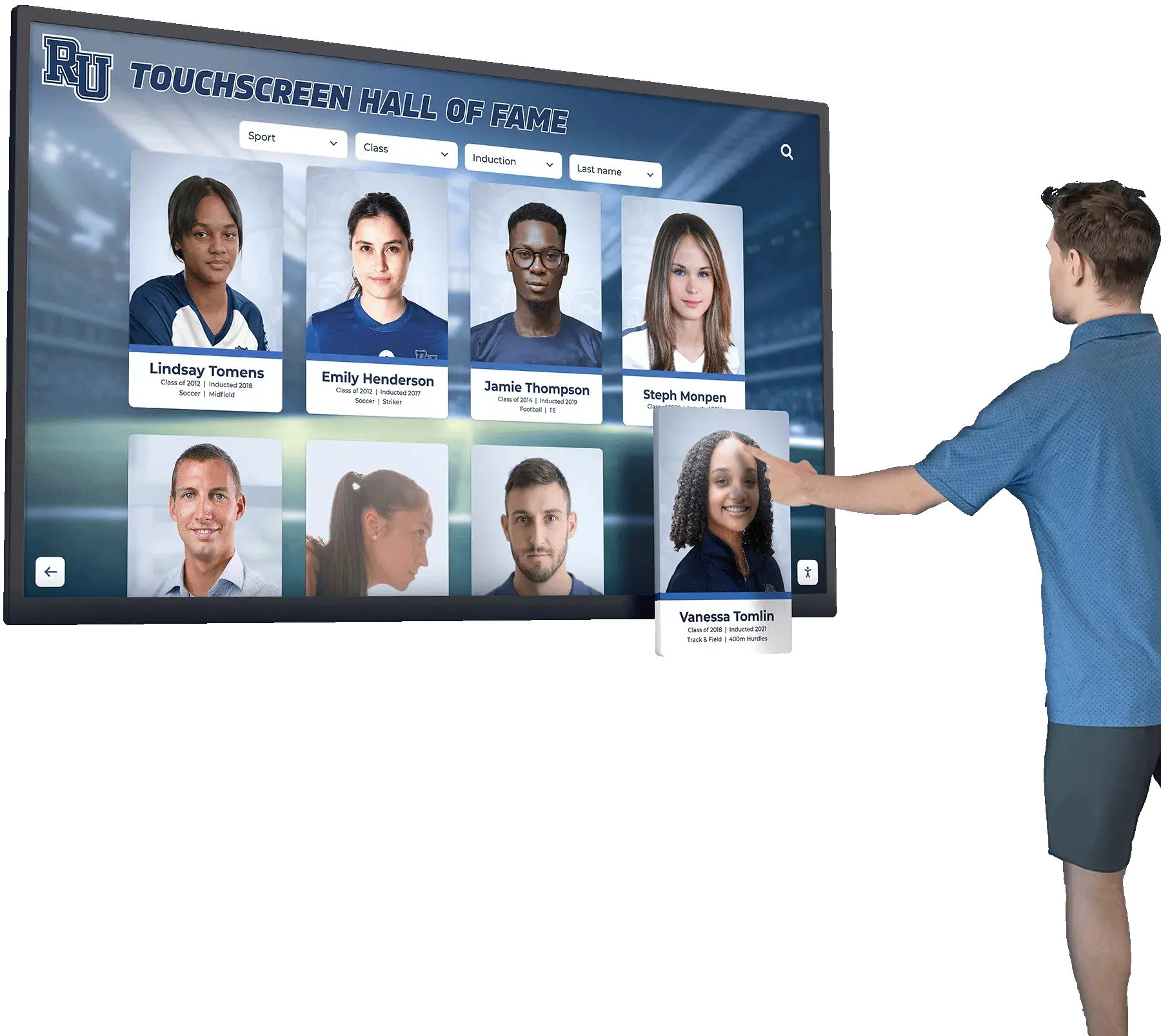
Alumni searching for themselves or classmates can instantly locate relevant content rather than flipping through hundreds of pages.
Accessibility and Sharing
Anywhere, Anytime Access
Digital memories reach broader audiences:
- Access from smartphones, tablets, computers
- Share specific photos via links
- View from anywhere with internet connection
- Enable family members to explore
- Accommodate vision-impaired users through accessibility features
Print books stay on shelves. Digital archives travel with users and facilitate ongoing engagement.
Cost Efficiency at Scale
Economic Advantages
Digital distribution eliminates per-unit costs:
- No printing expenses
- No shipping costs
- Easy to provide to entire class rather than limited copies
- Updates and additions cost nothing
- Storage requires no physical space
For large graduating classes or extensive reunion groups, digital distribution costs a fraction of print alternatives.
Integration with Recognition Displays
Physical Presence for Digital Content
Schools increasingly combine digital memory books with physical recognition displays:
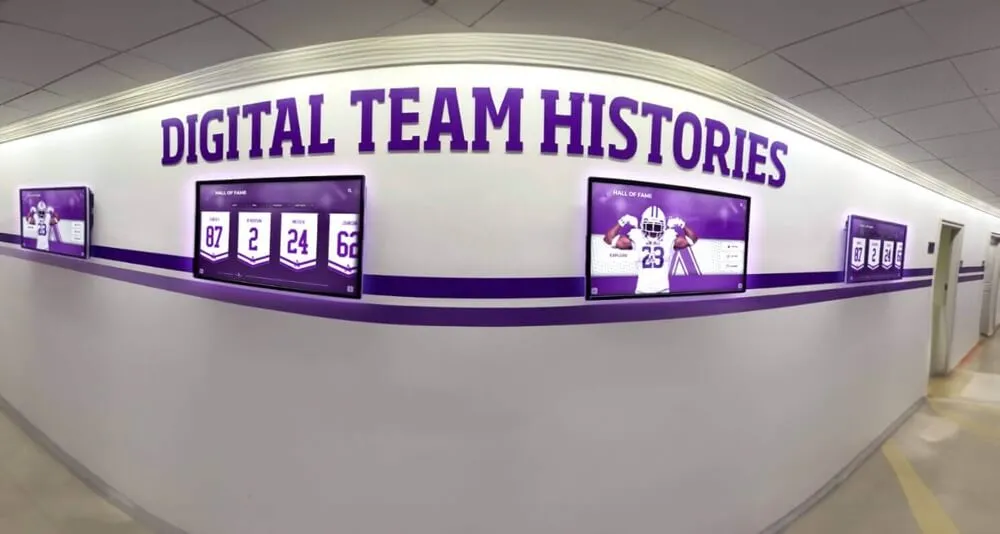
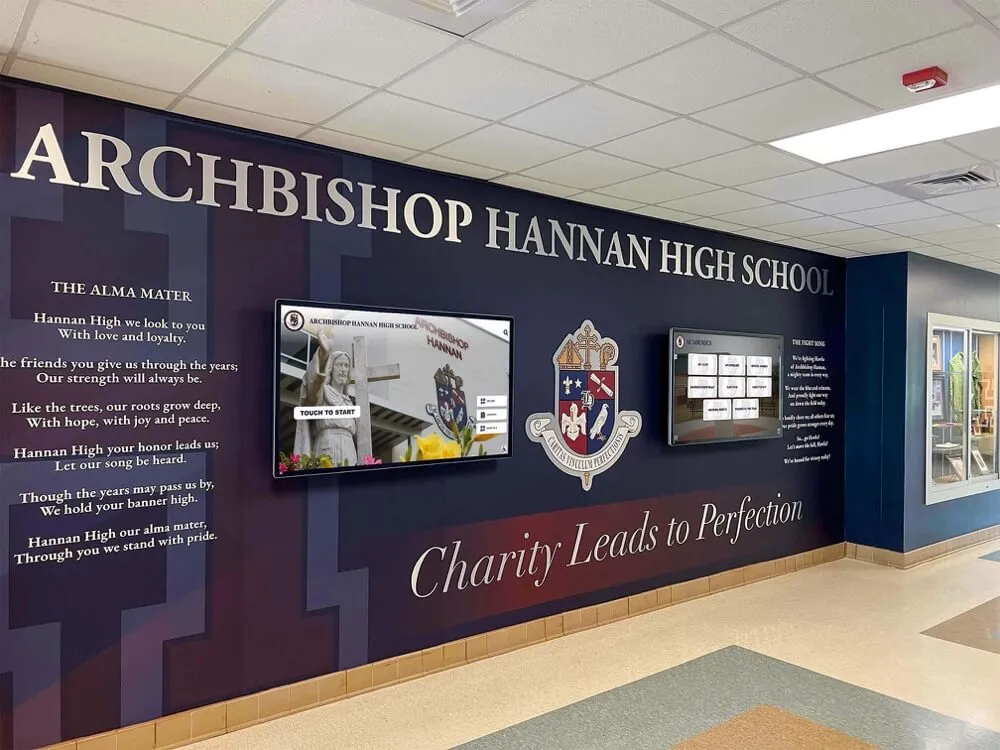
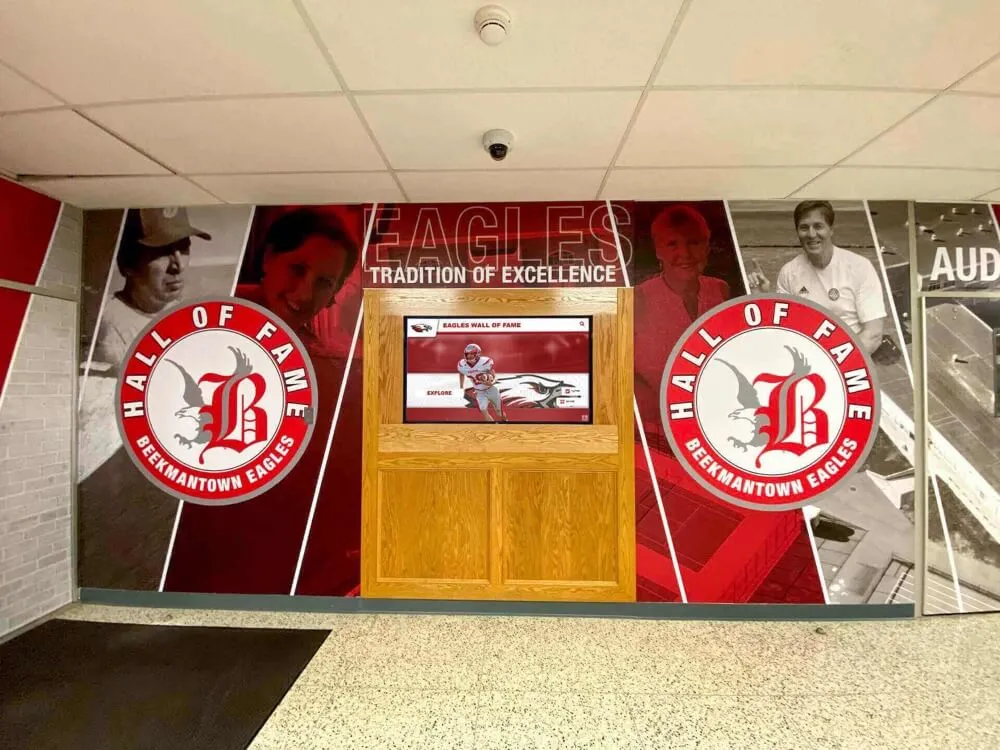
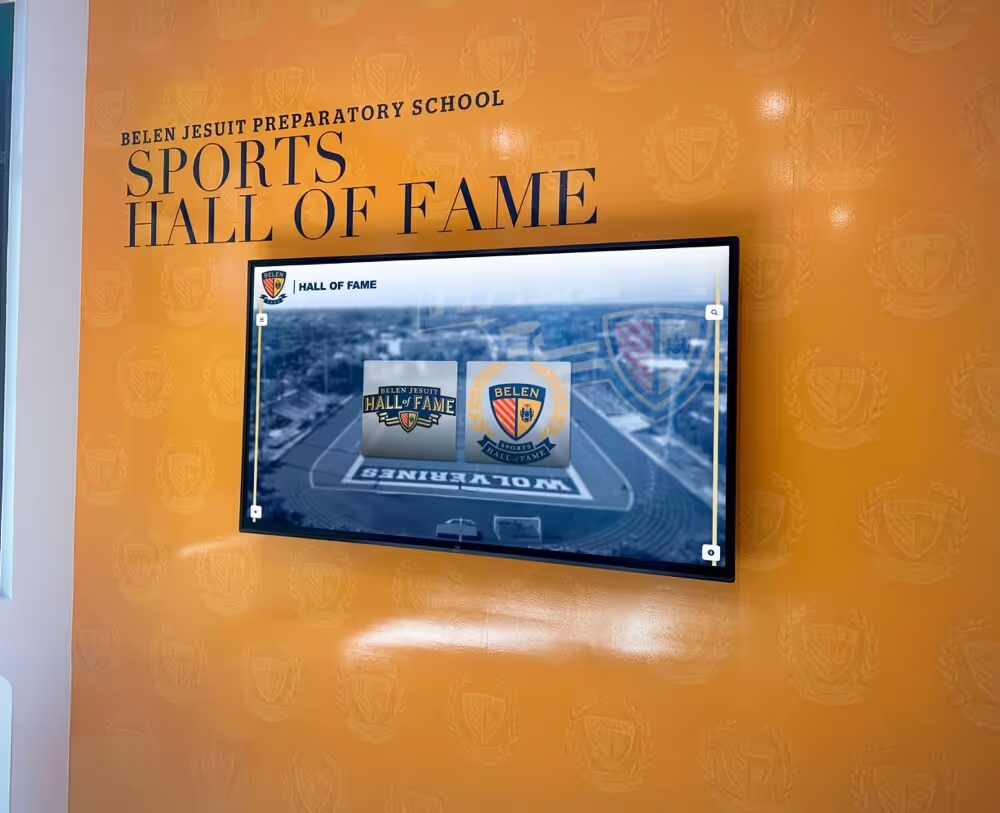
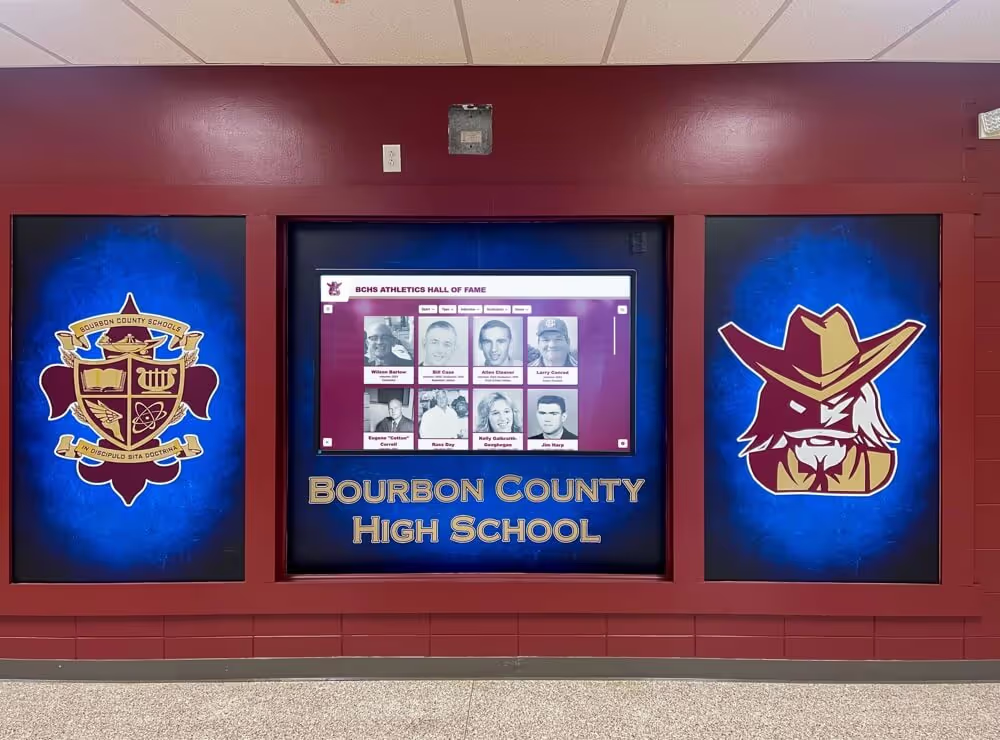
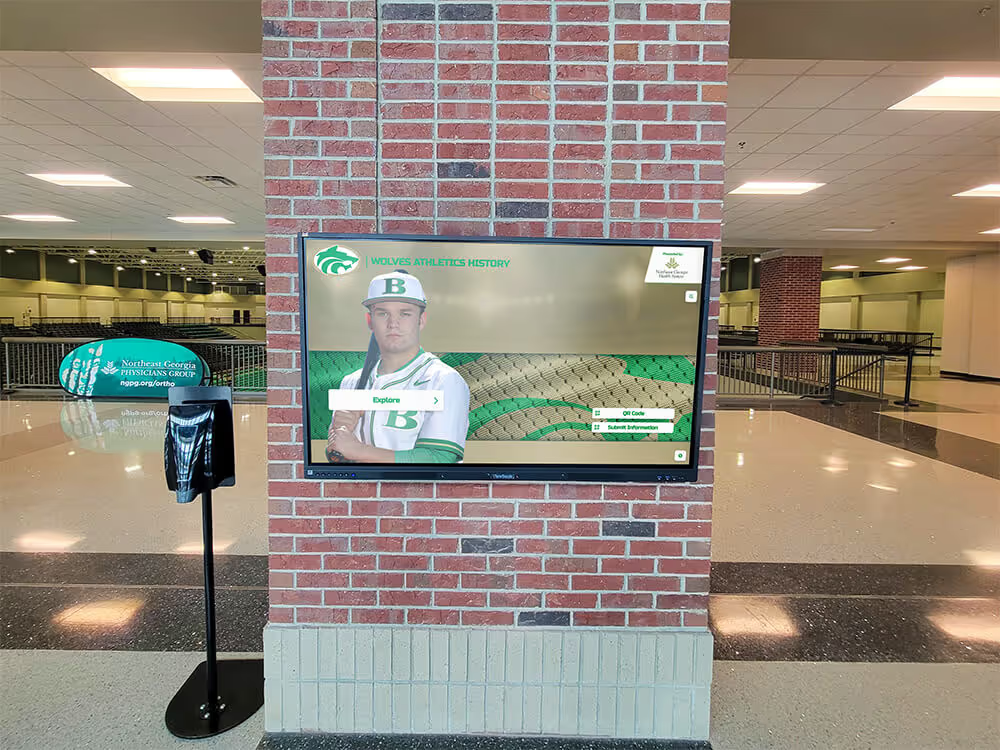
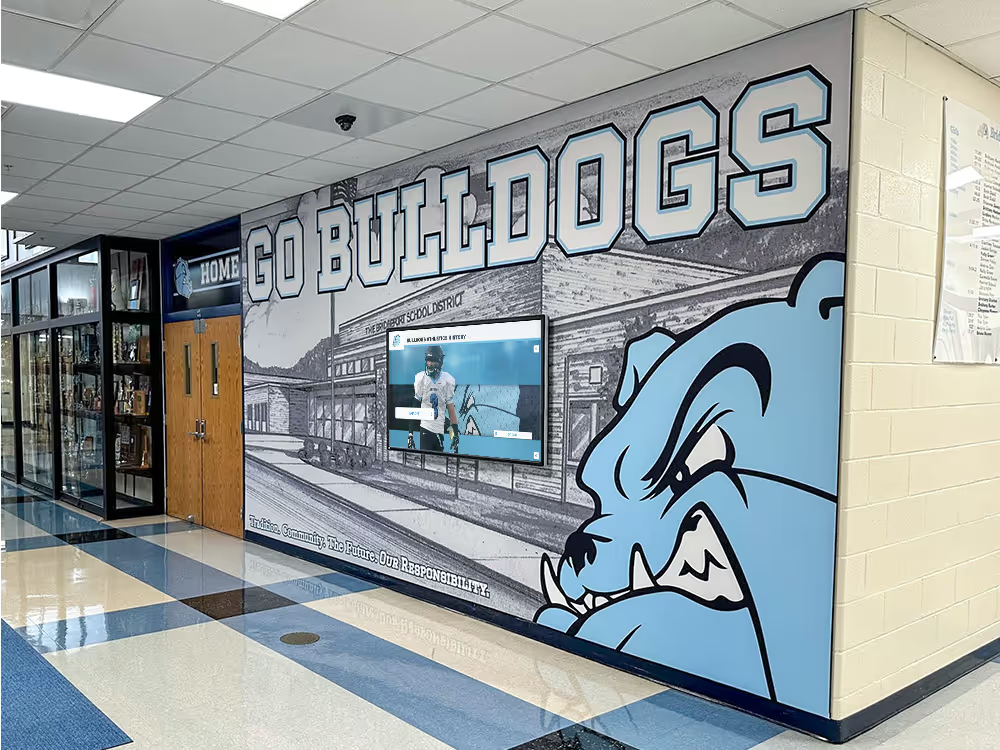
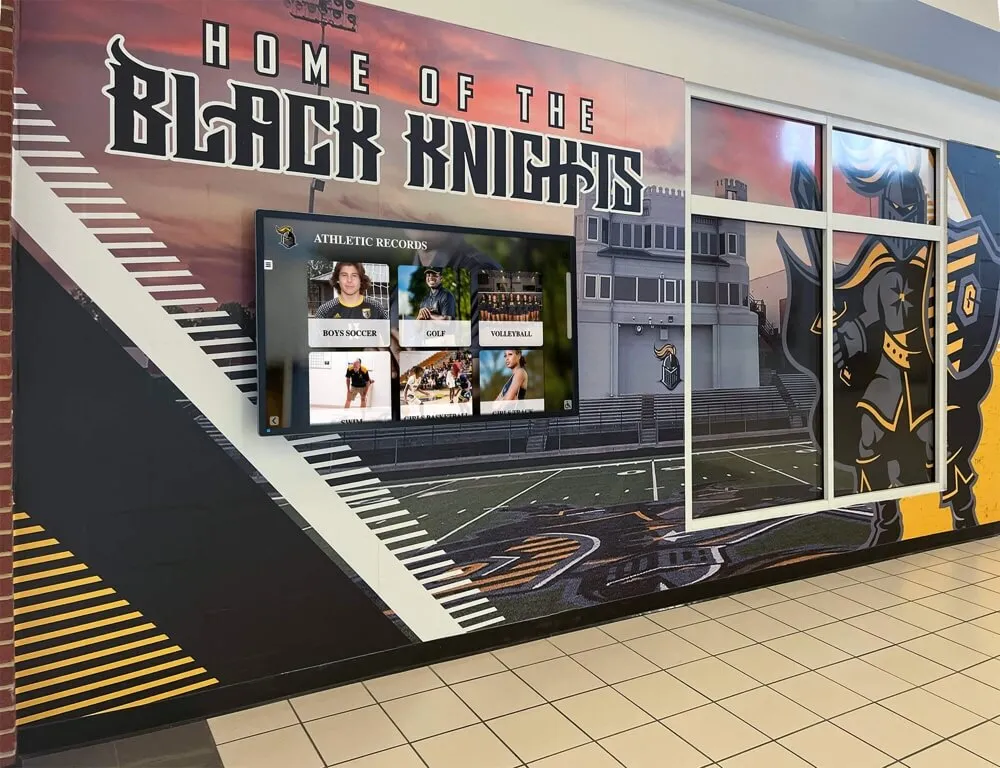
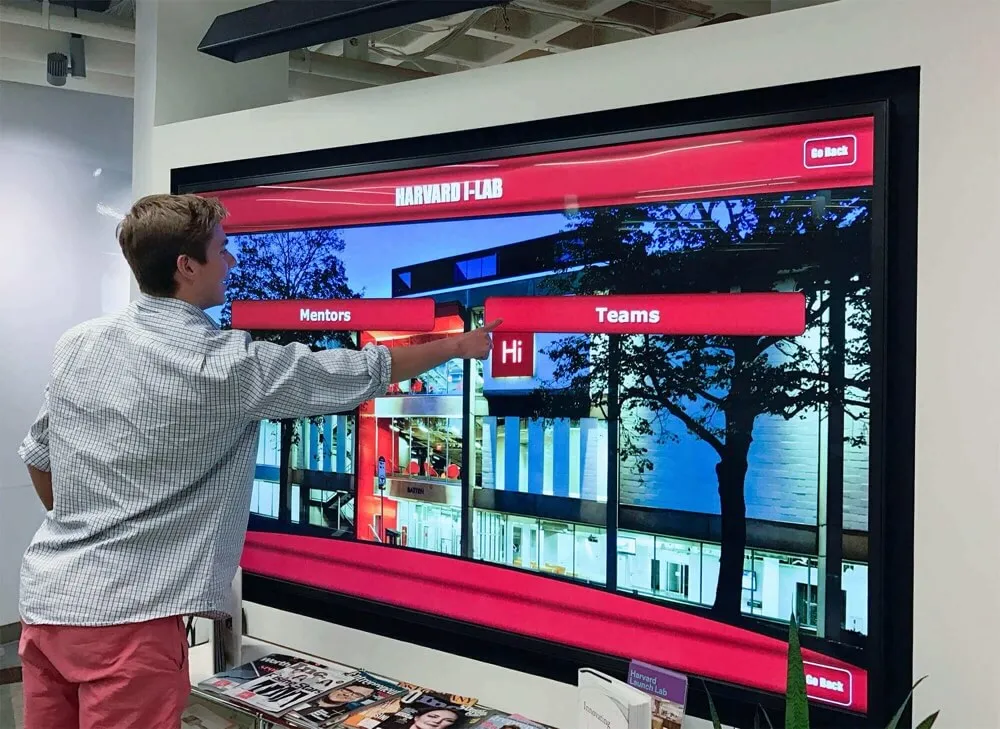
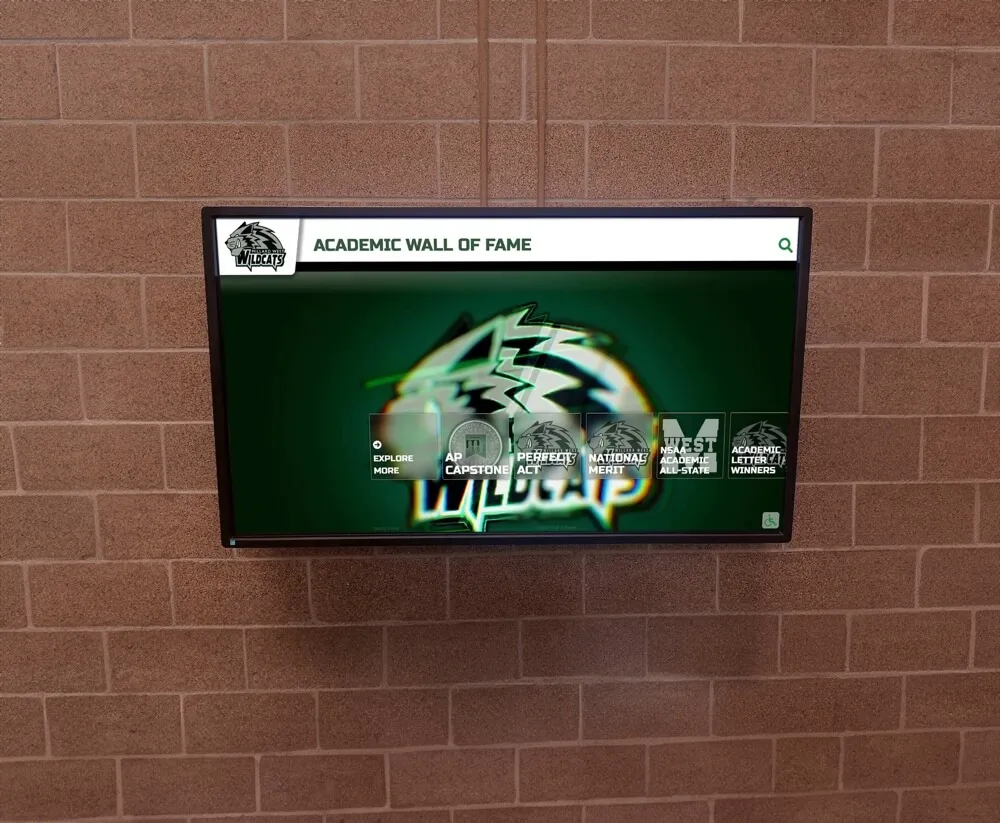
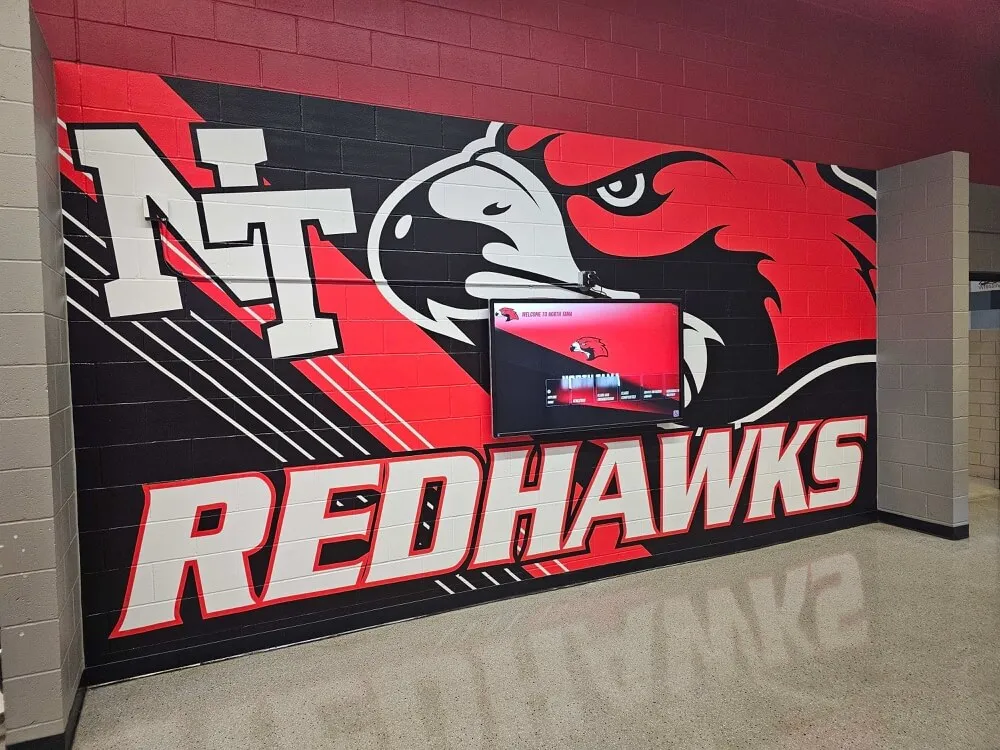
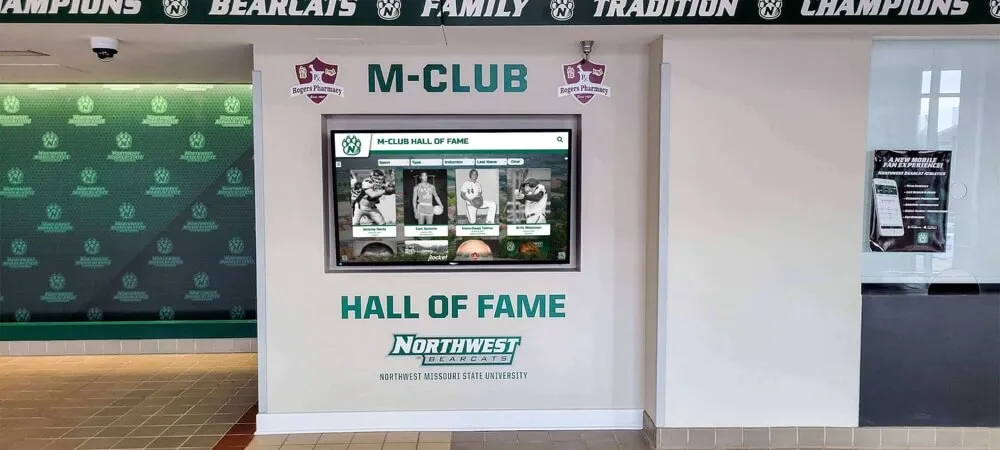
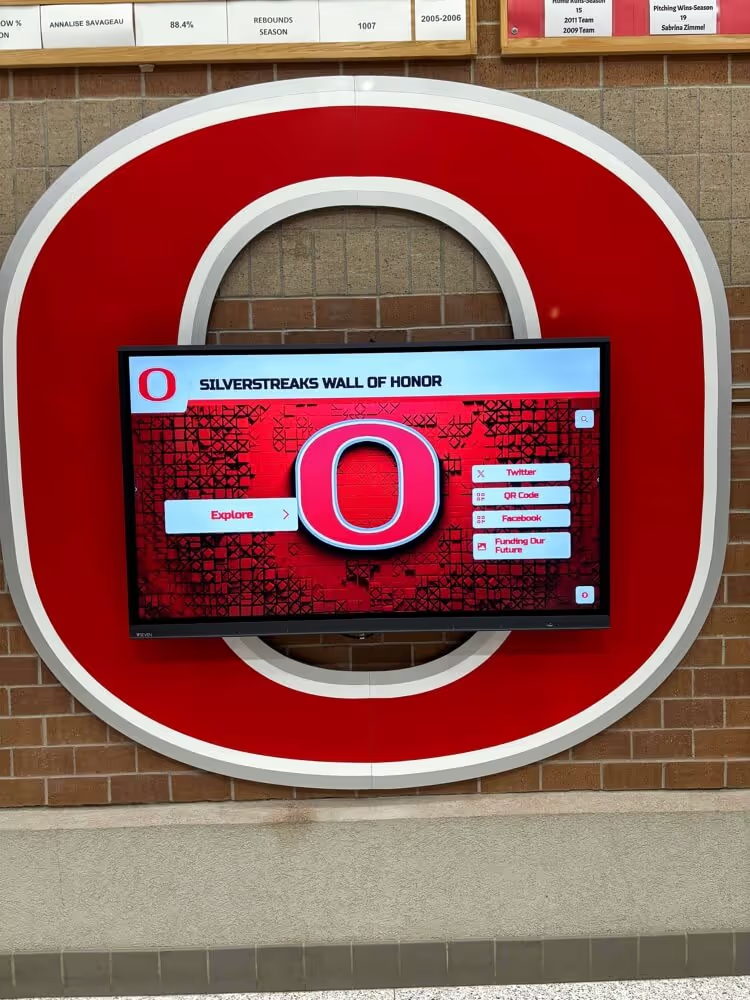
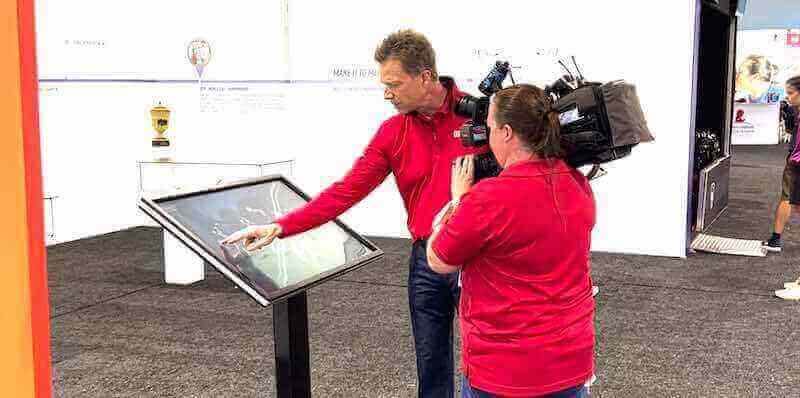
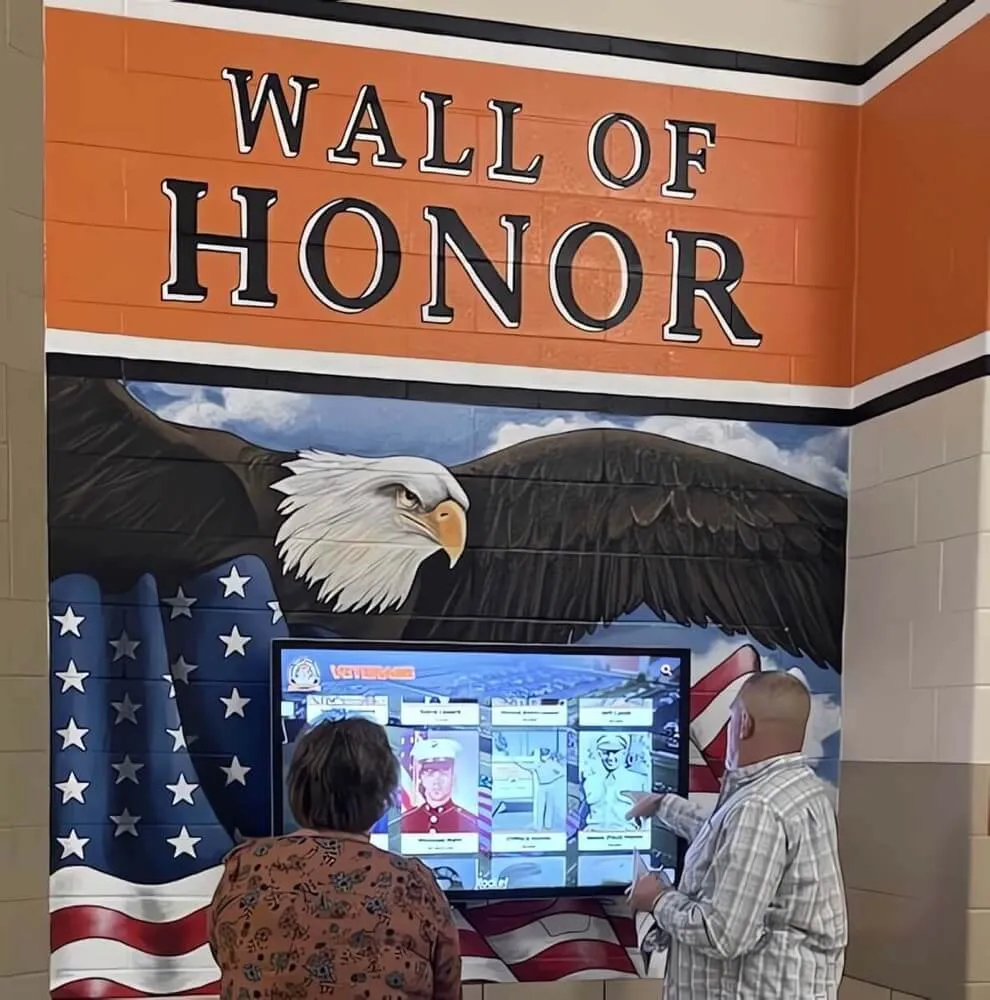
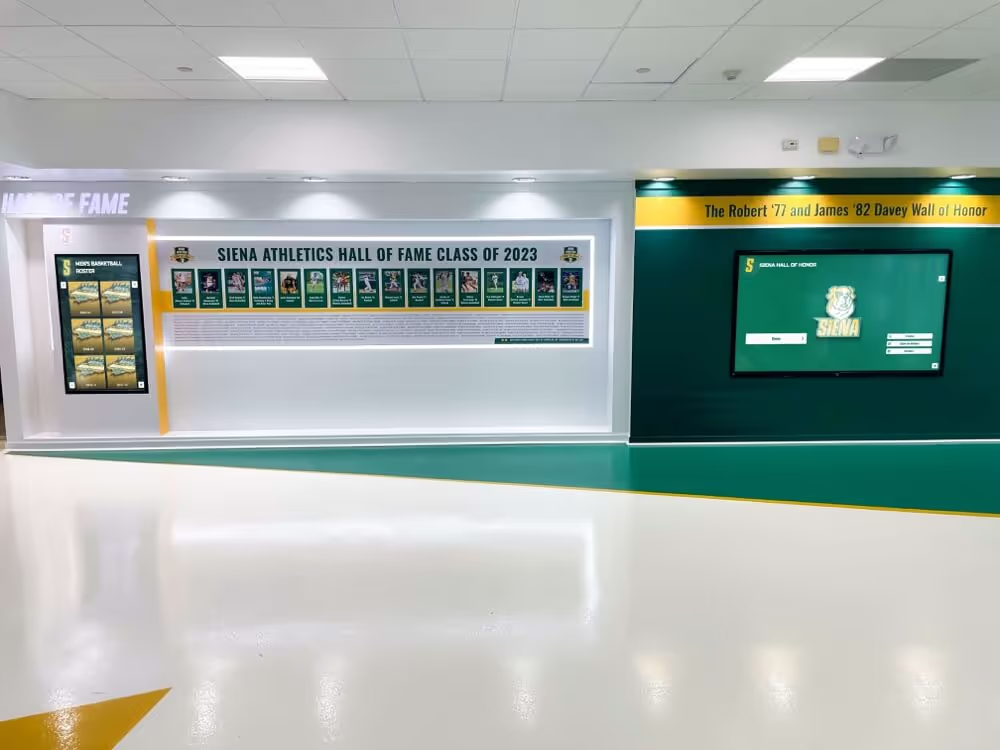
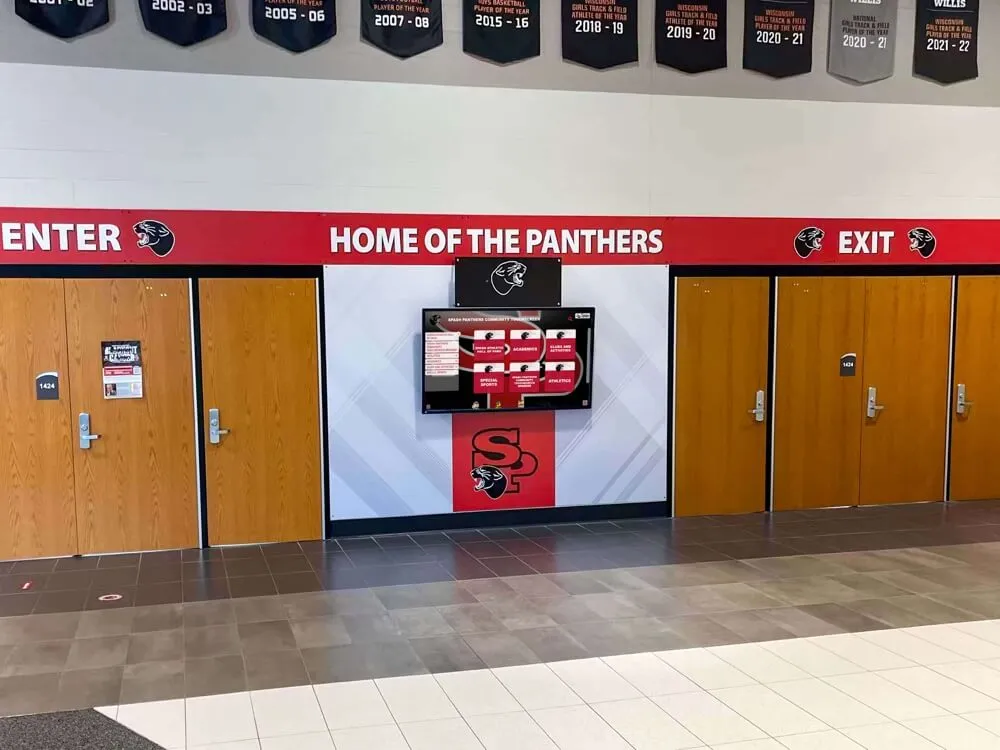
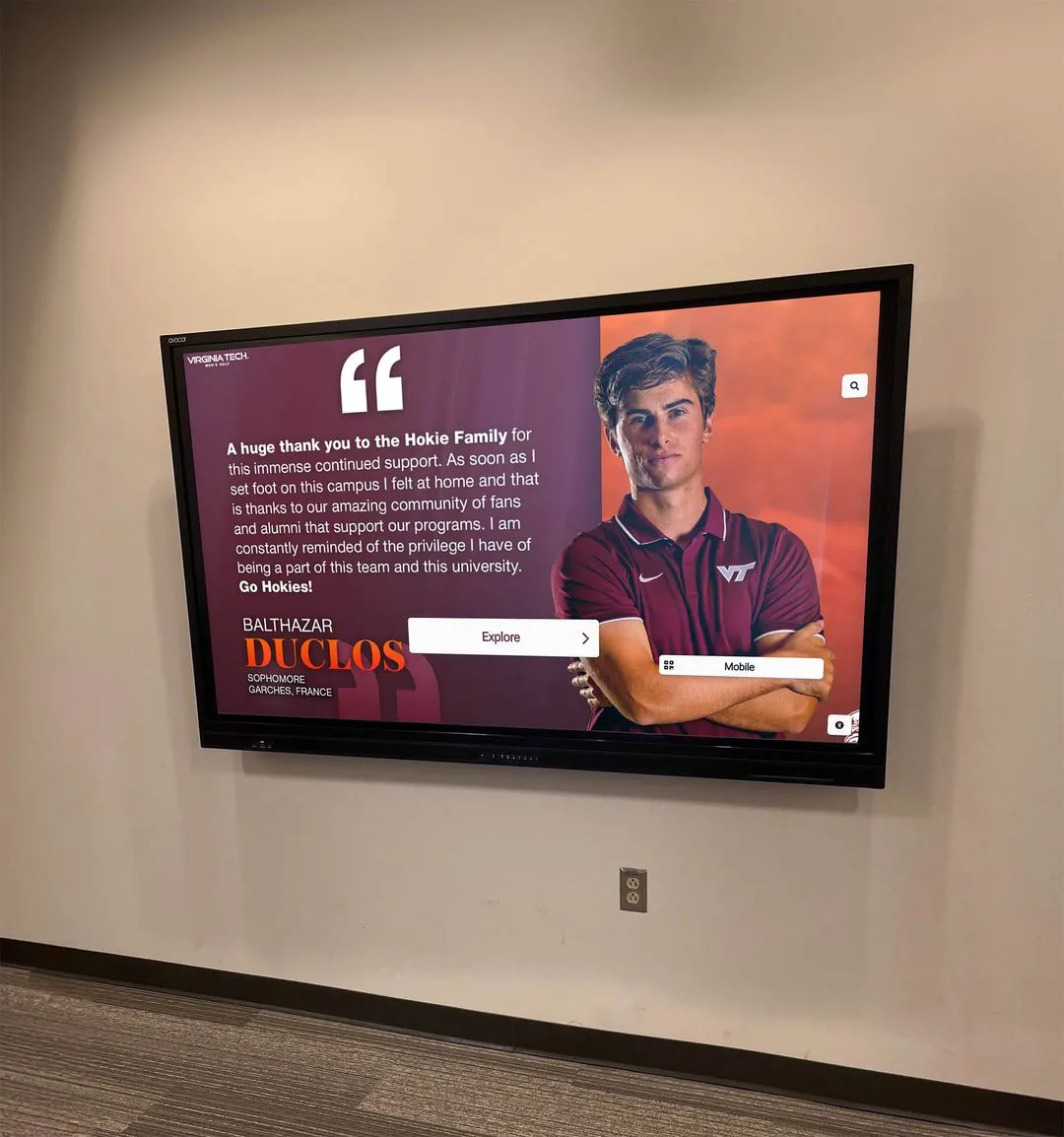
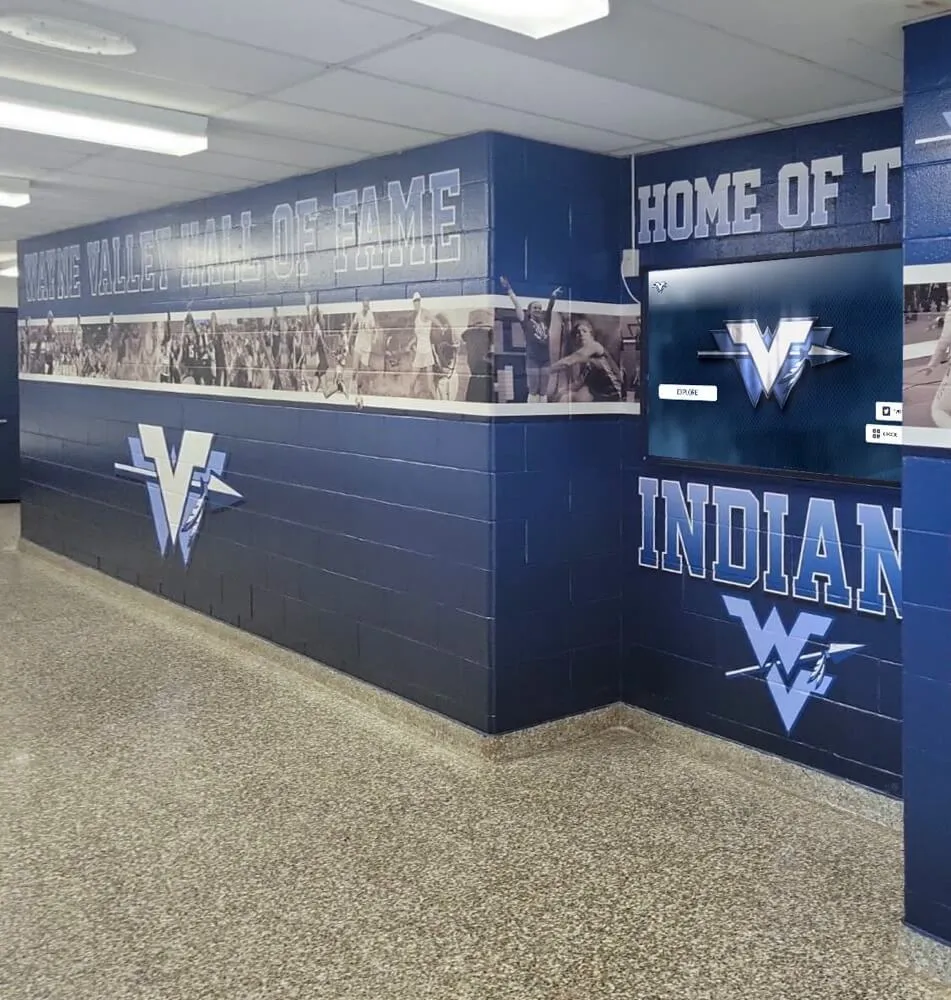
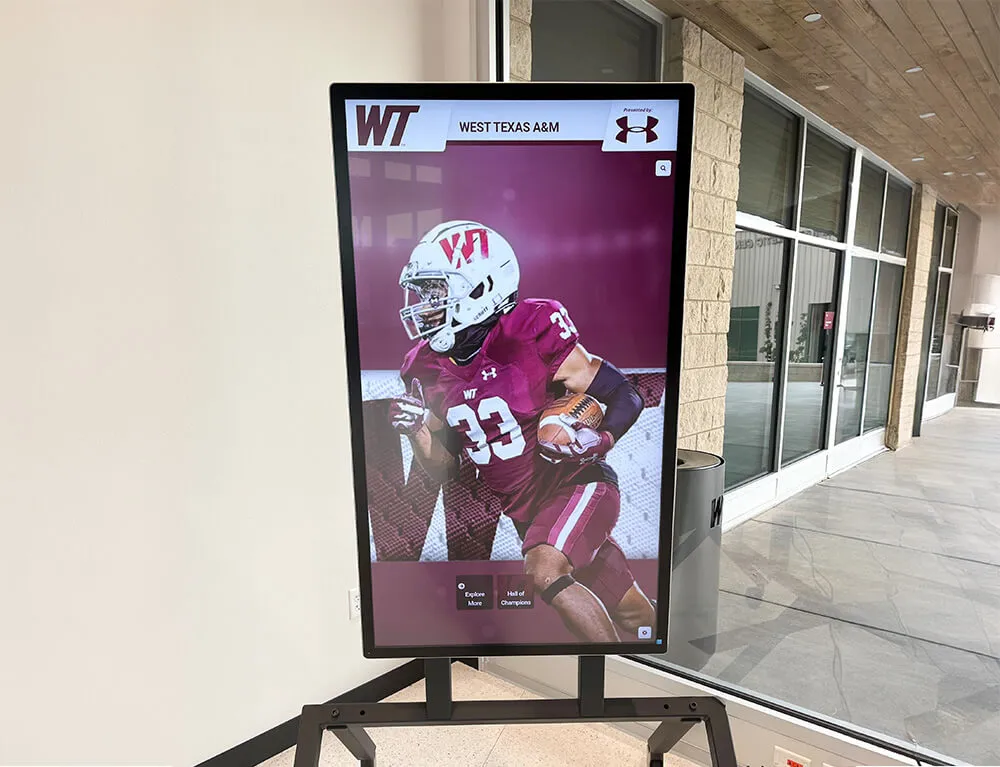
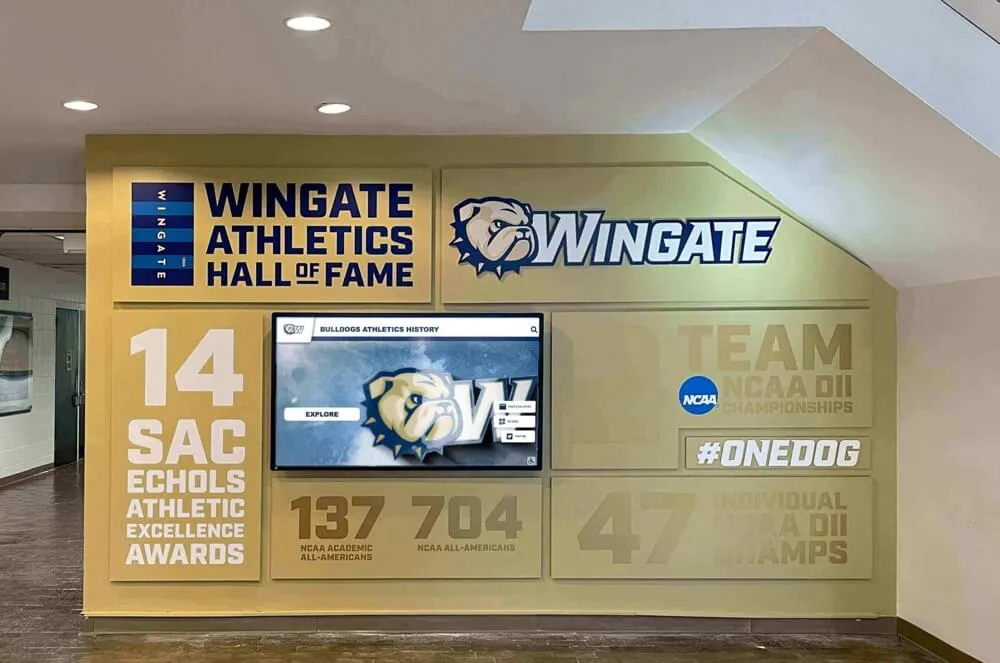
Interactive touchscreen displays in school lobbies, athletic facilities, and alumni centers provide permanent physical homes for digital memory content, enabling visitors to explore extensive photo and video archives through intuitive touch interfaces while maintaining prominent, prestigious physical presence in high-visibility locations.
This hybrid approach delivers the comprehensive documentation advantages of digital formats while preserving the visible, tangible recognition students and alumni value.
Making Memory Books Meaningful Rather Than Obligatory
Ensuring Memory Books Serve Real Purposes
The most successful memory books address specific needs rather than existing simply because “we’ve always done them”:
Focus on Unique Stories
Memory books should capture content not documented elsewhere:
- Perspectives and reflections formal yearbooks exclude
- Behind-the-scenes moments official publications miss
- Personal relationships and inside jokes
- Individual voices and personalities
- Authentic, unpolished moments
If your memory book duplicates yearbook content, question its value. Focus on what makes it distinct.
Prioritize Student Voice
Authentic Rather Than Administrative
Best memory books reflect student perspective:
- Use student writing rather than adult summaries
- Include unfiltered (appropriate) quotes and reflections
- Allow creative freedom within basic guidelines
- Feature student photography alongside professional shots
- Let students drive content selection
Memory books created by adults for students feel inauthentic. Student-driven projects resonate more powerfully.
Create Usable Resources
Functional Beyond Sentimental
Most impactful memory books serve ongoing purposes:
- Help reunion planners track down classmates
- Provide mentorship advice for younger students
- Document institutional history for archives
- Support fundraising through nostalgic connection
- Enable alumni networking and career connections
Memory books gathering dust serve no purpose. Design with specific use cases ensuring ongoing relevance.
Celebrate Relationships Over Achievements
Connection Rather Than Competition
Memory books emphasizing friendships and shared experiences outperform achievement-focused alternatives:
- Feature friend groups and relationships prominently
- Include collaborative rather than only individual accomplishments
- Highlight team chemistry alongside statistics
- Document shared traditions and inside jokes
- Emphasize belonging and community
Students remember relationships longer than awards. Prioritize accordingly.
Common Memory Book Mistakes to Avoid
Learning from Frequent Implementation Failures
These common errors undermine memory book effectiveness:
Starting Too Late
Insufficient Preparation Time
Rushed timelines cause:
- Missing content from students who missed deadlines
- Design inconsistencies from hurried layout work
- Proofreading errors due to inadequate review time
- Printing quality issues from last-minute vendor selection
- Distribution delays missing optimal timing
Begin planning 6+ months before target distribution date.
Inconsistent Quality Standards
Variable Content Standards
Accepting whatever submissions arrive results in:
- Professional photos mixed with low-quality phone snapshots
- Well-written profiles alongside grammatically incorrect entries
- Complete information for some students, minimal details for others
- Polished layouts contrasting with hastily assembled pages
Establish clear quality standards and enforce them consistently.
Excluding Non-Traditional Students
Limited Representation
Memory books focusing only on “typical” students exclude:
- Part-time students and those in alternative programs
- Students who don’t participate in mainstream activities
- Graduating mid-year or through summer school
- Special education students in separate programs
- Students who left school before graduating
Intentionally seek representation from all students who are part of the class community.
Neglecting Proofreading
Preventable Errors
Name misspellings, photo misidentifications, and factual errors:
- Embarrass featured students and families
- Undermine memory book credibility
- Cannot be corrected in print versions
- Reflect poorly on school attention to detail
Multiple proofreading rounds by different reviewers catch errors.
Forgetting Distribution Planning
Access Failures
Creating memory books but failing to distribute them:
- Leaves boxes sitting in offices
- Requires students to track down copies
- Results in unequal access
- Wastes production investment
Plan distribution simultaneously with production, ensuring every intended recipient receives their copy through intentional delivery approach.
Ready to Preserve Your School’s Memories?
Memory books transform fleeting school experiences into lasting tributes that students, alumni, and communities treasure across decades. Whether you choose traditional print formats, innovative digital platforms, or hybrid approaches combining both, structured memory preservation ensures the stories, achievements, and connections defining your school community remain accessible for generations.
The 15 template designs in this guide provide starting frameworks adaptable to your specific context—from celebrating graduating seniors and championship teams to reconnecting reunion classes and honoring distinguished alumni. Select templates aligning with your goals, available resources, and community preferences, then customize to reflect your school’s unique character and culture.
Most importantly, remember that the most meaningful memory books prioritize authentic voices, genuine relationships, and unique stories over polished perfection. Start with student perspectives, focus on what makes your community distinctive, and create resources people will actually use rather than objects that simply gather dust.
Explore Modern Digital Memory Solutions
As schools increasingly complement traditional memory books with permanent digital recognition displays, platforms like Rocket Alumni Solutions enable institutions to preserve comprehensive photo and video archives through interactive touchscreen systems that make memories continuously accessible in high-visibility campus locations—extending the impact of memory preservation far beyond physical books while maintaining the tangible, prestigious recognition students and alumni value.