Athletic locker rooms represent far more than simple changing facilities. They serve as team headquarters, motivation centers, cultural foundations, and sacred spaces where athletes prepare mentally and physically for competition. The best locker room designs create environments that honor tradition, celebrate achievement, foster team unity, and inspire excellence—transforming utilitarian spaces into powerful tools for building championship programs.
Yet athletic directors, coaches, and facilities planners often struggle with locker room design decisions. How do you maximize limited square footage while accommodating growing team sizes? What balance between function and inspiration creates spaces athletes actually want to spend time in? How can recognition displays celebrate achievements without requiring constant physical updates? What design elements build lasting program culture rather than temporary aesthetic appeal?
This comprehensive guide explores proven locker room design ideas addressing these challenges—from layout optimization and storage solutions to motivational displays and modern technology integration. Whether you’re planning new construction, renovating existing facilities, or simply refreshing team spaces with limited budgets, these strategies help create locker rooms that serve both practical needs and program-building purposes.
Effective locker room design balances functionality, durability, team culture, and inspiration. The most successful athletic facilities create spaces where athletes feel valued, motivated, and connected to program traditions that extend beyond individual seasons.

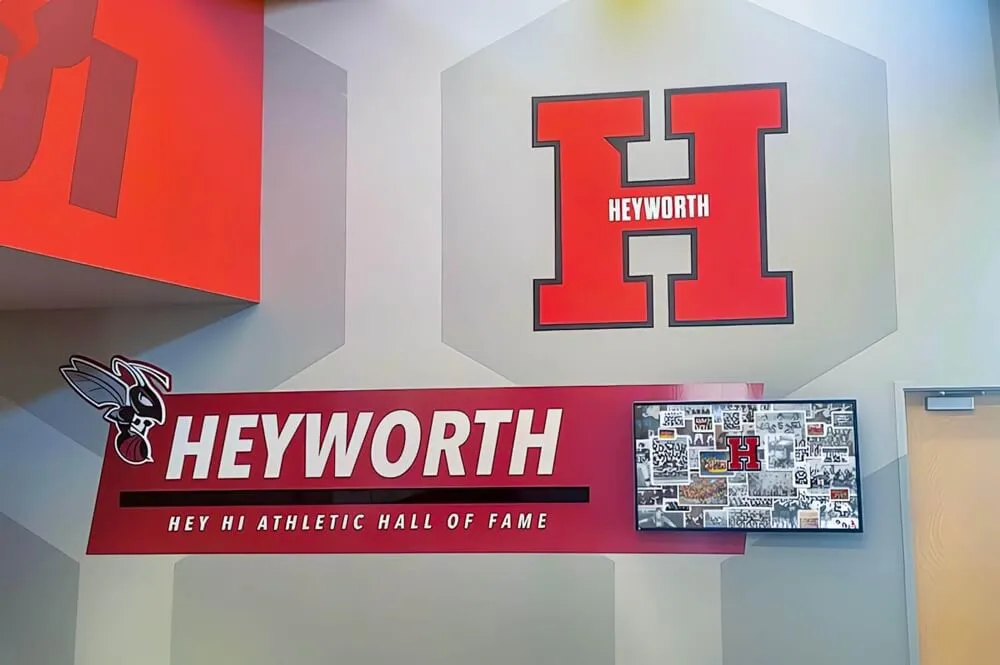
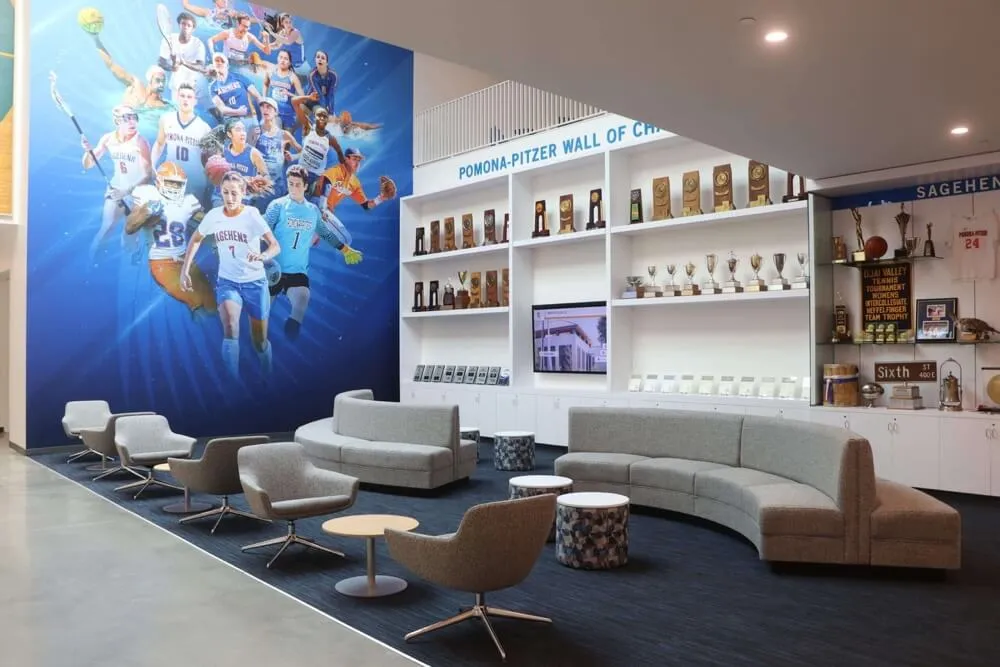
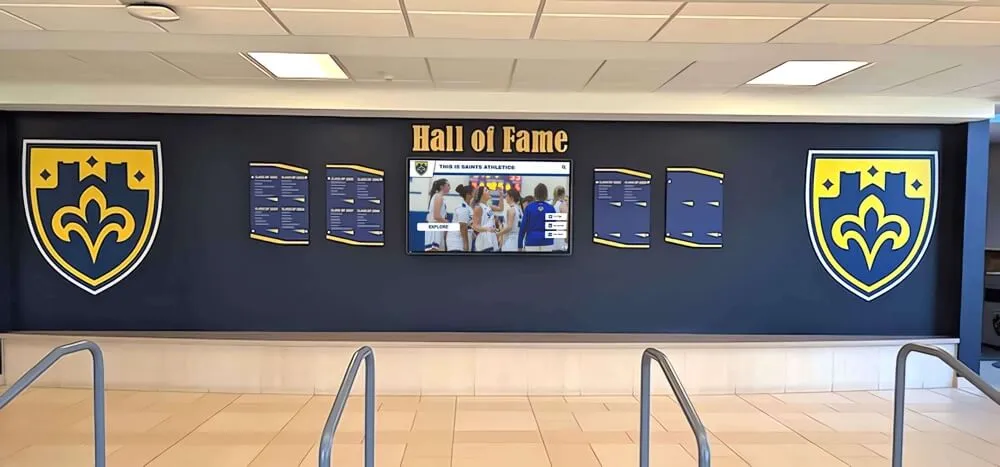
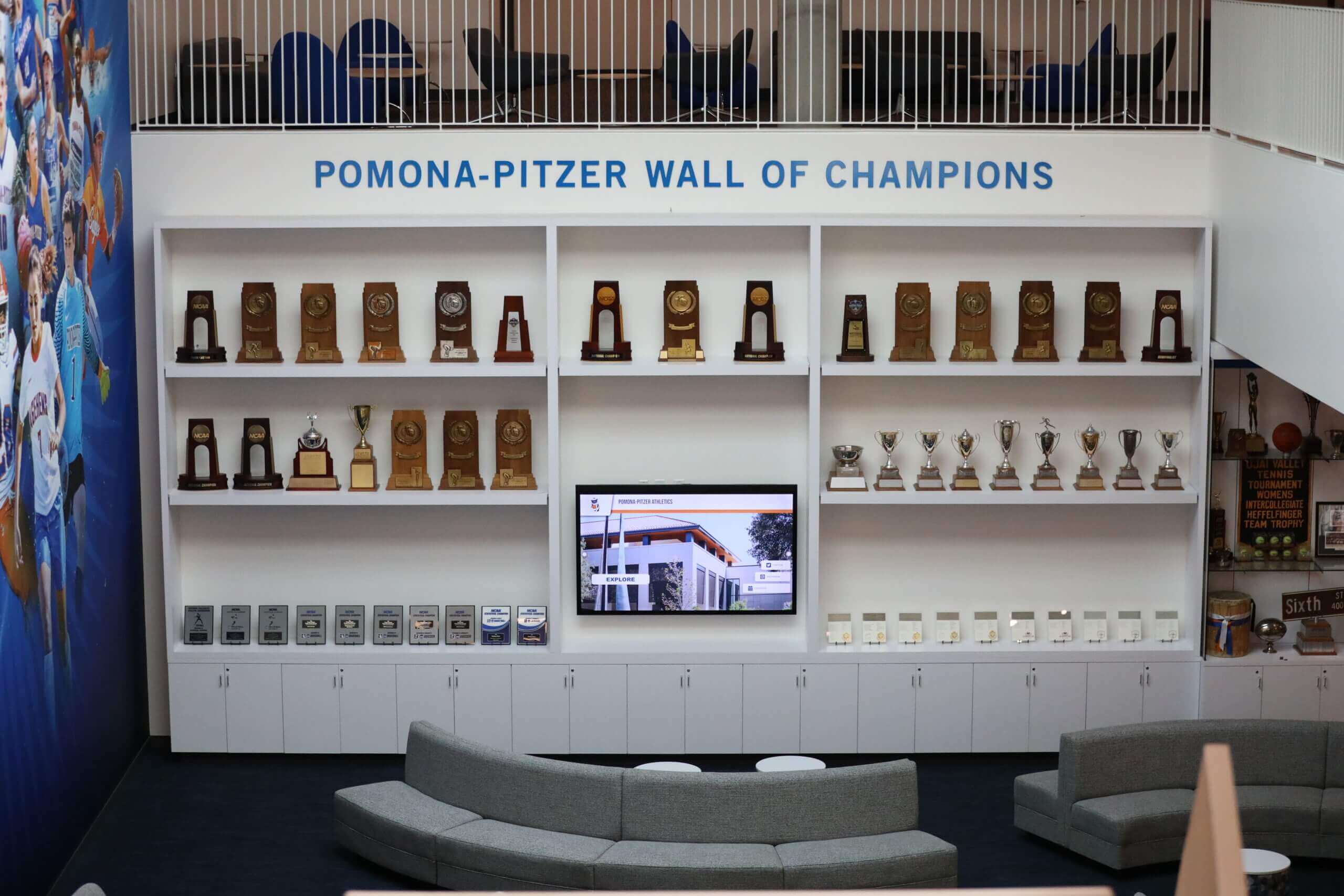
Well-designed team lounges adjacent to locker rooms provide spaces for team meetings, recognition displays, and building program culture through visual celebration of achievements
Core Principles of Effective Locker Room Design
Before diving into specific design elements, understanding fundamental principles helps facilities planners make decisions that serve programs effectively across decades rather than just looking appealing in initial construction.
Functionality First: Meeting Practical Team Needs
The primary purpose of locker rooms is providing functional space for athletes to change, store equipment, and prepare for competition:
Essential Functional Requirements
- Adequate changing space accommodating peak team sizes
- Secure storage for personal belongings and valuables
- Equipment storage for helmets, pads, uniforms, and gear
- Sufficient bench seating for comfortable changing
- Climate control maintaining comfortable temperatures year-round
- Proper ventilation preventing moisture buildup and odors
- Adequate lighting for safety and functionality
- Durable materials withstanding heavy athletic use
Athletic programs often face pressure to prioritize aesthetics over function during renovations. However, beautiful locker rooms that lack adequate storage, comfortable changing space, or proper ventilation quickly become frustrating rather than inspiring. Successful designs address practical needs comprehensively before layering in motivational elements.
Durability and Maintenance Considerations
Locker rooms endure intense daily use from dozens or hundreds of athletes:
High-Traffic Durability Requirements
- Water-resistant flooring handling wet conditions from showers
- Scratch-resistant locker finishes surviving equipment contact
- Easy-to-clean surfaces enabling efficient maintenance
- Antimicrobial materials preventing bacterial growth
- Corrosion-resistant hardware in humid environments
- Vandal-resistant fixtures reducing damage from misuse
Facilities managers implementing athletic facility improvements emphasize that maintenance considerations dramatically impact long-term satisfaction. Materials saving money initially but requiring frequent replacement or intensive cleaning ultimately cost more than durable choices made upfront.
Maintenance Efficiency Features
- Seamless flooring eliminating grout lines collecting dirt
- Wall-mounted fixtures simplifying floor cleaning
- Centralized drain locations enabling efficient hosing
- Adequate storage preventing equipment clutter
- Built-in organization systems maintaining order
Consider maintenance staffing realities when selecting finishes and fixtures. Beautiful tile work requiring daily grout cleaning becomes unsustainable if facilities staff already operate at capacity.
Building Team Culture Through Design
Locker rooms powerfully influence program culture and team identity:
Cultural Design Elements
- Team colors, logos, and branding creating visual identity
- Achievement displays honoring program traditions and excellence
- Motivational messaging reinforcing program values
- Historic photos connecting current athletes with program heritage
- Championship recognition celebrating team success
- Individual athlete recognition acknowledging personal achievement
The most effective locker room designs tell program stories—visually communicating what the team values, celebrates, and aspires toward. Athletes entering these spaces daily absorb cultural messages that shape attitudes, effort levels, and program commitment.
Schools implementing comprehensive athletic recognition programs discover that locker room displays represent particularly impactful recognition opportunities since athletes encounter them daily rather than occasionally viewing lobby displays.
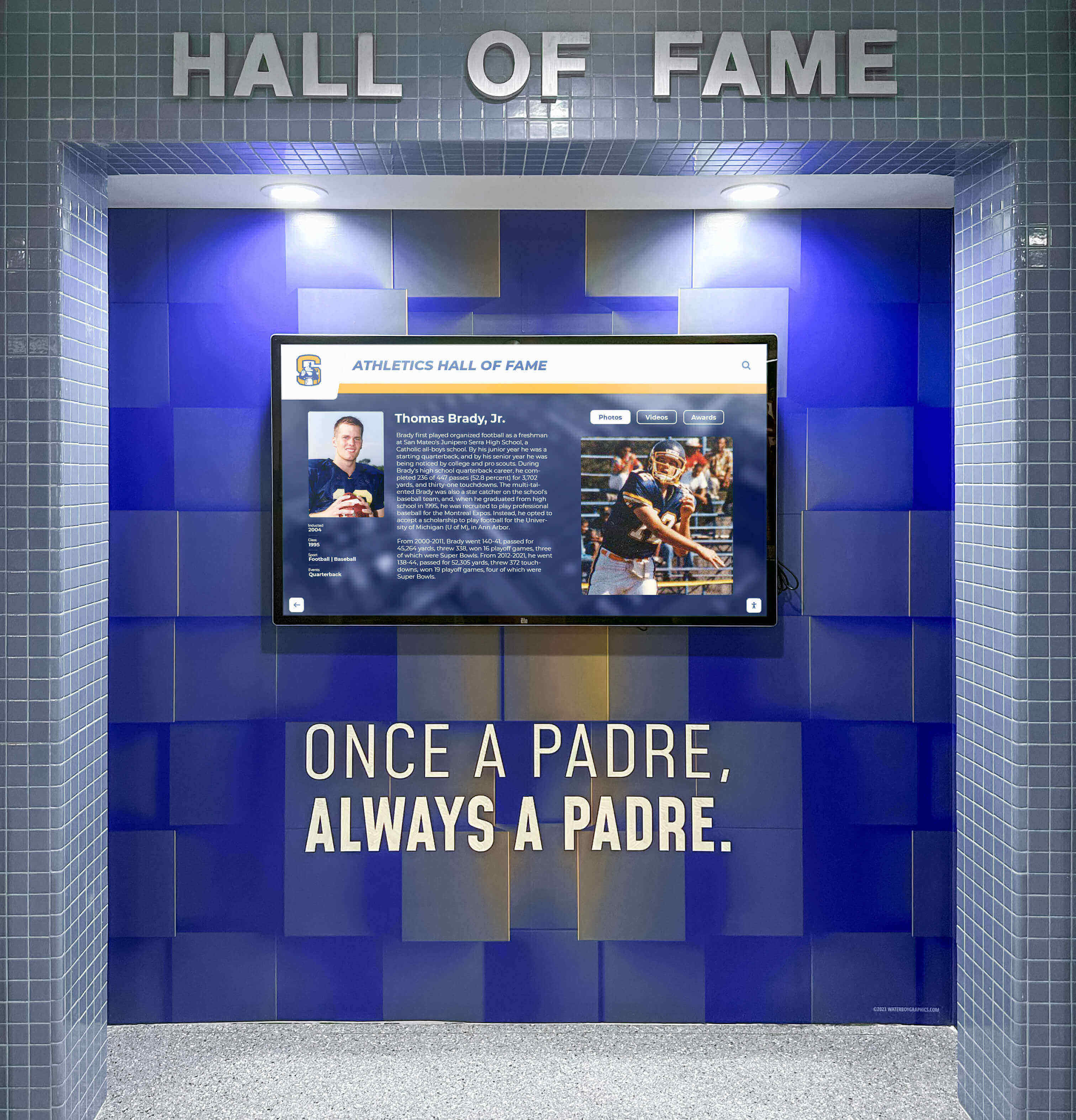
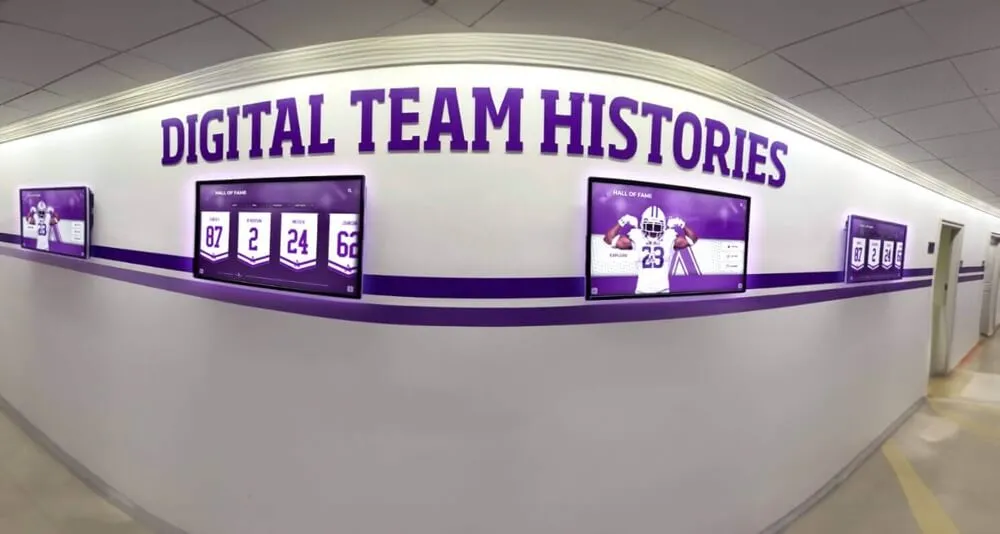
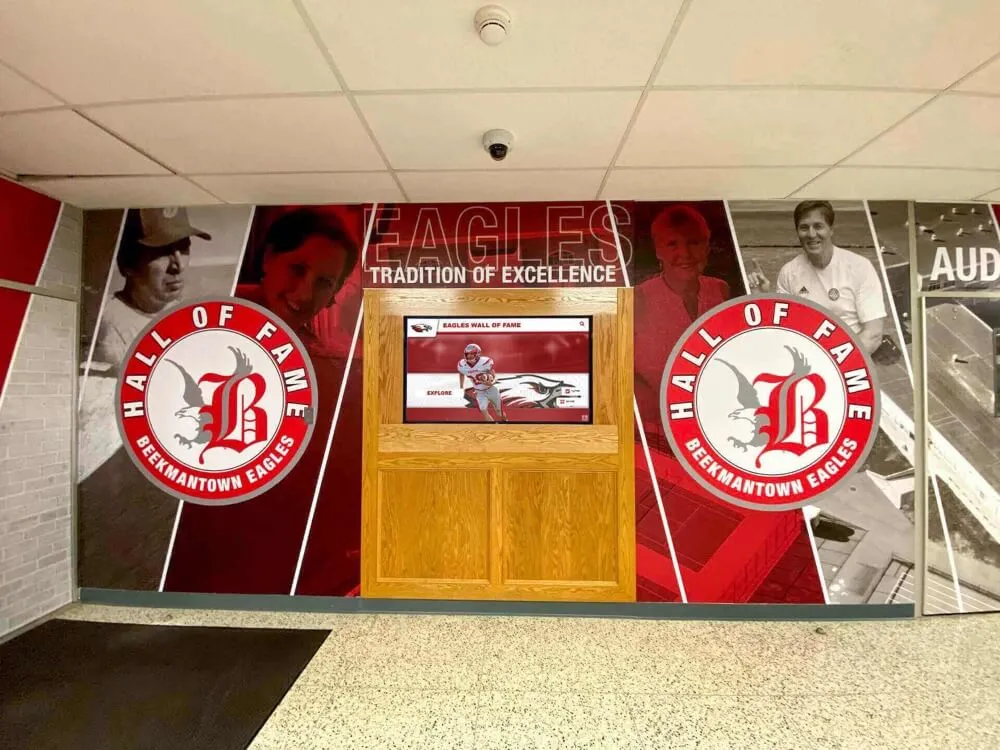
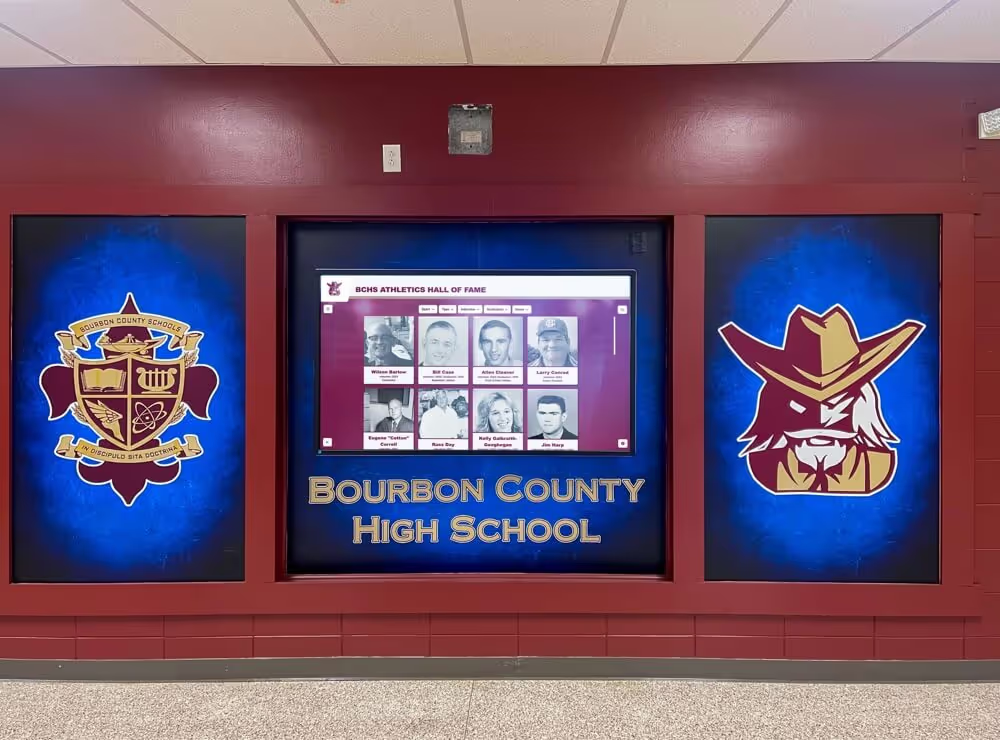
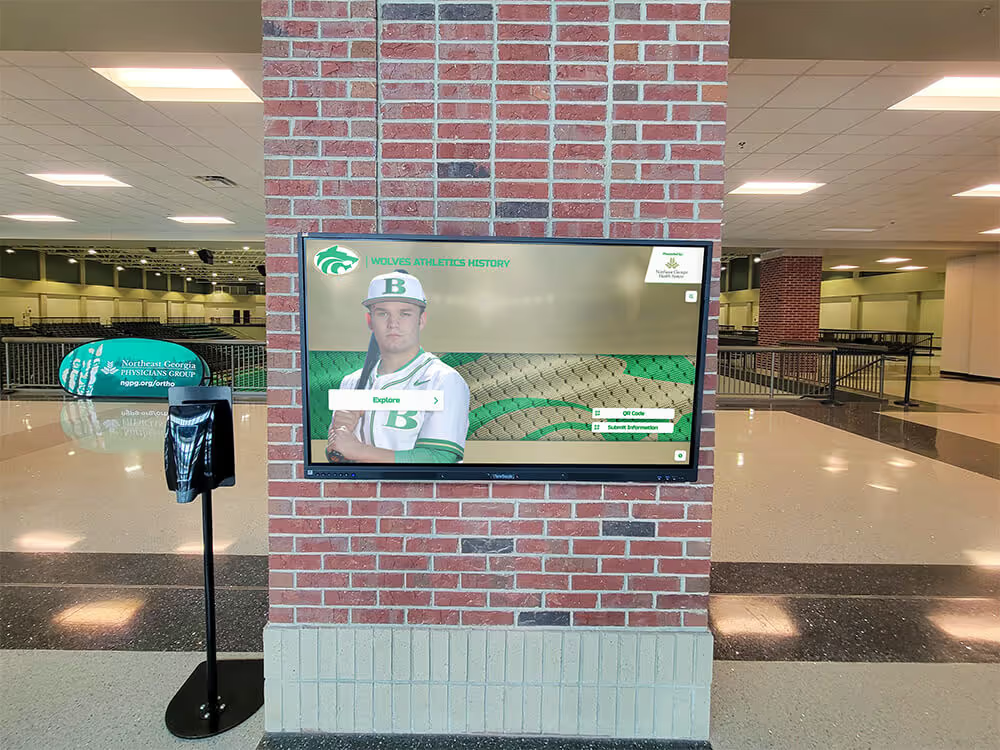
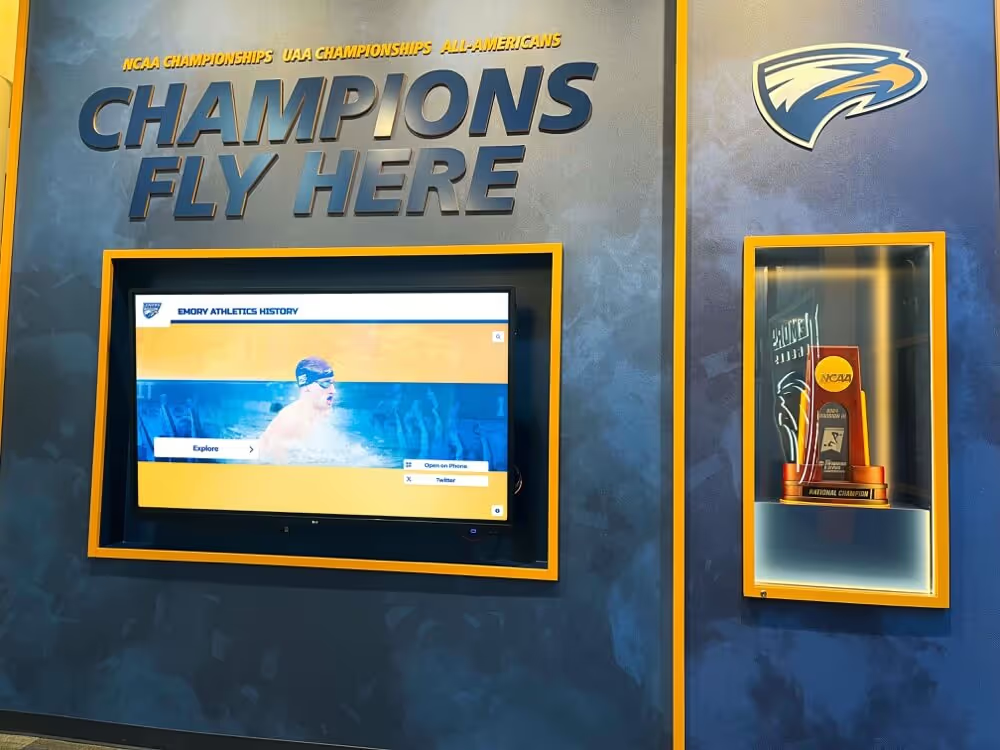
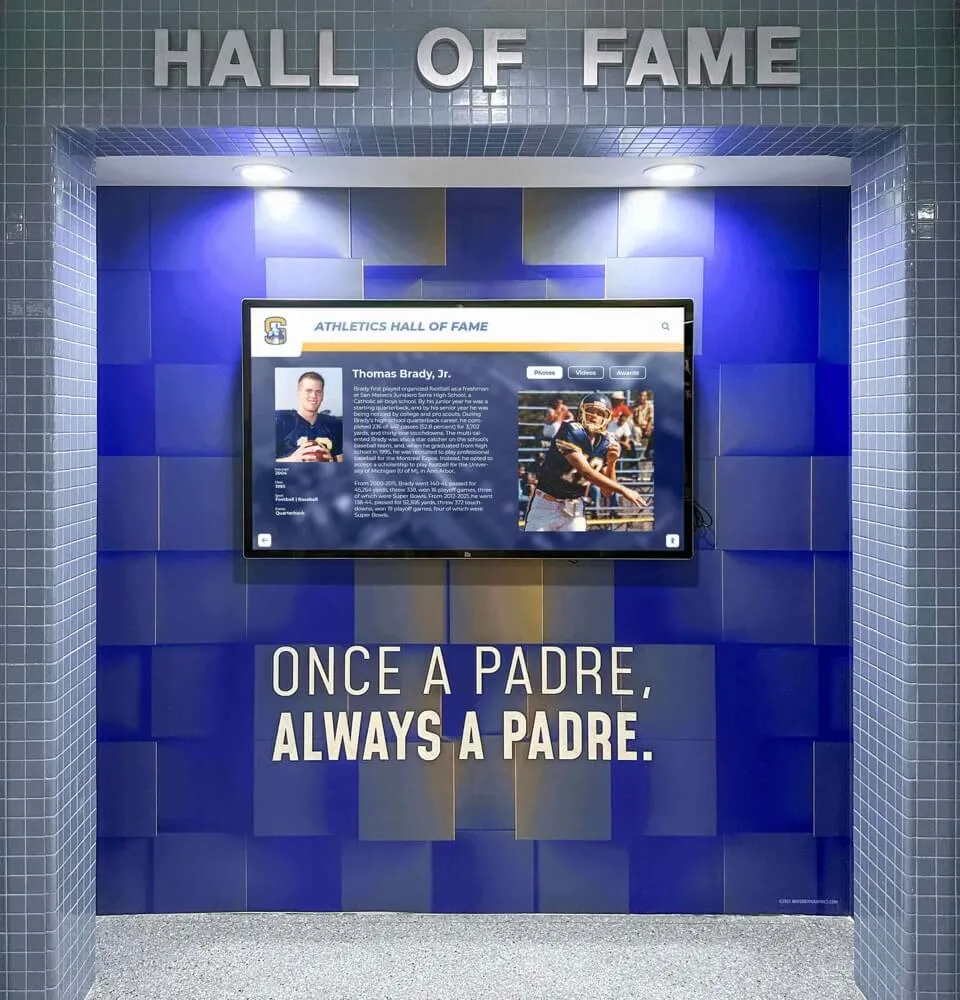
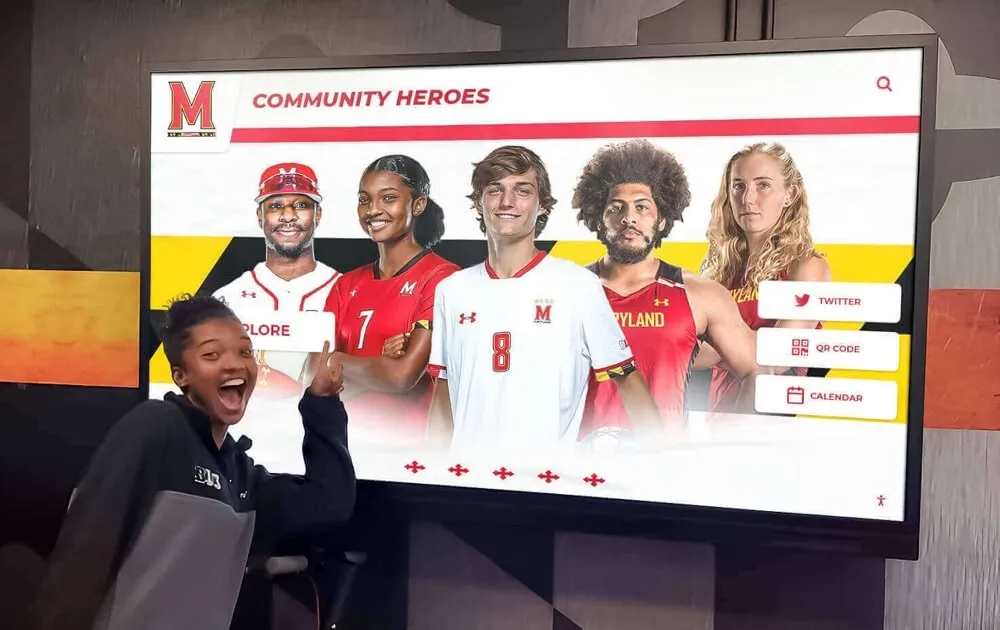
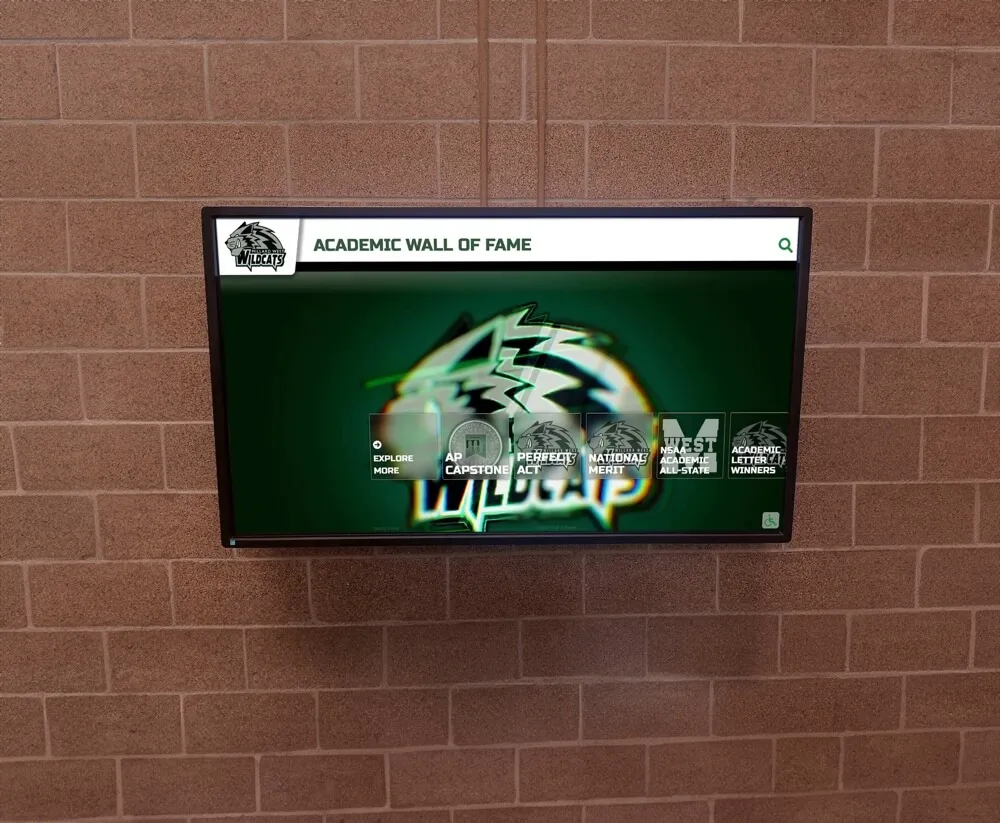
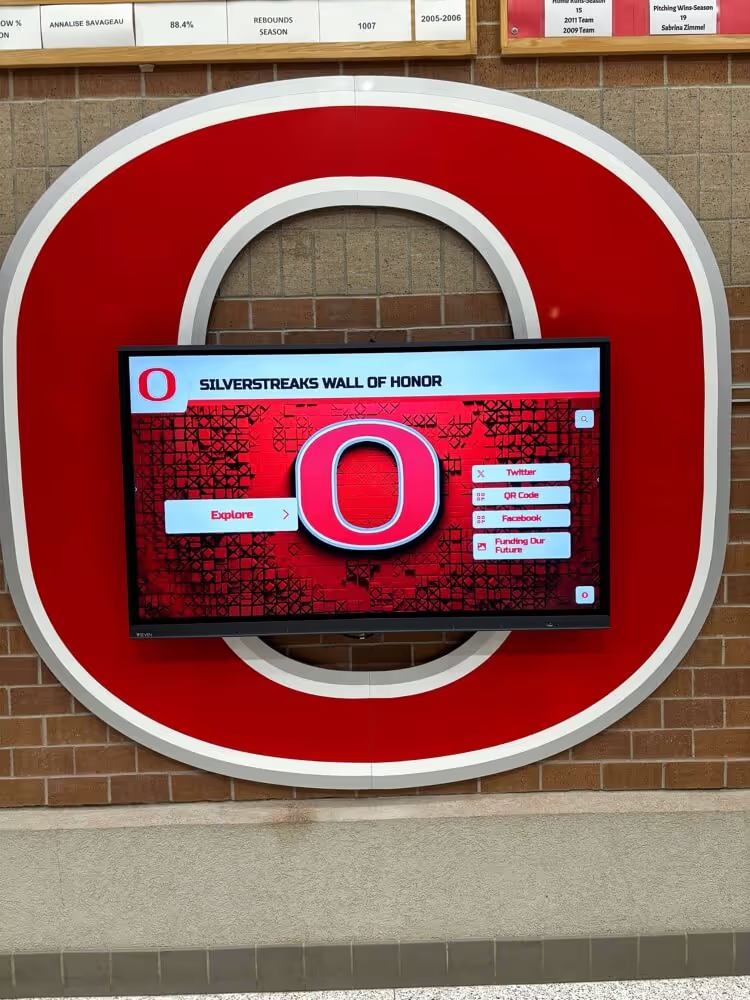
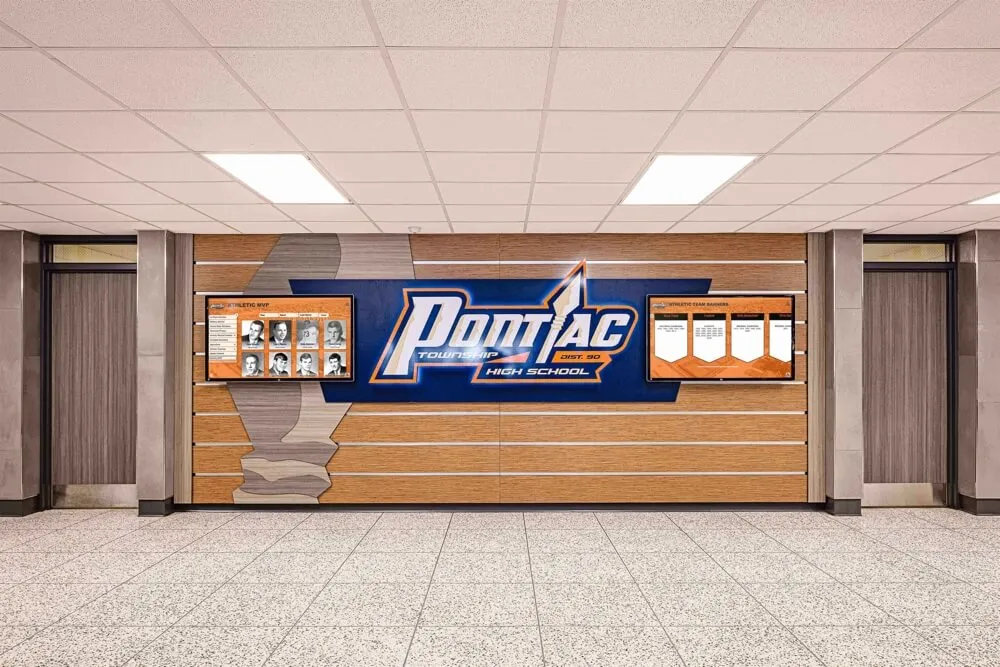
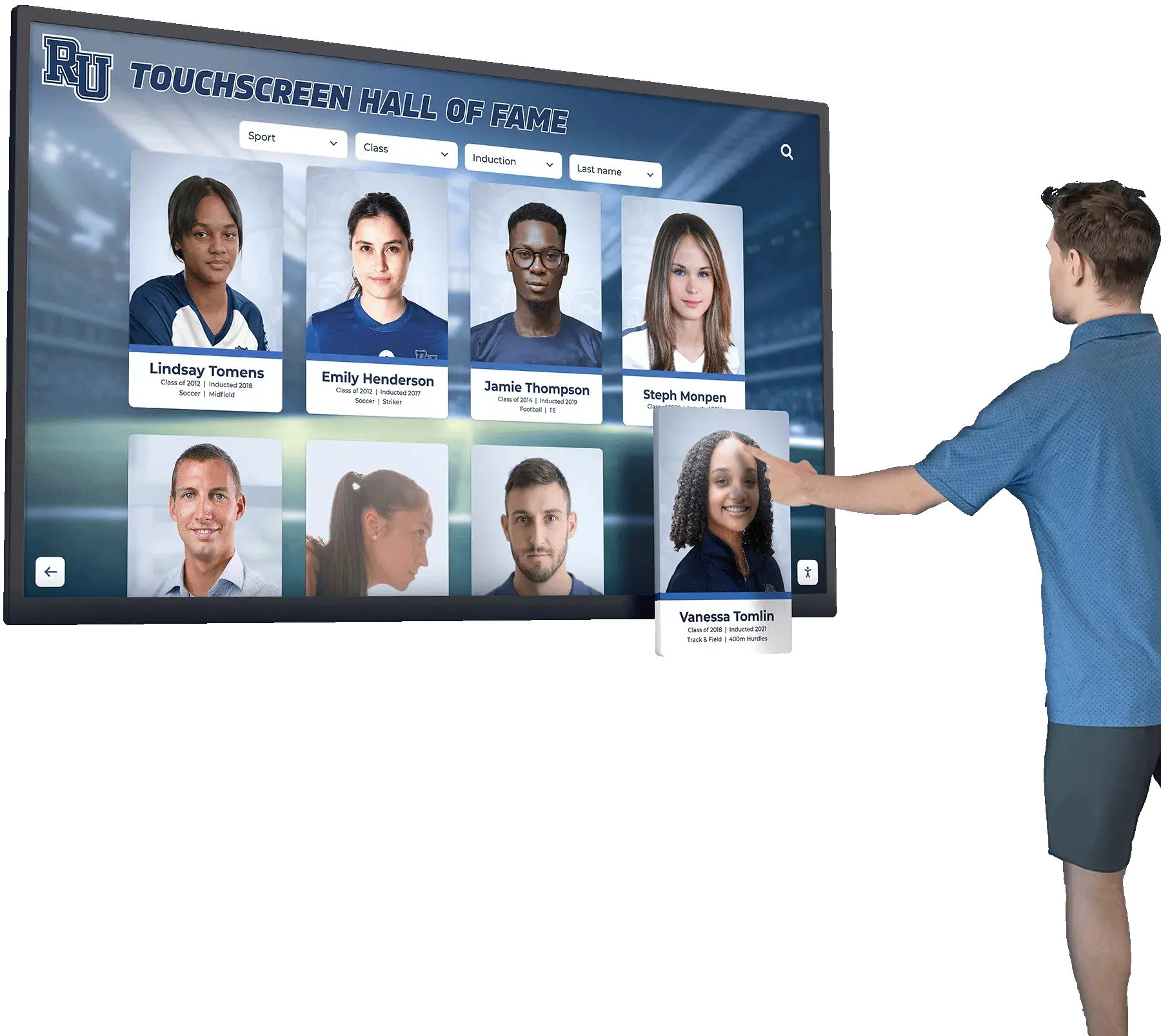
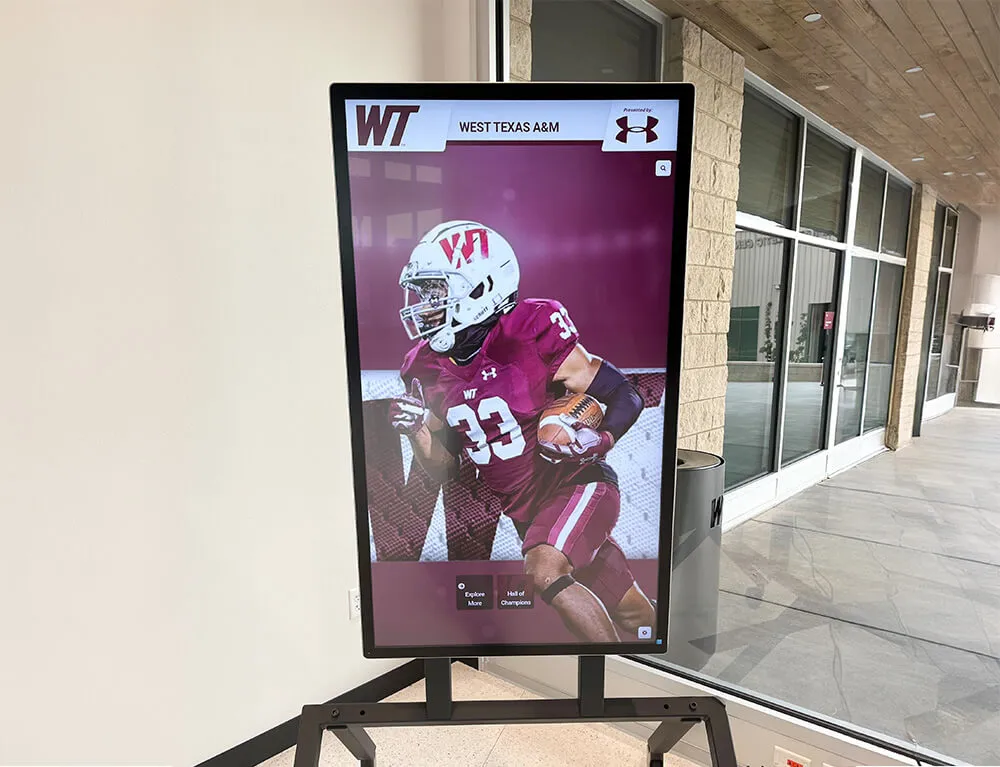
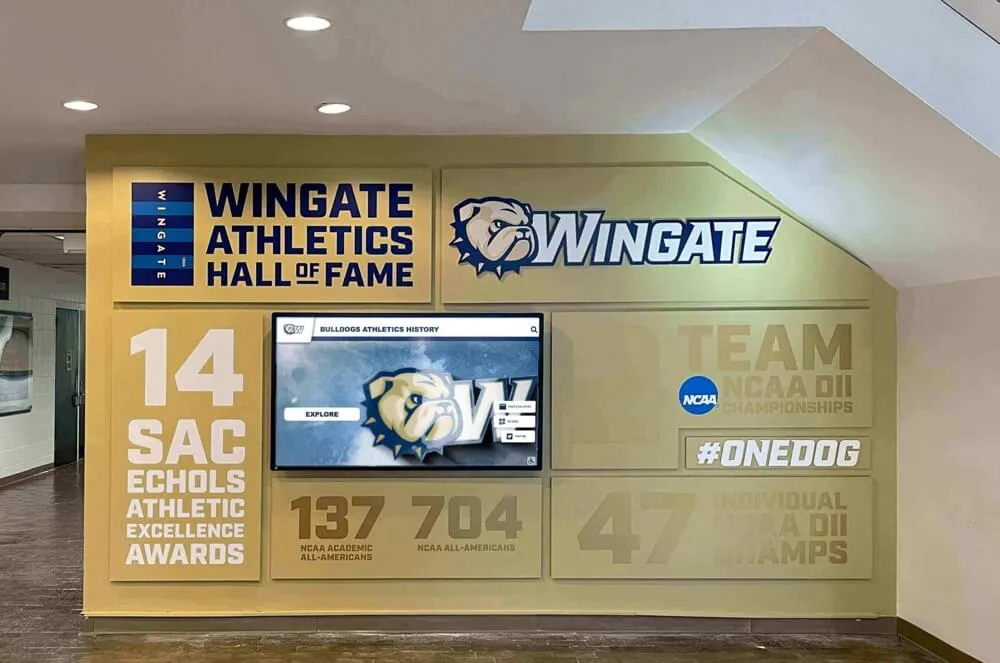
Modern digital displays integrate seamlessly into locker room and adjacent hallway designs, celebrating athletic achievements while enabling easy content updates as programs continue earning recognition
Optimizing Locker Room Layouts and Space Planning
Thoughtful spatial organization maximizes functionality even in constrained footprints while creating logical flow supporting athlete routines.
Determining Appropriate Space Allocations
Proper sizing prevents overcrowding while avoiding wasteful over-building:
Recommended Space Guidelines
- 15-20 square feet per athlete for comfortable locker room capacity
- 30-inch minimum locker width for adequate storage
- 6-8 feet of ceiling height minimum (higher preferred for ventilation)
- Team meeting areas requiring 10-15 square feet per athlete
- Coaching office space within or adjacent to locker room
- Equipment storage rooms separate from changing areas
High school athletic programs typically design for largest team sizes (often football) with flexibility for smaller sport teams sharing facilities. University programs frequently provide sport-specific locker rooms optimized for individual team needs.
Creating Functional Traffic Flow Patterns
Logical circulation prevents congestion during peak use times:
Effective Layout Strategies
- Entry vestibules preventing direct hallway visibility into changing areas
- Clear pathways from entry to lockers to shower facilities
- Separate traffic lanes for athletes entering versus leaving
- Strategic locker arrangement avoiding bottlenecks at popular locations
- Adequate aisle width (minimum 5 feet) between locker rows
- Bathroom and shower placement enabling efficient movement
Programs implementing collegiate-level athletic facility standards prioritize circulation planning during design—recognizing that poor traffic flow creates daily frustration regardless of how impressive finishes appear.
Zoning Locker Rooms for Multiple Functions
Modern locker rooms often serve purposes beyond just changing:
Multi-Functional Zone Planning
- Primary changing area with individual lockers
- Team meeting space with presentation capabilities
- Equipment issue/return areas for uniform and gear management
- Coaches’ offices for individual meetings and planning
- Training/treatment areas for athletic training services
- Study areas supporting student-athlete academic success
- Nutrition stations providing healthy snacks and hydration
This zoning approach creates comprehensive team centers rather than single-purpose changing rooms—providing spaces where athletes spend significant time building relationships, receiving coaching, and developing as complete student-athletes beyond just athletic performance.
Flexibility for Multi-Sport Facilities
Schools with shared locker rooms need adaptable designs:
Multi-Sport Adaptability Features
- Neutral color schemes accommodating multiple team identities
- Modular display systems enabling seasonal updates
- Digital signage allowing content changes between sports seasons
- Adjustable storage configurations for different equipment types
- Generic team branding complementing sport-specific additions
Facilities serving fall football, winter basketball, and spring track programs throughout the year benefit from base designs supporting any sport with layered seasonal customization rather than permanent single-sport commitments.

Adjacent team lounges extend locker room functionality with comfortable spaces for team bonding, film review, and visual celebration of program achievements
Storage Solutions and Locker Systems
Adequate, well-organized storage dramatically impacts locker room functionality and athlete satisfaction.
Individual Athlete Locker Options
Locker selection affects both function and budget:
Traditional Metal Lockers
- Cost-effective: $150-300 per locker installed
- Highly durable and vandal-resistant
- Multiple size configurations available
- Ventilation preventing moisture and odor buildup
- Maintenance-free beyond occasional cleaning
- Limited aesthetic appeal in upscale facilities
Wood Locker Systems
- Premium appearance: $400-800 per locker
- Customizable with team branding and colors
- Natural material warmth creating upscale environment
- Requires moisture-resistant finishes in wet areas
- Higher maintenance than metal alternatives
- Preferred in university and professional facilities
Phenolic and Solid Plastic Lockers
- Moisture-proof construction: $300-500 per locker
- Ideal for high-humidity environments
- Won’t rust, dent, or require painting
- Modern aesthetic with color options
- Antimicrobial properties reducing bacterial growth
- Excellent longevity in demanding conditions
Athletic directors implementing high school athletic facility upgrades should match locker material to budget, durability needs, maintenance capacity, and desired aesthetic rather than defaulting to lowest initial cost.
Equipment Storage and Organization
Beyond personal lockers, programs need systematic equipment storage:
Team Equipment Storage Solutions
- Helmet racks or cubbies for organized helmet storage
- Jersey hanging systems preventing wrinkles and damage
- Shoulder pad racks with proper ventilation
- Ball carts and storage bins for athletic equipment
- Shoe storage preventing floor clutter
- Laundry bins for used practice gear
- Secure storage for valuables and electronics
Well-organized equipment storage dramatically reduces time wasted searching for gear while extending equipment life through proper storage preventing damage.
Coaching and Staff Storage Needs
Coaches require dedicated storage separate from athletes:
Coaching Storage Requirements
- Secure office space for confidential materials
- Game planning materials and film equipment storage
- Practice plan and playbook storage
- First aid supplies and emergency equipment
- Communication equipment and technology
- Personal storage for coaching staff belongings
Inadequate coaching storage often results in materials cluttering athlete spaces or coaches storing items in vehicles—neither supporting professional program operations.
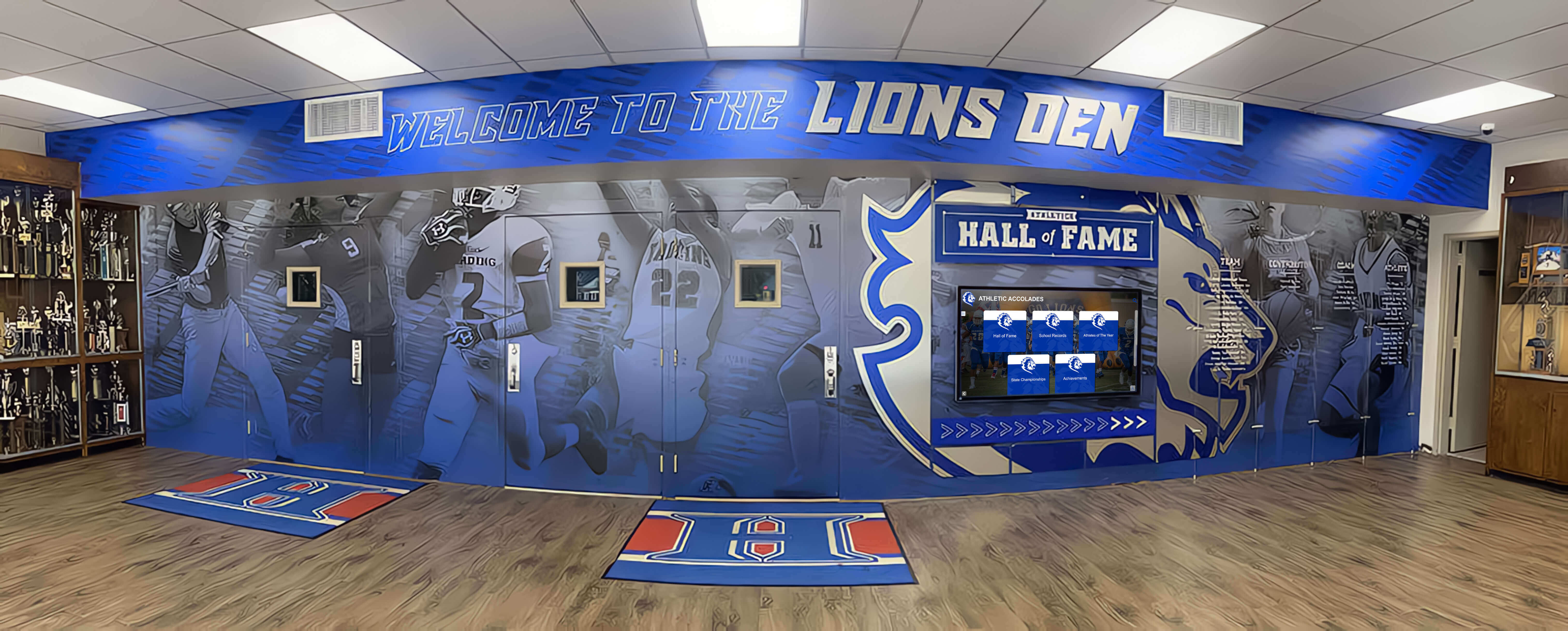
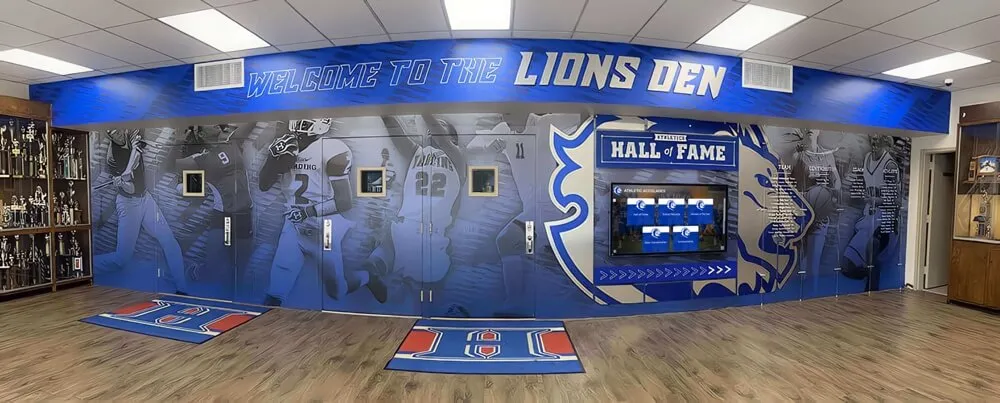
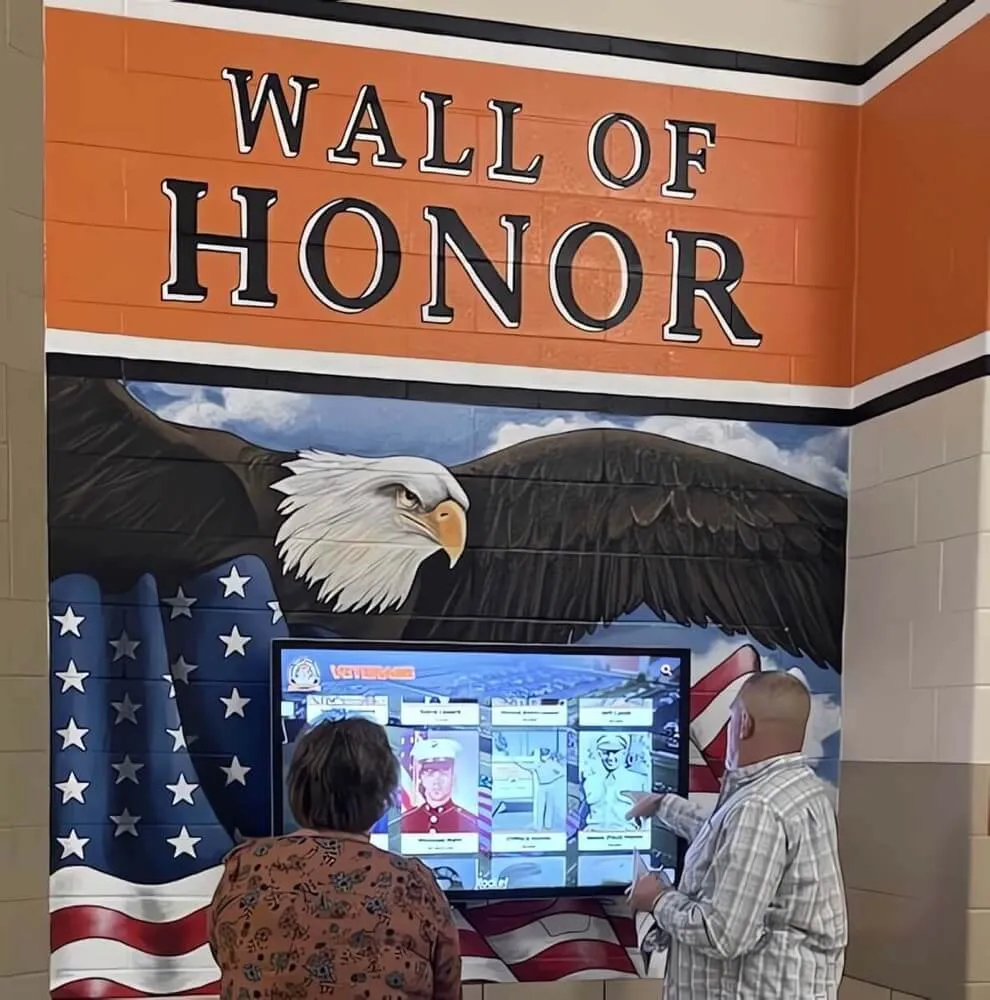
Designated team areas like "Lions Den" create identity and pride while providing organized spaces for championship trophies and program recognition that athletes encounter daily
Motivational Design Elements That Inspire Excellence
Beyond function, the best locker rooms inspire athletes through visual design communicating program values and celebrating achievement.
Championship and Achievement Displays
Visible recognition motivates current athletes while honoring past excellence:
Traditional Recognition Approaches
- Championship banners listing years of team success
- Trophy displays showcasing major awards
- Conference championship plaques
- Record boards documenting program achievements
- High school sports banners celebrating team accomplishments
- Retired jersey displays honoring legendary athletes
These physical displays create powerful visual impact but face space limitations as programs accumulate achievements across decades. Facilities planned in 1980 for 20 years of championships now struggle accommodating 45 years of continued success.
Modern Digital Recognition Solutions
Progressive programs increasingly implement digital displays solving traditional space constraints:
- Touchscreen systems showcasing unlimited achievements
- Video highlight displays celebrating championship moments
- Digital record boards automatically updating as records break
- Interactive athlete profiles with statistics and photos
- Rotating content keeping displays fresh and engaging
- Remote content updates requiring no physical installation
Solutions like those from Rocket Alumni Solutions enable programs to celebrate comprehensive athletic excellence without physical space limitations—showcasing every achievement, athlete profile, and championship moment through dynamic digital systems that grow with program success.
Schools implementing digital athletic recognition displays report that locker room and adjacent hallway installations receive higher athlete engagement than lobby displays since team members encounter them daily during practices and competitions.
Motivational Messaging and Graphics
Words matter in building program culture:
Effective Motivational Content
- Team mottos and value statements
- Inspirational quotes from coaches or legendary athletes
- Program standards and behavioral expectations
- Championship game quotes and historic moments
- Effort and character messages beyond just winning
- Academic excellence expectations for student-athletes
The most effective messaging reinforces specific program values rather than generic inspiration applicable to any team. “Outwork Everyone” means more to a program genuinely committed to conditioning than borrowed quotes about heart and determination.
Creating Visual Impact Through Design
Strategic design amplifies motivational elements:
Visual Design Strategies
- Large-scale graphics and murals creating dramatic impact
- Team colors throughout creating immersive branded environment
- Professional-quality photography showing athletes in action
- Historic photos connecting current players with program heritage
- Lighting emphasizing important displays and recognition areas
- Dimensional elements (3D logos, raised lettering) adding depth
Athletic programs implementing comprehensive facility branding recognize that every surface represents opportunity for visual storytelling—walls, ceilings, floors, and fixtures all contribute to overall environment creating either inspiring championship culture or forgettable utilitarian space.
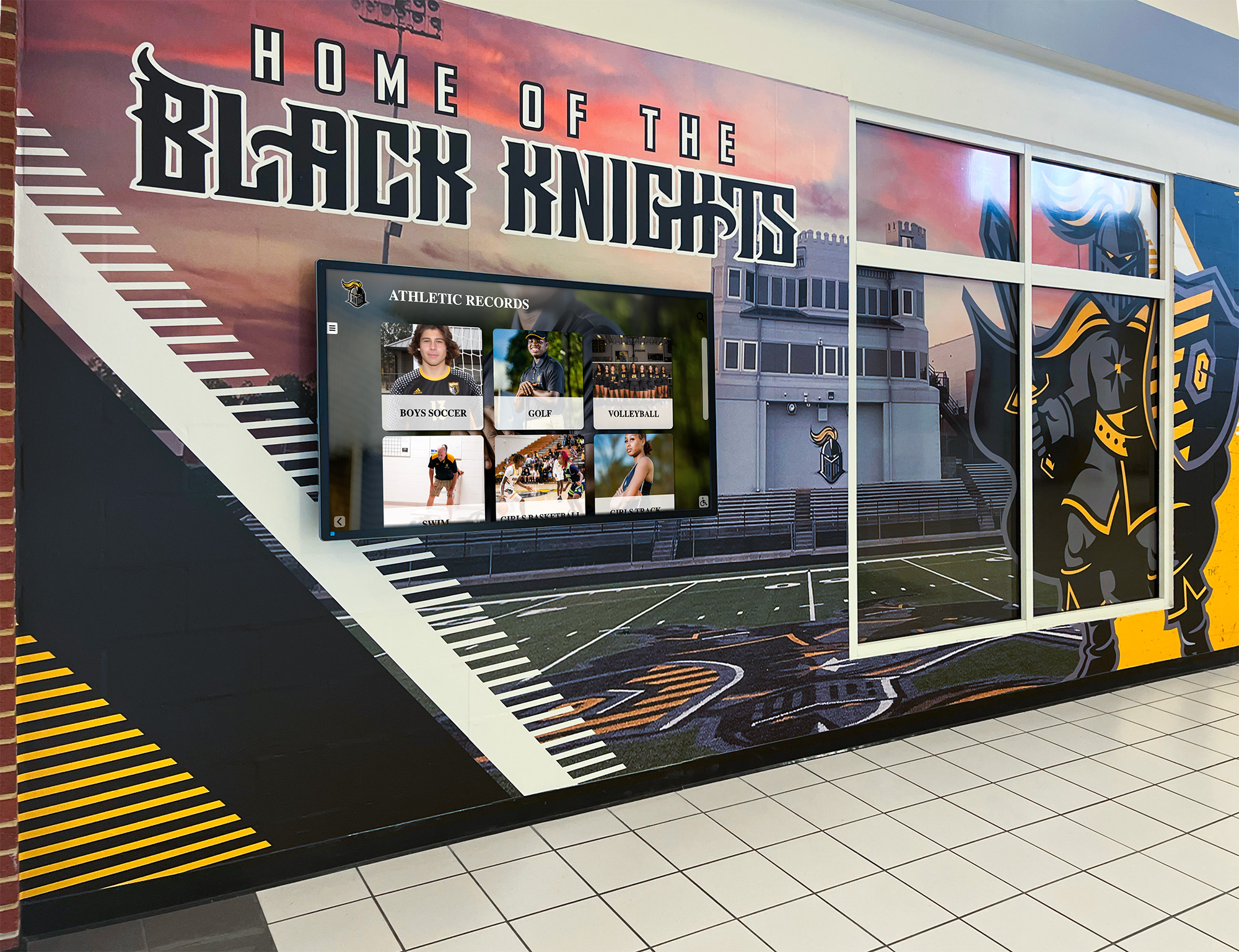
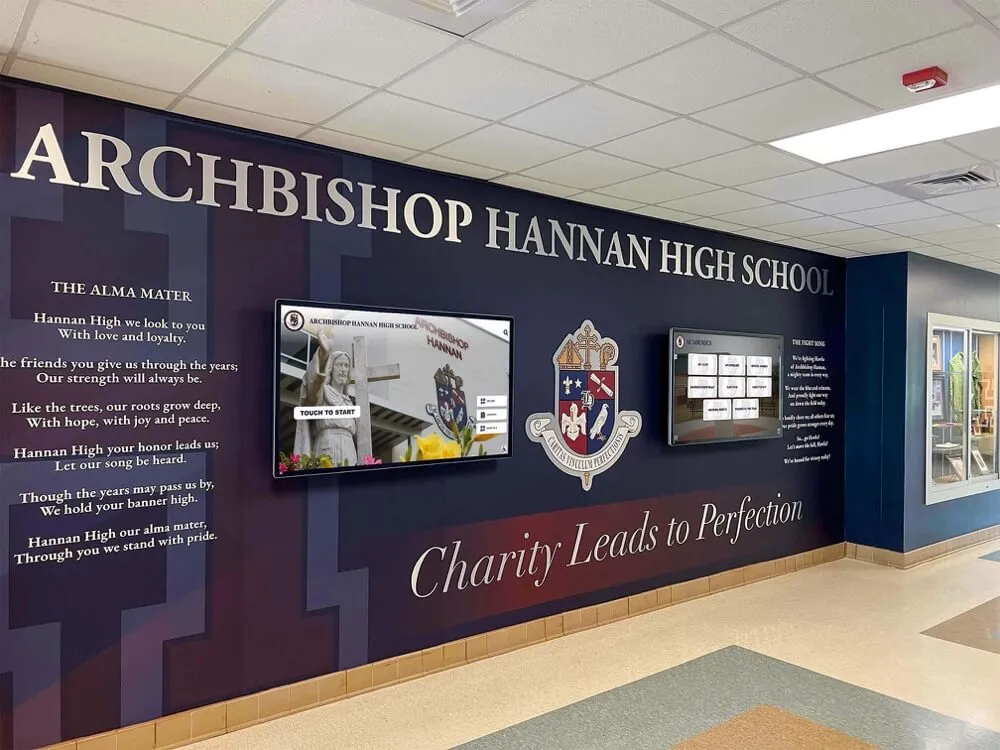
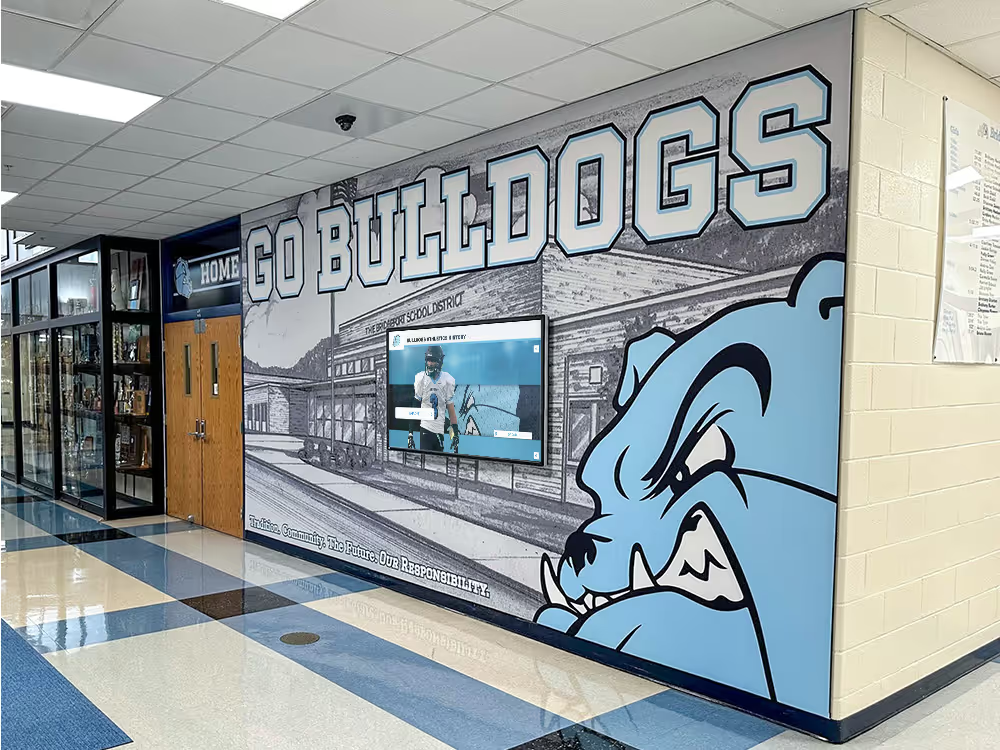
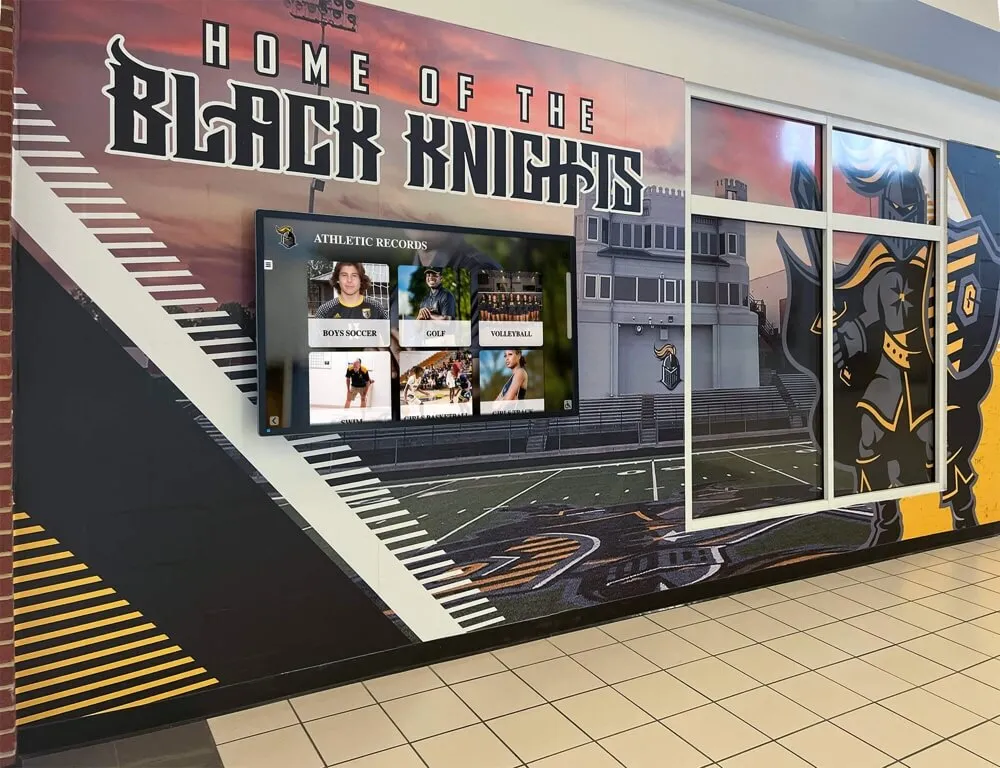
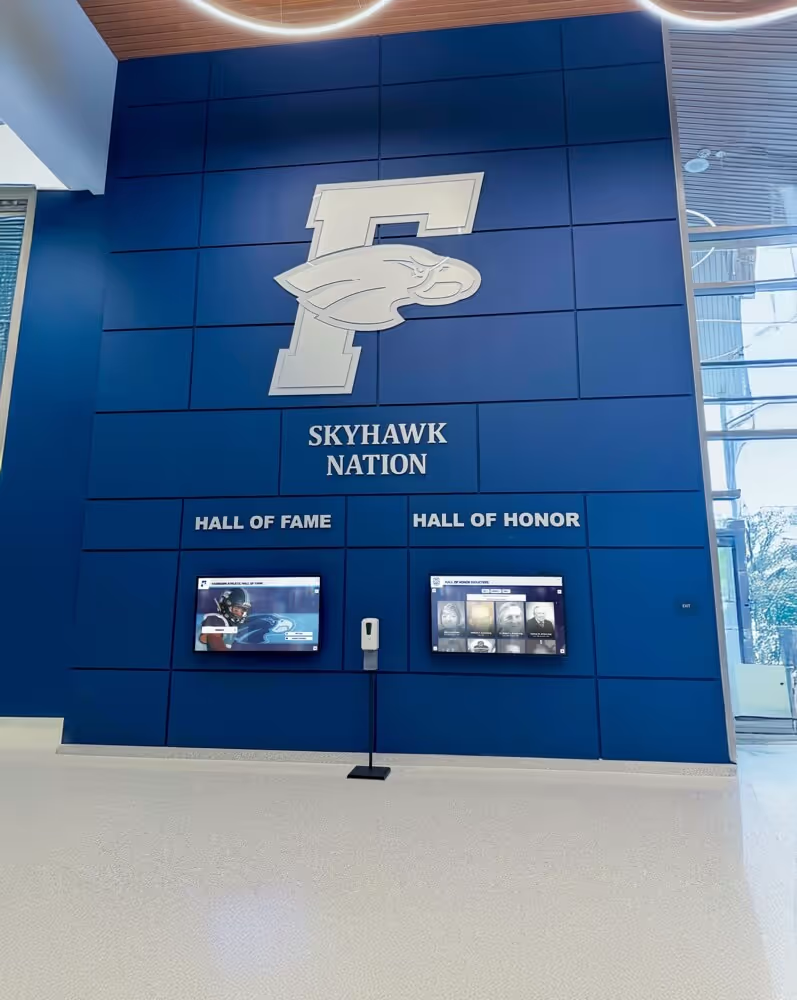
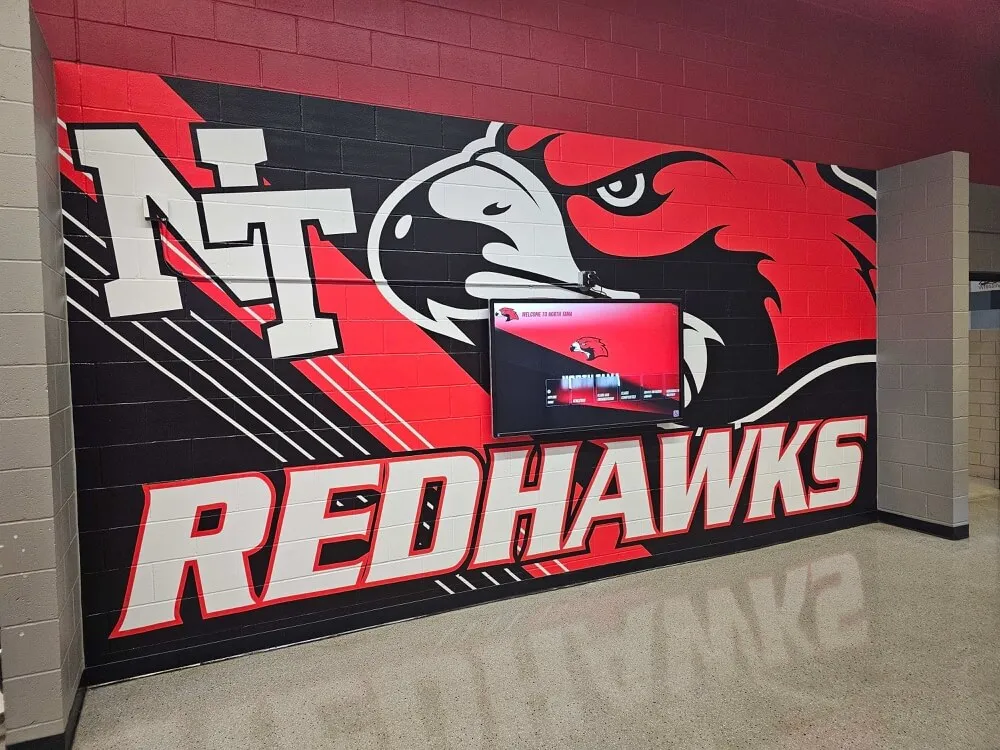
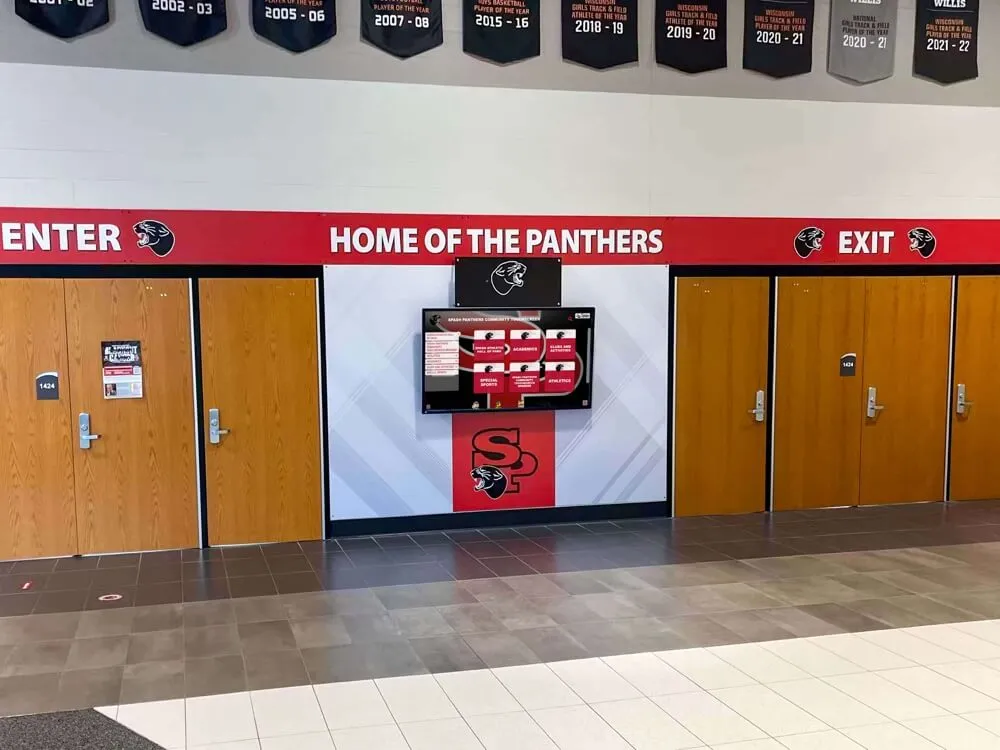
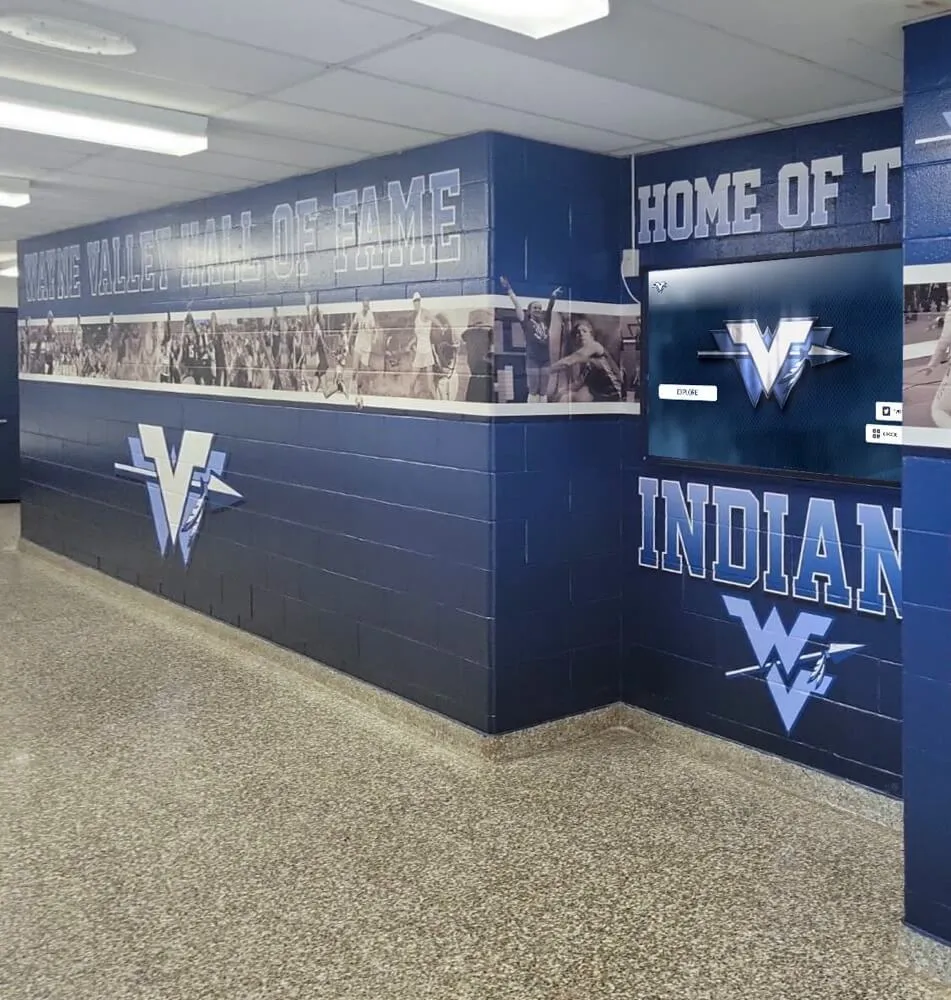
Coordinated hallway designs leading to locker rooms build anticipation and program pride through team branding, mascot imagery, and digital record boards celebrating athletic achievements
Modern Technology Integration in Locker Rooms
Contemporary locker rooms increasingly incorporate technology supporting both athletic performance and program operations.
Digital Displays and Recognition Systems
Technology transforms how programs celebrate achievement and communicate with athletes:
Digital Display Applications
- Touchscreen athletic recognition showcasing unlimited achievements
- Team schedule and upcoming event displays
- Practice and workout schedule boards
- Motivational video content and highlight reels
- Real-time game scores and updates during competitions
- Recruiting visit presentations showcasing program excellence
- National Student Athlete Day celebrations and special recognition
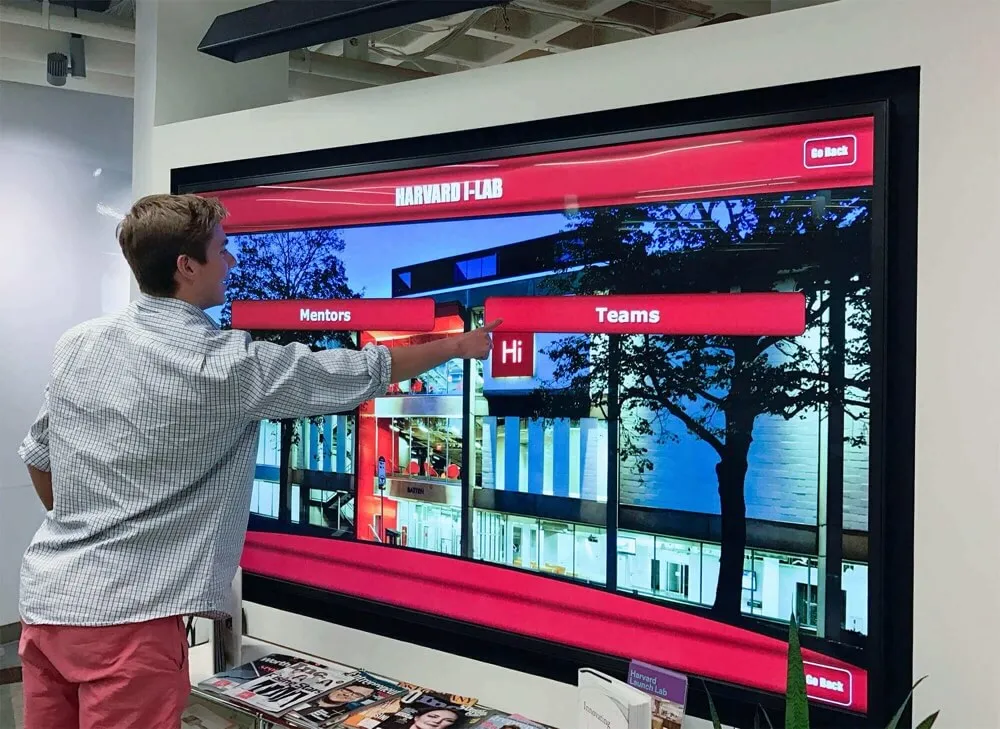
Digital recognition enables programs to honor comprehensive achievement impossible with space-limited physical displays. A single touchscreen occupying the space of 20 traditional plaques can showcase detailed profiles for 200+ recognized athletes with photos, videos, statistics, and achievement stories.
Programs implementing modern recognition technology report dramatic increases in athlete engagement with program history and tradition—transforming static displays athletes walk past into interactive experiences they actively explore.
Audio-Visual Capabilities for Team Functions
Video integration serves multiple program purposes:
Multimedia System Features
- Large displays for film review and game preparation
- Wireless connectivity for coach presentations
- Sound systems for team meetings and motivation
- Streaming capabilities for watching games and highlights
- Recording capabilities for creating highlight content
- Integration with digital storytelling platforms documenting program narratives
Quality audio-visual systems transform locker rooms into comprehensive team centers supporting film study, tactical preparation, and culture building beyond just providing changing spaces.
Security and Access Control Technology
Modern security systems protect athletes and facilities:
Security Technology Options
- Electronic access control limiting entry to authorized individuals
- Surveillance systems deterring theft and vandalism
- Individual locker locks preventing unauthorized access
- Secure entry vestibules preventing unauthorized facility access
- Emergency communication systems for crisis situations
- Inventory tracking for equipment accountability
Security investments protect valuable equipment while creating safe environments where athletes feel comfortable leaving belongings during practices and competitions.
Charging Stations and Device Accommodations
Today’s athletes bring significant technology:
Technology Support Features
- Charging stations within or adjacent to lockers
- Secure device storage preventing theft
- WiFi connectivity throughout facilities
- Dedicated areas for phone/device storage during practices
- Team communication boards for when devices restricted
Progressive programs recognize technology realities while establishing appropriate boundaries—providing infrastructure supporting device use during appropriate times while maintaining practice and competition focus.
Lighting, Ventilation, and Environmental Systems
Quality mechanical systems dramatically impact locker room comfort and functionality.
Lighting Design Strategies
Effective lighting serves both function and atmosphere:
Functional Lighting Requirements
- High-output overhead lighting for general changing areas (50-75 foot-candles)
- Focused task lighting at mirrors and grooming areas
- Emergency lighting meeting safety codes
- Occupancy sensors reducing energy waste
- LED fixtures providing energy efficiency and longevity
- Vandal-resistant fixture specifications
Accent Lighting for Recognition Areas
- Directed lighting highlighting championship displays
- Integrated display lighting for trophy cases
- Digital screen ambient lighting enhancing viewing
- Colored accent lighting in team colors
- Dramatic lighting creating memorable entry experiences
Thoughtful lighting design creates appropriate brightness for functionality while using accent lighting to draw attention to important recognition and motivational elements.
Ventilation and Climate Control
Proper environmental systems prevent moisture problems and odors:
Essential Ventilation Features
- High-capacity ventilation systems (minimum 1.5 CFM per square foot)
- Exhaust systems removing moisture and preventing mold
- Fresh air circulation preventing stale odors
- Separate ventilation zones for wet areas (showers) versus dry areas
- Dehumidification preventing moisture damage to lockers and finishes
- Climate control maintaining 68-72°F comfort temperatures
Inadequate ventilation represents the most common locker room complaint from athletes and coaches. No amount of aesthetic investment overcomes uncomfortable humidity, persistent odors, or inadequate temperature control resulting from undersized mechanical systems.
Accommodating Special Populations and Accessibility
Inclusive design serves diverse athlete populations and meets legal requirements.
Gender-Inclusive Facility Planning
Modern programs serve diverse athlete populations:
Inclusive Design Strategies
- Separate facilities for different gender programs when possible
- Shared multi-sport facilities with appropriate scheduling
- Individual changing rooms for privacy needs
- Gender-neutral single-occupancy options
- Family changing rooms supporting parents with young athletes
- Flexible spaces adapting to evolving program needs
Facilities planning should anticipate program growth and changing participation patterns rather than designing exclusively for current team compositions that may shift significantly over facility 30-50 year lifespans.
ADA Compliance and Universal Accessibility
Legal requirements and ethical obligations mandate accessible design:
Accessibility Requirements
- Wheelchair-accessible routes throughout facilities
- Accessible lockers at appropriate heights and clearances
- Accessible shower and toilet facilities
- Adequate maneuvering space at all fixtures
- Accessible door hardware and controls
- Clear floor space at all functional areas
- Accessible water fountains and amenities
Work with architects experienced in ADA compliance ensuring designs meet both letter and spirit of accessibility requirements—creating facilities genuinely serving athletes with disabilities rather than just meeting minimum legal standards.
Programs implementing accessible digital recognition extend accommodation beyond just physical accessibility to ensure all communication, signage, and recognition platforms serve athletes regardless of physical or sensory disabilities.
Budget-Friendly Locker Room Improvements
Comprehensive renovations aren’t always possible—strategic upgrades deliver meaningful impact within limited budgets.
High-Impact, Low-Cost Updates
Transform spaces without major construction:
Affordable Improvement Strategies
- Fresh paint in team colors creating visual refresh
- Vinyl wall graphics and decals adding branding and motivation
- Updated lighting fixtures improving brightness and energy efficiency
- Organization systems (hooks, shelves, bins) reducing clutter
- Motivational signage with inspiring messages
- Digital displays replacing expensive physical plaques and recognition
- Deep cleaning and restoration of existing finishes
Athletic directors implementing budget-conscious improvements report that comprehensive cleaning, fresh paint, improved lighting, and strategic graphics deliver dramatic transformation for $5,000-15,000—far less than comprehensive renovations costing $100,000+.
Phased Renovation Approaches
Spread major upgrades across multiple budget cycles:
Strategic Phasing Plans
- Phase 1: Essential infrastructure (ventilation, plumbing, electrical)
- Phase 2: Locker and storage system replacement
- Phase 3: Flooring and durable finish upgrades
- Phase 4: Technology and digital display integration
- Phase 5: Premium finishes and aesthetic enhancements
This phasing enables programs to address critical functional needs immediately while planning cosmetic improvements for future years as budgets allow.
Leveraging Booster Support and Fundraising
External funding expands improvement possibilities:
Fundraising Strategies for Locker Room Projects
- Locker sponsorship programs with donor recognition
- Championship club memberships funding facility upgrades
- Alumni campaigns connecting former athletes to facility improvements
- Corporate sponsorships providing materials or services
- Capital campaigns bundling locker rooms with broader athletic facility projects
- Memorial opportunities honoring coaches or athletes through named spaces
Schools implementing donor recognition strategies discover that locker room and team space improvements resonate particularly strongly with athletic alumni who remember their own team experiences and want to provide better facilities for future generations.

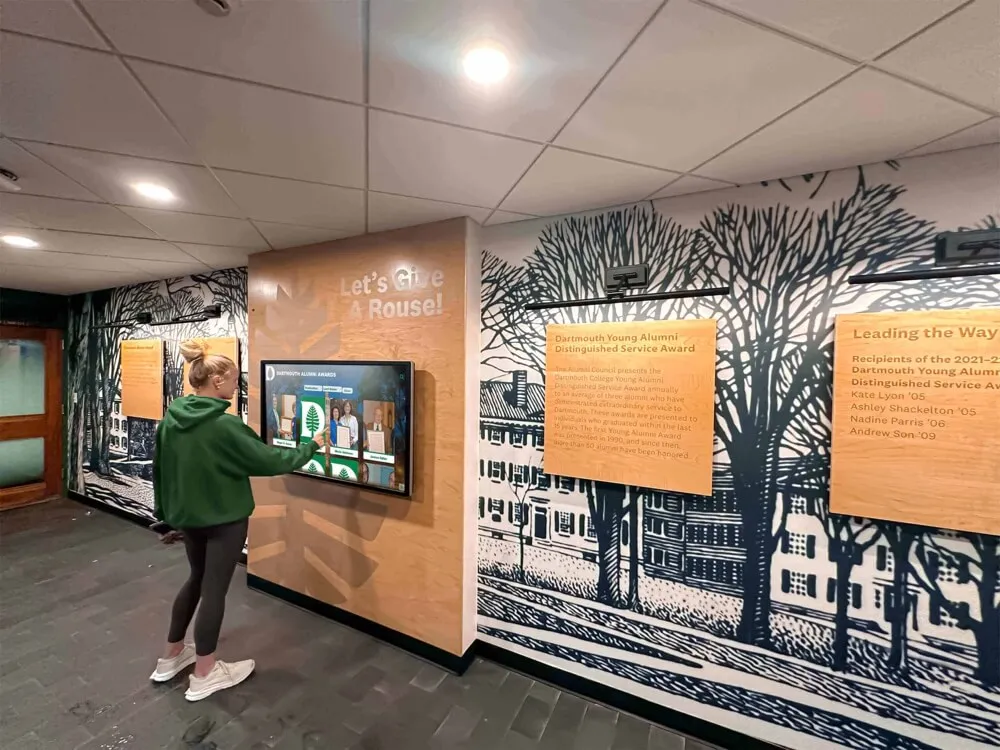
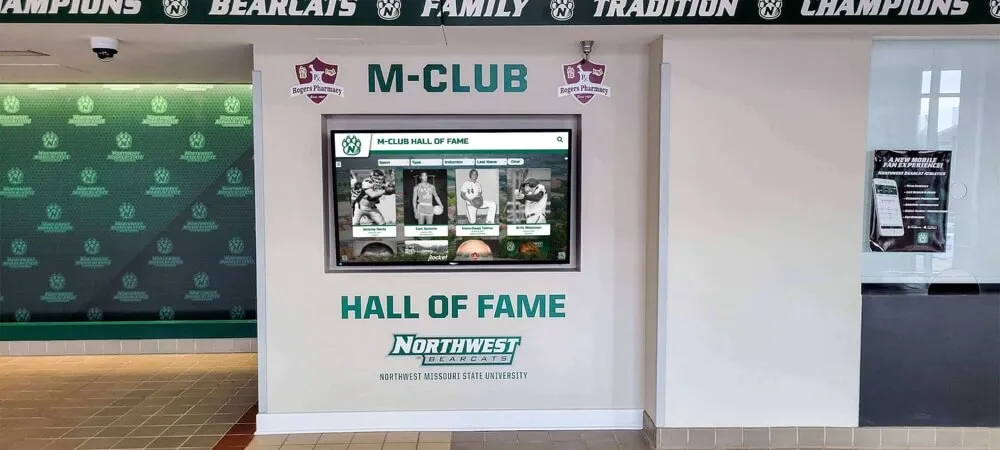
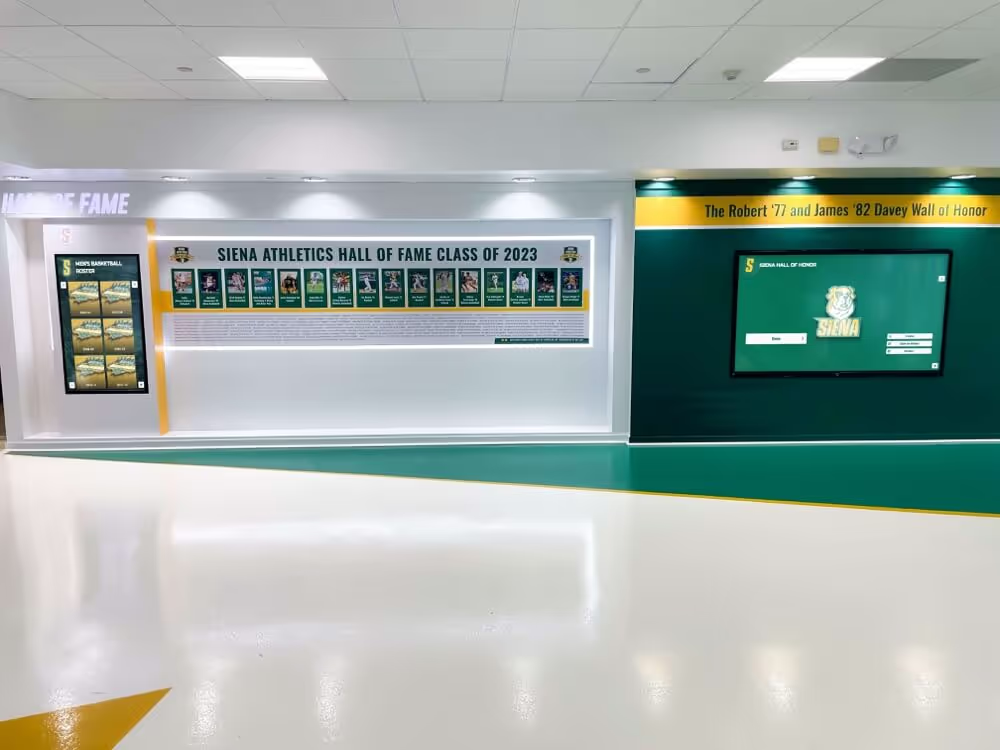
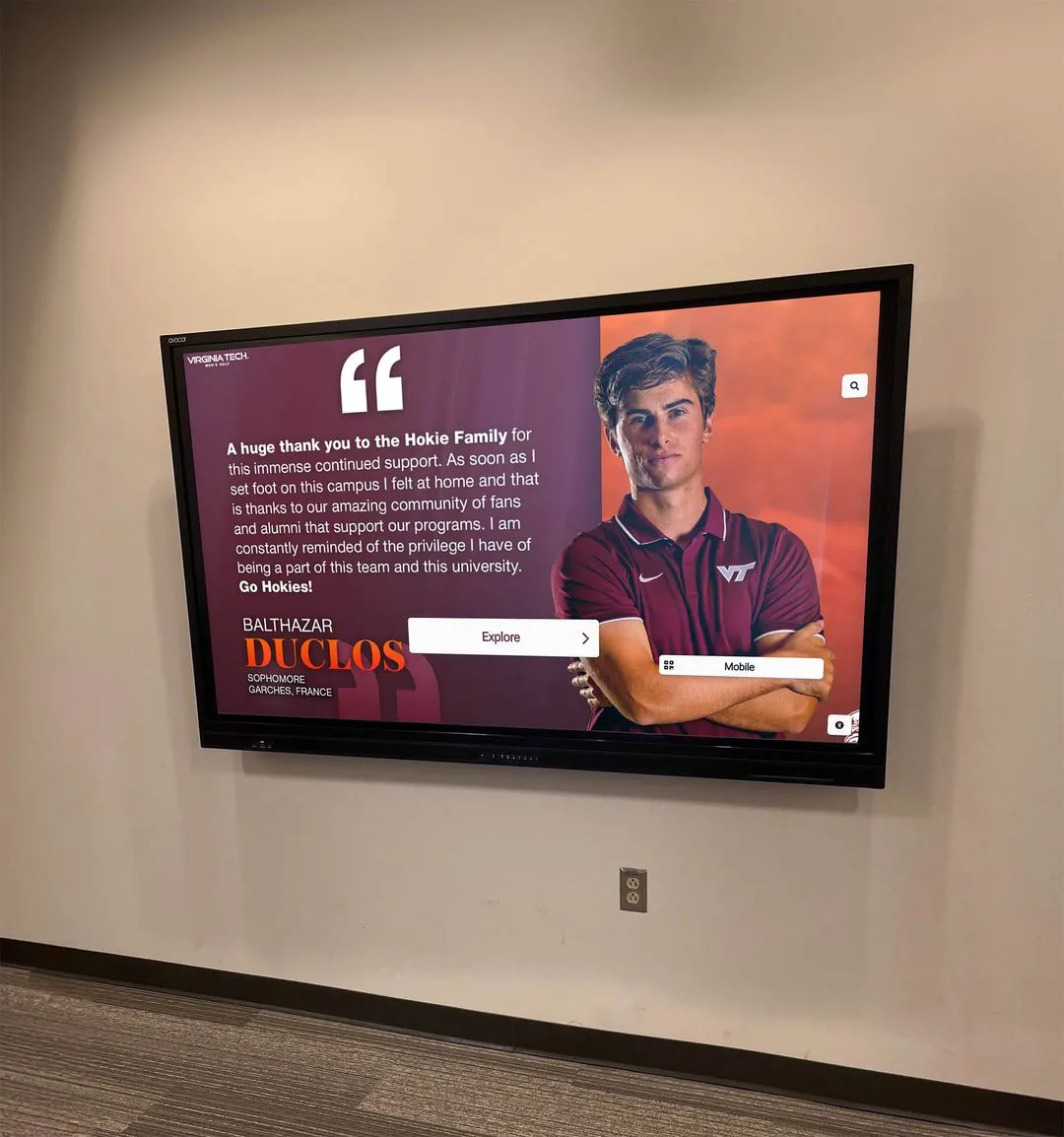
University athletic clubs and letterman associations often fund locker room and team space improvements, creating lasting recognition opportunities through named spaces and digital displays celebrating member achievements
Maintenance and Long-Term Care Considerations
Sustainable locker room excellence requires ongoing maintenance planning beyond just initial construction quality.
Establishing Cleaning Protocols
Daily maintenance prevents problems:
Essential Cleaning Routines
- Daily trash removal and surface wiping
- Weekly deep cleaning of floors and high-touch surfaces
- Monthly locker interior cleaning and organization
- Seasonal deep cleaning during off-season periods
- Immediate spill cleanup preventing stains and damage
- Regular inspection identifying maintenance needs early
Work with facilities staff establishing realistic cleaning protocols given available staffing and time. Overly ambitious plans that don’t get executed create declining conditions despite good intentions.
Preventive Maintenance Programs
Systematic maintenance extends facility life:
Recommended Maintenance Schedules
- Quarterly HVAC filter changes and system checks
- Annual plumbing inspections preventing major failures
- Bi-annual lighting audits replacing failed fixtures
- Regular locker hinge and latch lubrication
- Floor resealing based on manufacturer recommendations
- Paint touch-up addressing wear before requiring full repainting
Small preventive investments dramatically reduce expensive emergency repairs and extend time between major renovations—a well-maintained locker room built in 2000 can remain functional and attractive in 2026, while neglected facilities look outdated after just 10 years.
Planning for Future Updates and Flexibility
Design for inevitable change:
Future-Proofing Strategies
- Modular display systems enabling easy content updates
- Digital technology allowing refreshes without physical renovation
- Neutral base designs supporting evolving team branding
- Adequate electrical capacity for future technology additions
- Flexible locker configurations adapting to changing team sizes
- Durable finishes delaying replacement timelines
The most successful locker room investments recognize that programs evolve—team colors change, branding updates, championship achievements accumulate, and technology advances. Designs accommodating these changes remain relevant across decades rather than appearing dated when programs evolve.
Creating Championship Culture Through Intentional Design
Ultimately, exceptional locker room design does more than provide functional changing spaces—it builds championship culture inspiring athletes toward excellence.
Connecting Athletes to Program Heritage
Historic context creates belonging and motivation:
Heritage Connection Strategies
- Timeline displays showing program evolution from founding to present
- Historic photos featuring legendary athletes and championship teams
- Quote walls with wisdom from successful program alumni
- Athletic hall of fame recognition connecting past and present
- Championship retrospectives documenting historic victories
- “Where Are They Now” features showing successful alumni careers
When current athletes understand they represent latest chapter in decades-long stories of program excellence, they often demonstrate greater commitment to maintaining and extending those traditions.
Establishing Shared Identity and Pride
Locker room design visually communicates “who we are”:
Identity-Building Design Elements
- Consistent team branding throughout all spaces
- Program value statements displayed prominently
- Team traditions and rituals acknowledged in design
- Inside references and team language only members understand
- Exclusive access creating special belonging
- Quality and attention to detail communicating athlete importance
Athletes who feel genuine pride in team spaces demonstrate that pride through better care of facilities, stronger recruitment of talented teammates, and deeper program commitment.
Inspiring Daily Excellence Through Environment
Championship environments produce championship mindsets:
Excellence-Driving Design Approaches
- Professional-quality finishes communicating high standards
- Organized, clean spaces modeling discipline and attention to detail
- Achievement celebration inspiring athletes to add their own accomplishments
- Motivational messaging reinforcing daily commitment to excellence
- Visible standards and expectations providing clear targets
- Recognition of effort and character alongside competitive achievement
The best locker rooms help athletes see themselves as championship-caliber competitors worthy of professional environments—raising performance expectations and personal standards matching facility quality.
Conclusion: Designing Locker Rooms That Build Championship Programs
Athletic locker rooms represent significantly more than changing facilities. They serve as cultural foundations, motivational centers, team headquarters, and sacred spaces where championship programs build identity, celebrate achievement, and inspire excellence across generations. Thoughtful locker room design creates environments that support both practical team needs and deeper program-building purposes—transforming utilitarian spaces into powerful tools for athletic success.
Effective locker room design balances essential functionality with cultural impact. Meeting basic needs for adequate changing space, secure storage, proper ventilation, and durable finishes creates foundation upon which motivational elements build. Strategic integration of achievement recognition, team branding, historic displays, and modern technology then transforms functional spaces into inspiring environments that athletes want to spend time in and feel proud representing.
Whether planning comprehensive new construction, renovating existing facilities, or implementing targeted improvements within limited budgets, successful locker room projects start with clear understanding of program needs, cultural goals, and available resources. Systematic planning addressing layout optimization, storage solutions, recognition displays, technology integration, and long-term maintenance creates spaces serving programs effectively across decades rather than requiring replacement after just 10-15 years.
Modern digital recognition technology particularly transforms how programs celebrate achievement in team spaces. Rather than facing hard choices about which championships to display when wall space fills, digital platforms enable comprehensive celebration of unlimited achievements—every championship, every recognized athlete, every record-breaking performance—while providing easy content updates as programs continue earning recognition. Solutions that integrate seamlessly into locker room design create dynamic recognition experiences impossible with traditional static displays.
Your athletes deserve facilities that match their dedication and commitment. Whether you oversee a small high school program or comprehensive university athletic department, intentional locker room design delivers measurable impact on team culture, athlete recruitment, program pride, and competitive success. The most effective athletic facilities recognize that championship programs require championship environments supporting excellence in every detail.
Start planning locker room improvements that transform team spaces into cultural foundations inspiring your program toward sustained competitive excellence. Consider how modern recognition technology, strategic design, and cultural intentionality can create locker rooms that honor tradition, celebrate achievement, and inspire future generations.
Ready to enhance your athletic facilities with modern recognition displays that celebrate achievement while saving space and enabling unlimited growth? Explore how digital recognition solutions can transform your locker rooms and team spaces into dynamic environments showcasing comprehensive athletic excellence.