Letterman patches represent one of high school athletics’ most enduring traditions—tangible symbols of achievement, dedication, and belonging that students proudly wear throughout their lives. These chenille letters and embroidered patches transform ordinary jackets into personal trophies commemorating varsity participation, championship seasons, leadership roles, and milestone achievements. Yet designing an effective letterman patch program requires more than choosing school colors; the most meaningful systems balance tradition with inclusion, recognize diverse contributions, and create clear earning criteria that motivate student-athletes while maintaining standards.
Well-designed letterman patch programs accomplish multiple objectives: they provide visible recognition that builds school pride, establish achievement benchmarks that motivate participation, create lasting mementos connecting alumni across generations, and offer inclusive pathways allowing students in athletics, academics, arts, and activities to earn varsity recognition. Schools implementing thoughtful patch systems report stronger program participation, increased student motivation, and powerful traditions that define school culture for decades.
This comprehensive guide explores letterman patch design principles, types, earning criteria, placement traditions, and modern approaches to varsity recognition—including digital systems that extend traditional letter programs into permanent displays reaching beyond individual jackets. Whether you’re establishing a new letter program, updating existing criteria, or exploring recognition approaches that honor both traditional and contemporary achievements, you’ll find strategies for creating varsity letter systems that students treasure throughout their lives.
Letterman patches trace their origins to 1865 Harvard University, where athletes who competed in baseball against rival schools received large “H” letters to sew onto their uniforms. The tradition expanded across American high schools throughout the 20th century, evolving from simple felt letters into comprehensive recognition systems incorporating patches for sports, activities, academics, and leadership roles.

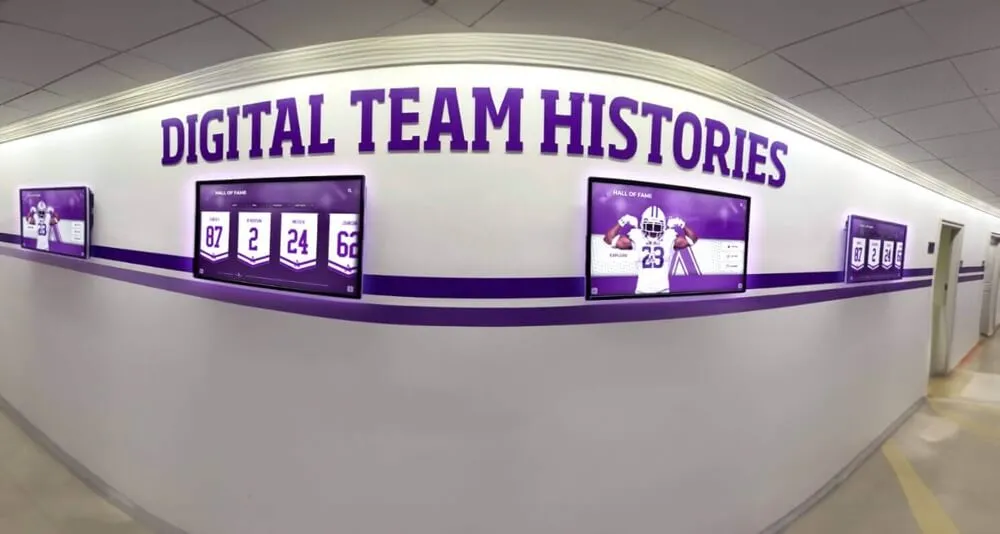
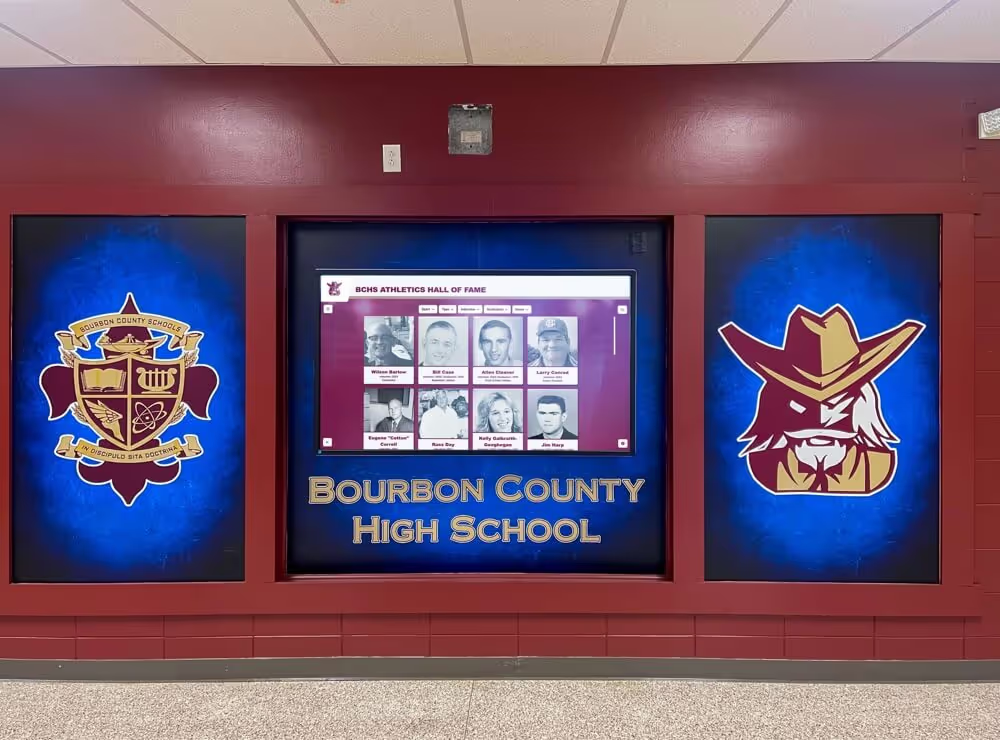
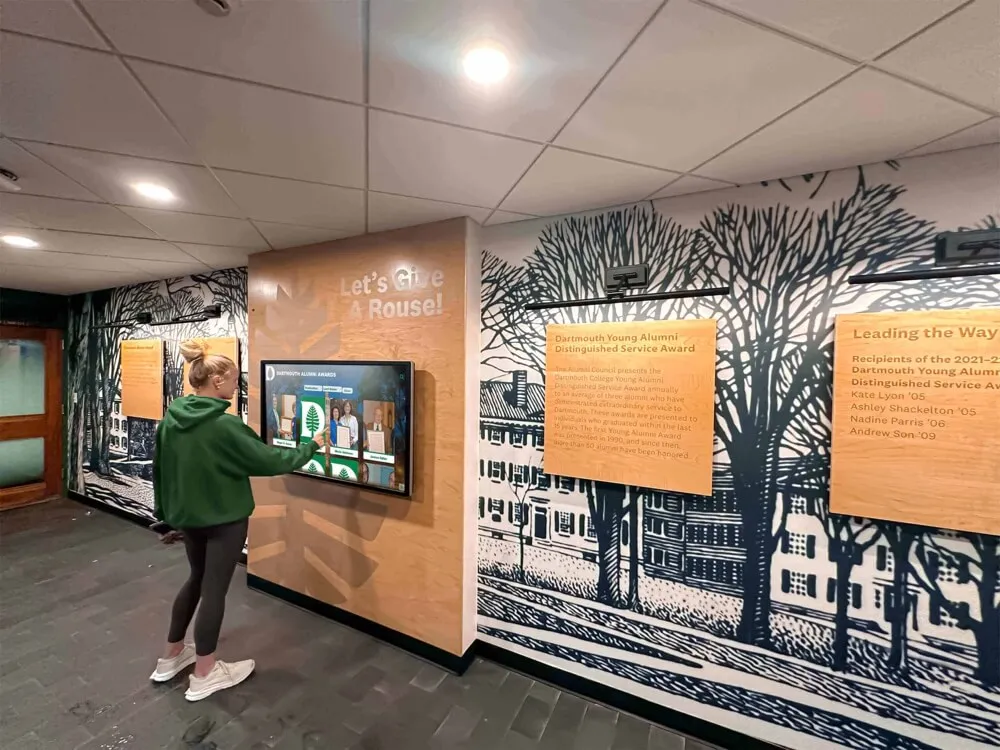
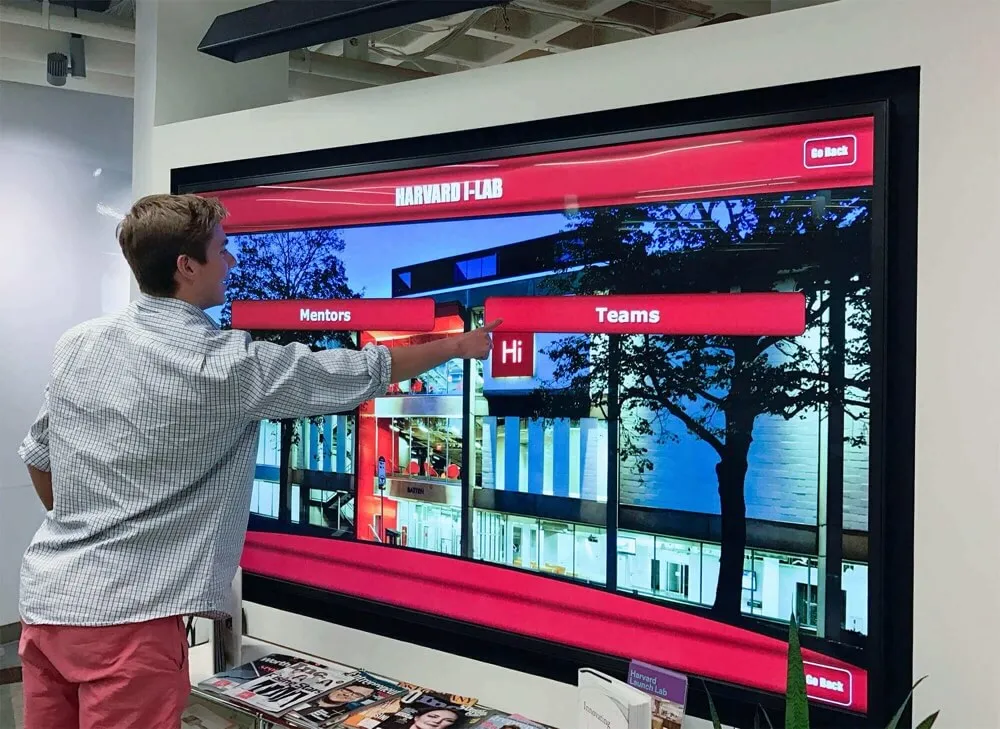
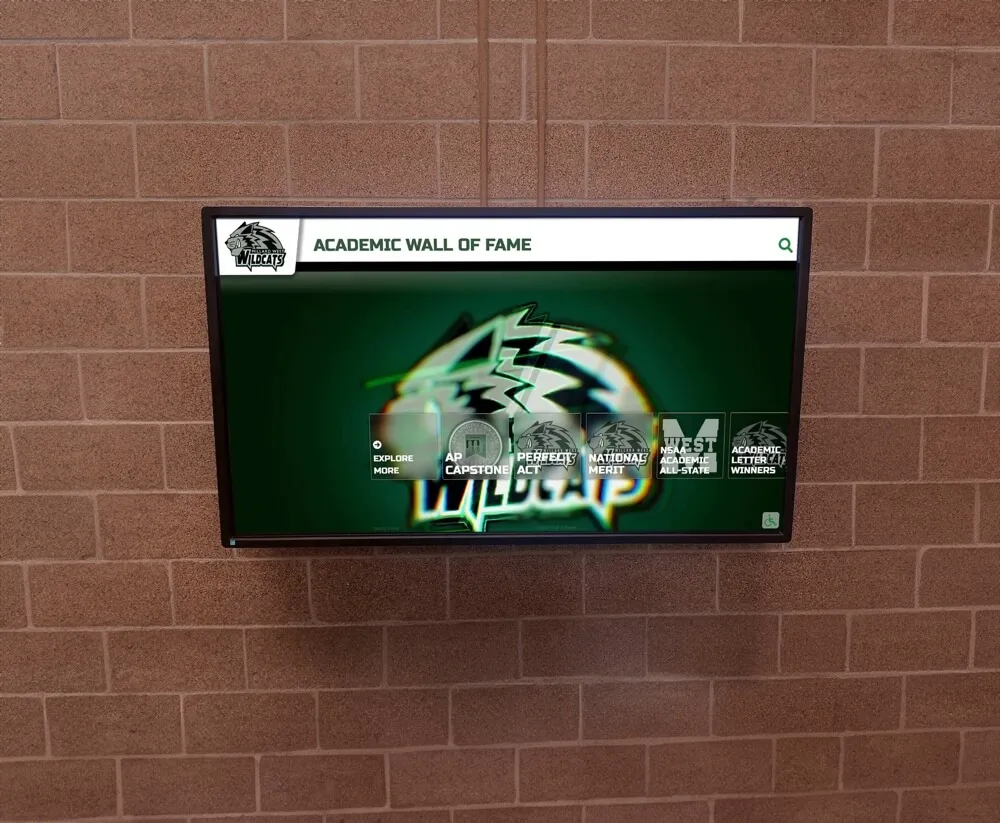
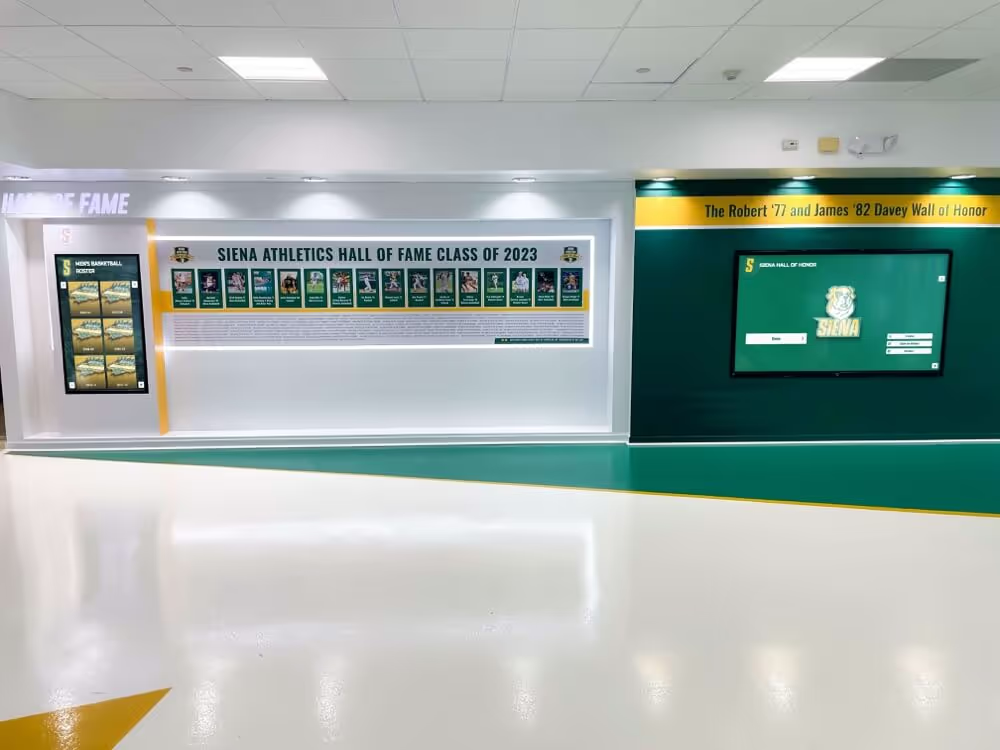
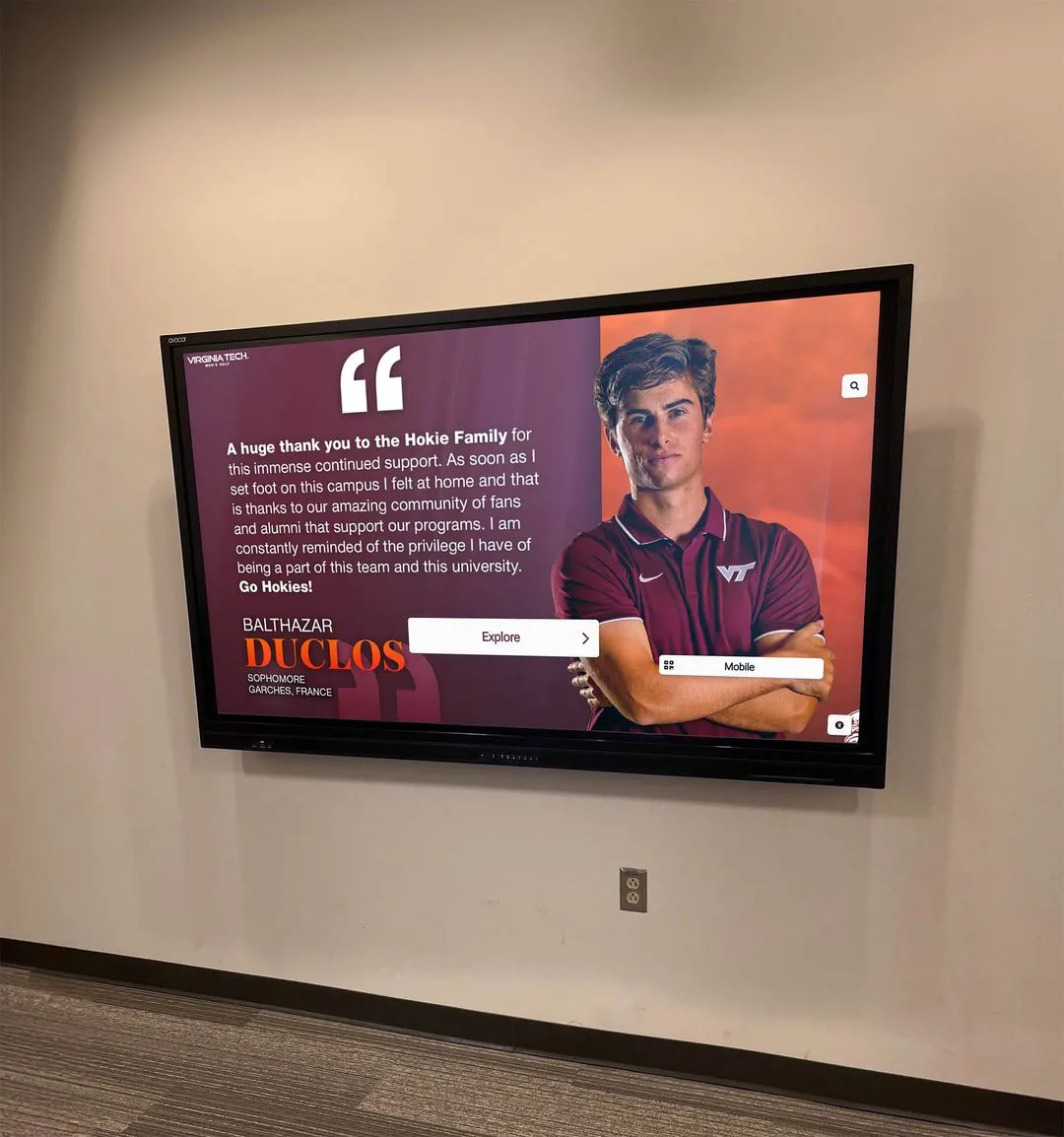
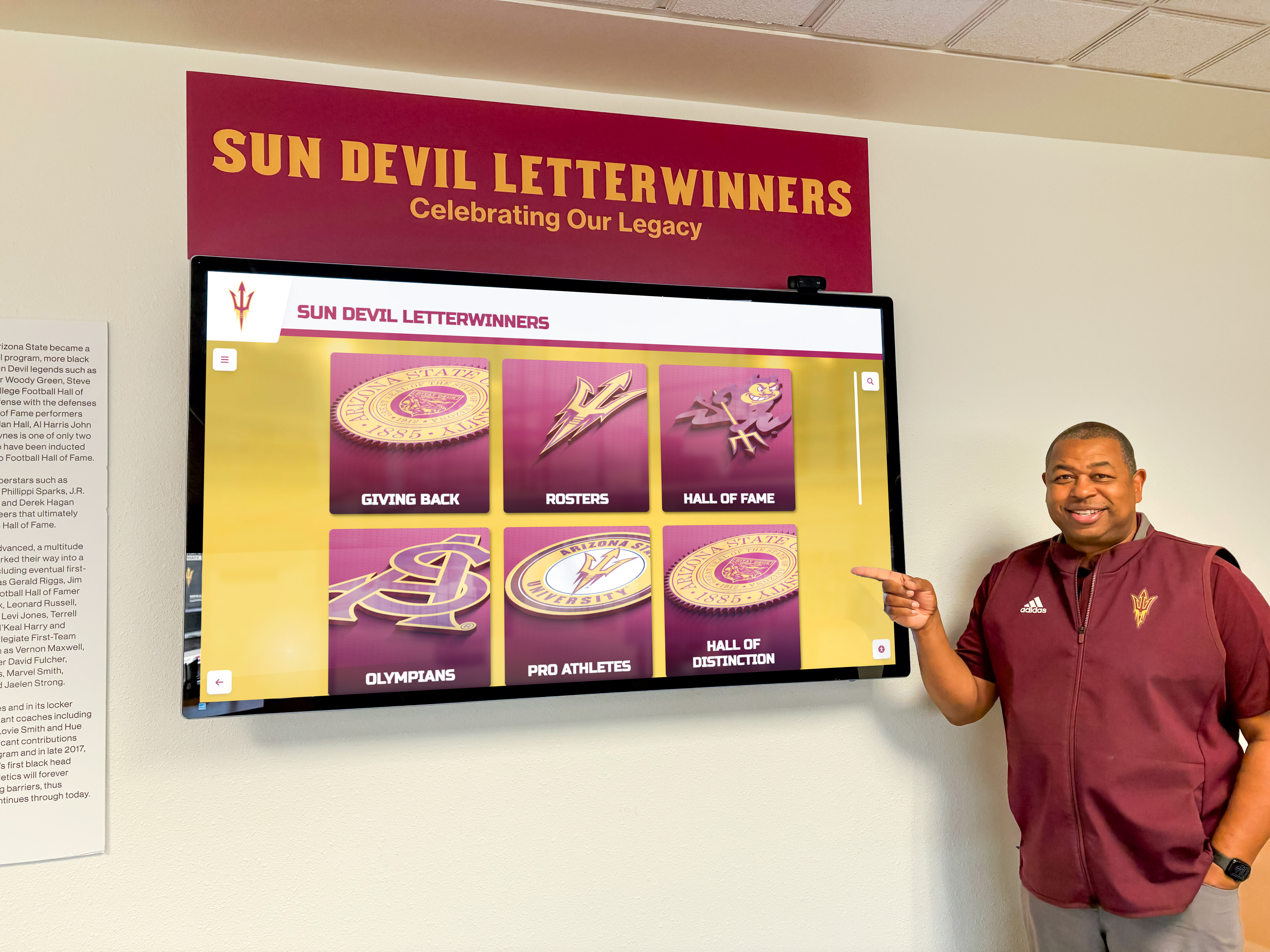
Modern letterwinner displays honor traditional varsity recognition while making achievement visible to entire school communities
Understanding Letterman Patch Types
Comprehensive letter programs incorporate multiple patch types recognizing different dimensions of varsity participation.
Primary Varsity Letters
The foundational chenille letter represents the highest recognition in letterman programs.
Traditional Varsity Letters The large chenille letter (typically 5-7 inches tall) in school colors forms the centerpiece of letter jackets. Most programs award letters only after athletes meet participation criteria—completing a season, contributing to team success, or achieving performance benchmarks. The letter’s size, material quality, and attachment method signal its importance as the primary achievement marker.
Design considerations for varsity letters include choosing between block letters and script styles, selecting chenille density (heavier chenille creates more premium appearance), determining color combinations that provide maximum contrast, and establishing whether letters use felt backing, chain-stitched borders, or embroidered details. Traditional programs favor classic block letters in school’s primary colors with contrasting borders creating clean, timeless aesthetic.
Multiple Letter Options Many schools offer different letter styles for distinct programs—athletic letters using one design, academic letters featuring another style, and activity letters incorporating unique elements. This approach allows students to display participation across multiple domains while maintaining clear visual distinction between achievement types. Some programs use different chenille colors: gold for athletics, silver for academics, school colors for activities.
Schools balancing tradition with inclusion find that offering multiple letter pathways honors athletic achievement while recognizing students excelling in debate, robotics, theater, or service—broadening varsity recognition beyond sports while maintaining standards requiring sustained commitment and achievement in any domain.
Specialty Patches and Pins
Supporting patches and pins create comprehensive storytelling across letter jackets.
Sport-Specific Patches Small embroidered patches (2-4 inches) identifying specific sports typically attach near the letter or on jacket sleeves. These patches might feature sport equipment (basketballs, footballs, theater masks), activity symbols, or text identifying the specific program. Sport patches help observers immediately identify which teams athletes represented.
Design options include choosing between embroidered patches offering fine detail or chenille patches matching letter material, deciding whether patches include years or remain generic for multi-year athletes, and determining appropriate sizing that complements without overwhelming the primary letter.
Achievement and Award Patches Supplementary patches recognize specific accomplishments: MVP awards, all-conference selections, team captain roles, championship participation, or individual records. These patches transform jackets into comprehensive achievement portfolios documenting students’ complete high school athletic careers. Common achievement patches include:
- Championship patches: Documenting league, conference, district, regional, or state championship participation
- All-star patches: Recognizing all-conference, all-district, or all-state selections
- Leadership patches: Identifying team captains or athlete council representatives
- Milestone patches: Celebrating scoring records, games played, or career statistics
- Academic patches: Honoring student-athletes maintaining high GPA standards
Consider standardizing patch sizes and placement locations to maintain visual coherence as students accumulate multiple patches across years of participation.
Explore comprehensive athletic recognition approaches in how to showcase student achievement that extend beyond individual jackets.

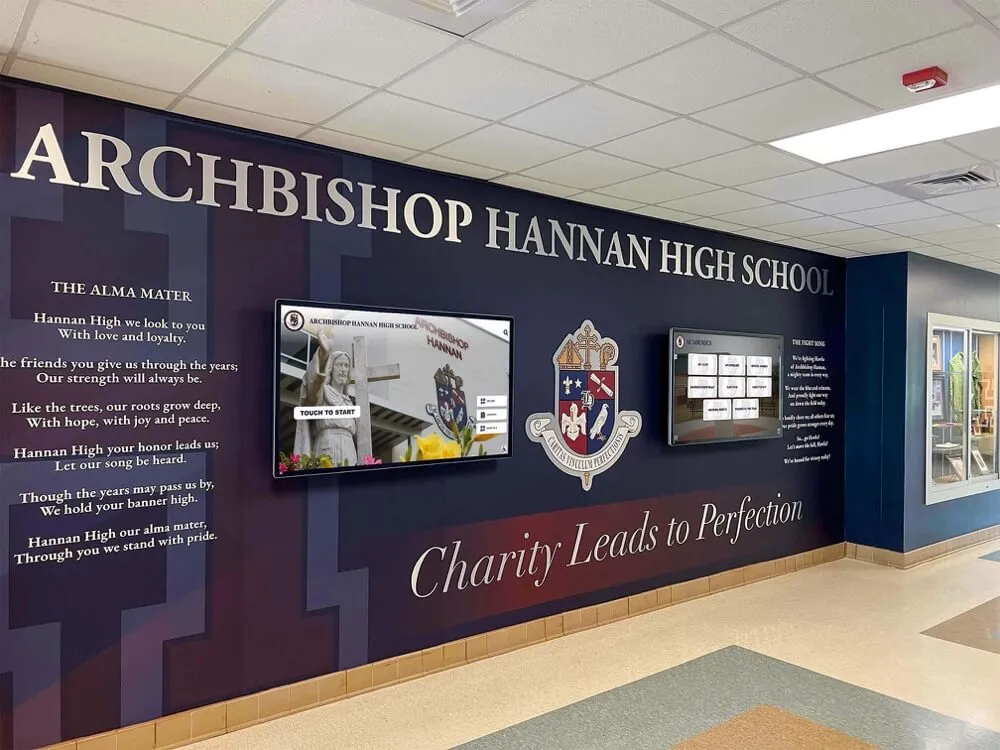
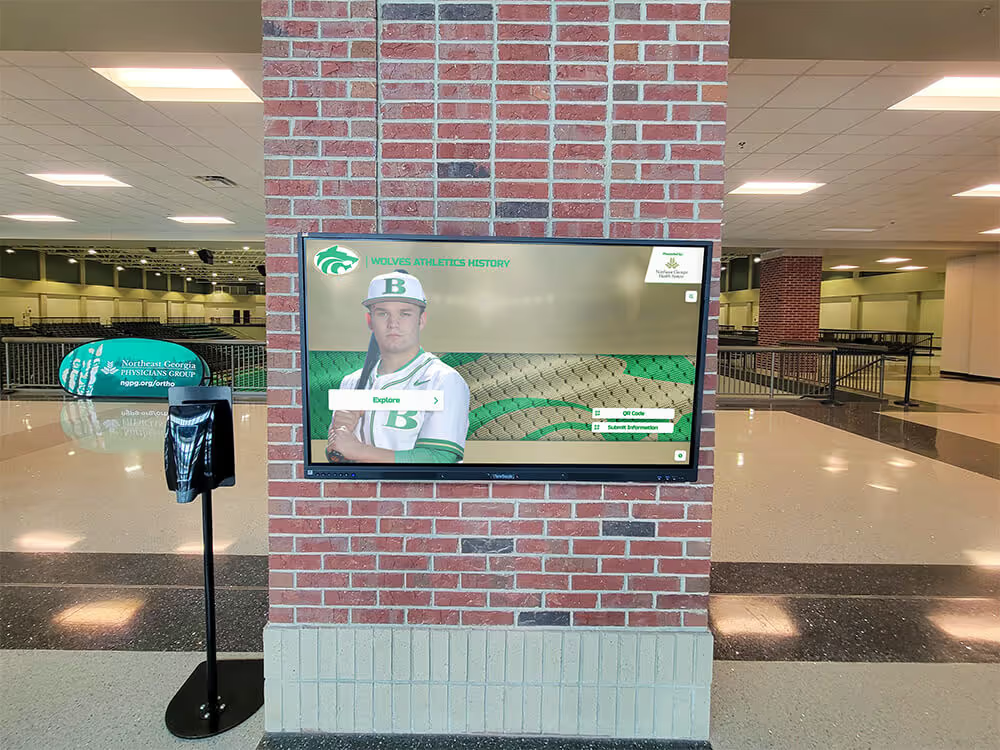
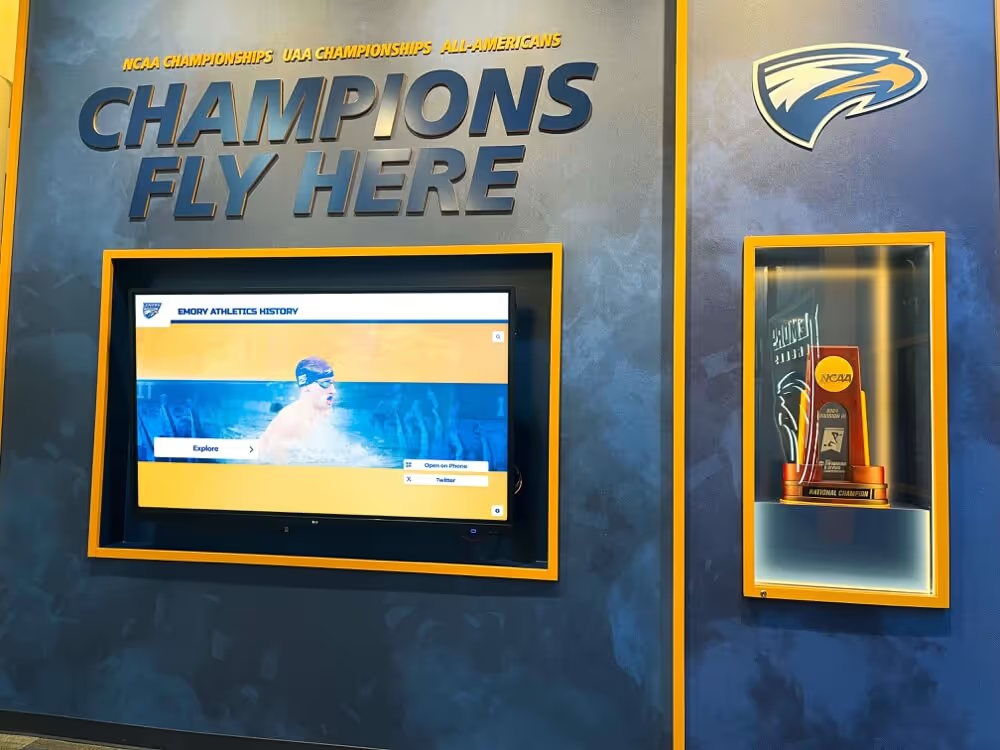
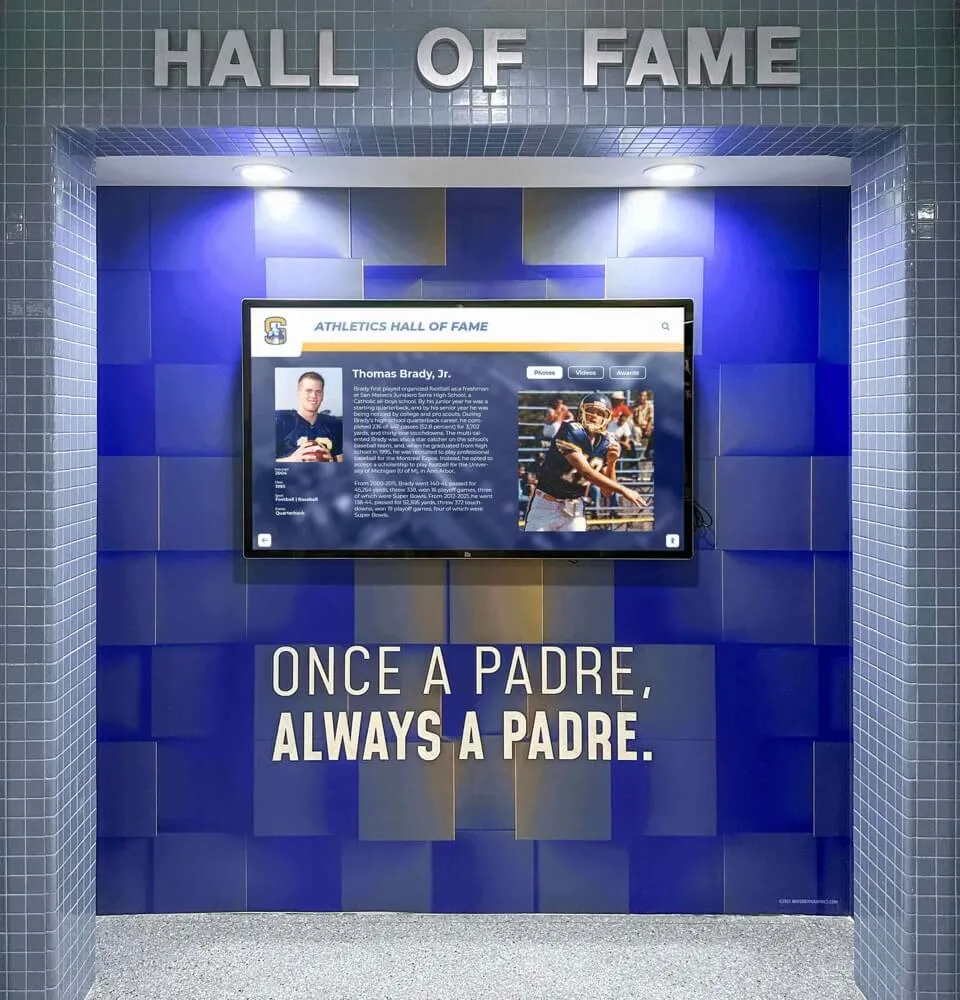
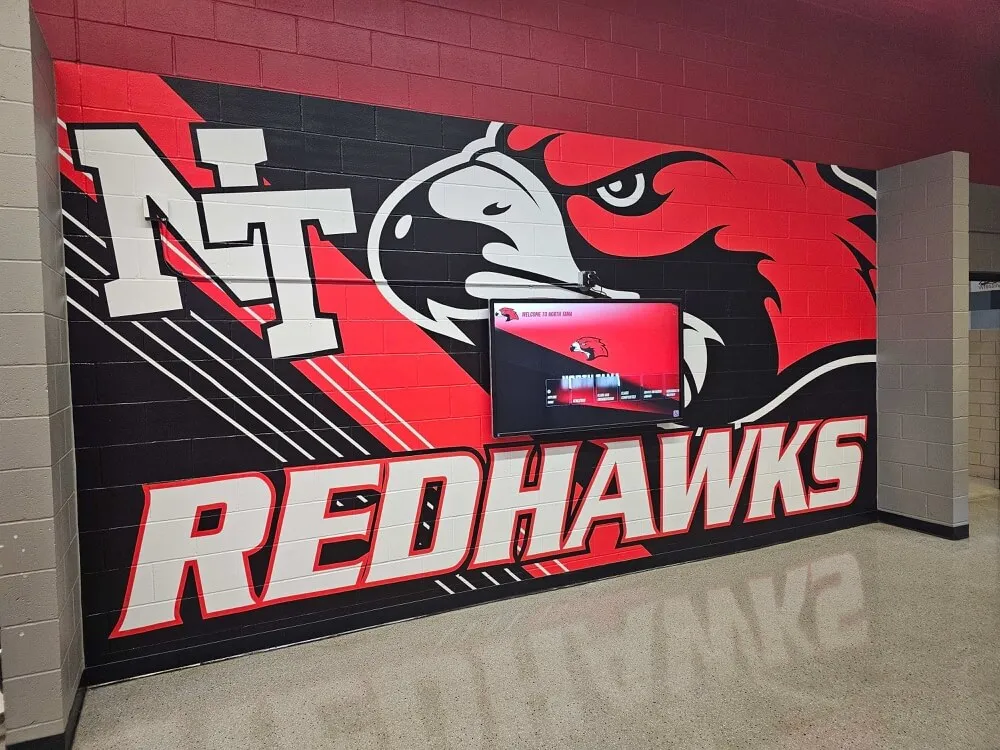
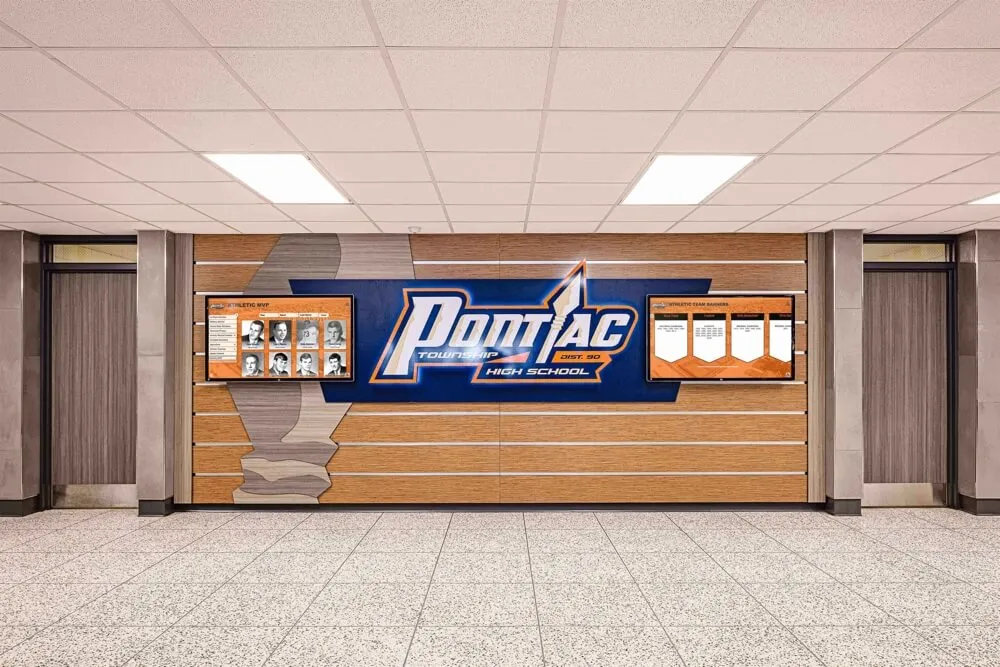
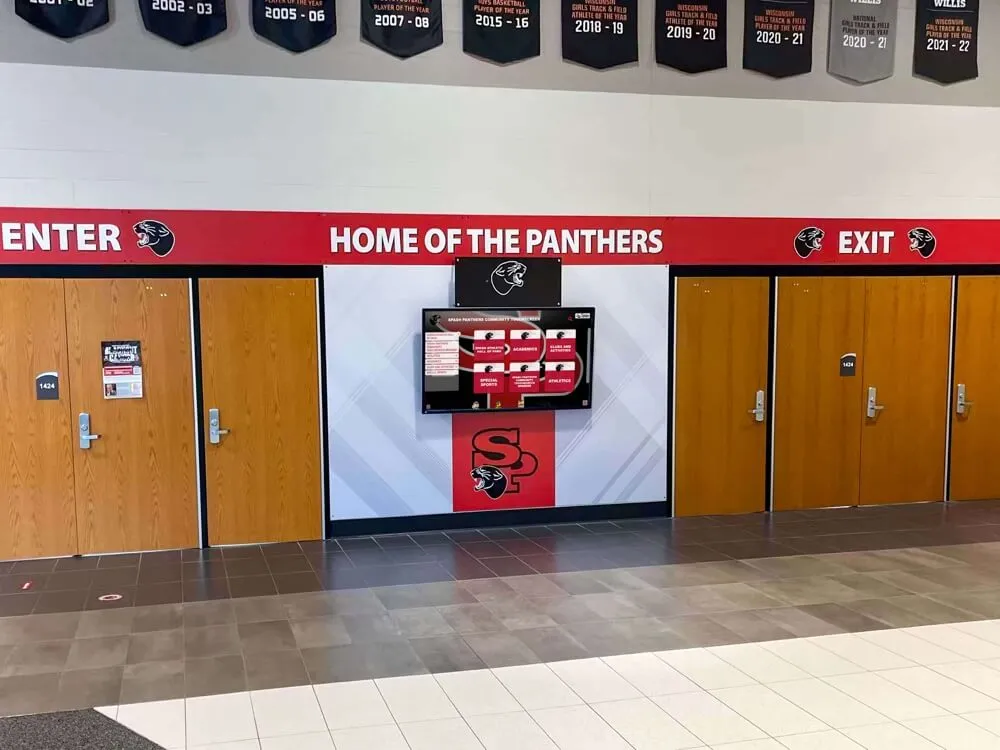
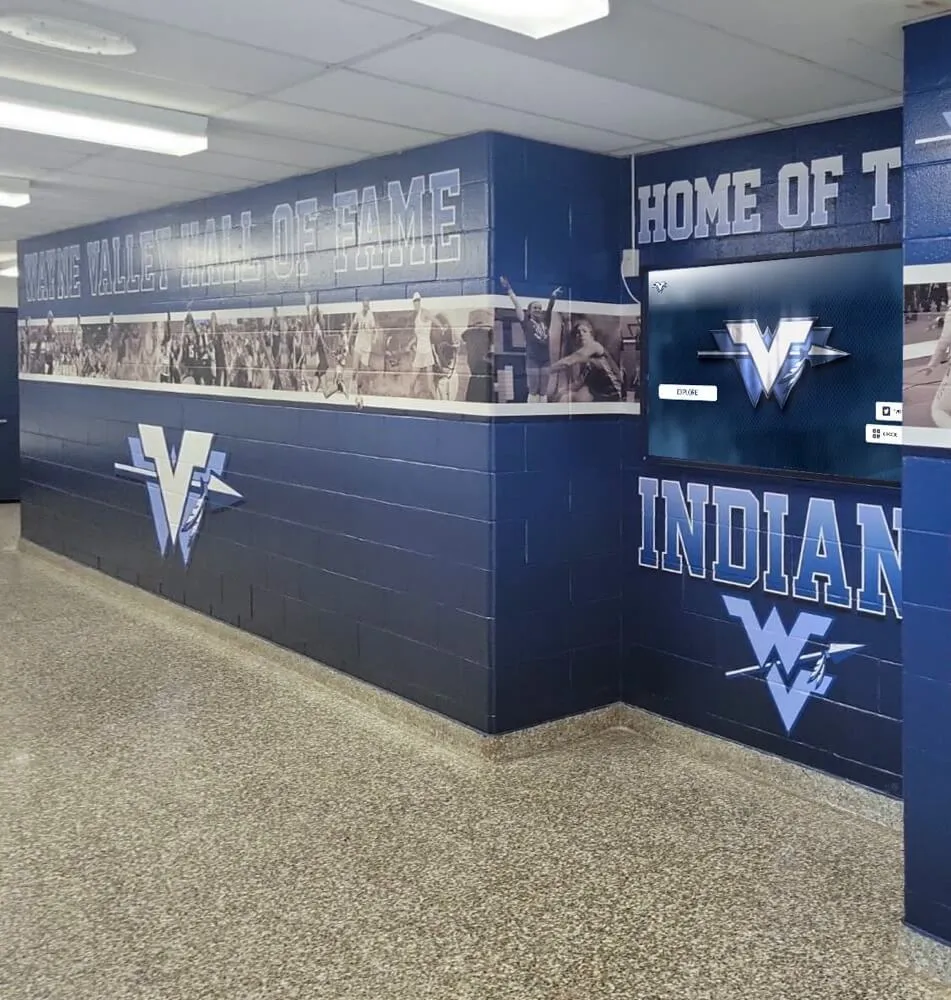
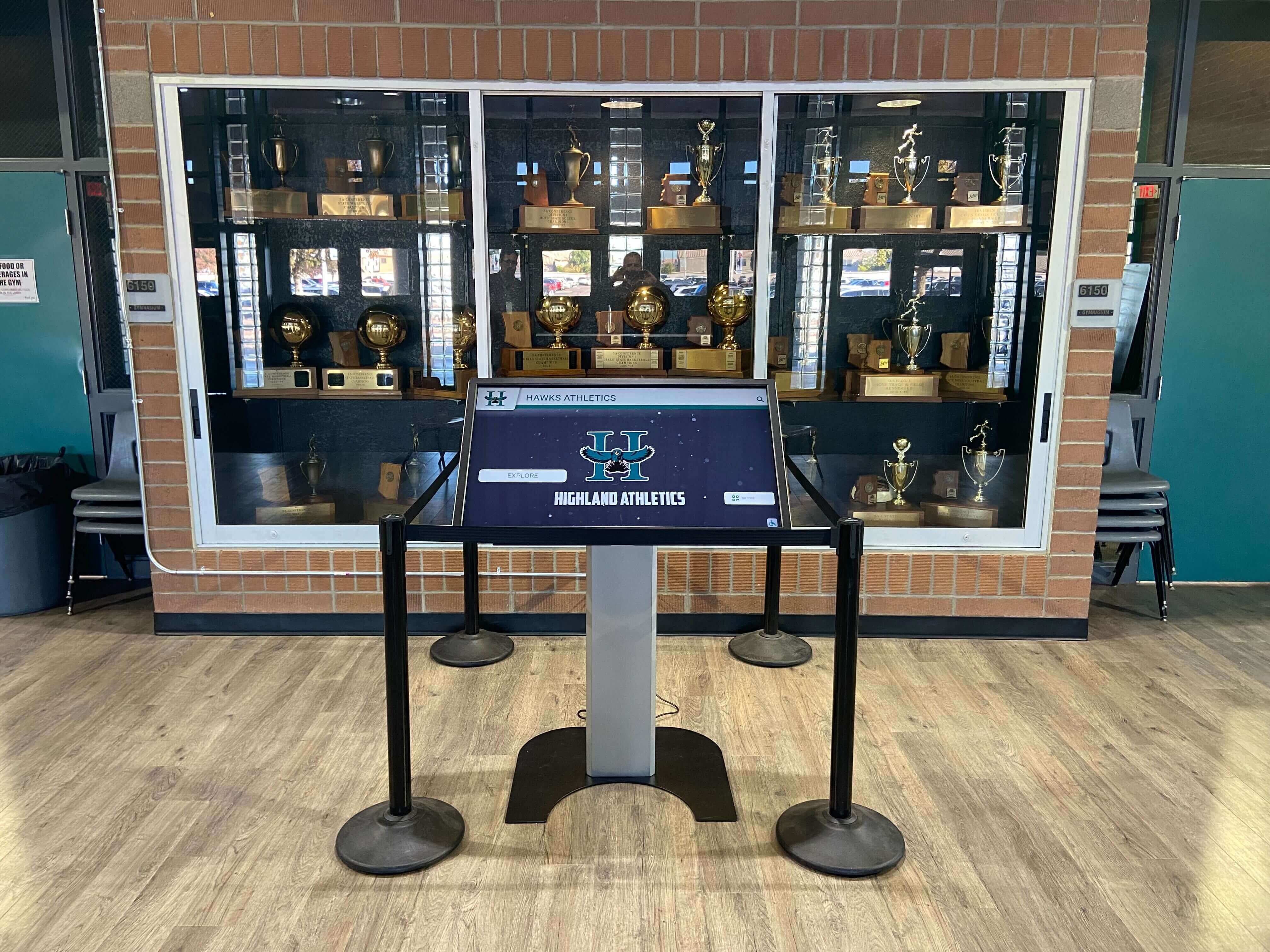
Digital recognition systems provide permanent displays celebrating letterwinners while individual students wear traditional patches
Year and Bar Pins Metal pins denoting participation years allow multi-sport and multi-year athletes to display their sustained involvement. Bars typically attach below the primary letter, with each bar representing one season or year. Gold bars might distinguish senior year participation, while special bars could mark captain years or championship seasons.
Bar design considerations include selecting metal finishes (gold, silver, bronze) that coordinate with school colors, determining whether bars display years numerically or use symbols, and establishing maximum bar quantities to maintain aesthetic balance. Some programs limit display to four bars representing each high school year, while others allow unlimited bars for multi-sport athletes potentially earning 12+ bars across four years.
Letter Program Design Principles
Effective programs balance accessibility with achievement standards while maintaining design consistency.
Establishing Clear Earning Criteria
Transparent, objective standards ensure fair letter distribution and maintain program credibility.
Participation Requirements Most programs require minimum participation benchmarks preventing automatic letter awards for brief team membership. Common athletic criteria include completing a full season while meeting attendance standards, participating in a percentage of team competitions (often 50% of varsity events), or contributing specific playing time at varsity level.
Activity and academic letter criteria might require sustained participation across a semester or year, achieving specific performance benchmarks (GPA thresholds for academic letters, competition placements for activities), or demonstrating leadership within the organization. Clear criteria prevent subjective letter distribution while ensuring recipients genuinely earned recognition through sustained commitment.
Performance and Contribution Standards Beyond participation, many programs incorporate performance or contribution elements: starting lineup players earn letters while JV-callup athletes must meet higher playing time thresholds, or academic letters require both participation and maintaining specific grade averages.
Consider multi-dimensional criteria recognizing that valuable team contributions extend beyond statistics—practice dedication, leadership impact, and positive team citizenship deserve recognition alongside performance metrics. Coaches’ discretionary letters allow recognition for intangible contributions like injured athletes who attended every practice supporting teammates.
Learn about balanced recognition approaches in team recognition awards honoring diverse contributions.
Creating Visual Consistency
Cohesive design standards ensure letterman patches maintain professional appearance and clear school identity.
Color Systems and Contrast School colors form the foundation for patch design, but effective programs carefully consider color contrast ensuring letters remain readable from distance. Navy letters need lighter borders or backgrounds for visibility, while light-colored letters require darker borders preventing them from appearing washed out.
Multi-color approaches might use primary school color for the letter body, secondary color for borders, and metallic thread for detail highlights. Consider how colors appear on different jacket materials—chenille colors that look vibrant on wool might appear different on satin or leather.
Typography and Sizing Letter font selection communicates program personality: traditional block letters convey classic athletic tradition, script letters suggest elegance, and modern fonts create contemporary aesthetic. Regardless of style, letters must remain readable when viewed from across gymnasiums during letter ceremonies.
Standardize letter sizing ensuring consistency across all sports and activities—typically 5-7 inches for primary letters, 2-4 inches for sport patches, and 1-2 inches for achievement patches. Consistent sizing creates visual harmony preventing some jackets from appearing cluttered while others look sparse.
Placement Guidelines Establish clear patch placement standards maintaining visual balance and traditional appearance:
- Primary letter: Left chest position (traditional placement honoring achievement closest to heart)
- Sport patches: Right chest or left/right sleeve
- Achievement patches: Coordinated positions maintaining symmetry
- Year bars: Below primary letter, stacked vertically
- Name patches: Often placed on right chest or above letter
Document placement guidelines with photos or diagrams helping students, parents, and jacket vendors understand proper attachment locations.
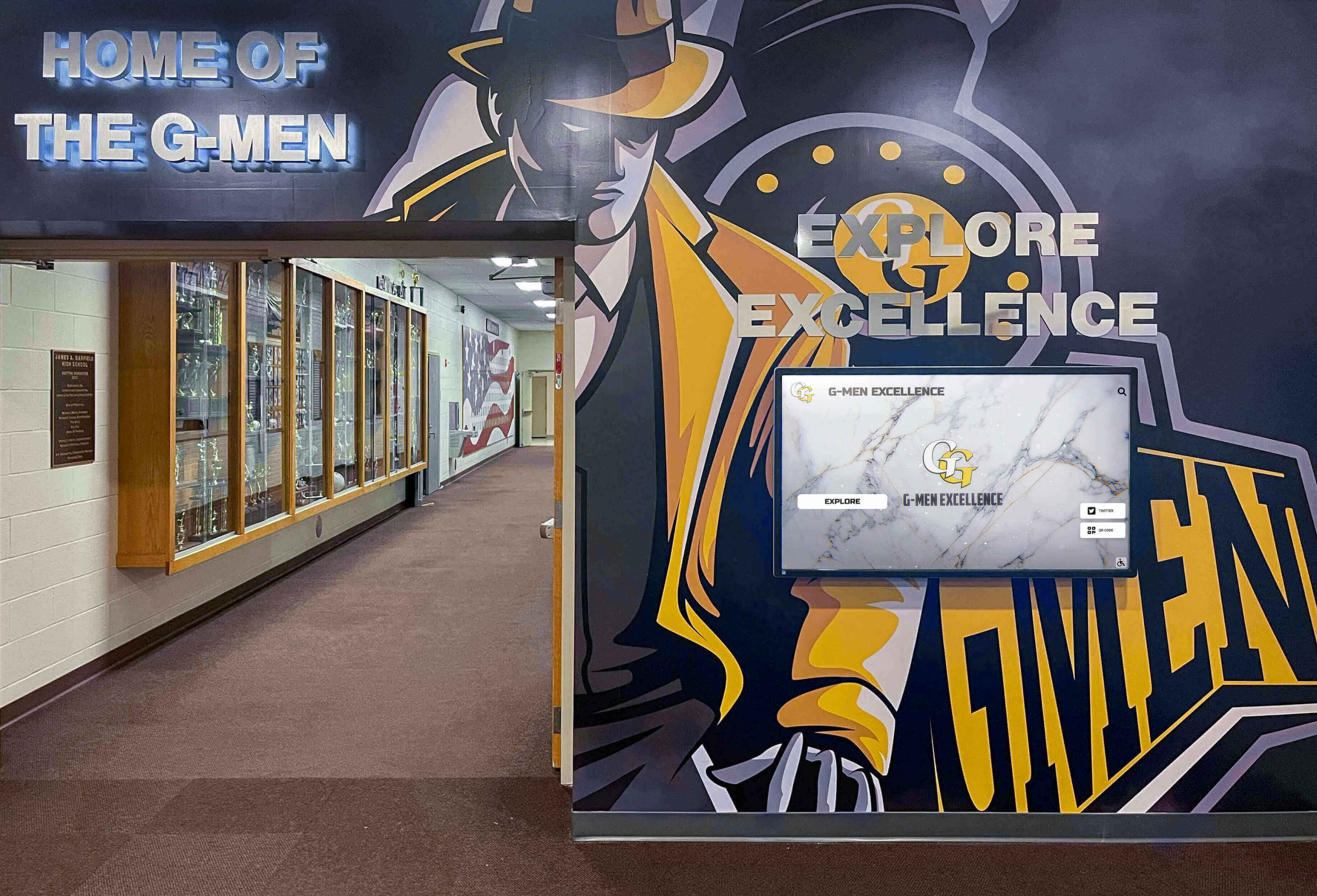
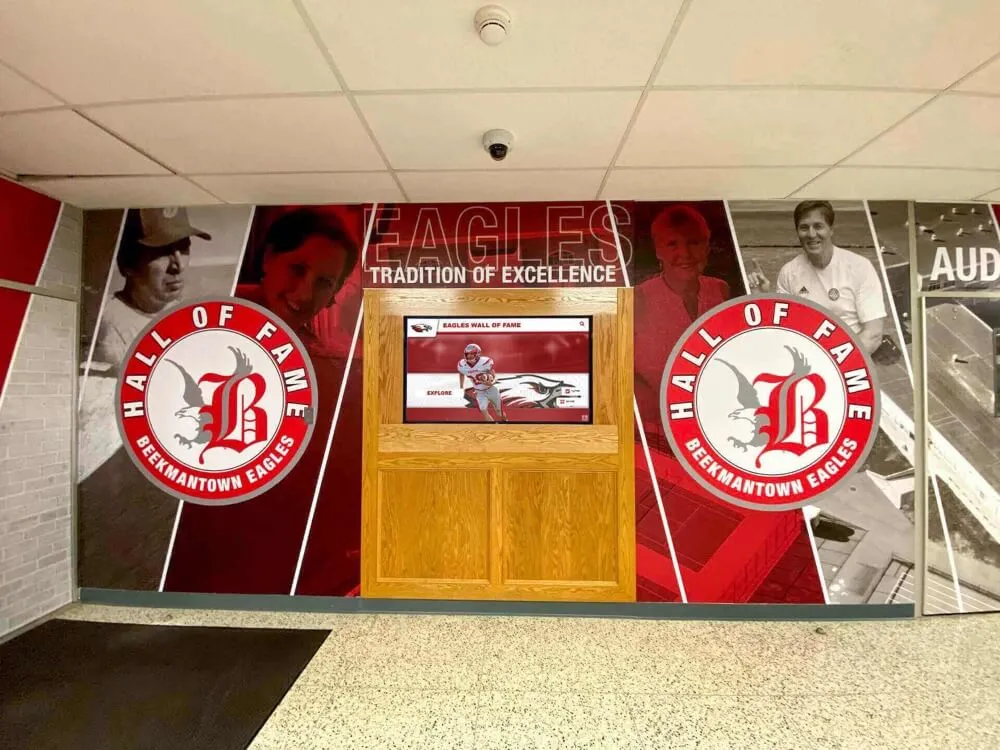
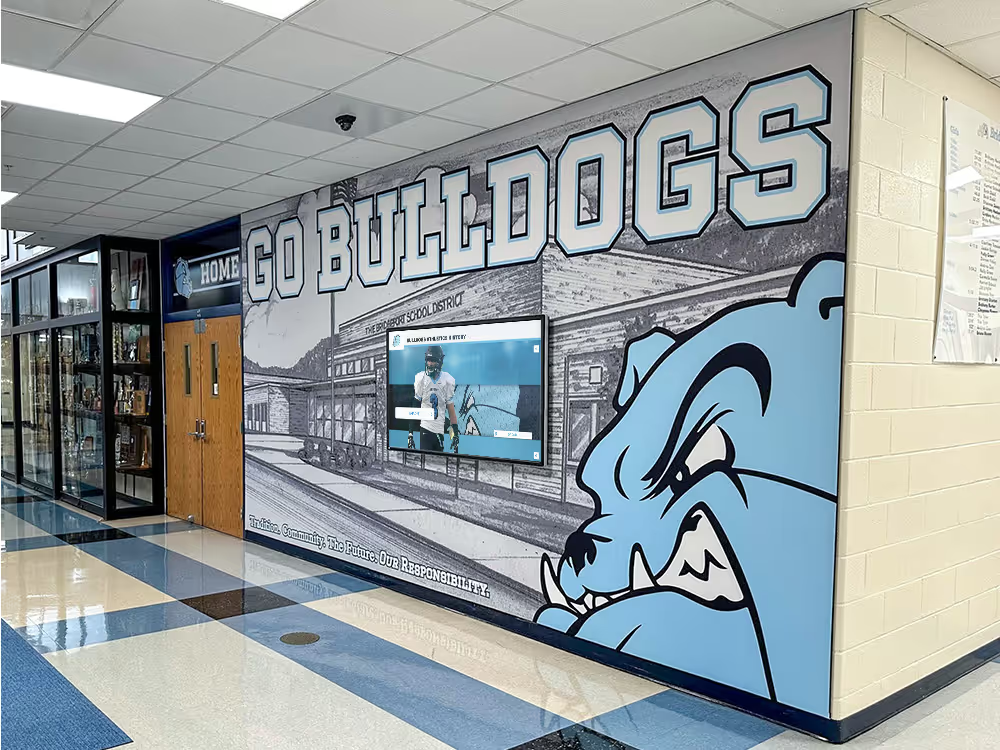
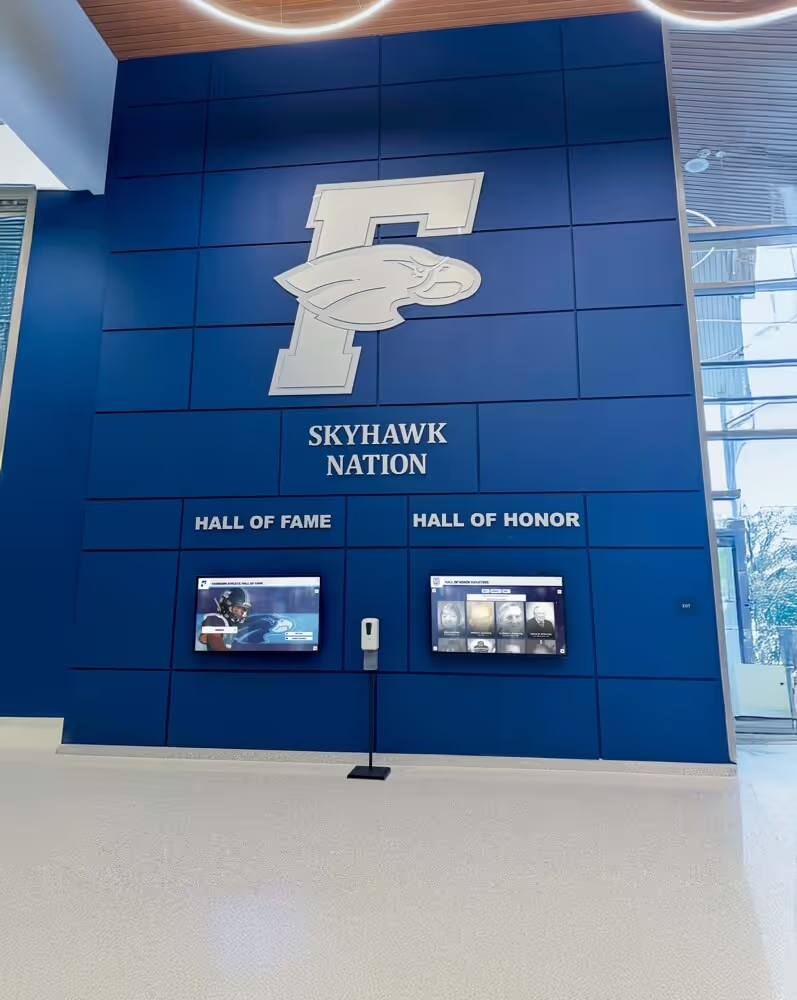
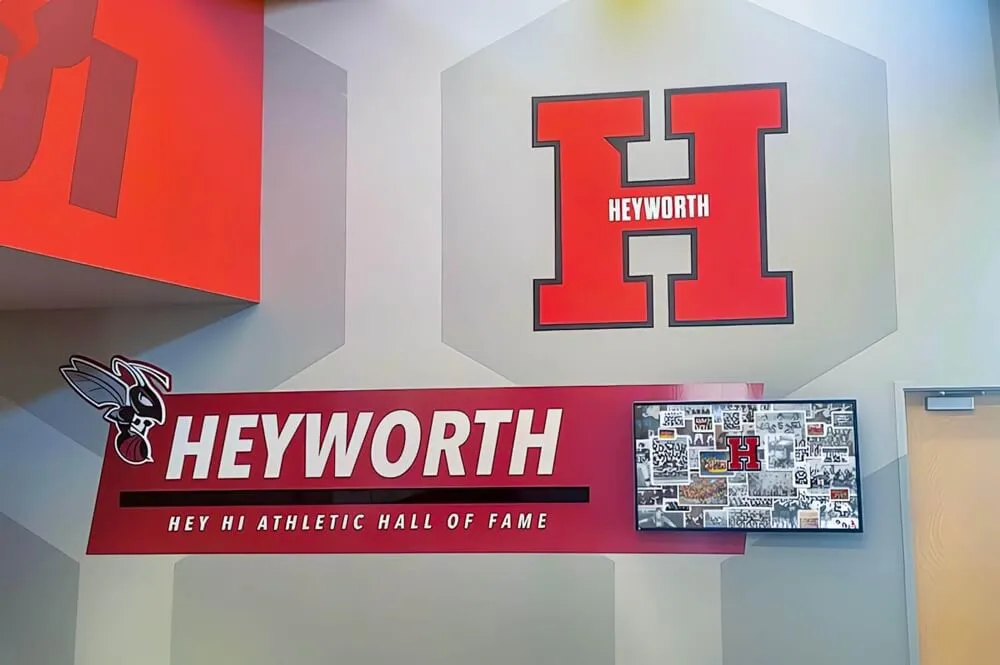
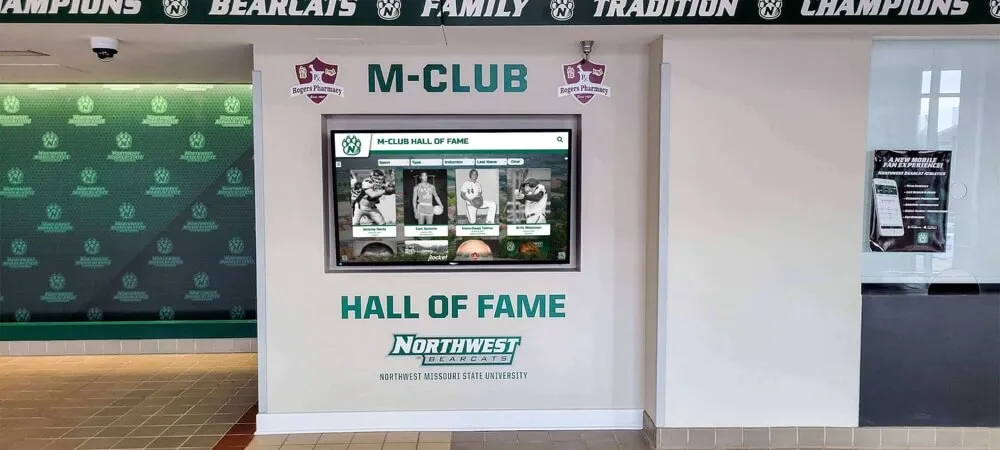
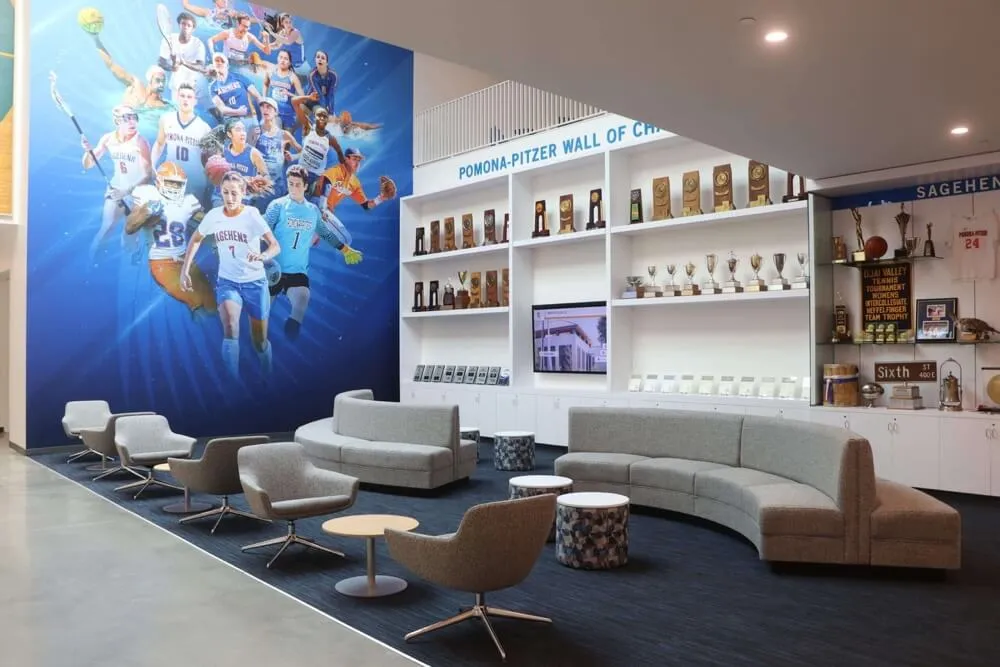
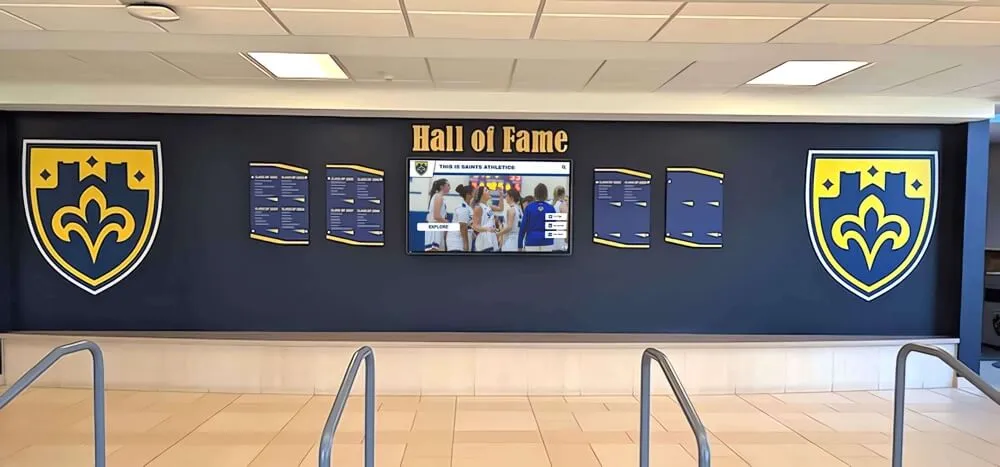
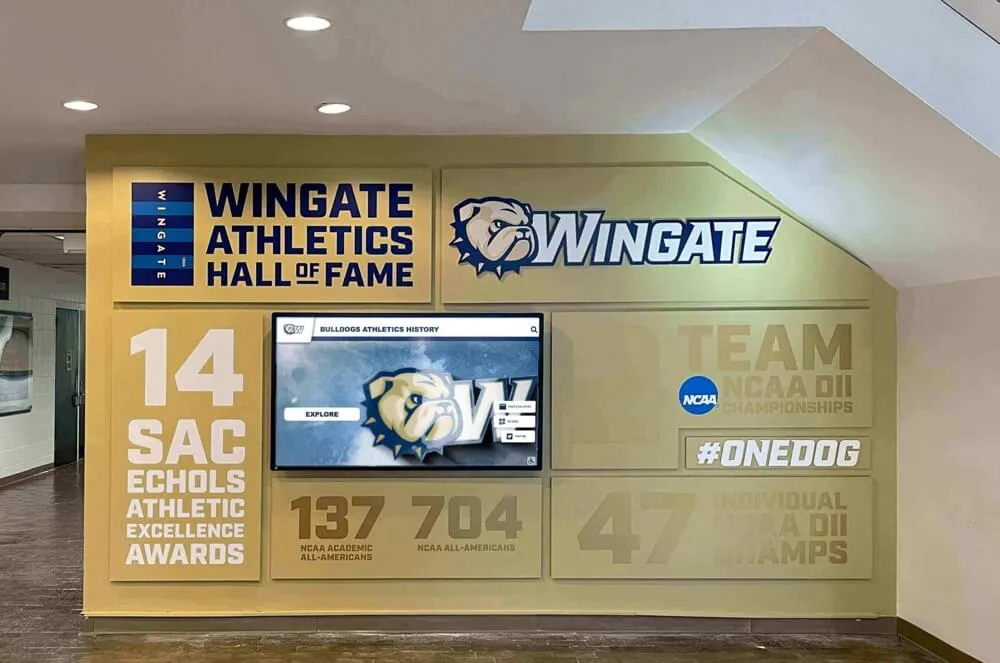
School athletic displays create inspirational environments celebrating current letterwinners while honoring program traditions
Letterman Patch Materials and Construction
Material quality and construction methods directly impact patch longevity and appearance.
Chenille Letters: The Gold Standard
Chenille (French for “caterpillar”) creates the distinctive fuzzy texture defining traditional varsity letters.
Material Characteristics High-quality chenille letters use tightly-packed loops creating dense, plush texture that maintains appearance despite years of wear. Premium chenille resists matting, fading, and loose thread problems affecting lower-quality alternatives. Chenille density (measured in loops per inch) directly correlates with durability—denser chenille costs more but creates more professional appearance lasting through decades.
Chenille comes in acrylic (affordable, durable, widely available in colors) or wool blends (premium feel, traditional appearance, higher cost). Most modern programs use acrylic chenille balancing appearance, durability, and price while maintaining traditional aesthetic.
Construction Methods Quality chenille letters feature chain-stitched borders creating defined edges preventing fraying, felt or wool backing providing structure and preventing stretching, and multi-layer construction (chenille attached to felt base, with decorative border stitched through all layers) ensuring patches remain flat and intact.
Examine letter backing—quality patches use 100% wool felt rather than synthetic alternatives that may stretch or deteriorate faster. Border stitching should fully penetrate all layers using high-tension thread preventing border separation from letter body.
Embroidered Patches
Smaller sport and achievement patches typically use embroidery rather than chenille.
Embroidery Quality High thread-count embroidery creates detailed patches with clean lines and vibrant colors. Quality embroidered patches feature high stitch density creating full coverage without underlying backing showing through, edge locking preventing border fraying, and color-fast thread maintaining appearance despite washing and sun exposure.
Twill backing provides ideal foundation for embroidered patches—tighter weave than standard fabric prevents stitches from pulling through while offering flexibility conforming to jacket contours. Heat-seal backing simplifies attachment while maintaining professional appearance.
Discover how modern recognition extends traditional patches into permanent displays through wall of fame ideas for schools celebrating letterwinners.
Attachment Methods
Proper attachment ensures patches remain secure through years of wear.
Traditional Sewing Hand-stitching remains the gold standard for attaching chenille letters—time-intensive but creating most secure, longest-lasting attachment. Proper sewing technique uses small stitches placed every quarter-inch around letter perimeter, thread color matching letter background for invisible attachment, and double-stitching at stress points (letter corners, bar pin attachment areas).
Many jacket companies and alteration shops offer professional letter attachment services ensuring proper placement and secure stitching. Students hand-sewing letters should use thimbles, strong thread, and patience—rushed jobs create visible stitching and insecure attachment leading to premature letter loss.
Modern Alternatives Heat-seal patches with thermoplastic backing attach using household irons or commercial heat presses, creating strong bonds when applied properly. Heat-seal works well for smaller patches but may not provide sufficient hold for heavy chenille letters experiencing stress from jacket movement.
Hook-and-loop fasteners (Velcro) enable letter removal for jacket cleaning but lack traditional aesthetic and security of sewn patches. Consider hook-and-loop only for special circumstances like jackets requiring frequent cleaning or athletes wanting letter transferability between garments.
Expanding Letter Programs Beyond Athletics
Inclusive recognition programs offer letter opportunities across multiple student achievement domains.
Academic Letters
Academic recognition extends varsity tradition to scholarly achievement.
Earning Criteria Options Academic letter criteria typically require sustained excellence rather than single-semester achievement. Common standards include maintaining cumulative GPA above threshold (3.5 or 3.75) across multiple semesters, earning honor roll status for consecutive grading periods, or achieving specific standardized test scores or academic competition placements.
Some programs combine GPA requirements with participation criteria—students must maintain academic standards while actively engaging in academic clubs, competitions, or school service. This approach mirrors athletic letters requiring both participation and performance.
Design Differentiation Distinguish academic letters through subtle design variations maintaining visual connection to athletic letters while signaling distinct achievement domain. Options include using different letter styles (script for academic vs. block for athletic), incorporating academic symbols (books, laurels, scholar’s cap) into letter design, or using metallic thread creating different texture than athletic letters.
Consider coordinated color schemes—if athletic letters use school’s primary color, academic letters might use secondary color, both sharing the same border color maintaining visual family resemblance.
Explore academic recognition approaches in AP Scholar digital recognition complementing traditional letter programs.
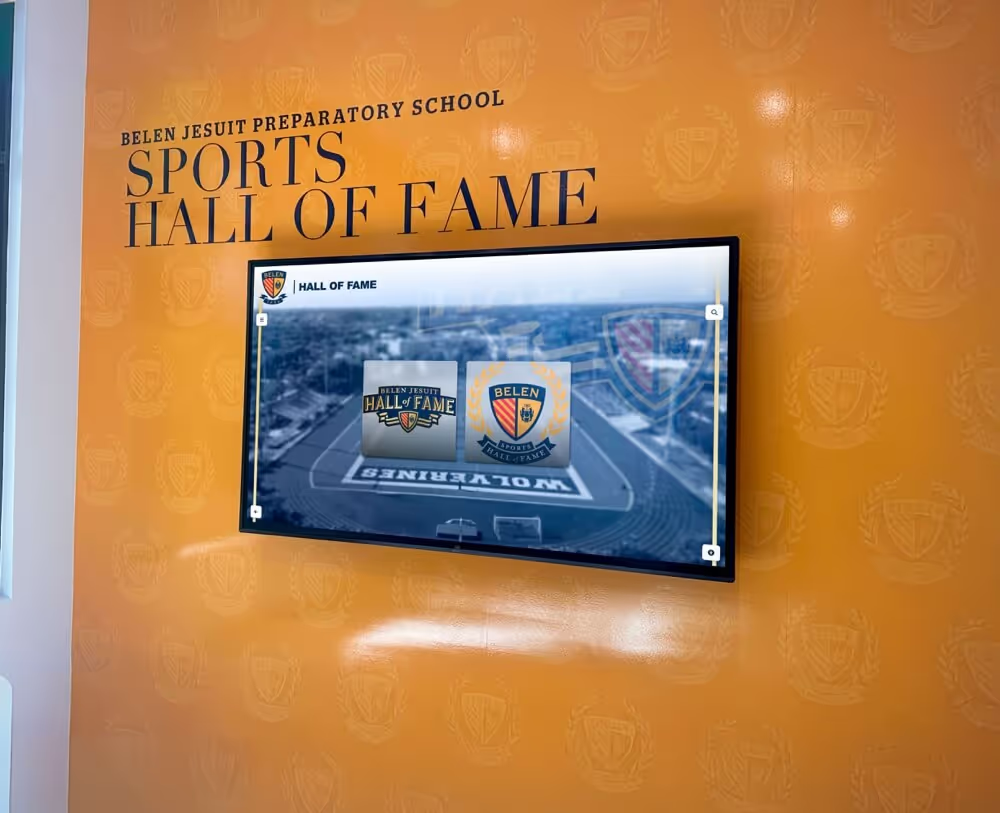
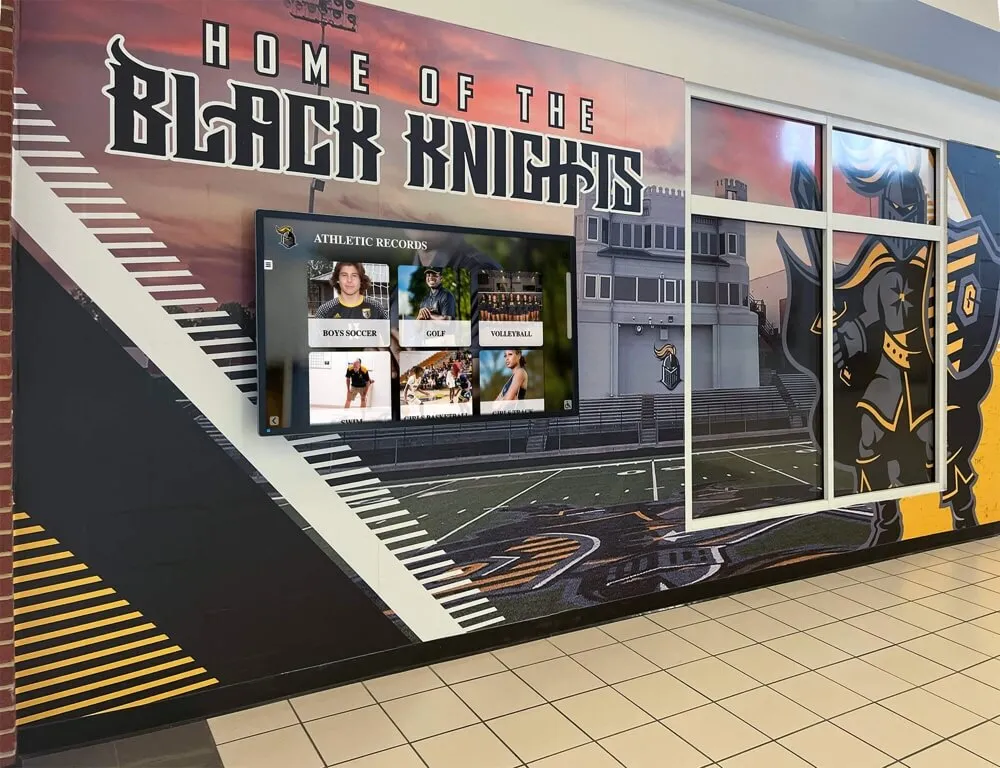
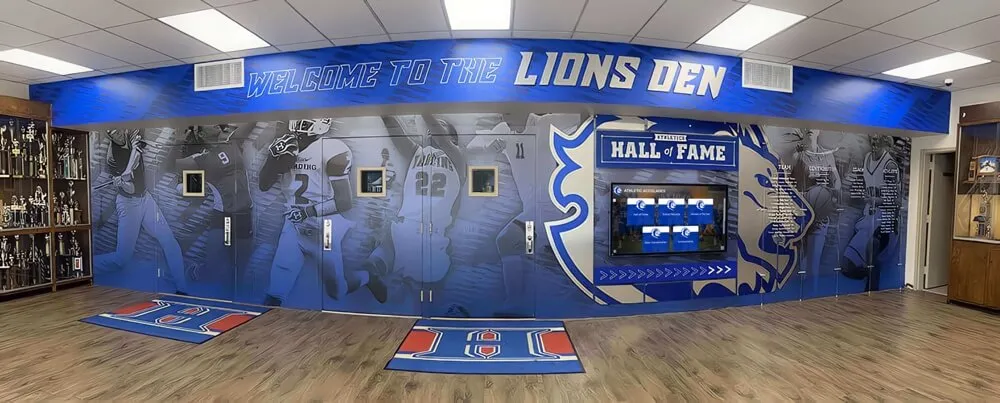
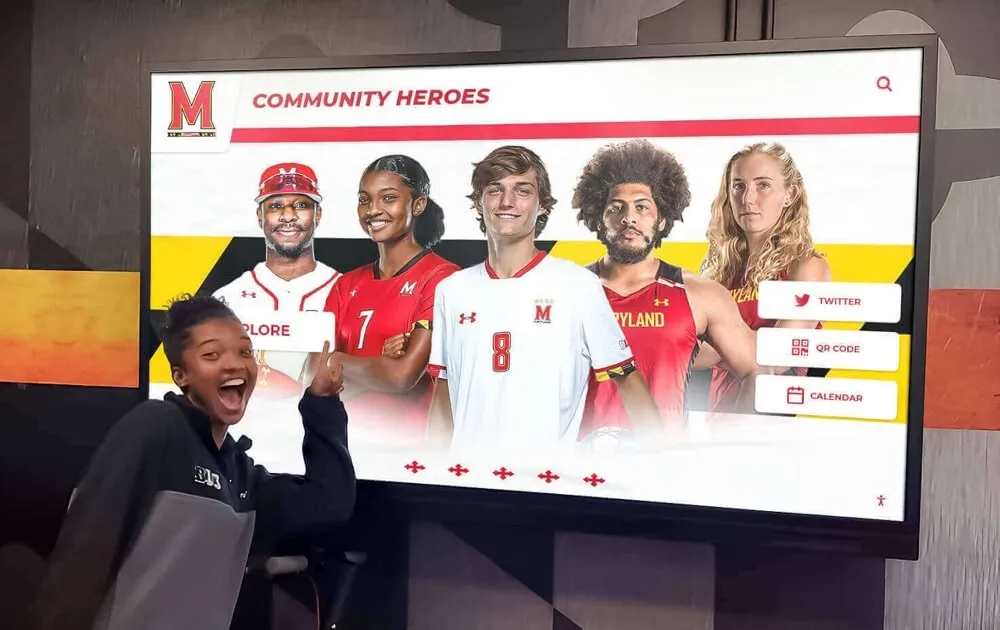
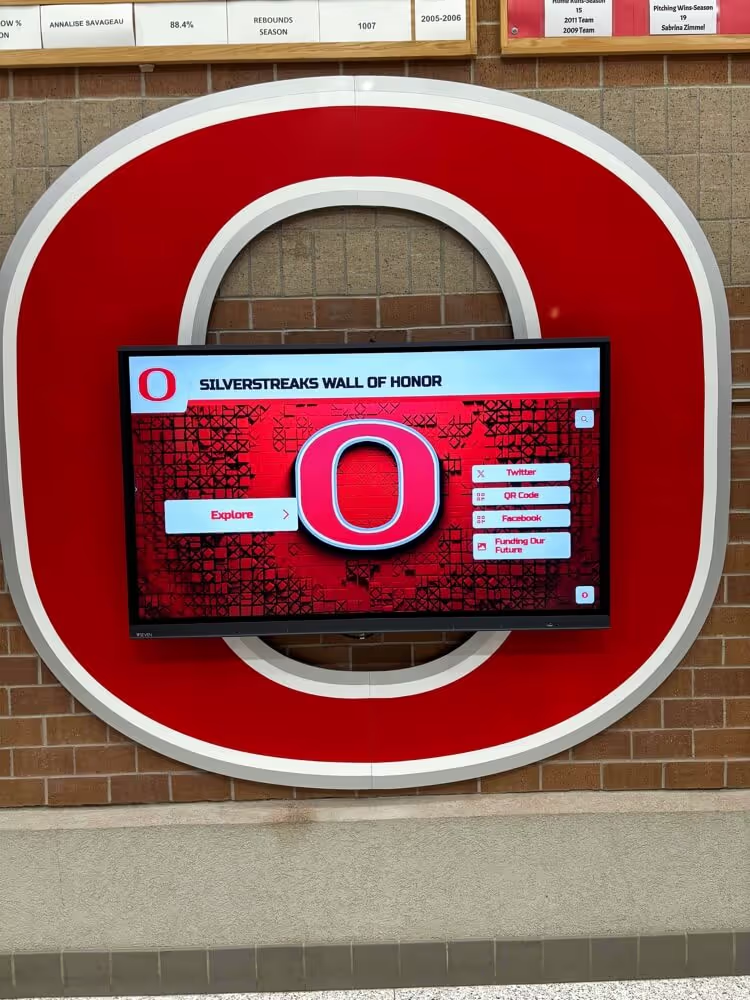
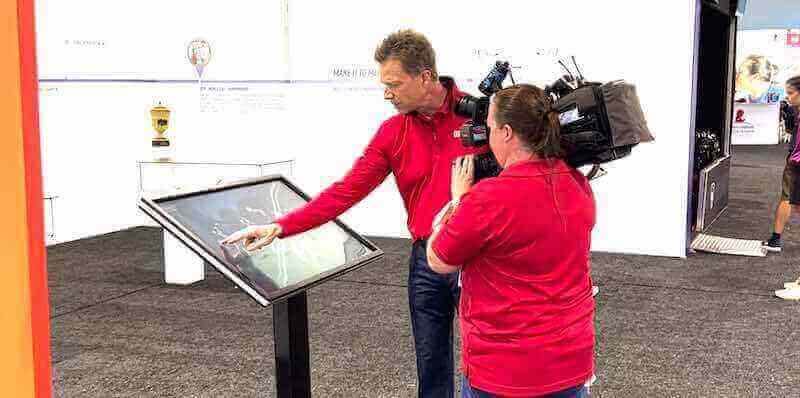
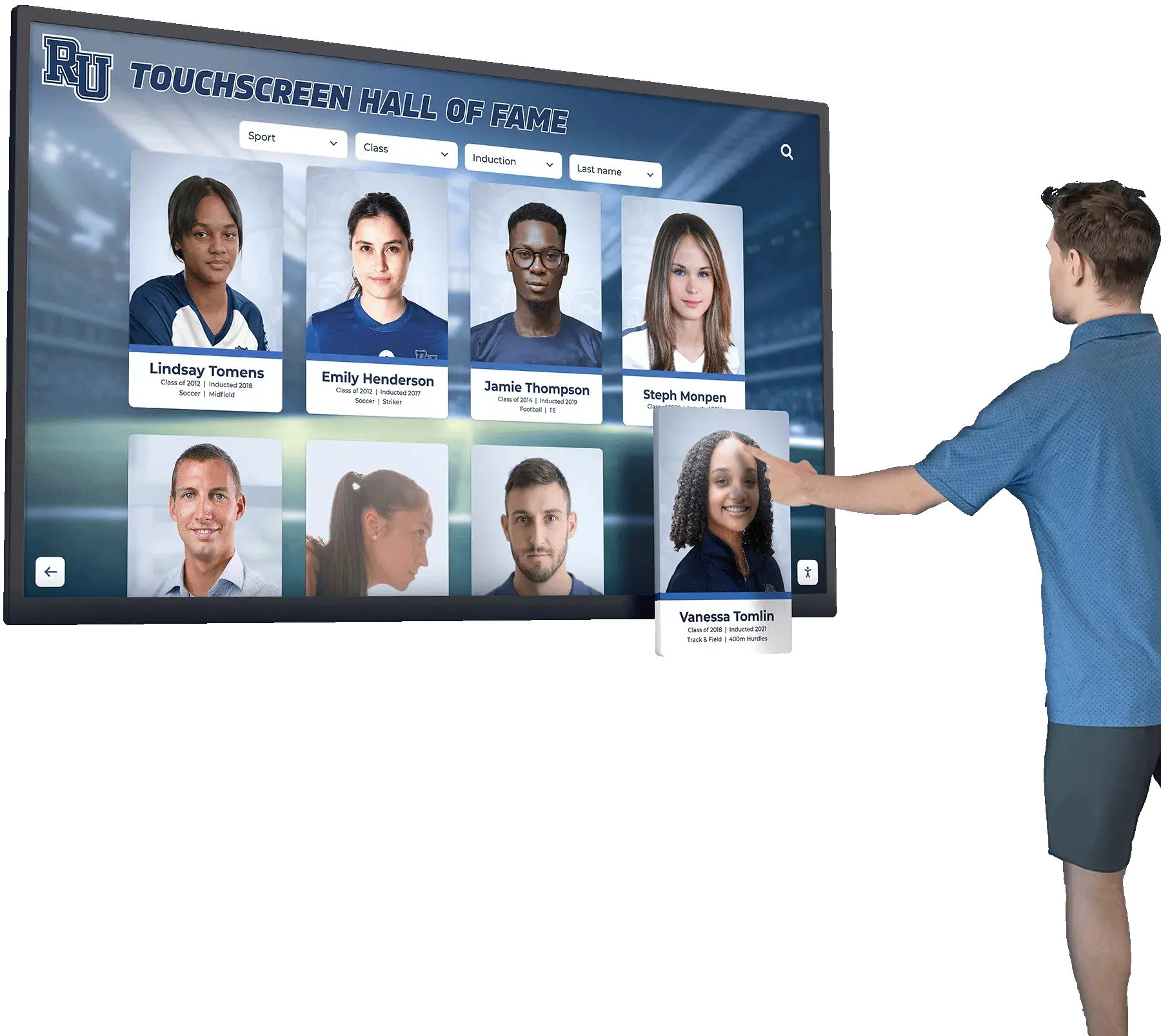
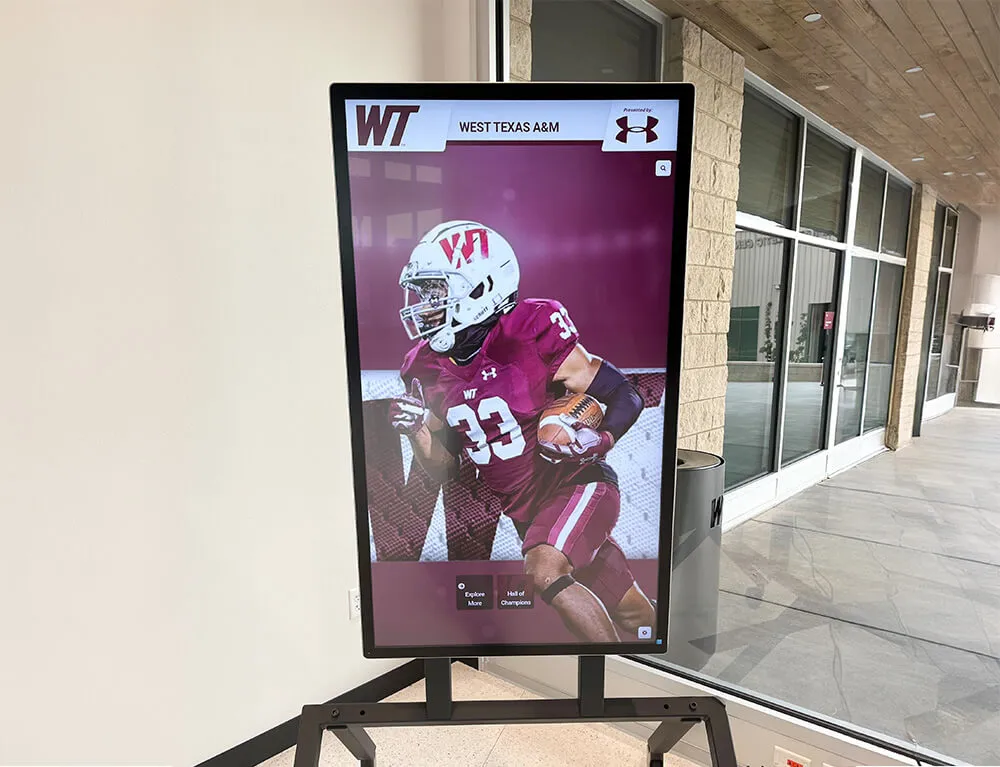
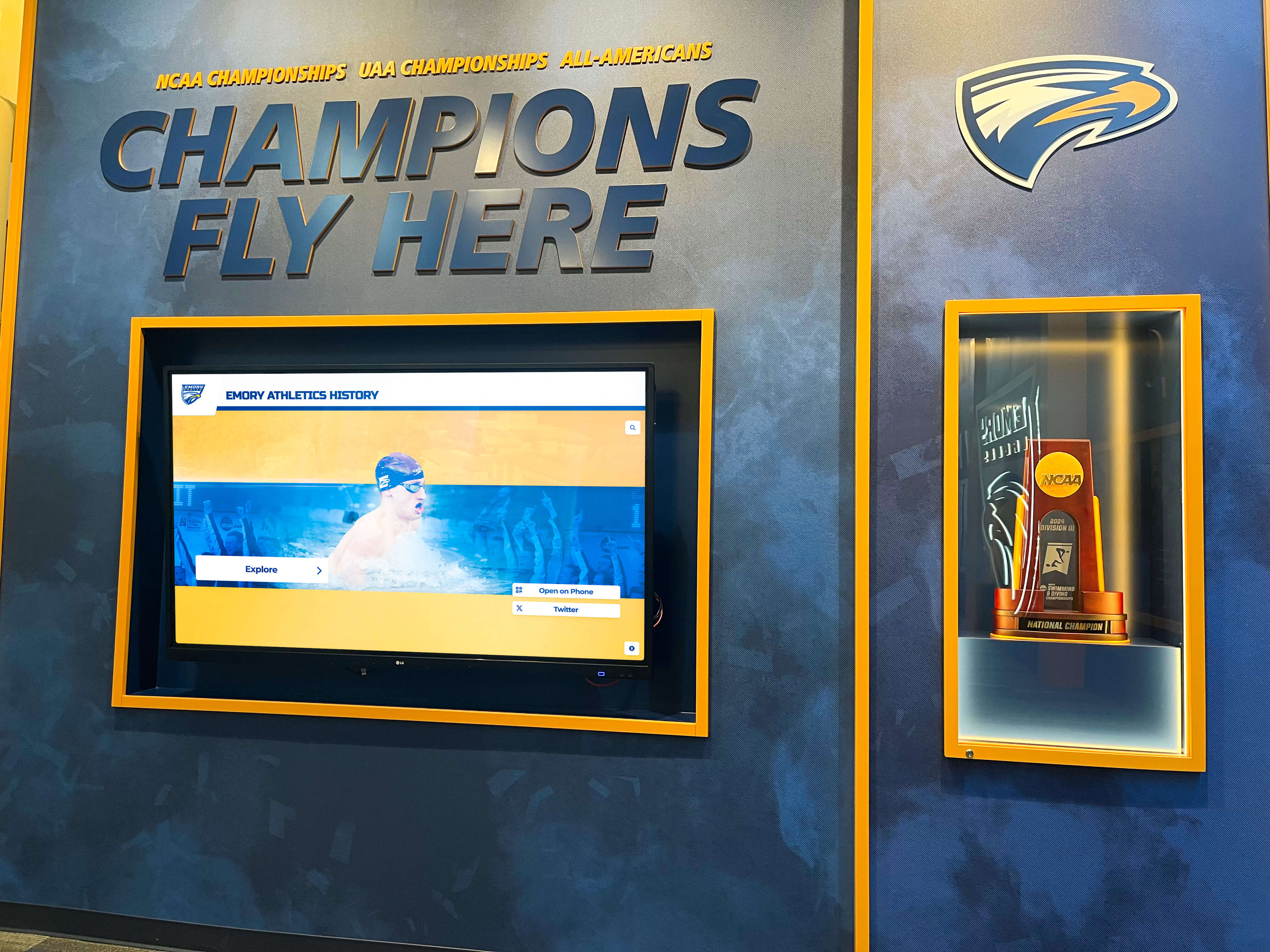
Interactive recognition displays allow students to explore letterwinner histories and achievements in engaging ways
Activity and Service Letters
Expanding letter eligibility recognizes students excelling outside athletics and academics.
Qualifying Programs Activity letters might recognize sustained participation and achievement in band and music programs, debate and forensics, theater and drama, robotics and STEM competitions, student government, or service organizations. Each activity establishes criteria mirroring athletic letter requirements—sustained participation, performance benchmarks, and contribution standards.
Theater letters might require participating in minimum number of productions in significant roles or technical positions, band letters could demand concert participation plus leadership roles or competition success, and service letters may require documented service hours plus project leadership.
Maintaining Program Standards As letter programs expand, maintain achievement standards preventing letters from becoming participation trophies. Require multi-year involvement, performance benchmarks, or leadership contributions ensuring letter recipients earned recognition through sustained commitment rather than brief involvement.
Balance accessibility with exclusivity—letter programs should remain aspirational goals motivating dedicated participation rather than automatic awards for minimal engagement. Clear, objective criteria applied consistently across all domains maintain letter prestige regardless of activity type.
Modern Recognition: Beyond Individual Jackets
Digital recognition systems extend traditional letter programs into permanent displays reaching entire school communities.
Digital Letterwinner Displays
Technology-enhanced recognition maintains tradition while expanding visibility.
Interactive Letter Walls Modern schools complement individual letterman jackets with digital displays celebrating all letterwinners in permanent, centrally-located installations. Interactive touchscreens in athletic lobbies, main entrances, or commons areas allow visitors to explore letterwinner databases, view achievement histories, and search by sport, year, or individual names.
Digital systems offer advantages traditional patches cannot provide: unlimited capacity accommodating decades of letterwinners, searchable databases connecting current students with alumni letter recipients, multimedia integration displaying photos, videos, and achievement statistics, and instant updates reflecting current season letterwinners without physical display modifications.
These systems don’t replace individual jacket patches—they extend recognition beyond personal mementos into shared school celebrations visible to entire communities. Current athletes see their achievements displayed prominently, inspiring younger students while building connections between generations of letterwinners.
Learn how schools implement modern recognition through digital trophy case schools complete guide complementing traditional letter programs.
Integration with Traditional Programs Effective implementations integrate digital displays with traditional letter ceremonies and jacket traditions. During letter award ceremonies, recognize both individual patch presentation and simultaneous addition to digital letterwinner database. This dual recognition honors tradition while establishing students’ places in permanent school history.
Digital displays can feature letter design history showcasing how patches evolved across decades, criteria explanations helping prospective athletes understand earning requirements, or letterwinner spotlights highlighting individual stories behind the patches. Such systems transform static recognition into dynamic, engaging experiences connecting past, present, and future.
Preserving Letter Traditions in Digital Age
Modern approaches honor tradition while expanding recognition accessibility.
Ceremony and Presentation Letter award ceremonies carry significant emotional weight for students, families, and programs. Traditional ceremonies present physical patches during special events—athletic banquets, academic assemblies, or dedicated letter nights bringing together all letter recipients across activities.
Effective ceremonies balance individual recognition with efficient format: call each recipient forward, announce achievements qualifying for letter, present patch and certificate documenting criteria met, and capture photos for both personal memories and digital display archives.
Consider adding elements connecting current recipients to letter tradition: display historical jackets from decades past, invite distinguished alumni letterwinners to present patches, or share stories about what letters meant to graduates now thriving in careers. These touches emphasize that students join prestigious traditions extending beyond current seasons.
Alumni Connections Letter programs create lifelong bonds between recipients and schools. Digital letterwinner databases enable alumni engagement by allowing graduates to update profiles with post-graduation achievements, reconnect with former teammates through searchable directories, or mentor current letterwinners in their sports or activities.
Some programs invite alumni to share letter jacket photos or stories, creating archives documenting how patches represented milestone moments in graduates’ lives. These narratives inspire current students by demonstrating that temporary high school recognition creates permanent identity connections.
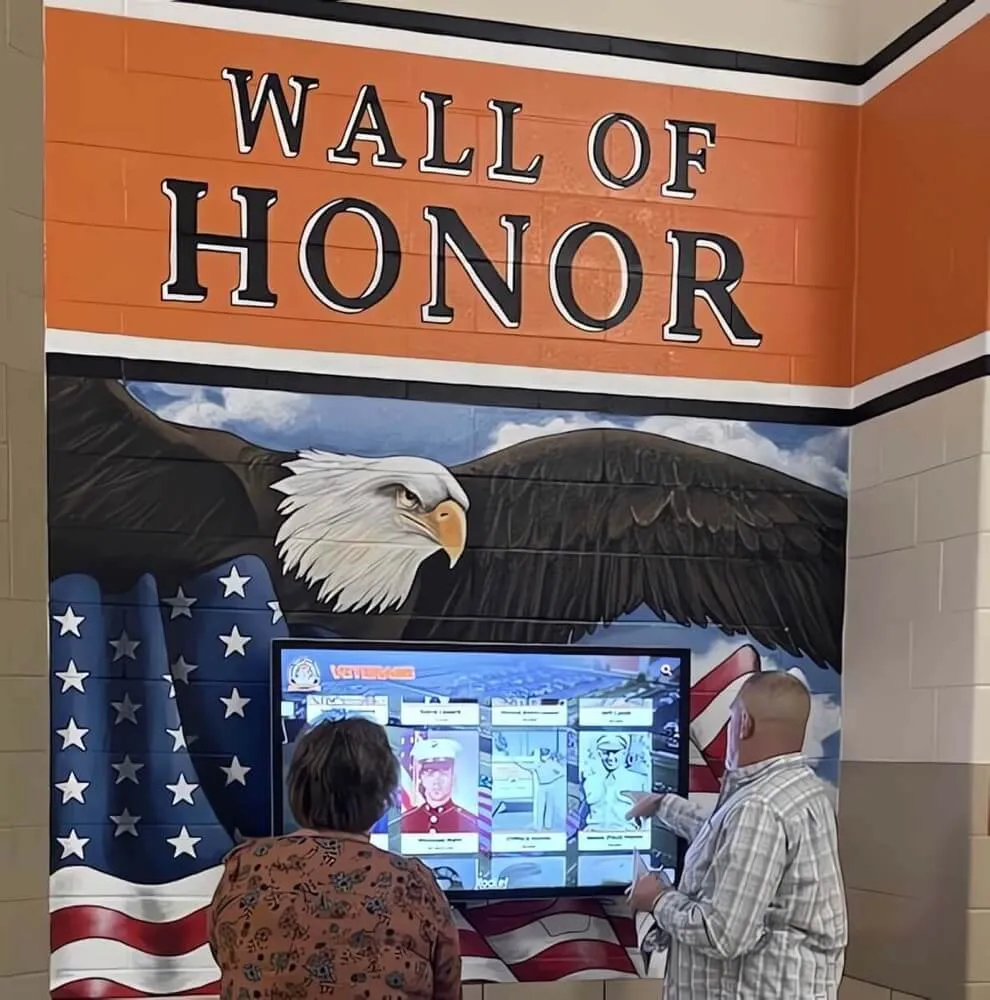
Comprehensive recognition displays honor individual letterwinners alongside team achievements creating inspiring athletic environments
Letter Jacket Care and Preservation
Proper care ensures letterman jackets and patches remain treasured mementos for decades.
Maintaining Patch Appearance
Regular maintenance preserves chenille texture and embroidery vibrancy.
Cleaning and Storage Chenille letters require gentle care preventing matting and damage. Spot-clean patches using mild detergent and soft cloth rather than machine washing when possible. If machine washing becomes necessary, turn jackets inside-out, use gentle cycles with cold water, and air-dry completely—heat damages chenille texture and backing adhesives.
Store jackets on padded hangers preventing shoulder stress marks, in cool, dry locations away from direct sunlight causing color fading. Avoid cramped closets where patches press against other garments potentially crushing chenille or catching threads.
Repair and Restoration Address damage promptly preventing minor issues from escalating. Loose stitching around letter edges requires immediate repair before letters detach completely. Missing chenille loops or thread pulls may need professional restoration—specialized services can rebuild damaged chenille or re-embroider missing sections.
For cherished vintage jackets, consider professional restoration services specializing in letterman jacket preservation. These specialists can rebuild worn chenille, replace damaged patches, repair jacket materials, and restore faded colors—returning decades-old jackets to near-original condition for continued wear or display.
Display and Memory Preservation
Many families preserve letter jackets as permanent mementos long after students graduate.
Shadow Box Displays Professional framing or shadow boxes transform jackets into wall-displayed art pieces. Custom shadow boxes accommodate full jackets displaying front patches prominently while offering depth for three-dimensional chenille. Add contextual items like team photos, newspaper clippings, or championship medals creating comprehensive achievement displays.
Consider disassembling jackets for alternative displays: frame just the letter-covered sections while storing jacket bodies separately, create patch-only displays removing letters from jackets for wall-mounted presentations, or rotate displays annually if space limits prevent permanent installation of multiple jackets.
Digitization and Documentation Photograph jackets thoroughly documenting patches, placement, and overall appearance. These photos preserve memories if jackets eventually deteriorate, provide templates if restoration becomes necessary, and create shareable records for alumni databases or family archives.
Record stories behind each patch: which season it represents, memorable games or achievements, teammates who shared the experience, or how earning that particular recognition felt. These narratives transform physical patches into story-rich mementos, preserving not just visual appearance but emotional significance.
Discover how modern systems preserve athletic traditions through school trophy case design traditional to digital approaches.
Implementing Letter Programs: Administrative Considerations
Successful programs require thoughtful planning and clear policies.
Budget and Vendor Selection
Quality patches require investment in materials and manufacturing.
Cost Structures Budget for primary letters ($25-60 each depending on size, chenille quality, and construction), sport-specific patches ($5-15 each), achievement patches ($5-12 each), year bars and pins ($3-8 each), and jacket costs if school provides base jackets rather than requiring student purchase.
Some programs require students to purchase letters and jackets, others subsidize costs through athletics or activities budgets, and many offer hybrid approaches where schools provide initial letters while students purchase additional patches and jackets. Consider equity implications—letter costs shouldn’t prevent students from affordable recognition they earned.
Vendor Relationships Partner with reputable patch manufacturers specializing in scholastic recognition products. Quality vendors provide design assistance ensuring patches meet specifications, consistent manufacturing maintaining appearance across years and reorders, and reasonable production timelines delivering patches before award ceremonies.
Request samples before large orders, establish multi-year relationships ensuring consistent products, and maintain detailed specifications documenting exact colors, sizes, and construction details preventing variation across order batches.
Policy Development
Clear written policies ensure fair, consistent program administration.
Documentation Requirements Create comprehensive letter program handbooks documenting earning criteria for each sport and activity, patch design specifications and placement guidelines, ceremony procedures and timelines, cost structures and payment processes, and appeals procedures for disputed letter decisions.
Distribute handbooks to students, parents, coaches, and activity advisors ensuring everyone understands requirements before seasons begin. Update policies annually based on program experiences, changing participation patterns, or philosophical shifts regarding recognition approaches.
Equity and Inclusion Considerations Design programs recognizing diverse achievement while maintaining meaningful standards. Ensure criteria don’t inadvertently exclude students due to financial barriers, physical limitations, or demographic factors. Consider multiple pathways to letters—performance excellence, sustained participation, leadership contributions, or improvement achievements—creating opportunities for athletes with different strengths.
Balance tradition with evolution. Letter programs carrying forward decades-old standards honor institutional history, but periodic evaluation ensures criteria reflect contemporary values and participation realities. Inclusive programs expand recognition opportunities without diluting letter prestige.
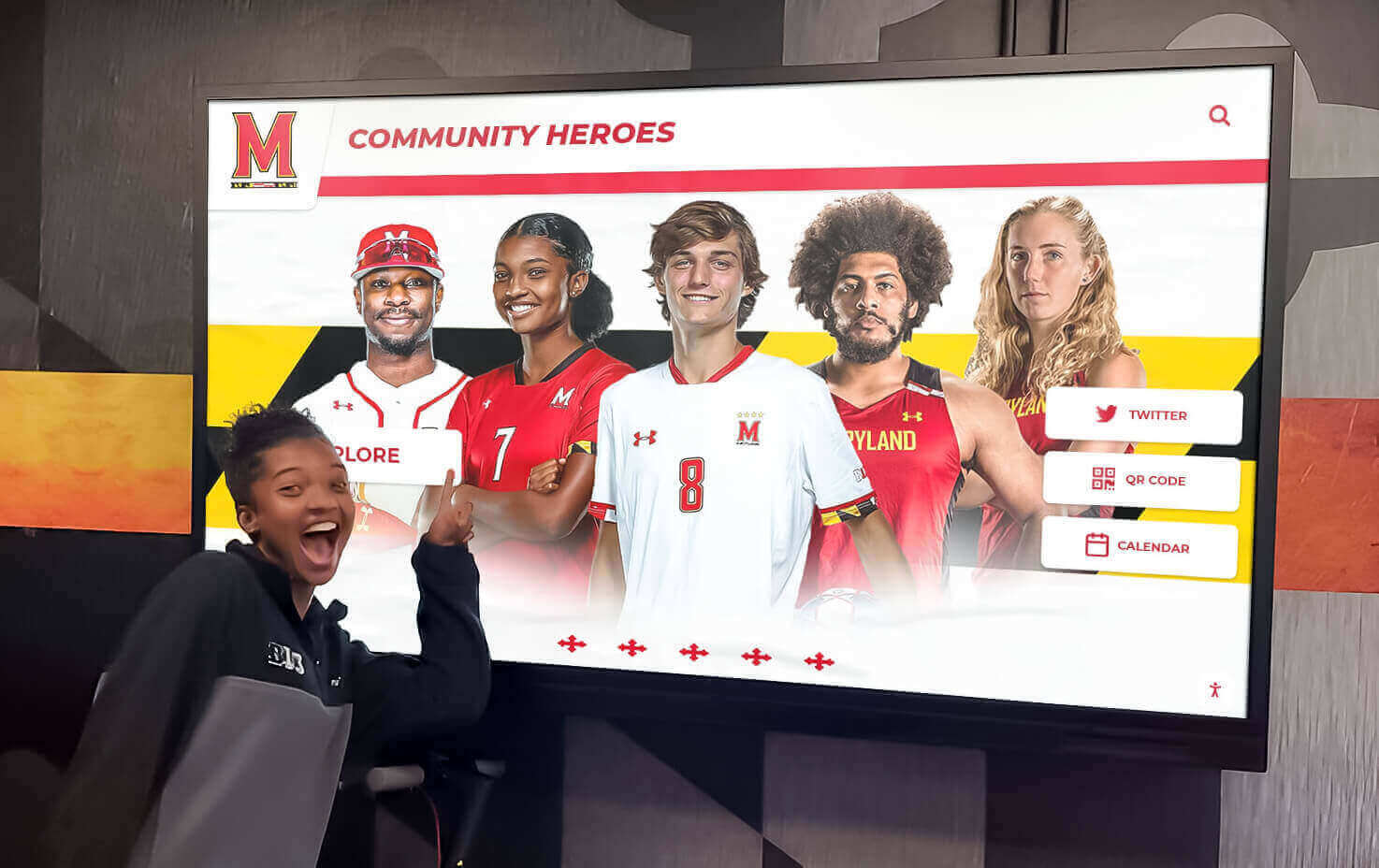
Engaging recognition displays inspire current students by showcasing letterwinners and athletic achievements throughout school history
The Lasting Impact of Letterman Recognition
Letter programs create effects extending far beyond patches sewn on jackets.
Building School Culture and Tradition
Visible achievement recognition strengthens school identity and community bonds.
Pride and Belonging Letterman jackets create instant visual identification of students who achieved varsity recognition—walking symbols of dedication, achievement, and school pride. Athletes wearing jackets embody school values, inspire younger students to pursue their own letter goals, and display tangible results of effort and commitment.
This visible recognition builds powerful school culture where achievement is celebrated, traditions connect generations, and students aspire to earn symbols marking their own accomplishments. Schools with strong letter traditions report higher athletic participation rates, as younger students aspire to someday wear letters representing their schools.
Intergenerational Connections Letter traditions connecting current students with decades of alumni create powerful bonds transcending graduation years. Alumni attending events recognize current students’ jackets, share their own letter experiences, and build mentoring relationships based on shared tradition. Digital letterwinner displays facilitate these connections by making historical letter recipients visible and searchable.
These intergenerational ties strengthen alumni engagement, create natural mentoring pathways connecting students with graduates in their fields or sports, and build lasting emotional connections between individuals and institutions. The simple act of earning a letter becomes lifetime membership in exclusive club of school representatives.
Personal Motivation and Achievement
Individual recognition drives commitment, effort, and personal growth.
Goal-Setting and Dedication Clear letter criteria create concrete goals motivating sustained participation and improvement. Students pursuing letters commit to full seasons, attend practices consistently, and push through challenges because tangible recognition awaits those meeting standards. This goal-directed motivation develops work ethic, persistence, and delayed gratification skills transferring far beyond athletics.
The patch itself matters less than what earning it represents: overcoming challenges, contributing to something larger than oneself, and achieving recognition for sustained dedication. These lessons serve students throughout lives as they pursue professional goals, navigate personal challenges, and contribute to communities.
Lasting Memories and Identity For many students, letterman patches represent defining high school achievements. The jacket becomes treasured possession connecting adults to formative years—opening closets decades later, they see patches triggering floods of memories about teammates, games, seasons, and personal growth experiences.
This lasting emotional resonance explains why letter traditions endure despite modern skepticism toward formal awards. The physical patch creates tangible connection to intangible experiences: the camaraderie of teammates, the satisfaction of achieving difficult goals, and the pride of representing one’s school. These connections last lifetimes, making letter programs among schools’ most impactful recognition traditions.
Explore how comprehensive recognition programs honor achievement through high school end of year awards complete guide including letter programs.
Creating Recognition Programs That Endure
Successful letterman patch programs balance honoring tradition while evolving with changing school cultures.
Reviewing and Updating Programs
Regular evaluation ensures programs remain relevant, fair, and meaningful.
Annual Program Assessments Each year, review letter distribution patterns, earning criteria effectiveness, and stakeholder feedback from students, parents, coaches, and activity advisors. Examine whether criteria appropriately balance accessibility with achievement, whether certain groups face systematic barriers to earning letters, and whether recognition approaches adequately celebrate diverse contributions.
Adjust criteria based on participation changes—if team sizes shift dramatically, reconsider playing time requirements ensuring letters remain achievable yet meaningful. If new activities emerge, establish criteria extending letter opportunities to students in contemporary programs while maintaining equivalency with traditional activities.
Maintaining Standards While Expanding Access As schools expand letter opportunities beyond traditional athletics, maintain achievement standards preventing letters from becoming participation awards. The key is equivalency—academic letters should require similar dedication and achievement as athletic letters, just measured through different metrics.
Consider creating advisory committees including administrators, coaches, activity advisors, and student representatives reviewing letter policies periodically. These diverse perspectives help programs remain fair, relevant, and aligned with institutional values while honoring traditions connecting current students to alumni across decades.
Integrating Traditional and Digital Recognition
The most effective programs blend timeless traditions with contemporary technology.
Complementary Systems Physical letterman patches and digital recognition displays serve different but complementary purposes. Patches provide personal, wearable recognition students own individually, while digital systems create permanent school displays celebrating all letterwinners collectively. Together, they offer both personal mementos and institutional celebration.
Implement systems where letter ceremony presentations immediately result in additions to digital databases, maintaining synchronized recognition across traditional and modern platforms. This integration honors individual achievement through patch presentation while simultaneously establishing students’ places in school history through permanent digital records.
Evolving Without Losing Identity Letter programs can embrace modern recognition approaches while preserving traditions defining school identity. The chenille letter itself represents timeless tradition, but surrounding systems—how letters are earned, celebrated, and preserved—can evolve addressing contemporary values around inclusion, accessibility, and engagement.
Schools successfully balancing tradition and innovation typically maintain core elements (signature patches, established criteria, formal ceremonies) while thoughtfully updating peripheral aspects (expanding eligible activities, adding digital displays, creating interactive elements). This approach respects tradition while ensuring programs remain relevant and meaningful to current students.
Extend Your Recognition Beyond Patches
While individual letterman patches create personal mementos students treasure, modern recognition extends varsity letter traditions into permanent displays reaching entire school communities. Rocket Alumni Solutions provides interactive touchscreen displays that complement traditional letter programs—celebrating all letterwinners in searchable, multimedia-rich formats while maintaining the tradition, ceremony, and personal connection of physical patches.
Conclusion: Recognition That Transcends Time
Letterman patches endure because they transform achievement into tangible form—symbols students can touch, wear, and treasure throughout their lives. Well-designed patch programs accomplish multiple objectives simultaneously: recognizing individual achievement, building school culture, motivating sustained participation, and creating intergenerational connections between current students and alumni who once earned those same letters.
The most successful programs balance tradition with evolution, accessibility with meaningful standards, and individual recognition with collective celebration. They establish clear earning criteria applying consistently across all domains, maintain high-quality patch materials and construction ensuring longevity, and implement ceremonies honoring achievement significance beyond simply distributing patches.
As schools consider their own letter programs—whether establishing new systems, updating existing policies, or exploring recognition approaches extending traditional patches—the key lies in thoughtful design honoring achievement while creating inclusive pathways for diverse students to earn recognition through sustained dedication. Combined with modern recognition technologies extending individual patches into permanent institutional displays, letterman programs create powerful traditions connecting students, schools, and communities across generations while celebrating the achievements, dedication, and pride that varsity recognition represents.
The chenille letters sewn onto jackets today will become treasured mementos opened decades from now by adults remembering formative experiences—teammates, seasons, challenges, and achievements that shaped their identities. That lasting impact makes thoughtful letter program design among the most valuable traditions schools can maintain and evolve for future generations.