Kindergarten graduation marks a transformative milestone—celebrating young learners’ first major academic achievement while recognizing their growth from tentative five-year-olds into confident, capable students ready for elementary school challenges. For elementary educators, administrators, and PTA leaders planning these ceremonies, creating meaningful celebrations requires balancing age-appropriate activities, managing family expectations, and honoring every child’s unique journey through early education.
Yet many schools struggle with kindergarten graduation planning decisions. Limited budgets constrain decoration and program possibilities, facility space restricts guest capacity creating difficult family invitation limits, and uncertain return on ceremony investments leave some wondering whether elaborate celebrations truly benefit young students. Competing priorities, volunteer coordination challenges, and pressure to create Instagram-worthy moments without overshadowing educational fundamentals create complexity around what should be joyful milestone recognition.
This comprehensive guide explores kindergarten graduation fundamentals—from understanding ceremony purposes and planning effective celebrations to discovering creative themes, activities, and recognition strategies that honor young graduates appropriately. Whether hosting your first kindergarten graduation or refreshing existing traditions, these ideas will help you create memorable ceremonies celebrating every student while building positive school culture and family engagement for years to come.
Elementary schools implementing thoughtful kindergarten graduation programs report 45-60% improvements in kindergarten enrollment retention to first grade and stronger family engagement patterns compared to schools providing minimal transition acknowledgment, according to early childhood educators working across districts.

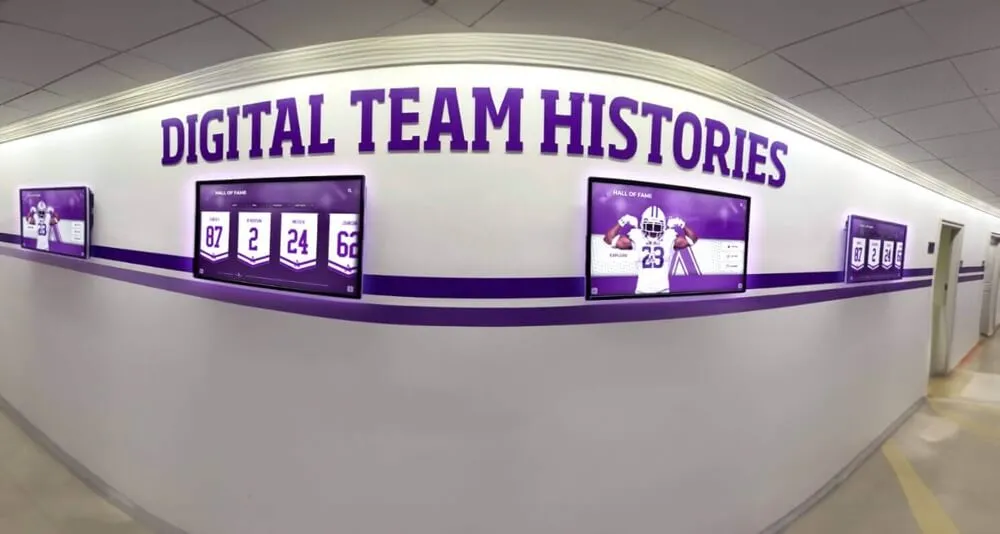
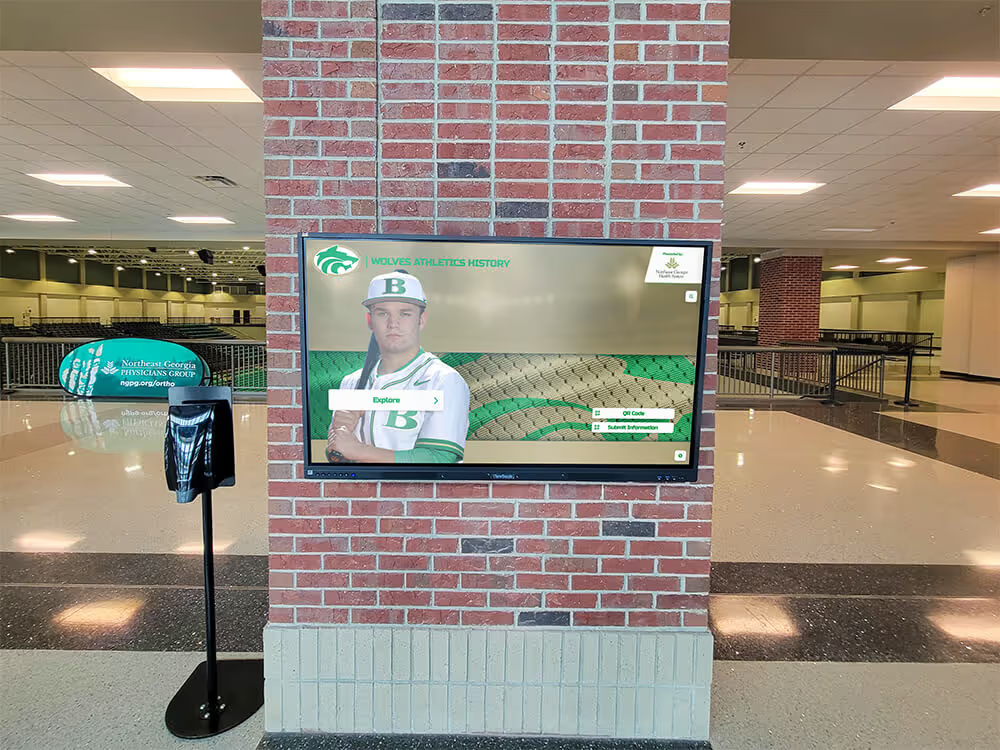
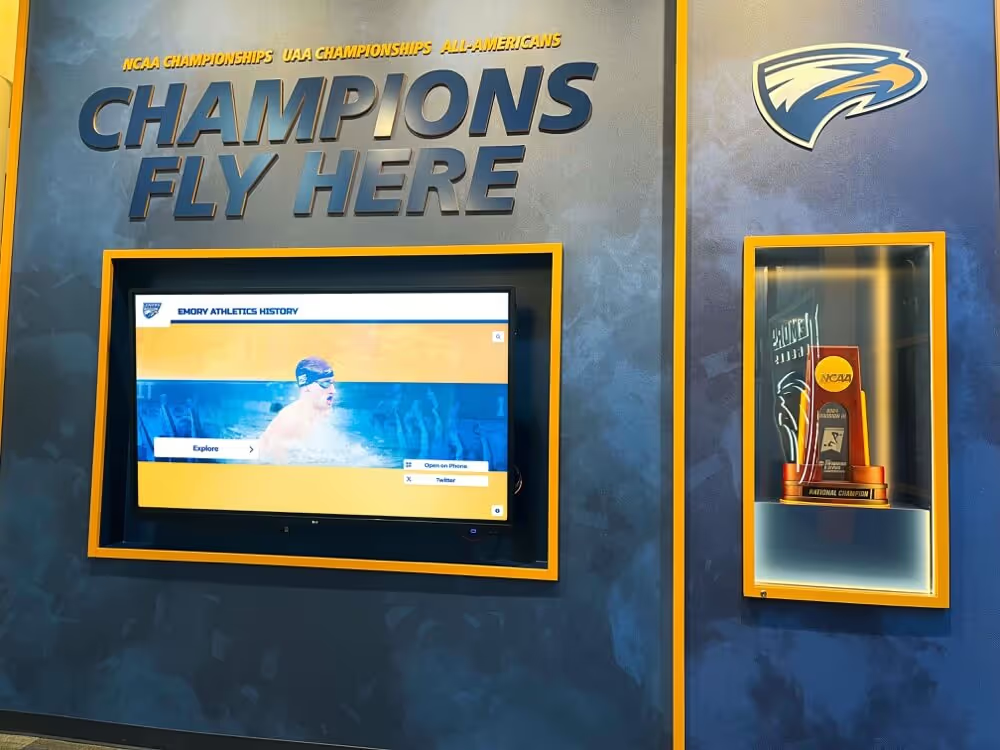
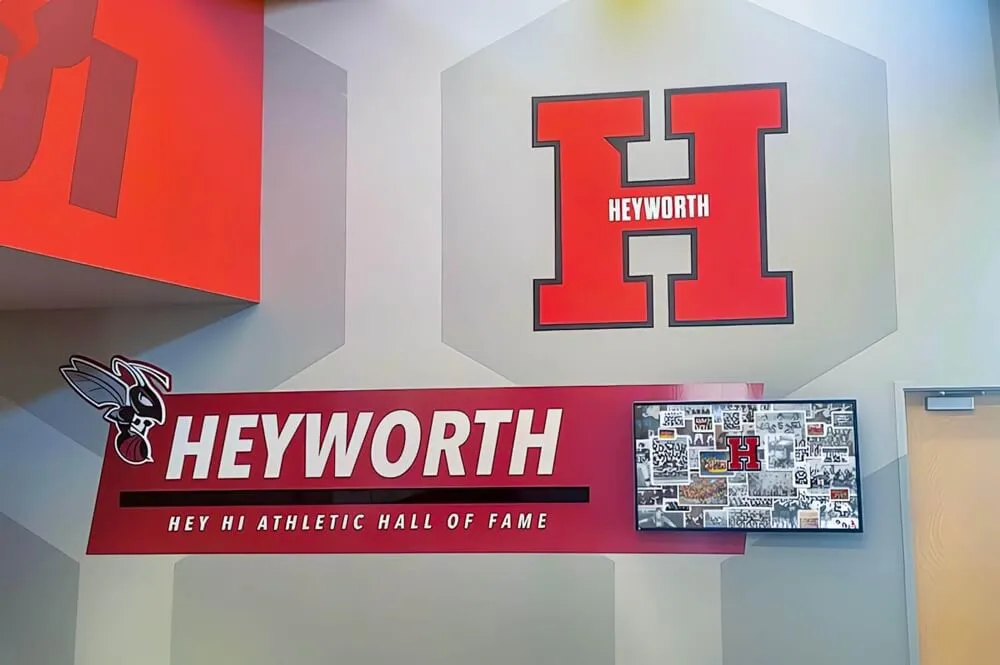
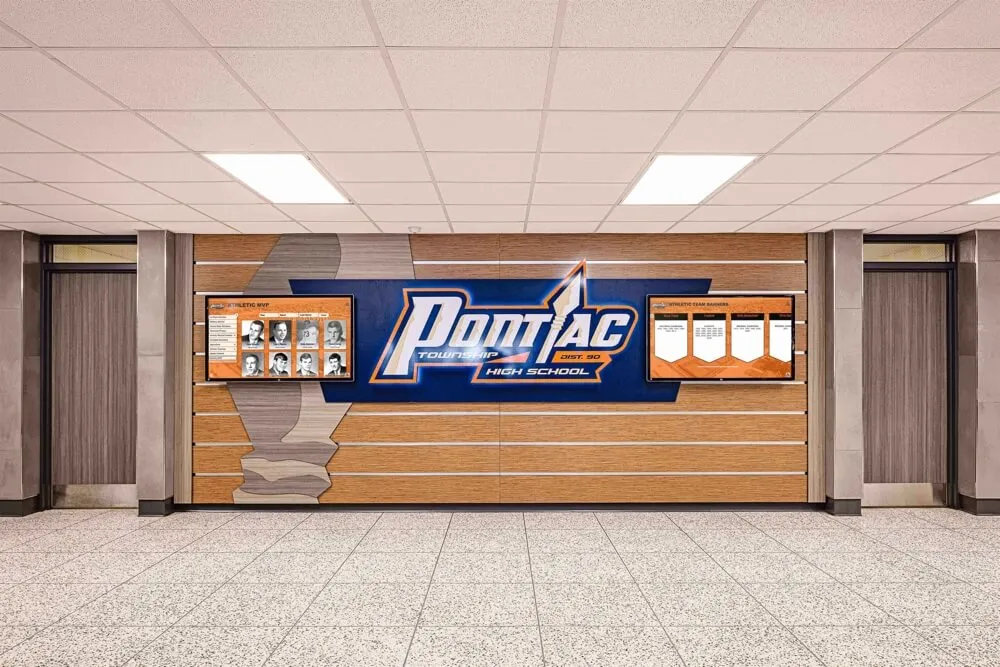
Modern recognition approaches celebrate individual kindergarten achievements while building lasting documentation of early education milestones
Why Kindergarten Graduation Ceremonies Matter
The Educational Value of Milestone Recognition
Kindergarten graduation serves multiple developmental and institutional purposes beyond simple celebration. These ceremonies recognize genuine achievement—kindergarteners master fundamental skills including letter and number recognition, social-emotional regulation, following multi-step directions, and participating cooperatively in classroom communities. Acknowledging this growth validates children’s efforts while building positive associations with academic accomplishment that influence long-term educational attitudes.
Core Benefits of Kindergarten Ceremonies
Well-designed celebrations accomplish several critical objectives:
- Achievement recognition: Validates significant developmental progress and skill mastery
- Transition preparation: Frames advancement to first grade as exciting next step rather than anxiety-producing change
- Family engagement: Creates positive school experiences building parental involvement and community connection
- Memory creation: Provides lasting documentation of early childhood education journey
- School culture: Establishes traditions celebrating growth and recognizing effort appropriately
- Confidence building: Public acknowledgment strengthens self-efficacy and academic identity
Schools implementing meaningful kindergarten recognition report these ceremonies function as relationship-building infrastructure—not merely feel-good events but strategic opportunities strengthening family partnerships that support student success throughout elementary years.
Developmental Appropriateness
Age-Appropriate Ceremony Design
Five- and six-year-olds require different celebration approaches than older students. Effective kindergarten graduations accommodate developmental characteristics:
- Short ceremony duration (30-45 minutes maximum) matching attention spans
- Active participation rather than passive sitting keeping young learners engaged
- Movement opportunities preventing restlessness during programs
- Clear, simple expectations children understand and can meet successfully
- Immediate recognition rather than delayed gratification
- Sensory-friendly environments avoiding overwhelming stimulation
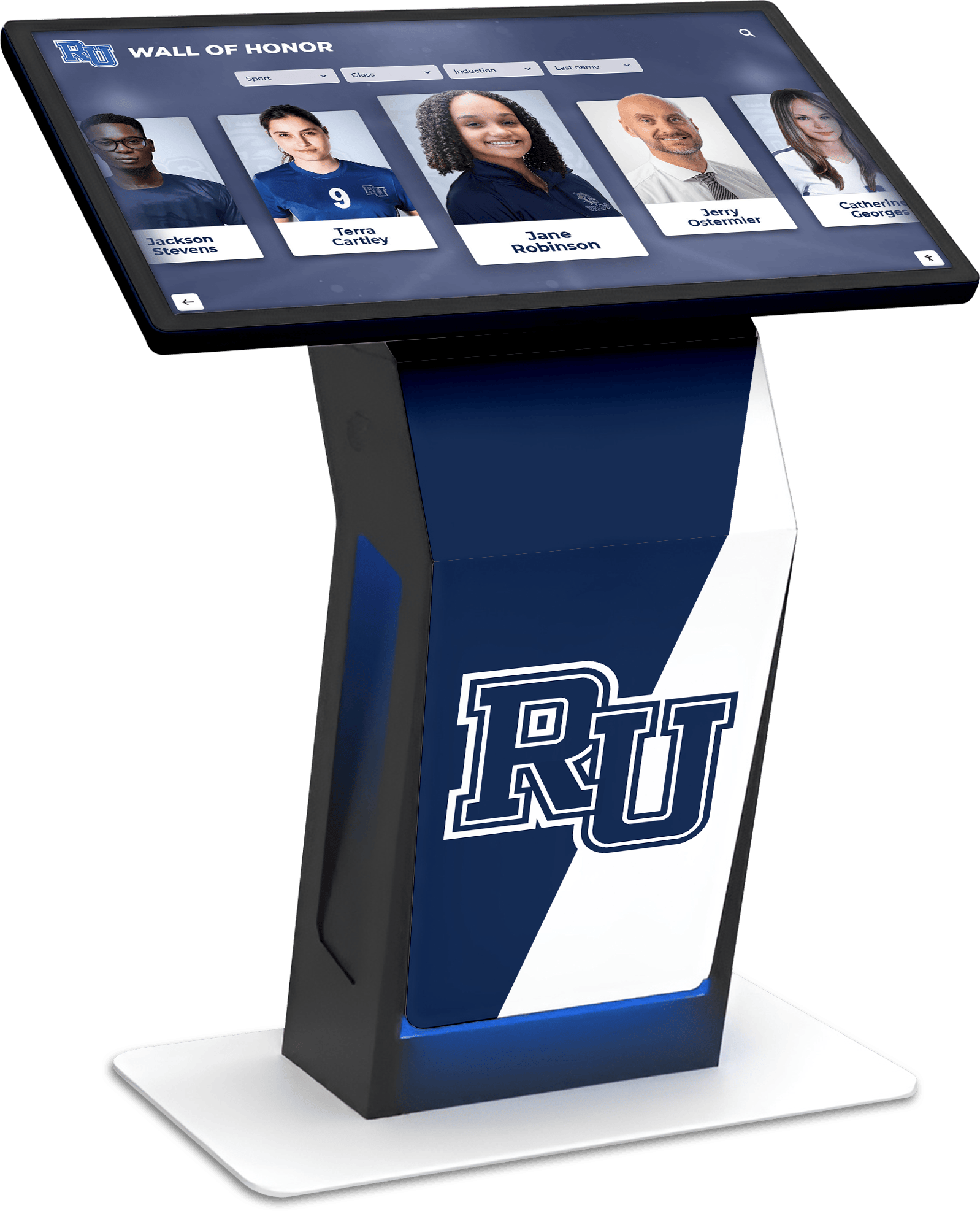
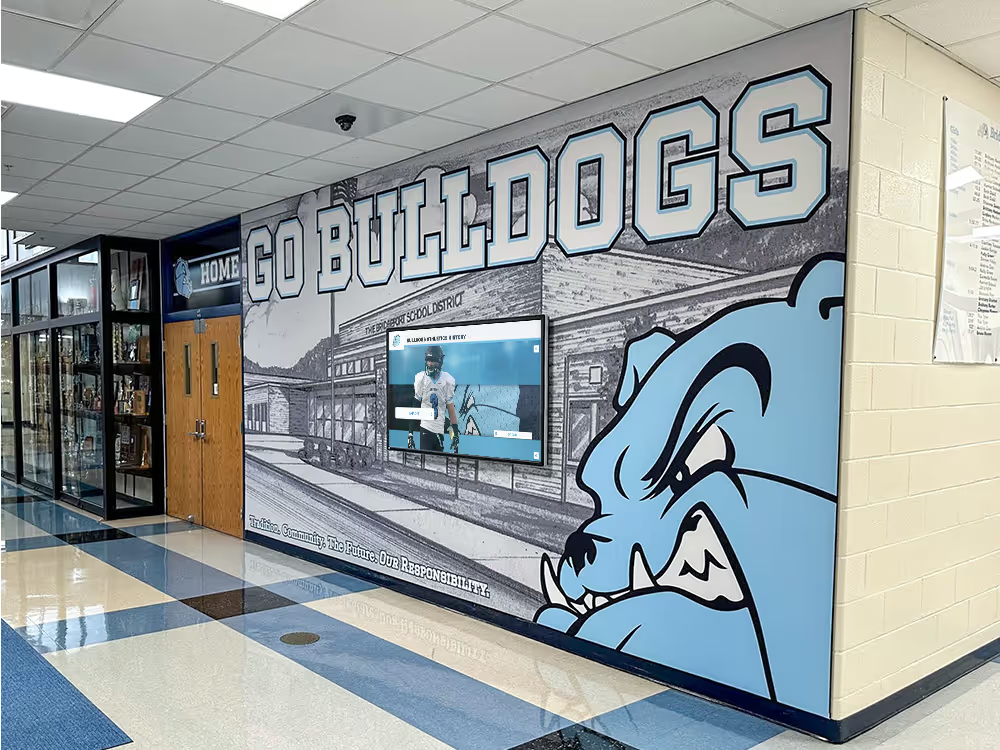
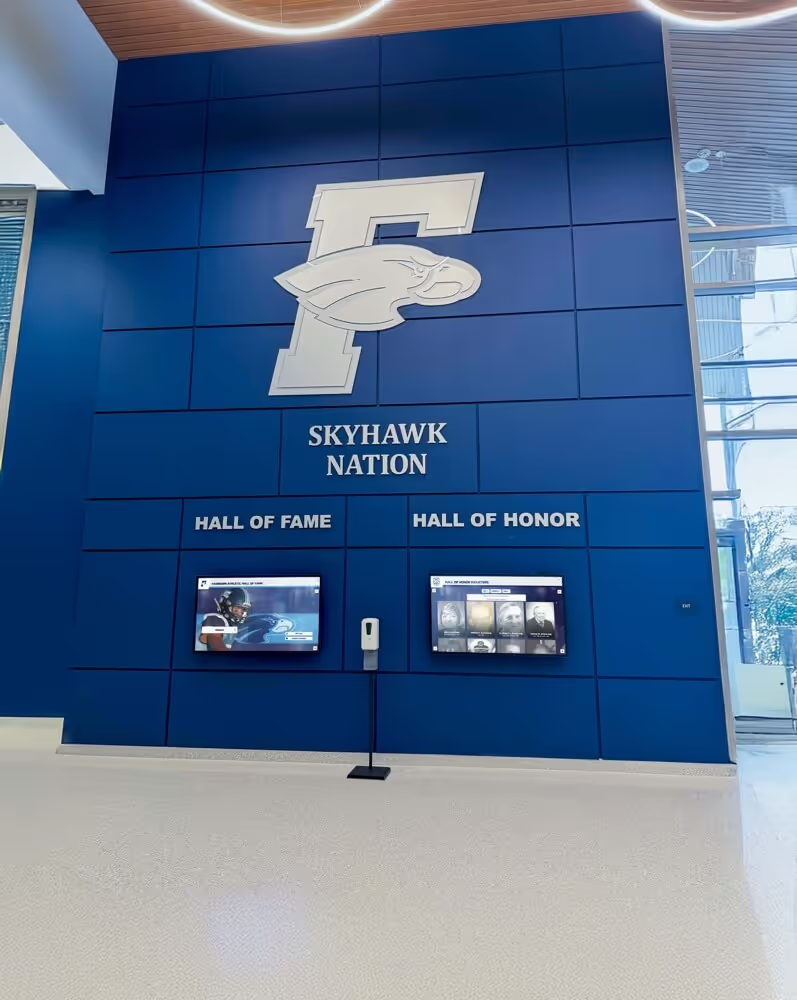
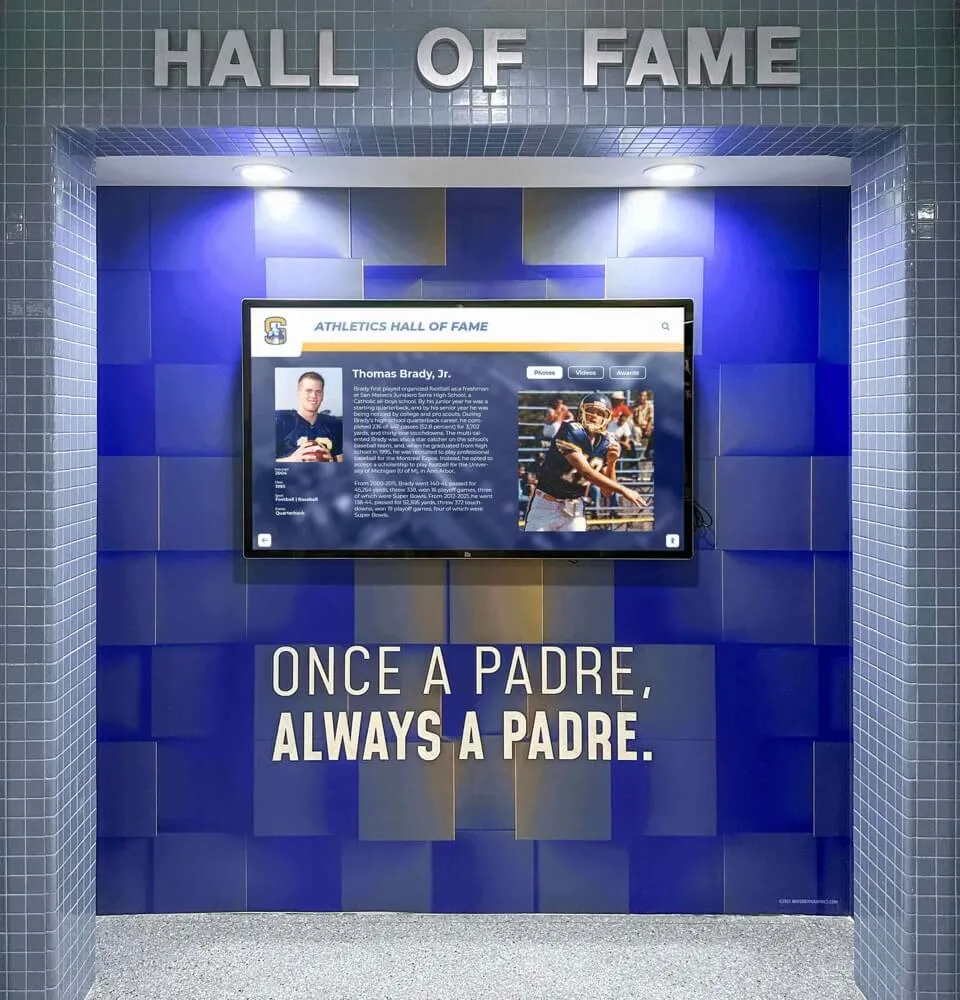
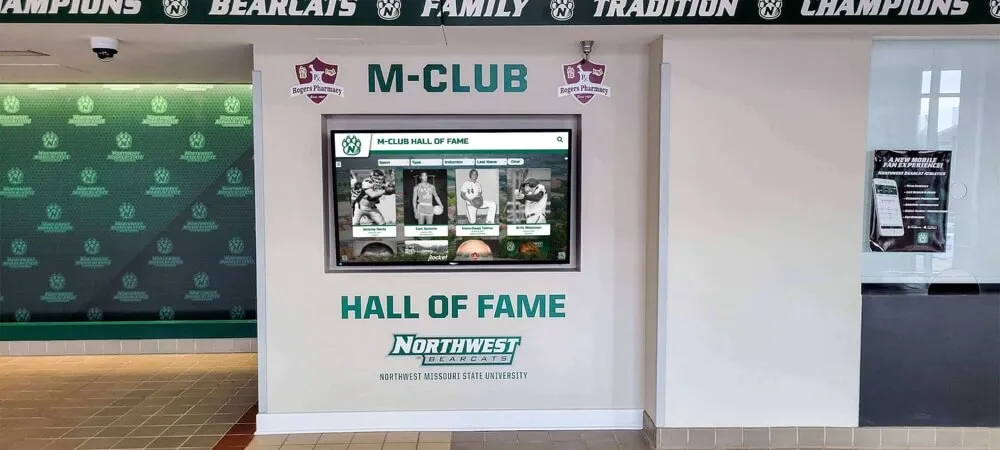
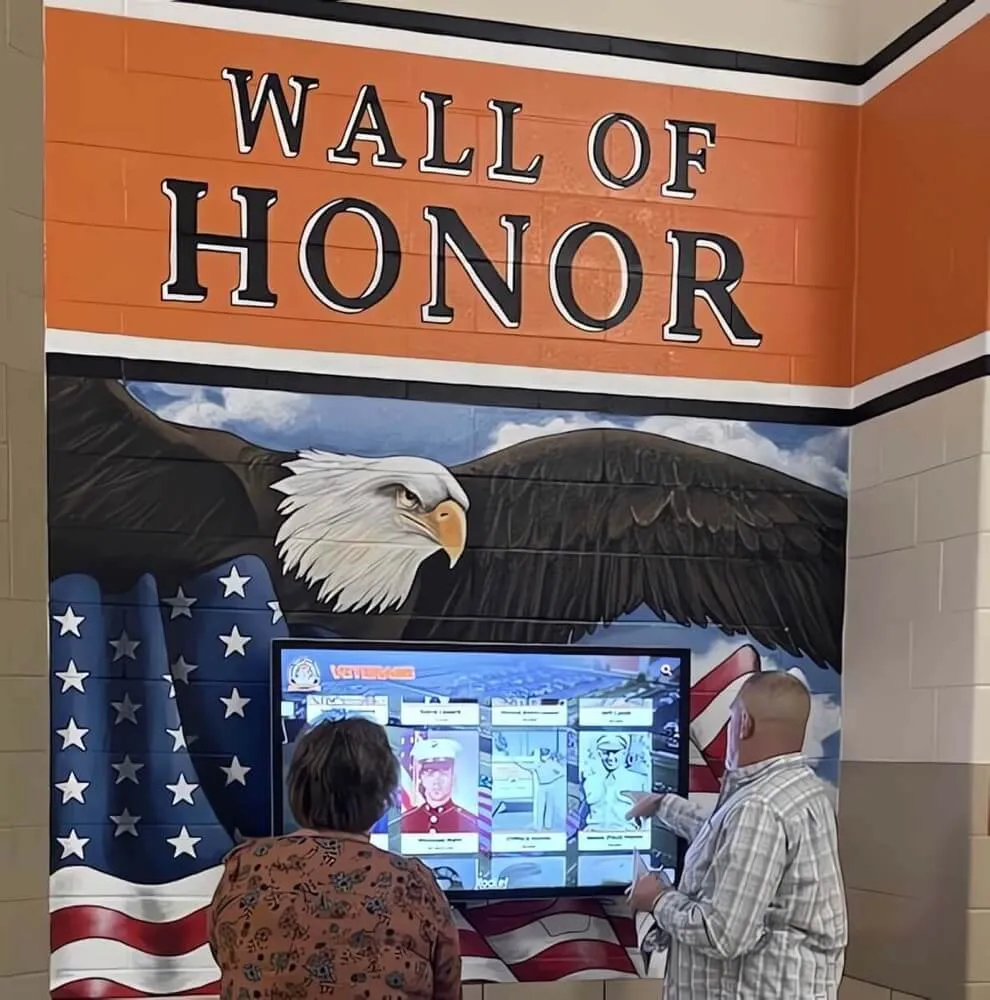
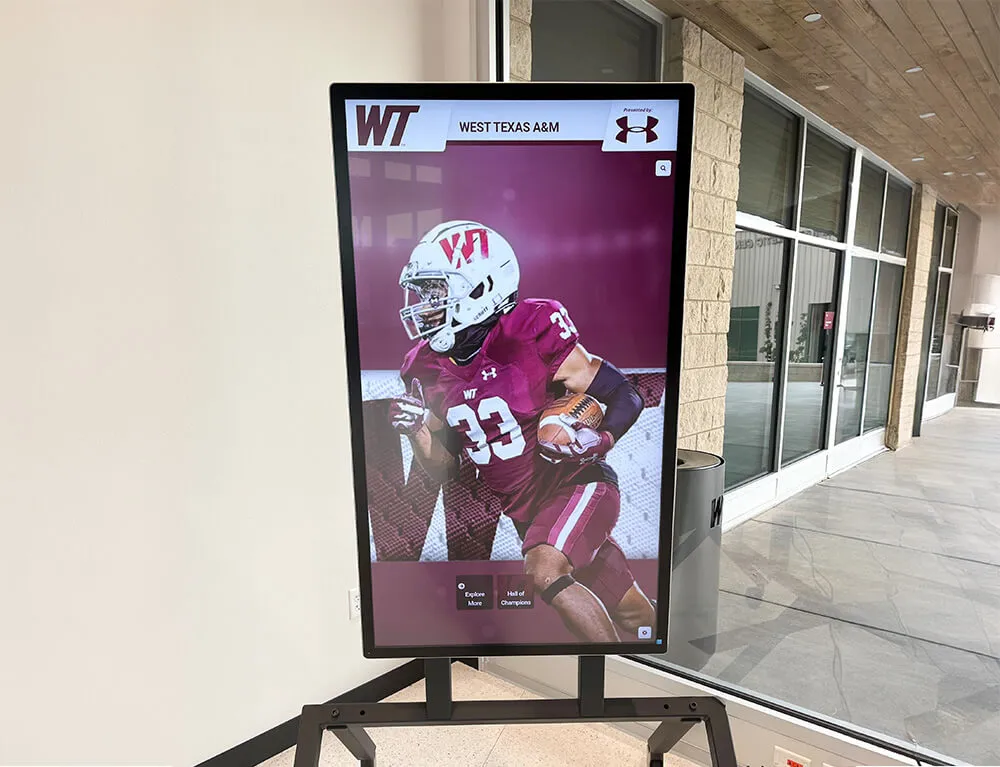
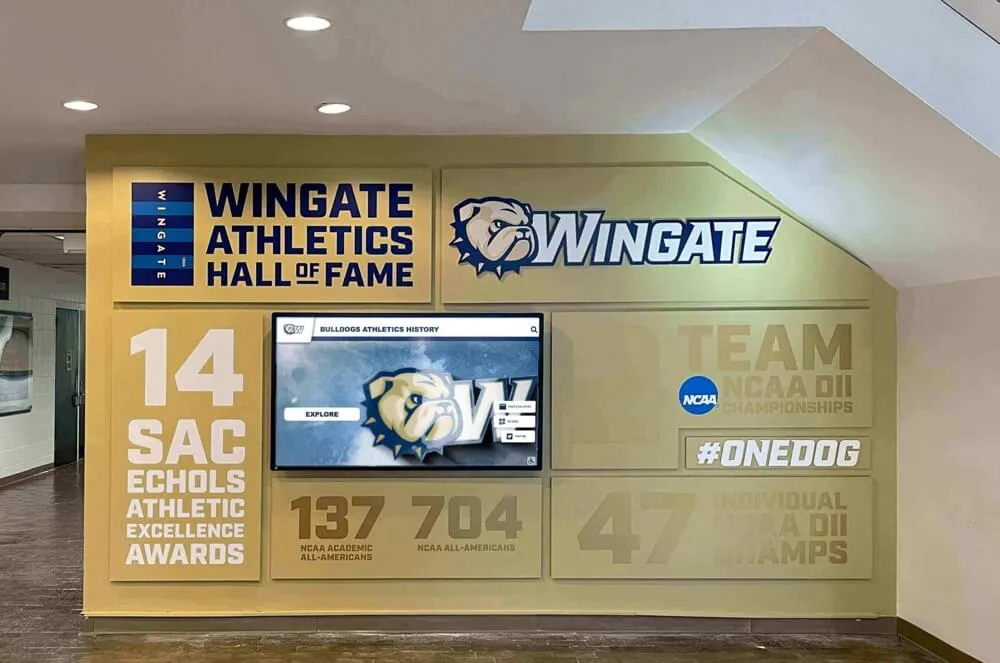
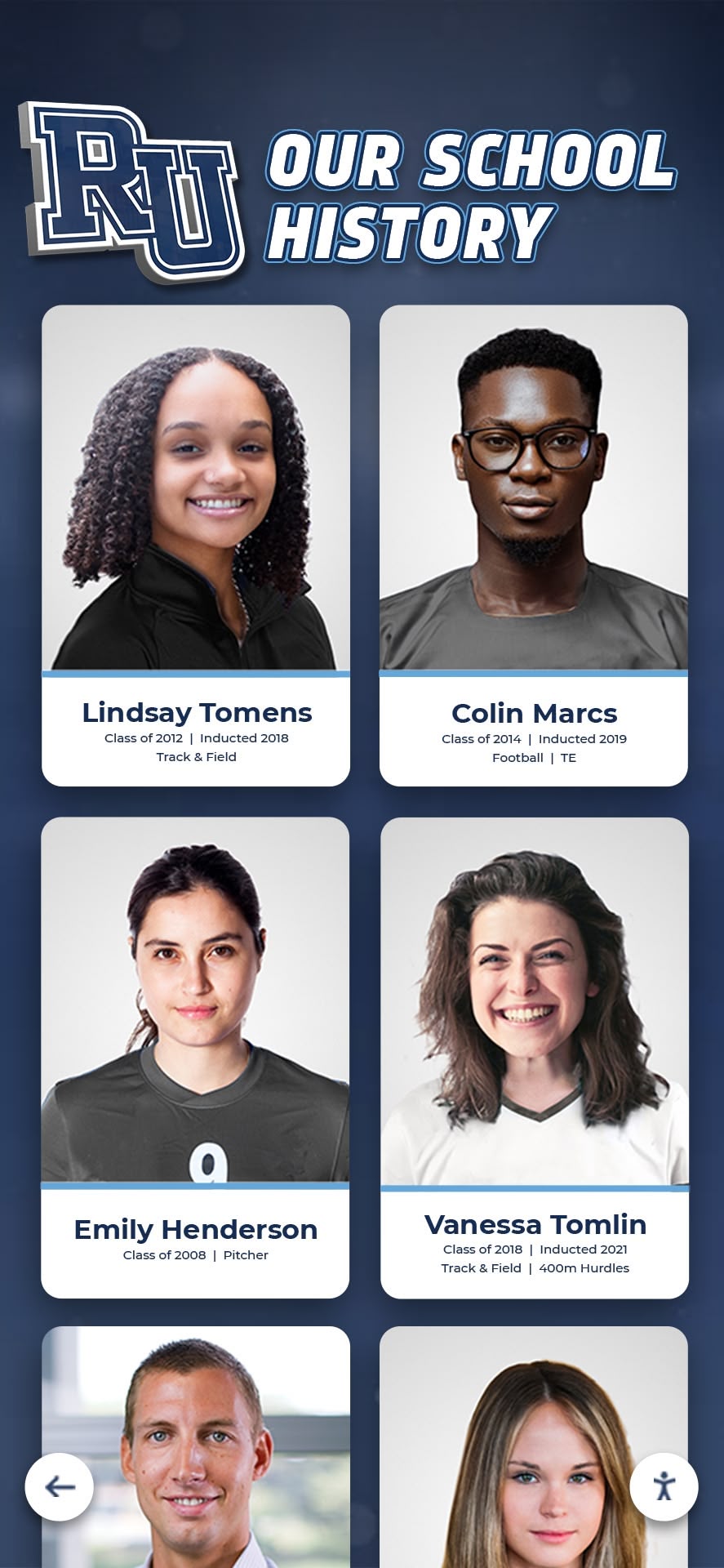
Digital recognition displays provide year-round celebration of kindergarten milestones and student growth
Social-Emotional Considerations
Kindergarten ceremonies influence how young children perceive school experiences. Thoughtful planning ensures:
- Every child receives equal recognition regardless of academic performance
- Celebrations emphasize effort, growth, and improvement over competitive achievement
- Activities remain inclusive accommodating diverse abilities and backgrounds
- Recognition feels special without creating unrealistic expectation patterns
- Transitions receive positive framing building excitement rather than anxiety
Research in early childhood education demonstrates that appropriately designed milestone recognition strengthens intrinsic motivation and positive school identity—foundation for sustained academic engagement throughout educational careers.
Planning Your Kindergarten Graduation Ceremony
Strategic Preparation Timeline
Successful celebrations require advance planning addressing logistics, coordination, and communication:
8-10 Weeks Before Graduation
Foundation Planning
- Establish ceremony date, time, and location
- Form planning committee including teachers, administrators, and parent volunteers
- Set budget based on historical expenses and available funding
- Determine ceremony format (traditional, themed, classroom-based, or combined)
- Create preliminary program outline
- Identify photographer and videographer (parent volunteers or professional services)
6-8 Weeks Before
Program Development
- Finalize ceremony theme and decorating approach
- Select songs for student performances
- Plan speaking roles (principal, teachers, student representatives)
- Order or create graduation caps, gowns, or alternative celebratory attire
- Prepare certificates, diplomas, or award documents
- Coordinate special recognition categories (attendance, growth mindset, kindness, etc.)
- Begin rehearsal planning
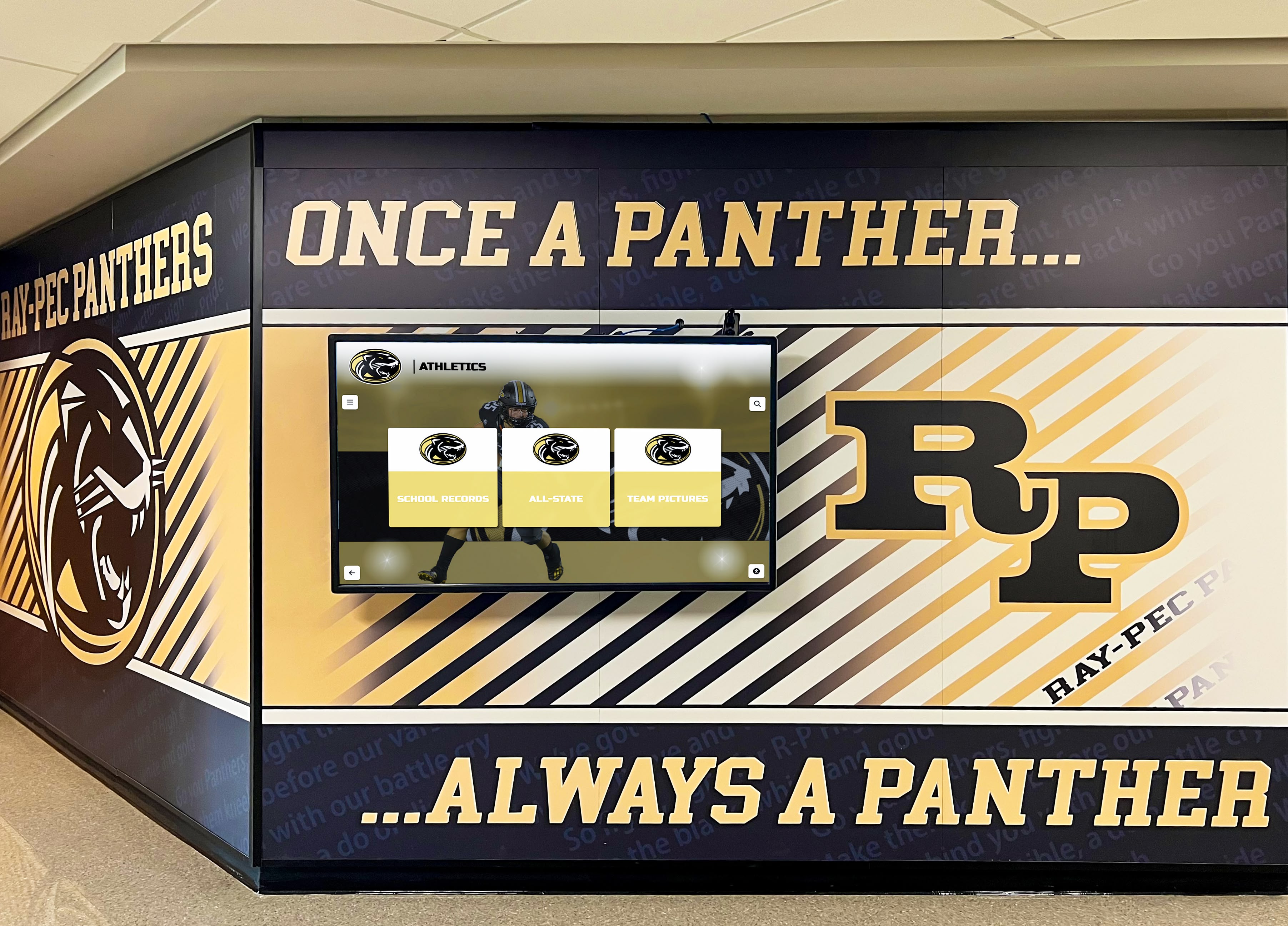
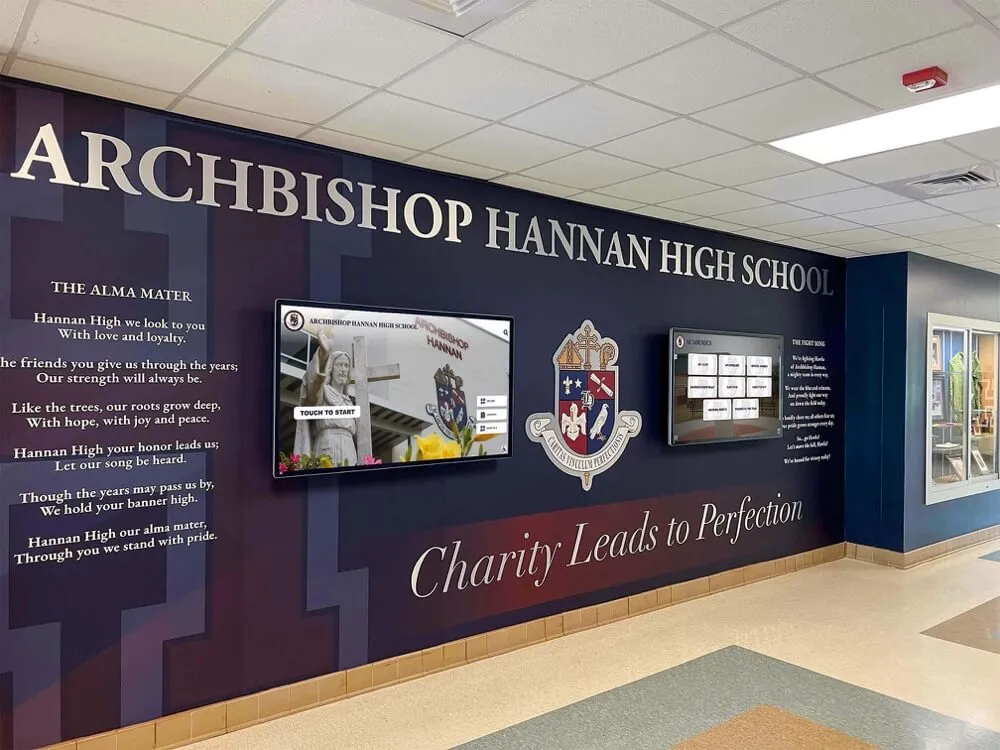
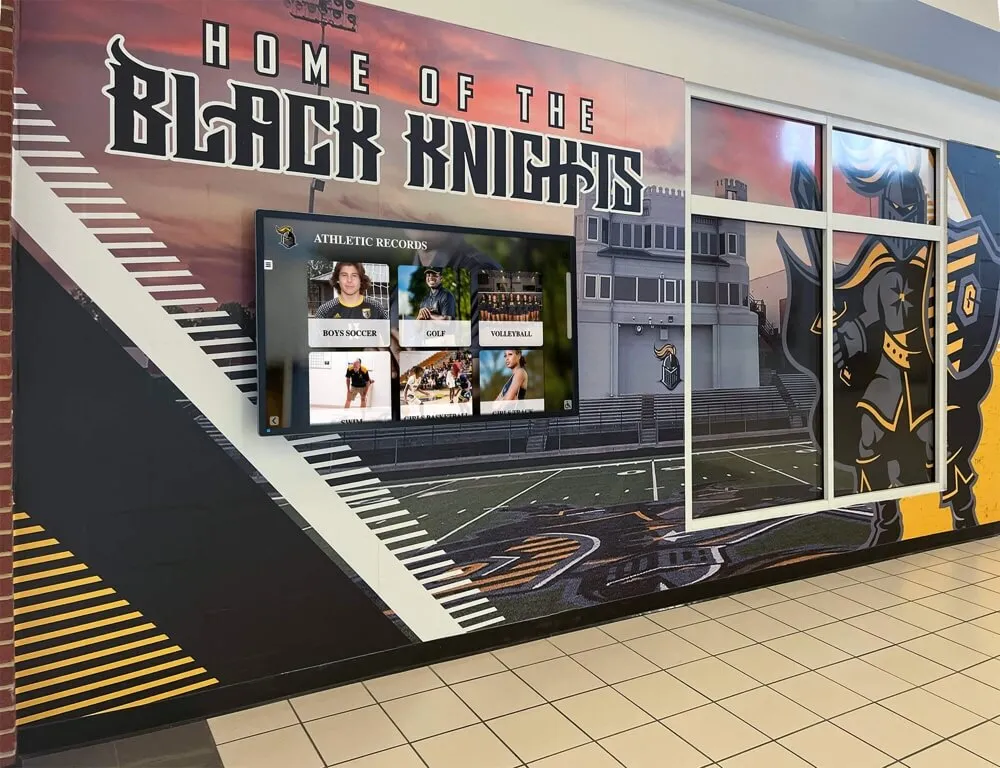
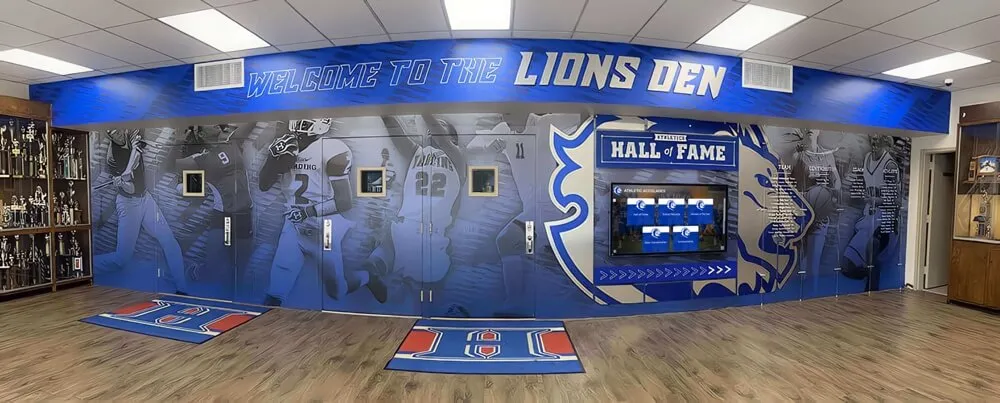
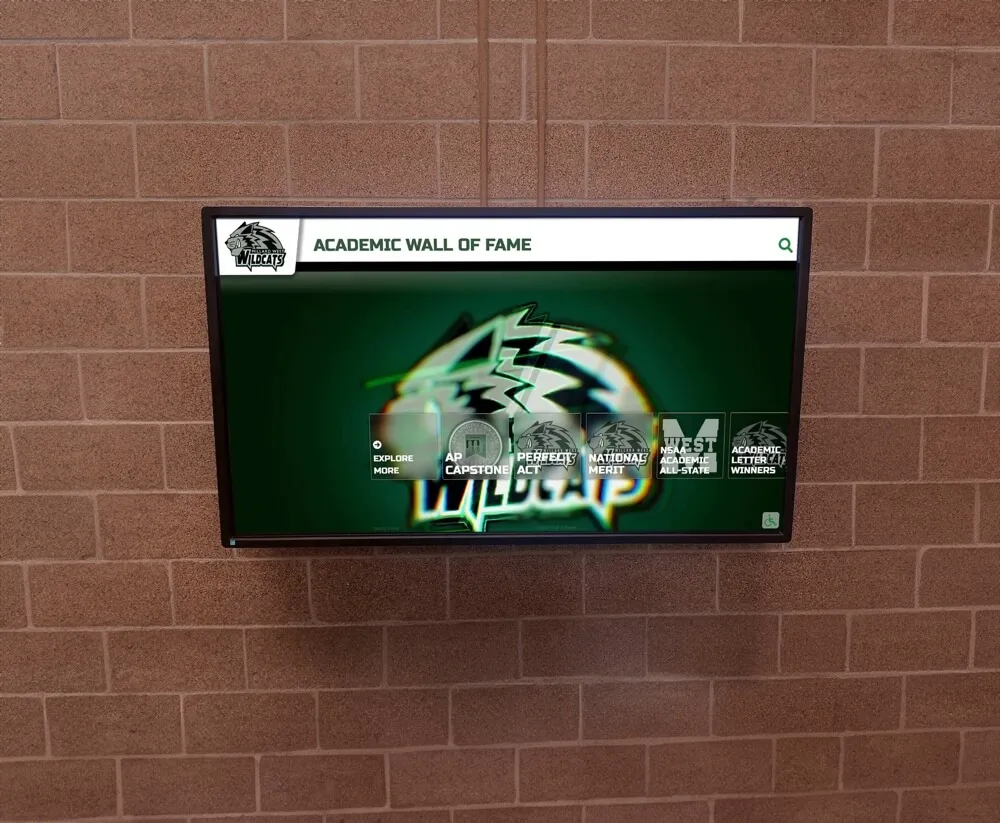
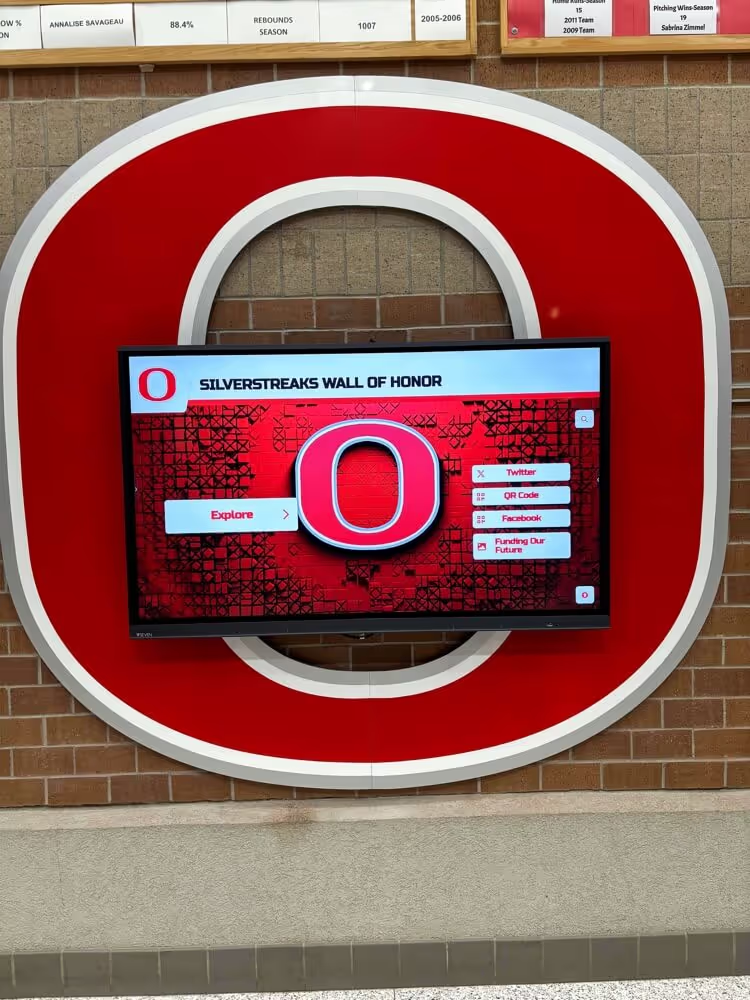
Permanent recognition displays in school common areas celebrate kindergarten achievements throughout the year
4-6 Weeks Before
Coordination and Communication
- Send formal invitations to families (paper and digital)
- Establish guest limitations based on facility capacity
- Begin student preparation activities in classrooms
- Order refreshments or coordinate family potluck contributions
- Recruit volunteers for setup, greeting, photography, and cleanup
- Prepare programs or handouts for ceremony distribution
- Create slideshow or video montage featuring classroom memories
- Schedule rehearsals building student familiarity with ceremony flow
2-4 Weeks Before
Implementation Preparation
- Conduct full ceremony rehearsal with students
- Finalize seating arrangements accommodating families and wheelchair accessibility
- Complete classroom memory books or portfolios for distribution
- Test audiovisual equipment (microphones, projectors, sound systems)
- Prepare backup plans for outdoor ceremonies affected by weather
- Confirm volunteer assignments and communicate responsibilities
- Order flowers or small gifts for teacher recognition
Week Before Graduation
Final Details
- Final dress rehearsal with complete program walkthrough
- Set up ceremony space (chairs, decorations, stage/platform areas)
- Prepare registration or check-in systems managing family arrival
- Review parking, accessibility, and building access procedures
- Communicate final details through email, text, and school communications
- Verify photo/video policies addressing family privacy preferences
- Confirm refreshment readiness and serving procedures
Day of Ceremony
Execution Checklist
- Arrive early ensuring adequate setup time
- Test all technology one final time
- Prepare student lineup area with clear markings or floor tape
- Position volunteers at strategic locations (greeters, photographers, ushers)
- Conduct brief student pep talk building excitement and reviewing expectations
- Have water available for speakers and young students
- Designate staff to troubleshoot unexpected issues
- Ensure backup supplies (extra programs, tissues, first aid supplies)
Organizations implementing systematic recognition programs report smoother ceremonies and higher family satisfaction when following structured planning timelines.
Creative Kindergarten Graduation Themes
Engaging Ceremony Concepts
Themes create cohesive experiences connecting decorations, activities, music, and messaging:
1. “Oh, the Places You’ll Go!” (Dr. Seuss)
Classic Literature Theme
Build celebration around beloved Dr. Seuss book emphasizing future adventures:
Decorations:
- Hot air balloons and clouds suspended from ceiling
- Colorful Dr. Seuss character cutouts
- Rainbow pathways leading to ceremony area
- Quote displays featuring inspirational passages
- Whimsical Seussian color schemes (red, blue, yellow, green)
Activities:
- Students wear graduation caps decorated with personal “places I’ll go” drawings
- Teachers read selected passages during ceremony
- Display board showing each child’s answer to “Where will you go?”
- Take-home bookmarks featuring favorite quotes
- Photo booth with Seussian props and backdrops
2. Superheroes in Training
Empowerment Theme
Celebrate kindergarteners as heroes developing superpowers through learning:
Decorations:
- Cityscape backdrops with “Kindergarten City” signage
- Cape displays representing each student’s “superpower” (kindness, creativity, perseverance, etc.)
- Comic book-style action words (POW! BAM! GRADUATE!)
- Superhero emblems featuring school mascot or colors
- Red carpet entrance for young graduates
Activities:
- Students create personal superhero emblems representing their strengths
- Awards recognize specific “superpowers” each child demonstrated
- Teachers present students with capes they wear during ceremony
- Photo opportunities with superhero props
- “Origin story” displays documenting growth throughout the year
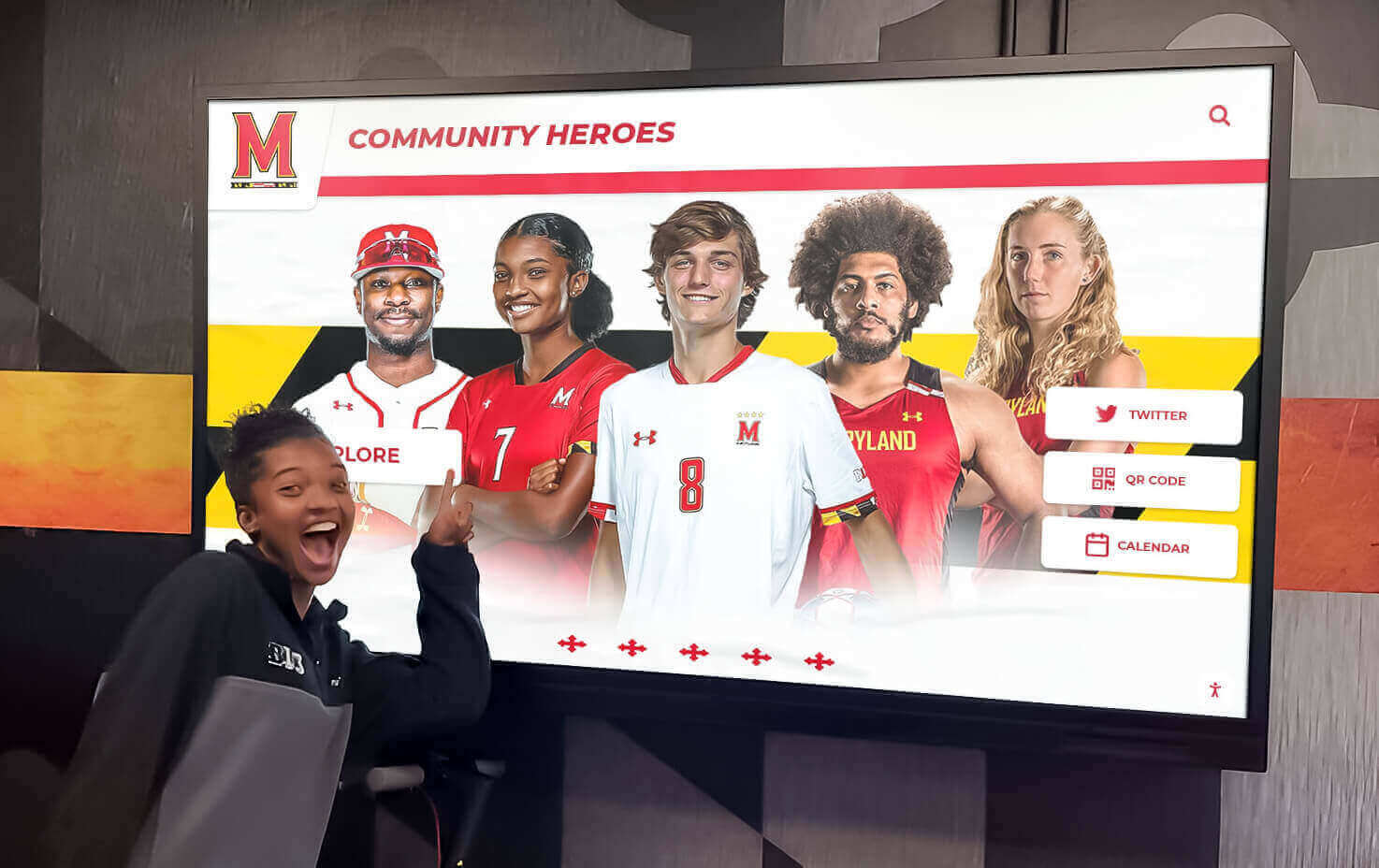
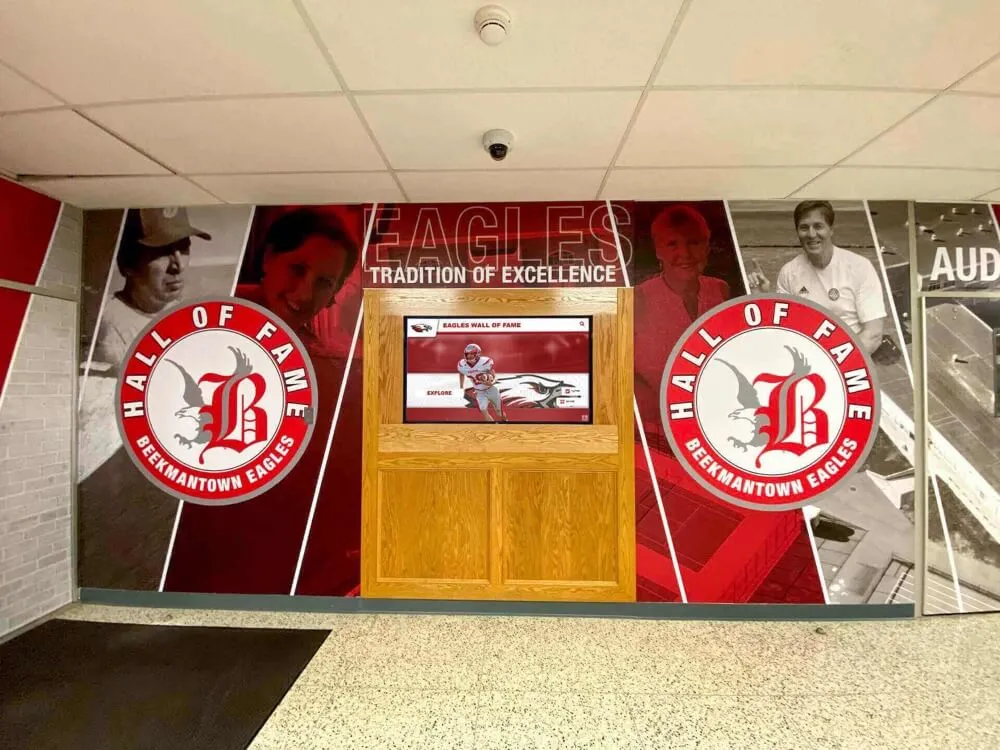
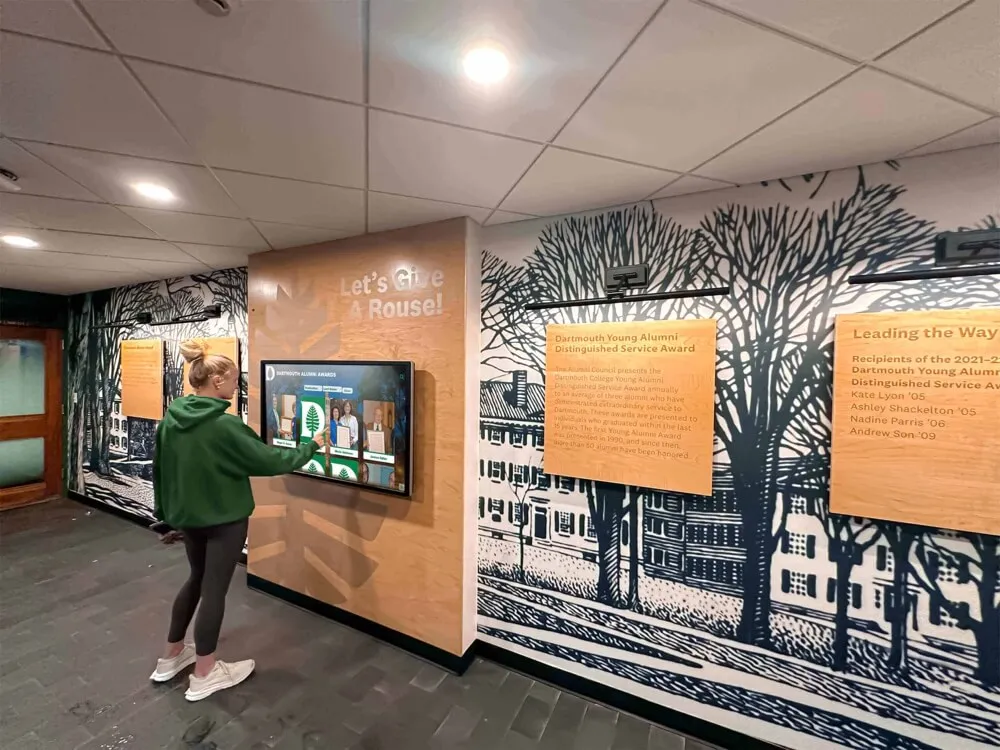
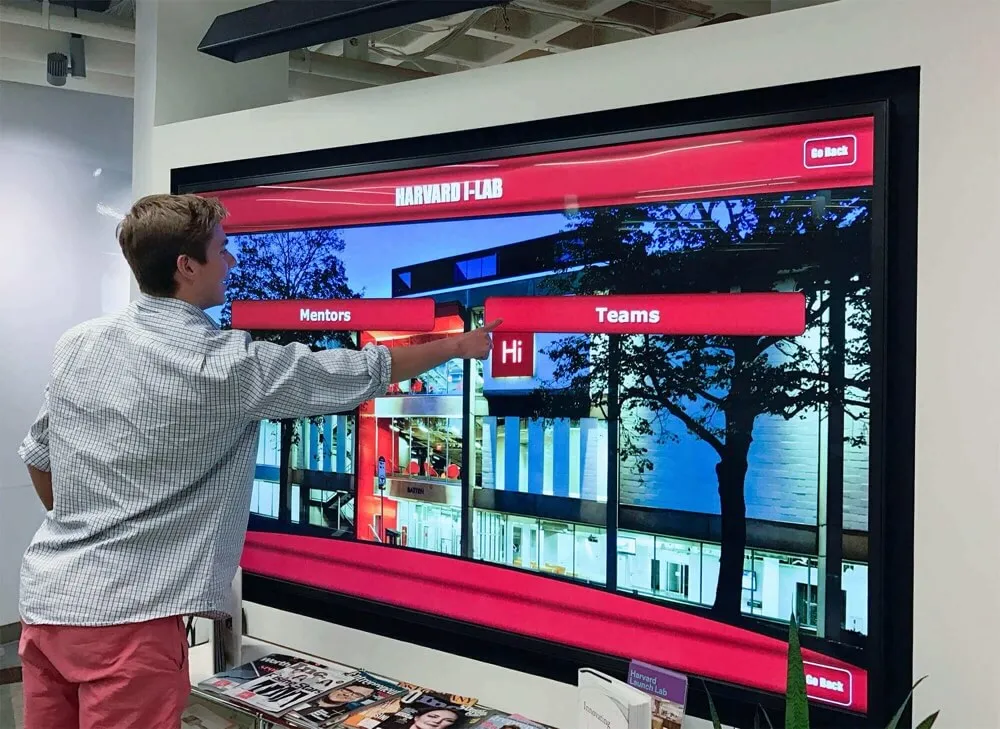
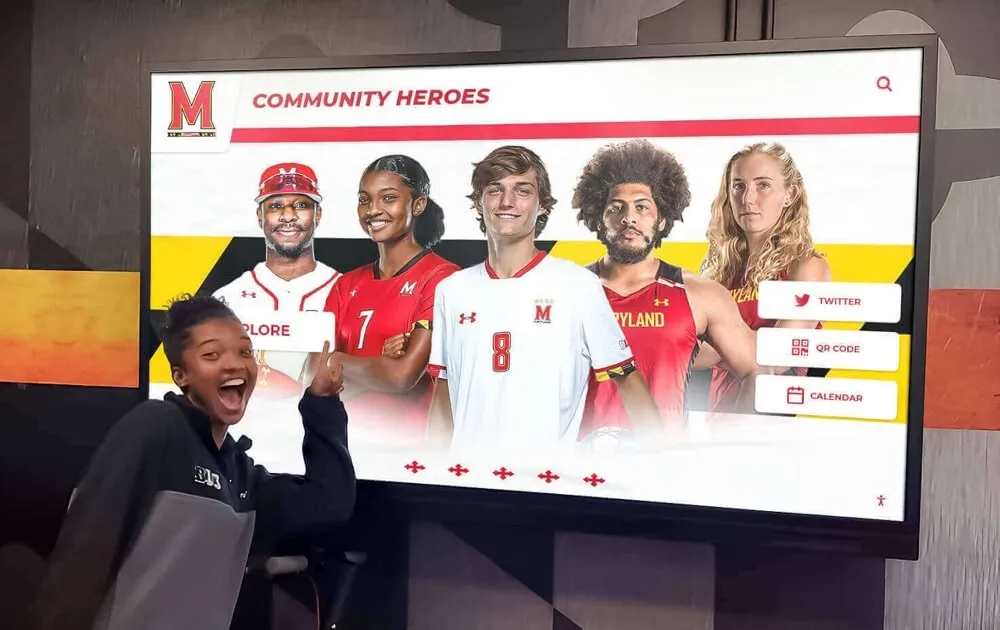
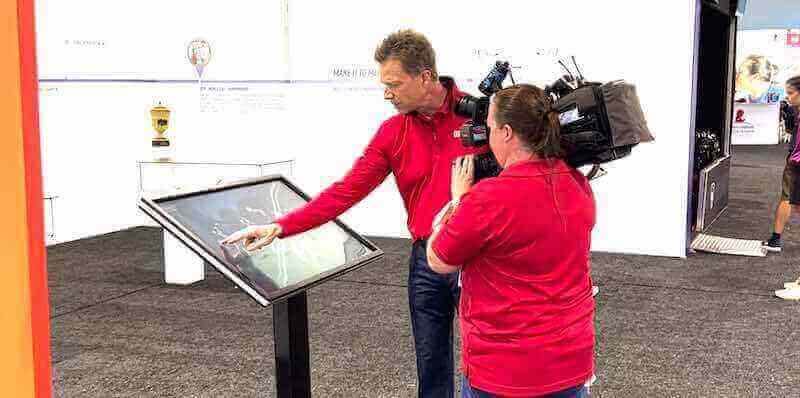
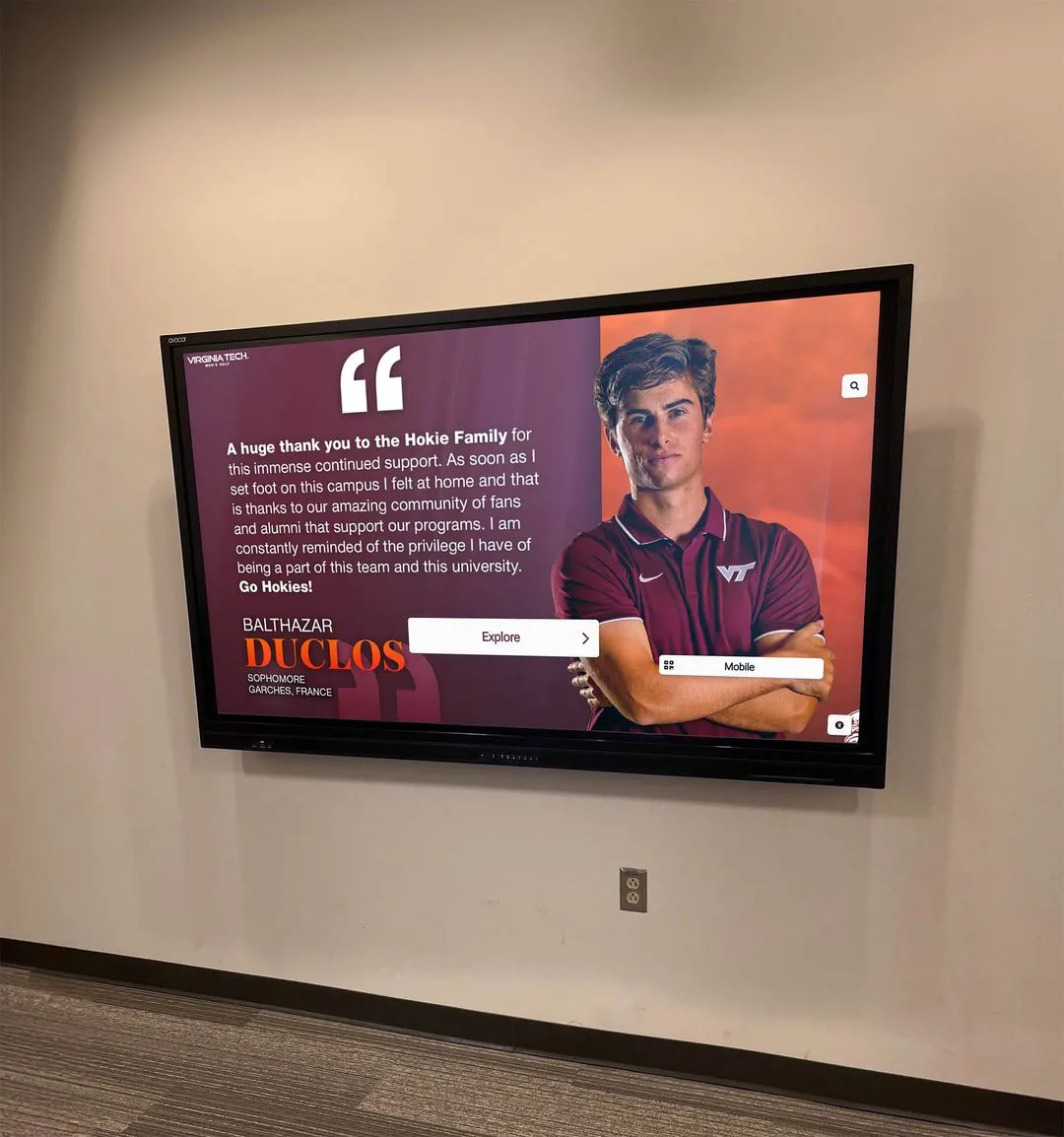
Interactive displays engage young learners while celebrating achievement and building school pride
3. Under the Sea Adventure
Ocean Exploration Theme
Frame kindergarten as journey exploring new discoveries:
Decorations:
- Blue fabric or paper creating ocean atmosphere
- Sea creature cutouts and hanging fish
- Treasure chest props representing knowledge gained
- Anchor and ship wheel photo opportunities
- Underwater bubble effects using balloons or streamers
Activities:
- Students create fish or sea creature self-portraits
- Certificates designed as treasure maps
- Song performances featuring ocean-themed children’s music
- “Deep dive” displays showing favorite learning moments
- Pearl or seashell tokens as graduation keepsakes
4. Hollywood Red Carpet
Star Celebration Theme
Treat kindergarten graduates as stars premiering their next chapter:
Decorations:
- Red carpet entrance with velvet rope stanchions
- Star-shaped name tags featuring each graduate
- Paparazzi backdrop for family photos
- Hollywood sign adaptation (“Kindergarten Stars”)
- Gold and black color scheme with metallic accents
- Oscar-style award statues for recognition categories
Activities:
- Students walk red carpet entrance as names are announced
- Star-shaped awards recognizing individual accomplishments
- “Movie trailer” video montage featuring classroom highlights
- Autograph books students sign for each other
- Photo booth with formal attire props
5. Space Exploration
Future-Focused Theme
Launch graduates toward first grade and beyond:
Decorations:
- Rocket ship cutouts and planet mobiles
- Star-filled ceiling or backdrop
- Astronaut photo opportunities
- Mission control countdown display
- Galaxy-themed color palette (dark blue, purple, silver)
Activities:
- Each student’s photograph on rocket ship cutout
- Countdown sequence launching graduates to first grade
- Space mission patches representing individual achievements
- Constellation displays showing classroom connections
- “Mission accomplished” certificates
Schools exploring creative celebration strategies for various grade levels find themes create memorable, cohesive experiences strengthening ceremony impact.
Ceremony Activities and Program Elements
Building Engaging Graduation Programs
Balance structure with age-appropriate variety keeping young graduates and families engaged:
Musical Performances
Songs and Movement
Music provides natural engagement for kindergarteners while showcasing learning:
Performance Ideas:
- Alphabet song with sign language or movements
- Counting songs demonstrating mathematical understanding
- Seasonal songs learned during school year
- Simple choreographed movements to familiar tunes
- Call-and-response songs encouraging participation
- Modified popular songs with educational lyrics
- Multicultural songs representing classroom diversity
Performance Tips:
- Keep individual performances brief (2-3 minutes maximum)
- Allow students to hold lyric posters if needed
- Position teachers nearby for reassurance and prompting
- Video record performances for absent families
- Include instrumental backgrounds supporting young voices
- Practice extensively reducing performance anxiety
Student Speeches and Reflections
Age-Appropriate Sharing
Selected students can share brief reflections:
Speech Formats:
- “My favorite kindergarten memory was…”
- “In first grade, I want to learn about…”
- “Thank you to my teacher for teaching me…”
- Paired sharing with buddy partners
- Class poem recitation with each child contributing one line
- Group statements prepared collaboratively
Selection Approaches:
- Volunteer-based rather than teacher-selected avoiding perceived favoritism
- All-class participation with each child contributing brief phrase
- Rotating opportunities ensuring different students speak at various events
- Written reflections displayed visually if oral presentations create anxiety
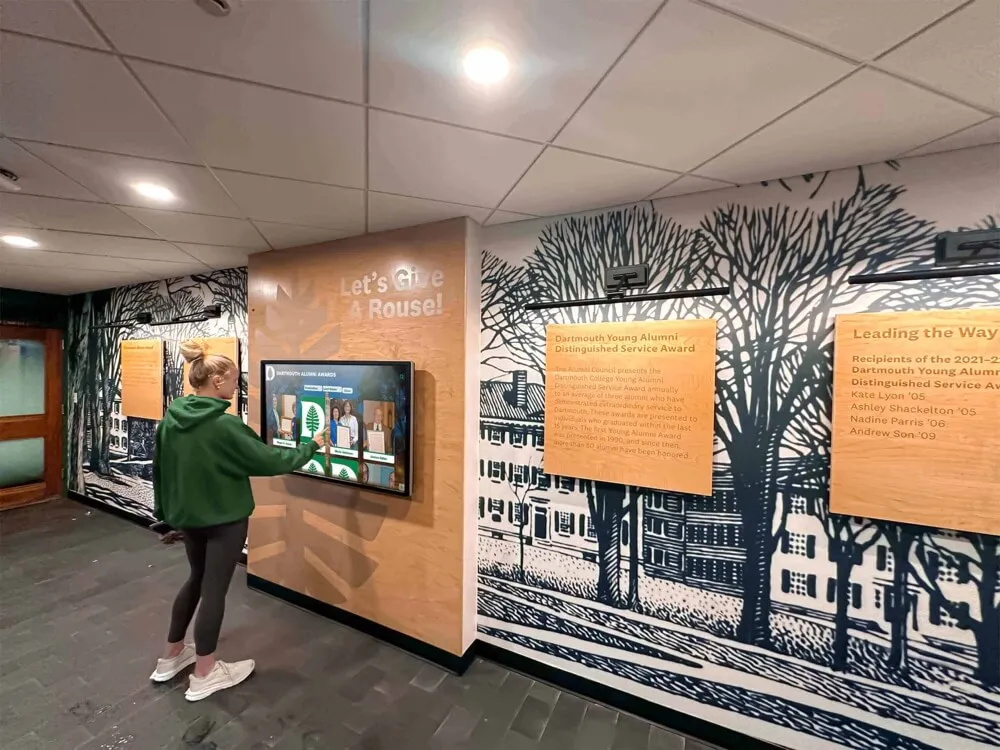
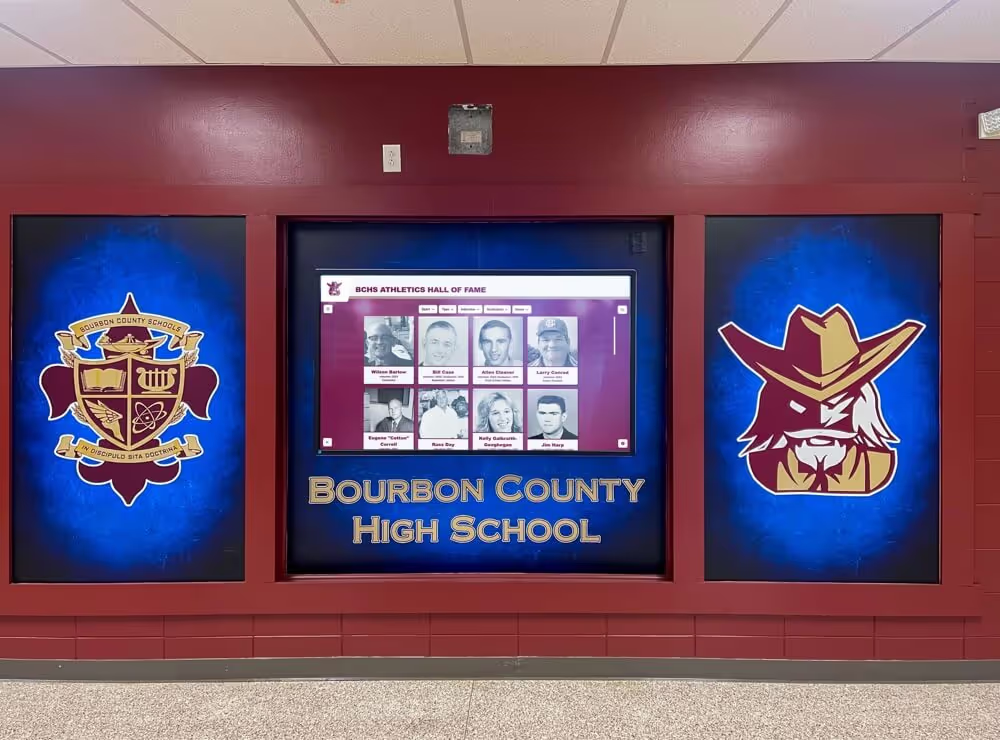
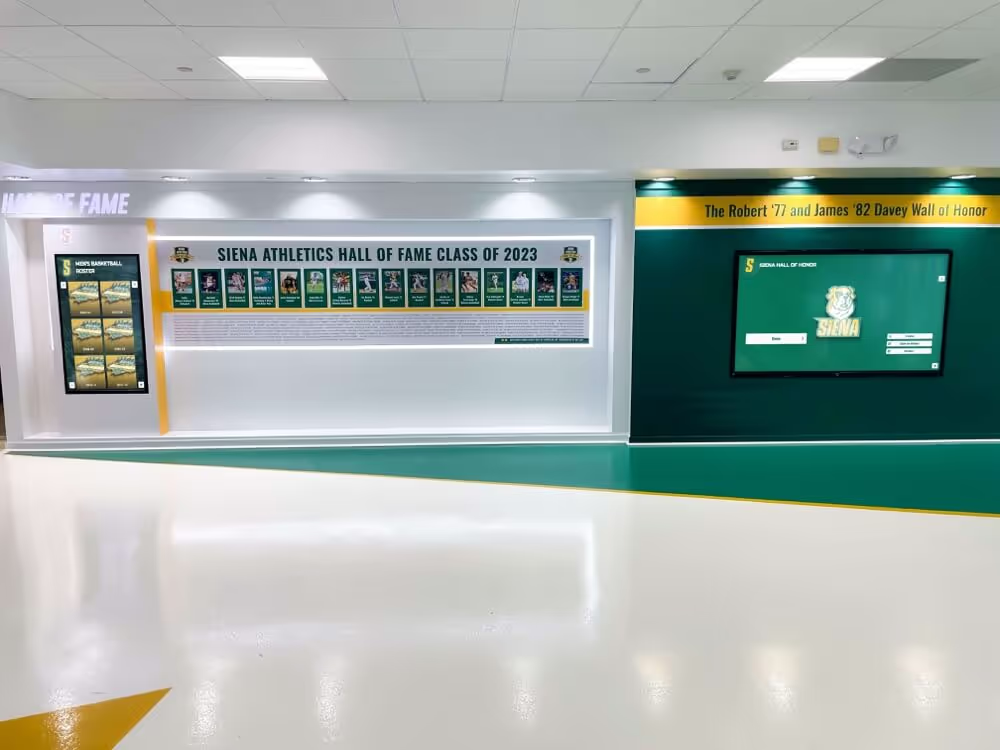
Year-round recognition displays complement graduation ceremonies providing ongoing celebration of student growth
Recognition Presentations
Inclusive Award Strategies
Ensure every child receives meaningful acknowledgment:
Universal Recognition:
- Graduation certificates presented to all students equally
- Personalized awards recognizing individual growth areas (not competitive rankings)
- Teacher-written descriptions highlighting each child’s unique strengths
- Photo displays featuring every graduate
- Memory books documenting individual kindergarten journey
Special Recognition Categories:
- Perfect or excellent attendance
- Growth mindset demonstration
- Kindness and friendship
- Creativity and imagination
- Perseverance and resilience
- Helpfulness and cooperation
- Enthusiasm and curiosity
Best Practices:
- Avoid academic hierarchy (no valedictorian equivalents)
- Emphasize effort and improvement over innate ability
- Recognize diverse talents beyond traditional academics
- Ensure no child feels less celebrated than peers
- Frame recognition as celebration rather than competition
Family Participation
Inclusive Program Elements
Create opportunities for family involvement:
Participation Ideas:
- Family members pin flowers or medallions on graduates
- Parent-child photo opportunities during ceremony
- Family message board where relatives share notes for graduates
- Special recognition for siblings attending
- Multigenerational attendance celebration (grandparents present)
- Family parade or processional component
Accessibility Considerations:
- Provide ASL interpretation for deaf/hard-of-hearing families
- Offer translated programs for non-English speaking families
- Ensure wheelchair accessibility throughout venue
- Accommodate sensory needs with quiet spaces available
- Consider family structures avoiding assumptions about traditional households
Visual Documentation
Capturing Memories
Professional documentation preserves milestone moments:
Photography Strategies:
- Designated photographer capturing ceremony highlights
- Individual graduate portraits with diploma
- Class photo with teachers
- Candid family celebration moments
- Activity and performance documentation
- Posed photos with ceremony decorations
Video Recording:
- Full ceremony recording for absent relatives
- Individual student clips for family sharing
- Classroom highlight montage shown during ceremony
- Teacher message videos expressing pride and affection
- Compilation distributed via private link or DVD
Digital platforms like our recognition systems provide permanent archives of kindergarten achievements accessible throughout students’ educational careers, building lasting connections between families and schools.
Recognition and Award Ideas
Celebrating Individual Growth
Thoughtful recognition honors each child’s unique kindergarten journey:
Growth-Based Recognition
Individual Progress Celebration
Document developmental advancement rather than competitive achievement:
Recognition Approaches:
- Beginning-of-year vs. end-of-year skill comparison displays
- Photo progressions showing confidence growth
- Work sample portfolios highlighting improvement
- Teacher narratives describing personal development
- Self-assessment reflections guided by teachers
- Family-contributed observations about home learning
Skill Categories:
- Reading readiness and literacy development
- Mathematical thinking and number sense
- Fine motor skill advancement
- Social-emotional regulation
- Problem-solving strategies
- Creative expression
- Physical coordination
Character Trait Awards
Values-Based Recognition
Honor behavioral and social-emotional strengths:
Award Categories:
- Kindness Champion: Consistently helpful and caring toward peers
- Curiosity Award: Demonstrates enthusiasm for learning and questioning
- Perseverance Star: Shows resilience when facing challenges
- Friendship Builder: Creates inclusive, welcoming classroom community
- Creative Spirit: Brings imagination and innovation to activities
- Classroom Helper: Voluntarily assists with responsibilities
- Growth Mindset: Embraces mistakes as learning opportunities
- Encourager: Supports and motivates classmates
Implementation Tips:
- Every student receives at least one character trait recognition
- Awards based on authentic teacher observations over time
- Certificates include specific examples rather than generic praise
- Avoid comparison language (“the most” or “best”)
- Celebrate traits all students can develop through effort
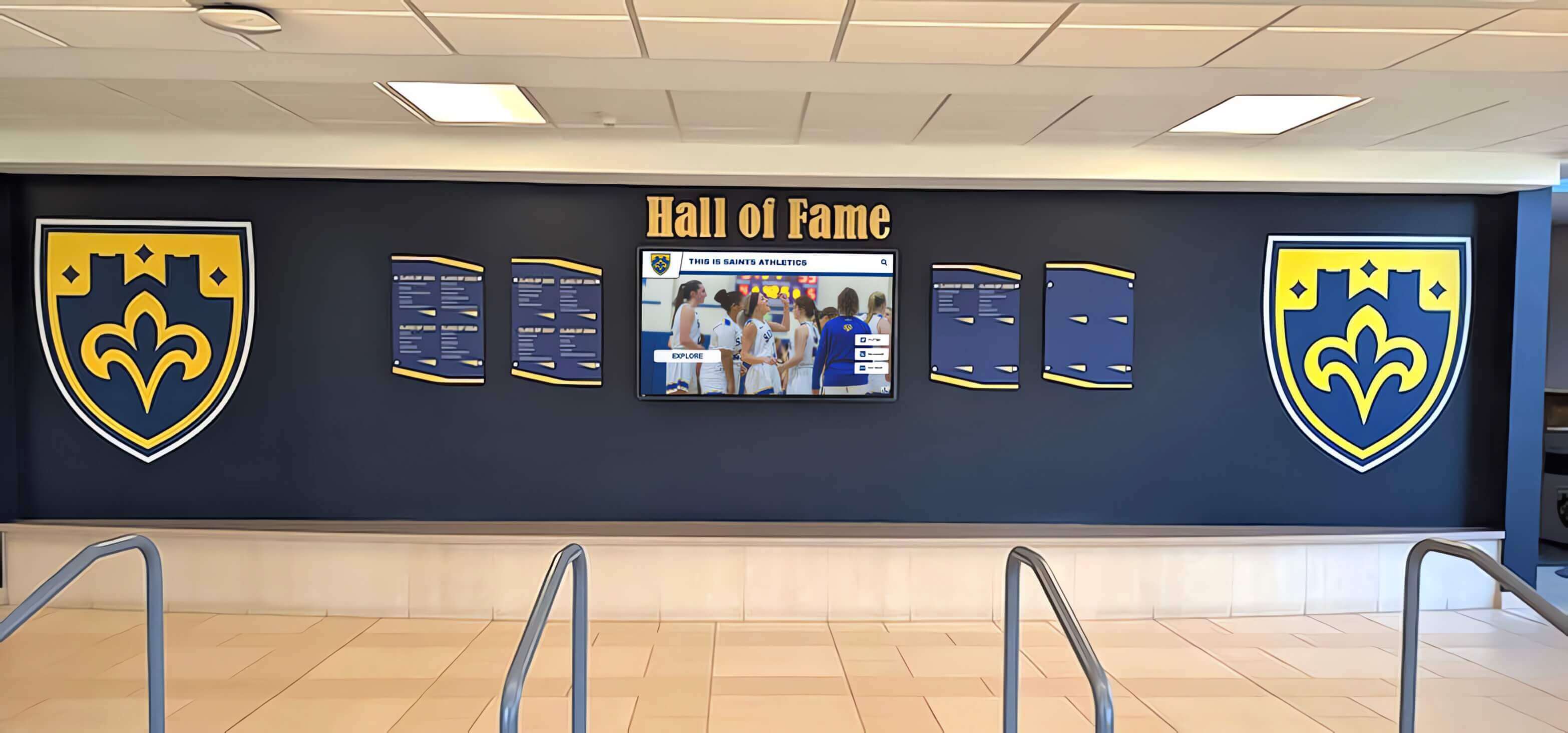
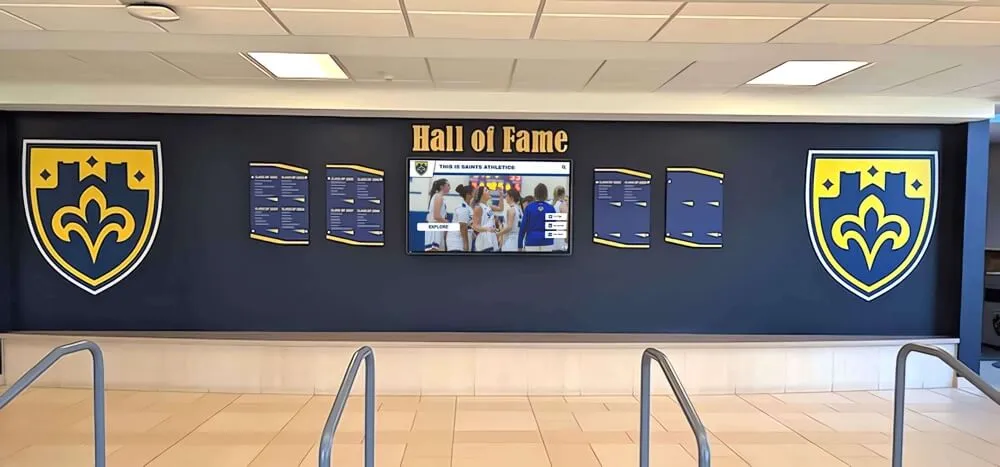
Permanent recognition infrastructure in school lobbies celebrates kindergarten milestones alongside achievements from all grade levels
Participation Recognition
Inclusive Acknowledgment
Celebrate engagement and involvement:
Recognition Areas:
- Perfect or excellent attendance
- Completed reading logs or home practice
- Family engagement participation
- Special event attendance (field trips, performances, celebrations)
- Lunch buddy or buddy reader participation
- Morning meeting contributions
- Library program completion
Equity Considerations:
- Recognize both individual and group accomplishments
- Acknowledge effort regardless of outcomes
- Consider family circumstances affecting participation opportunities
- Provide multiple pathways to recognition
- Celebrate improvement and consistency rather than perfection
Memory-Based Recognition
Sentimental Keepsakes
Create lasting mementos documenting kindergarten experience:
Memory Items:
- Handprint art comparing beginning and end of year
- Time capsule letters to future selves
- Classroom photo books featuring all students
- Teacher-written letters to each graduate
- Class yearbook with individual pages
- Video montages featuring classroom moments
- Memory jars containing favorite moments written by classmates
Schools implementing comprehensive student recognition approaches report stronger student self-concept and positive school associations when recognition emphasizes growth and effort over competitive achievement.
Incorporating Technology and Digital Recognition
Modern Documentation and Celebration
Technology extends graduation impact beyond single ceremony:
Digital Display Integration
Year-Round Recognition Infrastructure
Interactive displays provide ongoing kindergarten celebration:
Display Applications:
- Rotating photo galleries featuring classroom activities throughout year
- Digital countdown to graduation day building anticipation
- Graduate spotlights highlighting individual students
- Kindergarten memory timelines documenting shared experiences
- Virtual tours of kindergarten classrooms for incoming students
- Family message displays showing celebration notes
Strategic Placement:
- School entrance lobbies where families arrive daily
- Kindergarten hallway areas creating grade-level identity
- Media center or library spaces accessed by all students
- Main office areas visible to school visitors
- Multi-purpose spaces hosting community events
Content Management:
- Teacher-uploaded photos throughout school year
- Simple interfaces requiring minimal technical expertise
- Cloud-based systems accessible from any device
- Scheduled content ensuring fresh, current information
- Automated slideshows reducing ongoing maintenance needs
Solutions like our platform provide turnkey systems specifically designed for elementary school recognition contexts, enabling schools to celebrate kindergarten achievements through elegant, accessible displays that build school pride while documenting early education milestones.
Virtual Ceremony Options
Remote Family Participation
Digital technologies accommodate distant relatives and absent families:
Virtual Components:
- Live-streaming ceremony for remote viewing
- Virtual attendance options for immunocompromised or traveling families
- Recorded ceremony distribution via private links
- Individual student video messages for family sharing
- Digital certificate delivery supplementing printed versions
- Online photo galleries accessible to extended families
Platform Options:
- School district learning management systems
- Free video conference tools (Zoom, Google Meet)
- Social media private groups
- YouTube unlisted videos
- School website embedded streaming
- Dedicated event platforms
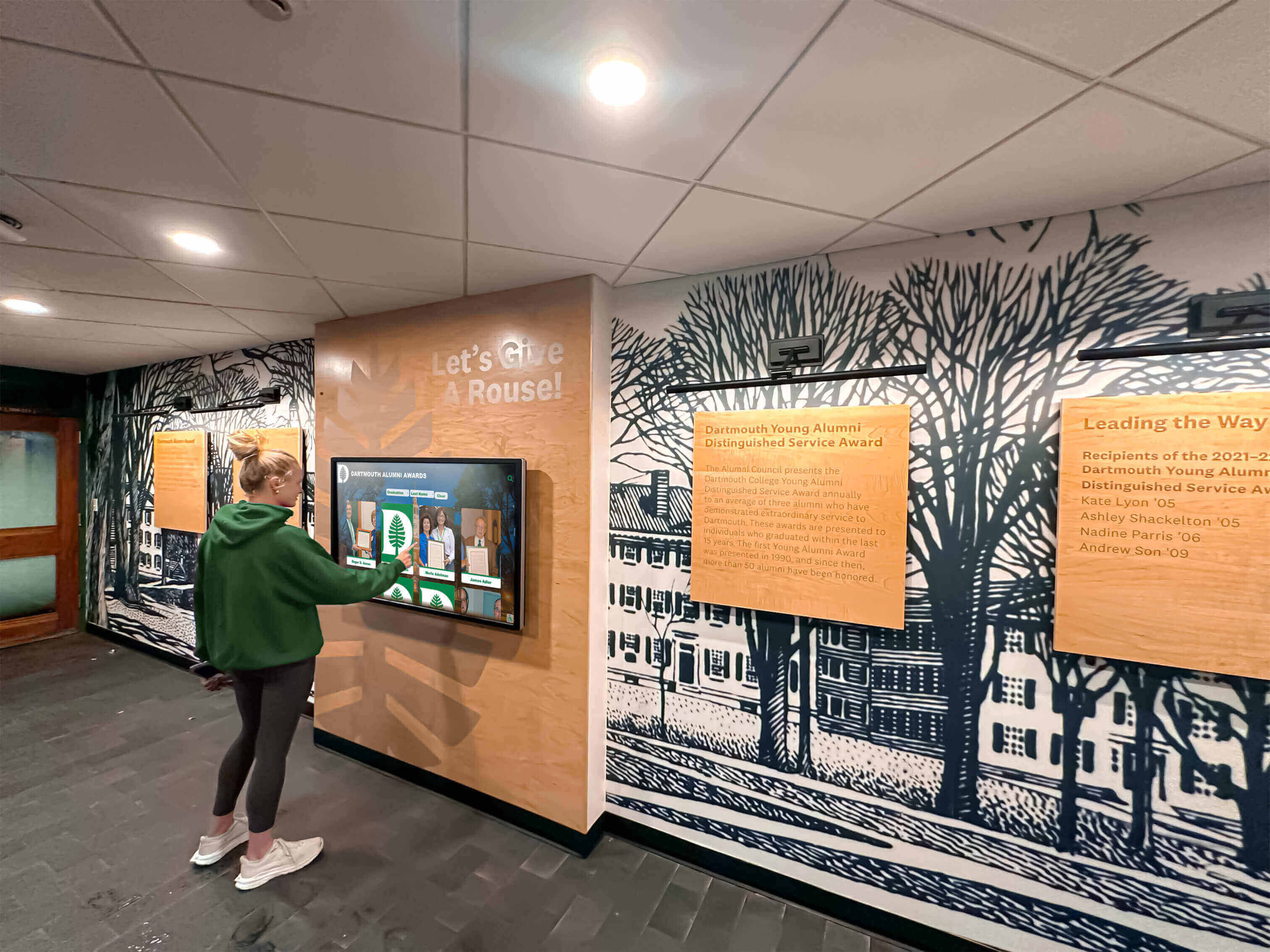
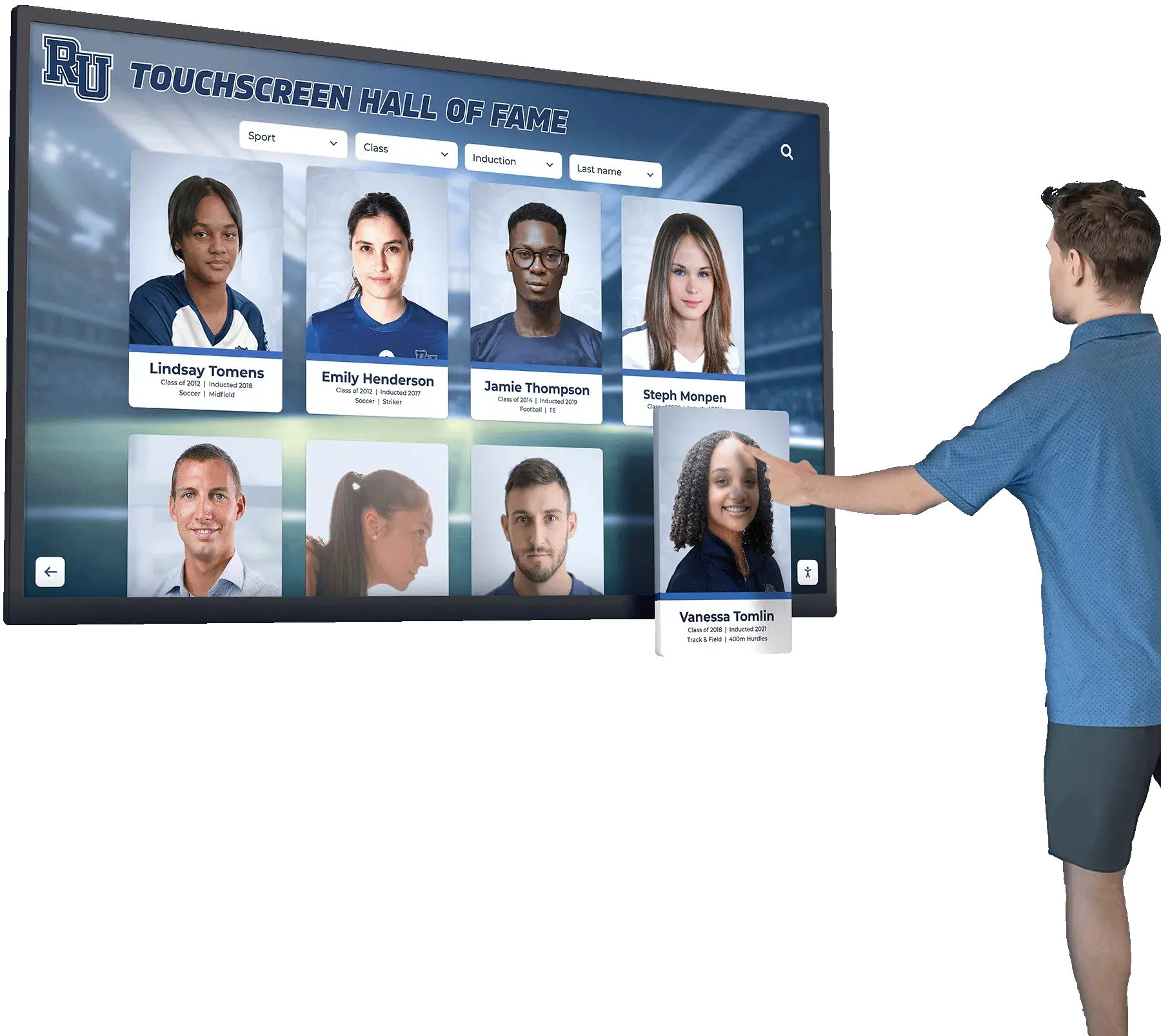
Touch-friendly interfaces enable young learners to independently explore recognition displays celebrating their achievements
Social Media Integration
Community Celebration
Appropriate social sharing extends ceremony reach:
Sharing Strategies:
- School Facebook or Instagram posts featuring ceremony highlights (with family permission)
- Class hashtags enabling family photo sharing
- Digital scrapbook compilation from family-submitted photos
- Twitter threads documenting ceremony moments
- School website news featuring graduation coverage
- District communications highlighting program success
Privacy Considerations:
- Obtain explicit family consent before posting student images
- Provide opt-out options for families preferring privacy
- Avoid identifying information in public posts
- Use closed groups for detailed photo sharing
- Respect cultural preferences around photography
- Comply with district social media policies
Digital Memory Books
Multimedia Documentation
Create comprehensive kindergarten journey records:
Digital Book Elements:
- Photo galleries from throughout school year
- Video clips of learning activities and performances
- Audio recordings of student reading or singing
- Scanned artwork and writing samples
- Teacher reflections and observations
- Family-contributed memories and photos
- Individual student pages featuring personal highlights
Creation Tools:
- Photo book services (Shutterfly, Mixbook, Blurb)
- Presentation software (PowerPoint, Google Slides) exported as PDFs
- Digital scrapbooking applications
- Classroom management platform portfolio features
- Simple PDF compilation of photos and text
Distribution Options:
- Digital delivery via email or cloud links
- USB drives for families without internet access
- Print-on-demand services for physical book options
- QR codes linking to online versions
- Projected during graduation ceremony
Schools exploring digital archiving strategies find comprehensive documentation strengthens family engagement while preserving institutional memory.
Budget-Friendly Kindergarten Graduation Ideas
Creating Meaningful Celebrations Within Constraints
Memorable ceremonies don’t require elaborate spending:
Low-Cost Decoration Strategies
Creative Visual Impact
- DIY Construction Paper Decor: Student-created graduation caps, diplomas, and celebratory banners
- Balloon Arrangements: Simple balloon arches or column clusters in school colors
- Streamers and Fabric: Repurposed materials from previous events creating ceremony backdrop
- Printed Photos: Enlarged pictures from throughout year mounted on foam board
- Natural Elements: Flowers from staff gardens or donated arrangements
- Borrowed Items: Coordinate with other grade levels sharing decorations
Student-Created Decorations:
- Hand-drawn congratulations posters
- Fingerprint art projects featuring all graduates
- Painted murals on butcher paper
- Chain-link paper countdown decorations
- Self-portrait displays
Alternative to Traditional Caps and Gowns
Budget-Conscious Attire Options
Traditional graduation regalia can be expensive for families:
Alternatives:
- DIY Paper Caps: Students decorate cardstock mortarboards uniquely
- Construction Paper Caps and Tassels: Classroom craft activity doubling as ceremony attire
- Ribbon Sashes: Simple ribbons in school colors worn with regular clothing
- T-Shirts: Coordinated grade-level shirts families purchase affordably
- Dress Code Guidelines: “Sunday best” approach requiring no purchases
- Reusable Gowns: School-owned graduation gowns sized for kindergarteners worn by successive classes
Equity Considerations:
- Never require purchased items as ceremony condition
- Provide school-supplied alternatives for families unable to purchase attire
- Avoid creating economic pressure for elaborate costumes
- Emphasize celebration over appearance uniformity
Free or Low-Cost Certificates
Professional Recognition Documents
Quality certificates don’t require expensive printing:
Creation Approaches:
- Free certificate templates from Teachers Pay Teachers or Pinterest
- Microsoft Word or Google Docs built-in templates
- Canva free tier with education license
- School district-provided standard formats
- Simple design printed on cardstock or quality paper
- Hand-calligraphy student names on printed templates
Enhancement Ideas:
- Gold or embossed stickers adding formality
- Principal or teacher signature in distinctive ink
- School seal stamp for official appearance
- Colored cardstock or parchment paper
- Photo inclusion personalizing each certificate
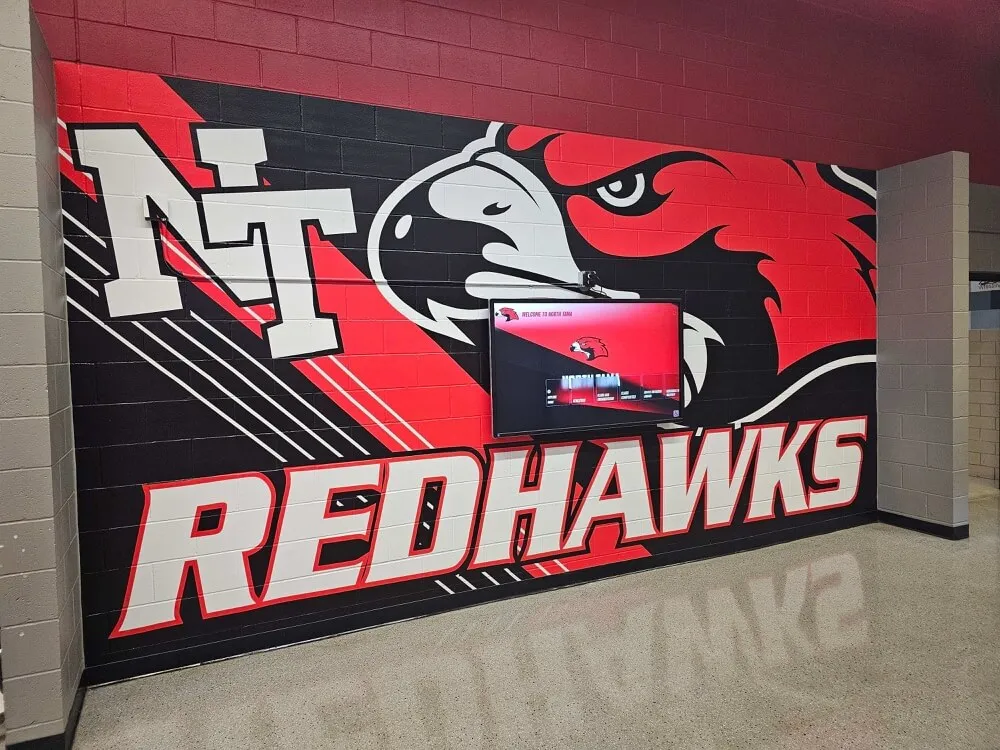
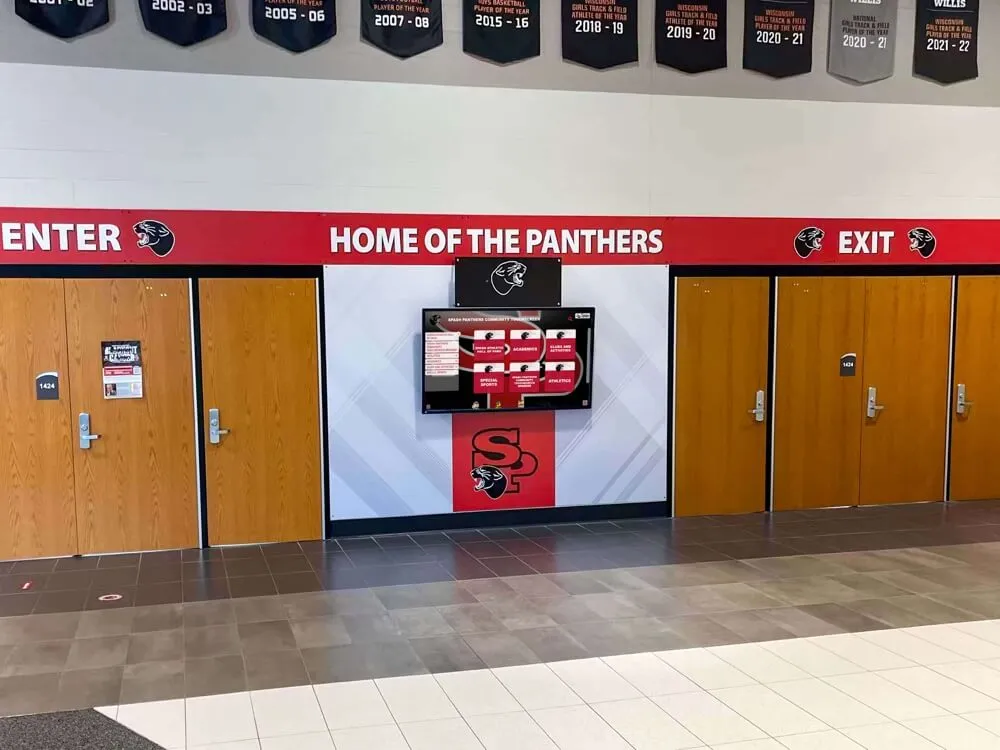
Integrating digital displays with existing school décor creates cohesive recognition environments celebrating student milestones
Community Resource Utilization
Leveraging Available Support
Many resources exist within school communities:
Volunteer Contributions:
- Parent photographers donating professional services
- Family-owned businesses providing discounted supplies
- Grandparent volunteers assisting with ceremony logistics
- High school student volunteers from early childhood education programs
- PTA funding support for specific ceremony elements
- Local business sponsorships covering refreshment costs
Facility and Equipment:
- Utilize existing school sound systems and projectors
- Borrow technology from other grade levels or district resources
- Schedule ceremonies during school hours avoiding evening rental costs
- Outdoor venues when weather permits eliminating space constraints
- Partner with local churches or community centers offering free facility use
Refreshment Alternatives:
- Family potluck eliminating catering expenses
- Simple punch and cookies rather than elaborate spreads
- Donation requests for specific items rather than cash
- Morning ceremonies with light breakfast instead of lunch
- Celebration immediately followed by dismissal reducing food expectations
Elementary schools implementing creative recognition solutions demonstrate that meaningful celebration depends on thoughtfulness and care rather than budget size.
Managing Family Expectations and Communication
Building Understanding and Participation
Clear communication prevents disappointment while encouraging engagement:
Setting Appropriate Expectations
Transparent Communication
Help families understand ceremony purpose and format:
Communication Points:
- Ceremony duration and schedule specifics
- Guest limitations based on facility capacity
- Photography policies and professional photographer arrangements
- Student participation expectations and preparation
- Attire guidelines (or lack thereof)
- Refreshment plans and family contribution requests
- Weather backup plans for outdoor ceremonies
- Traffic, parking, and building access information
Communication Channels:
- Formal written invitations (paper and email)
- Classroom newsletters and teacher communications
- School website dedicated graduation information page
- Reminder messages week-of and day-before ceremony
- Visual schedules sent home helping young students understand upcoming event
- FAQ documents addressing common questions
Addressing Over-Commercialization
Maintaining Age-Appropriate Perspective
Kindergarten graduation sometimes generates disproportionate celebration intensity:
Balanced Messaging:
- Frame ceremony as milestone recognition rather than ultimate achievement
- Emphasize continued learning journey ahead
- Celebrate growth while maintaining realistic perspective about academic development
- Avoid language suggesting kindergarten completion equals high school graduation
- Focus on effort and progress rather than superiority or precociousness
Family Guidance:
- Suggest appropriate gift-giving guidelines
- Recommend meaningful experiences over material presents
- Encourage celebration proportionate to child’s age and achievement level
- Remind families of future milestones deserving equal attention
- Model balanced enthusiasm recognizing accomplishment without excessive praise
Inclusion and Sensitivity
Accommodating Diverse Families
Ensure all families feel welcomed and valued:
Inclusive Practices:
- Accommodate family structures (single parents, guardians, foster families, same-sex parents)
- Provide language interpretation and translation services
- Respect cultural differences regarding public performance and photography
- Accommodate work schedules through flexible ceremony timing options
- Offer childcare for younger siblings during ceremonies
- Ensure accessibility for family members with disabilities
- Provide financial assistance for families unable to afford ceremony-related expenses
- Respect privacy preferences regarding student recognition and photography
Communication Adaptations:
- Multiple language versions of ceremony information
- Visual schedules supporting families with limited English proficiency
- Direct teacher outreach to families who may need additional support
- Community liaisons connecting with families from diverse backgrounds
- Culturally responsive decorations and program elements
Schools prioritizing inclusive recognition approaches report stronger family engagement and more positive school-community relationships.
Post-Ceremony Recognition and Transition
Extending Impact Beyond Single Event
Graduation effects continue through thoughtful follow-up:
Summer Bridge Activities
Maintaining Connection
Help families support continued learning between kindergarten and first grade:
Bridge Strategies:
- Summer reading logs with first grade teacher welcome letters
- Optional family learning activities maintaining skills
- School library summer hours and checkout privileges
- Virtual classroom visits introducing first grade teachers
- Welcome postcards from first grade teachers sent mid-summer
- School playground open hours maintaining social connections
- Kindergarten alumni reunions before first grade begins
Permanent Recognition
Lasting Documentation
Create enduring acknowledgment beyond ceremony day:
Recognition Options:
- Kindergarten class composite photos displayed in school hallway
- Alumni displays featuring kindergarten graduates in school lobby
- Brick or tile recognition programs for graduating classes
- Time capsules stored for future opening at middle or high school graduation
- Handprint or footprint art permanently displayed in kindergarten area
- Graduate name lists on permanent plaques updated annually
- Digital recognition systems featuring kindergarten achievements accessible throughout students’ school careers
Digital Display Integration:
Modern recognition platforms enable schools to celebrate kindergarten graduates year-round through interactive displays in common areas. These systems can showcase:
- Individual graduate profiles with photos and teacher comments
- Kindergarten class histories documenting each cohort
- “Where are they now?” updates following students through elementary years
- Alumni features highlighting former kindergarteners’ ongoing achievements
- Kindergarten memories accessible to returning students reminiscing about early school experiences
Such systems transform single-day graduation ceremonies into ongoing recognition infrastructure building institutional identity while maintaining connections with families throughout elementary education journey.
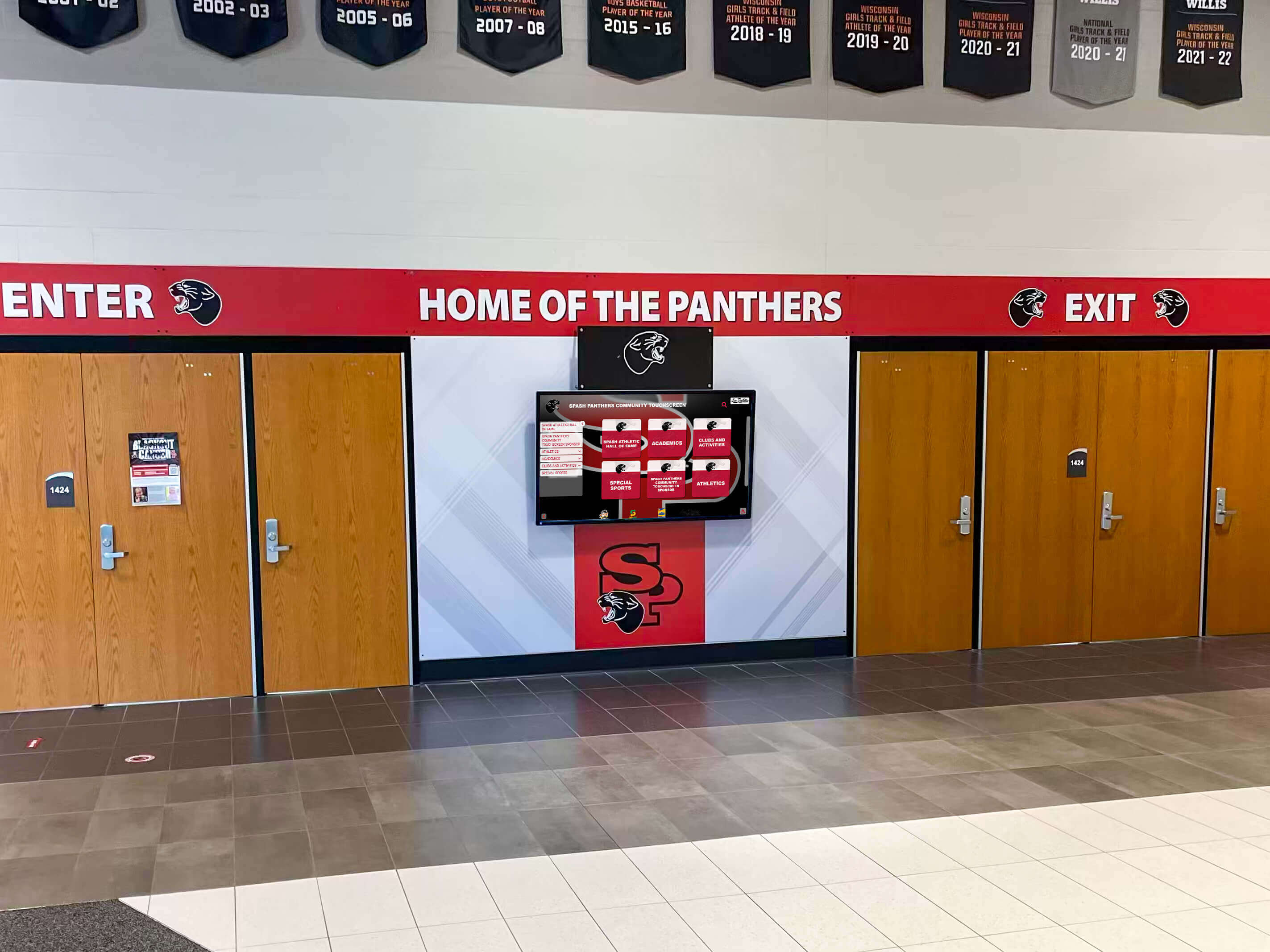
School-wide recognition displays celebrate achievements across all grade levels, including kindergarten milestones
First Grade Transition Support
Smooth Advancement
Bridge kindergarten completion with first grade beginning:
Transition Activities:
- First grade classroom tours during final kindergarten weeks
- Meet-the-teacher events before school year starts
- Buddy programs pairing incoming first graders with second grade mentors
- Welcome videos from first grade teachers sent to families
- School supply lists and first grade expectations shared at graduation
- Parent information sessions addressing first grade curriculum and expectations
- Student anxiety-reduction activities normalizing grade advancement
Documentation Transfer:
- Portfolios transitioning to first grade teachers
- Kindergarten readiness assessments informing first grade instruction
- Teacher notes highlighting individual student needs and strengths
- Photographs and work samples continuing in cumulative records
- Digital yearbook access preserving kindergarten memories
Measuring Graduation Program Success
Assessing Ceremony Impact
Evaluate whether celebrations achieve intended outcomes:
Family Satisfaction Assessment
Gathering Feedback
- Post-ceremony surveys (digital and paper options)
- Informal conversations with attending families
- Social media comment monitoring
- Follow-up focus groups with parent volunteers
- Teacher observations and reflections
- Student reactions and responses
- Photographic and video documentation review
Key Questions:
- Did the ceremony honor your child appropriately?
- Was ceremony length appropriate for young children?
- Did you feel welcomed and included throughout event?
- Were logistics (parking, seating, accessibility) satisfactory?
- Would you recommend similar ceremonies to other families?
- What improvements would you suggest for future years?
Student Impact Evaluation
Child-Centered Outcomes
- Student enthusiasm and positive memories of ceremony
- First grade transition confidence and readiness
- Continued positive school associations
- Academic identity development
- Pride in kindergarten accomplishment
- Excitement about continued learning
Assessment Methods:
- Teacher observations of student responses during and after ceremony
- Family reports about children’s reactions and memories
- Student drawings or writing about graduation experience
- First grade teacher input about transition readiness
- Longitudinal observations of school engagement patterns
Institutional Benefits
School-Level Outcomes
- Family engagement levels in subsequent grade years
- School community culture and connection strength
- Kindergarten enrollment retention to first grade
- Positive school reputation in community
- Volunteer participation patterns in following years
- Staff morale and pride in school traditions
- Institutional identity and culture development
Schools implementing thoughtful academic recognition programs demonstrate measurable improvements in student engagement, family satisfaction, and community connection.
Common Challenges and Solutions
Navigating Kindergarten Graduation Obstacles
Anticipate and address predictable challenges:
Challenge: Budget Limitations
Solution Strategies:
- Prioritize meaningful recognition over elaborate decorations
- Leverage parent volunteers and community donations
- Reuse decorations from previous years or other grade events
- Focus spending on lasting documentation (photography, memory books) rather than consumable décor
- Seek PTA or community organization funding support
- Implement phased improvements over multiple years rather than single-year perfection
Challenge: Limited Space
Solutions:
- Multiple ceremony sessions for different kindergarten classes
- Ticket systems limiting guests per family
- Outdoor venues weather permitting
- Virtual attendance options for extended family
- Classroom-based celebrations rather than all-grade assembly
- Partner with community venues offering larger spaces
Challenge: Student Anxiety
Solutions:
- Extensive rehearsal reducing uncertainty
- Teacher proximity during ceremony providing reassurance
- Flexible participation allowing anxious children modified roles
- Family presence in audience providing comfort
- Brief ceremony duration accommodating attention spans
- Clear, simple expectations students can meet successfully
- Practice sessions building confidence and familiarity
Challenge: Diverse Family Situations
Solutions:
- Inclusive language avoiding assumptions about family structure
- Flexible guest policies accommodating various needs
- Multiple ceremony timing options when possible
- Recorded distribution for working parents unable to attend
- Sensitivity around family absence situations
- Alternative participation options for students without family attendance
- Special invitations for foster families, guardians, or other caregivers
Challenge: Weather Concerns
Solutions:
- Indoor backup plans for outdoor ceremonies
- Flexible scheduling allowing date changes if needed
- Tent rentals providing weather protection
- Clear communication about weather decision timing
- Alternative dates announced well in advance
- Indoor-outdoor hybrid options utilizing both spaces
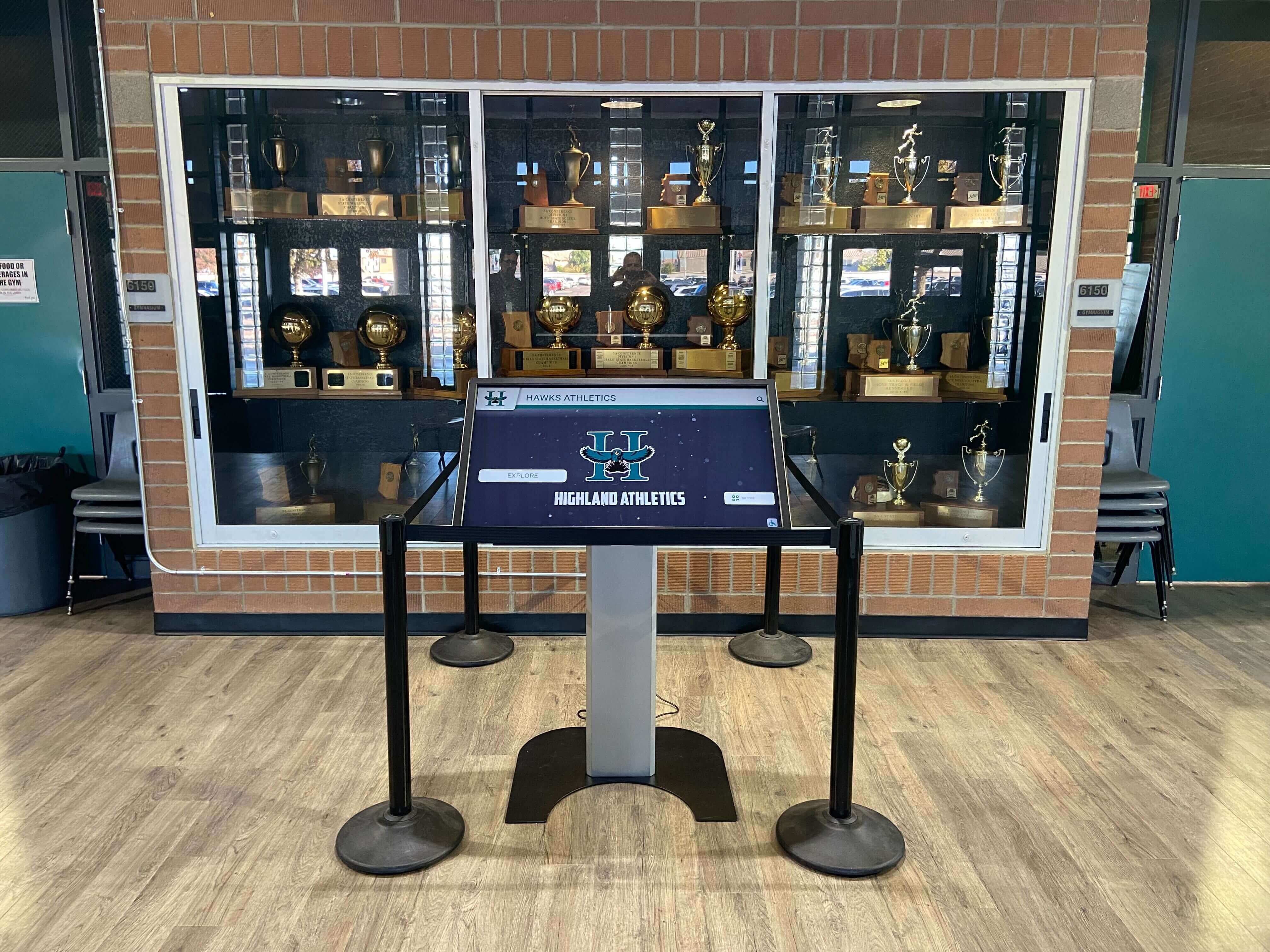
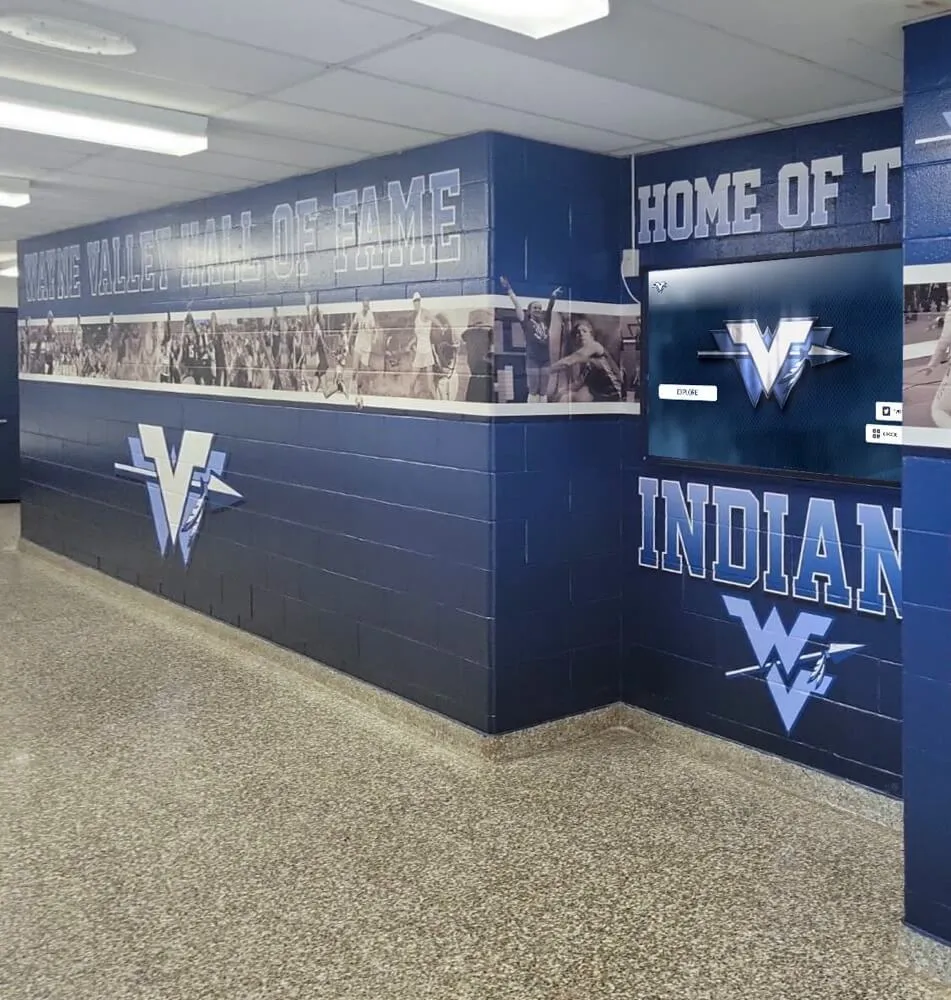
Modern recognition technology integrates seamlessly with traditional school architecture, celebrating achievements across all grade levels
Conclusion: Creating Meaningful Kindergarten Celebrations
Kindergarten graduation ceremonies represent far more than cute photo opportunities—they function as strategic recognition infrastructure celebrating young learners’ genuine developmental achievements while building positive school associations that influence long-term educational engagement. Elementary schools implementing thoughtful celebration programs consistently report stronger family connections, improved kindergarten-to-first-grade retention, and enhanced community culture compared to schools providing minimal transition acknowledgment.
The kindergarten graduation ideas explored throughout this guide demonstrate how age-appropriate ceremonies transform milestone recognition from obligatory events into relationship-building traditions that honor every student meaningfully while strengthening family-school partnerships. From creative themes and engaging activities to inclusive recognition strategies and digital documentation approaches, these concepts help elementary educators create memorable celebrations appropriate for young learners while building sustainable traditions advancing school culture.
Celebrate Kindergarten Milestones Year-Round
Discover how digital recognition solutions can help your elementary school honor kindergarten graduates meaningfully while building lasting documentation of early education achievements accessible throughout students' school careers.
Explore Recognition SolutionsDigital yearbook platforms extend kindergarten celebration beyond single-ceremony moments through permanent recognition displays in school common areas. These systems enable schools to showcase kindergarten achievements alongside accomplishments from all grade levels, building institutional identity while maintaining connections with families throughout students’ elementary education journey. Interactive displays featuring graduate profiles, classroom memories, and developmental documentation create ongoing engagement opportunities strengthening school pride and community culture.
Start where you are: assess current kindergarten recognition approaches, identify opportunities for enhancement, clarify celebration goals balanced with age-appropriate perspective, and explore solutions matching your school’s resources and community values. Whether beginning with simple classroom celebrations, launching comprehensive all-grade ceremonies, or implementing permanent recognition infrastructure documenting student growth throughout elementary years, every step toward meaningful, inclusive celebration strengthens family engagement while honoring young learners’ important developmental milestones.
Every kindergarten graduate—from confident social butterflies to shy observers, from academically precocious readers to students still developing foundational skills—deserves recognition celebrating their unique growth journey and welcoming them into ongoing elementary education community. With thoughtful planning, age-appropriate activities, and inclusive recognition philosophy, you can create graduation programs that truly honor every student while building positive school traditions sustaining family engagement and educational enthusiasm for years to come.
Ready to enhance kindergarten recognition? Explore comprehensive celebration strategies in end-of-year award guides applicable across grade levels, discover digital signage content ideas for school recognition displays, or learn about academic recognition program implementation building comprehensive student celebration infrastructure throughout elementary education.