



Intent: Elevate & Engage — This comprehensive guide delivers a complete framework for implementing interactive touchscreen displays in real estate agencies, transforming traditional property marketing from static window signs and printed listings into dynamic, engaging digital experiences that attract buyers, showcase properties 24/7, and position agencies as modern, technology-forward market leaders.
The real estate industry faces a fundamental challenge in capturing buyer attention in an increasingly digital marketplace—prospective homebuyers expect instant access to property information, high-quality visuals, and interactive exploration tools that static signage simply cannot provide. According to recent industry data, real estate businesses using digital signage have seen a 35% increase in property enquiries due to timely updates and attention-grabbing visuals, while digital signage captures 400% more views than static displays, based on a study by Intel.
The modern homebuyer journey has transformed dramatically—nearly all homebuyers today begin their search online, yet physical agency locations remain critical touchpoints where first impressions form and relationships begin. Interactive touchscreen displays bridge this digital-physical divide, bringing the engaging, on-demand experience buyers expect from online searches directly into agency storefronts, lobbies, and even window displays accessible after hours.
This comprehensive guide explores how real estate agencies can leverage interactive touchscreen technology to showcase property listings, highlight agent expertise, provide 24/7 accessibility, create memorable buyer experiences, and ultimately drive more qualified leads and successful transactions.
The Evolution of Real Estate Marketing: From Print to Interactive Digital
Understanding how property marketing has transformed helps real estate professionals appreciate why interactive touchscreens have become essential tools for competitive agencies.
Traditional Real Estate Marketing Limitations
Real estate agencies have long relied on conventional marketing methods facing significant constraints:
Static Window Displays and Yard Signs
- Limited space showing only handful of featured properties
- Information becomes outdated quickly as listings sell or prices change
- Photographs fade and deteriorate from sun exposure
- No ability to provide detailed property information in compact space
- Accessible only during daytime hours and agency open times
- Cannot showcase interior photos, floor plans, or virtual tours effectively
Printed Property Brochures
- High printing costs for full-color materials
- Environmental waste when properties sell quickly
- Limited distribution reaching only those who physically visit
- No way to update pricing or availability after printing
- Static images cannot convey property features as effectively as video
- Difficult to maintain consistent branding across multiple properties
Traditional Office Displays
- Buyers must visit during business hours to explore listings
- Limited by physical space available for property displays
- Staff time required to show properties individually
- Difficult to keep multiple listing details current simultaneously
- No engagement tracking to understand which properties generate interest
- Intimidating environment for buyers preferring to browse privately
According to real estate marketing research, properties with video receive up to 400% more interest compared to those without, yet traditional display methods struggle to incorporate dynamic visual content effectively.

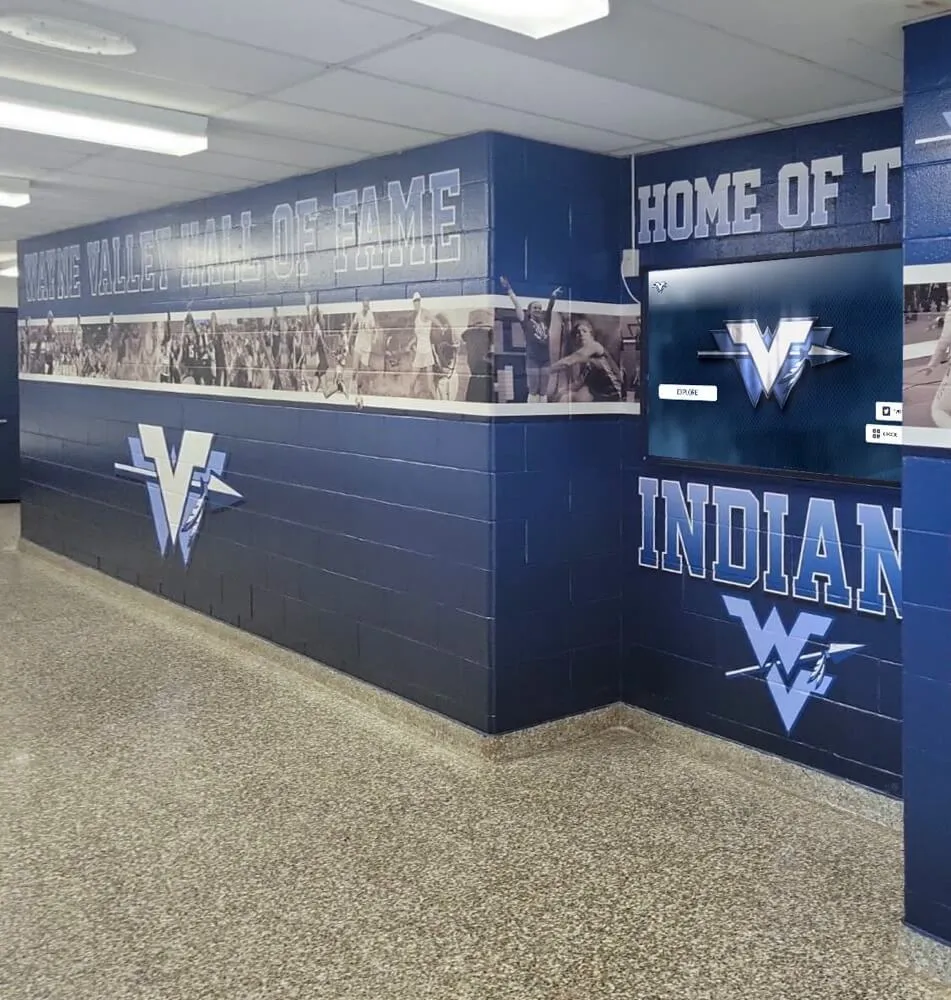
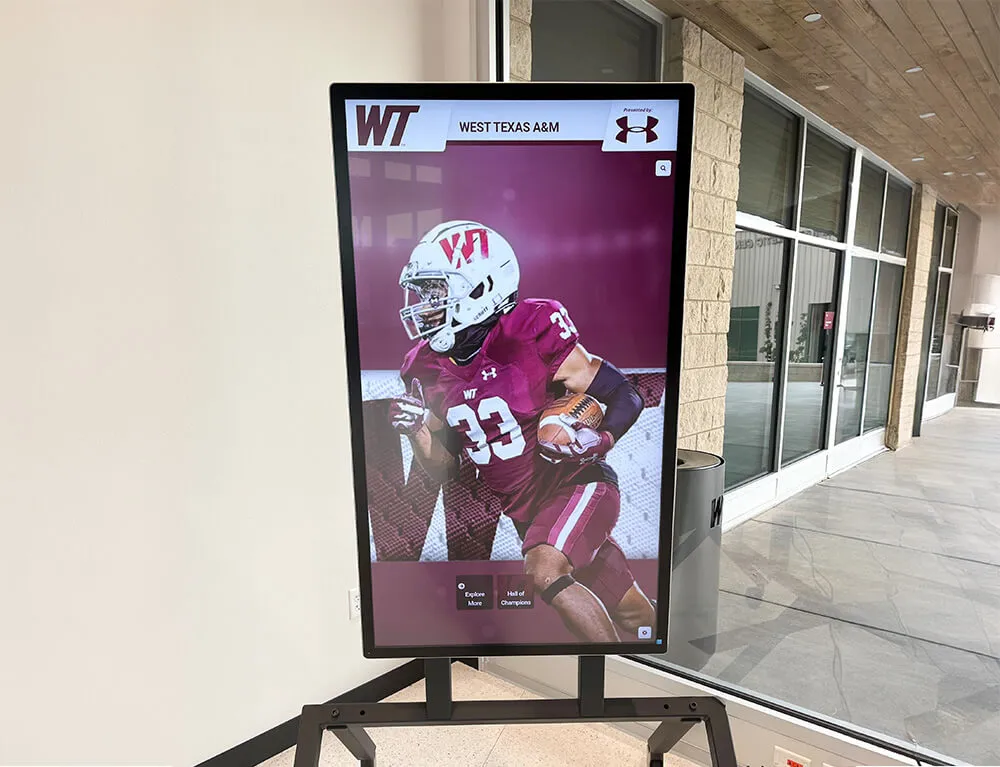
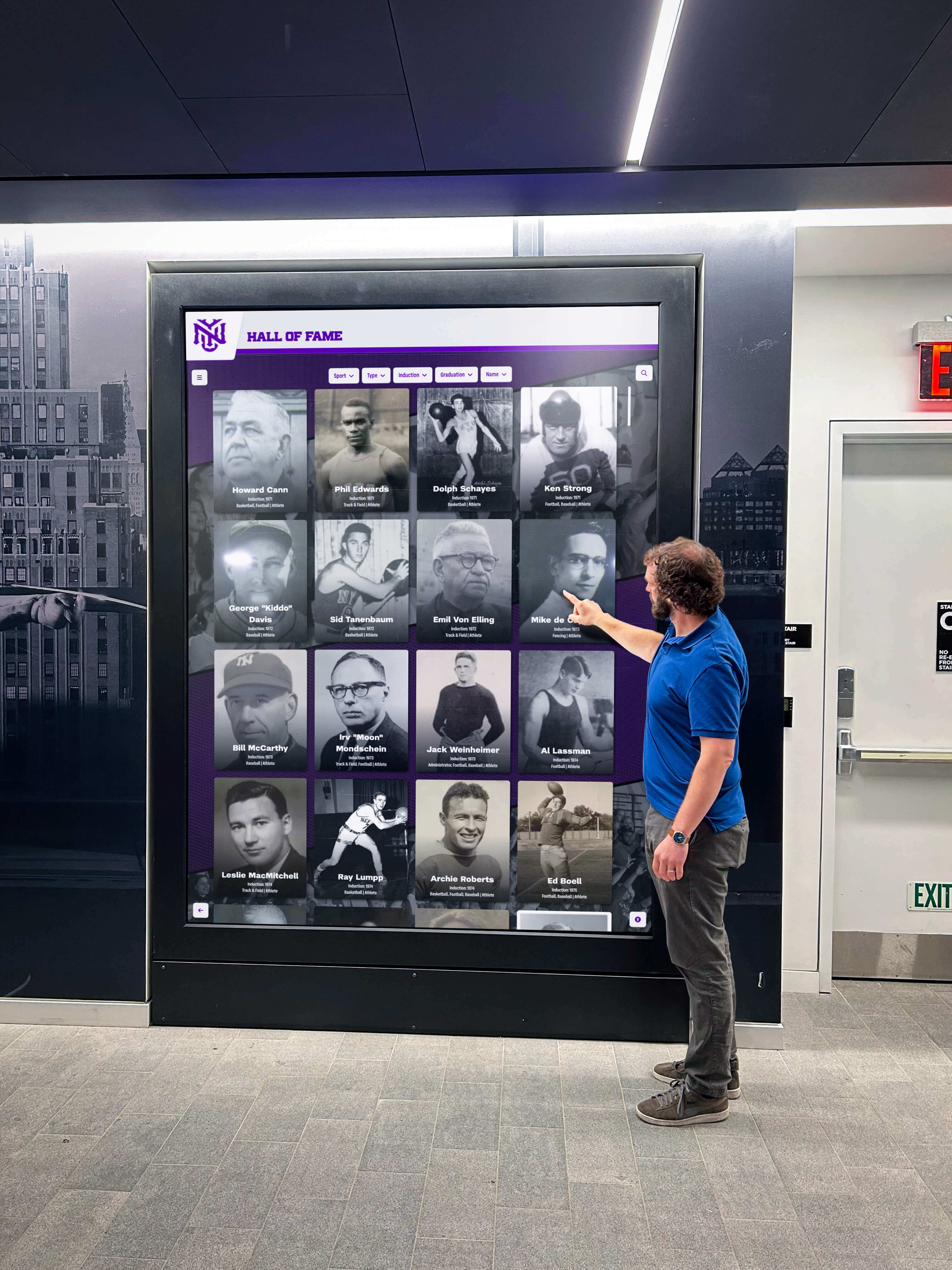
Interactive touchscreen displays in real estate agency lobbies provide clients with instant access to property listings, agent information, and detailed home features
The Interactive Touchscreen Revolution in Real Estate
Modern digital signage addresses fundamental limitations of traditional property marketing:
24/7 Property Accessibility Interactive window displays provide round-the-clock access to property portfolios:
- Prospective buyers browse listings during evening hours after work
- Weekend shoppers explore properties when agencies might be closed
- Out-of-town buyers preview available properties before scheduling visits
- Automatic content updates ensure listings reflect current availability
- No staffing required for after-hours information access
Research from digital signage providers shows that through-glass touchscreen technology allows agencies to install interactive foils on existing windows, making glass touch-sensitive from outside while displays remain protected inside.
Enhanced Visual Property Presentation Dynamic digital content showcases properties far more effectively than static photos:
- High-resolution photo galleries displaying multiple property angles
- Virtual tour integration allowing immersive property exploration
- Floor plan displays with room dimensions and layout information
- Neighborhood information including schools, amenities, and transportation
- Video walkthroughs showcasing property flow and features
- Drone footage providing aerial perspectives and surrounding context
According to real estate marketing statistics, listings with aerial drone views sell 68% faster than those without, demonstrating the power of enhanced visual content that interactive displays deliver seamlessly.
Improved Lead Generation and Client Engagement
Interactive displays create opportunities for immediate client connection:
Direct Contact Capabilities
- Touch-to-call features connecting buyers directly to listing agents
- Email inquiry forms capturing buyer information and interests
- SMS text options for instant communication preferences
- Home valuation request submissions for potential sellers
- Appointment scheduling integrated with agent calendars
- Virtual consultation booking for remote buyers
Intelligent Lead Qualification
- Analytics tracking which properties generate most interest
- Search filter usage revealing buyer preferences and priorities
- Time-on-property metrics indicating serious buyer consideration
- Contact information collection during inquiry processes
- Neighborhood preference tracking for targeted follow-up
- Price range analysis informing inventory recommendations
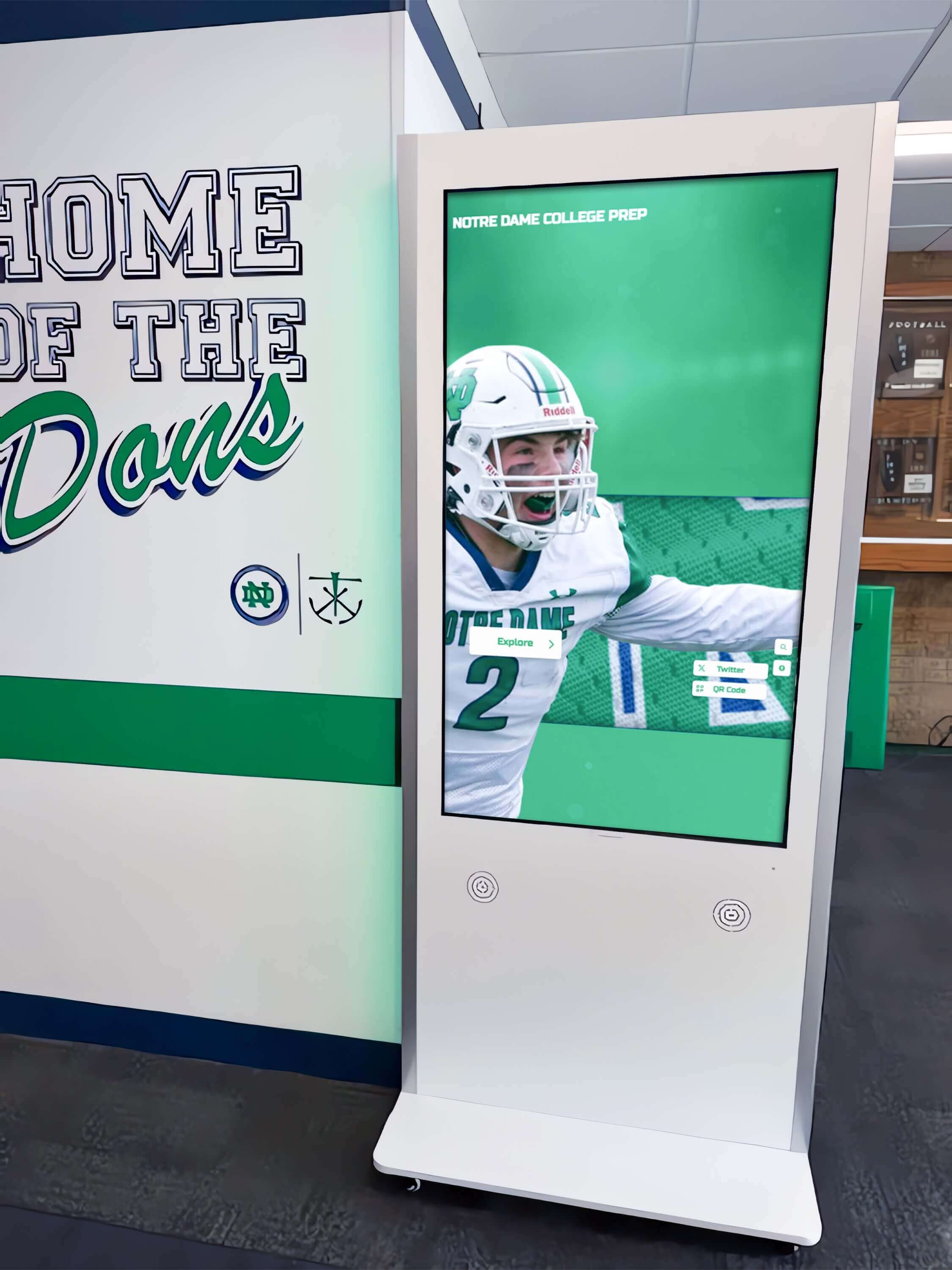
Professional touchscreen kiosks in agency locations provide comprehensive property information while capturing valuable buyer interest data
Competitive Differentiation and Modern Brand Positioning
In competitive real estate markets, technology adoption signals agency sophistication:
Technology-Forward Brand Identity Agencies implementing interactive displays communicate modern, innovative approaches that appeal to tech-savvy buyers expecting contemporary service delivery. Interactive technology demonstrates investment in client experience and positions agencies as industry leaders rather than traditional firms slow to adopt innovation.
Memorable Agency Experience Buyers visit multiple agencies during property searches—those offering interactive exploration tools create distinctive experiences remembered when buyers make final decisions about representation. The novelty of touchscreen interaction leaves lasting impressions compared to standard property binder reviews at traditional offices.
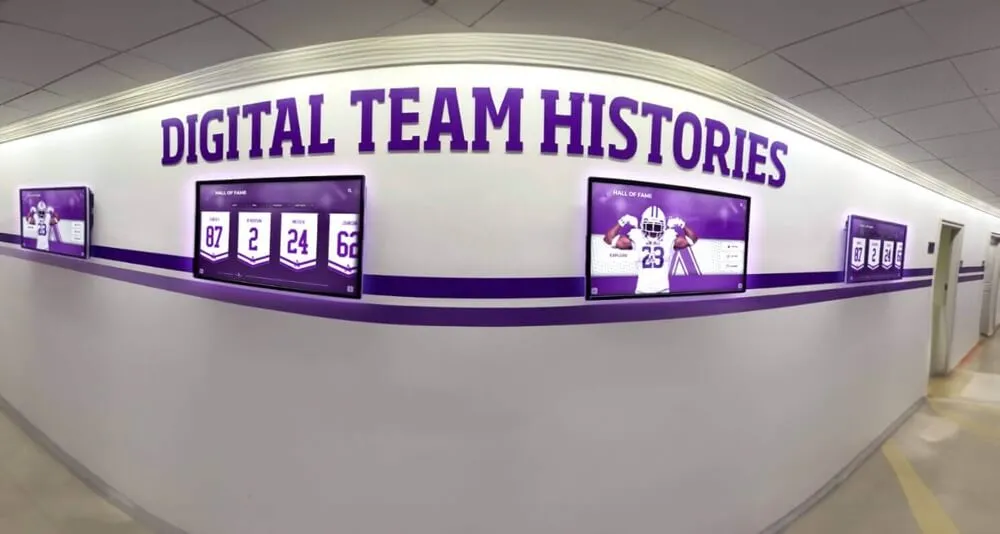
Similar to how digital recognition displays transform organizational spaces, interactive real estate displays elevate agency environments from basic offices to engaging, technology-enabled spaces.
Core Applications of Interactive Displays in Real Estate Agencies
Understanding how agencies effectively use touchscreen technology helps maximize digital display investments.
Comprehensive Property Listing Showcases
Interactive displays excel at presenting property portfolios with rich detail:
Advanced Filtering and Search Capabilities Buyers explore inventory using intuitive search filters including:
- Price range sliders narrowing results to budget parameters
- Location filtering by neighborhood, school district, or proximity to landmarks
- Property type selection including single-family, condos, townhouses, or land
- Bedroom and bathroom count requirements matching family needs
- Square footage ranges appropriate for space requirements
- Feature filters highlighting pools, garages, finished basements, or acreage
- Date listed sorting showing newest available properties
This self-service approach mirrors online property search experiences buyers already use while providing immediate access to agency inventory without requiring staff assistance for initial browsing.
Detailed Property Information Pages
Each listing should include comprehensive details:
- Complete photo galleries with 20-40 high-resolution images
- Virtual tour integration or 360-degree interior views
- Detailed property descriptions highlighting unique features
- Complete specification lists including year built, lot size, and systems
- Tax information and monthly cost estimates
- Neighborhood data including nearby schools, shopping, and parks
- Comparative market analysis showing value relative to similar properties
- Open house schedules and private showing appointment options
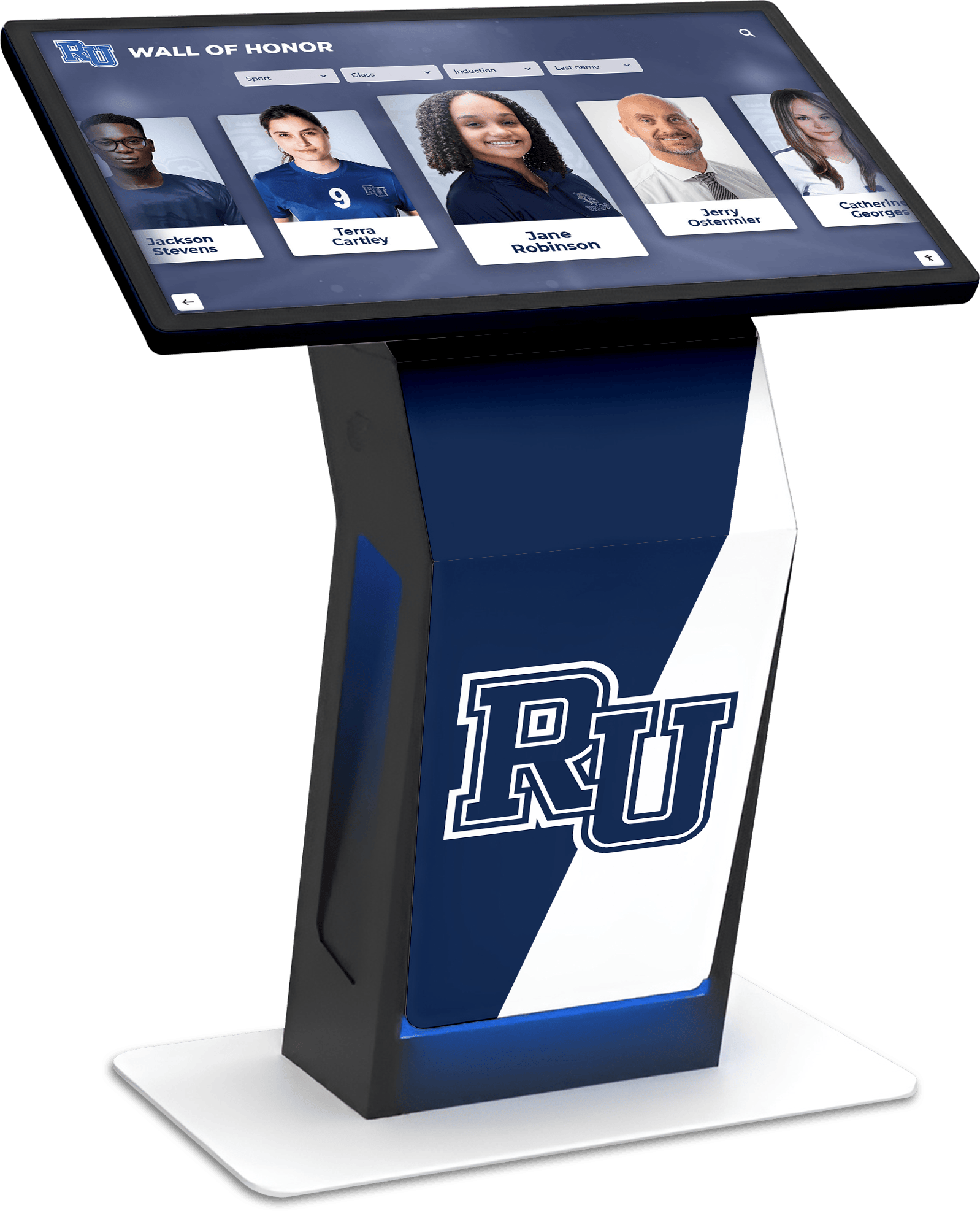
Interactive kiosks enable buyers to explore property details at their own pace, accessing comprehensive information without requiring immediate agent assistance
Agent Profile and Expertise Showcases
Interactive displays highlight agency talent and specialization:
Comprehensive Agent Biographies Buyer confidence increases when understanding agent backgrounds:
- Professional headshots creating personal connection
- Years of experience and market specialization areas
- Neighborhood expertise and geographic focus areas
- Professional certifications and continuing education
- Client testimonials and success stories
- Recent sales highlights and market achievements
- Personal interests and community involvement
- Direct contact options including call, email, or text preferences
Team Structure and Specialization Larger agencies benefit from showcasing organizational structure:
- Buyer specialist agents focused on property acquisition
- Listing specialists marketing sellers’ properties
- Luxury market specialists for high-end properties
- First-time buyer specialists providing extra guidance
- Investment property experts for investor clients
- Commercial real estate division information
- Property management services if offered
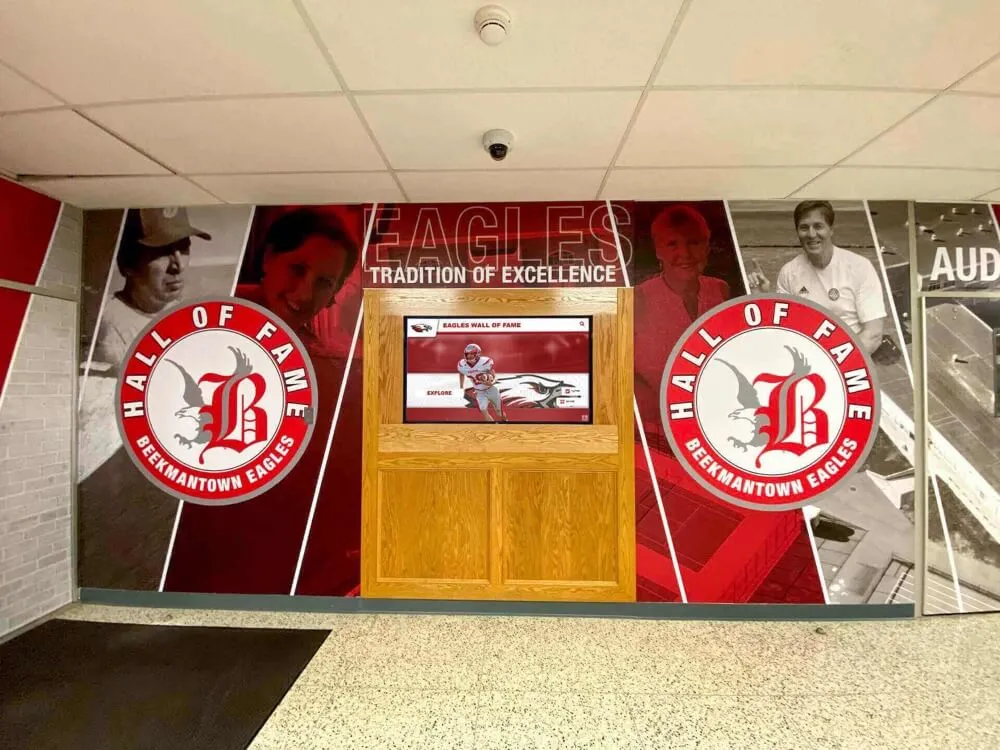
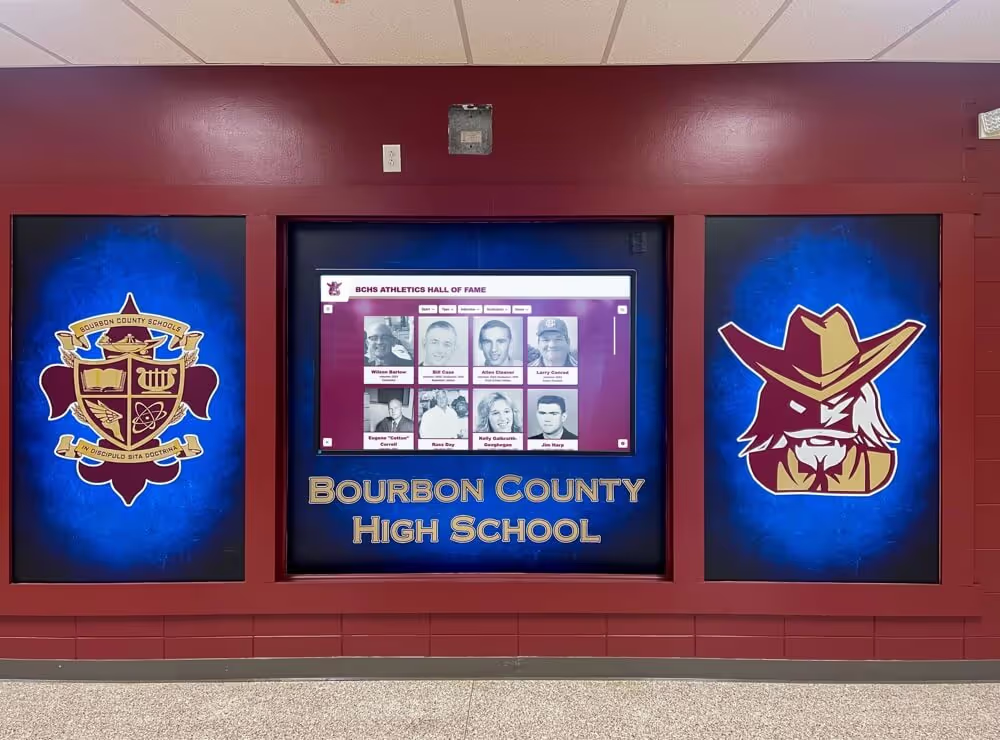
Approaches similar to community recognition displays that highlight individual achievements can effectively showcase agent credentials and accomplishments.
Neighborhood and Community Information
Informed buyers consider location factors beyond property features:
School District Information For buyers with families, school quality represents critical decision factors:
- School district boundaries and assigned schools by address
- Test scores and academic performance data
- Extracurricular programs and special offerings
- School ratings from parent review platforms
- Transportation and bus route information
- Private school options in surrounding areas
Local Amenities and Attractions Lifestyle considerations influence buying decisions significantly:
- Shopping centers and retail districts
- Restaurants and entertainment venues
- Parks, trails, and recreational facilities
- Healthcare facilities and hospitals
- Public transportation access points
- Commute time estimates to major employment centers
- Cultural attractions including museums, theaters, or sports venues
Community Demographics and Market Trends Data-driven buyers appreciate analytical information:
- Median home prices and appreciation trends
- Average days on market for local properties
- Neighborhood age demographics
- Crime statistics and safety information
- Recent development and growth patterns
- Future planned community improvements
Learn about information display strategies from apartment complex digital display approaches that effectively communicate community features and amenities.
Home Valuation and Seller Services
Interactive displays serve potential sellers alongside buyers:
Instant Home Valuation Tools Homeowners considering selling can:
- Input property addresses for preliminary value estimates
- View comparable recent sales in neighborhoods
- Understand market conditions affecting property values
- Request detailed comparative market analysis from agents
- Schedule home evaluation appointments
- Learn about agency listing services and marketing approaches
Seller Resource Centers Information helping homeowners prepare properties for sale:
- Staging tips and home preparation guidance
- Repair and improvement recommendations maximizing value
- Professional photography and marketing service information
- Pricing strategy education explaining valuation approaches
- Timeline information from listing to closing
- Success stories from recent seller clients
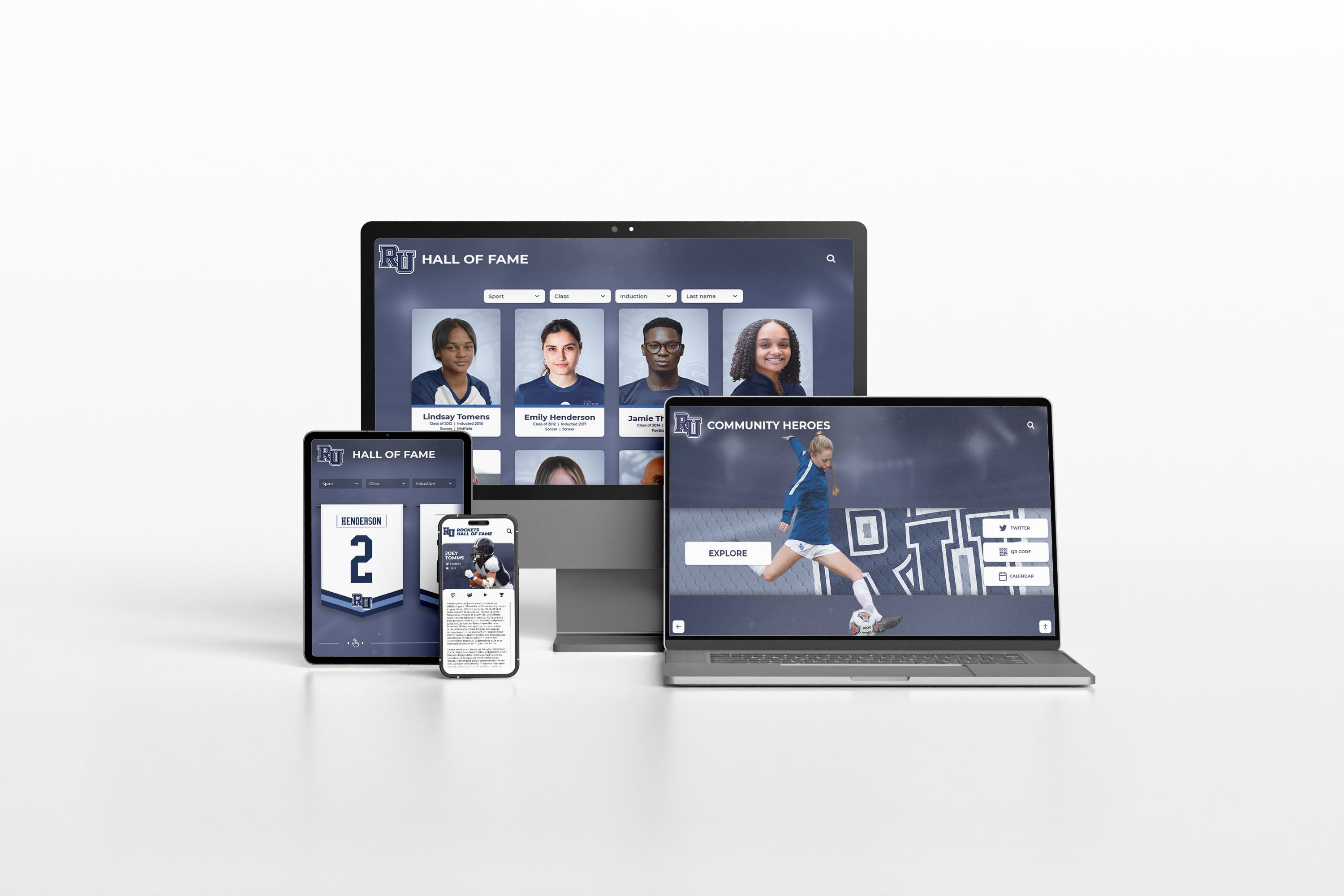
Modern display platforms deliver consistent property information across touchscreen kiosks, desktop computers, and mobile devices enabling anywhere access
Market Reports and Industry Insights
Positioning agencies as market experts builds trust and credibility:
Local Market Analysis Regular market reports demonstrate expertise:
- Monthly sales volume and transaction trends
- Price appreciation or depreciation patterns
- Inventory levels and buyer competition indicators
- Average days on market showing pace of sales
- New construction activity in market areas
- Foreclosure and distressed property trends
- Seasonal patterns affecting buying and selling timing
Buyer and Seller Education Content Educational resources establish advisory relationships:
- First-time homebuyer guides explaining processes
- Mortgage qualification information and resources
- Home inspection explanations and what to expect
- Negotiation strategies for competitive markets
- Closing cost breakdowns and financial planning
- Home maintenance tips for new homeowners
- Investment property analysis and rental market information
Similar to how digital archives preserve and present organizational knowledge, market analysis displays position agencies as authoritative information sources.
Strategic Placement of Interactive Displays
Location significantly impacts display effectiveness and buyer engagement.
Window Displays for 24/7 Accessibility
Storefront Interactive Windows The most innovative placement for continuous market presence:
Strategic Advantages
- Prospective buyers browse properties during evening hours after work
- Weekend shopping continues when agency closed for appointments
- Passersby discover agency services while walking through neighborhoods
- No staffing cost for extended availability
- Weather-resistant technology withstands outdoor conditions
- Attention-grabbing motion and visuals attract foot traffic
According to real estate technology providers, through-glass touchscreen technology uses interactive foils applied to interior window surfaces, making glass touch-sensitive from outside while protecting electronics inside.
Implementation Considerations
- Bright displays visible in direct sunlight
- Secure mounting preventing vandalism or theft
- Weatherproof enclosures for outdoor installations
- Adequate cooling managing heat buildup
- After-hours monitoring and technical support
- ADA-compliant positioning for accessibility

Professional digital displays integrate seamlessly with office design, elevating agency aesthetics while serving continuous property marketing functions
Reception Area and Lobby Installations
Primary Client Touchpoint Displays First impressions form immediately upon entering agencies:
Engagement Opportunities
- Clients waiting for appointments explore current inventory
- Walk-in buyers begin property search before meeting agents
- Sellers preview agency marketing capabilities
- Multiple simultaneous users interact with separate displays
- Premium large-format screens command attention
- Professional installation signals agency sophistication
Content Priorities
- Featured listings highlighting premium properties
- New listing announcements attracting buyer interest
- Recent sales demonstrating agency success
- Agent availability and specialization information
- Client testimonials building trust and credibility
- Neighborhood spotlight content showcasing market expertise
Conference Room Presentation Systems
Interactive Client Consultation Displays Technology-enabled spaces enhance buyer and seller meetings:
Consultation Applications
- Agents present properties interactively during buyer consultations
- Comparative market analysis displayed with visual impact
- Neighborhood exploration with buyers investigating locations
- Floor plan review and space planning discussions
- Financial analysis and mortgage qualification scenarios
- Contract review and transaction timeline presentations
Advantages Over Traditional Presentations
- Dynamic interaction replacing static printed materials
- Immediate access to updated listing information
- Ability to pivot presentations based on client interests
- Professional appearance elevating agency perception
- Reduced printing costs for consultation materials
- Environmental benefits from paperless presentations
Similar to how college tour displays enhance institutional presentations, interactive conference displays elevate real estate consultations.
Agent Workstation Reference Displays
Staff-Facing Information Systems Internal displays support agent productivity:
Operational Applications
- Quick reference to agency inventory for phone inquiries
- Competitive listings from MLS systems
- Market statistics for buyer and seller conversations
- Transaction pipeline and closing calendar visibility
- Team communication and internal announcements
- Professional development and training content
While primarily staff-facing, these displays occasionally serve clients during office consultations or when buyers visit agents at workstations for informal discussions.
Technology Selection and Implementation
Choosing appropriate hardware and software ensures successful deployment.
Display Hardware Specifications
Commercial-Grade Touchscreen Requirements Real estate displays need robust technology for reliable operation:
Essential Hardware Features
- Commercial-grade panels rated for continuous operation
- High brightness (500+ nits) for window visibility
- Outdoor-rated weatherproof enclosures for window installations
- Projected capacitive touchscreens with smartphone-like responsiveness
- Multi-touch capability supporting pinch, zoom, and gesture controls
- Tamper-resistant mounting and enclosures
- Temperature management with cooling and heating systems
- Vandal-resistant glass protecting valuable equipment
Screen Size Considerations
Window Displays (42"-55")
- Visible from sidewalk without overwhelming window space
- Adequate for detailed property information viewing
- Manageable installation in standard window frames
Lobby Installations (55"-65")
- Commanding presence in reception areas
- Comfortable viewing from typical waiting area distances
- Suitable for multiple concurrent viewers
Conference Room Systems (65"-75")
- Boardroom-scale visibility for group presentations
- Integration with video conferencing systems
- Touch-enabled collaboration capabilities
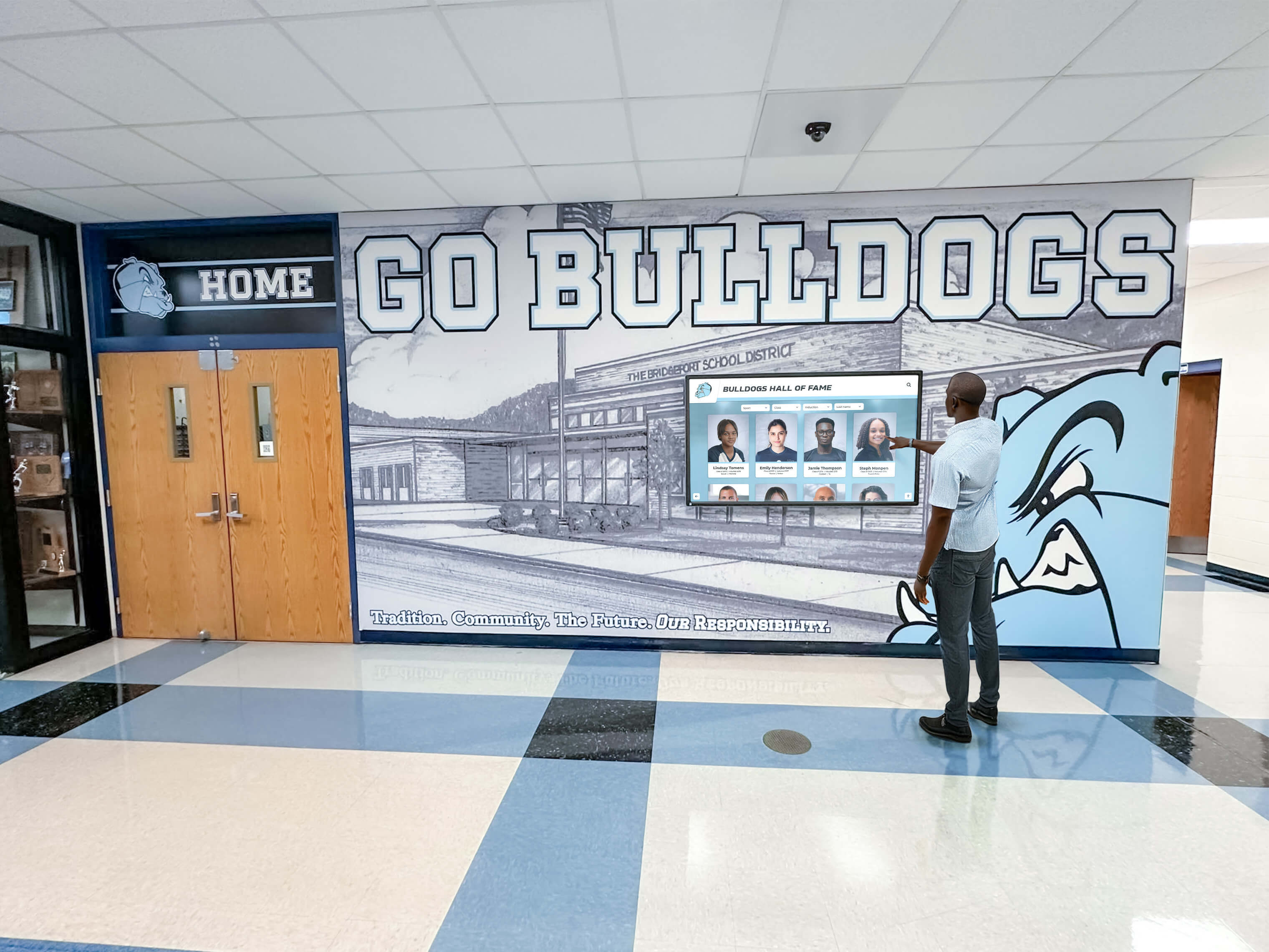
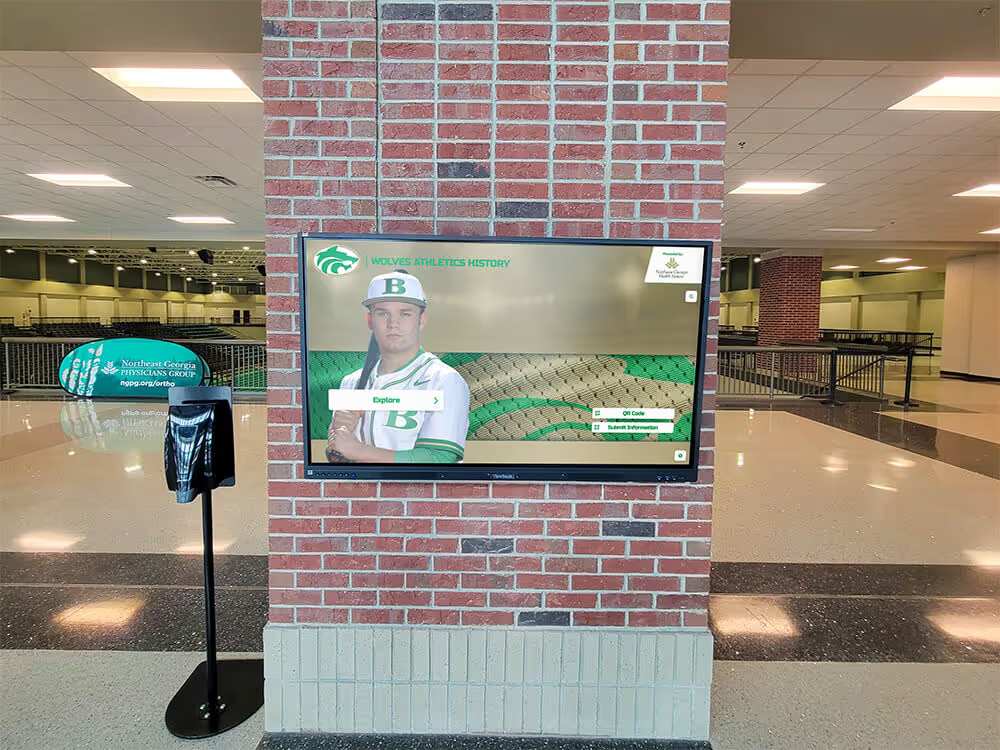
Intuitive touchscreen interfaces enable buyers to explore property listings through familiar gestures and navigation patterns
Software Platform Requirements
Essential Software Capabilities
Modern real estate display platforms should provide:
Content Management
- Web-based administration from any internet-connected device
- Real-time updates appearing immediately on displays
- Scheduled content publishing for time-sensitive announcements
- Template libraries for quick property listing creation
- Bulk import from MLS feeds avoiding manual entry
- Multi-display management updating entire network simultaneously
MLS Integration
- Direct connection to Multiple Listing Service data
- Automatic updates as properties sell or status changes
- Agent roster synchronization maintaining current team information
- Office inventory filtering showing only agency listings
- Shared listings from cooperating brokers when appropriate
- Compliance with MLS rules and display requirements
Lead Capture Functionality
- Contact forms collecting buyer information and interests
- Virtual tour request submissions
- Showing appointment scheduling
- Home valuation request processing
- CRM integration delivering leads directly to agents
- Automated follow-up email confirmation
Analytics and Reporting
- Property view counts showing buyer interest levels
- Time-on-property metrics indicating serious consideration
- Search filter usage revealing buyer preferences
- Contact conversion rates measuring effectiveness
- Peak usage time analysis optimizing content scheduling
- Geographic analysis for targeted marketing
Solutions similar to touchscreen software platforms purpose-built for specific industries deliver better functionality than generic digital signage adapted to real estate needs.
Installation and Infrastructure
Professional Installation Requirements
Physical Installation
- Licensed electrician for power connections
- Network cable installation or wireless access points
- Secure mounting preventing theft or vandalism
- Cable management maintaining clean appearance
- ADA-compliant positioning for accessibility
- Proper ventilation preventing overheating
Network Connectivity Real estate displays require reliable internet for content management:
- Dedicated business-class internet service
- Adequate bandwidth for high-resolution property images
- Secure network isolation from office systems
- Backup connectivity options preventing downtime
- Remote monitoring and management capabilities
- VPN access for secure administration
Compliance and Regulations
- Building code compliance for electrical and structural modifications
- ADA accessibility requirements for public installations
- Zoning regulations for outdoor signage and displays
- MLS compliance for property data display
- Fair housing law compliance in content and filtering
- Privacy protection for client data collected
Content Strategy for Real Estate Displays
Effective content determines whether displays attract buyers or become ignored.
Property Presentation Best Practices
High-Quality Visual Content
Professional photography and videography drive buyer engagement:
Essential Visual Elements
- Professional photography with proper lighting and staging
- Wide-angle shots showing room flow and space
- Detail shots highlighting upgraded features and finishes
- Exterior photography in optimal weather and lighting
- Aerial drone footage providing property context
- Twilight photography creating aspirational appeal
- Virtual tours or 3D walkthroughs for immersive exploration
Research shows that properties with video receive up to 400% more interest compared to those without, emphasizing the importance of dynamic visual content.
Compelling Property Descriptions
Text should complement visuals with persuasive detail:
- Opening statements highlighting unique selling points
- Feature lists organized by room and space
- Upgrade and improvement documentation
- Lifestyle benefits beyond physical attributes
- Neighborhood advantages and location benefits
- Value propositions explaining pricing
- Call-to-action encouraging inquiry or showing
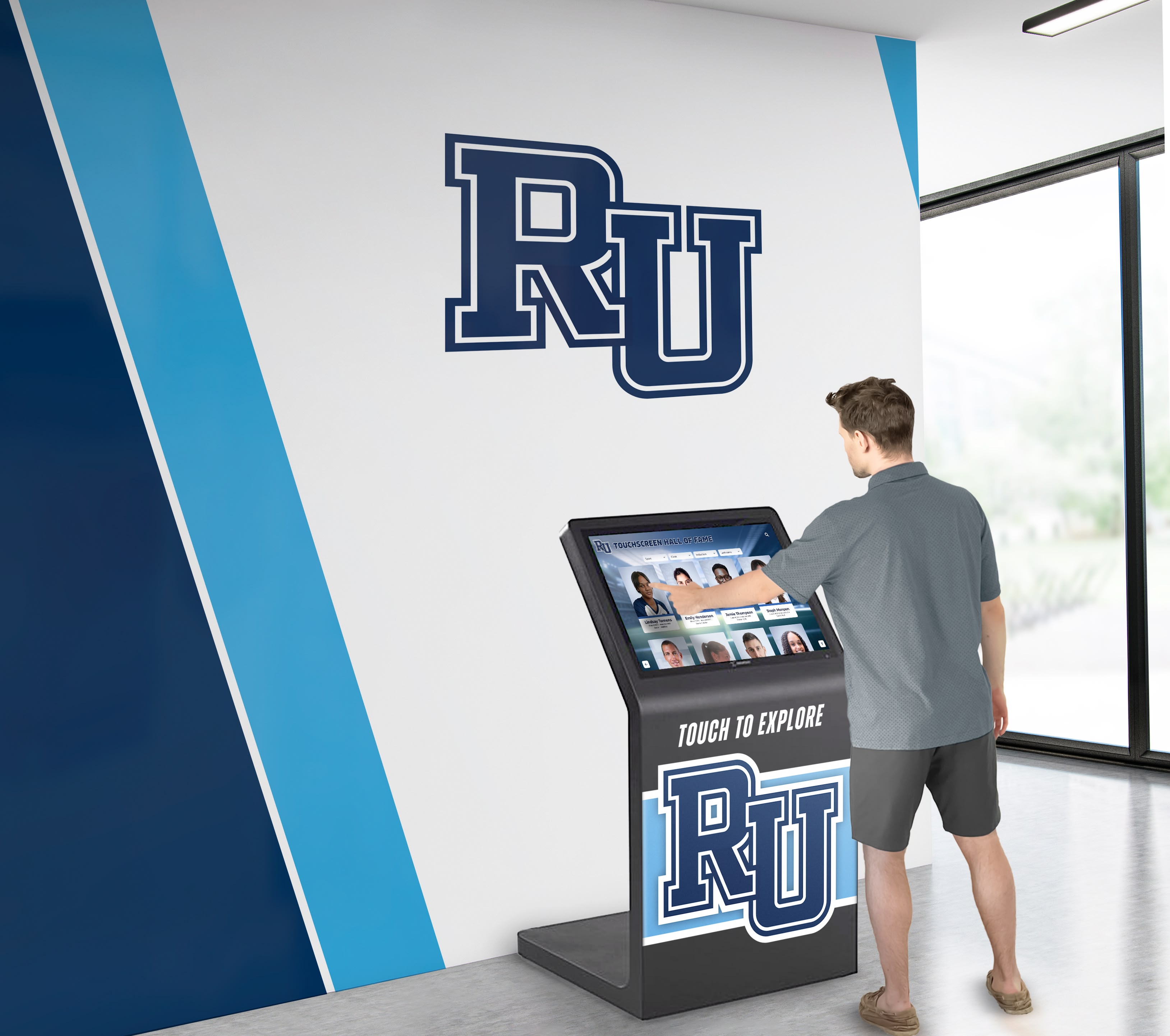
Comprehensive property information displays enable buyers to thoroughly evaluate listings before requesting showings
Information Architecture and Navigation
Intuitive Search and Filtering
Buyers should find relevant properties quickly:
Primary Navigation
- Featured properties showcasing premium listings
- All properties accessing complete inventory
- New listings highlighting recent additions
- Open houses showing immediate opportunities
- Price reduced bargains attracting value buyers
- Agent directory connecting with specialists
Advanced Filtering
- Price range sliders
- Location selection with map interface
- Property type checkboxes
- Bedroom/bathroom count selectors
- Square footage ranges
- Lot size parameters
- Feature filters (pool, garage, fireplace, etc.)
- School district selection
- Days on market sorting
Search Results Display
- Grid view showing multiple properties simultaneously
- List view providing compact information display
- Map view visualizing property locations geographically
- Comparison tools analyzing multiple properties side-by-side
- Save functionality marking properties for follow-up
- Share options emailing listings to buyers
Dynamic Content Updates
Real-Time Inventory Management
Maintaining current information builds buyer trust:
Automated Updates
- MLS synchronization reflecting status changes immediately
- Sold property removal preventing buyer disappointment
- Price change notifications attracting renewed interest
- New listing additions creating return visit reasons
- Open house scheduling appearing automatically
- Agent availability updates showing current status
Seasonal Content Strategies
Spring Buying Season
- Market activity highlighting increased inventory
- Buyer competition messaging creating urgency
- Outdoor living feature emphasis
- Garden and landscaping highlights
- School district information for family relocations
Summer Market Content
- Vacation property opportunities
- Pool and outdoor amenity emphasis
- Relocation services for summer movers
- Back-to-school timing advantages
Fall and Winter Strategies
- Holiday home appeal and entertaining spaces
- Year-end tax advantage messaging
- Serious buyer focus with reduced competition
- Indoor comfort and energy efficiency features
Similar to seasonal display strategies used in other industries, real estate content should adapt to market rhythms.
Measuring Success and Return on Investment
Quantifying display impact justifies investments and guides optimization.
Lead Generation Metrics
Direct Response Tracking
Interactive displays generate measurable leads:
Quantifiable Lead Sources
- Contact form submissions from display interactions
- Phone calls from touch-to-call features
- Email inquiries requesting property information
- Showing appointment requests
- Home valuation requests from potential sellers
- Virtual consultation bookings
- Newsletter subscription sign-ups
Lead Quality Assessment
- Contact information completeness and accuracy
- Specific property interests indicated
- Price range alignment with inquiry properties
- Timeline information for purchase or sale
- Pre-qualification status when indicated
- Response rates to agent follow-up
- Conversion rates from inquiry to showing to offer
Engagement and Usage Analytics
Interaction Data
Modern display platforms provide comprehensive analytics:
Usage Metrics
- Total daily interactions measuring overall engagement
- Average session duration indicating interest depth
- Properties viewed per session
- Most viewed properties revealing buyer preferences
- Filter usage showing common search criteria
- Time-of-day patterns informing content scheduling
- Return visitor rates showing continued interest
Content Performance
- Property listing views and engagement time
- Agent profile views indicating interest in representation
- Neighborhood information access revealing location priorities
- Home valuation tool usage showing seller interest
- Video play rates for virtual tours
- Photo gallery engagement and navigation patterns

Agencies can showcase interactive display capabilities to demonstrate modern technology adoption and buyer engagement tools
Competitive Advantage Indicators
Market Positioning Metrics
Displays contribute to broader business success:
Brand Awareness
- Increased foot traffic and walk-in inquiries
- Social media mentions and shares
- Online review volume and ratings
- Client testimonials referencing technology experience
- Referral sources citing modern approach
- Media coverage of technology adoption
Business Performance
- New client acquisition rates
- Listing appointment increases
- Buyer representation agreements
- Transaction volume growth
- Market share gains in territory
- Price per transaction improvements
According to industry research, real estate businesses using digital signage have seen a 35% increase in property enquiries due to timely updates and attention-grabbing visuals, demonstrating measurable business impact.
Future Trends in Real Estate Interactive Displays
Emerging technologies will enhance display capabilities and buyer experiences.
Artificial Intelligence and Personalization
AI-Powered Property Recommendations
Machine learning will personalize buyer experiences:
Intelligent Features
- Property recommendations based on viewing history
- Predictive search suggesting relevant filters
- Similar property suggestions expanding buyer options
- Price trend forecasting for investment analysis
- Neighborhood matching based on preference patterns
- Automated comparative market analysis
- Natural language search understanding conversational queries
Virtual and Augmented Reality Integration
Immersive Property Experiences
Advanced visualization technologies enhance property presentation:
VR Capabilities
- Full property virtual tours with 360-degree navigation
- Virtual staging showing furnished possibilities
- Renovation visualization displaying potential improvements
- Neighborhood exploration through street-level imagery
- Time-of-day simulation showing lighting changes
- Seasonal visualization of exterior spaces
AR Features
- Smartphone integration overlaying property information
- Furniture placement visualization in empty spaces
- Measurement tools calculating dimensions
- Historical property information and previous sales
- Nearby property comparison in real-time
Advanced Analytics and Predictive Insights
Data-Driven Market Intelligence
Enhanced analytics will provide deeper insights:
Predictive Capabilities
- Buyer behavior prediction identifying serious prospects
- Property hotspot identification showing high-interest listings
- Price optimization recommendations for sellers
- Market timing suggestions for buyers and sellers
- Demographic trend analysis for investment properties
- Automated valuation model improvements
Modernize Your Real Estate Agency with Interactive Technology
While Rocket Alumni Solutions specializes in digital recognition displays for educational institutions and organizations, many of the same principles of effective interactive communication apply to real estate agencies seeking to enhance property marketing and client engagement. Explore how modern interactive display technology can transform your agency's buyer experience and competitive positioning.
Explore Interactive Display SolutionsConclusion: Transforming Real Estate Marketing Through Interactive Technology
Interactive touchscreen displays represent fundamental evolution in how real estate agencies market properties, connect with buyers, and position themselves in competitive markets. As homebuyers increasingly expect digital, on-demand access to property information mirroring their online search experiences, agencies providing interactive exploration tools meet these expectations while differentiating themselves from traditional competitors relying on static signage and printed materials.
The comprehensive strategies explored throughout this guide provide frameworks for successful implementation—from understanding buyer engagement challenges and selecting appropriate hardware to creating compelling property presentations and measuring demonstrable return on investment. Whether deploying window displays for 24/7 accessibility, lobby kiosks serving walk-in clients, or conference room presentation systems enhancing consultations, real estate agencies can leverage interactive technology matching their specific business models and market positioning.
Research demonstrates clear business impact: digital signage captures 400% more views than static displays, properties with video receive up to 400% more interest, and real estate businesses using digital signage see 35% increases in property enquiries. These measurable improvements justify technology investments while positioning agencies for continued success as buyer expectations evolve.
The interactive display revolution that transformed hospitality, retail, and educational institutions continues expanding into real estate markets where visual appeal, information accessibility, and modern service delivery determine competitive success. Agencies embracing interactive technology position themselves as market leaders rather than traditional firms slow to adopt innovation—a distinction prospective clients immediately recognize when comparing agency options.
Start where you are: assess your current marketing challenges, identify high-impact opportunities for interactive displays, select technology matching your budget and sophistication level, develop content strategies serving buyer and seller needs, and implement systematically with clear success metrics guiding continuous improvement. Even single window displays create noticeable marketing improvements while building organizational experience for expanded deployment.
Every real estate agency faces the same fundamental challenge: capturing buyer attention in crowded markets while effectively showcasing property inventory and agent expertise. Interactive touchscreen displays solve these challenges while simultaneously positioning agencies as modern, technology-forward market leaders that prospective clients trust to navigate complex transactions using contemporary tools and approaches.
Ready to modernize your real estate marketing? Explore how interactive displays transform visitor experiences or learn about digital display strategies that maintain engaging, current content attracting continued buyer interest and generating qualified leads that convert to successful transactions.