



When someone we love passes away, we face the profound task of transforming years of memories, relationships, and impact into words that honor their life. Whether you’re preparing remarks for a memorial service, writing an obituary, creating a tribute for a memorial display, or composing a remembrance for a yearbook or school publication, the challenge remains the same: how do you capture a whole person—their spirit, their contributions, their essence—in a way that does justice to who they were?
Many people approach tribute writing with anxiety, worried they’ll forget important details, fail to capture their loved one’s personality, or struggle to find the right tone balancing sadness with celebration. These concerns are natural, but with thoughtful structure and guidance, you can craft a memorial tribute that authentically honors your loved one while providing comfort to those who mourn.
This comprehensive guide walks you through every aspect of writing meaningful memorial tributes—from initial planning and gathering information to structuring your tribute, choosing the right tone, and incorporating personal stories that bring your loved one’s memory to life. Whether you’re writing about a family member, friend, teacher, community member, or colleague, these strategies will help you create a tribute that truly celebrates their life and legacy.
Memorial tributes serve multiple important purposes: they honor the deceased by acknowledging their life’s value and impact, provide comfort to family and friends by validating their grief and celebrating shared memories, preserve legacy by creating lasting records of lives that mattered, and offer closure by marking the transition from physical presence to enduring memory. Understanding these functions helps you approach tribute writing with clarity about your goals.

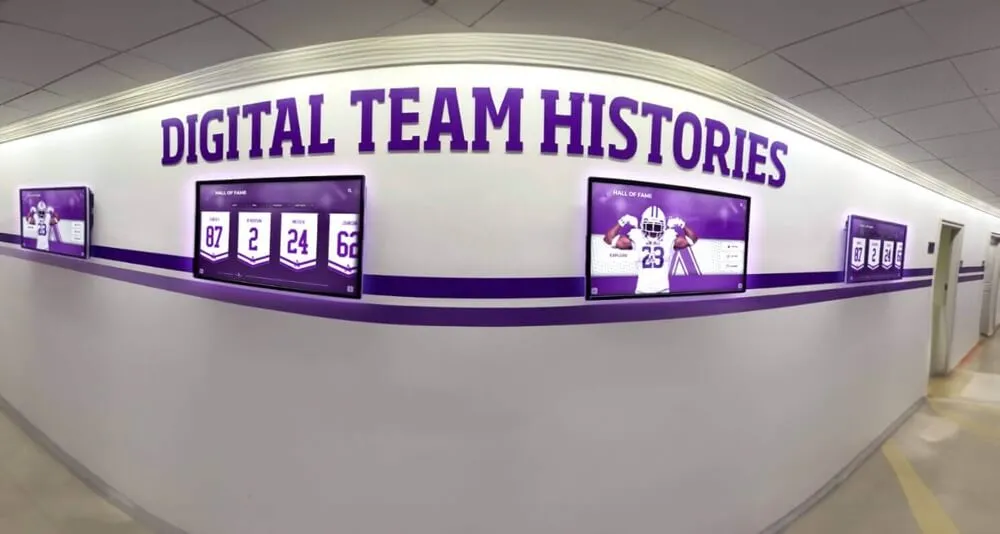
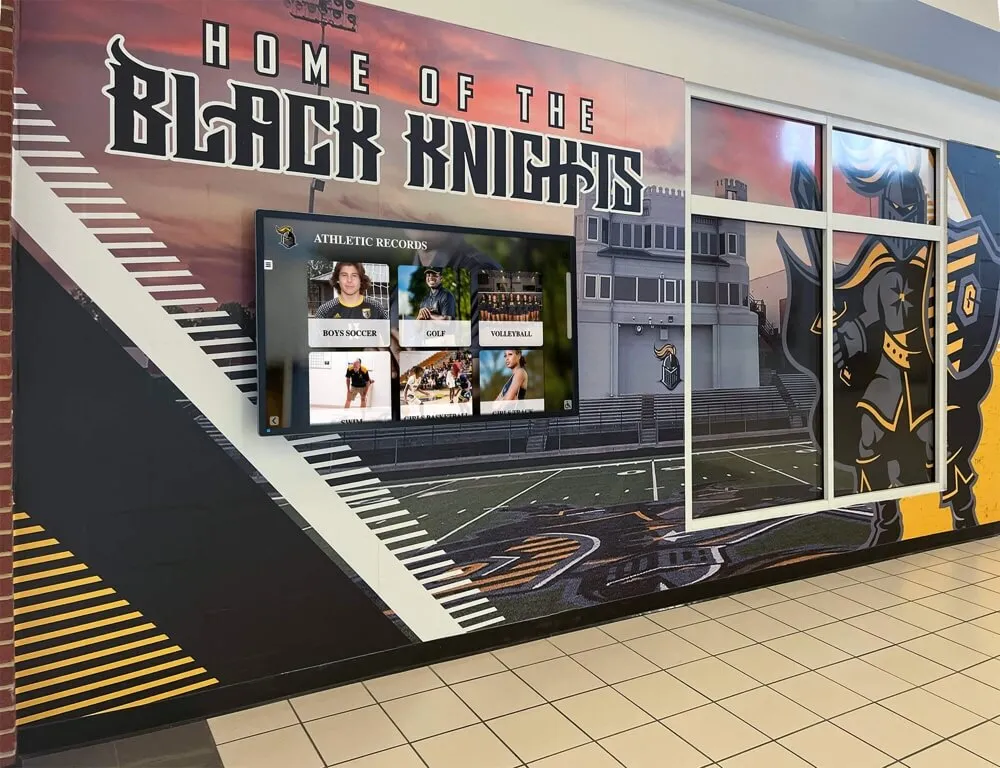
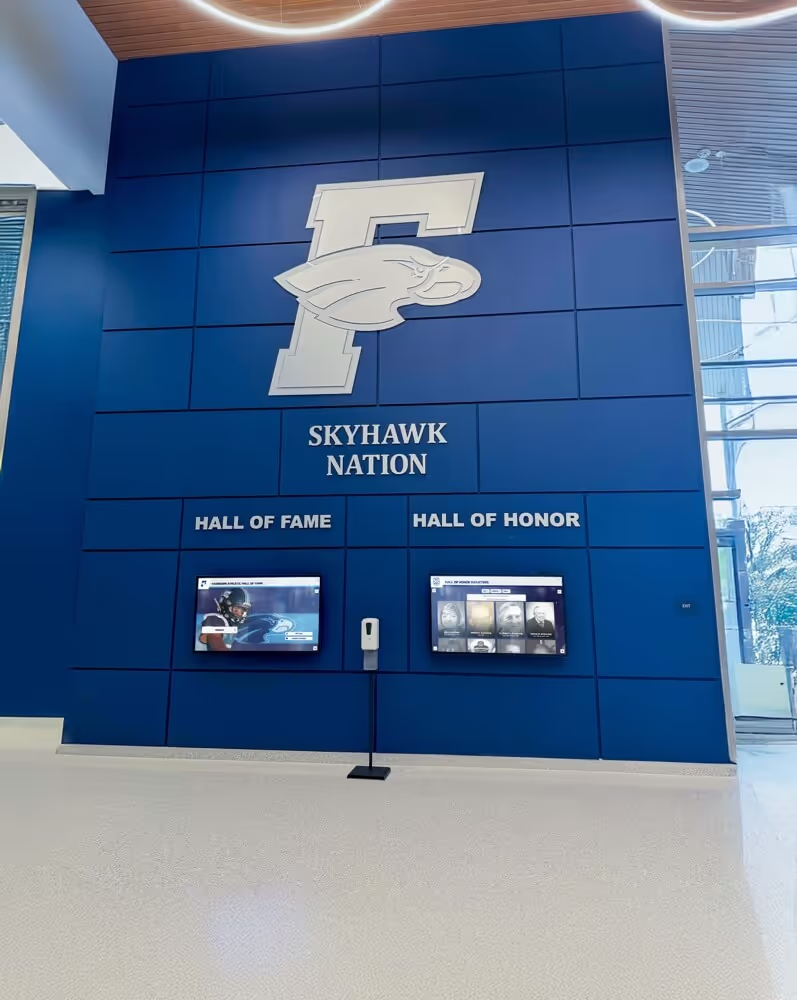
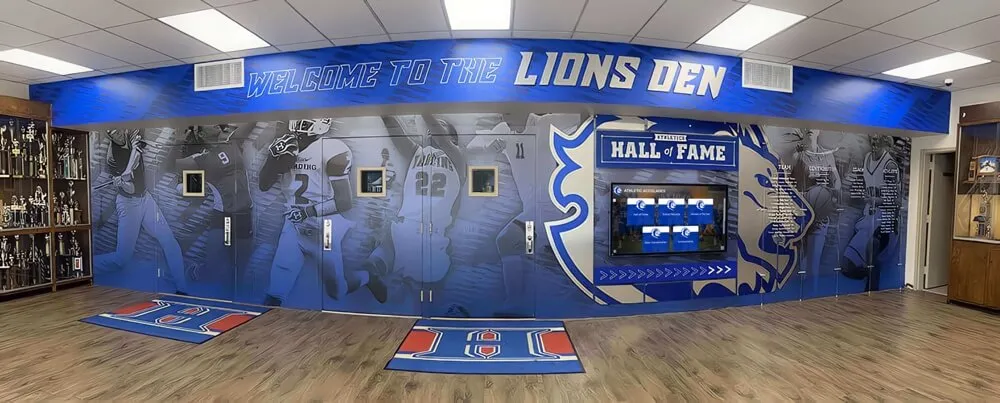
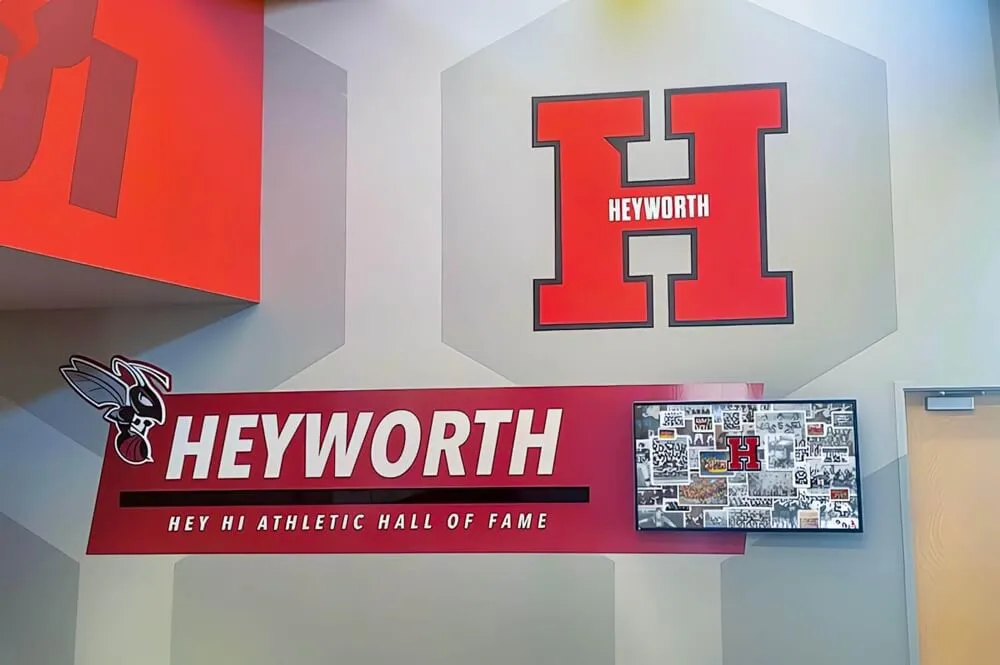
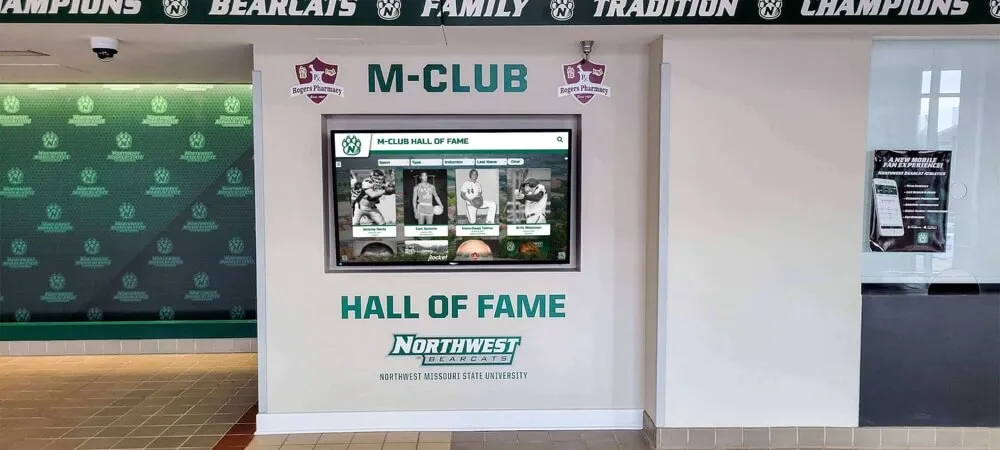
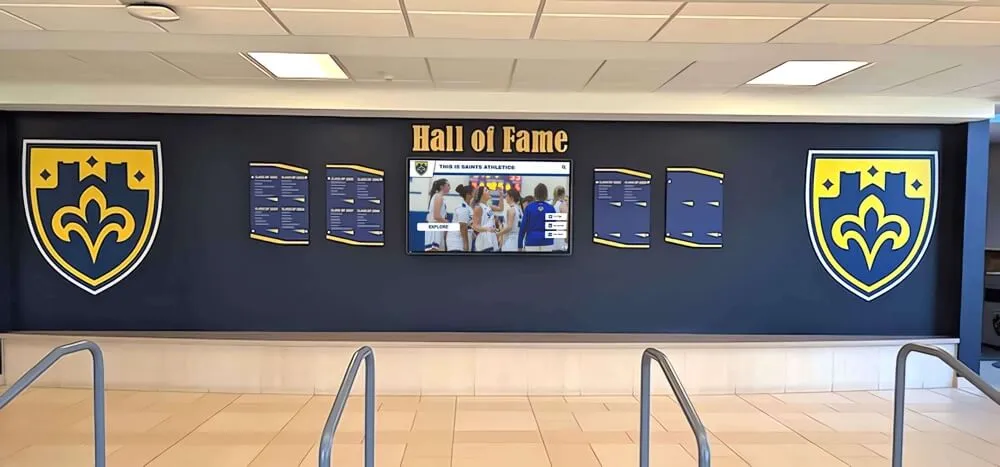
Modern memorial displays combine traditional elements with digital capabilities, creating lasting tributes that honor those who have passed
Understanding Different Types of Memorial Tributes
Before you begin writing, it’s helpful to understand what type of tribute you’re creating, as each has different conventions, length expectations, and purposes.
Eulogies for Memorial Services
Eulogies are spoken tributes delivered during funeral or memorial services, typically lasting 5-10 minutes when read aloud (roughly 750-1,500 words). These tributes focus on celebrating the deceased’s life, sharing meaningful stories, and providing comfort to mourners.
Key Characteristics of Eulogies:
- Personal and conversational tone
- Balance between emotion and composure
- Carefully selected stories illustrating character
- Acknowledgment of family and close relationships
- Often include moments of gentle humor
- Usually conclude with meaningful final thoughts
Eulogies carry particular weight because they’re delivered in emotionally charged contexts to gathered mourners, making preparation and practice essential for successful delivery.
Obituaries and Death Notices
Obituaries serve as public death announcements while summarizing the deceased’s life, typically appearing in newspapers, funeral home websites, and online memorial platforms. Unlike eulogies, obituaries follow structured formats and include specific factual information.
Standard Obituary Components:
- Full name including maiden names and nicknames
- Dates and places of birth and death
- Surviving family members and predeceased relatives
- Education and career highlights
- Community involvement and organizational memberships
- Significant accomplishments and contributions
- Funeral service details and memorial information
- Charitable donation suggestions
Obituaries range from brief 200-word notices to comprehensive 1,000+ word life stories depending on publication space and family preferences.
Written Tributes for Memorial Programs
Memorial service programs often include written tributes separate from eulogies—shorter pieces (300-500 words) attendees can take home, read at their own pace, and keep as remembrances.
Program Tribute Considerations:
- More concise than eulogies
- Can be written by multiple people
- Often focus on specific relationships or aspects of life
- Serve as keepsakes family members treasure
- May include poems, quotes, or readings
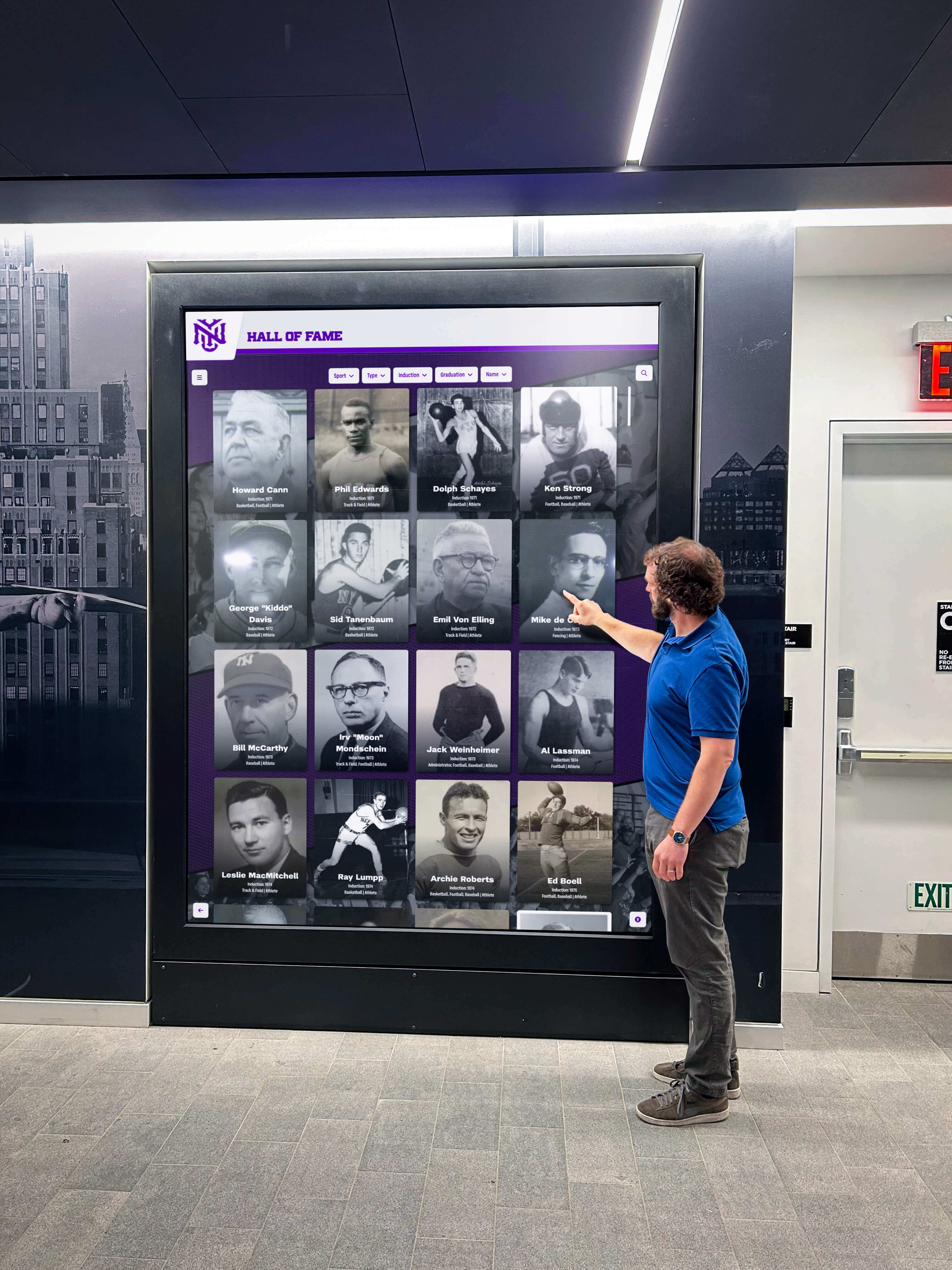
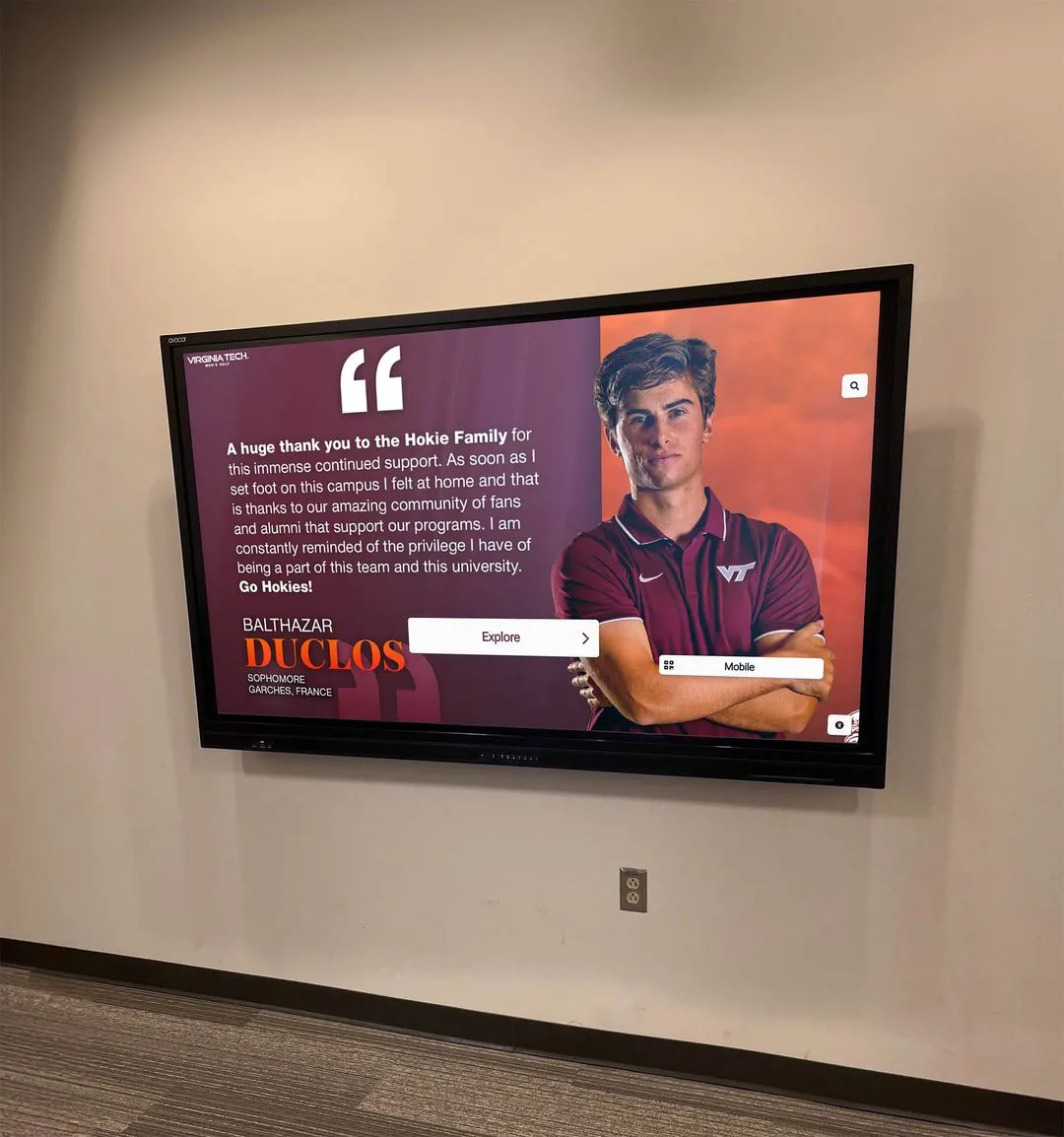
Digital memorial platforms allow families to view and share tributes anytime, creating accessible remembrance beyond printed programs
Tributes for Yearbooks and School Memorials
When students or faculty members pass away, schools often create memorial tributes for yearbooks, school websites, or permanent memorial displays. These tributes require sensitivity to diverse audiences including young people who may be processing grief.
School Memorial Tribute Considerations:
- Age-appropriate language and content
- Focus on school contributions and relationships
- Include achievements and involvement
- Acknowledge impact on school community
- Often accompanied by photos from school activities
- May become part of permanent school records
Educational institutions implementing memorial recognition programs discover that thoughtful tributes provide important closure while preserving institutional memory across generations.
Digital Memorial Tributes
Modern memorial options increasingly include digital tributes published on memorial websites, social media, or interactive memorial displays. These formats offer unique opportunities for multimedia content, ongoing updates, and broad accessibility.
Digital Tribute Advantages:
- Unlimited space for comprehensive life stories
- Photo galleries and video integration
- Guest contributions and shared memories
- Accessibility for distant family and friends
- Permanent, searchable archives
- Easy sharing across networks
- Ability to update and expand over time
Digital tributes can preserve memories in ways traditional printed materials cannot, creating living memorials that families can revisit and add to as time provides perspective and new stories emerge.
Preparing to Write: Information Gathering
Effective memorial tributes require thorough preparation. Before you begin writing, gather comprehensive information ensuring you capture your loved one’s complete story.
Essential Biographical Information
Start by collecting basic facts creating the framework for your tribute:
Personal Details:
- Full legal name including middle names
- Nicknames and names they went by
- Date and place of birth
- Date and place of death (if appropriate to include)
- Age at death
- Current and former residences
Family Information:
- Parents’ names (including mother’s maiden name)
- Spouse or partner (current and former)
- Children, grandchildren, great-grandchildren
- Siblings and their spouses
- Other significant family relationships
- Predeceased family members
Life Milestones:
- Educational background and degrees
- Career history and major positions
- Military service details
- Marriages and family formation
- Relocations and significant moves
- Retirements and major life transitions
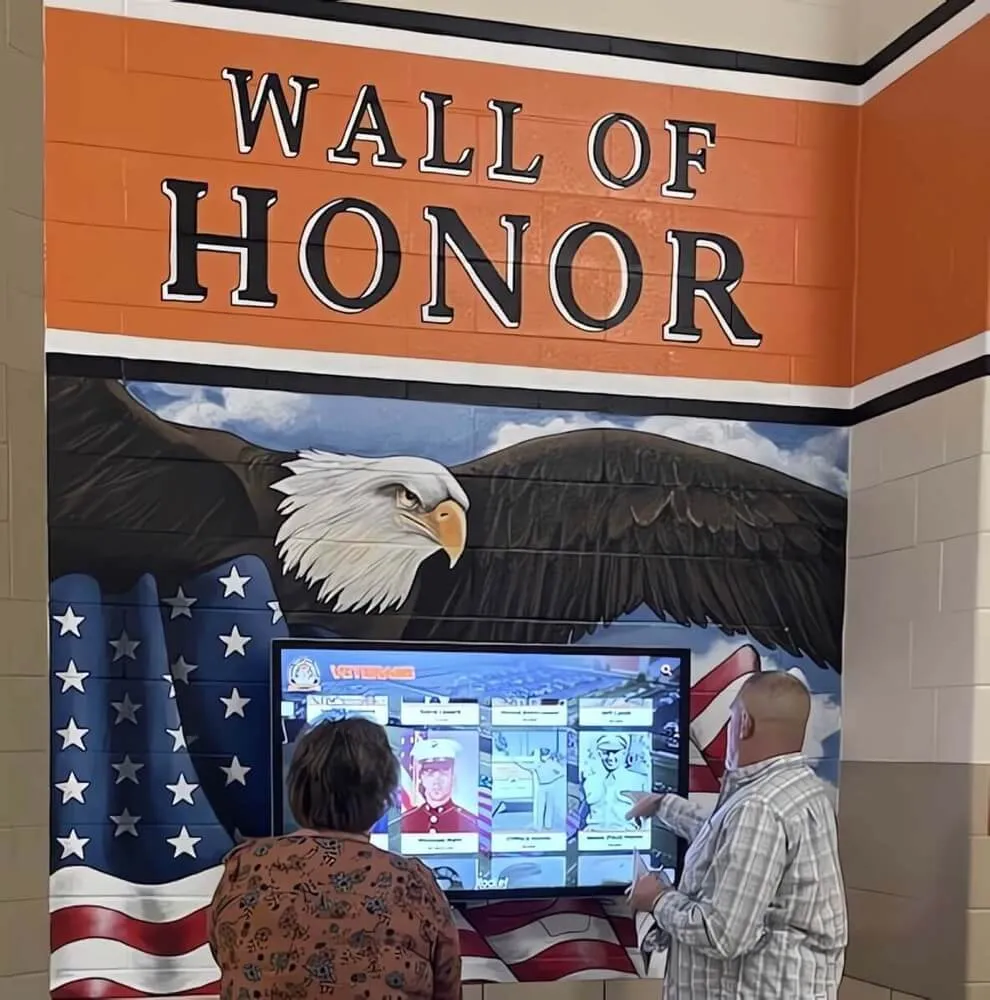
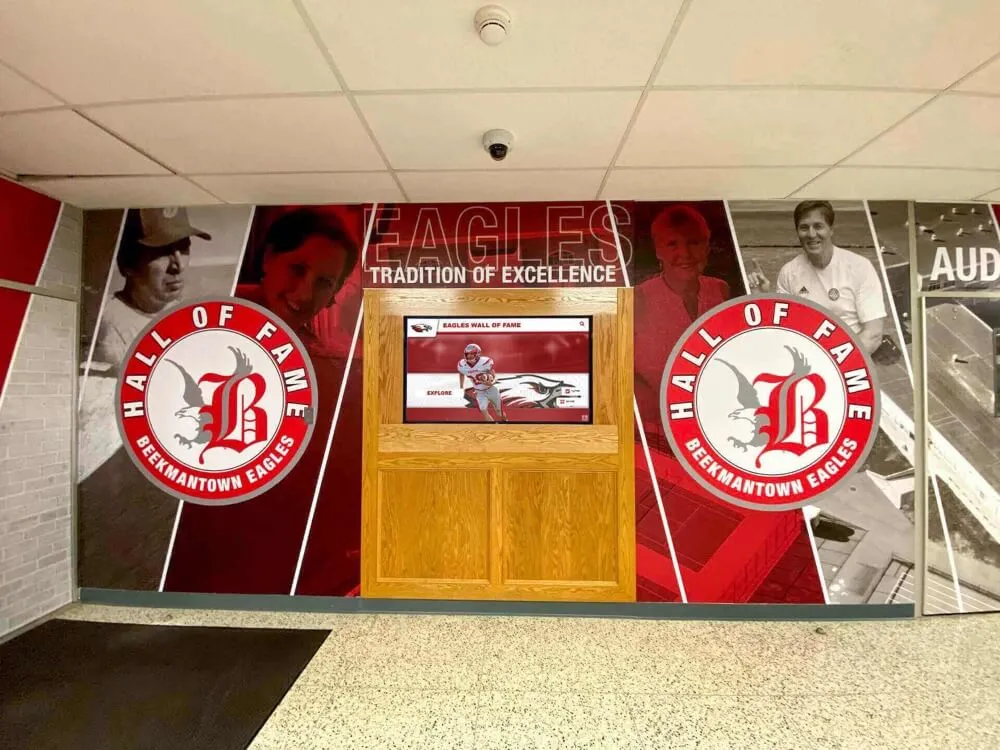
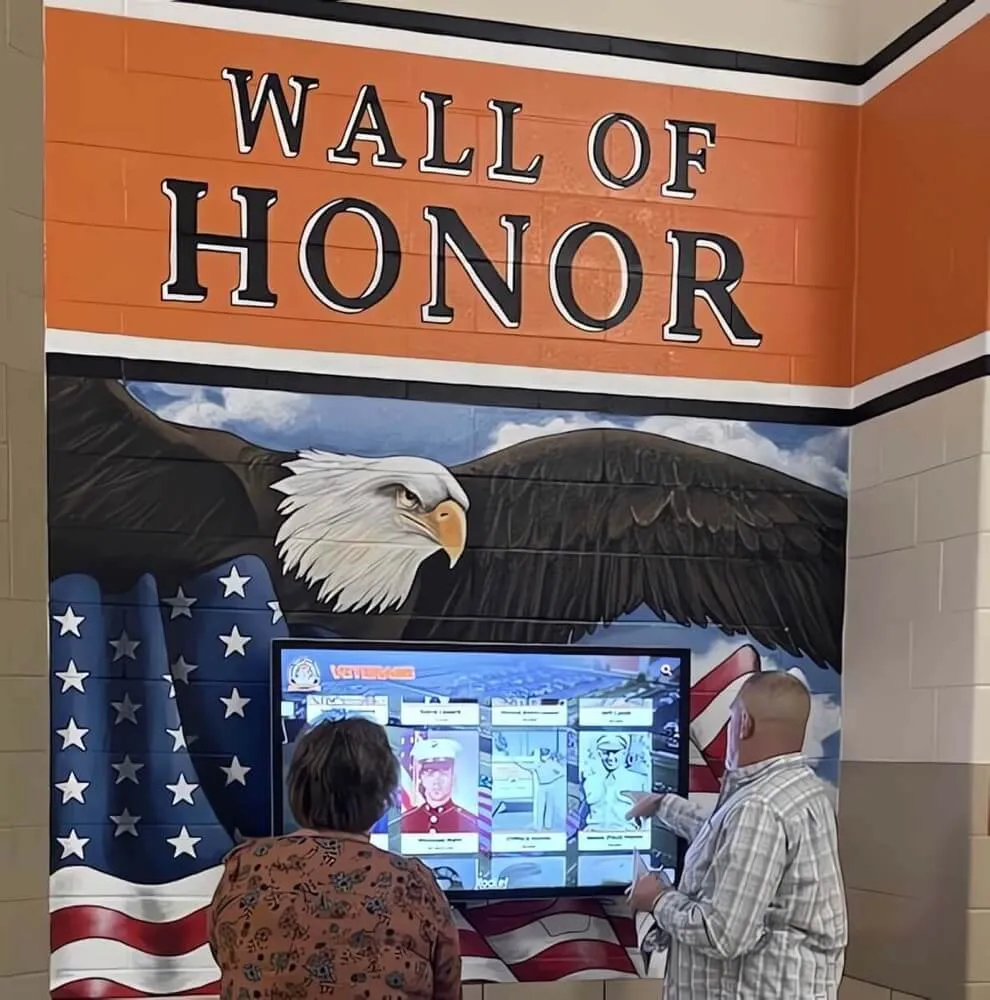
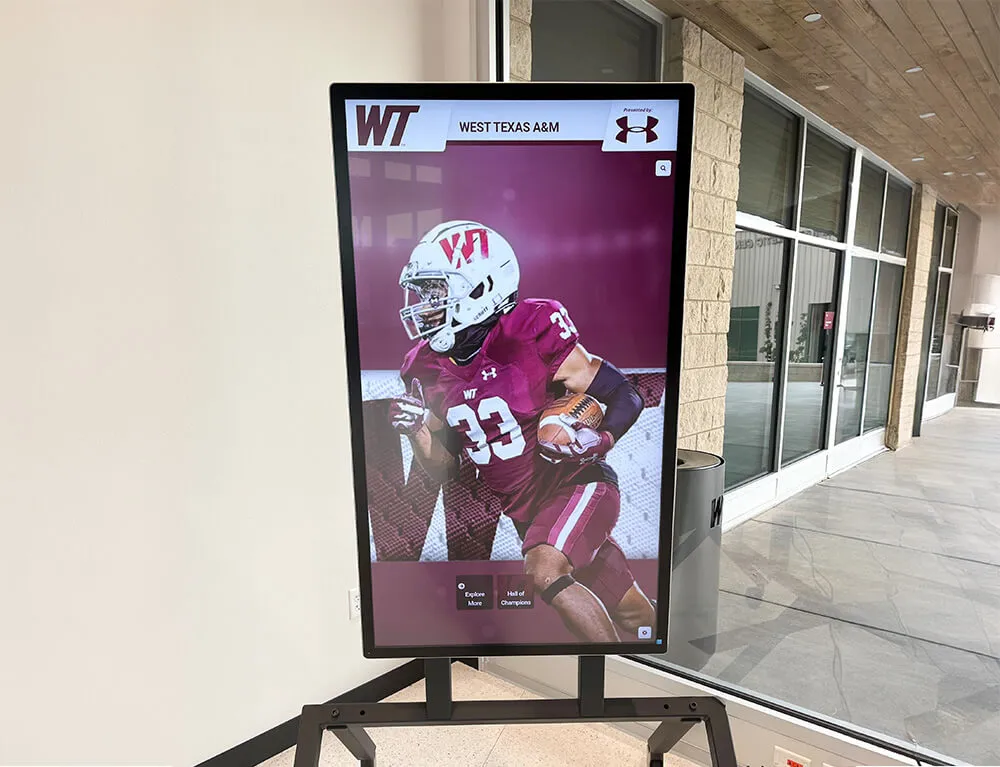
Community memorials honor service and sacrifice through tributes that celebrate contributions to something larger than themselves
Create a timeline documenting major life events, helping you understand the arc of their life story and identify potential themes or defining characteristics.
Meaningful Accomplishments and Contributions
Beyond basic facts, identify what made your loved one’s life significant and impactful:
Professional Achievements:
- Career milestones and promotions
- Business founding or leadership
- Professional recognition and awards
- Innovations or contributions to their field
- Mentorship of others
- Work that benefited communities or industries
Community Involvement:
- Volunteer work and service organizations
- Religious or spiritual community participation
- Civic leadership and advocacy
- Charitable contributions and fundraising
- Neighborhood engagement
- Causes they championed
Personal Accomplishments:
- Hobbies and skills mastered
- Creative works or artistic achievements
- Athletic accomplishments or fitness milestones
- Travel experiences and adventures
- Languages learned
- Personal growth and transformations
Organizations implementing comprehensive recognition programs discover that honoring contributions while people live creates powerful tributes, but memorial recognition serves equally important functions preserving legacy for future generations.
Gathering Personal Stories and Memories
The heart of memorable tributes lies in specific stories that capture personality and character. Reach out to people who knew your loved one well, asking them to share:
Story Prompts for Contributors:
- “What’s your favorite memory with [name]?”
- “What story best captures [name]’s personality?”
- “What did [name] teach you or how did they influence your life?”
- “What would you want others to know about [name]?”
- “What made [name] laugh?”
- “What was [name] passionate about?”
- “What was [name] particularly good at or known for?”
Collect more stories than you’ll ultimately use, giving yourself options when writing. Record conversations if possible, or take detailed notes capturing specific details, dialogue, and emotions that make stories vivid.
Character Qualities and Values
Identify the personal qualities that defined how your loved one moved through the world:
Character Considerations:
- Core values that guided decisions
- How they treated others
- Response to adversity or challenges
- Sense of humor and joy
- Generosity and compassion
- Integrity and honesty
- Courage or resilience
- Wisdom and perspective
- Enthusiasm and passions
- Quirks and unique traits
These qualities provide themes organizing your tribute and help you select stories that illustrate character rather than simply recounting events.
Structuring Your Memorial Tribute
While every tribute is unique, effective memorial writing typically follows recognizable patterns that provide clarity while maintaining emotional resonance.
The Classic Tribute Structure
A time-tested approach that works across most tribute types:
Opening (10-15% of tribute):
- Brief introduction establishing who died and their significance
- Context for your relationship or perspective
- Thesis statement capturing their essence or primary legacy
- Hook engaging readers/listeners emotionally
Body (70-80% of tribute):
- Chronological overview of major life stages and milestones
- Thematic sections exploring different aspects of character or life
- Specific stories and anecdotes illustrating key qualities
- Accomplishments and contributions that defined their impact
- Relationships and how they affected others
- Challenges overcome and lessons learned
Conclusion (10-15% of tribute):
- Reflection on lasting impact and legacy
- Final thoughts or message
- How they’ll be remembered
- Comfort or inspiration for mourners
- Appropriate closing sentiment
This structure provides clarity while allowing flexibility to emphasize elements most important for your specific loved one and audience.
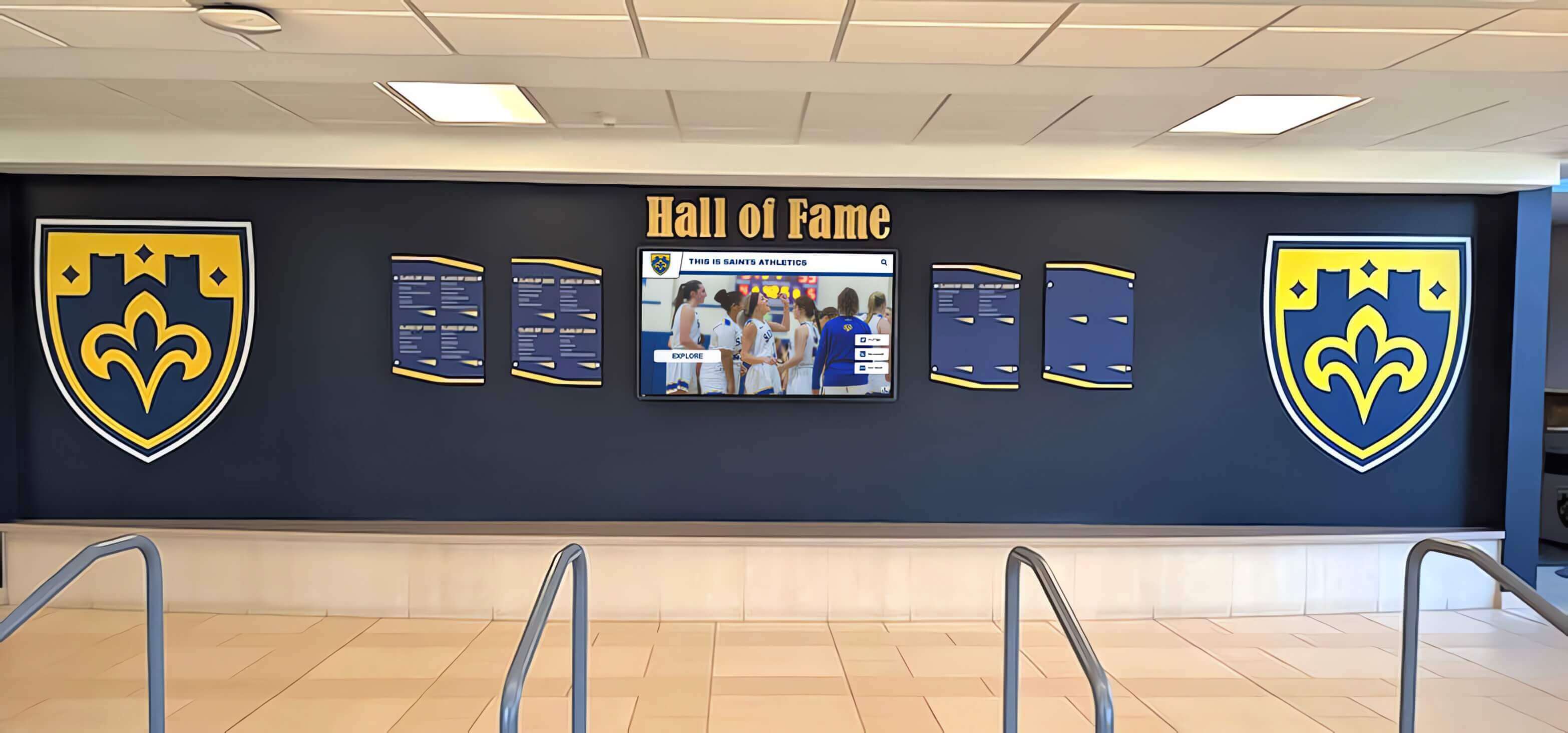
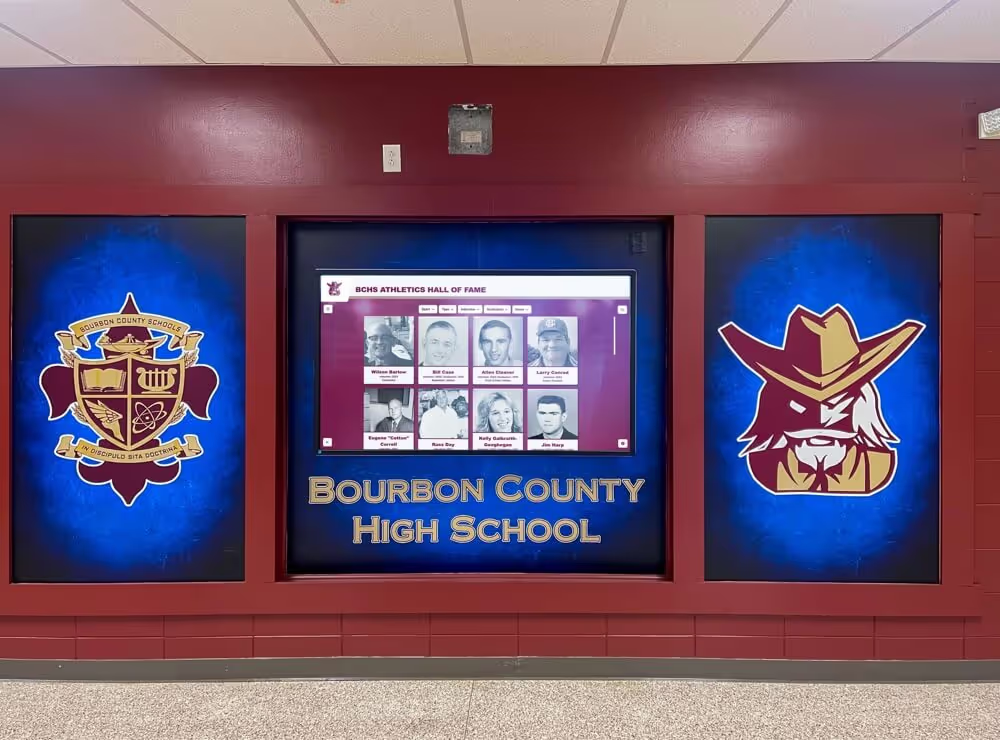
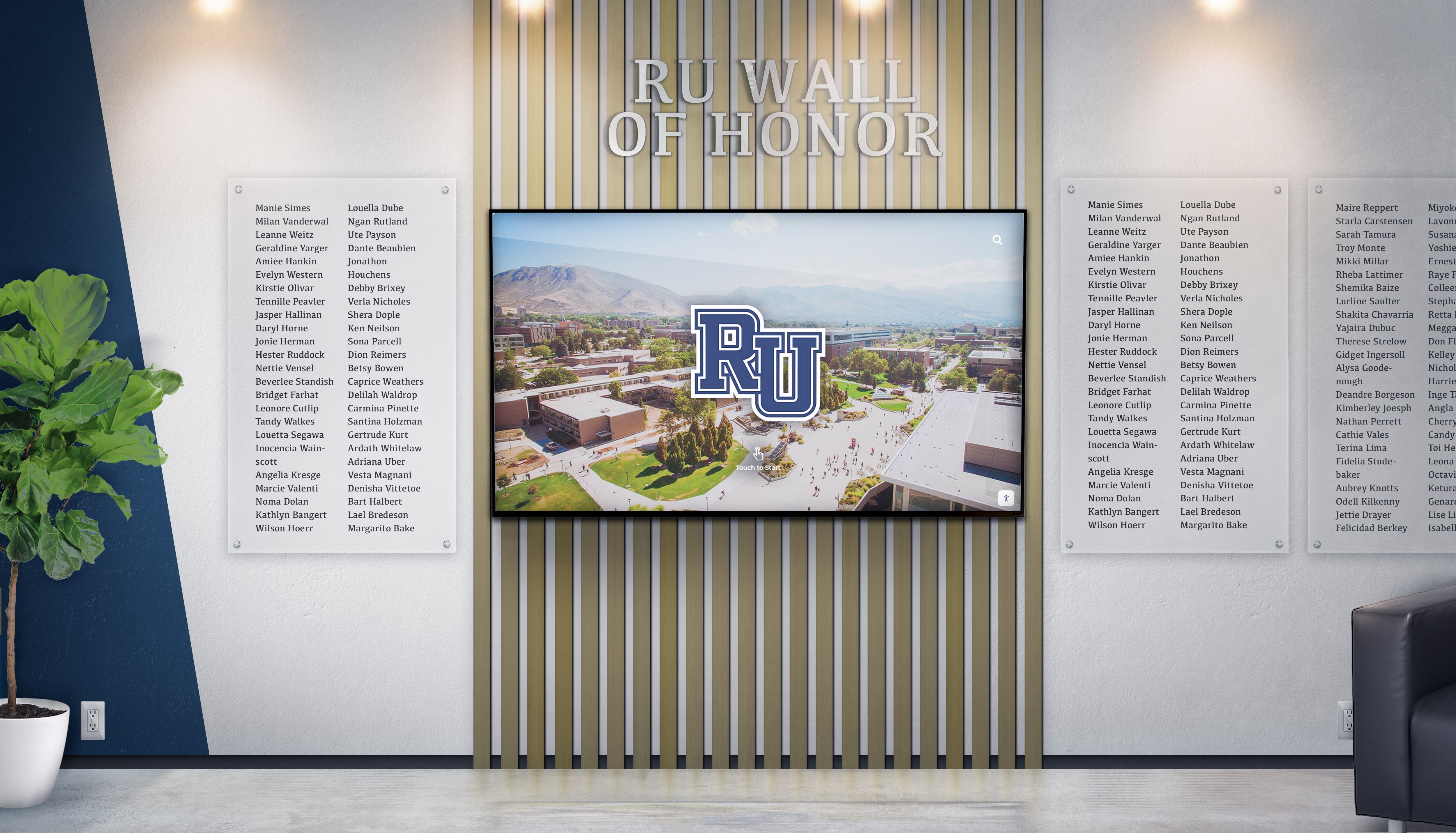
Well-structured memorial displays organize tributes clearly, making comprehensive life stories accessible and meaningful to all visitors
Alternative Structures for Different Tribute Types
Thematic Organization: Rather than chronological progression, organize around themes like “Devoted Family Member,” “Passionate Teacher,” “Adventurous Spirit,” and “Generous Friend.” This approach works well when your loved one’s defining characteristics transcend specific time periods.
Relationship-Centered Structure: Organize sections around different relationship roles: “As a Parent,” “As a Colleague,” “As a Friend,” “As a Community Member.” This approach honors how your loved one showed up differently in various contexts while maintaining consistent core character.
Legacy-Focused Structure: Begin with the impact and work backward to life events that created it: “The Legacy,” “The Contributions,” “The Journey,” “The Foundation.” This reverse chronology emphasizes lasting significance while providing context for how that impact developed.
Story-Driven Structure: Open with a defining story that captures essence, use it as a lens for exploring life, then return to that story’s meaning in conclusion. This narrative approach creates cohesion while engaging audiences emotionally from the start.
Choose structures that fit your loved one’s life story, your relationship with them, and the context where the tribute will be shared.
Balancing Facts with Feelings
Effective tributes weave factual information with emotional resonance:
Too Many Facts: “John Smith was born on March 15, 1950, in Cleveland, Ohio. He graduated from Lincoln High School in 1968. He attended Ohio State University from 1968-1972, earning a degree in Engineering. He married Susan Johnson on June 12, 1973. They had three children: Michael born 1975, Jennifer born 1978, and David born 1981…”
This reads like a resume, failing to capture personality or create emotional connection.
Too Much Emotion: “John was the most amazing person who ever lived. Everyone loved him. He was perfect in every way. The world will never be the same without him. Our hearts are completely shattered…”
While understandable in grief, hyperbole without specific examples feels generic and fails to paint a vivid picture of the actual person.
Effective Balance: “John Smith devoted his engineering career to solving problems others thought unsolvable—an approach that defined not just his profession but his entire life. When his daughter Jennifer struggled with math in middle school, ready to give up, John spent every evening for months at the kitchen table with her, breaking complex problems into manageable pieces, celebrating small victories, and demonstrating the patience that made him an exceptional father and engineer. That same patience and belief in possibility defined his 40-year career at Thompson Manufacturing, where younger engineers sought his mentorship knowing John would take time to explain not just the ‘how’ but the ‘why’ behind solutions…”
This version includes facts (career, daughter’s name, company) while creating emotional connection through specific story demonstrating character.
Writing with Heart: Finding the Right Tone
The tone you establish significantly impacts how your tribute resonates with audiences and whether it truly honors your loved one’s spirit.
Striking the Balance Between Sadness and Celebration
Memorial tributes navigate complex emotional territory—acknowledging loss and grief while celebrating life and legacy. Finding this balance prevents tributes from feeling either inappropriately cheerful or overwhelmingly bleak.
Acknowledge the Loss: Don’t shy away from the sadness inherent in death. Phrases like “we gather in profound grief,” “the world feels emptier without,” or “we mourn the loss of” validate mourners’ pain while providing permission to grieve openly.
Celebrate the Life: Balance grief acknowledgment with celebration of what made this life valuable: “Even as we mourn, we celebrate a life filled with purpose,” “In our sadness, we hold gratitude for the gift of knowing,” or “Though grief overwhelms us, we remember with joy…”
Honor Their Spirit: Consider how your loved one approached life. Someone who faced adversity with humor might be honored through tributes that include appropriate levity. Someone who valued honesty and directness might appreciate tributes that acknowledge imperfections alongside strengths.
Incorporating Appropriate Humor
Many worry about including humor in memorial tributes, fearing it seems disrespectful or inappropriate. Yet gentle humor often honors loved ones more authentically than solemn seriousness, particularly for people who brought joy and laughter to others.
When Humor Works:
- Celebrating someone known for their sense of humor
- Sharing funny stories that capture personality
- Describing harmless quirks or eccentricities
- Recounting moments of joy and laughter
- Lightening emotional weight for audience benefit
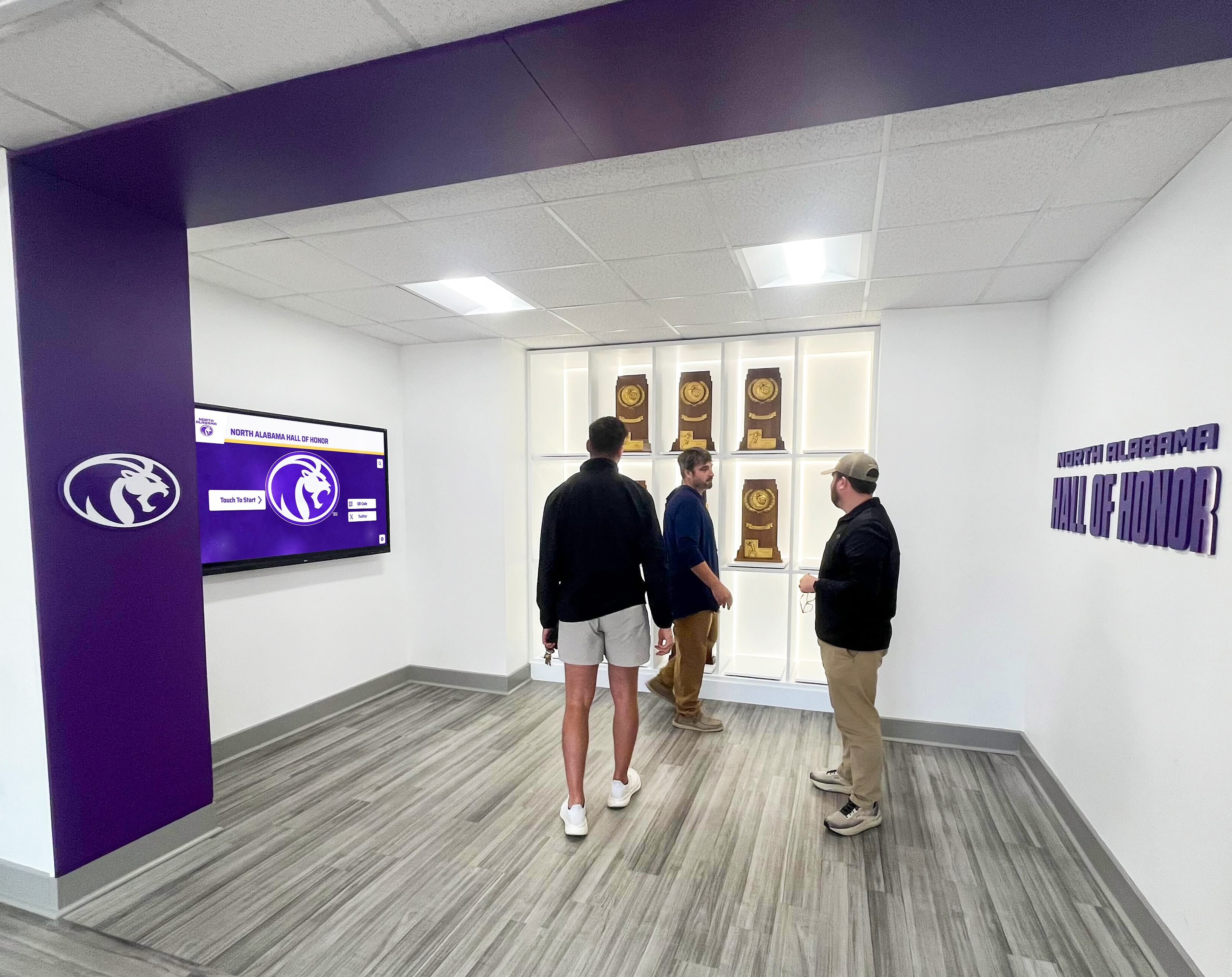
Memorial tributes create spaces where people can remember together, sharing stories and finding comfort in collective memory
Humor Guidelines:
- Ensure stories are affectionate, never mean-spirited
- Test humor with close family members before public sharing
- Use humor to illuminate character, not diminish it
- Avoid inside jokes that exclude most listeners
- Balance lighter moments with sincere appreciation
- Consider audience and setting appropriateness
The test: Would your loved one smile at this story? Does it help people understand and appreciate who they were? If yes, it probably belongs in your tribute.
Being Honest While Remaining Respectful
The impulse to idealize the deceased is natural but can make tributes feel inauthentic. Few people are perfect, and glossing over all imperfections can create distance rather than connection.
Thoughtful Honesty:
- Acknowledge genuine struggles or challenges overcome
- Note how imperfections made them human and relatable
- Describe growth and changes throughout life
- Share how they learned from mistakes
- Honor complexity rather than creating saints
- Focus on trajectory toward becoming their best selves
What to Avoid:
- Airing grievances or unresolved conflicts
- Highlighting hurtful behavior that caused lasting pain
- Emphasizing serious character flaws or destructive patterns
- Bringing up family conflicts or divisions
- Sharing information that would embarrass family
- Focusing on mistakes rather than growth
The question: Does this information help people understand and appreciate who this person became, or does it diminish their memory and hurt those who loved them?
Writing for Different Audiences
Consider who will receive your tribute:
Family-Focused Tributes: Can include inside references, family stories, and personal details that assume intimate knowledge. More emotionally vulnerable and detailed about family relationships.
Community Tributes: Balance personal elements with broader context about community contributions. Ensure stories are understandable to diverse audiences with varying connection levels.
Professional Tributes: Emphasize career accomplishments and workplace relationships while maintaining appropriate professional boundaries and privacy.
School Tributes: Consider age-appropriateness for student audiences, provide context for historical references, and focus on school connections and accessible values.
Adapt your language, story selection, and detail levels to your primary audience while maintaining authentic representation of your loved one.
Crafting Powerful Opening Lines
First sentences determine whether readers engage emotionally with your tribute or approach it as obligation. Strong openings establish tone, capture attention, and honor the deceased immediately.
Opening Approaches That Work
The Defining Quality Opening: “Sarah Martinez lived with a generosity that transformed everyone she met—strangers became friends, friends became family, and family became her life’s greatest joy.”
This immediately communicates essence, setting the theme for everything that follows.
The Memorable Story Opening: “On the coldest February morning in 1985, James Chen could be found at the community center at 5 AM, preparing coffee and setting up chairs for the homeless breakfast program he’d volunteered with for 23 years—a commitment that exemplified his quiet devotion to serving others.”
Opening with specific story creates immediate emotional engagement while illustrating character.
The Impact Statement Opening: “In her 42 years as an elementary school teacher, Dr. Patricia Williams taught over 1,500 students to read—but ask any of them what they remember most, and they’ll tell you about feeling loved, seen, and believed in every single day in her classroom.”
This approach emphasizes lasting legacy while creating curiosity about who created such impact.
The Relationship-Centered Opening: “We stand here not just as colleagues of Michael Thompson, but as people whose lives were fundamentally shaped by his mentorship, his wisdom, and his unwavering belief that we were capable of more than we imagined.”
This positions the tribute within relationship context, acknowledging shared loss while honoring connection.
The Celebration Opening: “Today we celebrate an extraordinary life—92 years filled with adventure, laughter, stubborn independence, questionable decisions that somehow always worked out, and love so fierce it sustained three generations.”
This establishes celebration tone immediately, preparing audiences for tribute that honors life more than mourns death.
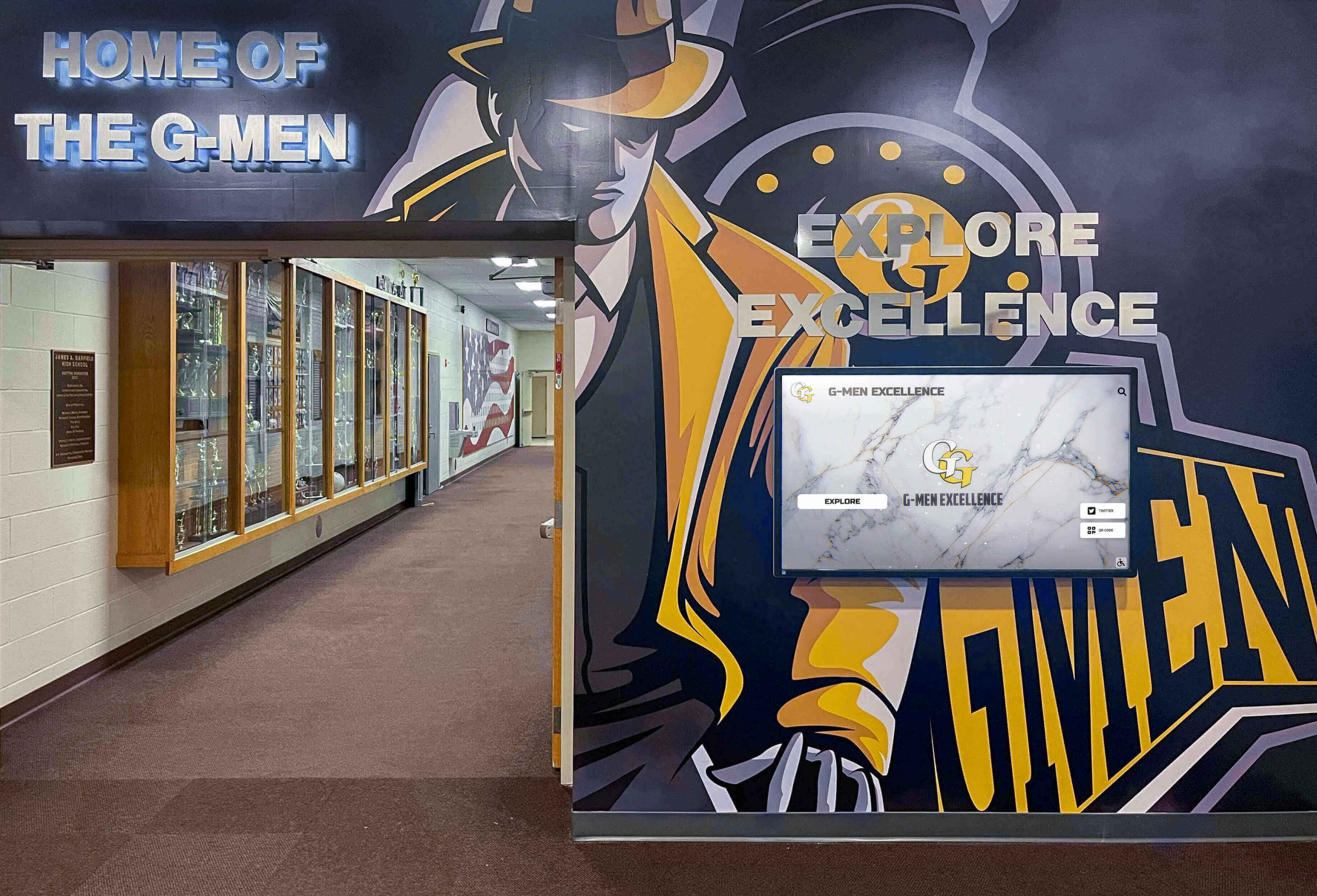
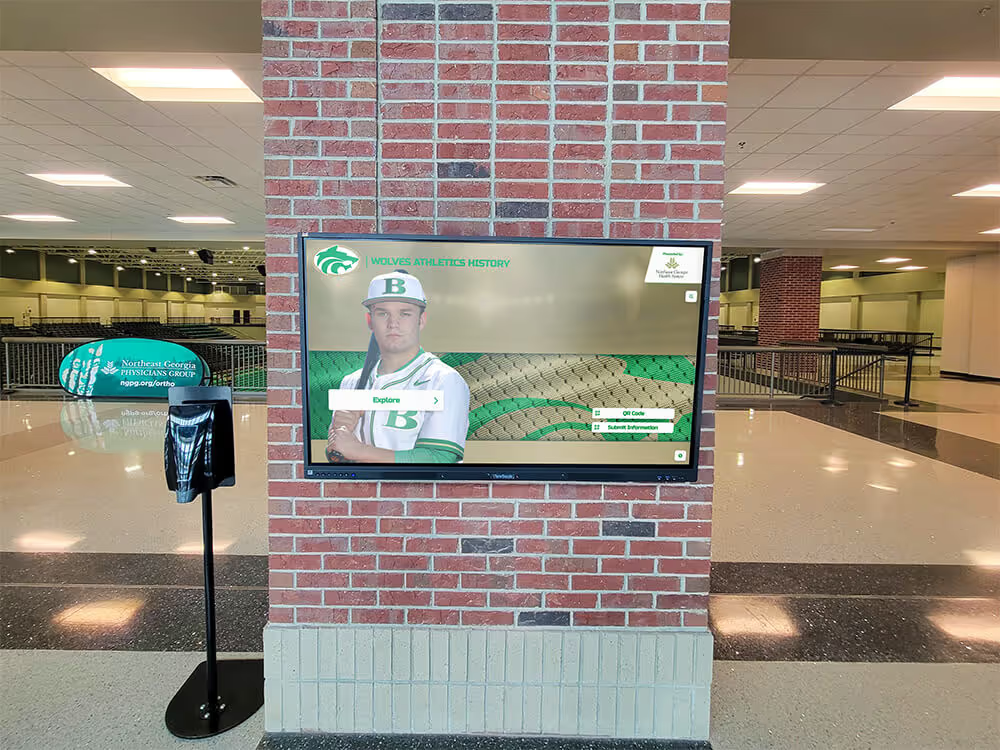
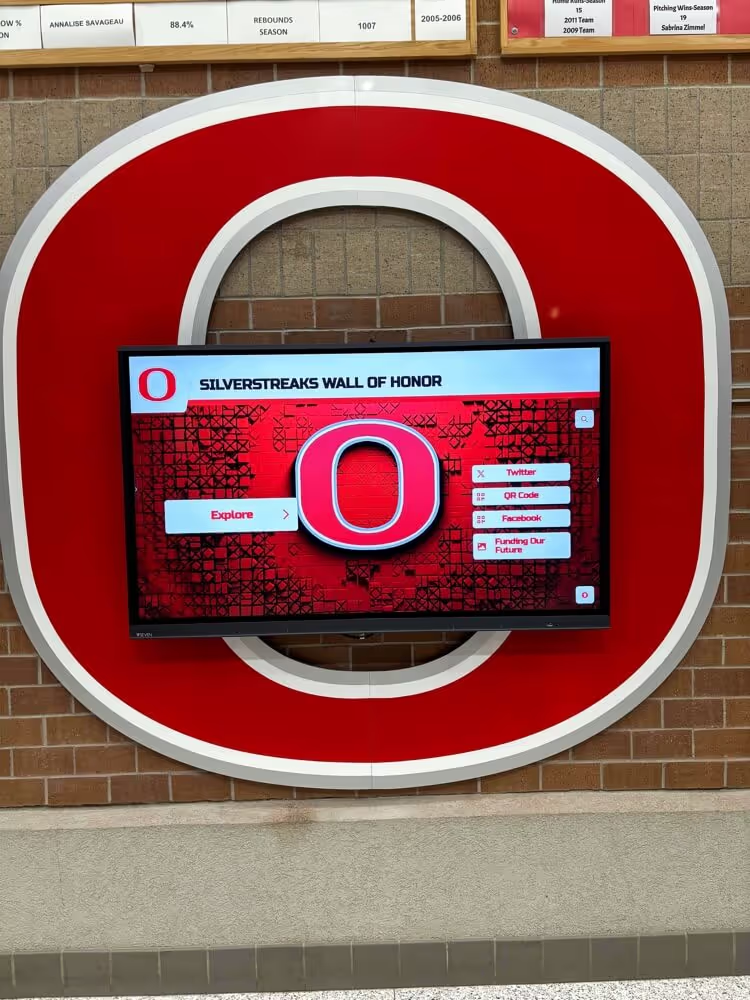
Memorial displays in prominent locations ensure tributes remain accessible, creating opportunities for reflection and remembrance over time
Openings to Avoid
The Cliché Opening: “We are gathered here today to remember a life well-lived…” This generic opening could apply to anyone, missing the opportunity to immediately establish who this specific person was.
The Apologetic Opening: “I don’t really know what to say, and I’m not very good at this, but I’ll try to share some thoughts about John…” This diminishes your tribute before it begins and focuses attention on you rather than the deceased.
The Overwhelming Detail Opening: “Robert Michael Johnson Jr. was born on August 12, 1945, at 3:27 PM at St. Mary’s Hospital in Detroit, Michigan, the third child of Robert Michael Johnson Sr. and Mary Elizabeth Johnson, née Williams…” Save detailed facts for body content; lead with emotional connection.
Your opening should answer: “Who was this person and why should we care about their story?” Everything else can wait.
The Body: Telling Their Story
The main content of your tribute brings your loved one to life through carefully selected stories, accomplishments, and character illustrations.
Choosing Which Stories to Tell
You can’t include everything, so prioritize stories that:
Reveal Character: Choose anecdotes that demonstrate defining qualities. If your loved one was known for persistence, share a story showing them overcoming obstacles. If kindness defined them, illustrate specific kind acts.
Connect With Audience: Select stories most listeners can relate to—experiences with family, work challenges, hobby passions, or universal moments like raising children, caring for aging parents, or pursuing dreams.
Represent Life Stages: Include stories from different periods showing growth, consistency, or change over time. This creates comprehensive pictures rather than frozen snapshots.
Balance Breadth and Depth: Rather than ten brief story mentions, consider four or five stories told with enough detail to transport listeners into the moment—specific dialogue, sensory details, and emotional truth.
Bringing Stories to Life with Details
Generic storytelling feels forgettable. Specific details create vivid, memorable tributes.
Generic Version: “Dad loved fishing. He took us fishing many times, and we have great memories from those trips.”
Specific Version: “Every August, Dad would wake us at 4 AM for our annual fishing trip to Lake Winnebago. We’d stumble sleepily to his truck, where he’d already loaded the tackle boxes he’d been organizing all week—a ritual that involved testing every lure, retying every line, and muttering about the ones that got away last year. By the time we reached the lake at sunrise, his enthusiasm was contagious. He never caught the most fish, but he celebrated everyone else’s catches like they were his own, taking dozens of photos and telling anyone who’d listen about the ‘magnificent 12-inch perch’ his daughter caught. Those mornings taught me that what made those trips special wasn’t the fishing—it was Dad’s joy in sharing something he loved with people he loved more.”
The specific version creates a scene, includes dialogue, shows character, and concludes with meaning. Details like “4 AM,” “Lake Winnebago,” “testing every lure,” and “magnificent 12-inch perch” make the story real and memorable.
Incorporating Quotes and Sayings
If your loved one had favorite expressions, life philosophies they regularly shared, or memorable ways of communicating, include these in your tribute.
Their Words in Their Voice: “Mom had a saying she repeated whenever any of us faced difficult decisions: ‘Do the next right thing.’ Not the perfect thing, not the easy thing, not what everyone expects—just the next right thing. That simple wisdom guided her through 40 years of nursing, raising four kids largely on her own, and caring for our grandmother with Alzheimer’s. She lived what she taught.”
How Others Described Them: “My grandmother once told me, ‘Your grandfather is the only person I’ve ever known who makes everyone he meets feel like the most important person in the world.’ After his death, I heard variations of that same sentiment from hundreds of people at his memorial service—colleagues, neighbors, grocery store clerks, his barber. She was right.”
Addressing Difficult Aspects Appropriately
Some lives include significant challenges—serious illnesses, disabilities, addictions, mental health struggles, or other difficulties. Ignoring these aspects can feel inauthenive, yet highlighting them inappropriately can be hurtful.
When to Include Difficult Aspects:
- When overcoming them defined character and legacy
- When they help explain life trajectory or choices
- When acknowledging them provides context for accomplishments
- When they demonstrate courage, resilience, or growth
- When family wants them included as part of honest remembrance
How to Include Them Respectfully:
- Focus on response to adversity rather than adversity itself
- Emphasize growth, learning, or strength demonstrated
- Keep focus on human being rather than condition or diagnosis
- Consult with close family about appropriate detail levels
- Consider what your loved one would want emphasized
Example Approaches: “Sarah battled depression for most of her adult life, yet she never let that struggle prevent her from showing up fully for others. Her empathy came directly from her own pain, and she used that understanding to help countless others feel less alone.”
“John’s alcoholism cost him his marriage and nearly cost him his relationship with his children. But the last 15 years of his life, lived in hard-won sobriety, demonstrated that it’s never too late to change. He spent those years making amends, rebuilding trust, and becoming the father and grandfather he’d always wanted to be.”
These approaches acknowledge difficulty while emphasizing character, growth, and lasting legacy.
Conclusions That Provide Comfort and Closure
Your tribute’s ending leaves the final impression, providing closure while honoring ongoing presence in memory.
Effective Conclusion Approaches
The Legacy Statement: “Though Richard is gone, his legacy lives on in the 40 teachers he mentored who now mentor others, in the thousands of students whose lives he touched, in the scholarship fund bearing his name, and in everyone who learned from his example that true teaching is about loving students into becoming their best selves.”
This approach emphasizes continuing impact, providing comfort that the deceased’s influence endures.
The Lesson Learned: “Mom taught us that love isn’t just a feeling—it’s a practice, a choice we make every day in how we treat people, how we show up when things are hard, and how we care for those who need us. Living that lesson is how we keep her with us.”
This transforms grief into action, giving mourners concrete ways to honor memory.
The Gratitude Statement: “We are grateful—grateful for the 87 years we had with Grandma, grateful for the wisdom she shared, grateful for the love she gave so freely, grateful for the example she set, and grateful that her suffering has ended and she’s at peace. Our grief is the price of that love, and we would pay it again gladly.”
This acknowledges both loss and appreciation, validating grief while celebrating the relationship.
The Celebration of Reunion: “Dad believed deeply that death wasn’t an ending but a doorway, and that he’d be reunited with Mom, with his parents, with the brother he lost too young. While we mourn his absence from our lives, we celebrate his presence in the life beyond, finally reunited with those he’s missed for so long.”
This approach works for tributes where religious or spiritual beliefs provide comfort.
The Enduring Presence: “When we watch the sunrise over the ocean she loved, when we hear her favorite music, when we cook the recipes she perfected over decades, when we tell stories that start with ‘Remember when Mom…,’ she is with us still. Not gone, just different. Not absent, just transformed. Forever in our hearts, forever part of who we are.”
This poetic approach emphasizes continuing emotional and spiritual connection.

Digital memorial tributes allow families to preserve complete life stories with photos, videos, and written remembrances accessible for generations
What to Avoid in Conclusions
The Abrupt Ending: Don’t end tributes suddenly without proper closure. After emotional journey through someone’s life, audiences need conclusion that provides resolution.
The Focus on Survivors’ Pain: While acknowledging grief is appropriate, conclusions that dwell entirely on “how much we’ll miss them” or “how we’ll never be the same” can feel heavy. Balance acknowledgment of loss with celebration of life and continuing connection.
The False Comfort: Avoid platitudes like “they’re in a better place” or “everything happens for a reason” unless you’re certain these sentiments align with family beliefs and will provide actual comfort rather than frustration.
Special Considerations for Different Tribute Types
Different contexts require adaptation of these general principles.
Writing Tributes for Young People
When the deceased is a child, teenager, or young adult, tributes require particular sensitivity:
Focus on Potential and Promise: While we can’t talk about long careers or decades of accomplishments, we can honor the person they were becoming, dreams they held, and impact they had in their shorter time.
Include Age-Appropriate Accomplishments: Academic achievements, friendships, activities, personality traits, family relationships, and moments of joy all deserve celebration regardless of life length.
Acknowledge the Specific Pain: Deaths of young people feel particularly tragic because of unfulfilled potential. Acknowledging this grief validates mourners’ profound sense of loss.
Honor Family’s Perspective: Parents who lose children face unimaginable grief. Work closely with families ensuring tributes provide comfort rather than additional pain.
Schools implementing memorial recognition for students discover that thoughtful tributes help entire school communities process loss while celebrating students’ lives and impact on peers.
Tributes for Colleagues and Professional Contexts
Workplace memorials require balancing personal warmth with professional appropriateness:
Emphasize Professional Contributions: Detail career accomplishments, innovative work, mentorship of colleagues, leadership demonstrated, and impact on organization or industry.
Include Personal Elements Appropriately: Share stories that reveal character, humor, and humanity without oversharing personal information inappropriate for professional contexts.
Acknowledge Professional Relationships: Honor the specific bonds formed through shared work, mutual respect among colleagues, and professional community created.
Consider Diverse Audience: Workplace tributes reach people with varying closeness to the deceased. Balance intimacy with accessibility.
Tributes for Community Leaders and Public Figures
When writing tributes for people with significant community visibility:
Balance Public and Private Aspects: Honor public contributions and accomplishments while including personal elements that humanize and create emotional connection.
Include Community Impact: Detail specific ways their work, leadership, or service improved communities, organizations, or causes. Use concrete examples and measurable outcomes when possible.
Incorporate Multiple Perspectives: Consider including brief quotes or reflections from various community members illustrating broad impact.
Respect Public Interest: People with community prominence warrant comprehensive tributes documenting their contributions for historical record and community memory.
Organizations implementing community recognition programs discover that celebrating contributions during life creates foundations for meaningful memorial tributes honoring complete legacies.
Tributes for Extended Family and Distant Relationships
Writing tributes for people you knew less intimately requires different approaches:
Research Thoroughly: Interview people who knew them better, gathering stories and details that create comprehensive pictures beyond your limited perspective.
Focus on What You Can Document: Rather than attempting false intimacy, write about aspects you can speak to authentically—perhaps public contributions, family stories you’ve heard, or limited personal interactions that made impressions.
Acknowledge Your Perspective: Be honest about relationship nature: “Though I knew Uncle James primarily through family gatherings, those occasions revealed…” This honesty creates trust with audiences who understand your limitations.
Rely on Others’ Voices: Weave in others’ stories and perspectives, creating mosaic portraits that honor completeness beyond single viewpoint.
Practical Writing Tips and Techniques
Beyond content and structure, certain writing practices improve tribute quality and impact.
Starting the Writing Process
Begin with Brainstorming: Before writing coherent sentences, dump everything onto paper—facts, stories, qualities, accomplishments, favorite sayings, funny moments. Don’t edit or organize yet; just capture raw material.
Create an Outline: Once you have material, organize it into logical structure. Which stories illustrate which qualities? What chronology makes sense? What themes emerge?
Write a Rough First Draft: Get complete tribute down without worrying about perfection. You can’t revise what doesn’t exist; the goal is completeness, not polish.
Step Away: If possible, leave your draft for a day or two. Fresh eyes help you identify what works and what needs adjustment.
Revision Strategies
Read Aloud: If your tribute will be spoken, read it aloud multiple times. Notice where you stumble, where breathing is difficult, where language feels awkward. Conversational written language works better for eulogies than formal writing.
Check Length: For spoken tributes, time yourself. Five to ten minutes (750-1,500 words) is ideal for eulogies. Longer tributes risk losing audience attention during emotionally draining services.
Verify Facts: Double-check dates, names, relationships, and details. Factual errors in memorials are particularly painful for families.
Seek Feedback: Share drafts with close family members or friends. They can catch errors, suggest additions, and confirm tone appropriateness.
Eliminate Clichés: Replace generic phrases with specific, personal language. Instead of “she touched so many lives,” describe specifically how she touched specific lives.
Managing Your Own Emotions
Writing tributes for people you loved requires emotional resilience:
Expect Tears: Crying while writing tributes is normal and healthy. Keep tissues nearby and take breaks when overwhelmed.
Write in Sessions: You don’t have to complete tributes in single sittings. Work in manageable chunks allowing emotional processing between sessions.
Ask for Help: If tribute writing feels impossible, consider asking another family member or friend to draft based on information you provide, then reviewing and personalizing their work.
Practice Delivery: If you’ll deliver tributes orally, practice multiple times until you can get through them with relative composure. It’s okay to cry during delivery, but practice helps manage overwhelming emotion.
Have Backup: For spoken tributes, designate someone who can take over if you become too emotional to continue. Knowing backup exists often provides enough security to get through delivery.
Modern Approaches to Memorial Tributes
Technology expands options for creating, sharing, and preserving memorial tributes beyond traditional printed programs and spoken eulogies.
Digital Memorial Platforms
Online memorial websites and platforms enable comprehensive tribute creation and sharing:
Unlimited Space for Stories: Unlike printed programs or time-limited services, digital platforms accommodate extensive tributes, multiple authors’ perspectives, comprehensive photo galleries, and video content impossible in traditional formats.
Multimedia Integration: Combine written tributes with photos from throughout life, video montages with music, recorded interviews or speeches, audio recordings of voice or laughter, and scanned documents or letters.
Collaborative Creation: Enable multiple family members and friends to contribute stories, photos, and memories, creating comprehensive tributes reflecting diverse relationships and perspectives.
Ongoing Updates: Digital tributes can be added to over time as people remember additional stories, discover new photos, or want to share how their loved one’s legacy continues influencing their lives.
Accessibility: Family and friends worldwide can access tributes anytime, providing comfort when needed rather than limiting remembrance to single services or locations.
Schools and organizations implementing digital memorial solutions discover that interactive platforms create lasting tributes serving communities for decades, ensuring no one is forgotten as time passes.

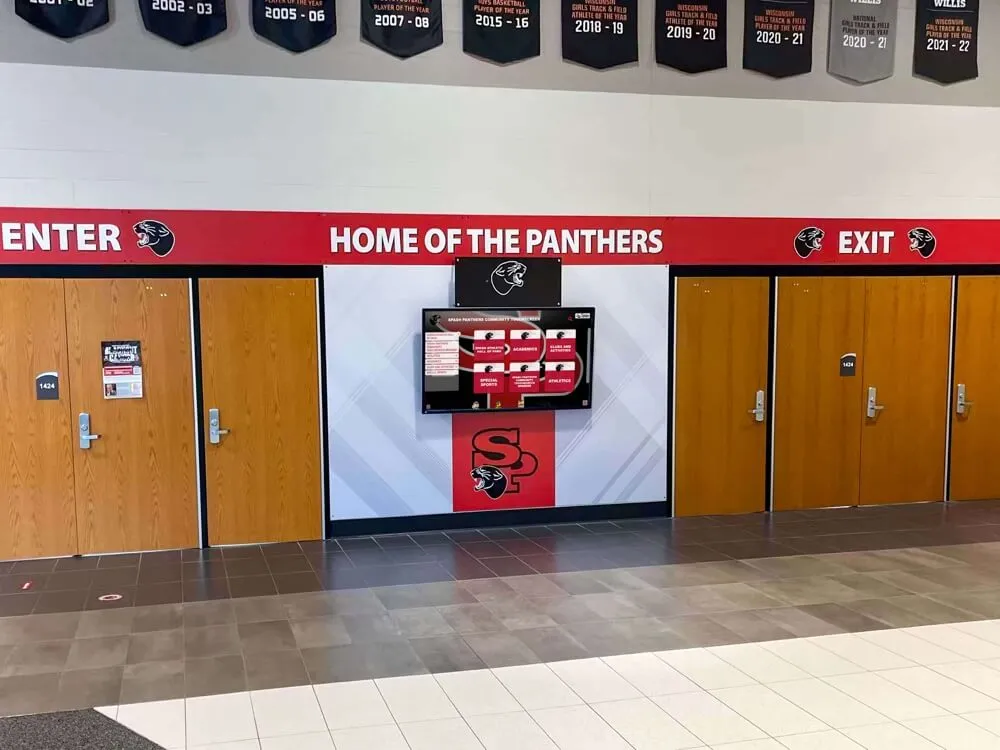
Interactive memorial displays in schools and organizations preserve tributes permanently, making them accessible to current and future community members
Interactive Memorial Displays
For organizations like schools, community centers, and houses of worship, interactive digital memorial displays provide permanent tribute platforms:
Touchscreen Technology: Visitors can explore comprehensive memorial tributes through intuitive touchscreen interfaces, searching by name, browsing chronologically, or discovering connections between people.
Permanent Accessibility: Unlike memorial services that happen once, permanent displays in prominent locations ensure ongoing opportunities for remembrance and discovery.
Educational Value: For schools, digital memorial displays teach students about those who came before them, connecting current students to institutional history and valued alumni or faculty.
Unlimited Capacity: Physical memorial plaques face space constraints limiting how many people can be honored. Digital solutions provide unlimited capacity ensuring everyone receives appropriate recognition.
Rich Content Preservation: Complete life stories with photos, videos, and comprehensive tributes can be preserved digitally, creating archives that protect memory for future generations.
Solutions like Rocket Alumni Solutions enable schools and organizations to create professional digital memorial displays that honor deceased community members through permanent, accessible tributes combining traditional memorial elements with modern technology capabilities.
Social Media Memorial Practices
Social platforms have created new memorial practices and considerations:
Timeline and Profile Decisions: Many platforms allow profiles to be memorialized, preserving content while preventing new logins. Families must decide how to handle deceased loved ones’ digital presence.
Virtual Gathering Spaces: Facebook memorial pages and similar spaces enable far-flung friends and family to share memories, creating collaborative tributes accessible to all.
Anniversary Remembrances: Social platforms often surface memories on anniversaries, providing opportunities for annual tribute posts keeping memory alive in networks.
Digital Legacy Planning: More people now include social media accounts in estate planning, specifying how they want digital presences handled after death.
Sample Tribute Excerpts
Seeing effective tribute writing helps clarify principles in practice. Here are brief excerpts illustrating different approaches:
Sample: Parent Tribute
“Dad was not a man of many words, but his actions spoke volumes. Every Saturday morning for 30 years, he made pancakes—not because he particularly enjoyed cooking, but because he loved the ritual of our family gathered around the table, sharing plans for the weekend ahead. Even after we grew up and moved away, coming home meant Saturday morning pancakes, Dad standing at the stove in his plaid robe, flipping them just right, asking about our lives, listening with his full attention. In retrospect, I realize those pancakes were his love language. He showed us what he maybe struggled to say: I’m here. I care about your life. There’s always a place for you at this table.”
Sample: Colleague Tribute
“Dr. Patricia Williams transformed Riverside Elementary School during her 42 years there—not through dramatic reforms or revolutionary programs, but through consistent, quiet excellence that made every student and colleague feel valued. She arrived before anyone else, leaving fresh-baked cookies in the teachers’ lounge with encouraging notes. She stayed late, tutoring struggling readers with infinite patience. She spent her own money on classroom supplies, never asking for reimbursement. She remembered every former student’s name, even decades later. Her memorial service drew hundreds of former students, many now parents themselves, who told variations of the same story: ‘Mrs. Williams believed in me when I didn’t believe in myself.’ That’s a legacy most of us only dream of creating.”
Sample: Community Leader Tribute
“Mayor Johnson led our town through its most difficult decade—the plant closing that cost 400 jobs, the flood that devastated downtown, the budget crisis that threatened essential services. Lesser leaders might have blamed circumstances or abandoned ship when times got hard. Linda rolled up her sleeves and got to work. She knocked on doors, organized town halls, recruited businesses, applied for grants, and refused to let our community give up on itself. She didn’t just believe in our town—she made us believe in it too. Ten years later, with downtown thriving, unemployment at record lows, and hope restored, we have Linda to thank. She could have run for higher office, pursued easier opportunities elsewhere. She chose us. And we were better for it.”
Sample: Young Person Tribute
“Emma lived 17 years that taught the rest of us how to truly live. Despite her diagnosis at age 12, she refused to let cancer define her. She ran cross country until she physically couldn’t, painted enormous canvases that now hang in the hospital wing where she received treatment, organized a fundraiser that sent three kids to theater camp, wrote poetry that appeared in national magazines, and maintained a blog that inspired thousands facing their own battles. The day before she died, barely able to speak, she whispered to her mom: ‘It was a good life.’ Most of us get 80 or 90 years and never achieve what Emma packed into her 17. She reminds us that life isn’t measured in years—it’s measured in impact, joy, courage, and love. By those measures, Emma lived a full and extraordinary life.”
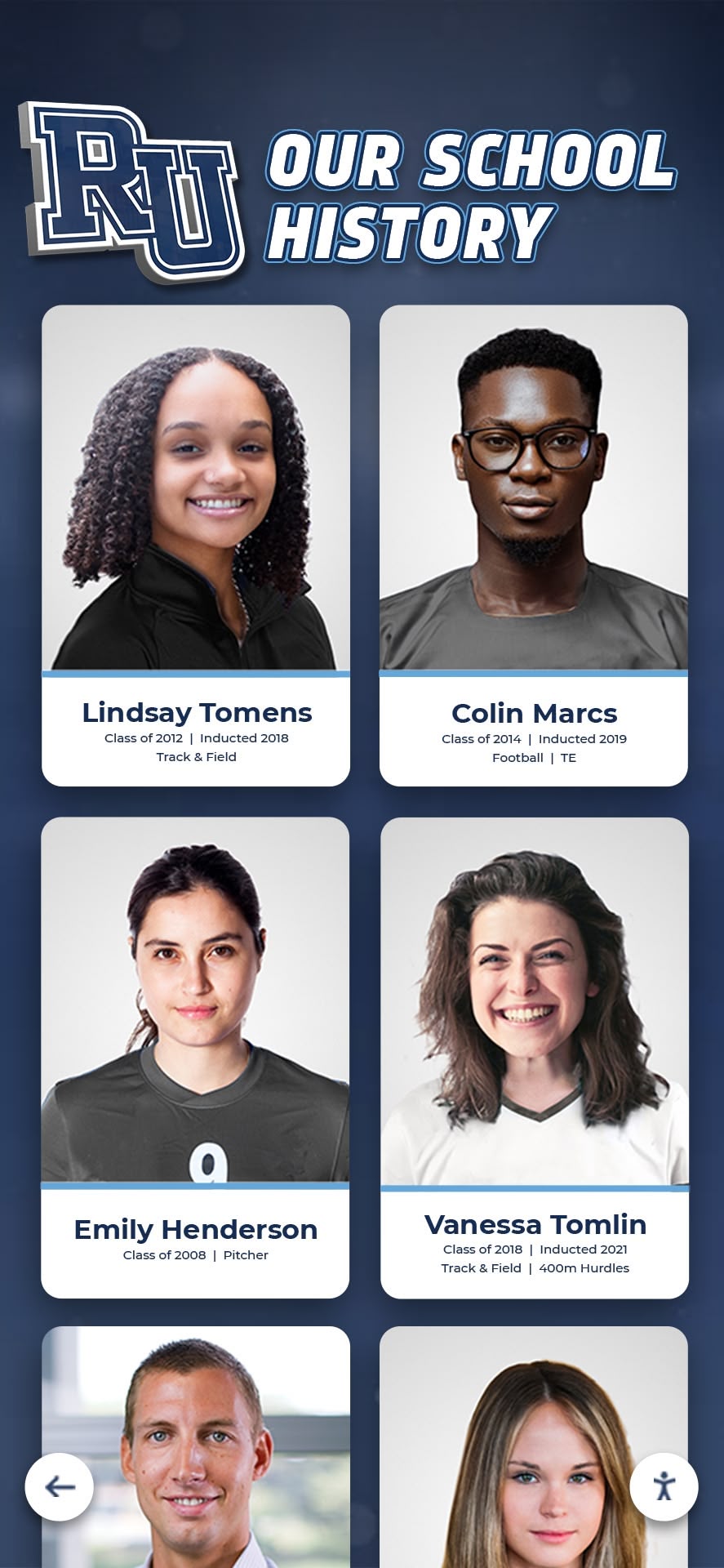
Well-crafted written tributes with photos create lasting remembrances that honor complete lives through words and images
After the Memorial: Preserving and Sharing Tributes
Written tributes shouldn’t end with memorial services—they can continue providing comfort and preserving memory for years.
Creating Keepsakes
Memorial Books: Compile tributes, photos, memorial service programs, condolence cards, and remembrances from attendees into bound books family members treasure.
Framed Tributes: Frame printed versions of tributes with favorite photos, creating displays for homes that honor memory daily.
Digital Archives: Save all tribute versions, photos, videos, and memorial materials in organized digital folders backed up across multiple platforms ensuring preservation.
Memory Boxes: Create physical collections including printed tributes, photos, meaningful objects, letters, and memorabilia children and grandchildren can explore.
Sharing Tributes Widely
Family Distributions: Send tribute copies to extended family who couldn’t attend services, including far-flung relatives, elderly family members, or those unable to travel.
Publication Options: Submit tributes to local newspapers, community newsletters, alumni magazines, professional publications, or organizational communications reaching broader audiences.
Online Posting: Share tributes on memorial websites, organizational pages, social media, or personal blogs enabling worldwide access.
Organizational Archives: Provide copies to schools, workplaces, religious organizations, or community groups for their historical records and memorial archives.
Annual Remembrances
Anniversary Tributes: Share portions of original tributes on death anniversaries, birthdays, or significant holidays, keeping memory alive in family and community consciousness.
Updated Reflections: Add to tributes over time as perspective changes, new stories surface, or family wants to share how loved one’s legacy continues influencing their lives.
Continuing the Story: Document how loved ones’ values, lessons, or examples continue shaping family decisions, career choices, service commitments, or life directions.
Conclusion: Honoring Lives Through Words That Matter
Writing memorial tributes ranks among the most meaningful—and challenging—writing tasks we undertake. These aren’t just words on pages or speeches delivered at services. They’re acts of love, preservation of memory, comfort for mourners, and bridges connecting who someone was to how they’ll be remembered.
The perfect tribute doesn’t exist. What matters is authentic effort to honor your loved one’s life, capture their essence, and provide comfort to those who mourn. Whether your tribute is eloquent or simple, lengthy or brief, polished or rough around the edges, what matters most is that it comes from the heart and truly reflects the person you’re honoring.
As you write, remember that memorial tributes serve multiple purposes over time. In the immediate aftermath of loss, they provide structure for overwhelming grief and comfort for mourners. In coming months and years, they help family members remember details that might otherwise fade. Decades later, they enable grandchildren who never met their grandparents to understand who these important people were. This long-term value justifies the effort and emotion you invest in creating tributes that truly honor lives well-lived.
Preserve Memorial Tributes for Future Generations
While written tributes and memorial services provide immediate comfort, consider how you’ll ensure these remembrances remain accessible for years to come. Digital memorial solutions enable you to create comprehensive, permanent tributes combining written remembrances, photos, videos, and stories in formats accessible to family, friends, and future generations.
Explore memorial recognition solutions that help schools, organizations, and communities honor those who have passed through interactive displays and online platforms that preserve memory permanently.
Writing memorial tributes honors those who have died while helping those left behind process grief, celebrate lives that mattered, and ensure that the people we love are remembered not just as names and dates but as complex, complete human beings whose lives made a difference. Your words—imperfect and emotional and heartfelt—are gifts to everyone who loved the person you’re remembering. They matter more than you know, providing comfort today and preserving memory for generations to come.
Start where you are, write from the heart, seek help when needed, and trust that your sincere effort to honor someone’s life through words is exactly what they—and everyone who loved them—deserve.