Your school’s alumni network represents one of the most valuable yet underutilized resources available during your education and early career years. These accomplished graduates have already navigated the challenges you’re facing—from choosing majors and landing internships to breaking into competitive industries and advancing through career transitions. Yet most students and young professionals struggle to effectively connect with alumni, uncertain how to initiate conversations, build authentic relationships, or ask for guidance without appearing opportunistic.
The ability to network with alumni strategically can transform your career trajectory. Alumni connections frequently lead to internships, job opportunities, mentorship relationships, and insider industry knowledge that simply isn’t accessible through traditional job boards or classroom learning. These relationships offer something more valuable than transactional favors: they provide trusted guidance from people who share your institutional background and genuinely want to help the next generation succeed.
This comprehensive guide explores proven strategies for how to network with alumni effectively, from initial research and outreach through relationship maintenance and mutual value creation. Whether you’re a current student preparing for graduation or a young professional leveraging your educational connections, these practical approaches will help you build meaningful alumni relationships that support your long-term career success.
Successful alumni networking isn’t about collecting business cards or sending generic LinkedIn requests—it’s about building authentic relationships with people who understand your background and have relevant experience to share. The most effective networkers approach alumni connections with genuine curiosity, clear communication, thoughtful preparation, and commitment to maintaining relationships beyond immediate personal benefit.

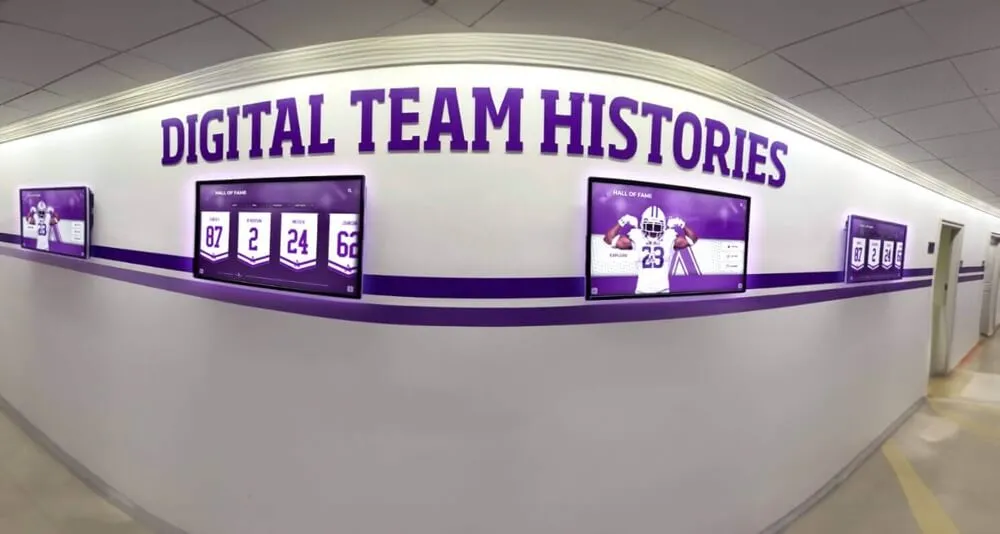
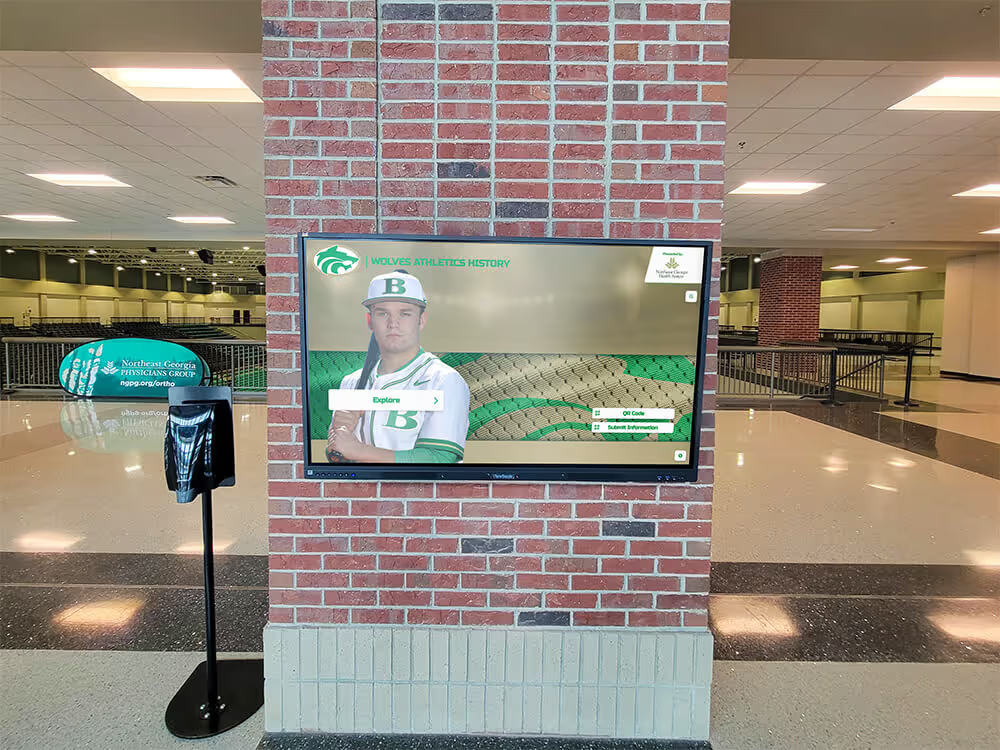
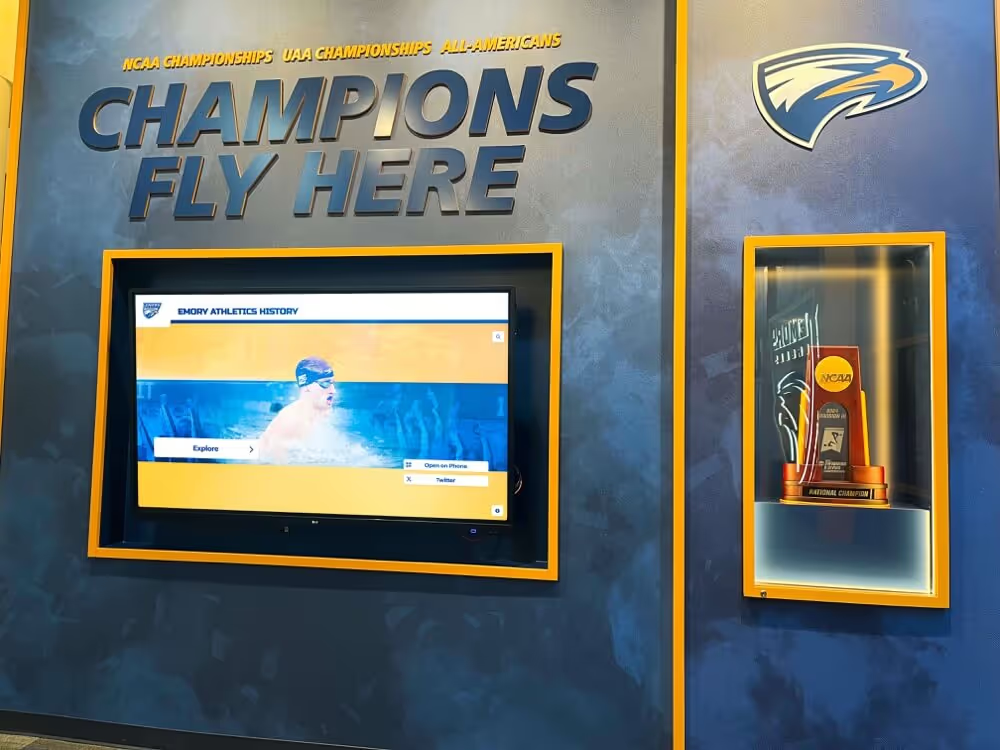
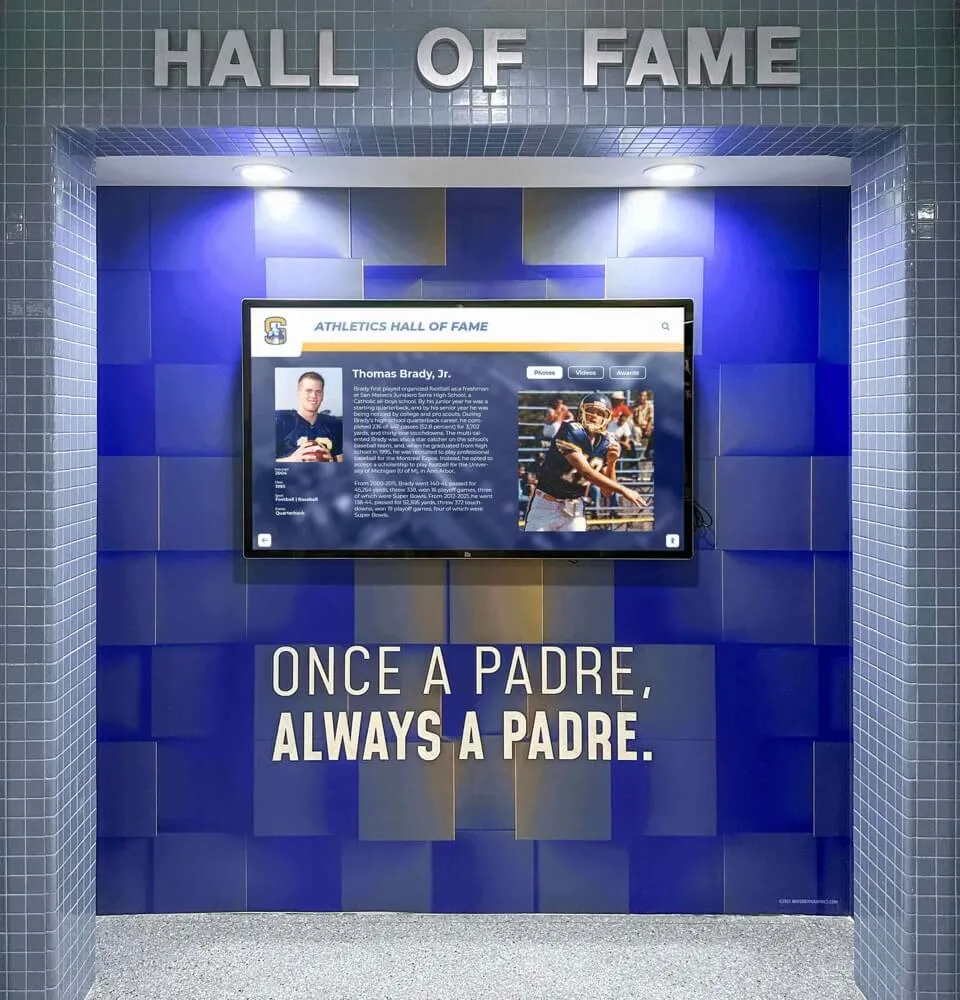
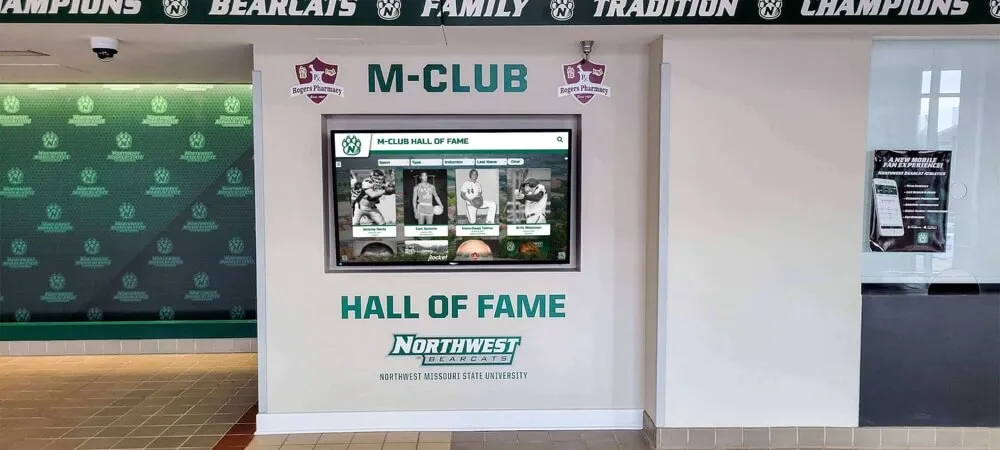
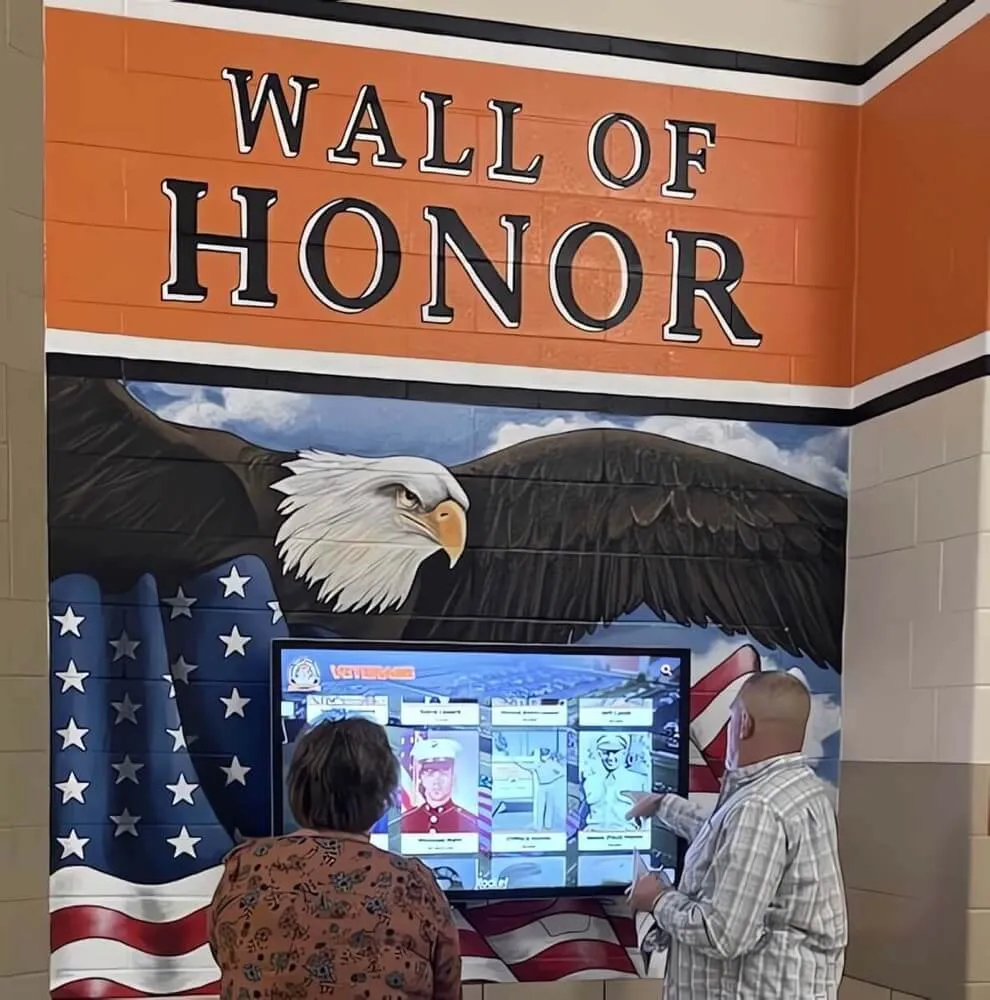
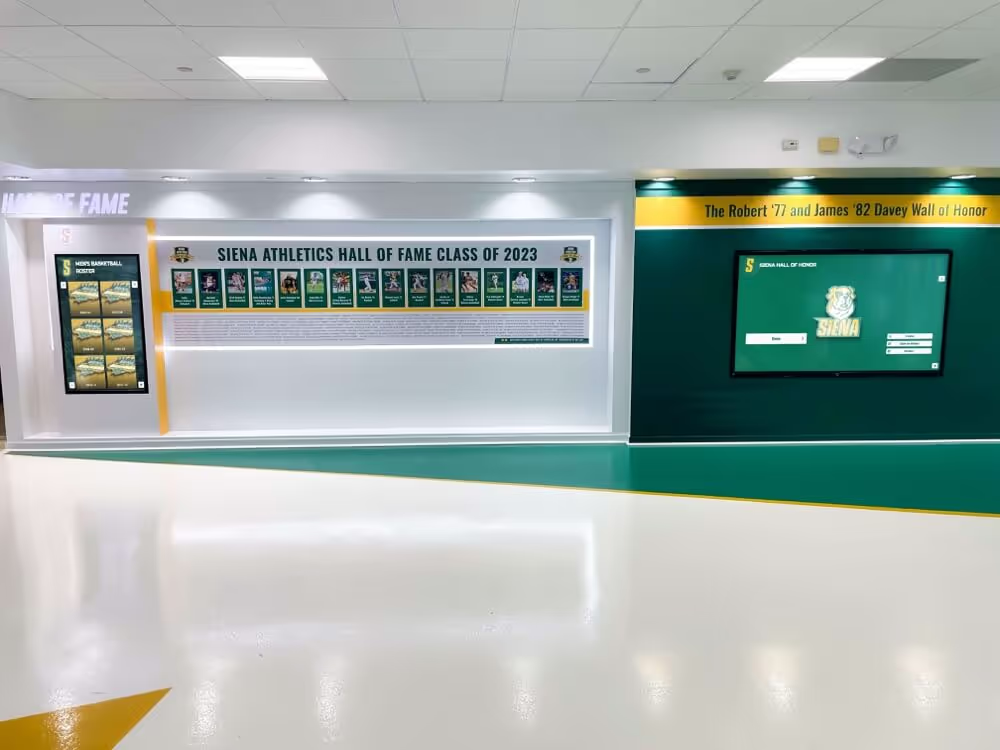
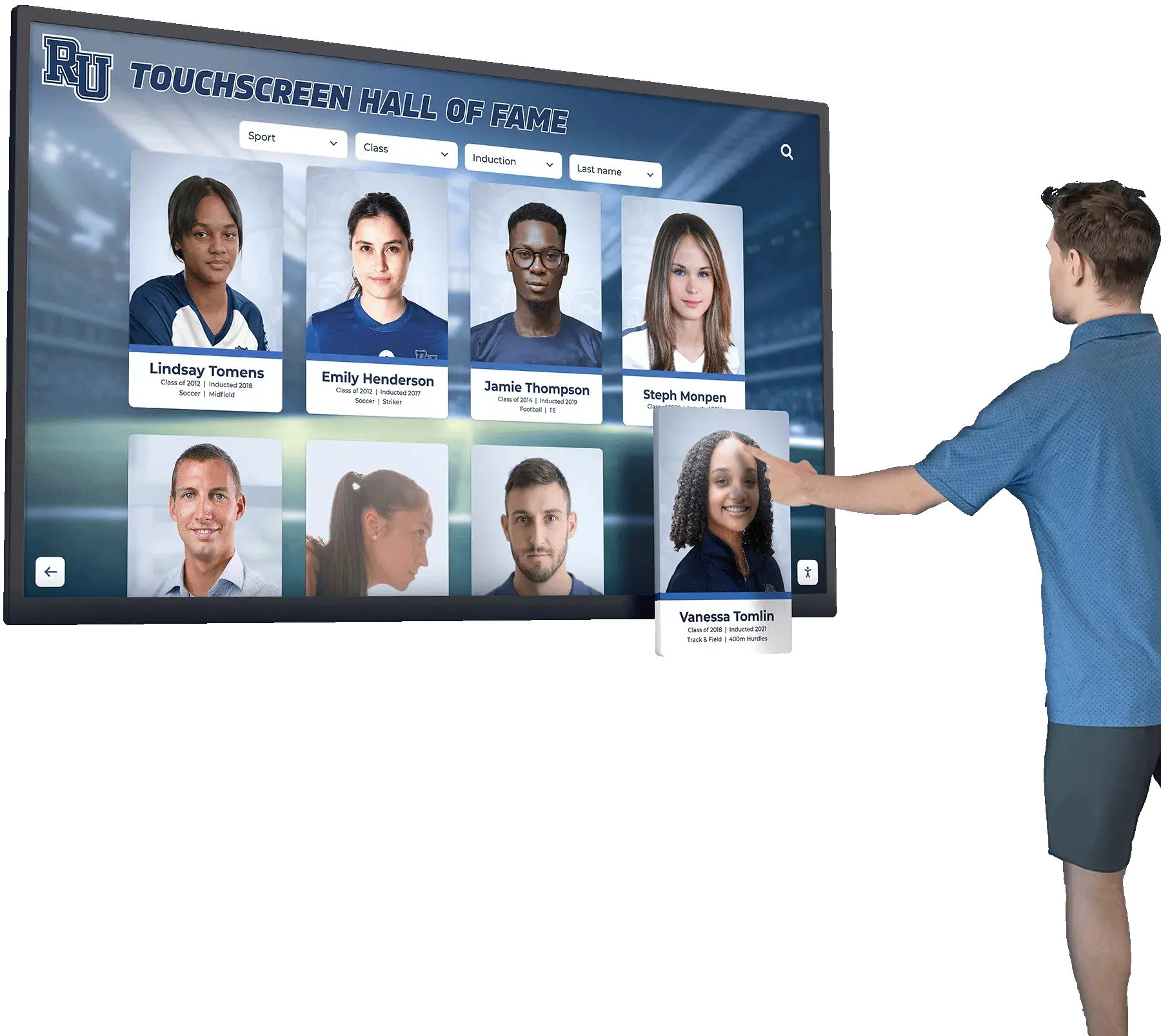
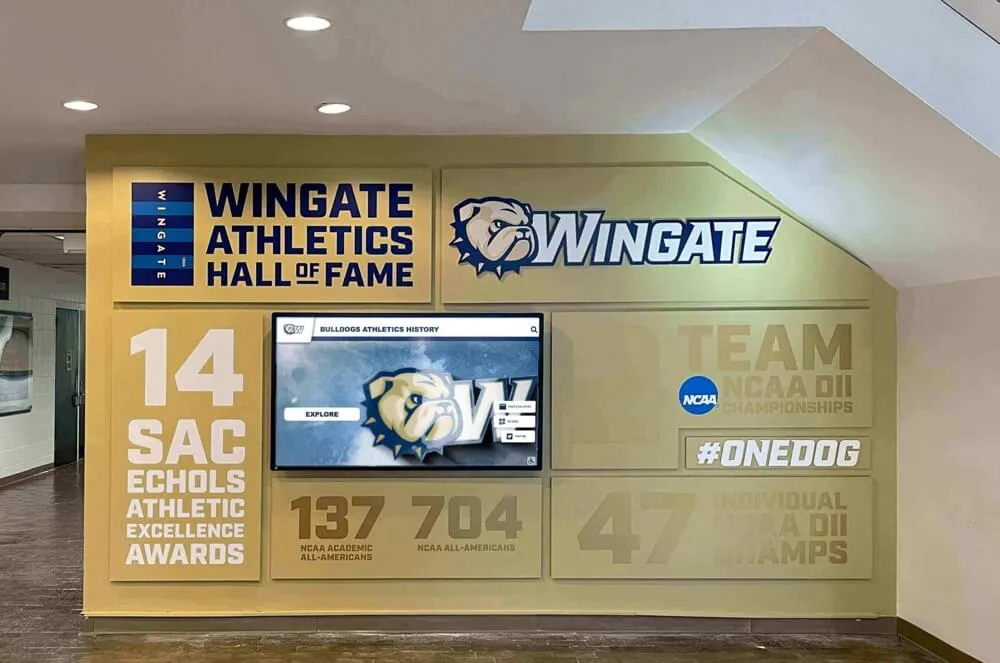
Interactive alumni directories on campus make it easier for students to discover and research accomplished graduates in fields of interest before reaching out
Understanding Why Alumni Want to Help
Before diving into networking strategies, it’s essential to understand what motivates alumni to engage with current students and recent graduates. This knowledge helps you approach connections with appropriate expectations and messaging.
The Psychology of Alumni Engagement
Institutional Pride and Legacy - Most alumni feel genuine pride in their alma mater and want to see current students succeed. Your success reflects positively on the institution they value, creating natural incentive to support your development.
Gratitude for Past Help - Many successful professionals remember alumni or mentors who helped them early in their careers. Assisting current students provides opportunity to “pay it forward” and continue a tradition of institutional support.
Professional Fulfillment - Accomplished professionals often find personal satisfaction in mentoring and advising the next generation. Sharing hard-earned wisdom and watching someone apply that guidance successfully provides intrinsic reward beyond any professional obligation.
Talent Pipeline Access - Alumni in hiring positions recognize that recruiting from their alma mater often yields candidates who understand organizational culture and possess the qualities the institution cultivates. Maintaining student connections creates talent pipeline for future hiring needs.
Networking Reciprocity - Experienced professionals understand that strong networks benefit everyone involved. Today’s student connection might become tomorrow’s valuable professional relationship as your career progresses.
Understanding these motivations helps you frame networking requests in ways that acknowledge the mutual benefit rather than positioning yourself as purely taking from busy professionals.
What Alumni Value in Student Connections
When alumni choose to engage with students, they appreciate certain qualities and approaches:
Genuine Interest - Alumni can distinguish between students genuinely interested in their career path and those sending mass outreach seeking any available opportunity. Specific, informed questions demonstrate authentic curiosity.
Preparation and Respect for Time - Busy professionals value students who arrive prepared for conversations, ask thoughtful questions, and respect time constraints by staying focused and concise.
Follow-Through - Students who actually implement advice, update alumni on outcomes, and maintain connections beyond immediate needs stand out as worth continued investment.
Fresh Perspectives - Alumni often value what students can offer them: current academic insights, emerging technology knowledge, or fresh perspectives on industry challenges.
Long-Term Relationship Potential - Alumni invest more readily in students approaching networking as relationship-building rather than transactional favor-seeking.

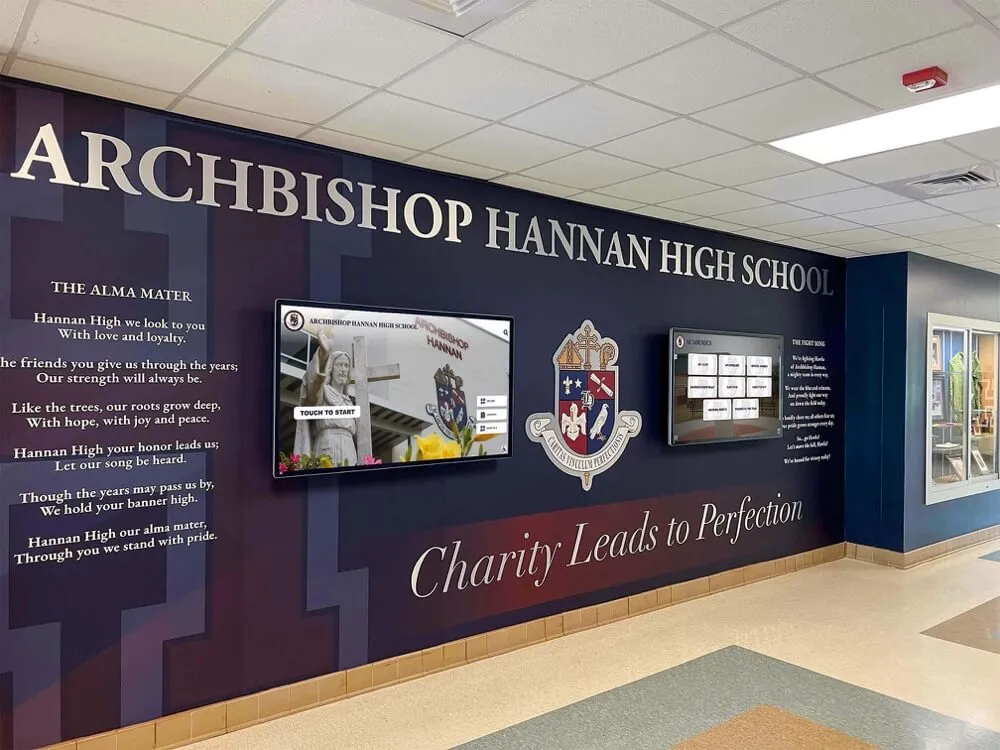
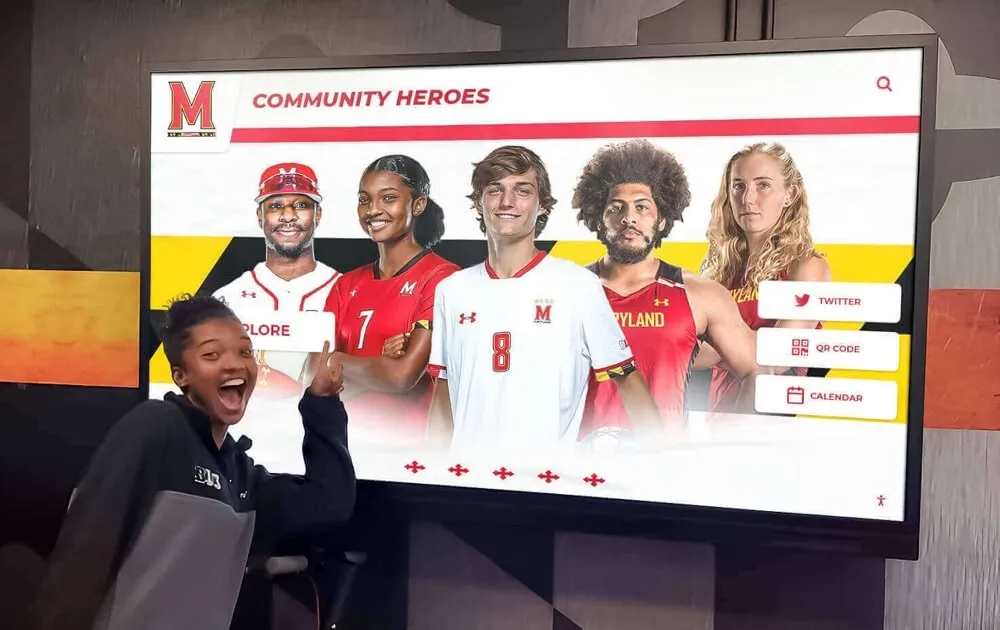
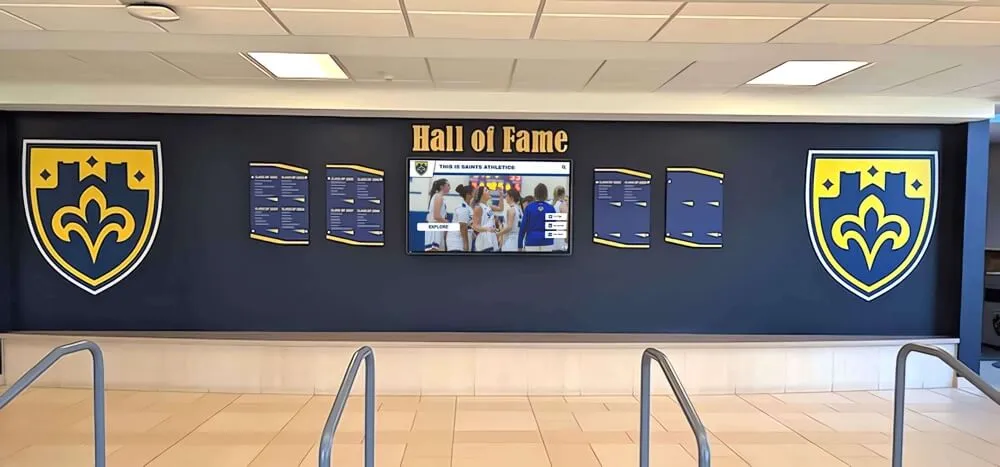
Digital mentorship platforms help institutions facilitate structured connections between alumni mentors and students seeking career guidance
Building Your Alumni Networking Foundation
Effective networking begins well before you reach out to anyone. Investing time in research, strategy development, and self-presentation creates foundation for successful connections.
Identifying Relevant Alumni Connections
Start with Your Institution’s Alumni Directory - Most schools maintain searchable databases allowing filtering by graduation year, major, industry, location, and employer. These directories represent your primary research tool for discovering relevant connections.
Leverage LinkedIn Advanced Search - Use LinkedIn’s school filter combined with industry, company, job title, and location parameters to identify alumni working in fields or organizations of interest. LinkedIn’s “Alumni” feature provides particularly useful filtering options.
Explore Department-Specific Networks - Many academic departments maintain their own alumni networks, email lists, or LinkedIn groups focused on specific majors or career paths. These specialized communities often facilitate more targeted connections.
Utilize Career Center Resources - Career services offices frequently maintain alumni volunteer databases, organize industry-specific networking events, and can make targeted introductions to alumni who have expressed willingness to help students.
Investigate Student Mentorship Programs - Many institutions implement formal mentorship platforms connecting students with alumni volunteers. These structured programs often provide easier entry point than cold outreach.
Attend Alumni Events - Alumni gatherings create natural networking opportunities where alumni expect to meet and advise current students. Career panels, homecoming events, and regional alumni chapters all provide connection opportunities.
Creating Your Networking Strategy
Define Your Networking Objectives - Clarify what you hope to gain from alumni connections. Are you seeking informational interviews about specific careers, looking for internship opportunities, hoping for mentorship relationships, or researching particular companies or graduate programs?
Prioritize Quality Over Quantity - Building five meaningful relationships with relevant alumni provides more value than collecting fifty LinkedIn connections who barely remember your name. Focus on depth rather than breadth.
Segment Your Outreach Approach - Different alumni connections warrant different approaches. Recent graduates might appreciate casual coffee invitations, while senior executives may prefer structured 15-minute phone calls. Tailor your strategy to the individual.
Develop Your Value Proposition - Articulate what makes you worth an alumni’s time investment. This might include specific academic achievements, relevant project experience, thoughtful questions about their career path, or shared background experiences.
Set Realistic Timelines - Alumni networking produces results over months, not days. Plan outreach campaigns allowing for slow response rates and extended relationship development.
Preparing Your Professional Presence
Optimize Your LinkedIn Profile - Before reaching out to alumni, ensure your LinkedIn profile professionally represents you with clear headline, comprehensive experience section, specific skills, and professional photo. Alumni will review your profile before responding.
Create Your Elevator Pitch - Develop concise introduction explaining who you are, your academic focus, career interests, and why you’re reaching out. Practice until it feels natural rather than scripted.
Prepare Thoughtful Questions - Develop list of specific, open-ended questions demonstrating genuine interest in the alumnus’s career journey and insights. Generic questions like “Do you have any advice?” waste the opportunity.
Build Your Knowledge Base - Research industries, companies, and roles of interest so you can speak intelligently during conversations. Informed questions significantly improve conversation quality and alumni perception of your seriousness.
Document Your Networking Activity - Maintain spreadsheet tracking whom you’ve contacted, when, what was discussed, any commitments made, and appropriate follow-up timing. Organization prevents embarrassing duplicate outreach or forgotten commitments.
Effective Outreach Strategies
Once you’ve identified relevant alumni and prepared your foundation, it’s time to initiate contact. Your initial outreach significantly impacts response rates and relationship development potential.
Crafting Compelling Initial Messages
Personalize Every Communication - Generic mass messages get ignored. Reference specific aspects of the alumnus’s background, career path, or recent work demonstrating you’ve done research and aren’t sending template requests.
Lead with Shared Connection - Open by establishing common ground—your shared alma mater, specific academic program, hometown, or any other authentic connection point. This immediately differentiates your message from random networking spam.
Be Specific About Your Request - Clearly state what you’re asking for in concrete terms: “I’d love to schedule a 20-minute phone call to learn about your transition from consulting to nonprofit work” works infinitely better than “I’d love to pick your brain sometime.”
Demonstrate Genuine Interest - Explain specifically why you’re reaching out to this particular person. Reference their specific career path, recent article they published, company they work for, or accomplishments that genuinely interest you.
Make Response Easy - Provide specific timing options, offer to work around their schedule, suggest multiple communication formats (phone, video, email), and keep initial requests low-commitment. Reducing friction increases response probability.
Keep It Concise - Respect their time with brief, scannable messages. Three short paragraphs typically suffice for initial outreach—introducing yourself, explaining your specific interest, and making clear, low-commitment request.
Sample Outreach Templates
Informational Interview Request:
Subject: Fellow [University] Alum Interested in [Industry/Company]

Hi [Name],

I'm a junior at [University] studying [major], and I came across your profile
while researching careers in [specific field]. Your path from [their previous
role] to [current role] at [company] particularly caught my attention because
[specific reason related to your interests].

I'm currently exploring [specific career interest] and would greatly value
hearing about your experience navigating [specific challenge or transition].
Would you be open to a brief 15-20 minute phone conversation in the coming
weeks? I'm happy to work around your schedule.

Thank you for considering,
[Your Name]
[Your Year] | [Your Major]
[University]
Mentorship Connection:
Subject: Seeking Guidance from [University] Alum in [Industry]

Dear [Name],

I recently discovered you're a [University] alum working in [industry] through
our alumni mentorship platform. As a [year] student planning to pursue
[specific career path], I'm particularly interested in your journey from
[specific aspect of their background].

I'm currently [specific situation: taking X courses, working on Y project,
applying to Z opportunities] and would greatly appreciate occasional guidance
from someone who successfully navigated similar challenges.

Would you be open to an initial conversation to discuss potential mentorship?
I'm happy to accommodate your preferred communication method and frequency.

Best regards,
[Your Name]
Following Up Strategically
Respect Response Timelines - Wait at least one week before sending first follow-up. Busy professionals often intend to respond but need reminders. After second non-response, move on gracefully.
Add Value in Follow-Ups - Rather than simply asking “Did you see my previous message?”, share relevant article, congratulate them on recent accomplishment, or add additional context making response more appealing.
Acknowledge Their Schedule - Follow-ups might reference “I know you’re likely quite busy” or “Completely understand if the timing isn’t right” to demonstrate respect and reduce guilt-driven obligation.
Know When to Stop - Two follow-ups maximum. Beyond that, you risk crossing from persistent into annoying. Some alumni simply won’t respond regardless of your approach.
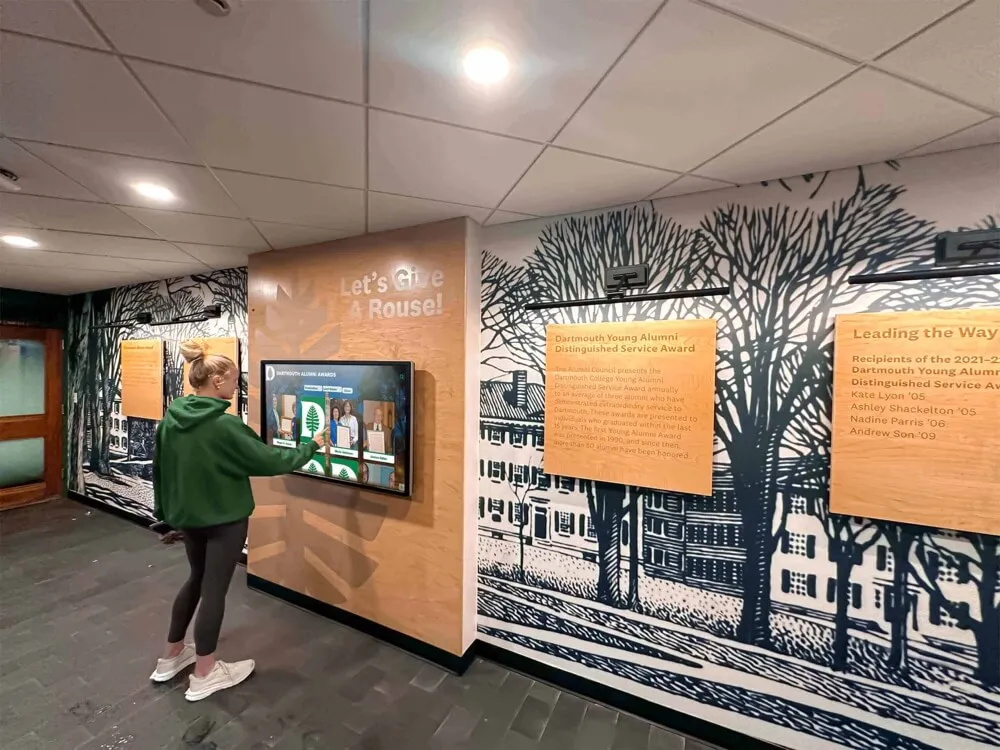
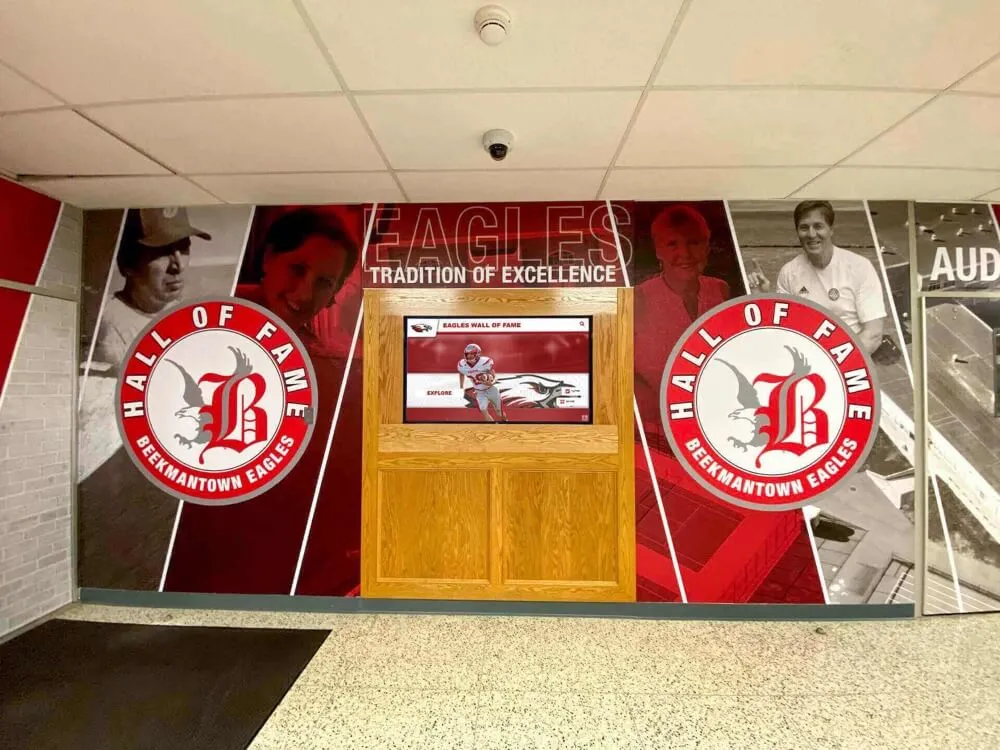
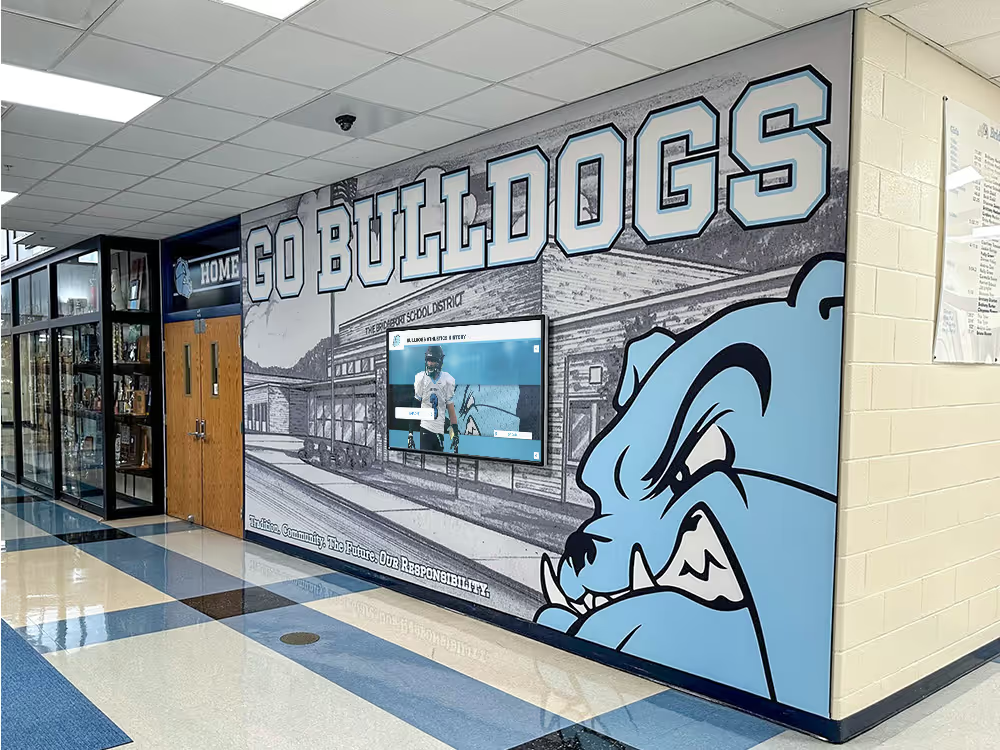
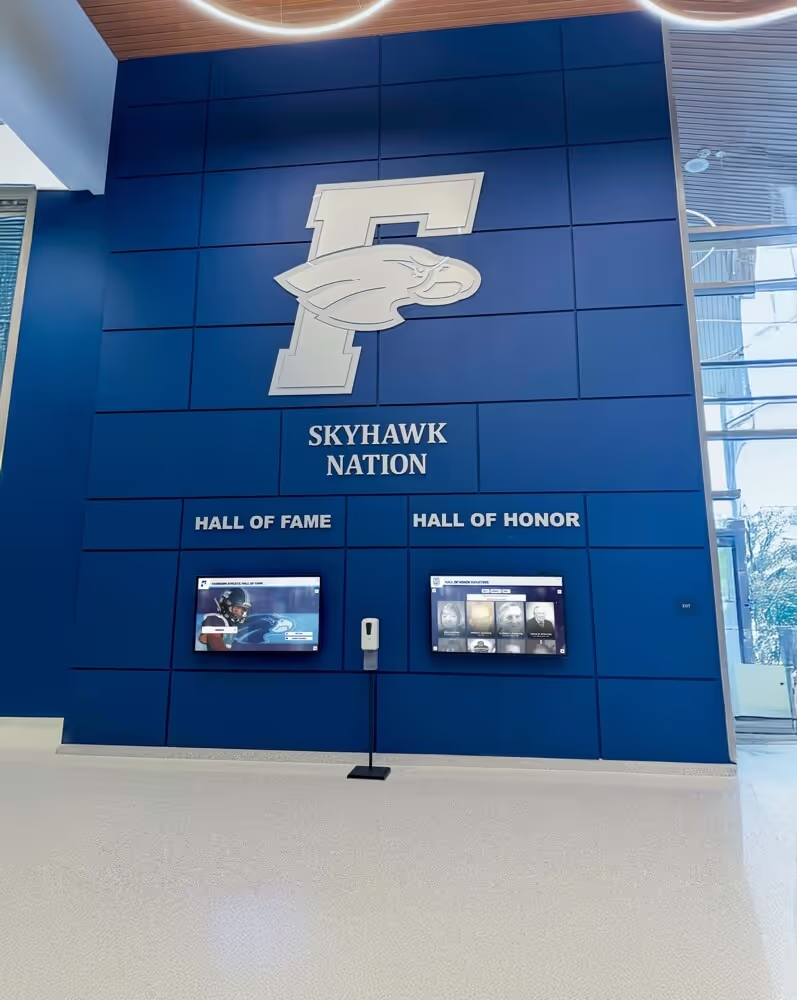
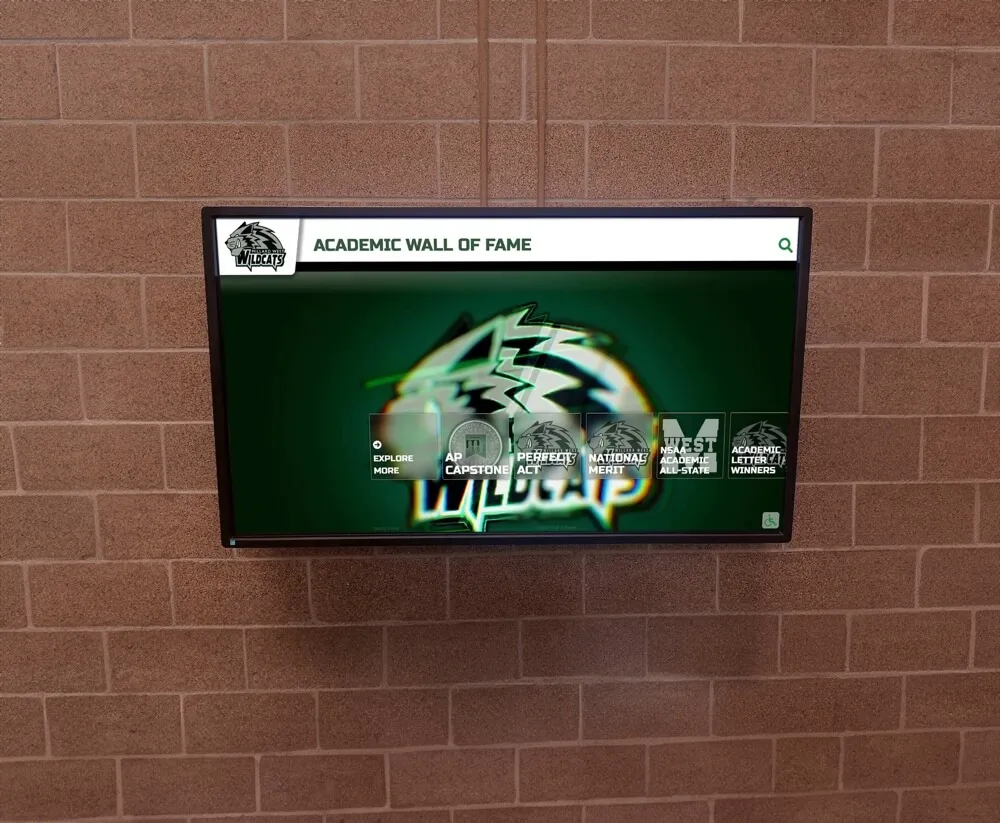
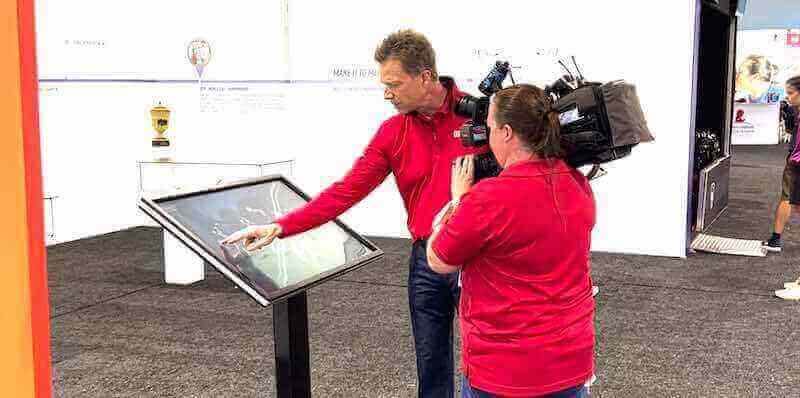
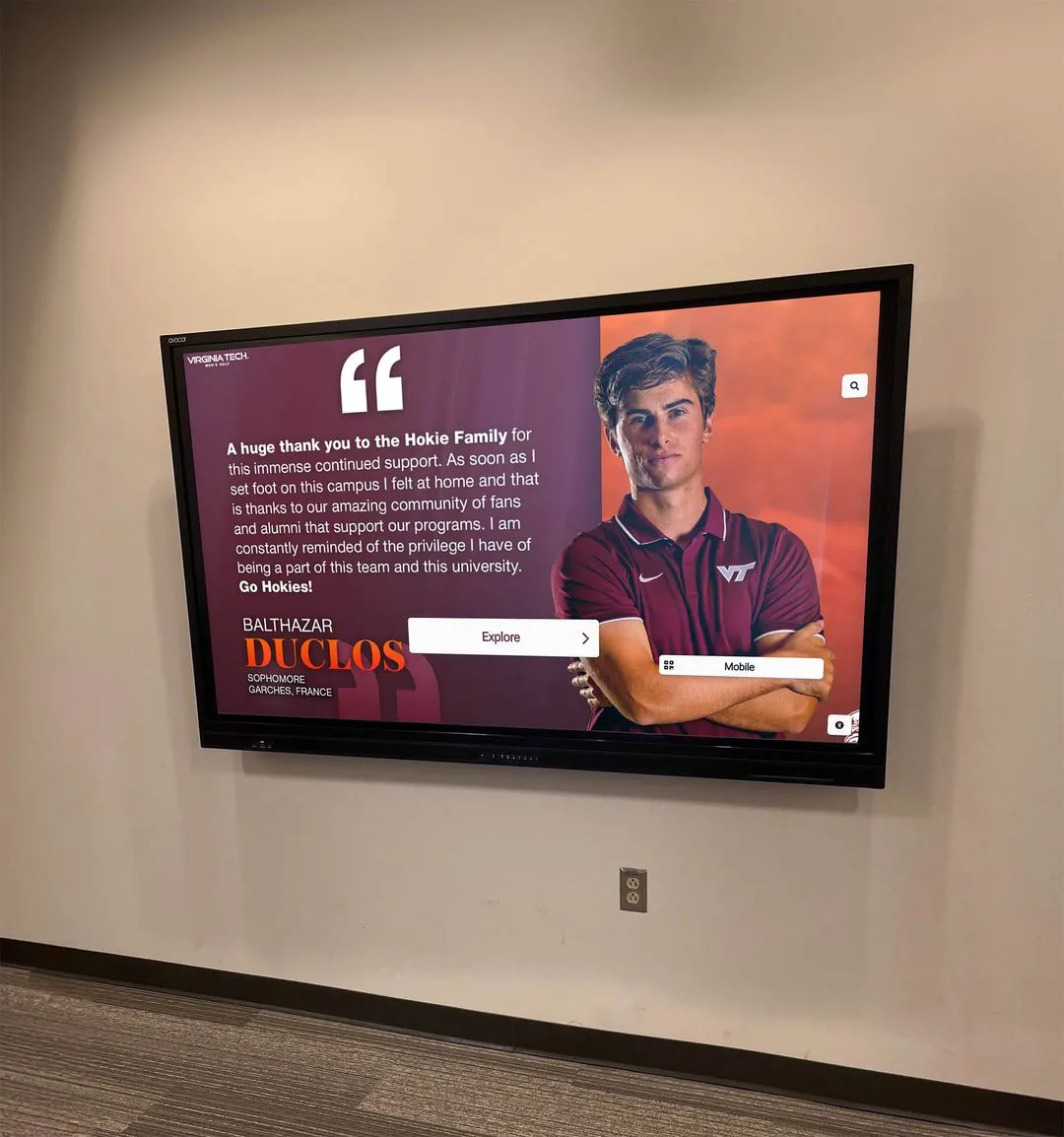
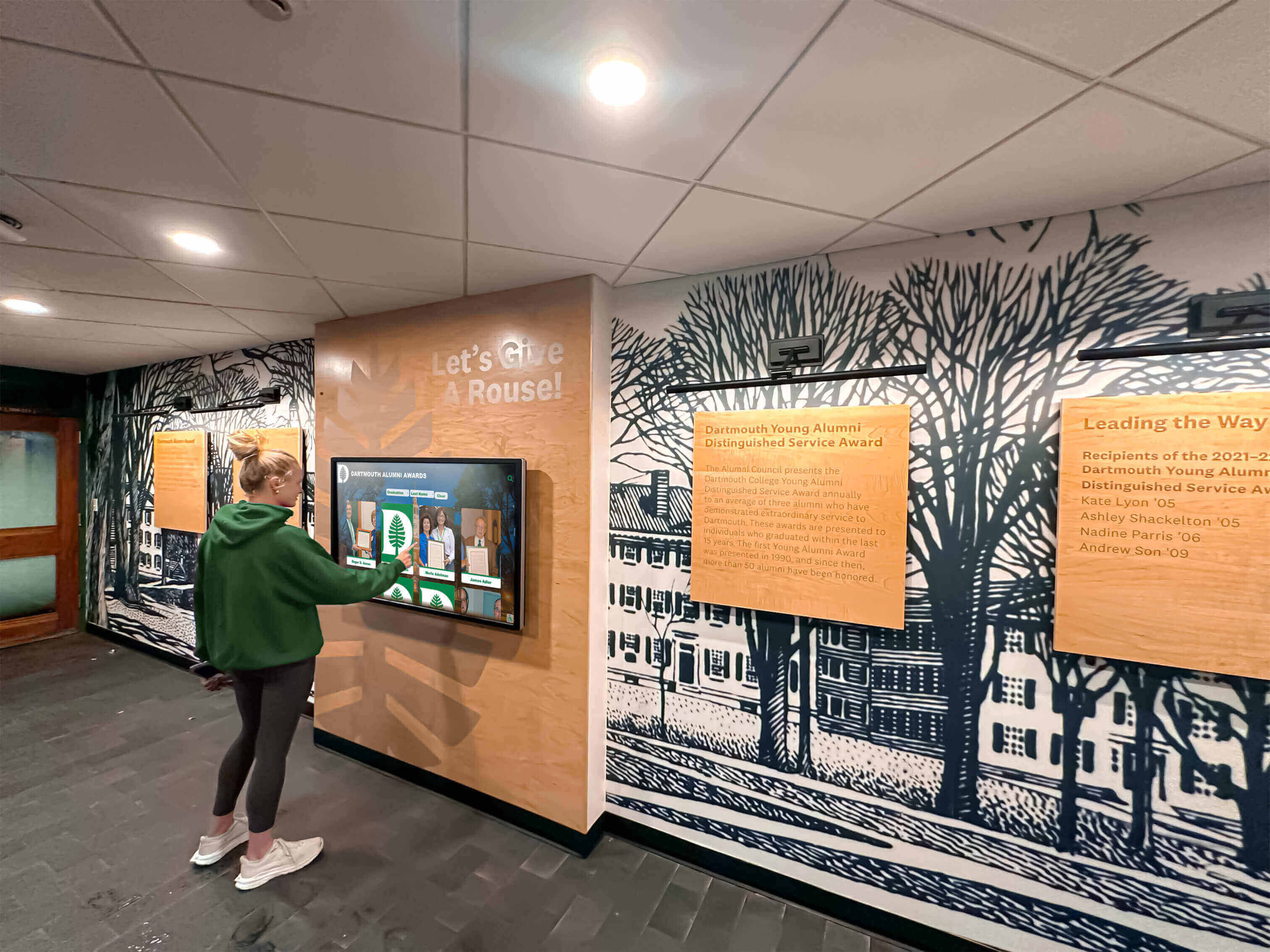
Modern campuses feature interactive displays where both students and visiting alumni can explore accomplishments, fostering natural networking conversations
Maximizing Networking Conversations
Successfully securing conversation with an alumnus represents just the beginning. How you conduct that interaction determines whether it becomes valuable one-time exchange or foundation for ongoing relationship.
Preparing for Informational Interviews
Research Thoroughly - Before any conversation, research the alumnus’s background, company, industry, and recent work. Review their LinkedIn, company bio, any articles or presentations they’ve published, and current company news.
Develop Specific Questions - Create 8-10 thoughtful questions prioritized by importance. Mix career journey questions with industry insights and specific advice relevant to your situation. Avoid questions easily answered through Google.
Prepare Your Introduction - Practice concise introduction covering who you are, your academic focus, career interests, and why you’re interested in their specific experience. Keep it under 60 seconds.
Clarify Logistics - Confirm time, format (phone, video, in-person), and duration beforehand. Arrive early for in-person meetings, test technology before video calls, and ensure quiet environment for phone conversations.
Bring Materials if Appropriate - For some conversations, bringing resume, portfolio samples, or specific questions in written form demonstrates preparation and provides conversation anchors.
Conducting Productive Conversations
Honor Time Commitments - If they agreed to 20 minutes, stick to 20 minutes unless they explicitly extend. Starting and ending on time shows respect and increases likelihood they’ll agree to future conversations.
Listen More Than You Talk - The conversation should feature them 70-80% of the time. Your role involves asking insightful questions, active listening, and strategic follow-up questions that demonstrate engagement.
Take Notes - Jotting brief notes shows you value their insights and helps you remember key points for follow-up. Ask permission before recording any conversation.
Ask About Their Journey - Most professionals enjoy discussing their career path. Questions about pivotal decisions, unexpected opportunities, and lessons learned often yield valuable insights and create engaging conversation flow.
Request Specific Advice - Move beyond “What advice do you have?” to “What would you recommend for someone in my position interested in [specific goal]?” or “What do you wish you’d known when you were in my shoes?”
Explore Current Industry Insights - Ask about current trends, emerging opportunities, challenges facing the field, or skills becoming increasingly valuable. This information often proves more actionable than historical career journey discussion.
Inquire About Next Steps - Toward conversation end, ask “What should I be doing now to prepare for [specific career goal]?” or “What experiences would make me a competitive candidate for [specific opportunity]?”
Request Additional Connections - If conversation goes well, consider asking “Is there anyone else you’d recommend I speak with about [specific topic]?” Alumni often willingly make warm introductions to colleagues.
Questions That Generate Valuable Insights
Career Path Questions:
- “What attracted you to [industry/company/role] initially, and has that evolved?”
- “What was the most pivotal career decision you made, and what factors influenced it?”
- “Looking back, what unexpected experiences proved most valuable for your career?”
Industry and Role Questions:
- “What skills are becoming increasingly important in [field/industry]?”
- “What do you wish more people understood about working in [industry/role]?”
- “What challenges is [industry] currently facing that might create opportunities?”
Actionable Advice Questions:
- “What should I prioritize during my remaining time in school to prepare for [career path]?”
- “What experiences or credentials made the biggest difference when you were starting out?”
- “If you were in my position today, what would you focus on?”
Company and Culture Questions:
- “How would you describe [company]’s culture and what type of person thrives there?”
- “What surprised you most about working at [company] compared to your expectations?”
- “How has [company/industry] changed during your time there?”
Leveraging Digital Tools and Platforms
Modern technology provides unprecedented access to alumni networks and streamlines relationship management. Strategic use of digital platforms significantly enhances networking effectiveness.
Maximizing LinkedIn for Alumni Networking
Optimize Your Search Strategy - Use LinkedIn’s Alumni tool (found under your school’s page) to filter by location, company, job function, and graduation year. Save searches for ongoing reference as new alumni join or update profiles.
Personalize Connection Requests - Always include personalized note explaining your shared school connection and briefly why you’re reaching out. Generic connection requests rarely succeed with people you haven’t met.
Engage with Alumni Content - Before reaching out directly, engage thoughtfully with alumni’s LinkedIn posts by leaving substantive comments. This warm introduction makes subsequent outreach feel less random.
Join Alumni LinkedIn Groups - Participate in school-specific LinkedIn groups where alumni actively engage. Contributing valuable questions or insights builds visibility before direct networking requests.
Share Relevant Content - Post academic projects, thoughtful industry analysis, or achievements that demonstrate your capabilities. Alumni reviewing your profile should see active, engaged student rather than blank presence.
Utilizing Institutional Alumni Platforms
Many schools implement dedicated platforms connecting students with alumni beyond general directories.
Formal Mentorship Programs - Register for any institutional mentorship matching services. These programs pair students with alumni volunteers who explicitly committed to supporting current students.
Interactive Alumni Directories - Modern institutions implement searchable platforms featuring comprehensive alumni profiles including career history, areas of expertise, and willingness to engage with students. Solutions like Rocket Alumni Solutions provide touchscreen displays and mobile-accessible platforms where students can discover and research alumni before reaching out.
Virtual Networking Events - Participate in online alumni panels, industry discussions, and speed networking events organized through institutional platforms. These structured events provide lower-pressure introduction opportunities.
Career-Specific Channels - Many platforms organize alumni by industry or career function, making it easier to identify relevant connections in your field of interest.
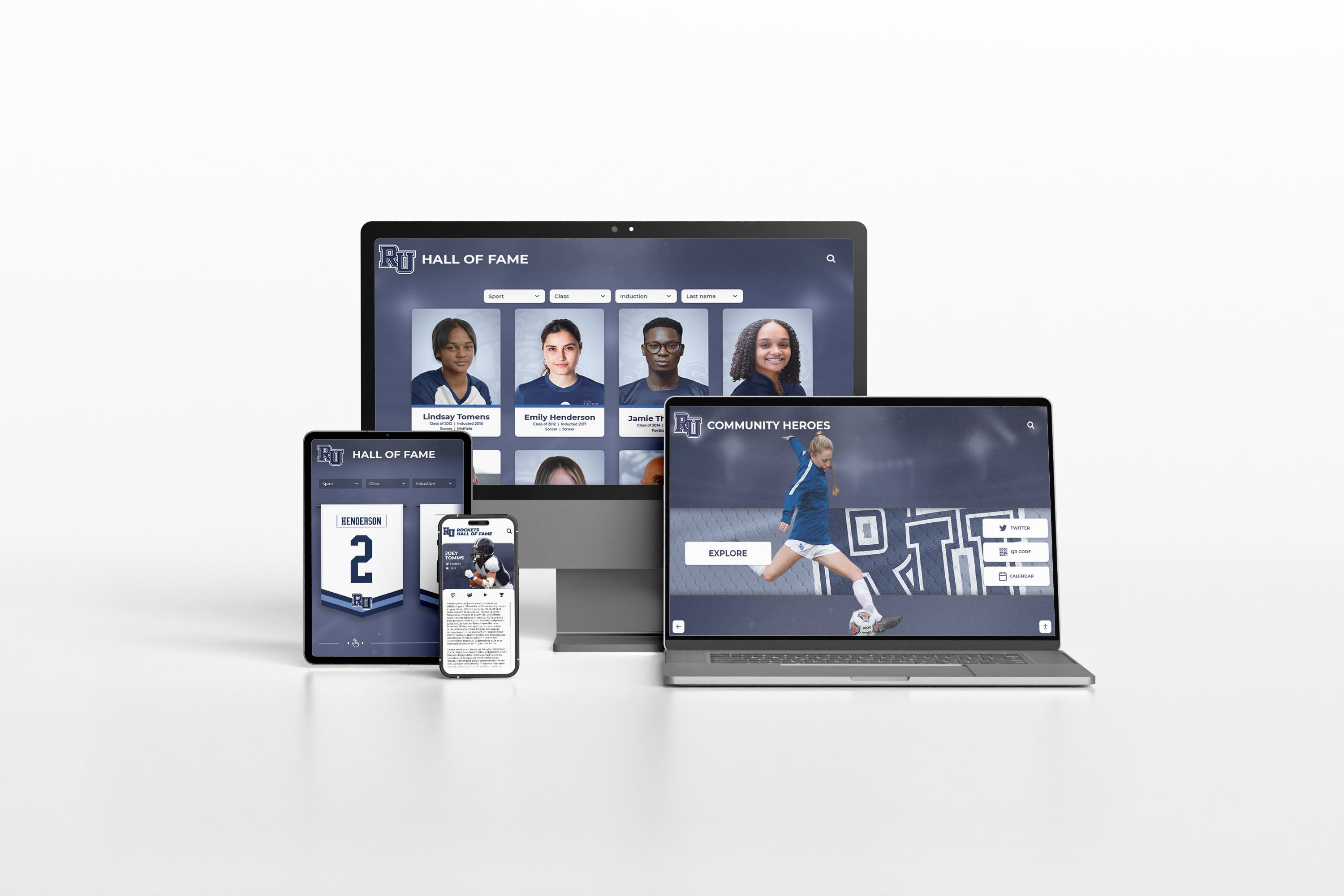
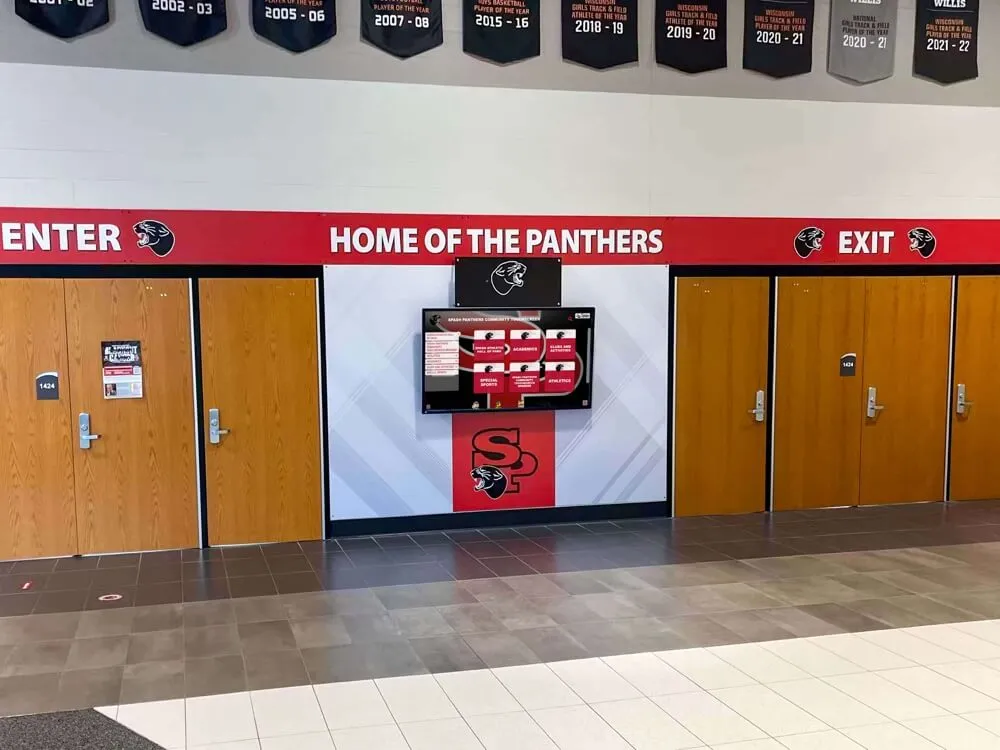
Mobile-responsive alumni platforms enable students to research and connect with graduates from any device, facilitating networking from anywhere
Email Communication Best Practices
Use Professional Email Address - Ideally use your institutional .edu email address rather than personal addresses that may appear less professional.
Craft Clear Subject Lines - Subject lines like “Fellow [School] Alum Interested in [Industry]” or “[School] Student Seeking Guidance on [Topic]” clearly communicate purpose and shared connection.
Format for Readability - Use short paragraphs, clear spacing, and scannable structure. Busy professionals often read emails quickly on mobile devices.
Include Signature Block - Professional signature should include your name, class year, major, institution, and LinkedIn URL making it easy for alumni to learn more about you.
Follow Email Etiquette - Proofread carefully, avoid text-speak or overly casual language, and maintain professional tone while remaining personable and genuine.
Attending Alumni Networking Events
In-person and virtual events create optimal environments for building alumni connections through structured yet relaxed interaction opportunities.
Preparing for Alumni Events
Research Attending Alumni - If attendee lists are available, research participants beforehand to identify priority connections and prepare relevant questions for specific individuals.
Prepare Your Introduction - Have polished but natural self-introduction ready covering your name, year, major, career interests, and current projects or involvement.
Bring Business Cards - Even as student, simple business cards with name, school, email, phone, and LinkedIn URL facilitate easy information exchange and appear professional.
Dress Appropriately - Match or slightly exceed expected dress code. When uncertain, business casual represents safe choice for most alumni networking events.
Set Concrete Goals - Rather than vague “network effectively,” set specific objectives like “have substantive conversations with three alumni in consulting” or “collect contact information from five alumni willing to do informational interviews.”
Working the Room Effectively
Arrive Early - Early arrival provides opportunities to connect with organizers and first-arriving alumni before crowds make meaningful conversation difficult. Early connections often prove most substantive.
Approach Individuals or Small Groups - Large groups feel intimidating and make meaningful conversation difficult. Target individuals or groups of two-three people for initial approach.
Ask Open-Ended Questions - Rather than yes/no questions, ask “What brought you to [city/event]?” or “What are you currently working on?” to generate conversation flow.
Practice Active Listening - Focus genuinely on what alumni share rather than waiting for your turn to speak. Ask follow-up questions demonstrating you’re engaged with their responses.
Know When to Move On - Read social cues indicating conversation has run its course. Gracefully exit with “I don’t want to monopolize your time—thank you so much for the insights” and exchange contact information.
Follow Up with Event Connections - Within 48 hours, send personalized email to each significant connection referencing specific conversation points and suggesting continued discussion if appropriate.
Virtual Event Strategies
Test Technology Beforehand - Ensure video, audio, and internet connection work properly. Join few minutes early to resolve any technical issues.
Optimize Your Environment - Choose quiet location with professional background, good lighting, and minimal distractions. Your environment reflects on your professionalism.
Engage in Chat - Beyond verbal participation, actively engage in event chat features with thoughtful questions or comments. This visibility helps you stand out among potentially many participants.
Use Breakout Rooms Strategically - When events feature breakout rooms, actively participate rather than staying silent. These smaller groups provide better relationship-building opportunities than large sessions.
Request Contact Information - Virtual events make exchanging information less natural than in-person gatherings. Proactively ask for LinkedIn connections or email addresses to maintain contact.
Organizations planning alumni golf events, reunions, and other gatherings create valuable environments where students can build relationships with accomplished graduates in relaxed settings.
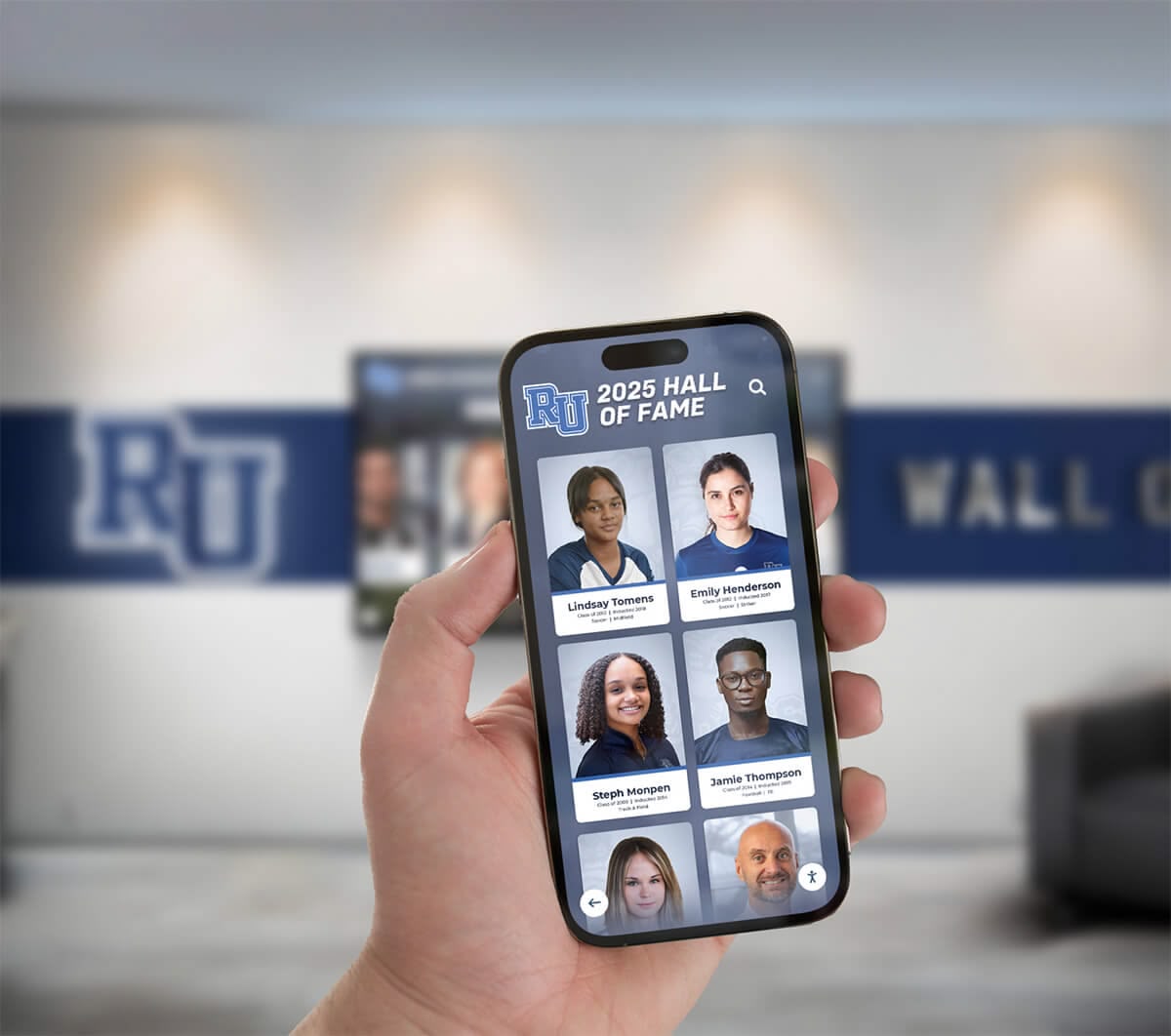
Mobile alumni platforms allow students to instantly access graduate profiles, accomplishments, and contact information while attending campus networking events
Building and Maintaining Long-Term Relationships
Successful networking extends far beyond single conversations. The most valuable alumni relationships develop over months and years through consistent, thoughtful engagement.
Following Up After Initial Contact
Send Immediate Thank You - Within 24 hours of any conversation, send brief email thanking them for their time and referencing specific insights you found valuable. This courtesy sets foundation for continued relationship.
Report Back on Advice - If alumnus provided specific recommendations, update them when you’ve acted on their guidance. “I took your advice about [X] and wanted to share that [outcome]” demonstrates respect for their input and closes feedback loop.
Share Relevant Content - When you encounter articles, opportunities, or information relevant to conversation topics, forward with brief note. This demonstrates you’re thinking about relationship beyond immediate personal benefit.
Provide Meaningful Updates - Every few months, send brief update on your progress, new developments, or interesting projects. Keep these concise and focused on developments they’d genuinely find interesting given your previous conversations.
Respect Communication Frequency - Most alumni relationships thrive on quarterly or semi-annual touchpoints rather than weekly communication. Read cues about appropriate frequency based on their response patterns.
Adding Value to Alumni Relationships
Share Student Perspectives - Alumni often value current student insights about campus changes, emerging technologies, new academic programs, or generational perspectives on industry challenges.
Make Strategic Introductions - When appropriate, connect alumni with other students, professionals, or resources that might benefit them. Facilitating valuable connections demonstrates relationship maturity.
Offer Specific Skills - If you have particular skills—graphic design, coding, social media expertise, research capabilities—offer to assist with specific project if appropriate to relationship.
Participate in Alumni Initiatives - When alumni request student participation in panels, surveys, research projects, or campus events, prioritize these opportunities to demonstrate your commitment to relationship.
Celebrate Their Achievements - When alumni receive promotions, awards, or recognition, send genuine congratulations. These moments create natural touchpoints for re-engagement.
Transitioning to Peer Relationships
Recognize Evolving Dynamics - As you progress in your career, alumni relationships often evolve from mentor-mentee to peer-peer. Acknowledge and adapt to these shifting dynamics.
Continue Giving Value - Even as you establish your career, maintain focus on mutual value rather than purely extracting benefit from more senior contacts.
Stay Connected During Transitions - Career changes, relocations, and major life events provide natural moments for reaching out and maintaining relationship continuity.
Build Your Own Mentoring Practice - As young professional, begin mentoring current students yourself. This demonstrates maturity and creates commonality with more established alumni who also mentor.
Common Networking Mistakes to Avoid
Understanding frequent pitfalls helps you navigate alumni networking more successfully and build stronger professional reputation.
Transactional Approach
The Mistake - Reaching out to alumni only when you need something specific (job opportunity, recommendation, favor) without having built any prior relationship.
The Impact - Alumni quickly recognize purely transactional outreach and rarely invest in relationships that feel one-sided. You damage your reputation and reduce future networking success.
The Solution - Build relationships before you need them. Connect with alumni when you don’t have immediate agenda, maintain periodic contact, and look for opportunities to provide value before requesting favors.
Generic Outreach
The Mistake - Sending identical template messages to dozens of alumni without personalization or specific relevance to each individual.
The Impact - Generic messages get ignored or deleted. Alumni can tell when you’re mass messaging and won’t invest time in someone who hasn’t invested time in understanding their background.
The Solution - Send fewer, highly personalized messages demonstrating genuine research and specific interest in each alumnus’s unique experience.
Unprofessional Communication
The Mistake - Using overly casual language, typos, poor formatting, unprofessional email addresses, or inappropriate communication platforms.
The Impact - Unprofessional communication signals lack of seriousness and damages first impressions. Alumni question whether you’ll represent them well professionally.
The Solution - Proofread everything, use professional communication channels, maintain appropriate tone, and format messages for readability.
Demanding Rather Than Requesting
The Mistake - Approaching alumni with entitled attitude or making requests that assume their obligation to help rather than gratitude for their voluntary investment.
The Impact - Demanding tone alienates potential mentors and closes doors to relationships. Alumni volunteer their time and resent presumption that they owe assistance.
The Solution - Frame all requests humbly, express genuine appreciation, make participation easy, and acknowledge that their time is valuable gift not obligation.
Failing to Follow Up or Follow Through
The Mistake - Not sending thank-you notes, failing to implement advice, disappearing after initial conversation, or not updating alumni on outcomes of their guidance.
The Impact - Alumni feel their time was wasted and become unwilling to invest in future students. You lose opportunity for ongoing relationship and potential future support.
The Solution - Meticulously follow through on commitments, send timely thank-yous, report back on advice implementation, and maintain periodic contact demonstrating respect for relationship.
Over-Aggressive Job Seeking
The Mistake - Immediately asking for job opportunities or recommendations before establishing any relationship or demonstrating your capabilities.
The Impact - Puts alumni in uncomfortable position of being asked to stake their professional reputation on someone they barely know. Most will simply decline or stop responding.
The Solution - Focus on building authentic relationship first. Job opportunities often emerge naturally from established relationships where alumni have witnessed your capabilities and character over time.
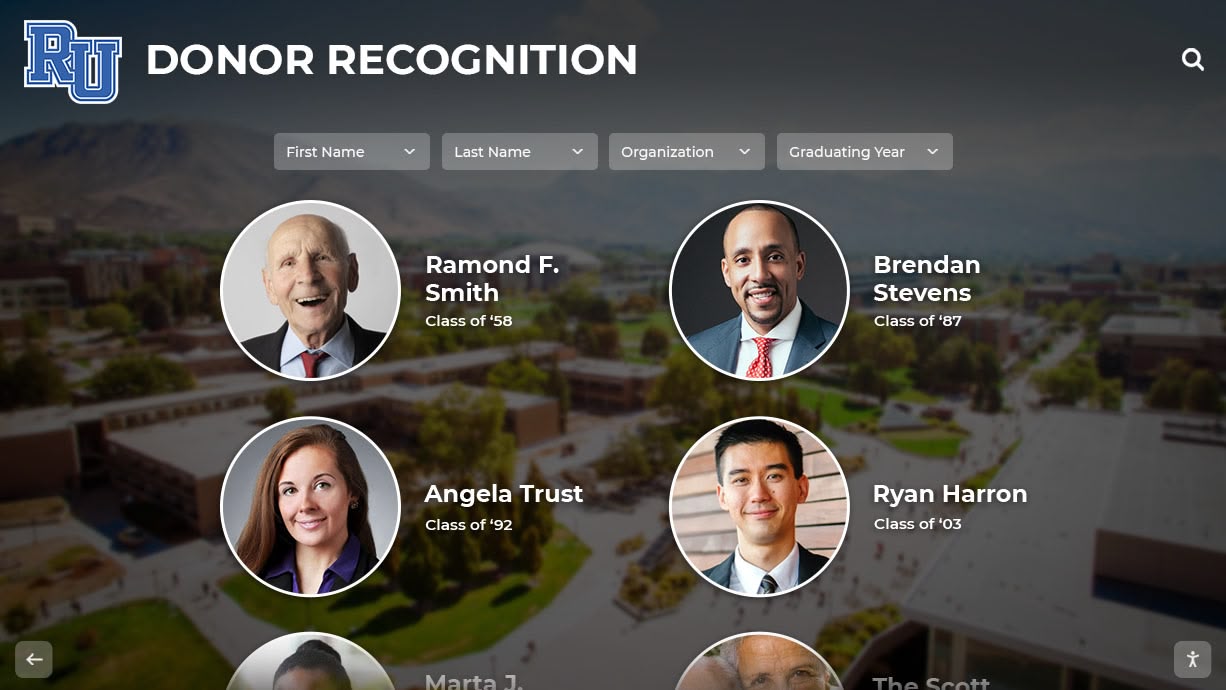
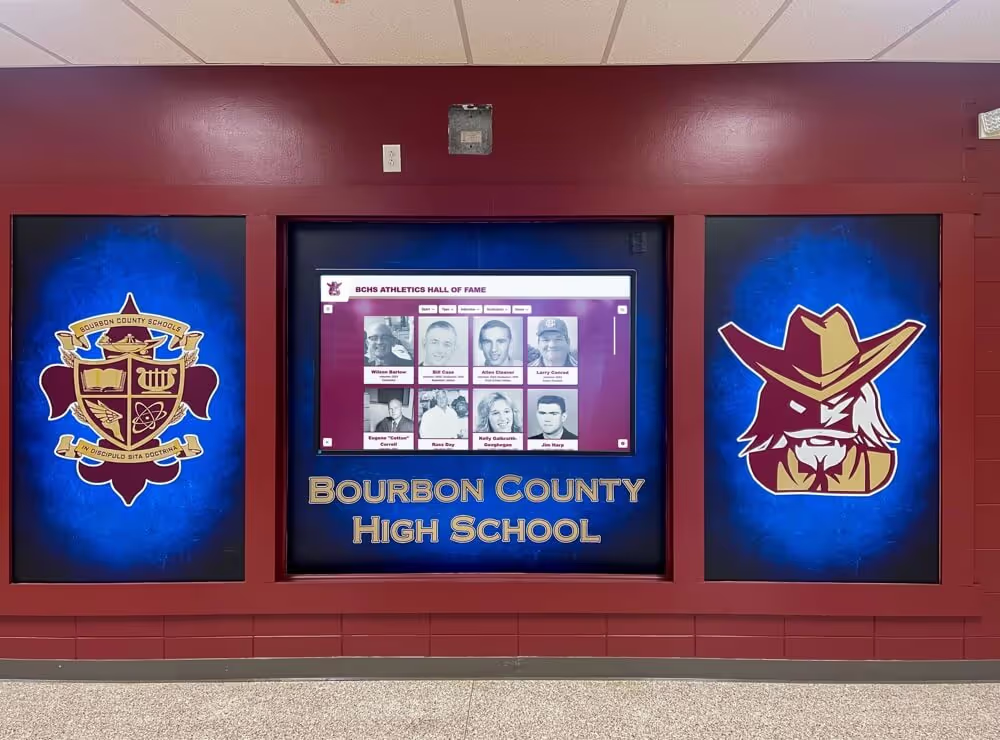
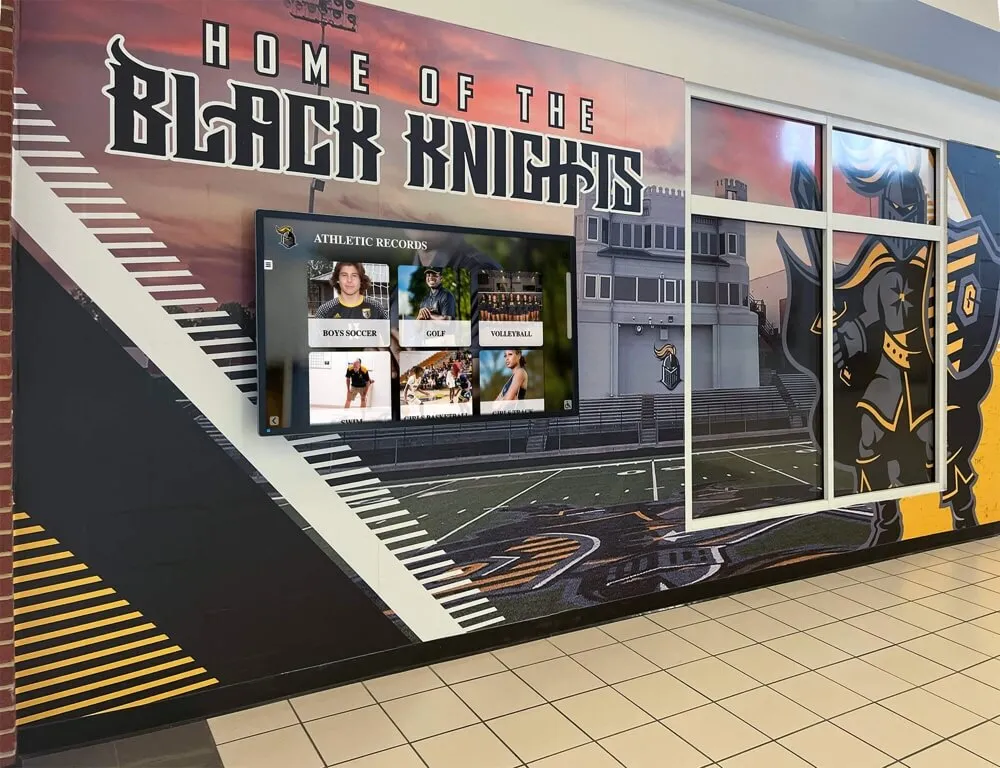
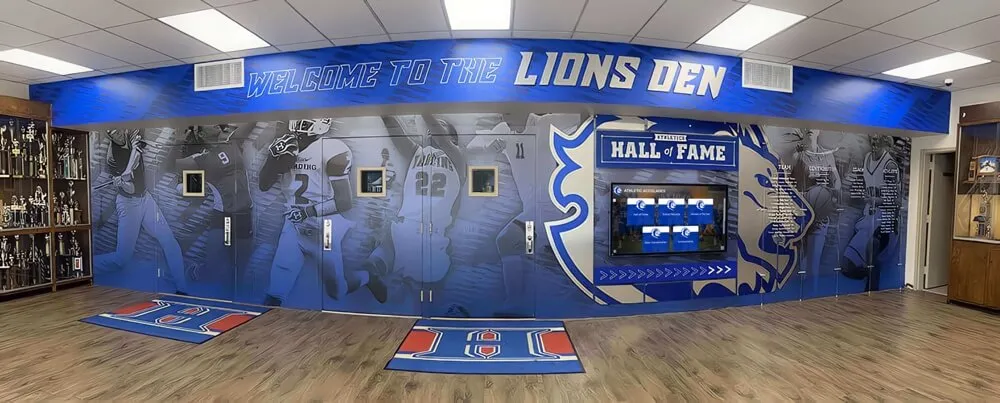
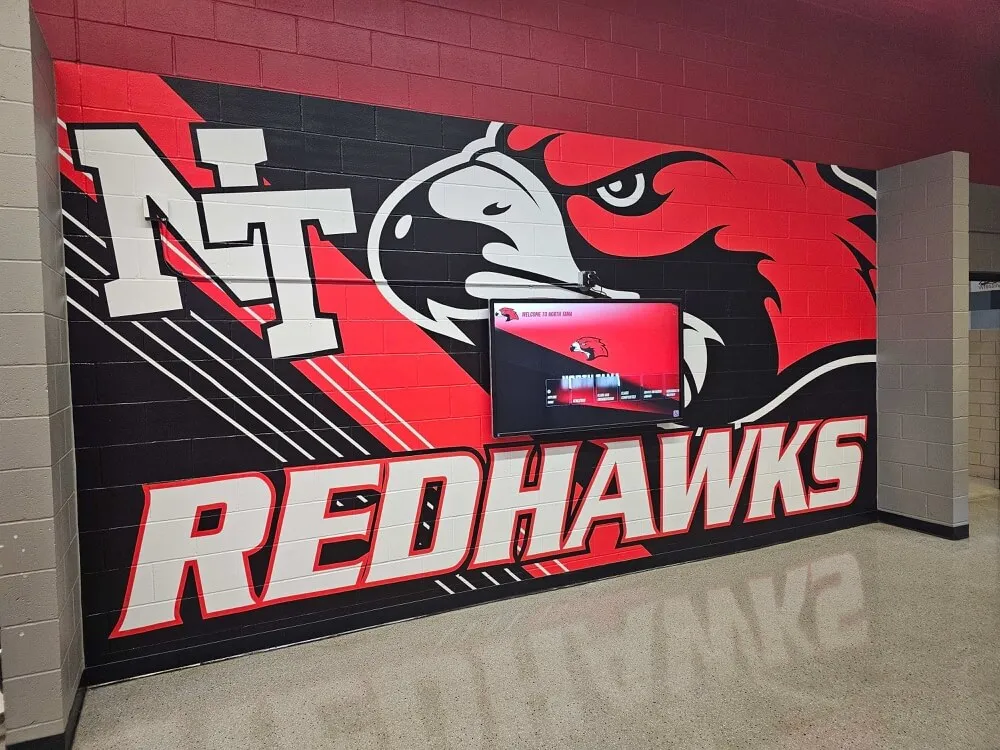
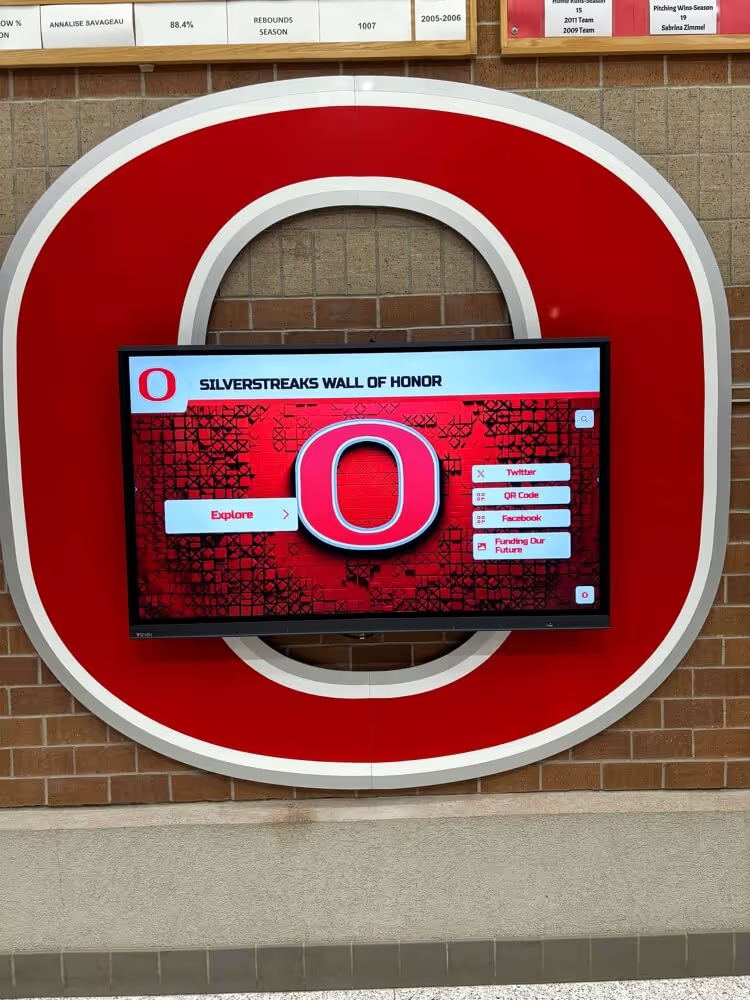
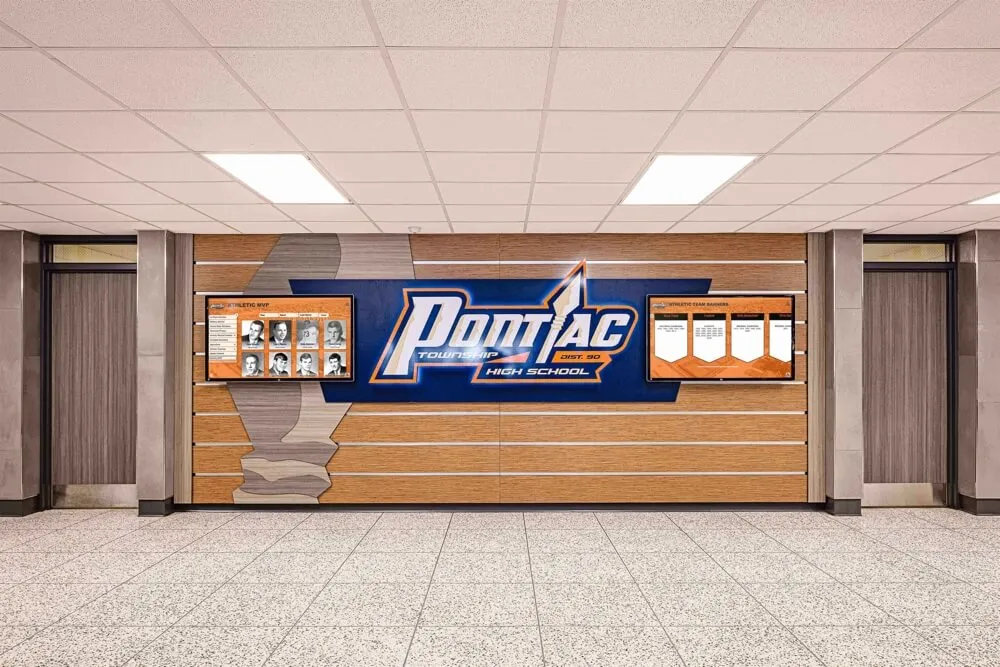
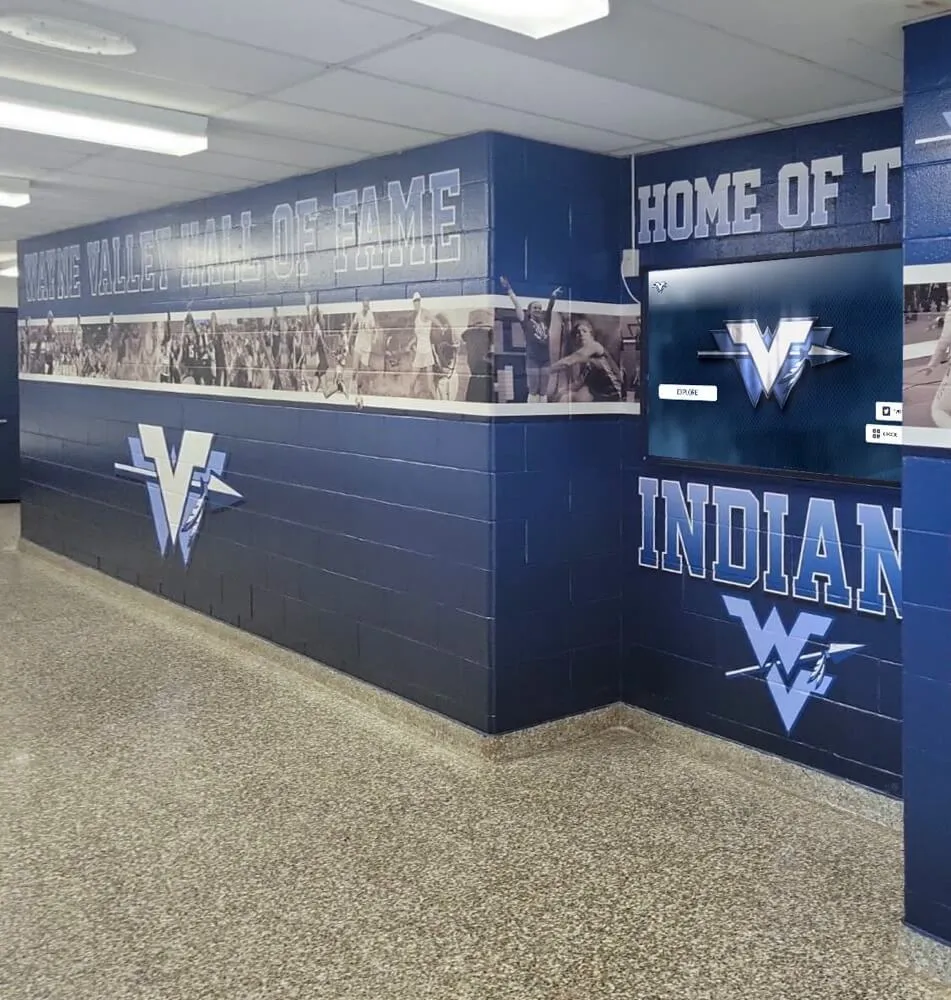
Campus recognition displays showcase alumni achievements and career paths, helping students identify relevant networking contacts and learn from graduate success stories
Networking Strategies for Specific Situations
Different career stages and objectives require tailored approaches to alumni networking. Adapt strategies to your specific circumstances for maximum effectiveness.
For Current Students Exploring Career Paths
Strategy Focus - Prioritize informational interviews with alumni in diverse roles to explore various career options before committing to specific path.
Recommended Approach:
- Contact alumni across multiple industries and functions to broaden perspective
- Ask questions about day-to-day responsibilities, unexpected aspects of roles, and career trajectory
- Request recommendations for other alumni to speak with about related fields
- Focus on learning rather than job seeking at this exploratory stage
- Document insights to identify patterns and preferences
For Students Seeking Internships
Strategy Focus - Build relationships with alumni at target companies while demonstrating relevant skills and genuine interest.
Recommended Approach:
- Research companies offering internships in your field and identify alumni employees
- Reach out for informational interviews about company culture and internship experiences
- Ask about application timing, required skills, and what makes candidates competitive
- Request feedback on your resume and application materials specific to their company
- Follow up when you apply, mentioning their guidance in your process
For Graduating Seniors Job Hunting
Strategy Focus - Leverage alumni network for job leads, application referrals, and interview preparation.
Recommended Approach:
- Identify alumni at target companies and in target roles
- Be direct about job search but lead with informational interview request
- Ask about open positions, hiring timelines, and application processes
- Request informational interview about their career path even if no immediate openings
- After establishing relationship, ask if they’d be comfortable referring your application
- Prepare thoroughly for any conversations to demonstrate you’re qualified candidate worth recommending
For Young Professionals Considering Career Changes
Strategy Focus - Connect with alumni who successfully made similar career transitions to learn from their experiences.
Recommended Approach:
- Search for alumni who transitioned from your current field to target field
- Explicitly mention your transition plans and why you’re seeking their specific insights
- Ask about skills that transferred, additional preparation required, and transition challenges
- Request advice about positioning your background for new field
- Inquire about industry conferences, certifications, or experiences that facilitate transitions
For Graduate School Applicants
Strategy Focus - Connect with alumni who attended target programs or work in fields requiring advanced degrees.
Recommended Approach:
- Identify alumni who graduated from programs you’re considering
- Ask about program experience, application process, and career impact
- Request advice on choosing between programs or specializations
- Inquire about funding opportunities and managing graduate school financially
- Ask for application review or recommendation if relationship develops appropriately
Leveraging Modern Alumni Recognition Technology
Schools increasingly implement interactive platforms showcasing alumni achievements and facilitating student-alumni connections. Understanding how to utilize these systems enhances your networking effectiveness.
Interactive Alumni Directories
Modern institutions feature searchable platforms going far beyond basic contact lists to include comprehensive profiles, career histories, and engagement preferences.
Key Features to Utilize:
- Advanced Search Filters - Sort by industry, company, location, graduation year, major, and other criteria to identify highly relevant connections
- Achievement Archives - Review alumni accomplishments, awards, and milestones to identify impressive individuals and understand their career progression
- Engagement Preferences - Check whether alumni have indicated willingness to mentor, conduct informational interviews, or participate in specific networking activities
- Shared Experiences - Identify alumni with common backgrounds like shared hometown, student organizations, or academic programs
Strategic Approaches:
- Research alumni thoroughly before reaching out to personalize communication
- Reference specific achievements or career moves you discovered through platform research
- Respect any stated communication preferences or availability limitations
- Update your own profile to help future alumni connect with you
Digital Recognition Displays
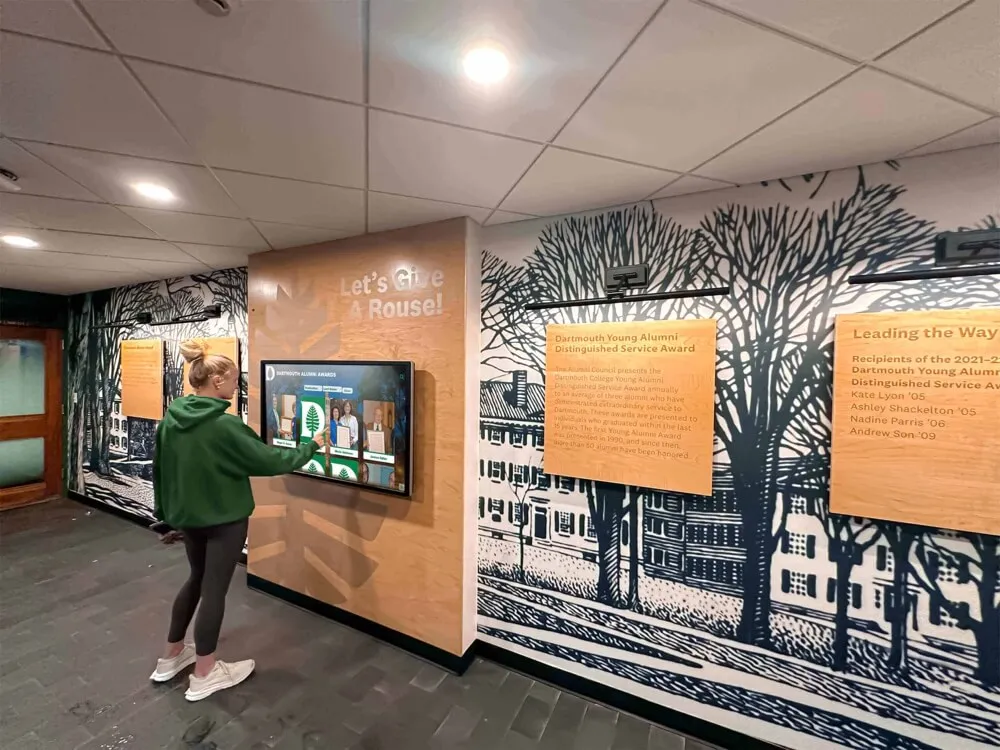
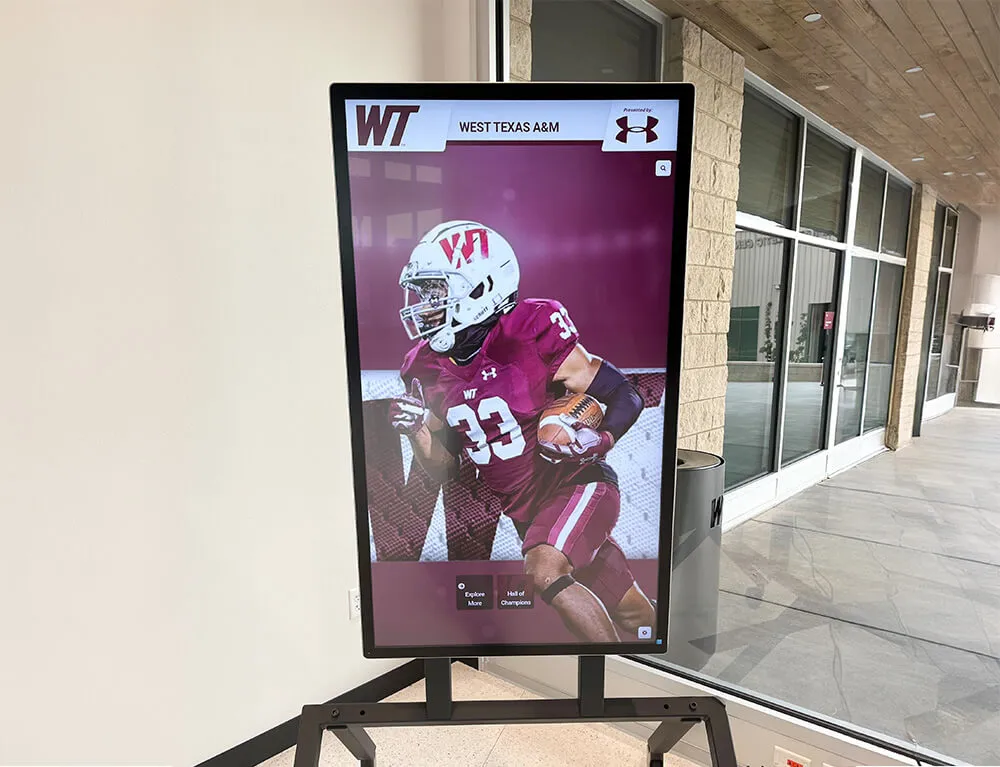
Many campuses feature interactive touchscreen displays showcasing alumni accomplishments and institutional history.
Using Recognition Displays for Networking Research:
- Browse displays to discover accomplished alumni you weren’t previously aware of
- Learn about career paths and achievement timelines through visual storytelling
- Screenshot or note contact information when provided
- Reference display content when reaching out (“I saw your profile on the alumni recognition wall in [building]”)
Schools implementing comprehensive digital recognition solutions through platforms like Rocket Alumni Solutions create accessible archives where students can explore extensive alumni networks, discover mentor candidates, and research potential career paths through interactive, engaging interfaces that make networking research more effective and efficient.
Virtual Alumni Engagement Platforms
Features Supporting Student Networking:
- Alumni recognition programs highlighting monthly featured graduates
- Discussion forums organized by industry or interest area
- Virtual event calendars promoting networking opportunities
- Mentorship matching systems connecting student needs with alumni expertise
- Job and internship boards where alumni post opportunities
Maximizing Platform Benefits:
- Complete your student profile thoroughly to increase visibility
- Actively participate in discussions to build name recognition
- Attend virtual events consistently to establish familiarity
- Utilize mentorship matching services when available
- Monitor job boards for alumni-posted opportunities indicating insider advantage
Building Confidence for Networking Success
Many students and young professionals feel intimidated by alumni networking. Developing confidence requires mindset shifts and practice.
Reframing Networking Anxiety
Shift from “Asking for Favors” to “Building Relationships” - You’re not begging for help; you’re initiating mutually beneficial professional relationships that may provide value to both parties over time.
Remember Alumni Want to Help - Most successful professionals genuinely enjoy mentoring and remember receiving similar help early in their careers. Your outreach provides them opportunity to give back.
Focus on Genuine Interest - Approaching networking as learning opportunity rather than transactional favor-seeking reduces pressure and makes conversations more authentic.
Accept That Rejection Isn’t Personal - Some alumni won’t respond regardless of your approach due to their current obligations, not because you did something wrong. Don’t internalize non-responses as personal failures.
Recognize You Have Value - Even as student, you offer fresh perspectives, current academic knowledge, and potential future professional value. This isn’t purely one-sided exchange.
Developing Networking Skills
Start Small - Begin with lower-stakes connections like recent graduates or alumni explicitly volunteering as mentors before approaching senior executives.
Practice Your Introduction - Rehearse self-introduction with friends, career counselors, or family until it feels natural and confident.
Prepare Thoroughly - Confidence stems from preparation. Thorough research and prepared questions reduce anxiety about awkward silences or not knowing what to say.
Learn from Each Interaction - Reflect on what worked and what didn’t after each networking conversation. Continuous improvement comes from thoughtful practice.
Celebrate Small Wins - Acknowledge successes like sending your first outreach email, completing your first informational interview, or getting your first positive response.
Managing Ongoing Networking Efforts
Create Sustainable Systems - Develop spreadsheet or use CRM tool tracking contacts, conversation summaries, follow-up timing, and relationship status. Organization reduces overwhelm.
Set Realistic Goals - Rather than “network constantly,” commit to specific, achievable targets like “reach out to two new alumni monthly” or “maintain quarterly contact with five key mentors.”
Schedule Networking Time - Block specific calendar time for networking research, outreach, and relationship maintenance rather than treating it as something you’ll do “when you have time.”
Balance Quality and Quantity - Five deep relationships provide more value than fifty superficial connections. Invest in fewer, more meaningful relationships.
Integrate Networking into Routine - Make networking habitual part of your professional development rather than special effort requiring unusual motivation.
Discover Your Institution’s Alumni Network
Modern digital platforms make it easier than ever for students to discover, research, and connect with accomplished alumni. Interactive recognition systems and searchable alumni directories help you identify relevant networking contacts, learn about diverse career paths, and build relationships that support your professional development.
Explore how comprehensive alumni solutions like Rocket Alumni Solutions help institutions create engaging platforms connecting current students with extensive alumni networks through touchscreen displays, mobile-accessible databases, and integrated recognition systems designed to facilitate meaningful mentorship relationships and professional networking opportunities.
Conclusion: Building Your Professional Future Through Alumni Connections
Learning how to network with alumni effectively represents one of the most valuable professional skills you can develop during your academic and early career years. These connections provide far more than immediate job opportunities—they offer mentorship, industry insights, professional guidance, and relationship foundations that can support your entire career trajectory.
Successful alumni networking requires shifting from transactional mindset to relationship-building approach. Focus on genuine interest in alumni experiences, thoughtful preparation before reaching out, respect for their time and expertise, consistent follow-through on commitments, and long-term relationship maintenance beyond immediate needs. Alumni can quickly distinguish between students who view them as means to an end and those who genuinely value building authentic professional relationships.
Start small if networking feels intimidating. Your first outreach email doesn’t need to be perfect—it needs to be sent. Your first informational interview will feel awkward—but it gets easier with practice. The alumni who mentor you most meaningfully may not be the most famous or senior graduates but rather those whose experiences align most closely with your interests and who appreciate your genuine engagement with their insights.
Remember that today’s alumni were once students just like you, facing similar uncertainties about their futures and seeking guidance from those who came before them. Most genuinely want to help the next generation succeed and view mentoring current students as opportunity to give back to the institution and community that supported their development. Your outreach provides them that opportunity.
Invest in building your alumni network now, maintain those relationships thoughtfully over time, and recognize that the strongest professional connections often develop slowly through consistent, genuine engagement. The mentor who helps you land your first job, the senior professional who guides your career transition, or the fellow alumnus who becomes your business partner might be someone you reach out to this week—but the relationship value emerges over months and years of mutual support and authentic connection.
Your school’s alumni network represents one of the most valuable resources at your disposal. Make the strategic choice to engage with it thoughtfully, professionally, and authentically. The relationships you build today create the professional foundation supporting your success for decades to come.