Searching for old high school yearbooks connects people to formative memories, helps genealogists complete family histories, assists researchers documenting local communities, and enables schools to fill archival gaps from decades past. Whether you need your own yearbook from a graduation years ago, want to locate a parent’s or grandparent’s school memories, or seek historical documentation for a project, finding vintage yearbooks requires knowing where to look and which search methods actually produce results.
The challenge intensifies with older yearbooks. Schools move buildings, consolidate districts, or close entirely, scattering yearbook collections across multiple locations. Physical volumes deteriorate from age, go missing from archive rooms, or remain inaccessible in storage facilities without proper cataloging. Many yearbooks from the 1920s through 1980s exist in just a handful of surviving copies held by graduates who may not realize others desperately seek access to these irreplaceable historical records.
Successful yearbook searches combine multiple approaches—from contacting school libraries and checking public library archives through searching online databases and connecting with alumni associations. Each method offers distinct advantages depending on the decade you’re researching, the school’s current status, and whether you need digital access or physical copies.
Understanding available search strategies and applying systematic approaches dramatically improves success rates when hunting for old high school yearbooks regardless of how many decades have passed since publication. This guide walks through proven methods for locating vintage yearbooks, evaluating which strategies work best for different time periods, and maximizing chances of finding the specific volumes you need.

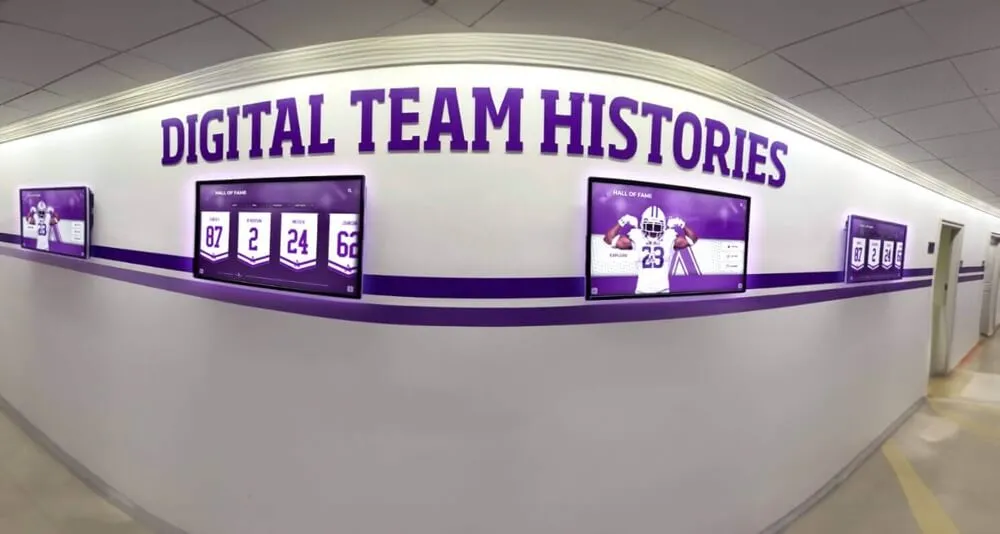
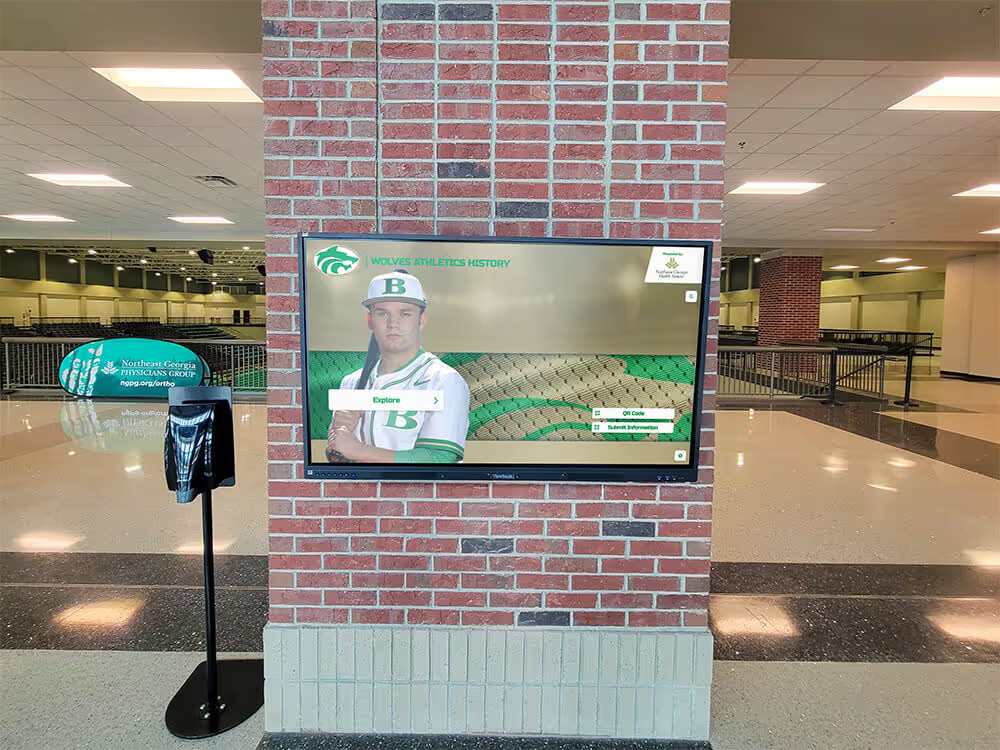
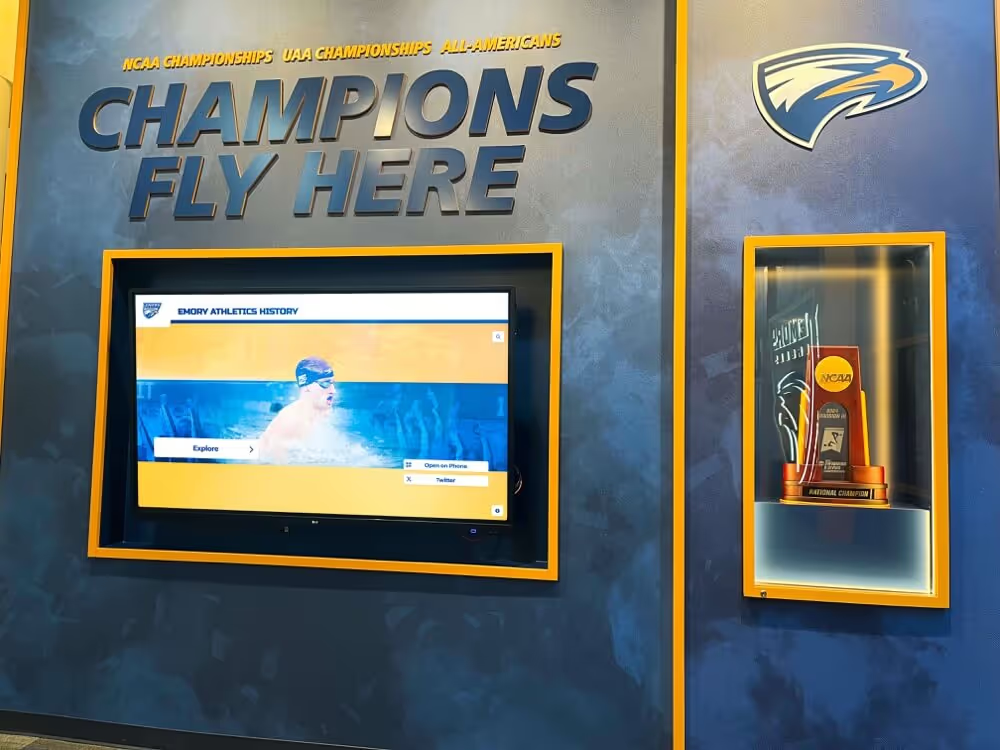
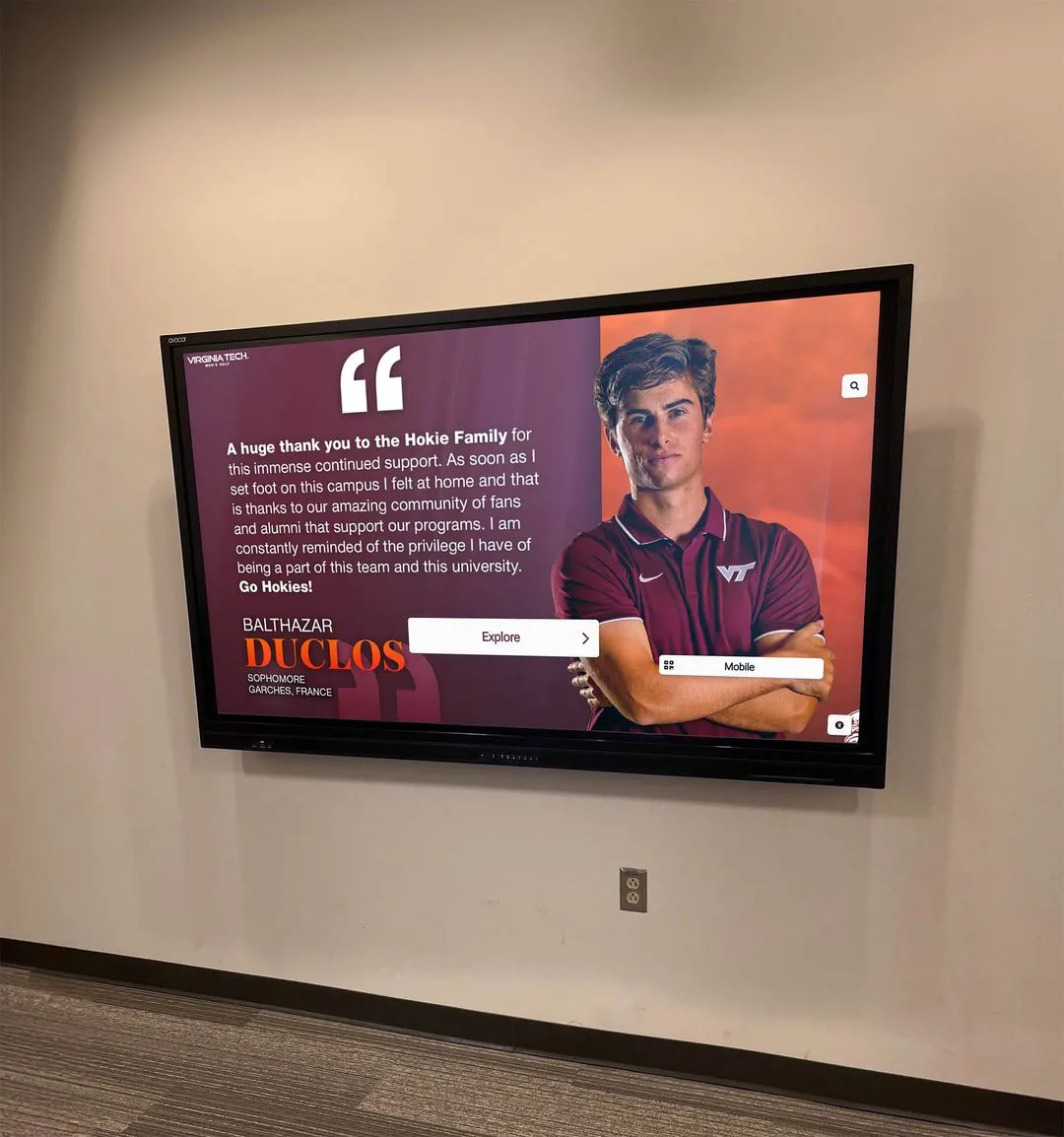
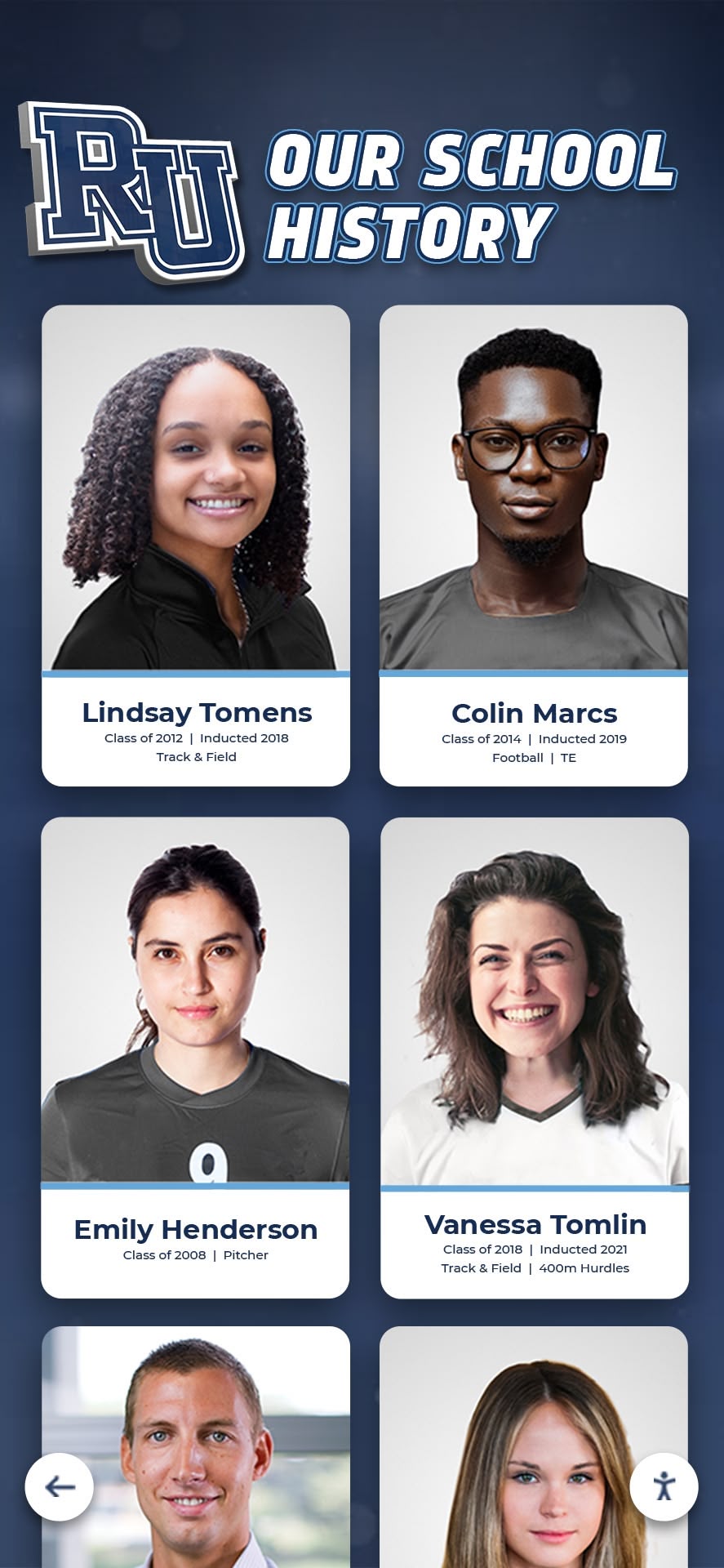
Old high school yearbooks preserve irreplaceable portraits, team photos, and memories that document institutional heritage spanning multiple generations
Start With the School Library and Administration Office
High schools maintain yearbook collections as part of institutional archives, making the school itself the most logical starting point for any search.
Contact the School Library or Media Center
School librarians serve as custodians of yearbook archives and understand collection organization better than anyone else on staff. When reaching out:
Make Your Request Specific
Contact librarians with exact details including the school name, specific year or decade needed, and whether you’re seeking a particular person or general browsing access. Specific requests receive faster responses than vague inquiries about “old yearbooks.” Include your connection to the school—alumnus, relative of graduate, researcher—since librarians prioritize requests from alumni and family members.
Ask About Access Policies
Schools implement varying policies regarding yearbook access. Some allow open viewing during library hours for anyone with legitimate interest. Others restrict access to alumni with proper identification or limit viewing to scheduled appointments during specific hours. Understanding policies before visiting prevents wasted trips to find archives closed or inaccessible.
Inquire About Digital Collections
Progressive schools digitize yearbook archives, creating searchable databases accessible through library websites or special portals. Ask whether digital versions exist, what years have been scanned, and how you can access online collections. Digital yearbook archives increasingly provide remote access to historical materials without requiring physical visits.
Check for Missing Volumes
Many school archives contain gaps—missing yearbooks from specific years due to loss, damage, or incomplete collection transfers when schools relocated. If the library lacks the exact year you need, ask which years are missing. Librarians sometimes maintain lists of desired volumes and may know about alumni who possess copies of missing years.
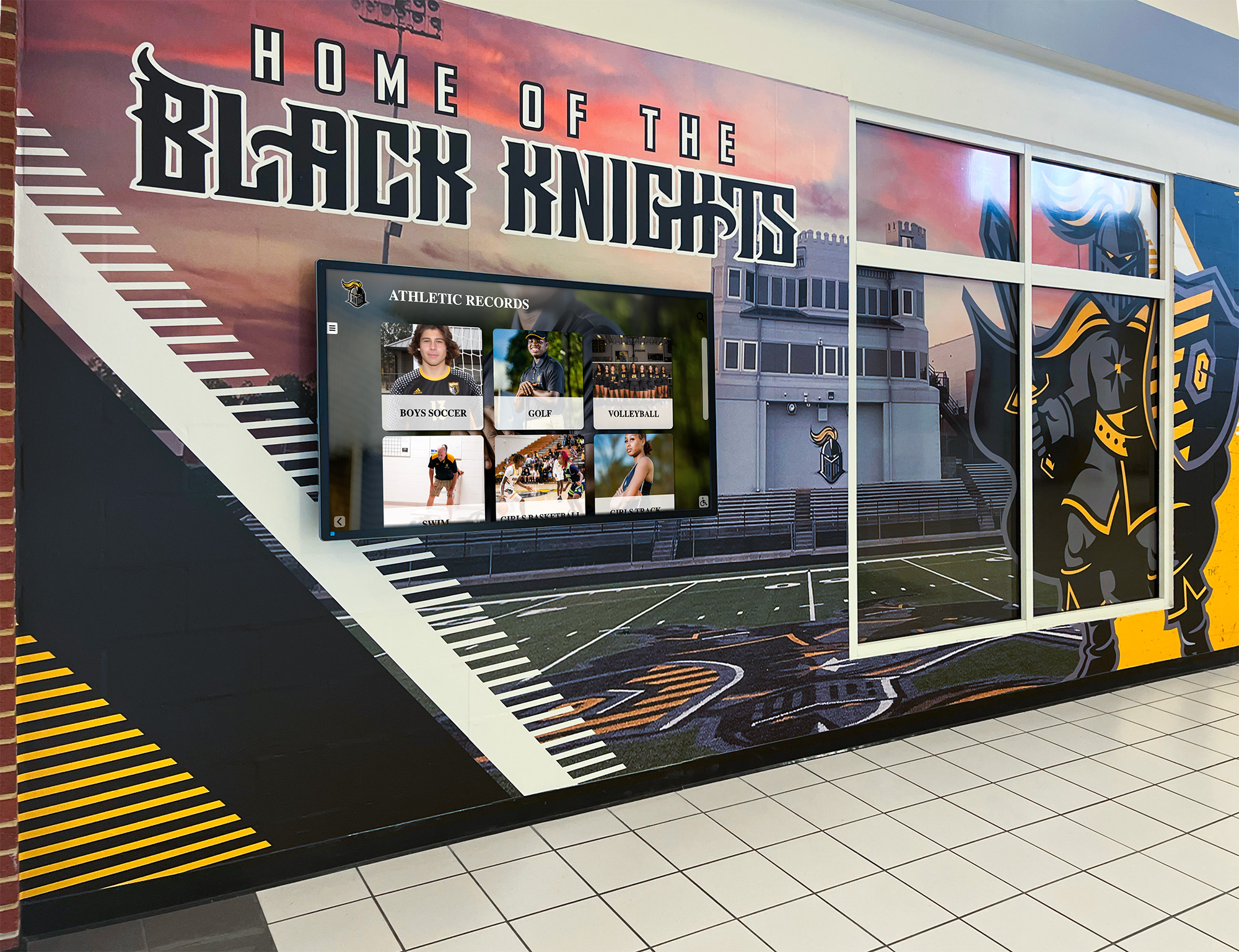
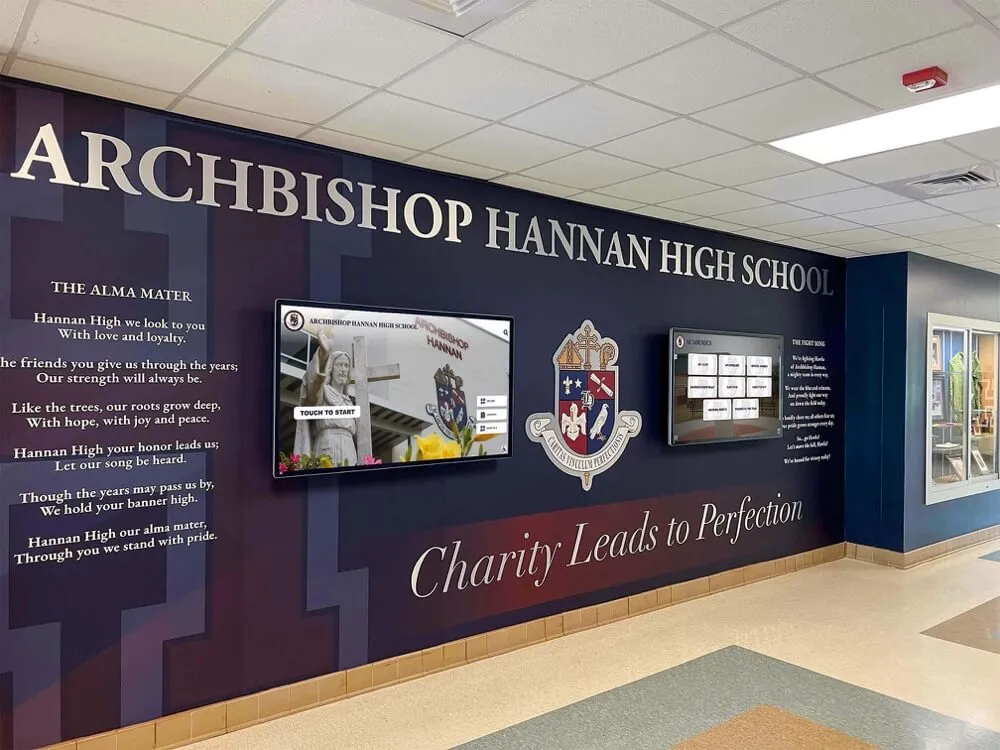
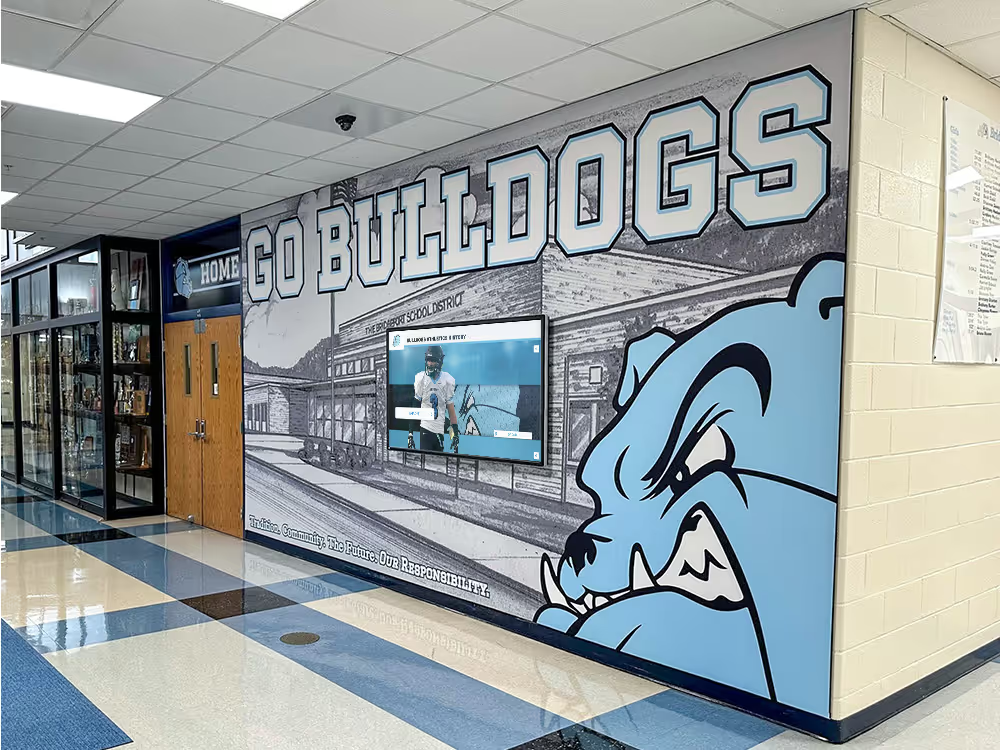
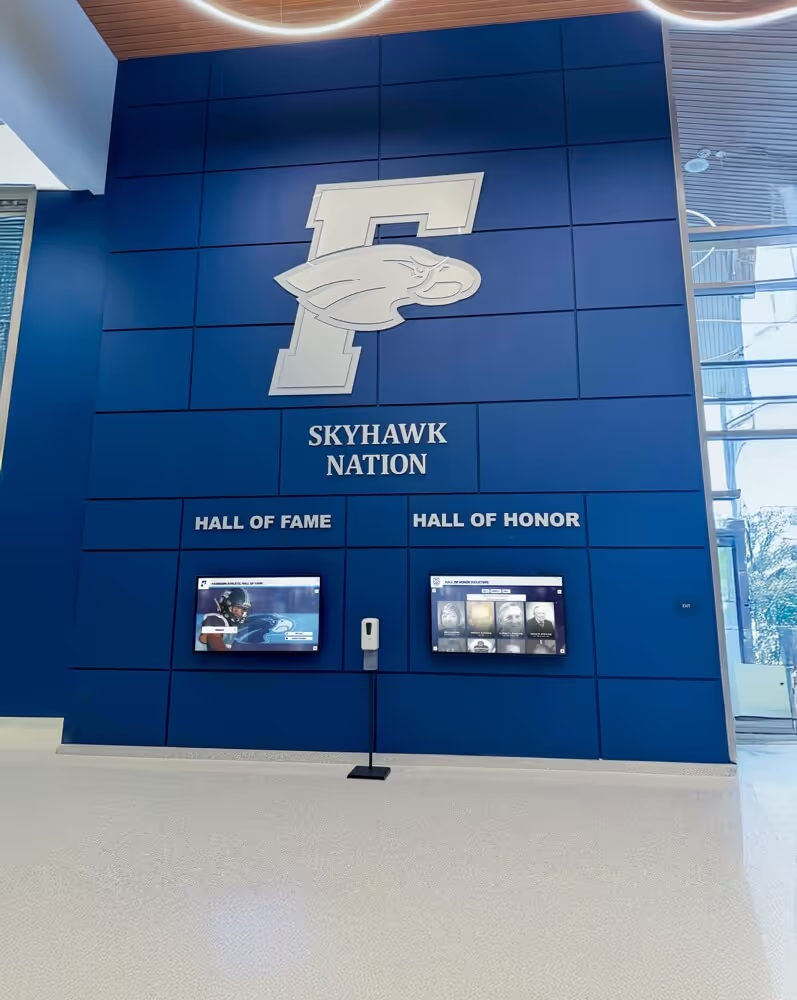
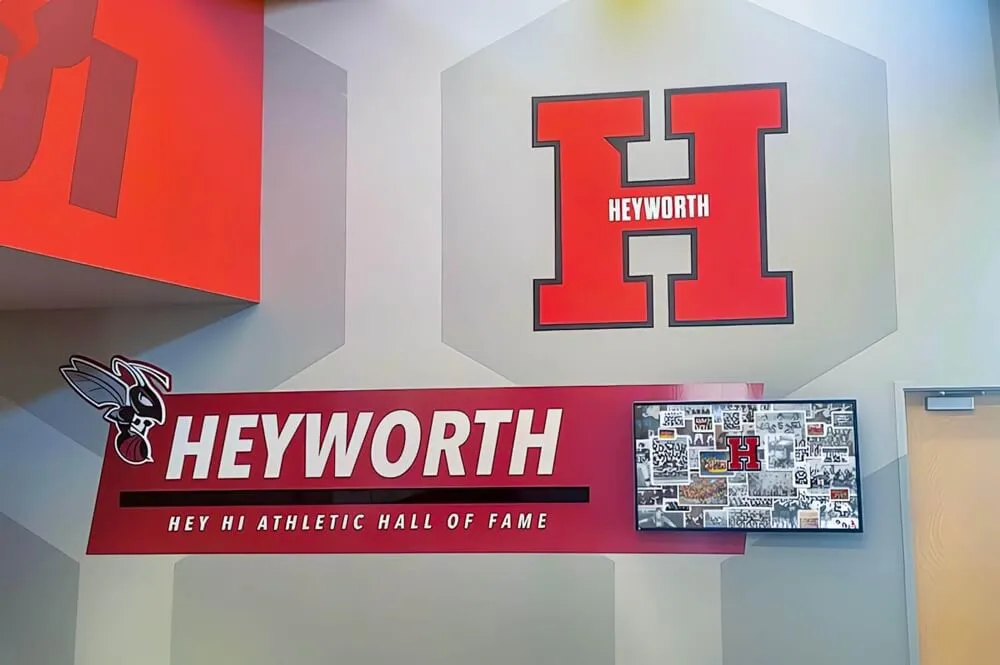
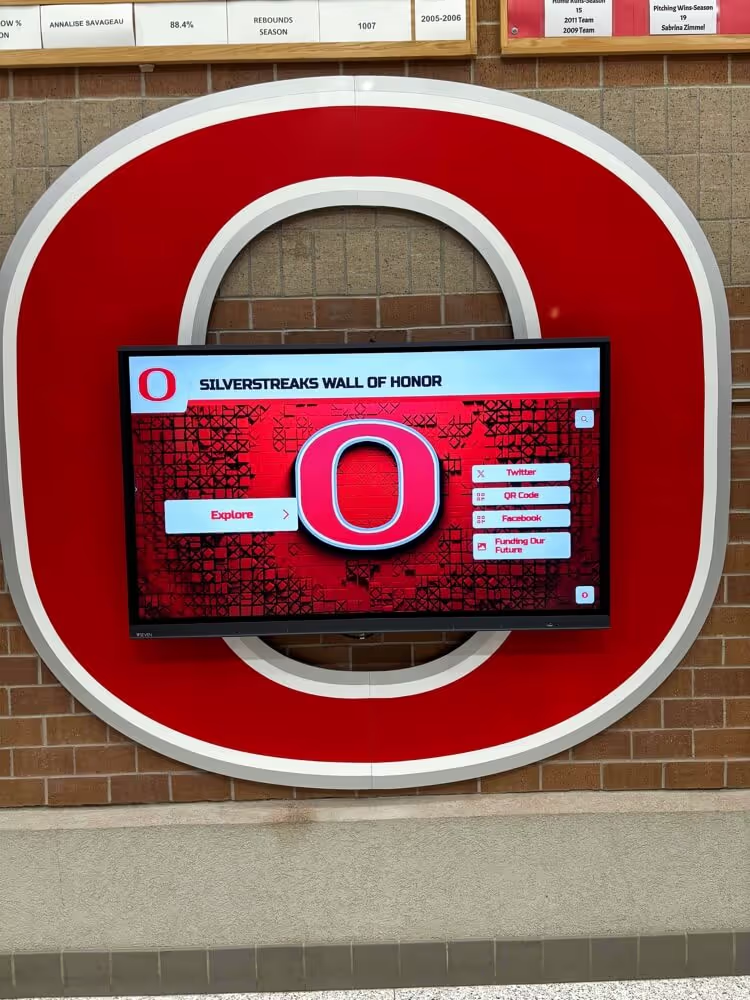
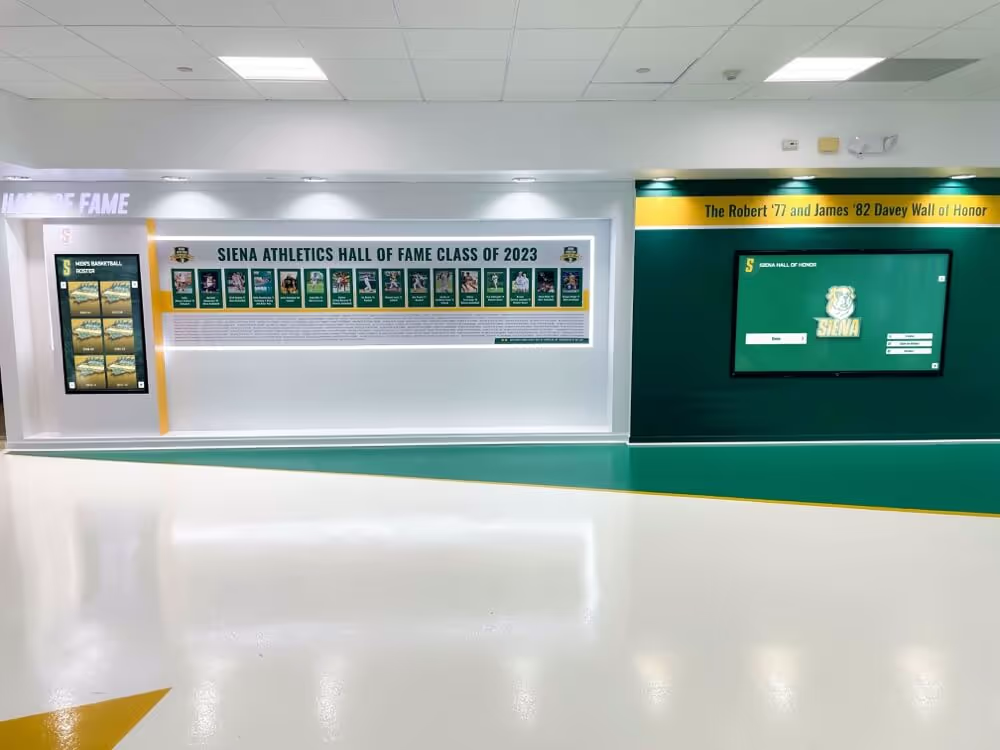
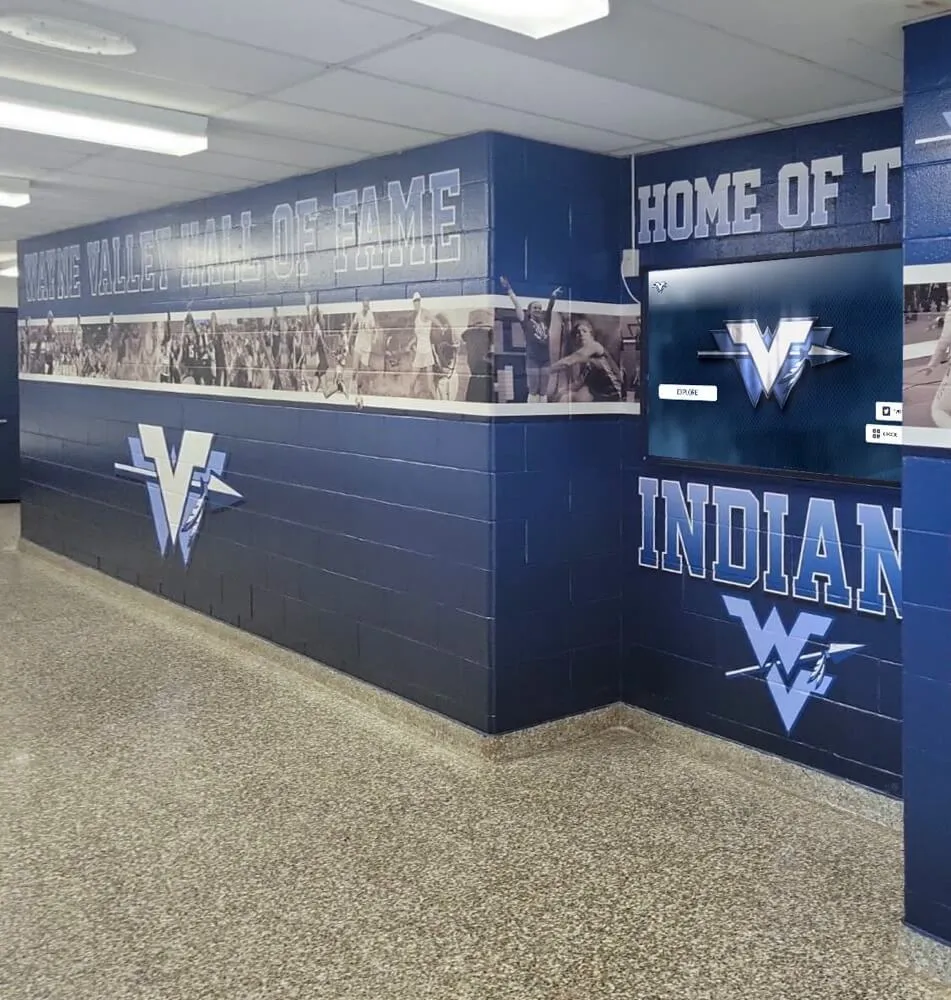
Modern schools maintain historical archives including yearbooks as part of broader heritage preservation efforts showcased through physical and digital displays
Request Assistance From Administrative Staff
Beyond librarians, administrative staff can provide valuable guidance:
District Office Resources
School districts sometimes centralize historical archives at district administration buildings, especially when schools have closed or consolidated. District archivists or records managers oversee these collections and can direct you to appropriate resources.
Alumni Coordinator or Development Office
Larger schools employ alumni coordinators or development staff who maintain relationships with graduate communities. These professionals often know which class years organized active reunion committees, which decades have strong alumni networks, and which graduates collected extensive yearbook sets they’re willing to share for research purposes.
Historical Committees
Schools approaching milestone anniversaries frequently form historical committees tasked with gathering archival materials including yearbooks. Committee members actively seek missing volumes and may welcome information about yearbooks held by private collectors.
Check Public Library Local History Collections
Public libraries maintain local history collections preserving community heritage including yearbooks from area schools, making them essential resources for yearbook searches.
Local History Room Research
Most public libraries in cities and towns operate local history or genealogy rooms housing special collections:
Geographic Focus Advantages
Public libraries collect materials from all schools within their service area, not just single institutions. Researchers seeking yearbooks from multiple schools, comparing programs across competing high schools, or tracking individuals who transferred between schools benefit from consolidated collections covering entire districts or counties.
Preservation Expertise
Libraries employ preservation specialists trained in handling fragile historical materials. Yearbook collections receive proper storage in climate-controlled environments, careful cataloging with searchable finding aids, and professional repair when binding or page damage threatens accessibility. These preservation standards often exceed what individual schools can provide.
Digitization Initiatives
Public libraries lead digitization projects converting local history materials into searchable online databases. Library-digitized yearbooks often appear in statewide databases, regional consortiums, or library-specific digital collections accessible from home without travel to physical locations. Check library websites for digital collections before making research trips.
Reference Librarian Assistance
Reference librarians specializing in local history provide invaluable research support—explaining search strategies, navigating archival finding aids, suggesting alternative resources when specific yearbooks aren’t available, and connecting researchers with other institutions holding relevant materials.
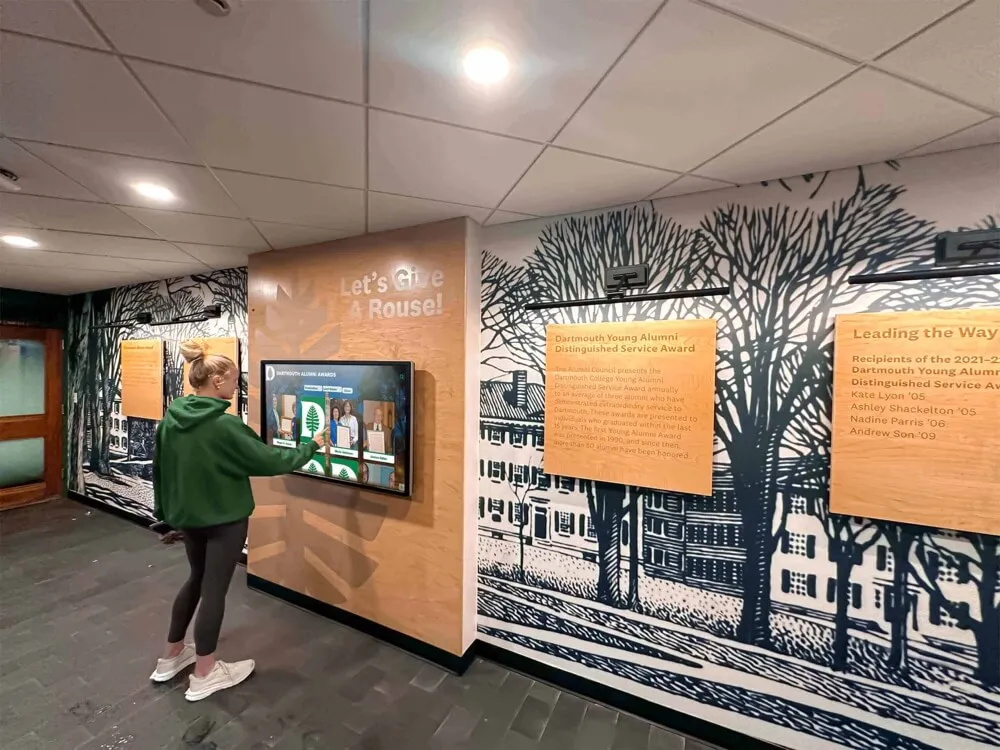
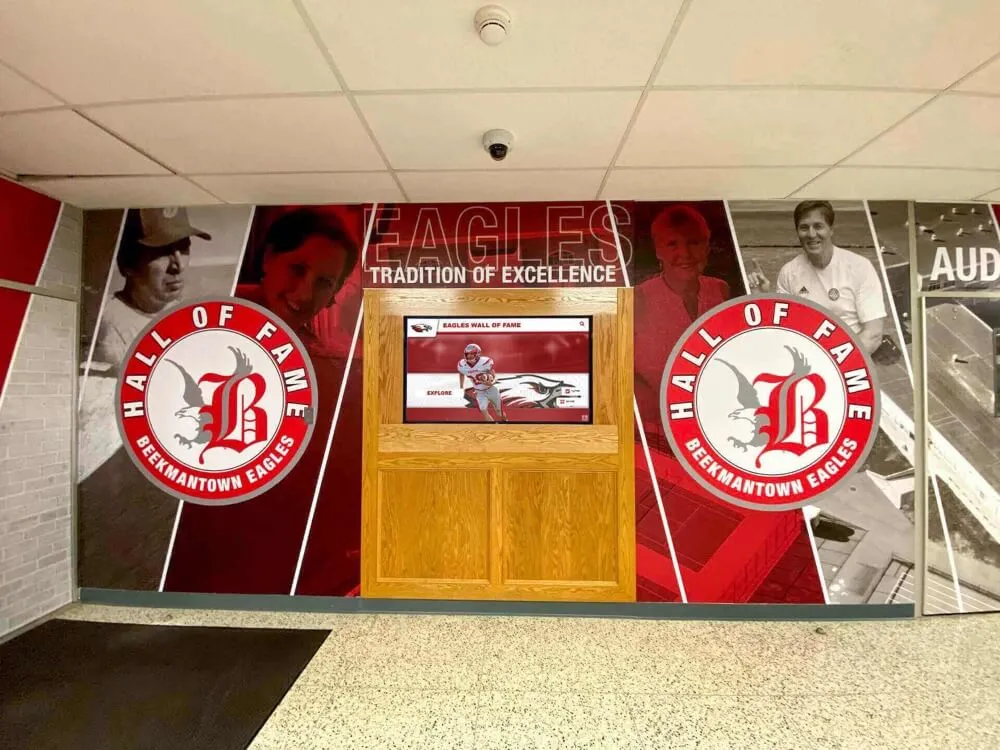
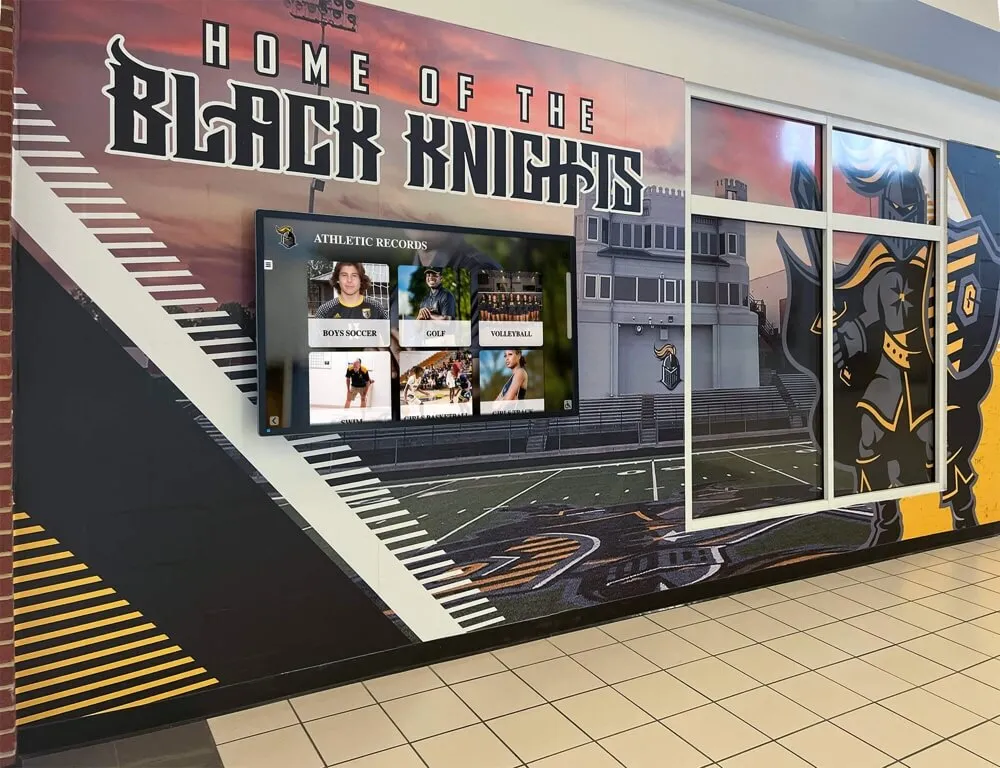
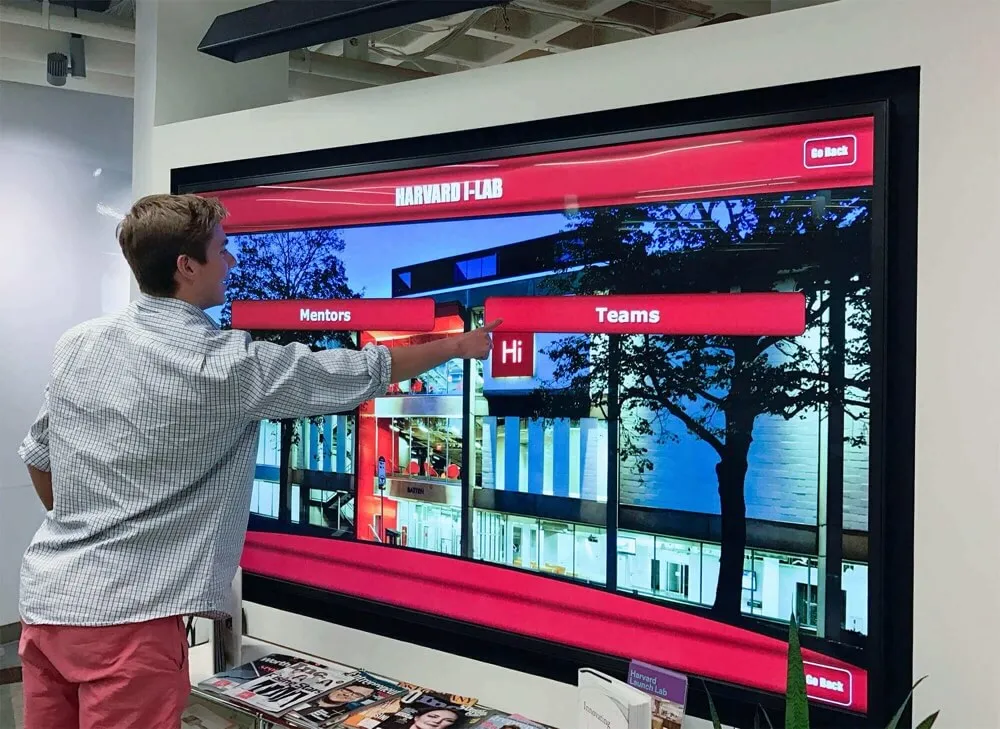
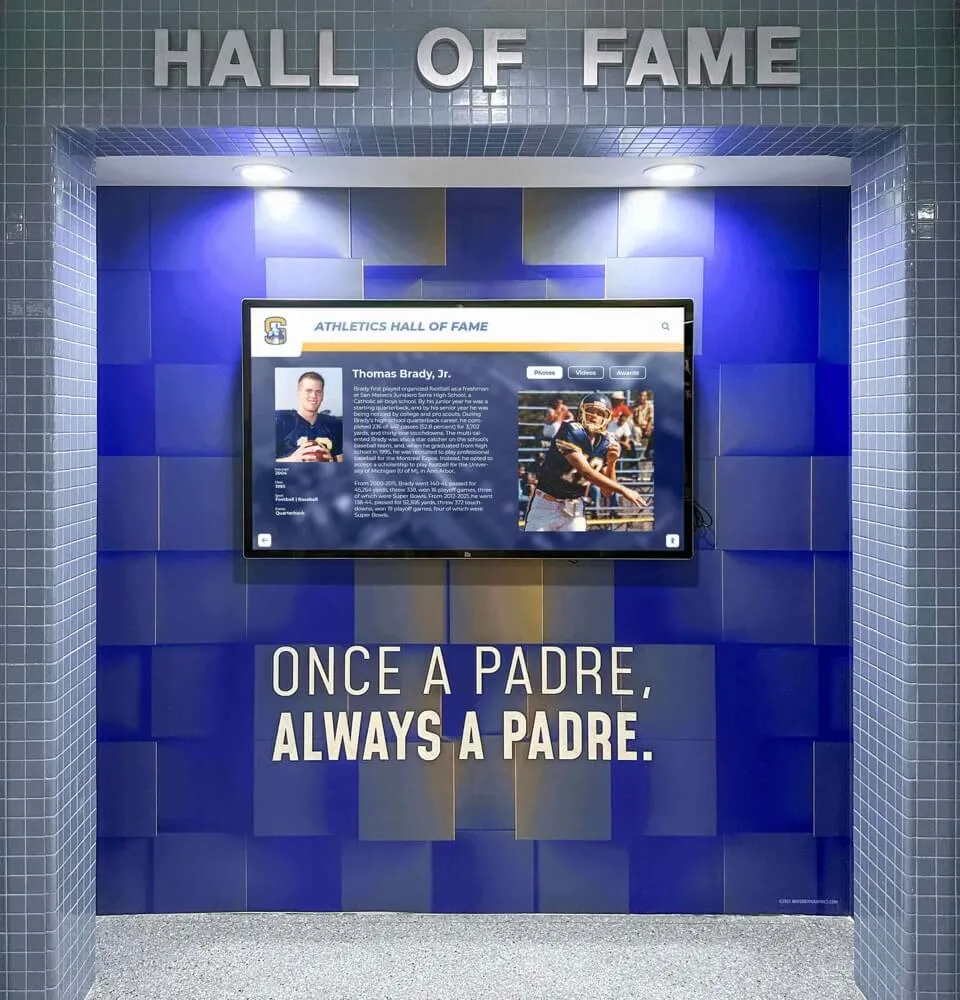
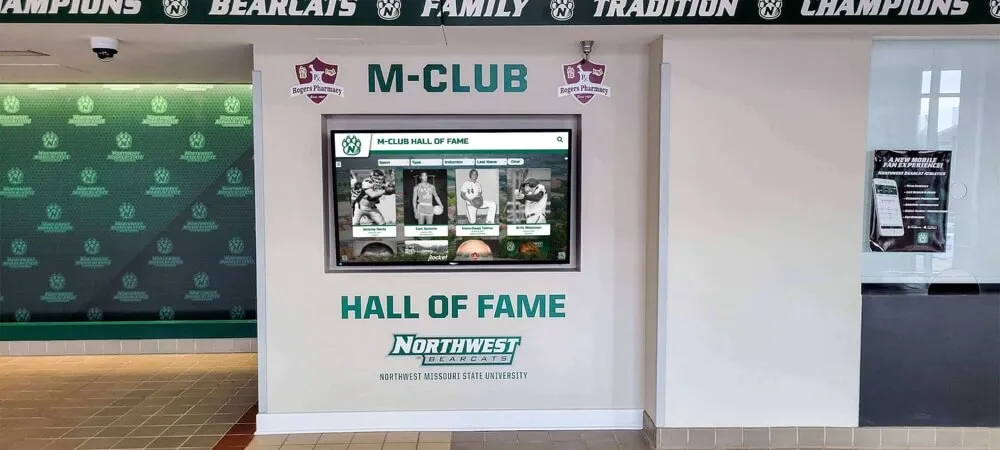
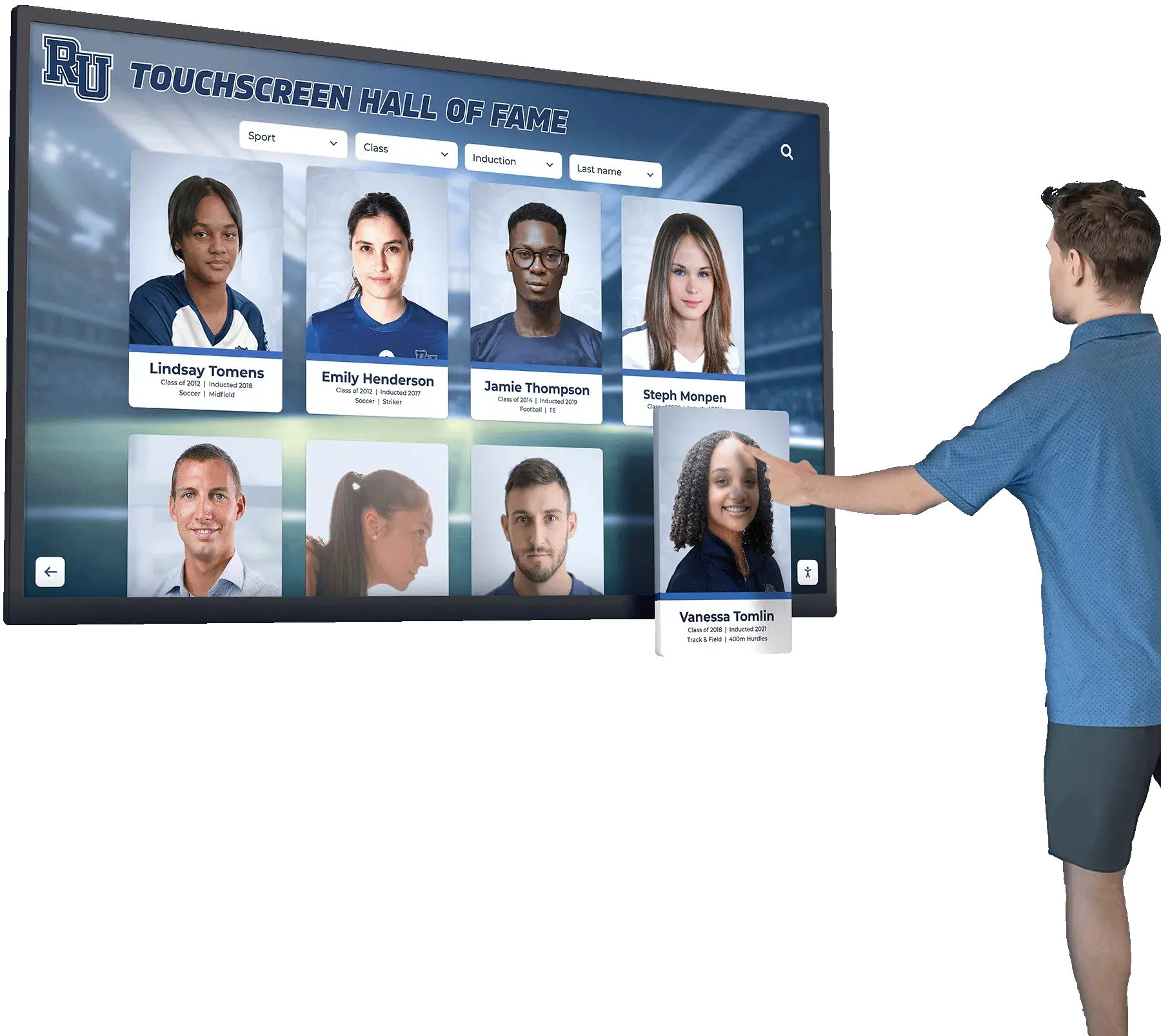
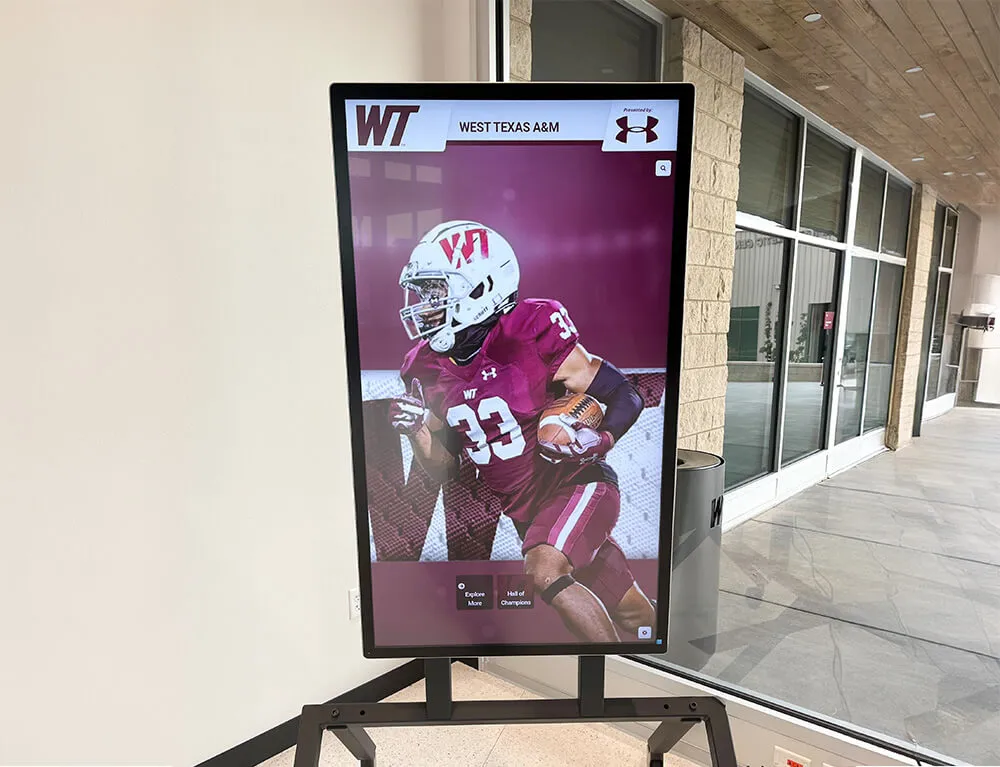
Modern [interactive touchscreen displays](https://toucharchives.org/blog/family-dementia-memory-display-touchscreen-kiosk-solutions/?utm_source=organic&utm_medium=seo-auto&utm_content=digitalyearbook&utm_campaign=old-high-school-yearbooks&utm_term=seo) enable intuitive access to digitized yearbook collections and school history archives
State and Regional Archive Systems
Beyond individual libraries, state library systems coordinate resources:
Interlibrary Loan Services
When your local library lacks specific yearbooks, interlibrary loan systems request materials from libraries across the state or nation. Processing takes time—typically 7-21 days—but enables access to rare volumes held by distant institutions. Reference librarians initiate these requests and notify you when materials arrive for viewing.
Statewide Digital Collections
States like California, Texas, Ohio, and Michigan operate collaborative digital archives aggregating content from multiple libraries. These portals enable searching yearbook collections from dozens of libraries through single interfaces, dramatically expanding discovery possibilities compared to checking individual library catalogs.
Search Online Yearbook Databases
Digital platforms aggregate millions of yearbook pages, making online searching increasingly productive for locating old high school yearbooks.
Commercial Yearbook Archive Platforms
Several commercial websites maintain large digitized yearbook collections:
E-Yearbook and Internet Archive
E-Yearbook hosts thousands of digitized yearbooks spanning the 1880s through recent decades. The Internet Archive’s yearbook collection contains extensive holdings from schools nationwide, all freely accessible without subscription fees. Both platforms offer name search capabilities enabling discovery of specific individuals across multiple yearbooks.
Ancestry.com Yearbook Collections
Ancestry includes yearbook collections as part of subscription genealogy resources. Users conducting family history research often discover yearbook entries while investigating relatives’ educational backgrounds. The platform’s index connects yearbook pages to family trees, potentially linking you with distant relatives researching the same individuals.
Classmates.com Resources
Classmates connects alumni through school affiliations and maintains yearbook archives for member schools. Free accounts provide limited access; premium subscriptions unlock full yearbook page viewing, enhanced search tools, and messaging features enabling direct contact with classmates who might share memories or additional photographs.
MyHeritage School Records
MyHeritage incorporates yearbook images within broader school records collections. Genealogists using MyHeritage for family history research discover yearbook pages alongside census records, newspaper clippings, and other historical documents documenting ancestors’ lives.
Free Online Archives and Repositories
Budget-conscious searchers find valuable resources through free platforms:
Old Yearbooks Website
OldYearbooks.com operates as community-contributed archive where volunteers upload yearbook scans. Coverage remains inconsistent across schools and decades, but many users discover rare yearbooks unavailable through commercial platforms. The site welcomes contributions, making it appropriate place to upload your own yearbooks benefiting future researchers.
State Historical Society Digital Collections
State historical societies digitize local materials including yearbooks from schools throughout their states. Search state historical society websites using school name and decade to discover digitized holdings. Many societies make digitized yearbooks freely accessible as part of public service missions.
University Archives for Laboratory Schools
Universities operating laboratory schools or maintaining archives of K-12 institutions digitize yearbooks as part of academic research collections. Search university library catalogs and special collections for yearbook holdings, particularly if researching laboratory schools, private schools affiliated with universities, or schools located near university campuses.
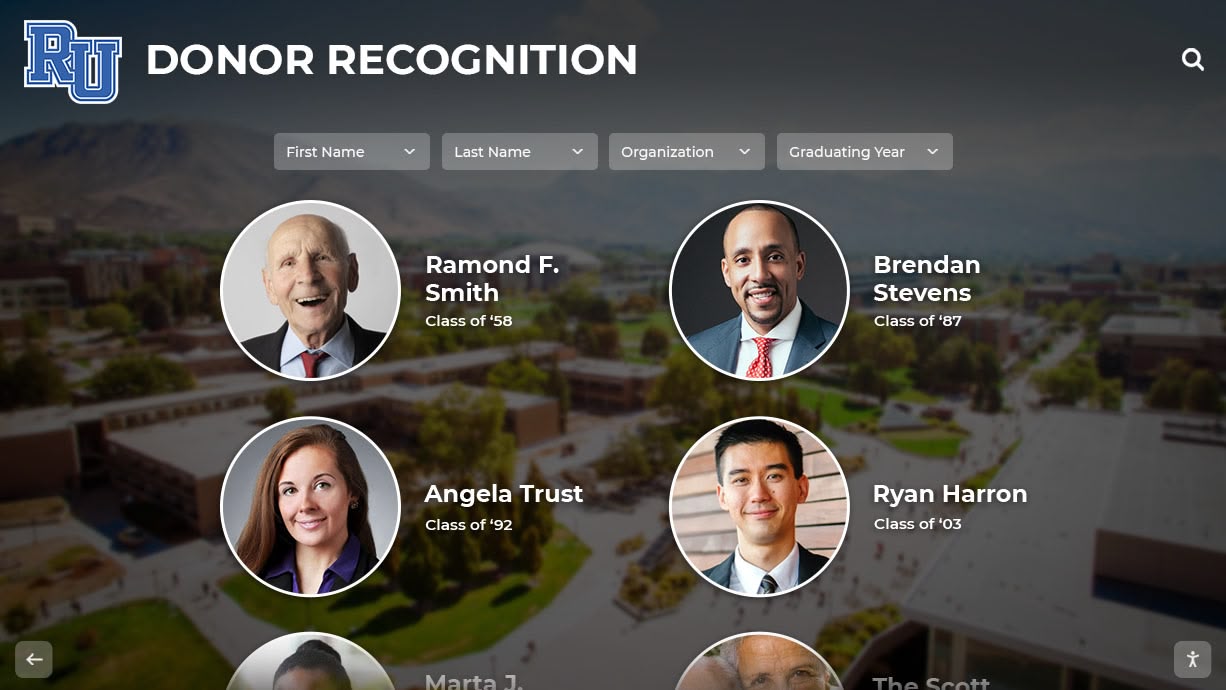
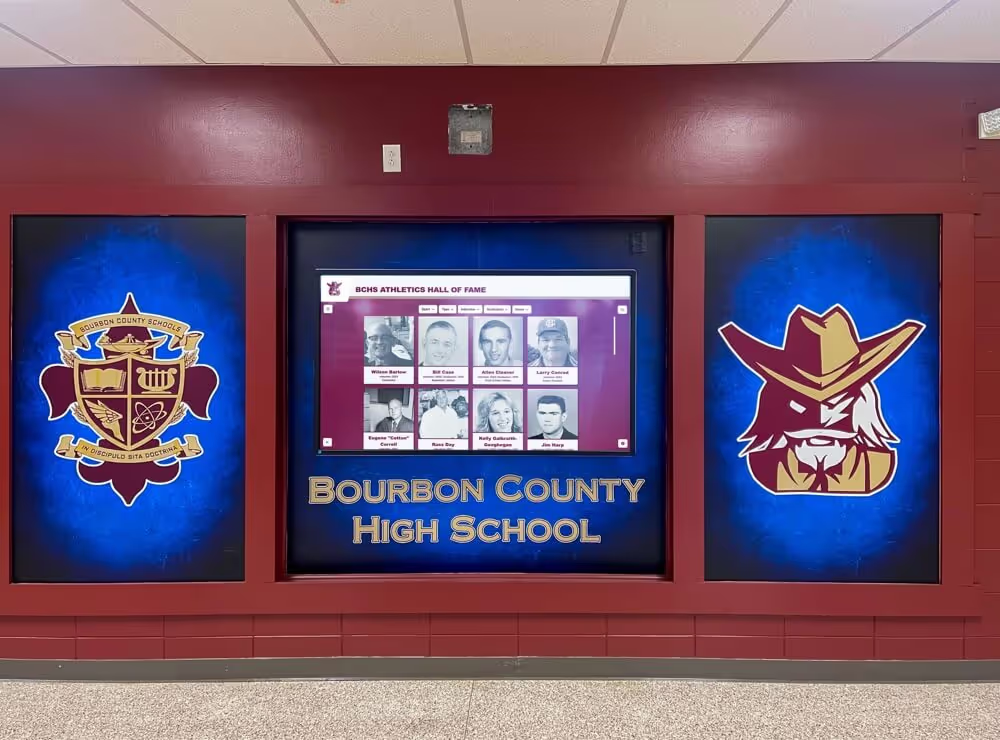
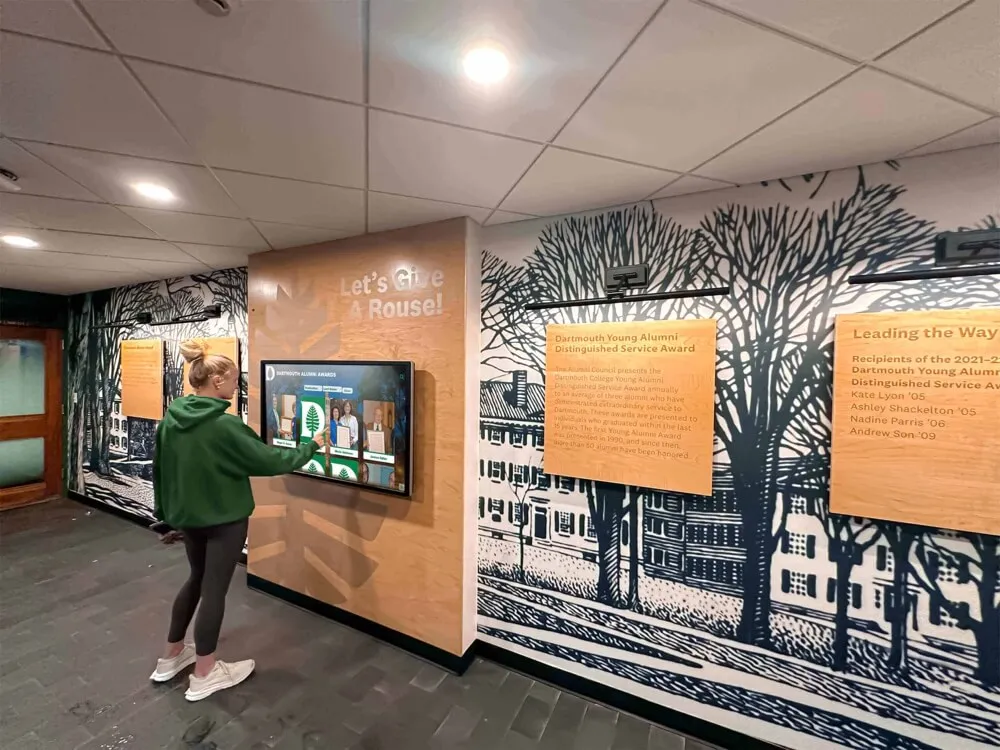
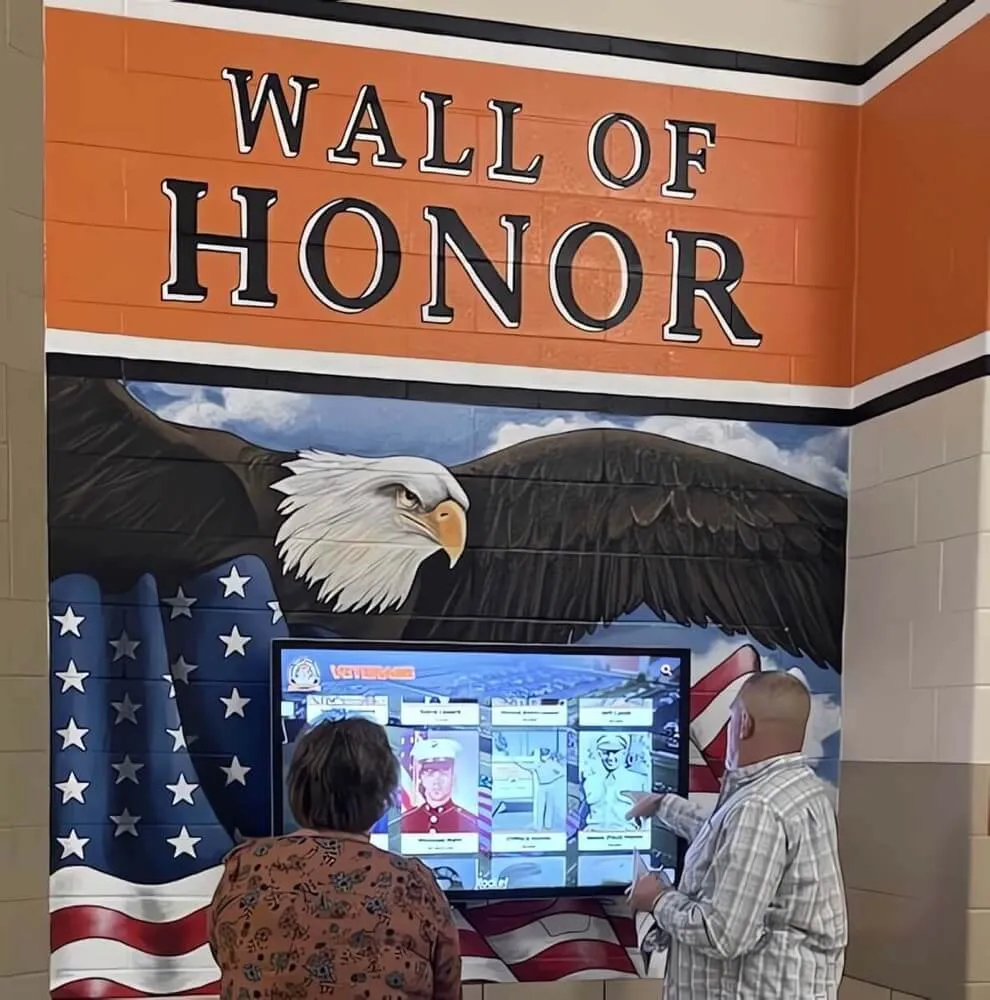
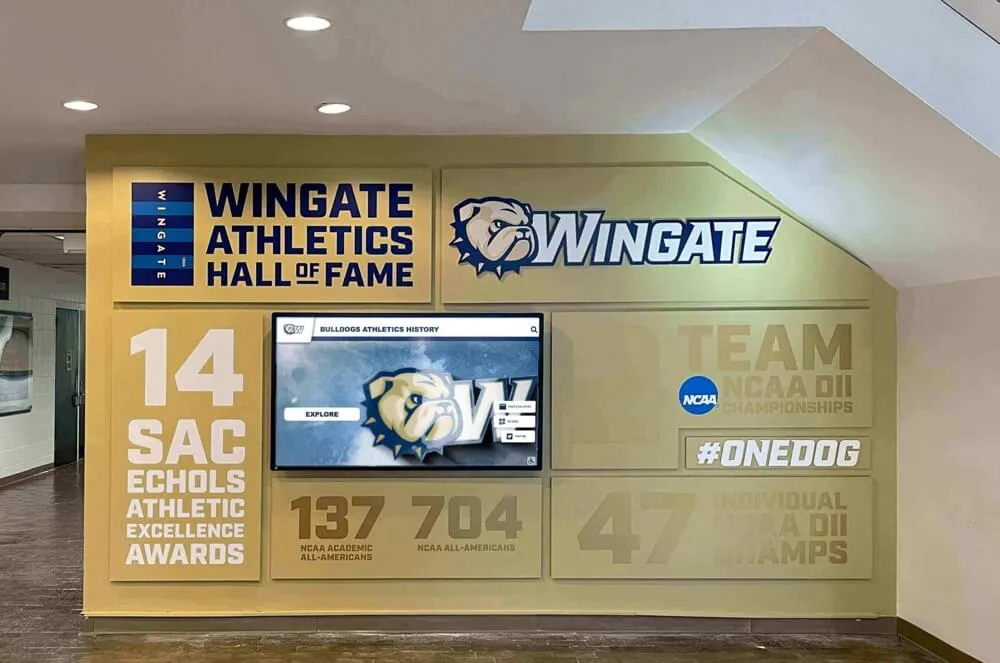
Educational institutions increasingly [digitize historical materials](https://digitalawardsdisplay.com/blog/_index/?utm_source=organic&utm_medium=seo-auto&utm_content=digitalyearbook&utm_campaign=old-high-school-yearbooks&utm_term=seo) including yearbooks, making heritage content accessible to broader audiences through online platforms
Connect With Alumni Associations and Networks
Alumni communities maintain collective memories and resources invaluable for yearbook searches.
Official Alumni Associations
Established alumni associations serve as resource centers for graduates:
Association Archives and Libraries
Larger alumni associations maintain physical offices housing yearbook collections donated by graduates. These private archives sometimes contain rare volumes missing from school and public library collections. Contact associations to ask about holdings, viewing policies, and whether they loan yearbooks or provide scanning services.
Reunion Committee Contacts
Reunion committees planning class gatherings gather yearbooks for event displays and nostalgia activities. Committee members often know which classmates collected complete sets of yearbooks from their era and may facilitate introductions to private collectors willing to share materials for research purposes.
Newsletter and Communication Channels
Alumni associations publish newsletters, maintain social media groups, and operate email lists reaching thousands of graduates. Association staff may announce your yearbook search through these channels, connecting you with alumni who possess copies of needed volumes or remember where additional copies exist.
Social Media Alumni Groups
Digital platforms enable alumni networking at unprecedented scale:
Facebook School Groups
Most high schools have unofficial Facebook groups where graduates gather to share memories and reconnect. Join groups for your target school and post specific requests identifying the yearbook years you need. Group members frequently offer to scan pages, share PDFs, or loan physical volumes to fellow alumni conducting research.
LinkedIn Alumni Networks
LinkedIn’s alumni tool connects graduates from the same institutions. While primarily career-focused, LinkedIn alumni networks include members willing to assist with historical research projects. Search for alumni who graduated during relevant decades and reach out with respectful, specific requests for yearbook access or information.
Class-Specific Reunion Pages
Individual graduating classes maintain dedicated Facebook pages, Instagram accounts, or standalone reunion websites. These class-specific groups reach alumni who actually appear in yearbooks you’re seeking, making them ideal resources. Class members sometimes collectively digitize their yearbook and share PDFs with anyone who requests access.
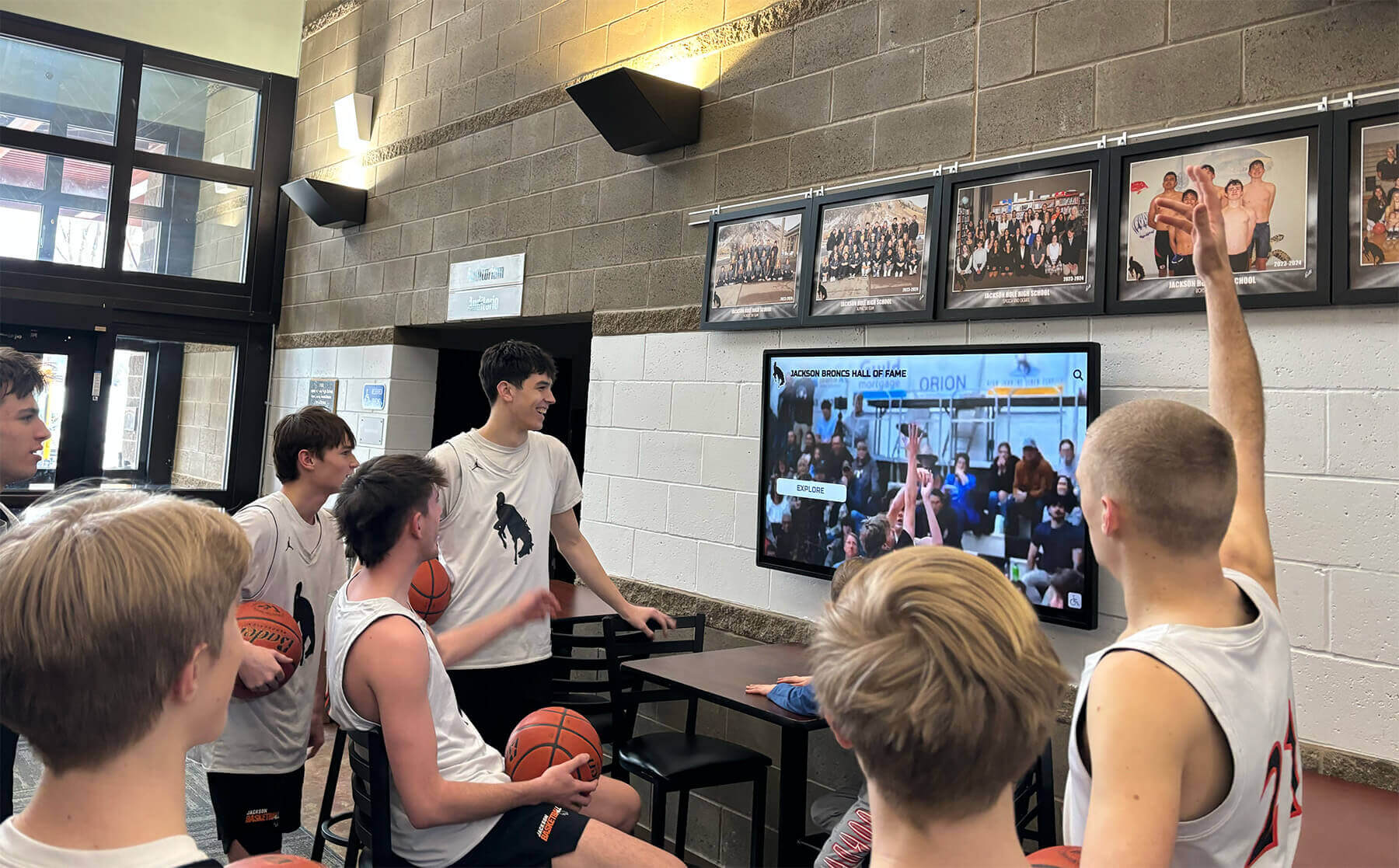
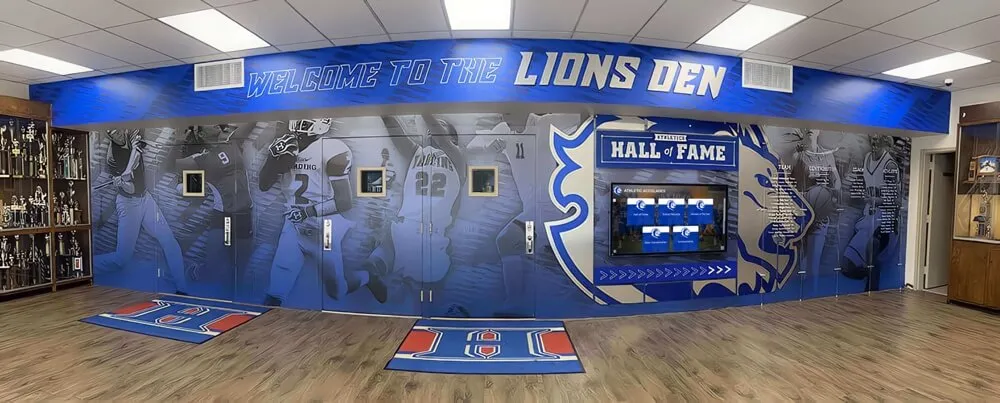
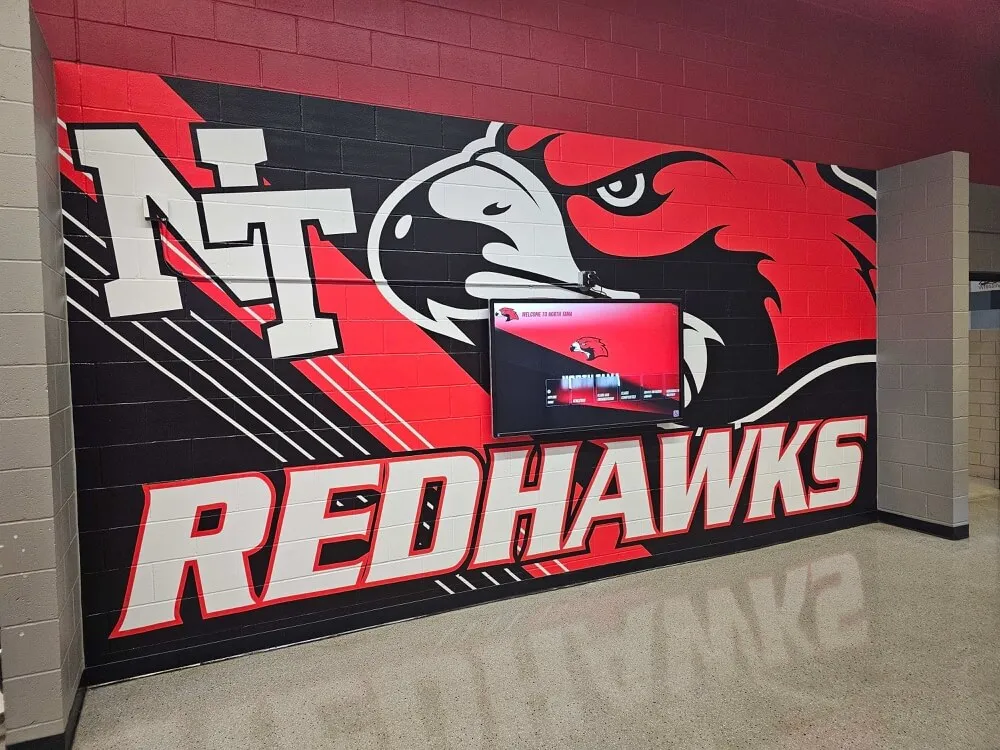
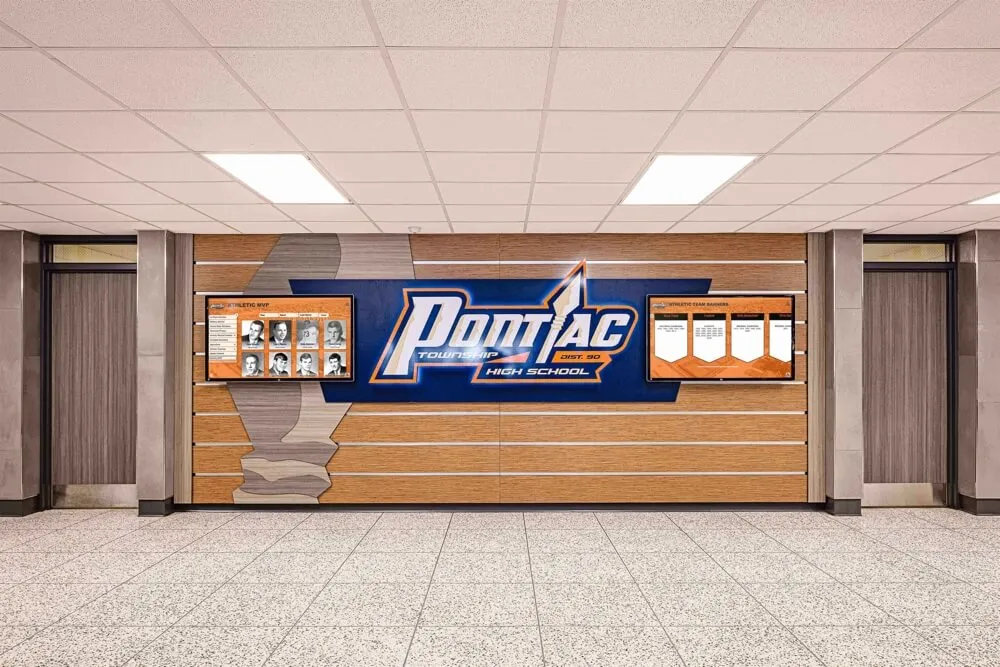
Schools implementing [digital recognition systems](https://digitalawardsdisplay.com/blog/team-awards-ideas-creative-categories-beyond-mvp-sports-banquet/?utm_source=organic&utm_medium=seo-auto&utm_content=digitalyearbook&utm_campaign=old-high-school-yearbooks&utm_term=seo) often digitize historical yearbooks to populate displays with heritage content celebrating decades of achievements
Explore Historical Societies and Genealogy Centers
Beyond schools and libraries, specialized institutions preserve local history:
County Historical Societies
Local historical societies collect materials documenting community heritage:
Comprehensive Community Coverage
Historical societies gather materials from all community institutions—schools, businesses, churches, civic organizations. Their yearbook collections span multiple schools and often include volumes from closed or consolidated institutions no longer maintaining their own archives.
Volunteer Researcher Networks
Historical societies rely on volunteer researchers passionate about local history. These volunteers sometimes conduct specialized research on your behalf, searching collections for specific yearbooks, people, or time periods when you cannot visit in person. Call ahead to ask whether volunteer researcher services are available.
Special Subject Collections
Some historical societies organize collections by theme rather than just institution—sports history collections, educational history archives, or specific decade documentation. Ask about thematic collections potentially containing yearbooks organized differently than expected.
Genealogy Research Centers
Genealogists require yearbooks for family history documentation:
FamilySearch Centers
The Church of Jesus Christ of Latter-day Saints operates FamilySearch Centers worldwide providing free access to genealogy databases including digitized yearbooks. Staff volunteers assist researchers navigating collections and suggest additional resources when initial searches don’t produce desired results.
Local Genealogy Societies
Genealogy societies maintain research libraries supporting family history investigations. Yearbook collections help genealogists document ancestors’ educational backgrounds, social networks, and community involvement. Society members conducting similar research may have already located and copied relevant yearbooks they’re willing to share.
Check Online Marketplaces and Used Book Sellers
Commercial channels sometimes offer old yearbooks for sale:
General Online Marketplaces
Websites facilitating secondhand sales host yearbook listings:
eBay Yearbook Searches
eBay sellers list thousands of old yearbooks in collectibles and books categories. Search using school name plus “yearbook” or specific year to find available copies. Prices vary dramatically based on age, condition, scarcity, and whether sellers understand yearbook values. Set up saved searches with email alerts to receive notifications when newly listed yearbooks match your criteria.
Etsy Vintage Yearbooks
Etsy sellers specializing in vintage paper goods and ephemera list old yearbooks in shops focusing on nostalgic collectibles. While smaller selection than eBay, Etsy sometimes offers yearbooks from sellers who acquired estate collections or cleaned out attics filled with historical materials.
Facebook Marketplace and Craigslist
Local classified listing sites occasionally feature yearbook sales, particularly when families downsize estates, clean storage units, or relocate. Search using school name and check listings regularly since yearbooks sell quickly or sellers remove listings when items find local buyers.
Specialized Book Dealers
Professional booksellers dealing in local history and ephemera may stock yearbooks:
AbeBooks School Yearbooks
AbeBooks aggregates inventory from independent booksellers worldwide. Advanced search tools enable filtering by school location, publication date range, and condition. Reputable sellers provide detailed descriptions and accept returns if yearbooks don’t match listings, offering more buyer protection than individual marketplace sellers.
Alibris and Biblio
Alternative book aggregator sites Alibris and Biblio index yearbook listings from member sellers. Search all three platforms—AbeBooks, Alibris, and Biblio—since some dealers list inventory on only one service while others cross-list the same items across multiple platforms.
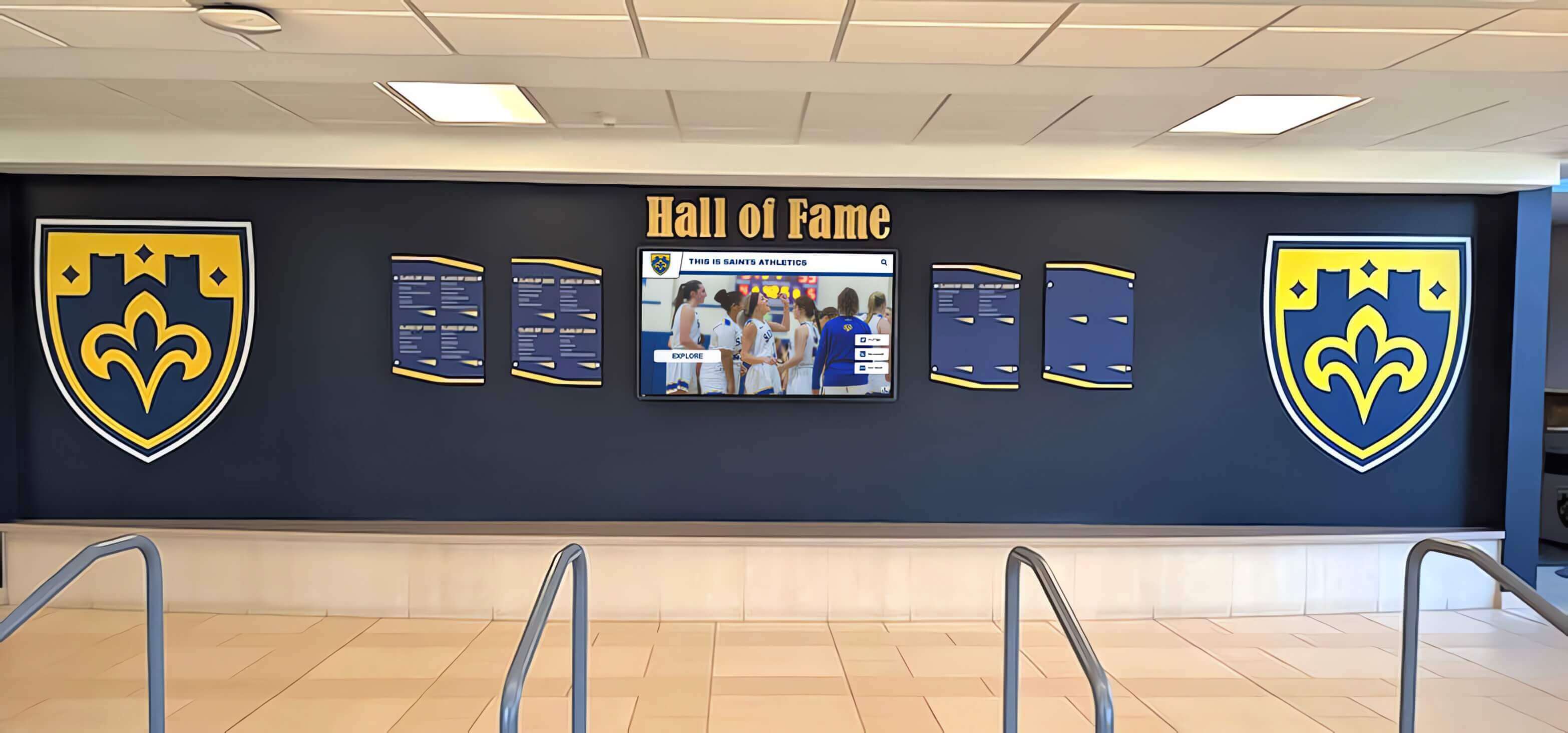
Comprehensive heritage preservation initiatives combine physical archives with [modern digital displays](https://digitalwalloffame.com/blog/best-digital-wall-of-fame-complete-guide/?utm_source=organic&utm_medium=seo-auto&utm_content=digitalyearbook&utm_campaign=old-high-school-yearbooks&utm_term=seo) making historical materials including yearbooks accessible to current communities
Search Strategies for Closed or Consolidated Schools
Finding yearbooks from schools no longer operating requires specialized approaches:
District Archives for Consolidated Schools
School consolidation creates archival challenges:
Successor School Holdings
When districts consolidate multiple schools into single institutions, successor schools typically inherit archival materials from closed predecessors. Contact consolidated schools to ask about inherited yearbook collections and whether they maintain separate archives for legacy institutions.
District Warehouse Storage
Districts sometimes centralize historical materials in warehouse storage rather than housing them at individual schools. District archivists or facilities managers know warehouse locations and collections inventories. Request appointments to visit district storage facilities when yearbooks aren’t accessible through school libraries.
Community Historical Preservation
Closed schools’ heritage lives in community memory:
Local History Books and Documentaries
Communities often publish books or produce documentaries commemorating closed schools. Authors and filmmakers conducting this research gather extensive yearbook collections during production. Contact authors listed on local history books or documentary producers to ask whether they maintain yearbook collections and might share access for research purposes.
Reunion and Heritage Organizations
Alumni from closed schools sometimes form heritage preservation organizations dedicated to collecting and maintaining institutional records. Search online for “[school name] alumni association” or “[school name] heritage foundation” to find these groups. Members pool private yearbook collections, creating comprehensive archives unavailable through official channels.
Churches and Community Centers
Schools often maintain relationships with churches or community centers that hosted events, provided facilities, or graduated students who later became active congregation members. These institutions sometimes house donated yearbooks in their own archives preserving community heritage beyond religious materials.
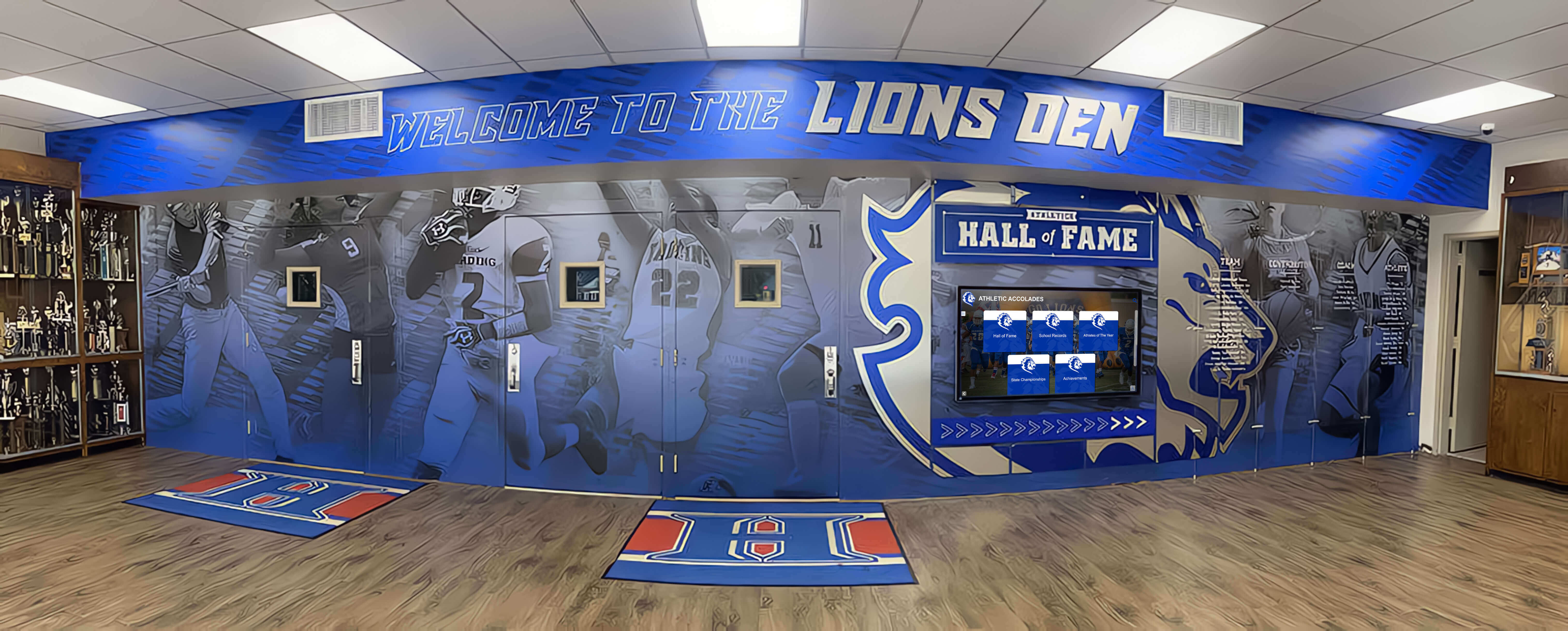
Comprehensive preservation approaches combine traditional archives with [modern recognition displays](https://digitalwalloffame.com/blog/how-to-create-impactful-donor-recognition-wall-digital-display-schools/?utm_source=organic&utm_medium=seo-auto&utm_content=digitalyearbook&utm_campaign=old-high-school-yearbooks&utm_term=seo) that make historical yearbook content accessible to current students and visitors
Tips for Requesting Yearbook Scans and Copies
Once you locate yearbooks, securing usable copies requires understanding protocols:
Professional Reproduction Services
Institutions may require professional handling:
Library and Archive Policies
Many libraries and archives prohibit personal photography of fragile materials, instead offering professional scanning services. Fees typically range from small per-page charges for basic scans to premium pricing for high-resolution digitization. Ask about turnaround times, file formats, and delivery methods before requesting scans.
Copyright Considerations
Yearbooks remain under copyright protection, limiting reproduction rights. Most institutions allow personal use scanning—copying pages featuring yourself, family members, or conducting academic research—but prohibit commercial use or mass distribution without publisher permission. Respect copyright policies when requesting scans and honor usage restrictions.
DIY Scanning Approaches
When institutions allow personal photography:
Smartphone Photography Techniques
Modern smartphones capture high-quality yearbook page photos suitable for personal archives. Use adequate lighting avoiding glare, hold cameras parallel to pages preventing distortion, and capture entire pages including margins. Multiple lower-resolution photos enable later stitching if single shots don’t capture full pages clearly.
Portable Scanner Options
Portable flatbed scanners create higher quality digital copies than smartphone photos. Some researchers carry portable scanners to libraries, creating archival-quality scans during research visits. Confirm libraries allow scanner use before bringing equipment, and practice gentle handling preventing yearbook damage during scanning processes.
Modern Solutions: Digital Recognition Displays
Schools implementing comprehensive heritage preservation increasingly combine historical archives with modern technology:
Contemporary educational institutions recognize that old yearbooks contain invaluable content for populating digital recognition systems that celebrate institutional heritage. Schools implementing digital displays digitize yearbook archives, extracting portraits and biographical information that feed touchscreen kiosks showcasing athletics achievements, academic excellence, and leadership accomplishments spanning multiple decades.
Professional digitization transforms static yearbook pages into searchable databases enabling students, alumni, and visitors to explore institutional history through intuitive interfaces. Rather than yearbooks remaining locked in archive rooms accessible only to researchers scheduling appointments, digitized content becomes available continuously through lobby displays, website portals, and mobile applications connecting current communities with heritage spanning generations.
These modern approaches demonstrate how finding and preserving old high school yearbooks serves strategic institutional purposes beyond nostalgia—creating engagement assets, supporting alumni relations, and establishing continuity between past and present that strengthens community identity and institutional pride.
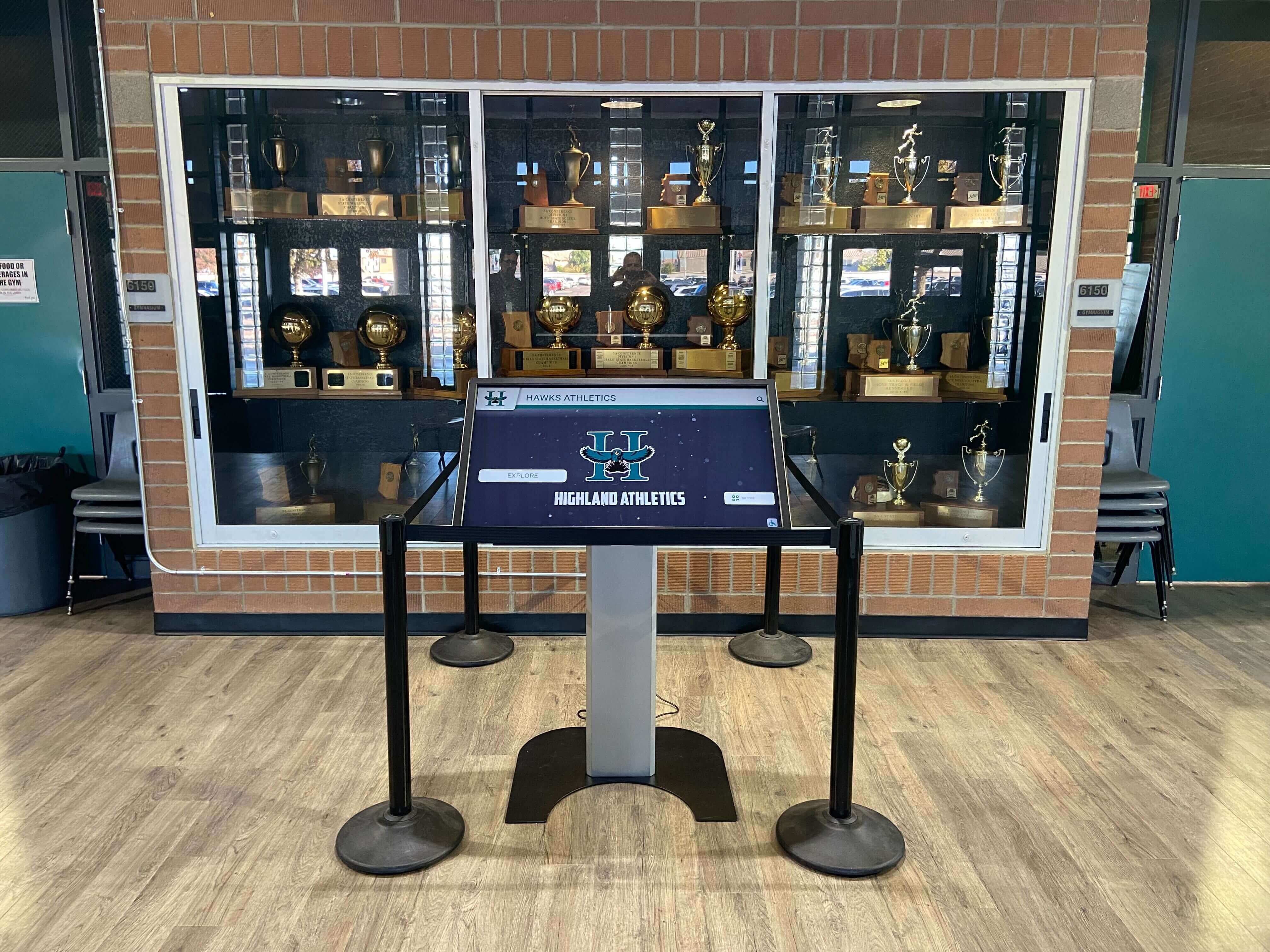
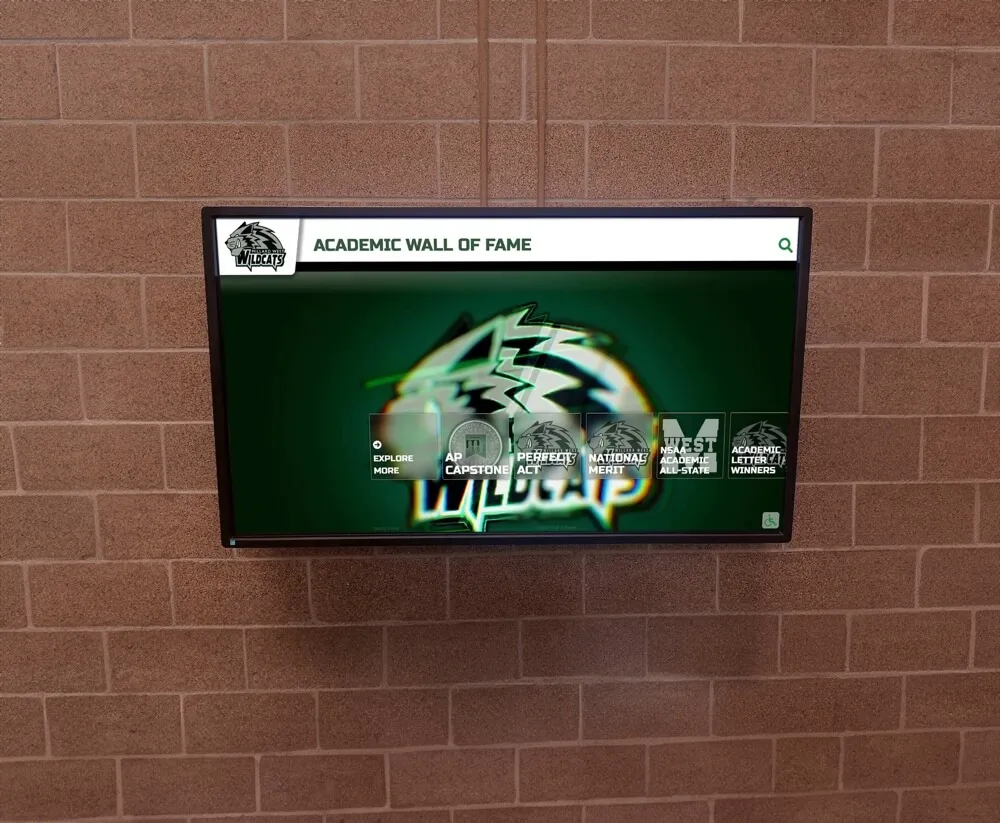
Schools combine traditional archives with [interactive digital displays](https://touchwall.us/blog/academic-wall-of-excellence-renovation/?utm_source=organic&utm_medium=seo-auto&utm_content=digitalyearbook&utm_campaign=old-high-school-yearbooks&utm_term=seo) that make yearbook content from any decade accessible through engaging touchscreen interfaces
When Yearbook Searches Prove Unsuccessful
Despite exhaustive efforts, some yearbooks remain elusive:
Document Your Search Process
Record everywhere you’ve checked:
Research Log Development
Maintain detailed logs documenting which libraries contacted, websites searched, alumni groups joined, and auction sites monitored. These logs prevent redundant searching and help identify remaining options when initial approaches fail. Research logs also assist others continuing your work if you abandon searches temporarily.
Remaining Possibilities
After exhausting obvious resources, consider less common approaches—contacting yearbook printing companies that may retain client archives, checking newspaper archives for yearbook photo reprints accompanying obituaries or achievement stories, or investigating whether local museums collected school materials as part of community exhibits.
Alternative Historical Resources
When yearbooks can’t be found, related materials provide partial solutions:
Newspaper Archives
School newspapers, local newspapers, and community publications featured student portraits, team photos, and achievement coverage throughout the academic year. Newspaper archives sometimes provide better coverage of specific events or individuals than yearbooks, especially for students involved in activities like sports, theater, or debate attracting media attention.
School Scrapbooks and Photo Collections
Teachers, administrators, and involved parents created scrapbooks documenting school activities, often including photographs not published in yearbooks. Schools sometimes donated these personal collections to libraries or historical societies after creators passed away, making them discoverable through archival searches.
Athletic Media Guides and Programs
High school athletic departments produced media guides, tournament programs, and championship documentation separate from yearbooks. These specialized publications included team rosters, athlete portraits, and records that supplement or substitute for yearbook athletic content.
Preserve Your Own Yearbooks for Future Researchers
If you possess old yearbooks, consider helping future searchers:
Donation to Appropriate Institutions
Institutional archives ensure long-term preservation:
School Library Donations
Schools gratefully accept yearbook donations filling archival gaps. Contact librarians to ask which years they need before donating. Consider donating duplicates rather than only copies—keeping personal yearbooks while contributing to institutional preservation serves both individual and collective interests.
Public Library Local History Collections
Public libraries accept yearbook donations for local history collections, particularly volumes from closed schools or decades with poor existing coverage. Library preservation standards ensure donated yearbooks receive proper care, cataloging, and accessibility to researchers.
Digital Sharing Through Appropriate Channels
Online sharing multiplies access:
Contributing to Archive Sites
Websites like OldYearbooks.com, Internet Archive, and state historical society digital collections welcome yearbook scan contributions. Volunteering to scan and upload yearbooks you possess makes these materials accessible worldwide while retaining your physical copies.
Respecting Privacy and Copyright
When digitizing yearbooks for sharing, consider privacy implications for individuals pictured—particularly regarding sensitive content. While yearbooks constitute historical records, thoughtful sharing practices balance accessibility with respect for people depicted in decades-old photographs who might prefer some materials remain private.
Transform Your School’s Heritage Into an Interactive Digital Experience
Finding old high school yearbooks preserves connections to institutional heritage and provides content for modern recognition initiatives. While this guide helps you locate historical yearbooks through libraries, archives, and digital platforms, schools implementing comprehensive heritage celebration discover that transforming these materials into engaging digital experiences creates lasting value for current and future communities.
Rocket Alumni Solutions specializes in helping educational institutions digitize yearbook archives and integrate historical content into interactive touchscreen displays that showcase decades of achievements, portraits, and memories. Our turnkey solutions handle everything from yearbook scanning and data extraction through custom display design and installation, creating heritage recognition systems that engage students, honor alumni, and strengthen institutional identity. Contact our team to discover how we can help your school transform archived yearbooks into dynamic digital experiences that bring history to life for everyone who walks through your doors.