Searching for how to find old elementary school yearbooks can feel surprisingly difficult—even more so than tracking down a high school or college edition. Elementary school yearbooks occupy a uniquely elusive corner of personal history. Many were self-published by PTA committees rather than commercial printing houses, produced in small press runs with no ISBN, and distributed exclusively to families who may have since moved, donated their copies, or tucked them away in childhood memory boxes that are now long forgotten. Unlike high school yearbooks—which benefit from organized alumni associations, reunion committees, and large graduating classes that spread copies widely—elementary yearbooks circulated among a close-knit parent community with limited institutional infrastructure to preserve them for the long haul.
Yet these modest little books hold some of the most cherished memories imaginable: gap-toothed class photos, favorite teachers’ signatures, first-grade friendships, and a record of who you were before life got complicated. Parents searching for their children’s early school years, adults hoping to reconnect with childhood friends, genealogists documenting family histories, and school administrators filling archival gaps all face the same challenge when the trail goes cold.
The good news is that systematic searching—combining school contacts, library archives, online databases, parent communities, and secondhand marketplaces—dramatically improves the odds of locating even the most obscure elementary school yearbook from any decade. This step-by-step guide explains exactly where to look and how to approach each resource effectively.
Finding old elementary school yearbooks requires persistence across multiple search channels simultaneously, because no single source consistently holds complete collections. Each avenue described here uncovers copies that others miss, making a parallel approach far more effective than working through options sequentially.

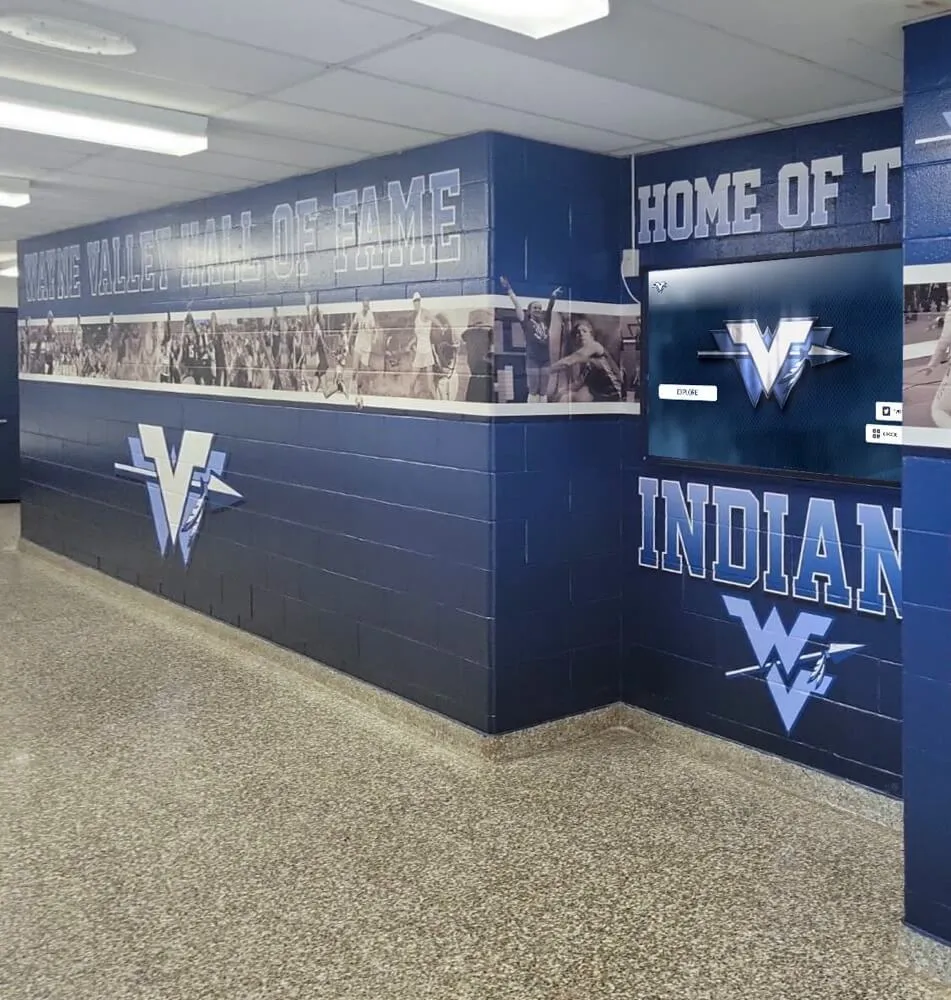
Elementary school yearbooks preserve class portraits, teacher signatures, and childhood memories that families treasure across generations
Why Elementary School Yearbooks Are Harder to Find
Before diving into search strategies, understanding what makes elementary yearbooks uniquely challenging sets realistic expectations and explains why certain approaches work better than others.
Limited Print Runs and No Commercial Distribution
High school yearbooks typically involve professional yearbook companies—Jostens, Lifetouch, Balfour—whose archives sometimes retain historical records. Elementary yearbooks were frequently produced by parent volunteers using desktop publishing software, local print shops, or community fundraising budgets. These parent-produced editions had no commercial distribution channels, no library deposit copies, and no publisher archives to consult decades later.
Smaller, More Fluid Alumni Networks
High school graduates often maintain lifelong ties to their alma mater through sports, drama programs, and four-year friendships. Elementary school alumni scattered across middle schools after just a few years together, making organized alumni networks rare. The PTA members who created the yearbooks moved on as their children advanced through grades, leaving institutional memory gaps that no successor group filled.
Frequent School Name Changes and Consolidations
Elementary schools rename, redistrict, combine, and close more frequently than high schools, especially as neighborhoods shift demographics or districts restructure. A school operating as “Lincoln Elementary” in 1988 might now be “Lincoln-Douglas STEM Academy” or have merged with two other buildings into a consolidated campus. Tracking yearbooks across these name changes requires research into district history before you even begin searching for the book itself.
Family-Focused Rather Than Institutional Distribution
Copies went home with parents—not into official school archives. Many sit in garage boxes, baby books, or grandparents’ closets rather than library shelves. This means private individuals hold most of the surviving copies, and reaching them requires community outreach rather than institutional requests.
Step 1: Contact the School Directly
Despite the challenges above, the school itself remains your best first contact—even if the name has changed or the building relocated.
Reach the Current School Library or Office
Call Before Visiting
School librarians and administrative assistants field these requests more often than you’d expect. When you call, identify yourself, name the exact school as it was known during the years you’re researching, and give the specific decade or year you need. Ask whether the school has maintained any archival collection of yearbooks, even informal storage in a back closet or teacher’s workroom.
Ask About PTA Records
Some schools preserved records from long-ago PTA committees, including production copies of yearbooks created by those groups. Office staff may not think to mention these unless you ask specifically. The question “Do you have any old PTA records or publications from [decade]?” often surfaces unexpected finds.
Inquire About Yearbook Advisors
Current yearbook advisors sometimes know which retired teachers or former PTA chairs collected comprehensive sets of old yearbooks. Long-tenured staff members carry institutional memory that no official archive captures. A quick introduction to a teacher who’s been at the school for 20 years can unlock doors that formal requests never open.
Contact the District Administration Office
District Archives and Records Management
School districts centralize historical records when individual schools close, consolidate, or move buildings. District archivists or records managers maintain these collections and can tell you whether yearbooks from specific schools or years survived the transition. Contact the district’s central office and ask for their records management department or historical archives contact.
District Historian or Communications Office
Some districts employ historians or communications staff as part of milestone anniversary planning. These individuals actively gather historical materials including yearbooks and may know exactly where to find the editions you need—or know which community members possess private collections.
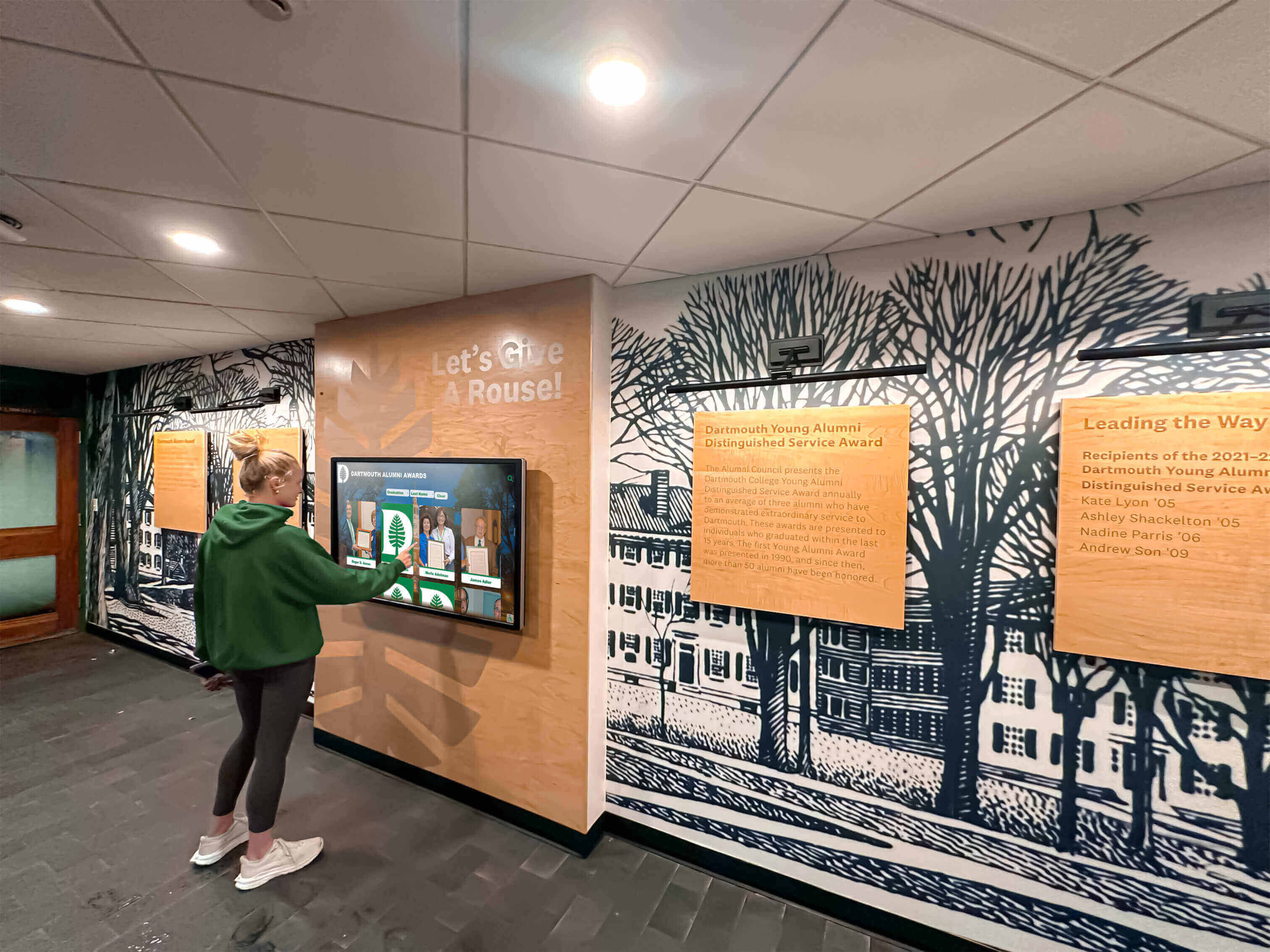
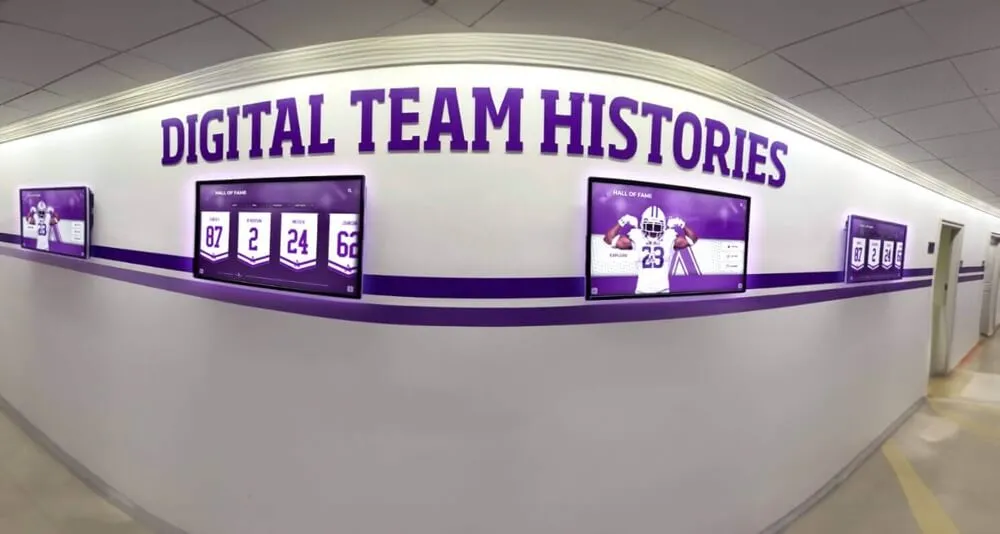
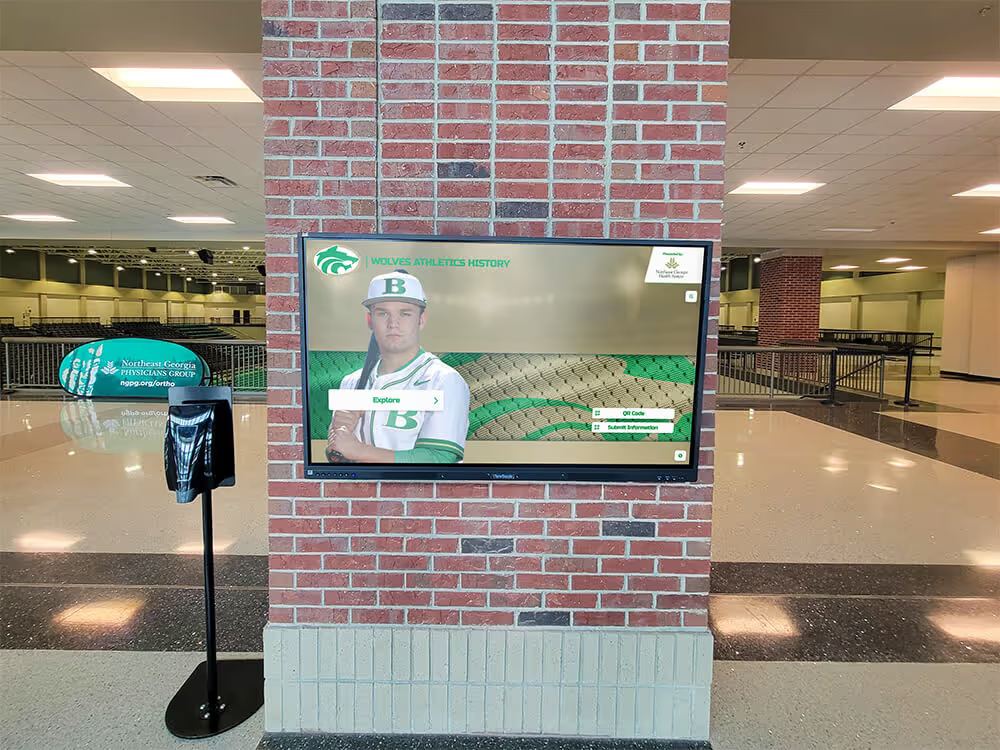
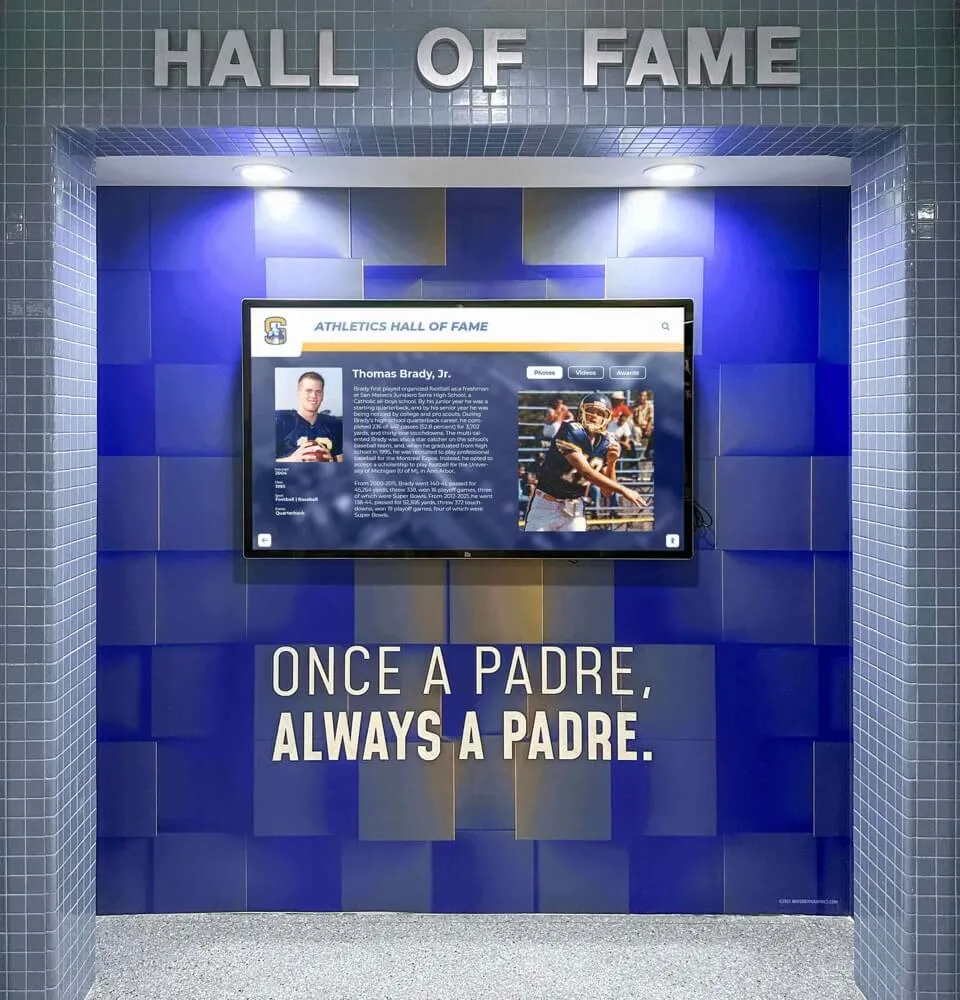
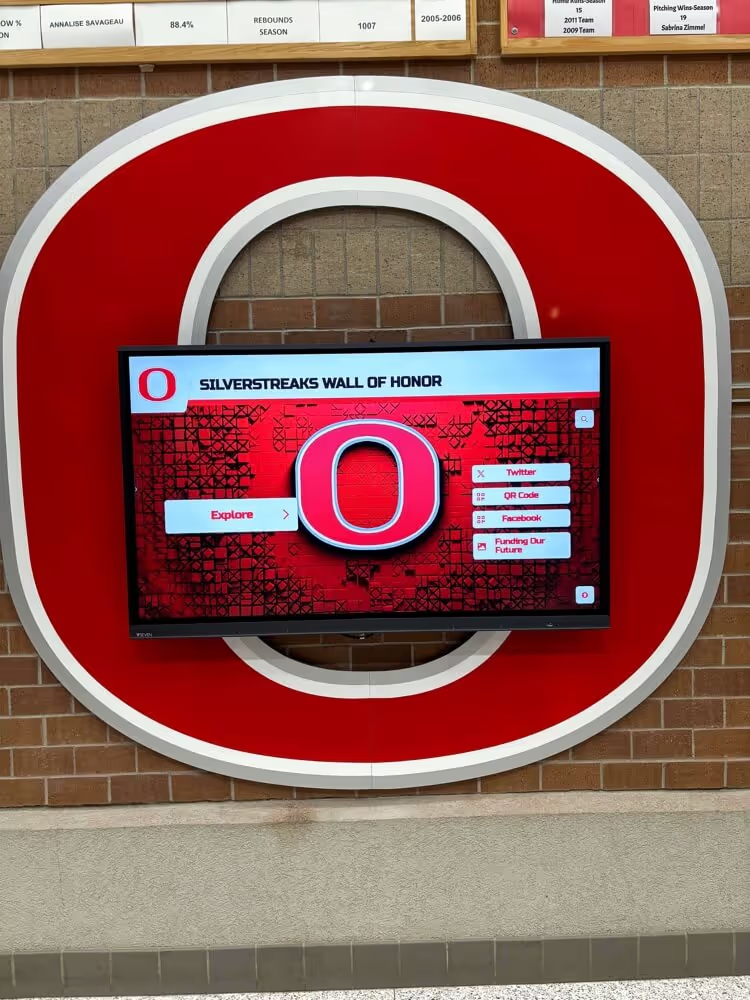
Schools implementing modern archival systems use [school history software](https://digitalrecordboard.com/blog/best-school-history-software/?utm_source=organic&utm_medium=seo-auto&utm_content=digitalyearbook&utm_campaign=how-to-find-old-elementary-school-yearbooks&utm_term=seo) to catalog and provide access to yearbooks and historical records spanning multiple decades
Step 2: Search Public Libraries and Local History Collections
Public libraries are the most systematically organized repositories of community history, making them indispensable for elementary yearbook searches.
Local History and Genealogy Rooms
Why Public Libraries Collect Elementary Yearbooks
Many public libraries accept yearbook donations from residents clearing out storage, schools donating duplicates, and PTA members looking to ensure community preservation after their children graduate. Unlike school libraries that focus on their own institution, public libraries collect from all schools within their geographic service area—giving you access to multiple elementary schools’ archives under one roof.
How to Search Library Holdings
Check the library’s online catalog using the school name as a keyword. Try variations including the neighborhood name, former district name, and any known name changes. If the catalog search produces no results, contact the local history librarian directly—many yearbook holdings are cataloged in finding aids or archival boxes rather than the main OPAC (online public access catalog) where standard books appear.
Interlibrary Loan for Rare Editions
If your local library doesn’t hold the specific yearbook you need, interlibrary loan services can request it from libraries across the region or nation. Processing typically takes 7-21 days. This service works best for yearbooks held by larger research libraries, state historical societies, or university special collections that participate in lending networks.
State Historical Societies and Library Digital Collections
Statewide Digital Archives
Several states operate digital archive portals aggregating content from libraries across the state. California Digital Library, Ohio Memory, Texas Digital Archive, and similar platforms let you search yearbook holdings from dozens of institutions through a single interface. These portals are especially valuable for tracking down yearbooks from rural elementary schools whose local libraries have limited digitization budgets.
Newspaper Microfilm as a Supplement
When yearbooks themselves can’t be located, newspaper microfilm collections in public libraries often contain school news coverage including class photos, award announcements, and event documentation that serves as a partial yearbook substitute. Search local newspaper archives using the school name and academic year to find relevant coverage.
Step 3: Search Online Yearbook Databases and Archives
Digital platforms have made extraordinary strides in aggregating scanned yearbooks from across the country—and elementary school editions increasingly appear in these collections.
Free Online Archives
Internet Archive (Archive.org)
The Internet Archive hosts one of the largest freely accessible yearbook collections online, including thousands of K-12 editions spanning multiple decades. Search the archive using the school name, city, and “yearbook” or the school’s graduation year. The collection grows continuously as volunteers and institutions contribute scans.
Old Yearbooks Community Sites
Community-contributed sites like OldYearbooks.com aggregate scans uploaded by graduates and family members. Coverage is inconsistent but occasionally surfaces rare elementary editions unavailable anywhere else. These sites also provide opportunities to post requests, reaching community members who possess physical copies and might share scans.
State Historical Society Digital Collections
State historical societies frequently digitize local school materials as part of broader community heritage projects. Search state historical society websites using the school name and decade to discover whether your target yearbook has been digitized and made publicly accessible. Many societies provide free online access as part of their public service mission.
Subscription Genealogy Platforms
Ancestry.com and MyHeritage
Both Ancestry and MyHeritage include school records collections that incorporate yearbook images alongside census records, newspaper clippings, and vital records. Family history researchers regularly encounter elementary school yearbooks while tracing ancestors’ childhood years. If you have a subscription to either platform, search using the school name and year to see what’s indexed.
Classmates.com
Classmates.com maintains school-affiliated yearbook archives for member institutions. Elementary school coverage is less comprehensive than high school, but checking whether your target school has a Classmates page sometimes reveals digitized editions or connects you with classmates who possess physical copies.
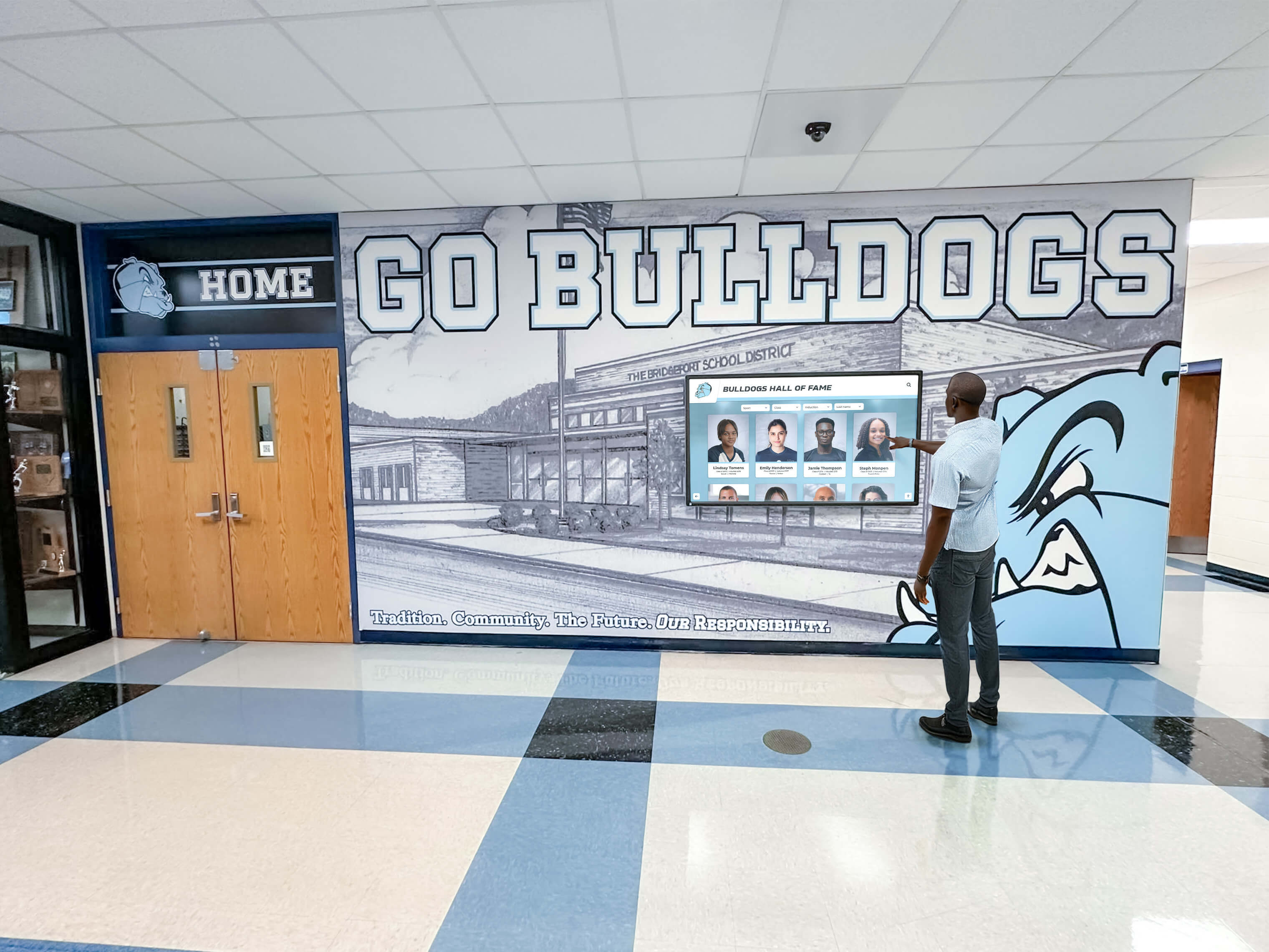
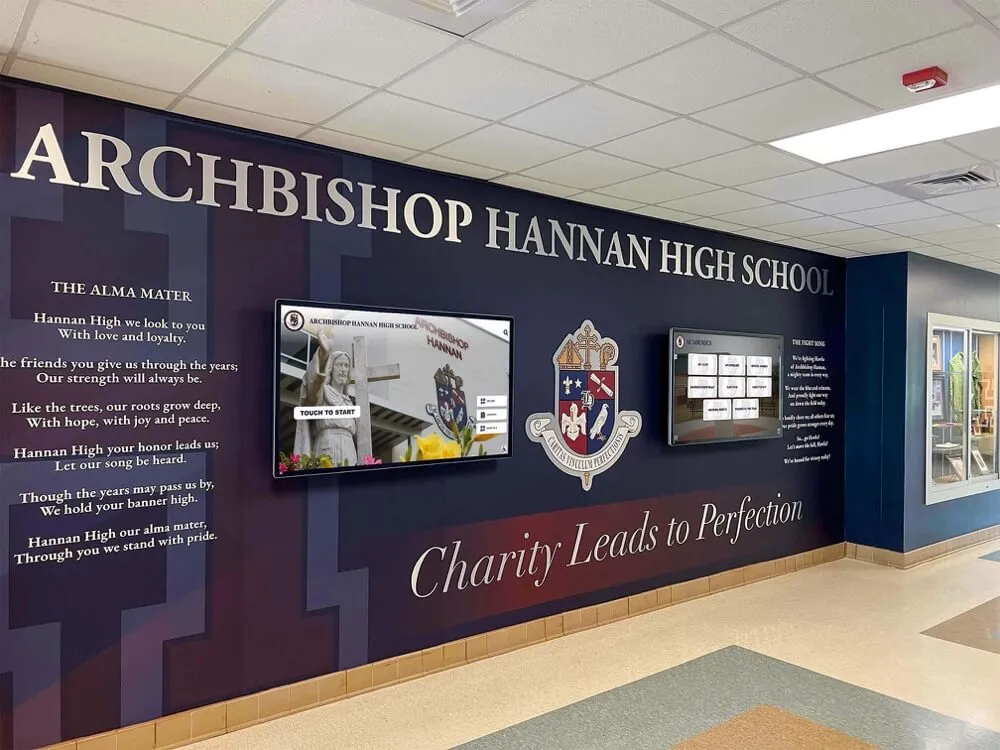
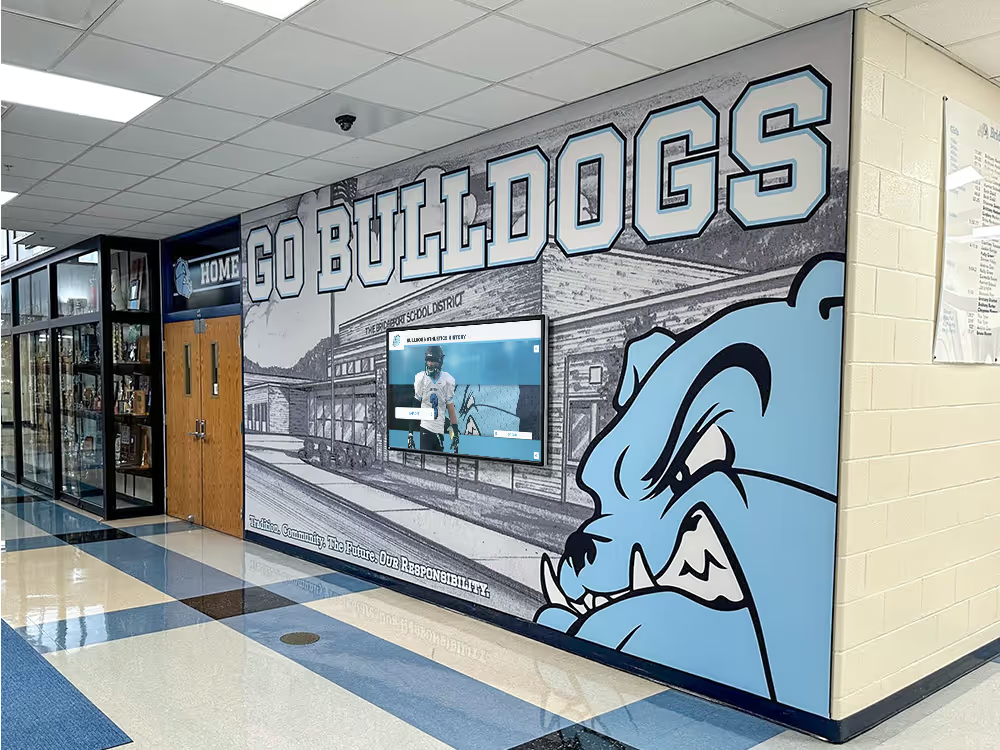
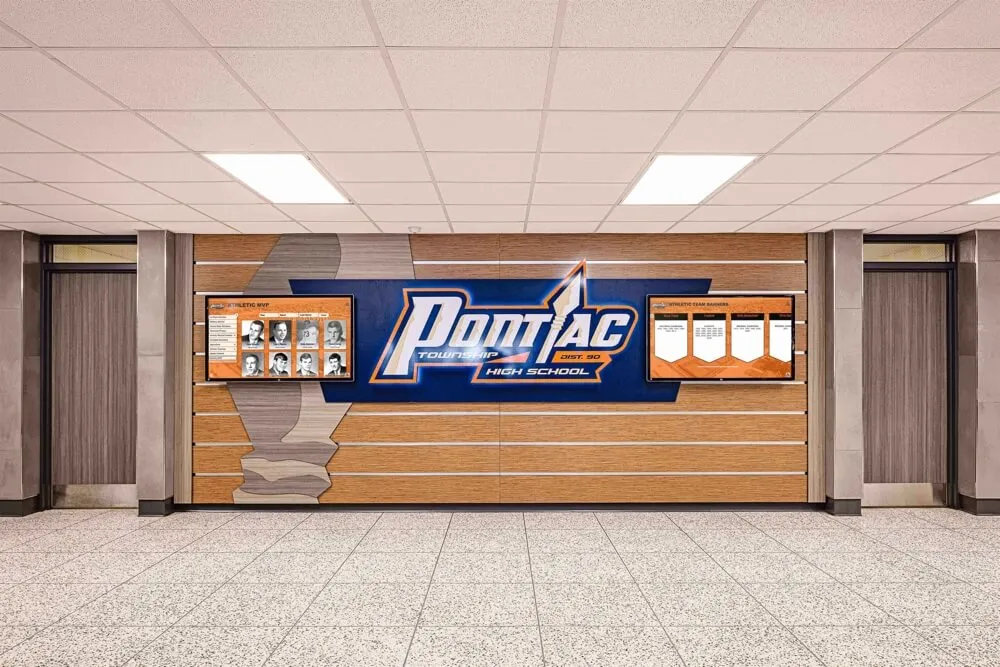
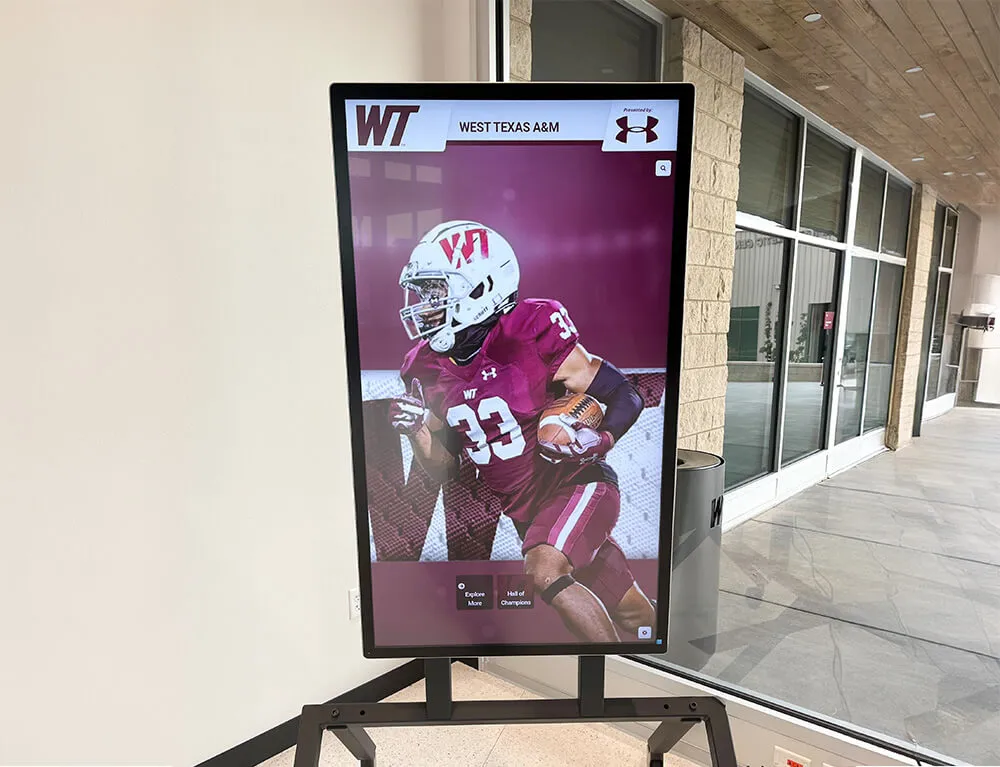
When schools digitize historical materials, [interactive touchscreen displays](https://toucharchives.org/blog/interactive-school-touchscreens-in-action-real-walkthroughs-recognition-displays/?utm_source=organic&utm_medium=seo-auto&utm_content=digitalyearbook&utm_campaign=how-to-find-old-elementary-school-yearbooks&utm_term=seo) make yearbooks and class photos from any era accessible to current students, alumni, and visiting families
Step 4: Leverage Parent and Community Networks
Because elementary yearbooks lived in family homes rather than institutional archives, community outreach often produces the most direct results—especially for editions from the 1970s through 2000s.
Facebook Groups and Parent Networks
School-Specific Facebook Groups
Search Facebook for the elementary school name along with the neighborhood or city. Most schools with active communities have informal Facebook groups where past and present parents gather. Join the group and post a specific request—naming the school, decade, and any years you need. Parents who still have their children’s yearbooks from those years frequently respond with offers to scan pages, share PDFs, or loan physical copies.
Neighborhood and Community Facebook Groups
Nextdoor, neighborhood Facebook groups, and local community boards reach a broader geographic audience that may include former PTA members, retired teachers, or residents who attended the school generations ago. “Does anyone have a [School Name] yearbook from the [decade]?” posts routinely surface private collections within days.
PTA Alumni Groups
Some active PTAs maintain alumni contact lists or Facebook pages connecting parents across generations of involvement. Former PTA chairs who coordinated yearbook production often retained production copies—they’re the most likely private holders of complete sets for specific years.
Community Events and Reunions
School Anniversary Celebrations
Schools marking milestone anniversaries—50th, 75th, 100th years—actively seek historical materials including yearbooks to display at celebration events. Connecting with anniversary committees puts you in contact with the people most actively collecting and sharing historical materials. These committees frequently produce comprehensive archival displays that include digitized yearbook content.
Family Reunion Connections
Extended family gatherings sometimes surface yearbooks stored in elderly relatives’ collections. If you’re conducting genealogy research or trying to document family history, incorporating a yearbook search into family reunion planning can yield results when relatives compare childhood memories and discover overlapping school histories.
Step 5: Search Online Marketplaces and Secondhand Sellers
Physical copies of elementary yearbooks occasionally surface through commercial channels when families downsize, estates sell off collections, or former PTA members donate boxes to used bookshops.
General Online Marketplaces
eBay Yearbook Listings
eBay remains the largest marketplace for vintage yearbooks. Search using the school name, city, and “yearbook” or specific decade years. Set up saved searches with email alerts so you receive notifications when new listings match your criteria—copies sell quickly and new listings appear regularly. Be specific in your search terms, trying multiple name variations if the school underwent name changes.
Facebook Marketplace and Craigslist
Local classified platforms occasionally feature yearbook listings when families sell estate contents or clear storage units. Check regularly and search both the school name and generic “yearbook” queries filtered to your geographic area. Sellers who don’t realize the historical value often list yearbooks at very low prices.
Etsy Vintage Paper Goods
Etsy sellers specializing in vintage ephemera and paper goods sometimes acquire elementary yearbooks through estate sales and antique shop purchases. While Etsy’s selection is smaller than eBay’s, it attracts sellers who appreciate historical documents and provide detailed descriptions of condition and content.
Specialized Booksellers
AbeBooks and Biblio
These academic book aggregator platforms index inventory from thousands of independent booksellers worldwide. AbeBooks in particular includes dealers specializing in local history and regional materials who stock yearbooks as part of broader ephemera collections. Advanced search tools filter by location, decade, and school affiliation.
Local Used Bookshops
Physical used bookstores in the school’s original neighborhood sometimes acquire donated yearbooks when families liquidate estates or clear storage. Call shops directly and ask whether they have elementary yearbooks from the school by name—owners who specialize in local history materials often recognize specific school names and maintain dedicated shelves for local publications.
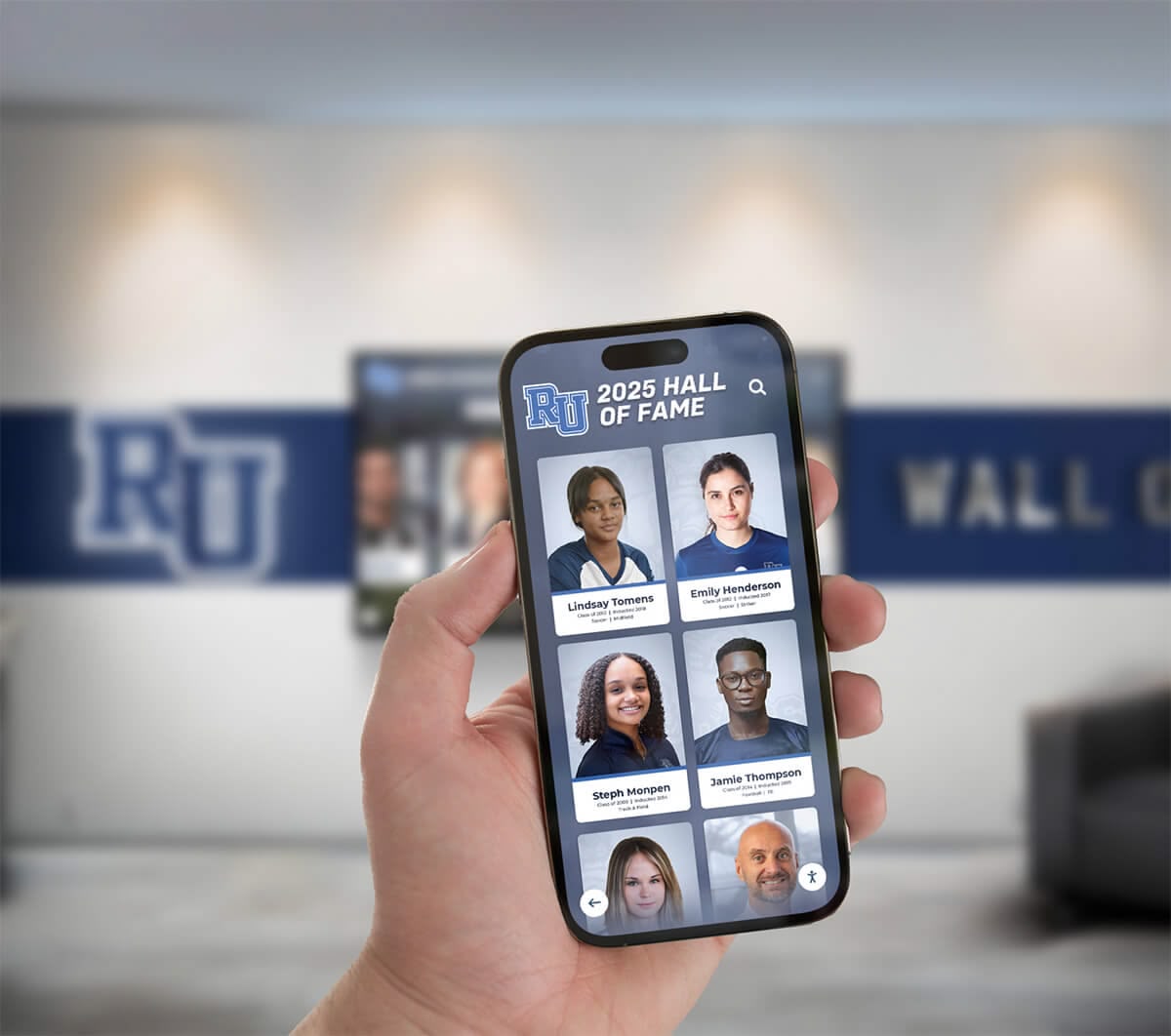
Modern [photo organizing tools for communities](https://digitalrecordboard.com/blog/photo-organizer-software-communities/?utm_source=organic&utm_medium=seo-auto&utm_content=digitalyearbook&utm_campaign=how-to-find-old-elementary-school-yearbooks&utm_term=seo) make it easier to catalog, share, and preserve old yearbook images once you've located physical copies
Step 6: Contact Historical Societies and Genealogy Centers
Specialized heritage institutions frequently hold materials that libraries and schools have never cataloged, making them valuable late-stage search resources.
County and Local Historical Societies
Community-Wide Collections
Historical societies collect materials from all community institutions—not just individual schools—giving them comprehensive coverage that any single school’s archive lacks. Their collections often include yearbooks from closed elementary schools whose materials were donated after the buildings shut down, alongside photographs, newsletters, PTA records, and local newspaper clippings that fill gaps where yearbooks are missing.
Volunteer Research Assistance
Historical societies rely on passionate volunteer researchers who know collections intimately. When you cannot visit in person, many societies offer remote research assistance—volunteers who will search collections on your behalf and report findings by email or phone. Call ahead to ask whether this service is available and how to submit a research request.
Genealogy Research Centers
FamilySearch Centers and Libraries
The Church of Jesus Christ of Latter-day Saints operates FamilySearch Centers worldwide providing free access to genealogy databases including an expanding collection of scanned yearbooks. Staff volunteers assist researchers navigating collections and suggest alternative resources. Many centers hold microfilm or digitized collections covering their local geographic area, including elementary schools not represented in mainstream online databases.
University Special Collections
Universities operating laboratory schools or educational research programs sometimes archive K-12 yearbooks as part of academic collections. Universities that trained generations of teachers in local school districts occasionally preserved institutional materials from those schools in their own archives. Search university library special collections catalogs using the school name and decade.
Step 7: Strategies for Closed or Renamed Schools
Elementary schools that closed, merged, or changed names decades ago require additional research steps before you can identify where their yearbooks currently reside.
Trace the School’s History First
District History Research
Before contacting anyone, establish what happened to the school. Search state department of education databases for historical school listings. Review district annual reports from relevant decades available in public library archives. Local newspaper microfilm archives contain articles about school closures and consolidations that explain which institution absorbed a closed school’s students, staff, and records.
Successor School Holdings
When a district closed or merged an elementary school, the successor institution typically inherited archival materials. Contact the school that absorbed your target institution and ask specifically about materials from the predecessor school. Successor schools don’t always know exactly what they received during consolidation, so requesting a specific inventory search is more productive than asking generally about old materials.
Community Memory Organizations
Heritage Groups and Alumni Pages
Former students from closed schools sometimes organize Facebook groups, reunion websites, or informal heritage associations dedicated to keeping the school’s memory alive. Search “[school name] alumni” or “[school name] memories” on Facebook and Google to find these groups. Members pool private yearbook collections and often share scans freely with anyone who asks.
Museum-Style Community Exhibits
Local museums and cultural centers sometimes create museum-style historical displays documenting community institutions including closed schools. Exhibit curators who assembled these displays gathered extensive yearbook collections during their research and may maintain archives beyond what appears in permanent displays.
Churches and Community Centers
Elementary schools often had strong connections to local churches, community centers, and civic organizations. These institutions sometimes preserved donated materials including yearbooks when schools closed—particularly in smaller communities where the school represented a central part of neighborhood identity. Contacting organizations that were active in the school’s catchment area during relevant decades occasionally surfaces unexpected private archives.
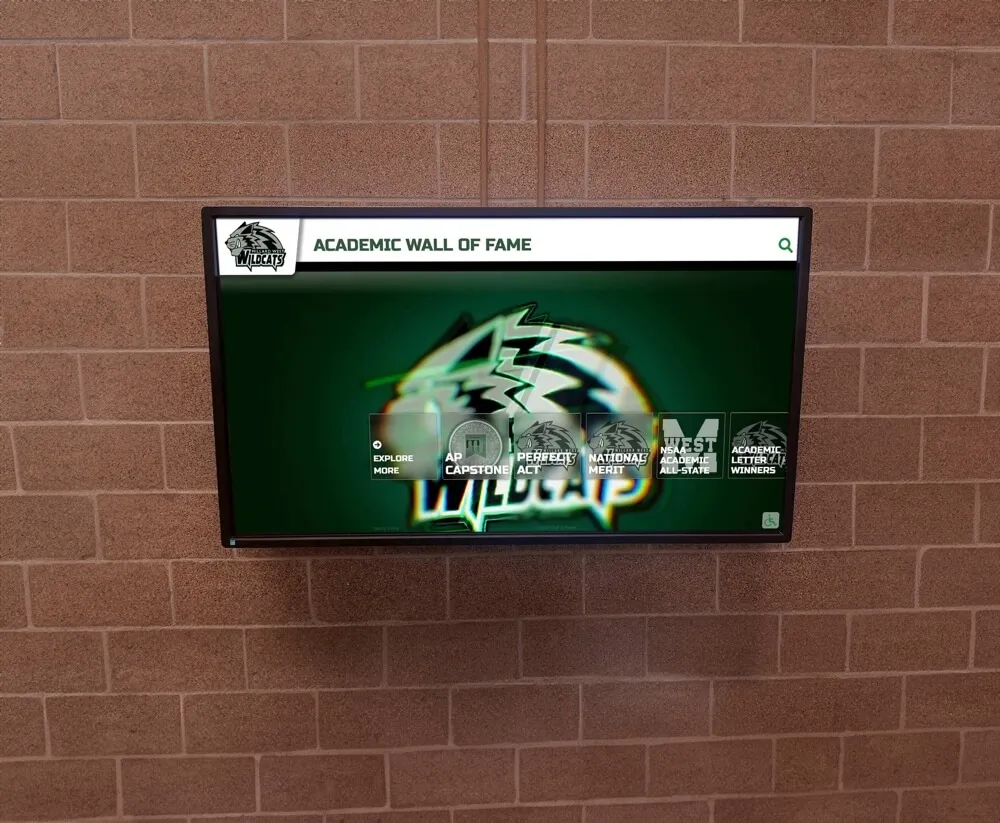
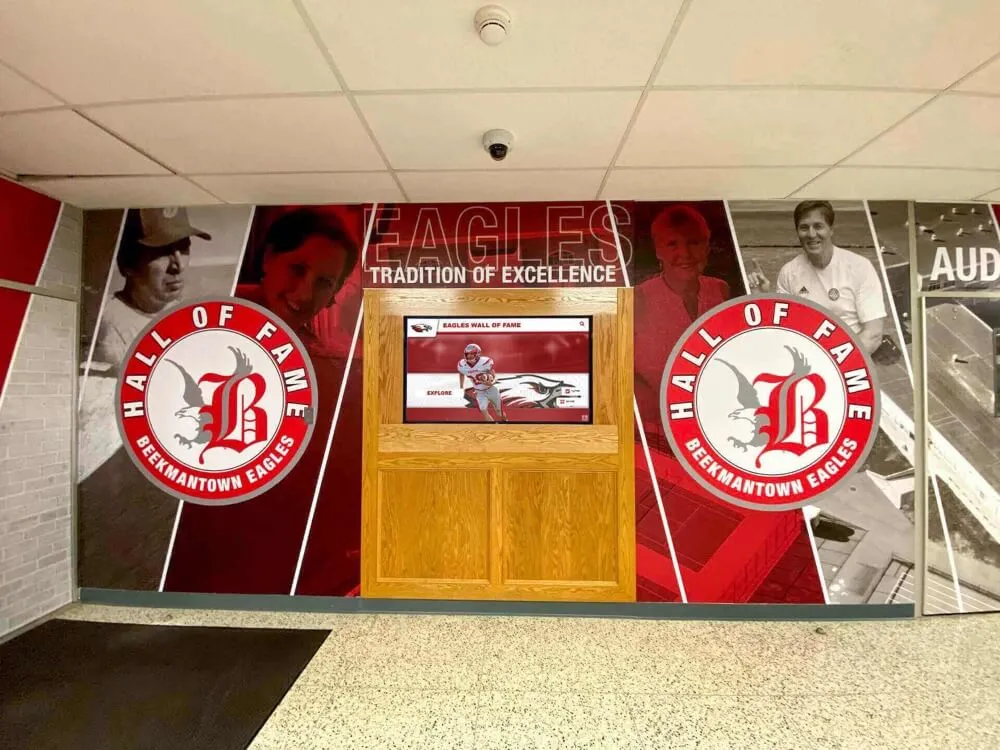
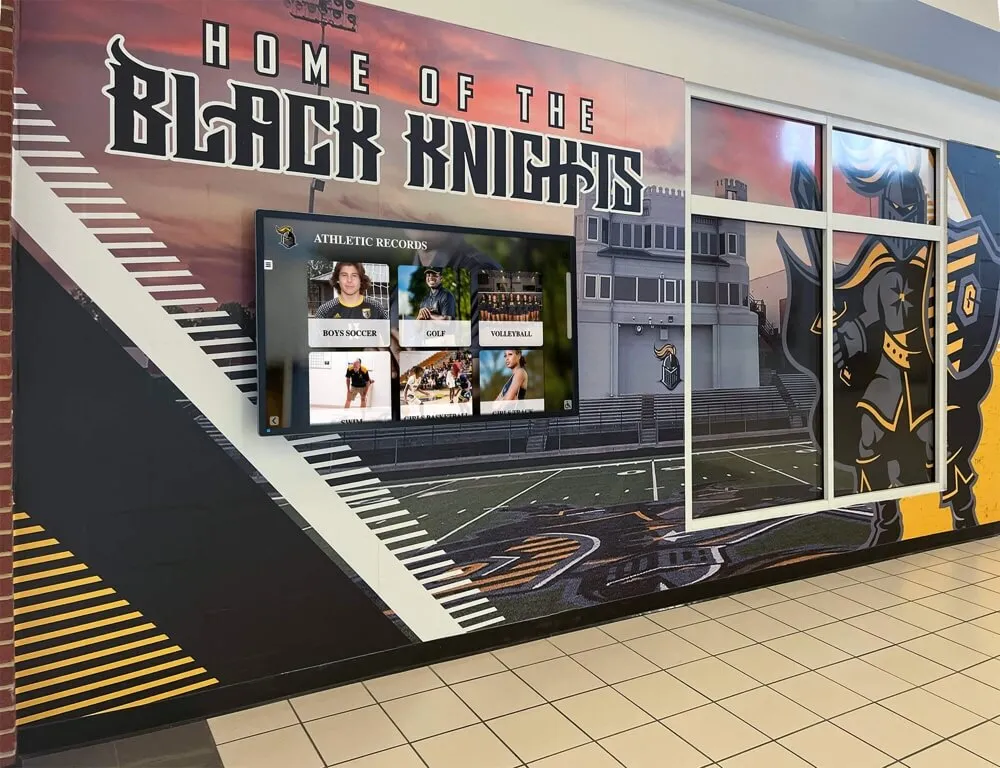
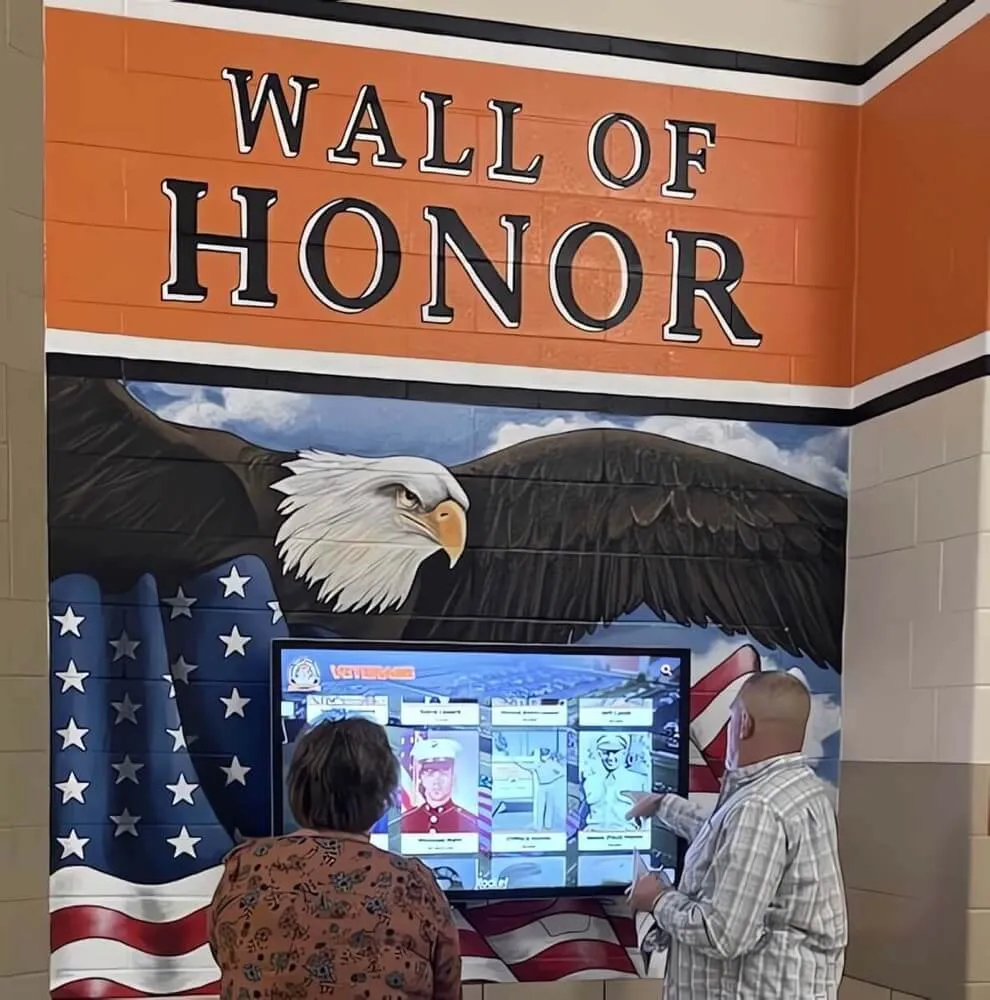
Schools investing in [digital recognition boards](https://halloffamewall.com/blog/middle-school-recognition-digital-board/?utm_source=organic&utm_medium=seo-auto&utm_content=digitalyearbook&utm_campaign=how-to-find-old-elementary-school-yearbooks&utm_term=seo) often begin by digitizing historical yearbooks to populate displays with decades of student portraits and achievement records
What to Do Once You Find a Yearbook
Locating an elementary school yearbook is only half the challenge—securing usable access and preserving what you find requires additional steps.
Requesting Scans From Private Holders
The Best Approach to Private Requests
When a Facebook group member or community contact has the yearbook you need, make your request specific and respectful. Explain who you are, why you want access, and what you’re looking for within the book. Offering to pay scanning costs or provide a small thank-you gift increases the likelihood of a positive response. Most people who preserved these books for decades feel honored that someone values them enough to seek them out.
Coordinating Mutual Sharing
If multiple people are searching for the same edition, coordinate a collective scanning project. One person with the physical book handles scanning; everyone who contributes to scanning costs or volunteer time receives a complete digital copy. This approach works especially well in active Facebook groups where multiple former students want access to the same edition.
Proper Scanning Techniques
Resolution and File Format
When digitizing old elementary yearbooks—whether from your own copy or a borrowed physical volume—using the right scanning settings makes the difference between archival-quality files and blurry images that lose detail in decades-old photographs. Following a dedicated scanning resolution guide for old yearbooks ensures your digital copies capture maximum detail from vintage photos and printed text.
Gentle Handling for Fragile Volumes
Decades-old elementary yearbooks—especially editions from the 1950s through 1980s—often have brittle bindings and yellowed pages that crack under pressure. Never force bindings flat during scanning. Use gentle pressure, scan in short sessions to avoid sustained stress on spines, and photograph pages using natural light when flatbed scanning risks damaging fragile volumes.
Storage and Sharing
Save scanned yearbooks in multiple formats: high-resolution TIFF files for archival preservation, PDF for easy sharing, and JPEG exports for individual photos. Store backup copies in cloud storage as well as local hard drives. Consider contributing scans to the Internet Archive or local historical society digital collections so future researchers benefit from your work.
Preserving Your Own Elementary School Yearbooks
If you hold old elementary yearbooks in your possession, taking preservation steps now ensures these fragile records survive for future family members and researchers.
Physical Preservation Best Practices
Store yearbooks flat or upright (never at an angle that stresses spines) in acid-free archival boxes away from humidity, temperature fluctuations, and light. Avoid attics and basements where temperature extremes accelerate paper degradation. Climate-controlled interior rooms maintain the stable conditions that extend yearbook lifespan by decades.
Donation to Appropriate Institutions
Filling Archival Gaps
School libraries, public library local history collections, and historical societies actively seek donated yearbooks to fill gaps in holdings. Before donating, contact the institution to confirm which years they need—donating duplicates rather than only copies allows you to retain personal copies while contributing to institutional preservation.
Digital Contribution
Contributing scans to community archives multiplies access without requiring you to give up physical copies. Upload to the Internet Archive, relevant state digital collections, or community Facebook groups to make your edition accessible to everyone searching for the same school and year.
How Schools Can Make Elementary Yearbook Archives Accessible
Schools that commit to systematic yearbook preservation transform what is currently a scattered community resource problem into an institutional asset.
Building a Comprehensive Archive
Elementary schools that systematically collect yearbooks—accepting donations, purchasing duplicates through alumni outreach, and partnering with local libraries for shared preservation projects—create permanent collections that serve alumni, historians, and current families for generations. Digital signage for schools that incorporates scanned yearbook content from multiple decades gives current students a tangible connection to the generations who walked the same hallways before them.
Integrating Yearbooks Into Digital Recognition Systems
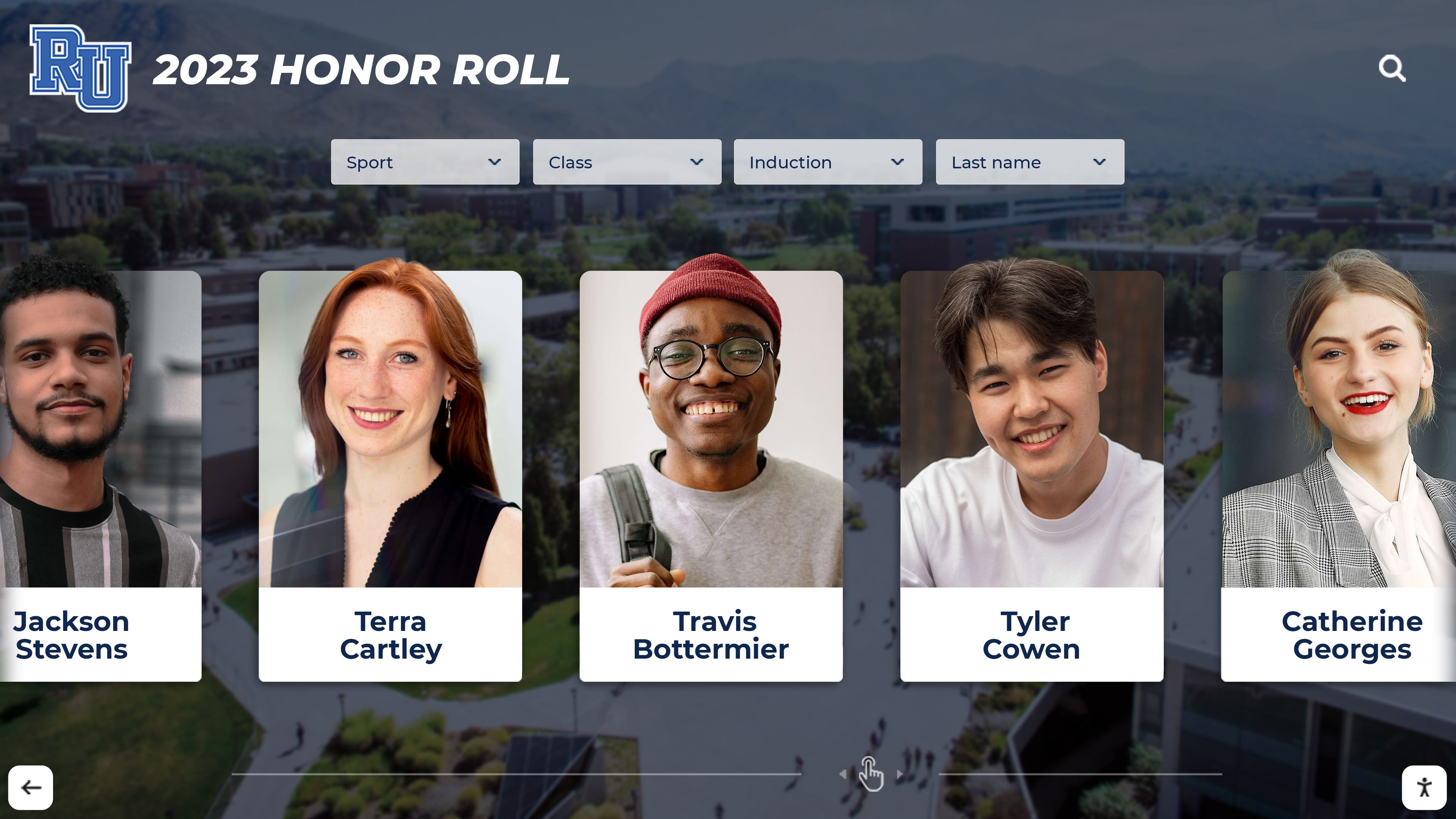
Forward-thinking schools don’t stop at filing yearbooks in archive boxes—they extract portraits, class photos, and yearbook page content to populate digital displays that celebrate school history continuously. Interactive lobby kiosks that let visitors browse class photos from any decade since the school opened transform static archives into living heritage experiences that engage current families, honor alumni, and attract prospective students.

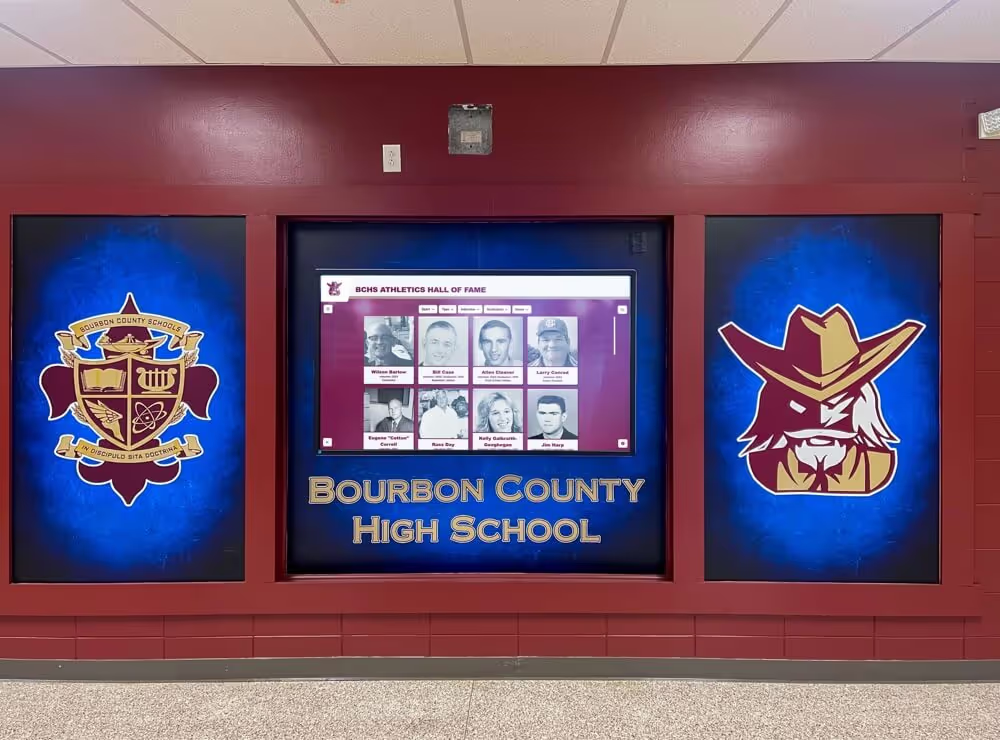
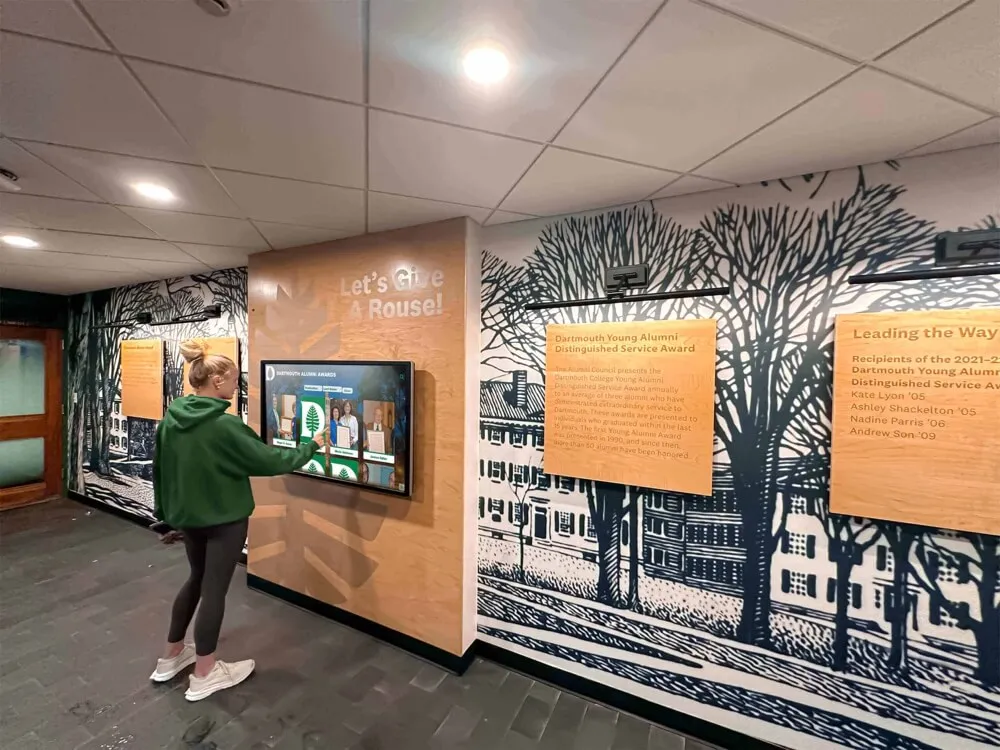
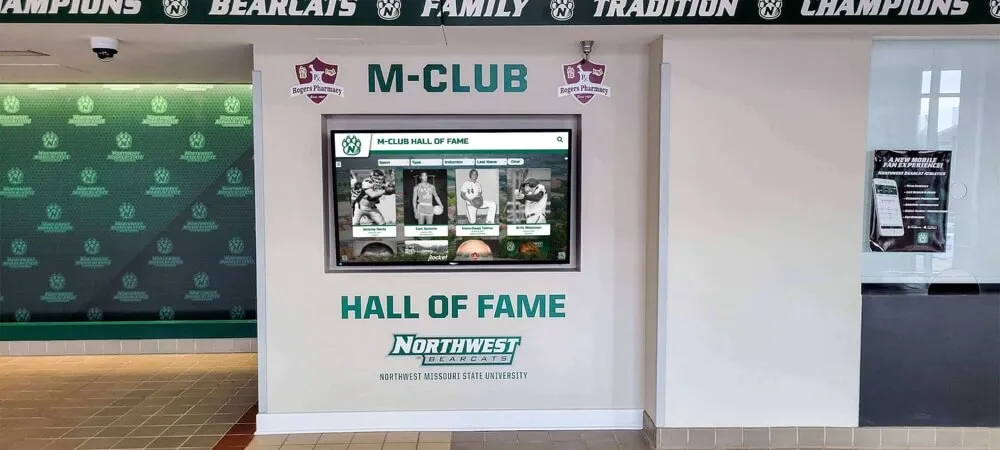
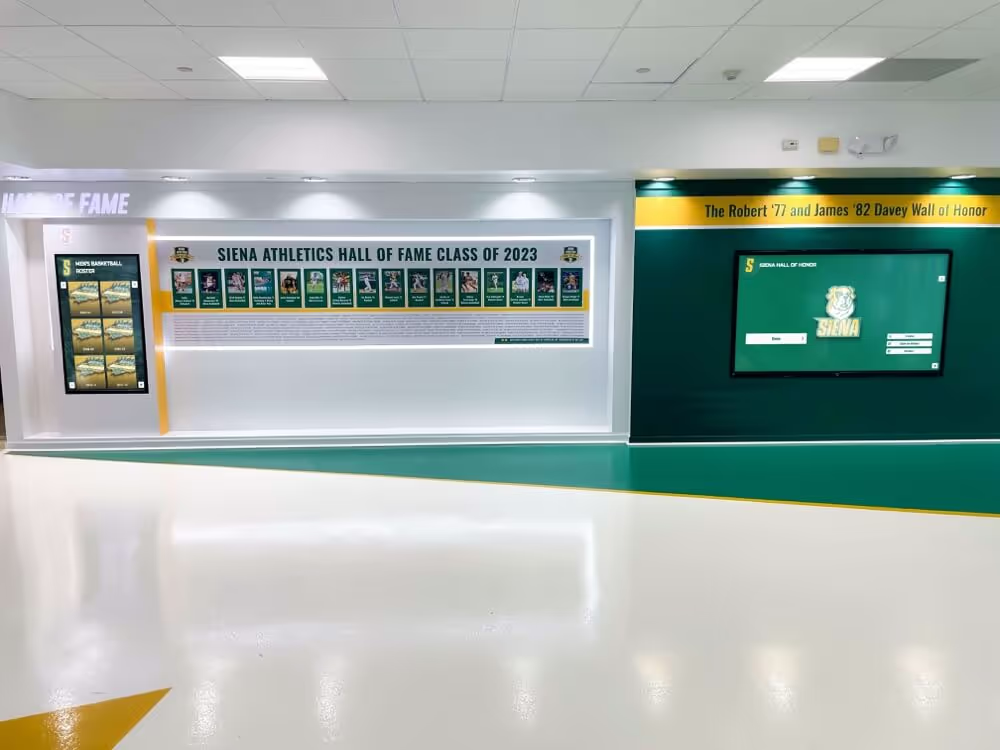
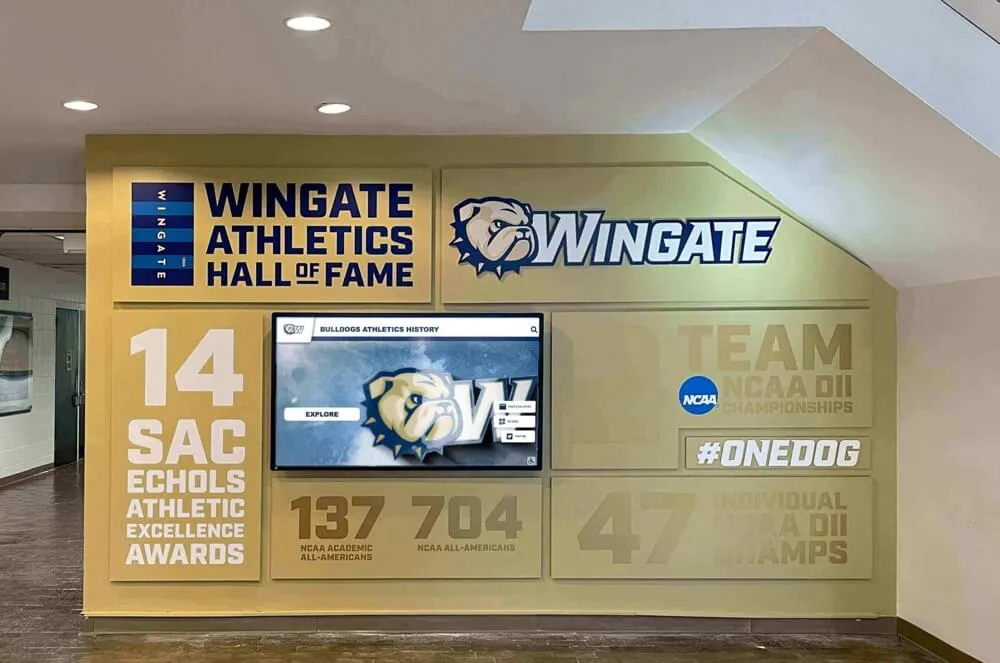
Comprehensive [school digital signage systems](https://best-touchscreen.com/blog/school-digital-signage-complete-implementation-guide/?utm_source=organic&utm_medium=seo-auto&utm_content=digitalyearbook&utm_campaign=how-to-find-old-elementary-school-yearbooks&utm_term=seo) can integrate digitized yearbook archives to create always-accessible heritage displays for current families and returning alumni
Quick Reference: Where to Search for Elementary School Yearbooks
| Resource Type | Best For | How to Access |
|---|---|---|
| Current school library | Post-1990 editions | Call or visit during school hours |
| District administration | Closed/consolidated schools | Contact district records management |
| Public library local history | Community-wide collections | Search OPAC catalog, call reference desk |
| Internet Archive | Free digitized editions | archive.org, search by school name |
| Ancestry.com | Genealogy research context | Subscription database search |
| Facebook parent groups | 1980s-2010s family-held copies | Post specific requests in school groups |
| Historical societies | Pre-1980 rare editions | Call and ask about research assistance |
| eBay / AbeBooks | Physical purchase | Search by school name + yearbook |
| PTA networks | Volunteer-produced editions | Contact school for current PTA contact |
| State historical society | Digitized statewide collections | Search state digital archive portals |
When Searches Come Up Empty
Despite exhaustive efforts, some elementary school yearbooks simply no longer exist in accessible form—small press runs, family disasters, and the passage of time claimed copies that no archive preserved.
Document Your Search
Keep a running log of every institution contacted, website searched, and community group joined. This prevents redundant effort and helps others who may continue the search after you. Share your research log with historical societies and school archives—even negative results help these institutions understand collection gaps.
Consider Alternative Records
Class photos taken by school photographers often exist in print or digital form independent of yearbook production. Contact the school about class photo archives, search for the photography company that served the school (many kept negative archives for decades), and check whether local newspapers published school photos during the relevant years.
Connect With Former Teachers
Retired teachers who worked at the school during relevant years sometimes retained personal copies of yearbooks given to staff. They may also know which former students became the “class historian” type who collected every yearbook produced during their time there. A single outreach email to the school asking for help connecting with retired long-tenured teachers occasionally produces direct leads to private collections.
Transform Elementary School Archives Into Living Heritage
Elementary school yearbooks capture childhood in ways that no other record quite matches—the photos taken before self-consciousness set in, the signatures from best friends whose last names you’ve since forgotten, the teachers who shaped who you became. Finding these books takes persistence, community, and a willingness to search far beyond the obvious starting points.
For schools ready to make their historical archives permanently accessible rather than perpetually buried in storage rooms, Rocket Alumni Solutions provides complete digitization and display solutions that bring decades of elementary school history to life. Our systems transform scanned yearbooks into interactive touchscreen experiences that current families love exploring and alumni treasure discovering years later. Request a custom demo to see how your school’s most important memories can become an engaging part of the building every day—not just when someone finally tracks down a copy in a cardboard box.