School administrators and yearbook advisers across the country face a common challenge: preserving decades of institutional memory locked away in aging yearbooks deteriorating in storage rooms and archive cabinets. These volumes represent irreplaceable heritage—student portraits, team photographs, club activities, faculty documentation, and candid moments capturing school culture across generations. Yet most remain inaccessible except to those who physically retrieve them, risking further damage with each handling.
Every year schools delay yearbook preservation, more volumes cross from salvageable condition into conservation emergency territory. Yearbooks from the 1960s through 1990s face particular vulnerability as acidic paper yellows and becomes brittle, binding adhesives fail, and photographs fade through chemical deterioration. Climate fluctuations in typical storage areas accelerate this damage, while water leaks, fire risk, and simple misplacement threaten complete loss of irreplaceable materials.
Choosing the right old yearbook scanning service for schools requires understanding available options, evaluating provider capabilities, establishing appropriate quality standards, and planning implementation that balances budget constraints with preservation priorities. The difference between rushed decisions and informed selection determines whether you get professional-grade archives supporting multiple institutional uses or disappointing results requiring expensive re-scanning.
This comprehensive buyer’s guide walks school administrators, librarians, and yearbook coordinators through every step of selecting and working with yearbook scanning services—from initial collection assessment through vendor evaluation, quality specifications, pricing models, and successful project implementation that transforms vulnerable physical archives into permanent digital collections serving educational and community engagement purposes.

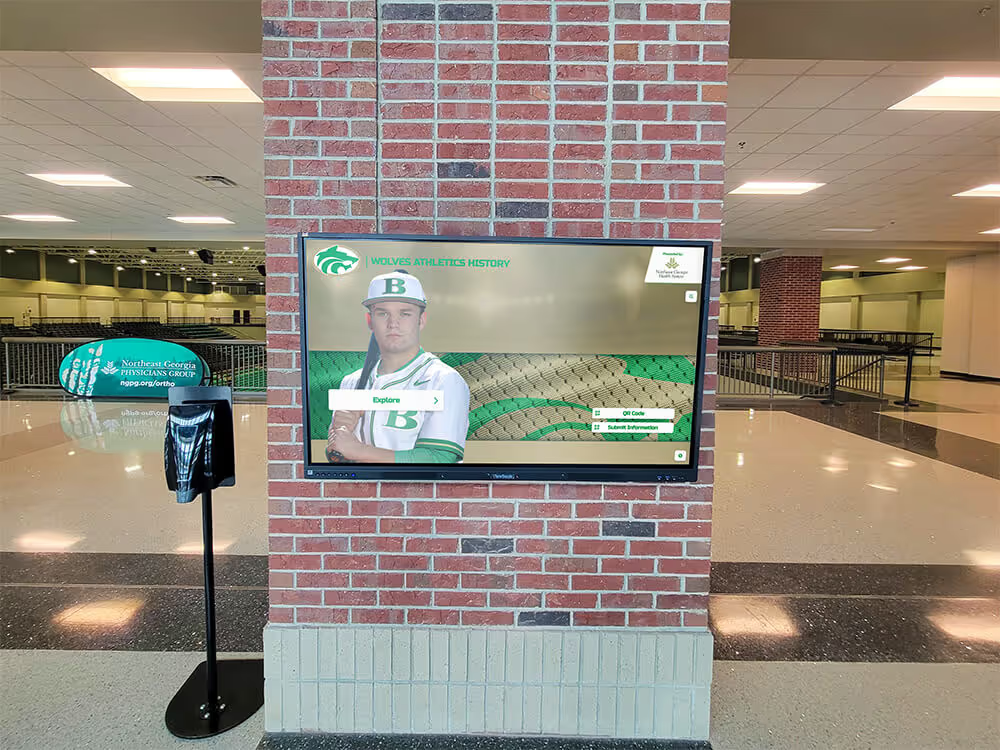
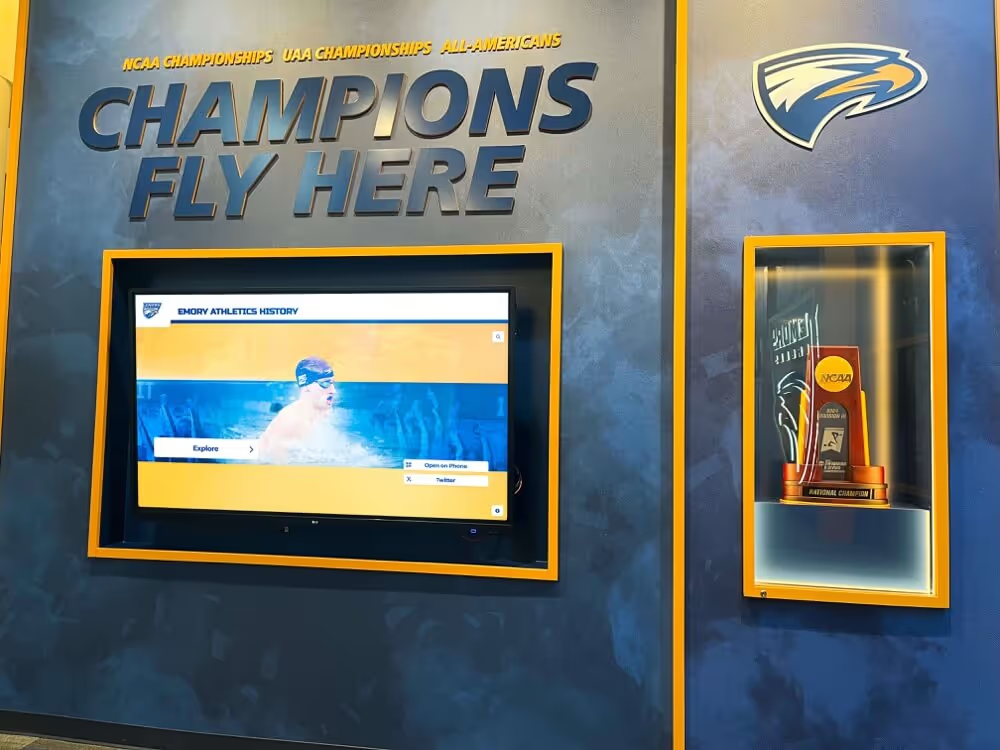
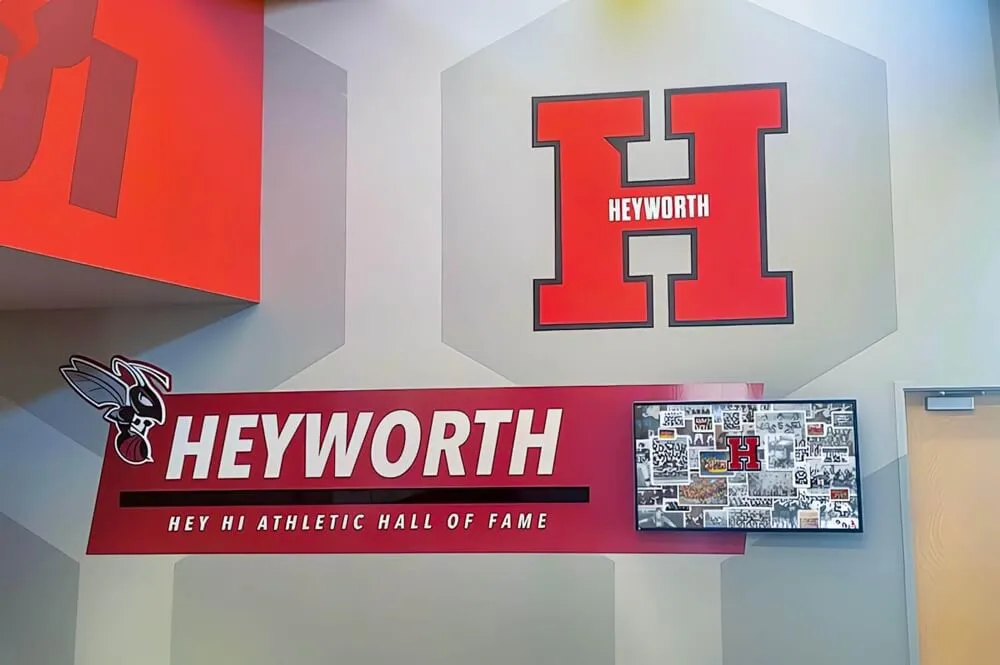
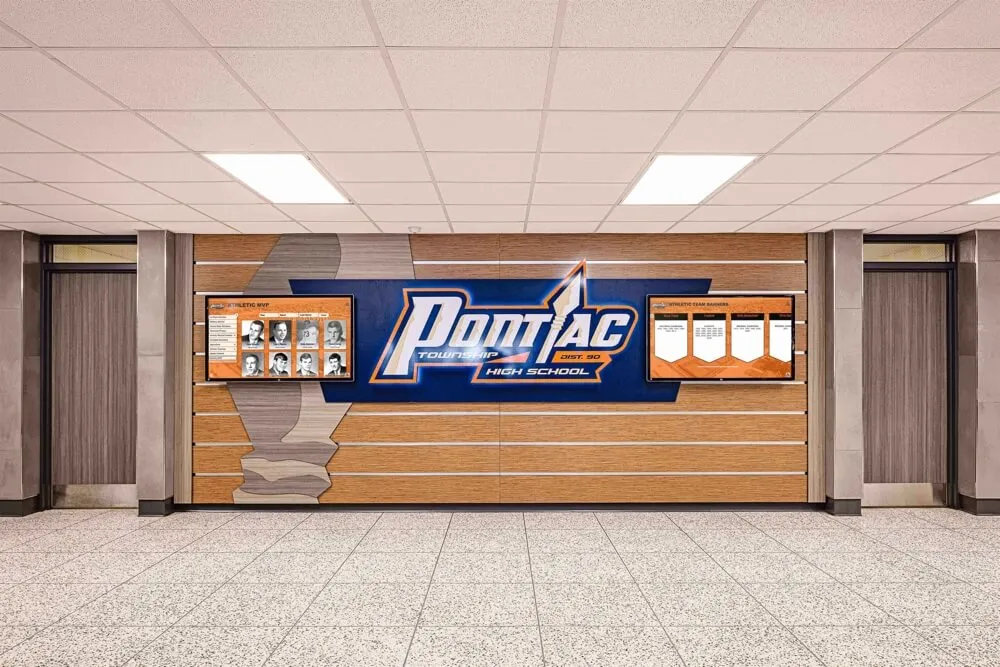
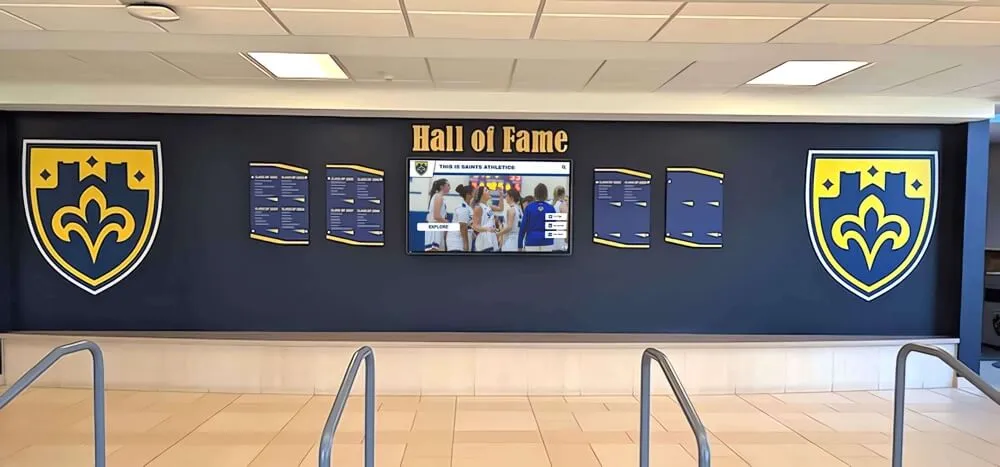
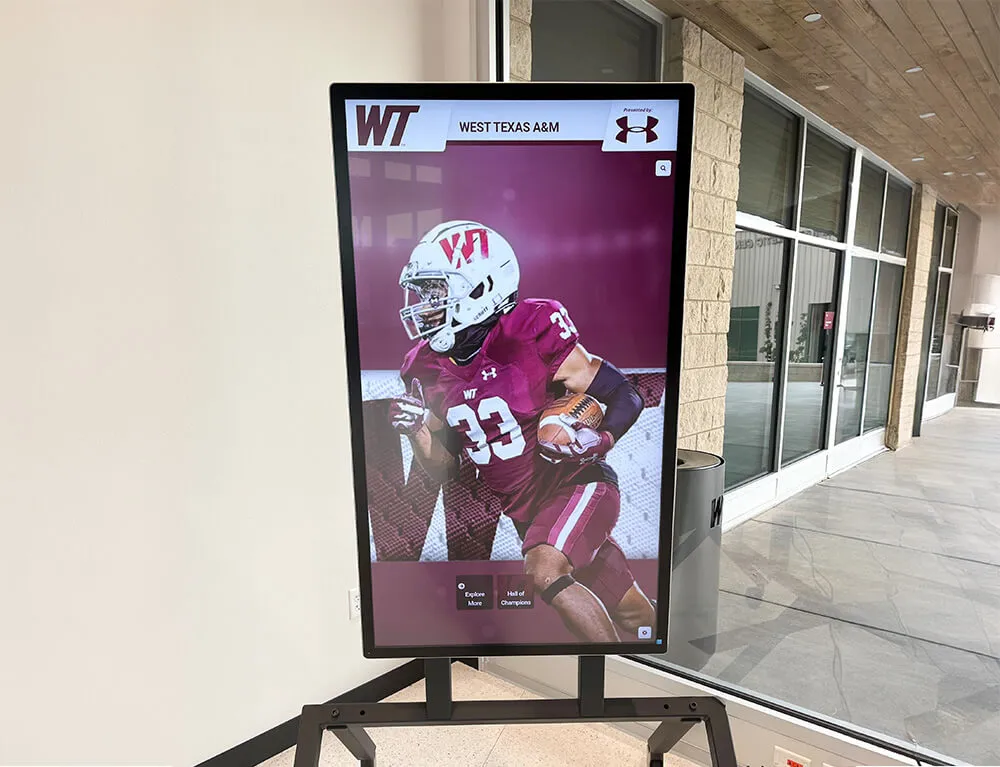
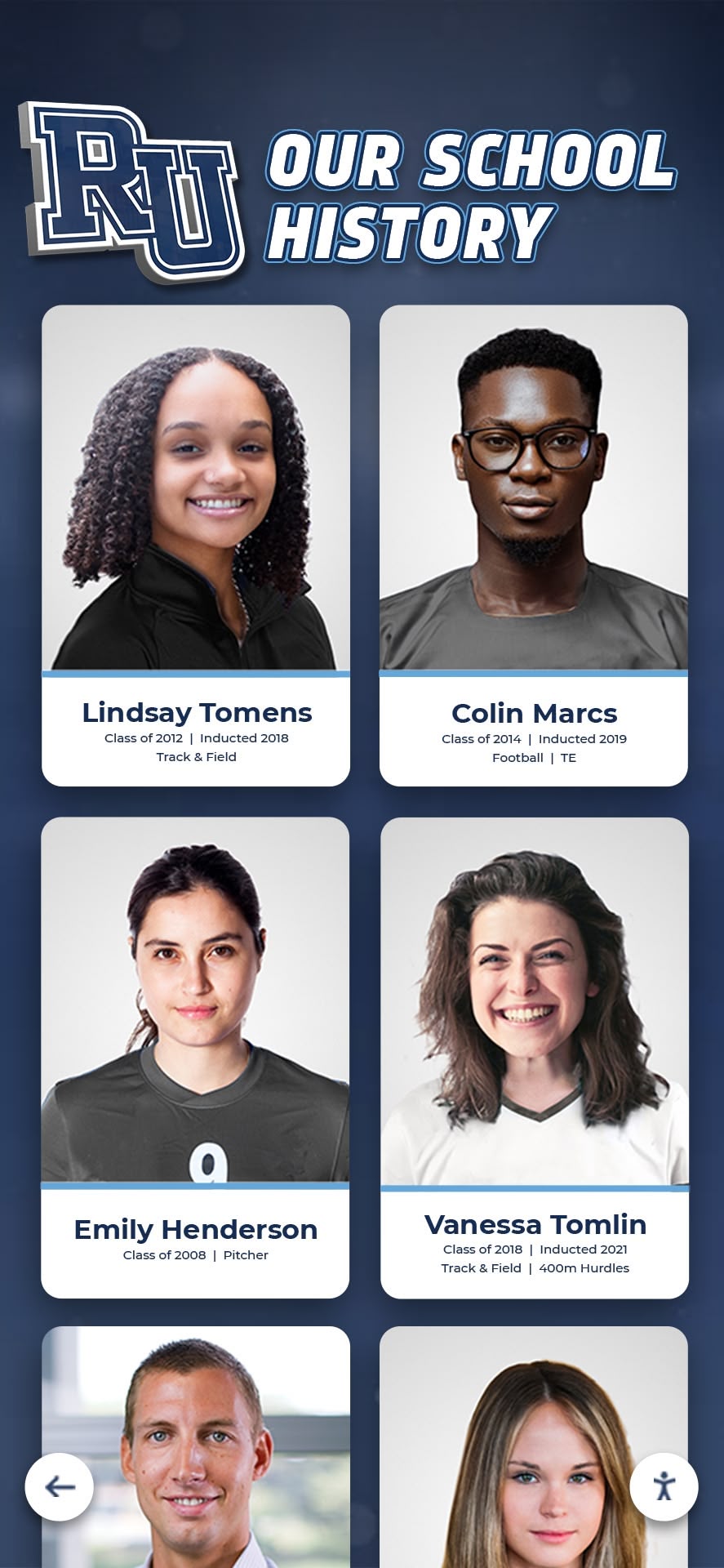
Professional yearbook scanning services extract individual portraits from composite photographs, creating searchable databases that populate digital recognition displays and alumni archives
Understanding Old Yearbook Scanning Service Options
Schools choose from several distinct service models, each offering different combinations of cost, quality, convenience, and institutional control.
Professional Full-Service Yearbook Scanning Providers
Comprehensive yearbook scanning companies handle entire digitization workflows from initial collection assessment through final digital delivery:
Complete Service Scope
Full-service providers typically offer volume pickup and return with secure transportation, pre-digitization condition assessment documenting existing damage, high-resolution scanning using book-safe equipment respecting binding limitations, professional image processing including color correction and enhancement, optical character recognition creating searchable text layers, individual portrait extraction separating students from composite photographs, comprehensive metadata creation enabling search by name, year, sport, or activity, multi-point quality assurance ensuring completeness and accuracy, cloud hosting or downloadable delivery in specified formats, and original volume preservation guidance for proper storage after scanning.
Ideal Candidates for Full-Service
This approach suits schools with large collections spanning multiple decades requiring systematic processing, fragile or damaged volumes needing expert handling to prevent further deterioration, limited internal staff capacity for extensive scanning projects, budgets supporting professional outsourcing (typically $15-$40 per yearbook depending on specifications), timeline pressure requiring faster completion than DIY approaches allow, and desire for highest-quality professional results supporting multiple downstream uses.
Hybrid Approaches Combining Professional and Internal Resources
Hybrid models balance professional expertise with school participation, reducing total costs while maintaining quality standards:
Equipment Rental Programs
Some yearbook scanning service providers rent professional scanning equipment to schools along with training, technical support, and remote quality review. Schools perform actual scanning work using provided equipment while vendors offer troubleshooting assistance, post-processing services for OCR and metadata creation, and equipment maintenance throughout rental periods.
This model works well for schools with available staff capacity but lacking equipment budgets, collections too large for consumer scanners to handle efficiently, desire for professional quality without full outsourcing expense, and timeline flexibility accommodating school-paced work fitting around other institutional priorities.
Partial Outsourcing Models
Schools scan yearbooks internally using owned or rented equipment, then contract professional services for labor-intensive specialized processing—OCR text recognition requiring software expertise, individual portrait extraction and identification demanding time-intensive work, comprehensive metadata creation and database indexing, and cloud platform setup with integration support.
This division reduces total service costs by 40-60% compared to full professional outsourcing while ensuring expert handling of technical processes requiring specialized knowledge and software tools most schools lack.
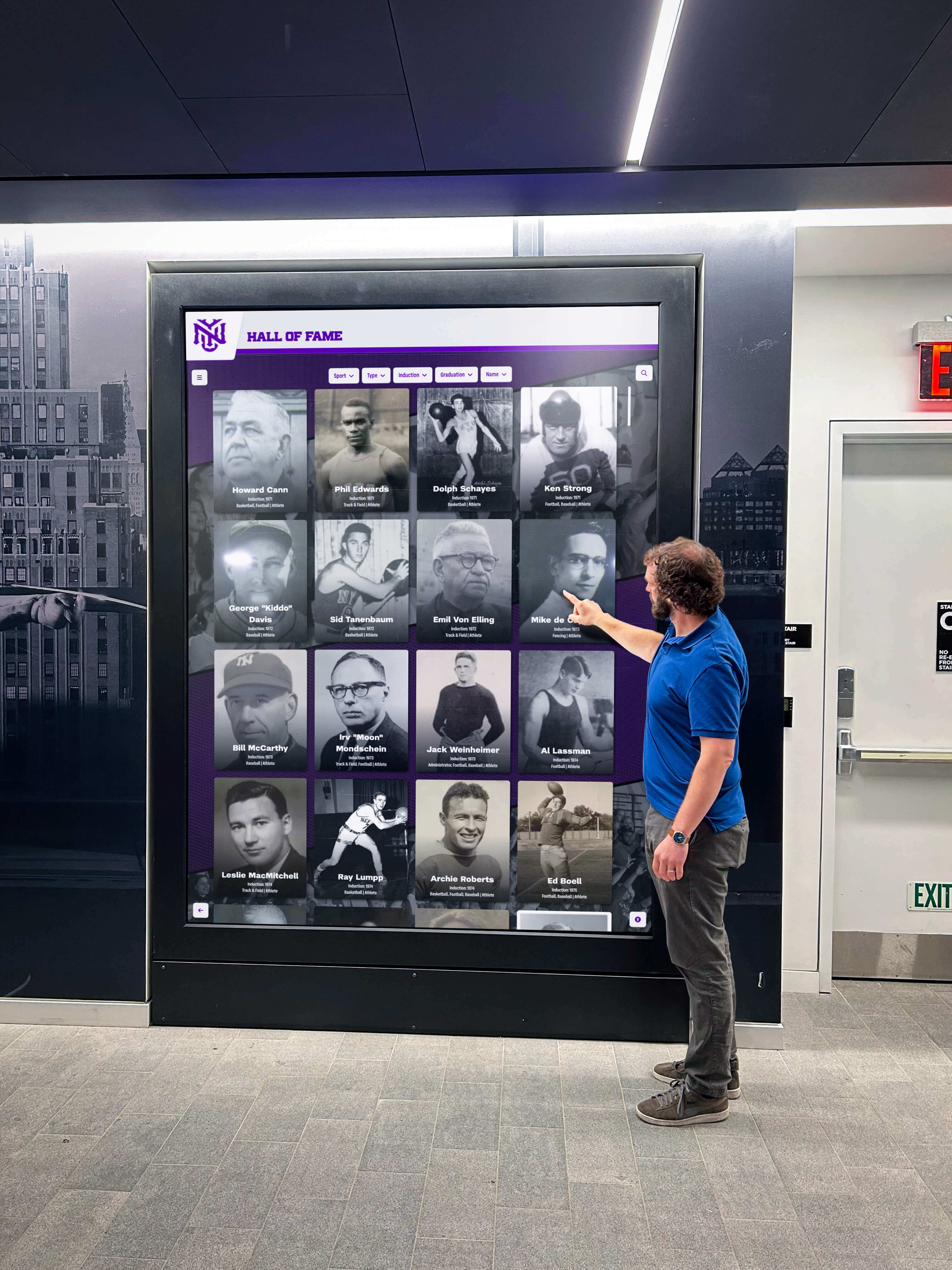
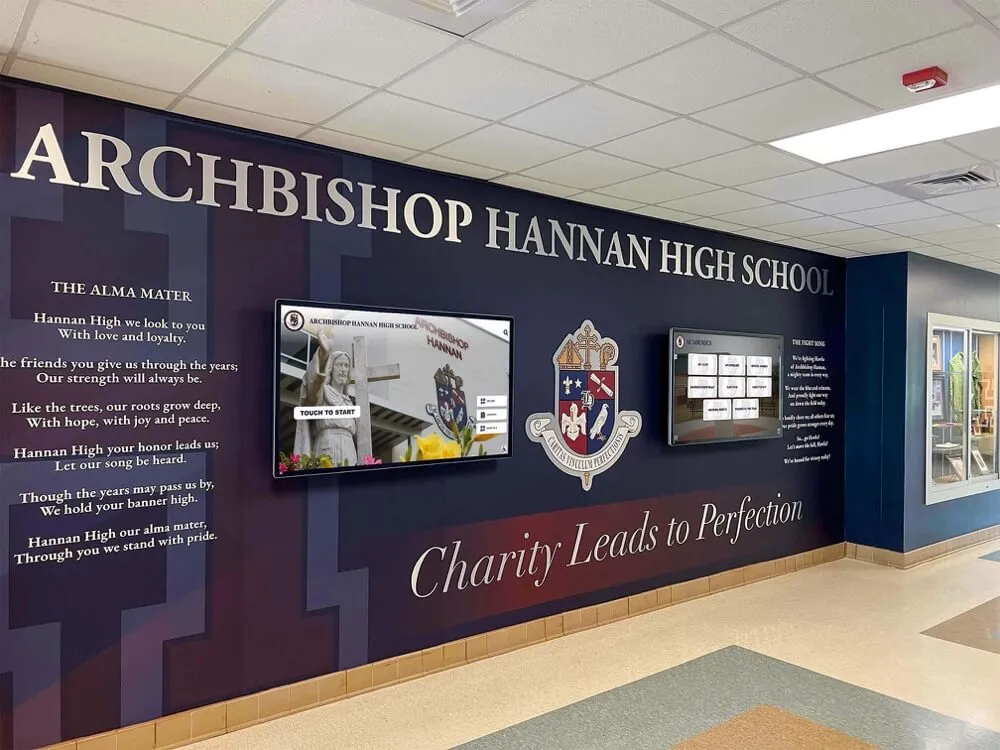
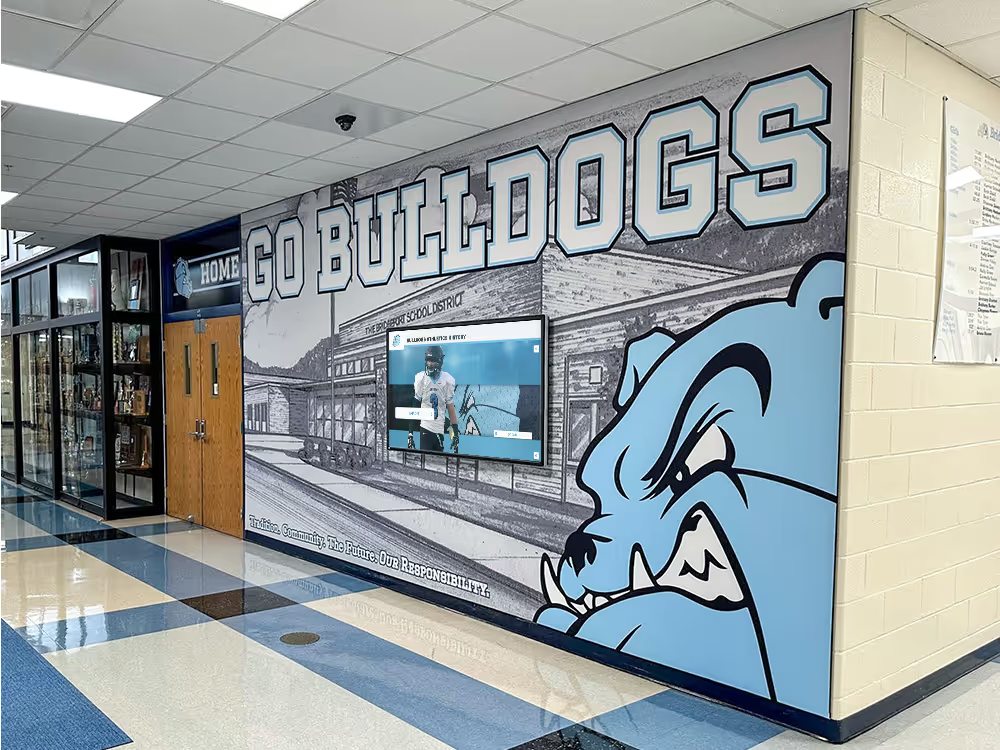
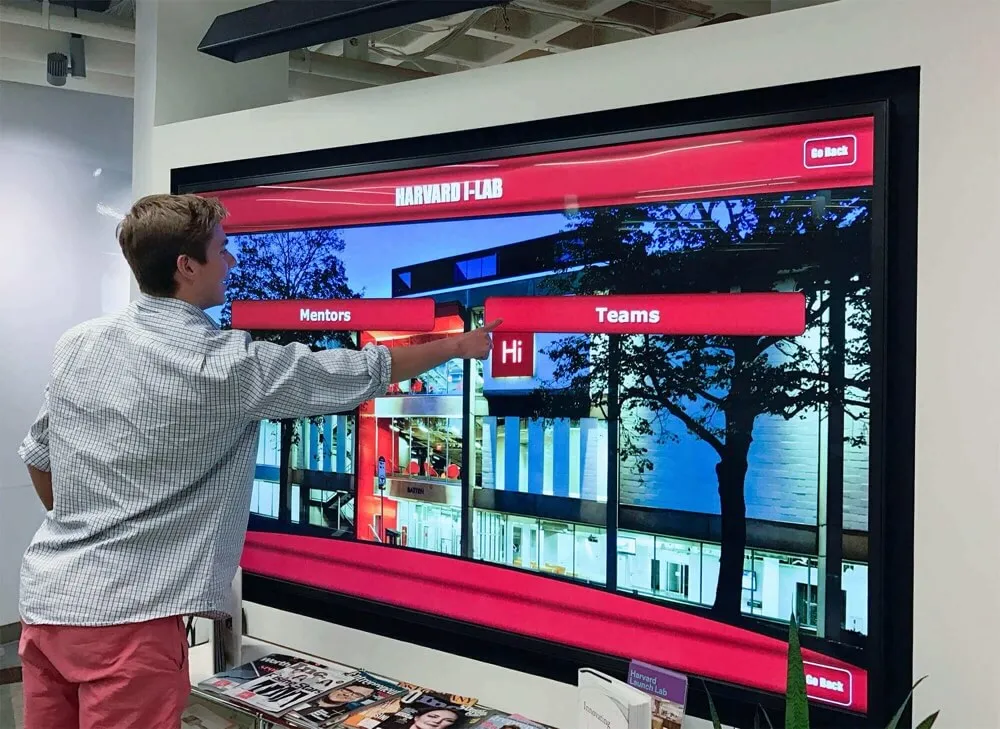
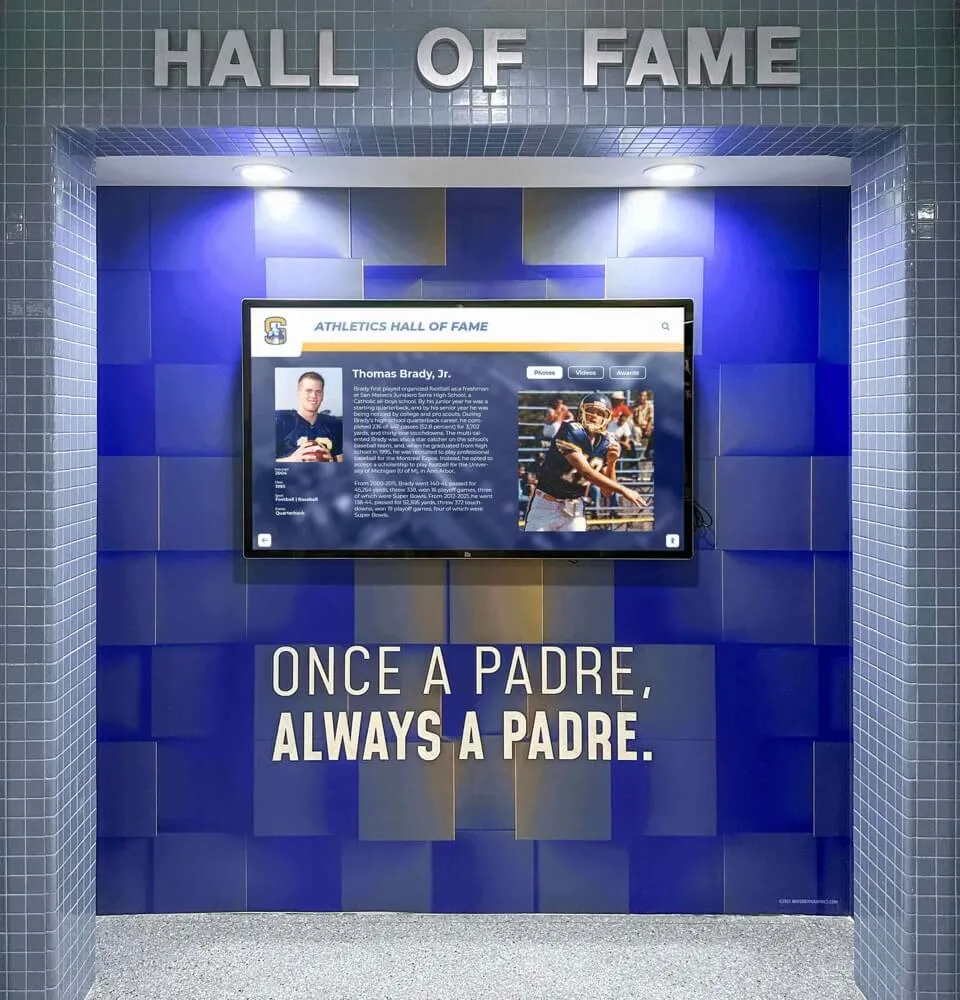
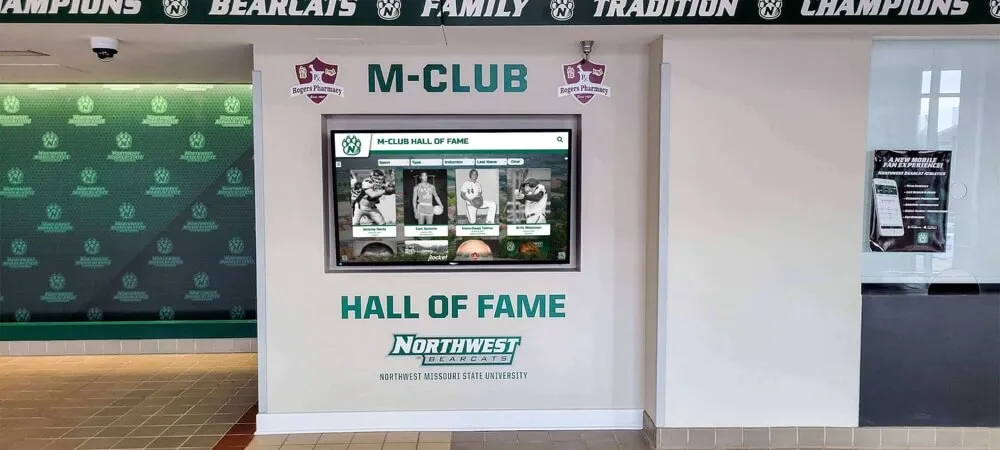
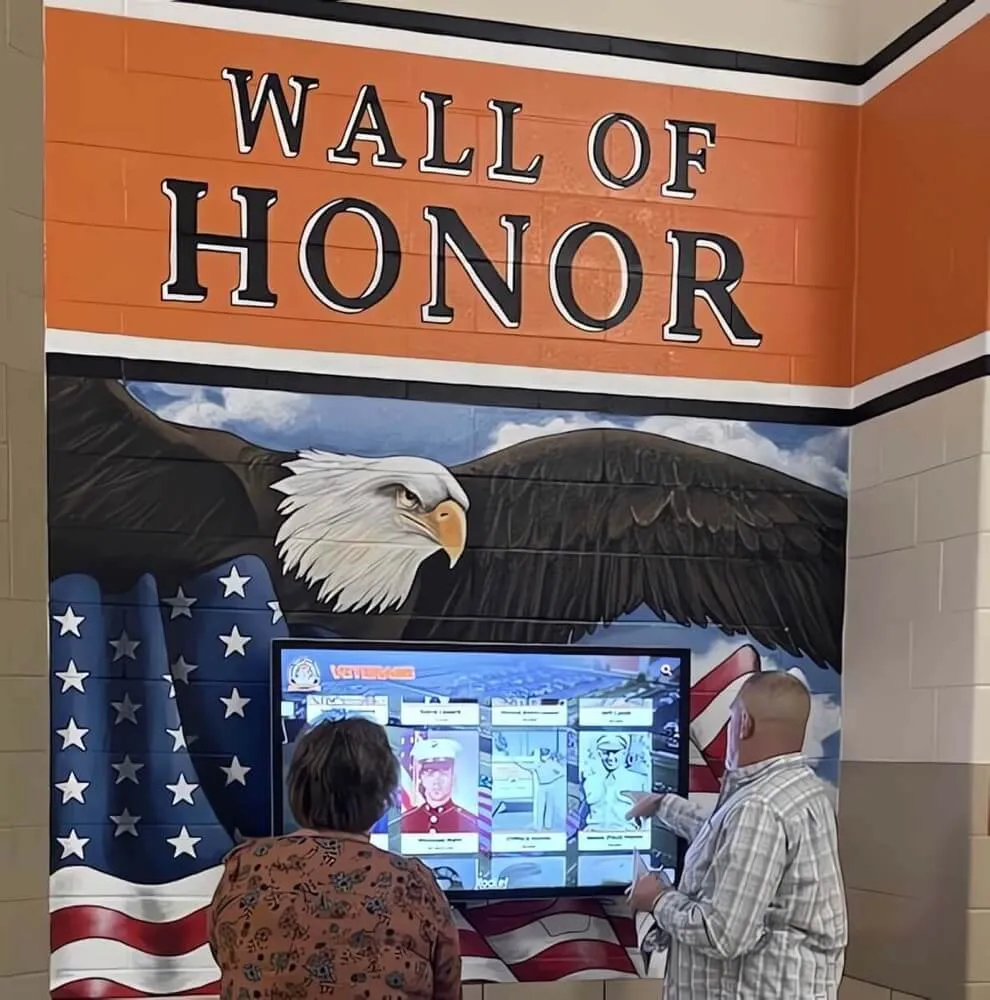
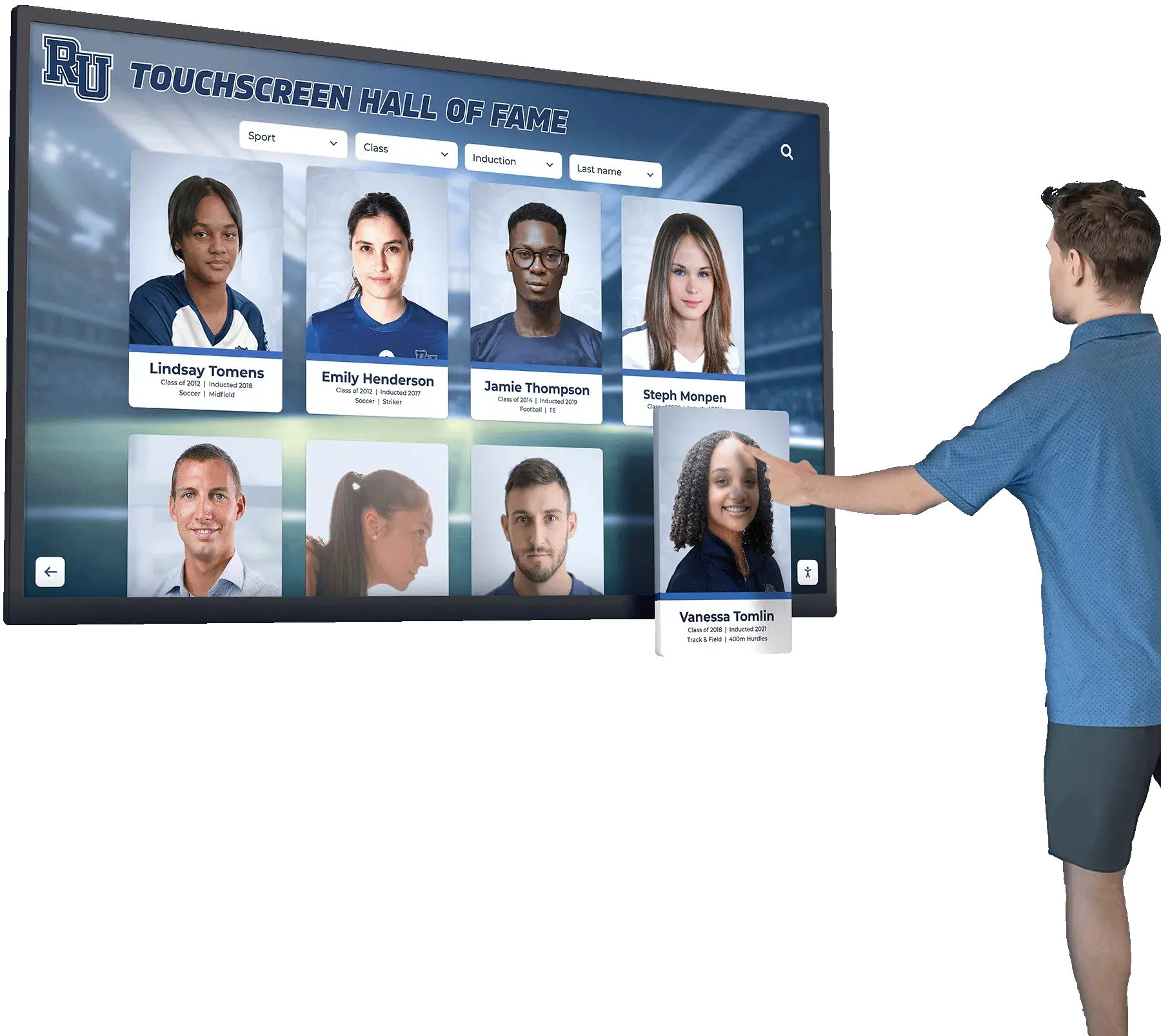
Digitized yearbook archives populate interactive displays enabling students, alumni, and visitors to explore decades of school history through intuitive touchscreen interfaces
DIY Yearbook Scanning With Internal Resources
Schools with appropriate infrastructure and dedicated staff capacity successfully complete yearbook digitization using internal resources:
Required Infrastructure and Resources
Successful DIY yearbook scanning requires scanning equipment (flatbed scanners ranging $200-$2,000 or document cameras $300-$1,500), book support cradles and foam wedges preventing binding damage during scanning ($50-$300), adequate computing infrastructure for file storage and processing, image editing and OCR software applications, dedicated staff or volunteer time for systematic scanning work, and organized workflow systems preventing errors and ensuring complete coverage without omissions.
DIY Advantages
Internal scanning offers benefits including complete control over scheduling and priorities allowing work around other responsibilities, significantly lower direct costs ($5-$15 per yearbook in materials, equipment amortization, and storage), ability to start small with pilot projects before committing to full archives, development of internal expertise applicable to future preservation initiatives, and flexibility adjusting approaches based on learning and evolving requirements.
DIY Challenges and Limitations
Schools choosing DIY approaches face time requirements that consistently exceed initial estimates (30-120 minutes per yearbook including setup, scanning, quality checks, and file organization), quality inconsistency without professional training especially in color accuracy and resolution optimization, equipment limitations affecting efficiency and output quality compared to specialized book scanners, staff burnout risk on lengthy multi-year projects, and opportunity costs diverting staff from other important responsibilities.
Most successful DIY yearbook scanning projects involve student workers or parent volunteers providing labor under professional supervision, phased approaches preventing overwhelming scope, realistic multi-year timeline expectations for large collections, and clear quality standards with sample scans establishing acceptable baselines before processing entire archives.
Key Evaluation Criteria for Yearbook Scanning Service Providers
Selecting the right professional partner requires systematic assessment across multiple critical dimensions affecting both immediate results and long-term value.
Technical Quality Standards and Specifications
Scanning Resolution Requirements
Professional yearbook scanning services should offer minimum 600 DPI (dots per inch) resolution for quality reproduction supporting digital display integration, web publication, and moderate print reproduction. Schools planning significant enlargement of yearbook images for banners, posters, or large-format displays should specify 1200 DPI or higher resolution.
Standard deliverables should include archival master files in uncompressed TIFF or lossless PNG formats preserving maximum quality for future uses, plus optimized JPEG derivatives sized appropriately for web publication, digital displays, and distribution to alumni. Request sample scans before committing to large projects, comparing digital versions against physical originals to verify acceptable quality, color accuracy, and detail preservation.
Color Accuracy and Image Enhancement
Quality yearbook scanning maintains color fidelity to original materials while offering enhancement services that correct age-related fading, yellowing from acidic paper deterioration, and discoloration without distorting historical accuracy. Professional providers calibrate equipment regularly ensuring consistent results across multi-year projects involving thousands of pages.
Verify providers’ quality control processes including sample scans at project outset, periodic quality reviews during production, and final acceptance testing before delivery. Understand what image corrections are included in base pricing versus available as optional enhancements requiring additional fees.
OCR Quality and Searchability
Optical character recognition (OCR) transforms printed text into searchable digital text—a critical capability enabling name searches, keyword discovery, and database integration. Professional OCR should achieve 95%+ accuracy on clean text with manual correction of critical content like student names, captions, and achievement records improving accuracy to 98-99%.
Poor quality OCR creates frustration when searches fail to find content that exists but was misrecognized during text extraction. Request OCR samples and understand providers’ quality assurance procedures, including whether manual correction is included or available as add-on service. For schools planning integration with digital recognition systems similar to academic recognition programs, accurate OCR proves essential for searchable databases.
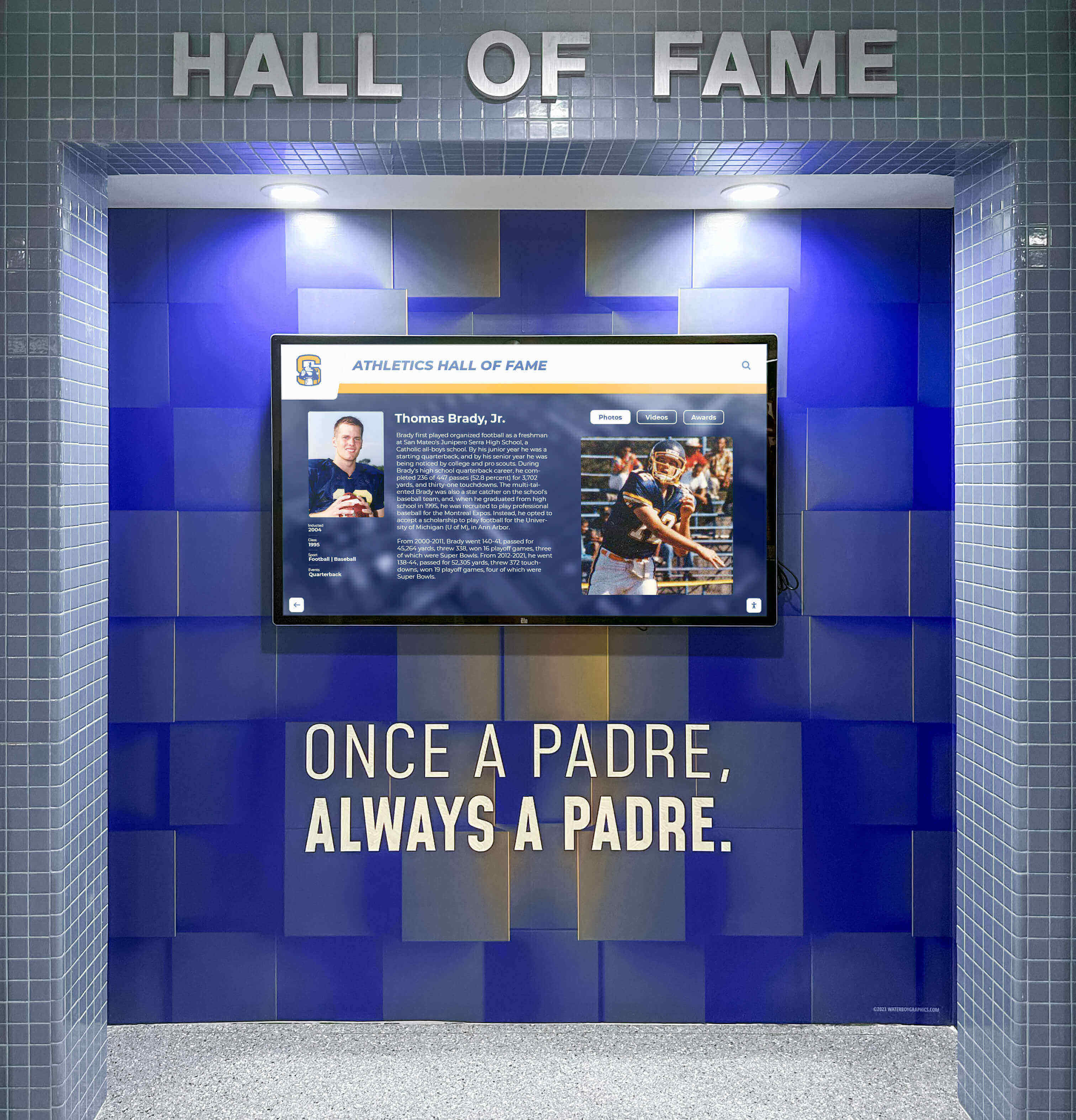
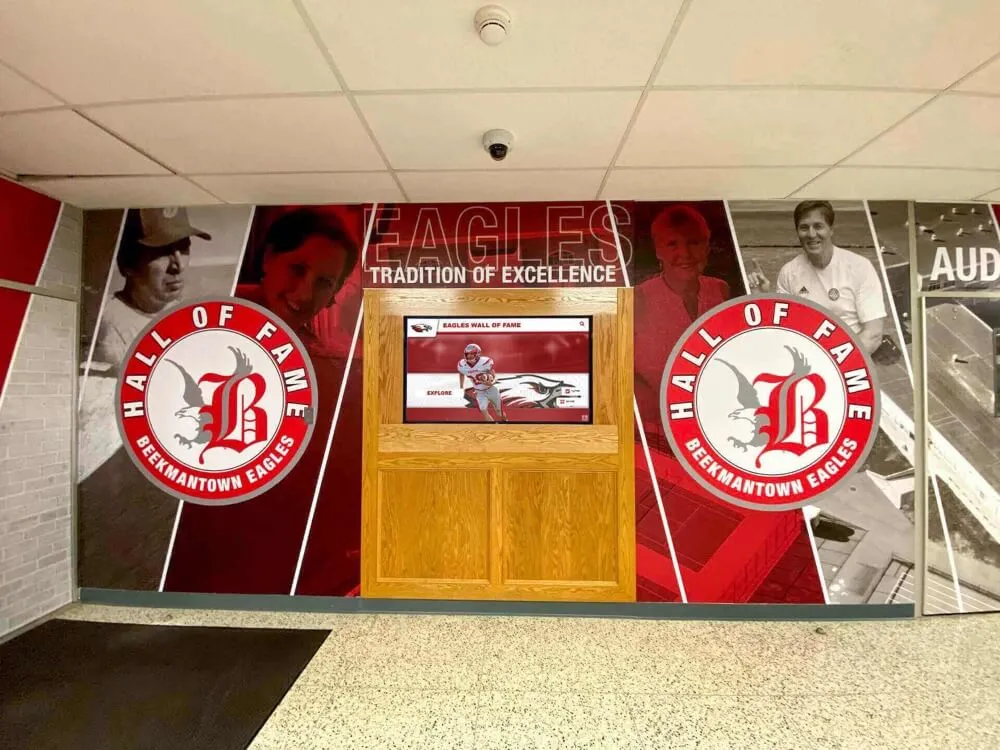
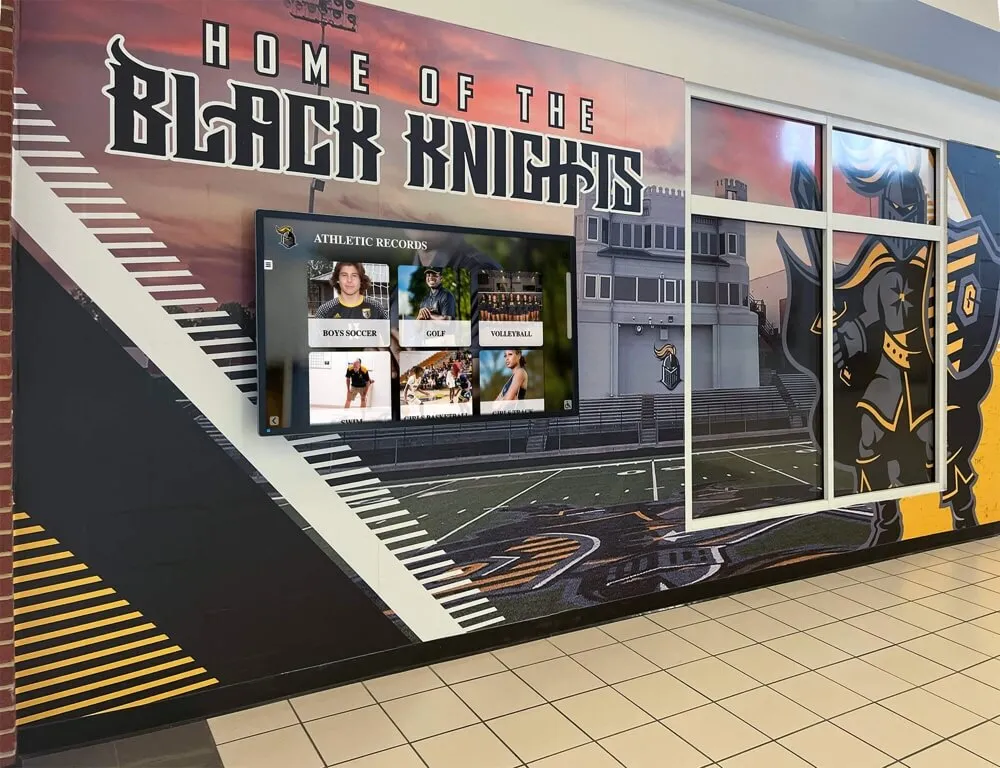
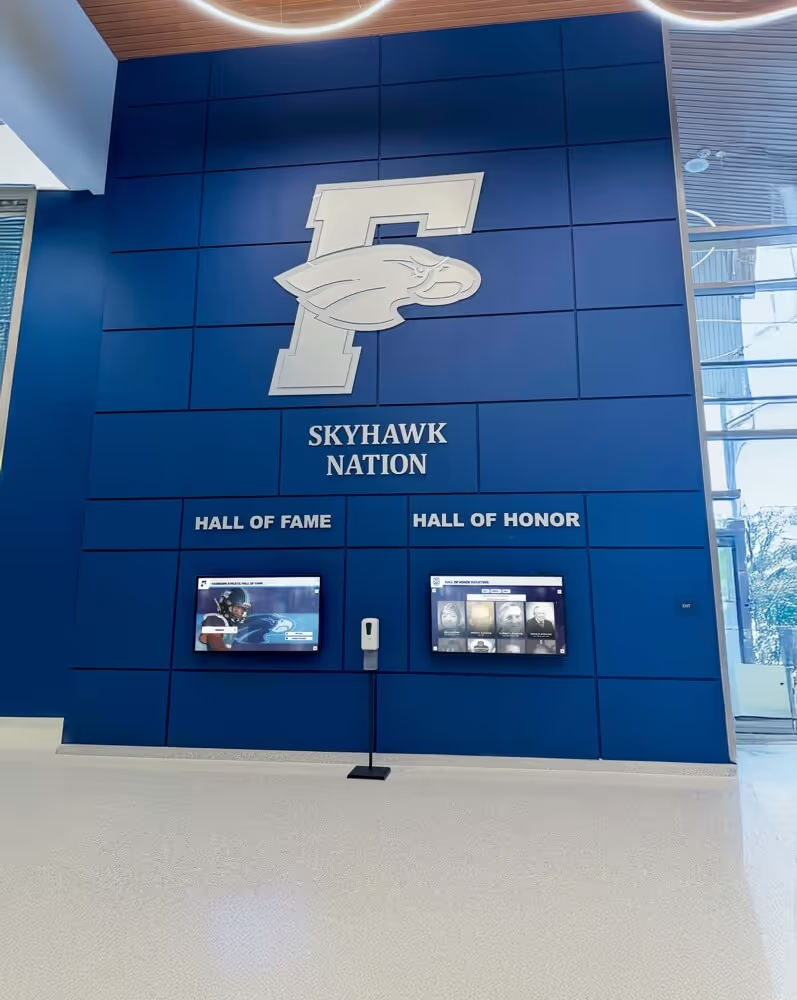
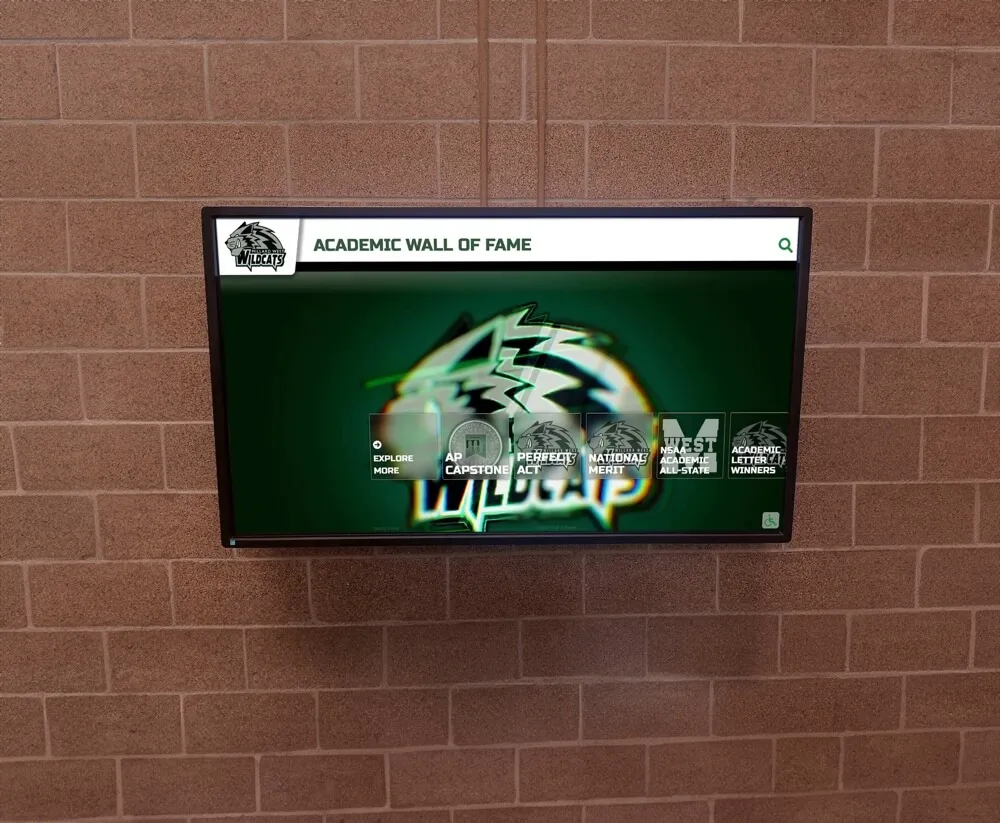
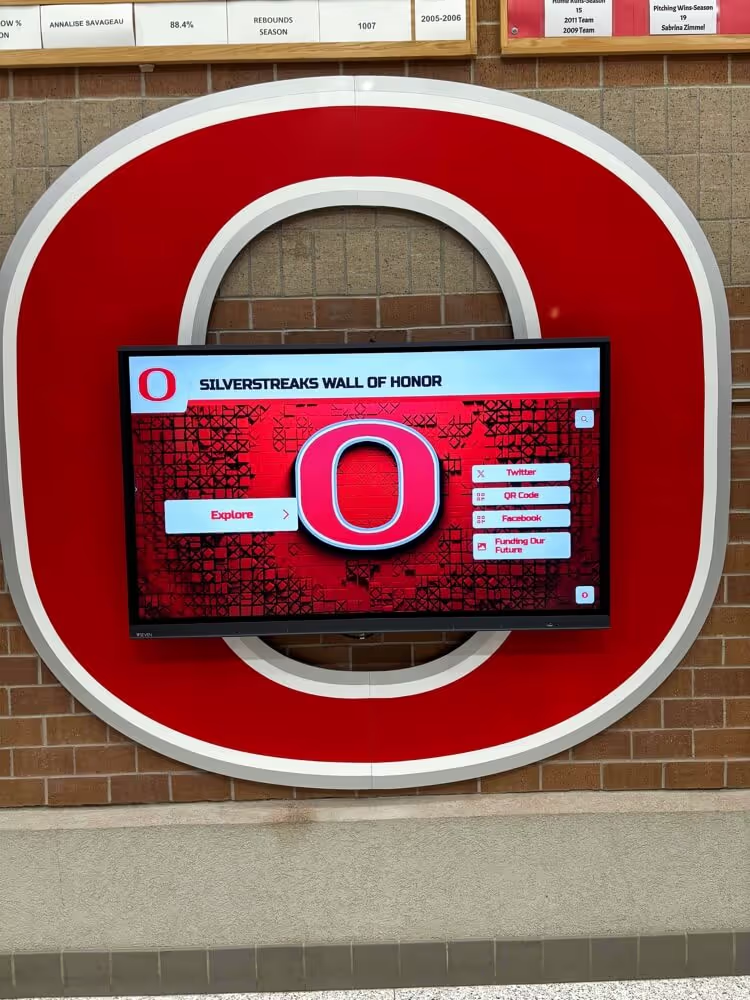
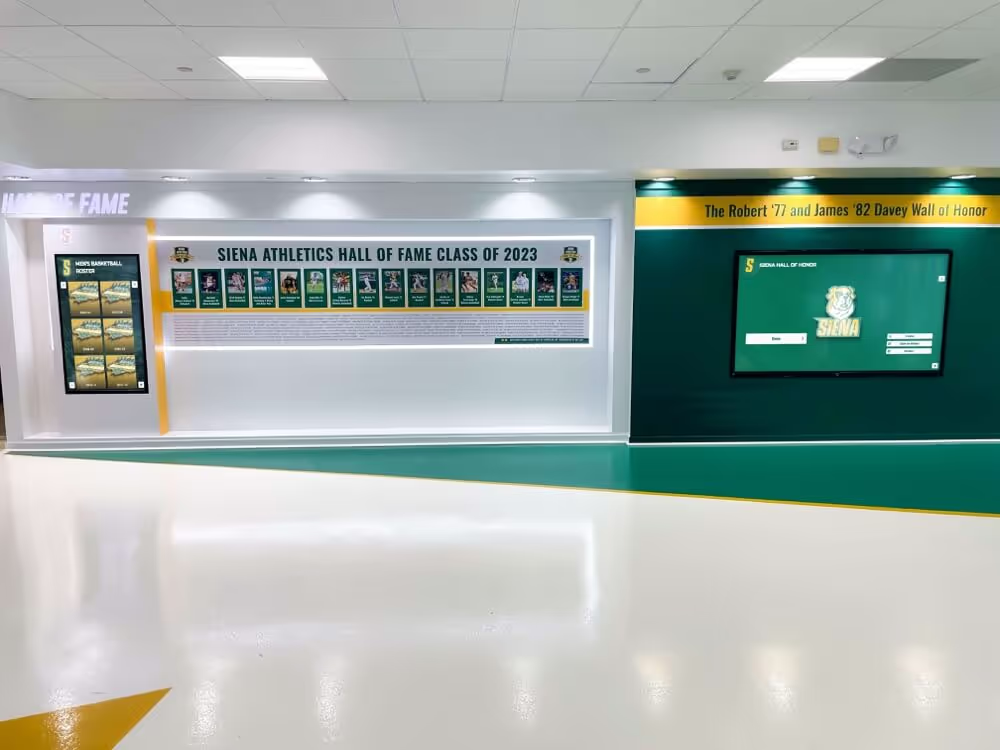
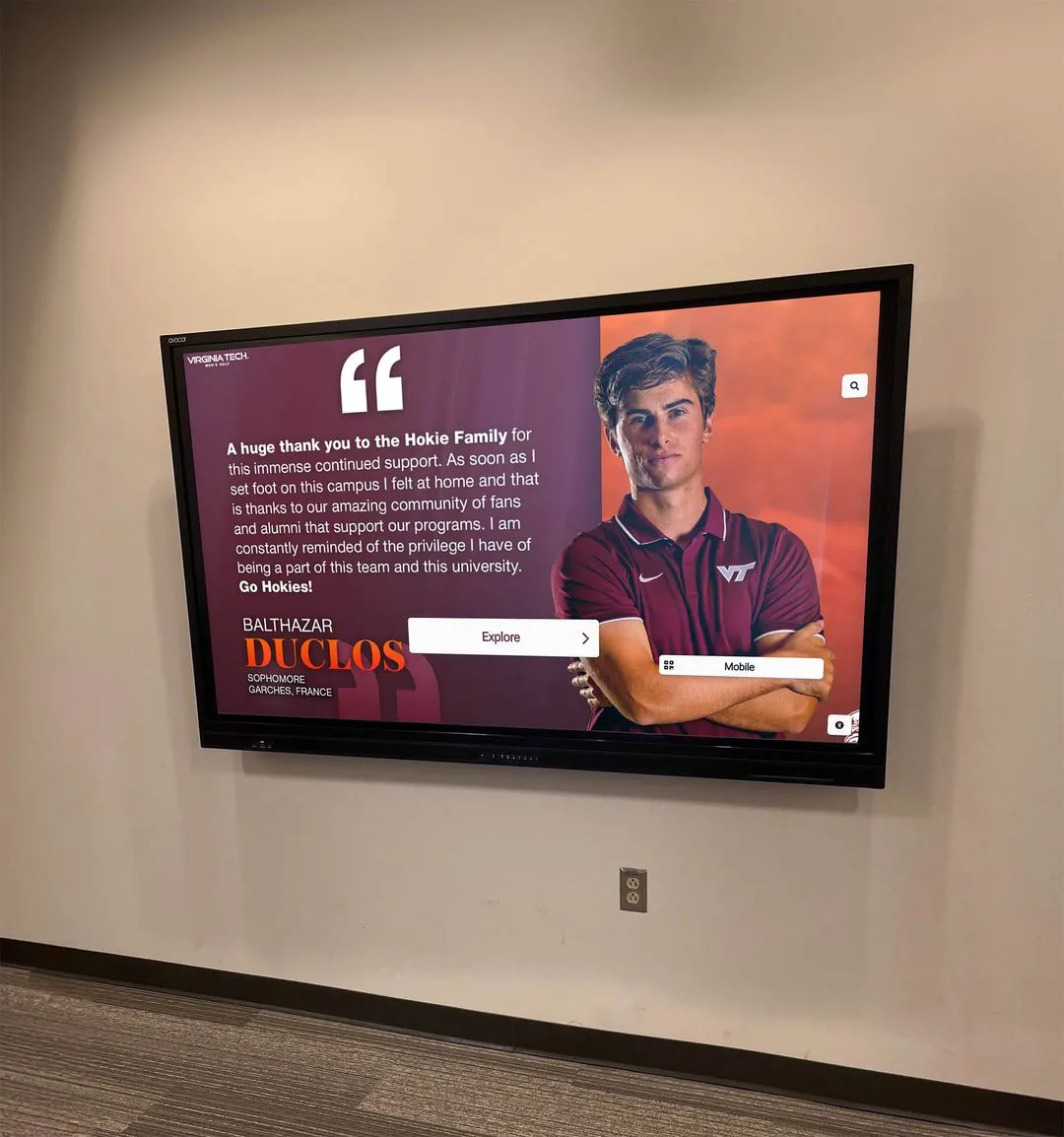
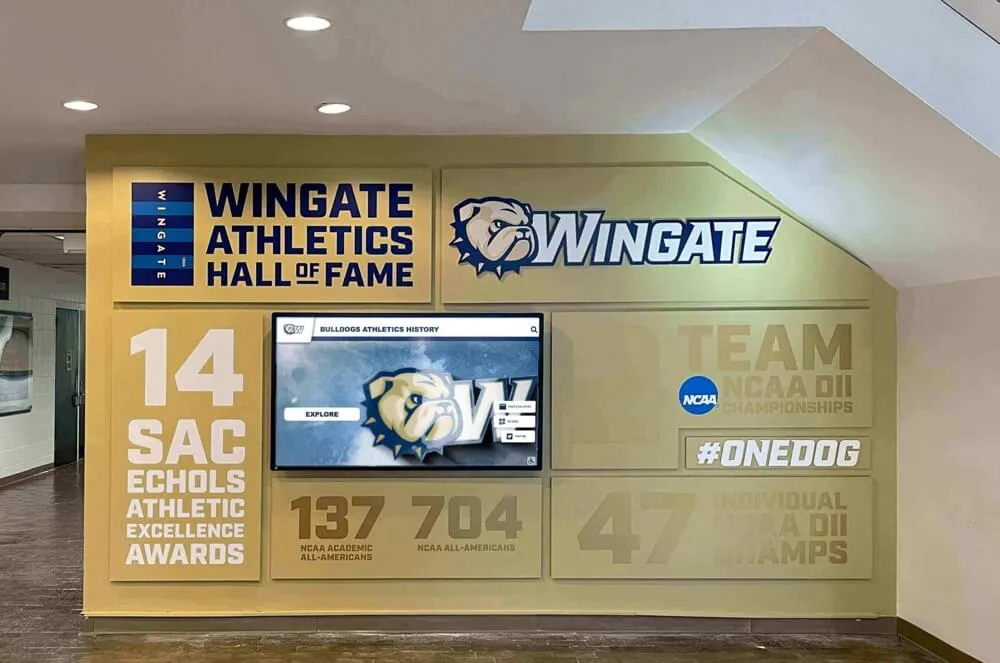
Professional yearbook scanning creates content ready for integration into digital displays throughout campus facilities, from athletic halls of fame to academic achievement galleries
Handling Procedures and Security Protocols
Material Protection Throughout Service Period
Professional yearbook scanning services should demonstrate clear protocols protecting irreplaceable materials throughout digitization workflows. Look for condition documentation with before-and-after photographic records, climate-controlled transportation protecting volumes during transit, book-safe scanning techniques that respect binding limitations and prevent spine damage, minimal handling protocols reducing deterioration risk, secure storage facilities during processing preventing unauthorized access or environmental damage, and comprehensive insurance coverage protecting against loss or damage during entire service period.
Request detailed handling protocol documentation and insurance certificates before entrusting valuable yearbook collections to service providers. Schools with particularly fragile or historically significant volumes may want to visit provider facilities observing handling procedures and security measures firsthand.
Data Security and Privacy Compliance
Yearbook content includes student names, photographs, addresses, and sometimes sensitive information requiring privacy protection under federal and state education laws. Professional scanning services should provide secure digital storage with encryption during transfer and at rest, access controls limiting who can view materials during processing, clear data retention and deletion policies, documented FERPA compliance for educational records, and secure delivery methods protecting files during final transfer to school systems.
Schools in states with specific student privacy laws beyond FERPA should verify provider compliance before contracting. Privacy violations create legal liability and community trust damage far exceeding any cost savings from cheaper providers with inadequate security practices.
Service Scope, Deliverables, and Integration Support
Standard vs. Enhanced Service Packages
Base yearbook scanning typically includes high-resolution page scanning, basic image processing for brightness and contrast optimization, OCR text extraction creating searchable layers, and digital file delivery in specified formats. Enhanced services may offer individual portrait extraction and identification, comprehensive metadata creation with name, year, sport, and activity indexing, photo restoration services correcting damage and fading, cloud platform hosting with alumni access portals, integration support connecting digitized content with school websites or display systems, and ongoing content management for new yearbook additions.
Clearly understand which services are included in quoted prices versus available as optional upgrades. Total project costs depend on comprehensive service scope rather than base per-page scanning rates alone. Request detailed written quotes itemizing all included services, optional enhancements with pricing, and potential additional charges.
Delivery Formats and Platform Compatibility
Professional providers should offer flexible delivery options matching school needs and intended uses. Standard options include downloadable file packages with archival masters and web-optimized derivatives on hard drives or secure download links, cloud hosting subscriptions providing ongoing platform access through provider-managed systems, integration assistance connecting digitized content with existing school websites or content management systems, and multiple format options with files prepared for different use cases (web publication, print reproduction, archival storage, display integration).
When schools plan yearbook integration with interactive displays, donor recognition walls, or digital signage systems, providers should demonstrate platform compatibility or offer technical support facilitating integration. Schools implementing comprehensive recognition systems like those for high school awards ceremonies benefit from scanning services offering display-ready formats and integration guidance.
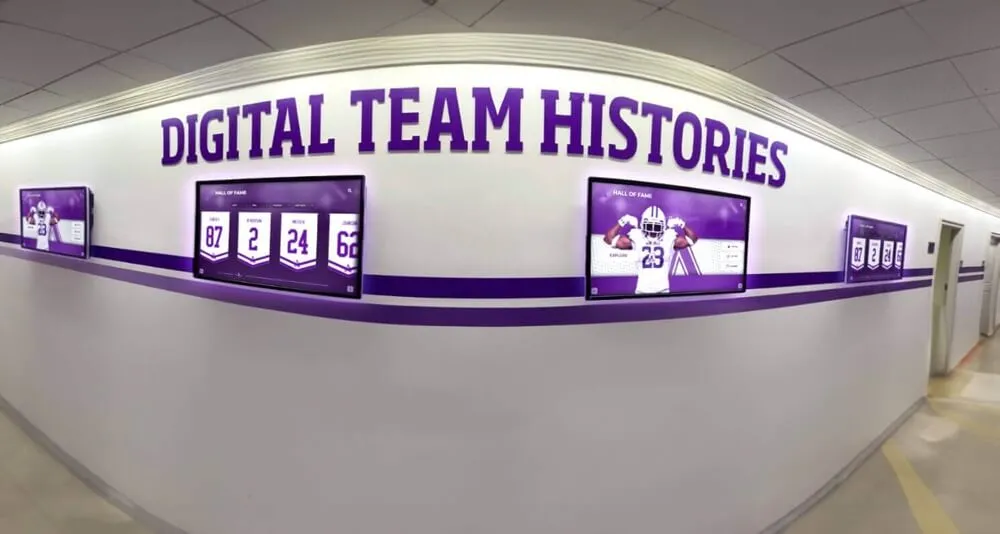
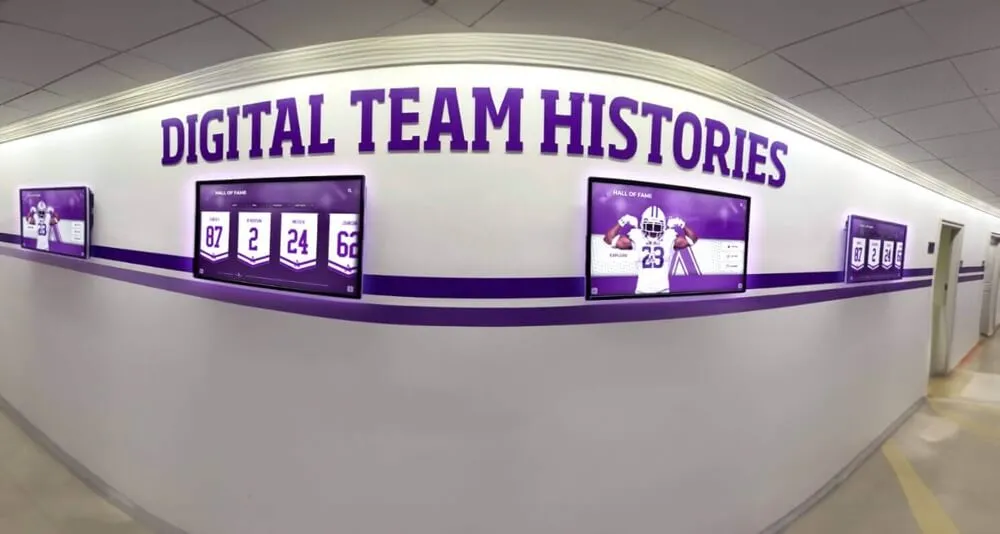
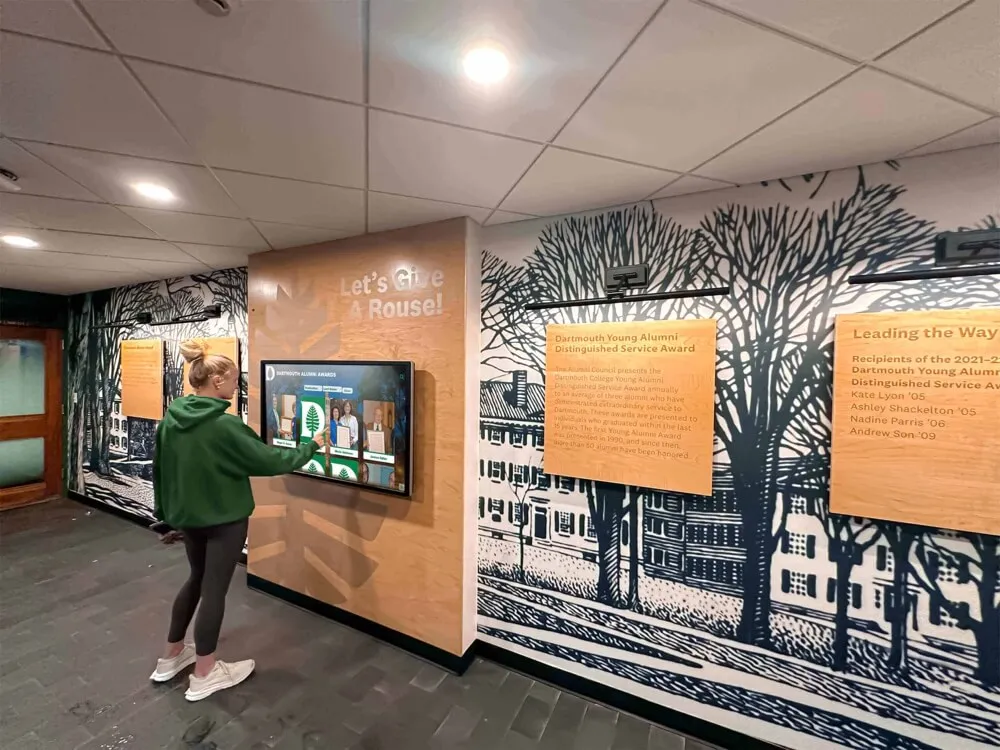
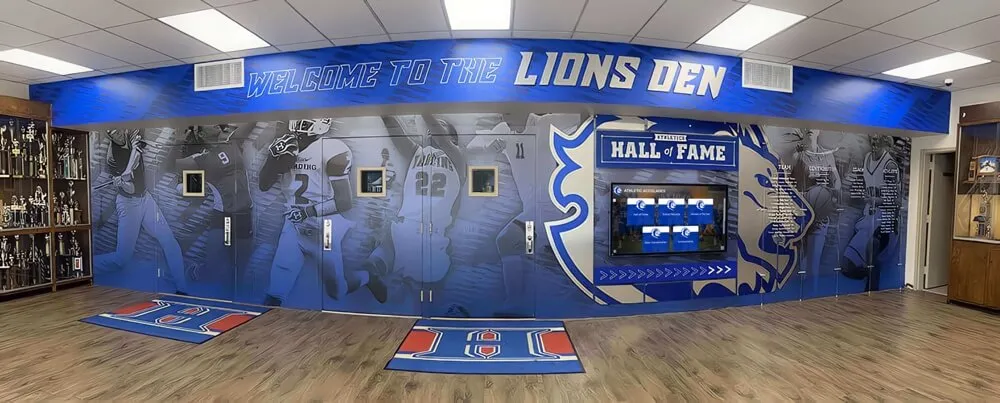
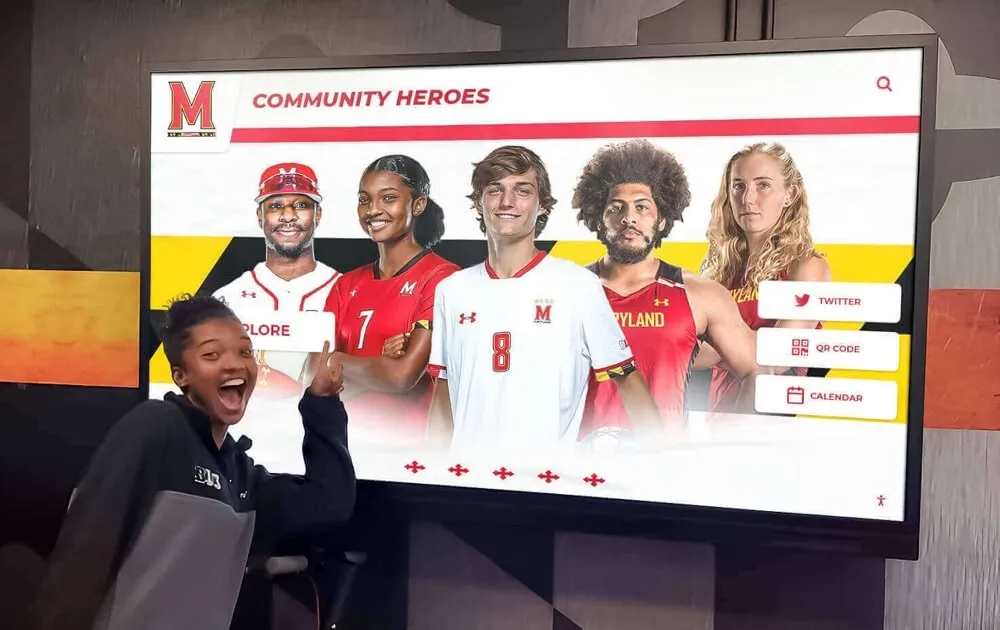
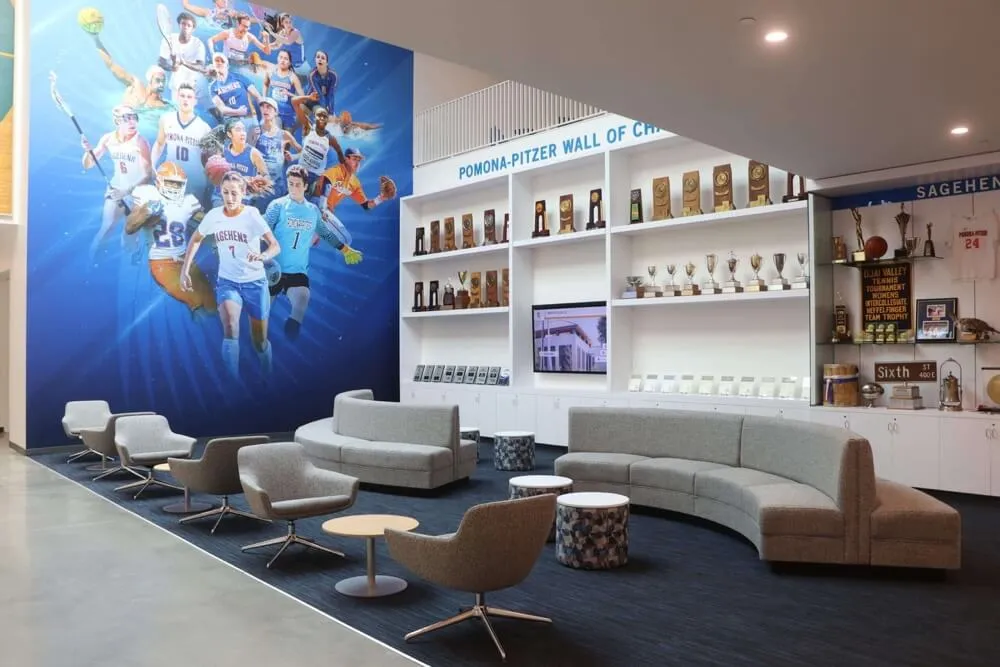
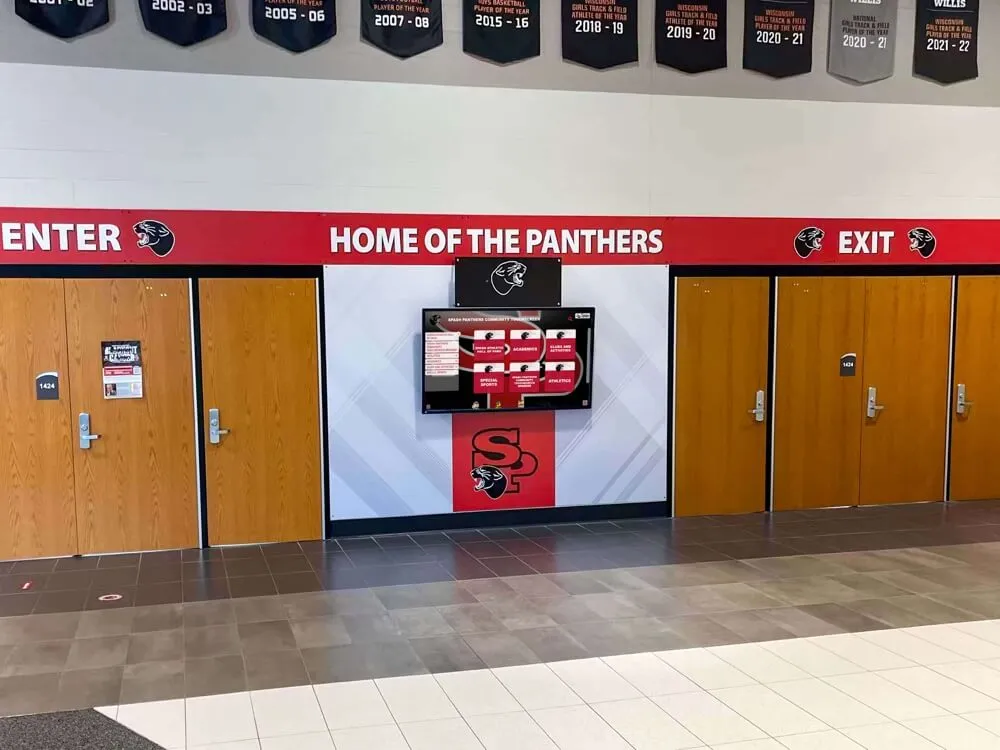
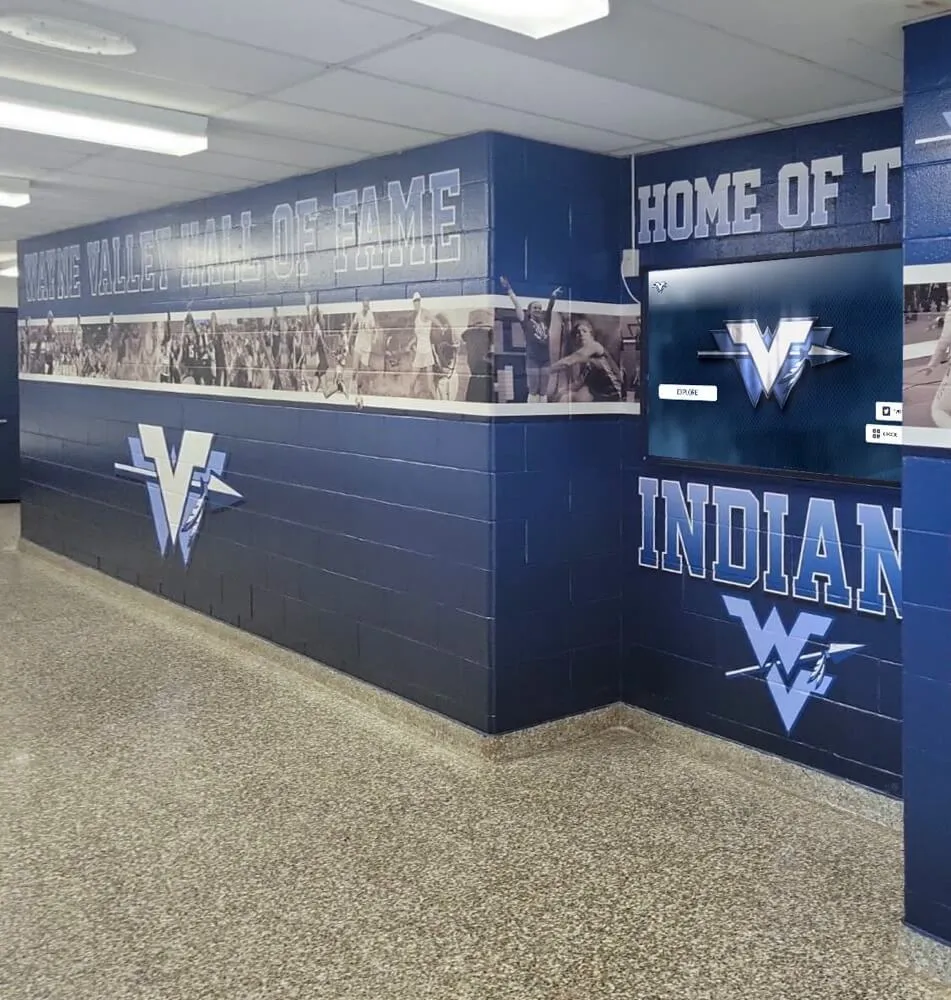
Comprehensive yearbook scanning enables population of digital display networks throughout campus, showing team histories, individual achievements, and institutional heritage across decades
Pricing Models and Budget Planning for Yearbook Scanning Projects
Understanding cost structures and planning comprehensive budgets prevents mid-project surprises while enabling informed provider selection.
Common Yearbook Scanning Service Pricing Structures
Per-Volume Pricing
Most yearbook scanning services charge per yearbook, with rates typically ranging from $15-$35 for standard high-resolution scanning to $40-$80 for comprehensive services including individual portrait extraction, enhanced metadata, and platform integration support. Pricing varies based on yearbook size and page count (larger volumes cost more), physical condition affecting handling difficulty (damaged volumes requiring special care), service level and deliverable scope (basic scanning vs. comprehensive processing), and volume discounts for large collections (schools digitizing 50+ yearbooks often negotiate reduced per-unit pricing).
Request detailed quotes specifying exactly what is included at each price point and what services require additional fees.
Per-Page Pricing
Some providers charge $0.40-$2.00 per page depending on specifications and service level. This model suits schools with varying yearbook sizes across years or when digitizing only priority sections (senior portraits, athletics, clubs) rather than complete volumes. Calculate total costs carefully comparing per-page versus per-volume pricing for your specific collection characteristics.
Project-Based Pricing
For large institutional collections spanning decades, yearbook scanning services may offer comprehensive project pricing encompassing entire archives with phased delivery schedules. This approach often delivers better value for multi-year digitization initiatives while providing budget certainty from project outset. Project pricing also facilitates multi-year budget planning and potential grant funding applications requiring fixed cost estimates.
Subscription and Platform Hosting Models
Some companies bundle yearbook scanning with ongoing cloud hosting, alumni access portals, and platform maintenance at annual subscription rates. These packages suit schools seeking turnkey solutions combining digitization, hosting, searchable databases, and community access through provider-managed platforms without internal technical infrastructure requirements.
Evaluate subscription model total costs over expected platform lifespan (5-10 years typical) comparing against one-time digitization with school-controlled hosting alternatives. Consider long-term vendor dependency and data portability if switching platforms later.
Hidden Costs and Comprehensive Budget Development
Additional Charges to Investigate
Beyond base scanning rates, clarify potential additional charges including transportation and shipping fees (especially for large collections or distant providers), rush processing premiums for accelerated timelines, enhanced resolution or special handling for damaged volumes, metadata enhancement and individual portrait extraction if not included in base pricing, cloud storage and platform hosting annual fees, ongoing technical support and training charges, and file format conversions or custom deliverable preparation.
Request comprehensive written quotes detailing all services, standard deliverables, and potential additional charges before committing. Budget 15-25% contingency for unexpected needs or scope adjustments discovered during processing.
Total Cost of Ownership Analysis
Calculate complete multi-year costs including initial digitization services (professional scanning, processing, and delivery), digital infrastructure (cloud storage subscriptions, backup systems, platform hosting), ongoing additions (annual yearbook digitization maintaining currency), technical support and training for staff managing digital archives, and potential future migration costs if changing platforms or providers.
Compare these against DIY costs including equipment purchase or rental, staff or student worker labor at appropriate hourly rates, software licenses for scanning, OCR, and image editing, storage infrastructure (local servers and cloud backup), and ongoing maintenance and upgrade requirements.
Many schools discover comprehensive professional services deliver better long-term value than initially apparent when accounting for hidden DIY costs—particularly staff time, equipment obsolescence, and technical support requirements.
Funding Sources and Budget Strategies
Traditional Funding Approaches
Schools fund yearbook scanning projects through various sources including operating budget allocations from library, technology, or archives departments, capital campaigns incorporating digitization in comprehensive fundraising initiatives, designated alumni donations specifically for yearbook preservation, educational foundation preservation grants, reunion class gift programs with cohorts funding their year’s digitization, and booster or parent organization support for heritage preservation initiatives.
When yearbook digitization connects to visible projects like digital hall of fame displays or alumni engagement platforms, fundraising often proves easier as donors visualize tangible results from contributions. Consider positioning yearbook scanning as foundation for broader recognition initiatives similar to athletic hall of fame programs.
Creative Funding Models
Innovative schools pursue alternative funding including alumni yearbook purchase programs (selling individual digital yearbooks or archive access subscriptions), corporate sponsorship connecting archive access to business recognition, memorial gift opportunities honoring deceased alumni or faculty through yearbook preservation, community foundation grants supporting local history preservation, and public-private partnerships with local historical societies sharing costs and access.

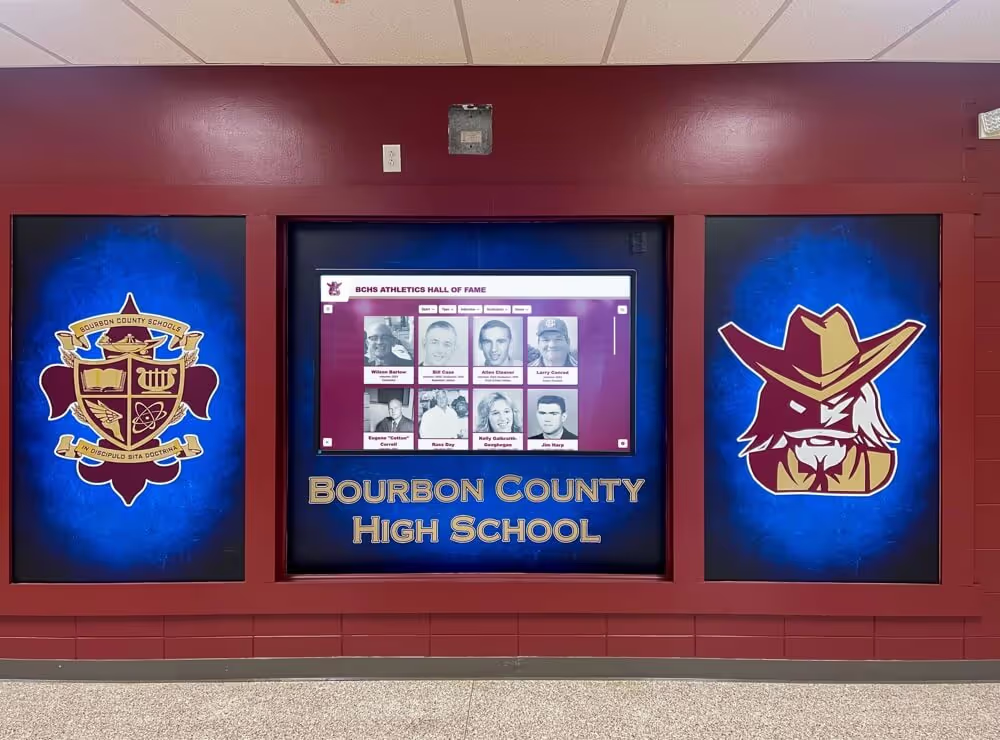
Professional yearbook scanning with individual portrait extraction enables intuitive touchscreen browsing experiences where alumni and visitors explore school history by searching names, years, sports, and activities
Quality Standards and Technical Specifications for School Yearbook Scanning
Establishing appropriate technical requirements ensures digitization results support intended uses without unnecessary costs from over-specification.
Resolution Requirements for Different Use Cases
Digital Display and Web Publication
Schools using yearbook content primarily for website archives, digital signage, and interactive touchscreen displays require 300-600 DPI resolution. Standard yearbook portraits measuring 2x3 inches scanned at 600 DPI produce 1200x1800 pixel images—far exceeding typical screen display requirements while providing room for digital zoom and enlargement within viewing interfaces.
For content appearing primarily on screens rather than print reproduction, 600 DPI represents sweet spot balancing quality, file size, and processing efficiency.
Print Reproduction and Enlargement
Schools planning printed materials from digitized yearbooks—commemorative publications, reunion booklets, wall-mounted enlargements, or banner printing—require higher resolution supporting enlargement without visible pixelation. Specify 600-1200 DPI for moderate enlargement up to 2-3x original size, or 1200+ DPI for significant enlargement, poster-size printing, or commercial publication quality standards.
Archival Preservation Masters
Preservation-focused digitization creates highest-practical-resolution master files enabling unforeseen future uses while lower-resolution derivatives serve immediate needs. Many yearbook scanning services recommend 1200-2400 DPI archival masters stored as uncompressed TIFF files, with 600 DPI JPEG derivatives for working files, web publication, and display integration.
This tiered approach balances preservation insurance against storage costs and practical usability for day-to-day applications.
File Format Selection and Storage Planning
Archival Master File Formats
Preservation copies should use lossless formats maintaining maximum quality over unlimited time. Professional yearbook scanning services typically deliver TIFF (Tagged Image File Format) as industry standard archival format with optional lossless compression, PNG (Portable Network Graphics) offering smaller file sizes than uncompressed TIFF while maintaining quality, or DNG (Digital Negative) for highest-quality preservation when capturing from original materials.
Archival masters require substantial storage—single 600 DPI yearbook pages in uncompressed TIFF may consume 50-100 MB, with complete yearbooks requiring 5-20 GB depending on page count and specifications. Budget adequate storage infrastructure including redundant backup systems protecting against data loss.
Access and Distribution Derivative Formats
Working copies for websites, displays, and distribution use compressed formats balancing quality with manageable file sizes. JPEG at 85-95% quality settings provides excellent results with reasonable file sizes (1-3 MB per page), while searchable PDF formats maintain page layout and navigation structure ideal for complete yearbook viewing and distribution.
Quality JPEG derivatives from 600 DPI masters enable complete yearbook PDFs in 100-400 MB range—suitable for download distribution and web viewing without excessive bandwidth consumption.
Metadata and Indexing for Enhanced Discovery
Essential Metadata Fields
Professional yearbook scanning services should provide core metadata enabling basic discovery including publication year and date range covered, complete school identification (name, location, mascot), maintained original page numbers facilitating citation and reference, section identification categorizing content (Senior Portraits, Athletics, Clubs, Faculty), and OCR-extracted searchable text layers from all page content.
Enhanced Metadata for Advanced Applications
Comprehensive indexing transforms simple page images into searchable databases supporting sophisticated applications. Enhanced metadata includes individual names extracted from composites and identified in photographs, activities and sports categorical tagging enabling filtered browsing by interest area, team and group identifications with roster documentation, geographic location tags (campus buildings, facilities, event locations), and achievement documentation (awards, records, honors, championships).
This enhanced metadata proves particularly valuable when populating digital recognition systems, creating searchable alumni directories, or supporting research applications. Schools planning integration with platforms showcasing alumni event achievements should specify comprehensive metadata requirements during vendor selection.
Implementation Planning and Project Management for Successful Digitization
Strategic planning and systematic project management separate successful yearbook scanning initiatives from disappointing experiences requiring expensive re-work.
Collection Assessment and Scope Definition
Complete Inventory and Condition Evaluation
Begin yearbook scanning projects with thorough collection assessment including complete volume count identifying all yearbooks and documenting gaps, detailed condition evaluation noting deterioration, damage, and conservation needs, priority ranking based on community interest, preservation urgency, and strategic value, and use case clarification defining how digitized content will be deployed (website archives, display integration, alumni access, educational resources).
Most schools phase large projects rather than attempting simultaneous digitization of entire archives spanning decades. Common phased approaches include recent decades first (past 20-30 years with highest alumni interest) working backward, priority historical periods highlighting significant institutional eras or championships, best condition volumes avoiding conservation delays, and milestone years connected to upcoming anniversaries or reunion celebrations.
Deliverable Specification and Vendor Communication
Define precise deliverables before requesting vendor quotes to enable accurate pricing and prevent misunderstandings. Specify resolution requirements matching intended uses (display, web, print, archival), file format needs for masters and derivatives, metadata level from basic page scanning to comprehensive individual indexing, OCR and searchability requirements with quality standards, individual portrait extraction needs and identification processes, platform integration specifications if connecting with existing systems, and delivery timeline with milestone schedule for phased projects.
Clear specifications enable apples-to-apples vendor comparison while establishing measurable quality standards for acceptance testing.
Timeline Development and Resource Allocation
Realistic Schedule Planning
Yearbook scanning timelines vary dramatically based on collection size, service model, and resource availability. Professional full-service providers typically require 4-8 weeks for small collections (10-30 yearbooks), 8-16 weeks for medium collections (30-100 yearbooks), and 16-52 weeks for large institutional archives (100+ yearbooks), often with phased delivery schedules.
DIY internal projects should estimate 45-120 minutes per yearbook for complete scanning, quality checks, and file organization, then add 50-100% time buffer accounting for learning curve, technical issues, and competing priorities. Plan multi-month or multi-year timelines for large collections rather than optimistic schedules creating frustration when work takes longer than expected.
Project Management Structure
Successful yearbook scanning projects require organized management including clear role and responsibility assignment (project lead, vendor liaison, quality reviewer, technical coordinator), regular progress monitoring with scheduled status reviews, quality assurance checkpoints at project start, midpoint, and before final acceptance, stakeholder communication keeping administrators, donors, and interested community members informed, problem escalation protocols addressing issues quickly before they derail timelines, and comprehensive documentation creating institutional knowledge for future phases or maintenance.
Consider designating project champion with authority to make decisions, access to necessary resources, and accountability for results—avoiding delays from unclear decision-making processes.
Integration With Digital Recognition and Display Systems
Connecting Yearbook Archives to Interactive Platforms
Many schools digitize yearbooks specifically to populate digital recognition displays, interactive kiosks, and alumni engagement platforms. Professional yearbook scanning services offering integration support can connect digitized content with display systems, format portraits and metadata for platform compatibility, provide technical assistance during implementation, and offer ongoing support for content additions and updates.
When planning yearbook scanning projects supporting broader recognition initiatives like sports banquet programs or hall of fame installations, coordinate digitization specifications with display platform requirements ensuring seamless integration without format conversions or re-processing.
Multi-Platform Content Distribution
Digitized yearbook content supports multiple simultaneous uses including website archive sections with searchable browsing, interactive lobby displays and touchscreen kiosks, alumni portal access with personalized content, social media historical content generating engagement, donor recognition systems showing heritage and tradition, educational resources supporting curriculum, and community history projects serving broader audiences.
Plan digitization specifications supporting the most demanding use case (typically large-format display or high-quality print) ensuring content serves all intended applications without limitations or re-scanning requirements.
Vendor Selection Process and Contract Negotiation
Systematic provider evaluation and clear contracting protect institutional interests while establishing foundation for successful partnerships.
Request for Proposal Development and Vendor Comparison
RFP Essential Components
Formal Request for Proposal documents should specify project scope with collection size and characteristics, technical requirements including resolution, formats, and metadata, service expectations covering handling, security, and quality assurance, delivery timeline and milestone schedule, budget range or cost constraints, and evaluation criteria with weighted priorities guiding selection.
Include sample yearbooks or detailed photographs enabling vendors to assess condition and provide accurate quotes rather than generic pricing requiring later adjustments.
Vendor Response Evaluation Framework
Compare vendor proposals systematically across critical dimensions including technical quality (equipment capabilities, sample scan quality, resolution and format offerings), service comprehensiveness (included services vs. optional extras), pricing transparency (clear itemization, hidden cost disclosure, total project cost), timeline feasibility (realistic schedules with contingency planning), security and handling protocols (insurance, tracking, facility conditions), references and experience (educational client list, successful large projects), and contract flexibility (payment terms, change order processes, dispute resolution).
Request and check references from schools with similar collection sizes and project scopes, asking about satisfaction with quality, adherence to timelines and budgets, problem responsiveness, and whether they would contract the same provider again.
Contract Essentials and Legal Protections
Critical Contract Provisions
Yearbook scanning service contracts should clearly specify scope of work with detailed deliverable descriptions, technical specifications (resolution, formats, metadata standards, OCR quality minimums), pricing structure with itemized costs and change order procedures, timeline with milestone schedule and delivery dates, handling and security protocols protecting materials and data, insurance coverage protecting against loss or damage, quality assurance and acceptance testing procedures, payment terms tied to milestone completion, intellectual property and usage rights, privacy and security compliance requirements, and dispute resolution processes.
Include clear acceptance criteria enabling objective quality assessment before final payment—subjective standards create conflict when schools and vendors disagree about whether deliverables meet requirements.
Protecting Institutional Interests
Negotiate provisions addressing retention of all digitization rights enabling future use without restrictions or licensing fees, data portability ensuring schools can migrate content to different platforms without vendor lock-in, service level agreements for cloud hosting and ongoing support, termination clauses allowing exit from unsatisfactory arrangements, and liability limits protecting against inadequate insurance or service failures.
Schools should have contracts reviewed by legal counsel before execution—especially for large projects or long-term subscription arrangements creating ongoing vendor dependencies.
Transform Your School’s Yearbook Archives Into Accessible Digital Collections
Choosing the right old yearbook scanning service for your school preserves irreplaceable institutional heritage while creating powerful resources for student engagement, alumni reconnection, and community celebration. Professional digitization transforms vulnerable physical volumes into permanent digital collections that populate interactive displays, enable worldwide alumni access, support educational programs, and demonstrate institutional tradition attracting prospective families.
Whether you’re preserving decades of yearbooks, building comprehensive digital recognition systems, or creating alumni engagement platforms that strengthen community connections across generations, modern solutions combine expert scanning services with powerful display and access technologies designed specifically for educational institutions.
Explore Digital Yearbook and Recognition Solutions to discover how integrated platforms preserve heritage while creating engaging experiences that honor achievement, strengthen traditions, and build lasting connections with students and alumni.
Making Strategic Decisions for Long-Term Yearbook Preservation
Schools across the country face the same fundamental challenge—irreplaceable institutional memory locked in aging yearbooks deteriorating in storage, inaccessible to students and alumni, and vulnerable to permanent loss through environmental damage, misplacement, or simple decay. Each delayed year means more volumes cross from salvageable condition into conservation emergency requiring expensive restoration or facing irrecoverable deterioration.
Selecting the right old yearbook scanning service for schools requires balancing multiple competing priorities. Budget constraints push toward lowest-cost options, yet inadequate quality creates disappointing results requiring expensive re-scanning. Timeline pressure favors quick completion, but rushed work produces errors and omissions reducing long-term value. Comprehensive service packages deliver convenience, while DIY approaches offer cost savings demanding significant internal resources and expertise.
Successful school administrators, librarians, and yearbook advisors make informed decisions by thoroughly assessing institutional collections and identifying priorities, defining clear technical specifications matching intended uses without over-specification, evaluating multiple vendors systematically across quality, cost, timeline, and service dimensions, planning comprehensive budgets accounting for hidden costs and long-term ownership, establishing realistic timelines with appropriate contingency, and treating yearbook digitization as foundation investment supporting multiple institutional purposes rather than isolated preservation project.
The digitized yearbook collections resulting from strategic vendor selection and careful implementation deliver value far exceeding basic preservation insurance. They populate digital recognition displays throughout campus facilities celebrating achievement and tradition, enable worldwide alumni access creating renewed connections driving engagement and philanthropy, support educational programs providing primary source materials for student research, demonstrate institutional heritage attracting prospective families seeking established schools, document community history serving purposes extending beyond campus walls, and create searchable databases facilitating staff work on recognition, communications, and development initiatives.
Start with manageable scope matching available resources—perhaps recent decades with highest alumni interest, priority years connected to upcoming anniversaries, or volumes in most urgent conservation need. Request detailed quotes from multiple professional providers understanding complete service scope and total costs. Speak with reference schools about their experiences and satisfaction. Establish clear quality standards and acceptance criteria protecting institutional interests. Most importantly, begin before additional materials deteriorate beyond recovery or budget constraints worsen.
Your school’s irreplaceable heritage deserves preservation ensuring current students, future generations, and worldwide alumni can explore the history that defines institutional identity and community character. The yearbooks documenting that heritage require action now—choosing qualified partners, allocating appropriate resources, and implementing systematic digitization that transforms vulnerability into permanence, inaccessibility into engagement, and static archives into dynamic resources serving your entire educational mission for decades to come.