School history, shared
How to Build an Online Yearbook Archive: A Complete Setup Guide for Schools
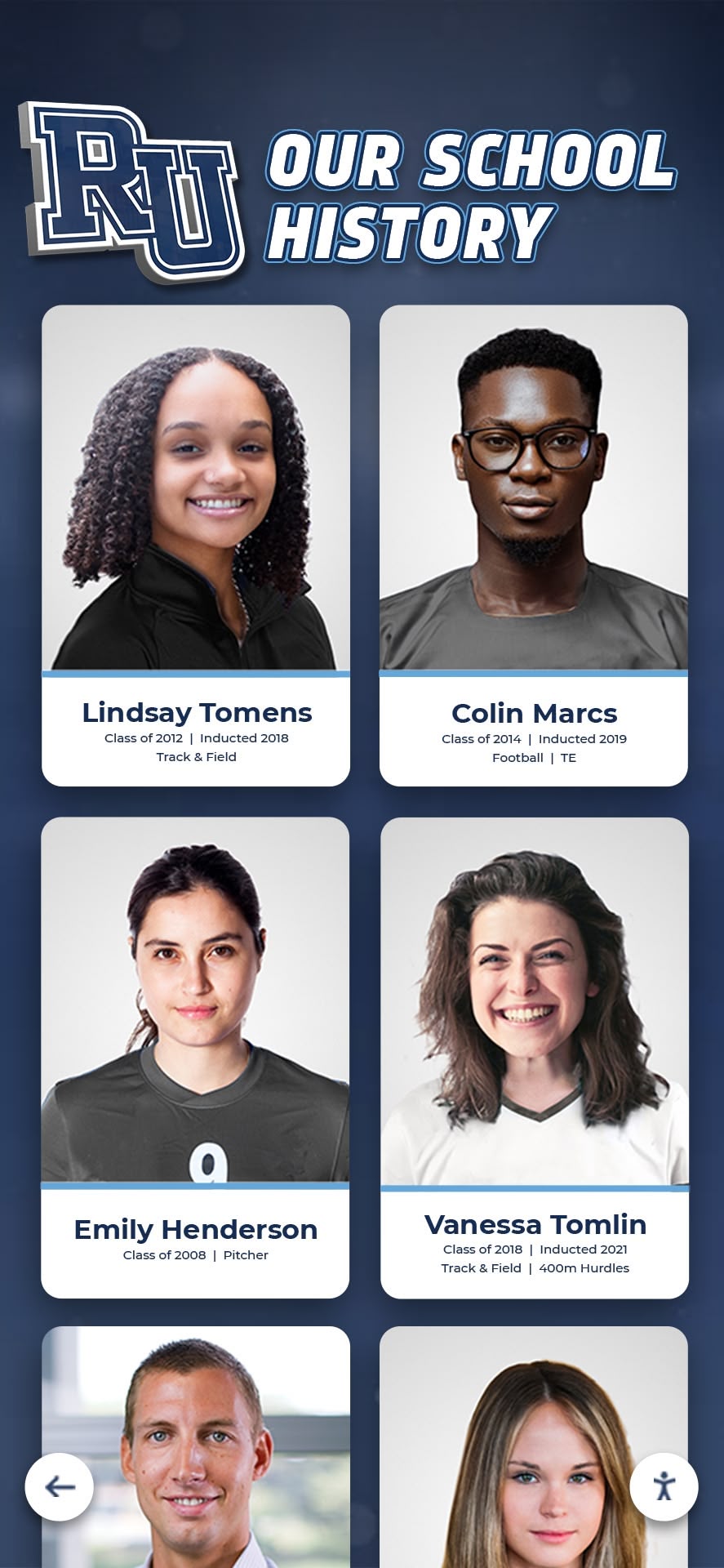
Intent: Build & Preserve — This comprehensive setup guide provides schools with actionable strategies for building online yearbook archives that preserve decades of student memories, enhance alumni engagement, and create searchable digital collections accessible to current students, graduates, and families for generations to come.
Schools across the country possess decades—sometimes centuries—of irreplaceable yearbook collections sitting in storage rooms, library shelves, and administrative offices. These bound volumes document the complete story of your institution through student portraits, candid photographs, event coverage, club activities, and athletic achievements. Yet this invaluable heritage remains largely inaccessible: alumni searching for childhood memories can’t browse from home, current students researching school history face physical access barriers, families wanting to share graduation photos with relatives encounter format limitations, and deteriorating physical volumes risk permanent loss of content that can never be recreated.
The transition from physical yearbook storage to comprehensive online archives represents one of the most impactful digital transformation projects schools can undertake. Unlike administrative systems serving operational needs or learning platforms supporting current instruction, online yearbook archives create lasting value spanning generations—enabling 1965 graduates to rediscover their senior portraits, allowing current students to explore school traditions across decades, supporting reunion planning with easily accessible class photographs, and preserving institutional memory in formats that won’t yellow, tear, or deteriorate over time.
Modern digital archiving technologies have eliminated the barriers that once made comprehensive yearbook preservation seem prohibitively complex or expensive. Schools no longer need specialized IT infrastructure, custom software development, or archival expertise to build professional online yearbook collections. This guide explores proven strategies for transforming physical yearbook collections into engaging digital archives through systematic planning, professional digitization, thoughtful organization, and platform selection that ensures long-term accessibility and community engagement.
Who This Helps
This online yearbook archive setup guide serves diverse stakeholders within educational communities:
- School administrators and superintendents evaluating digital preservation initiatives and alumni engagement opportunities
- Librarians and media specialists managing historical collections and seeking improved access methods
- IT directors assessing digital archive platforms, storage requirements, and technical infrastructure
- Alumni relations coordinators looking to strengthen graduate connections and reunion participation
- Development professionals leveraging yearbook nostalgia for fundraising campaigns
- School historians and archivists responsible for preserving institutional memory
- Parent organizations and volunteers supporting preservation projects and digitization efforts
Whether you’re digitizing your first decade of yearbooks, migrating existing scanned files to a better platform, or planning a comprehensive archive encompassing your school’s entire history, this guide provides frameworks for successful implementation.

Modern online yearbook archives transform physical volumes into searchable digital collections accessible to alumni, students, and families worldwide
Understanding the Value of Online Yearbook Archives
Before investing time and resources in building online yearbook archives, schools should clearly understand the benefits these systems provide to diverse stakeholders and institutional goals.
Preserving Irreplaceable Student Memories and School History
Physical yearbooks face inevitable deterioration through age, handling, and environmental exposure:
Physical Degradation Threats Bound yearbook volumes deteriorate through multiple mechanisms—paper acidification causing yellowing and brittleness, binding failures from repeated opening and closing, photograph fading from light exposure, water damage from basement storage or facility leaks, mold and mildew growth in humid conditions, and physical loss through theft, fire, or accidental disposal during facility renovations.
According to preservation experts at the Library of Congress Digital Preservation Program, paper-based materials experience measurable degradation within decades without proper archival storage conditions that most schools cannot provide for large yearbook collections.
Irreplaceable Content Value Unlike textbooks, curriculum materials, or administrative records that can potentially be recreated from other sources, yearbook content represents unique documentation impossible to reproduce once lost. Student portraits from specific years, candid photographs capturing school culture, event coverage documenting traditions and celebrations, club and organization records showing participation, athletic team photographs and achievement documentation, and faculty and staff representations create comprehensive institutional memory unavailable elsewhere.
Digital archiving protects this irreplaceable content regardless of physical volume condition, ensuring that even if original yearbooks deteriorate or disappear, the memories and documentation they contain remain permanently accessible.
Enhancing Alumni Engagement and Institutional Connections
Online yearbook archives create powerful tools for maintaining lifelong relationships with graduates:
Nostalgia-Driven Engagement Alumni engagement professionals consistently report that yearbook content generates higher interaction rates than most other institutional communications. When graduates can rediscover their teenage selves, locate former classmates, explore school culture from their era, and share memories with family members who never saw their yearbooks, emotional connections to schools strengthen considerably.
Research on alumni engagement demonstrates that personal memory activation—seeing one’s own photograph, finding forgotten friends, revisiting significant school events—creates deeper emotional responses than generic institutional updates, making yearbook archives particularly valuable for reactivating disengaged alumni.
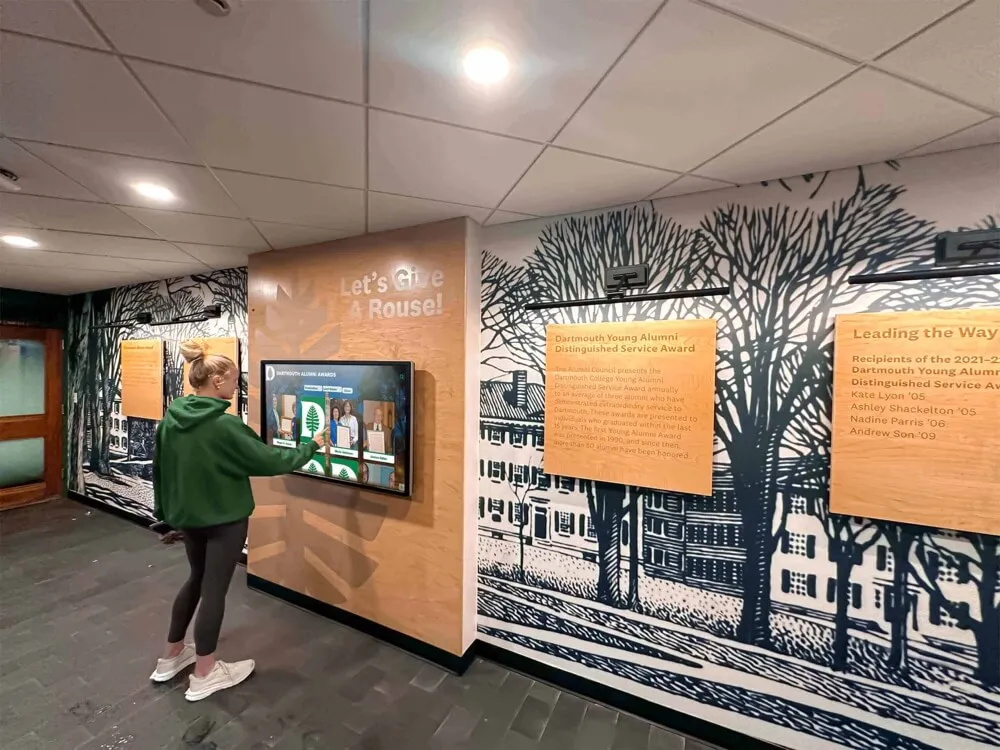
Interactive yearbook archives enable alumni to rediscover their school experiences and reconnect with institutional heritage
Reunion Planning Support Class reunion organizers consistently identify locating classmates as their greatest challenge. Online yearbook archives support reunion planning by providing complete class rosters with photographs, enabling visual recognition decades later, supplying accurate name spelling for outreach, facilitating social media searching with maiden names, and creating reunion promotional materials using archival photographs.
Many schools implementing comprehensive online yearbook archives report reunion organizers expressing profound gratitude for tools that transform reunion planning from frustrating detective work into straightforward projects.
Family and Legacy Connections Online yearbook archives serve audiences beyond the students originally documented. Parents discover digitized yearbooks from their own school years, grandparents share graduation photographs with extended families, siblings compare experiences across different eras, and legacy students explore family traditions within single institutions across generations.
These multigenerational connections strengthen institutional relationships beyond individual alumni, creating family-wide engagement supporting enrollment, fundraising, and community involvement.
Supporting Educational Programming and School Pride
Digital yearbook collections provide valuable resources for teaching and institutional culture:
Local History Education Yearbook archives offer tangible primary sources for students studying local history, social change, cultural evolution, and community development. Student research projects analyzing—fashion and cultural trends across decades, diversity and inclusion evolution within institutions, program development and discontinuation patterns, facility improvements documenting community investment, and significant events shaping school identity—transform yearbooks from nostalgia vehicles into educational resources.
Teachers report that students show greater engagement researching school history through yearbooks than abstract historical materials lacking personal connections to their own educational experiences.
Institutional Pride and Tradition Current students exploring yearbook archives develop stronger understanding of school traditions, discover the origins of customs they participate in, see familiar teachers and coaches as young professionals beginning careers, recognize school spaces evolving across decades, and understand themselves as contributors to ongoing institutional narratives extending far beyond their brief enrollment periods.
Schools implementing prominent yearbook archive displays in lobbies and libraries report observable increases in student interest in school history and pride in institutional heritage. Learn more about creating engaging displays through interactive touchscreen kiosk software designed for educational institutions.
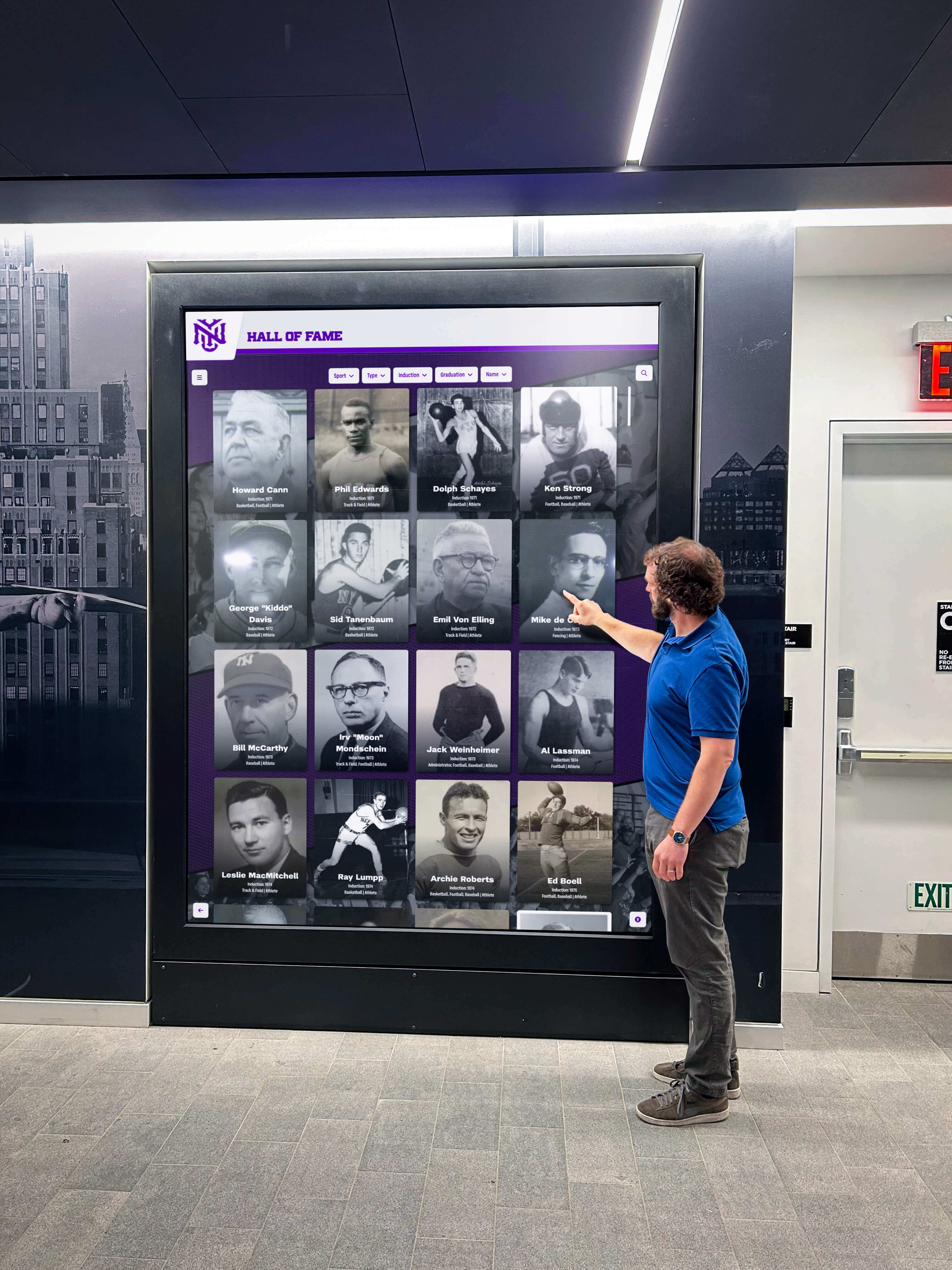
Digital yearbook archives in high-traffic school locations create opportunities for students to discover institutional heritage and develop school pride
Practical Development and Communications Benefits
Beyond preservation and engagement, online yearbook archives support operational needs:
Fundraising and Development Applications Capital campaigns, scholarship endowments, and annual giving programs benefit from yearbook content enabling personalized alumni outreach. Development teams use online archives to identify graduates in specific eras for reunion year campaigns, create targeted communications featuring era-specific imagery, develop nostalgic marketing materials activating emotional connections, recognize donors within historical contexts showing long-term institutional relationships, and demonstrate institutional stability and longevity to prospective major donors.
Explore comprehensive strategies in donor recognition programs that integrate archival content with contemporary fundraising efforts.
Marketing and Admissions Support Prospective families evaluating schools appreciate seeing institutional history documenting longevity, stability, and tradition. Admissions tours incorporating yearbook archive demonstrations—showing decades of student success, documenting program evolution and continuity, highlighting notable alumni achievements, and demonstrating school values across generations—differentiate institutions through documented heritage rather than abstract marketing claims.
Public Relations and Communications Content School communicators frequently need historical photographs for anniversary celebrations, media coverage, newsletter features, social media content, and commemorative publications. Online yearbook archives with robust search capabilities enable communications professionals to quickly locate specific eras, individuals, or events rather than spending hours searching physical volumes or requesting library assistance for every historical photograph need.
Planning Your Online Yearbook Archive Project
Successful implementation begins with systematic planning addressing scope, priorities, resources, and long-term sustainability.
Assessing Your Yearbook Collection
Comprehensive inventory establishes project scope and priorities:
Physical Collection Audit Schools should systematically document all yearbook volumes currently in possession:
Location Inventory
- Main library or media center collections (typically most complete)
- Administrative office storage and file rooms
- Historical society or archive rooms
- Athletic department collections (often sports-focused editions)
- Retiring teacher or staff collections (sometimes better preserved than institutional copies)
- Parent organization or booster club holdings
For each location, document what years are represented, whether volumes are complete or have missing pages, physical condition and deterioration levels, duplicate copies available across locations, and any unique editions or special publications beyond standard yearbooks.
Completeness Assessment Most schools discover gaps in yearbook collections during systematic audits. Early decades may have incomplete preservation, specific years might be completely missing, single copies of some volumes may be deteriorating badly, and unauthorized borrowing may have resulted in never-returned volumes.
Identifying gaps early enables targeted acquisition efforts through alumni outreach, community donations, local historical society partnerships, and online marketplace purchasing before undertaking expensive digitization work on incomplete collections.
Condition Evaluation Prioritization requires understanding physical condition—volumes requiring immediate digitization before further deterioration, books needing professional conservation before scanning, editions in excellent condition permitting delayed digitization, and materials too fragile for standard scanning requiring specialized handling.
Professional yearbook scanning services can assess condition and recommend appropriate digitization methods. Learn more through guides on yearbook digitization services that explain preservation approaches.
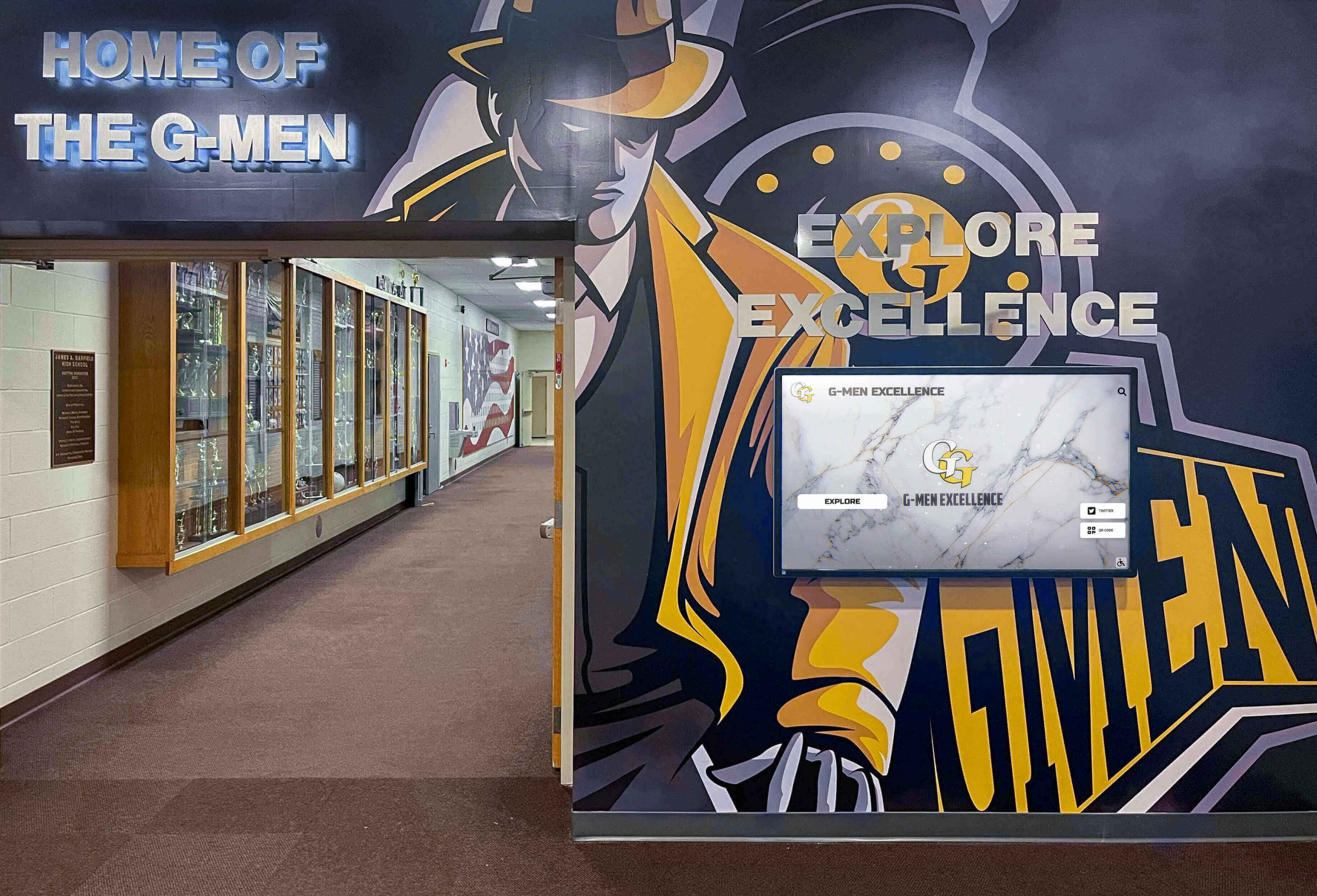
Systematic collection assessment identifies preservation priorities and informs project planning for comprehensive online archives
Establishing Archive Scope and Priorities
Most schools cannot simultaneously digitize entire yearbook collections and must establish strategic priorities:
Phased Implementation Approaches
Recent Decades First Many schools begin with recent yearbooks (last 10-20 years) because these editions interest the largest populations of living, engaged alumni, content remains relatively recent in memory, physical volumes are typically in better condition, and demonstrable engagement from recent graduates helps justify continued investment.
Historical Priority Approach Alternatively, some schools prioritize oldest volumes facing greatest deterioration risk, significant anniversary years (50th, 75th, 100th celebrations), eras with particularly active or generous alumni populations, and years with historical significance to institutions.
Complete Collection Strategy Well-resourced schools may pursue comprehensive digitization—every yearbook from founding to present, creating complete unbroken archives, establishing systematic annual addition workflows, and positioning institutions as having fully digitized heritage collections.
Budget-Based Phasing Practical implementation often follows available funding—pilot projects digitizing 5-10 years testing workflows and demonstrating value, annual budgets covering 10-15 additional years gradually building collections, fundraising campaigns financing complete digitization, and grant funding supporting preservation initiatives.
Determining Copyright and Permission Requirements
Yearbook content raises copyright considerations that schools should address:
School-Owned vs. Licensed Content Most yearbooks contain materials created under various copyright scenarios—student photographs taken by school photographers or yearbook staff, professional portrait photography by commercial studios, candid images by students and volunteers, copyrighted graphics or designs, advertising content from businesses, and text written by students, faculty, or professional editors.
Schools typically own copyrights for yearbooks produced by students and staff as institutional works. However, professional photographer contracts should be reviewed for any usage restrictions. For comprehensive guidance, see yearbook photo copyright laws for educational administrators.
Privacy and FERPA Considerations While yearbooks were published and distributed publicly, online access raises privacy questions. Schools should develop policies addressing—whether current students can opt-out of online yearbook inclusion, how to handle requests from alumni wanting personal photographs removed, privacy protections for sensitive content (health information, disciplinary references), and appropriate access controls for materials containing minor students.
Most schools implementing online archives establish that content already publicly distributed through physical yearbooks may reasonably appear in online archives, while providing mechanisms for individuals to request removal of personal information if privacy concerns arise.
Digitization Methods and Quality Standards
High-quality digitization ensures archives remain valuable and usable for decades while protecting physical volumes during scanning processes.
Professional Scanning Services vs. In-House Digitization
Schools face fundamental decisions about digitization approaches:
Professional Yearbook Scanning Services
Advantages
- Specialized equipment producing archival-quality scans at 400-600 DPI resolution
- Experienced handling of fragile, deteriorating, or valuable materials
- Optical character recognition (OCR) creating searchable text from printed pages
- Efficient processing enabling rapid completion of large projects
- Professional quality control ensuring consistent results
- Insurance coverage protecting valuable materials during processing
- Removal of binding for complete page scanning and rebinding for preservation
Considerations
- Higher per-volume costs than in-house scanning
- Requires shipping yearbooks or arranging on-site scanning
- Less direct control over day-to-day processes
- Potential concerns about off-site material handling
Professional services prove particularly valuable for schools wanting comprehensive high-quality archives quickly without diverting staff time from primary responsibilities or purchasing scanning equipment.
In-House Digitization Approaches
Advantages
- Lower marginal costs after initial equipment investment
- Complete control over schedules and priorities
- Materials never leave school possession
- Opportunity for student participation and skill development
- Flexible pacing matching available volunteer time
Considerations
- Requires suitable scanning equipment purchase ($500-$5,000+ depending on quality)
- Staff or volunteer time commitment (hundreds of hours for complete collections)
- Learning curve for proper techniques and quality standards
- Risk of physical damage without proper training
- Potentially inconsistent quality without professional expertise
In-house approaches work well for small pilot projects, annual scanning of new yearbooks, or schools with committed volunteer teams, but large historical backlogs often benefit from professional service efficiency.
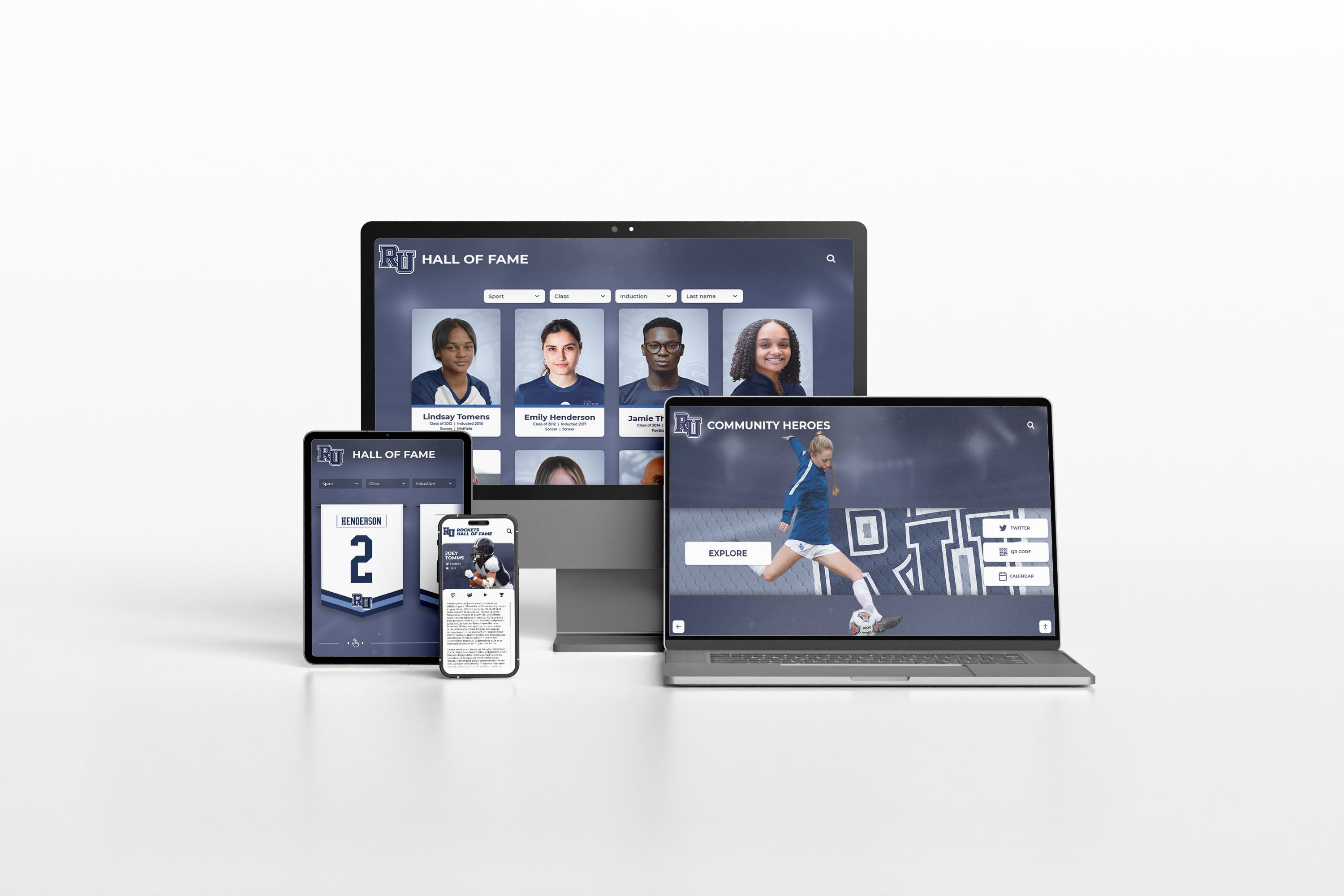
Modern yearbook archives provide seamless access across desktop computers, tablets, and smartphones for maximum accessibility
Scanning Resolution and File Format Standards
Technical specifications determine long-term archive quality and usability:
Resolution Standards for Different Purposes
Archival Master Files Professional archival standards recommend 400-600 DPI scanning for master preservation files. This resolution captures fine detail including small text, preserves photograph quality suitable for enlargement, enables high-quality derivative creation for any future purpose, and provides insurance against needing to rescan if higher quality becomes necessary.
Master archival files typically use uncompressed TIFF format preserving maximum image quality without compression artifacts that degrade images.
Access and Display Files Online archives require optimized files balancing quality with reasonable file sizes and loading speeds. Access files typically use 150-300 DPI resolution, JPEG or PDF formats with moderate compression, and optimization for web display and download without excessive bandwidth requirements.
Mobile-Optimized Versions Given significant mobile device usage for alumni browsing, consider creating additional mobile-optimized files with smaller file sizes, responsive image formatting, and fast loading even on slower connections.
Optical Character Recognition (OCR) OCR processing converts printed text in yearbook pages into searchable text enabling users to search for specific names, activities, or content across entire archives. High-quality OCR requires—300 DPI minimum resolution for accurate text recognition, image processing improving text clarity, careful review correcting common errors (especially with historical typefaces), and metadata integration connecting searchable text to page images.
Searchable yearbook archives provide dramatically better user experiences than image-only collections requiring manual page-by-page browsing to locate specific content.
Metadata Creation and Organization Standards
Systematic metadata transforms image collections into discoverable, searchable archives:
Essential Yearbook Metadata Fields
- School name and location
- Publication year and volume number
- Grade levels covered (elementary, middle, high school, college)
- Physical format information (size, pages, binding type)
- Condition notes and preservation concerns
- Digitization date and specifications
- Copyright and usage restrictions
- Related volumes or editions
Page-Level Metadata Enhancement Going beyond basic volume information, comprehensive archives benefit from page-level description—section identification (portraits, sports, clubs, events), grade levels or classes shown, individual student names (connecting to alumni databases), event descriptions and dates, and geographic locations for off-campus activities.
This detailed metadata enables sophisticated searching—finding all appearances of specific individuals across multiple yearbooks, locating particular events or activities, filtering by graduation class or time period, and creating personalized collections showing individual student’s complete yearbook presence.
Balancing Thoroughness with Practical Resources Complete page-level metadata for centuries of yearbooks requires enormous effort. Schools should balance comprehensive description desires with practical resource limitations through approaches like prioritized metadata for high-value content (senior portraits, significant events), crowdsourcing allowing alumni to contribute identifications and descriptions, automated facial recognition identifying individuals across multiple photographs, and basic volume-level metadata initially with progressive enhancement over time.
Even limited metadata dramatically improves searchability compared to undescribed image collections.
Selecting Online Archive Platforms and Technologies
Platform selection determines long-term accessibility, user experience, and sustainability.
Platform Requirements and Evaluation Criteria
Effective yearbook archive platforms should provide:
Core Functionality Requirements
Secure Cloud Storage and Hosting
- Reliable file storage with automatic backup and redundancy
- Scalable capacity growing with expanding archives
- Geographic distribution protecting against regional disasters
- Professional-grade security protecting against data loss
- Regular software updates and compatibility maintenance
Intuitive Search and Browse Capabilities
- Full-text search across all yearbook content
- Filtering by year, decade, class, or category
- Advanced search combining multiple criteria
- Browse-by-year interfaces mimicking shelf browsing
- Recently added content and featured highlights
Responsive Multi-Device Access
- Desktop web browser compatibility
- Mobile phone optimization for on-the-go browsing
- Tablet interfaces balancing screen size and portability
- Consistent experience across platforms and devices
- Accessibility features for users with disabilities
User-Friendly Content Management
- Intuitive upload processes for administrators
- Bulk upload capabilities for large collections
- Metadata management and editing interfaces
- Preview and quality control before publication
- Version control and update management

Touchscreen interfaces provide intuitive browsing experiences for on-campus yearbook archive access
Engagement and Sharing Features
- Social media integration enabling easy sharing
- Email capabilities for sending pages to family members
- Downloadable PDFs for personal archiving
- Commenting or tagging features (if desired)
- Alumni contribution options for identifications or memories
Analytics and Usage Tracking
- Visitor statistics showing archive traffic
- Content popularity metrics identifying frequently accessed years
- Search query analysis revealing what users seek
- Geographic distribution showing alumni reach
- Engagement metrics demonstrating value and justifying continued investment
Platform Options and Approaches
Schools can choose from several platform categories:
Purpose-Built Digital Yearbook Platforms Specialized platforms designed specifically for school yearbook archives offer yearbook-optimized organization and navigation, built-in features for educational institutions, templates and workflows designed for common yearbook structures, integration with school websites and systems, and support teams understanding educational needs and priorities.
Purpose-built solutions typically provide fastest implementation and best out-of-box user experiences for yearbook-specific use cases.
General Digital Archive Platforms Broader digital asset management systems can accommodate yearbooks along with other archival materials—photographs, documents, audio/video recordings, and historical artifacts beyond yearbooks. These platforms offer flexibility for comprehensive institutional archives, professional archival standards and methodologies, scalability for growing diverse collections, and sophisticated metadata capabilities.
General archive platforms work well for schools building comprehensive historical archives extending beyond yearbooks to include other institutional memory materials.
Document Management and Repository Systems Some schools leverage existing document management systems or institutional repositories originally implemented for other purposes. While these systems may lack yearbook-specific features, they offer no additional platform licensing costs, integration with existing infrastructure, IT staff familiarity with management, and acceptable functionality for basic access needs.
This approach works reasonably well for schools wanting simple yearbook PDF access without sophisticated search or engagement features.
Integrated Recognition and Archive Systems Platforms like our digital yearbook software combine yearbook archives with contemporary student recognition, interactive touchscreen displays for campus installation, comprehensive alumni databases with searchable profiles, integration with fundraising and engagement efforts, and unified systems managing both historical preservation and current achievement recognition.
Integrated approaches enable schools to build comprehensive platforms serving multiple institutional needs through single unified systems rather than maintaining separate disconnected tools.
Implementing Access Controls and Privacy Settings
Appropriate access policies balance openness with privacy protection:
Public Access Models Many schools make yearbook archives publicly accessible because yearbooks were originally distributed to entire school communities, content was intentionally published not private, historical value benefits from broad accessibility, and alumni worldwide can access without authentication barriers.
Public access maximizes engagement, simplifies technical implementation, and aligns with archival principles favoring broad access to historical materials.
Restricted Access Approaches Some schools implement authentication requirements where users must verify alumni status, create accounts with email verification, or request access approved by administrators. Restricted access provides greater privacy control, enables usage tracking by individual users, and creates opportunities for relationship building through registration processes.
Hybrid Models Balanced approaches might offer recent yearbooks (last 5-10 years) with restricted access protecting current minor students, historical yearbooks beyond certain ages freely accessible, preview or browse modes showing limited pages publicly with full access requiring registration, and opt-out mechanisms for individuals requesting personal content removal.
Policies should be clearly documented, consistently applied, and balanced between competing priorities of preservation access and individual privacy preferences.
Building and Launching Your Online Yearbook Archive
With planning and platform selection complete, systematic implementation ensures successful launch and adoption.
Digitization Workflow and Quality Control
Efficient processes maintain quality while managing large projects:
Systematic Processing Workflow
Physical Preparation
- Inventory and label all volumes before scanning
- Clean covers and pages removing loose dirt or debris
- Photograph condition issues for documentation
- Organize volumes in scanning priority order
- Create handling procedures for fragile materials
Scanning or Service Coordination
- For professional services: carefully pack and ship materials with tracking and insurance
- For in-house: train volunteers or staff on proper techniques and equipment
- Establish consistent file naming conventions (school_year_pagenumber.tif)
- Maintain detailed logs tracking digitization progress
- Implement quality checks throughout processes not just at completion
Post-Scan Processing
- Image review ensuring all pages captured clearly
- Cropping and rotation corrections for uniform presentation
- OCR processing creating searchable text layers
- Metadata entry adding volume and content descriptions
- Quality assurance reviewing random samples before large-batch approvals
Platform Upload and Publication
- Test uploads with small batches first
- Verify metadata displays correctly
- Confirm search functionality works as expected
- Review mobile device rendering and usability
- Conduct user testing before public launch
Systematic workflows prevent quality issues and rework while maintaining efficient progress through large collections.
Organizing Content for Optimal User Experience
Intuitive organization helps users find relevant content:
Chronological Organization Primacy Year-by-year organization matches how people think about yearbooks. Users typically search by remembering “my graduation year” or “the decade when I attended” rather than abstract categories.
Clear chronological navigation—timeline interfaces showing all available years, decade groupings for long histories, visual progression showing archive completeness, and prominent display of most-requested eras—helps users quickly orient and locate relevant content.
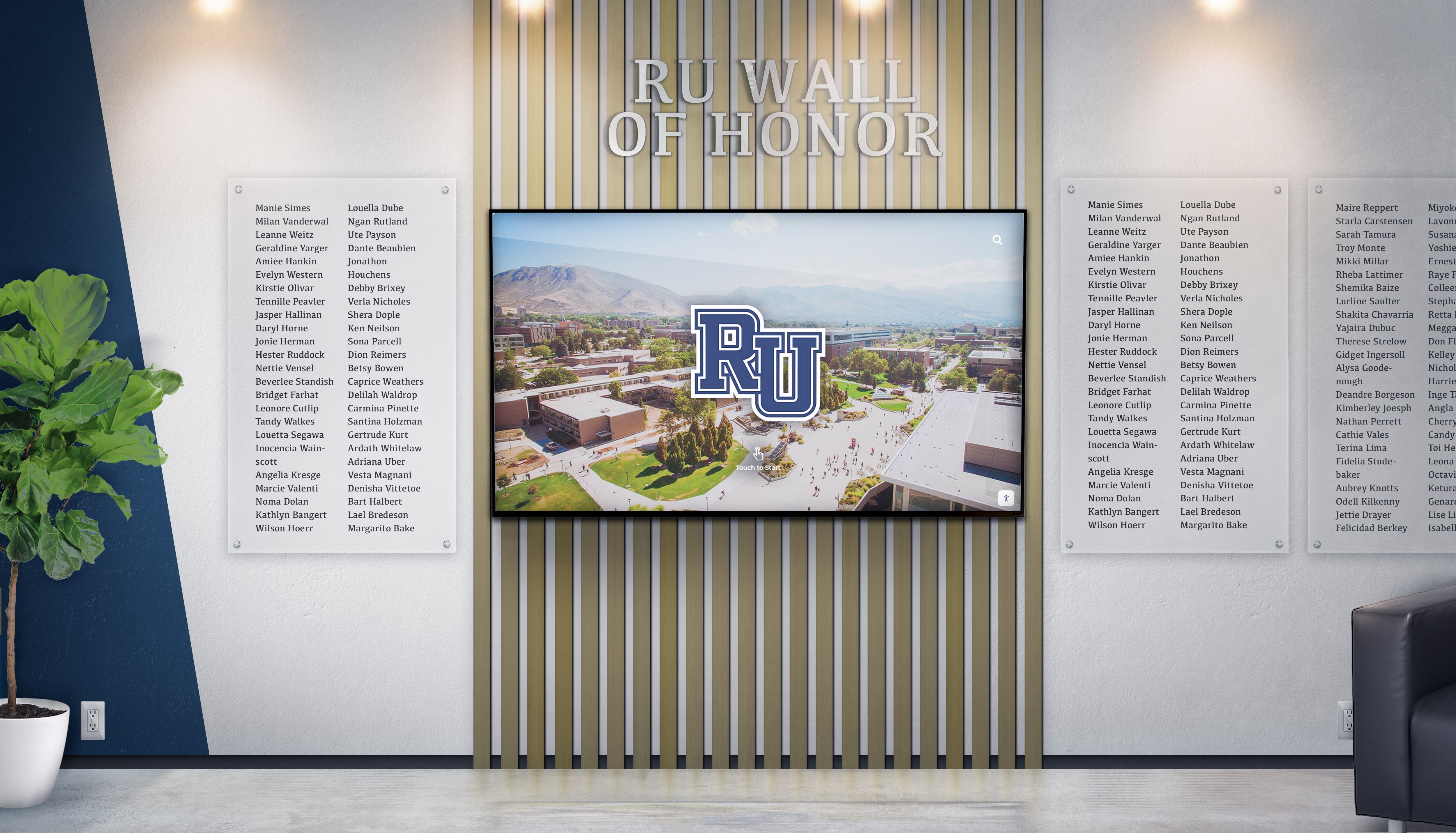
Professional archive installations provide campus community members with accessible interfaces for exploring institutional heritage
Search-First vs. Browse-First Approaches Consider different user behaviors—alumni knowing exactly what they want (specific year, specific name) benefit from prominent search, casual explorers interested in general browsing need intuitive year navigation, younger users comfortable with search interfaces may prefer keyword approaches, and older users might prefer visual browsing matching physical yearbook shelf experiences.
Effective platforms accommodate both search-driven and browse-driven behaviors through clear interface design.
Featured Content and Highlights Beyond systematic archives, curated content engages users—significant anniversary years prominently featured, notable alumni highlighted with yearbook photographs, major school events documented across multiple years, tradition origins shown through historical evidence, and rotating featured decades creating fresh homepage experiences for repeat visitors.
Curated highlights create entry points for users who might otherwise feel overwhelmed by decades of archival content.
Launch Planning and Community Communication
Successful launch requires systematic community awareness building:
Soft Launch and Beta Testing Before public announcement, conduct limited testing with volunteer groups—alumni board members or reunion committees, faculty and staff familiar with institutional history, parent organization representatives, students in journalism or history classes, and IT personnel testing across devices and browsers.
Beta testing identifies issues before broader audiences encounter them while building community champions who understand archive value and can advocate to peers.
Communication Strategy for Different Audiences
Alumni Outreach
- Email campaigns to all alumni with archive announcements
- Social media posts with sample yearbook pages generating nostalgia
- Alumni magazine features explaining project and inviting exploration
- Reunion organizer communications highlighting planning tools
- Class representative networks spreading awareness through informal channels
Current Community Engagement
- Student assembly presentations introducing archives
- Faculty meeting demonstrations encouraging classroom use
- Parent newsletter articles inviting family exploration
- School website homepage featuring during launch period
- Local media coverage generating community awareness
Ongoing Promotion and Reminders Archive awareness builds gradually through repeated exposure—monthly social media posts featuring historical photographs, alumni birthday emails inviting yearbook rediscovery, reunion season reminders about planning resources, anniversary milestones celebrated with archival content, and regular website visibility maintaining awareness.
Single announcements reach limited audiences; sustained communication builds widespread adoption and engagement over time.
Maximizing Archive Value and Engagement
Beyond simply making yearbooks accessible, strategic enhancement creates greater community value and institutional benefits.
Enhancing Archives with Supplemental Content
Yearbooks provide foundations for expanded historical documentation:
Alumni Update Integration Connect yearbook portraits to current alumni profiles showing graduation year photographs alongside current professional headshots, career and achievement updates, geographic locations and contact preferences, reunion attendance and engagement history, and donation records and recognition levels.
This integration transforms static historical archives into living alumni directories connecting past and present. Learn more about comprehensive approaches through digital class composite displays that merge archival and contemporary content.
Historical Context and Storytelling Supplement yearbook images with contextual information—significant events in specific years (championships, facility dedications, notable achievements), tradition origins and evolution across decades, demographic or program changes with historical explanation, faculty and administrator tenure documentation, and community historical context connecting school to broader trends.
Storytelling transforms yearbooks from simple image collections into rich historical narratives that engage users more deeply than photographs alone.
Multimedia Additions Where available, complement yearbooks with related materials—video footage from graduations or events, audio recordings of performances or speeches, newspaper clippings about school news, oral histories from alumni and retirees, and digital versions of other publications (newsletters, programs, magazines).
Multimedia enrichment creates comprehensive historical portals extending well beyond traditional yearbook content.
Creating Interactive Features and Community Contributions
Engagement deepens when users can contribute and personalize:
Alumni Tagging and Identification Enable alumni to contribute by identifying classmates in photographs, correcting name spellings or errors, adding “where are they now” updates, sharing memories or stories about events shown, and connecting with classmates through contact requests.
Crowdsourced contributions improve archive quality while creating ongoing engagement reasons for repeated visits and exploration.
Virtual Reunion Features Support reunion planning and alumni connections through class-specific discussion forums or comment sections, contact information sharing for willing participants, reunion event promotion and registration, and memory-sharing prompts around significant years or events.
These social features transform archives from static repositories into dynamic community platforms.
Educational Project Integration Encourage student use for academic purposes—history research assignments using primary sources, data analysis projects tracking changes over time, creative writing inspired by historical photographs, digital humanities projects analyzing yearbook content, and service learning helping with metadata, identification, or digitization.
Student engagement provides practical help improving archives while creating educational value and fostering school pride among current students.
Ready to Build Your Online Yearbook Archive?
Discover how modern digital archiving solutions can help you preserve decades of student memories, strengthen alumni connections, and create accessible yearbook collections that engage your entire school community for generations to come.
Schedule Your Archive ConsultationIntegrating Archives with Broader School Systems
Yearbook archives become more valuable when connected to other platforms:
Website Integration Prominent yearbook archive links on school websites in logical locations—alumni section navigation menus, library and media center pages, history and about-us sections, and homepage features during launches or anniversaries.
Easy discovery from school websites dramatically increases usage compared to standalone platforms requiring separate URLs and bookmarks.
Alumni Database Connections Link yearbook content to alumni management systems—automatic matching of yearbook portraits to database records, profile enhancement with graduation photographs, segmentation enabling targeted outreach to specific eras, and engagement tracking measuring yearbook archive interactions.
Integration enables personalized communication like “rediscover your senior portrait” emails on birthdays or reunion anniversaries.
Fundraising and Development Platforms Connect archives to advancement efforts through donor recognition showing historical photographs, campaign materials featuring era-specific imagery, legacy giving programs emphasizing institutional longevity, and reunion giving campaigns using yearbook nostalgia.
Development teams with easy yearbook access create more compelling, personalized appeals than those lacking visual historical content.
Social Media Extension Amplify archive reach through strategic social media use—#ThrowbackThursday posts featuring historical photographs, alumni spotlights with yearbook portraits, anniversary celebrations using archival content, and reunion announcements with class photographs.
Social sharing extends archive visibility far beyond users who directly visit platforms, creating viral engagement and driving traffic to full archives.
Maintaining and Growing Archives Over Time
Sustainable programs require ongoing management beyond initial implementation:
Establishing Annual Workflows for New Yearbooks
Systematic processes prevent archival backlogs from accumulating:
Immediate Digitization Protocols The best time to digitize yearbooks is immediately upon publication. Establish workflows where yearbook advisors or librarians reserve archive copies for scanning, digitization occurs within weeks of yearbook distribution, upload and metadata entry happen while content remains fresh, and quality review confirms proper archiving before storage.
Schools implementing immediate digitization never accumulate backlogs requiring expensive catch-up projects years later.
Ongoing Metadata Enhancement Archives improve gradually through continuous refinement—alumni contributions adding identifications and context, student projects researching and documenting specific eras, reunion committees verifying class information, and systematic review filling gaps in earlier metadata.
Treat archives as living resources that grow and improve rather than static completed projects.
Storage and Preservation of Physical Volumes Digital archives don’t eliminate needs for physical preservation. Original yearbooks retain value as artifacts and insurance against digital loss. Proper physical storage requires—climate-controlled environments minimizing temperature and humidity fluctuations, archival-quality boxes and shelving, regular condition monitoring, disaster preparedness and recovery planning, and clear policies on access to preserve volumes from excessive handling.
Digital and physical preservation complement rather than replace each other, with digital access reducing physical handling that accelerates deterioration.
Building Community Around Archives
Long-term engagement requires ongoing cultivation:
Alumni Volunteer Programs Engage willing graduates in archive support through digitization assistance for completing backlogs, metadata and identification contributions, historical research and documentation, outreach to classmates about archives, and financial donations supporting ongoing preservation.
Volunteer programs distribute workload while creating invested community members advocating for continued institutional support.
Anniversary and Milestone Leverage Use natural moments to promote archives—reunion years for specific classes, school founding anniversaries, facility dedications and major events, retirements of long-serving faculty or staff, and significant athletic or academic achievements.
Strategic promotion during high-engagement moments reaches audiences who might not otherwise discover archives.
Educational Programming and Events Regular programming creates ongoing engagement reasons—historical lecture series featuring era experts, student research showcases presenting yearbook-based projects, alumni panel discussions about school evolution, exhibit creation for lobbies or libraries, and contests or challenges encouraging exploration (identify this person, find this moment, share this memory).
Active programming positions archives as dynamic community resources rather than static forgotten repositories.
Measuring Success and Demonstrating Value
Systematic assessment ensures archives deliver intended value:
Usage Analytics and Engagement Metrics Track measurable indicators showing archive value—unique visitors and total visits per month, average session duration indicating engagement depth, search queries revealing what users seek, most-accessed content identifying high-interest materials, geographic distribution showing alumni reach, return visitor rates demonstrating ongoing value, and device usage informing optimization priorities.
Regular review identifies successful elements worth expanding and underperforming aspects needing improvement.
Qualitative Feedback and Community Response Gather stakeholder perspectives through alumni surveys about archive value and suggestions, reunion organizer testimonials on planning support, student feedback from educational uses, faculty assessment of teaching applications, and development team evaluation of fundraising benefits.
Qualitative feedback captures value that pure usage metrics might miss, like emotional significance or specific use cases enabling important outcomes.
Institutional Impact Documentation Document concrete benefits supporting continued investment—fundraising increases attributable to enhanced alumni engagement, enrollment marketing strengthened through heritage messaging, publicity and media coverage generated by archives, reunion participation growth enabled by planning tools, and volunteer engagement expanded through archival projects.
Demonstrating tangible institutional benefits ensures archives receive ongoing support rather than being viewed as discretionary nice-to-have projects vulnerable to budget cuts.
Special Considerations and Common Challenges
Implementation inevitably encounters obstacles that planning can mitigate:
Managing Incomplete Collections and Missing Years
Few schools possess completely unbroken yearbook runs:
Gap Identification and Documentation Systematic inventory reveals missing years, incomplete volumes, and severely deteriorated editions. Clear documentation of gaps enables targeted acquisition efforts and manages user expectations.
Community Acquisition Campaigns Alumni often possess personal yearbook copies in better condition than institutional holdings. Outreach campaigns requesting short-term loans for scanning, donations of duplicate copies, or permanent gifts of volumes from missing years can fill gaps. Explore similar community engagement approaches through digital tools that bring history to life in educational settings.
Marketplace and Historical Society Partnerships Online marketplaces, local historical societies, and genealogical organizations sometimes have yearbooks from schools. Strategic purchasing can complete collections, though rare early editions may command high prices.
Transparency About Limitations Archives should clearly communicate collection scope—which years are available, which are missing, and known condition issues. Transparency manages expectations while inviting community assistance filling documented gaps.
Addressing Privacy Concerns and Removal Requests
Balancing access with individual preferences requires thoughtful policies:
Proactive Privacy Policies Clear, published policies should address how removal requests are handled, what timeframes apply (immediate vs. regular review cycles), whether partial vs. complete removals are offered, and how requesters verify identity before modifications.
Reasonable Accommodation Approaches Most schools balance access and privacy by honoring reasonable individual requests while maintaining archive integrity, removing specific personal pages or portraits while keeping remainder intact, maintaining content in searchable databases but removing from public browse views, and requiring clear rationale beyond simple preference for institutional archive alterations.
Legal and Ethical Boundaries Schools should distinguish legal requirements (court orders, documented harassment situations), strong ethical obligations (sensitive personal information inadvertently published), and preference-based requests lacking compelling privacy rationale.
Thoughtful policies balance archive preservation missions with reasonable individual privacy preferences and legitimate protection needs.
Technical Infrastructure and Long-Term Sustainability
Digital preservation requires ongoing technical planning:
File Format Obsolescence Digital files in proprietary formats may become inaccessible as software evolves. Mitigation strategies include using open standard formats (TIFF, PDF/A, JPEG) widely supported, maintaining multiple format versions (archival masters plus access copies), monitoring format viability and migrating proactively, and documenting technical specifications enabling future conversion.
Platform Migration Planning No software platform lasts forever. Schools should ensure export capabilities for complete content and metadata, maintain archival master files independent of specific platforms, document customizations and configurations for potential recreation, and periodically evaluate platform viability and alternatives.
Backup and Disaster Recovery Digital archives require protection against data loss through multiple backup copies across different storage systems and geographic locations, regular backup testing verifying restoration processes work, documented procedures for disaster recovery, and clear responsibility assignment for backup management.
Staffing Transitions and Documentation Institutional knowledge shouldn’t reside solely with individual staff members. Comprehensive documentation of workflows and procedures, training materials for new personnel, overlapping transition periods between staff changes, and administrative commitment to archival sustainability help prevent program collapse during personnel transitions.
Schools implementing sustainable systems through platforms offering professional hosting, automatic backups, and ongoing technical maintenance minimize institutional burden while ensuring long-term accessibility.
Conclusion: Preserving Memories and Building Community Through Online Archives
Online yearbook archives represent far more than digital versions of physical books stored differently—they embody institutional commitments to honoring student experiences, preserving irreplaceable heritage, and maintaining lifelong connections with alumni communities. Every yearbook documenting students, teachers, events, traditions, and moments in your school’s history deserves preservation extending beyond deteriorating storage boxes or limited-access library shelves.
The transformation from physical yearbook collections to comprehensive online archives creates lasting value spanning generations. Alumni decades removed from graduation rediscover childhood memories and reconnect with classmates. Current students explore institutional heritage developing pride in school traditions. Families share graduation photographs with relatives who never saw original yearbooks. Educators access primary sources for local history instruction. Development professionals leverage nostalgia for fundraising campaigns. And irreplaceable student memories receive protection against physical deterioration threatening permanent loss.
Modern digital archiving technologies explored throughout this guide have eliminated barriers once making comprehensive yearbook preservation seem prohibitively complex or expensive. Schools of any size can build professional online archives through systematic planning, thoughtful platform selection, quality digitization, and sustainable management practices ensuring accessibility for decades to come.
Implementation pathways vary widely based on resources, priorities, and circumstances. Some schools pursue comprehensive digitization projects completing entire historical collections within months through professional services. Others adopt incremental approaches, digitizing decades gradually as budgets permit while immediately archiving new yearbooks preventing future backlogs. Many combine professional scanning for historical materials with in-house workflows for recent publications, balancing quality, efficiency, and cost.
Regardless of specific approaches, successful programs share common elements: clear planning establishing scope and priorities, quality standards ensuring long-term value, user-focused platforms facilitating discovery and engagement, integration with broader school systems and goals, and sustainable management persisting through inevitable personnel transitions and organizational changes.
Platforms like our digital yearbook software simplify implementation through purpose-built solutions designed specifically for educational institutions. These comprehensive systems eliminate needs for custom development while providing proven templates, workflows, and features accelerating program launch and ensuring long-term sustainability.
Your school’s yearbook collection—from earliest surviving volumes through last year’s edition—documents irreplaceable student experiences, institutional evolution, and community heritage deserving preservation extending far beyond physical storage limitations. Every portrait, event photograph, activity documentation, and tradition captured in yearbooks represents moments that mattered profoundly to students, families, and educators whose lives intersected within your institution.
Start building your online yearbook archive today, even with modest initial efforts. Pilot projects demonstrate value while building expertise for larger initiatives. Community engagement creates volunteer assistance and financial support. Strategic platform selection establishes sustainable foundations. Most importantly, beginning now prevents additional deterioration of irreplaceable materials and enables current users to benefit from improved access rather than waiting for perfect future circumstances that may never materialize.
Ready to transform your yearbook collection into a comprehensive online archive celebrating your school’s unique heritage? Schedule your archive consultation to explore how modern preservation platforms can protect student memories while creating engaging digital experiences strengthening alumni connections and institutional pride for generations to come.
Your students’ memories deserve preservation. Your alumni deserve accessible connections to formative experiences. Your school’s heritage deserves protection and celebration. With systematic planning, quality digitization, thoughtful platform selection, and sustainable management, you can build online yearbook archives honoring the past, engaging the present, and inspiring future generations of students adding their own chapters to your institution’s continuing story.
Sources
This article incorporates research and insights from authoritative sources on digital preservation, yearbook archiving, and educational technology:
- Library of Congress Digital Preservation Program
- Society of American Archivists - Educational Archives Guidelines
- National Archives Digital Preservation Resources
- Yearbook Copyright and Privacy Considerations for Schools
- Academic Archiving Best Practices
- Digital Asset Management for Educational Institutions
Ready to see this for your school?
Picture your collection in a custom mockup
Start with your yearbook collection and digitization goals, then request a custom digital mockup for your school.