Standing at the podium on graduation day, delivering the valedictory speech before classmates, teachers, and proud families represents one of the highest honors a high school student can achieve. Valedictorian status recognizes not just intelligence, but sustained excellence, strategic planning, and unwavering commitment throughout four years of academic challenges and growth.
Yet the path to becoming valedictorian remains mysterious for many students. Confusion surrounds how schools calculate rankings, whether perfect GPAs guarantee top position, what role course difficulty plays in selection, and how to balance academic excellence with the extracurriculars that make well-rounded college applicants. Meanwhile, students worry about sacrificing social experiences, mental health, and personal interests in pursuit of academic supremacy—questioning whether the distinction justifies the dedication required.
This comprehensive guide explores evidence-based strategies for becoming valedictorian, from freshman year planning through senior year execution. Whether you’re just beginning high school with valedictorian aspirations or currently ranked near the top wondering how to secure the position, these insights provide actionable approaches to achieving your academic goals while maintaining balance and well-being.
The valedictorian journey requires more than academic talent—it demands strategic course selection, effective study habits, consistent performance management, and thoughtful planning across all four high school years. Students who ultimately claim top class rank typically begin with clear goals and systematic approaches rather than simply working harder than peers without direction.

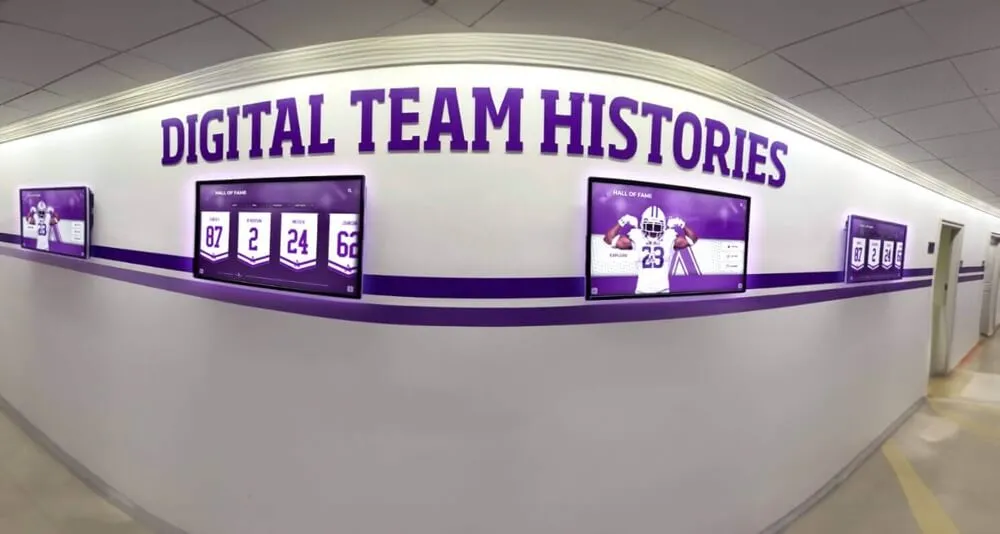
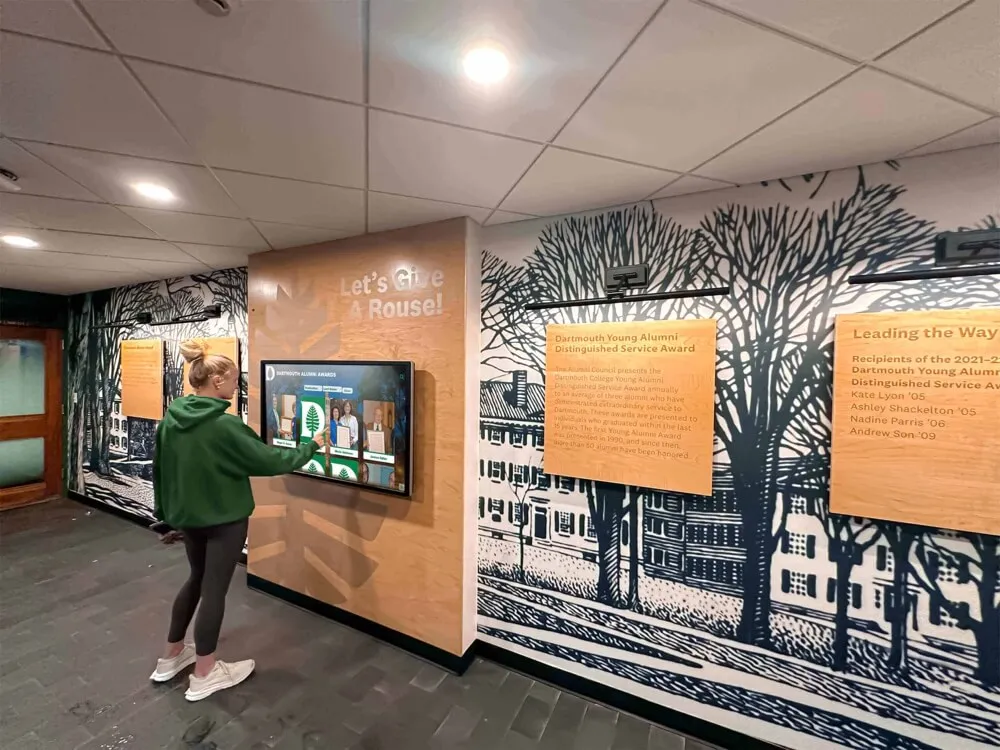
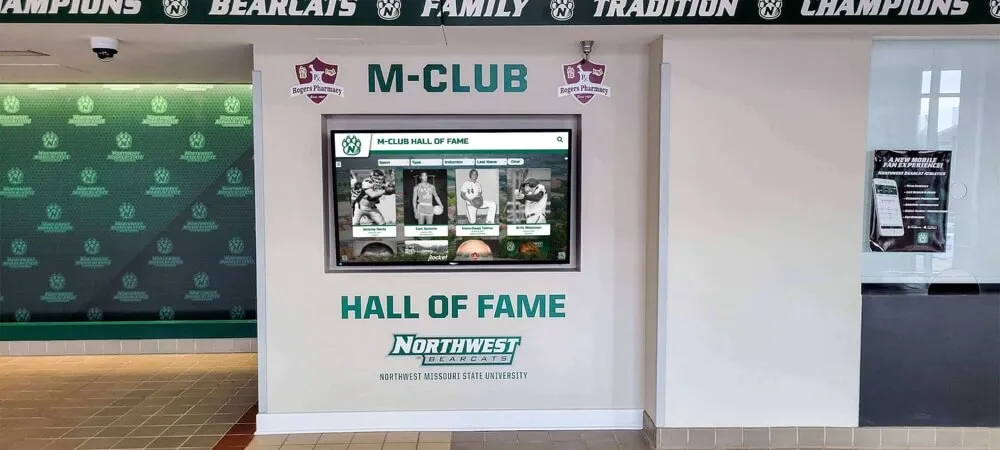
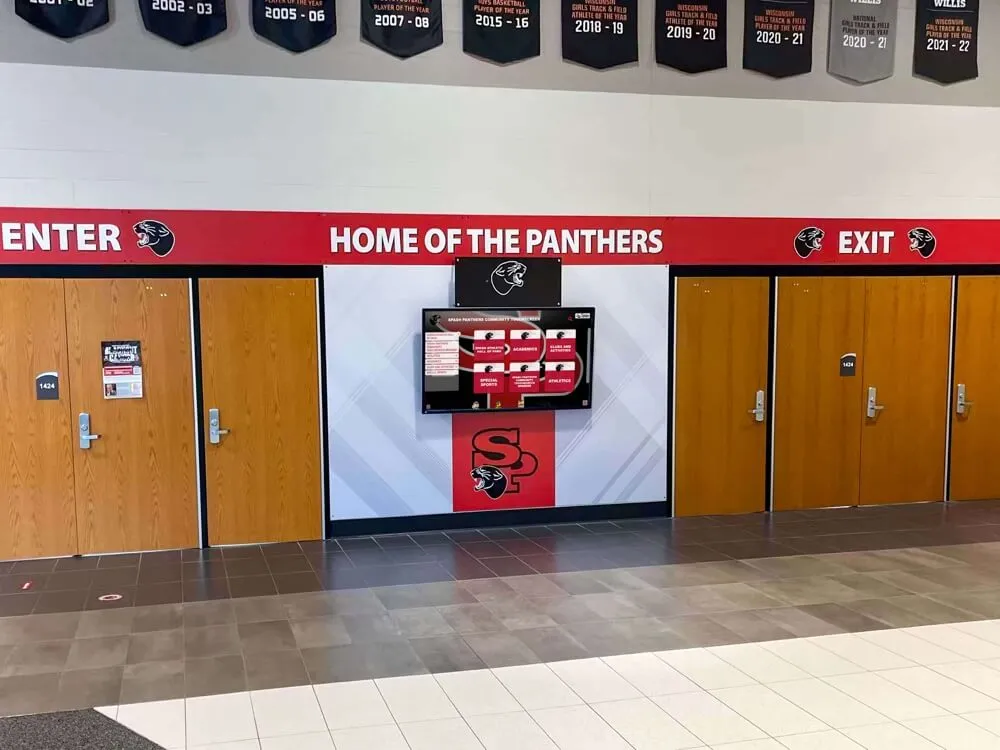
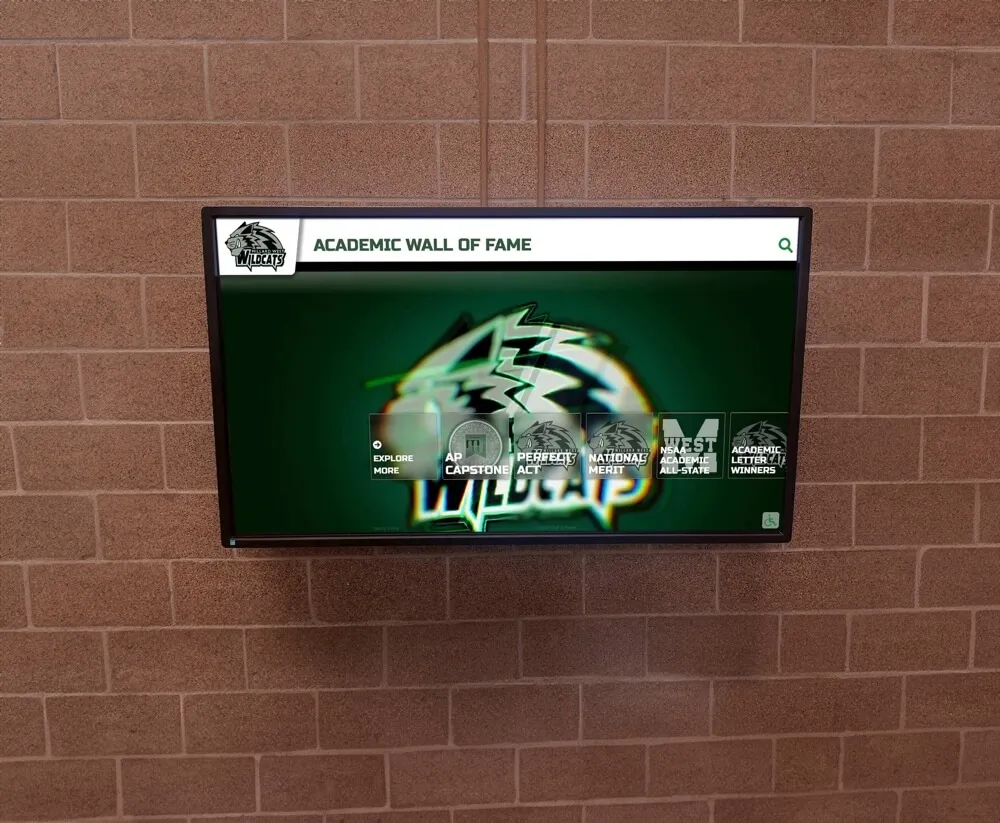
Schools celebrate valedictorians through permanent recognition displays honoring the highest academic achievement students can earn
Understanding Valedictorian Selection Criteria
Before pursuing valedictorian status, understanding exactly how your school determines class rank proves essential for effective strategy development.
How Schools Calculate Class Rank
High schools employ various methodologies for determining valedictorian, with significant implications for your academic planning:
Cumulative GPA Systems Most schools base valedictorian selection on cumulative grade point average across all four years:
- Student with highest cumulative GPA earns valedictorian designation
- Ties may result in co-valedictorians at some institutions
- All coursework contributes to final calculation
- Consistent performance across all years matters equally
- Final semester grades through graduation count in determination
Weighted vs. Unweighted GPA Impact
The weighted versus unweighted distinction fundamentally affects valedictorian strategy:
Weighted GPA Systems
- Honor advanced courses (AP, IB, honors) with bonus points
- Typically add 0.5-1.0 points for advanced courses
- Enable GPAs exceeding 4.0
- Reward students taking academic risks
- Create advantage for rigorous course selection
- May disadvantage students at schools with limited advanced options
Learn more about academic recognition in comprehensive academic recognition programs celebrating diverse excellence.
Unweighted GPA Systems
- Treat all courses equally regardless of difficulty
- Maximum GPA remains 4.0
- Potentially discourage challenging course selection
- May favor students optimizing easy classes
- Create simpler, more transparent calculations
- Can reward different strategic approaches
Understanding which system your school uses enables appropriate course selection balancing challenge with performance.
Alternative Selection Methods
Some schools modify traditional GPA-based selection:
Class Rank Percentile Systems
- Top student by rank becomes valedictorian
- Multiple students may share exact GPA but differ in rank
- Ranks may incorporate factors beyond pure GPA
- Slight differences magnified in ranking systems
- Creates competitive zero-sum environment
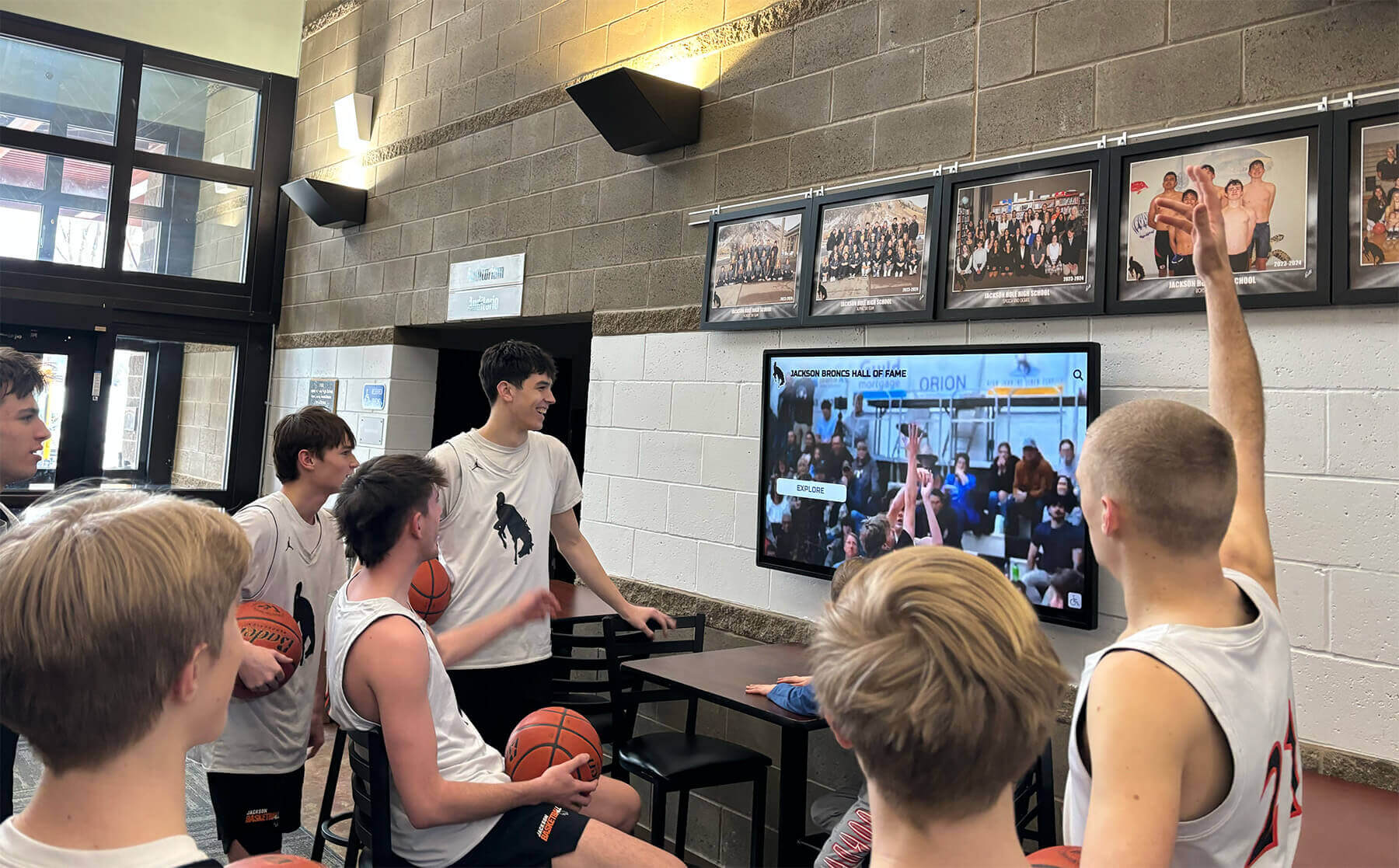
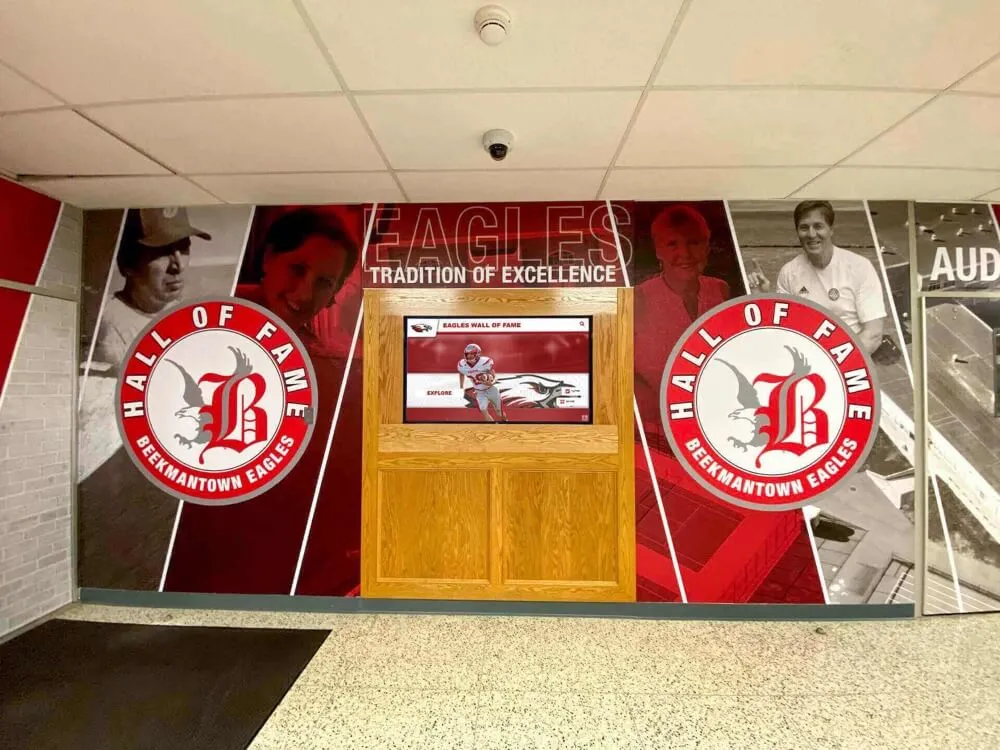
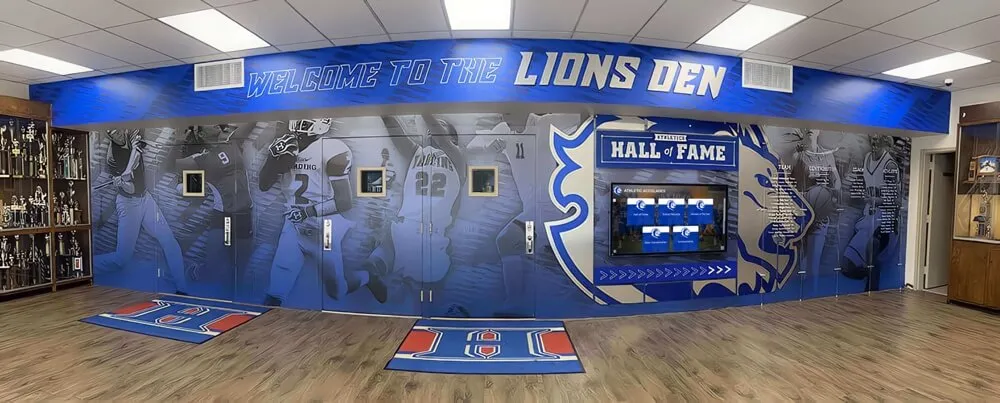
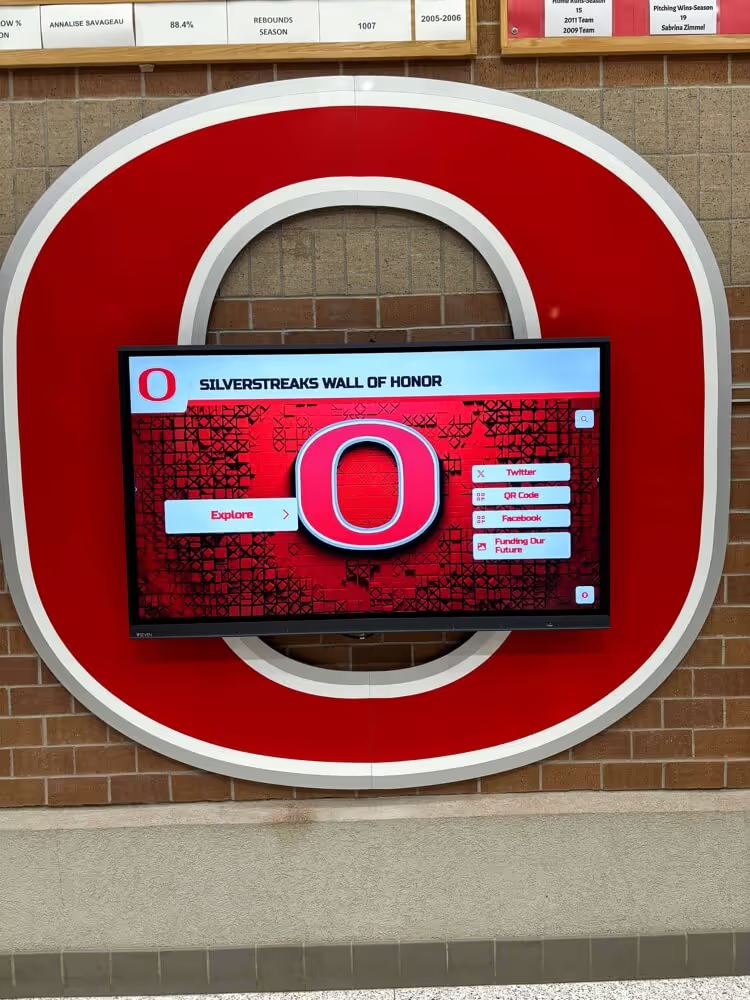
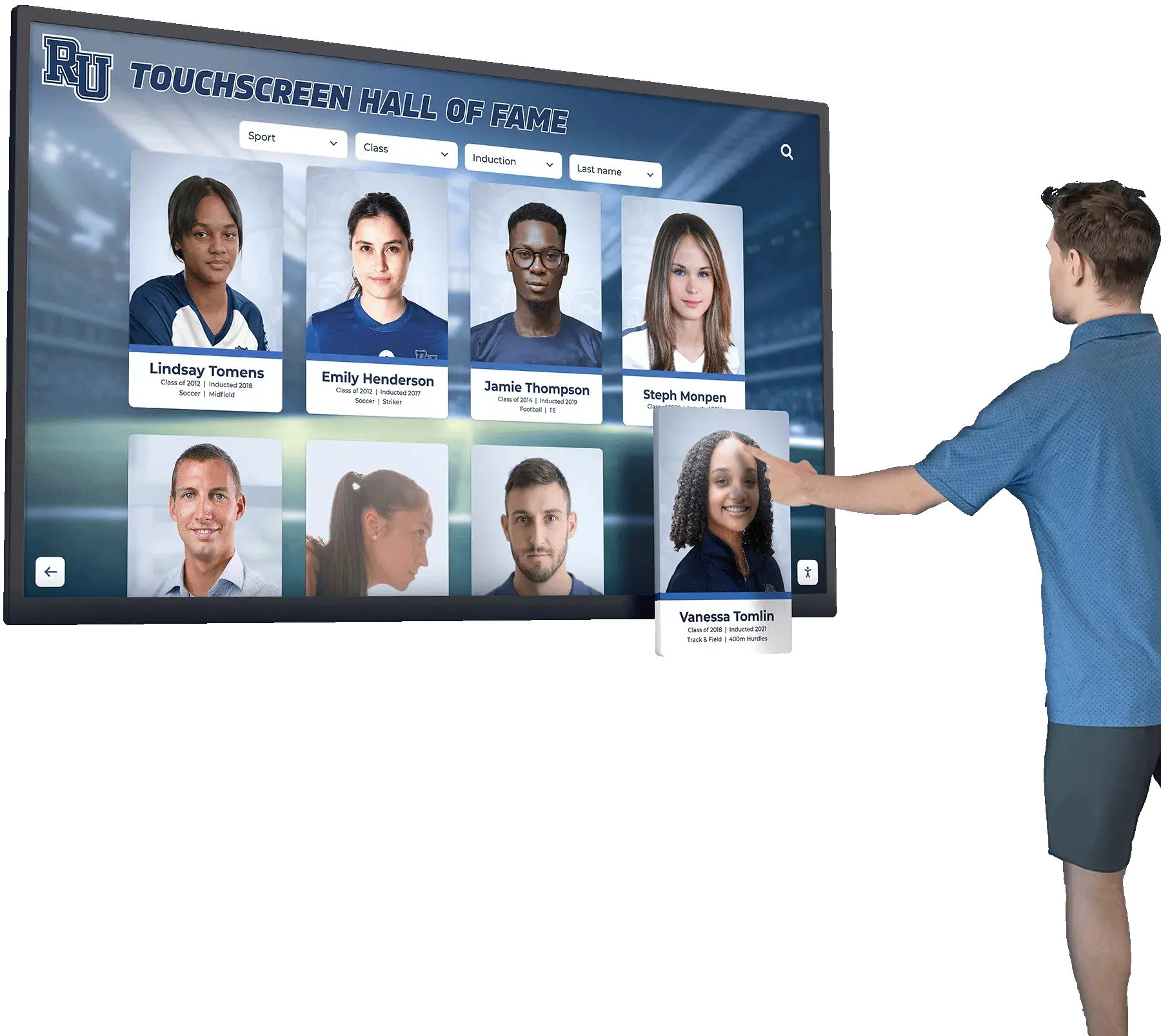
Recognition displays inspire students by showcasing achievement pathways and celebrating academic excellence
Multiple Valedictorians Progressive schools increasingly recognize multiple top students:
- All students meeting GPA threshold receive designation
- Reduces intense competition between high achievers
- Recognizes diverse pathways to excellence
- May diminish traditional exclusivity
- Reflects educational philosophy prioritizing collaboration
Latin Honors Systems Some schools replace valedictorian with tiered Latin honors:
- Summa cum laude, magna cum laude, cum laude designations
- Multiple students achieve highest honor tier
- De-emphasizes single top performer mentality
- Aligns with college recognition systems
- May still designate graduation speaker separately
Discover Latin honors in cum laude graduation guide explaining honor levels.
Critical First Step: Research Your School’s Policy
Begin valedictorian pursuit by obtaining specific information from your counselor:
Essential Questions to Ask
- Does our school designate a valedictorian?
- What specific formula calculates class rank?
- Are GPAs weighted, unweighted, or hybrid?
- What exact weight does each course level receive?
- How are ties handled if multiple students have identical GPAs?
- Do transfer credits, summer courses, or outside classes count?
- Are there conduct, attendance, or other non-academic requirements?
- Has the policy changed recently or might it change?
Some students discover too late their school discontinued valedictorian designation or uses calculations different from assumed. Clarifying these details freshman year enables strategic planning from the outset.
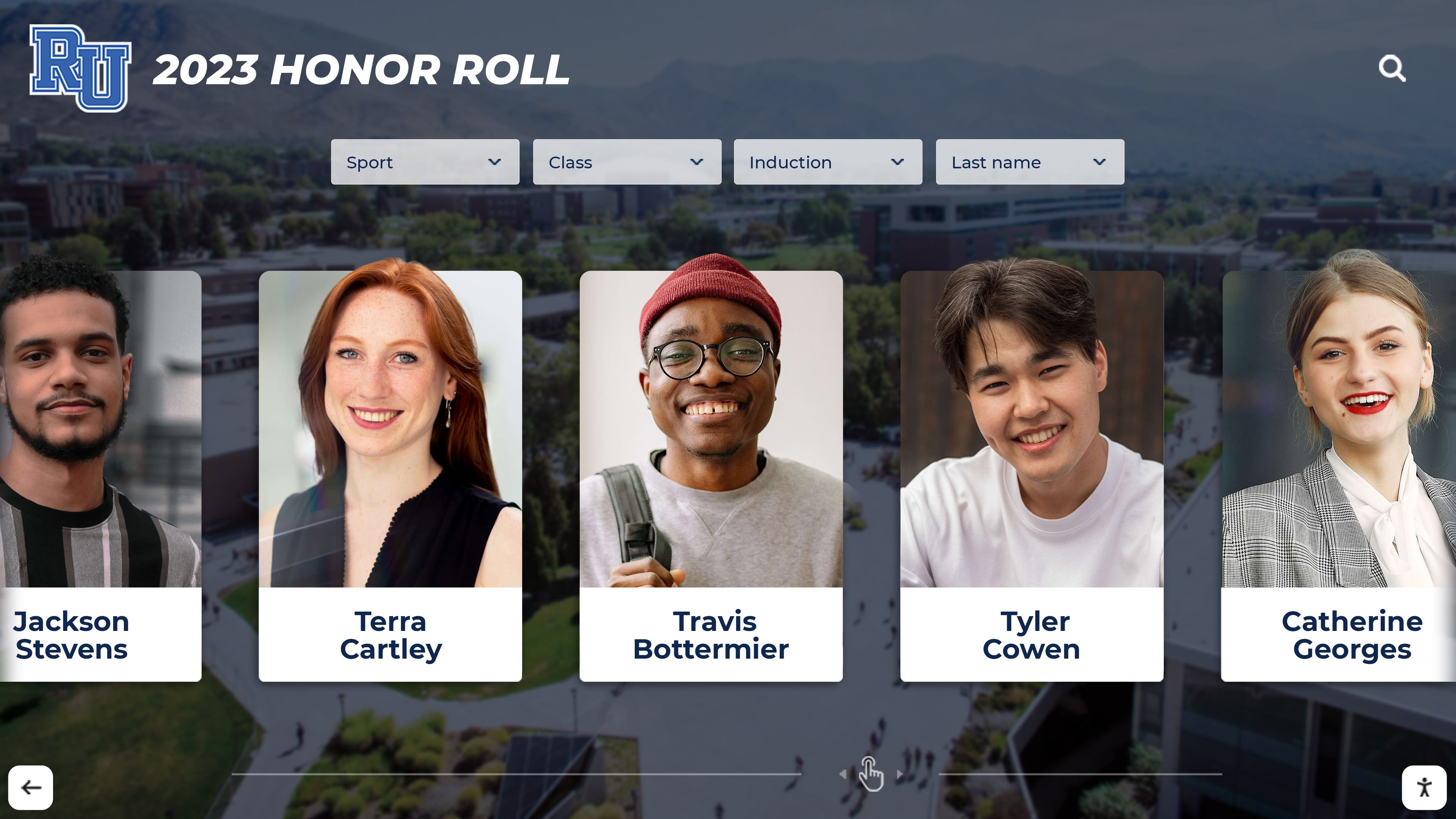
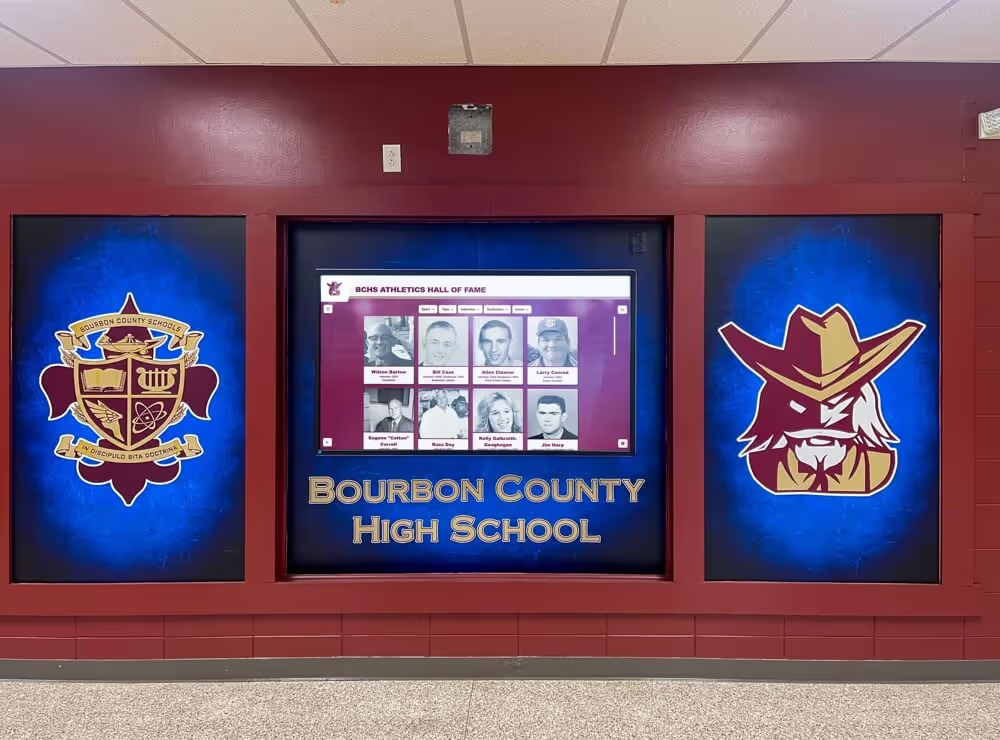
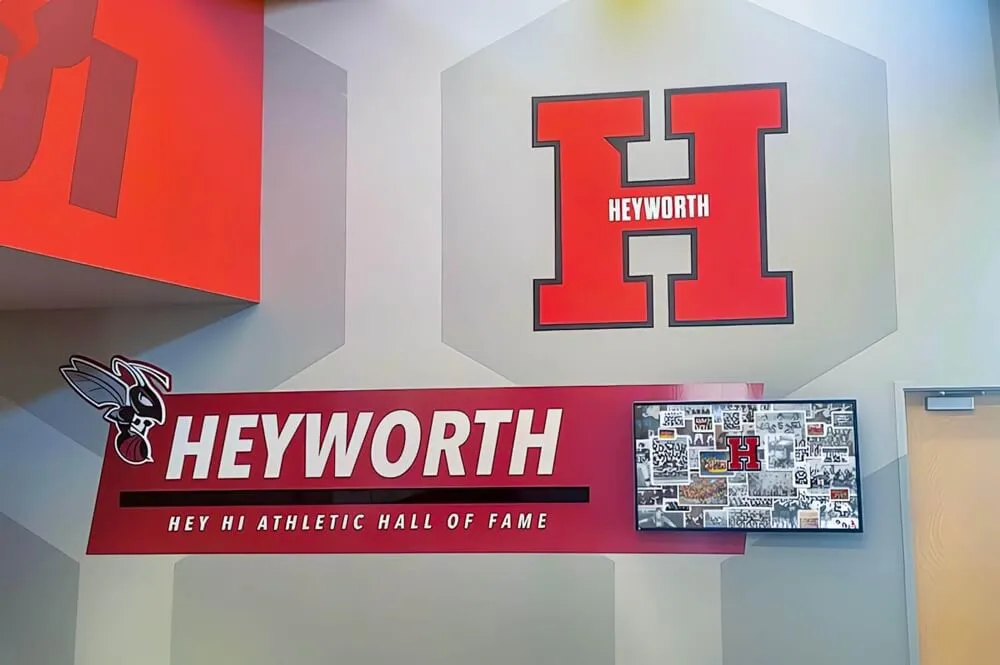
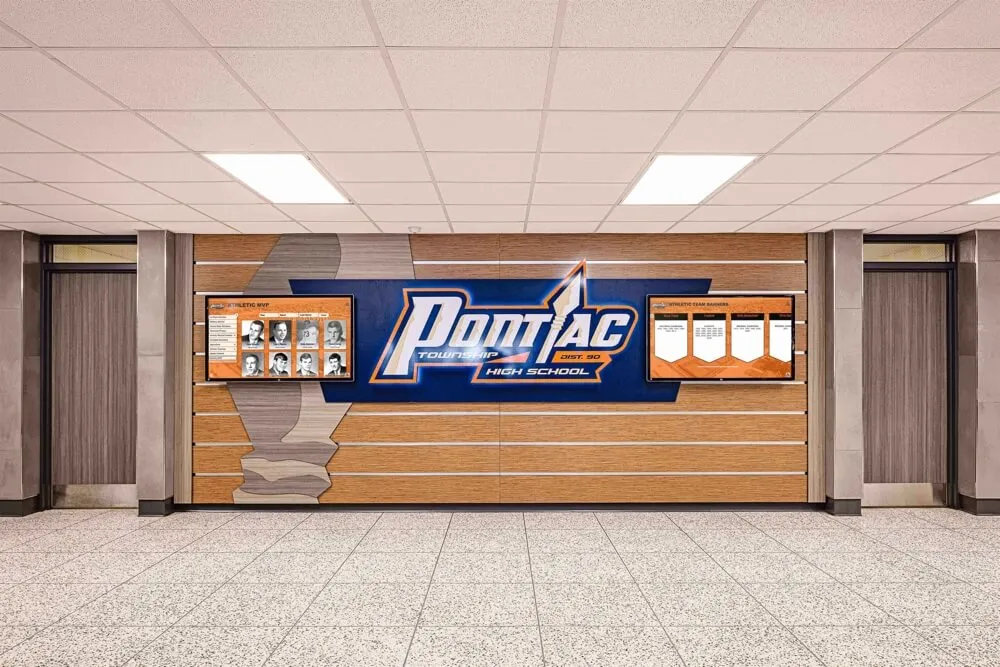
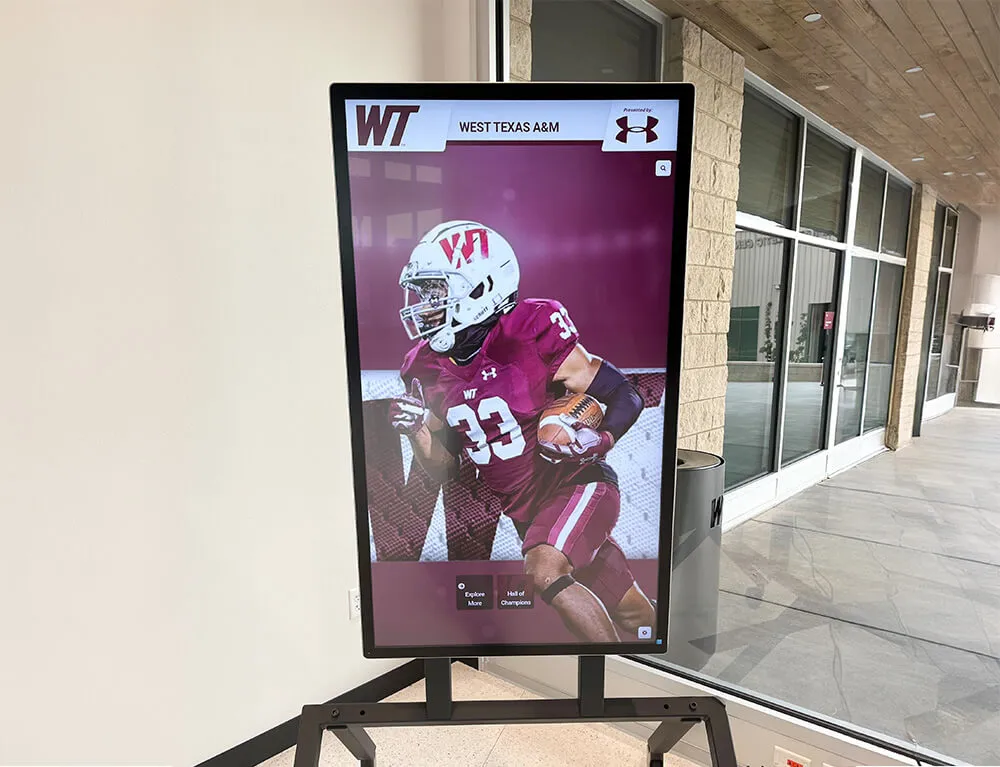
Comprehensive recognition systems document complete academic journeys including valedictorian achievements and pathways
Freshman Year: Building the Foundation
Valedictorian journeys begin first semester of freshman year, as every grade from day one contributes to cumulative GPA.
Setting Clear Academic Goals
Transform vague aspirations into concrete targets:
Calculate Your GPA Targets
- Determine minimum GPA needed for valedictorian consideration
- Understand what grades in different course types achieve that target
- Calculate cushion allowing for occasional lower performance
- Set semester-by-semester benchmarks ensuring on-track progress
- Monitor actual versus target GPA each marking period
Establish Academic Priorities Early goal-setting clarifies daily decision-making:
- Academic excellence takes priority over social activities when conflicts arise
- Homework completion precedes recreational pursuits
- Study time receives protection in schedule planning
- Sleep and health maintenance support academic performance
- Efficiency enables achievement without complete sacrifice
Students eventually becoming valedictorian typically develop clear internal priorities freshman year, making subsequent decisions easier as academic demands intensify.
Strategic Course Selection from the Start
Course selection represents your most powerful tool for valedictorian pursuit:
Balancing Rigor and Performance
Weighted GPA systems reward advanced coursework:
Optimal Strategy
- Take highest level courses in strength subjects
- Choose honors/advanced courses where confident of A performance
- Consider standard level in weakest subjects if necessary
- Build gradually toward maximum rigor by junior/senior year
- Avoid overloading beyond sustainable workload
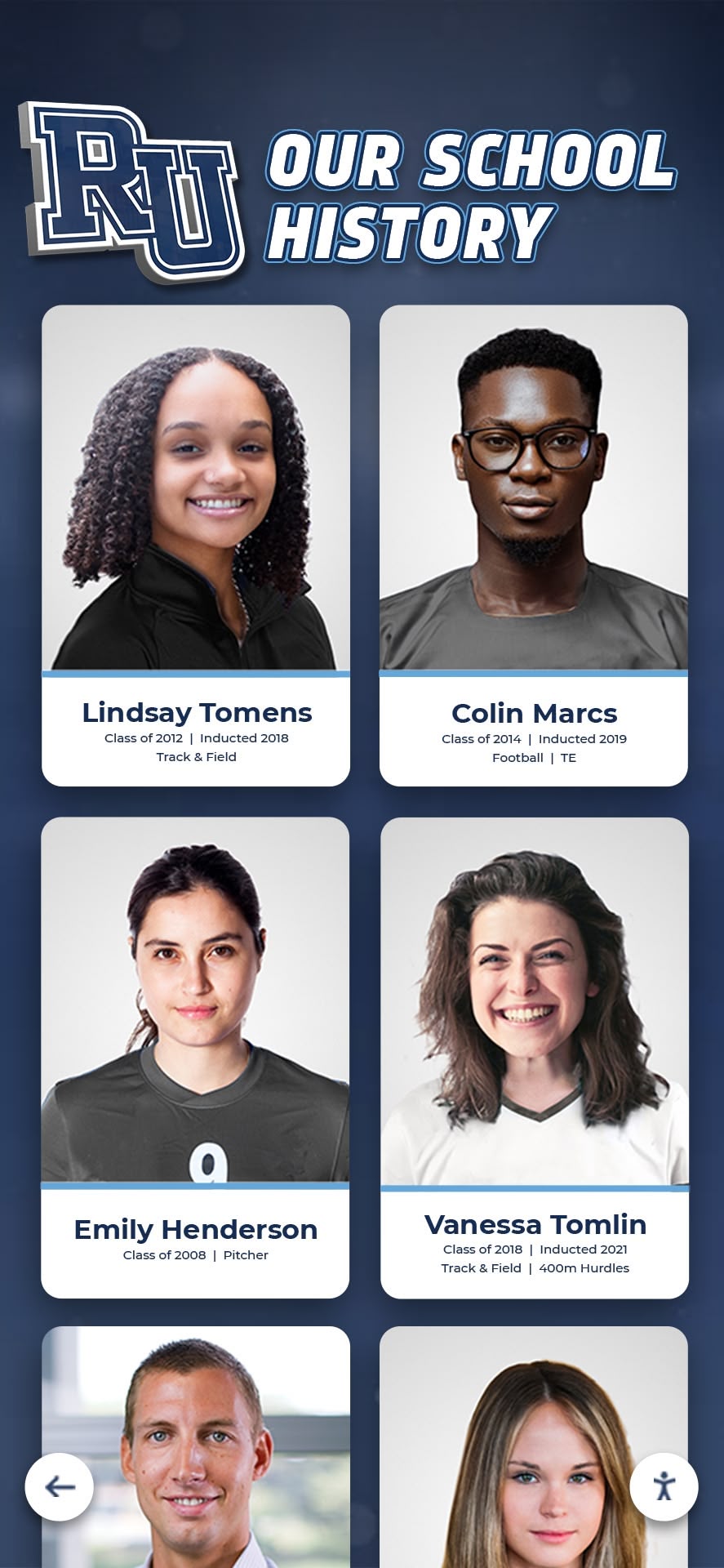
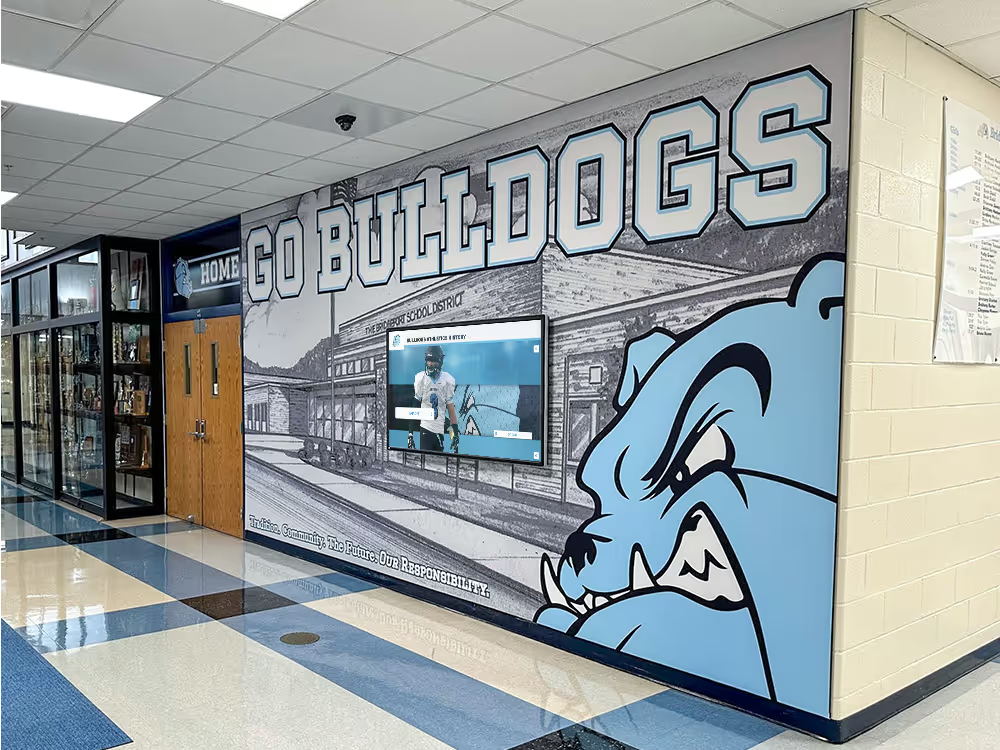
Schools document academic journeys showing how today's freshmen can follow pathways to valedictorian success
Avoiding Strategic Mistakes
- Don’t take easy courses solely for GPA padding in weighted systems
- Avoid overconfidence leading to unsustainable advanced course loads
- Don’t sacrifice foundational learning for grade optimization
- Avoid courses significantly beyond current preparation level
- Don’t ignore genuine interests to game GPA calculations
Planning Four-Year Course Sequence
Successful valedictorian candidates plan comprehensively:
- Map prerequisite sequences for advanced senior year courses
- Ensure fulfillment of graduation requirements efficiently
- Identify opportunities for acceleration or summer advancement
- Balance course load across years avoiding junior year overload
- Build in strategic flexibility accommodating interest evolution
Work with counselors to develop four-year plans reviewed and adjusted annually as circumstances and goals evolve.
Developing Foundational Study Habits
Academic habits established freshman year compound across four years:
Time Management Fundamentals
- Consistent daily study schedule rather than sporadic cramming
- Homework completion same day assigned when possible
- Long-term project planning with milestone deadlines
- Test preparation beginning one week before assessments
- Assignment tracking system preventing overlooked work
- Schedule buffer time for unexpected challenges
Active Learning Techniques Valedictorians typically employ effective study methods:
- Active reading with annotation and note-taking
- Practice problems rather than passive review
- Self-testing identifying knowledge gaps
- Study groups explaining concepts to peers
- Office hours with teachers seeking clarification
- Regular review preventing knowledge loss
These techniques prove more efficient than simply studying longer hours, enabling high performance without complete schedule domination.
Explore comprehensive achievement approaches in end-of-year awards programs recognizing diverse student excellence.
Sophomore Year: Maintaining Momentum and Increasing Rigor
Second year presents new challenges as course difficulty increases and social pressures intensify.
Avoiding the Sophomore Slump
Many students experience performance declines sophomore year:
Common Pitfalls to Avoid
- Decreased motivation after freshman year intensity
- Increased social activities competing for study time
- False confidence from freshman success leading to reduced effort
- Procrastination creeping into previously disciplined habits
- Relationship drama or friendship conflicts creating distraction
- Joining too many activities without considering time impact
Sustaining Performance Strategies
- Maintain freshman year discipline and study habits
- Protect academic priorities when social opportunities arise
- Review GPA regularly to catch declining trends early
- Seek help immediately when struggling rather than hoping for improvement
- Adjust study strategies if previous approaches become insufficient
- Remember long-term goals when facing short-term temptations
Students who maintain consistent performance sophomore year build significant advantages over peers experiencing typical slumps.
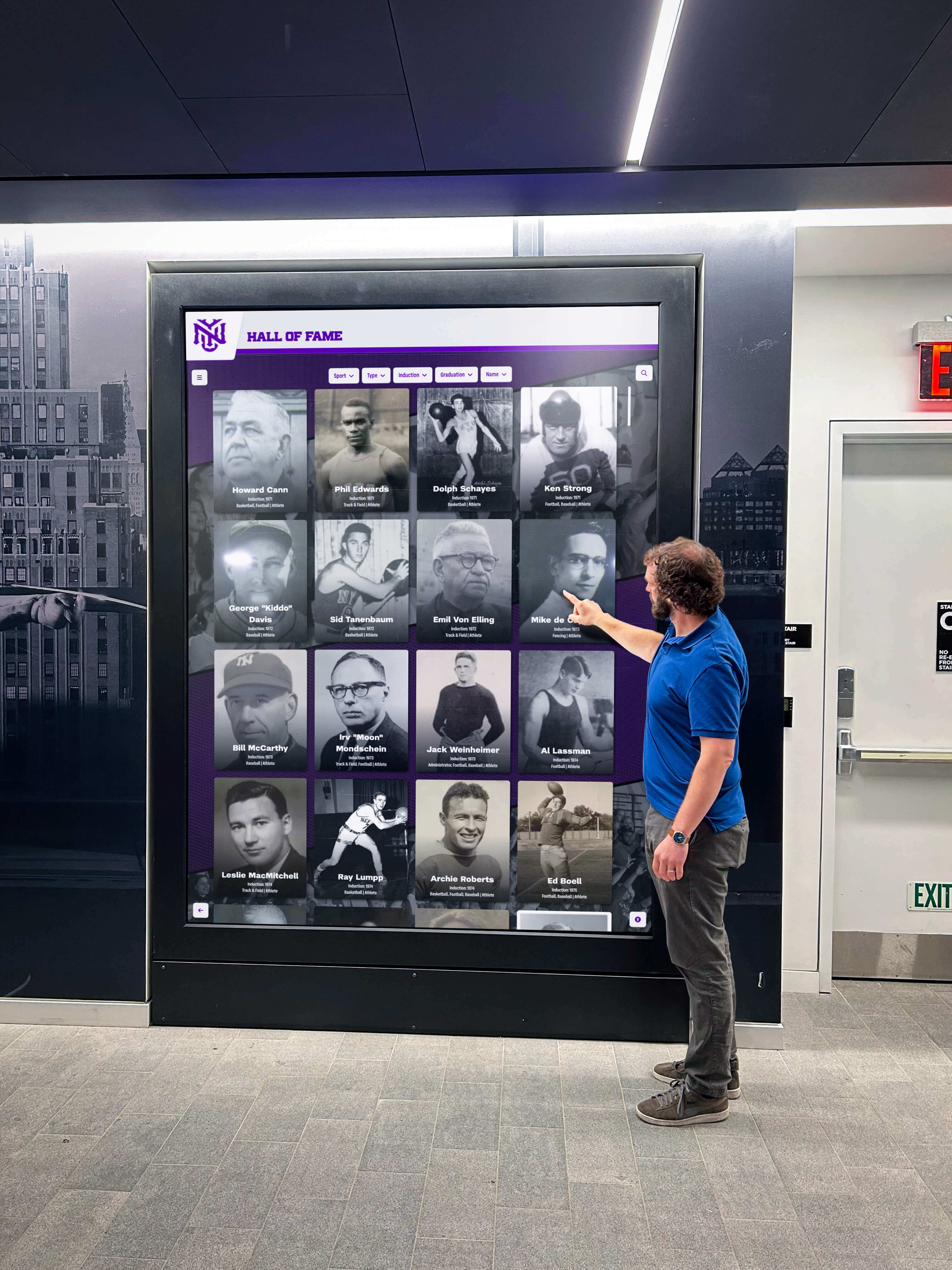
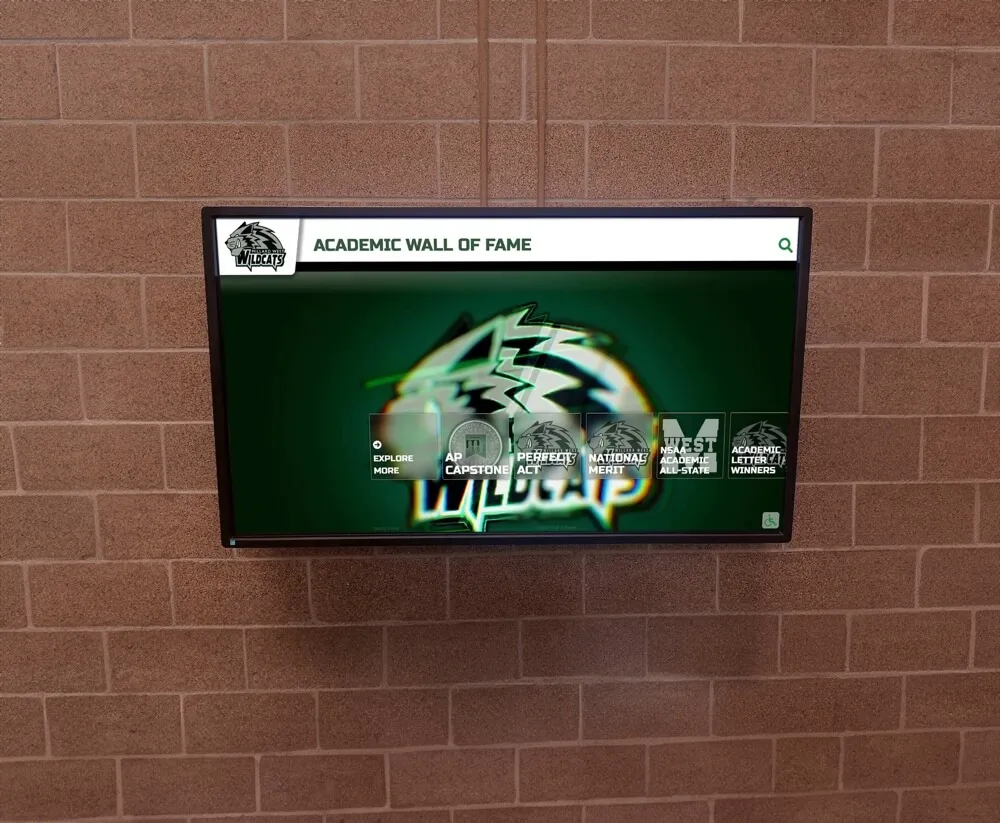
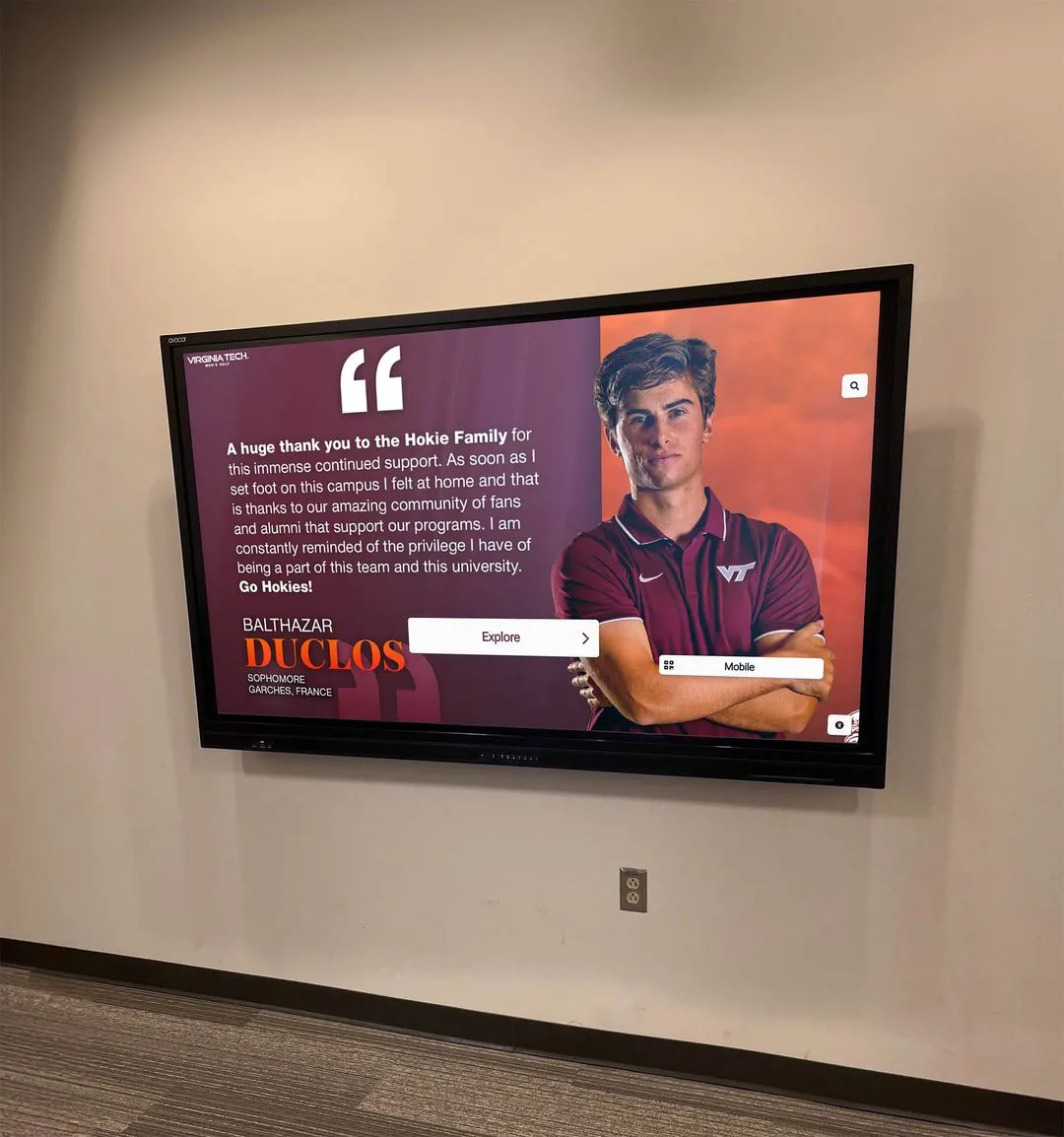
Modern displays enable students to explore academic achievement pathways and see recognition of past valedictorians
Increasing Academic Rigor Strategically
Sophomore year enables progression toward maximum course difficulty:
Ramping Up Advanced Courses
- Add 1-2 more honors or AP courses beyond freshman load
- Target advanced courses in strongest subject areas
- Consider AP courses with manageable workload (Psychology, Environmental Science, Human Geography)
- Maintain some standard courses preventing overwhelming schedule
- Ensure core prerequisites enable junior/senior year advanced options
Subject-Specific Strategies
Mathematics Progression
- Stay on track or accelerate toward AP Calculus senior year
- Consider summer courses enabling acceleration without school-year overload
- Master fundamentals thoroughly as higher math builds cumulatively
- Seek additional help immediately if concepts become unclear
Science Sequence Planning
- Complete biology, chemistry, physics providing AP options later
- Consider which AP sciences align with college major interests
- Balance lab time commitment with other schedule demands
- Build strong foundation enabling upper-level success
Humanities and Social Studies
- Begin AP options in strength areas (English Language, World History)
- Develop writing skills essential for all advanced coursework
- Build reading stamina and comprehension for complex texts
- Engage deeply with material rather than superficial memorization
Developing Academic Relationships
Strategic relationship-building supports long-term success:
Teacher Connections
- Demonstrate genuine interest and engagement in classes
- Ask thoughtful questions showing intellectual curiosity
- Seek feedback on how to improve performance
- Build rapport enabling strong recommendation letters later
- Communicate proactively about challenges or circumstances affecting work
Peer Study Networks
- Form study groups with serious, motivated classmates
- Create positive peer pressure toward excellence
- Share effective strategies and resources
- Build collaborative rather than cutthroat competitive culture
- Maintain friendships supporting rather than undermining goals
Counselor Partnership
- Meet regularly to review transcript and progress toward goals
- Discuss course selection strategy for upcoming years
- Understand calculation methods and current class rank standing
- Seek guidance on academic challenges or strategic decisions
- Build relationship enabling advocacy throughout high school
Junior Year: Peak Performance and Strategic Positioning
Third year represents the most crucial period for valedictorian candidacy as course rigor peaks while college preparation intensifies.
Managing Maximum Course Rigor
Junior year typically features heaviest advanced course loads:
Optimal Course Load Strategy
- 4-6 AP or IB courses depending on school offerings and personal capacity
- Continued enrollment in core subjects at highest available level
- Strategic elective selection supporting GPA and interests
- Realistic assessment of sustainable workload
- Willingness to adjust if overwhelming becomes unmanageable
Time Management at Peak Intensity
Junior year demands sophisticated scheduling:
- Detailed weekly planning accommodating all assignments and study
- Strategic prioritization when multiple demands conflict
- Efficient study techniques maximizing limited time
- Occasional saying “no” to social activities maintaining academic focus
- Sleep prioritization as foundation for cognitive performance
- Stress management preventing burnout
Warning Signs of Unsustainable Pace
- Consistent sleep deprivation (less than 7 hours nightly)
- Declining grades despite increased effort
- Physical symptoms (headaches, illness, exhaustion)
- Emotional distress, anxiety, or depression
- Complete abandonment of activities once enjoyed
- Relationship strain with family and friends

Recognition systems inspire current students while celebrating those who achieved academic excellence through balanced approaches
If experiencing these warning signs, reassess priorities and seek support from counselors, parents, or mental health professionals. Valedictorian status never justifies compromising health and well-being.
Standardized Testing Strategy
Junior year includes SAT/ACT preparation and testing:
Balancing Test Prep with GPA Maintenance
- Begin standardized test preparation early in junior year
- Take practice tests identifying areas needing focus
- Consider test prep courses or tutoring if needed
- Schedule tests strategically around school demands
- Remember GPA remains primary for valedictorian; test scores secondary
- Don’t sacrifice school performance for standardized test obsession
Strategic Test Timing
- Take initial SAT/ACT fall or winter junior year
- Retake spring junior year if needed for improvement
- Complete testing by end of junior year if possible
- Avoid senior year testing distracting from coursework
- Consider subject tests if required by target colleges
Monitoring Class Rank Position
Junior year requires regular rank monitoring:
Tracking Your Standing
- Request updated class rank each semester
- Understand proximity to top position
- Calculate GPA needed to reach or maintain valedictorian status
- Identify competitors and their likely course trajectories
- Adjust strategy if falling behind pace needed for top rank
Strategic Adjustments Based on Position
If currently ranked first:
- Maintain performance preventing losses to competitors
- Continue rigorous courses demonstrating sustained excellence
- Don’t become complacent assuming position secure
- Remember senior year grades still count
If currently ranked second or third:
- Calculate whether catching leader remains mathematically possible
- Understand what performance level achieves necessary gains
- Consider whether pursuit justifies required sacrifice
- Recognize value of salutatorian or top-tier ranking regardless
- Maintain perspective that colleges value achievement beyond rank number
Explore academic recognition beyond valedictorian in academic honors programs celebrating diverse paths to excellence.
Senior Year: Finishing Strong and Avoiding Senioritis
Final year requires sustained performance despite decreasing motivation as graduation approaches.
Maintaining Academic Performance Through Graduation
Senior year GPA directly impacts final class rank calculation:
The Senioritis Danger After college acceptances arrive, many students experience:
- Dramatic motivation decline
- Reduced study time and effort
- Increased absences and tardiness
- Late or incomplete assignments
- Declining test performance
- Focus shift to social activities and celebration
For valedictorian candidates, senioritis proves particularly dangerous as competitors maintaining performance can surpass those coasting to finish line.
Strategies for Sustained Performance
First Semester Focus
- Treat fall semester with same intensity as junior year
- Remember colleges see first semester senior grades
- Maintain rigorous course load demonstrating continued challenge
- Use college application process as additional motivation
- Celebrate acceptances but immediately refocus on coursework
Second Semester Discipline
- Recognize these grades determine final valedictorian calculation
- Maintain study habits even after college decisions finalized
- Remember classmates competing for top rank won’t coast
- Use pride and personal standards as motivation when external pressure decreases
- Focus on learning and growth beyond just grade preservation
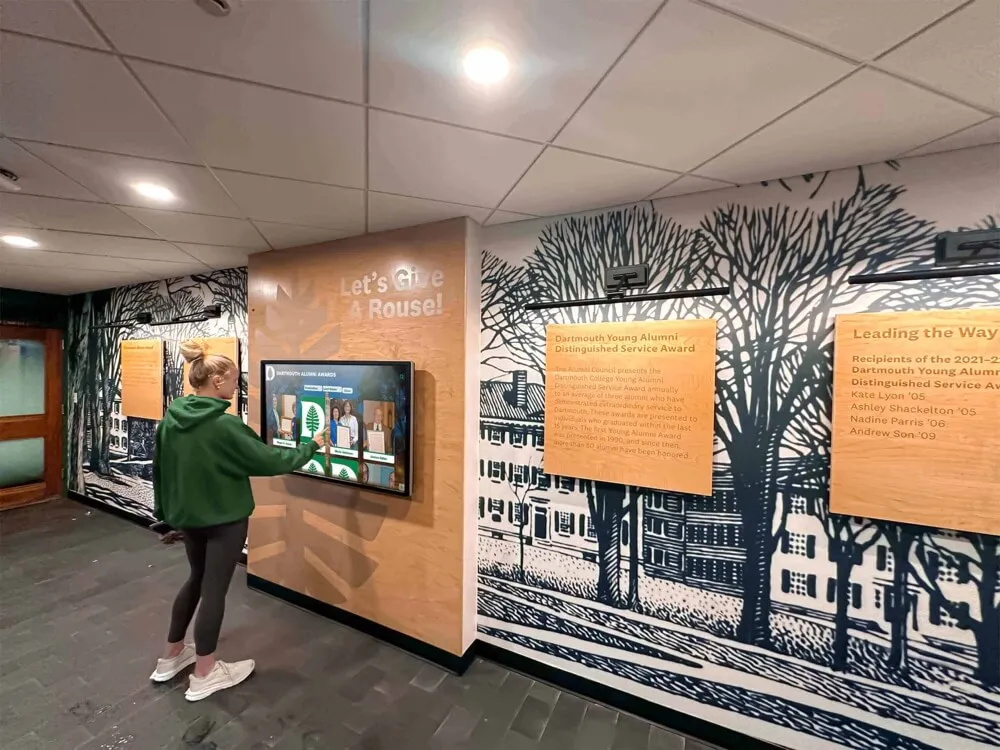
Recognition displays document complete high school journeys from freshman goals through senior year achievement
Course Selection for Final Year
Senior year course selection requires careful planning:
Maximizing GPA While Demonstrating Rigor
- Continue advanced courses in core subjects
- Consider AP courses with favorable grading and weighting
- Balance challenging courses with sustainable workload
- Avoid senior year overload leading to performance decline
- Select courses genuinely interesting maintaining motivation
- Fulfill graduation requirements needing completion
Strategic Considerations for Different Scenarios
If comfortably ahead in class rank:
- Maintain rigorous schedule preventing criticism of easy senior year
- Consider courses interesting and valuable beyond GPA impact
- Balance college preparation with high school performance
- Don’t assume position secure and coast prematurely
If competing for top position:
- Optimize every course for maximum GPA impact
- Consider additional weighted courses if can maintain A grades
- Avoid unnecessary risks in subjects of potential weakness
- Strategic elective selection supporting overall average
- Regular monitoring ensuring strategy working as intended
Preparing for Valedictorian Responsibilities
If achieving valedictorian status, final semester includes speech preparation:
Crafting the Valedictory Address
- Brainstorm themes, memories, and messages resonating with class
- Draft speech early allowing multiple revisions
- Seek feedback from teachers, counselors, family
- Balance humor with substance and sincerity
- Include acknowledgment of classmates, teachers, families
- Keep length appropriate (typically 5-10 minutes)
- Practice delivery achieving comfort with material
Managing Pressure and Expectations
- Recognize many will offer opinions and advice
- Stay authentic to your voice and message
- Remember speech represents culmination of academic journey
- Use honor as opportunity for meaningful reflection
- Enjoy moment while remaining humble and gracious
Balancing Valedictorian Pursuit with Well-Rounded Development
Achieving valedictorian status while remaining healthy, happy, and well-rounded requires intentional balance.
The Importance of Extracurricular Activities
Colleges value well-rounded students, and personal development requires experiences beyond academics:
Strategic Activity Participation
- Choose 2-4 activities matching genuine interests
- Pursue depth and leadership rather than resume padding
- Select activities providing breaks from academic intensity
- Consider time commitment realistically within schedule
- Build meaningful skills and relationships through participation
Activities That Complement Academic Goals
- Academic clubs (Science Olympiad, Math League, Debate)
- Leadership positions (student government, club offices)
- Community service demonstrating character and values
- Creative pursuits providing expressive outlets
- Athletics or physical activities supporting health
Quality participation in selected activities proves more valuable than superficial involvement in numerous organizations.
Maintaining Mental Health and Well-Being
Academic excellence shouldn’t come at expense of mental health:
Warning Signs Requiring Attention
- Persistent anxiety or depression
- Social isolation or withdrawal
- Physical symptoms from stress
- Sleep disruption despite adequate time
- Loss of interest in previously enjoyed activities
- Inability to relax or “turn off” academic worry

Schools create environments celebrating achievement while promoting balanced approaches to success
Mental Health Strategies
- Regular exercise providing stress relief and cognitive benefits
- Adequate sleep as foundation for performance and well-being
- Social connection maintaining friendships and support networks
- Hobbies and interests unrelated to academics
- Mindfulness or meditation practices managing stress
- Professional support from counselors or therapists when needed
- Open communication with parents about pressures and challenges
Remember that no academic achievement justifies compromising mental health. Success built on unsustainable foundations ultimately proves hollow.
Building Relationships and Social Connections
High school represents important period for relationship development:
Maintaining Friendships
- Make time for social activities and friend interactions
- Be fully present when spending time with others
- Share interests and support friends’ goals and activities
- Avoid making every conversation about academic stress
- Participate in school events, dances, games when possible
- Remember relationships matter as much as achievements
Family Relationships
- Communicate honestly about stress and challenges
- Accept support and perspective from parents
- Maintain family time and traditions
- Express appreciation for their encouragement
- Include family in celebrations and successes
- Recognize their pride extends beyond academic achievements
Discover comprehensive recognition in student excellence programs celebrating diverse paths to success.
Study Strategies of Successful Valedictorians
Specific techniques separate top performers from hardworking students who fall short:
Time Management Mastery
Valedictorians excel at maximizing limited time:
Daily and Weekly Planning
- Detailed schedules blocking specific times for assignments
- Prioritization based on deadlines and difficulty
- Buffer time accommodating unexpected challenges
- Consistent routines reducing decision fatigue
- Regular planning sessions reviewing upcoming week
- Digital or paper tools matching personal preferences
Avoiding Time Wasters
- Limited social media during study hours
- Focused work sessions without multitasking
- Strategic break timing preventing burnout
- Elimination of procrastination triggers
- Efficient completion of tasks enabling free time
- Saying “no” to commitments not supporting goals
Advanced Learning Techniques
Effective study methods multiply time investment value:
Active Recall and Spaced Repetition
- Testing yourself rather than passive review
- Regular review sessions preventing forgetting
- Flashcard systems for memorization-heavy subjects
- Practice problems before consulting solutions
- Teaching concepts to others reinforcing understanding
- Pre-testing identifying gaps before formal assessments
Subject-Specific Strategies
Mathematics and Science
- Problem-solving practice as primary study method
- Understanding concepts rather than memorizing steps
- Error analysis learning from mistakes
- Formula derivation ensuring deep comprehension
- Real-world connections making abstract concrete
English and History
- Active reading with annotation
- Outline and summary writing reinforcing comprehension
- Essay practice developing writing skills
- Discussion participation deepening analysis
- Connection-making across texts and time periods
Foreign Languages
- Daily practice maintaining skills
- Immersion through media in target language
- Speaking practice overcoming passive understanding
- Vocabulary building through context and review
- Cultural connection enhancing motivation
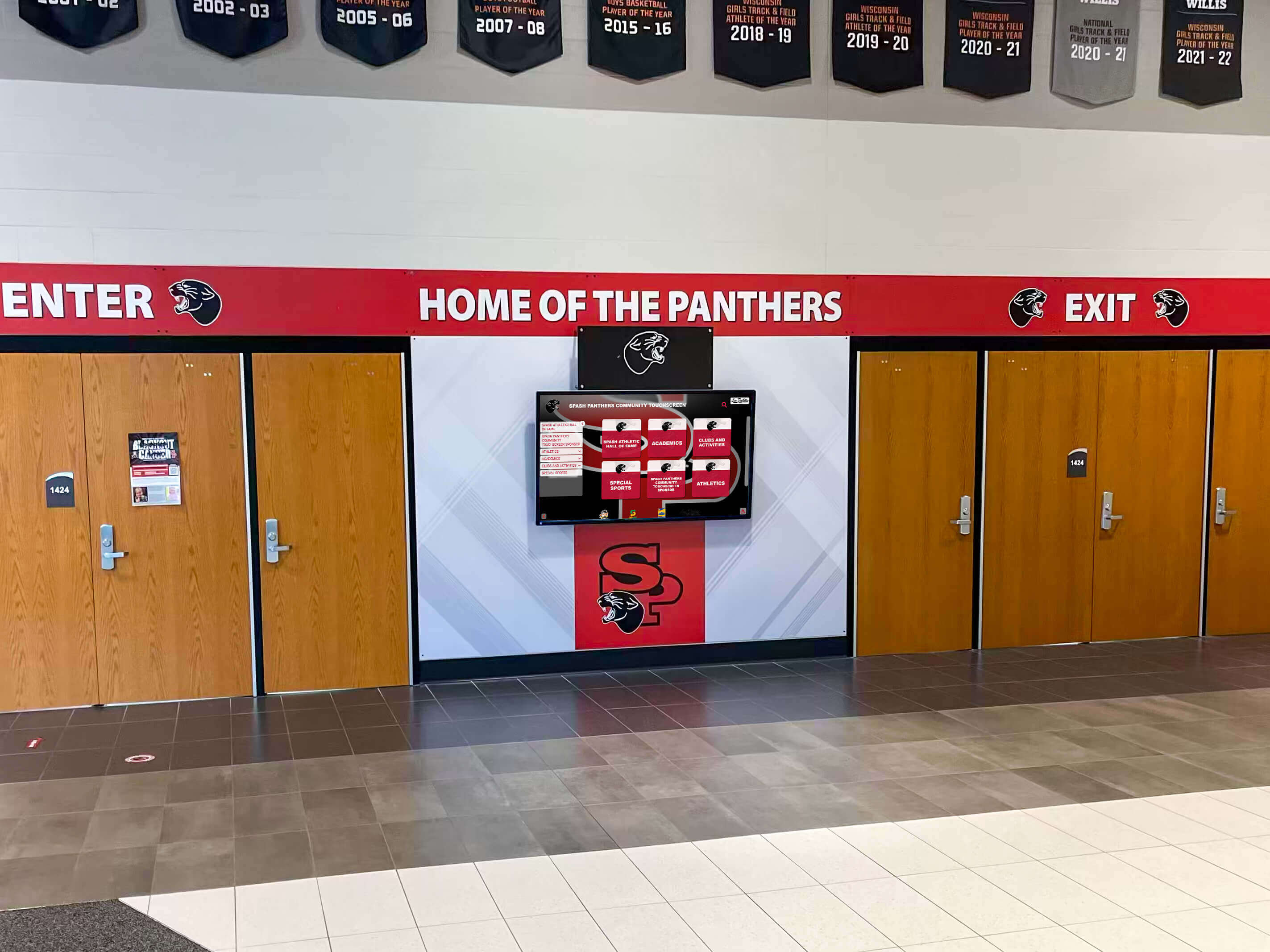
Prominent recognition displays inspire daily as students pass through school, reinforcing achievement culture
Seeking Help Strategically
Top students recognize help-seeking as strength, not weakness:
When to Seek Assistance
- Immediately when concepts become unclear
- Before struggling impacts test performance
- When efficient self-study proves insufficient
- During life circumstances affecting focus
- When balancing demands becomes overwhelming
Resources to Utilize
- Teacher office hours and extra help sessions
- Peer tutoring programs
- Professional tutoring for challenging subjects
- Online resources and educational platforms
- Study groups with strong students
- Counselors for academic planning and support
Pride should never prevent seeking help that enables continued high performance.
Common Challenges and How to Overcome Them
Even with strong planning, obstacles inevitably arise:
Handling Academic Setbacks
Everyone experiences occasional poor performance:
Recovering from Poor Grades
- Accept disappointment without catastrophizing impact
- Analyze what went wrong and how to prevent recurrence
- Calculate actual GPA impact (usually less dramatic than feared)
- Implement improvements immediately in that subject
- Maintain performance in other classes
- Use setback as motivation for renewed focus
Preventing Spiral Effects One poor grade can trigger broader decline if not managed:
- Isolate the problem to specific circumstance
- Avoid generalized “I’m not good at school” thinking
- Maintain confidence in overall capabilities
- Use support systems during discouragement
- Remember single grades rarely determine outcomes
- Focus on controllable improvements going forward
Managing Competition with Peers
Healthy competition motivates; unhealthy competition damages:
Maintaining Perspective
- Recognize multiple students can achieve excellence
- Celebrate peers’ successes alongside your own
- Avoid zero-sum competitive thinking
- Focus on personal performance rather than others'
- Remember colleges, careers, and life offer many top positions
- Build collaborative rather than cutthroat relationships
When Rank Becomes Unhealthy Obsession If valedictorian pursuit damages relationships or well-being:
- Reassess whether goal serves your authentic values
- Consider that salutatorian or top-tier ranking also represents exceptional achievement
- Remember colleges care about overall application strength
- Recognize success exists beyond single high school designation
- Seek perspective from trusted adults about priorities
- Be willing to adjust goals protecting mental health
Dealing with External Pressures
Family and school expectations can become burdensome:
Communicating with Parents
- Express appreciation for their support and encouragement
- Honestly discuss pressures and stress levels
- Share when expectations feel overwhelming
- Include them in successes and challenges
- Establish boundaries protecting your well-being
- Remember most pressure comes from love and hopes for your future
Managing Teacher and Counselor Expectations
- Accept that high performance creates higher expectations
- Communicate proactively about challenges
- Request support rather than suffering silently
- Clarify realistic goals versus others’ assumptions
- Remember teachers ultimately want your success and happiness
Life After Valedictorian: Long-Term Perspective
Understanding valedictorian impact on future helps maintain appropriate perspective:
College Admissions Reality
Valedictorian status helps college applications but doesn’t guarantee admission:
How Colleges View Class Rank
- Consider valedictorian as strong positive factor
- Evaluate rank within context of school competitiveness
- Value overall application strength beyond single designation
- Recognize many applicants bring valedictorian status
- Assess fit, character, potential beyond rank
- Consider holistic factors including essays, recommendations, activities
The Broader Picture Elite college admissions remain unpredictable even for valedictorians. Focus on building strongest overall application including:
- Intellectual curiosity and genuine learning passion
- Leadership and impact in activities
- Compelling personal story and authentic voice
- Strong relationships yielding excellent recommendations
- Well-rounded character and personal qualities
Explore how schools celebrate achievement in digital recognition systems preserving student accomplishments permanently.
Beyond the Title: Skills That Matter
The discipline developing valedictorian capability provides lasting value:
Transferable Competencies
- Work ethic and consistent performance capacity
- Time management and prioritization skills
- Goal-setting and long-term planning abilities
- Resilience and recovery from setbacks
- Help-seeking and resource utilization
- Balancing multiple competing demands
These capabilities prove valuable throughout college, careers, and life regardless of whether you ultimately achieved top rank.
Perspective on Achievement Years after graduation, most valedictorians reflect that:
- The skills developed matter more than the title itself
- Relationships and experiences prove equally valuable
- Balance and well-being shouldn’t be sacrificed for achievement
- Many paths lead to success and fulfillment
- Personal growth matters more than competitive victories
- The journey teaches more than the destination
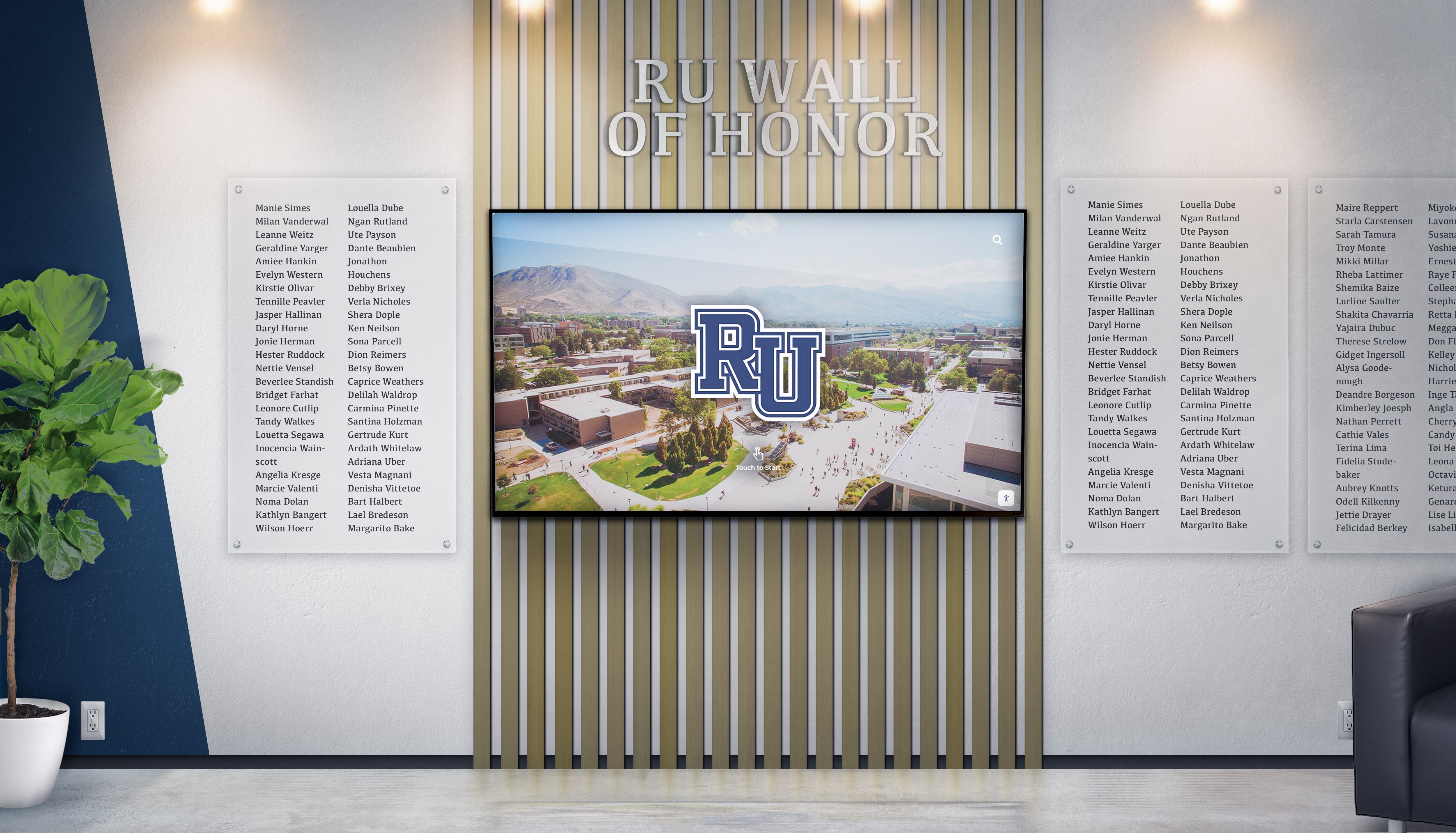
Schools preserve valedictorian legacies through permanent recognition alongside all student achievements
Conclusion: Achieving Academic Excellence with Balance
Becoming valedictorian represents an ambitious, achievable goal for students willing to combine strategic planning with sustained effort across four high school years. From freshman year foundation-building through senior year’s final performance, the journey demands consistent excellence, thoughtful course selection, effective study strategies, and unwavering commitment to academic priorities.
Yet the most successful valedictorian candidates recognize that achieving top rank shouldn’t come at the expense of personal development, relationships, mental health, or genuine learning. The strategies explored in this guide emphasize sustainable approaches balancing academic performance with well-rounded growth—building excellence through efficient methods rather than unsustainable sacrifice.
Celebrate Academic Excellence in Your School
Discover how modern digital recognition solutions help schools honor valedictorians alongside all student achievements through comprehensive displays providing unlimited capacity, engaging interactive exploration, and permanent documentation inspiring current and future students.
Solutions like Rocket Alumni Solutions enable schools to showcase valedictorian legacies alongside academic honors, athletic achievements, and student accomplishments—creating environments where excellence receives the visibility and celebration it deserves.
Whether you ultimately achieve valedictorian status, the discipline and capabilities developed through the pursuit create foundations for college success, career achievement, and lifelong learning. The study habits, time management skills, goal-setting capacity, and resilience built during high school serve you far beyond graduation day.
Remember that while valedictorian represents the highest academic honor your high school can confer, many measures of success exist. Salutatorian, top ten ranking, honor roll recognition, and countless other achievements all represent exceptional accomplishment worthy of pride. Focus on becoming your best self rather than simply beating others—excellence pursued for intrinsic satisfaction rather than external validation ultimately proves most meaningful.
Start today by clarifying your school’s ranking methodology, developing strategic course plans with your counselor, establishing effective study habits, and building sustainable approaches to academic excellence. Every A earned, every concept mastered, and every challenge overcome moves you closer to your goals while building capabilities serving you throughout life.
Your academic journey matters more than any single title. Pursue excellence with passion, maintain balance with wisdom, celebrate achievements with gratitude, and embrace growth with curiosity. Whether you ultimately deliver the valedictory speech or celebrate classmates’ success, the person you become through the journey represents the achievement that truly endures.
Ready to learn more? Explore academic recognition best practices or discover how schools celebrate student achievement comprehensively honoring diverse paths to excellence.