Students who consistently demonstrate academic excellence deserve recognition that extends beyond report card grades. Honor roll certificate programs provide schools with systematic frameworks for celebrating achievement, motivating continued excellence, and creating visible evidence of academic success. When students receive formal recognition—whether through printed certificates, digital displays, or comprehensive recognition systems—they experience validation that reinforces positive academic behaviors while inspiring peers to pursue similar accomplishments.
Yet many schools struggle with honor roll certificate programs that feel outdated, inconsistent, or insufficient to truly honor student achievement. Printed certificates disappear into drawers, bulletin board displays become stale after a few weeks, and recognition systems require excessive administrative time that overworked staff simply don’t have. Meanwhile, students achieving remarkable academic success across diverse paths—from straight-A excellence to significant improvement from challenging starting points—may go unrecognized because programs focus narrowly on traditional metrics.
This comprehensive guide explores evidence-based strategies for designing and implementing honor roll certificate programs that meaningfully celebrate academic achievement across all student populations. From establishing fair criteria and efficient data collection to creating modern recognition systems that maintain visibility throughout the year, these approaches help schools honor excellence while building cultures where academic success becomes celebrated, visible, and attainable for all students.
Effective honor roll certificate programs create lasting impact extending far beyond the certificates themselves. When schools systematically acknowledge academic achievement through well-designed recognition systems, they communicate institutional values, motivate students across all grade levels, build positive academic cultures, engage families in celebrating success, and create traditions connecting students across graduating classes.

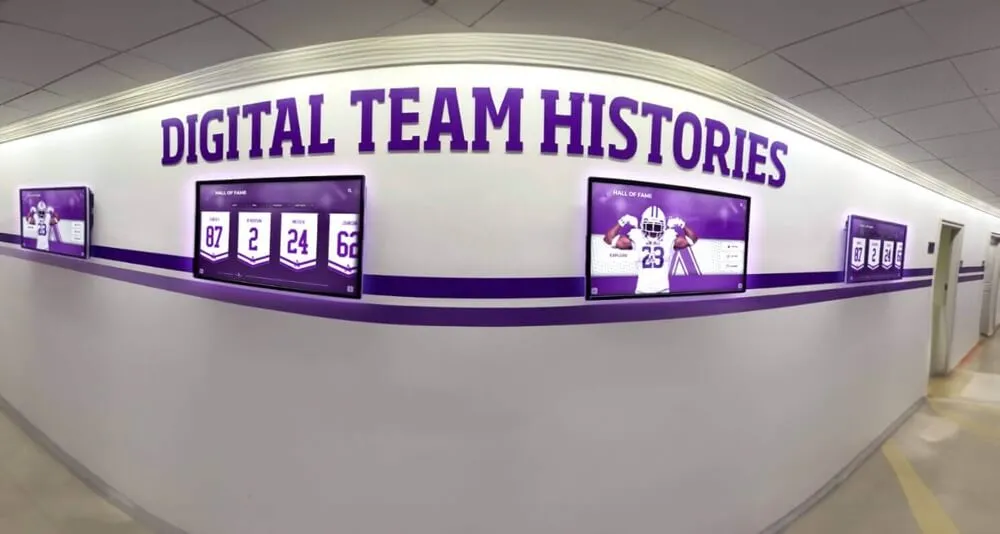
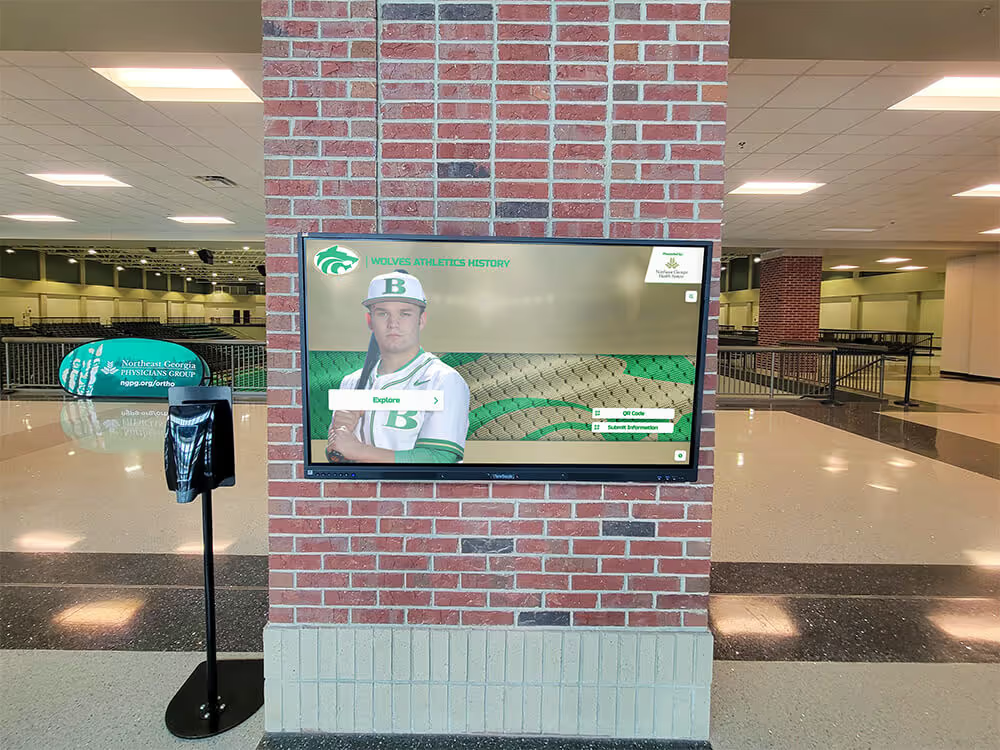
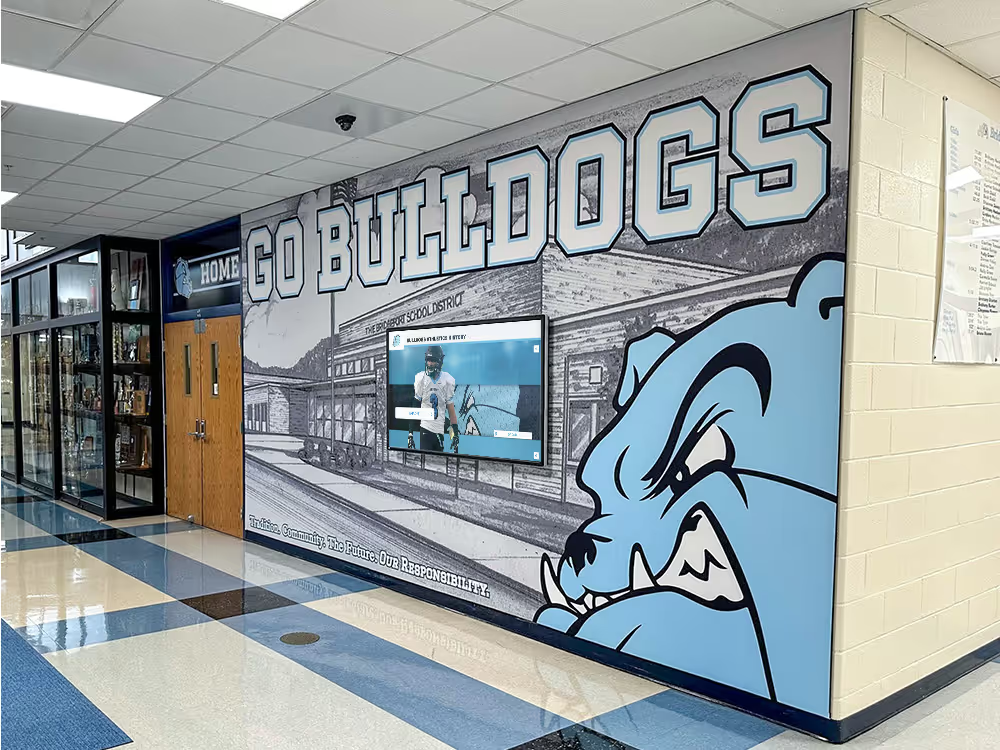
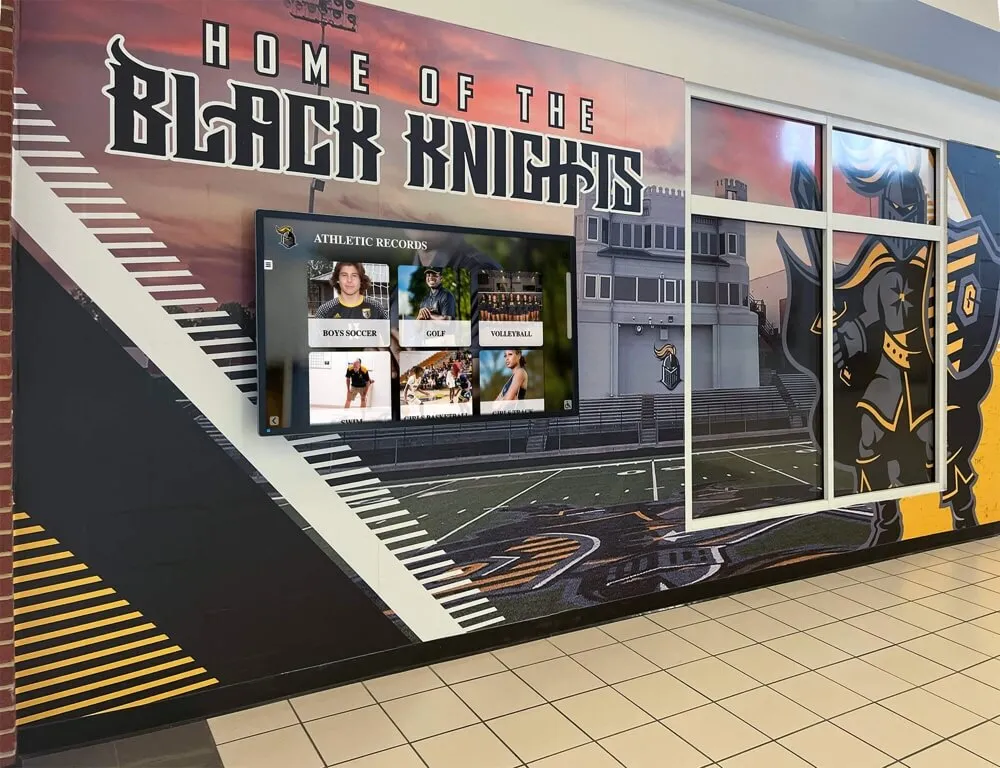
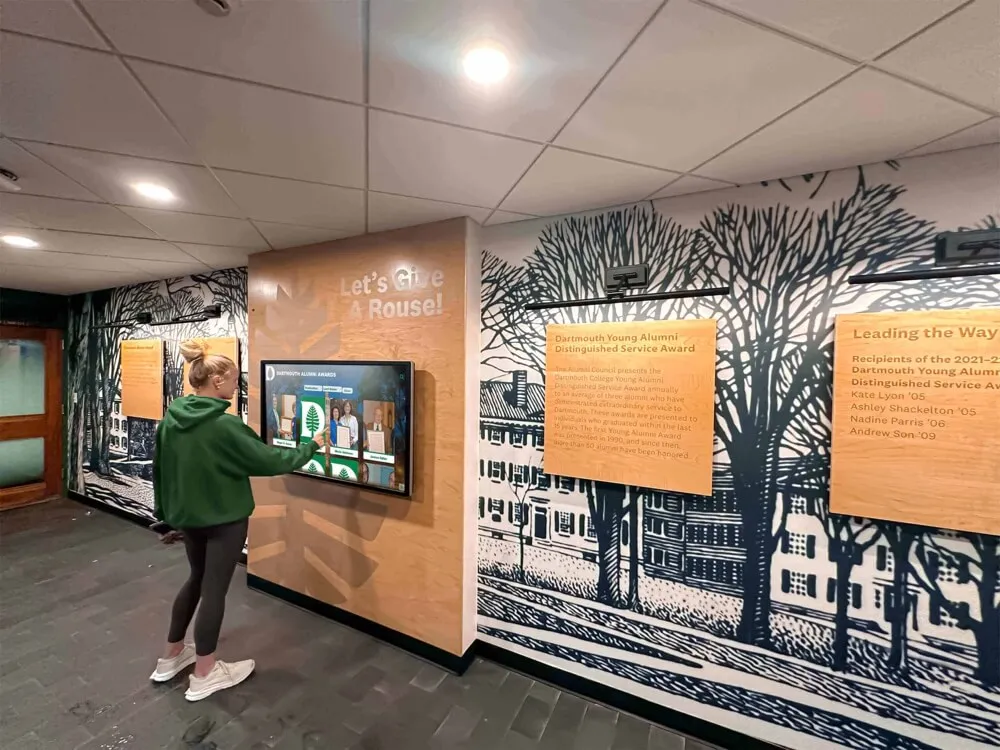
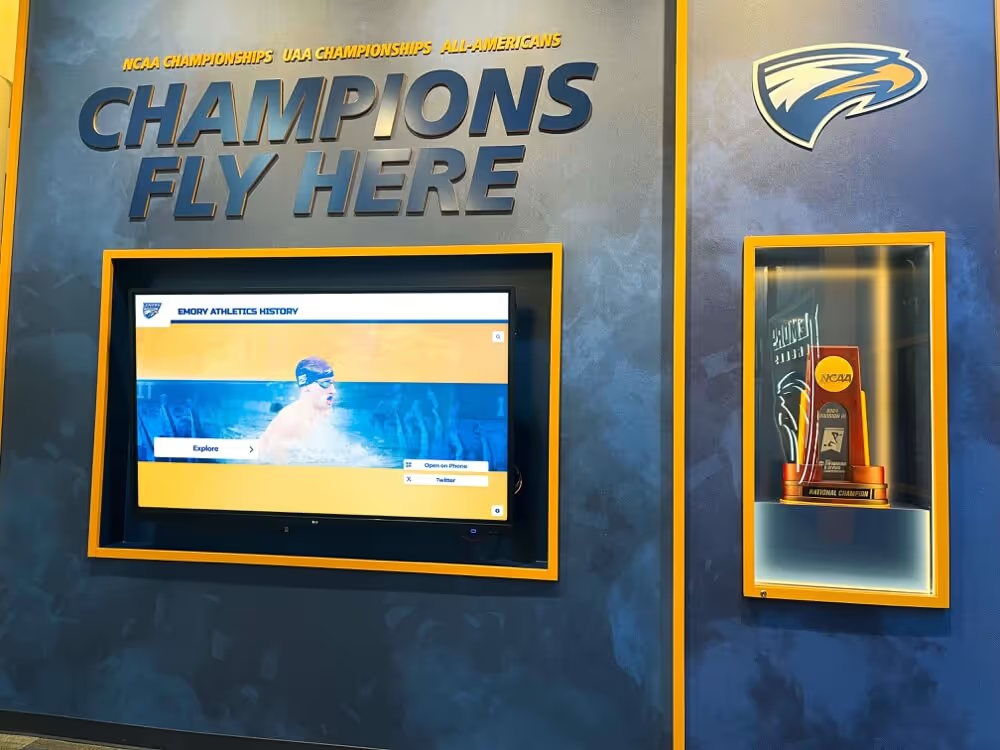
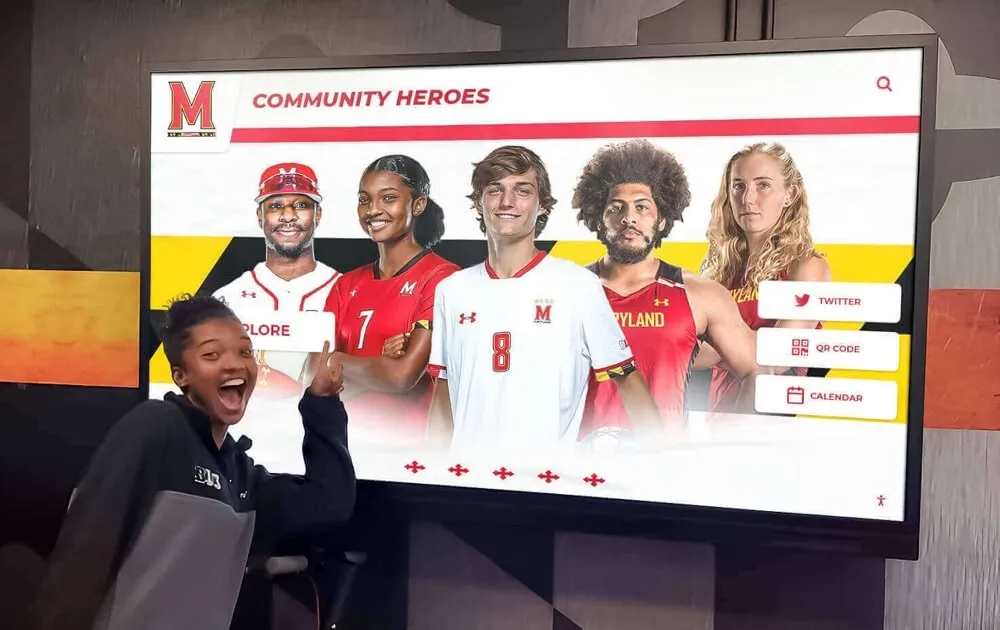
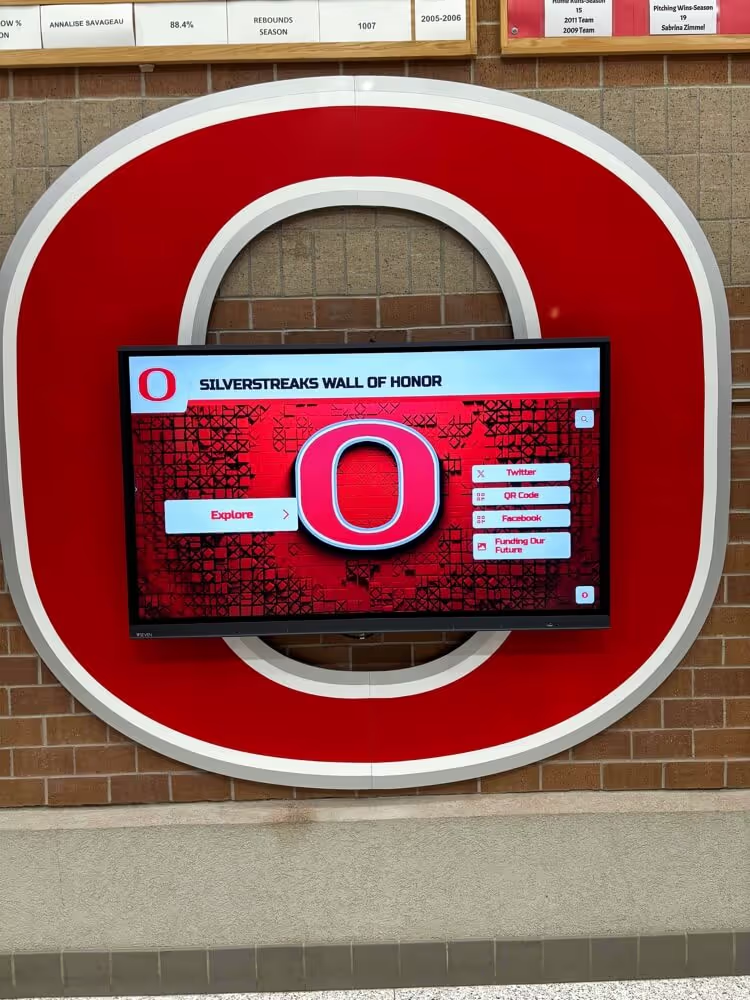
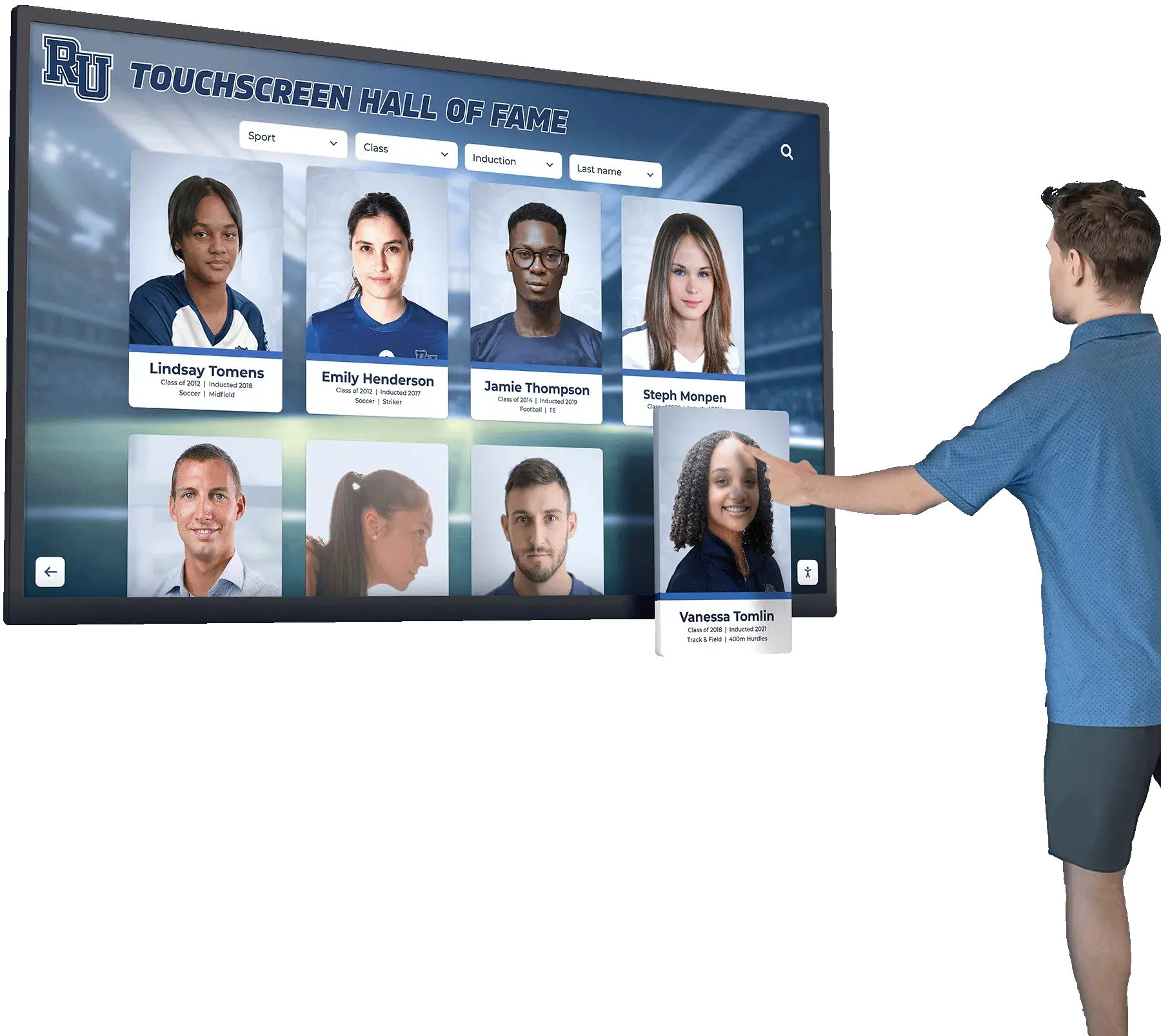
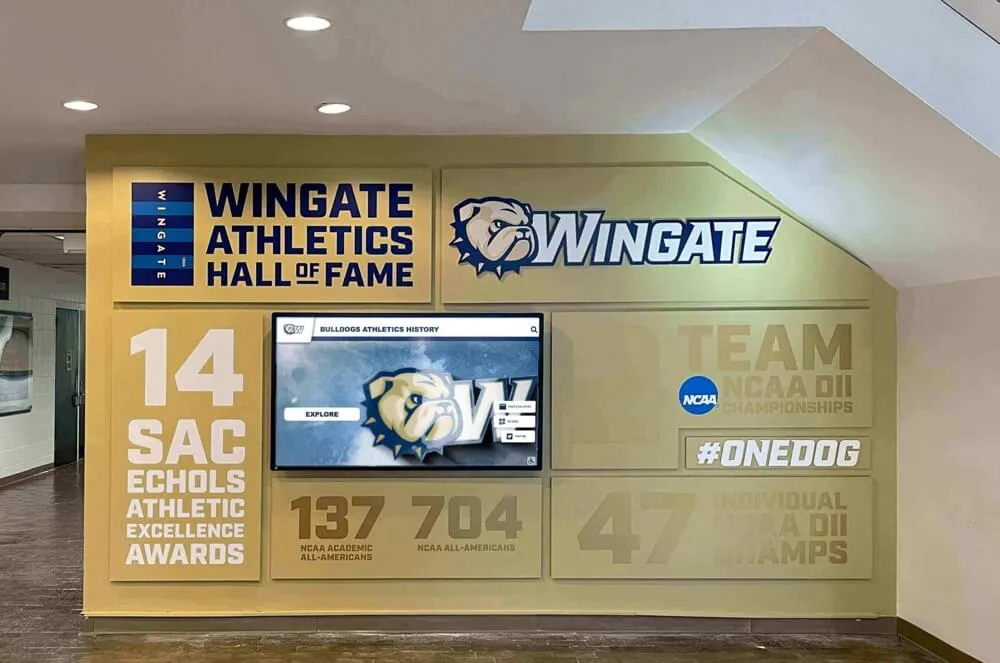
Modern honor roll certificate programs combine traditional recognition with digital displays that maintain year-round visibility for academic achievements
Understanding Honor Roll Certificate Programs
Before implementing or enhancing honor roll recognition, schools should understand what makes certificate programs effective and meaningful.
The Purpose and Value of Academic Recognition
Honor roll certificates serve multiple important functions in educational environments:
Motivation and Goal-Setting Students benefit from clear academic targets:
- Specific GPA thresholds create tangible goals students work toward throughout marking periods
- Recognition levels ensure achievement opportunities exist across performance ranges
- Public acknowledgment reinforces behaviors schools value most
- Certificate programs provide structure making excellence feel attainable
- Anticipation of recognition increases engagement with coursework and learning
Educational research consistently demonstrates that students receiving regular academic recognition show higher sustained achievement, increased engagement with challenging coursework, and stronger connections to school community. Recognition creates positive feedback loops where achievement leads to acknowledgment, which motivates continued excellence.
Family Engagement and Pride Certificates facilitate meaningful family connections:
- Formal recognition provides concrete discussion points for academic conversations
- Certificates displayed at home create ongoing reminders of achievement
- Family members can celebrate accomplishments with tangible evidence
- Mailing certificates home demonstrates school investment in student success
- Recognition events create opportunities for families to gather with school community
School Culture Development Honor roll programs shape institutional identity:
- Recognition criteria communicate academic standards and expectations
- Consistent celebration creates shared traditions across grade levels
- Visible acknowledgment demonstrates that achievement matters
- Programs reveal institutional priorities to prospective families
- Alumni returning to campus see traditions they experienced continuing
Schools with robust honor roll certificate programs report stronger achievement-oriented cultures, increased parent satisfaction with academic programs, and enhanced community perception of educational quality.
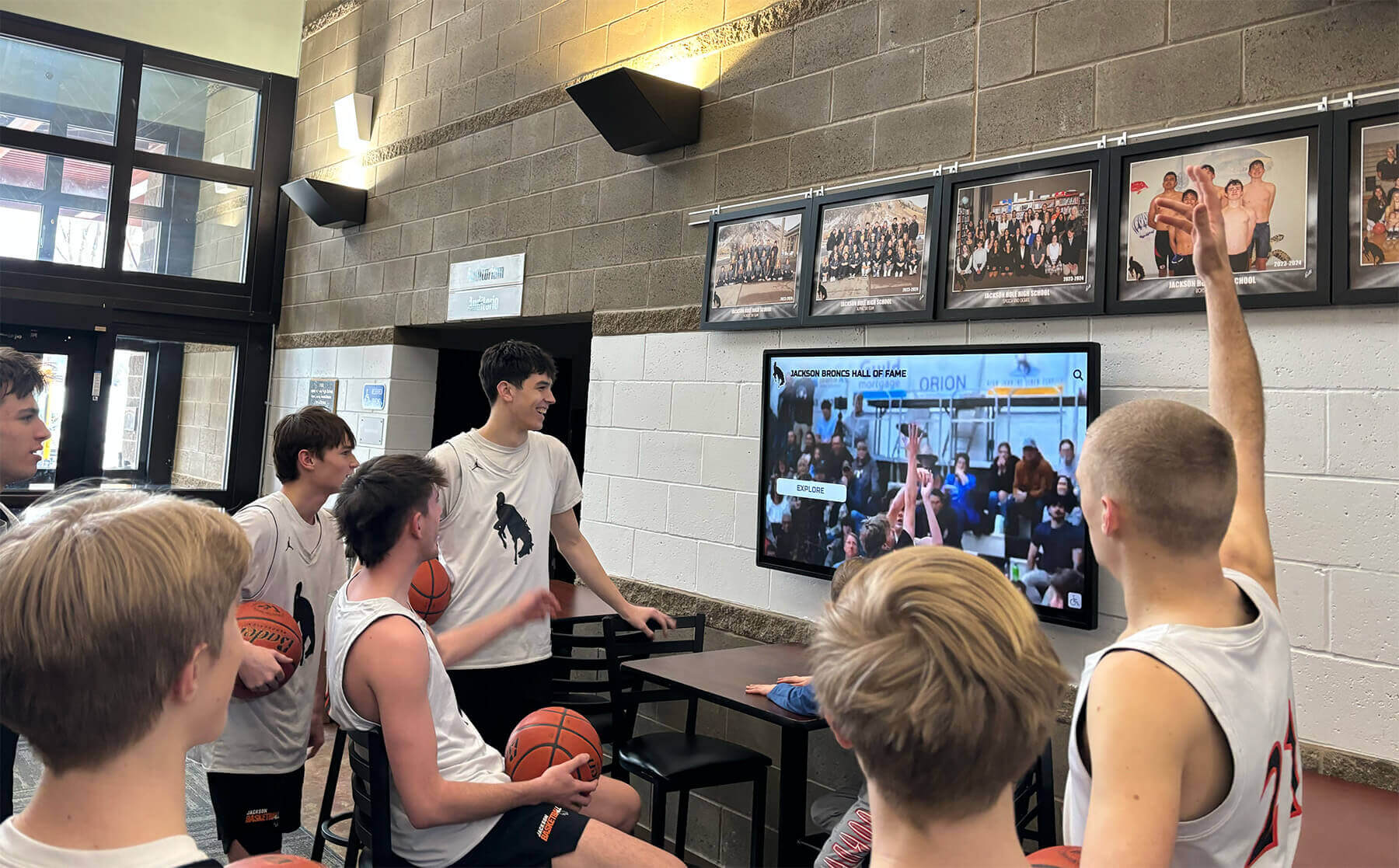
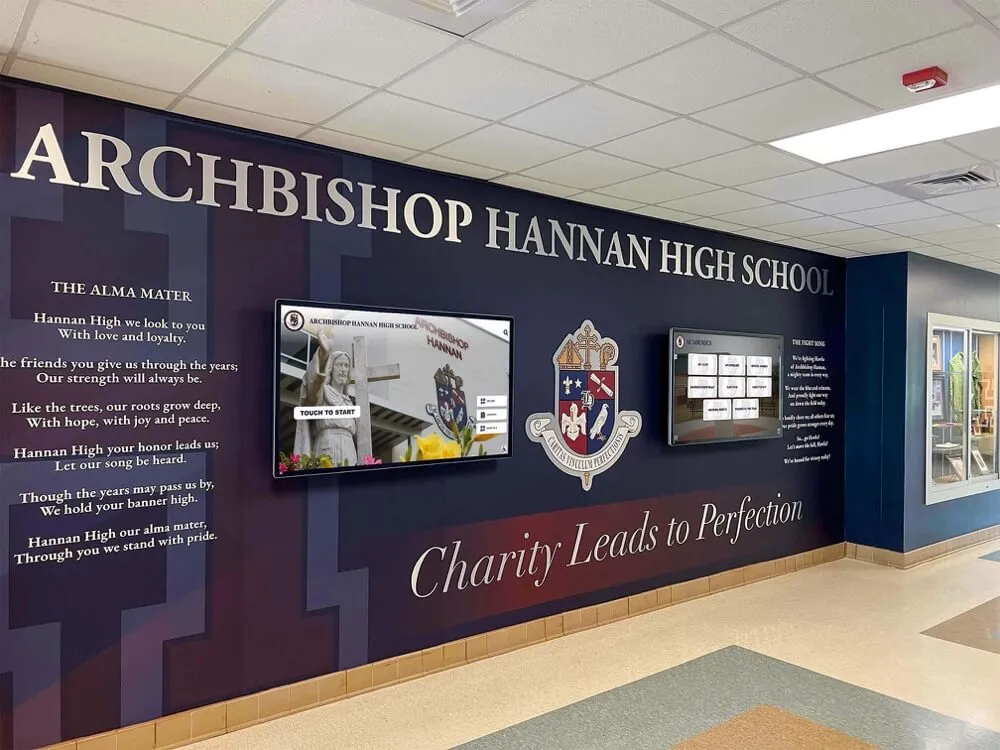
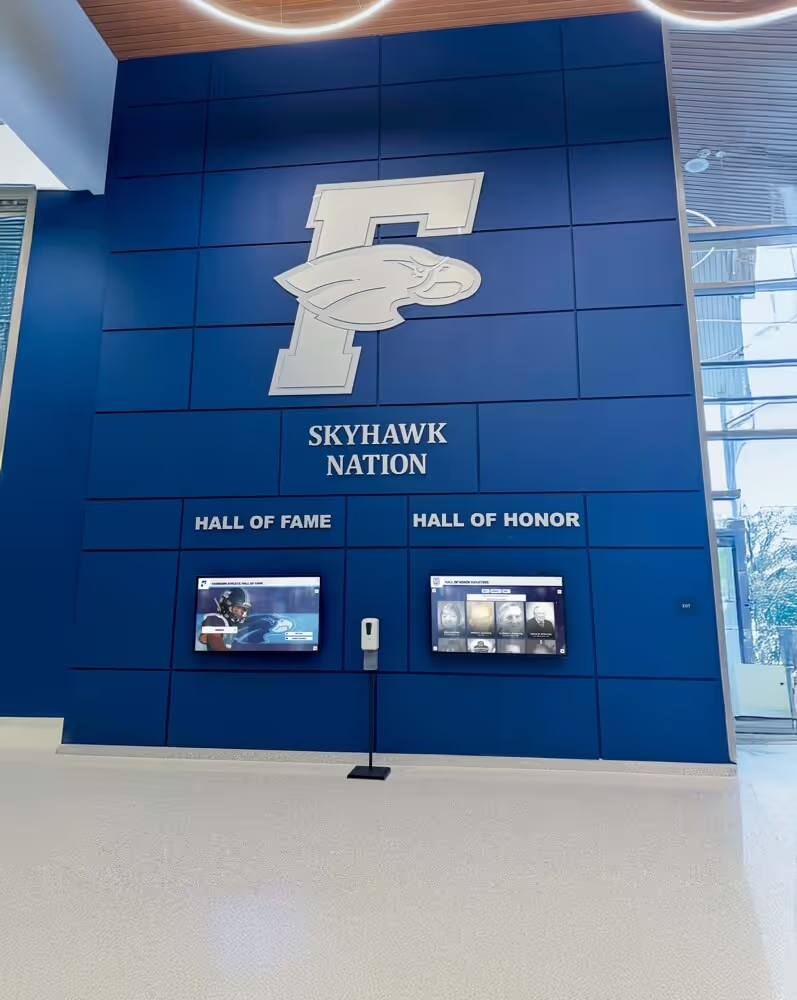
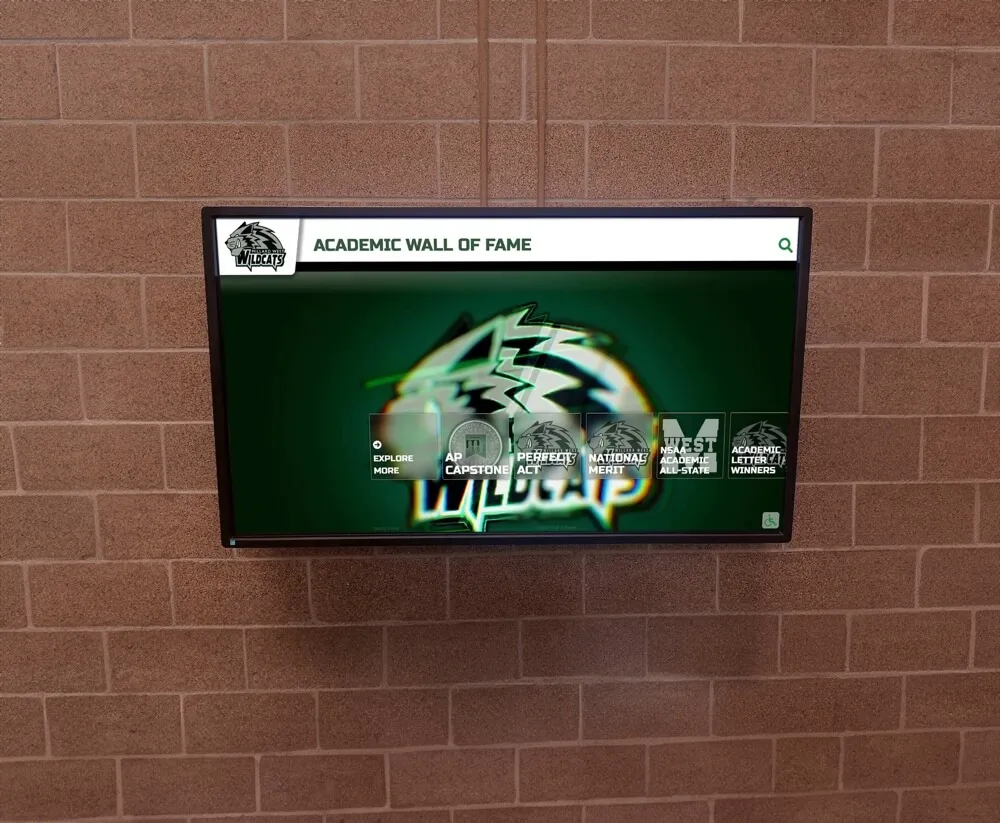
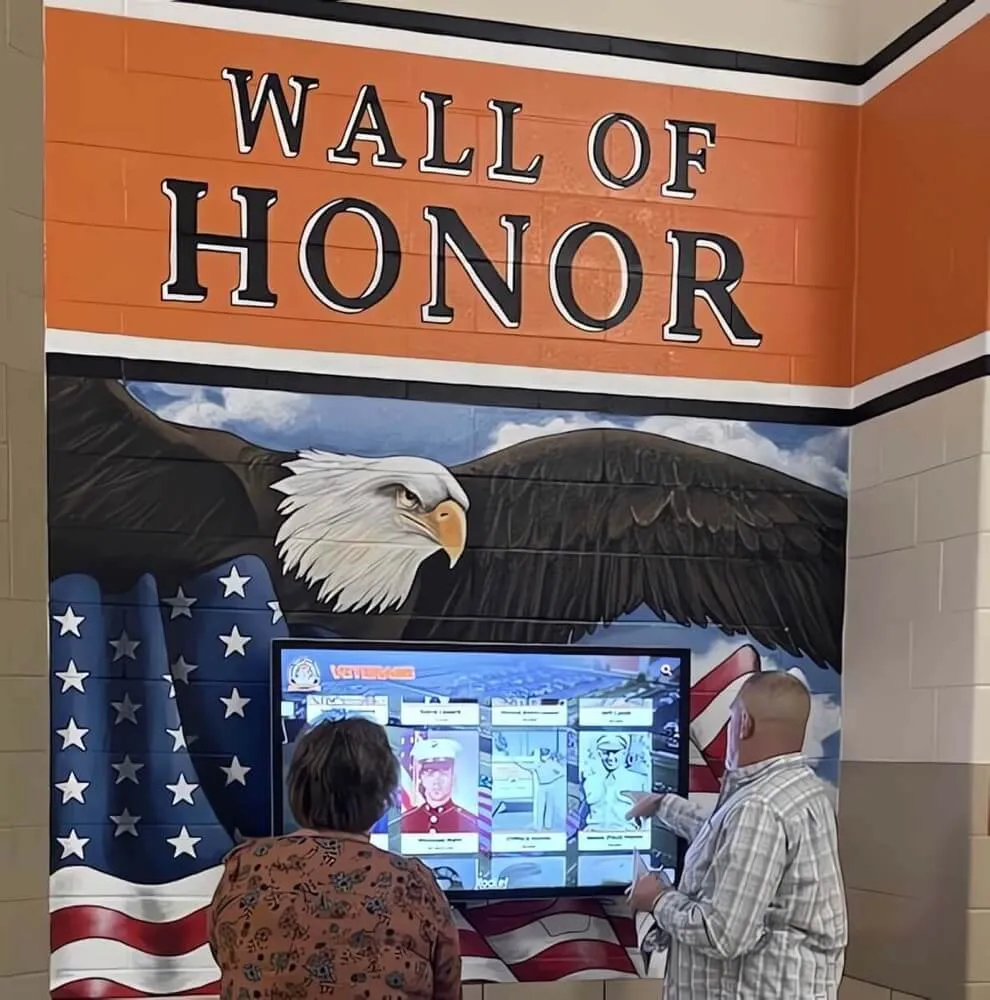
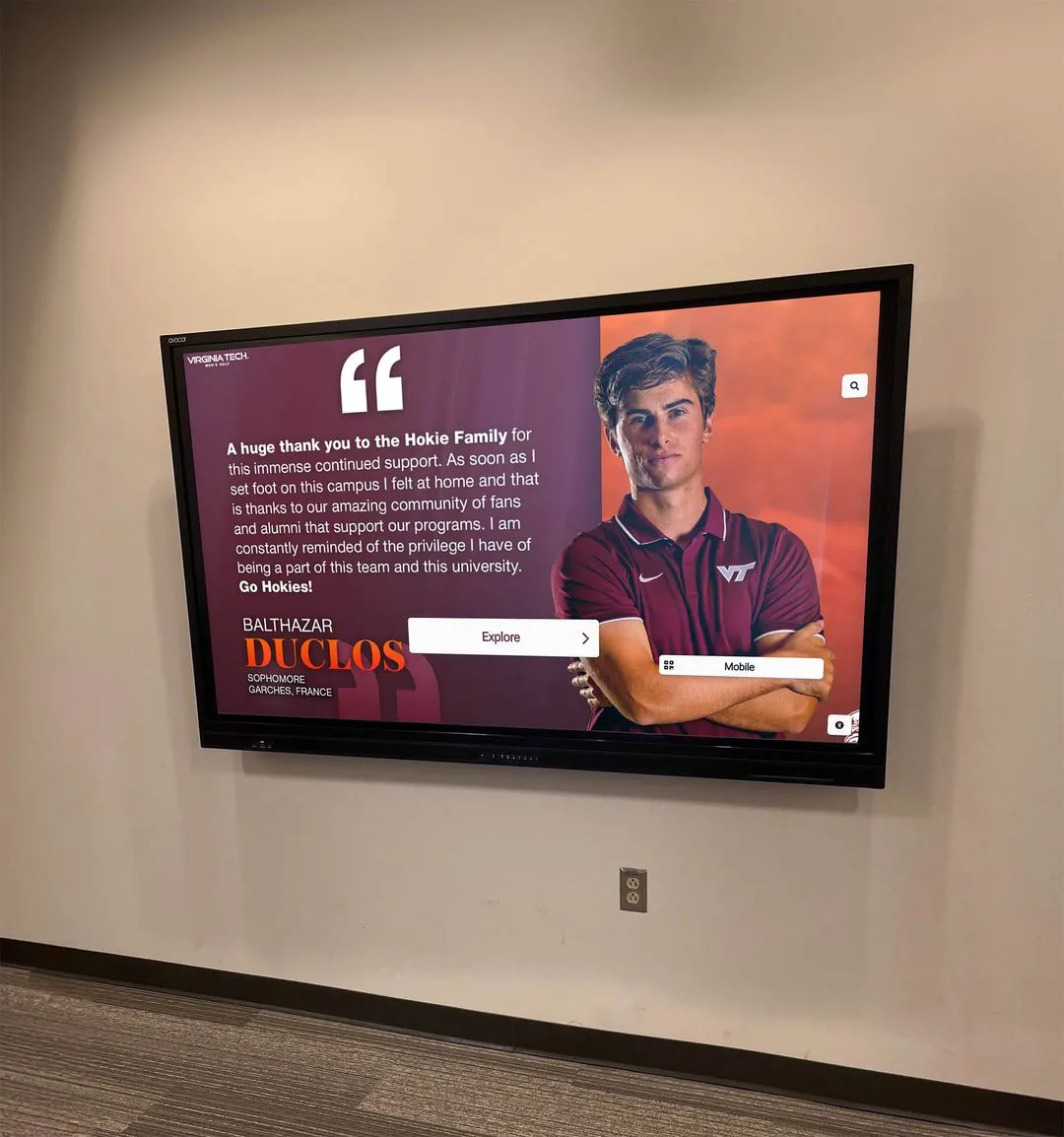
Interactive displays complement traditional certificates by showcasing honor roll achievements throughout the school year
Learn about comprehensive academic recognition programs that extend beyond certificates.
Traditional Honor Roll Recognition Levels
Classic tiered systems remain valuable frameworks for recognition programs:
High Honor Roll (Principal’s List) Top tier recognition typically requires:
- GPA of 3.75-4.0 on 4.0 scale (or equivalent percentage)
- All A’s or predominantly A grades with minimal B’s
- No grades below B+ in any subject
- Consistent excellence across all academic areas
- Sometimes includes additional requirements like citizenship or attendance
High honor roll designation recognizes exceptional academic achievement requiring sustained effort and comprehensive excellence. Students reaching this level demonstrate mastery across diverse subjects and consistent commitment to learning.
Honor Roll Standard recognition tier includes:
- GPA of 3.5-3.74 on 4.0 scale (or equivalent)
- Mix of A’s and B’s demonstrating strong performance
- No grades below B- in any subject
- Solid academic achievement across coursework
- Most common honor roll designation
Honor roll recognition celebrates students achieving strong academic success without requiring perfection. This level acknowledges consistent effort and solid achievement.
Merit Roll (Honorable Mention) Broader recognition tier encompasses:
- GPA of 3.0-3.49 on 4.0 scale
- Solid B average demonstrating competent performance
- Recognizes students achieving respectable academic success
- Ensures recognition opportunities for wider student populations
- Sometimes called “B Honor Roll” or “Bronze Honor Roll”
Merit roll categories ensure students achieving solid academic success receive acknowledgment even when not reaching highest tiers. This inclusive approach motivates broader student populations.
Explore student achievement recognition approaches incorporating multiple achievement levels.
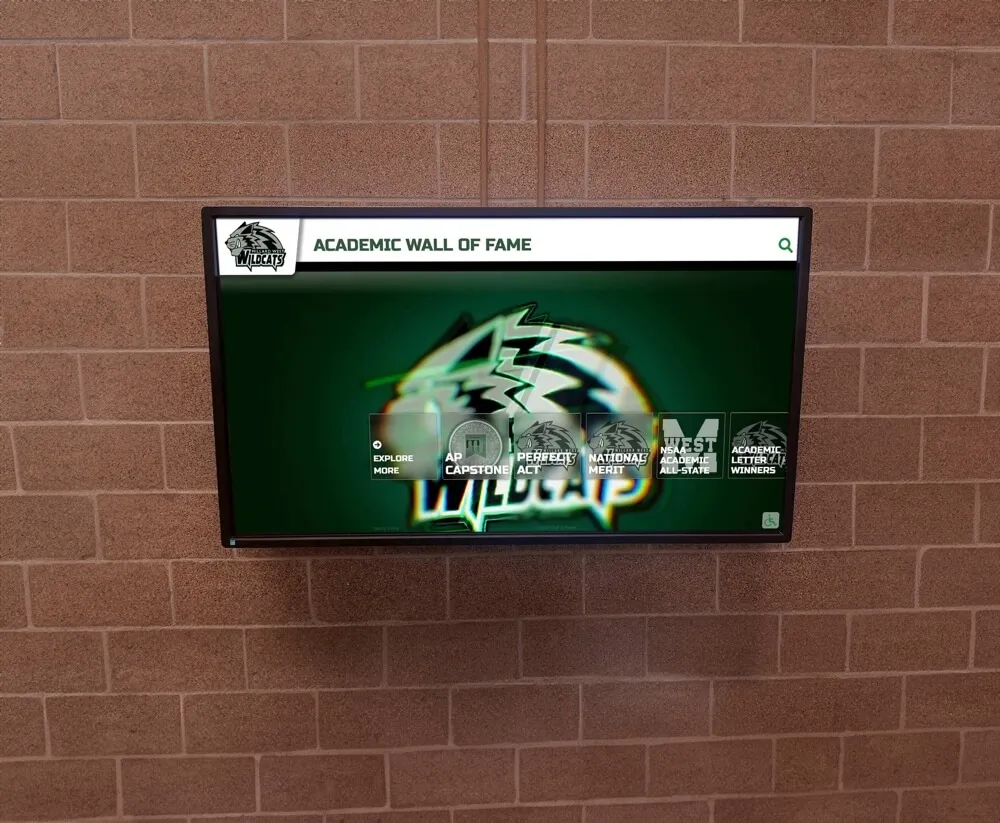
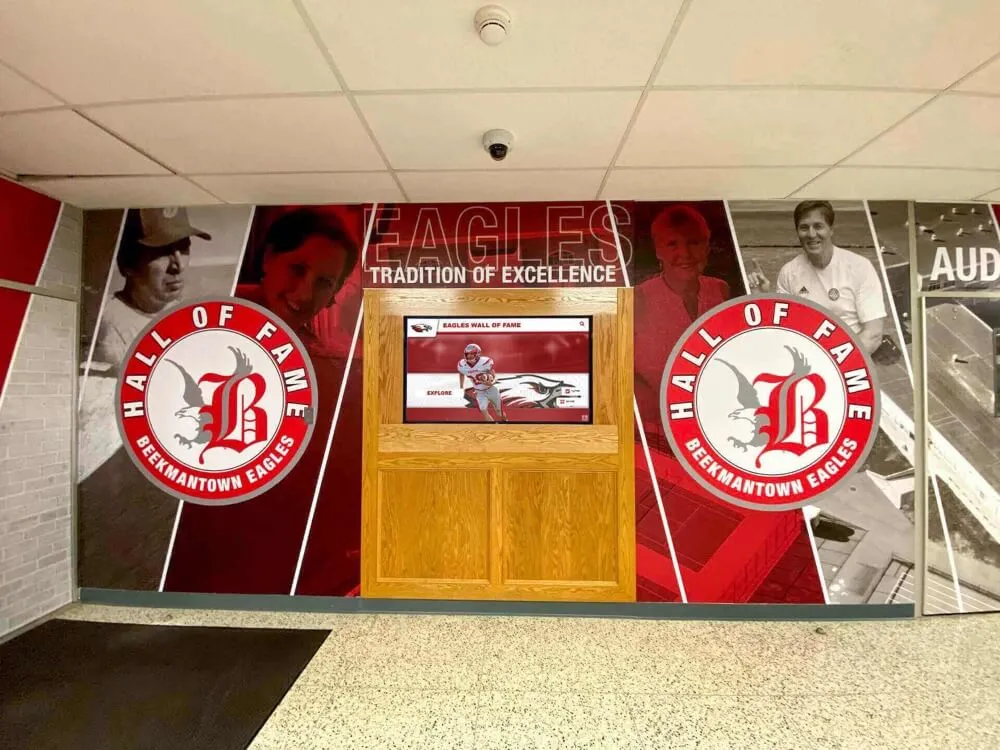
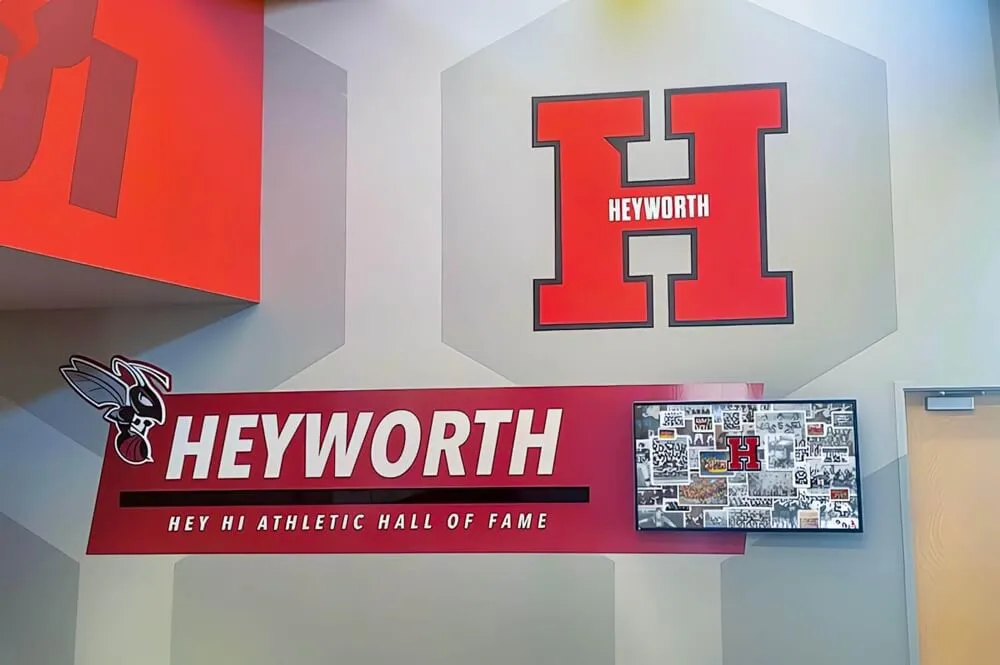
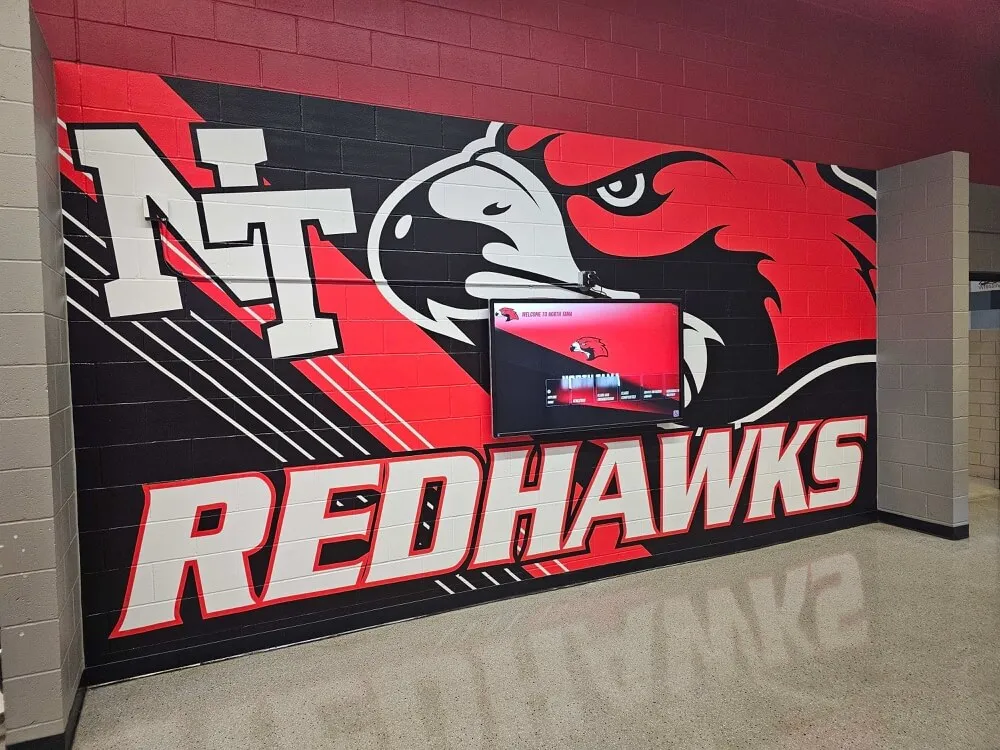
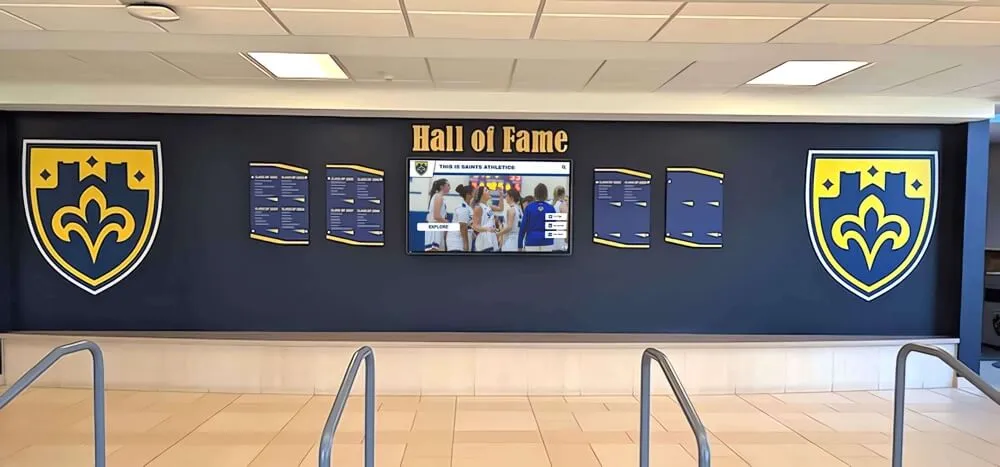
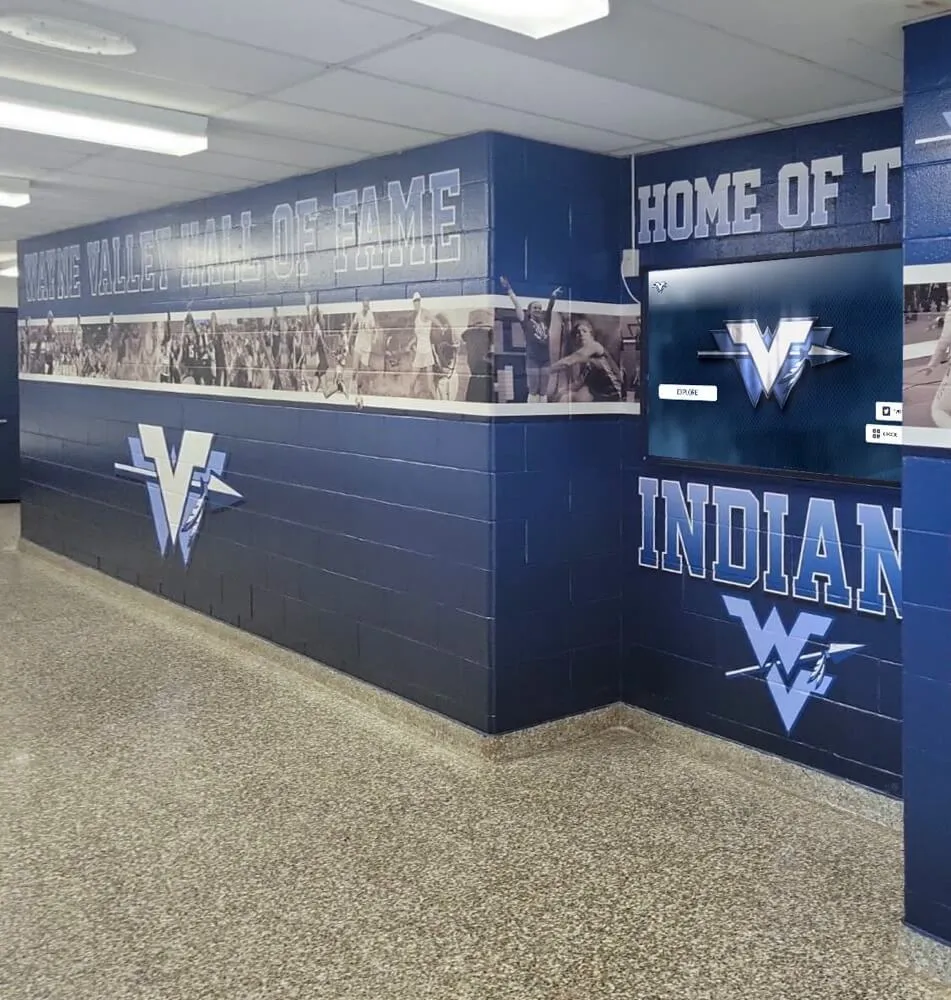
Dedicated academic walls of fame provide permanent, prominent spaces for honor roll certificate recipients
Modern Approaches Expanding Recognition
Contemporary programs add dimensions beyond traditional GPA metrics:
Growth and Improvement Recognition Schools increasingly honor progress:
- Most Improved GPA from previous marking period
- Significant grade increases in challenging subjects
- Academic turnaround certificates for students moving from struggling to honor roll
- Consistent upward trajectory recognition across multiple terms
- Overcoming obstacles certificates acknowledging special circumstances
Growth-based recognition ensures students at all starting points find achievement pathways. A student improving from 2.5 to 3.2 GPA demonstrates remarkable progress deserving celebration even when not reaching traditional honor roll thresholds.
Subject-Specific Excellence Specialized certificates celebrate focused achievement:
- STEM Excellence for mathematics and science achievement
- Humanities Excellence for English and social studies performance
- World Language Proficiency for foreign language success
- Creative Arts Excellence for arts achievement
- Career and Technical Education Excellence for CTE programs
Subject-specific recognition honors students demonstrating exceptional skill in particular areas while maintaining overall competent performance across other subjects.
Effort and Citizenship Recognition Academic character receives acknowledgment:
- Perfect Attendance with Honor Roll combination
- Outstanding Homework Completion alongside academics
- Exemplary Class Participation and Engagement
- Academic Integrity and Ethical Behavior certificates
- Peer Tutoring and Academic Support recognition
These categories recognize that academic success requires more than test performance—it involves consistent effort, ethical behavior, and positive contribution to learning communities.
Learn about celebrating academic achievement through comprehensive programs.
Designing Effective Honor Roll Certificate Programs
Successful programs require strategic planning addressing criteria development, recognition frequency, certificate design, and distribution methods.
Establishing Clear and Fair Criteria
Transparent standards build trust and provide achievable targets:
Grade Point Average Calculations Define precise measurement approaches:
- Specify whether weighted or unweighted GPA applies
- Clarify how honors, AP, and IB courses affect calculations
- Establish treatment of pass/fail courses
- Define how incomplete grades impact eligibility
- Specify minimum credit hour requirements for recognition
- Determine if electives count equally with core subjects
Publishing detailed criteria at the beginning of each term gives students clear targets while ensuring families understand recognition standards. Ambiguous criteria create confusion and undermine program credibility.
Course Requirements and Exclusions Additional parameters ensure meaningful recognition:
- Full-time enrollment minimums preventing gaming the system
- Specific core subject requirements ensuring balanced achievement
- Grade distribution rules (e.g., maximum two B’s for high honor roll)
- Citizenship or conduct requirements linking academics with behavior
- Attendance minimums connecting achievement with engagement
Well-designed requirements ensure honor roll recognition reflects comprehensive student success rather than narrow test-taking ability.
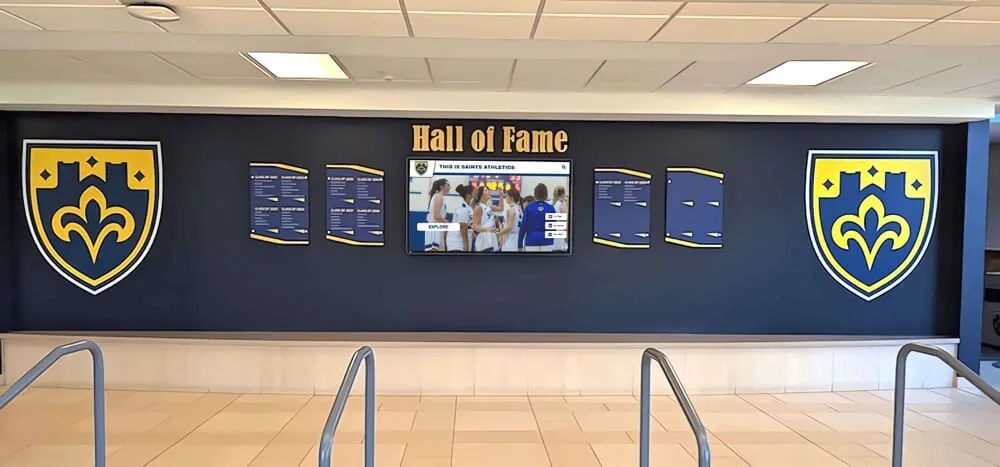
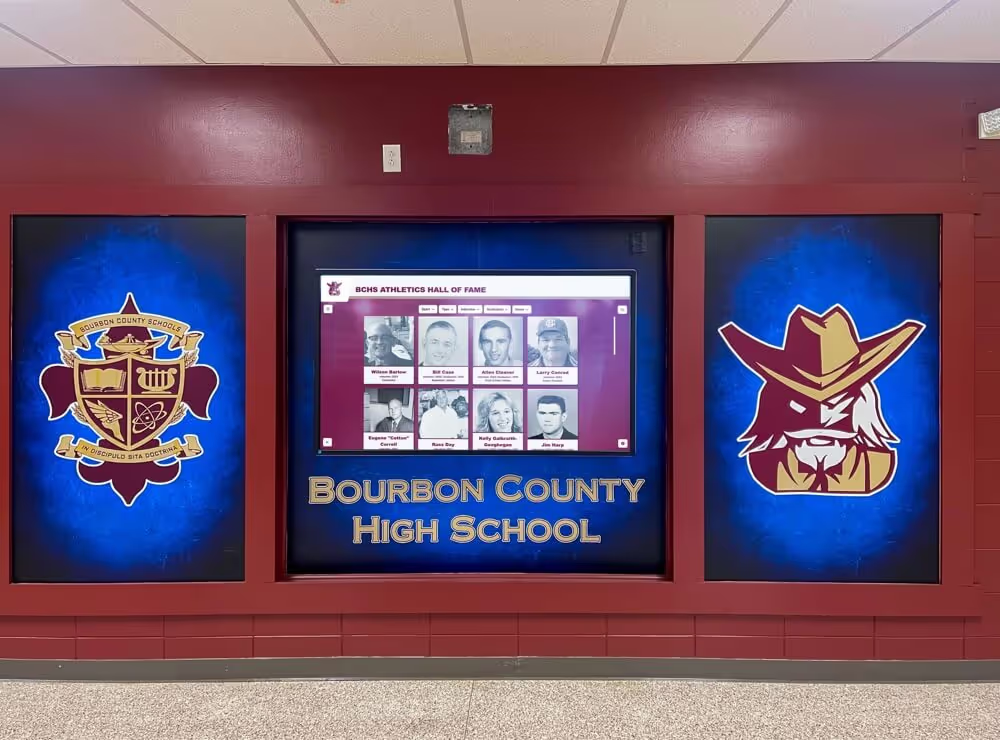
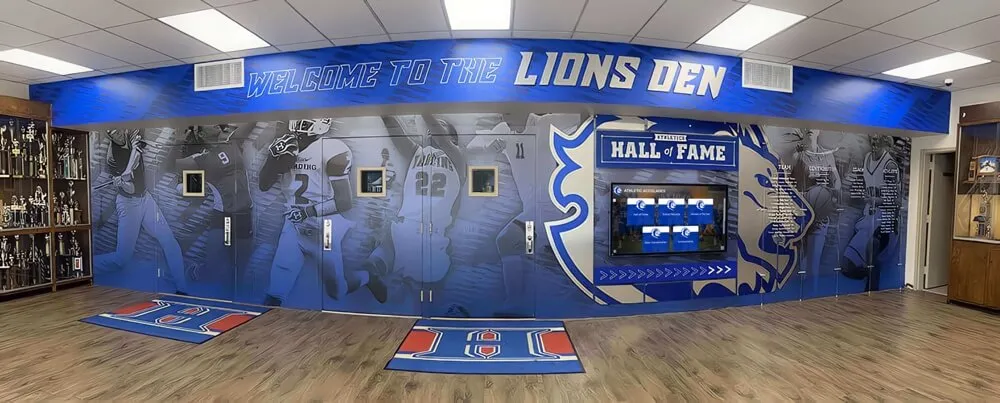
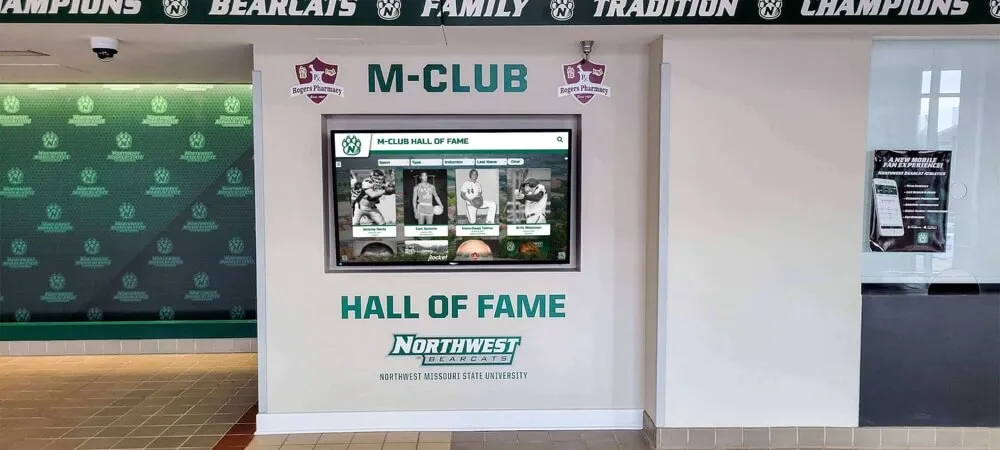
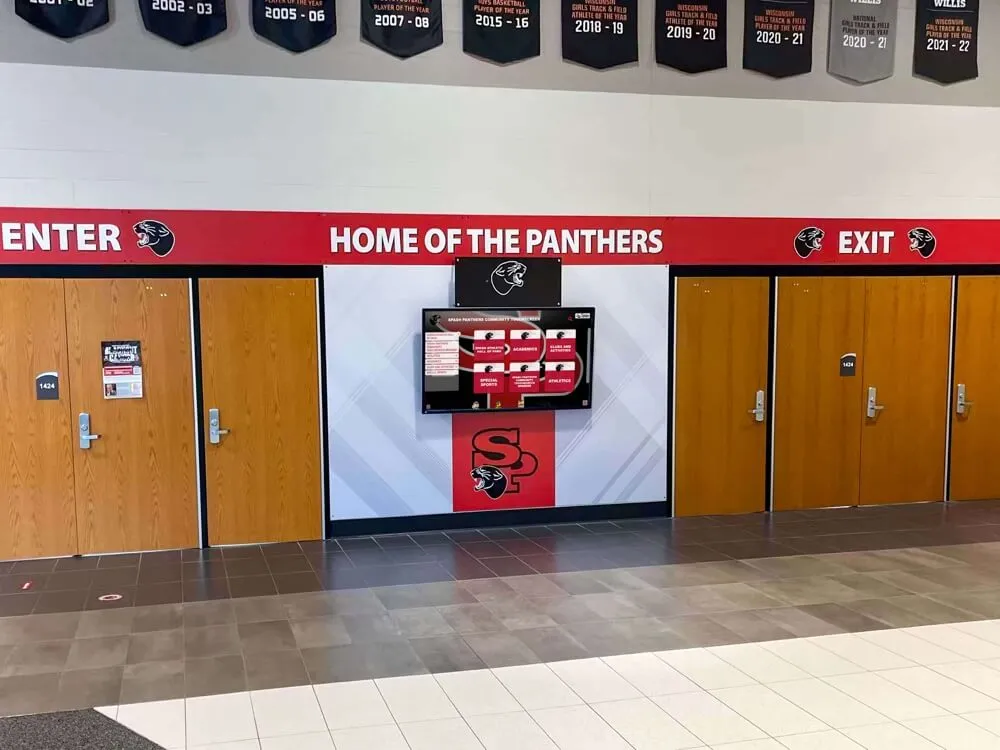
Integrated recognition systems combine traditional physical displays with modern digital platforms for comprehensive celebration
Grade-Level Adjustments Developmental considerations shape criteria:
- Elementary recognition emphasizing growth and effort alongside achievement
- Middle school tiered systems building achievement habits
- High school weighted GPA systems accounting for advanced coursework rigor
- Senior year considerations for college applications and final transcripts
- Different thresholds for different grade levels if developmentally appropriate
Age-appropriate criteria ensure recognition remains meaningful and motivating across educational levels.
Recognition Frequency and Timing
Strategic scheduling maximizes program impact:
Quarterly Recognition Most common frequency provides:
- Regular celebration maintaining student motivation throughout the year
- Manageable administrative workload for data collection and certificate production
- Sufficient time for students to demonstrate sustained achievement
- Alignment with typical grading periods and report cards
- Multiple opportunities annually for students to reach honor roll
Quarterly recognition balances frequency needed for motivation with practical administrative considerations. More frequent recognition may dilute prestige while less frequent acknowledgment reduces motivational impact.
Semester or Trimester Recognition Alternative schedules work for some schools:
- Aligns with longer grading periods in secondary schools
- Reduces administrative burden for smaller schools
- Creates more significant milestone celebrations
- Works well when combined with award ceremonies
- Provides longer achievement windows for struggling students to improve
Schools should align honor roll frequency with grading period structures and institutional capacity for certificate production and distribution.
End-of-Year Cumulative Recognition Annual awards honor sustained excellence:
- Year-long honor roll certificates for students achieving recognition all terms
- Perfect year recognition combining multiple criteria
- Most consistent achievement awards
- Senior culminating recognition celebrating four-year achievement
- Special designation for never missing honor roll throughout school career
Cumulative recognition complements regular quarterly certificates by honoring sustained excellence over extended periods.
Explore student recognition timing strategies applicable to academic programs.
Certificate Design Best Practices
Professional presentation enhances recognition value:
Essential Design Elements Effective certificates include:
- School name, logo, and branding creating institutional connection
- “Honor Roll Certificate” or recognition level clearly stated
- Student full name prominently featured
- Specific achievement period (Quarter 1 2026, Fall Semester 2026)
- Achievement level or GPA if appropriate
- Principal or administrator signature providing official validation
- Date of recognition or presentation
- School seal or official markings enhancing formality
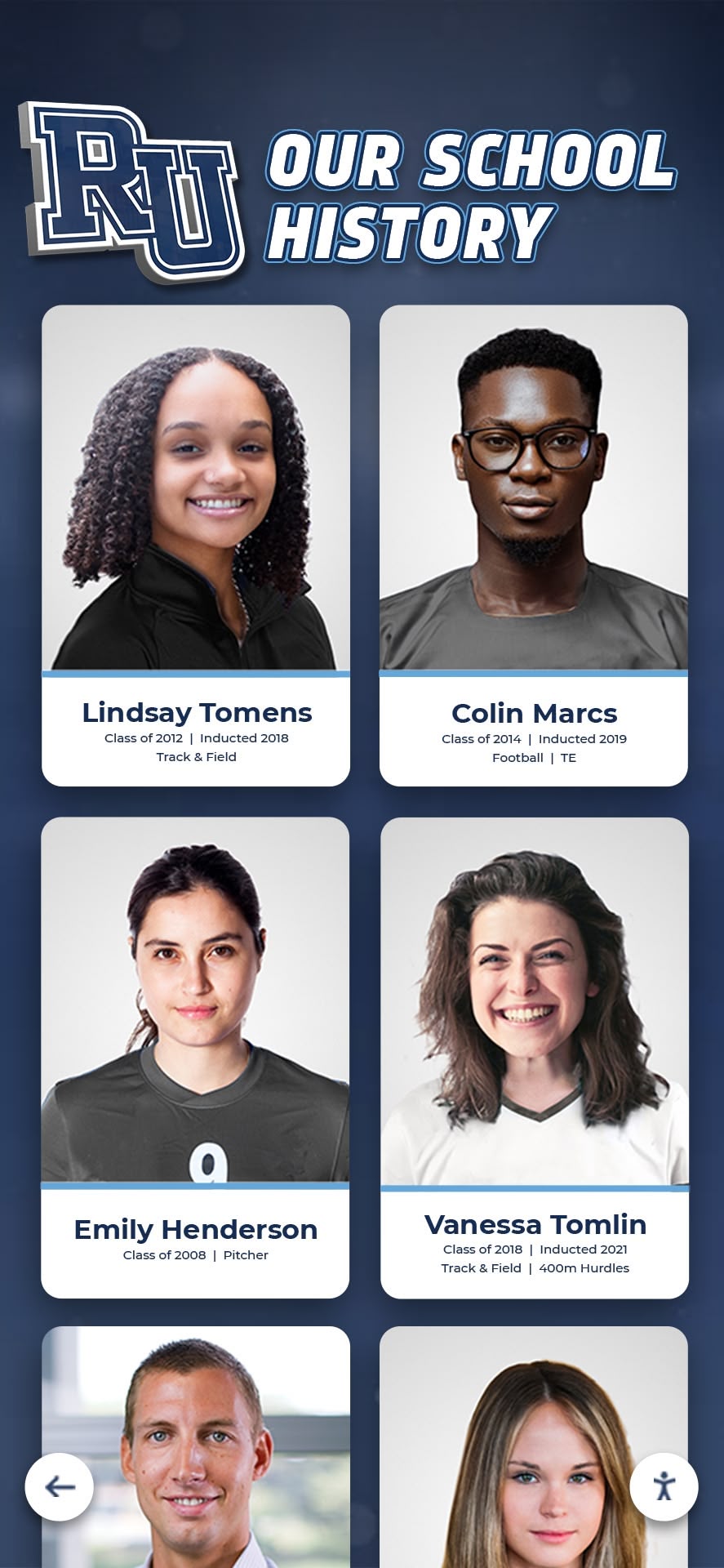
Modern recognition systems combine formal certificates with digital profiles celebrating complete achievement stories
Visual Quality and Professionalism Presentation matters significantly:
- High-quality paper stock (24-32 lb or heavier) feeling substantial
- Color printing or professional borders elevating visual appeal
- Consistent design across recognition levels maintaining brand
- Traditional certificate aesthetics signaling importance
- Protective sleeves or folders preventing damage during transport home
- Frame-ready sizing enabling home display
Quality presentation signals that honor roll achievement deserves serious recognition. Certificates printed on flimsy paper or with cheap designs undermine the accomplishment they’re meant to celebrate.
Personalization and Distinction Thoughtful details enhance meaning:
- Different colors or borders for recognition levels (gold, silver, bronze)
- Personalized congratulatory messages beyond standard text
- Achievement specifics (4.0 GPA, all A’s, perfect attendance included)
- Growth indicators (third consecutive honor roll, most improved)
- Teacher signatures for elementary programs creating personal connection
- QR codes linking to digital profiles providing extended information
These personalization elements transform generic certificates into meaningful recognition honoring individual achievement.
Traditional Certificate Distribution Methods
Conventional approaches create formal presentation moments:
Classroom Presentations
Individual acknowledgment in educational settings:
During Regular Class Time Simple presentation approach includes:
- Teachers or administrators visiting classrooms to distribute certificates
- Brief congratulatory remarks acknowledging achievement
- Peer recognition through class applause
- Photo opportunities with teachers and certificates
- Immediate recognition following grade posting
Classroom distribution ensures every honor roll student receives acknowledgment in comfortable, familiar settings. This approach works particularly well for elementary schools where homeroom structures create natural presentation venues.
Advantages and Considerations
- Minimal planning and scheduling required
- Personal connection through teacher distribution
- All students receive recognition regardless of ceremony attendance
- May feel less formal than larger assembly presentations
- Brief acknowledgment without extended celebration
Morning Announcement Recognition Complement certificate distribution with:
- Public announcement of all honor roll recipients
- Reading names during school-wide morning announcements
- Principal congratulations broadcast to entire building
- Creating awareness among student body
- Building anticipation before certificate distribution
Public announcements ensure honor roll achievement receives visibility beyond individual classrooms, contributing to culture where academic success is celebrated community-wide.
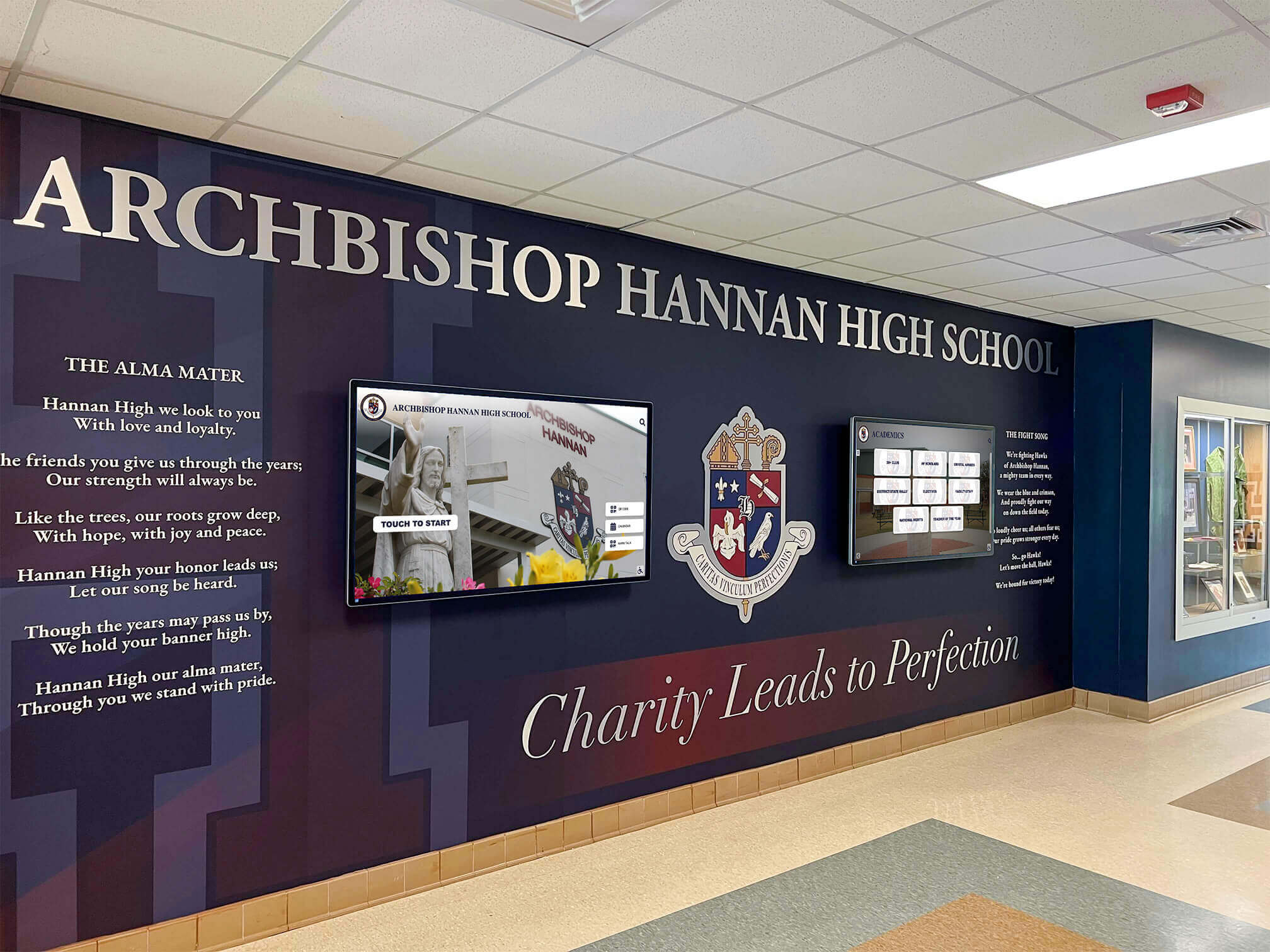
School entrances featuring recognition displays welcome visitors with visible evidence of academic excellence
Honor Roll Ceremonies and Assemblies
Formal events elevate recognition significance:
Grade-Level or School-Wide Ceremonies Structured recognition events feature:
- Designated time set aside specifically for academic recognition
- Students called individually or by recognition level to receive certificates
- Administrator speeches congratulating achievers and encouraging others
- Family invitations enabling parents to attend celebrations
- Photo opportunities with principals and certificates
- Reception or refreshments following presentations
- Display of previous honor roll recipients creating tradition
Ceremonies create memorable experiences validating achievement publicly. Schools report that formal presentations significantly increase perceived honor roll value compared to simple certificate distribution.
Planning Ceremony Logistics Effective events require:
- Adequate venue accommodating students, families, and staff
- Advance communication ensuring families know about events
- Organized distribution systems preventing delays and confusion
- Student helpers managing logistics and certificate organization
- Photography documentation for school communications
- Connection to other academic award programs when appropriate
- Accessible scheduling accommodating family work obligations
Well-executed ceremonies demonstrate that schools value academic achievement enough to dedicate significant time and resources to celebration.
Elementary vs. Secondary Approaches Developmental differences shape ceremonies:
- Elementary programs often include younger siblings and extended family
- Middle school ceremonies balance peer visibility with self-consciousness
- High school events emphasize college preparation and scholarship connections
- Elementary celebrations often include refreshments and more informal atmosphere
- Secondary programs may incorporate student speakers or testimonials
Age-appropriate ceremony design ensures recognition feels meaningful rather than embarrassing or overwhelming.
Explore recognition ceremony strategies applicable to academic programs.
Direct Family Delivery
Home-based recognition approaches:
Mailing Certificates Home Direct delivery includes:
- Certificates mailed in protective envelopes preventing damage
- Congratulatory letters to families accompanying certificates
- Information about achievement criteria and significance
- Encouragement to display certificates prominently at home
- Additional materials about academic programs and resources
- No scheduling conflicts or attendance requirements
Mailing ensures every honor roll student receives recognition regardless of ceremony attendance, work obligations, or transportation challenges. This inclusive approach guarantees recognition reaches all families.
Student Delivery in Folders Alternative distribution method:
- Certificates placed in student folders or planners
- Take-home envelopes ensuring safe transport
- Brief notes to families explaining significance
- Students responsible for delivering recognition home
- Lower cost than mailing with similar reach
Student delivery works particularly well for elementary programs where daily parent communication occurs regularly.
Modern Digital Recognition Extending Traditional Certificates
Contemporary programs combine certificates with digital systems creating year-round visibility:
Interactive Touchscreen Displays
Digital platforms transform temporary recognition into permanent celebration:
Unlimited Recognition Capacity Digital systems solve fundamental limitations:
- Single touchscreen showcases unlimited honor roll recipients across all marking periods
- No need to remove historical recognition when adding current recipients
- Comprehensive archives preserving years of institutional honor roll tradition
- Every recognition level receives equal display capacity
- All grade levels and marking periods accessible simultaneously
Schools with 200+ honor roll students per quarter cannot feasibly display all achievers through traditional bulletin boards. Digital recognition displays eliminate space constraints entirely.
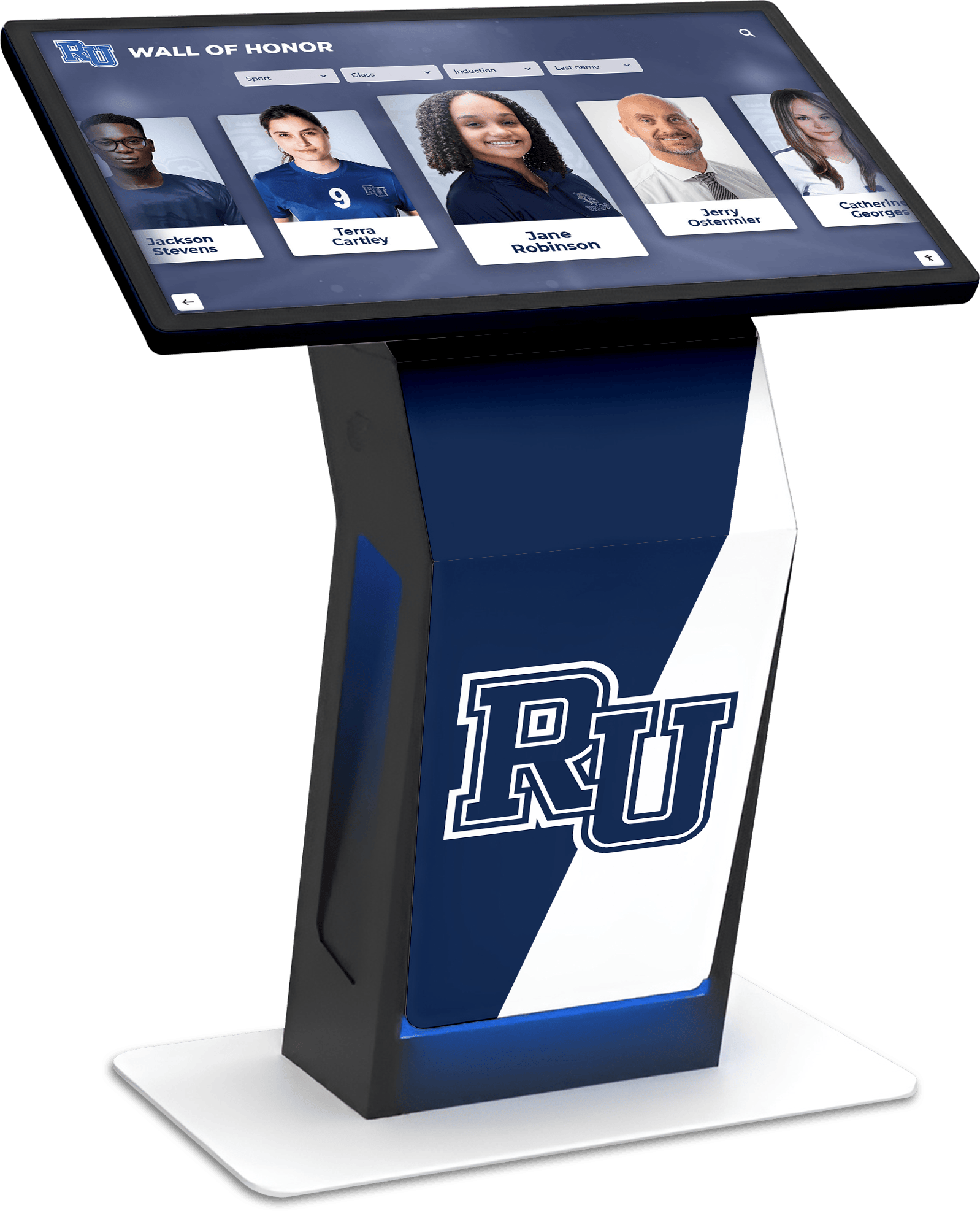
Modern touchscreen kiosks provide searchable, interactive honor roll recognition accessible throughout the school year
Rich Student Profile Pages Digital platforms enable storytelling impossible with printed lists:
- Individual profile pages for each honor roll recipient
- Current student photographs bringing recognition to life
- Complete achievement details including GPA and recognition level
- Previous marking period honor roll status showing consistency
- Activity involvement and leadership roles providing context
- Student quotes about academic goals and study strategies
- Teacher recommendations or congratulatory messages
- Multi-semester achievement tracking showing growth trajectories
Comprehensive profiles ensure every honor roll student’s complete story receives appropriate celebration, not just their name on a list.
Interactive Search and Discovery Features Engagement capabilities traditional displays cannot provide:
- Full-text search finding students by name instantly
- Filter by honor roll level exploring high honor, honor, and merit recipients
- Sort by grade level viewing specific class achievements
- Filter by marking period seeing historical or current recognition
- Alphabetical browsing for systematic exploration
- Featured student rotations highlighting diverse achievers
- Statistics showing school-wide achievement patterns
These interactive features transform passive viewing into active exploration. Students regularly interact with honor roll displays during free periods, discovering peers’ achievements and setting personal goals.
Solutions like Rocket Alumni Solutions provide comprehensive digital recognition platforms specifically designed for schools, combining touchscreen displays with intuitive content management systems enabling staff to update honor roll recognition without technical expertise.
Simple Content Management Cloud-based systems streamline administration:
- Update content from any internet-connected device
- Bulk upload tools adding entire honor roll lists efficiently
- CSV import from student information systems
- Template-based design ensuring visual consistency across students
- Role-based access enabling appropriate staff management without security risks
- Scheduled publishing automating announcement timing
- No technical expertise required for routine updates
Schools implementing digital honor roll systems report 80-90% reduction in administrative time compared to maintaining traditional bulletin boards requiring manual printing, mounting, and updating each marking period.
Web-Based Recognition Platforms
Online systems extend recognition reach beyond physical campus:
Mobile-Accessible Honor Roll Databases Web platforms provide universal access:
- Alumni and families worldwide view current honor roll recipients
- Students unable to visit school regularly still access recognition
- Prospective families researching schools see achievement culture
- Current students explore honor roll as they set academic goals
- Social sharing enables students to celebrate with extended networks
- 24/7 availability removing time and location constraints

Responsive web platforms ensure honor roll recognition remains accessible across all devices and locations
Integration with School Communications Digital recognition connects to broader platforms:
- Embed honor roll showcases on school websites
- Link from social media to individual student profiles
- Email notifications to families when honor roll is posted
- Newsletter integration featuring honor roll statistics and trends
- Digital yearbook connections preserving achievement information permanently
- Parent portal integration showing recognition alongside academic records
Web integration ensures honor roll recognition reaches families through multiple channels, maximizing awareness and celebration.
Explore digital display strategies for comprehensive school recognition.
Combining Traditional Certificates with Digital Recognition
Most effective programs leverage strengths of both approaches:
Complementary Recognition Systems Integrated approaches provide:
- Traditional printed certificates students receive and keep permanently
- Digital displays showcasing all recipients with comprehensive information
- Certificates validating achievement with tangible keepsakes
- Digital platforms maintaining year-round visibility traditional certificates can’t provide
- Physical presentation ceremonies creating memorable moments
- Touchscreens enabling ongoing engagement and discovery throughout school year
This hybrid approach respects tradition while embracing modern capabilities expanding recognition impact.
QR Code Connections Bridge physical and digital recognition:
- QR codes on printed certificates linking to digital profiles
- Bulletin board displays connecting to comprehensive online databases
- Newsletter listings linking to interactive recognition platforms
- Parent communications including QR access to full achievement information
- Certificates directing recipients to searchable digital displays
QR integration creates seamless experiences where traditional and digital recognition enhance each other.
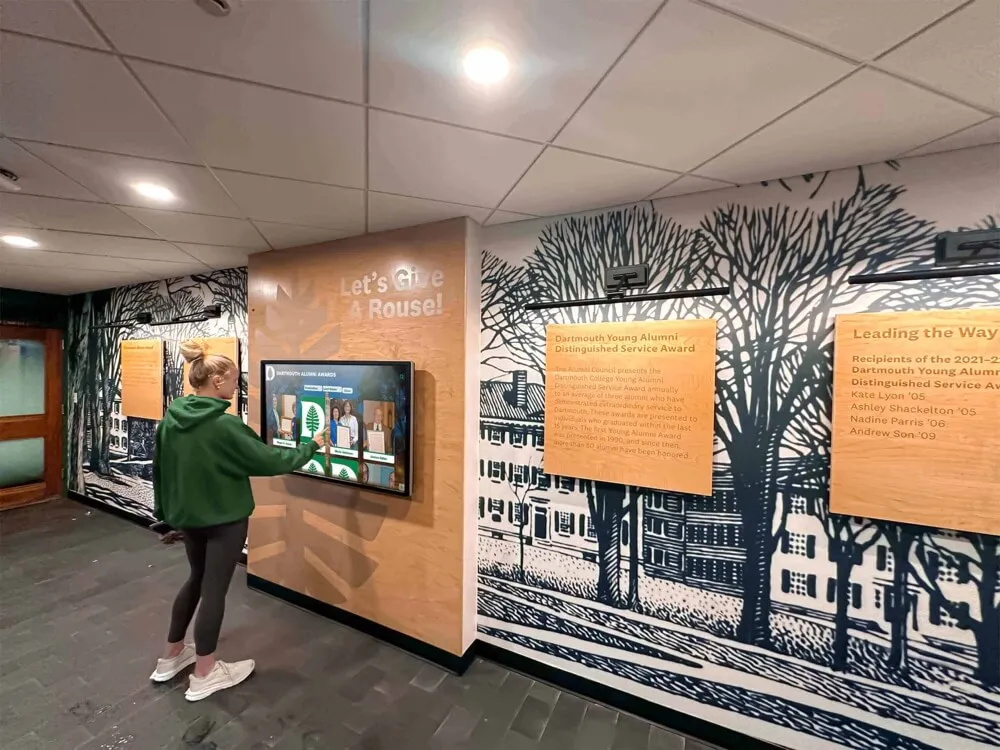
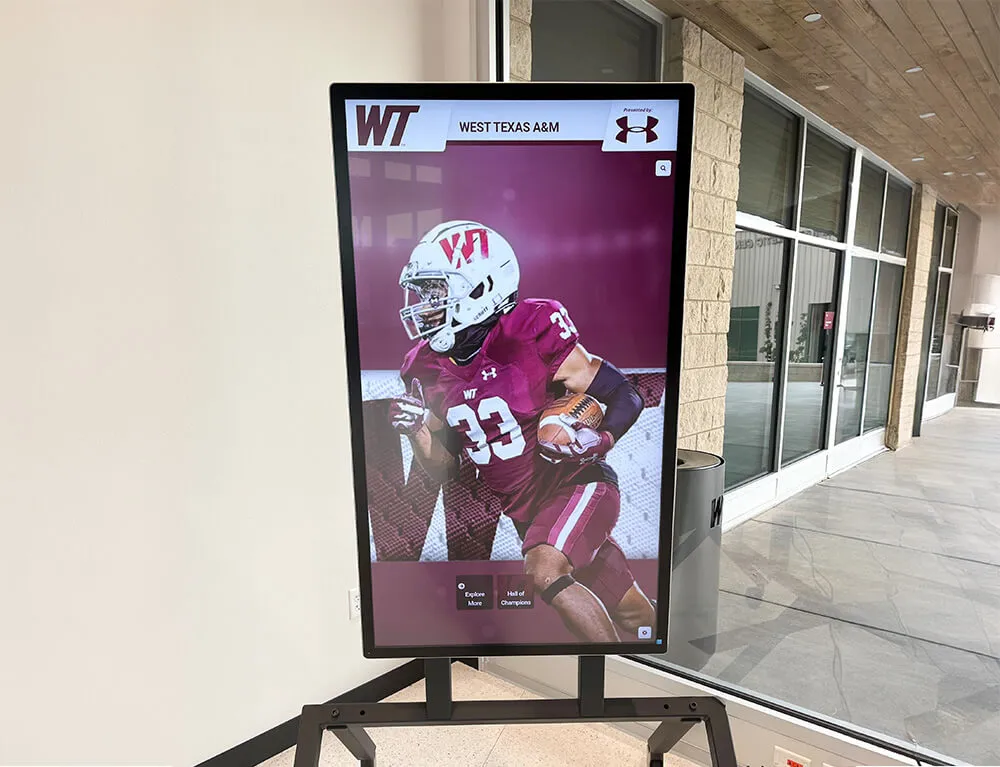
Strategic placement in high-traffic areas ensures honor roll recognition receives ongoing visibility throughout the school year
Efficient Data Collection and Management
Sustainable programs require streamlined processes for identifying recipients and producing recognition:
Automated Honor Roll Identification
Modern student information systems simplify eligibility determination:
Grade Export and Calculation Systematic data extraction includes:
- Export final grades from grading platforms at marking period close
- Automated GPA calculation based on defined criteria
- Filter students meeting each recognition tier threshold
- Cross-reference with enrollment and credit requirements
- Generate preliminary honor roll lists for verification
- Flag students requiring manual review for special circumstances
Automation eliminates manual calculation errors while saving significant administrative time.
Multi-Step Verification Process Quality assurance prevents mistakes:
- Initial automated list generation from student information system
- Guidance counselor verification of GPA calculations and eligibility
- Administrative review checking for students with special circumstances
- Cross-check for grade appeals or late submissions
- Final approval by principal or academic dean before announcement
- Communication to families before public announcement when possible
Multiple review steps ensure accuracy, preventing embarrassing errors where ineligible students receive recognition or eligible students are overlooked.
Student Information Collection
Comprehensive data enhances recognition depth:
Essential Profile Information Gather key details:
- Current student photographs from school database
- Grade level and homeroom assignments
- Previous marking period honor roll status for comparison
- Activity involvement and leadership roles
- Student quotes or reflections on achievement strategies
- Academic interests and future goals
- Improvement stories for students reaching honor roll for first time
Rich information transforms honor roll from simple lists into inspiring achievement stories showing diverse paths to academic success.
Privacy and Consent Considerations Respectful approaches include:
- Student and family consent before publishing photos or detailed information
- FERPA compliance in all public recognition
- Options for families preferring minimal information sharing
- Clear communication about what displays publicly and where
- Ability to opt out of public recognition while maintaining honor roll status
- Separate consent for physical displays versus web-based recognition
Some families prefer limiting public information despite student achievement. Consent-based systems respect these preferences while maximizing participation among willing students.
Learn about data management approaches for academic recognition programs.
Creating Inclusive Honor Roll Programs
Meaningful recognition ensures opportunities exist for diverse student populations:
Multiple Achievement Pathways
Comprehensive programs celebrate various forms of success:
Traditional GPA-Based Recognition Standard achievement metrics remain valuable:
- High honor roll, honor roll, and merit roll tiers
- Weighted GPA options recognizing advanced coursework rigor
- Consistent criteria applied equitably across all students
- Clear thresholds published at beginning of marking periods
- Traditional recognition most families understand and value
GPA-based honor roll provides objective, transparent criteria while aligning with college preparation and application processes.
Growth and Improvement Recognition Progress-based categories expand opportunities:
- Most Improved GPA certificates for students showing significant progress
- Academic Turnaround Recognition for students moving from struggling to succeeding
- Consistent Improvement awards for students with upward trajectories across multiple terms
- Subject-Specific Improvement for dramatic progress in particular areas
- Overcoming Obstacles certificates acknowledging special circumstances
Growth recognition ensures students at all starting points find achievement pathways. A student improving from 2.2 to 3.0 GPA demonstrates remarkable progress deserving celebration.
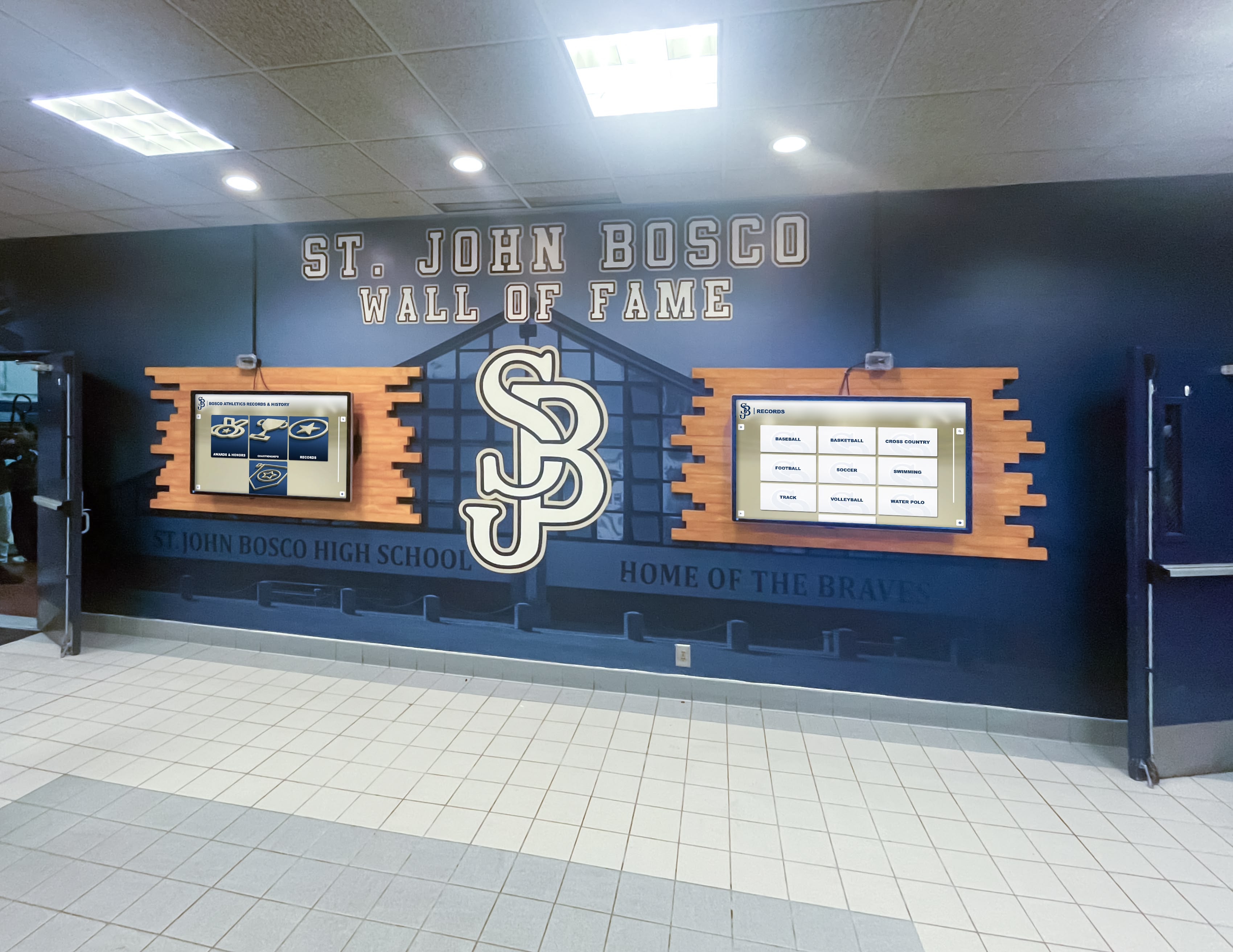
Multiple display locations ensure honor roll recognition reaches students in various campus areas throughout their daily routines
Subject-Specific Excellence Specialized recognition honors focused achievement:
- STEM Excellence certificates for mathematics and science achievement
- Humanities Excellence for English and social studies performance
- World Language Achievement for foreign language success
- Creative Arts Excellence for arts-related achievement
- Career and Technical Education Excellence for CTE programs
- Physical Education Achievement for PE excellence
Subject-specific recognition ensures students demonstrating exceptional skill in particular areas receive acknowledgment even when overall GPA doesn’t reach traditional honor roll thresholds.
Equity and Accessibility Considerations
Inclusive programs address diverse needs:
Socioeconomic Sensitivity Recognition should not create barriers:
- No fees or purchase requirements for receiving certificates or recognition
- School-provided certificates and materials eliminating cost to families
- Free access to recognition events and ceremonies
- No premium or upgraded recognition levels requiring payment
- Equal celebration regardless of student resources
Financial barriers undermine recognition program goals. All honor roll opportunities should be freely accessible to every eligible student.
Learning Differences Accommodation Recognize diverse pathways to success:
- Modified criteria for students with documented learning differences when appropriate
- Recognition of achievement relative to individual educational plans
- Celebration of progress meeting IEP goals and objectives
- Subject-specific recognition enabling students to be honored for areas of strength
- Emphasis on growth and improvement alongside absolute achievement
Students with learning differences deserve recognition pathways acknowledging their academic accomplishments within appropriate contexts.
Multilingual and Cultural Inclusivity Respectful approaches include:
- Certificates available in languages spoken by school families
- Recognition of academic achievement in dual language or ESL programs
- Cultural sensitivity in recognition language and presentation
- Inclusive communication ensuring all families understand program value
- Name pronunciation guides for ceremony presentations
Culturally responsive recognition ensures programs honor achievement across diverse student populations.
Explore inclusive recognition approaches applicable to student programs.
Measuring Honor Roll Program Impact
Regular assessment ensures recognition achieves intended goals:
Quantitative Success Metrics
Data-driven evaluation includes:
Participation and Achievement Indicators Track key statistics:
- Percentage of students achieving each honor roll level
- Marking period-to-marking period consistency rates
- Distribution across grade levels and demographic groups
- First-time honor roll achievement numbers
- Multi-term honor roll consistency analysis
- Year-over-year trends in achievement rates
- Improvement in school-wide GPA averages
These metrics reveal whether honor roll programs motivate desired academic outcomes while ensuring recognition opportunities exist equitably across student populations.
Engagement Measurements For digital recognition systems:
- Daily interaction counts with honor roll touchscreens
- Average session duration showing depth of engagement
- Most frequently viewed student profiles
- Search query patterns revealing what information users seek
- Social sharing frequency and reach
- Web-based access statistics from families and alumni
Engagement data demonstrates whether recognition systems receive ongoing attention or become ignored after initial announcement.
Cultural Impact Indicators Broader metrics showing program influence:
- Student survey responses about academic goal-setting
- Enrollment in challenging coursework following recognition
- Parent engagement levels with academic programs
- Community perception during campus tours and open houses
- Media coverage and community awareness of student achievement
These indicators reveal whether honor roll programs contribute to desired school culture changes.
Qualitative Assessment Methods
Narrative feedback complements quantitative data:
Stakeholder Feedback Collection Gather perspectives from:
- Honor roll students about recognition meaningfulness
- Current students about how honor roll influences their motivation
- Families about communication effectiveness and celebration appropriateness
- Teachers about observed motivational impact
- Administrators about program sustainability and cultural effects
Regular feedback ensures programs remain meaningful and aligned with stakeholder needs.
Success Story Documentation Collect narratives demonstrating impact:
- Students motivated by peer recognition to pursue honor roll
- First-generation honor roll students sharing achievement significance
- Students whose recognition influenced college admissions outcomes
- Teachers describing how honor roll pursuit changed student engagement
- Parents expressing gratitude for recognition and communication
Success stories provide compelling evidence of program value beyond statistical measures.
Learn about recognition program assessment strategies for schools.

Balanced recognition systems give academic achievement visibility comparable to athletic accomplishments
Special Considerations by School Level
Recognition approaches should adapt to developmental stages:
Elementary School Honor Roll Programs
Early education recognition builds achievement foundations:
Age-Appropriate Recognition Criteria Developmental considerations include:
- Emphasis on effort and improvement alongside absolute achievement
- Frequent recognition maintaining young student motivation
- Visual recognition systems elementary students can understand
- Positive reinforcement of learning behaviors and work habits
- Growth mindset language emphasizing capability development
- Recognition for reading milestones and foundational skills
Elementary honor roll should develop lifelong learning attitudes rather than creating anxiety about grades.
Family-Centered Celebration Elementary programs benefit from:
- Recognition ceremonies including younger siblings and extended family
- Informal, welcoming celebration atmospheres
- Refreshments and social time following certificate presentations
- Classroom-based recognition where students feel most comfortable
- Take-home materials families can display prominently
- Strong home-school communication around achievement
Young children’s pride in recognition significantly increases when families celebrate enthusiastically.
Middle School Transition Programs
Adolescent recognition requires careful balance:
Developmental Sensitivity Middle school considerations include:
- Balance between peer visibility and not over-singling out students
- Subject-specific recognition as students develop academic interests
- Team and collaborative achievement acknowledgment
- Growth emphasis during developmental transition periods
- Connection between recognition and high school preparation
- Age-appropriate ceremony formats respecting self-consciousness
Middle school honor roll programs must acknowledge that early adolescents experience achievement differently than younger children or older teenagers.
Building Achievement Habits Recognition supporting development:
- Consistent expectations building toward high school standards
- Clear communication about how honor roll prepares for high school
- Advisory program integration discussing academic goal-setting
- Peer mentoring opportunities for honor roll students
- Study skills and organizational support alongside recognition
Middle school honor roll programs should explicitly develop habits and skills supporting future academic success.
High School College-Focused Recognition
Secondary programs emphasize preparation and application:
College Application Integration High school programs connect to:
- Recognition aligned with college application enhancement
- Cumulative honor roll tracking across four years for transcripts
- National recognition program connections (National Honor Society, etc.)
- Scholarship application support leveraging honor roll achievement
- College counselor integration in honor roll communication
High school honor roll should be explicitly positioned as college preparation tool valuable beyond intrinsic learning.
Senior Culminating Recognition Graduation-year celebration includes:
- Four-year honor roll achievement recognition
- Never-missed honor roll special designation
- Valedictorian and salutatorian connection to consistent excellence
- Scholarship awards ceremony integration
- College destination announcements for honor roll recipients
Senior honor roll recognition creates culminating moments celebrating sustained academic excellence throughout high school careers.
Explore end-of-year recognition strategies for comprehensive programs.
Conclusion: Building Honor Roll Programs That Matter
Honor roll certificate programs represent powerful opportunities to recognize student achievement, motivate continued excellence, and build school cultures celebrating academic success. When schools move beyond perfunctory printed lists and forgotten certificates to comprehensive recognition systems honoring diverse achievements through traditional ceremonies and modern digital displays, they create environments where academic accomplishment becomes visible, celebrated, and attainable for all students.
The strategies explored throughout this guide provide frameworks for building honor roll programs resonating with students, families, and communities while remaining administratively sustainable for busy school staff. From establishing fair, transparent criteria to implementing efficient data collection processes and creating compelling recognition through both traditional certificates and digital platforms, these approaches ensure honor roll recipients receive acknowledgment their achievements deserve.
Transform Your Honor Roll Recognition Program
Discover how modern digital recognition solutions can help you celebrate every honor roll student while building a thriving culture of academic excellence that inspires achievement throughout your school community.
Explore Recognition SolutionsDigital recognition platforms make comprehensive honor roll celebration achievable through intuitive touchscreen displays showcasing unlimited students, cloud-based content management enabling efficient updates, web integration extending recognition beyond campus, and analytics revealing program impact. Schools implementing these systems report dramatic improvements in recognition comprehensiveness, honor roll visibility, student motivation, and family engagement—precisely the outcomes justifying program investments.
Start where you are: assess current honor roll certificate programs identifying gaps and improvement opportunities, clarify goals for enhanced recognition, implement systems matching your resources and community needs, and continuously evaluate impact ensuring programs achieve intended outcomes. Whether beginning with improved traditional certificates or launching comprehensive digital recognition systems, every step toward meaningful honor roll celebration strengthens school culture while honoring students who work diligently to achieve academic excellence.
Every honor roll student deserves recognition acknowledging their achievement, celebrating their accomplishment, and inspiring peers to pursue similar success. With thoughtful planning, fair criteria, efficient processes, and appropriate technology, you can create certificate programs and recognition systems truly honoring every achiever while building the achievement-oriented, supportive, academically excellent school community where all students thrive.
Ready to begin? Explore digital recognition display implementation or discover comprehensive academic celebration strategies transforming how schools recognize student achievement across all categories.