Homecoming court selection represents one of the most cherished traditions in American high schools, yet many schools struggle to create nomination and celebration processes that feel truly meaningful and inclusive. This time-honored tradition serves multiple important purposes: recognizing student leadership and character, building school spirit, creating memorable milestone moments, and connecting current students to generations of alumni who experienced the same tradition.
The challenge lies in balancing tradition with modern values, ensuring inclusive nomination processes, creating fair election systems, and orchestrating celebrations that honor court members while engaging the entire student body. Schools that simply replicate outdated approaches risk ceremonies that feel hollow or exclusionary, missing opportunities to create transformative experiences that students remember throughout their lives.
This comprehensive guide explores how successful schools nominate, elect, and celebrate homecoming courts in ways that strengthen community, honor diverse student achievements, and create traditions worthy of this significant school milestone. From nomination criteria and election logistics to coronation ceremonies and lasting recognition, these strategies help schools build homecoming court traditions that reflect their values while creating unforgettable experiences.
Homecoming court traditions work best when they celebrate qualities beyond popularity—character, leadership, school involvement, academic achievement, and community service—while creating processes transparent enough to build trust and inclusive enough to represent the entire student body. Schools excelling at homecoming court traditions understand these ceremonies strengthen institutional identity while providing recognition platforms that motivate positive student engagement.

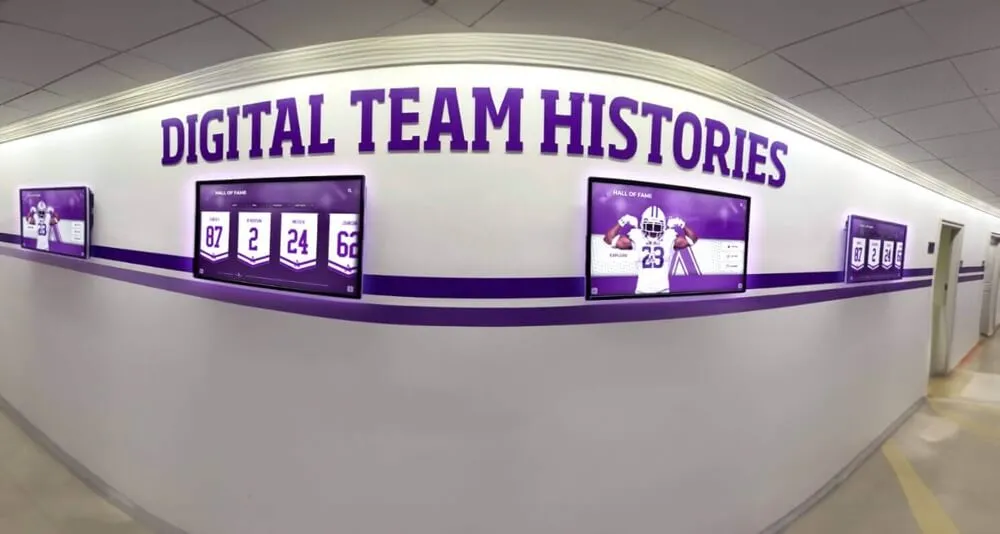
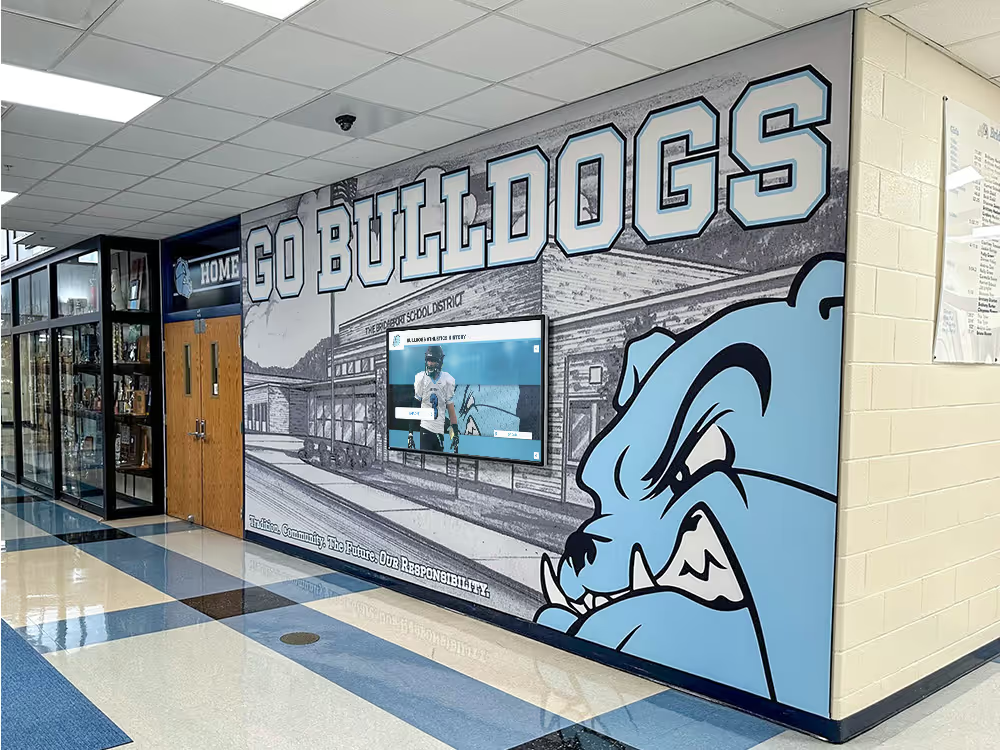
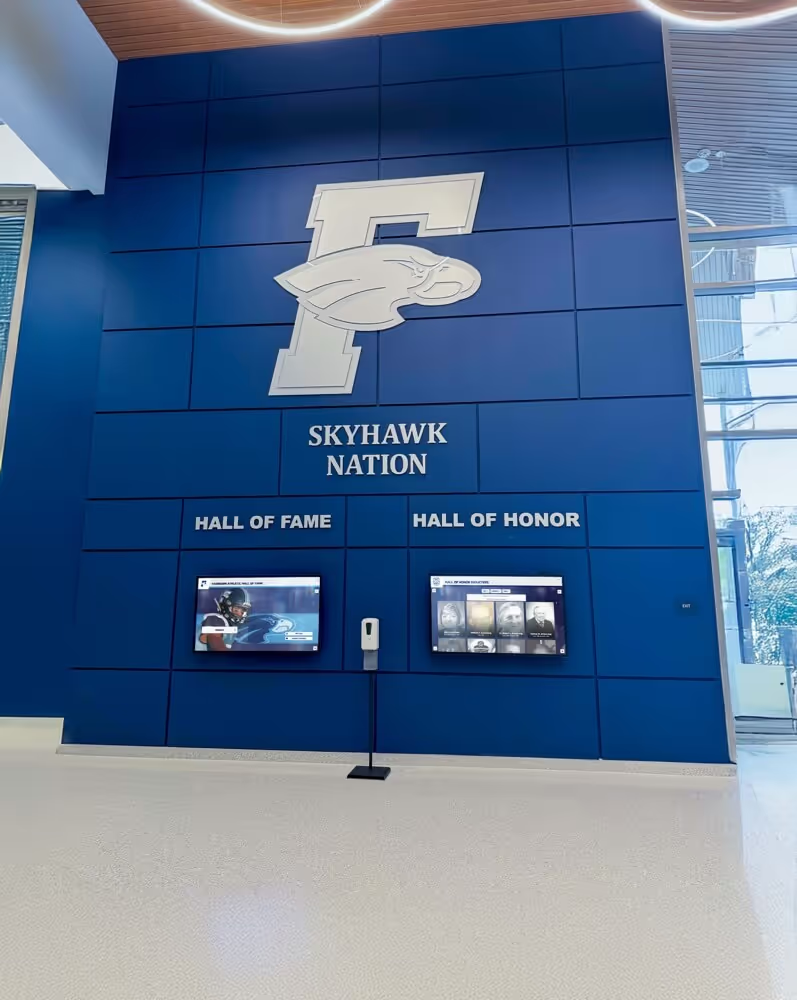
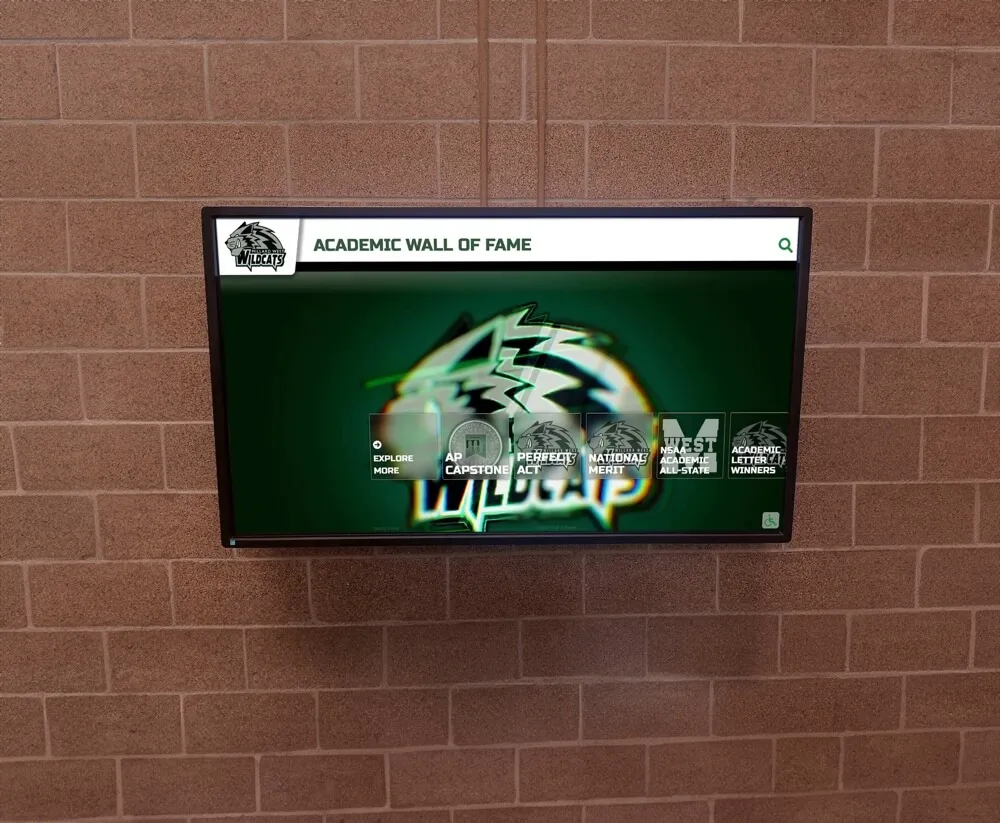
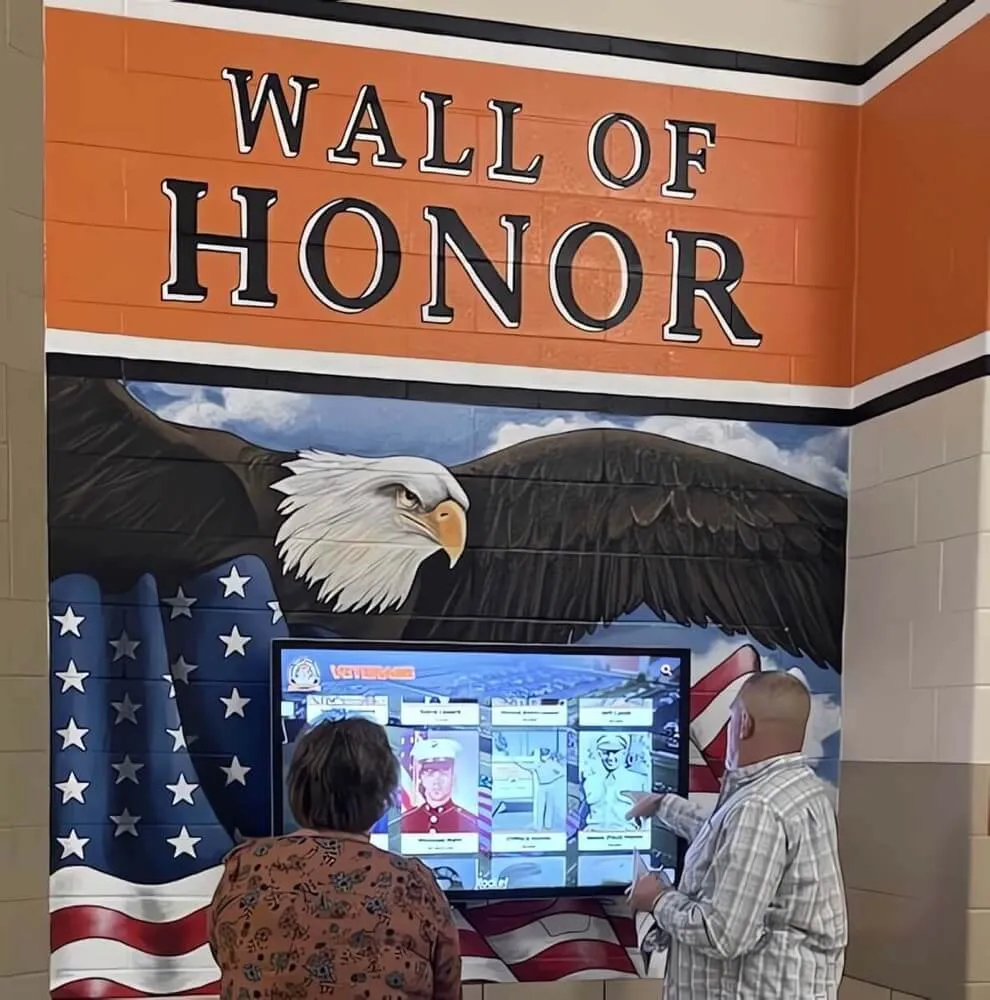
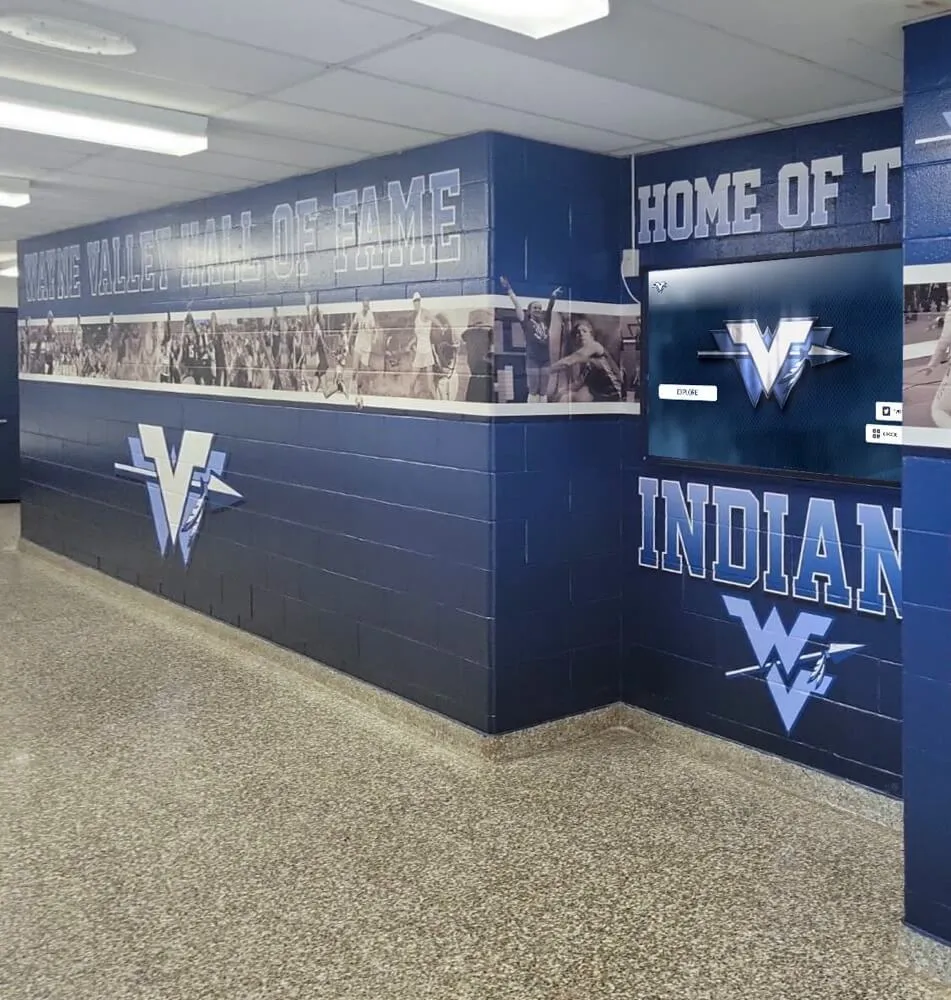
School spaces designed to showcase tradition and pride create ideal settings for homecoming court celebrations and recognition
Understanding Homecoming Court: Purpose and Significance
Before designing nomination and election processes, schools should clarify what homecoming court represents and what purposes it serves.
The Evolution of Homecoming Court Traditions
Homecoming courts have evolved significantly from their early 20th-century origins:
Historical Context Traditional homecoming court structures included:
- Single homecoming queen representing the school
- Court selection based primarily on appearance and popularity
- Limited to senior class students only
- Gender-specific roles and expectations
- Alumni voting involvement in earlier decades
- Coronation as central homecoming week ceremony
- Court members as ambassadors during alumni return weekend
While these traditional elements persist at some schools, many institutions have evolved their approaches to reflect contemporary values.
Modern Evolution Contemporary homecoming court traditions now often include:
- Courts representing multiple grade levels (freshman through senior)
- King and queen pairs or co-representatives
- Gender-neutral court positions at progressive schools
- Selection criteria emphasizing character and involvement
- Entirely student-driven nomination and voting processes
- Courts reflecting school diversity and varied student experiences
- Recognition of academic achievement alongside social leadership
- Integration with broader homecoming week celebrations
Schools successfully modernizing traditions maintain ceremonial dignity while ensuring processes align with inclusive values and diverse student populations.
Purpose and Meaning of Homecoming Court
Thoughtfully designed homecoming court traditions achieve multiple important objectives:
Student Recognition and Validation Court membership acknowledges:
- Leadership demonstrated throughout high school career
- Positive influence on school culture and community
- Character qualities peers recognize and respect
- Involvement in activities strengthening school community
- Academic commitment alongside social engagement
- Service contributions benefiting others
- Representation of school values and spirit
Recognition through homecoming court selection provides validation that encourages continued positive engagement while modeling admirable qualities for younger students.
Similar to how schools recognize achievement through high school awards ceremonies, homecoming court selection celebrates well-rounded excellence.
School Spirit and Unity Court traditions strengthen community through:
- Shared traditions connecting current students with alumni
- Ceremonial moments creating collective school memories
- Pride in representatives embodying school values
- Excitement generating enthusiasm for homecoming events
- Visual symbols of school identity and tradition
- Student body engagement in nomination and voting processes
- Celebration moments bringing entire community together
Effective homecoming court traditions amplify school spirit while creating unifying experiences that transcend typical social divisions.

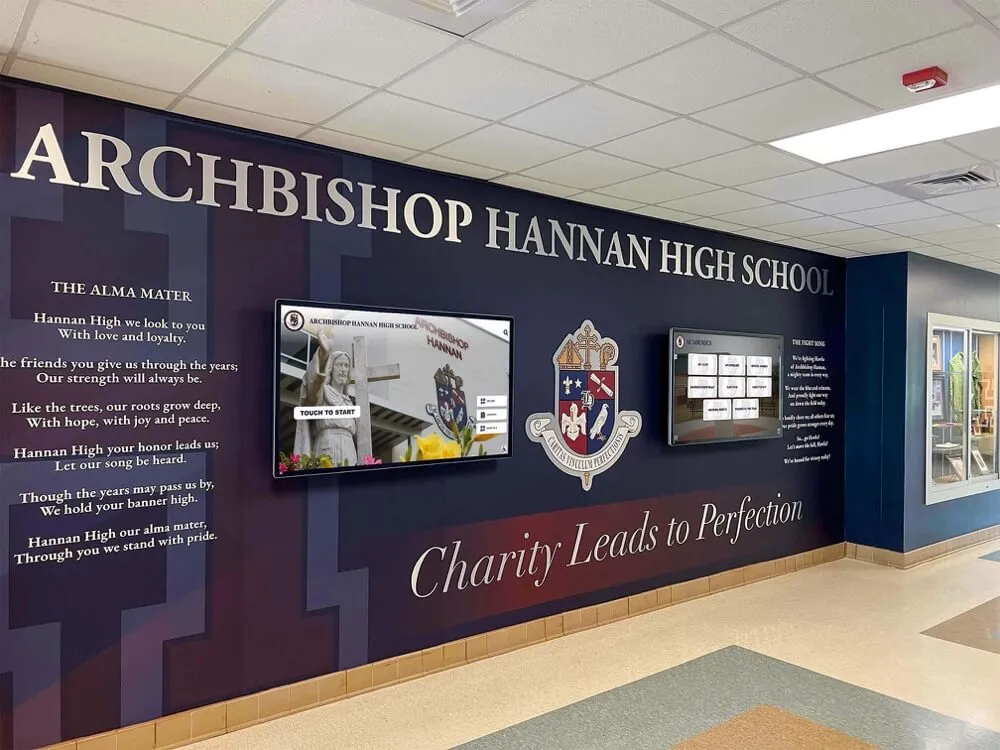
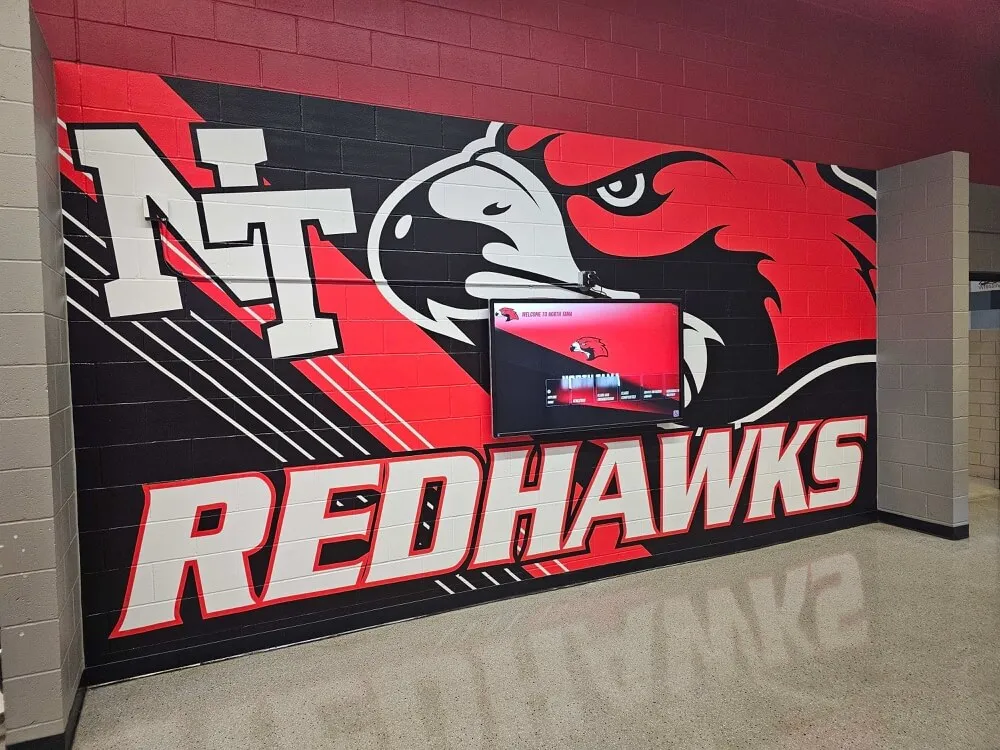
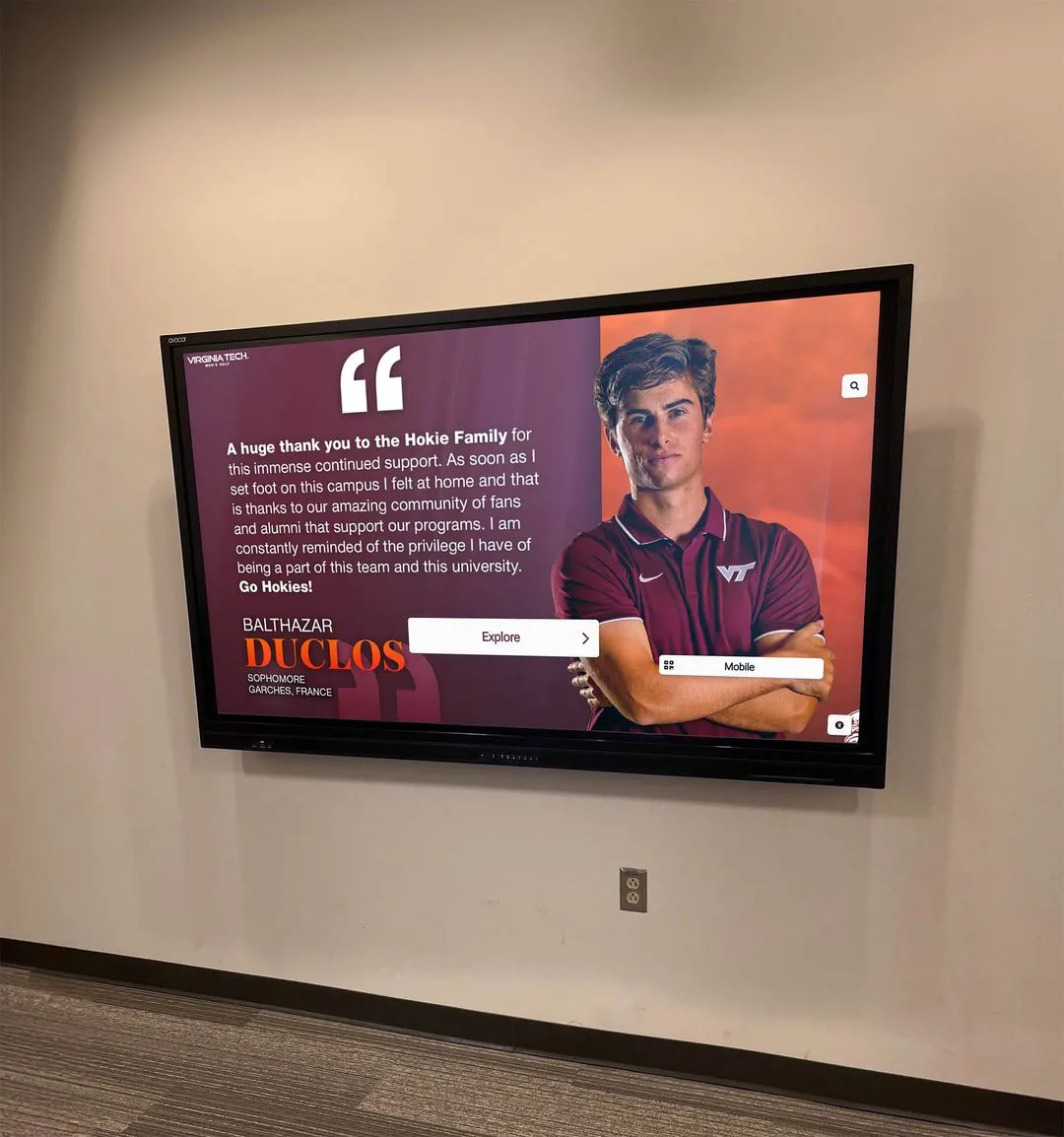
Student recognition displays celebrate achievements and leadership, reinforcing the values homecoming court traditions honor
Creating Lasting Memories Homecoming court experiences provide:
- Milestone moments students remember throughout their lives
- Recognition families celebrate and document
- Formal ceremony participation building confidence
- Leadership opportunities in highly visible roles
- Connection to school history and tradition
- Stories alumni share at reunions decades later
- Photographic documentation preserving special moments
For students selected, homecoming court membership often ranks among their most treasured high school memories.
Nomination Process: Creating Fair and Inclusive Systems
Thoughtful nomination processes establish foundations for meaningful court selection while ensuring opportunities for diverse student representation.
Establishing Clear Nomination Criteria
Published standards ensure transparency and guide student decision-making:
Academic Requirements Many schools establish minimum academic standards:
- Minimum GPA requirements (commonly 2.5 or 3.0)
- Good academic standing without failing grades
- No academic integrity violations
- Progress toward graduation requirements
- Academic eligibility aligned with athletic participation standards
- Special consideration for learning differences and accommodations
Academic criteria ensure court members demonstrate commitment to educational mission while maintaining achievable standards enabling broad participation.
Behavioral and Character Standards Character requirements might include:
- No major disciplinary infractions or suspensions
- Positive attendance record
- Respectful behavior toward peers and staff
- Demonstration of school values and integrity
- Good citizenship throughout high school career
- Community service or positive contributions
- Leadership in some capacity (formal or informal)
Character standards emphasize that homecoming court represents school’s best qualities, not simply popularity.
Involvement Expectations Some schools require demonstrated engagement:
- Participation in school activities, clubs, or athletics
- Contribution to school community in some capacity
- Attendance at school events and functions
- Involvement in service or volunteer work
- Leadership roles or committee participation
- Support of school traditions and spirit activities
Involvement criteria ensure court members actively contribute to communities they represent.
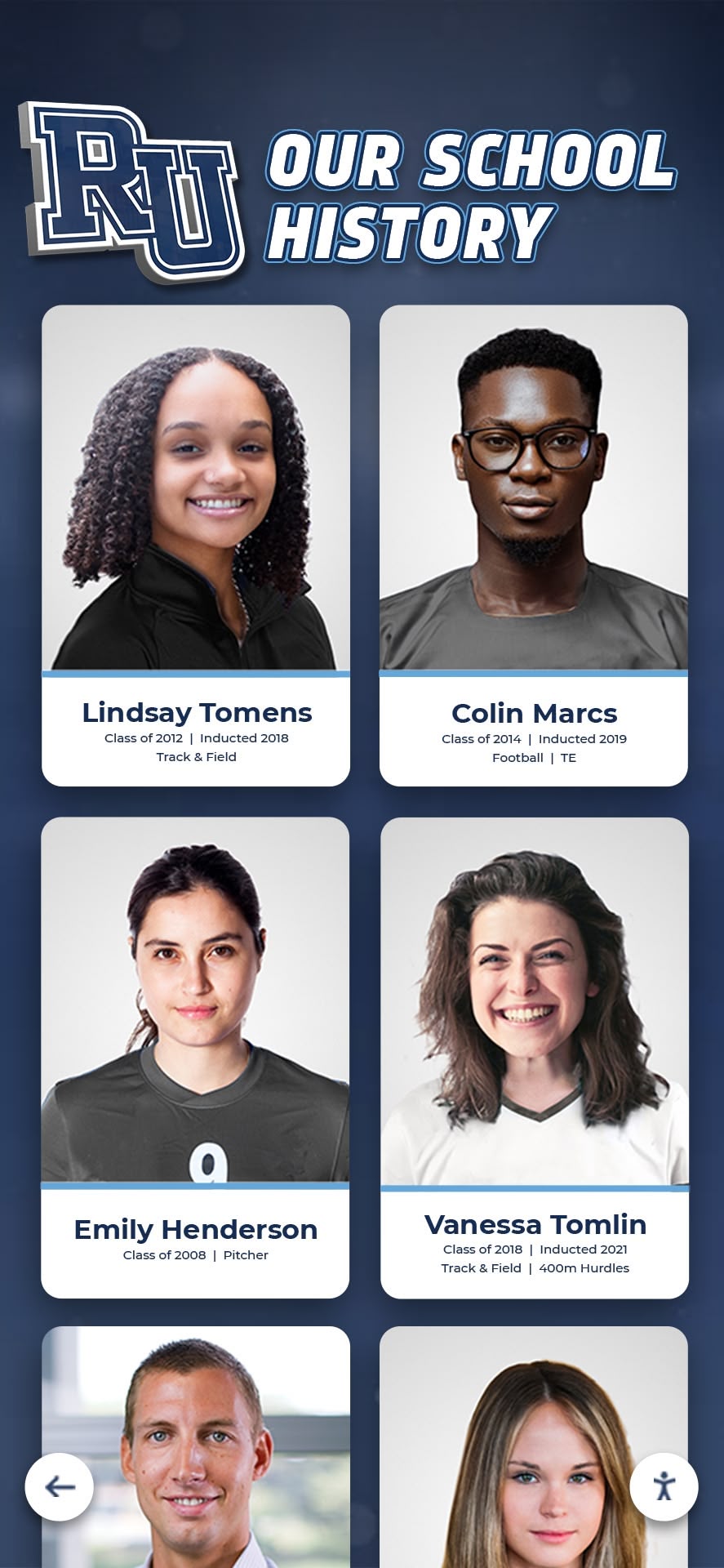
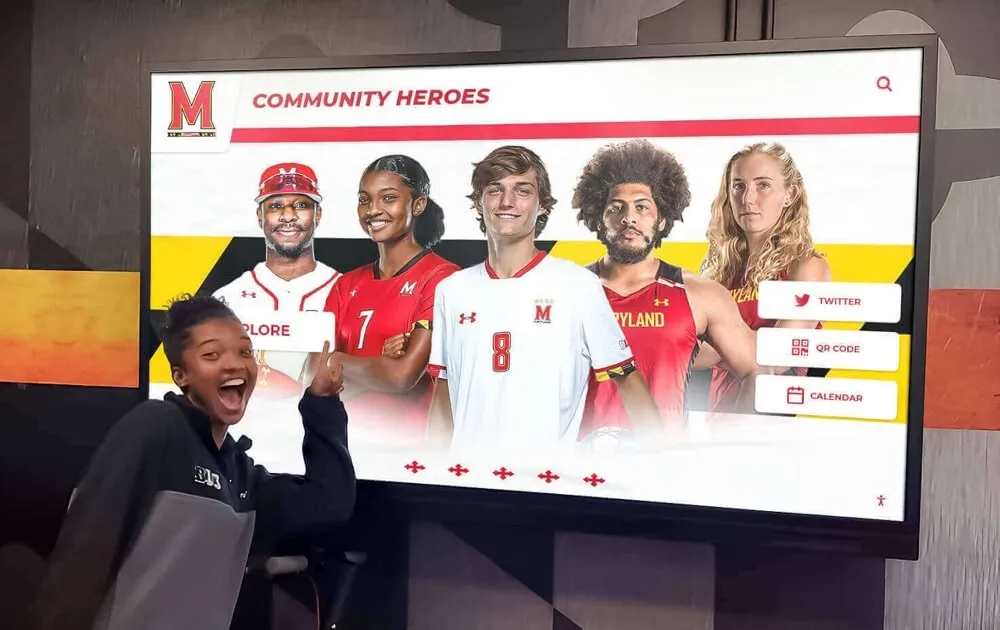
Comprehensive student profiles showcase the achievements and character that nomination criteria aim to recognize
Nomination Methods and Approaches
Different nomination systems offer various advantages:
Peer Nomination Process Student-driven nominations include:
- Open nomination period where students nominate classmates
- Nomination forms requiring nominator and nominee information
- Written statements explaining why nominee deserves consideration
- Minimum nomination threshold (often 5-10 peer nominations required)
- Self-nomination options at some schools
- Faculty verification of eligibility requirements
- Published nominee list following verification period
Peer nomination ensures students directly influence who appears on ballots while nomination thresholds prevent ballot overcrowding.
Faculty and Staff Input Some schools incorporate adult perspectives:
- Teacher nominations based on classroom character and effort
- Staff nominations recognizing students showing respect to all
- Counselor recommendations based on comprehensive student knowledge
- Administrator nominations for leadership and school representation
- Coach and advisor input regarding teamwork and dedication
- Combined peer and faculty nominations creating balanced approach
Faculty involvement can identify worthy students who may not pursue self-promotion but demonstrate exceptional character daily.
Application-Based Selection More comprehensive approaches include:
- Written applications explaining court interest and qualifications
- Essay responses about leadership experiences and school contributions
- Resume or activity list documentation
- Teacher or community member recommendation letters
- Interview component with selection committee
- Rubric-based evaluation ensuring consistent assessment
- Selection committee choosing court or finalists for student vote
Application processes enable deeper assessment but require significant administrative time and coordination.
Learn about related leadership recognition through student council positions and selection processes.
Ensuring Diversity and Inclusion
Intentional efforts create representative courts:
Structural Approaches Systems promoting diverse representation:
- Court positions representing each grade level
- Multiple court members ensuring variety
- Gender-neutral options or balanced representation
- Consideration of various student groups and activities
- Nominations from different social circles and friend groups
- Ballot design preventing single-group dominance
- At-large positions alongside grade-level representatives
Structural design significantly impacts who ultimately participates.
Awareness and Education Promoting inclusive nomination culture:
- Student education about nomination criteria and values
- Emphasis on character, leadership, and contribution over popularity
- Recognition that court should reflect school’s diversity
- Encouragement of nominations across social groups
- Celebration of varied achievements and talents
- Communication that court represents entire student body
- Modeling inclusive values through process design
Cultural messaging influences which students community nominates and who feels comfortable accepting nominations.
Election Process: Conducting Fair and Engaging Votes
Well-designed elections balance engagement with integrity while producing results students trust.
Ballot Design and Voting Systems
Technical choices impact election fairness and outcomes:
Ballot Structure Options Common approaches include:
- Vote for specified number of candidates per category
- Rank-choice voting for more nuanced preference expression
- Separate ballots for each grade level’s court representatives
- Combined ballot listing all nominees with grade indicators
- Write-in options allowing unlisted candidates (if permitted)
- Clear instructions preventing ballot confusion
- Sample ballots published before election day
Ballot design should prevent vote-splitting that advantages less popular candidates while ensuring voter intent clarity.
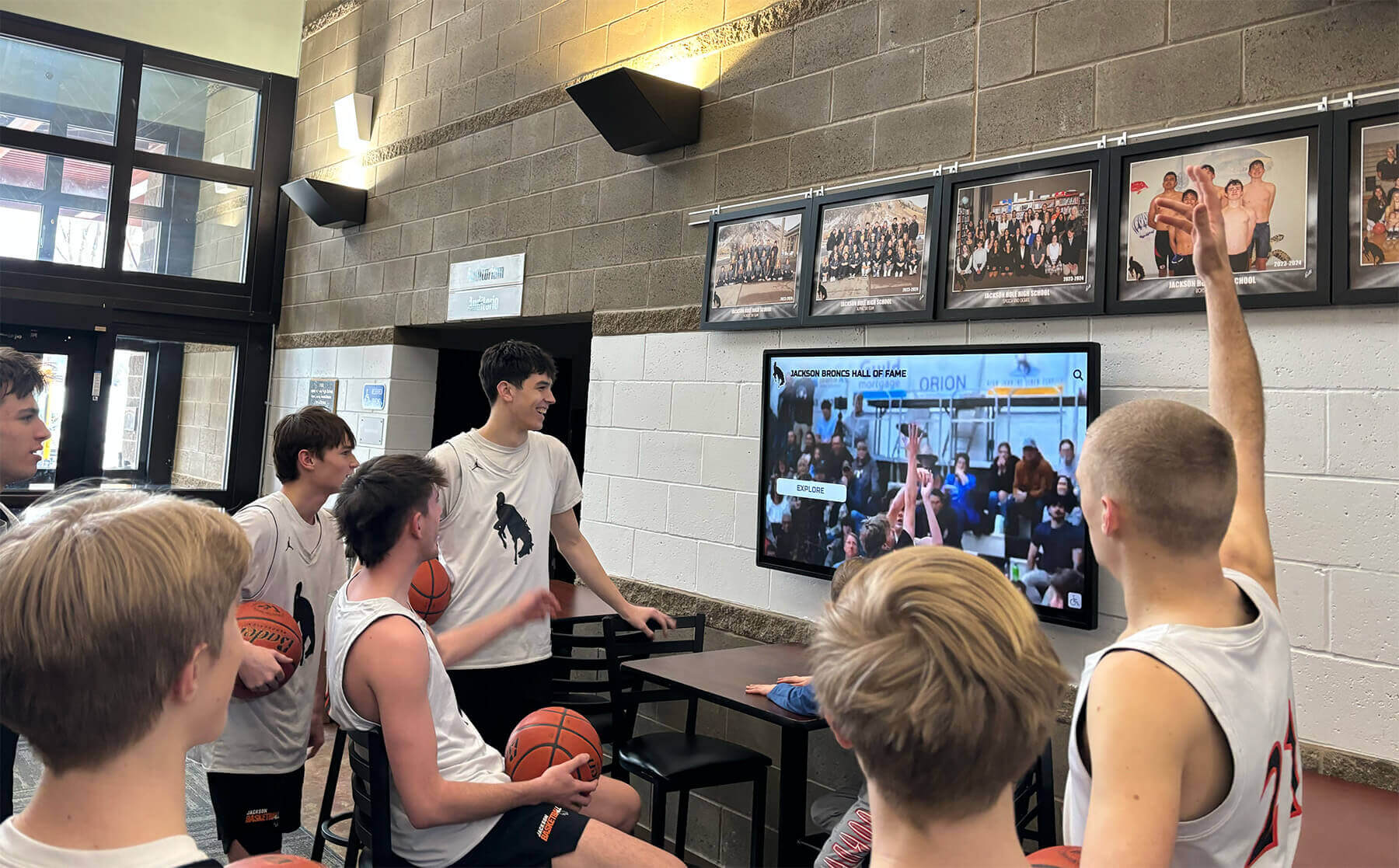
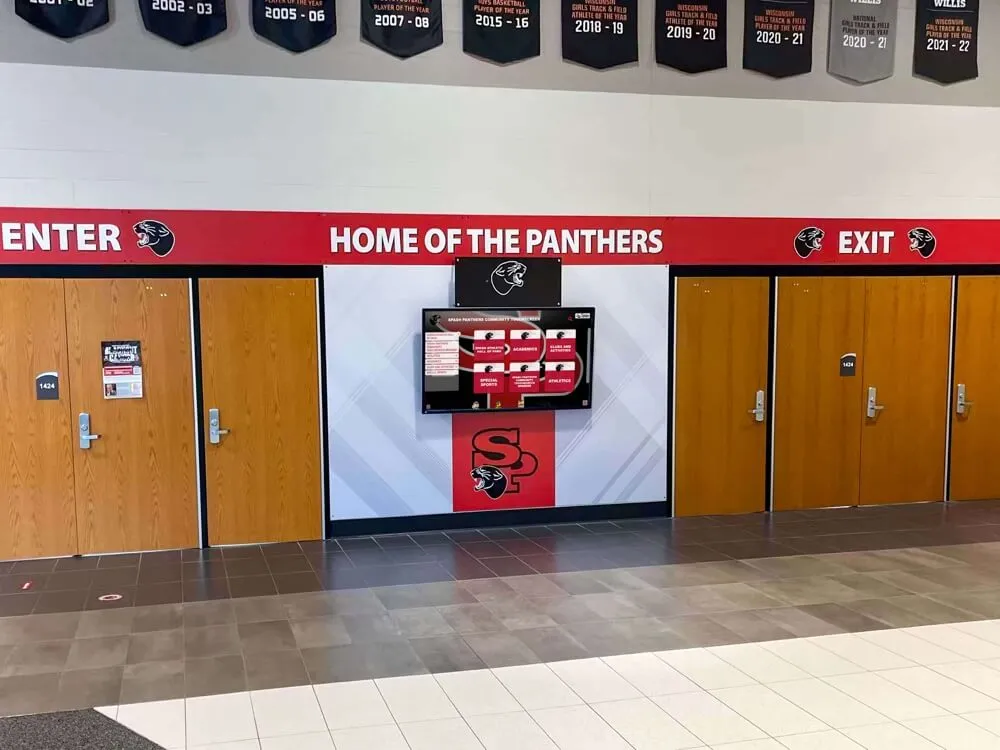
Central gathering spaces facilitate school-wide participation in traditions like homecoming court elections
Voting Methods Different systems offer various advantages:
- Paper ballot voting during designated class period
- Online voting through secure student portal
- Homeroom-based voting with teacher proctoring
- All-school assembly voting with immediate results
- Extended voting period allowing all students to participate
- Hybrid approaches combining convenience and security
- Accessibility accommodations for students with disabilities
Voting method should maximize legitimate participation while minimizing fraud possibilities.
Vote Counting and Verification Ensuring accurate results:
- Student council or neutral committee counting ballots
- Multiple counters independently verifying totals
- Faculty advisor oversight of counting process
- Clear procedures for recounts if needed
- Secure ballot storage and confidential counting location
- Documentation of vote totals for transparency
- Announcement timeline allowing proper verification
Transparent counting procedures build trust while preventing disputes.
Campaign Guidelines and Regulations
Clear rules ensure fair competition and positive campaigning:
Campaign Activity Parameters What students may and may not do:
- Permitted campaign materials and posting locations
- Size and quantity limitations for posters and flyers
- Digital campaign guidelines for social media use
- Campaign speech opportunities and time limits
- Restrictions on gifts, bribes, or vote-buying
- Prohibition of negative campaigning about opponents
- Equal campaign opportunity regulations
- Timeline for campaign period duration
Campaign guidelines prevent advantages based on financial resources while maintaining positive tone.
Enforcement and Consequences Maintaining rule compliance:
- Clear communication of all campaign regulations
- Monitoring of campaign activities for violations
- Warning system for minor infractions
- Disqualification consequences for serious violations
- Appeals process for disputed rulings
- Consistent enforcement across all candidates
- Faculty oversight preventing unfair advantages
Fair enforcement ensures rules enhance rather than undermine election integrity.
Special Considerations for Modern Elections
Contemporary issues requiring attention:
Social Media and Digital Campaigning Managing online campaign activity:
- Guidelines for social media campaign posts
- Prohibition of cyberbullying or negative content
- Monitoring systems for inappropriate digital activity
- School account vs. personal account distinctions
- Hashtag and tagging guidelines
- Screenshot and documentation of violations
- Education about digital citizenship during campaigns
Digital guidelines prevent campaigns from devolving into online popularity contests or bullying situations.
Addressing Election Manipulation Concerns Preventing fraud and ensuring fairness:
- One-person-one-vote verification systems
- Student ID requirements for ballot receipt
- Online voting security through authenticated logins
- Proxy voting prohibitions
- Campaign violation investigation procedures
- Recount and audit capabilities
- Transparency about vote totals and margins
Security measures maintain election integrity without creating excessive barriers to legitimate participation.
Court Structure: Designing Representative Systems
How schools organize homecoming courts significantly impacts who gets recognized and how traditions function.
Traditional Court Structures
Common organizational approaches:
Single-Grade Senior Court Classic structure focusing on graduating class:
- King and queen positions representing senior class
- Court members (typically 4-8 students) as attendants
- Prince and princess designations for runners-up
- Escort or partner options for court members
- Senior-only eligibility emphasizing culminating honor
- Coronation during halftime of homecoming football game
- Court members participating in parade and pep rally
Senior-focused courts treat homecoming as capstone recognition for graduating students.
Multi-Grade Representative Courts Inclusive structures spanning grade levels:
- Freshman, sophomore, junior, and senior court members
- Prince and princess pairs for underclassmen
- King and queen designation for senior representatives
- Each grade level selecting their own representatives
- Progressive participation where students can be nominated multiple years
- Underclassmen court member participation in ceremonies
- Grade-specific responsibilities during homecoming week
Multi-grade systems create anticipation across all years while providing recognition opportunities for younger students.
Explore how schools celebrate students across grade levels through class officer recognition displays.
Modern Inclusive Alternatives
Progressive approaches reflecting contemporary values:
Gender-Neutral Court Options Inclusive structures include:
- Court members without gender-specific titles
- “Homecoming Royalty” replacing king and queen terminology
- Representative or ambassador designations
- Monarch terminology for primary positions
- Students self-selecting titles that fit their identity
- Elimination of paired/escort requirements
- Recognition based on merit rather than gender categories
Gender-neutral approaches ensure LGBTQ+ students can fully participate and feel celebrated.
Recognition Beyond Popularity Character and contribution-focused alternatives:
- Court positions representing different school values
- Leadership, service, spirit, and academic representative roles
- Activity-based court positions (arts, athletics, academics, service)
- Court members selected through application rather than vote
- Faculty and student committee selection process
- Emphasis on contribution over popularity
- Multiple recognition categories ensuring diverse student celebration
These alternatives maintain ceremonial tradition while broadening what qualities receive recognition.
Court Size and Position Definitions
Determining appropriate court composition:
Size Considerations Factors influencing court size:
- School enrollment and class size
- Ceremonial logistics and time constraints
- Ensuring diverse representation
- Budget for court member expenses (flowers, gifts, sashes)
- Parade and ceremony space limitations
- Balancing exclusivity with inclusion
- Historical precedent and tradition
Courts typically range from 6-20 members depending on these factors.
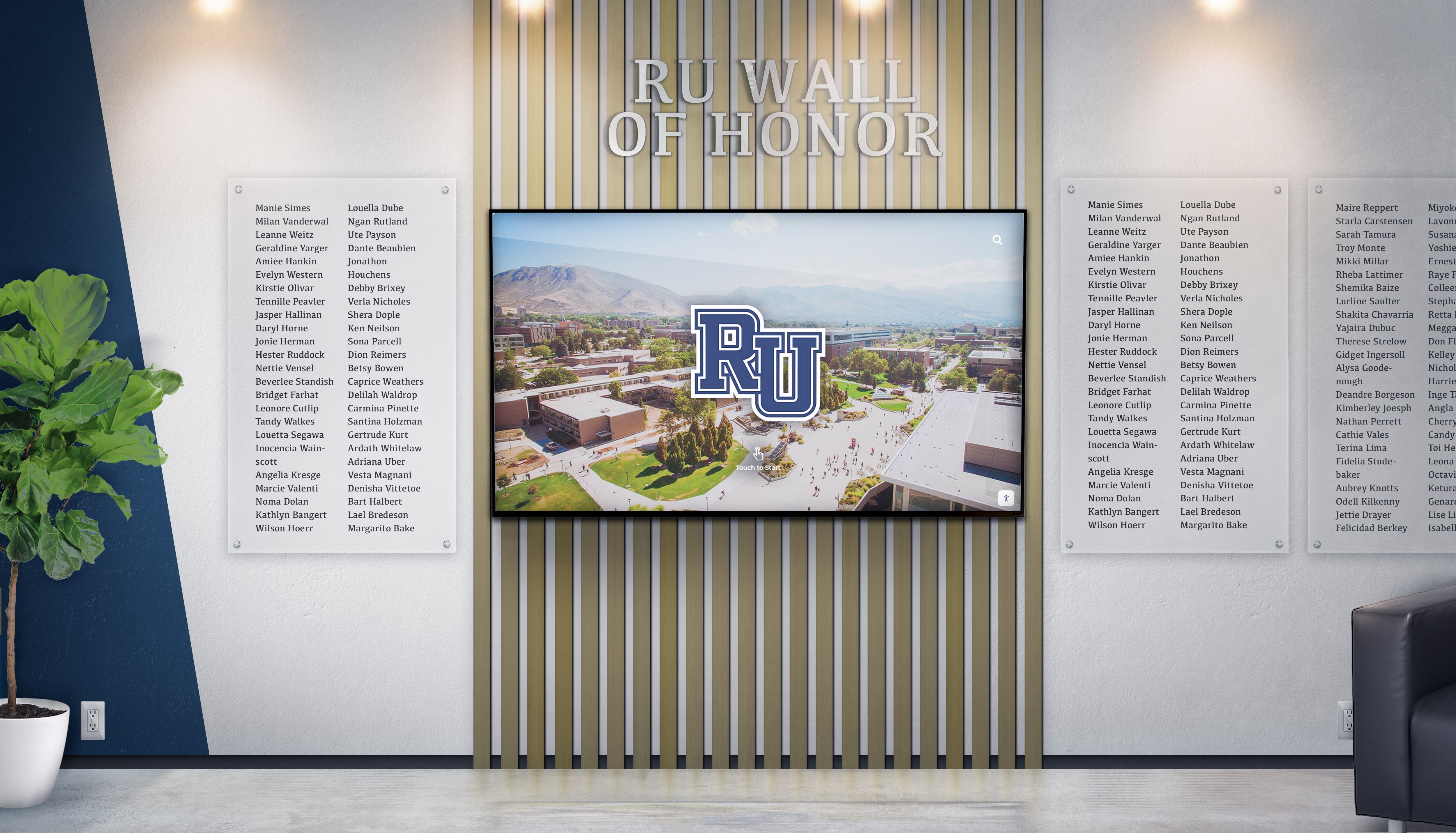
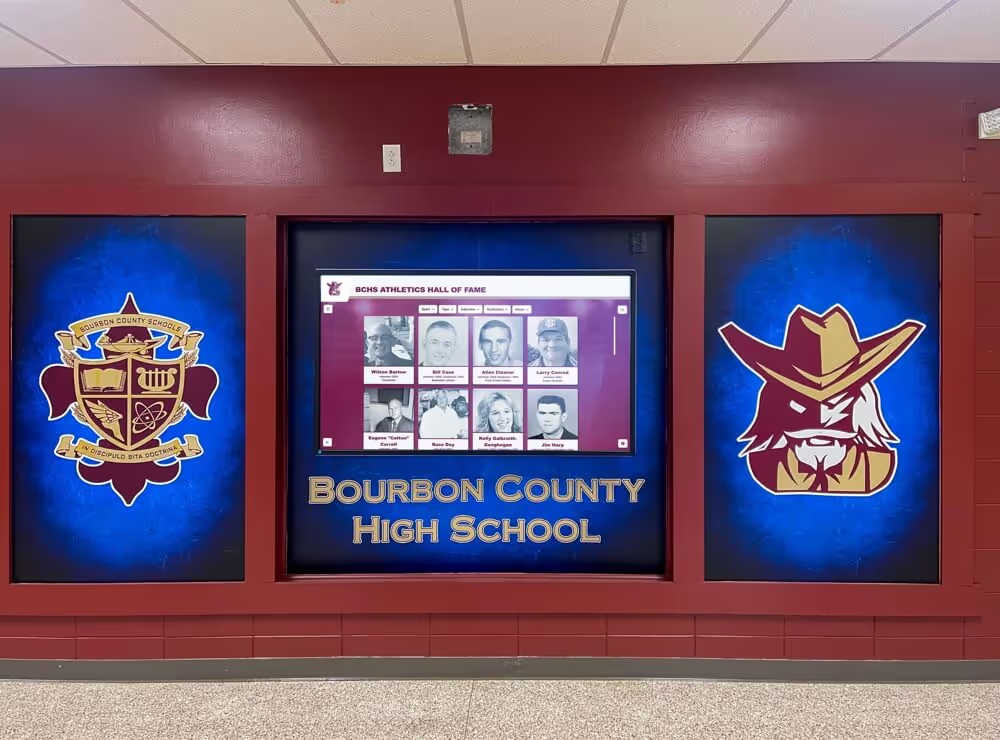
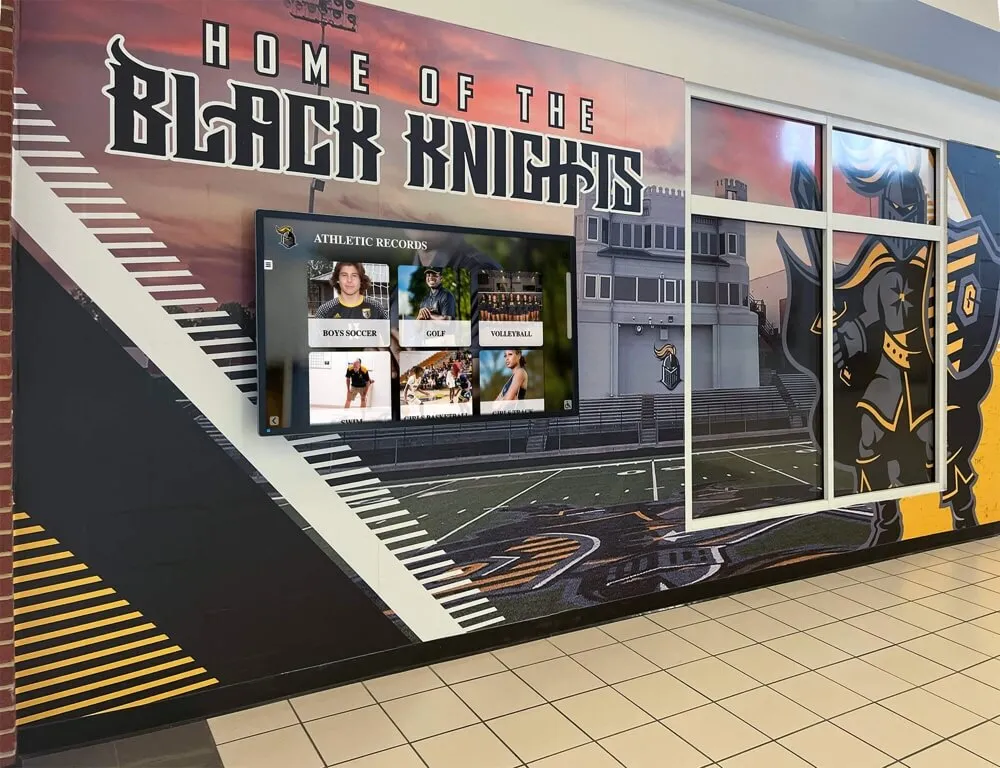
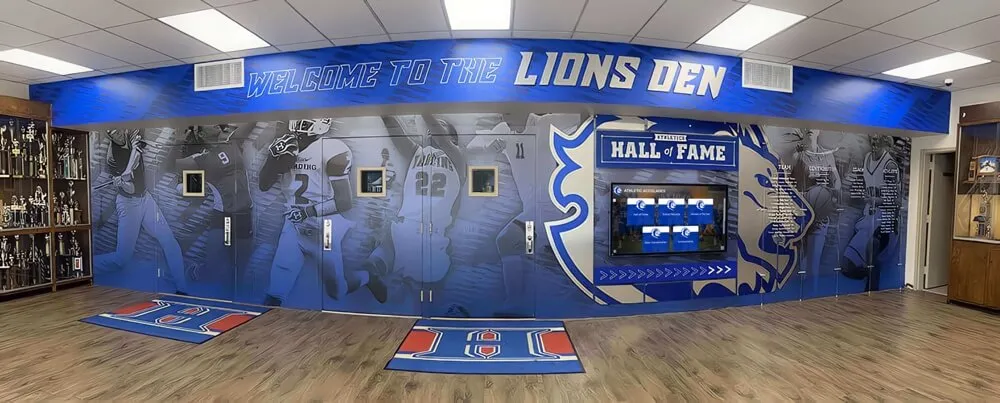
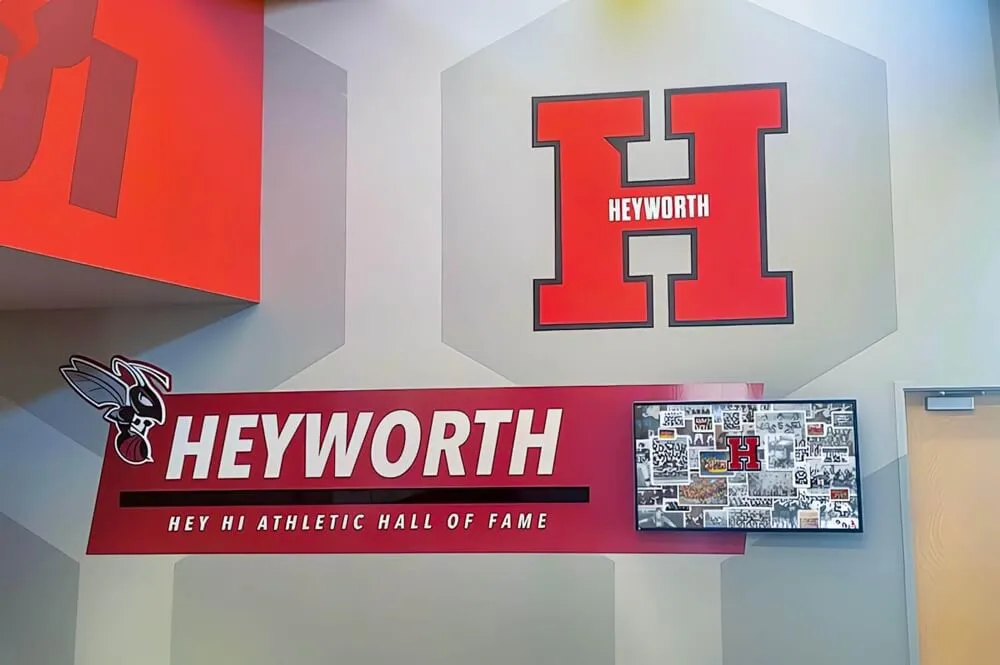
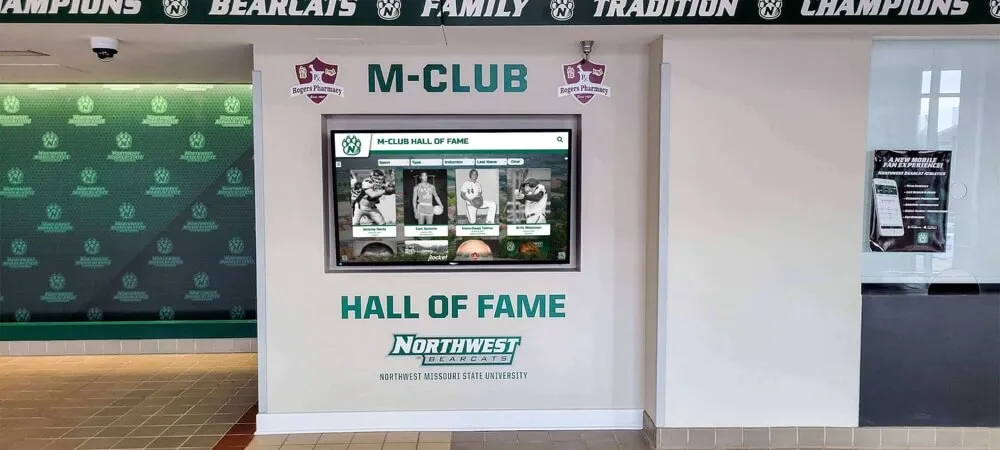
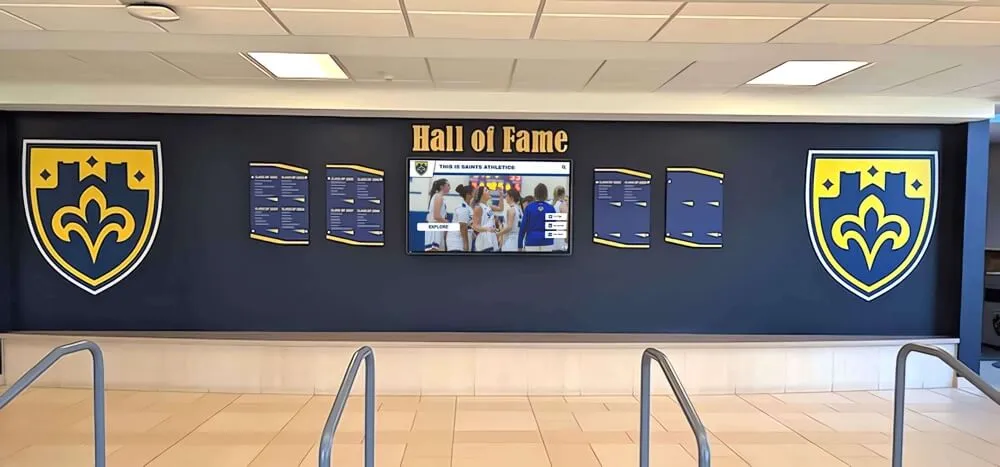
Permanent recognition displays can document homecoming court members across years, preserving tradition and celebrating student leaders
Position Hierarchy Defining roles and titles:
- King and queen as primary honored positions
- Prince and princess for runners-up or underclassmen
- Court members or attendants for remaining positions
- Duke and duchess variations at some schools
- Equal co-representative systems without hierarchy
- Title assignment based on vote totals vs. grade level
- Clarifying what each position means and represents
Clear position definitions prevent confusion while creating appropriate ceremony structure.
Celebration and Recognition: Homecoming Week Festivities
How schools celebrate homecoming courts significantly impacts the tradition’s meaning and memorability.
Homecoming Week Court Activities
Court member involvement throughout week:
Announcement and Reveal Building anticipation:
- Public announcement of nominees during morning program
- Social media reveals with nominee photos and bios
- Hallway poster displays introducing each candidate
- Video announcements with candidate interviews
- Assembly presentations allowing nominees to address school
- Nominee profile publications in school newspaper
- Digital displays showcasing court candidates
Strategic announcements generate excitement while giving entire school community opportunity to learn about nominees.
Campaign Week Participation Nominee engagement during election period:
- Dress-up days aligned with homecoming week themes
- Participation in lunchtime activities and competitions
- Morning announcement appearances
- Social media takeover opportunities
- Meet-and-greet sessions with student body
- Participation in spirit activities and pep rallies
- Service project involvement demonstrating character
Active participation keeps nominees visible while demonstrating commitment to school community.
Coronation Ceremony Planning
Creating memorable recognition moments:
Traditional Football Halftime Ceremony Classic coronation approach:
- Court member entrance during halftime
- Individual introduction of each court member with escorts
- Reading of court member accomplishments and qualities
- Previous year’s royalty crowning new king and queen
- Photo opportunities on field
- Crown, sash, bouquet, or other symbolic items presented
- Victory lap or celebration moment
- Public address announcements ensuring crowd engagement
Halftime ceremonies reach largest audience while connecting homecoming tradition to athletic events.
Alternative Ceremony Venues Options beyond football field:
- Dedicated coronation assembly during school day
- Homecoming dance grand march and crowning
- Stand-alone evening ceremony for families and community
- Multi-location recognition across homecoming events
- Virtual ceremony components for online audiences
- Outdoor campus ceremony in memorable location
- Integration with homecoming parade activities
Alternative venues may provide better acoustics, lighting, and intimacy than stadium settings.
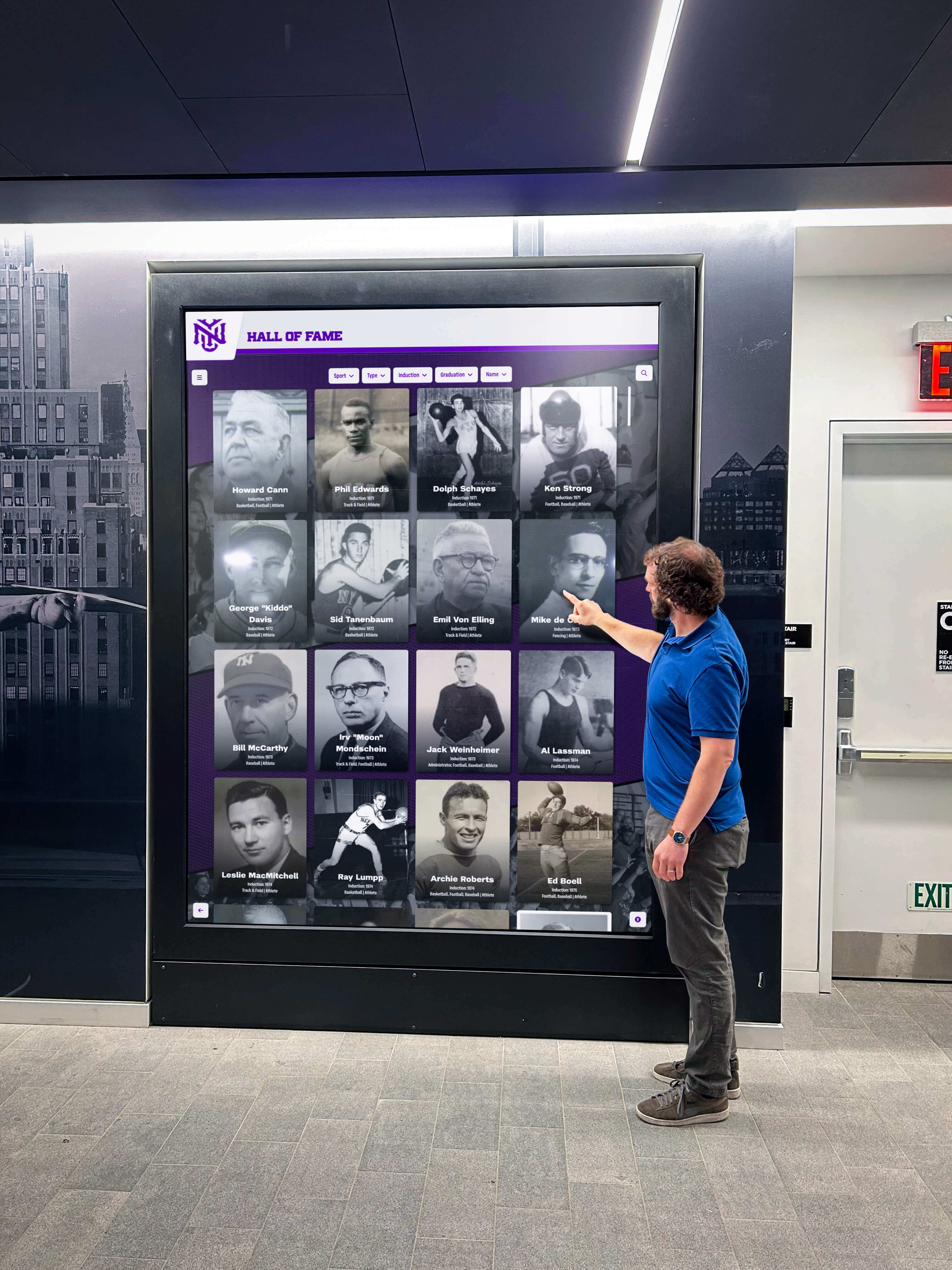
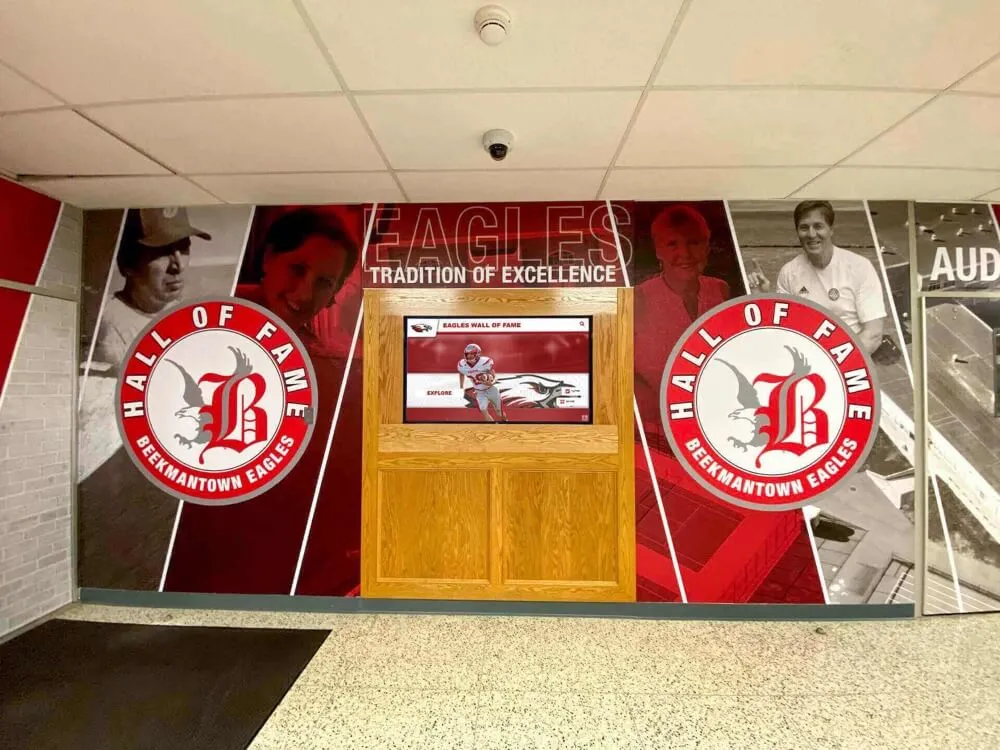
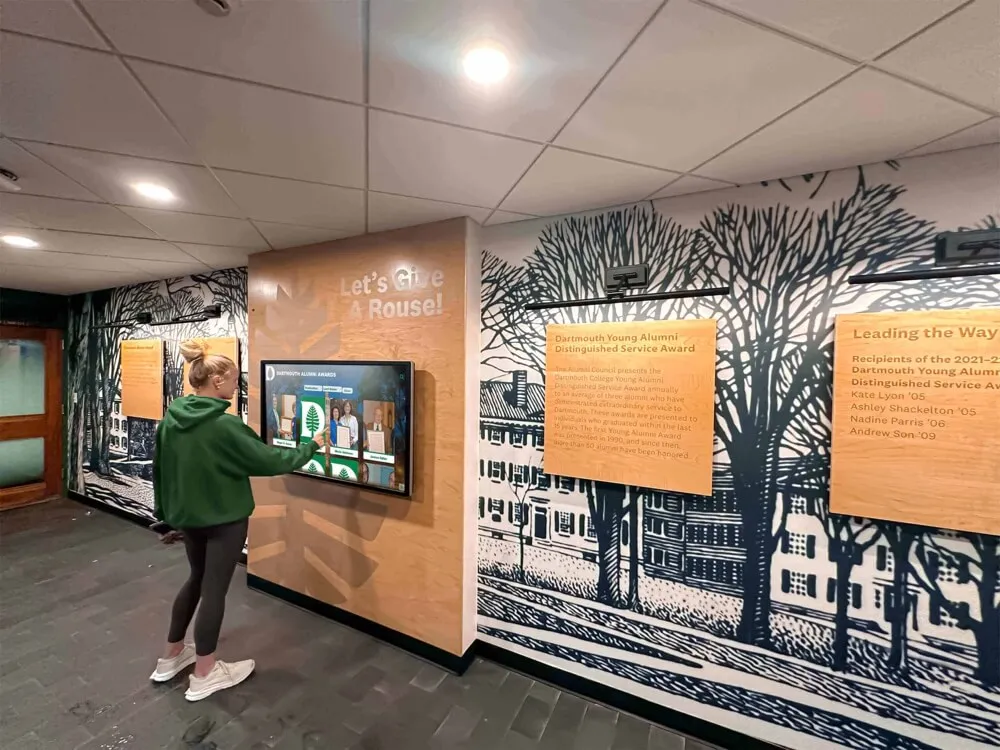
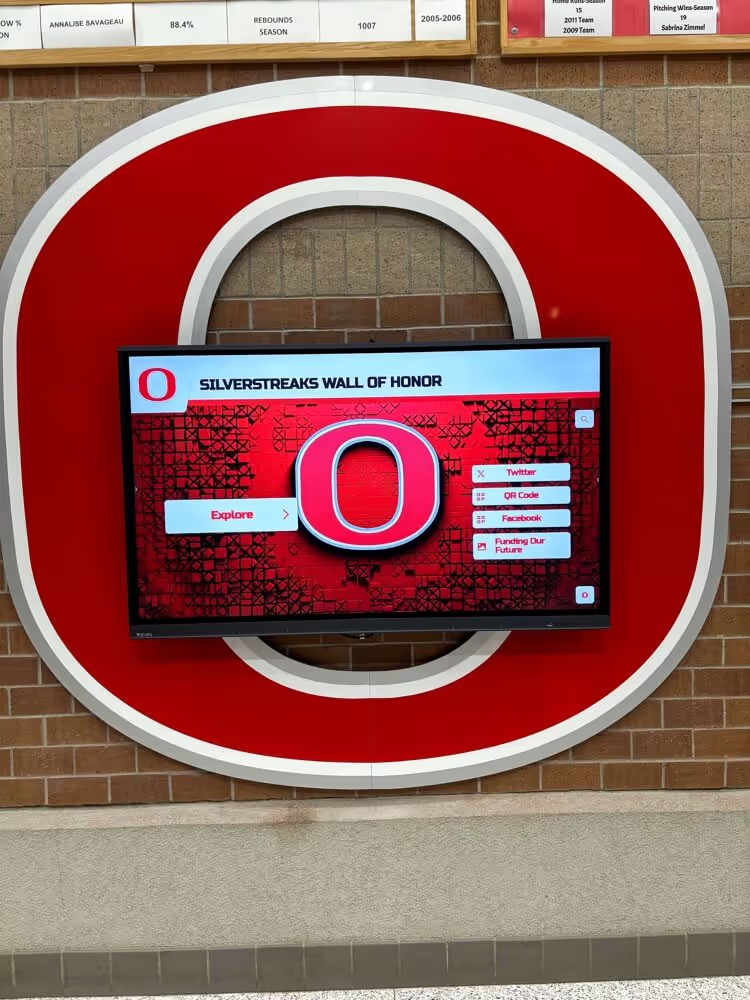
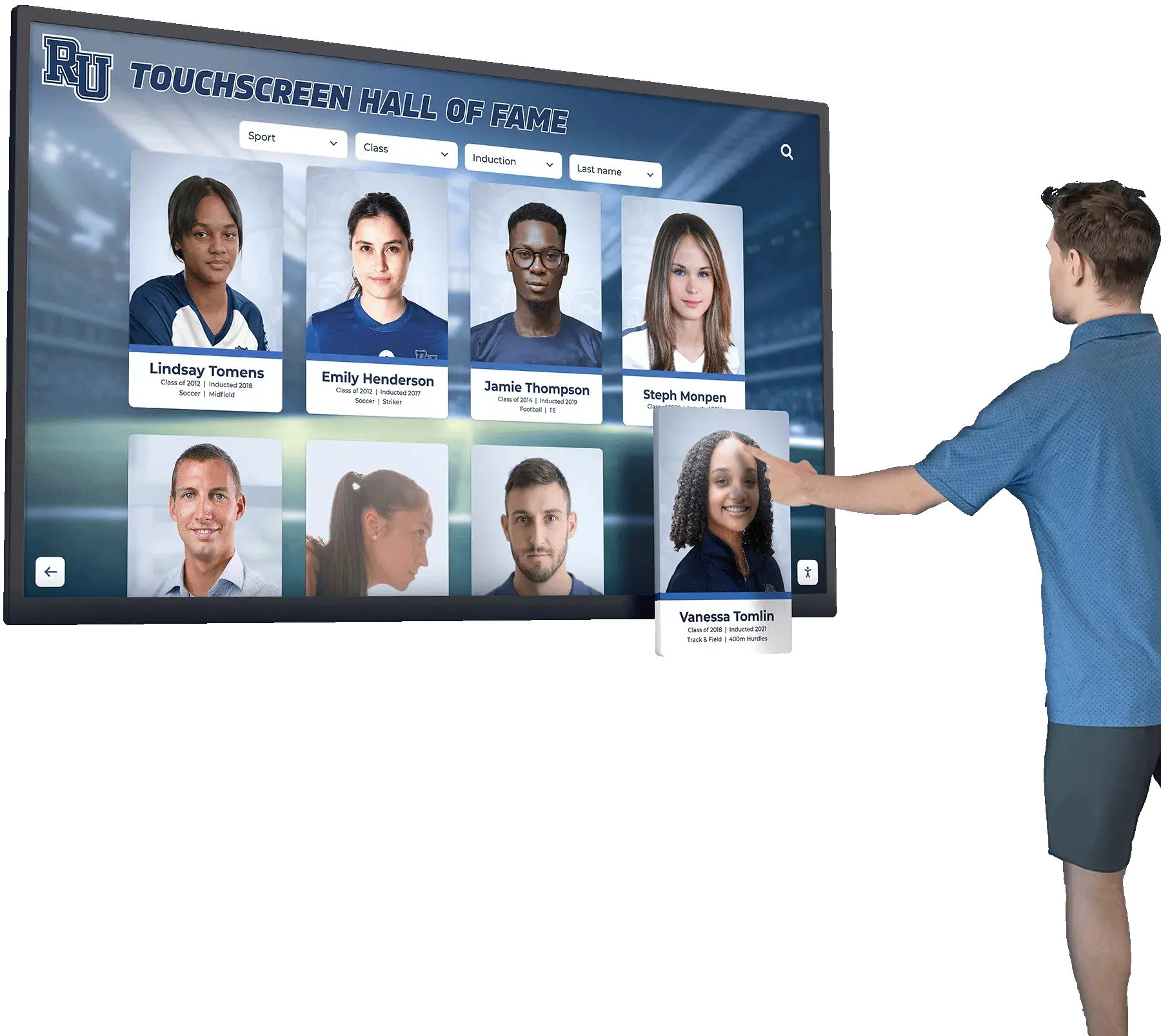
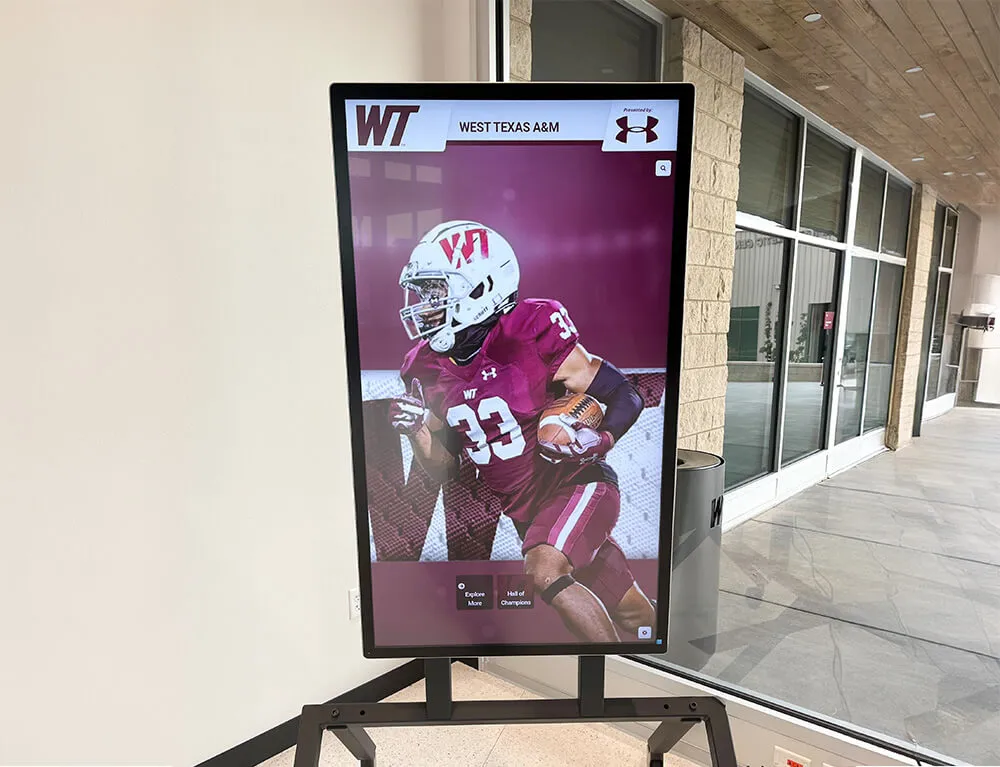
Interactive displays create engaging ways to celebrate and document homecoming court traditions, accessible to entire school community
Ceremony Elements and Traditions Components creating meaningful celebrations:
- Opening remarks explaining homecoming court significance
- Individual court member recognition with personal tributes
- Reading of student-submitted nominations explaining why nominees deserve honor
- Musical performances or school choir involvement
- Alumni court member participation passing torch
- Parent/guardian involvement in recognition moments
- Symbolic gestures like crown/tiara passing, flower presentations
- Photo and video documentation for lasting memories
- Reception or celebration following formal ceremony
Thoughtful ceremony design balances tradition with personalization, formality with warmth, and efficiency with meaning.
Discover comprehensive approaches to planning memorable school celebrations through school event planning guides.
Court Member Responsibilities and Privileges
Clarifying expectations and benefits:
Ceremonial Responsibilities What court members commit to:
- Participation in all homecoming week activities
- Attendance at coronation ceremony and dance
- Involvement in homecoming parade
- Photo sessions for yearbook and promotional materials
- Representing school at community events during homecoming
- Maintaining eligibility through continued good standing
- Positive representation of school values throughout tenure
Clear responsibility communication prevents surprises while ensuring court members understand commitment.
Recognition and Benefits What court membership provides:
- Formal recognition at coronation ceremony
- Yearbook documentation and dedicated pages
- Commemorative items (crowns, sashes, plaques, flowers)
- Permanent recognition displays in school building
- Social media and website celebration
- Potential scholarship opportunities at some schools
- Reserved seating or VIP treatment at homecoming events
- Lifelong designation as homecoming court member
Benefits should provide meaningful recognition without creating excessive costs or unsustainable expectations.
Documentation and Lasting Recognition
Preserving homecoming court traditions creates institutional memory while honoring participants.
Photography and Videography
Professional documentation approaches:
Professional Court Photos Formal documentation includes:
- Individual portrait sessions in formal attire
- Group court photos with all members
- Ceremony and coronation photography
- Candid shots during homecoming week activities
- Historic location or meaningful campus setting photos
- Formal studio portraits for permanent displays
- Action shots from football game, parade, dance
- Family photos with court members in regalia
Quality photography creates lasting documentation families treasure and schools preserve historically.
Video Documentation Moving image preservation:
- Full coronation ceremony recording
- Highlight reels from homecoming week
- Individual court member video profiles
- Interview segments about court experience
- Social media content throughout election and celebration
- Live streaming for community unable to attend
- Archived documentation for future reference
- Compilation videos celebrating tradition across years
Video documentation captures emotion and ceremony atmosphere impossible in still photography alone.
Permanent Recognition Displays
Creating lasting institutional memory:
Traditional Recognition Methods Physical display approaches:
- Engraved plaques listing court members by year
- Trophy cases dedicating space to homecoming tradition
- Hallway display boards showing court photos annually
- Dedicated wall space for homecoming court history
- Composite photo displays showing decades of courts
- Graduation year integration with senior class recognition
- Display case exhibits with crowns, sashes, and memorabilia
Traditional displays create visible connection between current students and historical tradition.
Digital Recognition Solutions Modern platforms expanding possibilities:
Solutions like Rocket Alumni Solutions provide interactive touchscreen displays that:
- Showcase unlimited homecoming courts across all years
- Create searchable directories by name, year, or position
- Display full court member profiles with photos and accomplishments
- Present ceremony photos and video highlights
- Connect homecoming tradition to other school recognition
- Update easily for each new court
- Provide web access extending recognition beyond physical campus
- Archive complete historical record accessible to alumni
Digital platforms eliminate space constraints while creating engaging exploration experiences impossible with static displays.
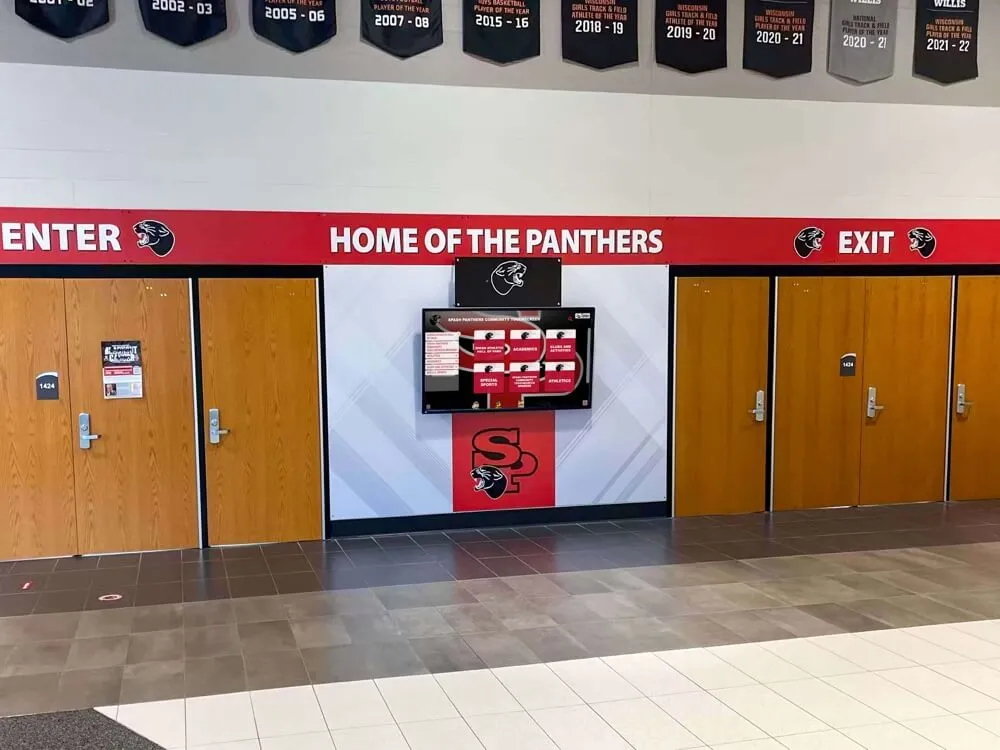
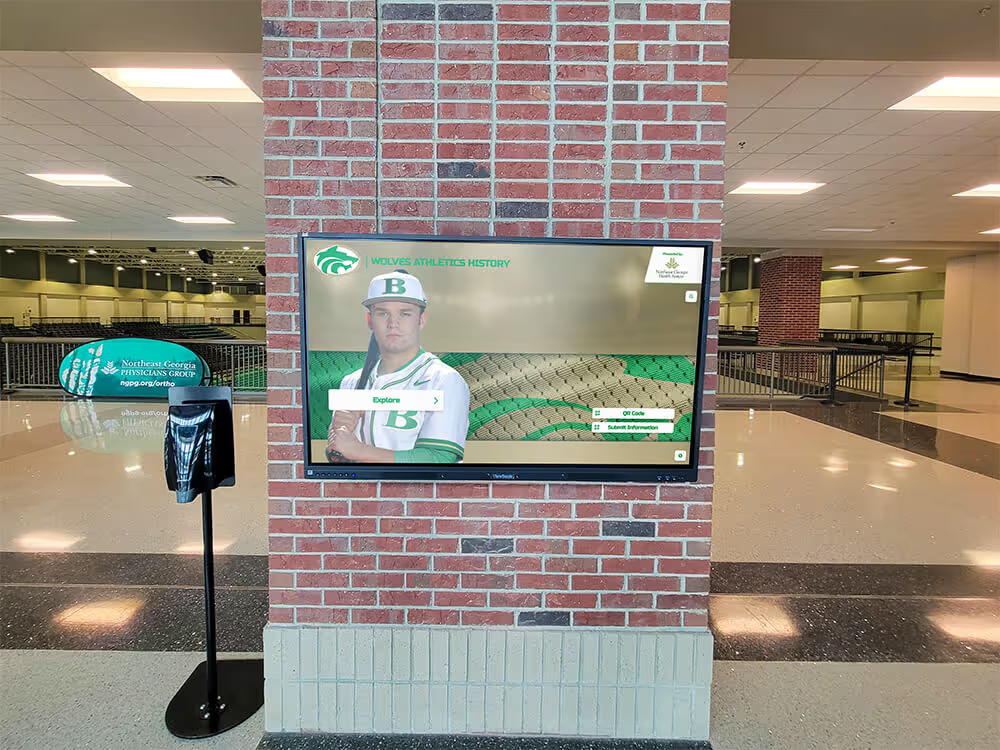
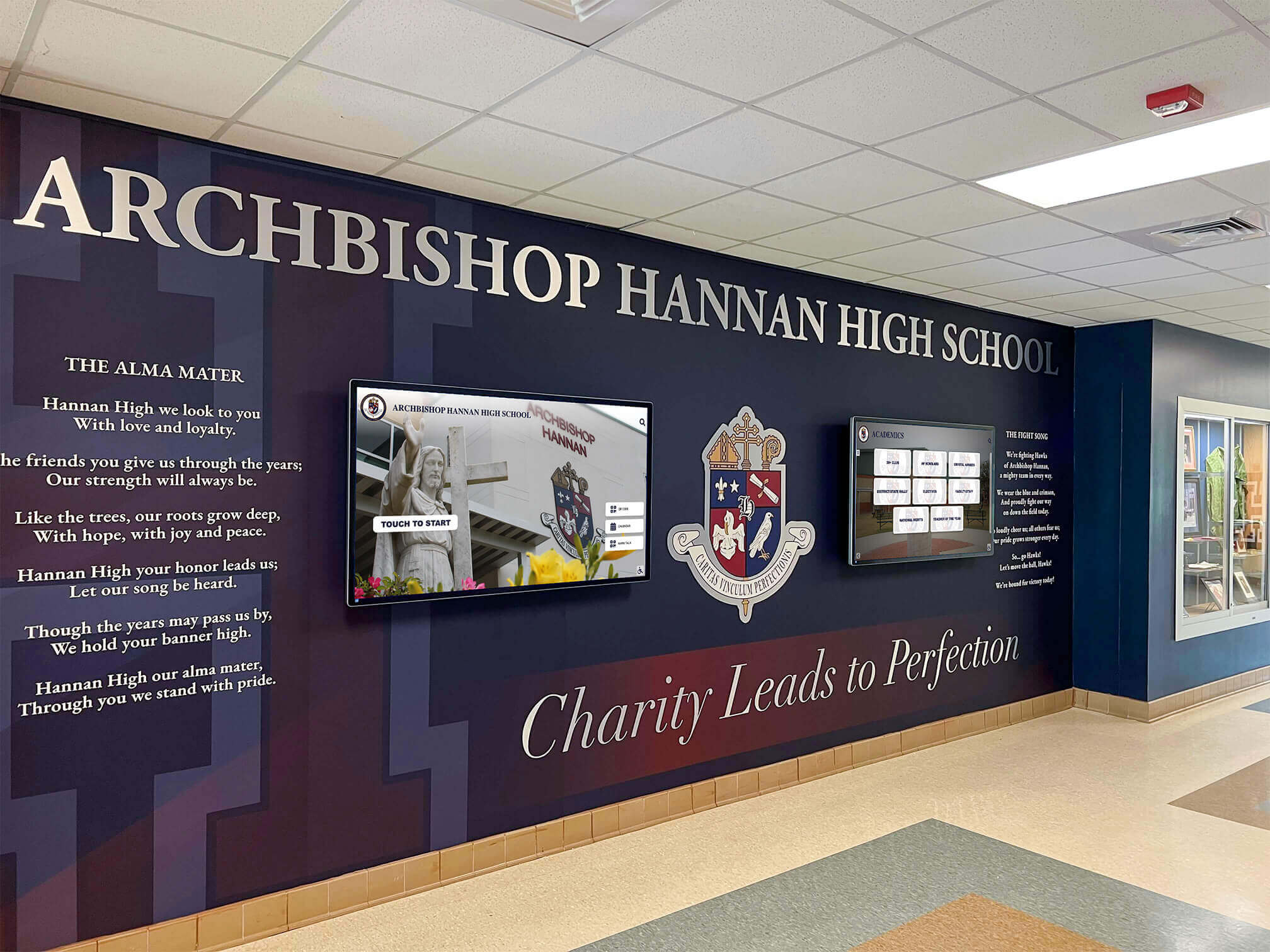
Strategic display placement in high-traffic areas ensures homecoming court recognition remains visible year-round, strengthening tradition
Yearbook Documentation Annual publication recognition:
- Dedicated homecoming court spread with formal photos
- Coverage of coronation ceremony and homecoming week
- Individual court member photos with short biographies
- Election and campaign activity documentation
- Dance and celebration photo coverage
- Historical perspective connecting to previous years
- Quote collection from court members about experience
Yearbook documentation ensures each year’s court receives permanent recognition in official school record.
Alumni Engagement and Tradition Continuation
Connecting past and present:
Alumni Court Member Involvement Bringing graduates back:
- Previous court members participating in current coronations
- Crown-passing traditions from prior year’s royalty
- Alumni panel discussions about court experience
- Multi-generational court member recognition when family members both served
- Reunion events celebrating milestone anniversary courts (25th, 50th)
- Fundraising support from alumni court members
- Mentorship of current court members by alumni
Alumni involvement strengthens tradition’s continuity while creating meaningful connections across generations.
Historical Preservation Maintaining institutional memory:
- Archived documentation of all homecoming courts
- Historical research about tradition’s origins and evolution
- Oral history collection from long-ago court members
- Preservation of physical artifacts (crowns, programs, sashes)
- Digital archiving of all photos, videos, and documents
- Timeline displays showing homecoming court evolution
- Anniversary celebrations of tradition milestones
Historical preservation demonstrates that homecoming court membership represents lasting honor worth documenting and celebrating indefinitely.
Learn about creating comprehensive school tradition documentation through school open house displays and recognition systems.
Addressing Challenges and Common Concerns
Thoughtful schools anticipate and proactively address homecoming court complications.
Managing Popularity Contest Concerns
Ensuring substance beyond social status:
Nomination Criteria Emphasis Focusing on meaningful qualifications:
- Published criteria emphasizing character and contribution
- Nomination forms requiring specific examples of qualities
- Faculty nomination options identifying deserving students
- Application processes allowing deeper assessment
- Interview components evaluating substance
- Service hour requirements demonstrating contribution
- Academic standards preventing purely social selection
Criteria and processes can shift focus from who’s most popular to who best represents school values.
Alternative Recognition Structures Reducing pure popularity emphasis:
- Multiple court positions for different qualities
- Selection committees choosing finalists before student vote
- Weighted voting giving faculty input alongside students
- Recognition of runners-up preventing winner-take-all feeling
- Grade-level representatives ensuring broader participation
- Activity-based court positions (academic, athletic, arts, service)
- Celebration of all nominees not just winners
Structural choices determine whether homecoming court becomes genuine recognition or simple popularity contest.
Ensuring Inclusive and Equitable Processes
Creating opportunities for all students:
Financial Accessibility Preventing economic barriers:
- School-provided court attire or reasonable personal options
- Elimination of expensive campaign requirements
- Free coronation ceremony attendance for all
- Fundraising support for court member expenses
- Dress code flexibility accommodating various budgets
- No mandatory fees for court participation
- Scholarships or sponsorships covering expenses
Financial barriers should never prevent worthy students from participating.
Cultural and Social Inclusion Welcoming diverse participants:
- Court nomination and selection representing school diversity
- Gender-neutral options for LGBTQ+ students
- Cultural sensitivity in ceremonies and celebrations
- Multiple court positions preventing single group dominance
- Awareness of various student populations and social circles
- Intentional outreach to underrepresented groups
- Celebration of varied accomplishments and backgrounds
Inclusive processes ensure homecoming court represents entire student body, not just dominant social groups.
Handling Election Disputes and Disappointment
Supporting all students through process:
Dispute Resolution Procedures Addressing concerns fairly:
- Clear appeals process for alleged violations
- Investigation protocols for fraud accusations
- Recount procedures if results questioned
- Neutral administrators handling disputes
- Confidential complaint mechanisms
- Timely resolution before ceremonies occur
- Transparent communication about outcomes
Fair processes build trust while handling inevitable concerns constructively.
Supporting Students Not Selected Caring for disappointed nominees:
- Counseling resources for students struggling with rejection
- Recognition of all nominees’ worthiness
- Emphasis that court positions don’t define worth
- Alternative recognition opportunities
- Teacher and administrator support and encouragement
- Perspective about single moment not determining future
- Celebration of all homecoming week participants
How schools support disappointed students matters as much as how they celebrate winners.
Modern Innovations and Creative Approaches
Contemporary schools adapt homecoming court traditions creatively:
Technology Integration
Digital tools enhancing traditions:
Online Voting and Engagement Modern election approaches:
- Secure online voting through student portals
- Mobile-friendly ballot access
- Real-time participation tracking
- Automated vote counting and verification
- Digital campaign platforms and social media integration
- Virtual nominee introductions and profiles
- Online ceremony streaming for remote attendance
Technology increases participation while streamlining logistics.
Digital Storytelling Enhanced recognition and documentation:
- Video nominee profiles shared across platforms
- Social media campaigns introducing candidates
- Live ceremony streaming and recording
- Digital photo galleries and memories
- Interactive recognition displays celebrating tradition
- Alumni access to homecoming court archives online
- QR codes linking physical displays to rich digital content
Digital storytelling creates richer documentation while extending recognition reach.
Unique Celebration Ideas
Creative ceremony and recognition approaches:
Alternative Recognition Formats Beyond traditional coronation:
- Homecoming court variety show showcasing talents
- Service project led by court members
- Court member speeches about school values
- Time capsule creation by each year’s court
- Court-led school improvement initiatives
- Community service day organized by court
- Legacy projects leaving lasting impact
Creative approaches make court membership about contribution beyond ceremonial participation.
Integration with Broader Homecoming Celebrations Connecting to complete week:
- Court members leading spirit week activities
- Daily court member challenges or competitions
- Court-organized service projects or fundraisers
- Alumni court member reunion events
- Court member participation in every homecoming event
- Special recognition at homecoming dance
- Parade float featuring court members
Integration throughout homecoming week maximizes court visibility while distributing recognition across multiple moments.
Discover comprehensive recognition approaches through end-of-year banquet displays that celebrate student achievement.
Planning Timeline and Logistics
Systematic planning ensures smooth execution:
Annual Planning Calendar
Working backward from homecoming date:
Early Planning (Spring of Previous Year) Foundational decisions:
- Review previous year’s process and identify improvements
- Confirm homecoming date for upcoming school year
- Establish planning committee with student and faculty representation
- Review and revise nomination criteria and election procedures
- Determine court structure and position definitions
- Reserve venues for ceremonies and activities
- Establish preliminary budget
Early planning prevents rushed decisions and allows thoughtful tradition refinement.
Summer Preparation Before school year begins:
- Finalize all procedures and communicate to staff
- Prepare nomination materials and forms
- Design ballot templates and voting systems
- Plan coronation ceremony framework
- Coordinate with vendors for supplies
- Develop communication plan for families and students
- Create promotional materials introducing tradition to new students
Summer preparation enables immediate implementation when school begins.
Fall Implementation Timeline Execution during homecoming season:
- Week 1-2: Announce homecoming court tradition and procedures
- Week 3-4: Open nomination period
- Week 5: Verify nominee eligibility and finalize ballots
- Week 6: Campaign period and candidate introduction
- Week 7: Elections and vote counting
- Week 8: Results announcement and winner notification
- Homecoming Week: Court activities, coronation, celebration
Specific timeline adapts to each school’s homecoming schedule and planning needs.
Budget Considerations
Financial planning for homecoming court:
Typical Expenses Common cost categories:
- Crowns, tiaras, or symbolic items for royalty
- Sashes, pins, or identification for all court members
- Flowers or bouquets for presentation
- Photography and videography services
- Recognition plaques or permanent displays
- Programs and printed materials for ceremony
- Decorations for coronation venue
- Court member gifts or commemorative items
- Digital display or recognition technology
- Refreshments for receptions or celebrations
Budgets typically range from minimal (student-created materials) to several thousand dollars (professional services and elaborate ceremonies).
Funding Sources Supporting homecoming court traditions:
- Student activities budget allocation
- Fundraising events specific to homecoming
- Booster organization or parent group support
- Alumni association funding for tradition preservation
- Local business sponsorships
- Ticket sales from homecoming dance or events
- Class dues or activity fees
- Grant funding for innovative approaches
Diversified funding prevents excessive burden on any single source.
Conclusion: Building Meaningful Homecoming Court Traditions
Homecoming court traditions represent significant opportunities to recognize student leadership and character while strengthening school spirit and creating lasting memories. When schools design nomination, election, and celebration processes thoughtfully—balancing tradition with modern values, popularity with substance, and exclusivity with inclusion—they create experiences that honor worthy students while engaging entire school communities.
The strategies explored throughout this guide provide comprehensive frameworks for building homecoming court traditions worthy of the milestone they represent. From clear nomination criteria and fair election systems to meaningful coronation ceremonies and permanent recognition displays, these components combine to create traditions students remember throughout their lives while strengthening the institutional identity that connects generations of alumni.
Preserve Your School Traditions and Celebrate Student Leaders
Discover how modern digital recognition solutions can help you document homecoming court traditions across decades, creating lasting celebrations that honor student achievement while strengthening school community and institutional pride.
Explore Recognition SolutionsImplementation begins with reviewing your current homecoming court processes, identifying opportunities for improvement in fairness and inclusion, clarifying what values and qualities you want to recognize, and building systematic plans that create meaningful experiences. Whether maintaining long-standing traditions or reimagining homecoming court for contemporary values, every intentional choice strengthens the tradition’s impact.
Digital recognition platforms make comprehensive homecoming court documentation achievable through interactive touchscreen displays, unlimited historical capacity, simple content management, and web integration extending recognition beyond physical campus. Schools implementing these solutions report that traditions gain additional significance when students know their homecoming court membership becomes part of permanent institutional record accessible to entire community, including future alumni returning decades later.
Similar to how schools thoughtfully plan student recognition programs and senior celebrations, homecoming court traditions deserve careful attention and systematic planning that honors their significance in school culture. When schools commit to creating meaningful homecoming court experiences, they invest in traditions that recognize worthy students while strengthening the institutional identity connecting all community members.
Your homecoming court tradition represents opportunities to celebrate the character, leadership, and school spirit that make your community special. With thoughtful nomination criteria, fair election processes, meaningful celebration ceremonies, and lasting recognition systems, you can create homecoming court traditions that students treasure throughout their lives while building the positive, unifying school culture where all students thrive. Start where you are, implement improvements aligned with your values and resources, then systematically enhance to create the comprehensive traditions your students and community deserve.