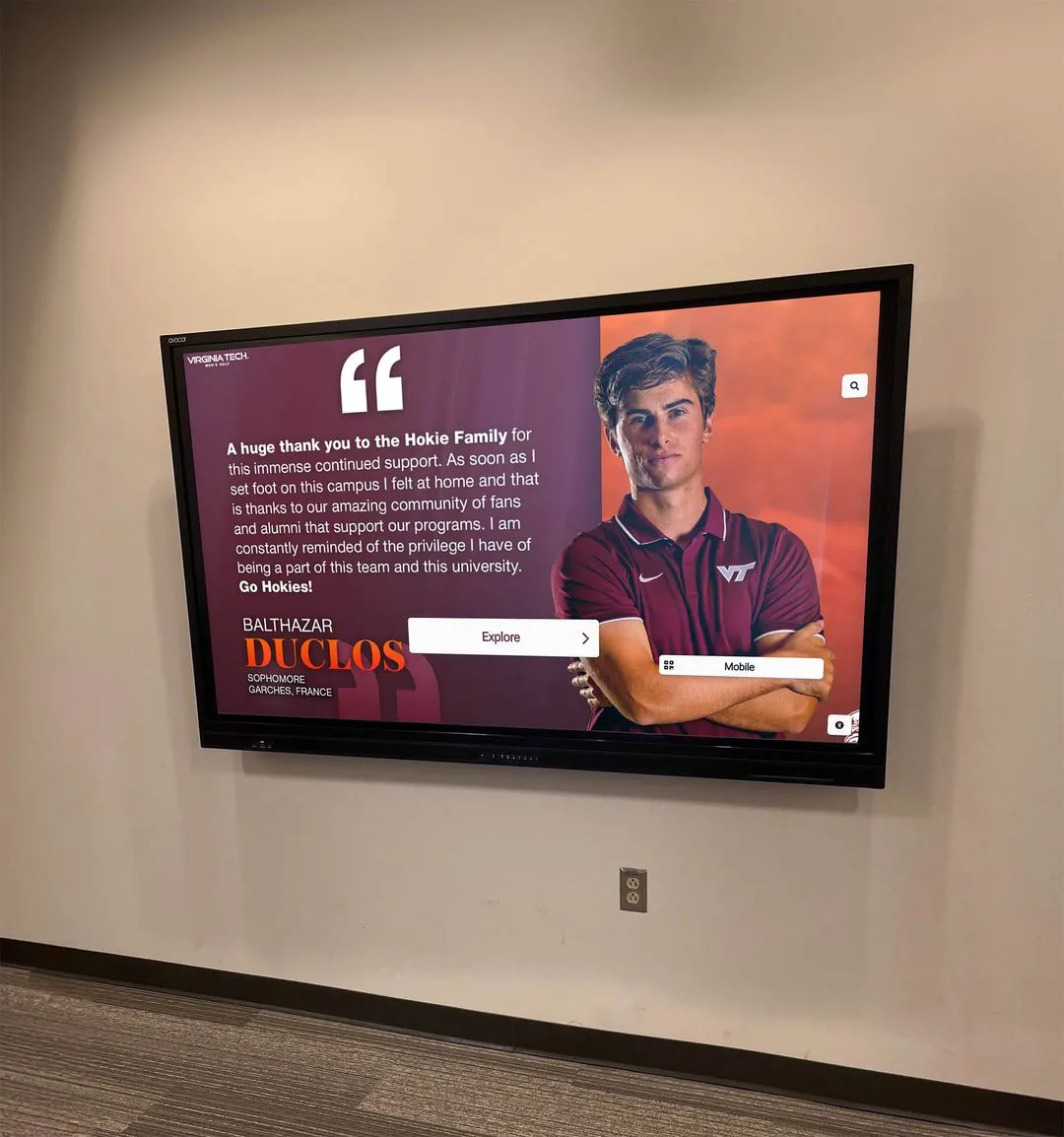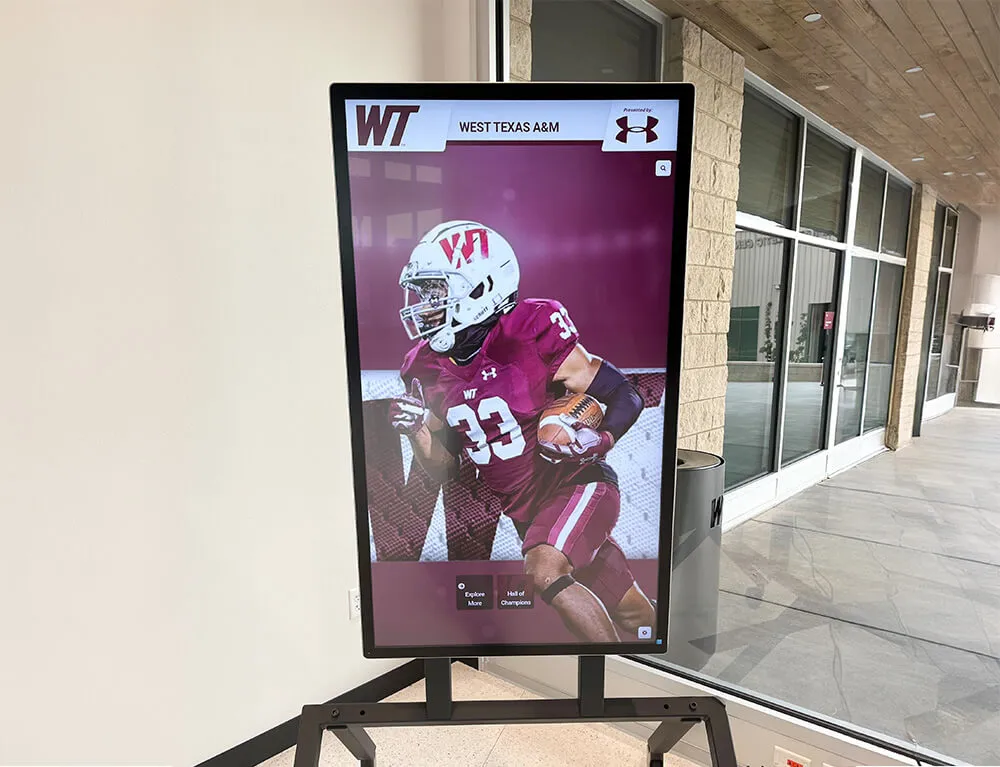




School consolidation has reshaped American education for over a century—transforming one-room schoolhouses into comprehensive educational centers, combining neighboring districts facing declining enrollment, and merging schools to achieve economies of scale and expanded program offerings. Yet behind these administrative decisions lie profound questions about community identity, institutional heritage, and the preservation of traditions that defined generations of students, families, and local culture.
The consolidation story reflects broader changes in American society—rural-to-urban migration patterns, transportation advances enabling longer student commutes, economic pressures demanding operational efficiency, and evolving educational standards requiring resources beyond what small schools could provide. From 1930 to 2025, the number of school districts in the United States declined from approximately 130,000 to fewer than 13,000, while average enrollment per school increased substantially.
This guide explores the comprehensive history of school consolidation and mergers, examining the forces that drove these changes, the challenges communities faced during transitions, and most importantly, how schools can preserve institutional memory and community identity when multiple legacies must merge into unified new institutions.
The Early History of School Consolidation: 1890-1940
Understanding modern consolidation debates requires examining the movement’s origins in early 20th century rural America.
The One-Room Schoolhouse Era
Before widespread consolidation, American education operated through decentralized local control:
Rural Education Landscape In the late 1800s and early 1900s, most American children attended small neighborhood schools:
- One-room schoolhouses serving elementary grades in rural areas
- Schools located within walking distance of students’ homes
- Single teachers instructing multiple grade levels simultaneously
- Limited curriculum focusing on basic literacy and numeracy
- Short academic calendars accommodating agricultural work cycles
- Strong community control over local schools
- Minimal standardization across regions and states
These schools served essential functions in their communities beyond education—serving as gathering spaces for community meetings, hosting social events and church services, and embodying neighborhood identity and pride. Many rural communities identified strongly with their local schools despite educational limitations.

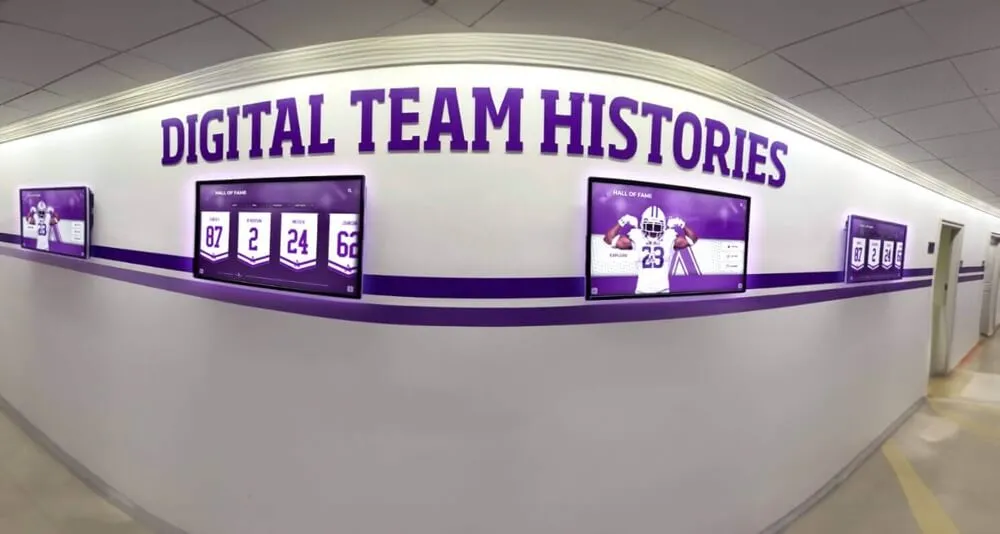
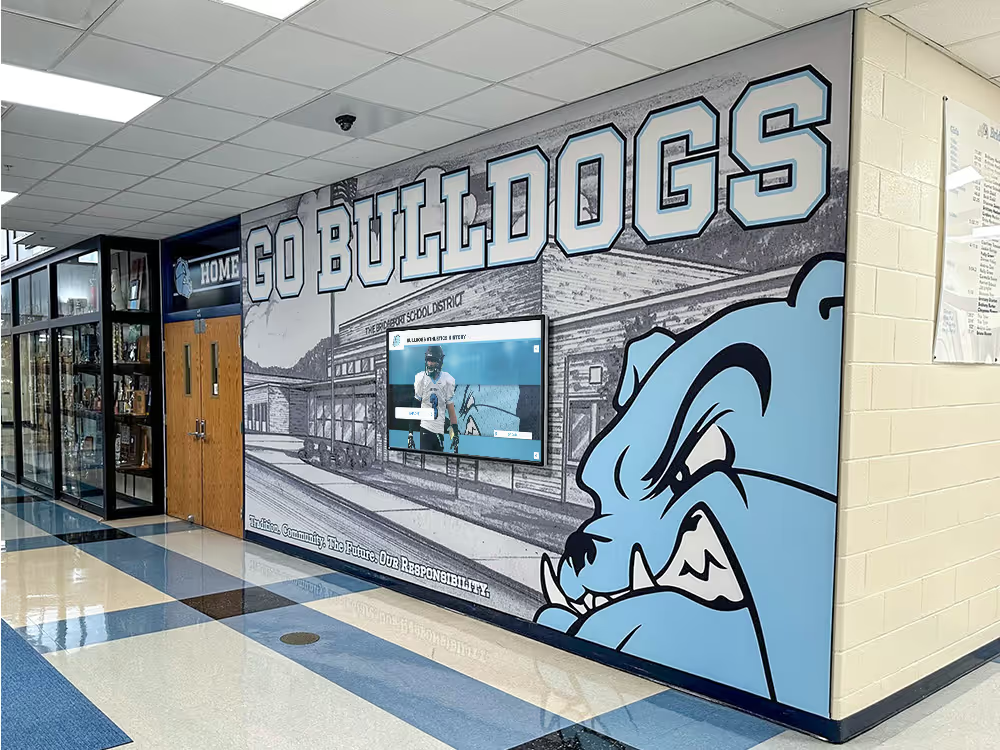
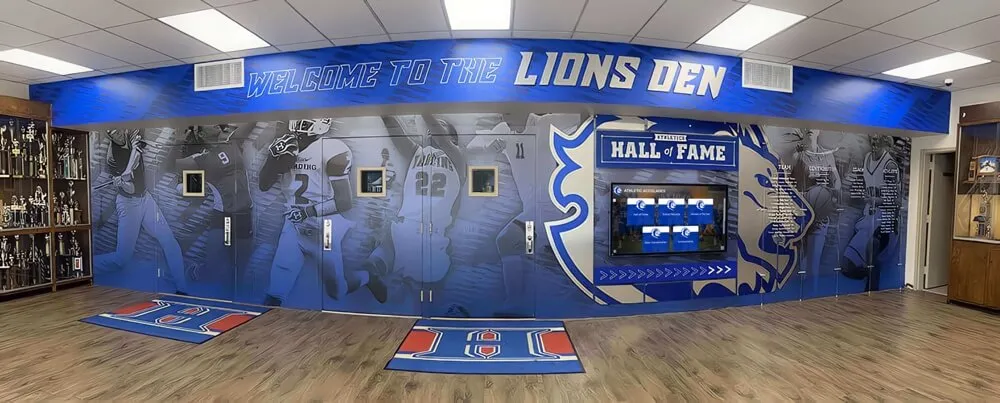
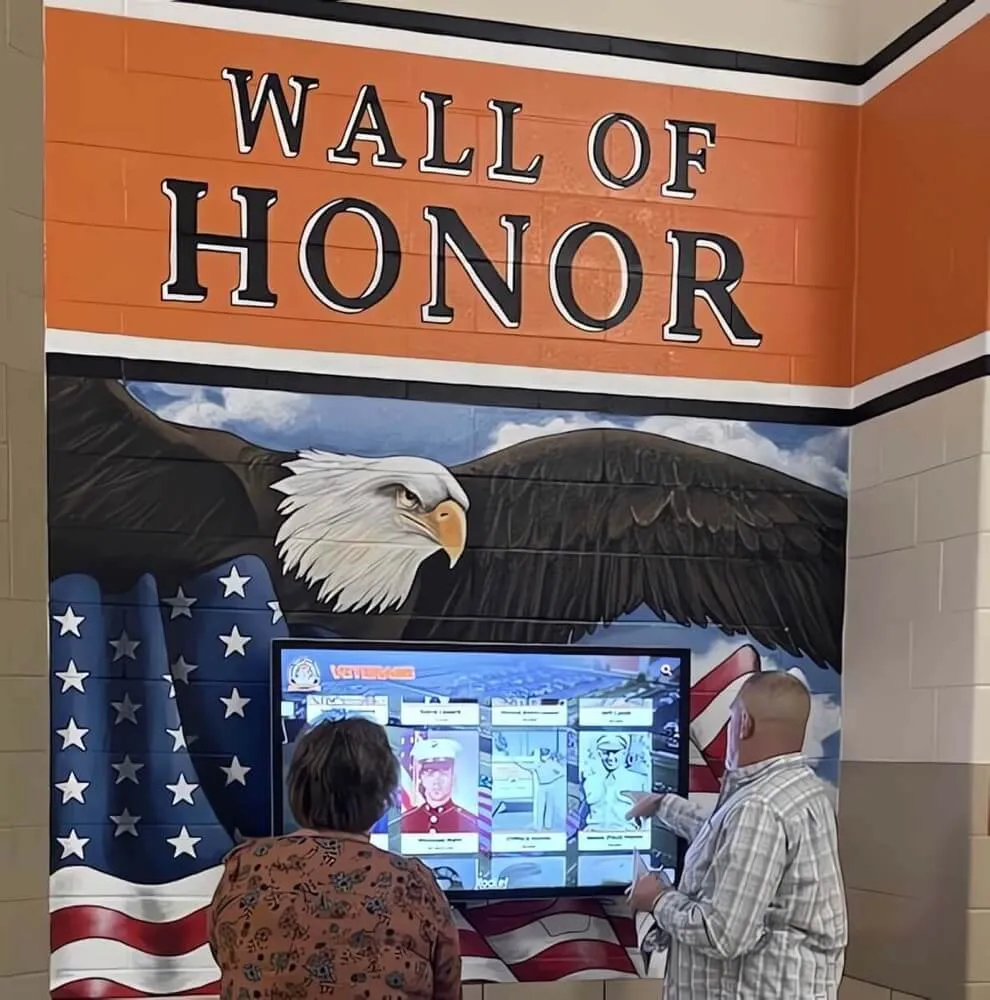
Preserving individual stories across generations becomes especially important when schools consolidate, ensuring no community's heritage is lost
Educational Limitations of Small Schools Despite their community value, small rural schools faced significant challenges:
- Teachers often lacked formal training or college education
- Limited instructional materials and textbooks
- Minimal science equipment or laboratory facilities
- No specialized instruction in music, art, or physical education
- Difficulty retaining qualified teachers in isolated locations
- Inadequate funding from small local tax bases
- No library resources or reference materials
- Buildings often poorly maintained and inadequately heated
Educational reformers increasingly argued that these limitations denied rural children educational opportunities available to urban students, creating unacceptable disparities between communities.
The Progressive Era Push for Consolidation
Educational reform movements in the early 1900s targeted rural school consolidation as essential modernization:
Reformers’ Arguments for Consolidation Progressive educators advanced multiple rationales for combining small schools:
- Educational Quality: Larger schools could afford better-trained teachers with specialized subject expertise
- Resource Efficiency: Consolidation eliminated duplicate administrative costs and facility maintenance
- Broader Curriculum: Combined schools could offer more subjects and grade levels
- Better Facilities: New consolidated buildings provided modern equipment, libraries, and specialized spaces
- Professional Administration: Larger districts could employ trained superintendents and principals
- Standardization: Consolidated systems could implement consistent curriculum and standards
- Social Development: Larger peer groups provided better social experiences for students
According to educational historians, consolidation advocates genuinely believed larger schools served children’s interests, not just administrative convenience.
Early Consolidation Resistance Despite reformers’ educational arguments, many rural communities resisted consolidation:
- Loss of neighborhood school symbolized community decline
- Transportation concerns about children traveling longer distances
- Fear of losing local control over education
- Economic impact of closing community institutions
- Cultural differences between consolidating communities
- Concerns about children attending school with “outsiders”
- Loss of community gathering spaces and identity symbols
This tension between educational efficiency and community identity would characterize consolidation debates throughout the 20th century and beyond.
Transportation Technology Enables Consolidation School consolidation became practically feasible through transportation advances:
- Motor vehicle development enabling longer student commutes
- School bus fleets transporting rural students to centralized locations
- Improved road infrastructure connecting previously isolated communities
- Reduced transportation costs through economies of scale
- All-weather roads allowing year-round school attendance
- Consolidated routes serving multiple former school districts
By 1930, school buses transported approximately 600,000 American students. By 1970, this number exceeded 18 million, making consolidation logistically possible across rural America.
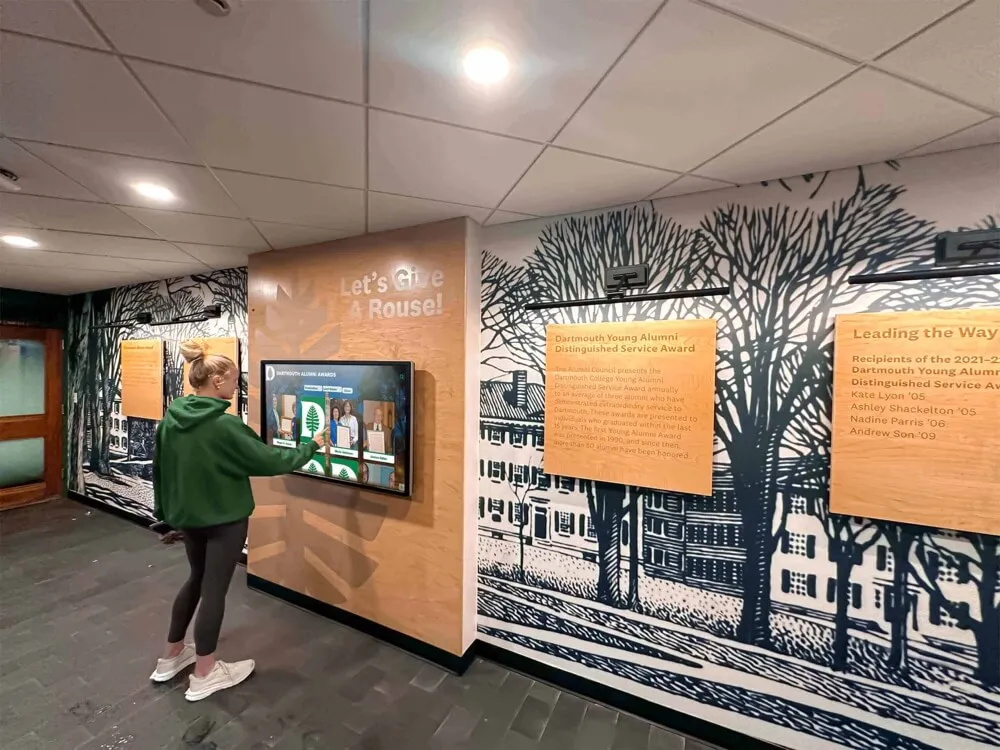
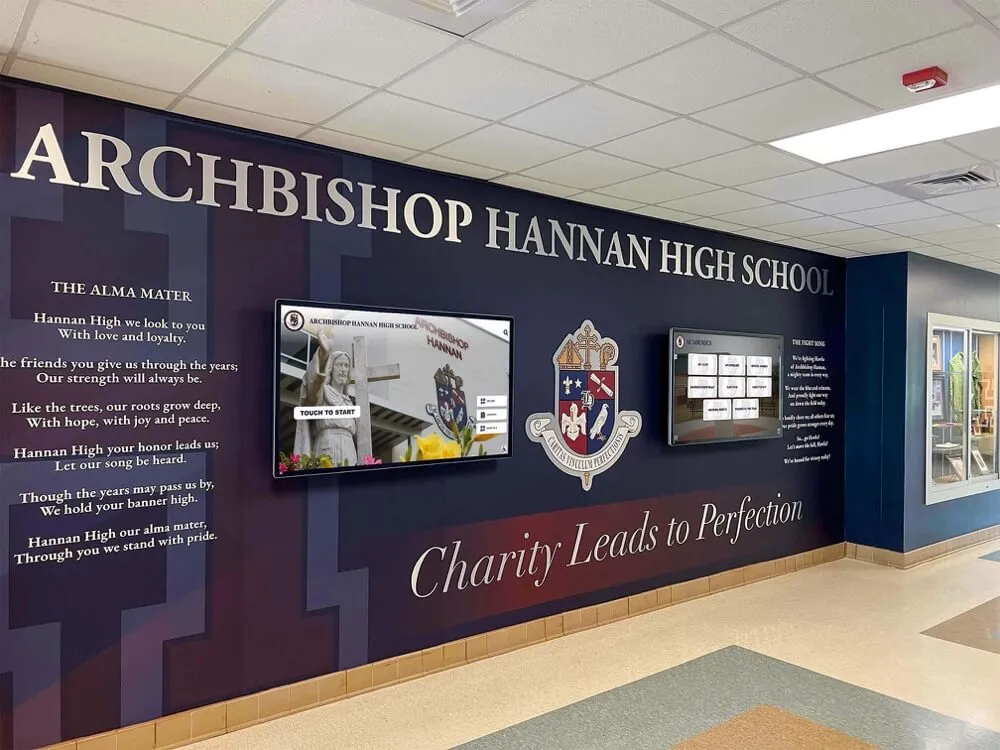
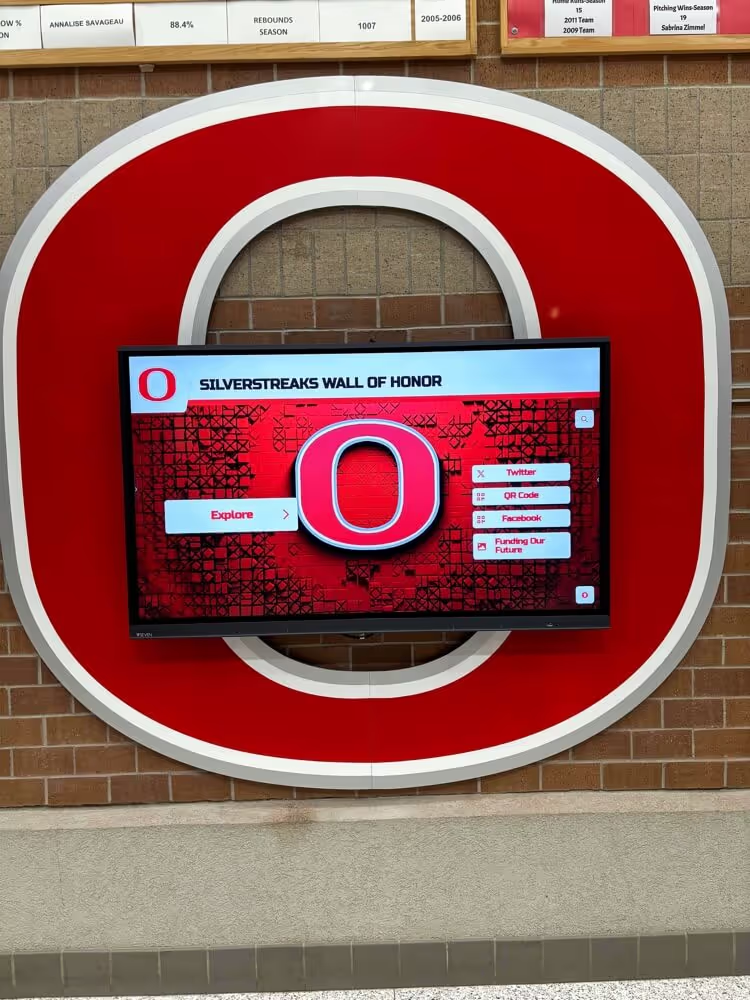
Modern digital solutions enable consolidated schools to preserve and present multiple institutional histories in integrated systems
State-Level Consolidation Policies Many states enacted legislation encouraging or mandating consolidation:
- Financial incentives for districts combining operations
- Minimum enrollment requirements forcing small schools to merge
- Facility standards small schools couldn’t meet independently
- Accreditation requirements beyond small schools’ capacity
- State assumption of transportation costs for consolidated districts
- Technical assistance for consolidation planning
- Forced consolidation in states with strong centralized control
These policies accelerated consolidation trends, particularly during economic downturns when small districts struggled financially.
Mid-Century Consolidation: 1940-1980
Post-World War II America saw dramatic acceleration of school consolidation driven by demographic, economic, and educational factors.
The Massive Consolidation Wave of the 1940s-1960s
This period witnessed the most extensive school district consolidation in American history:
Statistical Transformation The scale of mid-century consolidation fundamentally reshaped American education:
- 1940: Approximately 117,000 school districts operated across the United States
- 1960: This number declined to approximately 40,000 districts
- 1980: Further reduction to approximately 16,000 districts
- Average district size increased from dozens to thousands of students
- Thousands of small schools closed annually during peak consolidation years
- Rural areas experienced most dramatic changes
This represented the most rapid structural transformation in American educational history, touching virtually every rural and small-town community.
Factors Driving Mid-Century Consolidation Multiple forces converged to accelerate consolidation:
Demographic Changes
- Rural-to-urban migration reducing rural student populations
- Agricultural mechanization requiring fewer farm families
- Small town population decline across rural America
- Birth rate fluctuations creating enrollment instability
- Selective out-migration of young families seeking economic opportunity
Economic Pressures
- Increasing costs of educational programs and facilities
- Small districts’ inability to fund required improvements
- Teacher salary competition with urban and suburban districts
- Facility maintenance costs exceeding small districts’ resources
- Rising expectations for educational services and programs
Educational Standards Evolution
- Accreditation requirements for comprehensive programming
- Specialized teacher certification requirements
- Science laboratory and equipment standards
- Library and resource material expectations
- Athletic and extracurricular program pressures
- Special education service mandates
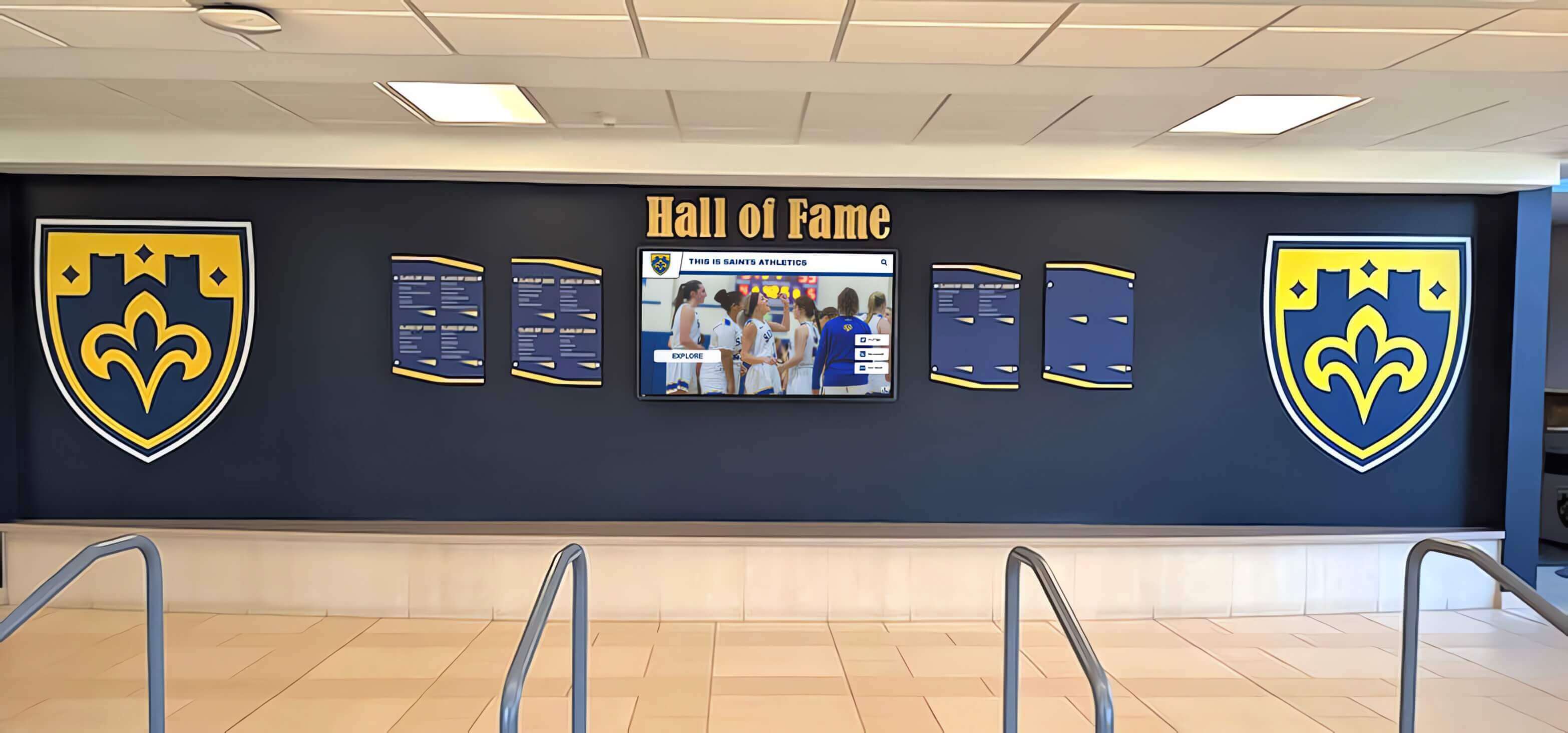
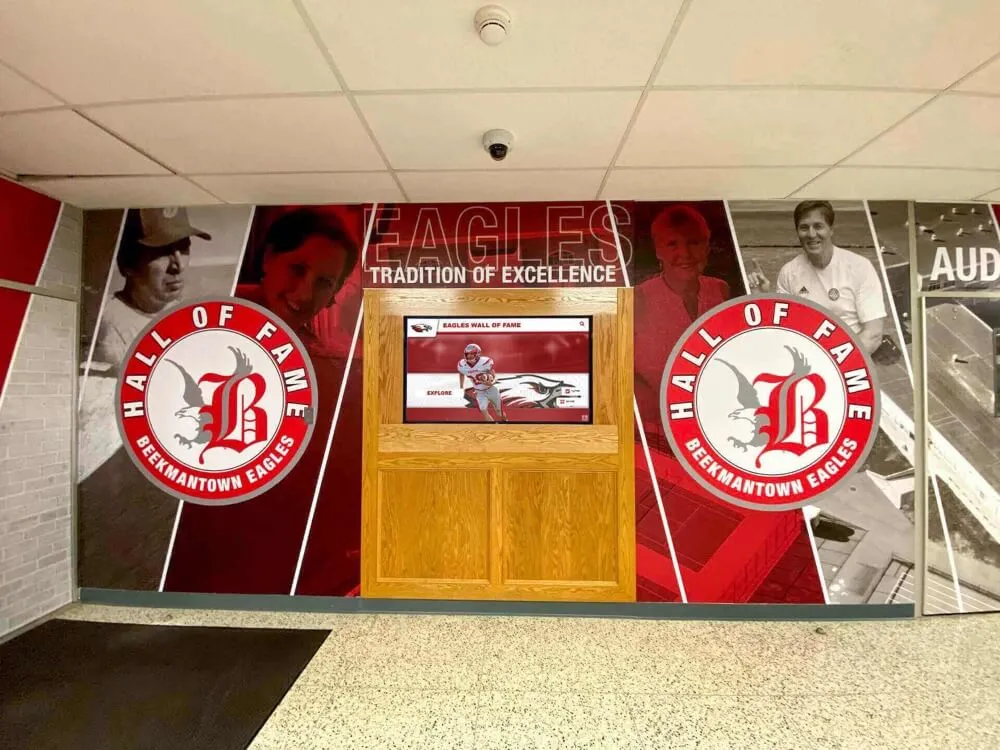
Consolidated schools can honor all predecessor institutions through comprehensive recognition displays integrating multiple school traditions
Community Responses to Consolidation
Communities experiencing consolidation responded in diverse ways reflecting local circumstances and values:
Consolidation Acceptance Factors Some communities embraced consolidation based on practical considerations:
- Recognition that small schools couldn’t provide adequate education
- Severe facility deterioration requiring expensive replacement
- Inability to attract and retain qualified teachers
- Limited extracurricular and athletic opportunities for students
- Financial crisis making continued operation impossible
- Student enrollment too small for adequate peer interaction
- Community leadership convinced of consolidation benefits
Consolidation Opposition and Resistance Other communities vigorously opposed losing their schools:
- Legal challenges to consolidation plans
- Petition campaigns and referendum efforts
- Community organizing to maintain local schools
- Voluntary property tax increases supporting independent operation
- Political pressure on state legislators and education officials
- Media campaigns highlighting consolidation’s community impact
- Alternative proposals for cooperation rather than merger
Some small communities successfully resisted consolidation for decades through determined local advocacy, though most eventually consolidated due to overwhelming economic and demographic pressures.
Identity Loss and Community Mourning School closures often prompted genuine community grief:
- Schools represented community identity and pride across generations
- Residents had attended the same schools their parents and grandparents attended
- School colors, mascots, and traditions embodied community character
- Athletic rivalries defined relationships with neighboring towns
- School buildings served as community gathering spaces beyond educational functions
- Closure symbolized broader community decline and loss
Sociological research on school consolidation consistently documents emotional responses comparable to mourning significant losses, particularly among longtime residents who viewed schools as essential community institutions.
Modern Consolidation Trends: 1980-Present
Contemporary school consolidation continues driven by different but equally compelling forces than earlier eras.
Declining Enrollment and Financial Pressures
Modern consolidation often results from enrollment declines making independent operation financially unsustainable:
Enrollment Decline Factors Multiple demographic trends reduce student populations:
- Declining birth rates in many rural and suburban areas
- Continued rural population decline and urban migration
- Aging populations with fewer school-age children
- Economic decline in former industrial centers
- Housing affordability concentrating families in specific regions
- School choice and charter school competition
- Declining immigration in some traditional destination communities
Districts experiencing sustained enrollment decline face difficult choices between consolidation and severe program reductions.
Per-Pupil Cost Escalation Fixed costs don’t decline proportionally with enrollment:
- Facility maintenance costs remain regardless of student numbers
- Minimum staffing requirements for comprehensive programming
- Transportation costs covering same geographic areas
- Administrative expenses difficult to reduce below minimum levels
- Technology infrastructure requiring ongoing investment
- Special education service obligations regardless of enrollment
- Safety and security system costs
These dynamics create fiscal crisis situations where consolidation becomes one of few viable options for maintaining educational quality.
State Funding Formula Impacts Many state funding systems inadvertently encourage consolidation:
- Per-pupil funding formulas penalizing enrollment decline
- Minimum size thresholds for program funding eligibility
- Efficiency incentives favoring larger districts
- Transportation reimbursement structures
- Facility funding formulas based on student density
- Unfunded mandates disproportionately burdening small districts
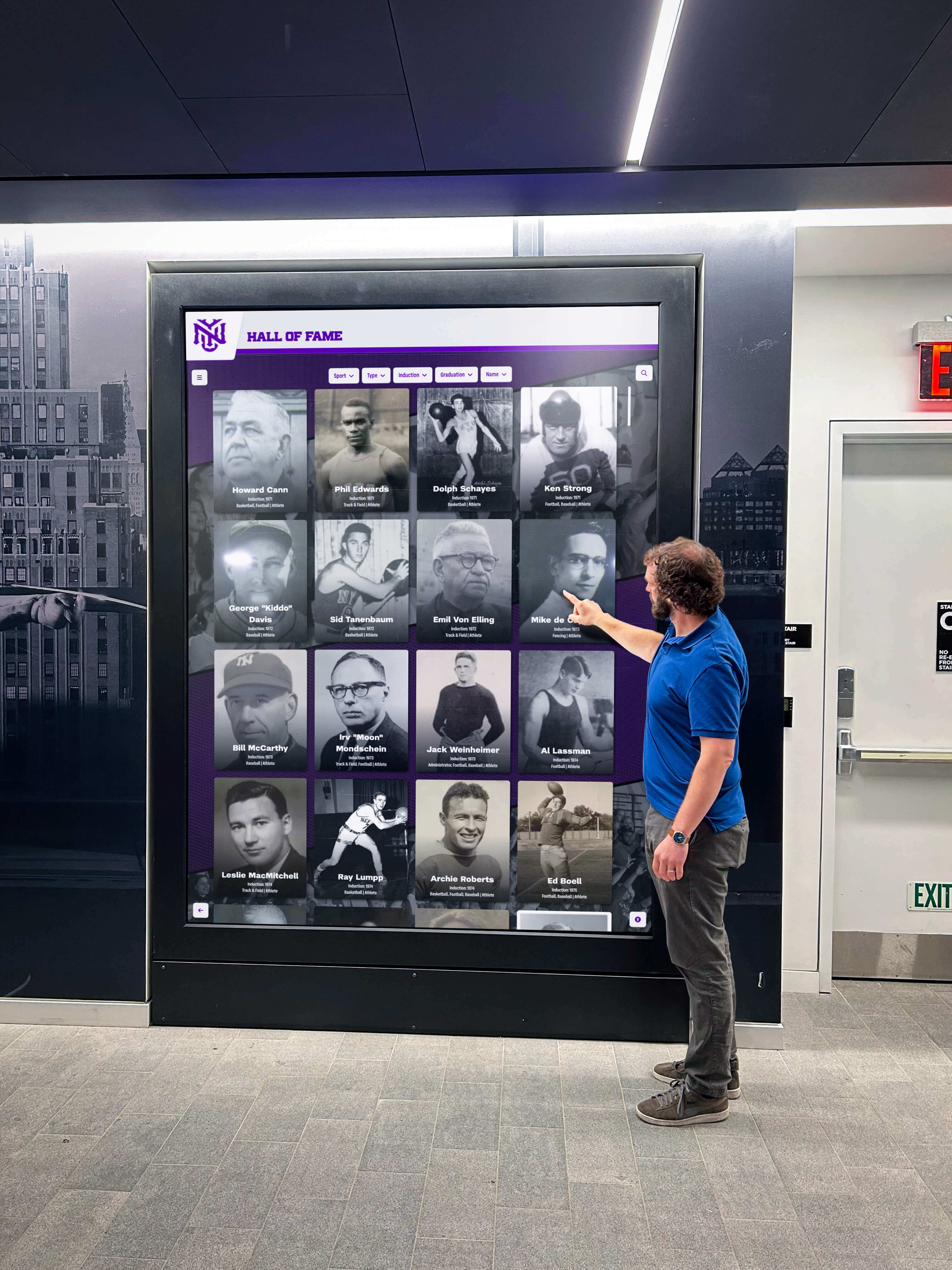
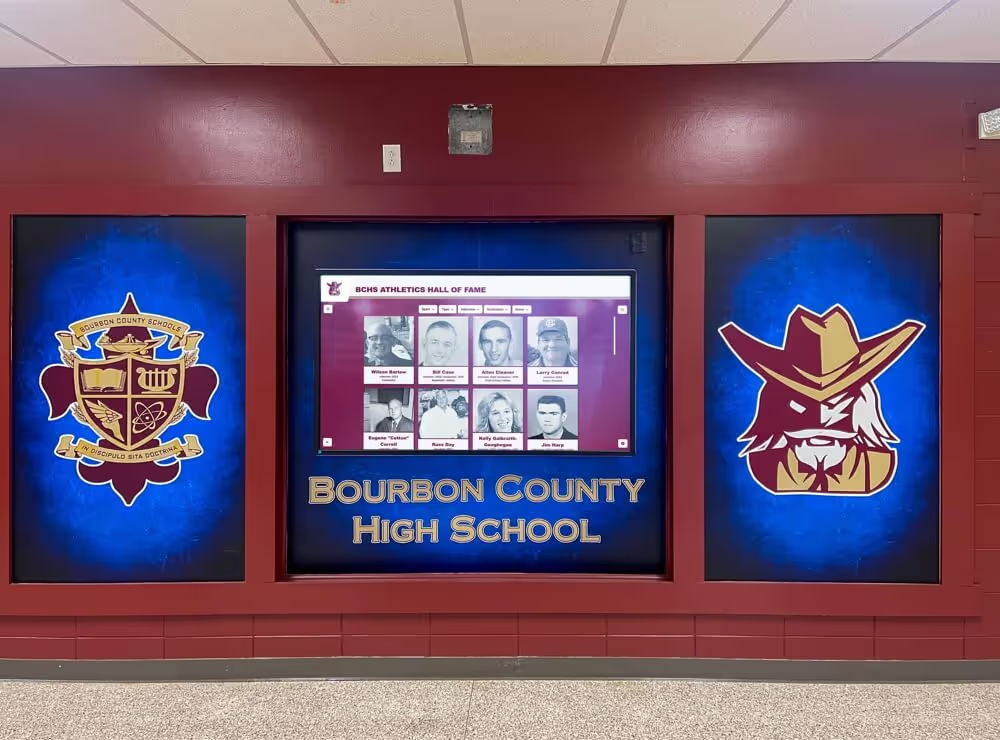
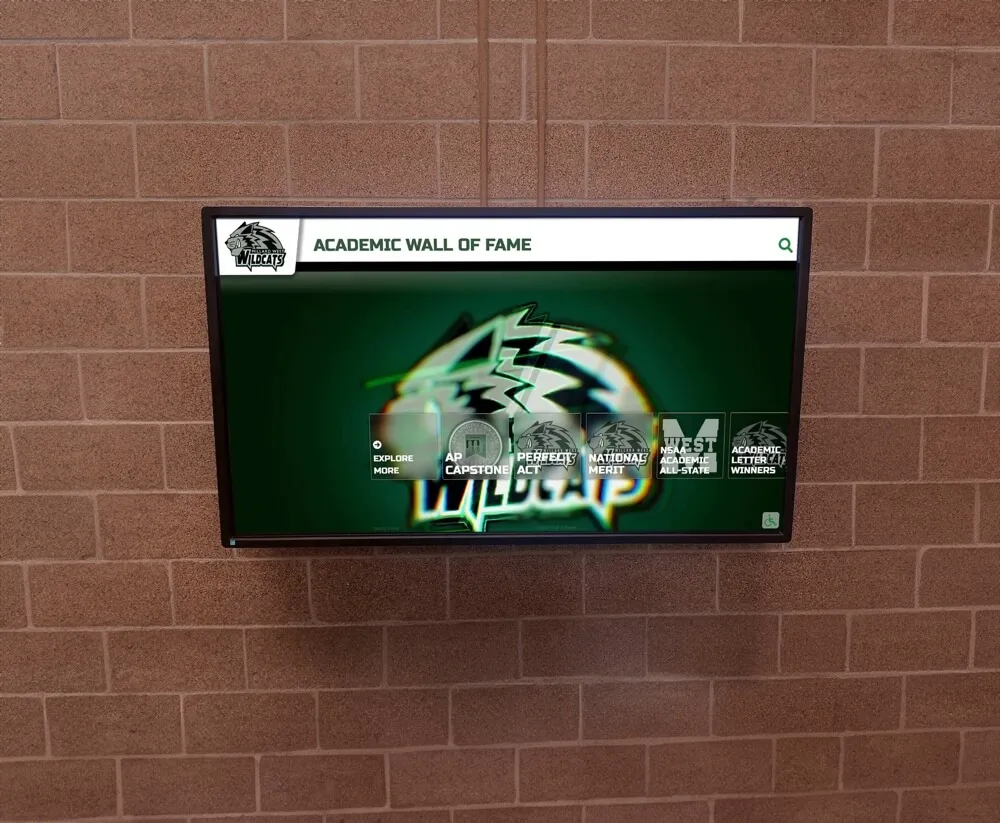
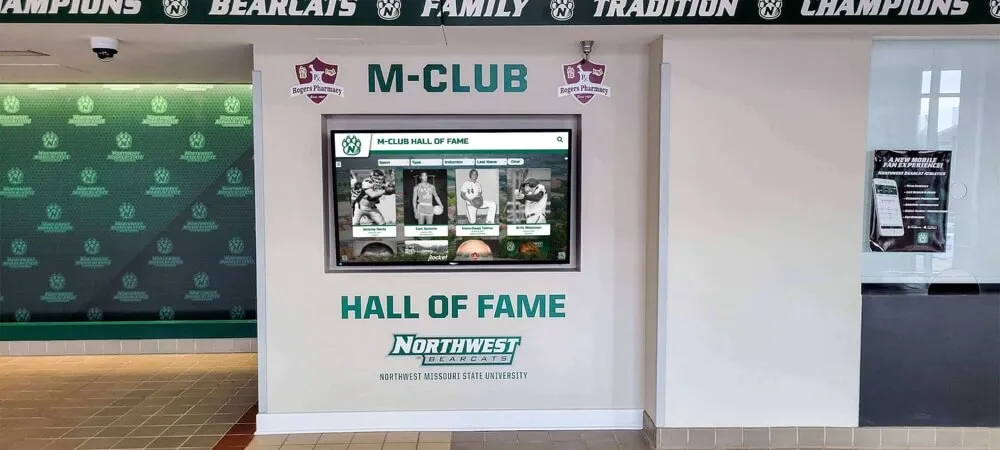
Interactive displays enable consolidated schools to present comprehensive histories from all predecessor institutions in engaging formats
Strategic Consolidations for Program Enhancement
Some modern consolidations result from strategic decisions rather than enrollment crisis:
Enhanced Program Offerings Voluntary mergers sometimes provide educational advantages:
- Expanded Advanced Placement and dual enrollment programs
- Comprehensive career and technical education facilities
- Specialized STEM programs requiring equipment investment
- Full-spectrum special education services and specialists
- Competitive athletic programs across more sports
- Arts programs with specialized faculty and facilities
- World language programs offering multiple languages
Districts pursuing these enhancements often frame consolidation positively as expanding student opportunities rather than responding to decline.
Operational Efficiency Objectives Some consolidations target administrative streamlining:
- Unified administration reducing duplicate positions
- Shared support services across combined operations
- Consolidated purchasing and vendor relationships
- Integrated technology infrastructure and support
- Common curriculum development and assessment systems
- Unified professional development programs
These efficiency-focused consolidations promise resource reallocation from administration to classroom instruction.
Contemporary Consolidation Challenges
Modern consolidations face complexities different from earlier eras:
Cultural Integration Difficulties Merging school cultures proves challenging:
- Different instructional philosophies and practices
- Competing traditions and identity markers
- Historical rivalries between consolidating schools
- Resistance to adopting unified symbols and traditions
- Inequitable treatment perceptions between predecessor schools
- Staff integration challenges and position competitions
- Community resentment and ongoing conflict
Schools implementing comprehensive historical timeline displays can help communities see consolidation as continuing multiple legacies rather than erasing predecessor school identities.
Facility Utilization and Location Decisions Physical consolidation raises difficult questions:
- Which existing facility becomes the consolidated school
- Whether to build new facilities or renovate existing buildings
- Disposition of closed school buildings
- Transportation fairness across combined service areas
- Community attachment to specific school buildings
- Historic preservation considerations
- Economic impact of facility closures on neighborhoods
These decisions often prove politically contentious, with communities viewing facility selection as symbolically determining “winners” and “losers” in consolidation.

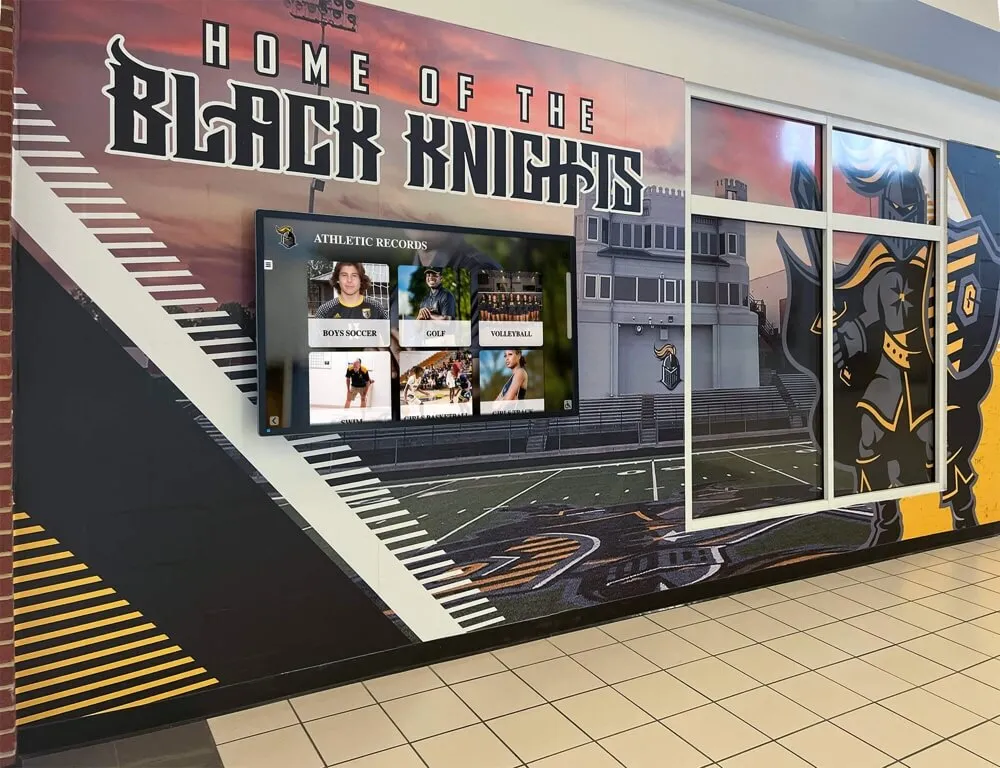
Athletic achievements from all predecessor schools can be honored comprehensively in consolidated institutions through digital recognition systems
Preserving Identity and Heritage Through Consolidation
Successful consolidations require intentional strategies for preserving predecessor schools’ identities and honoring their legacies.
Understanding What’s Lost in Consolidation
Before developing preservation strategies, schools must understand consolidation’s impact on community identity:
Tangible Losses in Consolidation Physical and institutional elements that disappear:
- School names carrying generations of community meaning
- Mascots and colors symbolizing community identity
- Trophies and recognition displays documenting achievement
- Yearbook collections and historical documentation
- School buildings serving as community landmarks
- Athletic records and championship histories
- Traditions unique to specific schools
- Alumni networks organized around predecessor schools
Intangible Cultural Losses Less visible but equally significant impacts:
- Institutional memory and knowledge about traditions
- Connections between generations of alumni
- Community pride focused on local school
- Sense of educational continuity across generations
- Small school intimacy and personal relationships
- Local control over educational decisions
- Community gathering spaces and events
- Shared identity markers distinguishing communities
Schools that acknowledge these losses validate community members’ concerns and demonstrate respect for predecessor institutions.
Strategies for Preserving Institutional Memory
Intentional efforts can ensure consolidated schools honor all predecessor legacies:
Comprehensive Historical Documentation Before consolidation occurs, systematic preservation efforts should capture:
Physical Artifact Preservation
- Yearbook collections from all predecessor schools digitized and archived
- Photograph collections documenting student life, athletics, and facilities
- Trophy and award documentation through photography and description
- Historical documents including programs, newspapers, and memorabilia
- Building documentation preserving architectural and facility history
- Uniform, mascot, and branding materials representing school identity
Oral History Collection
- Interviews with longtime faculty documenting institutional memory
- Alumni perspectives on significant traditions and experiences
- Community member accounts of schools’ roles in local life
- Coaching and activity sponsor reminiscences about program development
- Administrative perspectives on school evolution
- Student oral histories capturing recent school culture
Solutions like digital archiving platforms enable systematic preservation of comprehensive materials from all predecessor schools before consolidation transitions.
Tradition and Achievement Documentation Systematic cataloging of predecessor schools’ distinctive elements:
- Athletic championship histories and record documentation
- Academic achievement patterns and notable student accomplishments
- School songs, fight songs, and traditional chants
- Annual event traditions and their historical development
- School mottos, mission statements, and values
- Notable alumni and their post-graduation achievements
- Community service traditions and impact
- Facility naming histories and donor recognition

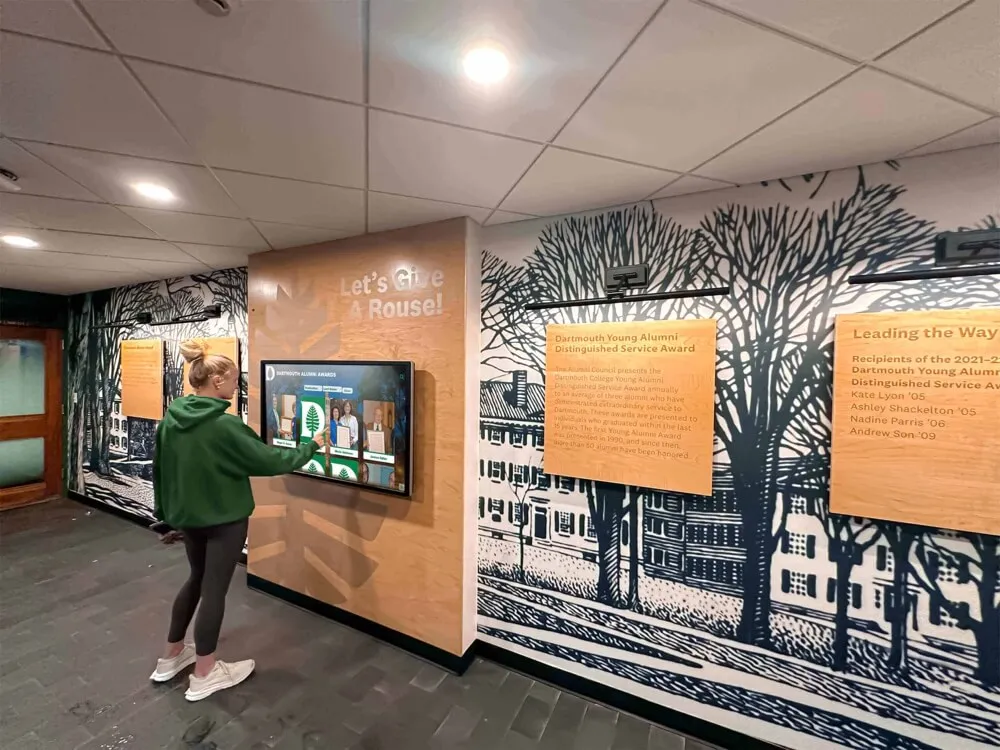
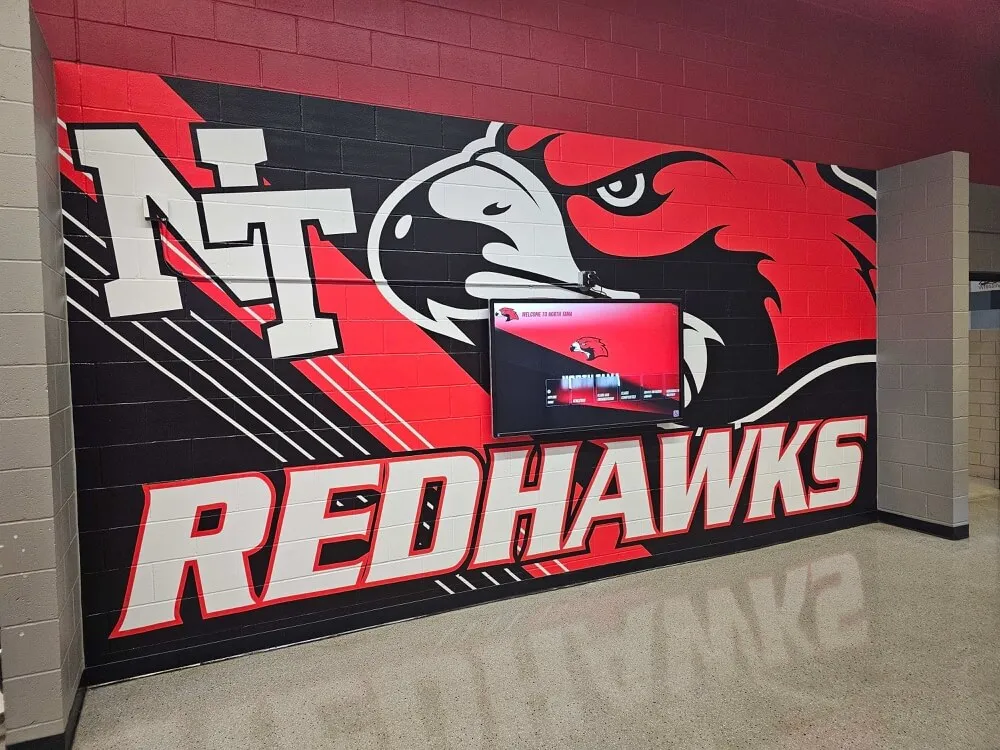
Professional touchscreen installations in consolidated schools can present comprehensive histories from all predecessor institutions
Creating Unified Identity While Honoring Heritage
Successful consolidations forge new identities while respecting predecessor school legacies:
Inclusive Symbol and Name Selection New consolidated schools should adopt branding that:
- Creates genuinely new identity rather than continuing one predecessor’s brand
- Incorporates elements from all predecessor schools where possible
- Avoids symbolically declaring any predecessor “the winner”
- Engages community input through inclusive processes
- Considers geographic, historical, and cultural factors
- Communicates unified forward-looking vision
- Respects sensitivities about legacy protection
Schools that successfully navigate this process often create new identities that community members can embrace rather than attempting to force adoption of one predecessor’s brand.
Legacy Recognition Programs Specific initiatives honoring predecessor schools:
- Designated spaces within consolidated facilities for each predecessor school’s history
- Annual legacy days celebrating each predecessor school’s traditions
- Alumni hall of fame inductees from all predecessor schools
- Athletic record boards documenting achievements from all schools
- Yearbook collections preserved and accessible
- Historical displays rotating focus among predecessor institutions
- Scholarship programs named for predecessor schools
- Integration of historical symbols in facility design
Digital Recognition Solutions for Consolidated Schools Modern technology enables comprehensive heritage preservation impossible with physical displays alone. Digital recognition platforms like Rocket Alumni Solutions provide consolidated schools with capabilities to:
- Present complete historical timelines from all predecessor schools in integrated chronological systems
- Maintain separate legacy sections for each predecessor school within unified systems
- Display athletic achievements and records from all schools without space limitations
- Preserve digital yearbook collections from every predecessor institution
- Enable alumni to search and discover their own school’s history within combined archives
- Rotate featured content ensuring equitable visibility for all legacies
- Integrate oral histories and documentary materials from multiple institutions
These comprehensive digital archives overcome the space constraints of physical displays, allowing consolidated schools to honor all predecessor institutions completely rather than forcing selective representation.

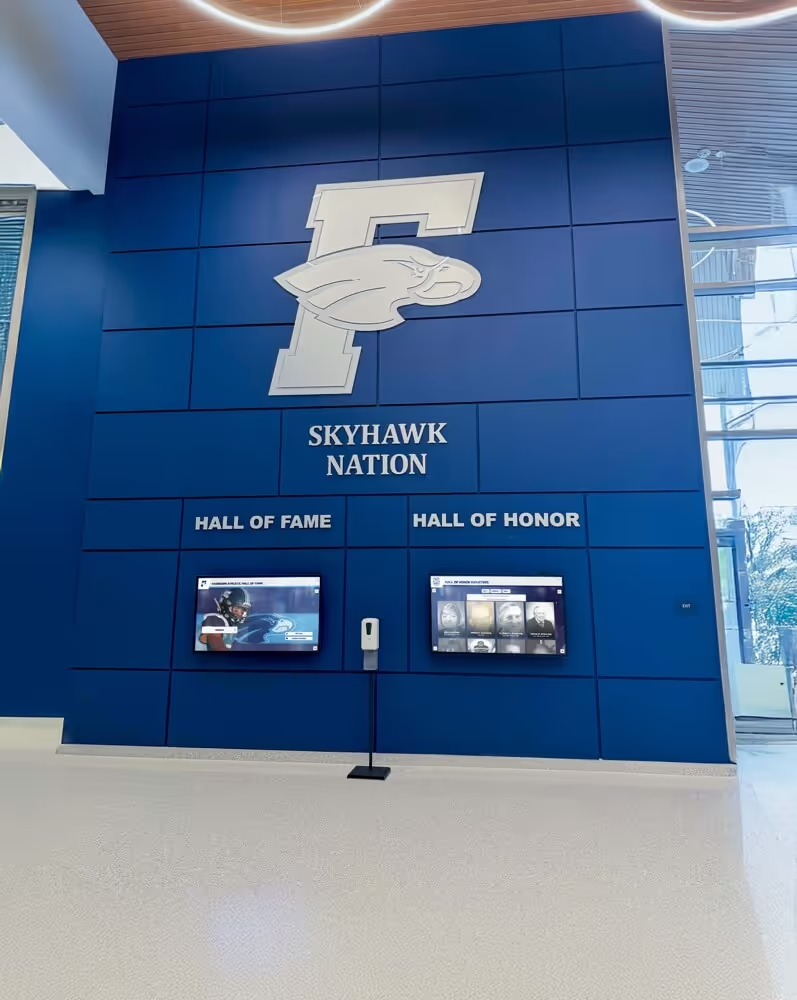
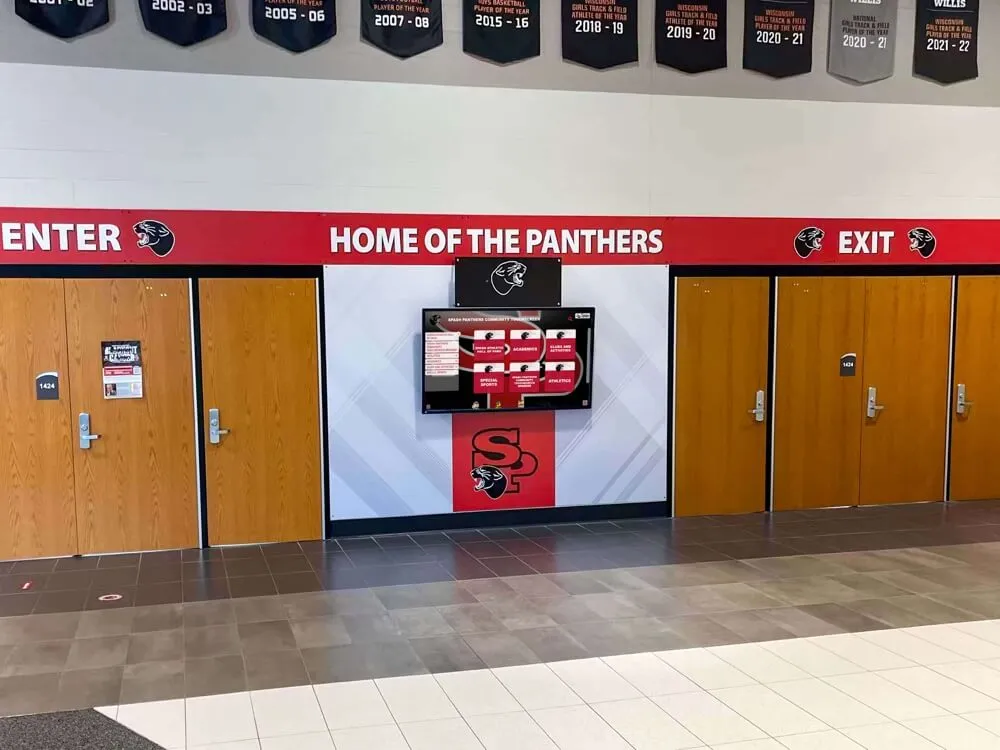
Effective consolidation recognition integrates physical and digital elements presenting comprehensive heritage from all predecessor schools
Community Engagement During Transitions
Successful consolidation requires ongoing community involvement:
Transition Planning Committees Inclusive planning processes should involve:
- Alumni representatives from all predecessor schools
- Current students and families experiencing transition
- Faculty and staff from consolidating institutions
- Community leaders and municipal officials
- Historical society representatives
- Local business and organizational leaders
- Diversity of perspectives across age, background, and viewpoint
These committees ensure transition plans consider multiple stakeholder perspectives and address concerns proactively.
Communication and Transparency Clear, consistent communication about consolidation processes:
- Regular updates on planning progress and decisions
- Opportunities for community input at multiple points
- Honest acknowledgment of challenges and trade-offs
- Celebration of positive aspects alongside recognition of losses
- Multiple communication channels reaching diverse audiences
- Documentation of decision-making rationale
- Responsiveness to community questions and concerns
Schools that communicate openly about consolidation tend to experience smoother transitions and greater community acceptance than those appearing to minimize concerns or rush through processes.
Reunion and Commemoration Events Structured opportunities for processing consolidation:
- Final celebrations at predecessor schools before closure
- All-class reunions bringing together alumni across decades
- Historical exhibitions documenting schools’ stories
- Memory-sharing forums for community reminiscence
- Archival material donation campaigns
- Dedication events for new facilities or integrated programs
- Annual legacy commemoration events in consolidated schools
These events provide emotional closure for community members grieving predecessor schools’ loss while building connections to new consolidated institutions.
Contemporary Consolidation Case Studies
Examining specific consolidation experiences illustrates challenges and successful strategies.
Rural Consolidations: Small School Mergers
Rural school consolidations face unique dynamics:
Typical Rural Consolidation Scenario
- Three to five small rural schools combining into single consolidated district
- Enrollment at individual schools ranging from 50-200 students
- Geographic service area covering 100+ square miles
- Strong community identity tied to individual small schools
- Historical athletic rivalries between consolidating schools
- Facility age and condition requiring significant investment
- Limited program offerings at individual small schools
Common Challenges
- Transportation times increasing substantially for some students
- Community perception that consolidation signals broader rural decline
- Loss of school as community gathering space and identity center
- Concerns about increased student anonymity in larger settings
- Faculty integration and position elimination anxieties
- Resistance to abandoning traditional school names and symbols
- Economic impact on communities losing school facilities
Successful Preservation Strategies Rural consolidations that successfully honor legacy often:
- Maintain predecessor school names in grade-level centers (e.g., “Lincoln Elementary at Jefferson Building”)
- Create comprehensive historical displays documenting all predecessor schools equally
- Continue traditional community events associated with closed schools
- Implement legacy scholarship programs named for predecessor schools
- Preserve closed school buildings for community uses where feasible
- Designate athletic facilities and spaces honoring predecessor schools
- Engage alumni associations from all predecessor schools in ongoing relationships
Solutions like digital recognition displays enable rural consolidated schools to showcase comprehensive heritage from multiple small schools without space limitations of physical displays.
Suburban Consolidations: Declining Enrollment Responses
Suburban consolidations respond to different pressures than rural mergers:
Typical Suburban Consolidation Scenario
- Two to three schools merging due to enrollment decline
- Individual school enrollment declining below programmatically sustainable levels
- Newer facilities than rural consolidations but costly to maintain
- Community expectation for comprehensive programming
- More diverse student populations than rural areas
- Higher property values creating facility-related complications
- Different socioeconomic profiles among consolidating communities
Unique Suburban Challenges
- Perception that consolidation indicates neighborhood decline affecting property values
- Competing community identity preservation concerns
- Questions about facility utilization and building disposition
- Athletic program integration and competitive level maintenance
- Differences in school culture and educational philosophy
- Tensions between communities perceiving unequal consolidation terms
- Resistance from communities believing they’re subsidizing others
Heritage Preservation Approaches Effective suburban consolidations often:
- Create new unified identity rather than continuing one predecessor’s brand
- Establish clear criteria for fair treatment of all predecessor schools
- Implement comprehensive communication addressing specific concerns
- Develop historical timeline displays presenting parallel chronologies from all schools
- Maintain some grade-level separation allowing continued identity differentiation
- Create legacy recognition programs honoring all schools equally
- Engage professional facilitators managing community consolidation dialogues

Athletic facilities in consolidated schools provide ideal locations for digital displays celebrating sports heritage from all predecessor schools
Urban Consolidations: Strategic Restructuring
Urban school consolidations differ significantly from rural and suburban contexts:
Urban Consolidation Patterns
- Reorganization of multiple small schools into fewer comprehensive campuses
- Closure of severely underenrolled schools in changing neighborhoods
- Creation of specialized theme-based schools from multiple programs
- Grade-configuration changes consolidating scattered programs
- Charter school competition influencing traditional district restructuring
- Facility conditions driving closure and consolidation decisions
Urban-Specific Challenges
- Greater demographic diversity among consolidating school communities
- Language and cultural differences requiring sensitivity
- Neighborhood identification with specific schools across generations
- Transportation logistics in dense urban environments
- Political complexity with multiple stakeholder constituencies
- Gentrification impacts on school attendance patterns
- Media scrutiny and public attention to consolidation decisions
Heritage Preservation in Urban Contexts Urban consolidations successfully honoring legacy often:
- Document neighborhood history and schools’ community roles comprehensively
- Preserve building architectural elements in new facilities where possible
- Create historical exhibitions accessible to former students and community members
- Maintain school names linked to neighborhood geography and identity
- Establish alumni outreach programs reconnecting former students to consolidated schools
- Implement digital archiving systems preserving yearbooks and photographs from all predecessor schools
- Recognize demographic evolution while honoring historical communities
Lessons from Consolidation Experiences
Decades of school consolidation experiences reveal consistent patterns and lessons.
What Works in Consolidation
Successful consolidations share common characteristics:
Early and Inclusive Planning
- Beginning community conversations well before forced consolidation
- Including diverse stakeholders in planning processes
- Transparent communication about challenges and options
- Realistic assessment of alternatives to consolidation
- Adequate timeline allowing community processing
Equitable Treatment
- Avoiding perception that one predecessor school “won”
- Balanced recognition of all predecessor schools’ heritage
- Fair distribution of positions and opportunities among staff
- Equal access to new facilities and resources
- Transparent decision-making criteria
Heritage Preservation Priority
- Systematic documentation before consolidation occurs
- Comprehensive historical preservation initiatives
- Physical and digital recognition systems honoring all legacies
- Ongoing alumni engagement across all predecessor schools
- Annual traditions maintaining connections to heritage
Forward-Looking Vision
- Articulating genuine educational benefits of consolidation
- Creating unified identity that community can embrace
- Focusing on expanded student opportunities
- Demonstrating resource allocation to instruction
- Celebrating new possibilities alongside honoring past
Common Consolidation Mistakes
Unsuccessful consolidations often make predictable errors:
Inadequate Communication
- Announcing consolidation decisions without advance community conversation
- Minimizing legitimate community concerns and emotional responses
- Failing to explain rationale and alternatives considered
- Inconsistent messaging from leadership
- Ignoring community feedback and input
Symbolic Insensitivity
- Continuing one predecessor school’s identity while erasing others
- Unequal recognition of predecessor schools’ achievements
- Insensitive disposition of predecessor school materials and symbols
- Failure to preserve heritage documentation
- Rushing through identity decisions without community input
Operational Failures
- Inadequate planning for logistical challenges
- Unprepared staff and inadequate training
- Facility problems and maintenance issues
- Transportation difficulties affecting students
- Technology integration failures
- Insufficient resources for consolidated operations
Preserve Your School's Heritage Through Consolidation
Discover how modern digital recognition platforms help consolidated schools honor all predecessor institutions comprehensively, creating unified identity while preserving unique legacies. Explore solutions that enable complete heritage preservation regardless of physical space limitations.
Explore Digital Recognition SolutionsThe Role of Digital Solutions in Consolidation
Modern technology provides unprecedented capabilities for preserving and presenting heritage from multiple predecessor schools.
Why Digital Platforms Matter for Consolidated Schools
Traditional physical recognition displays face severe limitations in consolidation contexts:
Space Constraint Challenges Physical displays in consolidated schools must somehow accommodate:
- Multiple schools’ athletic championship histories
- Decades of yearbooks and photographs from each predecessor
- Individual alumni achievements from all schools
- Tradition documentation from different institutions
- Faculty recognition across multiple schools
- Facility and campus evolution from various locations
Attempting to represent all predecessor schools equally through physical displays alone typically proves impossible, forcing difficult decisions about what to include and exclude that can appear to favor some legacies over others.
Update and Maintenance Difficulties Physical consolidation displays require:
- Expensive professional installation for updates and changes
- Difficult decisions about adding new content to limited space
- Periodic replacement as materials deteriorate
- Ongoing costs for maintenance and updates
- Challenges rotating featured content among schools
- Space for ongoing additions as consolidated school creates its own history
Limited Engagement Capabilities Static physical displays provide:
- No search functionality for finding specific information
- Minimal detail without overwhelming visual presentation
- No ability to explore content at user’s own pace and interest
- Limited multimedia integration
- No remote accessibility for distant alumni
Digital Recognition Platform Advantages
Modern digital recognition systems overcome these limitations:
Unlimited Capacity Digital platforms enable consolidated schools to:
- Document complete histories from all predecessor schools without space constraints
- Include comprehensive yearbook collections from every school
- Present detailed athletic records and achievements exhaustively
- Showcase thousands of photographs documenting student life across schools
- Preserve every tradition and historical element from all institutions
- Continue adding content indefinitely as consolidated school develops its own heritage
Schools implementing comprehensive digital recognition systems report ability to showcase 20-30 times more historical content than physical displays alone while ensuring truly equitable representation of all predecessor schools.
Interactive Exploration Digital systems provide engagement impossible with static displays:
- Search functionality enabling alumni to find their own school’s information instantly
- Filtering by school, year, sport, achievement type, or other criteria
- Detailed profile pages with extensive information and images
- Video integration showing historical footage and oral histories
- Related content suggestions connecting historical narratives
- User-controlled exploration based on individual interests and connections
Research on institutional recognition consistently demonstrates that interactive displays generate substantially longer engagement—average 8-12 minutes compared to brief glances at static displays—and create more meaningful connections to institutional heritage.
Equitable Multi-School Presentation Purpose-built platforms for consolidated schools enable:
- Separate sections for each predecessor school’s individual legacy
- Unified chronological timelines integrating all schools’ histories
- Rotation systems ensuring featured content cycles through all schools
- Fair allocation of digital space regardless of predecessor school size
- Side-by-side presentation allowing comparison and exploration
- Alumni-specific access showing personalized content from their school
Remote Accessibility Web-based systems extend beyond campus touchscreen displays:
- Alumni accessing their schools’ histories from anywhere globally
- Family members exploring institutional heritage before campus visits
- Community members maintaining connections to closed school buildings
- Current students researching historical context
- Mobile access enabling anytime, anywhere engagement
Consolidated schools implementing web-accessible recognition platforms report substantial increases in alumni engagement, particularly from graduates of closed predecessor schools who cannot easily visit former campuses.
Best consolidation recognition strategies integrate physical displays with digital systems presenting comprehensive heritage from all predecessor schools
Implementation for Consolidated Schools
Schools planning consolidation should consider digital recognition early:
Pre-Consolidation Documentation Before consolidation occurs:
- Digitize yearbook collections from all predecessor schools
- Photograph athletic trophies and recognition displays
- Scan historical documents, programs, and memorabilia
- Conduct oral history interviews with longtime faculty and community members
- Collect photographs documenting facilities, student life, and traditions
- Document traditions, school songs, and distinctive cultural elements
- Gather alumni achievement information from all schools
This systematic preservation before consolidation ensures nothing is lost during facility transitions and moves.
Platform Selection Criteria Schools choosing digital recognition systems should evaluate:
- Specific capabilities for multi-school historical presentation
- Ease of content management for non-technical staff
- Search and filtering functionality enabling school-specific discovery
- Integration of physical touchscreen displays with web accessibility
- Secure cloud hosting eliminating local server requirements
- Ongoing content addition capabilities as consolidated school develops
- Fair pricing accommodating combined predecessor school content volume
Solutions like Rocket Alumni Solutions provide platforms specifically designed for consolidated school recognition, with features enabling complete legacy preservation from multiple predecessor institutions in integrated yet individually accessible systems.
Phased Implementation Approach Effective consolidation recognition development proceeds systematically:
Phase 1 (Pre-Consolidation): Historical documentation and preservation from all predecessor schools Phase 2 (During Transition): Platform implementation with comprehensive predecessor school content Phase 3 (Post-Consolidation): Unified consolidated school identity development while maintaining legacy sections Phase 4 (Ongoing): Continuous addition of consolidated school history alongside maintained predecessor legacies
This phased approach ensures heritage preservation occurs before consolidation transitions while building unified new institutional identity over time.
The Future of School Consolidation
Understanding likely future trends helps communities prepare for continued consolidation pressures.
Continuing Consolidation Drivers
Multiple factors suggest ongoing consolidation in coming decades:
Demographic Projections
- Declining birth rates in many regions suggesting further enrollment reduction
- Continued rural population decline and urban/suburban concentration
- Aging populations with fewer school-age children
- Economic migration patterns creating growth and decline disparities
Financial Sustainability Pressures
- Rising educational costs outpacing revenue growth
- Facility maintenance and modernization costs for aging buildings
- Technology infrastructure requiring substantial ongoing investment
- Special education and student services cost increases
- Teacher compensation competition in tight labor markets
Educational Program Expectations
- Expanded Advanced Placement, dual enrollment, and specialized program demands
- Comprehensive career and technical education facility requirements
- Mental health and student support service expectations
- Technology integration and equipment needs
- Extracurricular and athletic program comprehensiveness
These pressures suggest consolidation will remain a significant factor in American education for the foreseeable future.
Emerging Consolidation Alternatives
Some communities are exploring alternatives to traditional consolidation:
Shared Services Agreements Districts maintaining independence while sharing specific functions:
- Joint superintendents serving multiple small districts
- Shared special education and student services
- Combined transportation operations
- Cooperative purchasing and business services
- Joint curriculum development and assessment
- Consolidated technology infrastructure and support
These arrangements provide some consolidation benefits while maintaining individual school identity and local control.
Grade-Level Configuration Cooperation Districts dividing grade levels rather than fully merging:
- One district operating elementary schools serving both communities
- Partner district operating middle and high schools for combined population
- Tuition arrangements rather than full consolidation
- Maintained individual district governance
- Shared facilities reducing duplication
Virtual Programming Partnerships Technology enabling program sharing without consolidation:
- Distance learning courses expanding small schools’ curricula
- Virtual Advanced Placement and specialty courses
- Online career and technical education programs
- Remote language instruction from specialized teachers
- Shared enrichment programming across districts
While these alternatives provide options, full consolidation often remains necessary when enrollment decline or financial constraints become severe.
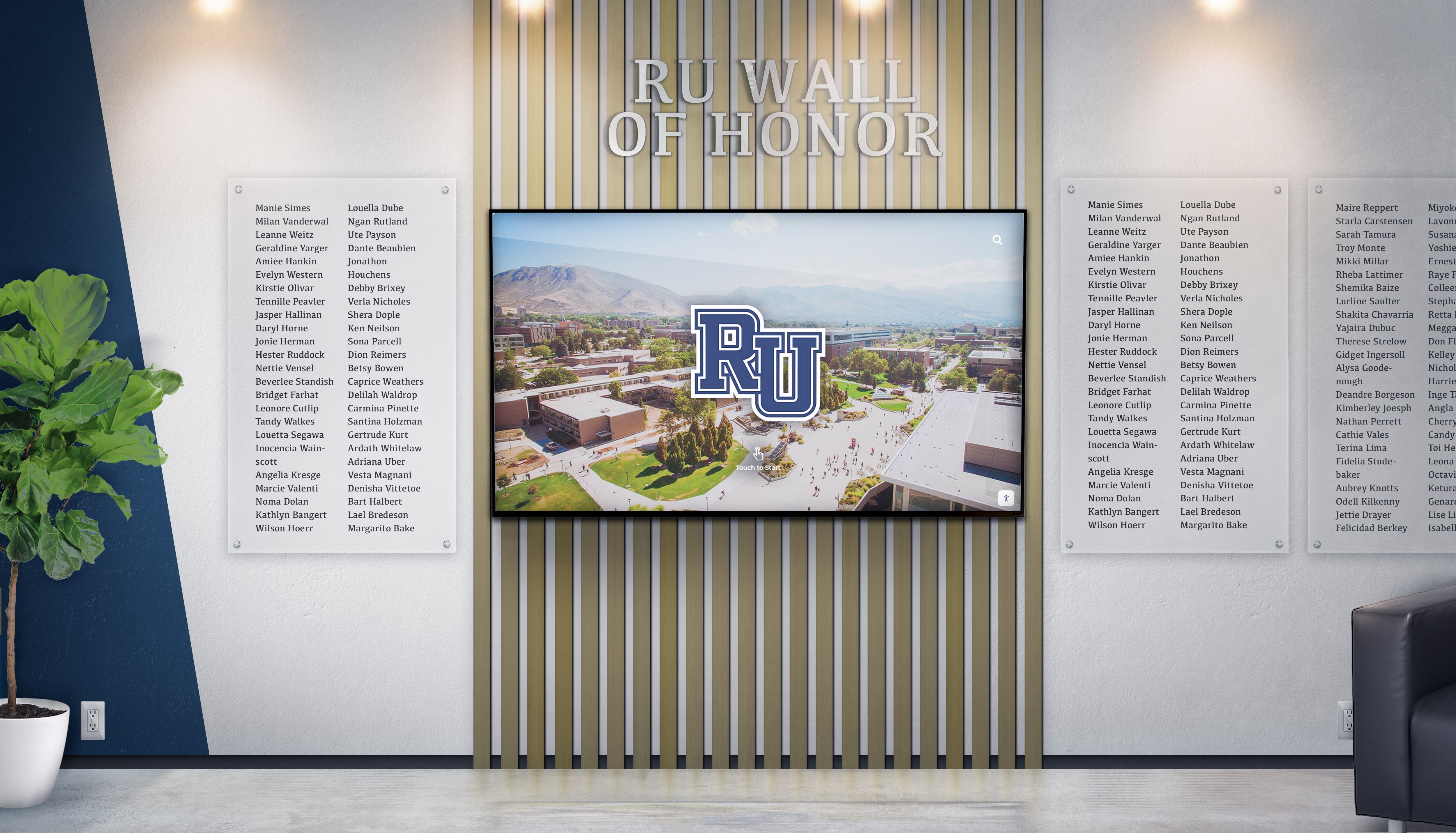
Integrated recognition systems combining digital displays with traditional elements provide comprehensive heritage celebration in consolidated schools
Conclusion: Honoring the Past While Building the Future
School consolidation has fundamentally reshaped American education across more than a century, transforming hundreds of thousands of small, independent schools into fewer, larger, more comprehensive educational institutions. This transformation reflected genuine educational advancement in many respects—better-trained teachers, broader curriculum, superior facilities, expanded opportunities—yet also imposed real costs on communities for whom local schools represented essential identity markers and gathering spaces across generations.
The consolidation history reveals consistent patterns: demographic and economic forces drive most mergers regardless of community preferences, emotional responses to consolidation reflect legitimate grief over identity loss, successful transitions require intentional heritage preservation and inclusive planning, and schools that honor all predecessor legacies while building unified new identities achieve better outcomes than those minimizing concerns or rushing through transitions.
For contemporary schools facing consolidation—whether due to declining enrollment, financial pressures, or strategic enhancement objectives—the most important lesson from consolidation history is that institutional memory preservation must be an intentional priority, not an afterthought. When schools fail to systematically document and preserve heritage from all predecessor institutions, irreplaceable historical materials scatter and disappear, alumni connections weaken or sever entirely, community members perceive disrespect for their schools’ legacies, and consolidated institutions struggle to build unified identity without foundation in honored heritage.
Modern digital recognition platforms provide unprecedented capabilities for comprehensive heritage preservation that physical displays alone cannot achieve. Solutions like Rocket Alumni Solutions enable consolidated schools to honor every predecessor institution completely—preserving entire yearbook collections, athletic records, traditions, and achievements from all schools in integrated systems that alumni can explore and current students can appreciate.
Whether your school is currently consolidating, planning for potential merger, or already operating as a consolidated institution seeking to better honor predecessor legacies, systematic approaches to heritage preservation create lasting value. Begin with comprehensive documentation before materials scatter or memories fade. Engage all communities in planning processes ensuring equitable treatment. Implement recognition systems—both physical and digital—that honor all predecessor schools while building unified new identity. Most importantly, recognize that consolidation need not mean erasure; with intentional effort and modern tools, consolidated schools can preserve and celebrate every component of their complex heritage.
The schools that emerge from consolidation processes most successfully are those treating heritage preservation as central to transition planning, not peripheral. Communities whose institutional memories remain accessible, whose traditions continue honored, and whose alumni maintain meaningful connections to consolidated schools demonstrate that merger and memory preservation can coexist—that looking forward need not require forgetting the past.
Ready to preserve your school’s heritage through consolidation? Explore comprehensive school history software solutions and discover how digital recognition displays can help consolidated schools honor all predecessor institutions while building unified identity for generations to come.