Wrestling stands unique among high school sports through its weight class system—a structure ensuring athletes compete against opponents of similar size, creating fair competition where technique, conditioning, and mental toughness determine success rather than physical size advantages. Understanding high school wrestling weight classes proves essential for athletes planning competitive careers, parents supporting wrestlers through weight management challenges, and coaches building strategic lineups that maximize team success.
Yet the weight class system creates complexity many newcomers find confusing. Parents wonder which weight class suits their wrestler best, how weight cutting affects health and performance, and whether moving up or down a class improves competitive outcomes. Wrestlers struggle with weight management decisions balancing optimal competitive weight against growth patterns and long-term health. Schools face challenges documenting wrestling achievements across multiple weight classes while ensuring all wrestlers—from 106 pounds through heavyweight—receive appropriate recognition for their accomplishments.
This comprehensive guide explores every aspect of high school wrestling weight classes, from understanding the current system and strategic weight selection to healthy weight management practices and permanent recognition approaches that celebrate wrestling excellence across all divisions.
The high school wrestling weight class system serves multiple critical purposes—creating fair competition by matching wrestlers of similar size, enabling strategic lineup construction where coaches position athletes for team success, allowing wrestlers to compete at optimal weights where strength-to-weight ratios maximize performance, and providing clear competitive structures where records and achievements can be tracked systematically across divisions.

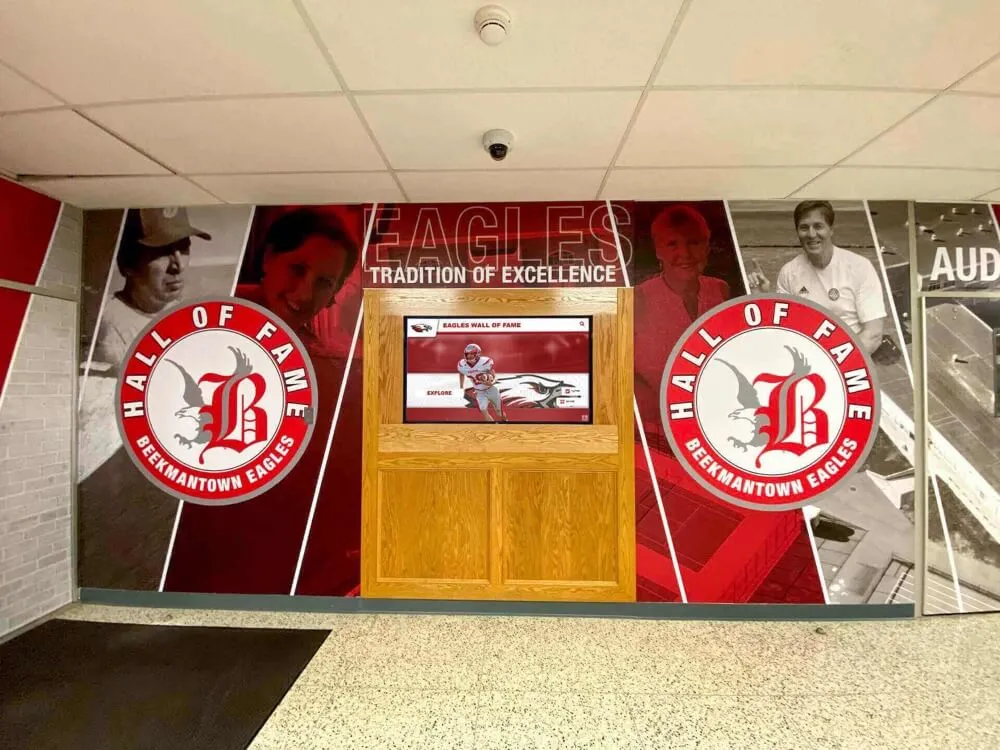
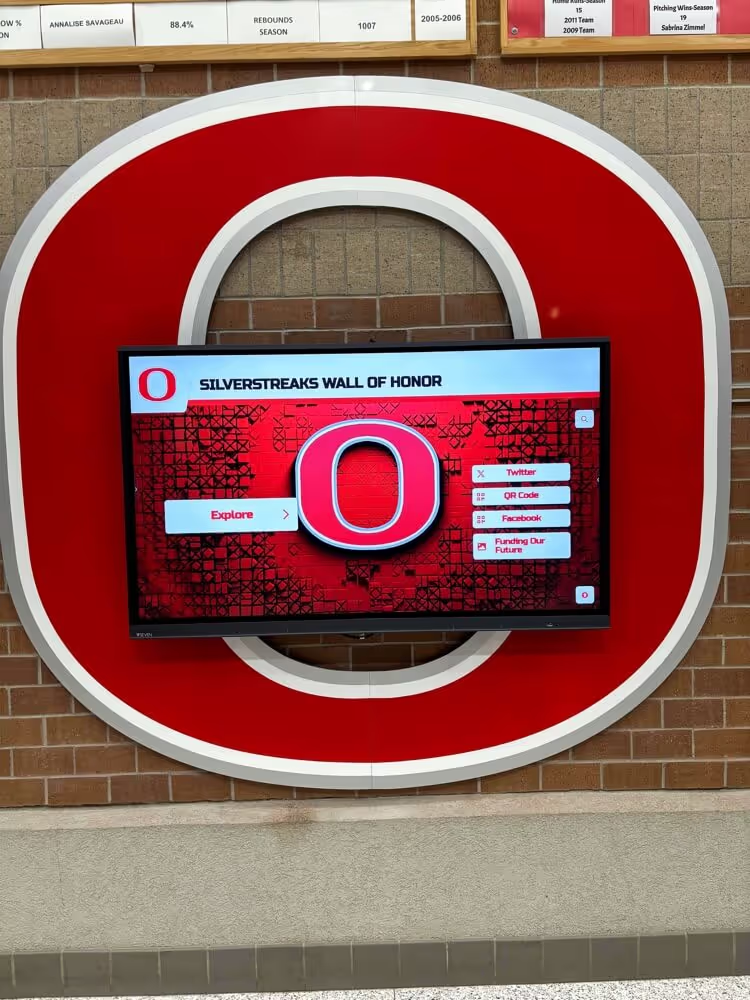
Modern recognition systems document wrestling achievements across all weight classes, preserving excellence at every division from 106 pounds through heavyweight
Understanding the High School Wrestling Weight Class System
Before making strategic decisions about weight management and competition planning, wrestlers and families need comprehensive knowledge of weight class structures and regulations.
Standard High School Weight Classes
The National Federation of State High School Associations (NFHS) establishes weight class standards that most states adopt with minimal variation:
Current NFHS Weight Class Structure The standard system includes 14 weight classes:
- 106 pounds
- 113 pounds
- 120 pounds
- 126 pounds
- 132 pounds
- 138 pounds
- 144 pounds
- 150 pounds
- 157 pounds
- 165 pounds
- 175 pounds
- 190 pounds
- 215 pounds
- 285 pounds (Heavyweight)
This progression creates increasing weight gaps in heavier divisions—reflecting natural body mass distribution where fewer wrestlers compete at extreme weights. The 106-pound minimum establishes a safety floor preventing unhealthy weight cutting in young athletes, while the 285-pound heavyweight maximum provides an upper boundary for the largest competitors.
Weight Class Gaps and Strategic Implications Understanding the spacing between classes helps with strategic planning:
- Lower weights (106-138): 6-7 pound gaps requiring precise weight control
- Middle weights (144-165): 6-8 pound intervals allowing modest flexibility
- Upper middle (175-190): 15-pound gap creating strategic positioning opportunities
- Heavy weights (215-285): 25 and 70-pound gaps accommodating larger athletes
These gaps significantly affect competitive strategy, particularly at higher weights where larger intervals give more flexibility in weight selection and lineup positioning.
Learn about comprehensive approaches to athletic recognition programs that celebrate wrestling achievements across all weight divisions.
State Variations and Optional Weight Classes
While NFHS standards provide national consistency, some state associations implement variations:
State-Specific Weight Class Systems Variations include:
- Some states use 13 weight classes instead of 14
- California and other large states sometimes modify distributions
- Optional weight class systems allowing team choice in certain divisions
- Girls wrestling programs sometimes using modified weight class structures
- Special classification systems for smaller schools or combined teams
Wrestlers competing in multiple states or attending tournaments across state lines should verify specific weight class requirements for each competition venue.
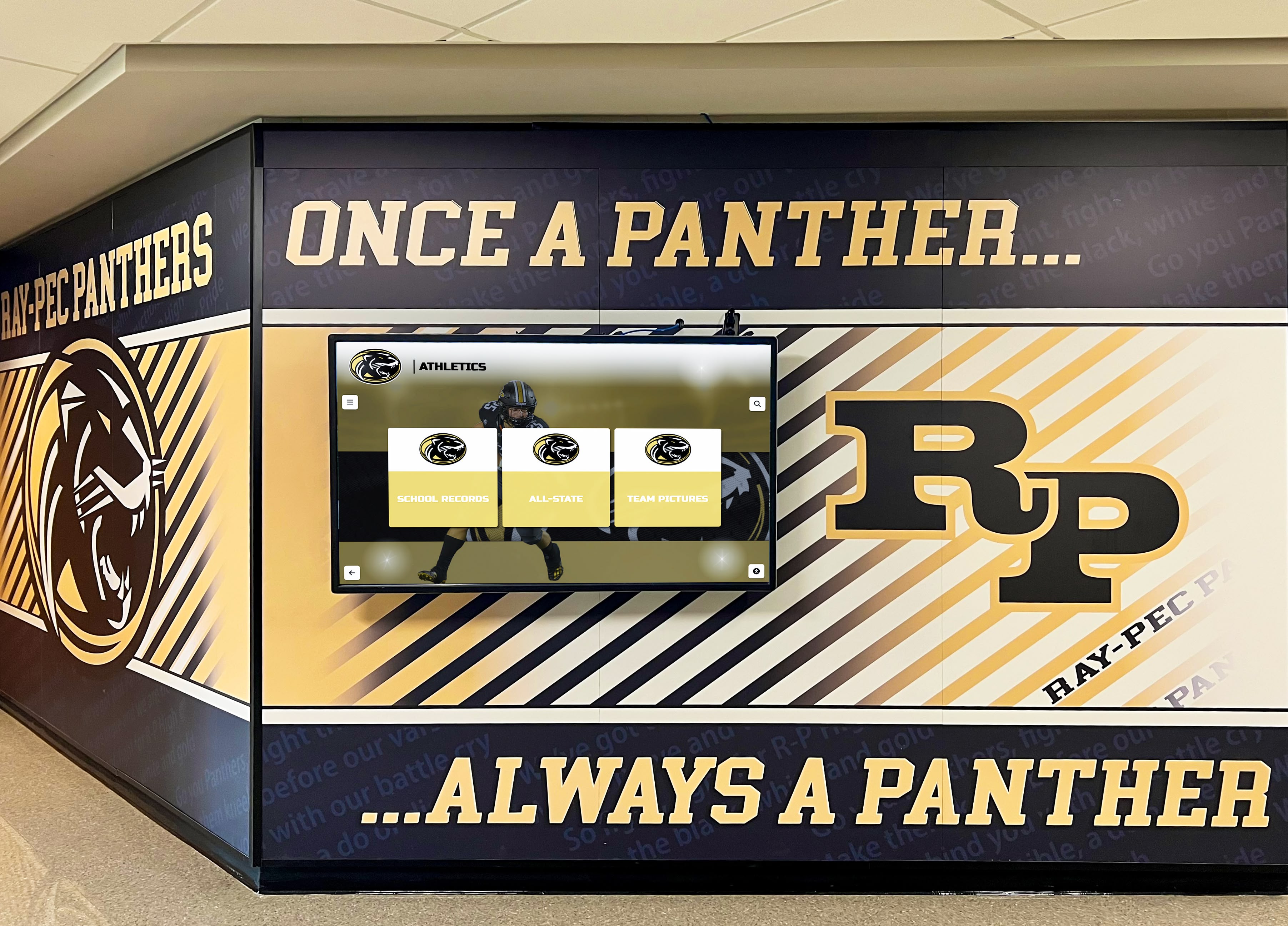
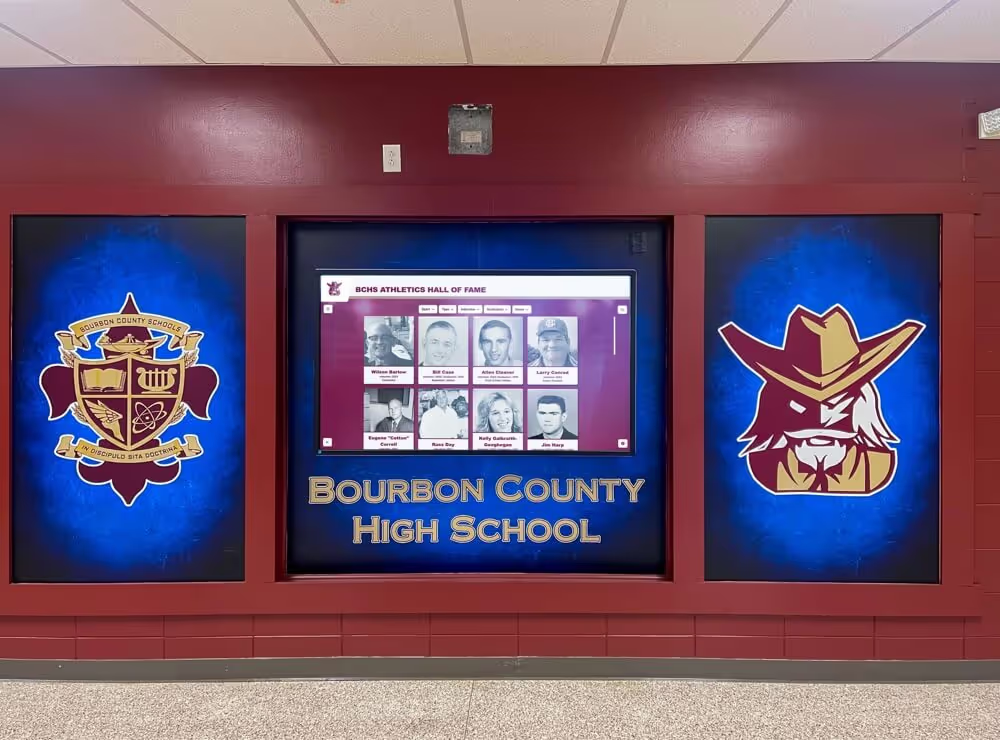
Strategic recognition placement ensures wrestling achievements receive equal visibility across all weight classes and competition levels
Girls Wrestling Weight Classes Women’s high school wrestling—the fastest-growing prep sport—often uses modified weight structures:
- Some states adopt the same 14-weight system as boys wrestling
- Others use alternative distributions reflecting female athlete populations
- Emerging standardization as participation increases nationally
- Regional variation based on program maturity and competitive depth
As girls wrestling continues expanding, expect increased standardization in weight class structures to match boys programs.
Weight Allowances and Growth Considerations
The weight class system includes provisions addressing wrestler development throughout the season:
Weight Allowance Schedule Most states implement graduated allowances:
- Early season (typically through December): 2-pound allowance over certified weight
- Mid-season (January-February): Additional pound added creating 3-pound allowance
- Championship season (state tournaments): Usually standard weight with minimal or no allowance
- Specific dates vary by state athletic association
These allowances account for natural adolescent growth during the season, preventing wrestlers from unhealthy weight cutting as they develop physically throughout the year.
Weight Certification Requirements Safety regulations require:
- Pre-season body composition assessment establishing minimum wrestling weight
- Alpha weight certification determining lowest allowable competition weight
- Descent plan documentation limiting weight loss rate (typically 1.5% per week maximum)
- Hydration testing ensuring wrestlers aren’t dehydrated during weigh-ins
- Medical clearance for wrestlers cutting significant weight
These protocols, implemented following tragic weight-cutting incidents in the 1990s, dramatically improved wrestler safety while maintaining competition fairness.
Explore youth sports recognition approaches applicable to documenting wrestling achievements across developmental levels.
Strategic Weight Class Selection
Choosing the optimal weight class represents one of wrestling’s most important strategic decisions, affecting competitive outcomes, physical development, and long-term athletic success.
Factors in Weight Class Decision-Making
Multiple considerations inform smart weight class selection:
Natural Body Weight and Composition Physical characteristics strongly influence optimal competition weight:
- Current body weight and typical weight without restriction
- Body composition including muscle mass and body fat percentage
- Height and frame size relative to common weight class distributions
- Natural metabolism and ease of weight maintenance
- Historical growth patterns predicting continued development
Wrestlers should generally compete within 3-5% of walking-around weight, allowing minor weight cutting while avoiding extreme practices that compromise health and performance.
Competitive Depth and Strength of Opposition Strategic analysis includes:
- Relative skill and experience level of opponents at adjacent weight classes
- District, regional, and state tournament brackets at each weight
- Likelihood of earning varsity positions at different weights
- Team lineup needs and strategic positioning
- College recruiting implications for various weight classes
Some wrestlers find greater success moving up a weight class despite facing larger opponents, if their technical skill and conditioning overcome modest size disadvantages while avoiding tougher competition at their natural weight.

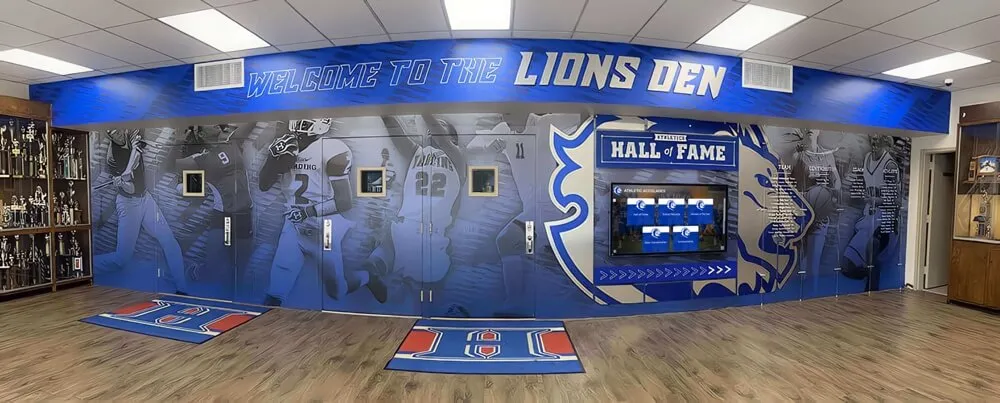
Championship recognition celebrates wrestling excellence across all weight divisions, honoring achievement regardless of competition weight
Strength-to-Weight Ratio Optimization Physical performance considerations:
- Relative strength at different weight points during cutting or bulking
- Conditioning and stamina effects of weight management approaches
- Power output and explosive technique execution at various weights
- Recovery capacity and injury resistance
- Mental focus and competitive intensity during weight management
Research consistently shows that extreme weight cutting—losing more than 5-7% of body weight—significantly impairs performance despite creating size advantages, making moderate weight management approaches more effective than aggressive cutting.
Growth and Development Stage Adolescent development affects optimal weight selection:
- Younger wrestlers (freshmen/sophomores) still growing rapidly should avoid aggressive cutting
- Older wrestlers (juniors/seniors) with more mature physiques can manage weight more effectively
- Growth projections indicating likely weight trends through high school career
- Multi-year planning for sustainable competitive weight progression
- College weight class targets for wrestlers with post-high school athletic aspirations
Wrestlers should select weight classes allowing natural growth without forcing extreme cutting that compromises development, health, and long-term athletic trajectory.
Strategic Considerations for Team Competition
In dual meet and team tournament formats, weight class selection affects overall team success:
Lineup Construction and Team Strategy Coaches balance individual and team interests:
- Positioning stronger wrestlers where they maximize team point contribution
- Avoiding bunching multiple strong wrestlers at same weight
- Strategic forfeits or weakness tolerance at specific weights to strengthen others
- Matchup advantages against typical conference opponent lineups
- Depth chart considerations with backup wrestlers at multiple weights
These team dynamics sometimes mean individual wrestlers compete at non-optimal personal weights to maximize team success—a decision requiring careful consideration of athlete welfare against collective goals.
Varsity Position Competition Weight class selection affects playing time:
- Multiple wrestlers competing for single varsity position at specific weight
- Strategic movement to weights with less internal competition
- Development opportunities at weights with open varsity positions
- Experience gain versus bench time at crowded weight classes
- Long-term development considerations for underclassmen
Coaches and wrestlers should balance immediate competitive opportunity against strategic long-term development when making weight class decisions influenced by roster depth distribution.
Discover approaches to senior athlete recognition celebrating complete wrestling careers across multiple weight classes.
Healthy Weight Management for Wrestlers
Effective competition at chosen weight classes requires sound weight management practices balancing performance optimization with health preservation.
Evidence-Based Weight Management Approaches
Research and medical guidance establish best practices:
Gradual Weight Loss Strategies Safe weight management includes:
- Maximum 1.5% body weight loss per week
- Focus on fat loss rather than muscle or water loss
- Adequate nutrition supporting training demands
- Hydration maintenance preventing dehydration
- Professional guidance from sports dietitians when available
Crash dieting and extreme cutting compromise both health and competitive performance, while gradual approaches maintain strength and conditioning.

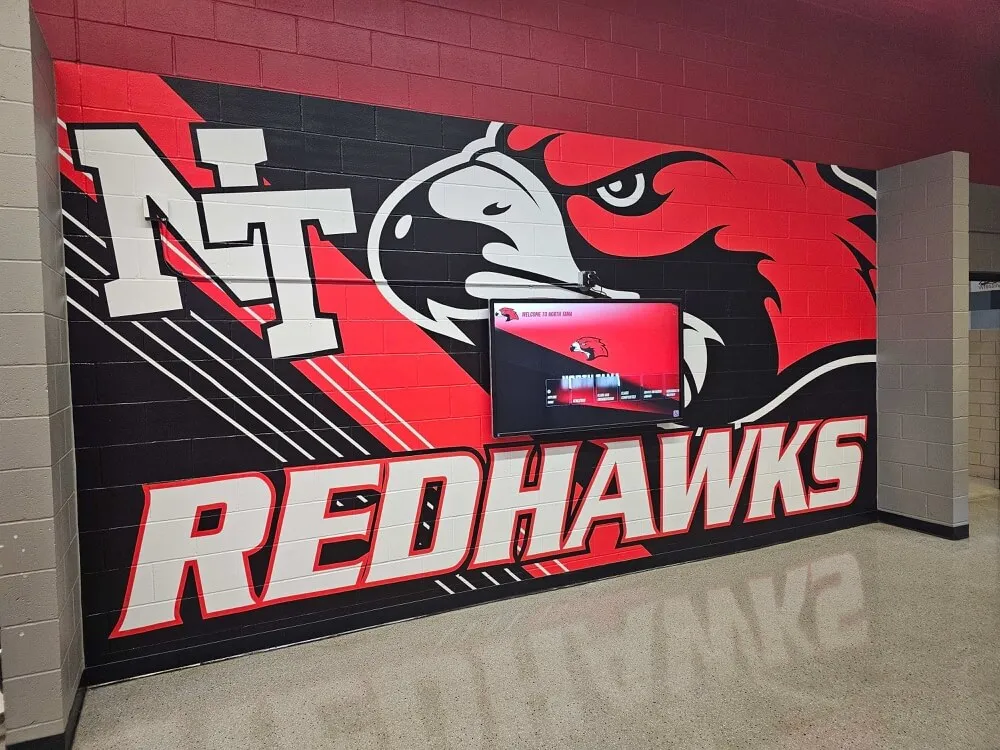
Permanent displays document wrestling achievements including weight class records, championship performances, and career milestones
Nutrition Principles for Wrestling Optimal diet strategies include:
- Adequate protein intake supporting muscle maintenance (0.7-1g per pound)
- Strategic carbohydrate timing providing training energy while enabling fat loss
- Healthy fat inclusion supporting hormone function and satiety
- Micronutrient sufficiency preventing deficiency during calorie restriction
- Meal timing optimizing training performance and recovery
Working with school athletic trainers or sports dietitians helps wrestlers develop individualized nutrition plans supporting both weight management and competitive performance.
Hydration Management Proper fluid balance requires:
- Consistent hydration supporting health and performance
- Avoiding extreme dehydration practices before weigh-ins
- Rehydration protocols between weigh-in and competition
- Monitoring hydration status through urine color and body weight
- Understanding state regulations regarding hydration testing
Modern weight management protocols prohibit dangerous dehydration practices that were common historically, with hydration testing at weigh-ins ensuring wrestler safety.
Weight Cutting vs. Weight Maintenance
Different competitive situations require distinct approaches:
Pre-Season Weight Descent Early season preparation:
- Gradual weight loss over weeks following certification
- Focus on body composition improvement through training and nutrition
- Establishment of sustainable eating patterns for season duration
- Development of routine that maintains weight without extreme measures
- Building metabolic efficiency at competition weight
Wrestlers should reach competition weight 2-3 weeks before championship season begins, allowing weight maintenance rather than continuous cutting.
In-Season Weight Maintenance During competitive season:
- Consistent daily weight within 2-3 pounds of competition weight
- Small adjustments before weigh-ins rather than large cuts
- Routine eating patterns preventing weight fluctuation
- Strategic meal timing around training and competition
- Monitoring for signs of excessive restriction or disordered eating
Sustainable in-season practices prevent the physical and mental drain of repeated weight cycling.
Recovery and Off-Season Weight Gain Post-season considerations:
- Gradual return to natural body weight after season
- Muscle building and strength development without restriction
- Metabolic recovery from season-long calorie restriction
- Psychological break from weight consciousness
- Strategic planning for following season’s competition weight
Healthy off-season weight gain—typically 8-12 pounds above competition weight—supports growth, recovery, and subsequent season preparation.
Learn about wrestling tournament recognition documenting achievement across weight classes.
Warning Signs of Unhealthy Weight Management
Parents, coaches, and athletes should monitor for concerning practices:
Physical Warning Signs Indicators of excessive weight cutting:
- Dramatic weight fluctuations between seasons or weeks
- Chronic fatigue and reduced training intensity
- Frequent illness and compromised immune function
- Delayed growth or missed growth milestones
- Poor academic performance and concentration problems
- Irritability, mood changes, and social withdrawal
These symptoms suggest weight management practices compromising health and requiring intervention.
Behavioral Red Flags Concerning weight control behaviors:
- Secretive eating patterns or food restriction
- Excessive exercise beyond team training requirements
- Preoccupation with weight and body composition
- Use of saunas, rubber suits, or dangerous dehydration practices
- Skipping meals or restricting food groups entirely
- Expressing distorted body image or fear of weight gain
When these behaviors appear, parents should consult with coaches, athletic trainers, and healthcare providers to ensure wrestler safety and appropriate intervention if needed.
Long-Term Health Consequences Extreme weight cutting risks include:
- Disordered eating patterns persisting after wrestling career
- Compromised bone density and growth in adolescence
- Increased injury susceptibility from inadequate nutrition
- Hormonal disruption affecting development
- Psychological issues related to food and body image
These serious consequences make appropriate weight management education essential for all wrestlers, parents, and coaching staff.

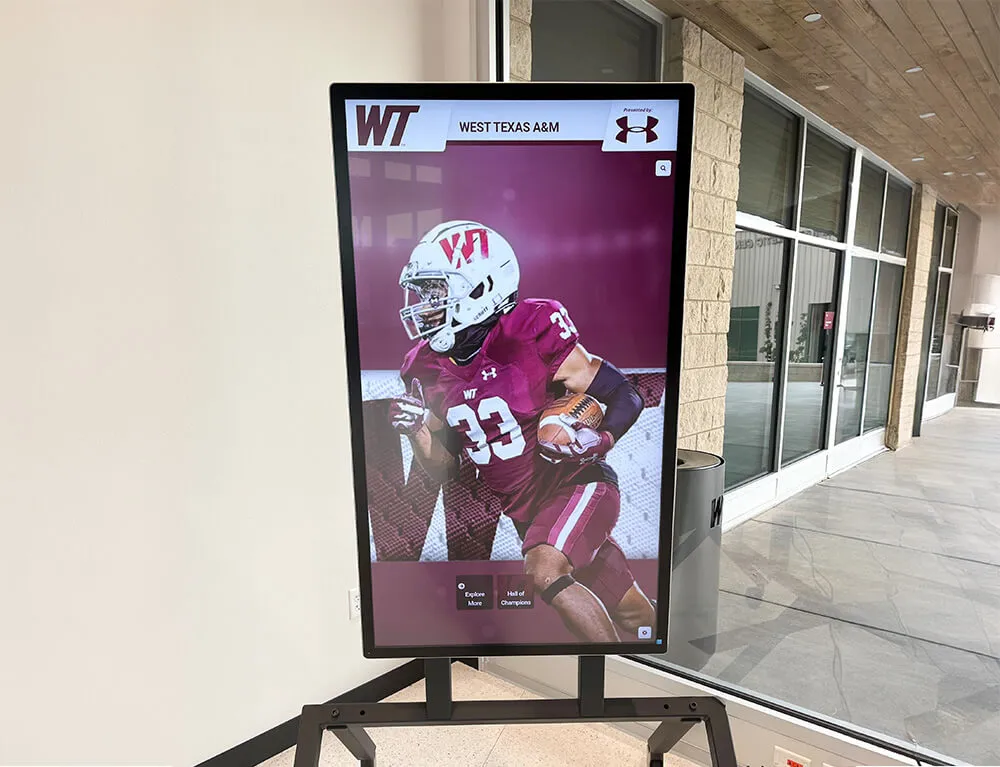
Touchscreen recognition systems enable exploration of wrestling history across all weight classes, from 106 pounds through heavyweight
Competition Formats Across Weight Classes
Understanding how weight classes function in different competitive formats helps wrestlers and families navigate the season.
Dual Meet Competition Structure
Traditional head-to-head team competition:
Standard Dual Meet Format Competition structure includes:
- Sequential matches at all 14 weight classes
- Coaches determining which athlete competes at each weight
- Tactical decisions about forfeits and lineup positioning
- Point scoring for match outcomes (6 for pin, 4-5 for decisions/major decisions, 3 for forfeit)
- Team winner determined by total points accumulated
Strategic lineup construction creates competitive advantages, with coaches sometimes sacrificing specific weight classes to strengthen others where victory seems more achievable.
Lineup Strategy and Weight Class Deployment Tactical considerations include:
- Positioning strongest wrestlers opposite opponents’ weak positions
- Avoiding head-to-head matches between equally strong wrestlers
- Strategic use of forfeits to preserve wrestler health or manipulate point differential
- Bumping wrestlers up a weight class for tactical advantage
- Exhibition matches providing experience without team score impact
These strategic elements make dual meet wrestling particularly chess-like, with weight class selection and deployment critical to team success.
Tournament Competition by Weight Class
Individual tournaments bracket wrestlers within specific weight divisions:
Weight Class Bracketing Tournament structures include:
- Separate brackets for each weight class with all entries competing within division
- Seeding based on season performance, rankings, or random draw
- Championship and consolation bracket progression
- Weight class-specific awards and advancement opportunities
- No team scoring in most individual tournaments (though some calculate team points)
This format eliminates strategic lineup manipulation, with each wrestler competing solely against others in their weight class.
Multi-Day Tournament Weight Management Competition demands include:
- Multiple weigh-ins across tournament days
- Weight allowances typically applicable throughout
- Between-match nutrition and hydration supporting multiple bouts
- Recovery protocols for successive day competition
- Strategic weight management maintaining weight across extended events
Tournaments test not just wrestling skill but weight management sustainability across multiple days and numerous matches.
Learn about sport end-of-year awards that recognize wrestling achievement across weight divisions.
Championship Qualification Systems
State tournament qualification depends on weight class performance:
District and Regional Advancement Qualification structures typically include:
- Top finishers at each weight class advance from district tournaments
- Regional tournaments providing additional qualification opportunities
- Weight class-specific quotas for state tournament berths
- Separate advancement for different school size classifications
- At-large or wild card selections in some state systems
Understanding qualification pathways helps wrestlers set realistic goals and coaches develop season plans maximizing advancement opportunities at specific weights.

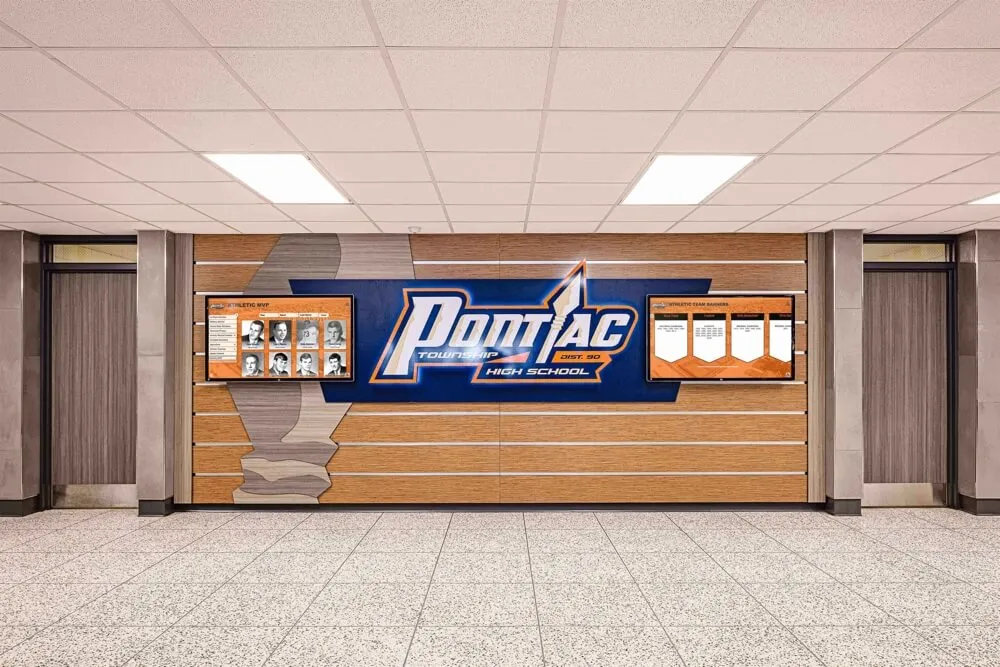
Traditional recognition walls celebrate wrestling excellence across all weight classes and competitive levels
State Tournament Competition Championship events feature:
- Full brackets at each of 14 weight classes
- Equal recognition opportunity regardless of weight division
- Class-specific tournaments in states with multiple divisions
- Media coverage and community attention across all weights
- College recruiting presence observing wrestlers at all divisions
State tournaments represent wrestling’s pinnacle, with championship recognition equally prestigious regardless of whether earned at 106 pounds or heavyweight.
Recording and Recognizing Achievement Across Weight Classes
Wrestling’s multi-weight structure creates documentation challenges and recognition opportunities.
Weight Class Records and Statistical Tracking
Comprehensive programs track achievement within weight divisions:
Individual Weight Class Records Documentation includes:
- Career wins by weight class for school records
- Single-season performance at specific weights
- Pin and technical fall rates by division
- Tournament performance and placement history
- Head-to-head records against specific opponents
This granular tracking enables meaningful historical comparison and identifies the most accomplished wrestlers in each division throughout program history.
Cross-Weight Class Achievement Broader recognition includes:
- Career achievement across multiple weight classes as wrestlers develop
- Comparison of relative dominance at different weights
- Strategic position changes and their competitive outcomes
- Multi-weight champions at conference, regional, or state levels
- Historical analysis of wrestlers’ optimal competitive weights
Documentation should accommodate wrestlers who compete at different weights across seasons or even within single years.
Explore digital trophy case solutions documenting wrestling achievements across all divisions.
Challenges with Traditional Recognition Systems
Physical displays create weight class-specific problems:
Space Limitations Affecting Comprehensive Recognition Traditional approaches struggle with:
- Limited trophy case or wall plaque space forcing selectivity
- Difficulty representing achievement at all 14 weight classes equitably
- Visual clutter when displaying complete weight class information
- Removal of historical recognition as space fills with current achievements
- Inability to search or filter by specific weight class
These limitations mean many wrestling achievements—particularly at less visible weight classes—receive insufficient permanent recognition.
Weight Class-Specific Recognition Gaps Common challenges include:
- Heavyweight and extreme lower weight achievements receiving less visibility than middle weights
- Conference champions in some weight classes unrecognized while others receive prominent display
- Historical weight class records unavailable or difficult to access
- Inability to show complete wrestler progression across changing weights
- Year-by-year weight class lineup records lost to inadequate documentation
These gaps undermine comprehensive wrestling recognition while making program history less accessible to current wrestlers and community members.
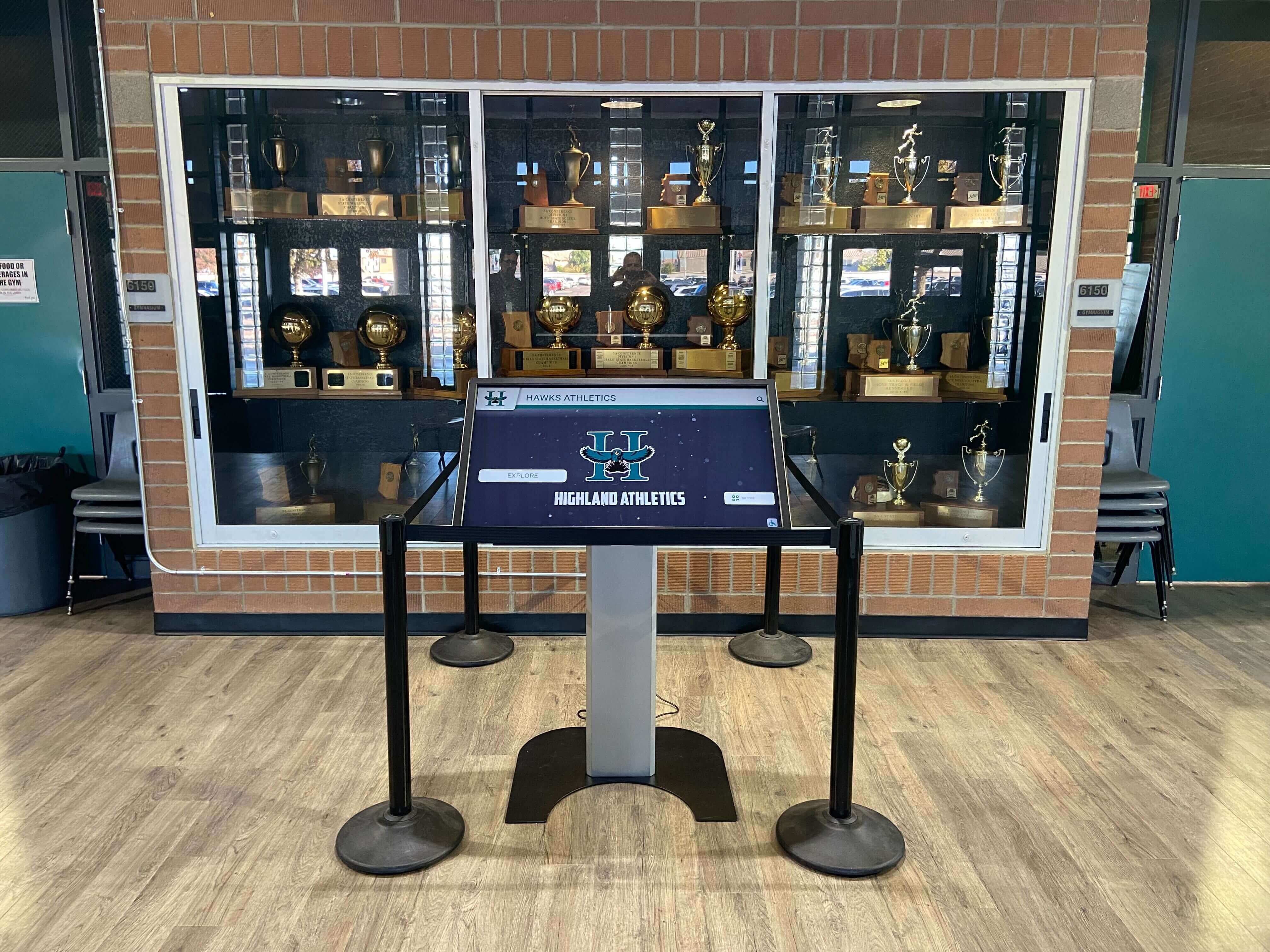
Hybrid recognition combining physical trophies with digital systems preserves complete weight class history across decades
Digital Recognition Solutions for Weight Class Achievement
Modern platforms solve traditional wrestling recognition challenges:
Comprehensive Weight Class Documentation Digital systems enable:
- Unlimited capacity documenting achievement at all 14 weight classes across all years
- Sortable and filterable databases enabling weight class-specific searches
- Individual wrestler profiles showing career progression across changing weights
- Statistical leaderboards by weight class for career and single-season achievement
- Match-by-match documentation including opponent information and competition level
This comprehensive approach ensures no wrestler’s achievement disappears due to space constraints or weight class bias.
Enhanced Storytelling for Wrestling Achievement Rich content includes:
- Detailed profiles with photos, statistics, and biographical information
- Weight class context explaining competitive environment and opposition quality
- Career narratives describing development across changing weights
- Video integration showing technique and championship moments
- Post-high school updates tracking continued wrestling careers
Digital yearbook platforms provide purpose-built platforms designed specifically for athletic recognition needs, with functionality accommodating wrestling’s unique multi-weight structure while remaining accessible for staff without technical backgrounds.
Interactive Exploration Capabilities Engagement features include:
- Search by wrestler name, weight class, graduation year, or achievement type
- Filter functions isolating specific weight classes or competition levels
- Comparison tools showing relative achievement across different eras
- Social sharing extending recognition reach beyond campus
- Mobile-responsive web access enabling anytime viewing from any device
This interactivity transforms recognition from passive viewing into active exploration—significantly increasing engagement while ensuring all weight classes receive equitable visibility.
Preserve Wrestling Excellence Across All Weight Classes
Discover how modern digital recognition solutions document wrestling achievement at every division—from 106 pounds through heavyweight—creating engaging displays that inspire current wrestlers while honoring past excellence. Digital yearbook platforms provide comprehensive platforms built specifically for athletic recognition, ensuring your wrestling program's tradition receives the lasting visibility it deserves regardless of weight class.
Explore Recognition SolutionsMulti-Weight Recognition Best Practices
Effective systems accommodate wrestling’s unique structure:
Equitable Recognition Across All Weights Best practices include:
- Equal profile depth and content quality regardless of weight class
- Balanced historical documentation preventing middle-weight bias
- Recognition of achievement context accounting for competitive depth variations
- Celebration of strategic weight class changes and multi-weight success
- Visibility for often-overlooked divisions like 106 and 285 pounds
This comprehensive approach ensures all wrestlers receive appropriate recognition regardless of their competitive weight.
Weight Class Progression Documentation Track complete wrestling journeys:
- Year-by-year weight class competed showing natural development
- Performance comparison across different weights
- Strategic reasoning for weight class changes when significant
- Physical development context explaining progression
- Career statistics aggregated across multiple weights
This longitudinal view provides richer understanding of wrestler development than single-weight documentation can offer.
Learn about wrestling recognition systems designed for comprehensive documentation.
Special Considerations for Different Weight Classes
Specific weight divisions present unique challenges and characteristics:
Lower Weight Classes (106-126 pounds)
Smallest divisions include distinctive features:
Physical and Developmental Considerations Lower weight challenges include:
- Wrestlers typically younger or physically smaller
- Rapid growth creating weight management difficulties
- Risk of extreme cutting in pursuit of competitive advantage
- Limited post-high school wrestling opportunities at lowest weights
- Strategic decisions about natural growth versus extended low-weight competition
Coaches and parents should carefully monitor younger wrestlers at lowest weights, ensuring weight management practices don’t compromise development or health during critical growth periods.
Competitive Characteristics Lower weight dynamics include:
- Often highly technical competition with speed and quickness emphasis
- Scrambling and position transition importance
- Less emphasis on pure strength compared to heavier weights
- Tournament depth variations across different competitive levels
- College recruiting primarily focused on 125 pounds and heavier
Wrestlers excelling at lower weights should plan strategic progression to higher divisions as they mature physically, maximizing both high school success and post-secondary athletic opportunities.
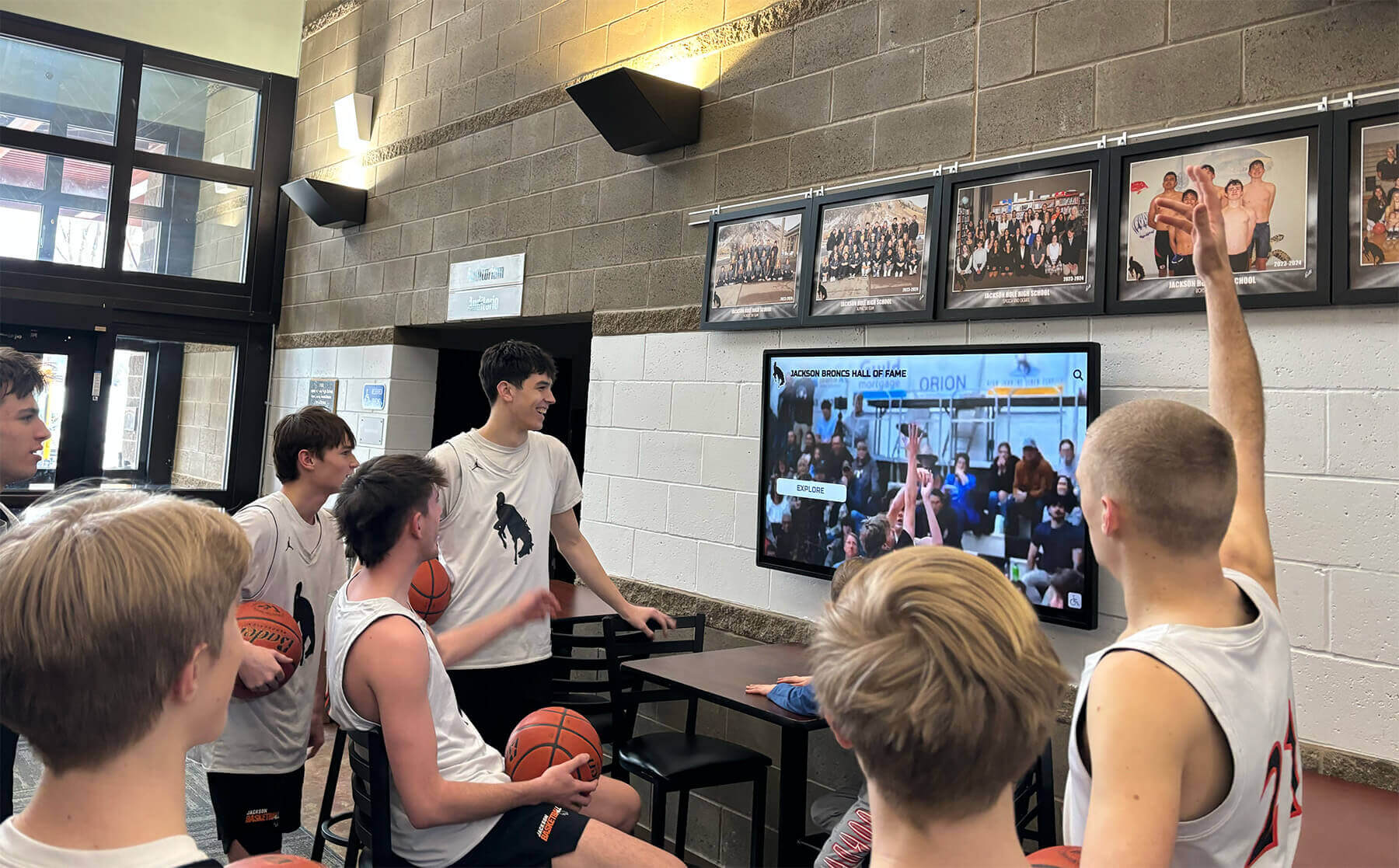
Interactive displays enable year-round engagement with wrestling achievements, inspiring current wrestlers through visible examples across all weight classes
Middle Weight Classes (132-165 pounds)
Most populated divisions feature:
Competitive Depth and Opportunity Middle weight characteristics include:
- Typically deepest brackets with most competitors
- Highest level of competition at elite tournaments
- Balanced blend of speed, strength, and technique
- Strong college wrestling opportunities across these divisions
- Greatest strategic flexibility for lineup positioning
These weights often feature programs’ strongest wrestlers, creating intense competition for varsity positions and championship opportunities.
Weight Management Dynamics Middle weight considerations include:
- Wrestlers naturally fitting these ranges with minimal cutting
- Comfortable weight maintenance throughout season
- Moderate flexibility for strategic weight movement
- Reduced extreme cutting compared to lower weights
- Natural progression path for developing wrestlers
Middle weights often provide optimal competitive experiences balancing performance with healthy weight management.
Upper Middle Weights (175-215 pounds)
Larger weights before heavyweight include:
Physical and Technical Characteristics Upper middle weight features include:
- Increased strength and power emphasis
- Larger weight gaps creating strategic positioning opportunities
- Less bracket depth than middle weights in many programs
- Wrestlers often exceptionally strong for their weight
- Technique remaining critical despite size advantage
The 15-pound gap between 175 and 190, and 25-pound gap between 190 and 215, create unique strategic considerations unavailable at lower weights.
Strategic Weight Class Selection Upper weight decisions include:
- Natural 180-185 pound wrestlers choosing between 175 (with cutting) and 190 (undersized)
- 200-210 pound athletes deciding between 190, 215, or heavyweight
- Team lineup needs strongly influencing individual weight selection
- Physical maturity enabling more effective weight management
- College weight class alignment for recruiting prospects
These strategic decisions significantly affect both individual and team competitive outcomes.
Heavyweight Division (285 pounds maximum)
Largest weight class presents distinctive dynamics:
Unique Heavyweight Characteristics Heavyweight specifics include:
- Only upper-bound weight limit (no minimum beyond 215 pounds)
- Competitors ranging from 215 to 285 pounds competing together
- Size differentials up to 70 pounds within division
- Technique crucial for smaller heavyweights against massive opponents
- Often exciting matches appealing to general audience
Successful smaller heavyweights demonstrate that technical excellence can overcome substantial size disadvantages, making the division particularly interesting.
Heavyweight Recognition Challenges Documentation considerations include:
- Importance of noting wrestler’s actual weight within broad division
- Context about size relative to opposition
- Recognition that heavyweight achievement shouldn’t be discounted despite perceived lower technical demands
- Historical tracking showing evolution of heavyweight size over decades
- Celebration of both massive and technique-focused heavyweight success
Quality recognition systems provide context distinguishing 220-pound technical heavyweights from 285-pound maximum-weight competitors.
Discover athletic storytelling approaches applicable to wrestling documentation.
The Evolution of High School Wrestling Weight Classes
Understanding historical context illuminates current structure:
Historical Weight Class Systems
Weight classes evolved significantly:
Early Wrestling Weight Structures Historical systems included:
- Fewer weight classes creating larger competitive divisions
- Less standardization across different states and regions
- Minimal weight management regulation
- Recognition that unrestricted competition favored larger athletes unfairly
The development of modern weight class systems addressed these fairness and safety concerns while enabling more strategic competition.
Modern System Development Current structures emerged from:
- Incremental addition of weight classes over decades
- Safety reforms following health incidents related to extreme cutting
- Standardization across states through NFHS guidelines
- Weight certification protocols preventing dangerous practices
- Ongoing refinement balancing competition fairness with practical administration
The 14-weight system represents balance between providing adequate competitive divisions while maintaining manageable bracket sizes and dual meet formats.
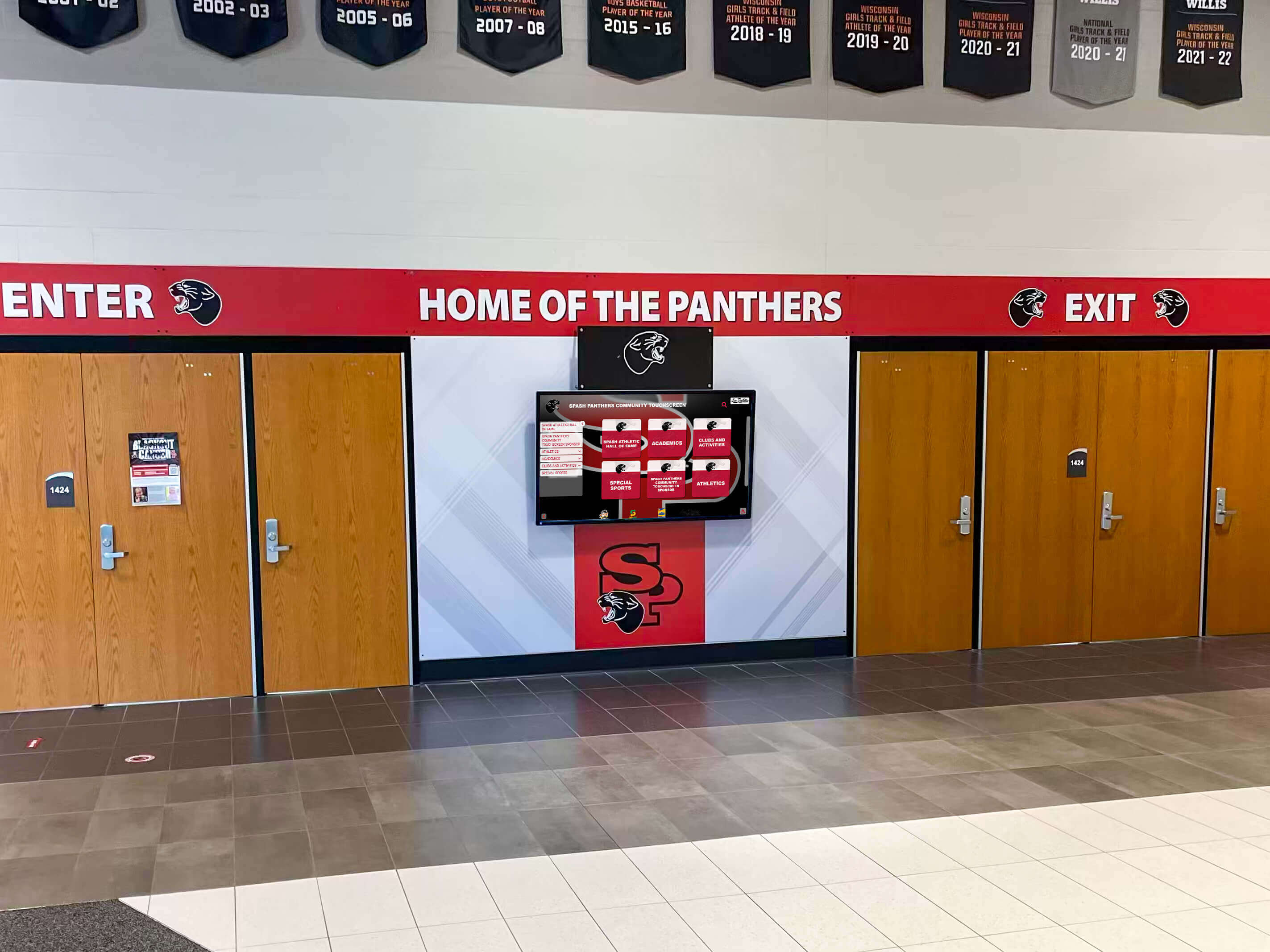
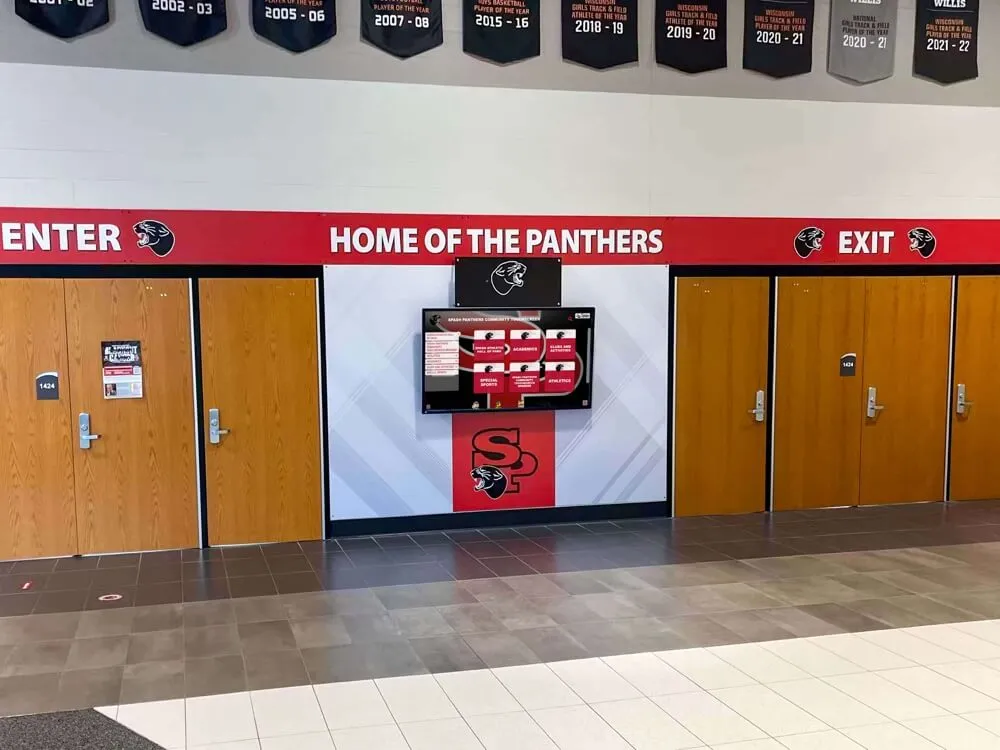
Strategic placement at school entrances ensures wrestling recognition visibility for daily traffic, inspiring athletes across all weight classes
Future Considerations for Weight Class Structure
Potential evolution includes:
Emerging Trends Future developments may include:
- Additional weight classes providing finer divisions
- Modified structures for rapidly growing girls wrestling
- Integration with folkstyle to freestyle weight class systems
- Technology-enabled same-day weigh-ins preventing extreme cutting
- Enhanced medical monitoring ensuring wrestler safety
Wrestling continues evolving to balance competitive fairness, athlete safety, and practical administration—with weight class structure central to these considerations.
Practical Guidance for Parents and Athletes
Actionable recommendations for navigating weight class decisions:
First-Year Wrestler Weight Class Selection
New wrestlers should:
- Compete at natural body weight without significant cutting
- Focus on skill development over weight manipulation
- Observe multiple weight classes assessing competitive levels
- Prioritize experience and learning over immediate success
- Build foundation for strategic weight selection in future seasons
Early career emphasis on skill and experience outweighs aggressive weight management for long-term wrestling development.
Season-Long Weight Management
Throughout competitive season:
- Maintain weight within 3-5 pounds of competition weight daily
- Establish consistent eating patterns supporting training and academics
- Monitor energy levels, mood, and physical performance
- Communicate with coaches and parents about weight concerns
- Seek professional guidance when weight management feels difficult
Sustainable practices prevent physical and mental burnout while maintaining competitive performance.
Post-Season Recovery and Planning
After season conclusion:
- Return gradually to natural body weight
- Focus on strength building and physical development
- Evaluate season performance across different weights
- Plan strategically for following season’s competition weight
- Address any concerning eating or body image patterns
Healthy off-season recovery supports long-term athletic development and prepares wrestlers for subsequent competitive years.
Learn about high school athletic recognition ensuring comprehensive documentation across weight classes.
Conclusion: Weight Classes as Foundation for Fair Competition and Recognition
High school wrestling’s weight class system creates the foundation for fair, strategic competition where technical skill, conditioning, and mental toughness determine success rather than simple size advantages. The 14-weight structure from 106 pounds through 285-pound heavyweight provides competitive opportunities for athletes of all sizes while enabling sophisticated lineup strategy in team competition and individual achievement across diverse physical profiles.
Yet the weight class system creates complexity requiring education and thoughtful decision-making. Wrestlers and families must understand strategic weight selection balancing competitive opportunity against healthy weight management practices. Schools need recognition systems documenting achievement across all weight divisions equitably, ensuring wrestlers at every weight—from smallest to largest—receive appropriate celebration for their accomplishments. Coaches must balance individual wrestler optimization against team success while prioritizing athlete health and long-term development.
The guidance provided throughout this comprehensive exploration helps wrestlers make informed weight class decisions, supports parents in monitoring healthy weight management, and enables schools to implement recognition systems celebrating wrestling excellence across all divisions. From understanding the standard 14-weight structure and strategic selection factors to implementing healthy weight management practices and permanent digital documentation, these approaches ensure wrestling’s unique competitive structure serves its intended purposes of fairness, strategy, and comprehensive achievement recognition.
Modern recognition digital yearbook platforms solve the traditional challenges schools face in documenting wrestling achievement across multiple weight classes. Rather than choosing which weights receive prominent physical display space and which achievements must be relegated to dusty record books, digital systems provide unlimited capacity with searchable, filterable interfaces ensuring equitable recognition regardless of weight class. Comprehensive documentation spanning 106 pounds through heavyweight preserves complete program history while creating engaging displays that inspire current wrestlers through visible examples of excellence at their specific weight divisions.
Your wrestling program’s achievements—across every weight class, every competitive level, every season—deserve recognition systems providing lasting celebration rather than temporary acknowledgment constrained by physical space limitations and documentation challenges. Through strategic weight selection, healthy management practices, and comprehensive recognition, you can build wrestling tradition celebrating excellence across all divisions while supporting athlete development, family engagement, and institutional pride.
Ready to enhance your wrestling program recognition? Explore comprehensive athletic documentation systems or discover sport-specific recognition approaches ensuring wrestling achievement across all weight classes receives the permanent, engaging celebration it deserves.