



Intent: Define & Implement — This comprehensive guide provides everything you need to establish, manage, and modernize a high school wall of fame that celebrates achievements, strengthens community connections, and creates lasting institutional legacy.
Walk through any high school and you’ll notice the walls tell stories. Championship banners hang in gymnasiums, plaques line hallways, and trophy cases display decades of achievement. Yet too often, these recognition efforts feel scattered, incomplete, or frozen in time—some achievements celebrated prominently while equally deserving accomplishments go unrecognized, limited by physical space, budget constraints, or the simple passage of time.
A well-designed high school wall of fame transforms scattered recognition into systematic celebration of your institution’s greatest achievements and most distinguished individuals. Whether honoring athletic excellence, academic accomplishment, distinguished alumni, or comprehensive achievement across multiple dimensions, effective walls of fame create visible connections between past success and present pride while inspiring current students to add their own chapters to institutional legacy.
This guide explores every aspect of creating and maintaining high school walls of fame—from establishing selection criteria and nomination processes through choosing display formats, securing funding, planning induction ceremonies, and leveraging modern digital solutions that eliminate traditional recognition limitations. You’ll discover how schools across the country create meaningful recognition programs that strengthen alumni engagement, build community pride, and celebrate the achievements that define institutional character.
High school walls of fame serve purposes far beyond simple recognition. According to national high school athletics leaders, these programs create powerful connections between institutions and communities, strengthen alumni engagement, inspire current students, and generate tangible support through volunteerism and philanthropy. When done properly, hall of fame initiatives become immense sources of pride for entire school communities while honoring the individuals whose achievements built institutional excellence.

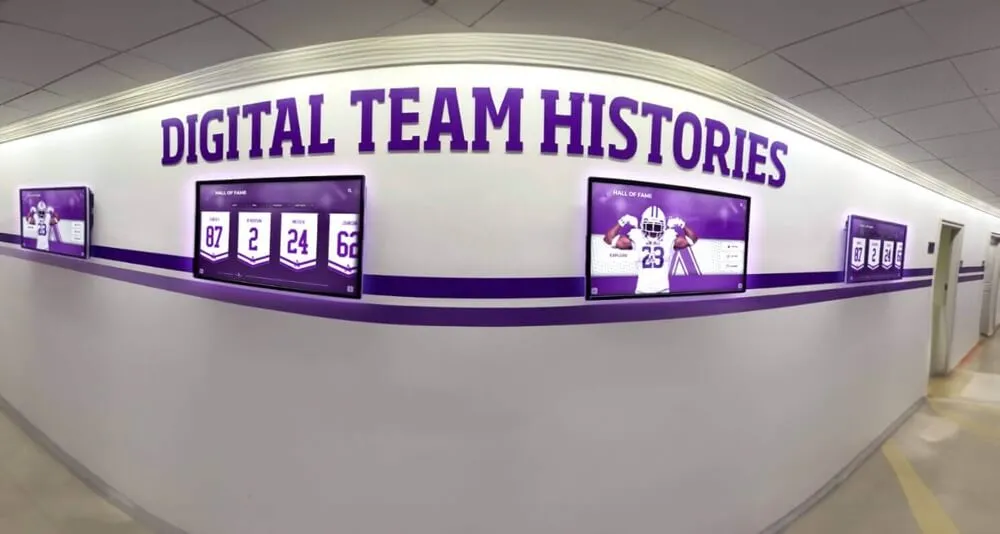
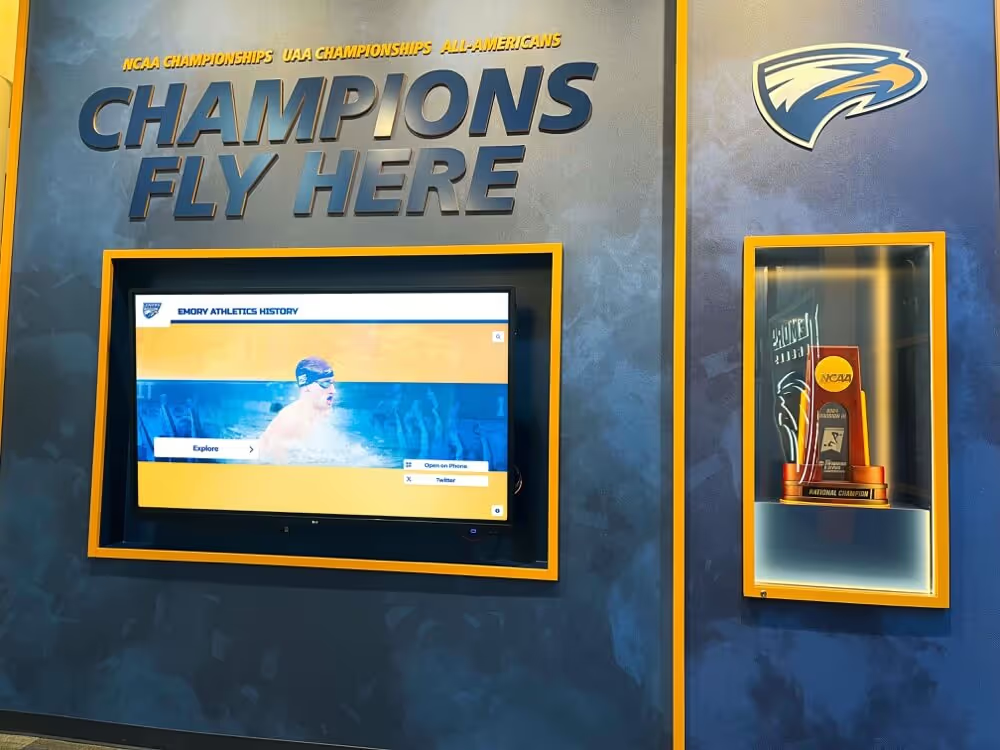
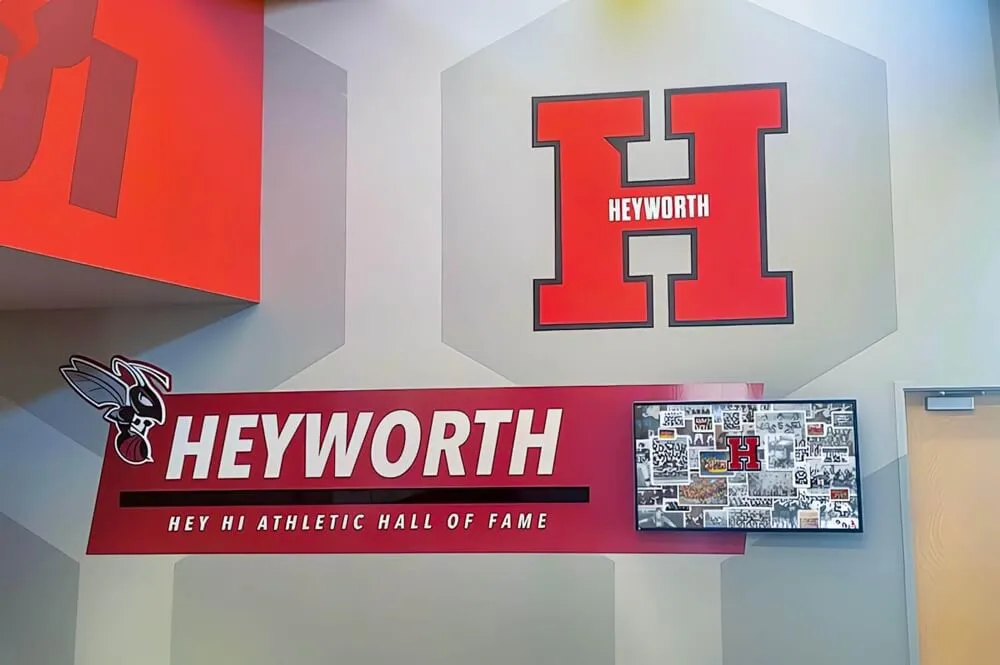
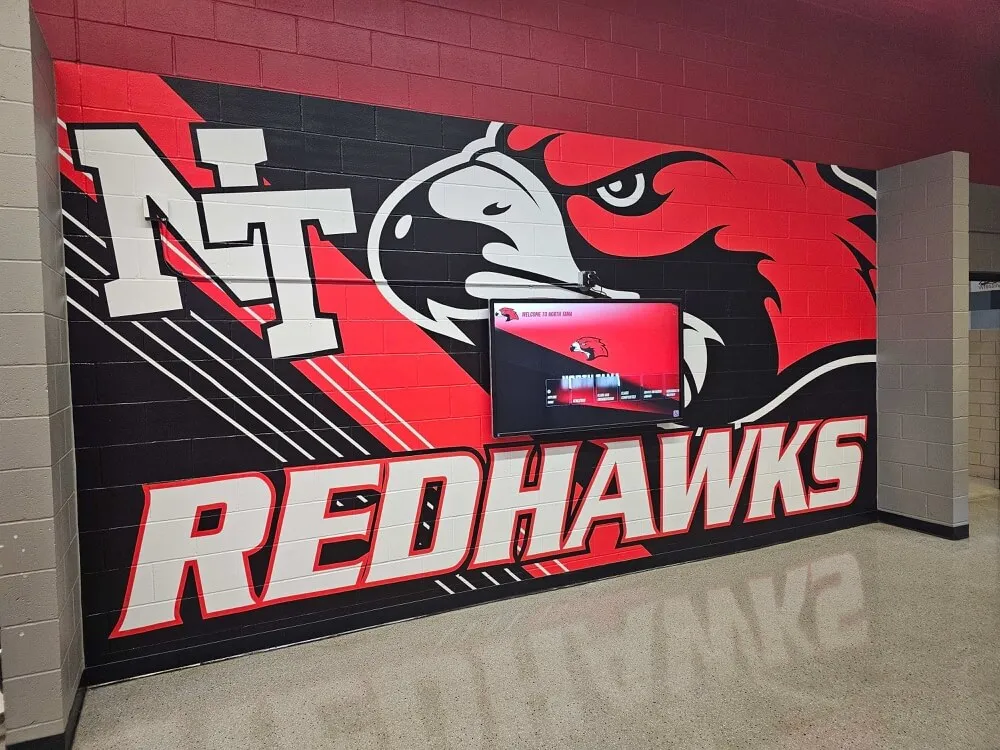
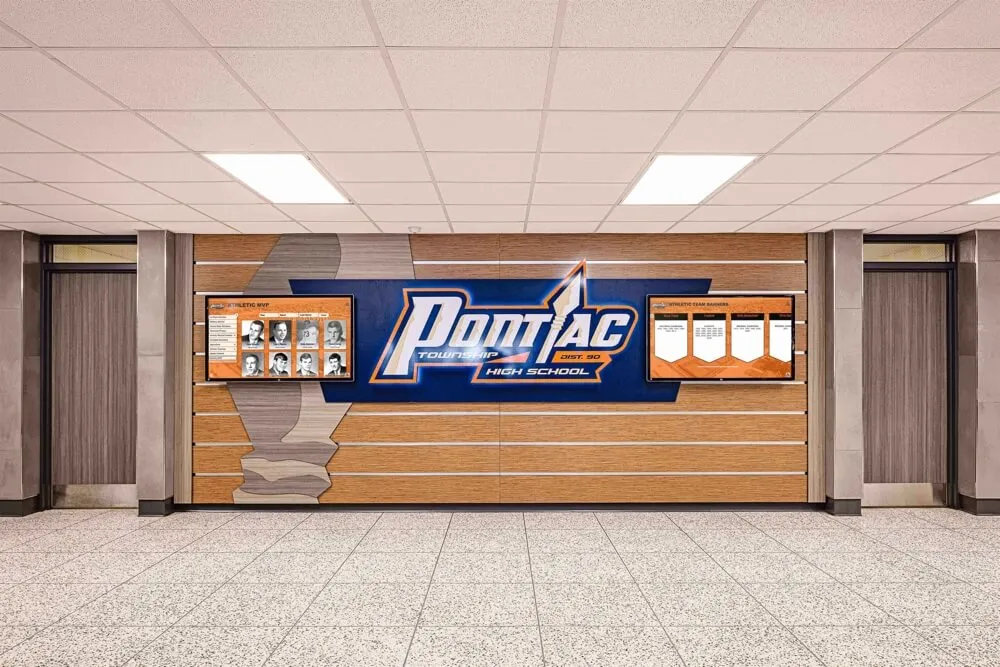
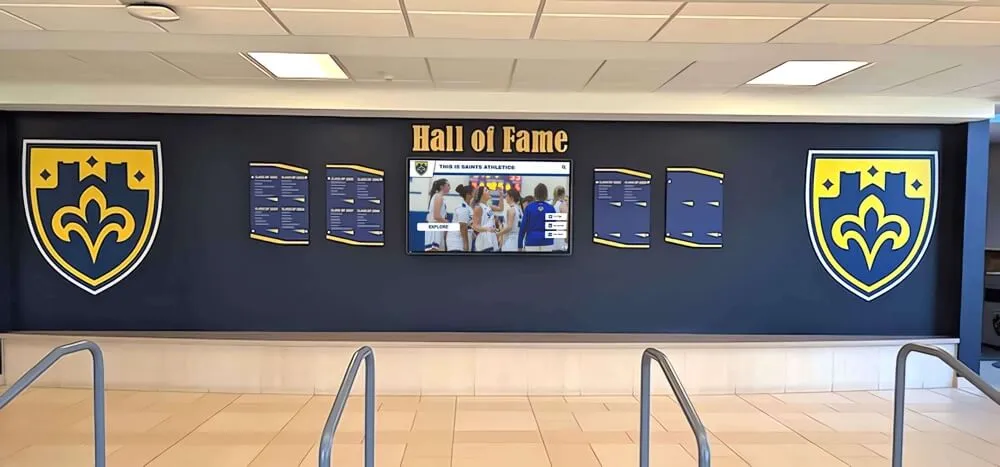
Prominent hallway displays make achievement recognition visible to students, staff, and visitors throughout daily campus life
Understanding High School Walls of Fame: Purpose and Benefits
High school walls of fame—also called halls of fame, walls of honor, or recognition walls—provide formal, permanent acknowledgment of exceptional achievement, distinguished service, or significant contributions to school community and legacy.
Unlike routine recognition like honor rolls or seasonal awards celebrating annual accomplishments, walls of fame establish higher recognition thresholds reserved for truly exceptional achievement deserving permanent celebration. This elevated status creates meaning and prestige ensuring induction represents career-defining honor for recipients while maintaining standards worthy of institutional pride.
Core Purposes of High School Recognition Programs
Effective walls of fame serve multiple strategic purposes beyond simple acknowledgment:
Preserving Institutional History and Legacy
Schools accumulate rich histories spanning decades or centuries of achievement. Walls of fame systematically document this legacy, ensuring significant accomplishments don’t fade from memory as years pass, staff retire, and students graduate. By creating permanent records of exceptional achievement, schools preserve institutional memory connecting current community members to proud traditions.
Inspiring Current Students Through Role Models
When students see walls displaying achievements of individuals who once walked the same hallways, sat in the same classrooms, and faced similar challenges, recognition becomes aspirational. Wall of fame members demonstrate that exceptional achievement is attainable, providing concrete examples of paths from high school participation to distinguished careers and significant contributions.
Strengthening Alumni Connections and Engagement
Hall of fame recognition creates powerful emotional bonds between honored individuals and their schools. According to research on athletic hall of fame benefits, inducted alumni often become the most engaged supporters—attending events, mentoring current students, volunteering their expertise, and providing financial support. Recognition programs transform casual alumni into deeply invested stakeholders with renewed connections to institutions.
Building Community Pride and School Culture
Visible recognition throughout campus creates collective pride in institutional excellence. When community members, prospective families, and visitors see comprehensive documentation of achievement, they develop stronger appreciation for school quality and tradition. This pride strengthens culture, improves perception, and creates positive momentum.
Providing Recruiting and Admissions Advantages
Prospective student-athletes, high-achieving students, and their families evaluate schools partially through visible evidence of past success. Comprehensive walls of fame demonstrate program quality, tradition of excellence, and institutional commitment to recognizing achievement—all factors influencing enrollment decisions.
Documented Benefits of Recognition Programs
Schools implementing comprehensive wall of fame programs report significant tangible benefits:
Enhanced Alumni Engagement
Hall of fame nights are consistently identified as “the absolute best tie-in with alumni” according to athletic administrators. Induction ceremonies bring former students back to campus, reconnect them with peers, and reestablish relationships with institutions. These renewed connections often extend well beyond single events as honored individuals maintain ongoing involvement.
Financial Impact Through Increased Giving
Athletics hall of fame members frequently become best financial donors to their programs and schools. Recognition creates gratitude and renewed investment in institutional success, translating to increased annual giving, capital campaign participation, and estate planning that includes educational philanthropy.
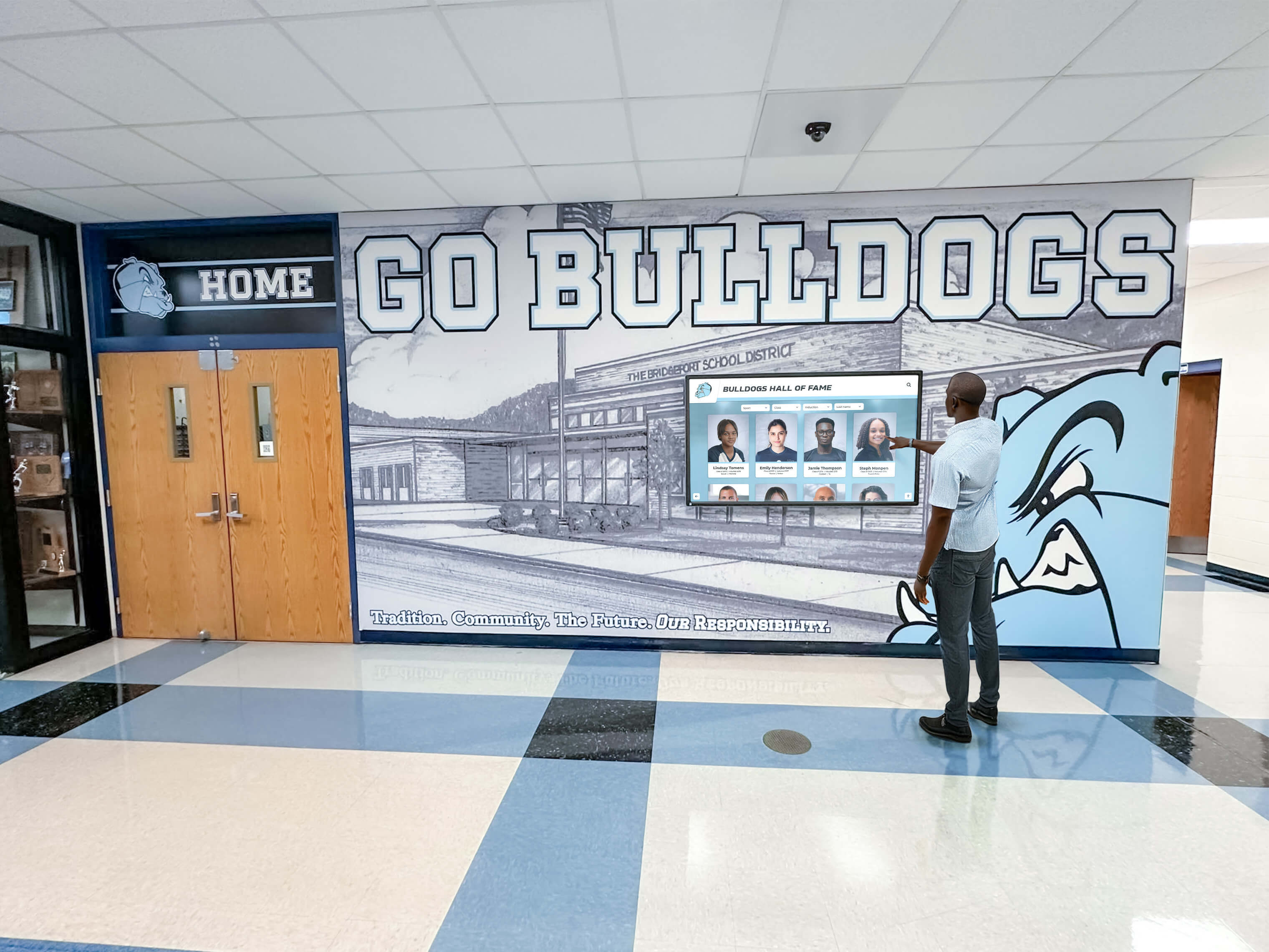
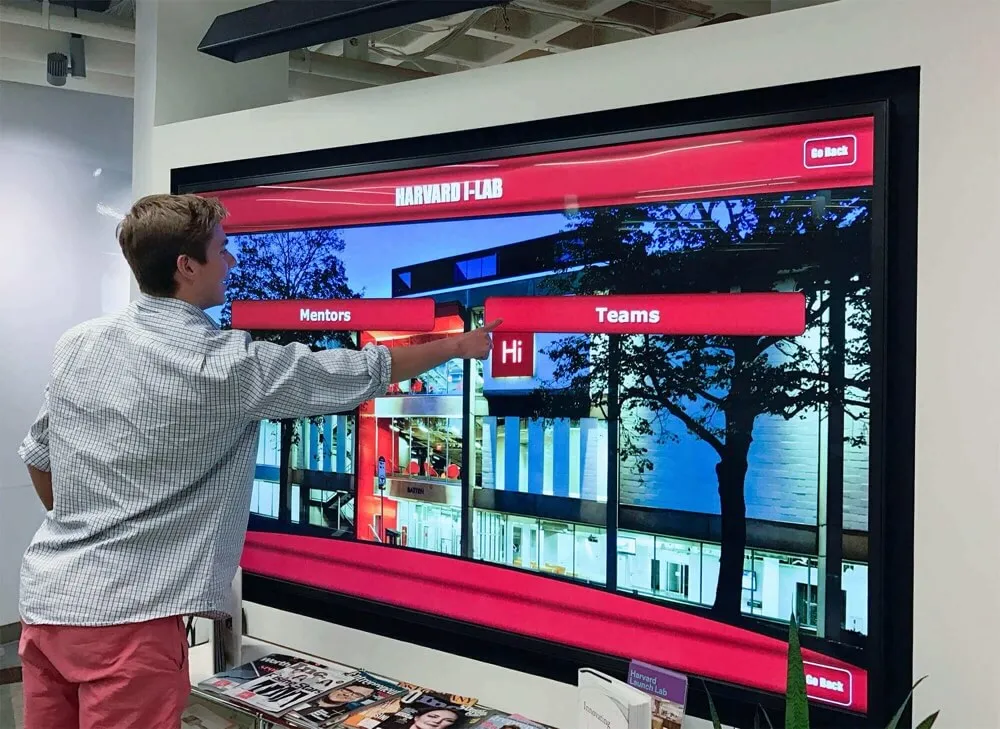
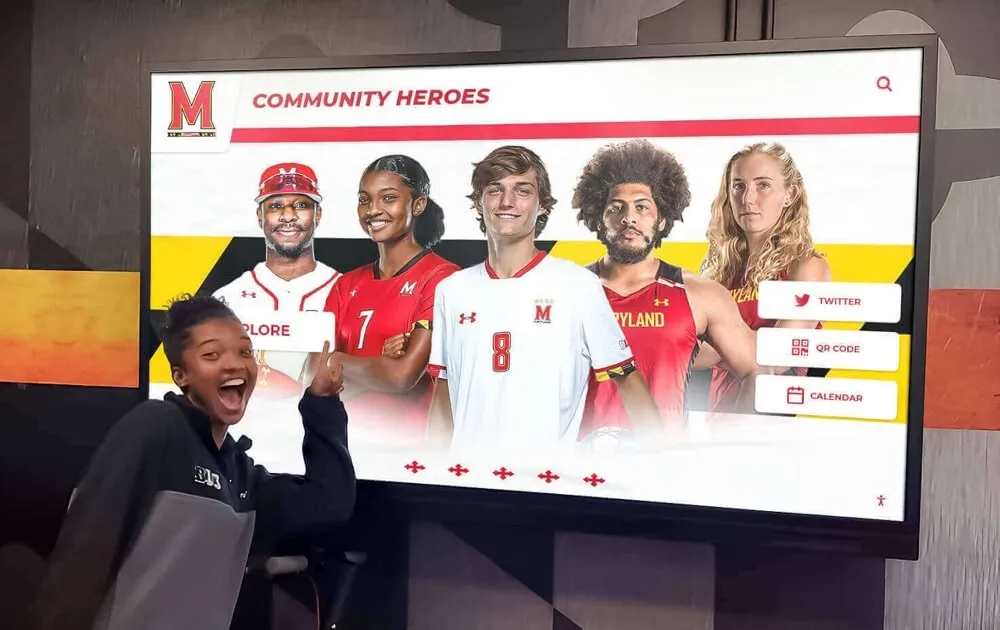
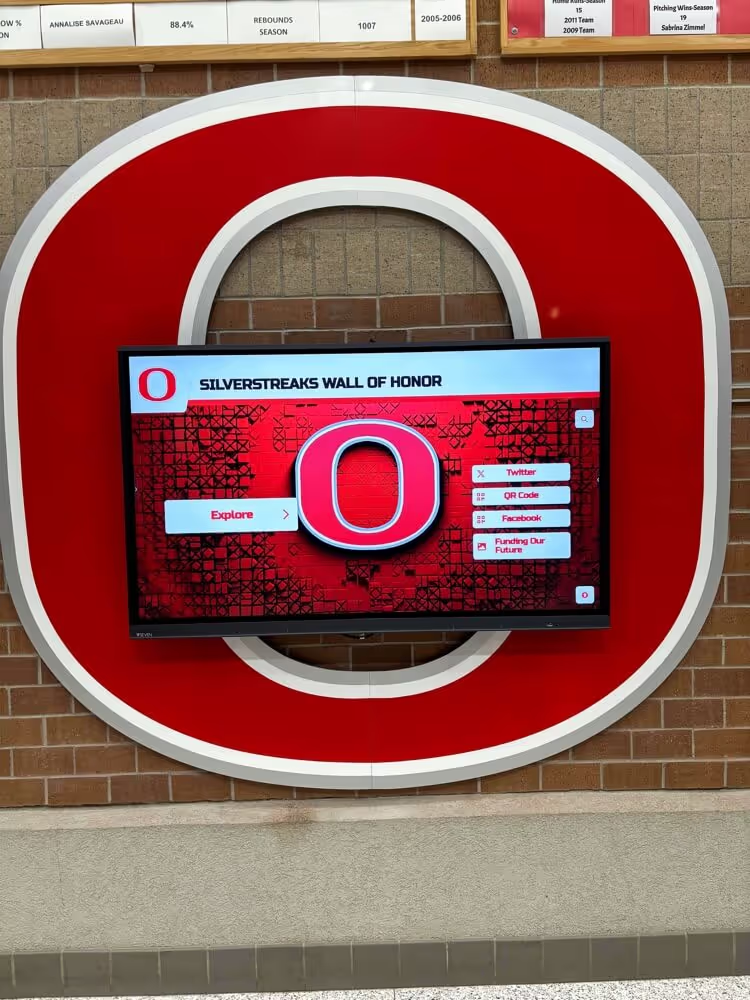
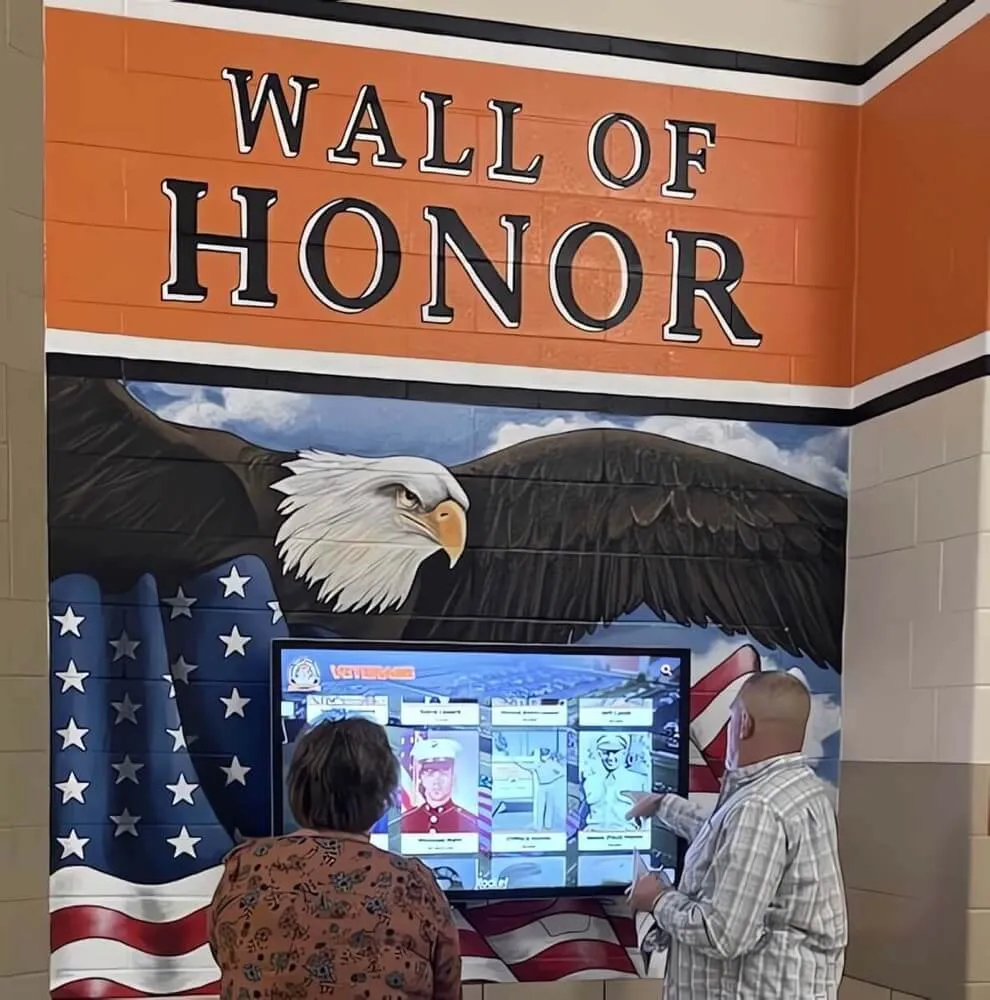
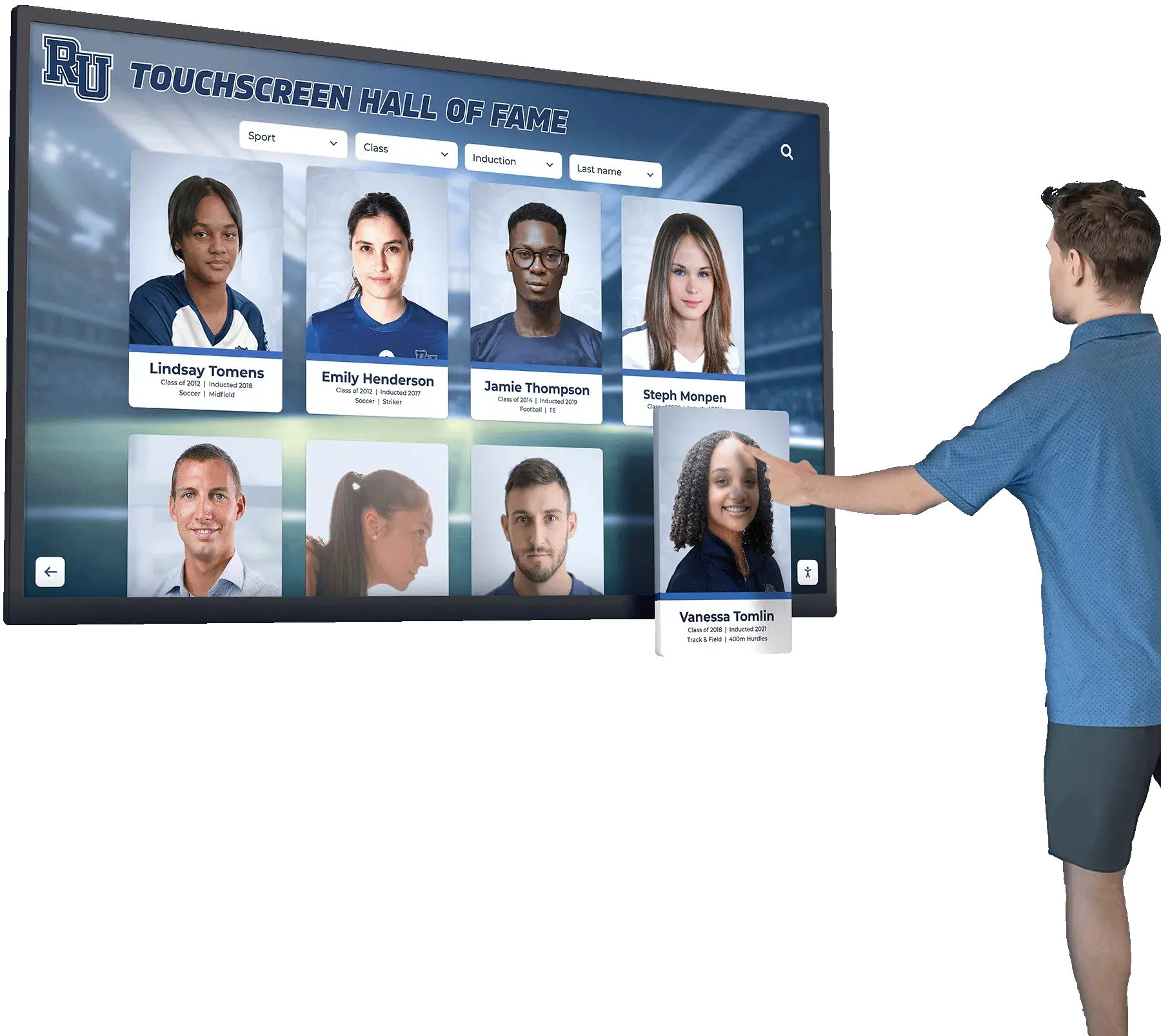
Interactive exploration allows students to discover achievement stories, building connections to school history and tradition
Community Support and Volunteerism
Individuals who nominate candidates, attend induction ceremonies, or see their own achievements recognized often become embedded parts of schools through hall of fame programs. Many subsequently support levies, donate resources, volunteer to coach, or contribute expertise—with walls of fame serving as conduits for community members to develop positive experiences with educational institutions.
Current Student Inspiration and Motivation
When inductees return to share their journeys, current students gain tangible examples of success paths. Hearing how hall of fame members overcame challenges, developed skills, and achieved distinction provides practical inspiration demonstrating that exceptional achievement remains within reach through dedication and effort.
These benefits compound over time as recognition programs mature, build participation, and establish traditions creating consistent engagement opportunities connecting past achievement to present community.
Establishing Selection Criteria and Categories
Clear, transparent selection standards ensure wall of fame credibility and fairness while establishing meaningful recognition thresholds that your school community respects.
Developing Comprehensive Selection Criteria
Well-defined criteria create defensible decisions, ensure consistency across different eras and achievement types, and communicate recognition standards to potential nominees and community members.
Athletic Achievement Criteria
For athletic recognition, common standards include:
- All-state, all-American, or equivalent high-level competitive recognition during high school career
- All-time school records or achievement thresholds (1,000 career points, championships, etc.)
- Professional athletic career or Olympic/national team participation following high school
- Minimum time elapsed since graduation (typically 10 years for athletes ensuring achievement stands test of time)
- Character and citizenship requirements ensuring inductees exemplify positive values
Coaching and Administrative Criteria
Recognition of coaches, administrators, and staff typically considers:
- Minimum tenure requirements (often 10-15 years of service)
- Championship achievements and competitive success
- Program development and long-term impact on institution
- Influence on individual student-athlete development
- Contributions to school community beyond specific role
- Minimum time since retirement (typically 5 years allowing perspective on lasting impact)
Academic and Distinguished Alumni Criteria
Schools recognizing academic achievement or distinguished alumni careers evaluate:
- Post-graduation achievement and professional distinction in chosen field
- Contributions to community and society through career or service
- Recognition by external organizations demonstrating objective achievement
- Exemplification of school values and character
- Willingness to engage with school community through mentorship or participation
- Minimum time since graduation (typically 10-15 years allowing career establishment)
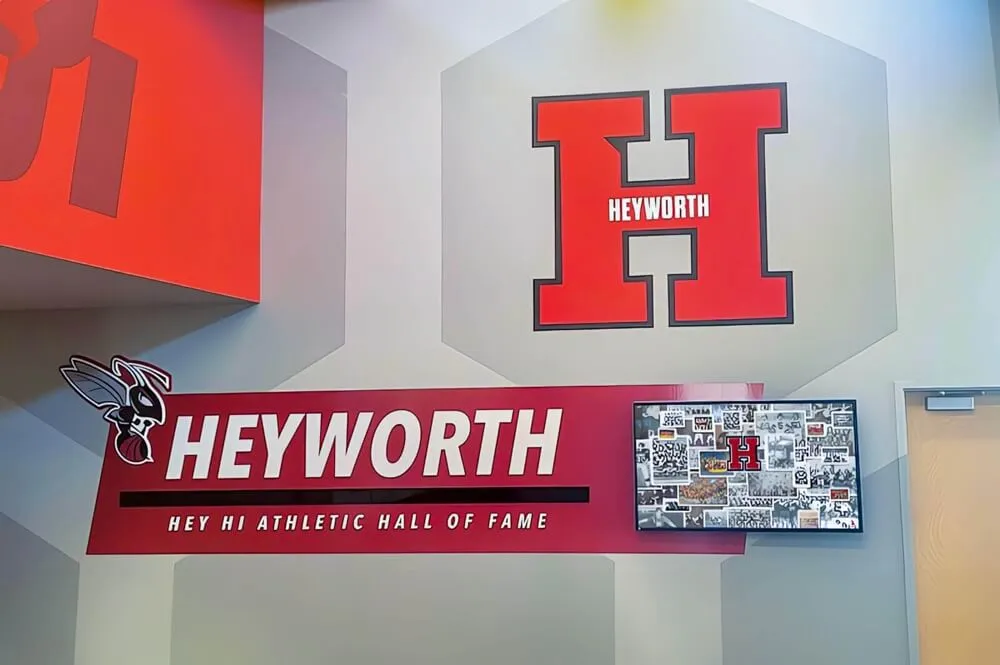
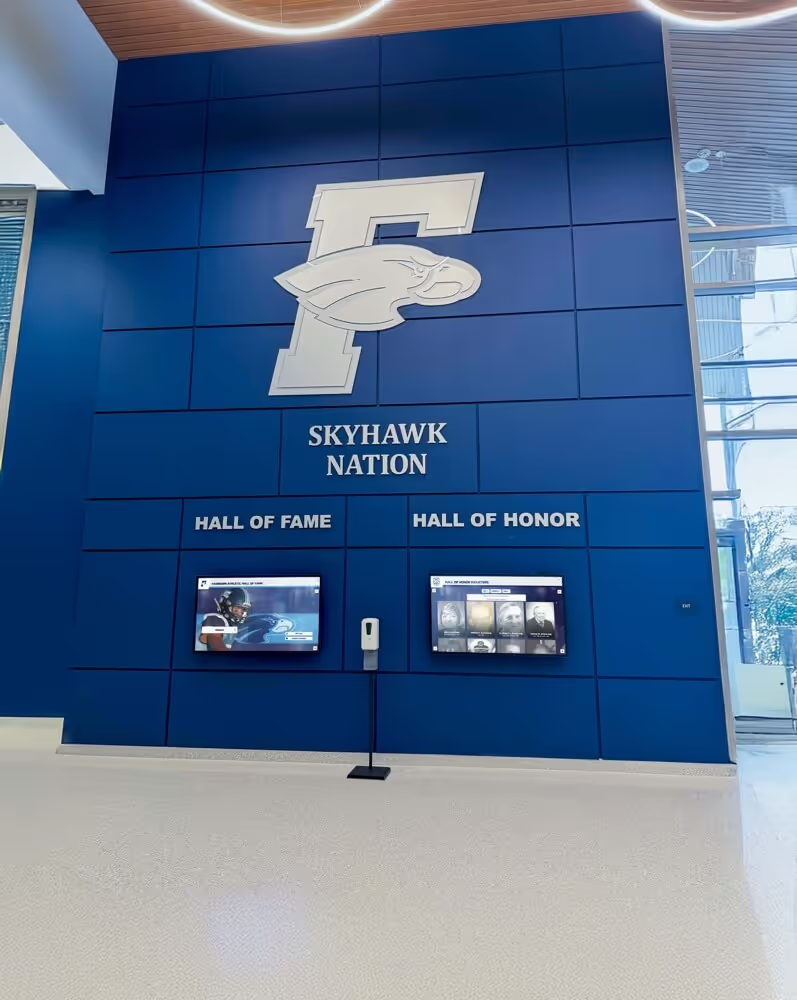
Clear entrance signage establishes walls of fame as important institutional spaces dedicated to celebrating excellence
Team Recognition Criteria
Championship teams deserve systematic consideration:
- Significant championship achievement (state titles, national recognition, undefeated seasons)
- Historical significance within program or school history
- Time elapsed since achievement (often 10-15 years for historical perspective)
- Team distinction beyond routine success
Special Service and Contributor Recognition
Many walls of fame include categories for individuals contributing significantly to school success without being athletes, coaches, or alumni:
- Sustained volunteer service significantly impacting programs
- Philanthropic contributions enabling facilities, programs, or opportunities
- Advocacy and leadership supporting school community
- Sustained positive impact over extended periods
Establishing Recognition Categories
Most comprehensive high school walls of fame organize recognition into clear categories ensuring diverse achievement types receive appropriate acknowledgment:
Common Category Structures
- Athlete Category: Individual athletic achievement during high school career
- Team Category: Championship teams and exceptional collective achievement
- Coach/Staff Category: Coaches, administrators, and staff significantly impacting programs
- Distinguished Alumni Category: Post-graduation career achievement and community contribution
- Special Recognition Category: Unique contributions not fitting other categories
Alternative approaches combine categories or create more specialized recognition aligned with specific institutional priorities. The key involves establishing clear categories preventing confusion about appropriate recognition pathways while ensuring diverse achievement types find appropriate homes.
Building Credible Nomination and Selection Processes
Selection processes significantly impact program credibility and community confidence in recognition decisions.
Creating Nomination Processes
Effective nomination systems balance broad participation with quality control:
- Publish nomination criteria and processes clearly on school websites and communications
- Create simple nomination forms collecting necessary information without overwhelming nominators
- Establish annual nomination windows with clear deadlines
- Allow nominations from diverse constituencies—alumni, community members, current staff, families
- Maintain nomination pools across multiple years for worthy candidates not selected immediately
Forming Selection Committees
Selection committee composition influences credibility and decision quality:
- Include diverse perspectives—current administrators, coaches, alumni, community representatives
- Establish clear terms limiting individual service duration ensuring fresh perspectives
- Create committee size large enough for diverse input (7-11 members typically) but manageable for deliberation
- Include at least some members with long institutional history understanding context
- Establish conflict of interest policies requiring recusal when appropriate
Designing Selection Processes
Systematic selection approaches maintain consistency and fairness:
- Establish clear evaluation rubrics aligned with published criteria
- Create two-stage processes with initial screening committees reviewing all nominations and final selection committees making induction decisions
- Document selection rationale maintaining records explaining decisions
- Establish class size guidelines creating consistency (typically 3-8 inductees annually across all categories)
- Consider alternating category emphasis allowing periodic focus on underrepresented achievement types
Schools implementing comprehensive digital recognition systems benefit from platforms supporting searchable nominee databases, committee collaboration tools, and documentation maintaining selection transparency.
Display Format Options: Traditional to Digital Solutions
High school walls of fame employ diverse display approaches ranging from traditional plaques to cutting-edge interactive systems. Format selection significantly impacts recognition capacity, maintenance requirements, costs, and community engagement.
Traditional Physical Display Formats
Classic recognition approaches remain common across many schools:
Individual Plaque Displays
Traditional walls feature individual plaques for each inductee mounted in hallways, lobbies, or dedicated spaces. Each plaque typically includes name, year of induction, achievement summary, and possibly small photo.
Advantages: Familiar format, permanent physical presence, relatively low per-inductee cost ($100-300 per plaque), traditional prestige.
Limitations: Fixed wall space eventually fills requiring expansion or removal of older plaques, limited information capacity on small plaques, no photos or minimal photo quality, impossible to update or correct without new plaque, maintenance challenges as plaques age or damage occurs.
Trophy Case Recognition
Many athletic-focused walls of fame integrate with existing trophy cases, adding special sections or shelving for inductee recognition alongside championship trophies and team achievements.
Advantages: Utilizes existing display infrastructure, creates natural connection between team achievements and individual recognition, central high-visibility locations.
Limitations: Trophy case space typically limited and contested by current achievements, difficult to organize large numbers of inductees coherently, lighting and visibility often suboptimal, information capacity extremely limited.
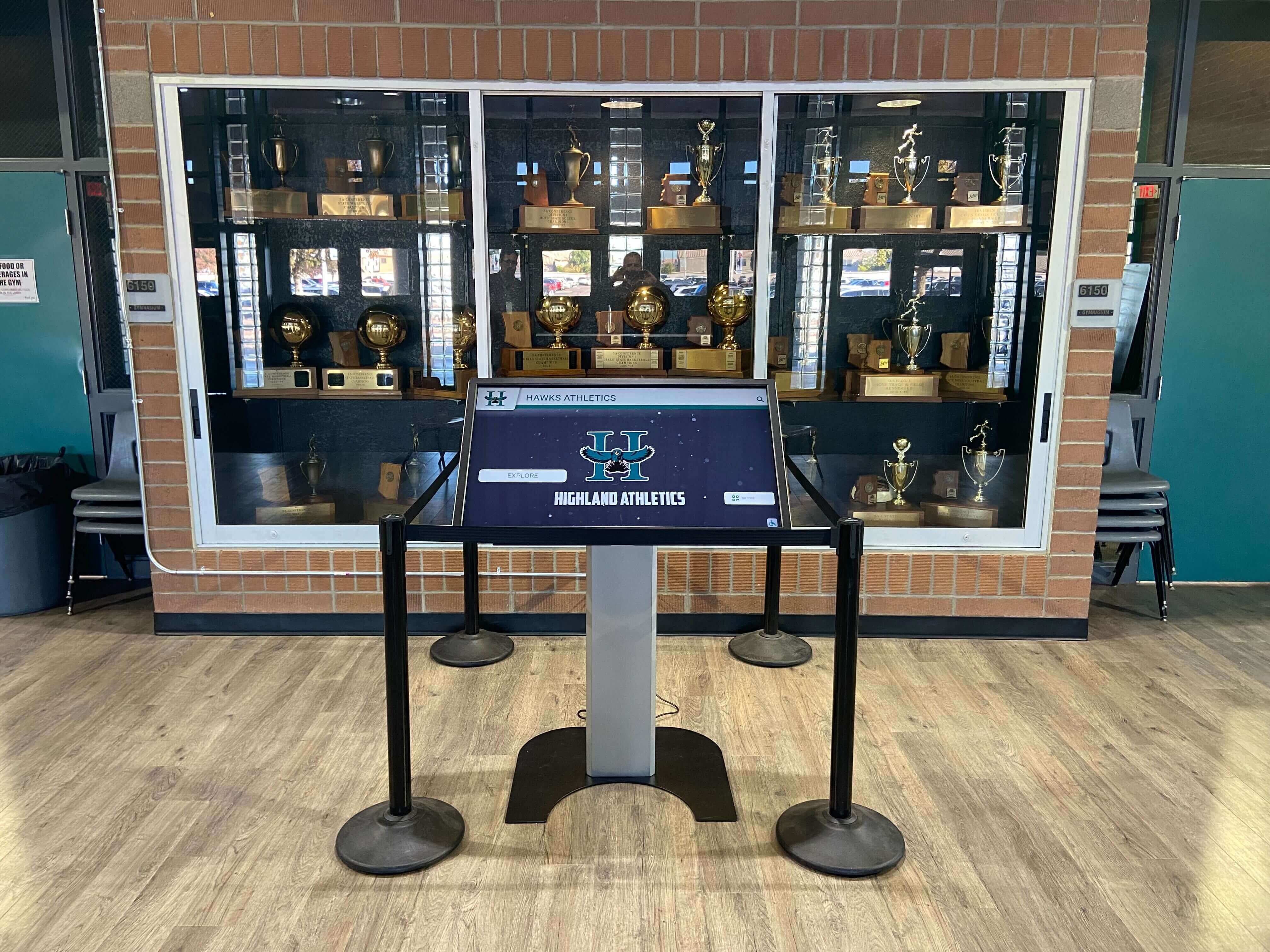
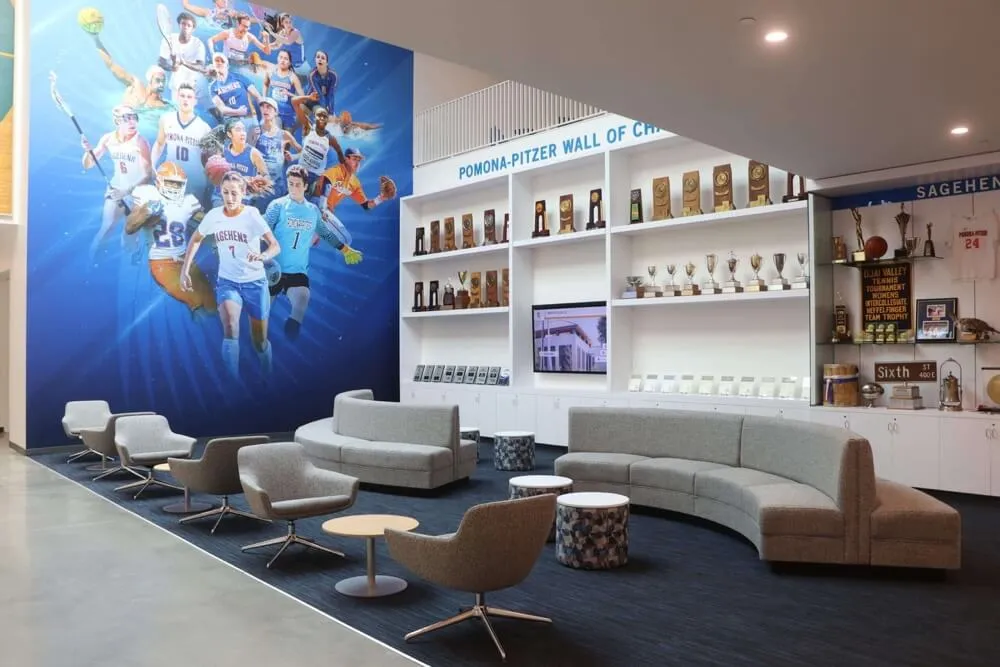
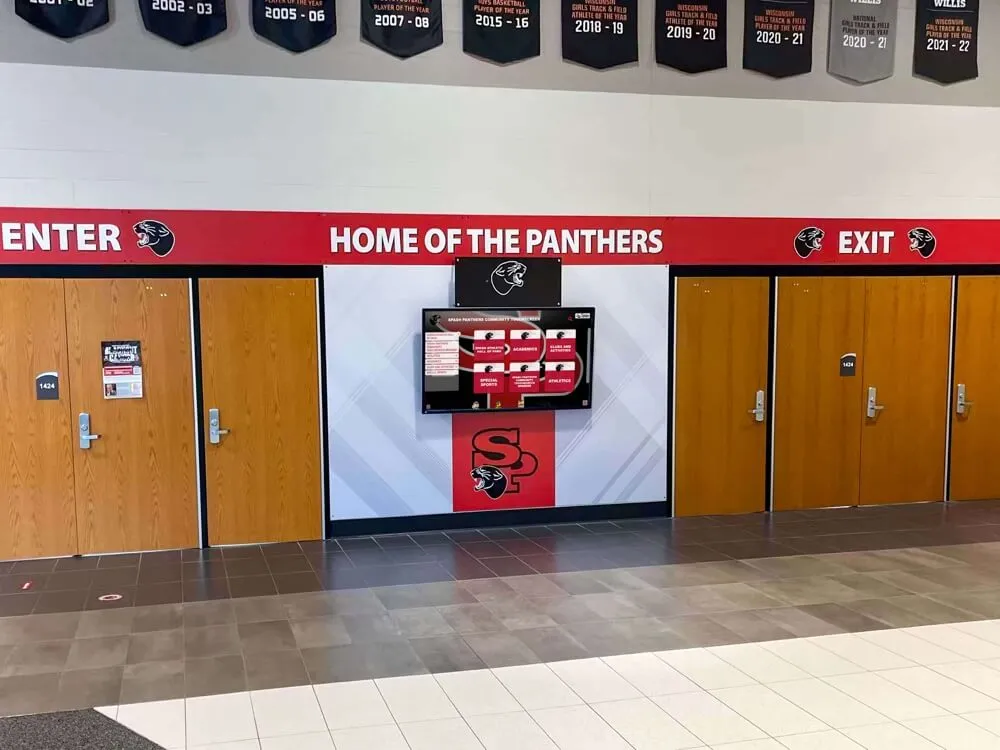
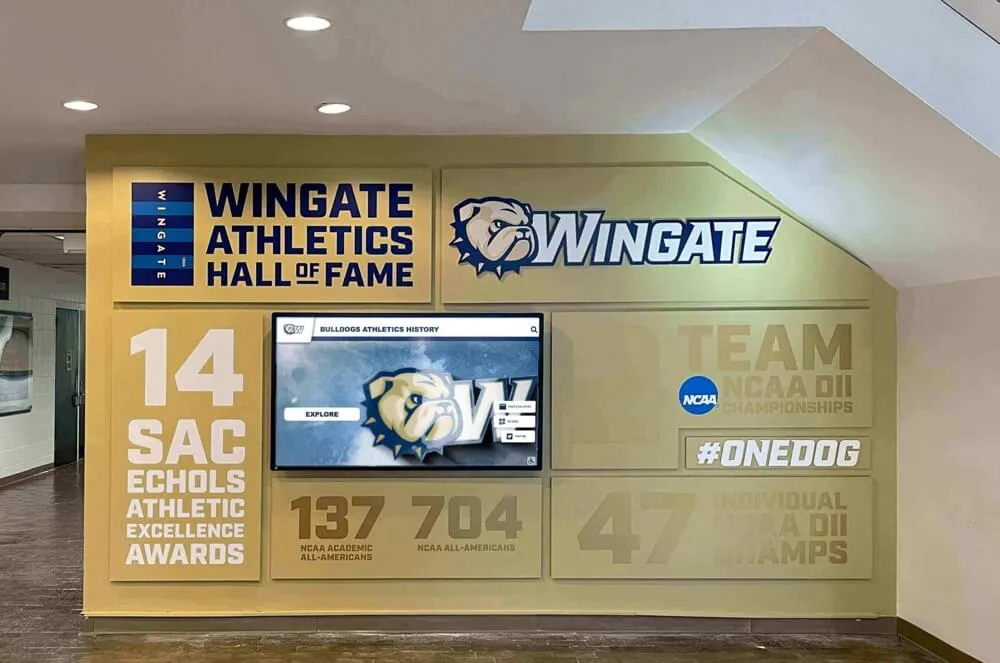
Hybrid approaches combine traditional trophy cases with digital touchscreens, providing expanded recognition capacity alongside physical displays
Dedicated Hall of Fame Rooms
Some schools create dedicated spaces housing complete wall of fame displays with multiple walls, comfortable seating, historical artifacts, and comprehensive documentation of achievements.
Advantages: Concentrated prestigious recognition space, room for extensive information and artifacts, controlled environment protecting displays, potential event space for induction ceremonies.
Limitations: Requires significant square footage often unavailable, less visibility if located in low-traffic areas, requires ongoing cleaning and maintenance, still faces space limitations eventually.
Composite Photo Displays
Some walls of fame use large composite photographs showing all inductees from particular years or categories together in arranged formats similar to team photos.
Advantages: Efficient space utilization, creates visual impact through collective display, lower cost than individual plaques.
Limitations: Adding new inductees requires creating new composites or leaving awkward spaces, no individual achievement information, difficult to search for specific individuals, dated aesthetic as composites age.
Modern Digital Display Solutions
Digital walls of fame address fundamental limitations inherent in physical displays while creating enhanced engagement impossible with static recognition.
Touchscreen Interactive Displays
Interactive touchscreen systems replace or supplement physical plaques with digital recognition accessed through intuitive interfaces. Visitors search for specific individuals, browse by category or year, and explore detailed profiles featuring photos, videos, statistics, and comprehensive biographical information.
Modern digital hall of fame systems like Rocket Alumni Solutions provide unlimited recognition capacity—schools never run out of wall space because digital systems accommodate infinite inductees without physical constraints. A single 55" touchscreen can showcase hundreds or thousands of individuals with equal prominence and accessibility impossible in traditional formats.
Key Advantages:
- Unlimited capacity eliminating space constraints
- Rich multimedia content including photos, videos, statistics, documents
- Instant updates without ordering new plaques or coordinating installation
- Searchable databases enabling quick discovery
- Professional consistent presentation across all inductees
- Detailed biographical information impossible on physical plaques
- Web accessibility extending recognition beyond campus
Considerations:
- Initial investment ($8,000-15,000 for comprehensive systems including hardware)
- Annual software subscriptions ($1,000-3,000 typically)
- Requires content creation and ongoing maintenance
- Technology dependency requiring periodic hardware updates
Schools implementing touchscreen solutions typically install displays in high-traffic areas—main lobbies, athletic facility entrances, cafeterias, or hallways where students, visitors, and alumni naturally gather. Strategic placement maximizes visibility while creating memorable recognition moments throughout daily campus life.
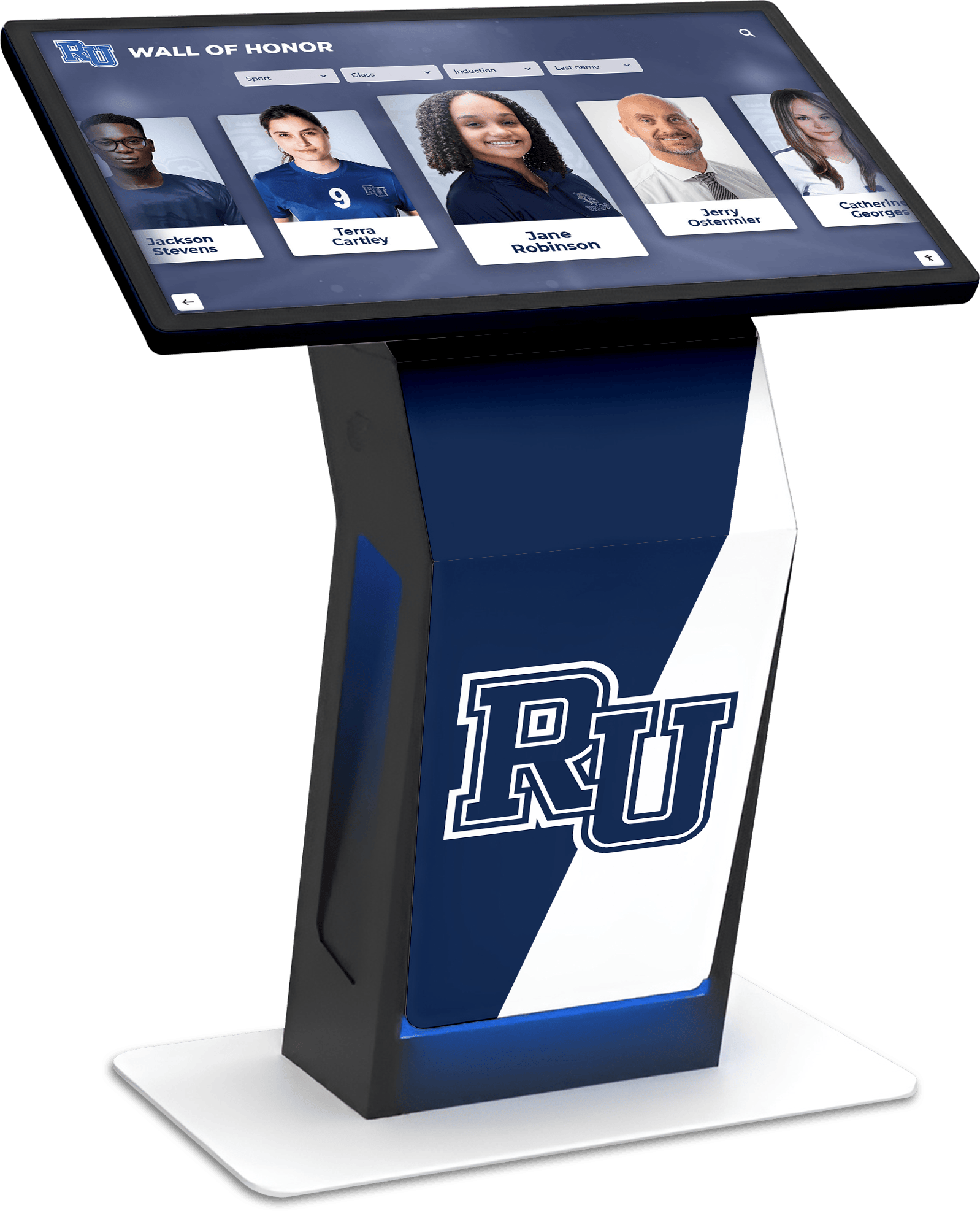
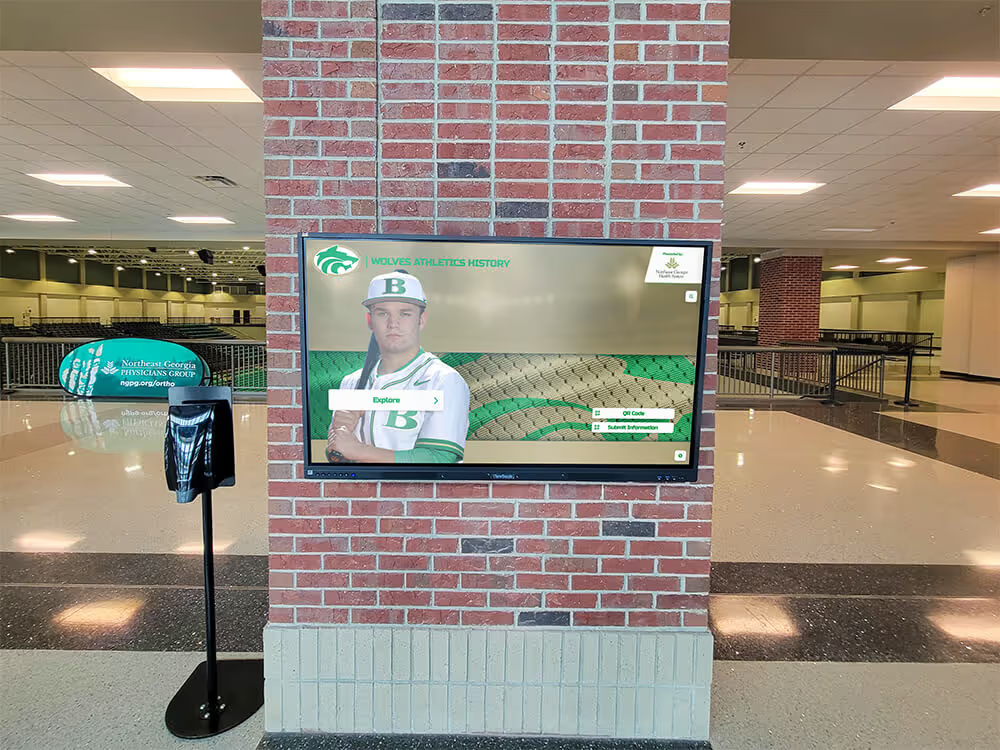
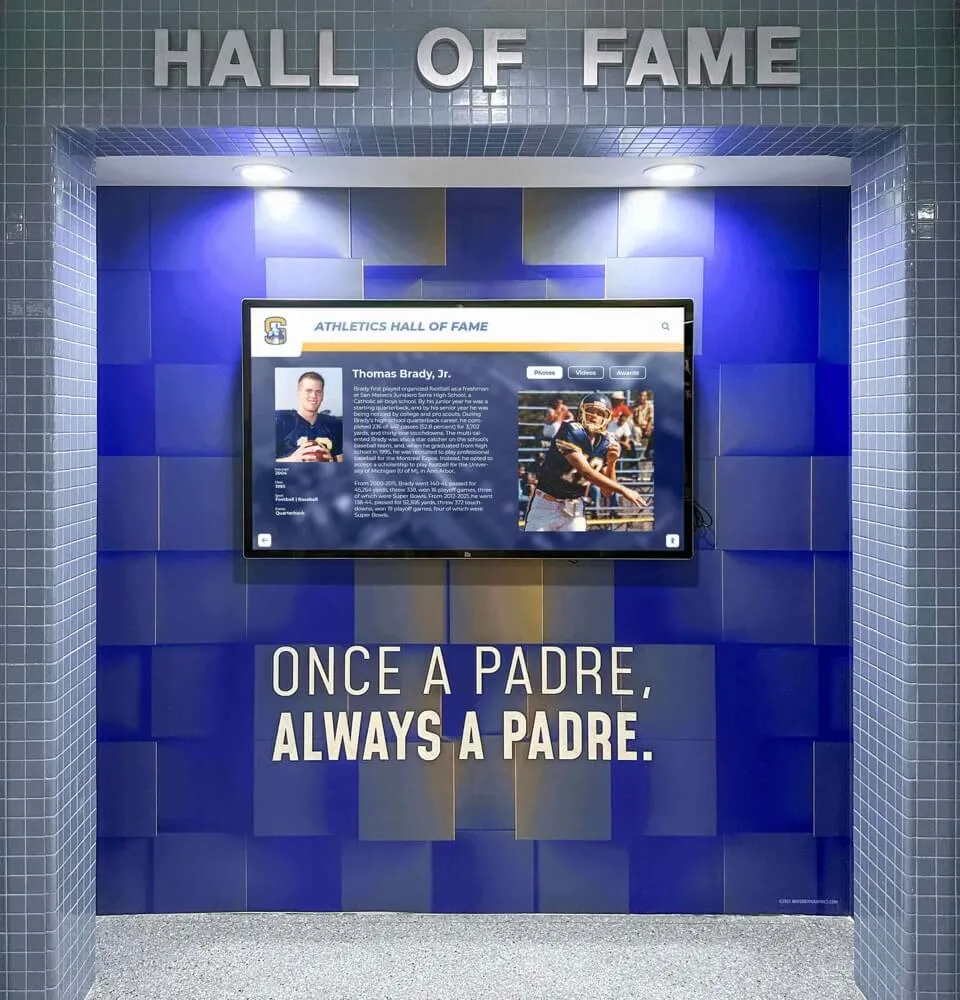
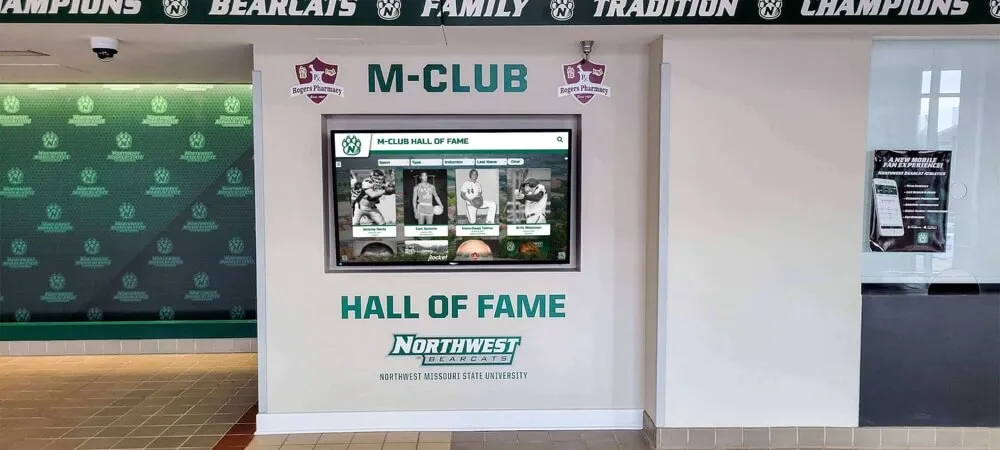
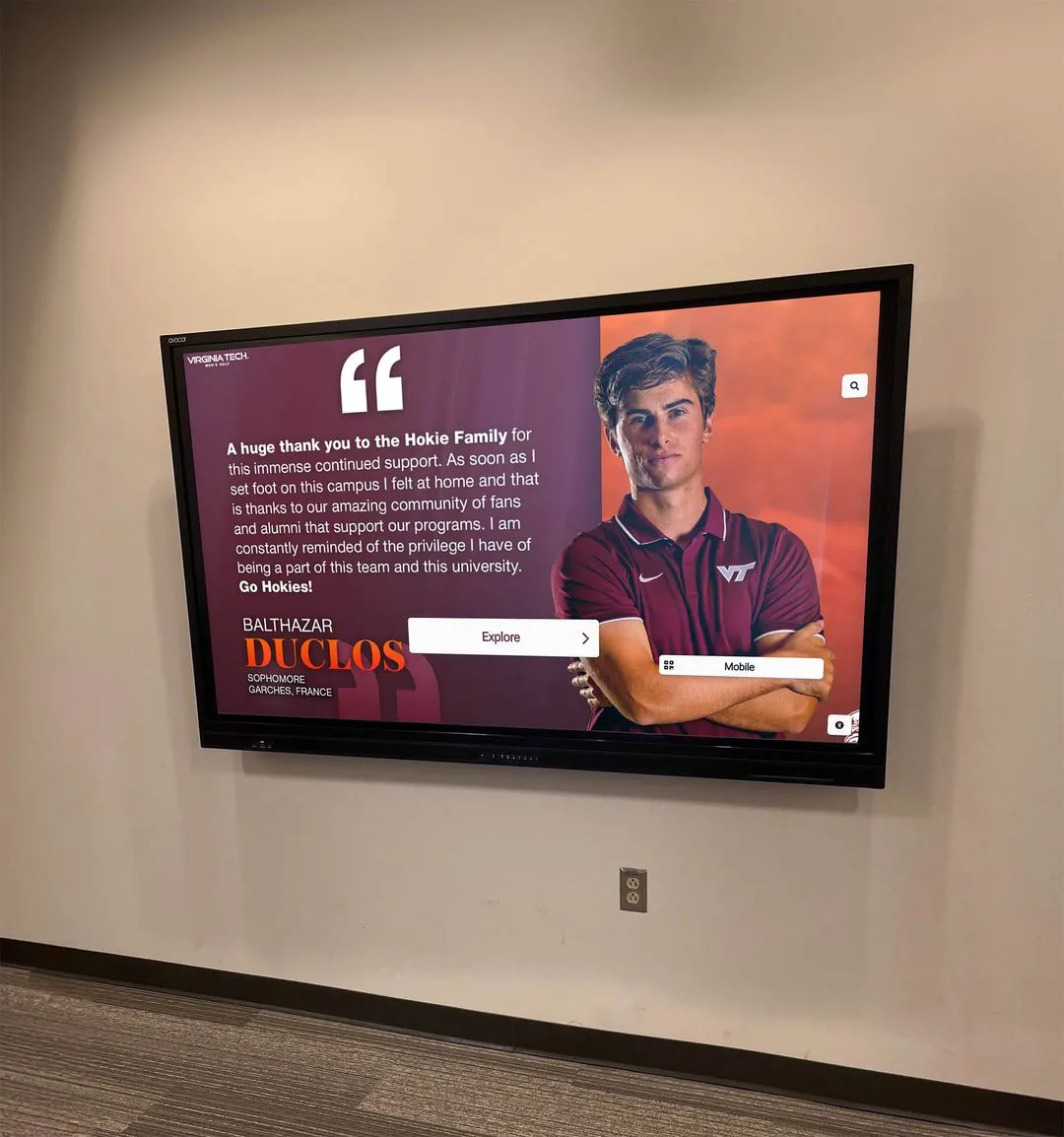
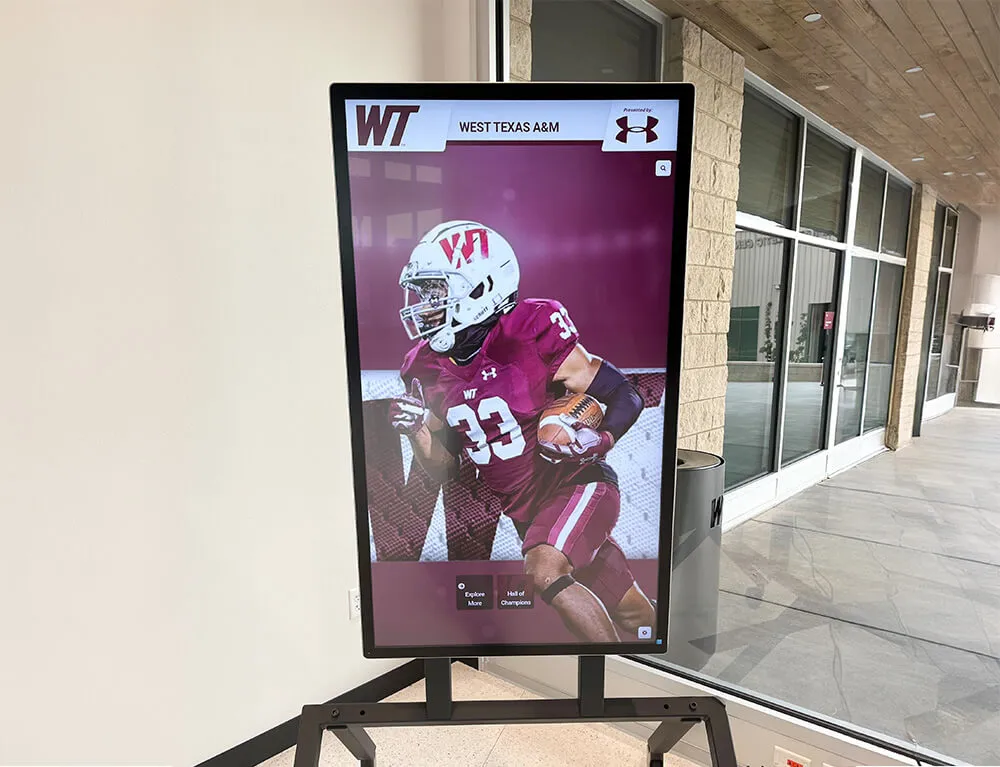
Dedicated touchscreen kiosks provide focused recognition experiences with professional presence commanding attention
Digital Signage and Rotating Displays
Some schools use digital signage screens cycling through inductee profiles, photos, and information rather than interactive touchscreens. These passive displays provide digital flexibility without touch interaction.
Advantages: Lower cost than interactive systems, simple content management, flexible scheduling showing different recognition at different times, integration with other school announcements.
Limitations: No search or exploration capability, viewers wait for specific individuals to appear in rotation, limited information shown per display cycle, less engaging than interactive experiences.
Web-Based Online Halls of Fame
Comprehensive digital recognition extends beyond physical displays through web platforms accessible worldwide. Online walls of fame provide searchable databases with detailed profiles accessible from any device—enabling alumni, families, and community members to explore achievements regardless of location.
Schools implementing digital archives and recognition platforms create unified systems where campus touchscreens and online platforms share content, ensuring consistent recognition across all access points.
Web Platform Advantages:
- Worldwide accessibility for geographically dispersed alumni
- Social sharing enabling inductees to share recognition with networks
- Unlimited content capacity with detailed biographical information
- Search engine visibility potentially attracting prospective students researching schools
- Lower ongoing costs compared to physical display maintenance
- Easy updates maintaining accuracy and currency
Considerations:
- Requires website integration and technical setup
- Success depends on promoting awareness of online platforms
- Less “presence” than physical displays for on-campus community
- Requires mobile optimization for smartphone access
Hybrid Approaches Combining Multiple Formats
Many schools implement hybrid recognition combining traditional elements with digital enhancements:
Physical Plaques Plus Digital Displays
Maintain traditional plaque walls honoring historical continuity while adding digital touchscreens providing expanded information, search capability, and unlimited capacity for new inductees.
Trophy Cases With Supplemental Web Platforms
Preserve prestigious trophy case displays for most recent or distinguished inductees while creating comprehensive online databases documenting complete recognition history.
Traditional Ceremonies With Digital Promotion
Conduct formal induction ceremonies maintaining traditional prestige while promoting recognition through social media, school websites, and digital platforms extending visibility beyond attendees.
Hybrid approaches honor tradition while addressing practical limitations—allowing schools to preserve valued recognition customs while embracing digital capabilities solving space, cost, and accessibility challenges.
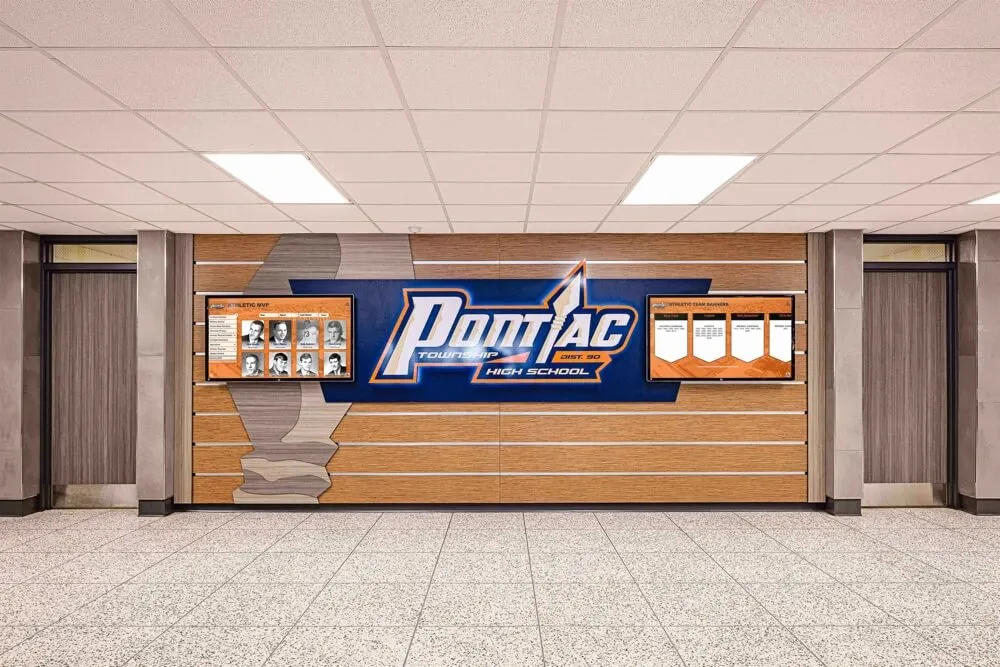
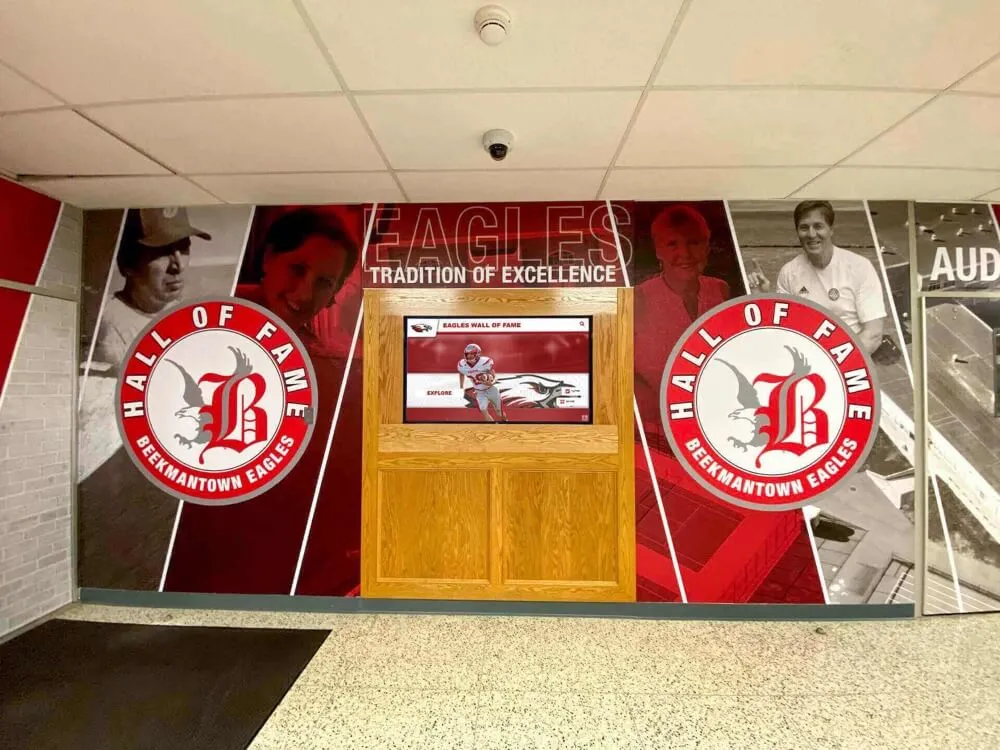
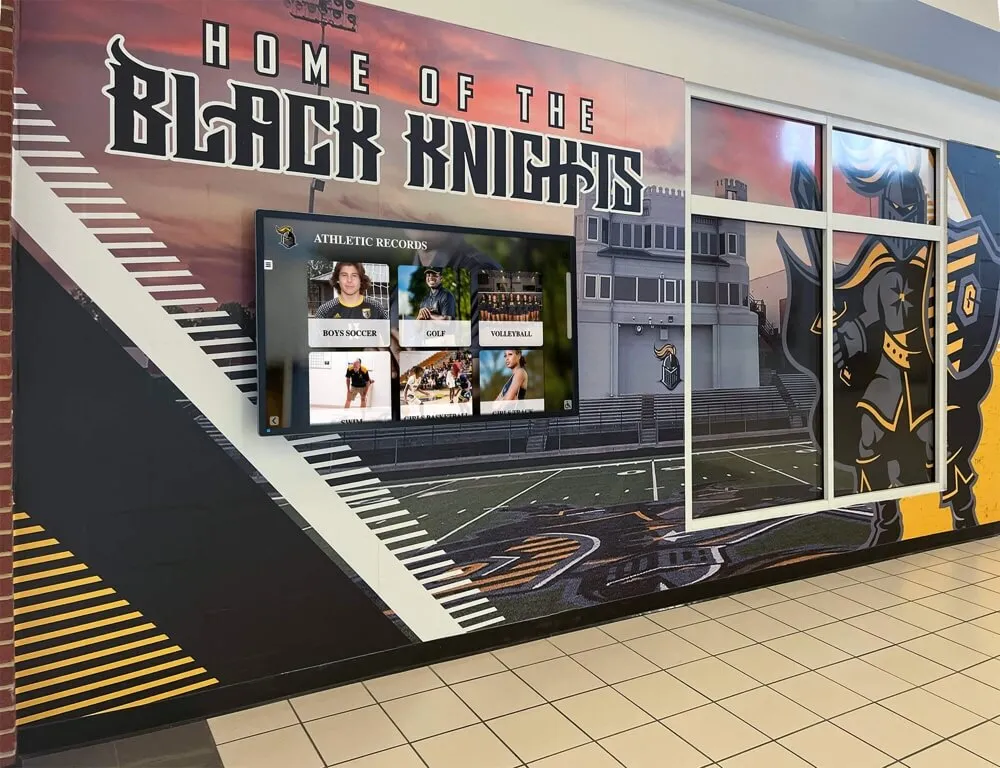
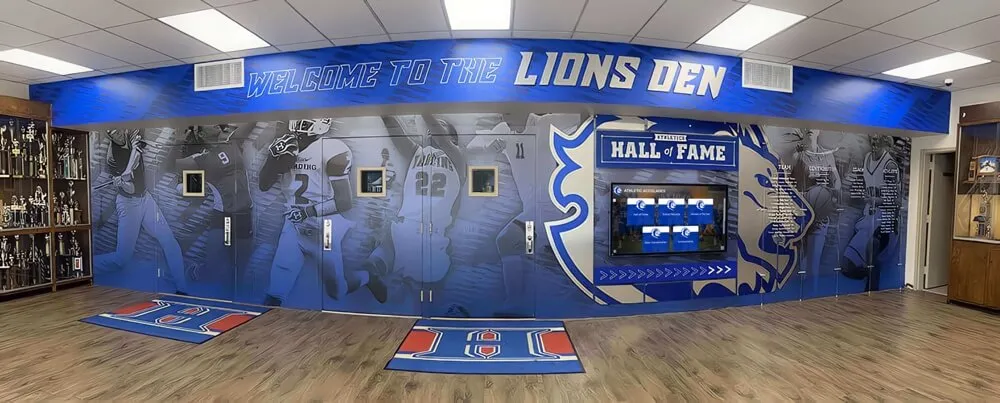
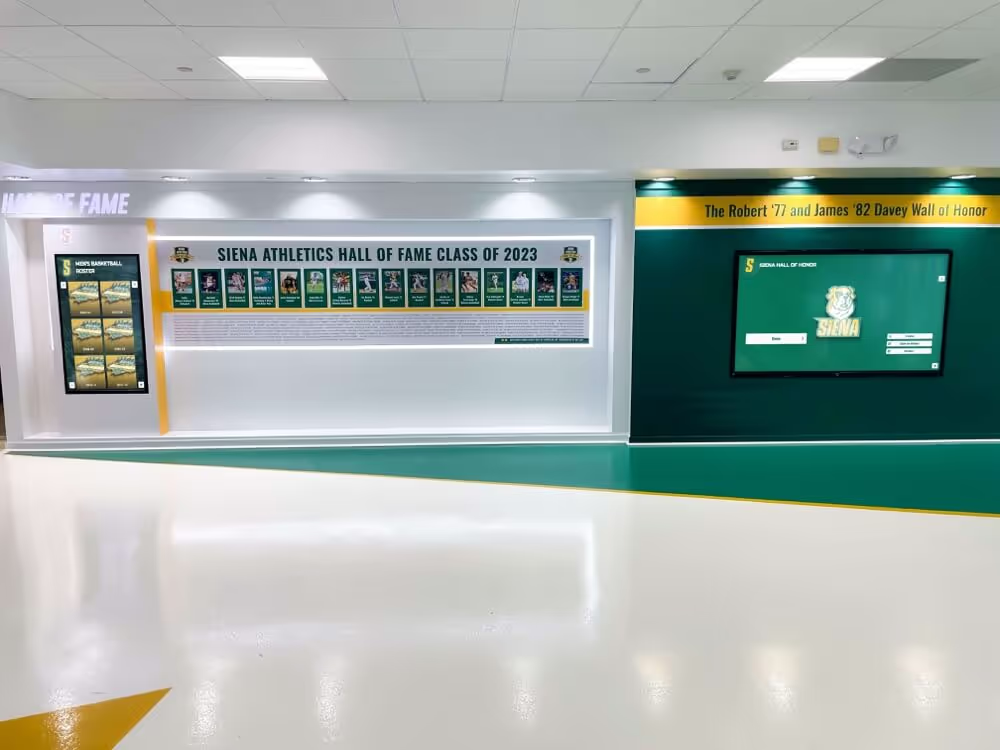
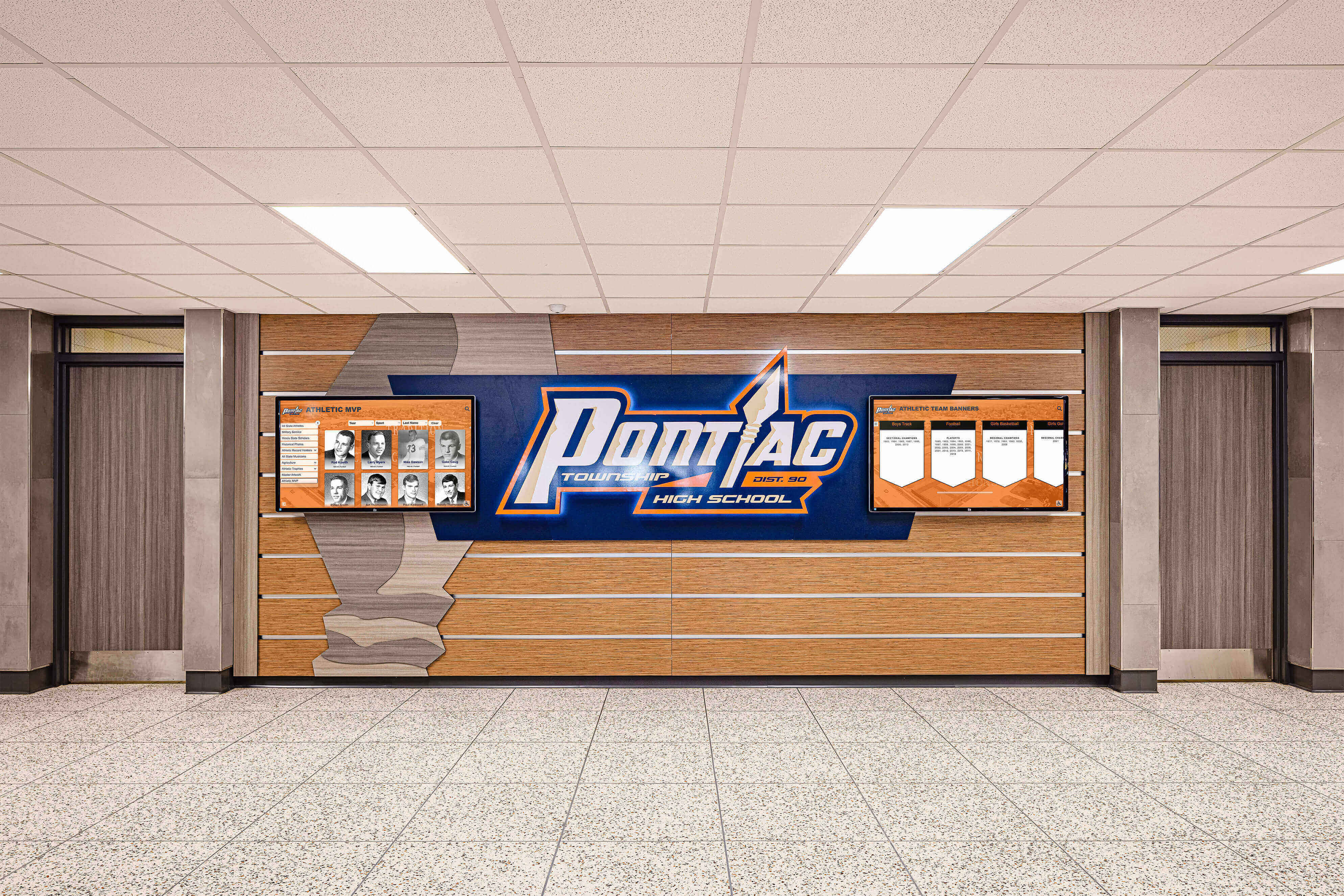
Comprehensive wall designs integrate school branding, athletic imagery, and recognition displays creating cohesive institutional storytelling
Funding High School Wall of Fame Programs
Recognition programs require financial resources for initial setup and ongoing operation. Strategic funding approaches make comprehensive walls of fame achievable even for schools with limited budgets.
Initial Implementation Costs
Understanding cost components helps schools budget appropriately:
Traditional Physical Display Costs
- Individual plaques: $100-300 each depending on size, materials, engraving
- Installation and mounting: $500-2,000 for professional installation
- Background panels or display frameworks: $1,000-5,000
- Lighting upgrades highlighting displays: $500-3,000
- Total traditional setup: $5,000-20,000 depending on scope and quality
Digital Display Costs
- Touchscreen hardware (55"-75"): $2,000-5,000
- Mounting and installation: $500-1,500
- Software platform licensing: $1,000-3,000 annually
- Content creation and setup: $2,000-5,000 depending on historical inductee count
- Total digital setup: $8,000-15,000 initially plus annual software costs
Ongoing Operating Costs
- Annual induction ceremony expenses: $2,000-10,000 (venue, programs, plaques, reception)
- Annual plaque additions for new inductees: $300-1,200 (3-4 inductees)
- Digital platform subscriptions: $1,000-3,000 annually
- Content management time (staff or volunteer)
- Periodic hardware refreshes (every 7-10 years for digital systems)
Creative Funding Strategies
Schools successfully fund wall of fame programs through diverse revenue sources beyond general operating budgets:
Booster Club and Foundation Support
Athletic boosters and educational foundations frequently underwrite recognition programs as tangible ways to support schools and honor achievement. According to national athletics administrators, booster clubs often cover costs for plaques, displays, receptions, invitations, programs, and other items associated with hall of fame initiatives.
Frame wall of fame funding requests to boosters as permanent tributes celebrating decades of athletic excellence that will recognize boosters’ own family members and community achievements—creating natural alignment with booster missions supporting athletic programs.
Sponsorship and Naming Opportunities
Digital displays and recognition programs offer sponsorship opportunities:
- Overall hall of fame presenting sponsorships from major community businesses
- Individual category sponsorships (Athletic Hall of Fame sponsored by local sports medicine clinic)
- Annual induction ceremony title sponsorships
- Digital display welcome screen logo placements
Businesses support schools in their communities while gaining visibility and positive brand association. Schools should create sponsorship packages with clear benefits and recognition appropriate to contribution levels.
Alumni Fundraising Campaigns
Wall of fame programs themselves create fundraising opportunities. Launch recognition programs with campaigns specifically funding initial setup:
- Target alumni who would become eligible for future induction
- Frame contributions as ensuring their achievements receive proper recognition
- Offer naming recognition for major donors (displayed prominently on physical or digital displays)
- Organize campaigns around reunion years or significant school anniversaries
Schools report strong response when alumni understand contributions directly fund recognition celebrating their own achievements and those of classmates.
Memorial and Tribute Donations
Some schools accept donations honoring or memorializing individuals through wall of fame contributions:
- Families memorialize deceased alumni or community members through hall of fame gifts
- Tribute gifts honor retirement of longtime coaches or staff
- Legacy gifts establish endowments generating ongoing recognition program support
Ensure policies establish clear guidelines preventing expectation that donations guarantee induction—maintaining selection process integrity while enabling memorial contributions supporting overall programs.
Grant Funding
Some educational technology grants support interactive display implementations. While grants rarely cover entire costs, they can offset portions of investments:
- Community foundation grants supporting school improvement
- Alumni association grants funding engagement initiatives
- Educational technology grants supporting innovative learning environments
- Regional economic development grants supporting institutional infrastructure
Research available grant opportunities through community foundations, educational associations, technology companies, and government programs.
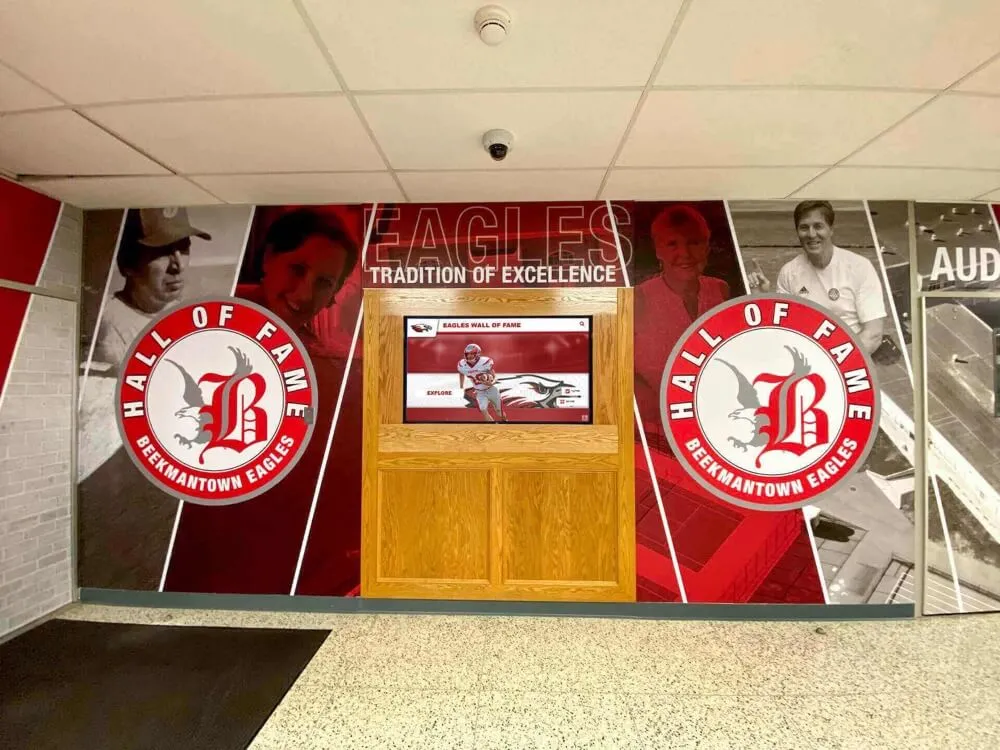
Major lobby installations create impressive recognition centerpieces showcasing institutional pride and achievement culture
Planning Induction Ceremonies That Honor Achievement
Formal induction ceremonies represent pinnacle moments in wall of fame programs—public celebration creating memorable experiences for inductees, families, and school communities while reinforcing recognition program prestige.
Ceremony Timing and Frequency
Strategic timing maximizes attendance and impact:
Annual Induction Schedules
Most high schools conduct inductions annually, creating consistent tradition and manageable inductee class sizes (typically 3-8 inductees per year across all categories). Annual ceremonies maintain recognition momentum and community engagement while avoiding overwhelming volunteer committees and budgets.
Biennial Recognition
Some schools induct every other year, allowing larger classes and potentially more elaborate ceremonies. Biennial schedules work well for smaller schools with fewer nominees or limited volunteer capacity for annual events.
Seasonal Timing Considerations
- Homecoming weekends: Natural timing bringing alumni to campus, creating celebratory atmosphere, connecting recognition to traditional school events
- Winter sports banquet periods: Common timing for athletic-focused halls of fame, consolidating recognition within existing athletic calendar
- Spring semester: Allows full academic year for nomination and selection processes, good weather for receptions, less competition with fall sports and activities
Select timing considering:
- Alumni travel and attendance likelihood
- Competition with other school events
- Volunteer committee availability
- Facility availability for ceremonies and receptions
- Weather considerations if outdoor elements planned
Ceremony Program Elements
Compelling induction ceremonies balance formality honoring achievement prestige with engaging entertainment maintaining audience interest:
Opening Elements
- Welcome from principal or superintendent establishing institutional endorsement
- National anthem and colors emphasizing patriotic tradition
- Recognition of selection committee and volunteers acknowledging program leadership
- Overview of wall of fame purpose and history providing context for attendees
Inductee Recognition
- Biographical video or multimedia presentations telling each inductee’s story
- Formal induction speeches by committee members or school leaders highlighting specific achievements
- Inductee acceptance speeches providing personal reflections and gratitude
- Plaque or certificate presentations creating formal recognition moments
- Photo opportunities for media coverage and personal memories
Engagement Elements
- Student performance groups (choir, band, dance) connecting past and present
- Video messages from notable alumni or previous inductees
- Recognition of inductees’ families, coaches, or mentors acknowledging support systems
- Special recognitions for significant anniversaries of past achievements
- Unveiling of new physical or digital displays if applicable
Closing Elements
- Remarks inspiring current students through inductee examples
- Invitation for attendees to view updated displays
- Information about future nomination processes
- Reception providing informal celebration and reconnection
Keep total ceremony length to 90-120 minutes maximum maintaining audience engagement while allowing appropriate recognition for all inductees.
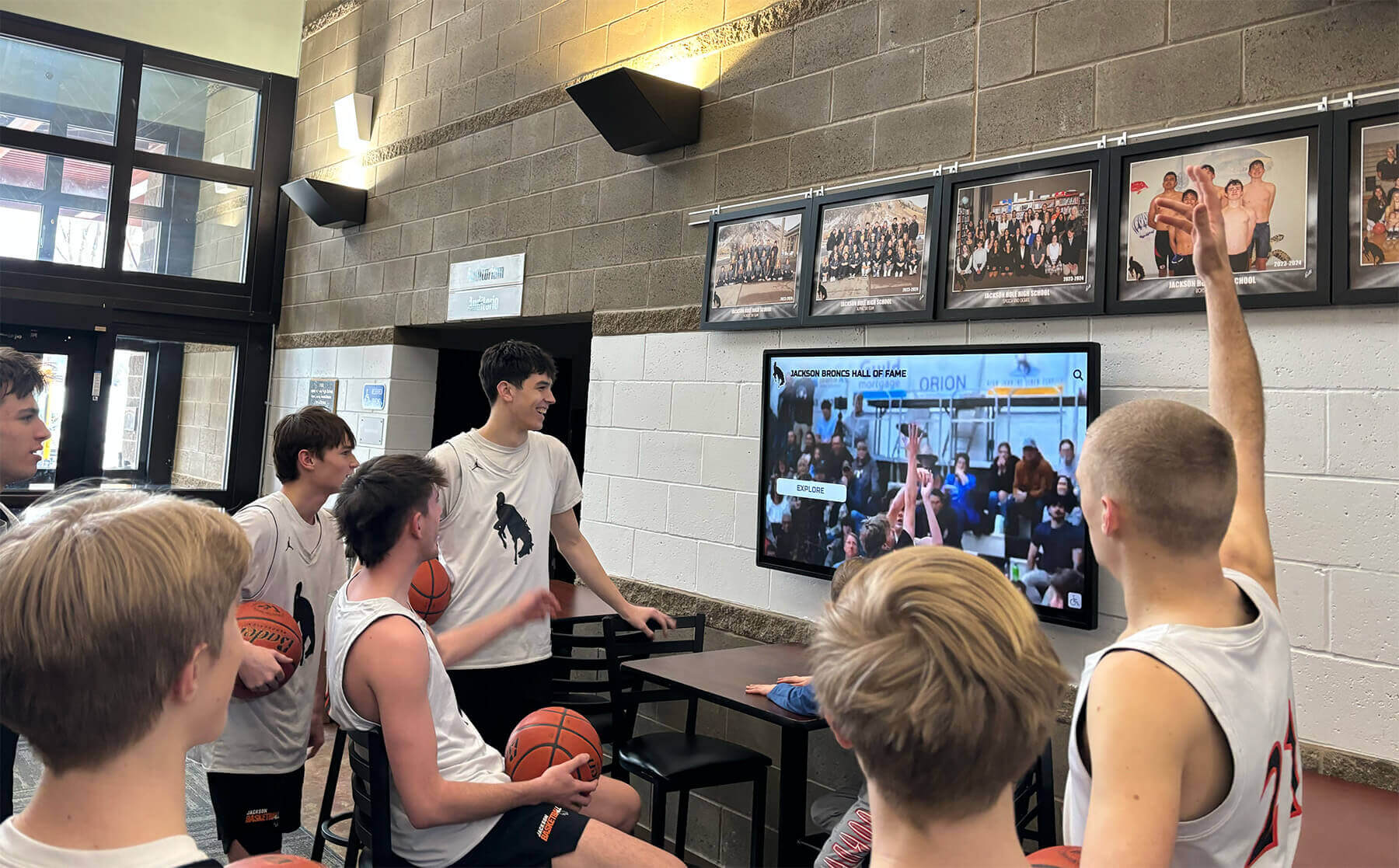
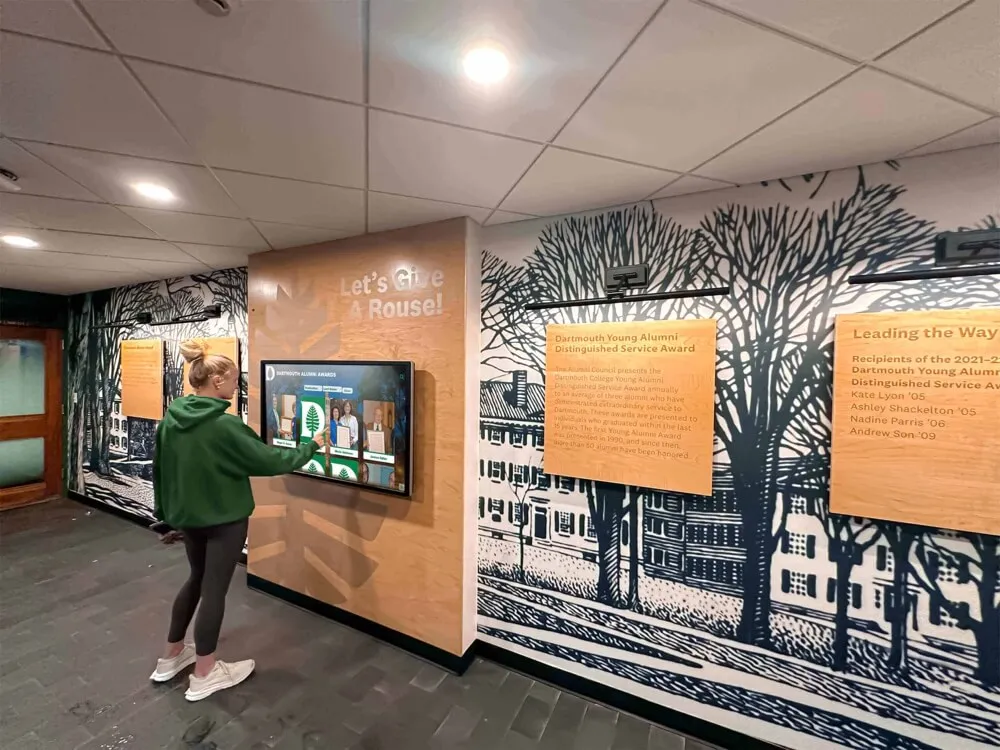
Interactive displays engage current students with historical achievements, creating connections to school tradition
Post-Ceremony Reception and Networking
Receptions following formal ceremonies provide crucial informal interaction opportunities:
- Create spaces where inductees can reconnect with former teammates, coaches, and classmates
- Provide current students structured opportunities to meet inductees and ask questions
- Enable families to celebrate together and meet others sharing hall of fame honor
- Facilitate networking between alumni who may not have attended school simultaneously
- Allow community members to congratulate inductees personally
Reception planning requires:
- Adequate space for expected attendance (typically 200-500 people for well-promoted ceremonies)
- Food and beverage appropriate to budget and formality level
- Display areas where attendees can view updated wall of fame recognition
- Photo opportunities and social media encouragement for online sharing
Schools increasingly leverage digital displays during receptions, showing inductee profiles on screens throughout reception spaces, creating conversation starters, and reinforcing recognition beyond ceremony programs.
Content Creation and Management for Wall of Fame Displays
Recognition quality depends heavily on content—biographical information, photos, videos, and achievement documentation bringing inductees to life and telling compelling stories.
Gathering Historical Information and Assets
Creating comprehensive profiles, especially for inductees from decades past, requires systematic historical research:
Primary Information Sources
- School yearbook archives: Photos, participation documentation, achievement records, biographical information
- Athletic department records: Statistics, championship documentation, coaching records
- School newspaper archives: Contemporary coverage of achievements and events
- Alumni office files: Contact information, career updates, biographical data
- Personal collections: Inductees and families often possess photos, memorabilia, and documents unavailable elsewhere
- Local newspaper archives: Community coverage of achievements and subsequent careers
Schools implementing comprehensive digital archives often discover wall of fame projects provide motivation and framework for broader historical preservation efforts benefiting multiple purposes.
Content Outreach Strategies
- Contact inductees or families directly requesting photos, career updates, and personal reflections
- Create standardized questionnaires collecting biographical information consistently
- Organize historical research committees of alumni volunteers with institutional knowledge
- Publicize content needs through alumni communications encouraging submissions
- Partner with local historical societies potentially holding relevant archives
Creating Compelling Biographical Profiles
Effective inductee profiles balance achievement documentation with personal storytelling:
Essential Profile Elements
- Headlines capturing primary achievement: Concise summary of recognition basis
- Years of attendance and participation: Establishing timeframe and context
- Achievement highlights: Specific accomplishments warranting induction (statistics, championships, records)
- Personal background: Brief information humanizing inductees beyond achievements
- Post-graduation journey: Career information and life achievements following high school
- Personal reflections or quotes: First-person perspective on experiences and influences
- Visual assets: Photos showing inductees during high school and ideally current photos
Writing Effective Recognition Copy
- Use active voice emphasizing achievement rather than passive description
- Include specific statistics and facts rather than generic praise
- Provide context helping readers understand achievement significance (era, competition level)
- Keep language accessible avoiding excessive jargon
- Maintain consistent tone and structure across all profiles
- Respect privacy avoiding inappropriate personal information
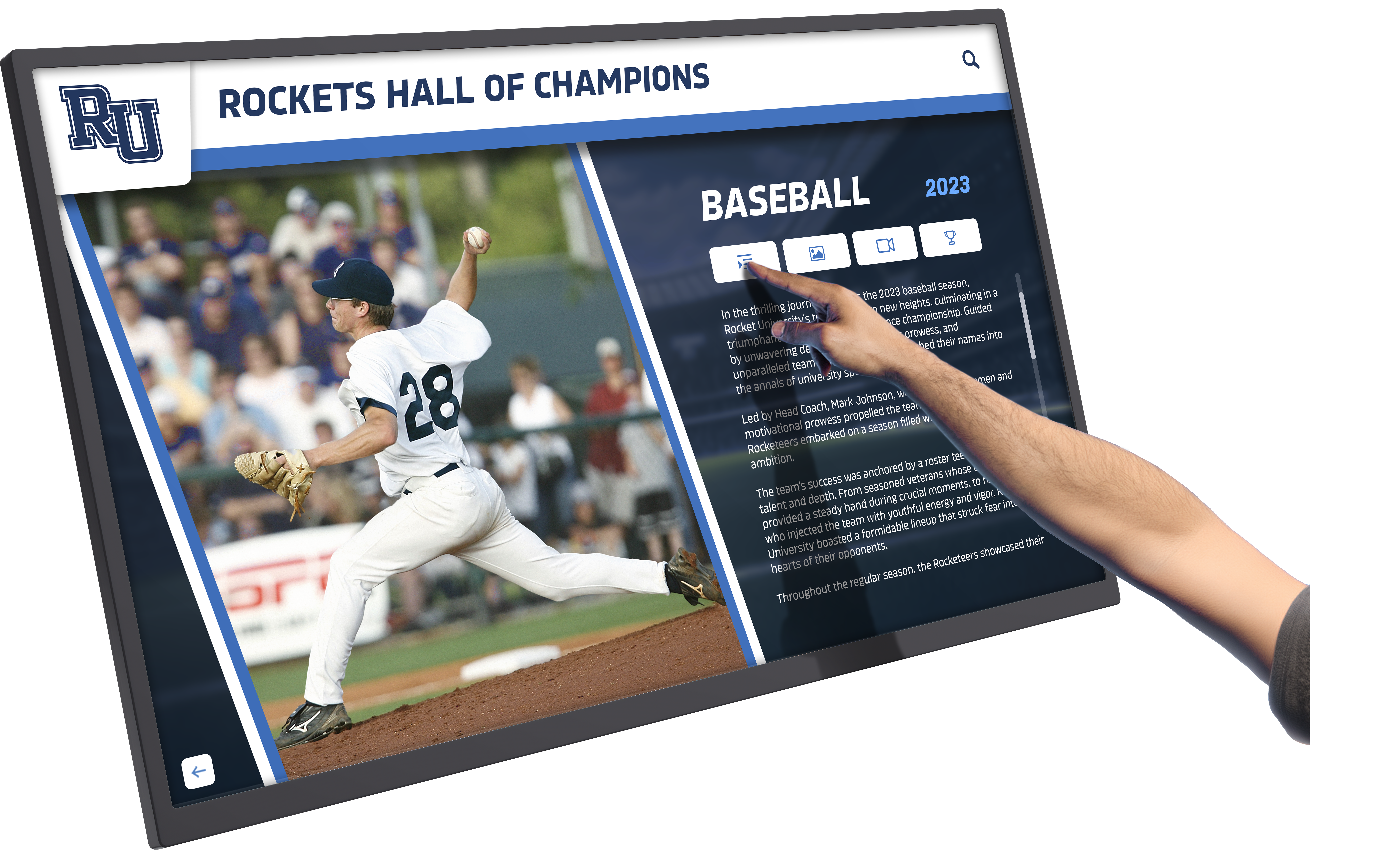
Detailed digital profiles allow exploration of statistics, photos, and biographical information impossible on physical plaques
Leveraging Multimedia Content
Digital wall of fame platforms enable rich multimedia far exceeding static plaque capabilities:
Photography Standards
- Collect multiple photos per inductee showing different aspects of achievement
- Digitize historical photos at high resolution (minimum 300 DPI) preserving quality
- Include action shots showing athletes competing or students engaged in activities
- Incorporate team photos establishing context and relationships
- Add current photos connecting past achievement to present lives when possible
Video Integration
Video content dramatically increases engagement and session duration:
- Highlight reels: Athletic achievements, performances, or competition footage (2-3 minutes maximum)
- Interview videos: Inductees sharing reflections on experiences and influences
- Archival footage: Historical championship games or significant events
- Testimonials: Coaches, teammates, or colleagues discussing impact
Schools using platforms like Rocket Alumni Solutions can incorporate video seamlessly, with cloud-based hosting eliminating technical complexity while ensuring fast loading across touchscreen displays and web platforms.
Document Integration
Digital systems allow embedding supporting documents:
- News articles covering achievements
- Championship programs or event materials
- Certificates and award documentation
- Statistical records and performance data
- Letters of recommendation or testimonials
Establishing Content Management Processes
Systematic approaches maintain recognition quality and currency:
Initial Setup Workflows
- Create content templates ensuring consistency across all inductees
- Establish style guides documenting formatting, terminology, and standards
- Assign clear responsibilities for research, writing, photo collection, and quality control
- Set realistic timelines accounting for historical research complexity
- Build content review processes catching errors before publication
Ongoing Maintenance
- Establish annual update cycles adding new inductees promptly
- Implement processes for correcting errors or adding newly discovered information
- Create protocols for updating career information as alumni achieve new distinction
- Maintain organized asset libraries with proper backups and documentation
Schools implementing solutions like digital recognition display systems benefit from cloud-based content management enabling authorized staff to update information from any location without technical expertise—dramatically simplifying ongoing maintenance compared to physical plaques requiring fabrication and installation for any change.
Promoting Wall of Fame Programs and Maximizing Engagement
Even excellent recognition programs create limited impact if communities remain unaware or don’t engage with displays. Strategic promotion amplifies investment value.
Launch and Ongoing Promotion Strategies
Internal Community Awareness
- Feature wall of fame displays prominently during admissions tours and recruiting visits
- Include recognition in student orientation programs introducing school tradition
- Integrate hall of fame into curriculum through research projects or history lessons
- Highlight new inductees in school announcements, assemblies, and publications
- Create signage directing visitors to recognition displays from building entrances
Alumni Engagement
- Announce new inductees through alumni communications and reunion materials
- Share inductee profiles regularly through social media targeted to alumni audiences
- Include wall of fame features in alumni magazines or newsletters
- Promote web-based recognition platforms in all alumni communications
- Encourage alumni to nominate deserving candidates for future induction
Community and Media Relations
- Issue press releases announcing inductee selections to local media
- Invite community media to induction ceremonies for coverage
- Submit inductee features to community publications and websites
- Partner with local businesses displaying recognition information
- Create community awareness campaigns around nomination periods
Digital and Social Media Promotion
- Share inductee profiles through school social media with regular schedule
- Enable social sharing from web-based recognition platforms
- Create hashtags facilitating recognition-related conversations
- Feature throwback content highlighting historical inductees
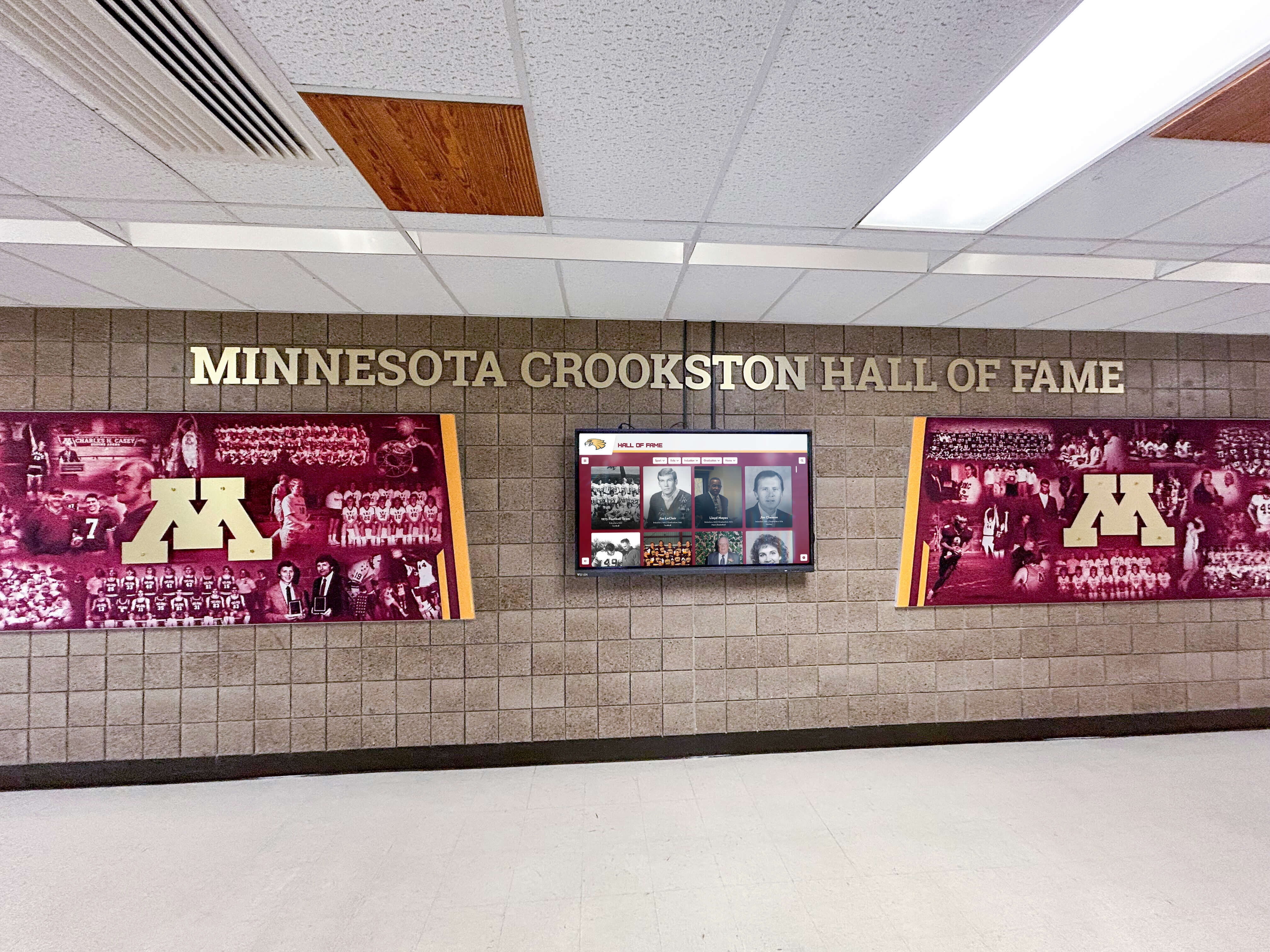
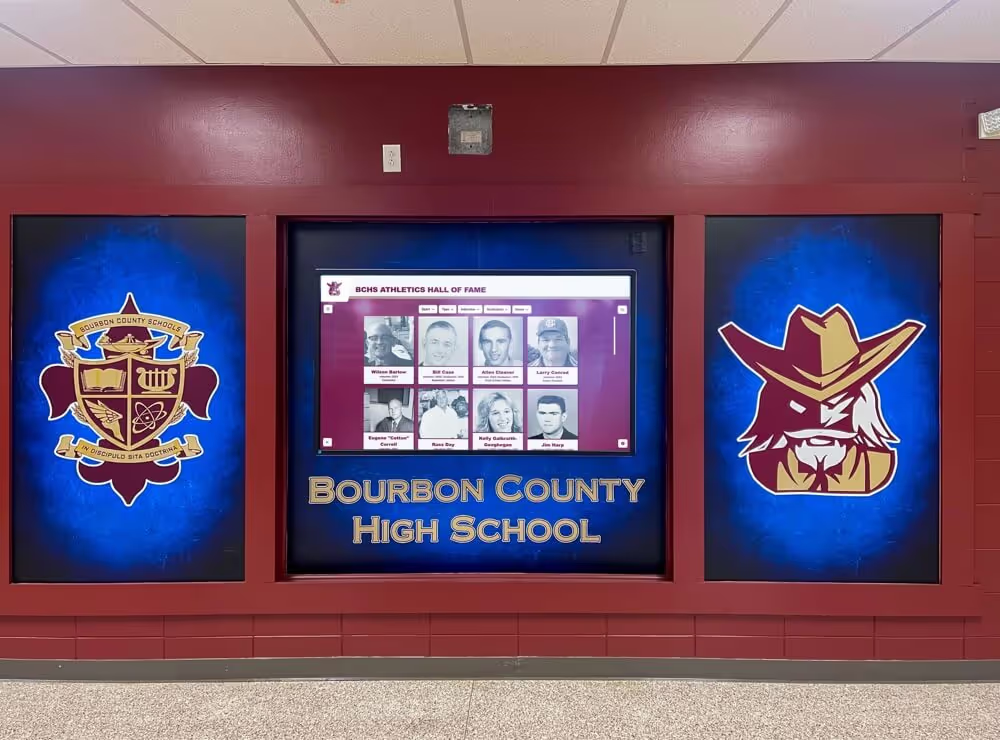
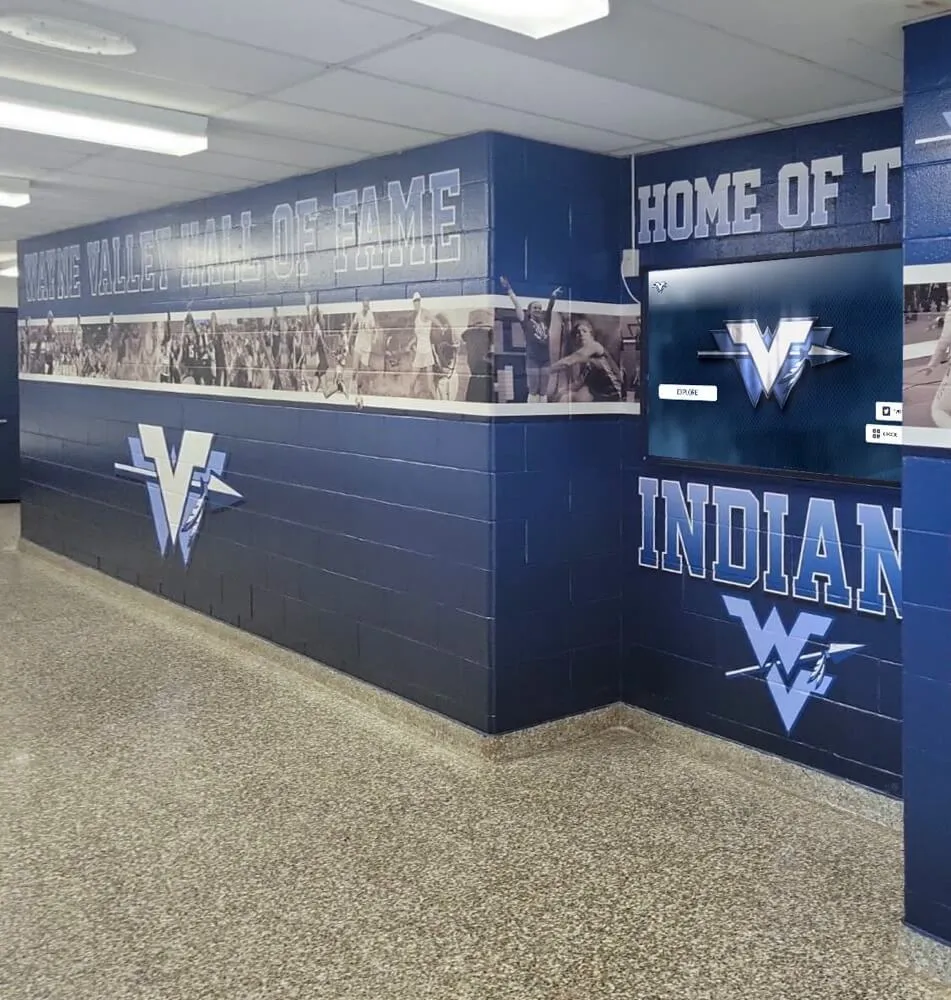
Integrated environmental design combines murals, branding, and digital displays creating immersive recognition experiences
Measuring Program Success and Impact
Track specific indicators demonstrating wall of fame value:
Engagement Metrics
- Touchscreen display interaction counts and session durations
- Web platform visits and page views
- Search patterns revealing what visitors seek
- Social media engagement with recognition content
- Induction ceremony attendance trends
Community Impact Indicators
- Alumni engagement rates and volunteer participation
- Donation patterns among inducted individuals versus general alumni
- Prospective family awareness and feedback during admissions processes
- Current student awareness and inspiration reports
- Media coverage quantity and quality
Operational Outcomes
- Nomination submission rates indicating community participation
- Selection committee participation and satisfaction
- Volunteer support for program administration
- Financial sustainability and funding diversification
- Integration with other school initiatives
Regular assessment enables continuous improvement while documenting value justifying ongoing investment and support.
Modernizing Existing Wall of Fame Programs
Many high schools maintain long-standing wall of fame programs facing common challenges: overcrowded displays, outdated formats, limited accessibility, or uneven recognition across different eras. Modernization addresses these limitations while honoring existing recognition traditions.
Signs Your Wall of Fame Needs Modernization
According to recognition program experts, several indicators suggest traditional walls of fame would benefit from modern updates:
Space Constraints
When wall space fills completely, forcing difficult decisions about whether to stop adding inductees, remove historical plaques, or undertake expensive renovations, modernization becomes necessary preserving recognition capacity.
Outdated Presentation
Plaques installed across decades often vary in size, style, and quality—creating inconsistent appearance diminishing overall impact. Aging materials, faded photos, and dated designs make recognition feel neglected rather than prestigious.
Limited Information
Traditional plaques provide minimal information—name, year, perhaps brief achievement description. Visitors gain no real understanding of achievement significance, inductee backgrounds, or stories behind recognition.
Accessibility Challenges
Physical displays serve only those present in specific campus locations. Alumni living elsewhere, families unable to visit campus, and community members can’t engage with recognition creating missed engagement opportunities.
Modernization Approaches Balancing Tradition and Innovation
Successful modernization honors institutional history while addressing practical limitations:
Hybrid Physical-Digital Integration
Maintain existing plaque walls preserving tradition and honoring historical recognition while adding digital touchscreen displays providing:
- Comprehensive searchable database including all historical inductees
- Expanded information impossible on physical plaques
- Unlimited capacity for new inductees without additional wall space
- Professional consistent presentation across all eras
This approach satisfies stakeholders valuing traditional recognition while solving practical challenges and enhancing engagement through modern capabilities.
Historical Digitization Projects
Convert historical physical recognition into comprehensive digital archives:
- Photograph all existing plaques creating permanent digital records
- Research and expand information about historical inductees
- Create complete digital profiles matching modern standards
- Organize chronologically or by category in searchable platforms
Schools implementing school historical archives often use wall of fame modernization as catalyst for broader preservation efforts documenting complete institutional history.
Phased Implementation Strategies
Avoid overwhelming modernization by implementing changes incrementally:
- Phase 1: Launch web-based recognition platforms making existing inductees accessible online
- Phase 2: Add single touchscreen display in high-traffic location
- Phase 3: Expand content with multimedia, expanded biographies, and regular updates
- Phase 4: Add additional displays in strategic locations or upgrade to larger screens
Phased approaches allow learning, adaptation, and budget distribution across multiple years while demonstrating value justifying continued investment.
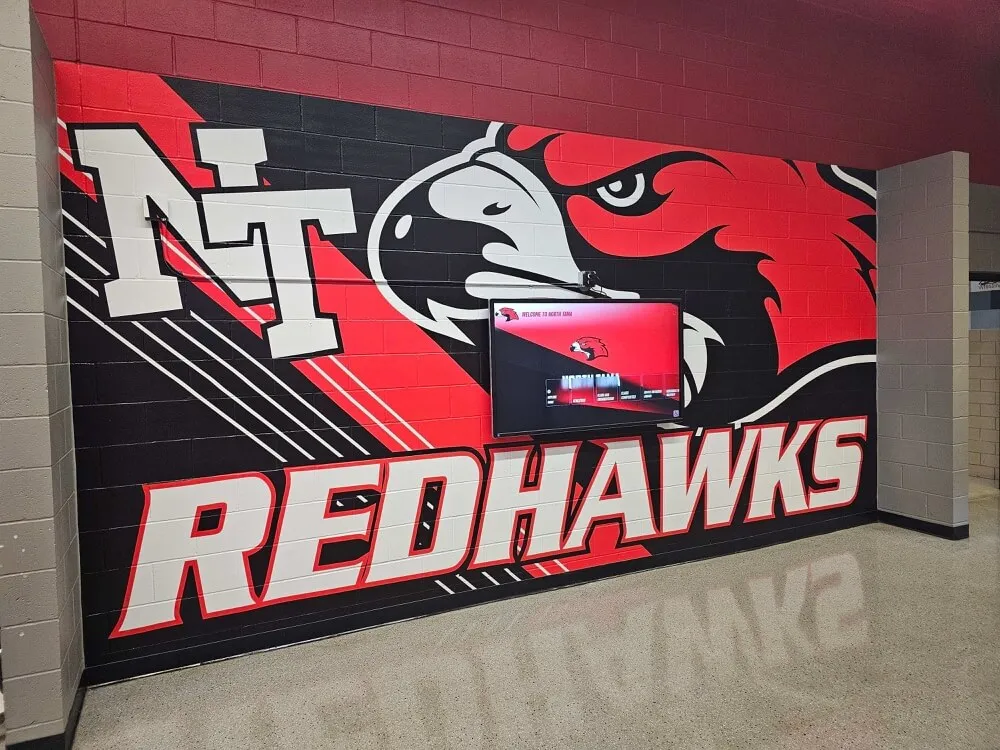
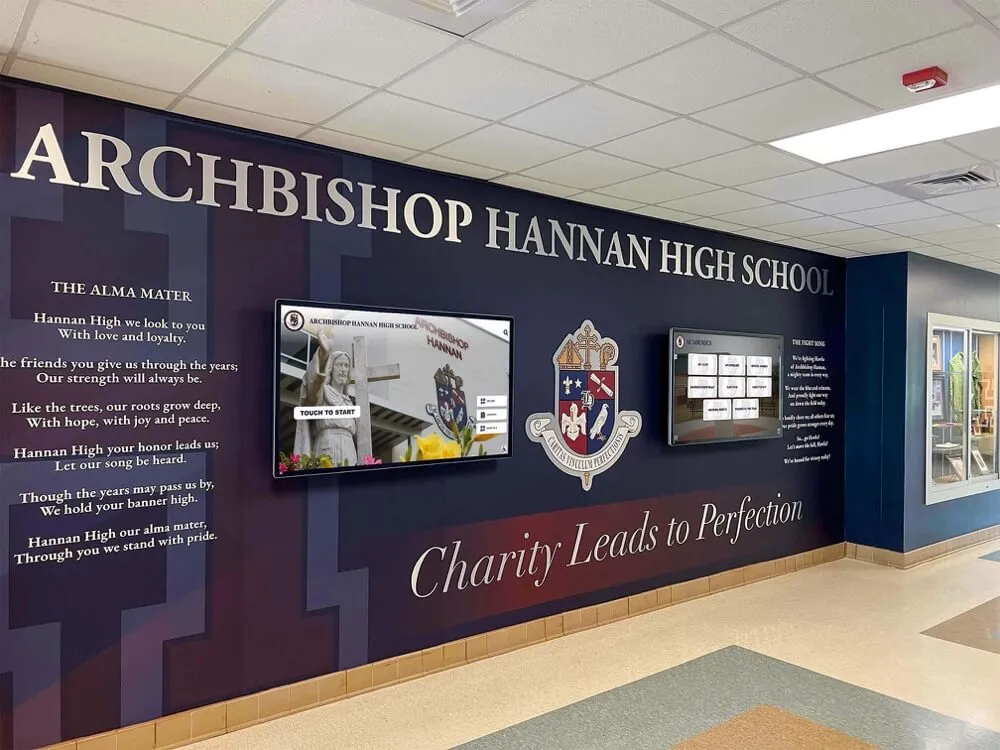
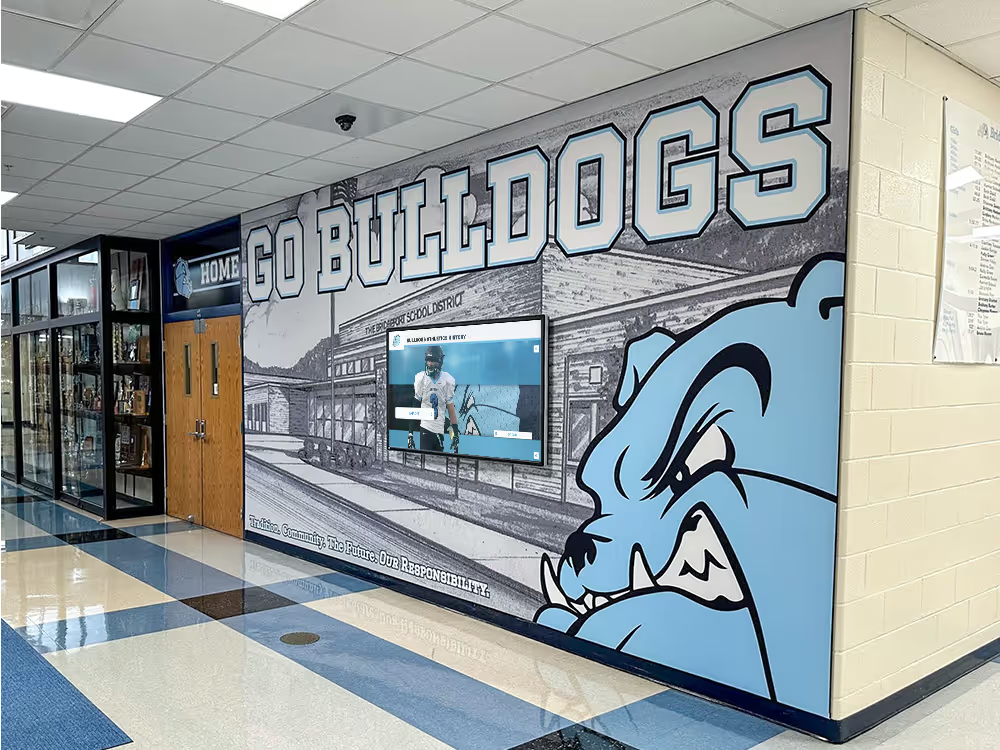
Modern hallway designs integrate school branding, environmental graphics, and digital recognition creating cohesive institutional storytelling
Addressing Stakeholder Concerns During Modernization
Change often creates anxiety, particularly around traditions valued by alumni and community members. Address concerns proactively:
“We’re losing tradition”
Emphasize that modernization preserves and enhances tradition rather than replacing it. Digital systems ensure achievements remain visible perpetually—never removed for space—while making recognition accessible to more people across more contexts than physical plaques alone ever could.
“Technology will break or become obsolete”
Quality platforms like Rocket Alumni Solutions provide long-term support, regular updates, and migration paths as technology evolves. Hardware failures get replaced like any school equipment. Content lives in cloud systems surviving hardware changes—unlike physical plaques damaged by time, vandalism, or facility changes.
“It’s too expensive”
Demonstrate that traditional recognition accumulates ongoing costs (new plaques, wall expansions, maintenance) often exceeding digital investments over 10-15 year timeframes. Additionally, emphasize enhanced engagement potentially increasing alumni giving that funds investment many times over.
“It’s complicated to maintain”
Modern content management systems require no technical expertise—simpler than maintaining websites or managing social media. Cloud-based platforms work from any device through intuitive interfaces, with vendors providing training and support ensuring successful adoption.
Leveraging Wall of Fame Programs for School Advancement
Beyond recognition itself, strategic wall of fame programs advance multiple institutional goals when thoughtfully integrated with broader initiatives.
Alumni Relations and Development Integration
Hall of fame programs create natural touchpoints for advancement activities:
Cultivation and Stewardship
- Use induction ceremonies as cultivation events connecting development staff with prospects
- Feature hall of fame members in advancement publications and campaigns
- Leverage inductee gratitude creating warm introductions to giving conversations
- Highlight recognition in estate planning discussions about legacy
Alumni Network Building
- Connect hall of fame members as volunteer network supporting career mentorship
- Create alumni speaker programs bringing inductees to campus sharing experiences
- Organize reunion programming around hall of fame themes
- Facilitate cross-generational connections through shared recognition
Schools implementing comprehensive alumni engagement solutions integrate recognition with broader relationship-building strategies maximizing advancement outcomes.
Admissions and Marketing Applications
Recognition programs provide compelling evidence of institutional quality:
Admissions Tour Integration
- Feature wall of fame displays prominently during campus tours
- Train tour guides sharing inductee stories illustrating school culture
- Use touchscreen displays interactively during tours allowing prospective families to explore
- Create printed materials connecting current programs to historical excellence
Athletic Recruiting
- Highlight championship tradition and individual achievement during recruiting
- Share digital wall of fame access with prospects researching programs
- Use inductee videos showing program development and post-high school opportunities
- Connect prospects with hall of fame members who played at colleges prospects are considering
Marketing and Branding
- Feature recognition in school marketing emphasizing tradition and excellence
- Include hall of fame imagery in publications and digital marketing
- Leverage inductee success stories in community relations
- Showcase recognition to differentiate from competing schools
Educational Integration and Student Development
Wall of fame programs create curriculum and student development opportunities:
Academic Integration
- Research projects investigating inductee achievements and historical context
- Writing assignments creating biographical profiles or historical analyses
- Statistics lessons analyzing achievement data and records
- Digital media projects creating multimedia content for recognition displays
Character Development Programming
- Speaker series bringing inductees to share experiences and lessons
- Mentorship programs connecting students with accomplished alumni
- Goal-setting exercises using inductee examples for motivation
- Leadership development emphasizing traits common among recognized individuals
Students gain inspiration from accessible role models demonstrating paths from shared starting points to significant achievement—making success feel attainable rather than distant or abstract.

Strategic placement in athletic facilities ensures recognition reaches athletes, coaches, families, and visitors throughout facility usage
Technology Platforms and Partners for Digital Recognition
Schools modernizing walls of fame or implementing digital recognition for the first time face decisions about technology platforms and implementation partners. Selecting appropriate solutions significantly impacts long-term satisfaction and success.
Essential Platform Capabilities
Quality digital wall of fame systems should provide:
User-Friendly Content Management
- Cloud-based access from any internet-connected device
- Intuitive interfaces requiring no technical expertise
- Visual editing with real-time preview showing actual appearance
- Bulk upload capabilities efficiently adding multiple inductees
- Role-based permissions enabling appropriate staff access
- Template systems ensuring consistent professional presentation
Flexible Recognition Features
- Support for multiple recognition categories with independent designs
- Customizable profile templates accommodating different information types
- Unlimited inductee capacity without platform limitations
- Rich multimedia integration (photos, videos, documents, statistics)
- Advanced search and filtering enabling quick discovery
- Related content connections linking teammates or similar achievements
Comprehensive Accessibility
- Responsive web design working excellently on smartphones, tablets, and computers
- Touchscreen optimization for interactive displays
- ADA compliance including screen reader compatibility
- Social sharing enabling inductees to share recognition with networks
- Embed capabilities integrating with existing school websites
Robust Analytics and Insights
- Interaction tracking showing engagement patterns
- Popular content identification revealing what visitors seek
- Geographic analytics for web access
- Usage timing helping optimize content and promotion
- Exportable reports demonstrating program value
Leading Digital Recognition Solutions
Rocket Alumni Solutions
Rocket Alumni Solutions provides comprehensive digital recognition systems integrating touchscreen displays, cloud-based content management, and web accessibility specifically designed for educational institutions. The platform supports unlimited inductees across multiple recognition categories with rich multimedia profiles, professional templates, and simple content management requiring no technical expertise.
Schools implementing Rocket Alumni Solutions benefit from white-glove implementation support including content creation assistance, template customization, staff training, and ongoing technical support ensuring successful adoption. The platform’s flexibility accommodates diverse recognition types—athletic halls of fame, academic recognition programs, alumni spotlights, and comprehensive institutional recognition—within unified systems maintaining consistent branding and user experience.
Key advantages include truly unlimited recognition capacity, comprehensive multimedia support, dual touchscreen and web accessibility, professional design templates, robust analytics, and extensive support ensuring long-term success. The platform serves high schools through universities implementing both new recognition programs and modernizing existing walls of fame.
Custom Development Solutions
Some schools with significant technical resources develop custom wall of fame systems through web development firms or internal IT departments. Custom approaches provide maximum flexibility and control but require substantial upfront investment, ongoing technical maintenance, and expertise most schools lack internally.
Custom development makes sense primarily for very large institutions with dedicated technical staff and highly specialized requirements not met by existing platforms—representing minority of high schools.
General Digital Signage Platforms
Some schools adapt general digital signage software for recognition purposes. While these platforms provide basic content display capabilities, they typically lack features specific to halls of fame—profile templates, search functionality, biographical organization, and recognition-specific workflows—requiring significant customization achieving functionality specialized platforms provide out of the box.
Implementation Considerations and Best Practices
Successful digital wall of fame launches require thoughtful planning:
Content Preparation
Before launching digital displays, invest in content quality:
- Gather photos, biographical information, and achievement documentation systematically
- Research historical inductees ensuring accurate information
- Create consistent profiles across all eras and categories
- Write clear, engaging biographical content telling compelling stories
- Organize materials before platform configuration minimizing implementation delays
Hardware Selection
For touchscreen installations, consider:
- Screen size: 55"-75" displays work well for most applications
- Placement: High-traffic locations (lobbies, cafeterias, hallways) maximize visibility
- Mounting: Professional installation ensuring security, proper height, and cable concealment
- Protection: Consider security features for publicly accessible spaces
- Integration: Coordinate with existing technology infrastructure and support
Schools benefit from vendors like Rocket Alumni Solutions providing hardware guidance, installation coordination, and ongoing technical support eliminating guesswork and ensuring professional results.
Staff Training and Support
Ensure successful adoption through:
- Comprehensive training for all staff managing content
- Written documentation and video tutorials for reference
- Identified system administrators owning platform management
- Ongoing vendor support for questions and troubleshooting
- Regular check-ins reviewing usage and optimization opportunities
Quality platforms provide extensive training and support resources ensuring schools succeed regardless of technical sophistication.
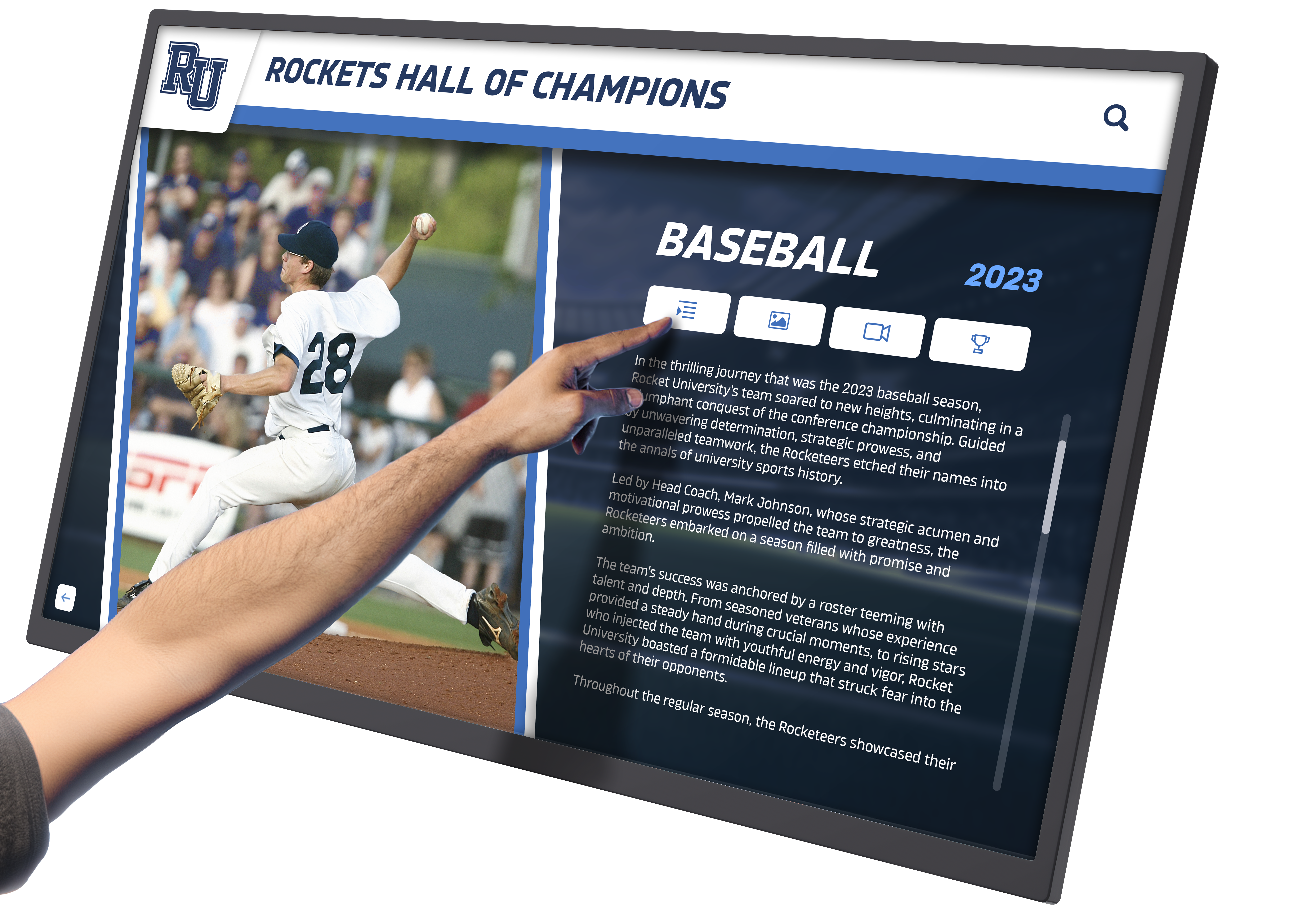
Modern touchscreen interfaces present detailed profiles with photos, statistics, and biographical information creating engaging exploration experiences
Special Considerations for Different Recognition Types
While core wall of fame principles apply broadly, specific recognition categories benefit from tailored approaches maximizing relevance and impact.
Athletic-Focused Walls of Fame
Athletic recognition represents most common high school wall of fame type, with specialized considerations:
Multi-Sport Coordination
Schools offering many sports should ensure:
- Recognition criteria consistent across different sports
- Categories allowing both individual and team recognition
- Balance preventing single sport dominance
- Seasonal timing coordinating with different athletic calendars
Statistical and Performance Documentation
Athletic recognition benefits from quantitative achievement data:
- Career statistics and performance records
- Championship participation and outcomes
- Individual honors and selections
- Record-setting achievements
- Post-high school athletic continuation
Digital platforms excel at displaying statistics, records, and performance data impossible to include on physical plaques while maintaining visual appeal through organized data presentation.
Coach and Contributor Recognition
Comprehensive athletic walls of fame recognize contributions beyond student-athletes:
- Coaching achievement and longevity
- Administrative leadership developing programs
- Volunteer contributions supporting success
- Officials and support staff enabling competition
Schools implementing comprehensive recognition approaches ensure all contributions to athletic success receive appropriate acknowledgment.
Academic Achievement Recognition
Academic walls of fame celebrate intellectual excellence requiring different approaches:
Diverse Achievement Dimensions
Academic recognition should include:
- Academic All-Americans and National Merit Scholars
- Subject-specific excellence and competition success
- Research and publication achievements
- Arts and performing excellence
- Service-learning and community engagement
Post-Graduation Career Achievement
Academic recognition often emphasizes post-high school distinction:
- Professional achievement in chosen fields
- Advanced degree completion
- Research and publication contributions
- Leadership and community impact
- Connection between high school foundation and career success
Balance With Athletic Recognition
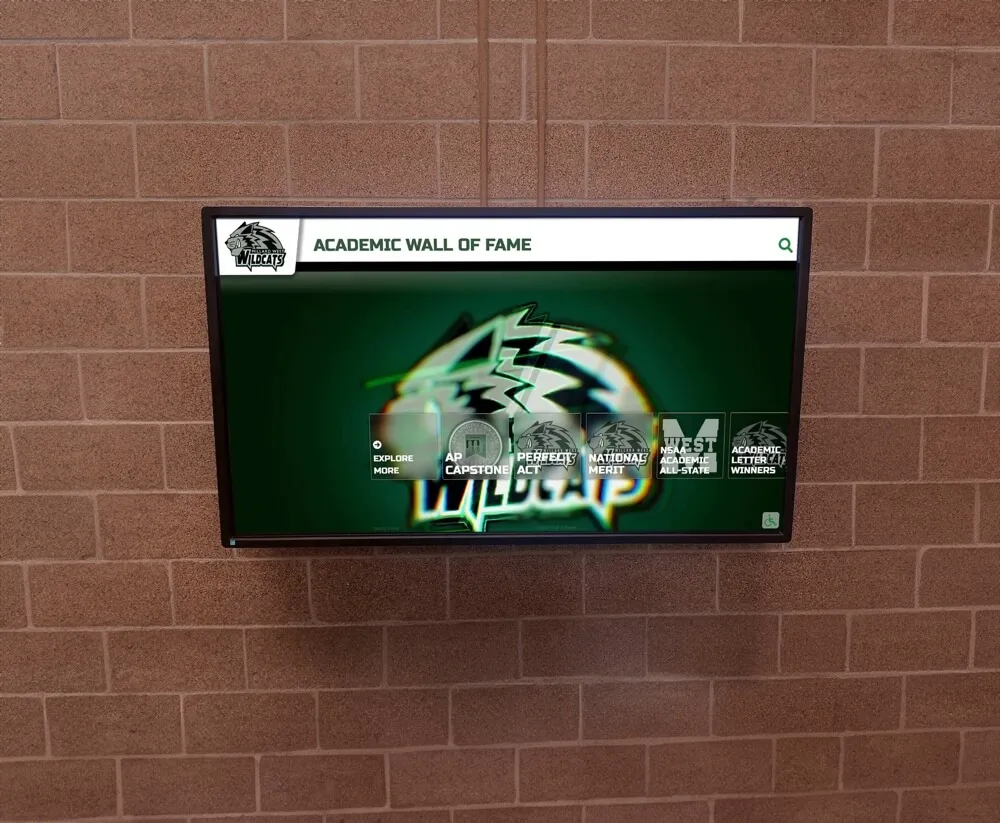
Schools should ensure academic achievement receives visibility comparable to athletic recognition. Implementing digital displays in multiple locations helps—athletic displays in gyms and field houses, academic recognition in academic buildings or libraries, comprehensive recognition in main building lobbies.
Distinguished Alumni and Contributor Recognition
Broader recognition categories celebrating diverse achievement require flexible approaches:
Career and Professional Achievement
Distinguished alumni recognition typically emphasizes:
- Leadership positions and professional distinction
- Entrepreneurial success and business achievement
- Public service and elected office
- Creative and artistic accomplishment
- Humanitarian and service contributions
Community Impact Focus
Recognition should acknowledge:
- Sustained civic engagement and volunteer leadership
- Philanthropic contributions enabling opportunities
- Mentorship and support of subsequent generations
- Advocacy advancing important causes
- Positive representation of school values
Connection to School Mission
Frame recognition explicitly connecting achievements to institutional values:
- Character traits developed through school experience
- Specific teachers, coaches, or programs influencing trajectories
- Skills and foundations built during high school
- Ongoing engagement with school community
- Exemplification of institutional mission
This connection helps current students see recognition not as remote achievement but as natural progression from shared starting point.
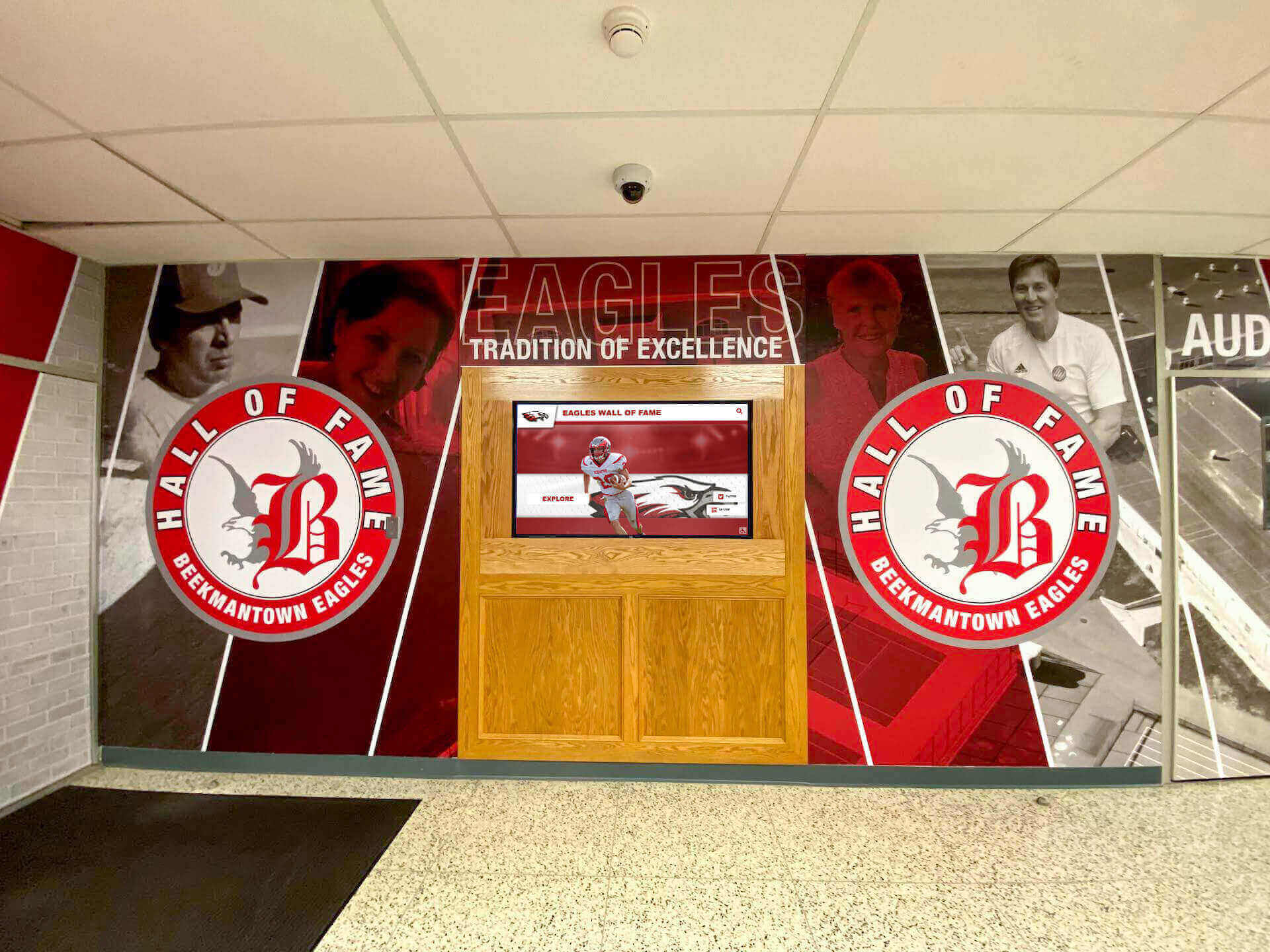
Prominent entrance displays establish recognition as central to institutional identity from the moment visitors enter campus
Future Trends in High School Recognition Programs
Wall of fame programs continue evolving as technology advances and stakeholder expectations change. Understanding emerging trends helps schools implement forward-looking approaches serving communities effectively for decades.
Enhanced Multimedia and Interactive Features
Augmented Reality Integration
Emerging platforms may enable smartphone apps overlaying digital content on physical spaces—allowing visitors to point devices at traditional plaques seeing expanded profiles, videos, and 3D visualizations enhancing static displays.
Artificial Intelligence Applications
AI capabilities will increasingly enhance recognition programs through:
- Automatic photo enhancement and restoration of historical images
- Facial recognition organizing and tagging historical photos
- Natural language search understanding conversational queries
- Content generation assisting biographical profile creation
- Recommendation engines suggesting related inductees
Virtual and Remote Participation
Recognition programs will increasingly accommodate virtual participation:
- Live-streamed induction ceremonies reaching global audiences
- Virtual tours of recognition displays for remote access
- Interactive web experiences rivaling physical touchscreen capabilities
- Social features enabling alumni to contribute memories and stories
Expanded Recognition Scope and Inclusivity
Broader Achievement Celebration
Future walls of fame will likely expand beyond traditional categories:
- Recognition of diverse talent including arts, STEM, entrepreneurship, service
- Student leadership and character recognition
- Team and collaborative achievement alongside individual honors
- Progress and growth recognition beyond absolute achievement levels
Equity and Inclusion Emphasis
Recognition programs increasingly emphasize:
- Deliberate attention to representation across demographics
- Multiple pathways ensuring diverse students find recognition opportunities
- Accessibility in both physical and digital implementations
- Inclusive selection processes representing full community
Integration With Broader Digital Ecosystems
Connected Platforms
Recognition programs will integrate more seamlessly with:
- Digital yearbook platforms creating comprehensive archives
- School websites and portals providing unified access
- Social media for automated sharing and promotion
- Alumni databases maintaining current connections
- Donor management systems acknowledging contributions
Data-Driven Optimization
Advanced analytics will inform program improvements:
- Content performance guiding creation priorities
- Engagement pattern analysis optimizing display placement
- Demographic analysis ensuring equitable recognition
- Outcome tracking demonstrating program impacts
Schools selecting platforms positioned for innovation—like Rocket Alumni Solutions with regular feature updates and development roadmaps—ensure recognition programs remain current as technology and expectations evolve.
Conclusion: Creating Lasting Legacy Through Meaningful Recognition
High school walls of fame represent far more than simple lists of achievement—they embody institutional values, preserve community history, inspire current students, and strengthen connections between schools and the individuals whose accomplishments built reputations for excellence. When implemented thoughtfully with clear criteria, appropriate displays, sustainable funding, and engaging content, recognition programs create lasting value extending well beyond initial investments.
The strategies explored throughout this guide provide comprehensive frameworks for both launching new wall of fame programs and modernizing existing recognition that has outgrown traditional formats. From establishing credible selection processes through leveraging digital solutions that eliminate space constraints and enhance engagement, these approaches transform recognition from static backward-looking displays into dynamic celebrations connecting past achievement to present pride and future aspiration.
Ready to Transform Your Wall of Fame?
Discover how modern digital recognition solutions can help your school celebrate unlimited achievements professionally while strengthening alumni engagement and community pride. Schedule a consultation to explore how platforms like Rocket Alumni Solutions eliminate traditional recognition limitations while honoring institutional tradition.
Schedule a Digital Recognition Mock-UpWhether you’re establishing your school’s first formal wall of fame, expanding existing athletic recognition to encompass broader achievement, or modernizing decades-old plaques with digital capabilities, success requires balancing respect for tradition with practical necessity and stakeholder engagement. The most effective programs honor what communities value about recognition while addressing real limitations in space, accessibility, and sustainability.
Technology enables recognition programs previous generations could only imagine—unlimited capacity regardless of wall space, rich multimedia storytelling impossible on bronze plaques, worldwide accessibility for geographically dispersed alumni, instant updates celebrating achievements while excitement remains fresh. Yet technology serves recognition rather than replacing it. The heart of effective walls of fame remains unchanged: honoring individuals whose achievements merit permanent celebration, inspiring current students through accessible role models, and strengthening communities through shared pride in institutional excellence.
Your school’s achievements deserve celebration equal to their significance. With clear vision, stakeholder engagement, appropriate technology, and consistent implementation, you can create recognition programs that honor past accomplishments while building the engaged communities and institutional pride that will define your school’s future for generations to come.
Ready to begin or enhance your wall of fame journey? Explore additional resources on creating digital recognition displays, learn about comprehensive alumni engagement strategies, or discover how athletic recognition programs strengthen school communities and tradition.
Sources: