



Intent: Plan & Implement — This comprehensive guide provides reunion committee members, alumni coordinators, and school administrators with practical strategies for creating memorable high school reunion display boards that celebrate class history, honor achievements, and create meaningful connections between alumni attending reunion events.
High school reunions create powerful opportunities to reconnect with classmates, celebrate shared experiences, and honor the journey from graduation to present day. Traditional reunion decorations often include balloon centerpieces, banner signs, and generic party supplies that create festive atmospheres but fail to spark meaningful conversations or document the rich history that defines graduating classes.
Reunion display boards transform generic events into personalized celebrations by showcasing class memories, documenting career achievements, honoring classmates who have passed, and creating interactive experiences that generate conversations and connections impossible with standard party decorations. Whether planning a 10-year, 25-year, or 50-year reunion, thoughtfully designed display boards become focal points drawing alumni together around shared history.
This guide explores both traditional display board approaches and modern digital solutions that extend reunion experiences beyond single events, creating lasting recognition accessible to alumni worldwide regardless of geographic location or ability to attend in-person gatherings.
High school reunions succeed when they create authentic connections between alumni while celebrating the unique journey each graduating class experienced together. Display boards serve as tangible focal points that facilitate these connections through visual storytelling, shared memories, and recognition of individual and collective achievements since graduation.
Understanding the Purpose of Reunion Display Boards
Effective reunion display boards serve multiple strategic purposes beyond simple decoration, creating value for attendees, reunion committees, and schools throughout planning, event execution, and post-reunion engagement.
Conversation Starters and Connection Catalysts
The primary function of reunion display boards is facilitating meaningful interactions between classmates who may not have connected in years or decades:
Breaking the Ice with Shared Memories
Walking into reunion venues often creates awkward moments as alumni try to recognize classmates who look dramatically different from their high school appearance. Display boards featuring yearbook photos, graduation pictures, and school event documentation provide natural conversation starting points as attendees identify themselves and classmates in historical images.
According to reunion planning resources, memory displays featuring photos inspire memories and create togetherness by giving alumni visual references sparking recognition and reminiscence. When classmates gather around display boards identifying friends in old photos, conversations flow naturally from “Remember when…” stories to updates about career paths, families, and life experiences since graduation.
Creating Context for Changed Appearances
Twenty, thirty, or fifty years create significant physical changes making immediate recognition challenging. Display boards pairing then-and-now photos, including name tags with yearbook pictures, or organizing content by activities and friend groups help alumni identify classmates despite changed appearances, reducing awkward “I’m sorry, who are you?” moments that can diminish reunion experiences.
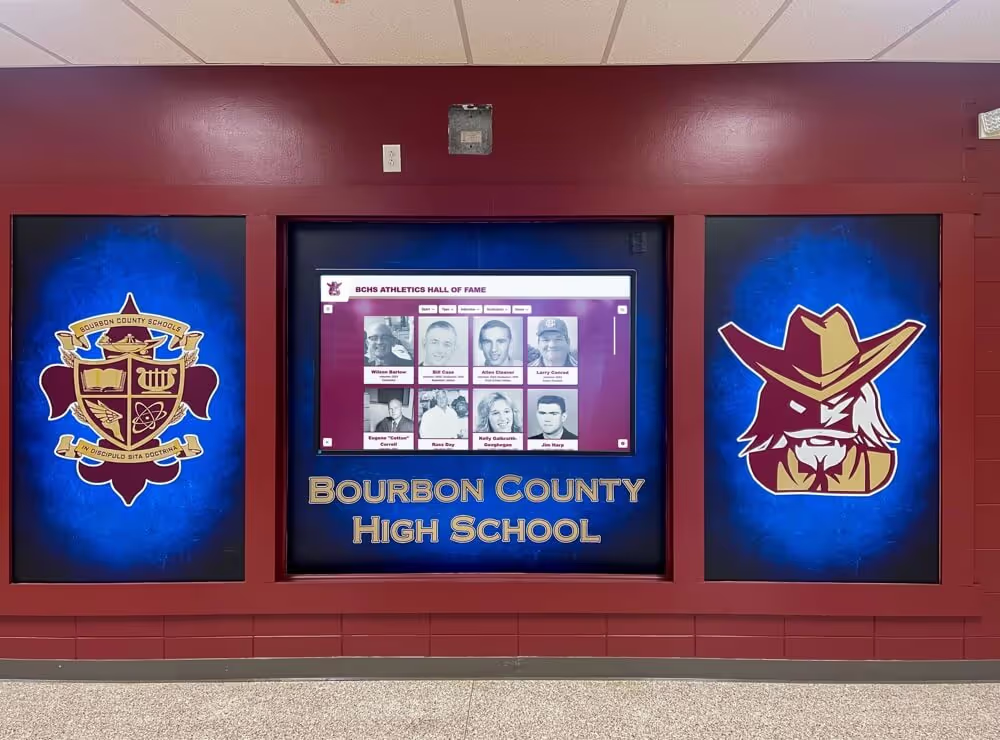
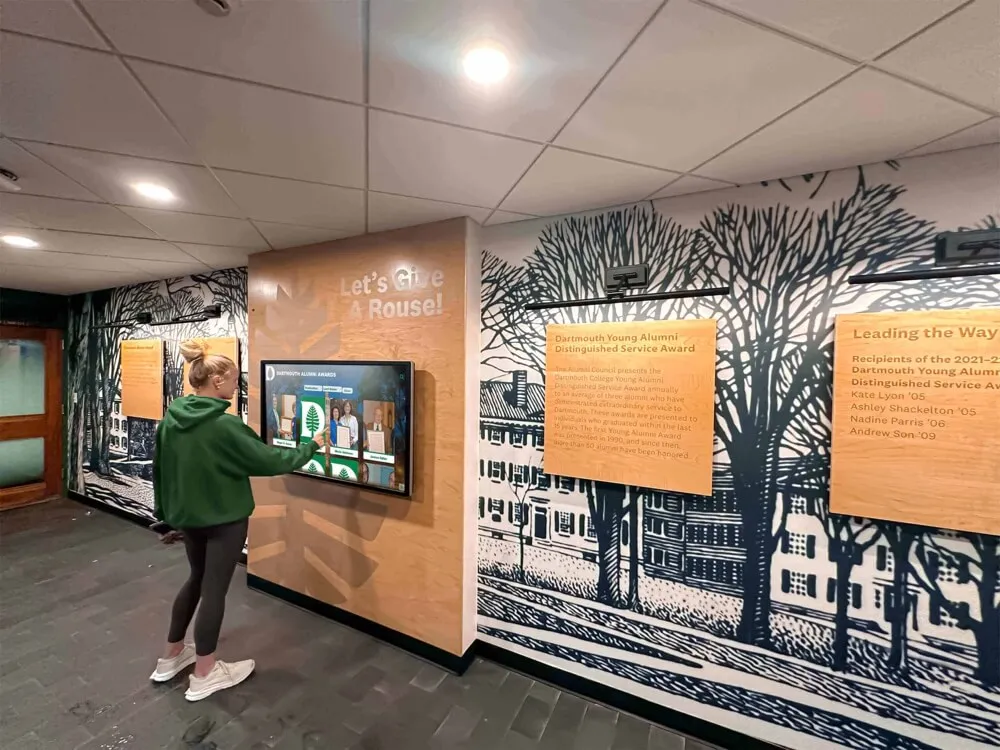
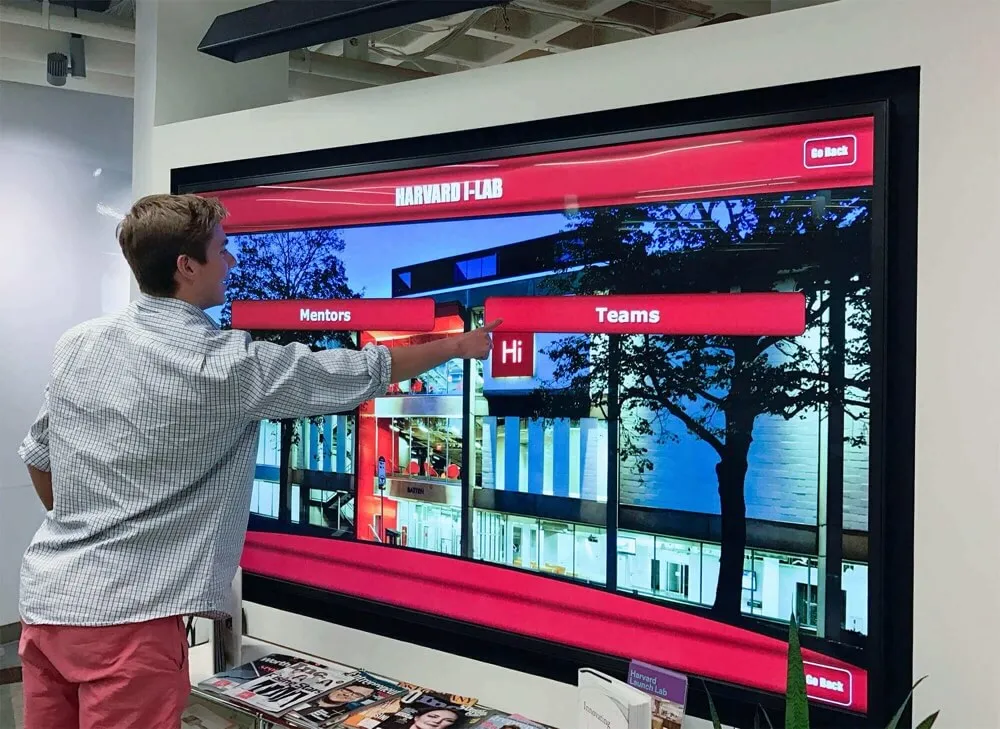
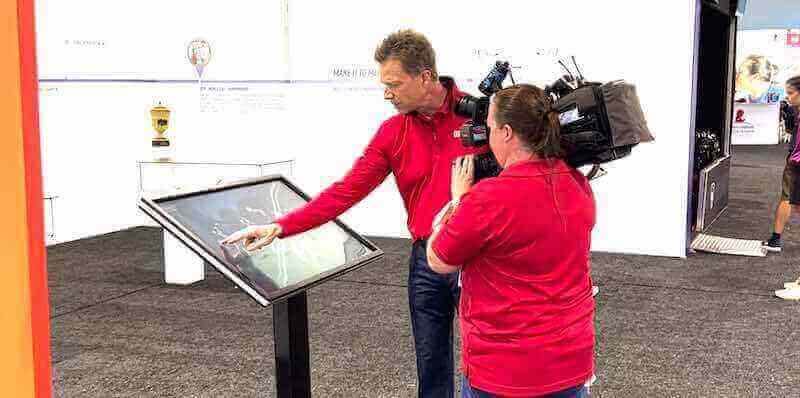
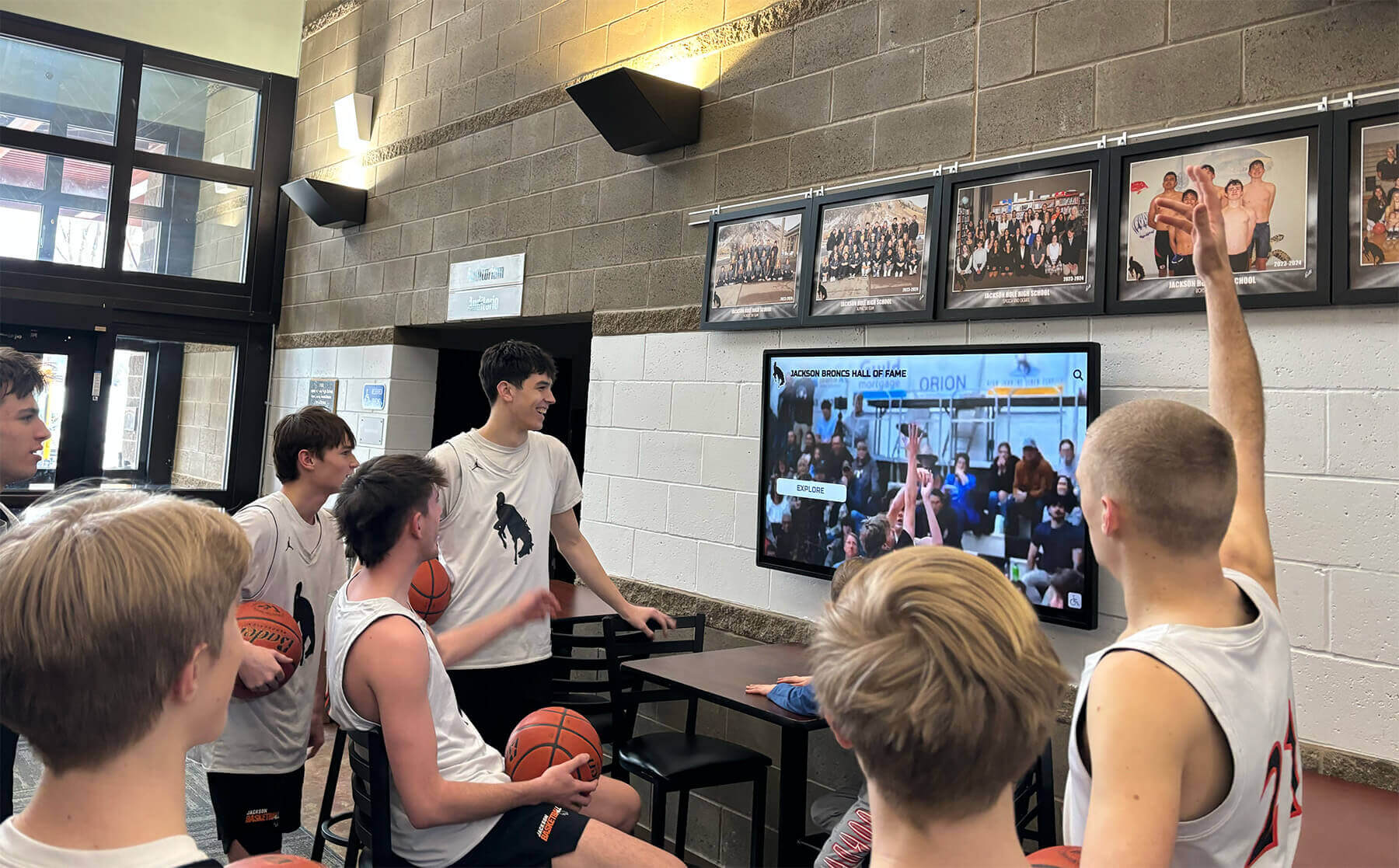
Interactive reunion displays create natural gathering points where alumni explore class history together, generating conversations and connections
Honoring Class History and Shared Experiences
Every graduating class develops unique identity shaped by historical context, school experiences, and defining moments that occurred during high school years:
Documenting the Era and Cultural Context
Classes that graduated in 1975 experienced dramatically different high schools than those graduating in 2005 or 2015. Display boards capturing historical context—popular music from graduation year, major news events, fashion trends, technology availability, and cultural touchstones—help alumni revisit the specific time period that defined their high school experience.
Reunion decoration strategies often recommend incorporating era-specific elements like top songs from graduation year, newspaper headlines, popular movies, and cultural references that transport alumni back to their high school period.
Celebrating School Traditions and Milestones
School-specific traditions, championship seasons, memorable performances, beloved teachers, and unique experiences that defined particular graduating classes deserve recognition. Display boards documenting these shared experiences validate class identity while educating younger alumni or family members about school history and tradition.
Memorializing Deceased Classmates
One of the most important yet emotionally challenging aspects of reunion display boards involves honoring classmates who have passed away since graduation:
Creating Dignified Memorial Recognition
Memorial boards provide dedicated space honoring deceased classmates with photos, biographical information, and memories celebrating their lives. Memorial displays typically feature photos, quotes, and memories on dedicated boards decorated with appropriate elements like silk flowers, candles, or other tasteful tributes.
These memorial spaces create opportunities for reflection, shared grief, and celebration of classmates’ lives while acknowledging the reality that not everyone from graduating classes can attend reunions in person.
Gathering Classmate Information and Updates
For larger classes or those with members scattered geographically, reunion committees may lack complete information about all classmates. Memorial displays sometimes prompt attendees to share information about deceased classmates they remained in contact with, helping committees maintain accurate class records and ensure all losses receive appropriate recognition.
Documenting Career Achievements and Life Journeys
Beyond remembering high school years, reunions celebrate the diverse paths alumni followed since graduation:
Career Accomplishment Recognition
Display boards can showcase notable career achievements, educational credentials, entrepreneurial ventures, creative accomplishments, and professional recognition earned by class members. This celebration of post-graduation success demonstrates the collective impact of graduating classes while inspiring attendees through classmates’ achievements.
Family and Personal Milestone Celebrations
Many alumni value sharing family photos, life milestones, personal achievements, and significant experiences from years since graduation. Display boards incorporating this content transform reunions from nostalgic reminiscence to comprehensive celebrations of complete life journeys from high school through present day.
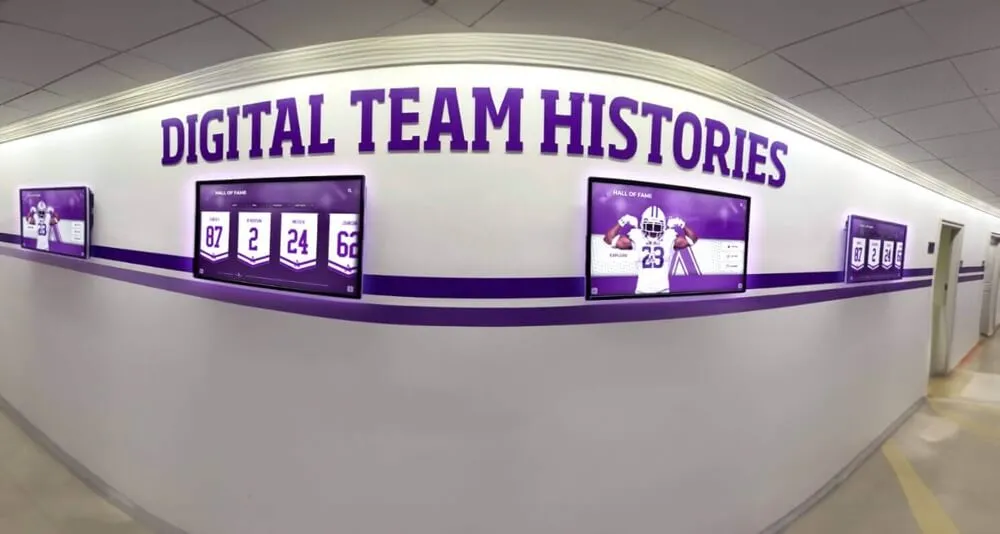
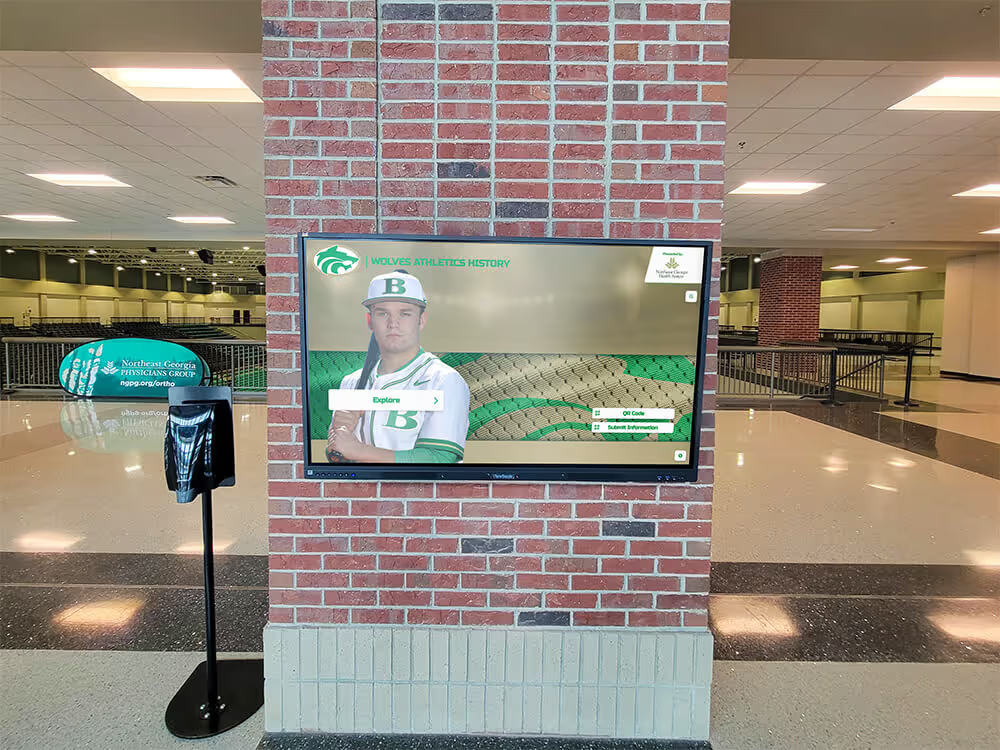
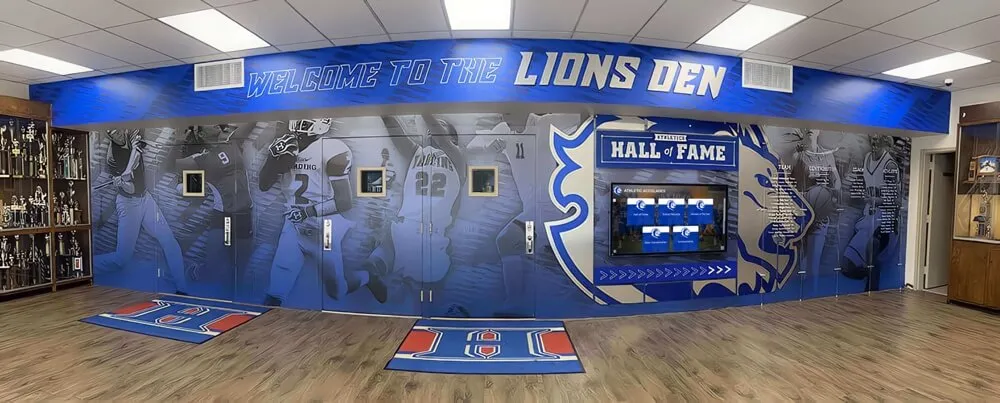
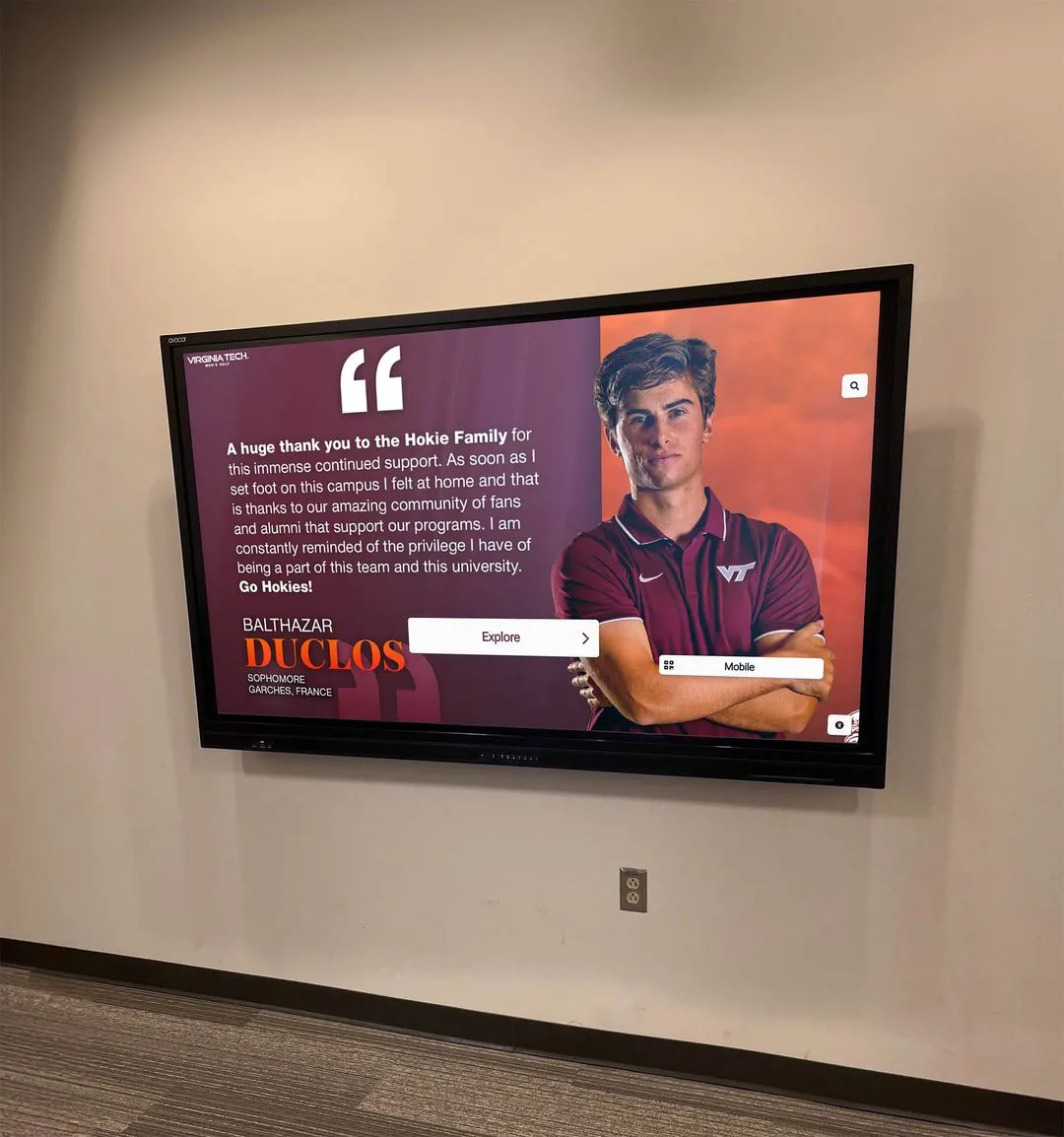
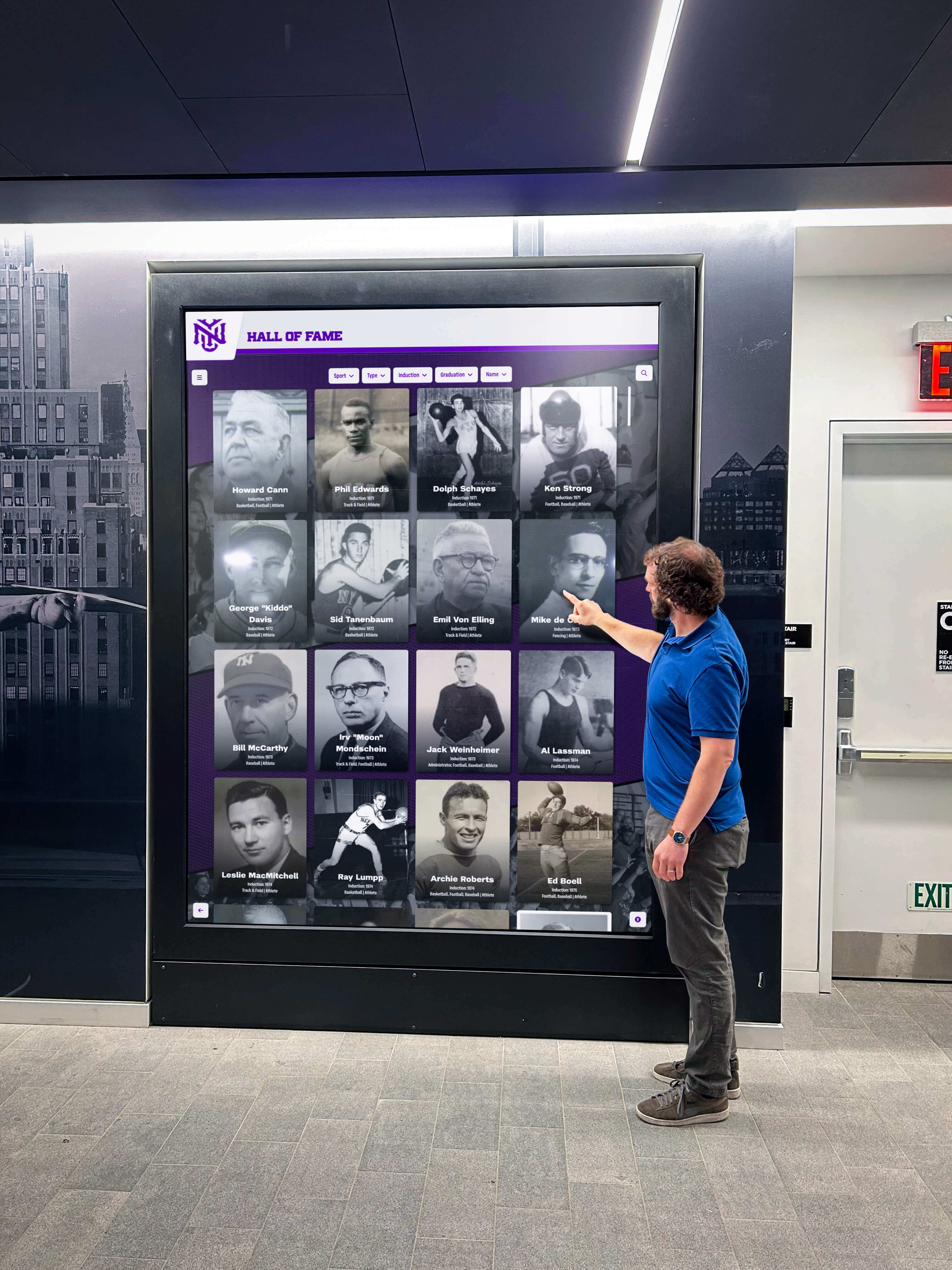
Professional display systems document alumni journeys from graduation through career achievements and life milestones
Traditional Display Board Approaches and Materials
Understanding conventional reunion display board methods provides foundation for planning effective recognition whether using physical boards or modern digital alternatives.
Physical Display Board Types and Materials
Traditional reunion displays utilize various materials and formats depending on budget, venue capabilities, and desired visual impact:
Foam Core and Poster Board Options
The most accessible and budget-friendly display board materials include:
- Standard foam core boards (available in 20x30", 24x36", or larger sizes) provide rigid mounting surfaces for photos and printed materials
- Corrugated plastic sheets offer weather-resistant, lightweight alternatives for outdoor venues or traveling displays
- Tri-fold presentation boards create self-supporting displays requiring no additional mounting hardware
- Bulletin boards with fabric backgrounds enable pinning photos and memorabilia for easy repositioning
Reunion planning guides typically recommend foam core or corrugated plastic as ideal display materials due to durability, professional appearance, and ease of mounting photos and printed content.
Easel and Stand Display Systems
Physical displays require appropriate support systems:
- Artist easels provide adjustable display angles and accommodate various board sizes
- Retractable banner stands create professional vertical displays for entrance areas or registration tables
- Tabletop display stands work well for smaller poster boards in venues with limited wall space
- Floor display systems support larger installations creating impressive visual impact
Venue constraints often determine which mounting approaches work best—venues with open wall space may accommodate mounted boards while venues with limited walls require freestanding display systems.
Photo Organization and Mounting Techniques
The visual presentation quality significantly impacts display effectiveness:
- Photo organizing strategies include chronological arrangement (freshman through senior year), activity-based grouping (sports, clubs, arts, academics), or alphabetical organization by classmate names
- Mounting approaches range from simple tape attachment through professional photo corners, adhesive mounting squares, or lamination for durability
- Labeling systems including printed captions, handwritten notes, or QR codes linking to additional information help attendees identify individuals and understand context
- Protective covering using clear plastic sheets or lamination protects materials from handling damage at events
Quality photo reproduction is essential—scanning old yearbooks, prints, or slides at high resolution ensures clear, professional-looking display images rather than blurry or pixelated reproductions that diminish visual impact.
Content Collection and Organization Strategies
Creating comprehensive display boards requires systematic content gathering from alumni scattered across geographic areas:
Alumni Photo and Information Submissions
Successful content collection typically involves:
- Early outreach to classmates requesting photo submissions via email, social media groups, or dedicated reunion websites
- Specific submission guidelines regarding photo formats, file sizes, required information, and deadline dates
- Multiple submission methods accommodating varying technical comfort levels (email, cloud storage links, physical photo mailings)
- Follow-up reminders as deadlines approach ensuring adequate participation rates
- Backup content sourcing from yearbooks, school archives, local newspapers, or school alumni offices when alumni submissions fall short
According to reunion planning best practices, starting content collection 6-12 months before reunion dates provides sufficient time for multiple outreach rounds and content organization.
Organizing Content into Coherent Categories
Raw photo and information submissions require systematic organization:
- Memory Lane Displays: Yearbook photos, graduation pictures, school event documentation, and classroom scenes
- Then and Now Comparisons: Side-by-side yearbook photos with current photos showing how classmates have changed
- Career and Achievement Showcases: Professional accomplishments, educational credentials, business ventures, creative works
- Family Celebrations: Wedding photos, children and grandchildren pictures, family milestone documentation
- Activity and Sports Recognition: Athletic team photos, club group pictures, performance documentation, competition achievements
- Memorial Tributes: Dedicated sections honoring deceased classmates with biographical information and memories
Thematic organization creates coherent narratives rather than random photo collections, helping attendees navigate displays and discover content relevant to their interests and relationships.
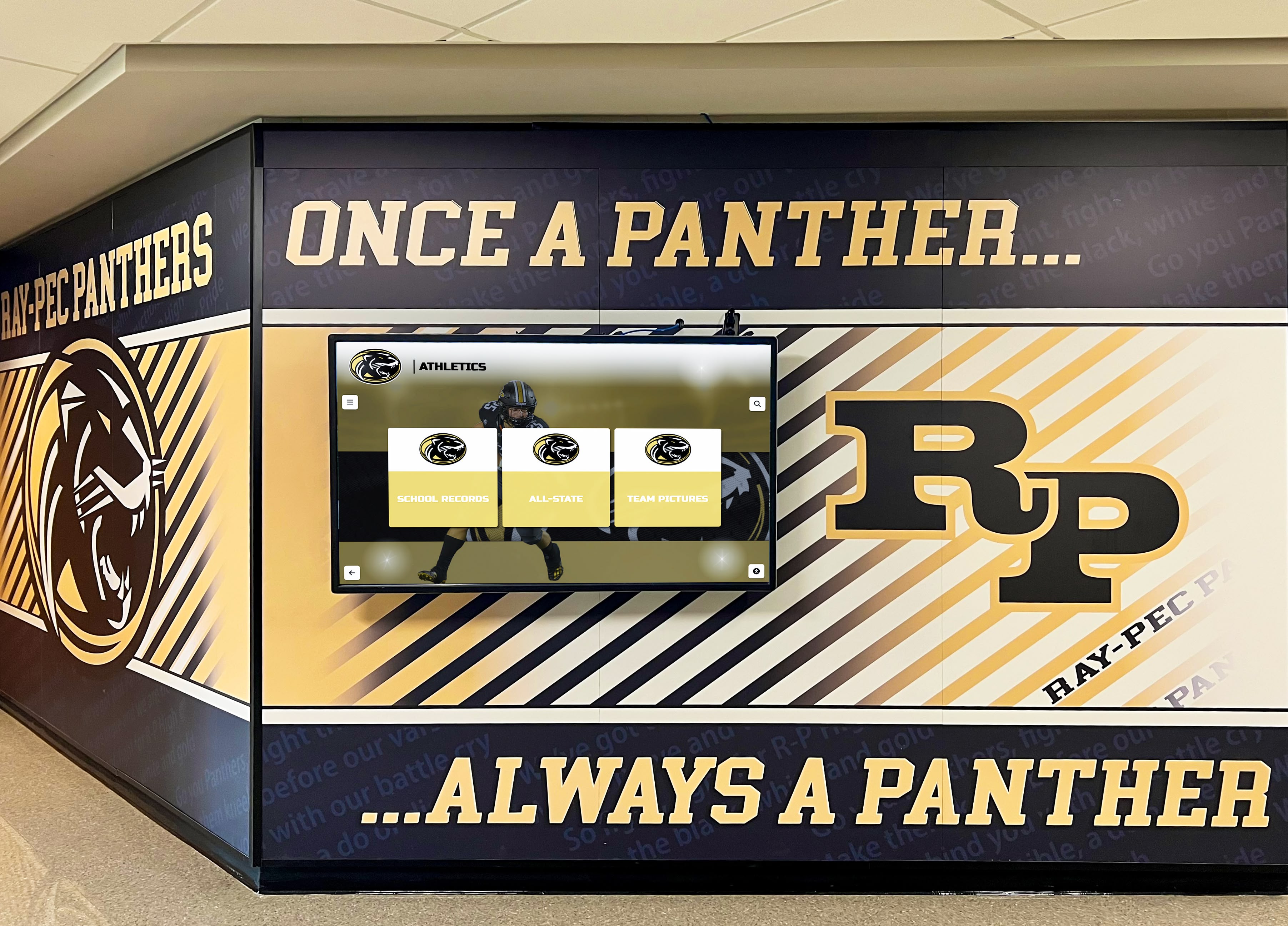
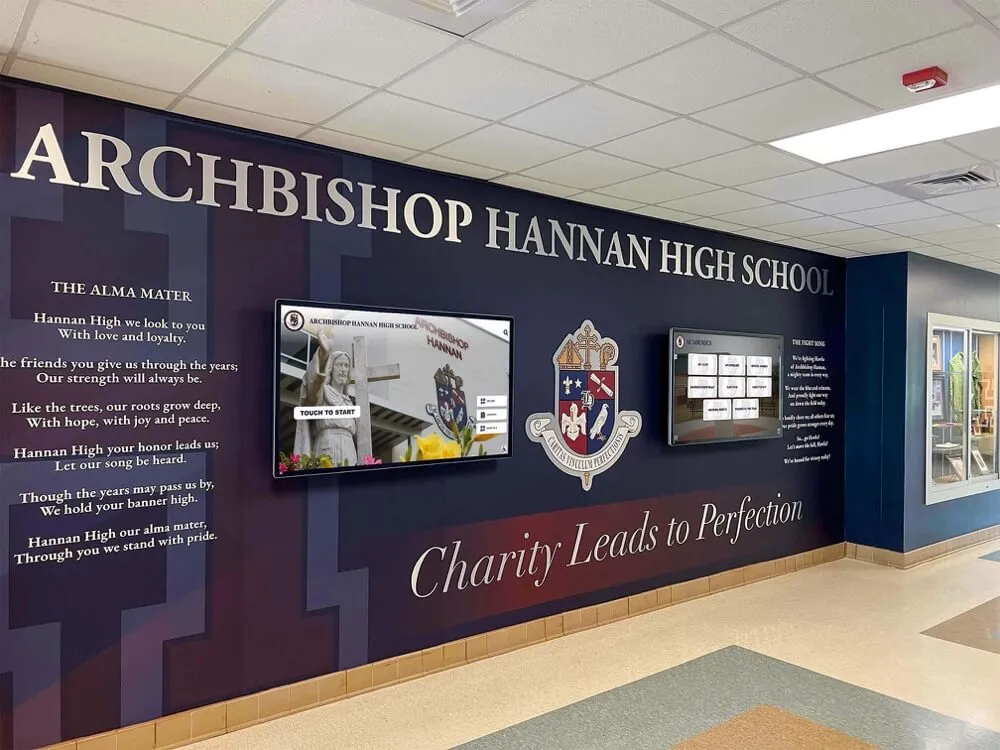
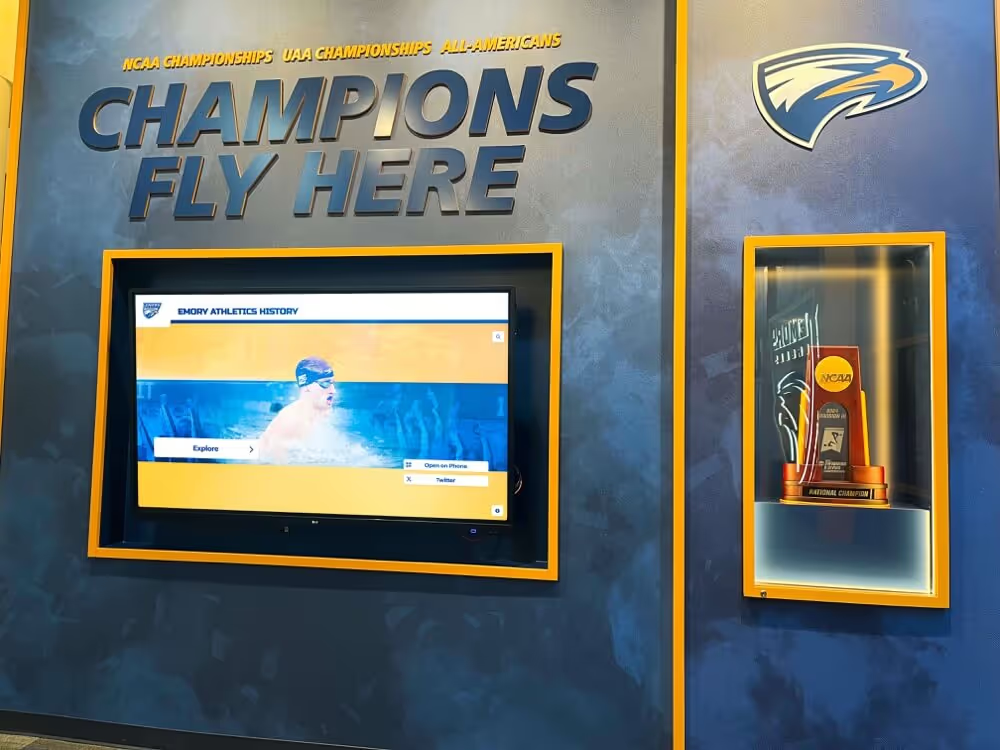
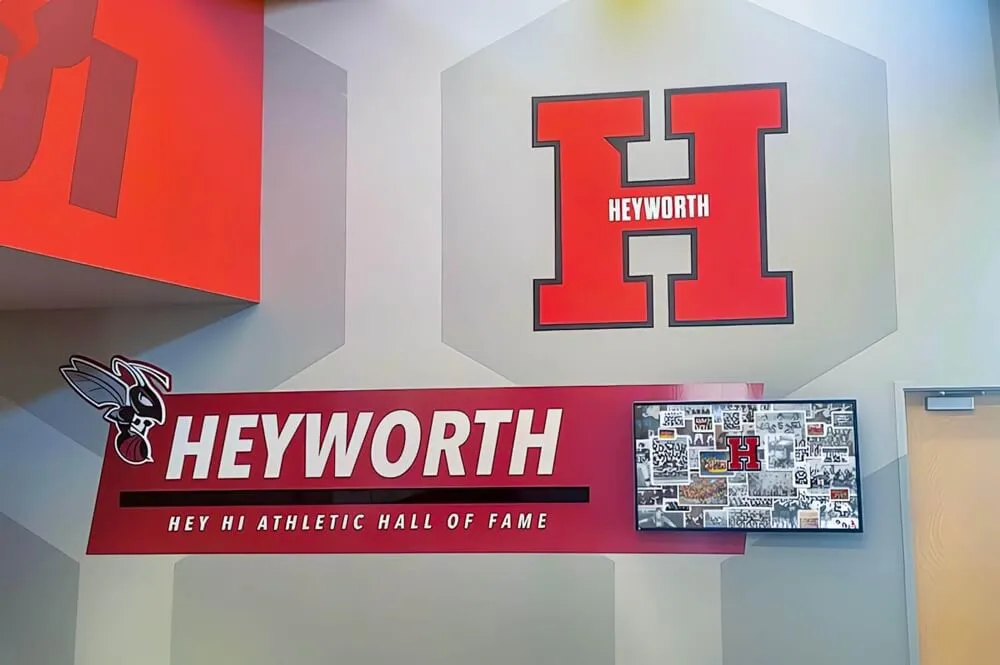
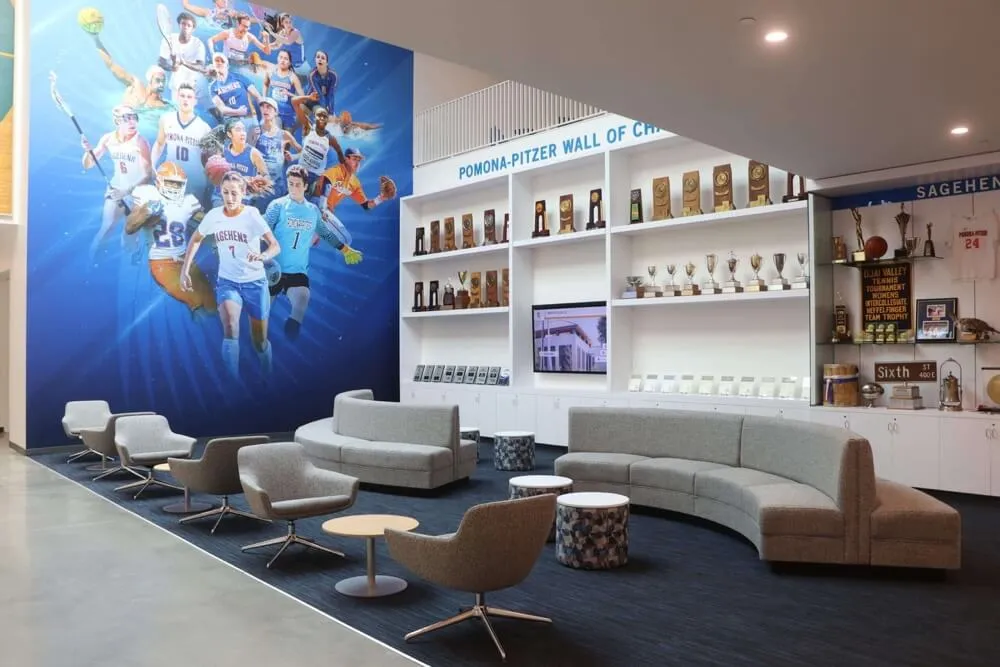
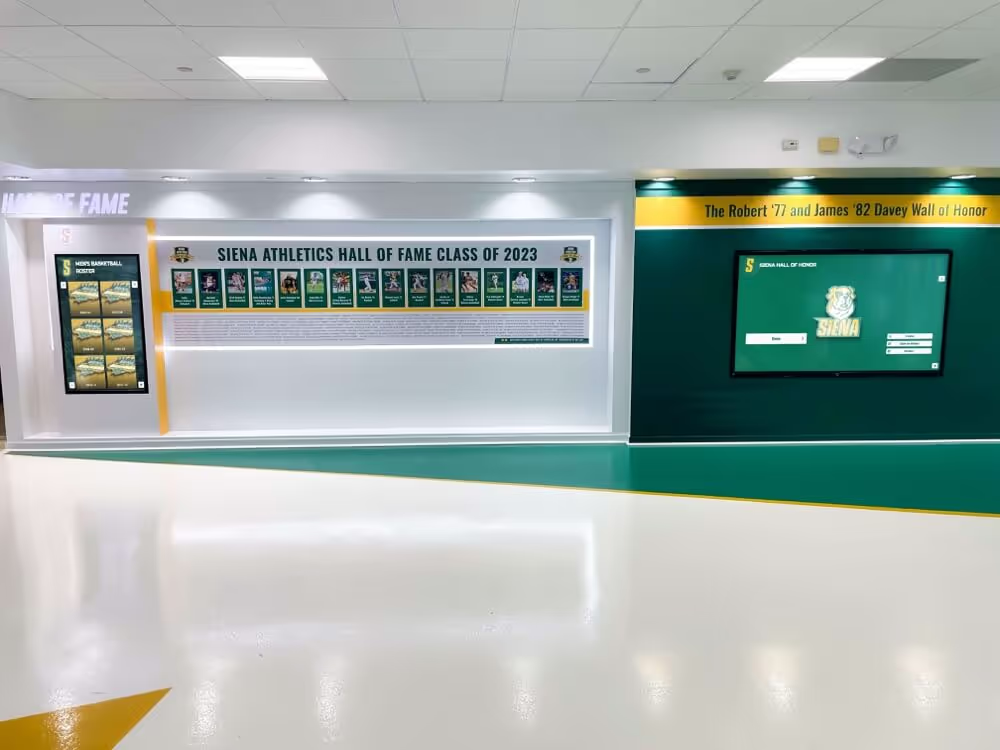
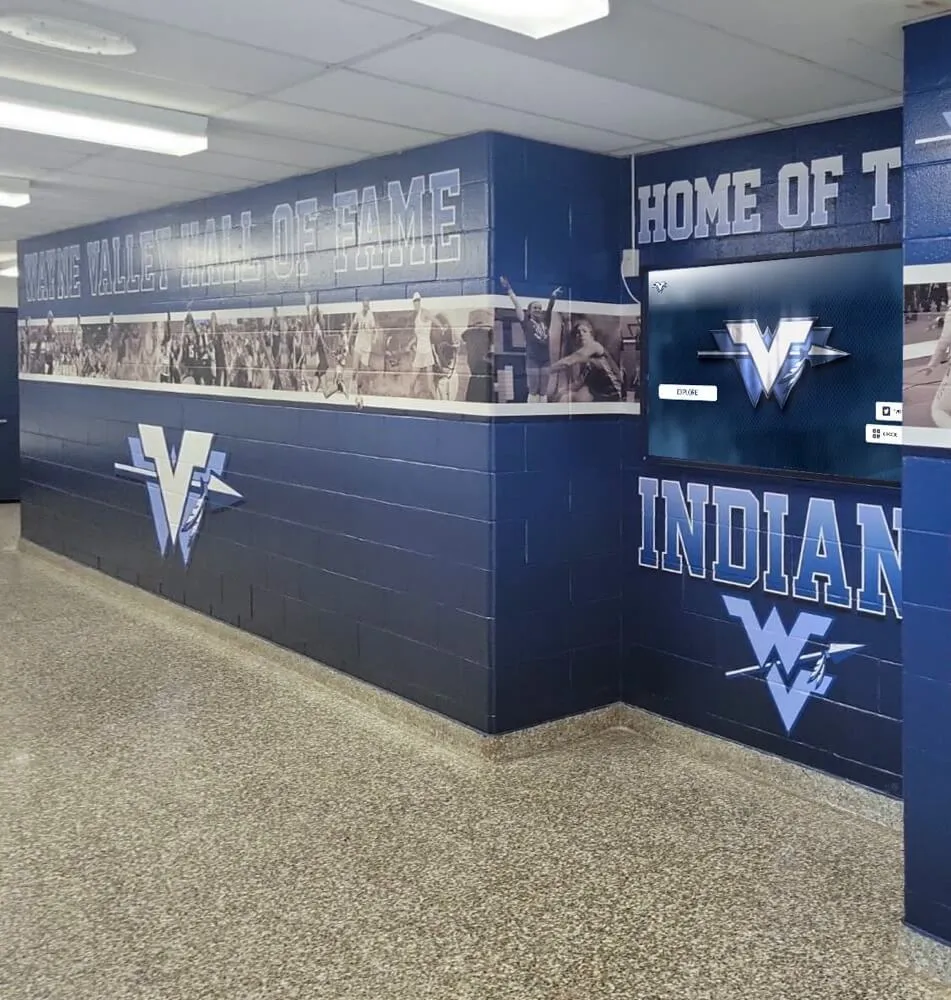
Modern schools combine traditional physical recognition with digital displays creating comprehensive historical documentation
Creating Engaging Interactive Elements
Static photo displays provide baseline value, but interactive elements significantly increase engagement and participation:
Memory Contribution Stations
Live content creation at reunion events adds dynamic elements:
- Blank poster boards with markers where attendees write favorite memories, inside jokes, or messages to classmates
- Polaroid or instant photo stations capturing current pictures for immediate display addition
- Video recording stations where alumni record short messages, advice, or reflections for archival purposes
- Memory jars collecting handwritten notes about favorite school memories or classmate appreciation
These interactive stations transform displays from static presentations to evolving collaborations reflecting active participation from all attendees.
Question and Trivia Boards
Gamification elements create playful engagement:
- “Remember When…” boards featuring questions about school events, trends, or experiences prompting discussion
- Class trivia challenges testing knowledge about graduating class facts, school history, or era-specific information
- “Who Said It?” displays featuring yearbook quotes or senior superlatives prompting identification games
- Prediction follow-ups comparing yearbook future predictions to actual career and life outcomes
These interactive elements generate laughter, conversation, and competitive engagement beyond passive photo viewing.
Modern Digital Display Solutions for High School Reunions
While traditional physical display boards serve important functions, modern digital technologies dramatically expand capabilities, accessibility, and long-term value of reunion recognition efforts.
The Evolution to Digital Reunion Memory Walls
Digital display technologies transform temporary reunion decorations into permanent institutional assets serving multiple purposes beyond single events:
Advantages of Digital Over Physical Displays
Modern interactive digital display systems offer significant benefits:
Unlimited Content Capacity: Physical boards constrain recognition to whatever fits on limited surface areas. Digital displays accommodate hundreds or thousands of photos, videos, documents, and profiles without space limitations.
Rich Multimedia Integration: Beyond static photos, digital platforms incorporate video clips, audio recordings, scanned documents, interactive timelines, and dynamic content impossible with physical materials.
Real-Time Updates and Corrections: Digital systems enable instant content additions, corrections, or updates during events or afterward, while physical boards require complete reconstruction for changes.
Searchable and Navigable Content: Large class sizes make finding specific individuals challenging on physical boards. Digital displays include search functions, filtering capabilities, and intuitive navigation enabling rapid content discovery.
Remote Access and Perpetual Availability: Physical displays exist only during specific events at particular locations. Digital platforms provide web access enabling alumni worldwide to explore content anytime, extending reunion value far beyond single gatherings.
Data and Analytics Insights: Digital systems track engagement metrics showing which content receives most attention, when alumni access displays, and what searches they perform—insights informing future reunion planning.
Solutions like Rocket Alumni Solutions transform one-time reunion displays into permanent recognition systems serving graduating classes perpetually rather than only during periodic reunion events.
Integration with School Recognition Programs
Schools with existing digital hall of fame displays can leverage these systems for reunion events, eliminating need for separate reunion-specific installations. Permanent school displays accommodate temporary reunion-focused content additions celebrating specific graduating classes during reunion weekends, then return to standard recognition content supporting broader school community after events conclude.
This integration approach maximizes return on institutional investments in recognition technology while providing superior reunion experiences compared to temporary physical displays.
Interactive Touchscreen Display Capabilities
Modern commercial-grade touchscreen displays provide intuitive exploration interfaces familiar to users of smartphones and tablets:
Hardware Components and Specifications
Professional reunion display systems typically include:
- Commercial-grade touchscreen displays ranging from 55" to 75" diagonal sizes depending on venue scale and expected simultaneous user numbers
- Capacitive touch technology enabling responsive multi-touch gestures including pinch-to-zoom, swipe navigation, and tap selection
- Integrated media players or dedicated computers running specialized software optimized for reunion and alumni recognition
- Professional mounting solutions including floor stands, wall mounts, or kiosk enclosures depending on venue requirements
- Network connectivity (wired Ethernet or WiFi) enabling content updates and web integration
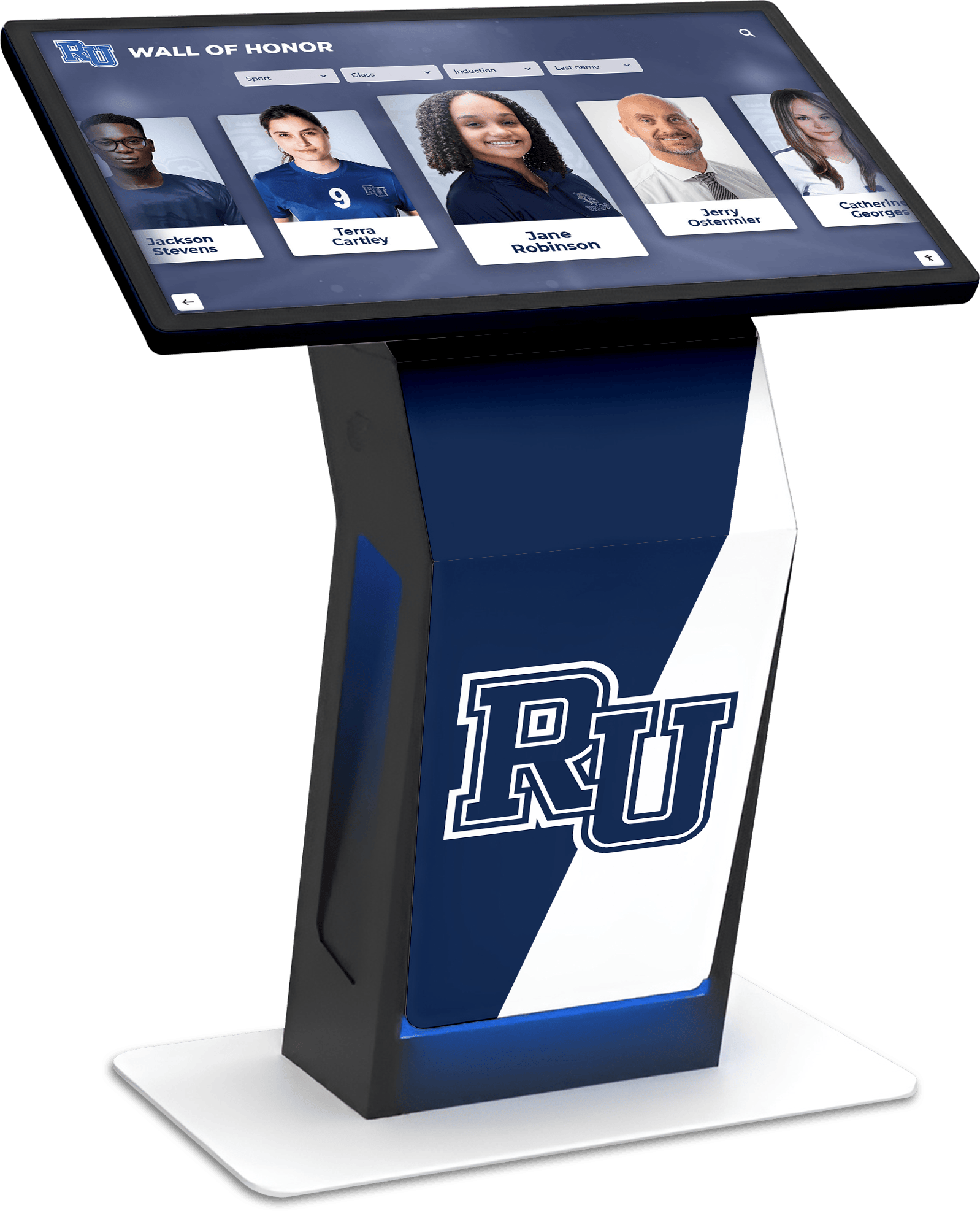
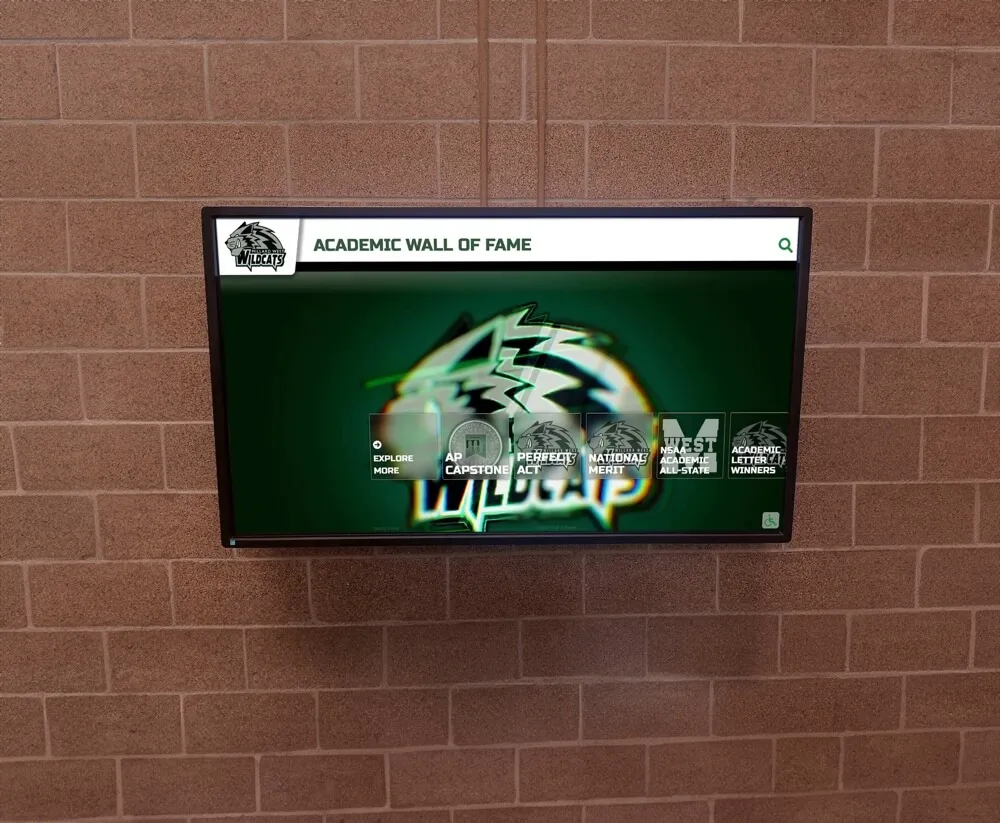
Complete touchscreen kiosk systems combine hardware, software, and mounting in turnkey packages ready for immediate deployment
Software Features and Navigation Design
Quality reunion display software provides:
- Intuitive welcome screens explaining navigation and inviting exploration
- Searchable directories enabling alumni to find themselves and classmates quickly by name
- Photo galleries organized by category, date, activity, or custom classifications
- Individual profile pages featuring multiple photos, biographical information, career updates, and contact information (if alumni authorize sharing)
- Video playback capabilities for recorded messages, event footage, or historical documentation
- Interactive timeline visualizations showing class history from freshman year through reunion date
- Memorial sections honoring deceased classmates with appropriate visual design and tone
- Social sharing capabilities enabling attendees to share content via smartphones during events
Professional platforms require no technical expertise to navigate—if attendees can use smartphones or tablets, they can explore reunion displays without assistance or instructions.
Web-Based Access and Mobile Optimization
The most significant advantage digital displays provide over physical boards is extending access beyond physical event locations through companion web platforms:
Perpetual Online Access for Remote Alumni
Not all classmates can attend in-person reunions due to geographic distance, health limitations, work conflicts, or financial constraints. Web-accessible digital memory walls ensure these alumni still participate in reunion celebrations by exploring content online from anywhere worldwide.
Digital reunion memory wall systems provide responsive web interfaces automatically adapting to any device—desktop computers, tablets, or smartphones—ensuring optimal viewing experiences regardless of how alumni access content.
Pre-Event Engagement and Post-Event Continuation
Web platforms extend reunion value across expanded timelines:
- Pre-Event Building Excitement: Launch content weeks before reunions enabling alumni to explore displays, identify classmates they want to reconnect with, and build anticipation for in-person gatherings
- During Event Live Updates: Add photos captured during reunion events in real-time, creating living documentation growing throughout celebration
- Post-Event Lasting Memories: Content remains accessible indefinitely after events, allowing alumni to revisit memories, share with family members who couldn’t attend, and maintain connections established during reunions
This extended engagement timeline transforms single-evening events into ongoing alumni engagement platforms supporting class connections perpetually.
Social Sharing and Viral Reach
Modern digital platforms include social media integration enabling alumni to:
- Share individual profiles or photos directly to Facebook, Instagram, LinkedIn, or other platforms
- Generate unique URLs linking to specific content for email sharing with classmates
- Create downloadable image cards featuring reunion photos optimized for social posting
- Tag classmates connecting recognition across alumni social networks
When alumni share reunion content through personal networks, visibility extends exponentially beyond attendees to their friends, family, colleagues, and professional contacts—dramatically expanding recognition reach and potentially reconnecting lost alumni through shared networks.
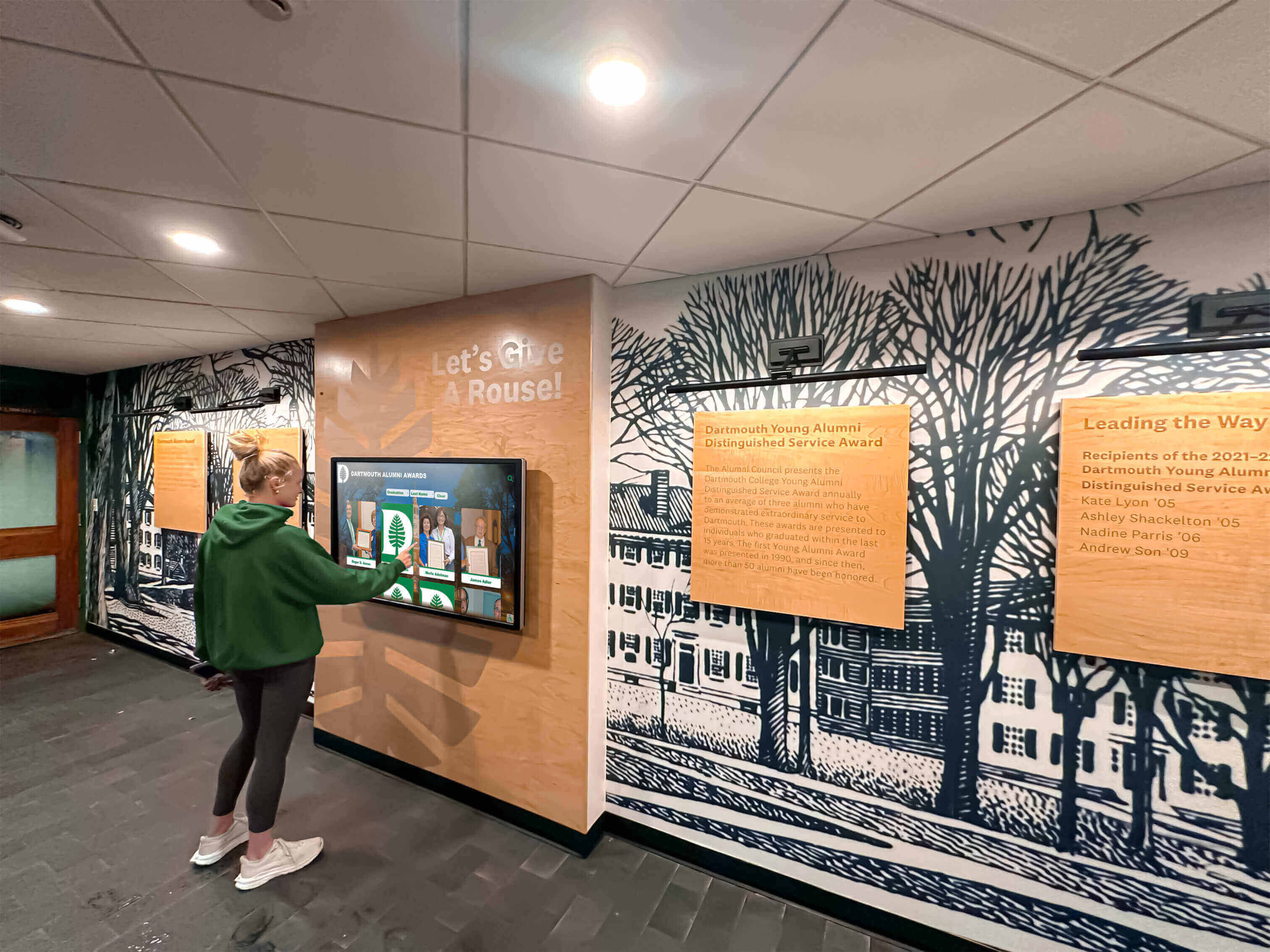
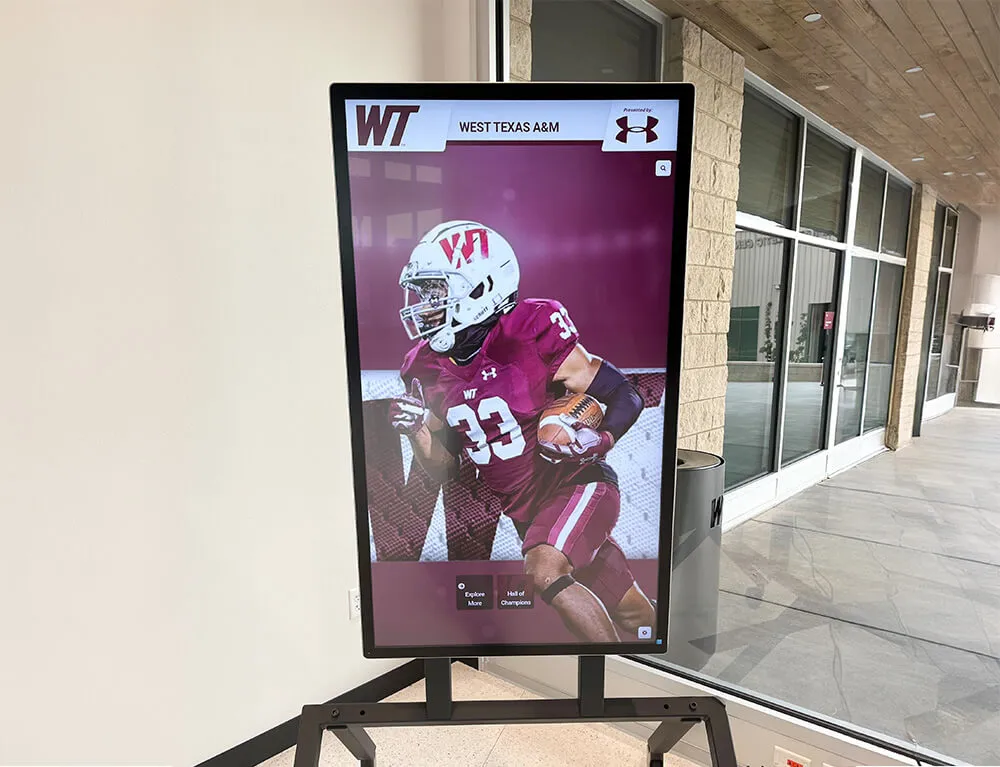
Intuitive touchscreen interfaces enable users of all ages and technical skill levels to explore reunion content independently
Content Management Systems for Easy Updates
Digital display effectiveness depends on simple content management enabling reunion committees to build and maintain displays without requiring technical expertise:
No-Code Platform Interfaces
Quality reunion display platforms provide:
- Visual drag-and-drop content builders requiring zero coding knowledge
- Template-based layouts ensuring professional, consistent visual design automatically
- Bulk upload capabilities enabling efficient addition of large photo collections
- Integrated photo editors for basic cropping, rotation, and enhancement without external software
- Preview functions showing exactly how content will appear before publishing
- Role-based permissions allowing multiple committee members to contribute content with appropriate oversight
The goal is making content management as simple as using social media platforms—if committee members can post on Facebook, they can manage digital reunion displays.
Cloud-Based Systems and Collaborative Editing
Modern platforms operate entirely through web browsers without requiring software installation:
- Committee members access content management dashboards from any computer with internet access
- Multiple collaborators can work simultaneously without conflicting edits or version control issues
- Automatic cloud backups protect against data loss from computer failures or accidental deletions
- Content updates publish instantly to all display devices and web platforms without manual transfers
- Vendor-hosted infrastructure eliminates technical maintenance, server management, or software updates
This cloud-based approach enables distributed committees to collaborate efficiently regardless of geographic location while minimizing technical burden on volunteers who may lack IT expertise.
Planning Your High School Reunion Display Board Strategy
Creating effective reunion displays—whether traditional physical boards or modern digital systems—requires systematic planning ensuring content quality, appropriate resource allocation, and successful execution.
Timeline and Task Distribution
Successful display projects follow structured timelines with clear responsibility assignments:
12-18 Months Before Reunion
- Form reunion committee and assign display board coordinator role
- Establish display goals, scope, and budget constraints
- Decide between traditional physical boards versus digital systems based on available resources
- Research vendor options if pursuing digital displays requiring technology procurement
6-12 Months Before Reunion
- Launch content collection campaigns requesting photos, stories, and updates from classmates
- Send multiple outreach communications through diverse channels (email, social media, postal mail for older classes)
- Gather yearbooks, school archives, newspapers, and historical documentation
- Begin organizing submitted content into planned display categories
- For digital systems, select vendors, execute contracts, and begin platform setup
3-6 Months Before Reunion
- Finalize content collection with deadline reminders and last-call appeals
- Create memorial board content honoring deceased classmates (handle sensitively with family input when possible)
- Design physical board layouts or build digital display content using platform templates
- Develop interactive elements, memory contribution stations, or gamification features
- Order necessary materials (foam boards, mounting supplies, printing services) or complete digital content entry
1-3 Months Before Reunion
- Complete all display board assembly or digital content finalization
- Review content accuracy with multiple committee members catching errors or inappropriate material
- Arrange display transportation, setup logistics, and venue coordination
- Test digital displays ensuring proper functionality, connectivity, and user experience
- Create backup plans for technical issues or physical display damage during transport
Event Day Setup
- Arrive early ensuring adequate setup time before guest arrivals
- Position displays strategically in high-traffic areas encouraging interaction
- Test all interactive elements, lighting, visibility, and accessibility
- Assign committee members to monitor displays, answer questions, and facilitate engagement
- Have materials ready for live content addition (markers for physical boards, photographers for digital displays)
This structured timeline prevents last-minute rushes compromising display quality while distributing workload across appropriate preparation periods.
Budget Considerations and Cost Management
Display board investments vary dramatically based on approach, scale, and desired quality:
Traditional Physical Display Costs
Budget-friendly physical board projects typically include:
- Display materials (foam core boards, poster boards, mounting supplies): $50-200
- Photo printing and reproduction: $100-500 depending on volume and quality
- Decorative elements (frames, borders, embellishments): $50-150
- Easels or display stands: $30-100 per unit
- Transportation and storage: $0-100
Total traditional display budgets typically range $200-1,000 depending on class size and desired quality level.
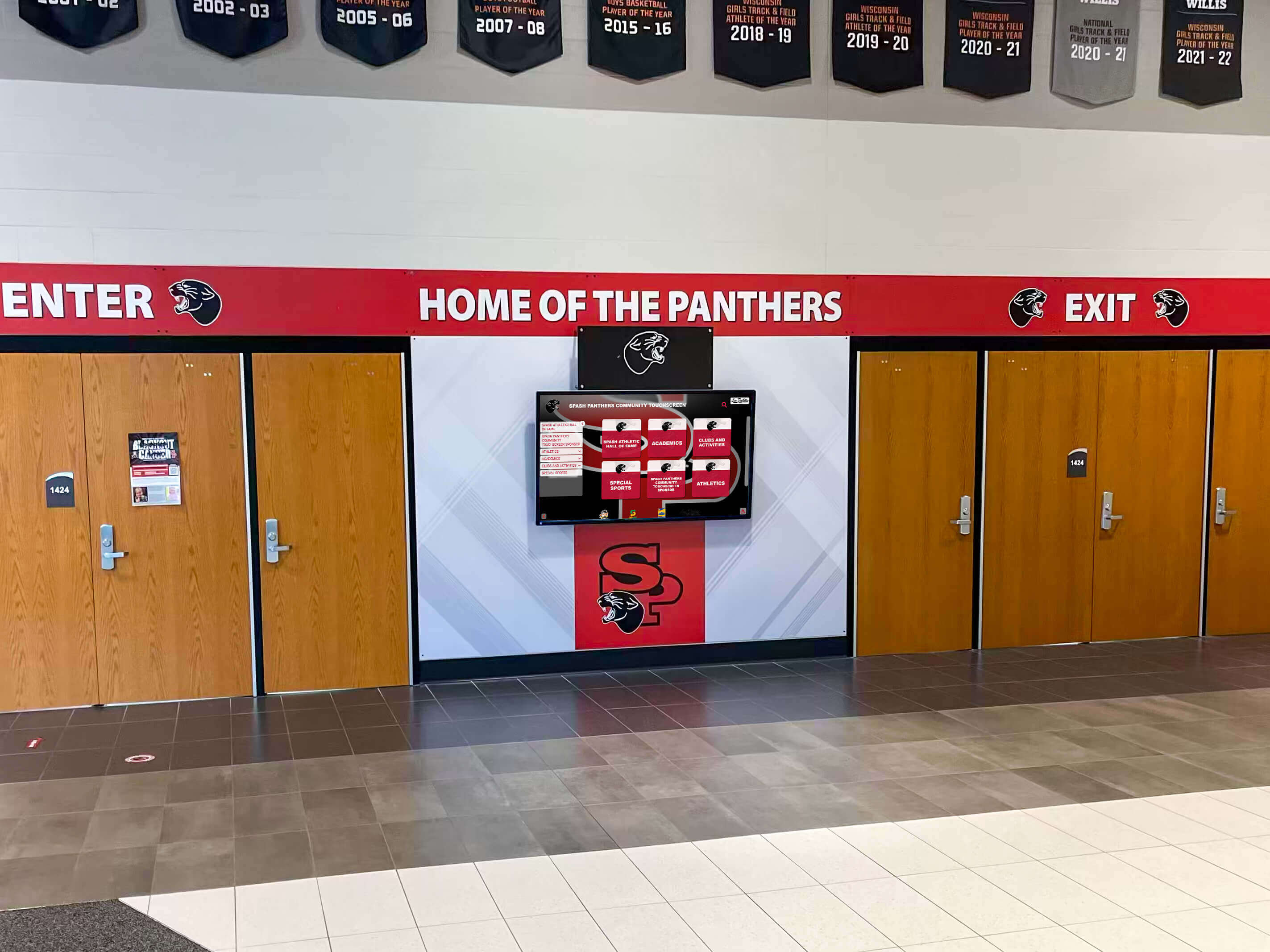
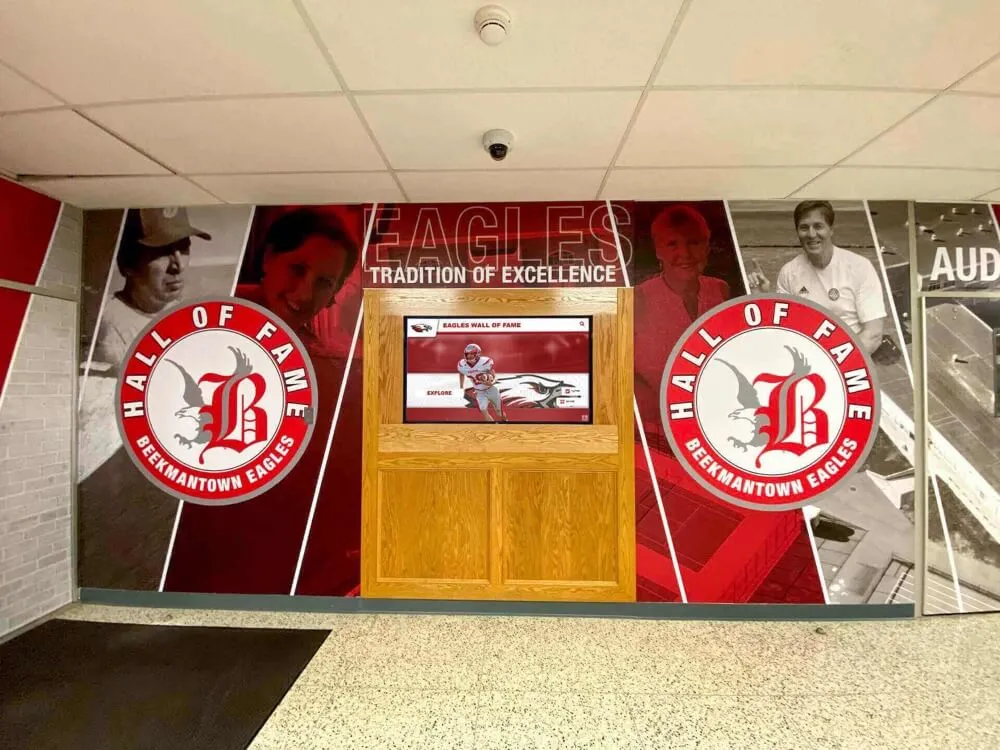
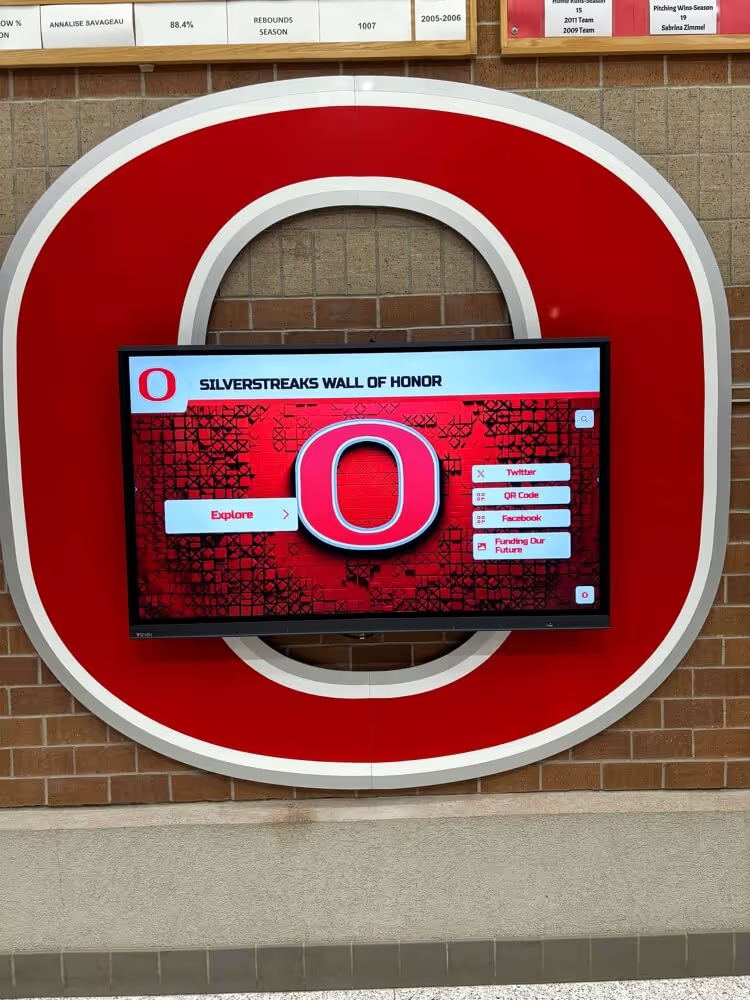
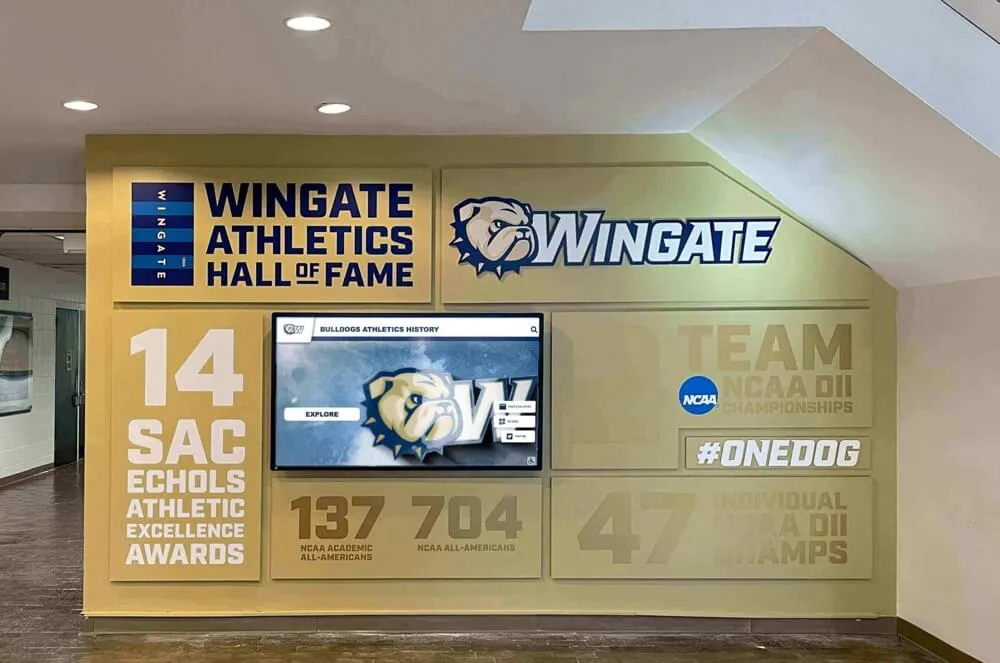
Permanent school displays provide infrastructure supporting both ongoing recognition and special event celebrations like reunions
Digital Display System Investments
Professional digital reunion displays involve higher upfront costs but provide substantially greater long-term value:
- Annual software platform subscription: $1,000-3,000 depending on features and support level
- Commercial touchscreen display and mounting: $3,000-8,000 per installation location
- Implementation services (setup, training, content creation assistance): $500-2,000
- Ongoing content management (typically volunteer committee time or minimal annual fees)
Schools or alumni associations making this investment serve multiple graduating classes across decades rather than single reunion events, dramatically improving cost-effectiveness compared to per-event physical display expenses that accumulate over time.
Many schools partner with reunion committees, booster organizations, or alumni associations to fund digital recognition systems benefiting entire school communities while providing superior reunion experiences for participating classes. Learn more about comprehensive digital recognition solutions designed for educational institutions.
Creative Funding Approaches
Reunion committees operating on limited budgets can explore:
- Sponsorship opportunities where local businesses fund displays in exchange for recognition
- Alumni fundraising specifically for display creation (particularly appealing for milestone reunions like 50th anniversaries)
- School partnerships where institutions provide resources or infrastructure in exchange for archival content
- Technology donations from alumni working in relevant industries
- Grant funding from community foundations supporting alumni engagement or historical preservation
Content Collection Best Practices
Display quality depends entirely on content availability—systematic collection strategies maximize participation:
Multiple Outreach Channels
Recognize that different alumni demographics engage through different communication methods:
- Email campaigns work well for younger alumni comfortable with digital communication
- Social media outreach through Facebook class groups, LinkedIn alumni networks, or Instagram reaches engaged digital-native alumni
- Postal mail remains necessary for older classes or alumni without internet access/engagement
- Phone trees where committee members personally contact classmates generate highest response rates but require significant volunteer time
- Reunion website portals with dedicated upload functions simplify submission process
Research on reunion planning indicates that personal outreach generates substantially higher participation than generic mass communications—personalized requests from classmates yield better results than anonymous committee communications.
Clear Submission Guidelines and Deadlines
Simplify contribution by providing specific instructions:
- Preferred file formats and resolution requirements for photos
- Information templates for biographical updates, career accomplishments, or memory submissions
- Examples showing desired content types and quality standards
- Multiple submission methods accommodating varying technical comfort levels
- Firm but reasonable deadlines with reminder communications as dates approach
- Thank you acknowledgments confirming receipt and encouraging additional submissions
Handling Sensitive Content and Privacy
Establish clear policies regarding:
- Photo rights and permissions ensuring legal authority to display submitted images
- Privacy preferences respecting alumni who prefer limited information sharing
- Contact information sharing policies (many alumni want to reconnect but hesitate sharing personal contact details publicly)
- Appropriate content standards excluding anything offensive, inappropriate, or potentially embarrassing
- Memorial board protocol including family consultation before including deceased classmates
Professional digital platforms like those offered by Rocket Alumni Solutions include built-in privacy controls enabling alumni to choose what information appears publicly, supporting both openness and privacy preferences.

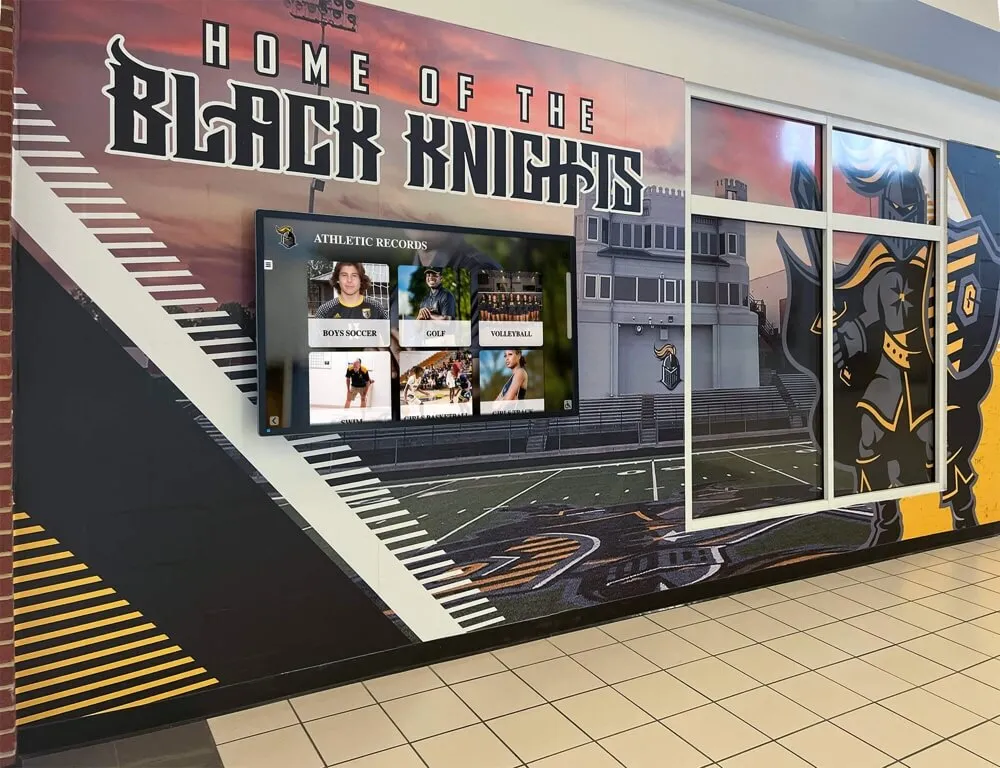
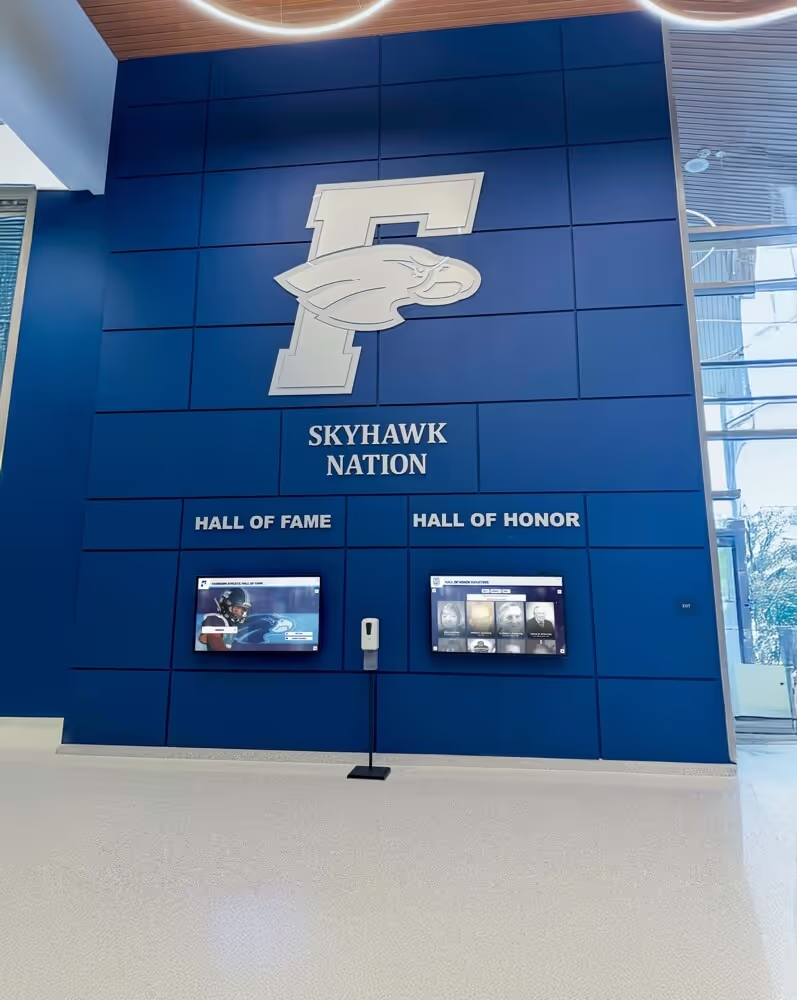
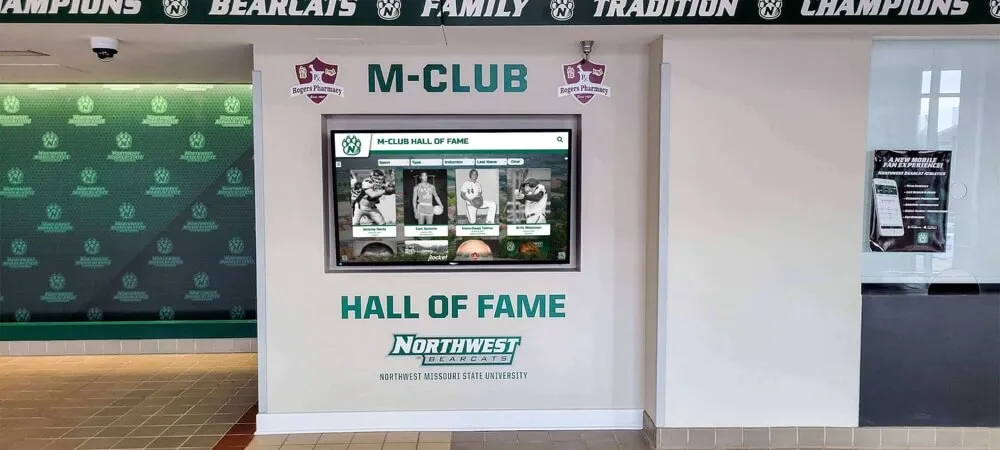
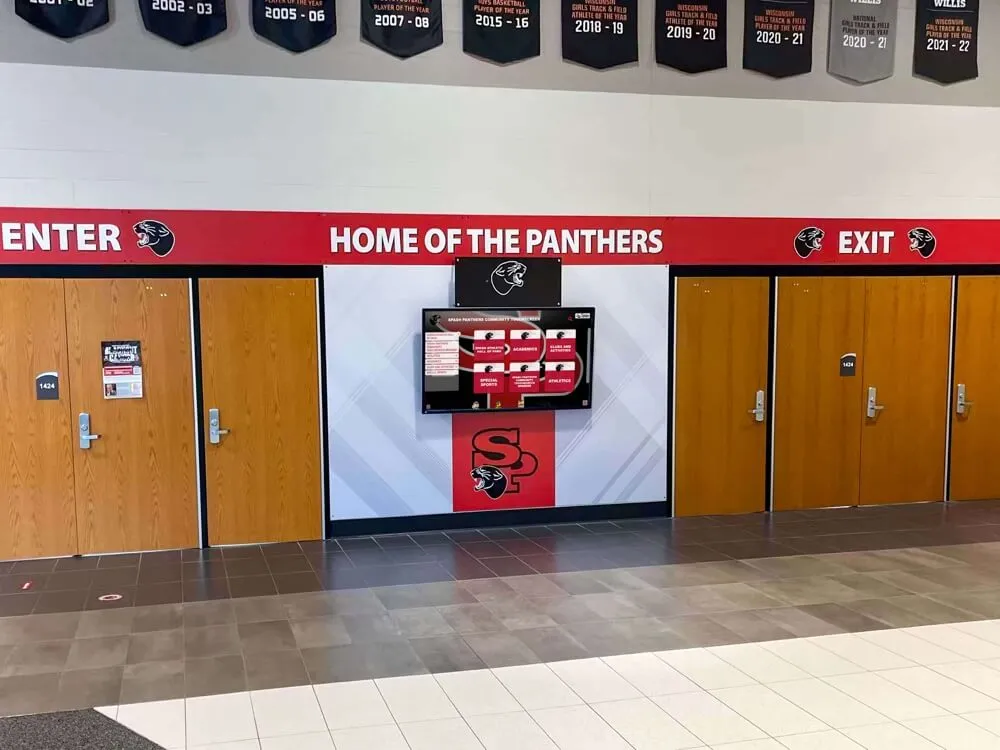
Strategic placement in athletic facilities and common areas ensures recognition reaches diverse audiences throughout school operations
Creative Display Board Ideas and Themes
Beyond basic photo galleries, creative thematic approaches increase engagement and memorability:
Era-Specific Nostalgia Displays
Transport alumni back to their high school period through cultural context:
Music and Entertainment
- Billboard chart toppers from graduation year with album cover images
- Popular movies released during high school years with poster reproductions
- Television shows defining the era with promotional images or episode guides
- Concert and tour information for major artists popular during school years
Historical and Cultural Milestones
- Major news events that occurred during high school years
- Technological innovations introduced during that period (showing how much technology has evolved)
- Fashion trends with photos demonstrating clothing and style evolution
- Pricing comparisons showing costs of common items then versus now (gasoline, movie tickets, college tuition)
These contextual elements help alumni remember not just school experiences but the broader world they inhabited during those formative years.
Achievement and Milestone Recognition
Celebrate post-graduation accomplishments demonstrating class success:
Career and Professional Achievements
- Advanced degrees earned showing continued education commitment
- Notable career accomplishments in various fields
- Entrepreneurial ventures and business ownership
- Creative works (books published, art exhibited, music released)
- Community leadership and elected positions
- Professional recognition and industry awards
Personal Milestones and Life Journeys
- Marriage anniversaries celebrating long-term relationships
- Children and grandchildren photos showing growing families
- Travel adventures and global experiences
- Volunteer service and charitable contributions
- Personal transformation stories (significant weight loss, addiction recovery, major life changes)
- Bucket list completions and significant personal achievements
Recognition of diverse accomplishment types ensures all classmates find authentic representation regardless of traditional success metrics.
Interactive Prediction and Comparison Boards
Gamification elements create playful engagement:
Yearbook Superlatives Follow-Up
Compare original senior superlatives to current reality:
- “Most Likely to Succeed” - What actually happened?
- “Class Clown” - Still making people laugh or found serious career?
- “Most Athletic” - Continued sports involvement or completely different path?
- “Most Artistic” - Pursued creative career or entirely different field?
These comparisons generate laughter while acknowledging that high school predictions often prove inaccurate as life takes unexpected turns.
“Where Are They Now?” Guessing Games
Create mystery profiles with career/achievement descriptions prompting classmates to guess identities, revealing answers later during reunion events. This activity generates conversation and demonstrates how unexpected alumni life journeys can be.
Technology Integration Ideas
Even physical displays can incorporate digital elements:
QR Codes Linking to Extended Content
Physical space limitations constrain traditional displays, but QR codes bridge physical and digital worlds:
- Individual QR codes on name tags linking to personal profile pages with expanded photos, videos, and information
- Display board QR codes linking to full digital photo galleries far exceeding physical space capacity
- Memory contribution QR codes enabling smartphone-based story or photo submissions during events
- Contact sharing QR codes helping alumni exchange information privately without public posting
Social Media Integration
Create dedicated event hashtags encouraging real-time social sharing:
- Display the hashtag prominently on signage and promotional materials
- Monitor the hashtag feed displaying user-generated content during the event on screens
- Create photo opportunities with branded backdrops encouraging social posting
- Run social media contests rewarding most creative posts or photos
This integration extends reunion visibility far beyond attendees to their broader social networks.
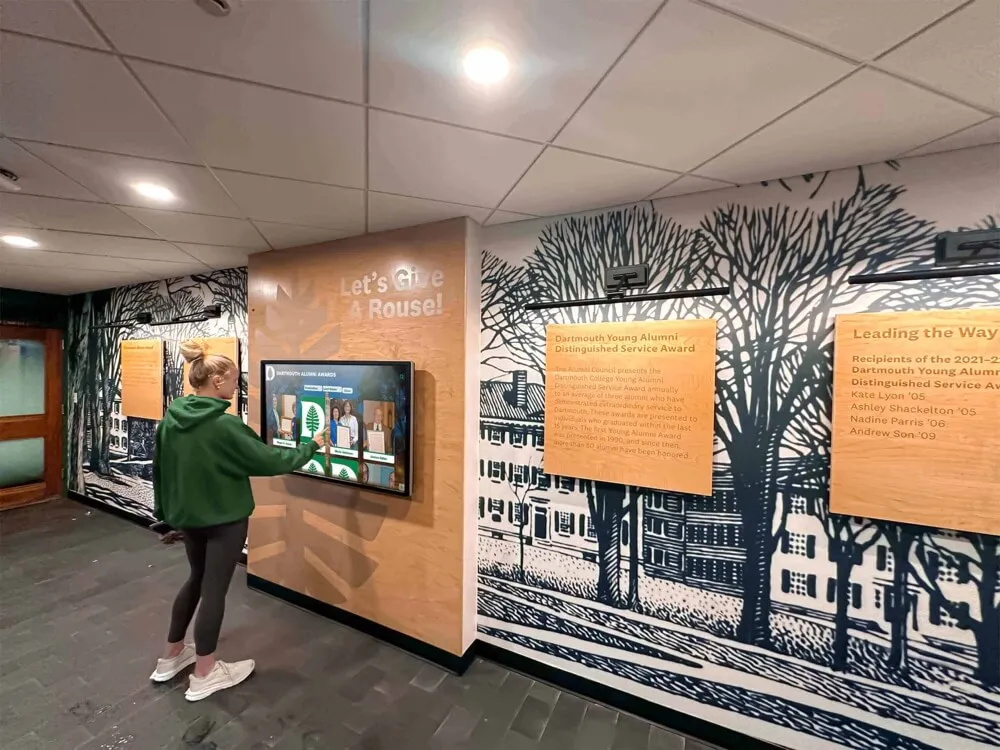
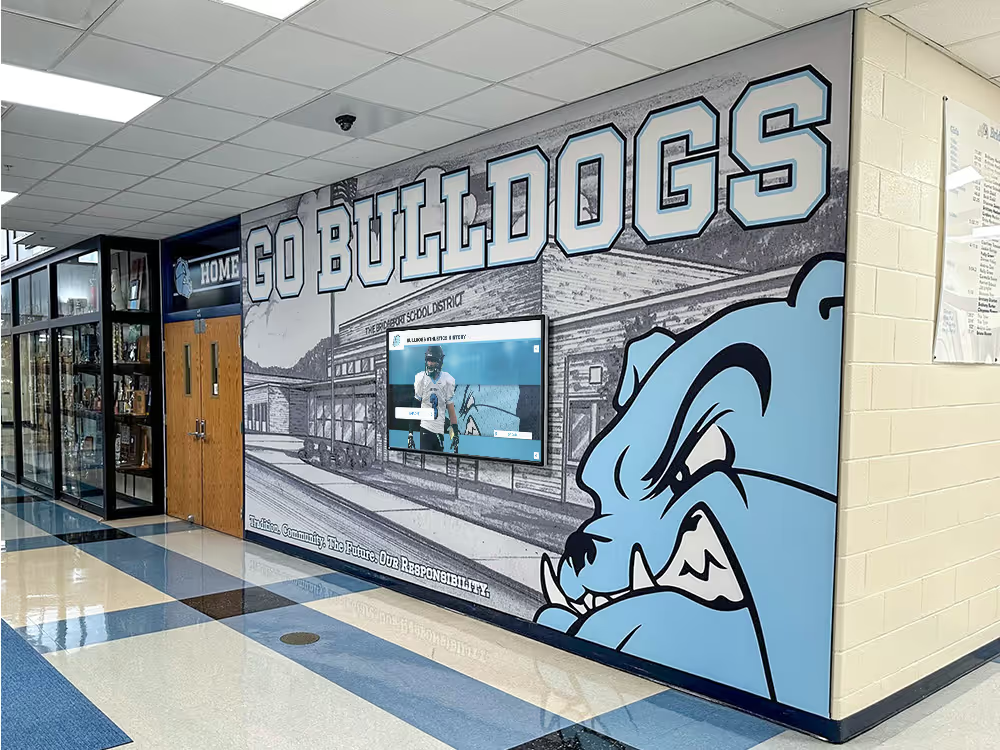
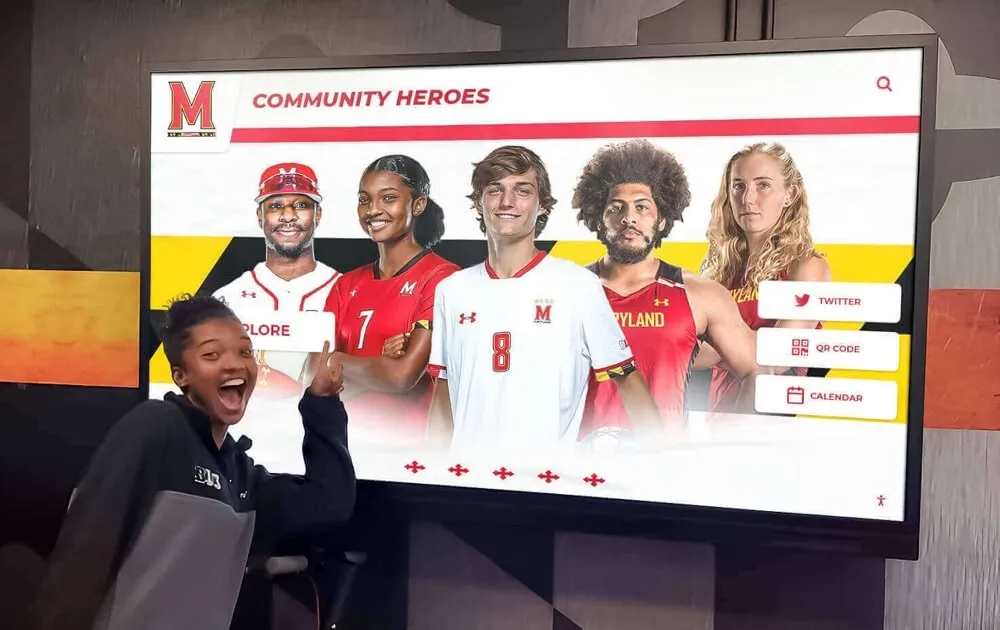
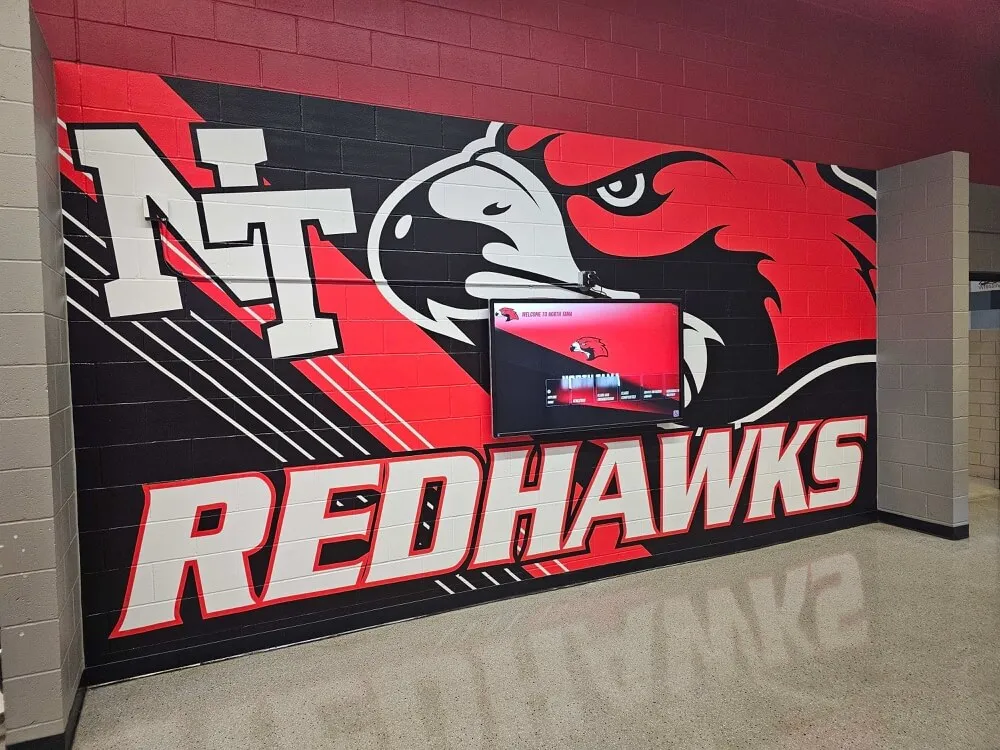
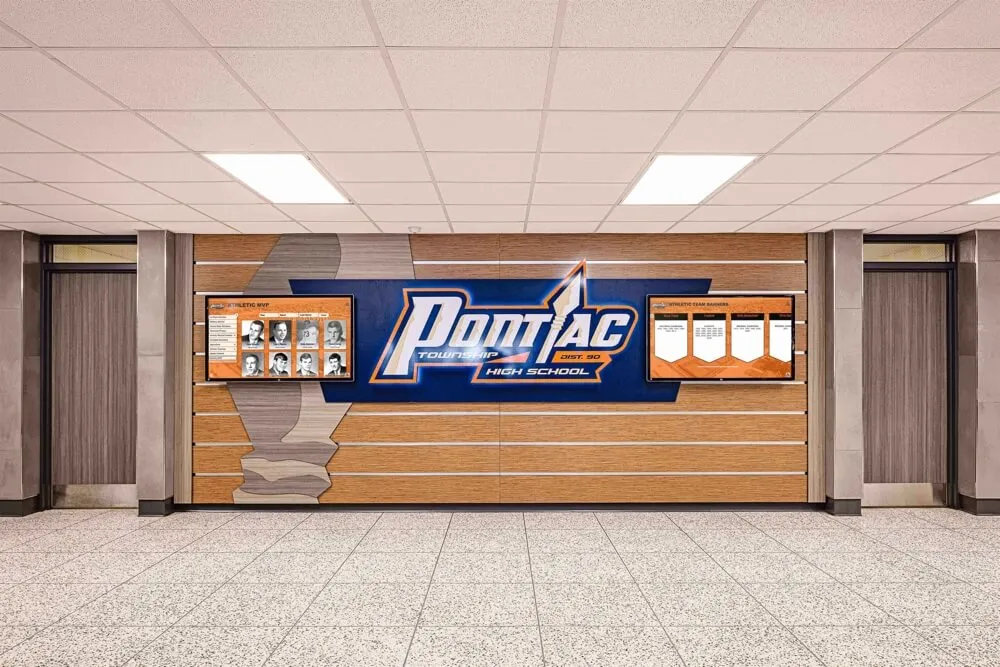
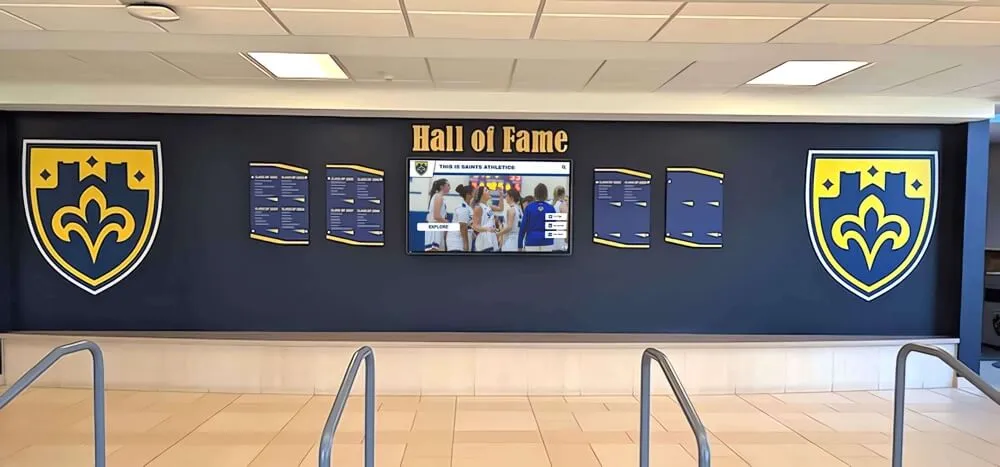
Modern recognition systems integrate with existing campus architecture and branding creating cohesive institutional storytelling
Leveraging Display Boards for Ongoing Alumni Engagement
The most effective reunion displays extend beyond single events to support continuous class connections:
Building Momentum for Future Reunions
Document current reunions to support future event planning:
Archival Documentation
- Photograph display boards comprehensively for historical records
- Record attendance lists and contact information for future outreach
- Capture video footage of event highlights for sharing with absent alumni
- Gather feedback about what worked well and what could improve
- Update class databases with corrected contact information discovered during event
This documentation becomes foundation for subsequent reunion planning while preserving current event memories.
Continuous Engagement Between Reunions
Rather than going silent between reunion events, maintain connections:
- Regular alumni newsletter sharing photos and memories from reunion displays
- Social media groups posting throwback content from displays generating ongoing engagement
- Birthday recognition throughout year using display content
- Career milestone celebrations (retirements, promotions, business launches)
- Memorial notifications honoring classmates who pass between reunion events
Alumni engagement strategies demonstrate that consistent low-level interaction between major events maintains stronger class cohesion than periodic intensive reunion-only contact.
Partnering with School Alumni Programs
Reunion committees can collaborate with school alumni offices creating mutual benefits:
Contributing to School Historical Archives
Schools value class-specific documentation for institutional history:
- Digital copies of photos, videos, and documents from display boards
- Alumni updates and career information supporting school advancement efforts
- Historical context and memories preserving institutional knowledge as older alumni age
- Contact database updates helping schools maintain connections with all graduates
Leveraging School Recognition Infrastructure
Schools with permanent digital hall of fame systems can host class-specific content:
- Temporary reunion-focused content overlays on school displays during reunion weekends
- Permanent class sections within school-wide alumni recognition
- Web platform access extending reunion content reach through established school channels
- Technical support and maintenance handled by school resources rather than volunteer committees
This partnership approach reduces reunion committee burden while enhancing school resources—creating win-win collaborations.
Transitioning to Permanent Digital Recognition
Classes hosting successful reunions with physical displays may consider transitioning to permanent digital systems for future events:
Long-Term Value Proposition
Investing in permanent class-specific digital recognition provides:
- Elimination of repeated display recreation for each subsequent reunion
- Continuous content growth as alumni add updates between reunion events
- Perpetual accessibility for class members worldwide regardless of reunion attendance
- Simplified future reunion planning with existing content infrastructure
- Legacy preservation ensuring class history survives as alumni age and pass
While initial investments exceed single-event physical display costs, serving multiple reunions across decades makes digital systems more cost-effective while dramatically improving functionality.
Coordinating with School Institutional Systems
The most effective approach involves integrating class recognition with broader school digital yearbook and recognition programs:
- Unified platforms serving all graduating classes rather than fragmented class-specific systems
- Shared infrastructure costs distributed across multiple classes improving affordability
- Professional design and technical support ensuring quality experiences
- Institutional permanence outlasting volunteer committee lifecycles
- Cross-class connections enabling alumni to explore multiple generations
Schools implementing comprehensive digital recognition create frameworks supporting all classes while individual reunion committees contribute class-specific content enriching collective institutional memory.
Measuring Success and Gathering Feedback
Evaluating display board effectiveness informs future improvements and demonstrates value justifying continued investment:
Engagement Metrics and Indicators
Track multiple success dimensions:
Quantitative Metrics
For digital displays, platform analytics provide detailed insights:
- Total interactions and sessions during reunion events
- Average engagement duration showing depth of exploration
- Most-viewed content identifying what resonated most strongly
- Search queries revealing what alumni sought
- Geographic distribution of web access showing remote alumni engagement
- Social sharing frequency measuring content viral spread
Physical displays lack built-in metrics but committees can observe:
- Time alumni spend at displays versus elsewhere in venues
- Size and duration of crowds gathering around displays
- Photo taking and social media posting frequency visible during events
- Memory contribution volume if interactive elements included
- Overheard conversations and laughter indicating engagement
Qualitative Feedback
Systematic feedback collection captures alumni perspectives:
- Exit surveys asking attendees to rate display quality and impact on reunion experience
- Social media sentiment analysis reviewing posts mentioning displays
- Informal conversation feedback noted by committee members throughout events
- Follow-up surveys weeks after events assessing lasting impression and memory
- Testimonials from alumni describing specific display elements that resonated personally
Continuous Improvement Processes
Use feedback informing future enhancements:
Identifying Content Gaps
Review analytics and feedback identifying:
- Underrepresented class segments needing additional content
- Missing historical periods or activities warranting documentation
- Technical issues or navigation challenges frustrating users
- Popular content types deserving expansion
- Unused or ignored content sections needing revision or removal
Iterative Enhancement Approach
View displays as living projects continuously improving:
- Regular content additions incorporating newly discovered photos or information
- Feature additions responding to alumni requests
- Design refinements based on usability observations
- Expanded categories reflecting evolving alumni interests
- Technology updates leveraging new capabilities as platforms evolve
This continuous improvement mindset transforms displays from fixed reunion decorations to dynamic recognition platforms growing more valuable over time.
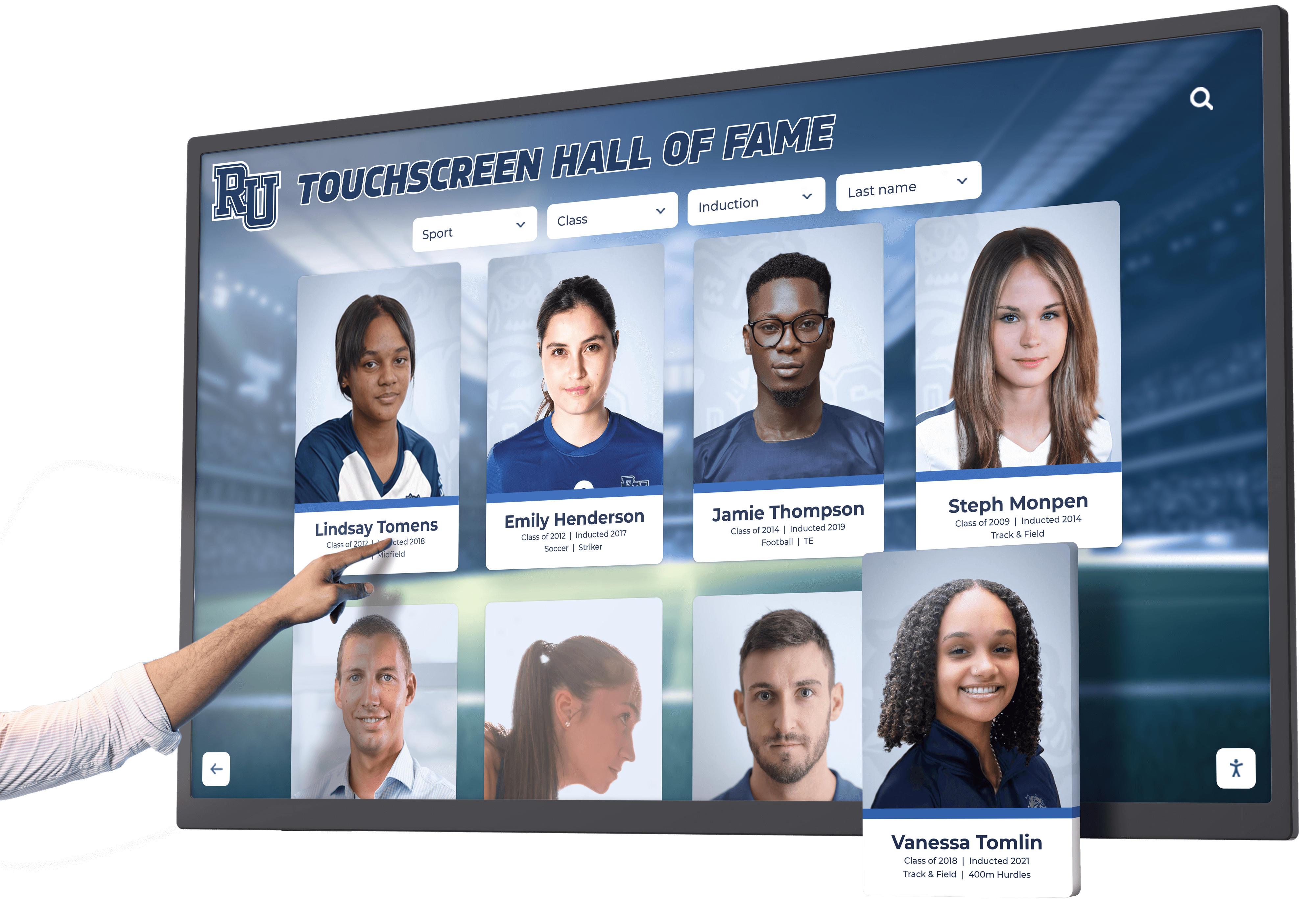
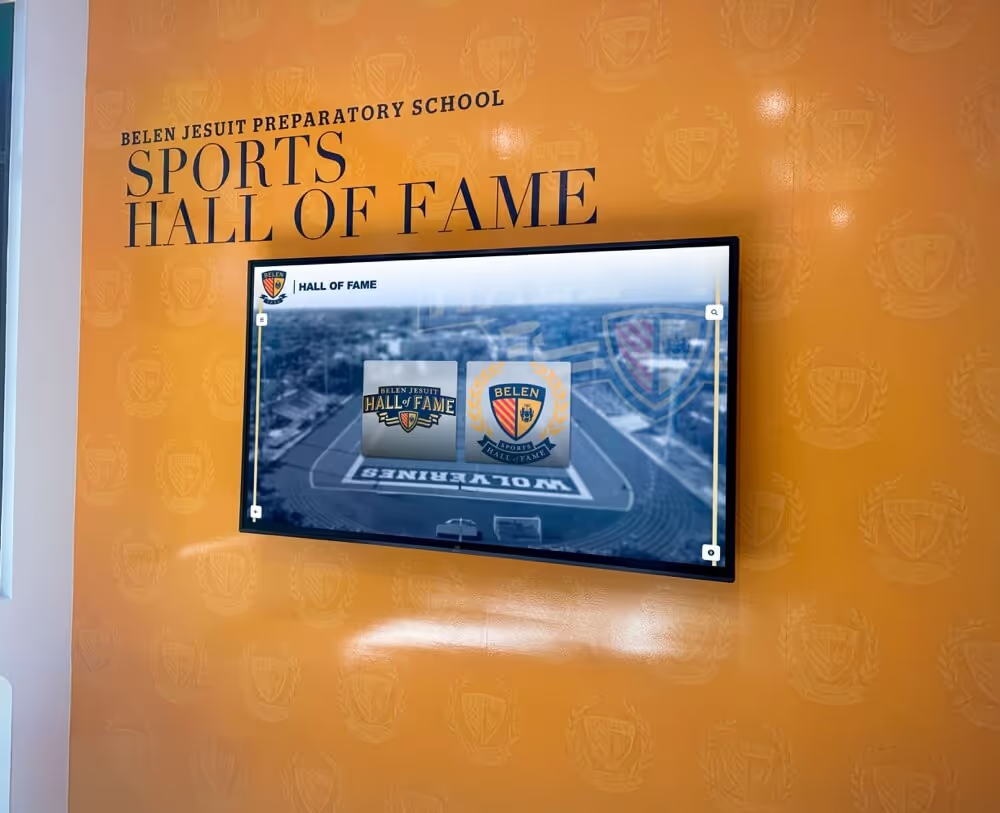
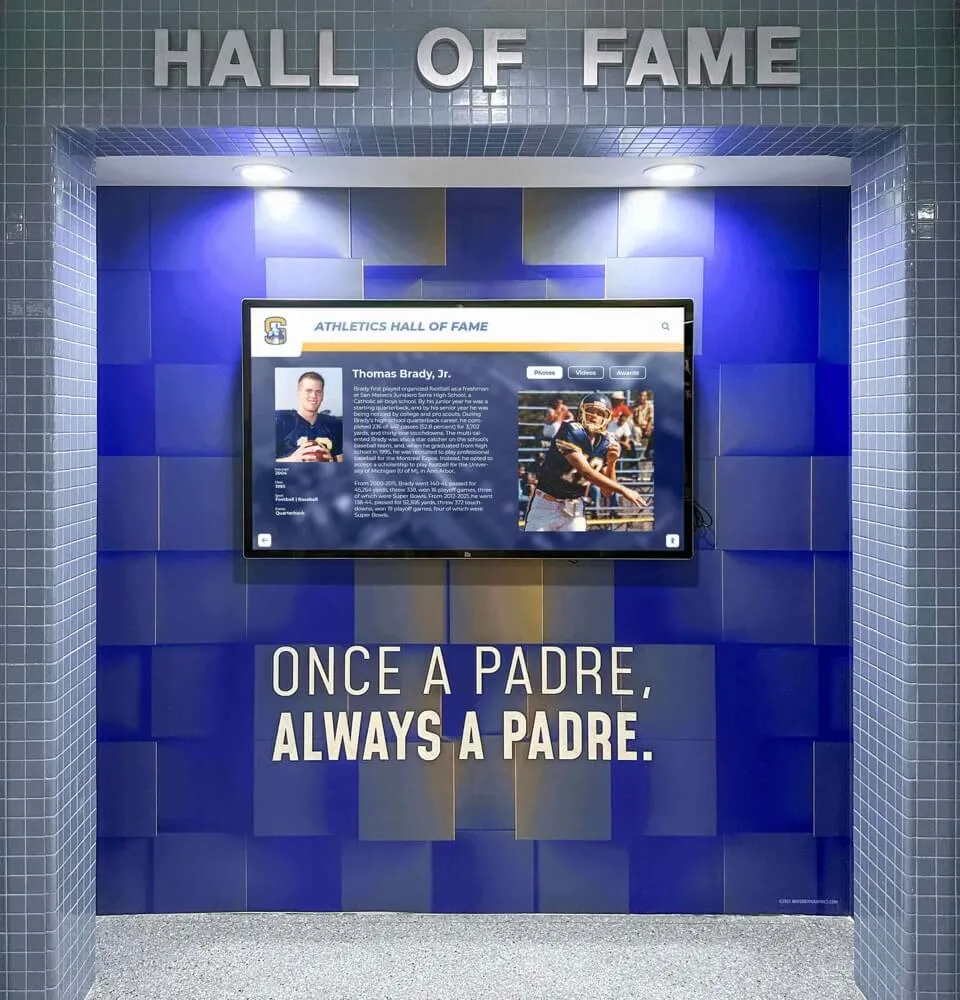
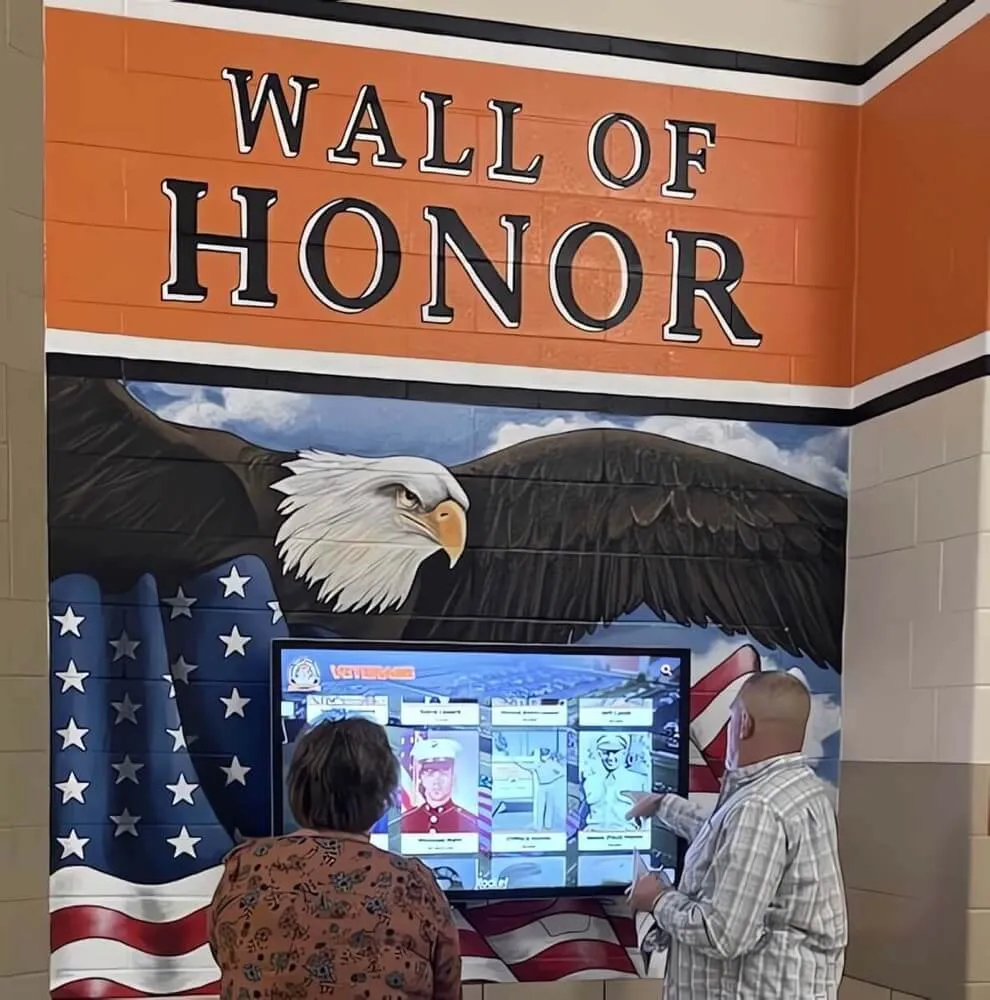
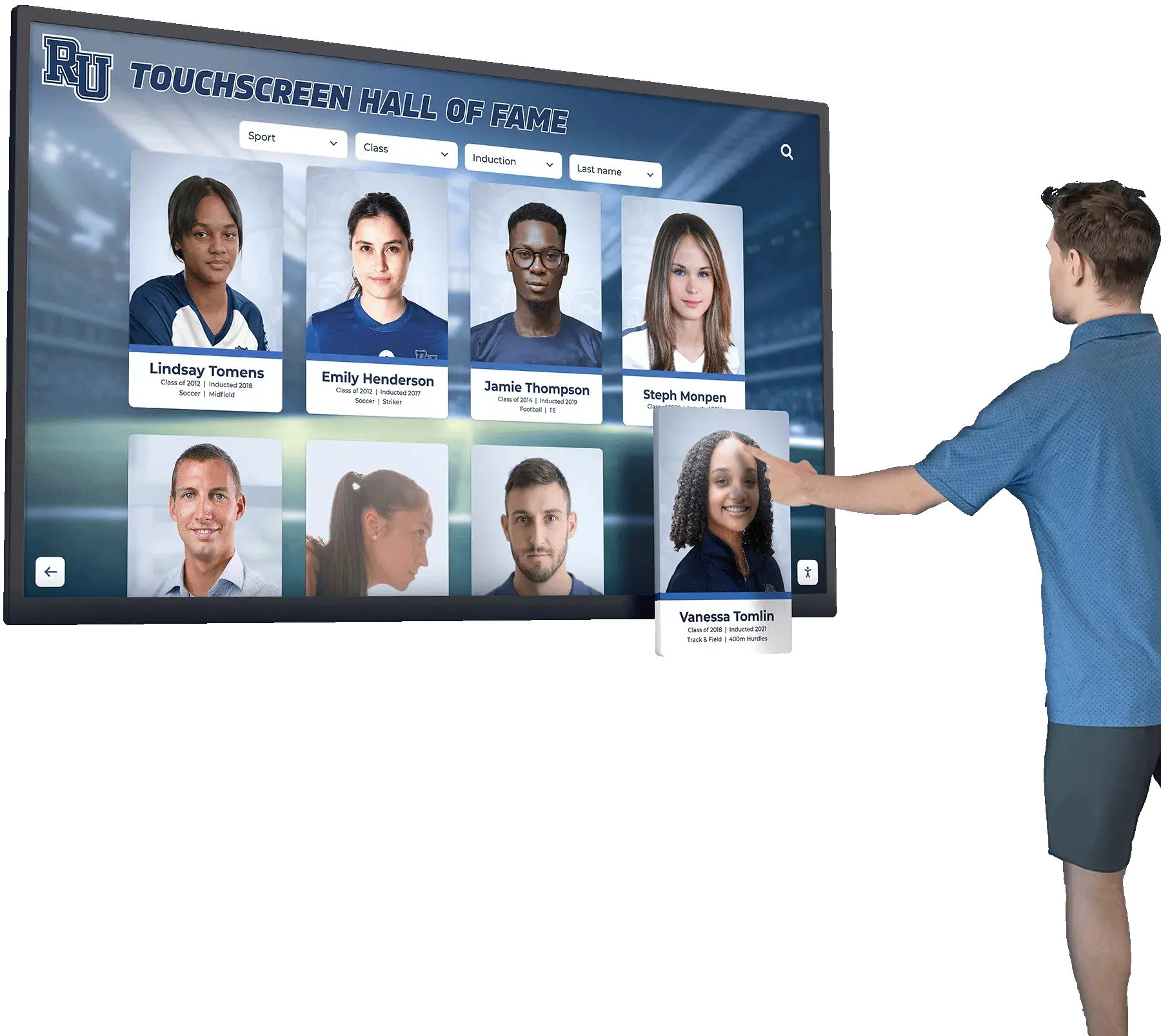
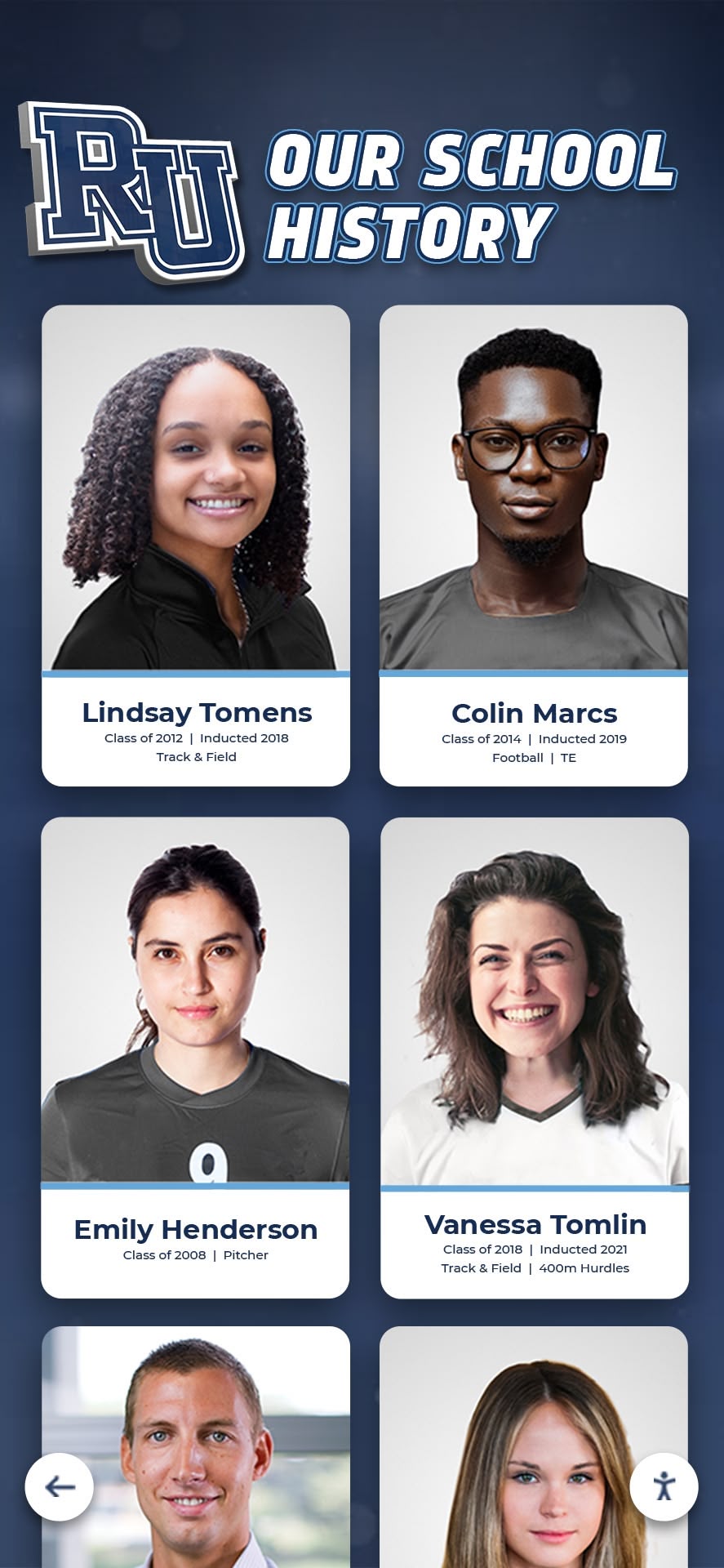
Touchscreen displays enable detailed exploration of individual profiles with photos, achievements, and biographical information
Conclusion: Creating Lasting Reunion Memories and Connections
High school reunion display boards serve far more important purposes than simple decoration—they facilitate meaningful connections between alumni, celebrate shared history and individual accomplishments, honor classmates who have passed, and create lasting documentation preserving class legacy for future generations.
Traditional physical display boards provide accessible starting points for committees working with limited budgets, offering tangible focal points that transform generic venues into personalized celebrations. However, modern digital display technologies dramatically expand possibilities by eliminating space constraints, incorporating rich multimedia content, enabling remote access for distant alumni, and supporting ongoing engagement between reunion events.
The most effective approach recognizes display boards not as isolated reunion projects but as ongoing class recognition systems supporting connection and celebration across decades. Whether implementing simple foam core photo collections or sophisticated interactive digital platforms, the key is systematic planning, comprehensive content collection, creative thematic design, and intentional measurement ensuring displays achieve their fundamental purpose—bringing alumni together in celebration of shared experiences and individual journeys.
Transform Your Reunion with Modern Digital Recognition
Discover how interactive digital memory walls can elevate your high school reunion experience beyond traditional display boards, creating lasting recognition accessible to alumni worldwide. Schedule a consultation to explore comprehensive digital reunion solutions designed specifically for alumni celebrations.
Schedule Your Reunion Display ConsultationReunion committees planning upcoming celebrations deserve display solutions matching the importance of reconnecting classmates and celebrating shared history. By thoughtfully designing recognition experiences—whether physical or digital—that honor the past, celebrate the present, and support future connections, reunion displays become powerful tools strengthening class bonds that endure far beyond single evening events.
Start planning your reunion display board today. Whether selecting between traditional and digital approaches, organizing content collection campaigns, or coordinating with school alumni programs, the effort invested in comprehensive recognition creates meaningful value for attending alumni while preserving class legacy for generations to come.
Ready to explore additional alumni recognition resources? Learn more about implementing comprehensive alumni recognition programs, discover digital memory wall technology, or explore virtual recognition platforms designed specifically for celebrating graduating classes and strengthening alumni connections.
Sources: