Planning a high school graduation ceremony represents one of the most significant responsibilities school administrators face each year. This milestone event celebrates years of student achievement, marks a pivotal life transition, and creates memories families cherish for generations. Yet behind every seamless ceremony lies months of detailed planning, coordination across multiple departments, and careful attention to countless logistics that can make or break the experience.
Many administrators inherit graduation planning mid-cycle or face new challenges each year—shifting venue availability, growing class sizes, budget constraints, technology integration, evolving accessibility requirements, and rising family expectations for professional, memorable ceremonies. The difference between a forgettable credential-distribution event and a meaningful celebration that honors every graduate often comes down to systematic planning, clear communication, and thoughtful attention to both practical logistics and ceremonial elements.
This comprehensive guide walks through every phase of high school graduation ceremony planning—from initial timeline development through post-ceremony follow-up. You’ll discover proven strategies for venue selection, program design, technology integration, graduate recognition, and the coordination frameworks that ensure every student receives the celebration they’ve earned while families experience ceremonies worthy of this transformational milestone.
Successful graduation ceremonies balance tradition with innovation, efficiency with meaning, and practical constraints with families’ dreams for this once-in-a-lifetime moment. The planning framework you establish determines whether your ceremony feels rushed and impersonal or purposeful and celebratory.

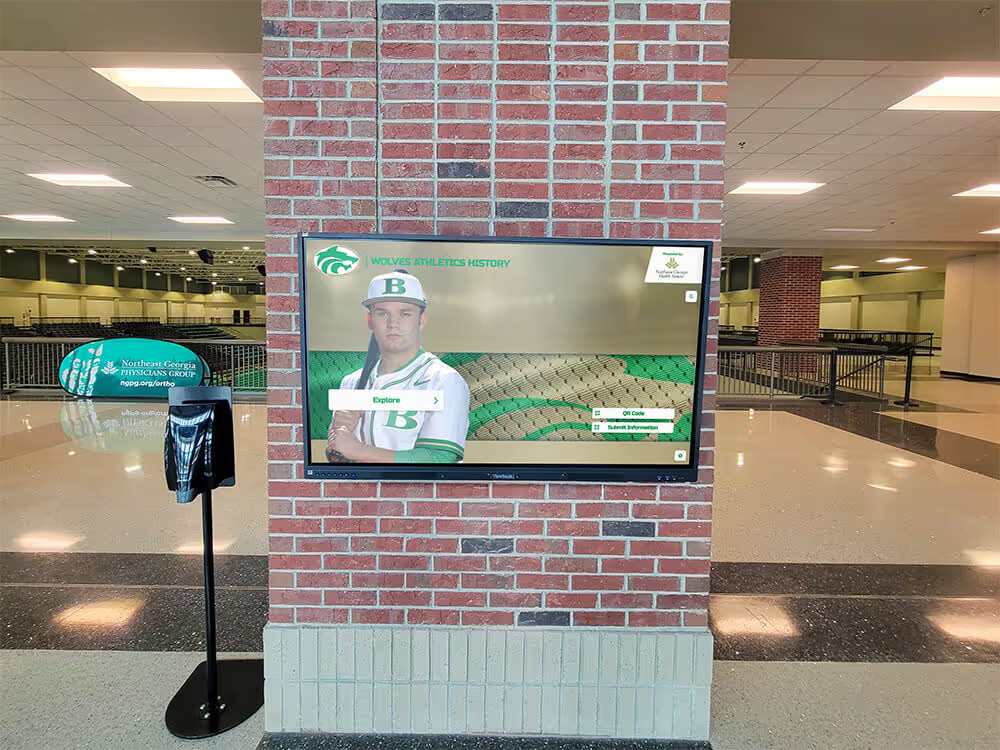
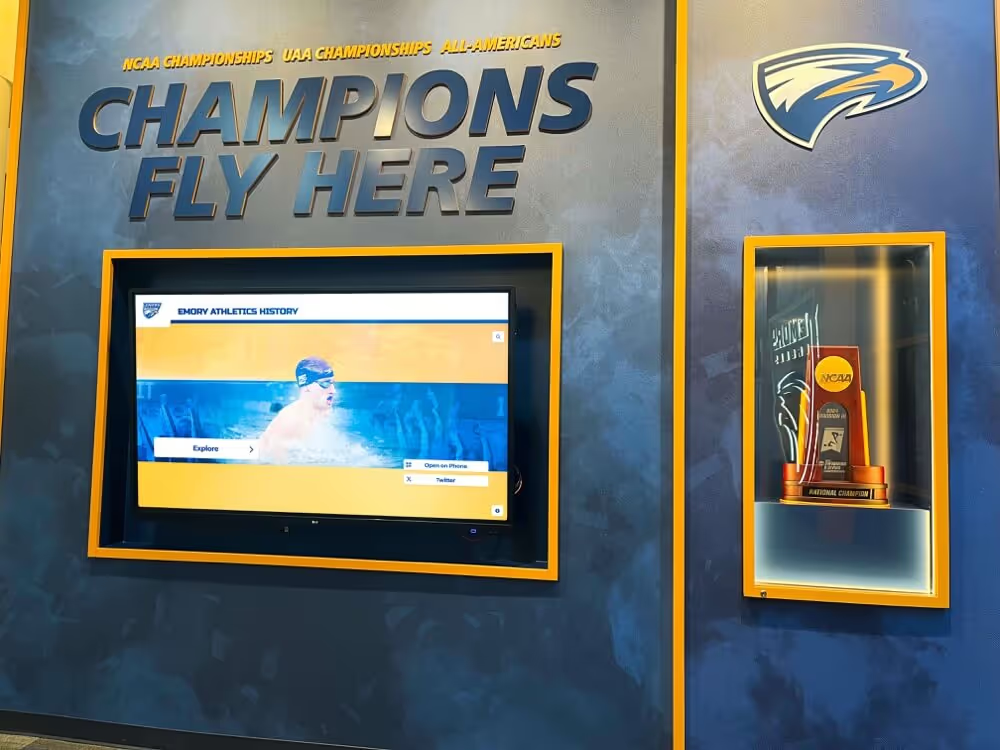
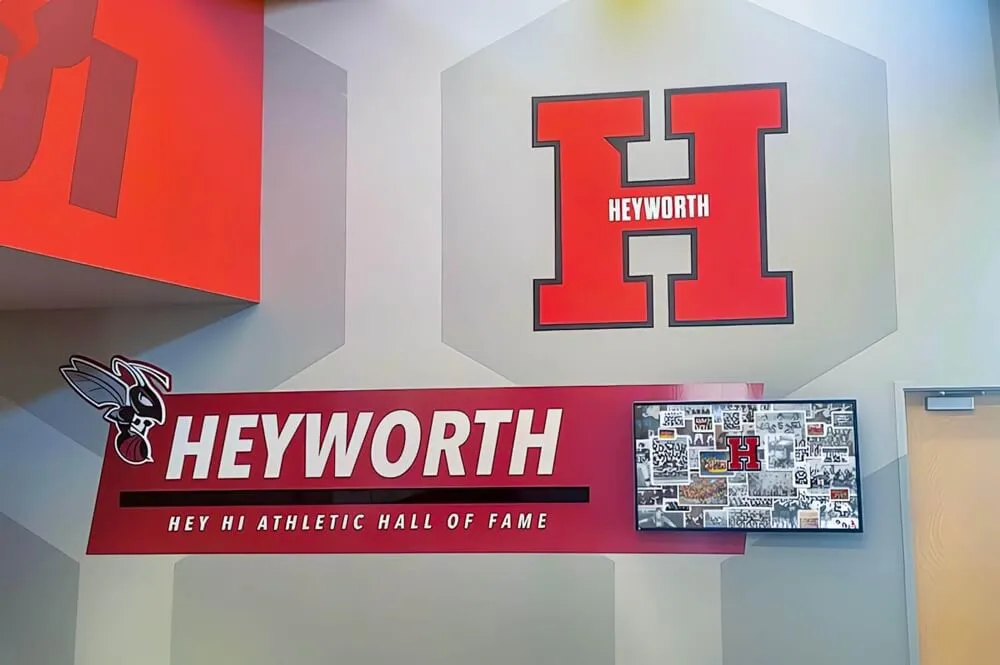
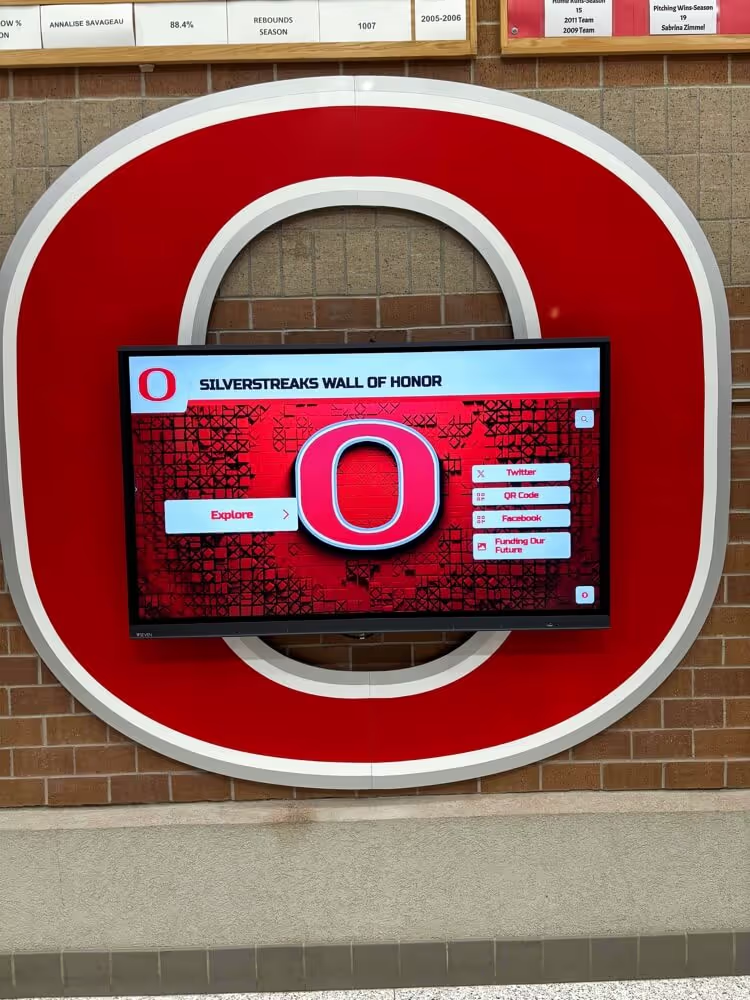
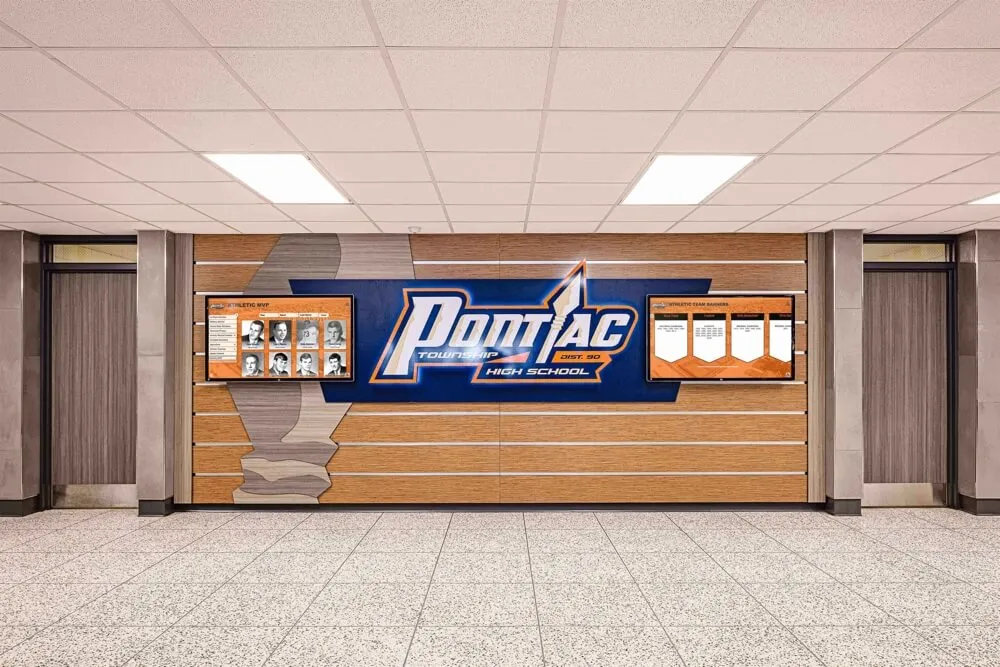
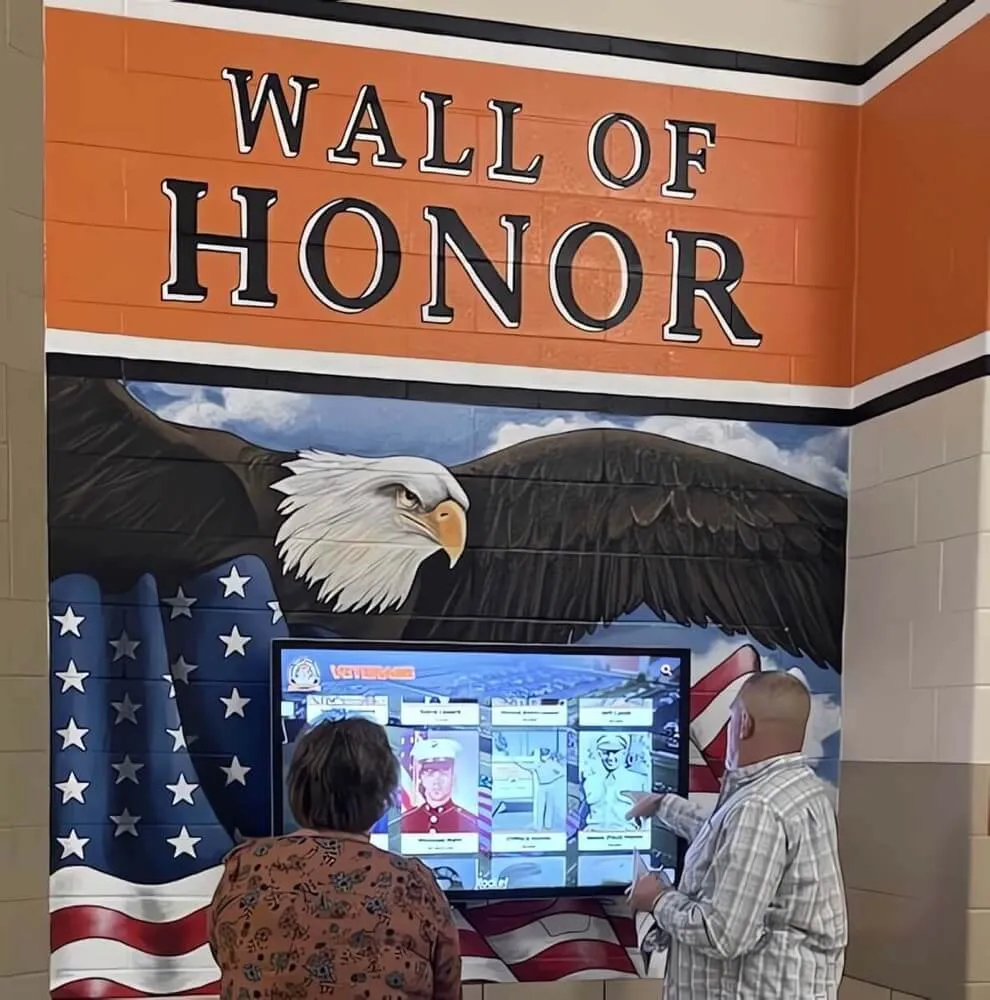
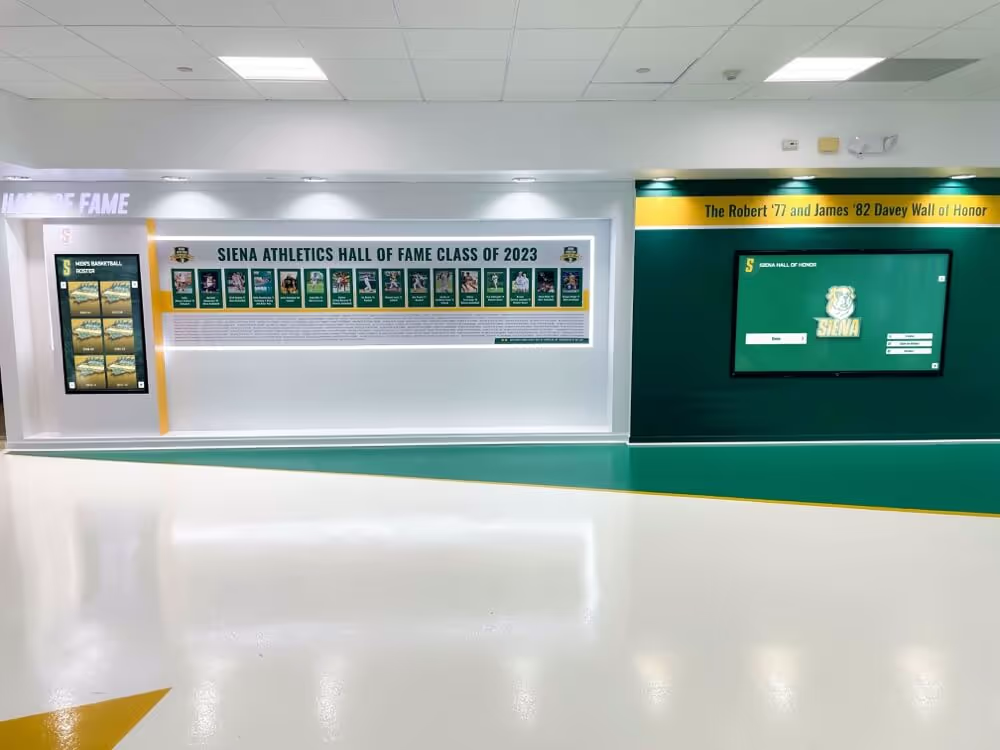
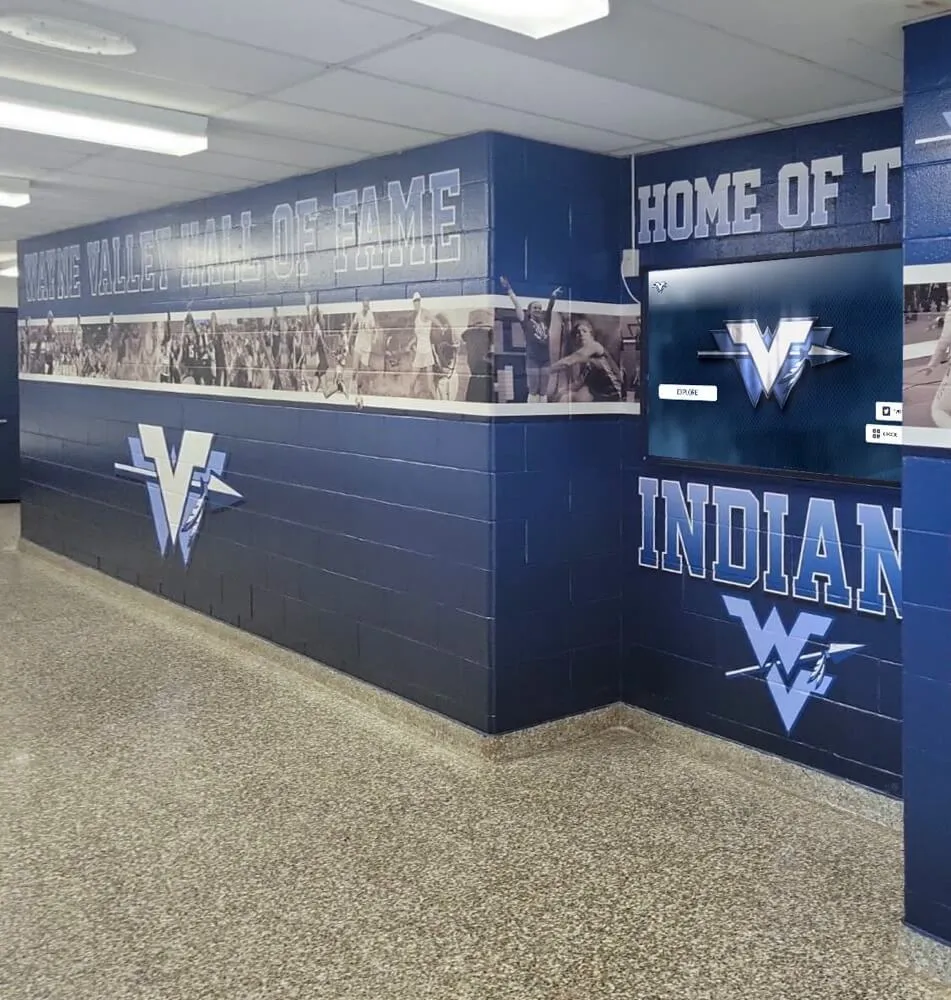
Graduation ceremonies create community moments that celebrate achievement while launching students toward their futures
Starting Your Graduation Planning Process
Establishing Timeline and Planning Team
Effective graduation planning begins 9-12 months before commencement day, allowing adequate time for venue booking, vendor coordination, and thoughtful decision-making.
Building Your Planning Committee
Core Team Members
Assemble a planning committee representing all stakeholders who contribute to ceremony success:
- Principal or school administrator (overall ceremony authority and decision-maker)
- Senior class advisor (student liaison understanding class culture and preferences)
- Activities director (event logistics coordination experience)
- Facilities manager (venue setup, equipment, and safety protocols)
- Technology coordinator (audiovisual systems, recording, and digital displays)
- Registrar or counseling office (student records, academic honors, diploma preparation)
- Security director (crowd management, safety planning, emergency protocols)
- Communications coordinator (family communication, publicity, program printing)
- Student representatives (graduate perspective on ceremony elements)
- Parent organization representative (family perspective and volunteer coordination)
Committee Meeting Schedule:
Establish regular planning meetings maintaining momentum:
- 9-12 months before: Initial planning meeting establishing timeline and responsibilities
- 6-9 months before: Monthly meetings addressing major decisions (venue, speakers, format)
- 3-6 months before: Bi-weekly meetings finalizing details and vendor contracts
- Final 3 months: Weekly meetings managing operational details
- Final month: Multiple meetings addressing final logistics and contingencies
Establishing Your Planning Timeline
Comprehensive Planning Calendar
Working backward from graduation day ensures adequate preparation time:
12 Months Before Graduation:
- Form planning committee and assign roles
- Review previous graduation feedback and identify improvements
- Set preliminary date and secure venue
- Establish preliminary budget
- Begin developing ceremony vision and format
9-10 Months Before:
- Finalize graduation date, time, and location
- Book backup venue for weather contingencies (outdoor ceremonies)
- Begin commencement speaker search process
- Establish ticket policy and seating capacity
- Develop preliminary ceremony program outline
6-8 Months Before:
- Confirm commencement speaker
- Contract with vendors (caps and gowns, flowers, photography, videography)
- Finalize ceremony format and timeline
- Determine recognition elements (honors cords, special recognitions)
- Plan rehearsal schedule
4-5 Months Before:
- Order diplomas and diploma covers
- Design and order programs
- Establish name pronunciation protocol
- Plan post-ceremony reception (if applicable)
- Coordinate with local law enforcement for traffic and parking
2-3 Months Before:
- Communicate ceremony details to families
- Distribute graduation participation forms to students
- Order graduation supplies (programs, honors cords, awards)
- Finalize audiovisual requirements
- Conduct site visit confirming setup specifications
Final Month:
- Hold mandatory graduation rehearsal
- Print programs and prepare materials
- Confirm all vendor arrangements
- Conduct staff training for ceremony roles
- Prepare contingency plans for weather or emergencies
Final Week:
- Inspect venue and test all equipment
- Organize diploma distribution system
- Prepare name cards for reading
- Brief all ceremony participants on protocols
- Conduct final walkthrough with key personnel
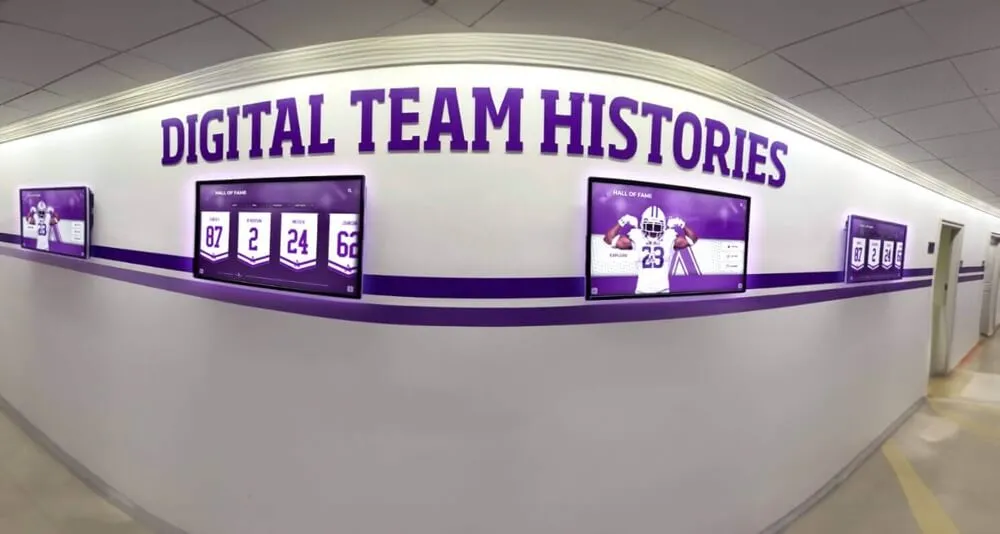
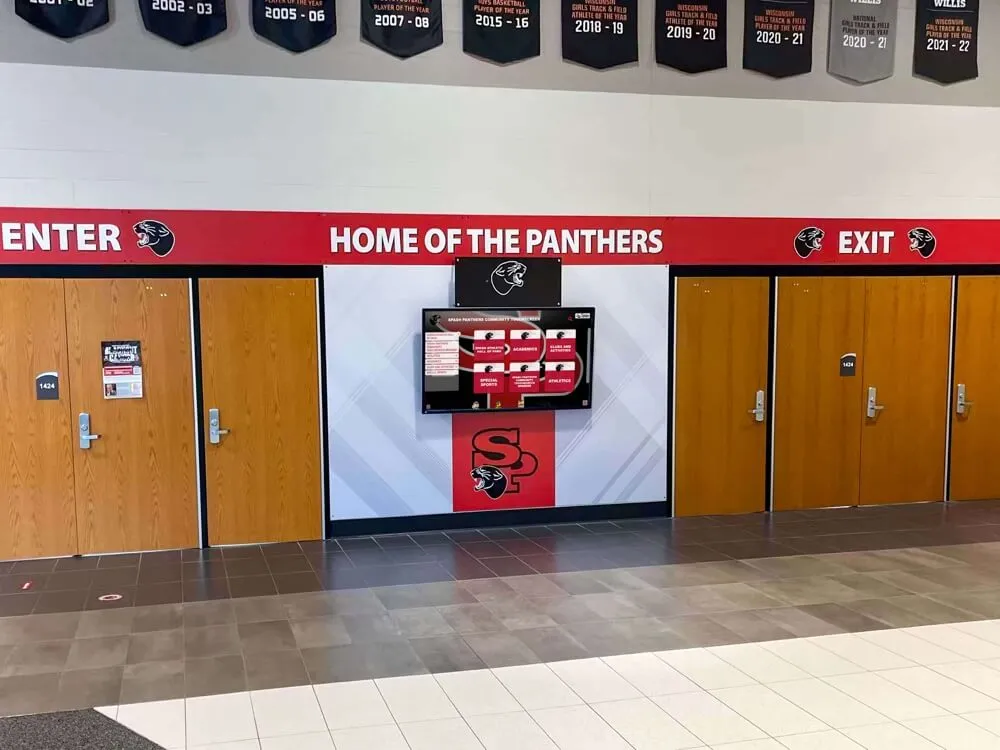
Schools implementing comprehensive student recognition systems integrate graduation ceremonies into year-round celebration frameworks that honor achievement consistently rather than only at commencement.

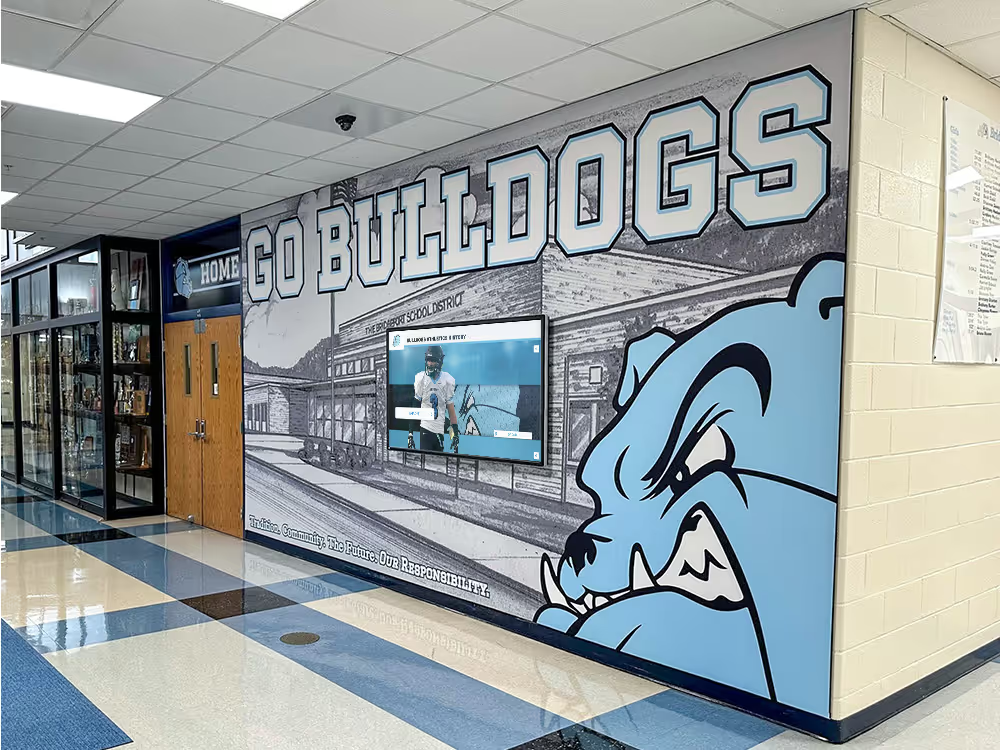
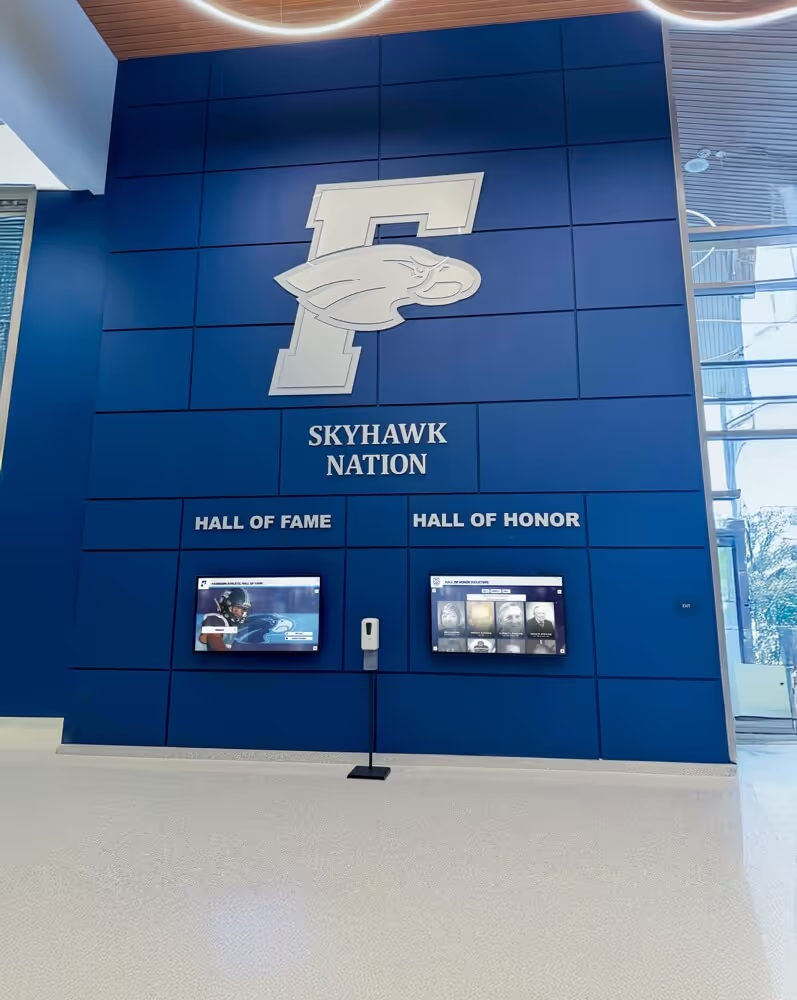
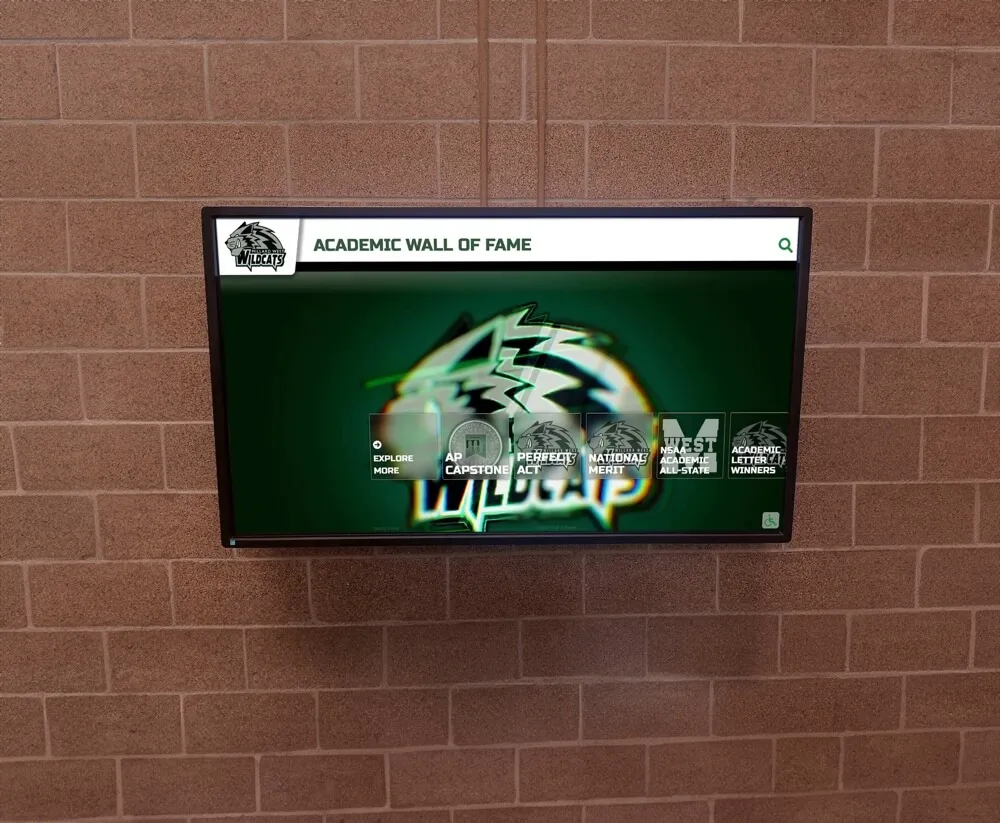
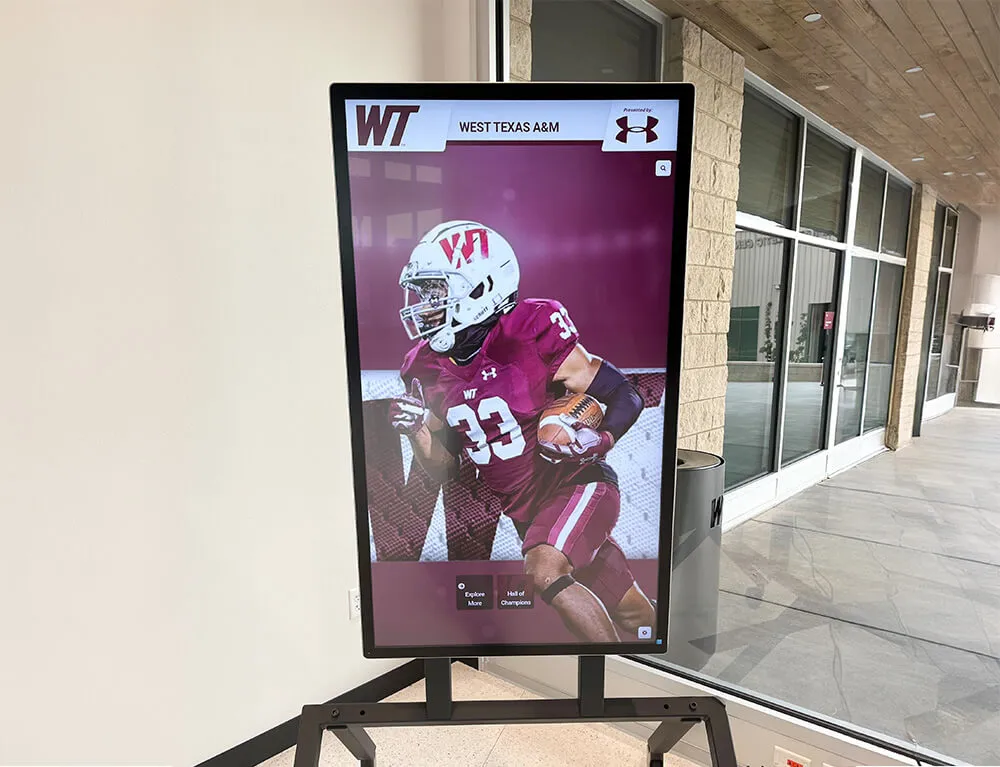
Year-round recognition displays complement graduation ceremonies by celebrating student achievements throughout their school careers
Venue Selection and Setup
Choosing and Configuring Your Ceremony Space
Venue selection profoundly impacts ceremony experience, logistics complexity, and family satisfaction.
Venue Options and Considerations
Indoor Venues
School Gymnasium or Auditorium:
Advantages:
- Cost-effective (no rental fees)
- Familiar to school community
- Direct control over space and setup
- Built-in audiovisual equipment
- No weather concerns
- Convenient for decorating and setup
Challenges:
- Limited seating capacity may require multiple ceremonies
- May lack ceremonial atmosphere
- Climate control during warm months
- Parking constraints
- Acoustics may need enhancement
Convention Centers or Civic Auditoriums:
Advantages:
- Large seating capacity accommodating whole class
- Professional atmosphere and amenities
- Excellent audiovisual capabilities
- Ample parking
- Climate controlled
- Designed for ceremonial events
Challenges:
- Rental costs and associated fees
- Availability during peak graduation season
- Less familiar to school community
- Complex coordination with facility staff
- May feel impersonal or disconnected from school
College or University Facilities:
Advantages:
- Symbolic location representing graduates’ next chapter
- Often excellent facilities designed for commencements
- Generous seating capacity
- Strong audiovisual systems
- Partnership opportunities with higher education institutions
Challenges:
- Booking competition with institution’s own graduations
- Rental costs (though sometimes discounted for schools)
- Parking and campus navigation
- Coordination with external facility management
Outdoor Venues
School Football Field or Stadium:
Advantages:
- Unlimited seating capacity
- Accommodates large families and community
- Traditional graduation setting
- Natural lighting for photography
- School pride and home-field connection
Challenges:
- Weather dependency requiring backup plans
- Sound system challenges in open air
- Heat or sun exposure concerns
- Limited amenities (restrooms, climate control)
- Setup and breakdown complexity
- Accessibility considerations
Parks or Outdoor Amphitheaters:
Advantages:
- Beautiful natural settings
- Flexible capacity
- Memorable scenic backdrop
- Often lower rental costs
Challenges:
- Significant weather risk
- Limited control over environment
- Acoustic challenges
- Parking and access logistics
- Permit requirements
- Setup complexity
Seating and Stage Configuration
Optimizing Space for Ceremony Flow
Thoughtful seating arrangement impacts ceremony timing, graduate experience, and family viewing:
Graduate Seating:
- Arrange in alphabetical or homeroom groupings for efficient name calling
- Position close to stage for minimal walking time
- Ensure adequate spacing for comfortable seating and movement
- Consider sight lines so graduates can see speakers
- Plan aisles allowing easy access for processional and diploma reception
- Reserve front rows for honor graduates or special recognitions
Family and Guest Seating:
- Maximize capacity while maintaining clear aisles and safety protocols
- Reserve sections for families of graduates with special needs
- Designate accessible seating areas complying with ADA requirements
- Consider assigning sections by graduate last name for family convenience
- Plan standing room areas if demand exceeds seated capacity
- Ensure sight lines to stage from all seating areas
Stage Configuration:
- Position facing audience with backdrop appropriate for photography
- Include sufficient seating for platform party (administrators, board members, speakers)
- Provide lectern with microphone for speakers
- Create clear diploma presentation area visible to audience
- Plan graduate flow: entrance point → seating → stage approach → diploma reception → exit
- Include steps or ramps accessible to all graduates
- Position photographers for optimal angles without obstructing views
Technology Integration:
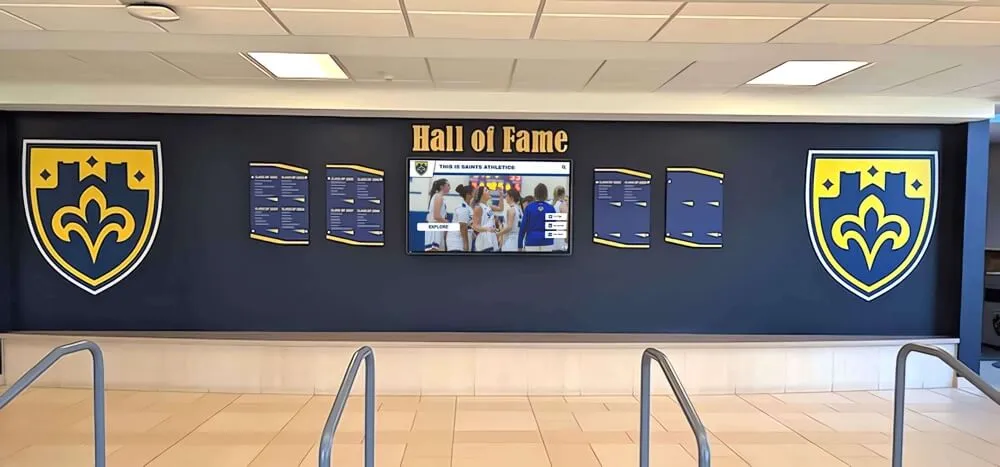
Modern graduation ceremonies incorporate digital displays enhancing recognition and engagement. Solutions like interactive digital displays in ceremony venues showcase graduate photos and achievements as students cross the stage, creating personalized moments for each family.
Audiovisual Requirements
Sound Systems:
- Professional-grade microphones for speakers and name readers
- Wireless microphones for flexibility
- Sound checks before ceremony
- Backup microphones available
- Audio recording for archives
- Assistive listening devices for hearing-impaired guests
Visual Displays:
- Large screens displaying graduate names as called
- Graduate photos synchronized with name calling
- Video content during processional and recessional
- Slideshow presentations celebrating class
- Live streaming capability for remote viewers
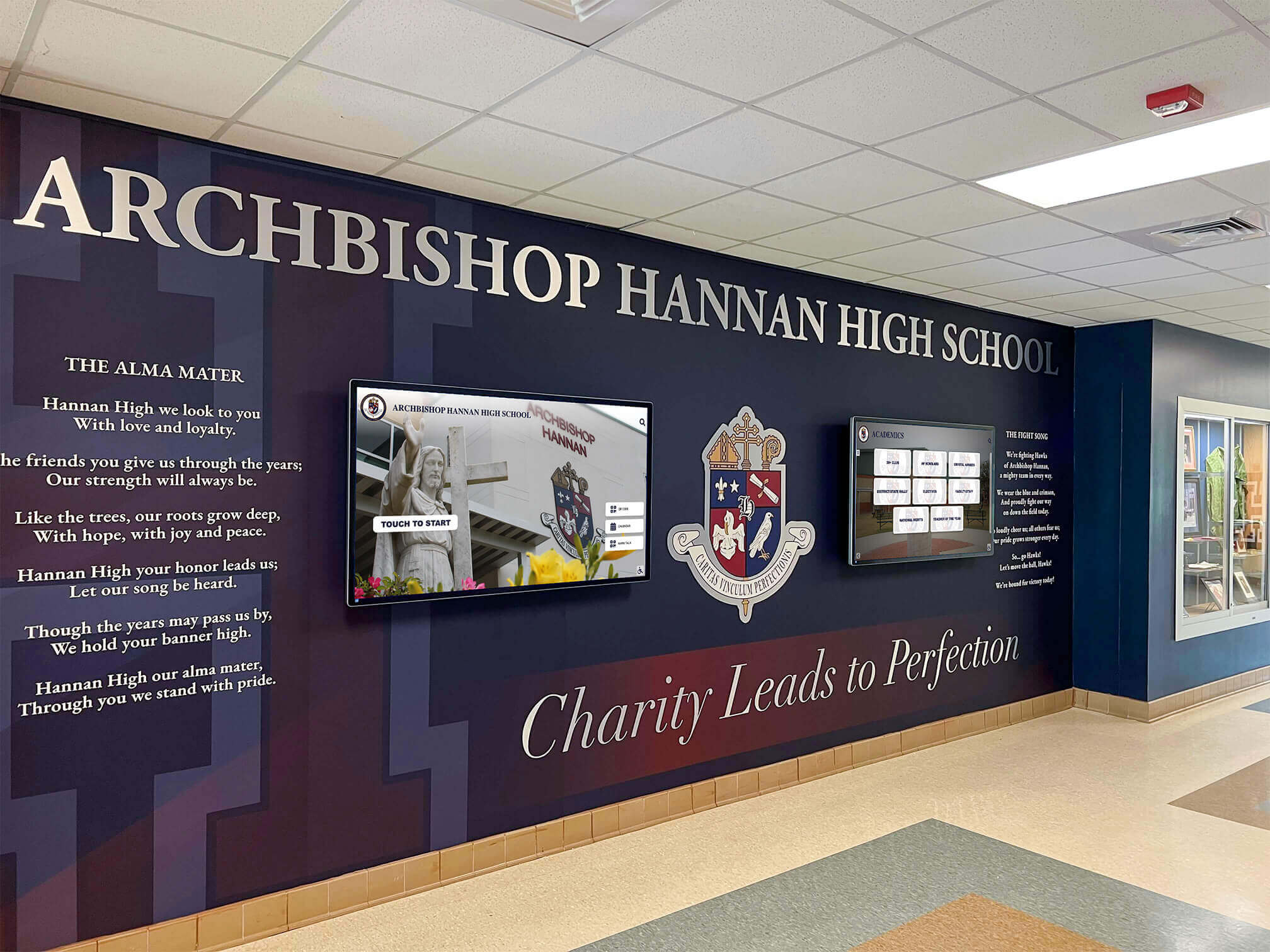
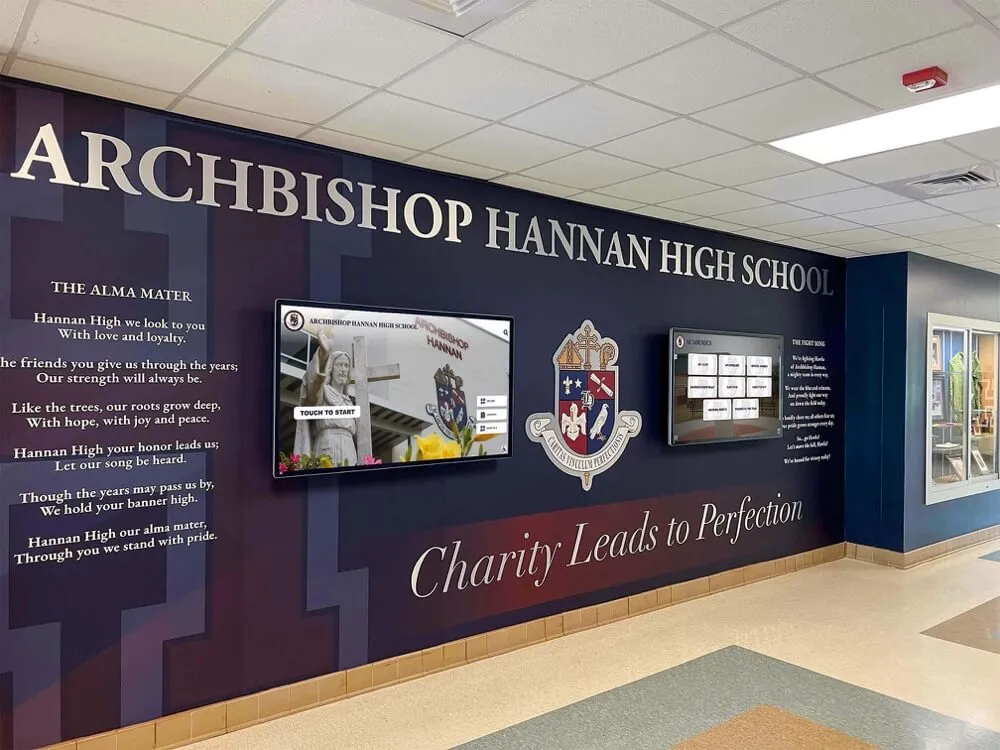
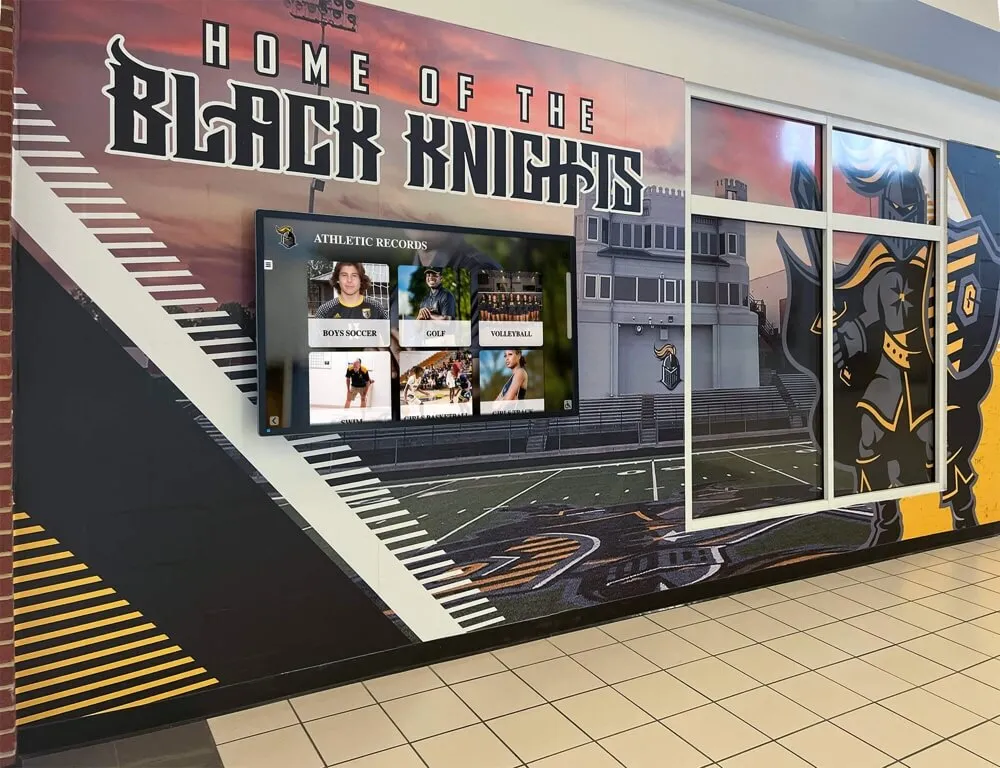
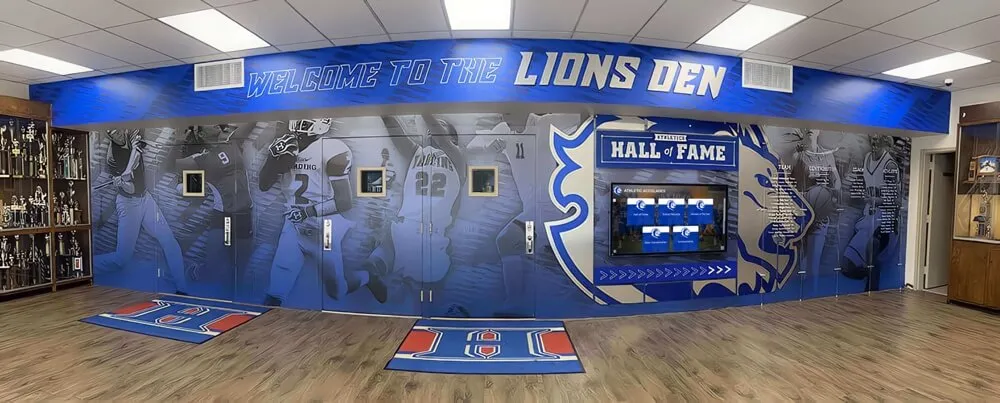
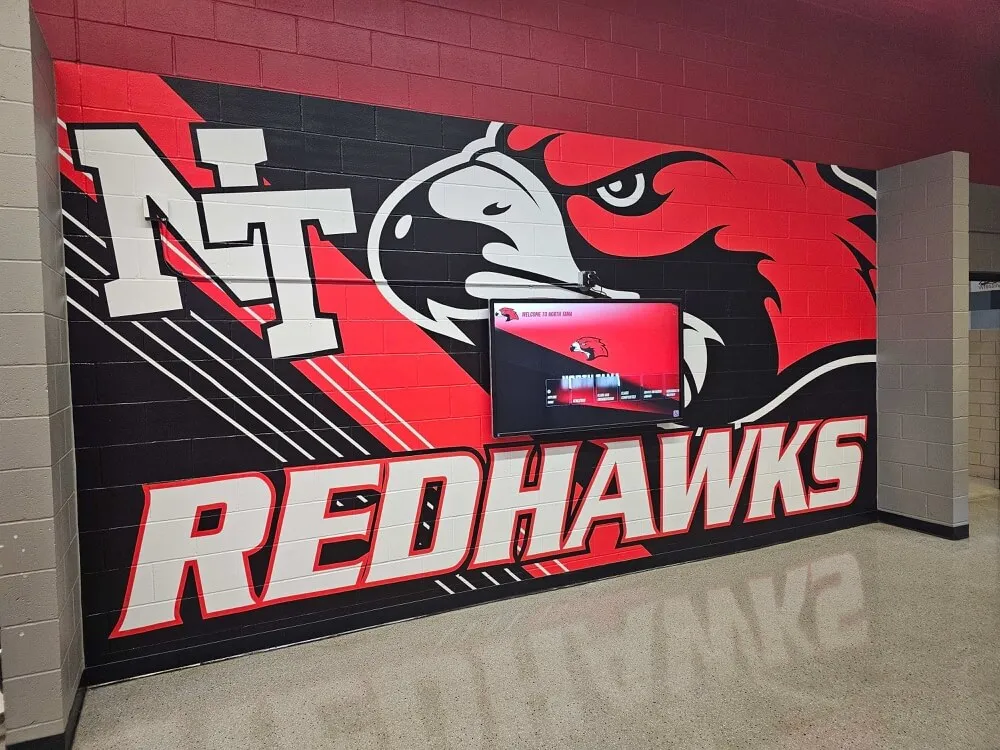
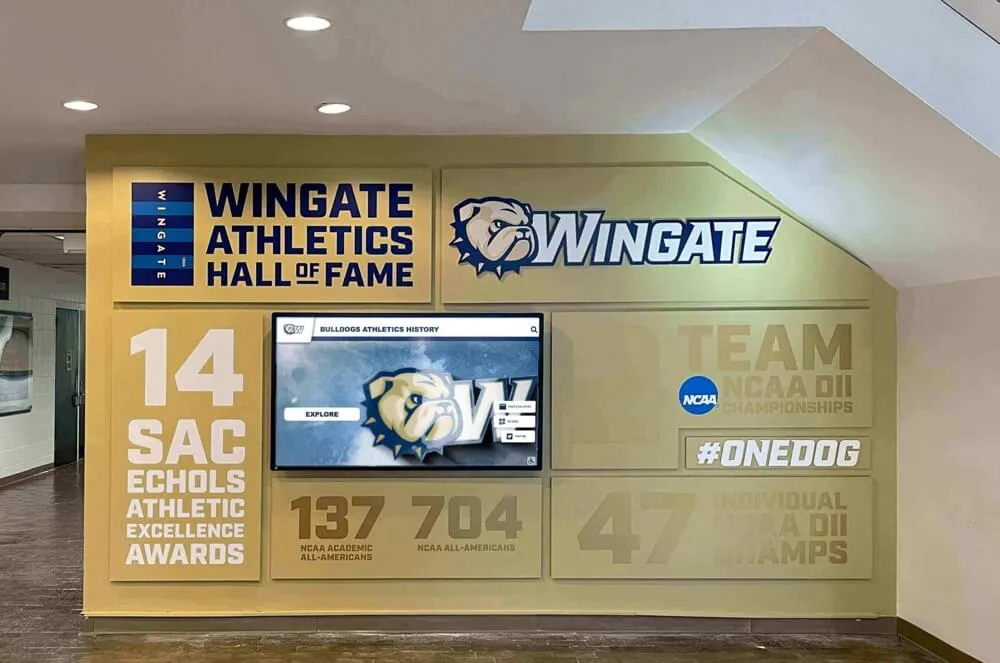
Digital displays in ceremony venues enhance the graduate recognition experience while supporting family celebration
Lighting:
- Appropriate stage lighting for visibility and photography
- Sufficient lighting for program reading
- Spotlight capability for special moments
- Emergency lighting systems tested
- Consideration of natural light timing (outdoor ceremonies)
Recording and Photography:
- Professional videography capturing entire ceremony
- Photographer positioned for diploma reception moments
- Livestreaming setup for remote attendance
- Social media content capture (with appropriate permissions)
- Archive-quality recording for historical preservation
Schools developing graduate recognition displays use ceremony footage and photos to create permanent installations celebrating each graduating class.
Designing Your Ceremony Program
Creating Meaningful and Efficient Graduation Programs
Ceremony structure balances tradition, meaning, time constraints, and audience engagement.
Standard Ceremony Elements
Traditional Graduation Ceremony Format:
1. Prelude Music (15-20 minutes before start)
- Background music as guests arrive and find seating
- Slideshow or video celebrating graduating class
- Sets celebratory tone before formal program begins
2. Processional (5-10 minutes)
- Graduation march (typically “Pomp and Circumstance”)
- Faculty and administrators enter
- Graduating class enters in formation
- Platform party takes positions
3. Opening Elements (10-15 minutes)
- Welcome remarks from principal or headmaster
- National anthem or school song
- Invocation (if appropriate for your school community)
- Introduction of platform party and guests
4. Speeches and Addresses (20-30 minutes)
- Principal’s address
- Commencement speaker (15-20 minutes)
- Valedictorian address
- Salutatorian address (optional)
- Student speaker or class president remarks
5. Recognition and Awards (10-20 minutes)
- Academic honors recognition
- Special awards presentation
- Scholarship announcements
- Distinguished graduate recognition
6. Conferring of Diplomas (30-60 minutes depending on class size)
- Introduction by superintendent or principal
- Individual graduate recognition
- Diploma presentation
- Photo opportunity
7. Closing Elements (5-10 minutes)
- Closing remarks from administrators
- Presentation of the class
- Moving of tassels
- Benediction (if appropriate)
8. Recessional (5 minutes)
- Graduates exit in formation
- Platform party and faculty follow
- Guests remain seated until graduates have exited
Total ceremony time typically ranges from 90 minutes to 2.5 hours depending on class size and program elements.
Balancing Tradition and Efficiency
Time Management Strategies
Large graduating classes require intentional time management maintaining meaningful ceremony while respecting audience attention:
Diploma Distribution Efficiency:
- Practice name pronunciation during rehearsals
- Use two-line system (one group approaching while another receives diplomas)
- Professional name readers maintaining consistent pace
- Pre-position graduates in processional order
- Consider grouping by homeroom or alphabetical blocks
- Time practice runs estimating total diploma distribution time
Strategic Program Design:
- Limit speeches to 2-3 maximum
- Establish speech length guidelines (10-15 minutes for keynote, 5-7 minutes for students)
- Recognize honors collectively rather than individually presenting each cord
- Create printed program including all graduates’ names rather than reading all during ceremony
- Consider pre-ceremony reception with individual recognition if time is severely constrained
Technology-Enhanced Efficiency:
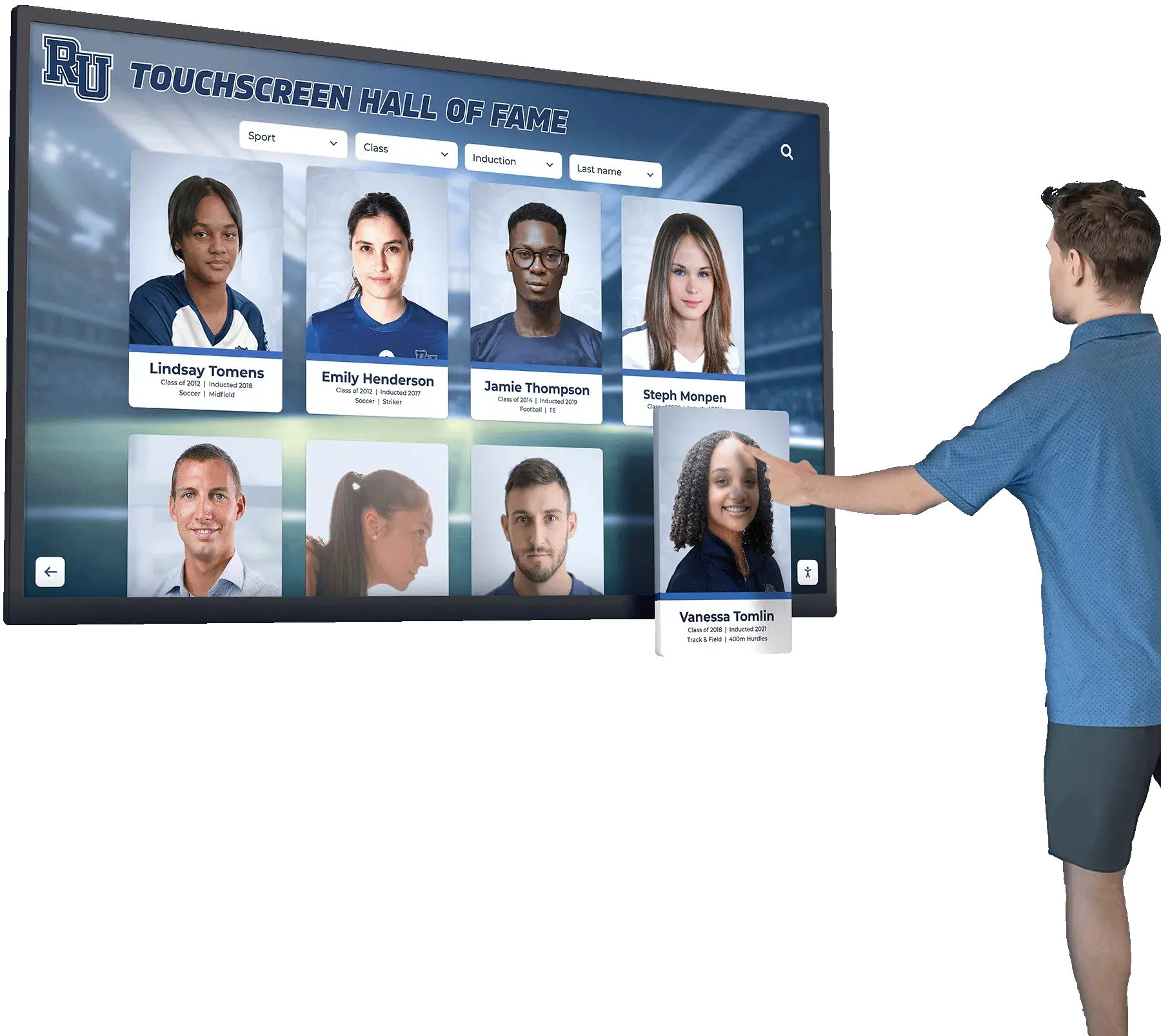
Digital displays showing graduate photos, achievements, and future plans as students cross the stage add personalization without extending ceremony time. This approach, used in student achievement showcase systems, creates individualized moments for each family within efficient ceremony flow.
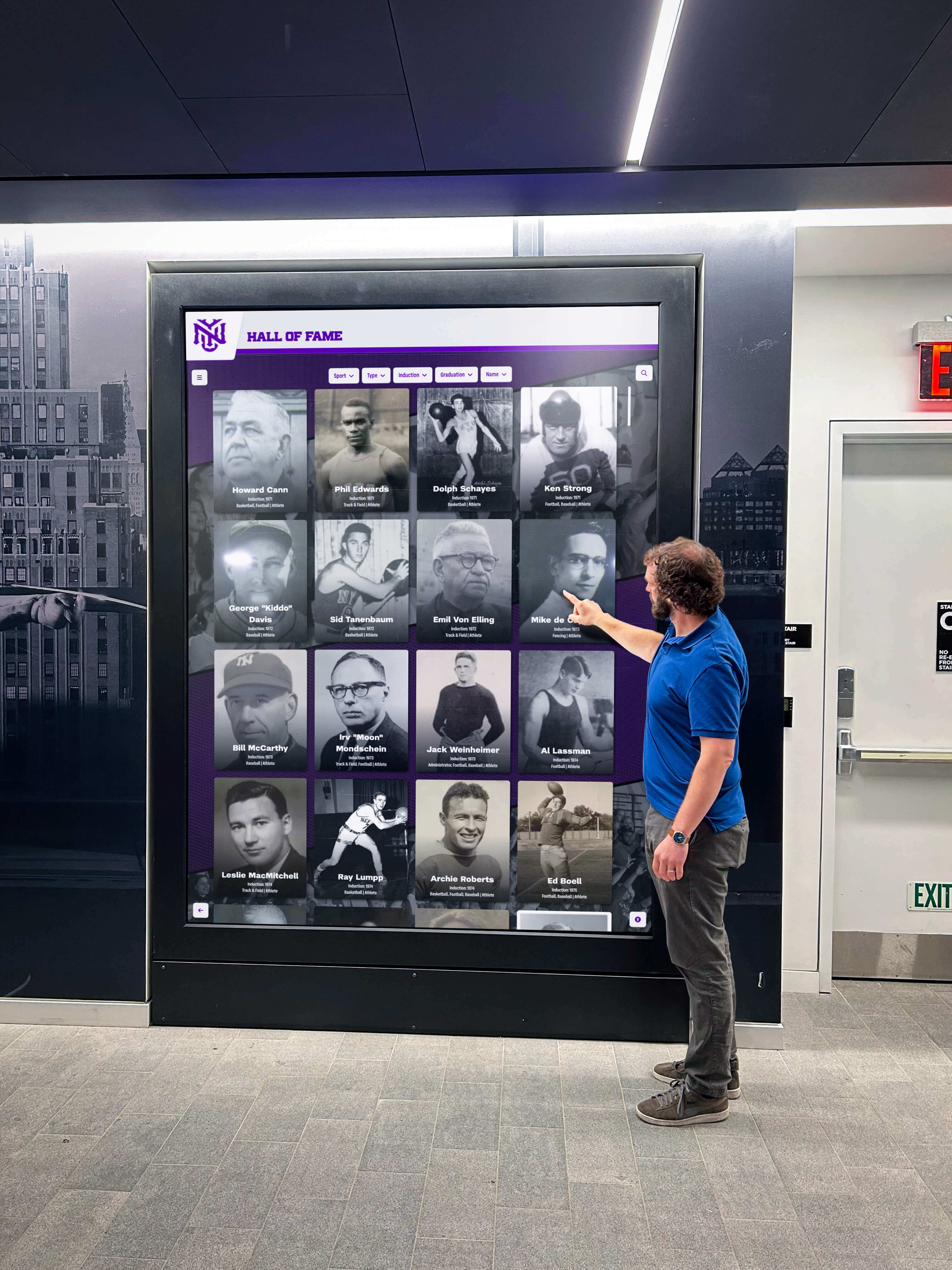
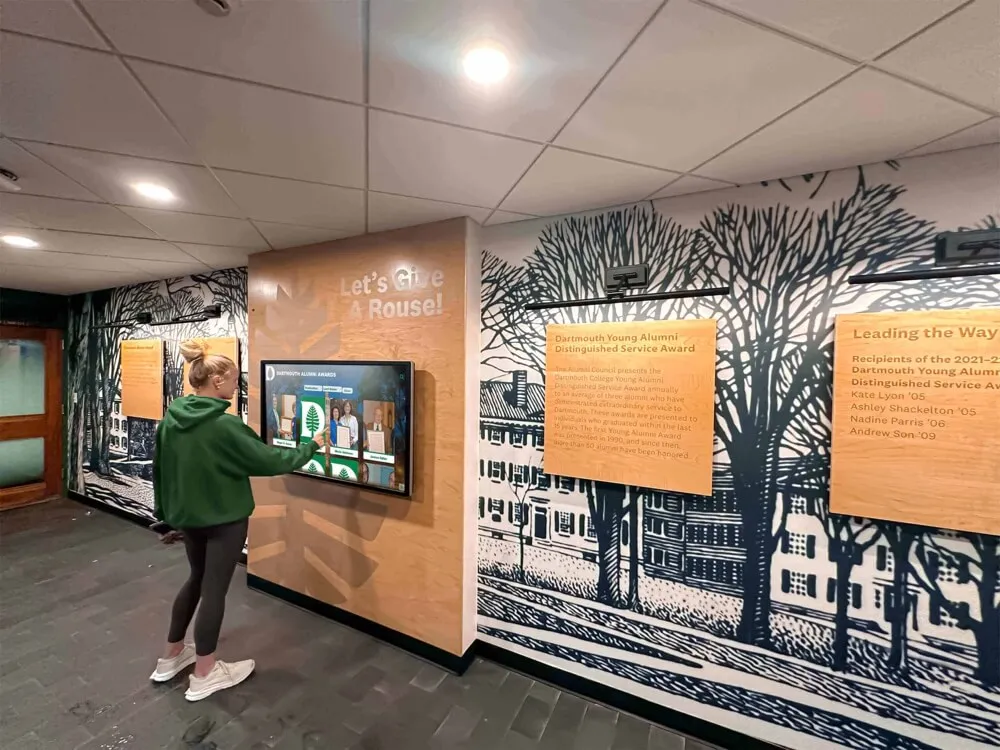
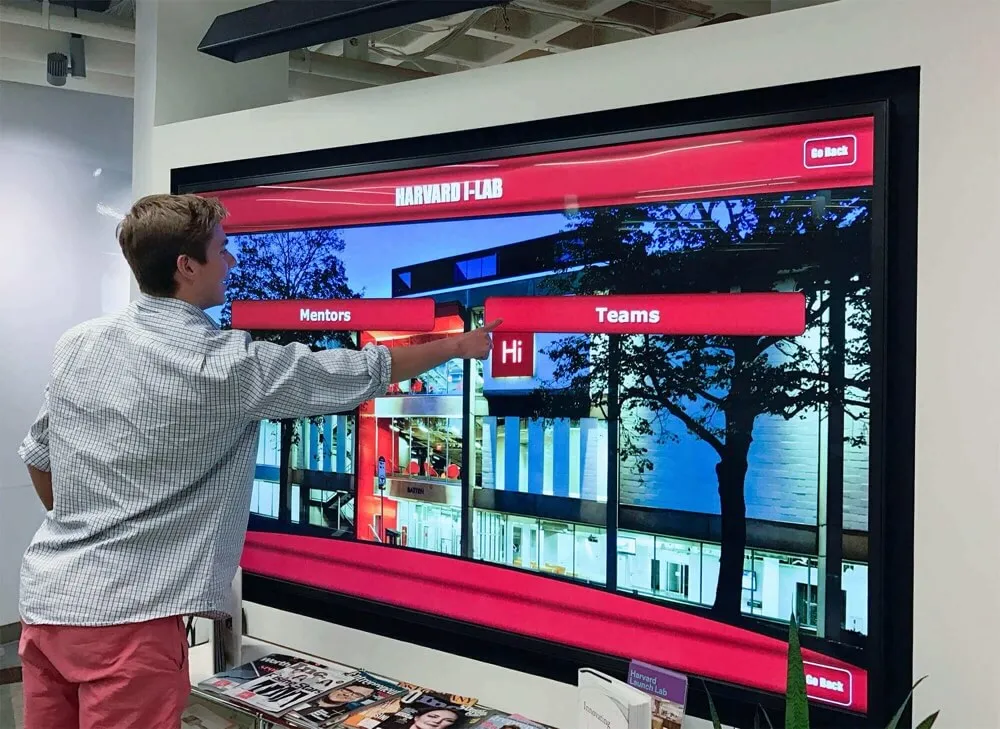
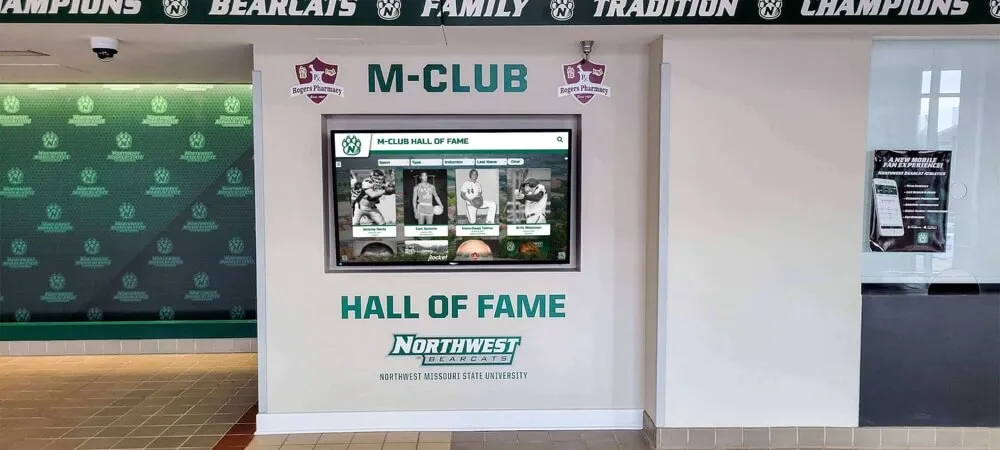
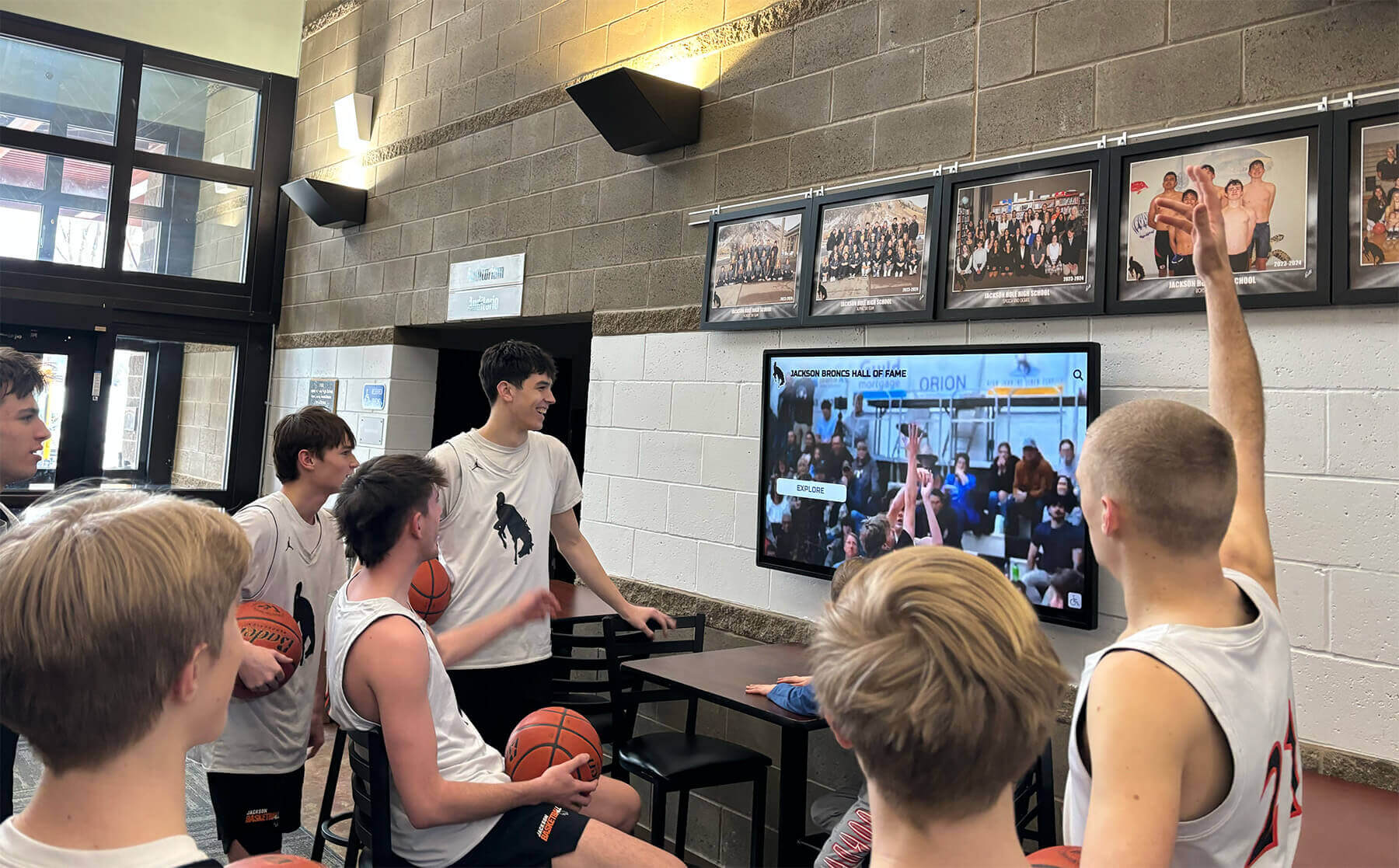
Interactive displays in common areas allow families to explore graduate achievements before and after ceremonies
Selecting Commencement Speakers
Finding Speakers Who Inspire Graduates
Commencement speakers significantly impact ceremony memorability and graduate experience. When selecting speakers, consider:
Speaker Categories:
- Distinguished alumni sharing their journey
- Community leaders with local connections
- Academic or educational leaders
- Inspiring figures from business, arts, or public service
- Student speakers representing peer perspective
- Retiring faculty members (for special occasions)
Selection Criteria:
- Relevance to graduate experience and aspirations
- Demonstrated speaking ability and engaging presence
- Values alignment with institutional identity
- Practical feasibility (availability, budget, logistics)
- Potential for inspiring and memorable messages
Timeline Considerations: Begin speaker outreach 9-12 months before graduation, as peak season creates scheduling challenges. Learn more about effective speaker selection in discussions about understanding valedictorian roles and graduation speech planning.
Incorporating Student Voice and Participation
Creating Student-Centered Celebrations
Graduation ceremonies should reflect graduating class identity and provide student leadership opportunities:
Student Participation Elements:
- Class officer welcome remarks
- Student-selected music for processional or interludes
- Student-created video or slideshow presentations
- Poetry or artistic performances by talented graduates
- Class gift presentation to school
- Student-designed decorations or ceremony elements
Honoring Student Achievements:
- Academic honors recognition (summa cum laude, magna cum laude, cum laude)
- Subject-specific departmental awards
- Community service recognition
- Arts and athletics achievements
- Special accomplishment callouts
- Scholarship recipients acknowledgment
Inclusive Recognition Practices:
Ensure ceremony elements celebrate diverse achievements beyond academic metrics, recognizing growth, leadership, creativity, service, and other contributions reflecting comprehensive student development.
Managing Ceremony Logistics
Operational Details Ensuring Smooth Execution
Behind every seamless ceremony lies meticulous attention to operational logistics.
Cap and Gown Coordination
Academic Regalia Management
Ordering Process:
- Contract with regalia vendor 6-8 months in advance
- Collect student measurements and orders
- Accommodate late additions or transfers
- Order appropriate honor cords, stoles, and medallions
- Include backup inventory for size exchanges
- Verify school colors and proper regalia style
Distribution:
- Schedule organized distribution sessions
- Create verification system ensuring each student receives proper items
- Provide wearing instructions and care guidelines
- Collect payments or manage financial aid coordination
- Issue replacements for lost or damaged items
Graduation Day Protocols:
- Establish arrival time for robing and lineup
- Designate space for graduates to prepare
- Assign staff to assist with proper regalia wearing
- Create system for storing personal belongings
- Arrange post-ceremony regalia return (if rentals)
Name Pronunciation and Reading
Ensuring Every Graduate’s Name is Honored Correctly
Nothing diminishes a graduate’s moment more than mispronounced names.
Pronunciation Collection:
- Require pronunciation guides during registration
- Use phonetic spelling systems
- Collect audio recordings of students saying their names
- Flag names requiring special attention
- Practice difficult pronunciations repeatedly
Name Reading Protocol:
- Assign practiced name reader (avoid last-minute substitutions)
- Provide clear, large-print name cards
- Organize cards in precise ceremony order
- Mark pronunciation guides on each card
- Include backup reader familiar with all names
- Conduct full rehearsal with actual name reading
Technology Solutions:
Some schools use audio recording systems where graduates record their own names, which plays through sound system as they cross stage—ensuring perfect pronunciation while adding personalization.
Ticket Distribution and Crowd Management
Managing Family Attendance and Venue Capacity
Balancing graduate desires for family attendance with venue capacity requires thoughtful policies:
Ticket Policies:
Option 1: General Admission
- First-come, first-served seating
- No ticket limits
- Simpler administration
- Works for venues with capacity exceeding demand
- May create anxiety for families wanting good seats
Option 2: Ticketed Admission
- Assigned ticket quantity per graduate
- Manages capacity-constrained venues
- Provides families certainty about admission
- Requires ticket distribution system
- May disappoint families wanting more guests
Option 3: Hybrid Approach
- Reserved seating section with tickets
- General admission overflow area
- Standing room for additional guests
- Balances capacity management with flexibility
Distribution Logistics:
- Communicate policy clearly and early
- Establish fair distribution system
- Create process for requesting additional tickets
- Collect unused tickets for redistribution
- Provide clear instructions about admission requirements
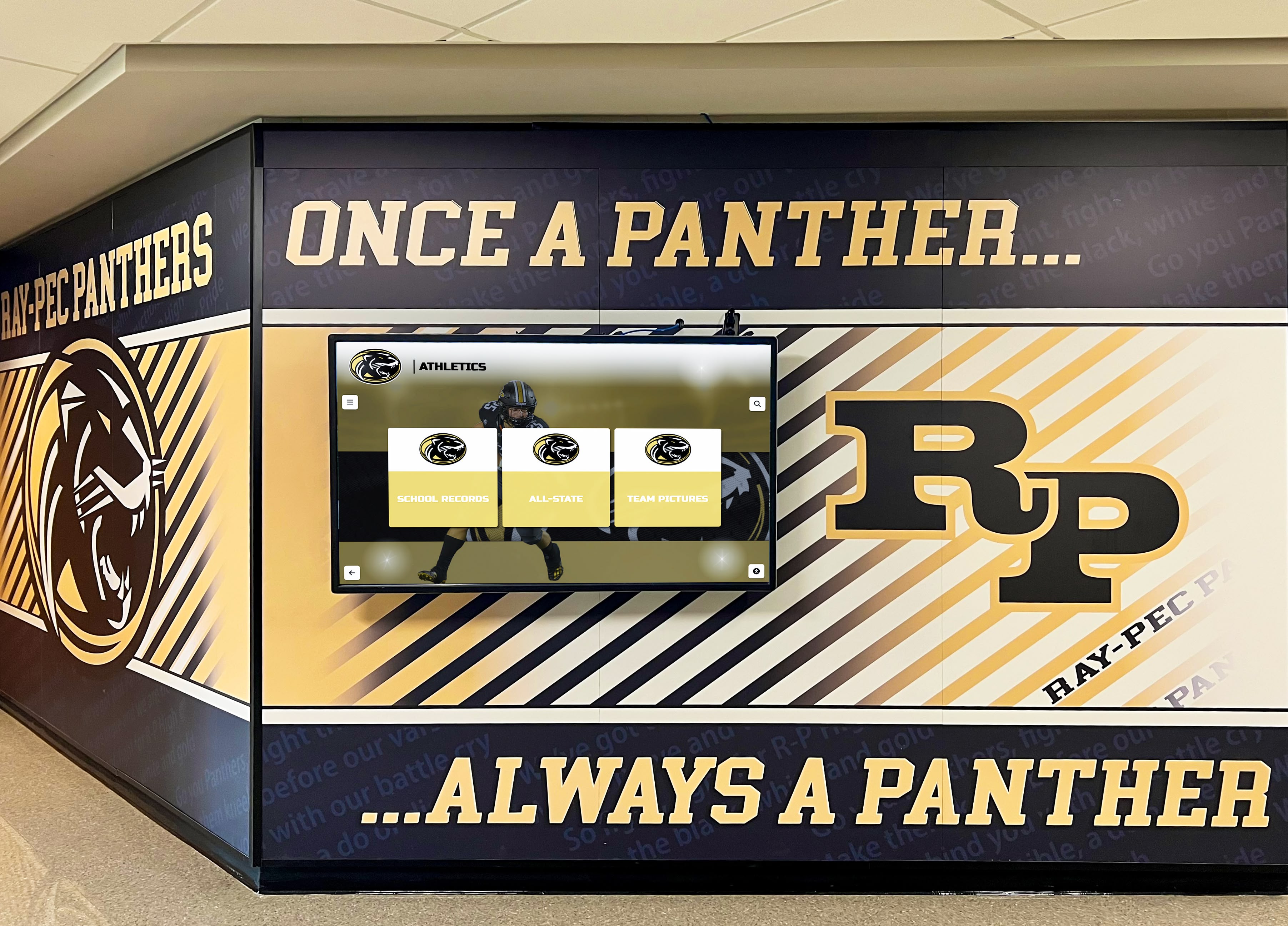
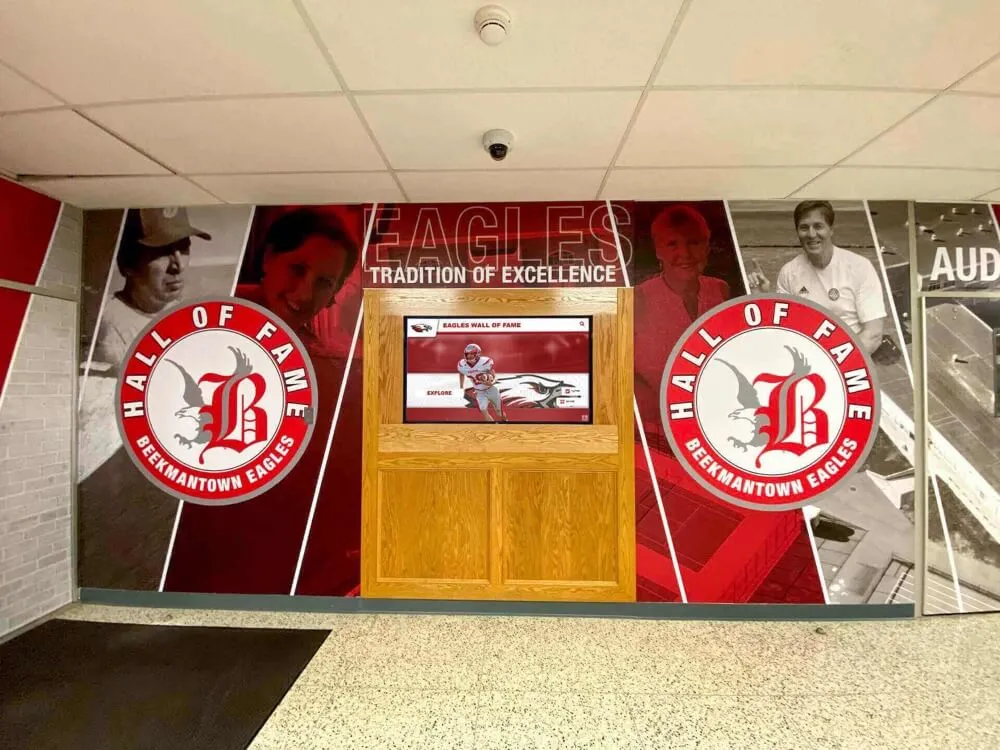
Strategic communication displays keep families informed about ceremony logistics and graduate celebrations
Crowd Management:
- Clear signage directing guests to appropriate entrances
- Staff stationed at entry points checking tickets
- Designated sections for guests with accessibility needs
- Plan for overflow crowds exceeding expectations
- Coordinate with security for safe entry and exit
- Manage guest behavior during ceremony (standing, photography, noise)
Safety and Emergency Planning
Protocols Ensuring Safe Celebrations
Large gatherings require comprehensive safety planning:
Safety Team:
- School resource officers or local police presence
- Medical personnel or school nurses on site
- Fire safety coordinator familiar with venue
- Communication systems for emergency response
- Designated staff monitoring various venue areas
Emergency Protocols:
- Evacuation plans appropriate for venue
- Weather contingency plans (outdoor ceremonies)
- Medical emergency response procedures
- Communication system for coordinating responses
- Brief all staff on emergency procedures
- Identify emergency exits and staging areas
Weather Contingencies (Outdoor Ceremonies):
- Backup indoor venue secured
- Decision timeline for venue switch
- Communication plan informing families of changes
- Postponement or rescheduling protocols
- Monitor weather forecasts in days leading to ceremony
Enhancing the Ceremony Experience
Creating Memorable Moments Beyond Basic Logistics
While logistics ensure smooth operations, thoughtful touches transform ceremonies from functional to meaningful.
Visual and Decorative Elements
Creating Celebratory Atmosphere
Stage Decoration:
- Backdrop featuring school colors, seal, or class year
- Floral arrangements or greenery
- Appropriate banners or signage
- Professional appearance for photography
- Avoid excessive clutter detracting from focus on graduates
Venue Enhancement:
- Entry displays welcoming families
- Directional signage in school colors
- Graduate photo displays in common areas
- Achievement showcases celebrating class accomplishments
- Alumni recognition connecting graduates to school legacy
Graduate Recognition Displays:
Modern schools implement permanent graduate display systems that honor each graduating class year after year, creating lasting legacy within school facilities.
Photography and Videography
Capturing Memories Professionally
Professional documentation allows graduates and families to relive this milestone:
Professional Services:
- Contract experienced graduation photographers and videographers
- Coordinate positioning for optimal diploma reception shots
- Capture processional, key ceremony moments, and recessional
- Provide individual graduate crossing-stage photos
- Record full ceremony video for archives and family purchase
- Create highlight reels for school use and social media
Family Photography Accommodation:
- Designate appropriate times for family photography
- Communicate photography policies (flash, movement during ceremony)
- Create photo opportunities post-ceremony
- Consider photo booth or backdrop for informal family photos
- Balance family photography desires with ceremony flow
Digital Sharing:
- Live streaming for remote family members
- Social media coverage with appropriate permissions
- Photo galleries accessible to graduates and families
- Video archives preserved for future access
Music and Performances
Selecting Meaningful Musical Elements
Music sets ceremony tone and creates emotional connection:
Traditional Elements:
- Processional march (typically “Pomp and Circumstance”)
- National anthem
- School alma mater or fight song
- Recessional music
Student Performances:
- School choir or select ensemble
- Student instrumentalists
- Senior class-selected songs with appropriate lyrics
- Cultural performances reflecting community diversity
Contemporary Touches:
- Slideshow soundtracks featuring popular music meaningful to graduating class
- Individual graduate walk-on music (brief, if time permits)
- DJ or live band for pre-ceremony atmosphere
- Balance tradition with music resonating with graduates
Creating Lasting Recognition
Beyond the Single Ceremony Moment
Forward-thinking schools recognize that graduation represents one moment in ongoing celebration of student achievement:
Permanent Recognition:
Install digital recognition displays that permanently honor graduating classes alongside other school achievements. These systems, similar to those used for showcasing student achievement, allow future students, alumni, and community members to explore graduate accomplishments, photos, and future paths.
Alumni Connection:
Connect graduation celebrations to alumni programming, helping recent graduates maintain school connections while contributing to future events. Many schools coordinate commencement with alumni event strategies that build lifelong institutional relationships.
Year-Round Recognition Culture:
Position graduation as the culmination of comprehensive recognition systems celebrating achievement throughout students’ school careers—not as the only moment students receive acknowledgment. Schools maintaining strong recognition cultures demonstrate higher student engagement and pride.
Communication and Family Engagement
Keeping Families Informed and Involved
Clear, proactive communication prevents confusion and builds excitement.
Family Communication Timeline
9-10 Months Before:
- Announce graduation date, time, and location
- Share preliminary ceremony information
- Communicate ticket policies
6 Months Before:
- Provide ceremony format overview
- Share cap and gown ordering information
- Announce commencement speaker
3-4 Months Before:
- Distribute detailed ceremony information packet
- Share parking and arrival instructions
- Communicate photography policies
- Announce graduation requirements and student participation
1-2 Months Before:
- Final ceremony details and program outline
- Ticket distribution schedule
- Rehearsal expectations for students
- Decorating or volunteer opportunities for families
- Weather contingency information (outdoor ceremonies)
Final Weeks:
- Reminder communications with all essential information
- Directions and parking maps
- Arrival time recommendations
- Guest conduct expectations
- Accessibility accommodations
Communication Channels
Multiple Touchpoints Ensuring Information Reaches Families:
- Email communications to student and parent contacts
- School website graduation information page
- Social media announcements and updates
- Printed information packets distributed to students
- Parent information sessions or webinars
- Automated phone calls for critical announcements
- Student advisors reinforcing information with seniors
Managing Special Circumstances
Accommodating Diverse Family Needs
Accessibility:
- Reserved seating for wheelchair users and mobility limitations
- Assistive listening devices for hearing-impaired guests
- ASL interpreters when needed
- Accessible parking arrangements
- Venue navigation assistance
Cultural Considerations:
- Timing respecting religious observances
- Dietary accommodations (if reception included)
- Multilingual communications for non-English speaking families
- Cultural customs recognition within ceremony
- Diverse representation in speakers and programming
Financial Barriers:
- Cap and gown rental assistance or subsidies
- Ticket policies not creating exclusion
- Free or low-cost photography options
- Financial aid for ceremony-related expenses
Post-Ceremony Follow-Through
Completing the Graduation Process
Ceremony day represents a major milestone, but several important follow-through items ensure complete closure.
Immediate Post-Ceremony
Graduation Day Completion:
- Verify all students received diplomas
- Collect borrowed regalia (if rentals)
- Gather remaining programs and materials
- Conduct venue walk-through ensuring nothing left behind
- Debrief with planning team about successes and improvements
- Thank volunteers, vendors, and staff
Photography and Media:
- Collect professional photos and video
- Create social media posts celebrating graduates
- Share ceremony highlights with school community
- Archive recordings for historical preservation
Graduate Recognition Beyond Ceremony
Maintaining Connection After Graduation
Alumni Transition:
- Invite recent graduates to homecoming and alumni events
- Create alumni database including graduation year and contact information
- Share alumni success stories inspiring current students
- Coordinate with reunion planning efforts for milestone anniversaries
Permanent Recognition Installation:
Many schools install digital recognition displays in main lobbies or common areas that permanently showcase graduating classes. These installations, similar to systems used for other school recognition programs, allow visitors to explore graduate photos, achievements, college destinations, and career paths for years to come.
Planning for Next Year
Continuous Improvement Process
Feedback Collection:
- Survey graduating students about ceremony experience
- Gather family feedback through online forms
- Debrief with planning committee
- Review vendor performance
- Analyze challenges and successes
Documentation:
- Create comprehensive planning manual for next year
- Document vendor contacts and contracts
- Archive ceremony programs and materials
- Preserve timeline and checklists
- Note improvements for next year’s planning
Early Next-Year Planning:
- Book venues requiring early reservation
- Identify planning committee members
- Review budget implications
- Begin commencement speaker search
- Implement improvements identified in feedback
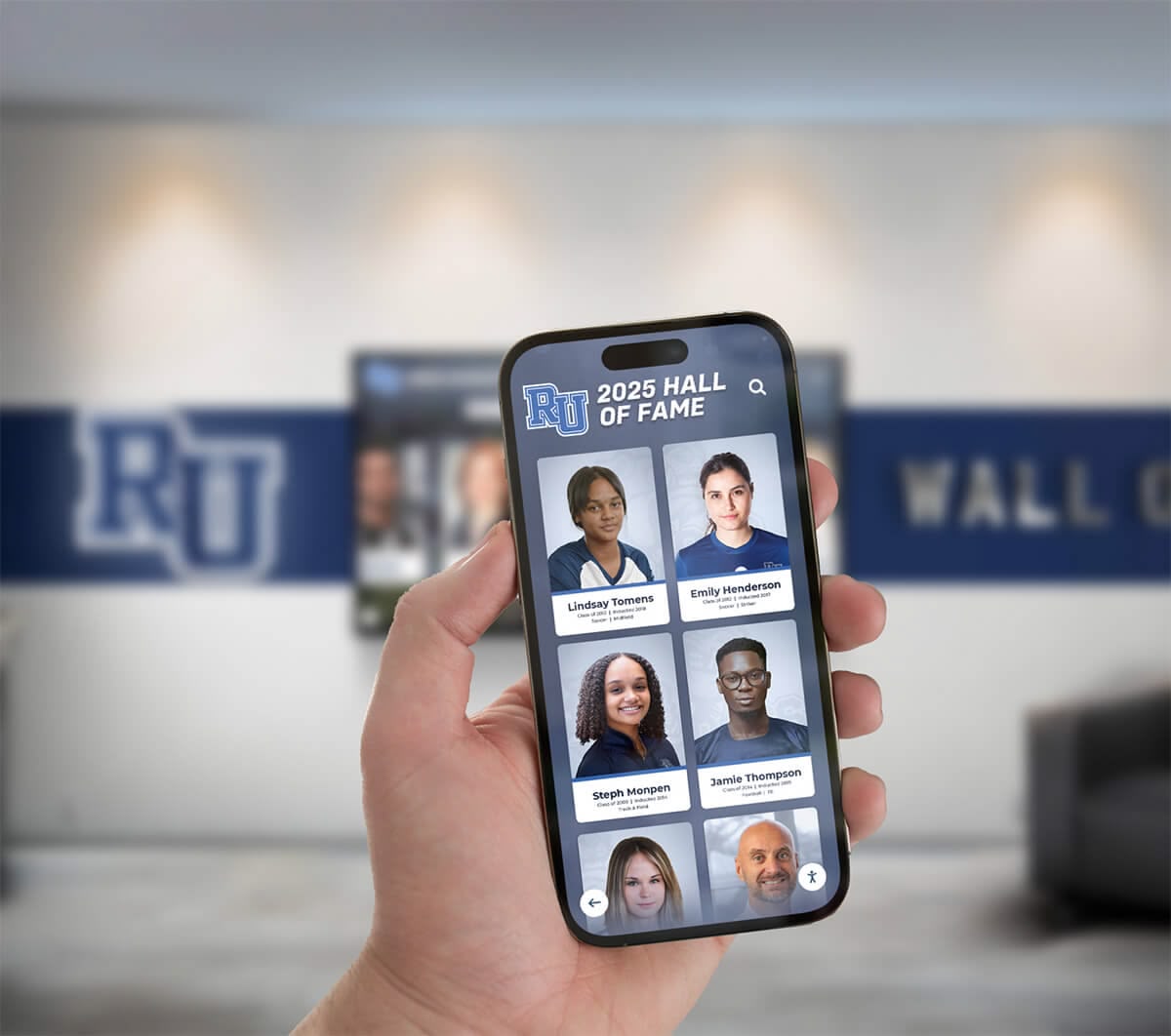
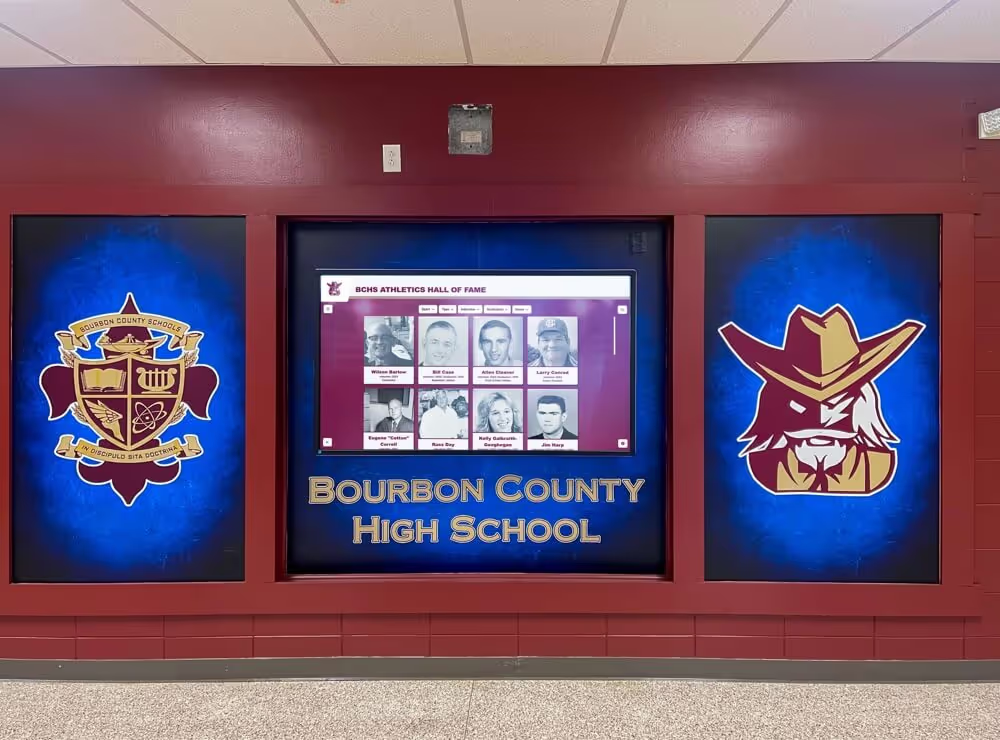
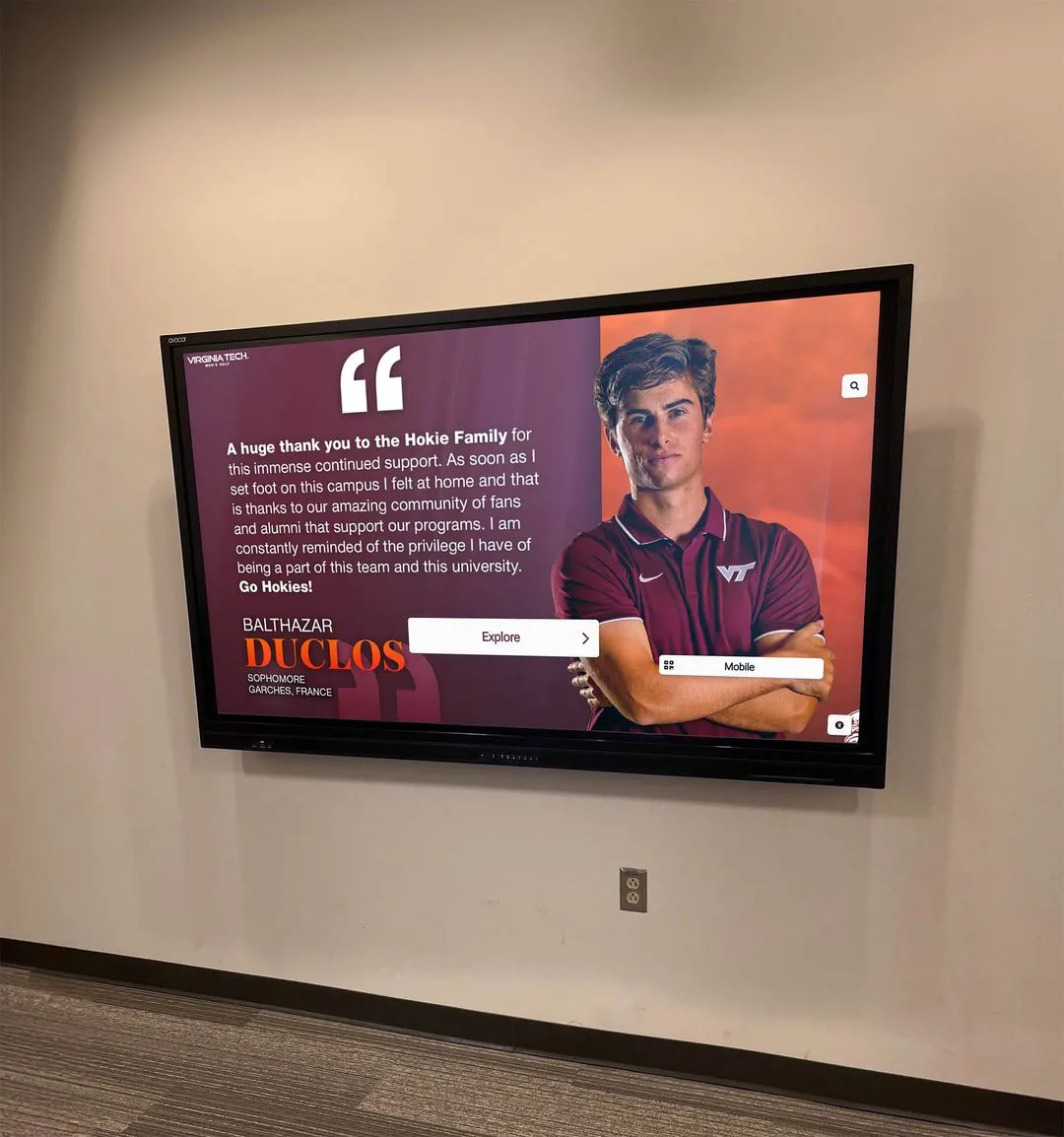
Modern recognition systems allow graduates to access their profiles and school memories long after graduation ceremonies conclude
Technology Integration in Modern Graduation Ceremonies
Leveraging Digital Solutions for Enhanced Recognition
Today’s graduation ceremonies increasingly incorporate technology that personalizes recognition while maintaining ceremony flow.
Digital Display Systems
Real-Time Graduate Recognition
As graduates cross the stage to receive diplomas, digital displays can show:
- Graduate photo and name
- Academic achievements and honors
- Future plans (college, military, workforce, gap year)
- Notable activities and leadership roles
- Senior quote or personal message
- Family dedications or appreciations
This technology creates individualized moments for each graduate and their family while thousands attend the same ceremony.
Permanent Recognition Installations
Honoring Graduates Beyond Ceremony Day
Schools implementing comprehensive recognition strategies install permanent digital displays in main buildings that showcase graduating classes indefinitely. These systems provide:
Benefits of Permanent Graduate Recognition:
- Year-round visibility for graduate achievements
- Alumni connection point during campus visits
- Recruitment tool showing prospective families graduate destinations
- School pride reinforcement for current students
- Historical archives preserving institutional memory
- Interactive exploration allowing searches by name, year, or achievement
- Regular content updates as alumni accomplish new milestones
Implementation Considerations:
Solutions like Rocket Alumni Solutions provide schools with turnkey digital recognition systems specifically designed for graduate celebration. These platforms offer:
- Unlimited graduate profiles without space constraints
- Photo galleries celebrating each graduating class
- Achievement categories highlighting diverse accomplishments
- College destination tracking showing where graduates continue education
- Career path updates as alumni progress professionally
- Mobile accessibility allowing remote exploration
- ADA-compliant interfaces ensuring universal access
- Simple content management allowing staff updates without technical expertise
Schools report that permanent graduate recognition displays significantly enhance school culture, giving current students visible proof of what graduates accomplish while providing alumni meaningful connection to their school community.
Budgeting and Financial Planning
Managing Graduation Ceremony Costs
Comprehensive budgeting ensures adequate resources while maintaining fiscal responsibility.
Typical Graduation Ceremony Expenses
Venue and Facilities:
- Rental fees (if external venue): $500-$5,000+
- Setup and custodial services: $200-$1,000
- Security personnel: $300-$1,500
- Parking management: $200-$500
Ceremony Materials:
- Diplomas and covers: $5-$15 per graduate
- Programs printing: $200-$800
- Stage decorations: $200-$1,000
- Signage and wayfinding: $100-$500
Academic Regalia:
- Cap and gown rental/purchase: Typically student expense
- Honor cords and stoles: $3-$8 per item
- Backup inventory: $200-$500
Audiovisual:
- Sound system rental/enhancement: $500-$2,000
- Video recording and photography: $800-$3,000
- Live streaming services: $300-$1,500
- Digital displays: $500-$2,000 (rental)
Personnel:
- Commencement speaker honorarium: $0-$10,000+
- Professional name reader: $200-$500
- Additional staffing: $500-$2,000
Reception (if applicable):
- Venue and catering: $1,000-$10,000+
- Decorations and supplies: $200-$1,000
Total typical graduation ceremony budget ranges from $5,000 to $30,000+ depending on class size, venue choice, and program elements.
Funding Sources
Budget Development Strategies:
- General school operating budget allocation
- Senior class fundraising throughout school year
- Parent organization or booster club contributions
- Alumni association support
- Local business sponsorships
- Donation requests to community partners
- Ticket or program sales (where appropriate)
Cost-Saving Strategies
Maintaining Quality While Managing Expenses:
- Use school facilities avoiding venue rental
- Coordinate with other local schools for vendor discounts
- Leverage volunteer support for setup and logistics
- Select local speakers requiring no travel expenses
- Use student performers rather than hired entertainment
- Borrow or reuse decorations from previous years
- Negotiate multi-year vendor contracts
- Digital programs reducing printing costs
Common Graduation Ceremony Challenges
Anticipating and Solving Frequent Planning Issues
Challenge: Large Class Size Extending Ceremony Length
Solutions:
- Implement two-line diploma distribution system
- Limit speeches to 2-3 with strict time guidelines
- Consider split ceremonies (two separate events)
- Use technology to show graduate information without verbal announcements
- Practice name reading for consistent, efficient pace
- Pre-position graduates in precise processional order
Challenge: Venue Capacity Constraints
Solutions:
- Secure larger external venue
- Implement fair ticket distribution policy
- Provide live streaming for additional guests
- Consider split ceremonies accommodating more guests
- Create overflow viewing areas with video feeds
- Schedule multiple ceremonies (morning and afternoon)
Challenge: Weather Uncertainty for Outdoor Ceremonies
Solutions:
- Book backup indoor venue
- Rent tent or covered structure
- Establish decision timeline and communication protocol
- Consider ceremony time reducing heat exposure
- Provide fans, water, or heating as needed
- Plan for postponement or rescheduling scenarios
Challenge: Student Behavior or Disruptions
Solutions:
- Clearly communicate expectations during rehearsal
- Assign staff to monitor graduate seating areas
- Establish consequences for disruptive behavior
- Address air horns, signs, and excessive celebration
- Balance celebration with ceremony dignity
- Engage student leaders in promoting appropriate conduct
Challenge: Technology Failures
Solutions:
- Test all equipment multiple times before ceremony
- Have backup microphones and sound systems
- Employ experienced audiovisual technicians
- Create contingency plans for display failures
- Ensure adequate power sources and backups
- Conduct full technical rehearsal with actual ceremony conditions
Conclusion: Creating Graduation Ceremonies That Honor Achievement
Effective high school graduation ceremony planning requires balancing numerous competing priorities—tradition and innovation, efficiency and meaning, individual recognition and collective celebration. The most memorable ceremonies seamlessly integrate logistical excellence with heartfelt celebration, creating experiences graduates and families treasure for lifetimes.
By establishing comprehensive planning timelines, assembling collaborative teams, attending to operational details, and thoughtfully designing ceremony programs, administrators create graduation experiences worthy of students’ accomplishments. Every element—from venue selection through post-ceremony follow-through—contributes to ceremonies that honor graduate achievement while launching students confidently toward their futures.
Modern technology offers opportunities to enhance traditional ceremonies with personalized recognition elements that create individual moments within large community gatherings. Digital displays, professional recording, and permanent recognition installations extend graduation celebration beyond single ceremony days, building lasting connection between graduates and schools.
Most importantly, successful graduation ceremony planning reflects commitment to celebrating every student’s unique journey while creating shared experiences that bond graduating classes together. When administrators approach graduation planning with careful attention, genuine celebration, and student-centered design, they create milestone moments that graduates carry forward as they build their futures.
Ready to Enhance Your Graduation Recognition?
Rocket Alumni Solutions provides schools with comprehensive digital recognition systems that celebrate graduating classes throughout students’ years and long after commencement. Our interactive displays allow you to showcase graduate achievements, photos, college destinations, and career paths—creating permanent recognition that enhances school culture and maintains alumni connection.
Discover how schools nationwide use our platforms to transform graduate recognition beyond single ceremony moments. Schedule your demonstration today to explore how digital recognition displays can complement your graduation ceremonies while building lasting celebration of student achievement.