Every high school administrator, activities director, and club advisor faces the same persistent challenge: how do you raise meaningful funds when students, families, and communities already feel overwhelmed by constant fundraising asks? Traditional candy bar sales and car washes that once sustained programs now generate diminishing returns, leaving critical activities—from athletic programs to academic clubs, performing arts to STEM initiatives—struggling to meet basic funding needs.
The problem isn’t that communities lack generosity or that worthwhile programs don’t exist. Instead, fundraising fatigue, competition for limited donor dollars, and outdated approaches that fail to engage modern supporters create barriers between needs and resources. Schools recycling the same tired fundraisers year after year watch participation decline, revenue stagnate, and students miss opportunities simply because funding mechanisms haven’t evolved with donor expectations.
This comprehensive guide presents high school fundraiser ideas that actually work in today’s environment—strategies proven to generate sustainable revenue while building lasting relationships with supporters. Whether you’re funding a single team, supporting multiple programs, or launching capital campaigns for facility improvements, these approaches help schools raise the resources students need while honoring contributors in ways that inspire continued support.
High schools implementing diversified fundraising portfolios combining traditional events, modern digital campaigns, and strategic donor recognition typically raise 40-60% more annually compared to schools relying solely on product sales—while building engaged supporter communities that sustain programs across multiple years.

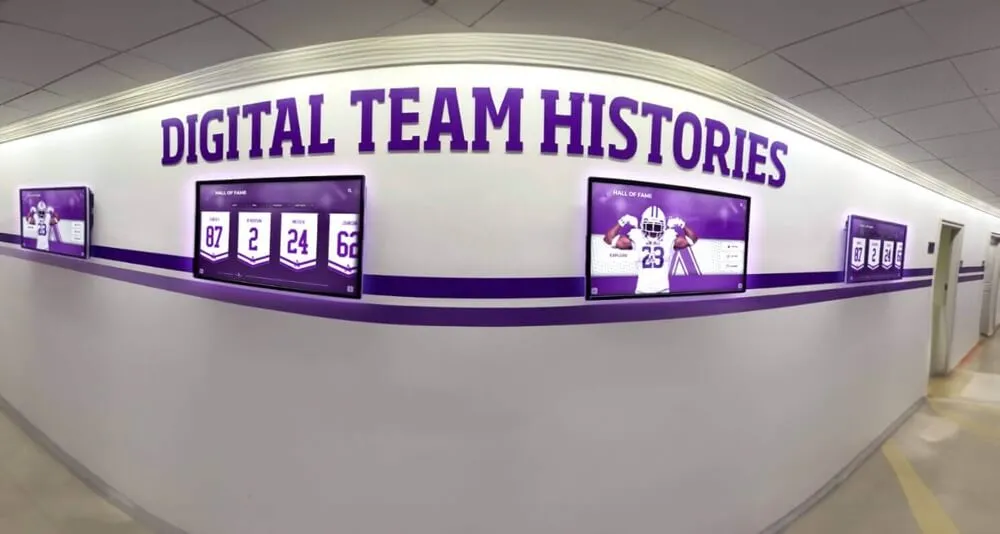
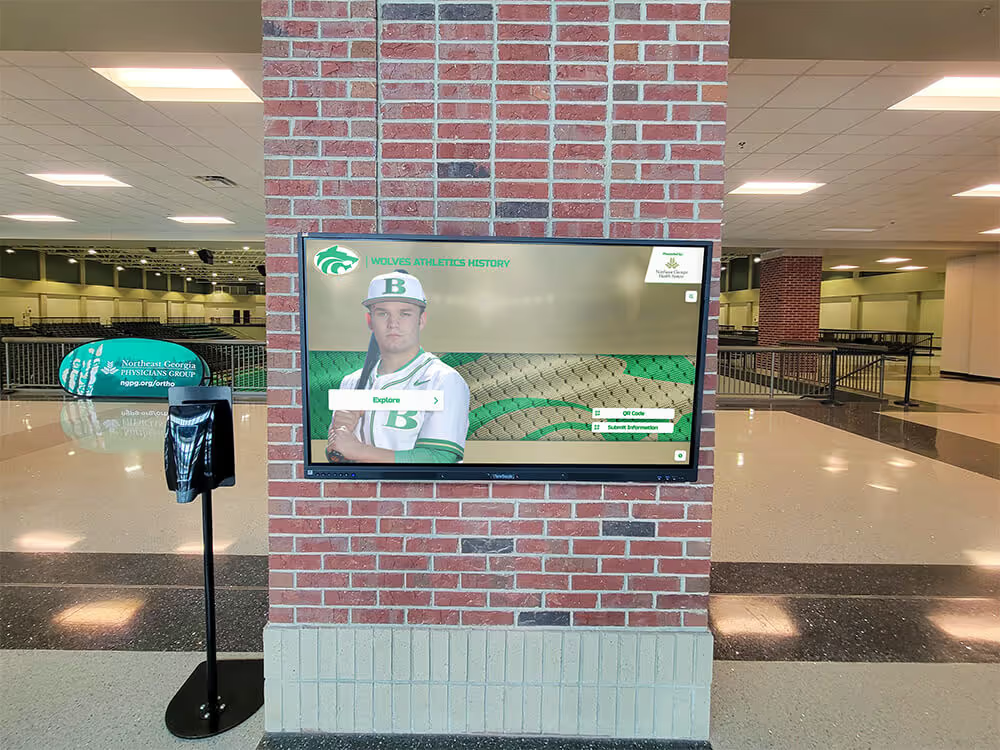
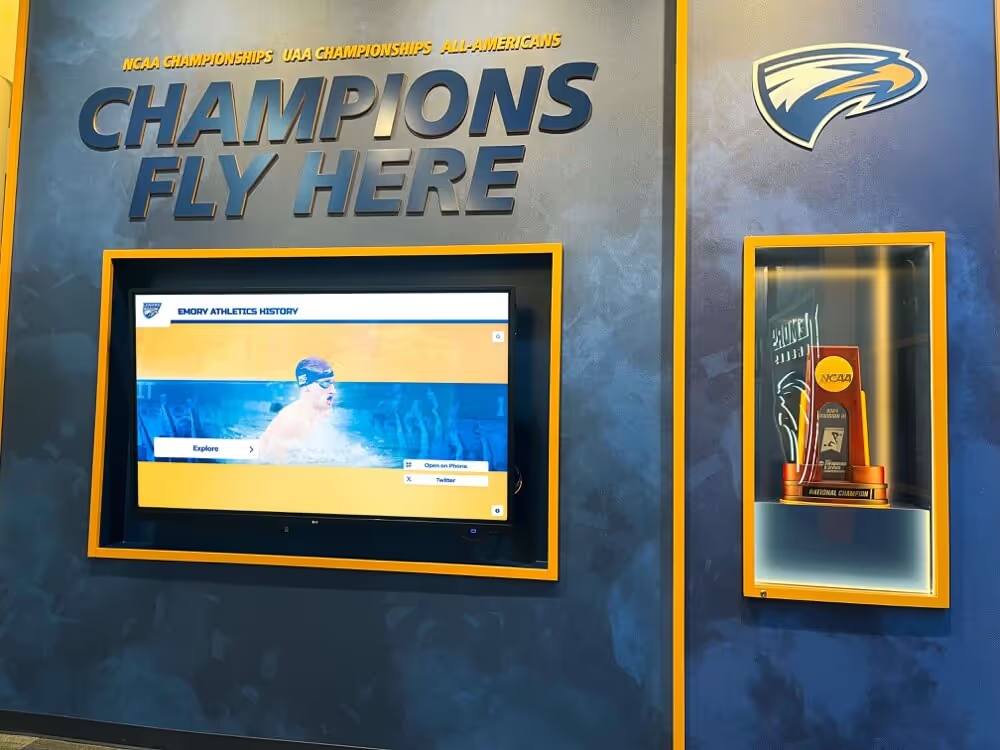
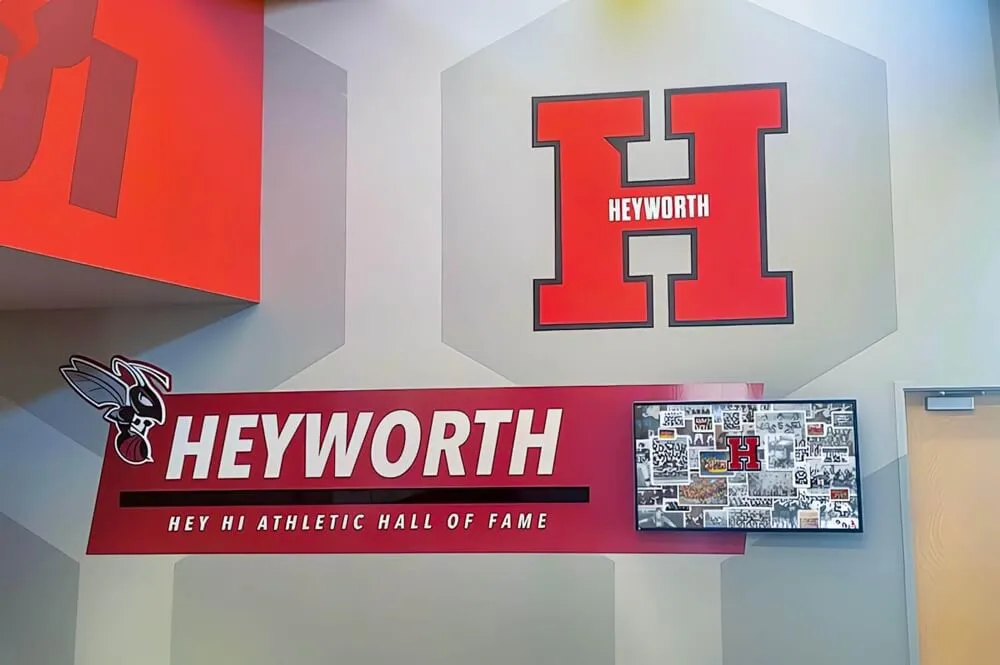
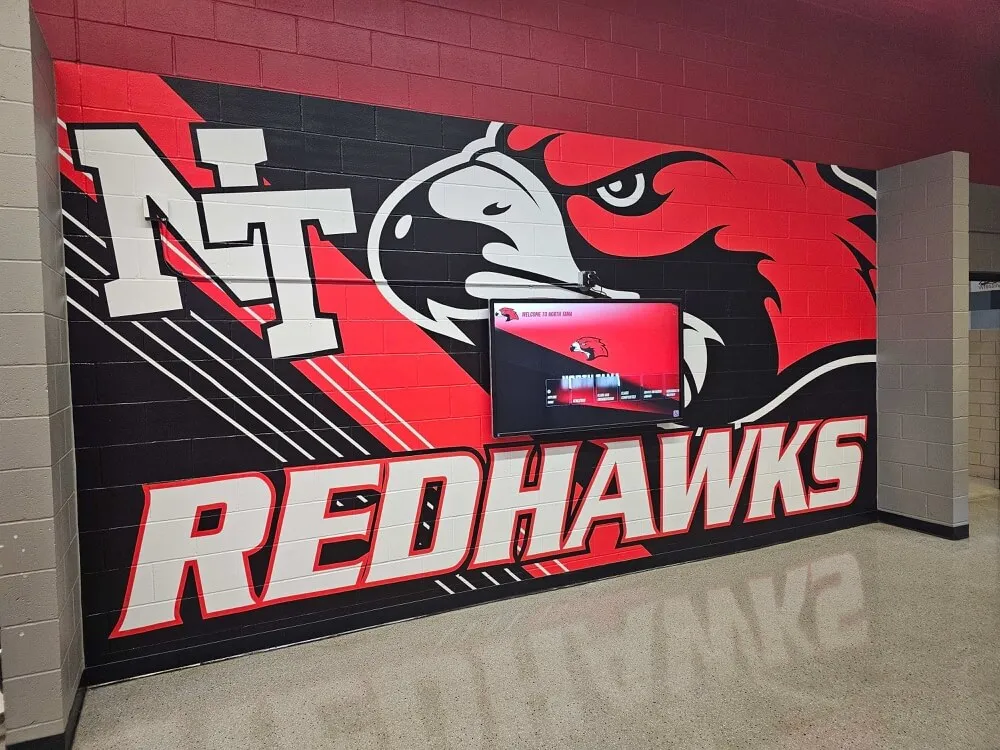
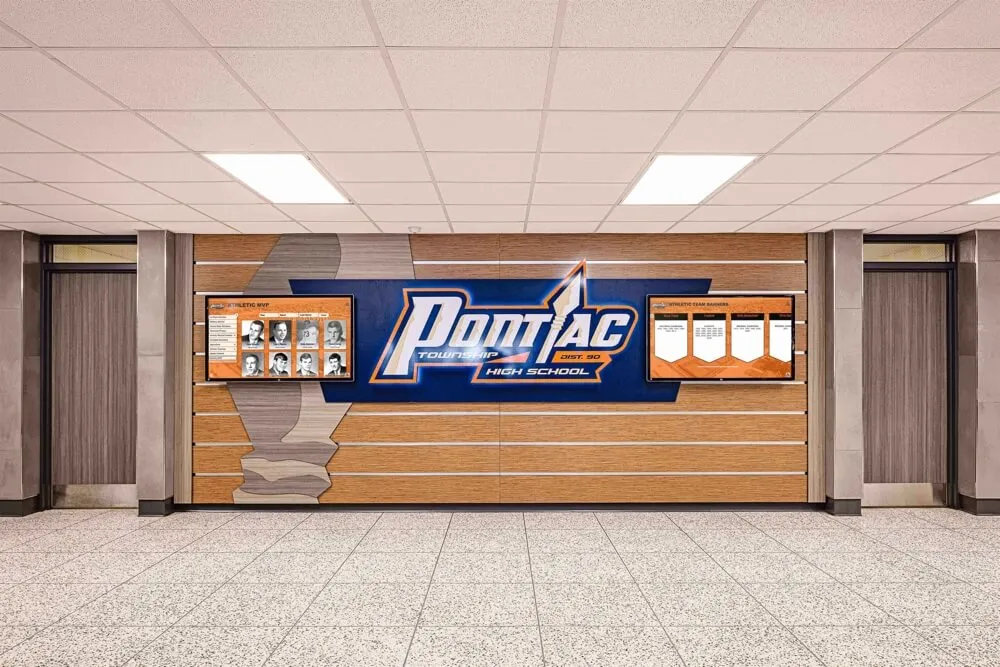
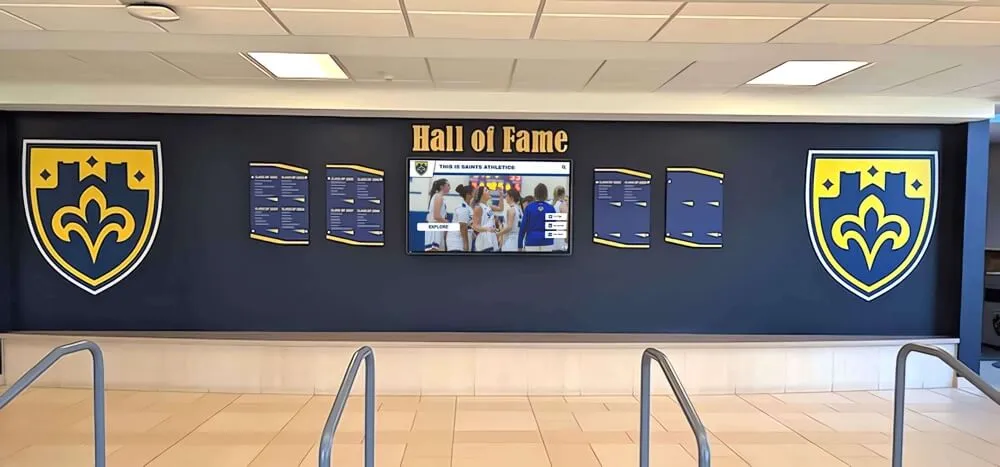
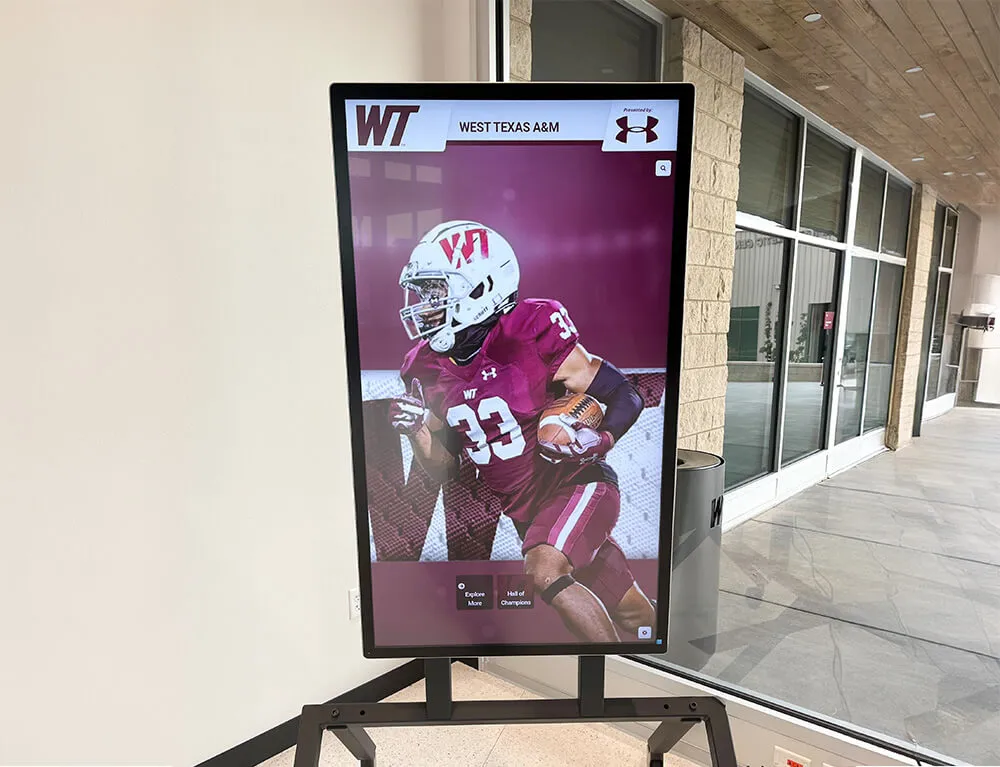
Modern recognition systems help schools celebrate achievements while acknowledging the supporters who make programs possible
Understanding Modern High School Fundraising
Before diving into specific fundraiser ideas, understanding fundamental shifts in donor behavior and community engagement helps schools design effective campaigns.
Why Traditional Fundraisers Struggle Today
Fundraising Saturation
Most families receive constant requests from multiple sources—schools send home fundraising packets for athletics, band, debate, theater, clubs, and class trips, while students simultaneously participate in scouts, youth sports, religious groups, and community organizations all conducting their own campaigns. This overwhelming volume creates resistance even among supportive families who simply cannot respond to every ask.
Changed Consumer Preferences
Door-to-door sales that worked in previous generations face multiple barriers today: working parents unavailable during traditional selling hours, safety concerns about students approaching homes, online shopping habits reducing impulse purchases, and general privacy preferences discouraging unexpected visitors. Products requiring in-person sales and delivery no longer align with how most families live and shop.
Limited Differentiation
When every school runs the same cookie dough, wrapping paper, or discount card campaigns, fundraisers become commoditized transactions rather than meaningful support opportunities. Families struggle to distinguish one product sale from another, reducing emotional connection and purchase motivation.
Keys to Successful Modern Fundraising
Experience Over Products
Effective fundraisers increasingly emphasize experiences, community connection, and mission alignment rather than transaction-focused product sales. Supporters want to feel meaningfully connected to causes they fund—understanding specific needs, seeing tangible impact, and receiving authentic appreciation for contributions.
Multiple Participation Pathways
Successful campaigns accommodate diverse supporter preferences through varied engagement options—some families prefer attending events while others donate online, some volunteer time while others contribute resources, some support publicly while others prefer private giving. Flexibility maximizes participation by meeting supporters where they are.
Strategic Recognition and Stewardship
Modern fundraising recognizes that cultivating long-term relationships generates more sustainable revenue than treating each campaign as isolated transaction. Schools that systematically acknowledge contributions, demonstrate impact, and maintain donor engagement between asks build committed supporter communities funding programs year after year.
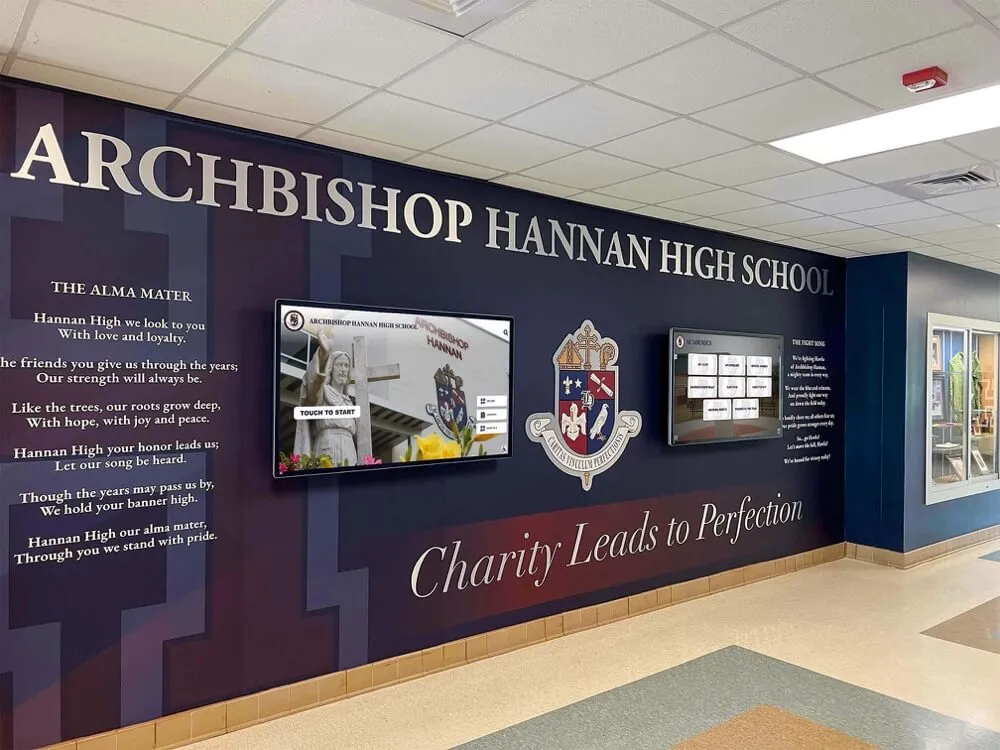
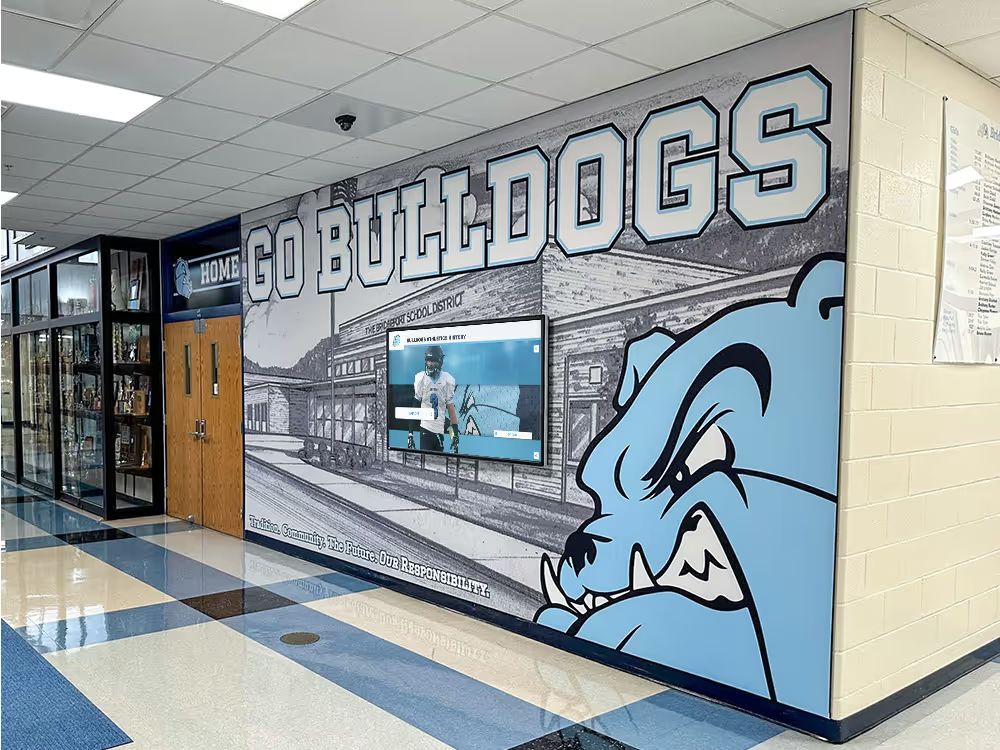
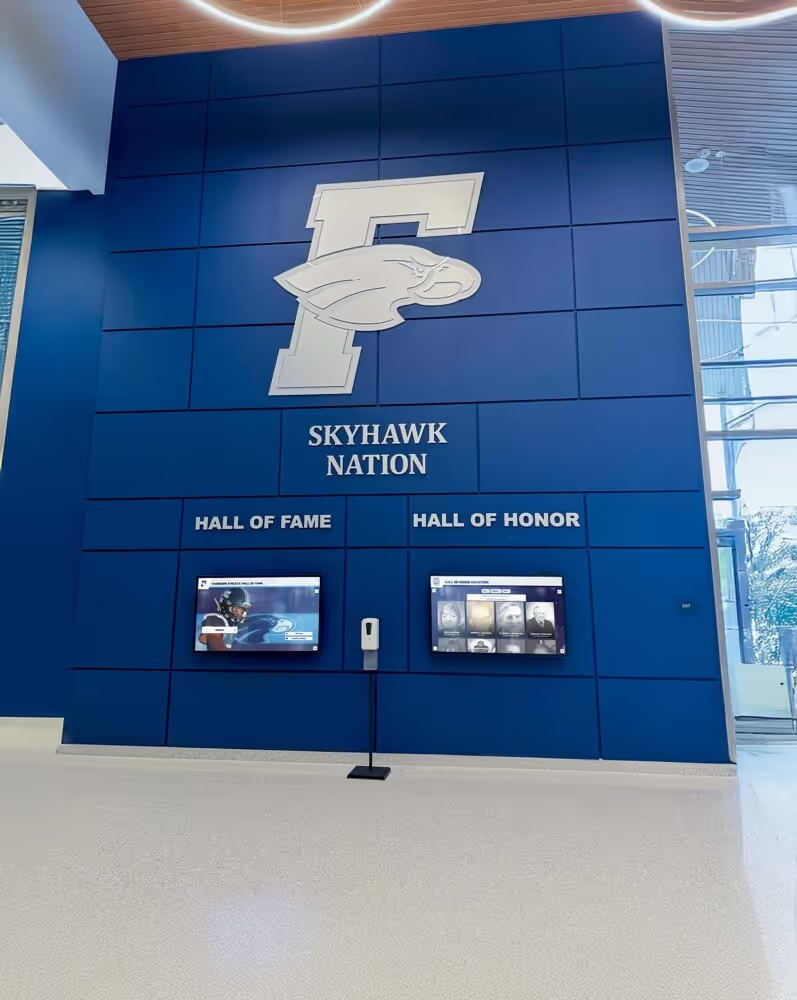
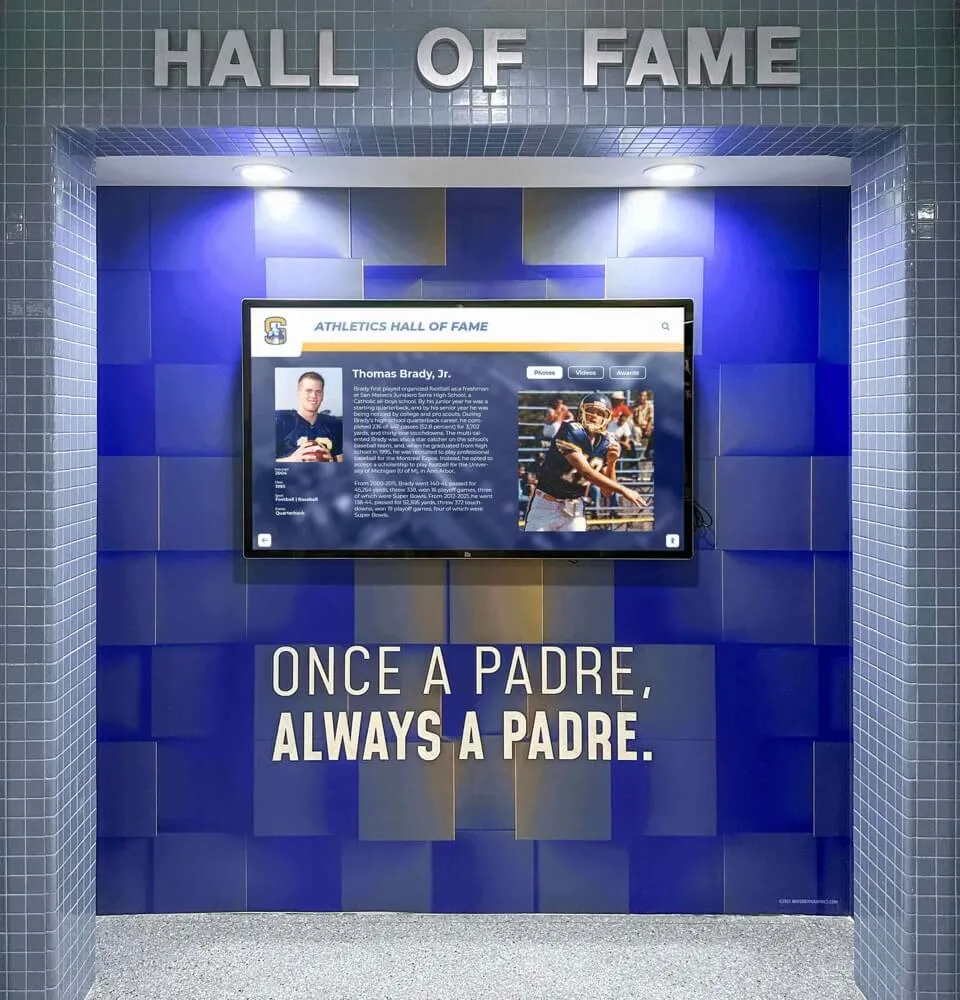
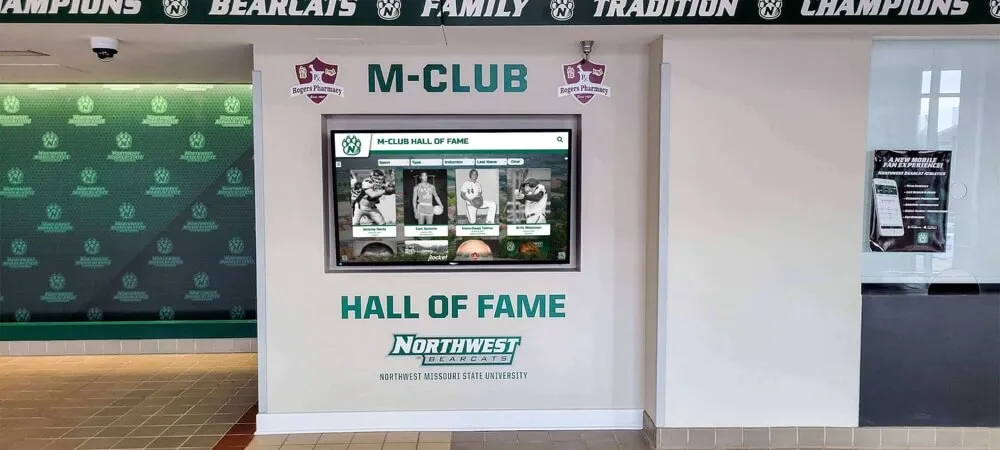
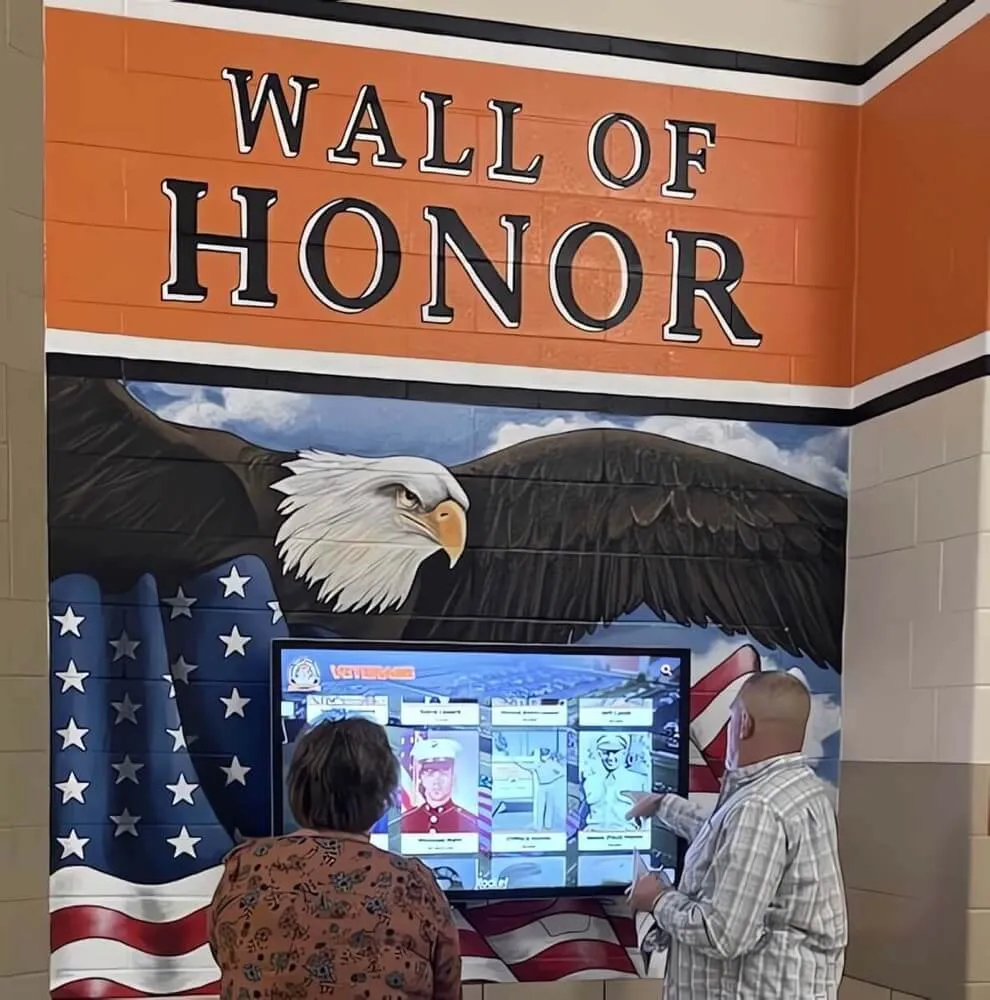
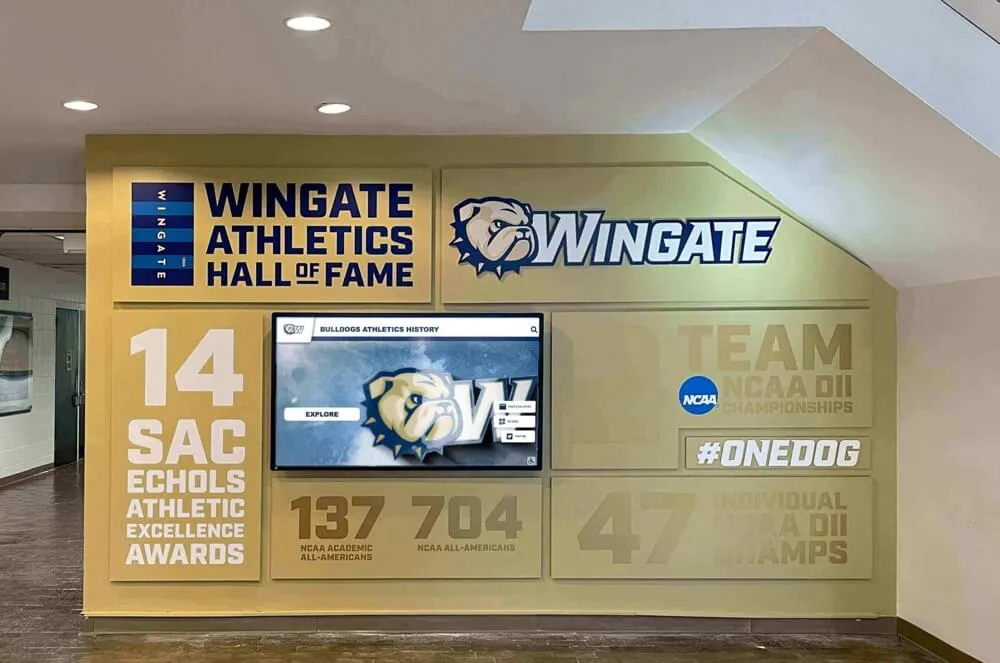
Visible recognition throughout school facilities demonstrates appreciation while inspiring continued community support
Traditional High School Fundraiser Ideas (Reimagined)
Classic fundraising events remain effective when executed strategically with modern enhancements.
Community Event Fundraisers
School Carnivals and Fun Fairs
Large-scale community events generate revenue through multiple streams:
- Admission tickets providing base revenue
- Activity booth fees for games and attractions
- Food and beverage concessions
- Raffle ticket sales throughout event
- Sponsor recognition opportunities for local businesses
- Pre-event fundraising competitions among classes
- Spirit week themes building excitement before the main event
Successful carnivals balance fundraising goals with creating genuinely fun community experiences. When families feel they received entertainment value matching ticket costs, they view participation as celebration rather than obligation—building positive associations with future campaigns.
Athletic Tournaments and Competitions
Sport-based fundraisers attract community participation through:
- 3-on-3 basketball tournaments with team registration fees
- Dodgeball competitions between community groups
- Pickleball or tennis tournaments for adult participants
- Youth soccer or flag football leagues
- Golf scrambles with business sponsor opportunities
- 5K runs combining competitive and recreational divisions
- Cornhole or volleyball tournaments with festive atmospheres
Athletic events work particularly well because they create natural social opportunities, appeal to health-conscious participants, and attract corporate sponsors seeking community visibility and employee engagement.
Performing Arts Showcases
Schools with strong arts programs leverage talent through:
- Talent shows featuring student performances with ticket sales
- Battle of the bands competitions with entry fees
- Theater productions offering VIP seating at premium prices
- Coffee house nights combining performances with refreshment sales
- Film festivals showcasing student productions
- Art exhibits with silent auction opportunities
- Themed dinner theater events combining performance and meal
Arts-based fundraisers simultaneously raise funds and celebrate student achievement—creating compelling cases for support by demonstrating program quality and student development.
Food-Based Fundraisers
Restaurant Partnership Nights
Collaboration with local restaurants creates low-effort fundraisers:
- Percentage of sales nights where establishments donate portions of revenue
- Coupon programs where schools receive portions of redeemed offers
- Food truck festivals with multiple vendors contributing percentages
- Pizza or sandwich nights with advance ticket sales
- Breakfast fundraisers at partner restaurants
- Dessert social events with local bakery partnerships
Restaurant partnerships work well because establishments gain marketing and customer traffic while schools generate revenue with minimal organizational effort. Successful programs rotate among multiple restaurants preventing saturation while building diverse business relationships.
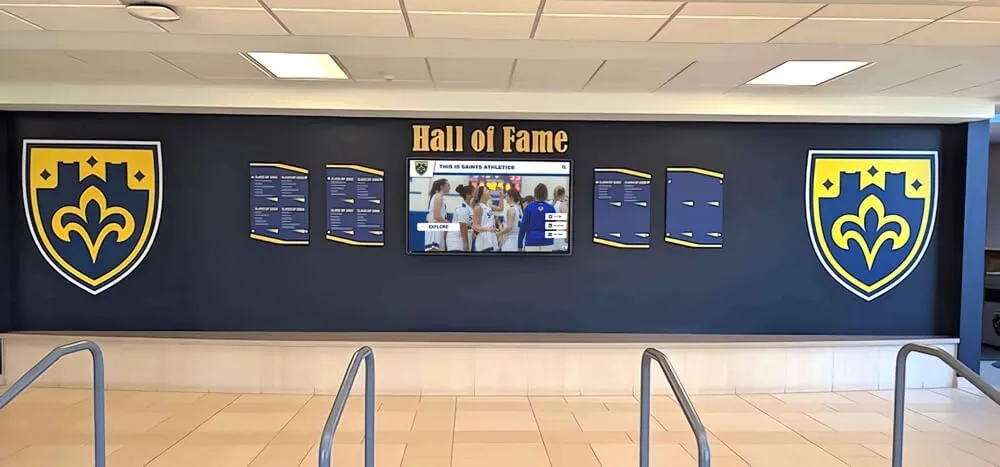
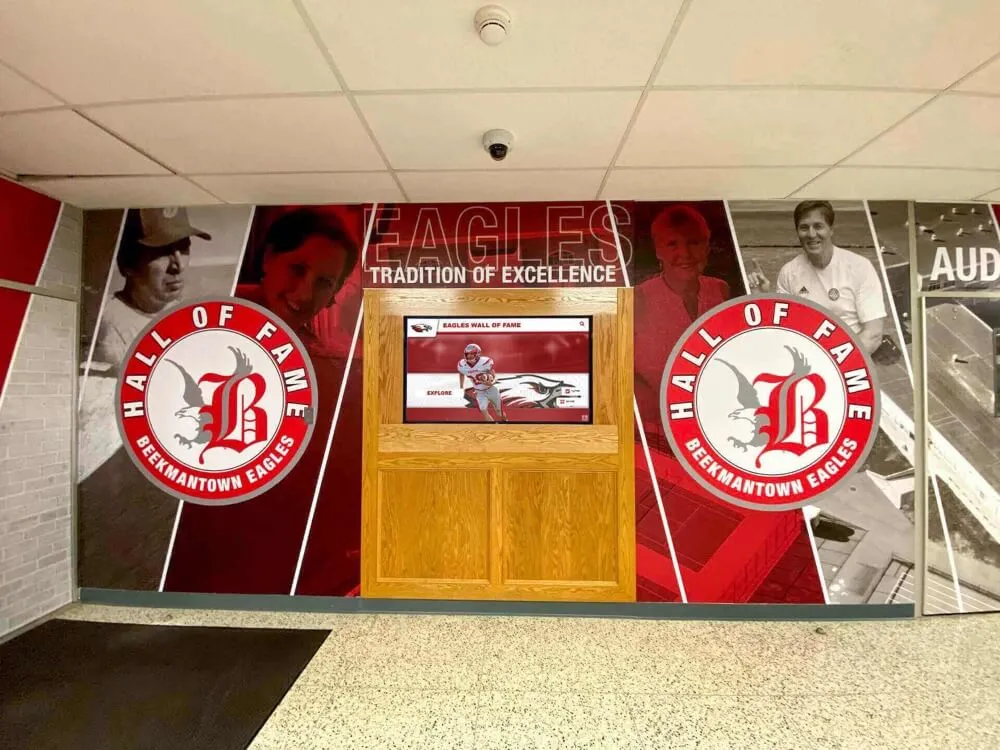
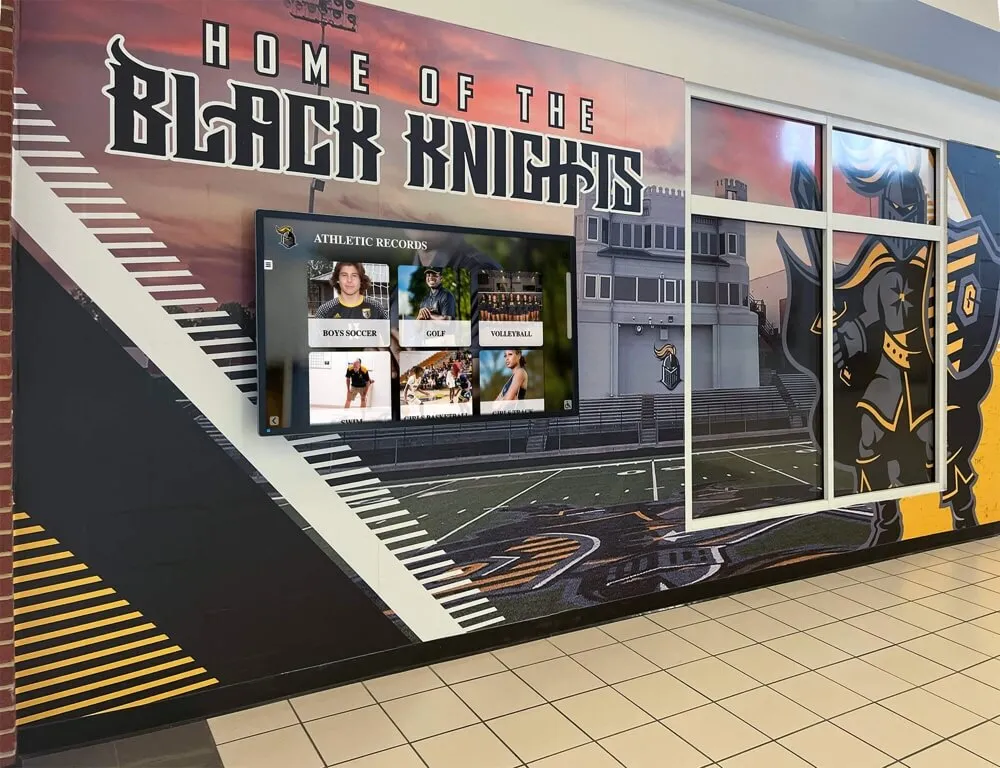
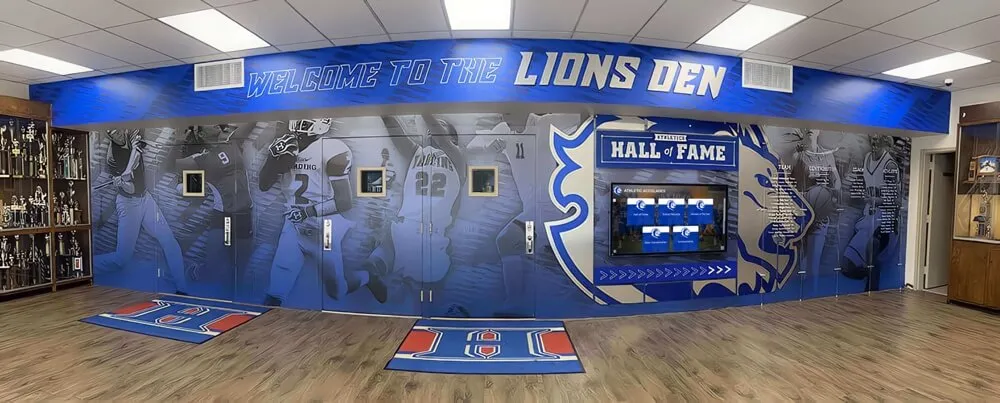
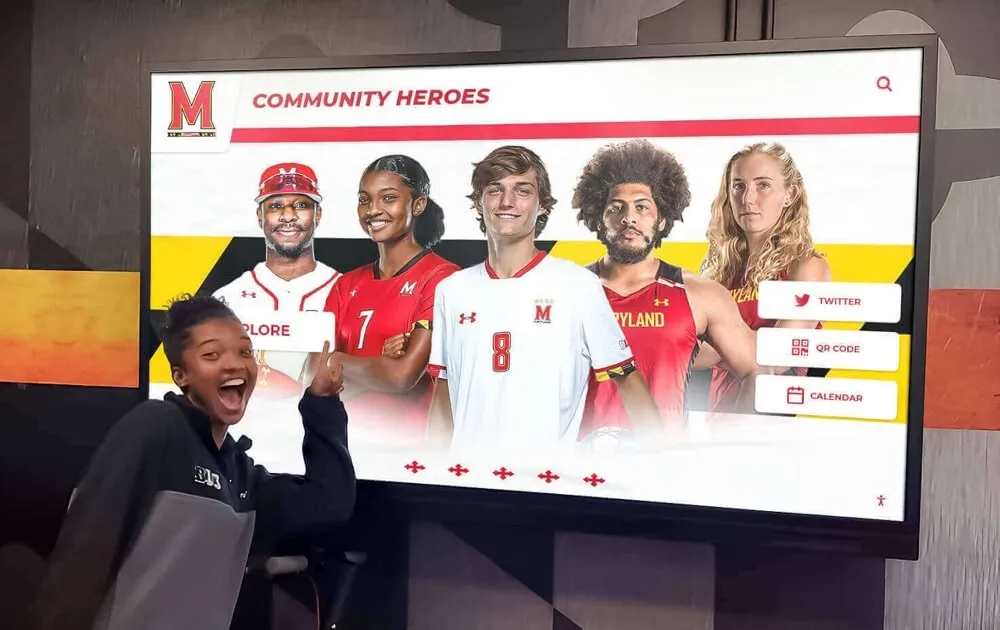
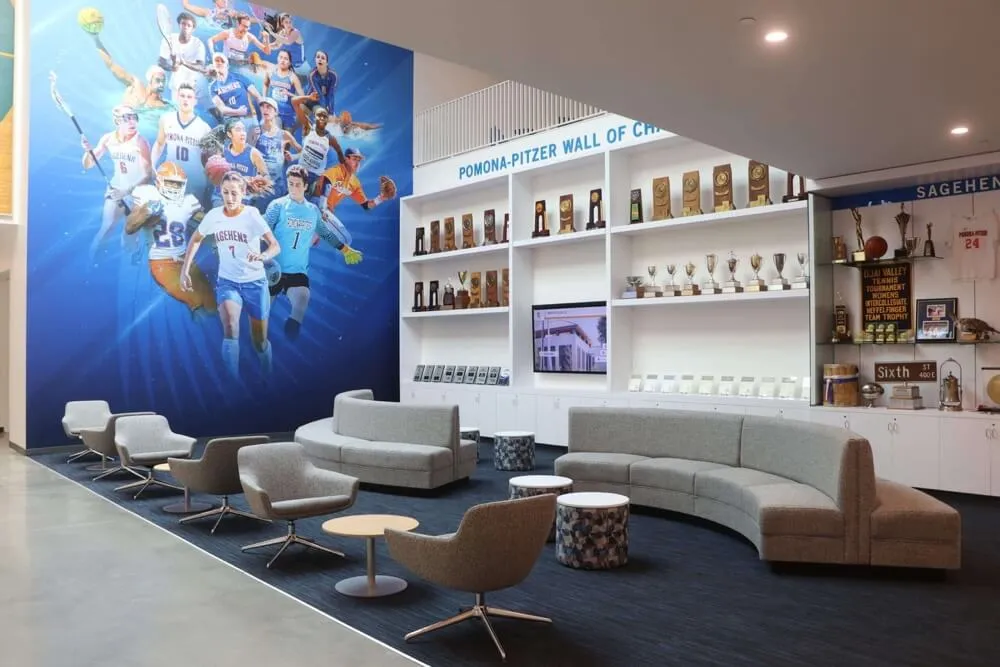
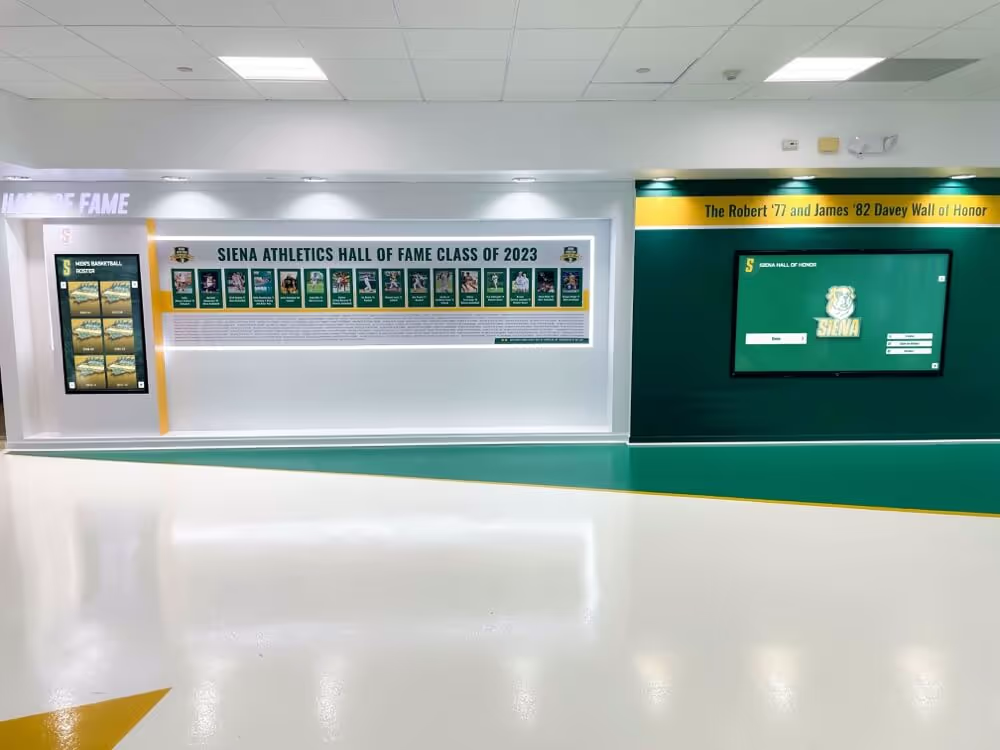
Recognition displays demonstrate how supporter contributions fund the achievements and facilities students enjoy
Food Preparation Sales
Made-to-order food fundraisers reduce inventory risks:
- Pancake breakfast or brunch events
- BBQ dinner sales with advance tickets
- Taco or pasta dinner nights
- Bake sale extravaganzas with homemade goods
- Soup kitchen fundraisers during cold months
- Holiday-themed dinner events
- Catering services for community events and gatherings
Food events succeed through superior quality, reasonable pricing, and convenient timing. Schools positioning meals as valuable services rather than charitable asks often generate better results because families feel they received fair value.
Product Sales (Strategic Approaches)
Seasonal and Holiday Products
Timing product sales to natural buying periods improves results:
- Holiday wreath and decoration sales in November
- Spring flower and plant sales for gardens
- Summer grilling and picnic supply sales
- Back-to-school supply packages for families
- Holiday gift baskets and specialty items
- Seasonal fundraising calendars featuring student artwork
- Custom yearbook sales capturing school year memories
Seasonal alignment makes products feel relevant rather than random—families already intending to purchase items naturally support schools offering convenient access to needed products.
School Spirit Merchandise
Custom apparel and branded items tap into community pride:
- School spirit wear with professional designs
- Custom class shirts and sweatshirts
- Team-specific athletic apparel
- Personalized stadium blankets and cushions
- Water bottles and accessories with school branding
- Car decals and yard signs
- Letterman jacket programs recognizing achievement
Spirit wear works because families genuinely want items they’ll use regularly—creating authentic demand rather than obligation purchases. Online ordering systems simplify logistics while enabling broader family and alumni participation.
Modern Digital Fundraising Strategies
Technology enables efficient, scalable approaches that complement traditional events.
Online Giving Campaigns
Crowdfunding Platforms
Web-based campaigns reach extended networks:
- Project-specific fundraisers with clear funding goals
- Matching gift challenges that double donor impact
- Social media integration amplifying reach
- Progress thermometers creating urgency
- Team or class fundraising competitions
- Donor recognition tiers with public acknowledgment
- Mobile-friendly platforms accommodating smartphone donors
Successful crowdfunding campaigns tell compelling stories explaining specific needs, showing concrete impact, and making giving emotionally satisfying. Generic appeals for operating support generate less engagement than targeted campaigns funding specific equipment, trips, or program enhancements.
Annual Giving Programs
Structured giving initiatives build sustainable funding:
- Giving Tuesday campaigns aligned with national movement
- Year-end tax advantage appeals in December
- Class reunion fundraising tied to milestone anniversaries
- Graduation giving initiatives from senior families
- Monthly recurring donation options
- Matching gift promotion to corporate donors
- Legacy society programs for planned giving
Annual giving works particularly well for capital improvements and facility upgrades that require donor recognition systems acknowledging major contributions while inspiring additional support.
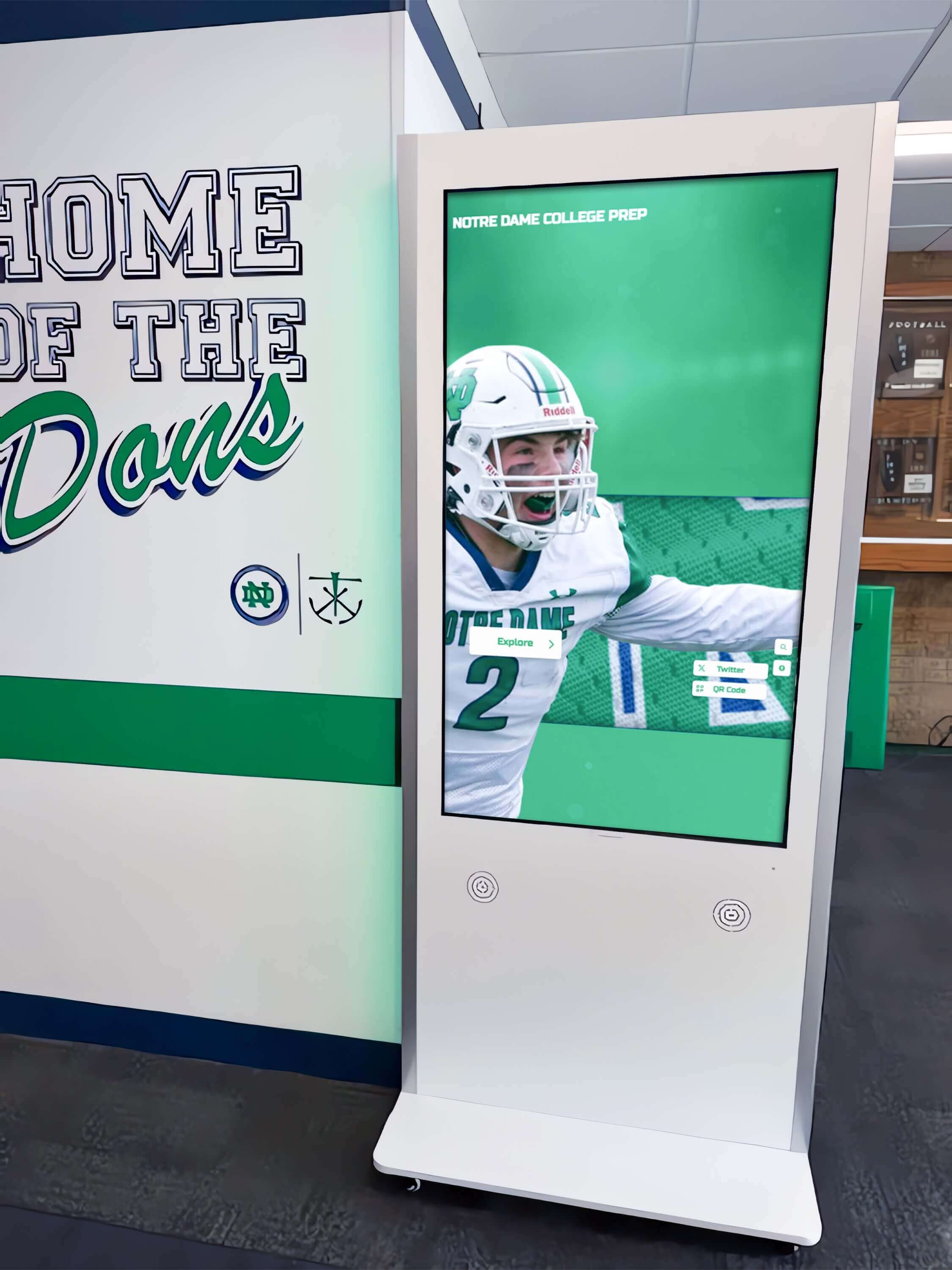
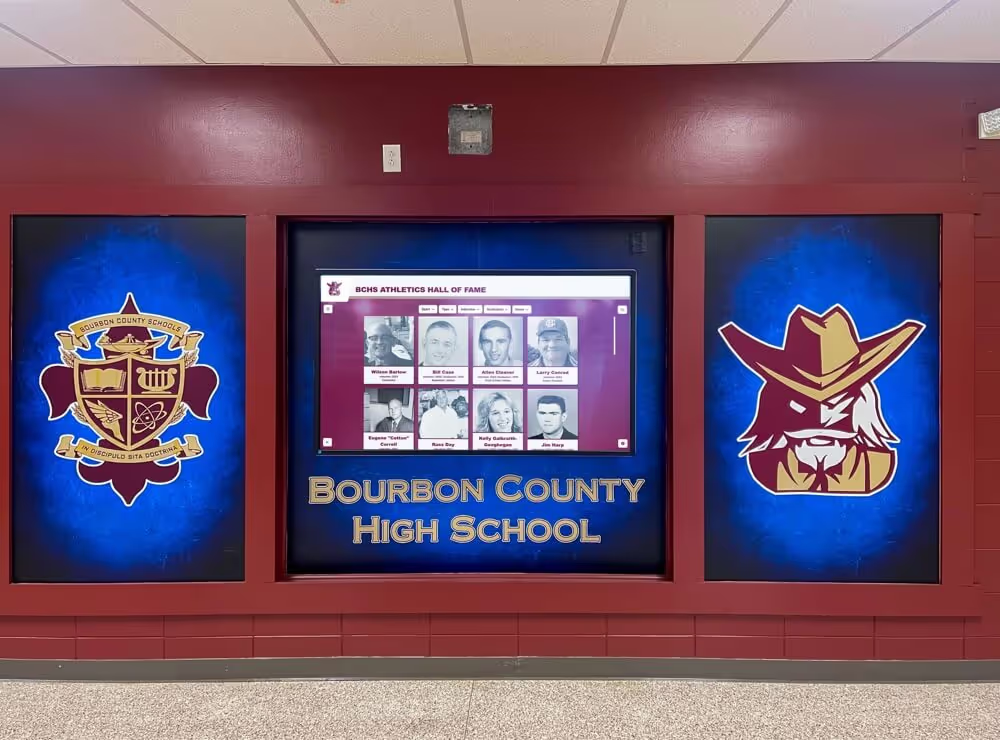
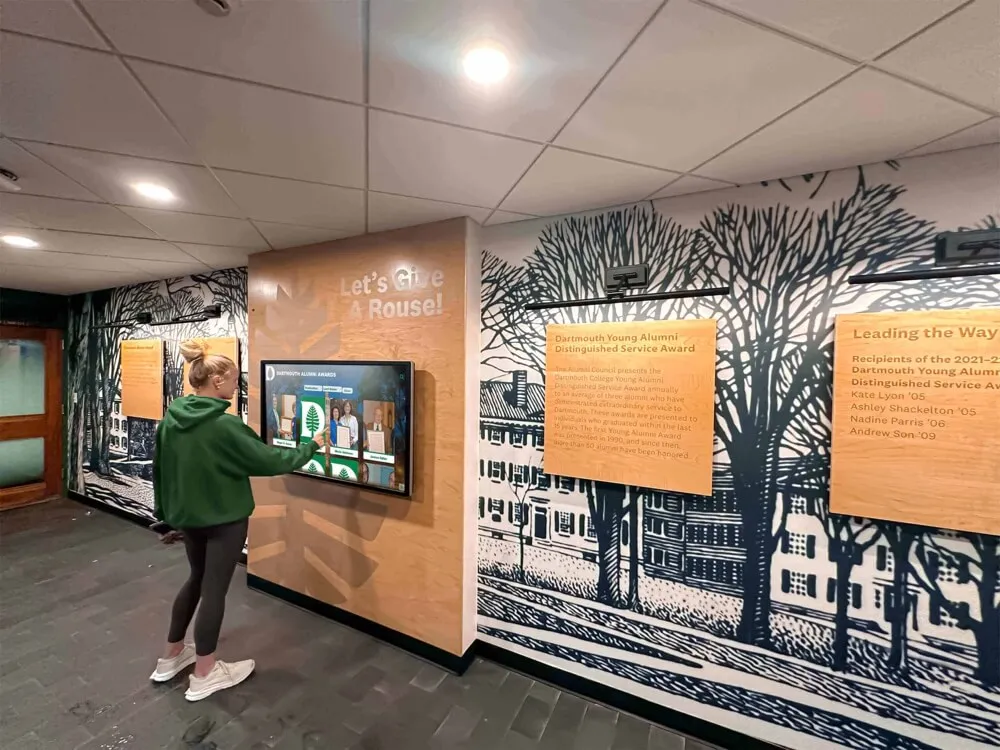
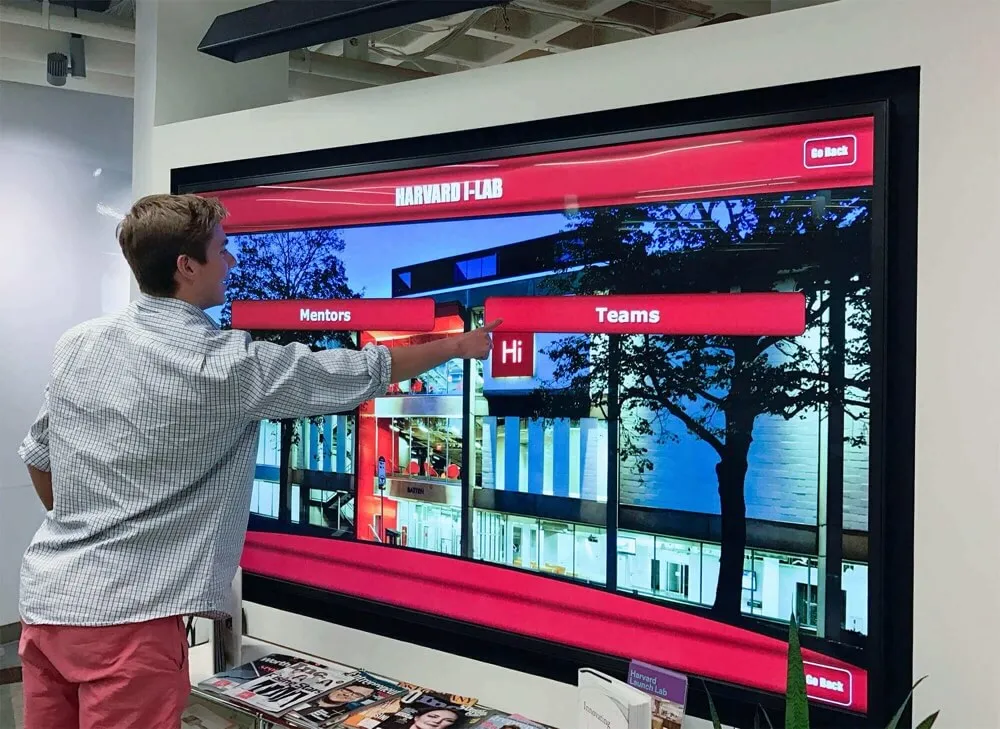
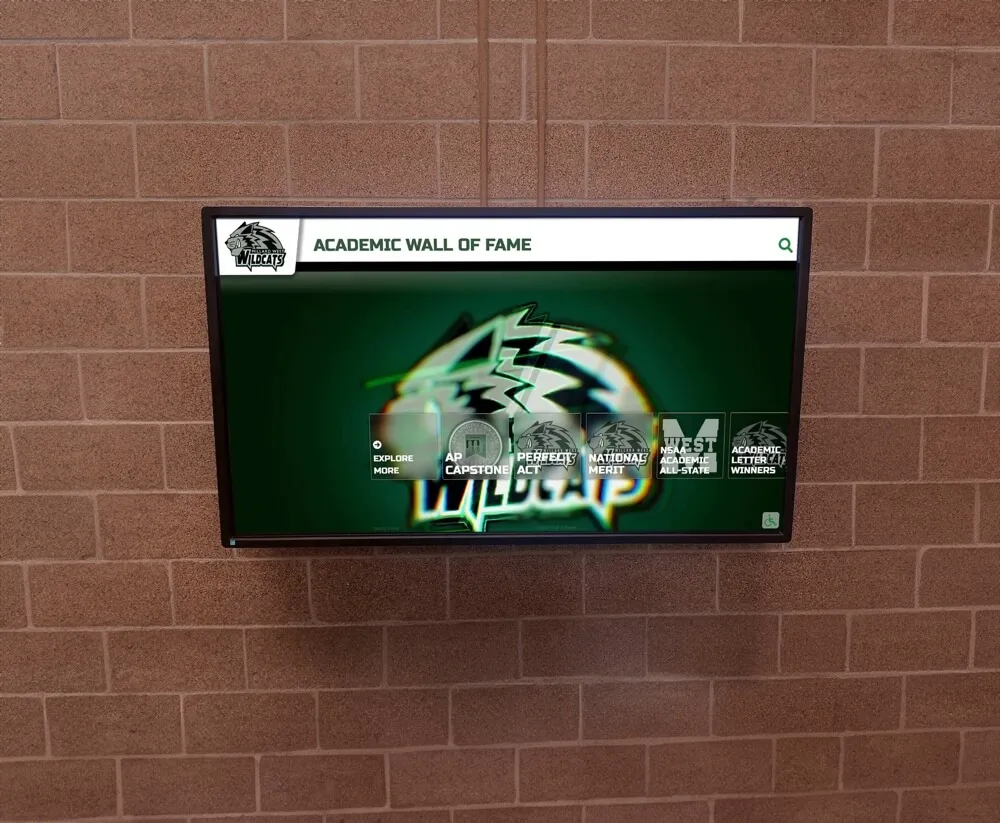
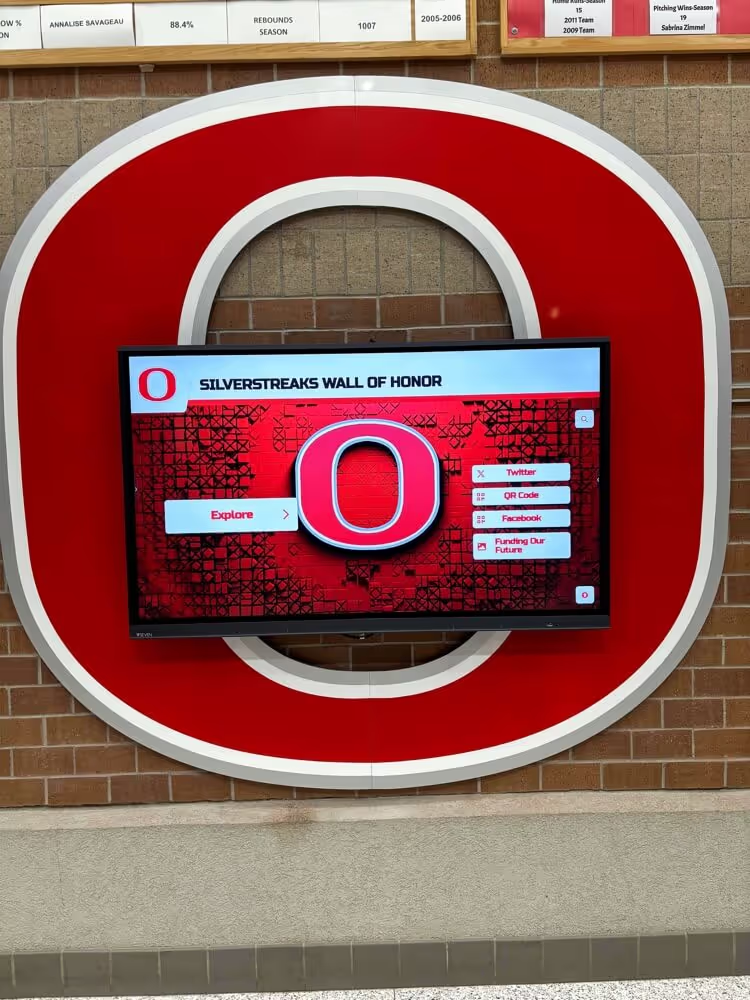
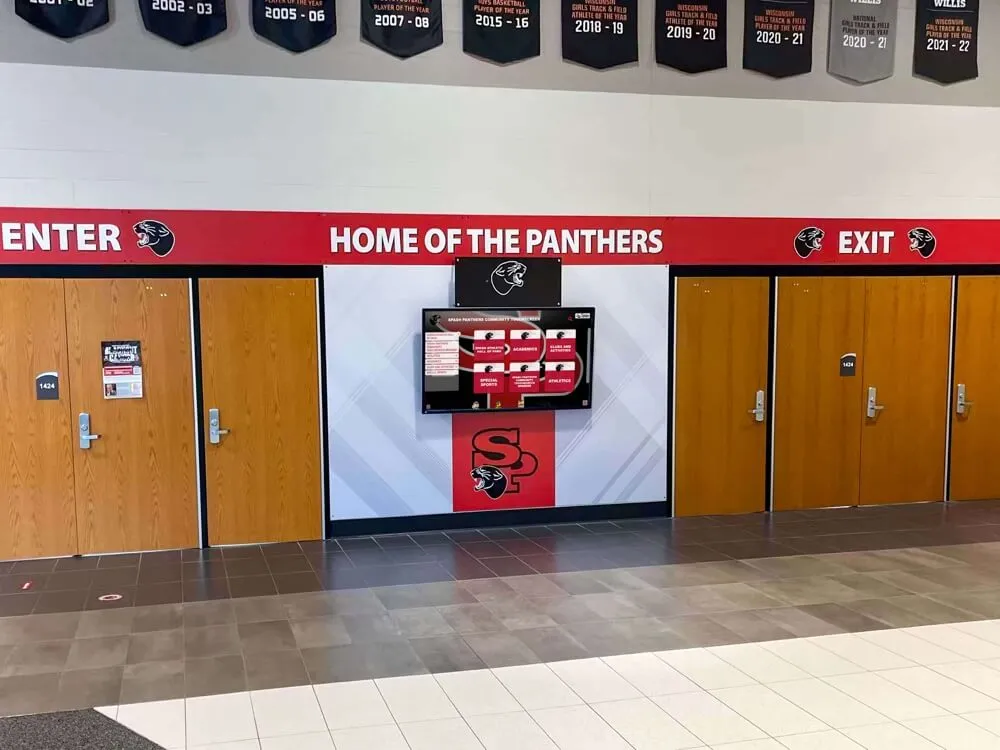
Modern interactive displays enable schools to honor unlimited donors while showcasing the programs their support enables
Social Media and Peer-to-Peer Campaigns
Student Ambassador Programs
Empowering students as fundraising advocates multiplies reach:
- Personal fundraising pages for individual students
- Social media toolkits with shareable content
- Video testimonials explaining impact
- Student-to-student appeals within friend networks
- Friendly competition between classes or teams
- Recognition for top fundraising students
- Mentor support helping students succeed
Peer-to-peer campaigns leverage students’ extensive social networks—enabling campaigns to reach extended family, community connections, and networks beyond traditional school supporter bases. When students personally explain needs and impact, appeals carry authenticity that formal institutional asks often lack.
Hashtag Campaigns and Challenges
Viral-style initiatives generate awareness and participation:
- Photo challenges with branded hashtags
- Video testimonial campaigns showing program impact
- 24-hour giving challenges creating urgency
- Alumni challenge campaigns during homecoming
- Class year giving competitions
- Social sharing incentives and recognition
- Progress updates celebrating milestones
Social campaigns work best when they feel organic and entertaining rather than commercial. Schools creating genuinely shareable content—funny videos, heartfelt testimonials, impressive achievement showcases—generate natural amplification impossible through paid advertising alone.
Virtual Event Fundraisers
Online Auctions
Digital platforms expand auction participation:
- Week-long bidding windows accommodating schedules
- Mobile bidding enabling anytime participation
- Automatic outbid notifications encouraging competition
- Diverse item categories appealing to varied interests
- Alumni participation regardless of geography
- Student experience packages and opportunities
- Business donations providing diverse offerings
Virtual auctions eliminate geographic constraints while reducing volunteer coordination compared to in-person events. Schools can conduct auctions throughout year rather than single annual events—spacing fundraising to prevent saturation.
Streaming Events and Virtual Performances
Digital entertainment creates new revenue opportunities:
- Pay-per-view streaming of theater productions
- Virtual concerts and music showcases
- Online talent show competitions with voting
- Streamed athletic events for distant supporters
- Virtual art gallery exhibitions
- Online trivia nights and game competitions
- Digital escape room experiences
Virtual events enable alumni and distant family participation impossible with in-person gatherings—expanding supporter bases beyond immediate geographic communities while creating convenient engagement options for busy families.
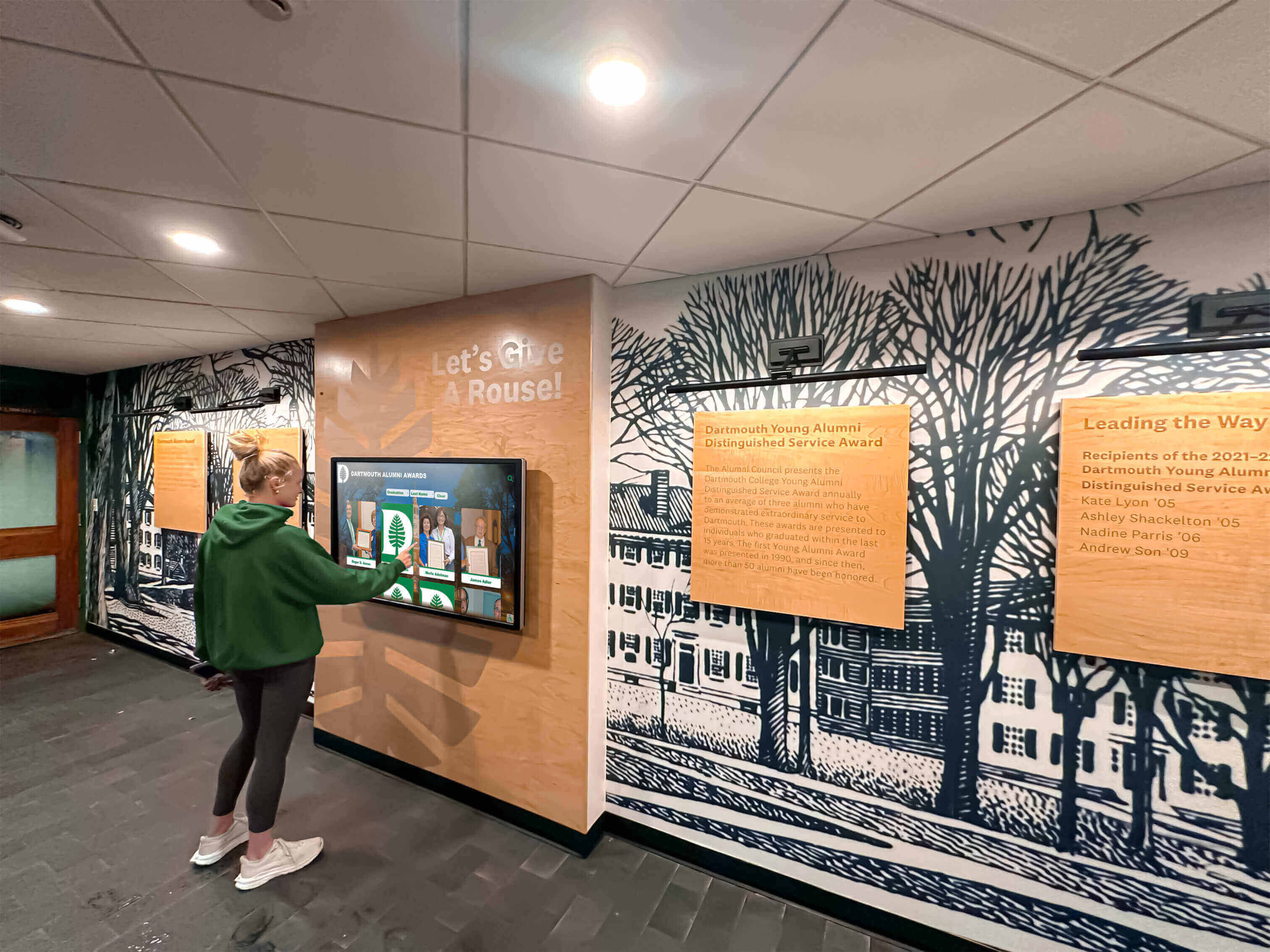
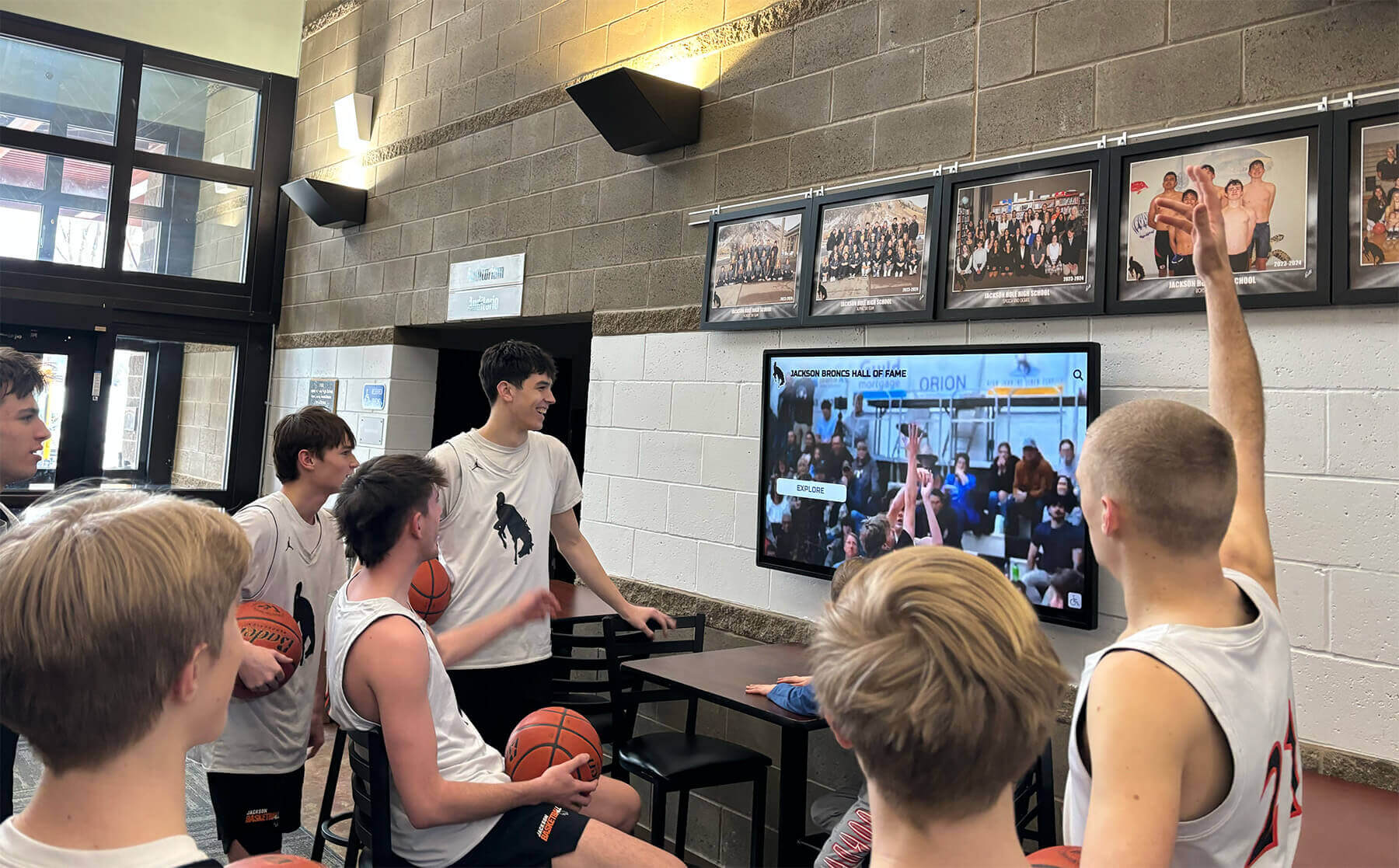
Interactive recognition systems help current students connect with school traditions while seeing how supporter contributions enable their opportunities
Student-Driven Fundraising Ideas
Initiatives led by students build ownership while developing leadership and entrepreneurship skills.
Service-Based Fundraisers
Community Service Projects
Students provide valuable services while raising funds:
- Lawn care and yard work for neighbors
- Snow shoveling services during winter
- Pet walking and sitting services
- Tutoring younger students
- Technology assistance for seniors
- House cleaning and organization services
- Babysitting cooperative programs
Service fundraisers teach work ethic and community contribution while generating revenue—creating educational experiences beyond simple fund collection. Families often prefer supporting student services over product purchases, viewing transactions as teaching moments rather than obligations.
Event Assistance Services
Schools offer volunteer labor for community needs:
- Event setup and breakdown crews
- Parking attendants for community festivals
- Concession stand operation at venues
- Coat check services at formal events
- Registration and check-in assistance
- Cleanup crews after gatherings
- Festival booth staffing
Service-based fundraising builds community goodwill while demonstrating student character and capability—often leading to additional support from impressed community members who value visible student contribution.
Creative and Entrepreneurial Fundraisers
Student Business Initiatives
Entrepreneurial projects teach business skills:
- Student-made craft sales with unique products
- Custom design services for community members
- Technology repair clinics fixing devices
- Photography services for family portraits
- Social media management for local businesses
- Website development for small organizations
- Custom artwork and commission pieces
Business-style fundraisers particularly appeal to STEM and CTE programs demonstrating practical skill application. When students create genuine value through quality products or services, community members support programs while receiving worthwhile goods or assistance.
Talent and Skill Showcases
Monetizing student abilities generates revenue:
- Student art sales with original works
- Custom music performance bookings
- Comedy show fundraising events
- Magic show performances
- Dance showcase ticket sales
- Academic competition sponsorships highlighting achievement
- Athletic skills clinics for youth
Showcasing student talent simultaneously fundraises and celebrates program quality—creating compelling evidence of why programs deserve continued support.
Corporate and Business Partnership Strategies
Local business relationships provide substantial, sustainable funding.
Sponsorship Programs
Tiered Sponsorship Packages
Structured levels create clear value propositions:
- Bronze/Silver/Gold/Platinum sponsorship tiers
- Logo placement on programs, banners, and displays
- Social media recognition and promotion
- Website acknowledgment with business links
- Event VIP access and premium seating
- Digital recognition displays showcasing corporate supporters
- Exclusive category rights for competitive businesses
Effective sponsorship programs emphasize business value—marketing exposure, community goodwill, and customer engagement—rather than framing partnerships as pure charitable donations. Businesses that see tangible returns maintain relationships across multiple years.
Cause Marketing Partnerships
Aligning business operations with school support:
- Percentage of sales programs during designated periods
- Customer round-up donations at checkout
- Product sales with donation components
- Co-branded merchandise benefiting schools
- Customer loyalty programs supporting education
- Business anniversary campaigns choosing schools as beneficiaries
- Grand opening celebrations partnering with schools
Cause marketing creates win-win relationships where businesses gain customers and marketing while schools receive sustainable funding streams requiring minimal ongoing effort.
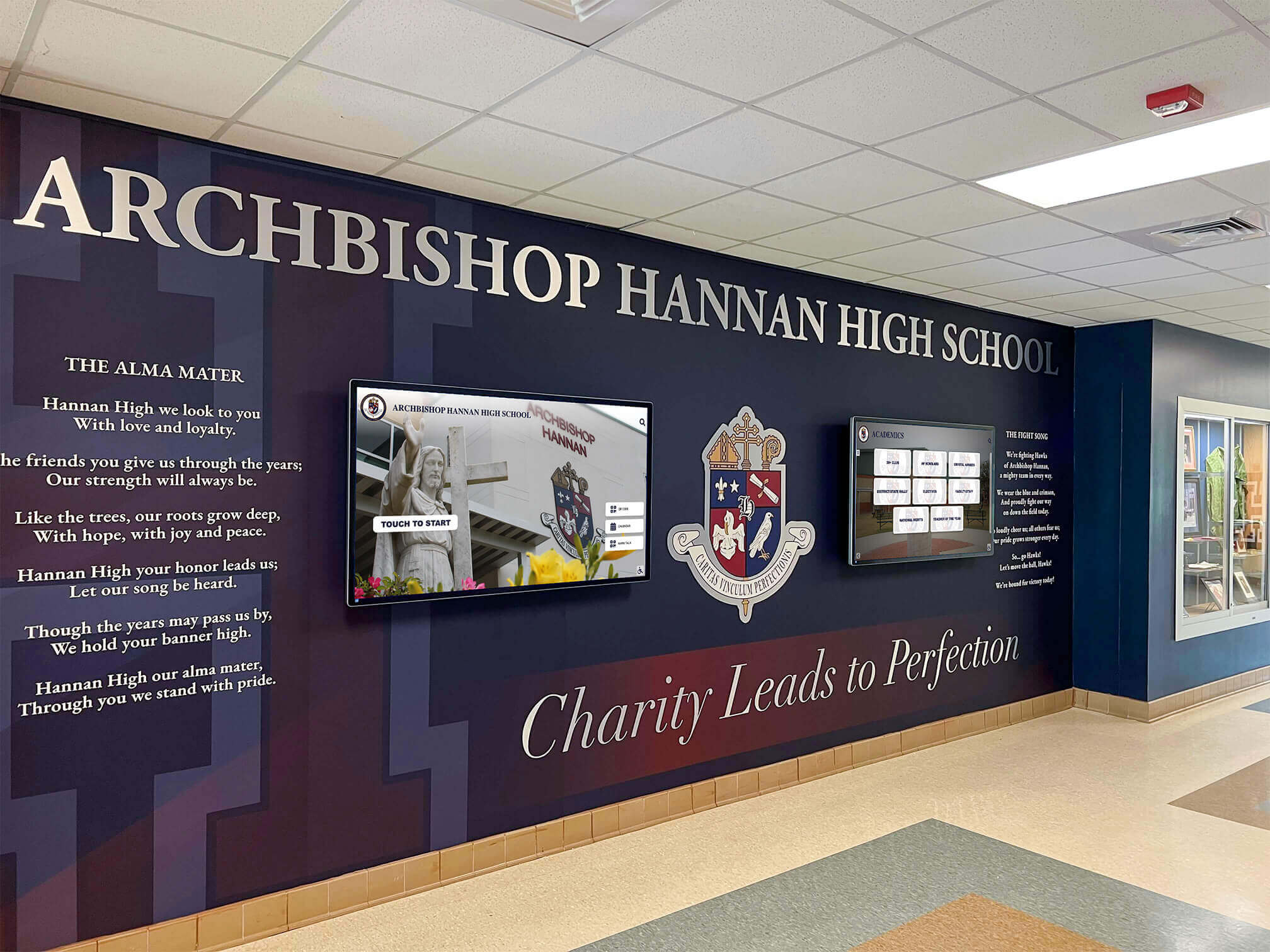
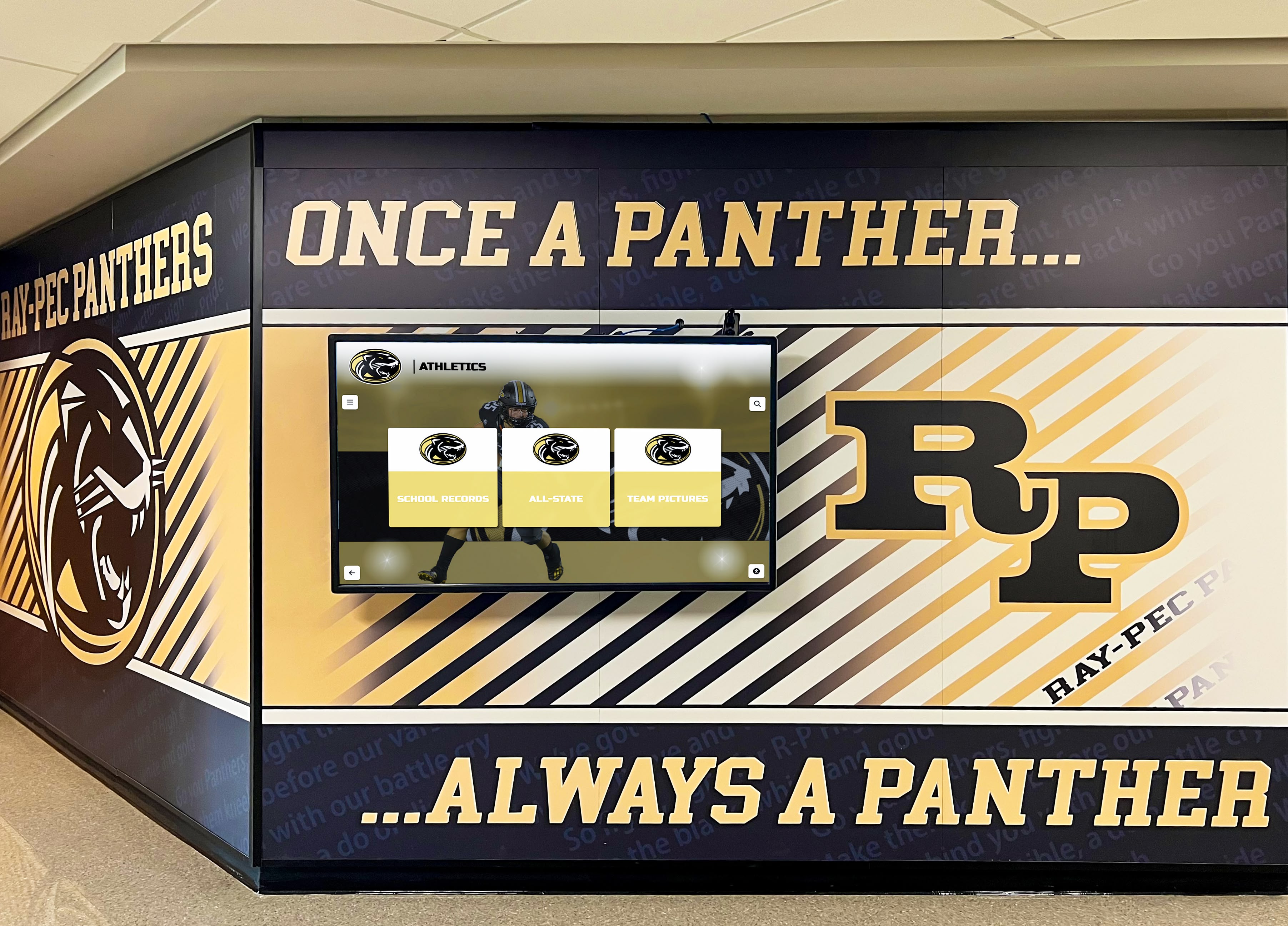
Integrated recognition systems combine school branding with donor acknowledgment, honoring supporters while reinforcing institutional identity
Grant and Foundation Funding
Local Foundation Grants
Community foundations often prioritize education:
- Small grant programs for specific projects
- Youth development funding initiatives
- Arts and culture grant opportunities
- STEM education support programs
- Athletic facility improvement grants
- Technology access and equity funding
- Community enrichment project support
Grant applications require research, planning, and clear project descriptions—but successful applications often fund needs that would require numerous smaller fundraising campaigns. Schools developing grant writing capacity access funding sources beyond traditional donor bases.
Corporate Education Initiatives
Businesses increasingly support education through:
- STEM program sponsorships from technology companies
- Financial literacy programs from banking institutions
- Health and wellness initiatives from healthcare providers
- Environmental education from sustainability-focused businesses
- Career readiness programs from industry partners
- Scholarship programs for employees’ children
- Equipment donations and technology grants
Corporate education support often provides more than funding—including mentorship, internship opportunities, career exposure, and subject matter expertise enhancing educational programs beyond what financial contributions alone enable.
Capital Campaign Strategies for Major Projects
Large-scale fundraising for significant facility improvements or endowment building requires strategic approaches.
Naming Opportunities
Facility and Space Recognition
Major gifts often include prominent acknowledgment:
- Building or facility naming rights
- Stadium and field naming opportunities
- Gymnasium and court designations
- Theater and auditorium recognition
- Library and media center naming
- Classroom and laboratory sponsorships
- Athletic facility components (locker rooms, scoreboards, fields)
Naming rights create compelling incentives for transformational gifts—providing lasting recognition while funding improvements benefiting students for decades. Clear minimum contribution guidelines and professional recognition plans help donors understand investment and acknowledgment they’ll receive.
Program Endowment Opportunities
Permanent funding for specific programs:
- Athletic program endowments supporting operations
- Arts education endowments ensuring program continuity
- Scholarship endowments for student support
- Faculty excellence funds supporting professional development
- STEM program endowments funding equipment and supplies
- Special needs program support funds
- Innovation and entrepreneurship program endowments
Endowments appeal to donors seeking lasting impact beyond immediate needs—creating permanent legacies supporting students perpetually rather than funding consumed in single year.
Multi-Phase Campaign Planning
Strategic Campaign Development
Successful capital campaigns follow proven structures:
- Quiet phase cultivation of major gifts before public launch
- Leadership gift solicitation from board and key stakeholders
- Public phase broad community engagement
- Stretch goals creating aspirational targets
- Clear communication about needs and impact
- Regular progress updates building momentum
- Recognition systems honoring all giving levels
Professional capital campaigns raise 3-5x more than informal appeals because systematic approaches cultivate appropriate donors, make compelling cases, and provide recognition inspiring participation across all giving levels.
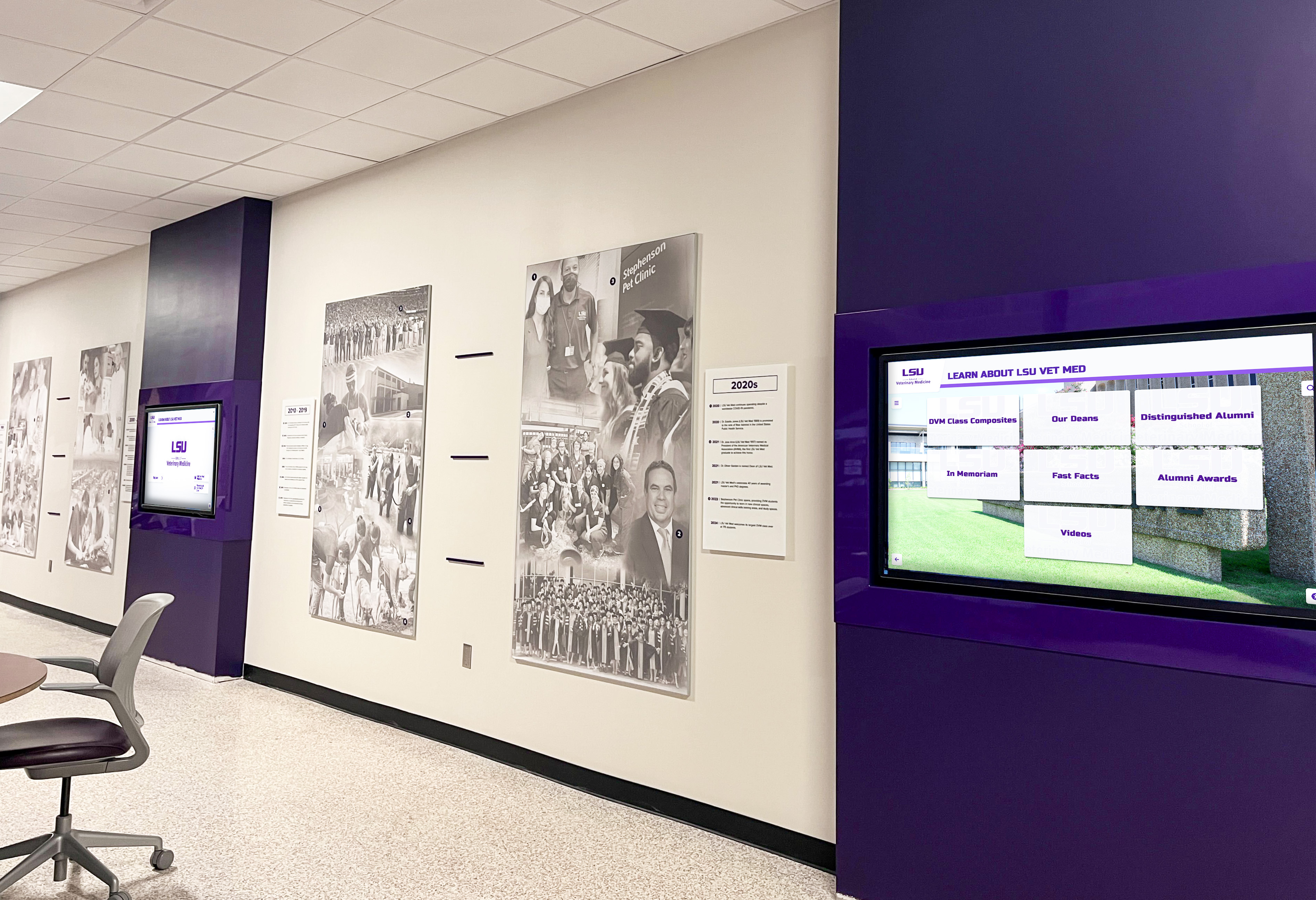
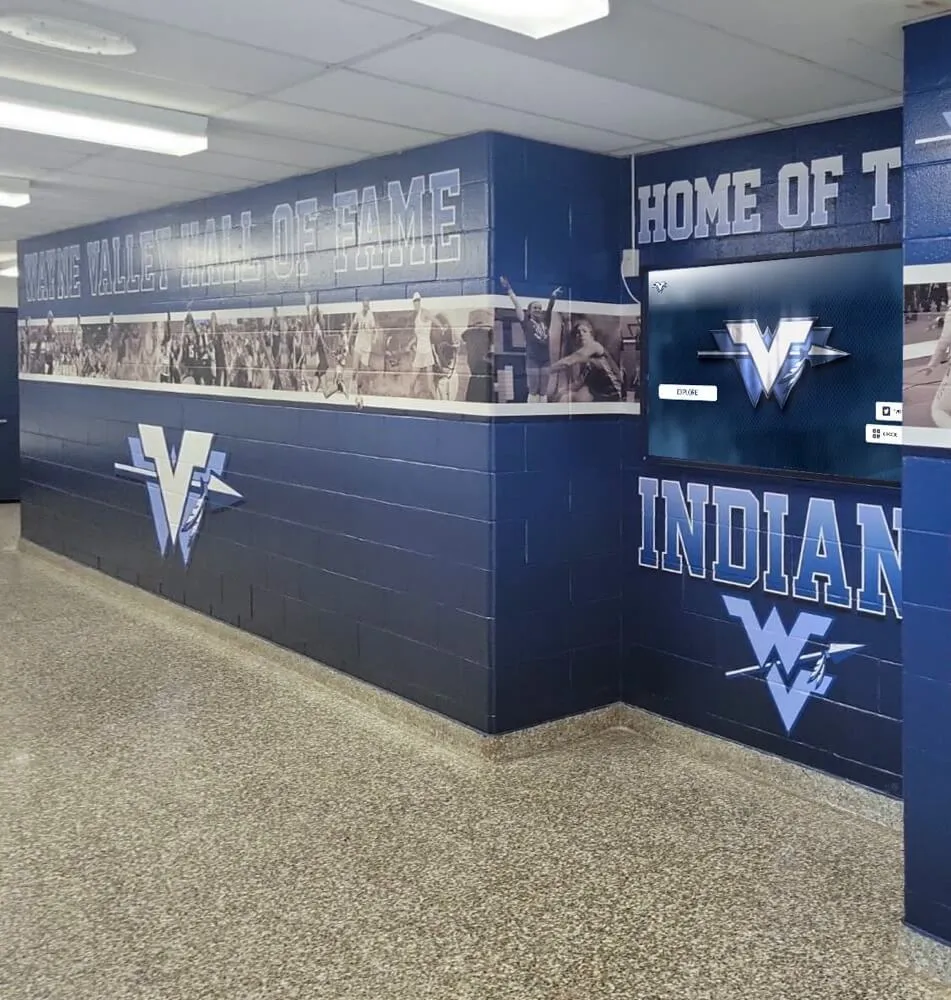
Multiple recognition displays throughout facilities create comprehensive acknowledgment while demonstrating broad community support
Maximizing Donor Recognition and Stewardship
Effective acknowledgment transforms one-time contributors into committed long-term supporters.
Comprehensive Recognition Systems
Multi-Channel Acknowledgment
Meaningful appreciation occurs across touchpoints:
- Immediate digital receipts confirming contributions
- Personal thank-you notes from students or program leaders
- Public recognition at school events and assemblies
- Social media spotlights featuring donor stories
- Newsletter and publication acknowledgment
- Website donor listing and recognition
- Digital recognition displays honoring all contribution levels
Comprehensive recognition matters because donors who feel genuinely appreciated give repeatedly—converting transactional contributions into lasting philanthropic relationships that sustain programs across years.
Impact Reporting
Demonstrating results builds trust and continued support:
- Pre-campaign communication clarifying specific needs
- Mid-campaign progress updates showing participation
- Post-campaign impact reports connecting funds to outcomes
- Specific project completion announcements
- Student testimonials explaining how support helped
- Photo and video documentation of funded improvements
- Annual reports highlighting accomplishments enabled by support
Transparency about fund usage builds donor confidence essential for repeated giving—contributors who see clear connections between support and student success remain engaged supporters.
Modern Digital Recognition Solutions
Interactive Donor Displays
Technology enables scalable, engaging acknowledgment:
Solutions like Rocket Alumni Solutions provide schools with comprehensive recognition capabilities that traditional plaques cannot match:
Unlimited Recognition Capacity
Digital displays eliminate space constraints limiting physical donor walls—every contributor receives appropriate acknowledgment regardless of giving level or campaign size. Schools can honor dozens, hundreds, or thousands of supporters without additional hardware investment, ensuring inclusive recognition that strengthens comprehensive development programs.
Automated Updates
New donors, giving level advancements, and campaign milestones update automatically through intuitive content management systems. When contributions arrive, recognition appears immediately across displays and web platforms—maintaining timeliness while reducing administrative burden compared to ordering and installing physical plaques.
Enhanced Engagement
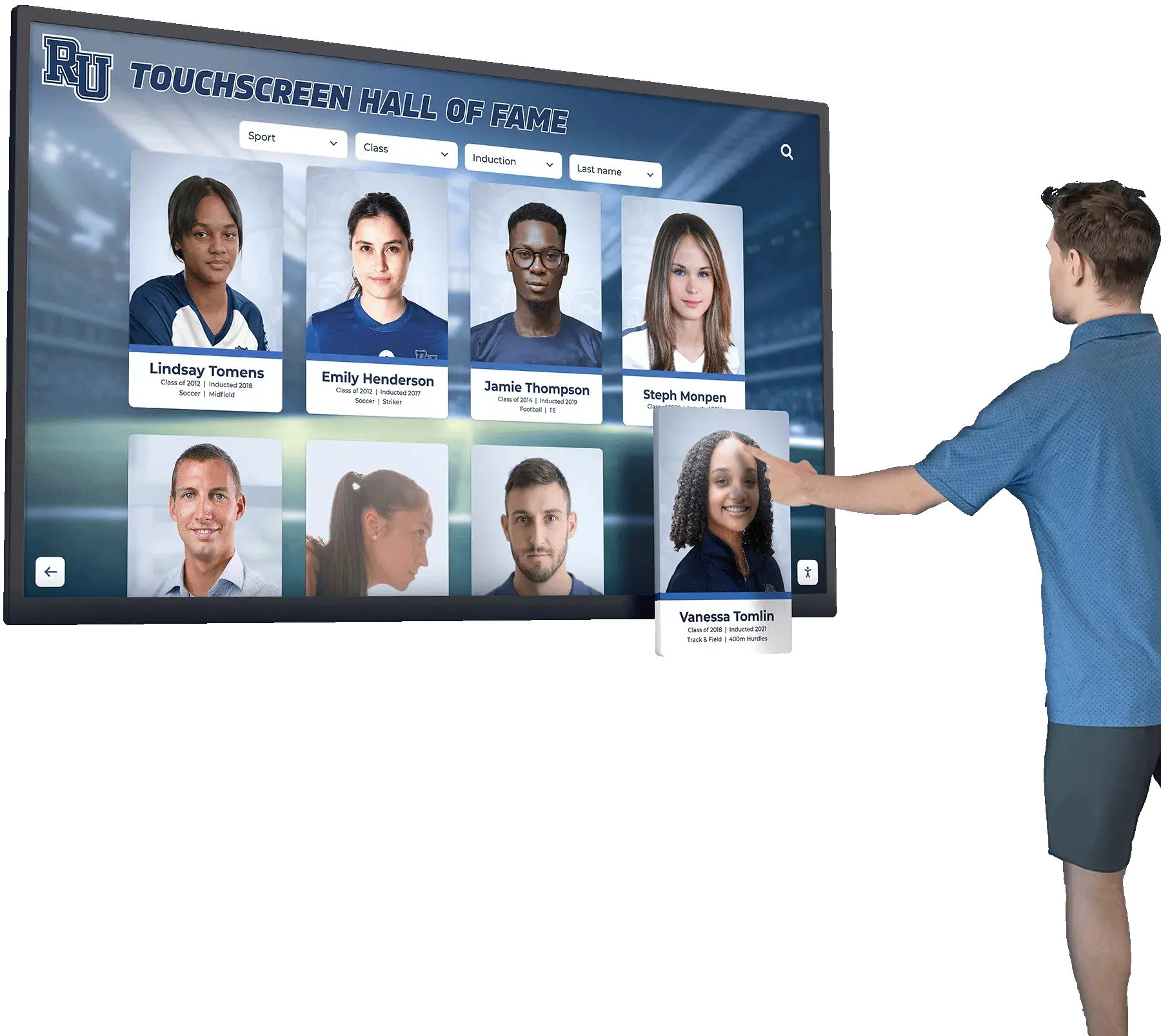
Interactive touchscreen displays enable visitors to explore donor communities, search for specific contributors, view detailed profiles with photos and stories, and understand the broader networks supporting school excellence. This engagement creates positive associations that encourage both current and prospective donors.
Integrated Achievement Displays
Combining donor recognition with athletic achievement showcases and academic honors demonstrates direct connections between supporter generosity and student success—donors see precisely how their contributions enable the championships, achievements, and opportunities celebrated throughout recognition systems.
Web Accessibility
Digital recognition extends beyond physical installations to web-accessible platforms where alumni, distant family members, and prospective donors can explore supporter communities from anywhere—dramatically expanding recognition visibility and impact while enabling social sharing that amplifies acknowledgment.
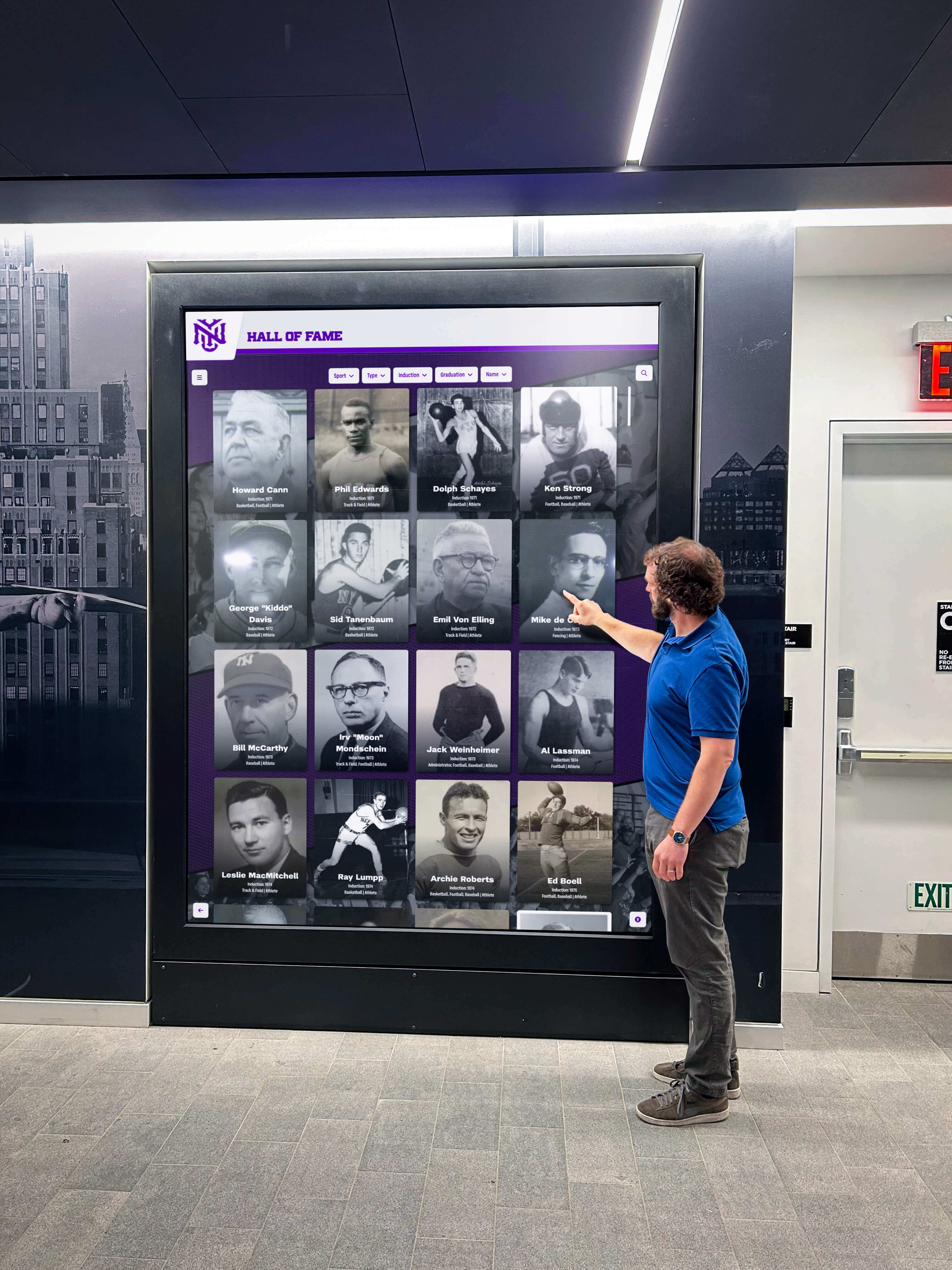
Interactive recognition encourages deeper engagement as visitors explore complete donor stories and understand community impact
Planning Your Fundraising Calendar
Strategic timing maximizes results while preventing community saturation.
Annual Fundraising Schedule
Balanced Campaign Timing
Thoughtful distribution throughout the school year:
Fall Semester (August-December)
- Back-to-school spirit wear sales in August
- Community carnival or festival in September
- Homecoming alumni giving campaign in October
- Fall athletic tournament fundraisers
- Holiday product sales in November
- Year-end tax advantage appeals in December
- Giving Tuesday digital campaign
Spring Semester (January-May)
- Winter athletic tournament events
- Valentine’s Day fundraising opportunities
- Spring performing arts showcases
- Athletic banquets and recognition events
- Senior night celebrations with donation opportunities
- End-of-year giving campaigns
- Graduation recognition and legacy giving
Summer Planning (June-August)
- Alumni reunion fundraising during gatherings
- Golf tournaments and adult athletic events
- Strategic planning for upcoming year
- Major gift cultivation and solicitation
- Capital campaign quiet phase work
- Recognition system updates and maintenance
Strategic calendars prevent fundraising fatigue by spacing asks appropriately, varying campaign types to maintain interest, and aligning initiatives with natural engagement opportunities.
Coordinating Multiple Stakeholders
School-Wide Collaboration
Effective fundraising requires coordination across:
- Athletic programs with team-specific needs
- Performing arts departments requiring equipment and travel
- Academic clubs funding competitions and activities
- Student government coordinating school-wide initiatives
- Parent organizations supporting various programs
- Booster clubs focused on athletic support
- Alumni associations engaging graduated students
Regular communication among fundraising stakeholders prevents calendar conflicts, reduces competition for same donors, enables shared event opportunities, and creates coordinated recognition honoring cumulative community support rather than fragmenting acknowledgment across isolated programs.
Measuring Fundraising Success
Tracking performance drives continuous improvement and strategic refinement.
Key Performance Metrics
Essential Data Points
Monitor these indicators across campaigns:
Revenue Metrics
- Total funds raised compared to goals
- Average contribution per donor
- Cost per dollar raised (efficiency)
- Revenue by fundraiser type
- Month-by-month contribution patterns
- Multi-year revenue trends
Donor Engagement Metrics
- Total donor count and growth rate
- New donor acquisition numbers
- Donor retention year-over-year
- Giving level advancement frequency
- Participation rates by constituency
- Volunteer engagement in campaigns
Campaign Performance Metrics
- Event attendance and participation
- Online campaign reach and engagement
- Social media amplification and sharing
- Corporate sponsorship renewal rates
- Grant application success rates
- Student participation in initiatives
Regular metric review identifies successful approaches deserving expansion, struggling campaigns requiring adjustment or elimination, untapped opportunities worth pursuing, and stakeholder groups needing targeted cultivation.
Continuous Improvement Practices
Learning and Adapting
Successful programs systematically improve through:
- Post-campaign debriefs capturing lessons learned
- Donor surveys understanding satisfaction and preferences
- Student feedback on participation experiences
- Community perception research
- Competitive analysis observing peer school approaches
- Recognition of volunteers and high performers
- Documentation enabling knowledge transfer during transitions
Organizations viewing fundraising as continuous learning process consistently outperform those repeating same activities without strategic refinement based on data and feedback.
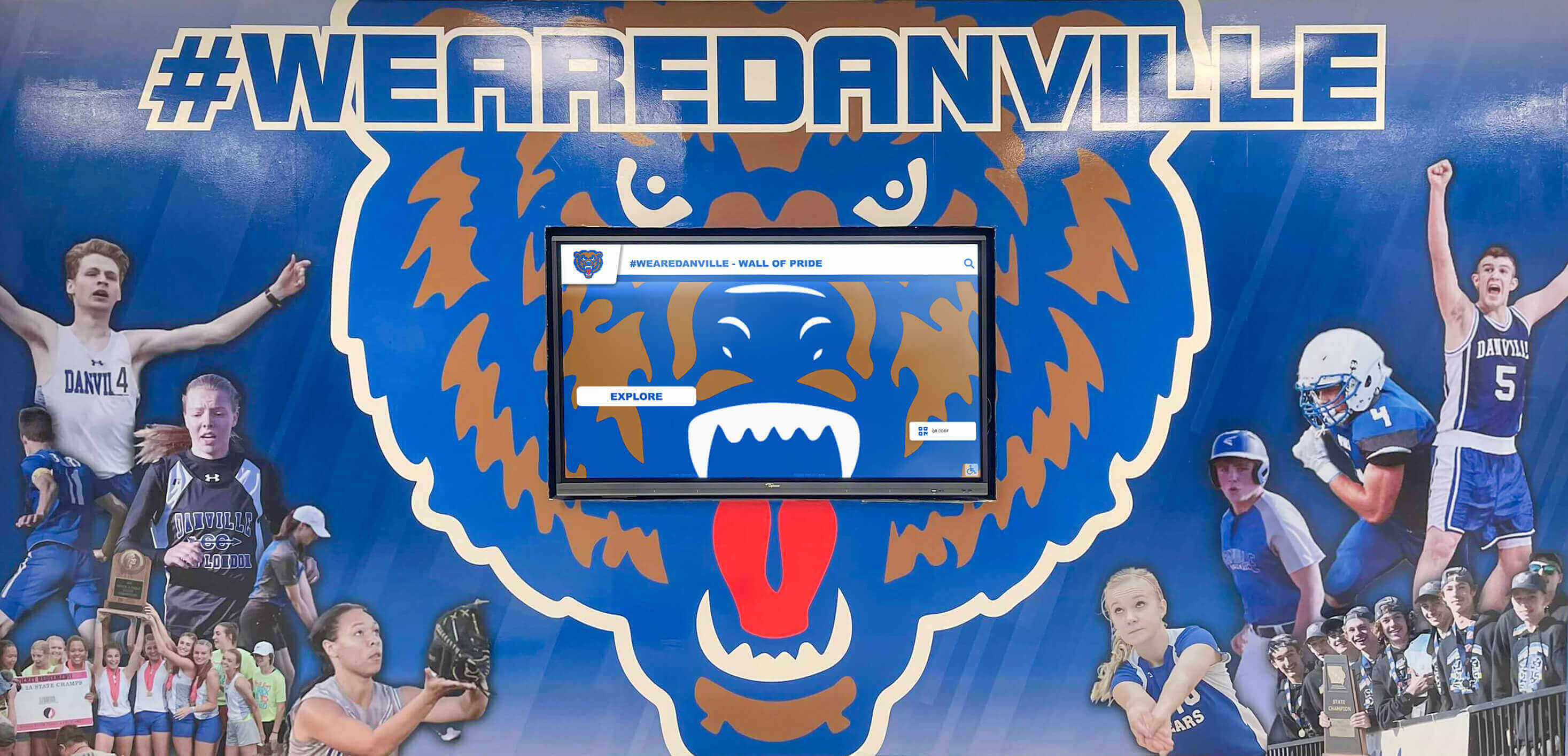
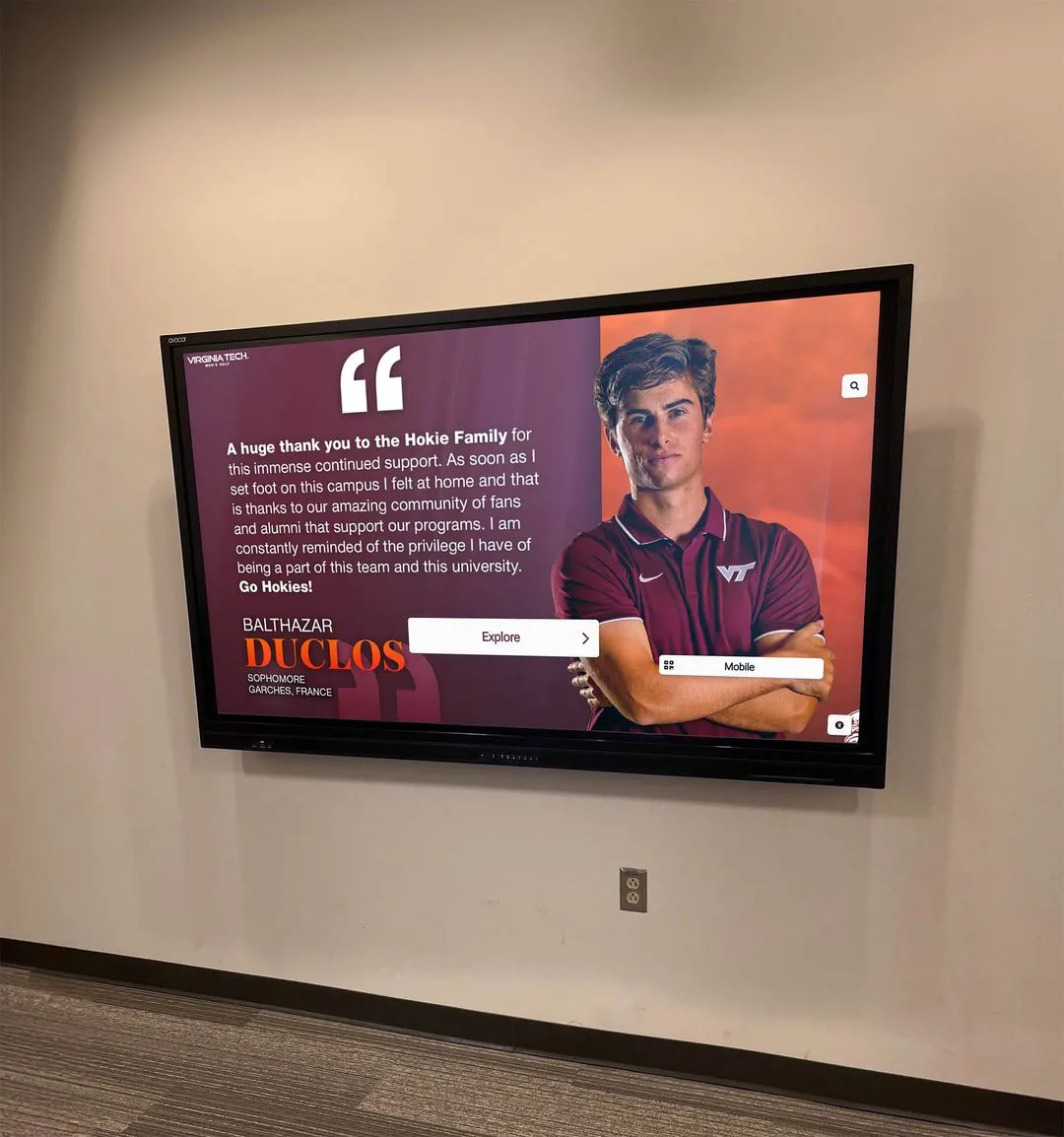
Integrated displays connect recognition with school identity, celebrating supporters while reinforcing institutional pride
Common Fundraising Challenges and Solutions
Schools encounter predictable obstacles requiring strategic responses.
Fundraising Fatigue
Problem: Communities overwhelmed by constant asks become resistant to all campaigns.
Solutions:
- Consolidate multiple small fundraisers into fewer comprehensive campaigns
- Space major asks throughout year preventing concentration
- Provide non-financial participation options (volunteering, attendance, promotion)
- Communicate clearly about specific needs and impact
- Focus on building relationships rather than constant transaction requests
- Create engaging recognition experiences that make giving emotionally satisfying
Limited Volunteer Capacity
Problem: Few available volunteers struggle to execute complex fundraisers.
Solutions:
- Choose scalable initiatives requiring minimal coordination
- Leverage technology reducing manual effort (online giving, digital recognition)
- Partner with businesses providing operational support
- Focus on fewer high-impact campaigns rather than numerous small efforts
- Develop systematic processes enabling easier volunteer transitions
- Recognize and appreciate volunteers preventing burnout
Competition for Donors
Problem: Multiple programs compete for same limited supporter dollars.
Solutions:
- Coordinate fundraising calendars across all school programs
- Create unified campaigns supporting multiple initiatives simultaneously
- Develop clear funding priorities and transparent allocation
- Enable donors to designate specific program support
- Recognize cumulative giving across all programs
- Frame school-wide needs rather than program-specific competition
Inadequate Recognition Systems
Problem: Limited wall space and expensive plaques prevent honoring all donors appropriately.
Solutions:
- Implement digital recognition platforms with unlimited capacity
- Create tiered acknowledgment honoring all giving levels
- Utilize web-based recognition extending beyond physical space
- Establish systematic appreciation across multiple channels
- Update recognition regularly maintaining accuracy and relevance
- Connect acknowledgment to program achievements demonstrating impact
Getting Started: Your First 90 Days
Practical implementation roadmap for launching or revitalizing fundraising programs.
Month One: Foundation Building
Assessment and Planning
- Inventory current fundraising activities and revenue
- Survey stakeholder preferences and capacity
- Research competitor school approaches
- Identify immediate funding needs and priorities
- Assemble coordinating committee across programs
- Review existing donor database and records
- Establish communication channels and coordination processes
Month Two: Strategy Development
Campaign Selection and Design
- Select 2-3 primary fundraising approaches for initial year
- Develop detailed campaign plans with timelines
- Create recognition system for acknowledging supporters
- Design giving level structure and benefits
- Prepare marketing materials and communication templates
- Recruit volunteer committees for specific campaigns
- Establish online donation platforms and systems
Month Three: Campaign Launch
Active Fundraising Execution
- Launch initial campaign with strong communication
- Implement recognition system for early donors
- Monitor participation and engagement metrics
- Adjust approaches based on early feedback
- Celebrate initial successes building momentum
- Begin planning subsequent campaigns
- Document processes and lessons learned
Conclusion: Building Sustainable School Funding
Effective high school fundraising combines diverse approaches—traditional events providing community connection, modern digital campaigns enabling efficient scale, strategic business partnerships supplying substantial support, and comprehensive recognition systems honoring contributors in ways that inspire continued giving.
The schools raising meaningful revenue consistently don’t rely on single fundraising approaches or treat campaigns as isolated transactions. Instead, they build engaged supporter communities through varied participation opportunities, genuine appreciation for contributions, transparent communication about needs and impact, and systematic recognition demonstrating that every supporter—regardless of giving level—plays valued roles in student success.
Modern digital recognition solutions enable schools to honor unlimited donors affordably while creating engaging experiences that strengthen relationships and inspire additional support. Rather than choosing which contributors receive acknowledgment limited by physical wall space and expensive plaques, schools can celebrate every supporter appropriately while demonstrating the collective community investment enabling student opportunities.
By implementing strategies outlined in this guide—from community events to digital campaigns, corporate partnerships to capital campaigns, service projects to comprehensive recognition—high schools can generate the resources students need while building the lasting relationships with supporters that sustain programs across years.
Every program deserves adequate funding enabling quality experiences, competitive opportunities, and student development. Strategic fundraising combined with meaningful donor stewardship makes that possible—creating sustainable support systems that serve current students while building foundations for future generations.
Ready to implement modern recognition systems that honor every supporter while strengthening fundraising outcomes? Discover how Rocket Alumni Solutions helps schools create engaging digital recognition displays that celebrate donors, demonstrate impact, and build the committed communities supporting student excellence for years to come.