



The final weeks of each academic year represent a critical opportunity to celebrate student achievement across multiple dimensions—recognizing academic excellence, athletic accomplishment, artistic talent, leadership development, and character growth. Well-executed end of year awards programs acknowledge individual student success while reinforcing institutional values, motivating future achievement, and creating memorable moments students and families cherish for years.
Yet many schools approach end-of-year recognition with inconsistent strategies that leave stakeholders frustrated. Programs drag through endless ceremonies while losing audience attention. Recognition systems fail to document achievements permanently, leading students to wonder years later whether their awards will be remembered. Distribution of awards across achievement types becomes unbalanced, with some departments receiving extensive recognition while others receive minimal acknowledgment. Traditional awards programs create visibility only during ceremony moments before plaques and certificates disappear into storage boxes or home closets.
This comprehensive guide explores evidence-based approaches to designing, implementing, and sustaining end-of-year awards programs that celebrate student achievement effectively while solving the documentation and visibility challenges that have limited traditional recognition approaches.
Successful end-of-year awards programs accomplish multiple objectives simultaneously—providing meaningful individual recognition that honors specific student achievements, creating engaging ceremonies that maintain audience interest while celebrating efficiently, establishing permanent documentation ensuring achievements remain visible beyond graduation, and building institutional culture that positions achievement as central to student identity and school values.

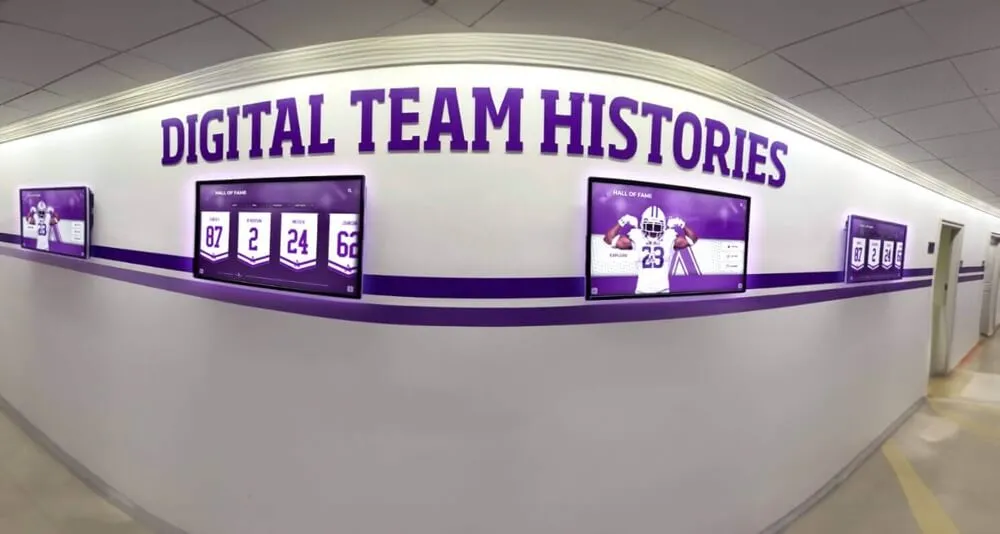
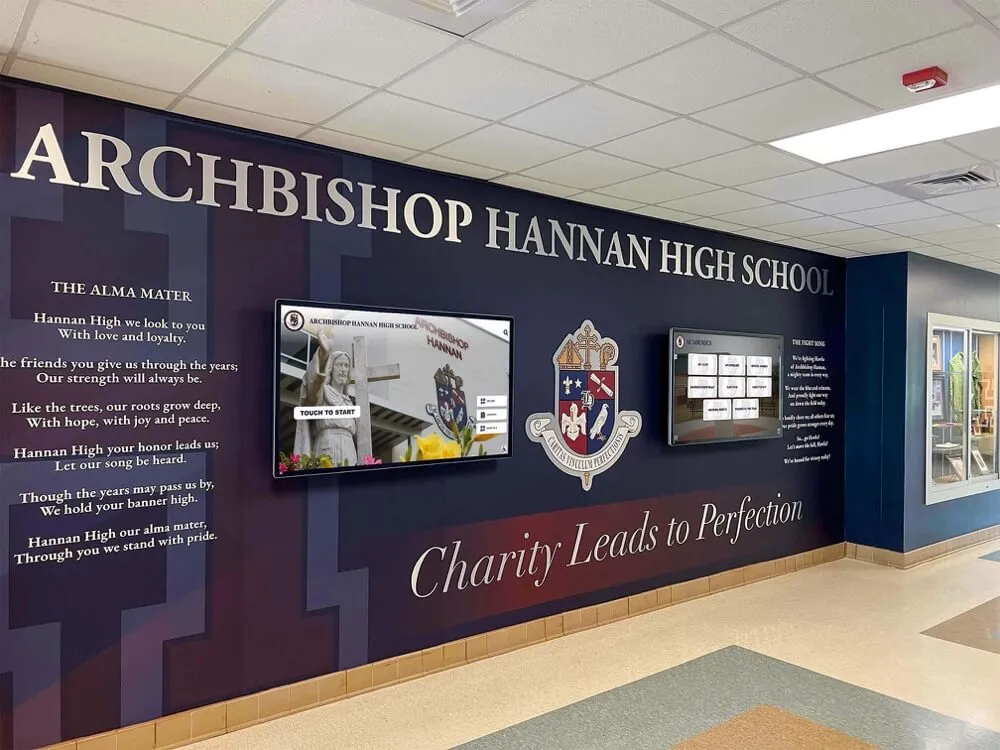
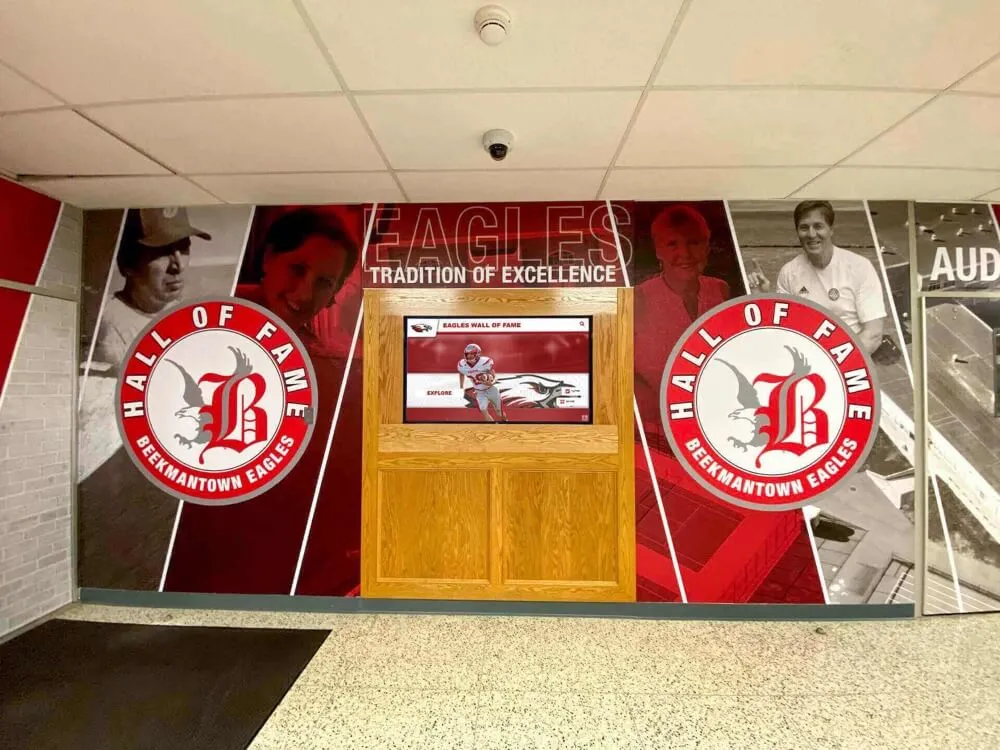
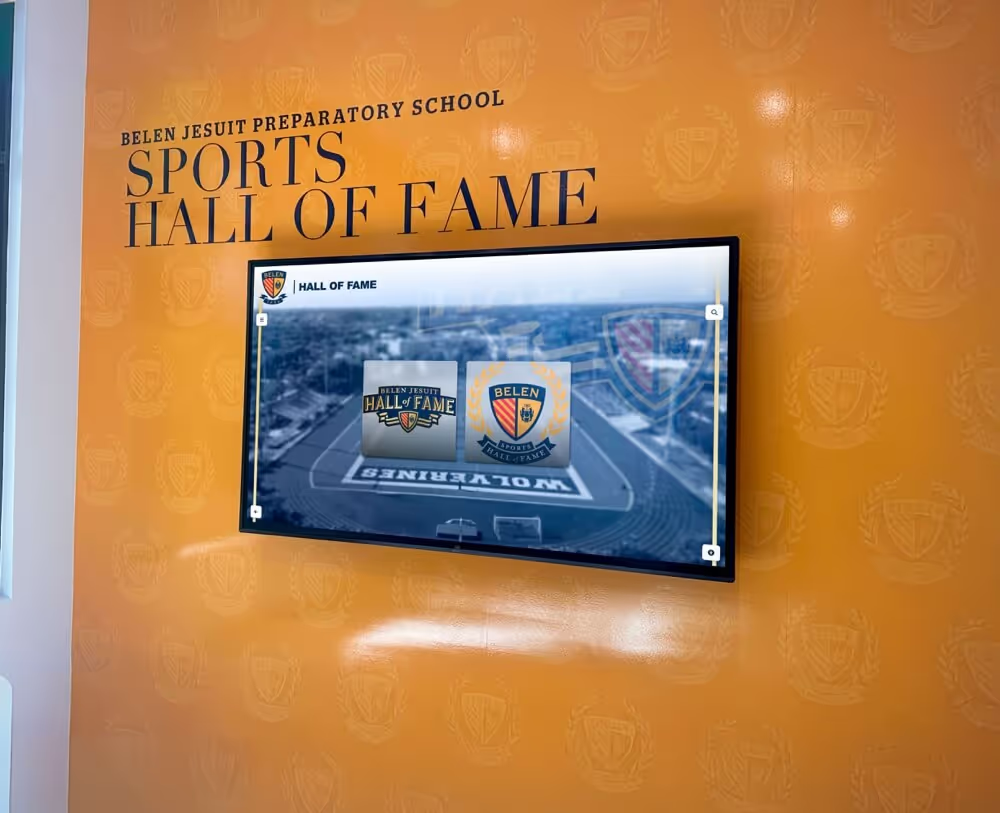
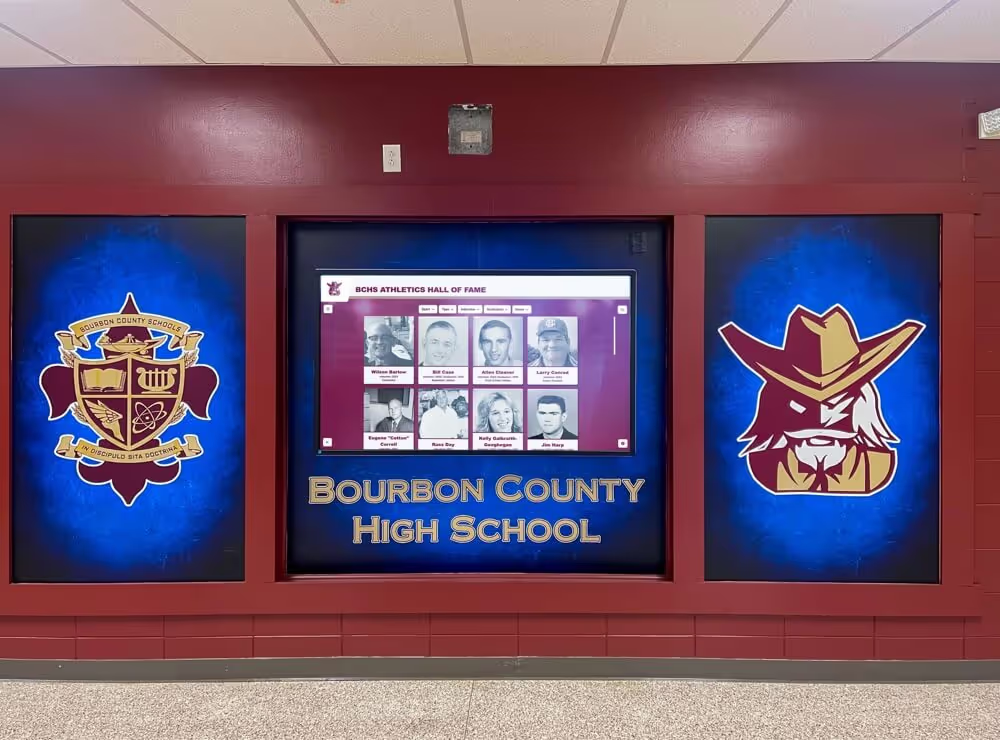
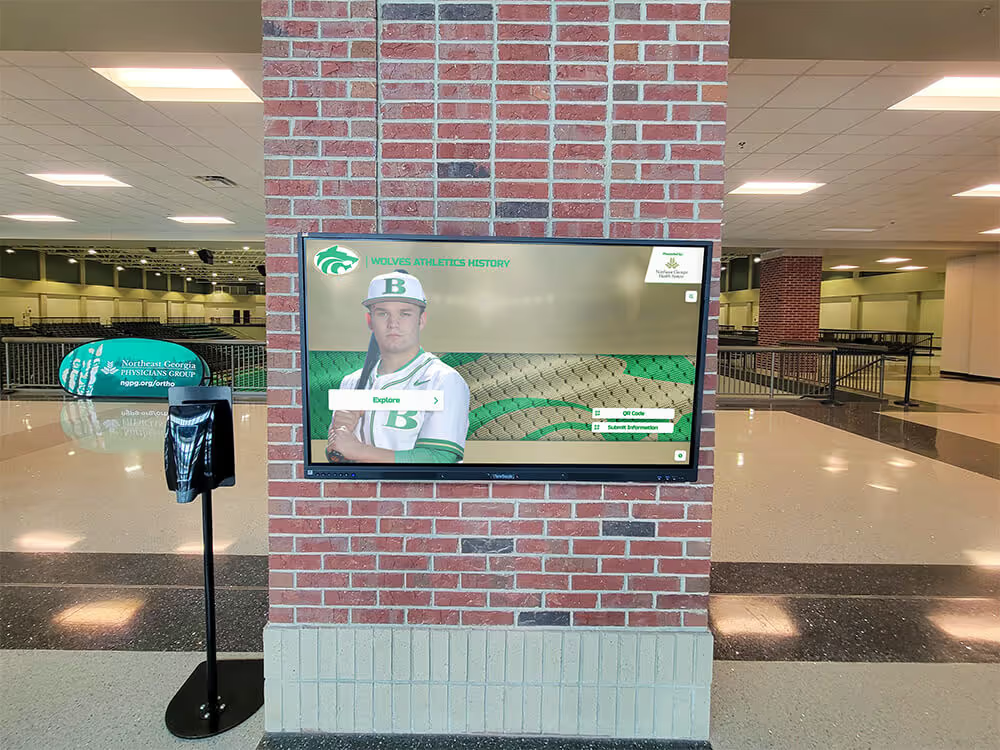
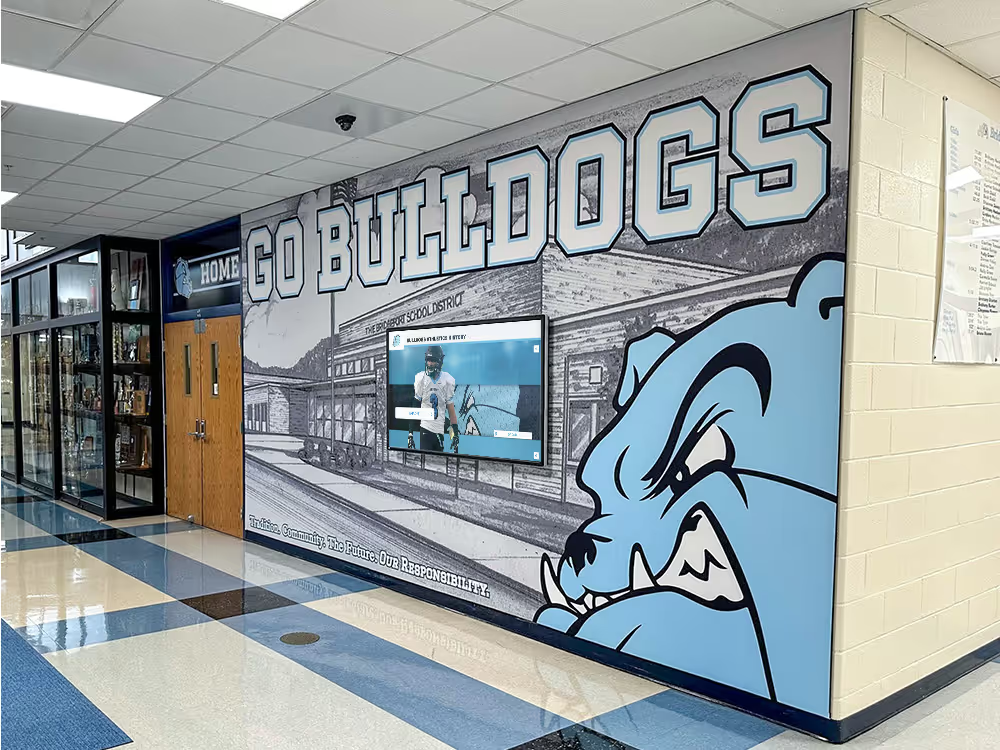
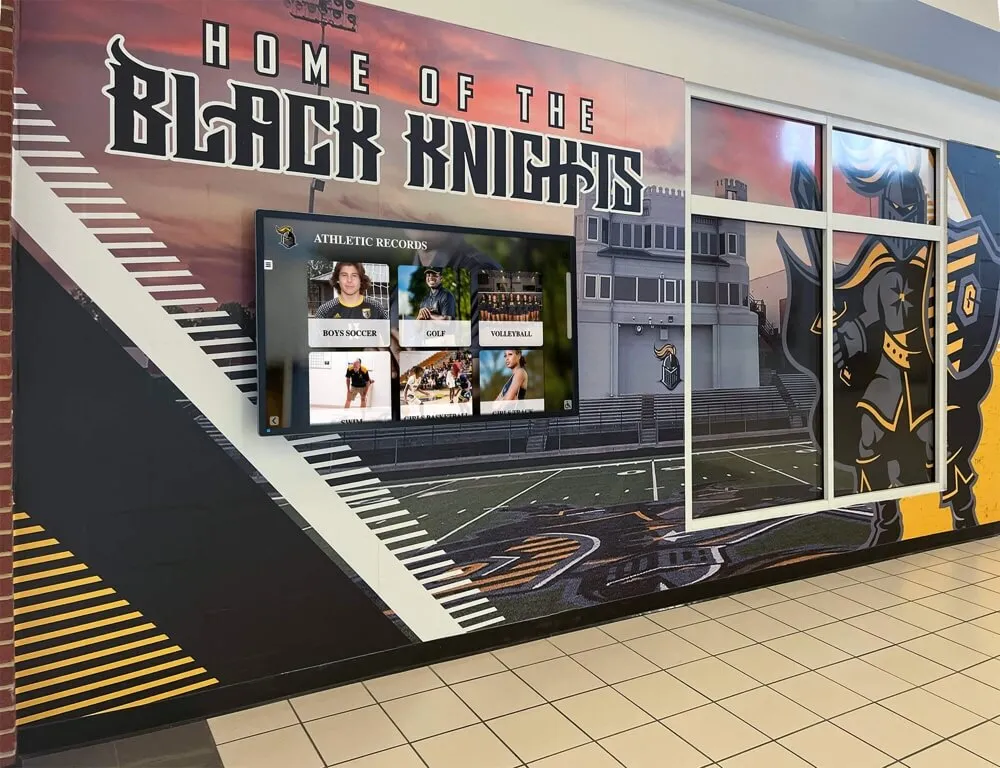
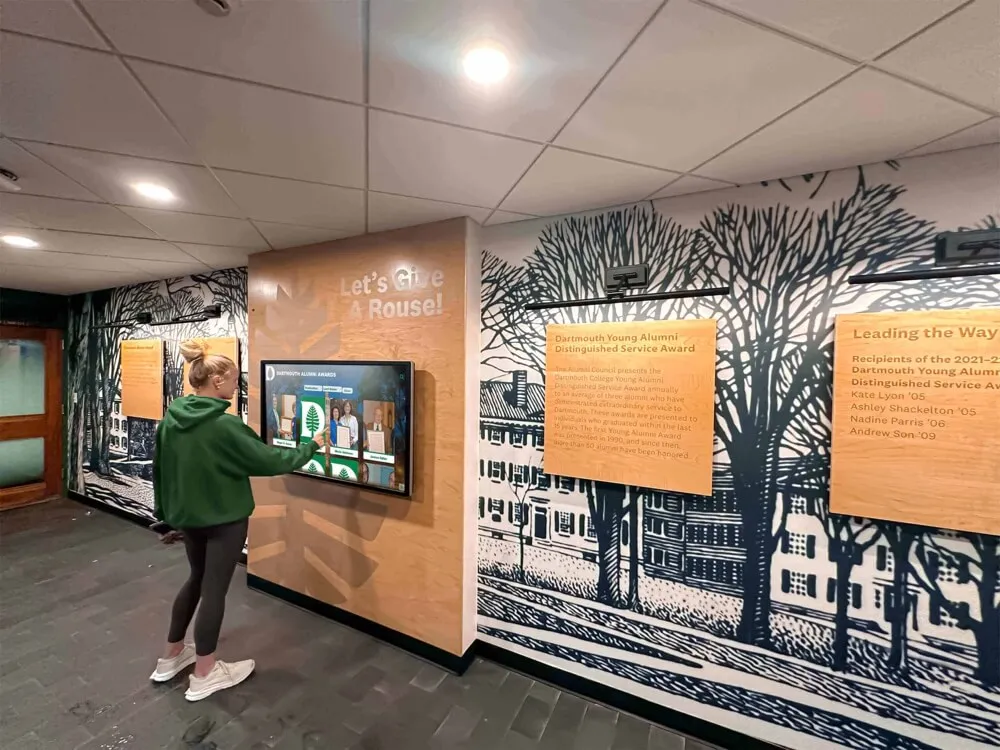
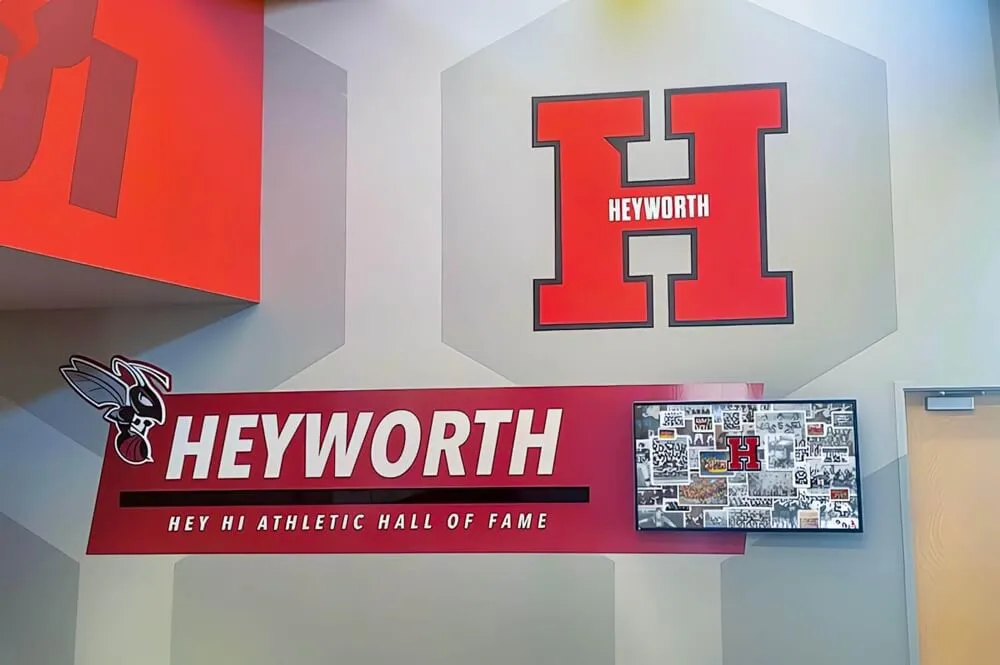
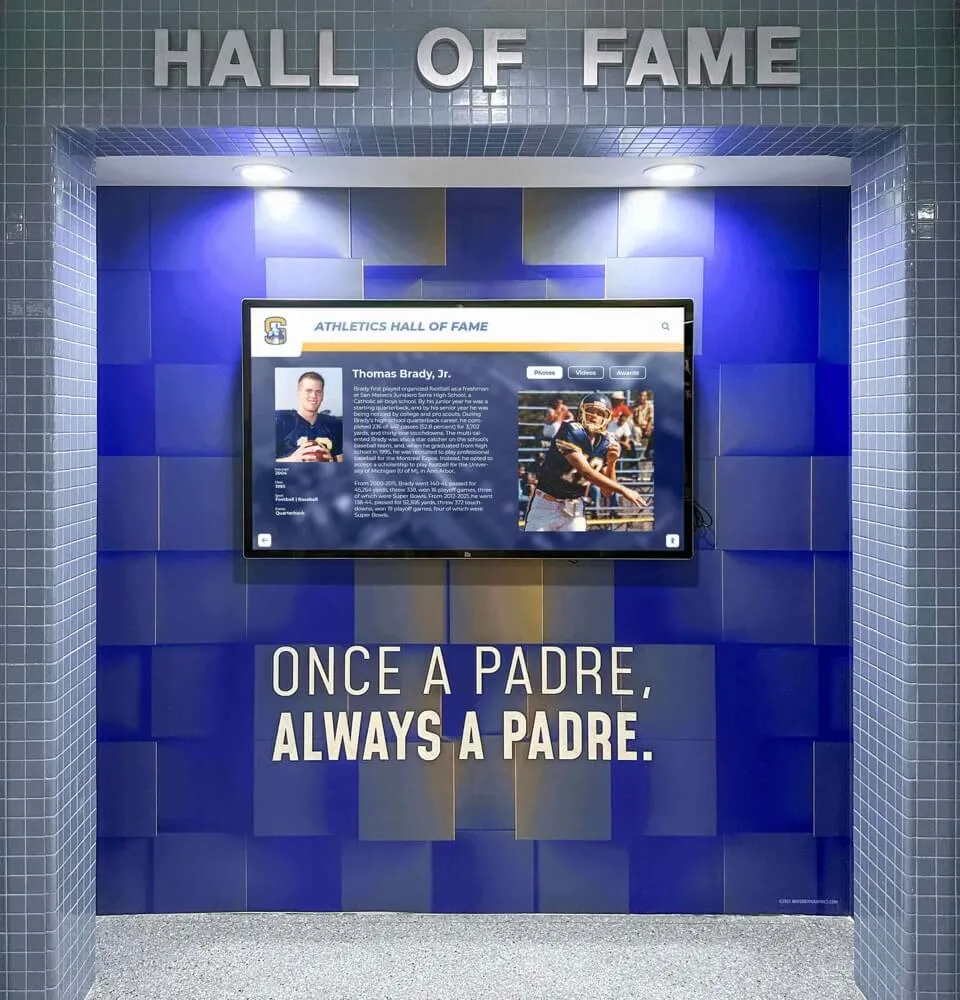
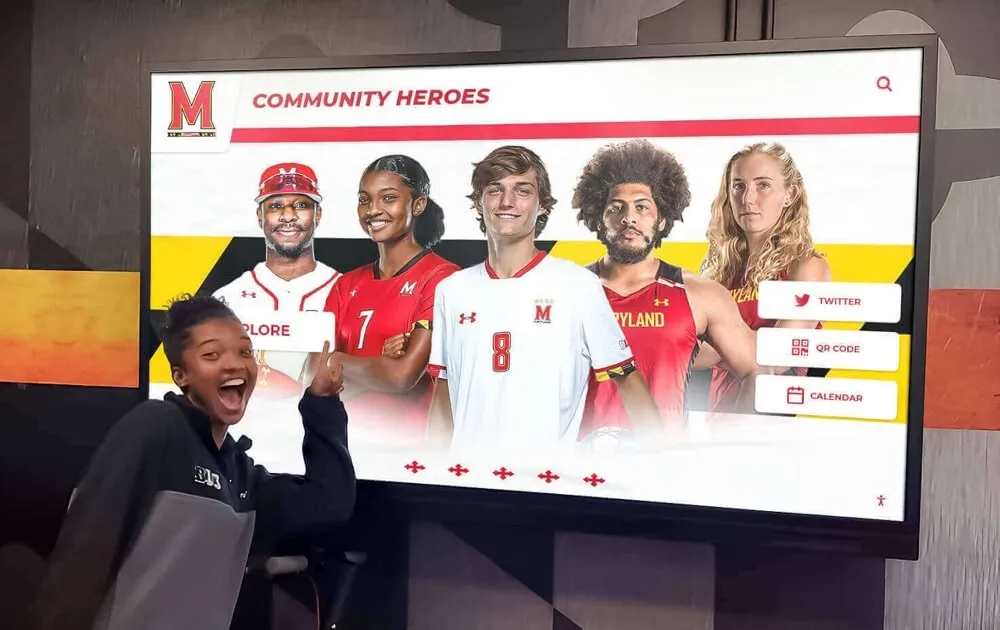
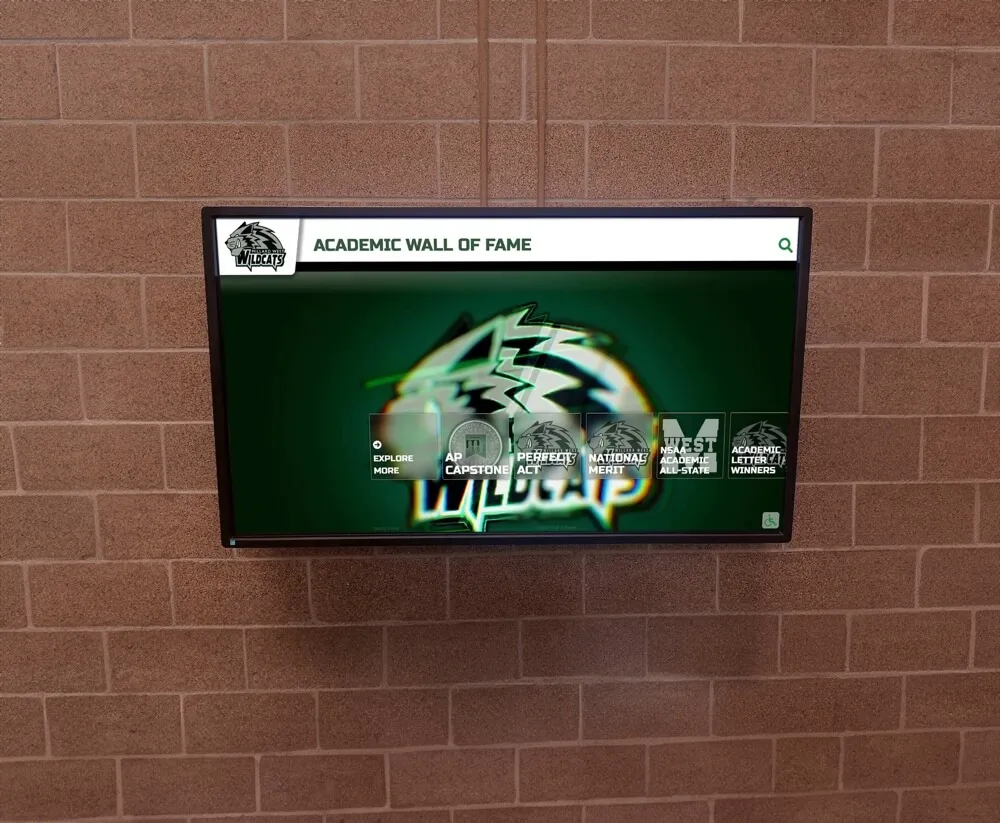
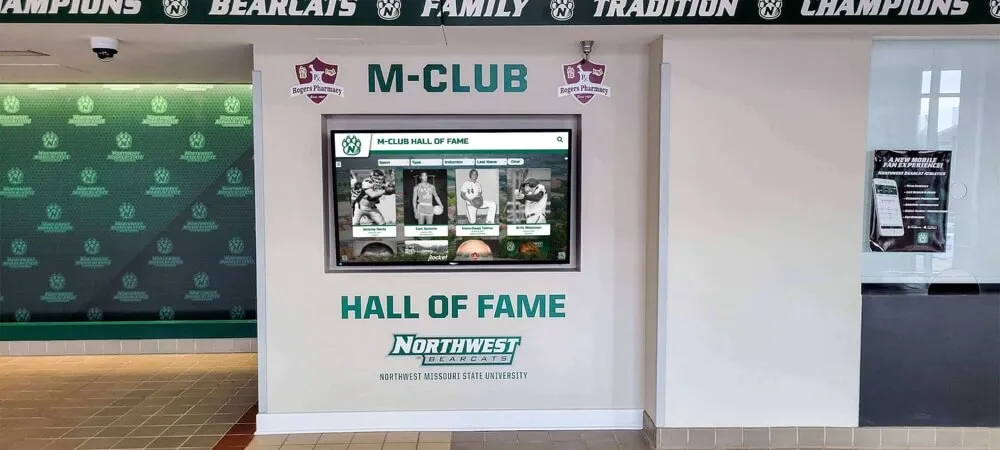
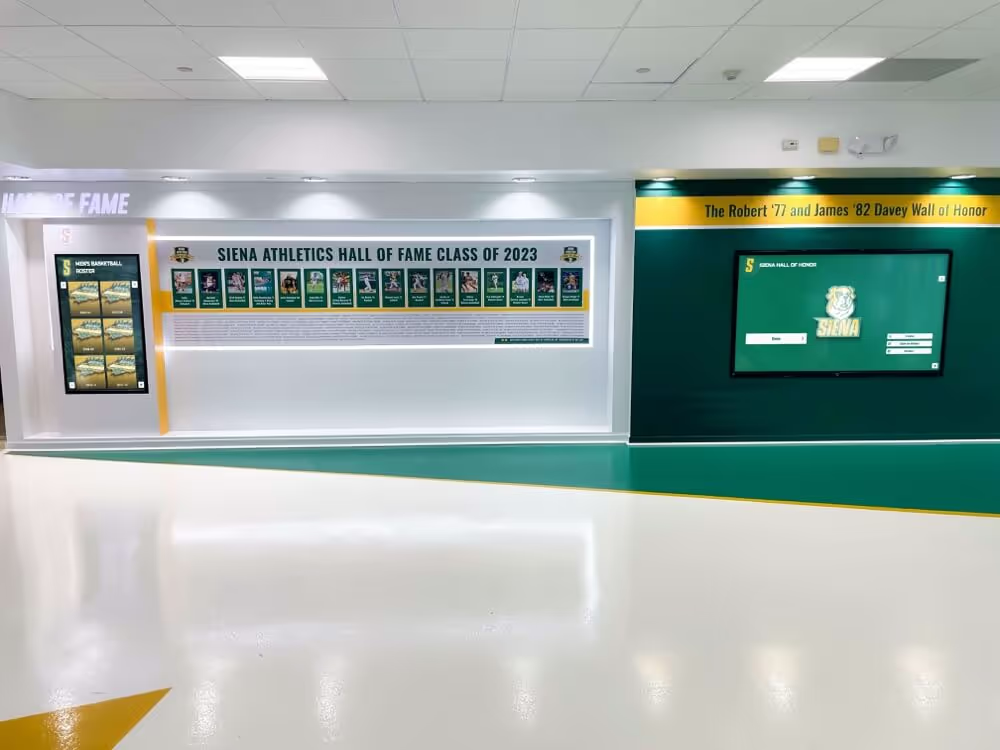
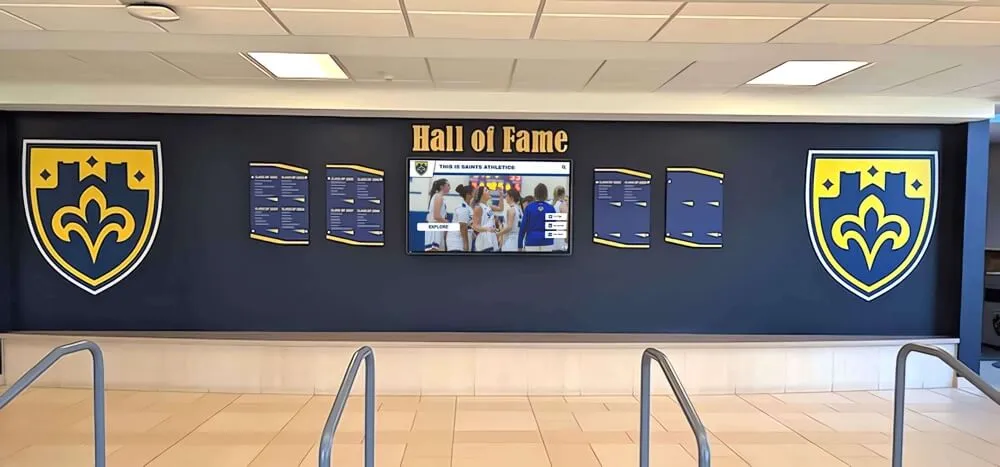
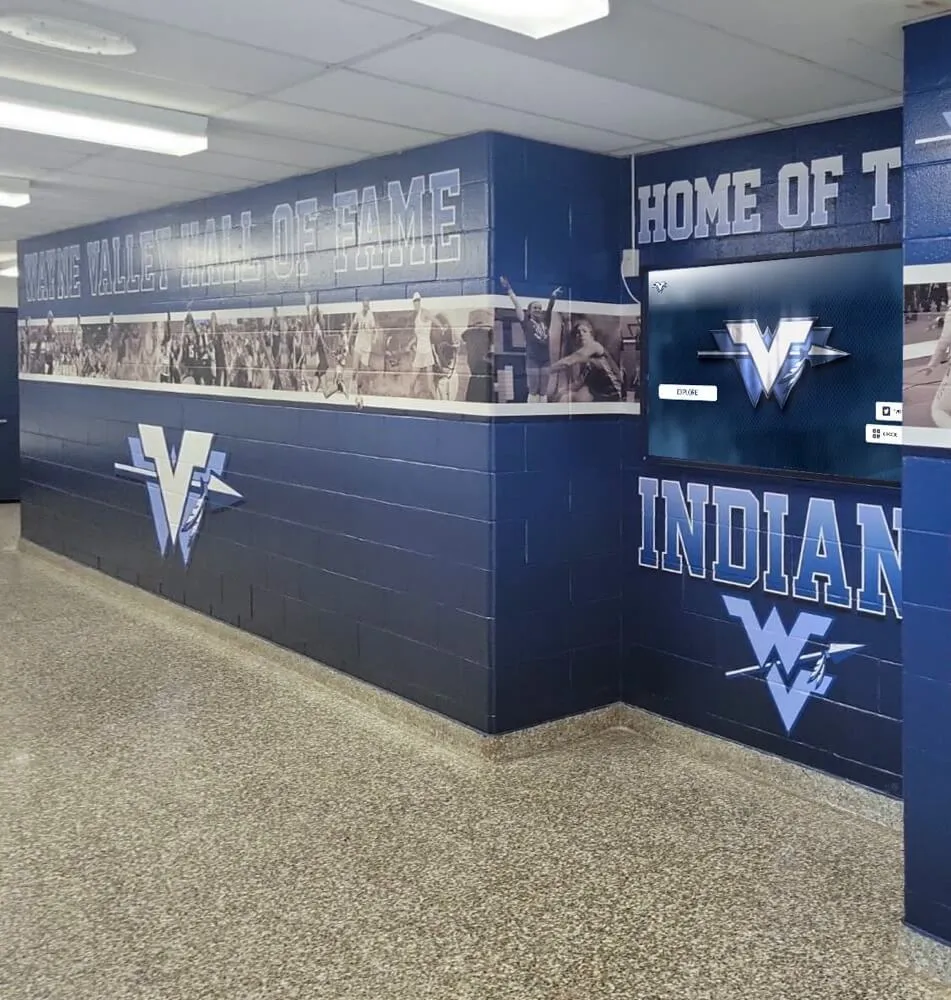
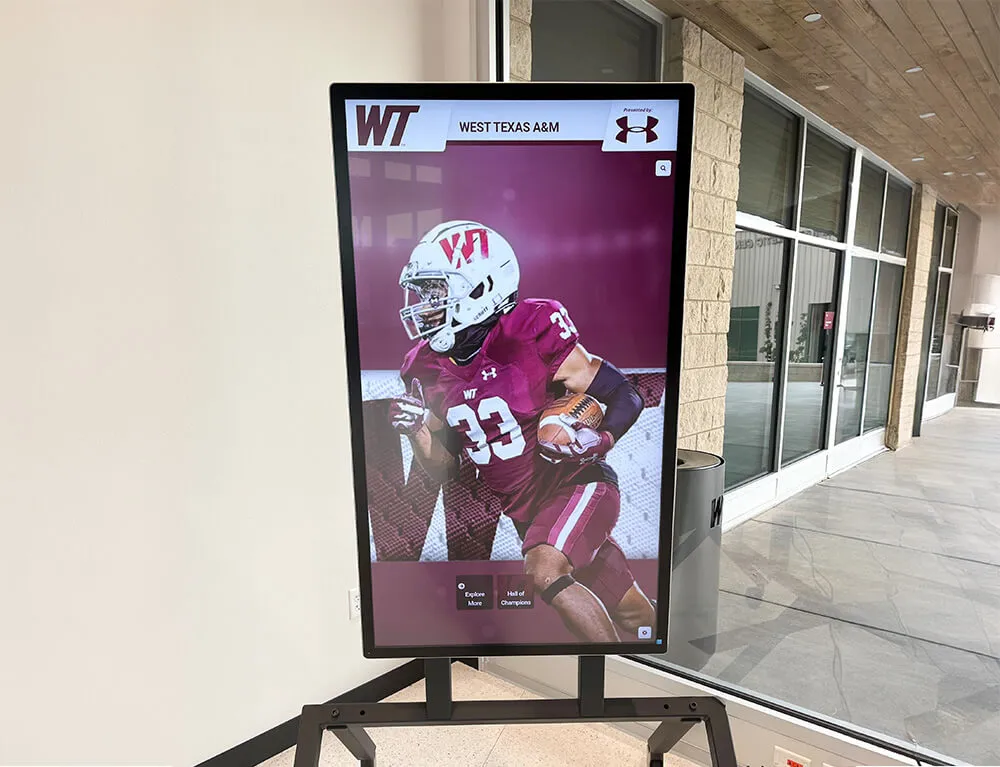
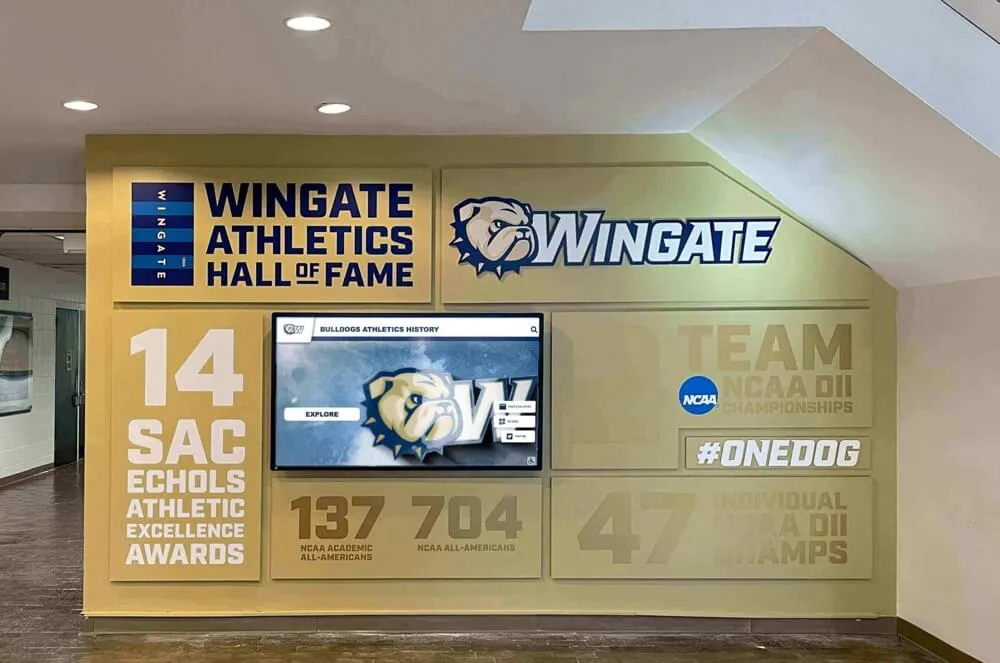
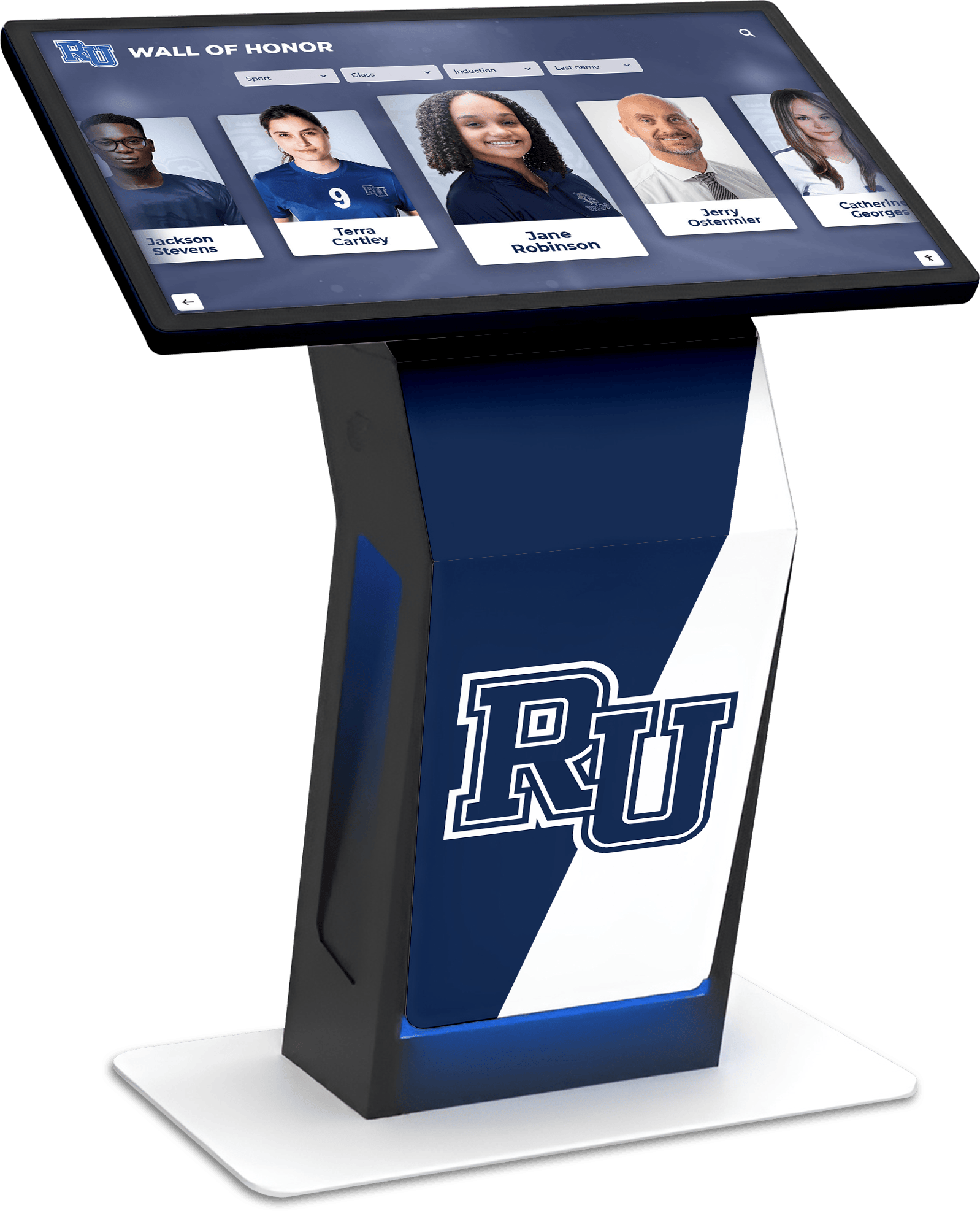
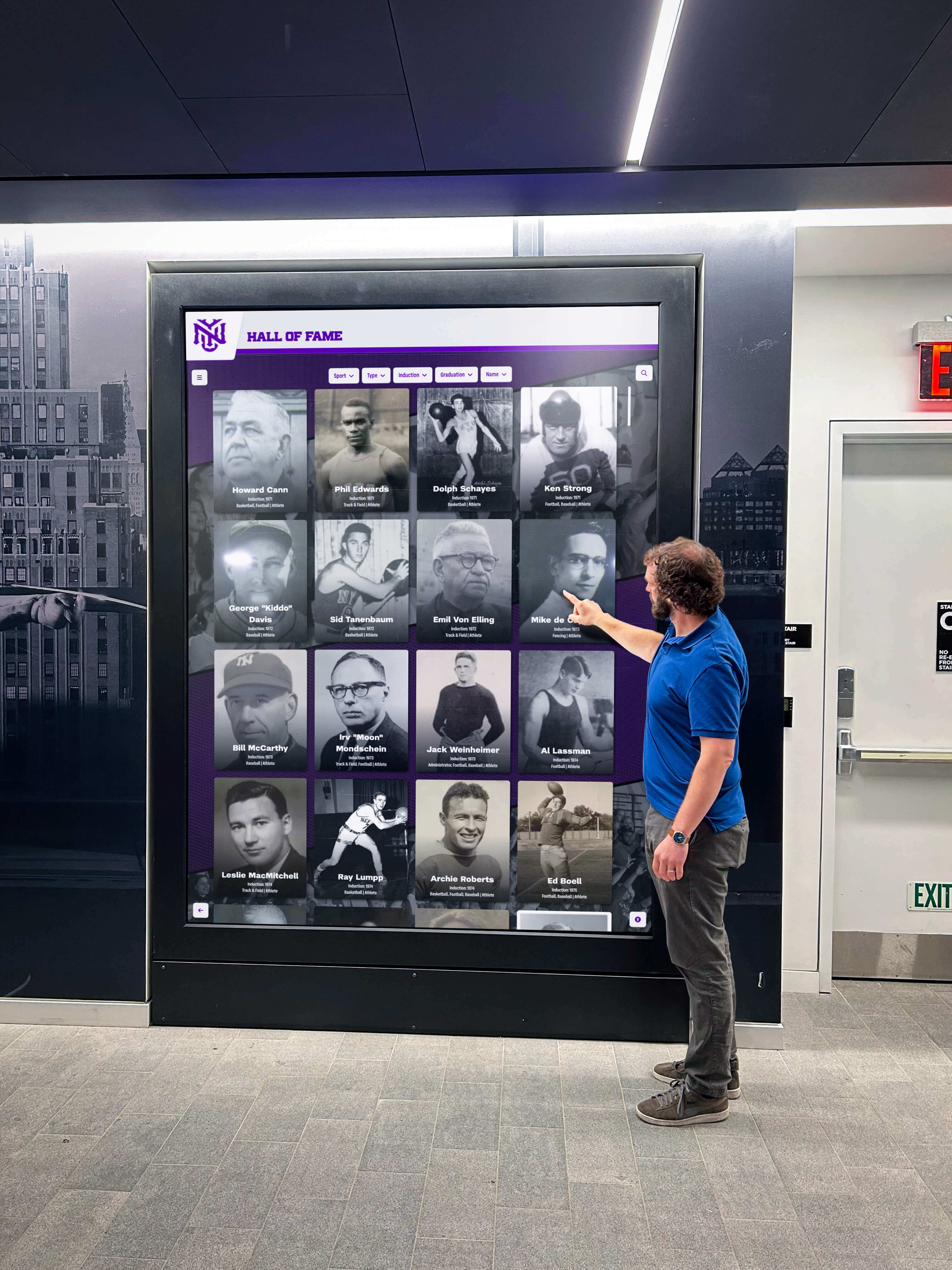
Modern recognition systems provide permanent documentation of end-of-year awards while enabling interactive exploration of student achievement across multiple years
Understanding the Purpose and Value of End-of-Year Awards
Before planning specific programs, clarifying fundamental objectives ensures recognition systems align with educational mission and stakeholder needs.
Multiple Stakeholder Benefits from Recognition Programs
End-of-year awards serve diverse constituencies with different needs and perspectives:
Student Recognition and Motivation For award recipients, recognition provides tangible acknowledgment of effort and achievement:
- Validation that dedication and hard work receive notice and appreciation
- Concrete evidence of accomplishment useful for college applications and resumes
- Motivational reinforcement encouraging continued excellence in future endeavors
- Public affirmation building confidence and self-efficacy
- Memory creation marking significant high school achievements
For students not receiving awards, effective programs provide aspirational models demonstrating achievement pathways and criteria for future recognition, awareness of diverse excellence opportunities across academic, athletic, artistic, and character domains, understanding of institutional values and what achievement types receive celebration, and motivation to pursue improvement and skill development in areas aligned with their interests and capabilities.
Research consistently demonstrates that recognition programs designed with attention to equity and accessibility create positive motivational climates benefiting all students, not just top performers.
Family Engagement and Pride Awards ceremonies create family involvement opportunities:
- Shared celebration moments strengthening family-school partnerships
- Pride in student accomplishments validating family support and encouragement
- Enhanced understanding of institutional excellence standards and student achievement
- Memory creation through photography and shared experiences
- Reinforced value placed on education and skill development
Schools report significantly higher family engagement and satisfaction when end-of-year recognition receives appropriate attention, ceremony design, and communication emphasis.
Institutional Culture Development Recognition programs communicate organizational values:
- Visible demonstration of achievement types the school prioritizes
- Cultural reinforcement that excellence receives acknowledgment and celebration
- Community building through shared celebration of student success
- Tradition establishment creating continuity across graduating classes
- Public demonstration of educational outcomes to stakeholders and community
Schools with strong, well-designed recognition programs consistently report improved school climate, stronger sense of community, and enhanced institutional pride among students, staff, and families.
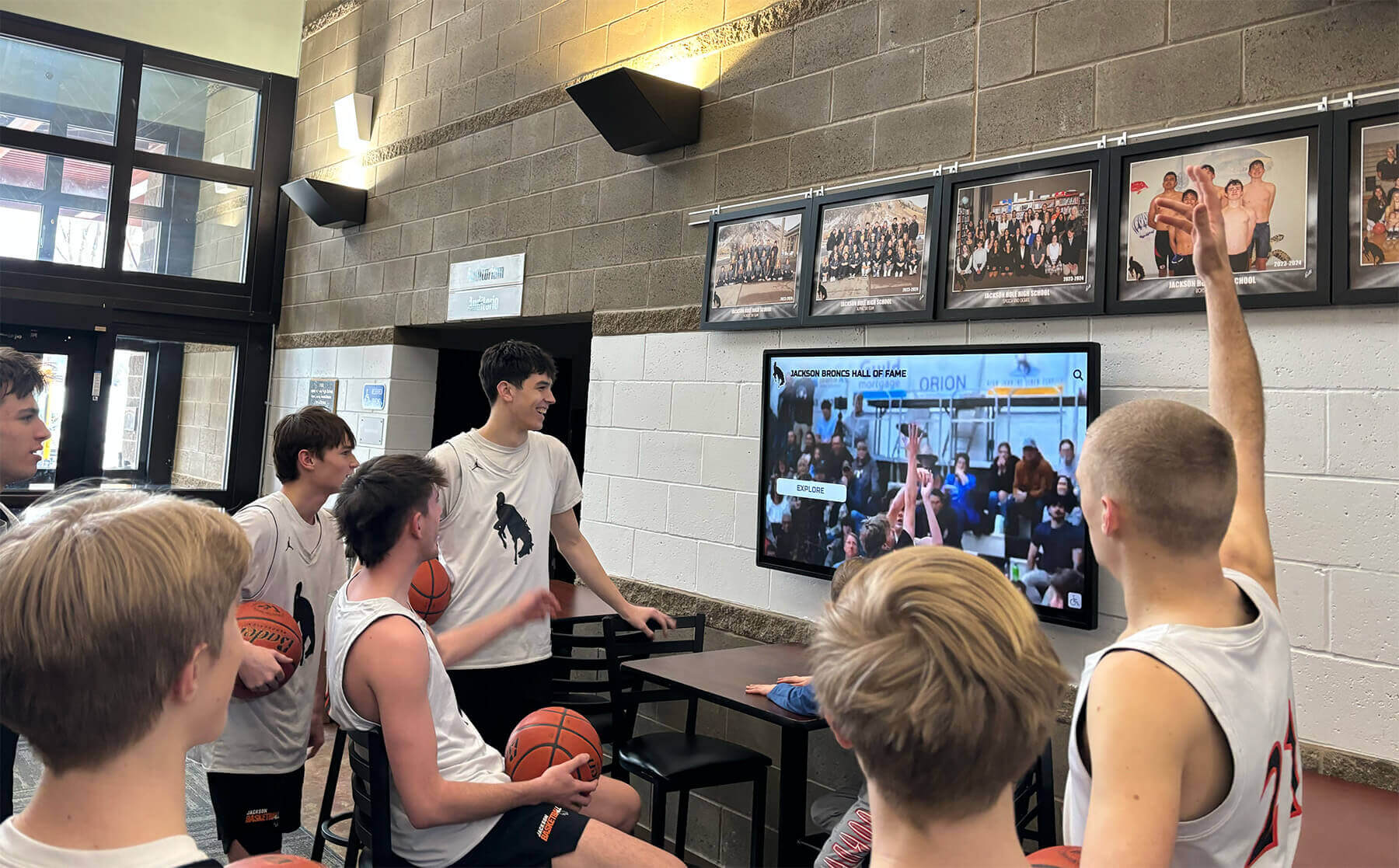
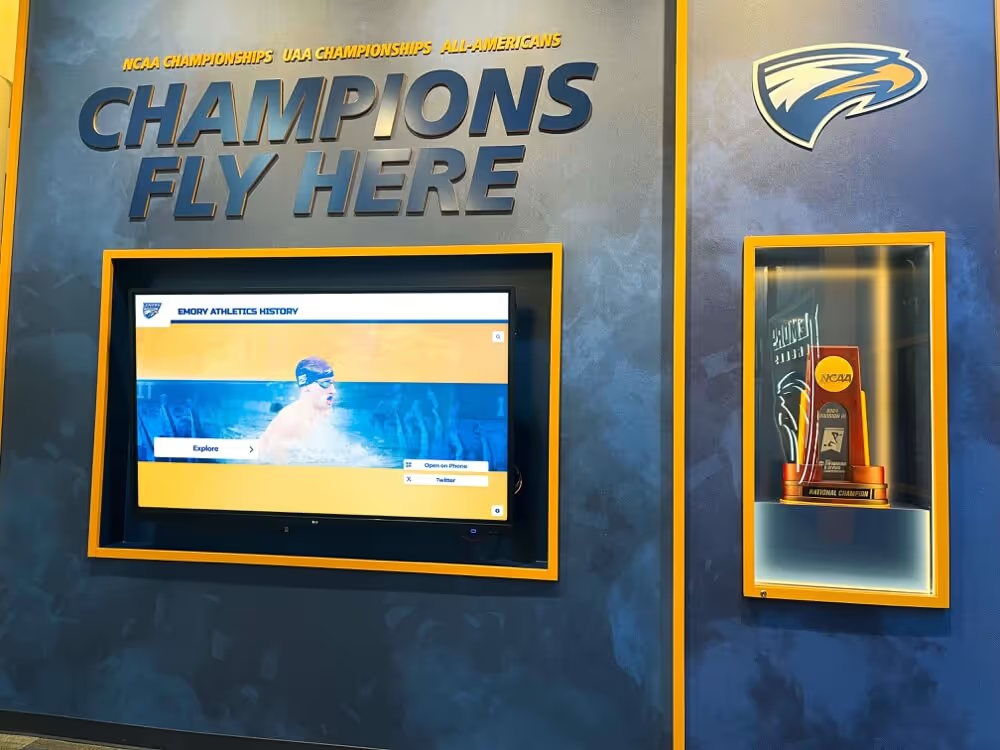
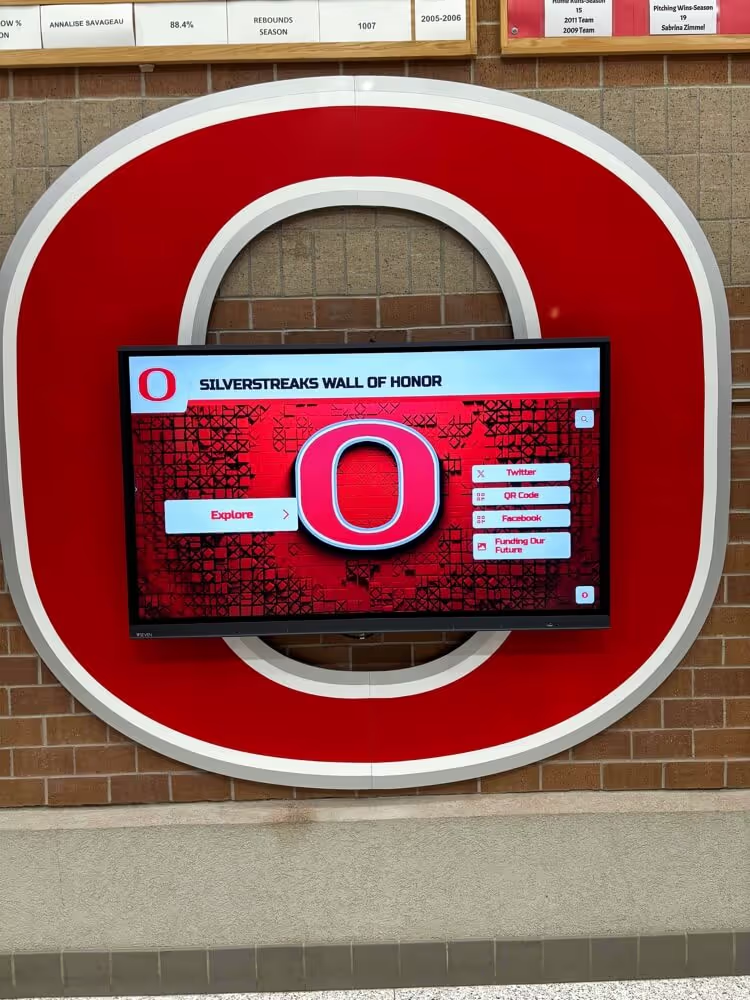
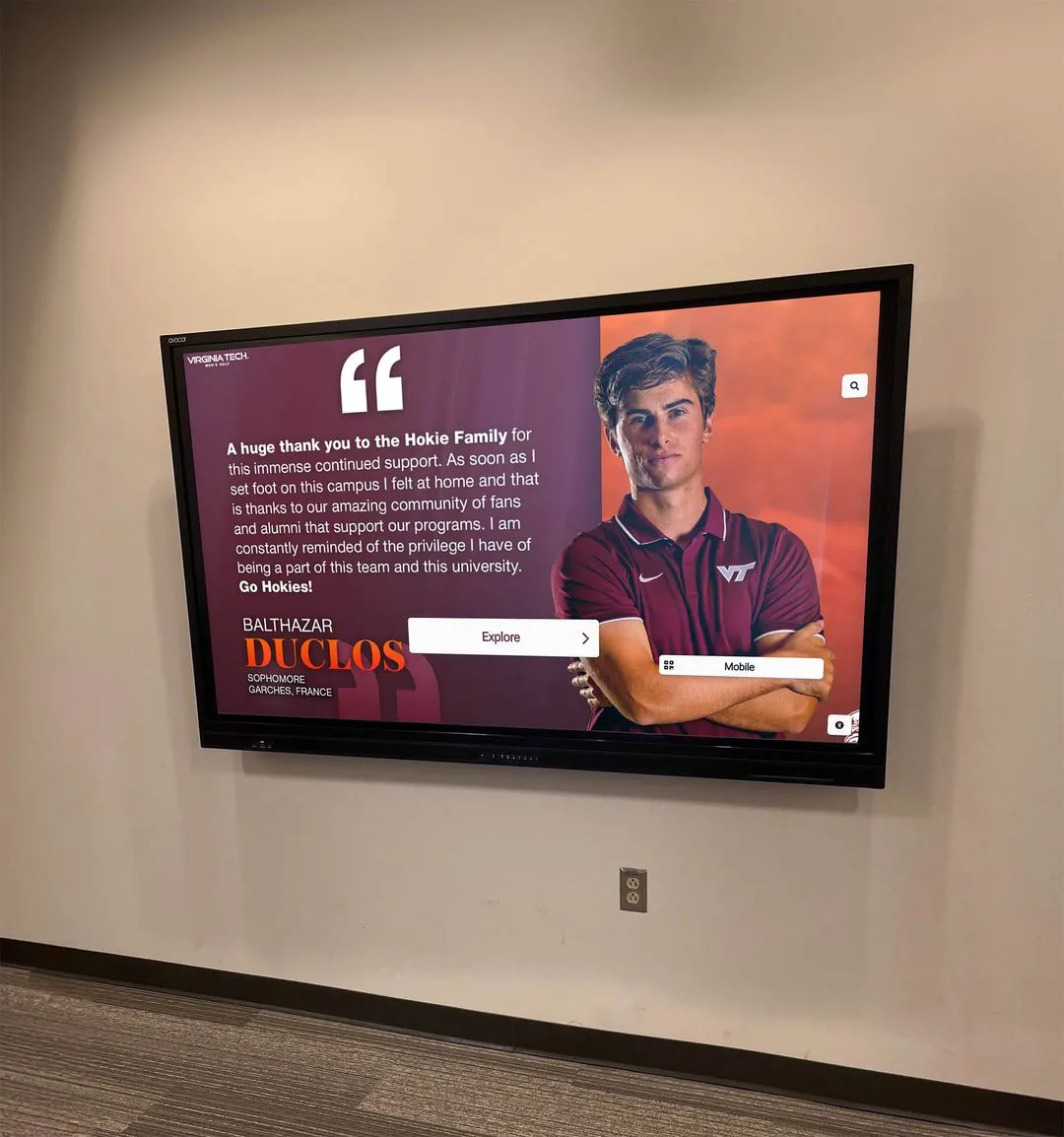
Interactive displays enable year-round engagement with achievement recognition, extending impact beyond single ceremony moments
Documentation and Legacy Preservation Beyond immediate recognition, awards create historical records:
- Permanent documentation of student achievement across time
- Institutional memory preservation showing excellence tradition
- Alumni connection points enabling recognition rediscovery years later
- Historical context for understanding program development and evolution
- Advocacy evidence demonstrating educational effectiveness and student success
Traditional awards programs often fail at documentation, with recognition visibility limited to brief ceremony moments before physical awards disappear from community awareness. Digital recognition systems solve this fundamental challenge through permanent, accessible achievement archives.
Balancing Comprehensive Recognition with Ceremony Manageability
A central tension in awards program design involves breadth versus focus—should schools recognize every possible achievement to ensure comprehensive acknowledgment, or concentrate on pinnacle accomplishments to maintain prestige and ceremony engagement?
The Case for Comprehensive Recognition Inclusive approaches offer important benefits:
- Multiple recognition pathways ensuring diverse student populations find success opportunities
- Reduced perception that only traditional high achievers receive acknowledgment
- Greater family engagement as more students receive recognition
- Developmental recognition celebrating growth alongside absolute achievement
- Equity advancement ensuring students from diverse starting points receive celebration
The Case for Selective Recognition Focused programs provide different advantages:
- Maintained prestige and significance for recognition through selectivity
- Manageable ceremony length preventing audience disengagement
- Clear excellence standards motivating achievement pursuit
- Administrative feasibility with realistic time investment requirements
- Meaningful differentiation between routine acknowledgment and exceptional achievement
The optimal approach typically involves tiered recognition systems with selective pinnacle awards presented at formal ceremonies, complemented by comprehensive digital recognition documenting all achievement levels and providing permanent visibility for both ceremony-featured awards and broader student accomplishments.
Solutions like Rocket Alumni Solutions enable this balanced strategy through platforms managing comprehensive achievement data while schools determine which recognitions receive formal ceremony presentation versus digital-only documentation.
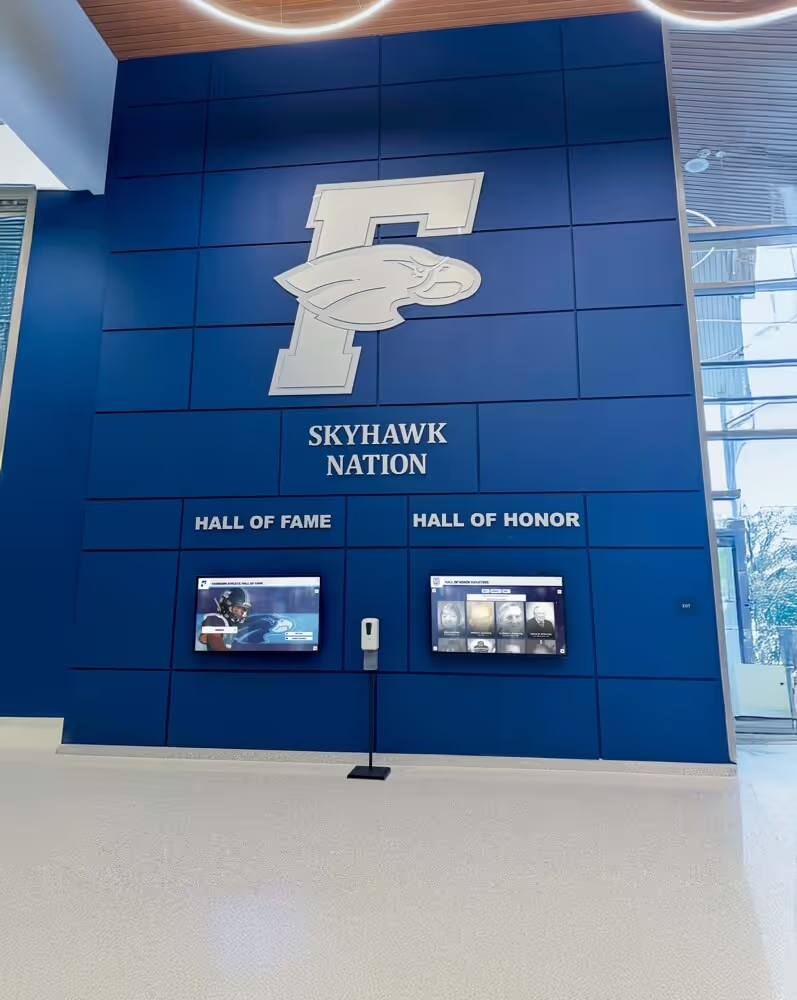
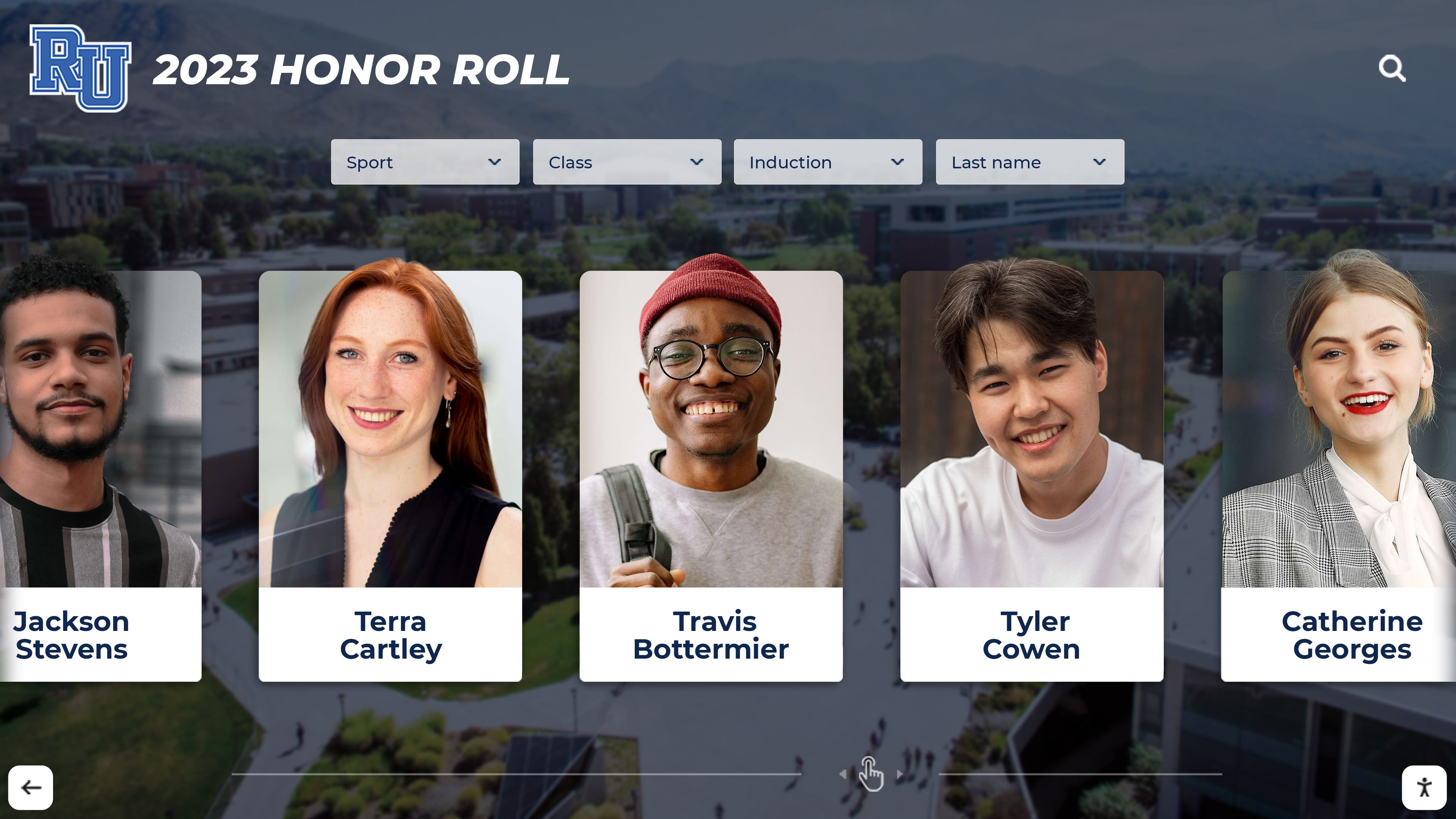
Year-round accessible recognition extends celebration beyond ceremony attendance, enabling families and community to explore achievements at any time
Categories of End-of-Year Awards: Comprehensive Recognition Framework
Effective programs recognize achievement across multiple dimensions, ensuring diverse excellence receives appropriate celebration.
Academic Achievement Awards
Academic recognition forms the foundation of most end-of-year programs, celebrating intellectual accomplishment and educational mission fulfillment.
Cumulative Academic Excellence
- Valedictorian and salutatorian recognition honoring highest cumulative GPAs
- Summa cum laude, magna cum laude, and cum laude designations by GPA thresholds
- Honor roll recognition at various achievement levels across marking periods
- Perfect GPA achievement across specific timeframes
- Academic improvement awards recognizing significant growth trajectories
Subject-Specific Academic Awards
- Departmental awards recognizing top performance in English, mathematics, science, social studies, world languages, and other core subjects
- Specialized course excellence in Advanced Placement, International Baccalaureate, honors, and accelerated programs
- Career and technical education awards celebrating mastery in business, technology, engineering, health sciences, and vocational programs
- Fine arts achievement in visual arts, music performance, theater, creative writing, and other artistic disciplines
Learn more about comprehensive approaches in academic recognition programs that extend beyond end-of-year ceremonies.
Standardized Assessment Achievement
- National Merit Scholar recognition and commended student acknowledgment
- ACT and SAT score achievement milestones
- Advanced Placement examination performance awards
- State assessment proficiency and advanced performance levels
- College Board National Recognition Program designations
Academic Competition Success
- Science Olympiad, Math League, and other academic team competition achievements
- Individual competition awards in spelling bees, geography bees, and subject-specific contests
- Robotics competition recognition at regional, state, and national levels
- Debate and forensics tournament success across event categories
- Model United Nations, mock trial, and other civic education competition achievement
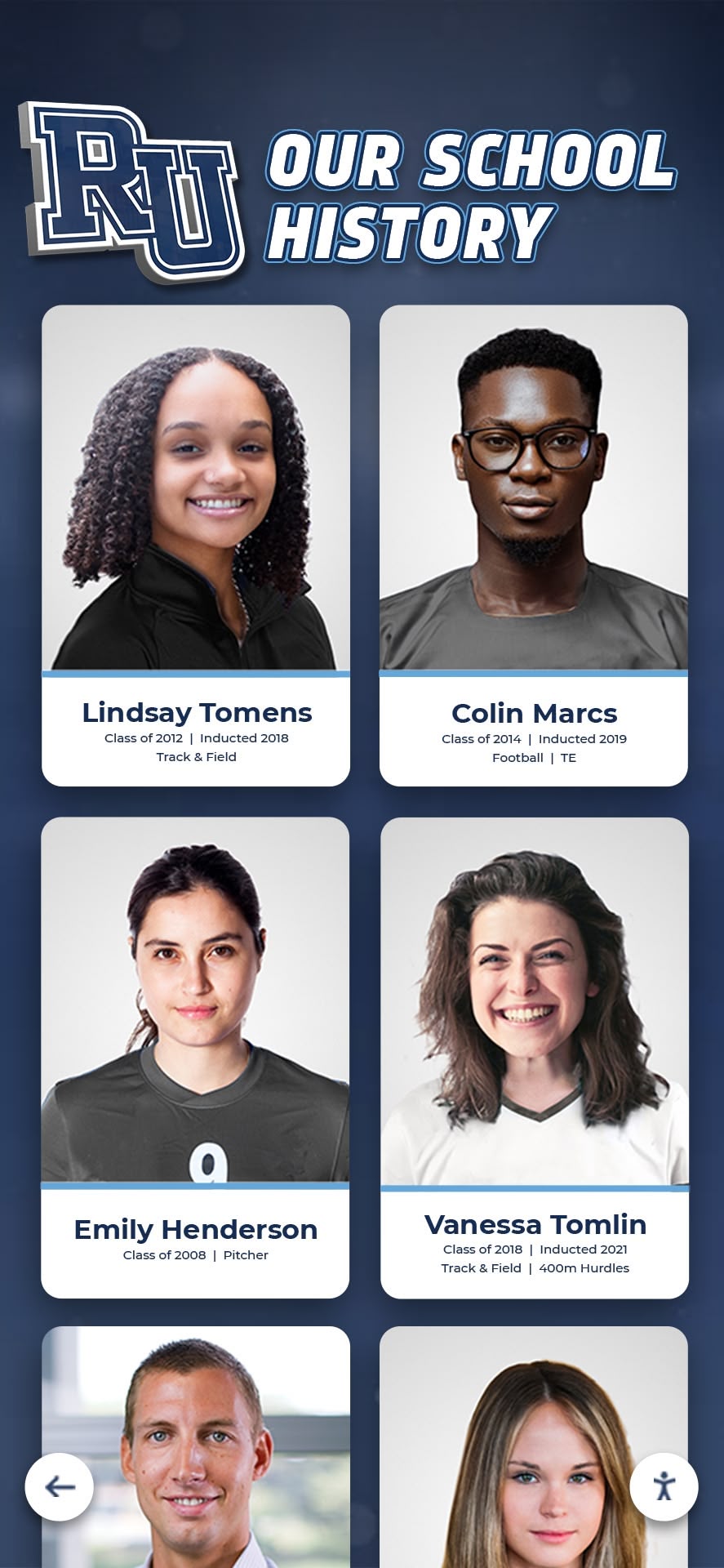
Structured profile formats ensure consistent documentation of academic achievement across diverse subjects and recognition types
Athletic Achievement Awards
Sports recognition celebrates physical excellence, teamwork, leadership, and competitive success.
Individual Athletic Excellence
- Most Valuable Player awards by sport and competition level
- All-conference, all-region, all-state, and all-American selections
- Statistical achievement awards for records, scoring, and performance milestones
- Sport-specific skill awards recognizing specialized excellence
- Multi-sport athlete recognition honoring diverse participation
Team Achievement Recognition
- Conference, regional, and state championship team members
- Tournament advancement and playoff qualification
- Team record achievements and historical significance
- Improvement awards recognizing growth and development
- Sportsmanship and team culture awards
Explore comprehensive athletic recognition in state championship displays that preserve team and individual accomplishment.
Character-Based Athletic Awards
- Scholar-athlete recognition combining academic and athletic excellence
- Leadership awards honoring team captains and positive influence
- Sportsmanship awards recognizing integrity and competitive character
- Dedication and commitment awards celebrating persistence
- Coaching awards honoring exceptional preparation and work ethic
Pinnacle Athletic Recognition
- Gatorade Player of the Year state and national recipients
- Conference Player of the Year designations
- State athletic association special recognition
- College athletic scholarship recipients
- Professional or Olympic pathway achievements
Leadership and Service Awards
Recognition of non-academic, non-athletic excellence ensures comprehensive acknowledgment of student contribution and character development.
Student Government and Leadership
- Student council officer recognition and service awards
- Class officer acknowledgment across grade levels
- School ambassador and tour guide leadership
- Peer mentorship and tutoring program excellence
- Event planning and school function leadership
Digital systems document complete student journeys including leadership roles, service contributions, and diverse achievements
Community Service Recognition
- Cumulative service hour achievement milestones
- Service project leadership and organization
- Community impact and sustainable program development
- Service learning integration with academic coursework
- Partnership with community organizations and non-profits
Discover recognition approaches in community service program displays that celebrate student contribution.
Character and Values Recognition
- Citizenship awards recognizing exemplary conduct and values
- Integrity and honesty recognition
- Perseverance awards celebrating resilience and determination
- Kindness and compassion acknowledgment
- School spirit and community contribution
- Anti-bullying and inclusion leadership
Activity and Club Leadership
- National Honor Society and specialized honor society recognition
- Drama, music, and performing arts leadership awards
- Academic club officer recognition and achievement
- Special interest club contribution and development
- Publication leadership in yearbook, newspaper, and literary magazines
Specialized Achievement Categories
Additional recognition areas ensure comprehensive acknowledgment:
Attendance and Engagement
- Perfect attendance recognition across marking periods and full year
- Improved attendance celebrating growth patterns
- Punctuality and consistency acknowledgment
- Engagement in school functions and activities
Learn about attendance recognition in perfect attendance program guides applicable to end-of-year programs.
College and Career Readiness
- Career and technical education certification completion
- Internship and work-based learning excellence
- College application success and acceptance achievement
- Scholarship award recipients and total amounts earned
- Industry certification and professional credential completion
Special Recognition Categories
- Overcoming adversity awards celebrating resilience
- New student integration and contribution
- English Language Learner achievement and growth
- Special education achievement and developmental milestones
- Transfer student contribution and community integration
Planning Effective End-of-Year Awards Programs
Strategic planning ensures recognition programs accomplish objectives while remaining sustainable and engaging.
Timeline Development: Working Backward from Recognition Events
Effective programs begin planning months before recognition ceremonies occur.
Fall Semester Planning Activities September through November should focus on program design:
- Award category definition and criteria establishment
- Selection process and committee formation
- Budget development and resource allocation
- Venue selection and ceremony logistics planning
- Communication strategy development for stakeholders
Winter Award Identification Period December through February enable nomination and selection:
- Nomination period opening with clear criteria communication
- Committee review processes for merit-based awards
- Data gathering for GPA, test score, and statistical awards
- Initial award recipient identification and verification
- Family notification and ceremony attendance confirmation
Spring Finalization and Execution March through May focus on ceremony preparation:
- Final award recipient confirmation across all categories
- Physical award ordering with personalization
- Ceremony program development and printing
- Rehearsal coordination and participant preparation
- Marketing and promotion to build attendance
- Digital recognition content development for permanent documentation
Post-Ceremony Activities Following recognition events, sustain momentum:
- Thank you communications to participants and supporters
- Photo and video documentation sharing
- Digital recognition publication providing permanent access
- Assessment data gathering about program effectiveness
- Planning team debrief and continuous improvement documentation
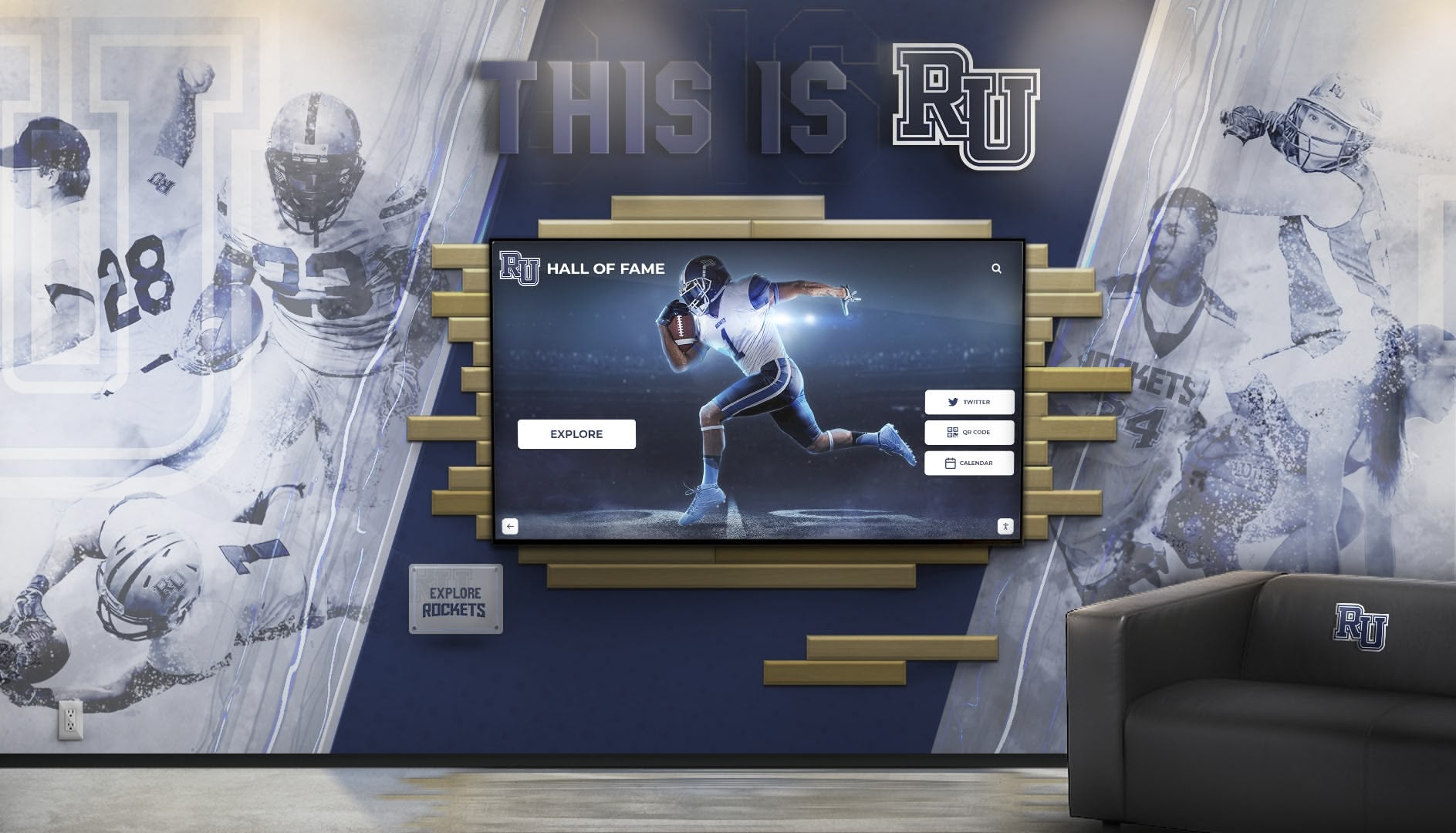
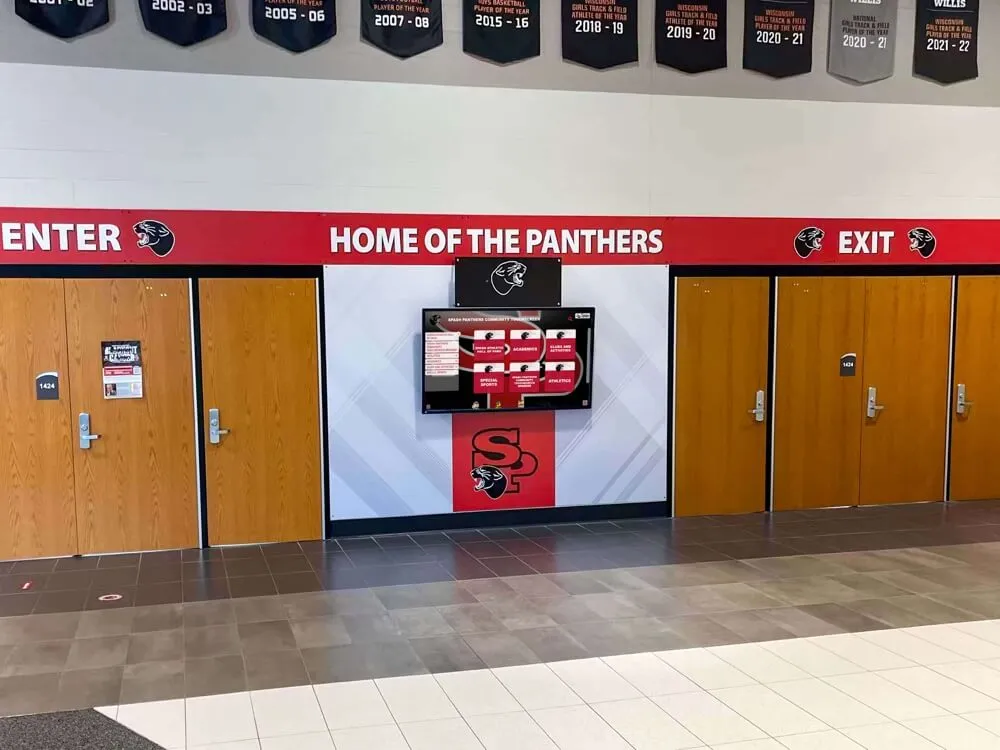
Strategic recognition placement in common areas ensures year-round visibility extending impact beyond single ceremony moments
Selection Criteria and Process Design
Clear, transparent selection processes ensure fairness and maintain recognition value.
Criteria-Based Selection For awards based on measurable achievement:
- Establish clear thresholds and qualification standards
- Document criteria publicly ensuring transparency
- Use objective data sources preventing subjective bias
- Create consistent application across student populations
- Review criteria periodically ensuring continued appropriateness
Committee-Based Selection For subjective awards requiring judgment:
- Form representative committees including diverse stakeholders
- Provide clear rubrics and evaluation frameworks
- Require multiple reviewers to reduce individual bias
- Document decision rationale for accountability
- Establish appeals or reconsideration processes
Nomination Processes Enable broader participation in recognition:
- Open nomination periods with clear procedures
- Enable self-nomination alongside peer and staff nominations
- Provide nomination forms with specific criteria alignment
- Set reasonable nomination deadlines allowing adequate review
- Communicate nomination receipt and timeline to nominators
Balancing Inclusivity with Selectivity Maintain recognition meaning while ensuring accessibility:
- Create multiple recognition tiers accommodating various achievement levels
- Establish reasonable standards ensuring attainability while maintaining prestige
- Monitor recipient distribution across demographic groups ensuring equity
- Review percentage of students receiving recognition ensuring balance
- Adjust criteria if recognition becomes too concentrated or too diffuse
Ceremony Design: Engaging Recognition Events
Well-designed ceremonies balance comprehensive recognition with audience engagement.
Ceremony Format Options
Schools implement various approaches based on circumstances:
Single Comprehensive Ceremony
- All-school event celebrating diverse achievements together
- Typically 90-120 minutes with multiple award categories
- Requires careful pacing and program design preventing audience fatigue
- Creates unified celebration of school community excellence
- May include keynote speaker or special programming
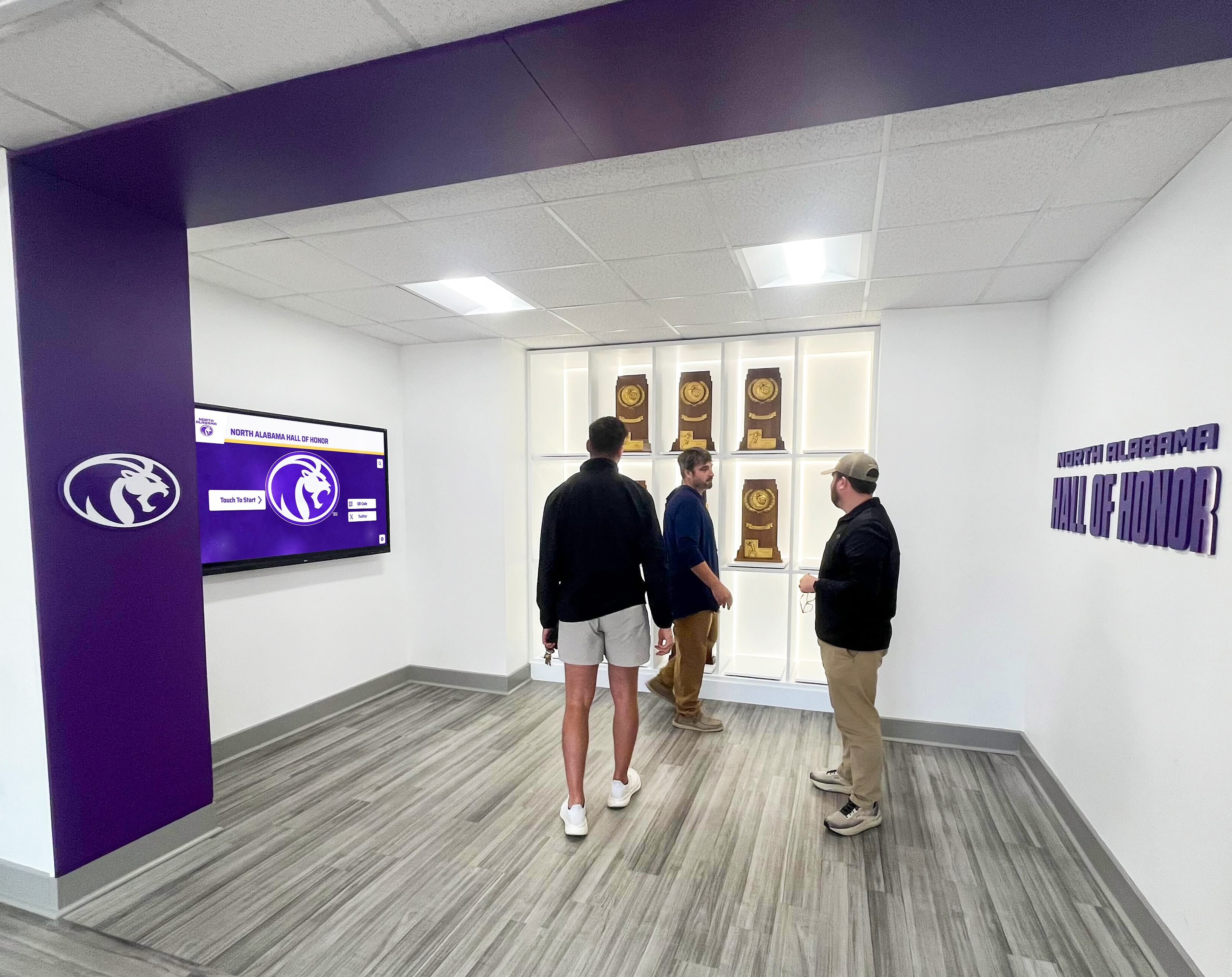
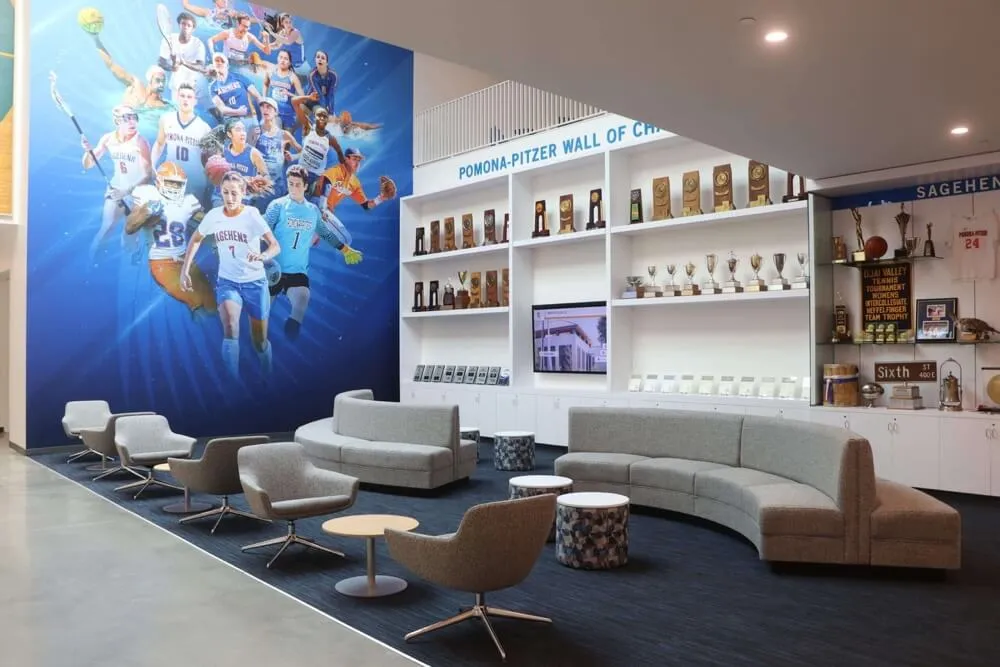
Recognition displays provide gathering spaces before and after ceremonies, extending engagement beyond formal program time
Departmental or Divisional Ceremonies
- Separate academic awards night, athletic banquet, and arts celebration events
- Enables deeper focus on specific achievement domains
- Allows longer individual recognition moments
- Facilitates appropriate audience composition and program customization
- Distributes family attendance burden across multiple events
Grade-Level Recognition Events
- Separate ceremonies for each class level
- Particularly common for senior awards and recognition
- Enables class-specific programming and tradition
- Creates more intimate celebrations with appropriate audiences
- Allows graduation year cohort community building
Hybrid Approaches Many schools combine formats with major all-school ceremony for pinnacle awards alongside smaller domain-specific or grade-level events for comprehensive recognition within more focused audiences.
Engagement Strategies During Ceremonies
Maintain audience interest through thoughtful design:
Pacing and Program Flow
- Limit total ceremony length to 90 minutes maximum when possible
- Group similar award types together creating logical flow
- Alternate between individual and group recognition preventing monotony
- Include short video segments or special performances between major sections
- Use music and multimedia breaking up continuous speaking
Personal Connection and Storytelling Rather than simply reading names, create meaning:
- Include brief achievement descriptions explaining award significance
- Feature short video profiles of selected recipients
- Invite teacher or coach remarks about specific students
- Enable brief recipient remarks when appropriate
- Show photos or accomplishment evidence connecting audience to achievement
Visual Interest and Production Value Professional presentation increases engagement:
- Use projection systems showing recipient photos and information
- Display achievement data and statistics
- Include school branding and visual identity throughout
- Create photo opportunities with good lighting and backdrop
- Stream or record ceremonies for absent families and future viewing
Inclusive Audience Engagement Ensure all attendees feel included:
- Provide programs listing all recipients enabling audience follow-along
- Include QR codes linking to comprehensive online recognition
- Create social media engagement opportunities with event hashtags
- Enable live-streaming for remote family members unable to attend
- Provide accessibility accommodations including ASL interpretation when needed
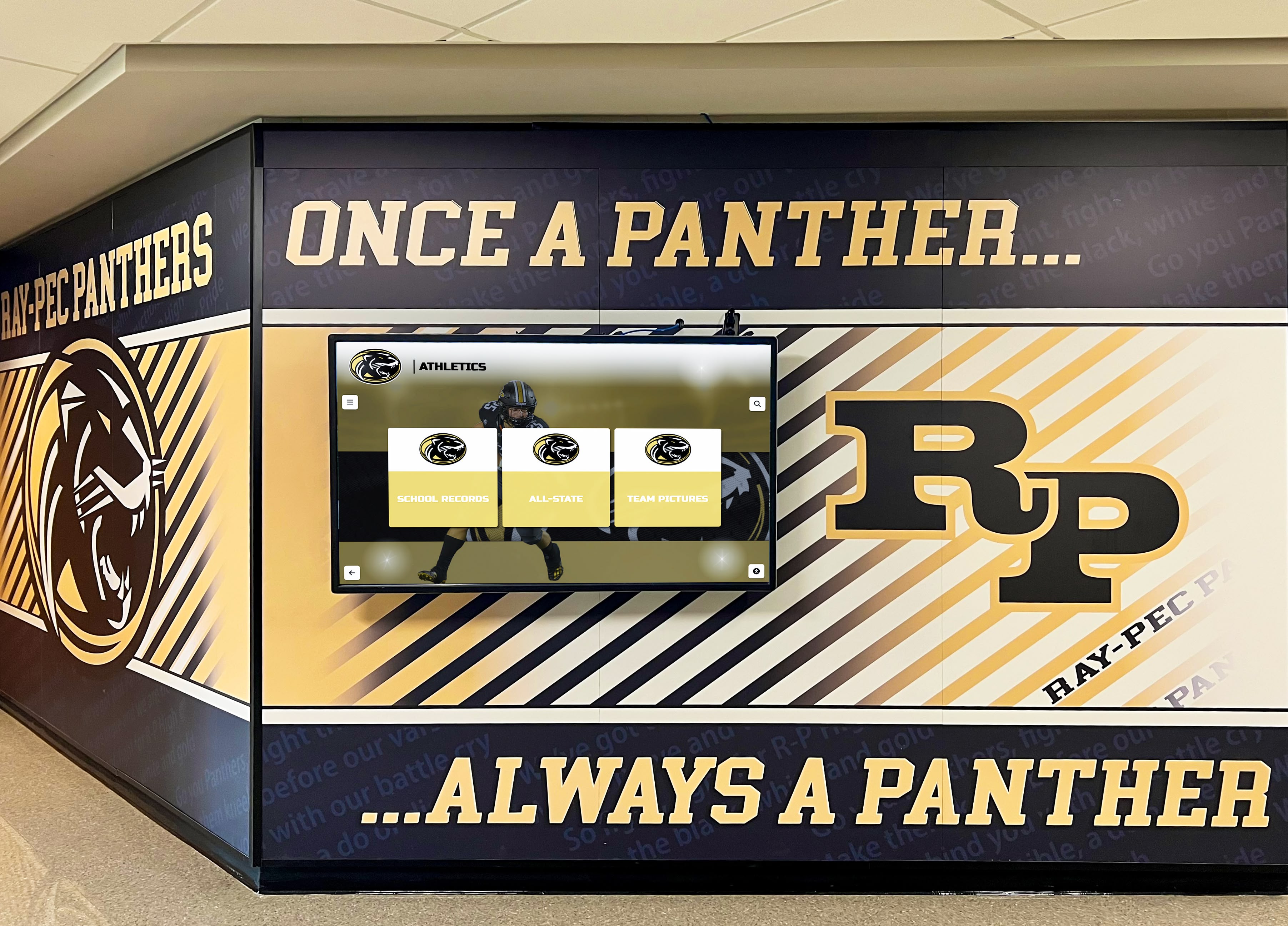
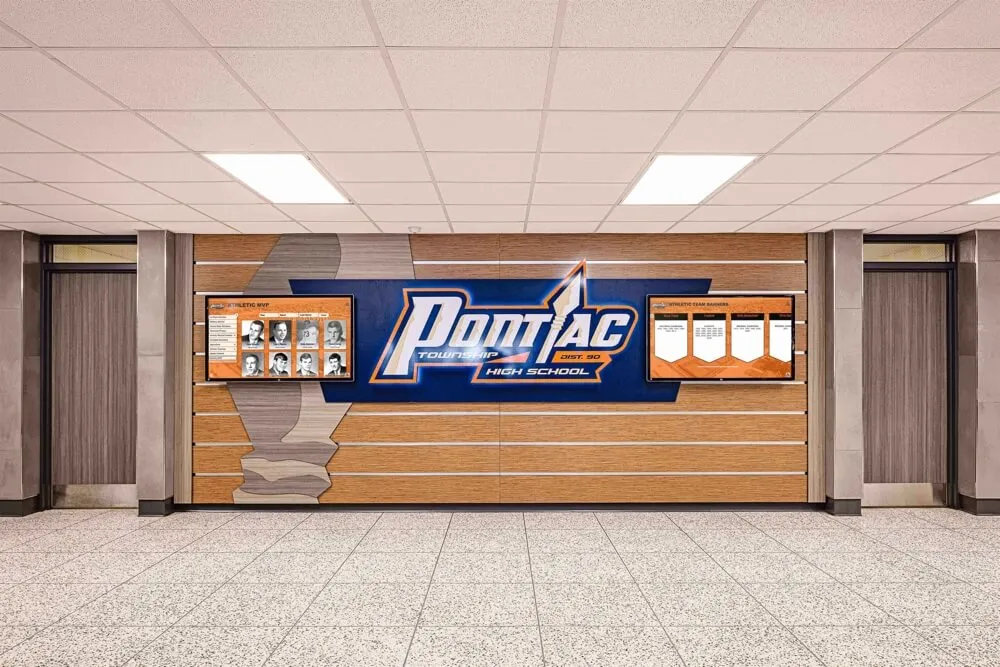
Integrated recognition displays throughout school facilities ensure achievement visibility during daily activities, not just special ceremonies
Physical Awards and Recognition Materials
Tangible recognition items provide lasting mementos while serving documentation purposes.
Physical Award Types and Options
Certificates and Plaques Traditional recognition formats remain valuable:
- Professional printed certificates with school branding and official signatures
- Personalized engraving identifying specific achievement
- Quality paper stock and presentation appropriate for display
- Standard sizes enabling home framing and display
- Digital certificate versions providing electronic documentation
Medals and Pins Wearable recognition creates visible celebration:
- Academic achievement medals for ceremony wear
- Honor society pins and regalia
- Athletic letter jackets and varsity letter awards
- Service hour milestone pins
- Graduation cord or stole designations for commencement
Trophies and Physical Awards Dimensional recognition for special achievement:
- Department or category-specific trophies
- Perpetual plaques with annual recipient names
- Unique awards aligned with achievement type (books for literacy awards, art pieces for creativity recognition)
- Custom designs reflecting school identity
- Eco-conscious options using sustainable materials
Digital Recognition Assets Electronic documentation complementing physical items:
- Digital badges for LinkedIn and social media profiles
- Electronic certificates optimized for college applications
- Web-based achievement portfolios students can share
- QR codes linking to comprehensive achievement documentation
- Mobile app access enabling anytime recognition viewing
Managing Physical Recognition Logistics
Successful programs address practical implementation:
Ordering and Customization
- Place orders with sufficient lead time preventing rush fees
- Verify personalization accuracy before final production
- Maintain consistent visual design aligned with school branding
- Order quantity buffer accounting for late additions or errors
- Plan for secure storage until distribution
Distribution and Presentation
- Organize awards by ceremony distribution order
- Brief presenters on pronunciation and proper name use
- Create backup plans for absent recipients
- Photograph recipients receiving recognition
- Track distribution ensuring all recipients receive proper awards
Post-Ceremony Recognition
- Establish pickup process for absent recipients
- Document late award distribution
- Retain digital records of all recipients
- Update permanent recognition systems with complete information
- Store extra physical awards appropriately
Permanent Recognition: Beyond Ceremony Moments
While ceremonies provide important celebration, permanent documentation ensures lasting visibility and accessibility.
The Challenge with Traditional Physical Recognition
Schools typically struggle with long-term recognition visibility:
Space Constraints Limiting Permanent Display Physical recognition creates capacity problems:
- Trophy cases fill quickly, forcing removal of historical achievements
- Wall plaques consume finite space requiring difficult prioritization decisions
- Banners in gyms and hallways eventually come down as facilities evolve
- Storage of removed recognition eliminates its visibility and purpose
- Maintenance challenges as physical materials deteriorate over time
Accessibility and Engagement Limitations Static displays provide minimal interaction:
- Passive viewing without exploration capability
- No search or filter functionality finding specific students
- Limited information beyond basic names and award titles
- Fixed viewing angles and distances reducing accessibility
- No content updates after initial installation
Equity Concerns in Selective Physical Display Space limitations force prioritization raising equity questions:
- Which achievement types merit continued visibility?
- How long should recognition remain before removal?
- Are athletic achievements given disproportionate physical space?
- Do academic, arts, and service recognitions receive equivalent treatment?
- Are recent achievements prioritized over historical excellence?
These fundamental challenges mean traditional physical recognition often fails at its primary purpose—ensuring student achievements receive lasting acknowledgment extending beyond high school years.
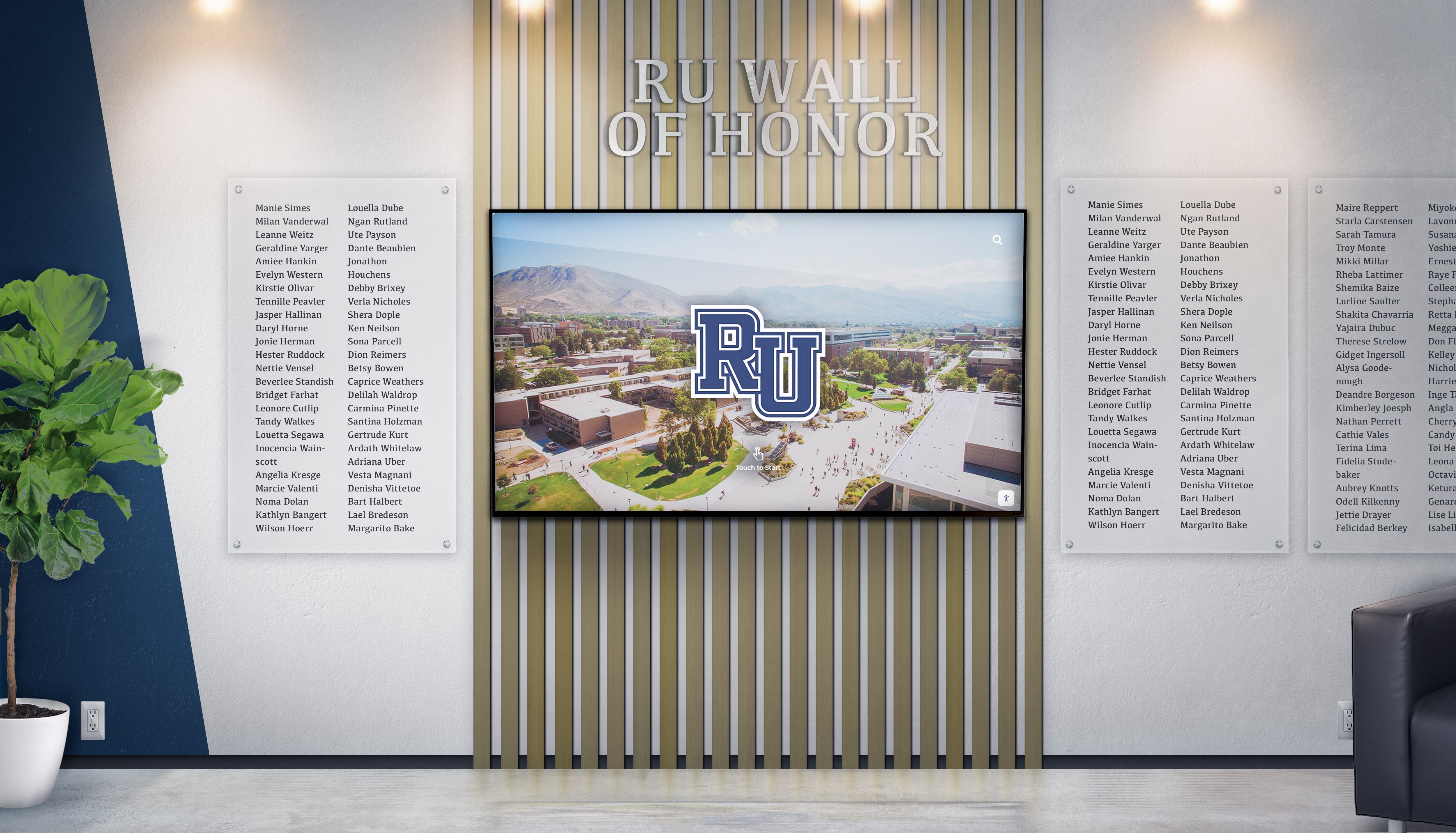
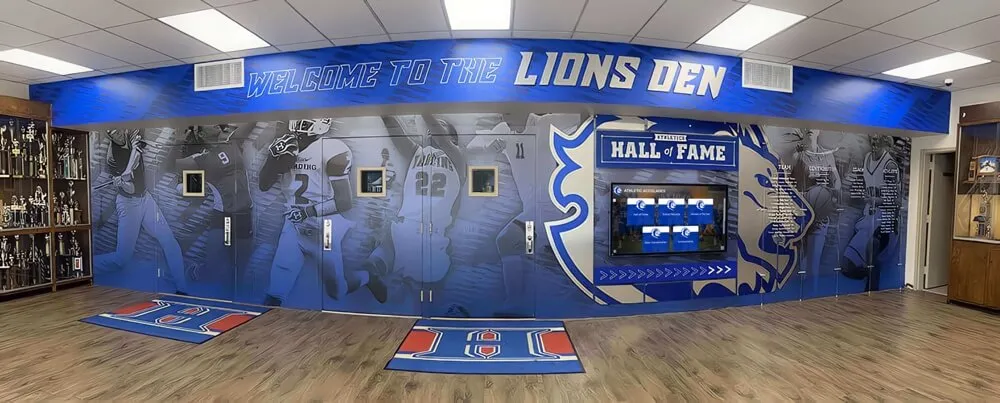
Hybrid recognition approaches preserve physical tradition while solving capacity and engagement limitations through digital integration
Digital Recognition Systems: Comprehensive Solutions
Modern platforms solve traditional recognition challenges while enhancing capabilities:
Unlimited Capacity Archive Digital systems eliminate space constraints:
- Accommodate every award recipient across all years
- No removal required as new recipients receive recognition
- Comprehensive historical documentation showing institutional excellence tradition
- Equal visibility for all achievement types regardless of ceremony prominence
- Scalable infrastructure growing effortlessly with annual additions
Enhanced Storytelling and Context Rich profiles impossible with physical recognition:
- Individual student profile pages with photos and biographical information
- Detailed achievement descriptions explaining award significance and selection
- Multiple accomplishment documentation showing complete student excellence
- Video integration bringing achievements to life
- Timeline formats showing student development across high school career
Explore comprehensive platforms in online awards display systems designed for educational recognition.
Interactive Exploration Capabilities Touchscreen systems enable engagement:
- Search functionality finding specific students across graduation years
- Filter by award category, achievement type, or graduation year
- Browse features enabling casual exploration and discovery
- Social sharing capabilities extending recognition reach
- Mobile-responsive web access enabling anytime viewing from any device
Sustainable Content Management Cloud-based platforms simplify ongoing management:
- Remote updates from any internet-connected device
- Intuitive interfaces requiring no technical expertise
- Bulk import tools for historical data and annual recipient groups
- Role-based permissions enabling appropriate staff access
- Automated backup ensuring preservation without IT department dependency
Solutions like Rocket Alumni Solutions provide purpose-built platforms designed specifically for educational recognition needs, offering functionality that generic digital signage systems cannot match while remaining accessible for staff without technical backgrounds.
Integration with School Digital Ecosystem
Recognition systems should connect with broader technology:
Website Integration
- Dedicated awards and recognition sections within school sites
- Searchable databases enabling community exploration
- Social media sharing extending reach beyond campus
- SEO optimization making achievements discoverable through search engines
- Mobile-responsive design ensuring smartphone access

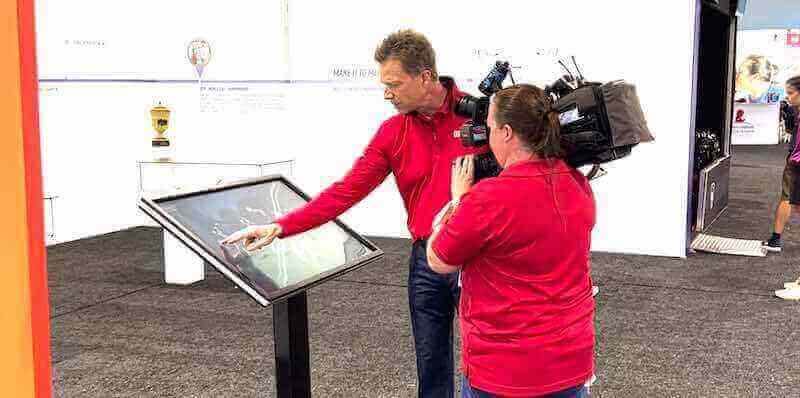
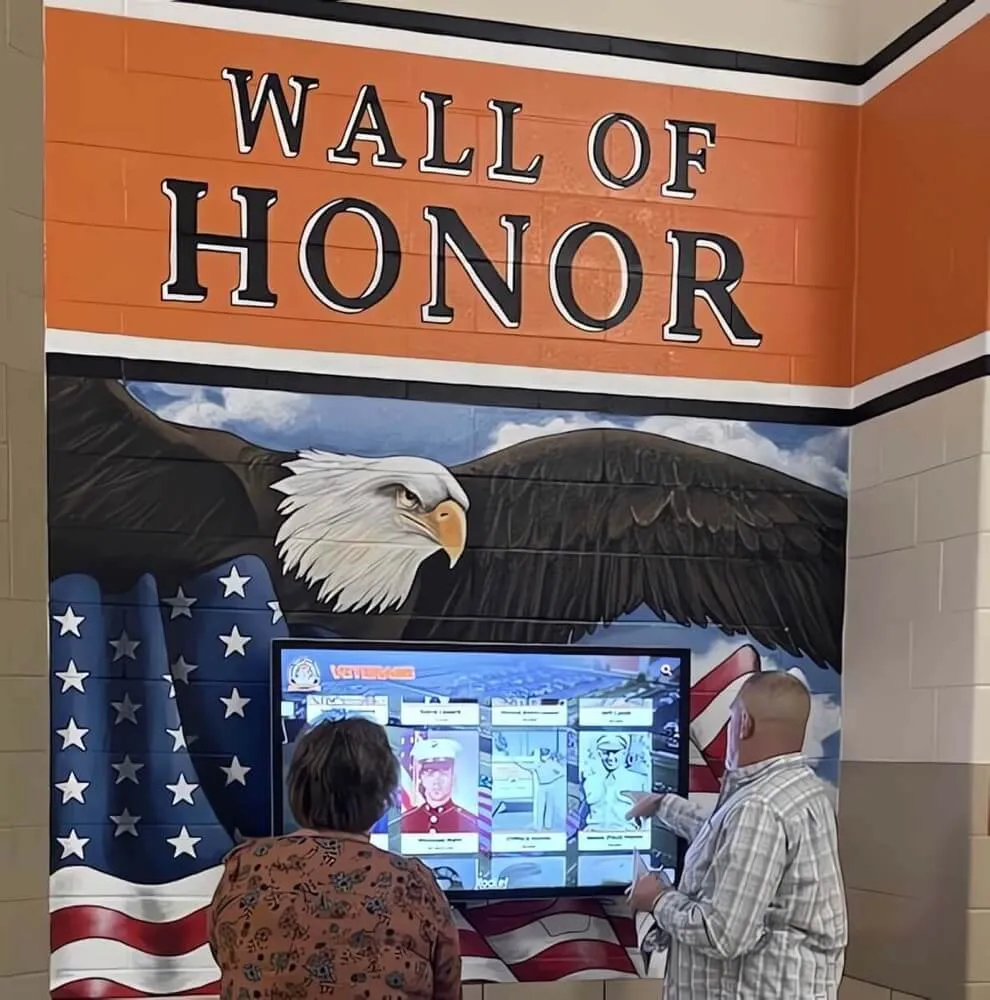
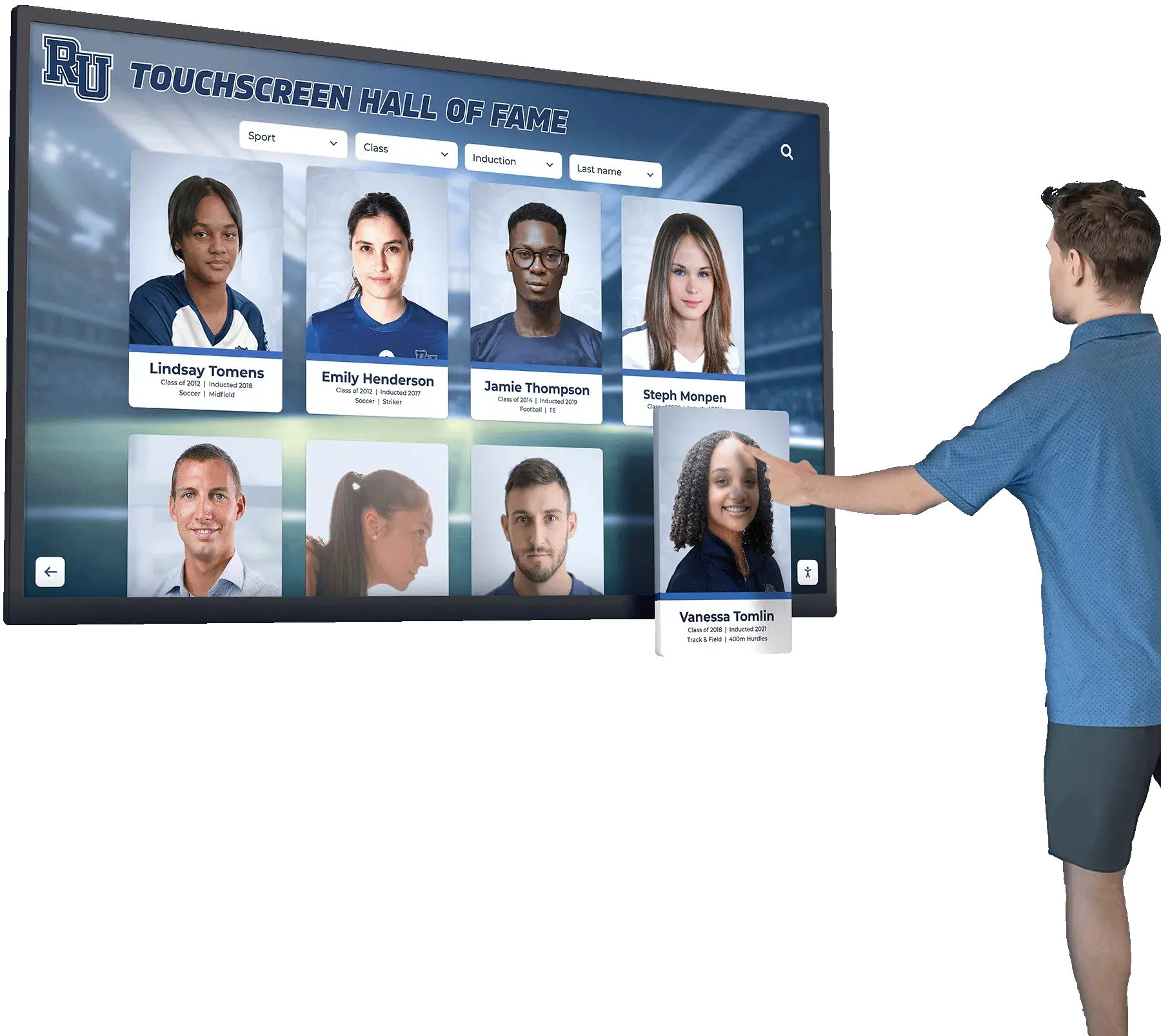
Touchscreen interfaces create engaging exploration experiences impossible with traditional static recognition approaches
Student Information System Connections
- Automated data import from academic records
- GPA and course enrollment information integration
- Attendance data for related recognition
- Standardized test score integration
- Reduced manual data entry and error potential
Alumni Engagement Platforms
- Recognition access for graduates returning virtually or physically
- Alumni update capabilities tracking post-graduation success
- Donation and giving integration supporting institutional advancement
- Mentorship connection opportunities linking graduates with current students
- Legacy demonstration showing long-term outcomes of high school achievement
Equity and Inclusion in Recognition Programs
Thoughtful design ensures recognition opportunities exist for diverse student populations.
Multiple Pathway Recognition
Avoid recognition systems benefiting only traditional high achievers:
Growth-Oriented Recognition Celebrate improvement alongside absolute achievement:
- Most improved GPA awards recognizing development
- Progress monitoring rewards for goal achievement
- Reading level advancement in literacy programs
- Skill development in specific subjects or domains
- Attendance improvement for students with previous challenges
Effort-Based Awards Acknowledge commitment regardless of outcome:
- Consistent homework completion and academic engagement
- Practice dedication in athletics and arts
- Participation consistency in activities and clubs
- Preparation quality for assessments and performances
- Self-directed learning initiative and curiosity
Specialized Achievement Categories Ensure diverse talents receive acknowledgment:
- Technical skill certification in career education
- Multilingual proficiency and language learning
- Creative expression in arts and media
- Leadership in non-traditional contexts
- Community building and peer support contributions
This multi-dimensional approach ensures recognition opportunities exist for students across different starting points, learning profiles, and excellence dimensions.
Accessibility in Ceremony and Recognition
Remove barriers preventing full participation:
Physical Accessibility
- Venue selection with ramps, elevators, and accessible seating
- Stage access for recipients with mobility devices
- Accessible parking with appropriate signage
- Accommodation for service animals
- Sensory-friendly ceremony options when appropriate
Communication Accessibility
- ASL interpretation or captioning during ceremonies
- Large print programs for visually impaired attendees
- Audio description for visual presentation elements
- Materials in multiple languages serving diverse families
- Clear communication about accessibility services available
Economic Accessibility
- Free ceremony admission and program materials
- No requirement for award recipients to purchase special attire
- Scholarship opportunities for recognition trip participation
- Elimination of fees for award letters or physical recognition
- Accommodation support for families facing transportation challenges
Cultural Responsiveness
- Recognition of diverse achievement styles and expressions
- Ceremony formats respecting various cultural traditions
- Inclusive language avoiding assumptions about family structures
- Diverse speaker and presenter representation
- Multiple celebration formats accommodating different preferences
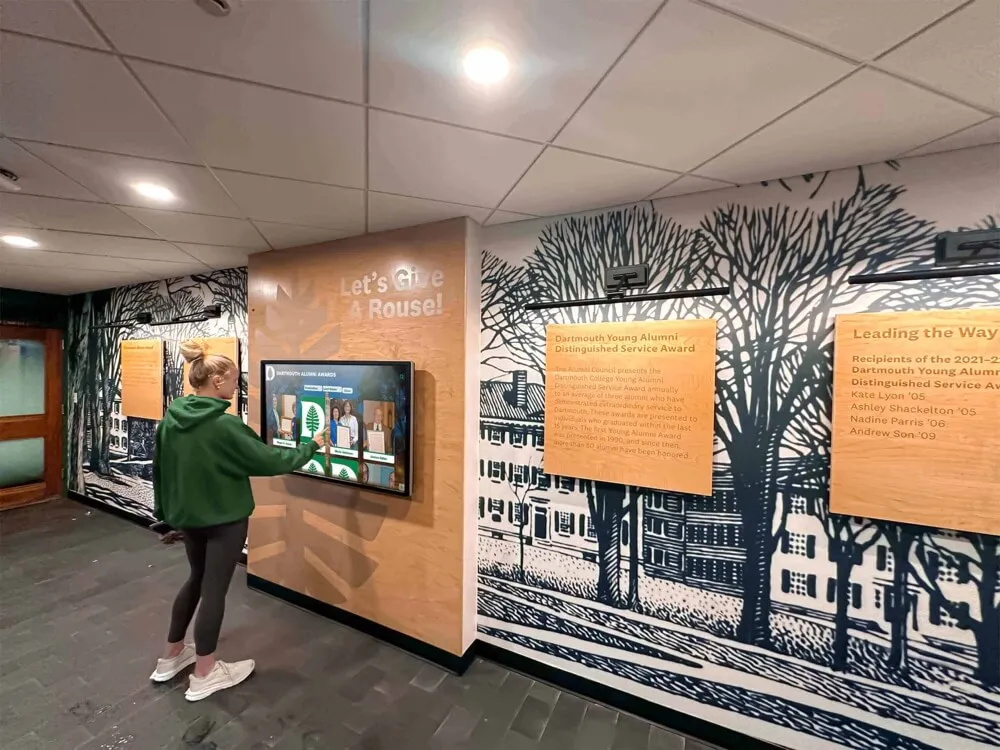
Accessible placement and design ensure all students can explore and engage with recognition regardless of physical capabilities
Monitoring Recognition Distribution
Regular assessment ensures equity:
Demographic Analysis Track recognition patterns:
- Award distribution across racial and ethnic groups
- Gender balance in recognition across categories
- Socioeconomic status representation in recipient populations
- English Language Learner recognition rates
- Special education student acknowledgment frequency
Category Balance Review Ensure comprehensive excellence celebration:
- Athletic versus academic recognition volume comparison
- Arts and activities acknowledgment relative to traditional categories
- Character and service recognition alongside performance achievement
- New or specialized program recognition integration
- Historical trend analysis showing evolution over time
Corrective Actions Address identified inequities:
- Criteria revision ensuring accessibility for diverse populations
- Additional recognition categories creating opportunities for underrepresented groups
- Selection process modification reducing bias
- Communication enhancement reaching broader student populations
- Targeted nomination encouragement for overlooked students
This data-informed approach prevents recognition systems from systematically disadvantaging particular student groups while ensuring institutional values of comprehensive excellence receive operational implementation.
Communication and Marketing for Recognition Programs
Effective promotion ensures stakeholder awareness and engagement.
Pre-Ceremony Communication Strategies
Build anticipation and ensure attendance:
Student Communication
- Classroom announcements and morning announcements
- Email to recipient students with ceremony details
- Calendar invitations with timing and location
- Dress code and participation expectations
- Recognition significance and ceremony importance
Family Engagement
- Email invitations with ceremony calendar entries
- Printed invitations mailed to home addresses
- Website calendar posting with RSVP capabilities
- Social media promotion building excitement
- Language translation for multilingual families
Community Outreach
- Local media press releases about ceremony
- School website homepage features
- Social media promotion across school platforms
- Community calendar submissions
- Business partner and supporter invitations
Post-Recognition Visibility
Extend recognition impact beyond ceremony moments:
Immediate Post-Ceremony
- Photo galleries published within 24-48 hours
- Video highlights from ceremony on social media
- Recipient list publication on school website
- Local media submission with photos and results
- Thank you communications to participants and supporters
Ongoing Recognition Visibility
- Digital recognition platform publication providing permanent access
- Monthly social media features spotlighting individual recipients
- Newsletter articles celebrating specific achievement stories
- Hallway display updates featuring ceremony highlights
- Annual report inclusion demonstrating educational outcomes
Alumni Connection
- Digital recognition ensuring access years after graduation
- Alumni newsletter features about award recipients
- “Where are they now” updates tracking post-graduation success
- Reunion programming incorporating recognition rediscovery
- Legacy demonstration connecting historical to current excellence
This sustained communication ensures recognition impact extends throughout the year and across multiple years, not just during ceremony moments.
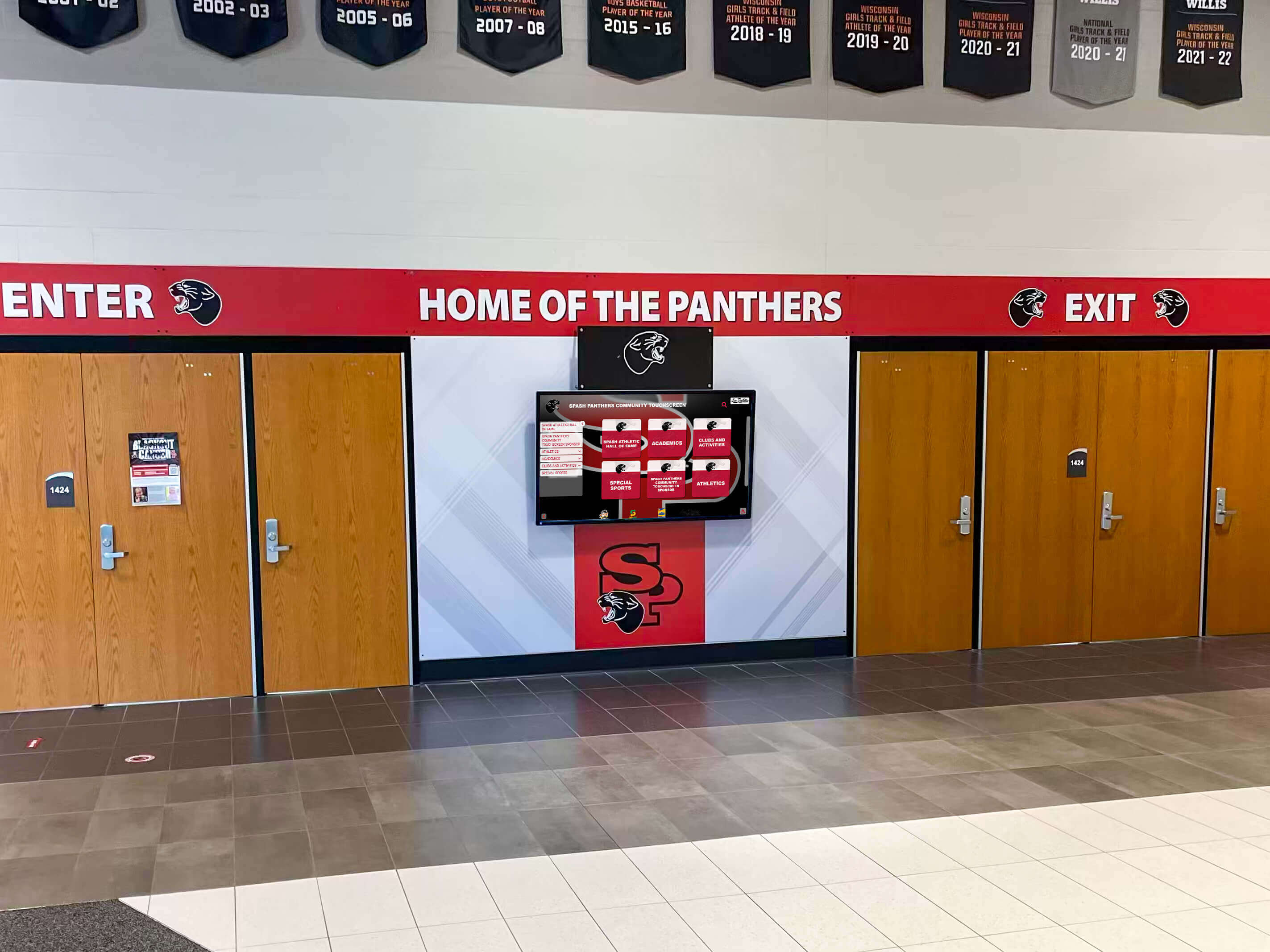
Strategic placement at school entrances ensures recognition visibility for daily traffic, visitors, and special event attendees
Budget Planning and Resource Requirements
Understanding costs enables realistic program development.
Ceremony Expenses
Venue and Logistics
- Facility rental if using off-campus location ($500-3,000)
- Audio-visual equipment rental for presentation ($200-1,000)
- Seating arrangement and staging if needed ($100-500)
- Decoration and visual environment enhancement ($200-800)
- Reception or refreshment costs if hosting ($500-2,000)
Program Materials
- Printed programs and ceremony materials ($200-600)
- Signage and directional materials ($100-300)
- Photography and videography services ($500-2,000)
- Streaming equipment and services if offering ($200-800)
Physical Award Costs
Recognition Materials
- Certificates and printing ($3-8 per recipient)
- Plaques and engraved awards ($15-50 per recipient)
- Medals and pins ($5-20 per recipient)
- Trophies for special awards ($30-150 each)
- Frames or presentation materials ($5-15 per recipient)
Schools with 100-200 award recipients typically budget $2,000-5,000 for physical recognition materials depending on award types and quality levels selected.
Digital Recognition Investment
Initial Implementation
- Platform subscription or licensing ($1,200-4,800 annually)
- Historical content development and data entry ($1,000-5,000 one-time)
- Photo digitization if needed ($200-1,000)
- Content management training ($0-500)
- Website integration if required ($500-2,000)
Ongoing Annual Costs
- Platform subscription renewal ($1,200-4,800 annually)
- Annual recipient content development (2-5 hours staff time)
- Photography for current year recipients ($200-800)
- Content updates and refinement (4-8 hours staff time annually)
While digital recognition requires initial investment, it eliminates ongoing expenses for physical trophy case expansion, banner production and replacement, and storage systems while providing significantly enhanced capabilities and permanent preservation that physical recognition alone cannot deliver.
Implementation Timeline for Comprehensive Programs
Strategic phased approach enables manageable program development.
Year One: Foundation Building
First Semester
- Form recognition planning committee with diverse representation
- Survey stakeholders about current recognition satisfaction and preferences
- Define initial award categories and selection criteria
- Establish budget and secure funding commitments
- Select digital recognition platform if implementing
Second Semester
- Conduct first award selection processes with new criteria
- Plan and execute end-of-year recognition ceremonies
- Create initial digital recognition content for current year
- Document lessons learned and program refinement opportunities
- Communicate success and recognition to broader community
Year Two: Program Expansion
Refinement Phase
- Revise award criteria based on year one assessment
- Expand recognition categories addressing identified gaps
- Begin historical recognition digitization for past recipients
- Enhance ceremony format based on feedback
- Increase marketing and communication reach
Growth Phase
- Increase historical content in digital recognition systems
- Add multimedia elements like video to recognition profiles
- Expand ceremony production value and engagement
- Build alumni connection opportunities through recognition
- Establish sustainable ongoing management processes
Year Three and Beyond: Maturity and Sustainability
Established Operations
- Routine award cycles with clear timeline and processes
- Comprehensive historical recognition documentation complete
- Regular engagement with digital recognition throughout year
- Continuous refinement based on ongoing assessment
- Recognition integrated into school culture and identity
This phased approach prevents overwhelming initial implementation while building toward comprehensive, sustainable programs over reasonable timeframes.
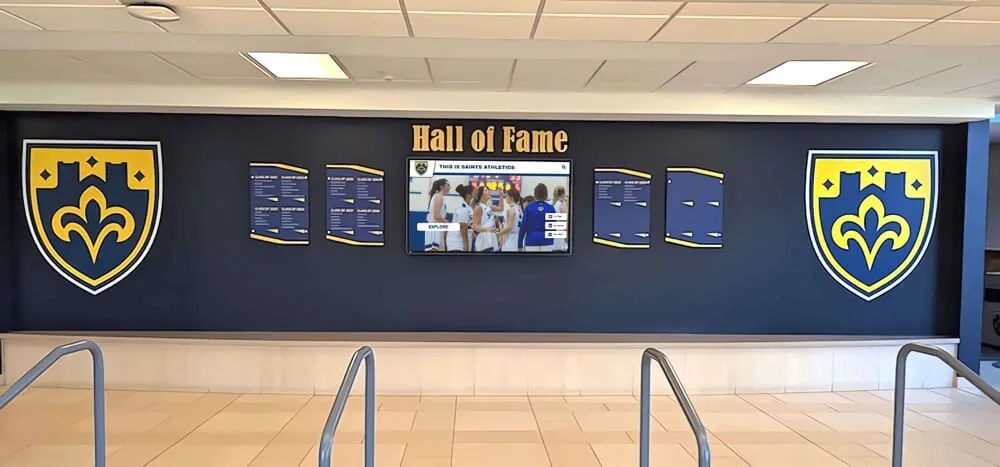
Successful recognition systems balance traditional approaches with modern technology, preserving valued traditions while solving historical limitations
Measuring Program Success and Impact
Regular assessment enables data-informed program refinement.
Quantitative Metrics
Participation Indicators
- Total number of students receiving recognition
- Percentage of student body receiving awards
- Distribution across grade levels
- Representation across demographic groups
- Year-over-year trend analysis
Ceremony Effectiveness
- Attendance rates among recipients and families
- Program length and pacing
- Post-ceremony survey satisfaction ratings
- Media coverage quantity and quality
- Social media engagement metrics
Recognition System Usage
- Digital recognition platform access frequency
- Search patterns and popular content
- Session duration indicating engagement depth
- Return visitor rates showing sustained interest
- Geographic reach if web-accessible
Qualitative Assessment
Stakeholder Feedback
- Student surveys about recognition awareness and motivation
- Family satisfaction with ceremony and communication
- Staff perspectives on selection processes and fairness
- Community perception of recognition program quality
- Alumni reflection on recognition program value
Cultural Impact Indicators
- School climate survey results related to recognition
- Student motivation and academic engagement trends
- Family involvement and partnership quality
- Community pride and institutional reputation
- Alumni connection strength and giving patterns
This comprehensive assessment enables continuous improvement ensuring recognition programs achieve intended objectives while remaining aligned with stakeholder needs and institutional mission.
Conclusion: Building Recognition Programs That Endure
End-of-year awards represent critical opportunities to celebrate student achievement, reinforce institutional values, motivate continued excellence, and create lasting memories for students, families, and communities. Yet traditional recognition approaches often fail to deliver sustained impact—ceremonies lose audience engagement, physical recognition disappears into storage as space runs out, and achievement documentation becomes inaccessible years after students graduate.
The strategies explored in this guide provide frameworks for building recognition programs that overcome these historical limitations while celebrating excellence comprehensively. From careful category design ensuring diverse achievement receives acknowledgment to engaging ceremony formats maintaining audience interest, from equity-focused selection processes to permanent digital documentation solving visibility challenges, these approaches transform recognition from single moments to sustained celebration woven throughout school culture.
Transform Your End-of-Year Recognition Program
Discover how solutions like Rocket Alumni Solutions help schools celebrate every student achievement through comprehensive digital recognition platforms providing unlimited capacity, engaging interactive exploration, and permanent documentation ensuring no accomplishment ever disappears from institutional memory.
With intuitive content management enabling staff without technical backgrounds, multimedia capabilities bringing achievements to life, and web integration extending recognition access beyond campus, digital platforms solve the fundamental challenges that have limited traditional recognition approaches for decades.
Explore Recognition Solutions to see how modern recognition technology can preserve your complete awards history while creating engaging experiences that traditional physical recognition cannot deliver.
Implementation begins with thoughtful planning—defining recognition categories aligned with institutional values, establishing fair selection processes ensuring equity, designing engaging ceremonies maintaining audience interest, and creating sustainable documentation systems preserving achievements permanently. Schools that invest time in recognition program design create systems delivering value year after year through routine annual cycles requiring minimal incremental effort once established.
Modern recognition platforms eliminate the space constraints and visibility limitations that have plagued traditional physical recognition. Rather than choosing which achievements remain visible and which must be removed to make space, digital systems accommodate comprehensive documentation across unlimited students, achievement types, and graduation years—ensuring every recognized student receives permanent acknowledgment extending throughout their lives.
Your students’ achievements—academic excellence, athletic accomplishment, artistic expression, leadership development, service contribution, and character growth—deserve recognition systems providing lasting celebration rather than temporary acknowledgment disappearing after brief ceremony moments. Through balanced program design, engaging ceremonies, equitable selection processes, and permanent digital documentation, you can create recognition that honors every achievement while building the positive, motivating school culture where all students thrive.
Start today by assessing your current end-of-year recognition programs, identifying gaps between current practice and desired outcomes, gathering stakeholder input about recognition priorities and satisfaction, and exploring recognition solutions enabling permanent documentation that traditional approaches cannot deliver. Every student deserves recognition that endures beyond graduation—modern platforms make that achievable reality.
Ready to begin? Explore digital hall of fame implementation or learn about student recognition best practices that inform comprehensive end-of-year awards programs celebrating diverse achievement effectively.