Whether you’re a valedictorian facing hundreds of expectant faces, a principal addressing your graduating class, or a guest speaker invited to inspire the next generation, crafting a graduation speech that resonates requires balancing inspiration with authenticity, wisdom with relevance, and celebration with forward-looking perspective. The pressure to deliver something memorable—words graduates will carry throughout their lives—can feel overwhelming when you’re staring at a blank page.
Most graduation speeches fall into predictable patterns: generic motivational quotes disconnected from the specific graduating class, lengthy philosophical meanderings that lose audience attention, clichéd phrases about “spreading your wings” and “chasing dreams” that graduates have heard dozens of times before, or overly serious addresses that miss the celebratory tone appropriate for commencement ceremonies.
This comprehensive guide provides graduation speech examples across multiple speaker types and contexts, proven frameworks for crafting addresses that genuinely connect with graduates and audiences, specific techniques for balancing inspiration with authenticity, and strategies for preserving graduation wisdom through modern digital recognition systems that make powerful words accessible long after ceremonies conclude.
The most effective graduation speeches share common elements—they acknowledge the specific journey this particular class has completed, connect universal wisdom to concrete experiences graduates recognize, balance gratitude for support with excitement about future possibilities, and deliver memorable insights graduates reference years later when facing challenges or celebrating achievements.

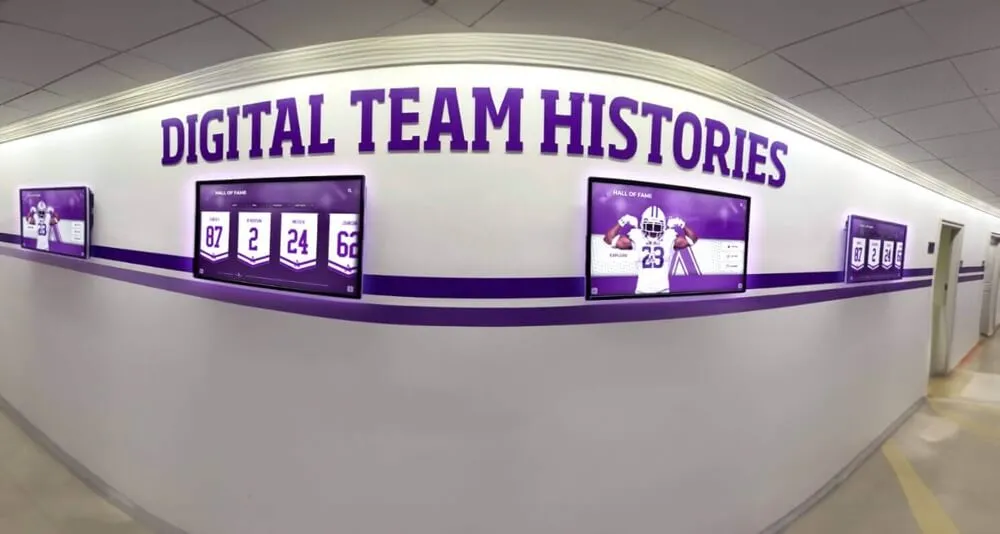
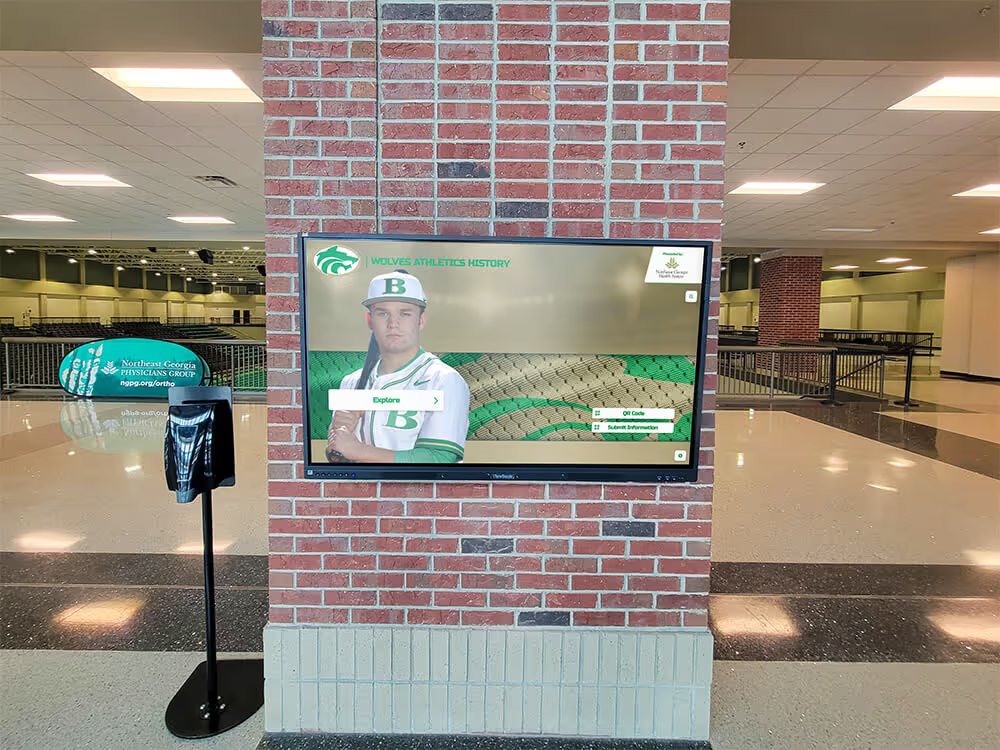
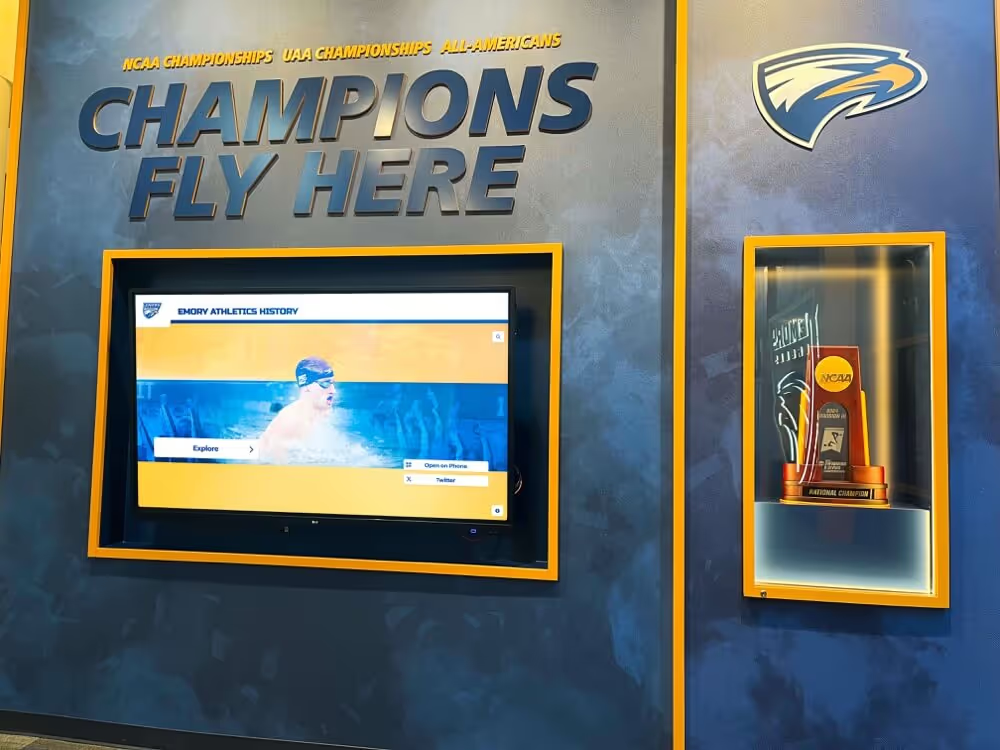
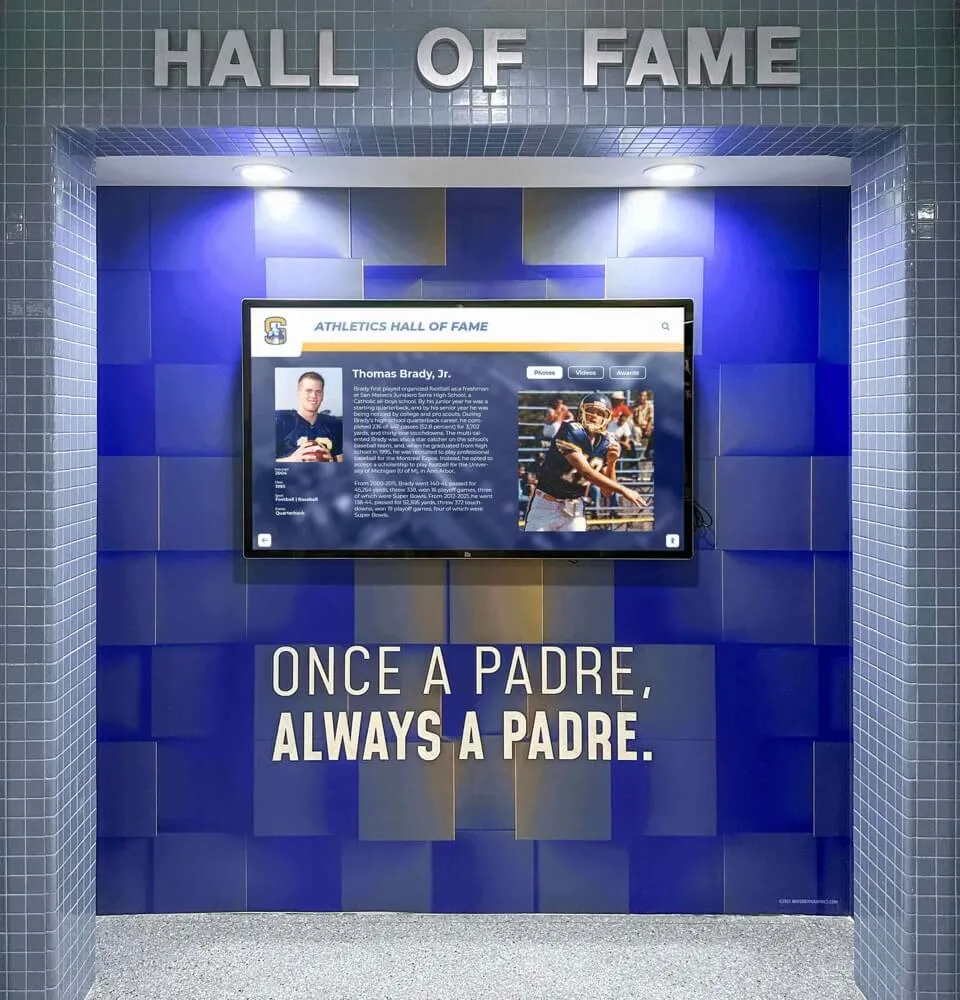
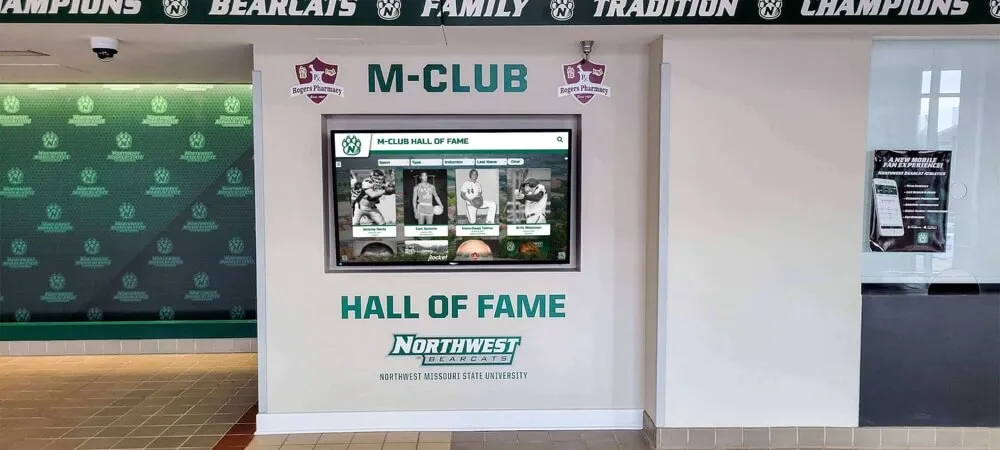
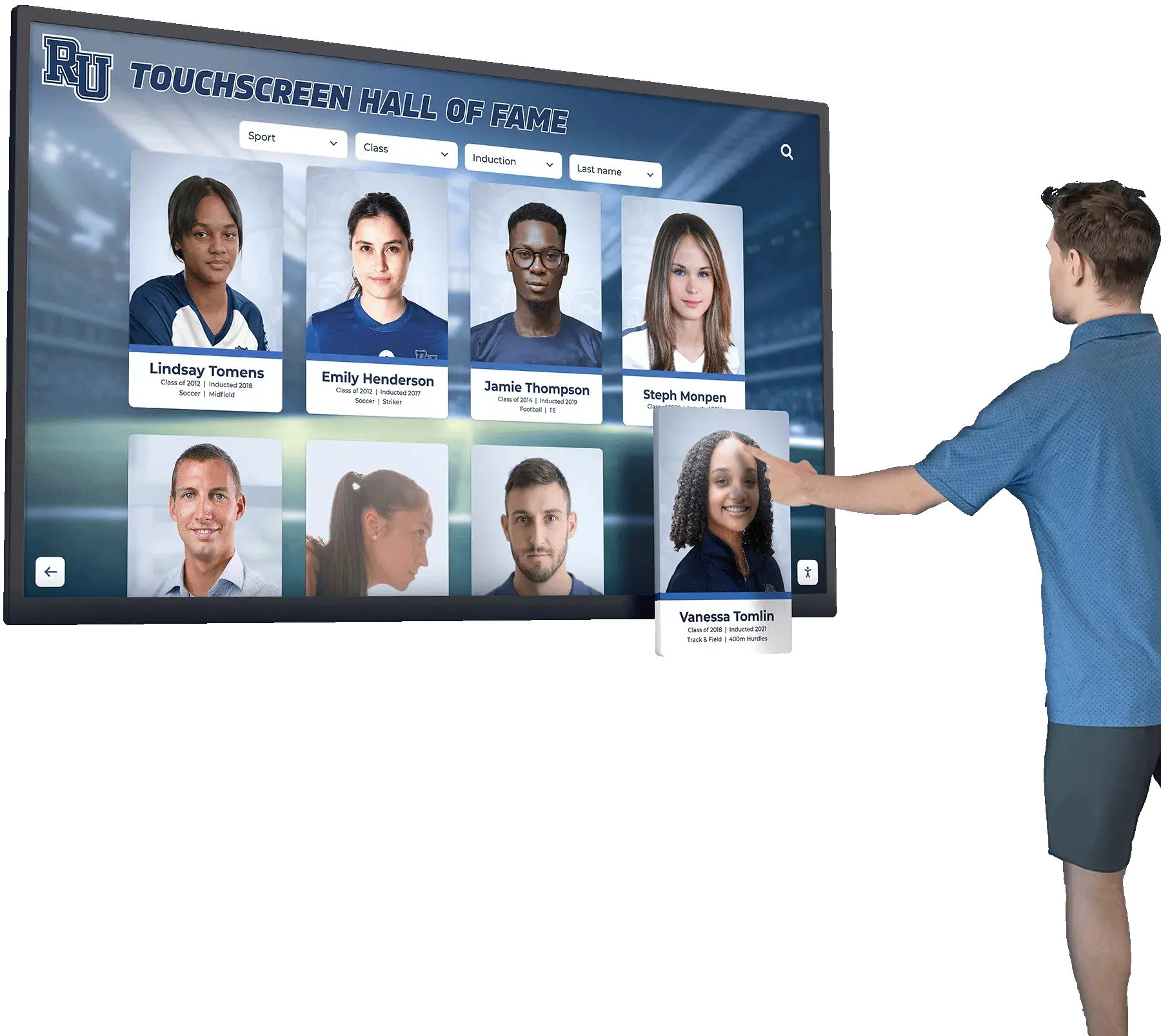
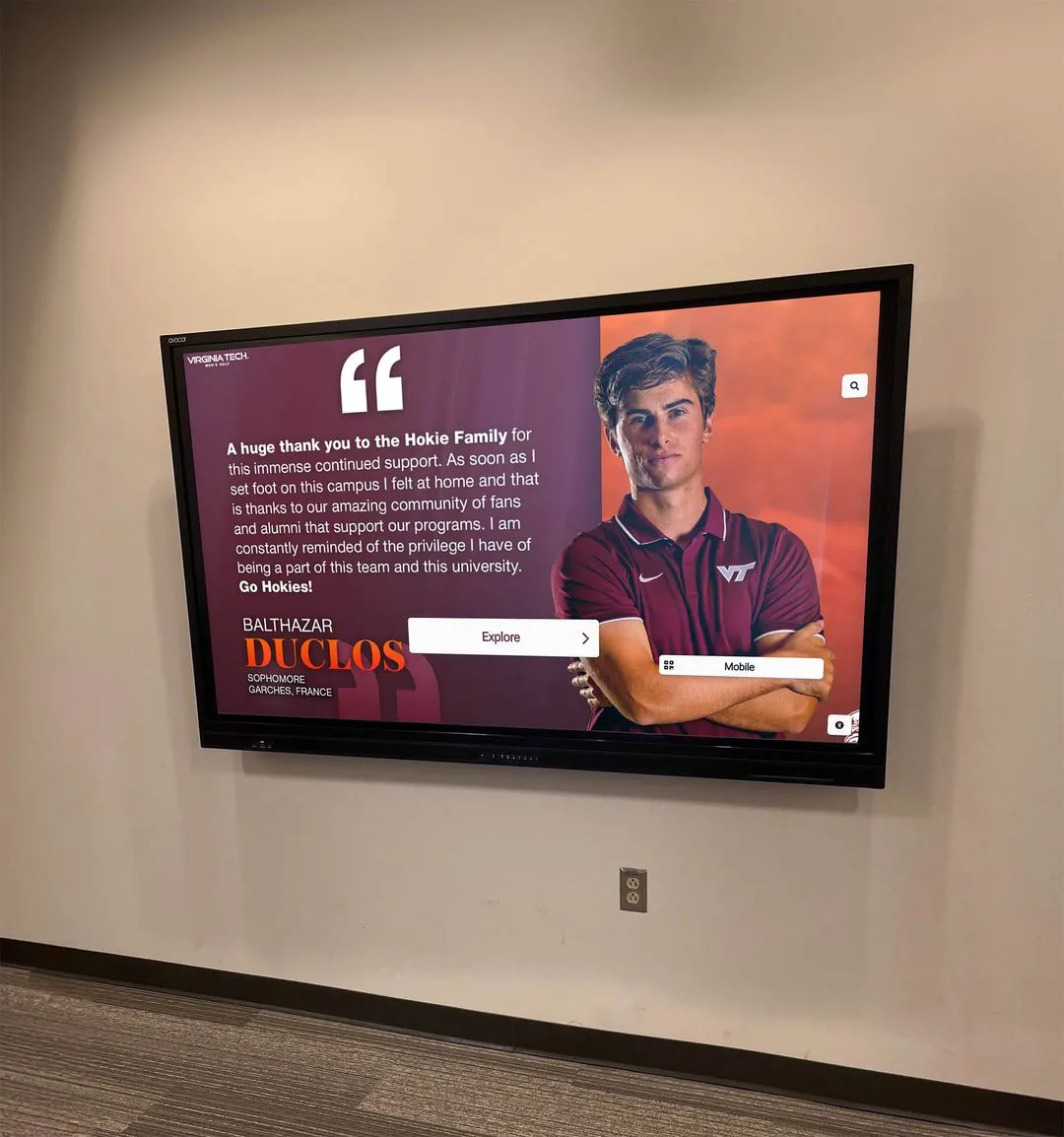
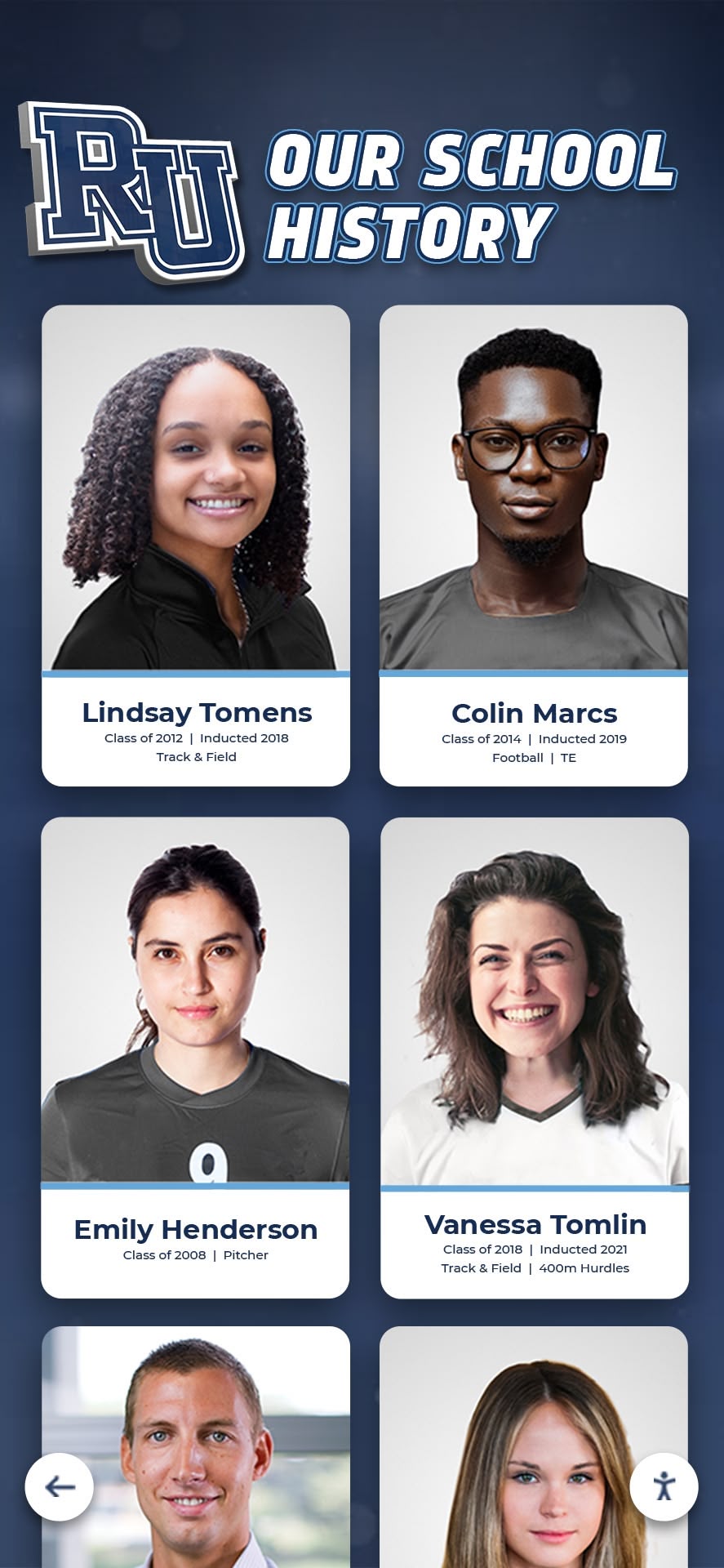
Modern recognition systems preserve graduation speeches alongside student profiles, creating lasting documentation of wisdom shared during milestone celebrations
Understanding Your Audience and Context
Before crafting specific content, successful speakers analyze their audience, ceremony context, and relationship to the graduating class.
Know Your Graduating Class
Demographics and Composition
Different graduating classes require different approaches:
- Small rural schools (graduating classes under 50 students) benefit from intimate, personal references that acknowledge individual relationships
- Large suburban or urban schools (graduating classes over 300 students) need broader themes that resonate across diverse student populations
- Specialized schools (arts academies, vocational programs, STEM-focused institutions) appreciate recognition of unique educational focus
- Schools with significant diversity benefit from inclusive language and culturally responsive references
- Classes that experienced shared challenges (pandemic disruptions, school transitions, community events) connect with acknowledgment of collective experiences
Research your specific class—talk with teachers and administrators about defining characteristics, review yearbook content understanding student culture, check school newspapers for issues and achievements that mattered to students, and consider major events during their four years that shaped their high school experience.
Consider Your Role and Authority
Speaker Positioning
Your relationship to graduates determines appropriate tone and content:
Valedictorian or Student Speaker Graduates expect authenticity from peers—you earned speaking privilege through academic achievement but connect through shared experience. Reference specific classes, teachers, events, and inside jokes the graduating class recognizes. Your authority comes from walking the same journey, not from age or professional accomplishment.
Principal or School Administrator Administrators balance institutional perspective with personal connection—you’ve observed the class throughout their high school years while representing school values and mission. Your speech can acknowledge growth you’ve witnessed while articulating how this class embodies institutional ideals.
Faculty Member Teachers bring unique credibility—you’ve guided students through specific curriculum while building relationships during formative years. Your perspective combines subject expertise with personal knowledge of student development and achievement.
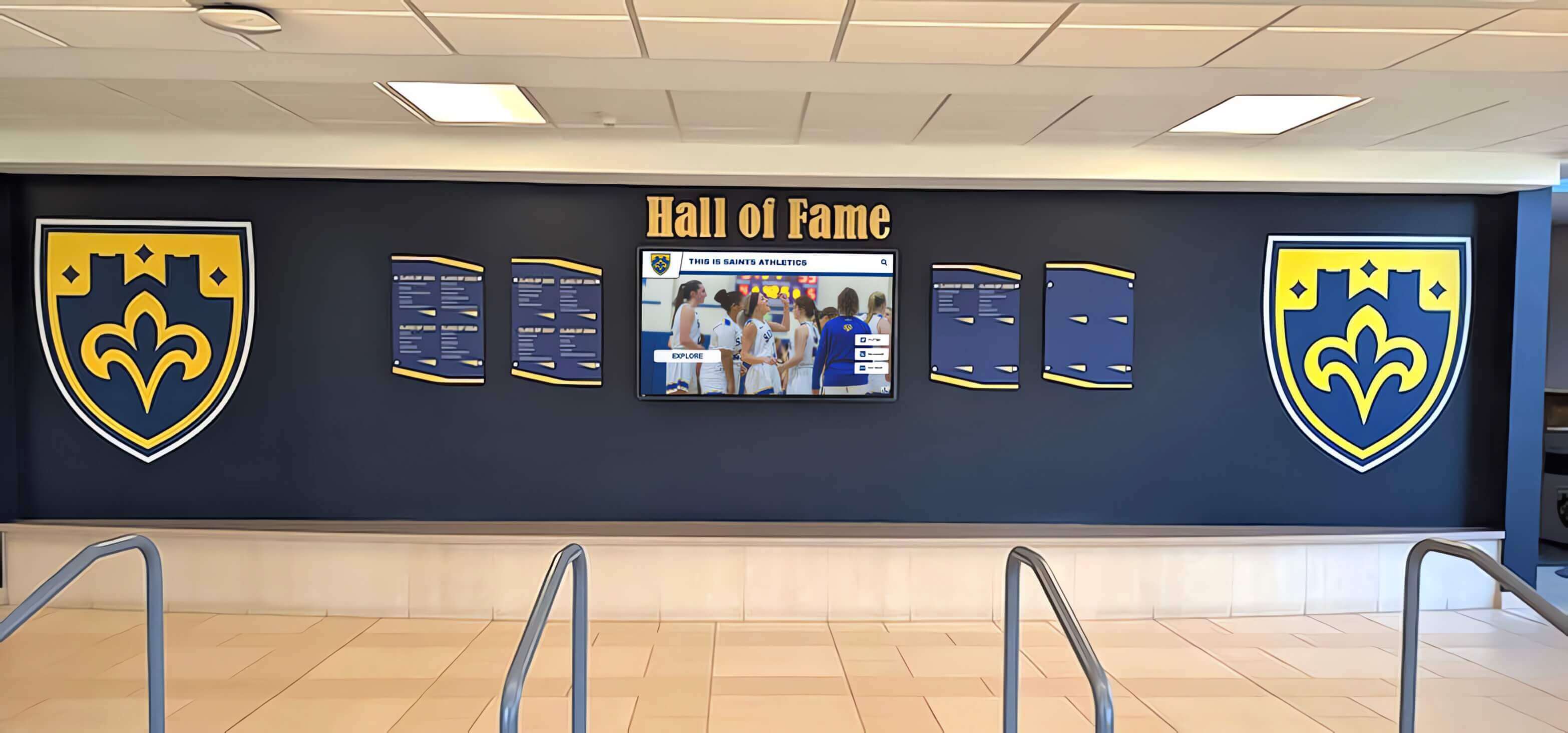
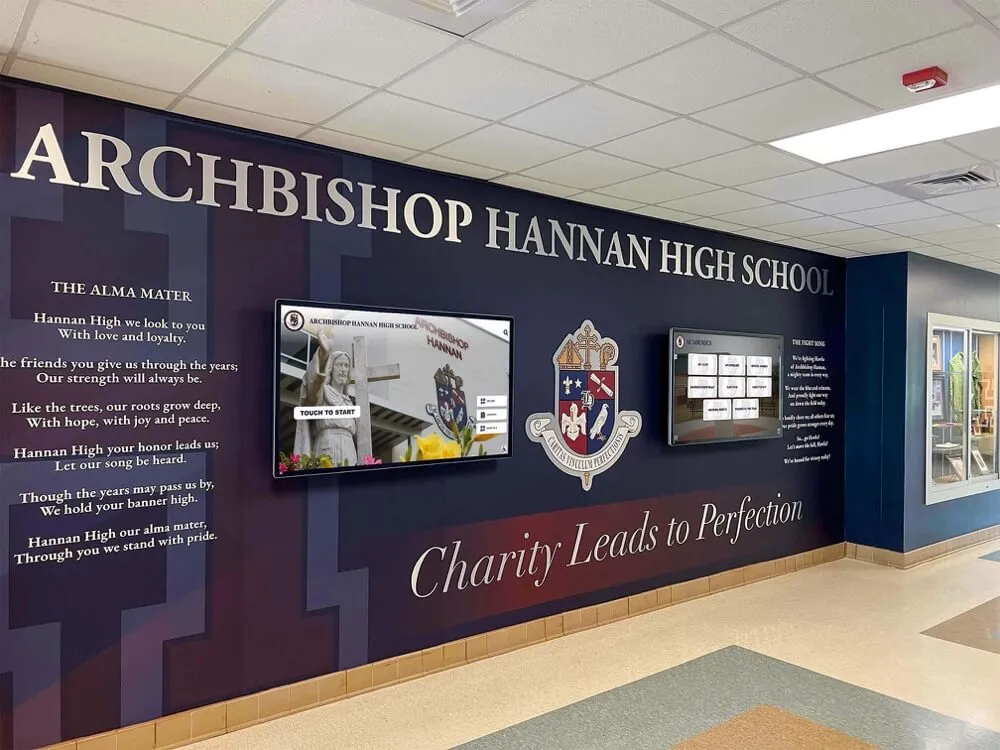
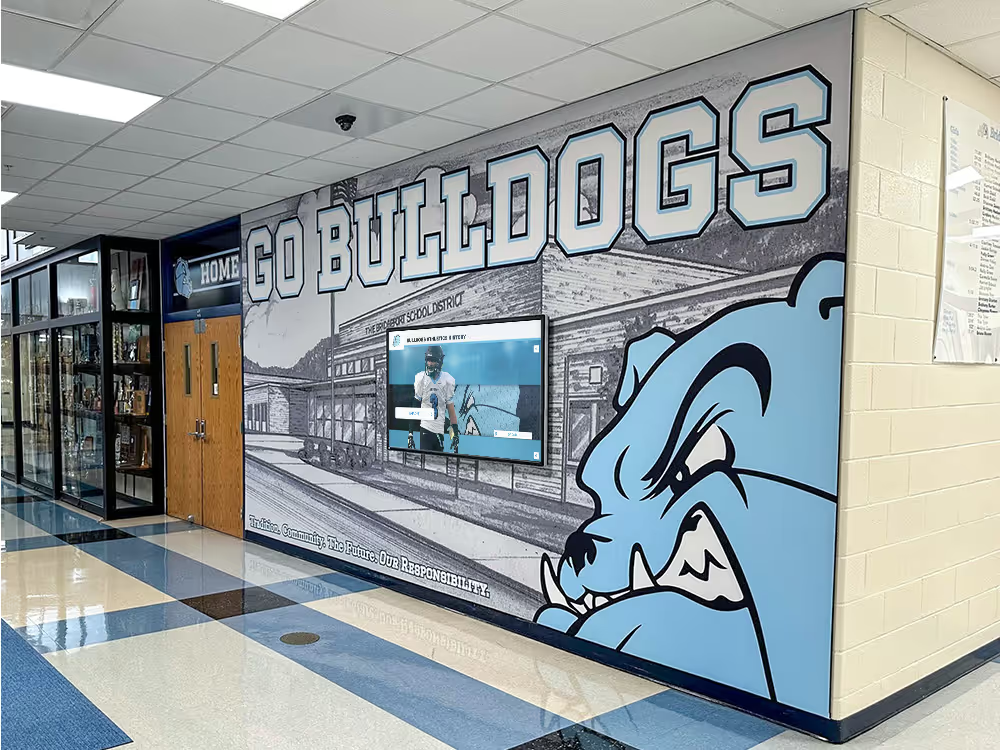
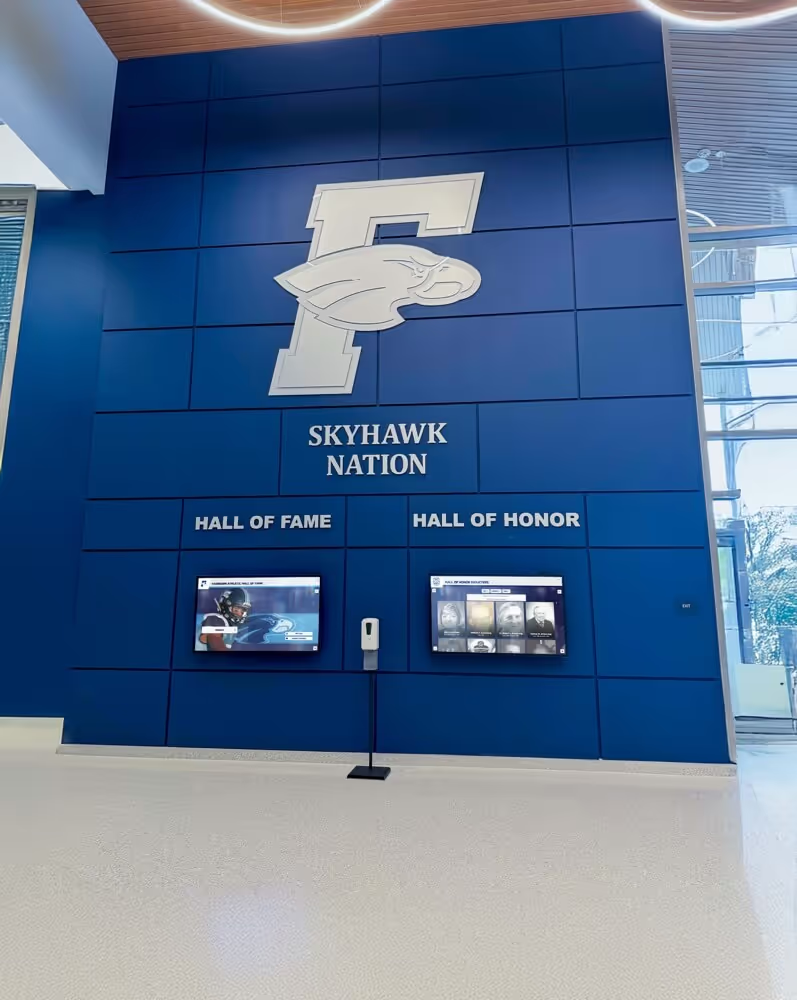
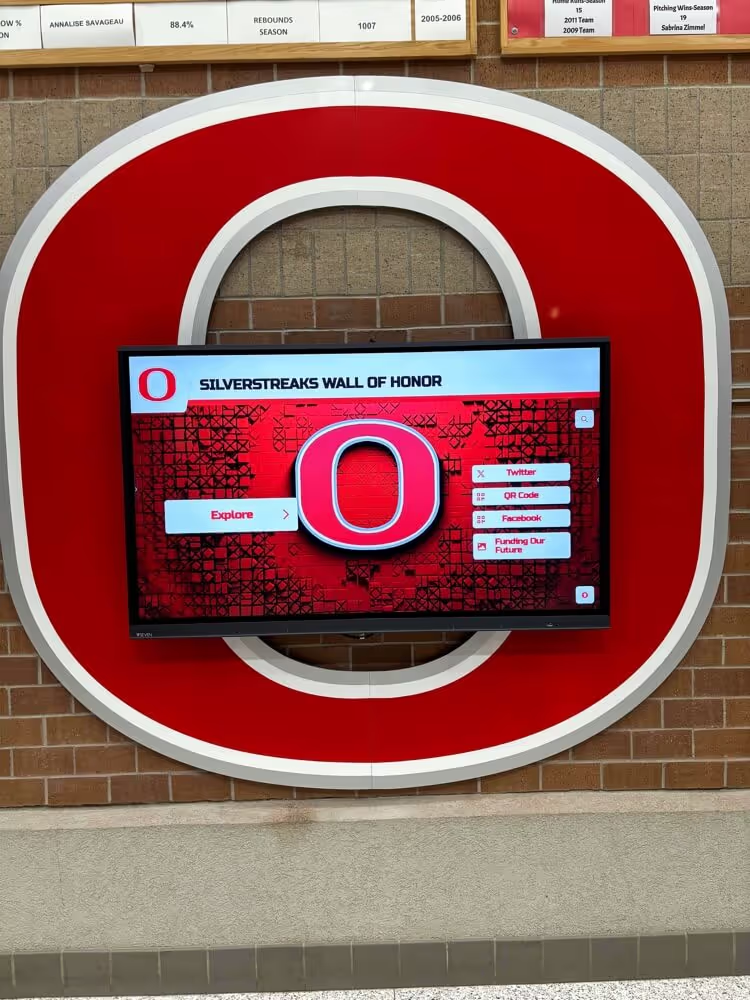
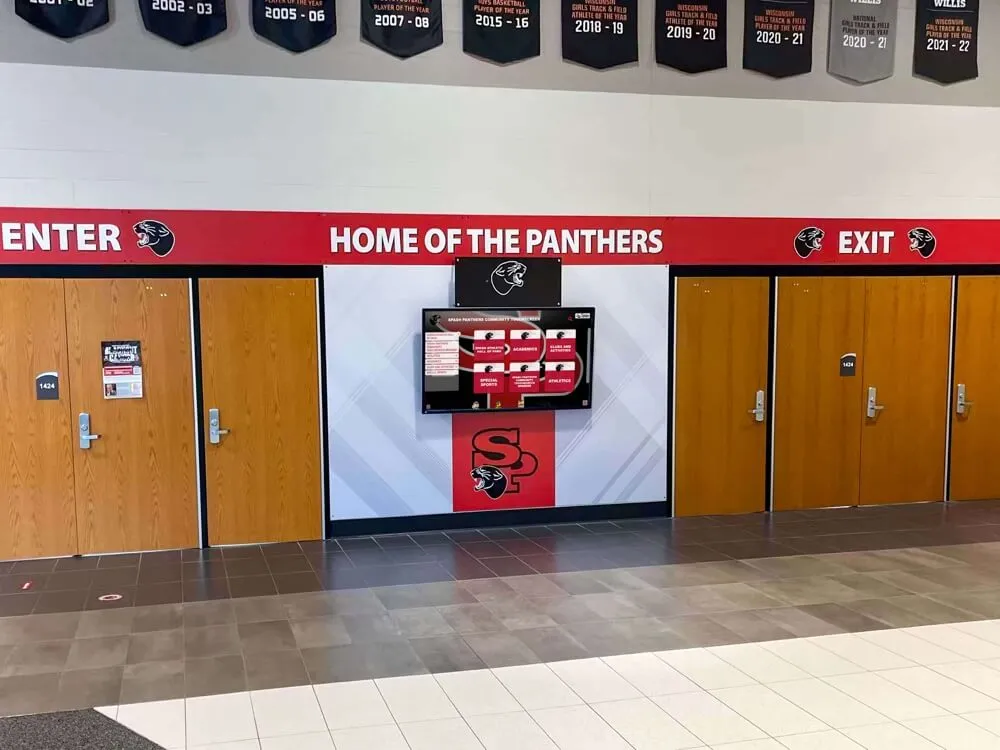
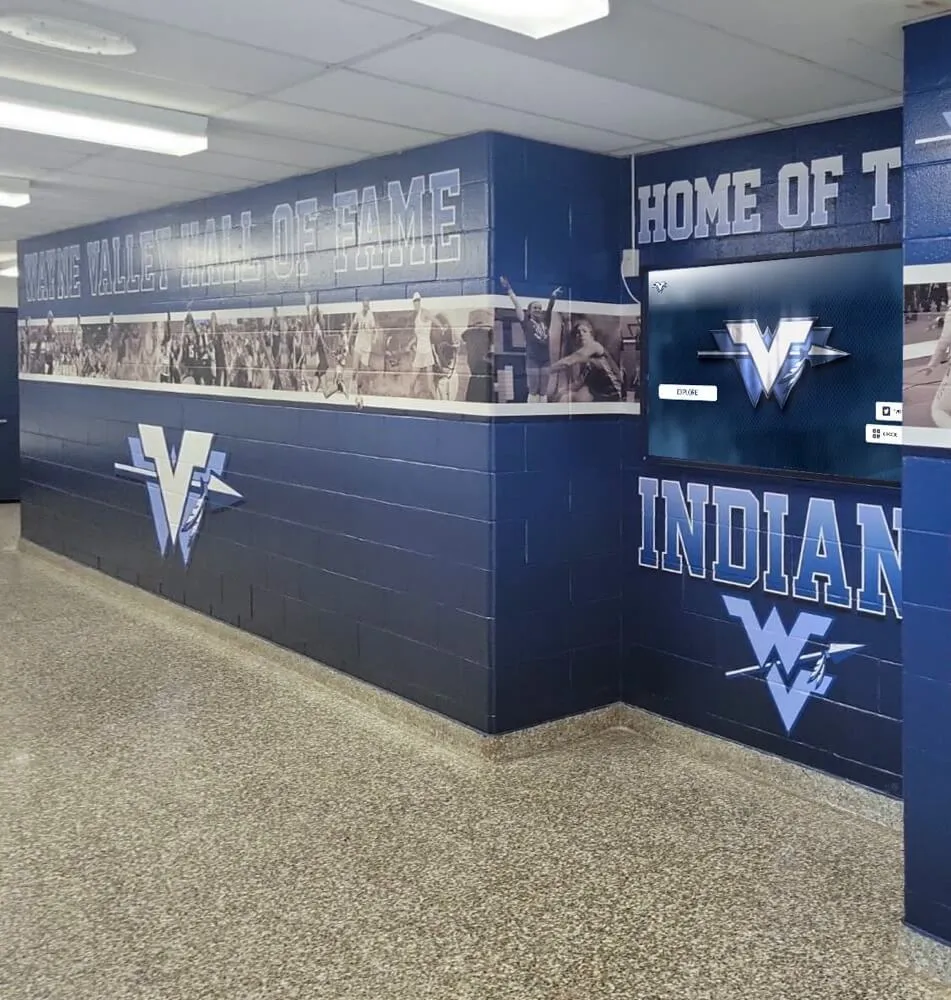
Recognition systems in school entrances create environments where graduation wisdom and student achievement remain visible throughout the year
Guest Speaker or Community Leader External speakers provide outside perspective—you offer wisdom from beyond high school while representing future possibilities graduates will encounter. Your effectiveness depends on finding authentic connections to this specific school and class rather than delivering generic motivational speeches.
Schools often integrate valedictorian and salutatorian recognition into comprehensive graduation ceremonies that honor top academic achievement alongside broader class celebration.
Analyze Ceremony Context and Constraints
Practical Considerations
Speech effectiveness depends on understanding ceremonial context:
Time Constraints
- Brief remarks (3-5 minutes): Focus on single powerful theme with concrete examples
- Standard graduation address (8-12 minutes): Develop 2-3 key messages with supporting stories
- Keynote commencement speech (15-20 minutes): Weave multiple themes into cohesive narrative arc
Audience attention spans limit effective speech length—even compelling speakers struggle maintaining engagement beyond 15 minutes during ceremonies already stretching 90-120 minutes with processional, credential conferral, and multiple speakers.
Environmental Factors
- Outdoor ceremonies require projection and brevity as weather, wind, and heat affect attention
- Auditorium settings enable subtle delivery but still require energy and vocal variety
- Gymnasium ceremonies typically involve acoustic challenges requiring clear enunciation
- Evening ceremonies benefit from emotional, reflective tones while morning events need energy
Ceremony Sequence Position within program influences approach—opening speakers set tone requiring uplifting energy, middle speakers maintain momentum needing engaging content preventing attention loss, and closing speakers provide culminating inspiration graduates carry forward.
Classic Graduation Speech Examples and Analysis
Studying effective speeches reveals patterns worth emulating while identifying what makes particular addresses memorable.
Steve Jobs: Stanford University (2005)
Key Elements of Effectiveness
Jobs’s commencement address remains one of the most-referenced graduation speeches because it demonstrates several principles worth emulating:
Three-Story Structure Rather than abstract advice, Jobs organized around three concrete personal stories—getting dropped from Reed College, getting fired from Apple, and facing mortality through cancer diagnosis. Each story illustrated a larger principle (connecting dots looking backward, love and loss in career, living with mortality awareness) while remaining grounded in specific experiences.
Vulnerability and Authenticity Jobs didn’t position himself as having all answers—he shared failure (getting fired from his own company), confusion (dropping out without knowing where it would lead), and fear (confronting life-threatening illness). This honesty created connection abstract success stories would have missed.
Specific, Memorable Phrases “Stay hungry, stay foolish” became iconic closing precisely because it compressed complex ideas into memorable, quotable language graduates could carry forward. Simple, direct language often resonates more powerfully than elaborate philosophical statements.
Application to High School Contexts While few high school speakers have Jobs’s dramatic career arc, the structural lessons apply—organize around concrete stories rather than abstract advice, share authentic challenges rather than presenting perfect success narratives, and develop a memorable closing phrase graduates will remember years later.
J.K. Rowling: Harvard University (2008)
Key Elements of Effectiveness
Rowling’s “The Fringe Benefits of Failure” speech demonstrates powerful graduation address principles:
Reframing Traditional Success Narratives Instead of celebrating achievement, Rowling focused on failure—her post-graduation poverty, divorce, and rejection. This counterintuitive approach gave graduates permission to struggle while learning rather than expecting immediate perfection.
Universal Themes Through Personal Experience Rowling connected her specific journey to broader human experiences around failure, imagination, and compassion that resonated beyond her unique circumstances.
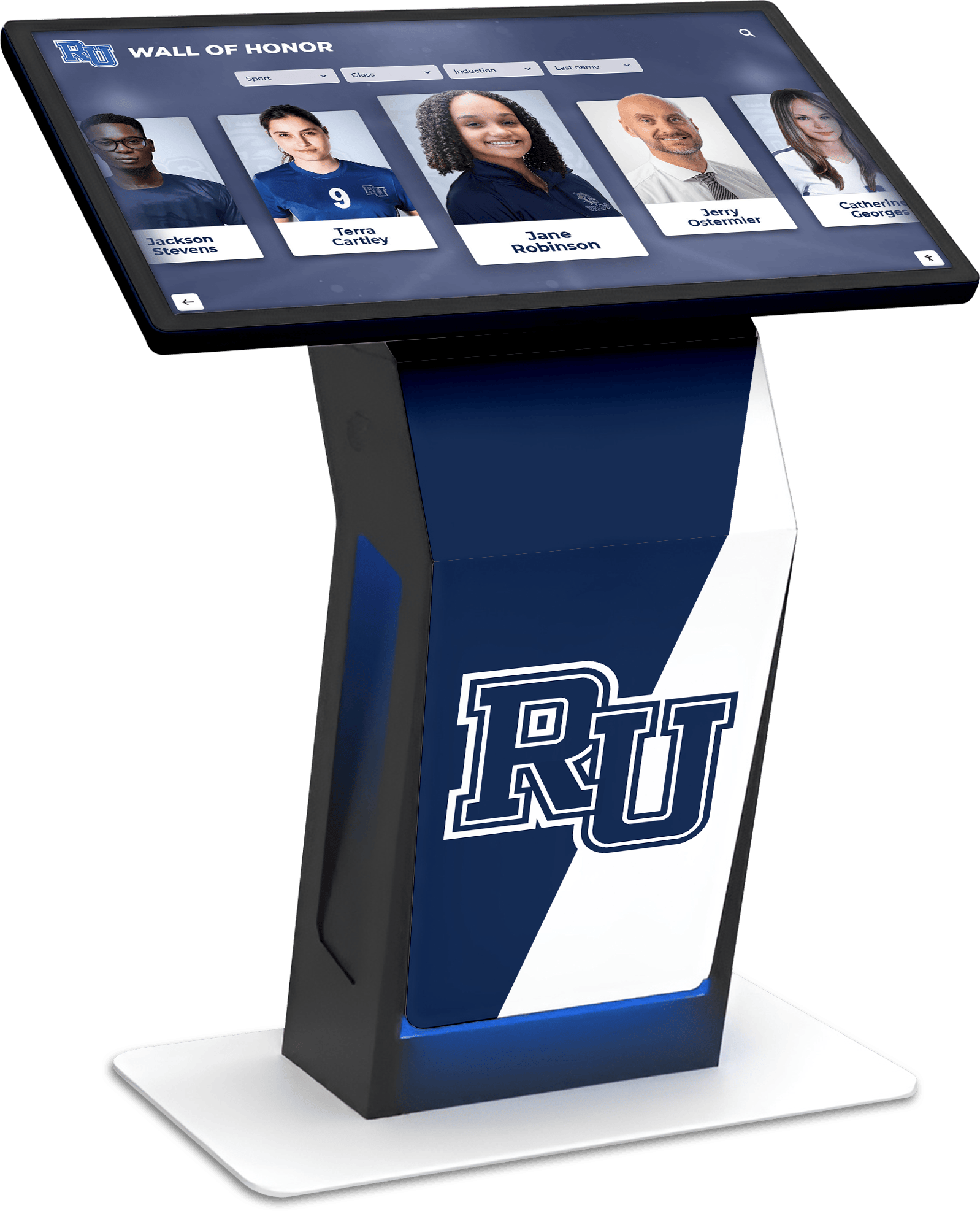
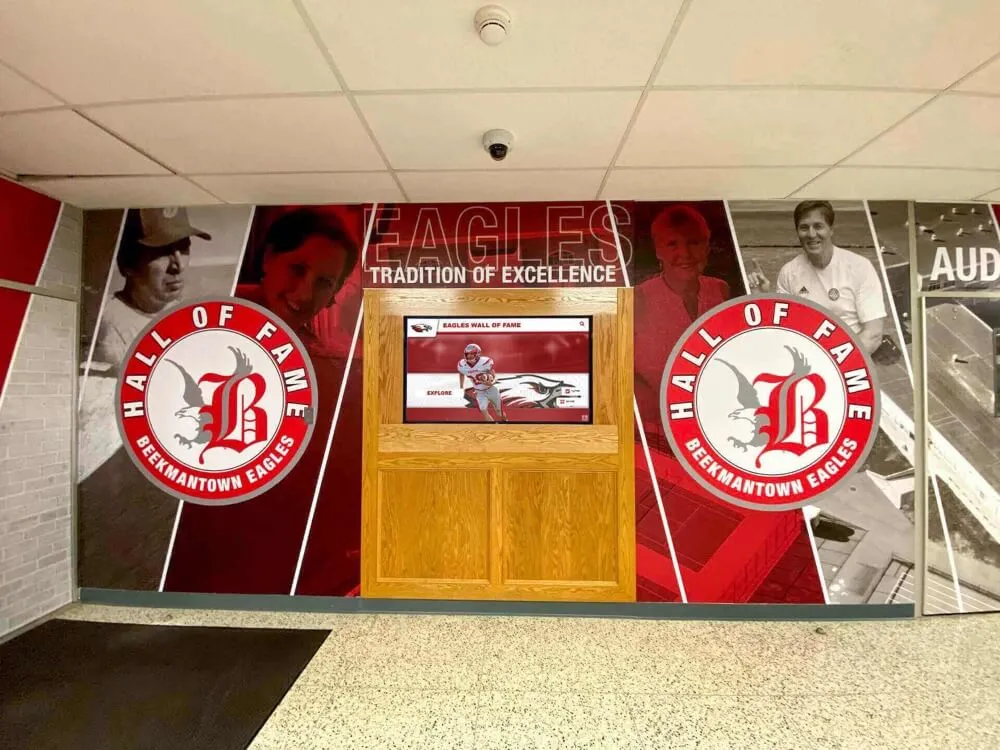
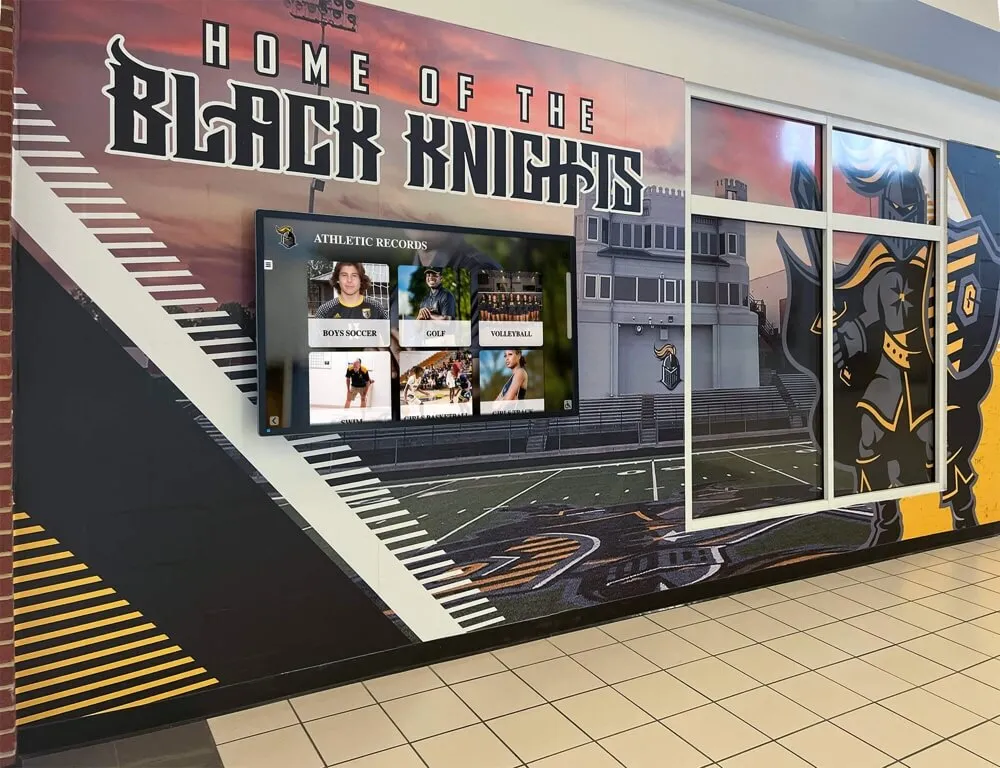
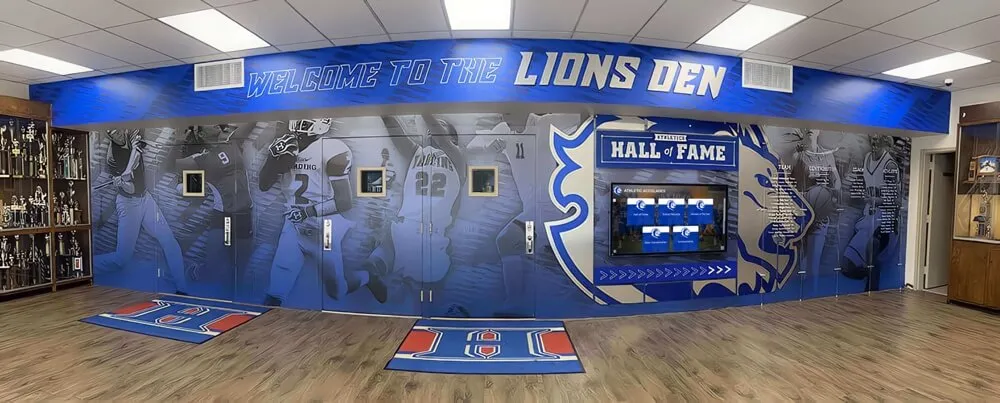
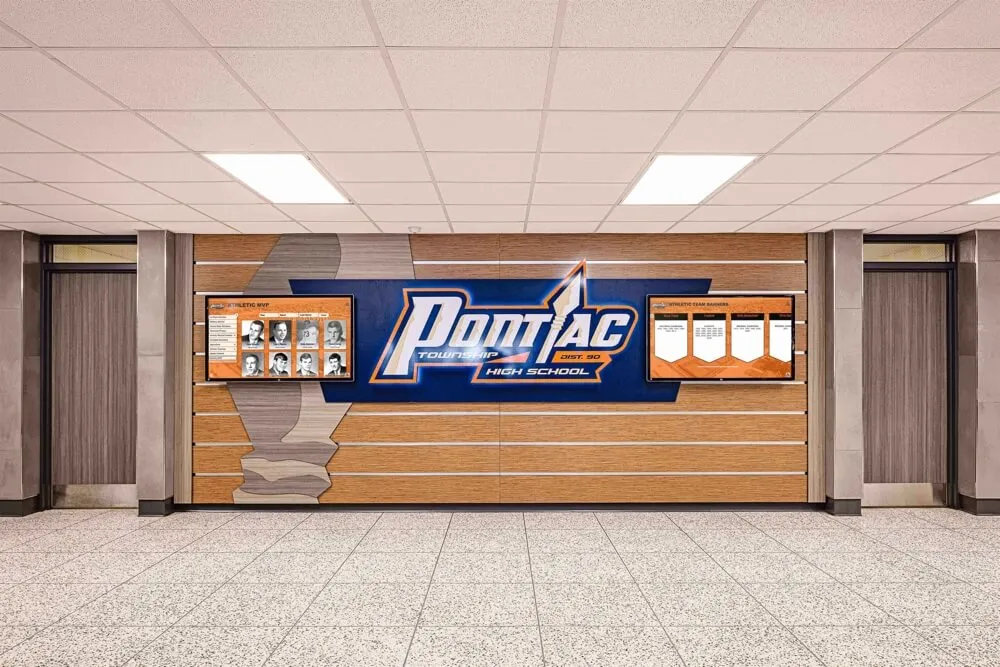
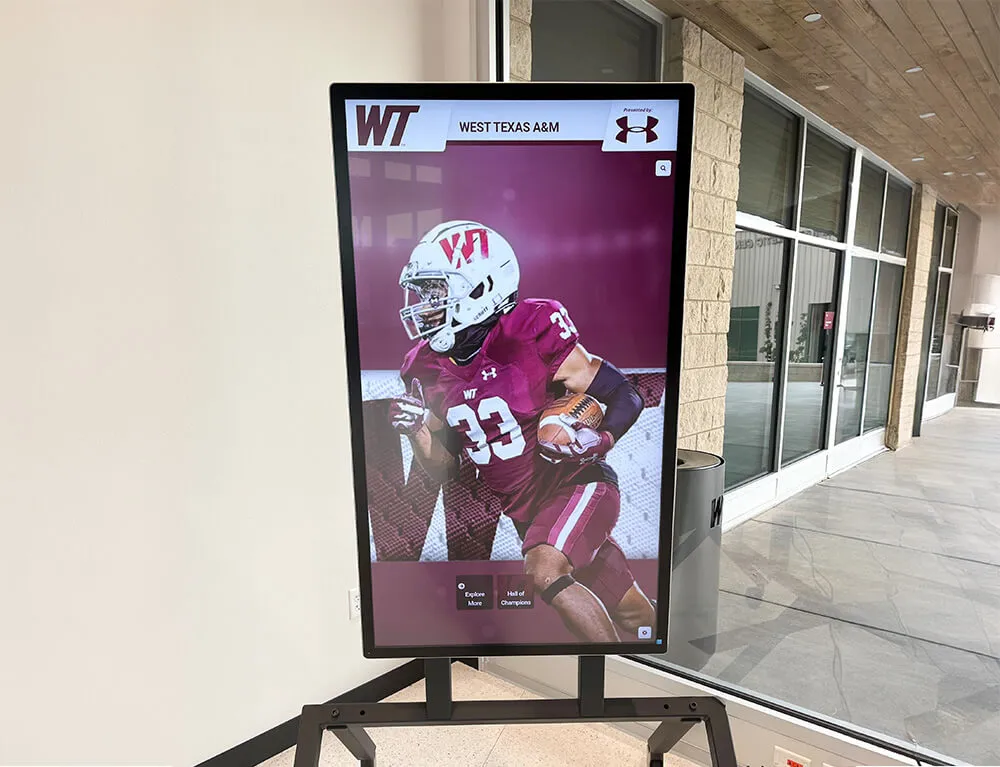
Interactive displays enable schools to showcase graduation speeches alongside student profiles, creating comprehensive documentation of milestone celebrations
Humor Balancing Serious Content Despite addressing poverty and failure, Rowling maintained engagement through well-placed humor preventing speeches from becoming overly heavy or preachy.
Application to High School Contexts High school speakers can adopt Rowling’s permission-giving approach—graduates facing college, careers, or other paths need realistic perspectives about challenge and struggle, not just celebration of achievement. Acknowledging that paths may be difficult creates helpful realism.
Denzel Washington: University of Pennsylvania (2011)
Key Elements of Effectiveness
Washington’s address demonstrates how external speakers build connection with graduating classes:
Finding Authentic Connection Points Washington connected through his own son graduating in the same ceremony—this personal stake created authentic investment in the specific class rather than generic well-wishes to strangers.
Practical, Actionable Wisdom Rather than abstract inspiration, Washington offered concrete advice—fall forward (if you’re going to fail, fail while trying), every failed experiment is one step closer to success, and dreams without goals remain dreams.
Energy and Delivery Washington’s passionate delivery and vocal variety maintained engagement—content matters, but delivery determines whether audiences actually absorb messages.
Graduation Speech Framework: Proven Structures
Rather than starting from blank pages, successful speeches typically follow recognizable structures that balance required elements while enabling personalization.
The Journey Framework
Structure Overview
This approach organizes speeches around the graduating class’s journey from beginning to present to future.
Opening: Where You Started Begin by acknowledging where graduates were when they began high school:
- First day nervousness and excitement
- Younger, less experienced versions of themselves
- Initial hopes, fears, and expectations
- Key moment from freshman year the class remembers
- Collective starting point creating shared identity
Middle: What You’ve Accomplished Celebrate the journey and growth:
- Specific challenges this class overcame together
- Academic achievement and learning that occurred
- Relationships built and community developed
- Moments defining the class identity
- Growth from uncertain freshmen to confident graduates
Closing: Where You’re Going Look forward with hope and challenge:
- Diverse paths graduates will follow
- Skills and preparation they carry forward
- Continued growth and learning ahead
- Call to action or challenge
- Inspiring vision of future possibilities
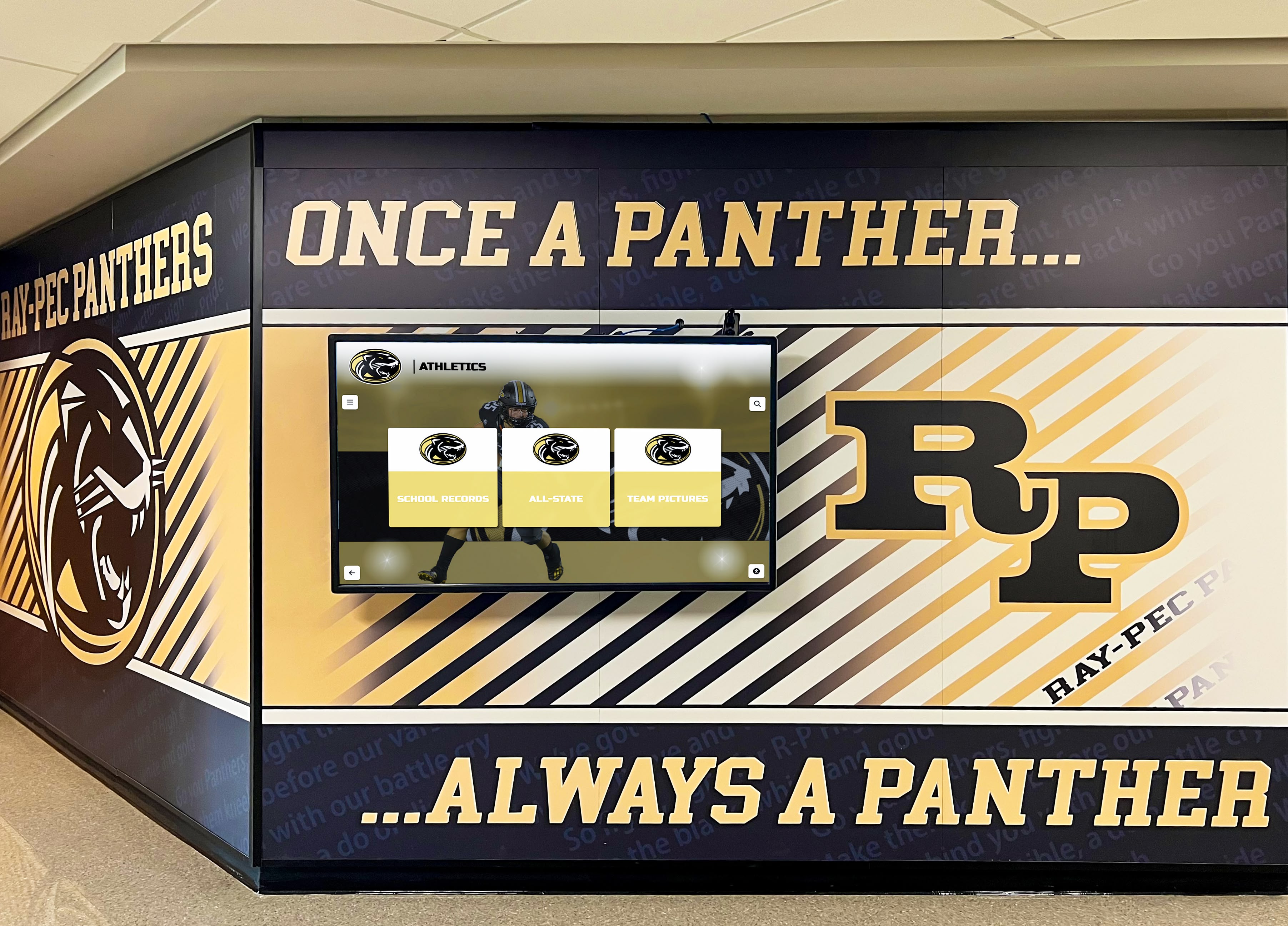
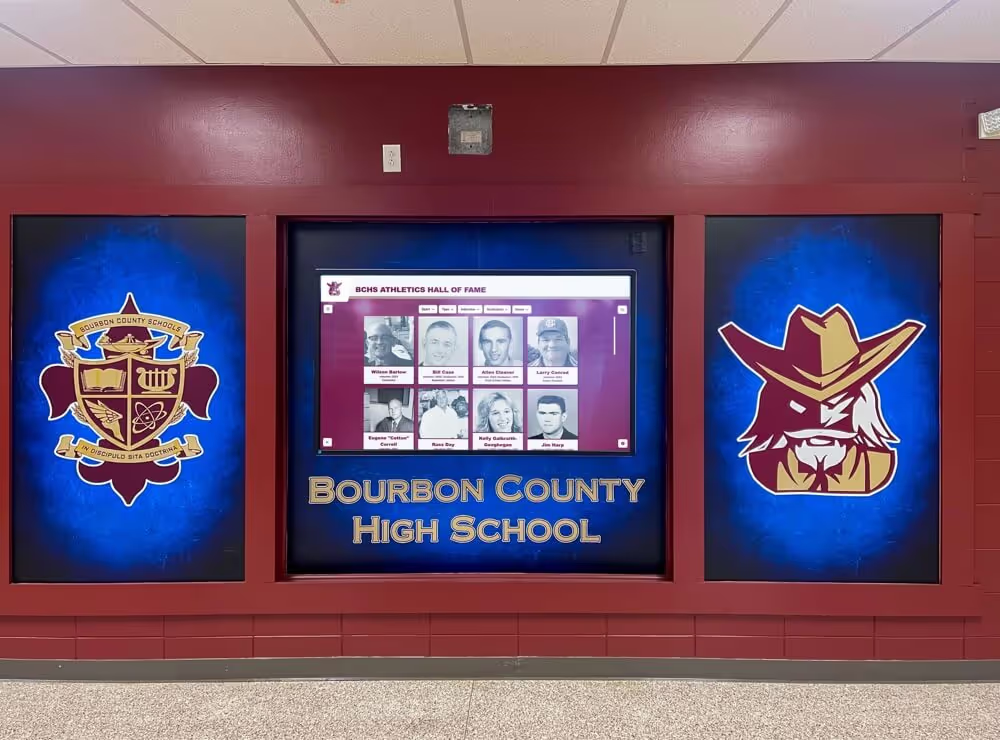
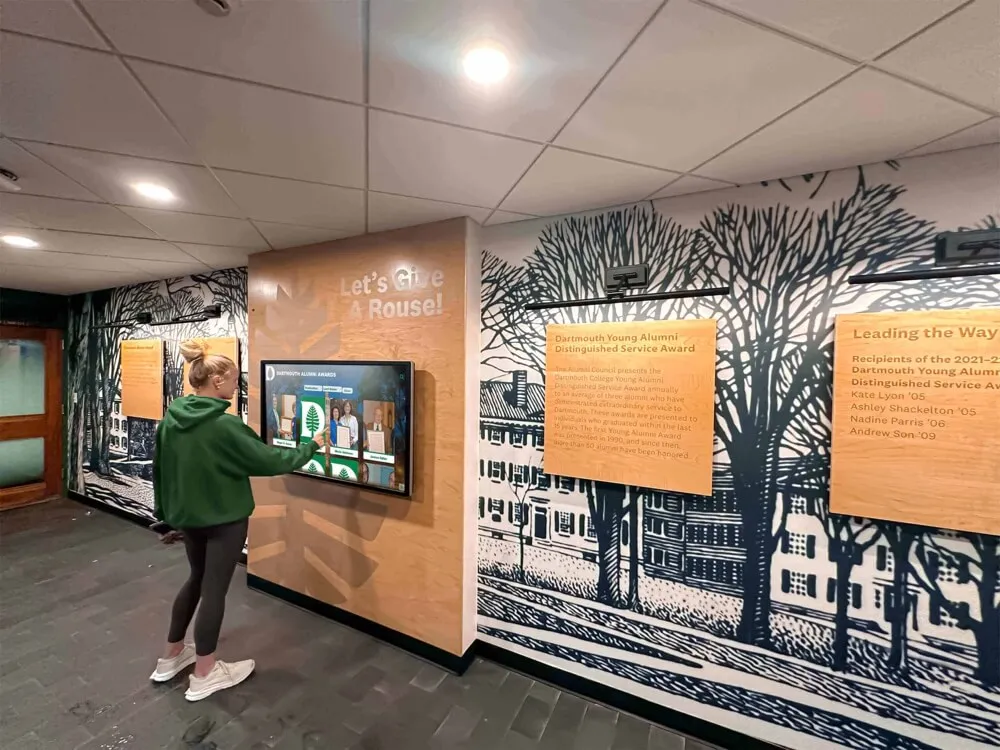
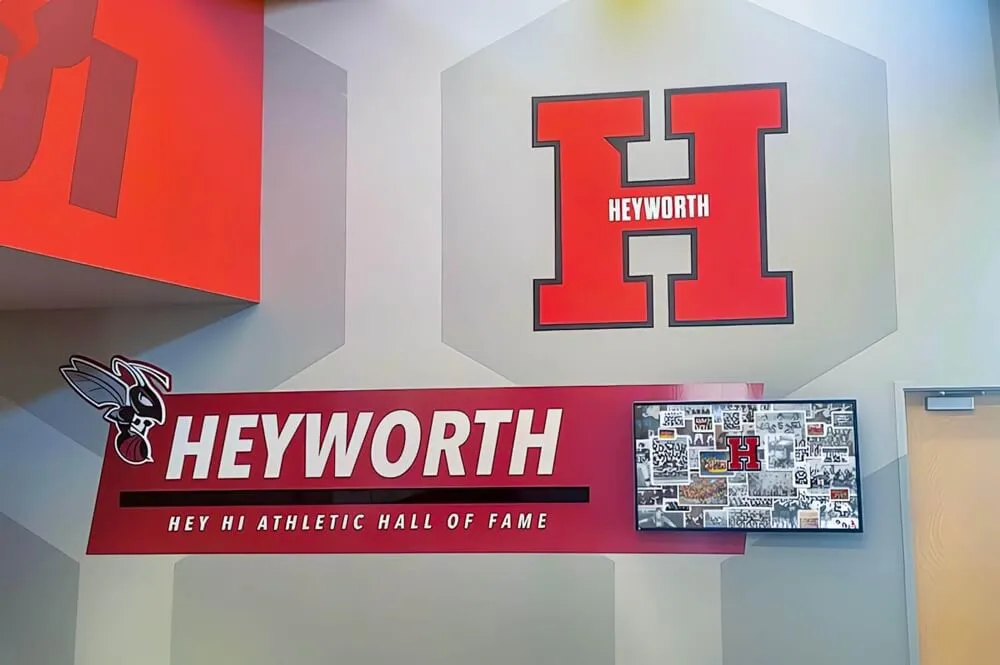
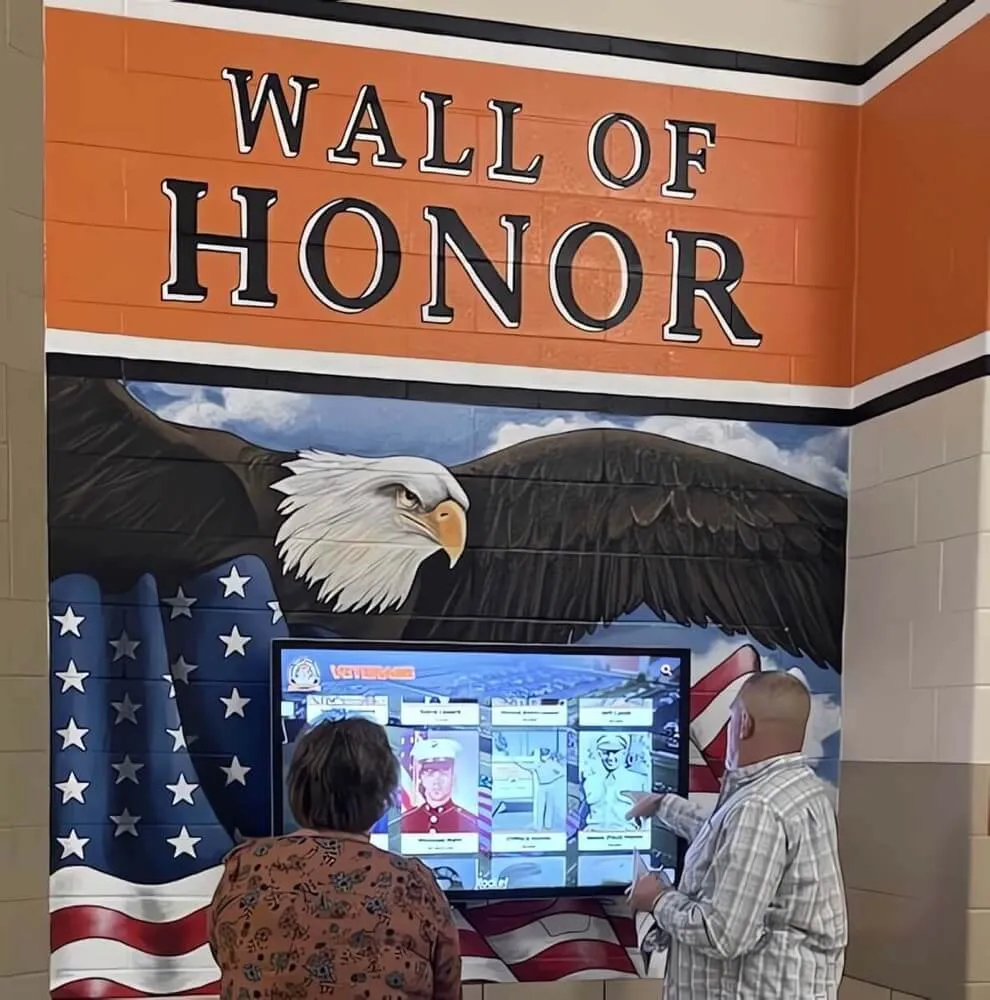
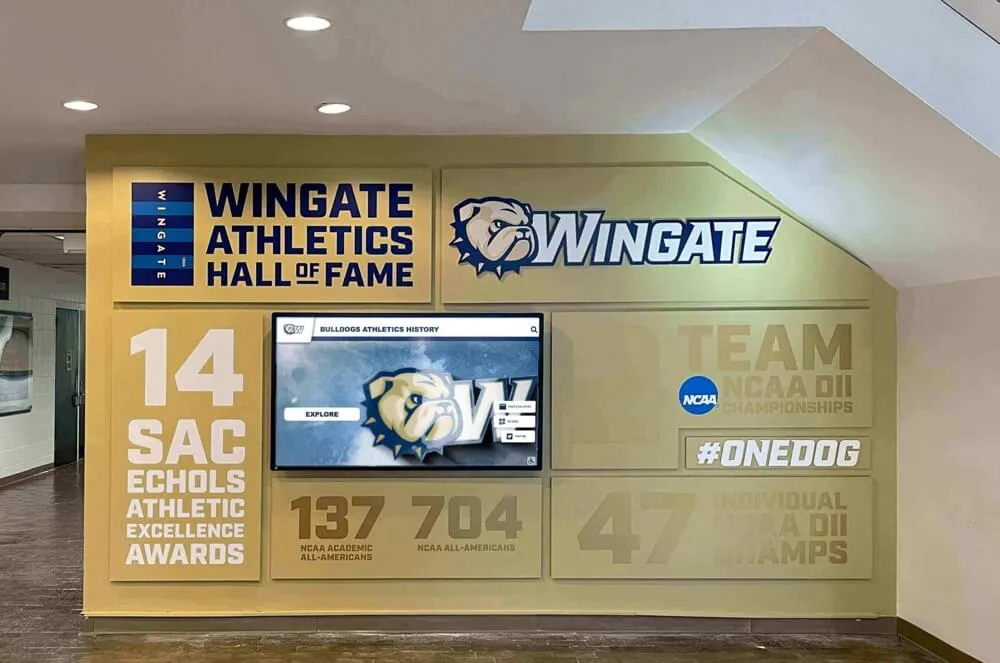
Recognition displays throughout school facilities ensure graduation messages remain visible long after ceremonies conclude
The Lesson Framework
Structure Overview
This approach organizes around key lessons learned or principles to carry forward.
Opening: The Question Begin with compelling question or scenario:
- “What’s the most important lesson I learned in high school?”
- “If I could tell my freshman self one thing, what would it be?”
- “What will matter five years from now about our time here?”
- Question creating curiosity and engagement
Body: Three Lessons Develop 2-4 key lessons (three works particularly well):
- Lesson 1 with specific story illustrating the principle
- Lesson 2 with different story or example
- Lesson 3 with final supporting narrative
- Each lesson grounded in concrete experience rather than abstract advice
- Clear transitions connecting lessons together
Closing: Living These Lessons Challenge graduates to apply wisdom:
- How lessons connect to futures ahead
- Specific ways to remember and apply principles
- Final compelling image or metaphor
- Memorable closing line graduates will recall
Schools developing comprehensive graduation recognition programs often integrate speech excerpts into permanent documentation celebrating milestone moments.
The Story Framework
Structure Overview
This approach uses extended narrative or multiple related stories as organizing principle.
Opening: Setting the Scene Begin with compelling narrative hook:
- Personal story from your experience
- Graduating class shared experience everyone recognizes
- Historical narrative with relevance to graduates
- Hypothetical scenario illustrating key theme
- Vivid scene creating immediate engagement
Middle: Story Development Develop narrative with clear progression:
- Conflict or challenge creating tension
- Growth or learning through experience
- Resolution or insight gained
- Clear connection to graduating class journey
- Emotional resonance creating investment
Closing: Story Application Connect narrative to graduates’ futures:
- What story teaches about life ahead
- How graduates’ stories are just beginning
- Challenge to write their own compelling narratives
- Final image from story creating memorable close
Graduation Speech Examples by Speaker Type
Different speakers require different approaches based on their relationship to graduates and ceremony role.
Valedictorian Speech Example
Sample Opening
“Four years ago, we walked through those doors as nervous freshmen who got lost finding the cafeteria, thought we understood what ‘hard work’ meant, and believed high school would last forever. Today we’re walking out as graduates who’ve learned that the mitochondria is the powerhouse of the cell—but more importantly, we’ve learned who we are and who we want to become.
As valedictorian, I’m supposed to stand here and offer you wisdom as though my 4.0 GPA somehow makes me qualified to advise people I’ve known since middle school about life after graduation. But here’s what I’ve actually learned: the smartest thing I can do today is acknowledge what we’ve learned together.”
Why This Works
This opening demonstrates several effective techniques:
- Self-deprecating humor reducing pressure and creating relatability
- Specific, recognizable reference (getting lost, mitochondria) connecting to shared experience
- Acknowledges speaker’s position without taking it too seriously
- Transitions to inclusive “we” positioning rather than lecturer/audience dynamic
- Creates anticipation for what comes next without giving everything away
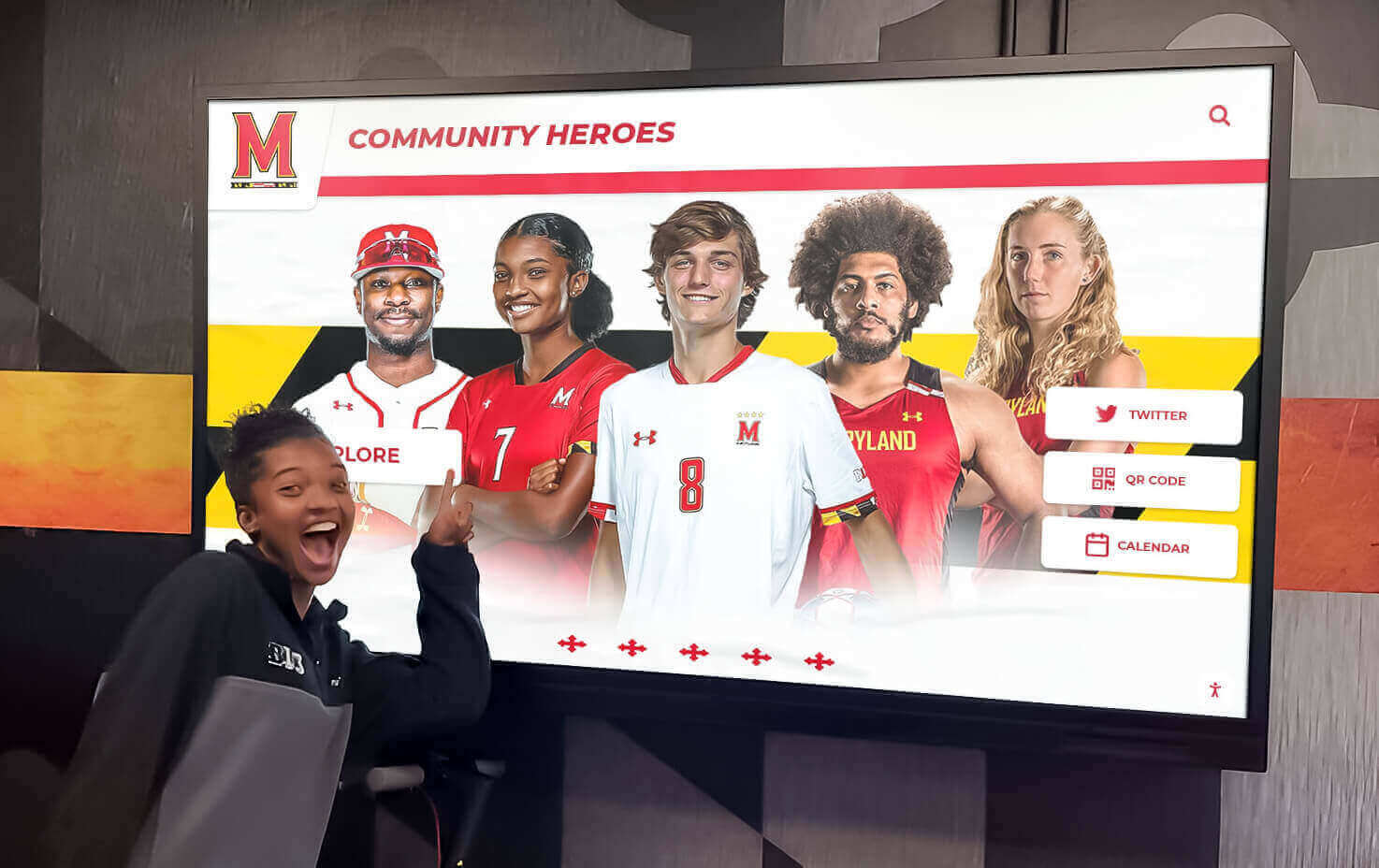
Interactive displays engage students with graduation messages and achievement recognition, creating experiences beyond traditional static displays
Sample Body Structure
“The first lesson came sophomore year when the pandemic sent us home mid-semester. We thought school was about showing up to a building at 7:30 every morning. We learned it’s about showing up for each other no matter what—in Zoom rooms with terrible WiFi, in socially-distanced parking lots, and eventually back in these hallways we missed more than we ever expected.
The second lesson came from failure. Not everyone here maintained perfect grades—I certainly struggled in AP Calculus, convinced I’d never understand derivatives. We learned that what matters isn’t avoiding struggle, but showing up the next day to try again. Some of the strongest people in this graduating class are the ones who faced the most setbacks but refused to quit.
The final lesson is about becoming ourselves. Freshman year we tried to fit in, to be who we thought we should be. By senior year, we’d figured out that the people worth keeping in our lives accept us as we are—and that the future belongs to people brave enough to be authentic.”
Why This Works
The body demonstrates effective speech development:
- Three distinct lessons creating clear structure
- Specific examples grounding abstract concepts
- Inclusive language acknowledging diverse experiences
- Balance between personal experience and class-wide themes
- Emotional progression building toward future focus
Sample Closing
“In a few moments, we’ll receive diplomas representing thirteen years of education, countless hours of homework, and achievement we should celebrate. But these diplomas also represent permission—permission to fail forward as we figure out what comes next, permission to struggle while learning instead of having all the answers immediately, and permission to become whoever we decide we want to be.
Class of 2026, we started this journey together four years ago. Today we continue it in two hundred different directions—some toward colleges, others toward careers, military service, gap years, or paths we haven’t even imagined yet. Wherever you’re headed, remember what we learned together, take care of each other, and know that you’re ready for whatever comes next.
We did it. Thank you.”
Why This Works
The closing provides effective conclusion:
- Acknowledges immediate moment (diploma distribution) creating ceremony connection
- Reframes achievement as beginning rather than ending
- References the three lessons without restating them entirely
- Inclusive language maintaining “we” throughout
- Brief, memorable final lines graduates will remember
- Genuine gratitude creating appropriate ceremony tone
Principal or Administrator Speech Example
Sample Opening
“Class of 2026, I’ve watched you grow from the nervous freshmen who needed help finding your classrooms to the confident graduates sitting before me today. In those four years, I’ve seen you navigate challenges I never expected you’d face, achieve more than many thought possible, and build a class identity that will define our school for years to come.
As your principal, I’ve signed your discipline referrals—yes, even you, Michael—and approved your field trips, attended your competitions and performances, and written more college recommendation letters than I can count. But my favorite moments have been the small ones: conversations in hallways, watching you support each other during difficult times, and seeing the community you’ve built.”
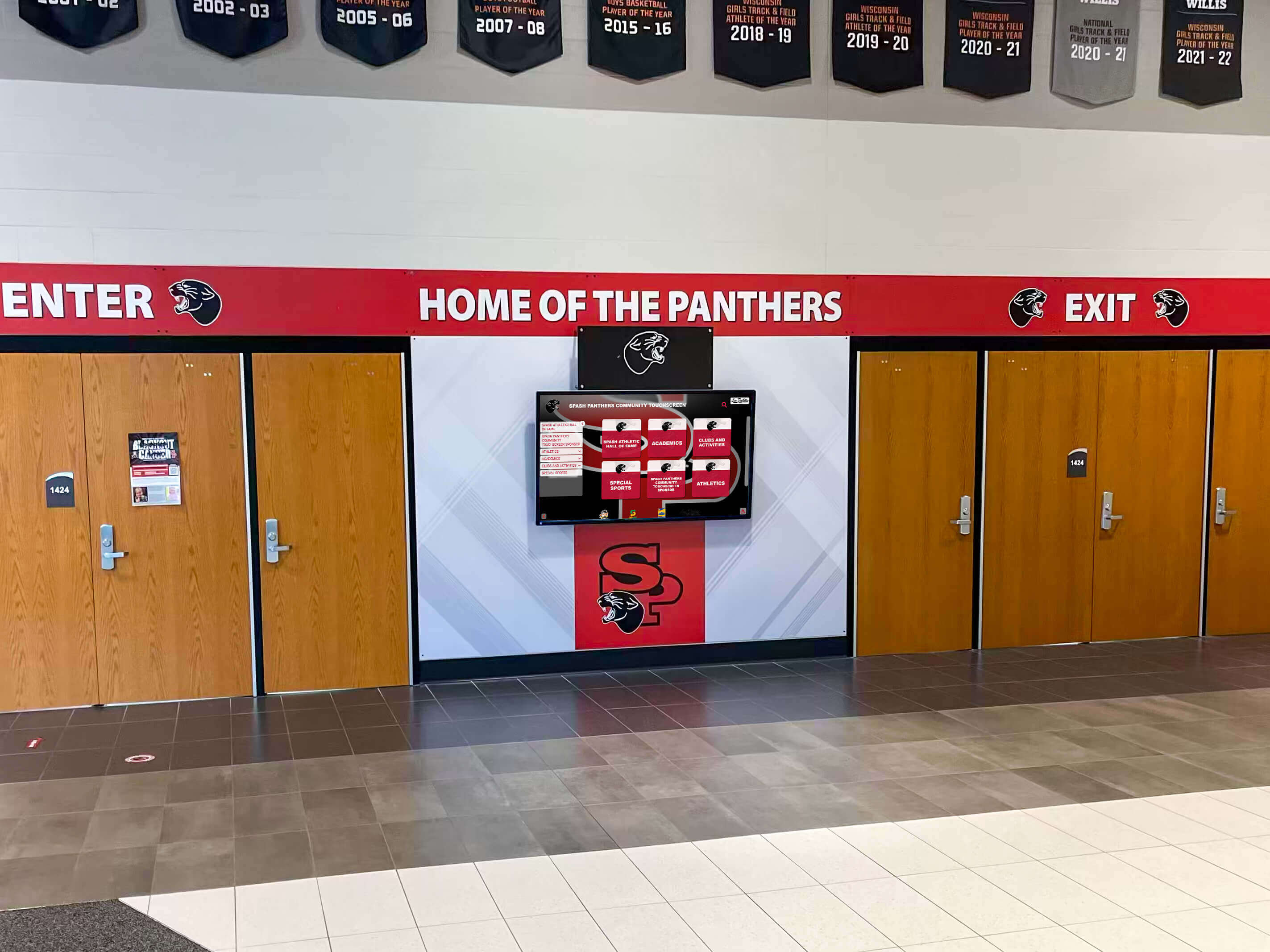
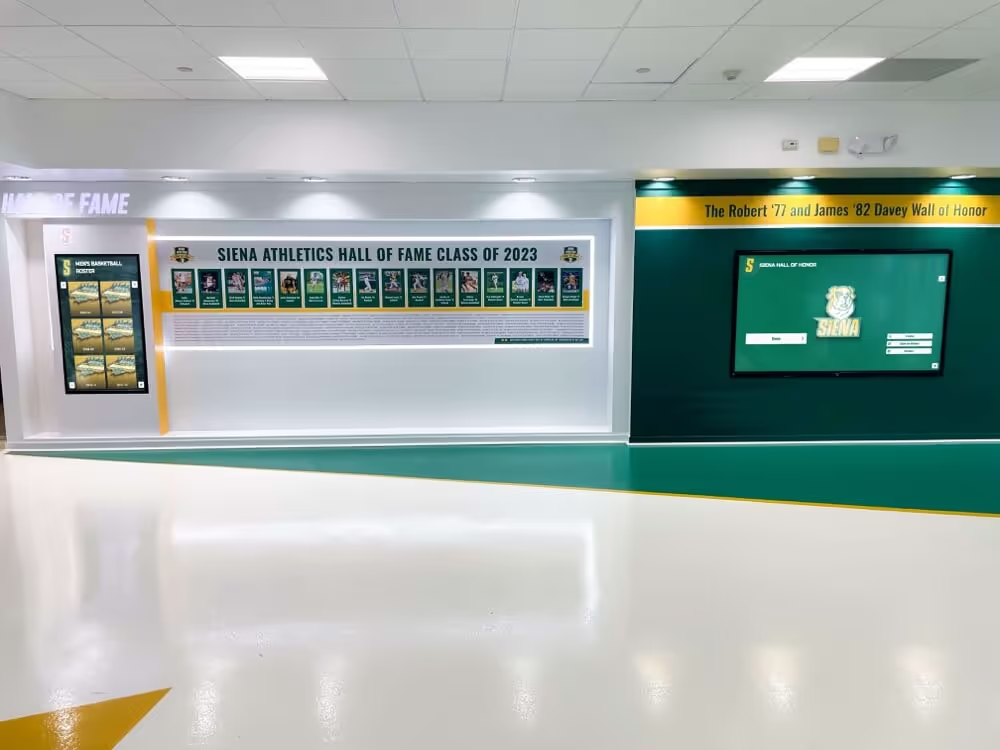
Strategic recognition placement at school entrances ensures graduation messages greet visitors, students, and community members daily
Why This Works
This administrative opening establishes appropriate positioning:
- Acknowledges unique administrator perspective observing full class journey
- Personal reference (discipline referral joke) humanizing administrative role
- Specific administrative responsibilities creating credibility
- Balance between formal institutional role and personal connection
- Focus on relationship and observation rather than achievement listing
Sample Body Structure
“I want to share three things you’ve taught me during your time here—yes, you’ve been the teachers and I’ve been learning.
First, you taught me about resilience. When the pandemic disrupted everything we thought we knew about education, you adapted. When we returned to buildings, you created new normal. When challenges arose—and they always do—you kept going. That resilience will serve you well in lives ahead where plans change and adaptation matters more than perfection.
Second, you taught me about community. This class has looked out for each other in ways that make me proud to serve as your principal. From fundraising for classmates facing hardship to speaking up when you saw injustice to welcoming new students mid-year, you’ve demonstrated that achievement means little without character and compassion.
Third, you taught me that every graduate sitting here today followed a unique path to this moment. Some of you maintained perfect grades while others struggled and persevered. Some starred on athletic fields while others created art, served community, or worked jobs supporting families. All of you belong here, and all of you deserve celebration.”
Why This Works
The administrative body provides appropriate perspective:
- Flips traditional advice-giving by positioning administrator as learner
- Connects specific class experiences to universal principles
- Acknowledges diverse student experiences and paths
- Balances celebration with character emphasis aligned with educational mission
- Maintains personal tone despite formal role
Schools often coordinate graduation speeches with comprehensive recognition programs celebrating achievement across multiple domains.
Faculty Member Speech Example
Sample Opening
“When I first met most of you four years ago in freshman English, I asked you to write about your definition of success. Most of you wrote about good grades, college acceptance, career achievement, and financial security—all reasonable answers for fifteen-year-olds.
Today I’d like to revisit that question with you one final time before you leave these classrooms. What does success actually mean? And more importantly, what kind of people do you want to become as you pursue it?”
Why This Works
The faculty opening uses teaching techniques:
- References specific class interaction many graduates remember
- Poses question creating engagement rather than one-way lecture
- Connects freshman experience to graduation moment showing growth
- Positions speech as continuing classroom conversation
- Uses educational framework appropriate for teacher role
Guest Speaker Speech Example
Sample Opening
“Thank you for inviting me to join your graduation celebration today. I need to confess something: when your principal first called, I almost declined. I didn’t attend this school. I didn’t watch you grow up. I don’t know your inside jokes or your shared experiences. What could I possibly say that would matter to you on this important day?
But then I remembered my own high school graduation twenty years ago and the guest speaker who said something that changed my life. So I’m here to pay that forward—and I promise to be the kind of speaker who remembers what it’s like to be eighteen years old, ready to graduate, and much more interested in celebrating with friends than listening to another adult lecture you about your futures.”
Why This Works
The guest speaker opening addresses inherent challenges:
- Acknowledges lack of personal connection honestly
- Creates relatability through own graduation memory
- Promises to respect audience rather than assuming attention
- Self-aware humor about graduation speech genre
- Establishes purpose and reason for speaking

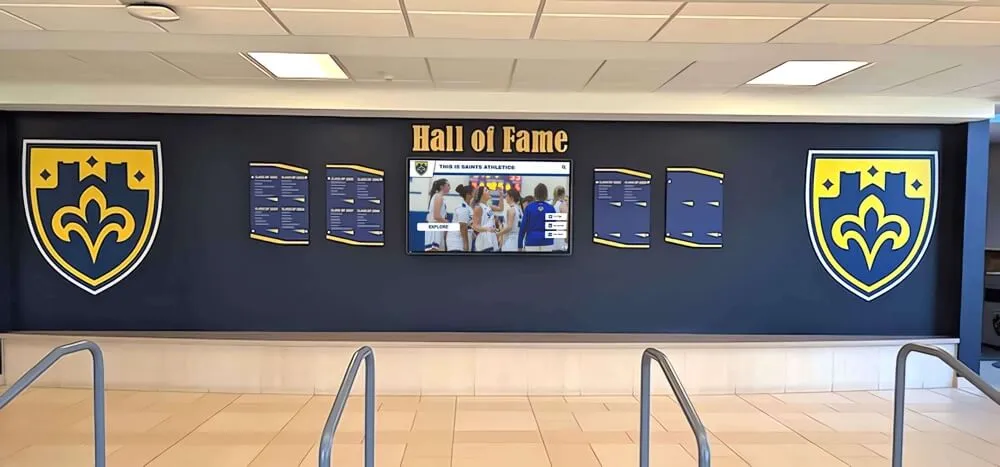
Comprehensive recognition systems integrate graduation wisdom, student profiles, and school history into engaging interactive experiences
Crafting Memorable Moments and Quotes
Effective speeches include specific moments and phrases graduates remember years later.
Developing Quotable Phrases
Characteristics of Memorable Lines
The most quotable graduation phrases share common elements:
Brevity and Rhythm Short phrases stick in memory better than lengthy sentences:
- “Stay hungry, stay foolish” (Steve Jobs)
- “Fall forward” (Denzel Washington)
- “Your time is limited, so don’t waste it” (Steve Jobs)
- “Done is better than perfect” (Sheryl Sandberg)
Unexpected Perspectives Fresh takes on familiar ideas create impact:
- Rather than “follow your dreams,” try “your dreams should scare you—if they don’t, they’re too small”
- Instead of “work hard,” consider “work hard at things that matter to you, not just things that look impressive”
- Rather than “be yourself,” try “become yourself—you’re not finished yet”
Action Orientation Calls to action resonate more than passive observations:
- “Choose courage over comfort”
- “Build bridges, not walls”
- “Show up even when it’s hard”
- “Create something that matters”
Using Humor Effectively
When Humor Works
Appropriate humor serves multiple functions in graduation speeches:
Opening Tension Release Early humor relaxes audiences and speakers:
- Self-deprecating jokes about speaker qualifications
- Gentle observations about graduation ceremony traditions
- Playful references to shared experiences
- Light comments acknowledging ceremony length
Maintaining Attention Strategic humor throughout prevents speeches from becoming tedious:
- Brief, relevant asides breaking up serious content
- Callbacks to earlier jokes creating narrative unity
- Observational humor about graduate experiences
- Situational awareness of ceremony context
When Humor Doesn’t Work
Avoid humor that undermines ceremony significance:
- Sarcasm or cynicism about graduation importance
- Inside jokes excluding significant portions of audience
- Controversial or potentially offensive material
- Forced humor when authentic serious tone serves better
- Excessive joking preventing meaningful message delivery
Common Pitfalls and How to Avoid Them
Learning from others’ mistakes prevents common graduation speech problems.
Pitfall: Generic, Clichéd Content
The Problem
Many graduation speeches sound interchangeable—quotes about spreading wings, reaching for stars, and chasing dreams that could apply to any graduating class anywhere:
- “You can be anything you want to be”
- “The world is your oyster”
- “Today is the first day of the rest of your life”
- “Don’t be afraid to fail”
While these sentiments aren’t wrong, graduates have heard them repeatedly throughout their lives, making speeches feel impersonal and forgettable.
The Solution
Ground universal wisdom in specific experiences:
Instead of: “Follow your dreams” Try: “Remember when our class fundraiser for new band uniforms failed the first time? We didn’t quit—we adjusted strategy, tried again, and succeeded. That’s how pursuing dreams actually works: trying, adjusting, trying again.”
Instead of: “You can achieve anything” Try: “You achieved things together these four years that seemed impossible: raising $15,000 for the food bank, winning our first state championship in twenty years, adapting to pandemic learning. You didn’t achieve these alone—you achieved them together. Remember that.”
Specificity transforms generic wisdom into memorable insights connected to this particular class’s journey.
Pitfall: Excessive Length
The Problem
Speakers often try including every thought and piece of advice they’ve ever considered meaningful, resulting in 25-minute rambling addresses that lose audience attention midway through.
The Solution
Practice ruthless editing:
- Write everything you want to say first
- Cut content by 40-50% keeping only strongest material
- Time your revised speech and cut more if needed
- Remember: graduates will remember 1-3 key points maximum
- Better to leave them wanting more than checking watches
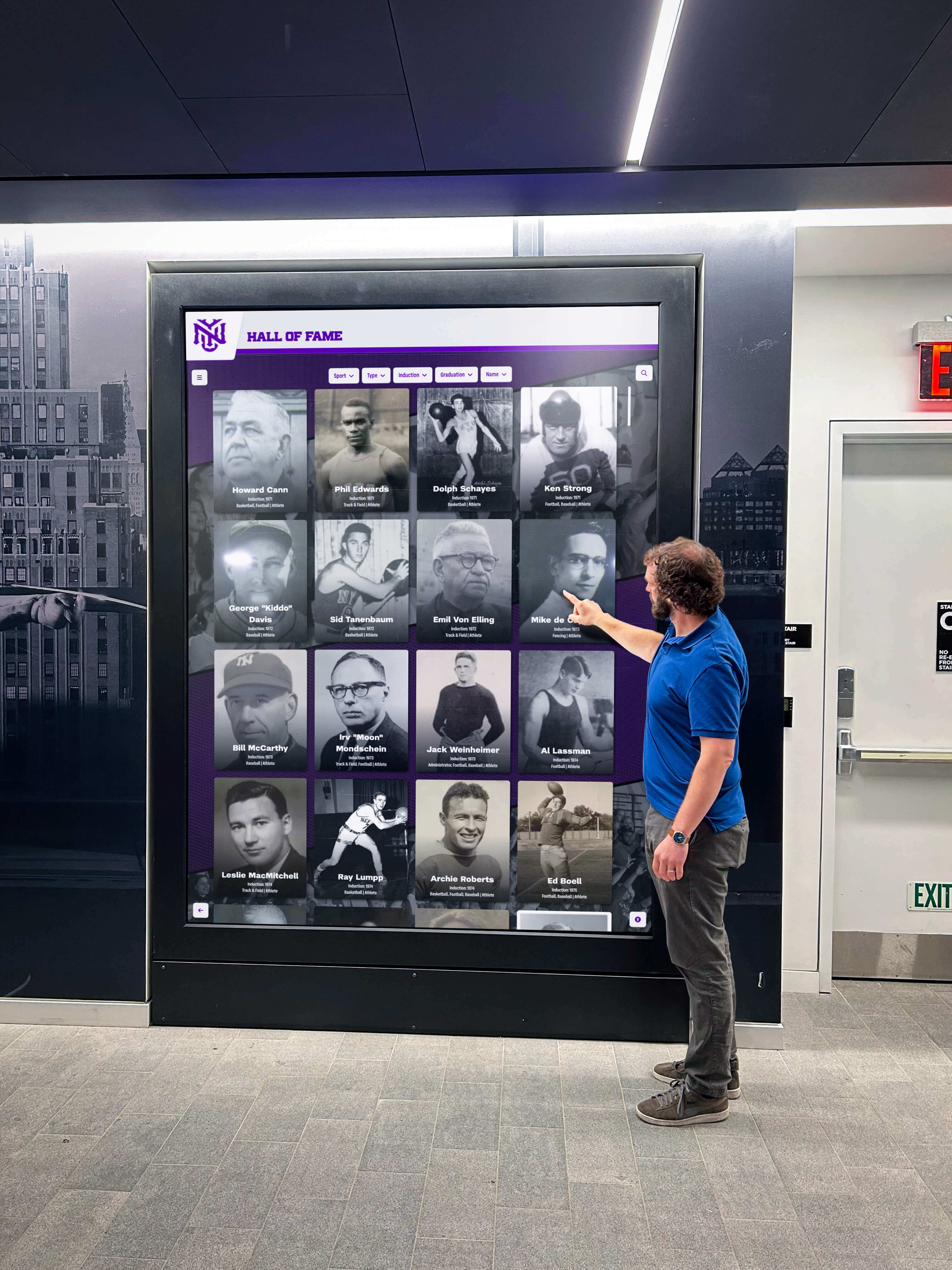
Interactive displays enable ceremony attendees to explore graduation messages, student profiles, and school history throughout events
Pitfall: Talking About Yourself Instead of Graduates
The Problem
External speakers particularly fall into this trap—sharing extensive personal achievements and career journeys that position speeches as humble-brags rather than meaningful messages for graduates.
The Solution
Make yourself secondary to message:
- Personal stories should illustrate principles, not showcase accomplishments
- Keep “I” statements minimal and “you” statements frequent
- When sharing experiences, explicitly connect to graduates’ situations
- Focus on lessons learned, not resume highlights
- Remember whose day this is—not yours
Pitfall: Preaching or Lecturing
The Problem
Some speakers adopt condescending tones—telling graduates what they “must” do, how they “should” think, or warning about everything that “will” go wrong if they don’t follow specific advice.
The Solution
Offer invitation rather than prescription:
Instead of: “You must stay connected to your high school friends” Try: “The friendships you’ve built here matter. Some will last lifetimes, others will fade—both are normal. Value the connections that endure and cherish the memories from those that don’t.”
Instead of: “You have to go to college to succeed” Try: “Success takes many forms—college, careers, military service, entrepreneurship, trades, or paths we haven’t imagined. The only wrong choice is not choosing at all.”
Respect graduates’ autonomy while offering perspective based on experience.
Delivery Techniques for Maximum Impact
Even brilliantly written speeches fail without effective delivery—content matters, but presentation determines whether audiences actually absorb messages.
Vocal Variety and Pacing
Avoiding Monotone Delivery
Vocal variety maintains engagement:
Volume Variation
- Louder passages for emphasis and energy
- Softer moments for intimacy and reflection
- Strategic whispers forcing audience attention
- Projection ensuring back rows hear clearly
Pacing Changes
- Faster pace for exciting or energetic content
- Slower pace for serious or emotional moments
- Strategic pauses letting important points land
- Rhythm creating natural speech flow
Emotional Range
- Celebratory tone for achievement recognition
- Serious tone for challenges and adversity
- Warm tone for gratitude and relationships
- Inspirational tone for future vision
Physical Presence and Body Language
Using Space Effectively
Physical presence enhances verbal messages:
Posture and Stance
- Stand tall demonstrating confidence
- Open body language showing engagement
- Appropriate gestures emphasizing points
- Avoid defensive crossed arms or fidgeting
Eye Contact
- Scan entire audience regularly
- Pause on different sections creating connection
- Avoid reading continuously from notes
- Natural glances at notes balanced with audience focus
Movement
- Strategic position changes maintaining visual interest
- Avoid pacing creating distraction
- Step forward for emphasis or intimate moments
- Return to center for major points
Managing Nerves and Anxiety
Preparation Strategies
Reduce anxiety through proper preparation:
Practice Techniques
- Rehearse aloud multiple times—silent reading doesn’t reveal timing or flow issues
- Practice in ceremony venue if possible familiarizing with space and acoustics
- Record yourself identifying areas needing improvement
- Practice with audience (family, friends) building confidence
- Time speeches precisely ensuring appropriate length
Day-of Strategies
- Arrive early familiarizing with space and equipment
- Do vocal warm-ups loosening voice
- Breathe deeply managing physical anxiety responses
- Remember audience wants you to succeed—they’re supportive, not critical
- Accept nervousness as normal rather than fighting it
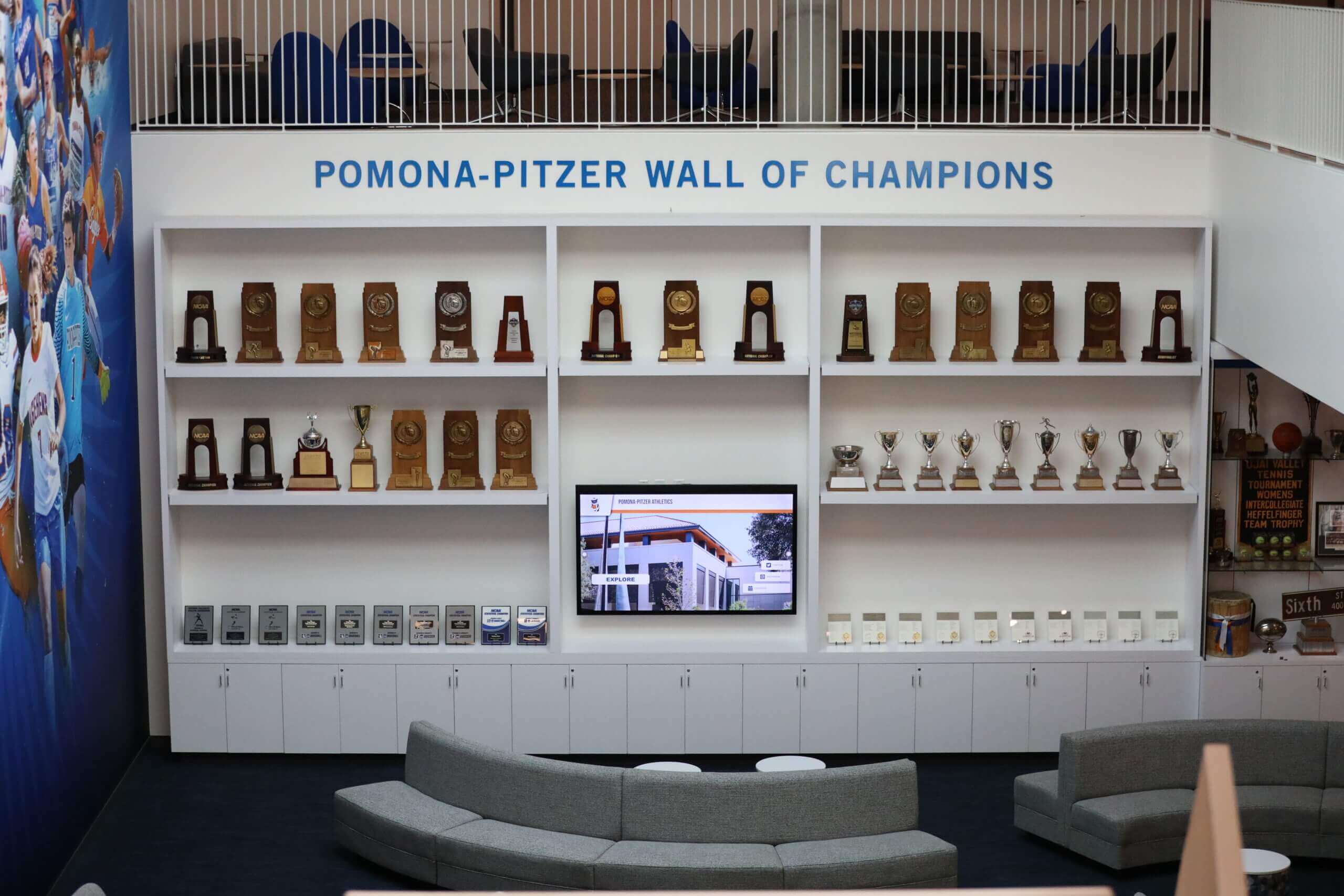
Recognition spaces create compelling environments for graduation ceremonies while demonstrating institutional tradition and excellence
Preserving Graduation Speeches: Beyond the Ceremony
Powerful graduation speeches deserve documentation extending impact beyond single ceremony moments.
Traditional Preservation Approaches
Physical Documentation
Standard preservation methods include:
Printed Materials
- Ceremony programs featuring speech excerpts
- Yearbook inclusions documenting ceremony highlights
- School newspaper articles covering graduation
- Transcript archiving in school records
- Physical archives storing complete speech texts
Media Recording
- Video recording of complete ceremonies
- Audio recordings of individual speeches
- Photography documenting ceremony moments
- DVD or USB distribution to families
- Physical media storage requiring ongoing maintenance
These traditional approaches have limitations—printed materials reach only ceremony attendees, physical media degrades over time requiring backup systems, and static formats prevent interactive engagement or easy search and discovery years later.
Modern Digital Preservation Solutions
Comprehensive Recognition Platforms
Digital yearbook solutions like Rocket Alumni Solutions transform graduation speech preservation while solving traditional limitations:
Permanent, Searchable Archives
Platform capabilities include:
- Complete speech text documentation searchable by keyword, speaker, or year
- Video integration preserving both written and spoken delivery
- Student profile connections linking speeches to graduating class information
- Unlimited storage capacity eliminating space constraints
- Cloud-based infrastructure ensuring permanent preservation without physical degradation
Enhanced Context and Storytelling
Digital platforms enable rich documentation impossible with traditional approaches:
- Speaker biographies providing context about who delivered addresses
- Graduating class profiles showing who heard speeches
- Historical timelines connecting speeches to school events and circumstances
- Photo galleries documenting ceremony moments and celebrations
- Commentary and analysis explaining speech significance
Schools implementing digital class composite displays often integrate graduation speech preservation into comprehensive class documentation.
Alumni Access and Engagement
Web-accessible recognition extends reach beyond physical campuses:
- Graduates access speeches from anywhere at any time
- Alumni share ceremony highlights with distant family and friends
- Parents revisit speeches remembering graduation celebrations
- Prospective students explore school culture and traditions
- Community members understand institutional values and priorities
Social Sharing and Amplification
Digital formats enable organic promotion impossible with physical documentation:
- Social media integration spreading powerful messages beyond attendees
- Email sharing enabling families to distribute speeches easily
- Embedding in school websites increasing visibility
- Mobile accessibility ensuring smartphone viewing
- Analytics showing which speeches resonate most strongly
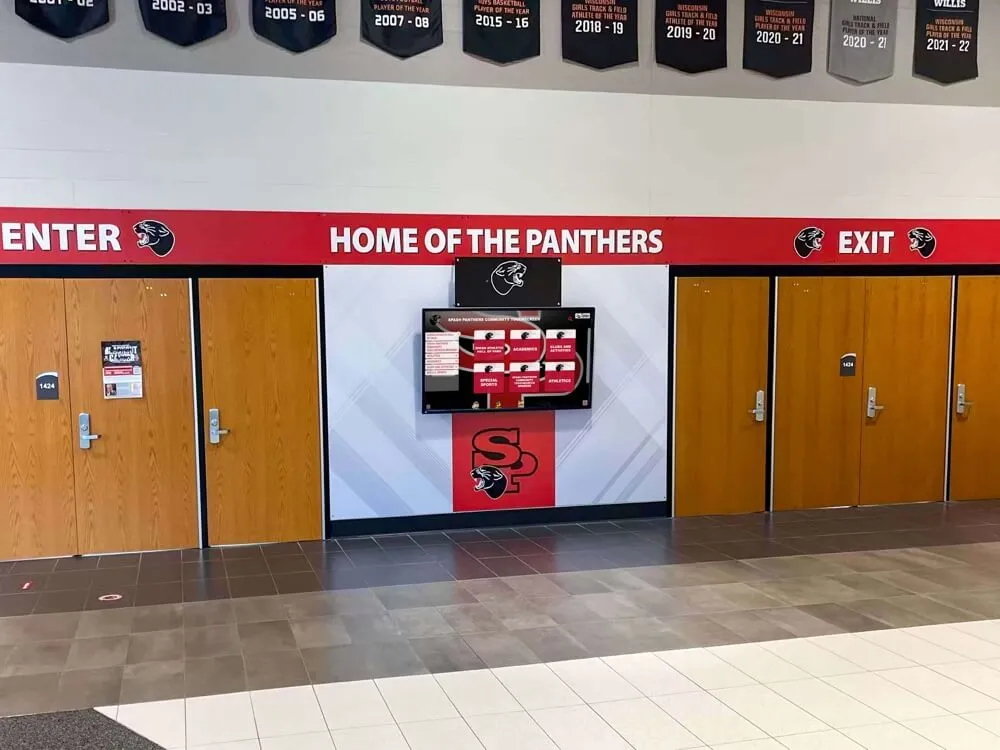
Integrated displays throughout school facilities ensure graduation wisdom remains visible during daily activities, not just ceremony moments
Integration with Comprehensive Recognition Systems
Connecting Speeches to Broader Documentation
Most effective preservation connects graduation speeches to comprehensive achievement recognition:
Student Achievement Integration
- Link speeches to profiles of recognized students
- Connect valedictorian addresses to academic recognition documentation
- Preserve ceremony programs alongside speech texts
- Document award recipients referenced in addresses
- Create complete graduation documentation in single platform
Historical Context Development
- Build chronological speech archives showing institutional evolution
- Document how graduation messages reflect changing times
- Preserve school history context understanding speech references
- Create searchable collections enabling thematic exploration
- Track class characteristics referenced in addresses
Multi-Year Tradition Building
- Compare addresses across years identifying themes
- Show how different speakers approached similar topics
- Document evolving school culture through speech content
- Enable graduates to revisit their own graduation years
- Build institutional memory strengthening community
Graduation Speech Checklist: Final Preparation
Before delivering speeches, use this comprehensive checklist ensuring thorough preparation.
Content Review
Message Clarity
- Speech has clear, focused message (not trying to say everything)
- Key points are specific and memorable
- Content connects to this particular graduating class
- Balance achieved between celebration and forward-looking challenge
- Closing provides inspiring, memorable conclusion
Audience Appropriateness
- Length fits ceremony context (typically 8-12 minutes maximum)
- Tone matches speaker role and relationship to graduates
- Language accessible to diverse audience (avoiding jargon or obscure references)
- Content respects graduating class diversity
- Humor appropriate and inclusive
Delivery Preparation
- Speech rehearsed aloud multiple times
- Timing verified fitting within allocated time
- Notes prepared in easy-to-reference format
- Key phrases memorized for eye contact moments
- Vocal variety and pacing planned
Logistics Confirmation
Technical Preparation
- Venue acoustics and microphone tested
- Notes legible under expected lighting conditions
- Backup copies of speech prepared
- Visual aids (if any) tested in venue
- Recording arrangements confirmed for preservation
Ceremony Coordination
- Speaking position in ceremony program confirmed
- Time allocation verified with ceremony planners
- Introduction details provided to emcee
- Robe or attire requirements confirmed
- Processional and stage access understood
Day-of Readiness
Physical Preparation
- Adequate rest night before
- Vocal warm-ups completed
- Arrival time allowing venue familiarization
- Breathing exercises managing anxiety
- Positive mindset focused on message not perfection
Final Review
- Speech notes organized and accessible
- Water available for hydration
- Key phrases and transitions reviewed
- Opening and closing memorized
- Confidence built through preparation acknowledgment
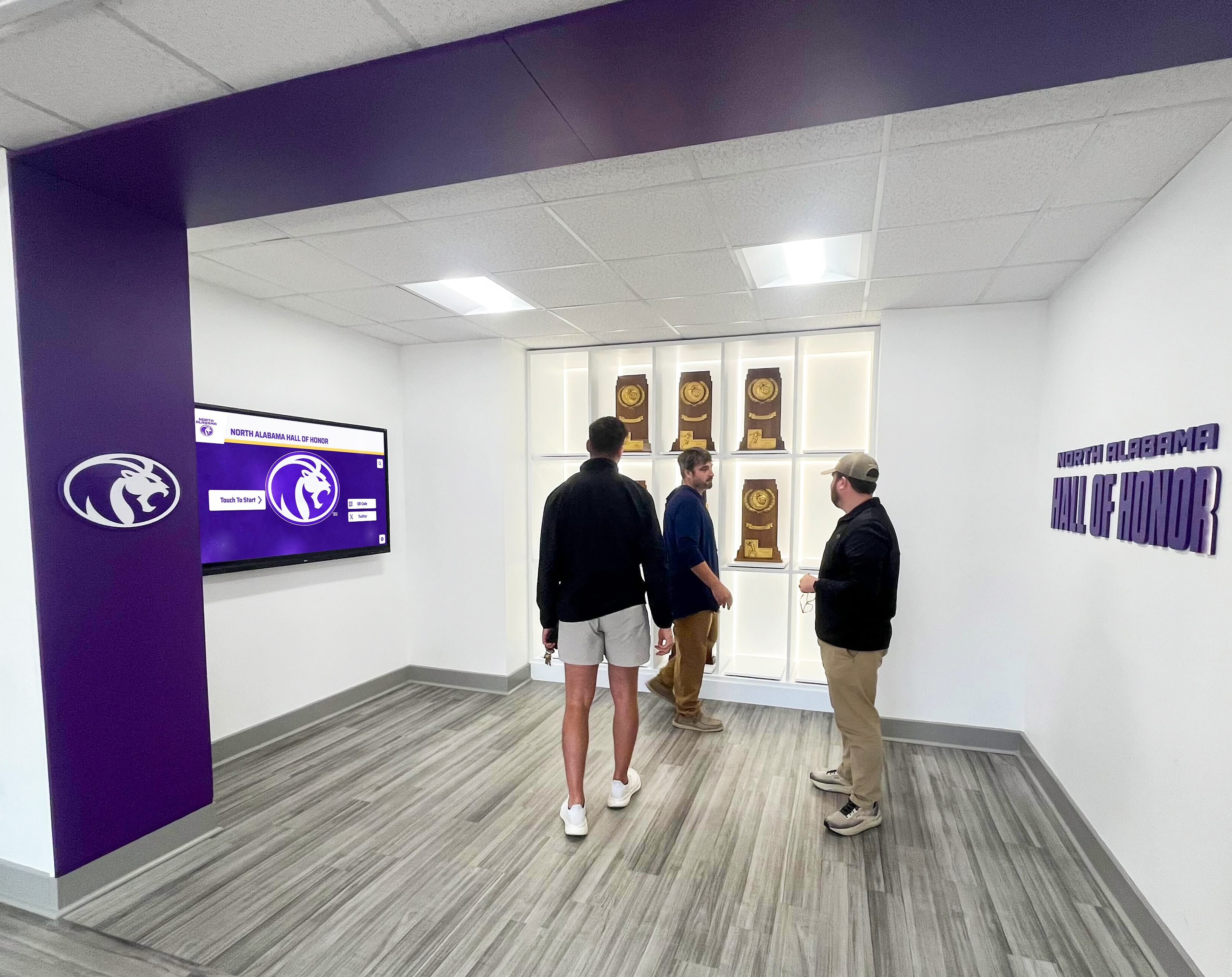
Recognition displays create gathering spaces before and after ceremonies, extending graduation celebration beyond formal program time
Resources for Continued Speech Development
Beyond this guide, numerous resources support graduation speech development and delivery skills.
Speech Analysis Resources
Studying Effective Examples
Learn from successful graduation addresses:
- TED Ed graduation speech playlists featuring exemplary commencement addresses
- American Rhetoric online archive with searchable graduation speech database
- University commencement archives preserving notable addresses
- YouTube collections enabling delivery observation alongside content study
- School archives showing previous successful speeches from your institution
Professional Development
Build public speaking skills:
- Toastmasters International chapters providing practice environments
- Online speaking courses through platforms like Coursera or LinkedIn Learning
- Communication workshops at community colleges
- Drama or speech classes building presentation skills
- Local speaking coaches offering individualized feedback
Writing Support
Content Development Assistance
Resources helping craft compelling content:
- School English teachers or communications faculty offering feedback
- Writing centers providing editing and revision support
- Peer review from fellow students or colleagues
- Professional speechwriters for high-profile external speakers
- Online writing communities offering constructive critique
Preservation Planning
Documentation Strategy Development
Ensure graduation wisdom preservation:
Modern digital recognition solutions enable comprehensive graduation documentation connecting speeches to student profiles, ceremony programs, and institutional history in searchable, shareable formats accessible long after graduation ceremonies conclude.
Conclusion: Words That Endure
Graduation speeches represent rare opportunities to speak wisdom into lives at pivotal transition moments—when graduates are simultaneously celebrating accomplishment and facing uncertainty about futures ahead. The most effective addresses don’t try saying everything or positioning speakers as having all answers. Instead, they offer specific, authentic insights grounded in real experience, connect with graduates’ actual journeys rather than abstract ideals, balance celebration with realistic acknowledgment of challenges ahead, and provide memorable phrases graduates carry throughout their lives.
Whether you’re a valedictorian representing your class, a principal who’s watched graduates grow, a teacher who’s guided learning, or an external speaker invited to provide perspective, your words matter more than you might realize. Years from now, graduates will remember specific phrases you shared, recall the emotional resonance of ceremony moments, reference wisdom you offered when facing their own challenges, and appreciate the time you invested crafting messages that honored their achievement while inspiring their continued growth.
Preserve Graduation Wisdom for Generations
Transform graduation speeches from single-ceremony moments into permanent institutional memory accessible to your school community for years to come. Discover how digital recognition solutions create engaging platforms showcasing graduation wisdom alongside comprehensive student profiles, building lasting documentation that strengthens school culture and alumni connection.
With intuitive content management, multimedia integration capabilities, and beautiful display formats designed specifically for educational recognition, Rocket Alumni Solutions helps schools celebrate graduation meaningfully while creating permanent archives that traditional approaches cannot deliver.
Explore Recognition Solutions to see how modern platforms preserve graduation speeches and student accomplishments in searchable, shareable formats that physical yearbooks and ceremony programs alone cannot provide.
The words you deliver at graduation ceremonies deserve preservation extending their impact far beyond single moments when graduates cross stages receiving diplomas. Through modern digital recognition systems, schools can document graduation wisdom alongside student achievements, creating comprehensive archives honoring both individual accomplishment and the collective wisdom shared during milestone celebrations. These systems ensure powerful words spoken at pivotal moments remain accessible throughout graduates’ lives—ready to inspire, comfort, challenge, or guide whenever they need reminders of who they are and what they’re capable of becoming.
Your graduation speech preparation matters because graduates deserve words worthy of the moment they’ve reached through years of dedication, growth, and achievement. By studying effective examples, following proven frameworks, avoiding common pitfalls, preparing delivery thoroughly, and ensuring proper preservation, you can deliver addresses that truly resonate—creating memories graduates carry throughout their lives while contributing wisdom to institutional traditions that shape your school community for generations ahead.
Ready to preserve your graduation celebration? Explore how schools implement digital recognition systems featuring graduation speeches and student achievements, or discover graduation celebration approaches that honor milestone moments while building lasting community connections.