Standing before hundreds of graduates, families, and educators at commencement represents one of life’s most daunting speaking opportunities. The pressure intensifies when you realize your words should inspire, motivate, and create memories that graduates carry forward for decades. Whether you’re a school administrator selecting a speaker, a valedictorian preparing your first major address, or a distinguished guest invited to share wisdom, understanding what makes commencement speeches powerful transforms nervous anticipation into purposeful preparation.
Graduation speeches that resonate share common elements—authentic storytelling, universal themes delivered through personal experience, practical wisdom graduates can apply immediately, and emotional resonance that acknowledges both accomplishment and uncertainty about the future. The most memorable addresses balance celebration with challenge, honoring achievements while inspiring graduates to embrace what comes next.
This comprehensive guide explores proven graduation speech examples across different speaker types, examines the structural elements that create impact, and provides practical frameworks you can adapt for your specific audience and occasion. Whether you’re crafting a three-minute student address or a fifteen-minute keynote, these insights will help you develop a commencement speech worthy of the milestone it celebrates.
Why Graduation Speeches Matter
Commencement addresses serve purposes beyond filling program time between credential distribution and recessional music. These speeches mark significant transitions, provide perspective graduates often lack in the moment, and create shared experiences that bind graduating classes together through common memory.
Research on milestone events shows that ceremonies with meaningful speeches significantly enhance how participants remember transitions. Graduates reflecting on their commencement years later rarely recall specific achievements announced or honors bestowed, but consistently remember powerful moments from speeches—particular phrases, stories that resonated, or challenges issued that shaped subsequent decisions.

Graduation speeches become part of institutional memory, preserved alongside achievement recognition that honors academic excellence and student accomplishments
The Unique Power of Commencement Addresses
Captive Yet Receptive Audience
Unlike typical public speaking situations where audience attention proves difficult to capture and maintain, graduation ceremonies provide unique conditions—audiences genuinely want to hear inspiring messages appropriate to the occasion. Families attend specifically to celebrate graduates’ achievements and expect meaningful content. This receptivity creates opportunities speakers should not waste with generic platitudes or overly safe messages.
Permission for Vulnerability and Challenge
Commencement represents one of few occasions when speakers can address young adults with both profound encouragement and honest challenge without seeming preachy or condescending. Graduates expect wisdom from speakers they respect, creating space for authentic advice including acknowledging failures, discussing fears, and challenging comfortable assumptions about success.
Lasting Documentation
Modern commencements are extensively documented through video recording, social media sharing, and digital recognition displays that preserve ceremony highlights. This documentation extends speech impact far beyond immediate audiences—families share recordings, school communications reference notable addresses, and particularly powerful speeches circulate online reaching global audiences.
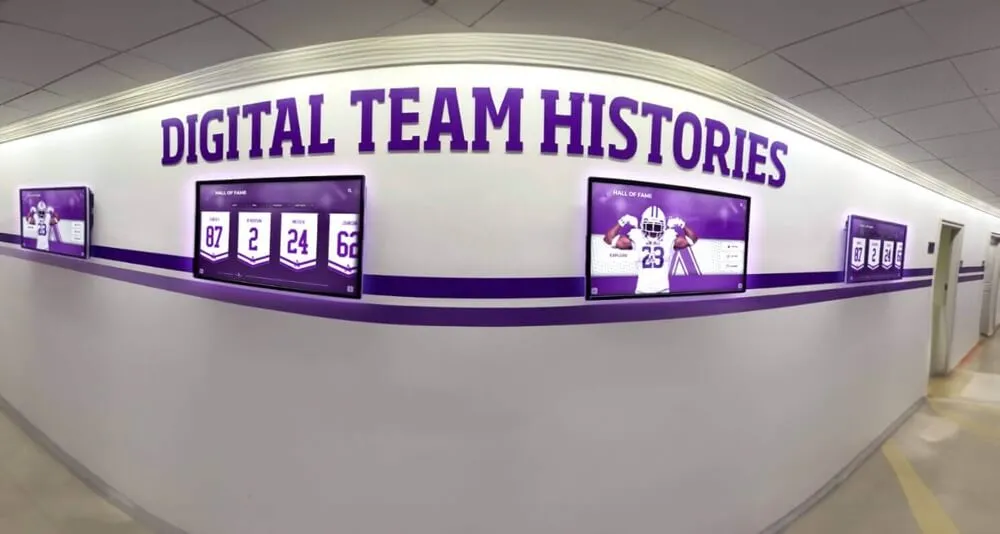
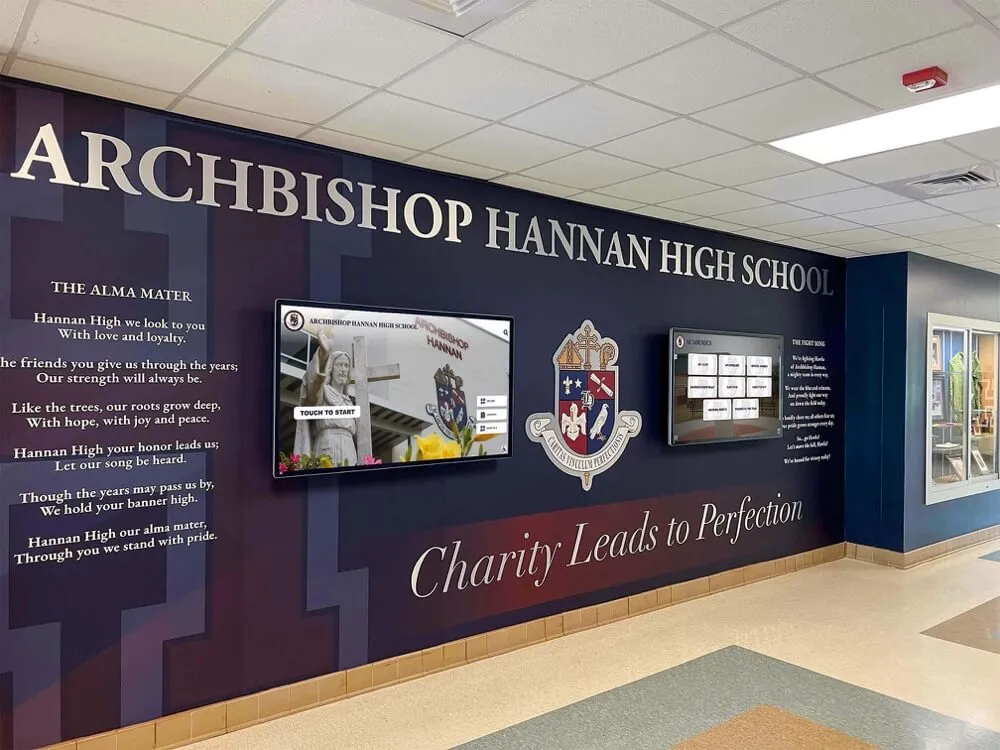
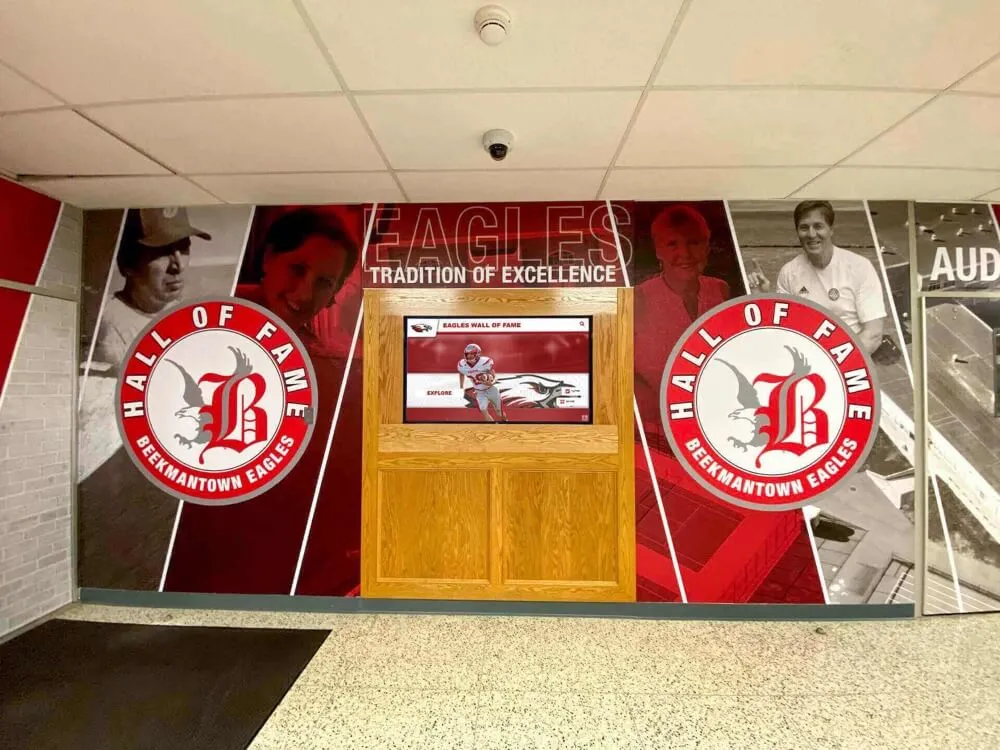
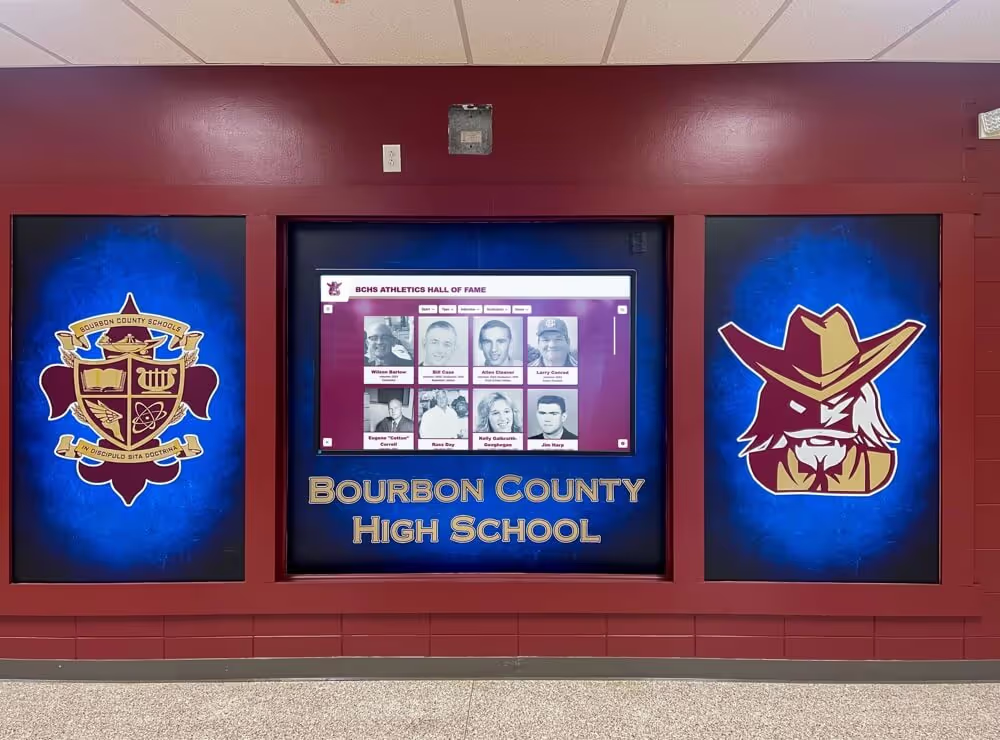
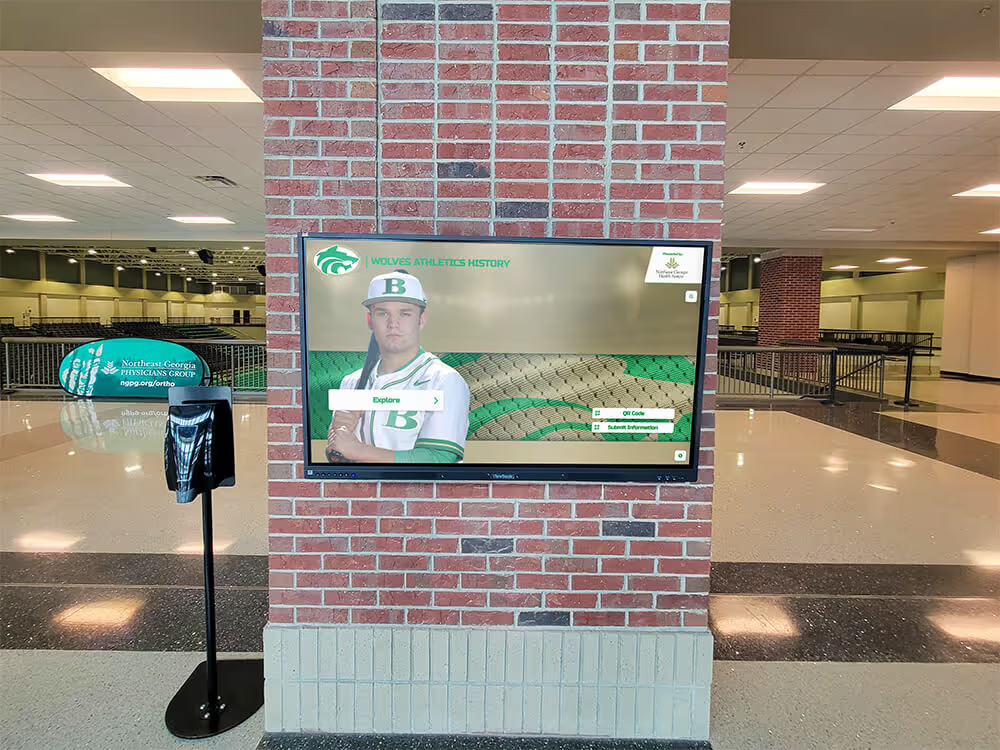
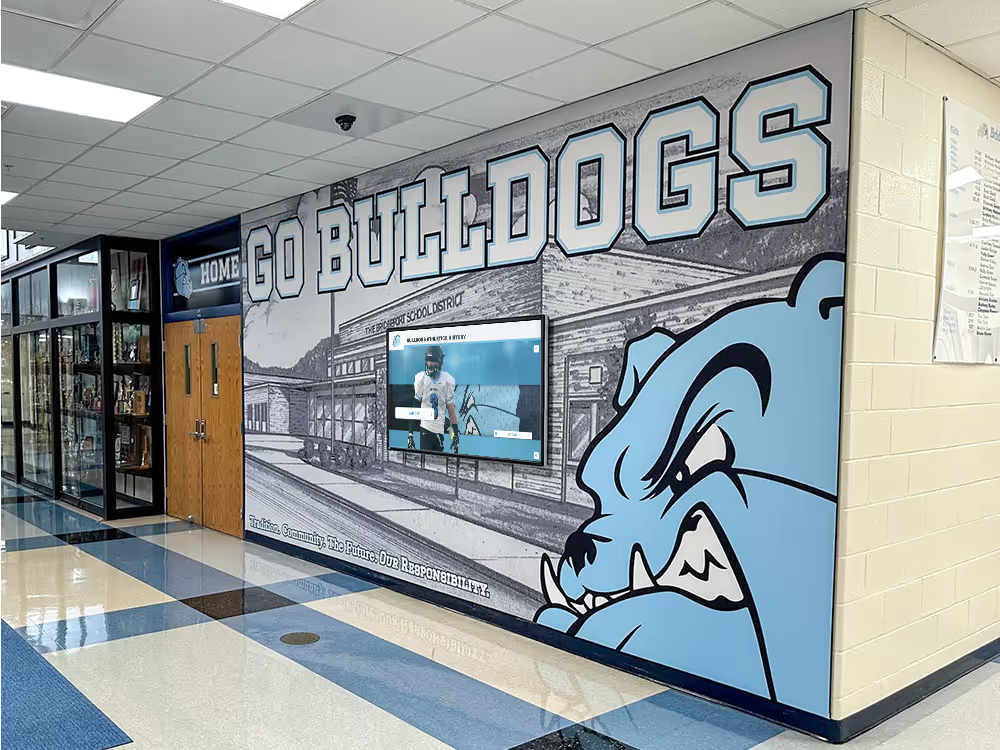
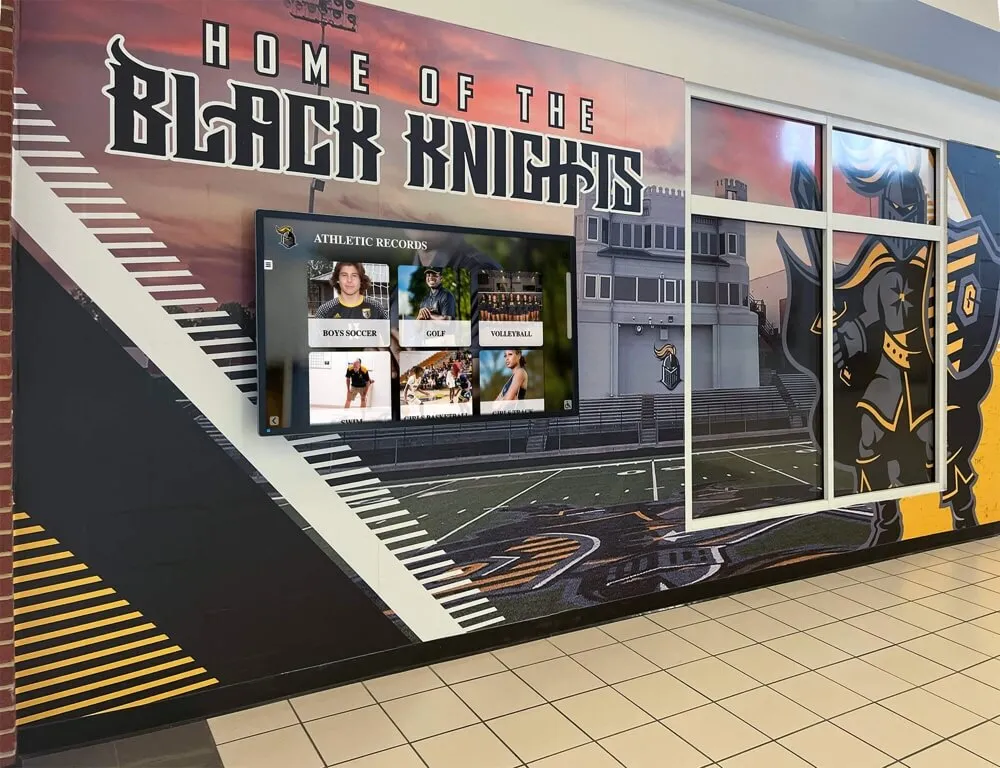
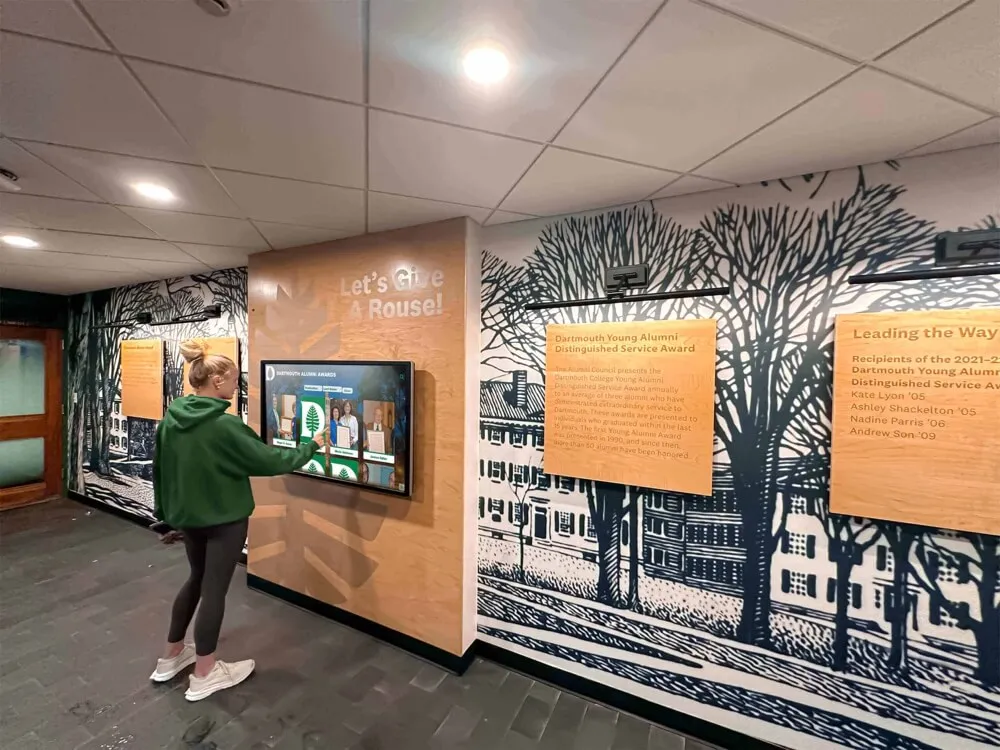
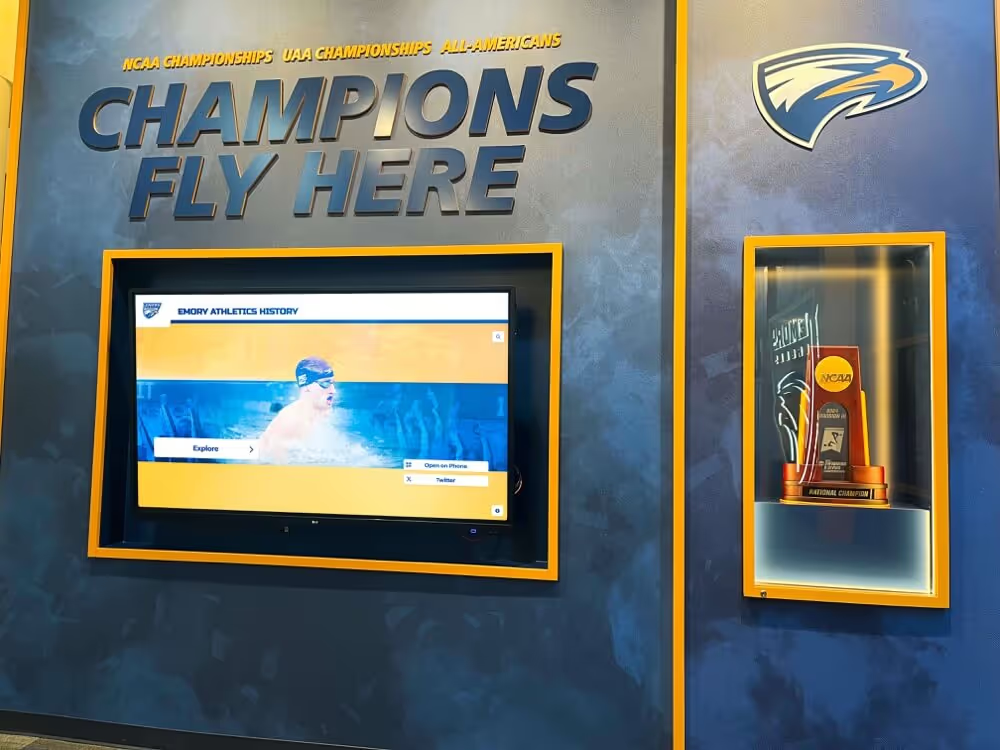
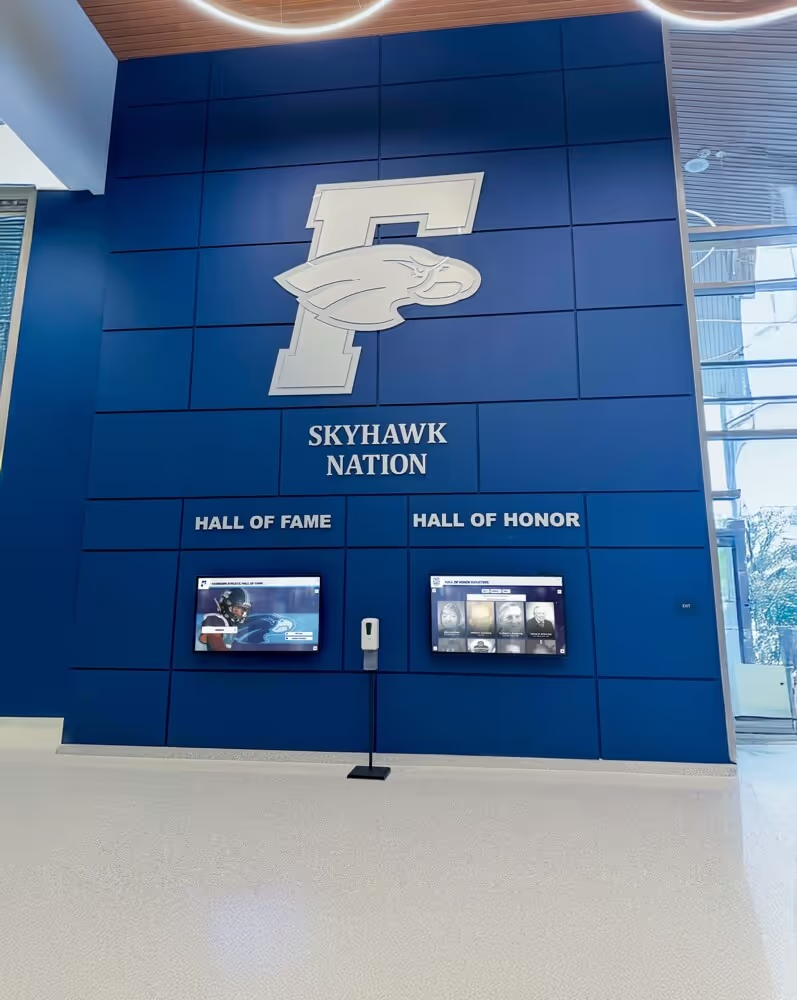
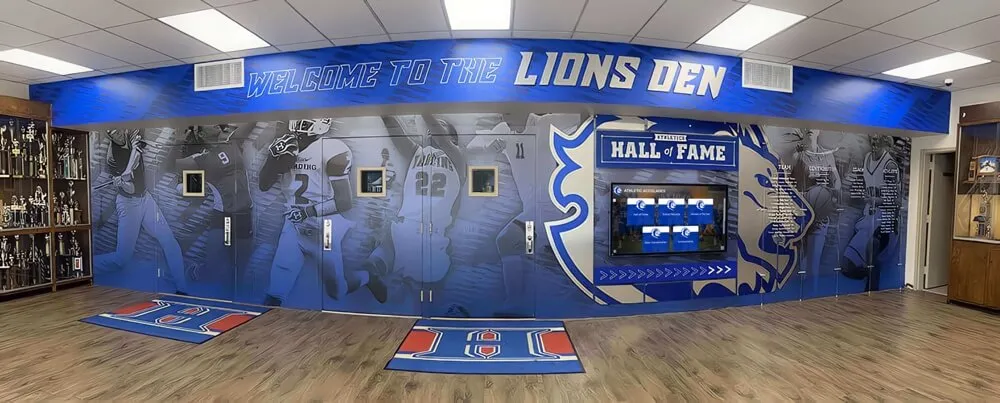
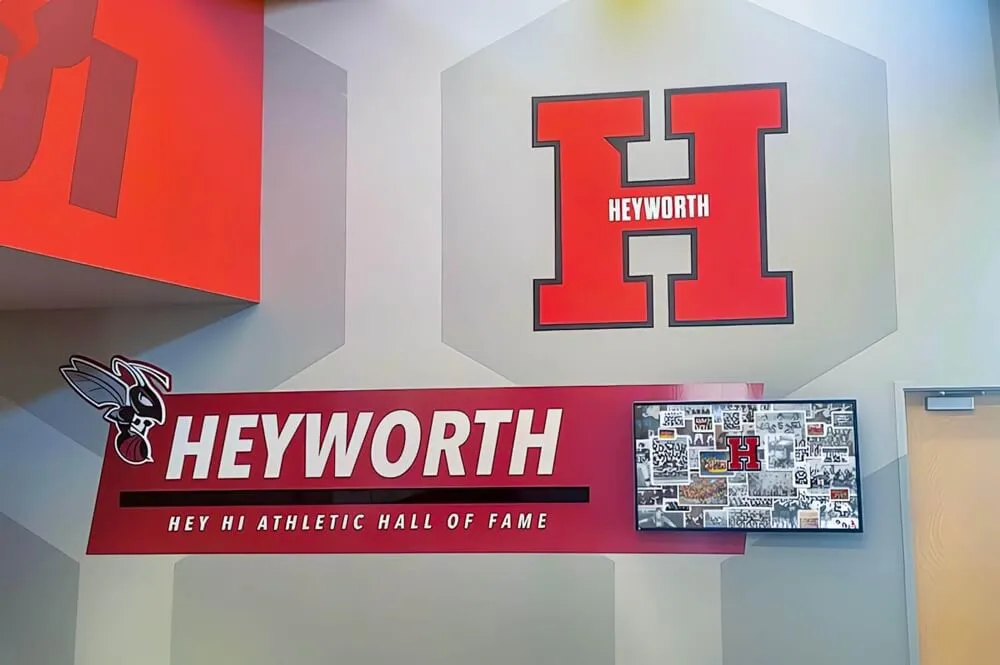
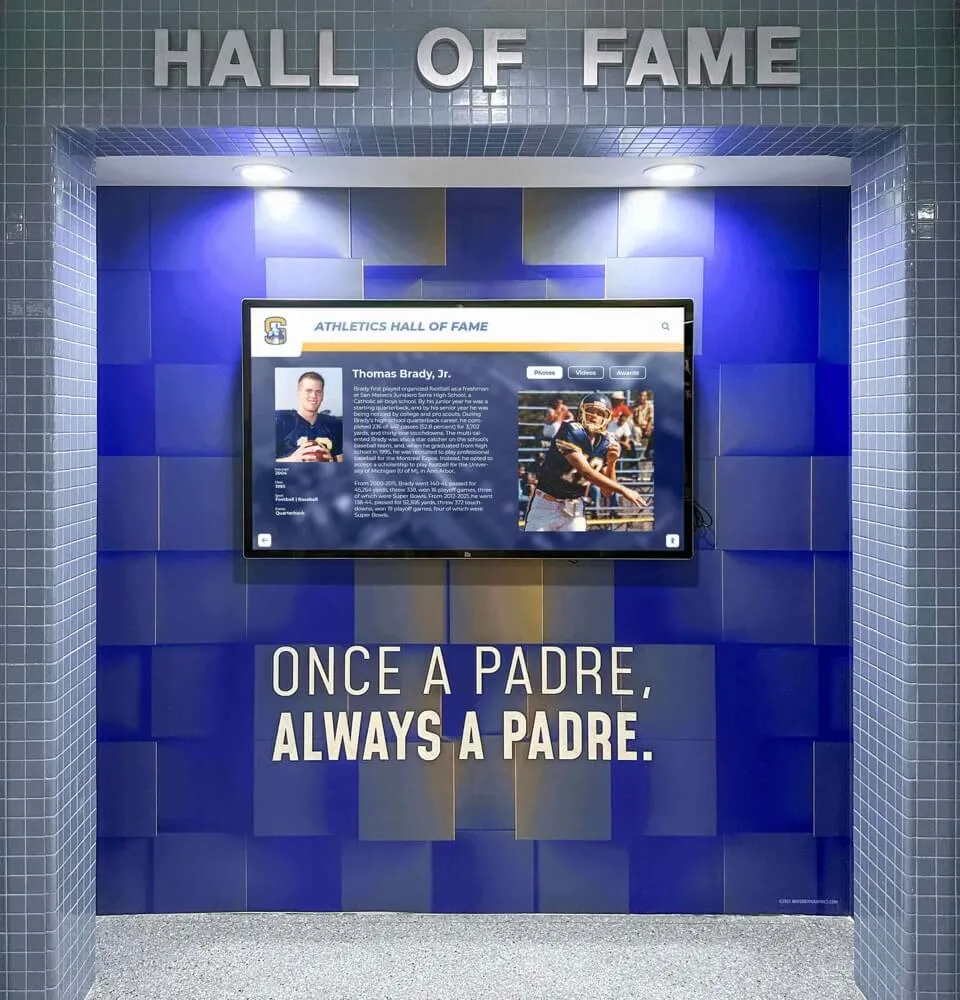
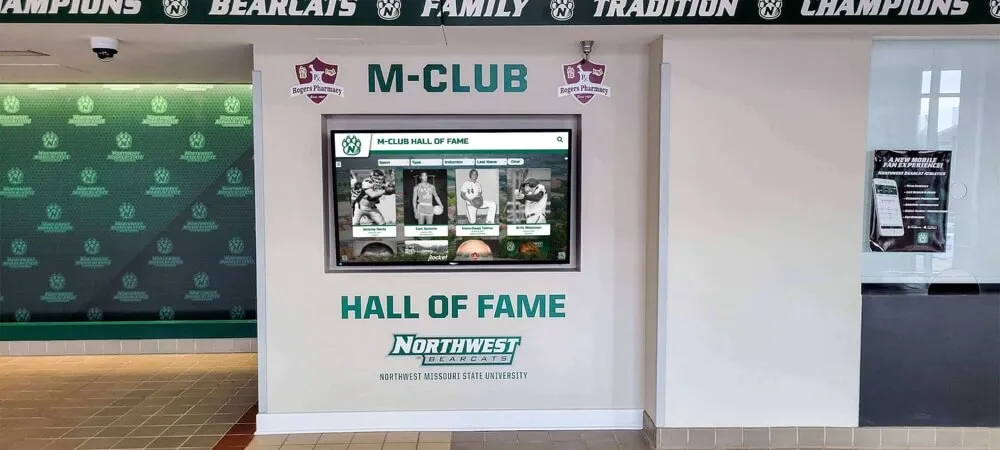
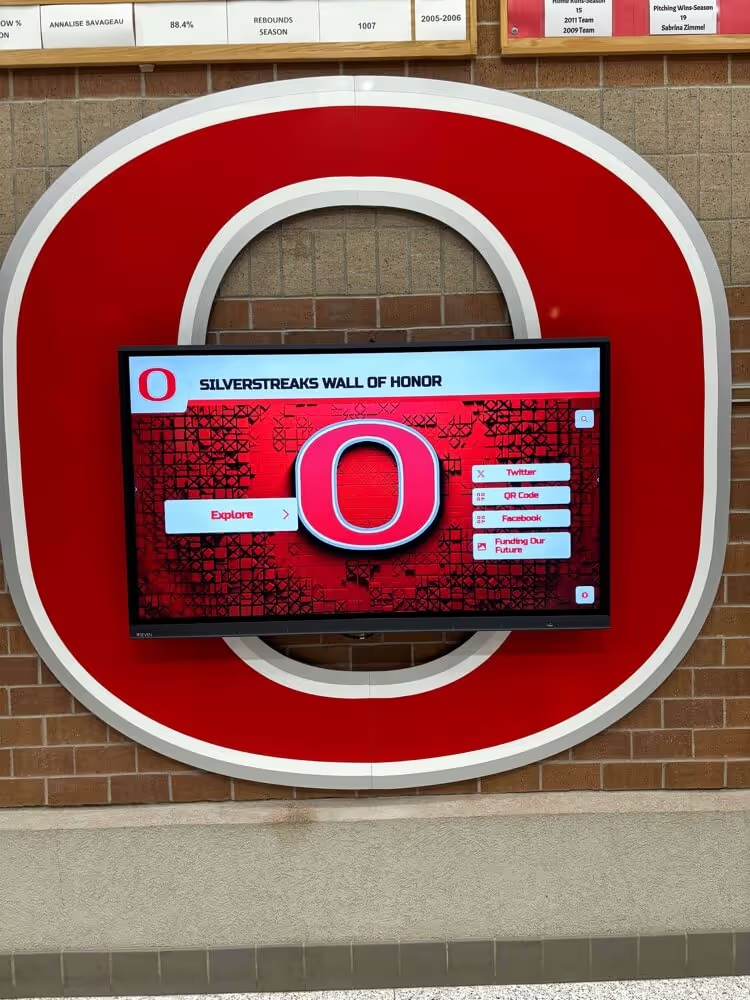
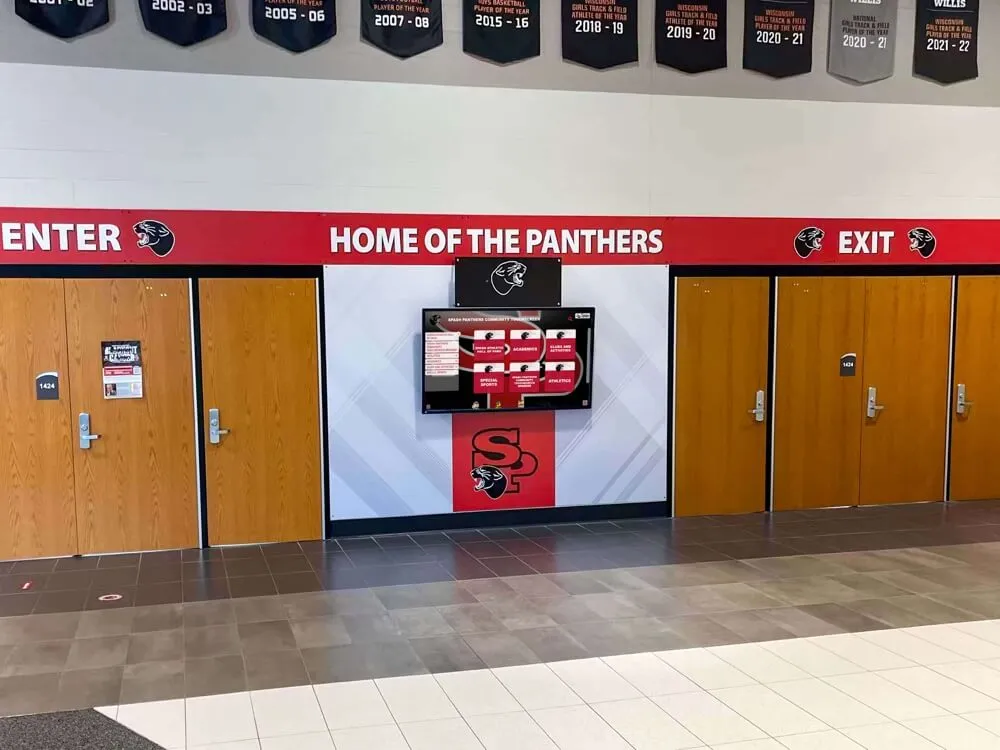
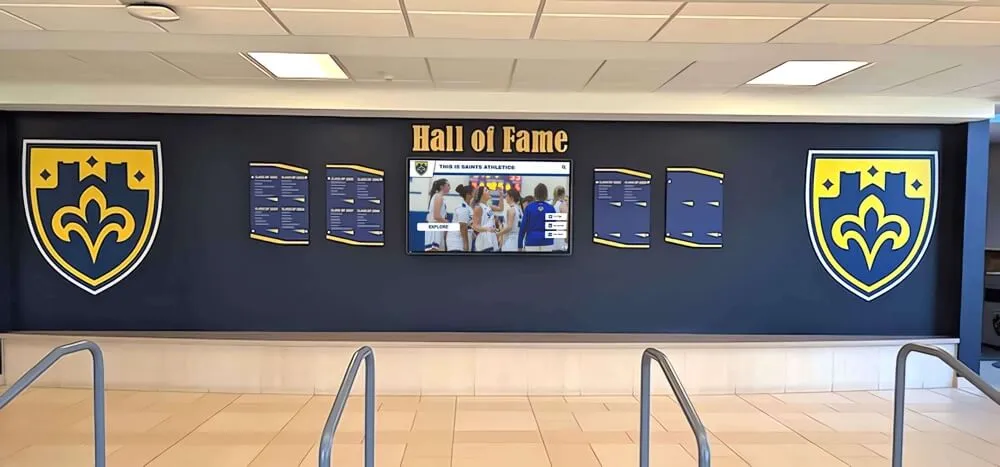
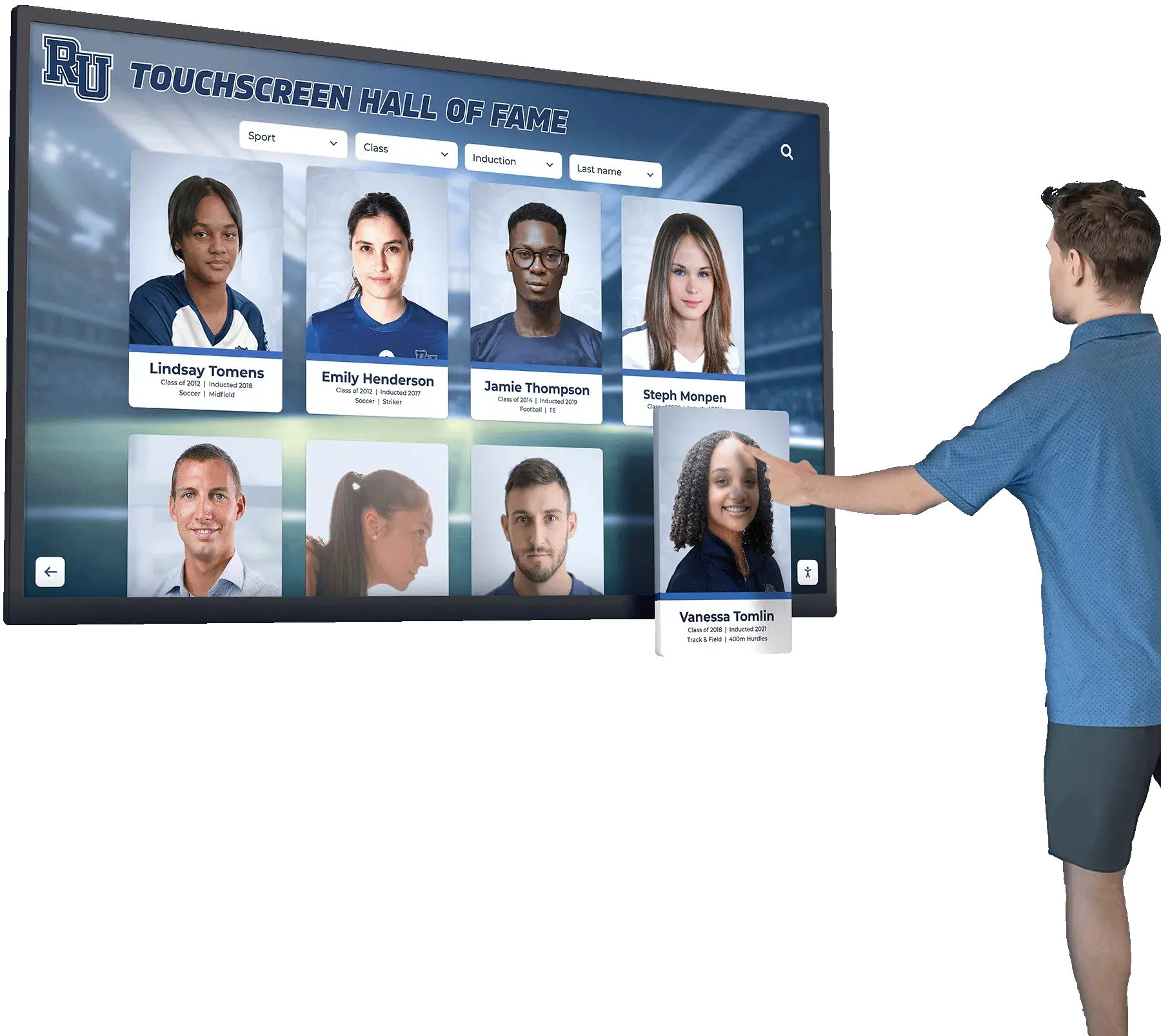
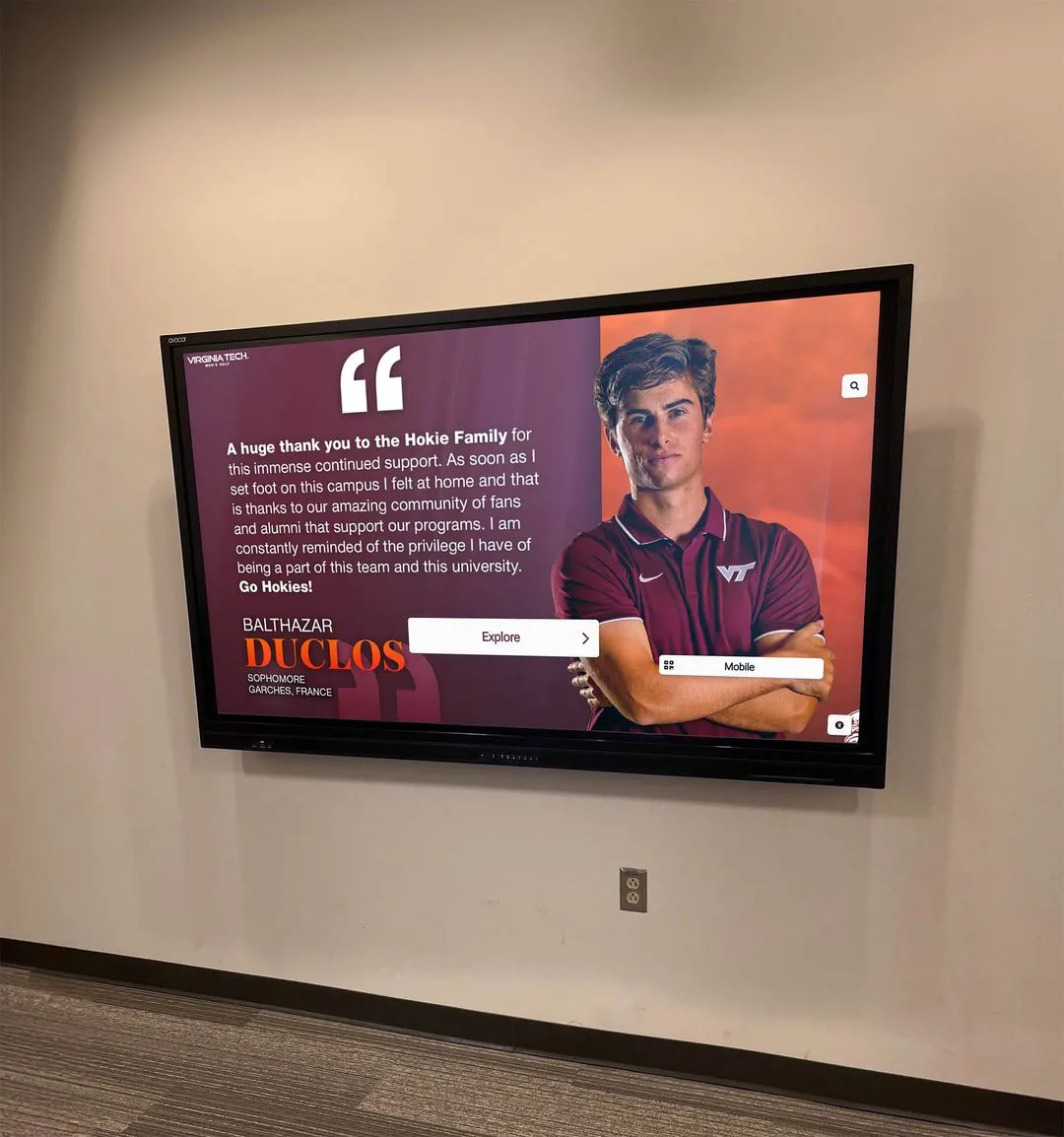
Schools increasingly preserve graduation moments through digital platforms, allowing alumni to revisit ceremonies years later. Solutions like Rocket Alumni Solutions enable institutions to create permanent digital archives where graduation speeches, ceremony photos, and graduate achievements remain accessible through interactive displays and web platforms, ensuring these milestone moments continue inspiring future generations.
Types of Graduation Speakers and Speech Approaches
Effective commencement addresses vary significantly based on speaker identity and institutional context. Understanding different speaker categories helps you align content with audience expectations and leverage unique credibility each speaker type brings.
Student Speakers: Valedictorians and Class Representatives
Student speakers—typically valedictorians, salutatorians, or elected class representatives—bring peer perspective that resonates differently than external keynote addresses.
Strengths:
- Shared experience with graduating class creates immediate credibility
- Inside references to specific events, teachers, or school culture generate authentic connection
- Age-appropriate humor lands naturally without seeming forced or disconnected
- Vulnerability about uncertainty and fear resonates because peers share the same anxieties
Speech Approach:
Student speakers should embrace their unique position rather than attempting to mimic external keynote speakers. The most effective student speeches:
Focus on “We” Rather Than “I”: Frame shared experiences and collective journey rather than individual achievement narratives. Even when sharing personal stories, connect them to broader class experiences that others recognize.
Acknowledge Mixed Emotions: Students can authentically express both excitement and fear about leaving familiar environments. This honesty validates feelings many graduates experience but hesitate to voice.
Thank Specific People: Student speakers serve as class voice, appropriately acknowledging teachers, administrators, families, and community members who supported the class. These acknowledgments carry weight when coming from students rather than administrators.
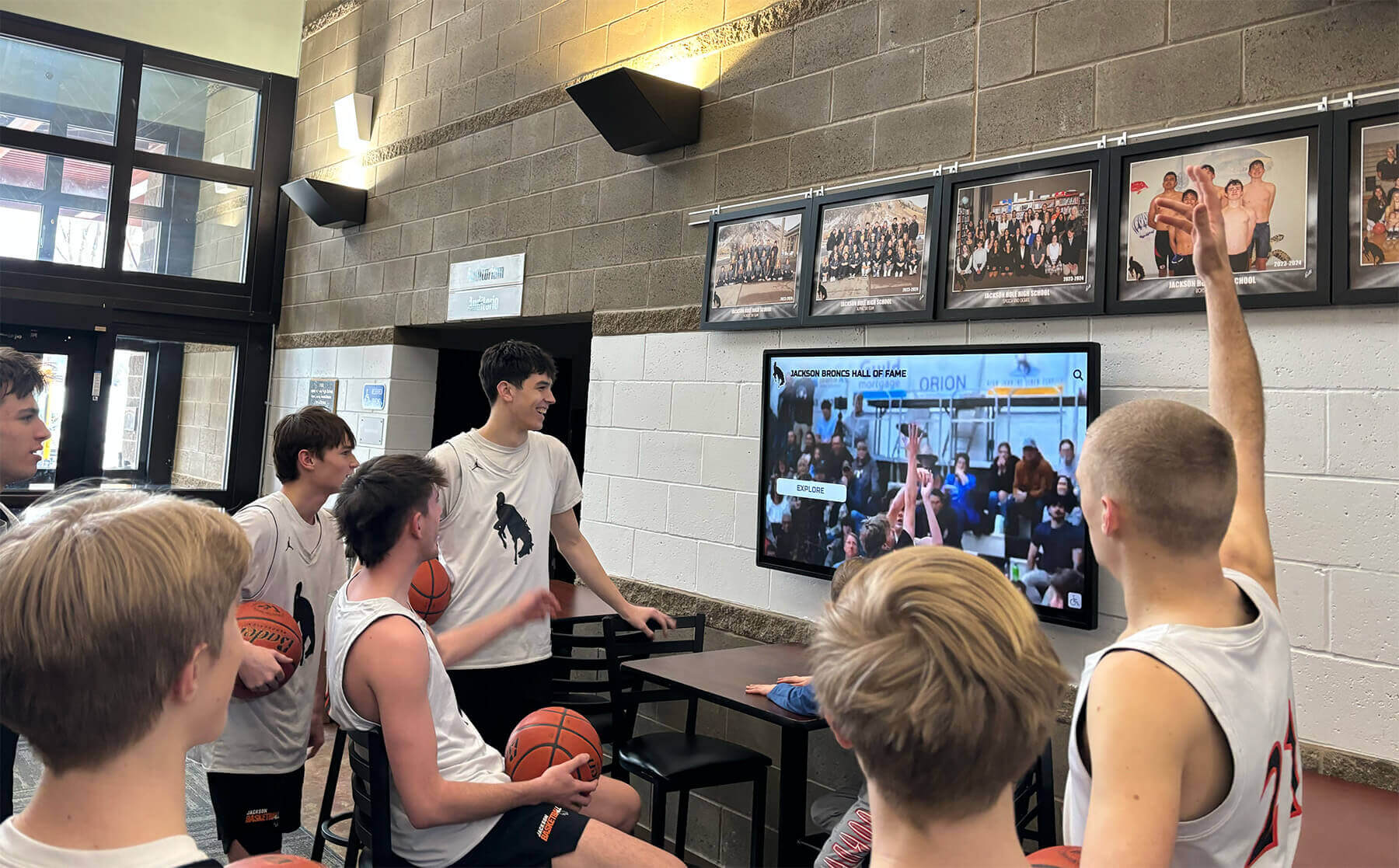
Student perspectives resonate powerfully at graduation, acknowledging shared experiences and collective achievements celebrated through school recognition programs
Example Student Speech Approach:
“When we started freshman year, someone told us high school would fly by. We didn’t believe them—sitting through that first algebra test felt like eternity. But here we are, four years compressed into a blur of Friday night games, group projects where someone never did their part, morning announcements we never listened to, and exactly 720 school lunches that somehow all tasted the same.
We thought we’d have everything figured out by graduation. Instead, most of us are sitting here wondering if we’ll even remember our locker combinations by next week, let alone have life plans perfected. And that’s actually okay…
What we do have that we didn’t four years ago is each other—these specific people, right here, who’ve been through the same triumphs and disasters, who understand references no one else will get, who helped us become who we are today. Whatever comes next, we carry that forward.”
Alumni Speakers: Distinguished Graduates
Successful alumni return as living proof that institutional education leads somewhere meaningful. Their speeches gain credibility through demonstrated achievement while maintaining connection through shared institutional experience.
Strengths:
- “I sat where you’re sitting” credibility creates powerful connection
- Career success demonstrates viable paths forward
- School-specific knowledge enables relevant references and comparisons
- Alumni speakers often genuinely care about institutional legacy
Speech Approach:
Effective alumni speakers avoid two common pitfalls: excessive humility that downplays achievements or success narratives that feel like bragging. The sweet spot involves:
Honest Origin Stories: Share authentic struggles, failures, and doubts experienced as students at this same institution. Graduates need to hear that successful people weren’t always confident or certain.
Unexpected Path Narratives: Most compelling alumni speeches acknowledge that careers rarely follow predicted trajectories. Discuss how plans changed, opportunities emerged unexpectedly, and adaptability mattered more than perfect planning.
Specific Institutional Connections: Reference particular teachers, facilities, programs, or experiences that shaped your development. These specifics prove you’re genuinely connected to the institution rather than delivering generic remarks.
Example Alumni Speech Framework:
“I graduated from this school twenty years ago with absolute certainty about my future—I’d become a corporate attorney, work in New York, and retire by fifty. Reality delivered something completely different—I’m a marine biologist, I live in Hawaii, and I honestly can’t imagine retiring because I love what I do.
The plan failed spectacularly. But something I learned here succeeded: [specific teacher] taught me that curiosity matters more than certainty, and [specific experience] showed me that interesting problems are more valuable than predictable paths. Those lessons shaped everything that came after, including the courage to abandon plans that looked perfect on paper but felt wrong in practice…”
External Keynote Speakers: Accomplished Figures
Schools often invite accomplished individuals—authors, business leaders, nonprofit founders, artists, scientists, or public figures—who bring inspirational narratives and broader perspective beyond institutional boundaries.
Strengths:
- Fresh perspectives from outside institutional culture
- High-profile speakers add prestige to ceremonies
- Diverse career paths and life experiences broaden graduate horizons
- Accomplished speakers often have refined presentation skills
Speech Approach:
External speakers face the challenge of creating connection without shared institutional experience. Successful approaches include:
Research the Institution: Learn about school culture, recent achievements, community characteristics, and current graduate concerns. Generic speeches immediately reveal speakers who didn’t bother learning about their audience.
Universal Themes Through Specific Stories: Share personal narratives that illustrate broader principles applicable to any graduate’s journey. The specificity of your story creates power, while the universality of themes enables application.
Avoid Excessive Self-Promotion: Graduates attend to celebrate their achievements, not hear career advertisements. Frame your experiences as illustrations of principles rather than accomplishments requiring admiration.
Example External Speaker Opening:
“When your principal invited me to speak today, I spent a week learning about this school—reading about your championship debate team, your award-winning robotics program, and your community service initiatives. I discovered something that honestly intimidated me: you’ve already accomplished more than I had by your age, and you’re better prepared for what’s ahead than I was.
So instead of giving advice from someone who has it figured out, I want to share three specific failures that taught me more than all my successes combined…”
Classic Graduation Speech Themes That Resonate
While every speech should reflect the speaker’s authentic voice and experience, certain themes consistently resonate across different audiences and contexts. Understanding these proven frameworks provides starting points you can adapt.
Theme 1: Failure as Foundation
Counterintuitively, some of the most inspiring graduation speeches focus significantly on failure rather than success. This approach works because:
- Graduates face uncertain futures and appreciate hearing that setbacks are normal
- Failure stories humanize accomplished speakers
- Recovery narratives provide practical resilience frameworks
- Acknowledging difficulty validates graduate concerns rather than dismissing them
Implementation Approach:
Share a specific, significant failure you experienced—a rejected application, a failed business, a devastating mistake, a career setback. Detail what went wrong, how you felt, and specifically what you did next. The recovery process matters more than the failure itself.
Connect your specific failure to broader principles about adaptability, persistence, redefining success, or discovering unexpected opportunities. Make the takeaway actionable rather than merely inspirational.
Example Framework:
“Success teaches you that your approach works. Failure teaches you to find new approaches. When I [specific failure], I learned [specific lesson] that completely changed [specific result]. You’ll fail at things that matter to you—that’s not pessimism, it’s probability. What matters is what you do the day after failure…”
Theme 2: Embracing Uncertainty
Graduates often feel pressure to have detailed life plans despite uncertainty about careers, relationships, and goals. Speeches acknowledging that uncertainty is normal—even valuable—provide profound relief.
Implementation Approach:
Challenge the cultural expectation that eighteen-year-olds should have life figured out. Share how your own path emerged through exploration, accidents, and changing priorities rather than following predetermined plans.
Distinguish between having direction (valuable) and having certainty (impossible). Encourage graduates to develop strong values and curiosity that guide decisions even when specific paths remain unclear.
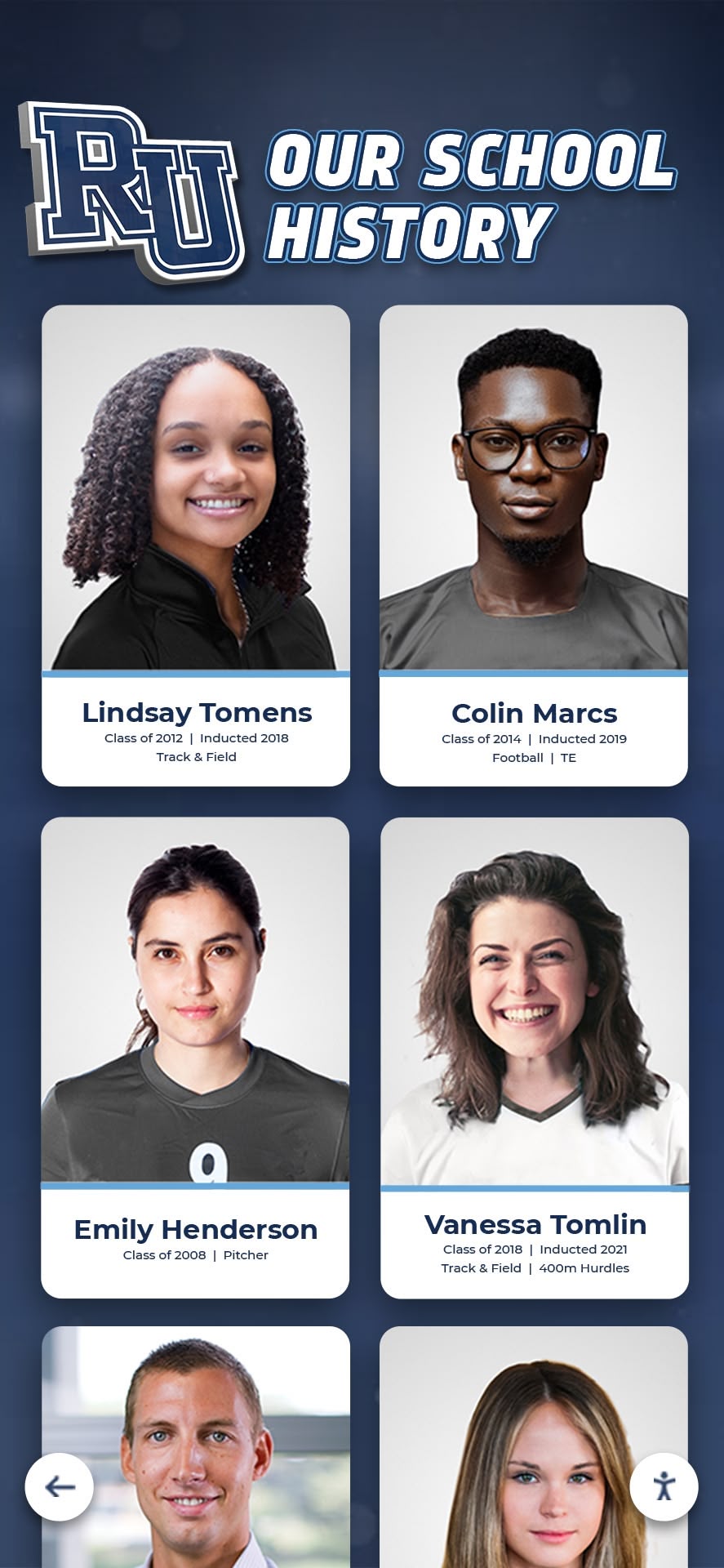
Schools preserve diverse alumni paths and achievements, demonstrating that graduates' futures unfold in unexpected ways through [comprehensive recognition programs](https://best-touchscreen.com/blog/academic-recognition-programs-guide/?utm_source=organic&utm_medium=seo-auto&utm_content=digitalyearbook&utm_campaign=graduation-speech-examples&utm_term=seo) that honor varied accomplishments
Example Framework:
“The question you’re hearing constantly is ‘What are you doing next?’ It implies you should have detailed answers. Let me offer different questions: What problems intrigue you? What injustices anger you? What activities make time disappear? These questions matter more than five-year plans because they guide good decisions even when futures remain uncertain…”
Theme 3: Service and Contribution
Speeches emphasizing contribution beyond personal achievement resonate powerfully, particularly when speakers authentically model service commitments rather than merely advocating them.
Implementation Approach:
Share how your perspective shifted from “What can I achieve?” to “What can I contribute?” Discuss specific moments when helping others, addressing community needs, or working toward causes larger than yourself provided fulfillment that personal success never delivered.
Make service concrete rather than abstract—describe specific actions graduates can take rather than generic encouragement to “make a difference.” Small, specific steps prove more actionable than grand but vague commitments.
Example Framework:
“I spent my twenties chasing traditional markers of success. I achieved several, felt briefly satisfied, then resumed chasing the next goal. The pattern broke when I started [specific service activity]. For the first time, the work itself mattered more than recognition for doing it. That shift changed everything about how I make decisions…”
Theme 4: Defining Success for Yourself
Graduates face intense pressure from cultural expectations, family hopes, and peer comparisons. Speeches encouraging personal definitions of success—and permission to pursue unconventional paths—provide valuable perspective.
Implementation Approach:
Challenge common success metrics—salary, title, prestige—not by dismissing them entirely, but by questioning whether they automatically equal fulfillment. Share how you discovered that your authentic goals differed from expected achievements.
Acknowledge that choosing unconventional paths requires courage and may disappoint people who care about you. Validate this difficulty while encouraging authenticity.
Institutions increasingly celebrate diverse achievements beyond traditional metrics through comprehensive student recognition that honors varied accomplishments from academic excellence to community service, creative achievement, and personal growth.
Example Framework:
“My parents wanted me to become a doctor. I wanted to make them proud, so I pursued pre-med despite hating organic chemistry and feeling energized only in my writing electives. The day I changed majors was terrifying—I felt like I was disappointing everyone. But pursuing work I actually valued rather than work that sounded impressive changed everything about my trajectory and fulfillment…”
Theme 5: Relationships and Community
Research consistently shows that meaningful relationships predict life satisfaction more reliably than achievement, wealth, or fame. Speeches emphasizing connection often resonate deeply.
Implementation Approach:
Share how relationships—mentors who believed in you, collaborators who challenged you, friends who supported you during difficulties—shaped your development more significantly than individual accomplishments.
Encourage graduates to invest in relationships with the same intentionality they apply to career development. Make this concrete by discussing how you’ve maintained meaningful connections despite busy schedules and geographic distance.
Example Framework:
“The most important decisions you’ll make in the next decade aren’t about careers or locations—they’re about which relationships you prioritize and nurture. The people in your life shape who you become more powerfully than any job title. Choose them thoughtfully, invest in them consistently, and let them see you authentically…”
Speech Structure: Frameworks That Work
Content matters tremendously, but structure determines whether audiences absorb and remember your message. Effective graduation speeches follow recognizable patterns that create clarity and impact.
The Classic Three-Point Structure
The most common effective structure organizes content around three main ideas, lessons, or principles.
Why This Works:
- Three points create digestible organization without overwhelming complexity
- Repetition of “three things” creates memorable rhythm
- Audiences can follow progressive development through clear stages
Implementation:
Opening (2-3 minutes): Hook with compelling story, question, or observation. Establish credibility. Preview three main points explicitly: “I want to share three lessons that shaped my journey…”
Point 1 (3-4 minutes): Share specific story or example illustrating first principle. Extract the lesson explicitly—don’t assume audiences will automatically grasp your intended takeaway.
Point 2 (3-4 minutes): Introduce second principle through different story or perspective. Vary your examples to maintain interest.
Point 3 (3-4 minutes): Present final principle, ideally building toward your strongest or most important message.
Closing (2-3 minutes): Briefly recap three principles. Issue specific challenge or call to action. End with memorable final statement.
Total: 13-18 minutes
The Journey Narrative Structure
This approach organizes the speech chronologically through your personal journey, extracting lessons at key transition points.
Why This Works:
- Narrative structure feels natural and engaging
- Chronological organization provides inherent logic
- Personal journey creates intimacy and connection
Implementation:
Opening: Begin at a pivotal moment that hooks attention, then explain you’ll share your journey from that point.
Early Experience: Describe formative experience from youth or education that established initial direction or beliefs.
First Challenge: Share obstacle or failure that disrupted your path. Explain what you learned and how it changed your trajectory.
Evolution: Describe how subsequent experiences built on early lessons, acknowledging that understanding deepened over time.
Current Perspective: Share where those accumulated lessons have led you and how they inform how you approach challenges now.
Closing: Connect your journey to graduates’ beginning journeys, acknowledging that their paths will differ from yours while underlying principles remain universal.
The Problem-Solution Structure
This approach identifies challenges graduates will face and offers frameworks for addressing them effectively.
Why This Works:
- Acknowledges graduate concerns rather than dismissing them
- Provides practical value beyond inspiration
- Creates relevance by addressing real issues
Implementation:
Opening: Identify universal challenge graduates face—uncertainty about future, comparison with peers, fear of failure, pressure to succeed immediately.
Validation: Acknowledge this challenge is real and difficult. Share your own experience with this issue.
Framework: Present practical approach for navigating this challenge. Make it specific and actionable.
Second Challenge: Introduce additional obstacle with corresponding framework.
Integration: Show how these frameworks work together, creating resilience system rather than isolated tactics.
Closing: Encourage graduates to apply these frameworks while acknowledging that challenge persists—the goal is capability, not elimination of difficulty.

Modern graduation speeches reach extended audiences through digital platforms that enable sharing and preservation beyond ceremony day
Crafting Your Opening: First Impressions Matter
Your opening 60-90 seconds determine whether audiences engage or tune out. Effective openings accomplish several goals simultaneously: capture attention, establish credibility, create connection, and preview what’s coming.
Opening Approaches That Work
The Unexpected Statement: Begin with counterintuitive or surprising assertion that challenges common assumptions.
Example: “I hope you fail at something important in the next year. Not because I’m cruel, but because you need to discover you’ll survive failure before you take meaningful risks…”
The Personal Vulnerability: Share honest moment of doubt, fear, or inadequacy that humanizes you immediately.
Example: “Standing here terrifies me more than anything I’ve faced professionally. Public speaking has always been my greatest fear, which makes accepting this invitation particularly ironic. But I said yes specifically because I’m afraid—there’s something I need to tell you that matters more than my comfort…”
The Vivid Scene: Drop audiences into specific moment through sensory detail that creates immediate presence.
Example: “It’s 2:00 AM in a fluorescent-lit computer lab. The paper is due at 8:00 AM. I haven’t slept in thirty hours. And I’ve just discovered that my entire thesis argument is based on a source I misunderstood. Sitting in that lab, certain I’d fail, I learned something that shaped the next two decades of my career…”
The Provocative Question: Pose question that makes audiences think differently about familiar concepts.
Example: “How many of you know exactly what you want to do with your lives? Keep your hands up… Now, how many of you hope your certainty is wrong? Strange question, right? But the truth is, the surest path to limited life is being certain at twenty-two about who you’ll be at forty…”
Openings to Avoid
The Apology Opening: Never begin by apologizing for being nervous, unprepared, or inadequate for the task. These apologies undermine credibility immediately and create uncomfortable dynamic.
The Generic Congratulations: Opening with “Congratulations graduates, families, and faculty…” wastes crucial attention. Skip the obvious acknowledgments and begin with substance.
The Joke That Doesn’t Land: Unless you’re genuinely skilled at humor and confident the joke works for this specific audience, avoid beginning with attempted comedy. Failed jokes create awkwardness that’s difficult to overcome.
The Resume Recitation: Don’t open by listing your accomplishments or credentials. Your introduction establishes that—audiences don’t need repetition.
Delivery Techniques: How You Speak Matters
Even brilliantly written content falls flat with poor delivery. Effective presentation requires attention to specific techniques that enhance rather than distract from message.
Pace and Pause
Nervous speakers race through content, denying audiences time to absorb ideas. Intentional pacing creates impact.
Slow Down Significantly: Record yourself practicing, then reduce speed by 25%. What feels uncomfortably slow to you likely sounds appropriately paced to audiences.
Use Strategic Pauses: After making important points, pause for 3-4 seconds. This silence allows ideas to land and signals significance. Don’t fear silence—it creates emphasis.
Vary Your Rhythm: Alternate between sections with energy and momentum and quieter, slower moments for reflection. Monotonous pacing, even if individually appropriate, loses audiences through repetition.
Eye Contact and Physical Presence
Connection happens through direct engagement, not through reading manuscripts or staring at slides.
Memorize Your Opening: Know your first 2-3 minutes without notes so you can establish eye contact immediately. First impressions set tone for entire speech.
Use Notes Strategically: If you need notes for longer speeches, use brief outline that captures key points rather than full manuscript. Glance down briefly to confirm next point, then deliver while looking at audience.
Scan the Entire Audience: Consciously look at different sections—left, center, right, back—ensuring everyone feels included rather than addressing only front rows.
Embrace Natural Movement: If you’re comfortable moving, do so purposefully to emphasize transitions. If you prefer staying put, that’s fine—authenticity matters more than forced energy.
Vocal Variety
Monotone delivery bores audiences regardless of content quality. Vocal variation maintains engagement.
Volume Variation: Use louder volume for energetic moments and softer volume for intimate or serious content. Dramatic volume shifts create emotional impact.
Tonal Shifts: Vary pitch to avoid flat delivery. Emphasize important words through tonal change rather than just volume.
Emotional Authenticity: Allow genuine emotion into your voice when sharing meaningful moments. Audiences connect with authentic feeling more than polished perfection.
Managing Nerves
Even experienced speakers feel nervous. Managing anxiety becomes crucial.
Reframe Nervousness: Recognize that anxiety and excitement create identical physical sensations. Tell yourself you’re excited rather than nervous—this cognitive reframing actually reduces anxiety.
Breathe Intentionally: Before beginning, take three deep breaths, holding each for four seconds. This physiologically reduces stress response.
Focus Outward: Anxiety increases when you focus on yourself—how you sound, whether you’re doing well. Shift attention to your message and serving your audience. This external focus reduces self-consciousness.
Accept Imperfection: You’ll make small mistakes—losing place briefly, stumbling over words, forgetting minor points. Audiences forgive these instantly. Acknowledge if needed (“Let me rephrase that…”) and continue. Don’t dwell on small errors.
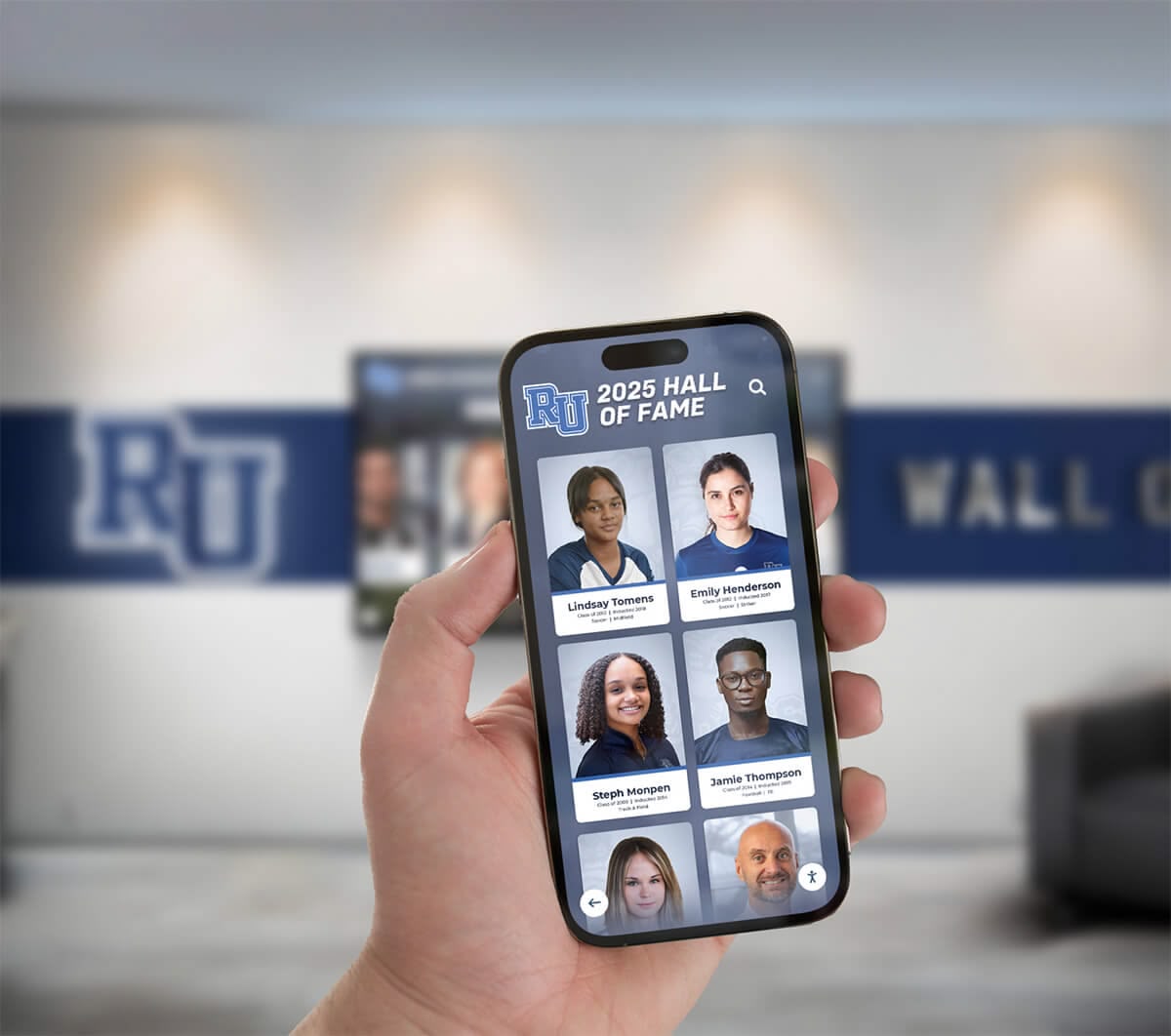
Graduation speeches gain lasting impact when preserved through digital platforms enabling alumni to revisit and share ceremony moments years later
Making Your Speech Memorable: Techniques That Stick
Audiences forget most content within days. Memorable speeches employ specific techniques that increase retention and create lasting impact.
The Power of Specific Stories
Abstract principles disappear quickly. Concrete stories with specific details stick.
Use Sensory Details: Don’t say “I was nervous before my interview.” Say “I sat in the waiting room watching the clock tick, noticing my damp palms staining the resume I clutched, trying to remember a single prepared answer while my mind went completely blank.”
Name People and Places: Specific details create authenticity. Generic stories feel fabricated; specific stories feel real.
Share Vulnerability: Stories where you struggle, fail, or feel uncertain resonate more powerfully than triumph narratives. Audiences remember your humanity more than your accomplishments.
Repeating Key Phrases
Strategic repetition creates rhythm and emphasis that aids memory.
Create a Refrain: Develop phrase you repeat throughout speech, particularly at transition points. “The question isn’t whether you’ll face obstacles—it’s how you’ll respond when you do” might bookend each major section.
Rule of Three: When listing examples or principles, use parallel structure with three items. “You’ll need courage to try, humility to learn, and persistence to continue” sticks better than four or five items without pattern.
Call-Back Technique: Reference earlier stories or phrases later in speech, creating connections that reinforce messages. “Remember that 2:00 AM moment in the computer lab I described? That desperation taught me…”
Ending Strong
Your closing determines what audiences remember most. Weak endings undermine otherwise strong speeches.
Don’t Taper Off: Many speakers lose energy at the end, treating conclusions as formality rather than climax. Your ending should increase rather than decrease intensity.
Issue Specific Challenge: Rather than generic “go forth and succeed,” provide concrete challenge audiences can act on: “In the next week, reach out to someone who supported you and specifically thank them for one thing they did that mattered…”
Circle Back to Opening: If you began with story, question, or image, return to it in conclusion showing how your speech provided answer, resolution, or new perspective.
Final Sentence Matters: Your last sentence should be quotable and memorable. Write it carefully and deliver it with conviction. Then stop—don’t dilute power with additional remarks.
Example Strong Closing:
“I opened by sharing that 2:00 AM moment when I thought I’d fail. What I didn’t tell you was what happened next. I walked outside, looked at stars, and made a decision: I’d rather fail trying something hard than succeed at something easy. That decision shaped everything that followed.
You’re standing at your own 2:00 AM moment—not in crisis, but at decision point. You’ll choose thousands of times in coming years between safe paths and meaningful ones, between impressive accomplishments and authentic ones, between what others expect and what you value.
I can’t tell you which choices are right—those are yours to make. But I can challenge you with this: in thirty years when you reflect on your life, you won’t regret the risks that didn’t work. You’ll regret the risks you didn’t take because you were afraid.
Choose courage. Choose authenticity. Choose meaning over impression. And when you find yourself at 2:00 AM moments wondering if you’ve failed, remember that you’re exactly where you need to be to discover what you’re capable of becoming.
Congratulations, graduates. Now go fail at something important.”
Preserving and Sharing Graduation Moments
Powerful speeches deserve audiences beyond ceremony attendees. Schools increasingly recognize that graduation represents milestone worth preserving permanently and sharing broadly.
Digital Preservation of Commencement Content
Modern technology enables institutions to capture and maintain graduation content in ways that traditional photo albums never could.
Video Recording and Streaming: Live-streaming ceremonies extends access to family members who cannot attend physically. Archived video enables graduates to revisit speeches years later, often finding new meaning in messages they couldn’t fully appreciate at eighteen.
Ceremony Integration with Recognition Systems: Progressive schools integrate graduation content into broader digital recognition platforms that preserve not just speeches but complete ceremony context—graduate achievements, honors received, class milestones, and memorable moments.
These comprehensive systems create permanent digital archives where community members can explore graduation history, discover how commencement traditions evolved, and revisit ceremonies from specific years. Alumni returning for reunions often spend significant time exploring graduation displays, reconnecting with ceremony memories that shaped their transitions from students to alumni.
Social Sharing and Alumni Connection: When schools make graduation content easily shareable, graduates extend ceremony reach through personal networks. This sharing maintains institutional connection and enables alumni to share advice and wisdom with younger students considering similar paths.
Digital platforms like Rocket Alumni Solutions provide schools with integrated systems that combine ceremony preservation with ongoing alumni engagement. These solutions enable institutions to showcase graduation speeches alongside graduate profiles, achievement recognition, and alumni success stories—creating comprehensive digital environments that honor both ceremony tradition and individual accomplishment.
Creating Lasting Recognition of Graduate Achievement
Graduation ceremonies celebrate individual achievement within collective experience. Schools that effectively recognize academic excellence through permanent displays create environments where commencement speeches gain additional context and meaning.
When visitors encounter digital displays featuring distinguished graduates, academic achievers, and ceremony highlights, they experience graduation not as single event but as ongoing tradition connecting generations. These recognition systems preserve the context that makes commencement speeches meaningful—honoring both speakers’ wisdom and graduates’ accomplishments.
Schools implementing comprehensive recognition programs report that graduation content integrated with broader achievement displays receives significantly higher engagement than isolated ceremony archives. The connection between inspirational speeches and concrete graduate achievements creates powerful narrative about institutional impact.
Practical Preparation Timeline
Effective speeches require sufficient preparation time. This timeline provides realistic framework:
6-8 Weeks Before
- Accept invitation and understand expectations: Clarify speech length, ceremony format, audience composition, and any specific themes or topics requested
- Research the institution: Learn about school culture, recent achievements, graduating class characteristics, and community context
- Identify your core message: Determine the single most important idea you want graduates to remember
4-6 Weeks Before
- Develop detailed outline: Organize main points, supporting stories, and examples following chosen structural approach
- Draft first version: Write complete draft focusing on content rather than polish
- Test with trusted readers: Share draft with 2-3 people who’ll provide honest feedback about clarity, impact, and appropriateness
2-4 Weeks Before
- Revise based on feedback: Strengthen weak sections, eliminate unnecessary content, ensure clear progression of ideas
- Time your speech: Read aloud and adjust length to fit precisely within time constraints, accounting for pauses and audience response
- Memorize opening and closing: Know beginning and end without notes for maximum impact
1-2 Weeks Before
- Practice delivery: Rehearse complete speech at least 5-7 times, focusing on pacing, pauses, and emphasis
- Record yourself: Video record full delivery to identify verbal tics, awkward moments, or areas needing adjustment
- Prepare notes: Create brief outline or note cards with key points in large, easy-to-read format
Final Week
- Practice in realistic conditions: If possible, practice in actual ceremony space or similar environment
- Finalize logistics: Confirm sound system arrangements, where you’ll stand, how you’ll be introduced
- Mental preparation: Visualize successful delivery, focus on serving audience rather than performance anxiety
Day Before
- Review lightly: Read through speech once to refresh memory, but avoid over-practicing that increases nervousness
- Rest and hydrate: Get adequate sleep and drink plenty of water
- Prepare physically: Select appropriate clothing, print backup notes, charge any devices needed
Day Of
- Arrive early: Get comfortable in space, test microphone, confirm logistics
- Brief relaxation: Spend 10 minutes in quiet space doing breathing exercises and reviewing opening
- Focus outward: Remind yourself you’re serving graduates by sharing valuable perspective—this shifts attention from performance anxiety to purpose
Moving Forward: Your Commencement Speech Opportunity
Creating memorable graduation speeches requires balancing universal principles with authentic personal voice. The frameworks, themes, and techniques outlined here provide starting points, but the most powerful addresses emerge when you speak truthfully from your own experience, addressing graduates as the unique individuals and community they represent.
Whether you’re a student speaker honoring classmates’ journey, a distinguished alumnus returning to inspire the next generation, or an accomplished professional sharing hard-won wisdom with bright young minds, your words carry weight that extends far beyond ceremony day. Graduates may not remember every story you share or every principle you emphasize, but they’ll remember how you made them feel—seen, valued, challenged, and inspired as they step into uncertain futures.
The pressure to deliver profound wisdom can feel overwhelming, but remember that authenticity resonates more powerfully than polish. Graduates don’t need perfect speeches—they need honest ones. They don’t need generic inspiration—they need specific frameworks they can apply when facing real challenges. They don’t need to hear that everything will be easy—they need confidence that they’ll handle difficulty when it arrives.
Your unique perspective, whether shaped by decades of experience or by sharing the graduate journey as a peer, provides value no one else can offer. Trust that your authentic voice, combined with thoughtful preparation and genuine care for your audience, will create the kind of speech graduates carry forward as they build lives worthy of the education and community that shaped them.
Ready to preserve your school’s graduation traditions and celebrate graduate achievements in ways that extend far beyond ceremony day? Discover how Rocket Alumni Solutions creates comprehensive digital platforms that honor commencement moments, showcase graduate accomplishments, and maintain lasting connections between institutions and alumni communities.