Walking across the stage at graduation transforms into something far more meaningful when you understand the colorful sashes, stoles, and cords draped over academic gowns. Each piece of ceremonial regalia tells a specific story—academic honors earned through years of dedication, cultural heritage celebrated publicly, organizational affiliations acknowledged formally, or leadership roles recognized officially. Yet confusion surrounds nearly every aspect of graduation regalia, leaving students and families wondering what different colors signify, which honors warrant specific adornments, and how to wear multiple pieces simultaneously without looking disheveled.
The visual language of graduation sashes and stoles creates instant recognition during ceremonies. Honor students stand out through distinctive gold cords, cultural organizations celebrate identity through vibrant stoles bearing meaningful symbols, and academic excellence receives visible acknowledgment that families photograph and preserve for generations. These ceremonial accessories represent far more than decorative additions—they validate achievement, honor heritage, and create lasting memories connecting graduates to educational traditions spanning centuries.
This comprehensive guide clarifies everything about graduation sashes and stoles—from historical origins through modern color symbolism, from proper wearing techniques through the various honor levels they represent. Whether you’re a student preparing for commencement, a parent trying to understand your graduate’s achievements, or an educator designing recognition programs, this resource provides the knowledge needed to appreciate graduation regalia fully.
Understanding graduation regalia enables students to wear their honors correctly and proudly, families to celebrate achievements meaningfully, and schools to design recognition systems that honor excellence appropriately. These visual markers represent years of sustained effort while creating ceremony moments that resonate emotionally long after diplomas are received.

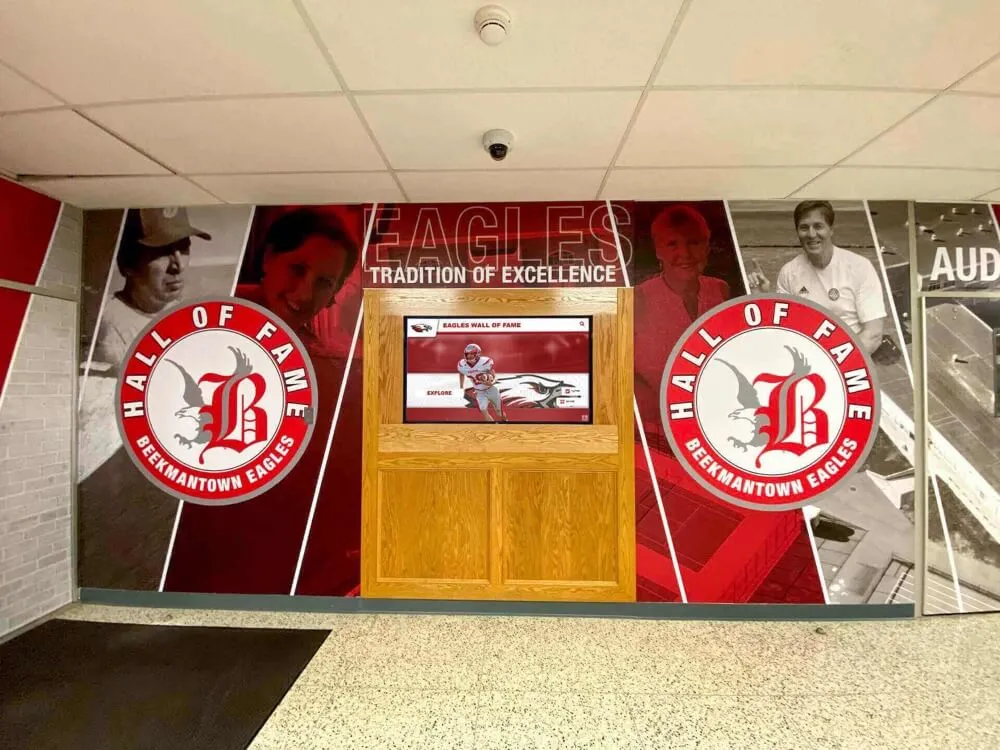
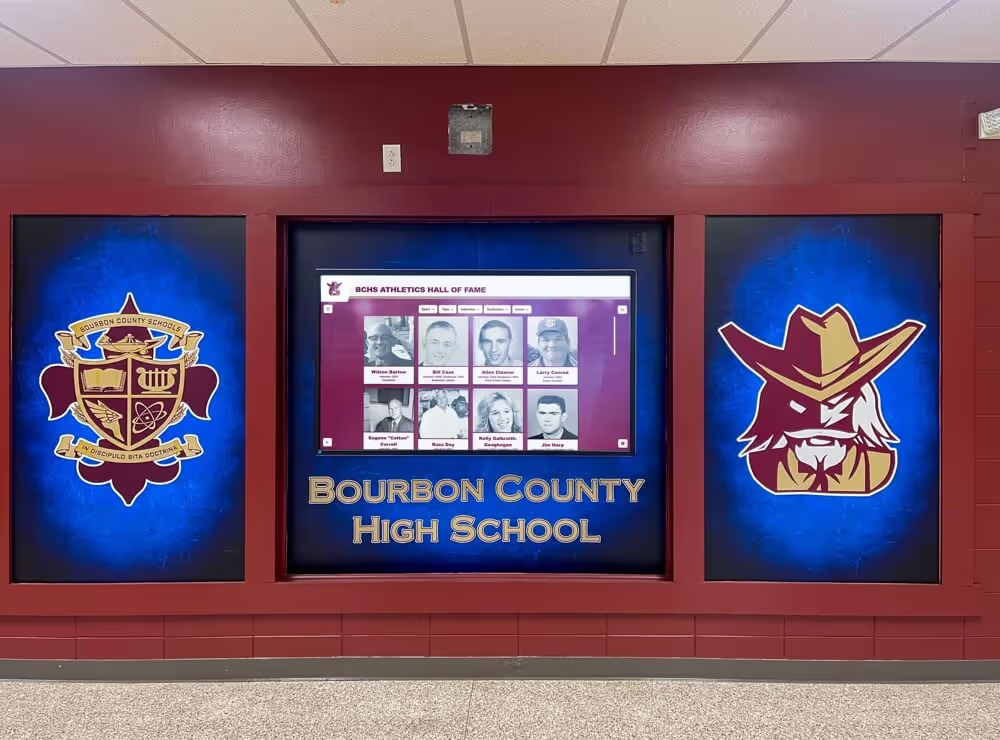
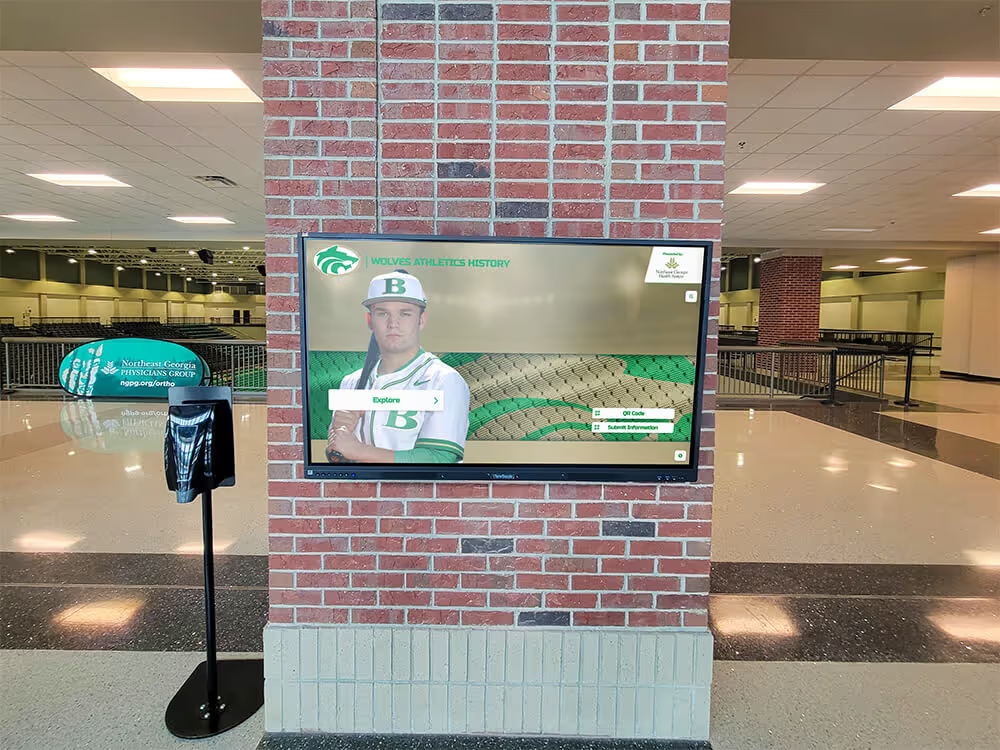
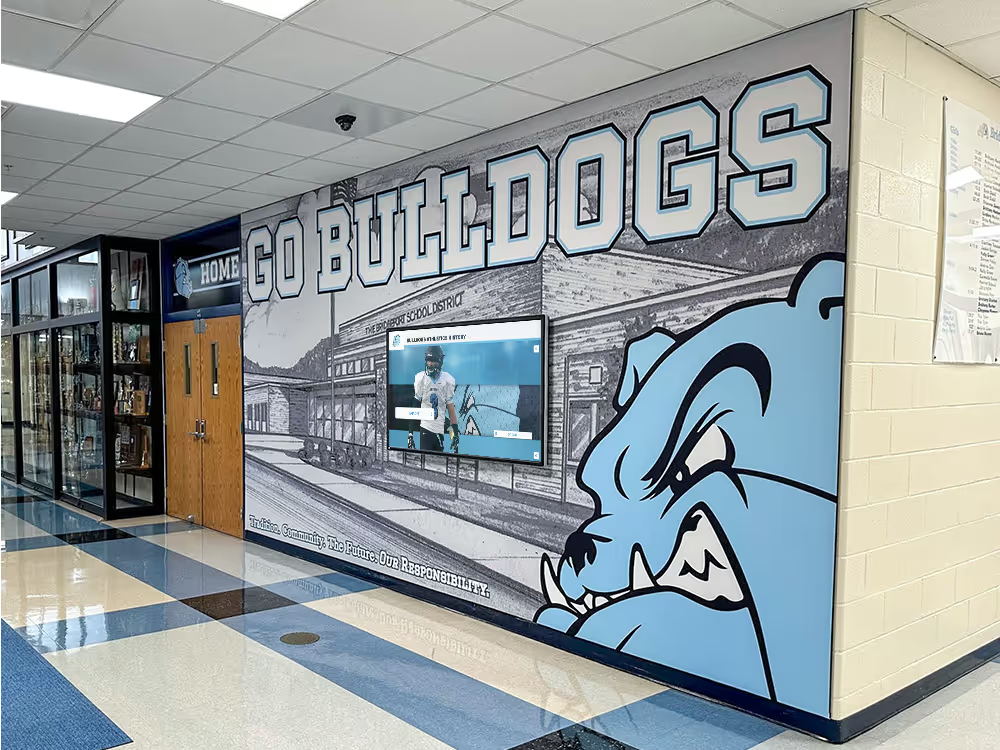
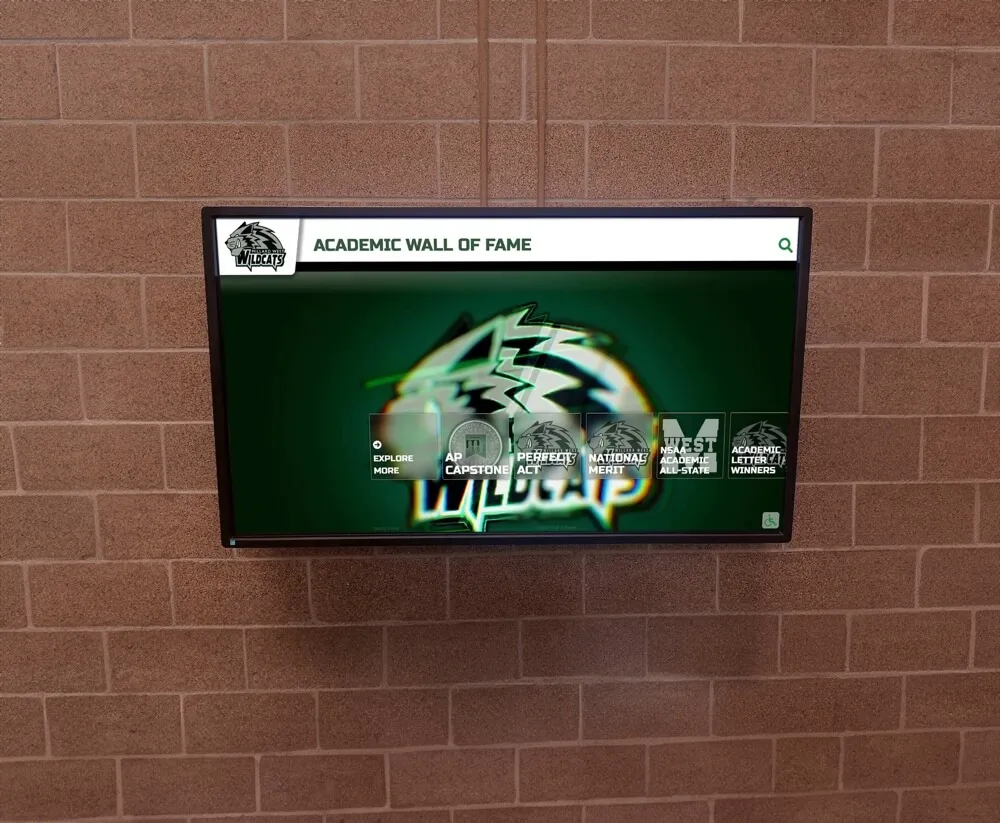
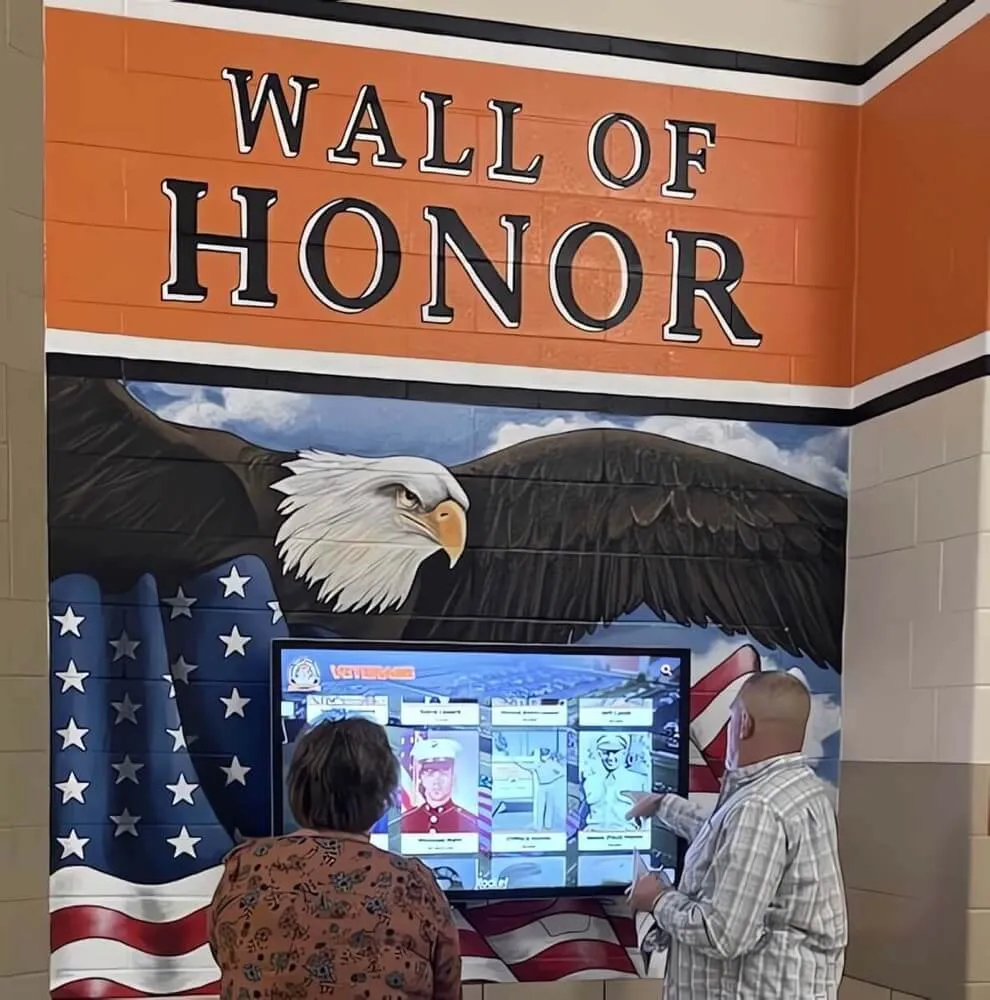
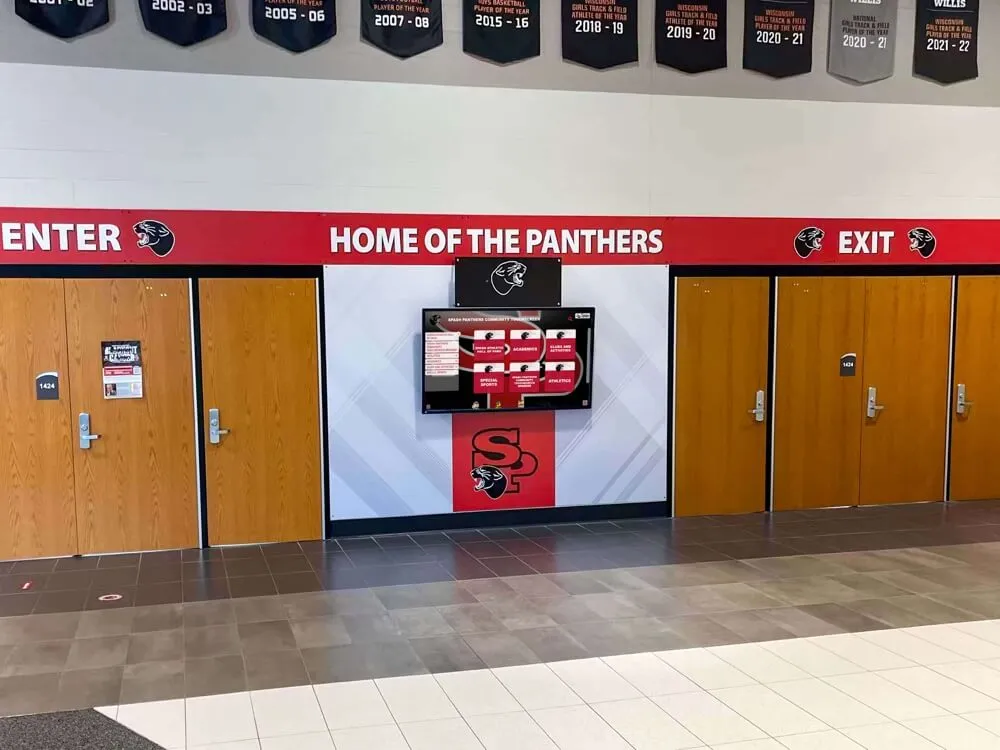
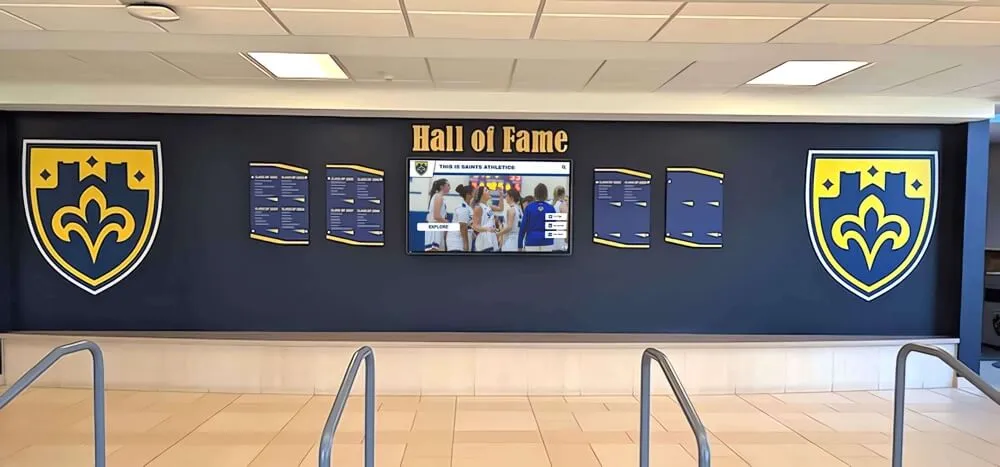
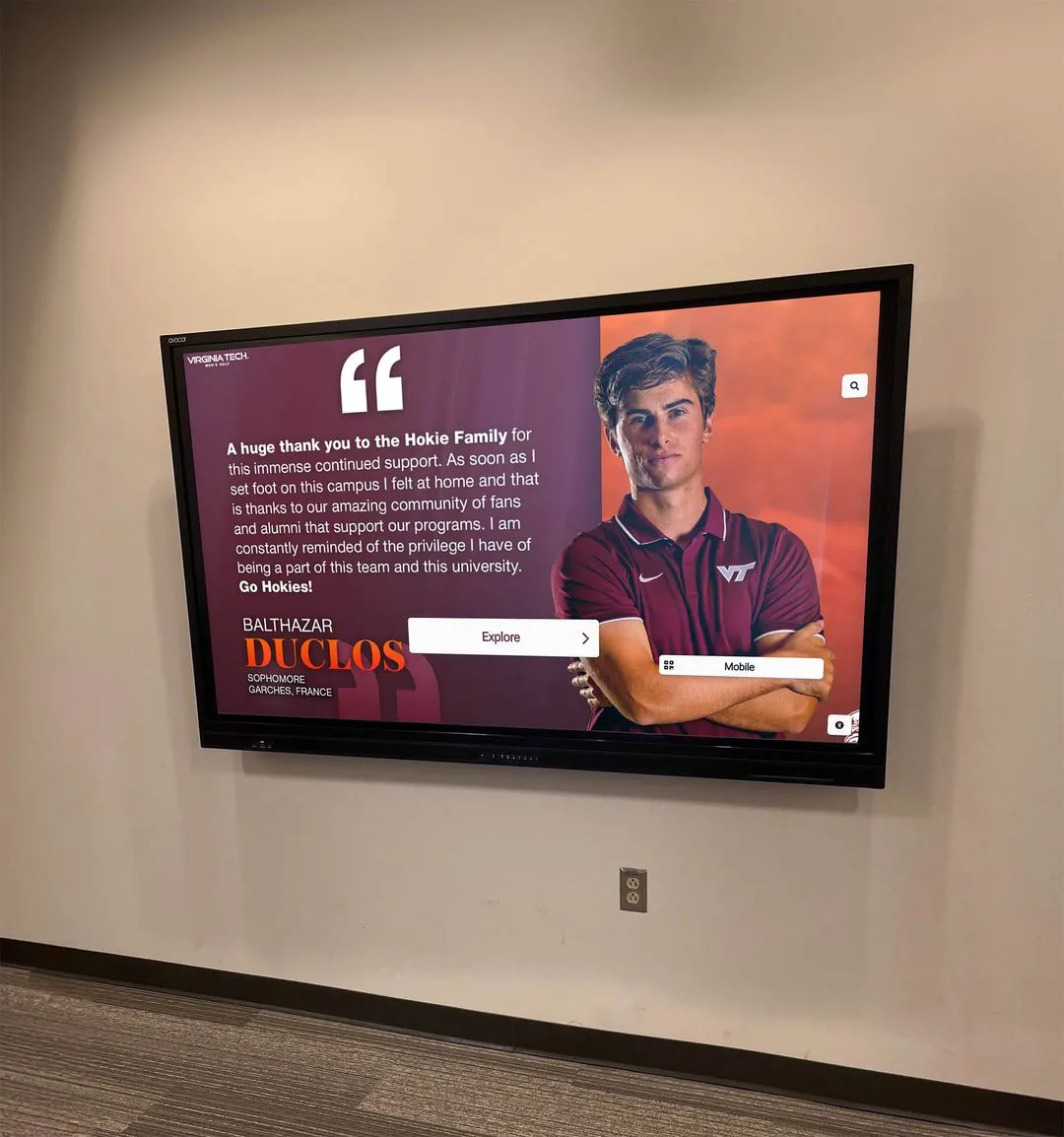
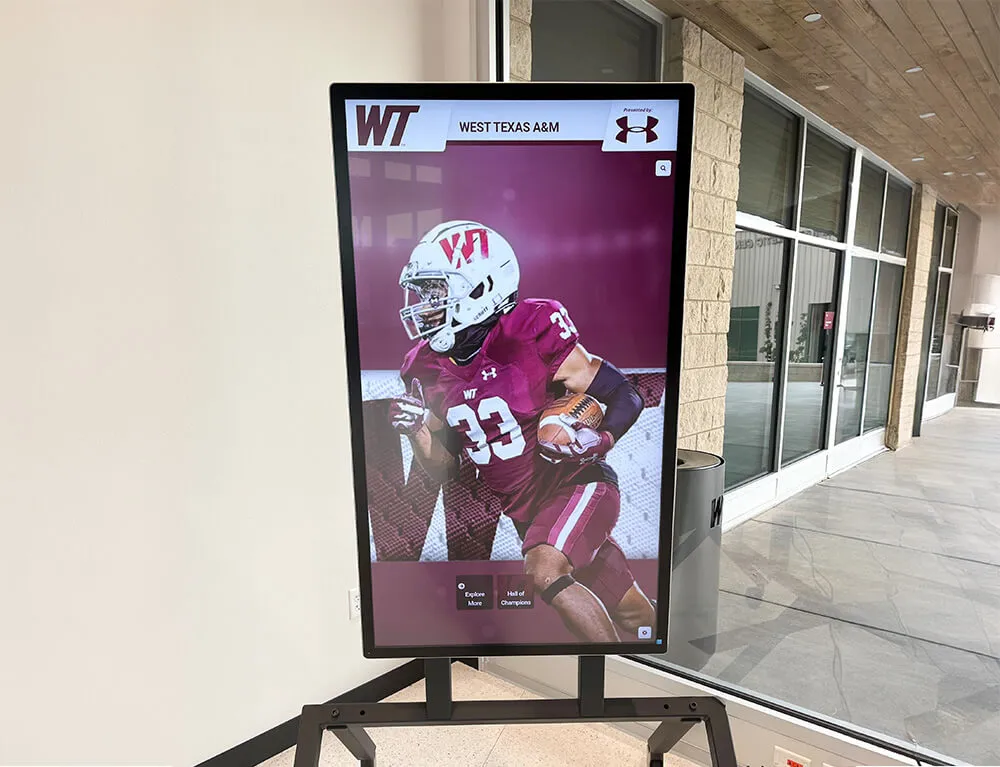
Graduation sashes and stoles represent academic achievements that schools celebrate through ceremony and permanent recognition displays honoring excellence
Understanding Graduation Sashes vs. Stoles vs. Cords
Before exploring specific meanings and wearing techniques, clarity about terminology prevents confusion:
Graduation Sashes Defined
Graduation sashes are long fabric strips worn diagonally across the torso, typically from one shoulder down to the opposite hip. These wide bands of cloth—usually 4-6 inches across and 60-80 inches long—drape across the front of graduation gowns creating distinctive diagonal lines visible from audience seating.
Primary Uses for Sashes:
- Honor society membership recognition
- Academic achievement levels (honor roll, dean’s list)
- School-specific awards and distinctions
- Graduating class officer positions
- Special program completion acknowledgment
- Institutional traditions unique to specific schools
Sashes typically display single colors or simple two-color combinations, sometimes featuring printed text, embroidered designs, or organizational logos identifying the specific honor represented.
Graduation Stoles Explained
Graduation stoles are decorative scarves worn draped around the neck with both ends hanging down the front of graduation gowns. Generally narrower than sashes—approximately 2-4 inches wide and 60-90 inches long—stoles hang straight down rather than crossing diagonally.
Common Stole Purposes:
- Cultural heritage and ethnic identity celebration
- Religious organizational affiliations
- Academic department or major recognition
- Community service organization membership
- Greek life fraternity and sorority identification
- Multicultural student group representation
- International student cultural associations
Stoles often feature elaborate designs including embroidered symbols, cultural patterns, organizational crests, meaningful text, and vibrant color combinations representing specific groups or achievements.

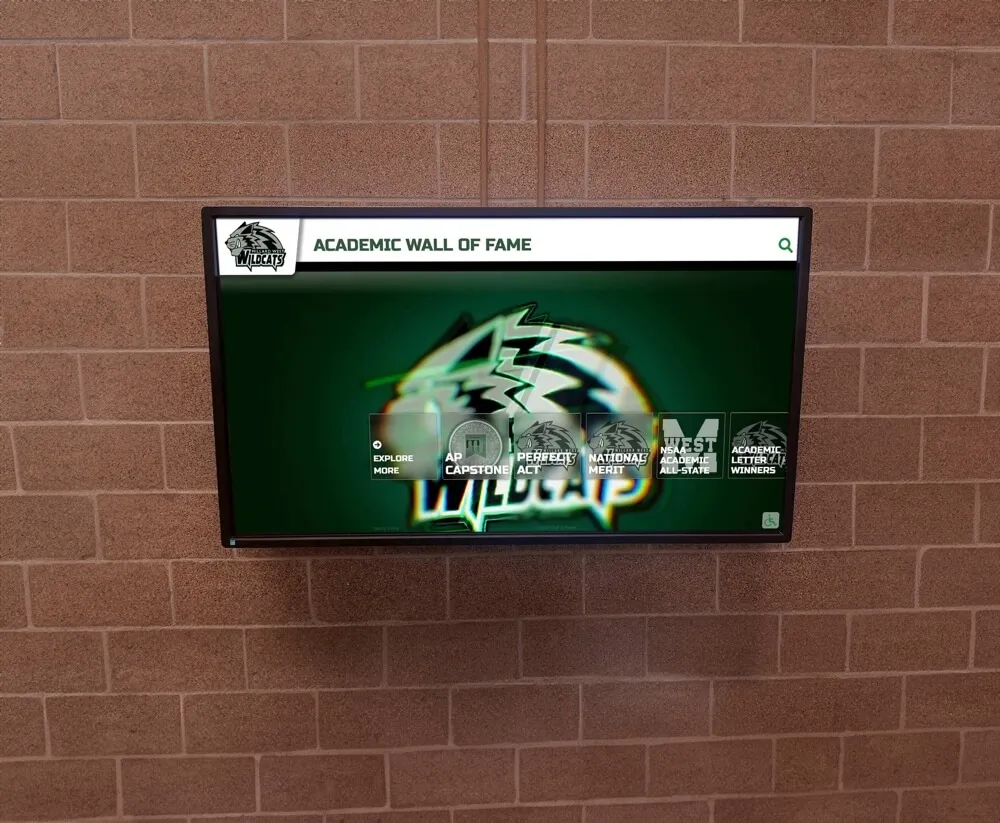
Schools document complete achievement journeys including the honors represented by graduation sashes through comprehensive recognition displays
Honor Cords Distinguished
Honor cords consist of two or more intertwined ropes with decorative tassels at each end, worn draped around the neck similar to stoles but distinctly rope-textured rather than fabric.
Typical Cord Meanings:
- Latin honors recognition (cum laude, magna cum laude, summa cum laude)
- Honor society memberships (National Honor Society, subject-specific societies)
- Academic achievement levels based on GPA thresholds
- Specialized program completion (International Baccalaureate, Advanced Placement)
- Competition achievements and academic team participation
- Scholarship recipient identification
Multiple honor cords may be worn simultaneously, creating layered displays when students earn recognition across several categories. The rope texture distinguishes cords from fabric stoles even when viewed from distance.
Schools implementing comprehensive academic recognition programs often utilize combinations of sashes, stoles, and cords to acknowledge diverse achievements clearly.
Graduation Sash and Stole Color Meanings
Color symbolism in graduation regalia follows established academic traditions, though individual institutions may adapt standard meanings:
Standard Academic Honor Colors
Gold/Yellow Graduation Sashes The most common academic honor color:
- General academic excellence and high achievement
- Honor roll and dean’s list recognition
- GPA-based academic awards
- National Honor Society membership
- Top percentage of graduating class designation
- Universal symbol of scholarly achievement
Gold remains graduation’s most prestigious color, immediately signaling academic distinction to ceremony attendees.
White Graduation Sashes and Stoles Representing purity and beginning:
- Humanities disciplines (English, history, languages)
- Arts and liberal studies programs
- Religious studies and theology
- Community service and volunteer recognition
- Student government and leadership roles
- Cultural and heritage celebration in some traditions
Red Graduation Sashes and Stoles Symbolizing courage and passion:
- Journalism and communications majors
- Athletic achievement and sports participation
- Theater and performing arts programs
- Community leadership recognition
- Political science and government studies
- Courage in advocacy or activism
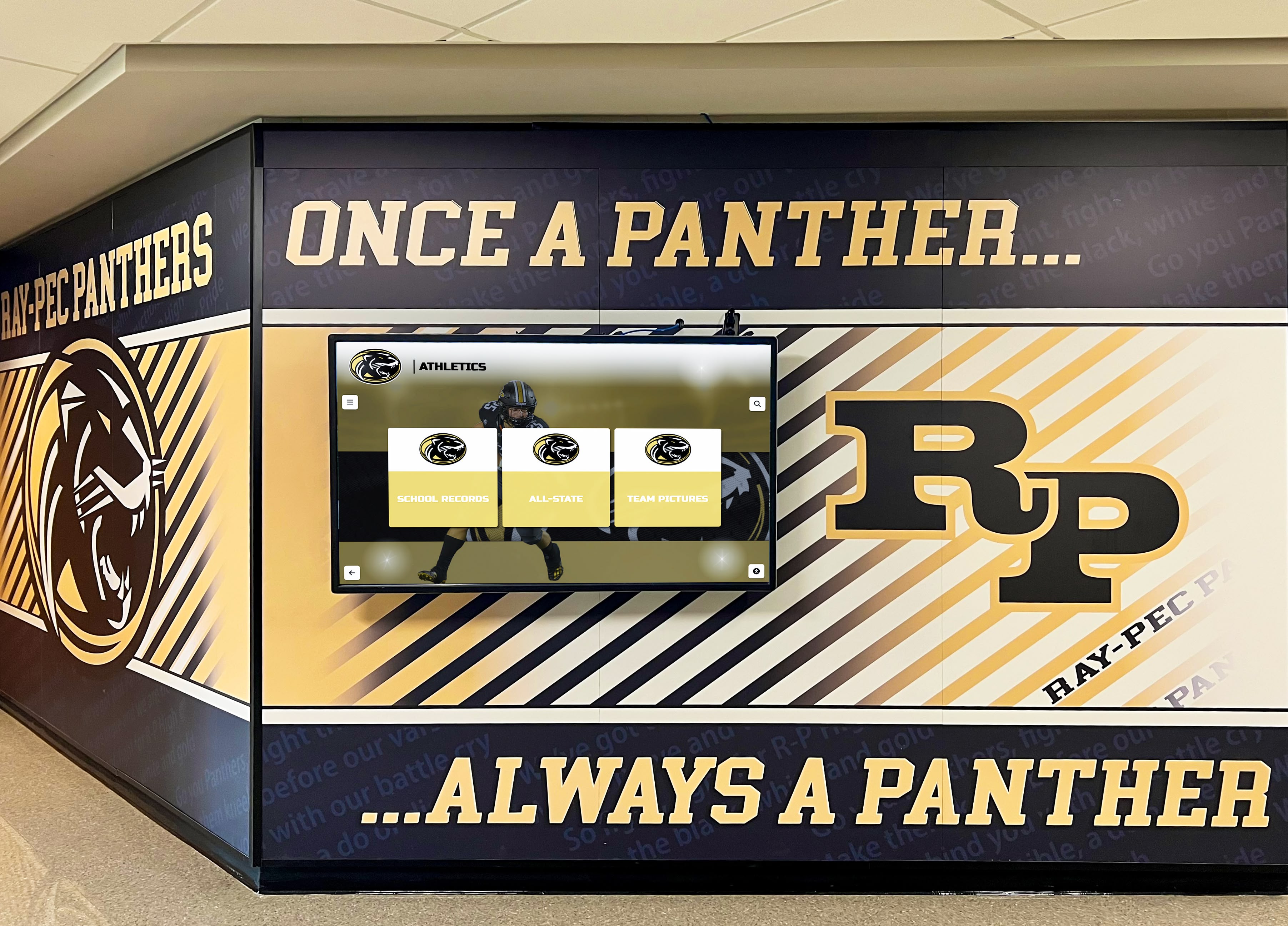
Achievement displays throughout campus celebrate the honors represented by graduation regalia worn during commencement ceremonies
Blue Graduation Sashes and Stoles Indicating wisdom and knowledge:
- Philosophy and intellectual disciplines
- Educational studies and teaching programs
- Public policy and administration
- Legal studies and pre-law programs
- Science and STEM achievement in some traditions
- Loyalty and service-based honors
Green Graduation Sashes and Stoles Representing growth and renewal:
- Medical and health sciences programs
- Environmental studies and sustainability
- Pharmacy and medicine fields
- Agricultural and life sciences
- Growth and improvement-based awards
- Naturopathic and holistic health studies
Purple/Violet Graduation Sashes and Stoles Symbolizing royalty and achievement:
- Law and jurisprudence programs
- Architecture and urban planning
- Dental and oral health sciences
- Leadership excellence recognition
- Royal societies and elite academic groups
- Combined arts and sciences programs
Cultural and Organizational Color Symbolism
Beyond academic disciplines, specific organizations assign particular color meanings:
Multicultural Stole Colors Celebrating heritage and identity:
- Kente cloth patterns: African and African-American heritage
- Rainbow designs: LGBTQ+ pride and inclusivity
- Red, white, and green: Mexican and Italian heritage
- Blue and white: Greek heritage
- Tribal patterns: Indigenous and Native American identity
- National flag colors: International student representation
Organizational Specific Colors Tied to group traditions:
- Greek life: Unique color combinations per fraternity/sorority
- Honor societies: Designated colors per organization
- Academic clubs: Department or discipline-specific hues
- Service groups: Organization-established traditions
- Religious organizations: Faith-tradition appropriate colors
Students participating in recognized achievement programs often receive ceremonial regalia reflecting their specific accomplishments and affiliations.

Interactive displays enable exploration of the achievements and honors that graduates will represent through ceremonial regalia at commencement
Common Graduation Honor Levels and Their Regalia
Different academic achievement levels receive distinct recognition through graduation accessories:
Latin Honors Recognition
Traditional academic distinctions dating to medieval universities receive specific cord assignments:
Cum Laude (“With Honor”)
- Single gold honor cord typical
- Represents top 10-20% of graduating class usually
- GPA threshold typically 3.5-3.7 on 4.0 scale
- Entry-level Latin honors designation
- Strong cumulative academic performance
Magna Cum Laude (“With Great Honor”)
- Double gold honor cord or gold with secondary color
- Represents top 5-10% of graduating class typically
- GPA threshold typically 3.7-3.9 on 4.0 scale
- Mid-tier Latin honors recognition
- Exceptional sustained academic excellence
Summa Cum Laude (“With Highest Honor”)
- Triple gold honor cord or distinctive gold variation
- Represents top 1-5% of graduating class usually
- GPA threshold typically 3.9-4.0 on 4.0 scale
- Highest Latin honors possible
- Most distinguished academic achievement
These Latin honor distinctions carry significant weight for graduate school applications and early career opportunities.
Honor Society Regalia
Membership in prestigious academic organizations receives specific recognition:
National Honor Society (NHS)
- Gold and blue double cord standard
- Gold sash with NHS emblem alternatively
- Recognizes top academic performers with leadership and service
- High school’s most prestigious academic organization
- Membership requires GPA, character, leadership, and service criteria
Subject-Specific Honor Societies Each discipline maintains unique identification:
- Phi Beta Kappa: Blue and gold (liberal arts excellence)
- Alpha Epsilon Delta: Crimson and gold (pre-medical)
- Psi Chi: Blue and gold (psychology)
- Sigma Tau Delta: Cardinal and gold (English)
- Pi Mu Epsilon: Lavender and gold (mathematics)
- Dozens of additional discipline-specific societies
International Baccalaureate (IB) Recognition
- Light blue and white cord combination
- Completion of rigorous IB diploma program
- College-level coursework during high school
- International standardized curriculum
School-Specific Academic Awards
Individual institutions create unique recognition traditions:
Valedictorian and Salutatorian
- Distinctive sashes identifying top graduates
- Special medals or medallions in some traditions
- Unique regalia colors chosen by institution
- Speaking roles during ceremony
- Highest academic achievement in graduating class
Department Academic Excellence Awards
- Subject-specific colored sashes
- Top performer recognition per academic area
- Faculty-selected or GPA-determined
- Multiple students per department possible
- Celebrates depth of achievement in chosen field
Schools designing comprehensive recognition discover that digital documentation complements ceremonial regalia by preserving achievement visibility beyond graduation day.

Recognition systems document the complete story behind graduation honors, providing context that ceremonial regalia symbolizes visually
How to Wear Graduation Sashes Properly
Correct wearing ensures regalia looks dignified while clearly displaying earned honors:
Basic Sash Placement
Diagonal Draping Method The standard approach for single sash:
- Place sash over one shoulder before donning graduation gown
- Allow fabric to drape diagonally across chest and back
- Sash should rest from shoulder to opposite hip
- Adjust so both ends hang approximately equal length
- Position sits comfortably without bunching or twisting
- Front and back should lay flat against gown
Which Shoulder for Sash Placement? Traditions vary by institution:
- Many schools specify left shoulder to right hip
- Some institutions prefer right shoulder to left hip
- Check with school administration for official guidance
- Consistency across graduating class creates unified appearance
- Photos often capture sash more prominently from specific angles
Wearing Multiple Sashes Simultaneously
Students earning several distinctions may wear multiple sashes:
Layering Multiple Sashes
- Wear in order of significance when known
- Most prestigious sash closest to gown
- Additional sashes layer over top
- Slight offset displays all colors clearly
- Avoid more than 2-3 sashes becoming unwieldy
- Consider alternating shoulder directions for visibility
Combining Sashes with Cords and Stoles When wearing various regalia types together:
- Put on graduation gown first
- Drape stoles around neck before adding other items
- Add honor cords around neck over stoles
- Place sashes diagonally last
- Adjust all pieces so each remains visible
- Check mirror ensuring nothing bunches awkwardly
The layering order ensures each piece of regalia remains identifiable while maintaining dignified appearance appropriate for formal ceremonies.
Stole Wearing Technique
Proper Stole Placement Simpler than sash wearing:
- Drape stole evenly around back of neck
- Both ends hang down front of gown
- Adjust so ends reach approximately same length
- Typically hang to mid-thigh or slightly lower
- Center any embroidered designs or text
- Allow stole to rest naturally without pinning
Multiple Stole Wearing When representing several organizations:
- Layer stoles similarly to honor cords
- Offset slightly so all designs remain visible
- Limit to 2-3 stoles maximum for practical reasons
- Consider alternating which stole appears outermost
- Prioritize most meaningful affiliations if limiting necessary
Students planning to wear extensive regalia should practice before ceremonies, ensuring comfortable movement while maintaining dignified appearance throughout processionals and degree conferral.
Graduates participating in comprehensive school traditions often appear in team recognition displays capturing ceremonial moments for institutional archives.
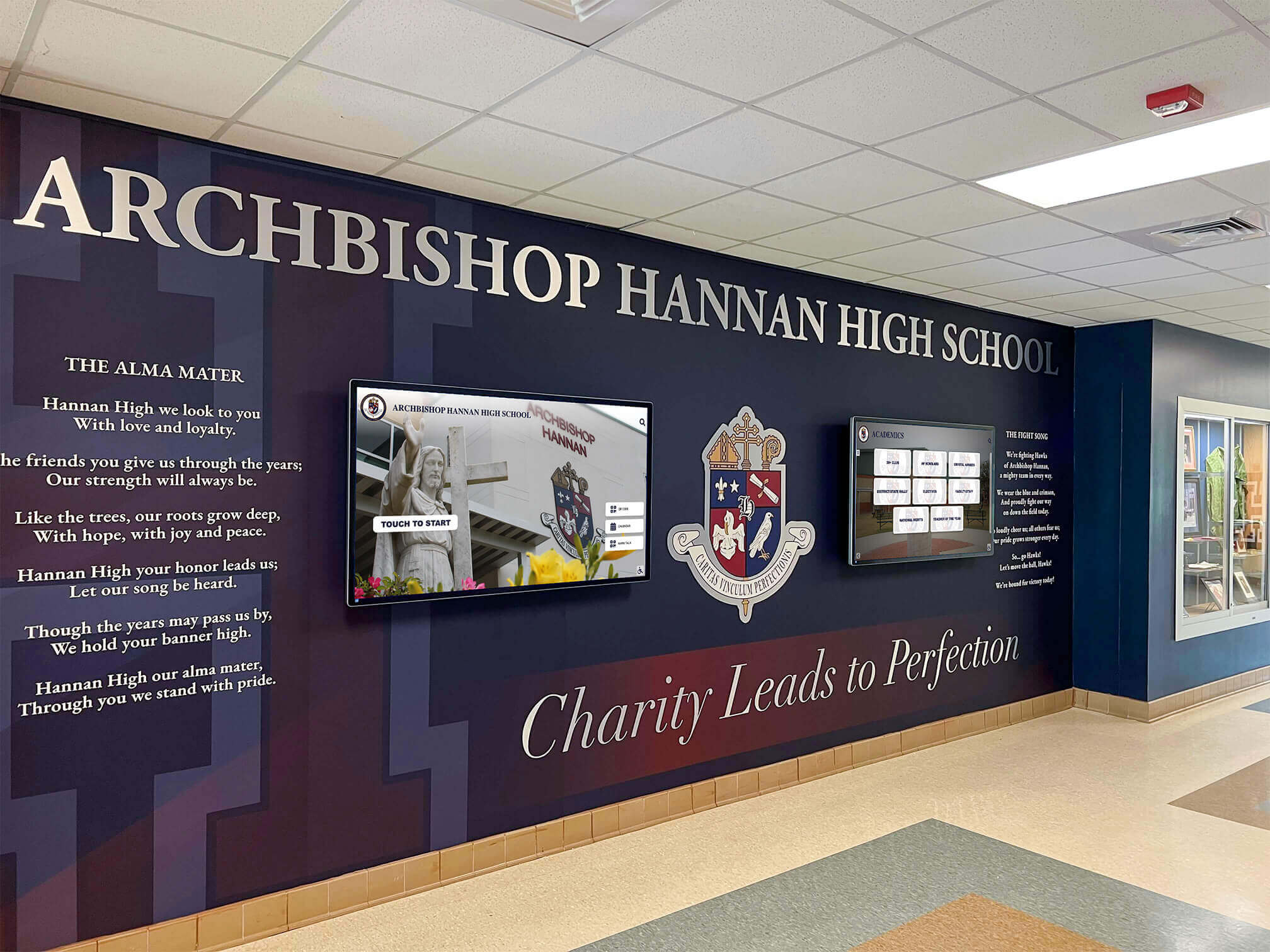
Schools integrate graduation achievement celebration throughout facilities, connecting ceremonial regalia to ongoing recognition programs
When and How Graduation Regalia Is Awarded
Understanding distribution timelines helps students plan appropriately:
Academic Honor Sash Distribution
GPA-Based Academic Awards Timeline for excellence recognition:
- Final GPA calculations completed weeks before graduation
- Eligibility notifications sent to qualifying students
- Order placement for customized sashes if needed
- Distribution during graduation rehearsal typical
- Some schools mail regalia to student homes
- Verification of eligibility before distribution
Honor Society Recognition Regalia Organization-specific processes:
- Membership established during school year
- Regalia often provided at induction ceremonies
- Students responsible for bringing to graduation
- Some societies loan regalia returned post-ceremony
- Others provide regalia as membership keepsake
- Verify specific organizational procedures
Cultural and Organizational Stole Acquisition
Student Organization Stoles Group-coordinated distribution:
- Cultural organizations design custom stoles
- Bulk ordering through organization leadership
- Member cost-sharing or organization funding
- Distribution at pre-graduation organization events
- Students responsible for bringing to ceremony
- Often treasured keepsakes retained permanently
Independently Purchased Stoles Self-directed acquisition:
- Students may purchase cultural heritage stoles independently
- Online retailers offer diverse cultural designs
- Verification of school policies regarding regalia
- Some institutions limit non-academic regalia
- Others embrace cultural celebration through stoles
- Always confirm institutional guidelines before purchasing
Schools with clear communication about regalia policies prevent ceremony day confusion while ensuring appropriate recognition for all earned honors.
Graduation Rehearsal and Final Checks
Rehearsal Day Preparation Final opportunity for regalia verification:
- Bring all regalia to rehearsal for inspection
- School officials verify appropriateness and accuracy
- Practice wearing multiple pieces correctly
- Adjust placement for comfort and appearance
- Photography practice ensuring visibility
- Last-minute questions addressed
Ceremony Day Protocol Final wearing procedures:
- Arrive with all regalia organized and accessible
- Dress in designated area with ample time
- Ask fellow graduates or staff for placement assistance
- Final mirror check before processional lineup
- Keep regalia neat during pre-ceremony waiting
- Maintain dignified appearance throughout event
Many graduates appear in commencement documentation preserved through institutional recognition systems that celebrate graduating class achievements.
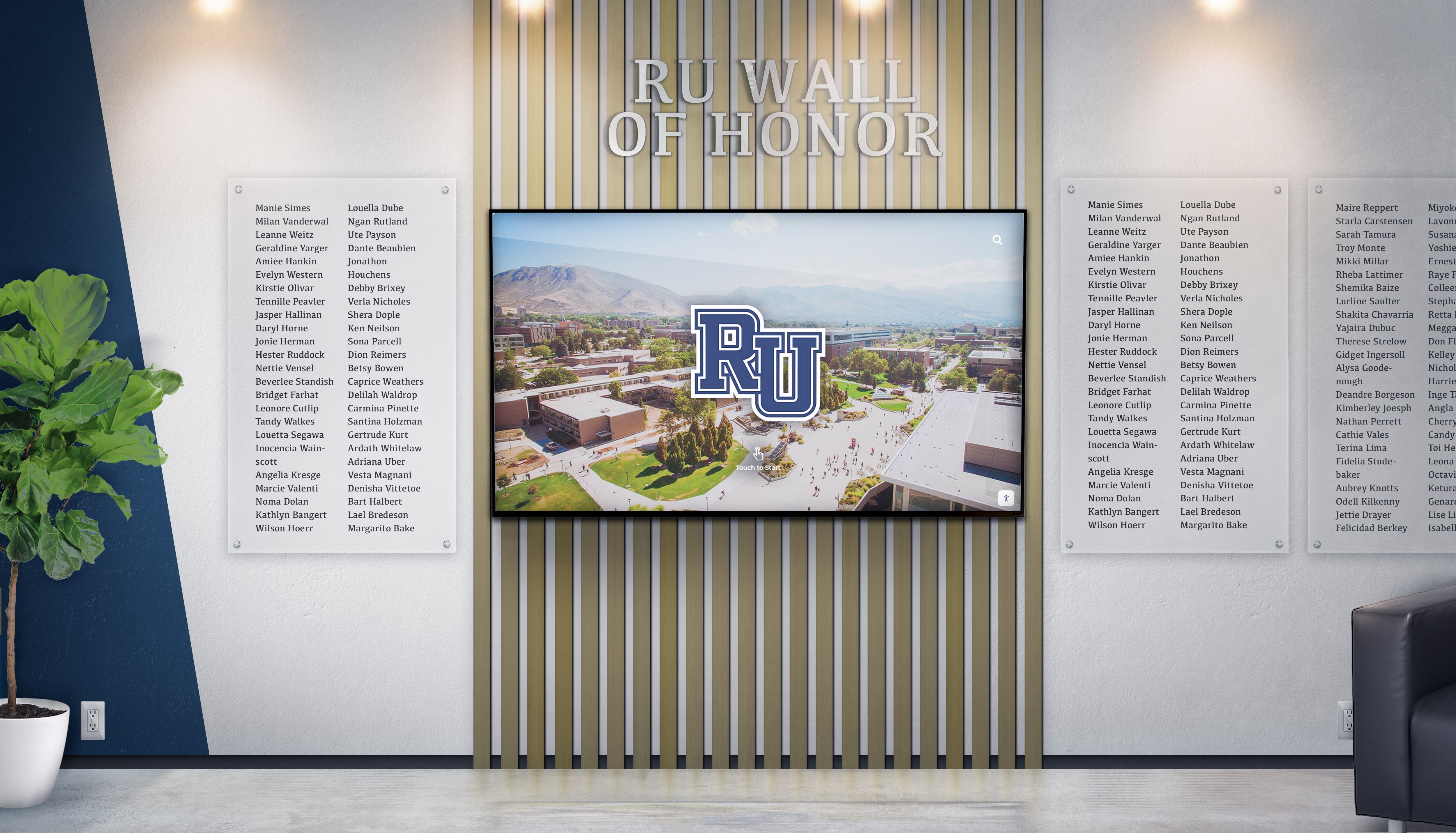
Integrated recognition systems preserve graduation achievements represented by ceremonial regalia in accessible permanent formats
Special Graduation Regalia Considerations
Beyond standard academic honors, several special circumstances deserve attention:
Military and ROTC Honor Cords
Service Academy and ROTC Recognition Military-affiliated students receive distinctive regalia:
- Service-specific colors (Navy: navy and gold; Army: scarlet and white; Air Force: blue and silver)
- Military honor cords for distinguished cadets
- Service academy acceptance recognition
- ROTC commissioning acknowledgment
- Veteran status identification in some institutions
- Military honors overlay with academic distinctions
These students often wear both military honor cords and academic achievement regalia, creating layered displays acknowledging service commitment alongside scholarly excellence.
Athletic Achievement Recognition
Varsity Athlete Identification Sports participation acknowledgment:
- School-specific athletic achievement sashes
- Varsity letter integration with graduation regalia
- Team captain or leadership recognition
- Championship participation acknowledgment
- Multi-sport athlete special designation
- Athletic scholarship recipient identification
Not all schools recognize athletic achievement through graduation regalia, though those doing so create parity between academic and athletic accomplishment visibility.
Recognition programs celebrating both academic and athletic excellence provide comprehensive acknowledgment of diverse student achievements.
First-Generation College Student Recognition
Pioneering Achievement Celebration Acknowledging family educational milestones:
- Special stoles or sashes for first-generation college students
- Recognition of barrier-breaking accomplishment
- Family pride and community inspiration
- Often featuring meaningful symbols or text
- Increasing adoption across institutions
- Celebrates family achievement beyond individual success
First-generation recognition honors not just individual academic success but represents entire families reaching new educational milestones.
Scholarship and Financial Aid Recognition
Merit Scholarship Recipient Acknowledgment Financial achievement celebration:
- Institutional scholarship recipient sashes
- Named scholarship program recognition
- Full-ride or substantial award acknowledgment
- Competitive scholarship achievement
- Academic potential financial validation
- Pride for students and funding organizations
Schools celebrating scholarship recipients through regalia create visibility for programs while honoring student academic and leadership excellence that earned financial support.

Modern recognition platforms enable exploration of achievement pathways leading to the honors represented through graduation regalia
Institutional Policies on Graduation Regalia
Schools establish varying approaches to ceremonial accessory permissions:
Strict Regalia Limitation Policies
Conservative Institutional Approaches Some schools restrict regalia significantly:
- Only institution-approved academic honors allowed
- No cultural or organizational stoles permitted
- Standardized appearance across all graduates
- Limit distractions from ceremony focus
- Easier processional coordination
- Controversial approach limiting expression
Rationale for Restrictions Institutions cite various justifications:
- Ceremony dignity and formality maintenance
- Visual uniformity creating cohesive appearance
- Preventing commercial or inappropriate messaging
- Reducing socioeconomic visibility differences
- Simplifying regalia verification processes
- Traditional ceremony protocol preservation
Students at restrictive institutions sometimes advocate for policy changes allowing cultural celebration and organizational recognition.
Open Regalia Acceptance Policies
Inclusive Institutional Approaches Progressive schools embrace diverse regalia:
- Academic honors prominently displayed
- Cultural heritage stoles welcomed enthusiastically
- Organizational affiliation acknowledgment permitted
- Student expression and identity celebration
- Reflects diverse community composition
- Richer visual celebration of achievement
Guidelines Within Openness Even permissive policies maintain standards:
- Regalia must reflect genuine achievement or affiliation
- Appropriate designs and messaging required
- Size limitations for practical processional reasons
- Advance approval for non-standard items sometimes
- Prohibition of commercial branding
- Respectful representation expectations
Most institutions adopt middle-ground approaches allowing academic and cultural regalia while prohibiting inappropriate or commercial accessories.
Navigating Policy Questions
Student Advocacy Approaches When unclear about regalia permissions:
- Review official graduation handbook carefully
- Contact graduation coordinator or dean’s office
- Provide specific examples of desired regalia
- Explain significance and appropriateness
- Request exceptions through formal process
- Organize collective advocacy if affecting groups
- Accept final determinations gracefully
Understanding institutional philosophy helps students work within systems while celebrating achievements appropriately.
Students and families benefit from institutions maintaining clear communication about recognition through multiple channels including graduation materials and digital platforms.
Preserving and Displaying Graduation Regalia After Ceremonies
Ceremonial accessories deserve proper care and display:
Immediate Post-Ceremony Care
Preservation Best Practices Protecting regalia condition:
- Carefully remove and fold immediately after ceremony
- Avoid crushing or wrinkling during celebrations
- Store in protective garment bags or boxes
- Keep away from moisture and direct sunlight
- Separate pieces to prevent color transfer
- Professional cleaning for silk or delicate materials
Photography and Documentation Capturing regalia significance:
- Detail photos showing all regalia pieces clearly
- Family photos highlighting sashes and stoles
- Individual portraits displaying honors prominently
- Group photos with fellow honor recipients
- Written documentation of each piece’s significance
- Digital archiving of ceremony moments
Long-Term Display Options
Shadow Box Display Creation Professional presentation approach:
- Custom framing combining diploma, tassel, and regalia
- Graduated display showing all honors together
- Include ceremony program and achievement documentation
- Professional matting in school or honor society colors
- Wall-mounted display for permanent visibility
- Conversation piece celebrating accomplishment
Display Case Storage Alternative preservation approach:
- Dedicated case or shelf for graduation memorabilia
- Organized arrangement of sashes, stoles, cords
- Accompanying photographs and certificates
- Protected environment preventing deterioration
- Accessible for occasional viewing
- Space-efficient compared to shadow boxing
Passing Down Family Traditions Regalia as heirloom:
- First-generation regalia preserved for descendants
- Family achievement documentation
- Inspiration for younger family members
- Cultural heritage preservation
- Educational conversations about achievement
- Multi-generational pride connections
Many families combine physical regalia preservation with digital documentation through platforms offering permanent achievement recognition accessible indefinitely.
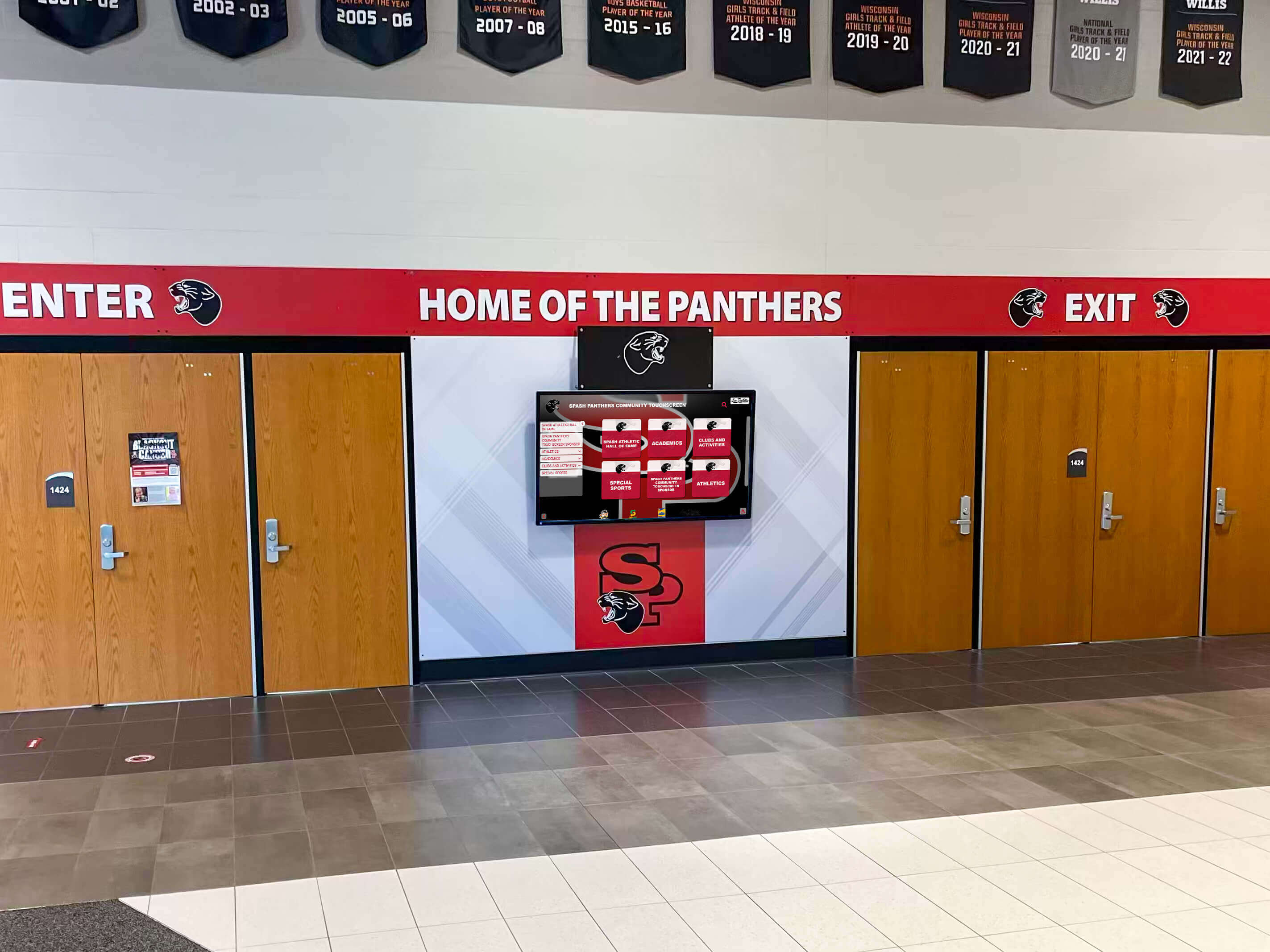
Achievement recognition extends beyond ceremony day through permanent displays celebrating the honors represented by graduation regalia
The Connection Between Graduation Recognition and Ongoing Achievement Celebration
Graduation regalia represents culmination of years-long achievement journeys that schools increasingly document comprehensively:
Building Recognition Programs Throughout Education
Early Achievement Tracking Foundation for graduation honors:
- Elementary recognition establishing excellence culture
- Middle school honor roll traditions building momentum
- High school comprehensive achievement documentation
- Consistent celebration creating aspiration
- Digital platforms preserving complete journey
- Connections between early success and graduation honors
Schools implementing systematic recognition from elementary years through graduation create cultures where achievement receives consistent celebration, making graduation regalia the natural culmination rather than isolated recognition moment.
Digital Recognition Extending Beyond Ceremony
Permanent Achievement Documentation Modern solutions transcending single-day celebration:
- Interactive displays showcasing honor recipients
- Searchable databases by student name or honor type
- Photographic documentation of regalia and ceremony
- Complete achievement profiles including regalia earned
- Alumni access to graduation class recognition
- Multi-year achievement comparison and trends
Recognition platforms preserving graduation achievements alongside broader accomplishments throughout educational careers create comprehensive archives that honor excellence permanently rather than limiting celebration to ceremony moments.
Inspiring Current Students Through Graduate Recognition
Creating Achievement Culture Visible excellence driving aspiration:
- Displays showing recent graduates’ honors
- Year-over-year honor recipient growth
- Achievement pathway documentation
- Student testimonials about earning recognition
- Connection between effort and ceremony honors
- Motivation through peer example
When underclassmen regularly encounter displays celebrating graduates’ honors—including the regalia they earned—they develop concrete understanding of achievement pathways and recognition awaiting their own excellence.
Recognition systems combining physical displays with digital engagement create powerful motivational environments where student achievement receives sustained visibility inspiring continued excellence.

Strategic placement of recognition displays throughout campus ensures graduation achievements remain visible and inspirational year-round
Common Graduation Regalia Questions Answered
Clarifying frequent concerns helps students and families navigate graduation ceremonial expectations:
Can Students Wear Regalia They Haven’t Officially Earned?
No. Wearing unearned regalia constitutes misrepresentation:
- Academic honor sashes require verifiable achievement
- Honor society regalia demands official membership
- Cultural stoles should reflect genuine heritage
- Organizational stoles require authentic affiliation
- Schools may verify eligibility before ceremony
- Inappropriate regalia may be removed
Graduation regalia represents real achievements and authentic identities deserving accurate representation only.
What If Multiple Honors Use Same Color Regalia?
Prioritization strategies help:
- Wear most prestigious or meaningful honor when identical
- Some schools provide distinction through design details
- Layering slightly offset can display both
- Honor societies often have unique design elements beyond color
- Check with administration about protocol
- Documentation beyond regalia preserves all achievements
Multiple honors using similar colors don’t diminish achievement—they validate excellence across multiple dimensions simultaneously.
Are Homemade or Custom Stoles Acceptable?
School policy determines acceptability:
- Many institutions welcome personally meaningful stoles
- Cultural heritage stoles often custom-created
- Some schools require pre-approval of custom items
- Designs should maintain ceremony appropriateness
- Commercial branding typically prohibited
- Religious and cultural symbols generally welcomed
Students considering custom stoles should verify institutional policies early in graduation planning.
Do Graduate Schools or Employers Care About Graduation Regalia?
Academic honors matter; ceremonial accessories less so:
- Latin honors on transcripts carry significant weight
- Honor society memberships noted on resumes matter
- Visual regalia itself holds primarily ceremonial value
- Achievement behind regalia creates lasting credential
- Photographs preserve memory but ceremony accessories themselves don’t transfer
- Focus on earning honors; regalia celebrates them visually
The accomplishments that graduation regalia represents—honor roll performance, society memberships, cultural engagement—matter far more professionally than the ceremonial accessories themselves.
Can Families Purchase Matching or Commemorative Regalia?
Generally no for ceremony itself:
- Only graduates wear regalia during ceremony
- Families remain in regular formal attire
- Post-ceremony photos may include creative family coordination
- Some families create matching celebration attire
- Cultural heritage celebration may extend to families
- Ceremony protocol limits regalia to graduates only
Graduation ceremonies maintain formality by limiting regalia to graduates themselves, though post-ceremony celebrations enable creative family involvement.
Recognition extending beyond ceremony through donor and supporter acknowledgment sometimes honors families contributing to student success.

Comprehensive achievement archives preserve the complete story behind graduation honors earned through sustained excellence
Creating Meaningful Graduation Recognition Programs
Schools designing comprehensive graduation celebration ensure regalia represents systematic recognition:
Clear Honor Qualification Criteria
Transparent Standards Published expectations enabling student planning:
- Specific GPA thresholds for honor levels
- Credit hour and course requirements
- Attendance and conduct expectations
- Application deadlines for optional honors
- Society membership qualification processes
- Timeline for achievement verification
Clear criteria eliminate confusion while enabling students to pursue honors strategically throughout educational careers.
Equitable Access to Recognition
Inclusive Honor Pathways Ensuring diverse excellence receives acknowledgment:
- Multiple recognition categories beyond GPA alone
- Growth and improvement honors alongside absolute achievement
- Subject-specific excellence across all disciplines
- Effort and character-based awards
- Cultural and organizational celebration
- Talent and contribution recognition
Comprehensive programs ensure recognition opportunities exist across student population rather than limiting to narrow definition of excellence.
Ceremony Integration and Celebration
Meaningful Recognition Moments Honoring achievement during graduation:
- Verbal acknowledgment of honor levels
- Visual distinction through regalia
- Special seating sections for honor graduates
- Enhanced diploma covers or certificates
- Program recognition listing honorees
- Photography capturing regalia prominently
Ceremony elements should ensure honors receive visibility justifying years of effort students invested earning recognition.
Schools committed to comprehensive recognition discover value in integrated recognition solutions connecting graduation honors to broader achievement celebration.
Celebrate Achievement Beyond Graduation Day
The honors represented by graduation sashes, stoles, and cords deserve recognition extending beyond single ceremonies. Modern digital recognition solutions enable schools to preserve and celebrate these achievements permanently through interactive displays, searchable archives, and comprehensive platforms that inspire current students while honoring graduates’ excellence.
Whether you’re designing recognition programs, celebrating graduating classes, or creating institutional traditions that connect academic achievement to lasting visibility, integrated solutions combine ceremony celebration with permanent documentation that strengthens school culture for generations.
Explore Comprehensive Recognition Solutions to discover how touchscreen displays, digital archives, and recognition platforms work together to honor the achievements that graduation regalia represents while creating engaging experiences valued by students, families, and communities.
Understanding and Honoring Graduation Achievement Through Regalia
Graduation sashes, stoles, and cords transform standard commencement ceremonies into personalized celebrations of individual achievement, cultural identity, and organizational affiliation. These colorful accessories create visual language that communicates years of dedication while enabling families to identify specific honors their graduates earned through photographs and ceremony observation.
The meanings explored throughout this guide—from gold sashes representing academic excellence through cultural stoles celebrating heritage, from proper wearing techniques through institutional policies governing regalia—provide comprehensive framework for understanding graduation ceremonial traditions. Whether earning Latin honors through sustained GPA excellence, celebrating cultural heritage through meaningful stoles, or representing honor societies through distinctive cords, graduates wear visual testaments to their educational journeys.
For students approaching graduation, understanding regalia significance enables informed planning about which honors to pursue while ensuring correct wearing during ceremonies. Knowing that gold cords represent academic achievement, cultural stoles celebrate identity authentically, and proper draping techniques ensure dignified appearance helps graduates participate fully in ceremonial traditions.
For families supporting graduates, this knowledge transforms regalia from mysterious decoration into meaningful recognition deserving celebration and preservation. Understanding that each piece represents specific achievement—GPA thresholds met, societies joined, cultural heritage honored—enables appropriate pride and documentation through photography and display.
For educators designing recognition programs, thoughtful regalia traditions ensure graduation ceremonies celebrate diverse excellence while maintaining dignity and meaning. Clear communication about qualification criteria, equitable honor pathways acknowledging various achievements, and ceremony integration providing visibility create graduation experiences that resonate emotionally while honoring genuine accomplishment.
The ceremonial regalia worn during graduation represents just one dimension of comprehensive recognition that truly honors student excellence. When schools combine meaningful ceremony celebration with permanent recognition displays, digital archives preserving achievement across years, and systematic documentation connecting graduation honors to complete educational journeys, they create cultures where achievement receives sustained visibility rather than single-day acknowledgment.
Your graduates’ achievements deserve recognition extending beyond ceremony moments into permanent celebration inspiring current students while preserving institutional excellence tradition. The graduation sashes, stoles, and cords they wear represent years of dedication that schools should honor through comprehensive recognition creating lasting impact throughout educational communities.
Ready to transform how your institution celebrates graduation achievement? Discover solutions enabling comprehensive recognition at Rocket Alumni Solutions.