Graduation honor stoles transform a commencement ceremony into a visible map of student achievement. As graduates cross the stage, the sashes draped around their necks communicate years of dedication—to academic excellence, service, leadership, cultural heritage, or specialized programs—in a single, striking visual moment families remember long after the final name is called.
Yet many schools treat stoles as a last-minute logistics task: ordering a batch of generic sashes a few weeks before graduation without connecting them to a coherent recognition system. The result? Ceremonies where audiences can’t distinguish an academic honor from a club membership, seniors who feel their specific achievement goes uncelebrated, and an opportunity to reinforce institutional values slips by unused.
This guide covers everything schools need to design meaningful graduation honors stoles, build a color-coded system families actually understand, and extend that recognition beyond the ceremony through yearbook spreads, hallway displays, and digital archives that celebrate stoled graduates for years to come.
Graduation honors stoles occupy a unique space in academic recognition: they’re personal enough to mean something to individual students yet public enough to communicate achievement to an entire gymnasium. When schools design and deploy stoles thoughtfully—backed by clear criteria, consistent visuals, and a plan to document the moment—stoles become one of the most powerful recognition tools in the institutional toolkit.

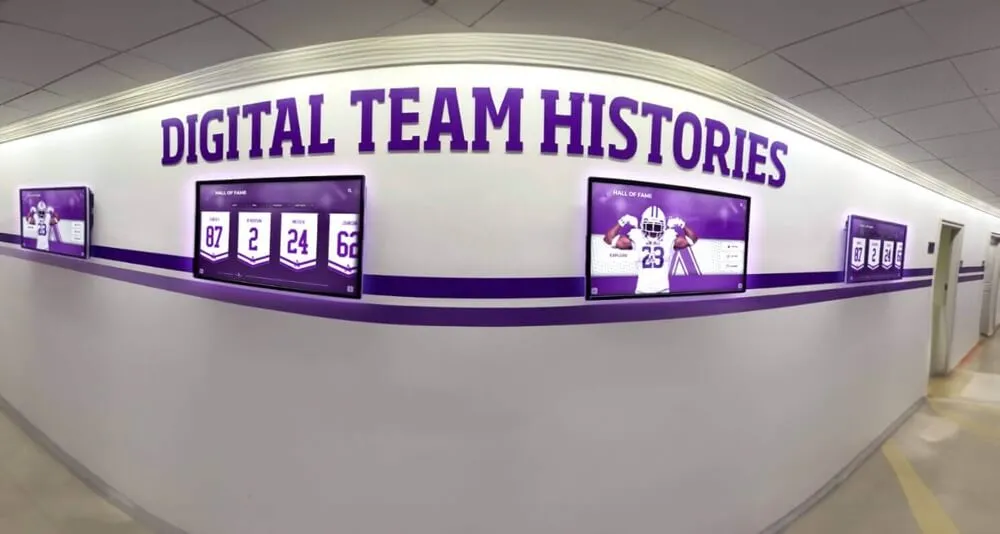
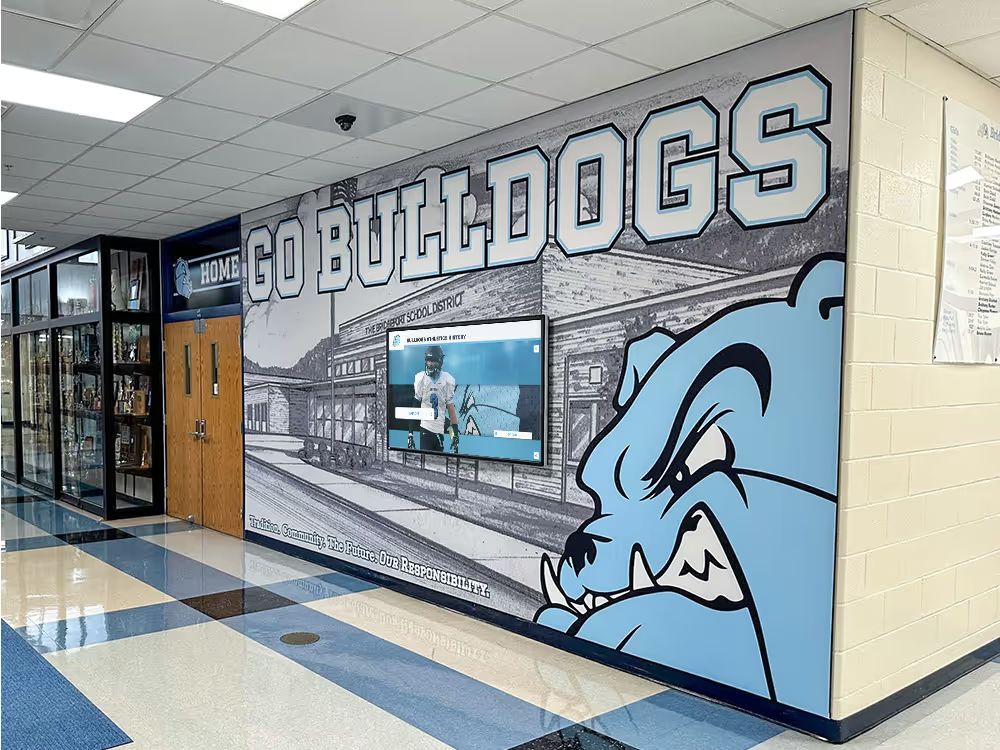
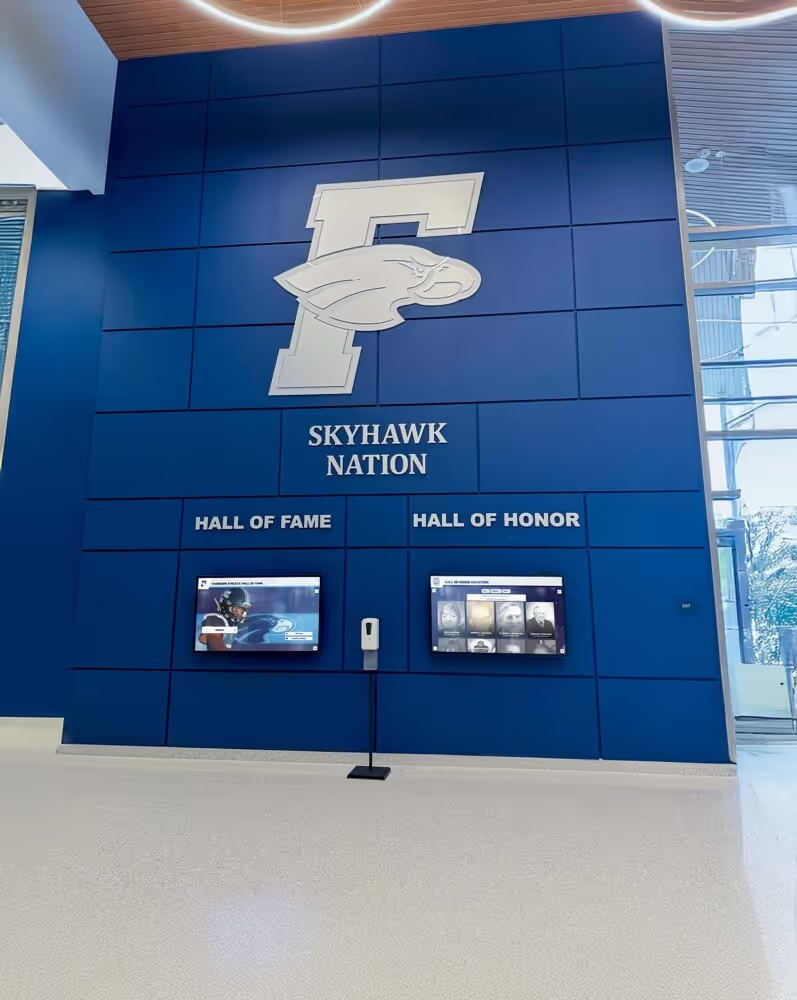
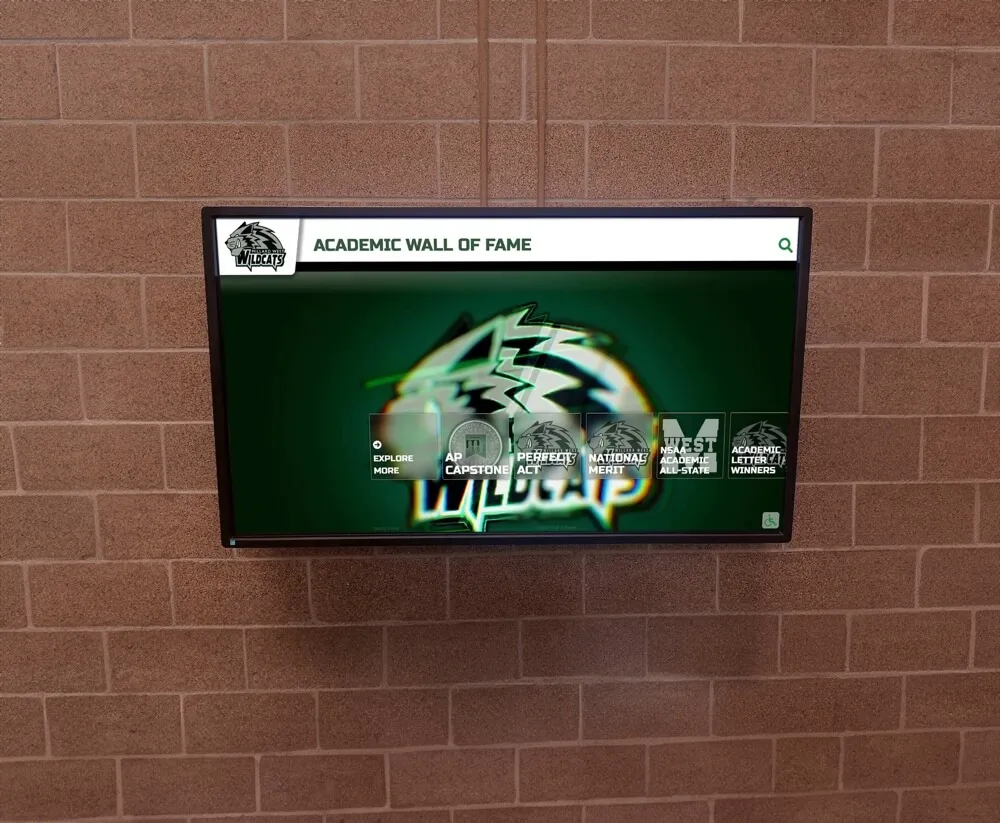
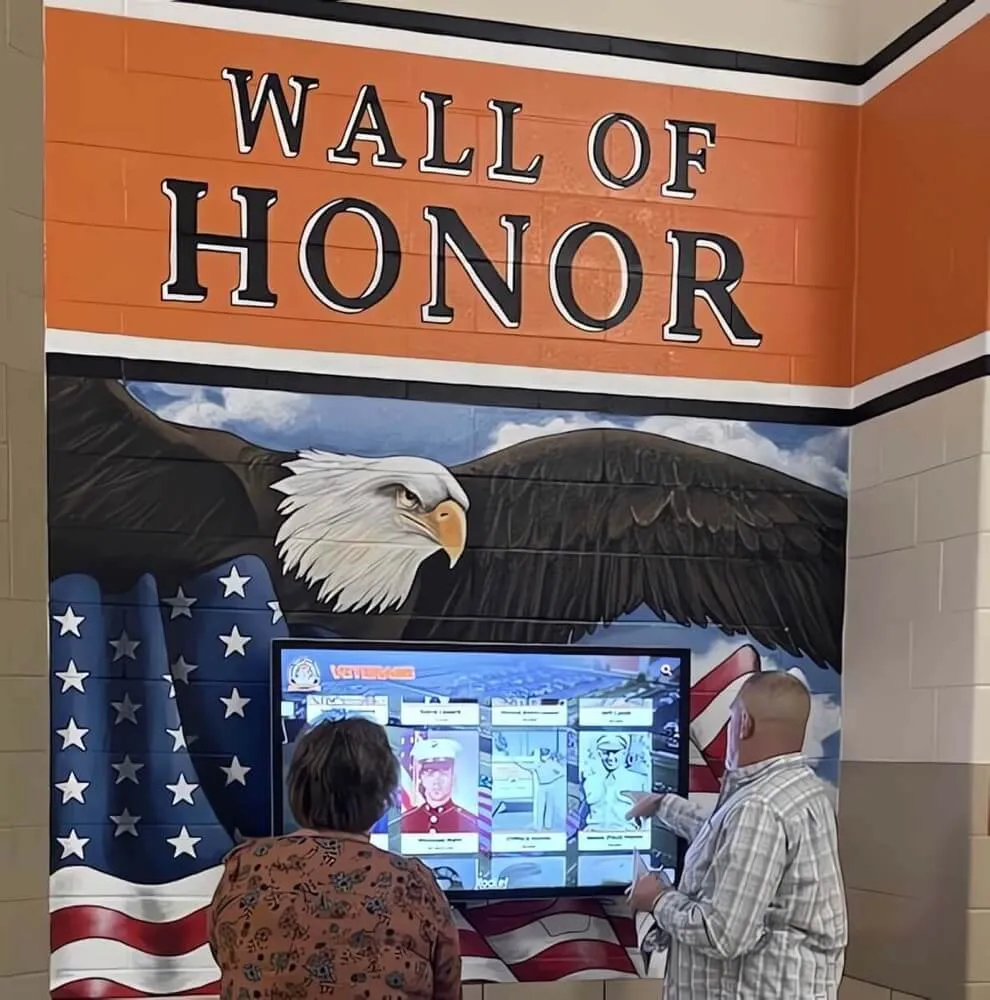
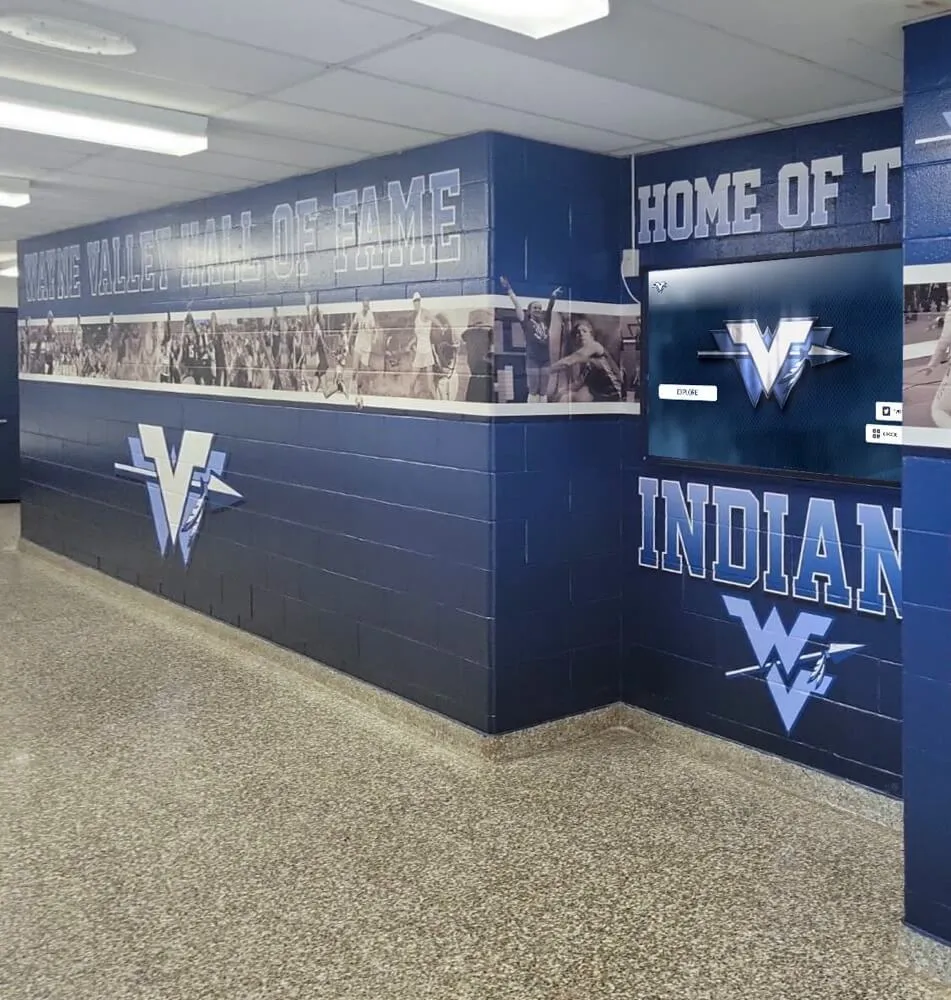
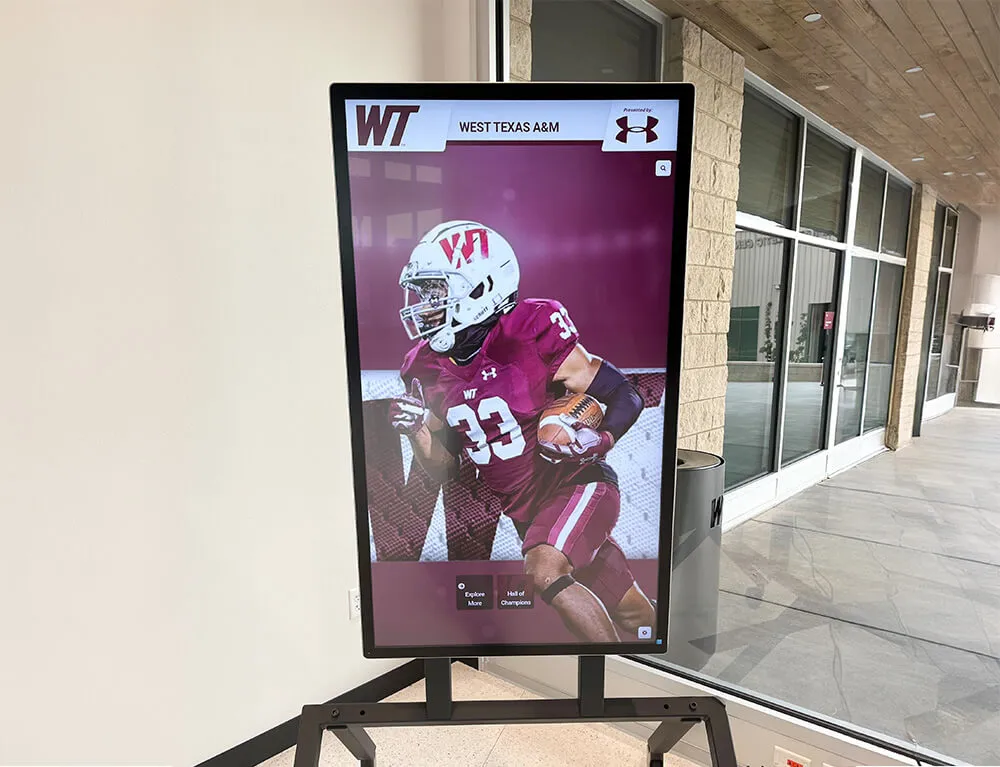
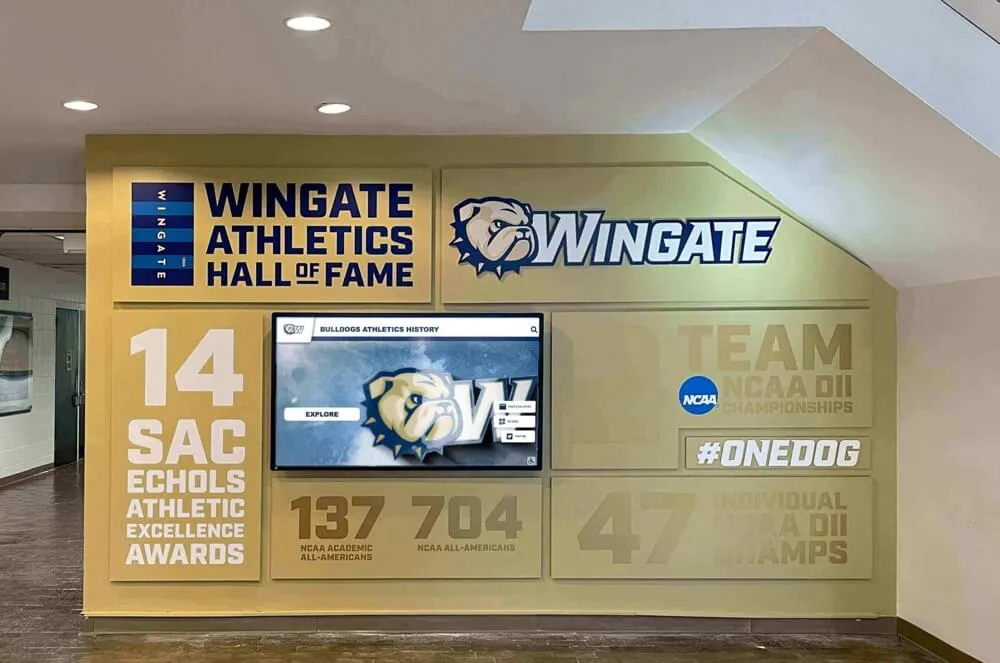
Comprehensive recognition programs celebrate achievement through multiple channels—from graduation ceremony stoles to permanent hallway displays that honor student accomplishment long after commencement day
What Are Graduation Honor Stoles?
A graduation honor stole is a wide, sash-shaped garment worn draped over both shoulders and hanging down the front of the graduation gown. Sometimes called academic stoles or honor sashes, they differ from graduation cords (twisted rope-like strands that hang from the neck) and honor tassels (single ornamental elements on the mortarboard) in their greater visual surface area and design flexibility.
A Brief History of Academic Stoles
The academic stole traces its roots to ecclesiastical vestments—the liturgical stoles worn by clergy in Christian traditions. As formal academic regalia evolved from medieval university practice, ceremonial garments adopted similar visual language to signal rank, achievement, and belonging. In contemporary American high schools and colleges, stoles have become standard elements of graduation regalia, widely used to recognize achievements that fall outside a student’s primary academic record.
How Stoles Differ From Cords and Other Regalia
Understanding the distinction helps schools use each element appropriately:
Graduation Cords — twisted braided cords that drape around the neck, typically representing specific organizations (National Honor Society gold cords, Mu Alpha Theta cords, etc.) or honor levels. Cords are simpler and less expensive, making them well-suited for high-volume recognition across large graduating classes.
Honor Stoles — wider fabric panels offering greater design flexibility, embroidery space, and visual impact. Stoles work best for recognitions that benefit from differentiated color schemes, embroidered names or logos, and photographs that clearly communicate the specific honor earned.
Honor Tassels — mortarboard decorations signaling graduation level or broad honor designations. Least information-dense of the three, but universally recognized.
Many schools use all three in combination: cords for club and organization memberships, stoles for major honor categories, and tassels for grade-level distinctions. Understanding which tool fits which recognition goal prevents a graduation stage from looking like a crowded accessories store while ensuring meaningful achievements remain clearly visible.
Types of Graduation Honor Stoles
Schools award graduation honors stoles across a wide range of achievement categories. Establishing clear distinctions—ideally backed by differentiated colors or designs—helps audiences understand what each stole represents and ensures the recognition system communicates genuine selectivity.
Academic Excellence Stoles
Academic honor stoles are the most common category and typically represent the highest academic standing among graduates:
Valedictorian and Salutatorian — Schools often reserve a distinct, premium stole design for these top-ranked graduates. Common approaches include metallic gold stoles for valedictorians and silver for salutatorians, or custom embroidered stoles bearing the year and title.
Latin Honors — Colleges and many high schools award stoles corresponding to cum laude, magna cum laude, and summa cum laude thresholds. Color differentiation within a single color family (light blue for cum laude, royal blue for magna, navy for summa) creates a visible hierarchy without requiring entirely different designs.
Honor Roll and Academic Excellence Programs — Students maintaining defined GPA thresholds throughout their academic careers may receive stoles recognizing multi-year consistency rather than a single semester’s performance. These stoles recognize sustained commitment—a different achievement than a single-year honor roll listing.
For schools developing comprehensive academic recognition frameworks, resources on academic achievement scholarship programs provide useful context for designing criteria that reward genuine excellence rather than grade inflation.
National Honor Society and Academic Organization Stoles
Many national academic organizations have official regalia guidelines:
National Honor Society (NHS) — The NHS sells official gold stoles through its national store, making this one of the more standardized honor stole types. Schools with NHS chapters should check current NHS guidelines for approved regalia to ensure members receive recognized garments.
Subject-Specific Honor Societies — Organizations like Mu Alpha Theta (mathematics), Quill and Scroll (journalism), and the International Thespian Society issue stoles or cords recognizing specific academic areas. Coordinating these with school-issued stoles requires attention to color conflicts and layering.
International Baccalaureate and Advanced Placement Programs — IB diploma recipients and students who complete specified numbers of AP exams may receive school-designed stoles recognizing rigorous coursework completion beyond standard graduation requirements.
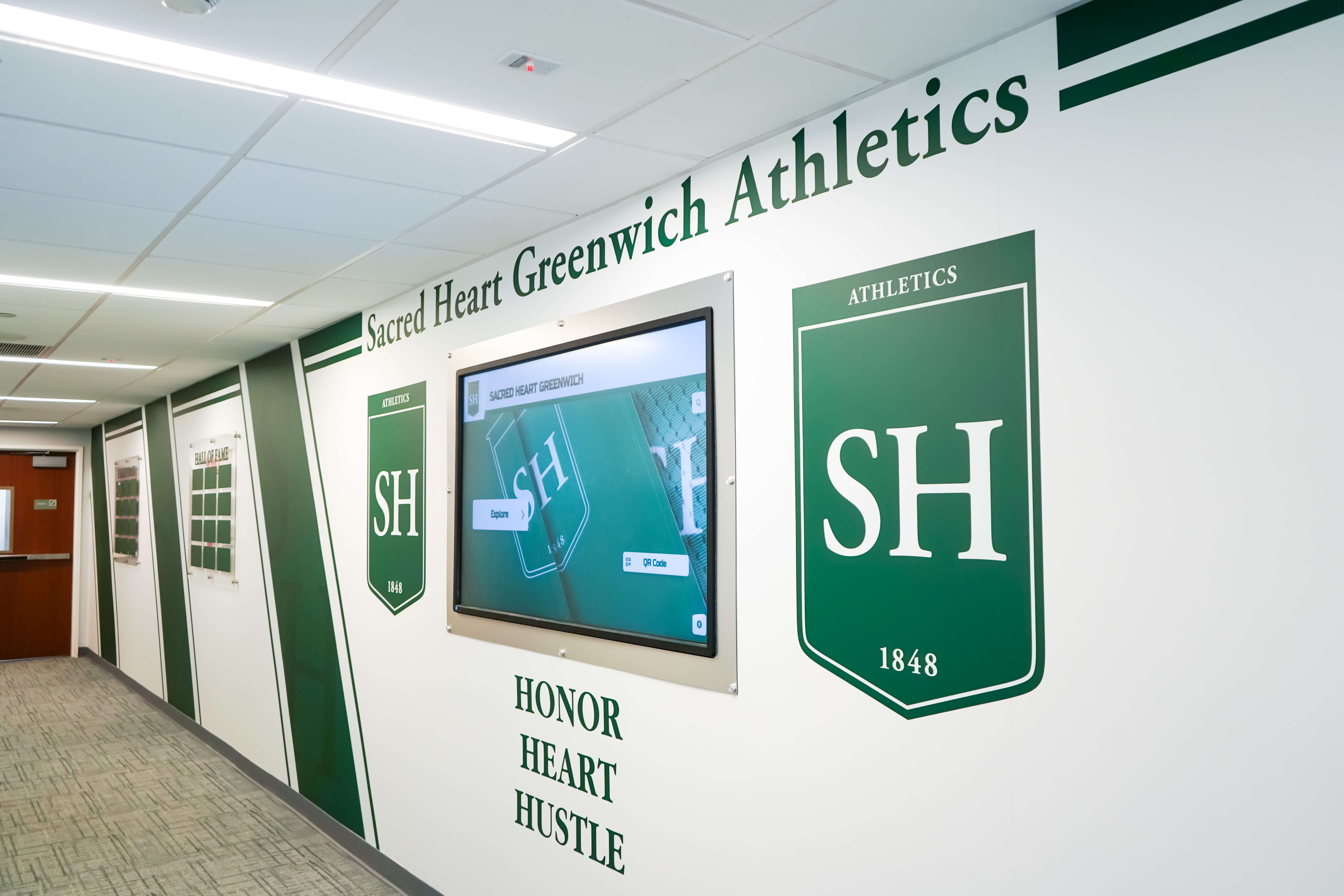
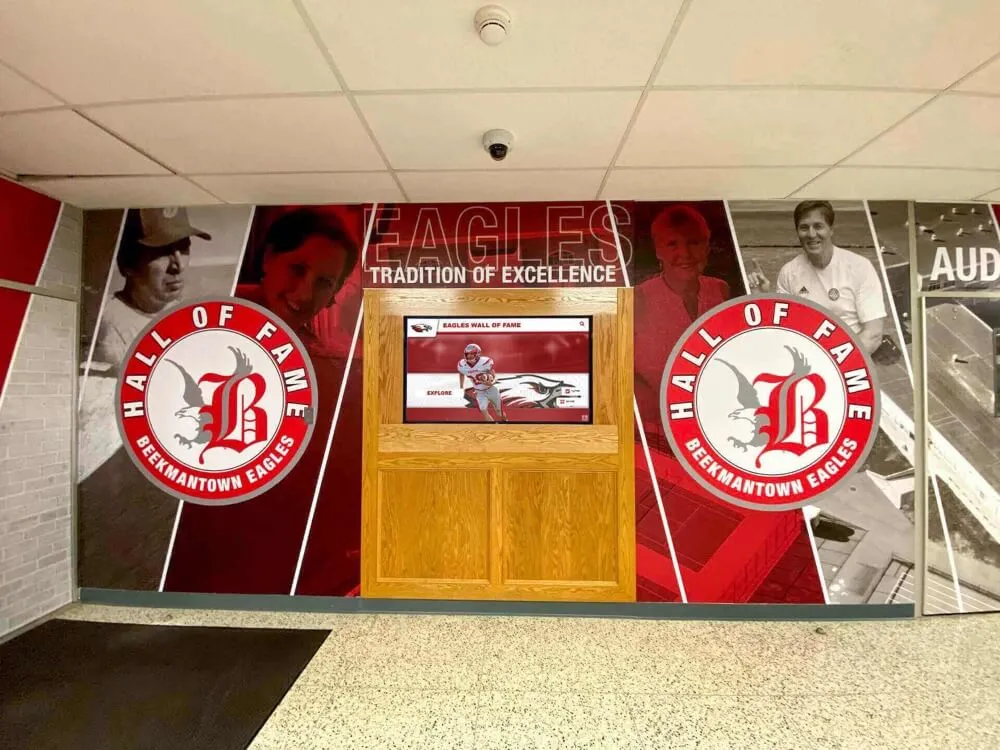
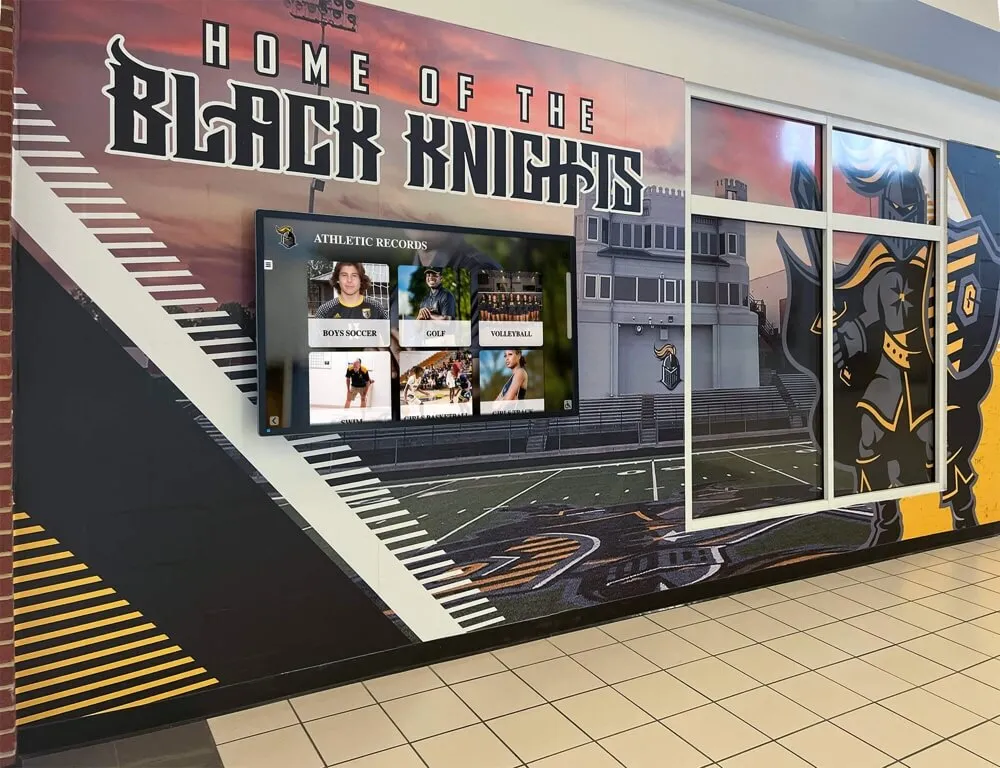
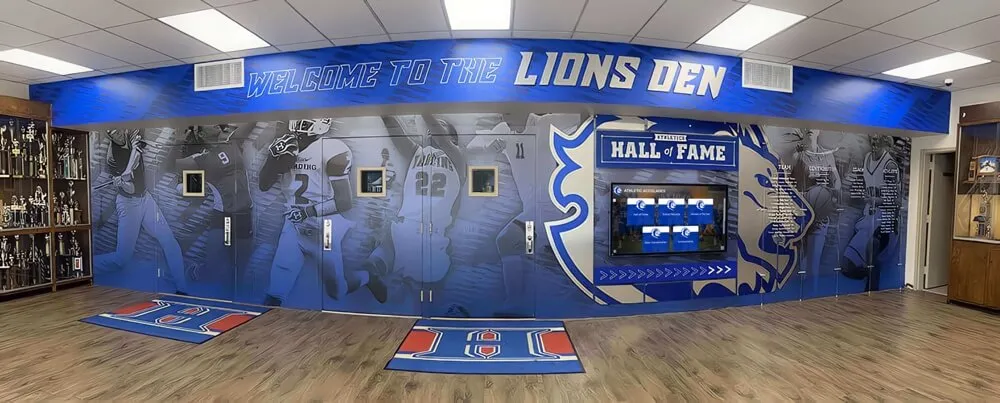
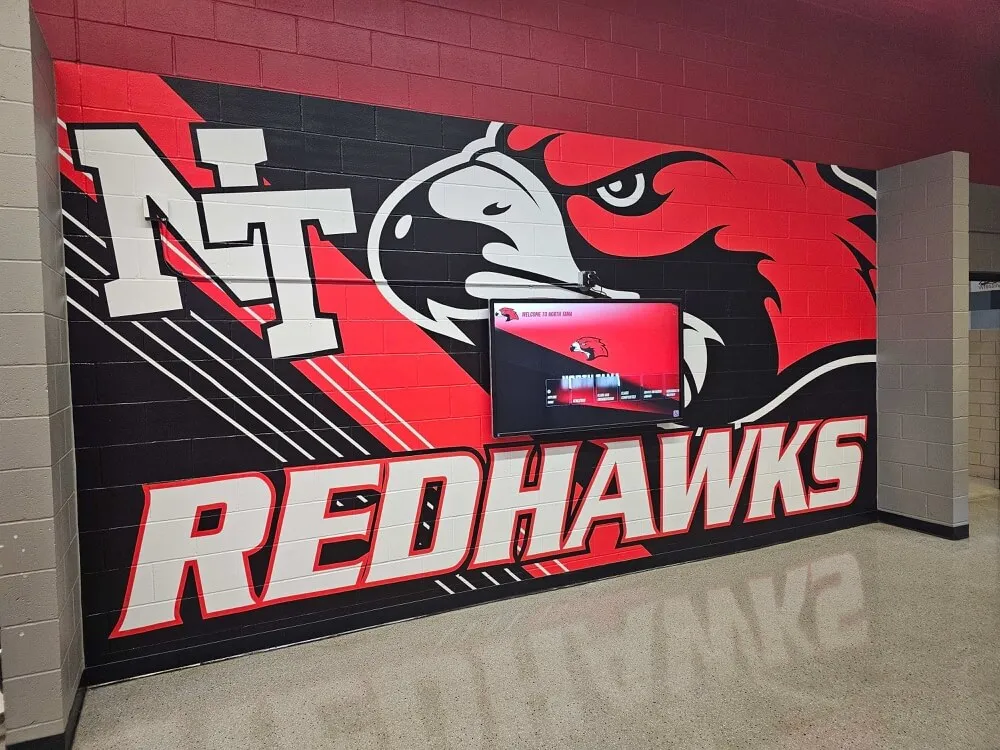
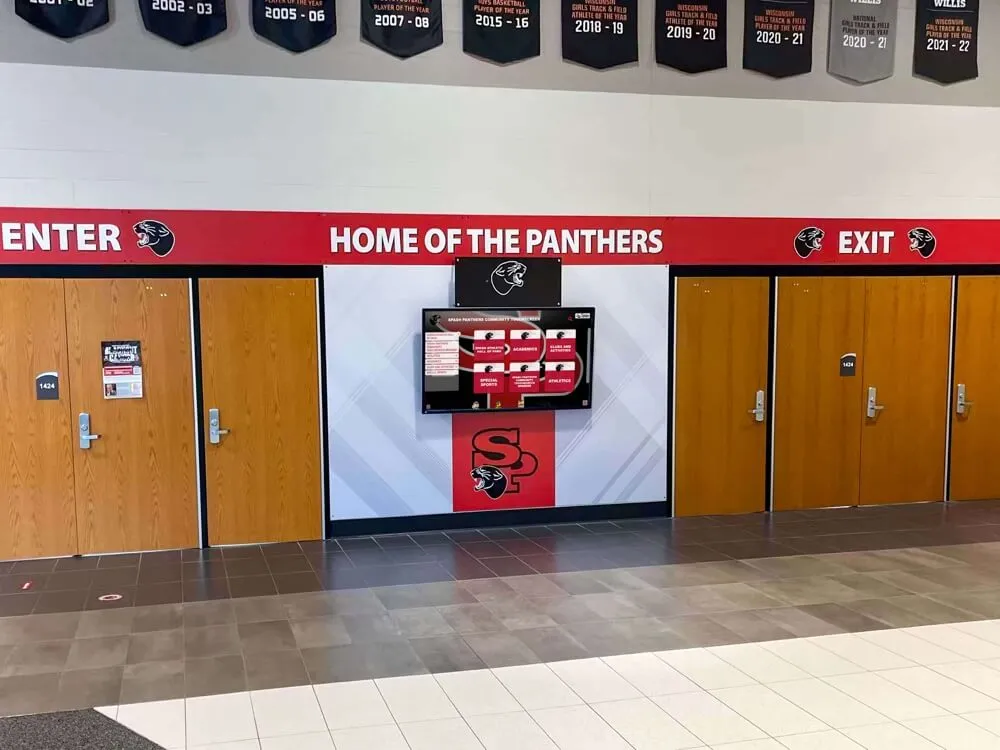
Physical recognition displays in hallways and common areas give context to the achievements that graduation stoles represent—helping the school community understand the depth of accomplishment behind each garment
Leadership and Student Government Stoles
Student government officers, class officers, and student leaders often receive stoles recognizing their service. These stoles work alongside academic recognition to communicate that schools value contribution and leadership as well as grades.
Leadership stoles are particularly meaningful when schools have invested in developing student council ideas and initiatives that give student leaders real responsibility and visible impact throughout their years in school. A stole at graduation gives those contributions formal institutional acknowledgment.
Cultural Heritage and Identity Stoles
Cultural stoles have grown significantly in recent years, allowing graduates to honor their heritage at commencement. These stoles typically incorporate cultural colors, symbols, patterns, or flags and are awarded or sold to students belonging to specific cultural groups or organizations:
- Native American cultural stoles featuring beading, traditional patterns, or tribal insignia
- Hispanic heritage stoles in red and green with cultural symbols
- Black excellence stoles celebrating African American heritage and achievement
- First-generation college student stoles recognizing families where the student is the first to earn a degree
Many schools facilitate cultural stole programs through cultural clubs, affinity groups, or family organizations. These garments celebrate identity alongside achievement, adding another dimension to what graduation regalia communicates.
Service, Community, and Volunteer Recognition Stoles
Community service stoles recognize graduates who have completed substantial volunteer hours or service-learning requirements:
- Students completing state-required community service hours
- Graduates with documented leadership in service organizations
- Participants in school-organized service programs (Rotary Interact, Key Club, etc.)
Schools that have developed robust volunteer appreciation and recognition frameworks find that service stoles give long-term volunteers visible recognition among peers—an important motivator for students considering whether service commitments are worth the time investment alongside demanding coursework.
Special Program Completion Stoles
Schools offering specialized academic programs often provide stoles marking program completion:
- Career and Technical Education (CTE) program completers
- Dual enrollment or early college graduates who have earned college credits
- ROTC participants who have completed junior ROTC programs
- Fine and Performing Arts advanced program completers
- Gifted/Talented program graduates
Designing Graduation Honor Stoles: A Complete Framework
Color Systems: The Foundation of Readable Stole Programs
The most important design decision schools make is how they assign and communicate color. A well-designed color system lets anyone in the graduation audience understand what they’re seeing—without consulting a program guide.
Single-Color Systems Some schools use a single color for all honor stoles with differentiation achieved through embroidery, stripes, or trim. This approach is simpler to manage but limits visual differentiation across categories.
Multi-Color Category Systems Most schools benefit from assigning distinct colors to distinct recognition categories:
| Color | Common Association |
|---|---|
| Gold | Academic highest honors, valedictorian |
| Silver | Salutatorian, magna cum laude |
| Royal Blue | Academic excellence, honor roll |
| White | National Honor Society |
| Green | Service and community |
| Purple | Leadership, student government |
| Red | Special programs, CTE |
| Black | Graduation-specific design elements |
Dual-Color Stoles Stoles with two-color designs—a primary color body with contrasting border or stripe—allow schools to communicate both a category and an institution identity. A navy stole with gold trim communicates school colors while indicating a specific honor.
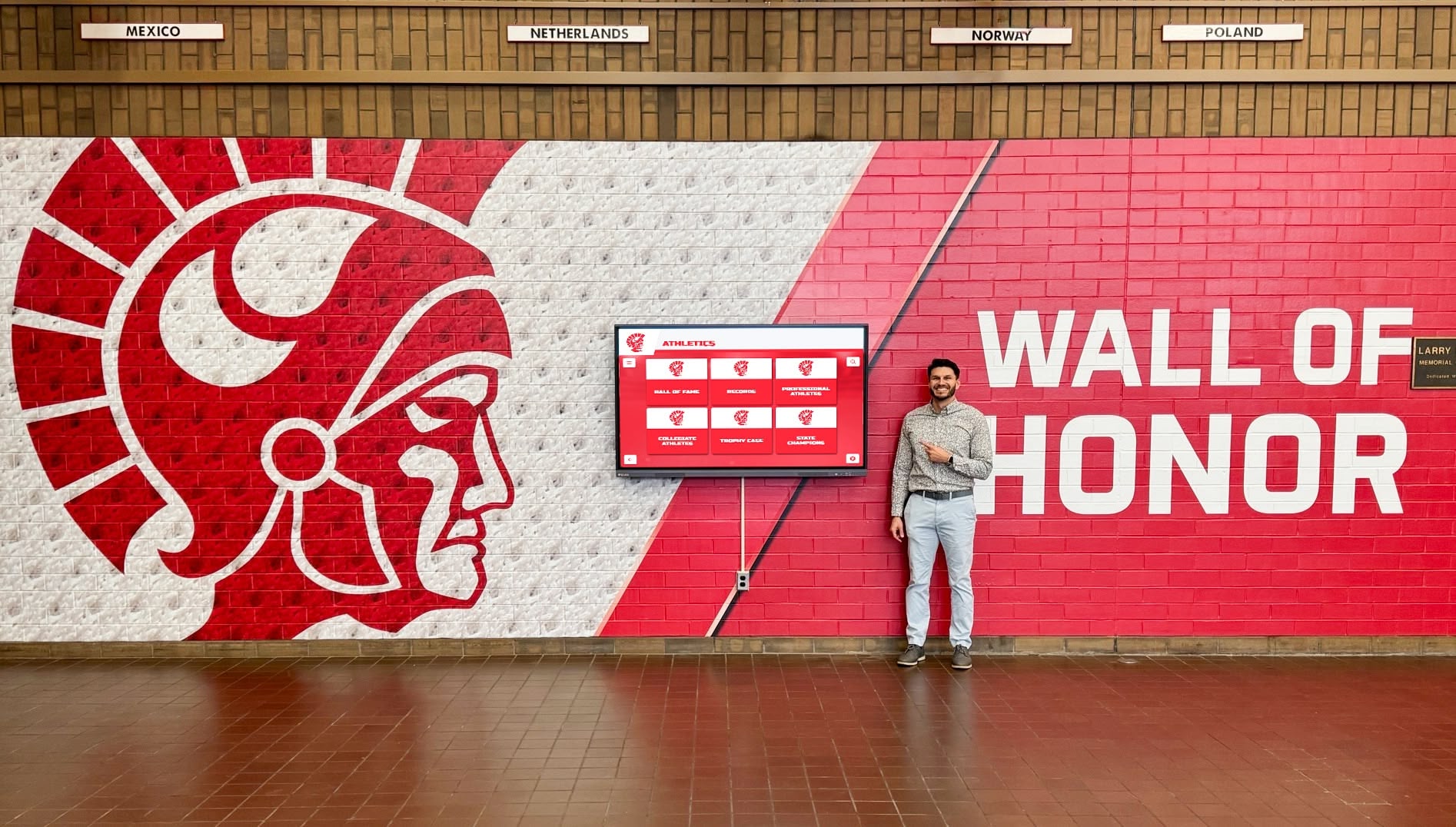
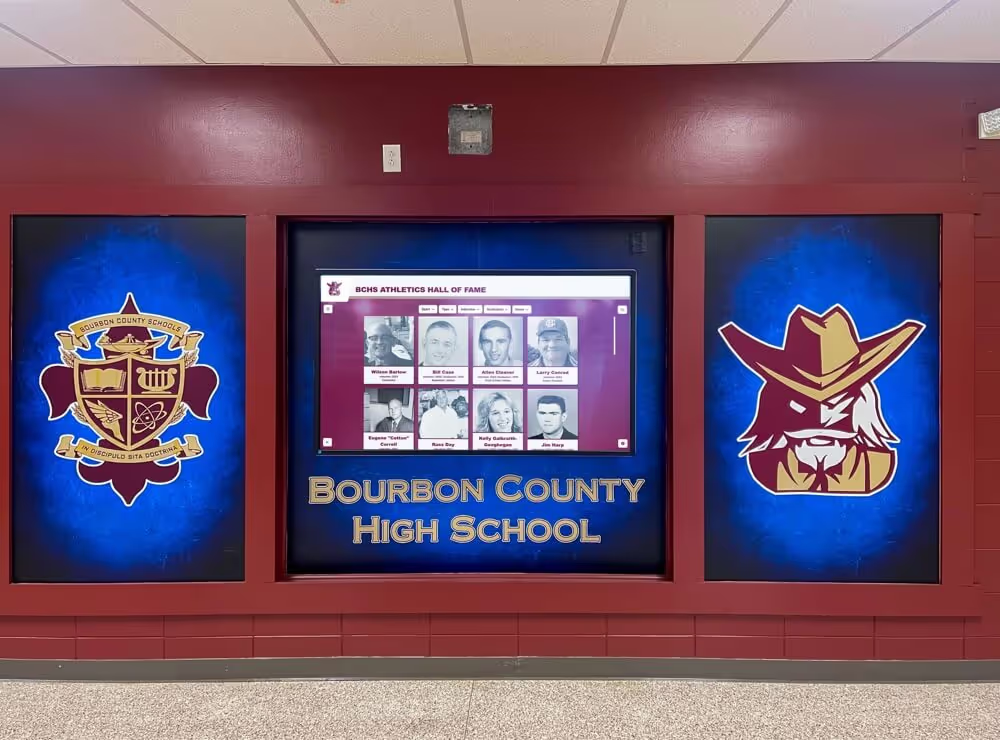
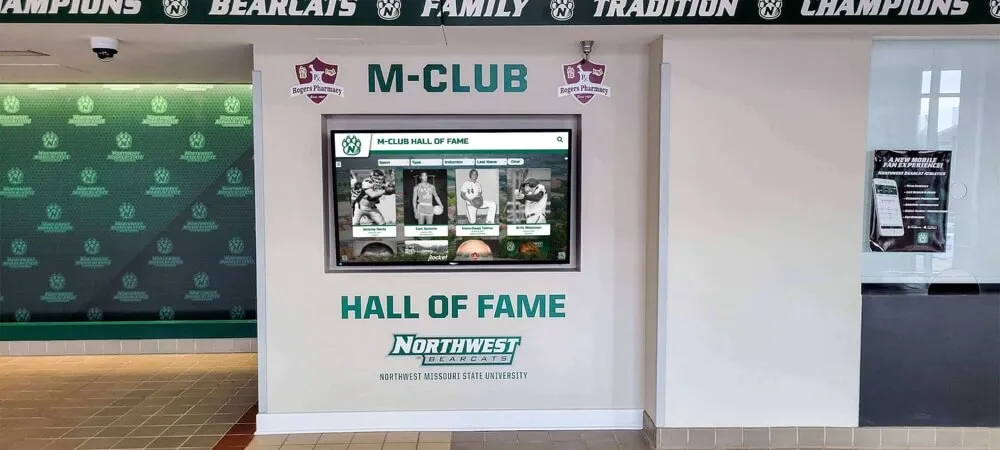
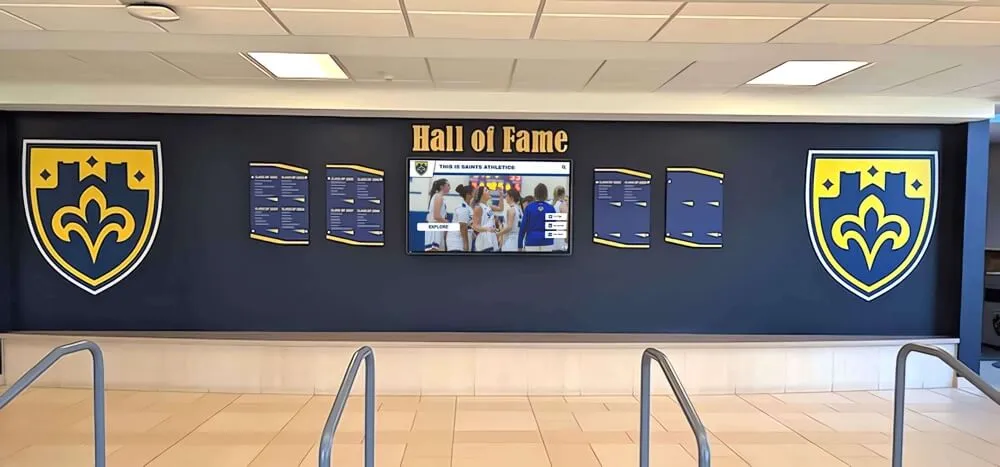
Color-coded recognition systems—whether displayed on walls or worn at graduation—help community members quickly understand what each honor represents
Embroidery and Personalization Options
Beyond base color, graduation honors stoles offer significant personalization options that elevate recognition from generic to genuinely meaningful:
Name Embroidery — Personalizing each stole with the student’s name transforms a shared honor garment into an individual keepsake. Name embroidery adds cost but dramatically increases the likelihood students keep and display the stole after graduation.
School Name and Crest — School name, mascot, or official crest embroidery strengthens institutional identity while making stoles immediately identifiable in graduation photography.
Year and Honor Title — Embroidering the graduation year and specific honor (e.g., “Class of 2026 — Academic Excellence”) creates a permanent record that ages well and maintains meaning as years pass.
Personalized Messages — Some schools allow students to add brief personal inscriptions, making stoles both a recognition garment and a personal memento.
Materials and Construction
Stole quality ranges considerably by price point. Common materials include:
Satin Polyester — The most common material for graduation stoles. Inexpensive, drapes well, and photographs effectively. Color vibrancy holds well in indoor lighting.
Matte Polyester — Less shiny than satin, creating a more subdued, formal appearance. Works well when metallic elements are part of the design.
Velvet — Premium feel and appearance, particularly appropriate for high-distinction honors like valedictorian stoles. Significantly higher cost but creates a visually distinct garment.
Woven Fabric — Custom woven designs offer unique visual texture impossible to achieve with printed or embroidered satin, suitable for schools wanting truly distinctive recognition garments.
Communicating the Stole System to Audiences
Designing a beautiful stole system only works if graduation audiences understand it. Effective communication strategies include:
- Program Guide Color Key — Include a visual reference guide in the printed graduation program showing each stole color and its corresponding recognition
- Ceremony Announcement — Have the emcee briefly explain the stole system at the ceremony’s opening
- School Website and Social Media — Post the color guide publicly before graduation so families arriving can reference it
- Yearbook Spread — Include the stole color guide in the graduation yearbook section so the system is permanently documented
Planning and Ordering Graduation Honor Stoles
Recommended Timeline
Effective stole programs require more lead time than most schools initially budget:
3-4 months before graduation: Finalize stole categories, select vendor, confirm colors and designs for each category
2-3 months before graduation: Gather initial eligibility lists from department chairs, counselors, and organization advisers; place bulk orders allowing time for production delays
6 weeks before graduation: Complete all eligibility verifications; finalize personalization details for name-embroidered stoles
3-4 weeks before graduation: Receive and inspect stoles; distribute to students with instructions for ceremony wear and post-ceremony care
1-2 weeks before graduation: Conduct any distribution corrections; confirm all eligible students have received their stoles
Establishing Clear Eligibility Criteria
The most common source of stole-related conflict isn’t design—it’s eligibility. Schools reduce these conflicts significantly when they:
- Publish written criteria before the school year begins rather than determining eligibility after senior grades are final
- Assign a designated administrator to coordinate across all stole categories
- Build appeals processes for students who believe they meet criteria but weren’t initially identified
- Create clear grade-calculation methodologies students can apply to their own records
Transparent criteria also strengthen the stoles’ recognition value: when students understand exactly what earning a specific stole required, wearing it carries genuine pride rather than uncertainty about whether standards were consistent.
Photographing Stoled Graduates for Lasting Recognition
Graduation stoles only generate lasting value if they’re well-documented. Schools that capture strong imagery of stoled graduates can extend that recognition through yearbooks, social media, hallway displays, and alumni archives.
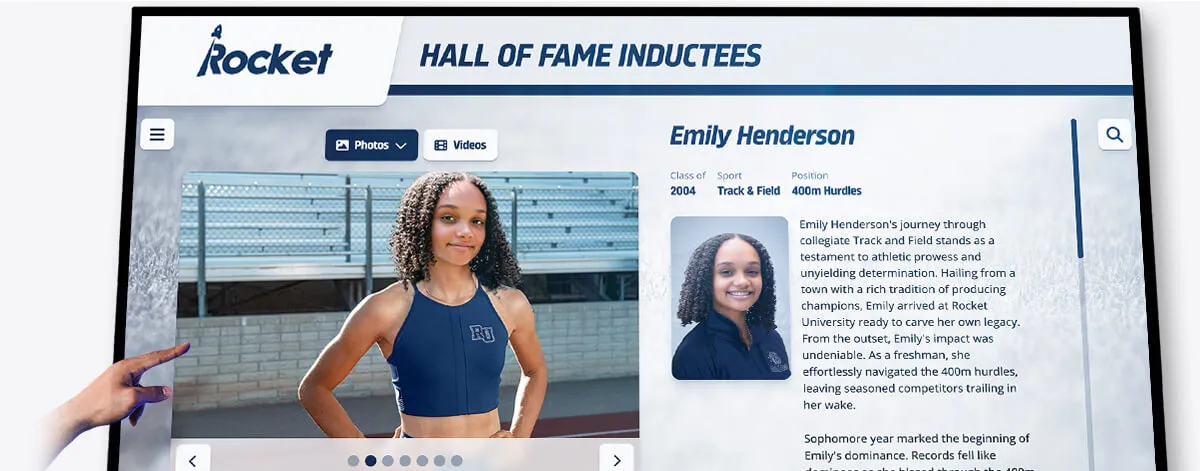
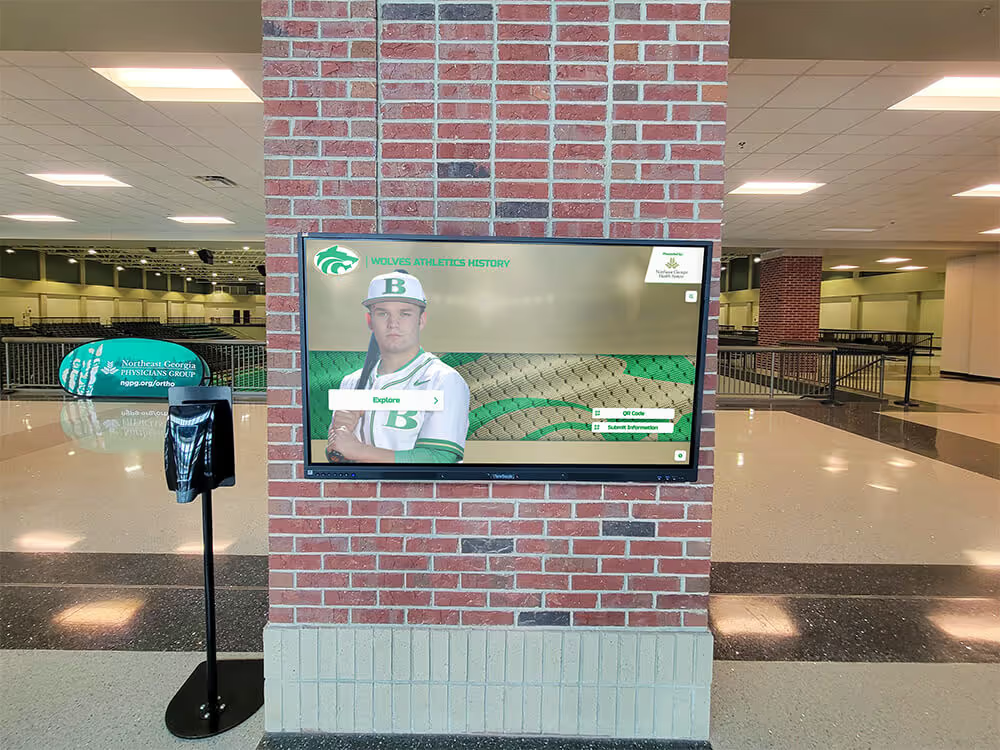
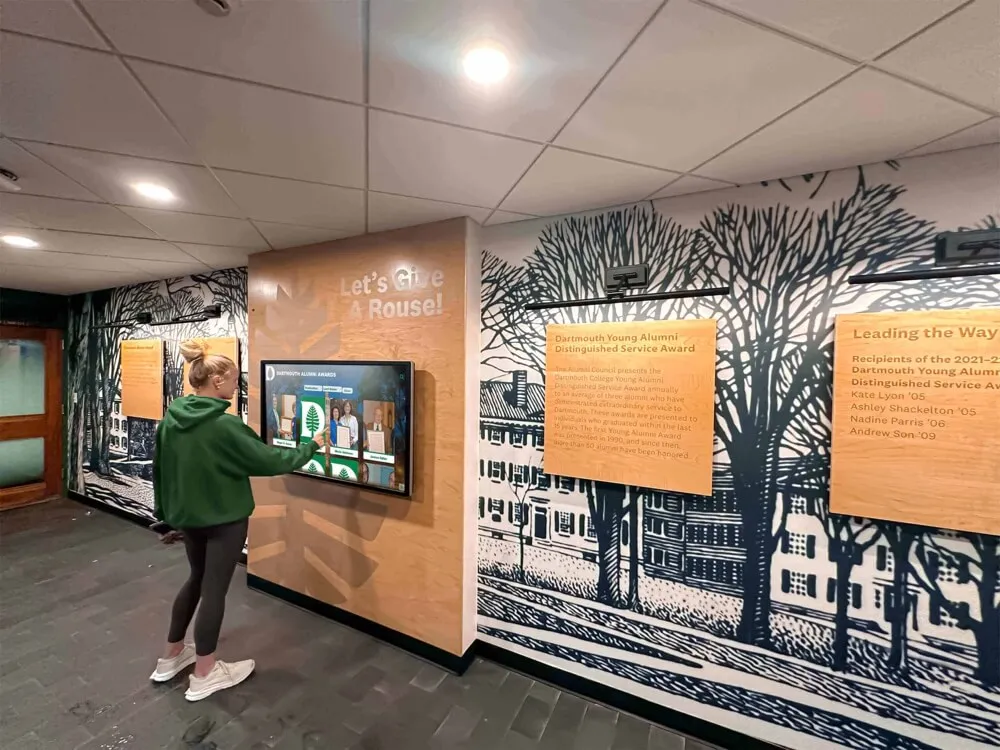
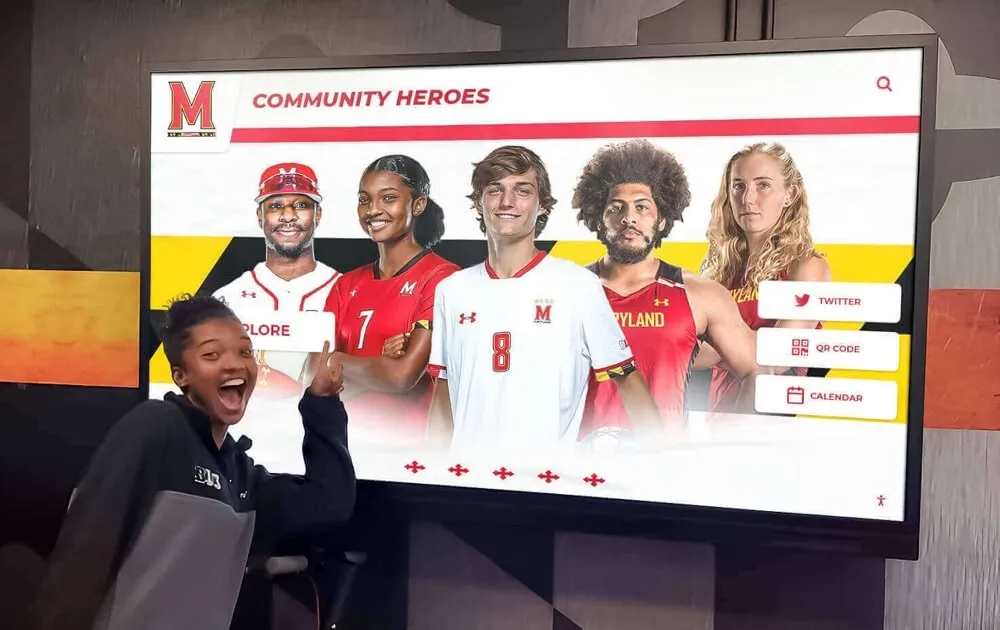
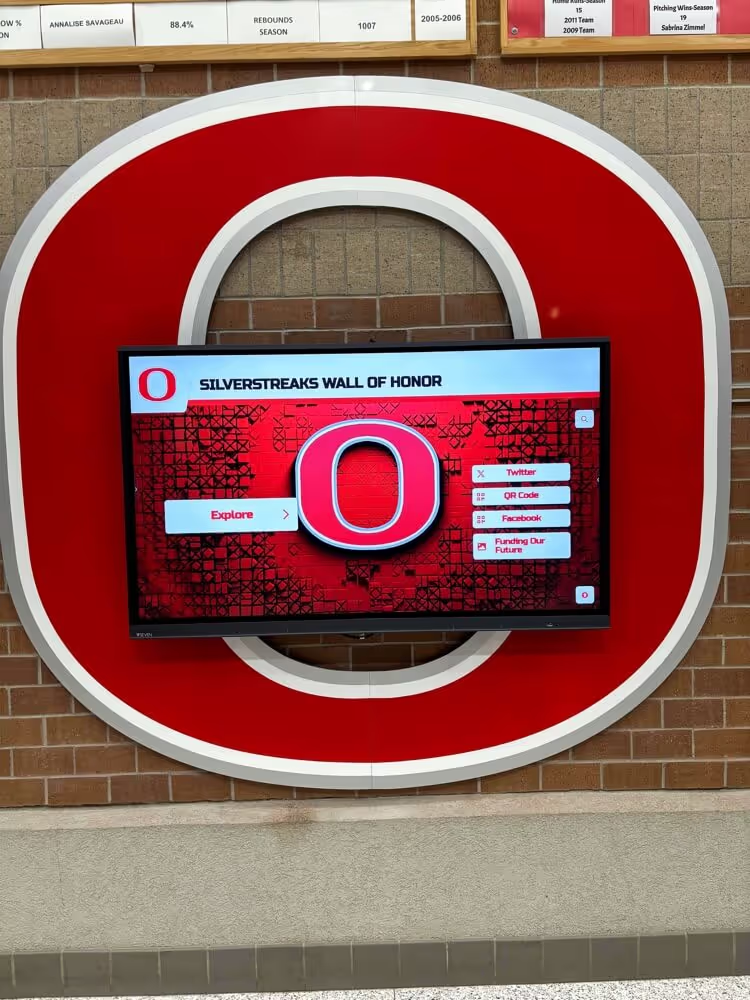
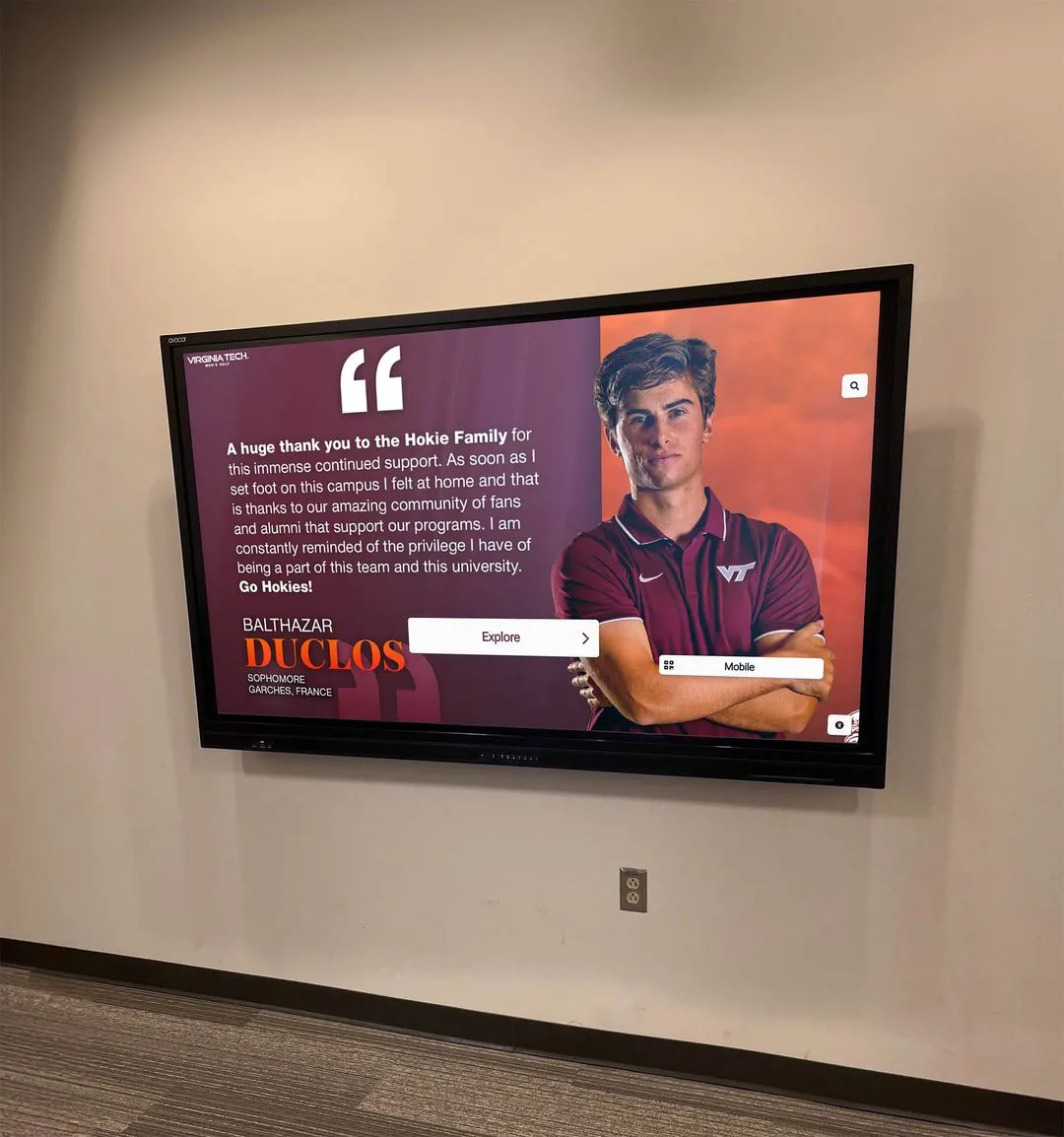
Digital recognition systems allow schools to celebrate individual student achievement in detail—the same level of specificity that honor stoles communicate visually during graduation ceremonies
Portrait Photography Best Practices
Individual Senior Portraits with Stoles — Work with senior portrait photographers to include a stole-specific pose for all stole recipients. This creates official documentation of each student’s honors in a format suitable for yearbooks and digital displays.
Color and Lighting Considerations — Satin stoles reflect light differently than gowns. Photographers should adjust lighting to prevent hot spots washing out embroidery details. Dark backgrounds help stole colors read clearly.
Full-Length vs. Detail Shots — Both have value. Full-length portraits show the complete regalia context; close-up detail shots capture embroidery and color more clearly for display purposes.
Group Photography for Stole Categories
Group portraits of all recipients within a single stole category create powerful images for yearbook spreads, hallway displays, and social media:
- Valedictorian and salutatorian together with full regalia
- All NHS members photographed as a group before the ceremony
- Cultural heritage stole recipients grouped by organization
- Total academic honor stole recipients as a single large group
These group images create visual documentation of the entire recognition cohort—useful both for the yearbook and for permanent recognition installations.
Display Ideas: Showcasing Stoled Graduates Beyond the Ceremony
The ceremony ends in minutes. The recognition can last indefinitely. Schools that build systems for displaying stoled graduates beyond commencement day multiply the recognition value of their stole programs without additional per-student investment.
Yearbook Graduation Spreads
The graduation section of the school yearbook is the natural home for stole recognition documentation:
Stole Color Guide Infographic — A visual reference showing all stole colors alongside their corresponding honors gives future readers context for understanding what graduates in photographs achieved.
Stoled Graduate Group Photos — Feature group photos of all stole recipients in each category, labeled clearly. These spreads communicate both the scale of achievement across the class and the specific students who earned each recognition.
Spotlight Features — Brief profiles of individual stoled graduates—especially valedictorians, salutatorians, or students earning particularly distinctive honors—add narrative depth to photographic documentation.
For schools looking to make graduation pages more dynamic, ideas from yearbook senior superlatives and creative award recognition can help create complementary recognition content on adjacent pages.
Digital Recognition Walls and Displays
Permanent digital recognition installations create ongoing visibility for graduating classes long after commencement:
Lobby and Hallway Touchscreens — Interactive digital displays in main entrances or hallways can feature graduating class profiles with stole distinctions noted. Visitors, students, and alumni can explore individual achievement records, creating engagement well beyond what static trophy cases allow.
Digital Honor Roll Boards — Dedicated digital screens displaying current and historical honor roll and academic achievement recipients provide year-round visibility for academic recognition—reinforcing the value of achievement that culminates in honor stoles at graduation.
Schools building physical recognition installations benefit from understanding school wall wraps and comprehensive display systems that can integrate recognition displays into broader facility design.
Social Media Recognition Campaigns
Social media extends stole recognition to the school community beyond the gymnasium:
Category Spotlights — Feature individual stoled graduates across the days leading up to graduation, highlighting each student’s achievement and the stole they’ll wear.
Group Reveal Posts — Share group photos of all stole recipients in each category, tagging students and families to maximize organic reach.
Ceremony Day Coverage — Live photography and video during graduation capturing stoled graduates as they cross the stage creates real-time recognition families share immediately.
Post-Ceremony Galleries — A curated photo gallery of stoled graduates published in the days following graduation gives the recognition extended digital life.
Physical Display Cases and Hallway Recognition
Not all recognition needs to be digital. Dedicated physical display space for stoled graduates creates visible school culture artifacts:
- Framed Class Photos — Group photos of stoled graduates from each class framed and displayed in hallways create visible lineage of achievement
- Alumni Wall Sections — Some schools maintain dedicated sections on state championship and trophy case displays alongside academic recognition
- Honor Program History Boards — Cumulative displays listing each year’s valedictorians, NHS presidents, and scholarship recipients alongside their stole years
Connecting Honor Stoles to Broader Recognition Programs
Graduation honor stoles gain meaning from the recognition culture schools build around them throughout students’ academic careers—not just in the final ceremony.
Building Year-Round Recognition That Culminates at Graduation
Students who receive consistent recognition throughout their school years experience graduation stoles as a culminating celebration of an ongoing record rather than a one-time award. Effective year-round practices include:
Academic Recognition Events — Honor roll ceremonies, academic award nights, and subject-specific recognition events throughout the school year create a track record of celebration that graduation stoles formalize.
Digital Achievement Profiles — Maintaining ongoing digital profiles for students that document academic honors, organization memberships, and service achievements creates the record that graduation stoles summarize in visual form.
Senior Year Transition Recognition — Many schools now use senior recognition programs to bridge the gap between year-round achievement and graduation. Senior nights, senior spotlights, and end-of-year recognition events prime families to understand what graduation stoles represent.
Schools building comprehensive recognition programs also draw on donor and supporter recognition frameworks from donor recognition examples and wall displays to understand how visual recognition design communicates hierarchy and meaning to audiences who weren’t present for the achievements being celebrated.
Alumni Connections and Long-Term Value
Honor stoles don’t end at graduation. Schools that maintain digital archives of graduating classes with stole distinctions noted create ongoing connections between alumni and their achievement records:
Alumni Reunion Recognition — Featuring graduated classes’ stole recipients in reunion programming reconnects alumni with their achievements and demonstrates institutional memory. Homecoming events and alumni gatherings that reference graduation honors create continuity between student experience and long-term alumni identity.
Scholarship Connections — Some schools use honor stole recipient lists to identify alumni qualified for scholarship references, alumni advisory roles, or mentorship program recruitment.
Digital Archive Access — Alumni who can access digital records of their graduation class, including stole recipients and achievement documentation, maintain stronger connections to their schools long after commencement.
Schools that develop robust approaches to digital asset management for schools position themselves to maintain and leverage graduation photography, stole records, and achievement documentation across decades rather than losing those materials when staff members change.
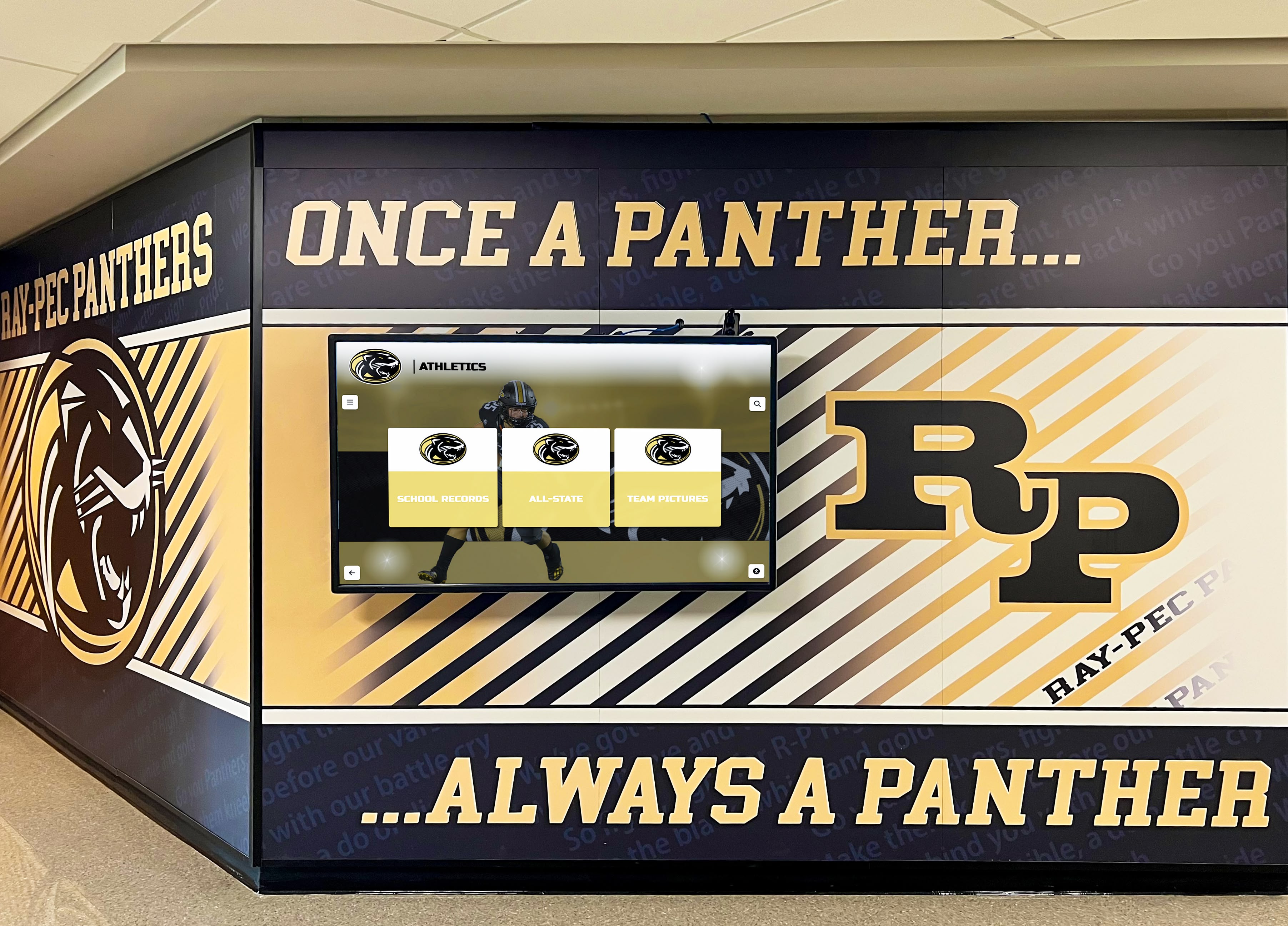
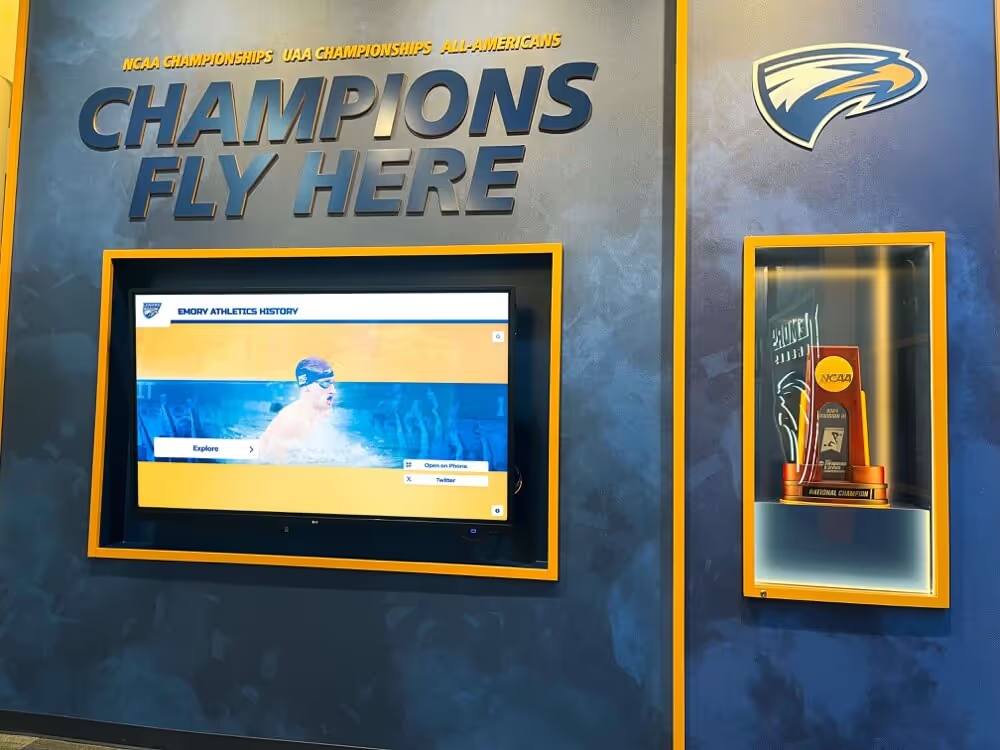
Digital screens integrated into school recognition spaces create ongoing visibility for student achievement—extending the impact of graduation stoles from a single ceremony into permanent institutional memory
Common Mistakes Schools Make With Honor Stole Programs
Learning from common pitfalls helps schools build stronger programs from the start.
Ordering Too Late — Personalized stoles with name embroidery require 6-8 weeks of production time at many vendors. Schools that wait until April to finalize orders risk receiving stoles days before graduation with no time to address errors or missing items.
Unclear or Inconsistent Criteria — When students and families don’t understand exactly what each stole requires, schools face last-minute complaints and requests during an already hectic graduation period. Publish criteria publicly at the start of senior year.
Color Conflicts With Existing Regalia — Schools already using colored cords for NHS (gold) or other organizations should verify their stole color system doesn’t create confusion. A school that gives gold cords to NHS members and gold stoles for academic honors will confuse audiences.
No Communication Plan — Designing a beautiful multi-color stole system without telling audiences what it means wastes the design investment. Build audience communication into the stole program budget and planning.
Forgetting Documentation — Schools that don’t capture strong photography of stoled graduates lose the ability to use those images in future displays, yearbooks, and alumni programming. Build a photography plan into stole distribution.
Treating Stoles as Separate From the Recognition Program — Stoles work best as one visible element in a coherent recognition culture, not as an isolated ceremony add-on. Schools that tie stoles to year-round recognition, digital displays, and alumni archives multiply their value significantly.
Practical Checklist for Schools Launching or Improving a Stole Program
Use this checklist when planning your graduation honors stole program:
Program Design
- Define all stole categories and corresponding achievement criteria
- Select a color system with no conflicts against existing regalia
- Choose embroidery specifications (name, year, honor title, crest)
- Select material type based on budget and formality level
- Draft audience communication materials (program guide insert, website page, ceremony announcement)
Ordering and Logistics
- Research and select stole vendor; request samples of colors and materials
- Establish budget per category (accounting for personalization)
- Set eligibility determination deadline (recommend 10 weeks before graduation)
- Create eligibility tracking spreadsheet with designated owner per category
- Place order with sufficient time for production plus buffer (minimum 8 weeks for personalized stoles)
- Build distribution plan for getting correct stoles to correct students
Photography and Documentation
- Brief senior portrait photographer on stole documentation requirements
- Schedule group photography sessions for each stole category
- Plan ceremony photography coverage emphasizing stole visibility
- Designate person responsible for collecting high-resolution digital files post-ceremony
- Plan yearbook pages for stole documentation
Display and Long-Term Recognition
- Plan yearbook graduation spread to include stole color guide and recipient photography
- Update digital recognition displays or prepare new ones featuring stoled graduates
- Archive eligibility records and photography for future reference
- Plan post-ceremony social media recognition content
Conclusion: Making Graduation Honor Stoles Count
Graduation honor stoles represent one of the few recognition tools that work simultaneously at the individual, community, and institutional level. A student wearing a gold academic excellence stole experiences personal pride; the family in the audience sees a tangible symbol of years of hard work; the school community communicates its values to everyone present; and the institution creates a visual record of its commitment to recognizing achievement.
That promise only delivers when schools approach stoles deliberately—designing color systems audiences understand, establishing transparent criteria, planning documentation from the start, and building display programs that extend recognition beyond the few minutes students spend crossing a stage.
The schools that do this well find that graduation honors stoles become a tradition families anticipate, students aspire toward, and alumni remember. The garment gets stored carefully, brought out for family photos years later, and connected in memory to everything students worked to achieve throughout their time in your school.
Whether you’re building a stole program from scratch or refining an existing one, the investment in thoughtful design and documentation pays dividends in student motivation, family engagement, community culture, and institutional legacy that outlast any single graduating class.
Build a Recognition Program Stoled Graduates Will Remember
Rocket Alumni Solutions helps schools create comprehensive digital recognition displays that celebrate academic achievement, graduation honors, and student success with interactive touchscreens, digital yearbooks, and alumni engagement tools built specifically for K-12 and university programs.
Explore Digital Recognition Solutions