Graduation cord colors transform commencement ceremonies into visual celebrations of student achievement, with each color representing specific academic honors, organizational memberships, or accomplishments earned throughout students’ educational journeys. As graduates process across the stage wearing their colorful honor cords, these simple braided ropes tell powerful stories about dedication to scholarship, leadership in student organizations, service to communities, and excellence in specialized fields of study.
Understanding what different graduation cord colors mean helps schools design recognition systems that properly honor diverse student achievements while maintaining ceremonial traditions that make commencement meaningful. Yet many educators, students, and families remain unclear about honor cord symbolism—wondering what gold cords signify, whether multiple cords can be worn simultaneously, or how schools determine which achievements warrant cord recognition.
This comprehensive guide explains the meanings behind common graduation cord colors, explores the traditions and standards that govern honor cord usage, and provides practical guidance for schools implementing or refining their graduation recognition systems to ensure every deserving student receives appropriate acknowledgment during this milestone celebration.
Graduation cords serve as wearable recognition that makes student achievement visible during commencement ceremonies. Unlike diplomas presented individually, honor cords allow entire audiences to immediately see which graduates earned special distinctions—creating moments of family pride while inspiring younger students observing from bleachers to pursue similar accomplishments.

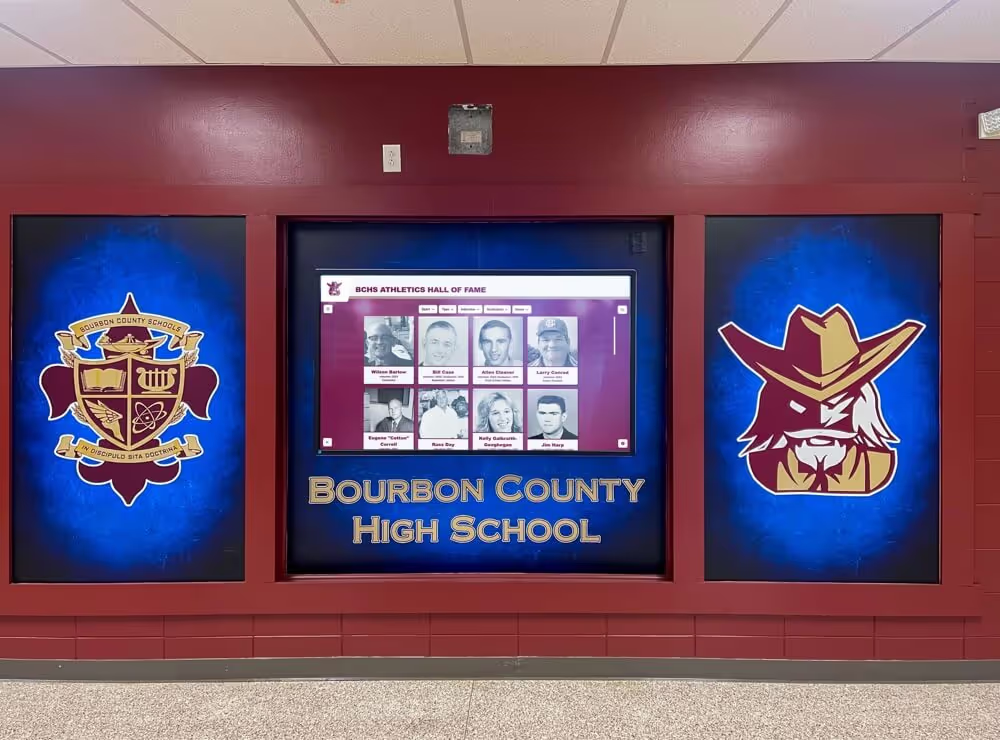
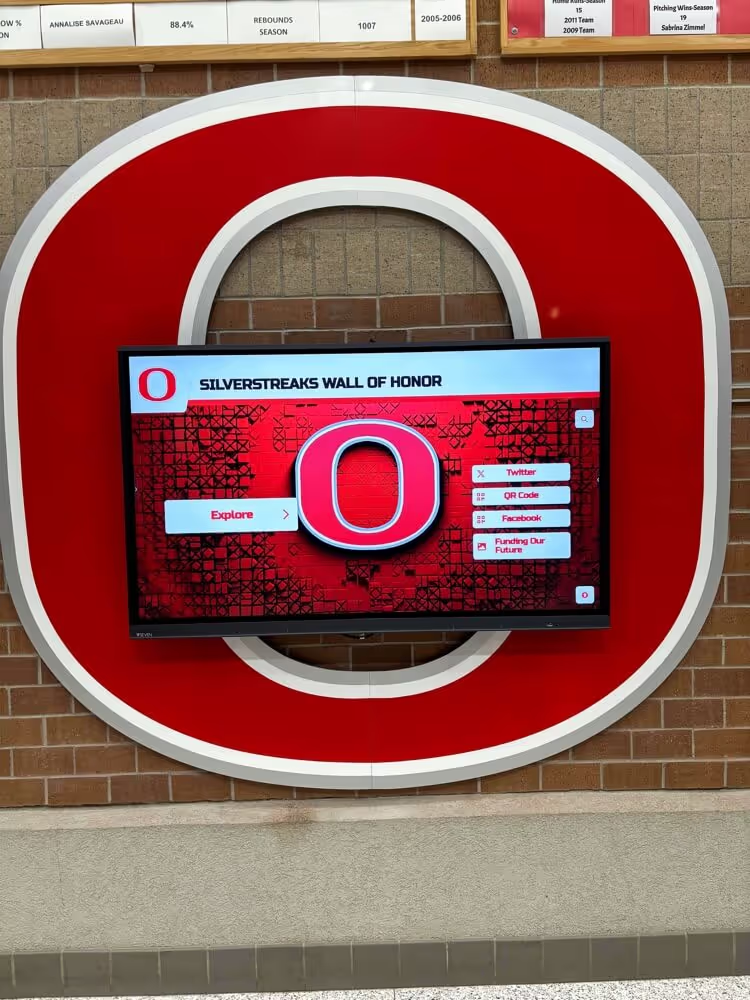
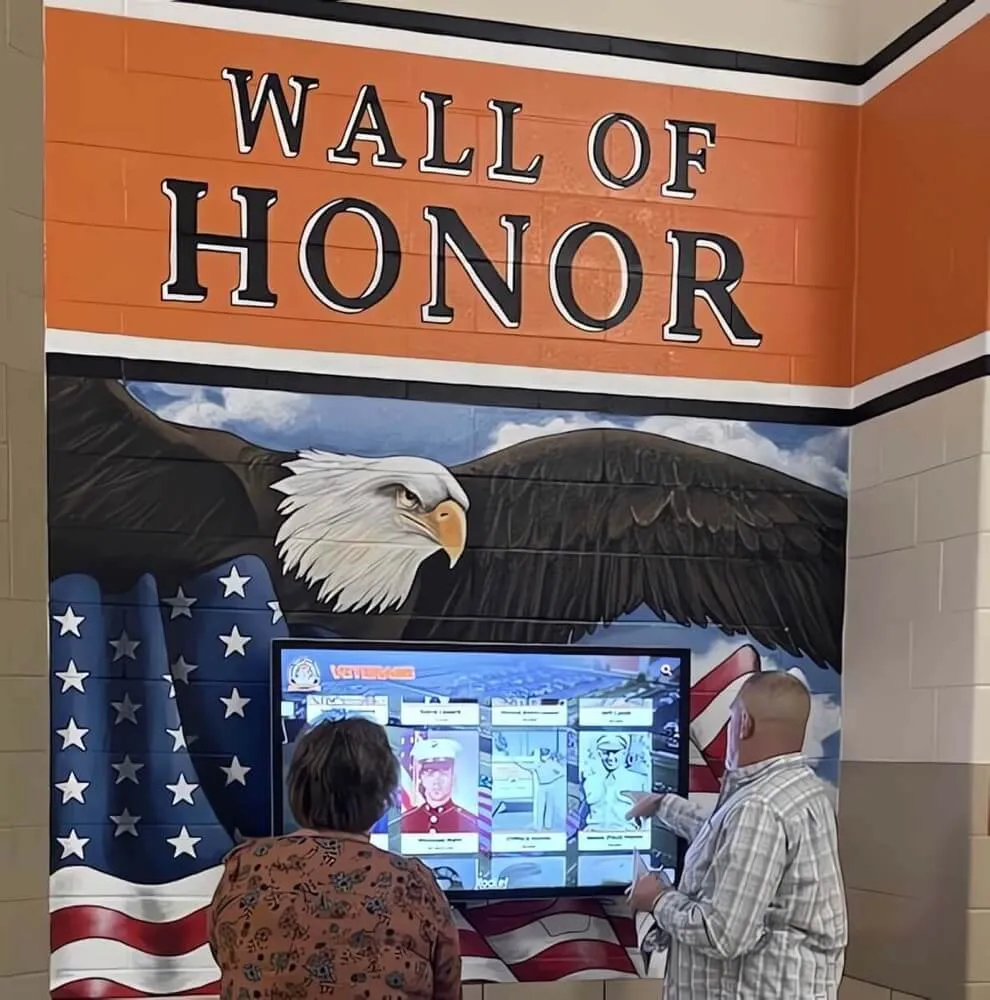
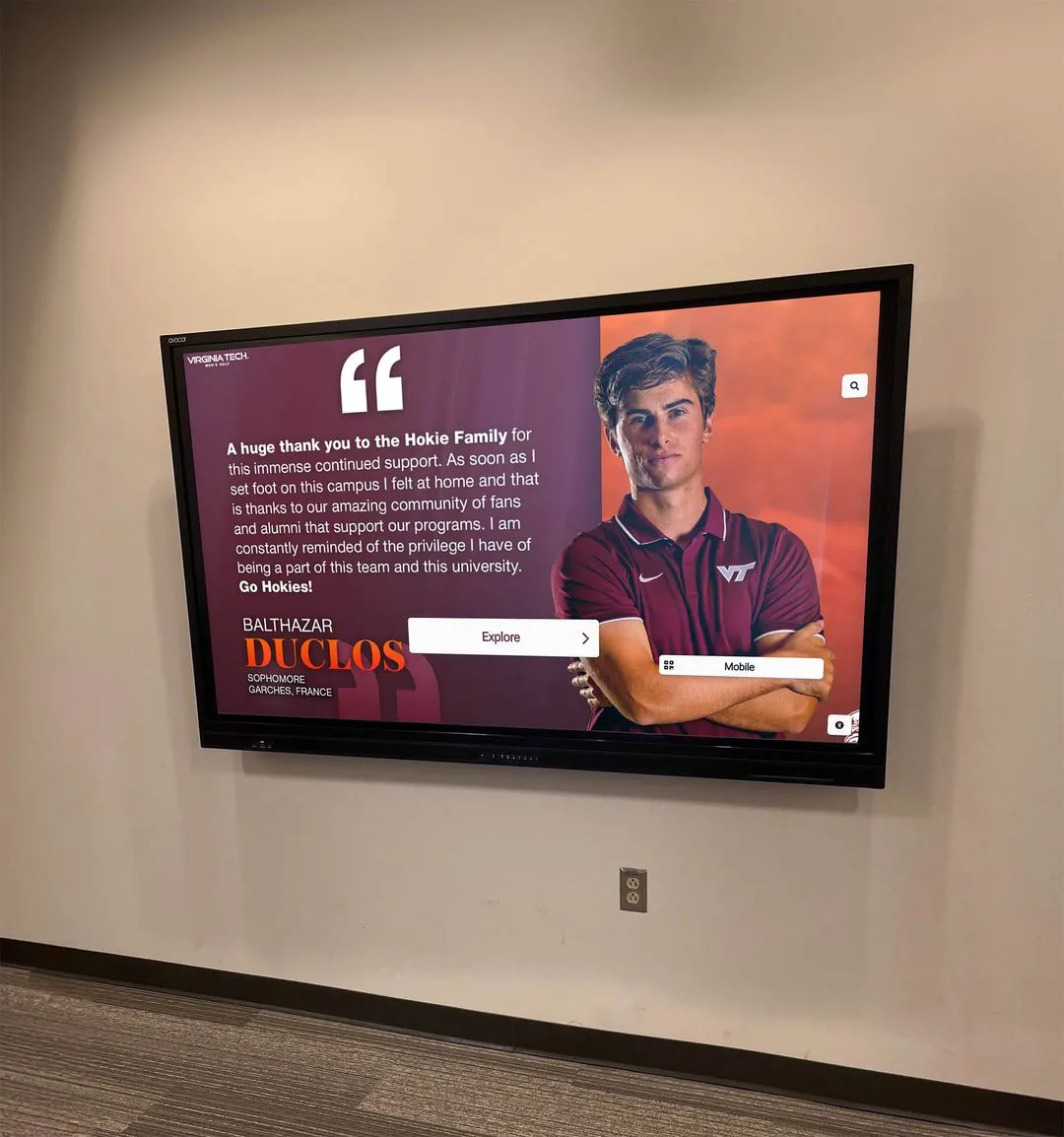
Modern recognition systems celebrate student achievement in multiple forms, from traditional graduation honors to year-round digital displays
Understanding Graduation Honor Cords
Before exploring specific color meanings, understanding the purpose and structure of graduation honor cords provides important context.
What Are Graduation Cords?
Graduation honor cords are thick, braided ropes typically worn draped around the neck during commencement ceremonies, with the two ends hanging down the front of academic robes. Most cords measure approximately 60-70 inches in length and feature decorative tassels at each end.
Types of Honor Cords
- Single-color cords: Solid colored cords representing one specific achievement or honor
- Double-color cords: Braided cords combining two colors, often representing combined honors or specific organizations
- Metallic cords: Gold, silver, and bronze cords typically reserved for highest academic achievements
- Specialty cords: Custom colored cords designed for school-specific honors or unique programs
Honor cords differ from graduation stoles (wider fabric sashes) and medallions (hung on ribbons), though all three accessories serve similar recognition purposes during commencement.
The History and Tradition of Honor Cords
The tradition of graduation honor cords originated in the early 20th century as American universities sought visible ways to distinguish students earning academic honors during large commencement ceremonies. The practice has since expanded beyond purely academic recognition to include leadership, service, organizational membership, and specialized program completion.
Today’s graduation ceremonies often feature students wearing multiple cords simultaneously—a visual testament to their diverse accomplishments across academic, extracurricular, and service domains throughout their educational careers.
How Schools Determine Cord Eligibility
Individual schools and organizations establish their own criteria for graduation cord eligibility:
Academic Achievement Standards
- GPA thresholds for honor society membership
- Class rank percentiles (top 10%, top 25%, etc.)
- Specific academic program completion requirements
- National honor society qualification criteria
Organizational Membership Requirements
- Active participation duration (minimum semesters/years)
- Leadership position requirements
- Service hour completion
- Dues payment and good standing status

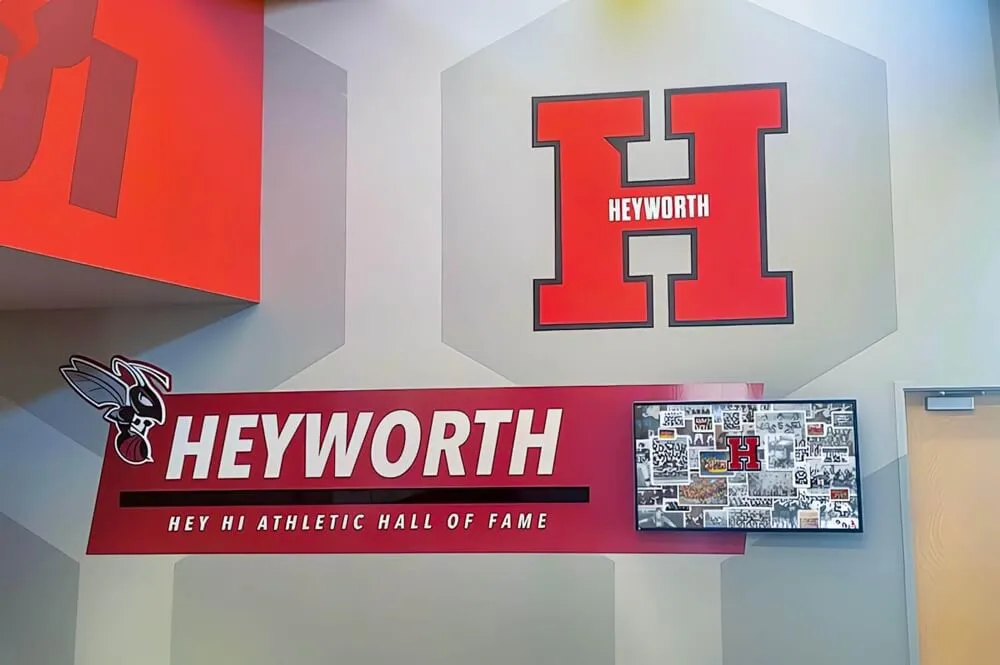
Year-round recognition displays complement graduation ceremony honors by celebrating achievement throughout students' educational journeys
Schools should clearly communicate honor cord criteria well before graduation so students understand recognition opportunities and requirements. Learn more about comprehensive approaches to academic recognition programs that extend beyond graduation ceremonies.
Common Graduation Cord Colors and Their Meanings
While individual schools may assign unique meanings to specific colors, certain graduation cord colors have developed widely-recognized traditional meanings across educational institutions.
Gold Graduation Cords
Gold represents the highest level of academic achievement and remains the most prestigious graduation cord color at most institutions.
Common Gold Cord Meanings:
- National Honor Society membership
- Summa Cum Laude academic honors (typically GPA 3.9+)
- Valedictorian or salutatorian recognition
- Top percentage of graduating class
- 4.0 GPA achievement throughout high school or college
Gold’s association with first place, excellence, and precious metals makes it the natural choice for recognizing students who’ve achieved the highest academic standards. At many schools, gold cords represent the most visible and coveted graduation distinction.
White Graduation Cords
White symbolizes purity, innocence, and new beginnings—making it appropriate for graduation ceremonies marking educational transitions.
Common White Cord Meanings:
- General academic achievement or honors
- Liberal arts degree completion
- Humanities program graduates
- Leadership honors in specific organizations
- Community service recognition
Some institutions use white cords for broad honor categories, while others reserve them for specific degree programs or types of achievement complementing other recognition systems.
Silver Graduation Cords
Silver represents distinction, eloquence, and high achievement—typically indicating the second-highest level of academic honors.
Common Silver Cord Meanings:
- Magna Cum Laude academic honors (typically GPA 3.7-3.89)
- Second-tier honor society membership
- Excellence in public speaking or debate
- Significant community service completion
- Outstanding leadership achievement
Silver provides an excellent complement to gold, allowing schools to recognize multiple tiers of exceptional achievement while maintaining clear hierarchical distinctions.

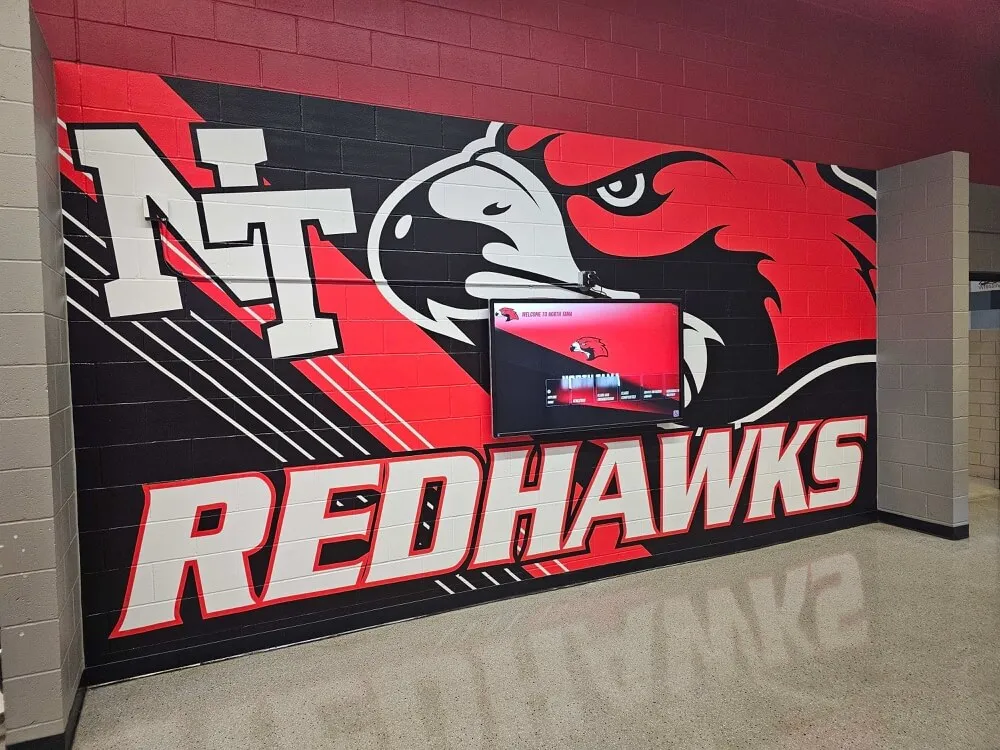
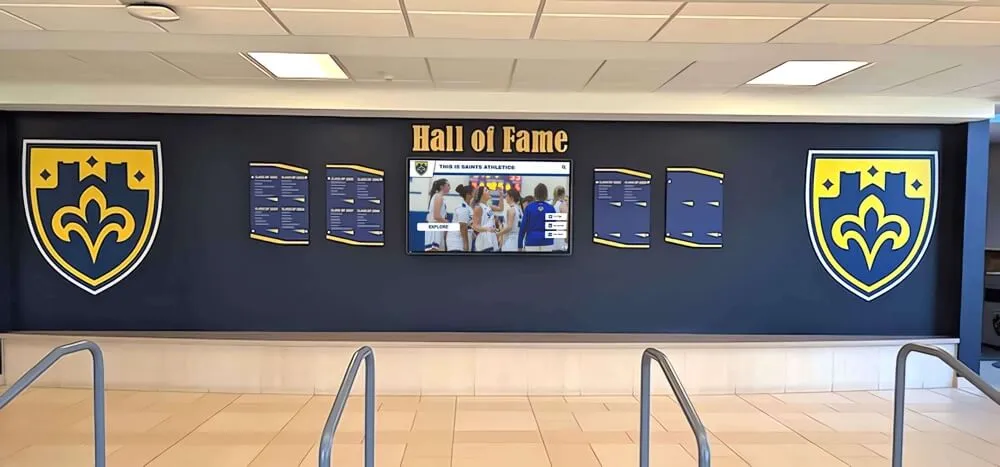
Recognition systems that celebrate multiple achievement levels ensure students at various performance tiers receive appropriate acknowledgment
Red Graduation Cords
Red symbolizes courage, passion, determination, and achievement through persistence.
Common Red Cord Meanings:
- Journalism or communication program graduates
- Debate team membership
- Perseverance awards
- Athletic achievement in some schools
- Specific departmental honors
Red’s bold, attention-grabbing nature makes it suitable for recognizing students who’ve demonstrated exceptional dedication or overcome significant challenges.
Blue Graduation Cords
Blue represents loyalty, truth, and integrity—qualities valued across educational communities.
Common Blue Cord Meanings:
- Education degree programs
- Leadership organization membership
- Student government participation
- Debate or forensics achievement
- School spirit or loyalty recognition
Many schools use various shades of blue—from royal blue to navy to light blue—to distinguish different honors or organizations, with each shade carrying specific meaning within that institution’s recognition system.
Green Graduation Cords
Green symbolizes growth, renewal, and prosperity—appropriate for recognizing development and environmental focus.
Common Green Cord Meanings:
- Science, technology, engineering programs
- Environmental studies or sustainability programs
- Medicine or pre-med program completion
- Growth or improvement awards
- Agricultural studies
Green cords often recognize achievement in programs focused on natural sciences, healthcare, or environmental sustainability.
Purple Graduation Cords
Purple historically represents royalty, wisdom, and honor—making it suitable for prestigious recognitions.
Common Purple Cord Meanings:
- Law or pre-law program graduates
- Honor society membership (some chapters)
- Music or performing arts achievement
- Specific departmental honors
- Leadership distinctions
Some institutions use purple specifically for honors programs or special academic distinctions that fall outside traditional honor society structures.
Orange Graduation Cords
Orange represents enthusiasm, creativity, and determination.
Common Orange Cord Meanings:
- Engineering program graduates
- Technical or vocational program completion
- Perseverance or resilience awards
- Specific organizational memberships
- School-specific honors (especially at institutions with orange school colors)
Orange provides a distinctive, visible recognition option that stands out during graduation ceremonies while carrying positive symbolic associations.
Black Graduation Cords
Black symbolizes formality, sophistication, and academic achievement.
Common Black Cord Meanings:
- Business program graduates
- Accounting or finance majors
- Specific honor society chapters
- Leadership positions
- Excellence in professional programs
Black cords complement traditional black graduation gowns while providing subtle but visible distinction for recognized graduates.
Pink Graduation Cords
Pink represents compassion, caring, and service—particularly in healthcare contexts.
Common Pink Cord Meanings:
- Music or performing arts programs
- Cosmetology program completion
- Certain sorority affiliations
- Breast cancer awareness recognition
- Specific school or program traditions
Brown Graduation Cords
Brown symbolizes stability, reliability, and groundedness.
Common Brown Cord Meanings:
- History or archaeology programs
- Earth science majors
- Certain fraternity affiliations
- Specific departmental recognitions
- Traditional studies programs
Teal or Turquoise Graduation Cords
Teal represents healing, compassion, and clarity of communication.
Common Teal Cord Meanings:
- Peer counseling or mentorship programs
- Specific honor societies
- Mental health awareness advocacy
- Certain organizational memberships
- School-specific recognition programs
The growing popularity of teal graduation cords reflects increased institutional focus on student wellbeing and peer support programs.
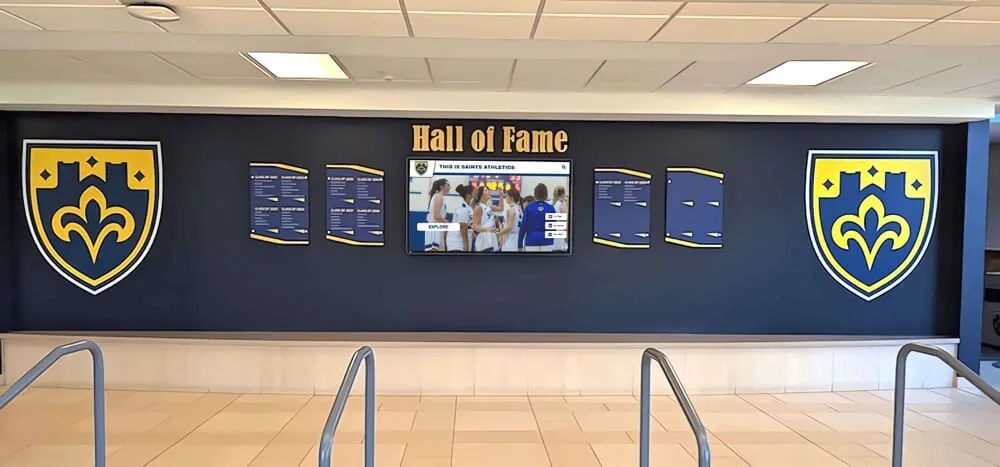
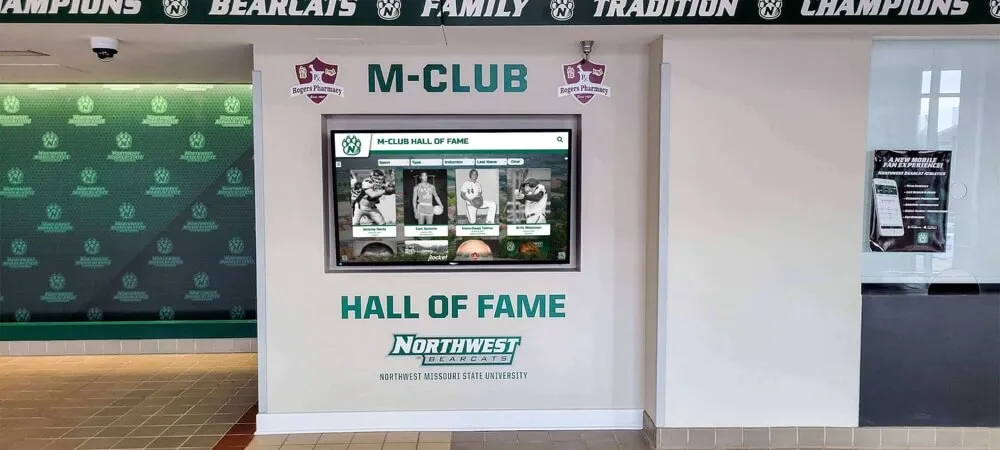
Recognition traditions evolve to incorporate both ceremonial elements like honor cords and permanent displays that celebrate achievement year-round
Organization-Specific Graduation Cord Colors
Many student organizations use standardized colors across schools nationwide, creating consistency for students transferring between institutions or participating in national honor societies.
National Honor Society Cords
The National Honor Society (NHS) traditionally uses gold and blue double cords or solid gold cords to recognize members at graduation. NHS membership requires demonstrated excellence in scholarship, leadership, service, and character—making it one of the most prestigious student organizations.
National Technical Honor Society
The National Technical Honor Society (NTHS) uses red, white, and blue triple cords reflecting American ideals while recognizing excellence in career and technical education programs.
International Thespian Society
The International Thespian Society uses blue and gold double cords recognizing achievement in theater arts, technical theater, and performing arts education.
DECA and Business Organizations
DECA (Distributive Education Clubs of America) and similar business education organizations typically use blue and gold cords or school-specific colors recognizing achievement in marketing, management, and entrepreneurship education.
Future Farmers of America (FFA)
FFA traditionally uses gold cords or blue and gold double cords recognizing agricultural education achievement and leadership.
Key Club and Service Organizations
Key Club International and similar service organizations often use blue and gold cords or organization-specific colors recognizing community service contributions and leadership development.
Schools should consult with specific national organizations to ensure graduation cord colors align with official organizational standards and traditions. Many organizations provide guidelines for properly displaying their colors at commencement ceremonies.
Explore how academic letter awards provide another layer of recognition that complements graduation cord systems.
Double and Triple Graduation Cords
Students earning multiple honors often wear combinations of cords representing their diverse achievements.
How Double Cords Work
Double cords feature two colors braided together, typically representing:
- Combined honors: Two achievements recognized with a single cord (e.g., academic achievement plus leadership)
- Organizational colors: Official colors of specific honor societies or student groups
- Tiered recognition: Specific honor levels within graduated systems
Common double cord combinations include:
- Gold and white: High academic achievement plus leadership
- Blue and gold: Honor society membership
- Red and black: Journalism or communication honors
- Green and white: Science or healthcare programs
Wearing Multiple Cords
Many graduates wear multiple individual cords simultaneously, each representing a different achievement:
Typical Multiple Cord Scenarios:
- Academic honor cord plus organization membership cord(s)
- Multiple organization affiliations each with distinctive colors
- Academic achievement cord plus service recognition cord
- Departmental honor plus honor society membership
Best Practices for Multiple Cords:
- Layer cords starting with highest academic honor closest to neck
- Distribute colors evenly for visual balance
- Ensure all cords remain visible in ceremony photos
- Limit to 3-4 cords maximum to maintain ceremony dignity
Schools should provide clear guidance about appropriate numbers of cords and proper wearing arrangements to balance individual recognition with ceremonial aesthetics.
Latin Honors and Corresponding Cord Colors
Traditional Latin honors typically correspond with specific graduation cord colors at most institutions.
Summa Cum Laude
“With Highest Distinction” (typically GPA 3.9-4.0)
- Cord color: Gold
- Recognition level: Highest academic honor
- Typical percentile: Top 1-5% of graduating class
Magna Cum Laude
“With Great Distinction” (typically GPA 3.7-3.89)
- Cord color: Silver or white
- Recognition level: Second-tier academic honor
- Typical percentile: Top 10-15% of graduating class
Cum Laude
“With Distinction” (typically GPA 3.5-3.69)
- Cord color: White, cream, or bronze
- Recognition level: Third-tier academic honor
- Typical percentile: Top 20-25% of graduating class
Individual institutions set their own GPA thresholds and percentile cutoffs for Latin honors, so these ranges represent general guidelines rather than universal standards. Schools should clearly communicate their specific criteria and corresponding cord colors in student handbooks and graduation materials.

Modern schools complement traditional graduation recognition with interactive displays that showcase achievement throughout the year
Implementing a Graduation Cord Recognition System
Schools creating or revising graduation cord programs should follow systematic approaches ensuring fair, meaningful recognition.
Step 1: Define Recognition Categories
Identify which achievements warrant graduation cord recognition:
Academic Achievement Categories
- GPA-based honors (Latin honors or honor roll tiers)
- Class rank distinctions (valedictorian, salutatorian, top percentiles)
- Perfect attendance or near-perfect attendance
- Academic improvement or growth beyond starting baselines
Organizational Participation
- Honor society memberships (national and school-specific)
- Student government leadership positions
- Club participation and leadership
- Athletic achievement (letters, captaincies, championship participation)
Service and Character Recognition
- Community service hour completion
- Peer tutoring or mentoring programs
- Character awards (citizenship, leadership, service)
- Special achievement in school values or mission areas
Limit cord categories to genuinely significant achievements requiring sustained effort or exceptional performance. Over-proliferation of cords can dilute their meaning and create logistical complications.
Step 2: Assign Colors and Establish Standards
Match each recognition category with specific cord colors:
Color Assignment Considerations:
- Use traditional color associations (gold for highest achievement, etc.)
- Incorporate school colors where appropriate
- Ensure sufficient visual distinction between different cord types
- Consider how multiple cords will appear when worn together
- Check for potential conflicts with organizational cords students may already receive
Document clear, specific criteria for earning each cord type:
- Exact GPA thresholds with rounding policies
- Minimum participation duration for organizational cords
- Service hour requirements with verification procedures
- Application deadlines and processes
- Committee review procedures for subjective recognitions
Step 3: Communicate Requirements and Processes
Provide comprehensive information about graduation cord opportunities:
Early Communication (Freshman/Sophomore Years)
- Overview of available cord recognitions and their meanings
- Specific requirements for earning each type
- Timeline for achieving multi-year requirements
- How to track progress toward cord eligibility
Ongoing Updates (Throughout High School)
- Progress reports on GPA standing relative to honor thresholds
- Organizational membership reminders and renewal requirements
- Service hour tracking and verification
- Application deadlines and required documentation
Pre-Graduation Confirmation (Senior Year)
- Personalized notification of earned cord eligibility
- Process for ordering or receiving cords
- Guidance on wearing multiple cords appropriately
- Ceremony protocol and what to expect
Clear, proactive communication ensures students understand recognition opportunities and requirements well before graduation, reducing confusion and disappointment.
Step 4: Source Quality Cords
Order graduation cords from reputable suppliers providing:
Quality Standards
- Appropriate thickness and weight
- Secure tassel attachments
- Color-fast materials that won’t bleed or fade
- Proper length (60-70 inches standard)
- Consistent color matching year-to-year
Practical Considerations
- Lead time for custom or bulk orders
- Reusable vs. disposable cord options
- Storage procedures for school-owned cords
- Replacement policies for damaged cords
- Cost factors and budget allocation
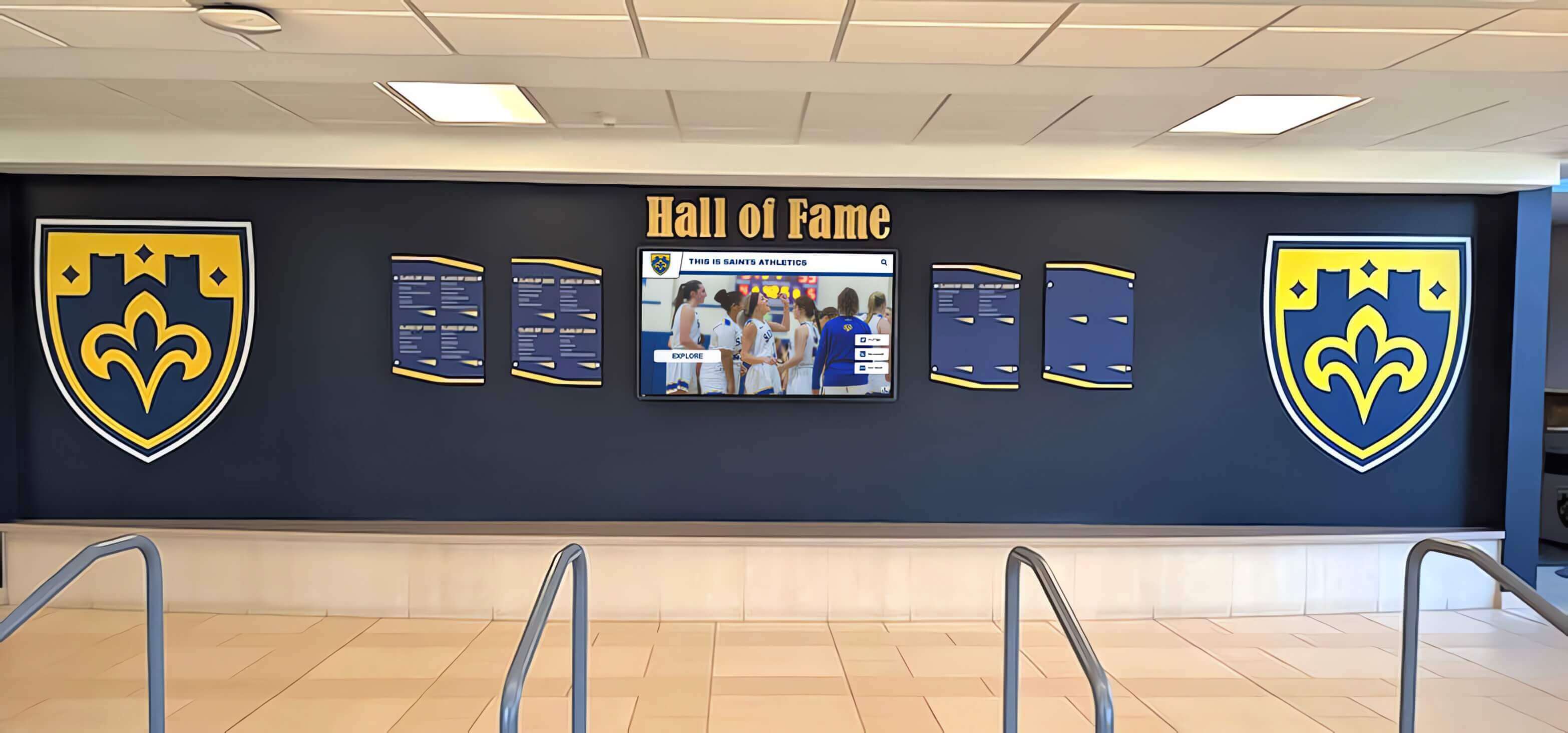
Permanent recognition installations create lasting celebrations of achievement while graduation cords mark specific milestone accomplishments
Step 5: Create Distribution and Ceremony Protocols
Establish systematic approaches for cord distribution and commencement wear:
Pre-Ceremony Distribution
- Verification of eligibility against established criteria
- Distribution timing (graduation rehearsal, packet pickup, etc.)
- Instructions for proper wearing and arrangement
- Photography opportunities for cord recipients
Ceremony Protocols
- Whether students wear cords during processional
- How multiple cord recipients arrange their cords
- Special recognition moments during ceremony
- Post-ceremony cord policies (students keep vs. return)
Some schools incorporate specific ceremony moments acknowledging cord recipients—asking students wearing particular colors to stand for audience recognition or mentioning the meaning of visible cords during commencement addresses.
Graduation Cord FAQs
Can Students Wear Multiple Graduation Cords?
Yes, students who’ve earned multiple honors typically wear all corresponding cords simultaneously. Most graduates comfortably wear 2-4 cords, though some high-achieving students may wear more. Schools should provide guidance on maximum numbers to maintain ceremony dignity while honoring diverse accomplishments.
What Do Gold and White Cords Together Mean?
Gold and white double cords typically indicate high academic achievement combined with leadership recognition, though specific meanings vary by institution. When worn as separate cords, gold usually represents highest academic honors while white indicates general academic achievement, leadership, or humanities program completion.
Who Gets to Wear Graduation Cords?
Students who meet specific achievement criteria established by their schools or by national organizations earn the right to wear corresponding graduation cords. This typically includes academic honor society members, high GPA achievers, organizational leaders, and students completing special programs or service requirements.
Do You Keep Your Graduation Cords After Ceremony?
Most schools allow students to keep their graduation cords as mementos of their achievements. However, some institutions with budget constraints may request cord returns for reuse in subsequent ceremonies. Schools should clearly communicate their cord return policies during distribution.
Can You Buy Your Own Graduation Cords?
While graduation cords are available for purchase from academic regalia suppliers, wearing cords during school ceremonies requires meeting that institution’s specific eligibility criteria. Simply purchasing cords doesn’t grant the right to wear them at graduation without properly earning the recognition they represent.
What If My School Doesn’t Offer Graduation Cords?
Students at schools without formal cord programs can discuss recognition opportunities with administrators or work through student government to propose implementing cord systems. Some students wear cords representing national honor society or organizational memberships even if their schools don’t have comprehensive local cord programs.
How Should Graduation Cords Be Worn?
Graduation cords should be draped around the neck over academic robes with the two tasseled ends hanging down the front at equal lengths. When wearing multiple cords, distribute them evenly so all colors remain visible. Cords should not be twisted or tangled together.

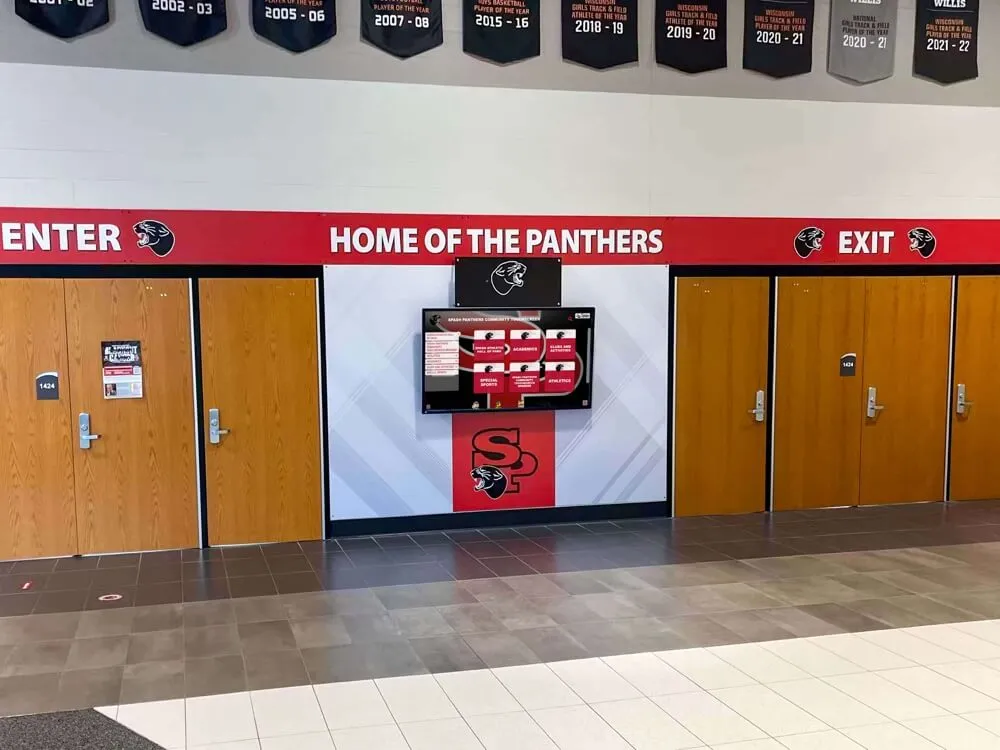
Recognition technology allows schools to celebrate achievement beyond single-day ceremonies, creating year-round visibility for student accomplishments
Beyond Graduation: Year-Round Recognition Systems
While graduation cords provide important ceremony-day recognition, comprehensive achievement celebration extends throughout students’ educational experiences.
Creating Lasting Recognition Impact
Modern schools complement traditional graduation honors with recognition systems providing ongoing visibility:
Physical Recognition Displays
- Hall of fame installations highlighting academic achievers
- Honor roll display boards updated each term
- Trophy cases featuring academic and service awards alongside athletic achievements
- Recognition walls celebrating diverse accomplishments
Digital Recognition Platforms
- Interactive touchscreen displays showcasing student achievement
- Social media highlights celebrating individual and group accomplishments
- School website recognition pages with searchable achievement databases
- Digital signage rotating recognition throughout buildings
Schools investing in interactive display technology for education create environments where achievement receives continuous visibility rather than single-moment acknowledgment at graduation.
The Power of Visible Achievement Recognition
Research consistently demonstrates that visible recognition systems amplify the motivational impact of achievement acknowledgment:
- Students exposed to visible recognition displays report higher academic motivation
- Recognition visibility creates positive peer pressure encouraging achievement
- Families appreciate seeing their students’ accomplishments celebrated publicly
- Younger students gain clear understanding of achievement pathways and possibilities
Consider exploring comprehensive recognition programs that honor not only students but all contributors to your educational community.
Integrating Traditional and Modern Recognition
The most effective recognition systems blend traditional ceremonial elements like graduation cords with modern, ongoing celebration approaches:
Complementary Recognition Strategies:
- Graduation cord eligibility announced and celebrated before commencement
- Honor society induction ceremonies with corresponding digital recognition
- Academic achievement displays updated throughout the year
- Service hour milestones celebrated as students progress toward graduation recognition
- Leadership position appointments highlighted through multiple channels
This integrated approach ensures students receive recognition multiple times for significant achievements—during the accomplishment, throughout the year following achievement, and ceremonially at graduation.
Schools can explore touchscreen kiosk solutions that make recognition interactive and engaging while maintaining the dignity of traditional ceremony elements like honor cords.
Making Graduation Recognition Meaningful
Ultimately, graduation cord colors and recognition systems matter because they validate years of student effort, celebrate diverse forms of achievement, and mark important educational transitions.
Best Practices for Meaningful Recognition
Schools creating recognition programs that truly resonate with students and families should:
Ensure Accessibility
- Create multiple pathways to recognition beyond purely academic metrics
- Recognize improvement and growth alongside absolute achievement levels
- Honor character, service, and citizenship alongside traditional academic accomplishments
- Design systems allowing students from various starting points to earn distinction
Maintain Significance
- Limit cord categories to genuinely meaningful achievements
- Establish clear, rigorous standards requiring sustained effort
- Avoid grade inflation or lowering standards to increase recognition numbers
- Balance inclusivity with maintaining the value of distinction
Provide Transparency
- Communicate requirements clearly and well in advance
- Make criteria objective and verifiable wherever possible
- Offer progress tracking so students understand their standing
- Explain the meaning and significance of different cord colors
Celebrate Publicly
- Create ceremony moments that honor cord recipients
- Provide pre-graduation recognition opportunities
- Share achievement stories through school communications
- Connect recognition to school values and mission
When implemented thoughtfully, graduation cord systems become meaningful traditions that students aspire toward, families celebrate, and communities value as visible markers of educational excellence.

Recognition systems that celebrate diverse achievements ensure all students see pathways to distinction and celebration
Conclusion: The Lasting Impact of Graduation Recognition
Graduation cord colors represent far more than decorative ceremony accessories—they serve as visible symbols of dedication, achievement, and educational values that schools prioritize and students pursue. When schools implement thoughtful recognition systems with clearly defined criteria, meaningful color symbolism, and fair distribution processes, these simple braided cords become powerful motivational tools and treasured graduation mementos.
Understanding what different graduation cord colors mean helps schools design recognition programs that appropriately honor diverse student achievements while maintaining ceremonial traditions that make commencement meaningful and memorable. From gold cords celebrating the highest academic honors to organizational colors representing extracurricular leadership, each colored cord tells a unique story about a student’s high school or college journey.
The schools that create the most impactful recognition cultures extend celebration beyond graduation day—building comprehensive systems that acknowledge achievement throughout students’ educational experiences while using traditional elements like honor cords to mark milestone accomplishments at commencement. These integrated approaches ensure recognition feels meaningful, motivating, and memorable for all participants.
By combining time-honored traditions like graduation cords with modern recognition technologies and year-round celebration strategies, schools create cultures where achievement across all dimensions receives the visibility, acknowledgment, and celebration students deserve—both at graduation and throughout their educational journeys.
Ready to create year-round recognition that complements your graduation traditions? Rocket Alumni Solutions specializes in interactive digital displays that celebrate student achievement every day—from honor roll recognition to athletic accomplishments to service milestones. Our touchscreen walls of fame and digital recognition systems help schools create visible, engaging celebration environments where every achievement receives the prominence it deserves. Discover how modern recognition technology can enhance your school’s tradition of celebrating excellence. Contact us to explore solutions that honor your graduates’ accomplishments beyond commencement day.