Graduation ceremonies stand among life’s most meaningful milestones—celebrating years of dedication, academic achievement, and personal growth while marking the transition to exciting new chapters. Whether you’re a school administrator planning a formal commencement, a parent organizing a graduation celebration, or a student preparing to share this special moment with loved ones, the invitation sets the tone for everything that follows.
Yet crafting the perfect graduation ceremony invitation involves more than simply announcing a date and time. How do you balance formality with warmth? What essential details must you include to ensure smooth attendance? Should you follow traditional wording patterns or create something uniquely reflective of your graduate’s personality? How can you make invitations memorable without excessive costs?
This comprehensive guide explores graduation ceremony invitation fundamentals—from understanding different invitation styles and essential components to discovering templates, wording examples, and creative design approaches for every graduation level. Whether you’re planning high school commencement for hundreds of families or an intimate elementary graduation celebration, these strategies will help you create invitations that appropriately honor achievement while ensuring guests have all the information they need.
Schools implementing thoughtful, well-designed graduation communications report significantly higher family attendance rates and more positive ceremony experiences compared to institutions using minimal or last-minute invitation approaches. Clear, professional invitations demonstrate respect for this important milestone while building anticipation for the celebration ahead.

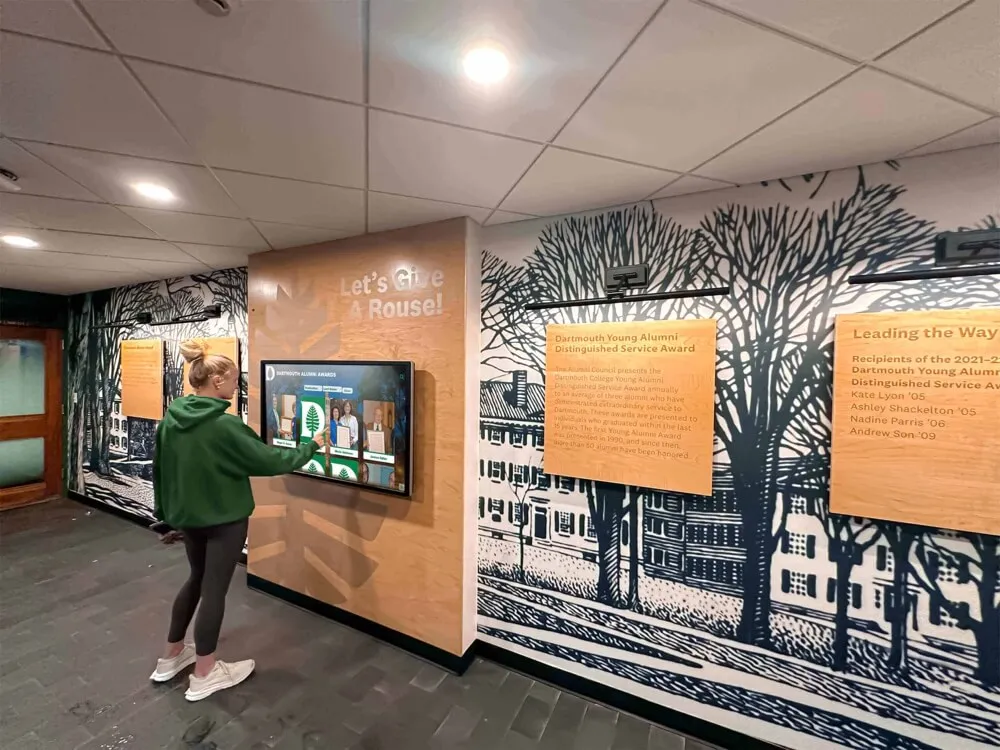
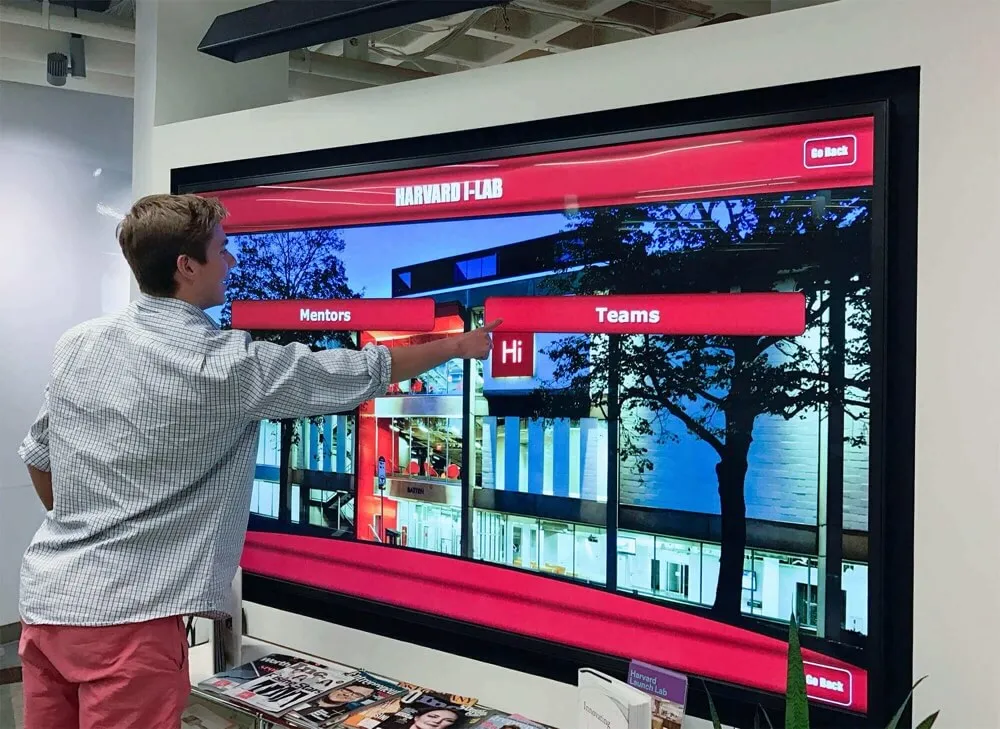
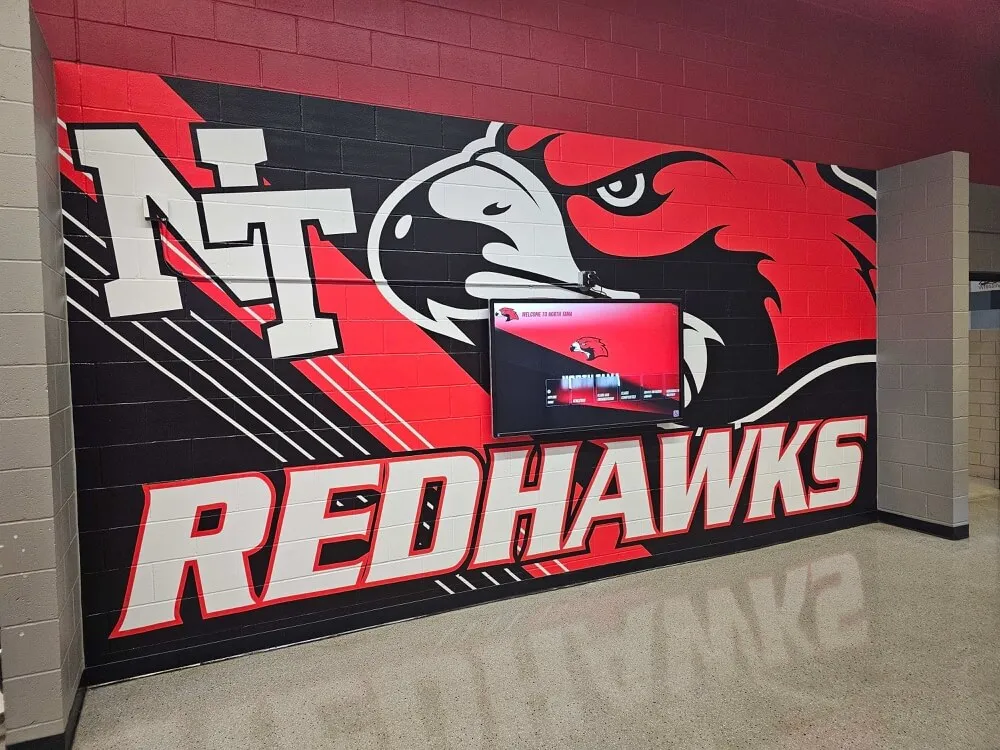
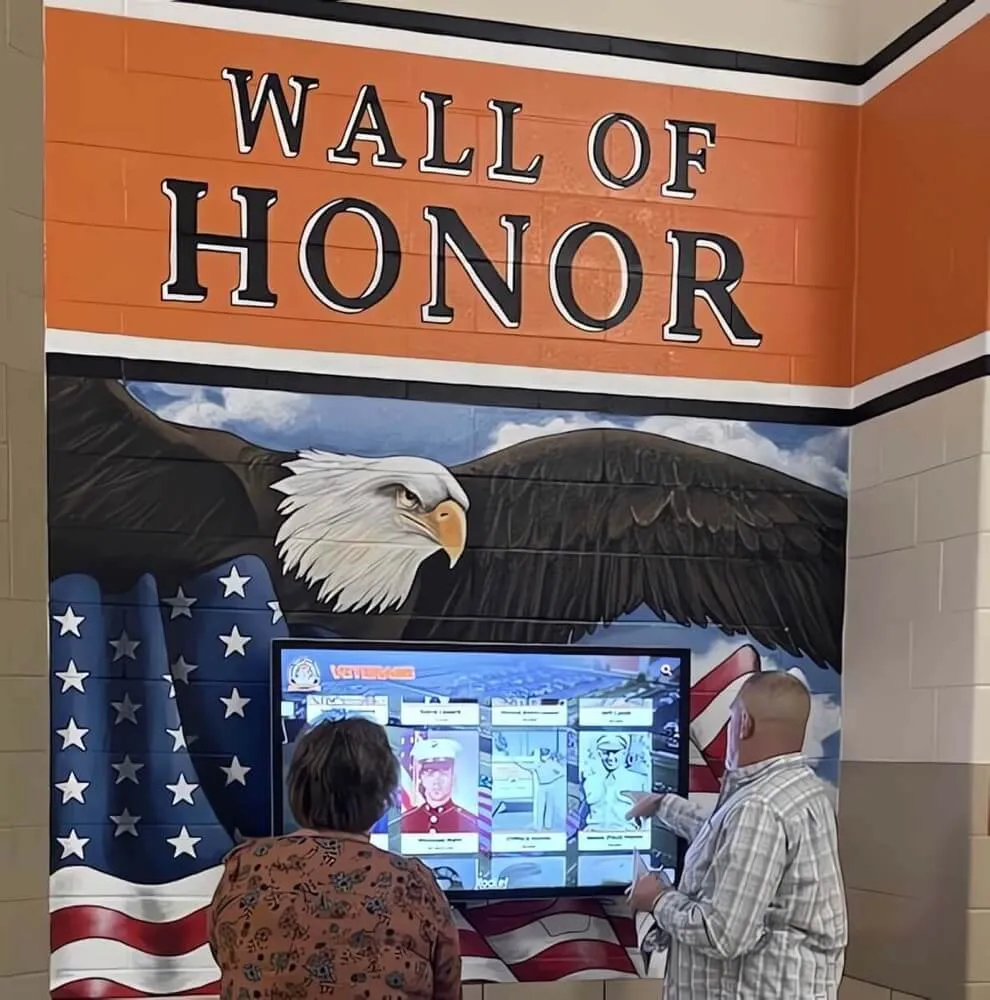
Graduation ceremonies bring communities together to celebrate academic achievement and honor years of dedication
Understanding Different Types of Graduation Invitations
Invitation Categories and Purposes
Graduation invitations serve varied functions depending on ceremony context and audience:
Official School Ceremony Invitations
Institutional Communications
Schools send formal invitations to families announcing graduation details:
Key Characteristics:
- Sent by school administration rather than individual families
- Include comprehensive ceremony logistics (date, time, location, parking)
- Communicate guest policies, ticket procedures, and capacity limitations
- Maintain professional, formal tone appropriate for institutional communication
- Often include graduation program overview and key speakers
- May feature school branding, colors, and official insignia
Distribution Methods:
- Mailed to family addresses on file with school
- Distributed directly to students for home delivery
- Sent via email to parent contact addresses
- Posted on school website and communication platforms
- Included in senior packets or final-semester mailings
Purpose: Official school invitations function as logistical communications ensuring families understand ceremony expectations, attendance procedures, and any special requirements. These invitations prioritize clarity and completeness over decorative elements.
Personal Graduation Announcements
Individual Family Communications
Graduates and families send personal announcements celebrating individual achievement:
Key Characteristics:
- Sent by graduate’s family to extended relatives, friends, and community members
- Reflect graduate’s personality, achievements, and future plans
- Include personal photos, quotes, or meaningful design elements
- Range from traditional formal styles to creative custom designs
- Often accompany gift notifications or celebration invitations
- May include graduation ceremony details for those able to attend
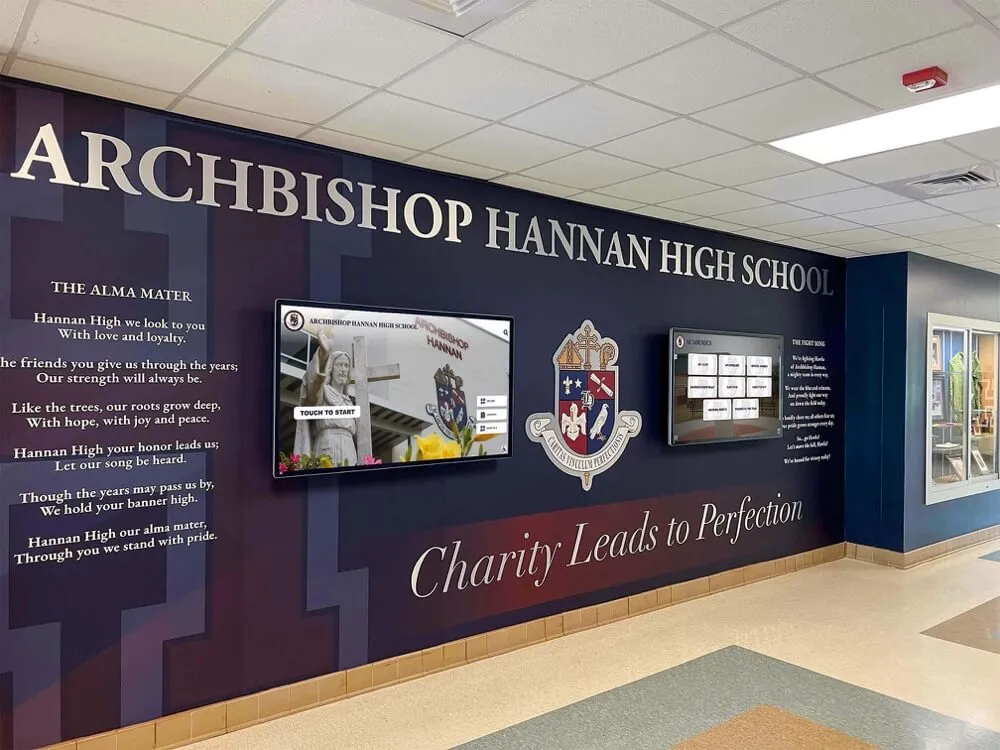
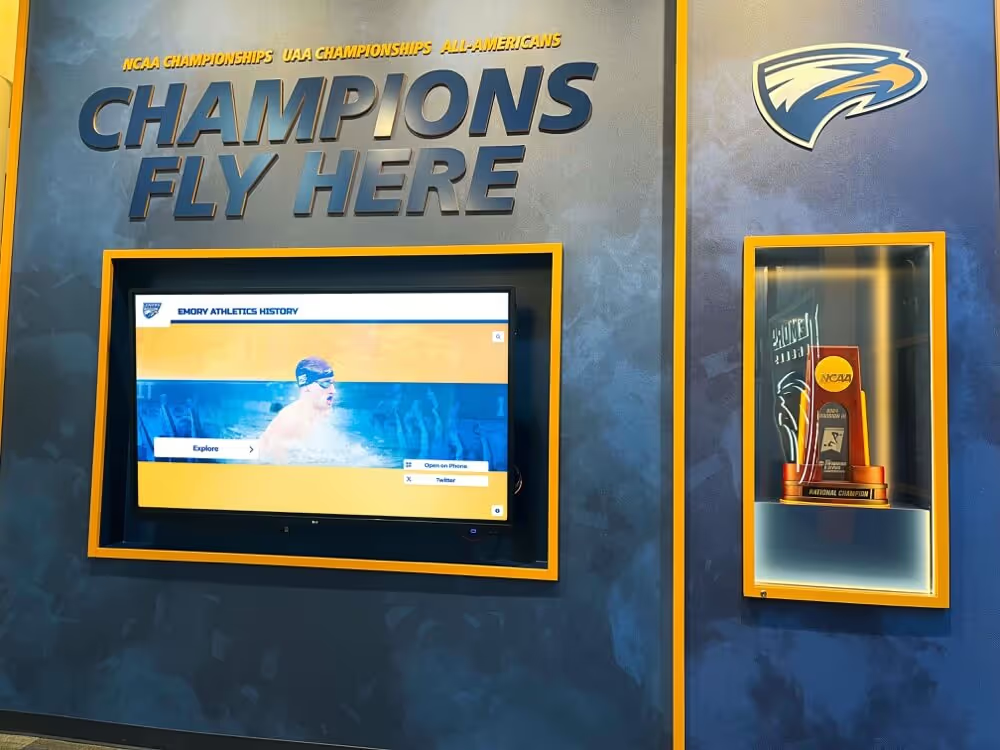
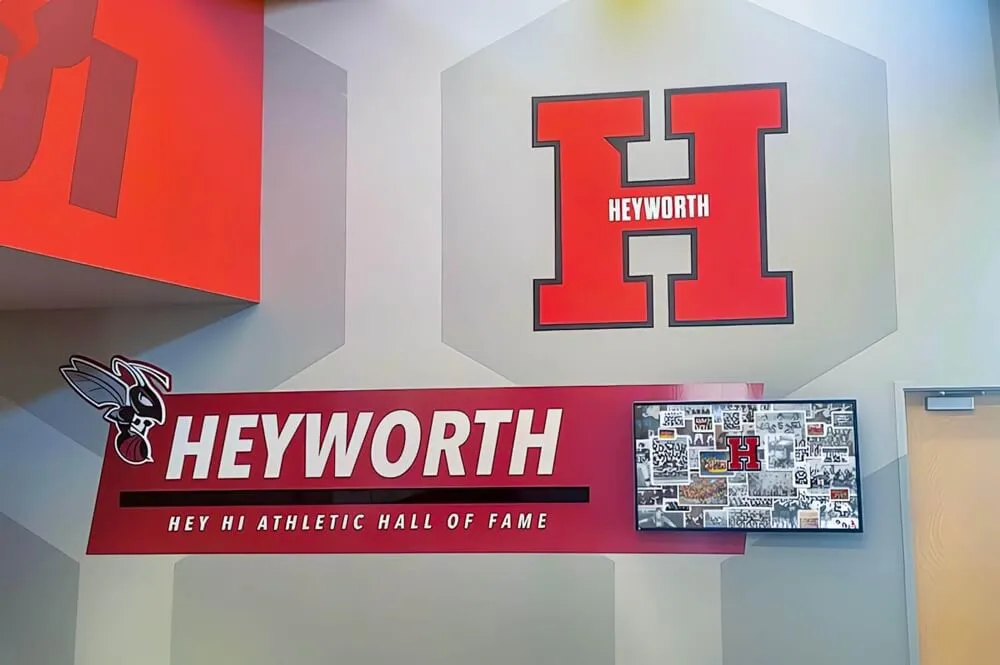
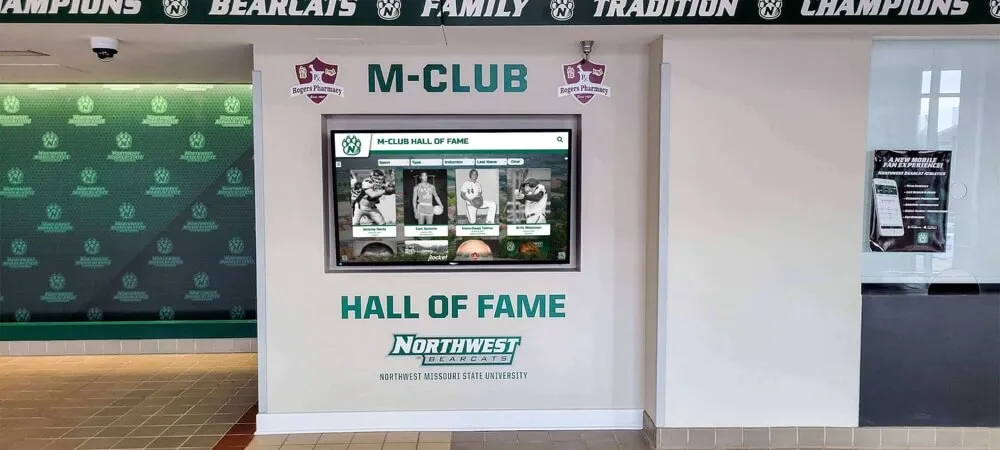
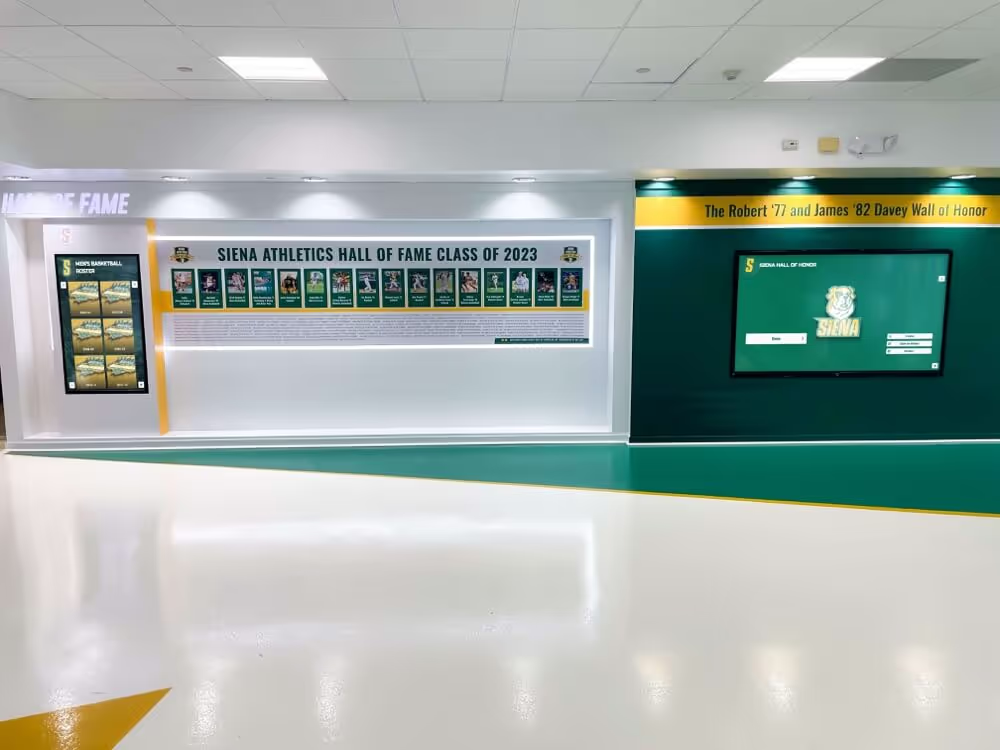
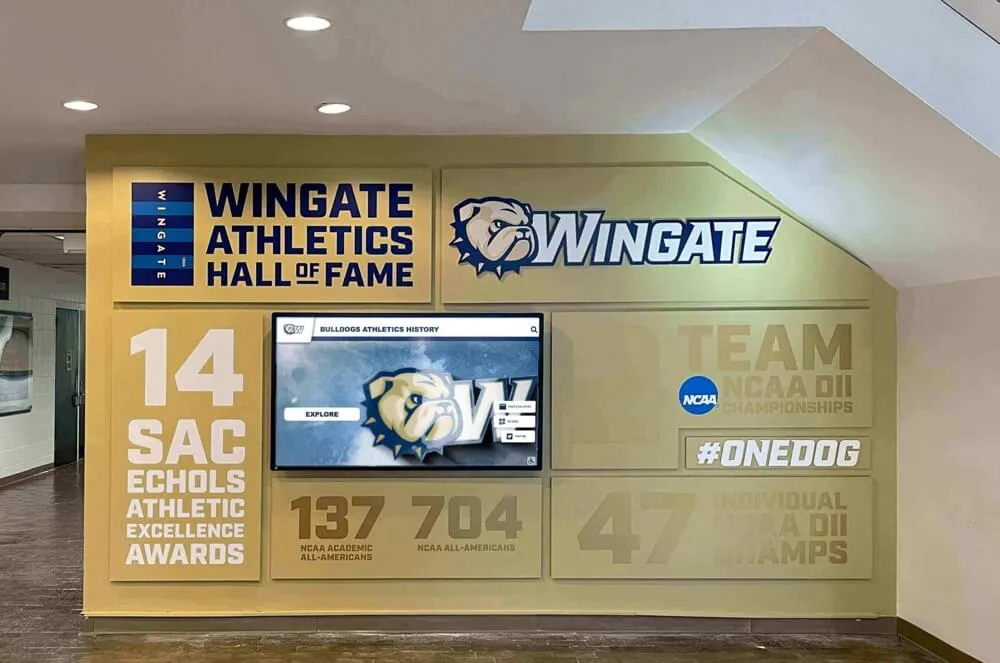
Schools create comprehensive recognition environments celebrating graduation milestones and student accomplishments
Distribution Approach:
- Mailed 4-6 weeks before graduation ceremony
- Sent to both ceremony attendees and those unable to attend
- Include return address for gift senders
- Often coordinated with graduation party invitations
Purpose: Personal announcements share graduation news broadly with the graduate’s extended network, celebrate individual achievement, and serve as keepsakes documenting this important milestone.
Graduation Party Invitations
Celebration Event Communications
Separate invitations for post-graduation celebrations:
Key Characteristics:
- Focus on social celebration rather than ceremony attendance
- Include party-specific details (venue, time, RSVP information)
- Often more casual and personalized than ceremony invitations
- May incorporate party themes or decoration style
- Request RSVPs for accurate planning
- Typically sent to closer friends and family circle
Timing Considerations:
- Sent 3-4 weeks before party date
- Coordinate timing to avoid conflicts with other family graduations
- Consider sending separate from ceremony announcements to clarify different events
Schools maintain multiple recognition touchpoints throughout the year, culminating in graduation ceremonies that honor achievement while celebrating community connections.
Essential Components of Graduation Ceremony Invitations
Critical Information Elements
Effective invitations include specific details ensuring smooth attendance:
Core Information Requirements
Must-Include Details:
- Graduate name: Full legal name or preferred name clearly displayed
- School name: Complete institution name and location if multiple campuses
- Graduation date: Day of week, month, date, and year
- Ceremony time: Start time (and expected duration if known)
- Location: Specific venue name and full address
- Dress code: Attire expectations if applicable (formal, business casual, etc.)
Logistical Details:
- Parking information and directions
- Accessibility accommodations available
- Weather contingency plans for outdoor ceremonies
- Arrival time recommendations
- Security procedures or building entry requirements
- Photography policies and professional photographer information
Guest Management Information:
- Ticket requirements and distribution procedures
- Guest limitations per family
- Seating arrangements (reserved, general admission, family sections)
- Age restrictions or recommendations
- Child care availability if provided
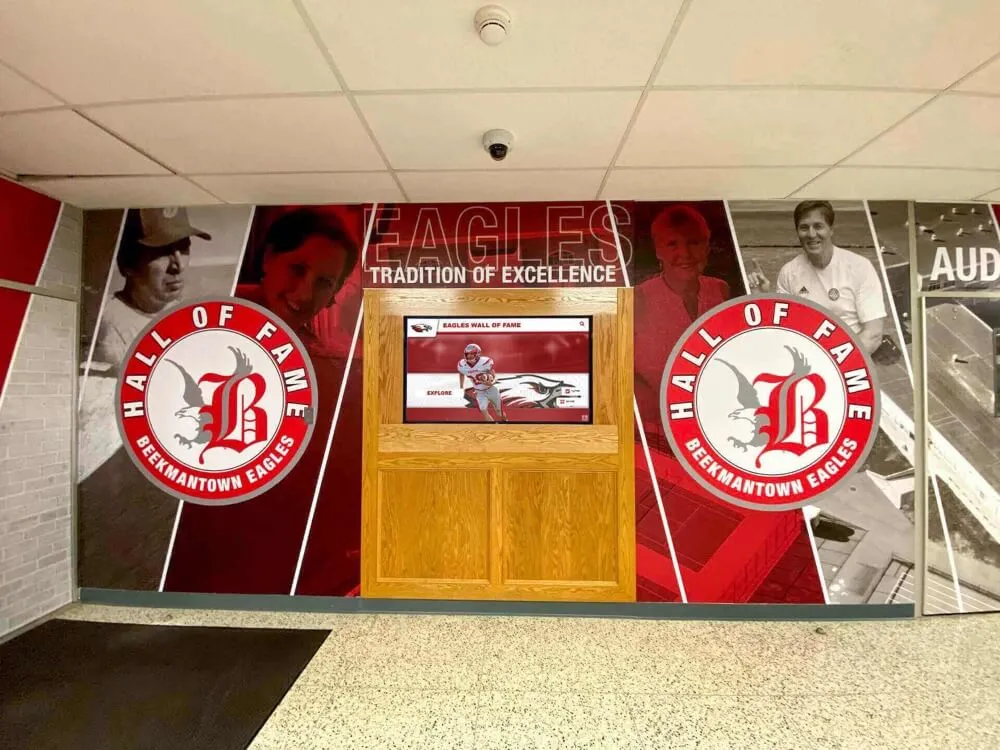
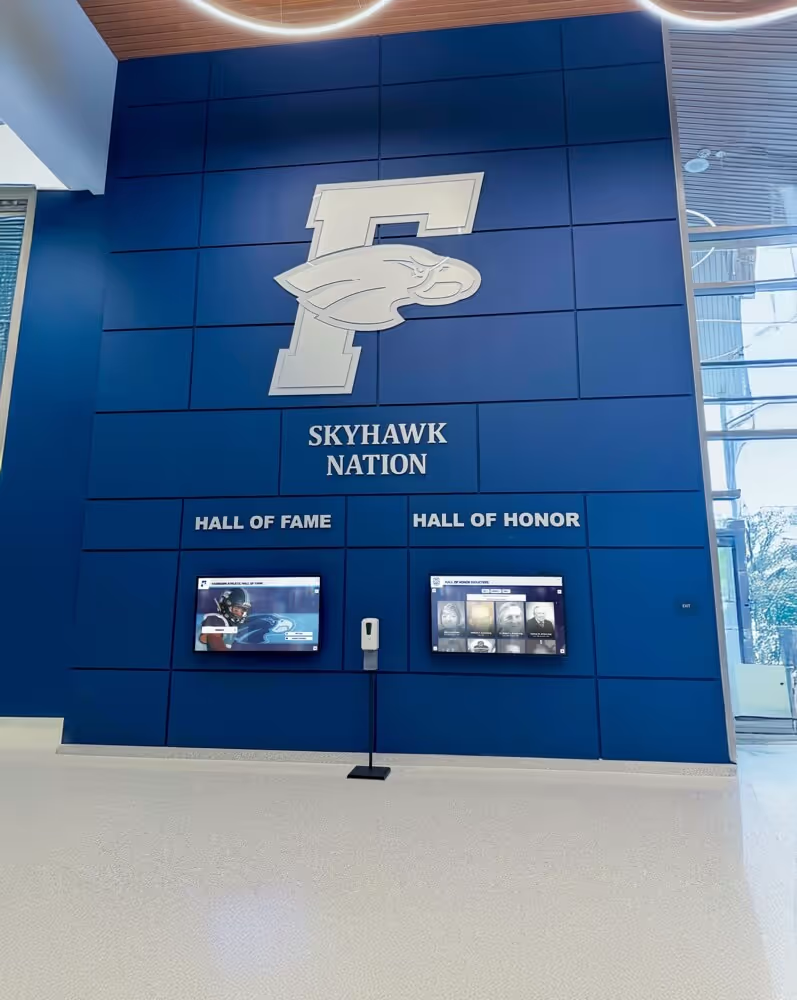
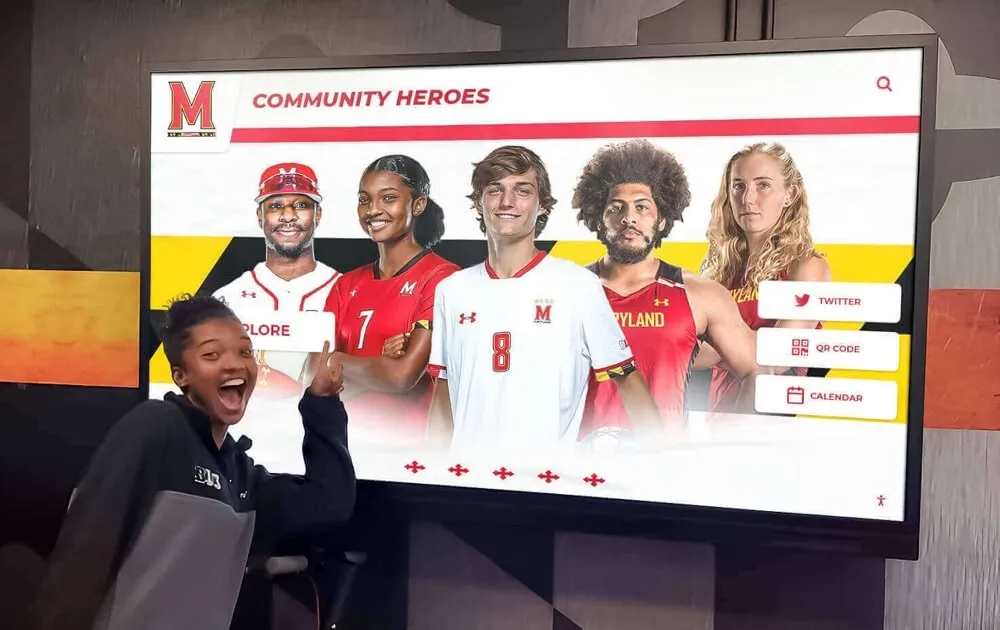
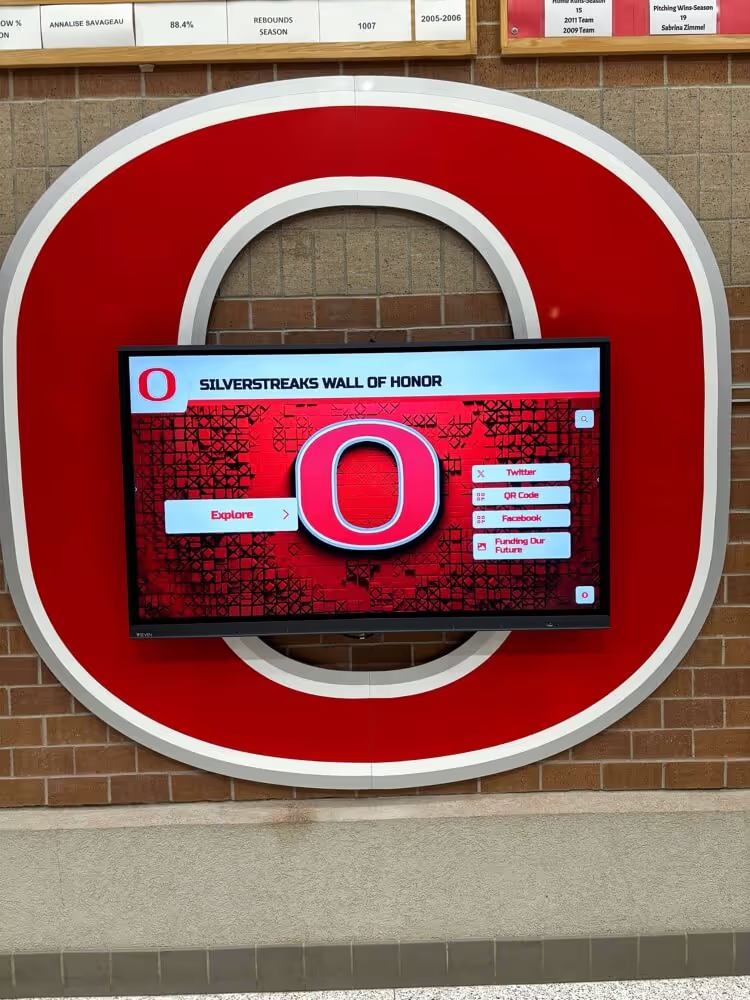
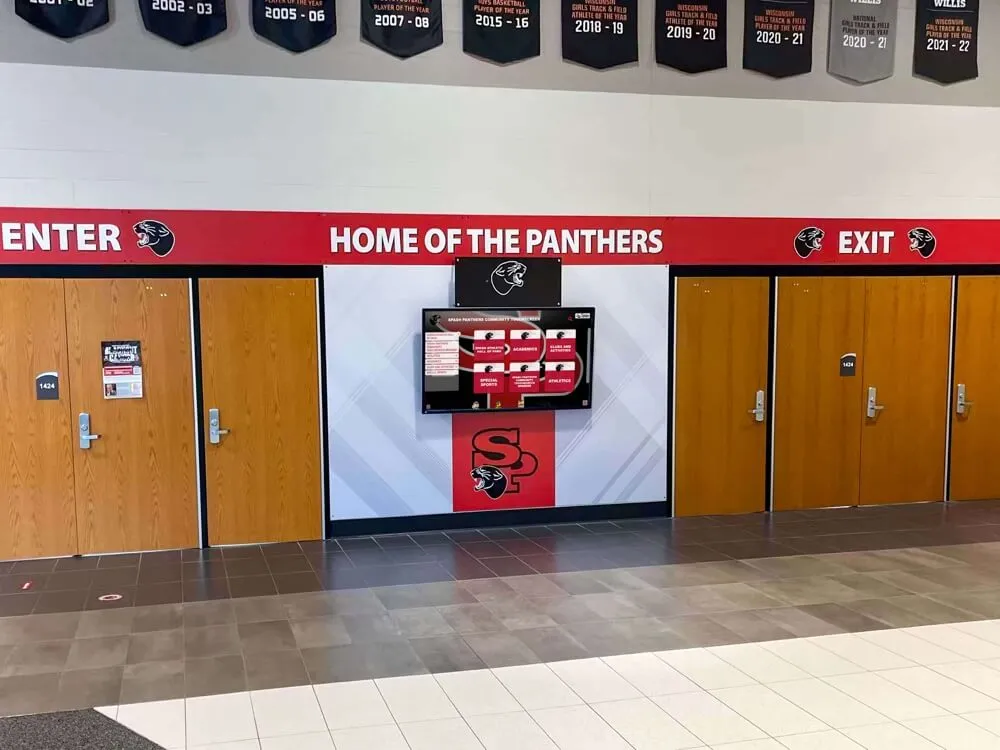
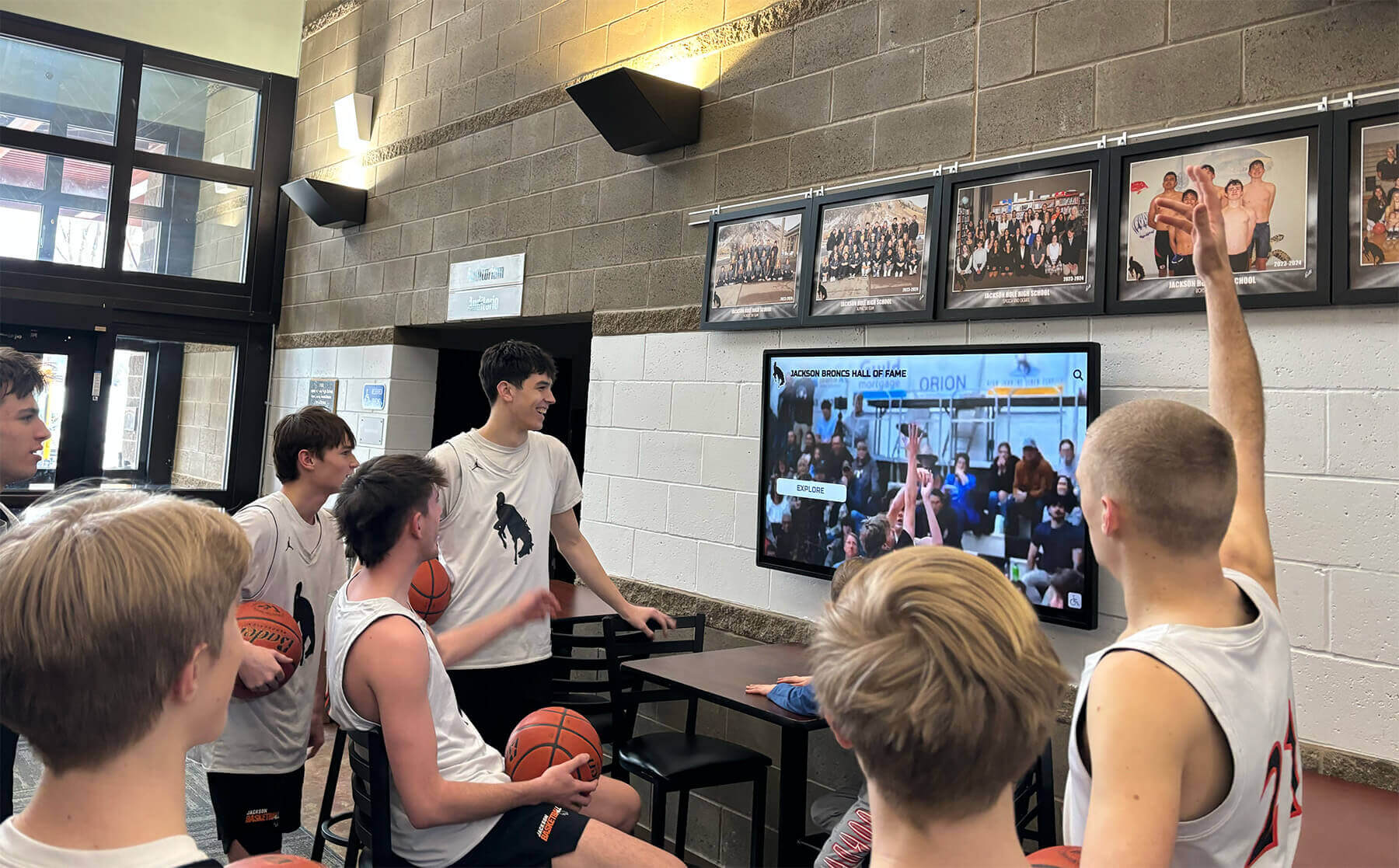
Permanent recognition displays complement graduation ceremonies, providing year-round celebration of student success
Additional Helpful Information
Enhancement Elements:
Program Overview:
- Expected ceremony length
- Key speakers or special guests
- Special performances or presentations
- Diploma presentation procedures
- Reception details if included
Communication Contacts:
- School office phone number for questions
- Email address for ceremony inquiries
- Website link for additional graduation information
- Social media hashtags for ceremony sharing
Special Considerations:
- Accommodation requests contact information
- Dietary restrictions for reception (if applicable)
- Translation services availability
- Sensory-friendly accommodations
Traditional Wording Elements:
- Inspirational quotes or graduation-themed messages
- School motto or mission statement
- Acknowledgment of achievement and dedication
- Forward-looking statements about future possibilities
Organizations implementing comprehensive recognition systems ensure graduation communications align with broader celebration approaches honoring student accomplishments throughout the academic year.
Graduation Invitation Wording Templates
Ready-to-Use Examples for Different Contexts
Adapt these templates to your specific graduation ceremony:
High School Graduation Formal Wording
Traditional Ceremony Invitation
The Faculty and Administration of [School Name]
request the honor of your presence at the Commencement Ceremony celebrating the graduation of
[Graduate Name]
and the Class of 2026
Saturday, the seventh of June Two thousand twenty-six at ten o’clock in the morning
[Venue Name] [Address] [City, State]
Reception to follow in the [Location]
High School Contemporary Wording
Modern Celebration Invitation
Celebrating Achievement, Embracing the Future
Join us as we honor
[Graduate Name]
at the [School Name] Class of 2026 Graduation Ceremony
Saturday, June 7, 2026 10:00 AM
[Venue Name] [Address]
Your presence means the world as [he/she/they] celebrates this incredible milestone
College/University Commencement
Formal Academic Ceremony
The Board of Trustees and Faculty of [University Name]
invite you to attend the Commencement Exercises
conferring degrees upon
[Graduate Name]
receiving the degree of Bachelor of [Major]
Friday, May 15, 2026 Two o’clock in the afternoon
[Stadium/Arena Name]
Academic procession begins promptly at 1:45 PM
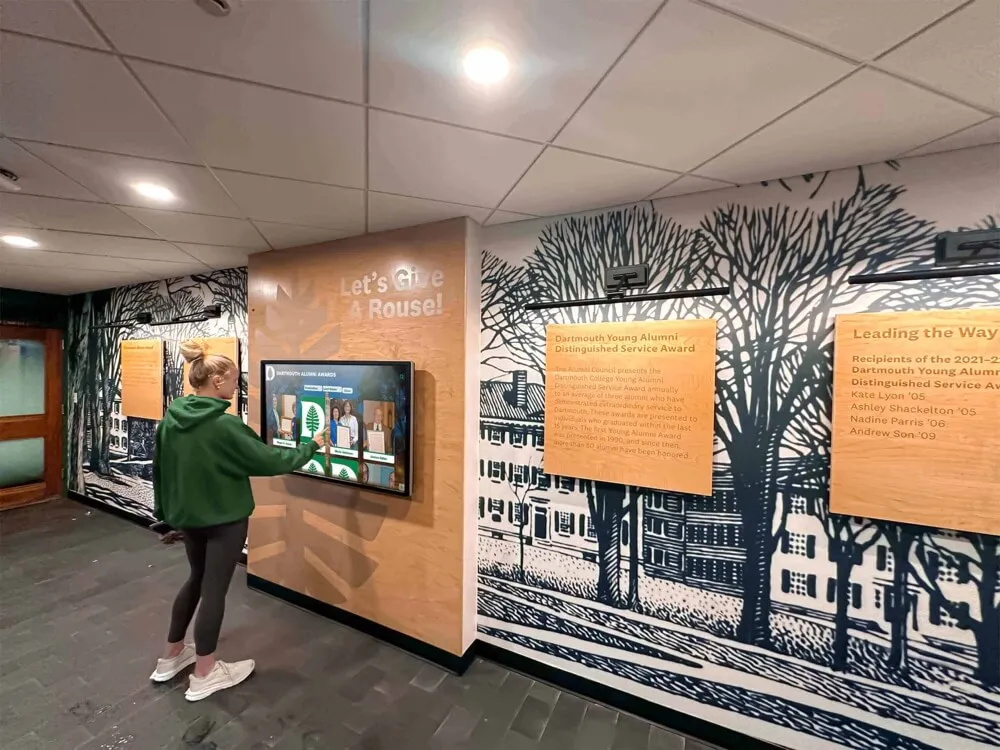
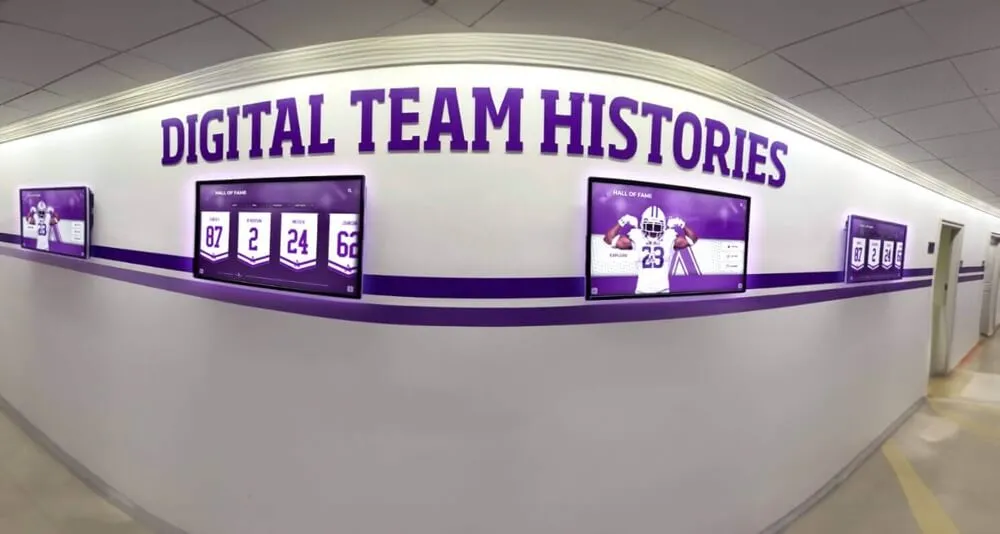
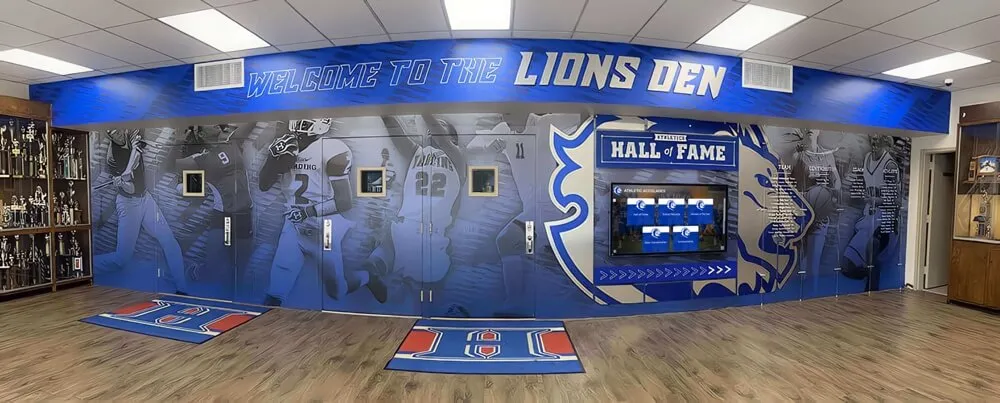
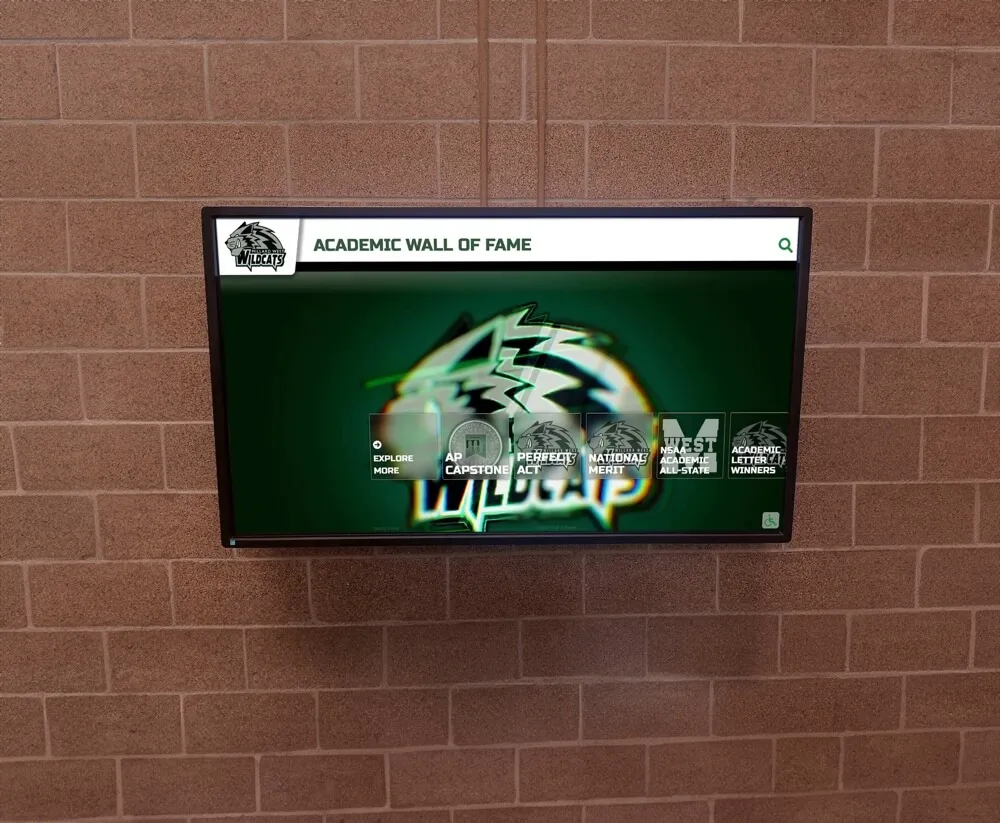
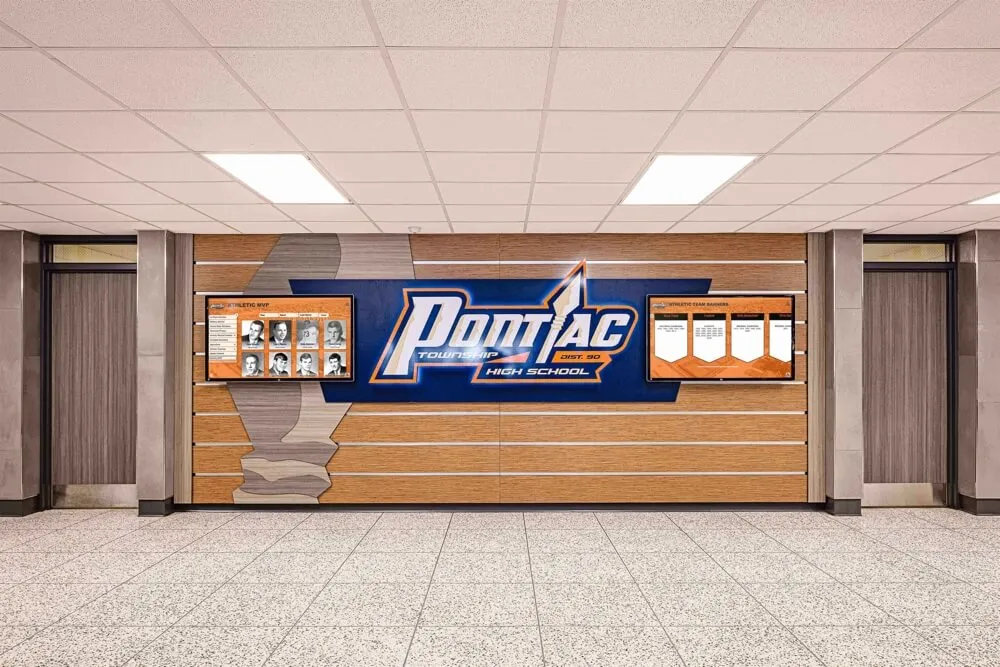
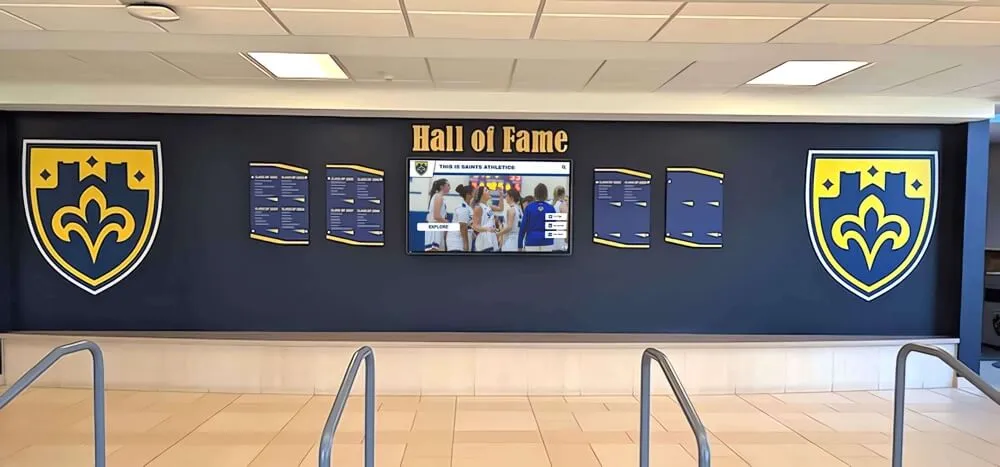
Digital recognition platforms create engaging ways to celebrate graduate achievements and preserve ceremony memories
Elementary/Kindergarten Graduation
Age-Appropriate Celebration Wording
Please Join Us to Celebrate
[Student Name’s] Kindergarten/Elementary Graduation
Thursday, June 5, 2026 1:00 PM
[School Name] Gymnasium [Address]
We’re excited to honor our young graduates as they complete this important milestone!
Light refreshments will be served following the ceremony
Personal Graduation Announcement
Individual Achievement Sharing
With pride and joy we announce the graduation of
[Graduate Name]
from [School Name]
Class of 2026
Graduation Ceremony Saturday, June 7, 2026 10:00 AM
[Venue and Address]
Your love and support throughout this journey have meant everything
Bilingual Invitation Example
English/Spanish Format
The Administration of [School Name] invites you to the Graduation Ceremony La Administración de [School Name] le invita a la Ceremonia de Graduación
Honoring / Honrando [Graduate Name]
Saturday, June 7, 2026 / Sábado, 7 de junio de 2026 10:00 AM
[Venue] / [Lugar] [Address] / [Dirección]
Schools creating inclusive graduation experiences find that digital recognition displays complement traditional ceremonies by providing year-round celebration of academic achievement accessible to all community members.
Design Approaches for Graduation Invitations
Visual Presentation Strategies
Thoughtful design enhances invitation impact and memorability:
Traditional Formal Design Elements
Classic Presentation Approaches
Visual Characteristics:
- Clean, elegant typography with serif fonts
- Classic black, gold, navy, or burgundy color schemes
- School colors and official insignia
- Border elements or decorative corners
- Mortarboard and diploma imagery
- Formal layout with centered text
- Quality cardstock or specialty paper
Best For:
- Official school ceremony invitations
- Traditional academic institutions
- Formal college commencement
- Professional graduate programs
- Conservative community preferences
Enhancement Options:
- Embossed school seals
- Foil stamping in gold or silver
- Raised printing for elegant texture
- Envelope liners in coordinating colors
- Wax seal closures for special touch
Modern Contemporary Designs
Updated Visual Approaches
Design Elements:
- Clean sans-serif typography
- Bold use of school colors
- Minimalist layouts with white space
- Modern geometric elements
- Contemporary color palettes
- Photo integration options
- Digital-friendly formatting
Best For:
- Personal graduation announcements
- Graduation party invitations
- Elementary/middle school celebrations
- Informal ceremony formats
- Social media generation graduates
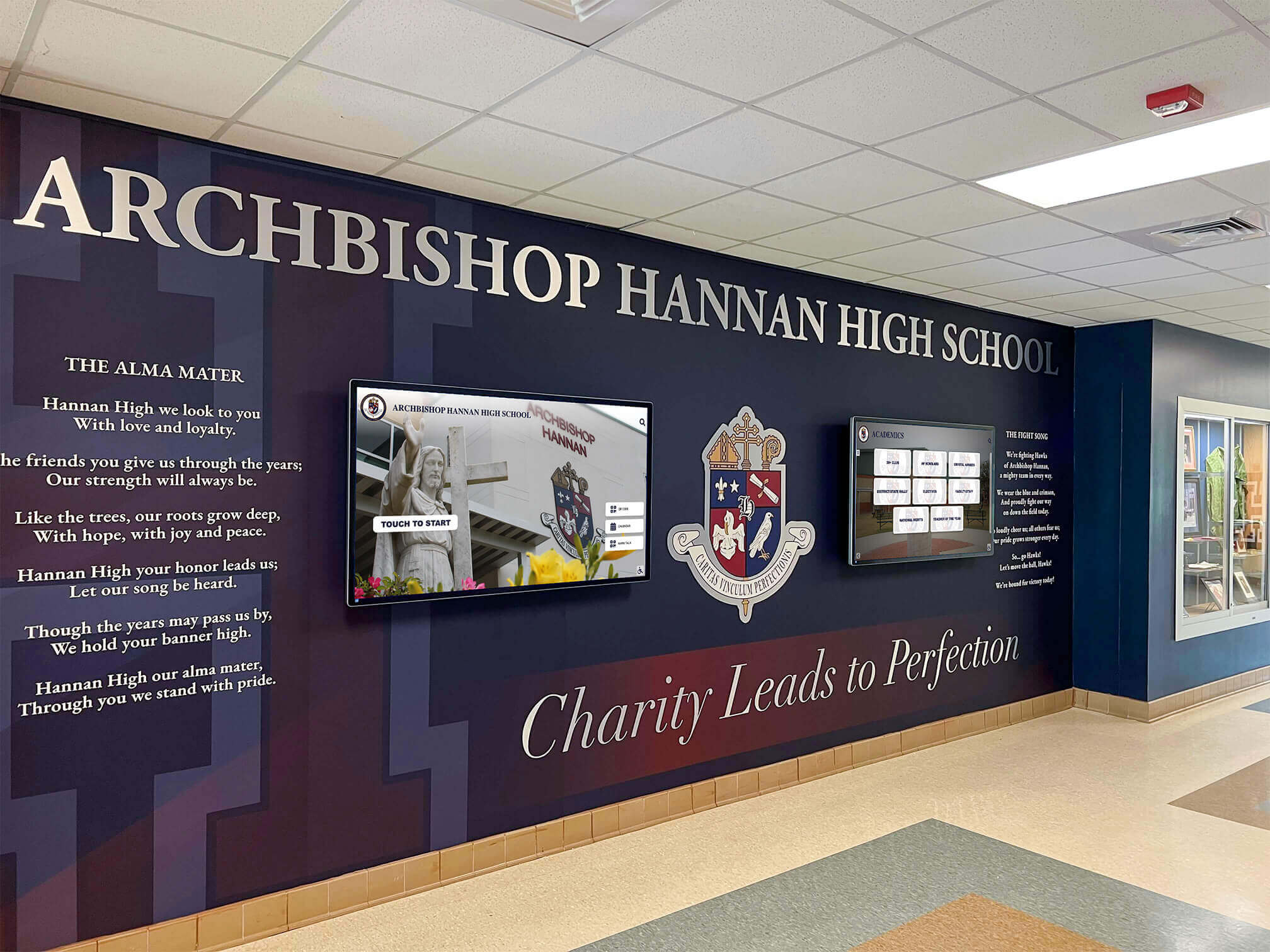
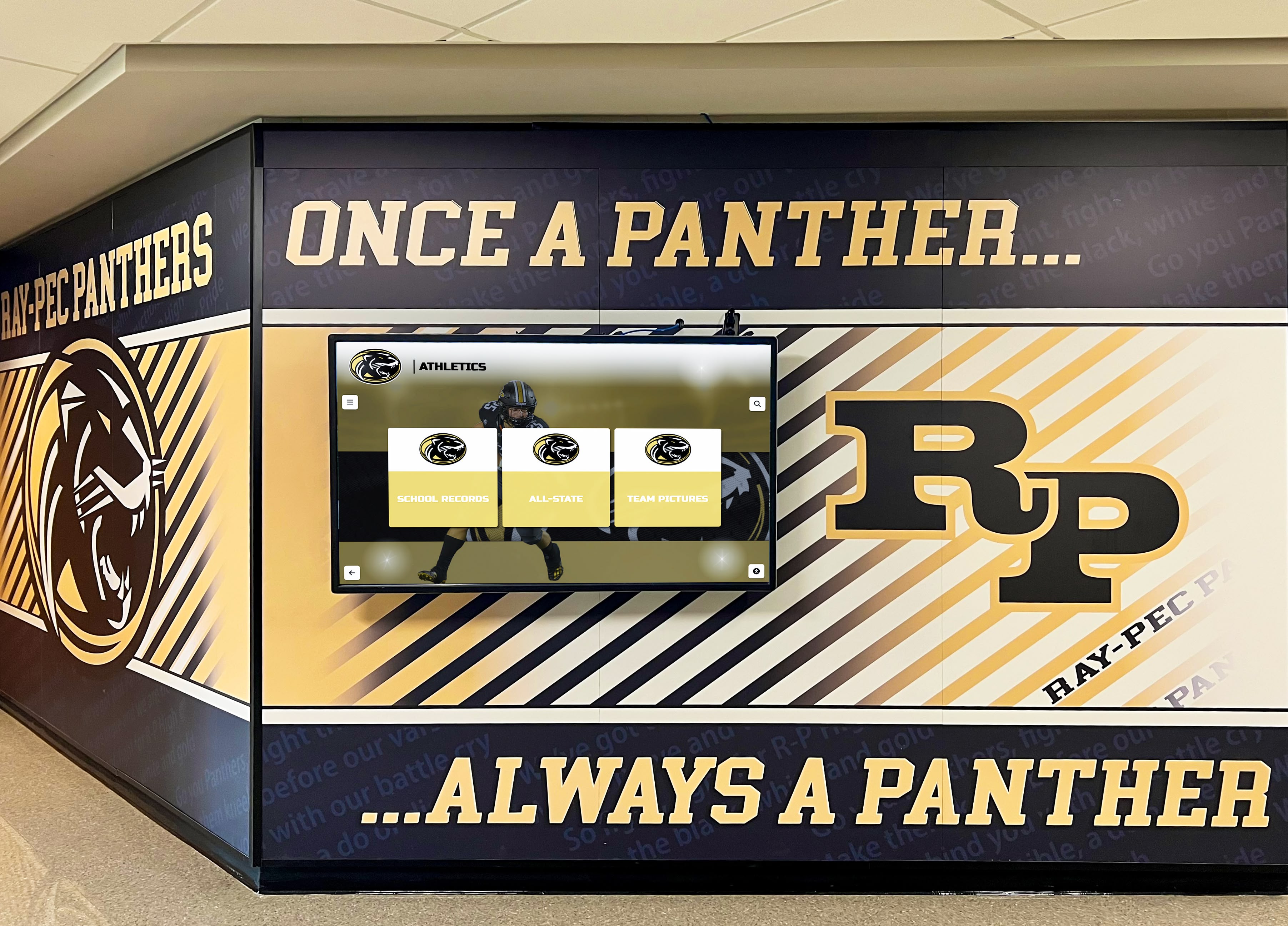
Comprehensive recognition environments celebrate graduation achievements while maintaining school identity and tradition
Photo-Based Invitation Designs
Personalized Visual Storytelling
Photo Integration Approaches:
- Graduate portrait as invitation centerpiece
- Photo timeline showing educational journey
- Senior portrait with formal typography overlay
- Candid photographs reflecting personality
- Multiple photos in collage format
- Combination of formal and casual images
Photo Selection Tips:
- Professional senior portraits for formal announcements
- High-resolution images ensuring quality printing
- Photos reflecting graduate’s authentic personality
- Images coordinating with invitation color scheme
- Recent photographs appropriate to current appearance
- Backgrounds that don’t compete with text legibility
Technical Considerations:
- Proper image sizing preventing distortion
- Print quality suitable for chosen format
- Digital optimization for email invitations
- Color calibration for accurate printing
- Professional photo editing if needed
Creative Theme-Based Designs
Unique Personalization Options
Theme Approaches:
- Future plans (college logo, career imagery)
- Academic focus (major-specific design elements)
- Personal interests (sports, arts, hobbies)
- Cultural celebrations incorporating heritage
- Destination themes for future college location
- Achievement highlights (awards, accomplishments)
Implementation Strategies:
- Subtle integration avoiding overwhelming design
- Balance between personality and professionalism
- Coordination with graduation ceremony style
- Accessibility ensuring all recipients can appreciate design
- Print and digital format considerations
Schools implementing modern recognition technologies discover that digital platforms extend graduation celebration beyond single ceremonies, creating permanent achievement documentation accessible to families and community members.
Invitation Timing and Distribution Strategies
Strategic Planning for Maximum Impact
Proper timing ensures invitations reach recipients with adequate planning time:
Official Ceremony Invitations Timeline
School-Sent Communications Schedule
8-10 Weeks Before Graduation:
- Finalize ceremony date, time, and location
- Confirm guest policies and ticket procedures
- Design invitation incorporating all essential information
- Obtain printing quotes and order quantity
6-8 Weeks Before:
- Mail or distribute official ceremony invitations
- Ensure all senior families receive communications
- Post ceremony information on school website
- Send digital versions to parent email addresses
4-6 Weeks Before:
- Send reminder communications
- Provide additional logistical updates
- Distribute tickets if required for entry
- Confirm RSVP deadlines if collecting attendance data
2-3 Weeks Before:
- Final reminder emails or texts
- Update any changed ceremony details
- Confirm accessibility accommodations
- Provide detailed arrival instructions
Week of Ceremony:
- Daily reminders via school communication systems
- Weather contingency notifications if applicable
- Final logistics confirmations
- Social media celebration preparation
Personal Announcement Timeline
Individual Family Distribution
Planning Phase (2-3 Months Before):
- Select announcement design and style
- Gather necessary photos and information
- Order or create invitations
- Compile mailing list
6-8 Weeks Before Graduation:
- Mail personal announcements
- Distribute to extended family and friends
- Send digital versions to distant contacts
- Post on social media if desired
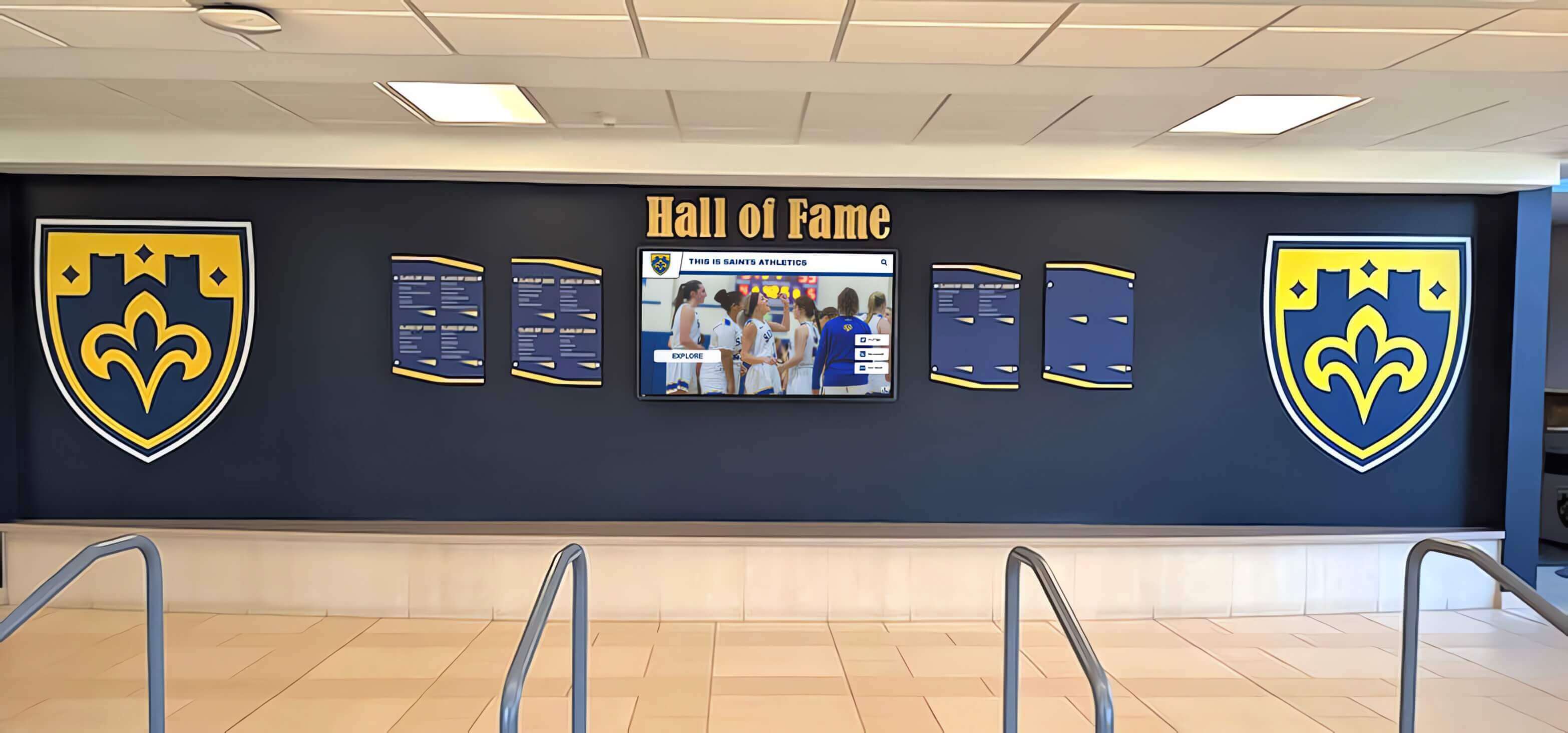
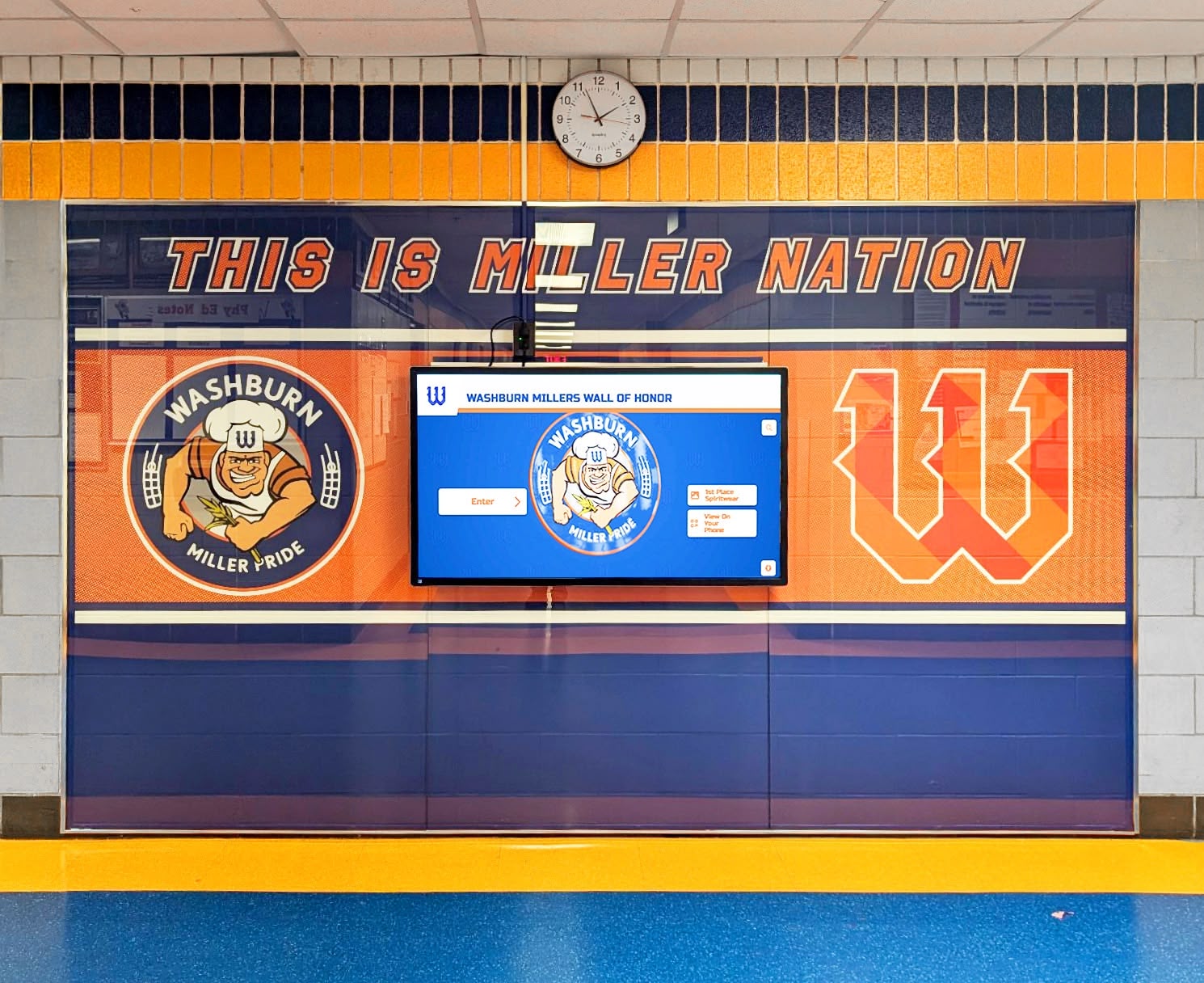
Permanent recognition infrastructure celebrates graduation milestones alongside ongoing achievement throughout the school year
4-6 Weeks Before:
- Follow up with close family about ceremony attendance
- Coordinate graduation party invitations
- Send additional announcements as needed
- Track responses and gift acknowledgments
Coordination Considerations:
- Stagger mailings to avoid overwhelming recipients
- Coordinate with other family graduations
- Consider postal service delivery times
- Plan for international mailing if relevant
Distribution Methods
Delivery Approach Options
Traditional Mail:
- Professional presentation in formal envelopes
- Appropriate for official ceremony invitations
- Required for older relatives without email
- Creates tangible keepsake
- Most costly distribution method
Digital Distribution:
- Email invitations for quick delivery
- Cost-effective for large distribution lists
- Easy to include links and additional information
- Enables quick updates if details change
- May lack formality for some recipients
Hybrid Approach:
- Physical invitations to close family and ceremony attendees
- Digital versions to extended network and distant friends
- Social media announcements for broader community
- School app notifications for current families
- Text message reminders for critical logistics
In-Person Distribution:
- Direct handout to students at school
- Distribution at senior events or meetings
- Pickup stations for family members
- Ensures receipt for all student families
Educational institutions implementing comprehensive recognition systems understand that graduation communications represent one component of year-round celebration strategies honoring student achievement consistently.
Cost-Effective Invitation Solutions
Creating Professional Invitations Within Budget
Meaningful invitations don’t require excessive spending:
DIY Design Options
Self-Created Invitation Approaches
Free Design Tools:
- Canva: Free graduation templates with customization options
- Google Docs/Slides: Simple layouts using built-in tools
- Microsoft Word: Template gallery with graduation formats
- Adobe Express: Free tier with professional-looking designs
- Evite: Digital invitations with tracking features
Creation Process:
- Select template matching ceremony formality level
- Input ceremony details accurately
- Customize colors to match school branding
- Add graduate photo if desired
- Proofread carefully for errors
- Save in multiple formats (PDF, JPEG, print-ready)
Printing Options:
- Home printing on quality cardstock
- Local print shop for professional finishing
- Online print services (Vistaprint, Shutterfly, Minted)
- School print shop if available
- Office supply store printing services
Cost Comparison:
- DIY home printing: $0.25-$0.75 per invitation
- Online print services: $1.00-$3.00 per invitation
- Professional local printing: $2.00-$5.00 per invitation
- Custom designer invitations: $5.00-$15.00+ per invitation
Digital-Only Invitation Strategies
Paperless Communication Approaches
Digital Advantages:
- Zero printing and postage costs
- Instant delivery to all recipients
- Easy updates if details change
- Built-in RSVP tracking
- Environmentally sustainable option
- Accessible to recipients anywhere
Effective Platforms:
- Email announcements with professional formatting
- School communication apps (Remind, ClassDojo, ParentSquare)
- Private social media event pages
- Graduation-specific platforms (Greenvelope, Punchbowl)
- School website announcement pages
- Digital ceremony programs with invitation components
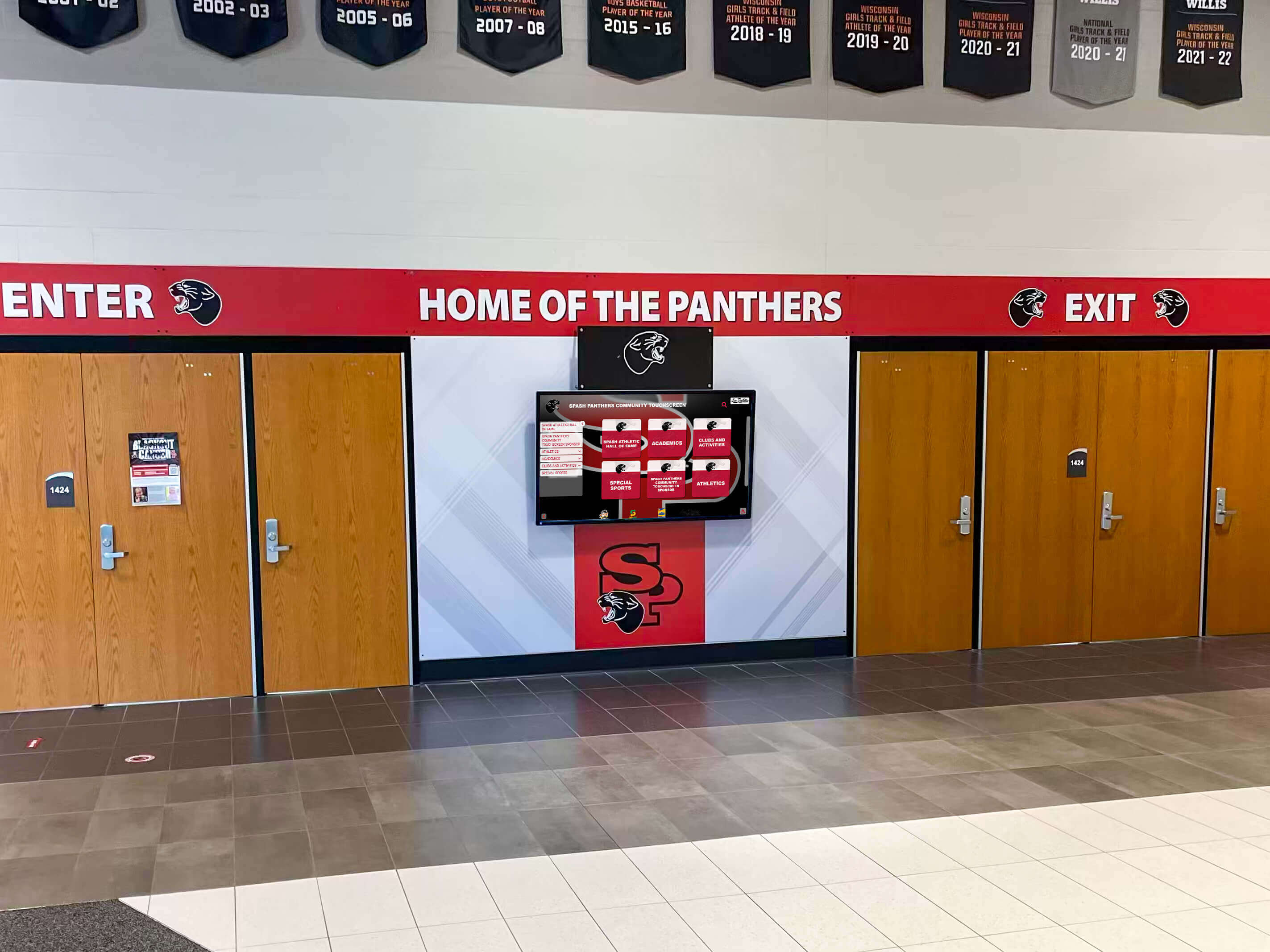
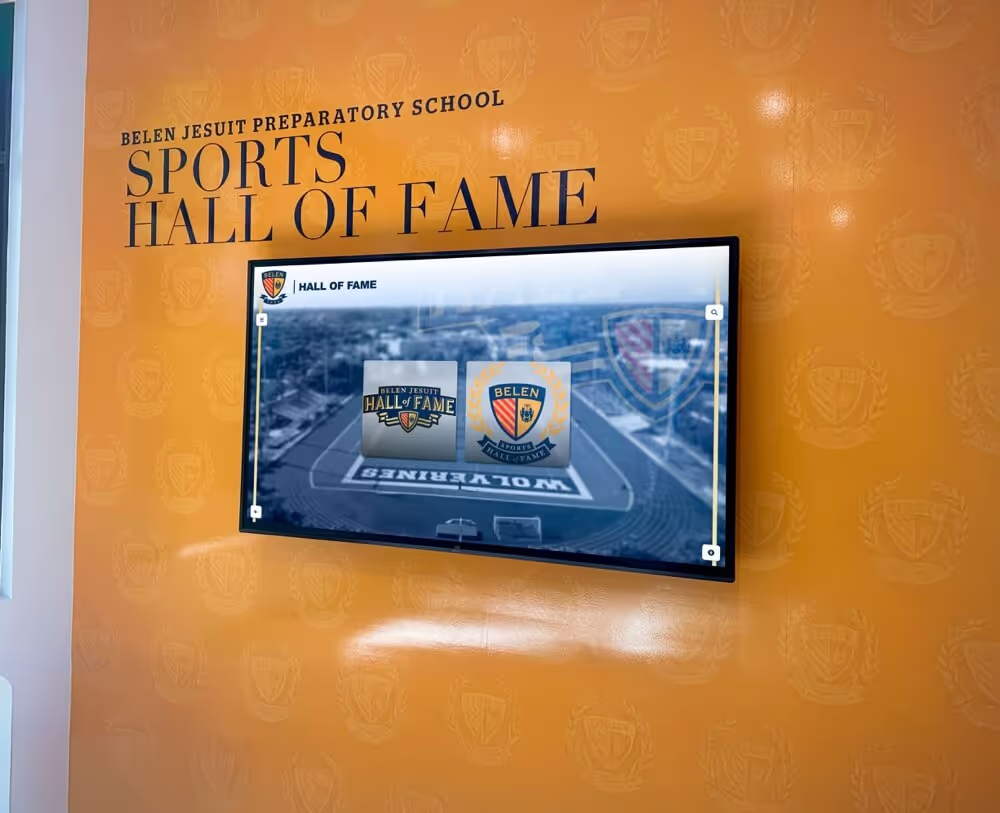
Digital recognition systems provide continuous celebration of achievement, complementing graduation ceremonies with year-round acknowledgment
Professional Presentation Tips:
- Use consistent branding and formatting
- Include all essential information prominently
- Attach high-quality images optimized for digital viewing
- Provide printable PDF version for recipients who prefer hard copies
- Send test versions ensuring proper display across devices
- Include calendar file attachments for easy scheduling
Hybrid Digital Approach:
- Official digital invitation with optional print version
- Email primary communications with text message reminders
- Website-based invitation details with social media sharing
- Digital design files provided for family printing
Budget-Friendly Enhancement Ideas
Adding Special Touches Affordably
Low-Cost Upgrades:
- Colored envelopes coordinating with school colors
- Return address labels with graduate name and school
- Decorative envelope liners from scrapbook paper
- Ribbon or twine accents
- Stickers or wax seals for envelope closure
- Hand-written recipient names for personal touch
Free Personalization:
- Personal message written inside invitation
- Hand-drawn decorative elements
- Photo collage on reverse side
- Inclusion of inspirational quote meaningful to graduate
- School newspaper clippings or achievement highlights
- QR code linking to digital photo album
Schools implementing innovative recognition approaches discover that celebrating achievement meaningfully depends more on thoughtfulness and care than budget size.
Special Considerations for Different Graduation Levels
Level-Specific Invitation Approaches
Different educational milestones require adapted communication styles:
Kindergarten and Elementary Graduation
Age-Appropriate Celebration Communications
Tone and Style:
- Warm, friendly language
- Celebration-focused rather than overly formal
- Inclusive messaging welcoming all family members
- Emphasis on milestone achievement appropriate to age
- Clear, simple logistics parents can easily understand
Essential Information:
- Shorter ceremony duration expectations
- Age-appropriate dress guidelines
- Sibling attendance encouragement
- Photo opportunity details
- Refreshment plans
- Parking and pickup procedures
Design Approaches:
- Bright, cheerful colors
- Age-appropriate graphics and imagery
- Student artwork incorporation if applicable
- Class photo inclusion
- Fun typography reflecting celebration spirit
Middle School Promotion
Transition Recognition Communications
Balanced Approach:
- Recognition of achievement without excessive formality
- Acknowledgment of maturity growth
- Forward-looking messages about high school preparation
- Family-friendly celebration tone
Unique Considerations:
- Grade promotion context rather than graduation
- Coordination with high school orientation information
- Student achievement highlights
- Community recognition elements
High School Commencement
Traditional Academic Ceremony
Formal Recognition:
- Professional, dignified tone
- Recognition of 12+ years educational completion
- Future plans acknowledgment
- Achievement celebration balanced with challenge ahead
Critical Details:
- Guest ticket limitations and distribution
- Multiple ceremony times if large class
- Professional photographer information
- Diploma pickup procedures
- Senior awards ceremony information
- Graduation party coordination
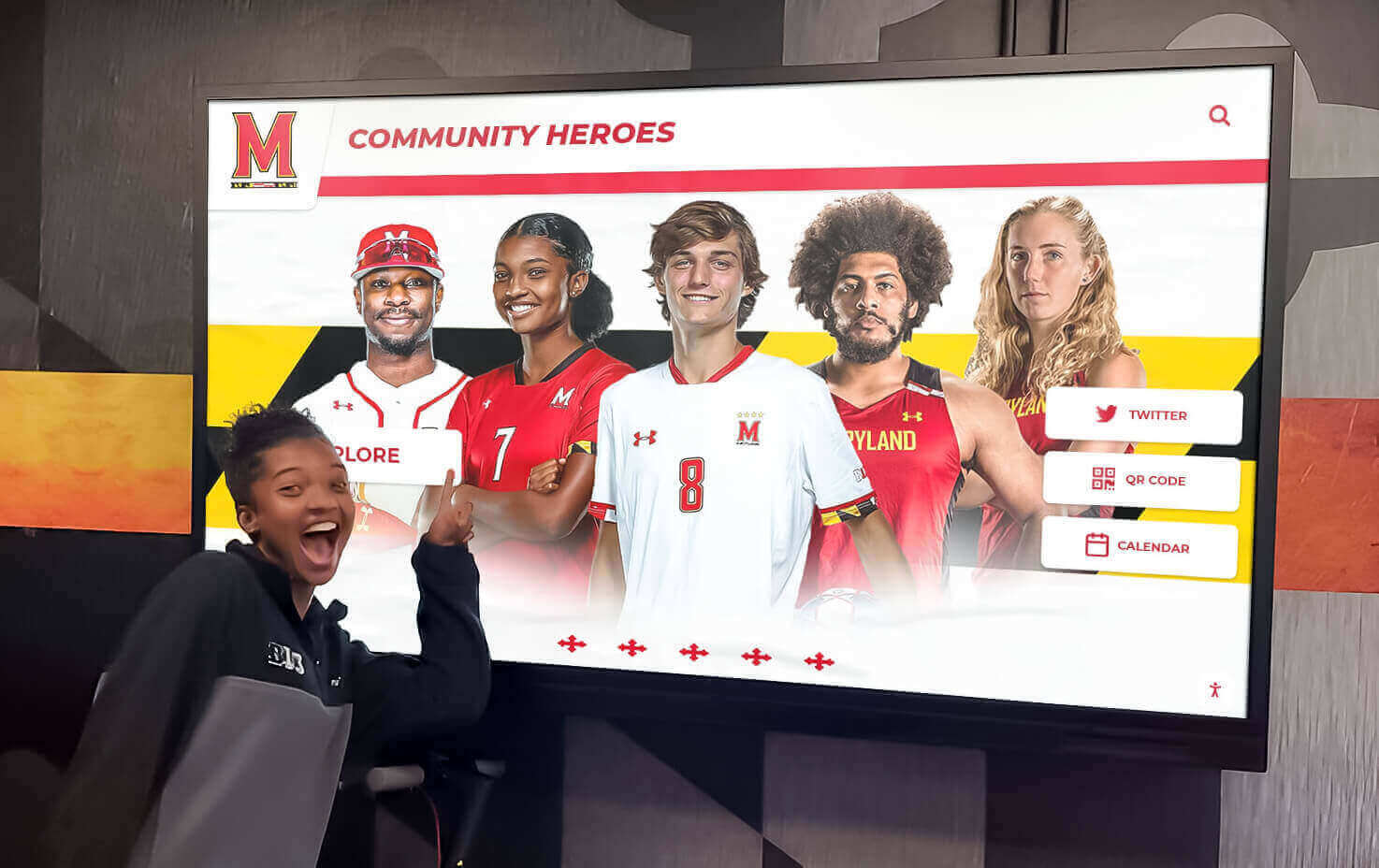
Interactive recognition displays engage students while celebrating achievement and building pride in graduation milestones
College/University Commencement
Advanced Degree Recognition
Academic Formality:
- Traditional academic ceremony language
- Degree conferral emphasis
- Professional networking considerations
- Alumni community integration
Additional Information:
- Individual college/school ceremonies
- Academic regalia requirements
- Processional participation instructions
- Graduate reception details
- Diploma mailing timeline
- Transcript request procedures
Graduate School and Professional Degrees
Advanced Academic Achievement
Professional Tone:
- Highest formality level
- Academic achievement emphasis
- Professional network acknowledgment
- Research or dissertation recognition
Specific Details:
- Hooding ceremony information
- Academic advisor recognition
- Departmental celebrations
- Professional licensure next steps
- Alumni association involvement
Organizations developing comprehensive achievement recognition understand that different educational levels require appropriately scaled celebration approaches honoring milestones meaningfully.
Accessibility and Inclusion in Graduation Invitations
Ensuring All Families Feel Welcome
Thoughtful invitations accommodate diverse needs and backgrounds:
Language Accessibility
Multilingual Communication Strategies
Translation Approaches:
- Identify primary languages spoken by school families
- Provide full invitation translations in prevalent languages
- Use side-by-side bilingual formats
- Ensure cultural appropriateness of translations
- Engage professional translators for accuracy
Implementation Methods:
- Separate invitation versions in different languages
- Single invitation with multilingual sections
- QR codes linking to translated digital versions
- Translation services available at school office
- Community liaison support for families needing assistance
Common Language Pairs:
- English/Spanish (most common in many US regions)
- English/Mandarin or Cantonese
- English/Vietnamese
- English/Arabic
- English/French (depending on region)
Visual Accessibility
Accommodating Visual Impairments
Design Considerations:
- Large, readable fonts (minimum 12-point, preferably 14-16)
- High contrast between text and background
- Clear, simple layouts without visual clutter
- Avoid busy background patterns
- Sufficient white space for clarity
Alternative Formats:
- Large print versions upon request
- Digital versions compatible with screen readers
- Audio recording of invitation details
- Braille versions for blind community members
- Text-to-speech accessible digital formats
Cultural Sensitivity
Respecting Diverse Backgrounds
Inclusive Language:
- Avoid assumptions about family structure
- Use gender-neutral language where appropriate
- Respect various cultural celebration practices
- Acknowledge diverse religious backgrounds
- Include multiple family configuration options
Accommodation Examples:
- “Family members and loved ones welcome”
- “Graduates and their guests”
- “Join us in celebrating [Student]’s achievement”
- Avoid “mother/father” exclusive language
- Include options for extended family participation
Economic Considerations
Reducing Financial Barriers
Cost-Conscious Approaches:
- Never require purchased invitations as ceremony condition
- Provide free invitation templates for family use
- Avoid language implying expensive celebration expectations
- Clear communication that gifts are not expected
- Free or low-cost celebration alternatives
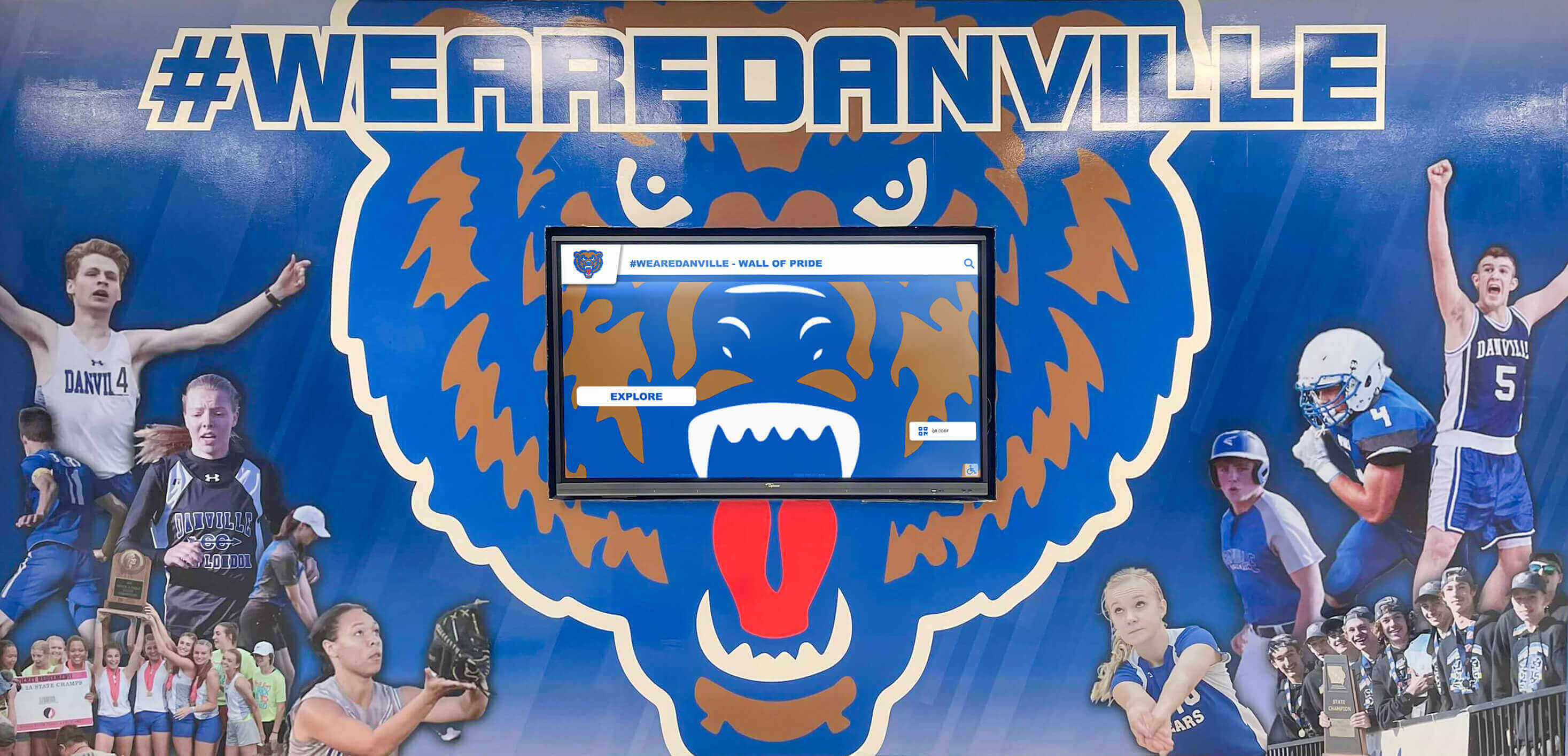
Recognition systems integrate seamlessly with school environments, celebrating graduation achievements alongside ongoing accomplishments
Support Options:
- School-provided invitations for families unable to purchase
- Digital-only options eliminating printing costs
- Community printing resources
- Parent organization assistance programs
- Simple template options requiring minimal enhancement
Accessibility Accommodations
Physical Access Information
Critical Details:
- Wheelchair accessibility specifics
- Reserved accessible seating locations
- Assistive listening device availability
- ASL interpretation services
- Service animal policies
- Accessible parking locations
- Elevator access points
- Accessible restroom locations
Communication:
- Prominently display accessibility information
- Provide contact for accommodation requests
- Advance notice request timeline
- Follow-up confirmation of accommodations
- Day-of accessibility support contact
Schools prioritizing inclusive recognition practices ensure graduation invitations welcome all families regardless of language, ability, economic status, or cultural background.
Digital vs. Print Invitations: Making the Right Choice
Comparing Distribution Methods
Each format offers distinct advantages and limitations:
Print Invitation Benefits
Traditional Format Advantages
Why Choose Print:
- Professional, formal presentation appropriate for ceremony
- Creates tangible keepsake families can preserve
- Appropriate for older relatives unfamiliar with technology
- Demonstrates investment in milestone celebration
- Traditional expectation in many communities
- No technology barriers preventing access
- Display-worthy for homes and refrigerators
Best Situations for Print:
- Official school ceremony invitations
- Formal college commencement
- Traditional community expectations
- Mailing to older generations
- Personal announcements to extended family
- Ceremonies with high formality level
Drawbacks:
- Printing and postage costs
- Production and mailing time requirements
- Difficulty updating information after printing
- Environmental impact considerations
- Potential for lost or undelivered mail
Digital Invitation Advantages
Electronic Format Benefits
Why Choose Digital:
- Instant delivery to all recipients
- Zero printing and postage costs
- Easy updates if ceremony details change
- Built-in tracking and RSVP management
- Environmental sustainability
- Includes clickable links to additional information
- Calendar integration for automatic scheduling
Best Situations for Digital:
- Budget-conscious families
- Last-minute graduation additions
- Informal celebration events
- Extended distribution to broad networks
- Recipients spread across wide geographic areas
- Environmentally conscious communities
Drawbacks:
- Less formal presentation
- Technology access required
- Potential for deletion or overlooking
- May not reach older relatives
- Lacks tangible keepsake quality
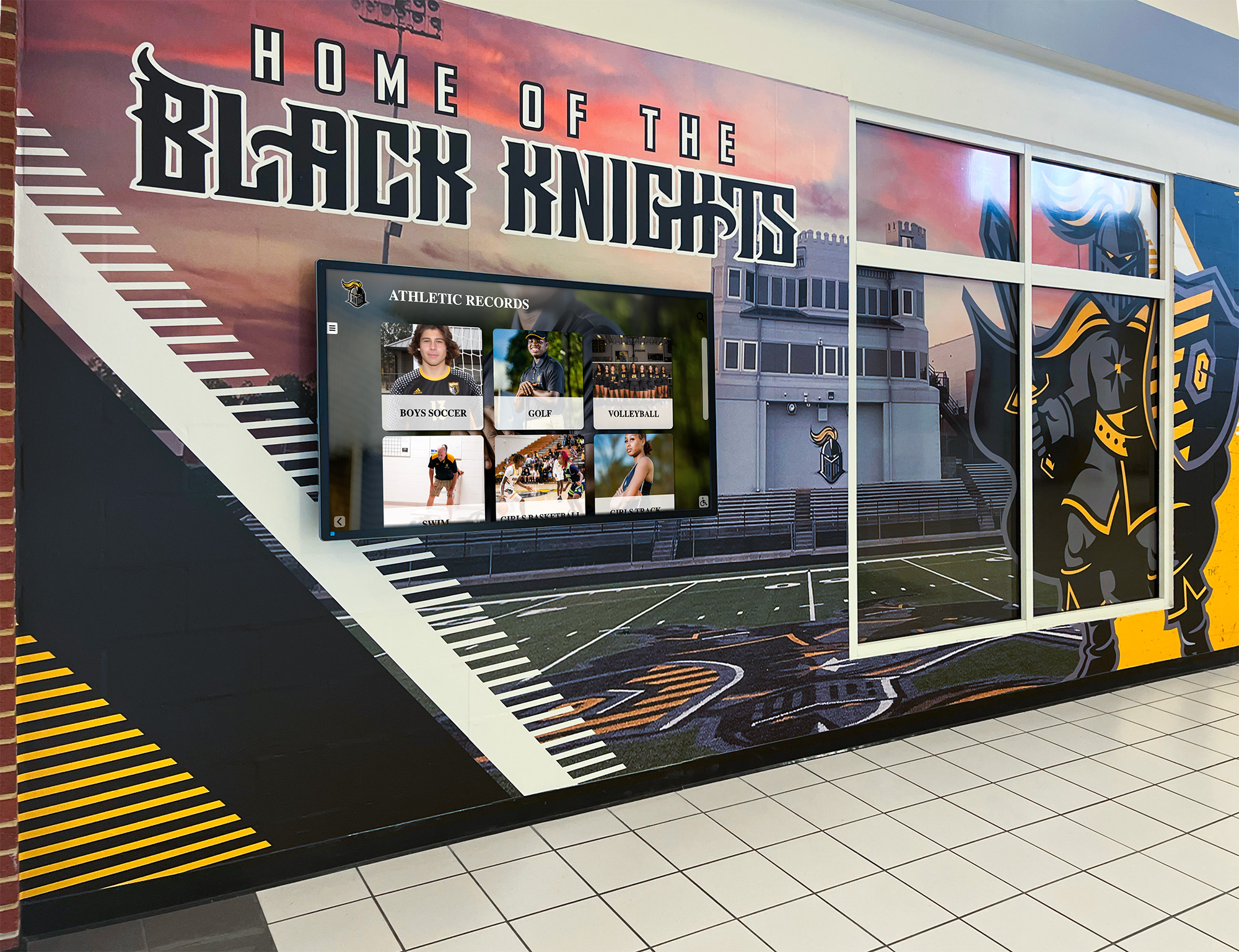
Digital recognition platforms celebrate graduation achievements while providing permanent, accessible achievement documentation
Hybrid Approach Strategies
Combining Both Formats
Effective Hybrid Methods:
- Print invitations to close family and ceremony attendees
- Digital versions to extended network and distant friends
- Official school print invitations with digital reminders
- Personal print announcements with digital event pages
- Print for keepsake quality with digital for logistics updates
Implementation Strategy:
- Send formal print invitation as primary communication
- Follow up with digital reminders including updated details
- Provide digital calendar files for easy scheduling
- Create digital resource pages with comprehensive information
- Send text message reminders in final week
Cost-Benefit Balance:
- Focus printing budget on most important recipients
- Use digital distribution for broader announcements
- Allocate resources to quality over quantity
- Consider print for ceremony invitations, digital for parties
Educational institutions implementing modern recognition technologies understand that combining traditional approaches with digital platforms creates comprehensive celebration strategies honoring achievement effectively.
Managing RSVPs and Guest Count
Attendance Planning Strategies
Accurate guest count information ensures appropriate ceremony planning:
RSVP Collection Methods
Gathering Attendance Information
Collection Approaches:
- Reply cards included with print invitations
- Online RSVP forms linked from digital invitations
- Email responses to designated school address
- Phone call confirmations to school office
- Digital event platforms with built-in RSVP tracking
- Text message response options
- School app RSVP features
Essential Information to Collect:
- Number of guests attending per family
- Any accessibility accommodation needs
- Dietary restrictions if reception included
- Parking pass requests
- Special seating needs
- Photography permission preferences
Deadline Considerations:
- Set RSVP deadlines 2-3 weeks before ceremony
- Allow sufficient time for final planning adjustments
- Send reminder to non-responders one week before deadline
- Plan for some families not responding
- Assume percentage of no-response families will attend
Managing Guest Limitations
Communicating Capacity Constraints
Clear Communication Strategies:
- Explicitly state guest limitations in invitation
- Explain capacity reasons respectfully
- Provide ticket distribution procedures
- Offer alternative viewing options (livestream)
- Clearly communicate consequence of exceeding limits
Example Wording: “Due to venue capacity limitations, each graduate will receive four (4) admission tickets. Additional tickets cannot be accommodated. Families needing accessibility seating should contact the school office by [date].”
Ticket Distribution Methods:
- Direct distribution to graduates with signed acknowledgment
- Family pickup from school office with ID verification
- Mailed tickets to family home addresses
- Digital ticketing with QR codes for entry
- Name-list check-in without physical tickets
Enforcement Strategies:
- Staff monitoring entry points
- Ticket collection at ceremony entrance
- Reserved seating with name verification
- Clear communication about overflow spaces
- Professional security if needed for large events
Handling Common RSVP Challenges
Problem-Solving Strategies
Low Response Rates:
- Multiple reminder communications
- Phone call follow-ups to non-responders
- Assume attendance if no response received
- Plan for higher-than-confirmed attendance
Over-Capacity Requests:
- Firmly but kindly enforce limitations
- Offer livestreaming or recording access
- Suggest family members taking turns attending
- Provide outdoor viewing areas if available
Last-Minute Changes:
- Flexible seating arrangements accommodating adjustments
- Additional tickets from families unable to attend
- Standby lists for excess ticket requests
- Clear communication about change procedures
Schools developing comprehensive student recognition approaches ensure graduation planning includes accessible RSVP systems accommodating all families regardless of technology access or communication preferences.
Beyond the Invitation: Complementary Graduation Communications
Comprehensive Ceremony Planning Materials
Invitations represent one component of broader graduation communications:
Graduation Programs
Ceremony Day Materials
Program Components:
- Order of events and ceremony schedule
- Graduate names (often full class listing)
- Administrator and faculty recognition
- Speaker introductions and biographies
- School history or mission statement
- Acknowledgment of supporters and donors
- Special award recipients
- Class statistics and highlights
Design Coordination:
- Match program design to invitation style
- Consistent branding and color scheme
- Professional layout and typography
- Quality paper and printing
- Keepsake-worthy presentation
Ceremony Day Signage
Directional and Informational Displays
Essential Signage:
- Parking direction signs
- Building entrance indicators
- Ceremony location markers
- Accessible route directions
- Restroom locations
- Guest seating section indicators
- Photo opportunity designated areas
- Reception location signs
Digital Displays:
- Welcome screens in building lobbies
- Graduate name scrolling displays
- Achievement highlight presentations
- Class photo slideshow during pre-ceremony
- Live ceremony streaming for overflow guests
Educational institutions implementing digital recognition displays discover that permanent installations provide year-round graduation celebration beyond single ceremony events.
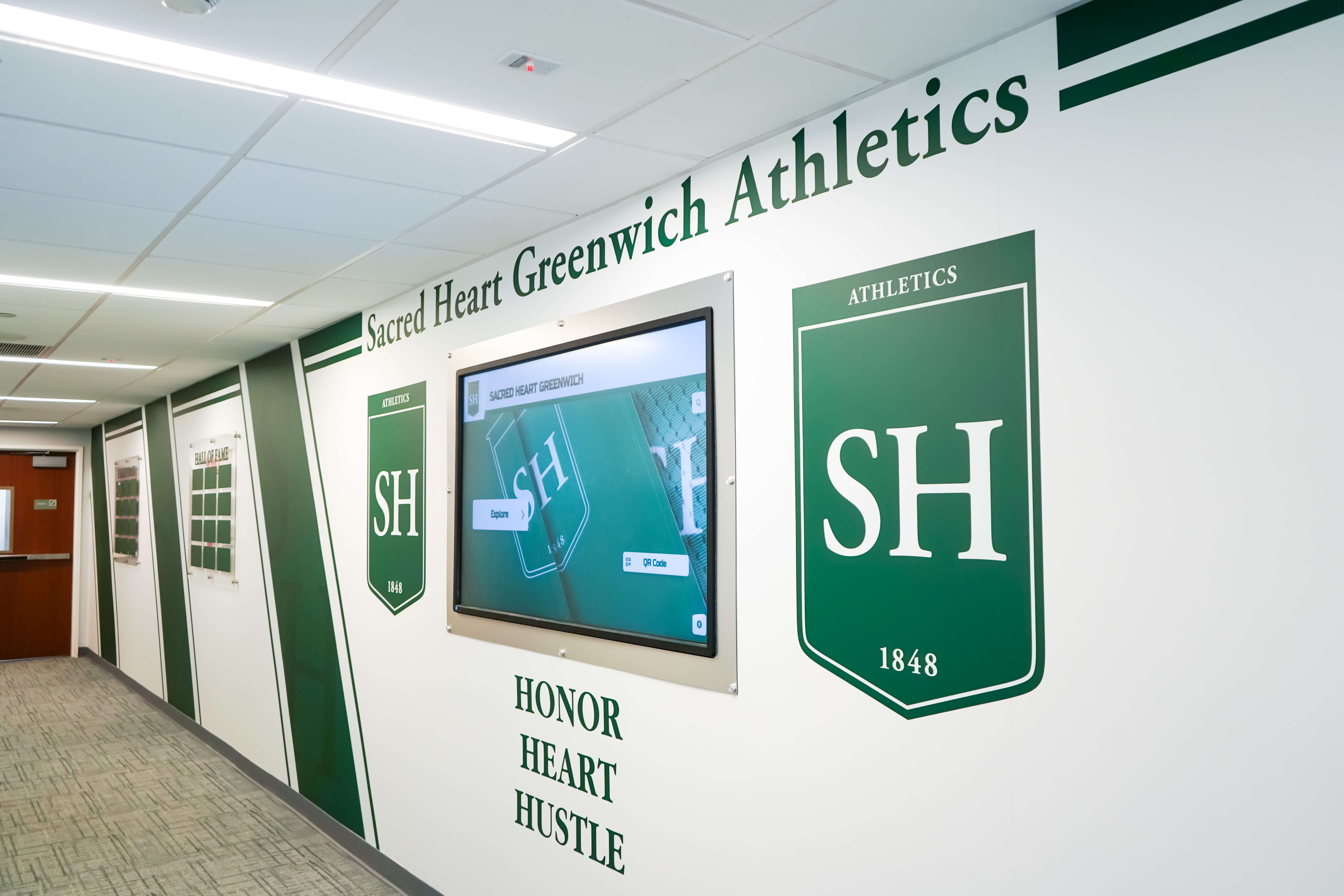
Permanent recognition infrastructure celebrates graduation milestones while honoring achievements throughout students' academic careers
Post-Ceremony Communications
Follow-Up Materials
Thank You Communications:
- Appreciation notes to ceremony attendees
- Recognition of volunteers and supporters
- Photo galleries shared with families
- Video recordings distributed digitally
- Memory books documenting ceremony
Transition Information:
- Next steps for summer before college/next level
- Alumni association integration
- Senior gift campaign information
- Transcript request procedures
- Continuing education resources
Social Media Integration
Digital Celebration Extensions
Effective Strategies:
- Official ceremony hashtags for photo sharing
- Live social media updates during ceremony
- Photo galleries posted after event
- Graduate spotlights leading up to ceremony
- Alumni welcome messages
- Virtual celebration for distant community members
Privacy Considerations:
- Obtain photo permission from families
- Respect opt-out requests
- Avoid identifying information in public posts
- Use privacy settings appropriately
- Comply with school social media policies
Creating Lasting Graduation Memories
Documentation and Preservation
Comprehensive recognition extends beyond single ceremony:
Digital Yearbook Integration
Permanent Achievement Documentation
Modern schools implement digital yearbook platforms that preserve graduation memories alongside ongoing student achievements:
Digital Platform Benefits:
- Permanent searchable graduate archives
- Unlimited photo storage capacity
- Family access from any device
- Integration with ceremony programs
- Connection to senior profiles and achievements
- Ongoing updates throughout educational career
Content Inclusion:
- Graduate portraits and candid photos
- Ceremony highlights and memorable moments
- Senior quotes and future plans
- Achievement documentation
- Award recognition
- Community tributes and messages
Access and Sharing:
- Family members view remotely
- Alumni return to explore memories
- School community celebrates achievements
- Permanent institutional documentation
- Social sharing capabilities
- Mobile-friendly interfaces
Physical Keepsakes
Tangible Memory Preservation
Traditional Documentation:
- Printed invitation as scrapbook element
- Ceremony program preservation
- Professional ceremony photographs
- Diploma and certificate framing
- Class composite photos
- Memory books compiling messages
Display Options:
- Shadow boxes combining invitation, program, and photos
- Graduation walls in family homes
- Digital picture frames with ceremony slideshow
- Photo albums dedicated to graduation
- Certificate frames with invitation inclusion
School Recognition Displays
Permanent Institutional Celebration
Physical Recognition:
- Graduate name plaques on school walls
- Class composite photographs in hallways
- Brick or tile dedication programs
- Donor recognition for scholarship contributors
- Athletic and academic hall of fame inclusions
Digital Recognition Systems:
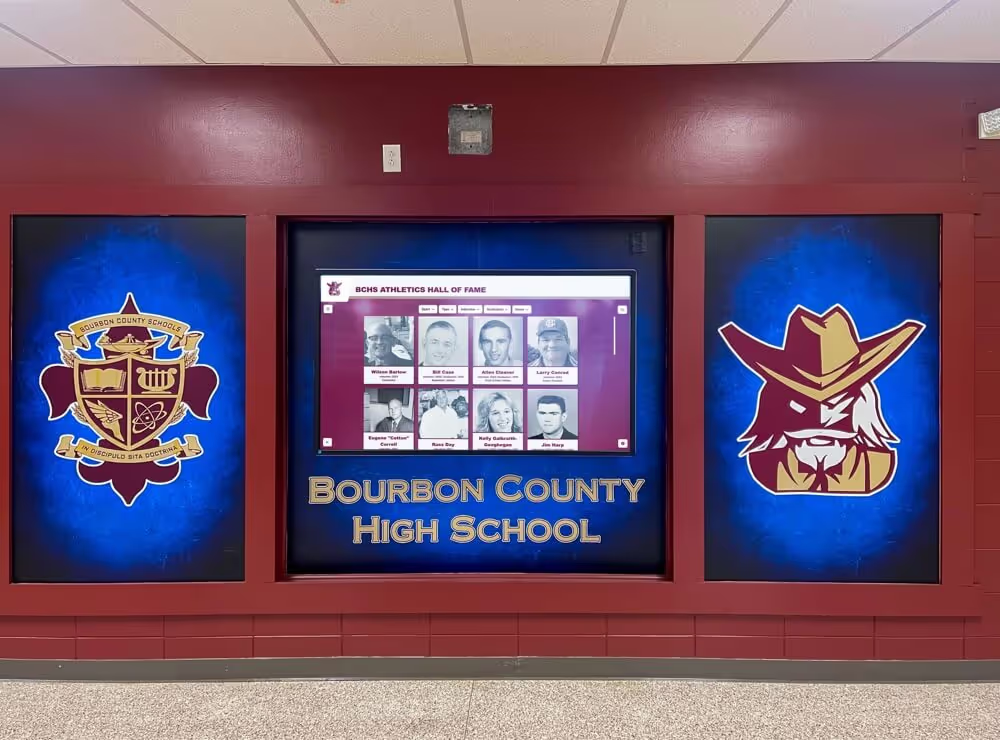
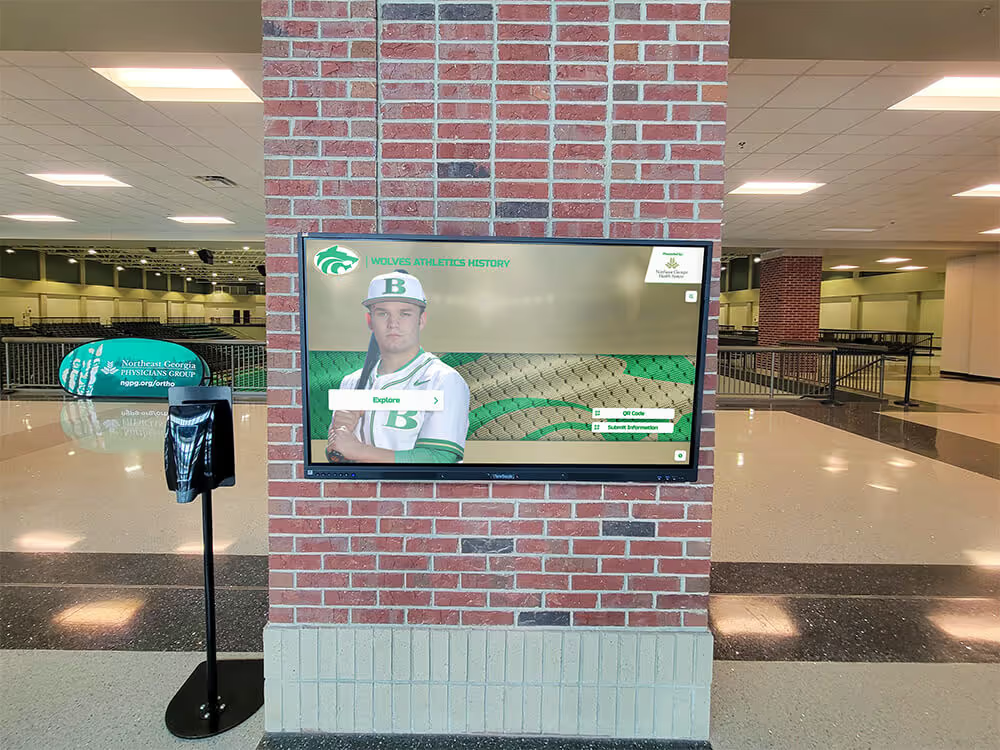
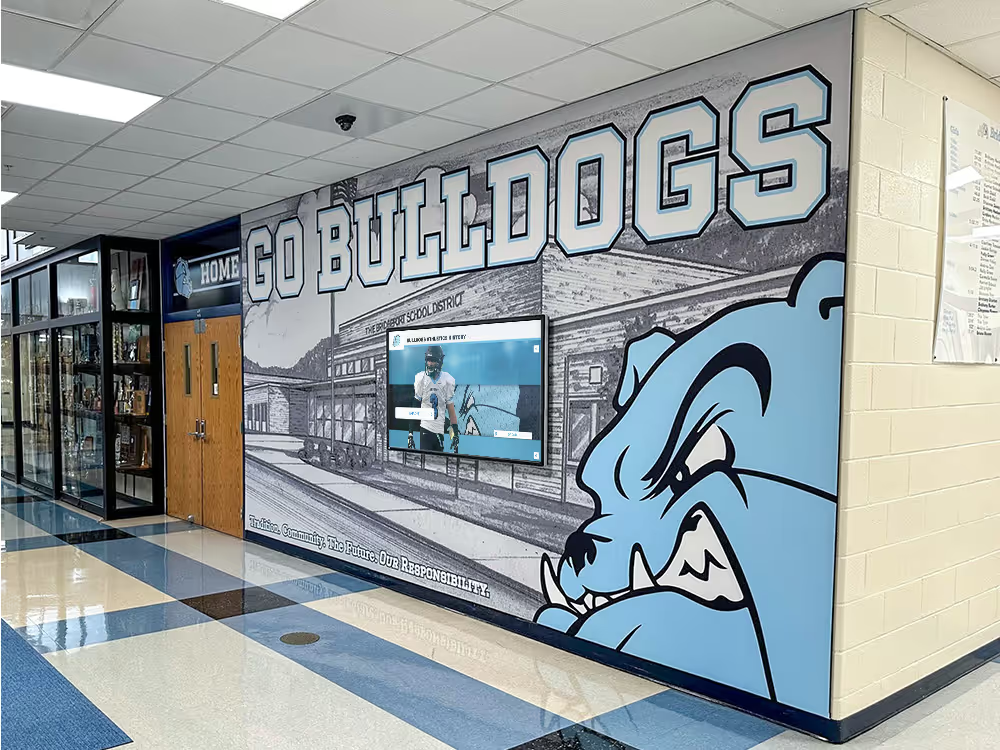
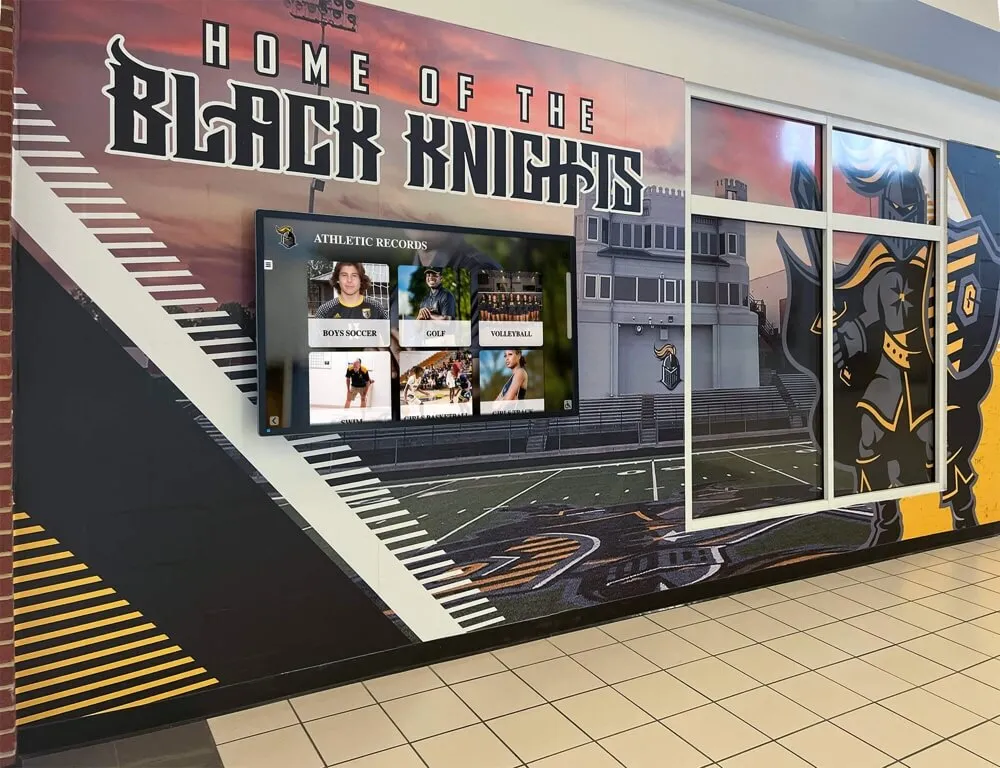
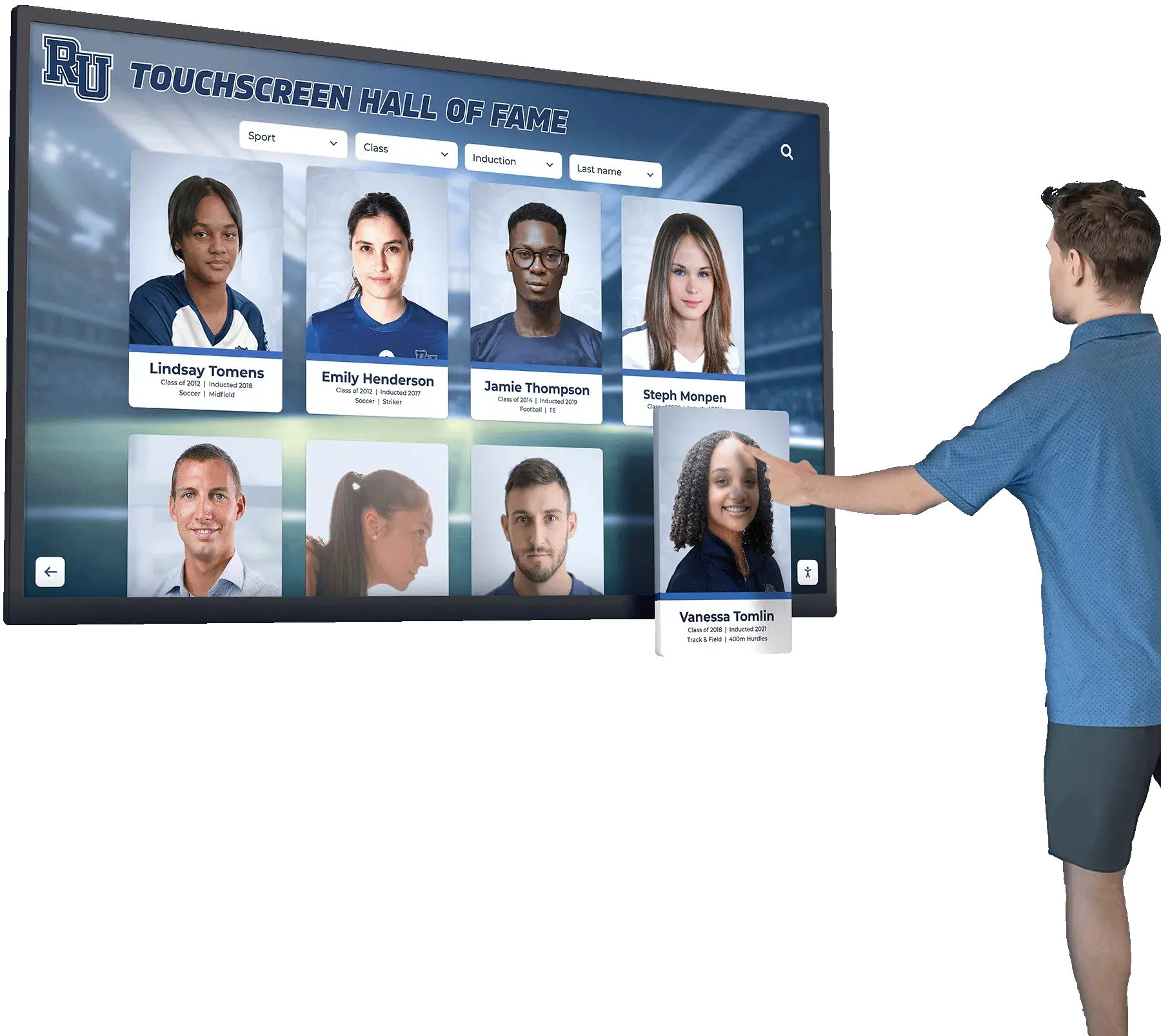
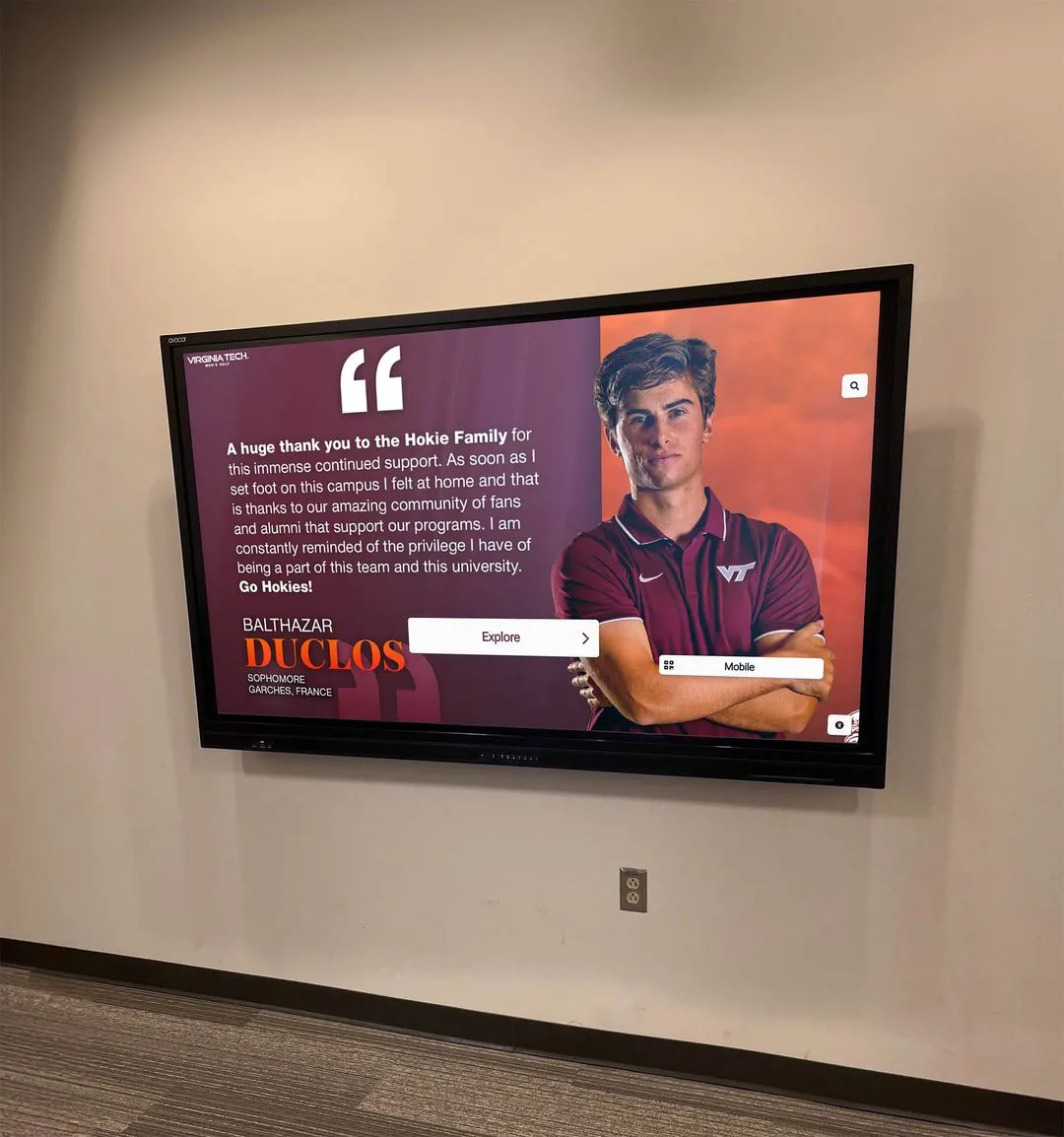
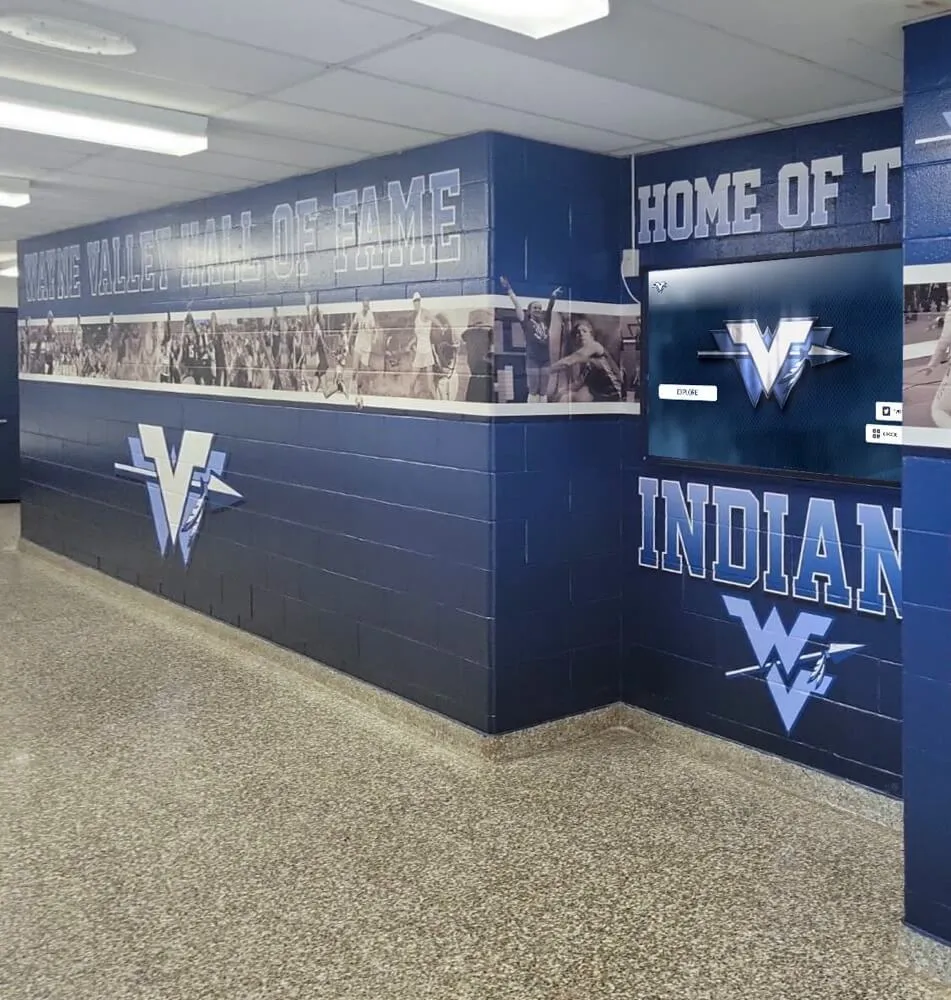
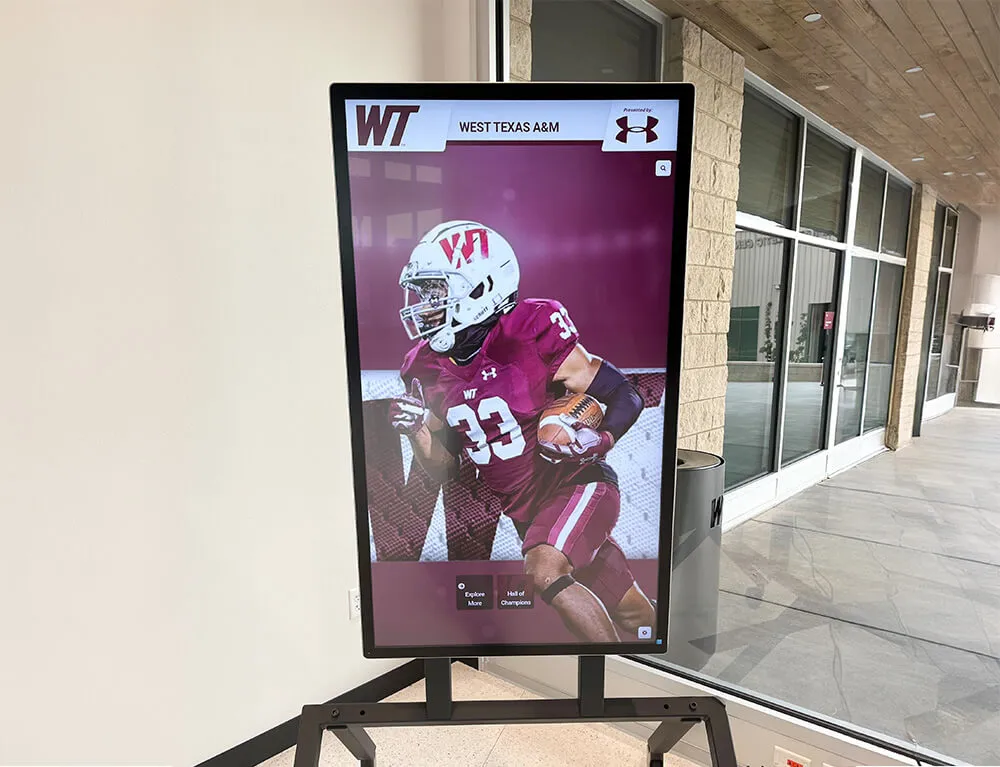
Solutions like Rocket Alumni Solutions provide schools with permanent recognition infrastructure celebrating graduates long after ceremonies end. Interactive touchscreen displays in school lobbies enable:
- Searchable graduate databases accessible to families and alumni
- Comprehensive achievement documentation beyond single ceremonies
- Photo galleries preserving graduation memories year-round
- Connection between current students and alumni accomplishments
- Ongoing recognition inspiring future graduates
These systems transform graduation from momentary celebration to permanent institutional documentation, ensuring every graduate receives lasting honor while building school pride and community connection.
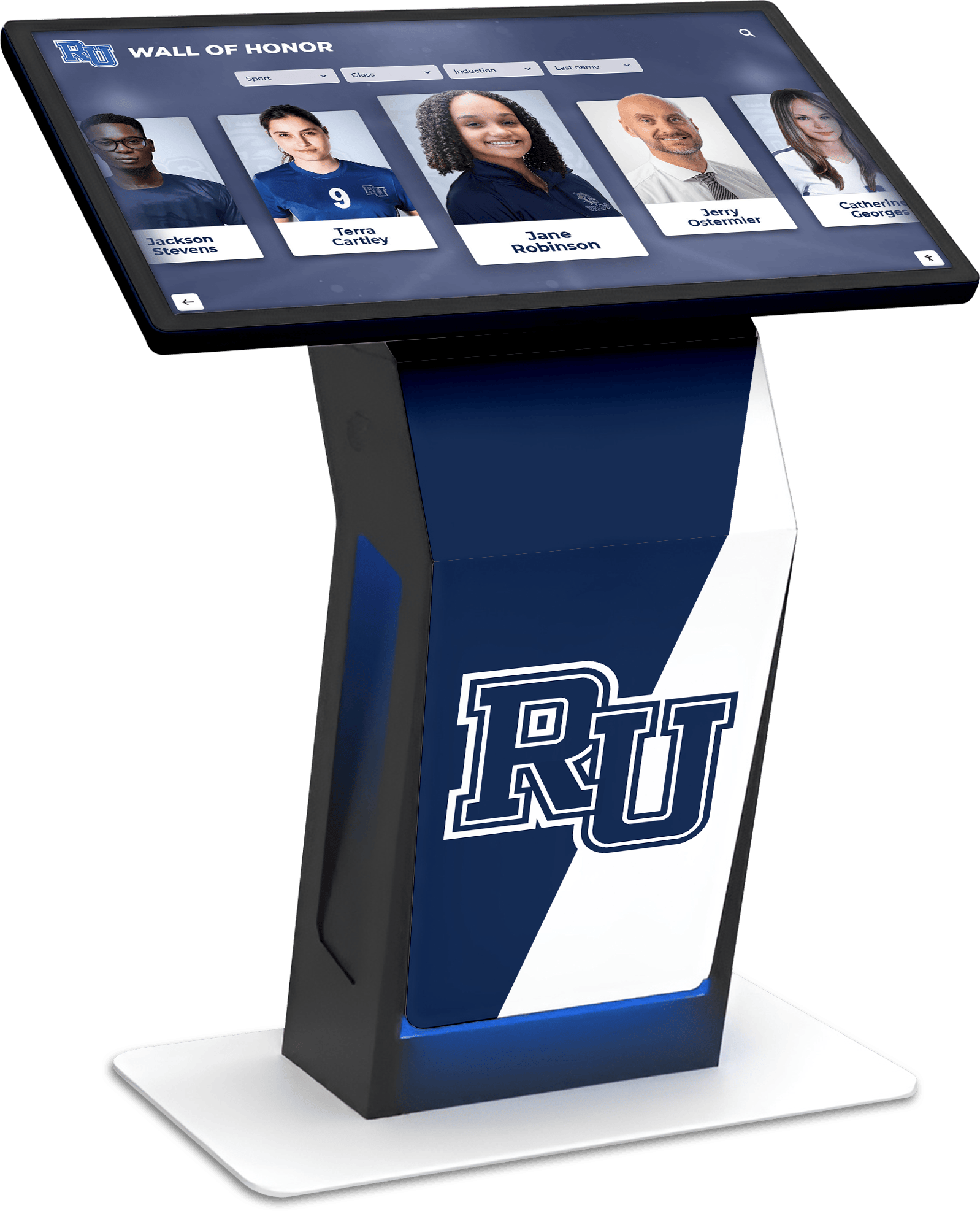
Modern recognition technology provides permanent graduation celebration accessible to families and community members year-round
Troubleshooting Common Invitation Challenges
Solving Frequent Issues
Anticipate and address predictable challenges:
Challenge: Budget Limitations
Solution Strategies:
- Utilize free digital invitation platforms
- DIY design using free templates
- School-provided standard templates
- Digital distribution eliminating printing costs
- Simple designs requiring less expensive printing
- Community printer donations
- Parent organization funding support
Challenge: Short Planning Timeline
Quick Solutions:
- Digital invitations for immediate distribution
- Simplified design requiring less production time
- School communication app announcements
- Email and text message invitations
- Online print services with rush options
- Template customization versus custom design
- Focus on essential information over decoration
Challenge: Diverse Language Needs
Multilingual Solutions:
- Translation services through community volunteers
- Bilingual invitation formats
- Digital versions in multiple languages
- QR codes linking to translated materials
- School liaison support for communication
- Side-by-side language presentation
Challenge: Limited Venue Capacity
Guest Management Solutions:
- Clear ticket policies communicated early
- Multiple ceremony sessions for large classes
- Livestreaming for extended family
- Outdoor overflow viewing areas
- Recorded ceremony distribution
- Photo opportunities before/after for all families
Challenge: Accessibility Concerns
Inclusive Solutions:
- Detailed accessibility information in all invitations
- Advance accommodation request procedures
- Multiple format availability (large print, digital, audio)
- Translation services
- Physical accessibility details prominently featured
- Personal contact for special needs discussion
Schools implementing comprehensive recognition strategies anticipate challenges proactively, ensuring graduation invitations and ceremonies welcome all families meaningfully.
Conclusion: Creating Invitations That Honor Achievement
Graduation ceremony invitations represent far more than logistical communications—they set the tone for meaningful milestone celebrations honoring years of dedication while bringing communities together to recognize achievement. Whether planning formal high school commencement for hundreds of families, intimate elementary celebrations, or college ceremonies marking advanced degree completion, thoughtful invitations demonstrate respect for accomplishment while ensuring families have information needed for smooth attendance.
The templates, wording examples, and design strategies explored throughout this guide provide frameworks for creating invitations appropriate to your specific graduation context while accommodating diverse family needs and budget realities. From traditional formal announcements to modern digital invitations, from bilingual communications to accessible formats, these approaches ensure your graduation invitations welcome all community members to celebrate achievement meaningfully.
Most importantly, remember that effective invitations balance essential logistics with genuine celebration. Focus on clarity—providing complete ceremony details families need for planning. Honor achievement—recognizing the dedication and growth being celebrated. Welcome community—creating inclusive communications accommodating diverse backgrounds and needs. And preserve memories—designing invitations families will treasure as documentation of this important milestone.
Your graduates have achieved something extraordinary: completing an educational level, mastering challenging material, developing personal skills and character, and preparing to launch into exciting next chapters. This accomplishment deserves celebration communicated through invitations that appropriately honor achievement while bringing together the family and community members who supported the journey.
Celebrate Graduation Milestones Year-Round
While planning your graduation ceremony, discover how digital recognition solutions help schools honor graduate achievements permanently through engaging displays that preserve accomplishments and inspire future students. Explore how comprehensive recognition systems extend celebration beyond single ceremonies, creating lasting institutional documentation accessible to families and community members.
Explore Recognition Solutions that transform graduation from momentary celebration to permanent achievement documentation.
Start where you are: identify your ceremony context and audience, determine appropriate formality level and design approach, gather all essential ceremony information, and create invitations welcoming your community to celebrate graduate accomplishment. Whether designing official school invitations, personal graduation announcements, or celebration party communications, thoughtful planning creates invitations that appropriately honor achievement while ensuring smooth ceremony attendance for all families.
Congratulations on this important milestone—and thank you for investing effort in creating invitations that honor your graduates meaningfully. May your graduation ceremony be joyful, memorable, and filled with well-deserved pride in everything your students have accomplished!