High school athletic programs face an ongoing challenge: how do you raise the funds necessary to provide quality equipment, competitive travel opportunities, facility improvements, and coaching support when school budgets cover only basic operational costs? Whether you’re an athletic director, coach, booster club president, or parent volunteer, finding effective fundraising strategies that don’t burn out your supporter base remains one of the most persistent obstacles to program excellence.
Traditional fundraising approaches—endless candy bar sales, car washes every other weekend, discount card campaigns that saturate communities—often generate diminishing returns while creating “fundraising fatigue” among the families and community members you rely on most. Meanwhile, equipment costs continue rising, travel to competitive tournaments grows more expensive, and facility needs require significant capital investment.
This comprehensive guide presents proven fundraising ideas for high school sports that generate sustainable revenue while building engaged supporter communities. From reimagined traditional events to modern digital campaigns, corporate partnership strategies to donor recognition systems that inspire continued giving, these approaches help athletic programs secure the resources student-athletes need to compete, develop, and excel.
Well-supported high school athletic programs typically raise $30,000-$150,000 annually through diversified fundraising portfolios, with the most successful organizations generating $200,000 or more by combining traditional events, corporate sponsorships, annual giving programs, and capital campaigns supported by comprehensive donor recognition systems.

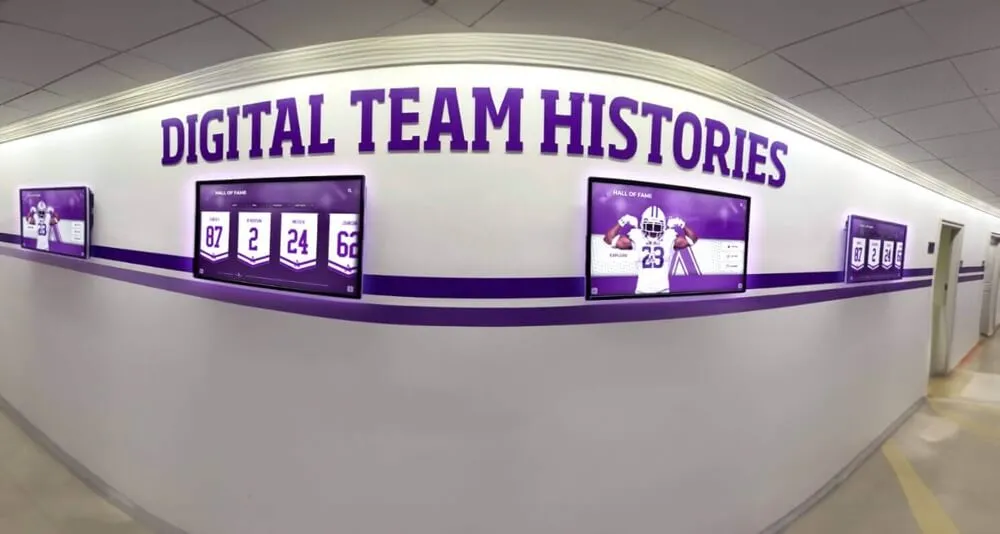
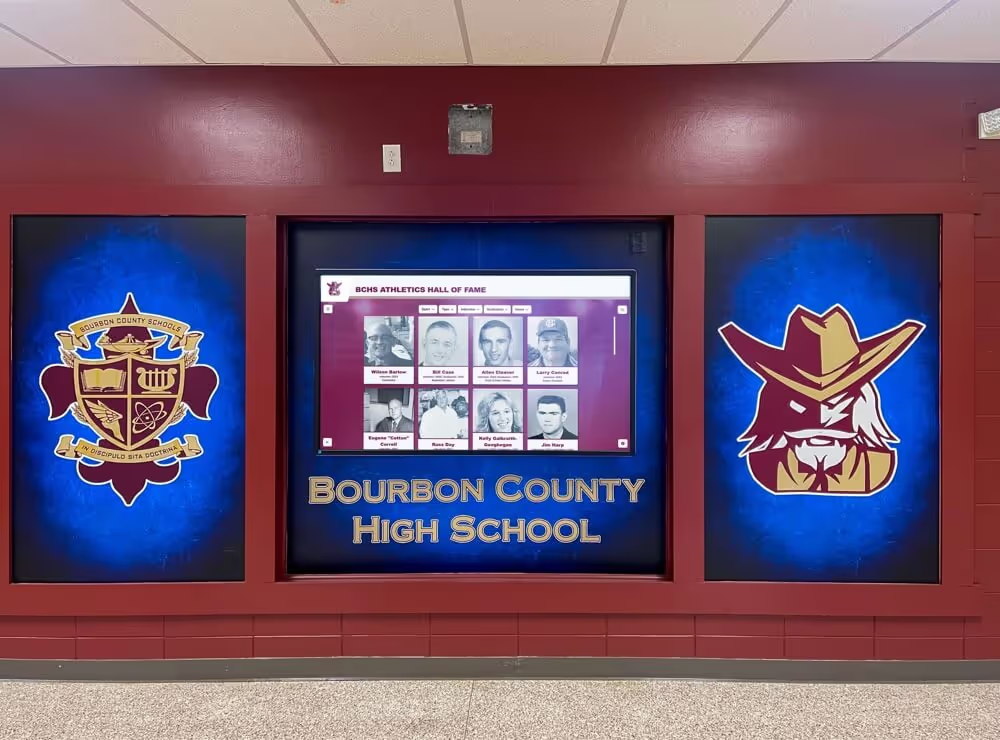
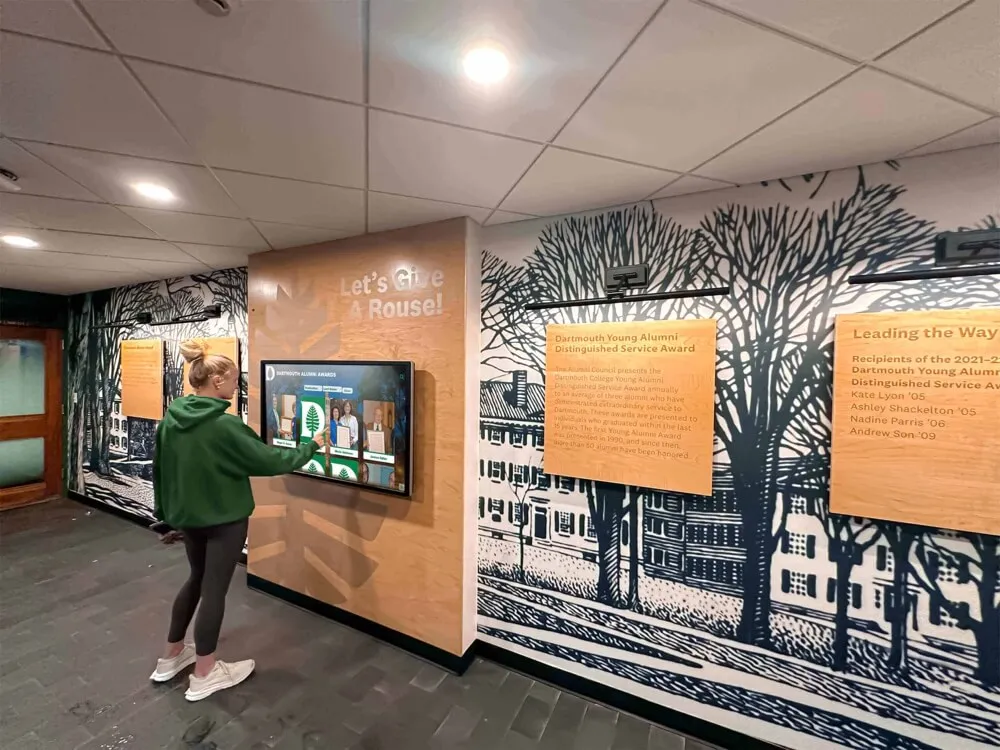
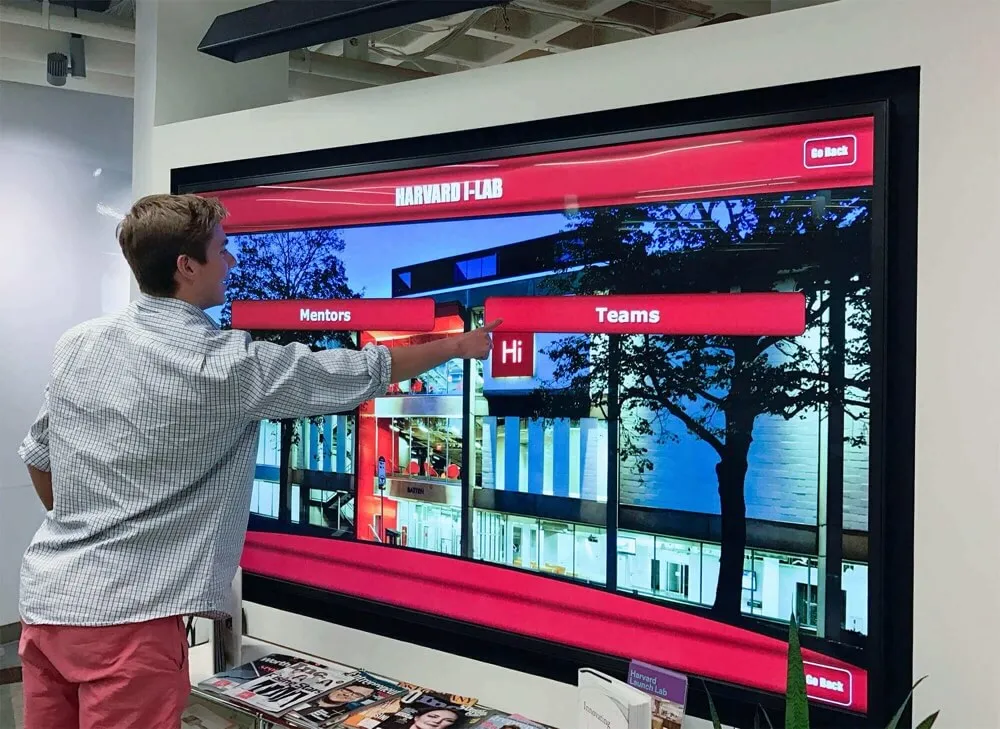
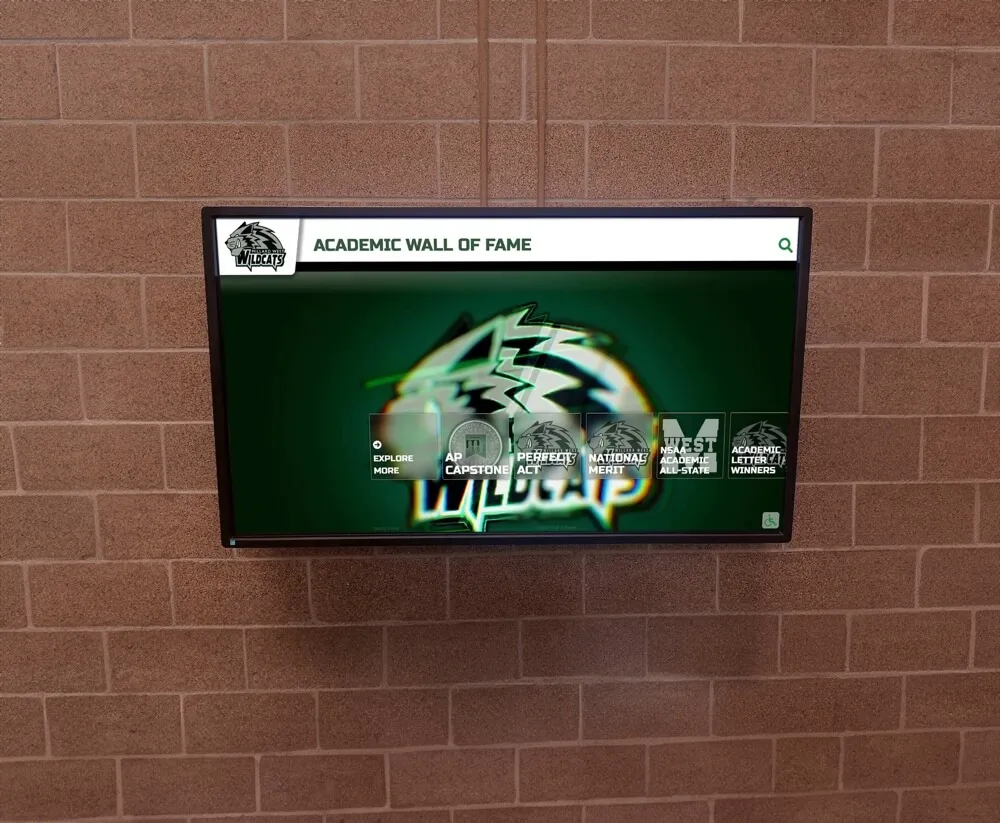
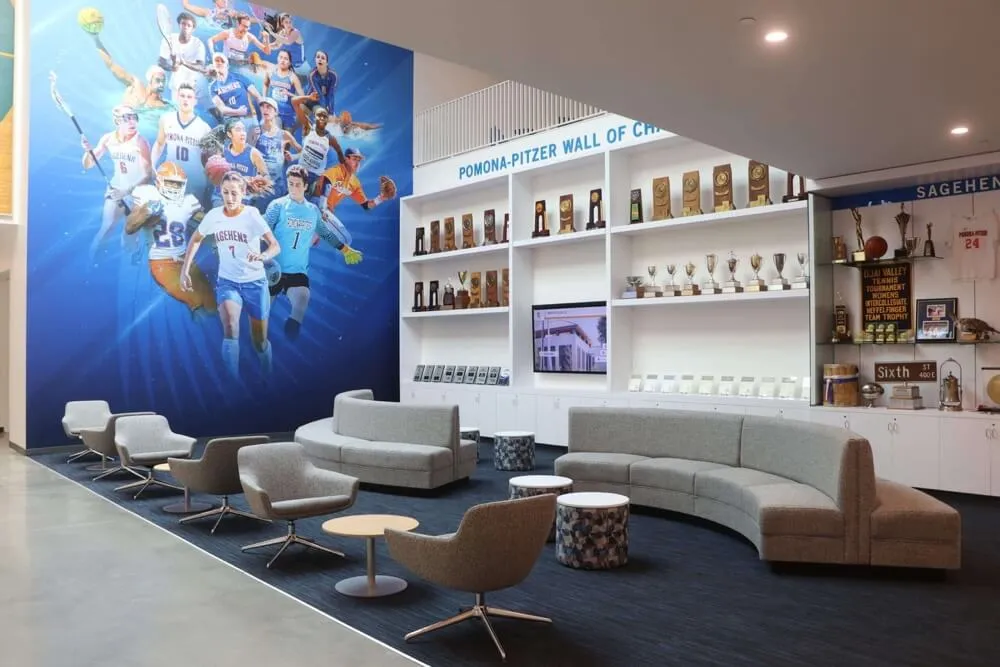
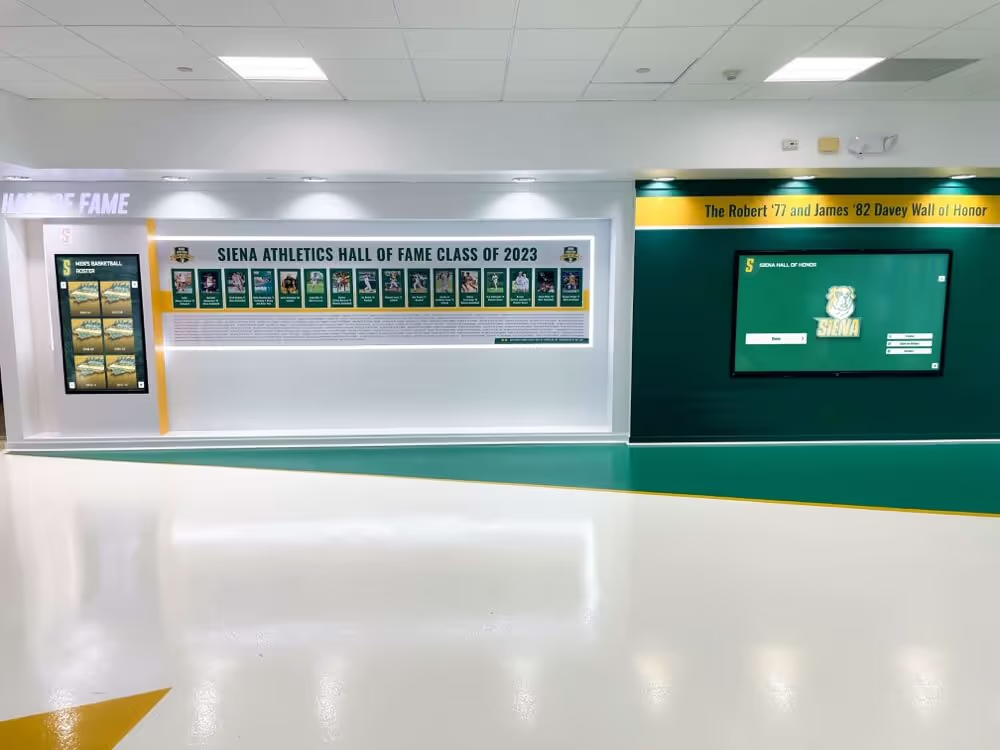
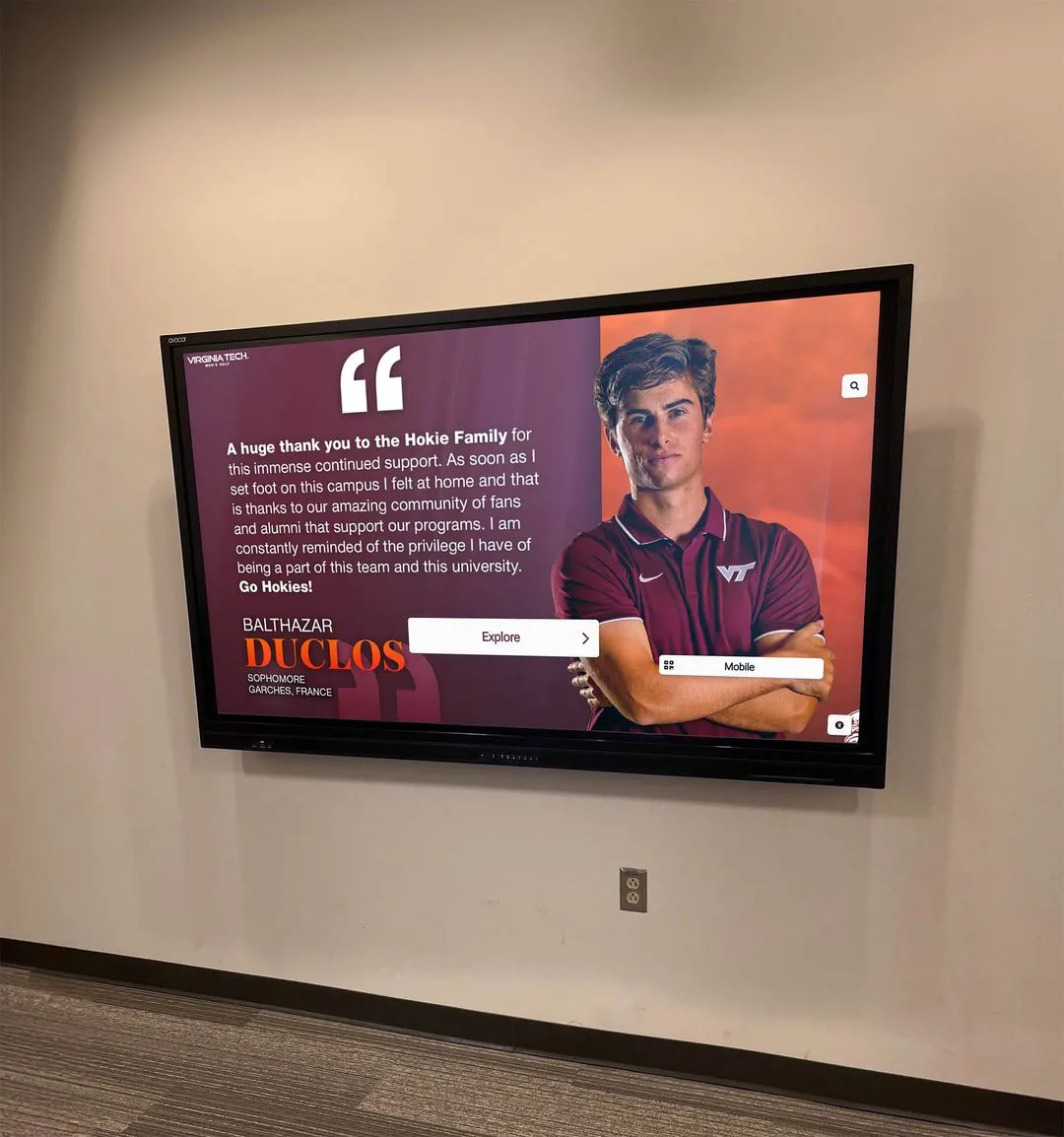
Recognition spaces create compelling environments for fundraising events while demonstrating how supporter contributions enable athletic achievement
Understanding the Modern Sports Fundraising Landscape
Before launching into specific fundraising ideas, understanding the current environment helps athletic programs design effective campaigns that resonate with today’s supporters.
Why Traditional Fundraising Often Falls Short
Saturation and Fatigue
Most families receive constant fundraising requests from multiple sources—their student participates in three sports, belongs to scouts, attends church youth group, and has siblings involved in band, theater, and academic clubs. Each organization runs multiple campaigns throughout the year, creating overwhelming volume that breeds resistance even among otherwise supportive families.
When every team at your school runs the same cookie dough or wrapping paper sale, and neighboring schools duplicate the same approaches, fundraisers become indistinguishable commodity transactions rather than meaningful opportunities to support programs families care about.
Changed Giving Preferences
Modern supporters increasingly prefer donations that directly fund specific needs over purchasing products they don’t particularly want. A parent who gladly writes a $100 check toward new uniforms often resists buying $100 worth of overpriced snacks from a fundraising catalog—the former feels like genuine program support while the latter feels like obligation purchase.
Digital giving preferences have also shifted—donors expect convenient online contribution options with immediate digital receipts, not just cash-or-check-only approaches requiring physical delivery.
Limited Recognition and Appreciation
Traditional fundraising often fails at meaningful donor recognition. Beyond perhaps a generic thank-you note or name buried in a program listing, contributors rarely receive acknowledgment that makes them feel genuinely valued for their support. This transactional approach misses opportunities to convert one-time donors into committed long-term supporters.
Keys to Successful Modern Athletic Fundraising
Clear, Compelling Cases for Support
Effective fundraising communicates specific needs with concrete impact—not generic requests for “program support.” When your booster club explains exactly what equipment the $5,000 campaign will purchase, which tournament the travel fund enables participation in, or what facility improvement the capital campaign will complete, supporters understand precisely what their contributions accomplish.
Multiple Giving Pathways
Successful programs accommodate diverse supporter preferences through varied options:
- Some families prefer attending events while others donate online
- Some contribute time through volunteering while others provide financial resources
- Some support publicly with prominent recognition while others prefer private giving
- Some make large one-time gifts while others contribute smaller amounts regularly
Flexible approaches maximize participation by meeting supporters where they are rather than demanding single engagement pathways.
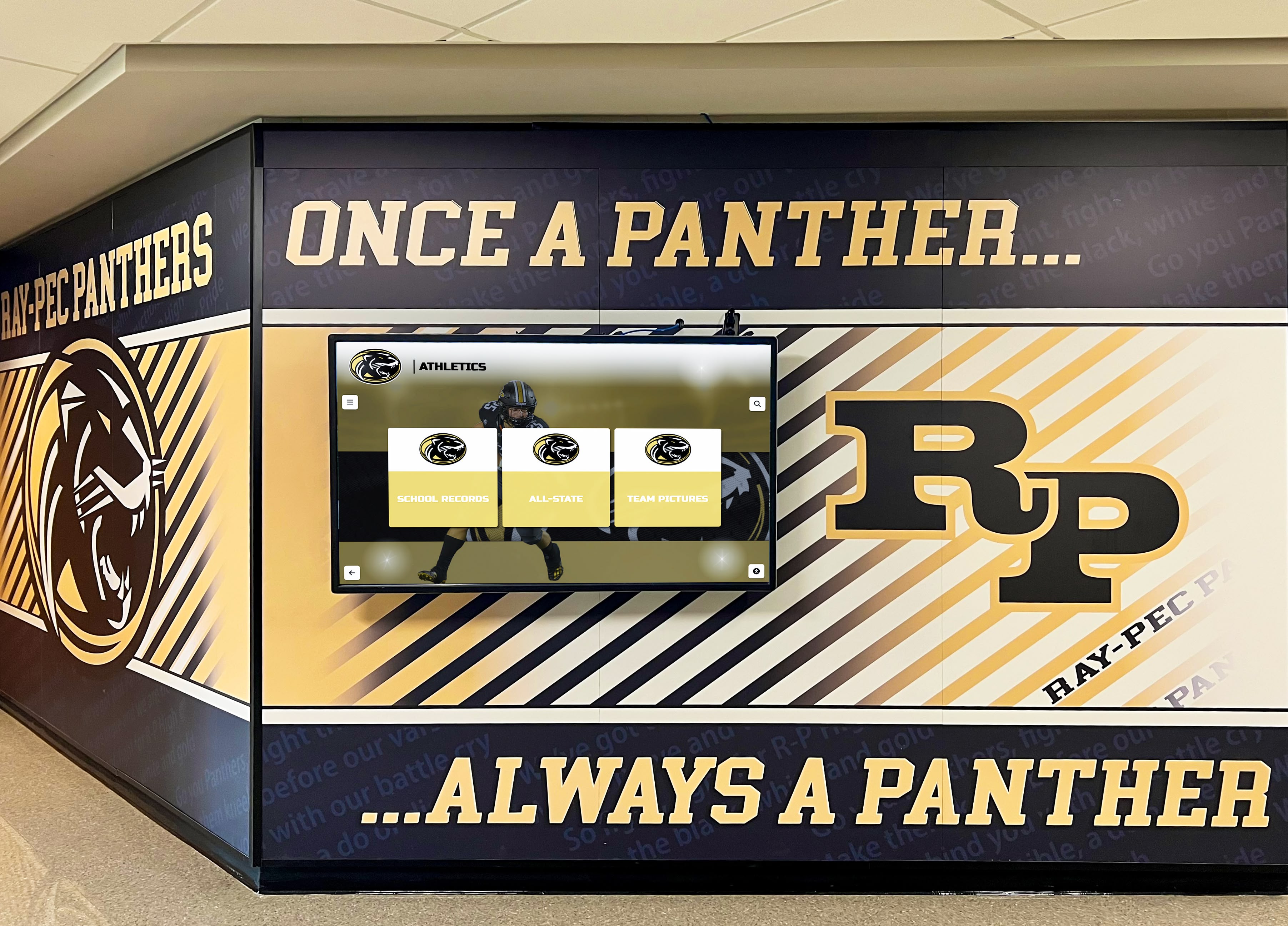
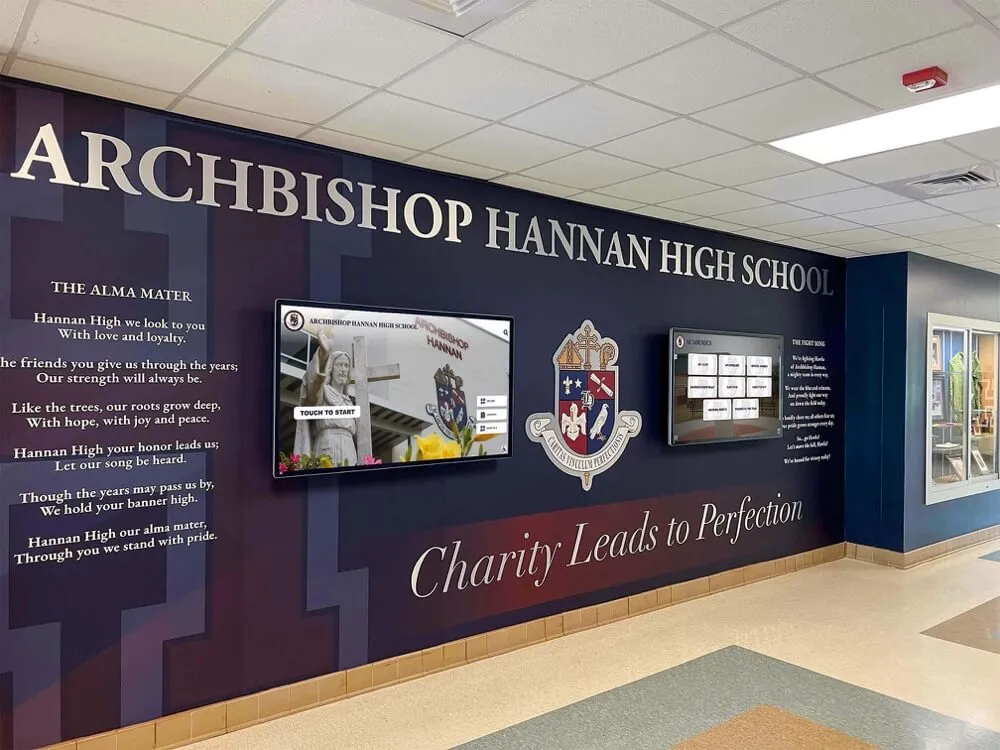
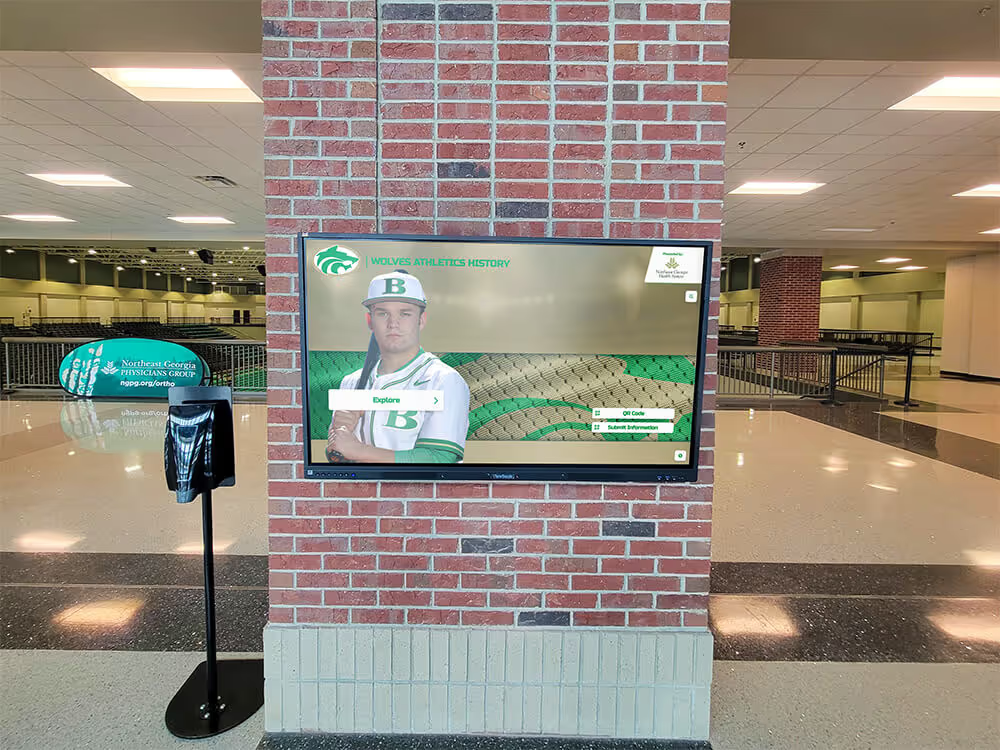
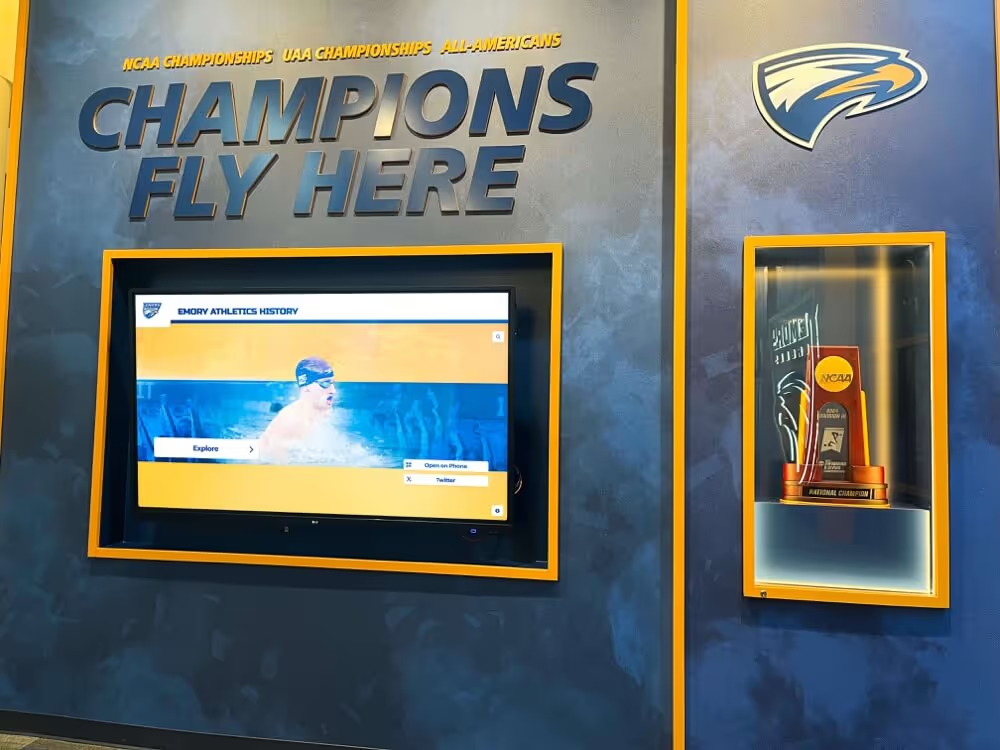
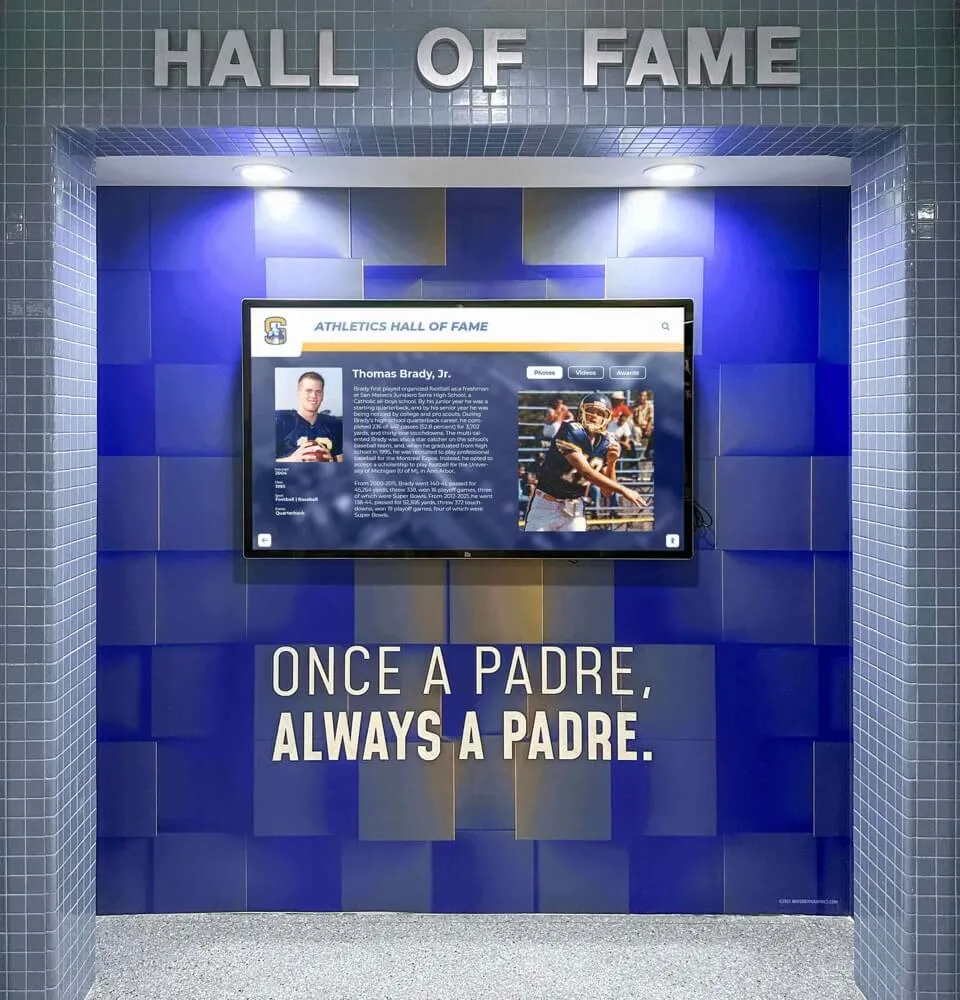
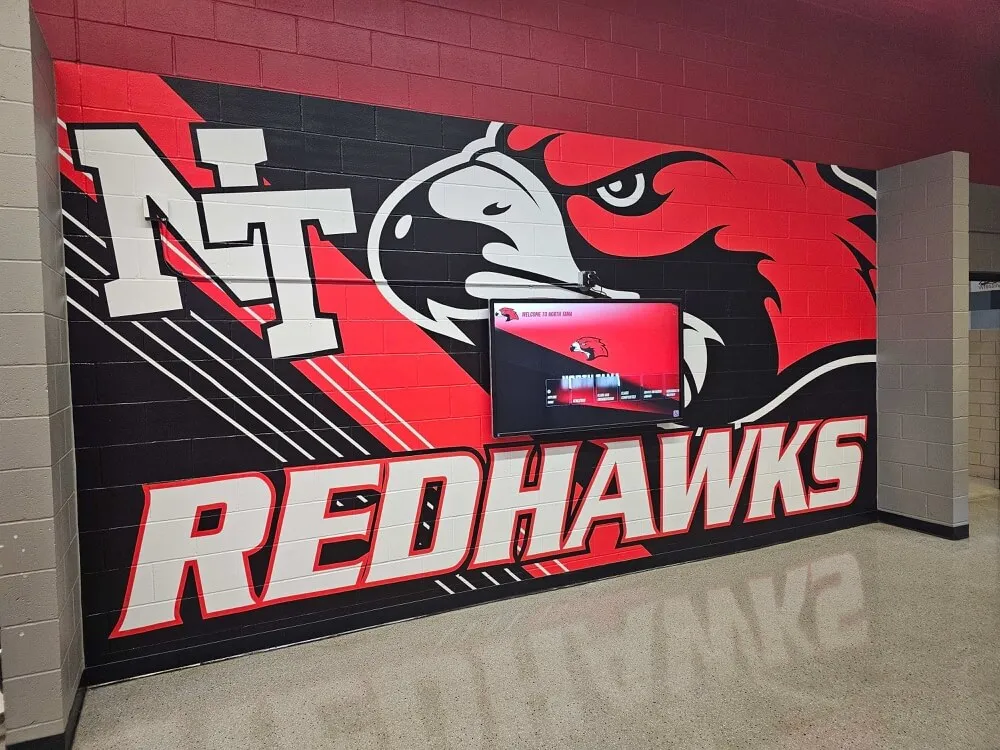
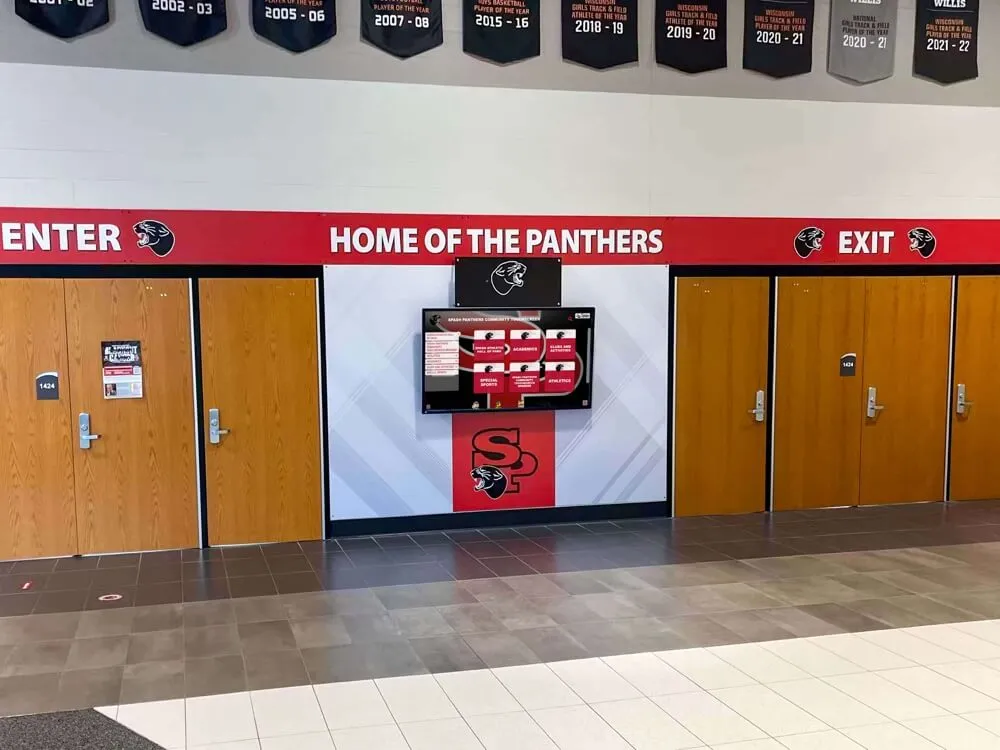
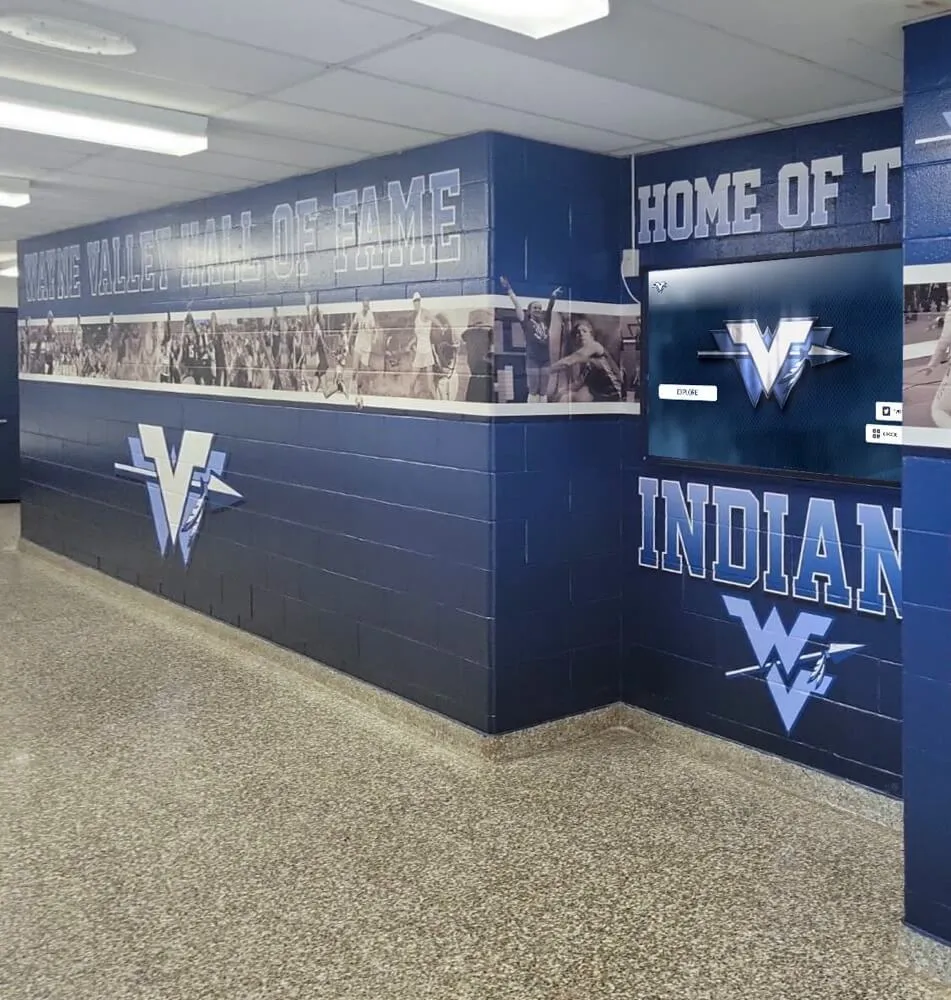
Strategic recognition throughout athletic facilities demonstrates appreciation while inspiring continued community support
Comprehensive Recognition and Stewardship
Modern fundraising recognizes that cultivating long-term relationships generates more sustainable revenue than treating each campaign as isolated transaction. Programs that systematically acknowledge contributions, demonstrate tangible impact, and maintain donor engagement between asks build committed supporter communities funding athletics year after year.
Digital recognition systems enable schools to honor every contributor regardless of giving level—eliminating the space constraints that force traditional donor walls to exclude all but major gifts while creating engaging experiences that strengthen relationships with all supporters.
Traditional Fundraising Events (Reimagined for Today)
Classic fundraising approaches remain effective when executed strategically with modern enhancements that address contemporary donor preferences.
Community Athletic Events
Competitive Tournaments and Challenges
Sport-based fundraisers attract broad community participation:
- 3-on-3 basketball tournaments with team registration fees
- Pickleball or cornhole competitions appealing to adult participants
- Youth sports clinics taught by high school athletes and coaches
- Alumni versus current team exhibition games during homecoming
- Skills competitions and challenge courses open to community
- 5K runs combining athletic and community fundraising elements
Athletic events work particularly well because they create natural social opportunities, appeal to health-conscious participants, and attract corporate sponsors seeking community visibility and employee engagement opportunities.
Multi-Sport Showcase Events
Large-scale celebrations generating revenue through multiple streams:
- All-sports banquets honoring athletes across programs
- Athletic department carnivals with game booths and activities
- Sports memorabilia auctions featuring signed equipment and athlete experiences
- Alumni recognition nights bringing former athletes back to campus
- Championship celebration events after successful seasons
Athletic banquet planning creates opportunities to honor achievement while fundraising through ticket sales, program advertising, and auction elements.
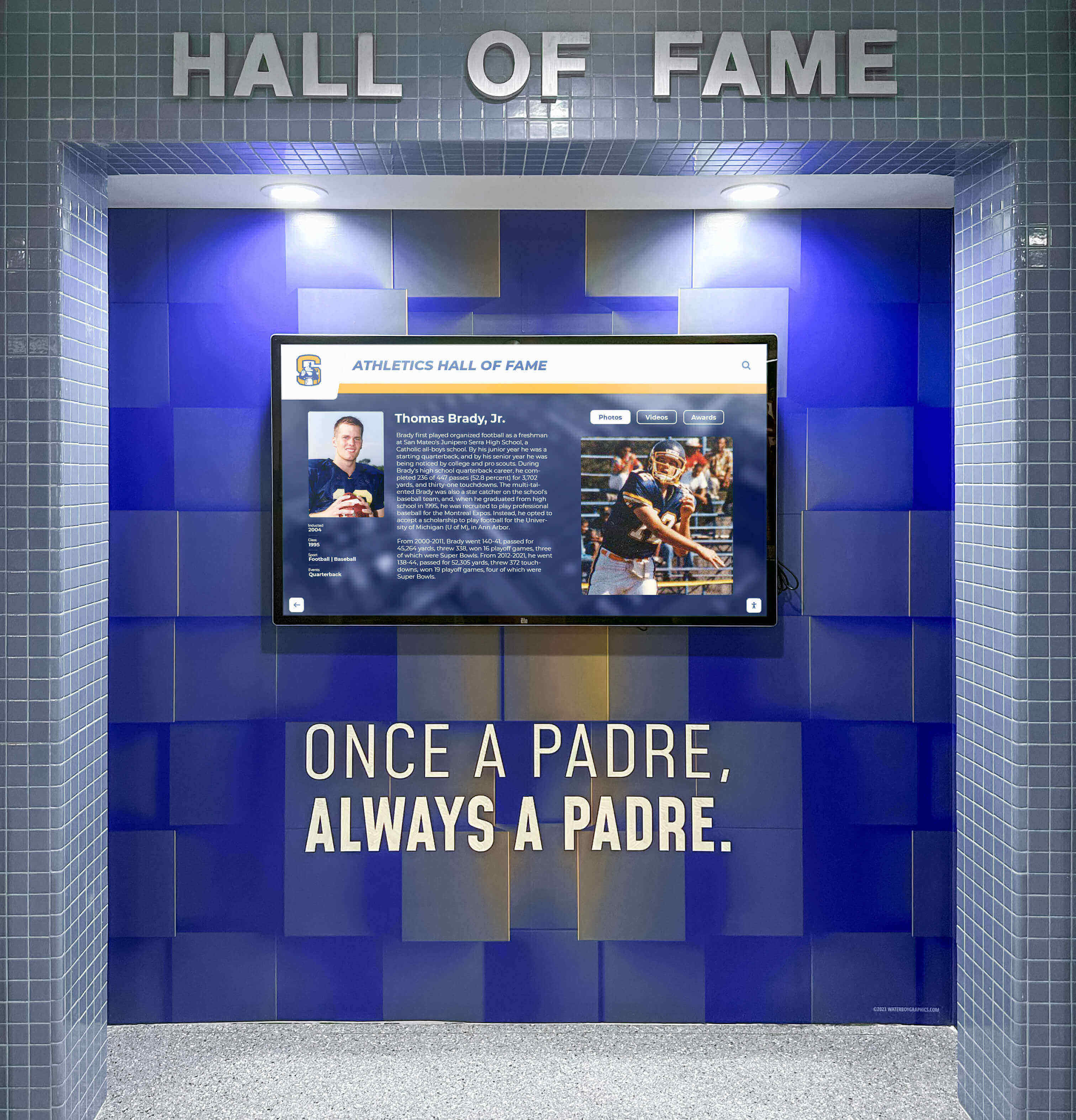
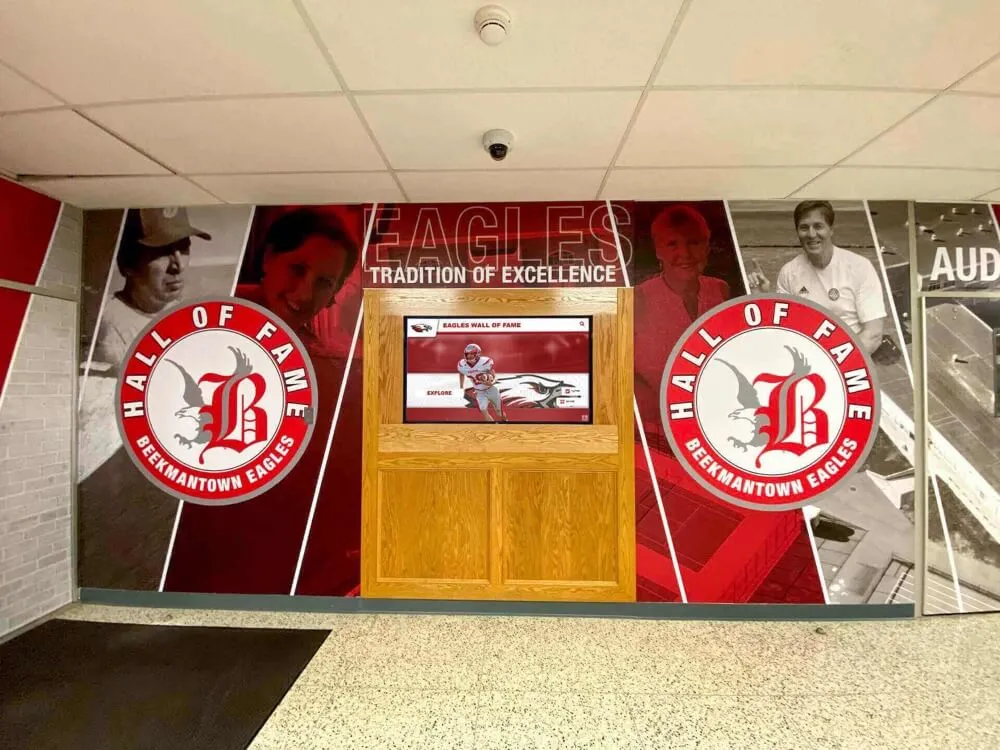
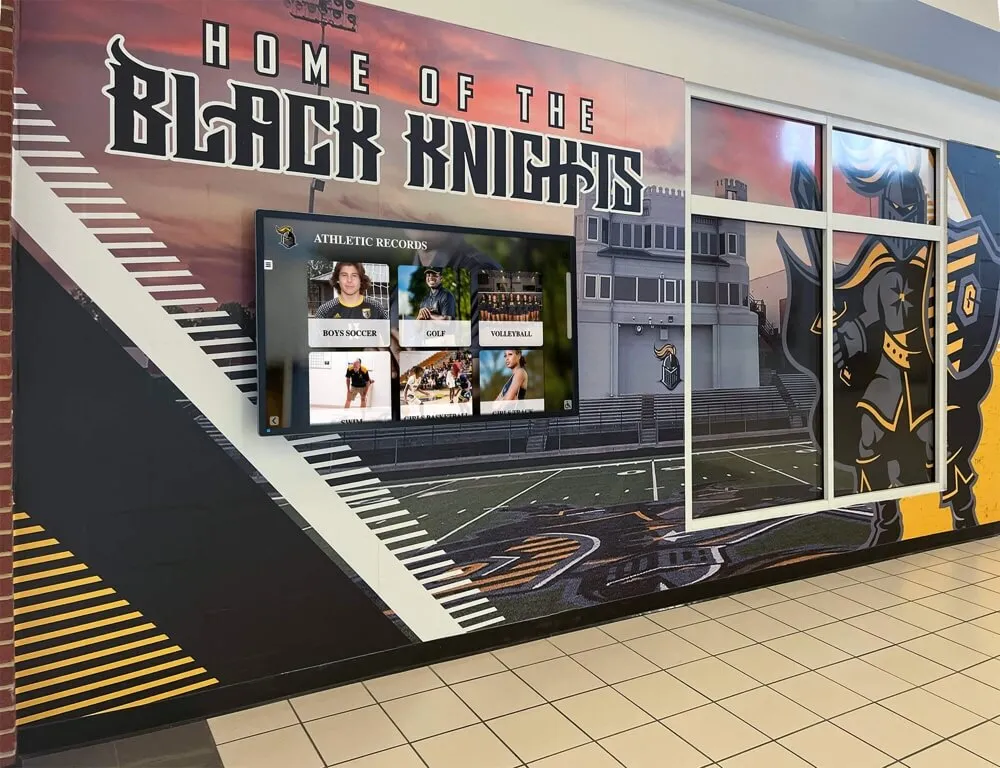
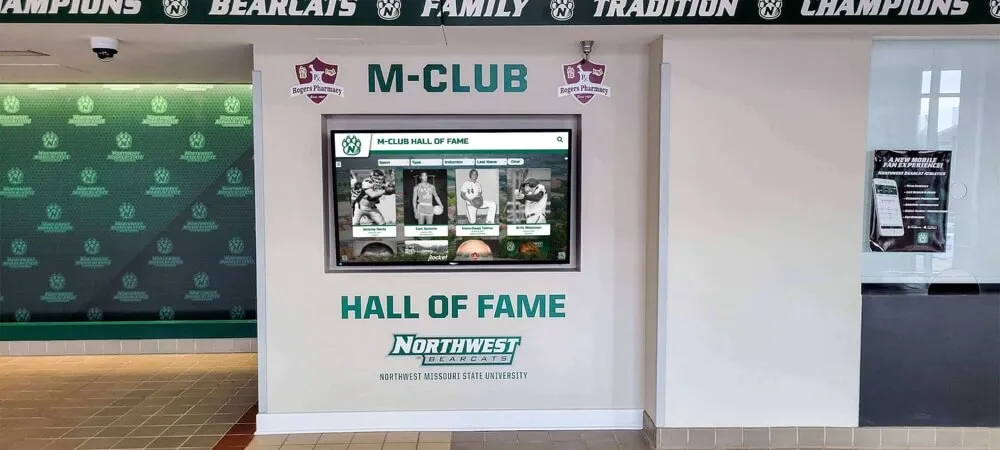
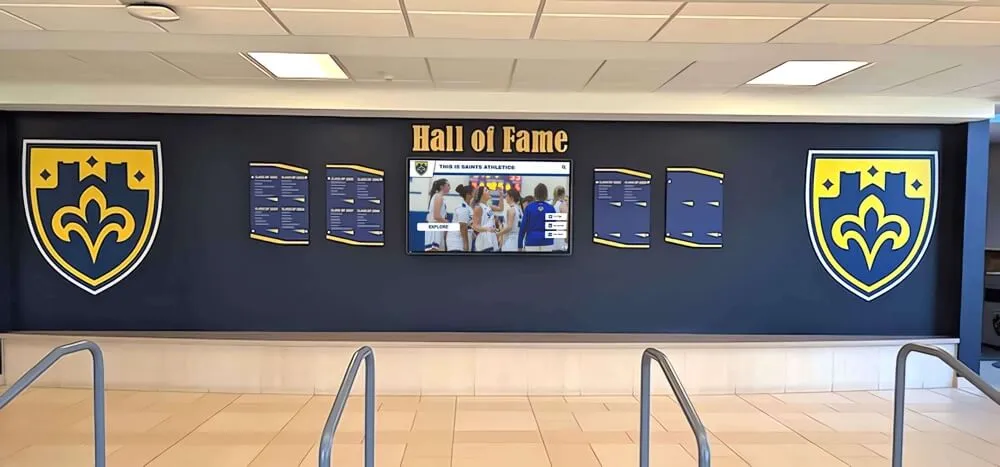
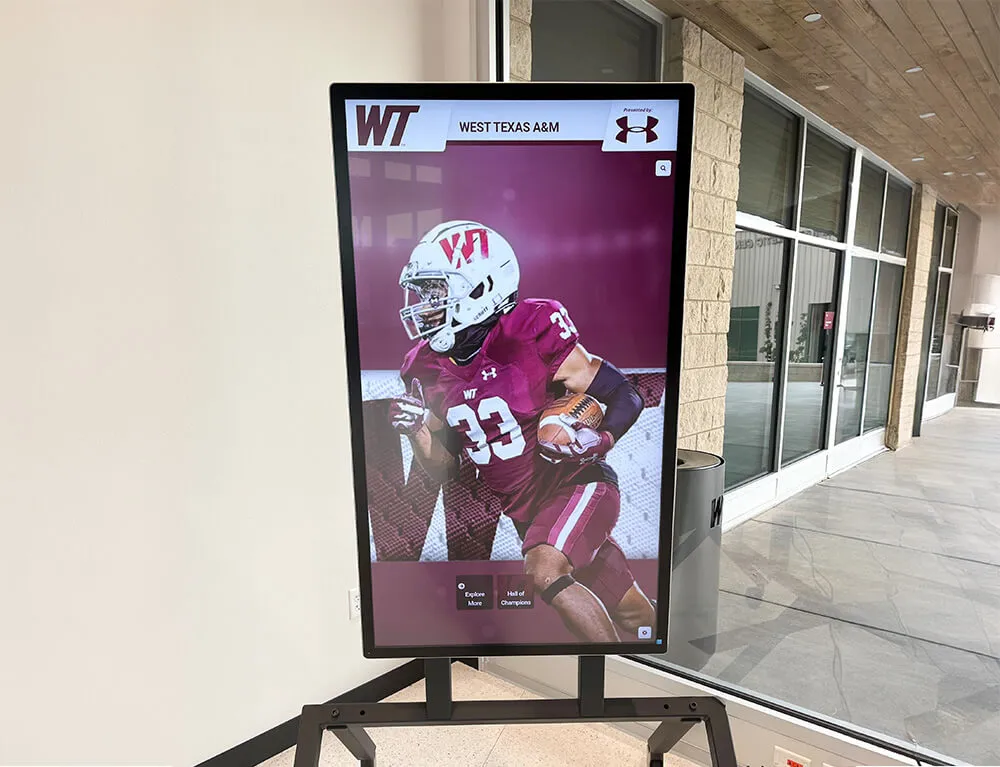
Recognition displays create compelling backdrops for fundraising events while demonstrating program tradition and excellence
Experience-Based Fundraisers
Athletic Experiences and Exclusives
Opportunities money can’t normally buy:
- “Coach for a Day” experiences shadowing coaching staff
- VIP game experiences with premium seating and behind-the-scenes access
- Training sessions with varsity athletes for youth participants
- Exclusive facility tours showing locker rooms and training areas
- Dinner with coaches and athletic directors
- First access to championship merchandise and memorabilia
Experience-based fundraising creates emotional connections between supporters and programs—participants remember unique opportunities long after generic product sales are forgotten.
Skill Development Camps and Clinics
Revenue-generating programs providing genuine value:
- Summer sports camps taught by high school coaches and athletes
- Position-specific training clinics for younger players
- Multi-sport athletic development programs
- Strength and conditioning sessions
- Mental preparation and sports psychology workshops
- College preparation seminars for recruiting and scholarship processes
Camps and clinics serve dual purposes—generating fundraising revenue while building relationships with future program participants and their families.
Game Day Revenue Opportunities
Enhanced Concessions and Hospitality
Maximizing attendance revenue:
- Premium concession offerings beyond standard snacks
- Themed food nights coordinating with special games
- Pre-game tailgate events with meal sales
- Booster club hospitality areas for donors
- Program and spirit wear sales at entrances
- Parking fees for premier events
- Reserved premium seating options
Game day fundraising works well because you have captive audiences already attending—incremental efforts to enhance offerings generate revenue from participants who are already present and engaged.
Sponsorship Visibility During Games
Leveraging attendance for sponsor value:
- Corporate banner placement throughout facilities
- PA announcements recognizing sponsors
- Digital scoreboard advertising between plays
- Program advertising in game publications
- Named sponsorship of specific game elements
- Recognition on digital displays in lobbies and athletic facilities
Visible recognition during well-attended games provides genuine marketing value for business sponsors—converting charitable asks into win-win partnerships where sponsors receive visibility justifying investment.
Modern Digital Fundraising Strategies
Technology enables efficient, scalable fundraising approaches that complement traditional events while reducing volunteer coordination burden.
Online Giving and Crowdfunding
Annual Giving Campaigns
Structured digital appeals generating predictable revenue:
- Giving Tuesday campaigns aligned with national movement
- Year-end tax-advantage appeals in December
- Season kickoff campaigns before fall sports begin
- Championship fundraising when teams advance to playoffs
- Scholarship campaigns supporting student-athlete financial needs
- Equipment replacement campaigns for specific needs
Digital giving platforms enable convenient online contributions with immediate digital receipts and tax documentation—meeting modern donor expectations for seamless, mobile-friendly transactions.
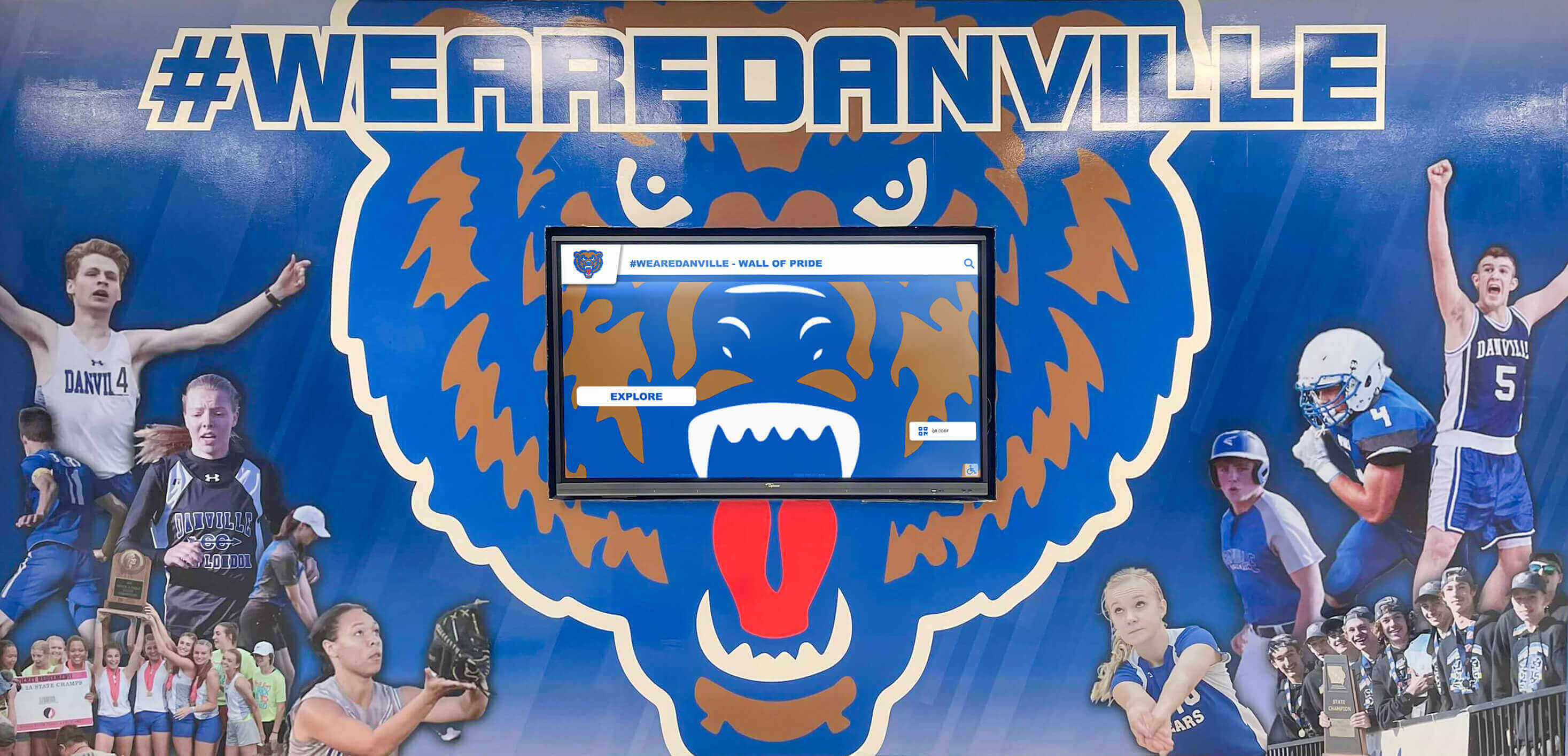
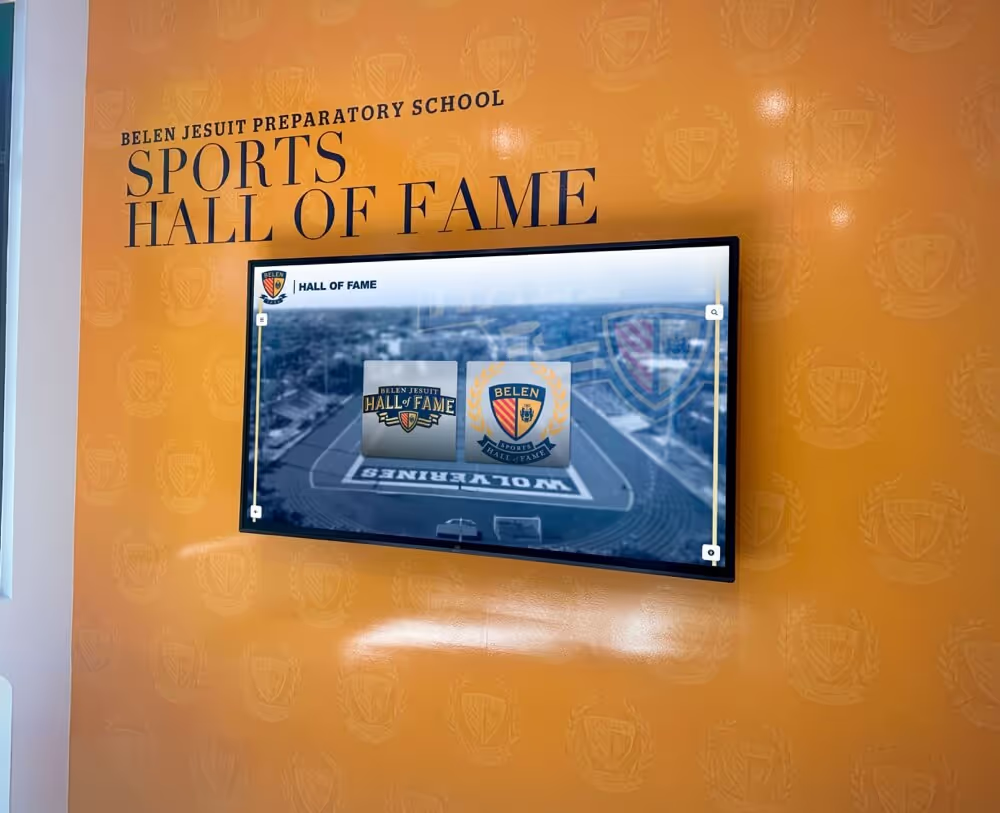
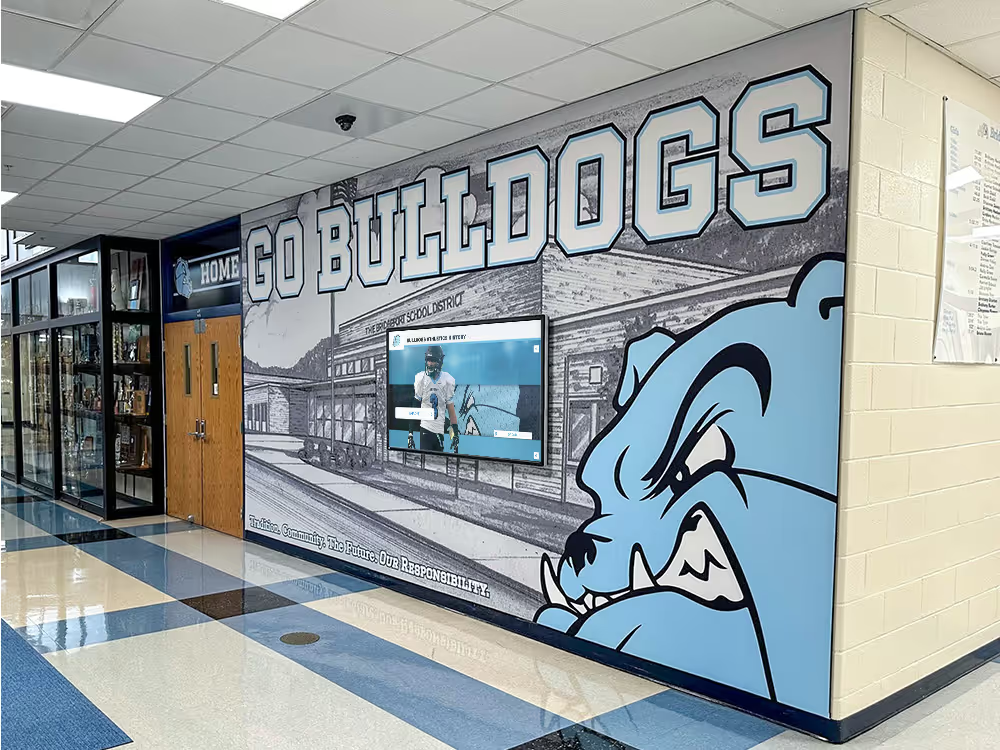
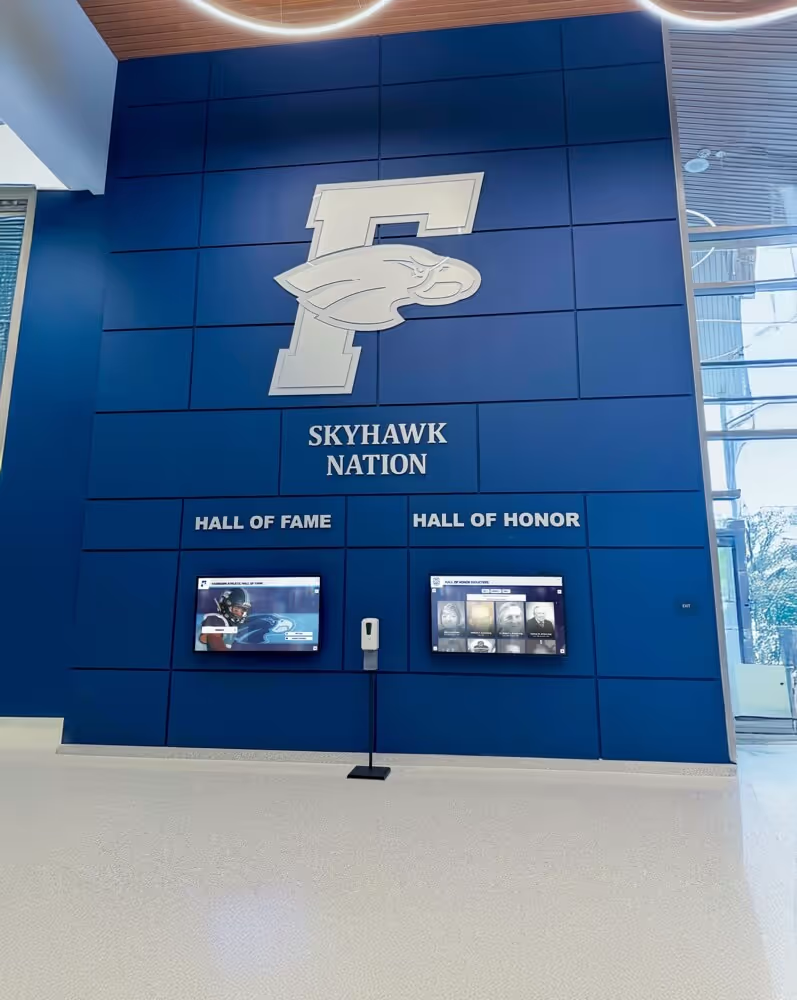
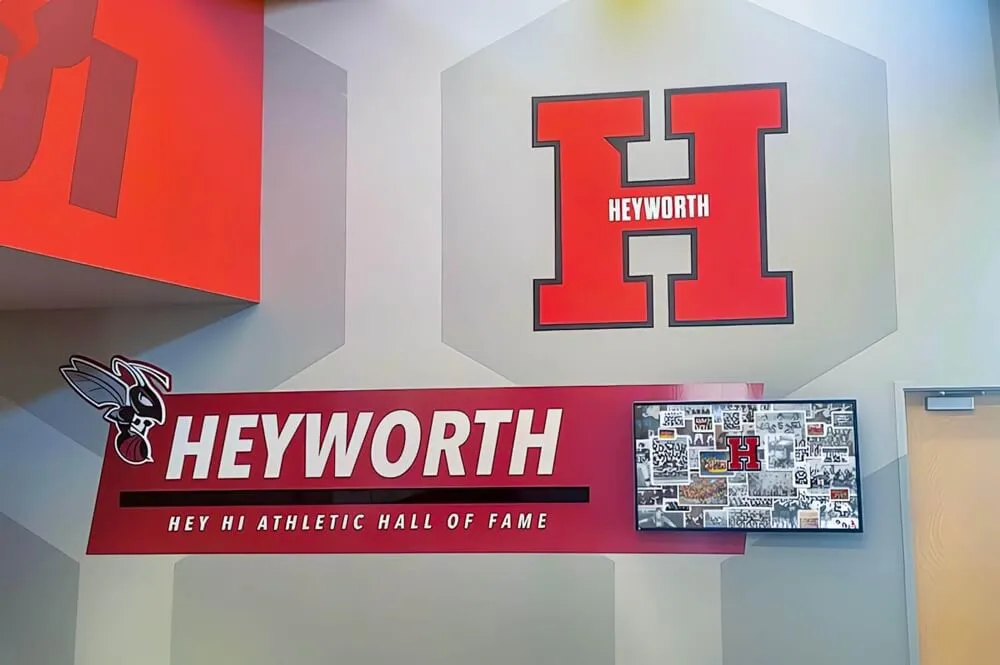
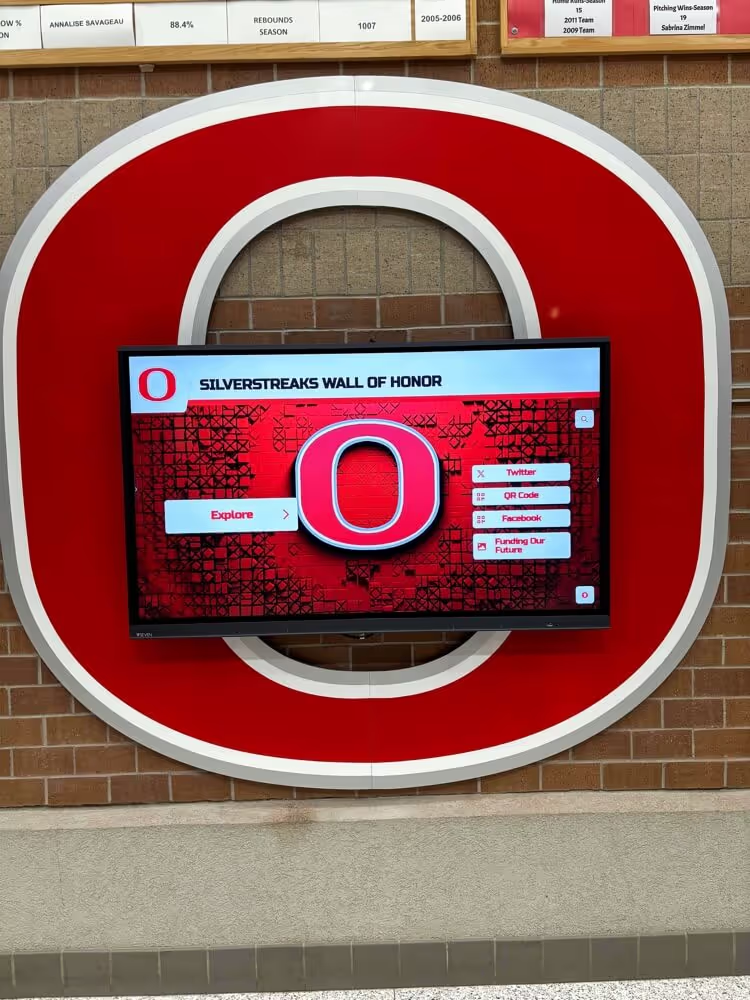
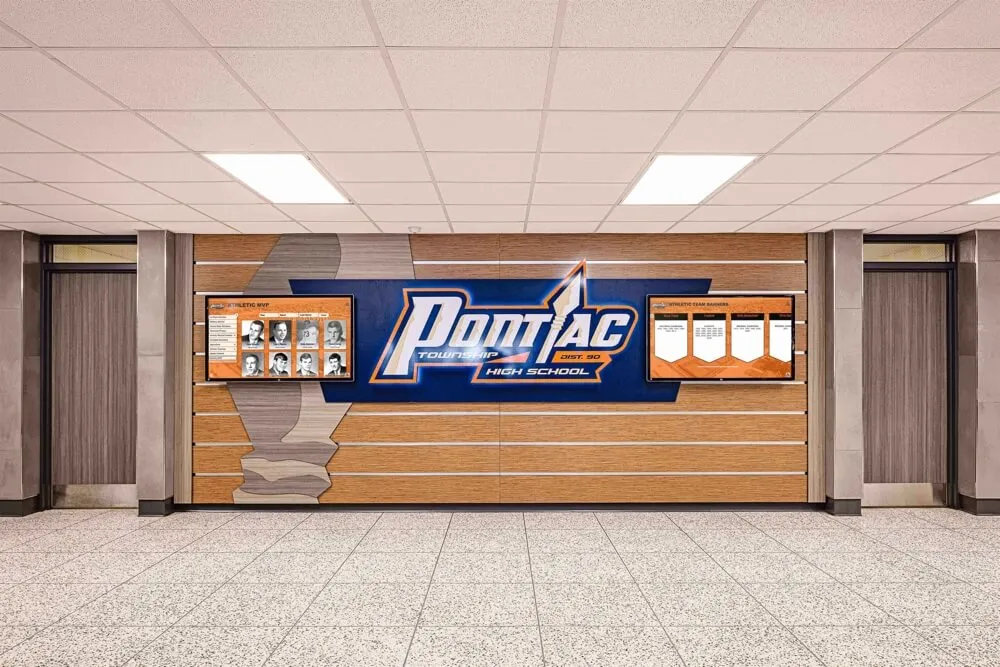
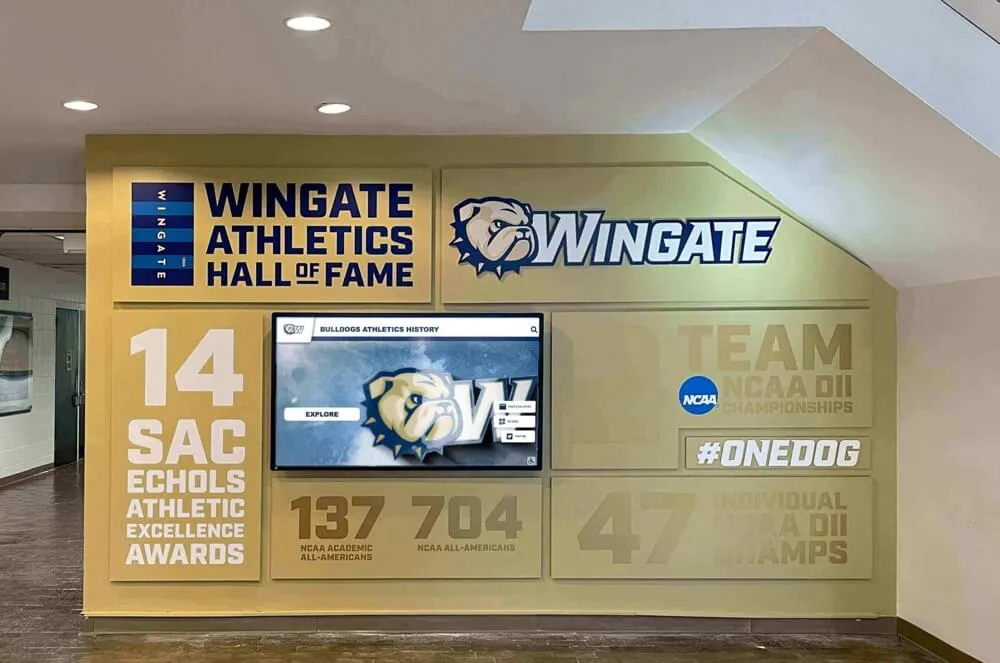
Integrated displays combine school branding with recognition, celebrating supporters while reinforcing athletic program identity
Sport-Specific Crowdfunding
Targeted campaigns creating compelling urgency:
- Football team fundraising toward new uniforms
- Basketball program campaign for tournament travel
- Wrestling team equipment replacement
- Track program facility improvement
- Soccer team goal and training equipment
- Volleyball net and court upgrade campaign
Sport-specific campaigns leverage existing team networks—athletes naturally promote their sport’s needs to family and friends, multiplying reach beyond core booster membership while creating friendly competition among teams.
Peer-to-Peer Student Campaigns
Athlete-led fundraising multiplying reach:
- Personal fundraising pages for individual athletes
- Social media toolkits with shareable content
- Video testimonials from athletes explaining impact
- Student-to-student appeals within friend networks
- Recognition for top fundraising athletes
- Team challenges creating competitive motivation
When student-athletes personally explain how fundraising enables their opportunities—new equipment, tournament travel, facility access—appeals carry authenticity that formal organizational asks often lack. Their extensive social networks dramatically expand campaign reach.
Monthly Giving and Sustainer Programs
Recurring Donation Programs
Building predictable revenue through automated contributions:
- Monthly credit card or bank transfer options
- Smaller per-month amounts totaling substantial annual support
- Set-it-and-forget-it convenience reducing ask fatigue
- Predictable cash flow supporting budget planning
- Premium recognition for sustained commitment
- Easy online enrollment and management
A supporter who commits to $50 monthly provides $600 annually through single enrollment rather than requiring multiple successful solicitations throughout the year. Monthly giving programs dramatically increase lifetime donor value while providing budget predictability.
Tiered Membership Structures
Clear giving levels with defined benefits:
- Bronze Level ($250-$500): Recognition on donor wall, newsletter acknowledgment
- Silver Level ($500-$1,000): Previous benefits plus season pass to home games
- Gold Level ($1,000-$2,500): Previous benefits plus VIP parking, program recognition
- Platinum Level ($2,500-$5,000): Previous benefits plus named seat, special events
- Elite Circle ($5,000+): Previous benefits plus significant recognition opportunities
Structured membership removes ambiguity about where contributions stand while encouraging gifts just above threshold amounts. Clear benefits justify investment while tiered approach accommodates diverse financial capacities.
Corporate and Business Partnership Strategies
Local business relationships provide substantial, sustainable funding when approached strategically as mutually beneficial partnerships rather than pure charitable requests.
Sponsorship Programs
Tiered Sponsorship Packages
Structured levels creating clear value propositions:
- Title sponsorship of entire athletic programs or facilities
- Platinum sponsors with premier placement and recognition
- Gold sponsors with significant visibility
- Silver sponsors with moderate recognition
- Bronze supporters with basic acknowledgment
- Recognition through digital donor displays providing ongoing visibility
Effective sponsorship programs emphasize business value—marketing exposure, community goodwill, customer engagement—rather than framing partnerships as pure charitable donations. Businesses that see tangible returns maintain relationships across multiple years.
Sport-Specific Sponsorships
Focused partnerships aligned with business interests:
- Individual team sponsorships for specific sports
- Uniform or equipment sponsorships with logo placement
- Tournament or invitational event sponsorships
- Senior night or special event sponsorships
- Facility component naming (weight room, locker room, field)
- Championship celebration sponsorships
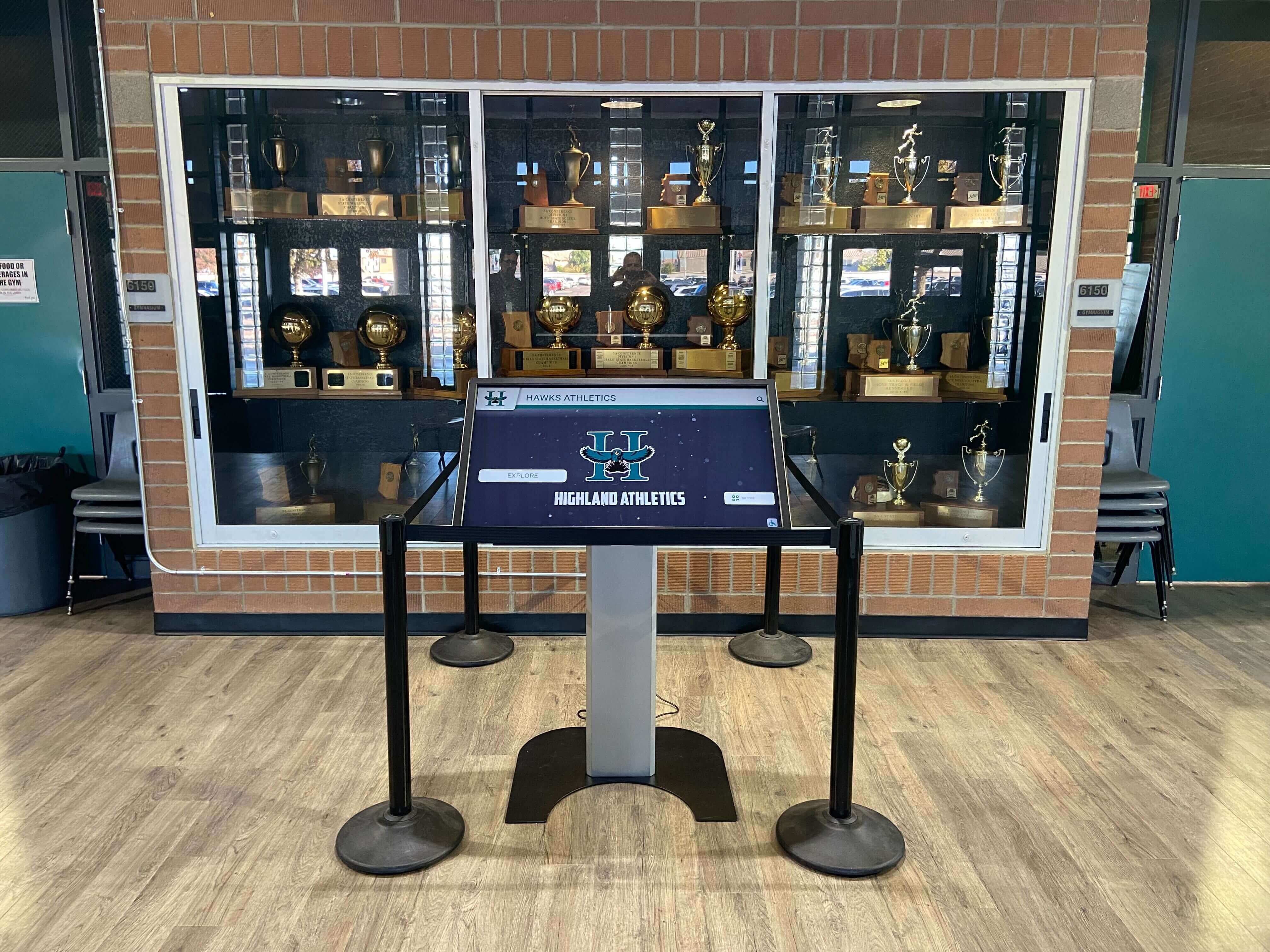
Digital recognition systems provide valuable visibility for business sponsors while engaging visitors with athletic program history
Cause Marketing and Business Fundraisers
Percentage-of-Sales Partnerships
Ongoing revenue requiring minimal coordination:
- Restaurant partnership nights donating percentage of sales
- Retail partner programs contributing portions of purchases
- Online shopping platforms providing referral revenue
- Customer round-up donations at checkout
- Product sales with donation components
- Grand opening celebrations choosing athletics as beneficiary
Cause marketing creates win-win relationships where businesses gain customers and marketing while athletic programs receive revenue streams requiring minimal ongoing effort once partnerships are established.
Business Community Events
Corporate engagement opportunities:
- Golf tournament attracting business professionals
- Business leader breakfast panel discussions
- Corporate team-building through volunteer projects
- Workplace giving campaigns at major employers
- Employee matching gift promotion and facilitation
- Executive advisory boards connecting business expertise
Business-focused events reach demographics traditional student fundraising misses—professionals and executives comfortable with higher contribution levels who appreciate opportunities aligned with corporate social responsibility priorities.
Capital Campaigns and Major Projects
Large-scale fundraising for significant facility improvements or endowment building requires strategic approaches different from annual operating support.
Facility Improvement Campaigns
Compelling Infrastructure Projects
Cases for major giving:
- Stadium or field artificial turf installation
- Lighting systems enabling night events
- Press box and announcer booth facilities
- Scoreboard and video display systems
- Locker room renovations and upgrades
- Training room equipment and technology
- Weight room expansions and equipment replacement
Facility campaigns attract major gifts because impact remains visible for decades—donors appreciate lasting legacy projects where their contribution creates permanent improvement benefiting generations of student-athletes.
Naming Opportunities and Recognition
Incentives for transformational gifts:
- Field or facility naming for lead gifts
- Building component recognition (locker rooms, training areas)
- Equipment naming for substantial donations
- Recognition plaques at improved facilities
- Digital donor walls honoring campaign contributors
- Permanent acknowledgment visible to all facility users
Naming rights create compelling incentives for lead gifts—major donors value visibility demonstrating community leadership while supporting causes meaningful to them personally, often tied to their own athletic participation or their children’s experiences.
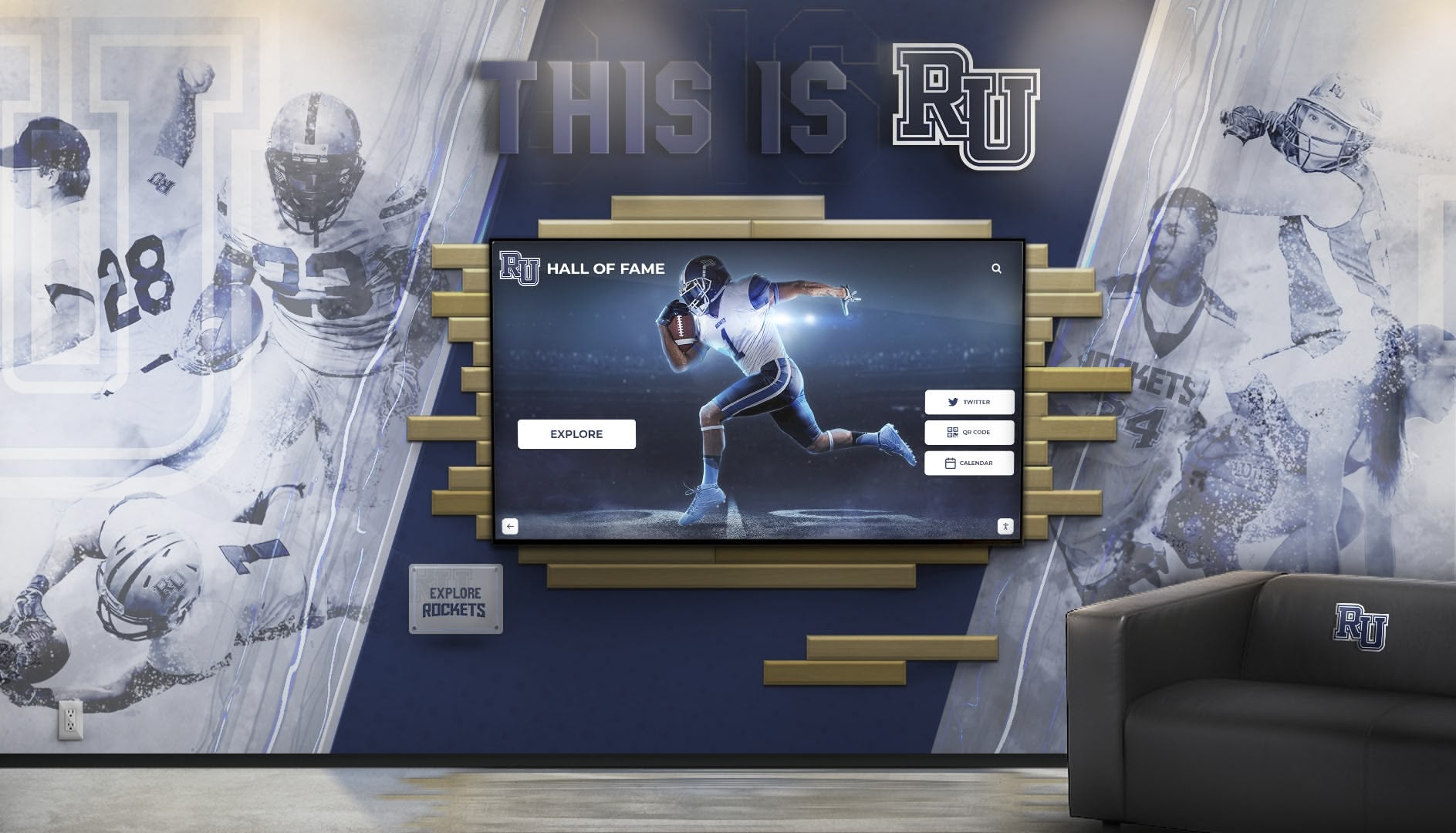
Permanent recognition installations provide compelling contexts for capital campaigns while preserving program history
Multi-Phase Campaign Planning
Strategic Campaign Structure
Proven frameworks for major fundraising:
- Quiet phase cultivation of major gifts before public launch (securing 60-70% of goal privately)
- Leadership gift solicitation from board members and key stakeholders
- Public phase broad community engagement through events and appeals
- Stretch goals creating aspirational targets beyond base requirements
- Clear communication about specific needs and tangible impact
- Regular progress updates building momentum and urgency
- Comprehensive recognition systems honoring all giving levels
Professional capital campaigns typically raise 3-5x more than informal appeals because systematic approaches cultivate appropriate prospects, make compelling cases demonstrating need, provide multiple participation pathways, and deliver recognition inspiring participation across all giving levels.
Innovative and Creative Fundraising Ideas
Non-traditional approaches that differentiate your program from repetitive campaigns saturating communities.
Entertainment and Social Fundraisers
Community Entertainment Events
Experiences creating fun memories:
- Battle of the bands competitions with entry fees
- Athletic-themed trivia nights at local venues
- Comedy show fundraisers with comedian performances
- Movie nights in the gymnasium or on athletic fields
- Lip sync battles featuring athletes and coaches
- Talent shows showcasing student abilities
- Virtual game tournaments and esports competitions
Entertainment fundraisers succeed because attendees receive genuine entertainment value—they’re supporting athletics while enjoying experiences they’d potentially pay for anyway.
Athletic Demonstrations and Showcases
Highlighting program excellence:
- Skills showcases demonstrating athletic talent
- Choreographed performances from cheer and dance teams
- Wrestling exhibition matches or tournaments
- Track meet invitationals attracting regional competition
- Basketball shooting contests and skills competitions
- Pep rally fundraising events building school spirit
Demonstrations celebrate athletic talent while giving community members opportunities to witness quality coaching and student development—building pride and investment in programs.
Alumni Engagement and Giving
Former Athlete Connections
Leveraging graduation year affinity:
- Homecoming weekend alumni fundraising campaigns
- Decade reunion fundraising challenges (classes celebrating 10, 20, 30 years)
- Distinguished alumni recognition events with giving component
- Career milestone cultivation (promotions, retirements, achievements)
- Alumni spotlight campaigns showcasing athletic program impact
- Social media campaigns sharing “where are they now” stories
Alumni giving programs produce strong results when combined with recognition opportunities—former athletes value seeing their achievements honored in permanent recognition systems while supporting current student-athletes following in their footsteps.
Legacy and Tribute Giving
Honoring influences and mentors:
- Memorial gifts honoring deceased coaches or athletes
- Tribute gifts recognizing influential coaches still active
- Senior gift traditions from graduating classes
- Team unity gifts from championship squads
- Parent gifts at graduation honoring athletic experiences
- Estate gift commitments through planned giving programs
Legacy giving appeals to emotional connections with programs that shaped development—supporters unable to make substantial annual gifts often include athletics in estate plans, producing significantly larger contributions than current giving.
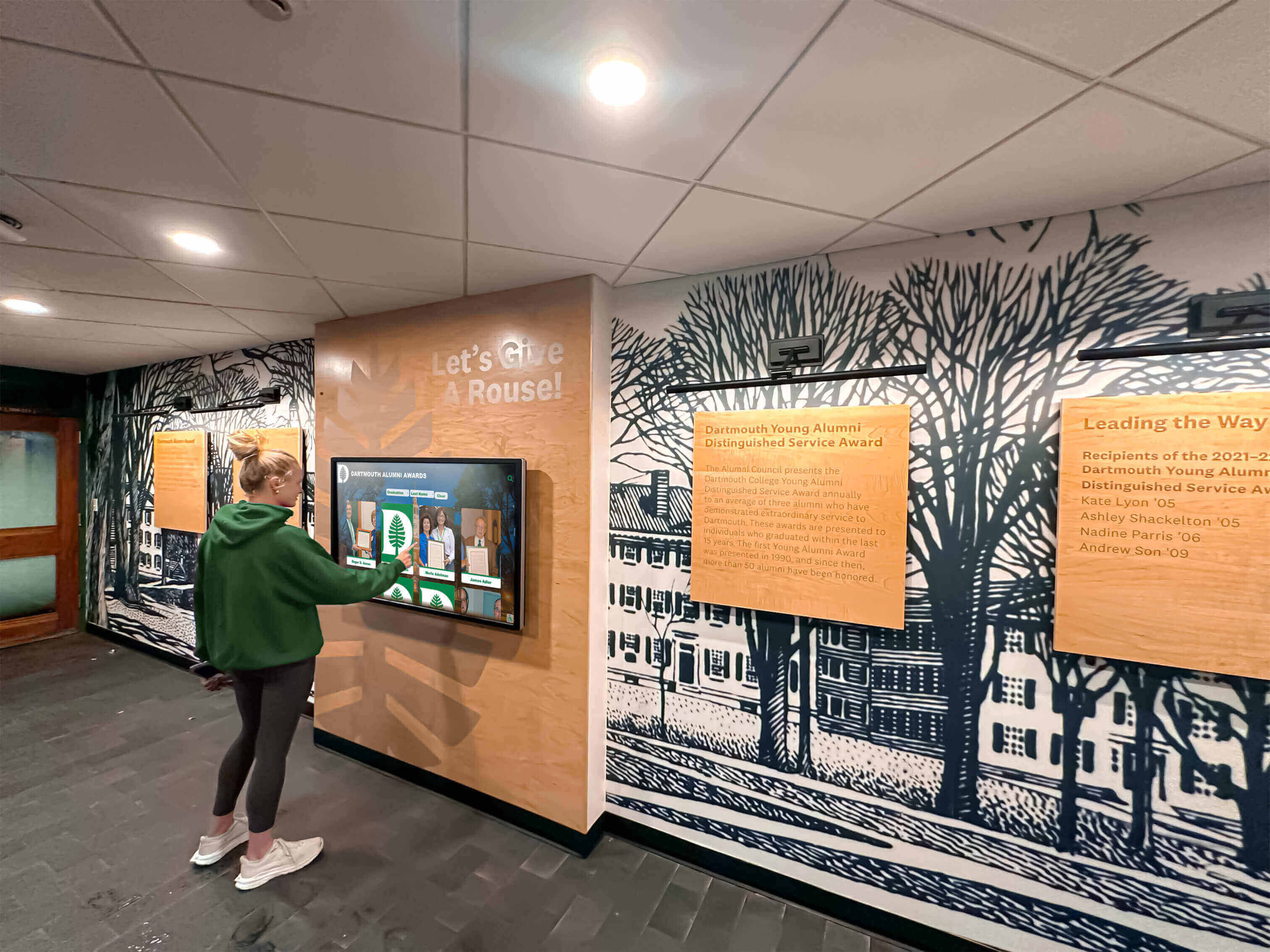
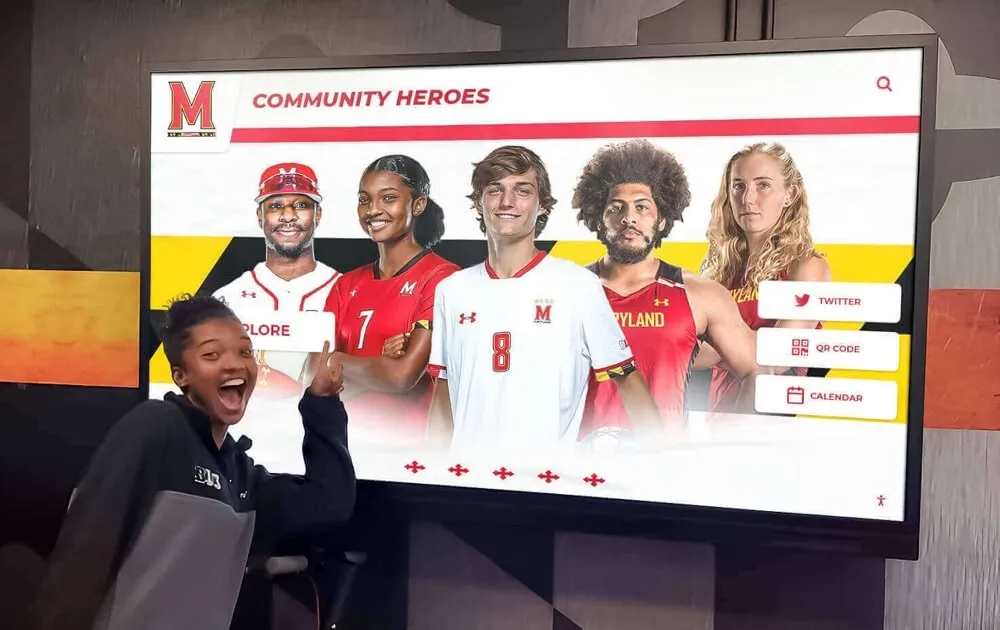
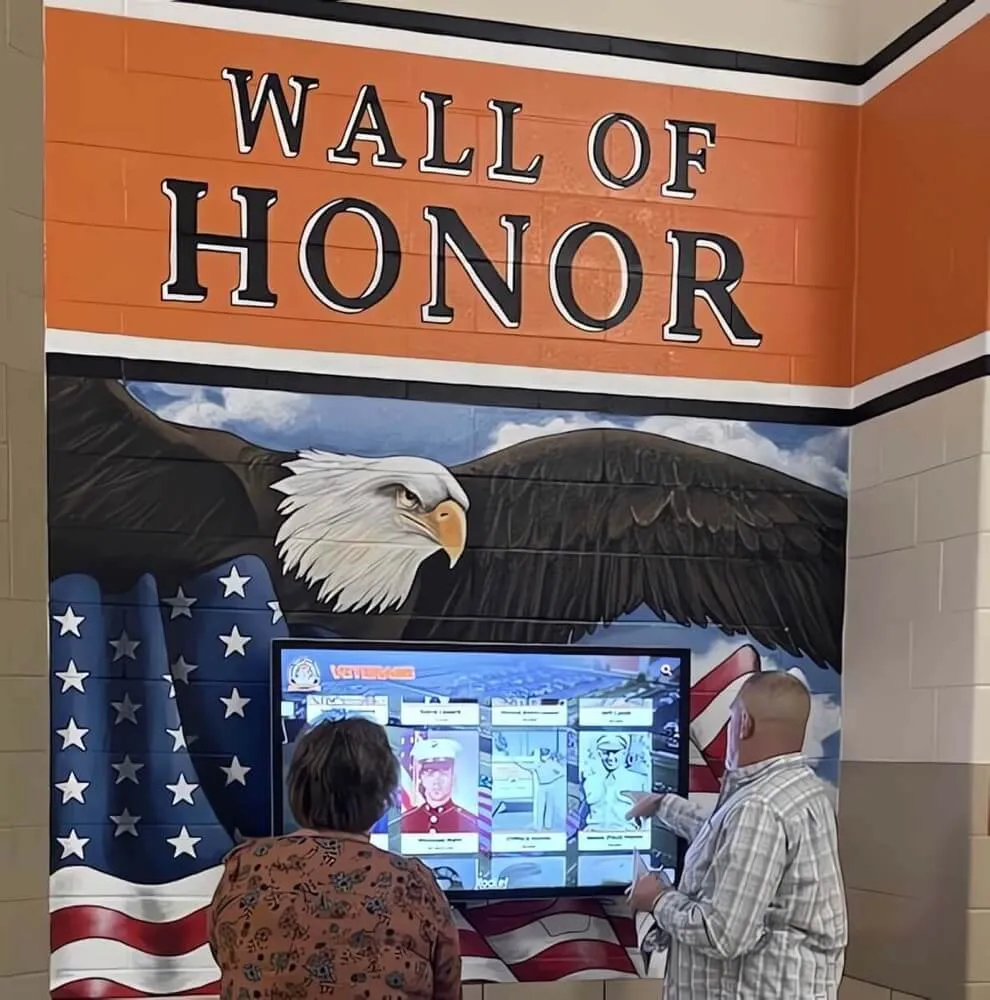
Interactive recognition systems help current students connect with athletic traditions while seeing how supporter contributions enable their opportunities
Maximizing Donor Recognition and Retention
Converting one-time contributions into sustained, long-term support through meaningful acknowledgment and relationship building.
Comprehensive Recognition Systems
Multi-Channel Acknowledgment
Appreciation across touchpoints:
- Immediate digital receipts confirming contributions
- Personalized thank-you communications from coaches or athletic directors
- Student-athlete appreciation notes explaining impact
- Public recognition at athletic events and games
- Social media spotlights featuring donor stories and impact
- Newsletter and publication acknowledgment
- Digital recognition displays honoring all contribution levels
Comprehensive recognition matters because donors who feel genuinely appreciated give repeatedly—strategic acknowledgment systems convert transactional contributions into lasting philanthropic relationships sustaining programs across years.
Impact Reporting and Transparency
Demonstrating Results
Building donor confidence through clear communication:
- Pre-campaign communication clarifying specific needs
- Mid-campaign progress updates showing participation momentum
- Post-campaign impact reports connecting funds to outcomes
- Specific project completion announcements with photos
- Student testimonials explaining how support helped
- Video documentation of funded improvements and equipment
- Financial transparency reports with clear expense categorization
Transparency about fund usage builds donor confidence essential for repeated giving—contributors who see clear connections between their support and student-athlete success remain engaged long-term supporters who increase commitment over time.
Modern Digital Recognition Solutions
Interactive Donor Recognition Displays
Technology enabling scalable, engaging acknowledgment:
Solutions like Rocket Alumni Solutions provide athletic programs with comprehensive recognition capabilities that traditional plaques and donor walls cannot match:
Unlimited Recognition Capacity
Digital displays eliminate space constraints limiting physical donor walls—every contributor receives appropriate acknowledgment regardless of giving level or campaign size. Programs can honor dozens, hundreds, or thousands of supporters without additional hardware investment, ensuring inclusive recognition that strengthens comprehensive development programs.
Automated Updates and Management
New donors, giving level advancements, and campaign milestones update automatically through intuitive content management systems accessible to coaches, athletic directors, and booster club leaders without technical expertise. When contributions arrive, recognition appears immediately across displays and web platforms—maintaining timeliness while reducing administrative burden compared to ordering and installing physical plaques.
Enhanced Engagement and Storytelling
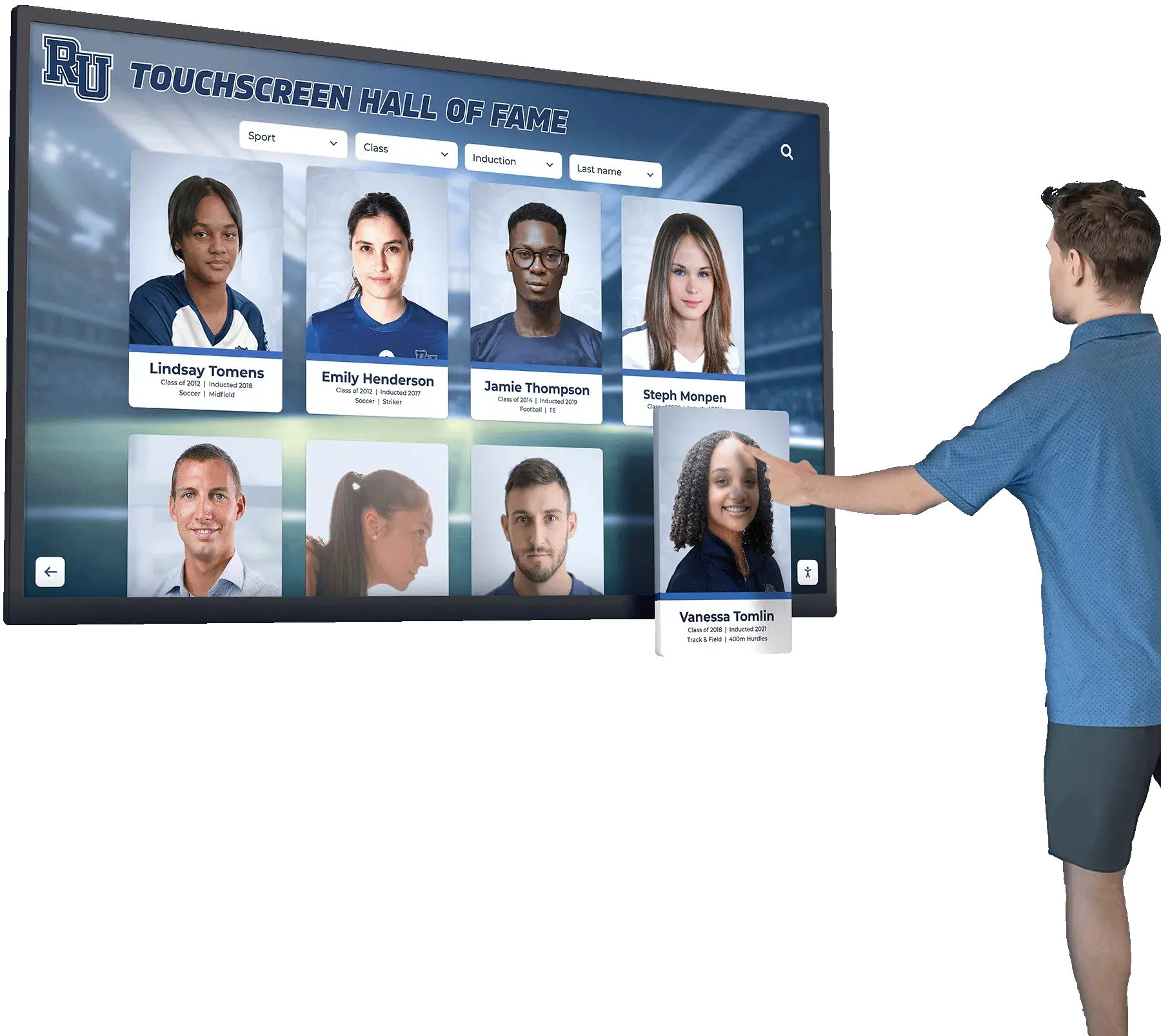
Interactive touchscreen displays enable visitors to explore donor communities, search for specific contributors, view detailed profiles with photos and impact stories, and understand the broader networks supporting athletic excellence. This engagement creates positive associations encouraging both current and prospective donors while demonstrating collective community investment in student-athletes.
Integrated Athletic Recognition
Combining donor recognition with athletic achievement showcases and championship documentation demonstrates direct connections between supporter generosity and student success—donors see precisely how their contributions enable the achievements, opportunities, and facilities celebrated throughout recognition systems.
Web Accessibility Beyond Facilities
Digital recognition extends beyond physical installations to web-accessible platforms where alumni, distant family members, and prospective donors can explore supporter communities from anywhere—dramatically expanding recognition visibility and impact while enabling social sharing that amplifies acknowledgment reach.
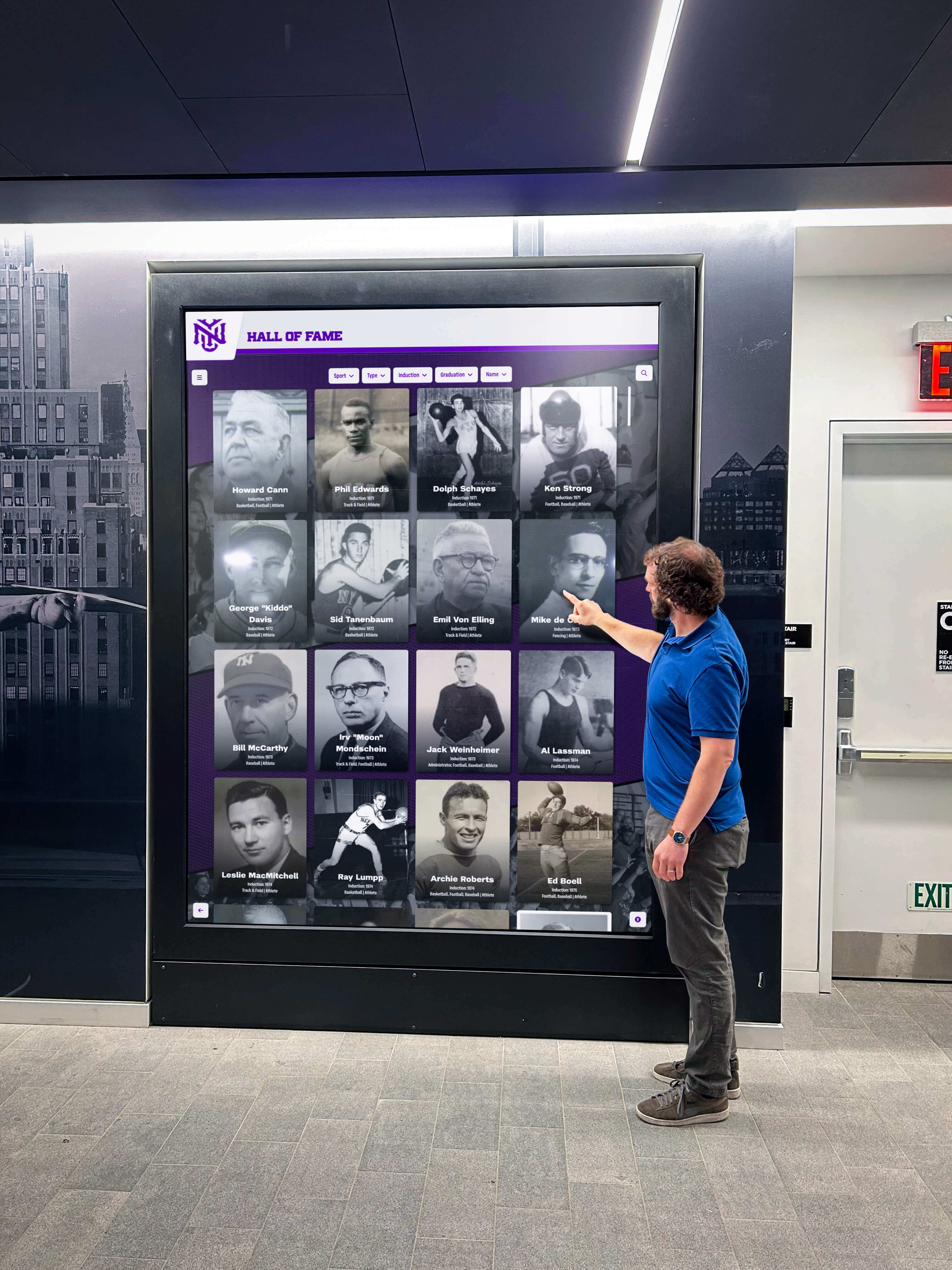
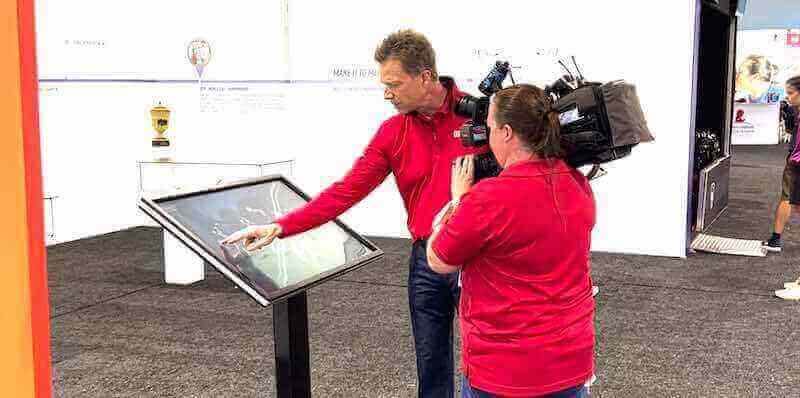
Interactive recognition encourages deeper engagement as visitors explore complete donor stories and understand community impact on athletics
Planning Your Annual Fundraising Calendar
Strategic timing maximizes results while preventing community saturation and volunteer burnout.
Balanced Campaign Scheduling
Seasonal Distribution Throughout School Year
Fall Season (August-November)
- Season kickoff membership drive in August
- Homecoming alumni engagement campaign in October
- Athletic tournament fundraising events
- Corporate sponsorship renewals for upcoming year
- Spirit week activities building momentum
- Giving Tuesday digital campaign in November
Winter Season (December-February)
- End-of-year tax advantage appeals in December
- Athletic banquets and awards celebrations
- Basketball game day fundraisers
- Capital campaign quiet phase planning
- Corporate partnership cultivation meetings
Spring Season (March-May)
- 5K run/walk community events
- Online auction and virtual fundraisers
- Senior recognition and graduation giving
- Spring sports tournament hosting
- Athletic banquet planning and execution
- Year-end impact reporting to current donors
Summer Planning (June-August)
- Major gift follow-up and stewardship
- Sports camps and clinics generating revenue
- Facility project work during school breaks
- Next-year budget planning and case development
- Volunteer recruitment and training
- Strategic planning for upcoming year
Strategic calendars prevent fundraising fatigue by spacing asks appropriately, varying campaign types to maintain interest, and aligning initiatives with natural engagement opportunities throughout athletic seasons.
Coordinating Across Multiple Sports
Unified Athletic Department Approach
Effective fundraising requires coordination:
- Unified booster club supporting all athletics versus sport-specific organizations
- Coordinated fundraising calendar preventing competition for same donors
- Shared recognition systems honoring comprehensive athletic support
- Combined events showcasing all sports rather than isolated programs
- Fair resource distribution based on participation and needs
- Equitable visibility across all athletic programs
Regular communication among coaches, athletic directors, and booster leaders prevents calendar conflicts, reduces donor saturation, enables shared volunteer resources, and creates coordinated recognition honoring cumulative community support rather than fragmenting acknowledgment across isolated programs.
Measuring Fundraising Success and Continuous Improvement
Tracking performance drives strategic refinement and sustainable growth.
Key Performance Metrics
Essential Data Points to Monitor
Revenue Metrics
- Total funds raised compared to established goals
- Revenue by fundraiser type and campaign
- Cost per dollar raised (efficiency ratios)
- Average contribution per donor across giving levels
- Month-by-month contribution patterns and trends
- Multi-year revenue growth comparisons
Donor Engagement Metrics
- Total donor count and year-over-year growth
- New donor acquisition numbers and costs
- Donor retention rates across multiple years
- Giving level advancement frequency
- Participation rates by constituency (parents, alumni, community)
- Corporate sponsor renewal rates
Campaign Performance Metrics
- Event attendance and participation rates
- Online campaign reach and engagement
- Social media amplification and sharing
- Email open and click-through rates
- Volunteer engagement in campaigns
- Student-athlete participation in peer campaigns
Regular metric review identifies successful approaches deserving expansion, struggling campaigns requiring adjustment or elimination, untapped opportunities worth pursuing, and stakeholder groups needing targeted cultivation efforts.
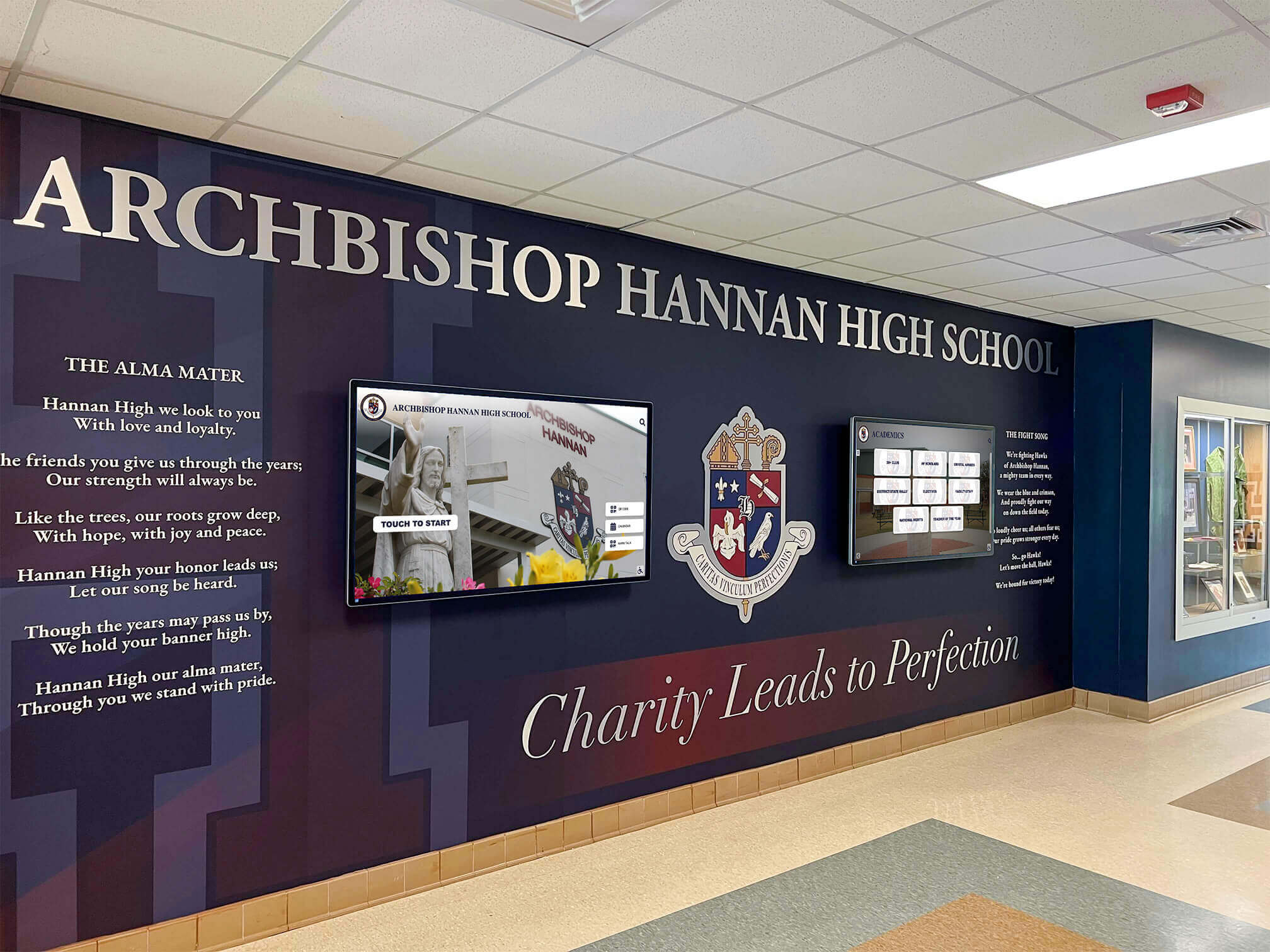
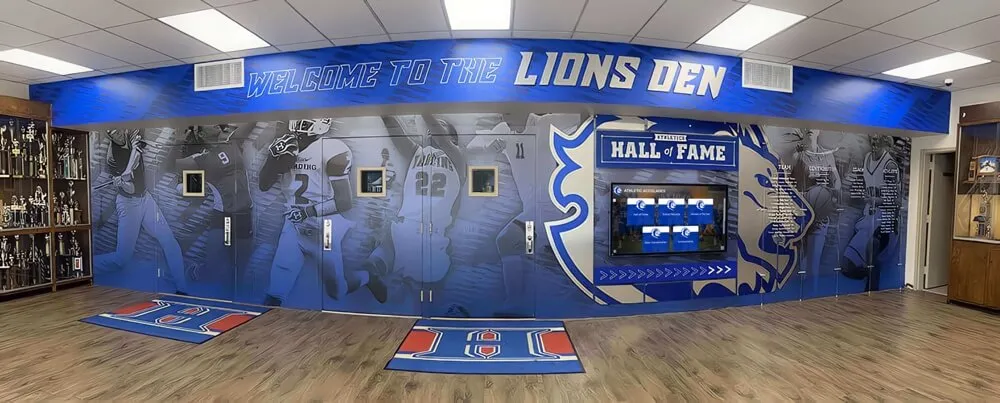
Integrated recognition systems combine school branding with donor acknowledgment, honoring supporters while reinforcing athletic program identity
Learning and Adapting
Continuous Improvement Practices
Successful programs systematically improve:
- Post-campaign debriefs capturing lessons learned from each initiative
- Donor surveys understanding satisfaction and preferences
- Student and volunteer feedback on participation experiences
- Community perception research identifying opportunities
- Competitive analysis observing peer program approaches
- Recognition of high-performing volunteers preventing burnout
- Documentation enabling knowledge transfer during leadership transitions
Organizations viewing fundraising as continuous learning process consistently outperform those repeating same activities without strategic refinement based on data, donor feedback, and changing community dynamics.
Common Fundraising Challenges and Solutions
Athletic programs encounter predictable obstacles requiring strategic responses and creative problem-solving.
Challenge: Fundraising Fatigue and Oversaturation
Problem: Communities overwhelmed by constant asks become resistant to all campaigns regardless of merit.
Solutions:
- Consolidate multiple small fundraisers into fewer comprehensive campaigns with higher goals
- Space major asks throughout year preventing concentration during busy periods
- Provide non-financial participation options (volunteering, attendance, social promotion)
- Communicate clearly about specific needs and tangible impact rather than generic support requests
- Focus on relationship building rather than constant transactional requests
- Create engaging recognition experiences making giving emotionally satisfying
Challenge: Limited Volunteer Capacity
Problem: Few available volunteers struggle to execute complex, labor-intensive fundraisers.
Solutions:
- Choose scalable initiatives requiring minimal coordination overhead
- Leverage technology reducing manual effort (online giving platforms, digital recognition, automated communications)
- Partner with businesses providing operational support or turnkey services
- Focus on fewer high-impact campaigns rather than numerous small efforts
- Develop systematic processes enabling easier volunteer transitions and onboarding
- Recognize and appreciate volunteers consistently preventing burnout
- Engage student-athletes in peer-to-peer campaigns multiplying capacity
Challenge: Competition Between Sports for Resources
Problem: Individual sports compete for same limited donor dollars creating internal friction.
Solutions:
- Coordinate fundraising calendars across all programs
- Create unified campaigns supporting comprehensive athletics rather than single sports
- Develop clear funding priorities with transparent allocation processes
- Enable donors to designate specific sport support if preferred
- Recognize cumulative giving across all sports in unified systems
- Frame messaging around overall athletic program excellence rather than sport-specific competition
- Distribute recognition and volunteer opportunities equitably across sports
Challenge: Inadequate Donor Recognition Systems
Problem: Limited wall space and expensive physical plaques prevent honoring all donors appropriately, damaging relationships and discouraging future support.
Solutions:
- Implement digital recognition platforms with unlimited capacity
- Create tiered acknowledgment systems honoring all giving levels appropriately
- Utilize web-based recognition extending beyond physical space constraints
- Establish systematic appreciation across multiple channels and touchpoints
- Update recognition regularly maintaining accuracy and relevance
- Connect acknowledgment to athletic achievements demonstrating tangible impact
- Integrate corporate sponsor recognition providing genuine marketing value
Getting Started: Your First 90 Days
Practical implementation roadmap for launching or revitalizing athletic fundraising programs.
Month One: Foundation Building
Assessment and Planning
- Inventory current fundraising activities and actual revenue generated
- Survey stakeholder preferences, capacity, and satisfaction with current approaches
- Research competitor school programs and successful strategies
- Identify immediate funding needs and long-term priorities
- Assemble coordinating committee representing coaches, boosters, and administrators
- Review existing donor database and historical giving records
- Establish communication channels and coordination processes ensuring alignment
Month Two: Strategy Development
Campaign Selection and Design
- Select 2-3 primary fundraising approaches for initial implementation year
- Develop detailed campaign plans with clear timelines and responsibilities
- Create or enhance donor recognition system acknowledging all supporters
- Design giving level structure with meaningful benefits at each tier
- Prepare marketing materials and communication templates maintaining brand consistency
- Recruit volunteer committees for specific campaign execution
- Establish or improve online donation platforms meeting modern expectations
Month Three: Campaign Launch
Active Fundraising Execution
- Launch initial campaign with strong, coordinated communication across channels
- Implement recognition system for early donors demonstrating appreciation immediately
- Monitor participation and engagement metrics identifying what’s working
- Adjust approaches quickly based on early feedback and data
- Celebrate initial successes publicly building momentum for ongoing efforts
- Begin planning subsequent campaigns building on early lessons
- Document processes, lessons learned, and best practices for continuous improvement
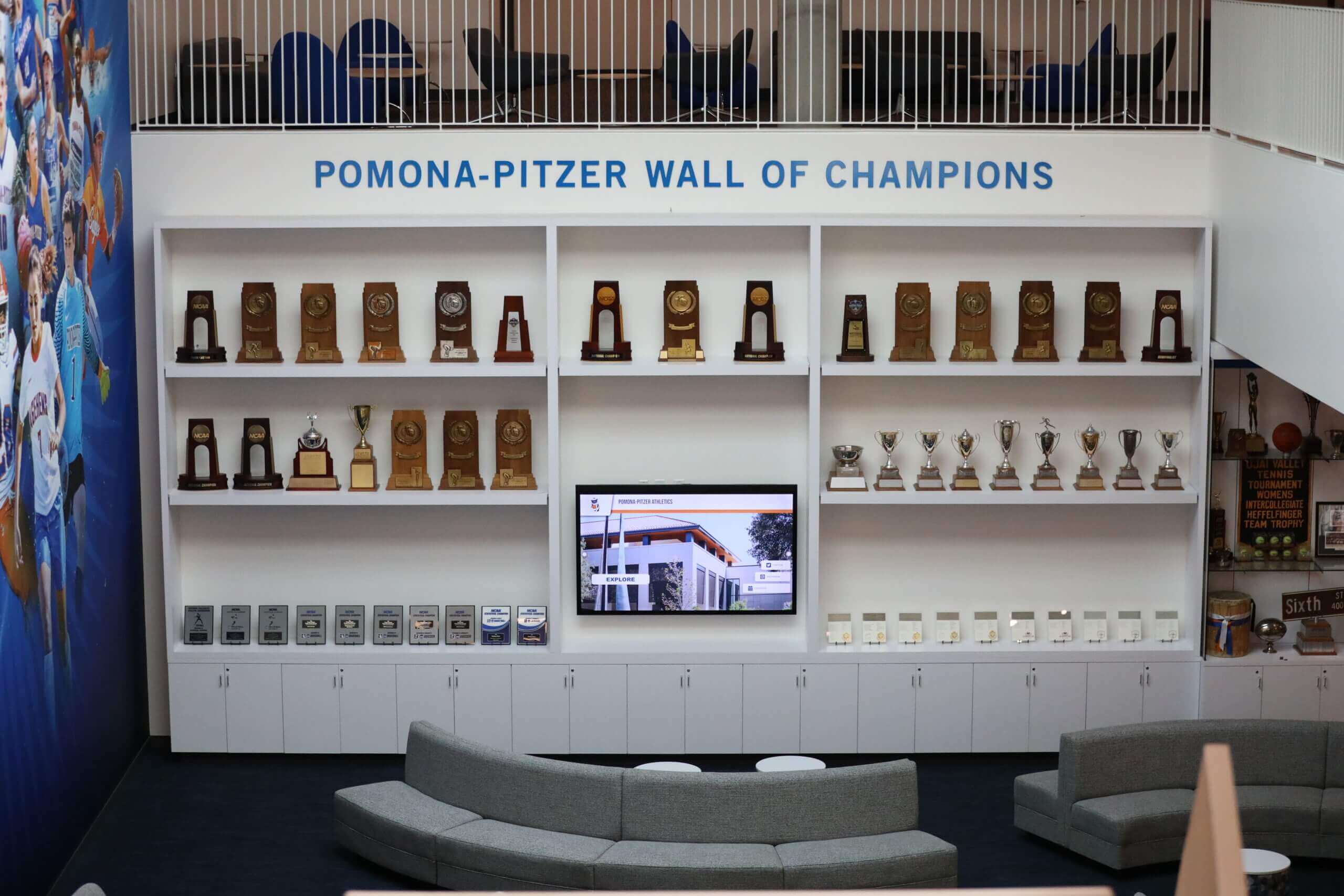
Recognition spaces create compelling environments demonstrating how fundraising enables the facilities and achievements celebrated throughout programs
Conclusion: Building Sustainable Athletic Funding
Effective fundraising for high school sports combines diverse approaches—traditional events providing community connection, modern digital campaigns enabling efficient scale, strategic business partnerships supplying substantial support, and comprehensive recognition systems honoring contributors in ways that inspire continued giving and deepen relationships.
The athletic programs raising meaningful, sustainable revenue don’t rely on single fundraising approaches or treat campaigns as isolated transactions. Instead, they build engaged supporter communities through varied participation opportunities accommodating different preferences, genuine appreciation demonstrating value for contributions, transparent communication about needs and impact building trust, and systematic recognition ensuring every supporter—regardless of giving level—understands their valued role in student-athlete success.
Modern digital recognition solutions enable programs to honor unlimited donors affordably while creating engaging experiences that strengthen relationships and inspire additional support. Rather than choosing which contributors receive acknowledgment limited by physical wall space and expensive plaques, athletic programs can celebrate every supporter appropriately while demonstrating the collective community investment enabling student opportunities, competitive success, and program excellence.
By implementing strategies outlined in this guide—from community events to digital campaigns, corporate partnerships to capital campaigns, alumni engagement to comprehensive recognition—high school athletic programs can generate the resources student-athletes need while building the lasting supporter relationships that sustain excellence across years and generations.
Every athlete deserves programs equipped to help them develop skills, compete successfully, build character, and create memories lasting lifetimes. Strategic fundraising combined with meaningful donor stewardship makes that possible—creating sustainable support systems serving current student-athletes while building foundations for future generations.
Ready to implement modern recognition systems that honor every supporter while strengthening fundraising outcomes? Discover how Rocket Alumni Solutions helps athletic programs create engaging digital recognition displays that celebrate donors, demonstrate impact, and build the committed communities supporting athletic excellence for years to come.