




Finding a Phi Alpha Theta chapter at your university represents the first step toward joining one of the nation’s most prestigious academic honor societies for history students. With over 970 chapters spanning colleges and universities nationwide, Phi Alpha Theta creates opportunities for undergraduate and graduate students to connect with fellow history enthusiasts, access exclusive scholarships, publish research, and build professional networks that extend throughout academic and career journeys.
Yet many eligible students never discover whether their institution hosts a chapter, miss membership opportunities because they’re unaware of requirements, or simply don’t know where to begin the search process. History departments don’t always prominently advertise their Phi Alpha Theta chapters, and students may graduate without realizing they qualified for membership in this influential organization that could have enhanced their academic credentials and opened doors to research funding, conference presentations, and scholarly publication opportunities.
This comprehensive guide walks you through everything you need to know about finding Phi Alpha Theta chapters, understanding what the organization offers, determining if you’re eligible for membership, and taking the steps to join this century-old honor society that has inducted over 400,000 members since its founding in 1921.
Whether you’re a history major seeking to enhance your academic profile, a student from another discipline who has completed substantial history coursework, or a graduate student pursuing advanced historical research, understanding how to locate and connect with Phi Alpha Theta chapters at your institution or nearby universities creates pathways to recognition, funding, and community that can significantly impact your educational experience and career trajectory.

Modern universities provide multiple ways for students to discover academic honor societies and recognition opportunities on campus
Understanding Phi Alpha Theta: America’s Premier History Honor Society
Before searching for chapters, understanding what Phi Alpha Theta offers helps students appreciate why locating a chapter matters for their academic and professional development.
The History and Mission of Phi Alpha Theta
Founded on March 17, 1921, at the University of Arkansas by Professor Nels Andrew Cleven, Phi Alpha Theta emerged from a vision to create structured scholarly community modeled after Greek letter organizations but focused specifically on historical scholarship and intellectual exchange rather than social activities.
Founding Principles and Growth Professor Cleven initially established the University Historical Society on March 14, 1921, with the organization officially adopting the Greek letters Phi Alpha Theta the following month. From this single-chapter beginning, the society has grown to become the largest honor society for history in the world.
Current Scope and Reach
- Over 970 active chapters at colleges and universities worldwide
- More than 400,000 members inducted since founding
- Approximately 9,000 new members join annually
- National headquarters located at the University of South Florida
- Presence spanning two-year colleges, four-year institutions, and major research universities
According to the organization’s official materials available at phialphatheta.org, the society’s mission focuses on promoting historical scholarship, recognizing academic excellence in history, and creating communities where students, faculty, and researchers engage in meaningful intellectual exchange.
What Phi Alpha Theta Membership Provides
Joining Phi Alpha Theta creates immediate and long-term value:
Academic Recognition and Credentials
- Prestigious honor society membership enhancing resumes and graduate school applications
- Official membership certificate recognizing scholarly achievement
- Lifetime membership status with one-time initiation fee
- Academic transcript notation at many institutions
- Membership credential respected by employers and admissions committees

Honor society achievements deserve prominent celebration alongside other forms of academic excellence
Scholarship and Funding Opportunities Members gain exclusive access to competitive awards:
- Undergraduate and graduate research grants supporting original historical research
- Travel funding for conference presentations
- Publication prizes recognizing outstanding scholarly work
- Chapter-level scholarships and awards
- National competition opportunities with significant monetary prizes
Research and Publication Platforms Phi Alpha Theta provides outlets for student scholarship:
- The Historian, the society’s peer-reviewed national journal
- Regional journals published by geographic Phi Alpha Theta associations
- Conference presentation opportunities at regional and national meetings
- Paper competition categories across historical specializations
- Publishing credentials valuable for graduate school applications and academic careers
Learn more about comprehensive academic recognition programs that complement honor society membership.
Professional Networking and Community Connection represents one of membership’s most valuable dimensions:
- Local chapter meetings bringing together history students and faculty
- Regional conferences connecting members across multiple institutions
- National conference networking with historians nationwide
- Mentorship opportunities with faculty advisors and graduate student members
- Career guidance from professionals with history backgrounds
For students serious about history—whether planning academic careers, teaching, public history work, or simply passionate about historical scholarship—Phi Alpha Theta membership creates tangible advantages throughout undergraduate and graduate education.
How to Find Phi Alpha Theta Chapters: Step-by-Step Search Strategies
Locating chapters requires knowing where to look and understanding the various resources available for chapter discovery.
Using the Official Phi Alpha Theta Chapter Locator
The organization maintains a comprehensive online directory making chapter discovery straightforward:
Accessing the Chapter Locator Visit the official Phi Alpha Theta website at phialphatheta.org and navigate to the Chapter Locator tool, also directly accessible at phialphatheta.org/chapter-locator/. This searchable database contains current information for all active chapters.
Search Methods and Organization The Chapter Locator organizes chapters by geographic region:
- Regional Organization: Chapters grouped by state and broader geographic areas
- State Directories: Complete lists of chapters within each state
- Institution Names: Alphabetical chapter listings with university affiliations
- Contact Information: Chapter advisor names, email addresses, and institutional contact details when available
- Charter Numbers: Unique identifiers for each chapter enabling verification
Geographic Regions Include: Alabama, Arkansas, California (divided into Northern and Southern regions), Colorado, Florida, Georgia, Hawaii, Iowa, Illinois, Indiana, Kansas, Louisiana, Mid-Atlantic, Michigan, Minnesota, Montana, Mississippi, Nebraska, New England, New Jersey, Northwest, North Dakota/South Dakota, North Carolina, Ohio, Oklahoma, Pennsylvania, South Carolina, Southwest, Tennessee, Texas (multiple regional divisions), Utah, Virginia, and international locations.

Mobile-accessible directories enable students to research honor society chapters and academic opportunities from anywhere on campus
What You’ll Find in Chapter Listings Each chapter entry typically includes:
- Official chapter name (often including Greek letter designation like “Alpha Beta Chapter”)
- Host institution name
- Chapter advisor name(s) and title(s)
- Contact email addresses for inquiries
- Physical address of history department or chapter location
- Chapter status (active, inactive, or probationary)
Updating Chapter Information If you’re a chapter officer discovering outdated information, the Phi Alpha Theta website provides forms for updating chapter contact details, ensuring the directory remains current for students seeking chapters.
Contacting Your University’s History Department
Direct institutional contact often provides the fastest, most detailed chapter information:
History Department as Primary Resource Every Phi Alpha Theta chapter requires a faculty advisor from the host institution’s history department, making the department your most reliable information source:
Contact Methods:
- Visit the history department office in person during regular business hours
- Email the department’s general contact address asking about Phi Alpha Theta
- Call the department main phone number
- Check department websites for honor society information
- Review faculty directory to identify the chapter advisor
Questions to Ask:
- “Does this university have a Phi Alpha Theta chapter?”
- “Who serves as the current chapter advisor?”
- “What are the membership requirements at this institution?”
- “When does the chapter typically hold inductions?”
- “How do eligible students apply for membership?”
- “Are there any chapter meetings or events I could attend?”
Understanding Chapter Status Some institutions may have:
- Active chapters with regular meetings and inductions
- Dormant chapters that exist on paper but have minimal activity
- No chapter but potential interest in starting one
- Recently established chapters still building membership

University recognition displays often showcase honor society achievements alongside athletic and leadership accomplishments
Checking University Student Organization Directories
Most colleges and universities maintain comprehensive lists of recognized student organizations:
Campus Life and Student Affairs Resources
- Student organization databases searchable by name or category
- Greek life and honor society directories
- Annual student handbook listings
- Campus involvement fairs and organization showcases
- Student activities office maintained registries
Online Research Strategies Search your university website using these approaches:
- Search “[University Name] Phi Alpha Theta” in your preferred search engine
- Navigate to student life or student organizations sections
- Check honor society listings under academic categories
- Review history department web pages for associated organizations
- Look for student organization social media accounts or pages
Social Media Discovery Many Phi Alpha Theta chapters maintain active social media presence:
- Search Facebook for “[University Name] Phi Alpha Theta”
- Check Instagram using institution and chapter name combinations
- Look for LinkedIn groups associated with your university’s chapter
- Explore Twitter/X accounts announcing chapter events
- Review university student organization social media directories
Explore how institutions effectively showcase student achievement across multiple platforms.
Alternative Discovery Methods
If initial searches don’t yield results, try these additional approaches:
Current Student Networks
- Ask history major classmates about honor society membership
- Connect with history club members who may know about Phi Alpha Theta
- Speak with upperclassmen in history courses
- Inquire during office hours with history professors
- Join history department student groups where members discuss opportunities
Academic Advisors and Counselors
- Schedule appointments with history department academic advisors
- Ask career counselors about honor societies for history students
- Connect with honors college staff if your institution has one
- Speak with scholarship offices familiar with academic honor organizations
University Libraries and Archives
- Check library research guides for history students
- Review archived student newspapers for historical chapter mentions
- Explore university historical records that may document chapter founding
- Ask librarians familiar with student organizations
Understanding Phi Alpha Theta Membership Requirements
Once you’ve located a chapter, determining eligibility represents the next critical step.
Undergraduate Student Membership Requirements
National Phi Alpha Theta standards establish baseline requirements, though individual chapters may add supplementary criteria:
Academic Requirements According to official Phi Alpha Theta membership requirements available at phialphatheta.org/membership-requirements/:
- Minimum History Coursework: 12 semester hours (typically 4 courses) in History
- History GPA: Minimum 3.1 GPA in history courses
- Overall GPA: Minimum 3.0 cumulative GPA
- Course Acceptance: History credits may come from classroom instruction, online courses, Advanced Placement credit, or transfer credits from other institutions
Important Considerations:
- Students need not be history majors to qualify—any student completing sufficient history coursework with appropriate grades may join
- Some chapters require students rank in the top 35% of their class
- Individual universities may set higher GPA thresholds
- Specific institutions may require minimum credits earned at that university rather than through transfer
Graduate Student Membership Requirements
Graduate students pursuing master’s or doctoral degrees in history have distinct eligibility criteria:
Master’s Student Requirements:
- Minimum 12 semester hours completed toward Master’s degree in History
- GPA of 3.5 or higher in graduate coursework
- Approximately 30% completion of program requirements
- Good academic standing within the graduate program

Graduate student achievements deserve comprehensive recognition throughout university campuses
Doctoral Student Considerations: Many chapters welcome doctoral students who meet master’s-level requirements early in their programs, though specific policies vary by chapter.
Faculty and Professional Membership
History faculty receive automatic eligibility:
Faculty Qualifications:
- Faculty members above the rank of Instructor
- Individuals teaching history at the collegiate level
- No additional requirements beyond professional position
This creates valuable opportunities for student-faculty interaction within chapter activities.
Special Membership Categories
Associate Membership Some chapters offer associate membership for:
- Students not yet meeting full membership requirements
- Individuals interested in history who don’t meet standard criteria
- Community members supporting chapter activities
Honorary Membership Chapters may bestow honorary membership on distinguished historians, community leaders, or individuals who have made significant contributions to historical scholarship or the chapter itself.
Learn about comprehensive student of the month recognition programs that complement honor society achievement.
The Membership Application Process
After confirming eligibility, understanding the application process ensures smooth membership initiation.
Application Timing and Procedures
Phi Alpha Theta chapters typically conduct inductions once or twice per academic year:
Common Induction Schedules
- Spring semester inductions (March-May)
- Fall semester inductions (October-December)
- Some chapters hold single annual inductions
- Larger chapters may conduct inductions each semester
Application Timelines Chapters usually announce application periods several weeks before induction:
- Application deadlines typically fall 4-6 weeks before induction ceremonies
- Students receive notification about eligibility and application availability
- History departments post announcements, send emails, or publicize through social media
- Some chapters conduct active outreach to eligible students

Interactive displays help students discover academic recognition opportunities and honor society achievements
Required Application Materials
Typical application components include:
Standard Documentation
- Completed application form (provided by chapter or national organization)
- Unofficial transcript demonstrating GPA and course completion
- One-time initiation fee payment ($50 national standard, though some chapters may charge additional local fees)
- Brief personal statement or essay about interest in history (at some chapters)
- Faculty recommendation letter (required by some chapters)
Verification Process Chapter advisors verify:
- Transcript accuracy and eligibility confirmation
- GPA calculations for history courses and cumulative
- Credit hour completion requirements
- Student’s academic standing
Payment and Fee Structure The standard $50 initiation fee covers:
- Lifetime Phi Alpha Theta membership
- Official membership certificate
- One-year subscription to The Historian (4 digital journal issues)
- Eligibility for scholarships, grants, and competitions
- Access to member-only resources and opportunities
This one-time payment provides lifetime membership—there are no annual dues or renewal fees.
Induction Ceremonies and Official Membership
After application acceptance, students participate in formal induction:
Ceremony Formats
- Formal induction ceremonies with ritual elements
- Faculty, family, and friends typically invited
- Certificate presentation and chapter pin distribution
- Some chapters combine inductions with academic year-end celebrations
- Refreshments and social time following formal proceedings
Post-Induction Steps
- Official membership recording in national database
- Access to member portal on Phi Alpha Theta website
- Ability to apply for scholarships and grants
- Eligibility to submit papers for publication and conference presentation
- Connection with chapter advisor for ongoing involvement
Explore national honor society digital recognition approaches for comprehensive member celebration.
Benefits and Opportunities After Joining
Membership value extends throughout undergraduate, graduate, and professional careers.
Scholarship and Research Funding
Phi Alpha Theta administers numerous competitive awards exclusively for members:
Undergraduate Awards National-level undergraduate competitions include:
- Best Paper Awards across multiple historical categories
- Regional paper competitions judged at annual regional conferences
- Research grant funding supporting original undergraduate research projects
- Travel grants enabling conference attendance and presentation
- Chapter-level scholarships determined by individual chapters
Award amounts typically range from several hundred to several thousand dollars depending on competition level and category.
Graduate Student Opportunities Advanced students access:
- Doctoral dissertation research grants
- Master’s thesis research funding
- Conference travel awards for graduate student presentations
- Publication subventions supporting book and article publication
- Teaching awards recognizing excellence in history instruction
Application Processes
- Annual application cycles with published deadlines
- Submission requirements typically include research proposals or completed papers
- Faculty recommendations supporting applications
- Peer review processes ensuring competitive selection
- Award announcements and disbursements
These funding opportunities provide tangible financial support that can significantly reduce education costs while enabling research that might otherwise be financially unfeasible.

Prominent campus displays celebrate honor society membership alongside other forms of academic and extracurricular achievement
Publication and Conference Presentation Opportunities
Phi Alpha Theta creates unique outlets for undergraduate and graduate student research:
The Historian: National Peer-Reviewed Journal
- Quarterly publication featuring historical scholarship
- Undergraduate and graduate student submissions welcome
- Rigorous peer-review process providing valuable experience
- Published work enhancing graduate school applications and CVs
- Distribution to thousands of members nationwide
Regional Journals Geographic Phi Alpha Theta associations publish regional journals:
- Additional publication outlets beyond the national journal
- Often feature undergraduate research specifically
- Regional focus complementing national scope
- Peer review maintaining publication standards
- Resume-building publication credentials
Conference Presentations Annual regional and national Phi Alpha Theta conferences provide presentation platforms:
- Undergraduate research presentation sessions
- Graduate student panels across historical specializations
- Poster presentation opportunities
- Q&A sessions with faculty and professional historians
- Networking during conference social events
- Travel funding available through competitive grants
These experiences provide invaluable preparation for graduate school and academic careers while building professional confidence and communication skills.
Professional Development and Networking
Beyond research and funding, Phi Alpha Theta creates community:
Local Chapter Activities Regular chapter meetings and events:
- Guest speaker presentations from visiting historians
- Film screenings and historical documentary discussions
- Historical site visits and field trips
- Book discussions and reading groups
- Social gatherings building community among history students
- Service projects connecting history to community needs
Mentorship Relationships Chapter involvement facilitates valuable connections:
- Faculty advisors providing academic and career guidance
- Graduate student members offering undergraduate mentorship
- Peer relationships with serious history students
- Alumni connections through chapter networks
- Professional historian relationships through conferences
Learn about student mentorship programs that complement honor society networking.
Career Preparation Support Chapters often provide:
- Career panel discussions with history professionals
- Graduate school application workshops
- Resume and CV review sessions
- Letters of recommendation from faculty advisors
- Professional development programming
Lifetime Membership Value
Phi Alpha Theta membership extends beyond graduation:
Alumni Engagement
- Lifetime access to member resources
- Continued eligibility for some grants and awards
- Networking with fellow members across careers
- Volunteer opportunities with local chapters
- Leadership positions in regional associations

Alumni maintain connections to their honor society achievements throughout their careers
Professional Credentials
- Resume and CV enhancement throughout career
- Credential recognized by employers valuing analytical skills
- Demonstration of academic excellence and intellectual commitment
- Networking opportunities in various professional fields
- Connection to broader community of historians and educators
Starting a Phi Alpha Theta Chapter if Your Institution Lacks One
Students at institutions without chapters can potentially establish new ones.
Requirements for Establishing New Chapters
Phi Alpha Theta encourages chapter formation at qualifying institutions:
Institutional Eligibility
- Accredited two-year or four-year college or university
- History program with sufficient course offerings
- Faculty member willing to serve as chapter advisor
- Student interest in forming chapter
Starting the Process According to information available at phialphatheta.org/starting-a-chapter:
- Faculty Advisor Identification: Find history faculty member interested in advising chapter
- Student Interest Group: Gather students who would qualify for membership
- Formal Inquiry: Contact Phi Alpha Theta national office expressing interest
- Application Submission: Complete chapter application with required documentation
- Charter Approval: National organization reviews and approves qualifying applications
- Installation Ceremony: New chapter receives official charter and conducts first induction
Benefits of Charter Membership Students who help establish chapters become charter members—a distinction noting their role in bringing Phi Alpha Theta to their institution.
Building Sustainable Chapter Operations
Successful new chapters require:
Organizational Foundation
- Regular meeting schedule throughout academic year
- Officer structure with defined roles and responsibilities
- Chapter bylaws adapted from national templates
- Recruitment strategies attracting eligible students
- Annual induction ceremonies maintaining membership growth
Ongoing Chapter Activities
- Programming beyond inductions keeping members engaged
- Financial sustainability through membership fees and institutional support
- Communication systems keeping members informed
- Relationship building with history department and university administration
- Regional conference participation connecting chapter to broader organization
Learn about creating comprehensive recognition programs that support new honor society chapters.
Maximizing Your Phi Alpha Theta Membership
After joining, intentional engagement maximizes membership value.
Active Chapter Participation
Involvement beyond simply holding membership:
Leadership Opportunities
- Serve as chapter officers (president, vice president, secretary, treasurer)
- Coordinate chapter events and programming
- Represent chapter at regional conferences
- Mentor newer members
- Assist with recruitment and inductions
Event Planning and Participation
- Attend regular chapter meetings
- Contribute ideas for speakers and programming
- Participate in chapter service projects
- Join chapter social events building community
- Support fellow members’ presentations and accomplishments

Excellence displays integrate academic honors with athletic achievements creating comprehensive recognition
Taking Advantage of Competitive Opportunities
Leverage exclusive member benefits:
Scholarship Applications
- Review available awards annually
- Prepare competitive applications with faculty guidance
- Meet all deadlines and submission requirements
- Apply for multiple awards when eligible
- Request strong faculty recommendations
Research Presentation Preparation
- Develop conference-quality papers from course research
- Work with faculty to refine research projects
- Submit proposals for regional and national conferences
- Practice presentations before chapter meetings
- Attend conferences even when not presenting to learn and network
Publication Submissions
- Identify completed research suitable for publication
- Review journal submission guidelines carefully
- Work with faculty advisors on manuscript development
- Submit to appropriate journals (undergraduate vs. graduate)
- Persist through revision and resubmission processes
Building Professional Networks
Relationships formed through Phi Alpha Theta create lasting value:
Conference Networking Strategies
- Introduce yourself to presenters whose work interests you
- Exchange contact information with students from other institutions
- Attend social events and receptions
- Ask thoughtful questions during Q&A sessions
- Follow up with new connections after conferences
Faculty Relationship Development
- Build relationships with chapter advisors beyond meetings
- Seek academic advice and mentorship
- Request recommendation letters when appropriate
- Stay in touch after graduation
- Support chapter as alumni when possible
Peer Connections
- Form study groups with chapter members
- Collaborate on research projects when appropriate
- Support fellow members’ academic goals
- Maintain friendships beyond graduation
- Create informal mentorship relationships
Explore alumni engagement strategies that maintain honor society connections after graduation.
Phi Alpha Theta vs. Other Academic Honor Societies
Understanding how Phi Alpha Theta compares helps students make informed decisions:
Discipline-Specific vs. General Honor Societies
Phi Alpha Theta’s Disciplinary Focus
- Specifically for history students creating specialized community
- Programming tailored to historical research and scholarship
- Networking with others sharing history interests
- Resources designed for history students specifically
General Honor Societies Organizations like Phi Beta Kappa or Golden Key recognize broad academic excellence:
- Membership based on overall GPA rather than specific discipline
- Multi-disciplinary membership and programming
- Different focus and opportunities
- Many students join both discipline-specific and general honor societies
Multiple Honor Society Membership
Students often qualify for multiple honor societies:
Complementary Memberships
- Phi Alpha Theta for history achievement
- General honor societies for overall academic excellence
- Other discipline-specific societies (if double majoring or minoring)
- Graduate honor societies upon advancing to graduate study
Each honor society provides unique opportunities, making multiple memberships valuable rather than redundant.
Common Questions About Finding and Joining Phi Alpha Theta
Can Non-History Majors Join Phi Alpha Theta?
Yes—any student completing 12 semester hours of history coursework with a 3.1 history GPA and 3.0 overall GPA qualifies, regardless of major. Many successful members major in political science, education, English, or other disciplines while maintaining strong interest in history.
What If My University Doesn’t Have a Chapter?
Students have several options:
- Work with faculty to establish a new chapter at your institution
- Some students join chapters at nearby universities (policies vary)
- Focus on building credentials that would make you a charter member if a chapter forms
- Seek similar opportunities through history clubs or other organizations
Is Phi Alpha Theta Worth the Membership Fee?
For students serious about history, the $50 lifetime membership fee typically represents excellent value:
- Access to scholarships and grants potentially worth thousands of dollars
- Publication and presentation opportunities valuable for graduate school applications
- Networking with faculty and professionals
- Resume enhancement throughout academic and professional career
- Lifetime membership with no recurring dues
How Much Time Does Phi Alpha Theta Require?
Time commitment varies by chapter and level of involvement:
- Minimum participation: Attending induction and occasional meetings (2-4 hours per semester)
- Moderate involvement: Regular meeting attendance and some event participation (1-2 hours per month)
- Active leadership: Officer roles requiring planning and coordination (several hours per week)
Students control their involvement level based on interests and schedule.
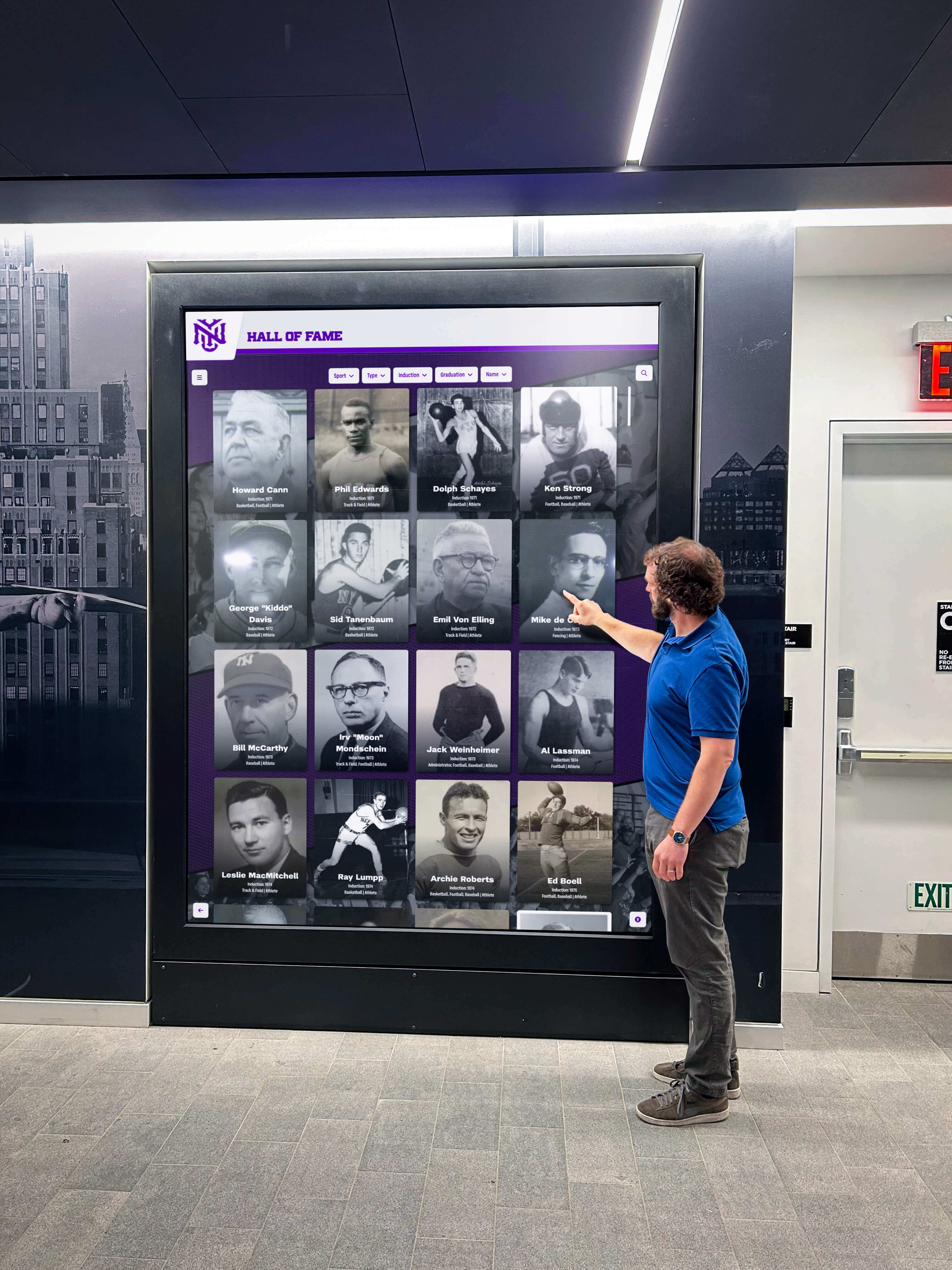
Interactive recognition systems enable exploration of honor society achievements alongside other forms of university excellence
Celebrating Honor Society Achievement on Campus
Universities increasingly recognize the importance of showcasing honor society membership alongside other forms of student achievement.
Modern Recognition Solutions for Academic Honors
Traditional methods of recognizing honor society members—printed lists, static plaques, or brief mentions in commencement programs—often fail to give these prestigious achievements the visibility they deserve. Solutions like Rocket Alumni Solutions transform how institutions celebrate academic honors through digital recognition displays that ensure honor society achievements receive prominent, lasting acknowledgment.
Comprehensive Academic Recognition Digital platforms enable:
- Individual student profiles highlighting honor society memberships
- Searchable databases of honor society members by organization and year
- Integration of academic achievements with extracurricular accomplishments
- Photo galleries and achievement descriptions
- Post-graduation updates as members achieve professional success
Inspiration for Future Students Visible honor society recognition motivates current students:
- Demonstrates value of academic achievement
- Creates aspirational examples of student success
- Normalizes honor society membership as achievable goal
- Provides information about how to pursue membership
- Celebrates intellectual achievement alongside athletics and leadership
Learn about outstanding students honor wall recognition that showcases honor society achievements.
Easy Content Management Cloud-based systems simplify maintaining current information:
- Update member databases as new inductions occur
- Add historical honor society members to archives
- Remote content management from any internet-connected device
- No physical materials requiring printing and mounting
- Permanent records preserving institutional history
Universities implementing comprehensive digital recognition report that honor society achievements receive significantly more visibility and engagement when integrated into interactive displays compared to traditional recognition methods.
Conclusion: Taking the Next Steps to Find and Join Phi Alpha Theta
Finding and joining Phi Alpha Theta represents an important step for students passionate about history and committed to academic excellence. Whether you’re just discovering that your institution hosts a chapter, planning to apply for membership, or considering establishing a new chapter where none exists, the pathways outlined in this guide provide clear direction for pursuing this prestigious recognition.
Start by visiting the official Phi Alpha Theta Chapter Locator at phialphatheta.org/chapter-locator/ to search for chapters at your institution or nearby universities. Contact your history department directly—speaking with faculty advisors, academic counselors, or department administrators often provides the fastest, most detailed information about chapter status, membership requirements, and application timelines specific to your institution.
Celebrate Academic Honor Society Achievement
Discover how modern digital recognition solutions can help your institution showcase honor society members and inspire future students to pursue academic excellence.
Explore Recognition SolutionsIf you meet the membership requirements—12 semester hours of history coursework with a 3.1 history GPA and 3.0 overall GPA for undergraduates—watch for application announcements from your chapter, typically distributed several weeks before induction ceremonies each semester. Don’t let the application deadline pass without submitting your materials; honor society membership provides lasting value that extends throughout graduate school and professional careers.
For students at institutions without chapters, consider whether you might help establish one. Working with interested faculty and fellow students to bring Phi Alpha Theta to your campus creates leadership experience while ensuring future students have access to the same opportunities you’re seeking. The national organization provides support throughout the chapter establishment process.
Once you’ve joined, engage actively with your chapter beyond simply holding membership. Attend meetings, pursue scholarship opportunities, submit research for publication or conference presentation, and build relationships with faculty advisors and fellow members. These connections and experiences provide the greatest return on your membership investment, creating networks, skills, and credentials that support academic and professional success long after graduation.
Your history coursework represents more than credits toward a degree—it demonstrates intellectual curiosity, analytical thinking, and commitment to understanding how the past shapes the present. Phi Alpha Theta membership officially recognizes these qualities while creating community with others who share your passion for historical scholarship. Take the steps outlined in this guide to locate your chapter, confirm your eligibility, and join this century-old organization that has supported hundreds of thousands of history students in their academic and professional journeys.
Ready to explore more about academic recognition? Discover how to highlight student accomplishments or learn about senior recognition programs that celebrate academic achievements alongside other forms of excellence.