Field day stands as one of the most anticipated events in the school calendar—a celebration where academic pressures give way to athletic fun, where students of all abilities compete in spirited games, and where school communities gather to cheer on every participant. Yet planning a successful field day requires more than setting out cones and hoping for good weather. The most memorable field days thoughtfully combine classic games with creative new activities, ensure inclusive participation opportunities for all ability levels, and create lasting recognition that celebrates student athletes long after the event concludes.
The challenge facing physical education teachers, event coordinators, and administrators lies in designing field game ideas that balance competition with fun, accommodate diverse athletic abilities, manage logistics for potentially hundreds of participants, and create meaningful celebration that reinforces the positive values athletics bring to school culture. When executed well, field days become defining school memories—experiences students recall decades later as highlights of their educational journey.
This comprehensive guide provides practical field game ideas, organizational strategies, and recognition approaches that transform field days from simple outdoor activities into powerful celebrations of student athleticism, teamwork, and school spirit that build community while honoring every participant.
Field days serve purposes extending beyond mere entertainment. These events promote physical activity, build class and grade-level unity, provide non-traditional students opportunities to shine outside academic settings, and create shared experiences that strengthen school culture. The games, competitions, and celebrations comprising successful field days communicate that schools value diverse forms of achievement—including athletic participation, team spirit, perseverance, and sportsmanship.

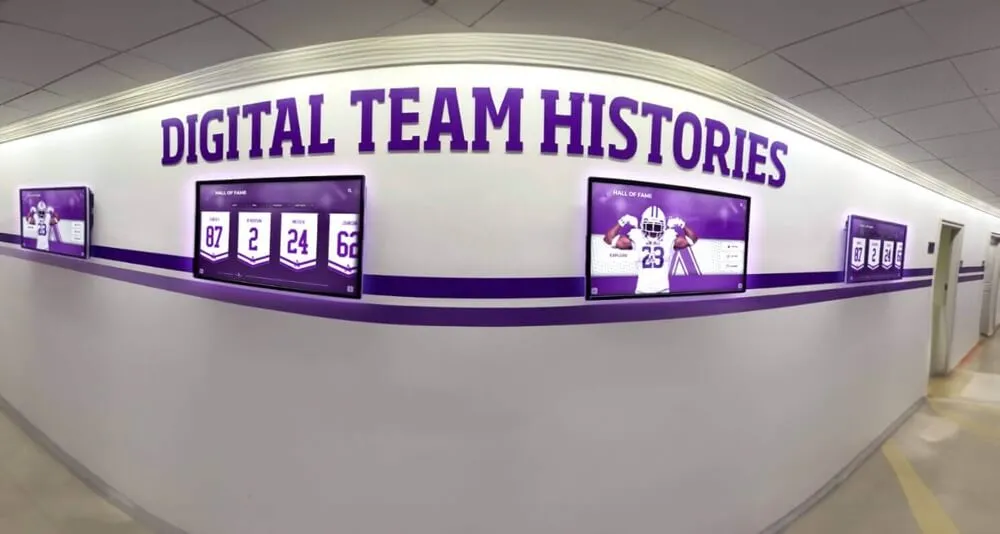
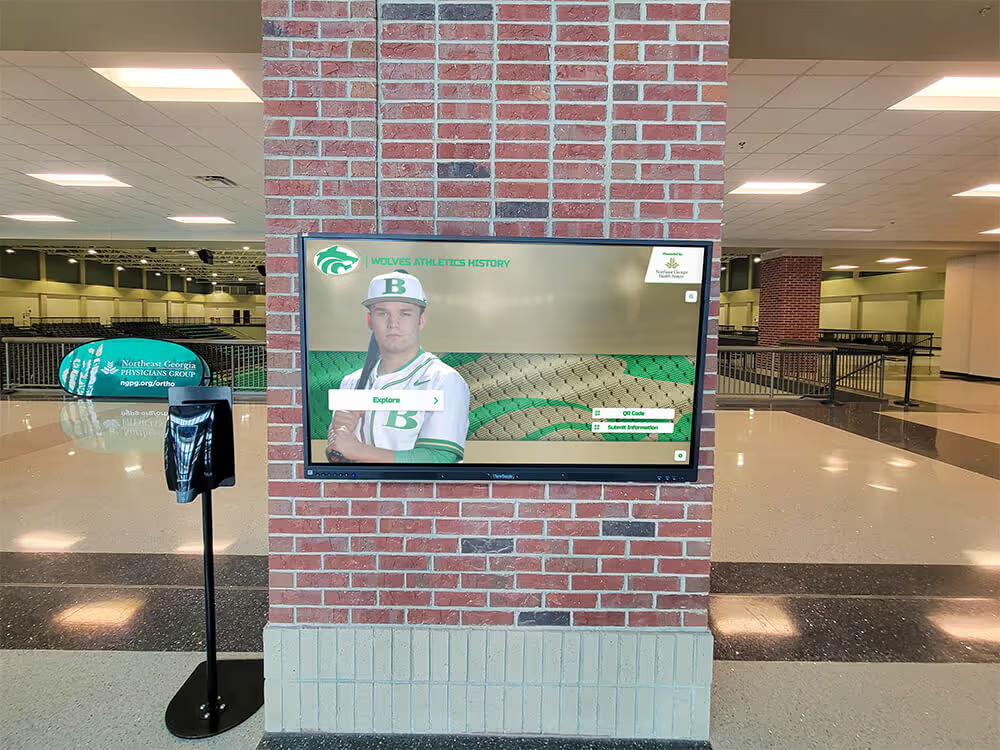
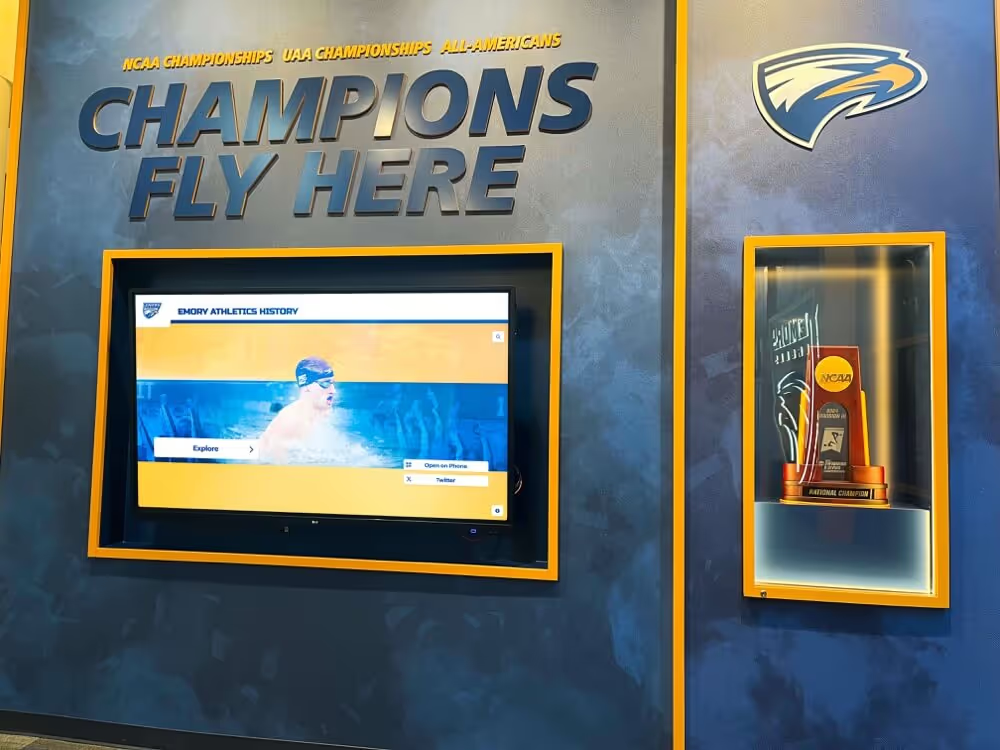
Field days celebrate student athleticism while building school spirit through inclusive competitions and shared experiences
Planning Your Field Day: Essential Foundations
Successful field days begin with thoughtful planning addressing logistics, inclusivity, and educational objectives.
Establishing Clear Objectives
Define Your Field Day Purpose Different schools emphasize different field day priorities:
- Competitive Focus: Emphasizing team competitions with scores, standings, and championship recognition
- Participation Emphasis: Celebrating involvement with every student receiving equal recognition regardless of performance
- Skill Development: Using field day as culminating demonstration of physical education learning objectives
- Community Building: Prioritizing class unity, cross-grade interaction, and school spirit development
- Recognition Celebration: Honoring athletic achievements from the school year alongside field day competitions
Most successful field days blend multiple objectives—maintaining competitive elements that motivate effort while ensuring inclusive structures where all students experience success and recognition.
Logistics and Planning Timeline
Six-Week Planning Schedule Comprehensive field day planning typically follows this timeline:
Week 1-2: Core Planning
- Establish field day date with administration and facilities
- Form planning committee including PE teachers, classroom teachers, and parent volunteers
- Define field day format (grade-level rotations, house teams, station-based, etc.)
- Set preliminary budget and identify funding sources
- Reserve equipment and order necessary supplies
Week 3-4: Activity Selection and Organization
- Finalize field game ideas and station activities
- Create rotation schedules ensuring all students participate in all activities
- Recruit and train parent volunteers and student helpers
- Organize team assignments and create balanced competition groups
- Plan water, shade, and safety protocols
Week 5: Communication and Preparation
- Send detailed information to families about schedule, dress code, and volunteer opportunities
- Prepare materials, scoresheets, and equipment
- Conduct walk-through with all staff members
- Establish backup rain date or indoor alternative plans
- Coordinate recognition certificates and awards
Week 6: Final Preparations
- Confirm volunteer attendance and assign specific responsibilities
- Set up field markings, stations, and equipment day before
- Prepare opening ceremony and closing celebration elements
- Finalize music, PA system, and technical needs
Learn about comprehensive school event planning in this complete guide to school events that can enhance your field day approach.
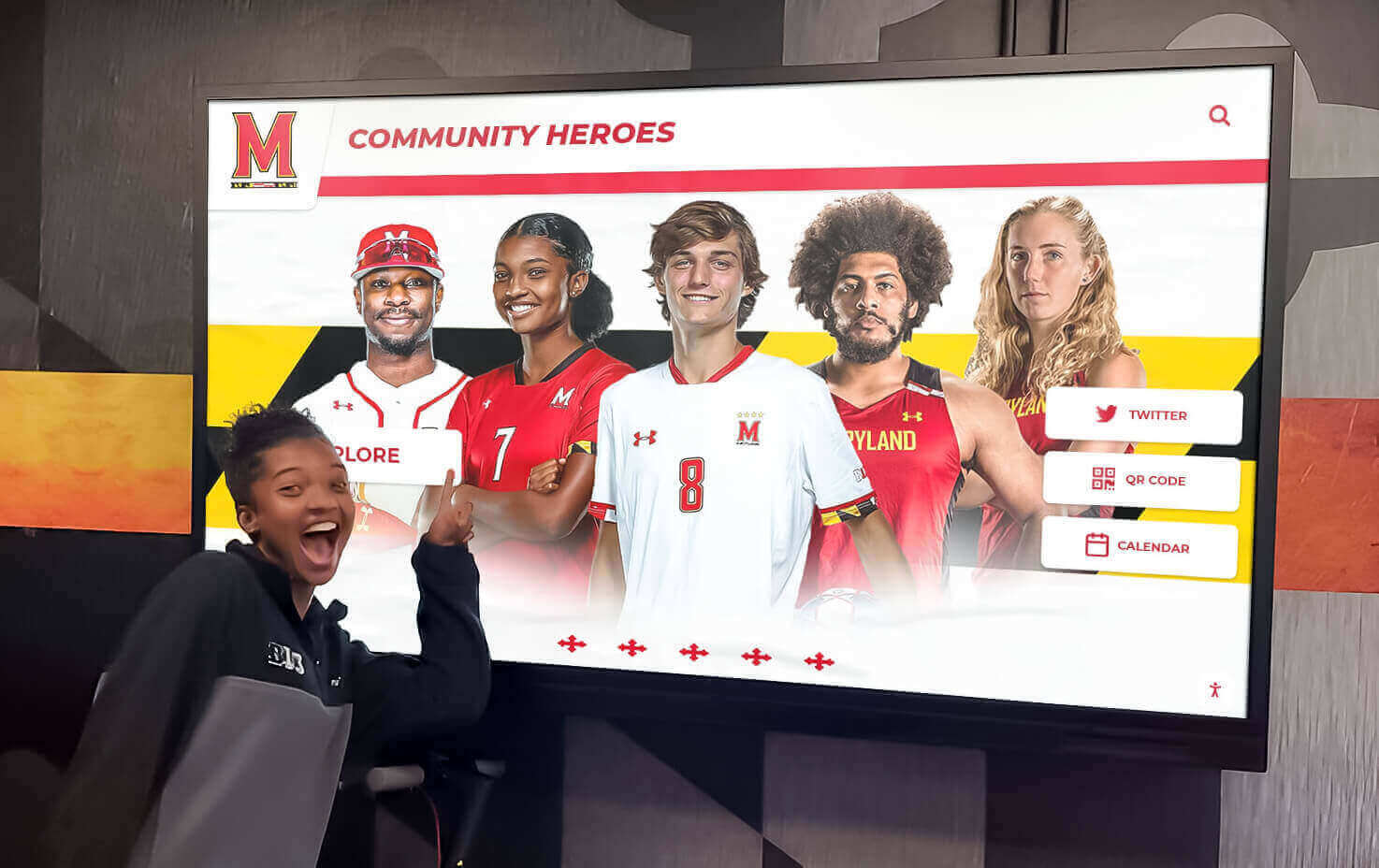
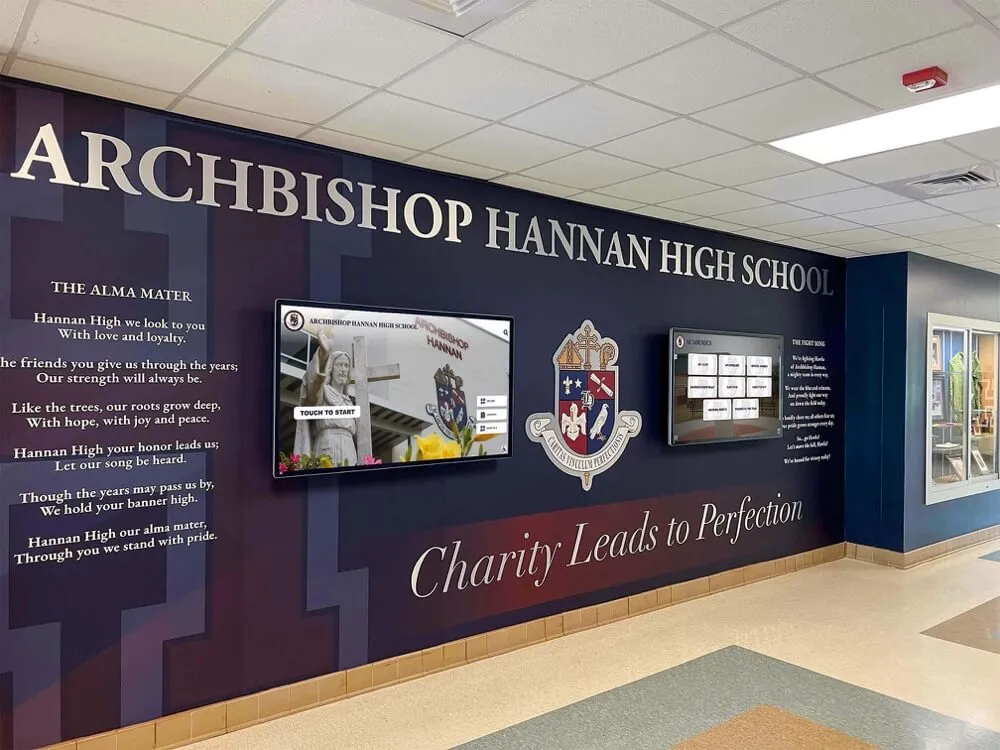
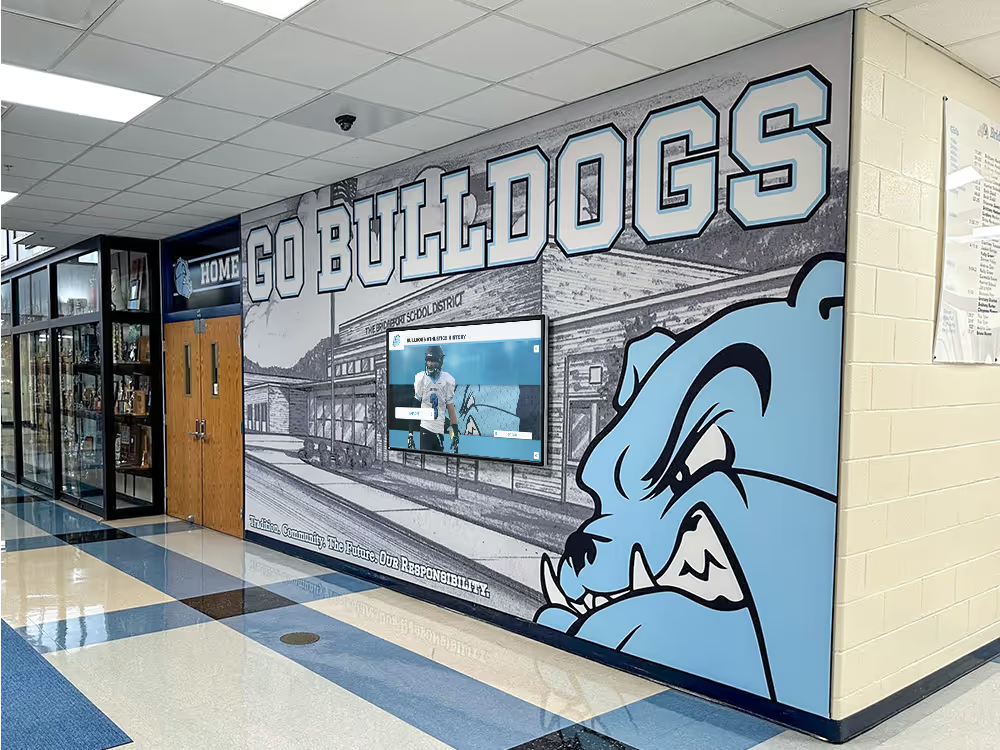
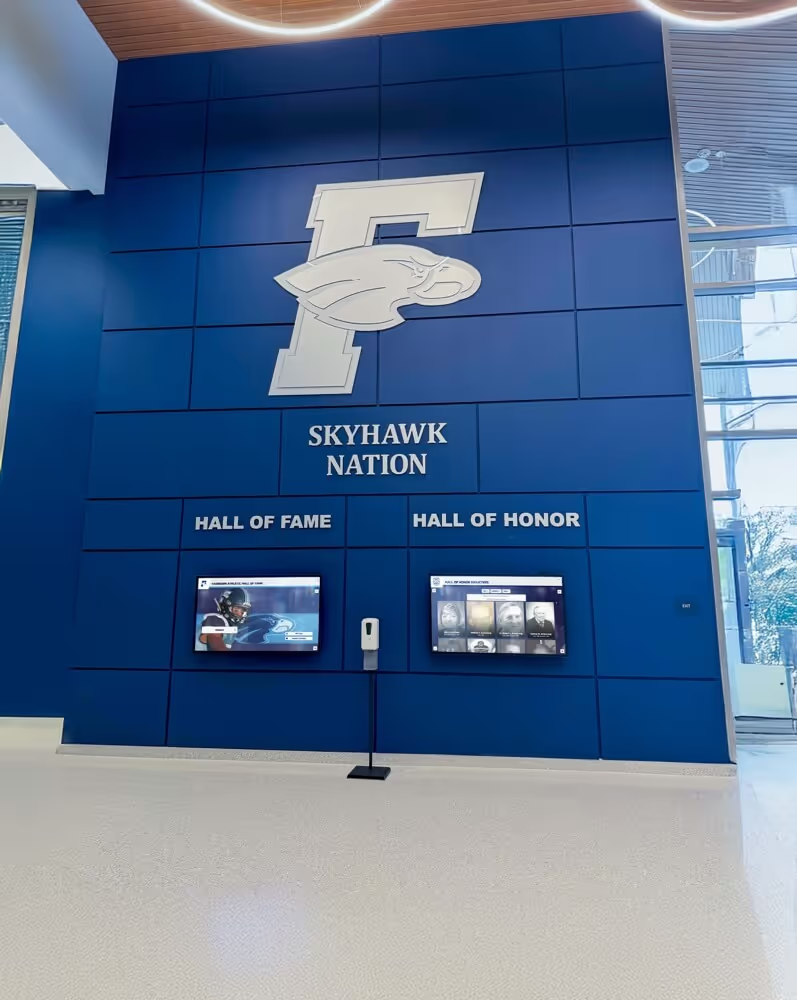
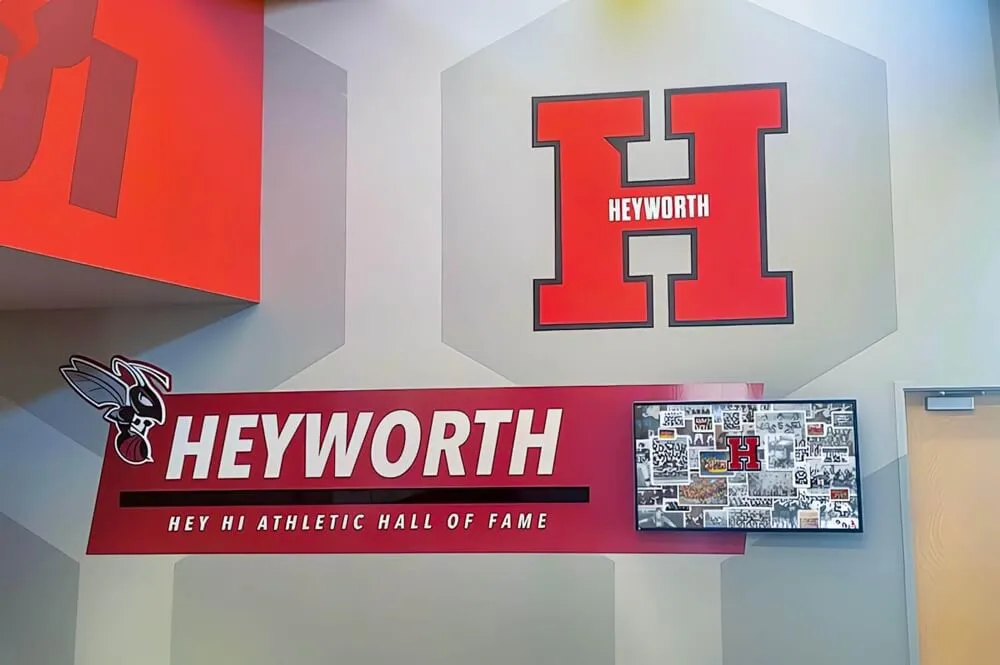
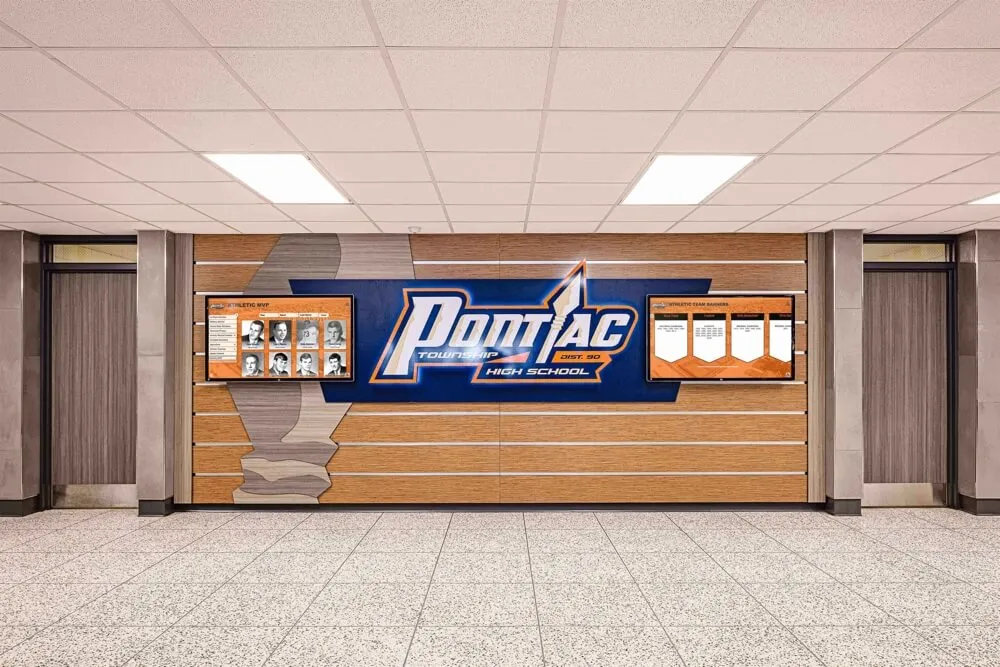
Celebrating athletic participation through visible recognition reinforces that physical activity and sportsmanship are valued school achievements
Classic Field Game Ideas: Time-Tested Activities
Traditional field day games remain popular because they’re accessible, require minimal equipment, and accommodate large groups.
Individual and Partner Races
Sprint and Distance Challenges Racing events form the foundation of most field days:
- 50-Meter Dash: Quick sprints allowing multiple heats
- 100-Meter Run: Traditional race testing speed and stamina
- Relay Races: 4x50m or 4x100m team relays building collaboration
- Three-Legged Race: Partners tied together navigating course
- Sack Race: Participants hopping in burlap sacks
- Wheelbarrow Race: One student walks on hands while partner holds legs
- Backwards Running Race: Challenging coordination and spatial awareness
- Obstacle Course Sprint: Combining running with crawling, jumping, and weaving elements
Racing Event Organization Tips
- Use staggered heats based on age or ability to ensure competitive balance
- Provide clear lane markings and finishing area
- Assign dedicated timers or finish line judges
- Recognize top finishers while celebrating all participants
- Consider “heat winners” approach where every heat produces winners
Throwing and Distance Competitions
Accuracy and Power Challenges Throwing events test different athletic skills:
- Water Balloon Toss: Partners throwing and catching at increasing distances
- Frisbee Throw: Accuracy challenges hitting targets or distance competitions
- Football Throw: Distance and accuracy challenges with footballs
- Bean Bag Cornhole: Tossing bean bags into platforms with holes
- Ring Toss: Accuracy challenge throwing rings onto targets
- Softball Throw: Testing throwing power and technique
- Basketball Shot Challenge: Shooting from various distances
- Soccer Kick Accuracy: Kicking through goals or at targets
These activities work well as stations where students cycle through, attempting challenges multiple times to achieve personal bests.
Tug-of-War and Strength Events
Team Power Competitions Strength-based events create dramatic, crowd-pleasing moments:
- Classic Tug-of-War: Teams pulling rope across centerline
- Capture the Flag: Territory-based team strategy game
- Human Pyramid Building: Collaborative formation challenges (with proper safety supervision)
- Medicine Ball Relay: Passing heavy balls through team lines
- Tire Flip Relay: Students working together to flip large tires down course
- Group Sit-Up Challenge: Teams performing maximum sit-ups in set time
Safety remains paramount in strength events—ensure proper supervision, age-appropriate challenges, and modifications for students with physical limitations.
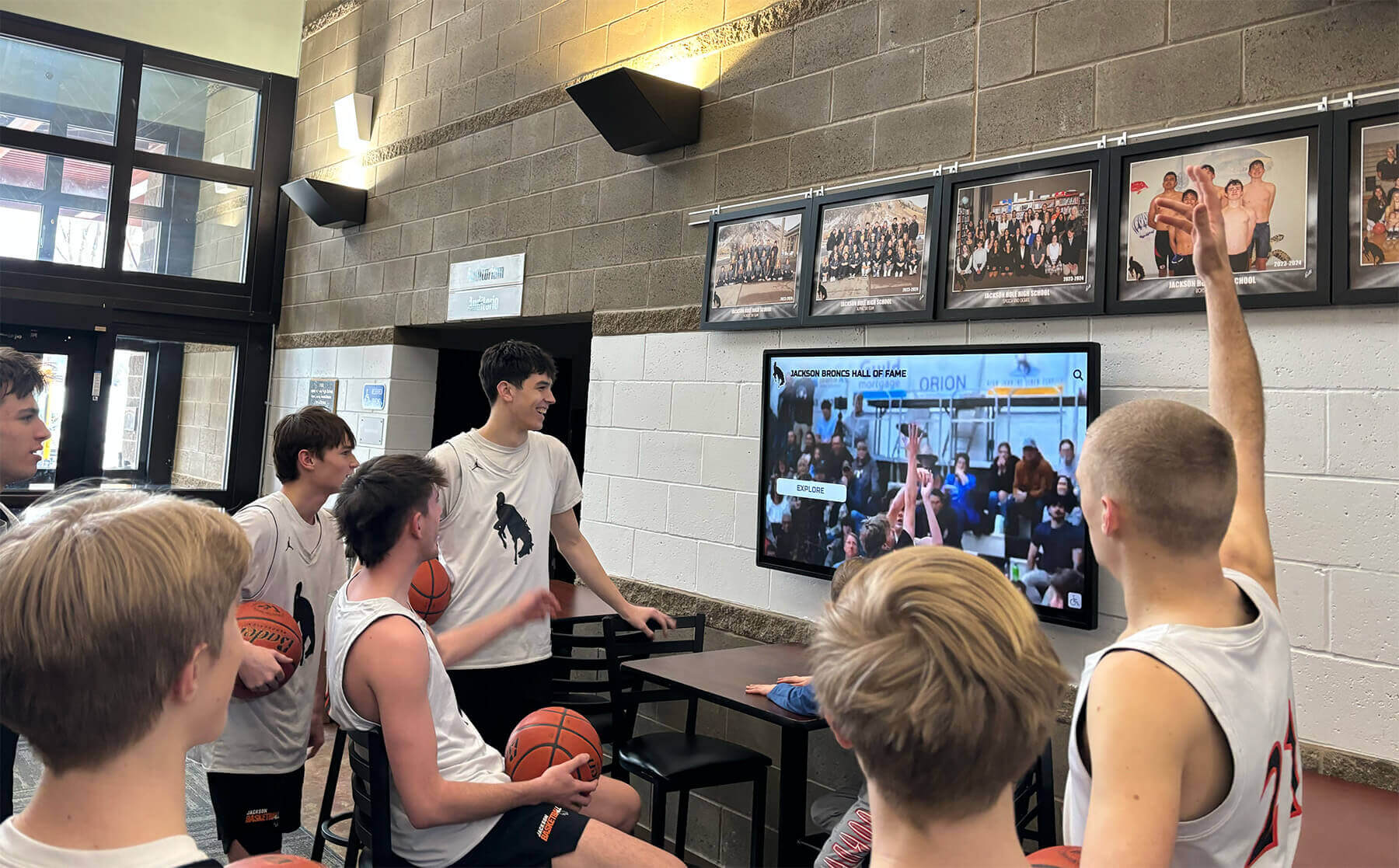
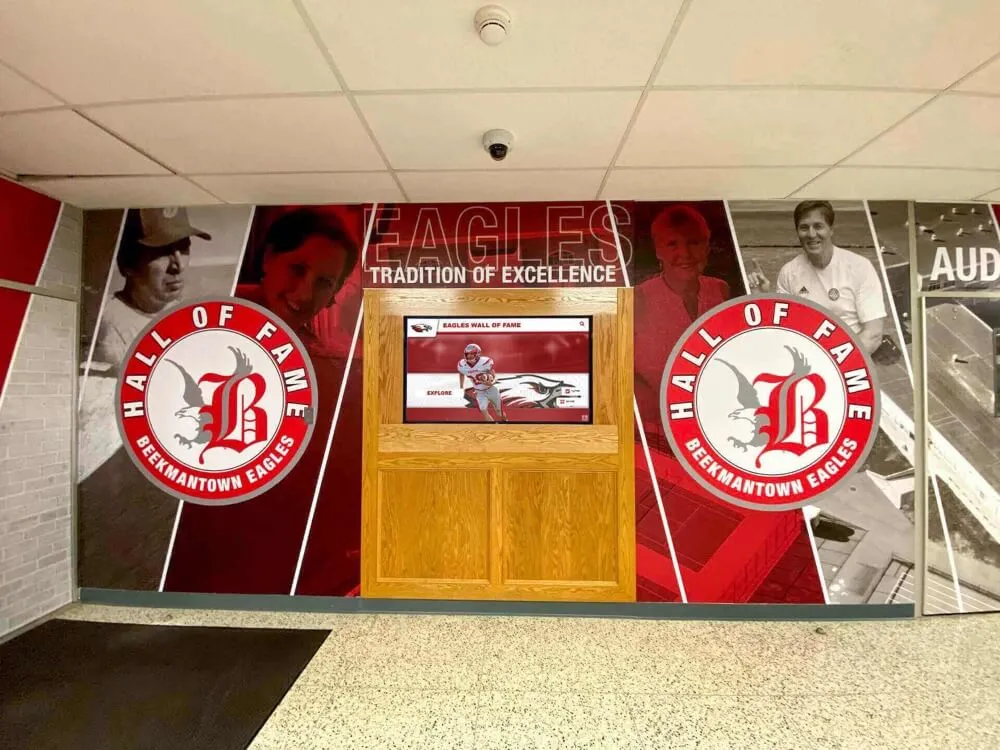
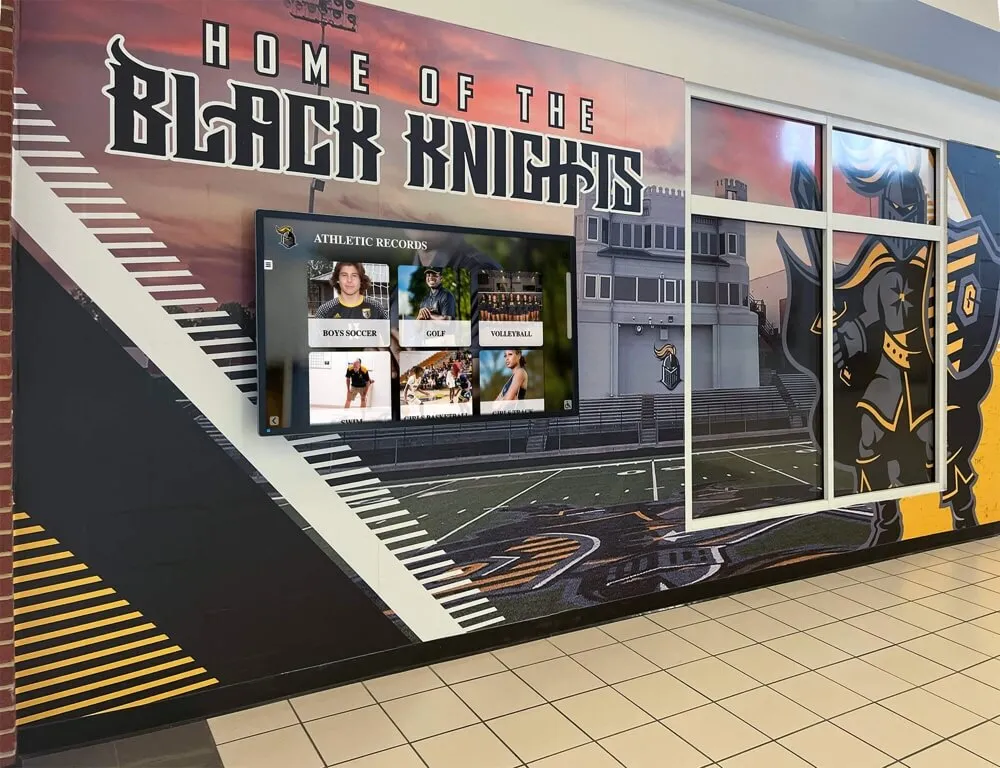
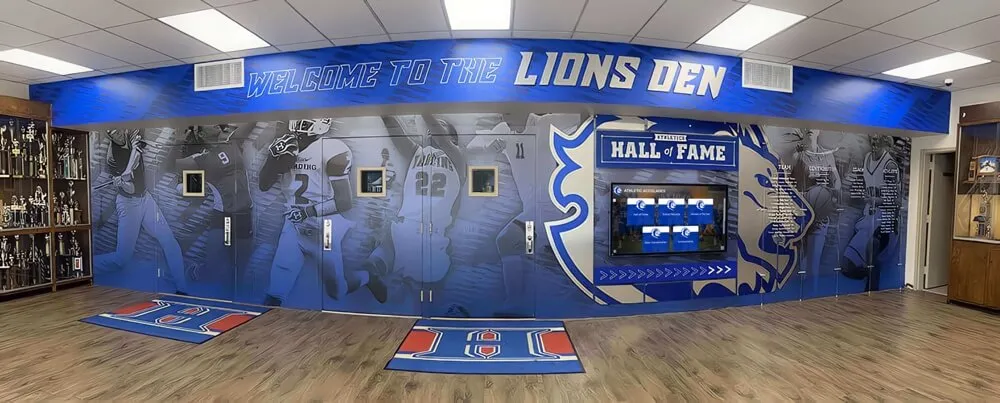
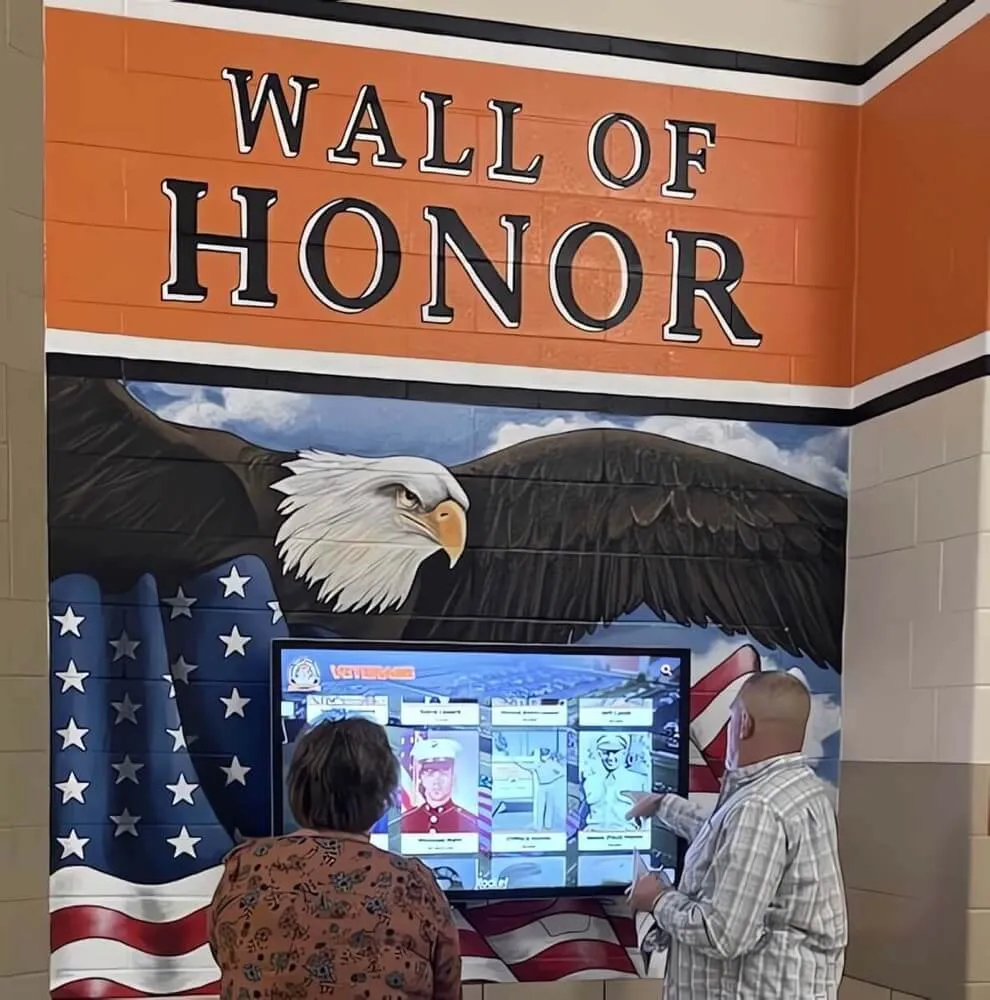
Creating shared moments of athletic celebration builds school spirit and reinforces community connections
Explore how schools build spirit through recognition in these school spirit activities that complement field day events.
Creative and Unique Field Game Ideas
Beyond traditional activities, innovative field games add variety and excitement while engaging students who may not excel in conventional athletics.
Water-Based Activities (Warm Weather)
Cooling Competitions Water activities provide relief during hot weather field days:
- Sponge Relay: Teams racing to fill buckets by soaking and squeezing sponges
- Water Cup Relay: Filling containers by racing with cups of water
- Slip and Slide Relay: Students sliding down water-covered tarps
- Water Gun Target Shoot: Accuracy competition knocking cups off platforms
- Drip, Drip, Drop: Active variation of “Duck, Duck, Goose” using water
- Drench the Teacher: Popular station where students earn opportunities to sponge teachers
- Human Car Wash: Students running through sprinkler and water spray gauntlet
- Ice Block Push: Racing while pushing ice blocks with brooms
Water activities require towels, change of clothes, and clear communication with families about water participation.
Skill and Coordination Challenges
Precision and Balance Activities These events highlight coordination over pure athleticism:
- Hula Hoop Marathon: Sustaining hula hoop longest or most rotations
- Jump Rope Challenge: Individual or team jump rope competitions
- Balance Beam Walk: Speed or trick competitions on low beams
- Egg and Spoon Race: Carrying eggs on spoons without dropping
- Cone Stacking Challenge: Building and collapsing sport stacking sets
- Dizzy Bat Race: Spinning around bat then racing to finish line
- Limbo Contest: Classic how-low-can-you-go challenge
- Agility Ladder Drills: Timed footwork challenges through ladder patterns
- Balloon Keep-Up Challenge: Keeping balloons airborne longest time
- Scooter Board Relay: Racing while seated on PE scooters
These activities often provide opportunities for students who may not dominate traditional races to excel and receive recognition.
Team Strategy Games
Collaborative Competition Games requiring teamwork and planning develop important social skills:
- Ultimate Frisbee Modified: Simplified rules appropriate for all skill levels
- Capture the Beanbag: Territory game with multiple objectives
- Human Knot Challenge: Teams untangling themselves while holding hands
- Bridge Building: Teams creating human bridges teammates crawl under
- Parachute Games: Cooperative challenges using PE parachutes
- Relay Variations: Creative relays including dress-up elements, puzzle assembly, or skill challenges
- Scavenger Hunt Relay: Teams collecting items or completing challenges around field
- Minute to Win It Stations: Timed challenges adapted from popular game show
Learn about team-building through athletic recognition in this guide to team recognition awards applicable to field day celebrations.
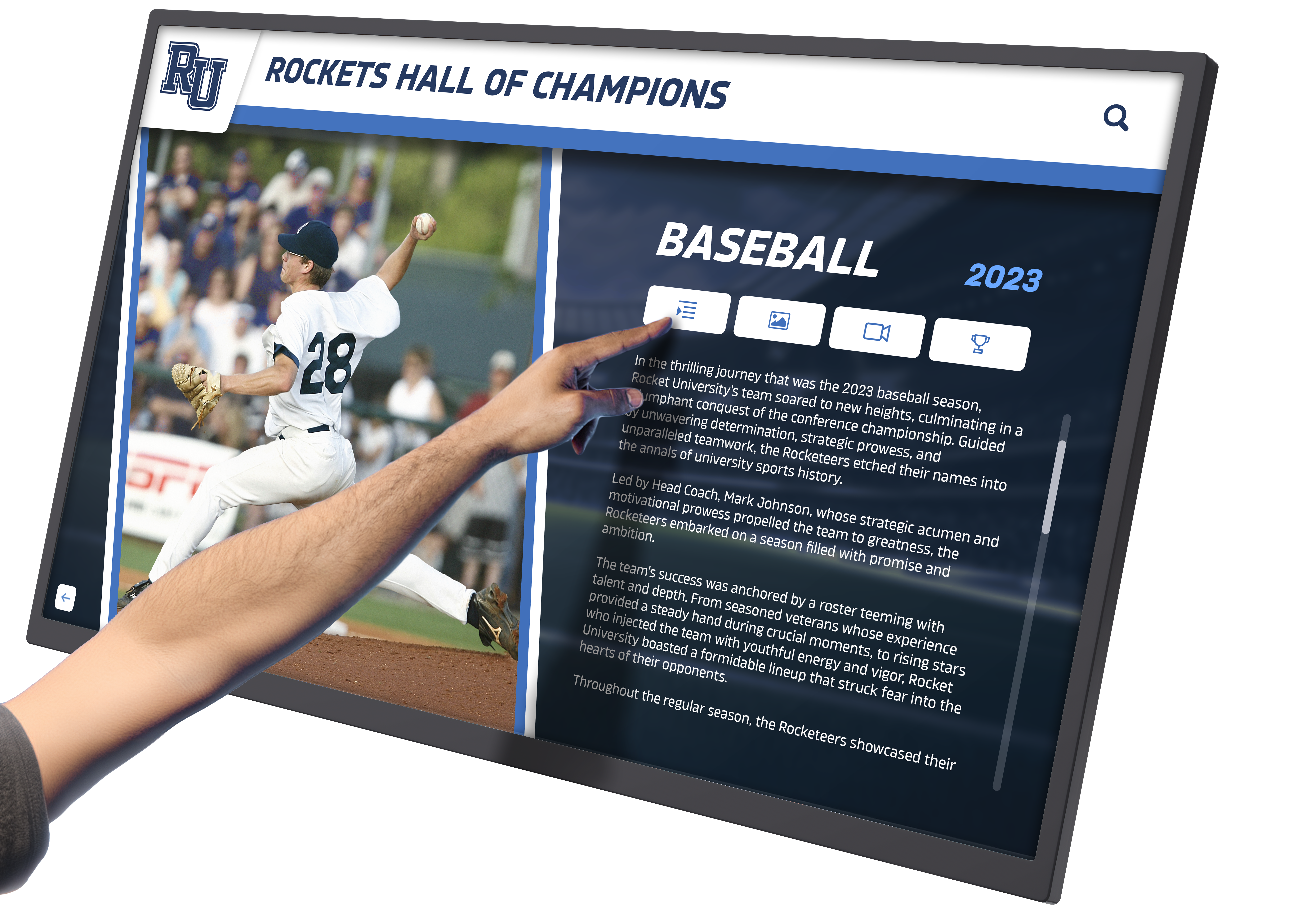
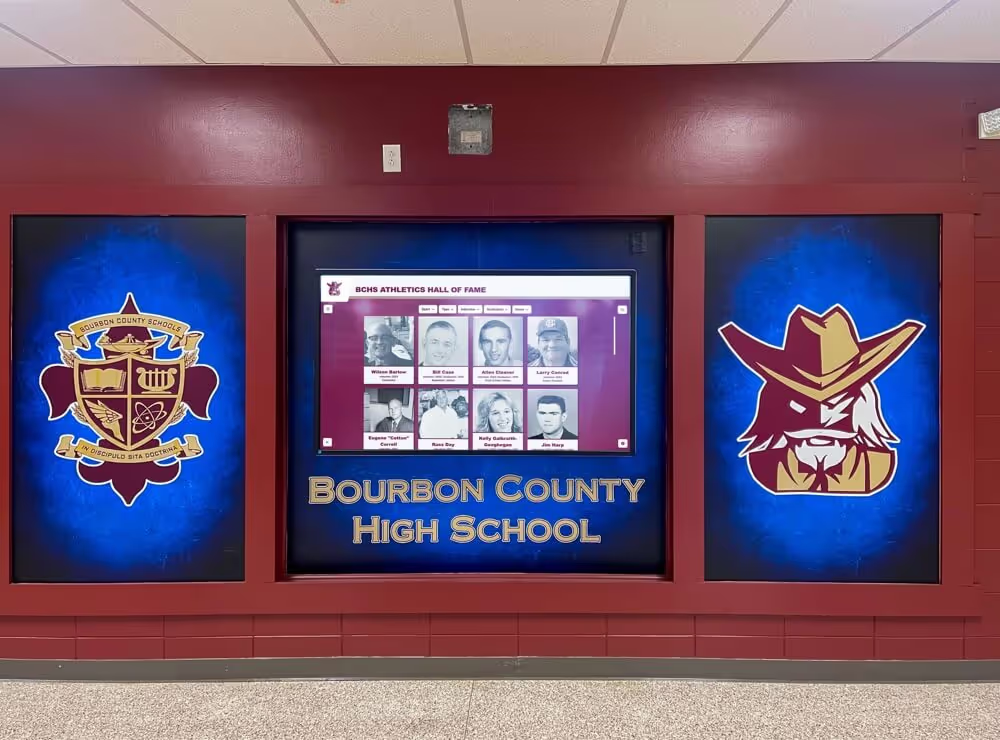
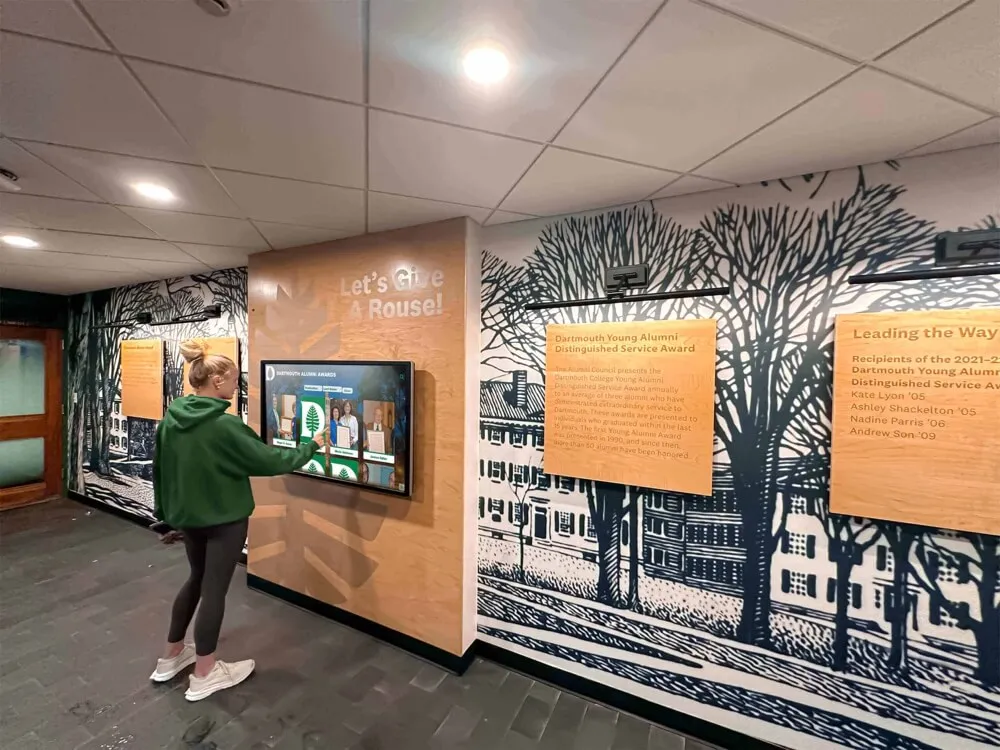
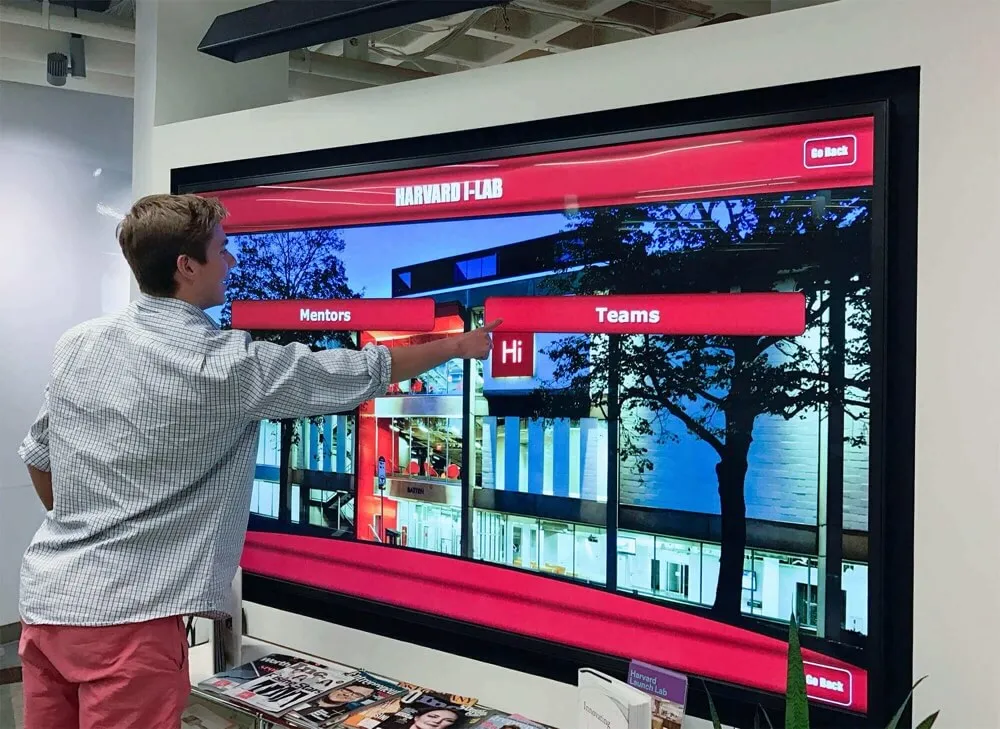
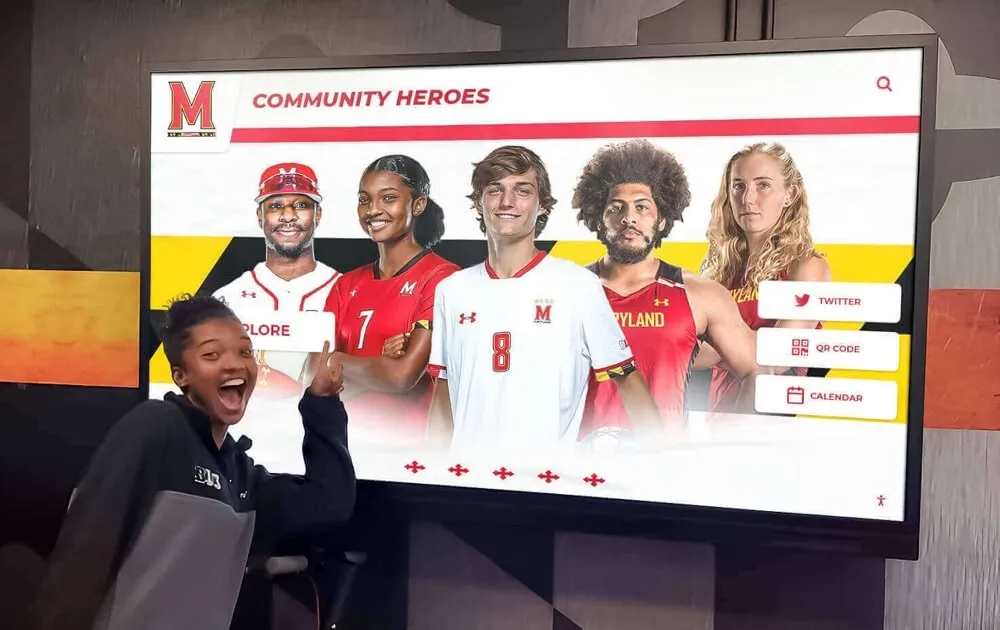
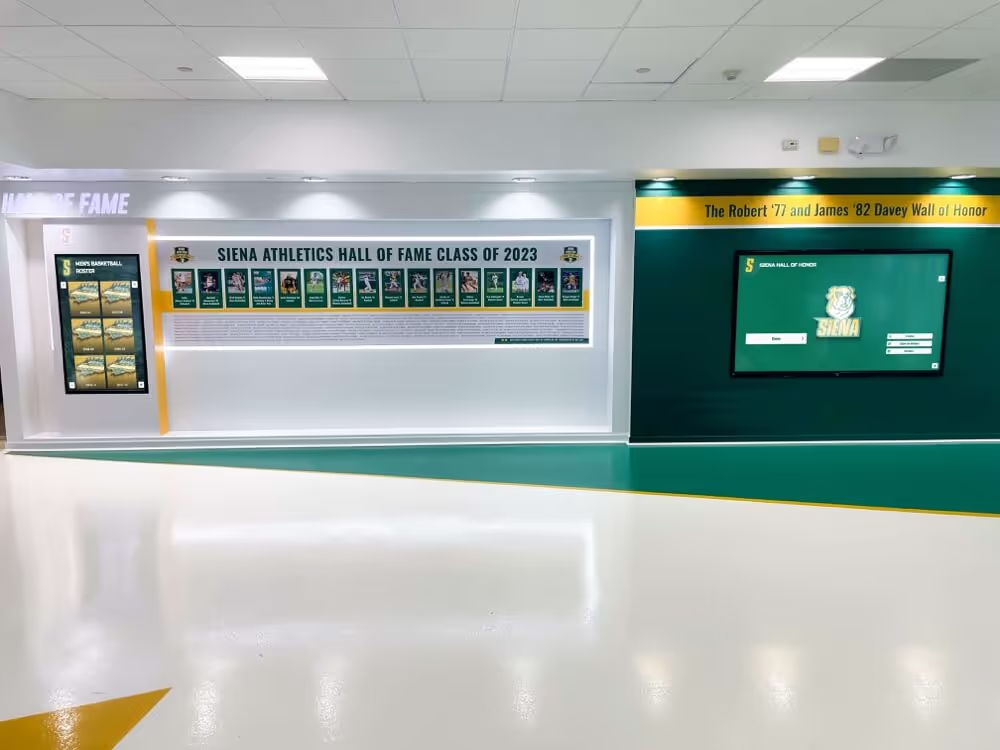
Modern recognition solutions preserve field day achievements alongside year-round athletic accomplishments, creating comprehensive celebration of student athleticism
Age-Appropriate Field Day Planning
Different age groups require different activity approaches, equipment, and organizational structures.
Elementary Field Day (K-5)
Primary Grades (K-2) Younger students benefit from:
- Shorter activity rotations (10-15 minutes per station)
- Simple rules and immediate gratification
- Emphasis on fun over competition
- Buddy systems pairing older and younger students
- Frequent water breaks and shade access
- Parent volunteer support at every station
- Celebratory participation awards for all students
Popular Primary Activities
- Animal walks (crab walk, bear crawl, frog jump races)
- Parachute games emphasizing cooperation
- Color sorting relay races
- Simple throwing at large targets
- Dance freeze competitions
- Musical activities incorporating movement
Upper Elementary (3-5) Older elementary students handle:
- More competitive elements with team scoring
- Longer attention spans allowing complex games
- Multi-step relay races with various skills
- Student leadership roles assisting with younger grades
- Performance-based awards alongside participation recognition
- Class vs. class competitions building grade unity
Discover approaches to celebrating elementary achievement through student accomplishment recognition applicable to field day contexts.
Middle School Field Day (6-8)
Balancing Competition and Inclusion Adolescents require careful balance:
- Clear competitive structures with house teams or grade-level competitions
- Options for varying intensity levels accommodating diverse comfort zones
- Team-based activities reducing individual pressure
- Leadership opportunities for athletic and non-athletic students
- Music and atmosphere creating energetic environment
- Recognition categories beyond pure athletic performance
Middle School Activity Considerations
- Social dynamics require thoughtful team assignments
- Offer both competitive and recreational activity tracks
- Include activities highlighting various strengths (strategy, creativity, teamwork)
- Create peer leadership roles managing stations
- Provide spaces for students needing breaks from intense activity
- Balance traditional athletics with unique challenges
Popular Middle School Field Games
- Ultimate Frisbee tournaments
- Dodgeball variations with safety modifications
- Relay races incorporating skill challenges
- Obstacle course competitions
- Water competitions during warm weather
- Class competitions building grade identity
- Faculty vs. student exhibition matches
High School Field Day (9-12)
Sophisticated Competition High schoolers appreciate:
- Serious athletic competitions for competitive students
- Optional participation structures respecting student choice
- Leadership opportunities planning and executing events
- Connections to physical education learning objectives
- Social elements including music and class spirit competitions
- Integration with end-of-year celebrations and senior recognition
High School Format Options
- House system competitions spanning entire year
- Class Olympics with grade-level teams competing
- PE class tournaments organized by teachers
- Volunteer-organized recreational field day
- Combined field day and spring sports recognition event
- Senior vs. underclassmen competitions
Many high schools successfully integrate field day with athletic recognition ceremonies, celebrating varsity letter winners, all-conference athletes, and season achievements alongside field day competition results.
Learn about comprehensive high school athletic recognition in this end-of-year awards guide applicable to field day contexts.
Inclusive Field Day Design
Creating field days where all students experience success requires intentional planning addressing diverse needs.
Accommodating All Ability Levels
Universal Design Principles
- Offer multiple competition tiers within each activity (competitive, recreational, modified)
- Provide alternative activities allowing participation without head-to-head competition
- Create roles beyond competing (timers, judges, cheerleaders, documentarians)
- Design activities highlighting various strengths (strength, speed, accuracy, strategy, creativity)
- Ensure equipment accommodates various sizes and abilities
- Plan shaded rest areas for students needing breaks
Modifications for Students with Disabilities Thoughtful adaptations enable full participation:
- Wheelchair-accessible activities or modified versions
- Visual demonstrations supplementing verbal instructions
- Buddy systems providing peer support
- Sensory-friendly spaces for students needing lower stimulation
- Extended time or simplified rules when appropriate
- Alternative participation methods (hand over hand, verbal direction, adaptive equipment)
- Celebration of effort and participation equally with performance
Schools committed to inclusive field days consult with special education staff, occupational therapists, and families to design appropriate accommodations ensuring every student participates meaningfully.
Creating Diverse Recognition Categories
Beyond First-Place Awards Comprehensive recognition ensures all students receive celebration:
- Participation certificates for all attendees
- Improvement awards recognizing personal progress
- Sportsmanship recognition for positive attitudes
- Team spirit awards for enthusiastic supporters
- Leadership recognition for students helping organize or assist
- Class or grade-level unity awards
- Most creative team name or cheer
- Best attitude awards
When schools recognize diverse contributions, field day becomes celebration all students anticipate rather than event creating anxiety for less athletic students.
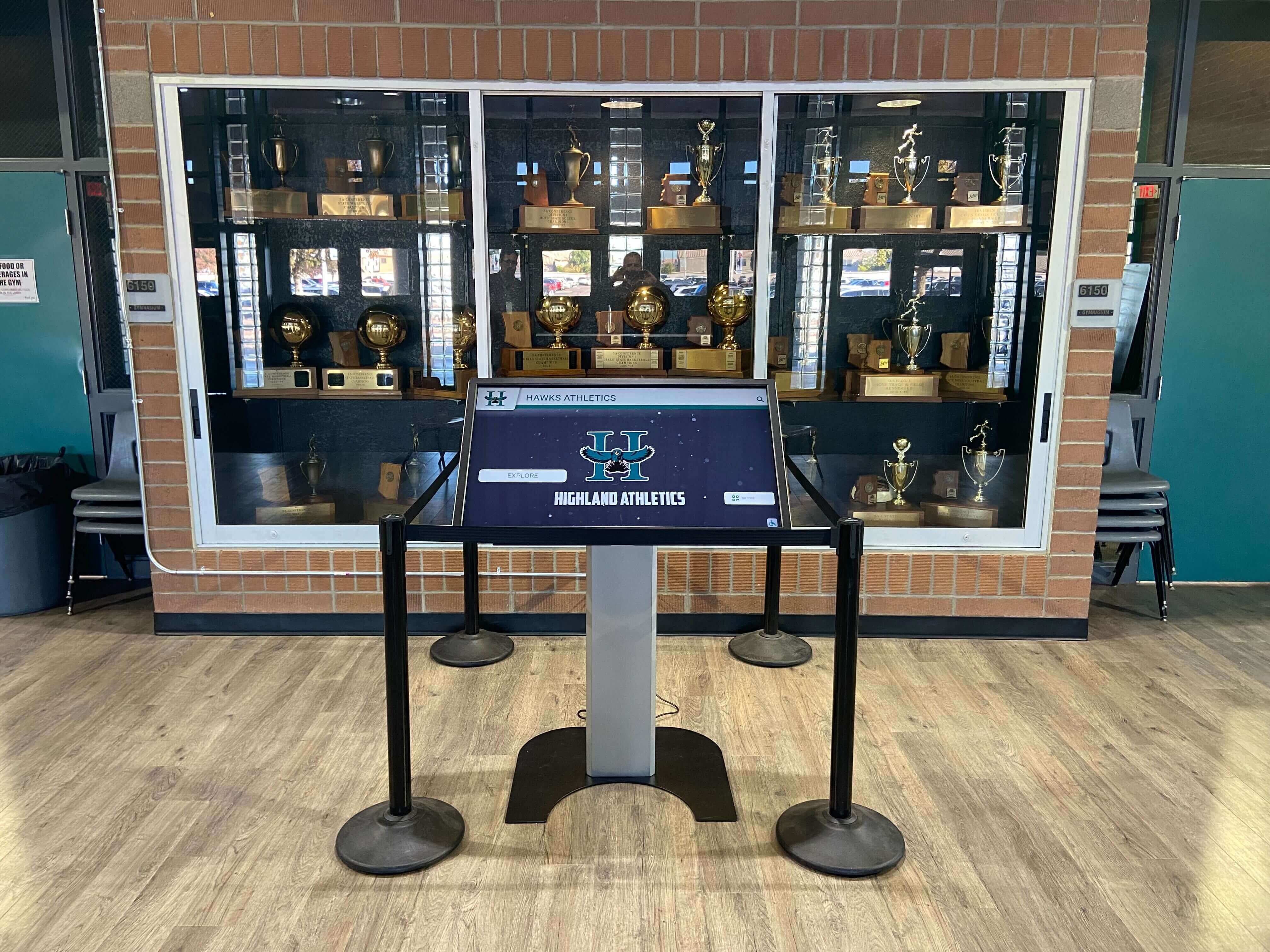
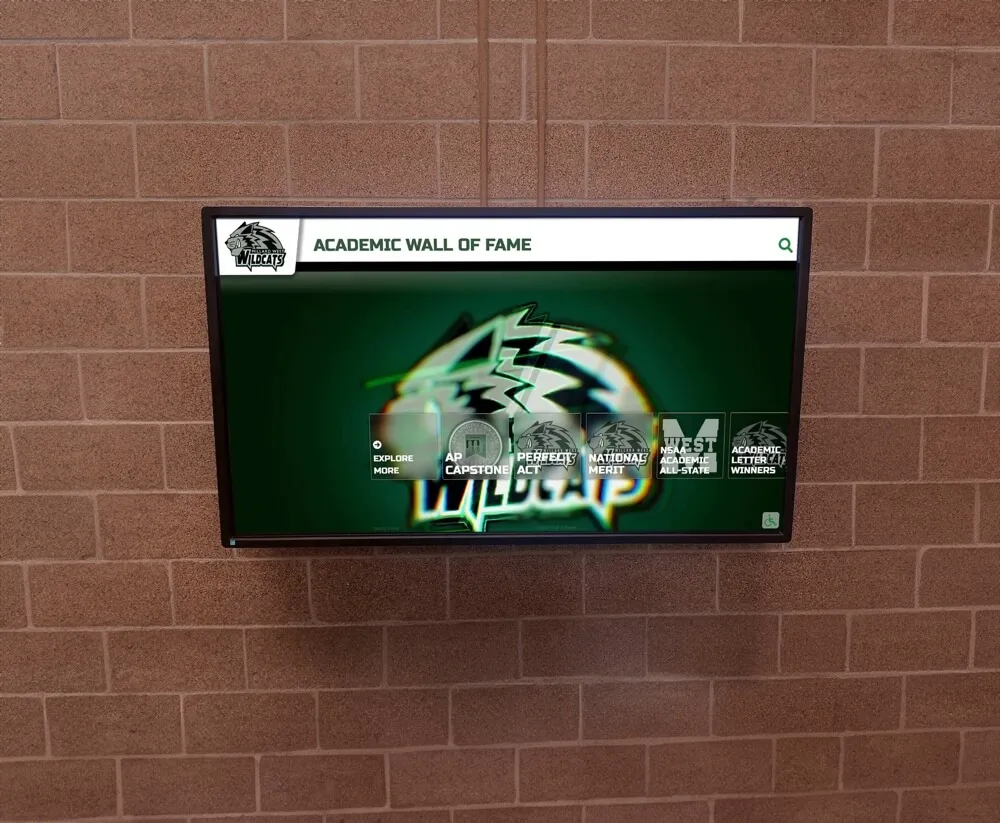
Year-round recognition systems celebrate athletic achievements from field day alongside varsity accomplishments, reinforcing that all physical activity and participation matter
Field Day Logistics and Management
Smooth execution requires attention to organizational details ensuring safety while maximizing participation.
Safety and Risk Management
Essential Safety Protocols
- Conduct pre-event safety inspection of all equipment and field areas
- Establish clear medical emergency procedures with nurse or EMT present
- Ensure adequate hydration stations throughout field day area
- Provide shaded rest areas and monitor for heat-related illness
- Brief all volunteers on safety procedures and emergency protocols
- Maintain appropriate supervision ratios at all stations
- Have first aid supplies readily accessible at multiple locations
- Screen activities for age-appropriateness and potential injury risks
- Establish clear boundaries and off-limits areas
- Plan for weather contingencies including severe heat or storms
Volunteer Coordination
Maximizing Adult Support Successful field days typically require one adult per 10-15 students:
Volunteer Roles
- Station managers running individual activities
- Timers and scorekeepers tracking results
- Roving supervisors monitoring transitions
- Medical/first aid responders
- Hydration station managers
- Equipment managers distributing and collecting supplies
- Photographers documenting event
- Crowd control managing spectator areas
- Setup and teardown crews
Volunteer Training Brief all volunteers covering:
- Station-specific activity rules and management
- Safety protocols and emergency procedures
- Positive reinforcement approaches celebrating all students
- Conflict resolution and sportsmanship expectations
- Schedule and rotation timing
- Communication methods (radios, signals, messenger runners)
Parent volunteers appreciate clear instructions, defined responsibilities, and recognition of their contributions to successful field day execution.
Scoring and Competition Management
Balancing Competition and Participation Different scoring approaches create different field day cultures:
Individual Scoring: Students earn points for personal performances, with cumulative scores determining individual champions. Works well for smaller schools or when emphasizing personal achievement.
Team-Based Scoring: Classes, grade levels, or house teams accumulate points from all members’ performances. Emphasizes collective success and ensures all students contribute to team results.
Participation-Only Approach: No scoring or rankings, with universal recognition of all participants. Reduces pressure while ensuring inclusive celebration.
Tiered Recognition: Multiple award levels (platinum, gold, silver, bronze, participation) ensure various performance levels receive recognition.
Most schools use hybrid approaches—maintaining some competitive scoring while ensuring all students receive meaningful recognition regardless of athletic ability.
Celebrating Field Day Achievements: Recognition Strategies
The recognition and celebration surrounding field day determine whether it becomes memorable highlight or forgotten activity.
Immediate Recognition
During-Event Celebration
- Award ribbons or tokens immediately following each activity
- Announce winners over PA system with enthusiastic commentary
- Create visible leaderboards showing team standings
- Photograph participants and post to school social media
- Play energetic music creating festive atmosphere
- Organize class cheering sections supporting all participants
- Recognize sportsmanship and positive behavior in real-time
Closing Ceremony Conclude field day with ceremony honoring:
- Overall individual and team champions
- Grade-level winners across various categories
- Special recognition awards (sportsmanship, spirit, leadership)
- Acknowledgment of volunteers and organizers
- Celebration of school community coming together
- Preview of how achievements will be preserved and displayed
Extended Recognition and Memory Preservation
Creating Lasting Impact Field day recognition shouldn’t end when students go home:
- Display field day photos in hallways and common areas
- Share results and photos in newsletters and school communications
- Post photo galleries on school website and social media
- Create field day highlight video showcasing activities and celebrations
- Preserve winners and participants in school archives
- Reference field day achievements during end-of-year celebrations
- Include field day in yearbook spread with extensive photo coverage
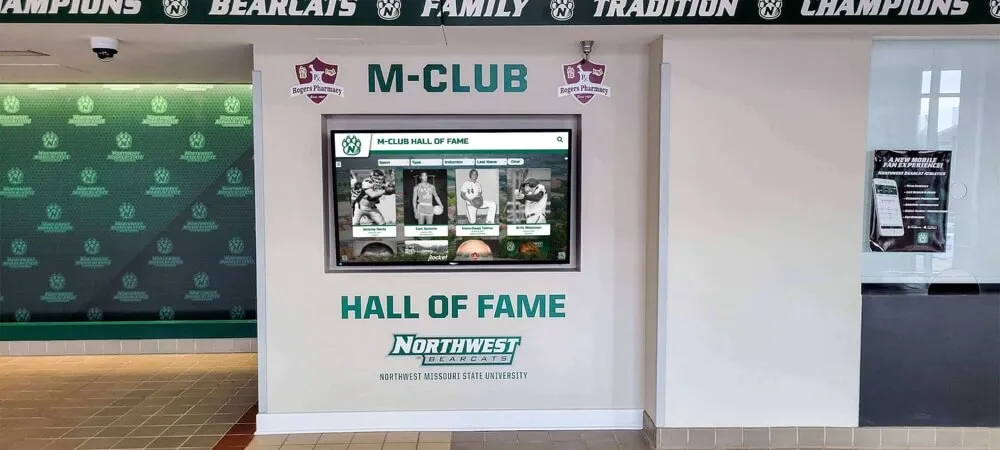
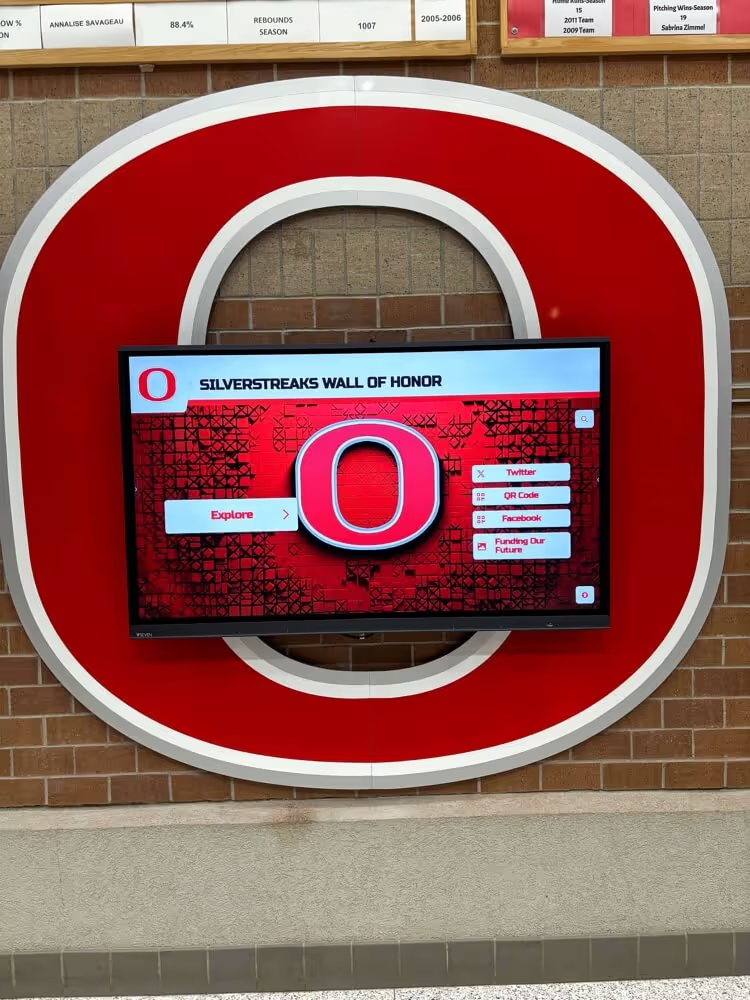
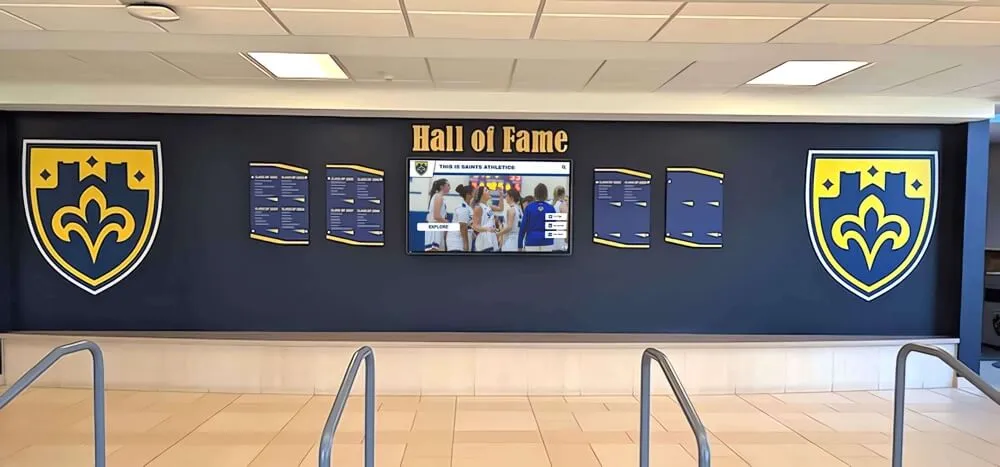
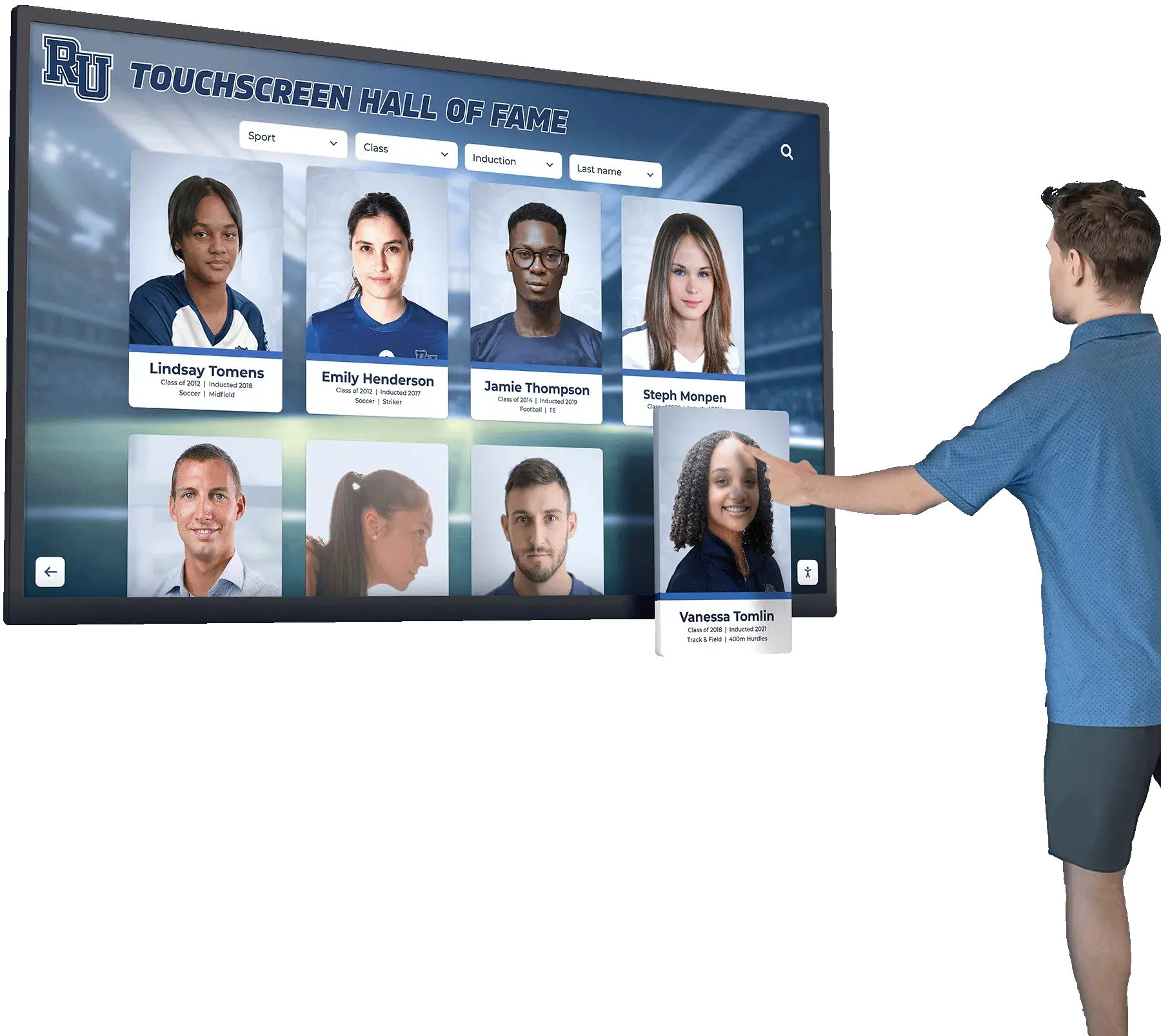
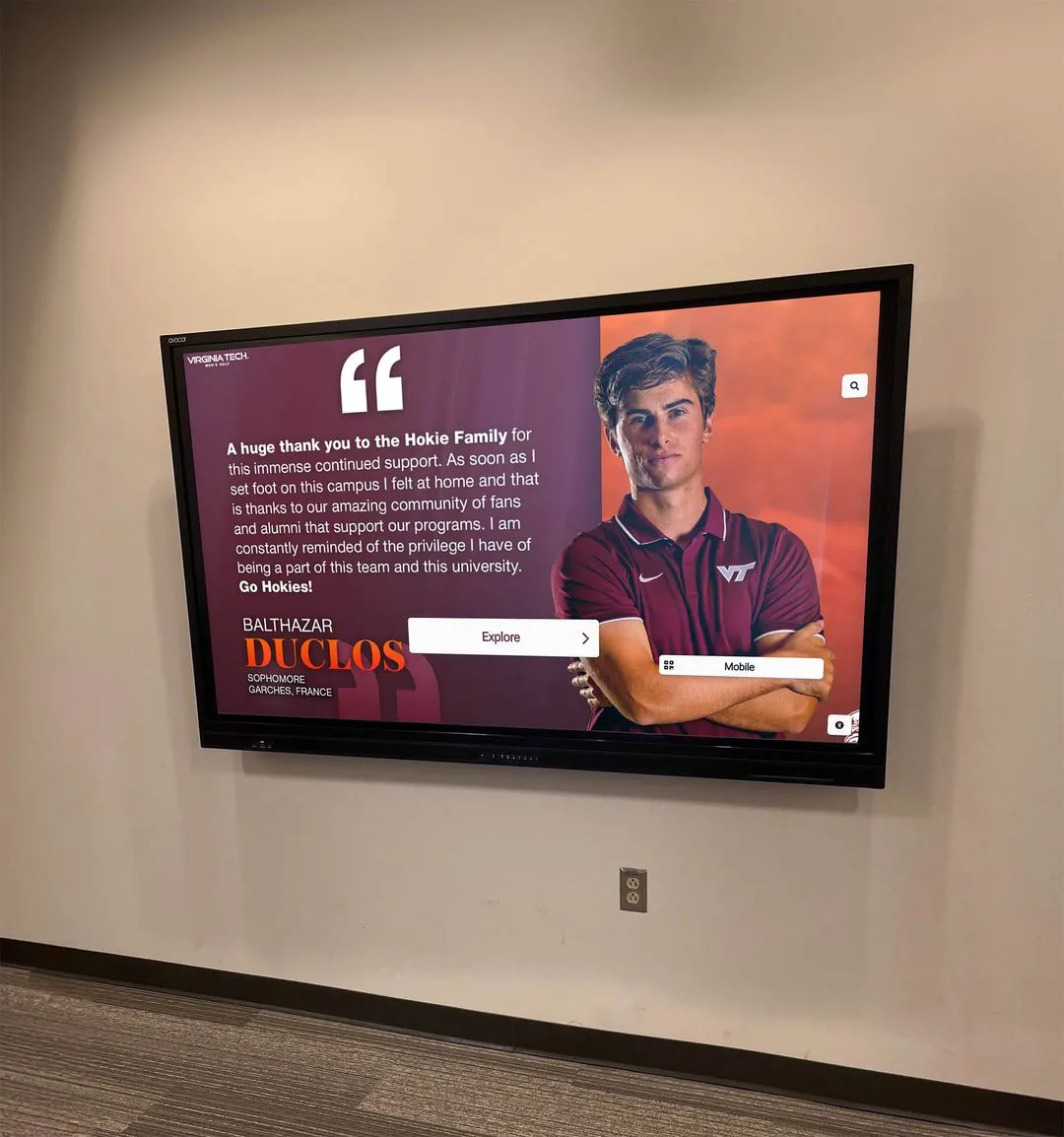
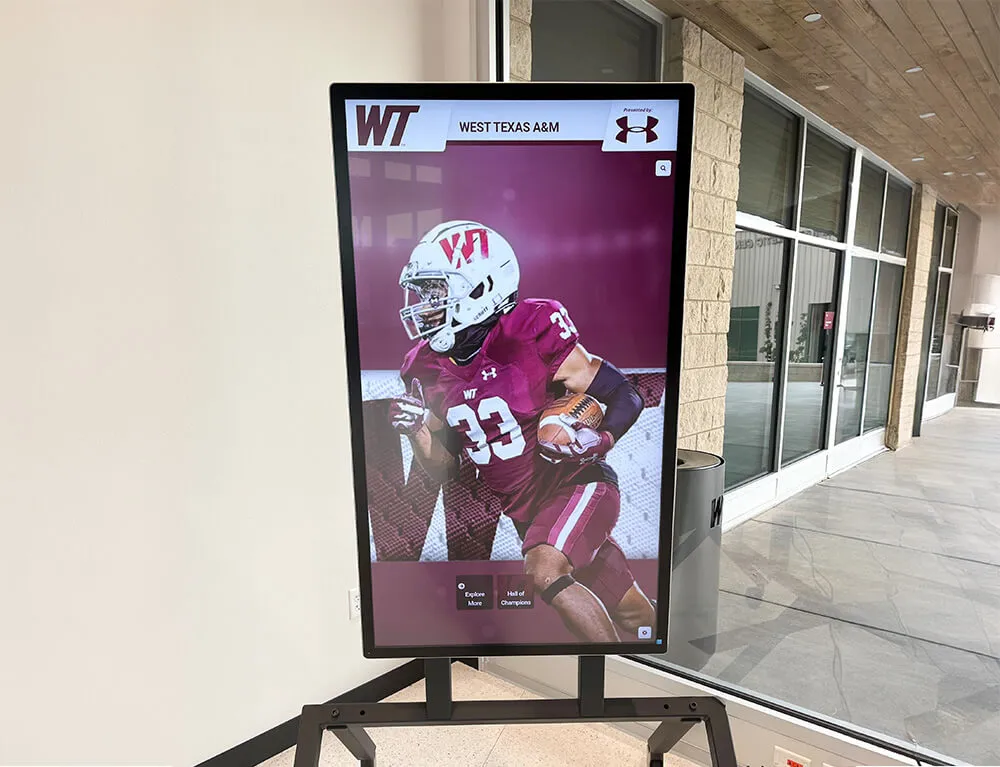
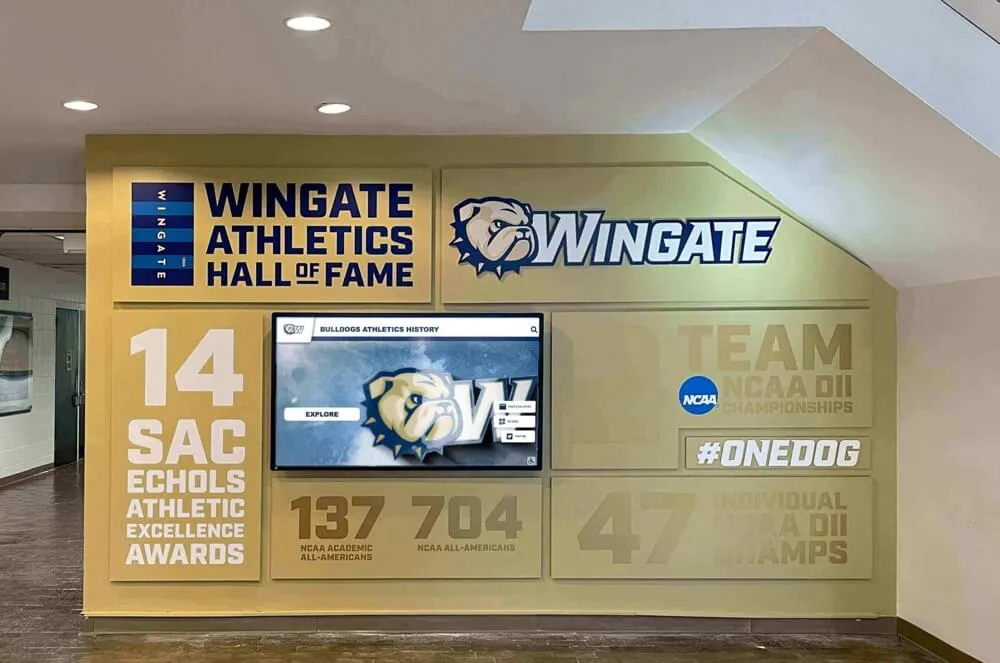
Digital Recognition Solutions Forward-thinking schools integrate field day recognition into comprehensive athletic celebration systems. Solutions like Rocket Alumni Solutions enable schools to:
- Showcase field day champions alongside varsity letter winners and all-conference athletes
- Preserve historical field day results building traditions
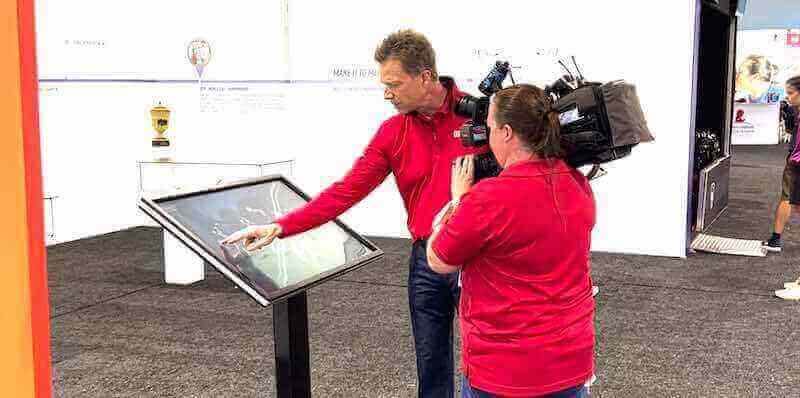
- Display photos from field day activities on interactive touchscreens
- Create searchable archives where students and families explore field day memories years later
- Integrate field day recognition with comprehensive athletic achievement celebration
- Maintain unlimited digital display space accommodating every participant and activity
Traditional recognition approaches—paper certificates filed away, single bulletin board display—limit field day’s lasting impact. Digital platforms extend celebration throughout the school year and preserve memories permanently.
Explore how schools celebrate athletic achievement year-round through digital hall of fame displays that can include field day accomplishments.
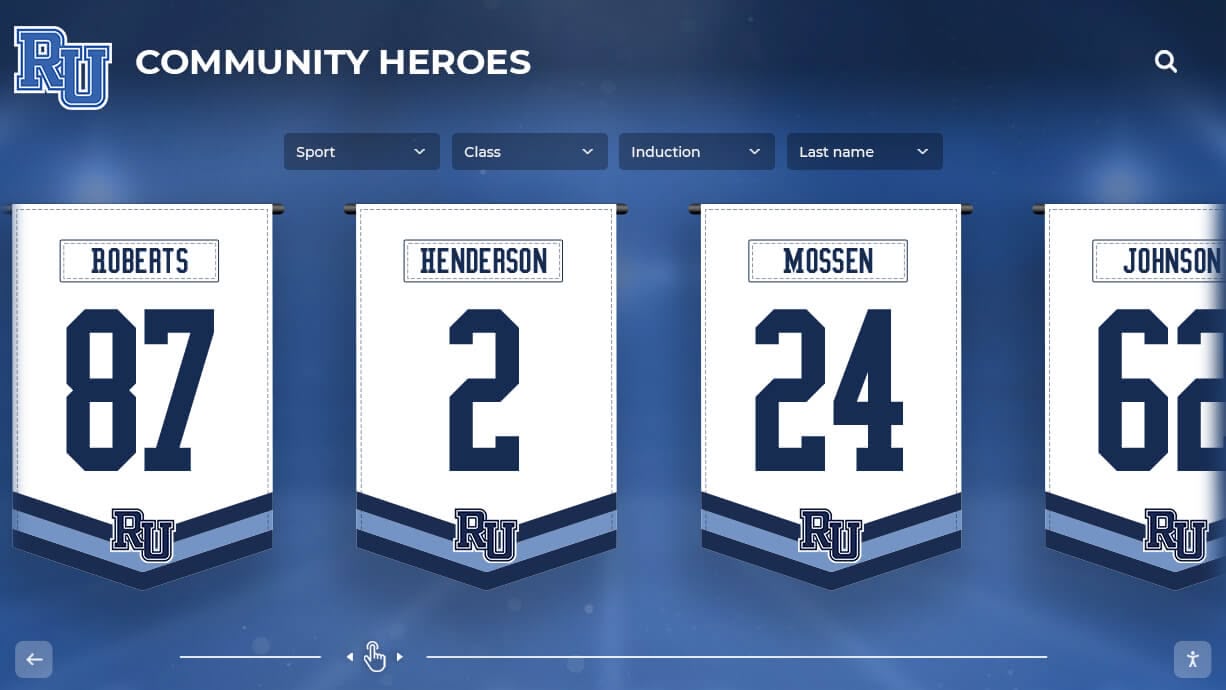
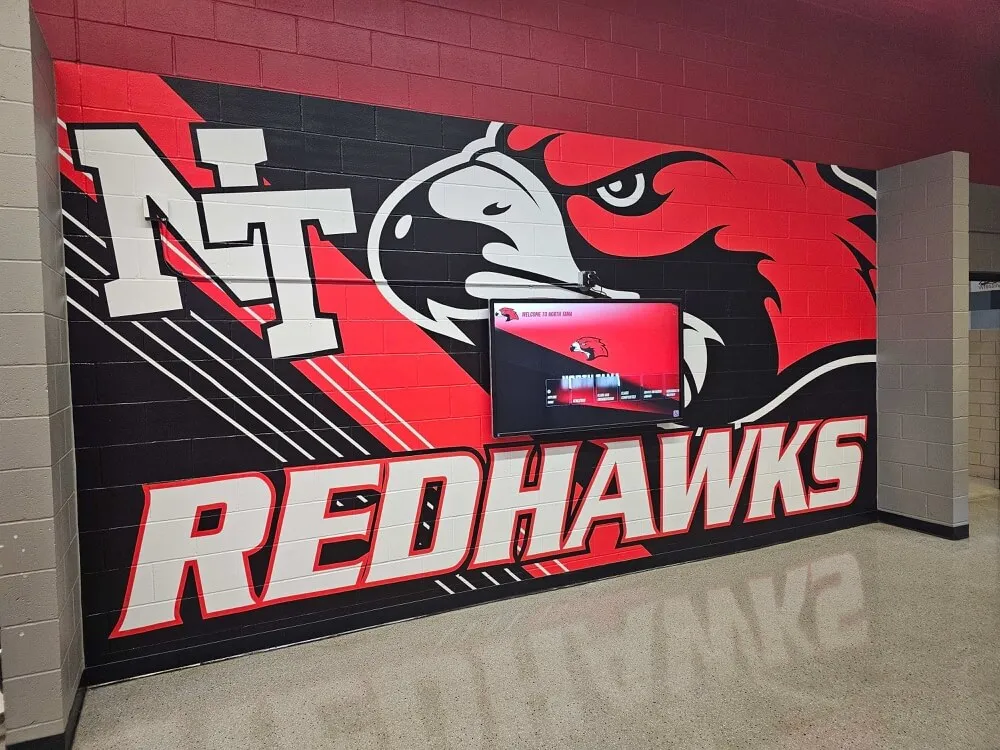
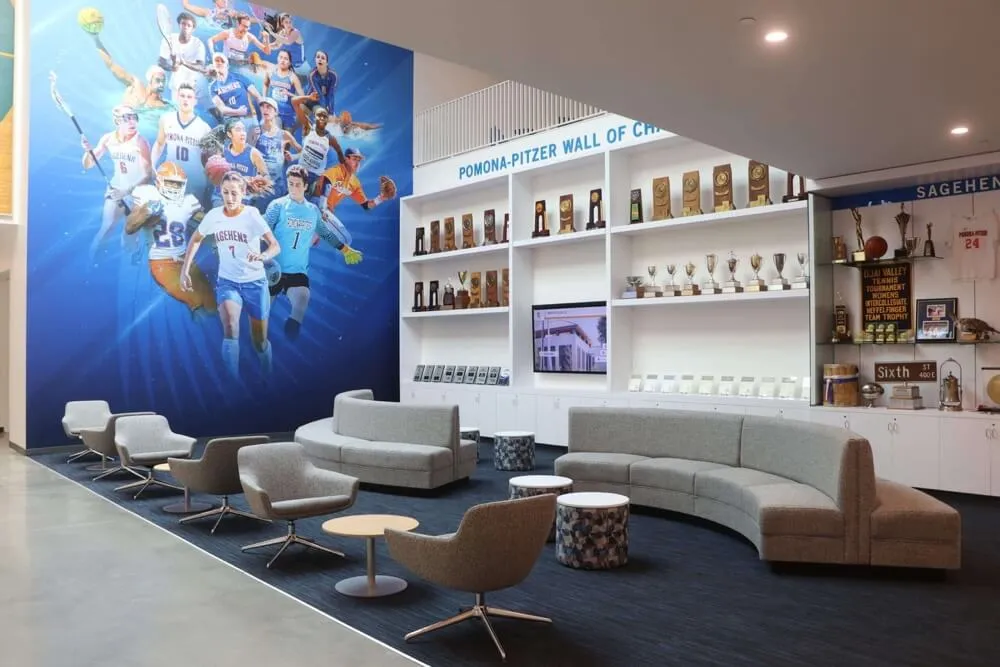
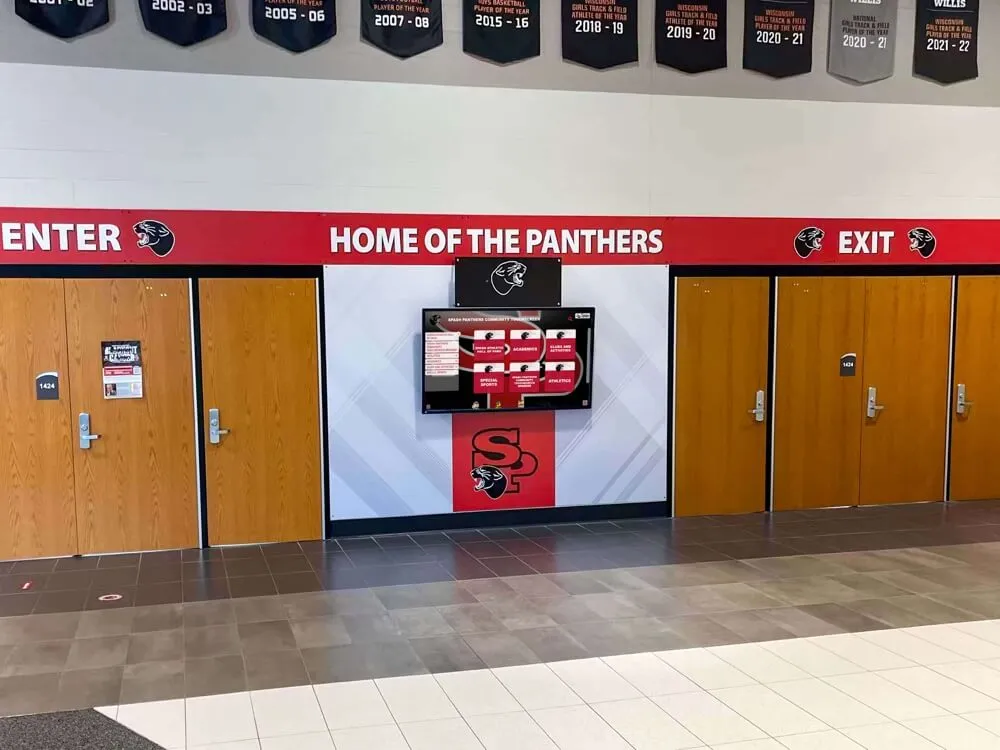
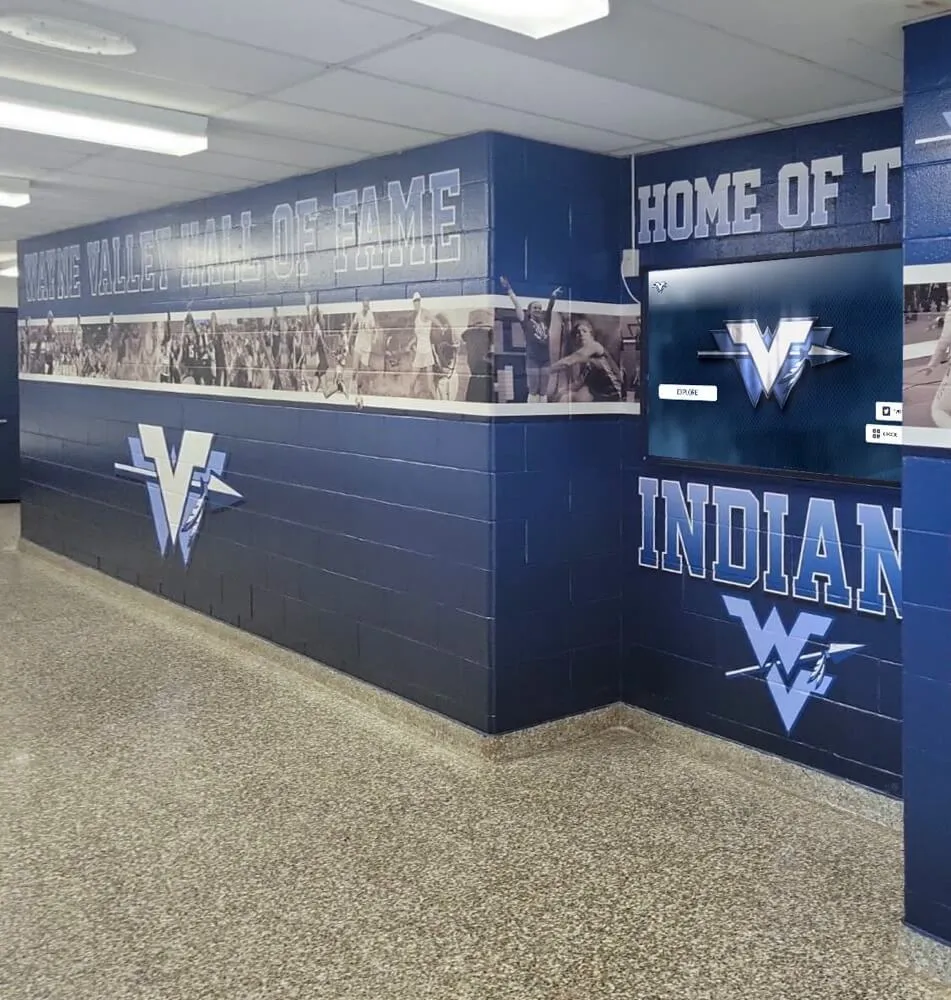
Visible athletic recognition throughout schools reinforces that physical activity, sportsmanship, and participation are celebrated values extending beyond competitive athletics
Integrating Field Day with Broader Athletic Recognition
The most impactful field days connect to school-wide athletic recognition culture rather than existing as isolated events.
Year-Round Physical Activity Celebration
Building Athletic Culture Field day becomes more meaningful when part of comprehensive approach:
- Physical education achievement recognition throughout school year
- Intramural participation acknowledgment
- Fitness milestone celebrations (mile run improvements, flexibility gains)
- Youth sports accomplishments honored at school
- Athletic character awards (sportsmanship, leadership, perseverance)
- Multi-sport athlete recognition
- Lifetime sport skill development acknowledgment
When schools systematically celebrate diverse forms of physical activity and athleticism, field day represents culminating celebration rather than isolated event.
Connecting to Educational Objectives
Standards-Based Field Day Thoughtful field days connect to curricular goals:
- Demonstrate physical education learning objectives
- Apply skills learned throughout year in competitive contexts
- Reinforce health and fitness concepts
- Practice sportsmanship and collaborative skills
- Experience diverse physical activities building lifetime fitness habits
- Develop leadership through student planning and management roles
- Build school community and belonging
Documentation of these educational connections strengthens field day’s position as valuable learning experience rather than just “fun day.”
Learn about tracking student achievement including athletic participation in this student achievement guide applicable to field day contexts.
Budget-Friendly Field Day Planning
Memorable field days don’t require large budgets—creativity and organization matter more than expensive equipment.
Low-Cost Activity Ideas
Minimal-Equipment Games
- Relay races using existing PE equipment
- Playground game tournaments (four square, kickball, tetherball)
- Hula hoop and jump rope challenges
- Frisbee activities with inexpensive discs
- Water activities using household sponges and buckets
- Chalk-based activities and courses
- Scavenger hunts requiring no equipment purchases
DIY Recognition Solutions
- Printable certificates recognizing all participants
- Ribbons created from colorful ribbon spools
- Medals made from cardstock and ribbon
- Class-made banners and decorations
- Student-designed t-shirts as field day uniforms
- Popsicle stick or paper trophy crafts
- Printable photo booth props creating memories
Fundraising and Sponsorship
Budget Enhancement Strategies
- Parent-teacher organization funding for t-shirts or equipment
- Local business sponsorships providing materials or refreshments
- Seek donations from sporting goods stores
- Apply for physical education mini-grants
- Partner with community organizations promoting youth fitness
- Coordinate with local colleges sharing PE equipment
- Organize optional field day t-shirt sales covering costs
Common Field Day Challenges and Solutions
Anticipating typical obstacles enables proactive problem-solving.
Weather Contingencies
Rain Date Planning
- Establish rain date in advance communicated to families
- Prepare indoor alternative activities using gymnasium and multi-purpose spaces
- Create modified indoor field day with station-based activities
- Develop flexible schedule allowing postponement decisions early morning
- Maintain positive attitude if conditions require modifications
Behavioral Management
Maintaining Positive Environment
- Establish clear behavioral expectations before field day
- Brief students on sportsmanship and expected conduct
- Create positive reinforcement systems rewarding good behavior
- Plan for students needing breaks from stimulation
- Address conflicts quickly and calmly
- Emphasize fun and participation over winning
- Model positive attitudes and enthusiasm
Engagement of All Students
Keeping Everyone Involved
- Assign roles to students who don’t wish to compete
- Create opportunities for participation at various intensity levels
- Ensure sufficient activities so students aren’t waiting long periods
- Provide alternative quiet activities for overwhelmed students
- Check in with students who seem disengaged
- Celebrate participation as enthusiastically as achievement
Discover additional approaches to building inclusive school culture through spirit week activities that complement field day planning.
Evaluating Field Day Success
Post-event assessment improves future field days while documenting impact.
Gathering Feedback
Stakeholder Input
- Student surveys about favorite activities and suggestions
- Teacher feedback on logistics and organizational effectiveness
- Parent volunteer input on coordination and communication
- Administrator assessment of educational value and community impact
- Observation notes from planning committee
Key Assessment Questions
- Did all students participate meaningfully?
- Were safety protocols effective?
- Did timing and transitions work smoothly?
- Were recognition approaches inclusive and motivating?
- Did event accomplish stated objectives?
- What should be repeated, modified, or eliminated next year?
Documenting and Sharing Success
Creating Field Day Record
- Compile photo gallery preserving memories
- Document winners and results
- Record volunteer participation and appreciation
- Calculate participation rates and engagement metrics
- Share success stories and highlights with school community
- Present results to school board highlighting educational value
- Add field day achievements to school recognition displays
This documentation informs future planning while demonstrating field day’s value to stakeholders.
Conclusion: Building School Culture Through Field Day Celebration
Field day represents far more than outdoor games and competitions—these events create shared experiences binding school communities, celebrate diverse forms of achievement, promote physical activity and healthy lifestyles, and communicate institutional values about athletics, participation, and recognition. When thoughtfully planned with inclusive activities, comprehensive recognition, and sustained celebration, field days become defining school traditions students anticipate, families support, and communities celebrate.
The field game ideas throughout this guide provide starting points schools can adapt to unique populations, resources, facilities, and cultures. From traditional relay races to creative water activities, from individual competitions to team challenges, from elementary parachute games to high school ultimate frisbee tournaments, successful field days share common elements: joyful participation, appropriate challenge, inclusive recognition, and visible celebration of student athleticism.
Celebrate Student Athletes Year-Round
Discover how modern recognition solutions can extend your field day celebration throughout the school year, preserving achievements alongside comprehensive athletic recognition that honors every form of student participation and excellence.
Explore Recognition SolutionsImplementation begins with assembling your planning team, establishing clear objectives, selecting age-appropriate activities, organizing logistics, recruiting volunteers, and designing recognition approaches celebrating all participants. Whether executing simple field day with classic games and paper certificates or comprehensive celebration with digital recognition systems preserving memories permanently, every step toward systematic athletic celebration strengthens school culture while honoring students’ physical achievements.
Digital recognition platforms make lasting field day celebration achievable through interactive touchscreen displays, unlimited participant capacity, photo integration, and historical preservation building traditions. Schools implementing these solutions report that students and families engage with field day memories months after events conclude—exploring photos, reviewing results, and experiencing pride seeing their names and achievements displayed prominently alongside other athletic accomplishments.
The field game ideas in this guide demonstrate that meaningful athletic celebration exists for every student—competitive athletes dominating races and less-athletic students excelling in creative challenges, teams winning championships and individuals achieving personal bests, traditional games showcasing speed and innovative activities highlighting strategy. When schools celebrate this full spectrum of field day participation, they create environments where all students find opportunities for recognition, motivation to engage physically, and communities celebrating their effort and achievement.
Your students’ field day accomplishments deserve celebration extending beyond single afternoon. With thoughtful planning, diverse activities, inclusive recognition, and appropriate technology, you can create field day experiences students remember as school career highlights—events demonstrating that your institution values physical activity, celebrates diverse forms of athleticism, and honors every student’s participation in building healthy, active school culture.
Start planning your field day now using these field game ideas as foundation, adapt activities to your specific context and student population, then implement recognition systems ensuring every participant receives meaningful celebration. Every student who experiences successful, inclusive field day develops stronger connection to physical activity, greater appreciation for sportsmanship and teamwork, and clearer understanding that their school community values and celebrates their athletic participation regardless of competitive results.