



Intent: Transform & Honor — This comprehensive guide shows communities, veteran organizations, municipalities, schools, and institutions how digital touchscreen displays create powerful memorials honoring fallen heroes—military service members, police officers, firefighters, and community servants who made the ultimate sacrifice—through interactive recognition that preserves their stories, educates future generations, and provides families lasting tributes celebrating service and sacrifice.
Every community carries the profound responsibility of remembering those who gave everything in service to others. From military service members who died defending our nation to firefighters who perished rescuing others, from police officers killed protecting communities to emergency responders who sacrificed themselves saving lives—fallen heroes deserve recognition that honors the magnitude of their service and ensures their memory endures for generations.
Traditional fallen hero memorials—physical plaques, engraved walls, monument parks, and static displays—create powerful commemorative spaces where communities gather to remember and reflect. Yet these physical memorials face inherent limitations: wall space constraints forcing difficult decisions about whose names can be added, minimal biographical context beyond names and dates, no ability to share service stories or family memories, inaccessibility for distant family members, and static presentations that cannot evolve or expand without expensive renovations.
Digital touchscreen displays powered by solutions like Rocket Alumni Solutions transform fallen hero recognition by providing unlimited memorial capacity honoring every service member regardless of when they served, rich multimedia storytelling preserving complete life stories through photos, videos, and detailed biographies, accessible commemoration enabling distant families to explore memorials from anywhere, simple content management allowing updates and additions without construction costs, and engaging educational experiences teaching younger generations about service and sacrifice.
This guide explores how communities, veteran organizations, municipalities, and institutions can leverage digital recognition technology to create fallen hero memorials that honor the past, serve the present, and educate the future—ensuring no sacrifice is forgotten and every hero receives the dignified recognition they deserve.
The integration of digital touchscreen displays into fallen hero commemoration addresses fundamental challenges that have historically limited recognition scope, depth, and accessibility while creating new opportunities for meaningful engagement with service and sacrifice stories.

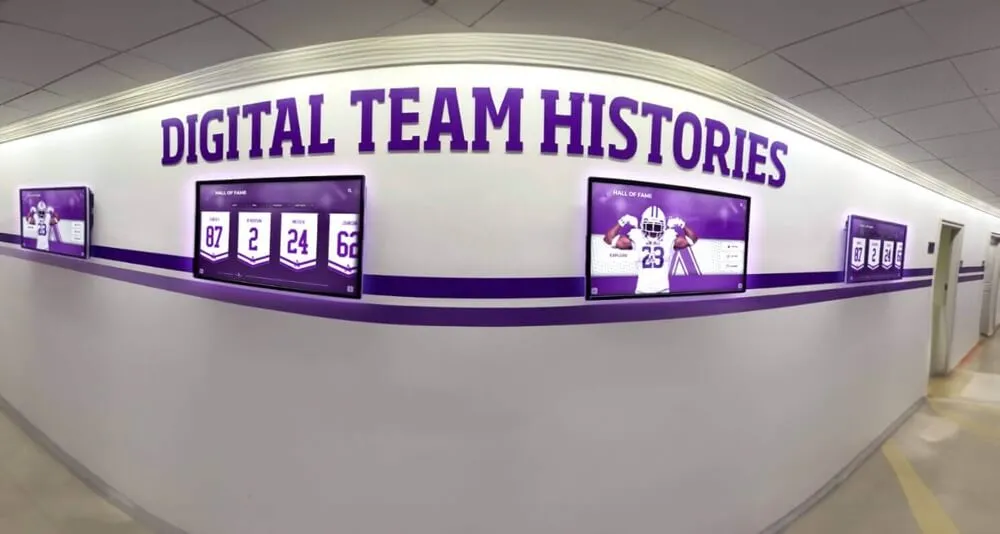
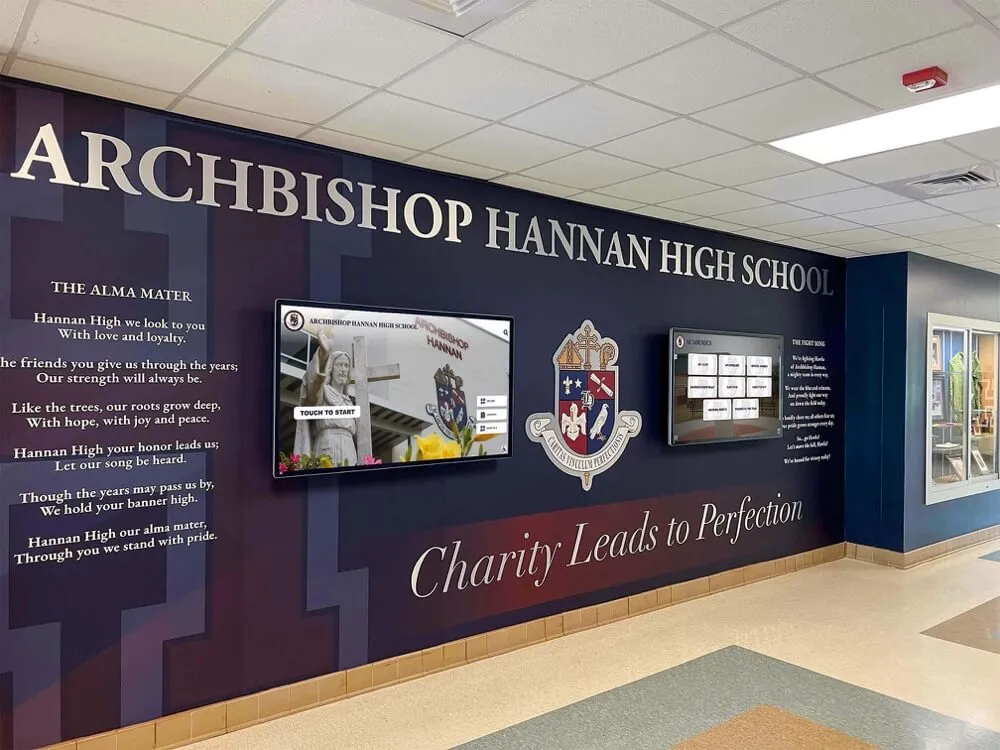
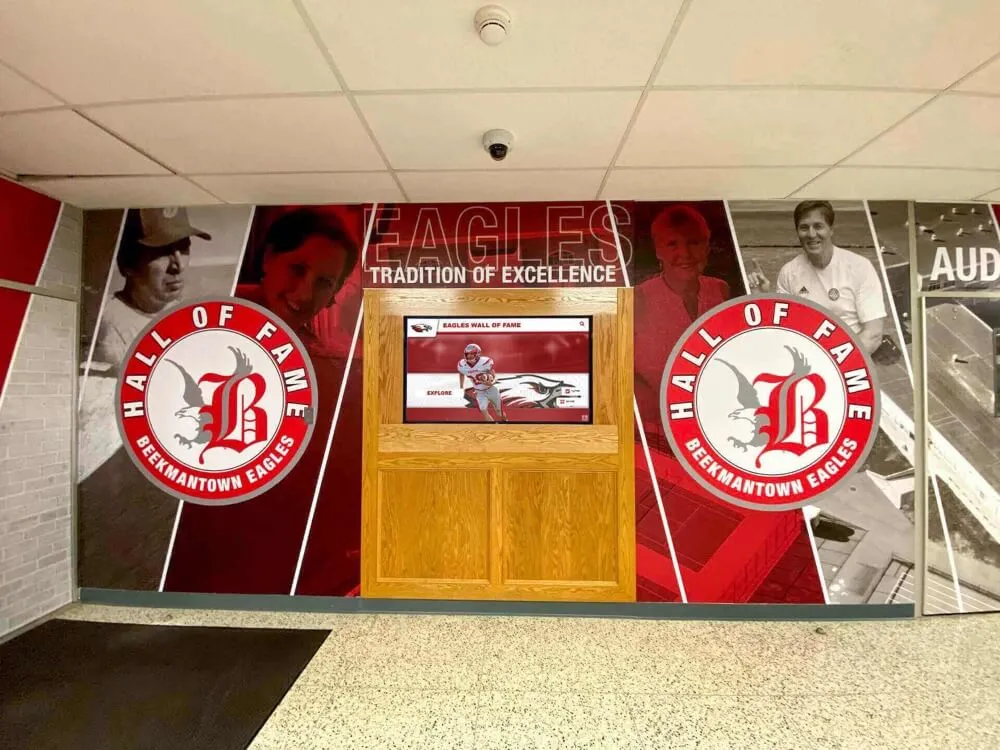
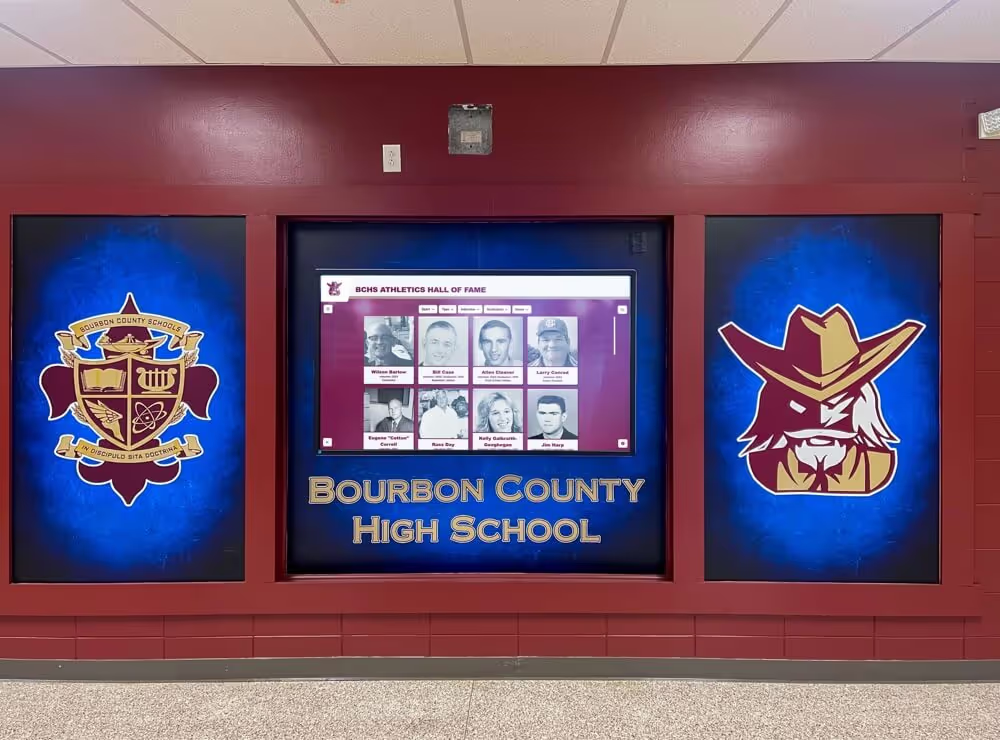
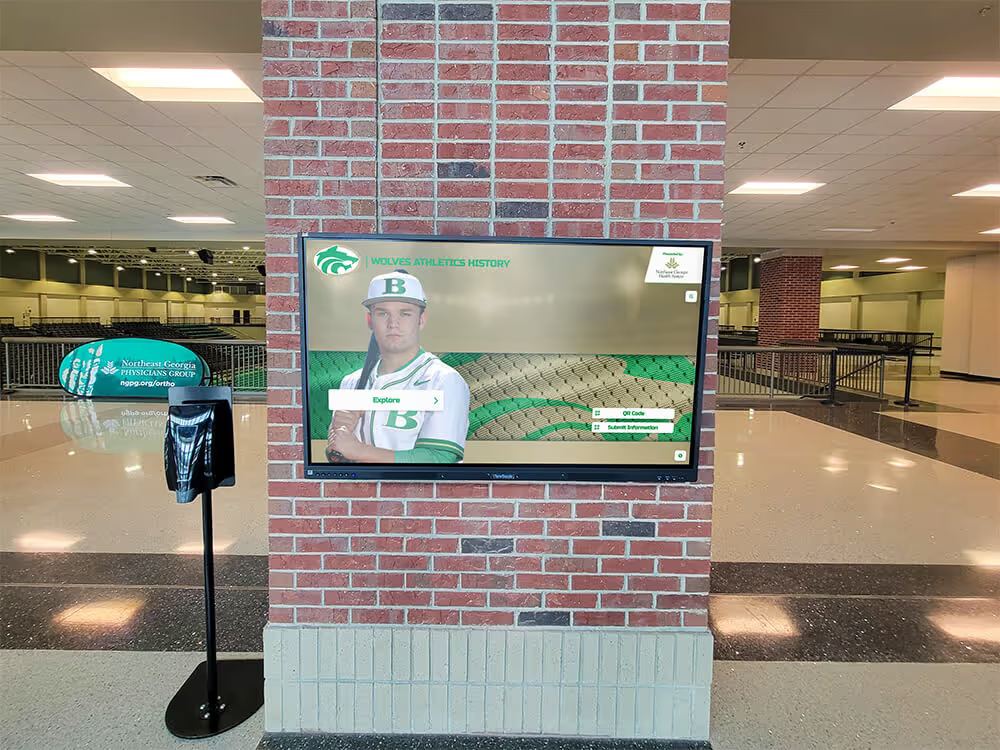
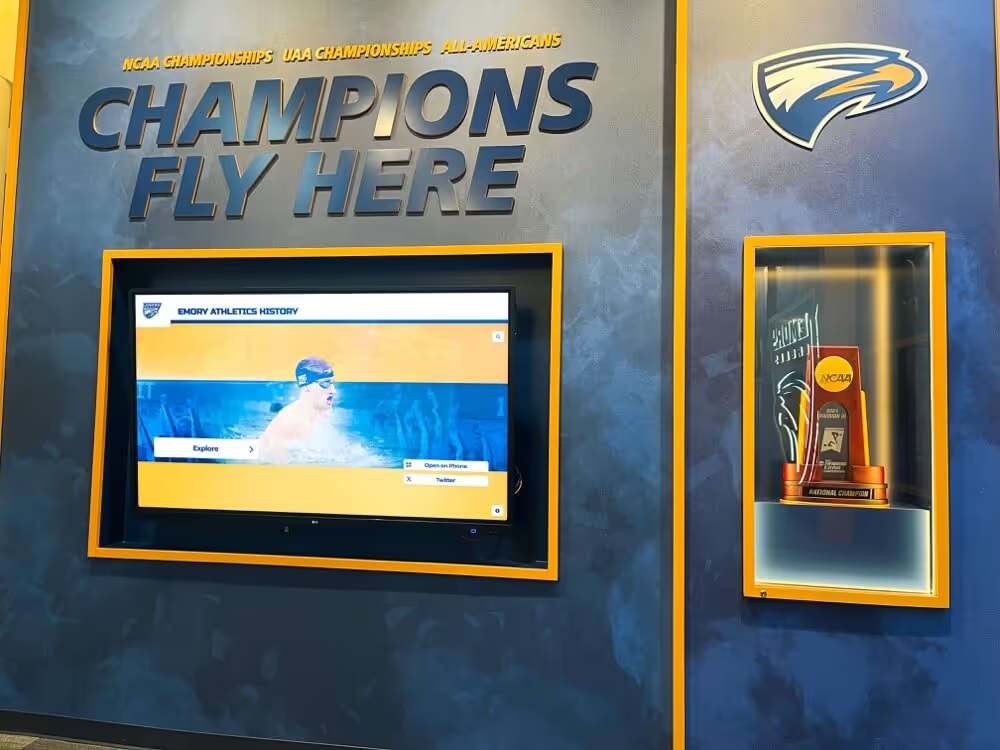
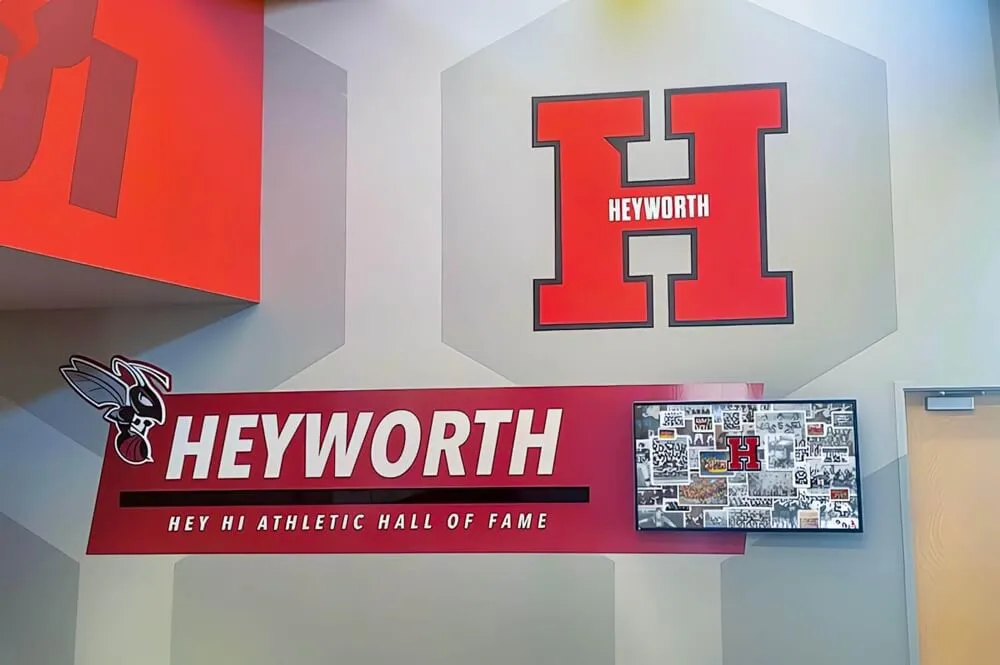
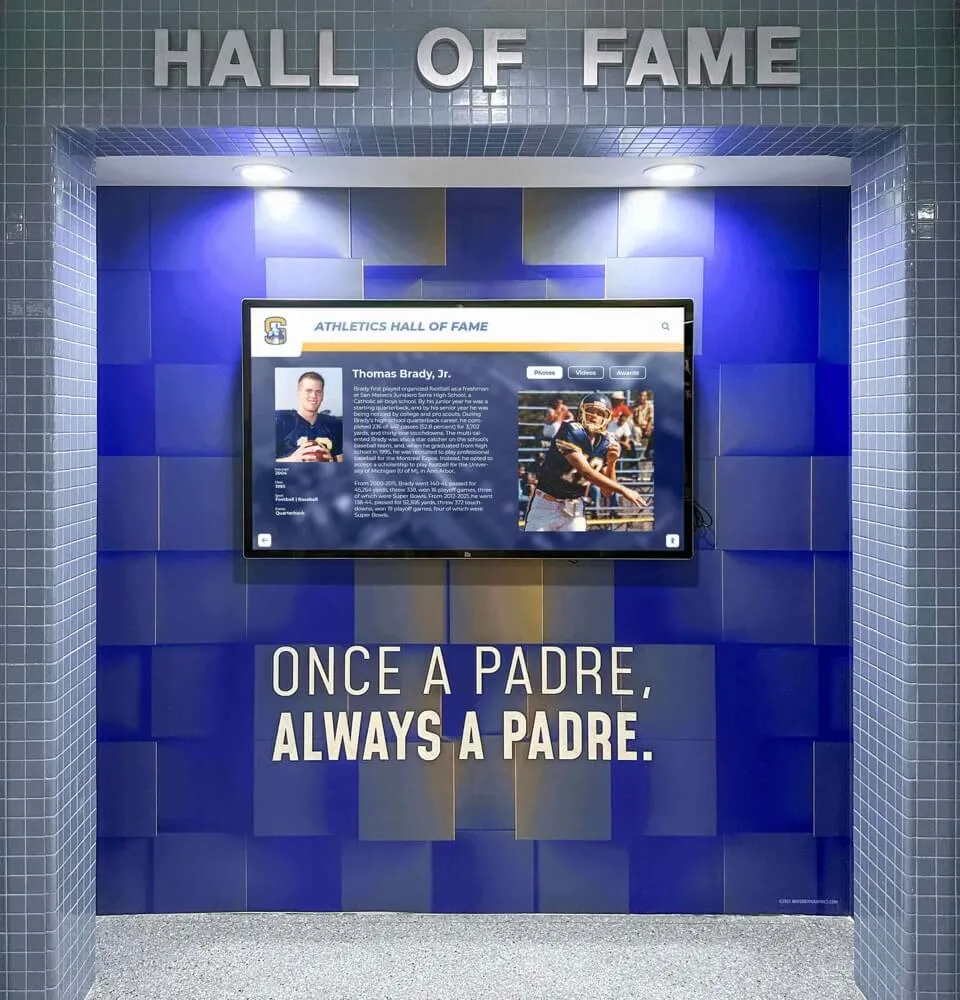
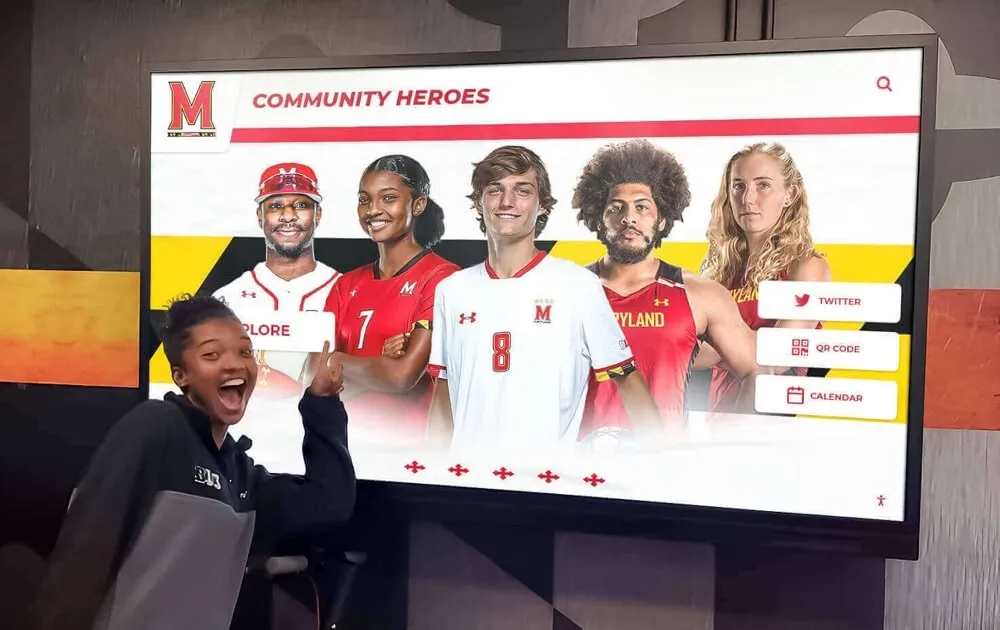
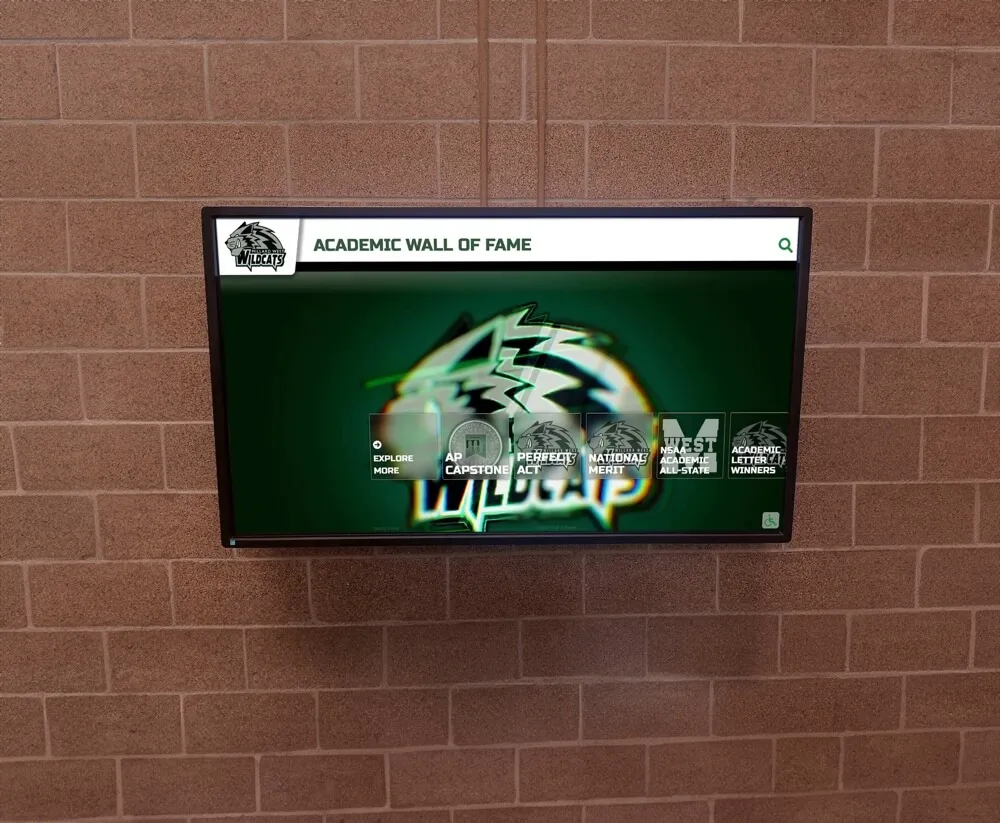
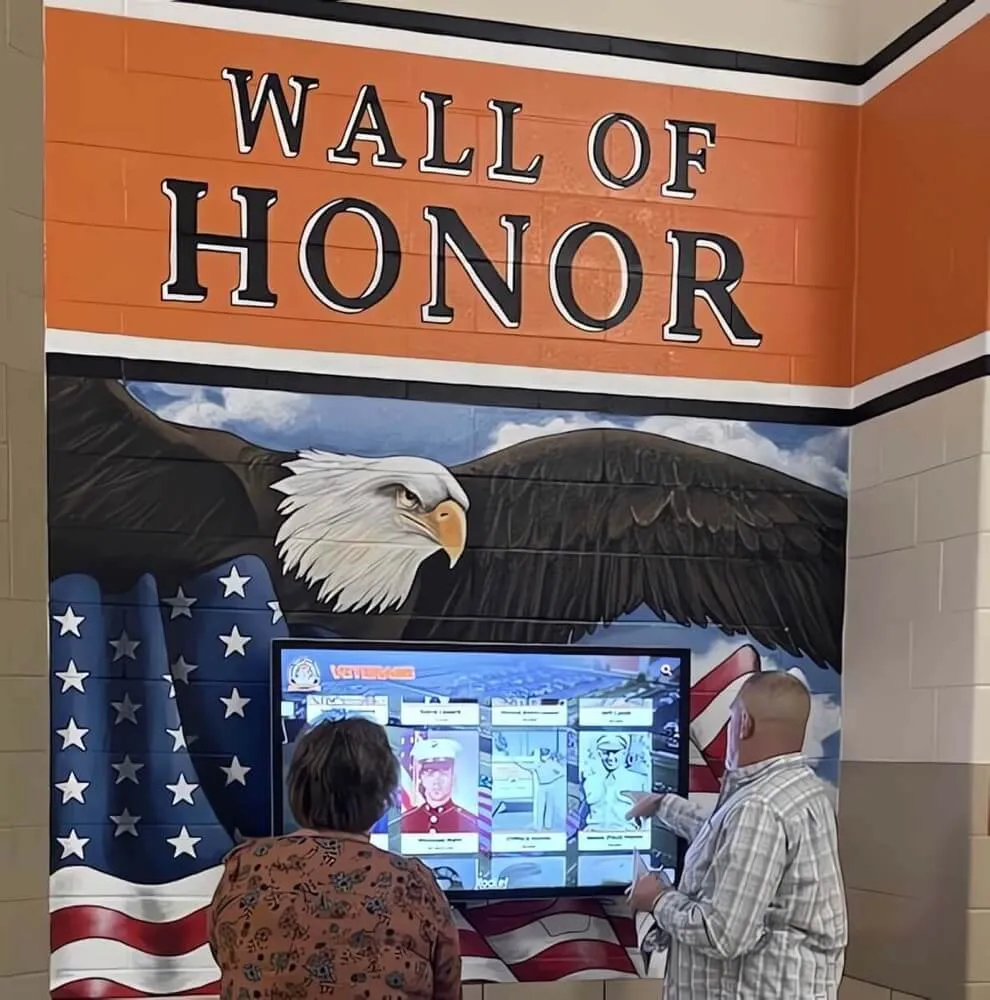
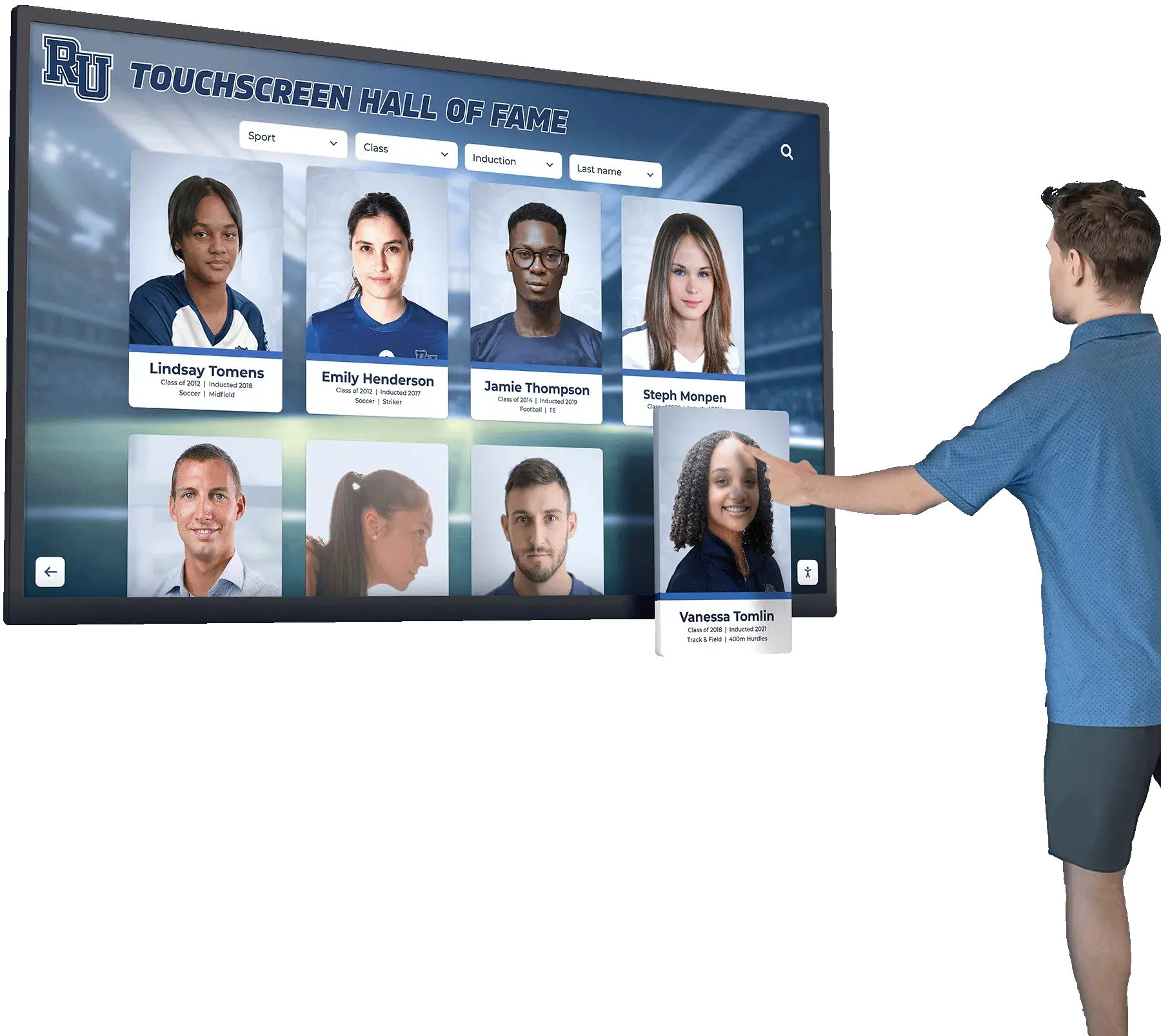
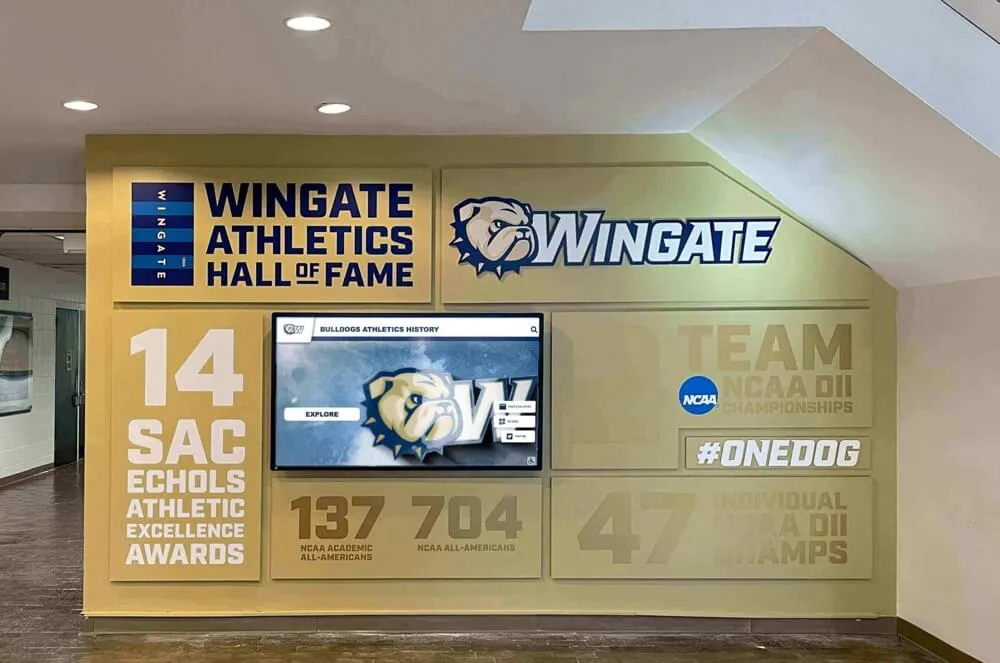
Modern memorial displays combine digital touchscreen technology with traditional elements creating comprehensive recognition environments honoring fallen heroes while making their stories accessible to current and future generations
Understanding Fallen Heroes Memorial Recognition
Fallen heroes represent diverse service members and community protectors who died fulfilling their duties—military personnel killed in action or from service-related causes, law enforcement officers killed in the line of duty, firefighters who perished fighting fires or responding to emergencies, emergency medical personnel who died serving others, and other first responders and community servants who made ultimate sacrifices.
Communities honor these individuals through formal recognition acknowledging their sacrifice, preserving their memory, supporting their families, educating future generations about service costs, and inspiring continued commitment to community protection.
Traditional Fallen Hero Memorial Approaches
Physical memorials have long served as focal points for fallen hero recognition:
Monument and Wall Memorials
Granite walls, bronze plaques, and stone monuments engraved with names create permanent physical tributes in public spaces. These memorials provide powerful community gathering points for memorial services, veterans’ events, and personal reflection. Organizations like the National Fallen Firefighters Memorial have honored firefighters since 1981, with plaques encircling the monument listing names of those who died in service to their communities.
The American Police Hall of Fame Memorial honors law enforcement officers who served from 1960 onward, with over 11,500 names etched into walls representing the largest indoor memorial to fallen officers in the United States.
These physical memorials create sacred spaces for remembrance but face capacity constraints as new heroes are added over time, requiring expansions, renovations, or difficult decisions about recognition limits.
Individual Plaques and Tributes
Many communities install individual memorial plaques, dedicate facilities or equipment in fallen heroes’ names, create memorial gardens or spaces, or commission portraits and artwork. While these individual tributes provide personalized recognition, they typically offer minimal biographical information beyond names, dates, and basic service details, limiting visitors’ understanding of who these individuals were and the circumstances of their sacrifice.
Ceremonial Recognition Events
Annual memorial services, dedication ceremonies, and commemorative gatherings provide important opportunities for communities to honor fallen heroes collectively. These events serve essential functions but create only temporary recognition moments rather than permanent, accessible memorials families and community members can visit any time.
The Need for Enhanced Memorial Recognition
Traditional approaches, while respectful and important, struggle to meet contemporary commemoration needs:
Limited Biographical Context
Physical memorials typically display only names, ranks, and dates—rarely enough information for visitors to understand who these individuals were, their service backgrounds, family connections, or circumstances of their sacrifice. This minimal context fails to capture the full humanity of fallen heroes or help younger generations connect personally with their stories.
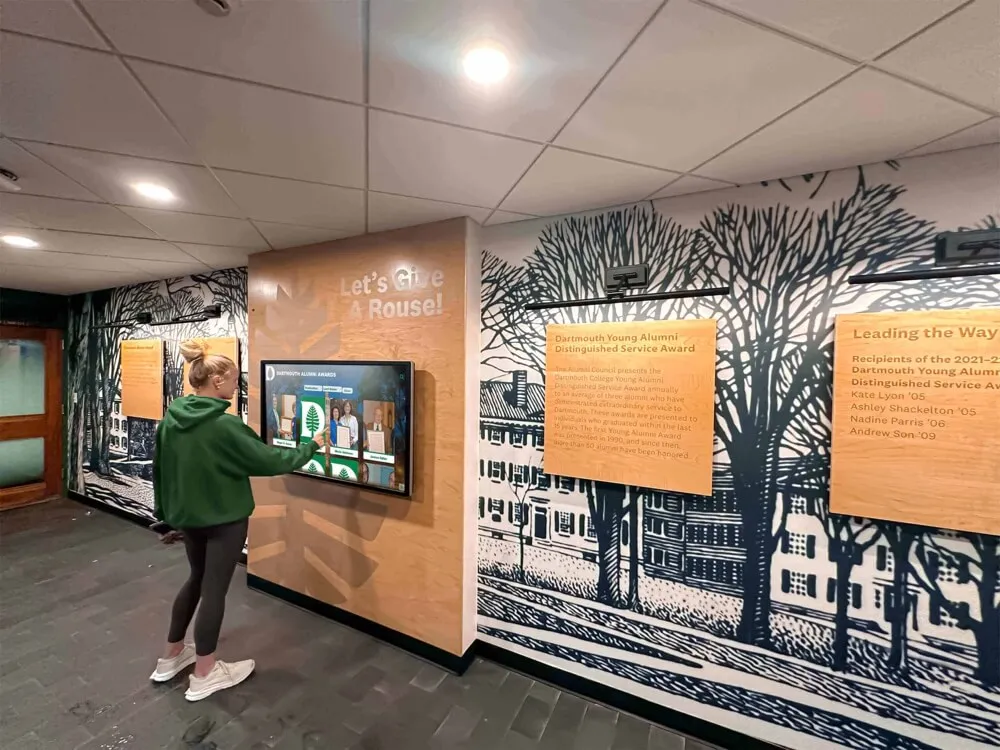
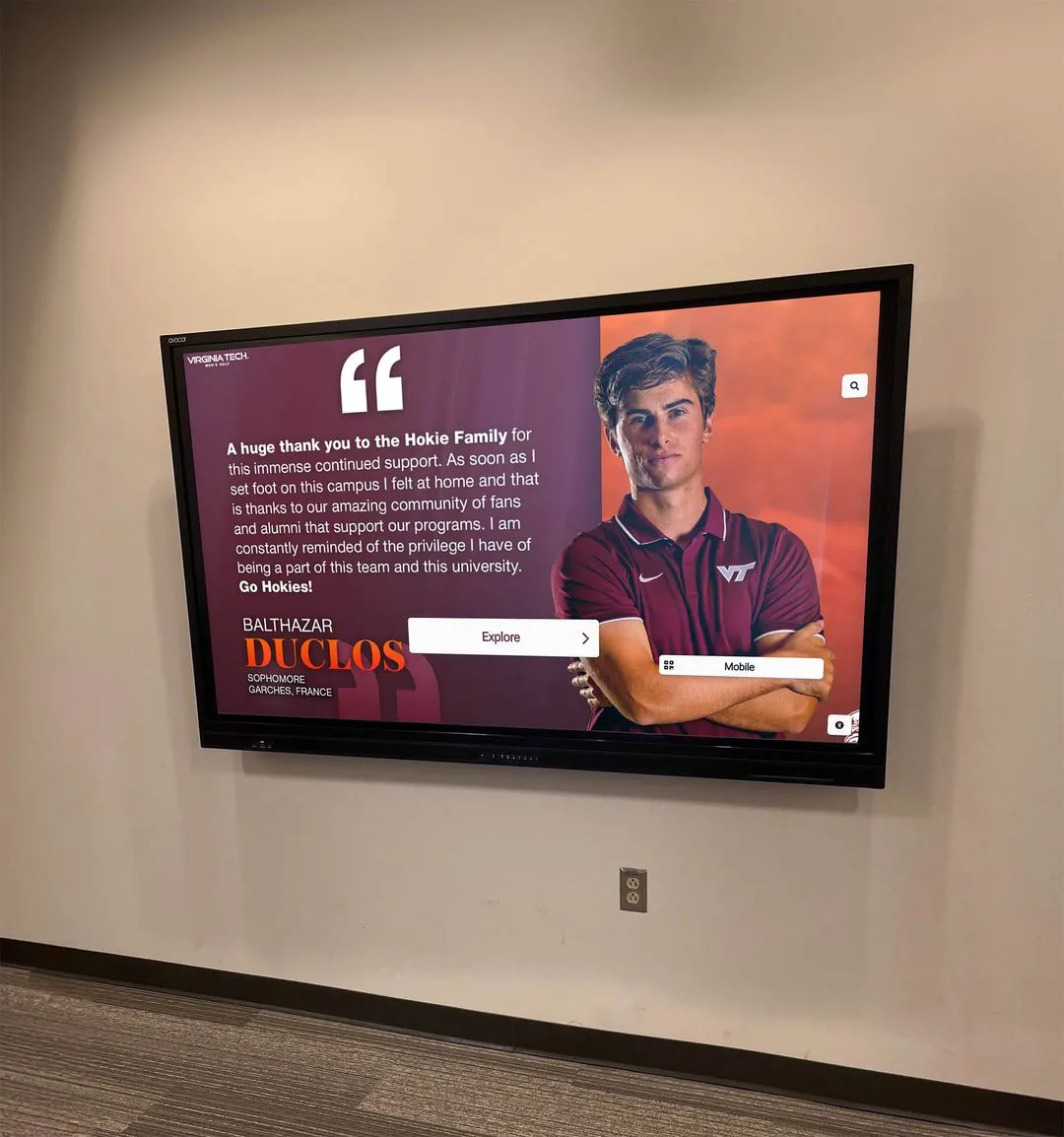
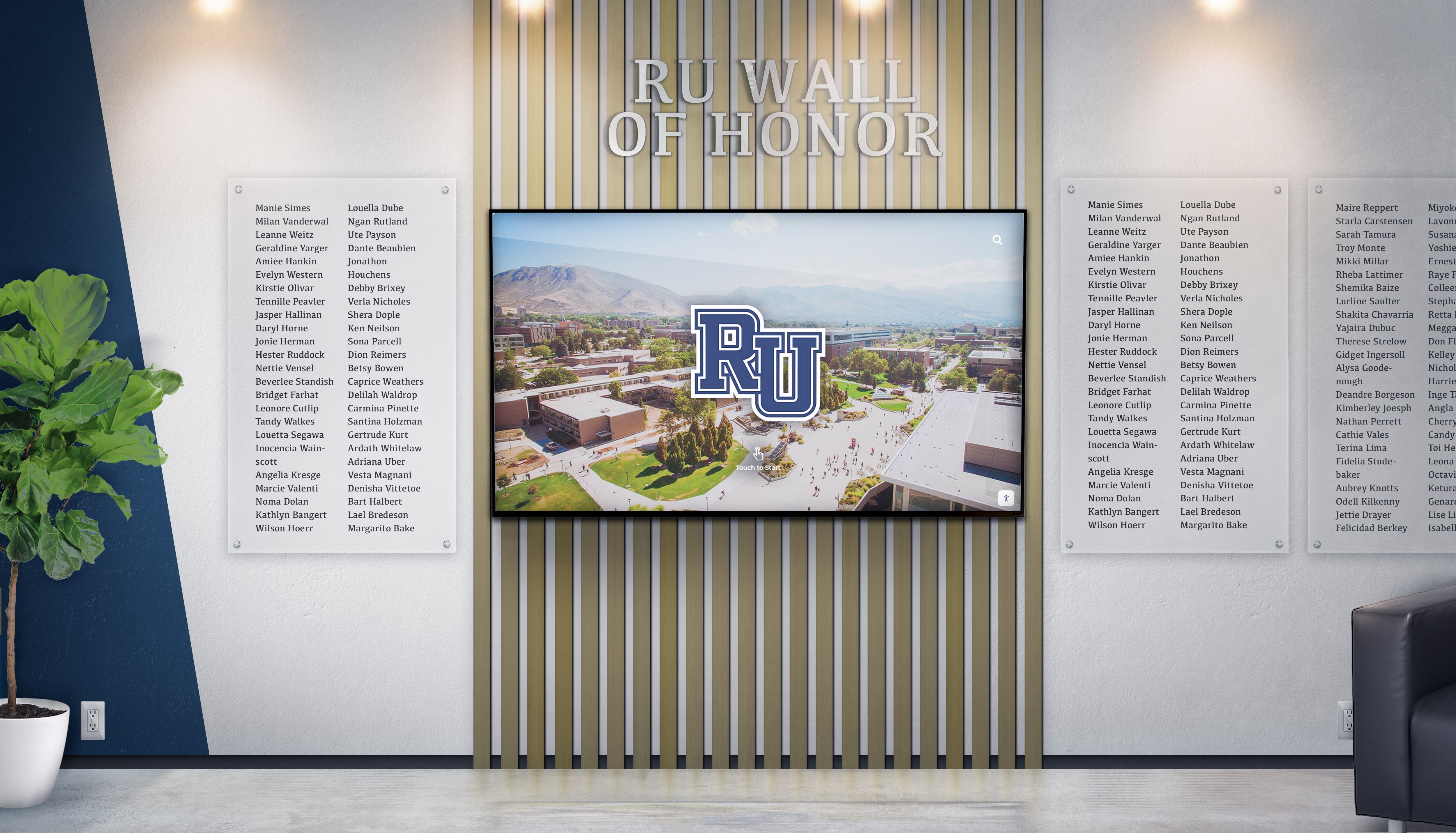
Interactive memorial displays enable families and community members to explore comprehensive service stories, viewing photos, reading biographies, and understanding sacrifice contexts impossible with traditional static memorials
Space Constraints and Capacity Issues
Physical walls and monuments have finite capacity. As communities continue losing service members and first responders, memorial walls fill up, forcing difficult decisions about expanding memorials (expensive and sometimes impossible), starting new memorial sections (fragmenting recognition), or limiting recognition to certain time periods or service branches.
Family Accessibility Challenges
Families of fallen heroes often live far from where physical memorials are located. Visiting memorials requires travel time and expense, limiting how frequently distant family members can pay respects, view recognition, or share memorial experiences with their own children who never met their fallen relatives.
Static Presentation Limitations
Once installed, physical memorials remain unchanged. New photos cannot be added as families discover them, biographical information cannot be updated, service details cannot be corrected if errors are discovered, and memorials cannot incorporate new multimedia formats or interactive features as technology evolves.
Organizations implementing comprehensive veteran recognition programs discover that digital approaches complement rather than replace traditional memorials, enhancing recognition depth and accessibility while preserving physical memorial spaces’ sacred character.
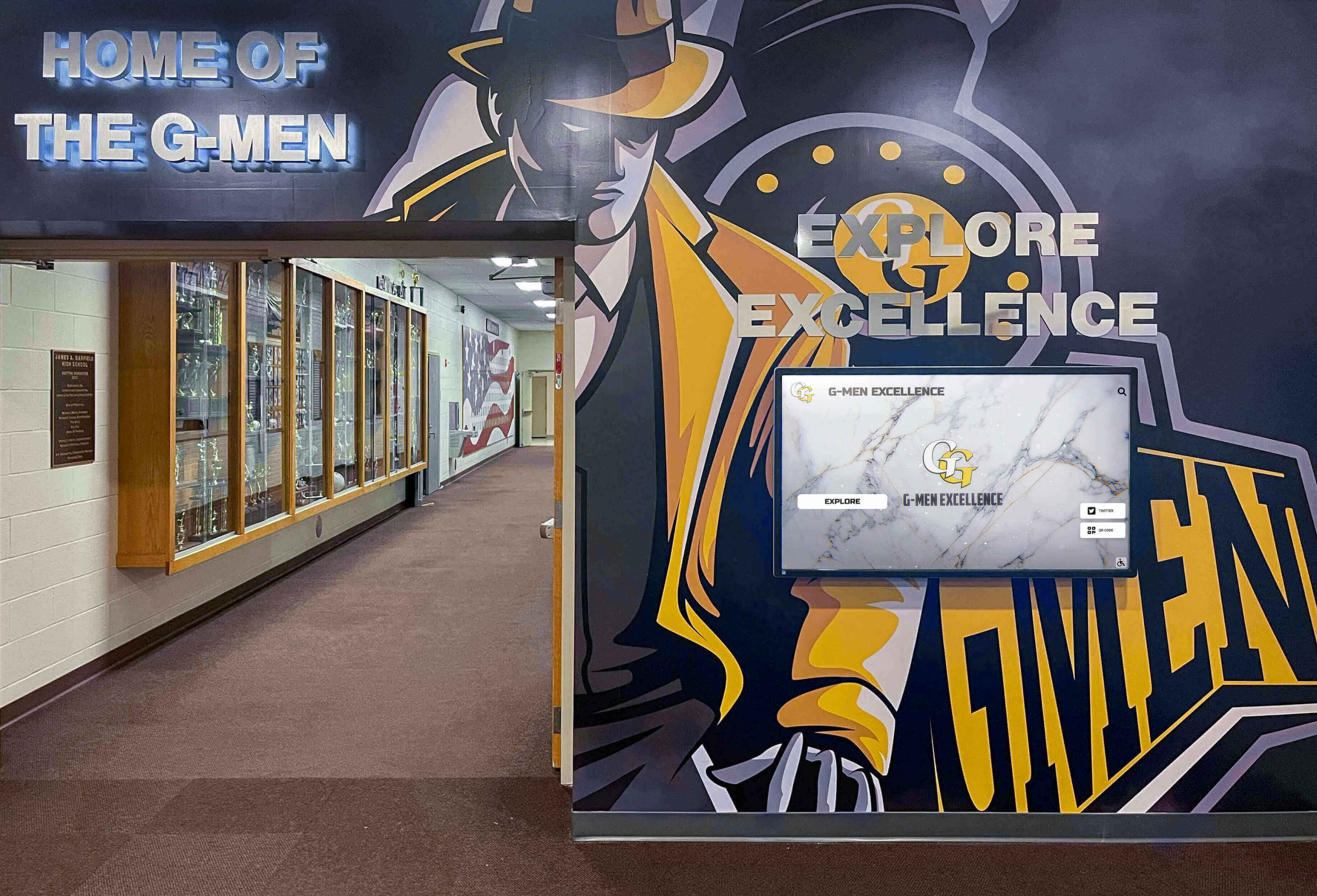
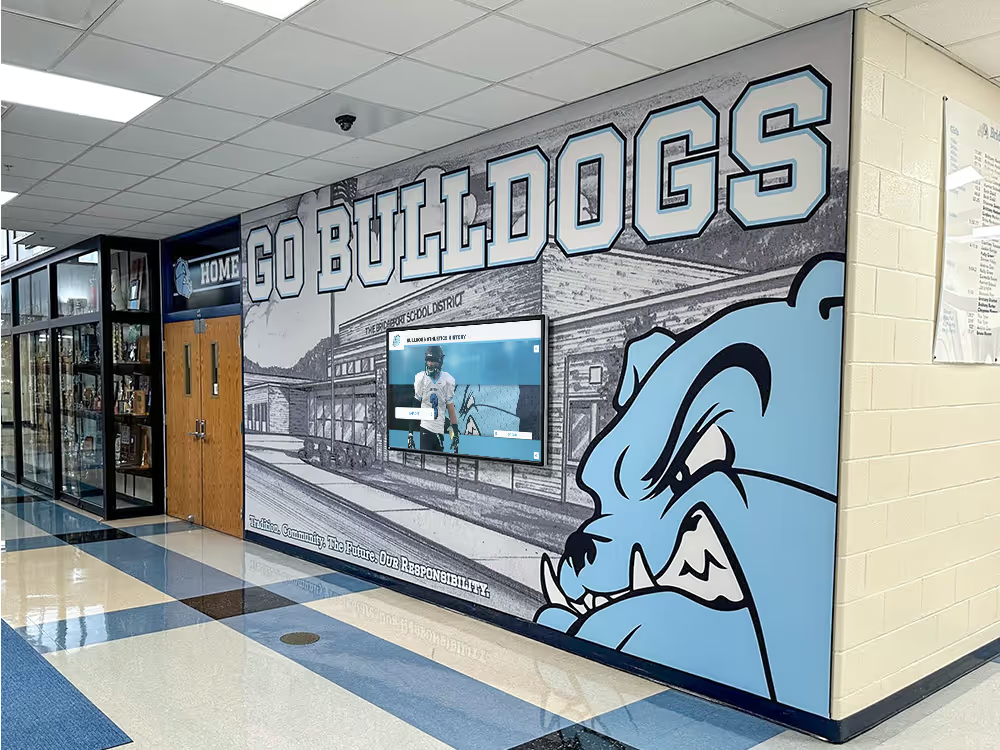
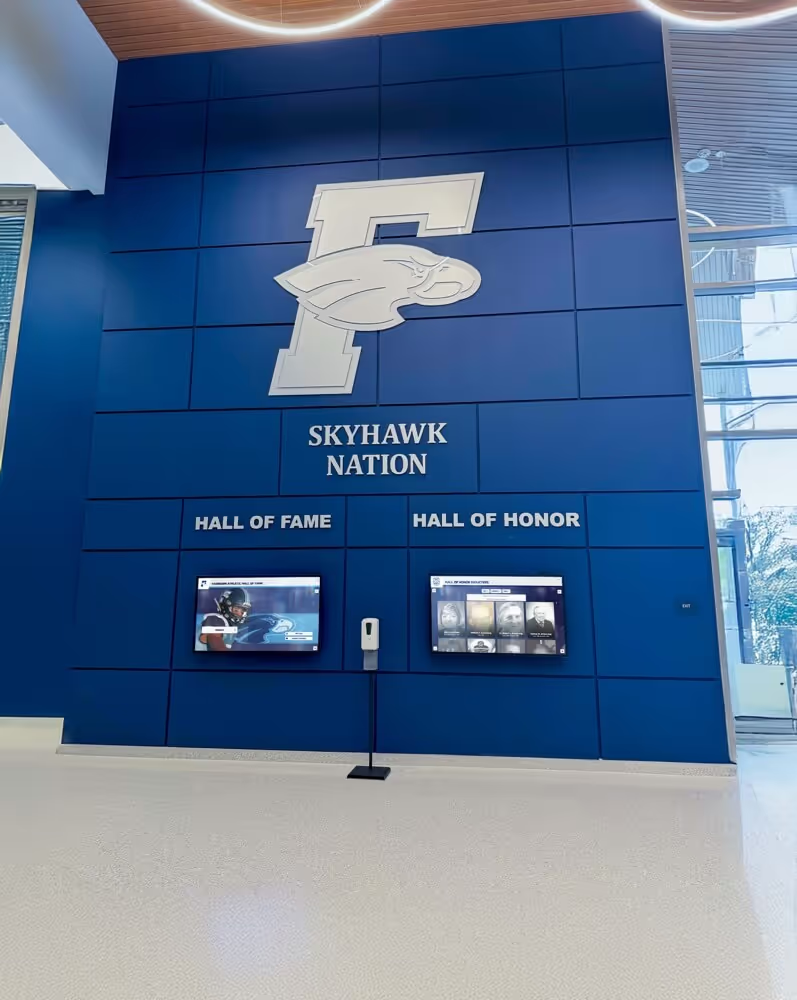
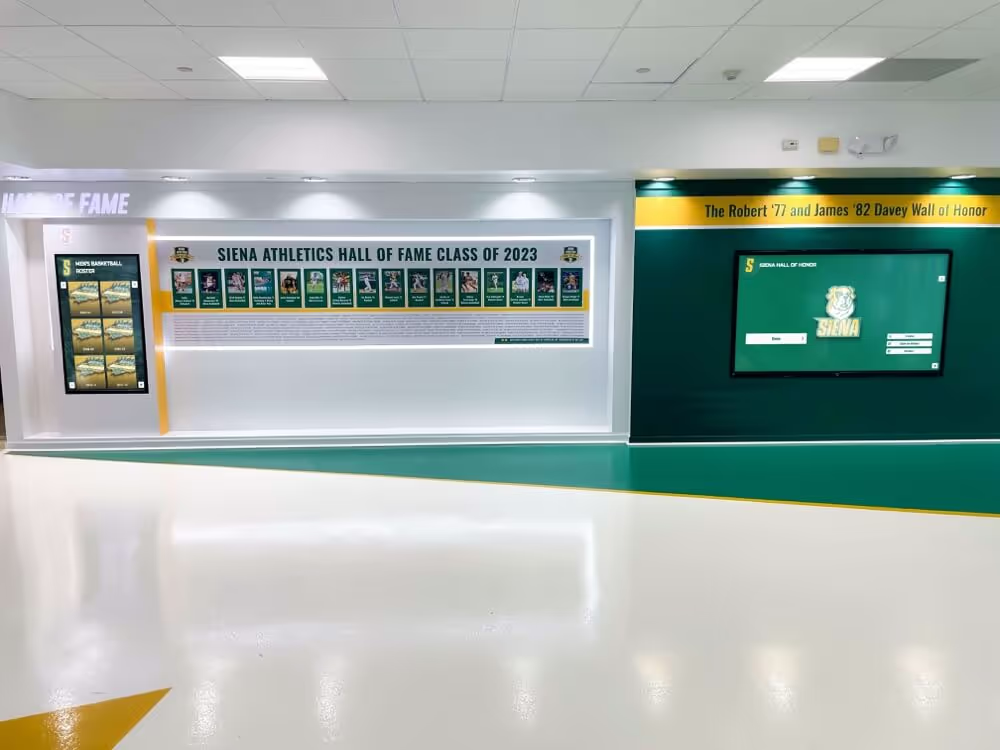
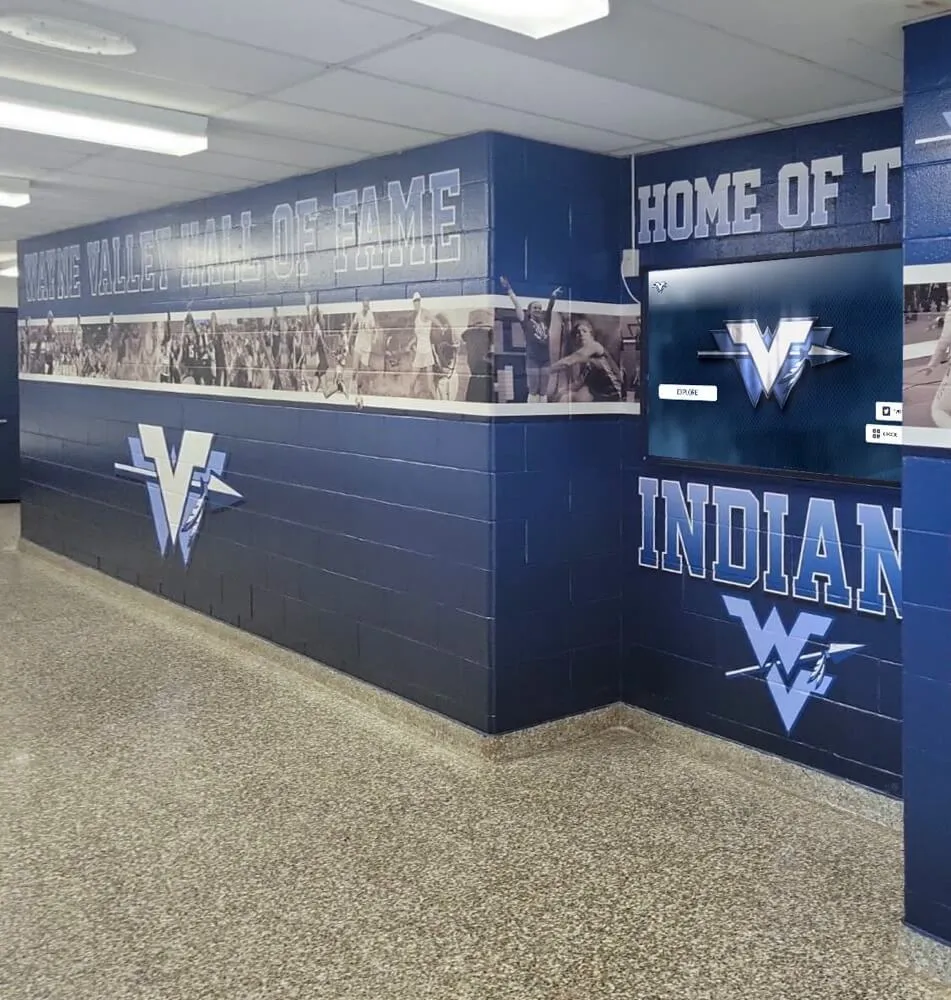
Schools and community facilities integrate digital memorial displays alongside traditional physical elements, creating comprehensive recognition environments that honor local fallen heroes while educating students and visitors
How Touchscreen Displays Transform Fallen Hero Recognition
Rocket Alumni Solutions digital memorial platforms address traditional recognition limitations through comprehensive technology solutions specifically designed for fallen hero commemoration and memorial education.
Unlimited Memorial Capacity Without Physical Expansion
Physical memorial constraints—limited wall space, finite engraving capacity, budget restrictions for expansions—force painful decisions about whose sacrifice receives recognition. Digital platforms eliminate these limitations entirely.
Comprehensive Fallen Hero Recognition
Digital memorial displays enable recognition of every fallen hero regardless of service era, branch, or decade including military service members from World War II through current conflicts, law enforcement officers killed over decades of community protection, firefighters who perished across generations of service, emergency medical personnel who died responding to crises, and other community protectors who made ultimate sacrifices.
This comprehensive approach validates every sacrifice equally rather than limiting recognition based on arbitrary space constraints, ensuring no fallen hero is forgotten simply because physical memorial capacity was exhausted.
Continuous Addition Without Construction
As communities tragically continue losing service members and first responders, digital memorials accommodate new additions instantly through simple content management systems requiring no construction, no renovations, no physical expansions, and no difficult space allocation decisions.
Communities implementing digital recognition solutions report that unlimited capacity fundamentally changes commemoration philosophy—moving from selective memorials constrained by space to comprehensive recognition honoring every fallen hero.
Rich Multimedia Storytelling Preserving Complete Life Stories
Traditional memorial plaques display names and basic information—rarely enough to convey who these individuals truly were. Digital platforms enable comprehensive storytelling celebrating complete lives.
Biographical Narratives and Service Histories
Detailed profiles can include complete military service records and career progression, law enforcement or firefighting career milestones, educational backgrounds and personal achievements, family information and hometown connections, personal interests, hobbies, and community involvement, awards, commendations, and recognition received, and detailed accounts of circumstances leading to their sacrifice.
This biographical depth transforms names into people, helping visitors—especially younger generations—understand fallen heroes as real individuals who loved their families, served their communities, and died protecting others.
Multimedia Content Integration
Digital memorials combine multiple content types creating emotional connections impossible with static plaques:
- Photo galleries showing service members in uniform, family moments, and life milestones
- Video tributes from family members, fellow service members, or community leaders
- Scanned letters, certificates, and historical documents
- Audio recordings preserving voices and memories
- News articles and media coverage documenting circumstances and community response
This rich multimedia content creates powerful emotional experiences helping visitors appreciate the full humanity of fallen heroes while understanding sacrifice contexts.
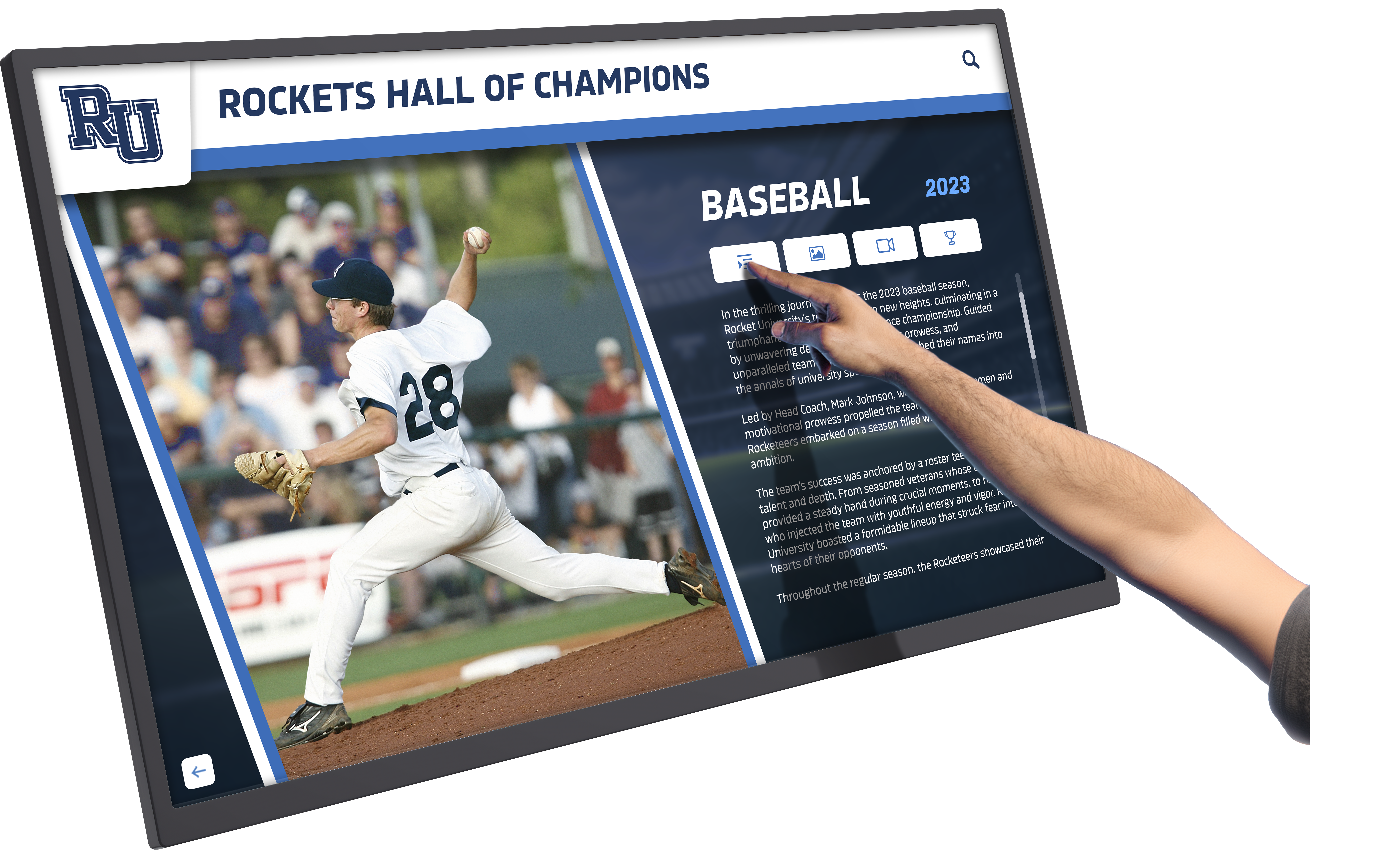
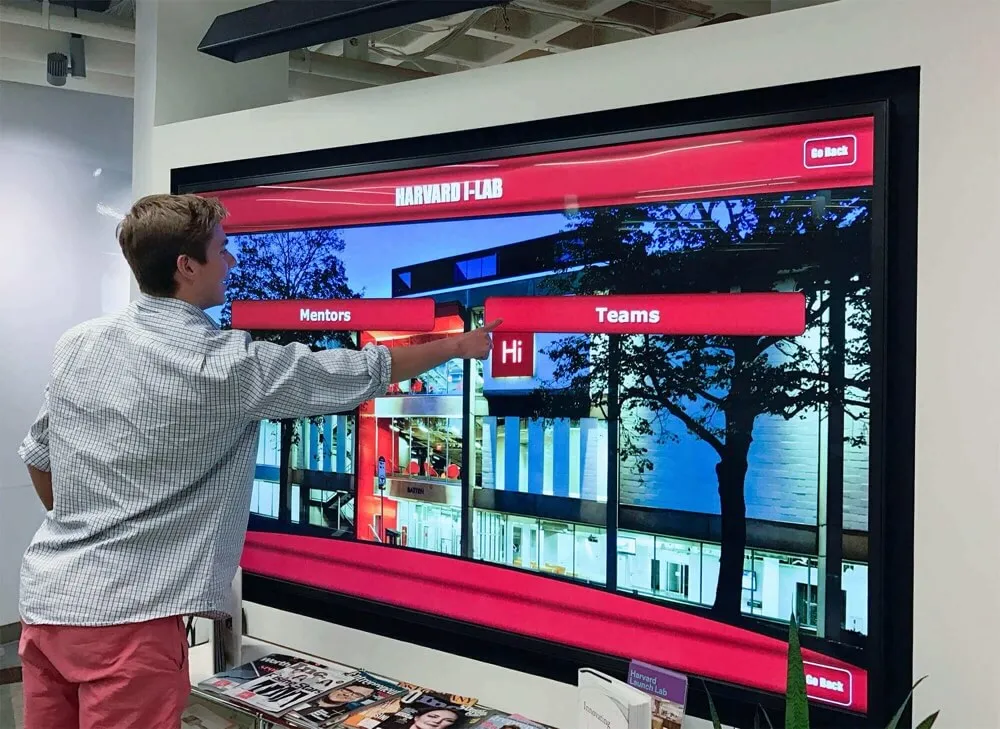
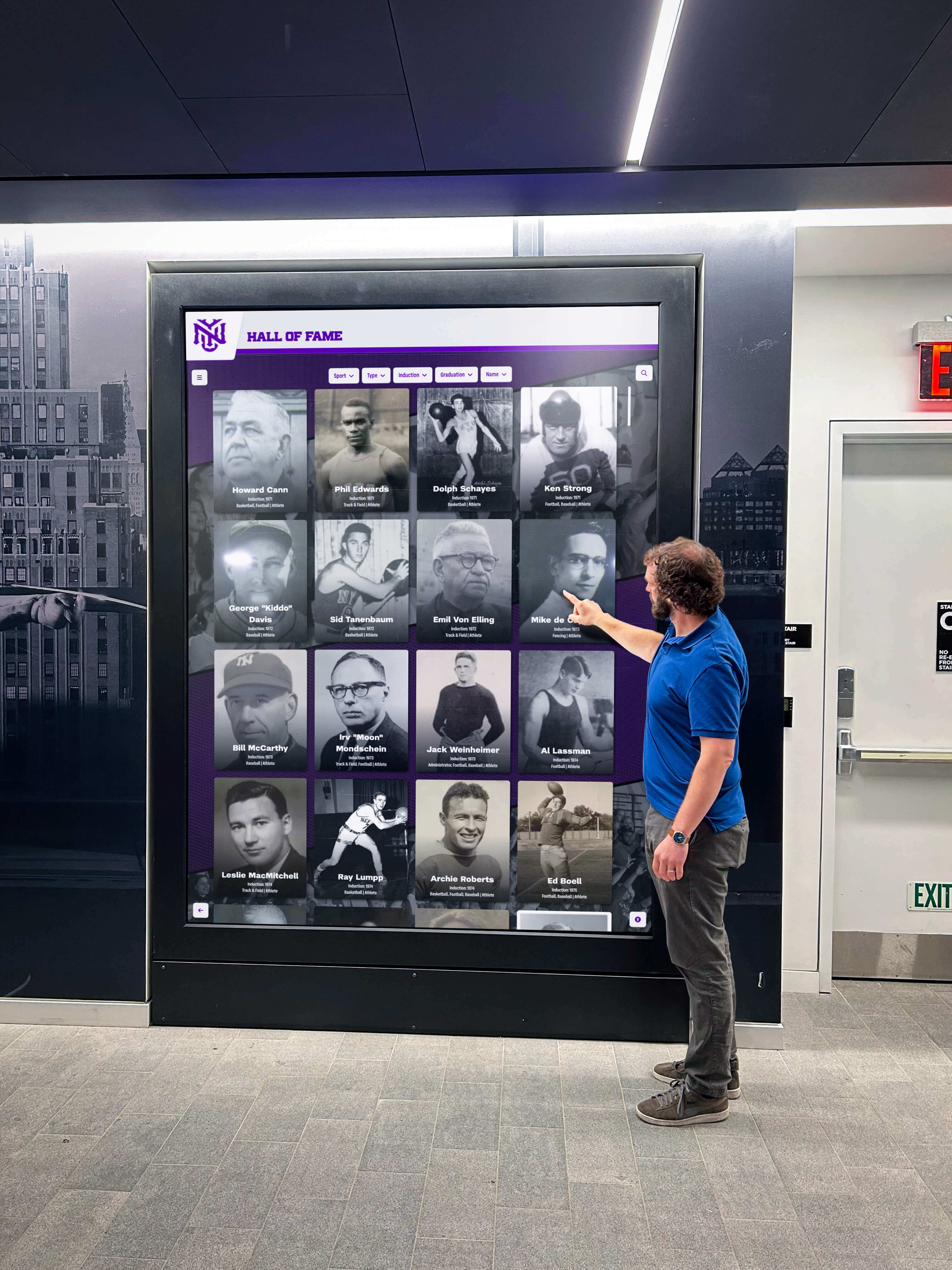
Intuitive touchscreen interfaces enable visitors to explore fallen hero stories at their own pace, searching by name, service branch, time period, or location, creating personalized memorial experiences
Family Contribution Opportunities
Digital platforms can enable family members to contribute memories, photos, and personal stories enriching official military or service records with intimate family perspectives. Moderated submission processes ensure appropriate content while empowering families to participate in preserving their loved ones’ legacies.
This collaborative approach creates living memorials that grow richer over time rather than static installations frozen at creation moment.
Web Accessibility Extending Memorial Reach Worldwide
Physical memorials serve only those who can physically visit specific locations. Digital memorial platforms extend access dramatically.
Online Memorial Access
Web-based memorial platforms enable worldwide exploration allowing distant family members to view memorials from anywhere, deployed military personnel to honor fallen comrades remotely, relocated community members to maintain connections with local heroes, researchers and educators to study sacrifice and service, and future generations to discover and learn regardless of geographic location.
Schools implementing comprehensive memorial recognition report that web accessibility enables families across the country to regularly visit digital memorials, share them with extended family, and introduce grandchildren to relatives they never met.
Mobile Optimization and Social Sharing
Mobile-responsive designs ensure excellent experiences on smartphones and tablets, while social sharing features enable family members to share memorial profiles on anniversaries, spread awareness about fallen heroes’ service, connect with other families experiencing similar losses, and introduce friends to memorials and stories.
This extended reach amplifies recognition impact far beyond what physical memorials alone can achieve.
Simple Content Management Enabling Continuous Enhancement
Traditional memorials require construction contractors, engravers, and renovation projects for any updates or additions. Digital platforms provide accessible content management.
Cloud-Based Memorial Administration
Web-based dashboards enable authorized administrators to add new fallen hero profiles immediately after notification, update biographical information as additional details emerge, correct errors or add missing information, upload newly discovered photos or documents, and manage all content from any internet-connected device.
This accessibility ensures busy volunteer organizations, municipal offices, or veteran groups can maintain current, accurate memorials without depending on limited technical expertise or outside vendors.
Scheduled Publishing and Memorial Dates
Advanced platforms support scheduled content publishing enabling memorial profiles to go live on specific dates coordinating with military notification timelines, timing public announcements with family preferences, scheduling anniversary tributes, and coordinating memorial service date recognition.
Organizations implementing memorial management systems discover that user-friendly platforms dramatically improve memorial currency and accuracy compared to traditional approaches requiring construction coordination.
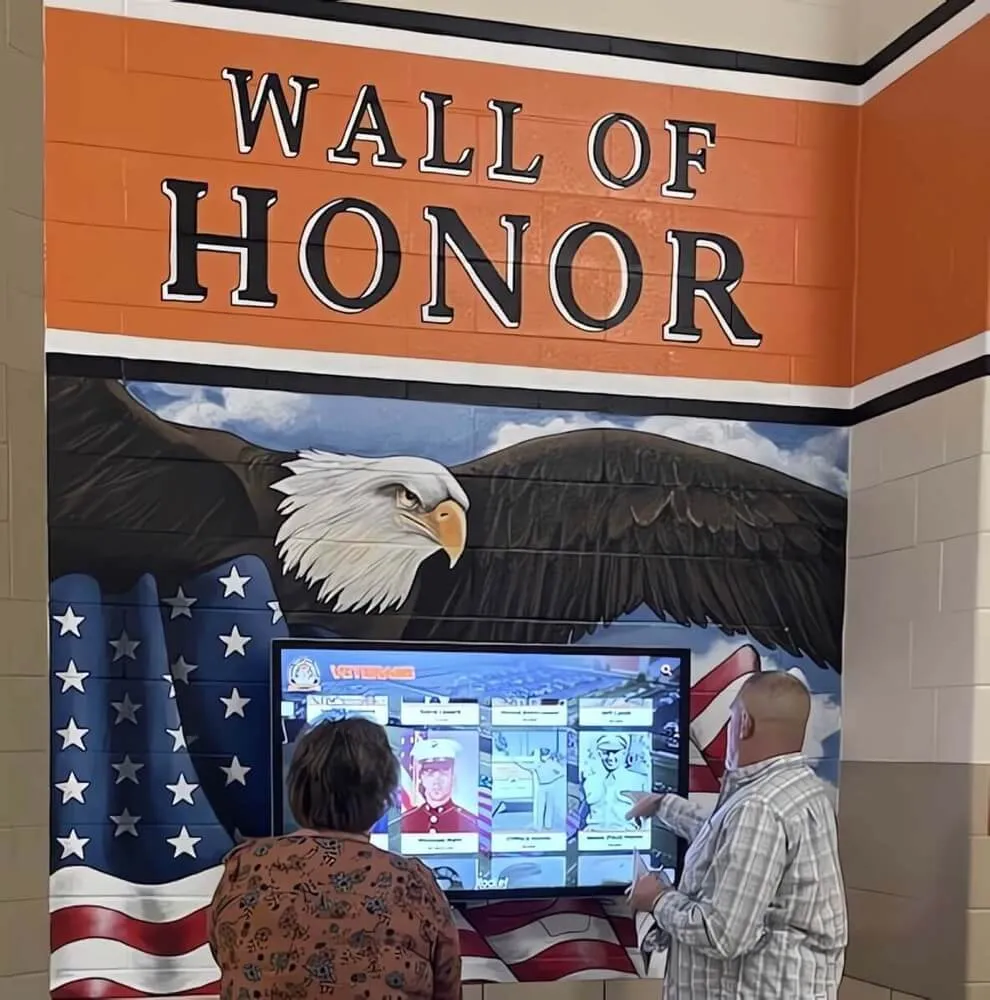
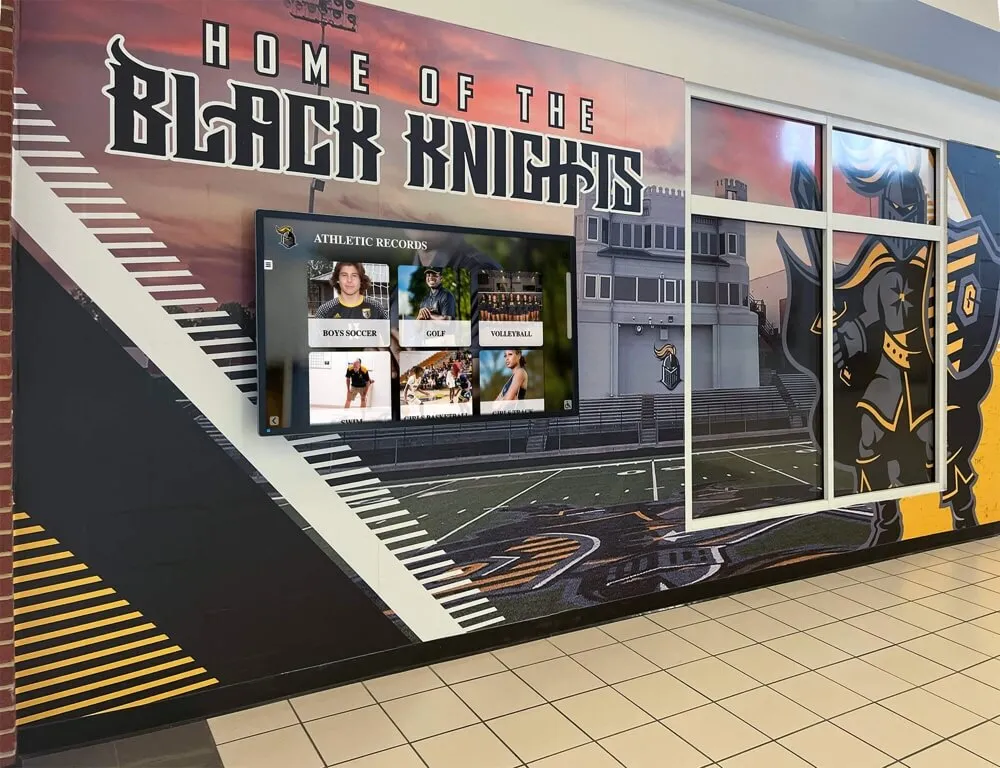
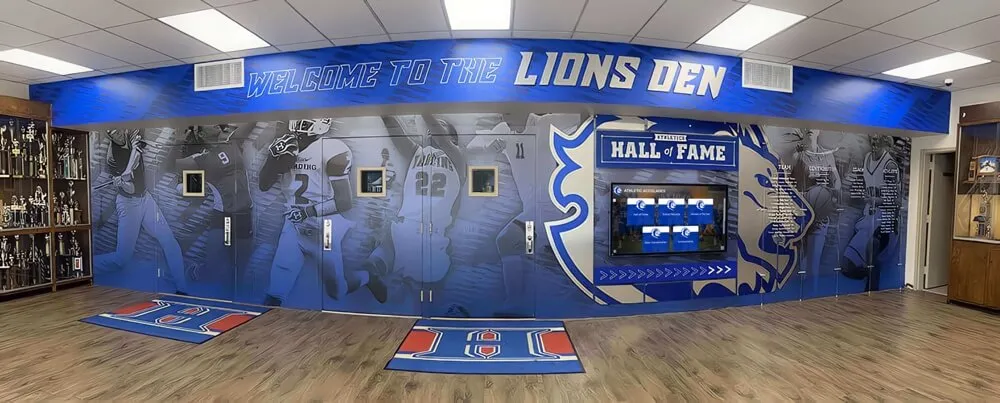
Strategic memorial installations combine patriotic imagery, traditional symbols, and modern digital technology creating powerful commemorative environments that honor sacrifice while providing accessible education
Educational Engagement Teaching Service and Sacrifice
Beyond honoring fallen heroes, digital memorials serve essential educational functions teaching younger generations about service costs and community protection.
Interactive Learning Experiences
Touchscreen interfaces create engaging educational opportunities where students can explore service branches and military structure, discover geographic contexts of conflicts or service locations, understand historical time periods and events, learn about specific roles and responsibilities, and comprehend sacrifice circumstances and community impacts.
This interactive exploration creates more powerful learning than reading names on static memorials, helping students understand that each name represents a real person who made conscious choices to serve despite risks.
Curriculum Integration and School Programs
Educational institutions implementing fallen hero memorials can integrate recognition into Veterans Day educational programs and memorial activities, history curriculum studying military conflicts or community service, citizenship education about civic responsibility, writing assignments researching and profiling fallen heroes, and service learning projects supporting veteran families or community protectors.
Schools implementing educational recognition displays report that interactive memorials become valuable teaching tools engaging students more effectively than traditional historical materials.
Strategic Implementation: Planning Fallen Hero Memorial Displays
Successful digital memorial implementation requires systematic planning addressing content strategy, technical requirements, community engagement, and ongoing management.
Defining Memorial Scope and Recognition Criteria
Begin by determining which fallen heroes your memorial will recognize:
Military Service Member Recognition
- All service members from your community killed in any conflict
- Specific war or conflict focus (Vietnam, Iraq/Afghanistan, etc.)
- All service branches or specific branch emphasis
- Combat deaths only or all service-related fatalities
- Time period parameters (all eras or specific decades)
First Responder Recognition
- Law enforcement officers killed in line of duty
- Firefighters who died responding to emergencies or from service-related illness
- Emergency medical personnel who perished serving others
- Corrections officers killed in custody operations
- Other public safety personnel
Geographic or Organizational Scope
- Hometown heroes from specific municipality or county
- School or university alumni who died in service
- Employer organization members (company, agency, department)
- Veteran organization membership
- Regional or statewide scope
Clear scope definition ensures consistent recognition criteria while setting realistic content collection parameters.
Optimal Display Locations for Memorial Touchscreens
Physical placement dramatically influences memorial engagement and community impact:
Municipal and Government Facilities
City halls, county courthouses, and government centers represent logical memorial locations where citizens naturally gather for civic business, creating dignified, prominent recognition in public institutional settings.
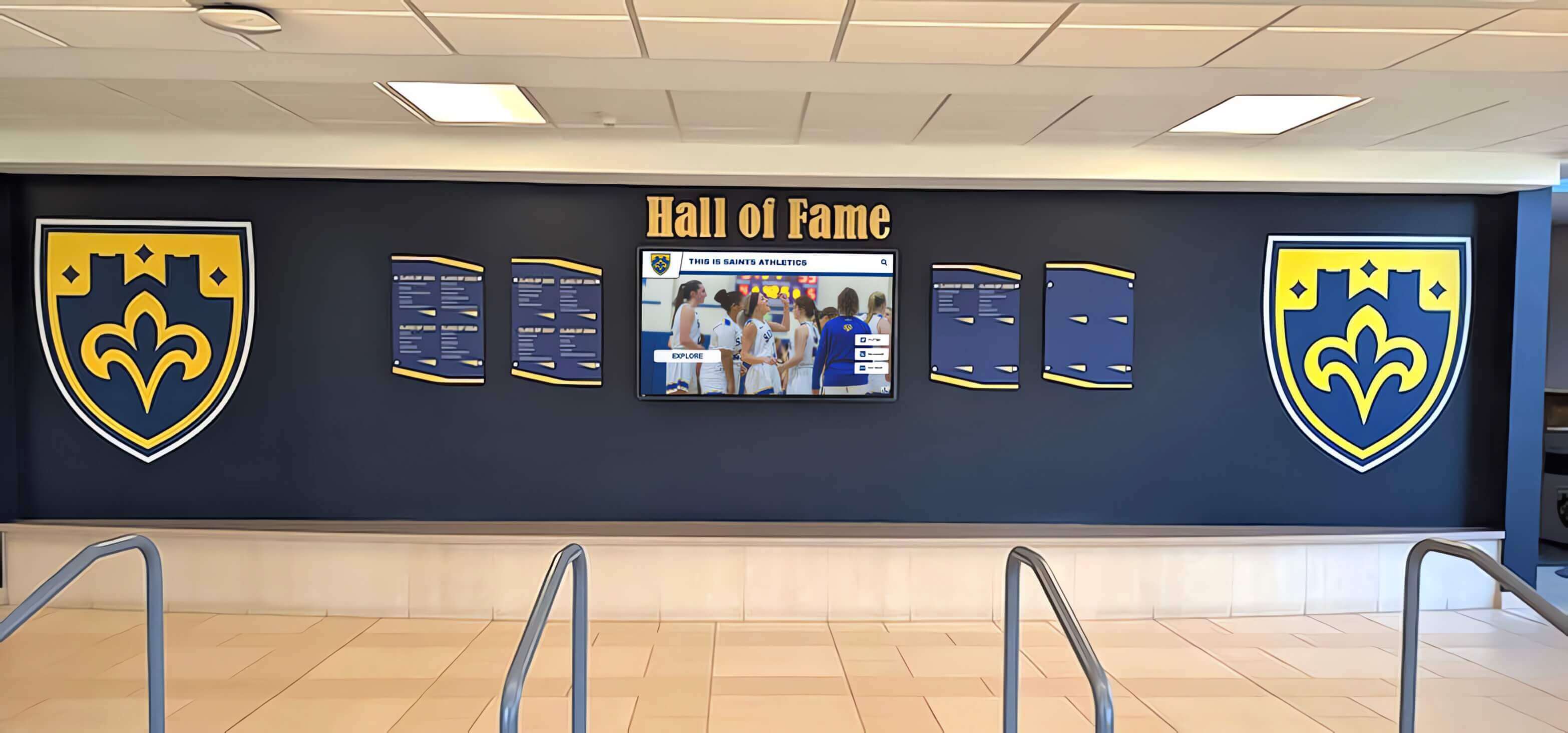
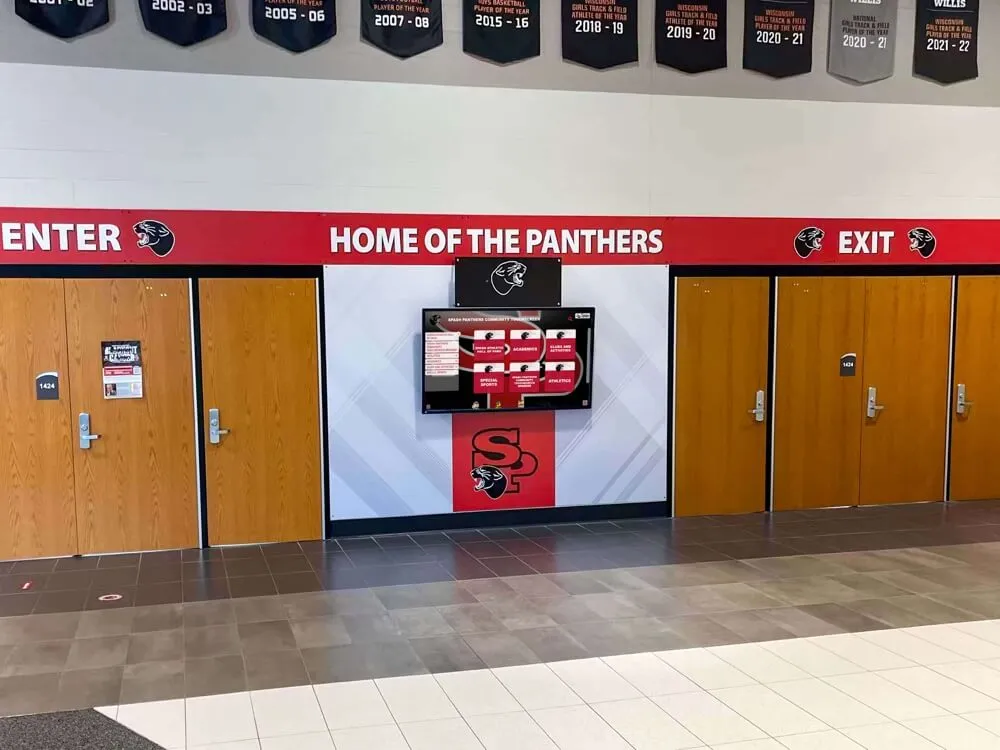
Public facility lobbies provide high-traffic memorial locations where diverse community members regularly encounter fallen hero recognition during routine civic activities
Veteran Organization Facilities
American Legion posts, VFW halls, Veterans of Foreign Wars facilities, and other veteran organization buildings serve as natural memorial homes where veteran communities gather, providing supportive contexts for reflection and remembrance.
Schools and Educational Institutions
High schools, colleges, and universities honoring alumni who died in service integrate memorials into student life creating ongoing educational opportunities teaching sacrifice and service to successive generations.
Schools implementing comprehensive recognition programs discover that fallen hero memorials become powerful citizenship education tools supplementing traditional curriculum.
Public Safety Facilities
Fire stations, police departments, and emergency services buildings provide appropriate memorial locations where current first responders see daily reminders of sacrifice while families and community members visit to honor fallen protectors.
Community Parks and Memorial Sites
Existing memorial parks or dedicated commemorative spaces provide outdoor installation opportunities where physical monuments integrate with digital touchscreen memorials creating comprehensive recognition environments.
Libraries and Cultural Institutions
Public libraries, historical societies, and community centers offer accessible public locations supporting memorial educational missions while providing climate-controlled environments protecting equipment.
Multiple distributed locations increase community access ensuring more residents regularly encounter fallen hero recognition rather than limiting memorials to single sites.
Content Collection Strategy for Fallen Hero Profiles
Creating comprehensive memorial profiles requires systematic information and media gathering:
Official Military and Service Records
- Department of Defense casualty reports and notifications
- Official service records and personnel files
- Award and commendation documentation
- Unit assignments and deployment histories
- Circumstances of death official reports
Family Contributions and Personal Information
- Biographical information from family members
- Personal photos from childhood, service, and family life
- Letters, journals, and personal writings
- Home videos and audio recordings
- Family memories and personal stories
Organizations implementing memorial content development discover that family participation creates richest, most meaningful memorial profiles connecting official service records with intimate personal dimensions.
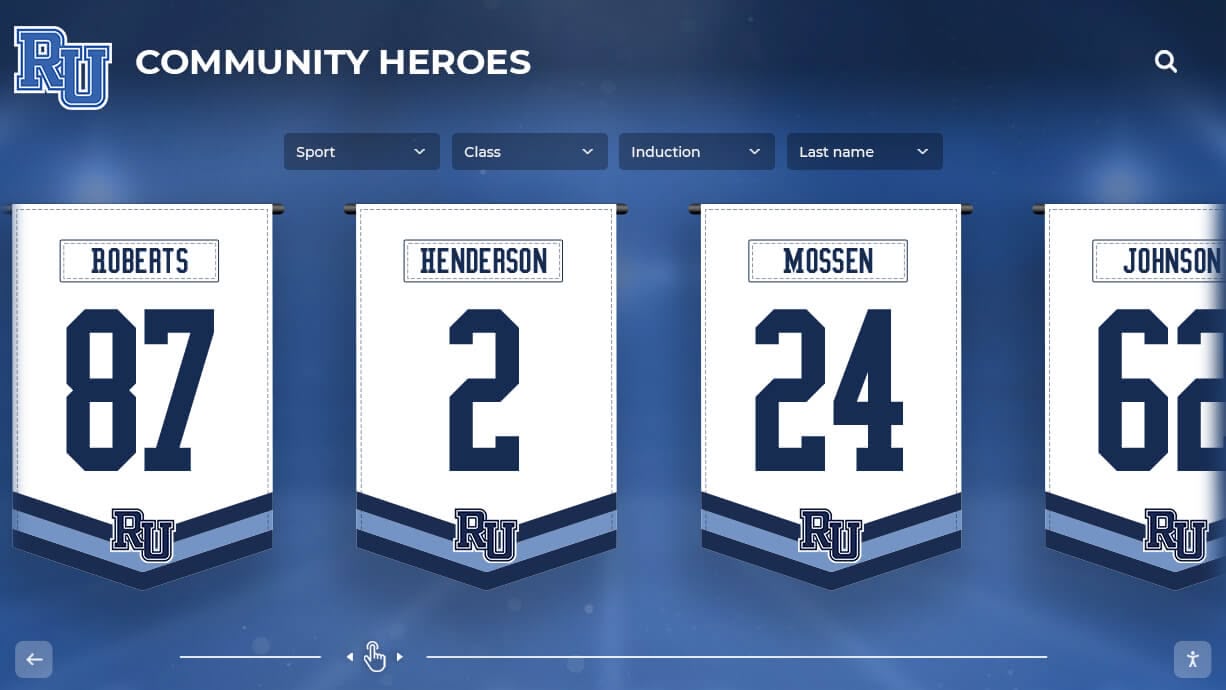
Creative memorial presentations honor fallen community protectors through symbolic imagery—uniform numbers, service badges, or equipment—combined with digital recognition technology
Community and Historical Sources
- Local newspaper archives and obituaries
- Historical society records and documentation
- School yearbooks and athletic records
- Church or religious organization materials
- Employer records and professional documentation
Visual Media and Multimedia
- Military service photos and official portraits
- Family photographs spanning life history
- Funeral and memorial service documentation
- Video tributes and television news coverage
- Community memorial event recordings
Systematic collection across multiple sources creates comprehensive memorial profiles honoring complete lives rather than reducing fallen heroes to names and dates.
Technology Requirements and Platform Selection
Successful memorial implementation requires appropriate hardware and software matching organizational needs:
Hardware Specifications
Commercial-grade touchscreen displays ensure reliable memorial operation including displays rated for 16-24 hour daily operation, high brightness levels (400+ nits) maintaining visibility in varied lighting, durable protective glass resisting damage and scratches, commercial-grade components designed for multi-year continuous operation, and secure mounting preventing unauthorized access or vandalism.
Memorial display sizing typically ranges from 43-55 inches for intimate spaces to 65-75 inches for large public lobbies creating impressive visual impact.
Memorial Software Platforms
Solutions like Rocket Alumni Solutions provide memorial-specific features including fallen hero profile templates with appropriate fields, multimedia galleries supporting photos, videos, and documents, search and filtering by name, branch, conflict, or date, timeline views showing chronological service, web accessibility extending memorial reach worldwide, and family contribution portals enabling memory sharing.
Generic digital signage software lacks features essential for memorial applications including searchability, biographical organization, and interactive exploration.
Network and Installation Considerations
Reliable infrastructure ensures consistent memorial operation including hardwired Ethernet connections providing stable connectivity, WiFi backup systems for locations where wired connections prove impractical, adequate bandwidth supporting video content streaming, network security protecting sensitive information, and professional mounting ensuring safe, secure installation.
Coordination with facility IT or maintenance departments during planning ensures adequate infrastructure without compromising existing systems.
Budget Planning and Funding Sources
Comprehensive fallen hero memorial budgets include initial hardware costs ($3,000-$8,000 depending on display size), memorial software subscriptions ($2,000-$5,000 annually), professional installation ($1,000-$3,000), initial content development ($2,000-$5,000 for profile creation), and ongoing content management (staff or volunteer time).
Total first-year investment typically ranges $10,000-$25,000 with ongoing annual costs of $2,500-$6,000 covering software subscriptions and content updates.
While substantial, these investments should be evaluated against eliminated costs and expanded capabilities including ongoing physical plaque costs ($200-$500 per fallen hero over time), memorial wall expansions ($15,000-$50,000+ for construction), and dramatically expanded recognition capacity, accessibility, and educational value.
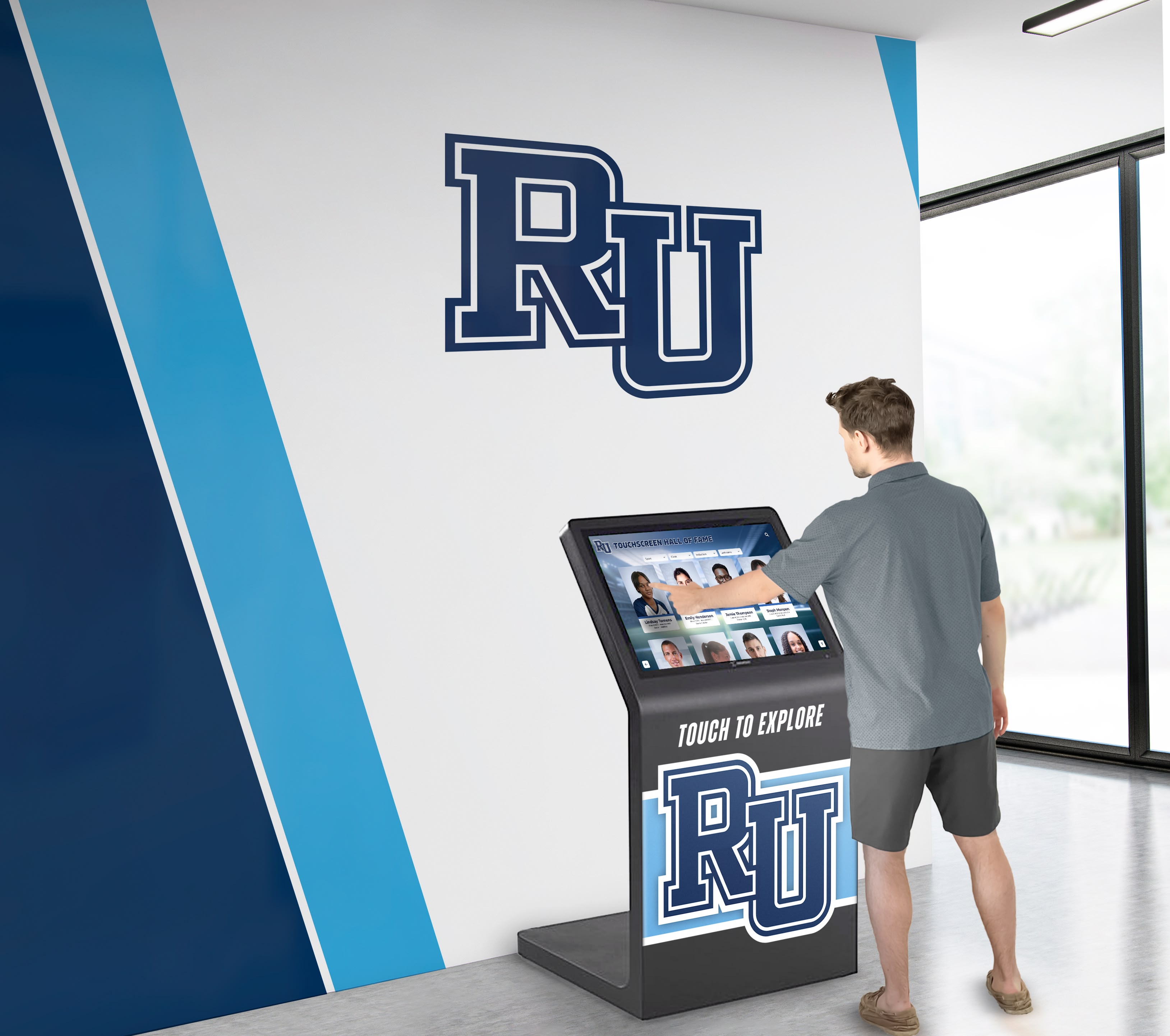
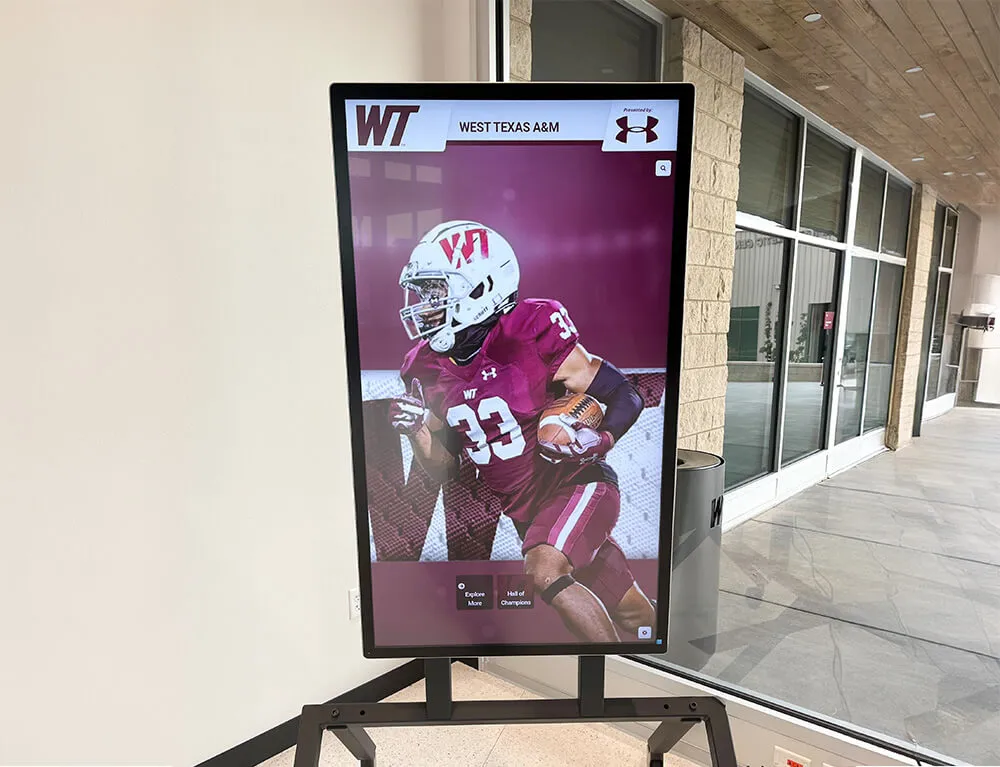
Professional memorial kiosk installations create dedicated commemorative spaces within existing facilities, requiring minimal floor space while providing comprehensive recognition capacity
Funding Sources for Memorial Projects
Organizations can pursue diverse funding options beyond single budget allocations:
Veteran Organization Grants and Support
- American Legion foundation grants
- VFW national and state foundation funding
- Disabled American Veterans support programs
- Military service organization grants
- National veteran memorial foundations
Municipal and Government Funding
- City or county memorial appropriations
- Public safety department budgets
- Parks and recreation memorial allocations
- Community development grants
- State veteran affairs funding programs
Community Fundraising Campaigns
- Memorial crowdfunding campaigns engaging broad community
- Corporate sponsorships from local businesses
- Service club contributions (Rotary, Lions, Kiwanis)
- Community foundation grants
- Memorial brick or tribute donation programs
Family and Alumni Contributions
- Gold Star family fundraising initiatives
- School alumni association campaigns
- Unit or service organization reunion fundraising
- Memorial fund establishment accepting ongoing donations
Multi-source funding strategies often prove more successful than competing for limited single departmental budgets while building broader community ownership of memorial projects.
Creating Compelling Memorial Content That Honors Service
Technology enables fallen hero recognition, but content quality determines memorial impact and meaningfulness for families and communities.
Writing Respectful, Comprehensive Biographical Profiles
Effective fallen hero profiles balance military formality with personal humanity:
Profile Structure for Service Members
- Full name, rank, and service branch
- Birth date and hometown
- Service dates and duty stations
- Deployment history and awards received
- Circumstances of death (with family-appropriate detail levels)
- Personal background including education, family, and interests
- Service impact and remembrances from fellow service members
- Family survivor information (with family permission)
- Memorial service and burial information
Tone and Language Considerations
Memorial content should reflect dignified, respectful language honoring sacrifice, factual accuracy avoiding embellishment or speculation, family-appropriate detail levels regarding death circumstances, positive focus celebrating life and service rather than dwelling on trauma, and consistent formatting maintaining memorial coherence across all profiles.
Work closely with families ensuring biographical information accuracy and appropriate detail levels respecting family privacy preferences while creating meaningful tributes.
Sourcing and Optimizing Memorial Photos and Videos
Visual content creates powerful emotional connections essential for memorial impact:
Photo Selection Priorities
Effective memorial galleries include official military portraits in dress uniform, action photos showing service members performing duties, family photos revealing personality and relationships, hometown and childhood photos connecting to community roots, awards ceremonies and military milestones, and memorial service photos documenting community remembrance.
Video Content Types
Memorial video content might include television news coverage of circumstances and community response, memorial service recordings preserving ceremonies, family video messages sharing memories and appreciation, fellow service member testimonials, and hometown tribute videos created by communities.
Keep memorial videos relatively brief—3-5 minutes maximum—maintaining appropriate solemnity while respecting viewer attention spans during emotional content.
Organizations implementing comprehensive memorial displays discover that multimedia content creates dramatically more powerful memorial experiences than text-only profiles while helping visitors appreciate fallen heroes’ full humanity.
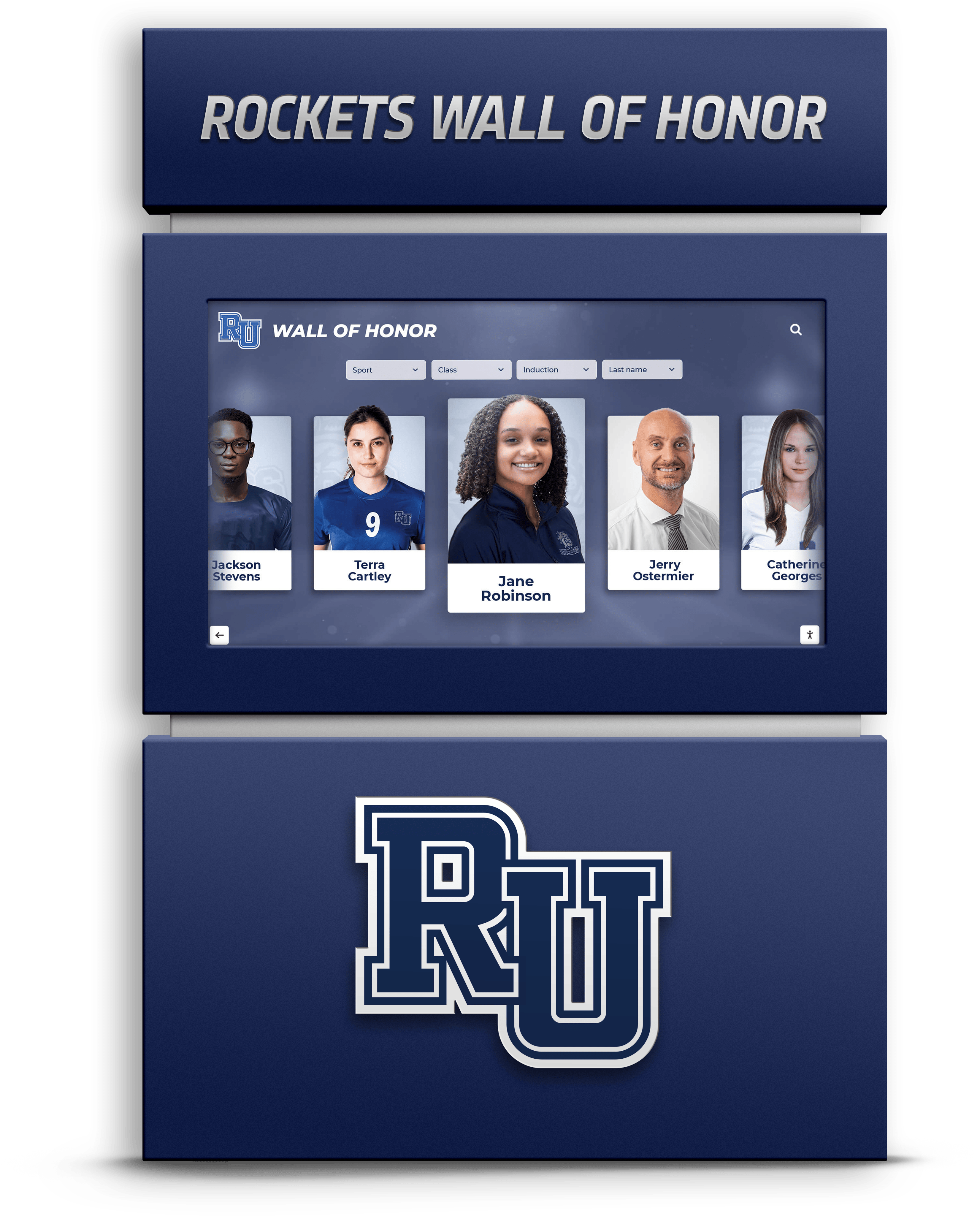
Well-designed memorial interfaces present service information clearly and respectfully, combining photographs, biographical details, and service documentation in formats easy to read and emotionally appropriate
Organizing Memorial Content for Intuitive Discovery
Memorial navigation significantly impacts visitor experience and engagement:
Discovery and Search Features
Effective memorial interfaces provide multiple exploration paths including alphabetical browsing by last name, search by specific names or keywords, filtering by service branch (Army, Navy, Marines, Air Force, Coast Guard), filtering by conflict or war (Vietnam, Gulf War, Iraq, Afghanistan), filtering by hometown or geographic origin, chronological browsing by date of death, and unit or organization filtering.
Multiple pathways ensure diverse visitors—family members searching for specific individuals, students researching local history, veterans exploring fellow service members, or general visitors browsing—all find meaningful entry points.
Timeline and Historical Context
Memorial timelines provide valuable context placing individual sacrifices within broader historical frameworks showing conflicts and time periods, local community service patterns across decades, unit deployments and operations, and memorial dedication and expansion history.
This contextual information helps visitors understand circumstances surrounding individual sacrifices while appreciating cumulative community costs across conflicts and eras.
Establishing Memorial Content Standards and Governance
Clear policies ensure consistent, appropriate memorial content:
Content Inclusion Criteria
Define explicit standards for memorial inclusion including verification requirements before adding profiles, documentation standards for biographical information, acceptable sources for information and media, family notification and permission protocols, and timeline for adding newly fallen heroes to memorials.
Content Review Processes
Establish systematic procedures ensuring accuracy through information verification before publication, family review and approval of profiles, veteran organization or military liaison review, legal review for sensitive information, and ongoing correction processes for discovered errors.
Privacy and Sensitivity Guidelines
Balance comprehensive commemoration with appropriate privacy including family permission for personal information beyond public records, appropriate detail levels regarding death circumstances, survivor information publication protocols, and removal or modification processes if families request changes.
Documented policies prevent inconsistencies while ensuring respectful, accurate memorials honoring fallen heroes appropriately.
Educational Programming and Community Engagement
Beyond recognition, fallen hero memorials serve essential educational missions teaching service and sacrifice to new generations.
Integrating Memorials into Educational Curricula
Schools and educational institutions can leverage memorials systematically:
Veterans Day Educational Programs
Memorial displays provide focal points for comprehensive Veterans Day activities including student-led research projects profiling fallen heroes, reading biographical profiles during school ceremonies, veteran guest speakers sharing service experiences, classroom discussions about service and sacrifice, and creative projects honoring fallen heroes through art, music, or writing.
These integrated programs transform Veterans Day from abstract observance into personal connection with specific individuals who served.
Schools implementing Veterans Day recognition programs report that interactive memorials dramatically improve student engagement compared to traditional assemblies alone.
History and Social Studies Integration
Memorial content integrates naturally into curriculum including military history units studying specific conflicts, geography lessons exploring deployment locations, government and civics courses examining military structure and roles, sociology discussions about community protection and service, and research methodology teaching students to verify sources and build biographical narratives.
This curricular integration ensures memorial educational value extends throughout academic years rather than limiting engagement to single commemoration days.
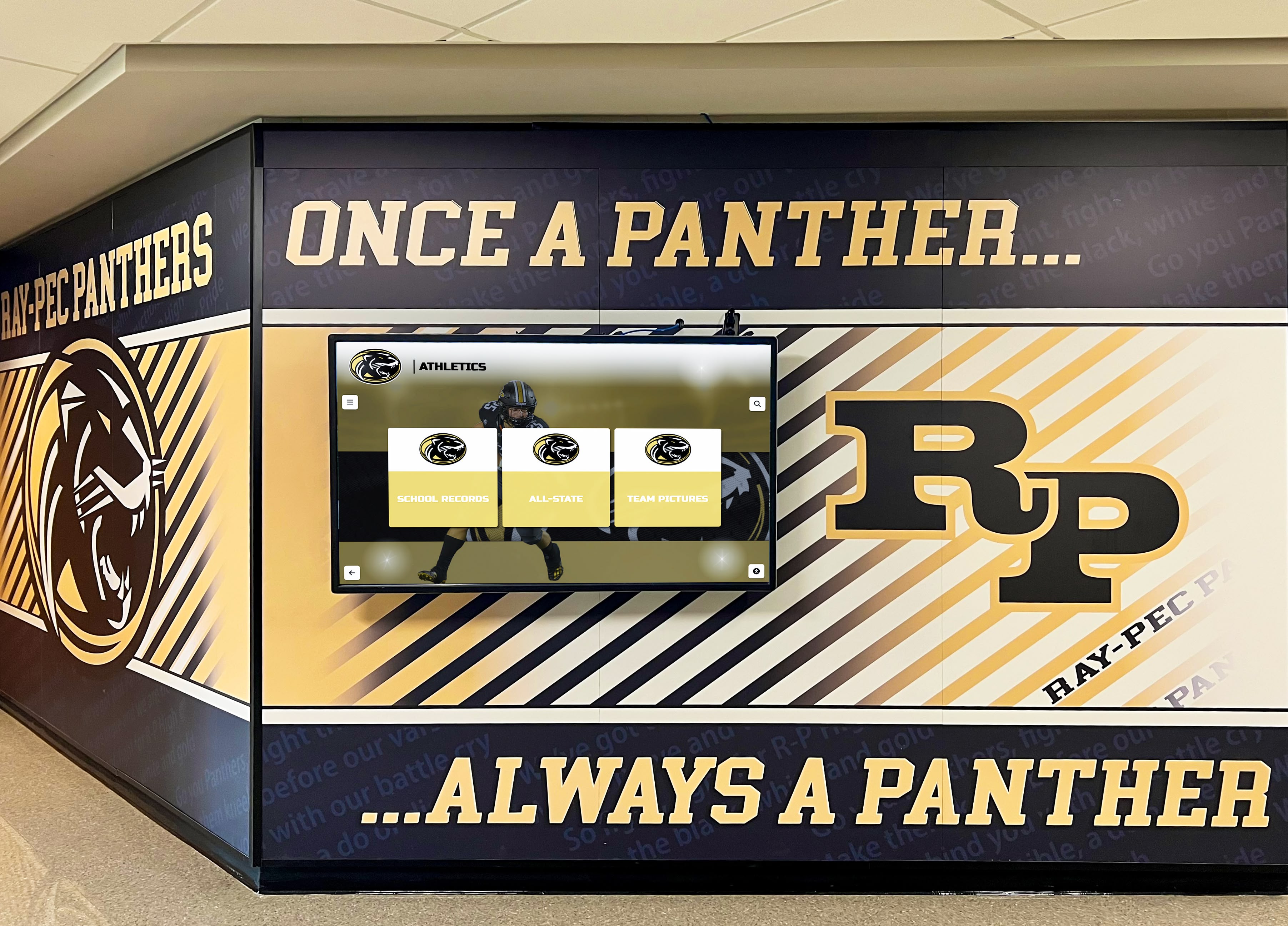
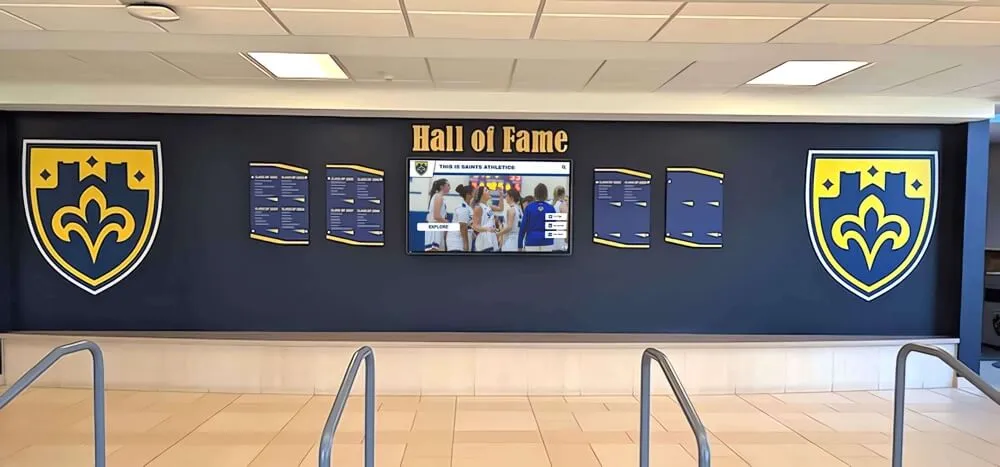
Educational institutions integrate fallen hero memorials into broader school recognition environments, teaching students about sacrifice alongside celebrating academic and athletic excellence
Writing and Research Projects
Memorial profiles provide excellent research assignment foundations including biographical research assignments developing investigation skills, oral history projects interviewing family members or fellow service members, creative writing exercises imagining service member perspectives, journalism projects covering memorial dedications or anniversaries, and video documentary creation profiling fallen heroes.
These assignments create personal investment in fallen hero stories while developing academic skills across multiple disciplines.
Community Memorial Events and Ceremonies
Digital memorials complement rather than replace traditional commemorative events:
Annual Memorial Observances
Memorial Day ceremonies, Veterans Day observances, and anniversary remembrances gain enhanced meaning when digital memorials provide comprehensive context about honored individuals. Ceremony organizers can display memorial profiles during events, share specific stories illustrating service and sacrifice, enable family members to contribute memories, and encourage attendees to explore full memorial after ceremonies.
This integration connects formal ceremonies with ongoing memorial engagement rather than limiting recognition to annual events.
Family Dedication and Addition Ceremonies
When new fallen hero profiles are added to digital memorials, formal dedication ceremonies can honor families, unveil new memorial content, share biographical information with community, recognize service organization support, and enable public memorial viewing and exploration.
These ceremonies provide important closure moments for families while educating communities about continued costs of service and protection.
Memorial Escort and Homecoming Recognition
Communities organizing escorts for fallen service members returning home can incorporate digital memorial planning, coordinate content collection from families, plan formal profile dedication dates, and create permanent recognition following temporary commemorative activities.
This systematic approach ensures emotional homecoming moments transition into lasting memorial recognition rather than fading as time passes.
Veteran and Family Engagement Strategies
Meaningful memorial programs actively engage those most affected by sacrifice:
Family Contribution and Participation
Invite family members to contribute memories, photos, and personal stories, participate in profile review before publication, attend formal memorial dedications, share memorial profiles with extended family and friends, and maintain ongoing connections updating information as time provides perspective.
This participatory approach creates living memorials reflecting family experiences rather than institutional documentation alone.
Veteran Organization Partnerships
Collaborate with veteran organizations for content research and verification, family outreach and support, memorial event planning and execution, fundraising and ongoing support, and education program development and delivery.
These partnerships ensure memorials reflect veteran community values and perspectives while leveraging organizational networks and expertise.
Organizations implementing community partnership approaches discover that collaborative memorial development creates stronger, more meaningful recognition than isolated institutional projects.
Measuring Memorial Impact and Community Value
Assessing memorial effectiveness helps demonstrate value while identifying continuous improvement opportunities.
Memorial Engagement Metrics
Digital platforms provide valuable data quantifying memorial usage:
Touchscreen Interaction Data
- Daily, weekly, and monthly interaction counts
- Average session duration and profile views
- Search queries revealing visitor interests
- Most-viewed profiles indicating community connections
- Peak usage times and seasonal patterns
Web Platform Analytics
- Website visits and unique visitors
- Geographic distribution showing national/international reach
- Mobile versus desktop access patterns
- Social media sharing frequency and reach
- Family return visit patterns
These metrics demonstrate memorial reach while revealing which content generates most engagement, informing future content development priorities.
Community Feedback and Testimonials
Qualitative assessment complements quantitative data:
Family Testimonials
- Family satisfaction with memorial presentation
- Appreciation for accessibility enabling distant viewing
- Emotional impact stories about discovering new information
- Gratitude for community remembrance
- Suggestions for content additions or improvements
Community Response
- Veteran organization feedback and support
- Student reactions and educational impact reports
- General public comments and observations
- Media coverage and community visibility
- Memorial event attendance and participation
Document compelling stories for presentations to stakeholders, fundraising campaigns supporting memorial expansion, grant applications seeking additional support, and annual reports demonstrating memorial value.

Intuitive touchscreen interfaces enable visitors of all ages to explore memorial content independently, creating personalized commemorative experiences at their own pace and interest level
Educational Impact Assessment
For memorials in educational settings, track specific learning outcomes:
Student Engagement Indicators
- Classroom assignment integration frequency
- Student research project quality and depth
- Veterans Day program participation and attentiveness
- Voluntary memorial exploration outside assignments
- Student feedback about memorial educational value
Long-Term Educational Outcomes
- Student awareness of military service and sacrifice
- Understanding of local community military history
- Respect for service members and first responders
- Interest in military service or public safety careers
- Community engagement and civic participation
These assessments demonstrate memorials’ educational value beyond commemoration, justifying continued institutional support and potential expansion.
Overcoming Memorial Implementation Challenges
Anticipating common obstacles enables proactive solutions ensuring successful memorial launches.
Sensitive Content and Family Privacy Concerns
Memorial content involves sensitive information requiring careful handling:
Death Circumstance Details
Different families have different comfort levels regarding details about how their loved ones died. Some families appreciate comprehensive factual accounts helping visitors understand circumstances, while others prefer minimal detail focusing on life and service rather than death.
Solution Approaches
- Establish family review processes before publication
- Offer multiple detail level options
- Default to respectful minimal detail unless families request more
- Focus profiles on life, service, and impact rather than death trauma
- Provide private viewing options during family review periods
Survivor and Family Information
Public display of surviving family members’ names and relationships raises privacy concerns particularly years after loss when survivors have remarried, moved, or prefer privacy.
Solution Approaches
- Seek explicit family permission for any survivor information
- Consider generic language (“survived by spouse and three children”) rather than names
- Enable families to update information as circumstances change
- Respect requests for complete privacy
- Never publish minor children’s names without guardian permission
Organizations implementing memorial privacy protocols discover that respecting family preferences builds trust enabling broader participation over time.
Content Collection and Historical Research Challenges
Gathering comprehensive information about fallen heroes—particularly those from distant conflicts—requires persistent research:
Limited Historical Records
For service members killed in earlier conflicts (World War II, Korea, Vietnam), official records may be incomplete, family members may have passed away, and few contemporary photos or documents may survive.
Solution Strategies
- Partner with military archives and historical societies
- Conduct community outreach seeking information from neighbors or classmates
- Accept that some profiles will be less complete than others
- Commit to ongoing research adding information as discovered
- Engage genealogy resources and veteran researchers
Verification and Accuracy
Ensuring factual accuracy proves challenging when relying on aging memories, conflicting accounts, or incomplete documentation.
Solution Approaches
- Establish verification standards requiring multiple confirming sources
- Prioritize official military records for service details
- Clearly attribute information sources
- Maintain correction processes for discovered errors
- Involve veteran organization experts in review processes
Funding and Sustainability Concerns
Memorial projects require initial investment and ongoing operational support:
Initial Funding Challenges
Total implementation costs of $10,000-$25,000 exceed many organizations’ available budgets particularly for volunteer-led veteran groups or small municipalities.
Solution Strategies
- Phase implementation starting with core system and expanding content over time
- Pursue multiple smaller grants rather than single large funding sources
- Organize community fundraising campaigns building broad support
- Seek corporate sponsorships from local businesses
- Partner with multiple organizations sharing costs
Ongoing Operational Support
Annual software subscriptions ($2,000-$5,000) and content management require sustained commitment beyond initial enthusiasm.
Solution Approaches
- Build ongoing costs into organizational operating budgets
- Establish memorial endowments generating annual support
- Create memorial brick or tribute programs funding operations
- Develop rotating volunteer teams preventing single-person dependency
- Select user-friendly platforms minimizing technical expertise requirements
Organizations implementing sustainable recognition programs discover that demonstrating early memorial impact through metrics and testimonials builds ongoing support justifying continued investment.
Conclusion: Creating Lasting Tributes to Fallen Heroes
Fallen heroes—military service members who gave their lives defending our nation, first responders who perished protecting communities, and public servants who sacrificed themselves serving others—deserve recognition commensurate with the magnitude of their service and loss. Communities carry profound obligations ensuring these sacrifices are remembered, honored, and taught to future generations who benefit from their protection.
Traditional physical memorials—while respectful and important—face inherent limitations including space constraints forcing difficult recognition decisions, minimal biographical context beyond names and dates, inaccessibility for distant family members, and static presentations that cannot evolve as technology and expectations change.
Digital touchscreen displays powered by solutions like Rocket Alumni Solutions transform fallen hero commemoration by providing unlimited memorial capacity honoring every service member without space constraints, rich multimedia storytelling preserving complete life stories through photos, videos, and detailed biographies, worldwide accessibility enabling distant families to visit memorials anytime from anywhere, simple content management allowing updates without expensive renovations, and engaging educational experiences teaching younger generations about service costs and community protection.
Honor Your Community's Fallen Heroes
Discover how digital touchscreen memorial displays can help you create powerful, accessible recognition preserving sacrifice stories, educating future generations, and ensuring no hero is forgotten.
Explore Memorial SolutionsSuccessful fallen hero memorial implementations share common characteristics including comprehensive content collection gathering biographical information and multimedia from families and historical sources, respectful presentation balancing military formality with personal humanity, strategic placement in high-traffic locations where diverse community members regularly encounter recognition, family engagement ensuring accuracy and respecting privacy preferences, educational integration teaching service and sacrifice to younger generations, and sustainable management ensuring memorials remain current as time passes and new heroes are tragically added.
Modern technology eliminates traditional constraints that limited memorial scope and accessibility. Interactive touchscreen displays provide unlimited recognition capacity, multimedia capabilities bringing service stories to life through photos and videos, worldwide web access extending memorials beyond physical locations, and simple management platforms enabling updates without construction or renovation costs.
Yet technology alone doesn’t create meaningful memorials. Successful programs invest in systematic content development gathering rich biographical information, thoughtful family engagement respecting privacy while enabling contribution, comprehensive educational programming teaching service and sacrifice meaningfully, and sustained operational commitment ensuring memorials remain accurate, current, and accessible as years pass.
Your community’s fallen heroes—whether ten service members or one thousand, whether recent losses or generations past—deserve recognition infrastructure matching the magnitude of their sacrifice. Families separated by distance from physical memorials deserve accessible ways to honor their loved ones, introduce grandchildren to heroes they never met, and share service stories with friends and extended family. Students deserve educational experiences connecting abstract historical concepts with specific individuals from their own communities who made conscious choices to serve despite mortal risks.
Start planning your fallen hero memorial transformation today by defining memorial scope and recognition criteria appropriate for your community, engaging families and veteran organizations in collaborative planning, exploring digital memorial solutions like those from Rocket Alumni Solutions specifically designed for fallen hero recognition, developing systematic content collection strategies gathering biographical information and multimedia, and committing to sustainable implementation ensuring memorials serve current and future generations.
Every service member who died defending our nation, every first responder who perished protecting community members, and every public servant who sacrificed themselves serving others deserves remembrance that captures their complete humanity—who they were as people, not just how they died as service members. Digital memorial displays ensure these heroes receive the comprehensive, accessible, enduring recognition they deserve—honoring the past while educating the future about the true costs of freedom and security we too often take for granted.
Ready to begin creating meaningful fallen hero recognition for your community? Learn more about comprehensive military memorial approaches, discover strategies for honoring deceased community members, or explore digital recognition solutions that create lasting tributes ensuring no sacrifice is forgotten and every hero receives the dignified memorial recognition they earned through service and ultimate sacrifice.