The final weeks before summer break present schools with valuable opportunities to celebrate achievement, recognize dedication, and strengthen community connections before students and staff disperse for vacation. End-of-year celebrations honor the commitment that students, teachers, coaches, and families invested throughout the academic year while creating lasting memories that sustain school spirit through the summer months and into the next school year.
Yet planning meaningful end-of-year recognition requires balancing competing priorities. How do you create celebrations that feel special rather than rushed? What recognition formats engage modern students while honoring traditional milestone moments? How can you acknowledge diverse achievements—academic excellence, athletic success, artistic accomplishment, character development, and community service—without diluting the significance of any single area? How do you celebrate meaningfully without exhausting already stretched budgets and staff capacity during the busiest weeks of the school year?
This comprehensive guide explores 25 end of the school year celebration ideas that recognize students, teachers, and athletic programs through practical, engaging approaches schools can implement regardless of budget constraints or facility limitations. Whether you’re a principal planning school-wide recognition events, an athletic director coordinating team celebrations, or a teacher seeking creative ways to honor student achievement, these strategies help you create memorable year-end experiences that appropriately celebrate the year’s accomplishments.
Schools that invest in thoughtful year-end celebrations report stronger community connections, improved staff morale, and enhanced student engagement carrying into the following academic year compared to institutions treating June as merely the countdown to summer break. Strategic recognition transforms the year’s conclusion into a meaningful celebration rather than an exhausting finish line.

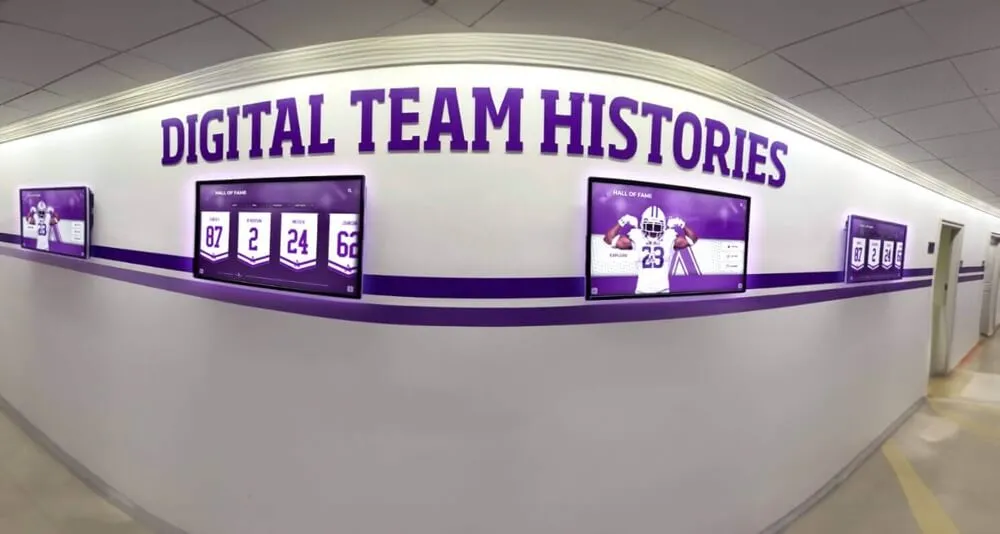
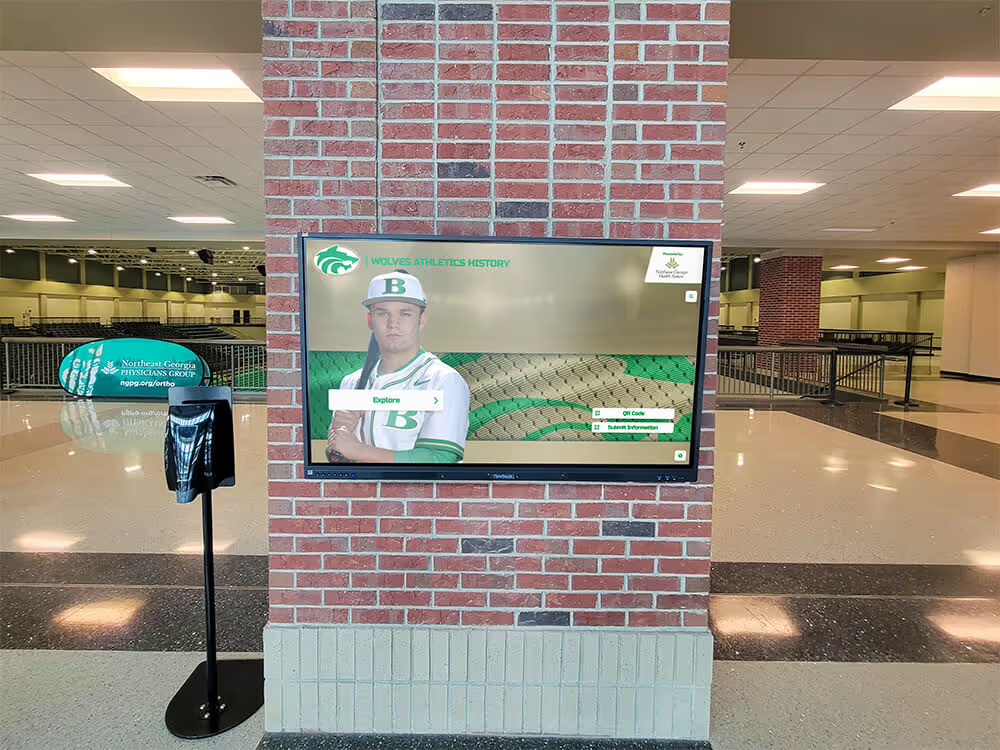
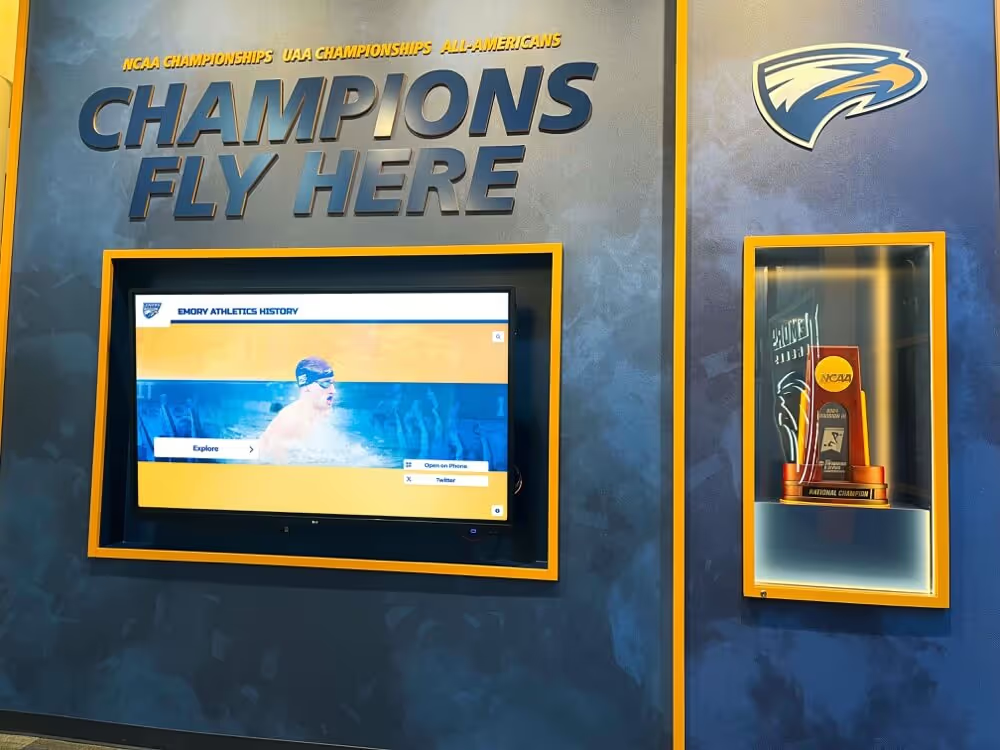
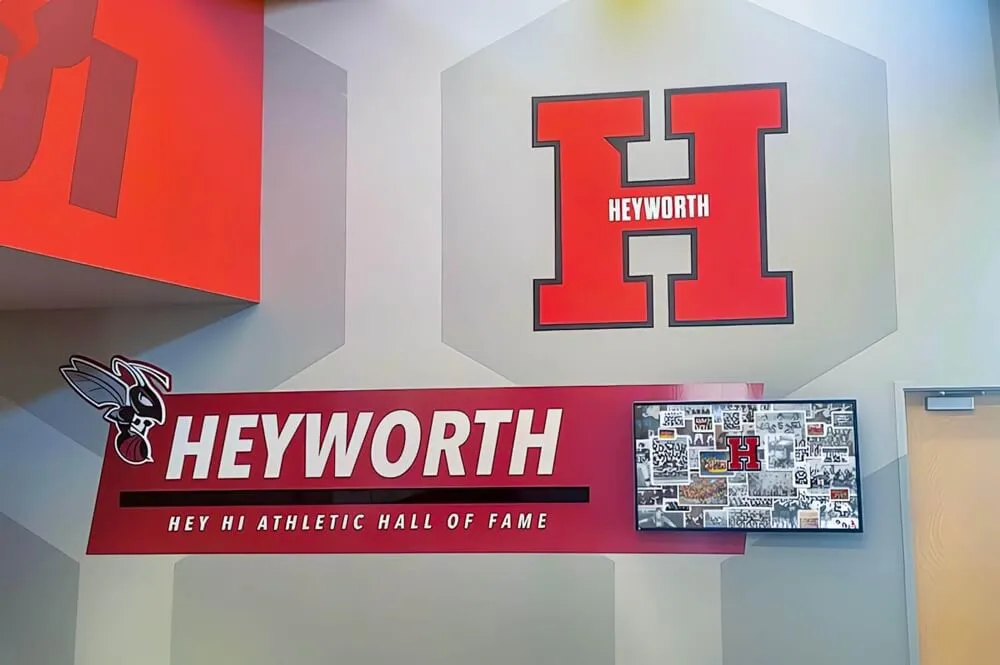
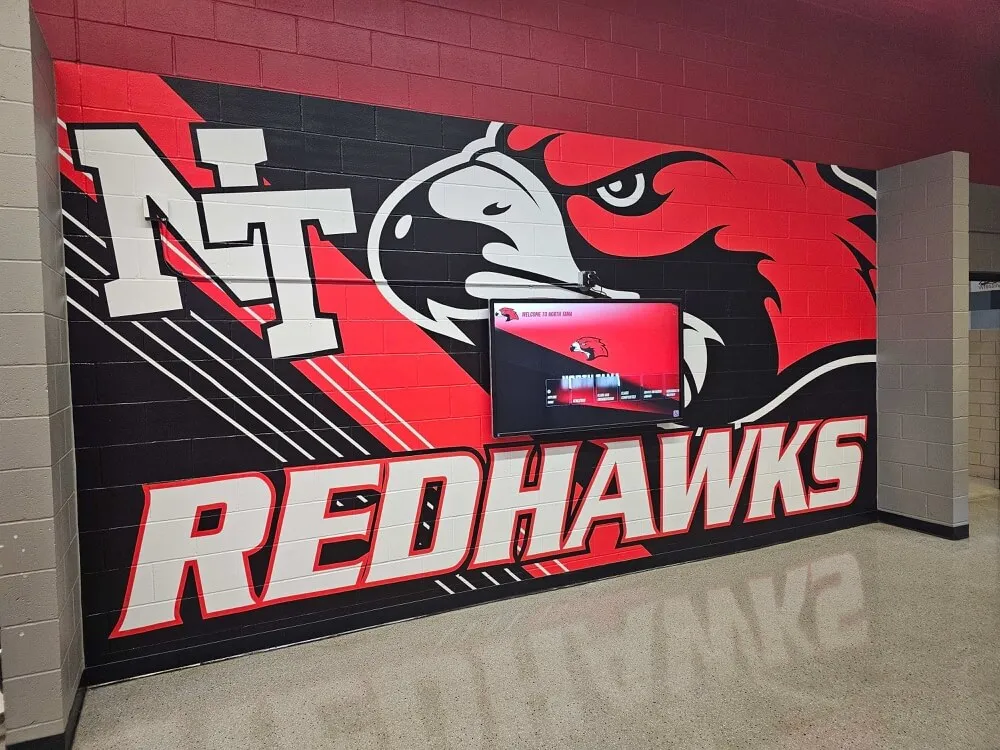
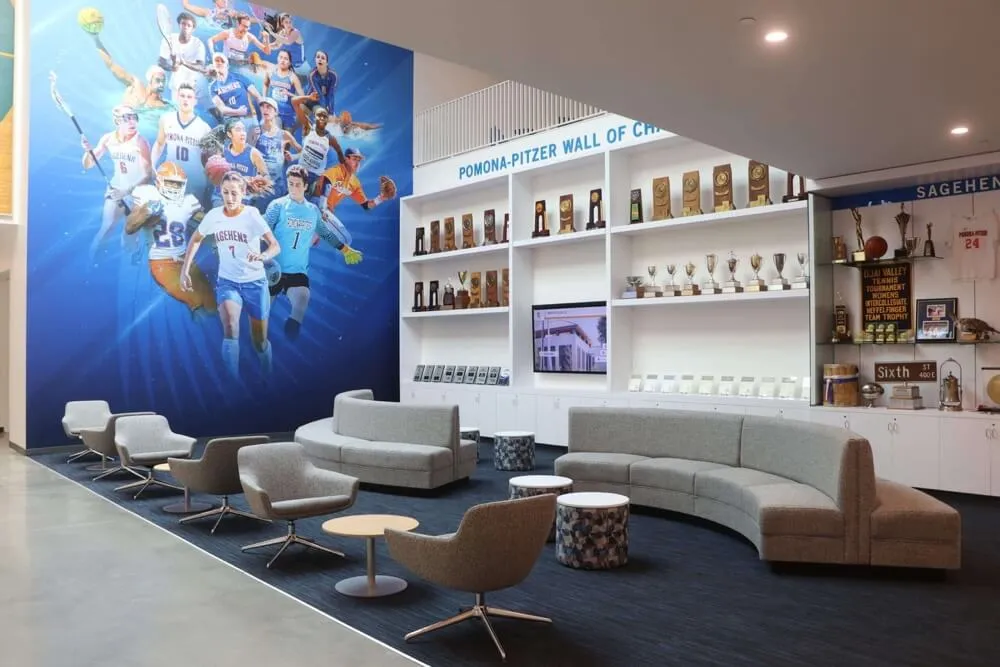
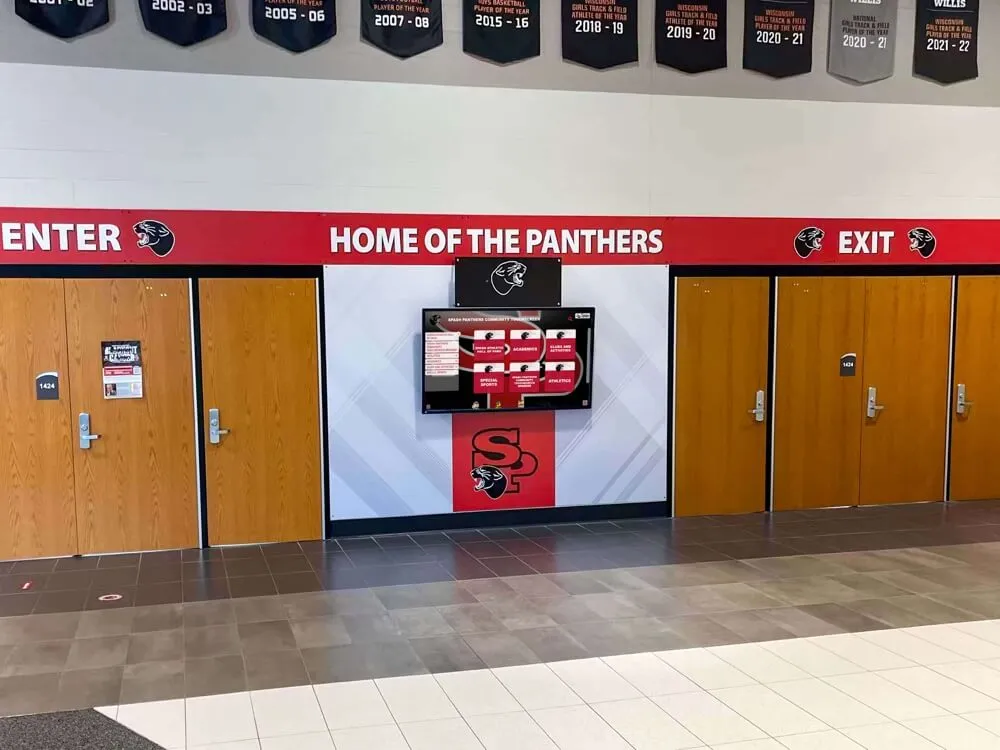
End-of-year celebrations bring school communities together to reflect on shared achievements and honor individual accomplishments before summer break
Student Academic Recognition Ideas
Celebrating Classroom Achievement and Growth
End-of-year academic recognition extends beyond traditional honor roll announcements to celebrate diverse forms of learning achievement:
1. Subject-Specific Excellence Awards
Create recognition categories honoring outstanding achievement within each academic department:
Implementation Approach:
- Department heads nominate students demonstrating exceptional mastery, improvement, or passion for their subject area
- Award categories might include “Outstanding Mathematician,” “Exceptional Writer,” “Science Scholar,” “History Analyst,” or “Language Arts Excellence”
- Recognition acknowledges both absolute achievement and significant growth throughout the year
- Certificates or small tokens presented during department celebrations or school-wide ceremony
This approach values excellence across all disciplines rather than exclusively recognizing students excelling in traditionally emphasized subjects like mathematics and English.
2. Most Improved Student Recognition
Celebrate students demonstrating significant academic growth regardless of absolute achievement levels:
Key Considerations:
- Growth metrics compare individual students to their own past performance rather than peer comparison
- Recognition motivates students who may never reach honor roll status but who work diligently to improve
- Teachers identify students showing consistent effort, improved study habits, and measurable progress
- Avoid creating perception that improvement recognition holds less value than absolute achievement awards
Schools implementing growth-focused recognition discover that celebrating improvement motivates broader student populations than traditional achievement-only approaches.
3. Digital Honor Roll Display
Showcase academic achievement through dynamic recognition visible throughout the final weeks of school:
Display Elements:
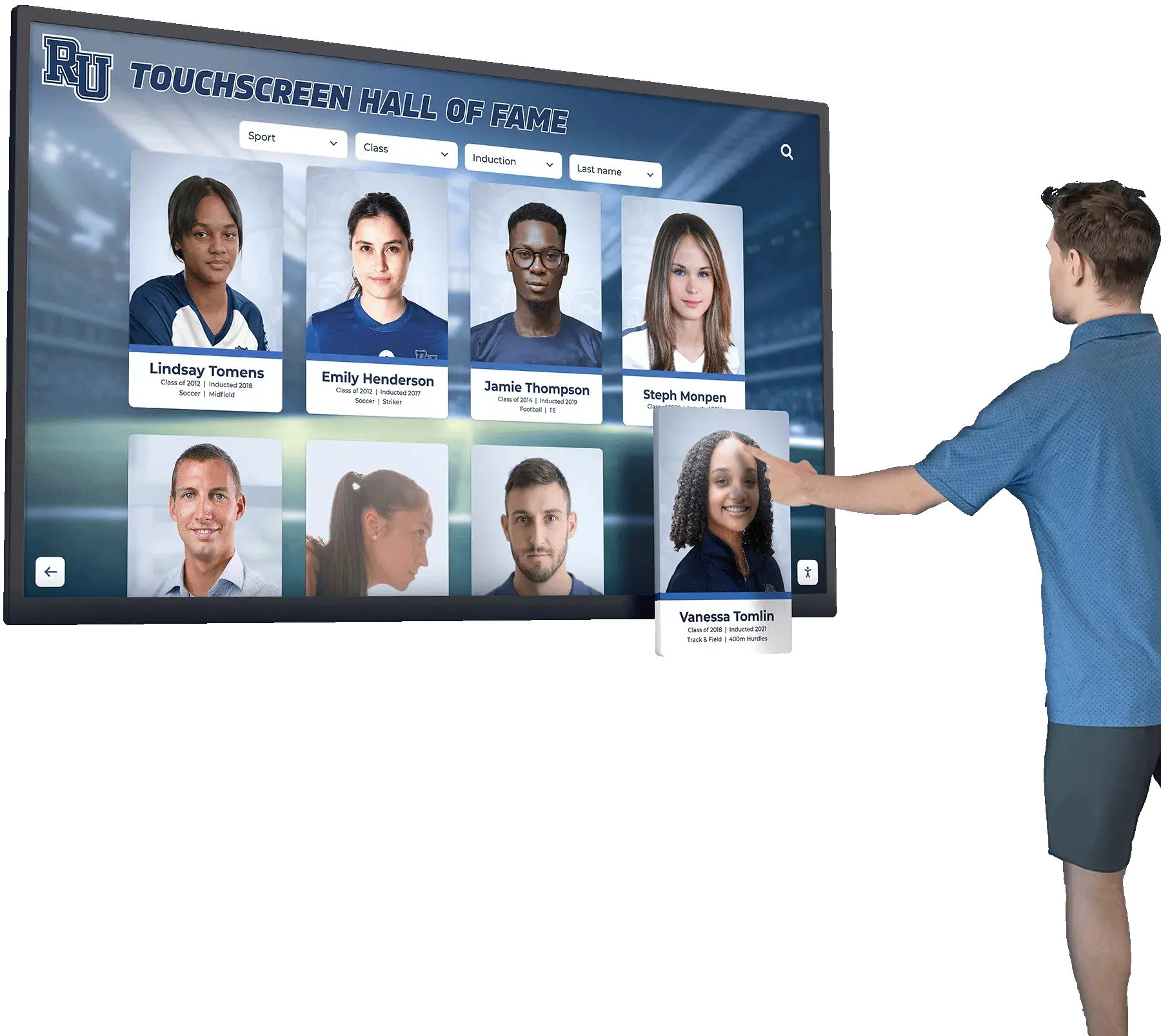
- Interactive touchscreen displays featuring student names, photos, and achievement details
- Searchable databases allowing students and families to locate individual recognition
- Updated content reflecting final quarter achievements, semester honors, and year-long academic success
- QR code access enabling families to view and share recognition from home
Modern digital recognition displays create more engaging honor roll presentations than static printed lists, particularly when celebrating multiple achievement categories and recognition levels.
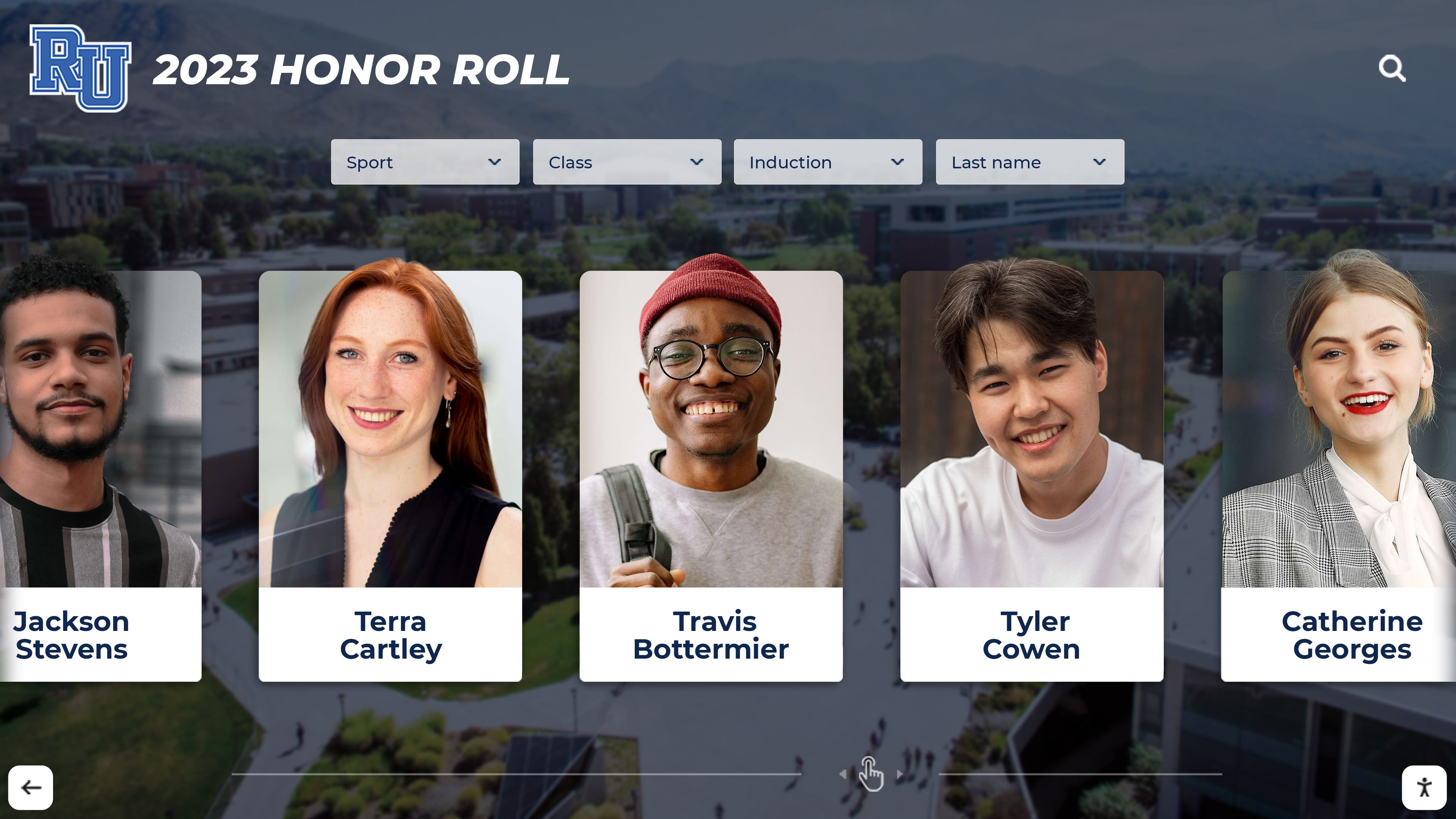
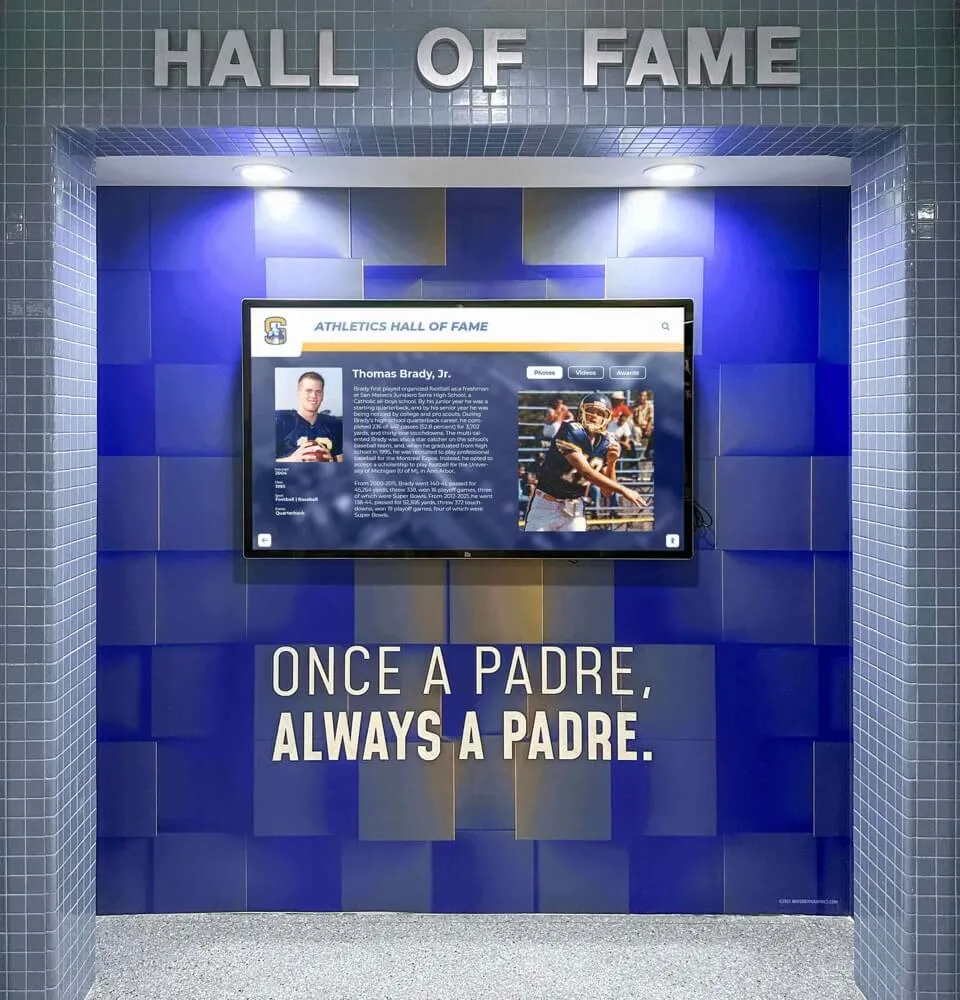
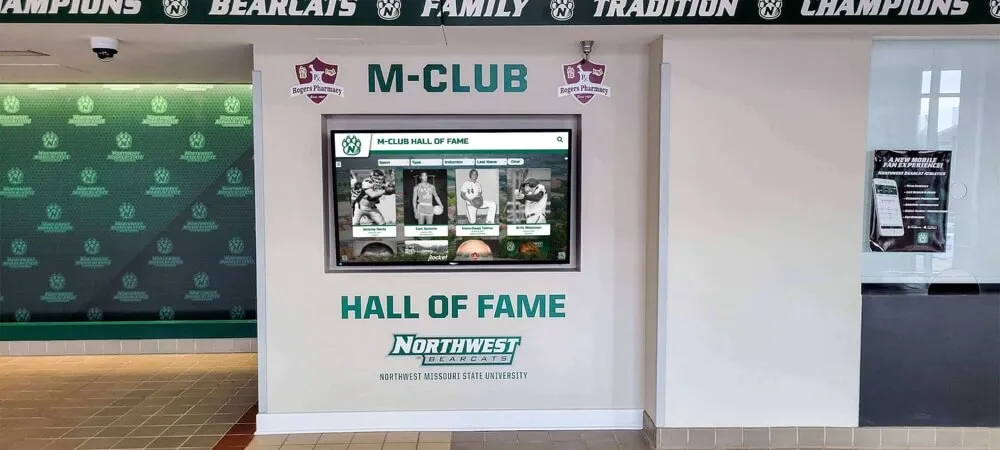
Digital honor roll displays allow schools to celebrate academic achievement with rich visual presentations including student photos and accomplishment details
4. Academic Awards Ceremony
Host dedicated events celebrating scholarly achievement across all grade levels:
Ceremony Components:
- Opening remarks from administration emphasizing the value of academic dedication
- Individual award presentations by department heads or teachers
- Student or faculty speaker sharing reflections on the year’s academic journey
- Reception allowing families to congratulate students and photograph awards
- Program documenting all award recipients for permanent record
Dedicated academic ceremonies communicate that intellectual achievement receives comparable celebration to athletic success, reinforcing balanced institutional values.
5. Classroom Achievement Celebrations
Empower individual teachers to recognize student accomplishment within their specific courses:
Recognition Options:
- Class-specific superlatives celebrating unique student strengths (most insightful questions, best collaborative partner, strongest peer mentor)
- Portfolio presentations allowing students to showcase year-long work and growth
- Peer recognition where students nominate classmates for contribution awards
- Teacher-written notes acknowledging individual student growth and achievement
Classroom-level recognition feels more personal than school-wide announcements, particularly for students who may not receive broader institutional awards.
6. National Honor Society Induction
Conclude the year by inducting new members into academic honor societies:
Induction Elements:
- Formal ceremony honoring students meeting scholarship, service, leadership, and character criteria
- Current members welcoming new inductees into the organization
- Candle-lighting or symbolic traditions representing commitment to academic excellence
- Family attendance celebrating this significant achievement milestone
Organizations like the National Honor Society provide structured recognition frameworks schools can leverage for meaningful year-end academic celebration.
7. Academic Achievement Photo Display
Create visual celebrations showcasing scholarly accomplishment:
Display Approaches:
- Hallway photo galleries featuring honor roll students, award recipients, and academic competition participants
- Digital slideshow presentations rotating through classrooms and common areas
- Social media recognition highlighting individual and group academic achievements
- Year-end digital yearbook sections documenting academic highlights and accomplishments
Visual recognition extends celebration beyond single ceremony moments, creating lasting documentation of academic success.
Teacher and Staff Appreciation Ideas
Honoring Educators Who Make Learning Possible
Year-end celebrations should meaningfully recognize the educators, administrators, and support staff whose dedication makes student achievement possible:
8. Student-Created Thank You Messages
Facilitate genuine student appreciation for favorite teachers:
Implementation Methods:
- Video compilation of students sharing what they learned from specific teachers
- Handwritten note campaigns where students write appreciation messages delivered during final week
- Digital message boards where students post anonymous or signed thank-you notes
- Classroom visits where student representatives share collective appreciation
Authentic student gratitude often means more to teachers than administrative recognition, particularly when messages reference specific teaching moments or lessons that made lasting impacts.
9. Teacher Recognition Assembly
Host dedicated events celebrating educator excellence:
Recognition Categories:
- Years of service milestones (5, 10, 15, 20+ years)
- Departmental teaching excellence awards
- Innovation in instruction recognizing creative teaching approaches
- Student impact awards based on student or parent nominations
- Retiring teacher celebrations honoring careers of dedication
Public acknowledgment communicates institutional appreciation while allowing students and families to participate in honoring beloved educators.
10. Staff Appreciation Breakfast or Luncheon
Provide dedicated time for administration to thank teachers and support staff:
Event Elements:
- Catered meal during school hours (breakfast before students arrive or lunch during planning periods)
- Brief remarks from administration acknowledging the year’s challenges and achievements
- Small gifts or tokens of appreciation for all staff members
- Informal atmosphere allowing colleagues to celebrate together
- Special recognition for staff members going above and beyond normal duties
Teacher appreciation events demonstrate that schools value educator well-being and recognize teaching demands beyond what occurs during instructional time.
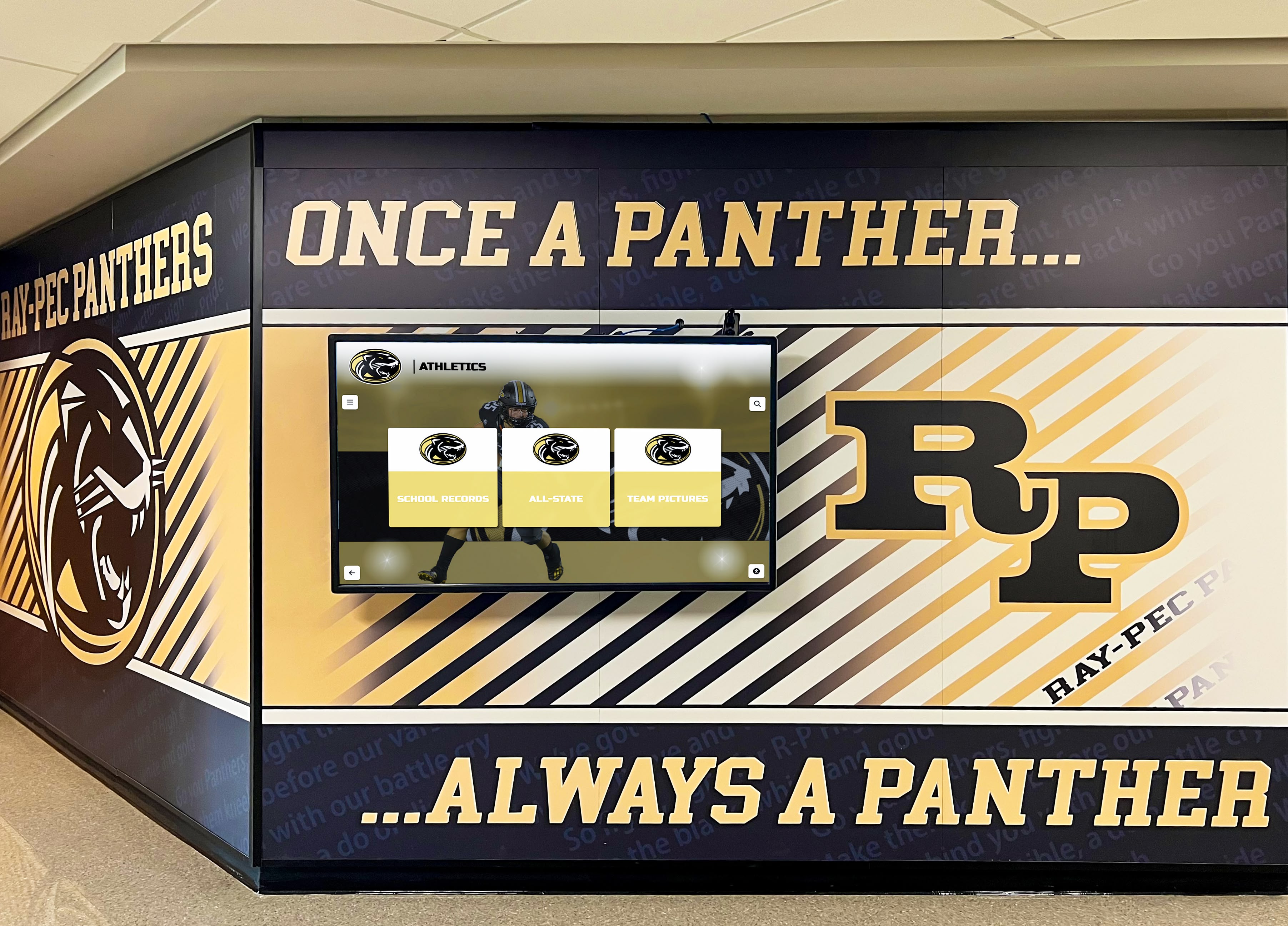
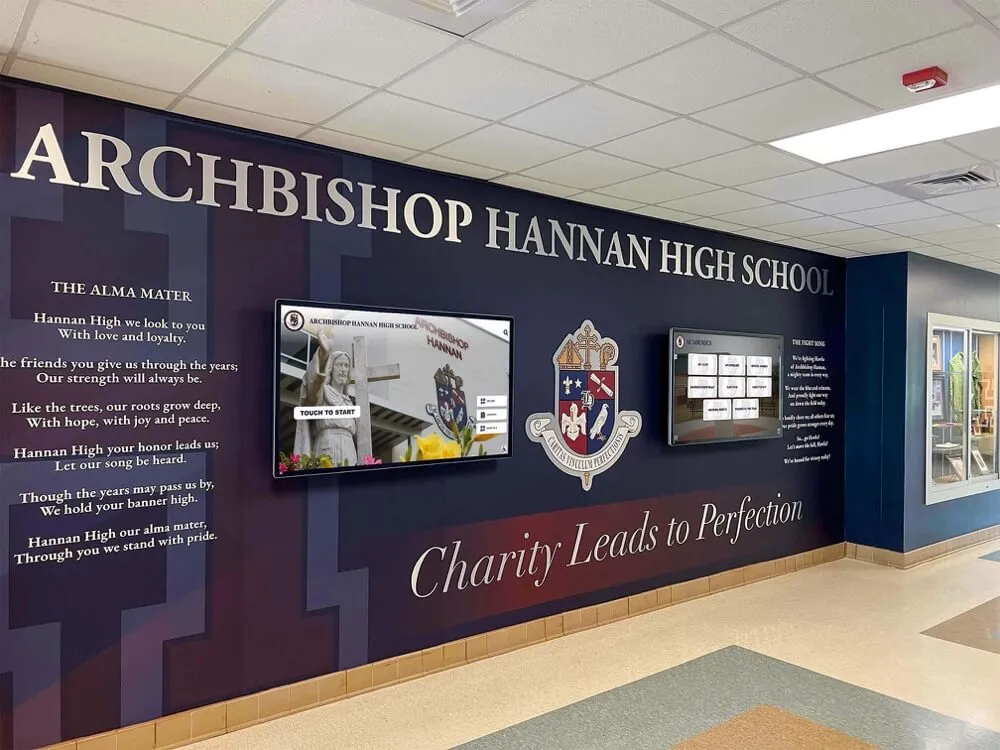
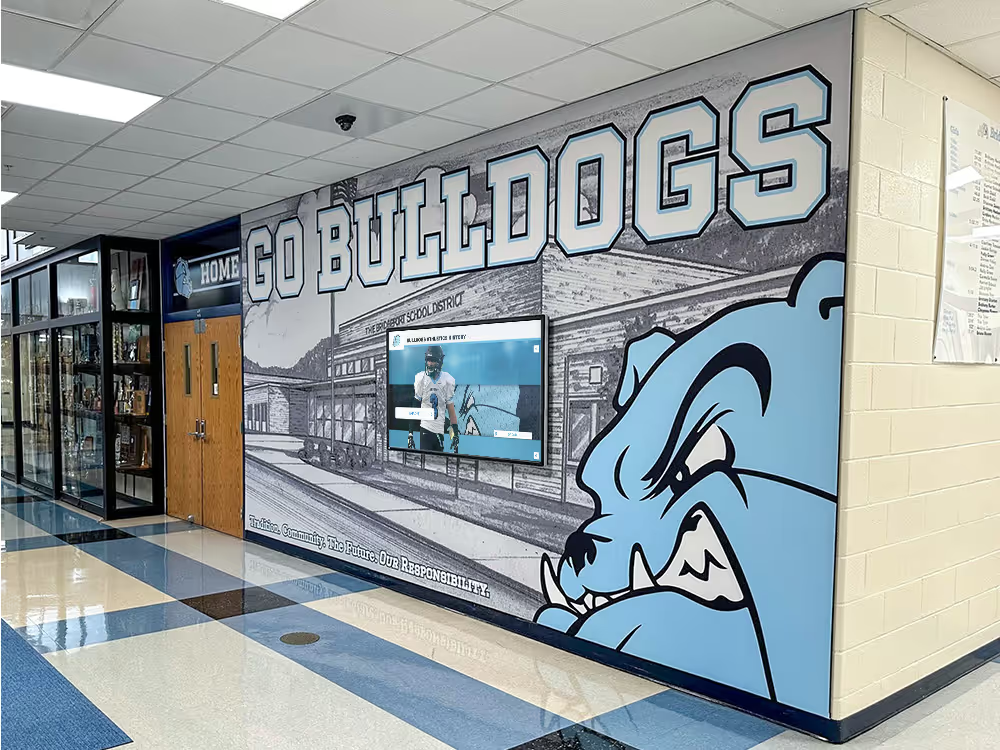
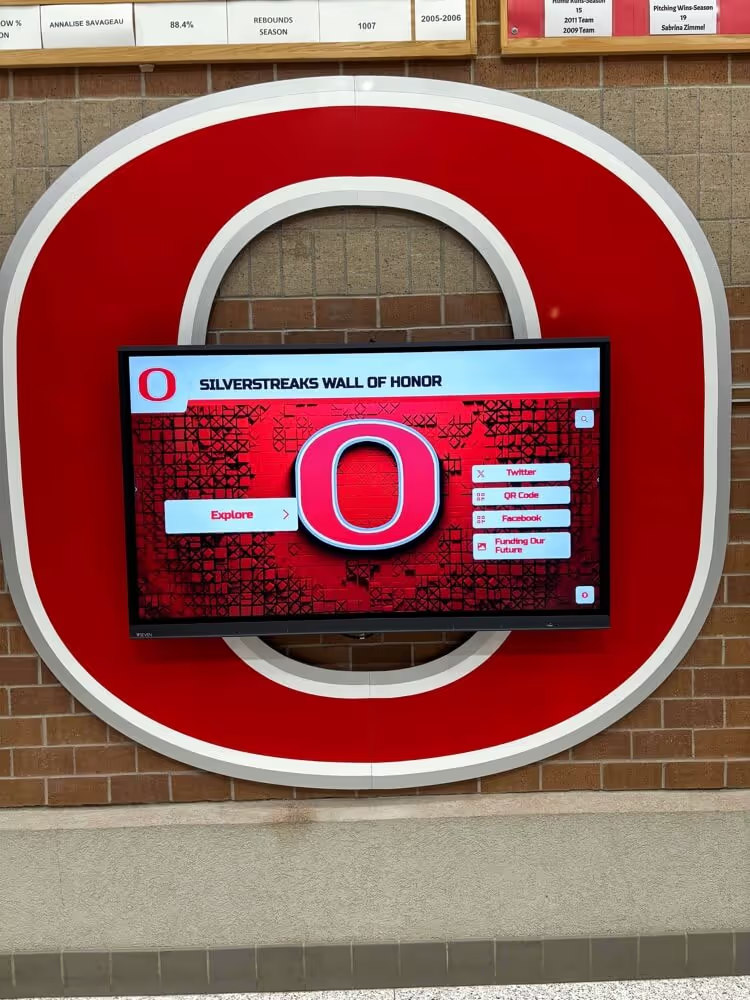
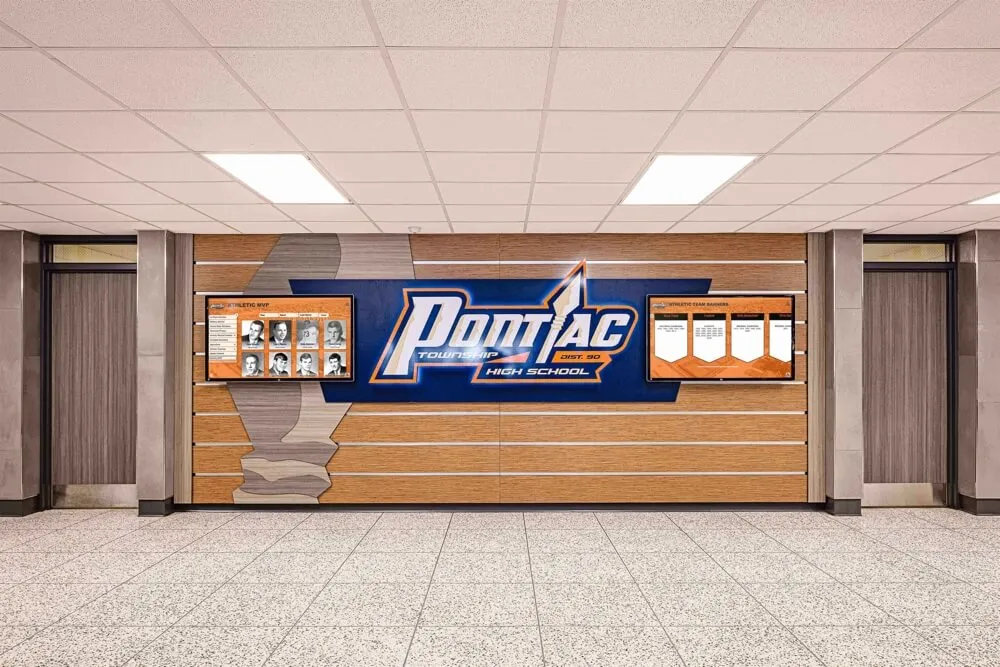
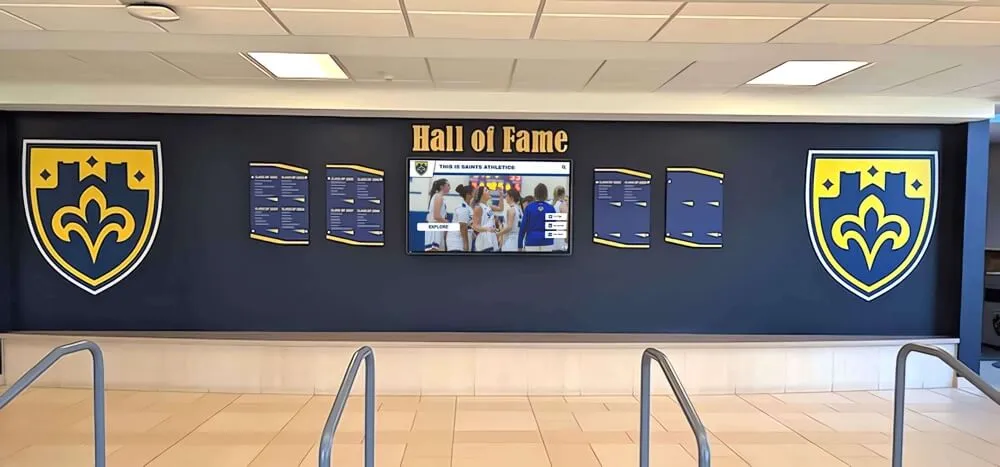
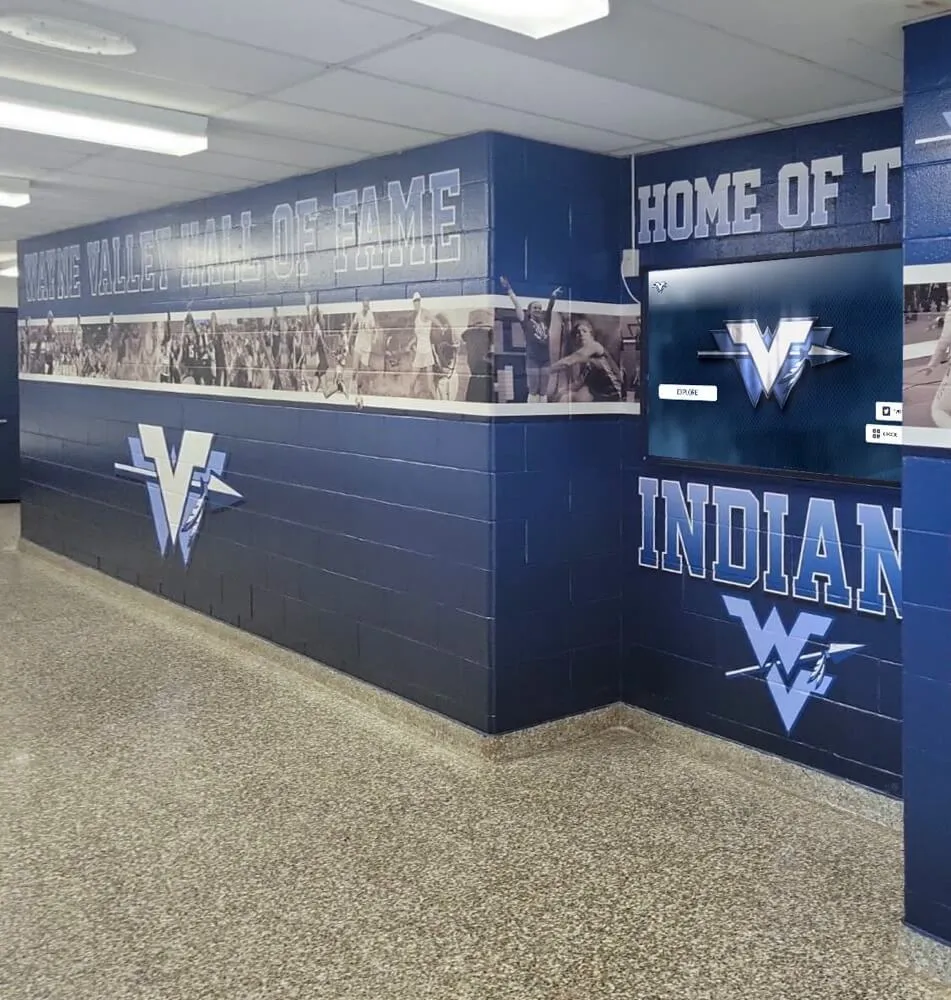
Schools create celebratory environments during year-end weeks through recognition displays honoring both students and staff throughout hallways and common spaces
11. Teacher Spotlight Features
Celebrate individual educators through dedicated recognition:
Spotlight Formats:
- Daily email or announcement highlighting different teacher each day during final weeks
- Social media posts featuring teacher photos, subjects taught, and years of service
- Newsletter articles sharing teacher background stories, teaching philosophies, or favorite memories
- Digital display presentations rotating through staff profiles in lobby areas
Consistent recognition throughout final weeks ensures all staff members receive appreciation rather than focusing only on award recipients.
12. Retirement Celebrations
Honor educators concluding their teaching careers:
Celebration Components:
- Special assembly or reception dedicated to retiring staff members
- Slide presentations featuring career highlights, memorable moments, and photos spanning decades
- Former students returning to share how the teacher impacted their lives
- Gifts or plaques commemorating years of service
- Speeches from colleagues and administration honoring the teacher’s legacy
Retirement celebrations acknowledge that educators dedicated careers to serving students and deserve meaningful recognition as they transition to new chapters.
13. Support Staff Recognition
Ensure custodians, cafeteria workers, administrative assistants, and other support staff receive appreciation:
Recognition Approaches:
- Student-created cards or posters thanking specific support staff members
- Small group appreciation events recognizing custodial, food service, and administrative teams
- Public acknowledgment during assemblies or announcements
- Gift cards or tokens of appreciation for behind-the-scenes contributors
Support staff often feel invisible despite being essential to school operations—intentional recognition communicates that their contributions matter to the school community.
Athletic Program Celebration Ideas
Recognizing Team Achievement and Individual Athletic Excellence
Athletic programs deserve end-of-year celebrations honoring both competitive success and the character development occurring through sport participation:
14. Spring Sports Banquets
Conclude spring athletic seasons with dedicated team celebrations:
Banquet Elements:
- Catered meal bringing together athletes, families, and coaching staff
- Season highlight videos showcasing memorable games, plays, and moments
- Coach speeches reflecting on the season and individual player growth
- Individual award presentations (MVP, Most Improved, Coach’s Award, Academic Achievement)
- Senior recognition honoring graduating athletes and their contributions to the program
Schools seeking detailed planning guidance can explore comprehensive sports banquet ideas that create memorable team celebrations.
15. All-Sports Recognition Night
Host single events celebrating all athletic programs simultaneously:
Event Advantages:
- More efficient than individual sport banquets, particularly for schools with numerous teams
- Creates sense of unified athletic department rather than isolated programs
- Allows athletes participating in multiple sports to attend single celebration
- Enables school-wide attendance celebrating collective athletic achievement
- Reduces planning burden on coaches managing multiple end-of-year responsibilities
All-sports events work particularly well for smaller schools where individual sport banquets might have limited attendance.
16. Athletic Hall of Fame Induction
Recognize outstanding athletic achievement through permanent hall of fame membership:
Induction Components:
- Selection of new inductees based on competitive achievement, character, and program contribution
- Formal induction ceremony with speeches from inductees or presenters
- Permanent recognition through plaques, photo displays, or digital honor walls
- Reception allowing current athletes to meet and celebrate program legends
- Documentation of inductee accomplishments in program records and school archives
Athletic halls of fame create lasting traditions connecting current athletes with program history and establishing standards of excellence.
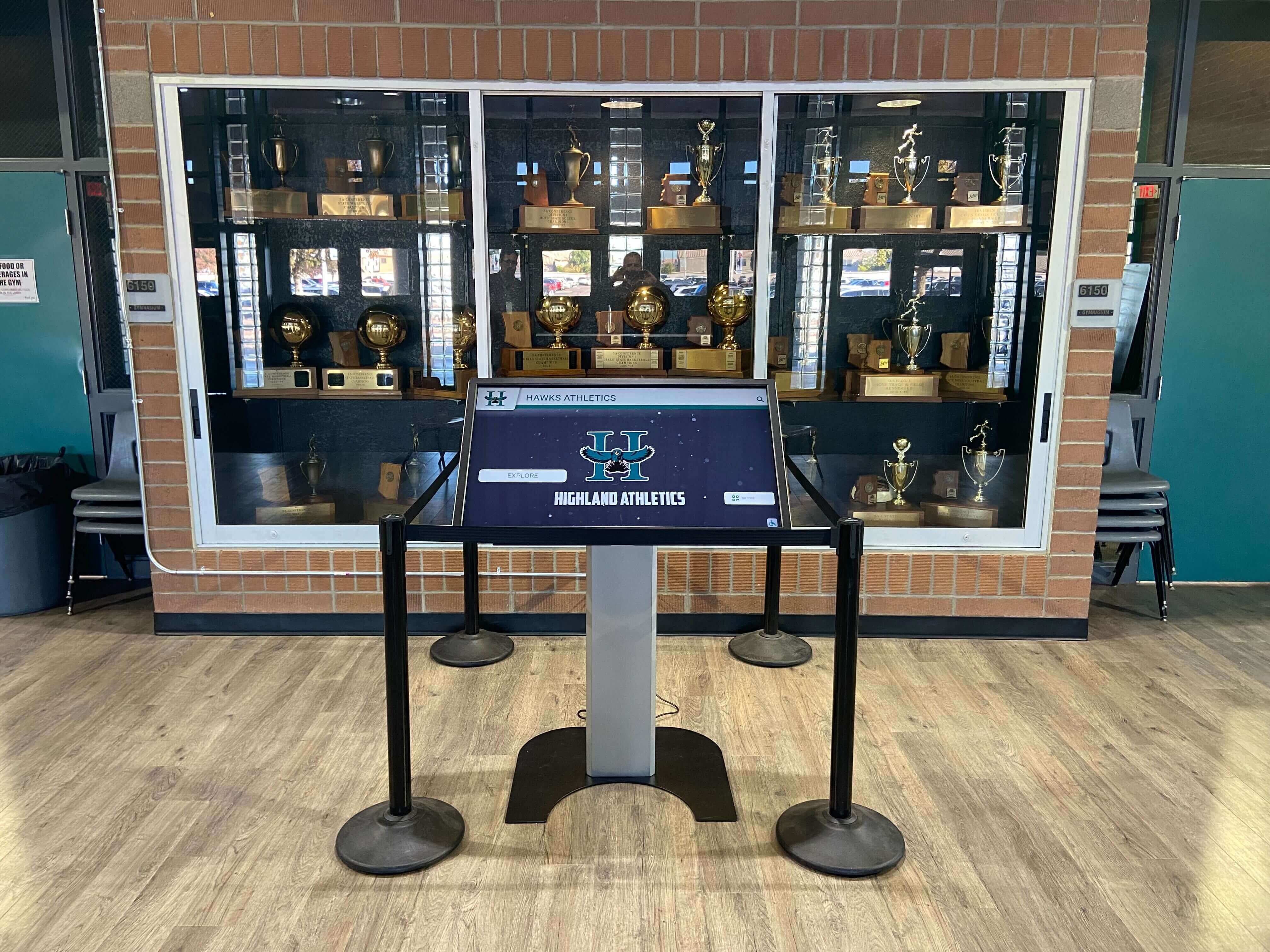
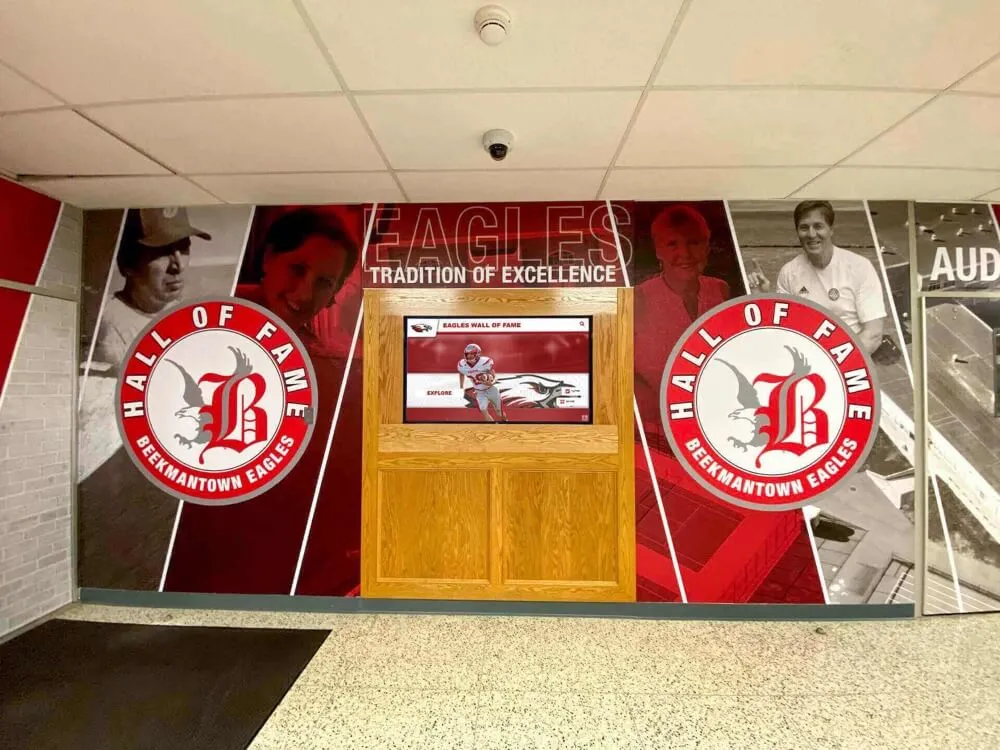
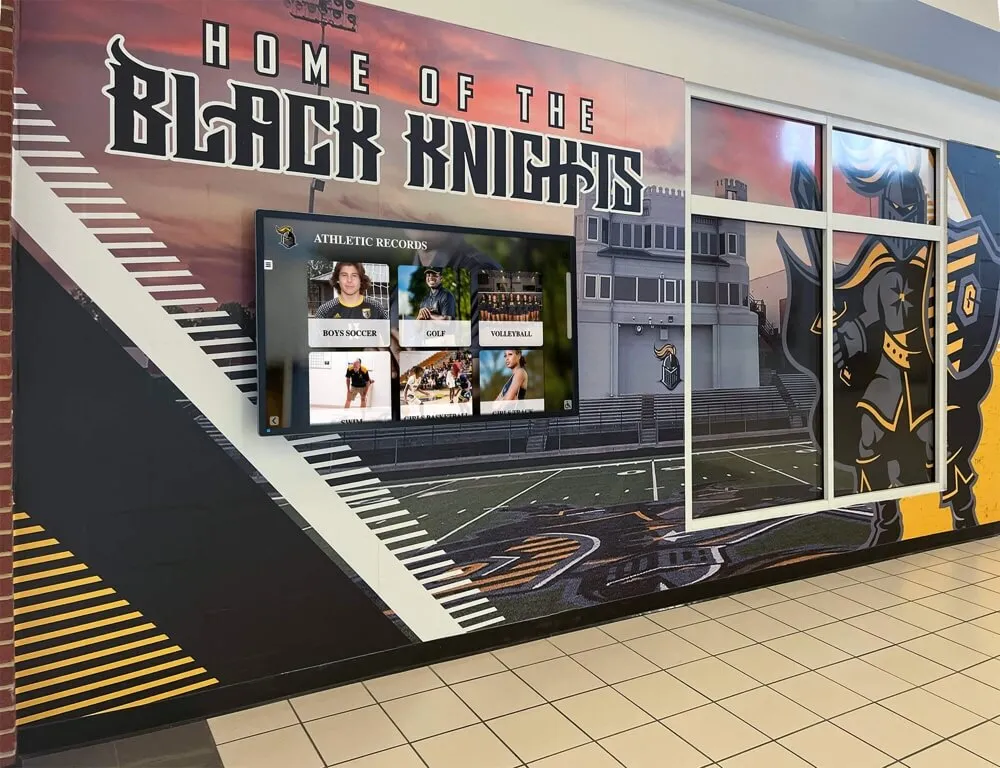
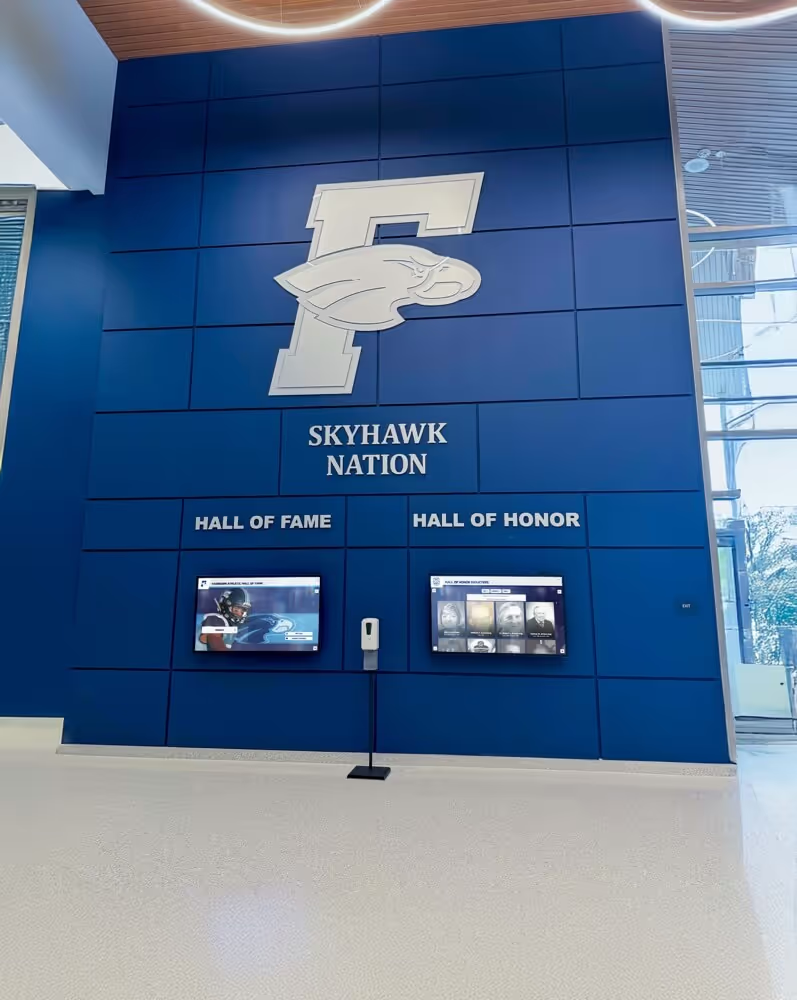
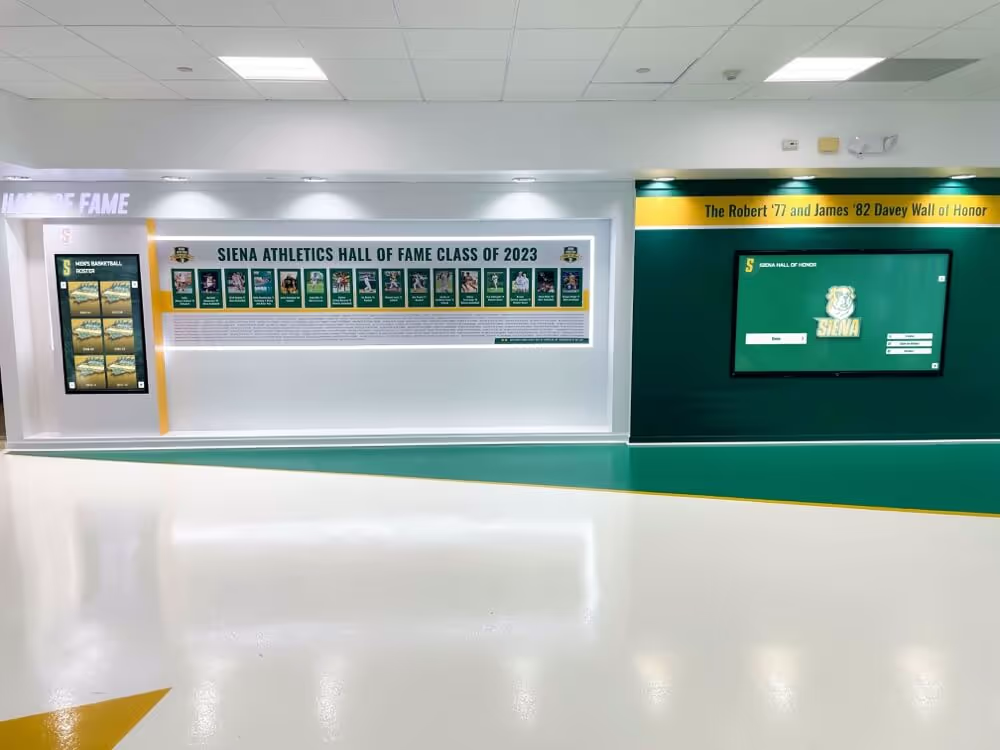
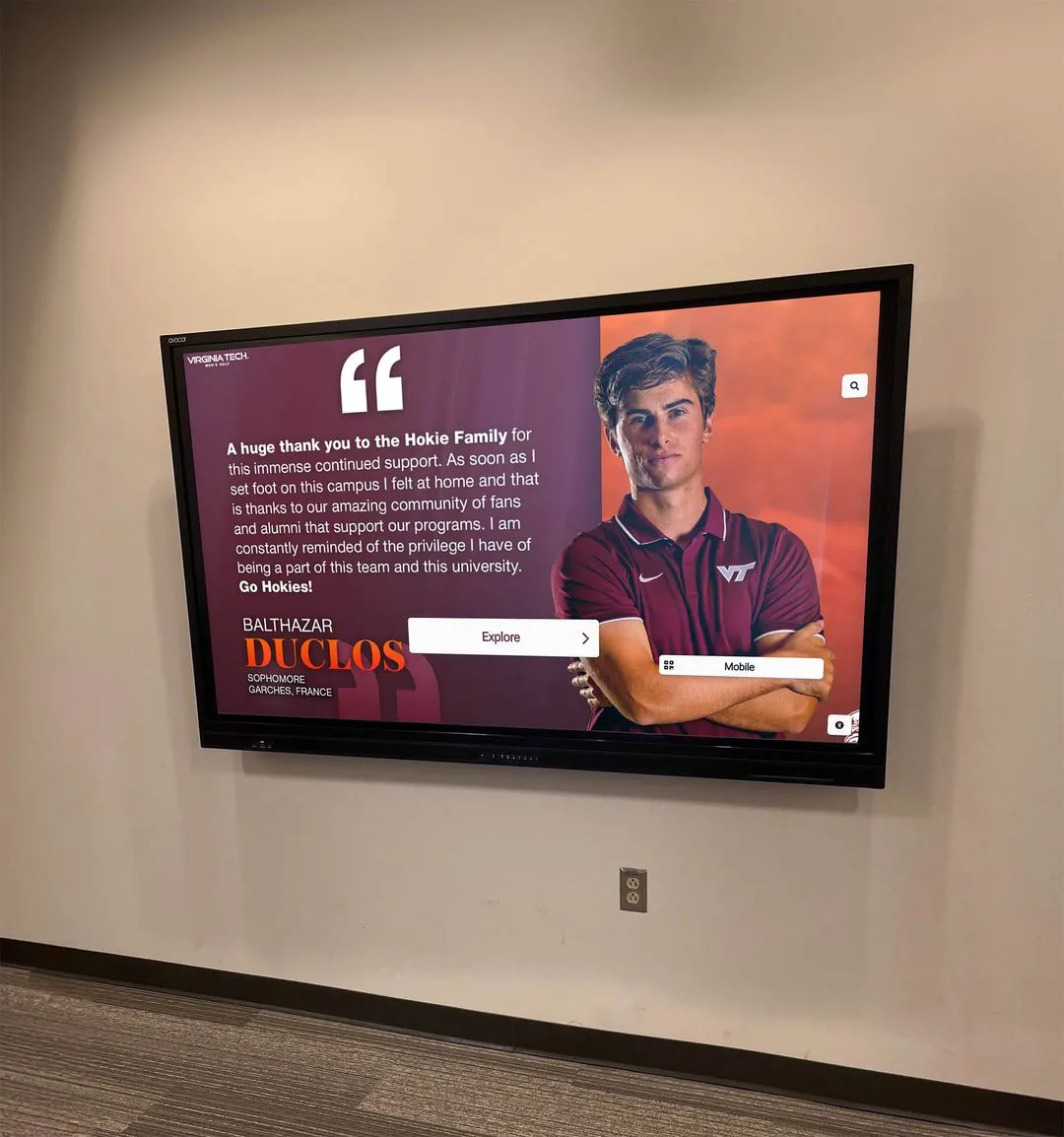
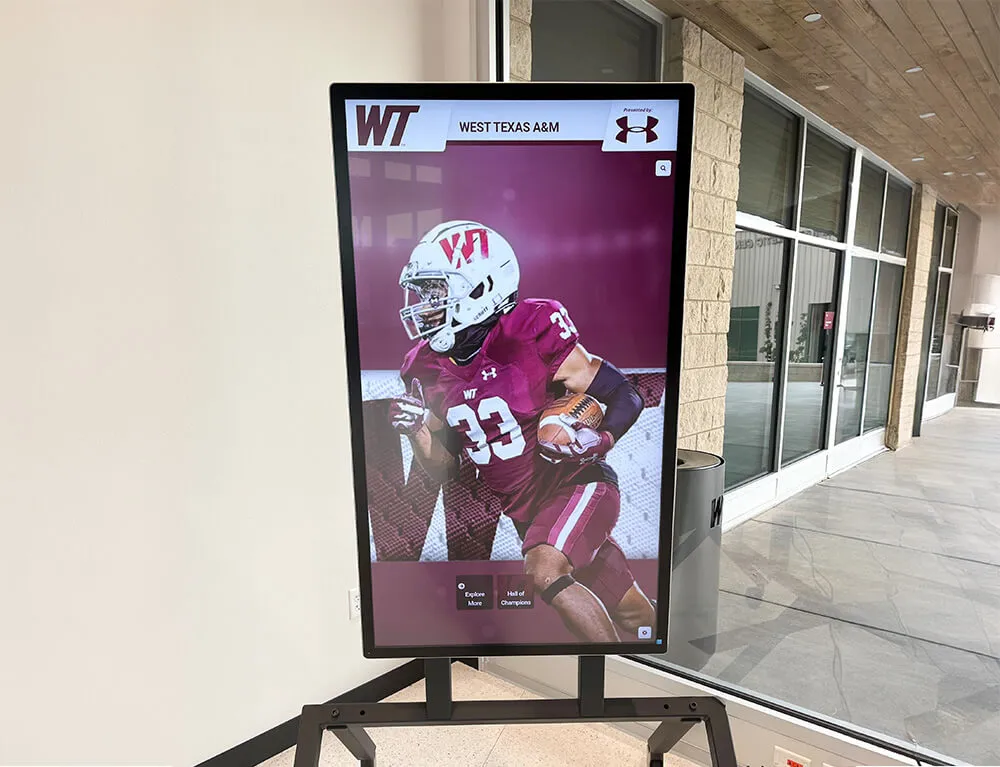
Modern athletic recognition displays allow schools to showcase team achievements and individual athlete accomplishments through interactive, updateable digital platforms
17. Senior Athlete Recognition
Create dedicated moments honoring graduating athletes:
Recognition Formats:
- Special ceremony during final home competitions where seniors receive recognition
- Photo displays in athletic facilities featuring senior athletes with stats and accomplishments
- Video tributes shown during final team events or school assemblies
- Personalized gifts such as framed jerseys, team photos, or engraved items
- Social media campaigns highlighting each senior athlete’s contribution to their program
Senior recognition acknowledges both competitive achievement and the personal growth occurring through years of athletic participation.
18. Digital Athletic Record Boards
Update digital displays showcasing current team records and individual achievements:
Display Content:
- School records in all competitive categories by sport
- Season and career statistical leaders
- Championship team documentation with photos and rosters
- Conference and district achievement recognition
- Historical timeline showing program evolution
Interactive digital record displays engage athletes and fans more effectively than static record boards requiring manual updates after record-breaking performances.
19. Team Awards and Superlatives
Recognize individual athletes through team-specific awards:
Award Categories:
- Most Valuable Player recognizing overall contribution
- Most Improved honoring growth throughout the season
- Coaches’ Awards for leadership, attitude, or effort beyond statistics
- Academic Achievement for athletes maintaining strong grades while competing
- Team superlatives celebrating unique contributions (best teammate, hardest worker, strongest leader)
Diverse award categories ensure recognition extends beyond top performers to acknowledge various forms of valuable team contribution.
20. Championship Celebrations
Create special recognition for teams achieving conference, district, or state championships:
Celebration Elements:
- School-wide assembly honoring championship achievement
- Permanent recognition through banners, plaques, or digital displays
- Championship ring or medal distribution ceremonies
- Team photo displays in prominent school locations
- Media coverage and community recognition events
Schools can explore championship celebration strategies that appropriately honor significant competitive achievements while maintaining perspective that championship success represents one measure of program value.
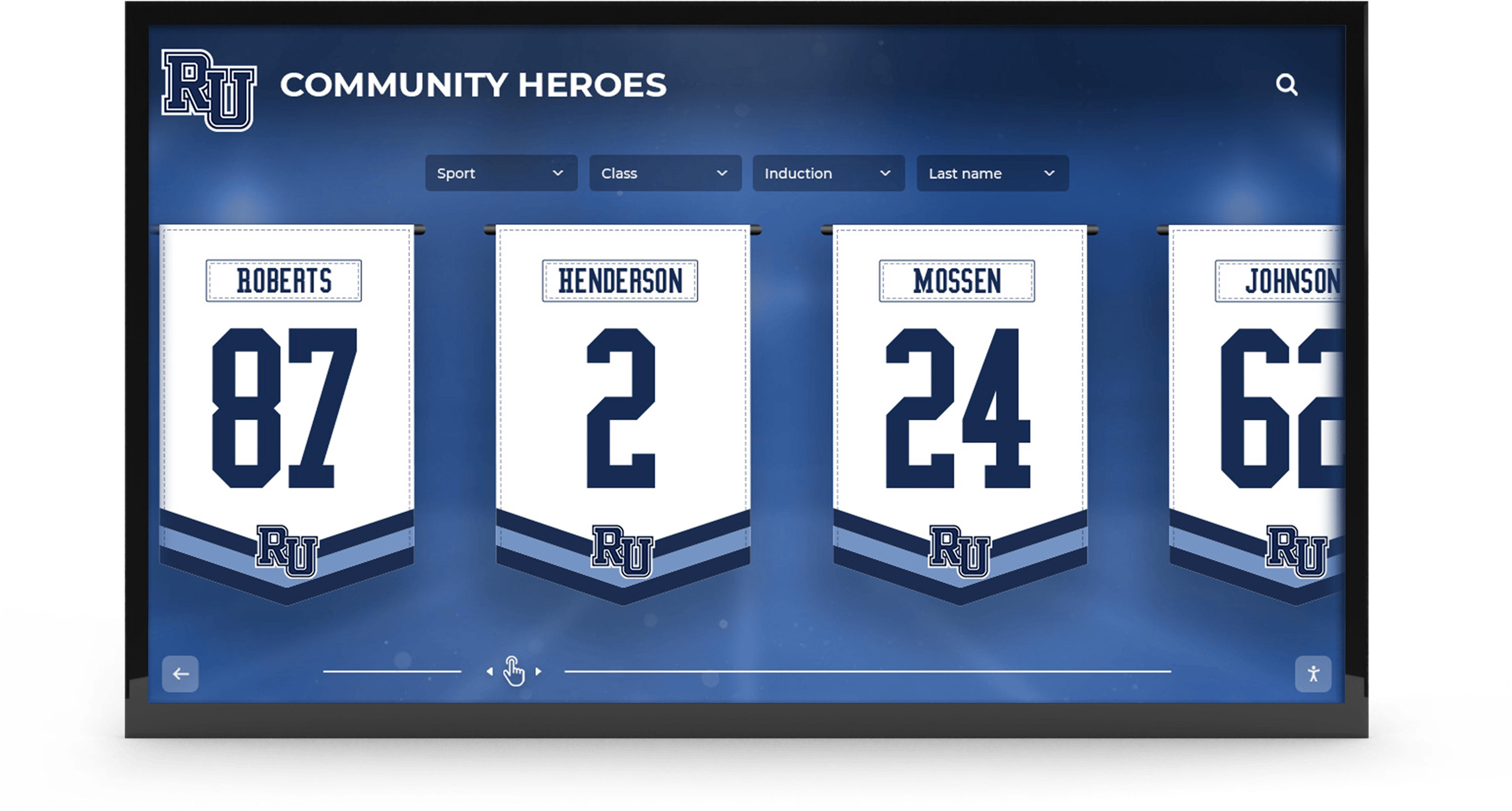
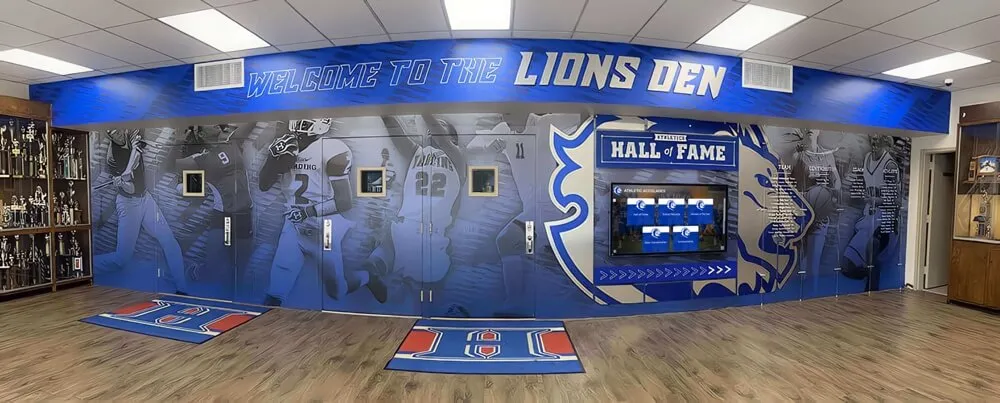
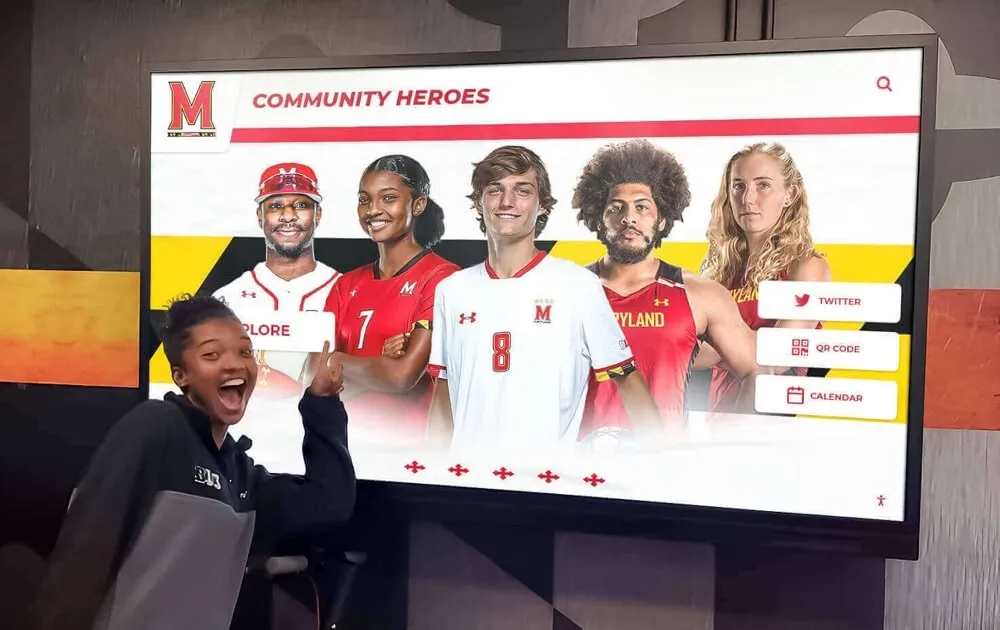
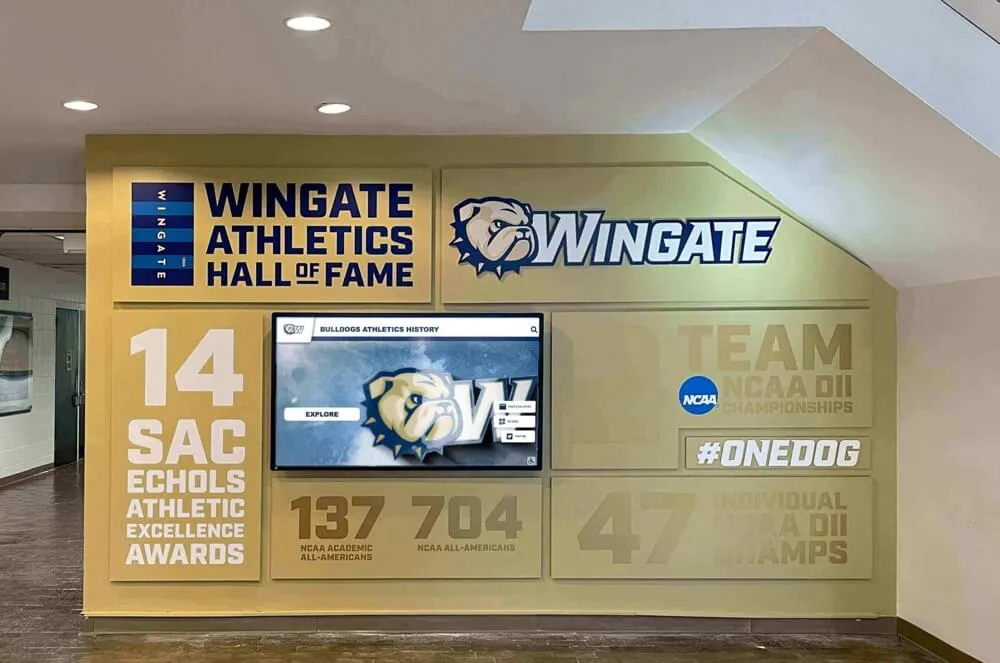
Athletic recognition displays celebrate individual and team achievements while reinforcing program values and community connections
School-Wide Community Celebration Ideas
Events Bringing Entire School Communities Together
The most memorable year-end celebrations often involve entire school communities rather than isolated groups:
21. End-of-Year Awards Assembly
Host comprehensive ceremonies recognizing achievement across all school areas:
Assembly Components:
- Academic award presentations by department
- Athletic recognition for team and individual achievements
- Arts and performance acknowledgment for music, theater, and visual arts excellence
- Character awards recognizing citizenship, leadership, and service
- Special recognition for perfect attendance, student government, and club leadership
Comprehensive assemblies communicate that schools value balanced achievement across multiple domains rather than privileging any single area.
22. Field Day or Fun Activities
Conclude the year with recreational events prioritizing enjoyment over competition:
Activity Options:
- Outdoor field day with relay races, team games, and recreational activities
- Inflatables, obstacle courses, or carnival-style game stations
- Grade-level competitions in non-traditional activities
- Student vs. faculty competitions in lighthearted events
- Music, food trucks, or other festival elements creating celebratory atmosphere
Field day events provide stress relief after weeks of final exams while creating positive final memories before summer break.
23. Talent Show or Variety Performance
Showcase student abilities beyond traditional academic or athletic domains:
Performance Opportunities:
- Musical performances from individual students and groups
- Dance routines choreographed by students
- Comedy sketches and dramatic performances
- Artistic demonstrations or presentations
- Special talents such as magic, juggling, or unique skills
Talent shows celebrate diverse student abilities while providing entertaining conclusion to the school year.
24. Senior Send-Off Events
Create dedicated celebrations honoring graduating classes:
Send-Off Elements:
- Final walk through school hallways with underclassmen providing applause tunnel
- Senior reflection speeches or videos sharing favorite memories
- Time capsule contributions for classes to open at future reunions
- Photo opportunities in graduation regalia throughout school spaces
- Distribution of yearbooks or senior gifts
Senior send-offs create emotional closure while celebrating the graduating class’s contribution to school culture throughout their enrollment.
25. End-of-Year Digital Memory Compilation
Create lasting documentation of the school year’s highlights:
Compilation Elements:
- Photo and video montage featuring academic, athletic, artistic, and social highlights
- Student and staff interviews reflecting on memorable moments
- Music soundtrack featuring songs popular during the school year
- Recognition sections honoring award recipients and achievement highlights
- Distribution via digital yearbook platforms accessible to families throughout summer
Digital compilations create permanent records families can revisit for years, unlike single-event celebrations that exist only in immediate memory.
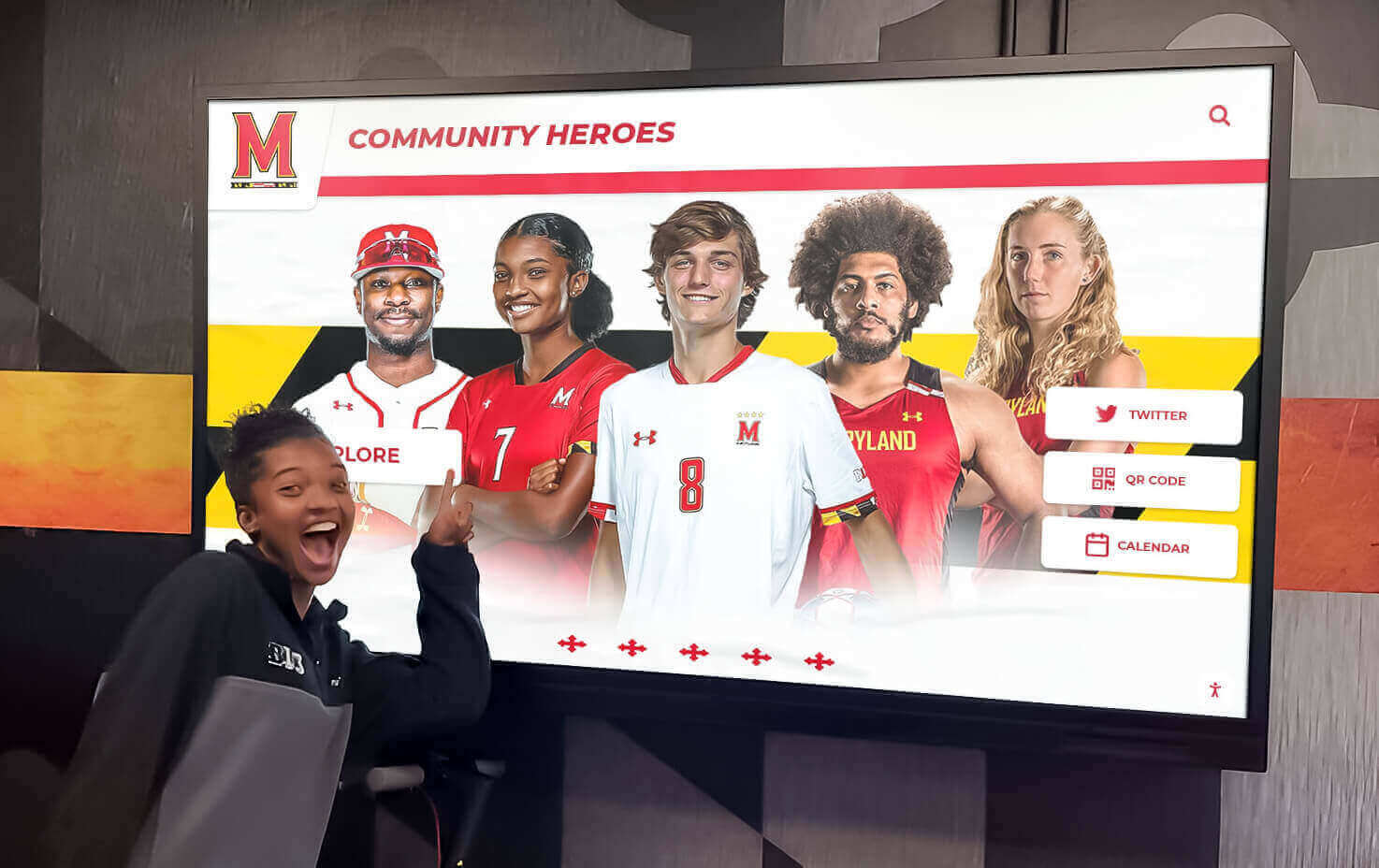
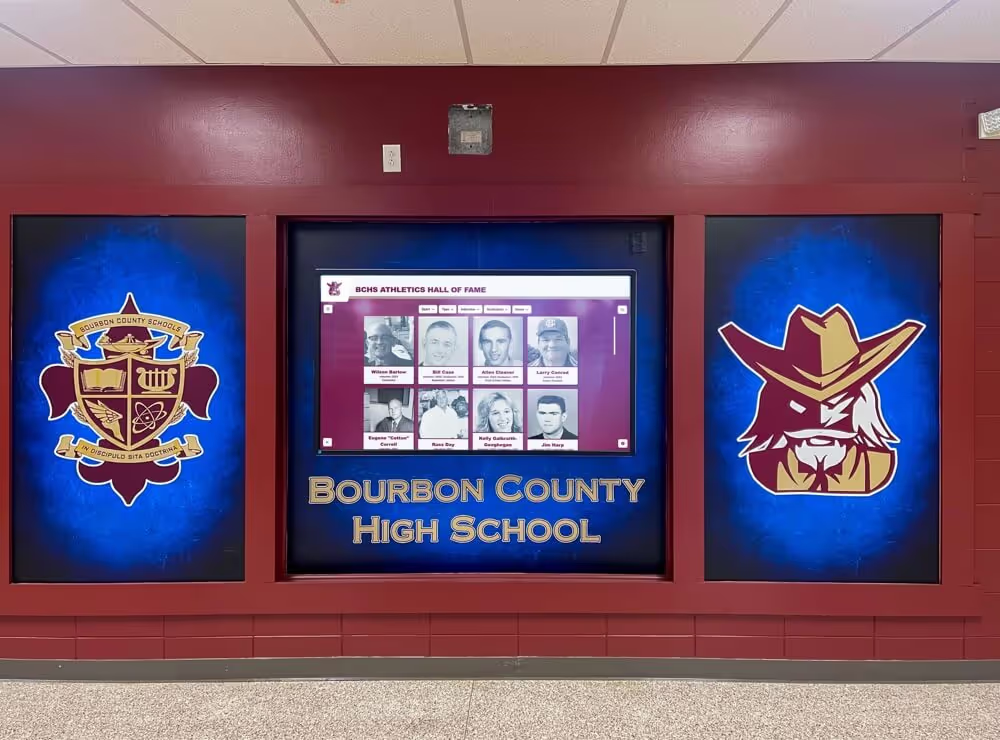
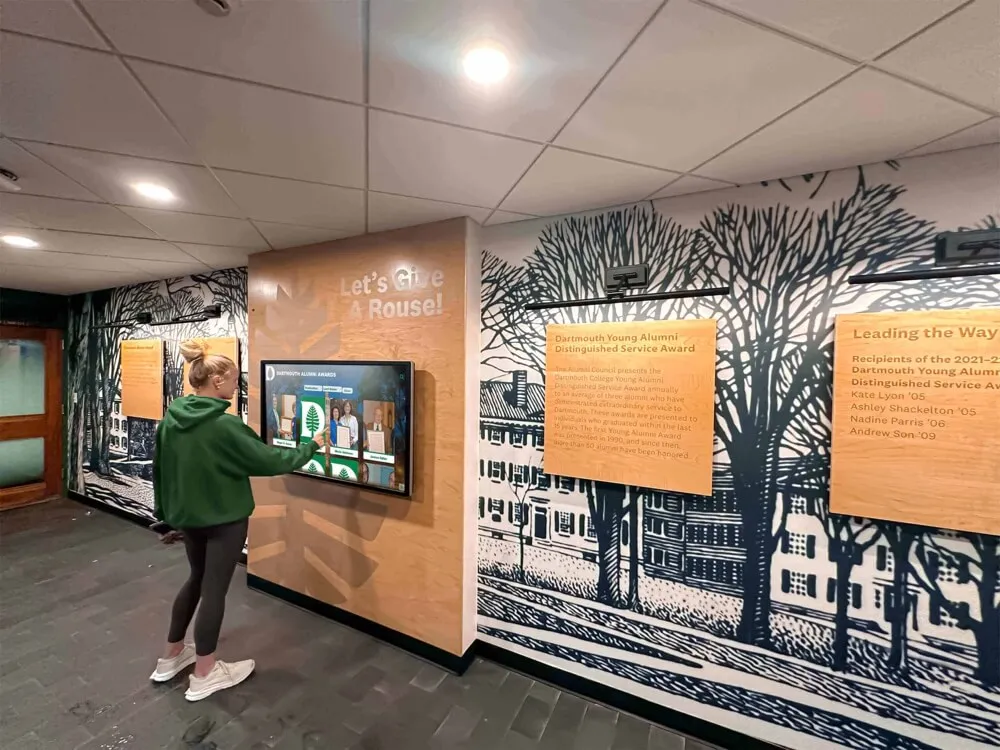
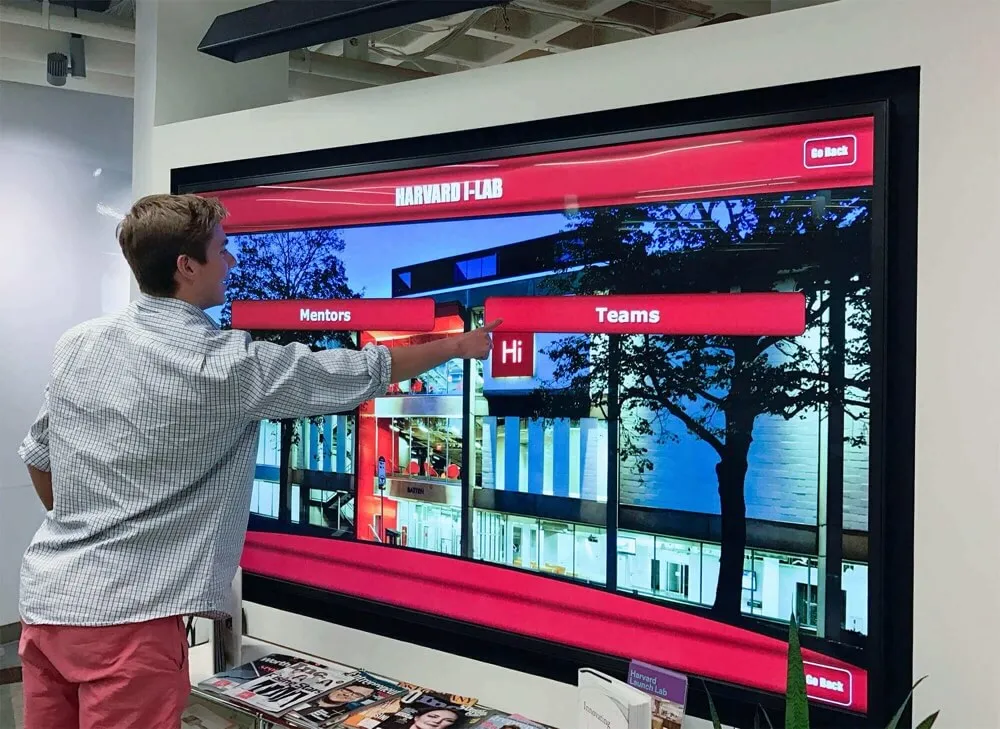
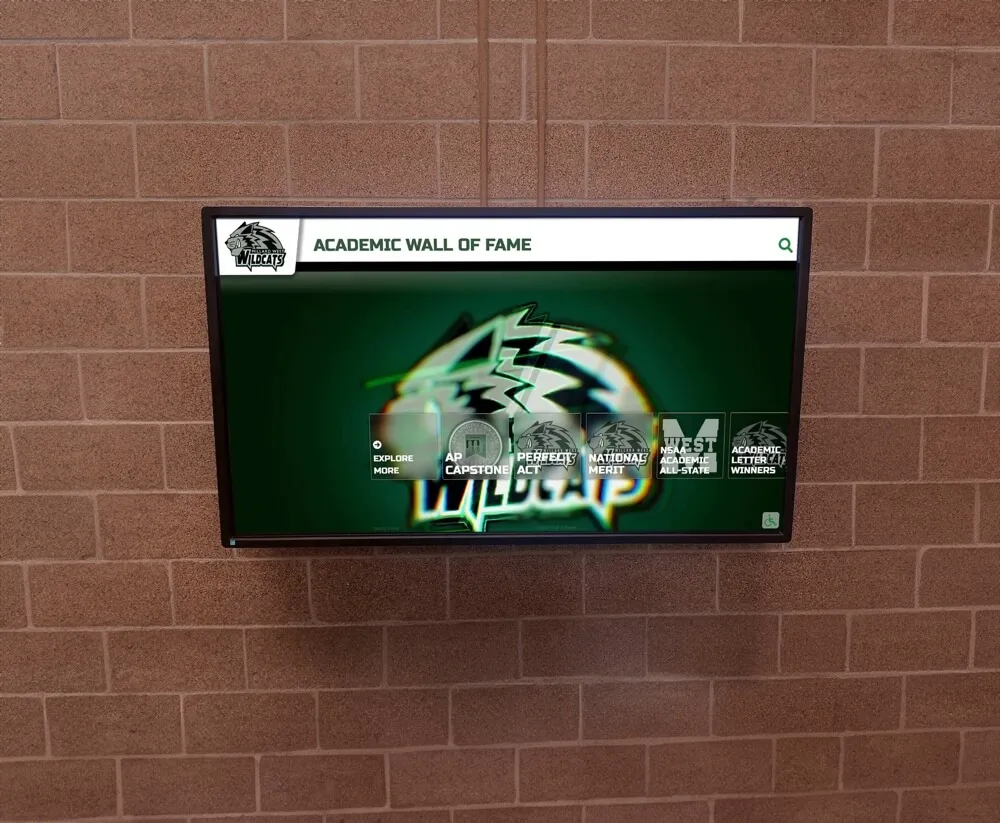
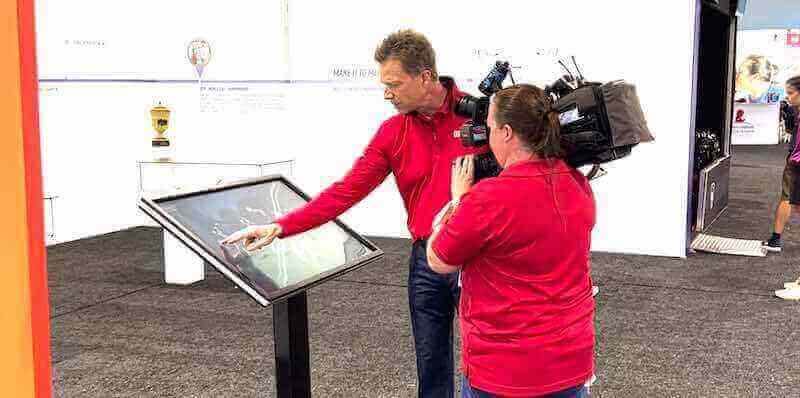
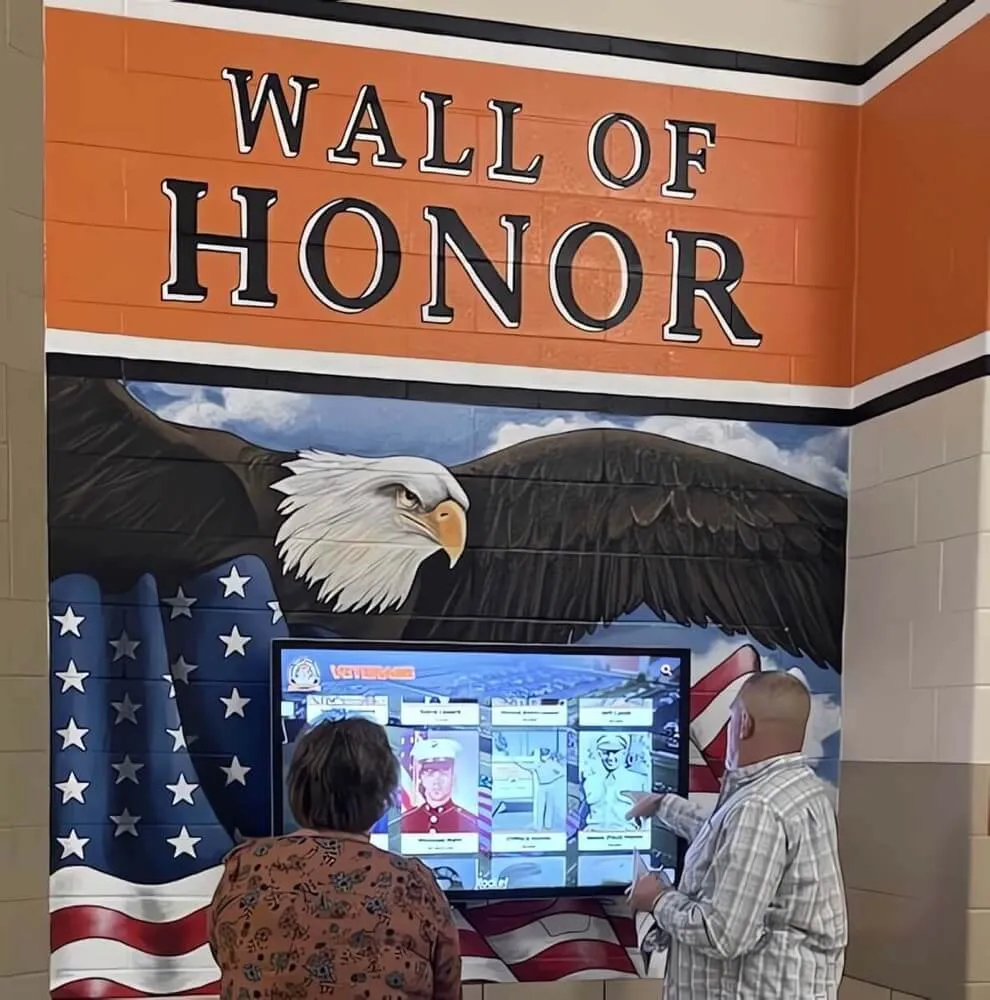
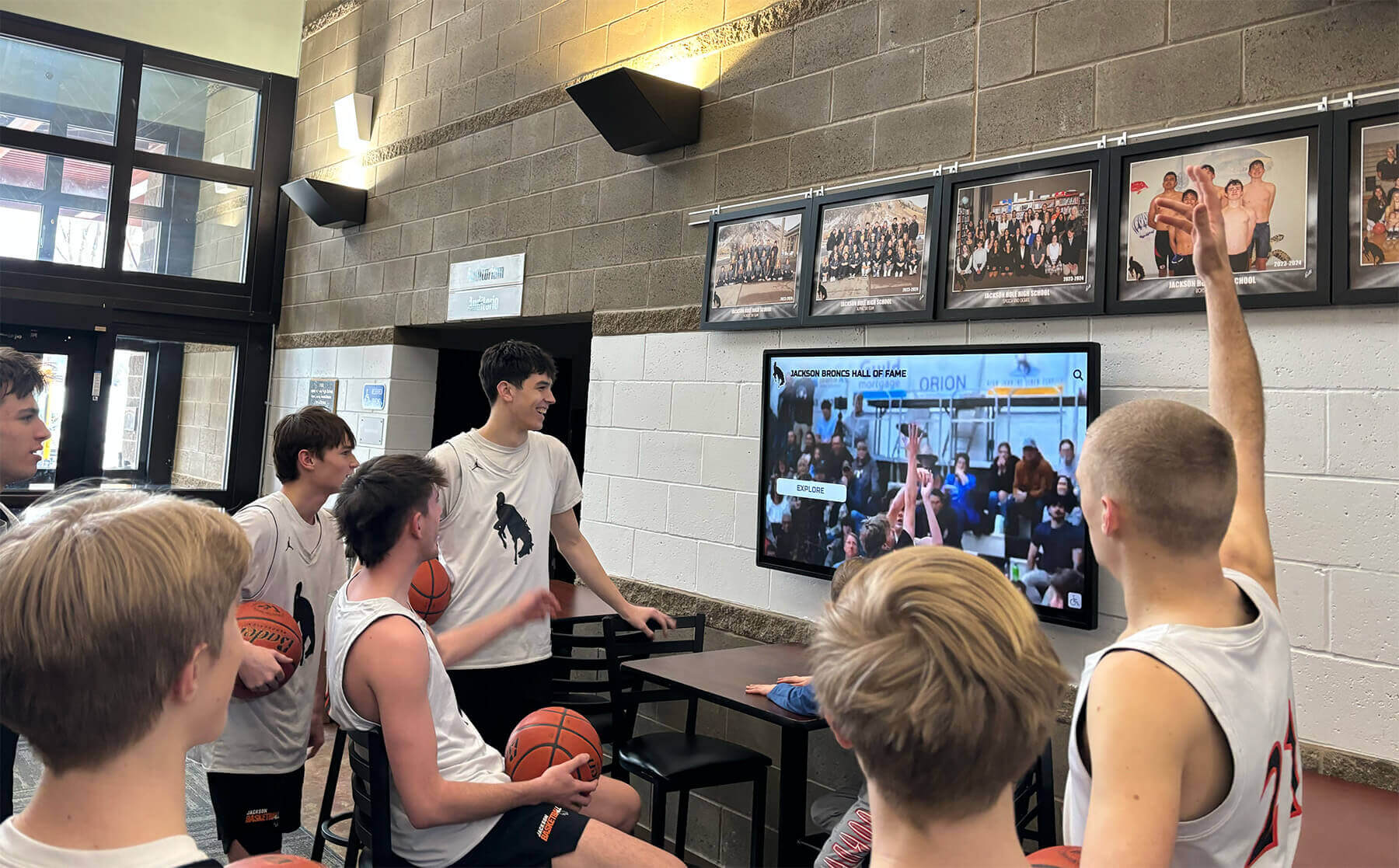
Interactive digital displays engage students in exploring achievements and celebrating community contributions throughout end-of-year celebration periods
Making Year-End Celebrations Meaningful and Manageable
Strategic Planning for Maximum Impact with Realistic Resource Investment
Effective year-end celebrations don’t require unlimited budgets or extensive planning committees—they require strategic thinking about what matters most to your school community.
Prioritize Quality Over Quantity
Select fewer celebration approaches and execute them well rather than attempting comprehensive recognition across all possible categories:
Prioritization Considerations:
- Survey students, staff, and families about which recognition formats feel most meaningful
- Consider which celebrations align with stated school values and strategic priorities
- Evaluate which approaches provide broadest participation rather than recognizing only top achievers
- Assess which events create lasting impact versus those providing momentary entertainment
Three excellently executed celebrations create more lasting impressions than ten rushed, poorly planned events during the already chaotic final weeks of school.
Leverage Technology for Efficient Recognition
Digital platforms enable broader, more efficient recognition than traditional manual approaches:
Technology Applications:
- Digital displays showcasing rotating student, teacher, and athletic achievement without printing costs
- Email and social media campaigns recognizing individuals without assembly time requirements
- Video compilations created from smartphone footage rather than professional production
- Online nomination and voting systems for peer-selected awards reducing administrative burden
Schools partnering with organizations like Rocket Alumni Solutions discover that modern recognition technology dramatically reduces the administrative effort required to implement comprehensive celebration programs while creating more engaging experiences for students and families.
Involve Students in Planning and Execution
Student participation in celebration planning increases engagement while reducing staff burden:
Student Involvement Opportunities:
- Student government organizing specific recognition events
- Technology students creating video compilations and digital presentations
- Art students designing awards, certificates, and recognition displays
- Student committees nominating award recipients in various categories
- Performing arts students providing entertainment for celebration events
Student-led planning teaches valuable organizational skills while ensuring celebrations reflect what students themselves find meaningful rather than adult assumptions about student preferences.
Create Traditions That Sustain Across Years
The most powerful celebrations become anticipated traditions rather than one-time events:
Building Sustainable Traditions:
- Establish consistent annual events occurring at predictable times (final assembly, senior walk, teacher breakfast)
- Document celebration procedures so future planning committees don’t reinvent processes
- Create recognition categories and criteria that remain consistent year-to-year
- Develop signature events that become part of school identity and culture
- Archive photos and videos from previous celebrations to inform future planning
Traditions require less planning effort than novel events while creating deeper emotional connection because students and families anticipate experiences they’ve heard about from older students or siblings.
Balance Recognition Across Achievement Types
Ensure celebration programs honor diverse forms of contribution rather than exclusively emphasizing traditional academic or athletic achievement:
Recognition Balance:
- Create equal visibility for arts, service, leadership, and character alongside academics and athletics
- Recognize both absolute achievement and individual growth or improvement
- Acknowledge behind-the-scenes contributions (stage crew, team managers, peer tutors) not just visible leadership
- Honor consistency and dedication over time, not just singular spectacular achievements
- Ensure recognition reaches students across grade levels, not concentrated among upperclassmen
Balanced recognition communicates that schools genuinely value all students and recognize that excellence takes many forms beyond narrow achievement categories.
Timing and Logistical Considerations
Implementing Celebrations During the Busiest Weeks of the School Year
Strategic scheduling prevents celebration fatigue while ensuring adequate participation:
Spread Recognition Throughout Final Weeks
Avoid concentrating all celebrations during the final few days when exhaustion peaks:
Distribution Strategy:
- Begin recognition events 3-4 weeks before final day of school
- Schedule major assemblies or ceremonies during natural breaks between final exam periods
- Distribute smaller recognition moments throughout the final month
- Reserve last week for fun, low-stress activities rather than formal ceremonies requiring preparation
- Consider hosting some celebrations (sports banquets, senior events) immediately after school year concludes when schedules relax
Distributed celebration maintains energy and enthusiasm rather than creating overwhelming concentration of events during already stressful final days.
Coordinate Across Departments
Prevent scheduling conflicts and audience fatigue through cross-departmental communication:
Coordination Mechanisms:
- Centralized calendar showing all planned end-of-year events across departments
- Regular administrative team meetings reviewing celebration schedules
- Awareness of athletic banquet schedules when planning academic ceremonies
- Consideration of AP exam periods, finals weeks, and graduation preparation when scheduling
- Communication with families about upcoming events sufficiently in advance for calendar planning
Coordinated planning ensures that individual departments don’t unknowingly create competing events fragmenting audiences or overwhelming families with simultaneous commitments.
Manage Budget Constraints Creatively
Meaningful celebration doesn’t require extensive financial investment:
Budget-Conscious Approaches:
- Focus resources on one or two signature events rather than spreading funding thinly across many mediocre celebrations
- Leverage student talent for entertainment, decoration, and production rather than hiring external vendors
- Use digital recognition reducing printing and materials costs
- Seek sponsor support from local businesses or parent organizations for specific events
- Prioritize meaningful recognition (handwritten notes, personalized acknowledgment) over expensive gifts or elaborate productions
The most memorable recognition often involves personal touches communicating genuine appreciation rather than expensive productions lacking authentic connection.
Creating Lasting Impact Beyond Final Days
Extending Celebration Benefits Throughout Summer and Into Next Year
Strategic year-end celebrations create effects extending far beyond the final school weeks:
Document Celebrations for Future Reference
Permanent documentation extends celebration impact:
Documentation Methods:
- Photo and video archives of recognition events accessible via school websites or digital platforms
- Yearbook sections dedicated to end-of-year celebrations and award recipients
- Social media posts families can save and share with extended networks
- Certificates and physical awards students keep as tangible achievement reminders
- Award recipient lists maintained in school archives for historical reference
Documentation transforms single-moment celebrations into lasting recognition that families revisit throughout summer and future years.
Connect Year-End to Fall Opening
Use year-end celebrations to build anticipation for the upcoming school year:
Connection Strategies:
- Preview exciting programs or changes planned for next year during final assemblies
- Announce incoming student leadership positions during year-end recognition events
- Create summer challenges or activities building on year-end momentum
- Share celebration photos and videos during first weeks of new school year reinforcing continuity
- Reference previous year’s achievements as inspiration when setting new year goals
Connecting endings to new beginnings prevents June from feeling like complete breaks in school community relationships.
Gather Feedback for Future Planning
Use current celebrations to inform improved future recognition:
Feedback Collection:
- Brief surveys asking students, staff, and families which celebrations felt most meaningful
- Student government or faculty committees debriefing successful and unsuccessful elements
- Documentation of what worked well and what created problems for future planning reference
- Assessment of participation rates in various celebration formats
- Budget review evaluating cost-effectiveness of different recognition approaches
Continuous improvement transforms adequate celebrations into increasingly meaningful traditions reflecting what your specific school community values most.
Conclusion
End-of-year celebrations provide schools with strategic opportunities to recognize achievement, strengthen community, and create positive final impressions before summer dispersal. The 25 celebration ideas explored in this guide offer diverse approaches honoring students, teachers, and athletic programs through formats ranging from formal ceremonies to interactive technology displays to informal community gatherings.
The most effective year-end recognition doesn’t require unlimited resources or elaborate productions—it requires genuine appreciation communicated through thoughtful approaches reflecting what your specific school community values. Whether you implement comprehensive celebration programs incorporating many of these ideas or select a few strategies aligning with your institutional priorities and resource capacity, intentional year-end recognition creates lasting benefits affecting school culture, community connection, and individual motivation extending far beyond the final school day.
Schools ready to explore how modern recognition technology can enhance year-end celebrations while reducing administrative burden should consider how digital recognition displays create engaging, updateable platforms celebrating student, teacher, and athletic achievement throughout the year and particularly during celebration-rich final weeks before summer break.