



End of semester honor roll recognition represents a pivotal moment in the academic calendar—a time when schools celebrate students who have demonstrated consistent academic excellence throughout the term. Yet many schools struggle to give these achievements the visibility they deserve. Traditional honor roll announcements often feel impersonal, printed lists quickly disappear into backpacks, and bulletin board displays remain static and outdated long after the semester ends.
As student achievement becomes more diverse and schools recognize the importance of celebrating academic success at all levels, institutions need recognition systems capable of showcasing every honor roll student while creating lasting displays that inspire continued excellence. The challenge lies in balancing meaningful recognition with sustainable systems that engage students, families, and the broader school community throughout the entire academic year.
This comprehensive guide explores every dimension of end of semester honor roll digital displays—from planning recognition criteria and data collection to implementing modern display systems that transform how schools celebrate academic achievement. Whether you’re updating an existing honor roll program or creating a comprehensive recognition system from scratch, these evidence-based strategies will help you honor student excellence in ways that truly resonate.
End of semester honor roll recognition serves multiple critical purposes beyond acknowledging individual achievement: it communicates institutional values about academics, motivates students to maintain high performance, creates visible examples of success, strengthens school culture, and builds traditions that connect students across grade levels. When designed thoughtfully with sustainable display systems supporting them, honor roll recognition becomes a permanent fixture in school culture rather than a fleeting announcement that fades from memory.

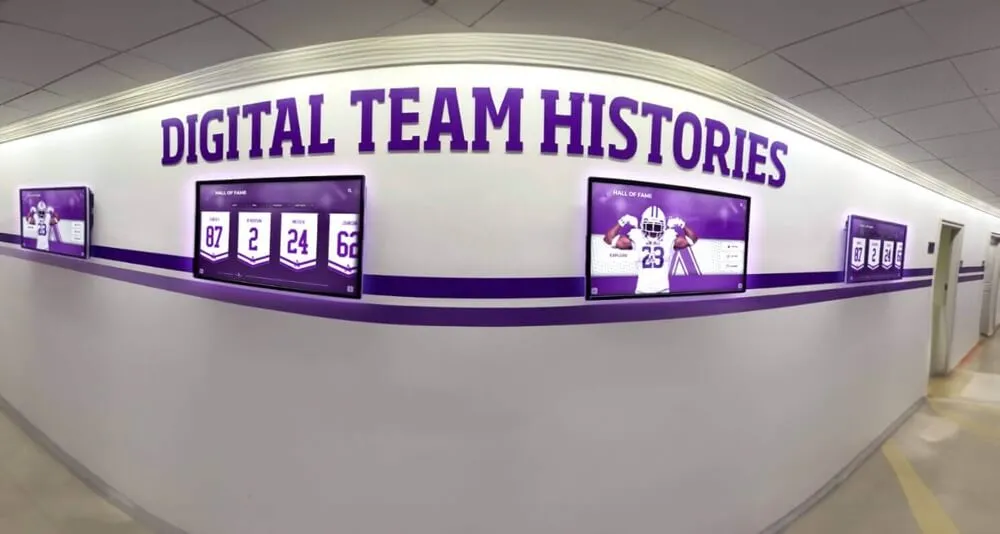
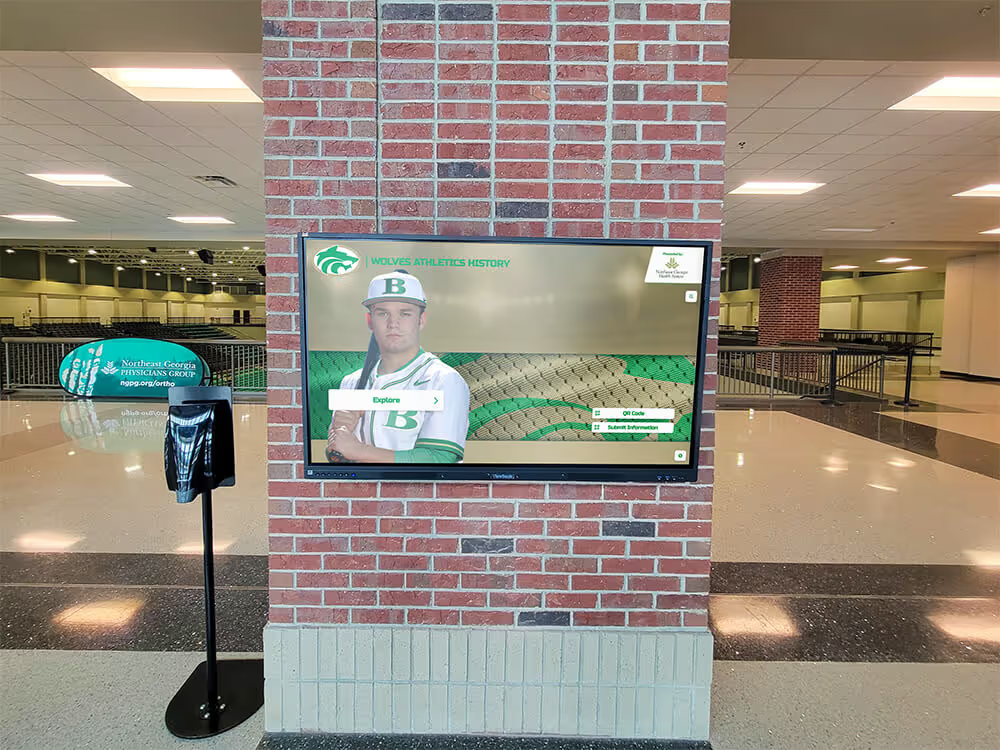
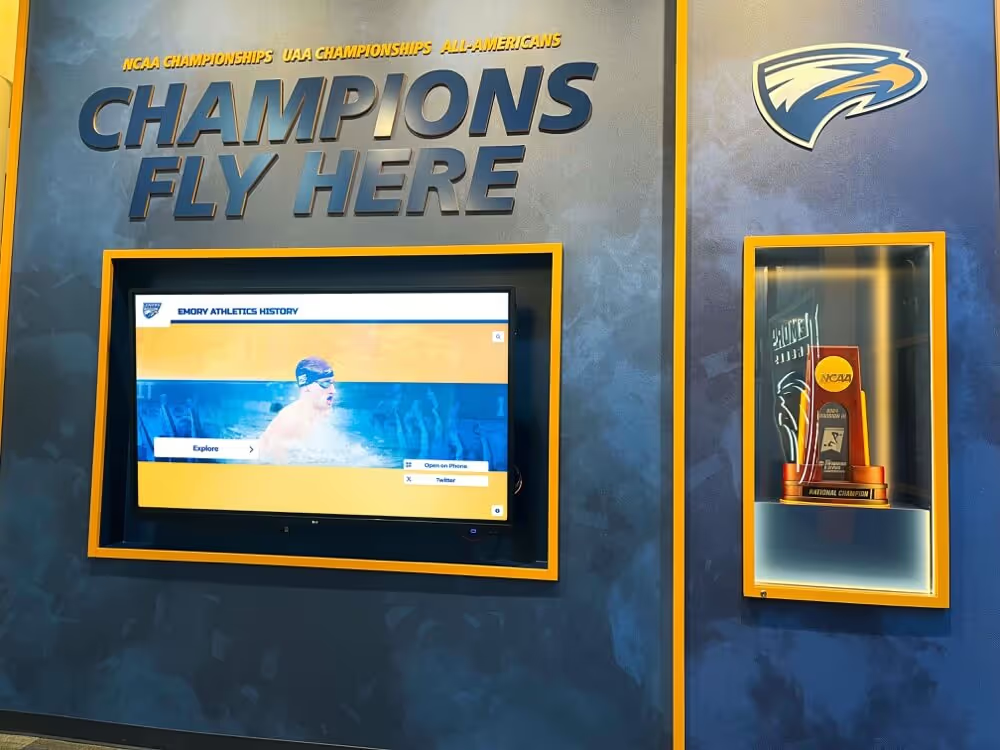
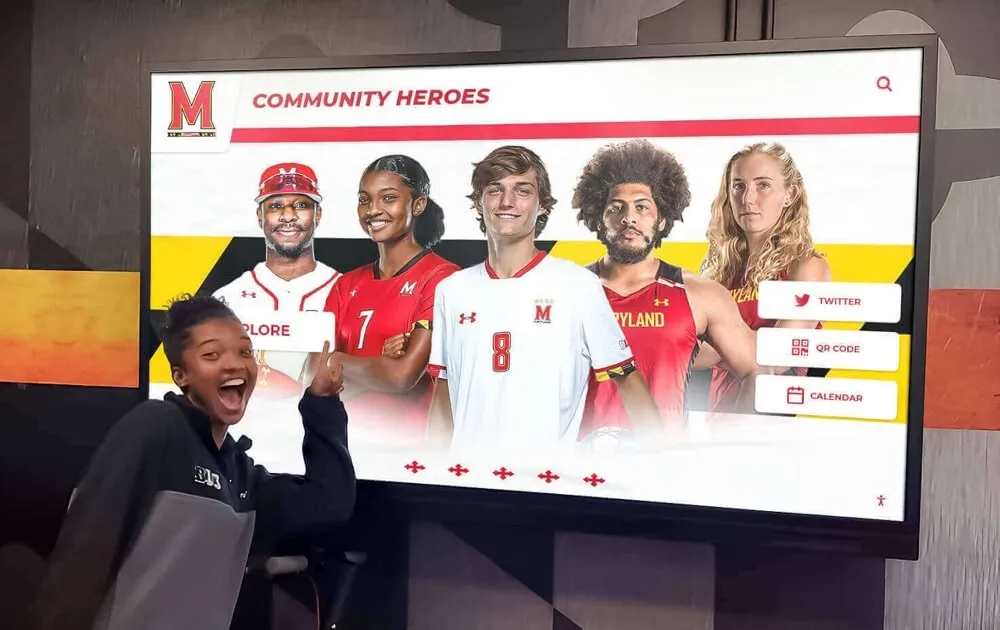
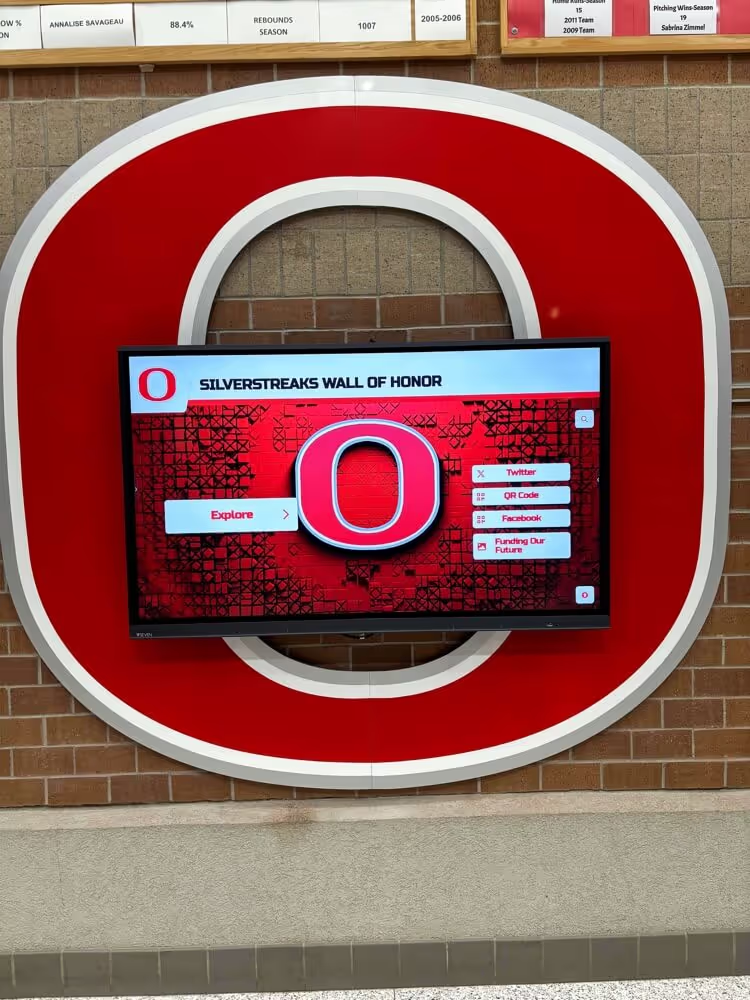
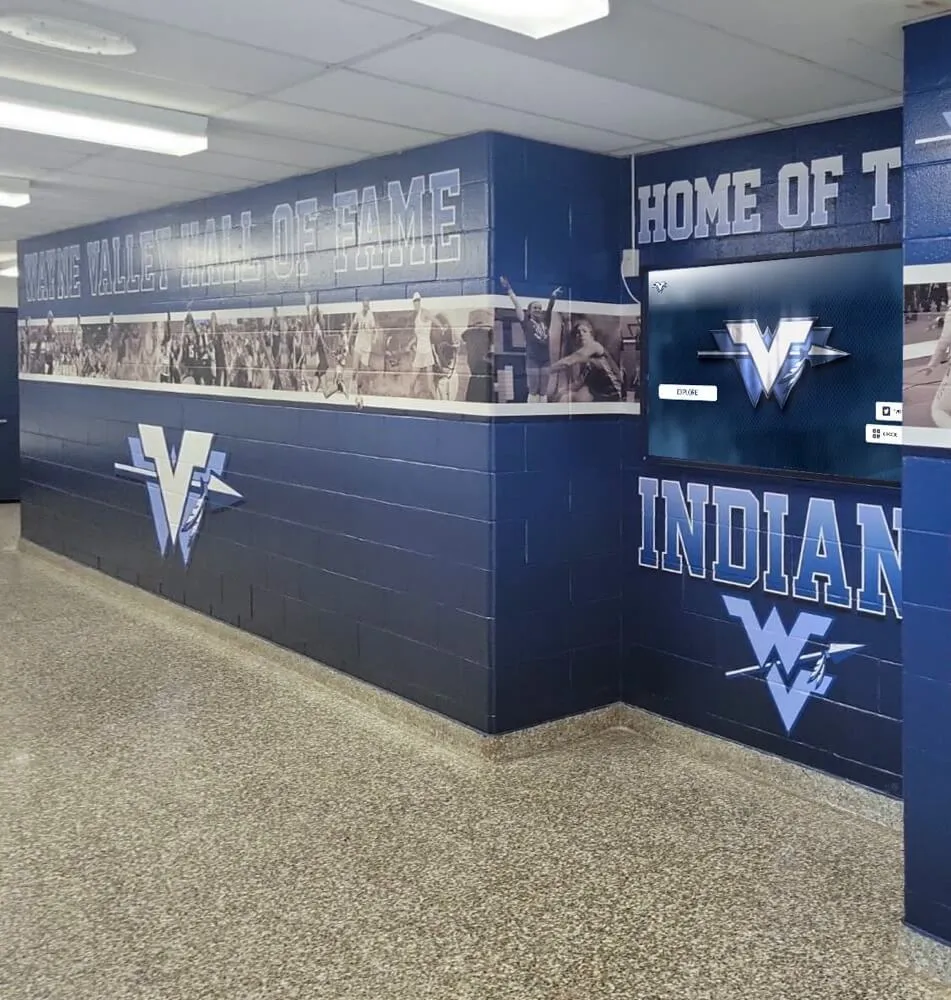
Modern end of semester honor roll displays create lasting recognition showcasing student academic excellence across all achievement levels
Understanding End of Semester Honor Roll: Purpose and Impact
Before implementing recognition systems, schools should clarify what honor roll represents and how it contributes to educational mission and academic culture.
The Educational Value of Honor Roll Recognition
End of semester honor roll provides powerful benefits extending throughout school communities:
Student Motivation and Academic Engagement
- Honor roll creates tangible academic goals students work toward throughout the semester
- Recognition of achievement levels ensures multiple pathways to acknowledgment
- Public celebration reinforces academic behaviors schools value most
- Visible recognition demonstrates that academic excellence receives attention and prestige
- Honor roll anticipation increases engagement with coursework and learning
According to educational research, schools with robust academic recognition programs see measurably higher student engagement in academics, improved grade point averages, and stronger achievement-oriented cultures. Students who observe peers receiving meaningful recognition become more likely to pursue similar accomplishments.
Institutional Culture Development Honor roll recognition shapes school identity:
- Recognition criteria communicate institutional academic standards and expectations
- Consistent semester celebration creates shared traditions
- Visible displays reinforce that achievement receives permanent acknowledgment
- Parents and community members understand school priorities through what receives recognition
- Alumni returning to campus see academic culture they experienced continuing
Schools investing in comprehensive honor roll recognition report stronger academic cultures, increased parent engagement with school activities, and enhanced community perception of educational quality.
Traditional Honor Roll Categories
Classic recognition levels remain valuable in honor roll programs:
High Honor Roll Recognition
- Typically GPA 3.75-4.0 or equivalent
- All A’s or predominantly A grades
- No grades below B+
- Demonstrates exceptional academic excellence
- Often called “Principal’s List” or “President’s List”
Honor Roll Recognition
- Typically GPA 3.5-3.74 or equivalent
- Mix of A’s and B’s with strong performance
- No grades below B-
- Shows consistent academic achievement
- Standard honor roll designation
Learn more about comprehensive academic recognition programs that support semester recognition.
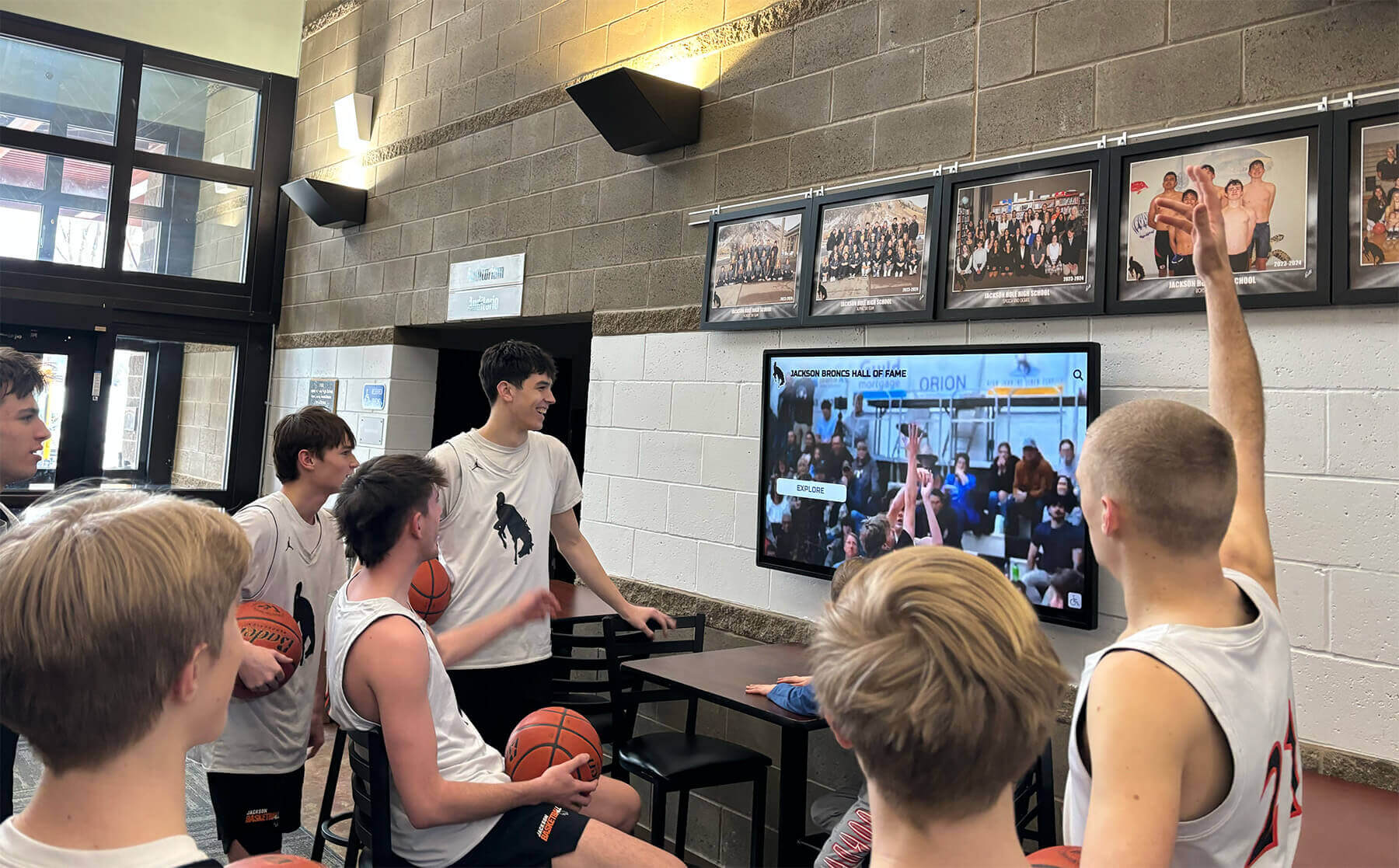
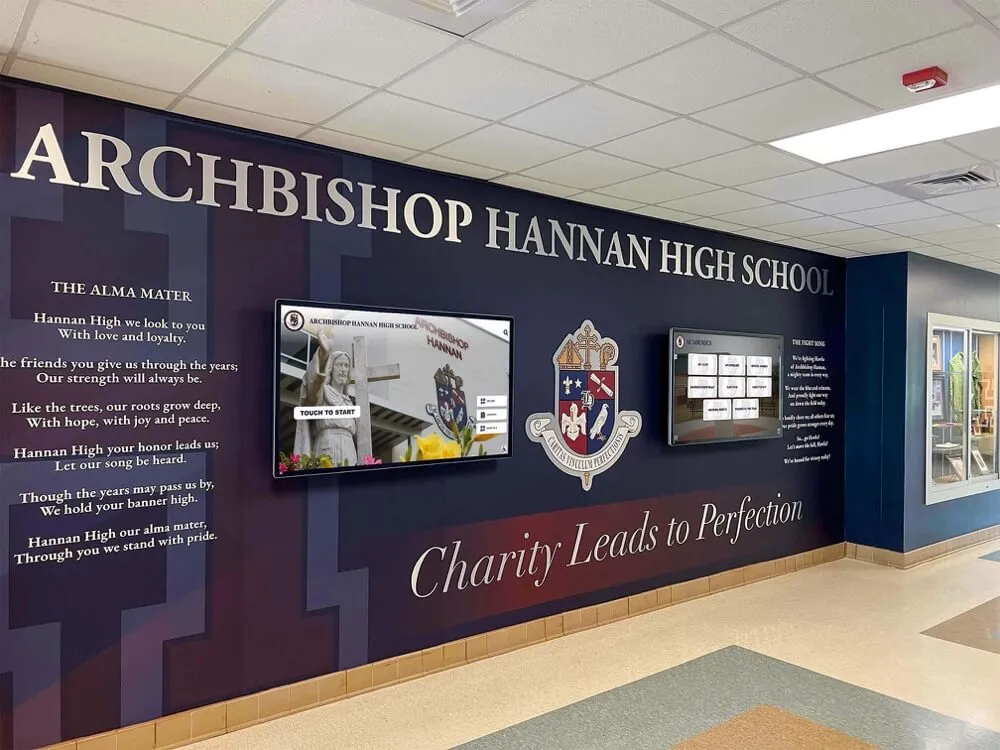
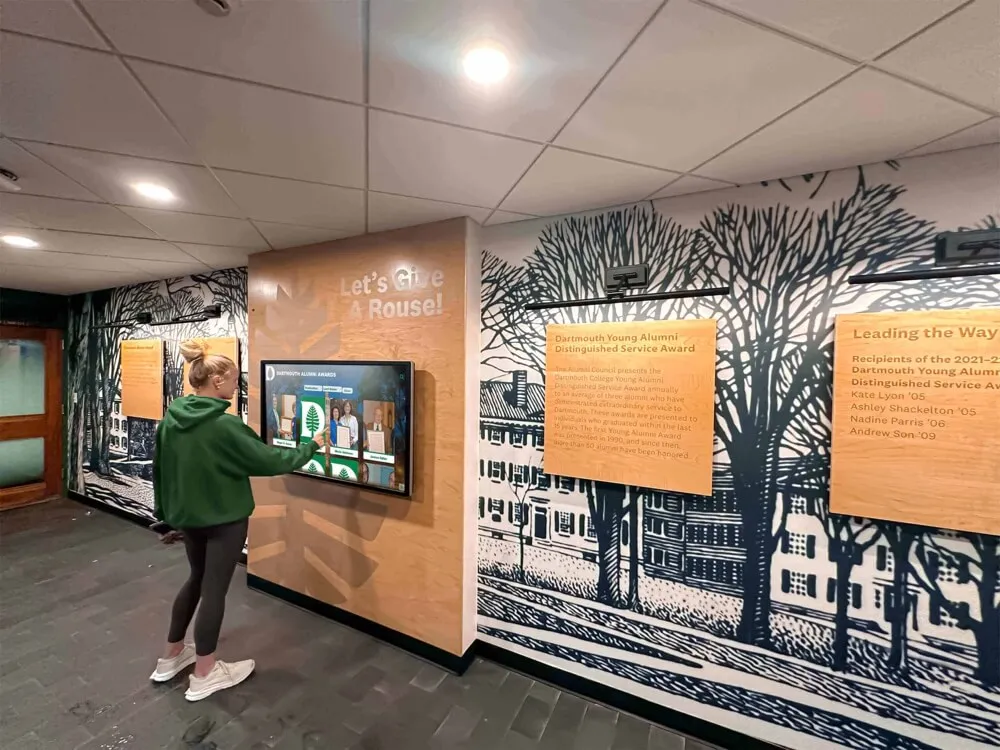
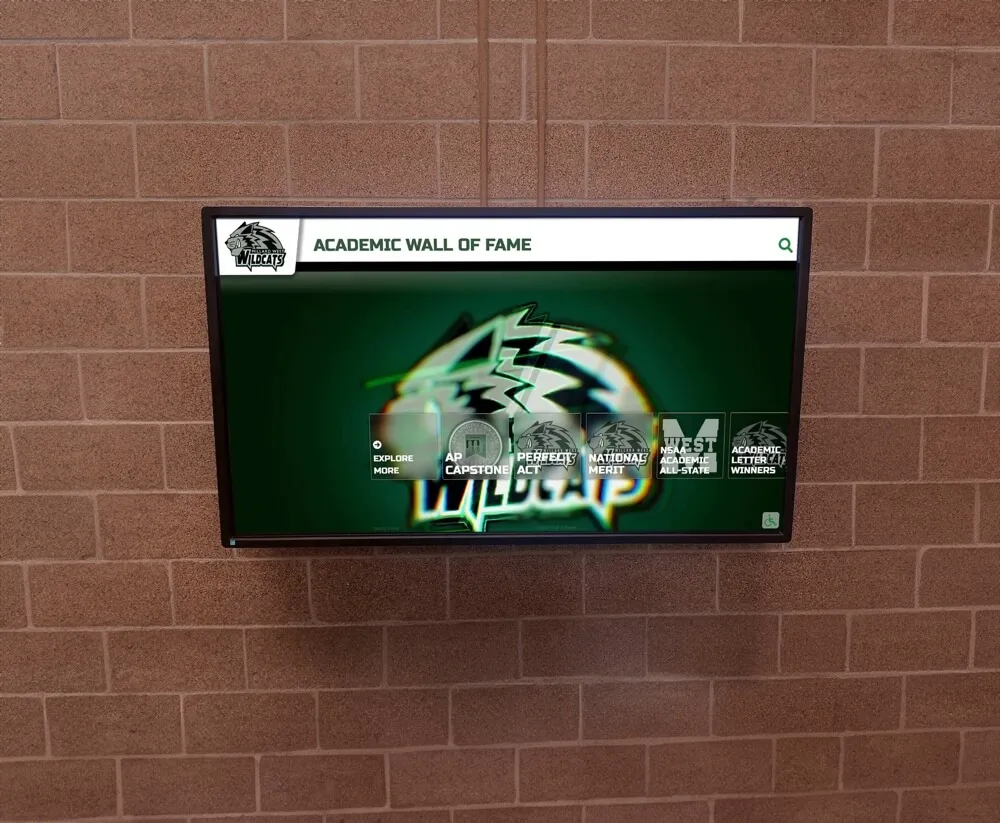
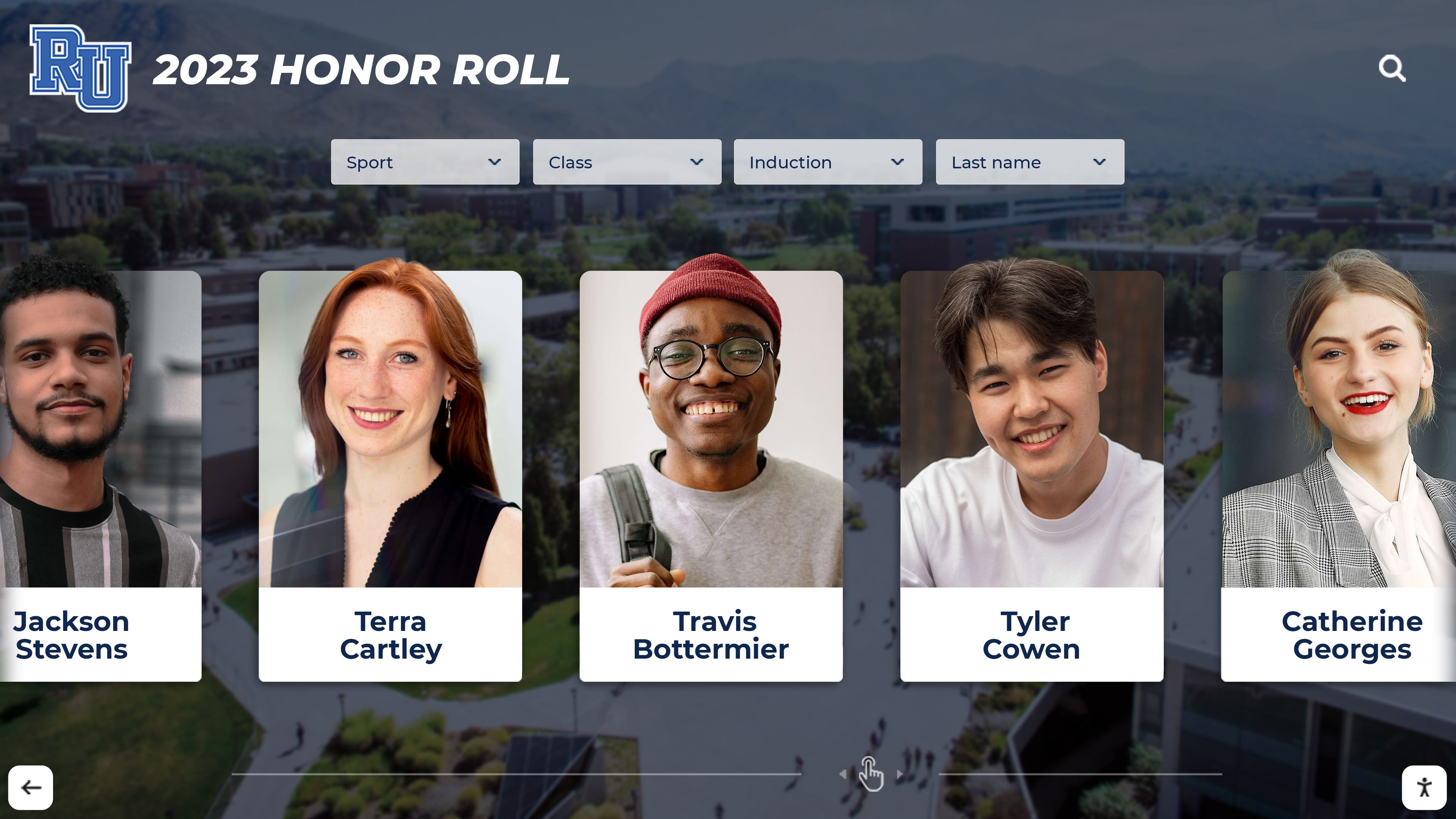
Interactive displays enable students to explore honor roll achievements and celebrate peer success
Merit Roll or Honorable Mention
- Typically GPA 3.0-3.49 or equivalent
- Solid B average performance
- Recognizes broader academic success
- Ensures recognition opportunities for more students
- Sometimes called “B Honor Roll”
Grade-Level Specific Categories Many schools adjust criteria by grade level:
- Elementary recognition focusing on effort and growth
- Middle school tiered recognition building achievement habits
- High school weighted GPA systems accounting for advanced coursework
- College-prep course adjustments recognizing rigor
- Dual enrollment and AP/IB course considerations
Explore honor roll recognition strategies that accommodate diverse achievement levels.
Emerging Honor Roll Approaches for Modern Schools
Contemporary recognition expands beyond traditional GPA metrics:
Growth and Improvement Recognition Schools increasingly honor students showing exceptional progress:
- Most improved GPA from previous semester
- Significant grade increases in challenging subjects
- Academic turnaround from struggling to honor roll
- Consistent upward trajectory over multiple semesters
- Overcoming obstacles to achieve academic success
These recognition categories ensure opportunities exist for students who may not reach traditional honor roll thresholds but demonstrate remarkable academic progress from their starting points.
Subject-Specific Honor Roll Specialized recognition celebrates achievement in specific areas:
- STEM Honor Roll for mathematics and science excellence
- Humanities Honor Roll for English and social studies achievement
- World Language Honor Roll for proficiency and performance
- Arts Honor Roll for creative achievement and excellence
- Career and Technical Education Honor Roll for CTE programs
Citizenship and Effort Recognition Academic character receives acknowledgment:
- Perfect attendance alongside academic achievement
- Exemplary homework completion rates
- Outstanding class participation and engagement
- Academic integrity and ethical behavior
- Peer tutoring and academic support of classmates
Learn about comprehensive student recognition approaches incorporating diverse recognition categories.
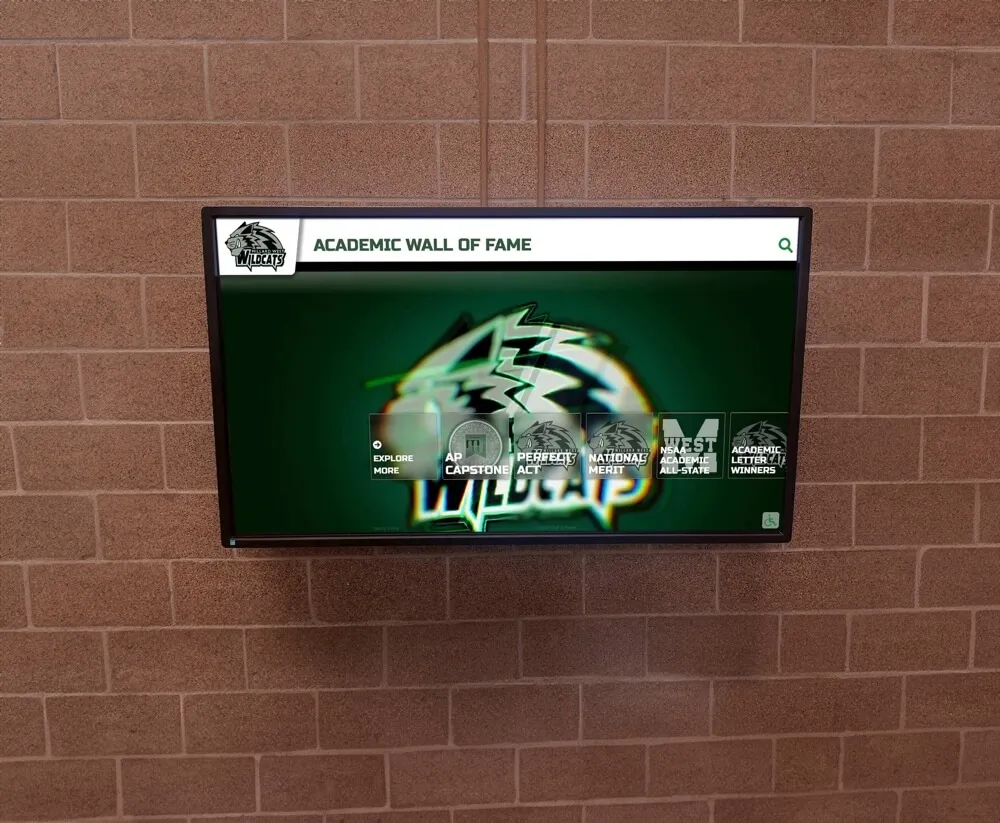
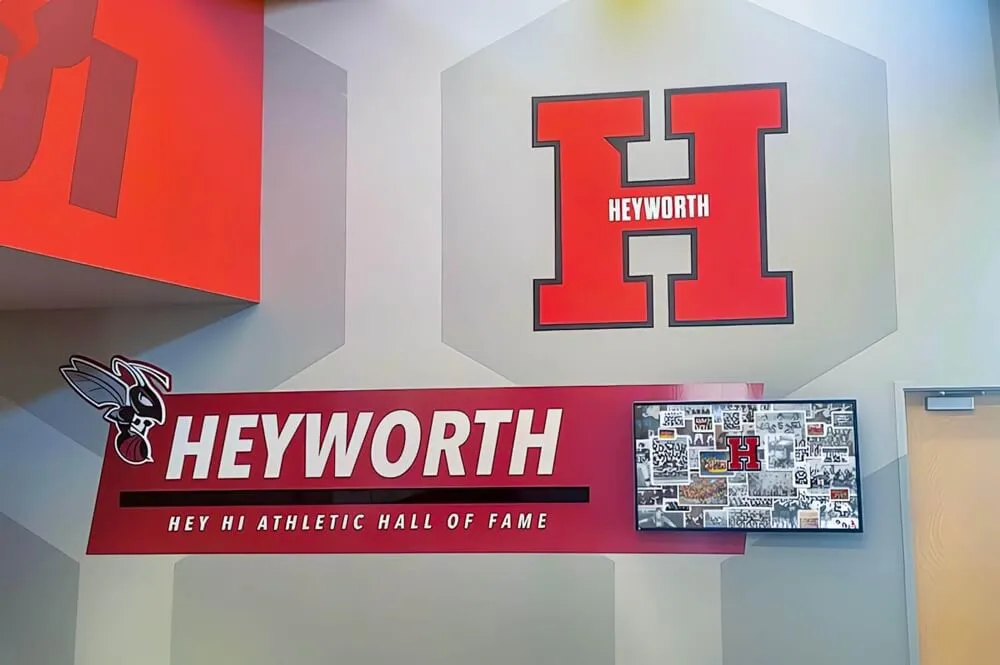
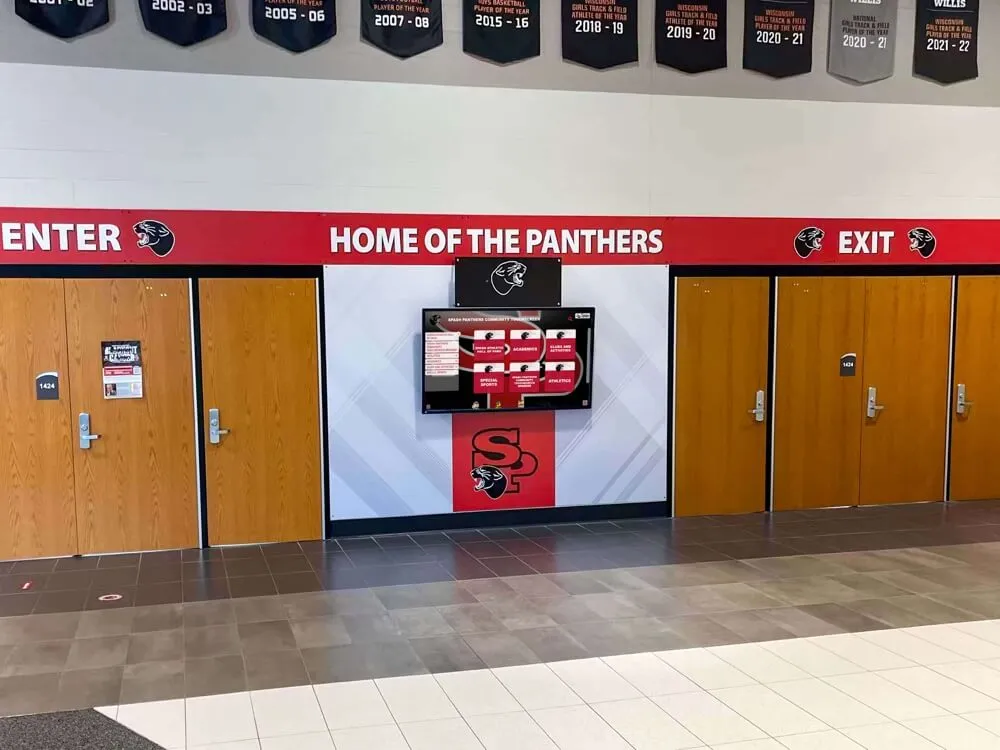
Dedicated display spaces in high-visibility locations ensure honor roll recognition receives ongoing attention throughout the semester
Planning Your End of Semester Honor Roll Recognition Program
Successful honor roll programs require strategic planning addressing criteria development, data collection, recognition timing, and display systems.
Establishing Clear Honor Roll Criteria
Transparent, consistent criteria build trust in recognition programs:
Grade Point Average Thresholds Most schools use GPA-based criteria:
- Define specific numerical cutoffs for each recognition level
- Determine whether to use weighted or unweighted GPA
- Establish how pass/fail courses affect eligibility
- Clarify treatment of incomplete grades
- Specify minimum credit hour requirements
Publishing criteria at the beginning of each semester gives students clear targets to pursue and helps families understand recognition standards.
Course Requirements and Restrictions Additional parameters ensure meaningful recognition:
- Full-time enrollment minimums
- Specific core subject requirements
- Grade distribution rules (maximum number of B’s for high honor roll)
- Exclusions for certain electives or study halls
- Athletic or activity participation requirements if applicable
Weighted Course Considerations Schools with advanced coursework need consistent approaches:
- How honors courses affect GPA calculations
- AP and IB course weight adjustments
- Dual enrollment and college course treatment
- Consistent application across all students
- Clear communication to students and families
Learn about implementing honor roll programs that maintain fairness and consistency.
Data Collection and Verification Processes
Accurate recognition requires systematic data management:
Automated Grade System Integration Modern student information systems streamline honor roll identification:
- Export reports from grading platforms at semester end
- Automated calculation of GPA and eligibility
- Filter students meeting each recognition level
- Cross-reference with enrollment and credit requirements
- Generate preliminary honor roll lists efficiently
Verification and Quality Assurance Multiple review steps prevent errors:
- Guidance counselor verification of calculations
- Administrative review of eligibility
- Cross-check for students with special circumstances
- Review of grade changes or appeals
- Final approval before public announcement
Student Information Collection Comprehensive profiles enhance recognition displays:
- Current student photographs from school database
- Grade level and homeroom information
- Previous semester honor roll status for comparison
- Activity involvement and leadership roles
- Student quotes or reflections on achievement
Schools should establish clear timelines with grade finalization dates, verification periods, data collection deadlines, and recognition announcement schedules—ensuring adequate time for thorough review while meeting semester closing needs.
Recognition Timing and Communication
Strategic scheduling maximizes honor roll impact:
Announcement Timeline Considerations Optimize when recognition occurs:
- Announce after all grade appeals are resolved
- Time announcements before school breaks when possible
- Coordinate with semester award ceremonies
- Schedule around other major school events
- Plan for both initial announcement and ongoing display
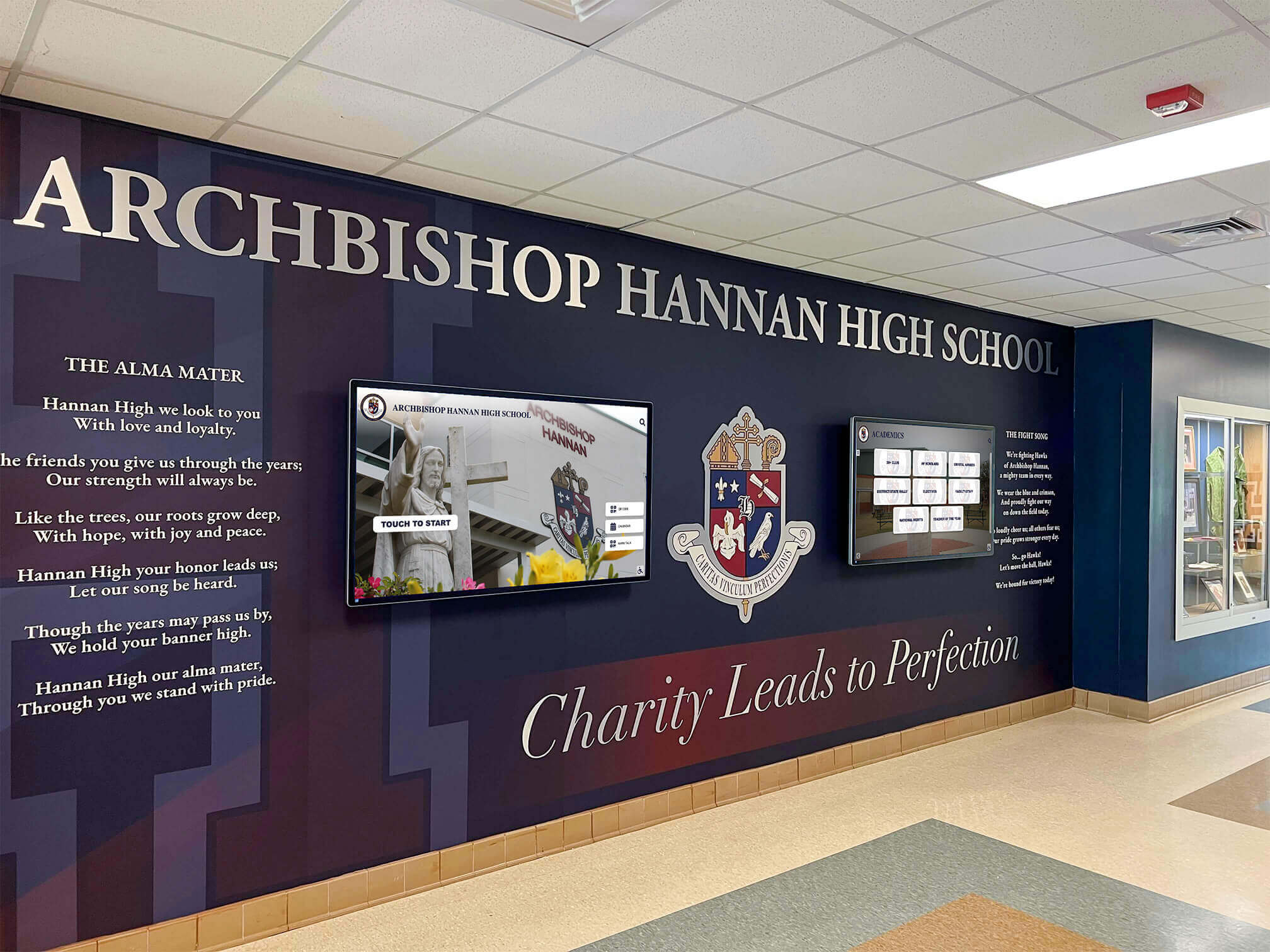
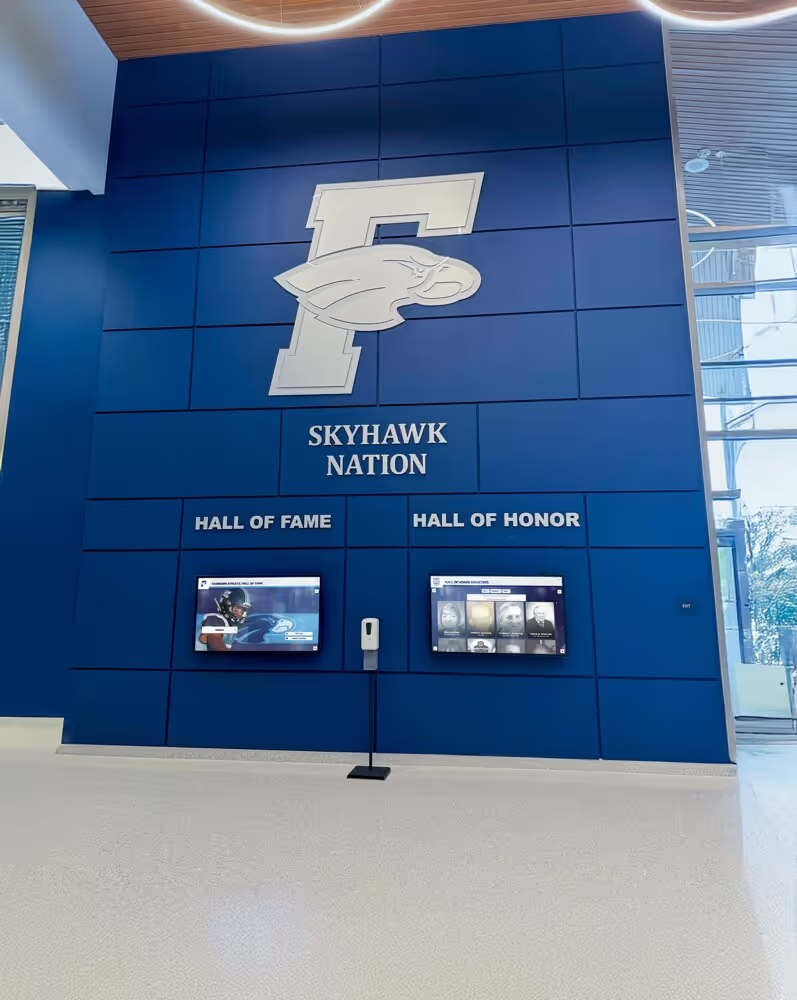
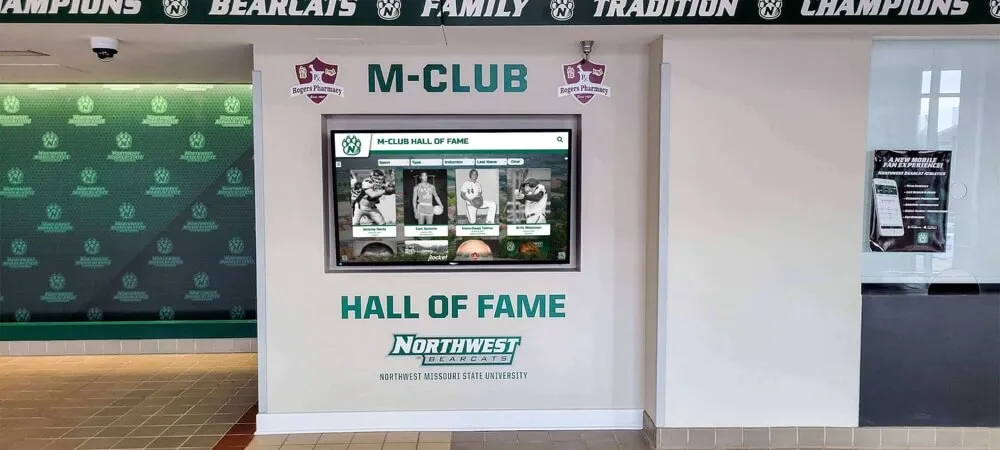
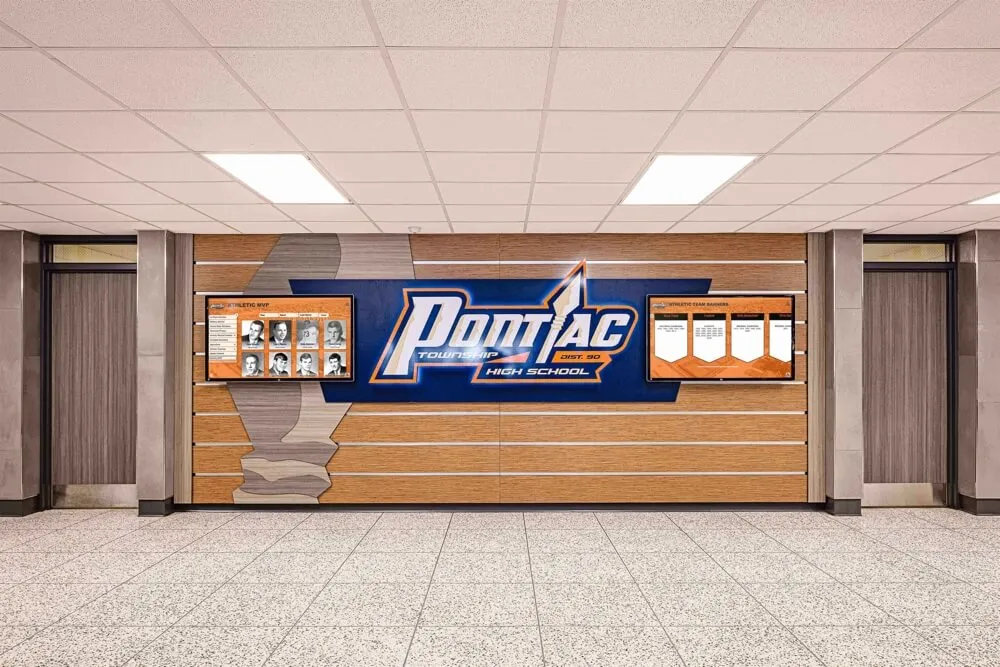
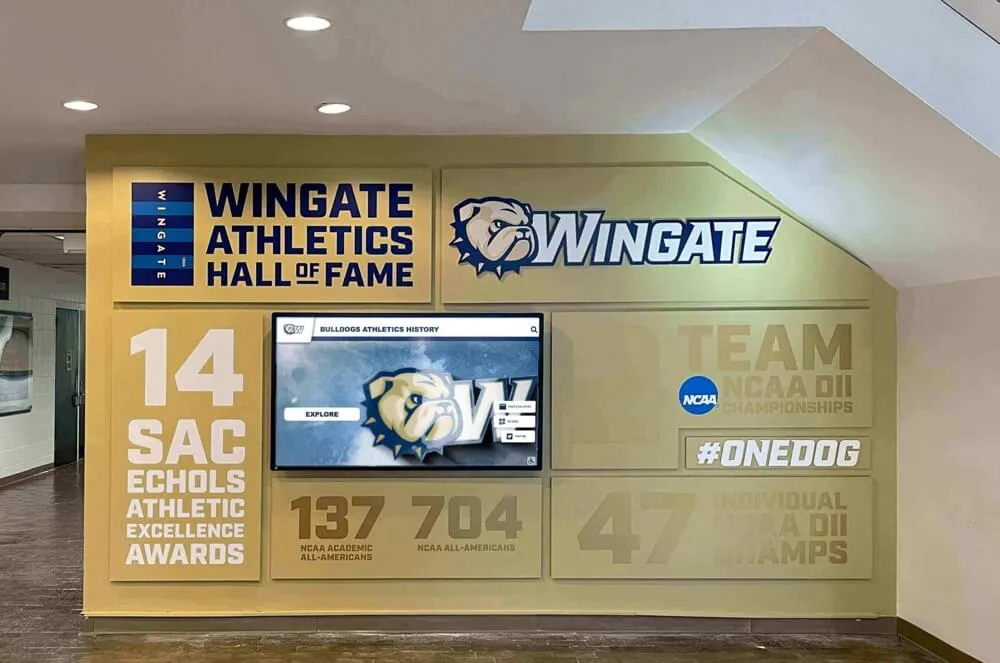
School lobbies integrate honor roll displays with architectural design, creating welcoming spaces celebrating academic achievement
Multi-Channel Communication Strategies Comprehensive outreach ensures recognition reaches all stakeholders:
- Email notifications to honor roll families with congratulations
- Social media announcements celebrating achievements
- School website honor roll list publication
- Local newspaper submissions for community recognition
- Morning announcement acknowledgments
- Physical certificates mailed home or presented in class
Ongoing Recognition Throughout Next Semester Honor roll displays should remain visible:
- Digital displays showing current semester honor roll
- Archive access to previous semester recognition
- Cumulative achievement tracking across years
- Integration with academic award ceremonies
- Connection to graduation recognition for seniors
Explore digital recognition strategies that maintain visibility beyond announcement day.
Traditional Honor Roll Display Methods
Conventional recognition approaches create physical presence for honor roll throughout school facilities.
Printed Lists and Bulletin Boards
Classic approaches using paper-based display:
Hallway Bulletin Board Displays Traditional mounted recognition:
- Printed honor roll lists on colored paper
- Organized by grade level or alphabetically
- Mounted in protective plastic sleeves or frames
- Located in high-traffic hallways
- Updated each semester with new lists
Implementation Considerations
- Low initial cost requiring minimal technology
- Quick to create and post
- Familiar format students and families expect
- Vulnerable to weather, fading, and vandalism
- Limited space for additional student information
- Requires removal and replacement each semester
Many schools dedicate specific bulletin boards exclusively to honor roll, distinguishing these achievements from other announcements—elevating prestige through dedicated display space.

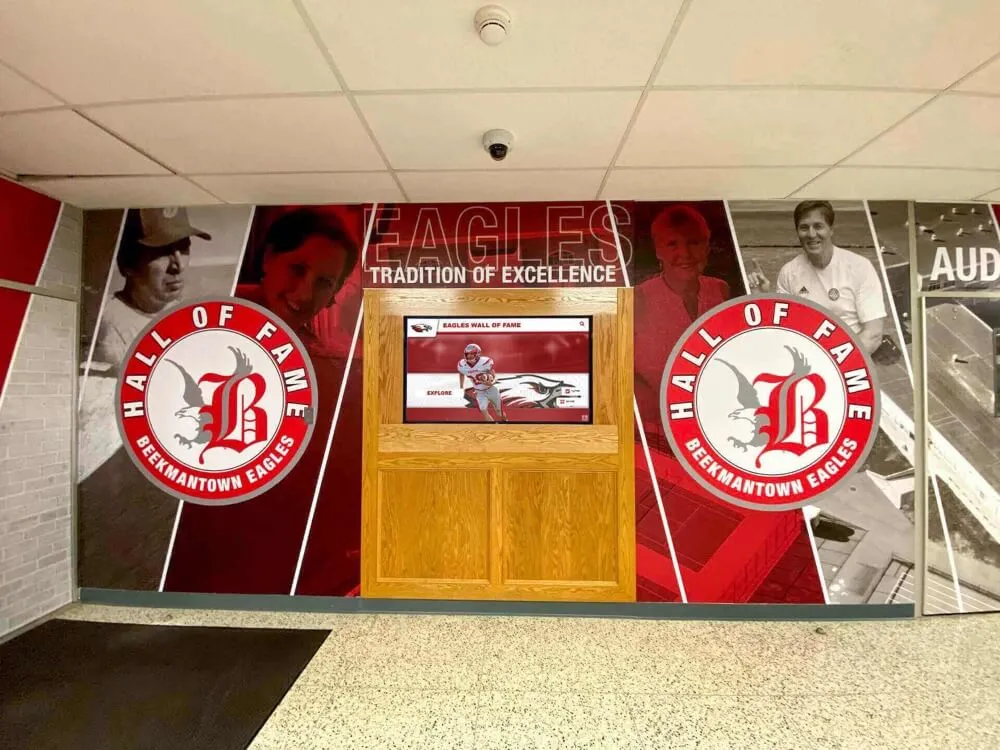
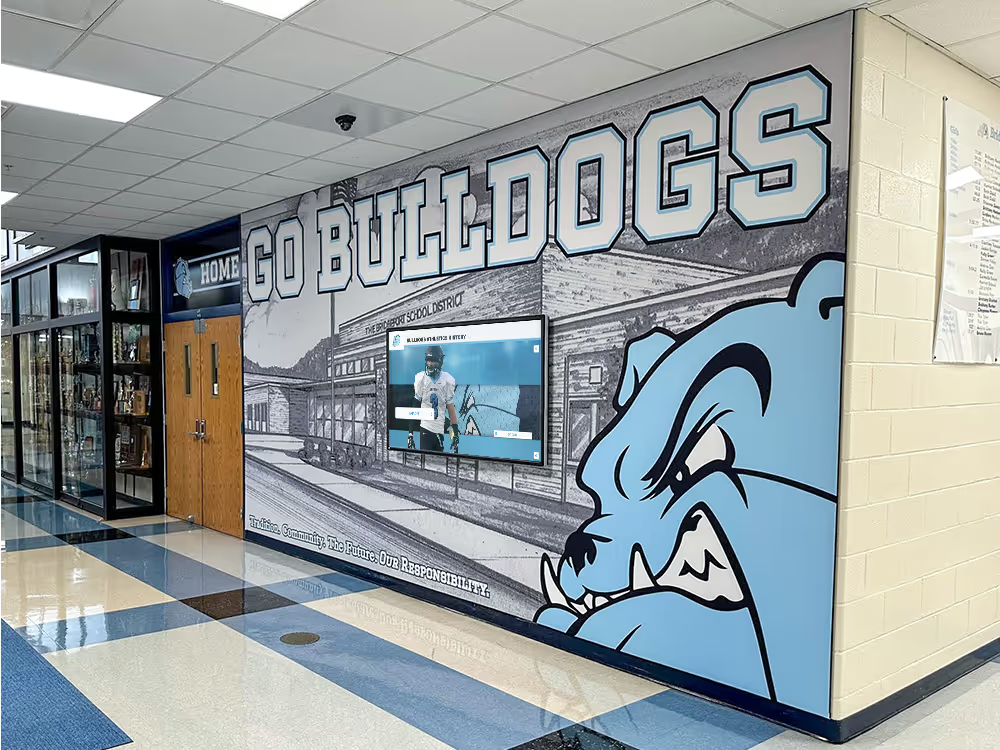
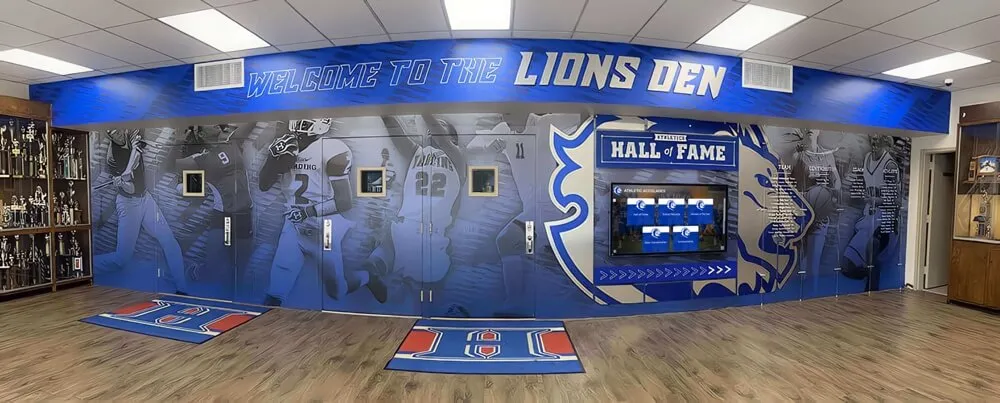
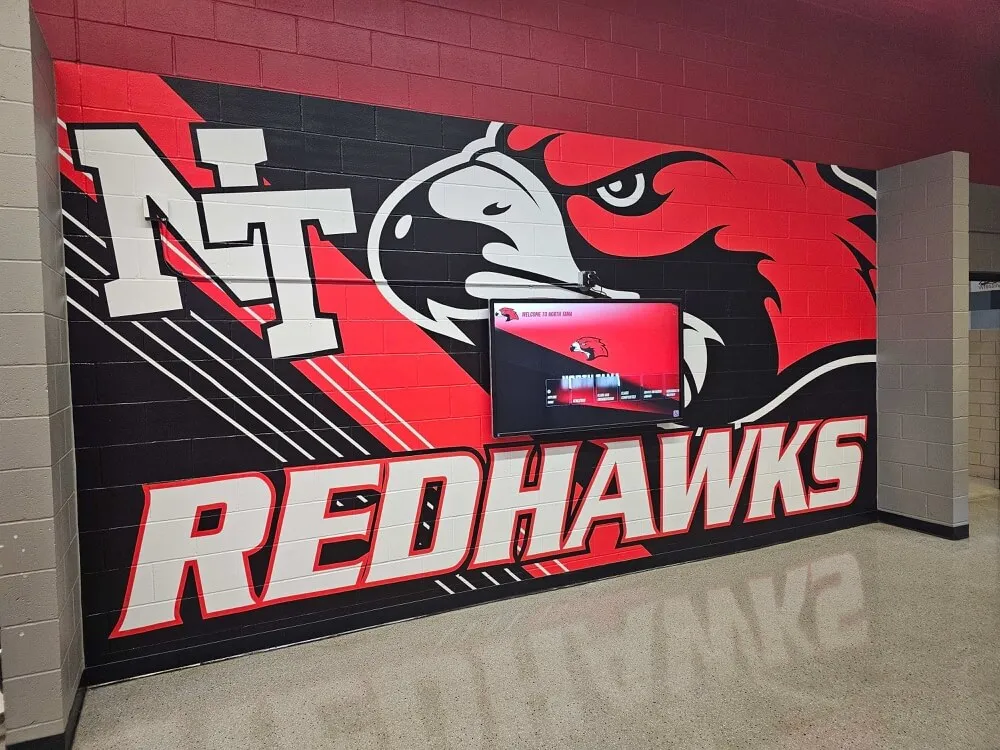
Permanent wall displays create prestigious environments celebrating honor roll with institutional colors and branding
Trophy Cases and Display Cabinets
Protected environments showcase recognition materials:
Dedicated Honor Roll Display Areas Secure cabinets feature:
- Semester honor roll lists with school branding
- Photographs of high honor roll students
- Statistical information about semester achievement
- Historical comparison showing trends
- Recognition certificates for top achievers
Implementation Considerations
- Glass cases protecting contents from damage
- Professional appearance enhancing prestige
- Adequate lighting ensuring visibility
- Limited capacity requiring rotation of older content
- Manual updates requiring staff time
- Static information with no interactive features
Learn about creating recognition displays that honor academic achievements.
Challenges with Physical Display Systems Traditional approaches face limitations:
- Space constraints limiting how many students can be showcased
- No additional context beyond printed names
- Difficult updates requiring physical access
- Information becomes outdated immediately after semester ends
- No search or filtering capabilities
- Eventually space fills requiring removal decisions
Newsletter and Print Publications
Communication-based recognition approaches:
School Newsletter Features Regular publication honor roll coverage:
- Complete honor roll lists published in school newspaper
- Principal’s message congratulating achievers
- Student spotlight features on high achievers
- Statistical analysis of semester achievement
- Photographs of recognition ceremonies
These approaches complement physical displays but face similar limitations of static content with no interactivity or ongoing engagement.
Modern Digital Solutions for Honor Roll Recognition
Digital recognition systems eliminate traditional display limitations while expanding possibilities for comprehensive honor roll celebration.
Interactive Touchscreen Honor Roll Displays
Solutions like Rocket Alumni Solutions transform honor roll recognition through comprehensive digital platforms:
Unlimited Recognition Capacity Digital systems solve fundamental space constraints:
- Single touchscreen showcases unlimited honor roll students across all levels
- No need to remove historical recognition when adding new semesters
- Comprehensive archives preserving years of institutional honor roll history
- Every achievement level receives equal display capacity
- Expandable systems growing alongside evolving recognition programs
Schools report digital displays particularly valuable for large honor roll programs recognizing 200+ students per semester—volume that would require impossible amounts of wall space with traditional bulletin boards.
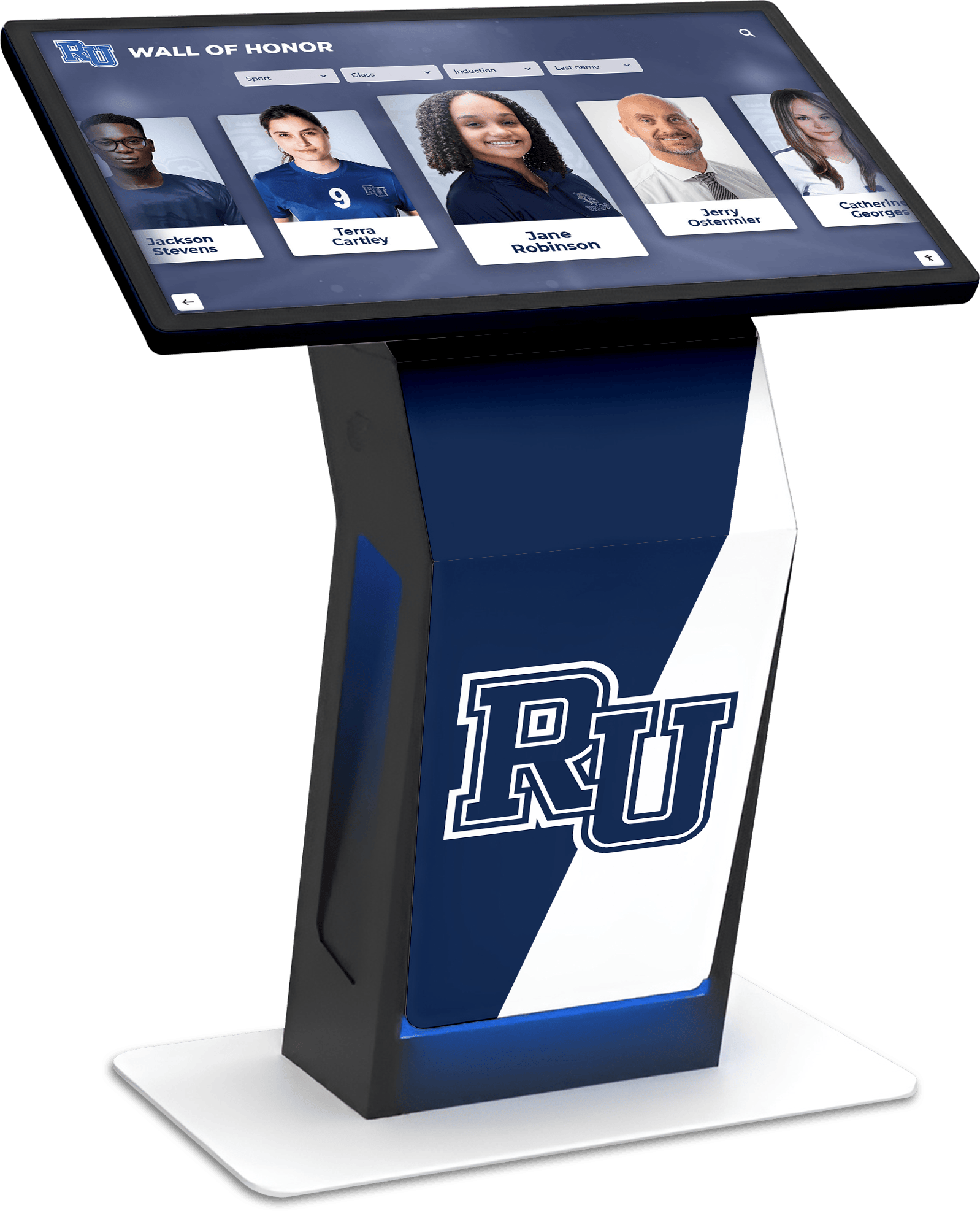
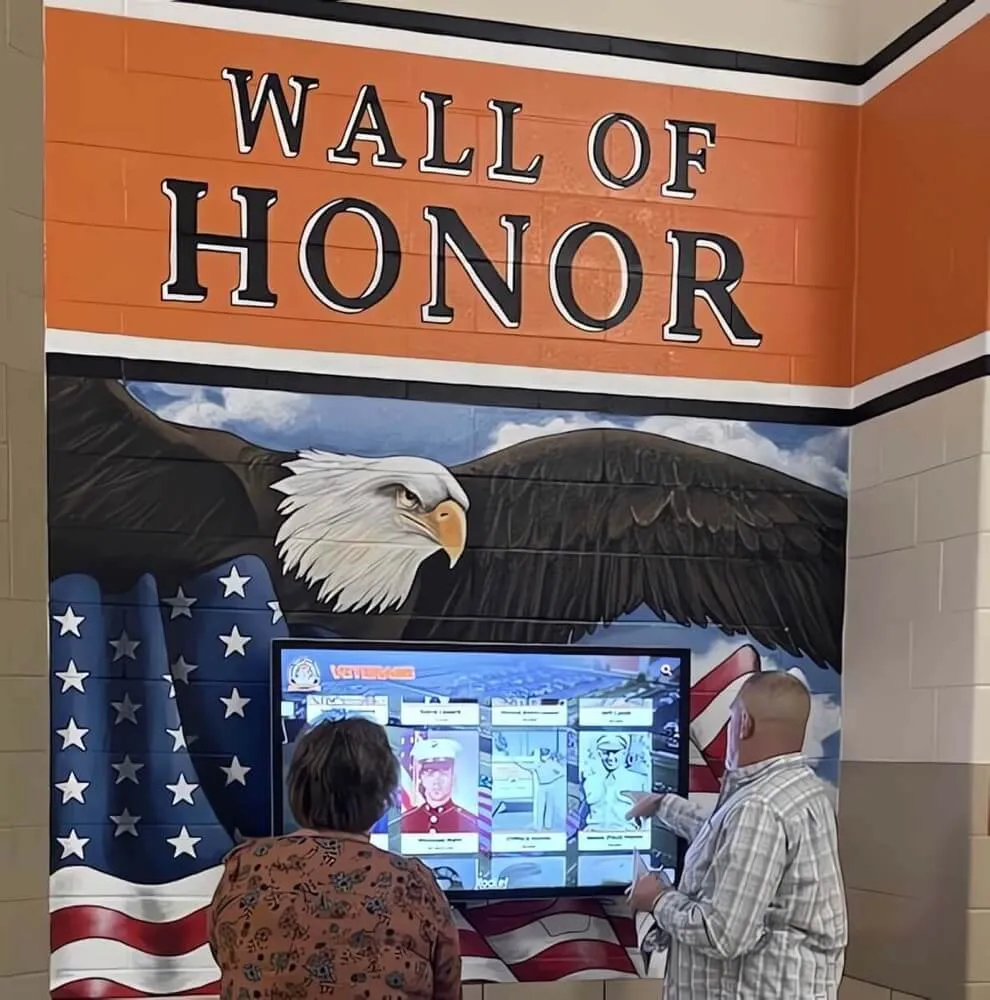
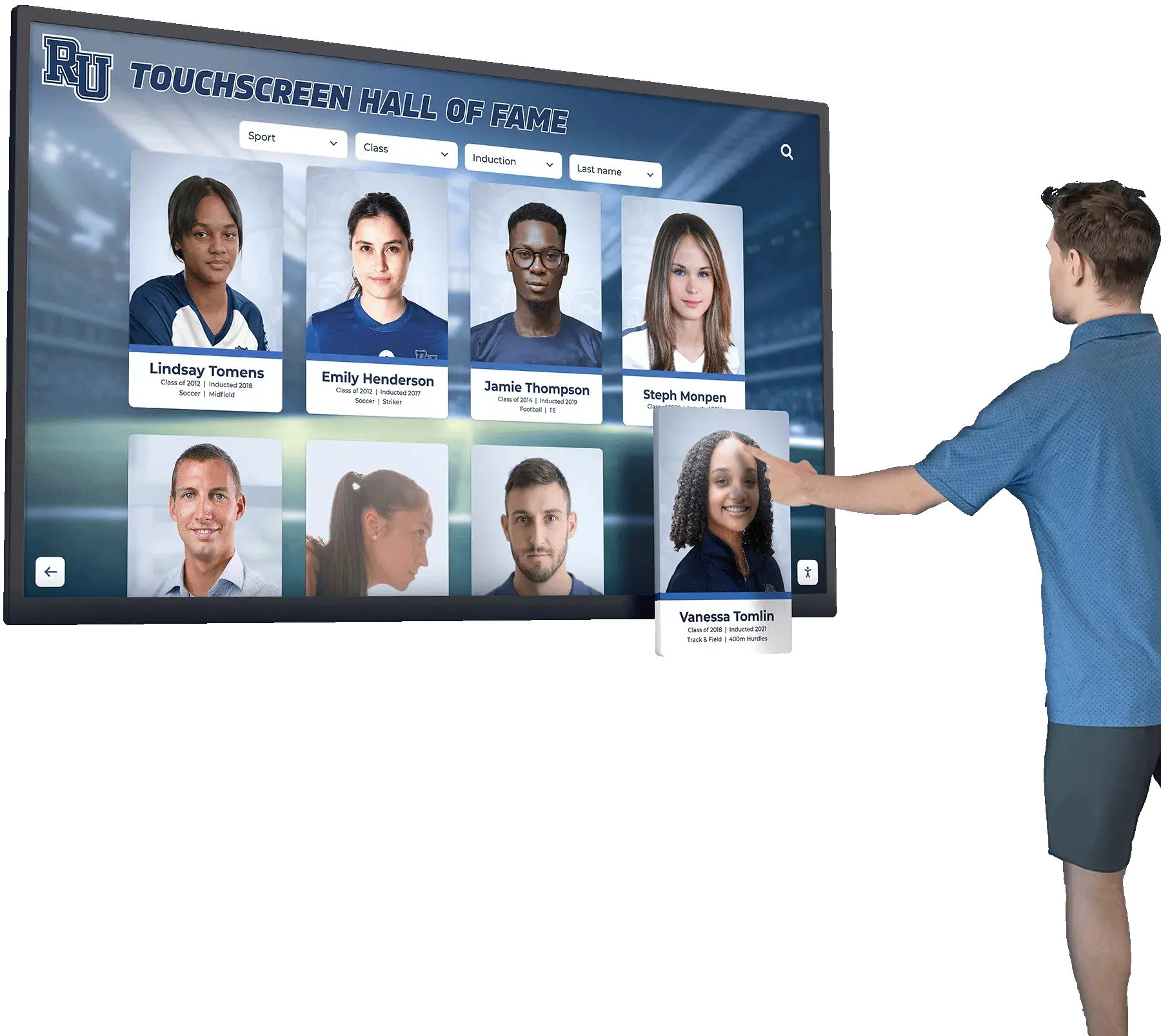
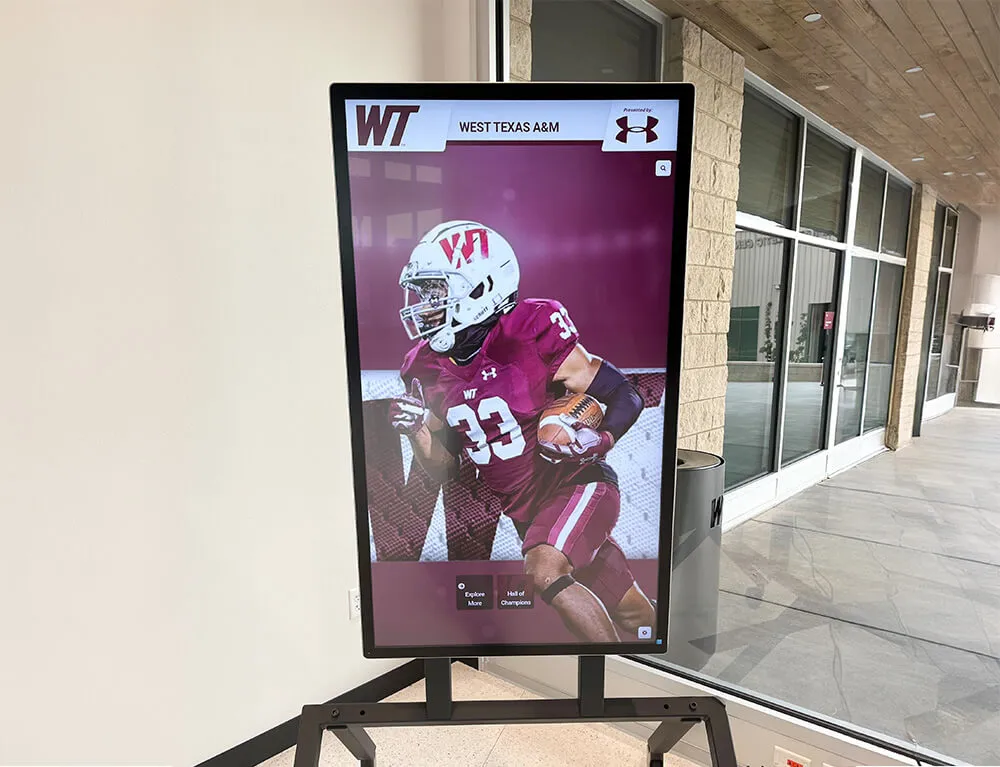
Touchscreen kiosks provide searchable, interactive honor roll recognition accessible to entire school community
Rich Student Profile Pages Digital platforms enable storytelling impossible with printed lists:
- Individual profile pages for each honor roll student
- Current student photographs showing achievers
- Complete achievement information including GPA and honor level
- Grade level and academic program information
- Previous semester honor roll status showing consistency
- Activity involvement and leadership roles
- Student quotes about academic goals and success
- Teacher recommendations or congratulatory messages
This depth ensures every honor roll student’s complete story receives appropriate celebration beyond just names on lists.
Interactive Search and Filtering Digital recognition creates engagement traditional displays cannot:
- Full-text search finding students by name instantly
- Filter by honor roll level (high honor, honor, merit)
- Sort by grade level exploring specific classes
- Filter by semester viewing historical achievement
- Alphabetical browsing for systematic exploration
- Featured student sections highlighting notable stories
- Random honor roll spotlight creating discovery
Learn about how digital displays engage communities with recognition programs.
Simple Content Management Cloud-based systems simplify ongoing administration:
- Update content from any internet-connected device
- Bulk upload tools adding entire honor roll lists efficiently
- CSV import from student information systems
- Template-based design ensuring visual consistency
- Role-based access enabling appropriate staff management
- Scheduled publishing automating announcement timing
- No technical expertise required for routine updates
Schools implementing digital systems report 80-90% reduction in time spent maintaining honor roll recognition compared to traditional bulletin boards requiring manual printing, mounting, and updating.
Web-Based Honor Roll Recognition Platforms
Online systems extend recognition reach beyond physical campus:
Mobile-Accessible Honor Roll Databases Web platforms provide universal access:
- Alumni and families worldwide can view current honor roll
- Students unable to visit campus daily still access recognition
- Prospective families researching schools see achievement culture
- Current students explore honor roll as they set academic goals
- Social sharing enables students to celebrate with extended networks
Explore creating online recognition systems for extended reach.
Integration with School Communications Digital recognition connects to broader platforms:
- Embed honor roll showcases on school websites
- Link from social media to individual student profiles
- Email notifications to families when honor roll is announced
- Newsletter integration featuring honor roll statistics
- Digital yearbook connections preserving achievement information
Analytics and Program Assessment Digital systems provide valuable usage data:
- Track which honor roll levels receive most interest
- Identify peak engagement times during semester
- Monitor search patterns showing what information users seek
- Assess program effectiveness through interaction metrics
- Gather data supporting continuous improvement

Responsive web platforms ensure honor roll recognition remains accessible across phones, tablets, and computers
Hybrid Recognition Approaches
Many schools find combining traditional and digital methods maximizes impact:
Physical and Digital Integration Complementary systems leverage strengths of both approaches:
- Traditional bulletin board displaying current semester honor roll
- Digital touchscreen in same location providing complete historical archives
- Printed certificates presented to students in recognition ceremony
- Touchscreens offering permanent searchable recognition
- Physical display driving traffic to interactive digital system
- Digital profiles providing comprehensive achievement details
Learn about successful digital recognition implementation combining approaches.
QR Code Connections Bridge physical and digital recognition:
- QR codes on bulletin boards linking to complete digital honor roll
- Printed certificates including QR access to student profile pages
- Newsletter listings connecting to interactive online information
- Parent communication including QR access to full recognition
- Traditional displays directing viewers to comprehensive digital system
This hybrid approach respects tradition while embracing modern capabilities expanding what’s possible in honor roll recognition.
Content Strategies for Compelling Honor Roll Recognition
Technology platforms provide infrastructure, but compelling content creates meaningful recognition resonating with students and communities.
Essential Honor Roll Profile Information
Comprehensive profiles celebrate complete achievement stories:
Core Recognition Information Foundation for every student profile:
- Student full name as it appears in records
- Current grade level
- High-quality student photograph
- Honor roll level achieved (high honor, honor, merit)
- Semester and academic year
- Grade point average if appropriate
- Previous semester honor roll status
Achievement Context and Details Background helping viewers understand significance:
- Number of consecutive semesters on honor roll
- Academic program or track (honors, AP, IB)
- Perfect attendance if applicable
- Subject-specific excellence or awards
- Growth from previous semesters
- Unique aspects making achievement noteworthy
Personal Narrative Elements Humanizing details creating connection:
- Student quotes about study habits or academic goals
- Favorite subjects or academic interests
- Thanks to teachers or family members
- Future college or career plans
- Advice for other students pursuing honor roll
- Balance of academics with activities
Explore comprehensive student achievement showcase approaches.
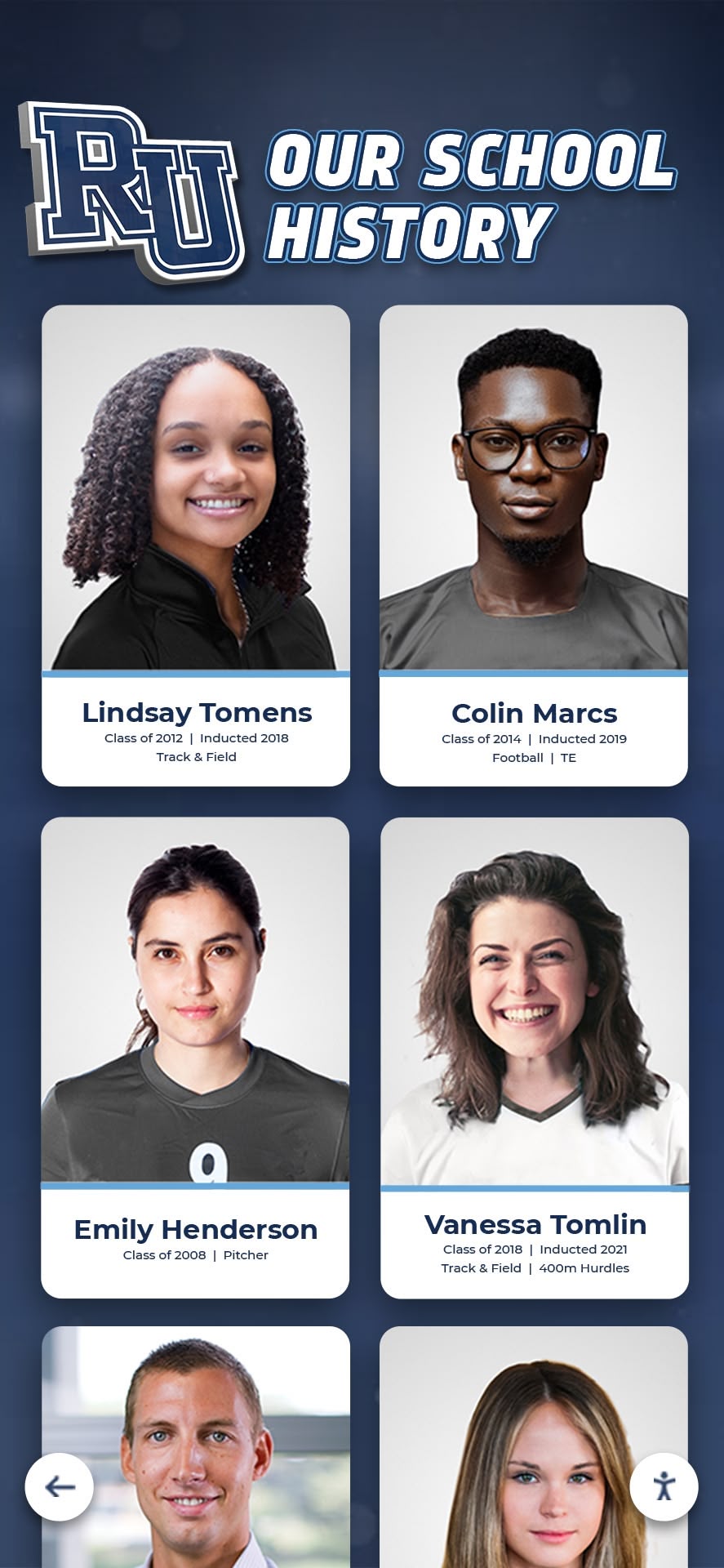
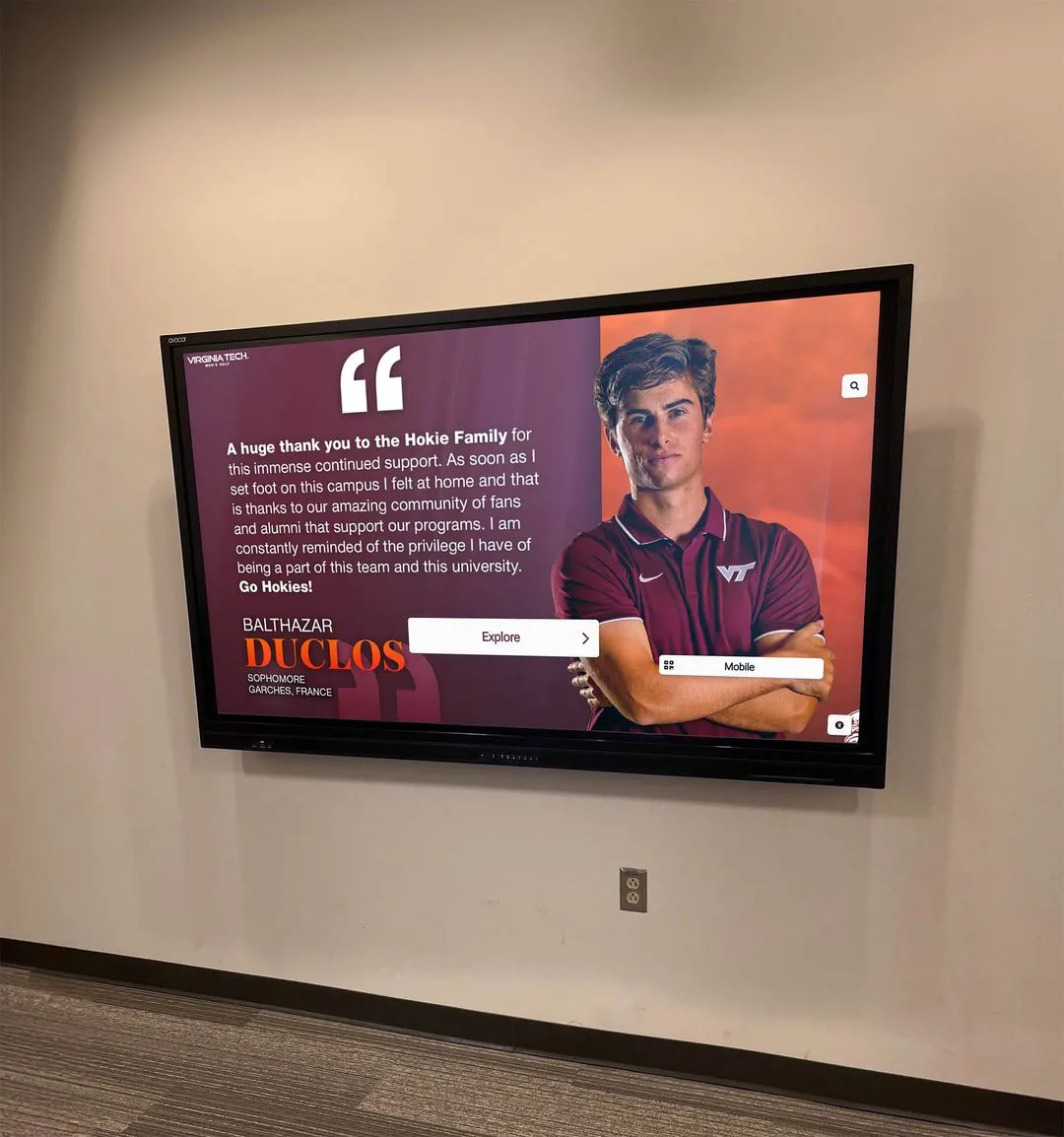
Detailed honor roll profiles document complete achievement stories across grade levels, creating inspiring examples for current students
Multimedia Content Enhancing Recognition
Beyond text and static photos, rich media creates engaging honor roll recognition:
Video Content Integration Moving images capture personality and achievement:
- Honor roll ceremony video clips
- Student congratulatory messages
- Teacher recognition and congratulations
- Principal announcement moments
- Student interview clips about academic success
- Advice videos for pursuing honor roll
- Celebration montages showing diverse achievers
Photo Galleries and Visual Storytelling Multiple images document semester journeys:
- Honor roll ceremony presentation moments
- Classroom engagement photos
- Study group and academic collaboration images
- Certificate presentation photos with administrators
- Celebration photos with families
- Progress images spanning multiple semesters
- Photos showing students in various academic contexts
Statistical Visualizations Data presentations provide context:
- Percentage of students achieving each honor roll level
- Semester-over-semester achievement trends
- Grade level participation rates
- Historical achievement comparisons
- Subject-specific performance data
- Multi-semester consistency statistics
Creating Inclusive Recognition Content
Meaningful displays ensure every honor roll student finds authentic representation:
Diverse Achievement Celebration Recognition should honor varied forms of success:
- High honor roll alongside honor roll with equal respect
- Academic excellence across all grade levels
- First-time honor roll students alongside consistent achievers
- Traditional students and non-traditional learners
- Students balancing academics with work or family responsibilities
Cultural Sensitivity Thoughtful approaches honor diverse backgrounds:
- Name pronunciation guides for announcements
- Cultural context for international student achievements
- Multilingual content for diverse school communities
- Sensitivity to varied family structures in acknowledgments
- Inclusive language in recognition descriptions
Privacy Considerations Balance celebration with appropriate boundaries:
- Student and family consent for photo and information use
- Options for limited information sharing for privacy concerns
- FERPA compliance in all public recognition
- Sensitivity around students facing personal challenges
- Age-appropriate information sharing
Learn about accessibility in digital recognition ensuring inclusive honor roll displays.
Implementing Your Honor Roll Display Program
Successful programs require systematic planning, stakeholder engagement, and sustainable management processes.
Technology Selection and Setup
Choosing Appropriate Display Systems Consider multiple factors when selecting platforms:
- School size and typical honor roll numbers
- Available physical space for displays
- Budget for hardware and software
- Staff technical capabilities for management
- Integration with existing student information systems
- Scalability for future growth
- Support and training provided by vendors
Hardware Considerations Physical display requirements:
- Screen size appropriate for viewing distance and location
- Touchscreen capabilities for interactive exploration
- Mounting options (wall-mounted, freestanding kiosk)
- Placement in high-traffic areas (lobbies, cafeterias, main hallways)
- Power and network connectivity
- Durability and vandalism resistance
- ADA-compliant mounting heights and accessibility
Learn about touchscreen display selection for recognition systems.
Software Platform Selection Content management system requirements:
- Intuitive interfaces requiring minimal training
- Cloud-based access enabling remote updates
- Bulk import tools for efficient data entry
- Customization options matching school branding
- Web integration extending recognition beyond physical displays
- Role-based permissions for appropriate access
- Analytics and reporting capabilities
Consider solutions like Rocket Alumni Solutions offering comprehensive recognition systems designed specifically for educational institutions.

Modern recognition systems integrate touchscreen displays with cloud-based management platforms for efficient honor roll updates
Staff Training and Management Responsibilities
Assigning Clear Roles Sustainable programs distribute responsibilities appropriately:
- Overall program coordination (typically assistant principal or counselor)
- Data extraction from student information system
- Verification of honor roll eligibility
- Content collection including photos and quotes
- Digital platform content management
- Quality assurance and accuracy verification
- Communication with students and families
Training Requirements Staff need preparation for effective management:
- Content management system training for digital platforms
- Best practices for honor roll information collection
- Photo editing basics ensuring quality standards
- Privacy and FERPA compliance training
- Communication strategies engaging students effectively
- Backup staff training ensuring continuity
Launch Strategy and Ongoing Promotion
Initial Honor Roll Announcement Unveil displays during natural celebration:
- Coordinate announcement with end of semester timing
- Demonstrate display features during school assemblies
- Create photo opportunities with honor roll students
- Family preview time during open house or parent events
- Social media launch campaign coordinating with announcement
Semester-Long Visibility Sustained promotion ensures continued engagement:
- Orientation programs showing incoming students honor roll displays
- Open house demonstrations for prospective families
- Classroom visits using displays to motivate current students
- Parent newsletter features explaining recognition program
- Integration with advisory periods discussing academic goals
Learn about student recognition integration throughout school programs.
Maintenance and Continuous Improvement
Regular Update Schedules Systematic maintenance keeps recognition current:
- Semester honor roll additions at term end
- Mid-year updates as needed for grade changes
- Photo updates when better images become available
- Correction of errors or outdated information
- Technology refreshes ensuring system reliability
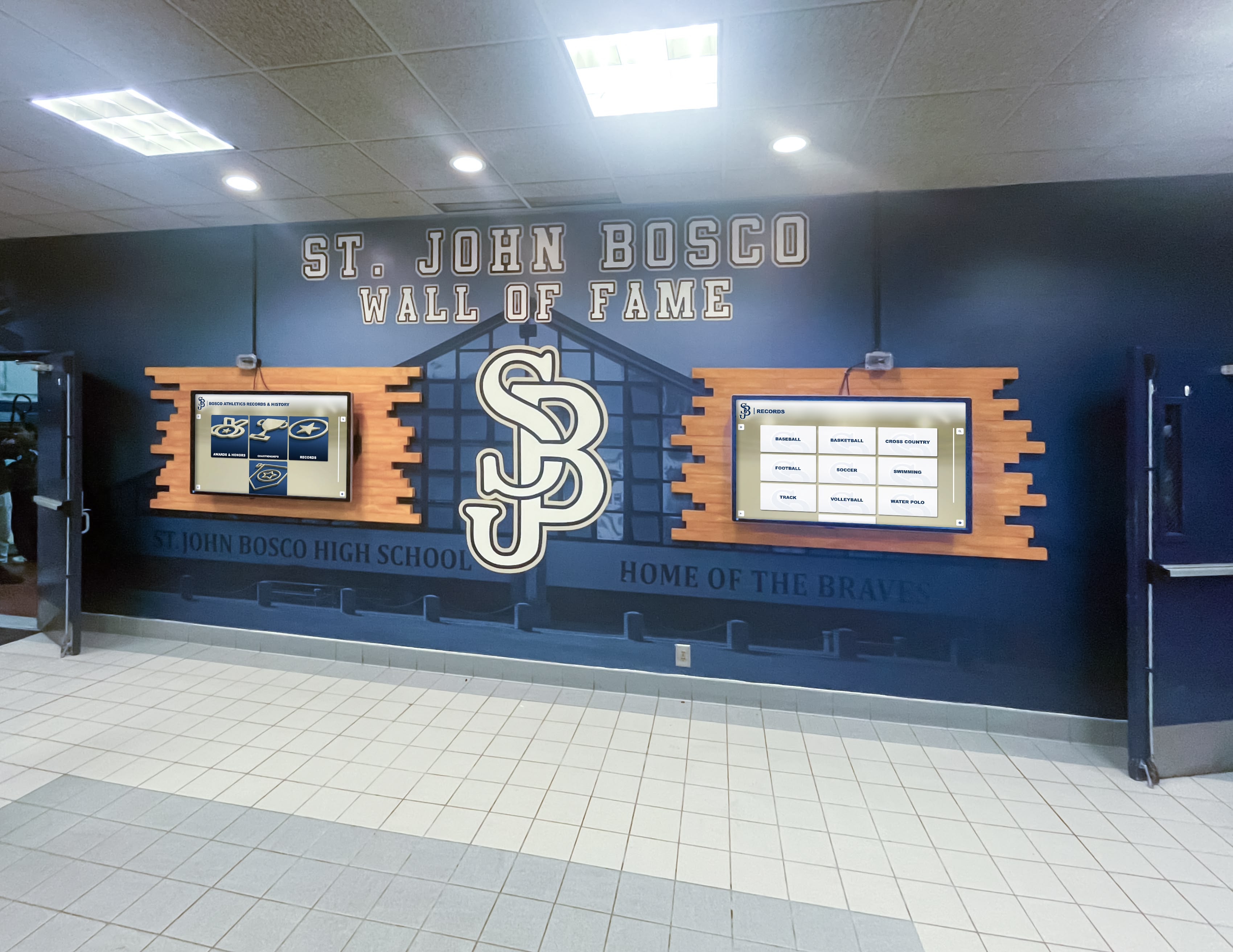
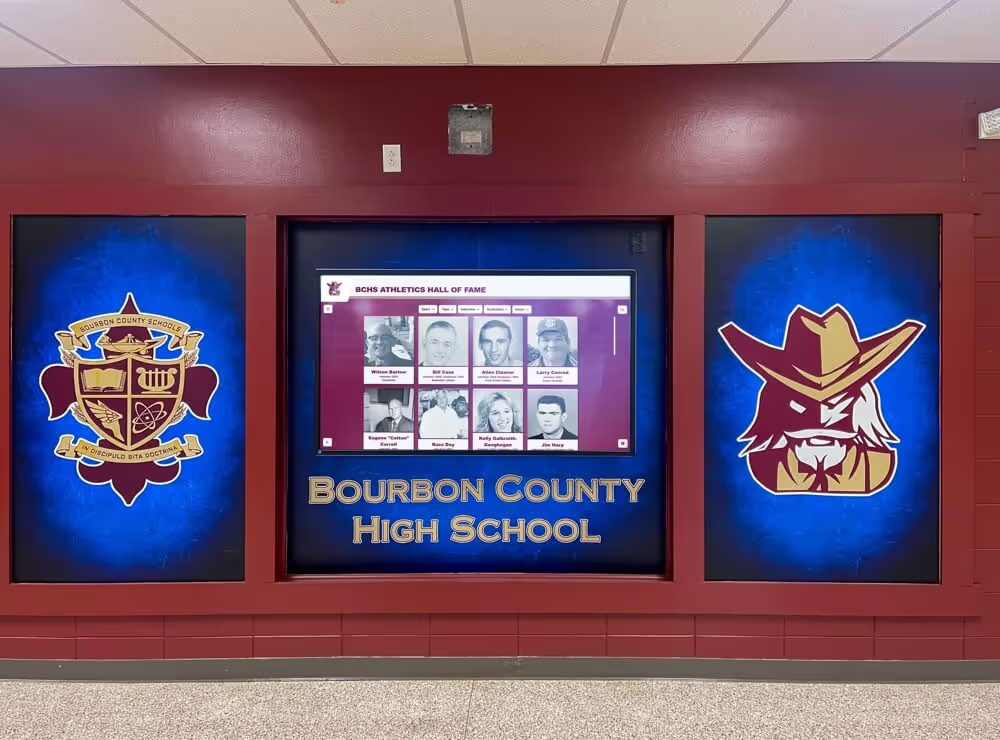
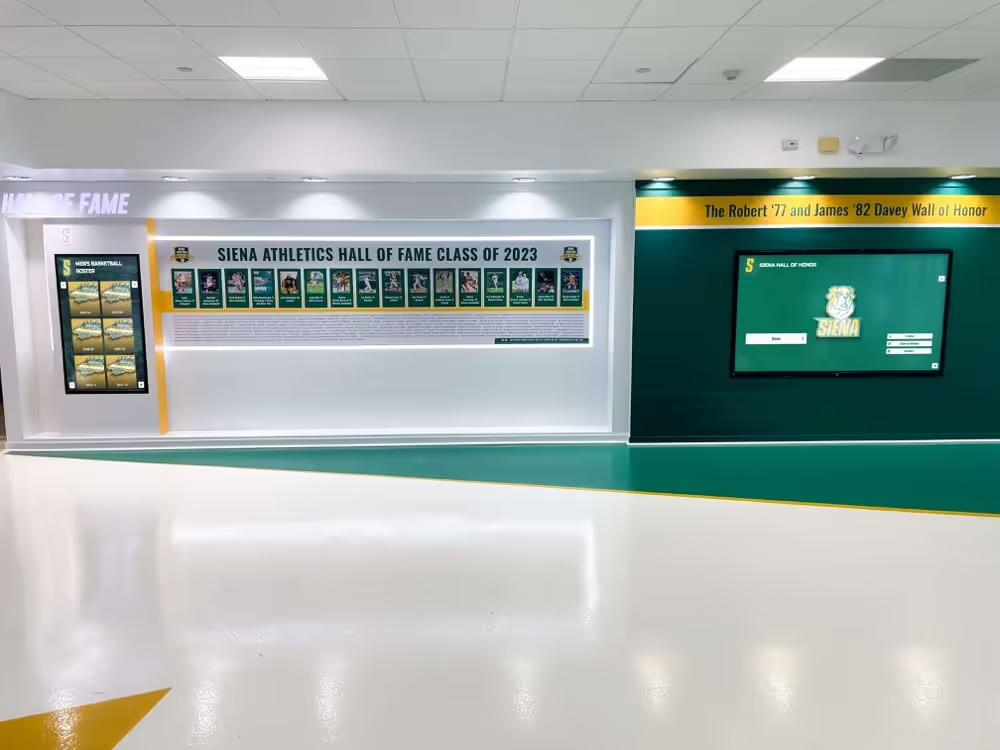
Multiple display screens enable comprehensive honor roll recognition across larger campus areas and diverse achievement levels
Assessment and Evolution Regular evaluation drives improvement:
- Usage analytics for digital systems showing engagement
- Student surveys gathering feedback about recognition
- Family surveys assessing communication effectiveness
- Staff feedback on management efficiency
- Comparison to peer schools identifying best practices
- Criteria reviews ensuring fairness and consistency
Measuring Honor Roll Program Success
Regular assessment ensures recognition programs achieve intended goals and justify resource investment.
Quantitative Success Metrics
Participation and Achievement Data
- Number and percentage of students achieving each honor roll level
- Semester-over-semester consistency rates
- Distribution across grade levels and demographics
- First-time honor roll achievement tracking
- Multi-semester honor roll consistency analysis
- Year-over-year trends in achievement rates
Engagement Indicators For digital recognition systems:
- Daily interaction counts with honor roll displays
- Average session duration showing depth of engagement
- Most frequently viewed student profiles
- Search query patterns revealing user interests
- Social sharing frequency and reach
- Web-based access statistics from families
Cultural Impact Metrics Broader indicators showing program influence:
- Student aspirations toward academic achievement
- Enrollment in challenging coursework
- Improved overall school GPA trends
- Parent engagement with academic programs
- Community perception during campus tours
- Media coverage of student achievements
Qualitative Assessment Methods
Stakeholder Feedback Collection
- Honor roll student surveys about recognition meaningfulness
- Current student feedback about honor roll motivation
- Family perception of recognition quality and communication
- Faculty assessment of program effectiveness
- Administrator evaluation of cultural impact
Success Story Documentation Collect narratives demonstrating recognition impact:
- Students motivated by seeing peers on honor roll
- First-generation honor roll students sharing experiences
- Students whose honor roll achievement influenced college admissions
- Teachers describing student growth pursuing honor roll
- Parents expressing gratitude for recognition
Special Considerations for Different School Contexts
Honor roll approaches should adapt to institutional size, resources, and community characteristics.
Large Schools with Many Honor Roll Students
Schools with 2000+ students face unique challenges:
Managing Scale Effectively Strategies for comprehensive large-school recognition:
- Digital systems become essential as physical displays can’t accommodate volume
- Automated data processes reducing manual work requirements
- Multiple verification staff distributing responsibility
- Phased announcements by grade level or alphabetically
- Featured rotations ensuring all students receive spotlight time
Large schools benefit enormously from digital recognition’s unlimited capacity that physical displays simply cannot provide for extensive honor roll programs.
Small Schools with Limited Resources
Smaller institutions optimize recognition within constraints:
Maximizing Impact with Minimal Budget Cost-effective recognition strategies:
- Combined displays serving multiple recognition purposes
- Student-created content reducing professional service costs
- Phased implementation starting with essential features
- Open-source or low-cost digital signage solutions
- Community partnerships potentially providing funding
Small schools can create meaningful recognition through creative approaches emphasizing personal connection over expensive technology.
Explore elementary school recognition approaches applicable to smaller programs.
Middle and High School Differences
Recognition approaches adapt to developmental levels:
Middle School Honor Roll Considerations Early adolescent recognition requirements:
- Emphasis on growth and improvement alongside achievement
- Balance between peer visibility and avoiding over-singling out
- Connection to high school preparation
- More frequent celebration maintaining motivation
- Integration with advisory programs
High School Honor Roll Focus Secondary recognition emphasizing college preparation:
- Connection to college applications and scholarships
- Cumulative honor roll tracking across four years
- Weighted GPA recognition for rigorous coursework
- National recognition program integration
- Senior honor roll culmination events

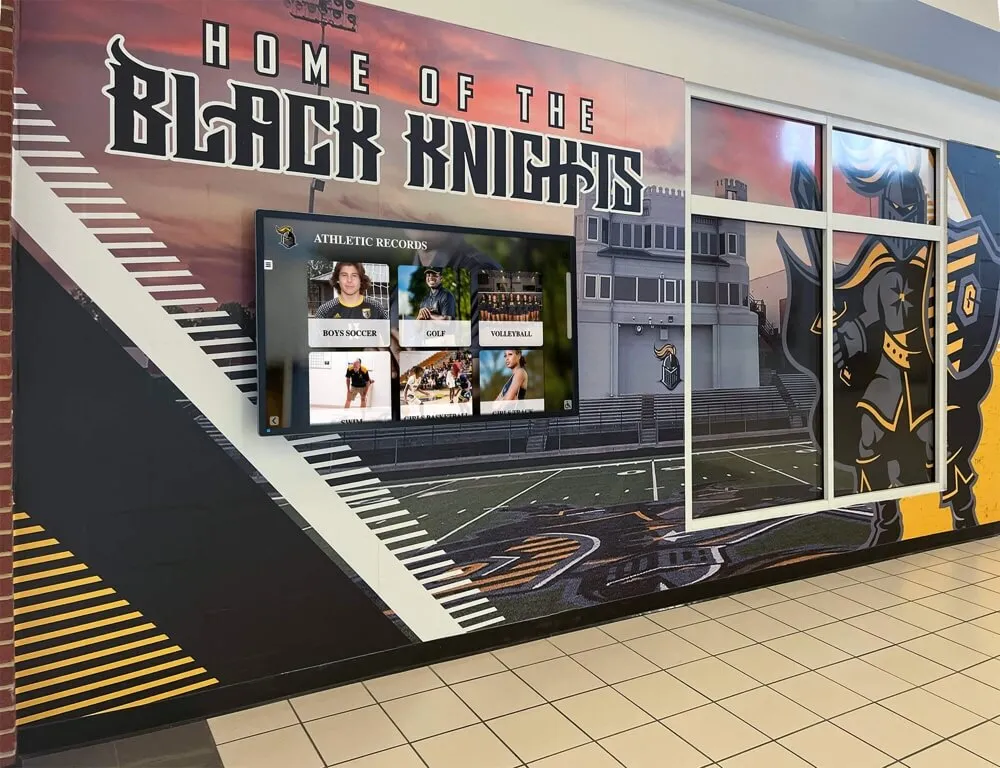
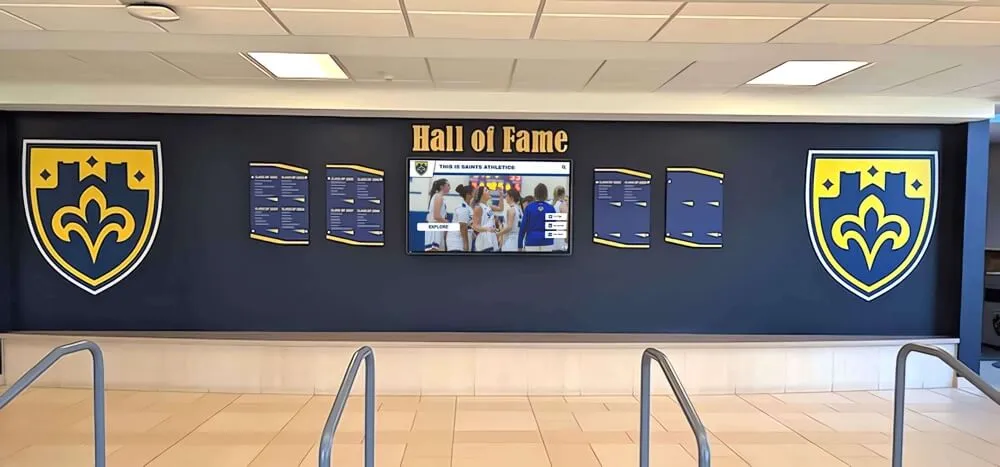
Strategic placement balancing honor roll with extracurricular recognition creates comprehensive achievement visibility
Connecting Honor Roll Recognition to School Culture
Effective honor roll displays create foundations for lasting institutional values and academic traditions.
Building Achievement Culture Through Recognition
Honor roll displays facilitate cultural development:
Aspirational Modeling Visible recognition creates goals:
- Underclassmen see tangible examples of academic success
- Honor roll criteria help students understand achievement pathways
- Diverse achievement levels show multiple routes to recognition
- Historical displays demonstrate institutional tradition
- Current student identification with honor roll achievers
These discovery features transform static recognition into dynamic cultural tools supporting student development and school pride.
Values Communication Honor roll recognition reveals institutional priorities:
- Academic achievement receives visibility comparable to athletics
- Consistent semester recognition demonstrates ongoing commitment
- Multiple achievement levels communicate inclusive excellence
- Celebration of improvement shows growth mindset values
- Public recognition signals academic success matters
Learn about building school community through recognition programs.
Family and Community Engagement Through Honor Roll
Recognition systems support broader relationships:
Parent Communication and Involvement Honor roll becomes family engagement tool:
- Positive communication celebrating student success
- Tangible discussion points for academic conversations
- School visit opportunities viewing recognition displays
- Social sharing enabling extended family celebration
- Connection to school building family pride
Schools report parent engagement increases significantly when comprehensive honor roll recognition helps families celebrate achievements and stay connected with school culture.
Community Recognition Extensions Broader visibility amplifies impact:
- Local newspaper honor roll submissions
- Community business honor roll certificate programs
- Library and community center display partnerships
- Faith community recognition integration
- Civic organization scholarship connections
Explore preserving school history through comprehensive academic recognition.
Conclusion: Creating Meaningful Honor Roll Recognition
End of semester honor roll recognition represents far more than lists posted in hallways—it creates lasting statements about institutional values, honors individual student achievement, motivates continued excellence, strengthens school culture, and builds academic traditions extending throughout the school year. When schools move beyond temporary bulletin boards and forgotten printouts to comprehensive recognition systems celebrating every honor roll student, they transform how communities understand and value academic achievement.
The strategies explored throughout this guide provide frameworks for building honor roll recognition that resonates across stakeholder groups while remaining sustainable for busy school staff. From traditional bulletin boards and trophy cases to modern digital displays eliminating space constraints, these approaches ensure honor roll students receive the lasting acknowledgment their accomplishments deserve.
Transform Your Honor Roll Recognition Program
Discover how modern digital display solutions can help you celebrate every honor roll student while building a thriving culture of academic excellence that inspires students semester after semester.
Explore Recognition SolutionsSolutions like Rocket Alumni Solutions make comprehensive recognition achievable through intuitive touchscreen displays, unlimited student capacity, easy content management, and web integration extending reach beyond physical campus. Schools implementing these systems report dramatic improvements in recognition comprehensiveness, honor roll program visibility, and student motivation—precisely the outcomes that justify recognition program investments.
Start where you are: assess current honor roll recognition approaches, identify gaps and improvement opportunities, clarify goals for enhanced celebration, and implement systems matching your resources and community needs. Whether beginning with updated bulletin boards or launching sophisticated digital platforms, every step toward comprehensive honor roll recognition strengthens your school culture and honors the students who work hard to achieve academic excellence.
Every honor roll student deserves recognition acknowledging their achievement and celebrating their accomplishment. With thoughtful planning, appropriate technology, and consistent implementation, you can create displays that truly honor every achiever while building the inspirational, motivated, achievement-oriented academic community where all students thrive.
Ready to begin? Explore digital honor roll display approaches or discover academic recognition strategies that complement comprehensive semester recognition programs.