Organizations that systematically recognize employee contributions outperform competitors by substantial margins—31% lower turnover, 41% less absenteeism, and teams reporting significantly higher engagement according to workplace research. Yet despite these compelling statistics, many businesses, schools, nonprofits, and institutions struggle to move beyond generic “employee of the month” plaques that quickly lose meaning, budget-constrained appreciation gestures that feel transactional rather than transformative, or inconsistent acknowledgment leaving most team members feeling invisible despite their daily contributions to organizational success.
Building an effective employee recognition program requires more than occasional celebrations or annual awards ceremonies. It demands systematic infrastructure that makes appreciation consistent rather than exceptional, inclusive recognition honoring diverse contributions across all roles and departments, scalable approaches that grow alongside organizations without unsustainable cost increases, and authentic acknowledgment connecting individual efforts to tangible organizational outcomes in ways that resonate personally while inspiring continued excellence.
Whether you’re an HR professional designing comprehensive recognition programs from scratch, a manager seeking practical ways to appreciate your immediate team, or an organizational leader committed to strengthening workplace culture through meaningful acknowledgment, this guide explores creative employee recognition program ideas that build lasting cultures of appreciation. From traditional milestone celebrations through modern digital recognition platforms, peer-to-peer appreciation systems, budget-conscious strategies, and innovative approaches adapting recognition to diverse work environments, these proven frameworks help create workplaces where every team member feels genuinely valued.
Organizations implementing comprehensive employee recognition programs report measurable returns extending far beyond morale improvements—including 63% higher employee engagement, 2.7 times greater likelihood of performance exceeding expectations, and retention improvements that save hundreds of thousands in recruitment costs annually compared to workplaces relying exclusively on compensation-based motivation.

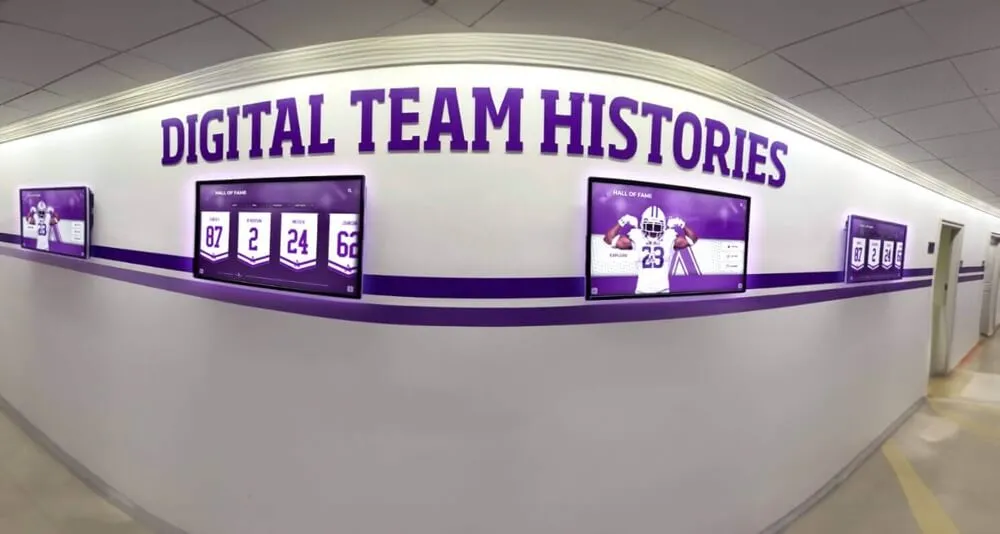
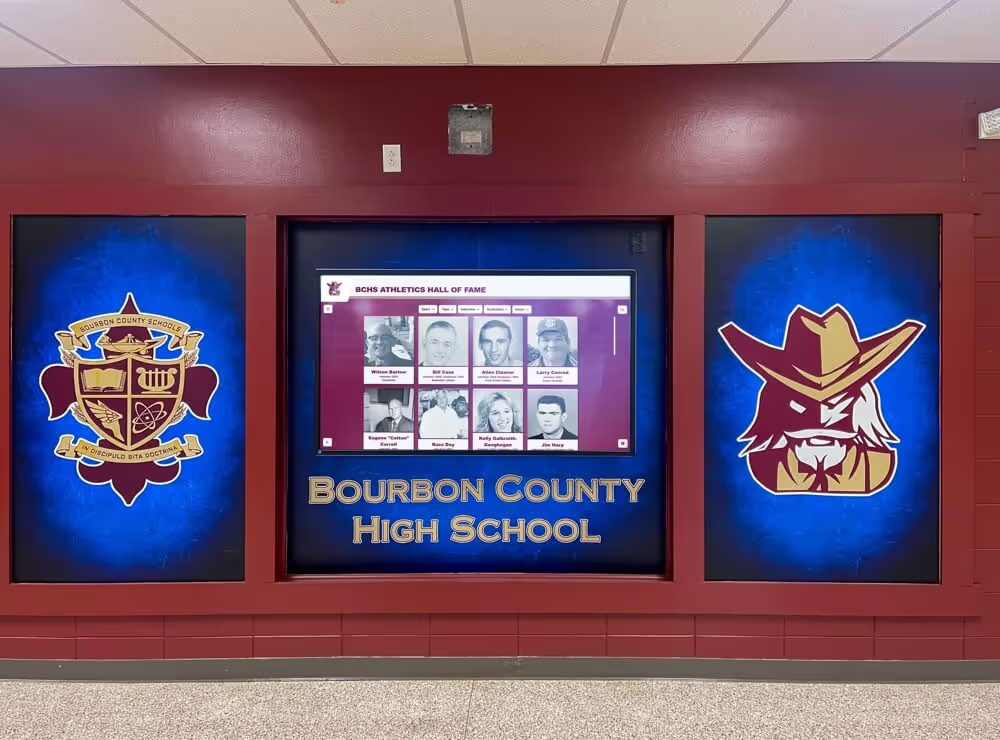
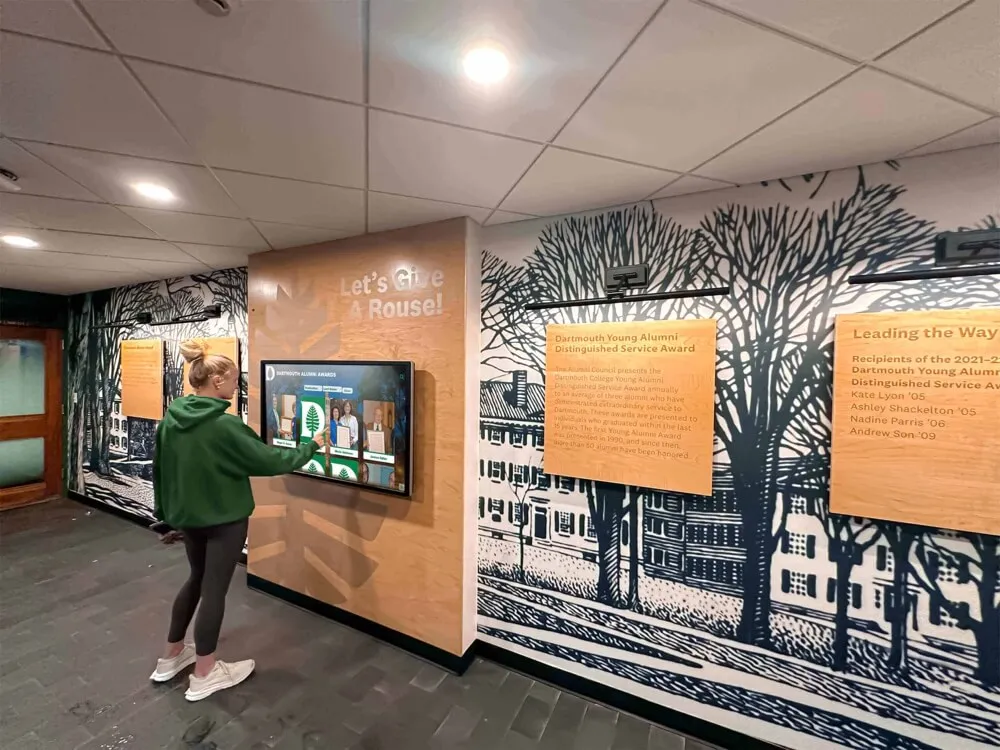
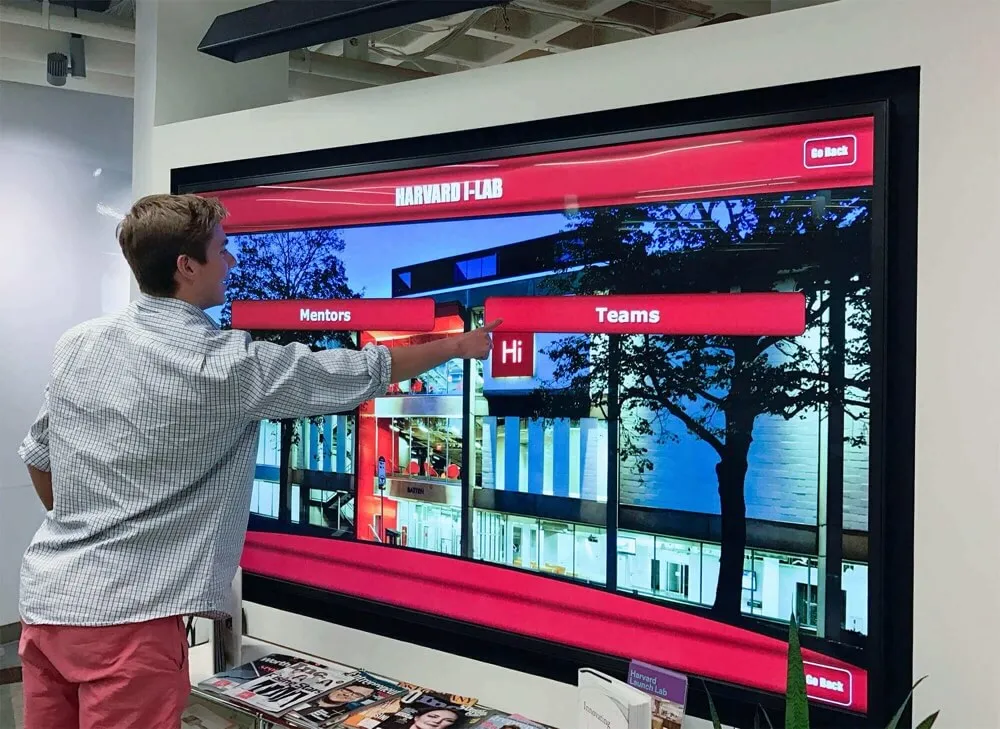
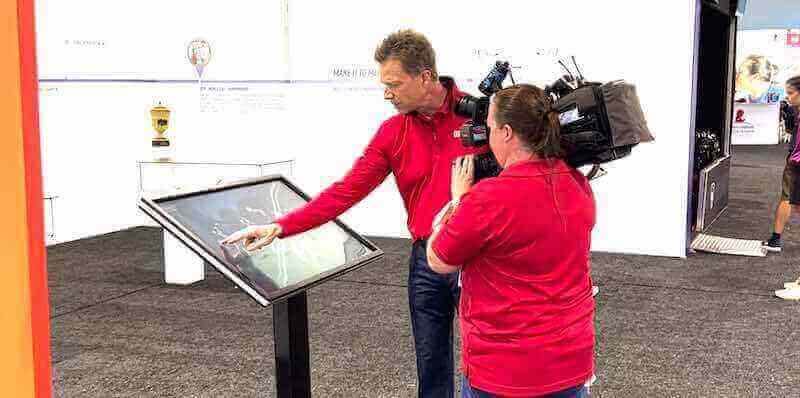
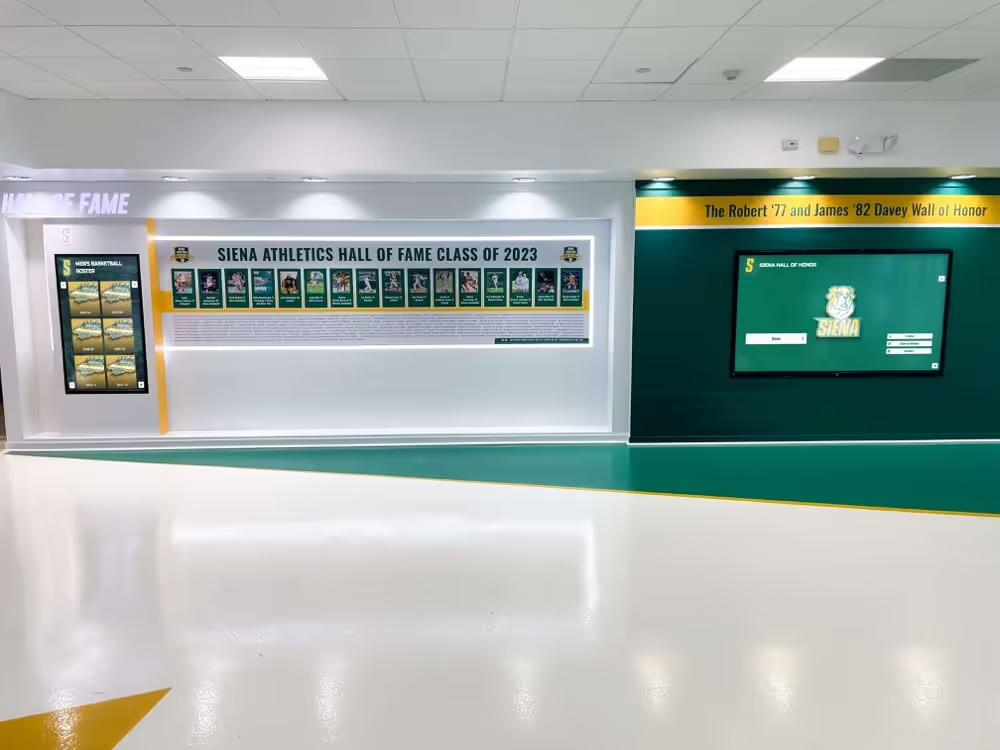
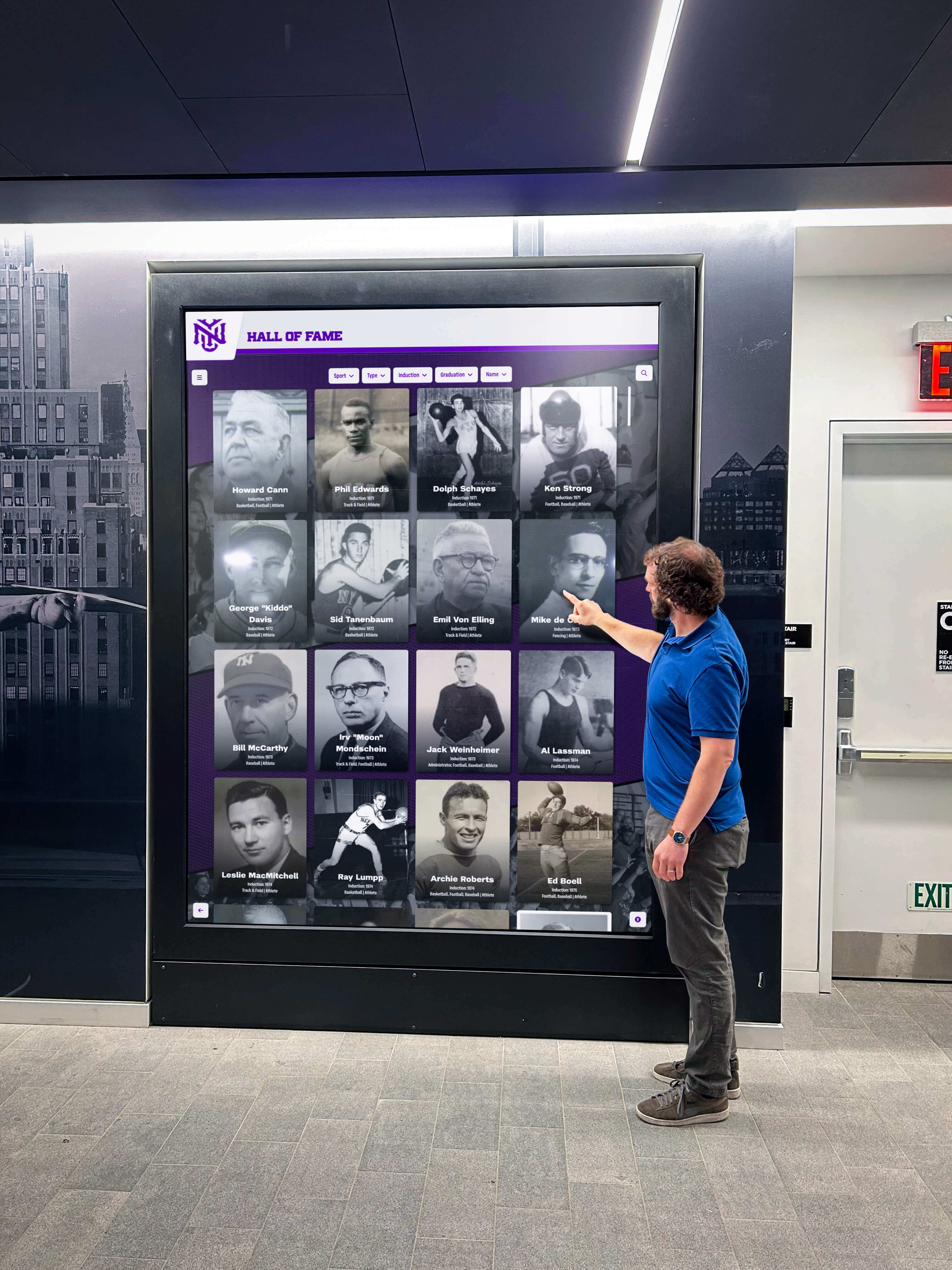
Modern recognition systems create engaging experiences that celebrate team achievements while building cultures where excellence becomes the organizational norm
Understanding What Makes Recognition Programs Effective
Before exploring specific recognition ideas, understanding foundational principles ensures programs deliver intended cultural and business impacts rather than becoming administrative exercises that consume resources without generating meaningful returns.
The Strategic Business Case for Recognition
Employee recognition represents strategic infrastructure directly affecting organizational performance, not merely feel-good gestures or HR initiatives disconnected from business outcomes:
Retention and Turnover Reduction
- Replacing departed employees costs 6-9 months’ salary when accounting for recruitment, onboarding, lost productivity, institutional knowledge loss, and team disruption
- Employees receiving regular recognition demonstrate 31% lower voluntary turnover compared to non-recognized peers
- Recognition recipients report 2.5 times stronger likelihood to recommend employers to prospective talent
- Systematic appreciation creates emotional connections transcending transactional employment relationships that competitors easily disrupt with marginal compensation increases
Performance and Productivity Gains
- Recognized employees demonstrate 10-20% higher productivity compared to colleagues receiving minimal acknowledgment
- Teams with strong recognition cultures show improved quality output with significantly fewer errors requiring correction
- Customer satisfaction scores increase measurably when service excellence receives systematic visibility and acknowledgment
- Innovation strengthens as risk-taking and creative problem-solving receive appropriate celebration rather than criticism when approaches don’t succeed
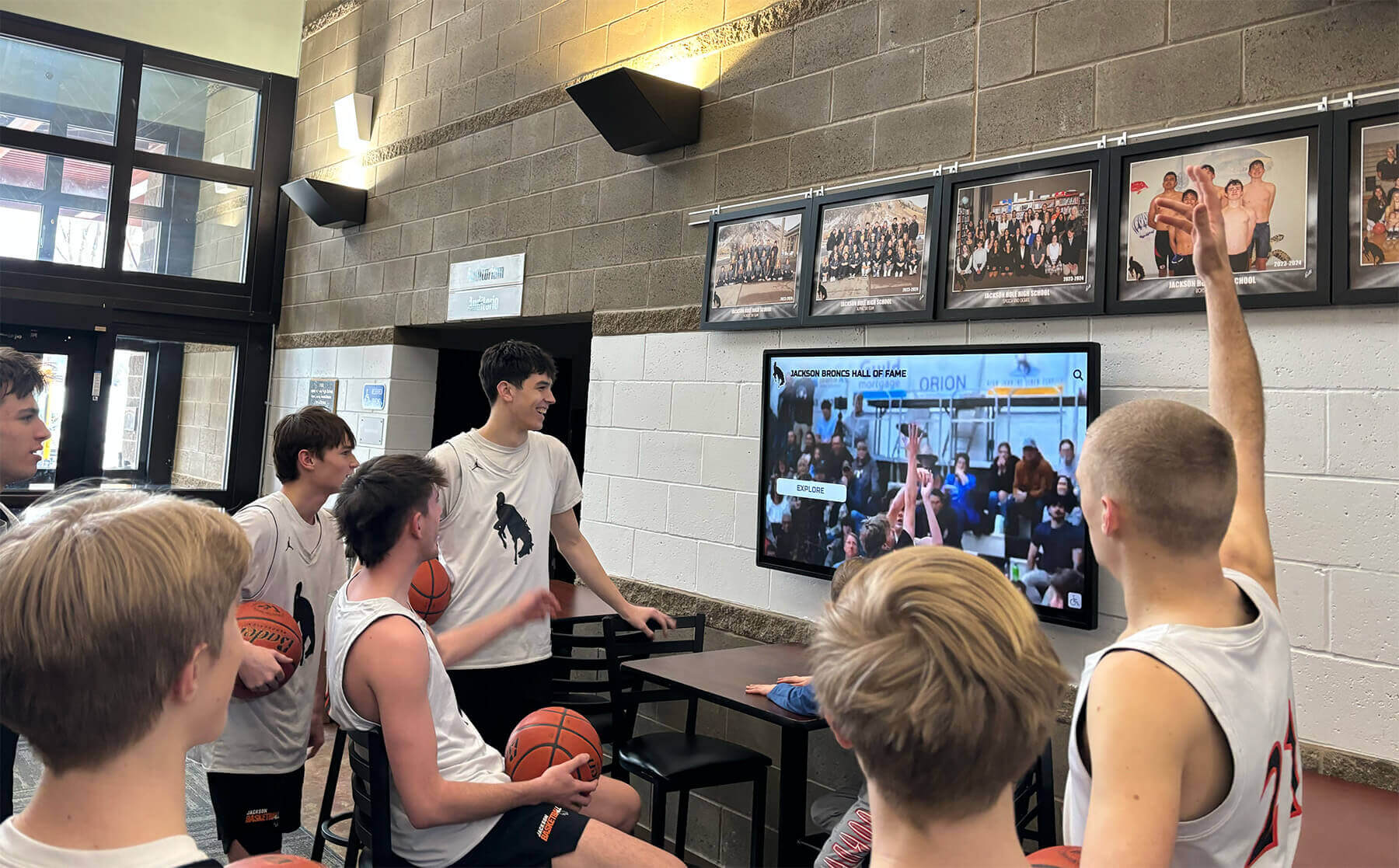
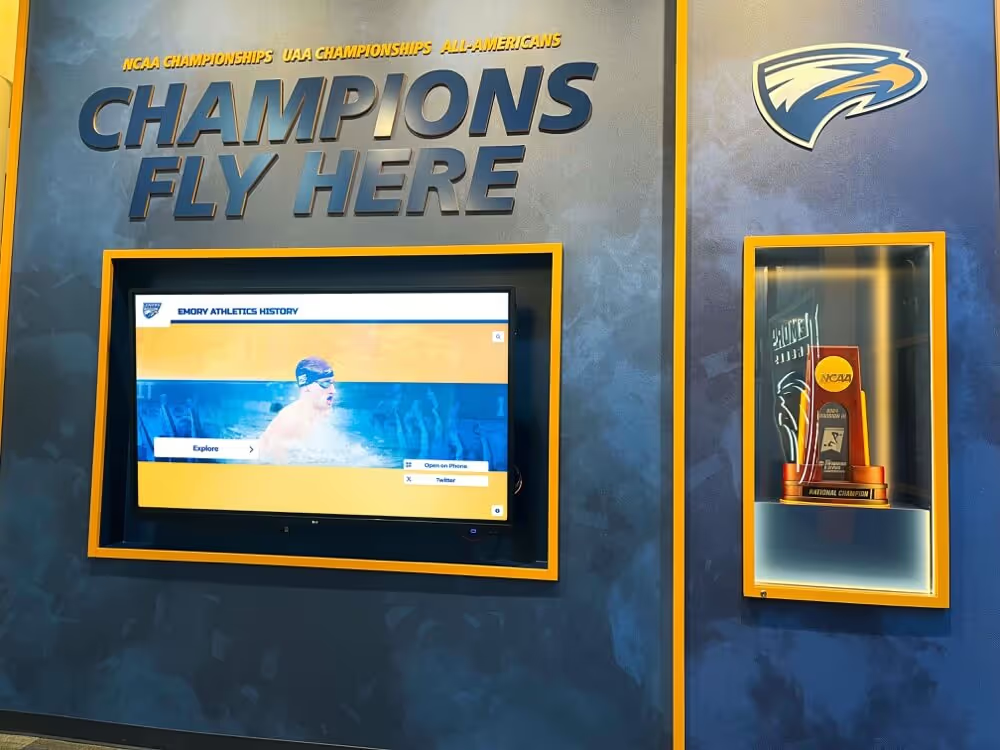
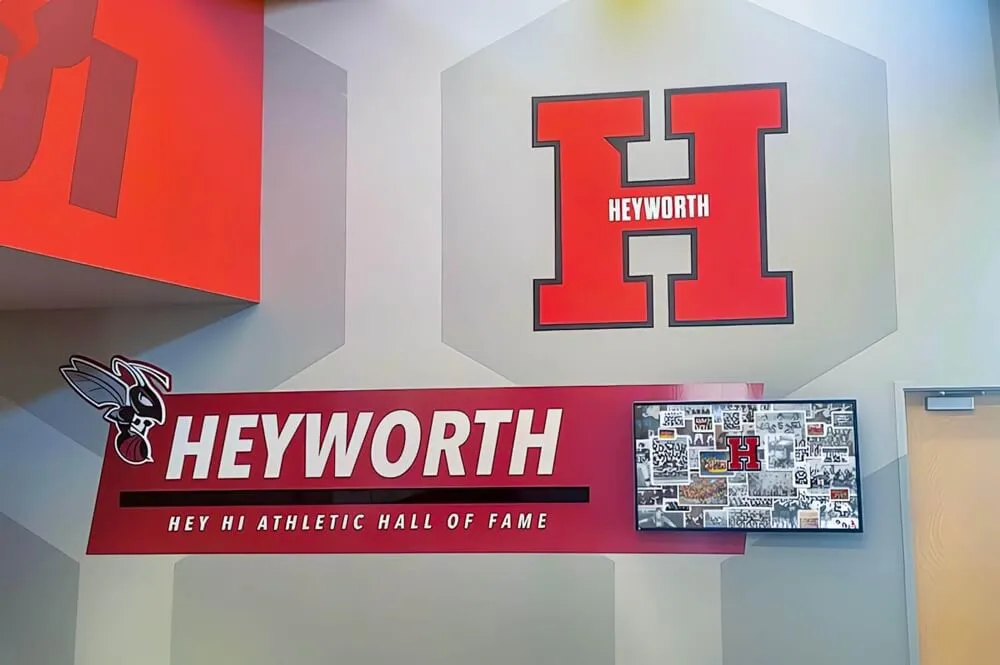
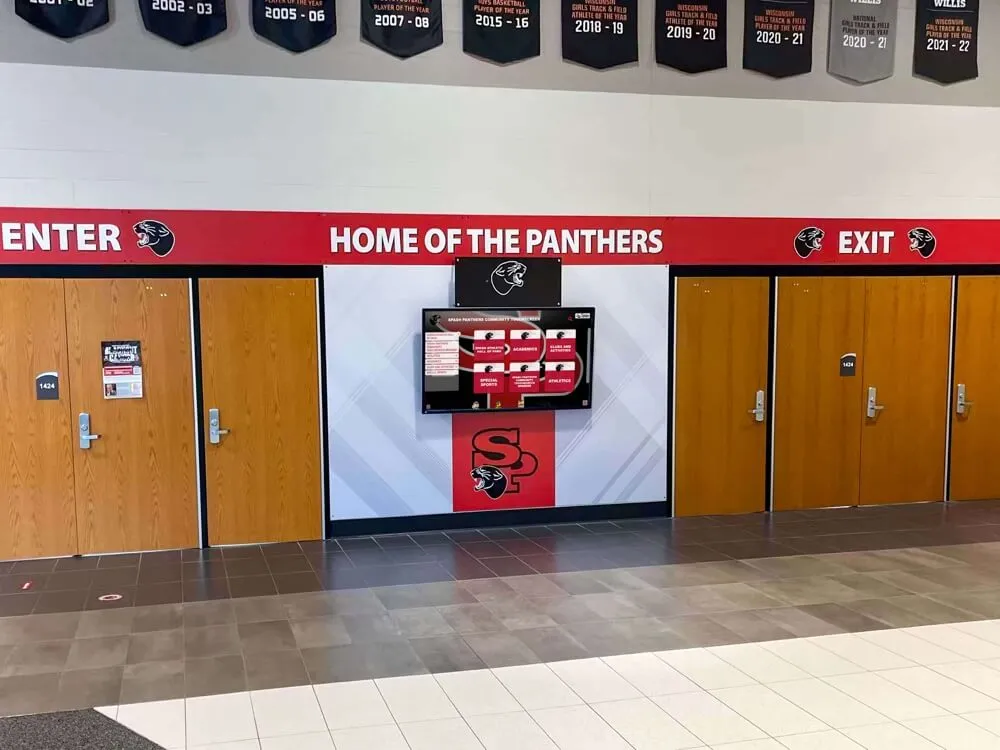
Shared recognition experiences build team cohesion and inspire collective excellence across departments and organizational levels
Workplace Culture Development
- Recognition shapes organizational culture by demonstrating actual priorities versus stated values that remain rhetorical
- Visible appreciation creates environments where excellence becomes normalized expectation rather than exceptional performance requiring special circumstances
- Celebrated employees develop positive associations with organizations and colleagues that strengthen workplace relationships
- Strong recognition cultures improve overall satisfaction metrics while reducing conflict and improving cross-functional collaboration
Core Elements of Successful Recognition Programs
Effective programs share common characteristics regardless of organizational size, industry, or budget:
Specificity and Personalization Generic recognition lacks impact—employees want acknowledgment citing actual contributions, explaining how efforts advanced organizational goals, and demonstrating genuine awareness of their work rather than template messages with names filled in. Specific recognition requires managers understanding what team members actually accomplish daily rather than relying exclusively on easily measurable metrics that may miss important contributions.
Timeliness and Consistency Recognition delivered months after achievements loses motivational power compared to immediate acknowledgment when accomplishments remain fresh and emotional connections strongest. Systematic programs establish regular recognition rhythms—weekly acknowledgments during team meetings, monthly awards for significant contributions, quarterly celebrations for sustained excellence—creating consistent appreciation rather than sporadic gestures suggesting low priority.
Equity and Inclusivity Programs concentrating recognition among small groups while leaving most employees unacknowledged create resentment undermining cultural goals. Effective approaches ensure recognition opportunities exist for diverse contribution types across all departments, establish transparent criteria reducing favoritism perceptions, and actively track distribution patterns addressing disparities when certain groups receive disproportionate or insufficient acknowledgment.
Authenticity and Leadership Engagement Mandatory recognition feeling forced or leadership disengagement from programs they don’t personally believe in destroys credibility instantly. Authentic appreciation requires leaders genuinely participating in acknowledgment, connecting recognition to specific observed behaviors and measurable results, encouraging personal expression rather than corporate-speak, and aligning recognition with broader culture rather than treating acknowledgment as separate initiative divorced from daily work.
Recognition Frequency and Timing
Strategic programs balance different recognition frequencies:
Ongoing Real-Time Recognition
- Immediate acknowledgment following exceptional contributions
- Informal appreciation during daily interactions and team meetings
- Spontaneous peer-to-peer recognition when colleagues observe excellence
- Digital platforms enabling acknowledgment from anywhere, anytime
Scheduled Recognition Milestones
- Weekly team recognition spotlights
- Monthly awards celebrating significant achievements
- Quarterly recognition events honoring sustained excellence
- Annual celebrations providing comprehensive acknowledgment across entire organizations
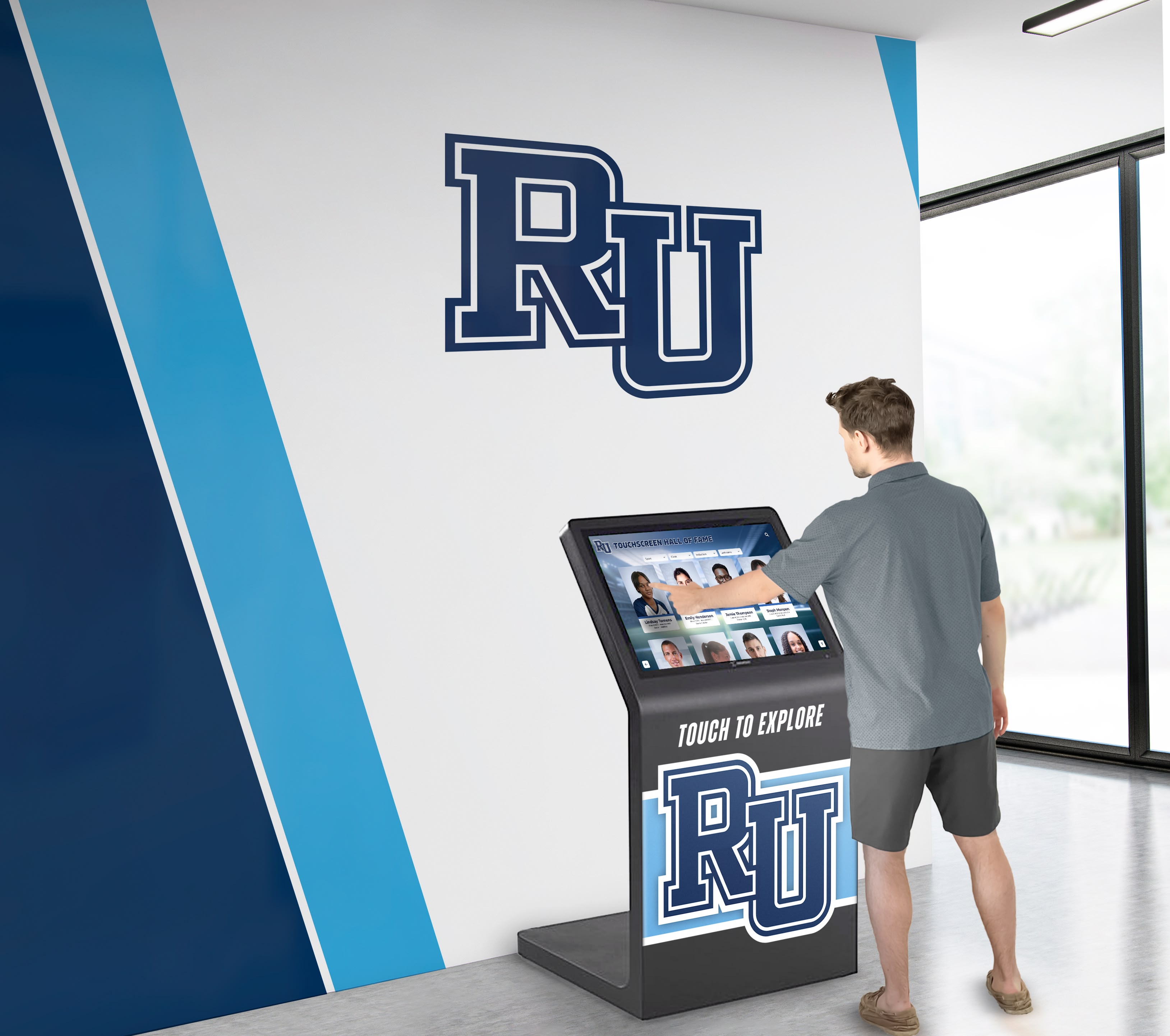
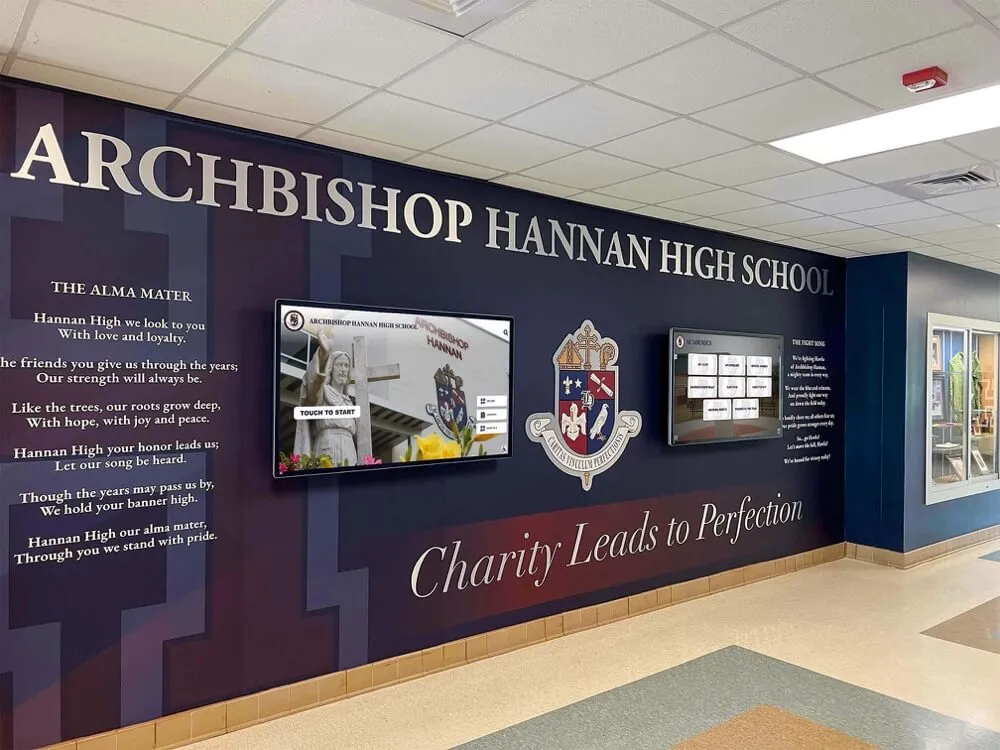
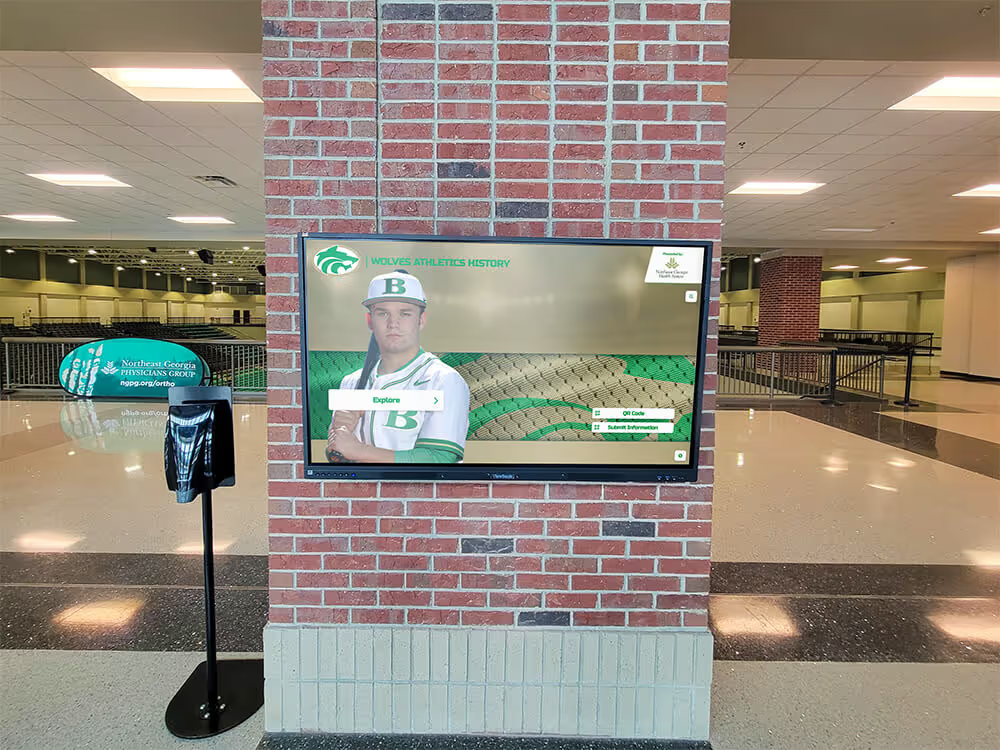
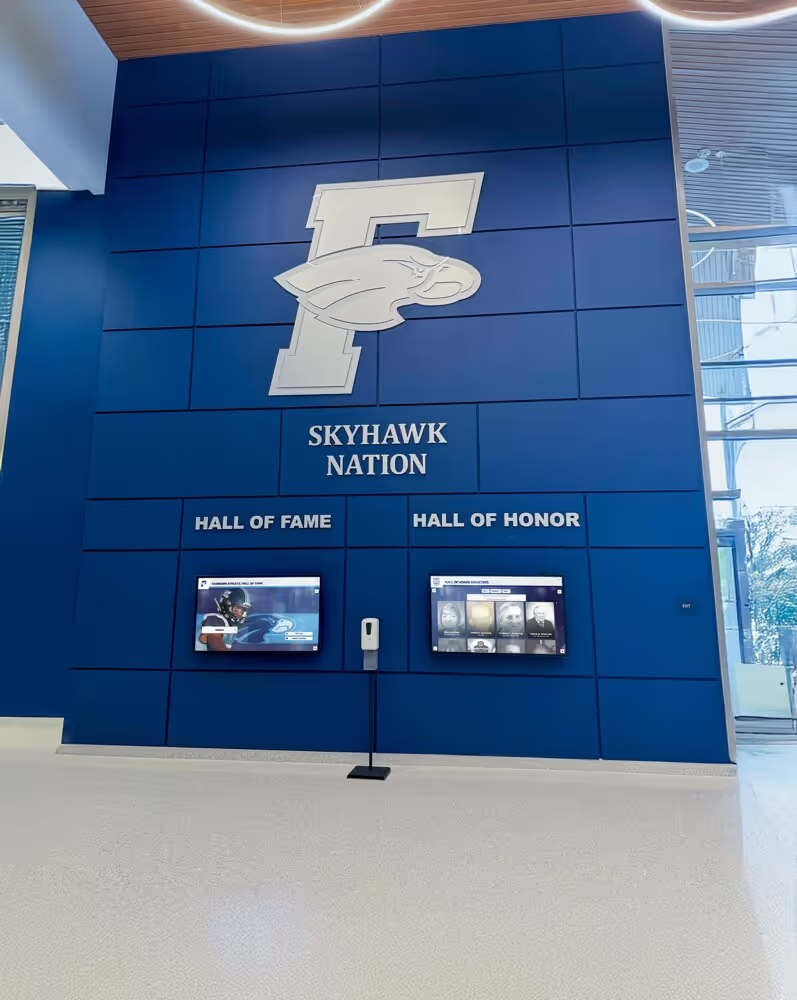
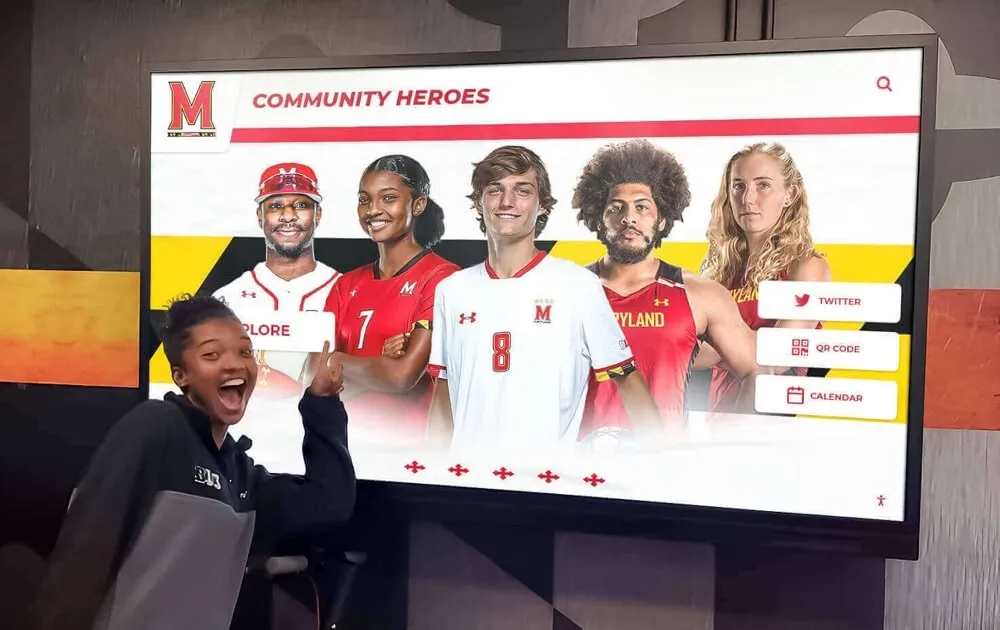
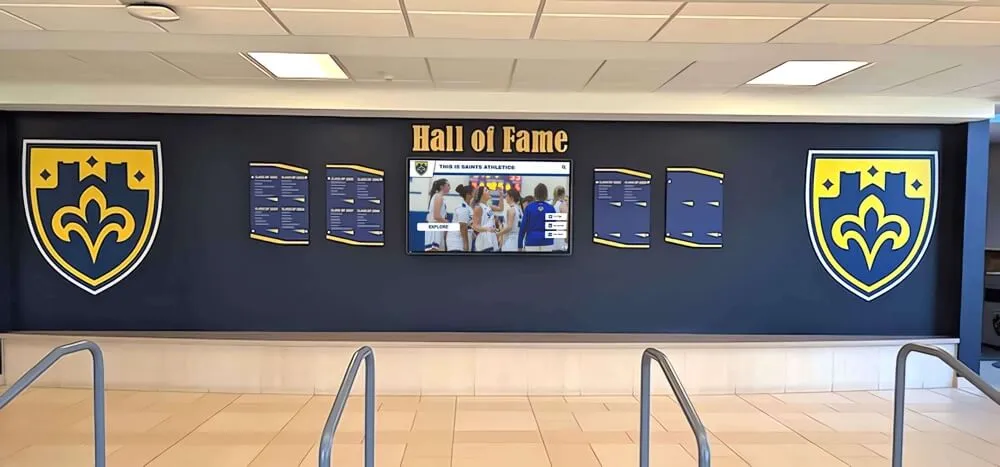
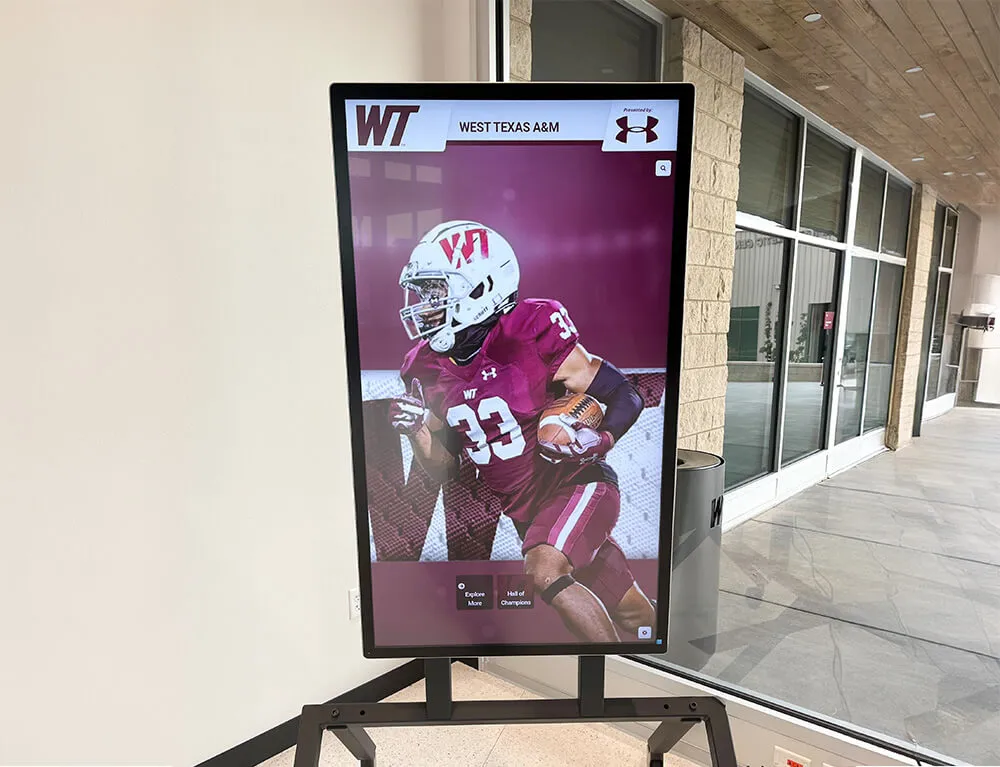
Intuitive interfaces enable all team members to explore recognition and celebrate colleague achievements across organizational levels
Balancing immediate recognition maintaining momentum with scheduled milestones creating anticipation and visibility produces optimal results—combining spontaneity’s authenticity with systematic approaches ensuring consistency.
Traditional Employee Recognition Program Ideas
Time-tested recognition approaches continue delivering impact when implemented thoughtfully and authentically adapted to modern workplaces.
Service Milestone and Tenure Recognition
Acknowledging sustained commitment honors employee loyalty while demonstrating organizational appreciation for long-term contributions:
Anniversary Recognition Programs:
- 1-year acknowledgment welcoming and affirming newer team members
- 5-year recognition celebrating sustained contribution and deepening organizational commitment
- 10, 15, 20+ year honors for exceptional tenure demonstrating mutual investment
- Retirement celebrations providing dignified transitions and preserving institutional legacy
- Multi-generation family recognition when children join organizations where parents worked
Implementation Elements:
- Personalized gifts reflecting individual interests and tenure significance rather than generic corporate awards
- Public acknowledgment during all-staff meetings, annual events, or department gatherings appropriate to employee preferences
- Permanent recognition through digital displays preserving organizational history
- Choice-based rewards enabling recipients selecting meaningful acknowledgment matching personal values
- Storytelling elements highlighting career journeys and contributions demonstrating impact
Service recognition demonstrates that organizations genuinely value sustained commitment rather than treating employees as replaceable resources—creating aspiration for newer team members envisioning long-term careers while honoring veterans whose institutional knowledge drives success.
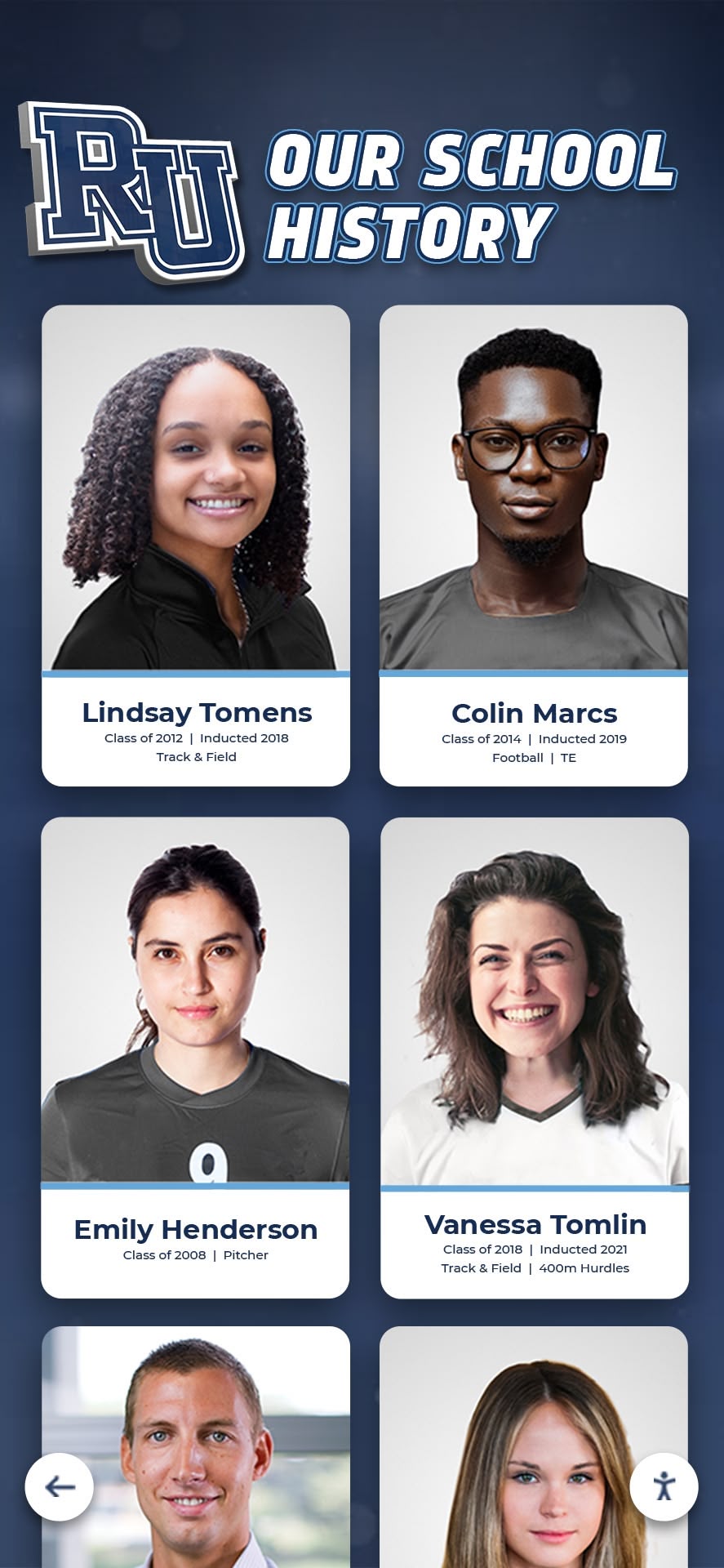
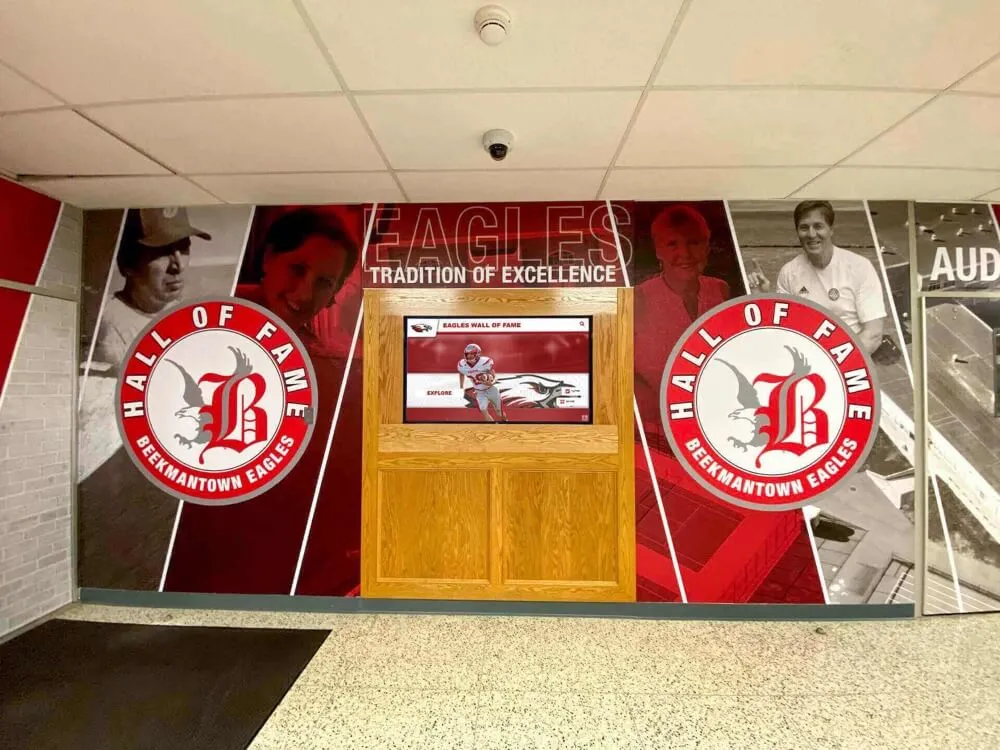
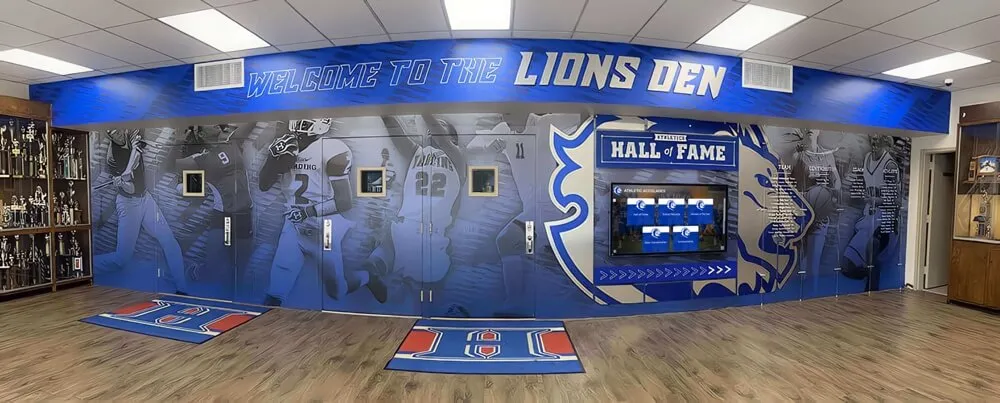
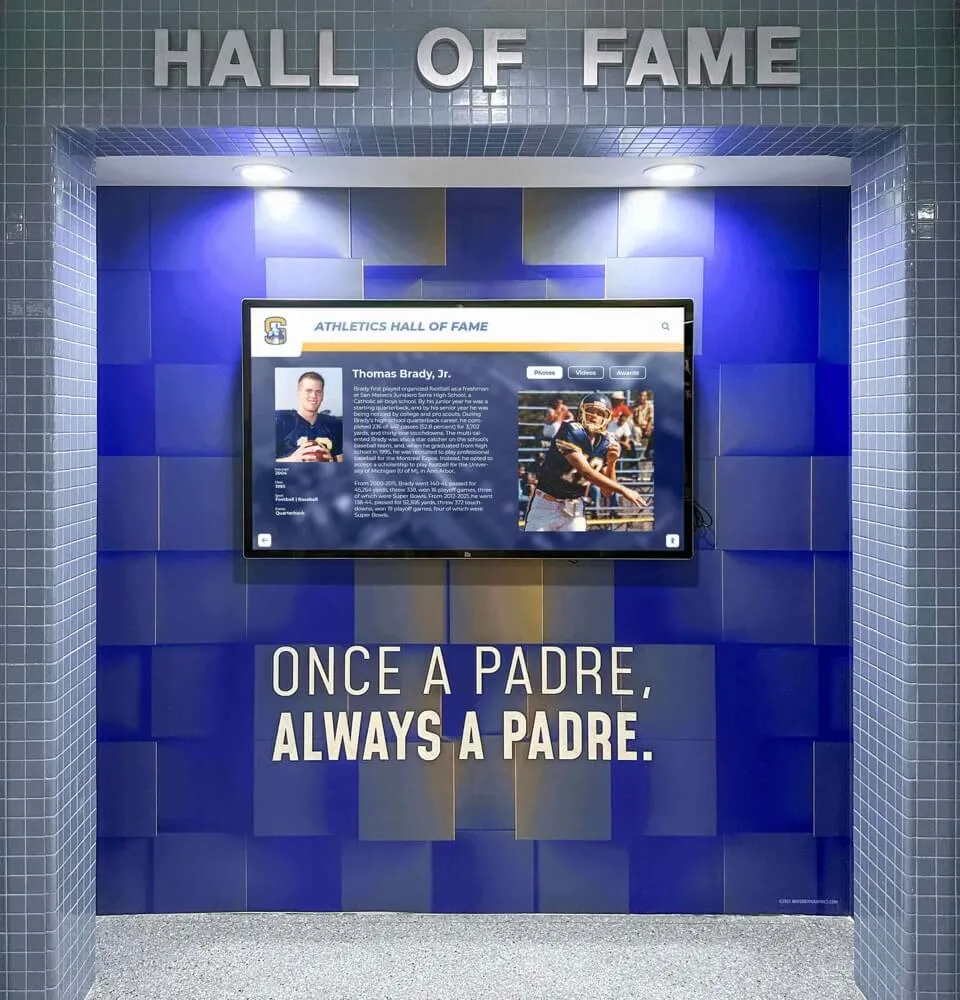
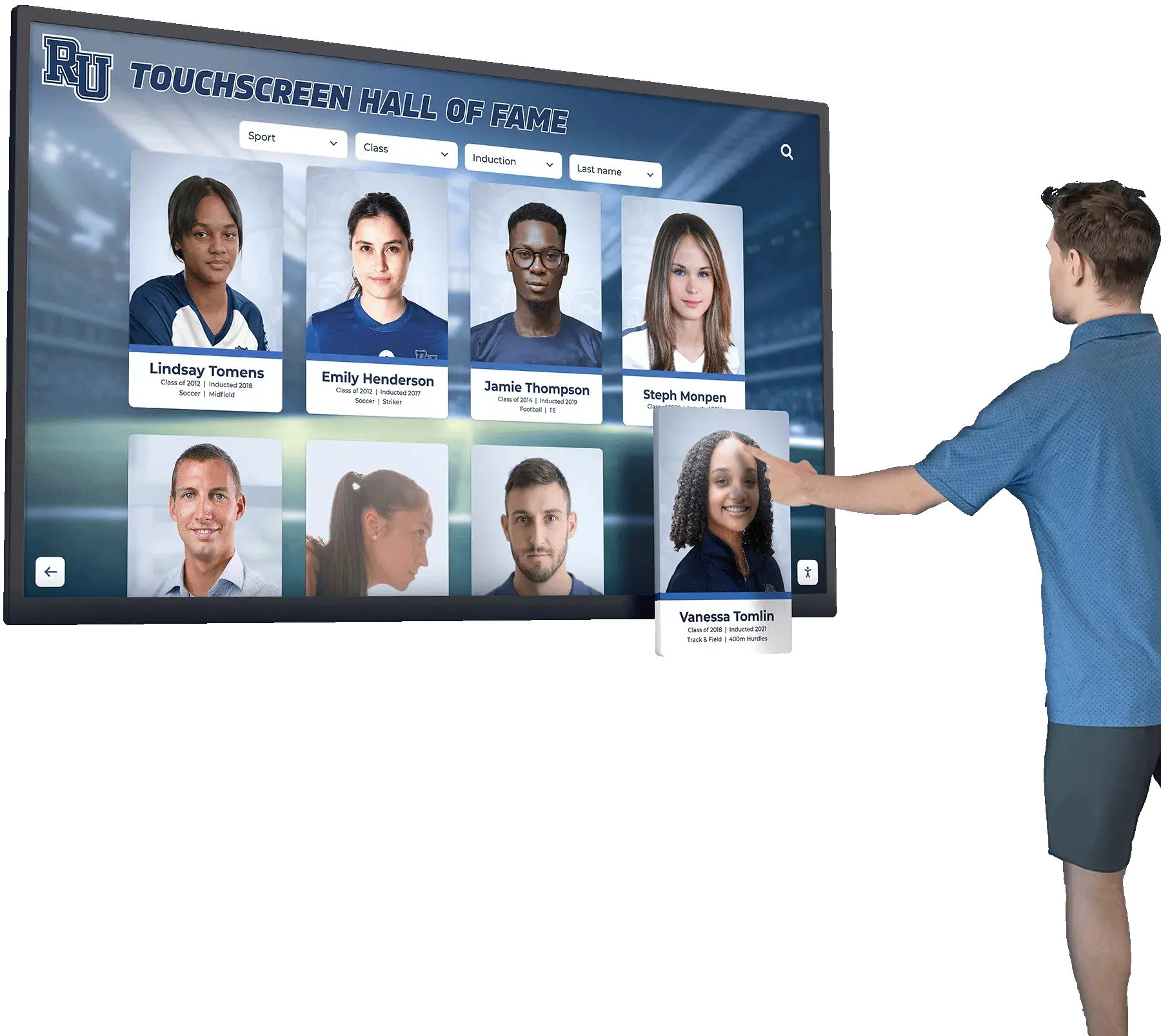
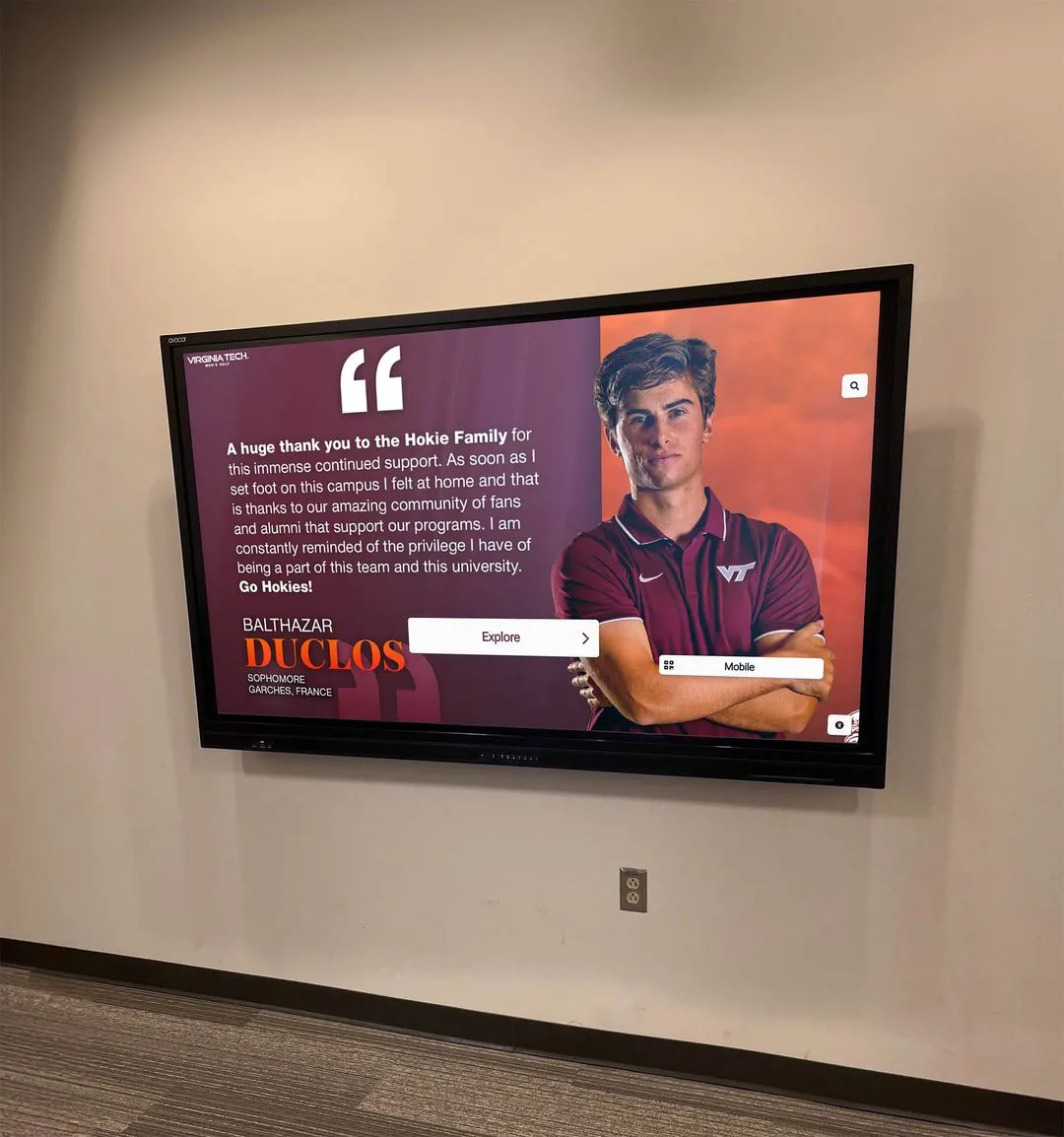
Card-based interfaces showcase individual profiles with photos, career information, and contribution stories creating meaningful connections throughout organizations
Performance-Based Awards and Achievement Recognition
Merit-based acknowledgment celebrates exceptional results and outstanding contributions:
Recognition Categories:
- Sales achievement awards recognizing quota attainment, revenue growth, and client relationship excellence
- Customer service recognition celebrating positive feedback, problem resolution, and satisfaction improvements
- Innovation awards honoring process improvements, creative solutions, and strategic thinking
- Quality recognition acknowledging error-free work, attention to detail, and excellence standards
- Leadership awards celebrating mentorship, team development, and organizational stewardship
- Collaboration recognition honoring cross-functional teamwork and collective achievements
Effective Implementation:
- Clear, measurable criteria establishing transparent evaluation standards that employees understand and accept as fair
- Diverse achievement categories ensuring multiple pathways to recognition across different roles and contributions
- Both individual and team awards balancing personal excellence with collective accomplishments
- Rotating recognition ensuring multiple employees receive acknowledgment rather than concentrating awards among small groups
- Connection to organizational values and strategic priorities demonstrating how recognized behaviors advance mission
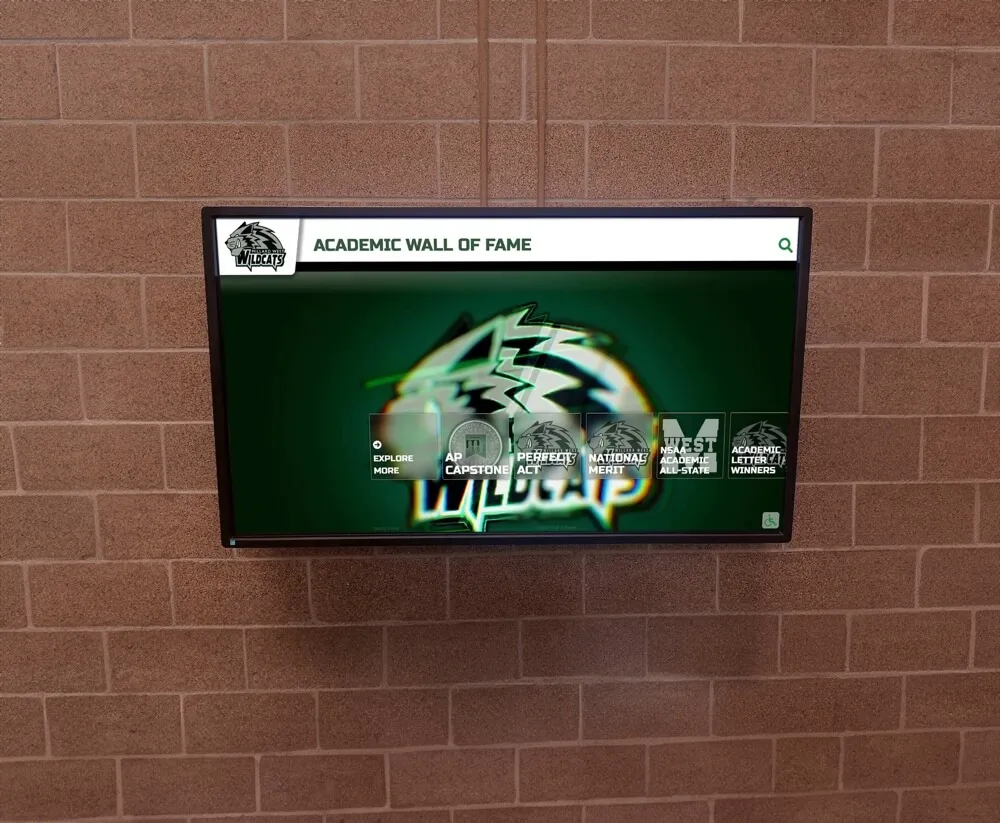
Organizations implementing academic recognition approaches in educational contexts demonstrate performance-based principles adaptable to workplace recognition celebrating diverse contributions.
Recognition Events and Formal Celebrations
Structured gatherings create memorable recognition experiences while building community:
Event Formats:
- Quarterly town halls featuring achievement spotlights and organizational updates
- Annual awards banquets celebrating major accomplishments with formal ceremonies
- Department-specific recognition gatherings acknowledging team contributions in appropriate contexts
- Virtual recognition events accommodating remote and distributed workforces
- Hybrid celebrations combining in-person and virtual participation ensuring inclusive access
Enhancement Strategies:
- Executive participation demonstrating leadership appreciation and organizational priority
- Peer nomination systems creating grassroots acknowledgment rather than exclusively top-down recognition
- Storytelling elements highlighting achievement contexts, challenges overcome, and tangible impacts
- Social components encouraging relationship building and cross-departmental connection
- Follow-up communications extending recognition beyond single events through newsletters, intranets, and displays
Successful recognition events balance formality appropriate to organizational culture with authenticity that celebrates achievements meaningfully without excessive pomp making recipients uncomfortable or creating perceptions of waste during budget-constrained periods.
Modern Digital Recognition Program Ideas
Technology enables recognition approaches impossible with traditional methods while providing scalability, accessibility, and engagement that transforms workplace acknowledgment.
Interactive Digital Recognition Displays
Large-format touchscreen systems transform workplace recognition through dynamic platforms showcasing comprehensive team achievements:
Touchscreen Recognition Wall Features:
- Interactive displays installed in lobbies, break rooms, conference areas, or other high-traffic common spaces
- Searchable databases enabling employees to find themselves, colleagues, and achievement stories
- Detailed profiles with high-quality photographs, accomplishment descriptions, and contribution narratives
- Filtering capabilities by department, recognition type, achievement date, or custom categories
- Unlimited capacity accommodating entire workforces without space constraints or incremental costs
- Real-time content updates adding recent achievements immediately maintaining relevance
- Web integration extending recognition beyond physical workplace locations to remote team members
Solutions like Rocket Alumni Solutions provide platforms designed specifically for comprehensive employee recognition that adapt across educational institutions, nonprofit organizations, corporate environments, and businesses seeking engaging acknowledgment approaches that scale alongside organizational growth.
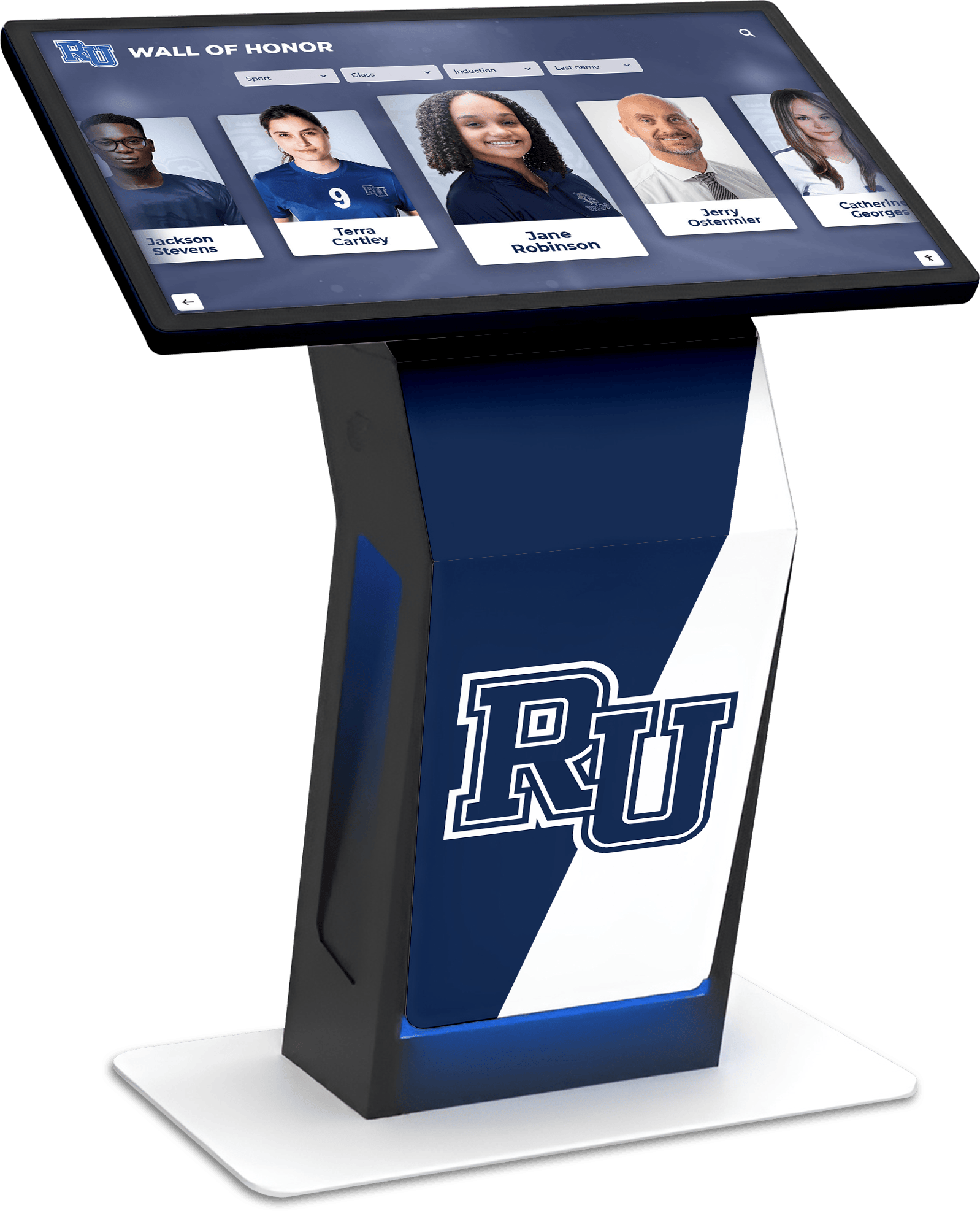
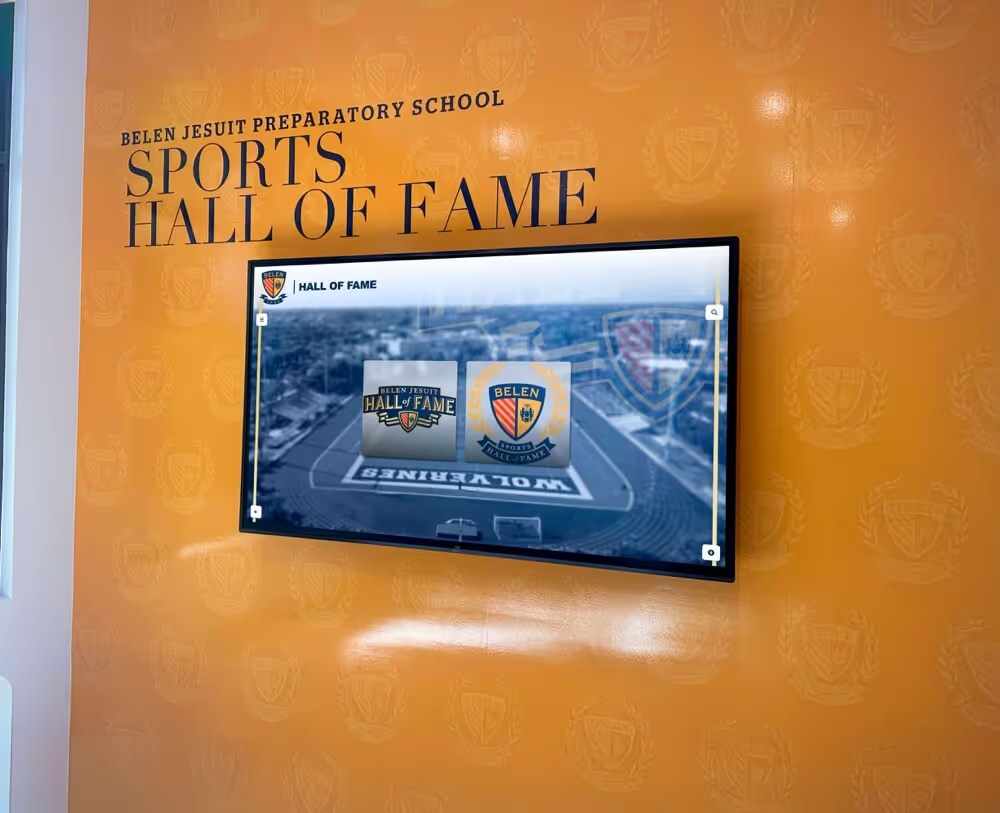
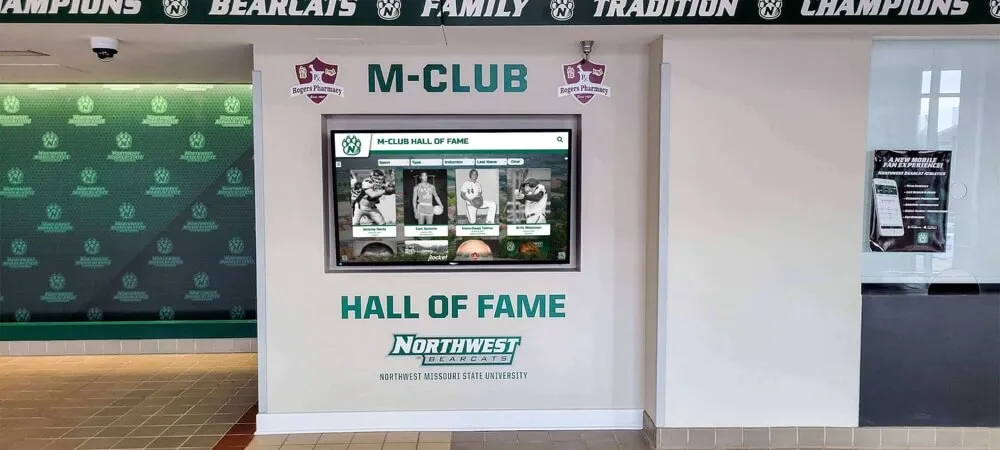
Purpose-built interactive kiosks provide elegant, searchable recognition celebrating employees across all departments and diverse achievement types
Digital Display Benefits:
- Cost-effective scalability compared to traditional plaque expenses that accumulate with each new recognition
- Multimedia storytelling through photographs, videos, and rich biographical narratives impossible with static plaques
- Analytics tracking engagement patterns, popular content, and recognition effectiveness
- Accessibility features including text-to-speech, adjustable contrast, and multilingual support
- Environmental sustainability eliminating physical production waste and metal/wood consumption
- Dynamic content rotation maintaining freshness and preventing displays from becoming ignored background elements
Organizations implementing digital recognition report significantly higher employee engagement with acknowledgment systems compared to static physical displays that quickly become outdated, overlooked in daily routines, or fill wall space forcing difficult decisions about whom to recognize when capacity constraints emerge.
Cloud-Based Recognition Platforms and Software
Web-based systems enable organization-wide recognition at scale through intuitive platforms:
Platform Capabilities:
- Real-time recognition feeds broadcasting acknowledgments across entire organizations
- Peer-to-peer recognition enabling any employee to acknowledge colleagues without manager gatekeeping
- Points-based systems allowing employees to reward teammates with redeemable credits tied to gift cards, merchandise, or experiences
- Badge systems celebrating specific achievement types, organizational values, or skill development
- Mobile accessibility enabling recognition from smartphones, tablets, or any internet-connected device
- Integration with communication tools including Slack, Microsoft Teams, email, and enterprise platforms
- Analytics dashboards tracking recognition patterns, participation rates, and distribution equity
Implementation Considerations:
- Establish clear guidelines preventing misuse while encouraging authentic appreciation
- Provide training on meaningful versus generic recognition ensuring quality acknowledgment
- Monitor participation patterns ensuring equitable distribution across departments and demographics
- Celebrate both recognition givers and receivers reinforcing participation value
- Integrate with broader performance management systems connecting recognition to formal evaluations
Social recognition platforms democratize acknowledgment by enabling anyone observing contributions to provide immediate appreciation—creating cultures where recognition flows freely rather than depending exclusively on manager-initiated acknowledgment that may miss contributions leadership doesn’t directly observe.
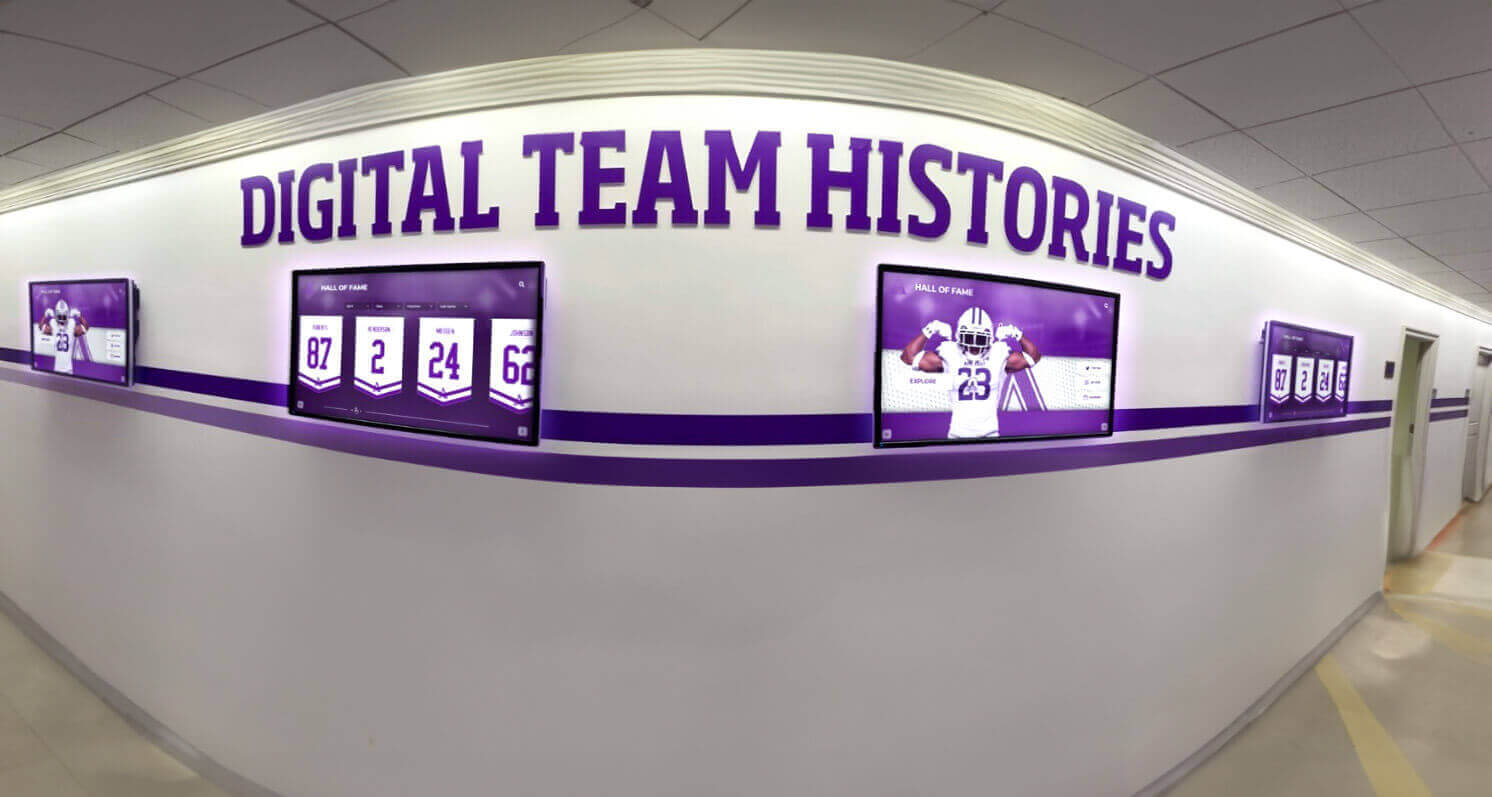
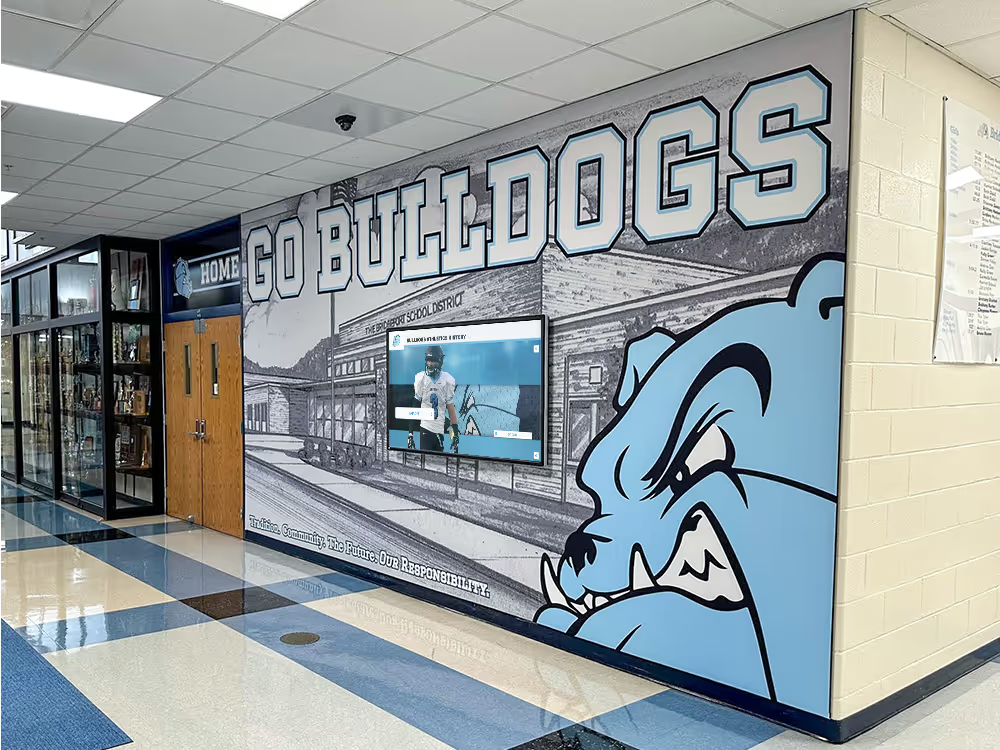
Multiple displays throughout facilities create comprehensive recognition environments celebrating contributions across all departments and organizational functions
Virtual Recognition for Remote and Hybrid Workforces
Distributed teams require adapted acknowledgment strategies ensuring equal visibility regardless of location:
Remote Recognition Approaches:
- Video recognition messages from leadership and colleagues providing personal acknowledgment
- Virtual celebration events using video conferencing technology for ceremonies, announcements, and gatherings
- Digital delivery of recognition gifts, certificates, and awards shipped to remote locations
- Social recognition feeds creating visibility across locations rather than site-specific acknowledgment
- Mobile apps providing seamless recognition from smartphones regardless of physical workspace
Ensuring Remote Inclusion:
- Equal visibility for remote employees in all recognition programs rather than out-of-sight-out-of-mind dynamics
- Time zone accommodations for synchronous events ensuring reasonable participation windows
- Hybrid formats combining in-person and virtual participation when appropriate
- Asynchronous recognition options respecting different work schedules and global team distribution
- Technology investments enabling professional virtual experiences rather than afterthought adaptations
Organizations must intentionally address distance challenges preventing remote employees from experiencing recognition culture that on-site team members absorb organically through daily workplace interactions, bulletin boards, hallway conversations, and visible acknowledgment displays.
Employee Spotlights and Feature Profiles
Regular content series highlight individual employee stories beyond achievement lists:
Profile Components:
- Professional journey narratives explaining career paths, role evolution, and growth trajectories
- Behind-the-scenes descriptions of daily responsibilities and contributions outsiders may not understand
- Personal interests, community involvement, and life outside work humanizing complete individuals
- Advice and insights for colleagues in similar roles or considering career paths
- Favorite workplace memories, meaningful experiences, and defining moments
- High-quality photography capturing personality, work environment, and professional context
Distribution Channels:
- Internal newsletters and email communications reaching all employees regularly
- Company intranets, employee portals, and internal websites providing archived access
- Social media platforms with employee permission demonstrating workplace culture to external audiences
- Lobby displays and digital signage rotating featured employee profiles
- Annual reports celebrating team diversity and organizational human capital
Employee features humanize workplaces by sharing complete stories rather than reducing colleagues to job titles, departments, and organizational chart positions—creating recognition honoring whole persons rather than isolated accomplishments or professional functions alone.
Peer-to-Peer Employee Recognition Ideas
Colleague-initiated acknowledgment creates organic cultures of appreciation where recognition becomes everyone’s responsibility rather than exclusively manager-driven activity.
Peer Nomination and Recognition Systems
Structured programs enable employees to recognize fellow team members systematically:
Nomination Processes:
- Monthly peer recognition programs with rotating categories ensuring diverse achievement types receive acknowledgment
- Quarterly team awards based on colleague nominations rather than exclusively manager selections
- “Above and beyond” recognition for extraordinary efforts that peers observe but leadership might miss
- Values-based awards celebrating organizational principles in action as demonstrated by daily behaviors
- Department-specific peer recognition tailored to unique team contexts and functional contributions
Effective Implementation:
- Simple nomination forms requiring minimal administrative burden encouraging participation
- Clear criteria guiding appropriate recognition without creating excessive rules
- Transparent selection processes building credibility and trust in fairness
- Equal opportunity ensuring all departments and organizational levels participate rather than concentration
- Leadership visibility demonstrating that peer input influences formal recognition decisions
Peer recognition carries unique weight because colleagues understand daily challenges intimately, observe contributions leadership doesn’t see directly, and provide appreciation from those working most closely with recognized employees who understand achievement contexts most completely.
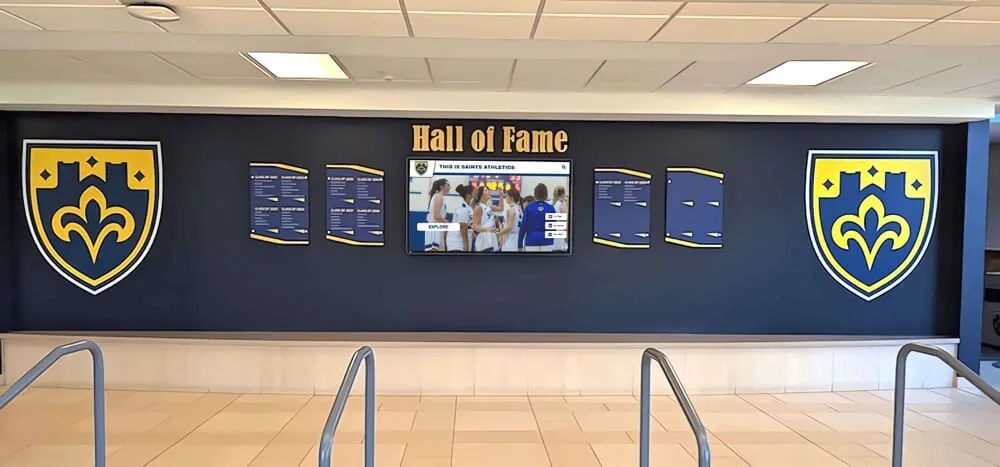
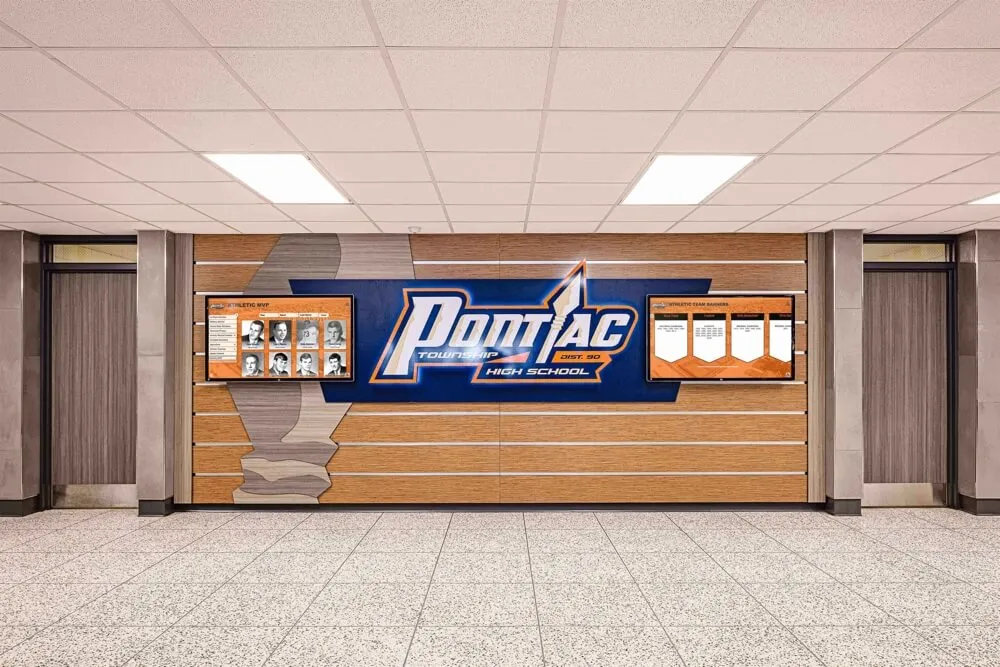
Hybrid recognition combining digital displays with traditional elements creates comprehensive systems honoring all contributors across organizational history
Recognition Card and Shout-Out Programs
Physical or digital cards enable spontaneous appreciation without complex processes:
Card System Elements:
- Pre-printed or digital templates for easy completion reducing friction
- Space for personal messages explaining appreciation and citing specific contributions
- Values alignment connecting recognition to organizational culture and strategic priorities
- Collection mechanisms through physical boxes in break rooms or digital submission portals
- Regular reviews by leadership, recognition committees, or teams during meetings
- Public sharing with permission through displays, newsletters, or all-staff communications
Card programs succeed by removing barriers—employees acknowledge contributions immediately without complex approval requirements, budget authorizations, or administrative processes that delay appreciation until emotional connections weaken and achievements feel distant.
Team Recognition and Group Celebrations
Collective acknowledgment honors collaborative achievements and shared success:
Group Recognition Approaches:
- Project completion celebrations acknowledging entire teams rather than individual contributors
- Department awards recognizing collective contributions to organizational goals and strategic objectives
- Cross-functional recognition honoring collaboration across traditional boundaries and silos
- Team milestone celebrations including revenue targets, customer satisfaction scores, safety records, or quality metrics
- Group experiences as recognition rewards such as team outings, meals, or activities
Team recognition reinforces collaborative behaviors and builds cohesion—particularly important in matrix organizations where cross-functional cooperation determines success and individual contributions prove difficult to isolate from collective accomplishments.
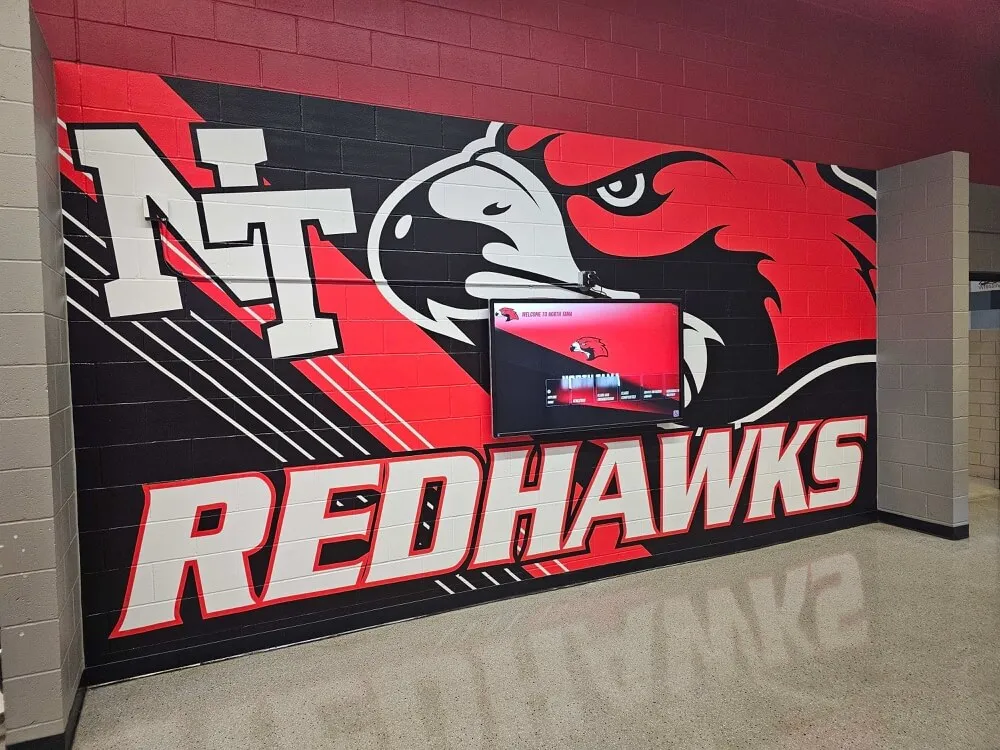
Organizations implementing athletic team recognition in sports contexts demonstrate group celebration principles adaptable to workplace team recognition across diverse organizational functions.
Creative and Innovative Recognition Program Ideas
Unique approaches differentiate recognition programs while creating memorable experiences that resonate authentically with diverse employee populations.
Experience-Based Recognition and Rewards
Providing experiences rather than physical items creates lasting memories and accommodates diverse preferences:
Experience Options:
- Additional paid time off including extra vacation days, flexible scheduling, or summer Fridays
- Professional development opportunities such as conferences, courses, certifications, or executive coaching
- VIP parking spaces designated for monthly recognition recipients or achievement periods
- Lunch, coffee, or mentoring sessions with organizational executives and senior leaders
- Behind-the-scenes access to exclusive company experiences, events, or operations
- Entertainment event tickets aligned with employee interests including sports, theater, concerts, or cultural activities
- Outdoor adventures or recreational activities such as guided experiences, equipment rentals, or memberships
- Volunteer opportunities during work hours supporting causes employees value personally
Experience recognition creates memories extending beyond single moments while accommodating diverse preferences better than one-size-fits-all physical awards that may not match individual tastes or circumstances.
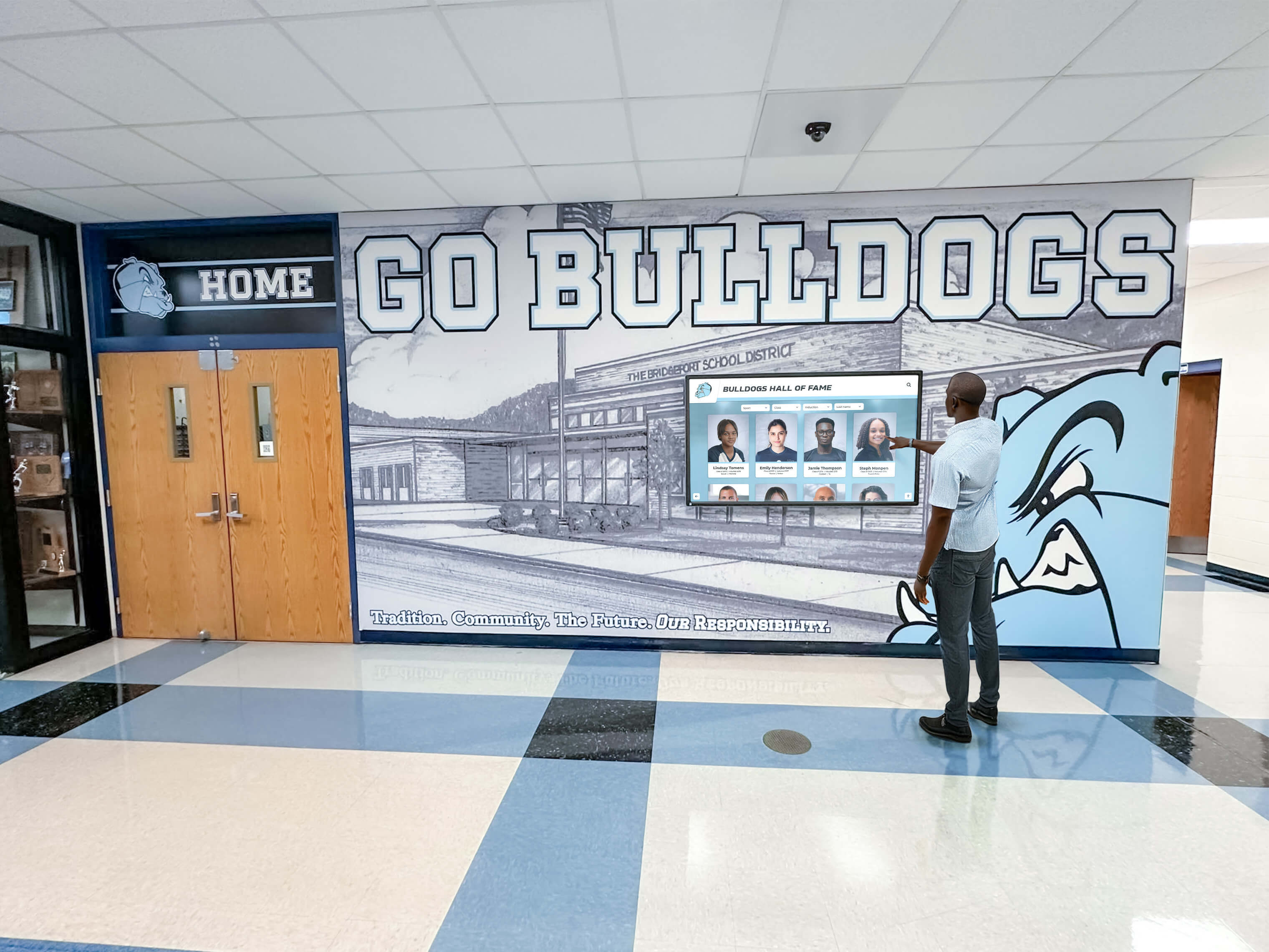
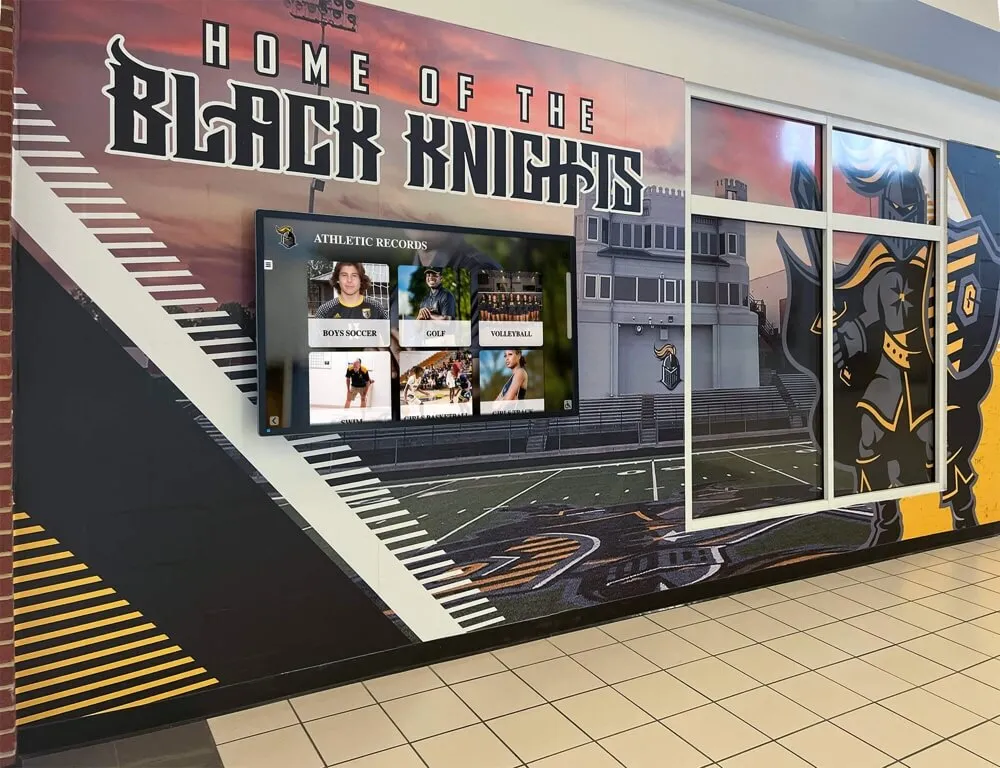
Branded recognition displays reinforce organizational identity while celebrating team achievements throughout workplace environments
Wellness and Work-Life Balance Recognition
Acknowledging that valued employees deserve support beyond workplace boundaries:
Wellness Recognition Options:
- Spa days, massage therapy sessions, or wellness retreat experiences
- Gym memberships, fitness class packages, or personal training sessions
- Mental health support including counseling services, meditation apps, or stress management resources
- Meal delivery services easing daily responsibilities during busy periods
- House cleaning or yard maintenance services providing time back to employees
- Childcare or eldercare support for special occasions or challenging periods
- Commute alternatives including rideshare credits, premium parking, or transit passes
- Ergonomic workspace improvements, standing desks, or equipment upgrades
Wellness recognition demonstrates holistic care for team member wellbeing while acknowledging that work-life balance directly impacts engagement, performance, and sustained contribution capacity—making these investments strategic rather than merely generous.
Charitable Recognition Programs
Combining employee acknowledgment with community impact:
Charitable Approaches:
- Donations to charities of employees’ choice in their honor recognizing achievements through community support
- Paid volunteer time for causes employees support personally providing both acknowledgment and impact opportunity
- Company matching of employee charitable contributions amplifying recognition impact
- Team volunteering experiences as recognition rewards combining acknowledgment with service
- Community service projects organized specifically for recognition occasions
- Scholarship programs or named funds honoring employee values and priorities
Charitable recognition particularly resonates with values-driven employees who appreciate acknowledgment creating positive community impact beyond personal benefit—aligning recognition with deeper purpose and meaning while demonstrating organizational commitment to social responsibility.
Legacy and Permanent Recognition
Creating lasting organizational memory that honors contributions in perpetuity:
Legacy Recognition Elements:
- Named awards recognizing retiring employees or significant contributors that continue annually
- Scholarship or development programs honoring long-serving team members supporting organizational mission
- Permanent displays featuring employee contributions to company history and institutional evolution
- Oral history projects documenting employee experiences and preserving institutional knowledge
- Meeting rooms, spaces, or programs named for exceptional contributors creating visible lasting acknowledgment
- Digital recognition walls providing unlimited permanent acknowledgment capacity
Legacy recognition acknowledges that exceptional employees contribute value extending beyond their tenure—deserving permanent remembrance in organizational history that future generations encounter and appreciate.
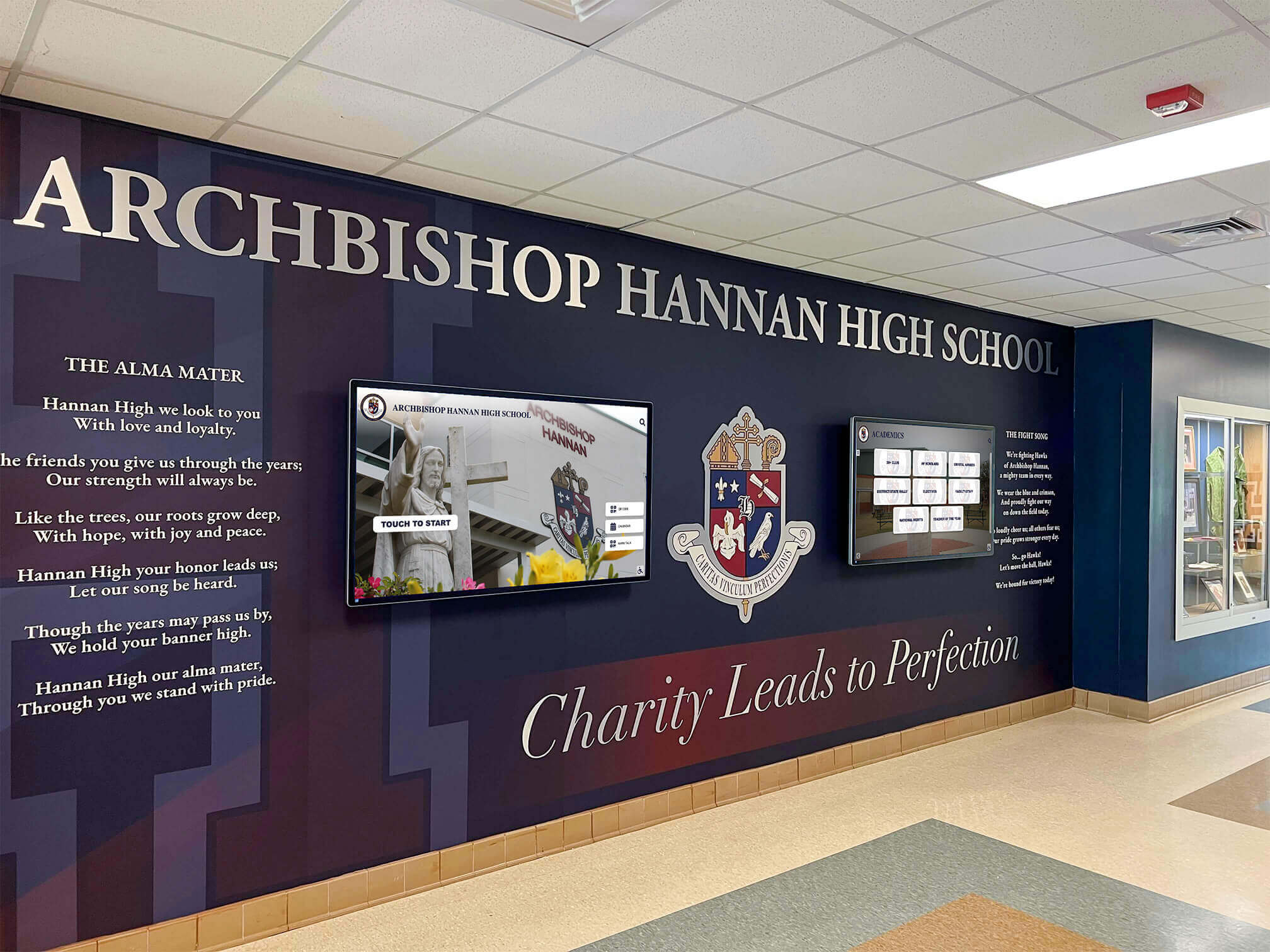
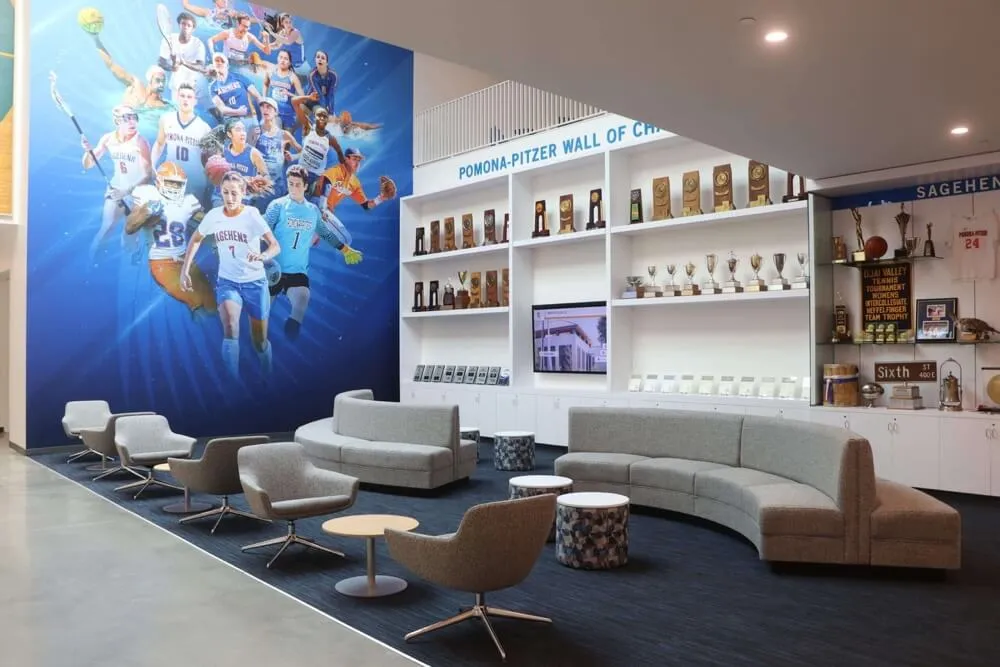
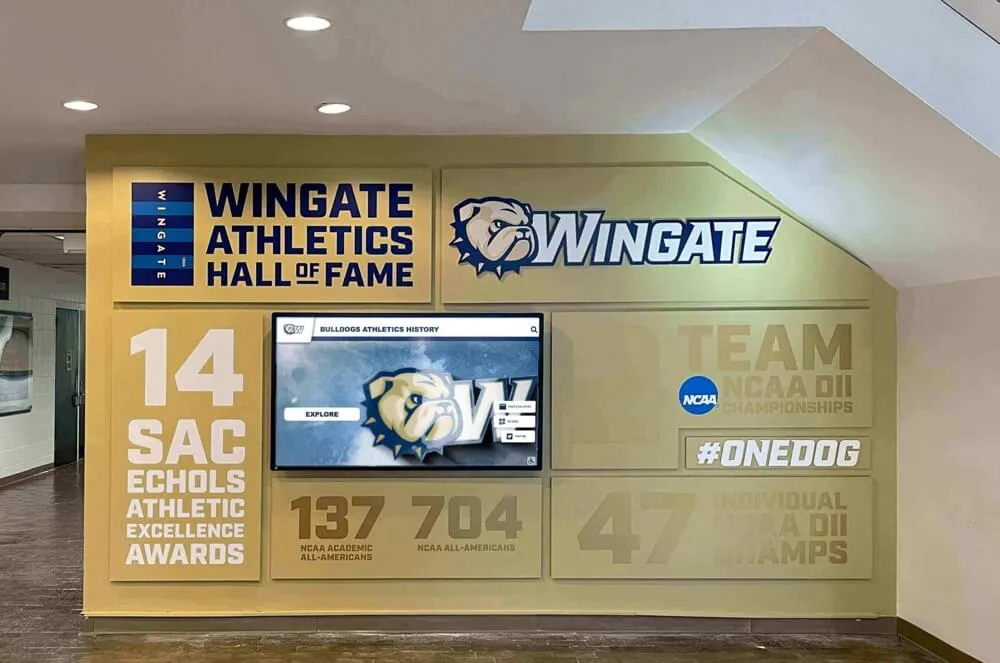
Coordinated recognition environments combining multiple formats create compelling workplace cultures celebrating achievement systematically throughout facilities
Budget-Conscious Recognition Program Ideas
Meaningful recognition doesn’t require substantial financial investment—authenticity and thoughtfulness matter more than expense.
No-Cost Recognition Strategies
Powerful appreciation requiring only time, intentionality, and genuine acknowledgment:
Zero-Budget Ideas:
- Handwritten thank-you notes from managers citing specific contributions and explaining impact
- Public acknowledgment during team meetings, department gatherings, or all-staff communications
- Flexible scheduling, early release days, or work-from-home options as recognition rewards
- Casual dress days or relaxed workplace policies for recognition recipients or achieving teams
- Leadership coverage of employee responsibilities enabling recognition event participation
- Social media recognition celebrating team achievements to broader audiences
- Reserved parking spaces temporarily designated for recognition recipients
- Office decorations celebrating individual employees and team accomplishments
Research consistently shows that specific, timely recognition from respected leaders and colleagues creates greater impact than expensive gifts lacking personal connection or authentic acknowledgment of actual contributions and their organizational significance.
Low-Cost High-Impact Recognition
Modest investments creating meaningful appreciation without budget strain:
Affordable Options:
- Personalized coffee mugs, water bottles, or drinkware with employee names and appreciation messages
- Local bakery treats, specialty coffee delivery, or catered breakfast for recognition occasions
- Small gift cards to employee-favorite restaurants, coffee shops, or local businesses
- Team breakfast or lunch where leadership serves employees reversing typical hierarchies
- Homemade certificates or awards with personalized messages and thoughtful presentation
- Company branded apparel, accessories, or merchandise with accompanying appreciation notes
- Desk plants, office decorations, or workspace improvements with thank-you tags
- Local vendor partnerships providing discounted goods or services for recognition budgets
The key to low-cost recognition success lies in personalization demonstrating knowledge of individual preferences, contributions, and values—showing that acknowledgment reflects genuine appreciation rather than obligatory gesture or checkbox activity.
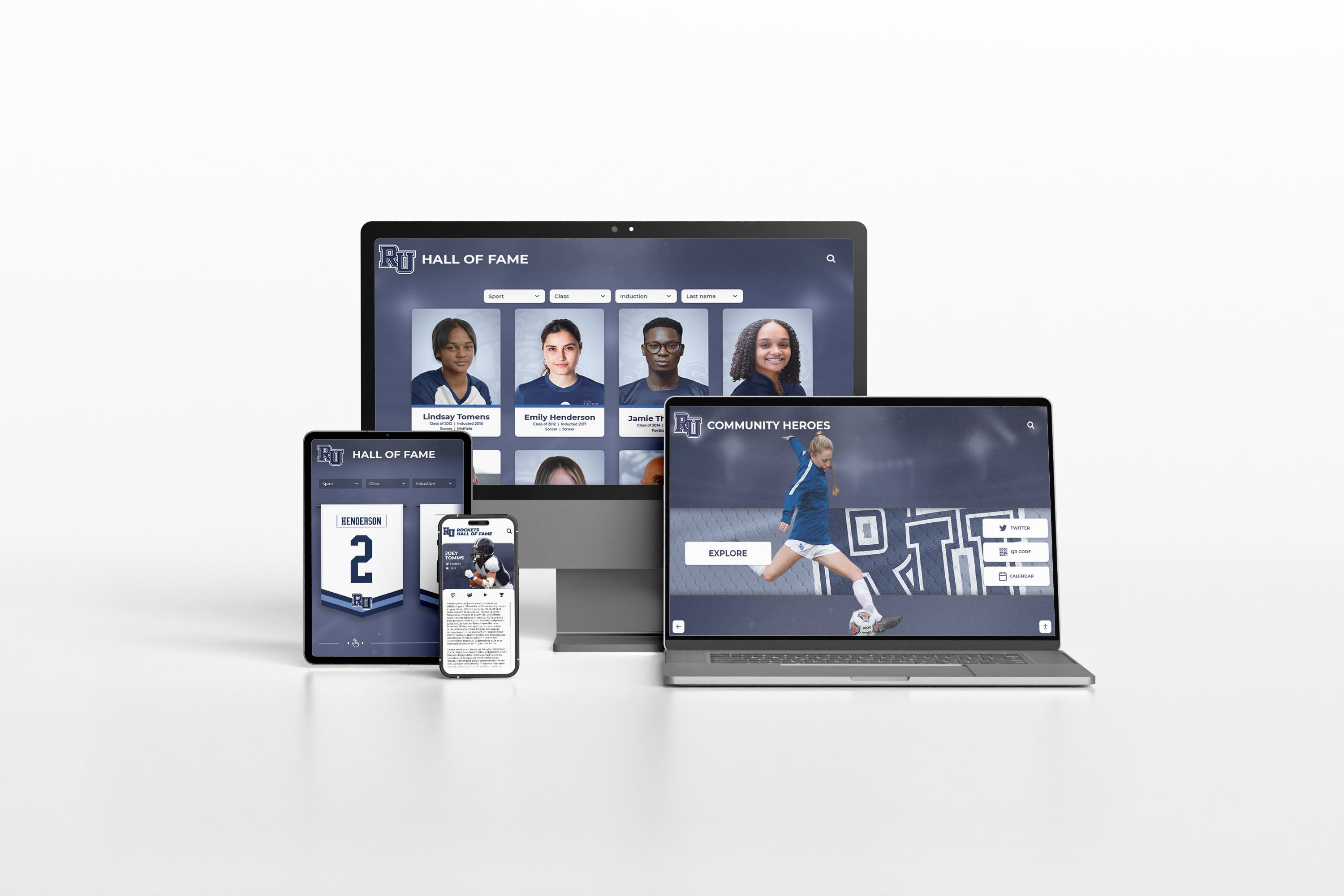
Web-based recognition extends acknowledgment across all devices enabling remote access, social sharing, and worldwide visibility
Leveraging Existing Resources
Maximizing impact through strategic use of available organizational assets:
Resource Utilization:
- Unused meeting spaces converted to appreciation celebration venues at no additional cost
- Existing technology platforms including email, intranets, and digital displays for recognition distribution
- Internal talent showcases featuring employee musicians, speakers, artists, or performers as entertainment
- Cross-departmental collaboration distributing planning burden and reducing individual cost requirements
- Volunteer coordination and peer-led planning reducing staff time requirements
- Existing digital displays adapted for recognition uses
Strategic resource allocation ensures even budget-constrained organizations create meaningful recognition demonstrating genuine care without requiring substantial financial investment—proving authenticity matters more than expense levels.
Department-Specific Recognition Strategies
Tailored recognition approaches honor unique contributions across different organizational functions and workplace contexts.
Frontline and Customer-Facing Staff Recognition
Employees directly serving customers or clients require adapted appreciation acknowledging specific challenges:
Frontline Recognition:
- Real-time acknowledgment during or immediately following excellent service interactions
- Customer feedback-based recognition programs highlighting positive reviews and testimonials
- Visible recognition in customer-facing areas building brand reputation while honoring employees
- Shift-based recognition accommodating varying schedules and non-traditional work hours
- Mobile-accessible recognition for workers without desk time or computer access during workdays
- On-the-spot acknowledgment avoiding recognition delays that reduce motivational impact
Frontline workers particularly value recognition because customer-facing roles often receive criticism more readily than acknowledgment—making positive feedback and appreciation especially meaningful and impactful for sustaining engagement.
Administrative and Support Staff Recognition
Behind-the-scenes team members whose contributions enable organizational function often feel underappreciated:
Support Staff Recognition:
- Acknowledgment of coordination, organization, and operational excellence that keeps organizations running
- Recognition of problem-solving and process improvement contributions that others may not observe
- Celebration of relationship-building with internal and external stakeholders creating institutional goodwill
- Visibility for typically invisible contributions preventing infrastructure failures through proactive management
- Recognition approaches adaptable from educational contexts
Administrative professionals frequently report feeling underappreciated despite essential contributions—making thoughtful recognition particularly impactful for building engagement and loyalty in these crucial organizational roles.
Leadership and Management Recognition
Recognizing leaders who support, develop, and guide teams:
Leadership Recognition:
- Acknowledgment of coaching, mentorship, and employee development creating growth opportunities
- Celebration of team achievements reflecting effective leadership enabling success
- Recognition from direct reports through upward feedback programs reversing typical hierarchies
- Peer recognition from fellow managers and executives acknowledging horizontal contribution
- Executive visibility demonstrating that appreciation extends to all organizational levels
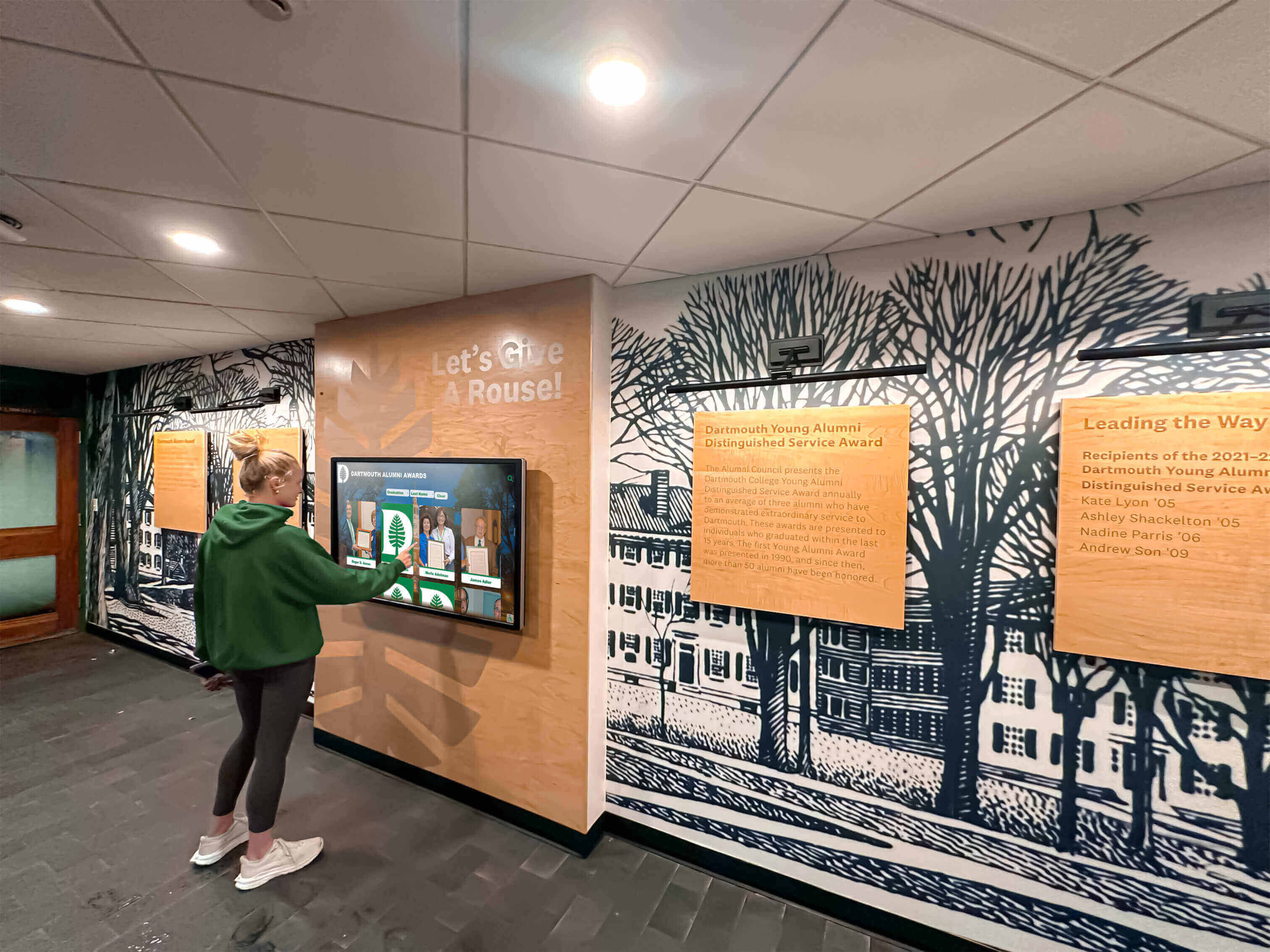
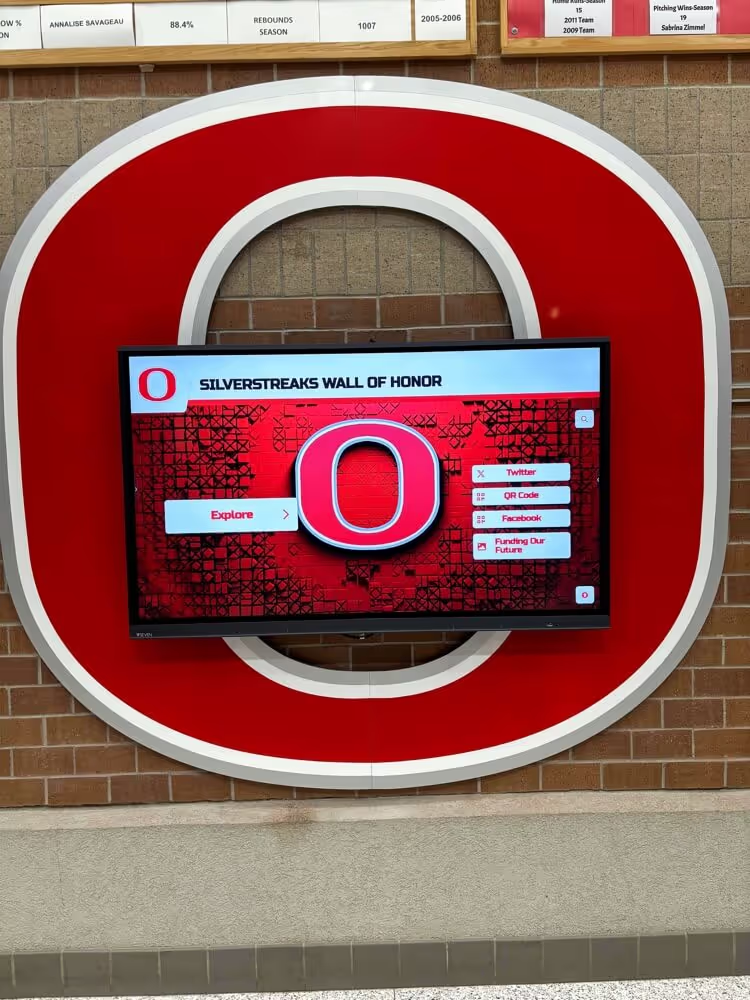
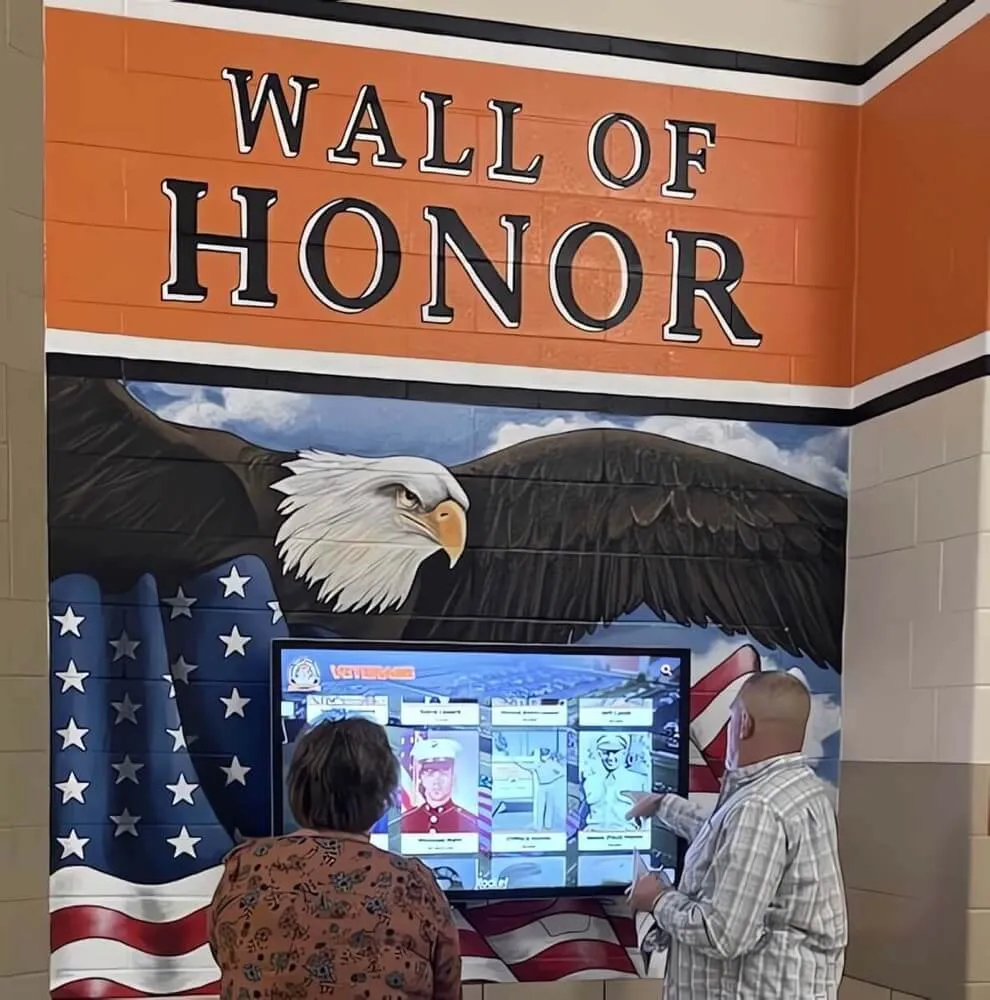
Accessible interfaces enable all organizational levels to explore recognition and celebrate colleague achievements throughout facilities
Technical and Specialized Staff Recognition
Employees in technical, creative, or specialized functions require acknowledgment understanding unique contributions:
Specialized Recognition:
- Acknowledgment of subject matter expertise and technical excellence others may not fully understand
- Recognition of innovation, problem-solving, and creative contributions advancing organizational capabilities
- Celebration of professional certifications, skill development, and continuous learning
- Visibility for contributions non-technical colleagues might not fully appreciate or comprehend
- Peer recognition from fellow specialists validating technical accomplishments authoritatively
Specialized employees often feel disconnected from general recognition programs—tailored acknowledgment demonstrating understanding of unique contributions creates greater impact and resonance than generic appreciation.
Building Sustainable Recognition Programs: Implementation Guide
Creating lasting recognition infrastructure requires systematic planning beyond isolated acknowledgment gestures.
Establishing Recognition Philosophy and Criteria
Clear frameworks ensure fair, consistent acknowledgment:
Recognition Categories:
- Values-based awards aligned with organizational culture and strategic priorities
- Performance metrics celebrating quantifiable achievements and measurable results
- Innovation recognition honoring creative problem-solving and process improvements
- Customer service excellence based on feedback, satisfaction scores, and relationship building
- Teamwork awards acknowledging collaboration, support, and cross-functional contribution
- Leadership recognition celebrating mentorship, development, and organizational stewardship
- Improvement awards honoring growth, skill development, and professional advancement
Criteria Development:
- Specific, measurable achievement descriptions providing clear standards
- Objective evaluation methods reducing bias and increasing fairness perceptions
- Multiple recognition levels accommodating varying accomplishment scales
- Frequency planning establishing regular recognition rhythms and schedules
- Department-specific adaptations reflecting unique functional contexts
Well-defined criteria build credibility ensuring recognition feels earned rather than arbitrary while providing transparency that employees trust and value.
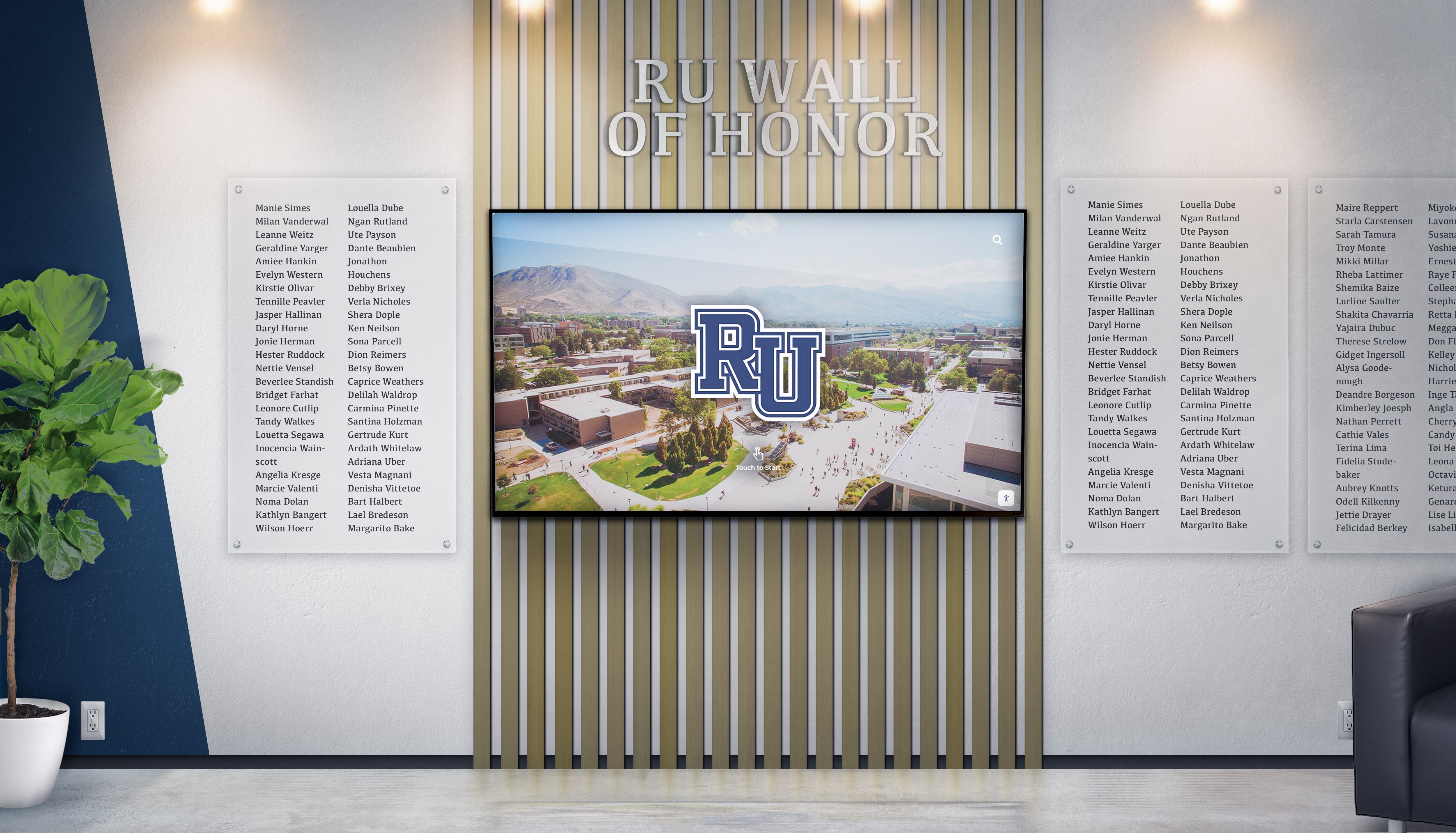
Hybrid recognition combining digital displays with traditional elements creates comprehensive systems honoring organizational history and current contributors
Creating Recognition Budgets and Resource Plans
Sustainable programs require appropriate funding:
Budget Components:
- Awards and gift allocations for tangible recognition items
- Recognition event costs including venue, catering, and supplies
- Technology investments such as platforms, displays, and software
- Administrative support and program management staffing
- Communication and marketing materials promoting programs
- Training for managers and recognition committee members
Resource Allocation Strategies:
- Tiered recognition budgets matching achievement significance appropriately
- Department allocations ensuring equitable distribution across organizational functions
- Peer recognition point systems with defined redemption values and options
- Experience-based budgets accommodating diverse preferences and interests
- Multi-year planning for technology investments requiring capital expenditures
Organizations typically budget 1-2% of total compensation costs for comprehensive recognition programs—generating measurable ROI through retention improvements, engagement gains, and reduced turnover expenses that typically exceed recognition investments substantially.
Training Managers on Effective Recognition
Leadership capability determines program success more than any other factor:
Manager Training Elements:
- Recognition’s impact on engagement, retention, and team performance
- Specific versus generic acknowledgment techniques with examples and practice
- Timing recognition for maximum impact balancing immediate and delayed acknowledgment
- Public versus private recognition preferences respecting individual differences
- Connecting recognition to organizational values and strategic priorities clearly
- Avoiding common mistakes including favoritism, inconsistency, and insufficient personalization
Ongoing Support:
- Recognition toolkits with templates, resources, and implementation guides
- Peer learning communities enabling managers to share best practices
- Metrics tracking manager participation in recognition programs
- Accountability systems ensuring consistent acknowledgment becomes performance expectation
- Celebration of managers excelling at team recognition modeling desired behaviors
Manager capability represents the most critical factor determining whether recognition initiatives achieve intended cultural impact—even excellent program design fails without skilled leadership implementation throughout organizations.
Measuring Recognition Program Effectiveness
Regular assessment ensures programs deliver value while identifying improvement opportunities:
Quantitative Metrics:
- Employee retention rates and voluntary turnover trends comparing pre and post-implementation
- Engagement survey scores specifically addressing recognition satisfaction and perceived equity
- Participation rates in recognition activities and program utilization
- Distribution patterns across departments, demographics, and organizational levels
- Program costs versus retention savings calculating financial returns
- Performance metrics comparing recognized versus non-recognized employee outcomes
Qualitative Indicators:
- Employee feedback through surveys, focus groups, and one-on-one conversations
- Exit interview mentions of recognition or lack thereof as factors in departure decisions
- Manager observations of team morale and culture improvements
- Recognition story quality and personalization levels
- Organic recognition spreading beyond formal programs into daily culture
Organizations implementing comprehensive recognition assessment demonstrate evaluation approaches ensuring sustained program effectiveness and continuous improvement.
Common Recognition Program Mistakes to Avoid
Understanding recognition pitfalls helps organizations design more effective acknowledgment systems.
Generic and Impersonal Recognition
The Problem: Template certificates with names filled in lacking personalization, identical gifts without consideration of individual preferences, recognition lacking specific achievement details or contribution descriptions, and cookie-cutter acknowledgment feeling obligatory rather than genuine create disconnection rather than appreciation.
The Solution: Include specific examples of recognized behaviors citing actual accomplishments, reference personal details demonstrating actual knowledge of employees beyond job titles, offer choice in recognition format when possible accommodating preferences, and tell complete stories rather than reducing acknowledgment to names and dates alone.
Inequitable Recognition Distribution
The Problem: Same employees receiving repeated recognition while colleagues never acknowledged, certain departments receiving disproportionate acknowledgment, visible manager favoritism creating resentment, and patterns of bias based on demographics or tenure undermine program credibility catastrophically.
The Solution: Track recognition distribution across organizational demographics systematically, establish nomination systems reducing single-person decision-making, rotate recognition categories ensuring diverse achievement types receive acknowledgment, provide manager training on equitable practices, and conduct regular audits ensuring fairness.
One-Time Only or Sporadic Recognition
The Problem: Recognition occurring in isolation without year-round consistency, sporadic acknowledgment suggesting low priority status, inconsistent recognition creating confusion about expectations, and annual events feeling obligatory rather than authentic destroy cultural impact.
The Solution: Implement consistent recognition schedules throughout the year establishing predictable rhythms, build recognition into regular workflows and management practices making it routine, create systematic approaches ensuring ongoing appreciation, and use annual events as anchors for comprehensive cultures rather than sole recognition touchpoints.
Recognition Without Authenticity
The Problem: Mandatory recognition feeling forced rather than genuine, leadership disengagement from programs they don’t personally believe in, acknowledgment disconnected from actual achievements, and recognition contradicting employee experiences destroy credibility instantly regardless of expense or elaboration.
The Solution: Ensure leadership personally participates in recognition programs demonstrating commitment, connect acknowledgment to specific observed behaviors and measurable results, encourage authentic personal expression rather than corporate-speak, and align recognition with broader culture rather than treating as separate initiative.
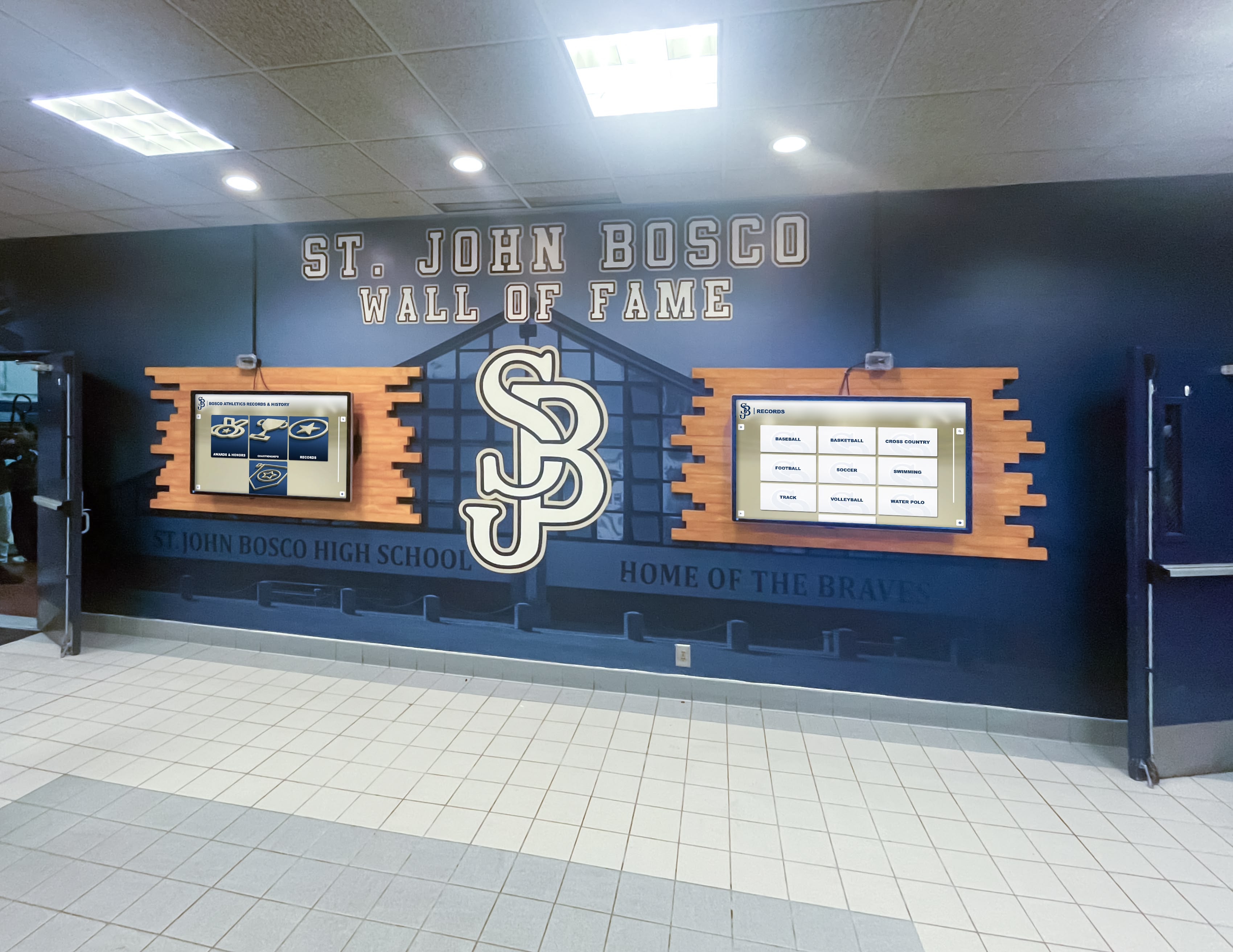
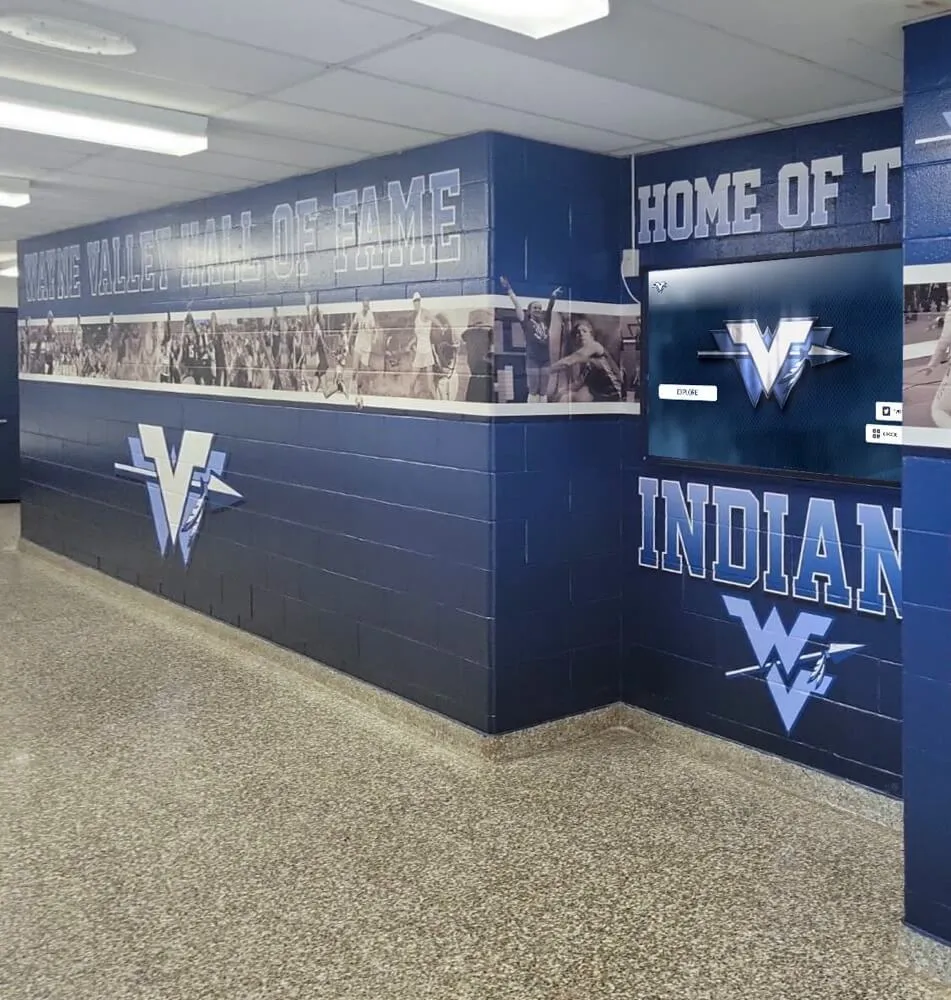
Strategic display placement throughout facilities creates comprehensive recognition environments ensuring visibility across diverse audiences and organizational touchpoints
Adapting Recognition Programs Across Different Work Environments
Effective acknowledgment adapts to organizational contexts and workplace characteristics.
Corporate Office Recognition
Traditional workplace settings enable diverse recognition approaches:
Office-Specific Ideas:
- Lobby recognition displays visible to employees, clients, visitors, and stakeholders
- Department walls celebrating team-specific achievements in functional areas
- Meeting room dedications honoring significant contributors creating lasting legacy
- Breakroom recognition rotating featured employees in high-traffic social spaces
- Reserved parking designations for monthly recognition recipients providing visible status
Corporate environments benefit from visible, professional recognition reinforcing organizational values while building employer brand with external audiences observing workplace culture through recognition systems.
Remote and Hybrid Workforce Recognition
Distributed teams require adapted acknowledgment strategies ensuring equity:
Remote Recognition Approaches:
- Cloud-based platforms accessible from anywhere eliminating location barriers
- Video recognition messages from leadership and colleagues providing personal connection
- Digital delivery of recognition gifts and certificates shipped to remote locations
- Virtual celebration events using video conferencing for ceremonies and gatherings
- Social media recognition creating visibility across locations and time zones
- Mobile apps enabling recognition from smartphones regardless of physical workspace
Hybrid Considerations:
- Ensuring remote employees receive equal recognition visibility as on-site colleagues
- Creating both virtual and physical recognition touchpoints serving different populations
- Time zone accommodations for synchronous events ensuring reasonable participation
- Technology investments enabling professional virtual experiences not afterthought adaptations
- Communication strategies reaching all employees regardless of location or schedule
Organizations must intentionally address distance challenges preventing remote employees from experiencing recognition culture that on-site team members absorb organically through daily workplace interactions and visible acknowledgment.
Manufacturing and Industrial Recognition
Production environments present unique recognition opportunities:
Manufacturing Recognition:
- Safety record acknowledgment and incident-free period celebrations prioritizing wellbeing
- Quality milestones recognizing defect reduction and excellence standards
- Efficiency improvements honoring process optimization and productivity gains
- Team production goals with visible progress tracking creating transparency
- Cross-training recognition acknowledging skill development and operational flexibility
Organizations implementing sports team recognition demonstrate team-based celebration principles adaptable to manufacturing and industrial workplace contexts.
Healthcare and Service Industry Recognition
Patient and customer-facing roles require adapted acknowledgment:
Healthcare Recognition:
- Patient feedback and satisfaction score-based recognition programs
- Clinical excellence awards acknowledging care quality and outcomes
- Team-based recognition honoring interdisciplinary collaboration
- Compassion recognition celebrating emotional support and patient relationships
- Innovation recognition for care delivery improvements and efficiency gains
Service professionals value recognition demonstrating that challenging, emotionally demanding work receives appropriate acknowledgment beyond financial compensation alone.
Conclusion: Creating Recognition Programs That Transform Culture
Employee recognition programs represent far more than feel-good acknowledgment or HR initiatives disconnected from business outcomes. When implemented systematically combining traditional appreciation methods with modern digital platforms, peer-to-peer recognition systems, creative approaches, and budget-conscious strategies, these programs become strategic infrastructure driving measurable improvements in retention, engagement, performance, and organizational culture—creating workplaces where every team member feels genuinely valued, motivated toward excellence, and committed to sustained organizational success.
The recognition program ideas explored throughout this comprehensive guide demonstrate how authentic acknowledgment adapts across organizational contexts, scales across business sizes and budget realities, and resonates across diverse employee populations from frontline service workers through senior leadership. From interactive touchscreen displays providing unlimited capacity for comprehensive team celebration to grassroots peer nomination systems creating organic appreciation cultures, these strategies help organizations build recognition excellence advancing business objectives while honoring human contributions making success possible.
Transform Your Employee Recognition Program
Discover how modern digital recognition solutions can help your organization celebrate every team member's contributions while building lasting workplace cultures centered on appreciation, engagement, and sustained excellence across all departments and organizational levels.
Explore Recognition SolutionsDigital platforms make comprehensive employee recognition achievable through intuitive systems combining interactive displays visible throughout facilities, cloud-based content management enabling real-time updates, unlimited employee capacity accommodating organizational growth, multimedia storytelling capabilities creating engaging narratives, and web accessibility extending recognition beyond physical workplace boundaries to remote team members and personal networks. Organizations implementing purpose-built recognition solutions create acknowledgment programs honoring every contribution appropriately while building engaged teams committed to sustained excellence and organizational mission.
Strategic employee recognition balances multiple considerations: honoring diverse contributions across all roles and departments, respecting individual preferences for public versus private acknowledgment, accommodating budget realities while maintaining program quality and consistency, ensuring equity and fairness in recognition distribution across demographics and functions, and measuring effectiveness demonstrating value to organizational stakeholders justifying continued investment. Whether planning your first comprehensive recognition program or enhancing established systems, the principles explored throughout this guide provide frameworks for creating meaningful tributes honoring every team member while strengthening engagement, retention, and organizational culture systematically.
Start by assessing current recognition approaches identifying gaps between acknowledgment aspirations and existing practices. Clarify goals for enhanced employee recognition considering retention objectives, engagement targets, cultural aspirations, and business outcomes. Explore solutions matching organizational contexts—from simple peer recognition systems through comprehensive digital recognition platforms scaling across growing workforces. Implement systematic approaches combining scheduled recognition milestones with spontaneous appreciation creating sustainable cultures where acknowledgment becomes organizational norm rather than exceptional occurrence requiring special circumstances.
Every employee—from entry-level team members through senior leadership, from frontline service workers through specialized technical roles, from administrative support through executive management—deserves recognition acknowledging contributions and celebrating commitment to organizational success. With thoughtful planning, appropriate technology choices, authentic implementation, consistent execution, and regular assessment, you can create recognition programs building engaged, motivated workplace cultures where all team members thrive and organizations achieve sustainable excellence through collective contributions of valued, appreciated people who choose to invest discretionary effort because they feel genuinely seen, valued, and celebrated for their unique contributions.
Ready to elevate your employee recognition program? Explore comprehensive approaches in workplace appreciation strategies adaptable to corporate contexts, discover digital recognition wall solutions providing permanent acknowledgment infrastructure, or learn about touchscreen display technologies powering modern recognition that engages teams and celebrates excellence across organizations, creating cultures where appreciation drives sustained performance, innovation, loyalty, and collective success.