Elementary school yearbooks hold a special place in childhood memory—capturing gap-toothed smiles, best-friend signatures, favorite teachers, and those precious years when everything feels new and exciting. Creating a yearbook for younger students presents unique opportunities and challenges that differ significantly from middle or high school publications. The best elementary yearbooks balance age-appropriate design with engaging content that celebrates every child while documenting the shared experiences that define each school year.
Whether you’re a yearbook advisor tackling your first elementary edition, a PTA volunteer coordinating the annual memory book, or an administrator seeking fresh approaches to celebrate your youngest students, thoughtful planning makes all the difference. How do you create themes that resonate with students ranging from kindergarten through fifth grade? What layouts work best when attention spans are short and reading levels vary dramatically? How can you ensure every child feels represented and celebrated regardless of academic achievement or extracurricular involvement?
This comprehensive guide explores elementary school yearbook creation from concept to completion—including age-appropriate themes that engage young students, layout strategies that balance visual appeal with readability, section ideas that celebrate the full spectrum of elementary experiences, and practical approaches for creating lasting memories within realistic budgets and timelines.
Schools prioritizing thoughtful yearbook design report significantly higher family purchase rates and greater student engagement compared to institutions using generic templates or rushed production timelines. Elementary yearbooks become treasured keepsakes when they authentically reflect the unique personality of each school community while celebrating every student meaningfully.

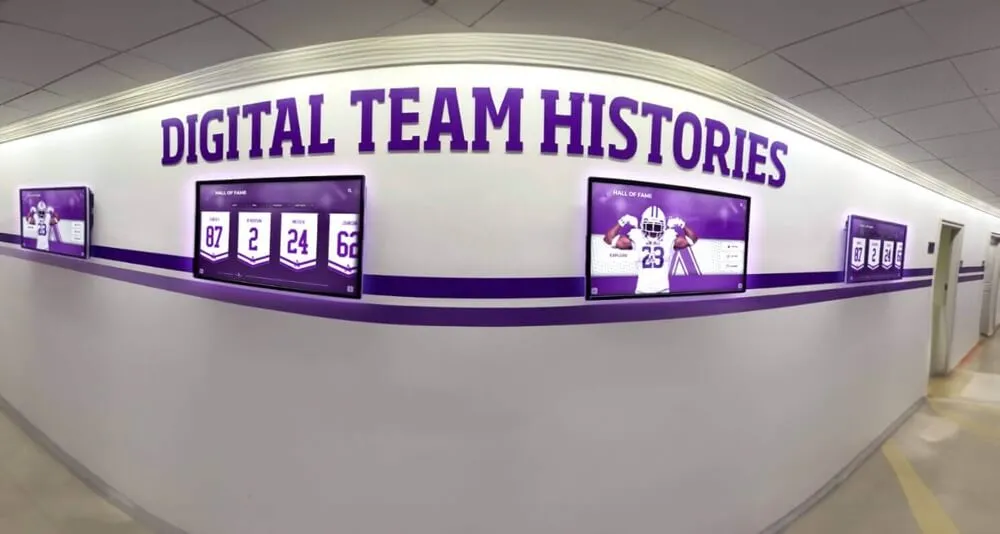
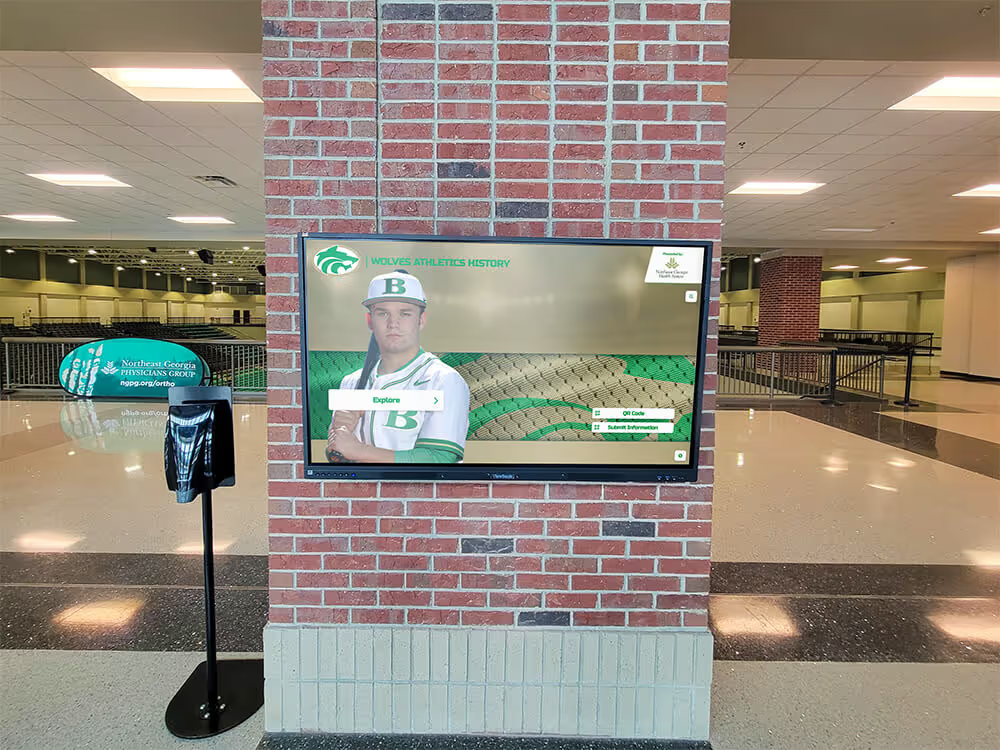
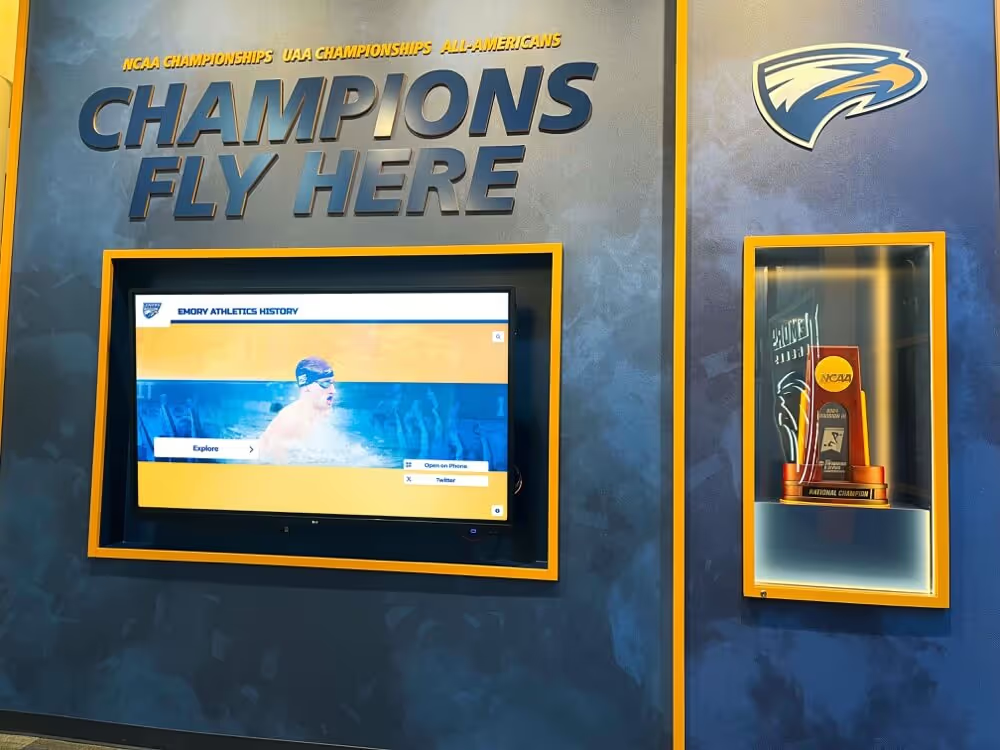
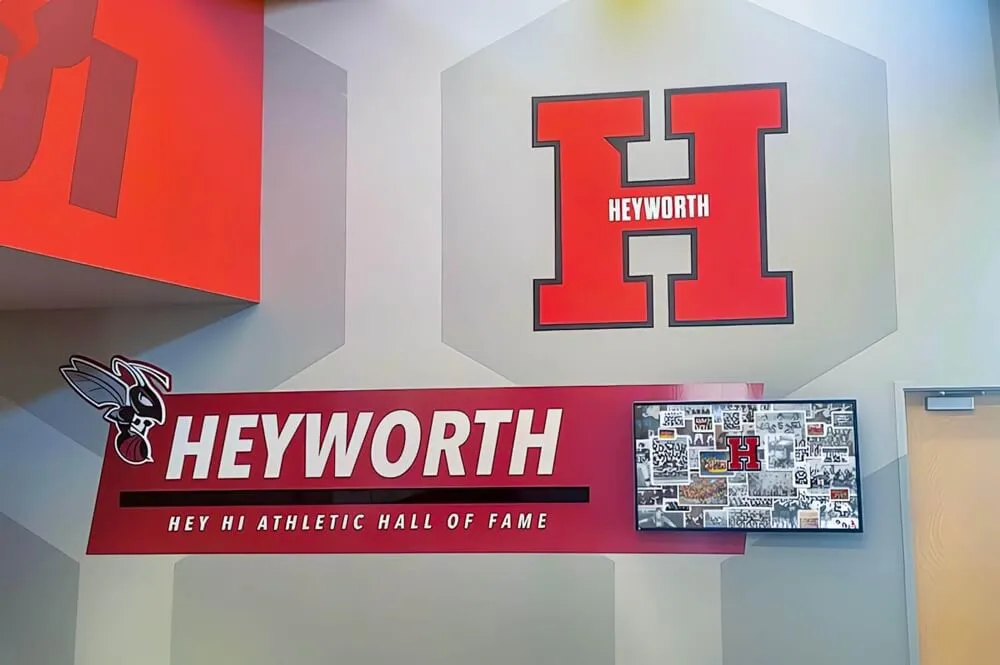
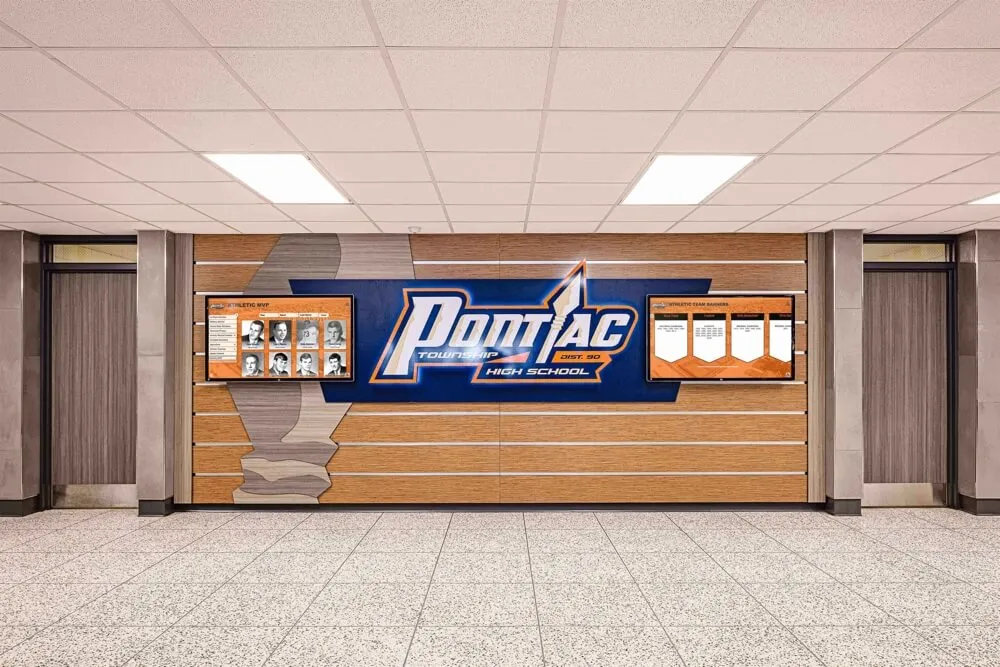
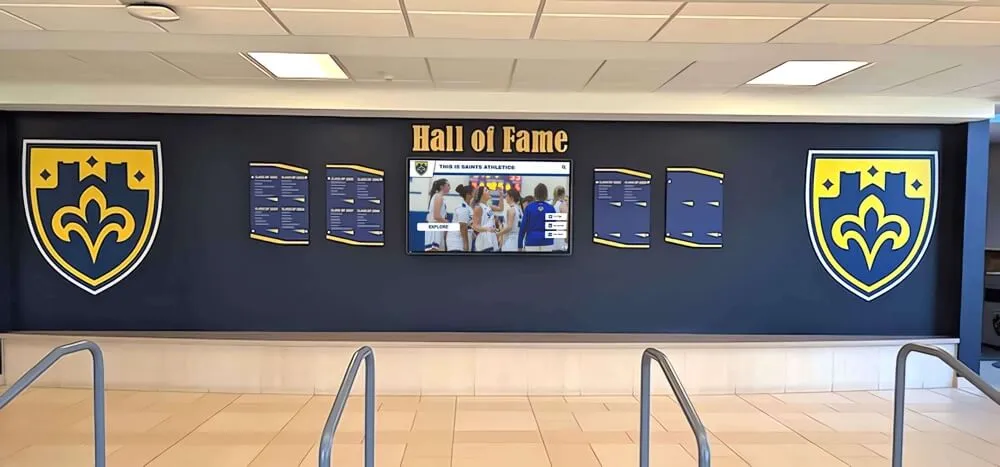
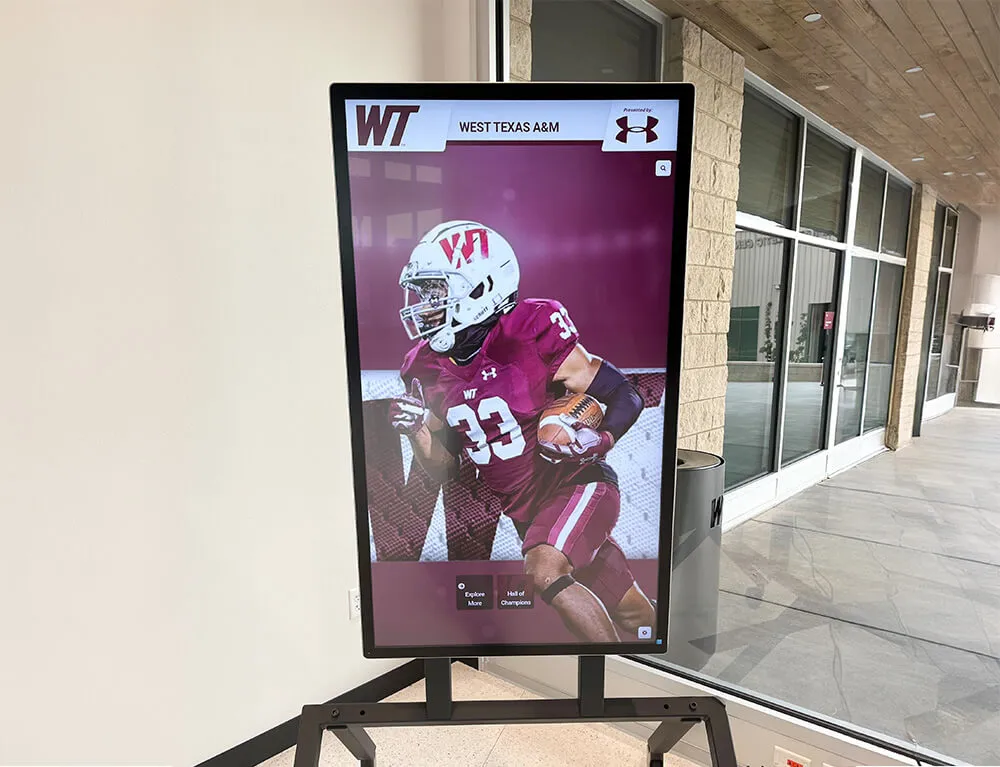
Modern recognition systems help elementary schools celebrate students and preserve memories year-round
Why Elementary School Yearbooks Matter
Building Lasting Memories at Formative Ages
Elementary yearbooks serve purposes that extend far beyond simple documentation:
Developmental Milestones Documentation
Capturing Critical Growth Years
Elementary school spans tremendous developmental changes—from kindergarteners just learning to read through fifth graders preparing for middle school independence. These years transform children physically, academically, socially, and emotionally in ways that families treasure documenting:
- Physical growth: Baby teeth fall out, heights change dramatically, personalities emerge
- Academic achievement: Learning to read, mastering multiplication, discovering favorite subjects
- Social development: First friendships, learning collaboration, developing empathy
- Confidence building: Participating in performances, trying new activities, discovering talents
- Institutional belonging: Developing school pride and community connection
Yearbooks freeze these fleeting moments before children transition to new developmental stages where elementary memories fade. The kindergartener who could barely write her name becomes the fifth grader confidently leading class projects—the yearbook documents this remarkable journey year by year.
Creating Inclusive Recognition
Celebrating Every Student Meaningfully
Unlike high school yearbooks that often emphasize academic achievement or athletic excellence, elementary yearbooks have unique opportunities to celebrate the full range of childhood experiences:
Equitable Representation
- Every student receives multiple appearances regardless of abilities or involvement
- Recognition extends beyond traditional academics to creativity, kindness, persistence, and growth
- Candid photos capture authentic moments rather than only posed formal portraits
- Diverse activities ensure students with varied interests see themselves represented
- Spotlight features rotate to highlight different students in meaningful ways
Building Self-Esteem
- Children seeing themselves in the yearbook builds sense of belonging and value
- Positive representation creates tangible evidence that “I was here, I mattered”
- Classmate signatures and messages demonstrate friendship and connection
- Looking back at previous years shows children how much they’ve grown and accomplished
Schools implementing comprehensive recognition programs discover that celebrating all students—not just top performers—builds stronger school culture and student confidence.
Family Connection and Engagement
Creating Shared Treasures
Elementary yearbooks become family artifacts that parents, grandparents, and extended relatives treasure:
Multi-Generational Value
- Parents preserve yearbooks as documentation of childhood they’ll revisit for decades
- Grandparents purchase copies to keep memories of grandchildren’s growing years
- Siblings compare their own elementary experiences with younger brothers and sisters
- Adults returning to elementary yearbooks rediscover forgotten friends and memories
- Digital platforms enable distant relatives to explore and share memories remotely
School Community Building
- Families viewing yearbooks together creates conversations about school experiences
- Parents gain windows into classroom activities and school culture
- Yearbook purchase becomes annual tradition families anticipate
- Alumni returning for events enjoy exploring current yearbooks comparing their own experiences
Organizations implementing modern digital yearbook solutions extend yearbook accessibility beyond single printed copies, enabling families to explore and share memories from any device while preserving content permanently.
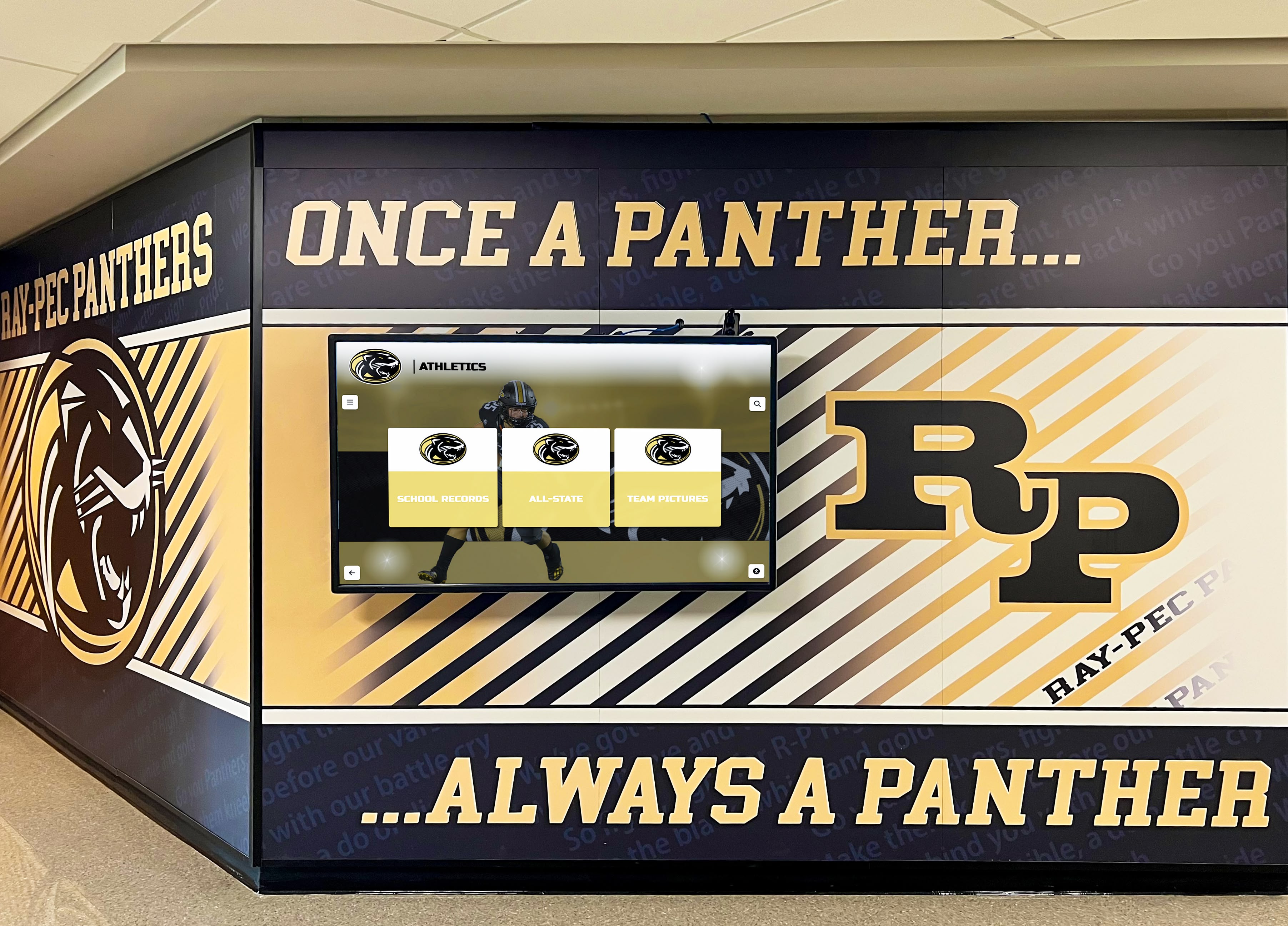
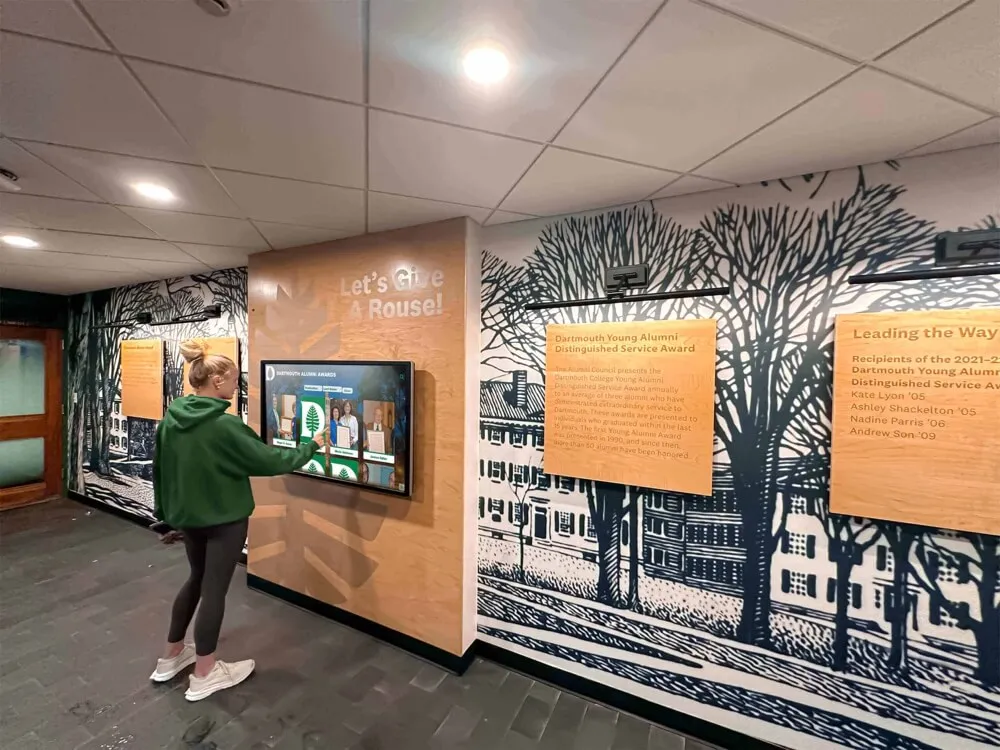
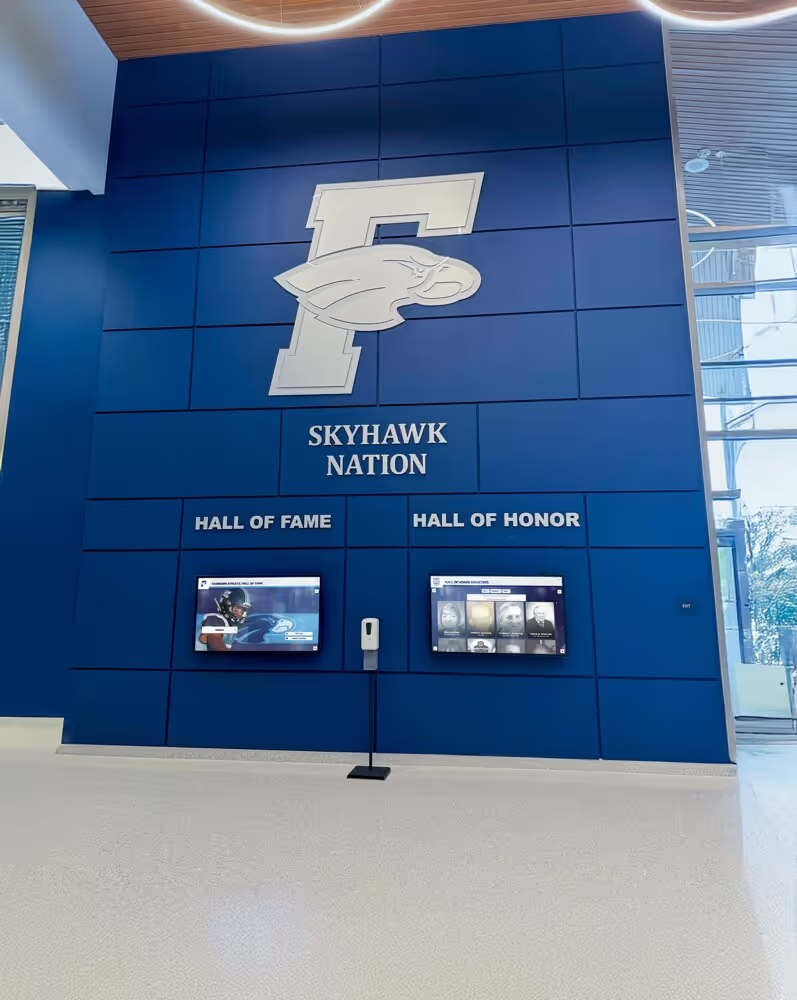
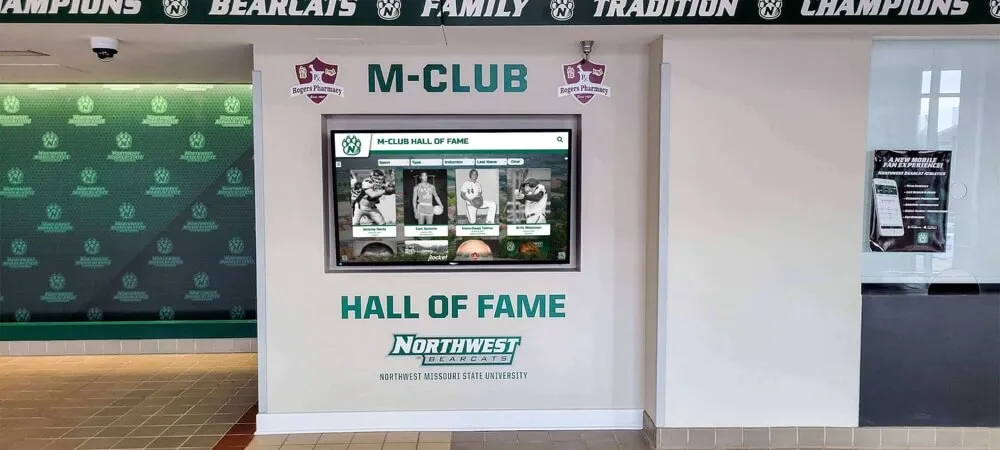
School environments that celebrate student identity and achievements create contexts where yearbook memories become part of broader recognition culture
Age-Appropriate Themes for Elementary Yearbooks
Creating Concepts That Resonate With Young Students
Effective elementary yearbook themes balance sophistication with age-appropriate accessibility:
Kindergarten Through Second Grade Themes
Simple, Visual, Joyful Concepts
Younger elementary students respond best to concrete, colorful themes they can easily understand:
Effective Theme Categories:
Nature and Animals
- “Our Garden of Friends” (students as different flowers)
- “Ocean of Learning” (sea creatures and water themes)
- “Soaring Into [Year]” (birds and flying themes)
- “Busy as Bees” (insect and hive themes)
- “Wild About Learning” (jungle animals)
Adventure and Exploration
- “Let’s Explore!” (maps, compasses, discovery)
- “Reach for the Stars” (space and planets)
- “Around the World in [School Name]” (global journey)
- “Treasure Island Memories” (pirates and adventure)
- “Magic Carpet Ride” (flying carpets and imagination)
Growth and Learning
- “Watch Us Grow!” (planting and growing themes)
- “Building Blocks of Learning” (construction and building)
- “Our Colorful Year” (rainbow and color themes)
- “Recipe for Success” (cooking and ingredients)
- “Once Upon a Time” (fairy tales and stories)
Implementation Tips for Young Grades:
- Use bright, primary colors that appeal to young children
- Include lots of photos with minimal text since reading skills are developing
- Create visual consistency with theme icons appearing throughout pages
- Use simple, large fonts when text is necessary
- Incorporate child-friendly graphics and illustrations
Third Through Fifth Grade Themes
Sophisticated Concepts With Broader Appeal
Upper elementary students appreciate more complex themes while still responding to playful creativity:
Advanced Theme Options:
Achievement and Goals
- “The Journey Continues” (pathways and progression)
- “Making Our Mark” (stamps, signatures, personal identity)
- “Puzzle Pieces of [School Name]” (how everyone fits together)
- “Engineering Our Future” (STEM and building themes)
- “Champions of Change” (superheroes and empowerment)
Culture and Community
- “Better Together” (unity and collaboration)
- “Our [School Mascot] Family” (school identity)
- “Chapters of Our Story” (book and reading themes)
- “Picture Perfect Year” (photography and moments)
- “Season of Success” (weather and seasonal changes)
Technology and Innovation
- “Coding Our Future” (computer science and technology)
- “Connected and Creating” (networks and collaboration)
- “Game On!” (video games and achievement levels)
- “Innovation Station” (inventions and creativity)
- “Digital Dreams” (technology and possibility)
Classic Universal Themes:
- “Making Memories” (cameras, scrapbooks, keepsakes)
- “Living Our Best Year” (life moments and experiences)
- “United We Stand” (community and togetherness)
- “The Adventure Continues” (ongoing journey)
- “This Is Us” (authentic self-expression)
Upper Elementary Considerations:
- Balance sophistication with accessibility for varying maturity levels
- Include student voice in theme selection when possible
- Avoid themes that quickly date or feel childish
- Consider how theme extends across multiple grade levels
- Create visual interest without overwhelming busy layouts
All-Grade Universal Approaches
Themes That Work Kindergarten Through Fifth
Some concepts successfully span the full elementary range:
Cross-Grade Theme Ideas:
School Identity Focused
- “[Mascot] Pride” (centering school mascot and colors)
- “Home of the [Mascots]” (place-based belonging)
- “[School Name] Strong” (institutional strength and unity)
- “Tradition and Tomorrow” (honoring history while looking forward)
Time and Memory Based
- “Year to Remember” (memory and documentation)
- “Moments That Matter” (highlighting special experiences)
- “Time Capsule [Year]” (preserving present for future)
- “Every Moment Counts” (valuing all experiences)
Community Centered
- “One School, Many Stories” (diverse narratives)
- “Together We Shine” (collective achievement)
- “Heart of Our School” (what makes community special)
- “Stronger Together” (unity and collaboration)
Schools implementing themes that authentically reflect school identity while remaining age-appropriate create yearbooks that students actually want to revisit rather than forgetting on shelves.
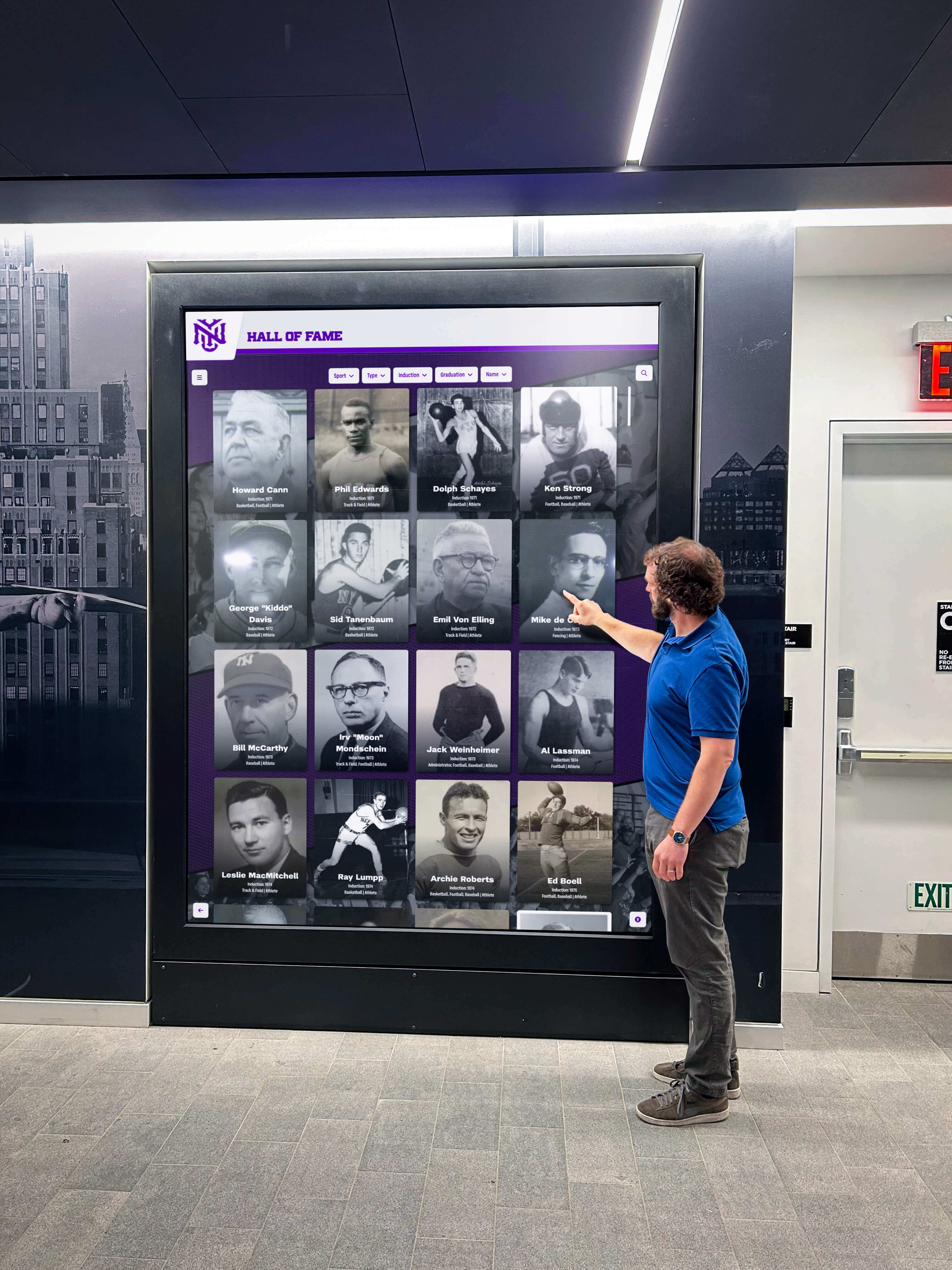
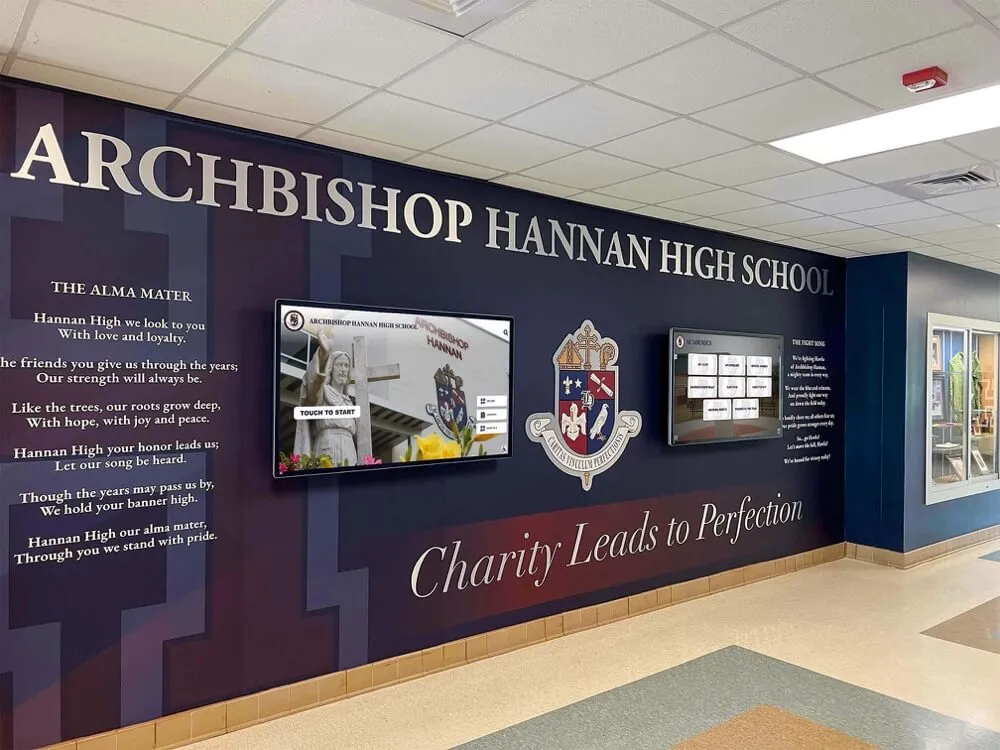
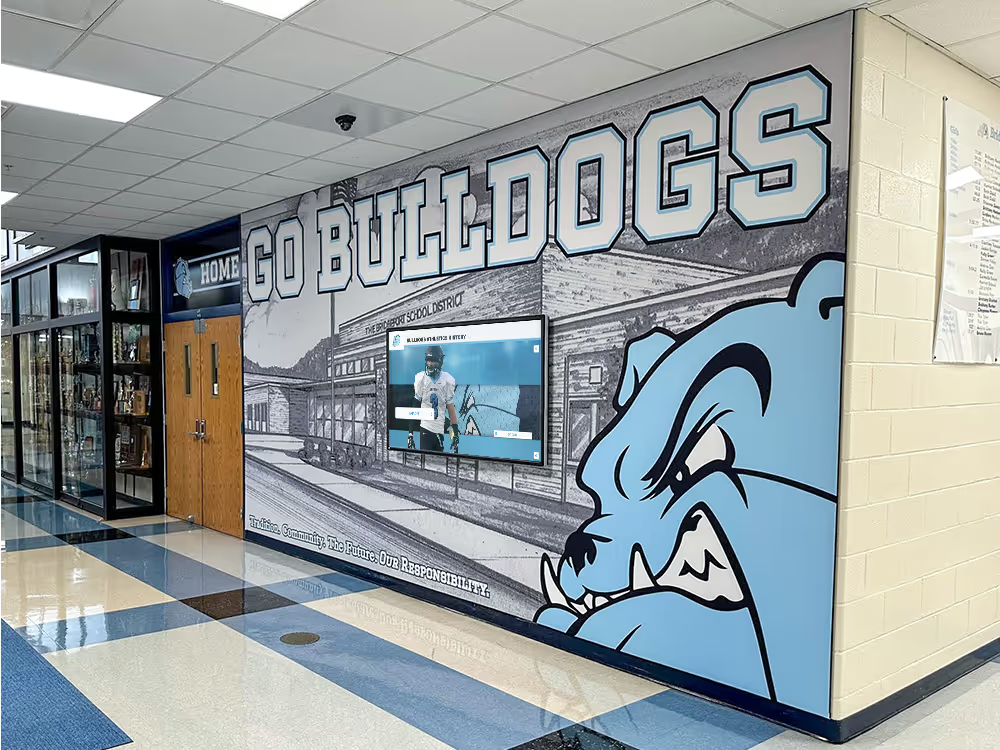
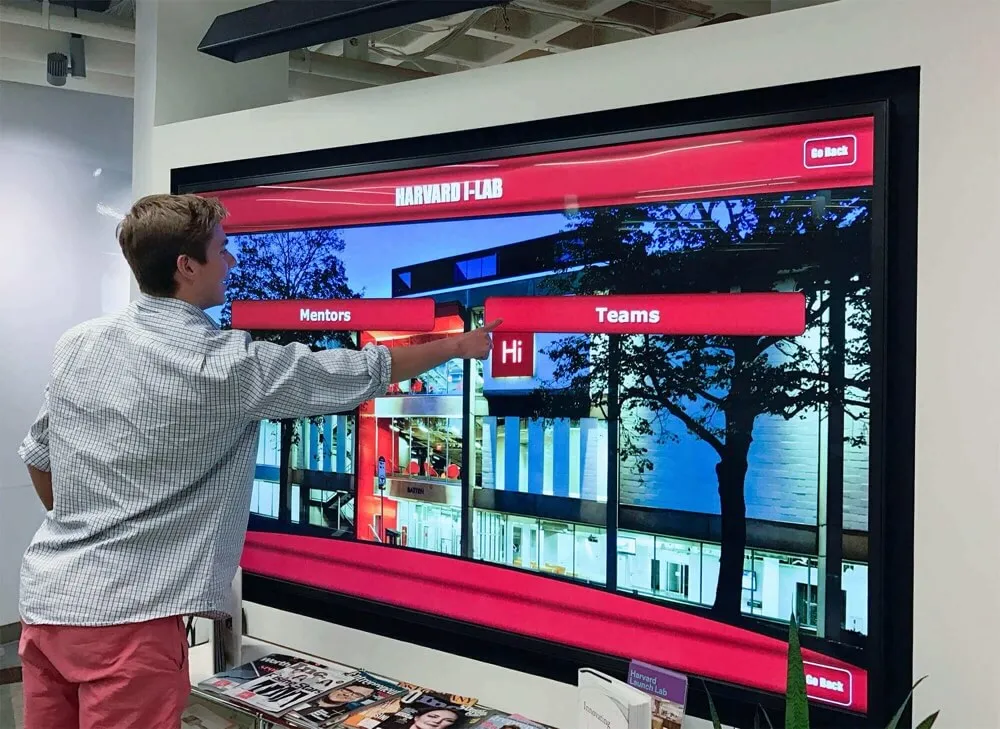
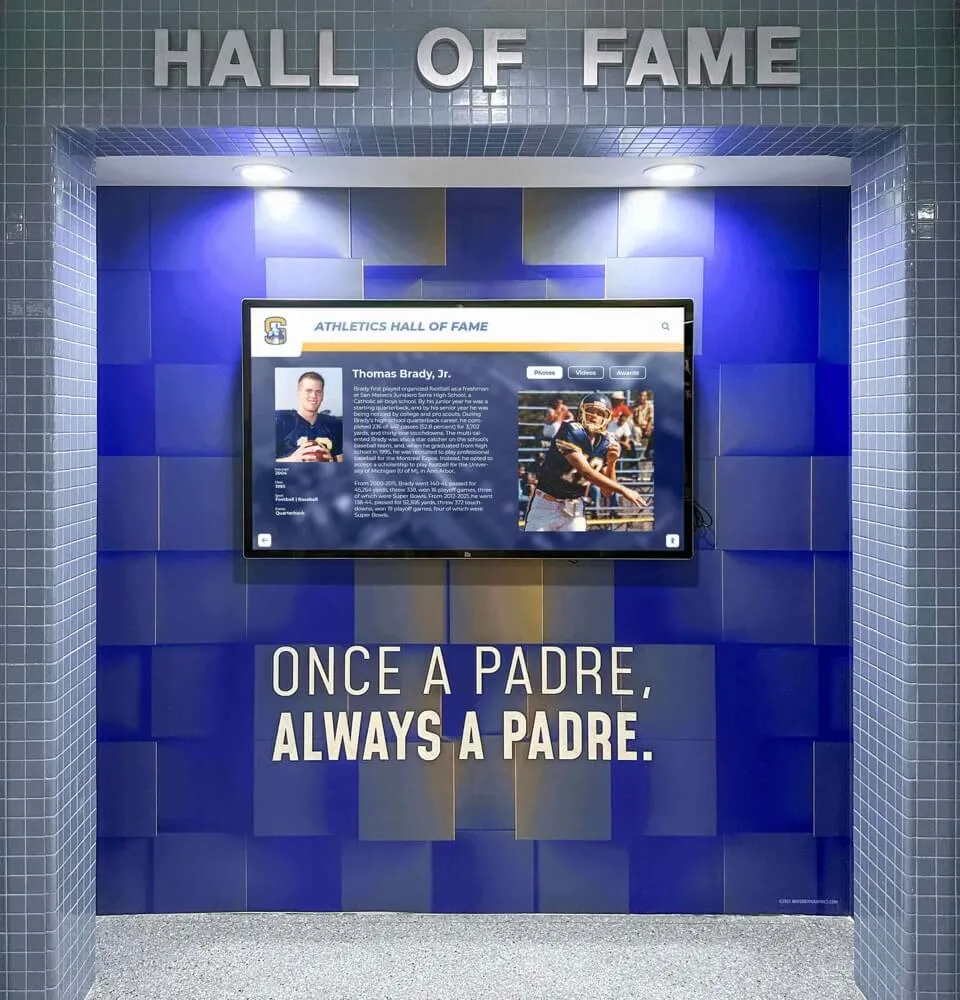
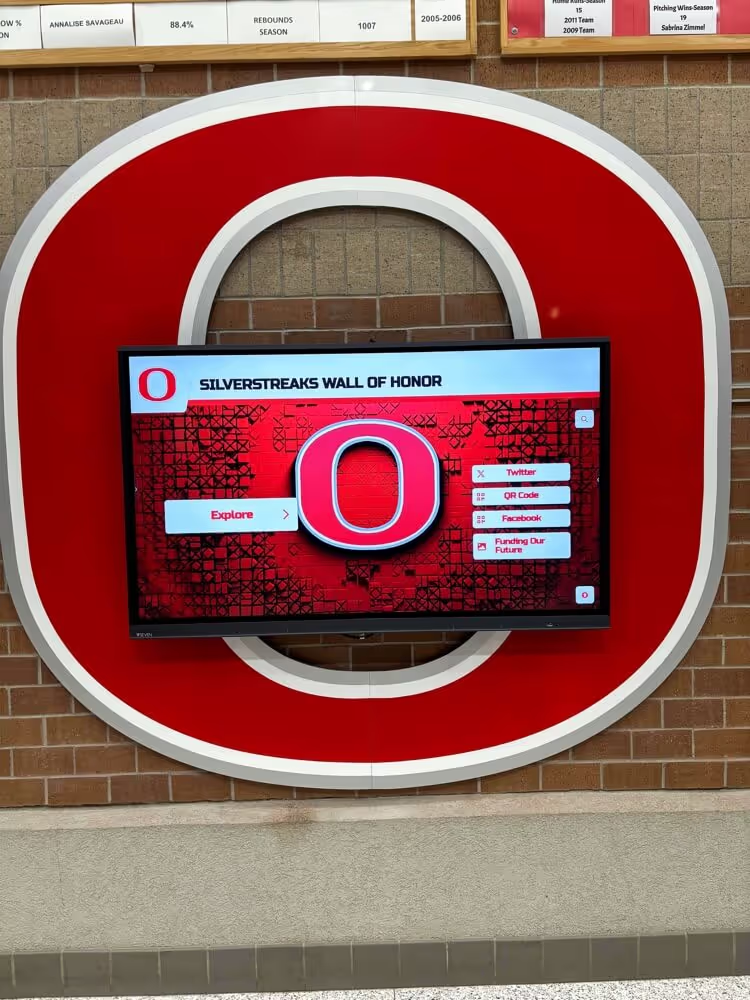
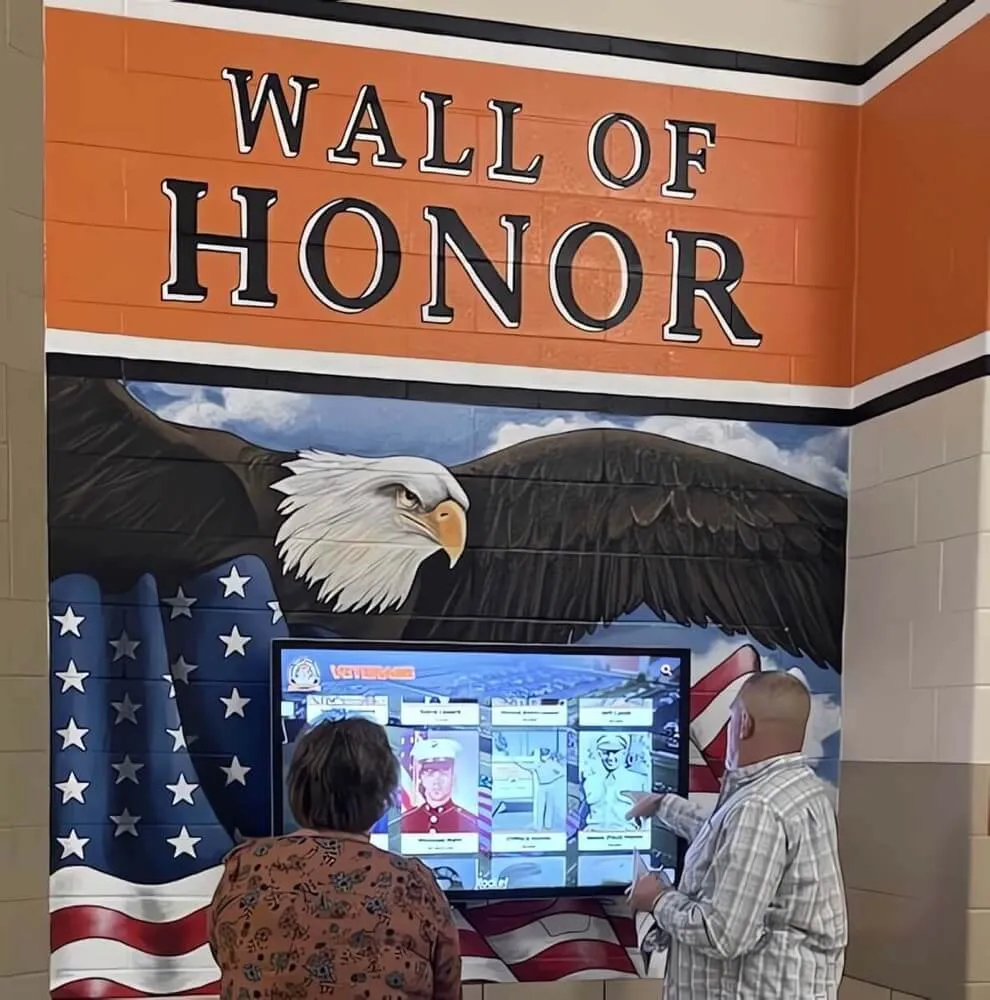
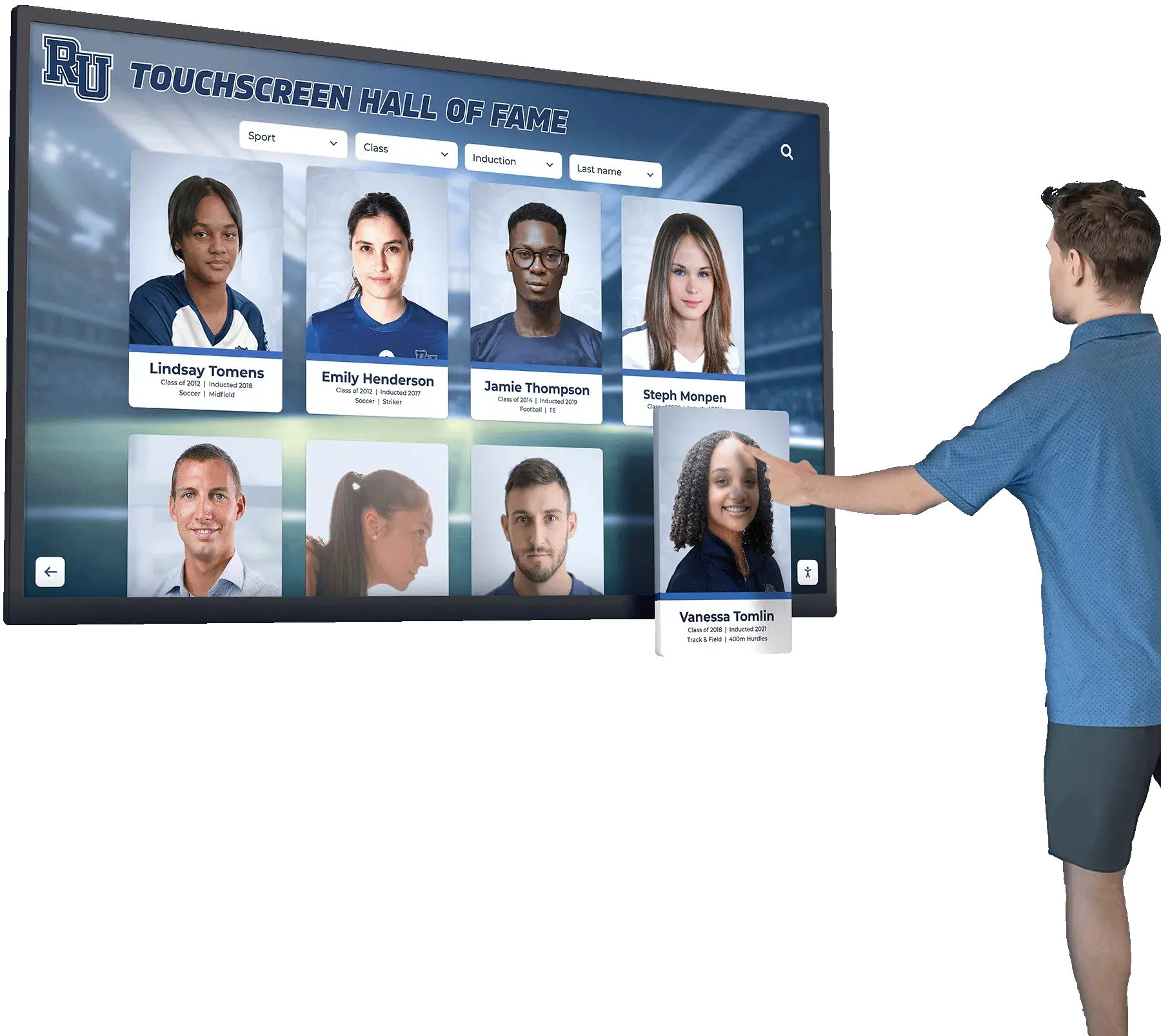
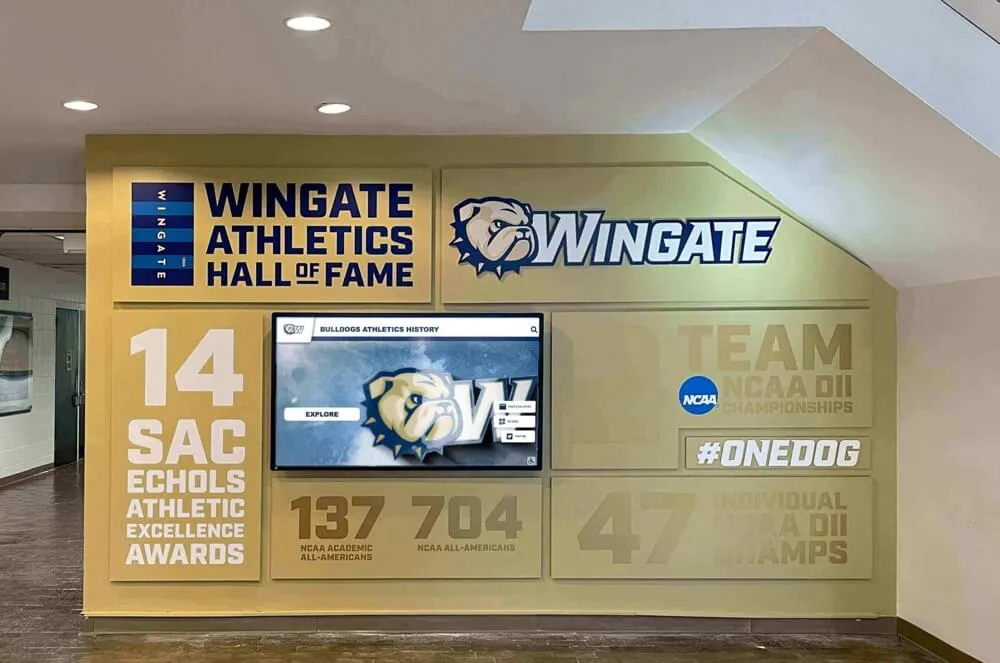
Interactive displays complement traditional yearbooks by providing dynamic, searchable ways to explore school memories and achievements
Essential Sections for Elementary Yearbooks
Comprehensive Coverage That Celebrates Every Aspect
Thoughtful section organization ensures complete documentation while maintaining visual flow:
Student Portrait Sections
Individual and Class Photography
Individual Student Portraits:
- Traditional school photo for every student
- Name clearly visible in readable font size
- Grade level identification
- Homeroom teacher or class designation
- Alphabetical organization within grade level
- Consistent photo sizing and placement
Class Group Photos:
- Full class photo with teacher(s)
- All students identified by name
- Creative arrangements beyond traditional rows
- Indoor and outdoor options depending on weather
- Multiple attempts ensuring everyone has eyes open and natural smiles
- Teachers and teaching assistants included and identified
Photo Organization Approaches:
Traditional Grade-by-Grade:
- Kindergarten section first, progressing through fifth grade
- Within each grade, alphabetical by last name
- Class photos introducing each grade level
- Special education and intervention teachers included appropriately
Homeroom-Based Organization:
- Each classroom gets dedicated spread or page
- Teacher featured prominently with students
- Classroom environment and personality reflected
- Easier for students to find friends in specific classes
Creative Presentation Options:
- “Faces of [School Name]” with creative layouts
- Themed page designs varying by grade level
- Border designs reflecting yearbook theme
- Fun facts or quotes accompanying select students (rotate annually for equity)
Faculty and Staff Recognition
Celebrating Educators and Support Personnel
Elementary schools function through diverse staff members all deserving recognition:
Complete Staff Coverage:
- Principal and administrative team
- Classroom teachers (all grade levels)
- Specialty teachers (art, music, PE, library, STEM)
- Special education teachers and interventionists
- English language learning teachers
- Counselors and social workers
- Nurse and health office staff
- Custodians and maintenance team
- Cafeteria workers and food service
- Office staff and secretaries
- Bus drivers and transportation
- Before/after school program coordinators
- Parent volunteers and room parents (if highlighting)
Presentation Approaches:
- Professional portraits when available
- Candid photos showing staff with students
- Names and roles clearly identified
- Years of service at school (for veteran staff)
- Fun facts making staff relatable to students
- “Staff Favorites” sharing personal preferences
- Group photos by department or team
Why Complete Staff Coverage Matters:
Students interact with many adults beyond classroom teachers throughout their school day. The custodian who greets them every morning, the cafeteria worker who remembers their lunch preferences, the bus driver who ensures safe transportation—all contribute to positive elementary experiences. Comprehensive staff recognition validates these important relationships while teaching children to appreciate all who support their education.
Schools creating comprehensive recognition cultures understand that celebrating all community members—not just those in most visible roles—builds stronger school culture.
Classroom and Academic Life
Documenting Learning Environments and Experiences
Classroom Candids:
- Students engaged in learning activities
- Small group work and collaboration
- Hands-on projects and experiments
- Reading corners and library time
- Technology integration and computer lab
- Writing workshop and creative expression
- Math manipulatives and problem-solving
- Science investigations and discovery
Grade-Level Highlights:
- Kindergarten: Learning letters, numbers, colors; rest time; show and tell
- First Grade: Learning to read milestones, writing sentences, math fact practice
- Second Grade: Reading chapter books, multiplication introduction, longer writing
- Third Grade: Research projects, standardized testing, multiplication mastery
- Fourth Grade: State history projects, science fair, division and fractions
- Fifth Grade: Leadership roles, middle school preparation, capstone projects
Special Academic Programs:
- STEM/STEAM labs and maker spaces
- Coding and computer science classes
- Library skills and book talks
- Art projects and creative expressions
- Music performances and recitals
- Physical education and movement
- Dual language or world language programs
- Gifted and talented enrichment
School Events and Traditions
Annual Celebrations That Define School Culture
Elementary schools build community through recurring events and traditions:
Fall Events:
- First day of school excitement and energy
- Meet the teacher nights and open houses
- Fall festivals, harvest celebrations, trunk-or-treat
- Grandparents Day or special person visits
- Picture day behind-the-scenes moments
- Fire prevention week and safety education
- Fall concert or musical performances
Winter Celebrations:
- Holiday programs and performances
- Winter parties and classroom celebrations
- Book fairs and literacy events
- “100th Day of School” celebrations (often elaborate)
- Spirit weeks with themed dress-up days
- Science fair projects and presentations
- Valentine’s Day exchanges and kindness activities
Spring Highlights:
- Read Across America and Dr. Seuss birthday
- Spring concert and music performances
- Field Day with outdoor games and activities
- Art shows displaying student creativity
- Spring carnival or fun fair
- Mother’s Day and Father’s Day celebrations
- Award ceremonies and recognition assemblies
End-of-Year Traditions:
- Fifth grade promotion or moving-up ceremonies
- Field trips and culminating experiences
- Class parties and celebrations
- Teacher appreciation week
- Last day of school traditions
- Summer send-off activities
Documentation Tips:
- Capture wide shots showing event scope
- Close-ups showing student expressions and engagement
- Action shots during games and activities
- Before, during, and after event progression
- Student work and project displays
- Audience and family involvement
- Setup and behind-the-scenes moments
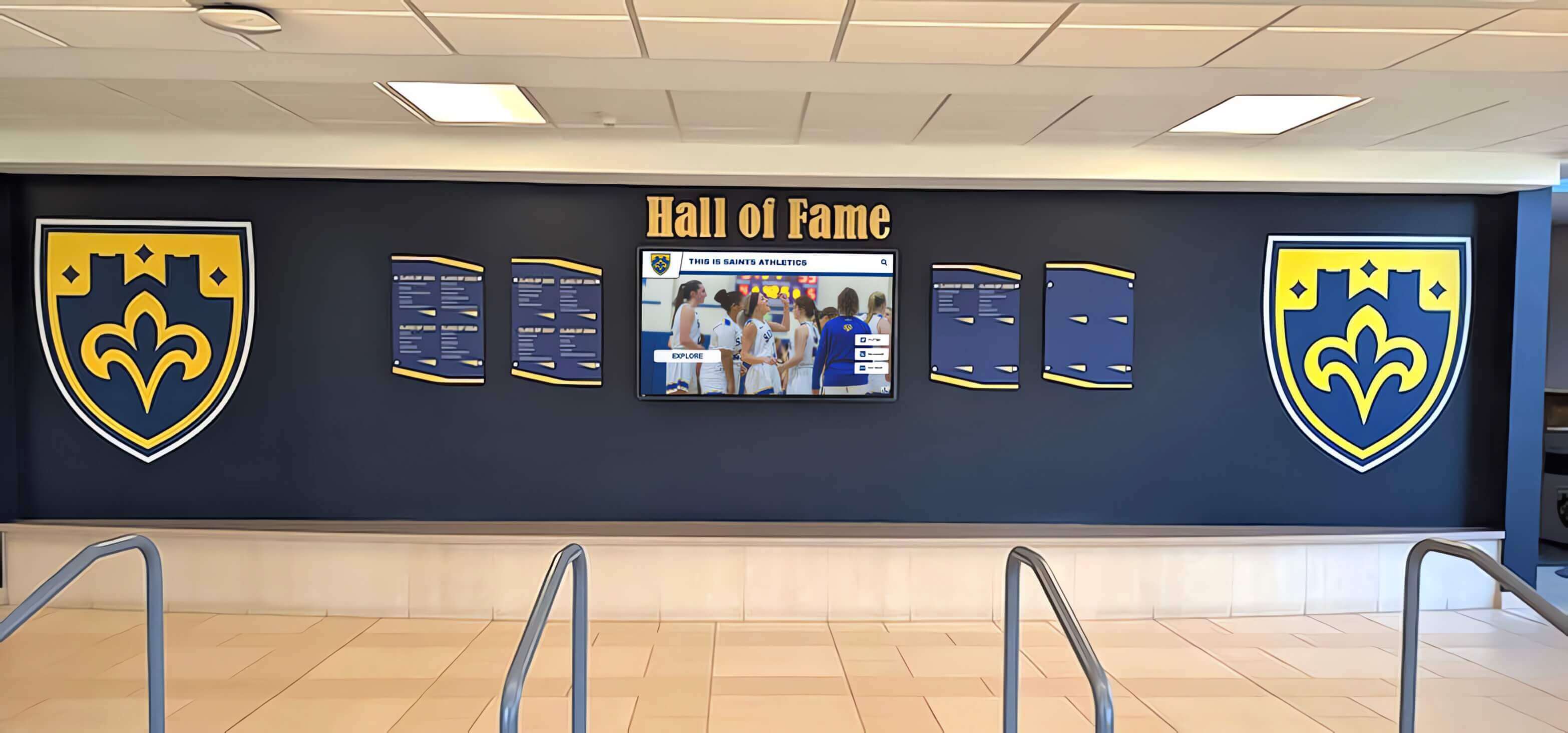
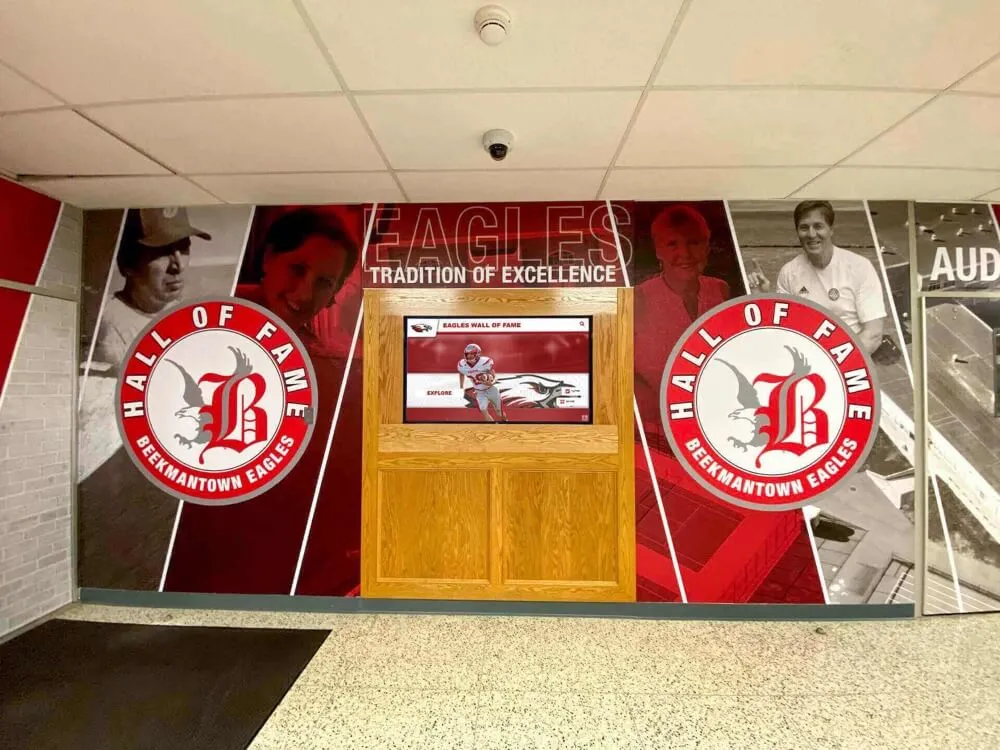
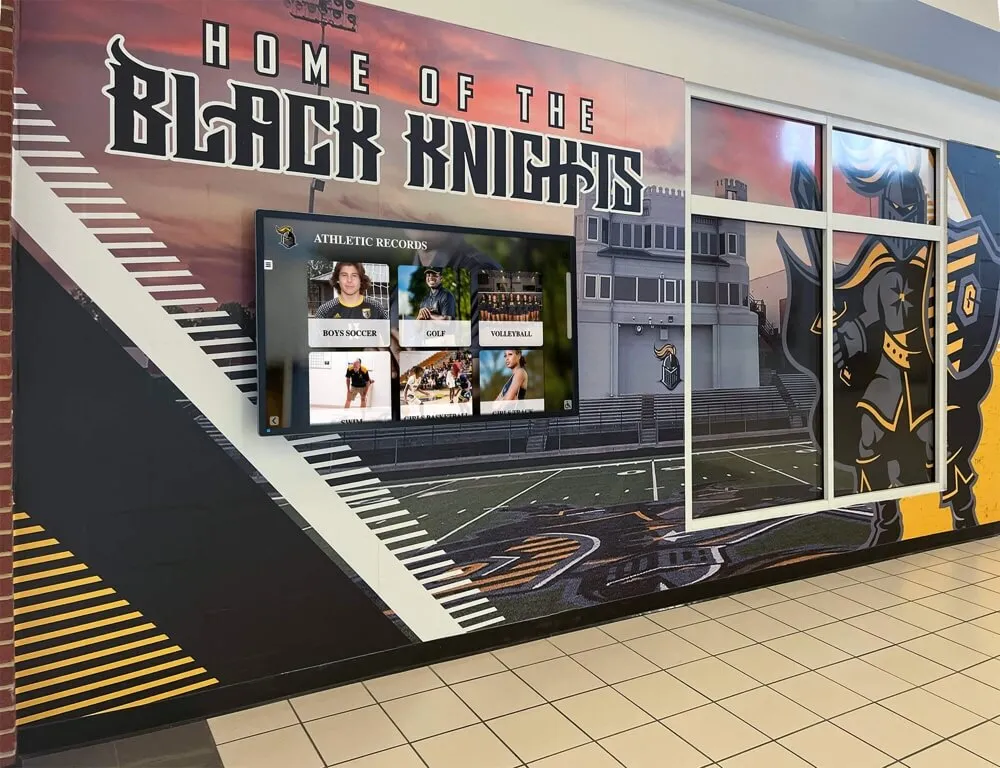
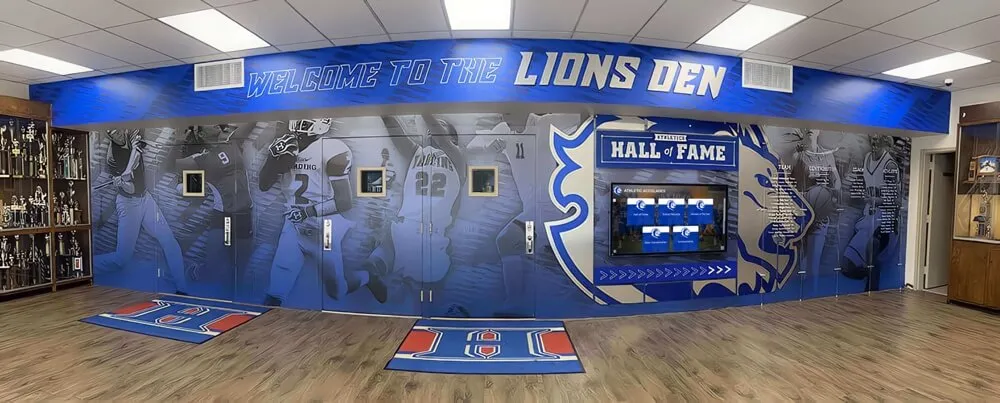
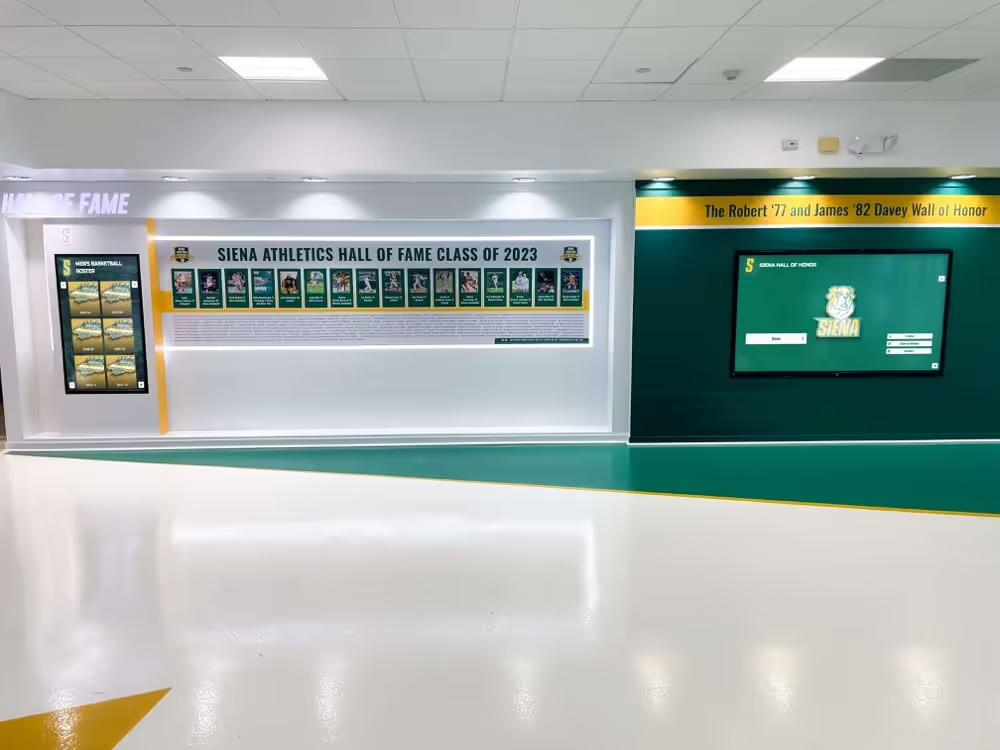
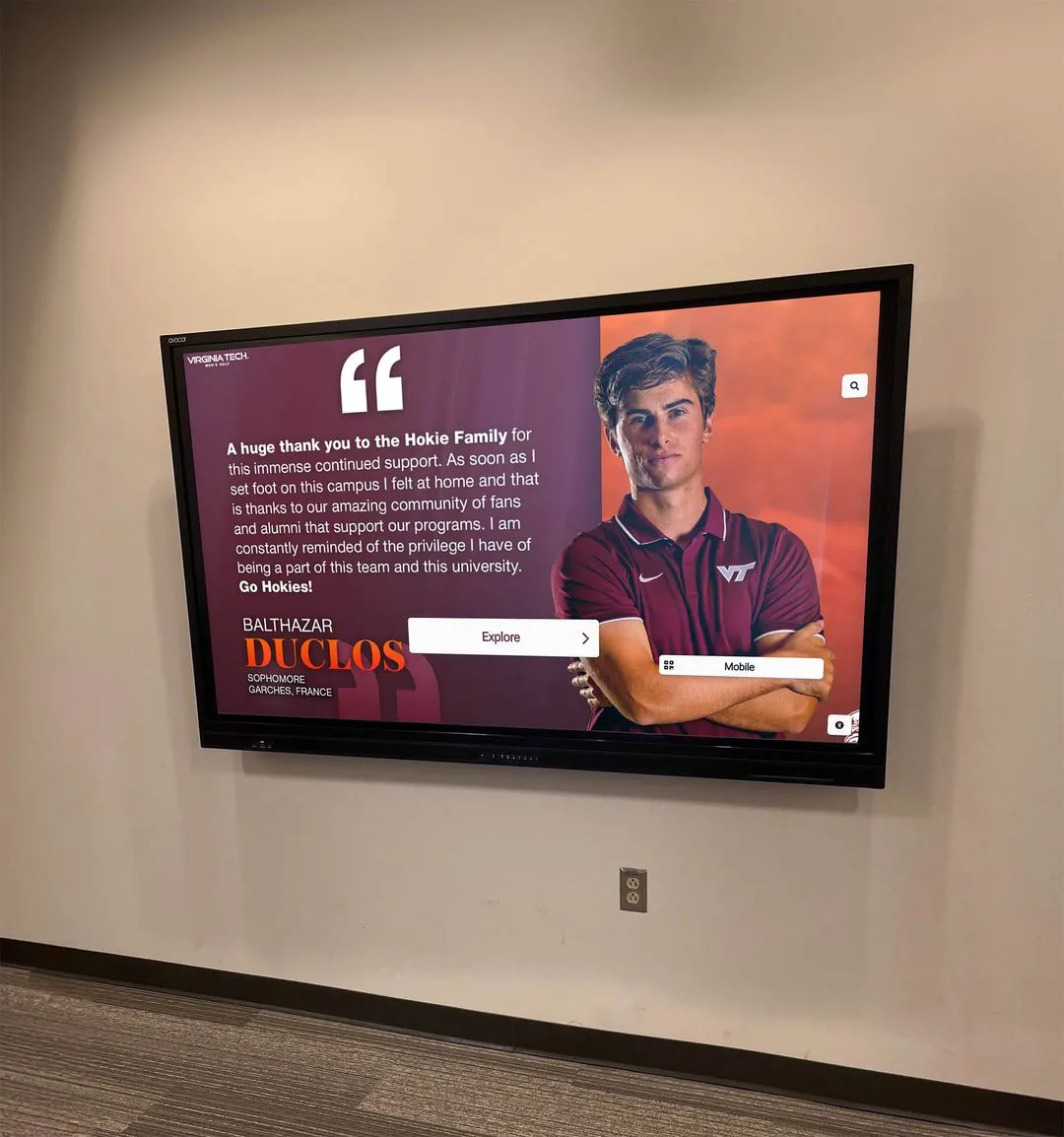
School spaces that prominently display institutional identity and student achievements create environments where yearbook documentation feels like natural extension of ongoing celebration
Athletics and Extracurriculars
Organized Activities Beyond Classroom
Even elementary schools offer diverse activities deserving recognition:
Sports and Physical Activities:
- Recess games and playground favorites
- Intramural sports programs
- After-school sports teams (if available)
- Running clubs and fitness initiatives
- Jump rope competitions and skills
- Dance and movement programs
- Yoga and mindfulness activities
Clubs and Organizations:
- Student council and leadership
- Coding and robotics clubs
- Art club and creative expression
- Choir and music groups
- Drama club and theater
- Chess club and strategy games
- Environmental/gardening clubs
- Book clubs and reading initiatives
Special Interest Activities:
- Battle of the Books teams
- Math competitions or math club
- Spelling bee participants
- Science Olympiad or science club
- Service learning projects
- Buddy programs (older students with younger)
- Safety patrol and school helpers
Before/After School Programs:
- Morning extended care activities
- After-school enrichment options
- Homework help sessions
- Special workshops and classes
Coverage Strategies:
- Group photos for each club or team
- Action shots during activities
- Student quotes about why they participate
- Sponsor/coach recognition
- Competition results or achievements
- Individual standout moments
Community and Special Features
Unique Elements That Personalize Your Yearbook
Student Voice Features:
- “Favorite Memory This Year” interviews
- “What I Want to Be When I Grow Up”
- “My Best Friend Is…” relationship recognition
- “Favorite Book/Subject/Lunch” polls
- Student-created artwork and writing samples
- “If I Could Change One Thing About School”
- Predictions for the future
Community Connection:
- Local business partnerships and sponsors
- Community service projects
- Parent volunteer recognition
- School board and district leaders
- Partnership organization representatives
- Alumni who visit and speak
- Neighborhood and community context
Historical Elements:
- “Then and Now” comparing current year to past
- School history timeline highlights
- Building or facility improvements
- Multi-year traditions and their origins
- “Did You Know?” school facts
- Comparison to when current teachers attended
Fun and Filler Content:
- Photo scavenger hunts (“Find someone wearing stripes!”)
- “Where’s [Mascot]?” hidden mascot in photos
- Student-submitted favorite jokes
- Autograph pages for collecting signatures
- Seasonal photo collages
- “Spot the difference” photo games
- Word searches with school vocabulary
Organizations implementing digital yearbook platforms discover opportunities to include more student voice content, interactive elements, and multimedia features impossible in print-only yearbooks.
Layout Design Principles for Elementary Yearbooks
Creating Visually Appealing, Age-Appropriate Pages
Effective layouts balance creativity with readability and accessibility:
Color and Visual Design
Vibrant Without Overwhelming
Color Psychology for Elementary:
- Bright, energetic colors reflect childhood enthusiasm
- Primary colors appeal to younger students
- Varied palette prevents monotony across hundreds of pages
- Consistent color scheme tied to theme creates unity
- School colors integrated throughout
- Sufficient contrast for text readability
Design Elements:
- Age-appropriate fonts: playful but legible
- Font sizes large enough for early readers
- White space preventing visual clutter
- Themed borders and decorative elements
- Icons and graphics breaking up text
- Photo frames and creative shapes
- Consistent design elements across similar section types
Visual Hierarchy:
- Clear headings identifying sections
- Subheadings breaking up content
- Important information emphasized through size and placement
- Related content visually grouped
- Captions clearly connected to corresponding photos
Photo-to-Text Ratios
Emphasizing Visual Storytelling
Elementary students engage far more with photos than text:
Recommended Ratios:
- Lower grades: 80-90% photos, 10-20% text
- Upper grades: 70-80% photos, 20-30% text
- Student portrait pages: Nearly 100% visual
- Event coverage: Heavy photo emphasis with minimal captions
- Special features: Can include more text if age-appropriate
Photo Selection Criteria:
- Clear focus and good lighting
- Students recognizable and engaged
- Diverse activities and locations
- Variety of poses (not all posed portraits)
- Action shots showing dynamic moments
- Expressions conveying emotion and engagement
- Mix of individual, small group, and large group photos
Caption Best Practices:
- Short, punchy descriptions
- Active voice and present tense when appropriate
- Student names identified (verify spelling)
- Context explaining what’s happening
- Avoid stating obvious (“Students are happy”)
- Add interesting details readers can’t see in photo
Page Layout Strategies
Creating Dynamic, Organized Pages
Effective Layout Approaches:
Traditional Grid Layouts:
- Student portrait pages with consistent photo sizing
- Clean, organized appearance
- Easy to find specific students
- Professional presentation
- Works well for class photos and staff
Dynamic Modular Layouts:
- Varied photo sizes creating visual interest
- Dominant photos anchoring page design
- Supporting photos filling remaining space
- Works well for event coverage and activities
- Captures energy and movement
Themed Creative Layouts:
- Pages reflecting yearbook theme visually
- Creative shapes and arrangements
- Themed graphics and decorative elements
- Seasonal or subject-specific designs
- Balance creativity with professionalism
Layout Mistakes to Avoid:
- Photos too small to see faces clearly
- Overcrowding pages without white space
- Text over photos reducing readability
- Inconsistent photo quality or resolution
- Random arrangement with no visual flow
- Cutting off heads or important details
- Distracting backgrounds competing with subjects
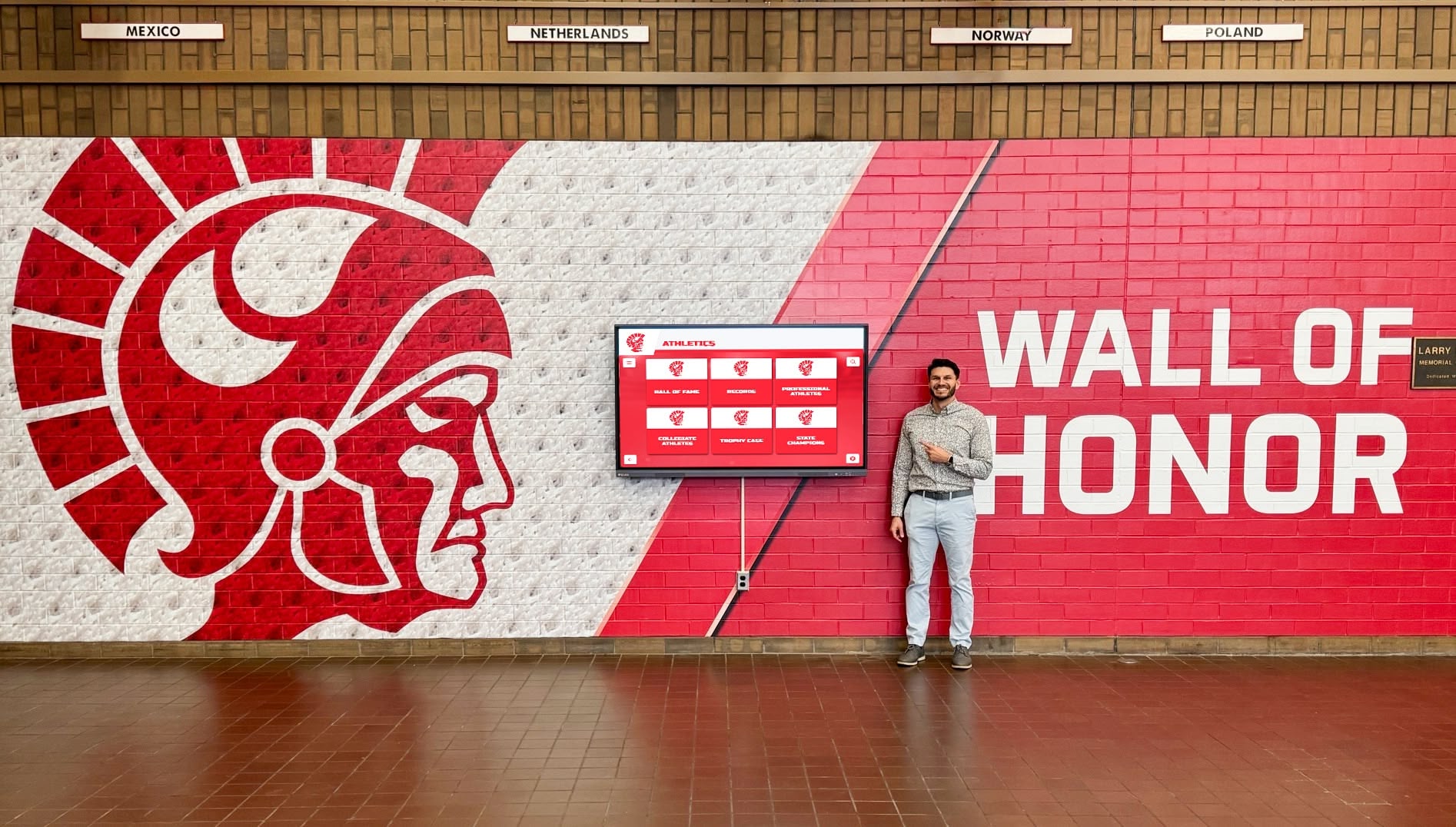
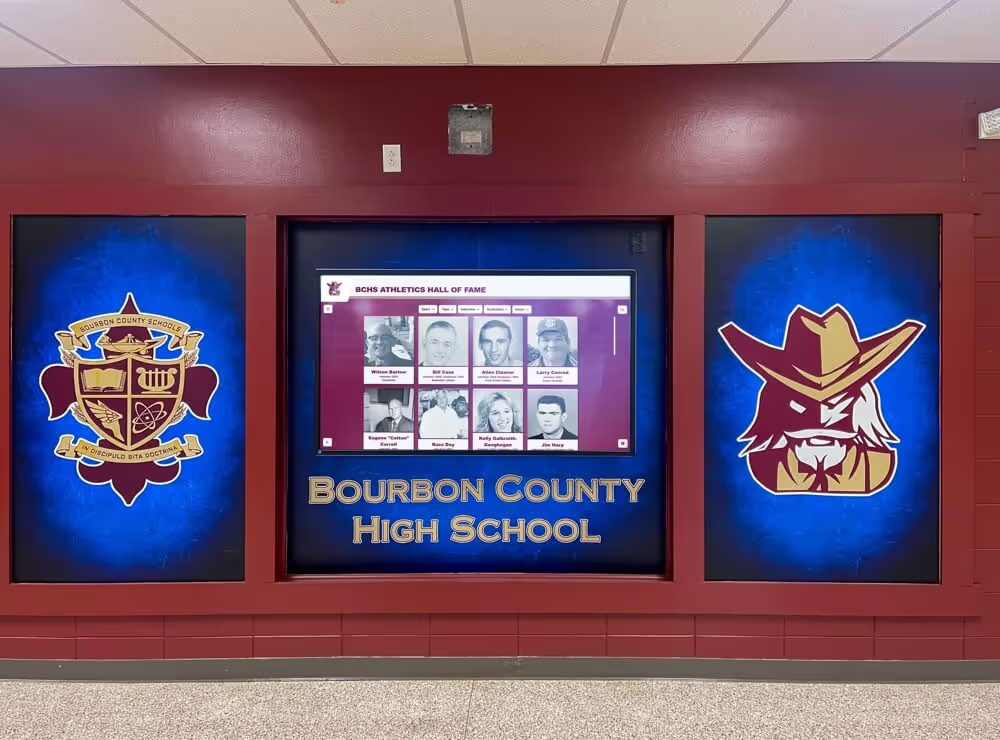
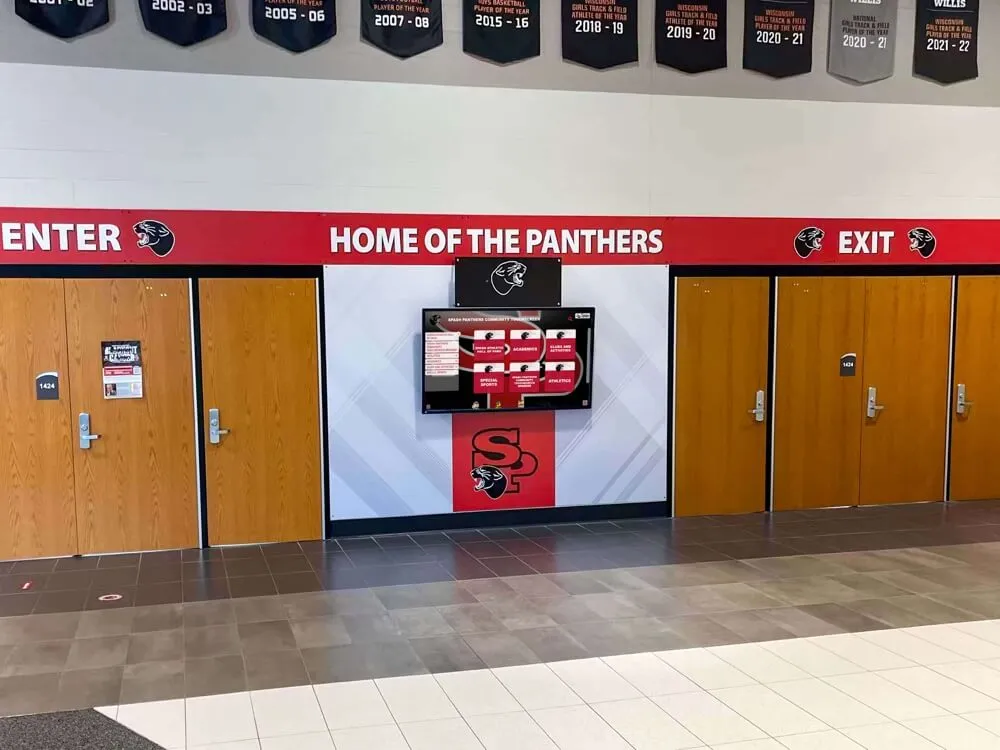
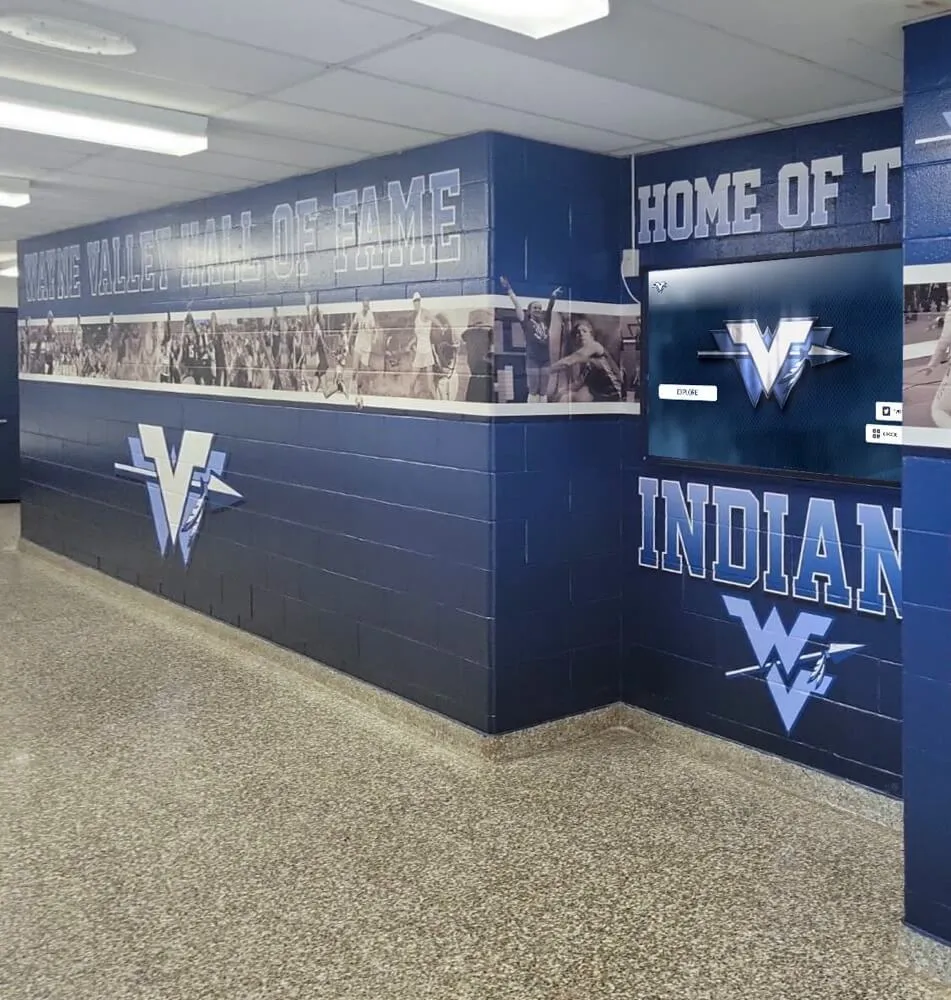
Schools celebrating student achievements through permanent displays create contexts where yearbook memories become part of larger recognition culture
Photography Tips for Elementary Yearbooks
Capturing Authentic Elementary Moments
Quality photography makes the difference between forgettable and treasured yearbooks:
Portrait Photography Essentials
Individual Student Photos
Professional Photo Day:
- Partner with quality school photography companies
- Ensure consistent lighting and backgrounds
- Multiple outfit options when possible (traditional and informal)
- Patient photographers experienced with young children
- Second-chance photo days for absent students
- Accessible pricing and package options
Supplemental Candid Portraits:
- Classroom photographers capturing students naturally
- Reading, working, playing, creating
- Genuine smiles versus forced poses
- Personality showing through
- Varied locations and activities
Event and Activity Photography
Documenting Elementary Life
Coverage Best Practices:
- Arrive early to capture setup and anticipation
- Wide establishing shots showing full context
- Medium shots showing groups interacting
- Close-ups capturing expressions and details
- Action shots freezing movement at peak moments
- Reactions and audience engagement
- After-event celebration and cleanup
Technical Considerations:
- Fast shutter speeds for moving children
- Continuous shooting mode capturing sequences
- Lower angles photographing at children’s eye level
- Natural lighting when possible
- Flash only when necessary (can startle young children)
- Backup equipment to prevent single-point failures
- Sufficient memory cards and battery power
Ensuring Comprehensive Coverage:
- Multiple photographers at large events
- Shot lists ensuring nothing missed
- Student checklist tracking who’s been photographed
- Vary times photographing to capture different students
- Visit all classrooms and spaces multiple times
- Schedule-based coverage (all specials classes, recess, lunch)
Ethical Photography Practices
Privacy and Permission
Student Safety Considerations:
- Parent photo permission forms on file
- Respect opt-out requests completely
- No student names in captions if yearbook distributed publicly
- Appropriate clothing and positioning
- Avoid identifying information in photos (home addresses, personal details)
- Sensitivity around certain activities (bathroom, changing, medical)
Inclusive Representation:
- Ensure all students photographed equitably
- Avoid tokenism or stereotyping
- Represent diverse activities and contexts
- Include students with varying abilities appropriately
- Avoid emphasizing differences or challenges
- Photograph students authentically engaged, not posed awkwardly
Schools implementing thoughtful recognition approaches understand that photography celebrating every student builds sense of belonging and value.
Digital Yearbook Options for Elementary Schools
Modern Platforms Extending Yearbook Value
Digital yearbooks complement or replace print editions with expanded capabilities:
Benefits of Digital Elementary Yearbooks
Advantages Over Print-Only Approach
Unlimited Content Capacity:
- Include hundreds more photos impossible in print budgets
- Video clips from performances, field trips, daily activities
- Audio recordings of student voices, songs, messages
- Interactive elements like clickable links and embedded content
- Unlimited pages versus fixed print page counts
Enhanced Accessibility:
- Families access from any device, anywhere
- Searchable databases finding specific students instantly
- Zoom capabilities for viewing details
- Accommodations for visual impairments (screen readers, high contrast)
- Translation capabilities for multilingual families
- Free access for all families versus purchase requirement
Environmental and Practical Benefits:
- No printing costs or physical storage needs
- Updates possible after initial publication
- Easy sharing with distant relatives
- No lost or damaged copies
- Permanent preservation without physical deterioration
- Reduced environmental impact from printing
Family Engagement Features:
- Parents contributing photos and content
- Comment sections for sharing memories
- Social sharing enabling broader connections
- Email notifications about updates
- Integration with school communication platforms
- Alumni access reconnecting with childhood memories
Hybrid Approaches
Combining Print and Digital Strengths
Many elementary schools find hybrid models optimal:
Popular Hybrid Strategies:
Print Core + Digital Supplement:
- Traditional printed yearbook with essential content
- Digital platform with expanded photo galleries
- Video and multimedia exclusive to digital version
- Print yearbook serves as keepsake, digital as comprehensive archive
- Families choose format matching preferences and budgets
Digital Primary + Print-on-Demand:
- Comprehensive digital yearbook as primary version
- Families order printed copies if desired
- Print copies created as ordered (no minimum quantities)
- Cost savings from printing only requested copies
- All content available digitally, selected content in print
Classroom Print + School Digital:
- Individual classroom yearbooks in print format
- School-wide digital platform aggregating all classes
- Cost-effective printing for smaller publications
- Personal classroom books plus comprehensive digital archive
Organizations implementing modern digital yearbook solutions provide schools turnkey platforms requiring minimal technical expertise while maximizing family access and engagement.
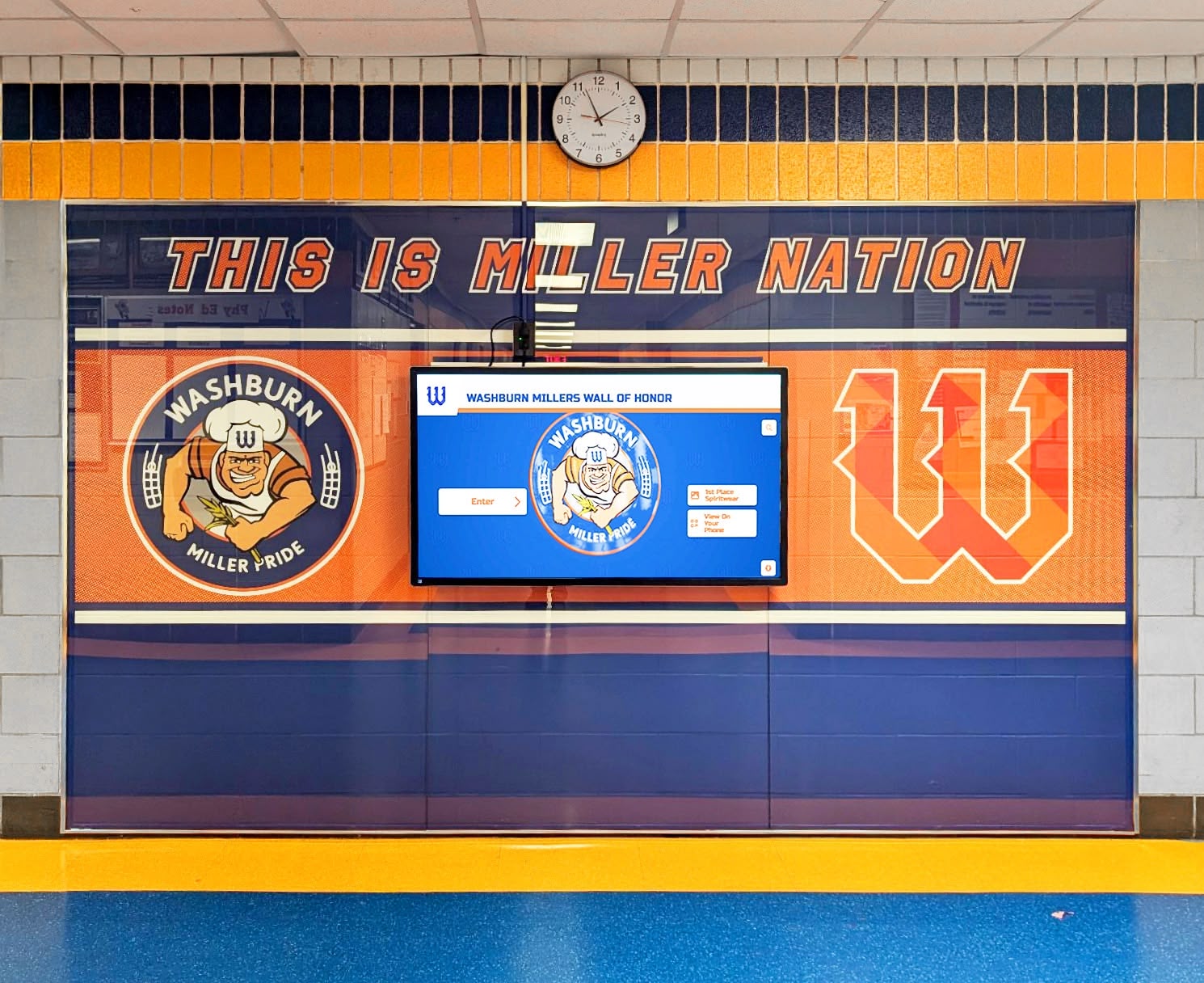
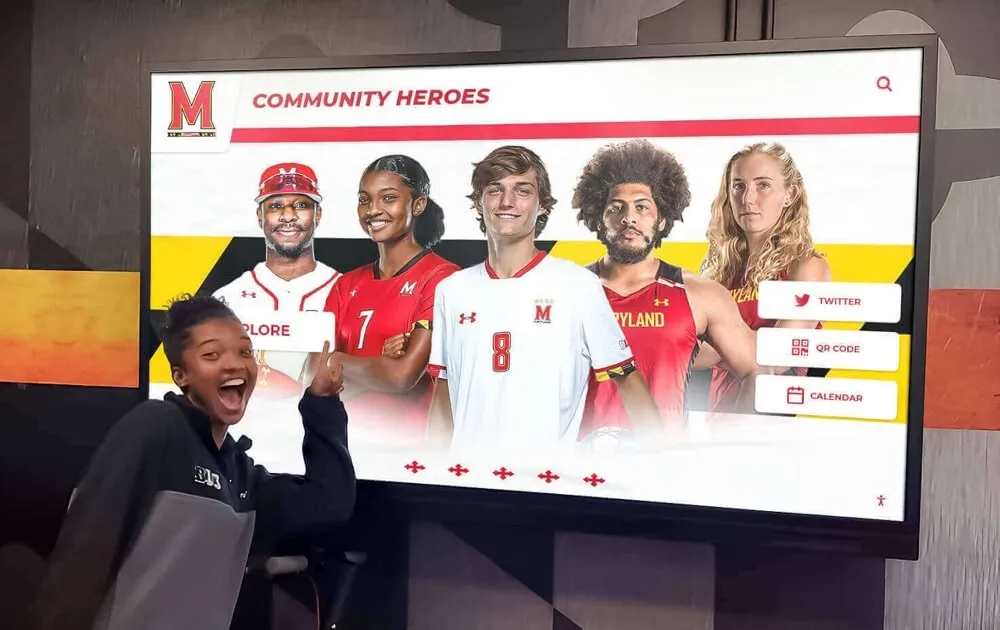
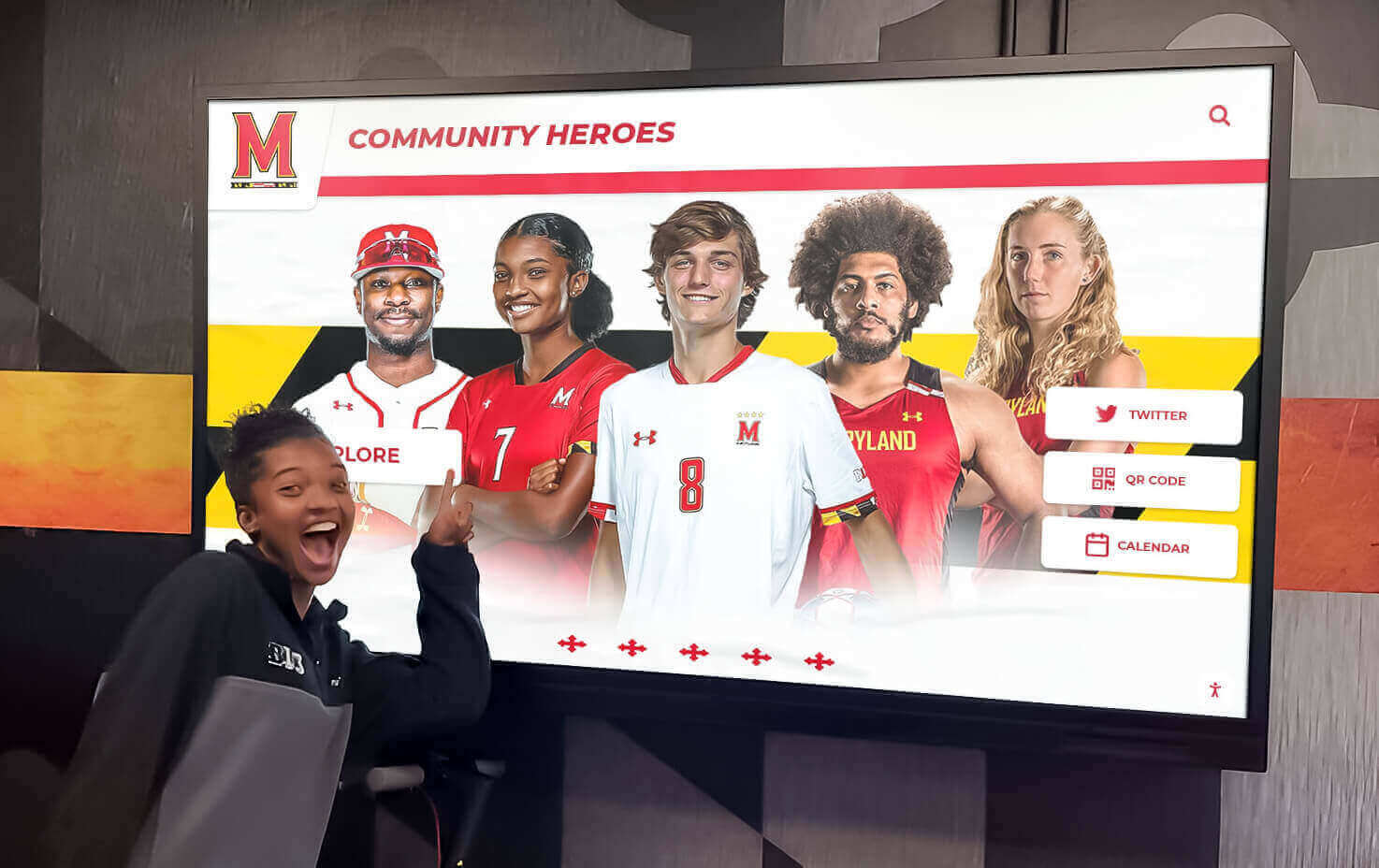
Digital platforms enable schools to celebrate students dynamically with searchable content families can explore from any device
Implementation Considerations
Making Digital Yearbooks Work
Technical Requirements:
- User-friendly platform accessible to non-technical families
- Mobile-responsive design for phone and tablet access
- Reliable hosting with proper backup and security
- Privacy controls protecting student information
- Reasonable cost structure sustainable long-term
- Support and training for yearbook coordinators
Family Adoption Strategies:
- Clear communication about digital access
- Tutorial videos showing how to navigate
- Technical support for families needing assistance
- Option to view without account creation
- Consideration of families with limited technology access
- Print alternative for those preferring physical copies
Content Management:
- Organized structure enabling easy navigation
- Search functionality finding specific students or events
- Tagging systems connecting related content
- Quality control ensuring appropriate content
- Rights management for photo permissions
- Archive capabilities preserving year-to-year
Parent and Volunteer Involvement
Building Community Support for Yearbook Creation
Elementary yearbooks often rely on parent volunteers and community involvement:
Recruiting and Organizing Volunteers
Building Your Yearbook Team
Key Volunteer Roles:
Yearbook Coordinator/Chair:
- Overall project management and timeline
- Budget tracking and financial oversight
- Vendor coordination and communication
- Quality control and final approval
- Problem-solving and decision-making
- Volunteer recruitment and coordination
Photography Team:
- Event coverage and classroom visits
- Photo organization and editing
- Ensuring comprehensive student coverage
- Managing photo permissions and privacy
- Backup and archive management
Layout and Design Team:
- Page layout creation
- Theme implementation
- Design consistency across pages
- Caption writing and editing
- Proofreading and error checking
Content Contributors:
- Writing student spotlights and features
- Gathering staff information
- Coordinating autograph pages
- Creating fun features and filler content
- Collecting student quotes and input
Administrative Support:
- Student name verification and spelling
- Grade-level organization
- Missing student identification
- Communication with families
- Order tracking and distribution
Volunteer Recruitment Strategies:
- Begin recruiting at beginning of school year
- Clear role descriptions with time commitment expectations
- Flexible options for varying availability
- Virtual participation opportunities
- Skills-based recruitment (photographers, designers, writers)
- Appreciation and recognition for volunteers
- Training and support for new volunteers
Managing Volunteer Coordination
Keeping Projects On Track
Communication Systems:
- Regular team meetings (monthly or bi-monthly)
- Shared online calendars with deadlines
- Cloud-based file sharing for collaboration
- Email updates and progress reports
- Group messaging for quick questions
- Clear escalation process for issues
Project Management Tools:
- Timeline with milestone deadlines
- Task assignment and tracking
- Checklist ensuring nothing overlooked
- Progress monitoring and status updates
- Budget tracking preventing overages
- Vendor contact information centralized
Best Practices:
- Set clear expectations upfront
- Provide training and resources
- Recognize contributions publicly
- Build in buffer time before deadlines
- Encourage creativity within guidelines
- Celebrate completion and appreciate efforts
Schools with strong volunteer cultures successfully leverage parent expertise while ensuring yearbook quality through clear coordination and appreciation.
Budget-Friendly Elementary Yearbook Strategies
Creating Quality Yearbooks Within Tight Budgets
Elementary schools often face limited budgets requiring creative resourcefulness:
Cost-Saving Production Approaches
Reducing Expenses Without Sacrificing Quality
Printing and Production:
- Digital-only distribution eliminating printing costs
- Print-on-demand versus large minimum orders
- Black-and-white interior pages with color cover
- Shorter page counts focusing on essential content
- Simple binding options (saddle-stitch versus hardcover)
- Local printing versus national companies
- Parent-volunteer labor reducing professional fees
Photography Costs:
- Parent and volunteer photographers versus hired professionals
- Smartphones producing adequate quality for digital use
- Borrowed equipment from families or local businesses
- School photography day photos already paid for
- One-time equipment purchase versus annual photographer fees
- Student photographers (older grades mentoring younger)
Design and Layout:
- Free or low-cost yearbook software and templates
- Volunteer graphic designers from parent community
- Simple, clean designs requiring less expertise
- Template reuse year-over-year with theme updates
- Online design tools (Canva, Adobe Express free tiers)
- School district design resources and support
Fundraising and Revenue Strategies
Generating Funds for Yearbook Production
Traditional Fundraising:
- Book fairs with yearbook awareness campaigns
- School events with yearbook booth and promotion
- Restaurant fundraising nights designating percentage to yearbook
- Crowdfunding campaigns (GoFundMe, DonorsChoose)
- Parent organization grants and funding
Sponsorship and Advertising:
- Local business advertisements in yearbook
- Family business recognition pages
- Sponsorship levels for local supporters
- Community organization partnership pages
- Tasteful, age-appropriate advertising placement
- Sponsor recognition in digital yearbooks
Pre-Sales and Payment Plans:
- Early-bird discounts incentivizing advance purchases
- Payment plans making yearbooks accessible to all families
- Fundraising to cover yearbooks for families facing hardship
- Graduated pricing (basic, deluxe, premium options)
- Bundle deals (multiple years, sibling packages)
Alternative Revenue:
- Photo packages beyond yearbook
- Custom memory books for individual classrooms
- Digital photo downloads for families
- Personalized covers or pages
- “Yearbook extras” like bookmarks, stickers
Ensuring Universal Access
Making Yearbooks Available to All Students
Equitable Distribution Strategies:
- Scholarship or sponsored yearbooks for families with financial need
- Fundraising specifically to cover all students
- Digital access free to all families regardless of print purchase
- School purchase guaranteeing every student receives copy
- Confidential application process preventing stigma
- Classroom copies students can view and sign
- Library copies accessible to all
Why Universal Access Matters:
Every child deserves documentation of their elementary years regardless of family financial circumstances. Schools ensuring all students receive yearbooks through fundraising, sponsorships, or school budget allocation prevent situations where some children watch classmates enjoying yearbooks they cannot afford—building more inclusive, equitable school communities.
Production Timeline and Project Management
Staying Organized From Planning to Delivery
Successful elementary yearbooks require systematic planning and execution:
Annual Timeline Template
Month-by-Month Planning Guide
August/September (School Year Start):
- Recruit yearbook committee and volunteers
- Establish budget and fundraising goals
- Select theme and design concepts
- Create production timeline with deadlines
- Order photography equipment if needed
- Set up file organization systems
- Communicate yearbook plans to families
October/November:
- Begin event photography coverage
- Organize school photo day portraits
- Start classroom candid photography
- Draft page layout templates
- Assign volunteer responsibilities
- Promote yearbook pre-sales
- Gather staff information and photos
December/January:
- Continue photography at all events
- Complete fall event page layouts
- Student portrait pages layout
- Staff section completion
- Theme implementation across pages
- Inventory photo coverage gaps
- Second photography push for missing students
February/March:
- Intensive photography for remaining needs
- Complete event and activity sections
- Student spotlights and special features
- Caption writing and editing
- First draft proofreading
- Layout revisions based on feedback
- Final sales push before ordering deadline
April:
- Final proofreading (multiple reviewers)
- Student name verification
- Complete all remaining pages
- Order deadline submission
- Thank volunteer contributors
- Plan distribution logistics
May:
- Yearbook arrival and quality check
- Distribution planning and communication
- Yearbook signing events and celebrations
- Collect feedback for next year
- Archive all files and photos
- Final financial reconciliation
- Celebrate completion!
Quality Control Checkpoints
Preventing Errors Before Printing
Essential Proofreading:
- Student names (verify against school records)
- Teacher and staff names and titles
- Grade level accuracy
- Photo identification accuracy
- Spelling and grammar throughout
- Date and event accuracy
- Page numbering and table of contents
- Contact information and school details
Multiple Reviewer Strategy:
- Different people review different sections
- Fresh eyes catch errors previous reviewers missed
- Grade-level teachers verify their sections
- Administrative review of final proof
- Student preview checking for obvious errors
- Family volunteer review team
Pre-Press Checklist:
- Photo resolution adequate for print quality
- Color accuracy and consistency
- Text readability and contrast
- Margins and bleed areas correct
- Cover design and spine text
- ISBN or identification information
- Copyright and publication information
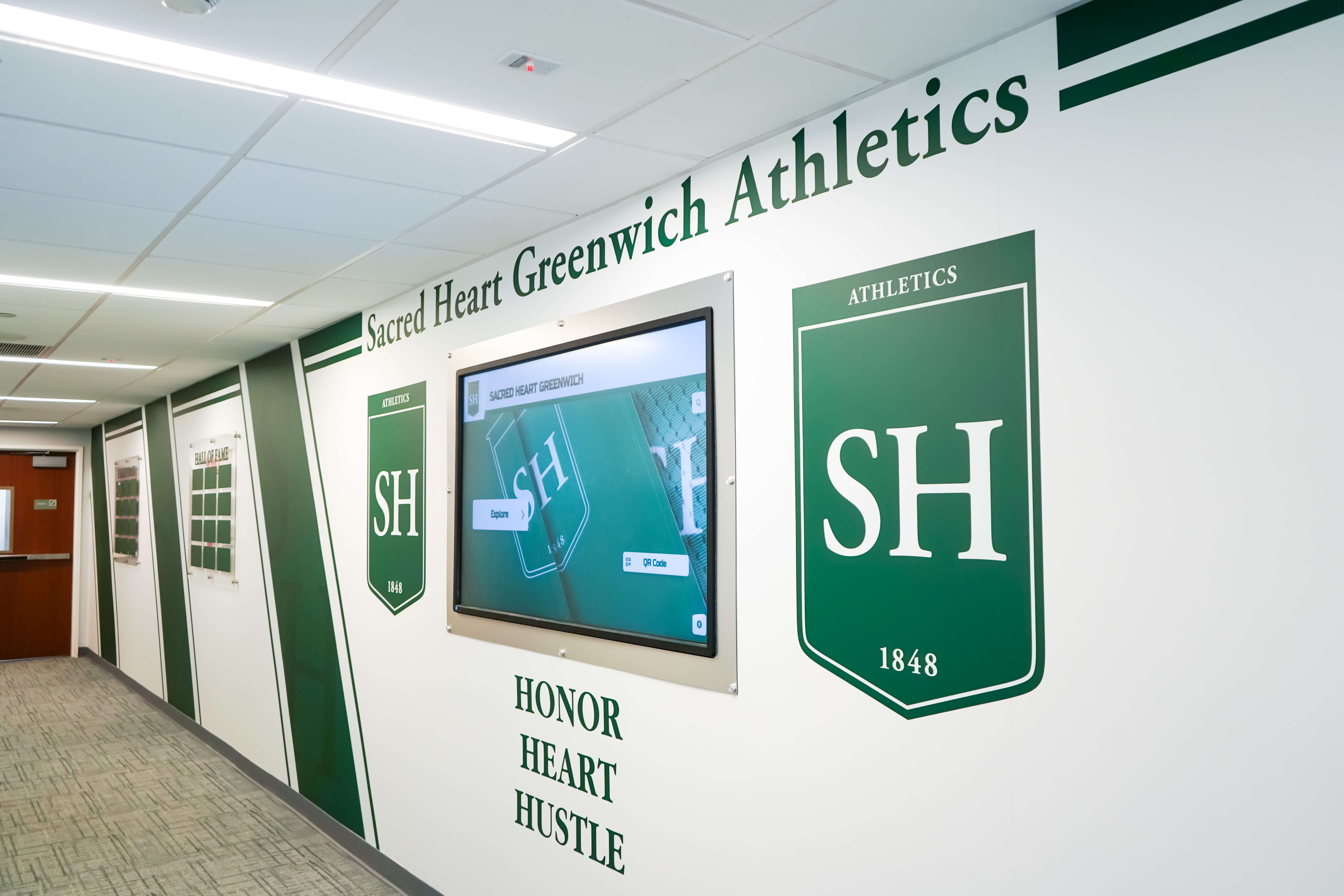
Schools investing in permanent recognition infrastructure create environments where yearbook memories complement ongoing celebration of student achievement
Making Yearbooks Interactive and Engaging
Beyond Static Pages: Creating Participation
Modern elementary yearbooks incorporate interactive elements increasing student engagement:
Signature and Autograph Features
Encouraging Peer Connection
Autograph Page Strategies:
- Dedicated signature pages at end of yearbook
- Prompts inspiring meaningful messages (“My favorite memory with you…” “You’re an amazing friend because…”)
- Spaces sized appropriately for elementary handwriting
- Themed designs matching yearbook concept
- Teacher signature sections
- Family message pages
Signing Events and Activities:
- Designated yearbook signing days before summer
- Classroom time for peer signatures
- Outdoor signing sessions on nice days
- Structured signing ensuring all students participate
- Support for students who struggle socially
- Guidelines for kind, appropriate messages
Student-Generated Content
Amplifying Student Voice
Content Students Create:
- Artwork featured throughout yearbook
- Writing samples and creative work
- Student-designed pages or sections
- Jokes and riddles submissions
- “Advice for Next Year” from graduating fifth graders
- Polls and surveys results
- Student photography submissions
- Interview responses and quotes
Implementation Approaches:
- Grade-level student yearbook committees
- Contest for featured artwork or writing
- Classroom assignments contributing content
- Rotating features ensuring equity over years
- Appropriate editing maintaining quality
- Credit for student contributors
Games and Hidden Elements
Adding Fun Discovery Moments
Interactive Page Features:
- “Find the [Mascot]” hidden in photos throughout
- Photo scavenger hunts with reward for completion
- “Spot the Difference” between similar photos
- Where’s Waldo style crowd scenes
- Hidden messages revealed through puzzles
- QR codes linking to additional digital content (if hybrid model)
- Maze or puzzle pages with school themes
Educational Elements:
- Word searches with school vocabulary
- Crossword puzzles about school year events
- Trivia questions about school history
- Count and find activities (“How many students wore blue?”)
- Matching games connecting teachers to classrooms
These elements transform yearbooks from passive viewing experiences into interactive keepsakes students revisit repeatedly, extending engagement and value.
Distribution and Celebration
Delivering Yearbooks Memorably
Thoughtful distribution creates excitement and marks year’s end celebration:
Distribution Event Planning
Making Yearbook Day Special
Distribution Event Options:
Classroom Distribution:
- Yearbooks delivered to individual classrooms
- Teachers facilitate initial viewing and signing
- Structured time for students to explore
- Immediate peer sharing and excitement
- Controlled environment preventing loss
School-Wide Celebration:
- Assembly or special event unveiling yearbooks
- Video highlights from the year
- Student performances or presentations
- Recognition of yearbook committee
- Organized distribution by grade level
- Outdoor festival atmosphere if weather permits
Extended Day Events:
- After-school pickup parties
- Ice cream social with yearbook distribution
- Family attendance welcomed
- Signing stations and photo opportunities
- Display of yearbook spreads and highlights
- Celebration of school year completion
Logistics Considerations:
- Alphabetical organization for easy distribution
- Volunteer support managing distribution
- Backup plan for students absent on distribution day
- Clear communication about distribution timing
- Lost yearbook replacement procedures
- Extra copies for school archive
Post-Distribution Activities
Extending Yearbook Engagement
Signing Sessions:
- Scheduled classroom signing time
- Outdoor signing on playground or field
- Lunchtime signing opportunities
- Before/after school signing sessions
- Structure ensuring all students participate
- Teacher supervision and kind message guidelines
Yearbook Showcases:
- Display of current and historical yearbooks
- Library exhibit featuring yearbook evolution
- Digital slideshow of yearbook highlights
- Social media sharing (with photo permissions)
- Alumni visits viewing current yearbooks
- Community events showcasing school year
Family Engagement:
- “Yearbook Night” where families explore together
- Parent viewing opportunities
- Alumni association connections
- Historical yearbook digitization projects
- Yearbook preservation tips for families
- Sharing yearbook memories on school social media
Transform Your Elementary Yearbook Experience
Discover how modern digital yearbook platforms can enhance your elementary school memory-making with unlimited photos, video integration, searchable student databases, and family access from any device. Create yearbooks that students and families will treasure for decades while simplifying production and expanding creative possibilities.
Explore Digital Yearbook SolutionsCommon Elementary Yearbook Challenges and Solutions
Troubleshooting Frequent Issues
Anticipating obstacles helps yearbook teams prepare solutions:
Challenge: Insufficient Photography Coverage
Problem: Discovering in spring that certain students, classes, or events have inadequate photos.
Solutions:
- Photography checklist tracking which students have been photographed
- Calendar-based coverage ensuring all special classes, events visited
- Monthly photo review identifying gaps early
- Multiple photographers increasing coverage
- Student name database tracking appearances
- Scheduled makeup photography sessions
- Parent-contributed photos supplementing school photography
- Last-minute intensive photography push in March/April
Challenge: Volunteer Burnout or Dropout
Problem: Key volunteers becoming overwhelmed or leaving project mid-year.
Solutions:
- Realistic workload division preventing single-person bottlenecks
- Co-chairs sharing leadership responsibilities
- Cross-training on critical tasks
- Early recruitment of backup volunteers
- Breaking projects into manageable pieces
- Scheduled breaks and realistic deadlines
- Recognition and appreciation throughout process
- Emergency backup plan if coordinator leaves
Challenge: Budget Shortfalls
Problem: Insufficient funds to cover printing and production costs.
Solutions:
- Digital-only distribution eliminating printing costs
- Abbreviated yearbook with fewer pages
- Black-and-white printing reducing costs
- Additional fundraising before order deadline
- Community sponsorships and advertising
- Reduced quantity with print-on-demand for additional orders
- School budget allocation or PTA emergency funding
- Scaled-back distribution to students only (not staff copies)
Challenge: Production Timeline Delays
Problem: Falling behind schedule risking late delivery or missed school year.
Solutions:
- Built-in buffer time in timeline
- Simplified layouts requiring less design time
- Pre-made templates reducing creation time
- Additional volunteer support for time-intensive tasks
- Extension of vendor deadlines if possible
- Focus on essential sections if needed
- Digital release before print arrival
- Summer distribution if necessary (though less ideal)
Challenge: Balancing Representation Equity
Problem: Ensuring all students receive equal yearbook coverage and visibility.
Solutions:
- Appearance tracking spreadsheet for every student
- Intentional photography of less visible students
- Multiple contexts beyond academics and athletics
- Diverse activity and interest representation
- Rotating special features year-over-year
- Candid photography capturing all students naturally
- Quality check ensuring comprehensive inclusion
- Student committees identifying overlooked peers
Schools implementing systematic recognition approaches understand that celebrating all students equitably requires intentional planning and accountability systems.
Preserving and Archiving Elementary Yearbooks
Long-Term Memory Preservation
Elementary yearbooks become historical documents deserving proper preservation:
School Archive Development
Institutional Memory Preservation
Physical Archive:
- Climate-controlled storage protecting against deterioration
- Archival-quality boxes or shelving
- One copy of each yearbook permanently retained
- Organized chronologically for easy reference
- Protected from light, moisture, temperature extremes
- Accessible for research and historical purposes
- Regular condition monitoring
Digital Archive:
- Scanning historical yearbooks for permanent preservation
- High-resolution scanning capturing detail
- Cloud storage with redundant backups
- Searchable databases enabling name or year lookup
- Public or restricted access depending on privacy policies
- OCR (optical character recognition) making text searchable
- Integration with school historical timeline
Display and Sharing:
- Library exhibit area featuring historical yearbooks
- Digital displays showing yearbook pages from past decades
- Anniversary celebrations incorporating yearbook archives
- Alumni events with yearbook exploration stations
- Social media throwback posts (with appropriate permissions)
- Research access for historical projects
Family Preservation Guidance
Helping Families Protect Yearbooks
Storage Recommendations:
- Cool, dry environment avoiding basements or attics
- Protection from direct sunlight preventing fading
- Archival storage boxes for long-term preservation
- Avoid plastic bags trapping moisture
- Horizontal storage preventing spine damage
- Separation from other materials preventing transfer
Digital Backup:
- Photographing or scanning favorite pages
- Cloud storage ensuring backup copy exists
- Sharing digital copies with extended family
- Creating digital scrapbooks incorporating yearbook pages
- Preventing complete loss if physical copy damaged
Sharing and Enjoying:
- Regular family viewing creating conversations
- Sharing with grandparents and relatives
- Comparing siblings’ elementary experiences
- Reconnecting with childhood friends using yearbooks
- Preserving for future grandchildren
Conclusion: Creating Elementary Yearbooks That Last
Elementary school yearbooks capture irreplaceable moments from childhood’s most formative years—preserving gap-toothed grins, first friendships, favorite teachers, and daily adventures that shape who children become. The most successful elementary yearbooks balance comprehensive documentation with authentic celebration, creative design with age-appropriate accessibility, and ambitious vision with realistic budget and timeline constraints.
The themes, layouts, sections, and strategies explored throughout this guide provide frameworks for creating yearbooks that elementary students actually treasure rather than forgetting on shelves. From selecting themes that resonate across kindergarten through fifth grade, through organizing content celebrating every student equitably, to implementing digital platforms extending yearbook value beyond print limitations—each decision contributes to creating memory books families will revisit for decades.
Most importantly, effective elementary yearbooks prioritize authentic representation over perfection. The candid classroom photos showing students genuinely engaged in learning, the playground shots capturing recess joy, the event coverage documenting real experiences—these imperfect but authentic moments create yearbooks children actually want to revisit. No child looks back wishing their elementary yearbook had been more polished; they cherish yearbooks that authentically captured who they were and what mattered during those fleeting elementary years.
Your students are creating memories right now—learning, growing, building friendships, discovering talents, developing confidence. These experiences deserve documentation that honors childhood while creating artifacts families will treasure throughout students’ lives. Whether creating traditional print yearbooks, modern digital platforms, or hybrid approaches combining both, thoughtful planning ensures every student sees themselves represented and celebrated.
Elementary yearbook creation requires significant volunteer time, financial resources, and organizational commitment. Yet few school investments generate more lasting value than quality yearbooks preserving institutional memory while celebrating every child. The kindergartener barely able to write her name grows into the college graduate launching her career—the yearbook documenting this remarkable journey becomes family treasure passed to future generations.
Start where you are: identify your school’s unique personality and what makes your elementary community special. Recruit passionate volunteers willing to invest time documenting this school year. Select themes and approaches matching your resources and timeline while remaining true to your students’ authentic experiences. Photograph comprehensively, design thoughtfully, celebrate equitably, and deliver joyfully.
Ready to transform your elementary yearbook from basic documentation into treasured keepsake that students and families will revisit for decades? Explore modern digital yearbook solutions that simplify production while expanding creative possibilities—enabling unlimited photos, video integration, searchable databases, and family access from any device. Create yearbooks that authentically celebrate childhood while building permanent archives preserving your school’s remarkable story for generations to come.
Your students’ elementary years deserve documentation that honors these precious, fleeting moments. With thoughtful planning, passionate volunteers, and commitment to celebrating every child, you can create yearbooks that become treasured family artifacts documenting childhood memories that truly last.