



Intent: Implement & Celebrate — This comprehensive guide helps yearbook advisers, student activities coordinators, and class sponsors create engaging digital showcases that celebrate class officers, preserve student leadership legacies, and inspire future leaders. You’ll discover proven content structures, implementation strategies, engagement features, and design approaches that transform class officer recognition from forgotten bulletin boards into dynamic, accessible digital displays that honor student leadership comprehensively.
Class officers dedicate countless hours to organizing events, representing their peers, fundraising for activities, and building school community—yet their contributions often receive minimal recognition beyond brief yearbook mentions or temporary hallway posters that fade within weeks. Traditional recognition approaches fail to capture the breadth of officer contributions, provide lasting documentation of their service, or create inspiring examples that motivate younger students to pursue leadership roles.
Digital showcases solve this recognition gap by creating permanent, comprehensive, and accessible platforms that celebrate class officer leadership throughout their tenure and beyond graduation. Unlike static bulletin boards limited by space and quickly outdated, digital officer showcases enable schools to document complete leadership teams across multiple years, showcase ongoing accomplishments and initiatives, include multimedia content bringing officer work to life, and maintain accessible archives that preserve class legacies permanently.
This guide explores effective strategies for creating digital class officer showcases, examining content structures that honor leadership comprehensively, engagement features that inspire current and future students, implementation approaches that minimize administrative burden, and maintenance practices ensuring showcases remain vibrant, current, and valuable throughout the school year and beyond.
Schools implementing comprehensive student recognition systems understand that celebrating class officers accomplishes multiple important goals: it honors students dedicating significant time to school service, creates institutional memory documenting student leadership history, provides role models inspiring younger students toward leadership, and demonstrates that schools value student contribution beyond academic achievement alone.

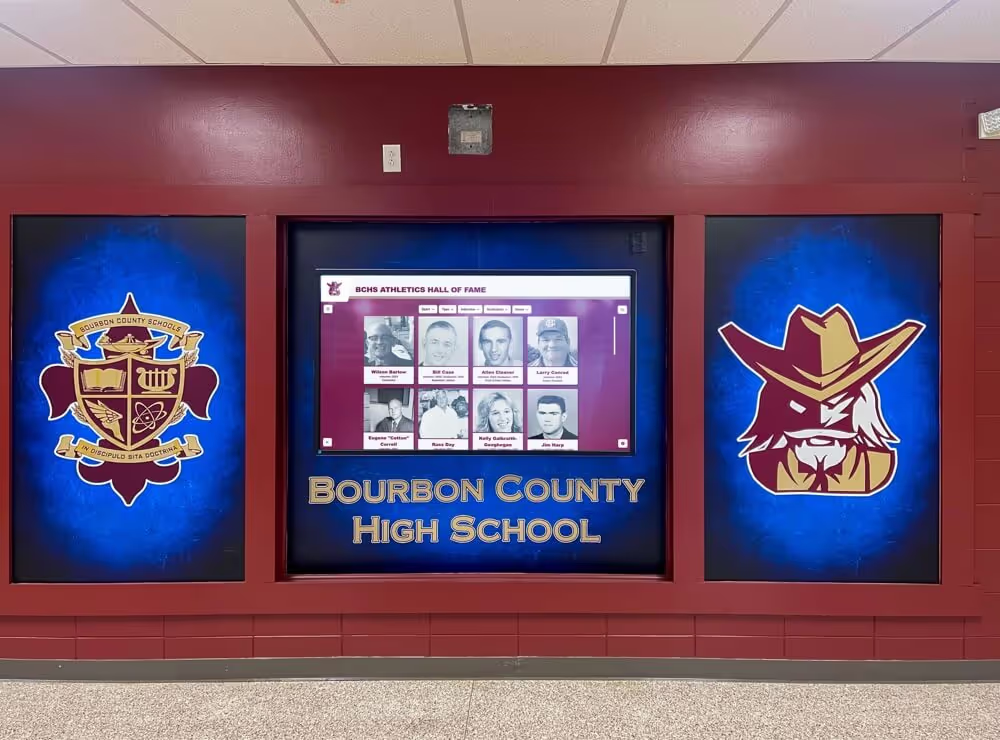
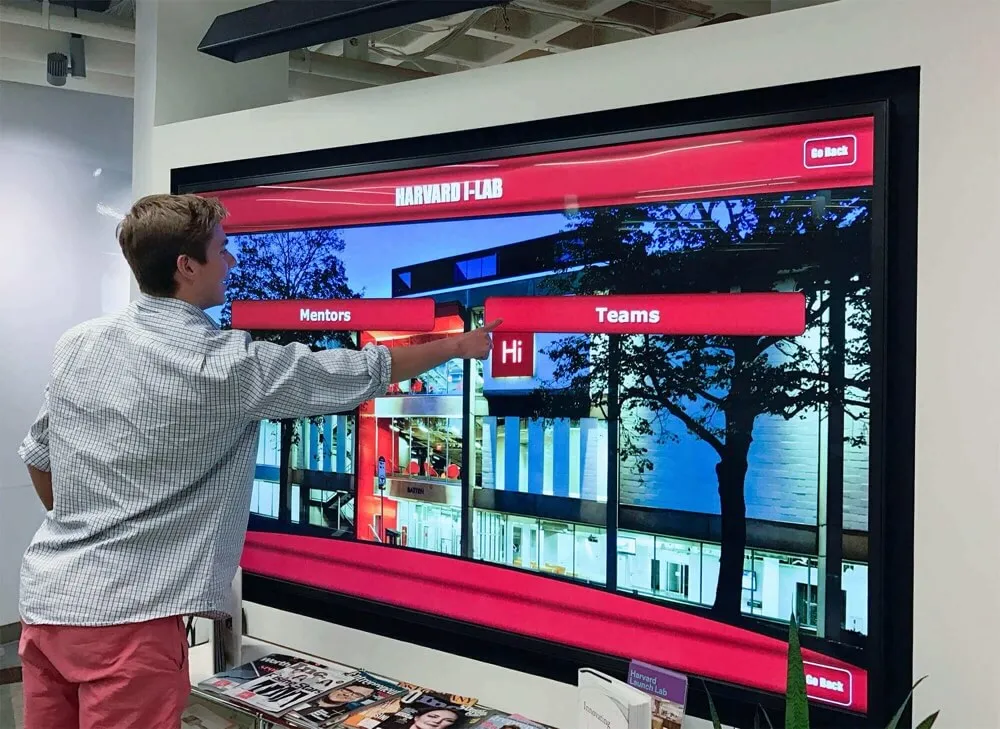
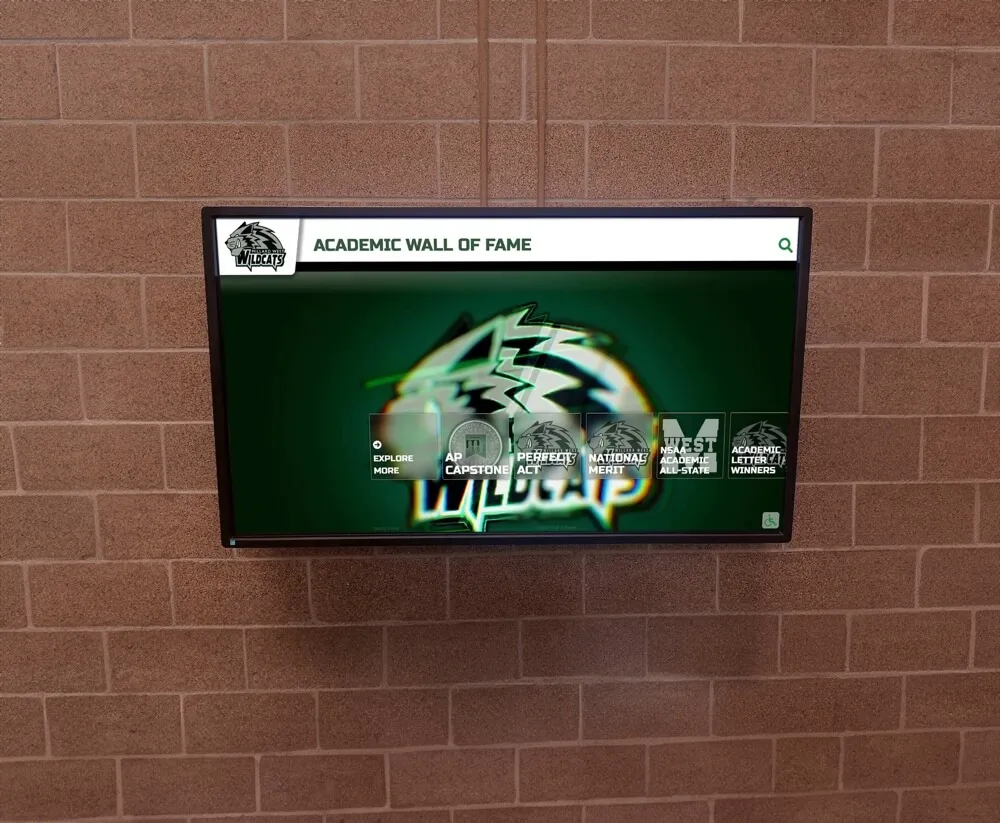
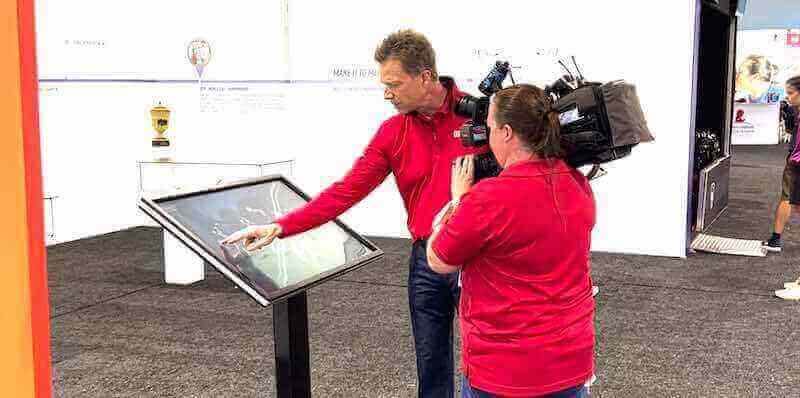
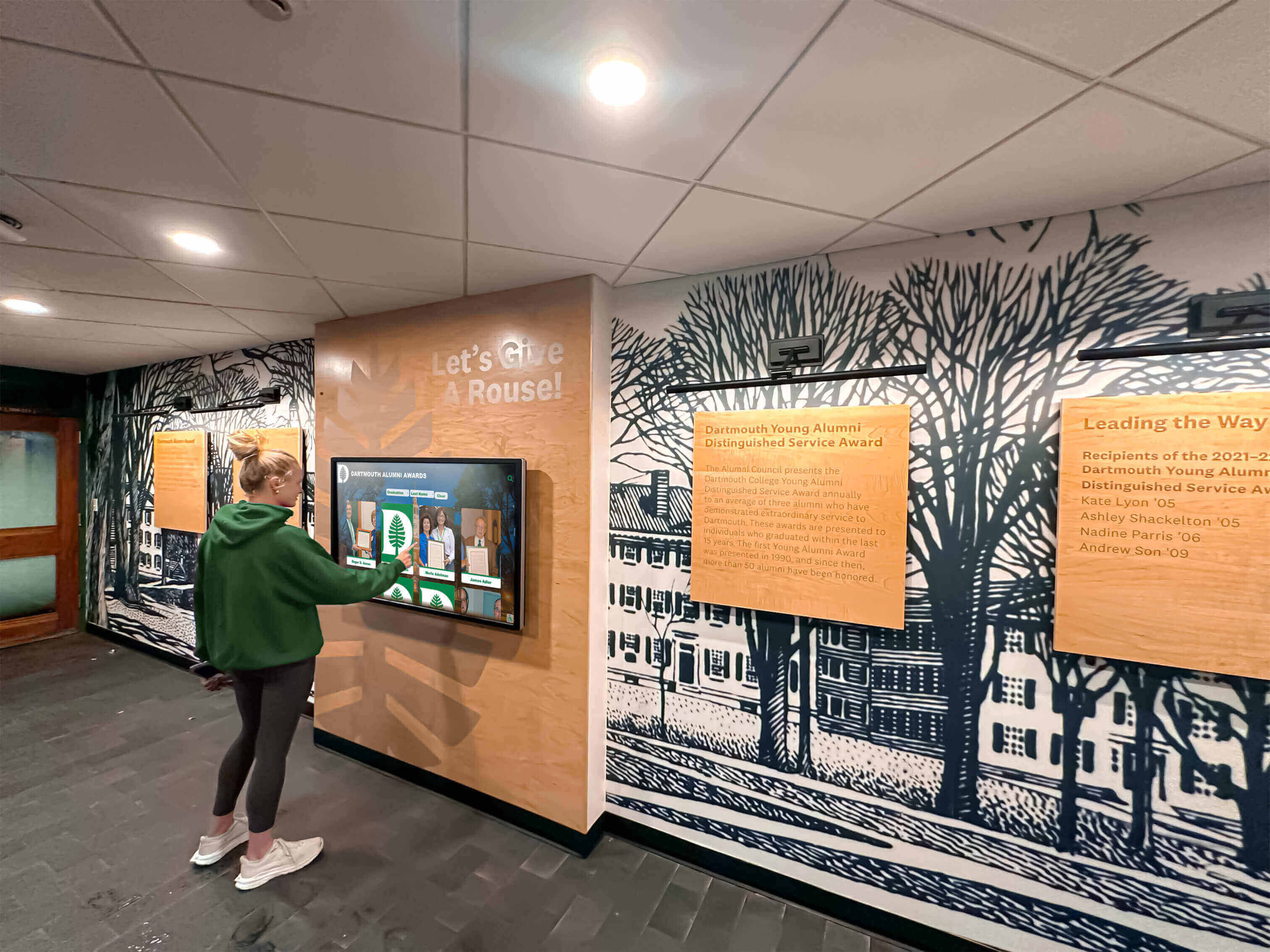
Digital recognition displays enable students to explore leadership profiles, understand officer roles, and discover pathways to their own future involvement in student government
Understanding Class Officer Recognition Needs and Opportunities
Effective digital showcase implementation begins with understanding what makes class officer recognition unique compared to athletic achievement, academic honor, or other recognition categories schools typically prioritize.
The Class Officer Recognition Gap in Traditional Approaches
Limited Visibility and Space Constraints
Traditional class officer recognition typically consists of brief yearbook sections, temporary bulletin board displays, or occasional announcements during morning programs. These approaches create several persistent challenges:
- Single-year yearbook entries provide minimal information about officer roles, contributions, or specific accomplishments
- Bulletin board space limitations restrict content to basic officer photos and names without room for achievement documentation
- Physical displays become outdated quickly as officers complete initiatives, requiring constant manual updates
- Younger students rarely see or engage with recognition limited to senior hallways or administrative areas
- Alumni return to campus unable to find documentation of their own class leadership years later
A comprehensive study examining student recognition programs across 150 high schools found that class officers received substantially less recognition space and permanence compared to athletic achievement or academic honors, despite dedicating comparable time and making significant contributions to school culture and student experience.
Incomplete Recognition of Leadership Contributions
Traditional recognition approaches typically acknowledge officer titles without documenting what these students actually accomplished during their tenure. Effective recognition should celebrate specific contributions including events organized, fundraising campaigns led, student concerns advocated, traditions established or revitalized, community service initiatives coordinated, and lasting improvements made to school culture or student experience.
Physical space constraints and manual update requirements make this comprehensive documentation impractical with traditional approaches—creating recognition that feels perfunctory rather than meaningful.
Unique Aspects of Class Officer Recognition Content
Multi-Year Leadership Progression
Unlike single-achievement recognition (winning a championship, earning an academic award), class officer service typically spans multiple years as students progress from freshman representatives to senior class leadership positions. Effective showcases document this leadership development journey, showing how students grew into increasing responsibility and made cumulative contributions across their high school careers.
Digital platforms enable this longitudinal documentation through timeline features, position progression tracking, cumulative achievement summaries, and before-and-after documentation of initiatives officers championed from conception through completion.
Team-Based Leadership Structure
Class officer teams function as collaborative leadership units rather than individual achievement stories. Recognition approaches must balance celebrating individual officer contributions with documenting how teams worked together to accomplish shared goals—honoring both personal initiative and collective achievement.
Effective digital showcases address this balance by creating individual officer profiles within team contexts, documenting collaborative projects and initiatives, highlighting specific role contributions within larger efforts, and preserving team photos and group accomplishment documentation alongside individual recognition.
Living Recognition During Active Service
Athletic and academic recognition typically celebrates completed achievements—championships won, records set, honors earned. Class officer recognition differs by documenting ongoing service while students remain active in their roles, requiring content structures that evolve throughout the school year as officers complete initiatives and launch new projects.
This “living recognition” aspect means digital showcases serve dual purposes: they honor past contributions while actively documenting current officer work, creating real-time engagement opportunities missing from retrospective-only recognition approaches.
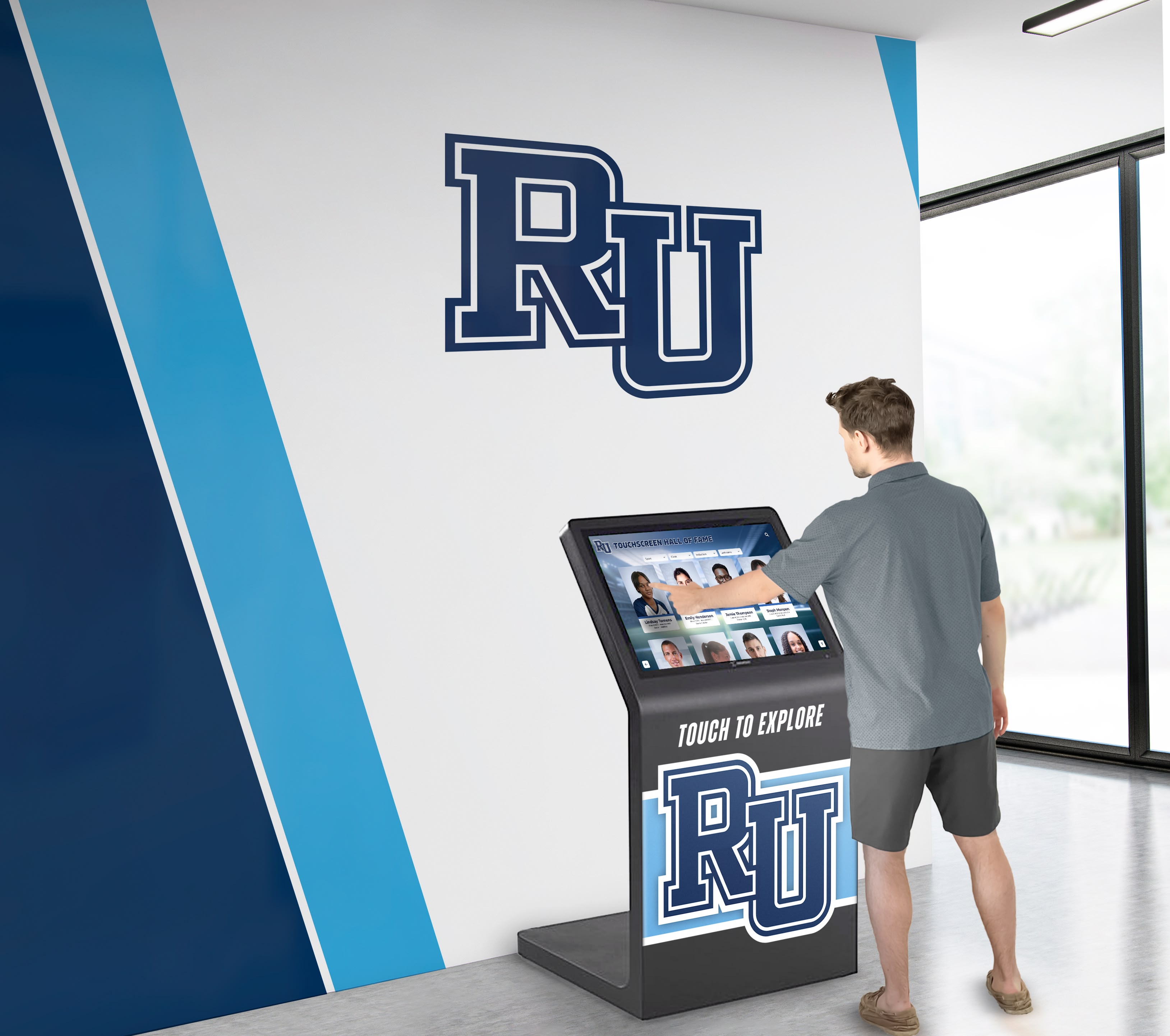
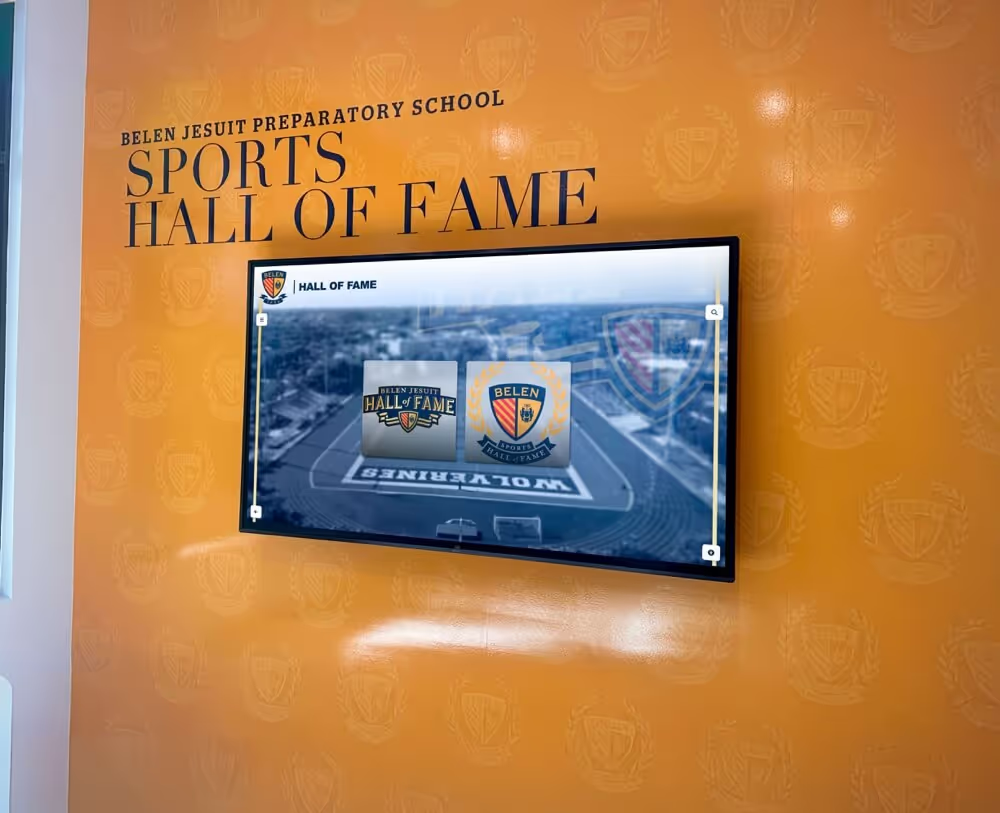
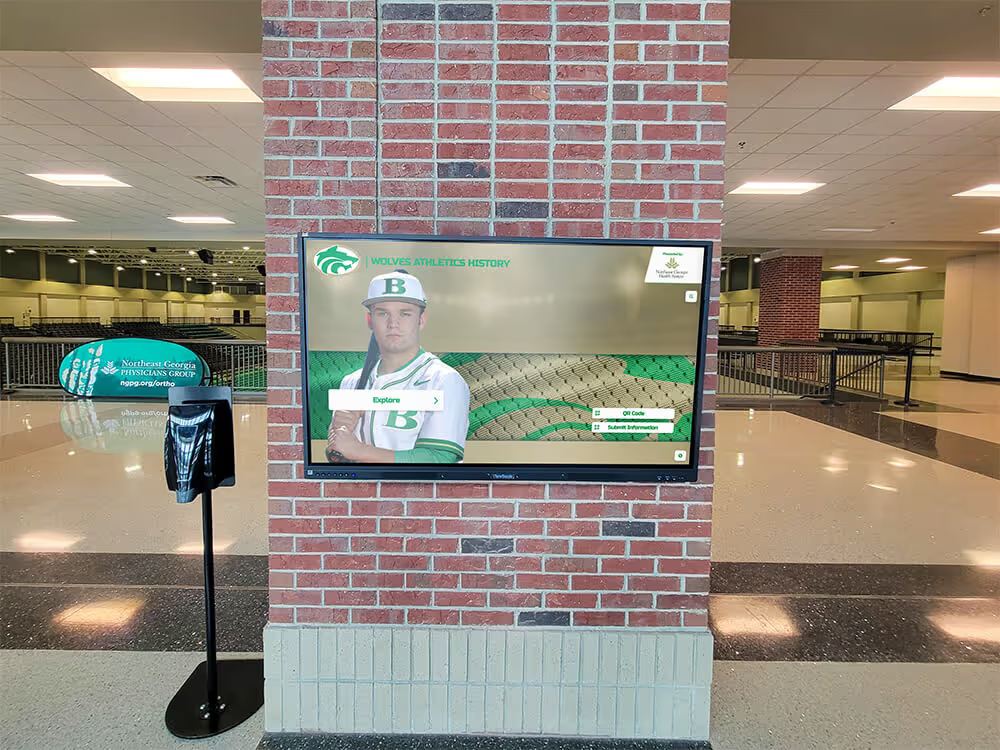
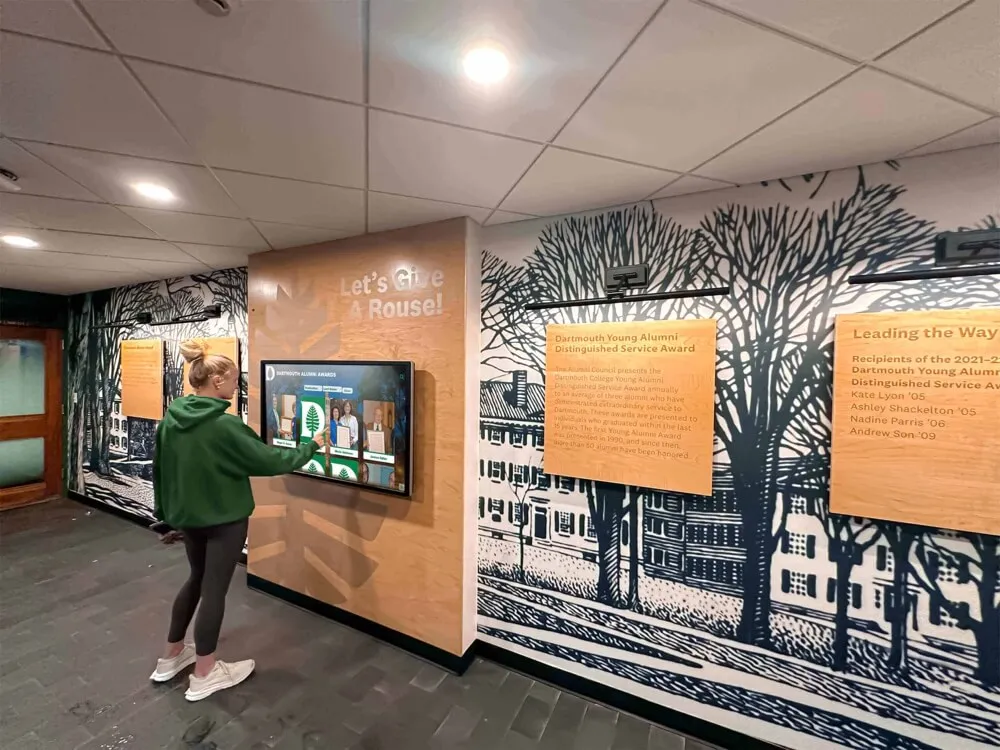
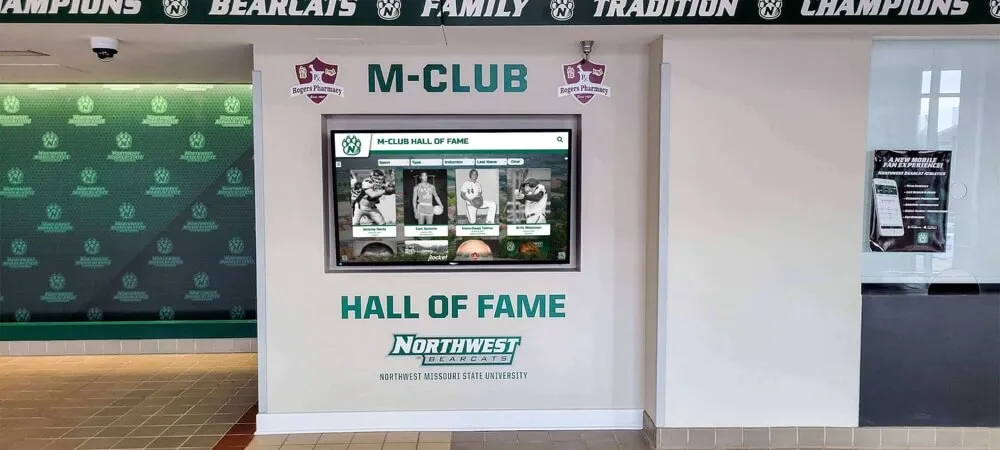
Interactive recognition displays in high-traffic areas ensure class officer contributions remain visible to the entire school community throughout the year
Essential Content Components for Class Officer Showcases
Comprehensive digital showcases require thoughtful content planning that honors officer service completely while remaining manageable for advisers and sponsors to maintain throughout busy school years.
Individual Officer Profile Elements
Core Biographical and Position Information
Each officer profile should include foundational information helping viewers understand who these student leaders are and what positions they hold:
- Professional-quality headshot or portrait photo representing the officer
- Full name and graduation year establishing class affiliation
- Complete position title (Class President, Senior Vice President, Junior Treasurer, etc.)
- Academic interests, extracurricular activities, and involvement showing officer identity beyond student government
- Personal leadership statement or message to their class explaining motivation and goals
- Contact or social media information (if school policy permits) enabling constituent engagement
This biographical foundation transforms recognition from impersonal name-and-title listings into meaningful profiles that help the school community know their student leaders as individuals.
Documented Role Responsibilities and Contributions
Beyond listing officer titles, effective profiles explain what each position actually entails and document specific contributions the officer has made:
- Role responsibility overview explaining position scope and typical duties
- Major initiatives or projects the officer led or significantly contributed to
- Committees served on, events coordinated, or campaigns managed
- Specific accomplishments with measurable outcomes (funds raised, participation increased, problems solved)
- Student concerns advocated for and results achieved
- Innovations or improvements introduced during their tenure
This accomplishment documentation elevates recognition from passive acknowledgment to active celebration of meaningful student leadership work.
Schools implementing comprehensive student recognition programs report that specific achievement documentation significantly increases recognition value for both the honored students and peers viewing the displays—transforming vague acknowledgment into inspiring examples of student impact.
Multimedia Content Bringing Leadership to Life
Text and static photos provide important foundational documentation, but multimedia content creates emotional connection and deeper engagement with officer recognition:
- Photo galleries showing officers in action at events, meetings, and school activities
- Video clips of officer speeches, event highlights, or personal messages to their class
- Before-and-after documentation of initiatives officers championed from concept to completion
- Testimonials from peers, teachers, or community members about officer impact
- Social media posts or school newspaper articles featuring officer work and achievements
These multimedia elements transform recognition from historical records into engaging stories that inspire current students while preserving meaningful memories for the officers themselves and their families.
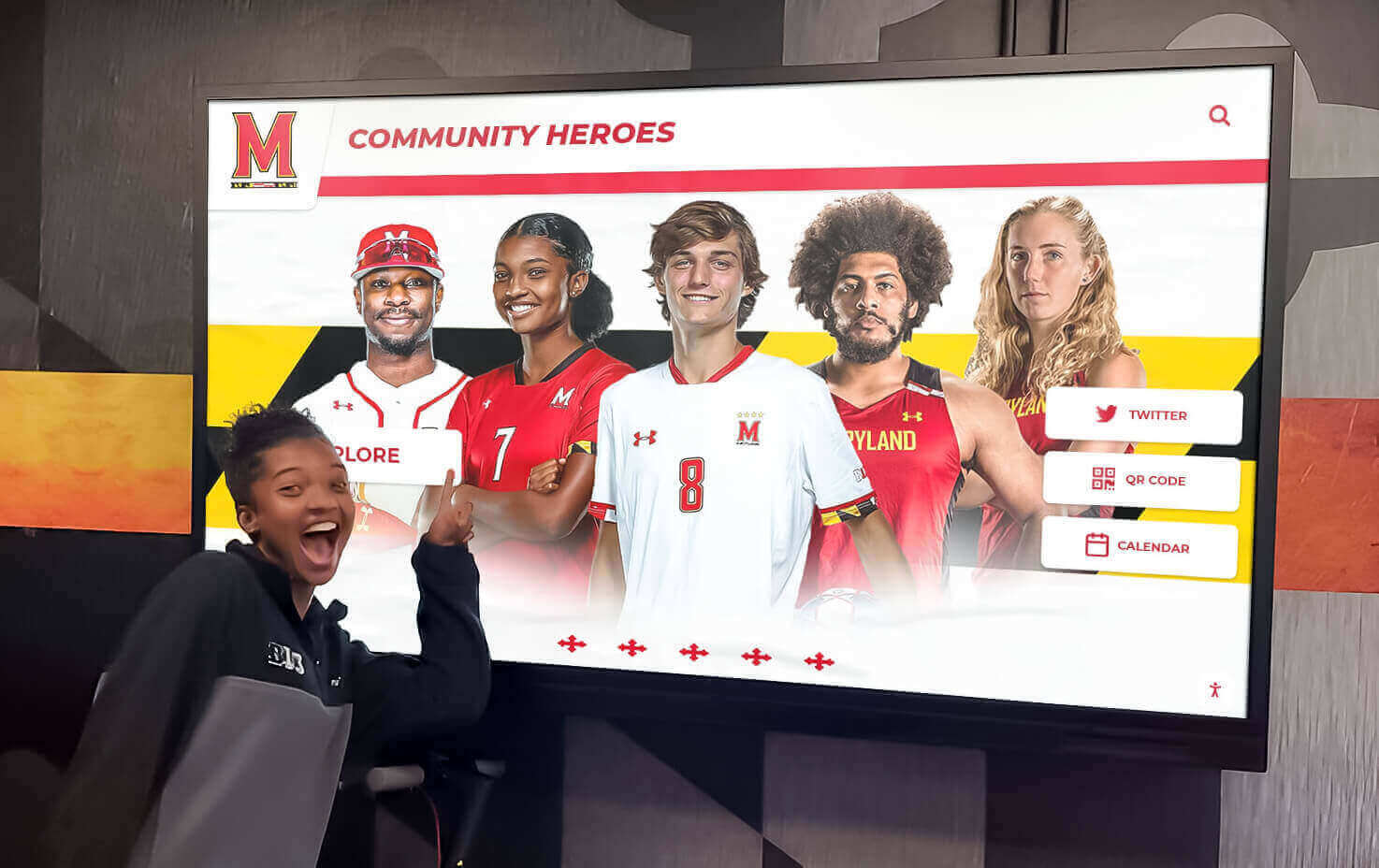
Engaging multimedia content and clear visual design encourage students to actively explore officer profiles and learn about leadership opportunities
Class Team Organization and Historical Archives
Current Leadership Team Presentations
While individual profiles provide important detailed recognition, showcases should also present entire class officer teams as cohesive leadership units:
- Current year overview pages showing complete officer teams for each class
- Team photos capturing the collaborative nature of class leadership
- Collective accomplishments achieved through team collaboration
- Team goals and initiatives currently in progress
- Contact information for students wanting to connect with their class officers
- Meeting schedules or office hours when officers are available
These team-focused sections help students understand class government as an organized leadership structure rather than disconnected individual positions, while also making officers accessible to the students they represent.
Historical Leadership Archives
Beyond current recognition, digital showcases should maintain searchable archives documenting class leadership history across decades:
- Complete officer rosters organized by graduation year
- Historical team photos showing leadership groups from past years
- Major accomplishments, traditions established, or lasting contributions from previous officer teams
- Timeline features showing leadership evolution across school history
- Search functionality enabling alumni to find their own officer years
- Comparison features showing how class sizes, position structures, or officer responsibilities evolved over time
This historical documentation creates institutional memory that proves valuable during reunions, anniversary celebrations, and historical research while demonstrating to current officers that their work will be permanently honored rather than forgotten after graduation.
Schools implementing interactive reunion displays find that alumni particularly appreciate discovering their own class officer photos and achievement documentation preserved decades after graduation—creating emotional connections that strengthen alumni engagement and support.
Strategic Showcase Implementation and Content Management
Creating initial showcase content represents only the beginning of effective digital officer recognition. Sustainable implementation requires systems enabling ongoing updates, distributed management, and minimal administrative burden.
Launch Planning and Initial Content Development
Content Collection Strategies
Gathering comprehensive officer information efficiently requires systematic approaches rather than ad-hoc requests that create work bottlenecks:
- Officer information forms distributed during leadership retreats or first meetings collecting biographical information, photos, position goals, and content preferences
- Structured interview templates enabling quick profile development through consistent question frameworks
- Photo session scheduling coordinated with yearbook picture days to minimize disruption
- Existing content mining from student government social media, school newspapers, and previous yearbooks
- Progressive content building starting with basic profiles and adding depth throughout the year as officers complete initiatives
This systematic collection prevents last-minute content creation rushes while ensuring consistent, comprehensive profile quality across all officers.
Phased Launch Approaches
Rather than attempting to build complete showcases before launch, many schools implement phased approaches that get basic recognition live quickly while building comprehensive content progressively:
Phase 1 - Foundational Launch (Week 1-2):
- Basic officer photos, names, positions, and biographical information
- Current year team rosters for all four classes
- Welcome message from student government adviser or principal
- Basic navigation structure and category organization
Phase 2 - Enhanced Profiles (Weeks 3-6):
- Role responsibility descriptions for each position
- Officer leadership statements and personal messages
- Initial accomplishment documentation for major initiatives
- Team photos and collaborative project recognition
Phase 3 - Comprehensive Content (Ongoing Throughout Year):
- Multimedia galleries documenting events and activities
- Updated accomplishment tracking as initiatives complete
- Video content featuring officer work
- Historical archives as time permits research and content development
This phased approach ensures officers receive baseline recognition immediately while allowing richer content development throughout the busy school year without overwhelming advisers with unrealistic launch timelines.
Ongoing Maintenance and Update Workflows
Quarterly Update Cycles
Establishing regular update schedules prevents showcases from becoming outdated while making updates manageable:
Fall Semester Updates (October-November):
- Back-to-school event coverage and photos
- Homecoming planning and execution documentation
- Fall fundraiser results and recognition
- First-semester initiative progress updates
Winter/Spring Updates (February-March):
- Winter formal or spring dance coordination recognition
- Mid-year accomplishment summaries
- New initiatives launched second semester
- Junior officer features as they prepare for senior leadership
End-of-Year Updates (May-June):
- Final accomplishment summaries and year-in-review content
- Senior officer legacy documentation and farewell messages
- Officer election results and next year’s incoming leadership introduction
- Photo galleries from major spring events
These quarterly cycles ensure showcases remain current while distributing update work across the school year rather than creating periodic crash efforts.
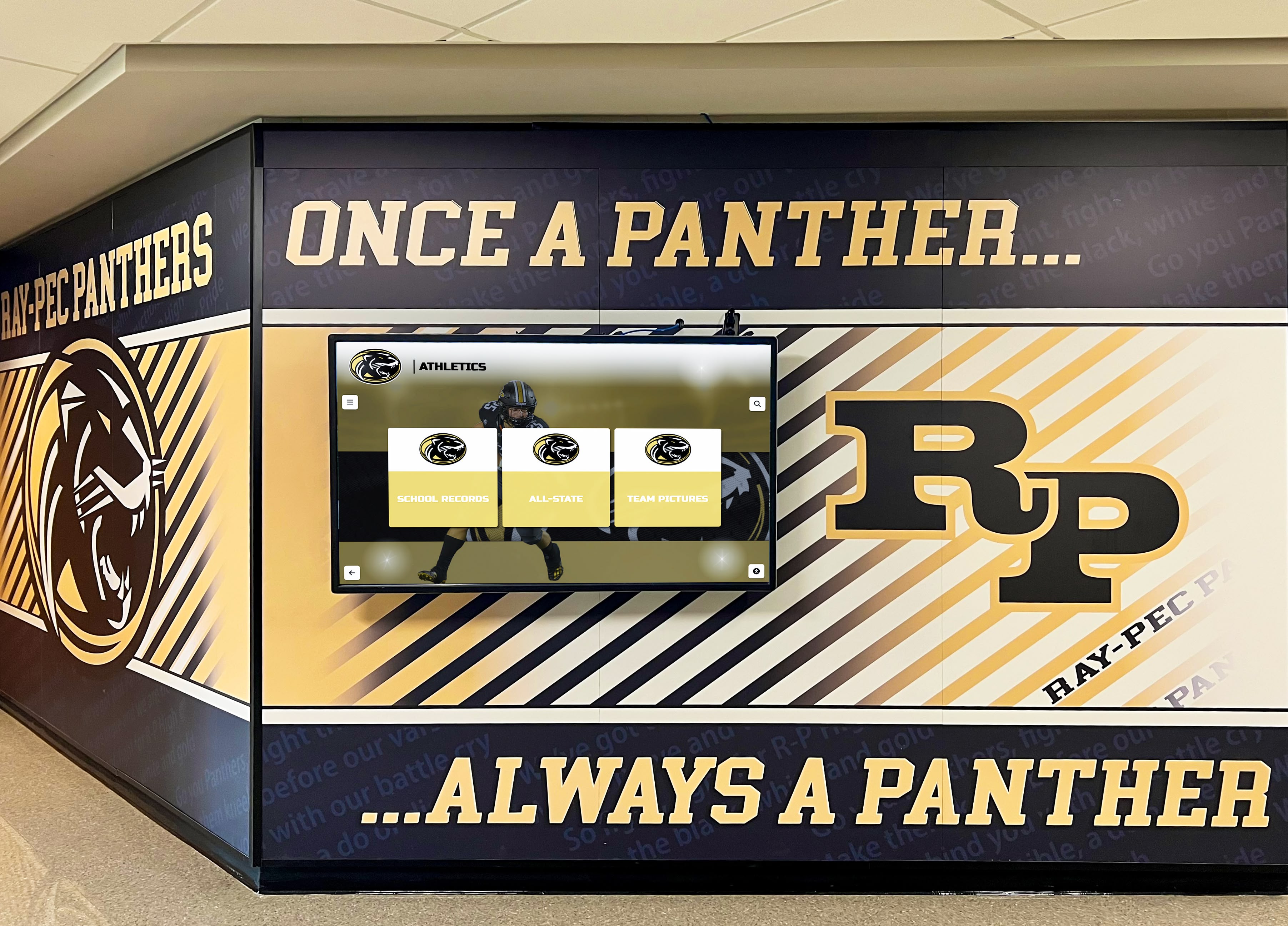
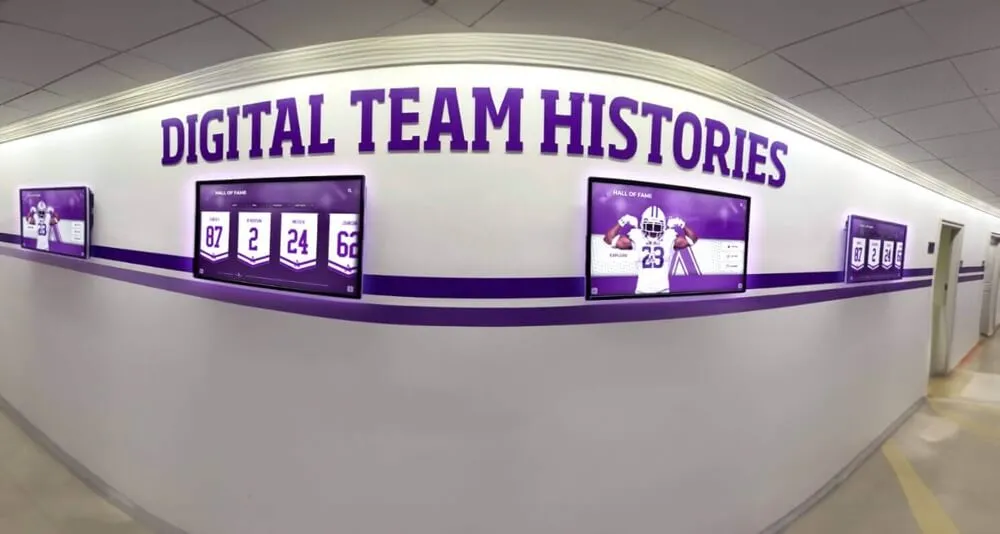
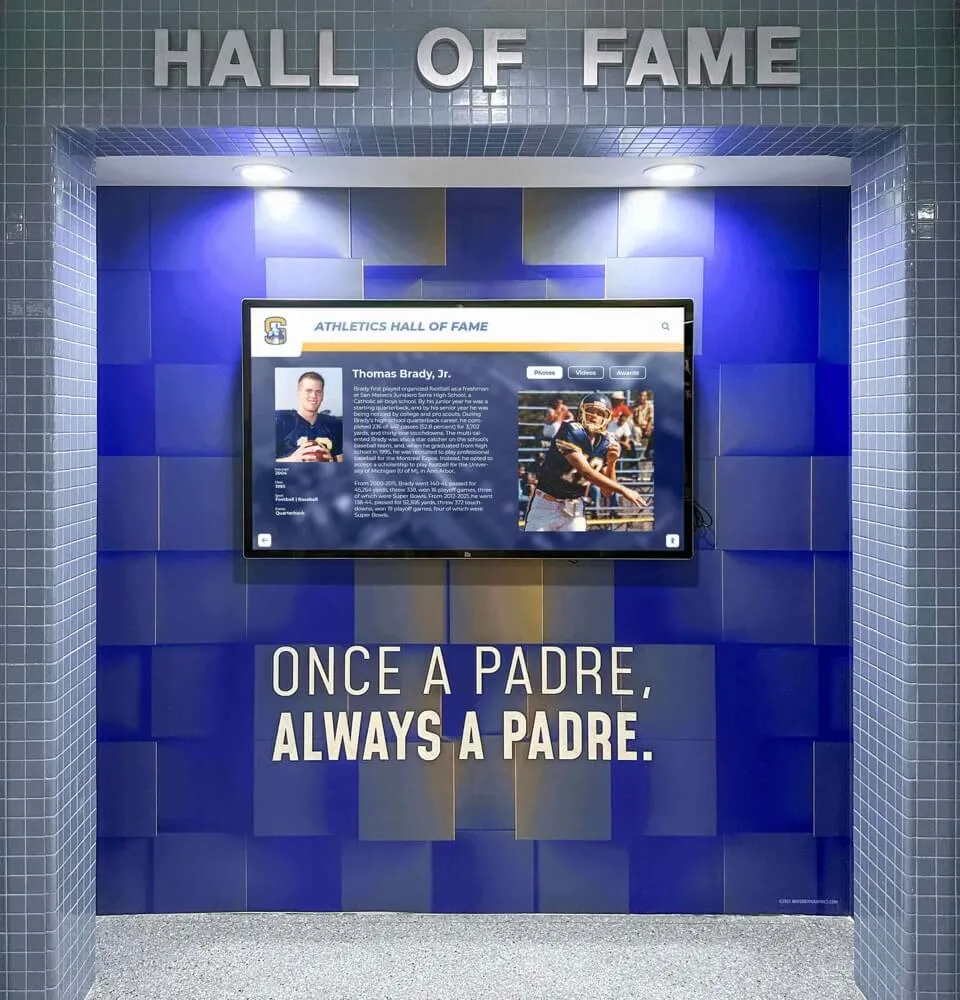
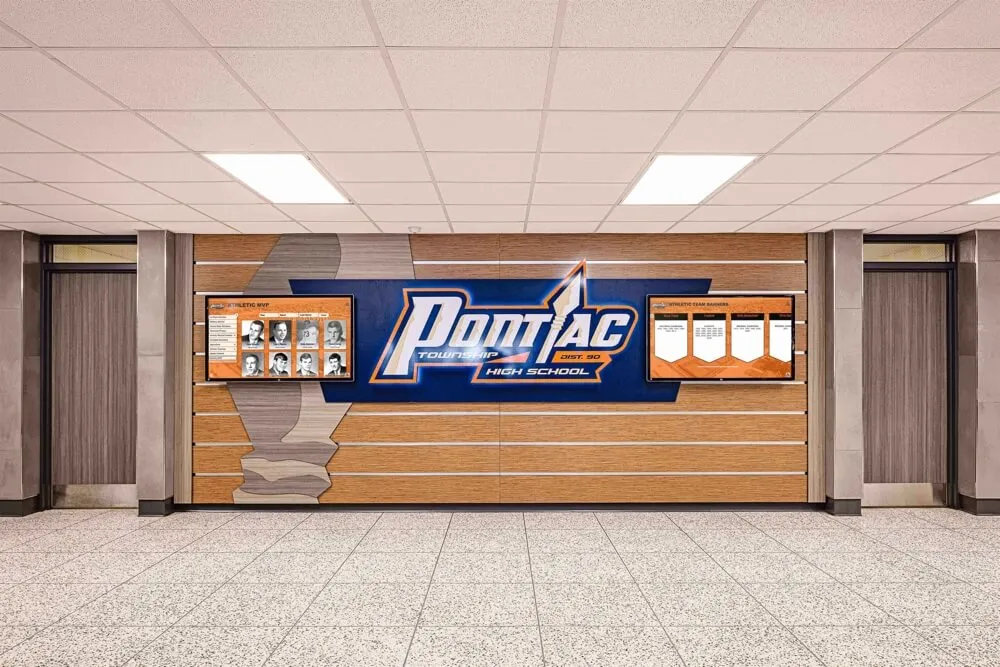
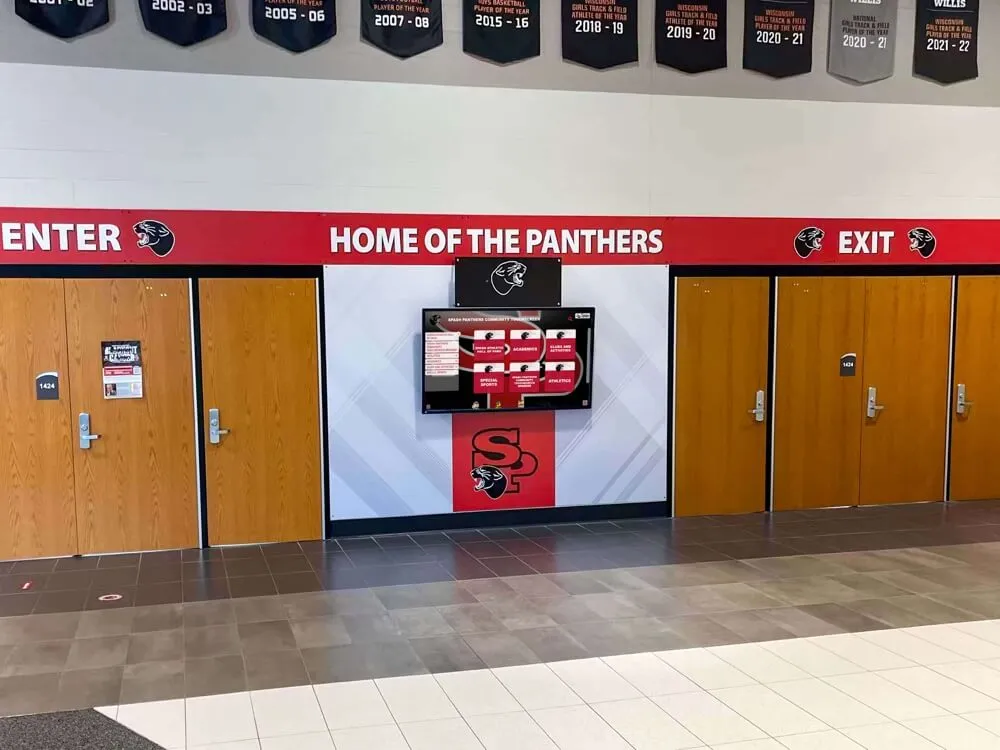
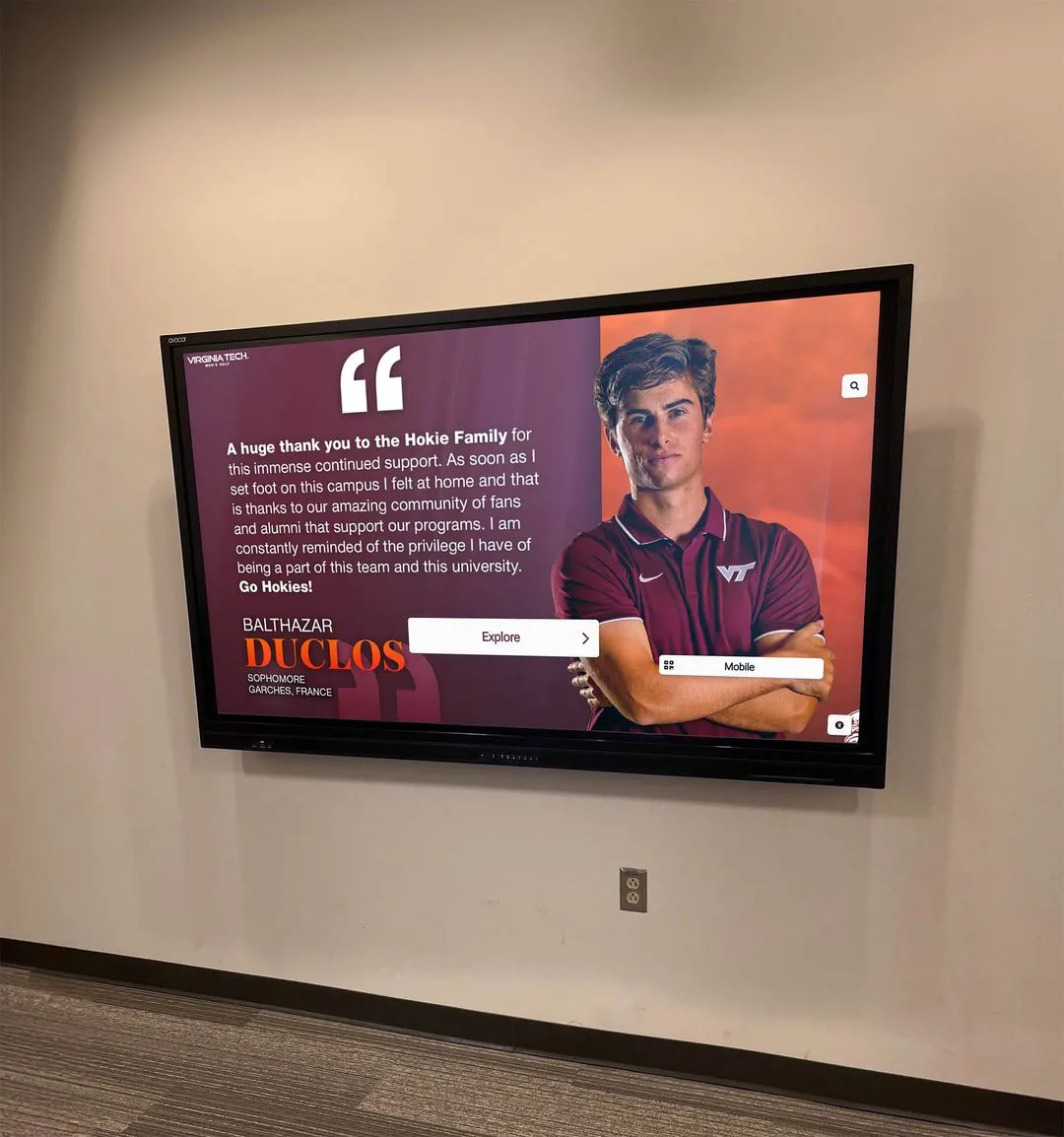
Digital displays integrate naturally into school environments, complementing existing recognition while enabling frequent content updates impossible with static displays
Distributed Management Approaches
Rather than making showcase updates a single adviser’s responsibility, many schools implement distributed content management that shares work while empowering officers themselves:
- Class sponsors manage their specific class officer content
- Student government advisers coordinate overall showcase direction and quality standards
- Student officers submit their own update content through simple forms or templates
- Yearbook staff repurpose content between yearbook and digital showcase projects
- Administrative assistants or parent volunteers handle photo processing and formatting
This distributed approach reduces individual workload while creating more comprehensive, timely updates than single-person management typically achieves.
Digital recognition platforms like Rocket Alumni Solutions enable this distributed management through role-based permissions allowing multiple staff and student contributors to manage specific content areas independently while maintaining consistent design and preventing accidental broader system changes.
Engagement Features That Extend Recognition Impact
Beyond serving as static recognition archives, effective digital showcases incorporate interactive features that increase engagement, broaden accessibility, and maximize recognition value for both honored officers and the broader school community.
Interactive Exploration and Discovery Tools
Advanced Search and Filtering Capabilities
Large recognition libraries spanning multiple years require robust search functionality enabling visitors to quickly find specific information:
- Full-text search finding officers by name, position, class year, or keywords
- Filter options narrowing displays by graduation year, position type, or class
- Alphabetical browsing enabling systematic exploration of large officer databases
- Related content suggestions connecting visitors to associated officers or initiatives
- Featured profile rotation highlighting different officers regularly
These discovery tools make comprehensive historical archives accessible and engaging rather than overwhelming—particularly valuable during reunion weekends when alumni seek their own class information or school tours when prospective families explore student leadership opportunities.
Comparative Analysis and Historical Perspective
Advanced showcases enable visitors to explore leadership patterns and trends across school history:
- Position evolution showing how class government structures changed over decades
- Initiative timelines tracking when popular traditions were established
- Participation statistics showing student government involvement trends
- Before-and-after comparisons documenting lasting improvements officers created
- Legacy tracking showing how one officer generation’s work influenced subsequent classes
These analytical features prove particularly valuable for leadership education, helping current officers understand historical context for their roles while identifying opportunities to build on previous accomplishments or revitalize faded traditions.
Social Sharing and Extended Accessibility
Mobile Web Access Beyond Physical Displays
While prominent touchscreen displays in school hallways serve as primary showcase access points, complementary web platforms extend recognition accessibility dramatically:
- Responsive websites enabling access from smartphones, tablets, and computers
- Social media sharing allowing officers to promote their profiles through personal networks
- QR codes on posters or programs linking directly to specific officer profiles
- Email announcement integration featuring officer highlights in school communications
- Alumni portal integration connecting past officers with current student leadership
This multi-platform accessibility ensures recognition reaches far beyond the students physically present in school buildings—engaging alumni worldwide, family members following student accomplishments, and community members interested in youth leadership.
Schools implementing comprehensive digital recognition systems commonly report that web platform traffic significantly exceeds physical touchscreen engagement, demonstrating how digital approaches extend recognition impact far beyond physical display limitations.

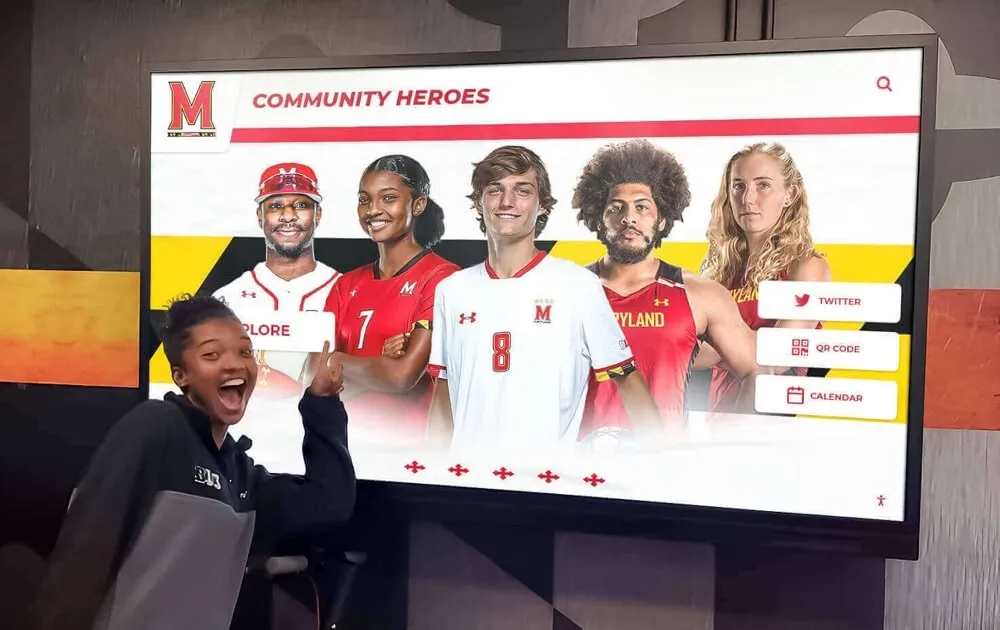
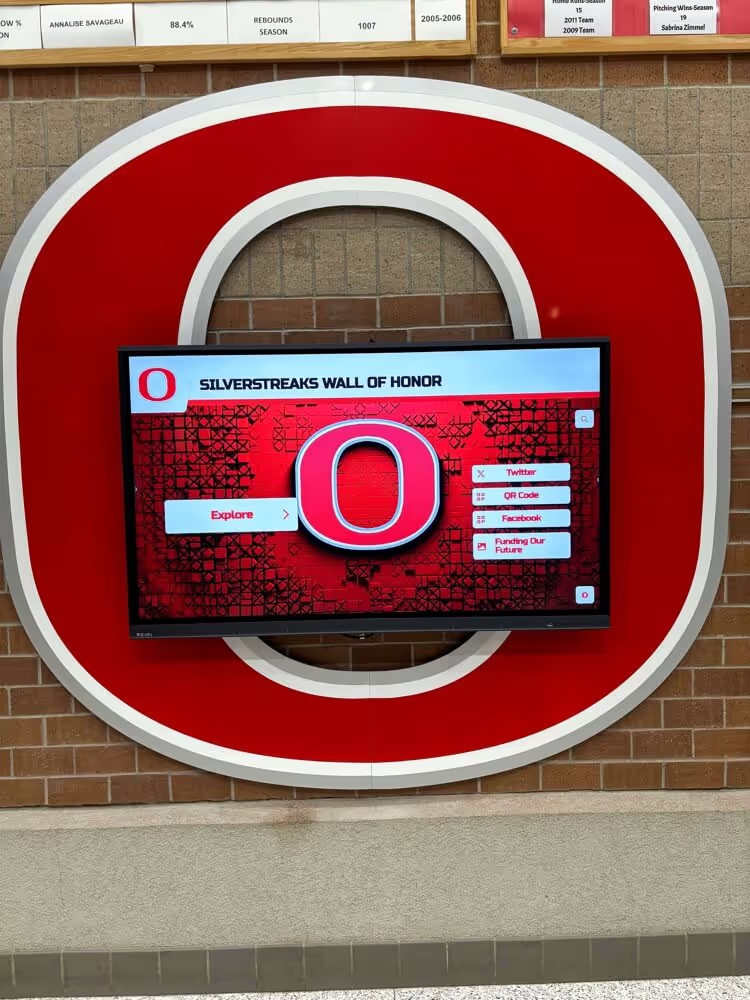
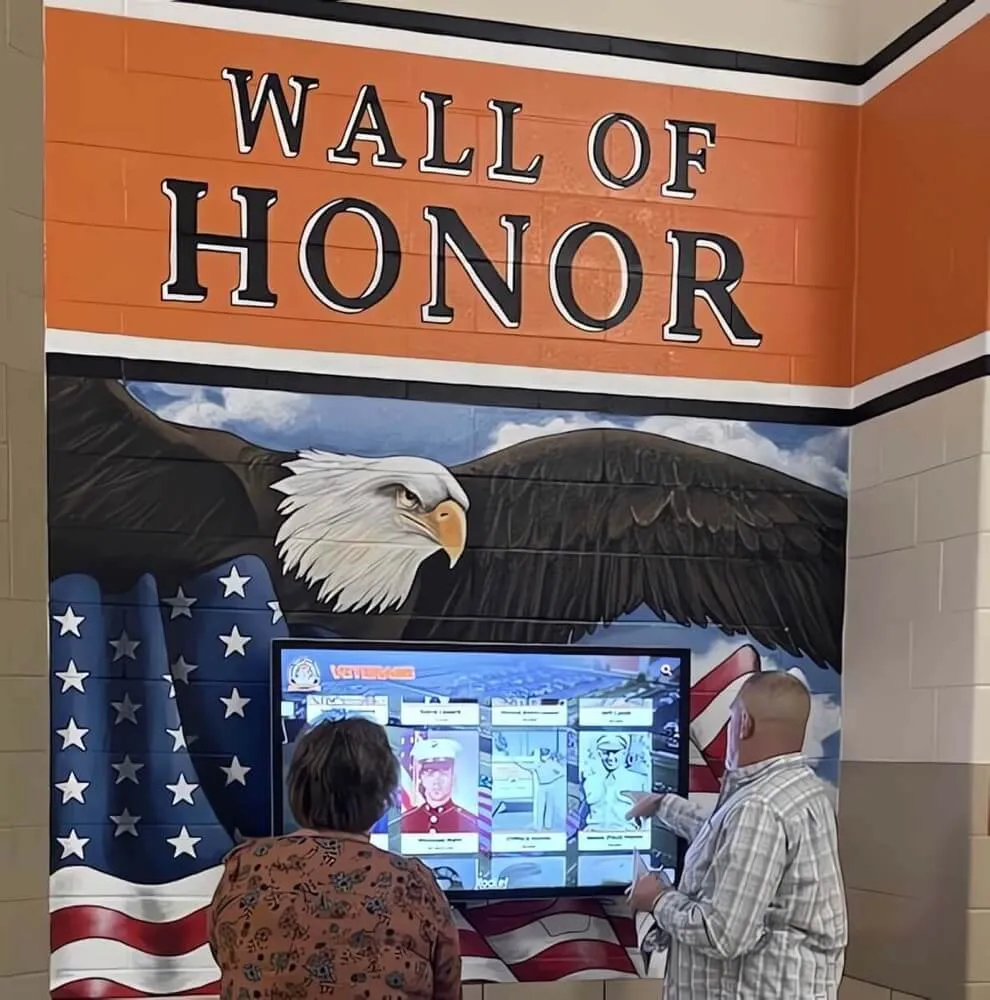
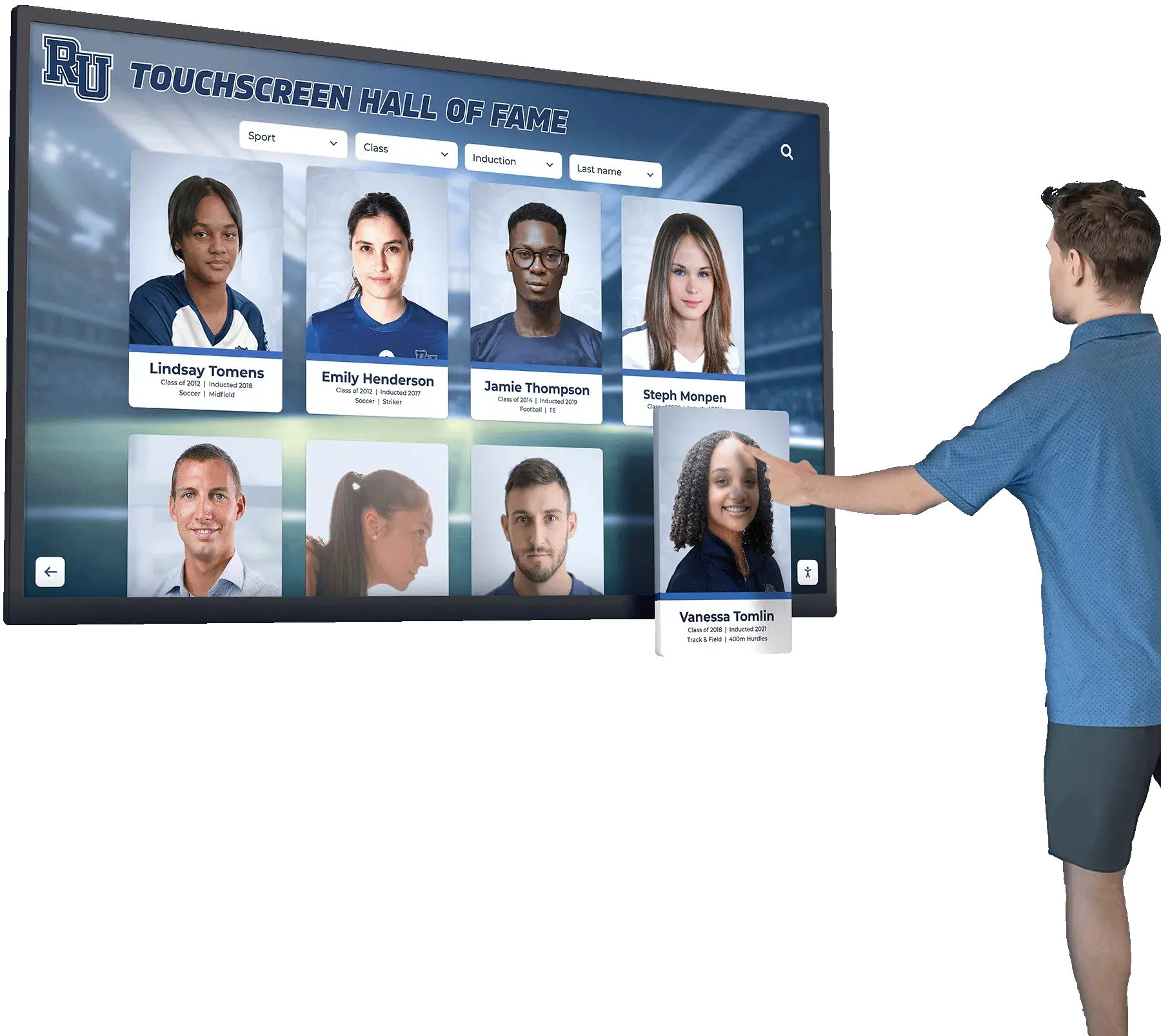
Intuitive touch interfaces enable visitors of all ages to easily browse officer profiles, search for specific individuals, and explore leadership history
Family Engagement and Pride Amplification
Digital showcases create unique opportunities for families to engage with and celebrate their students’ leadership recognition:
- Direct profile links enabling families to share specific officer pages with relatives and friends
- High-resolution photo downloads allowing families to preserve quality images
- Print-friendly profile pages families can save or display at home
- Email notification options alerting families when new officer content posts
- Anniversary reminders helping families celebrate past recognition milestones
This family engagement dimension transforms recognition from school-internal acknowledgment to community-wide celebration that amplifies the pride officers and their families feel about student leadership service.
Inspiring Future Leadership Through Strategic Recognition
Beyond honoring current and past officers, well-designed showcases serve important institutional purposes by inspiring younger students to pursue leadership roles and helping them understand pathways to student government involvement.
Leadership Pathway Visualization
Position Progression Examples
Many students interested in leadership feel uncertain about where to start or how to progress toward top positions. Showcases can address this confusion by documenting leadership progression patterns:
- Officer profiles highlighting their leadership journey from freshman involvement to senior positions
- Timeline features showing typical progression paths from class representative to executive officer roles
- Skill development narratives explaining what officers learned at each position level
- Advice from senior officers about preparing for leadership responsibilities
- Common pathways showing how different starting points lead to various leadership opportunities
This pathway documentation demystifies student government involvement, showing younger students concrete examples of how peers progressed from initial interest to significant leadership roles—making these positions feel accessible rather than reserved for a mysterious elite.
Application and Election Information Integration
Combining Recognition With Leadership Recruitment
Strategic showcases integrate current officer recognition with information helping interested students pursue their own leadership opportunities:
- Officer election timelines and important dates for next year’s candidates
- Application requirements and nomination processes explained clearly
- Candidate interview tips from current officers who successfully navigated the process
- Position responsibility descriptions helping students identify roles matching their interests
- Contact information for current officers willing to mentor aspiring candidates
- Campaign strategy advice and school policy guidelines for student government elections
This integration transforms showcases from backward-looking recognition into forward-looking leadership development tools that actively cultivate the next generation of student leaders while honoring current officers.
Schools implementing comprehensive student recognition programs report measurable increases in student government candidate applications after implementing engaging digital showcases that make leadership visible, accessible, and attractive to younger students who previously hadn’t considered these opportunities.
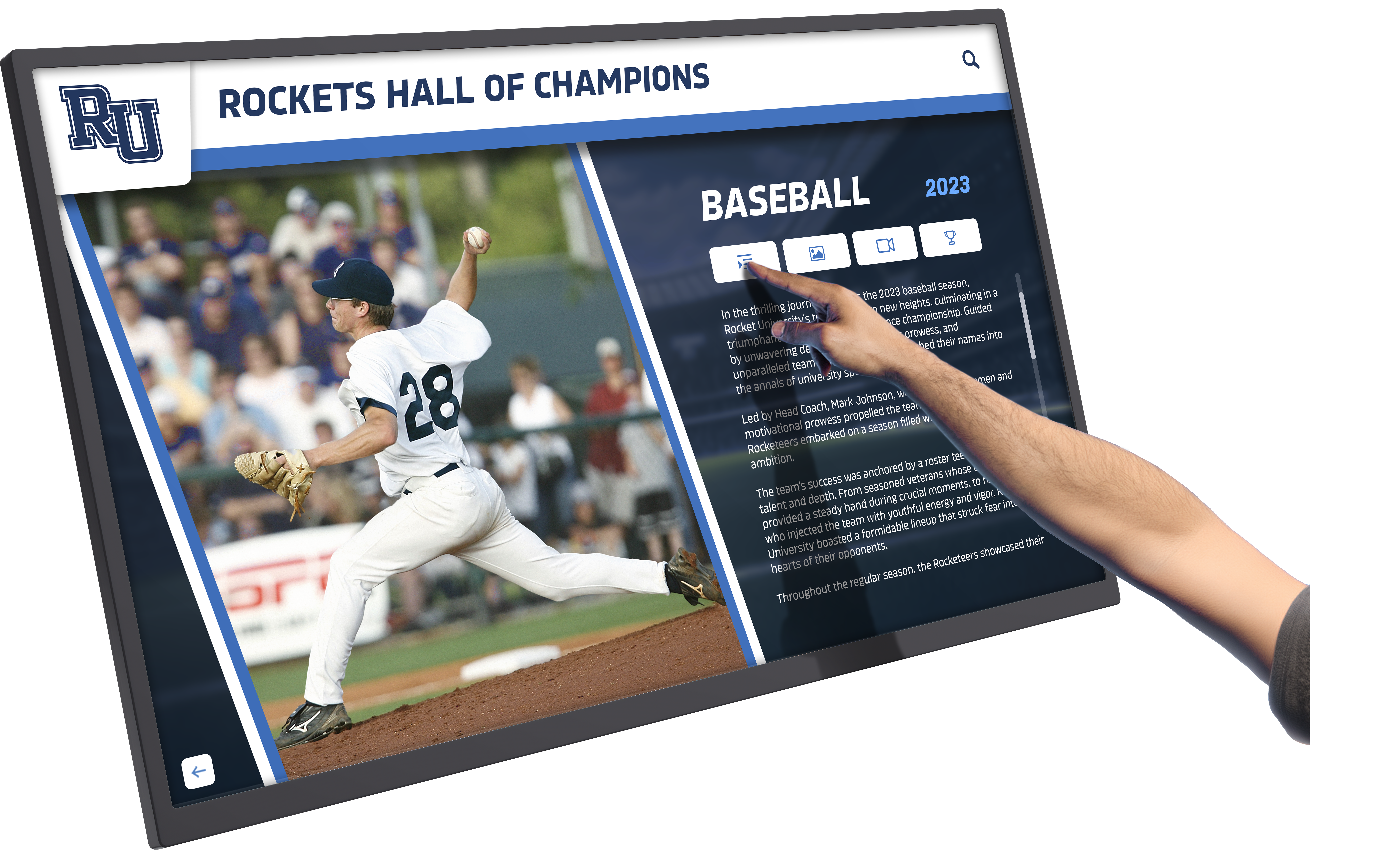
Clear, engaging profile displays with high-quality photos and comprehensive achievement information create inspiring examples that motivate younger students toward leadership involvement
Technical Implementation Considerations and Platform Selection
Creating effective digital showcases requires appropriate technology platforms that balance comprehensive functionality with administrative simplicity, ensuring long-term sustainability beyond initial enthusiasm.
Platform Requirements and Evaluation Criteria
Essential Functional Capabilities
When evaluating digital showcase platforms, schools should prioritize specific capabilities directly impacting recognition effectiveness and management practicality:
Content Management Accessibility:
- Cloud-based administration enabling updates from any internet-connected device without special software
- Intuitive editing interfaces requiring minimal technical training for staff and students
- Template systems ensuring consistent professional appearance across all content
- Bulk import tools for efficiently loading historical officer rosters
- Version control and preview capabilities preventing accidental errors or incomplete updates
Recognition-Specific Features:
- Pre-configured templates for officer profiles, team rosters, and achievement documentation
- Timeline and historical archive capabilities showing leadership evolution across years
- Search and filtering functionality enabling quick discovery in large databases
- Multimedia support for photos, videos, and document attachments
- Social sharing options extending recognition beyond physical displays
Administrative and Sustainability Features:
- Role-based permissions enabling distributed management without security compromises
- Scheduled publishing for preparing content in advance of release dates
- Analytics showing engagement patterns and popular content
- Reliable cloud backup preventing content loss
- Responsive technical support specifically understanding educational recognition needs
Display Hardware and Installation Considerations
Physical Touchscreen Requirements
For schools implementing physical touchscreen displays as primary showcase access points, hardware selection significantly impacts long-term reliability and user experience:
- Commercial-grade touchscreen displays rated for continuous operation in high-traffic areas
- Screen size appropriate for viewing distance and installation location (typically 43-55 inches for hallway installations)
- High brightness specifications ensuring visibility in various lighting conditions
- Tempered glass protection withstanding high school environments
- Integrated computing eliminating separate PC requirements and compatibility concerns
- Professional mounting systems ensuring secure installation and optimal viewing angles
- Warranty coverage providing long-term protection and replacement assurance
Strategic Placement and Accessibility
Installation location dramatically impacts showcase engagement and recognition value:
High-Priority Locations:
- Main entrance lobbies where students, visitors, and families naturally gather
- Cafeteria or commons areas with consistent daily student traffic
- Administrative hallway near guidance or student services offices
- Athletic facility lobbies combining leadership and athletic recognition
- Media center or library promoting quiet individual exploration
Secondary Locations:
- Senior hallway emphasizing recognition where oldest students congregate
- Auditorium lobby connecting leadership recognition with school events
- Outdoor covered areas creating recognition presence at arrival and dismissal times
Schools report that lobby installations generate significantly higher engagement than classroom or office hallway placements, making strategic location selection crucial for maximizing recognition impact.
Integration With Existing School Systems
Unified Recognition Ecosystem Approaches
The most effective implementations integrate class officer showcases within broader school recognition strategies rather than creating isolated single-purpose systems:
- Combined platforms celebrating athletic achievement, academic honors, class officers, and other recognition categories through unified interfaces
- Consistent design language connecting officer recognition with school brand identity
- Cross-linking between related recognition (officers who are also athletes, honor students, club leaders)
- Shared content management enabling recognition administrators to oversee multiple categories efficiently
- Coordinated physical display installations creating comprehensive recognition centers rather than scattered disconnected screens
This ecosystem approach maximizes technology investment while creating cohesive recognition experiences that honor the full breadth of student achievement rather than privileging certain accomplishment categories over others.
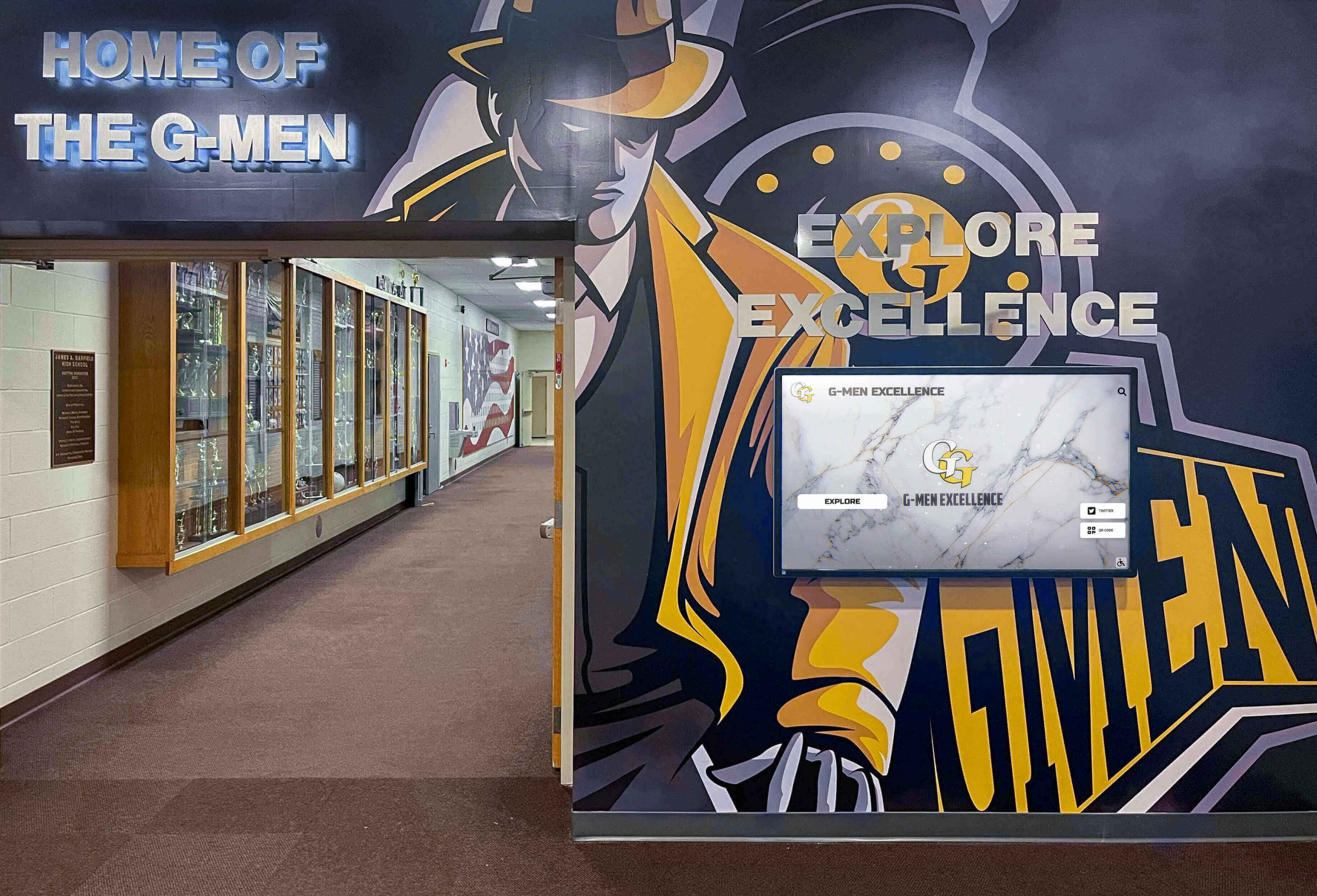
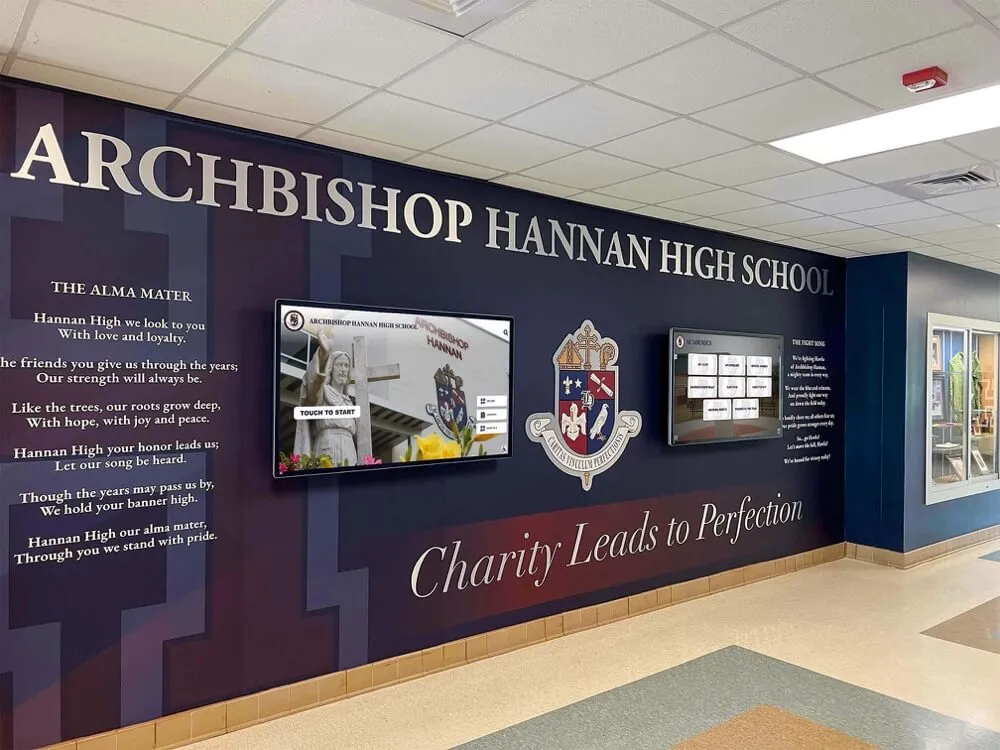
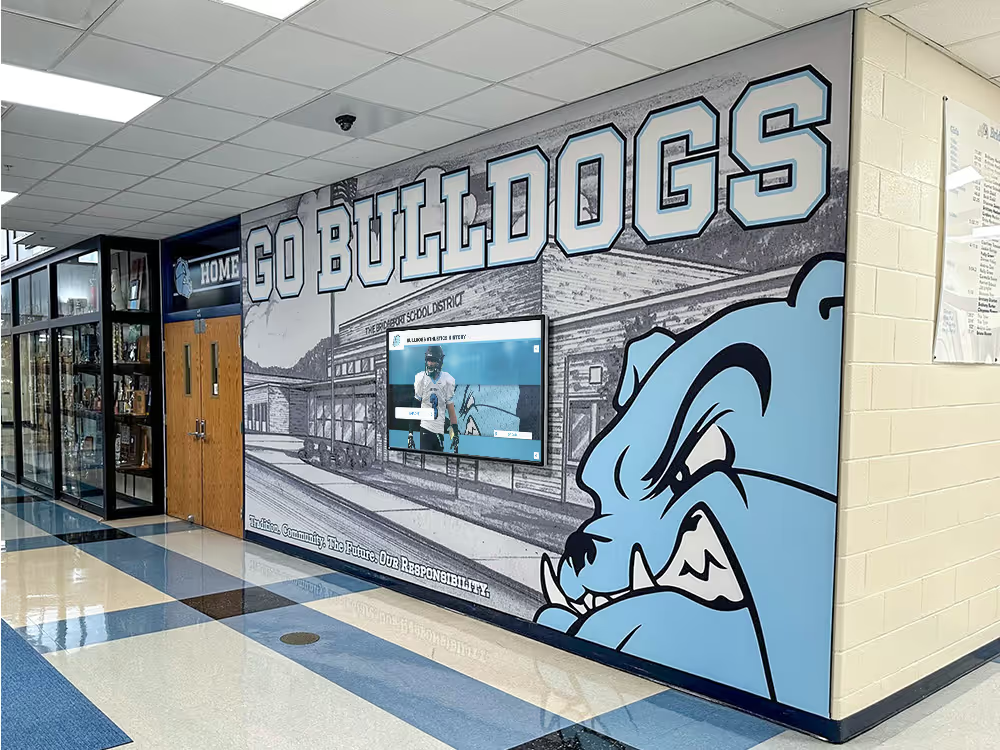
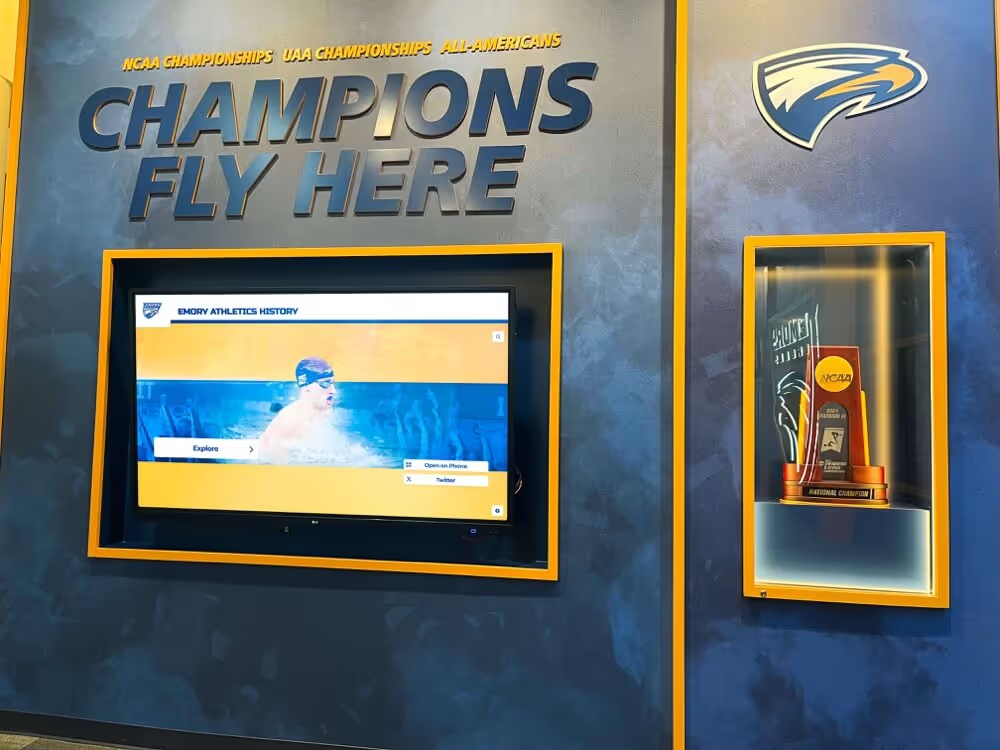
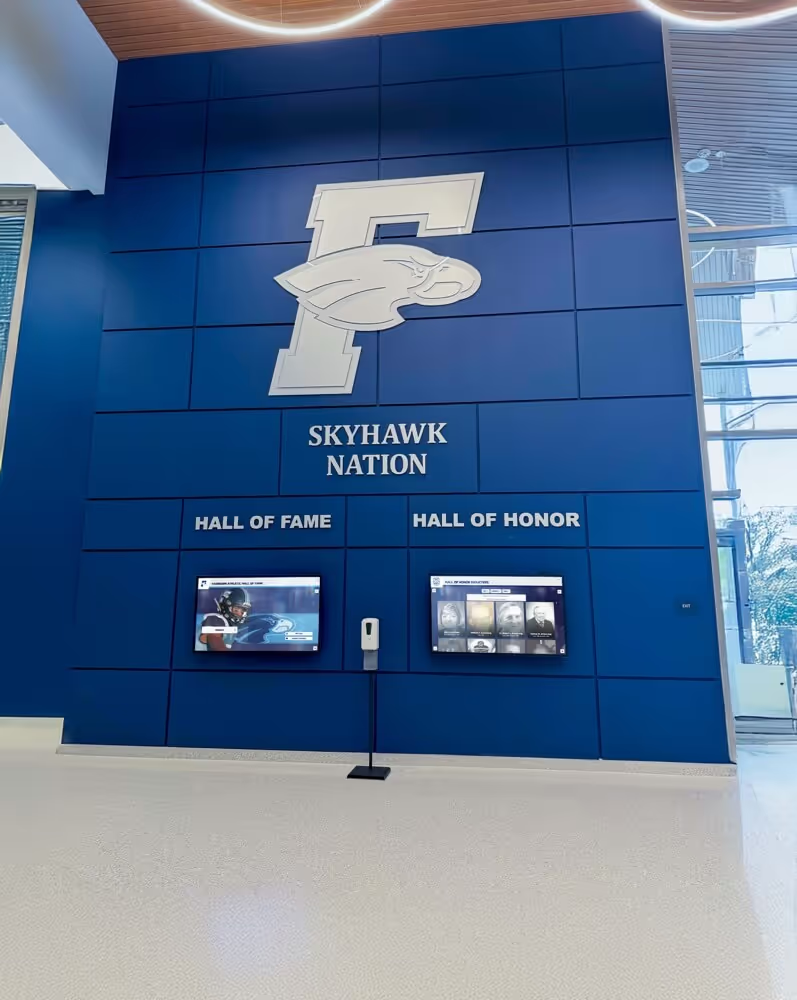
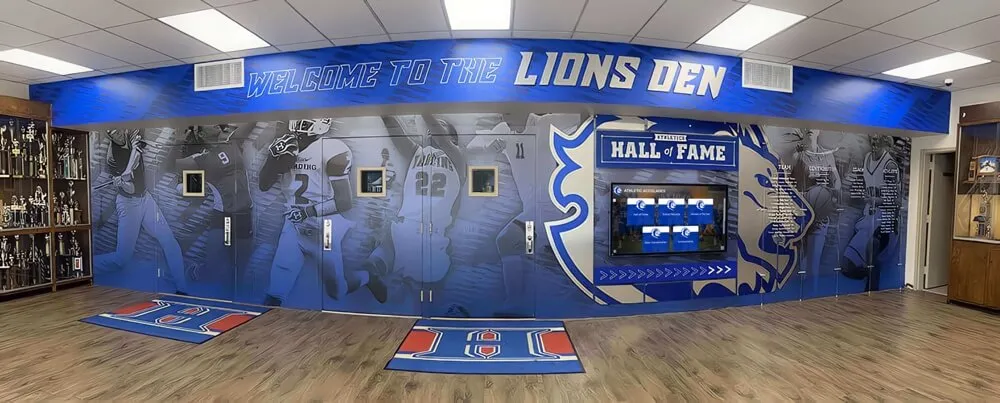
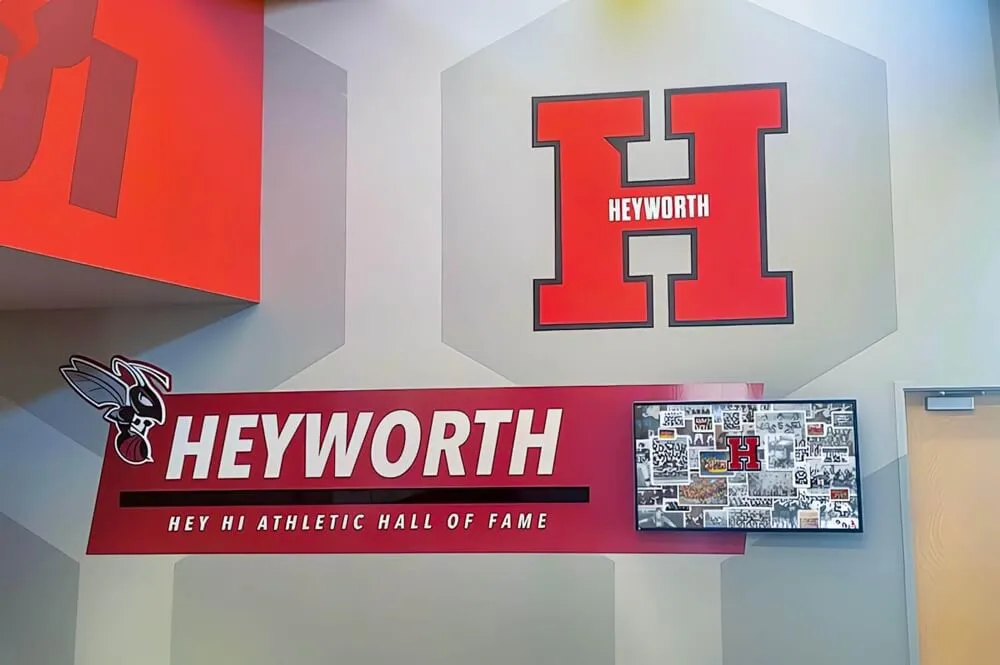
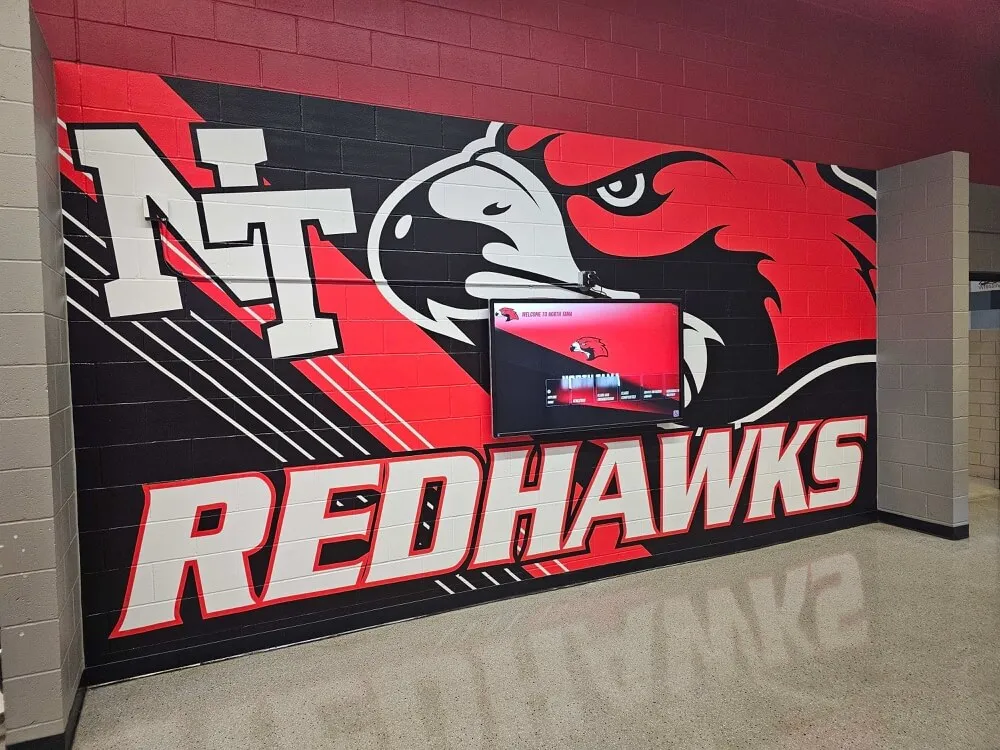
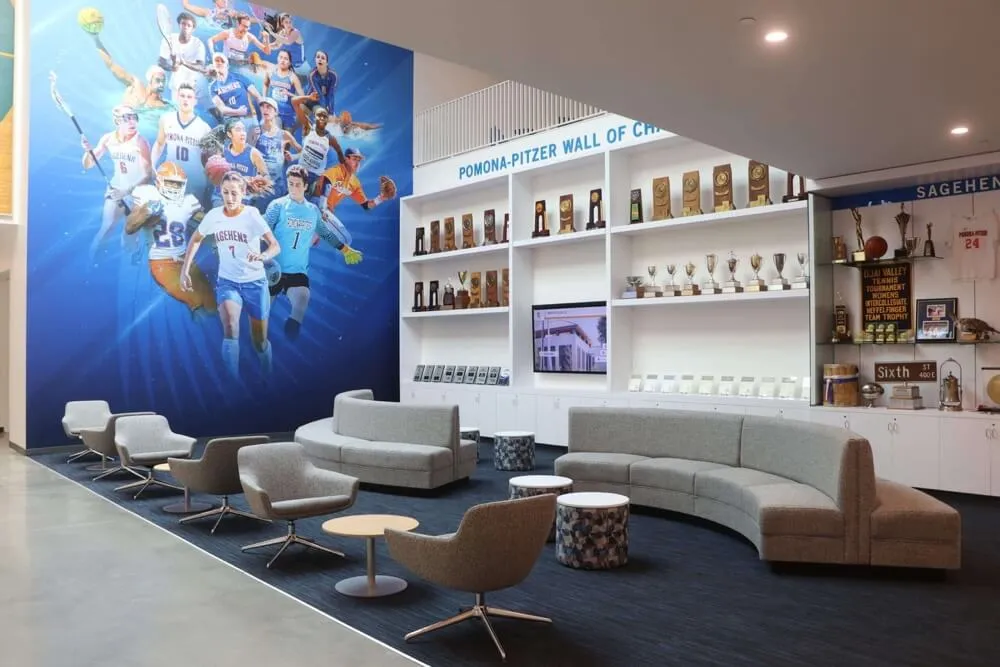
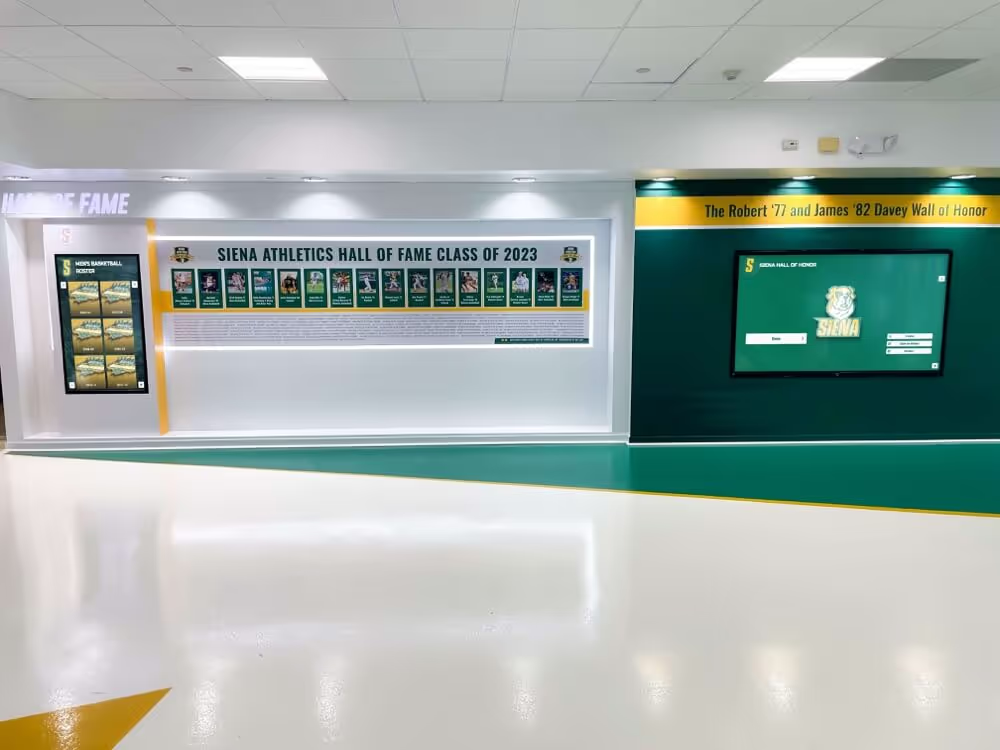
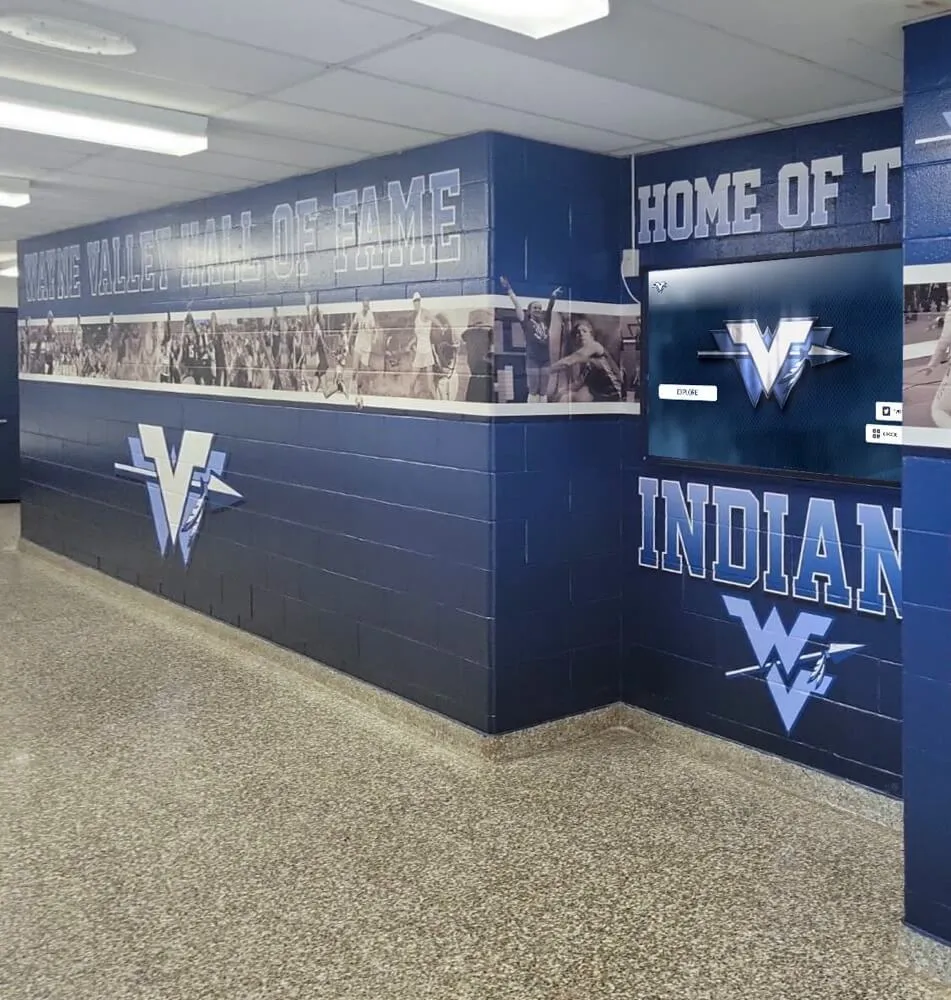
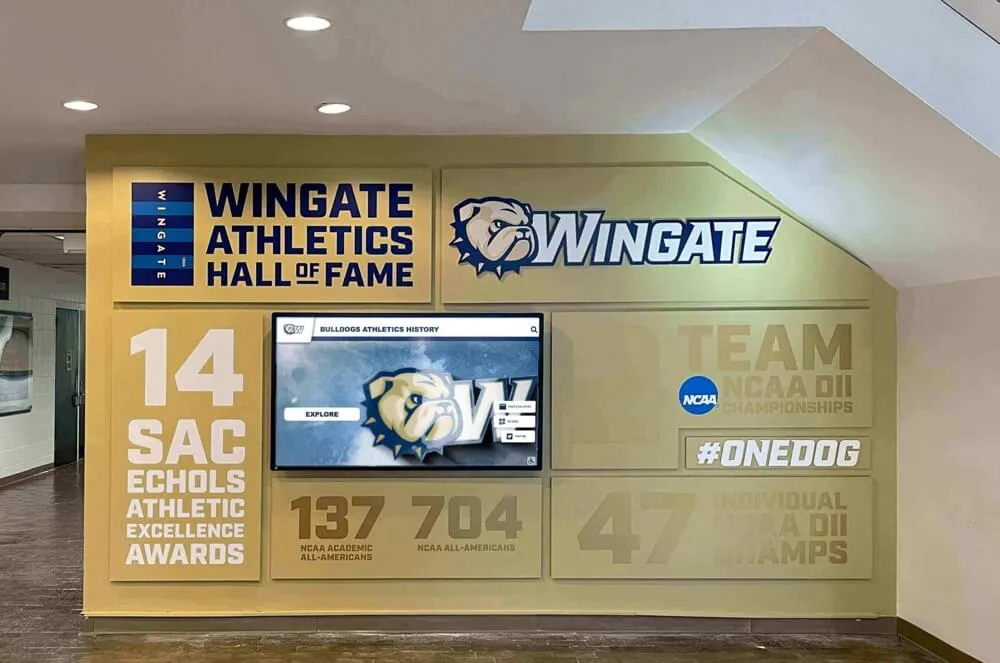
Effective installations integrate digital displays with existing trophy cases, murals, and school branding to create unified recognition environments
Digital Yearbook Platform Integration
Schools using modern digital yearbook platforms discover significant efficiency advantages when yearbook and recognition showcase systems integrate:
- Shared content between yearbook publications and ongoing digital showcases eliminating duplicate work
- Consistent officer profiles appearing in both printed yearbooks and continuously-updated digital displays
- Unified photo libraries accessible to both yearbook staff and showcase administrators
- Coordinated content calendars ensuring recognition timing aligns across platforms
- Single content management interface reducing staff training requirements
This integration proves particularly valuable for smaller schools where limited staff resources require maximum efficiency from every technology investment.
Measuring Impact and Demonstrating Recognition Value
Effective showcase implementation includes establishing measurement frameworks demonstrating recognition value to administrators, documenting engagement patterns, and identifying opportunities for continuous improvement.
Quantitative Engagement Metrics
Physical Display Interaction Tracking
Modern touchscreen systems provide detailed analytics revealing how students, staff, and visitors engage with recognition content:
- Total interaction sessions showing overall display usage patterns
- Average session duration indicating content engagement depth
- Most-viewed profiles identifying particularly popular or compelling recognition
- Search query analysis revealing what visitors seek most frequently
- Time-of-day patterns showing peak engagement periods
- Returning user identification showing whether displays create sustained rather than one-time interest
These metrics help schools understand actual recognition consumption patterns—often revealing surprising insights about which content resonates most strongly and which officers generate greatest community interest.
Web Platform Analytics
Complementary online platforms generate additional engagement data showing recognition reach beyond physical locations:
- Total visitors and page views documenting online recognition access
- Geographic distribution showing alumni engagement from distant locations
- Referral sources identifying how visitors discover recognition content
- Social share frequency indicating which profiles generate greatest pride and promotion
- Device type breakdown showing whether families engage primarily through phones, tablets, or computers
- Search engine traffic demonstrating recognition discoverability through Google and other platforms
This web analytics often reveals that online access significantly exceeds physical touchscreen engagement—particularly for alumni, families, and community members who don’t regularly visit school buildings.
Qualitative Impact Assessment
Student Leadership Development Indicators
Beyond quantitative metrics, schools should assess whether showcases achieve broader leadership development and institutional goals:
- Student government candidate application volume before and after showcase implementation
- Officer self-reported pride and satisfaction with recognition received
- Younger student awareness of leadership opportunities and position responsibilities
- Alumni engagement with past officer recognition during reunion events
- Community recognition of student government contributions at school board meetings or public events
- Parent feedback about appreciation for comprehensive officer recognition
These qualitative indicators often prove more meaningful than raw usage statistics for demonstrating recognition value to administrators, school boards, and funding sources.
Schools implementing comprehensive digital recognition strategies report that showcases contribute to measurable improvements in school pride metrics, student government participation rates, and alumni engagement—creating institutional benefits extending far beyond the recognized officers themselves.
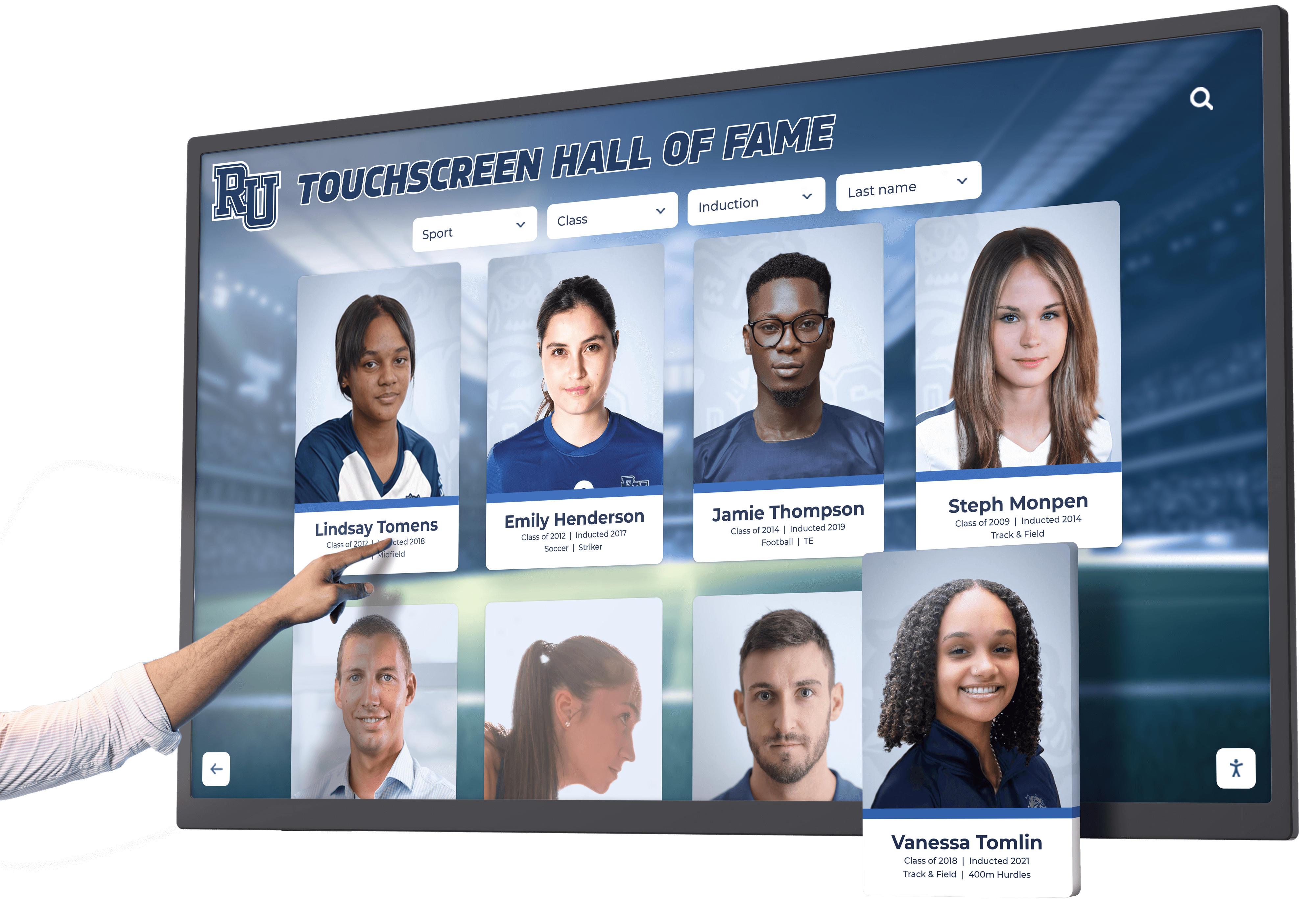
Interactive displays generate measurable engagement that demonstrates recognition value while creating data insights for continuous improvement
Best Practices From Successful Implementations
Schools that have implemented particularly effective class officer showcases share common practices and strategies that contribute to sustained success and meaningful recognition impact.
Content Quality and Consistency Standards
Professional Photography and Visual Standards
Recognition quality depends heavily on visual presentation quality. Successful showcases maintain consistent standards:
- Professional photographer coordination for officer portraits during designated photo sessions
- Consistent background, lighting, and framing across all officer photos
- High-resolution image capture ensuring quality across display sizes
- Photo editing for color correction and consistent appearance
- Candid action photography capturing officers at events and activities
- Photo release protocols ensuring compliance with privacy requirements
These visual standards ensure recognition appears professional and prestigious rather than haphazard—communicating to officers that their service deserves high-quality celebration.
Writing Quality and Grammatical Excellence
Text content requires similar quality attention:
- Consistent voice and tone across all officer profiles
- Professional proofreading before publication
- Achievement descriptions with specific details rather than vague praise
- Appropriate length balancing comprehensiveness with readability
- Accessible language avoiding jargon younger students might not understand
Many successful schools implement peer review processes where student government advisers review all content before publication, or designate English faculty members as showcase writing consultants ensuring text quality matches the importance of recognition being provided.
Sustainable Maintenance and Long-Term Success
Advisory Committee Oversight
Schools maintaining vibrant showcases across multiple years often establish advisory committees providing ongoing direction and accountability:
Committee Composition:
- Student government adviser (primary content manager)
- Class sponsors representing different grade levels
- Technology coordinator ensuring technical functionality
- School administrator providing institutional perspective and resource allocation
- Student officers representing each class
Committee Responsibilities:
- Quarterly review of showcase content currency and quality
- Annual content strategy planning for upcoming school year
- Budget oversight for hardware maintenance and platform subscriptions
- Policy development for content standards and student privacy protection
- Problem resolution when technical or content issues arise
This committee structure distributes showcase responsibility across multiple stakeholders while ensuring consistent administrative attention prevents showcases from becoming outdated or neglected during particularly busy school periods.
Succession Planning and Knowledge Transfer
Showcase sustainability requires documenting processes and training new staff as advisers retire or change positions:
- Written procedures documenting update workflows, content standards, and administrative processes
- Video training tutorials showing common content management tasks
- Scheduled transition meetings transferring knowledge between outgoing and incoming advisers
- Student officer orientation including showcase features and content contribution expectations
- Technology vendor partnership ensuring external support remains available during staff transitions
Schools that neglect succession planning often experience showcase deterioration when key individuals leave—making this administrative attention crucial for long-term recognition program sustainability.
Creating Your School’s Class Officer Showcase: Implementation Roadmap
For schools ready to implement digital class officer showcases, following a structured roadmap increases success likelihood while preventing common pitfalls that derail initial efforts.
Phase 1: Planning and Preparation (Weeks 1-4)
Stakeholder Engagement and Goal Establishment
- Present showcase concept to administration securing approval and resource allocation
- Meet with student government adviser and class sponsors establishing shared vision
- Survey student officers gathering input about desired features and content
- Identify showcase goals including recognition, leadership development, and historical preservation priorities
- Establish success metrics enabling future impact assessment
Platform Selection and Technical Planning
- Define functional requirements based on established goals
- Evaluate available platforms against school needs and budget
- Review integration possibilities with existing yearbook or recognition systems
- Assess technical requirements including network access and hardware installation
- Select implementation partner or technology platform
- Establish budget including initial setup and ongoing subscription or maintenance costs
Phase 2: Content Development and System Configuration (Weeks 5-10)
Initial Content Collection
- Design officer information collection forms gathering biographical details, photos, and accomplishment information
- Coordinate professional photo sessions for current officer portraits
- Interview officers for profile content and leadership statements
- Gather historical officer rosters from archived yearbooks and school records
- Collect photos and documentation from recent class events and activities
Platform Setup and Design
- Configure selected platform establishing categories, navigation structure, and search functionality
- Customize visual design matching school branding and identity
- Create content templates ensuring consistency across officer profiles
- Import or create initial content for current year officers
- Build historical archives for recent graduation years
- Configure user permissions for distributed content management
Phase 3: Launch and Promotion (Weeks 11-12)
Soft Launch and Testing
- Conduct internal testing with student government adviser and class sponsors
- Gather officer feedback about their profile content and appearance
- Test search functionality and navigation with various user groups
- Verify mobile web accessibility and social sharing features
- Address any technical issues or content corrections identified during testing
Public Launch Activities
- Unveil physical touchscreen displays during school assembly or special event
- Announce web platform availability through school communications
- Feature showcase in social media posts and school newsletters
- Provide demonstration sessions during lunch periods or activity time
- Distribute QR codes linking directly to showcase web access
Phase 4: Ongoing Maintenance and Continuous Improvement (Ongoing)
Quarterly Content Updates
- Implement established update schedule documenting new accomplishments and initiatives
- Add event photos and activity documentation following major class events
- Update officer profiles as roles or responsibilities evolve
- Introduce new historical content as time permits archive development
Annual Assessment and Enhancement
- Review engagement analytics identifying popular content and usage patterns
- Survey officers and students gathering qualitative feedback
- Assess whether showcase achieves established goals and success metrics
- Identify enhancement opportunities for upcoming school year
- Plan budget for next year’s platform subscription and hardware maintenance
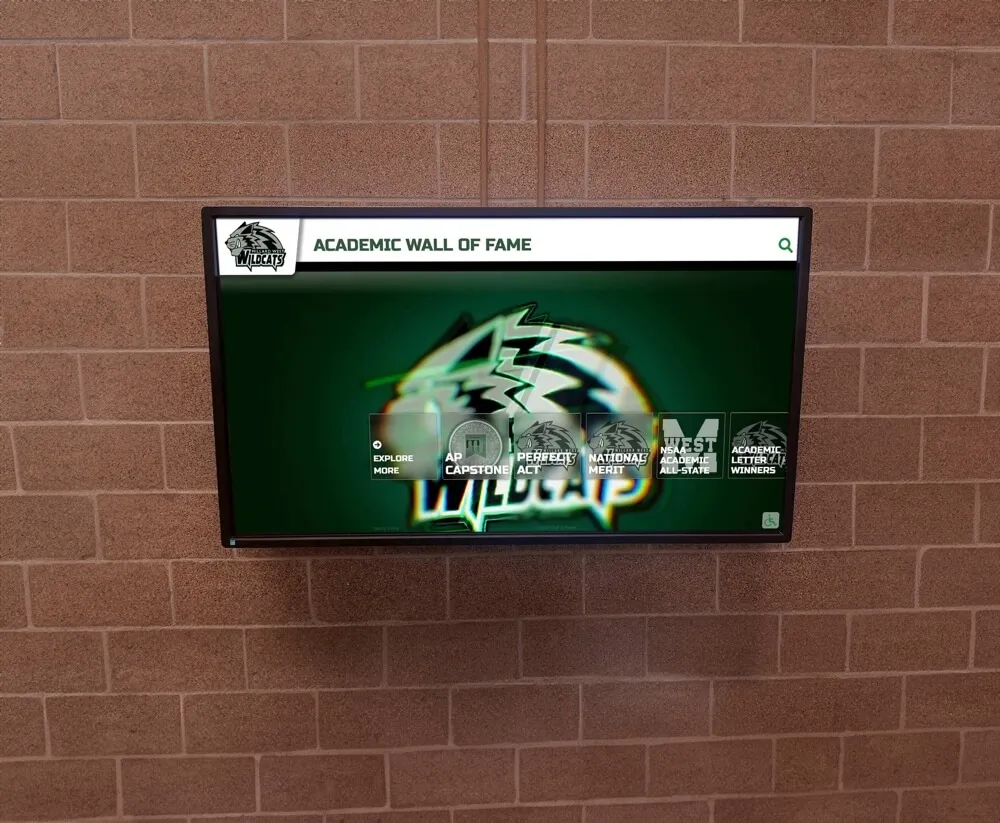
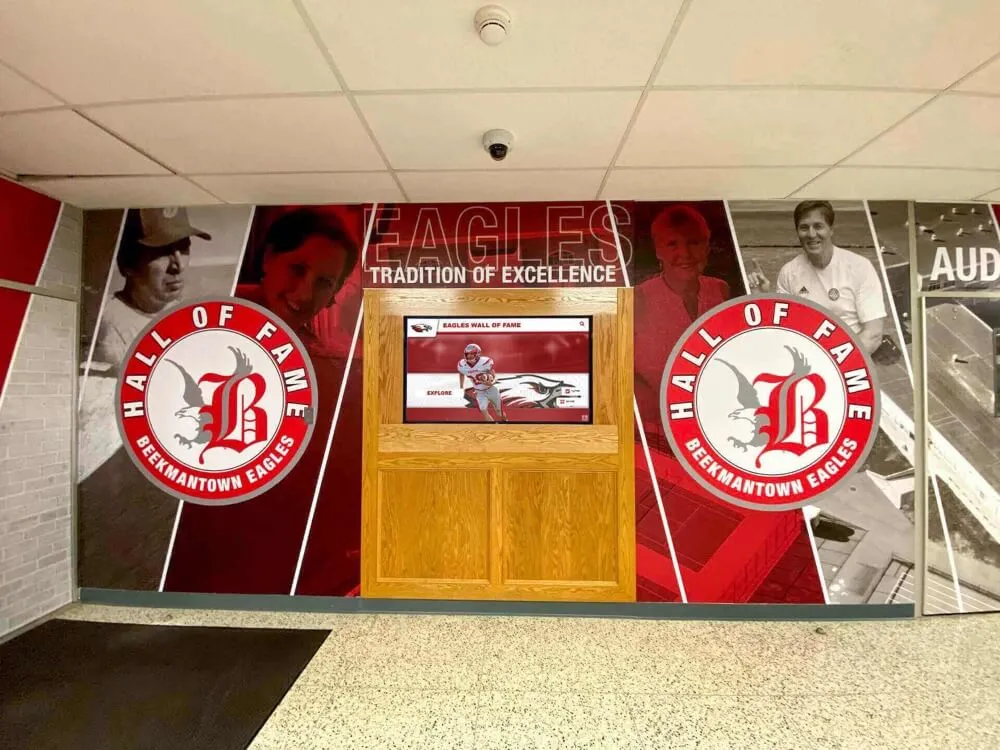
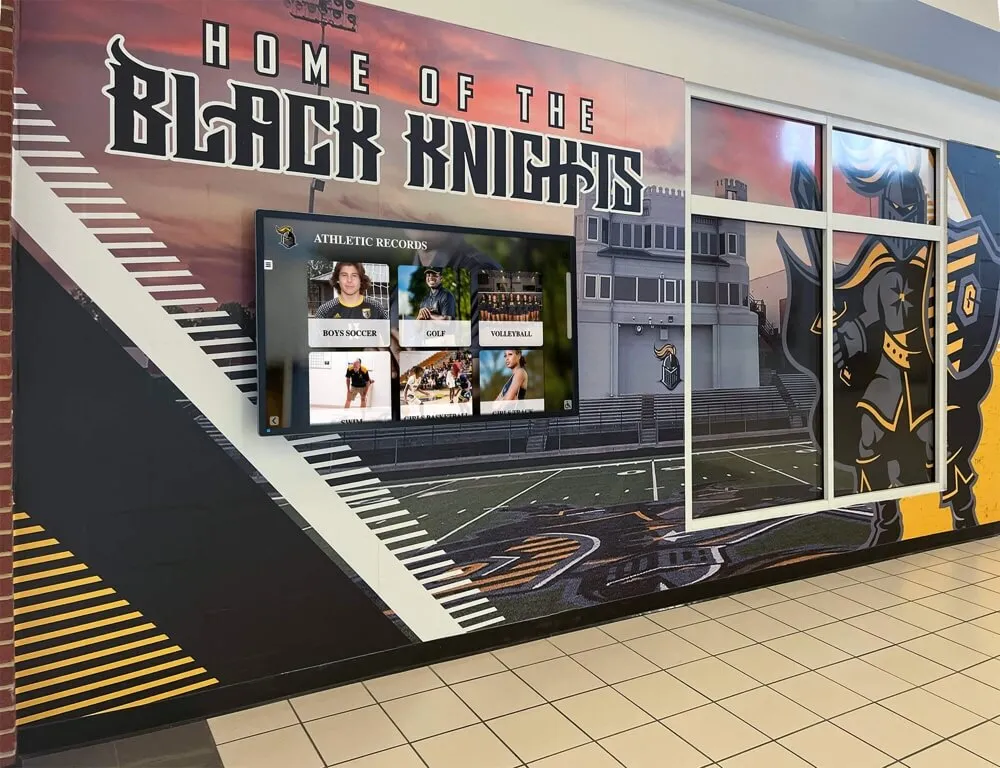
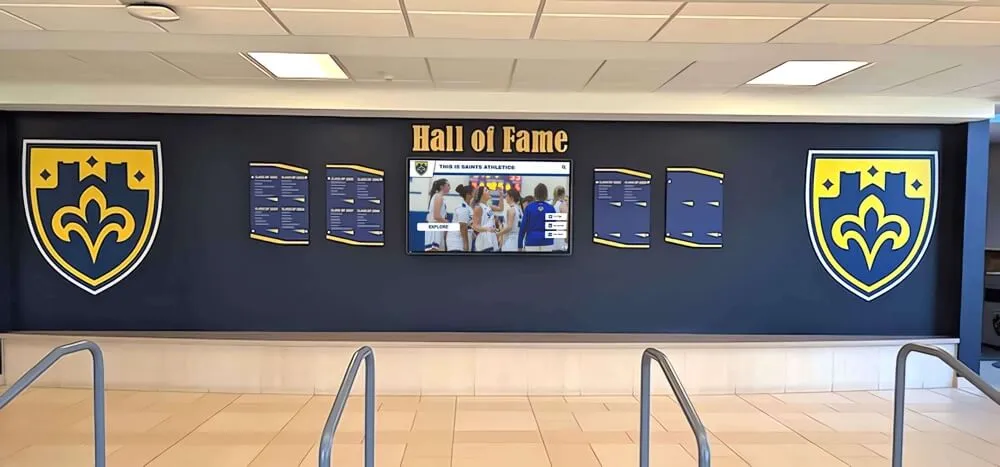
Permanent digital installations become lasting fixtures in school environments, providing recognition infrastructure that honors student leadership across generations
Conclusion: Transforming Class Officer Recognition for the Digital Age
High school class officers dedicate substantial time, energy, and leadership to enhancing student experience, organizing memorable events, advocating for peer concerns, and building school community. These contributions deserve recognition matching their significance—comprehensive, accessible, and permanent celebration that honors both individual officer service and collective team accomplishments.
Digital showcases transform class officer recognition from forgotten bulletin boards and brief yearbook mentions into dynamic, engaging platforms that celebrate student leadership thoroughly, preserve institutional memory comprehensively, inspire younger students convincingly, and create lasting pride for officers and their families. By implementing thoughtful content structures, sustainable maintenance practices, and strategic engagement features, schools create recognition systems that benefit current officers, future leader candidates, alumni communities, and school culture broadly.
The investment required to create effective digital showcases—whether measured in financial resources, staff time, or administrative attention—generates returns far exceeding costs through enhanced student government participation, strengthened alumni connections, improved school pride, and most importantly, the meaningful recognition that student leaders genuinely deserve for their service contributions.
Schools ready to honor their class officers appropriately for the digital age will discover that comprehensive digital showcases represent not merely improved recognition approaches but fundamental reimaginings of how institutions celebrate student leadership, preserve community history, and inspire the next generation of engaged citizens.
Ready to create a comprehensive digital showcase celebrating your school’s class officers and student leaders? Book a demo to explore how purpose-built digital recognition platforms can transform your student leadership recognition program.