Athletic record boards celebrate program excellence by showcasing top performances, championship achievements, and milestone accomplishments. For decades, schools relied on painted boards, engraved plaques, or vinyl decals to display these records in gymnasiums, pool facilities, and athletic hallways. Yet traditional record boards face persistent challenges: limited space forces difficult decisions about which records to display, updating requires repainting entire boards or ordering new plaques, errors become permanent embarrassments, and static presentation offers no context or storytelling beyond basic numbers.
Digital record boards solve these fundamental limitations by replacing fixed physical displays with dynamic systems that accommodate unlimited records, update instantly through cloud-based management, display rich context through photos and videos, and ensure consistent professional presentation across all recognition categories. Whether you’re an athletic director managing multiple sports, a coach wanting to celebrate team achievements, or an administrator seeking modern facilities that inspire student-athletes, digital record boards transform how schools recognize athletic excellence.
This comprehensive guide explores everything you need to understand, evaluate, and implement digital record boards—from core features and benefits through selection criteria, implementation strategies, content management, and measuring long-term success. You’ll discover how schools and athletic programs use digital record boards to preserve legacy achievements, motivate current athletes, and create impressive facilities that reflect program quality and institutional commitment to athletic excellence.
Walk through most high school gymnasiums and you’ll encounter similar scenes: hand-painted record boards displaying decades-old performances, vinyl decals peeling from walls, inconsistent formatting across different sports, and obviously outdated information revealing years since last updates. These static displays fail to capture program vitality while creating operational challenges for staff responsible for maintaining accurate recognition.
Digital record boards represent a fundamental shift in how schools track and display athletic achievements. Modern systems combine large-format displays, cloud-based content management, and web accessibility into integrated platforms that transform record keeping from tedious maintenance burden into powerful tools for building program pride, recruiting athletes, and celebrating achievements across entire athletic departments.

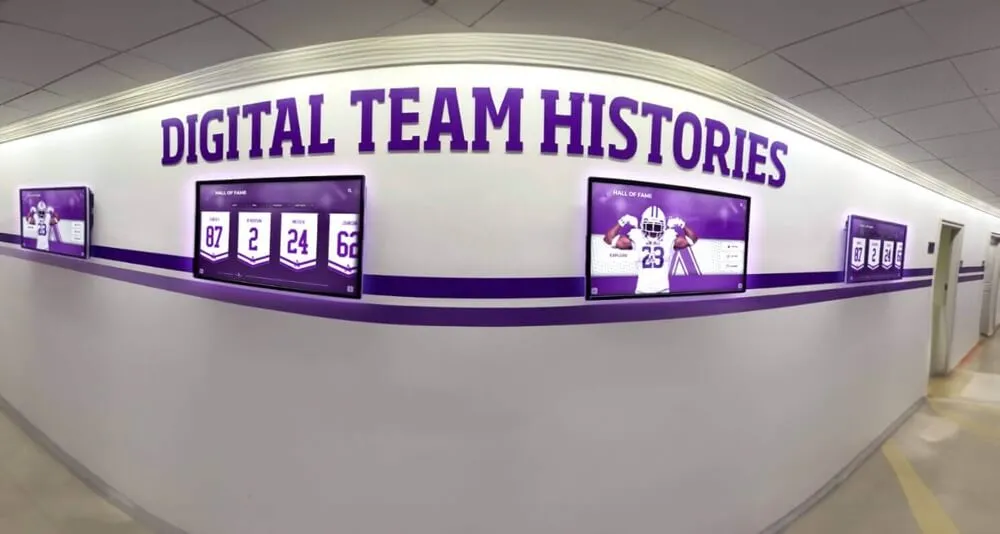
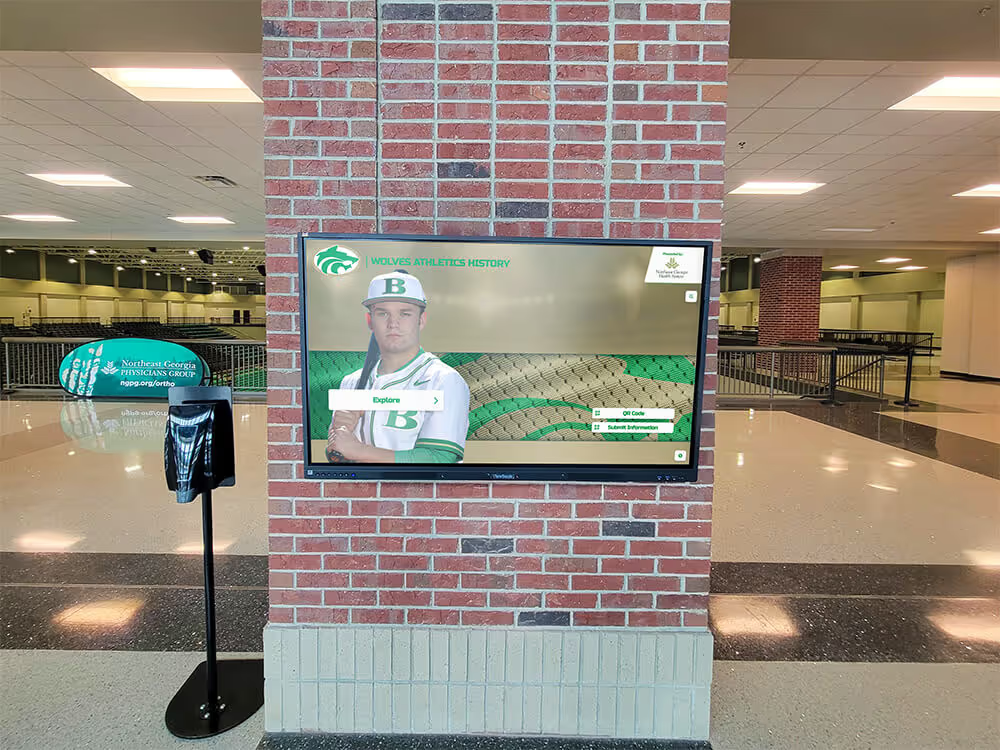
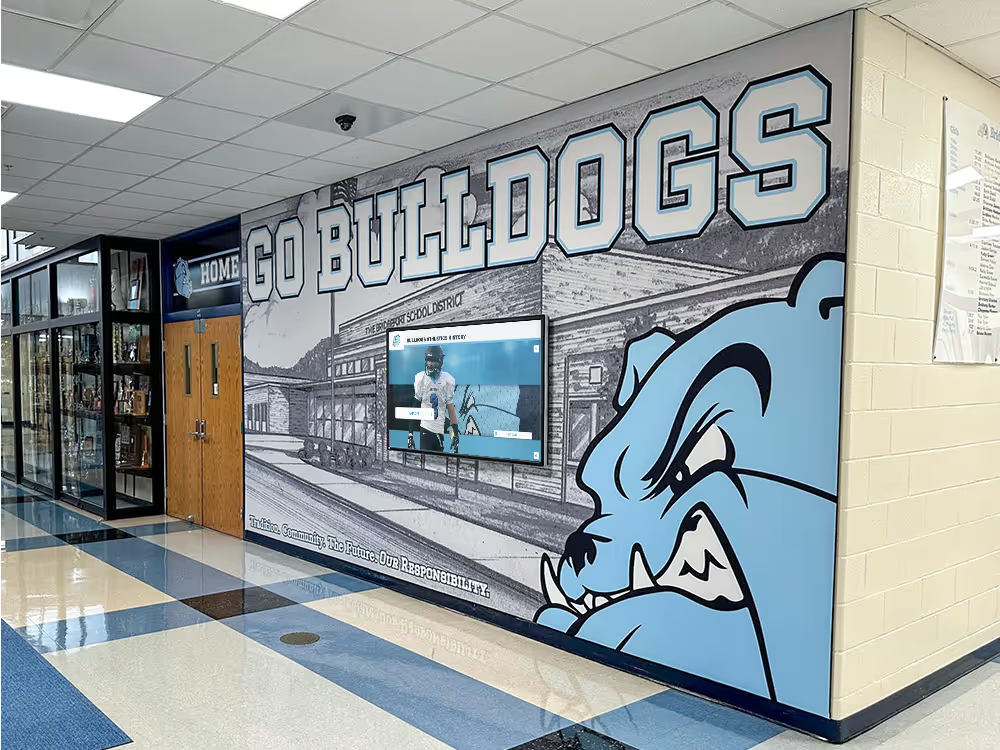
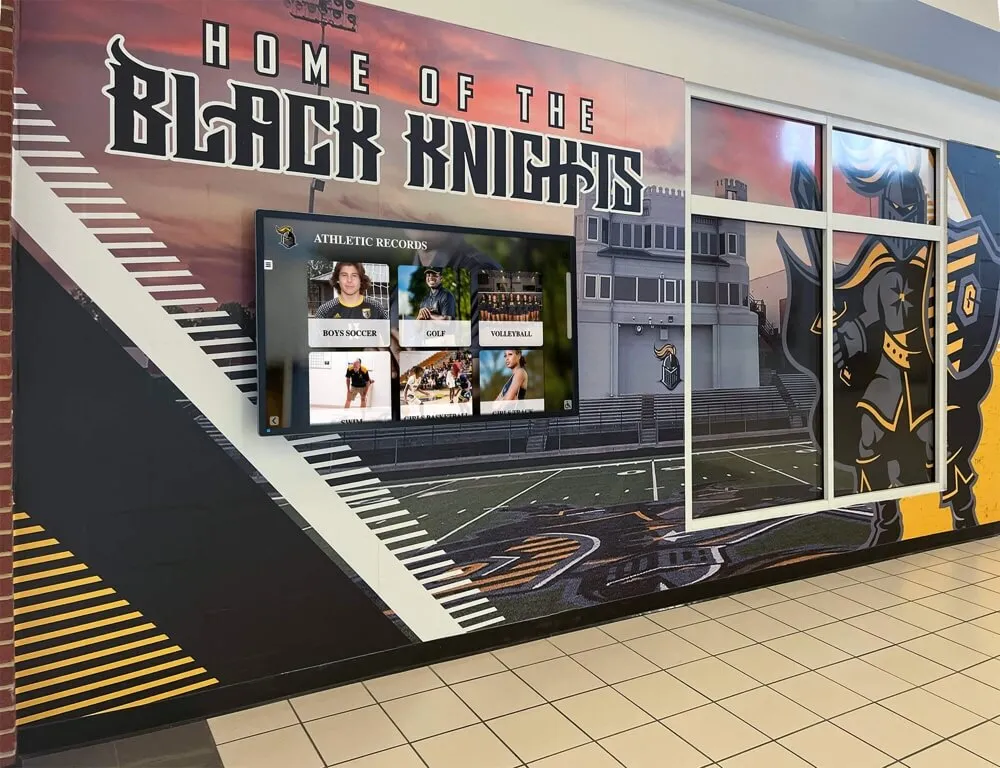
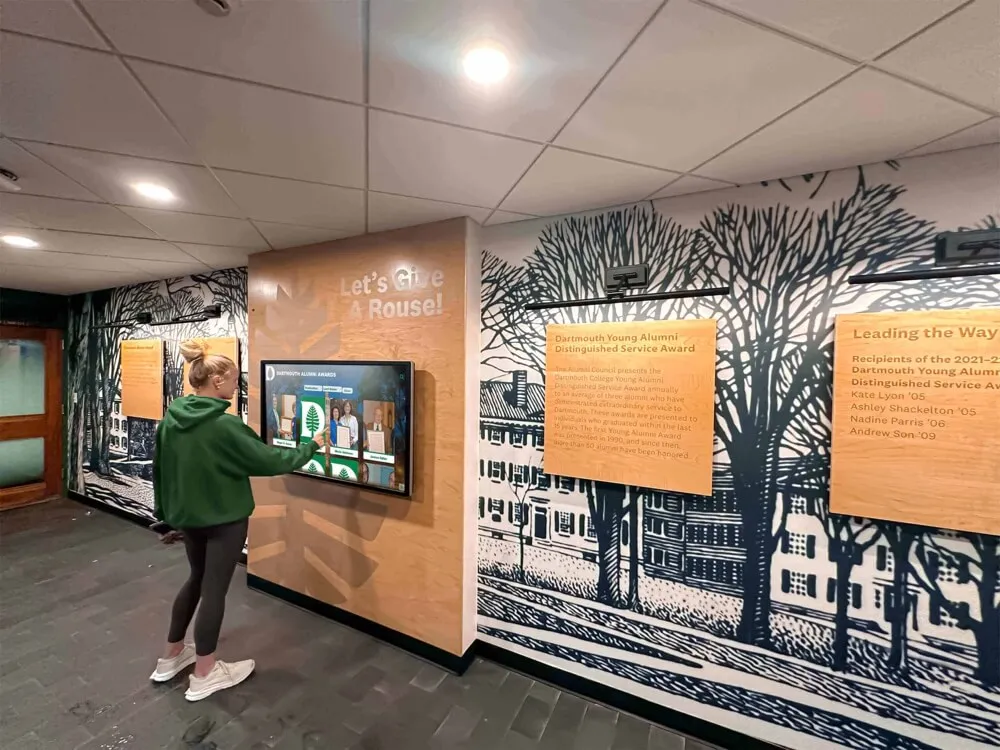
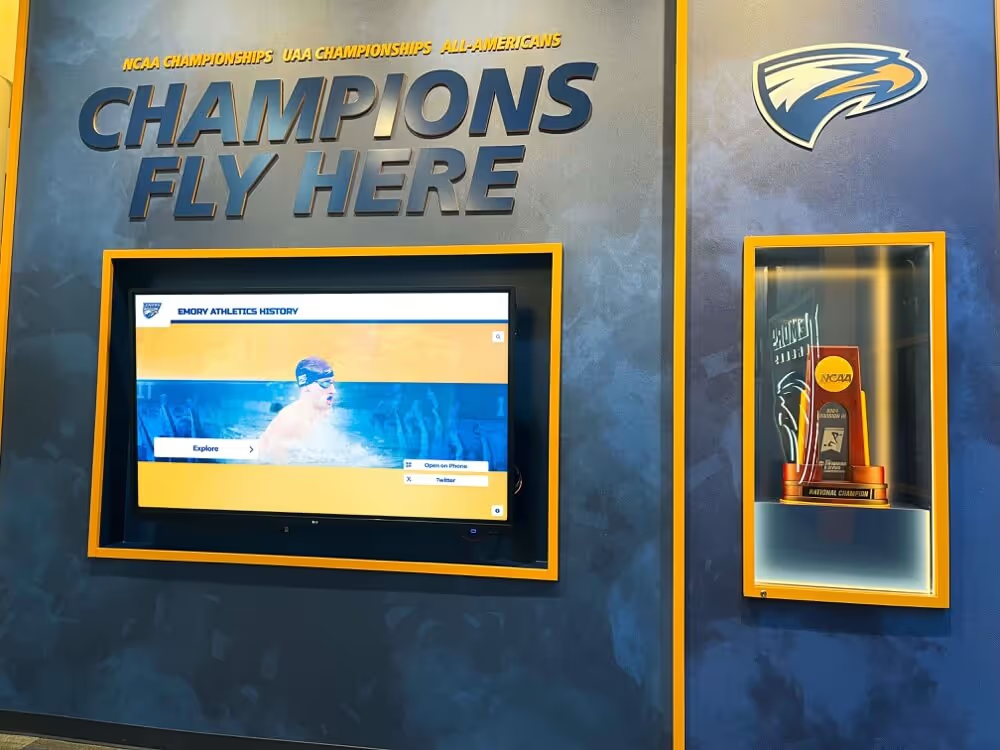
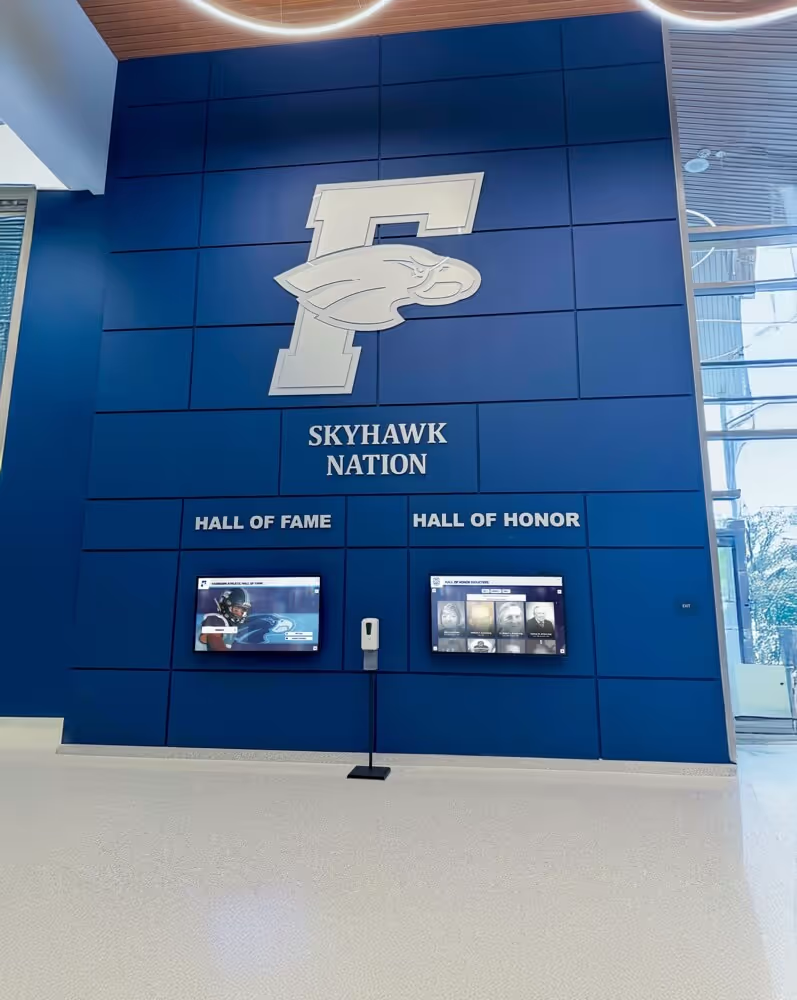
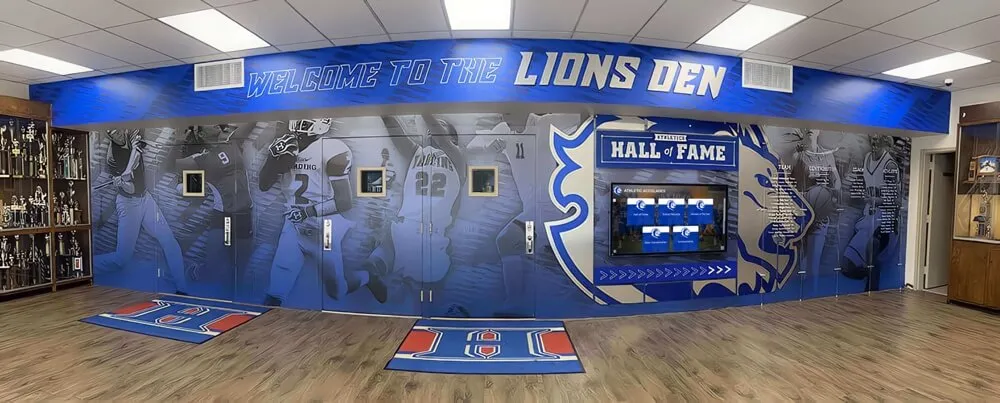
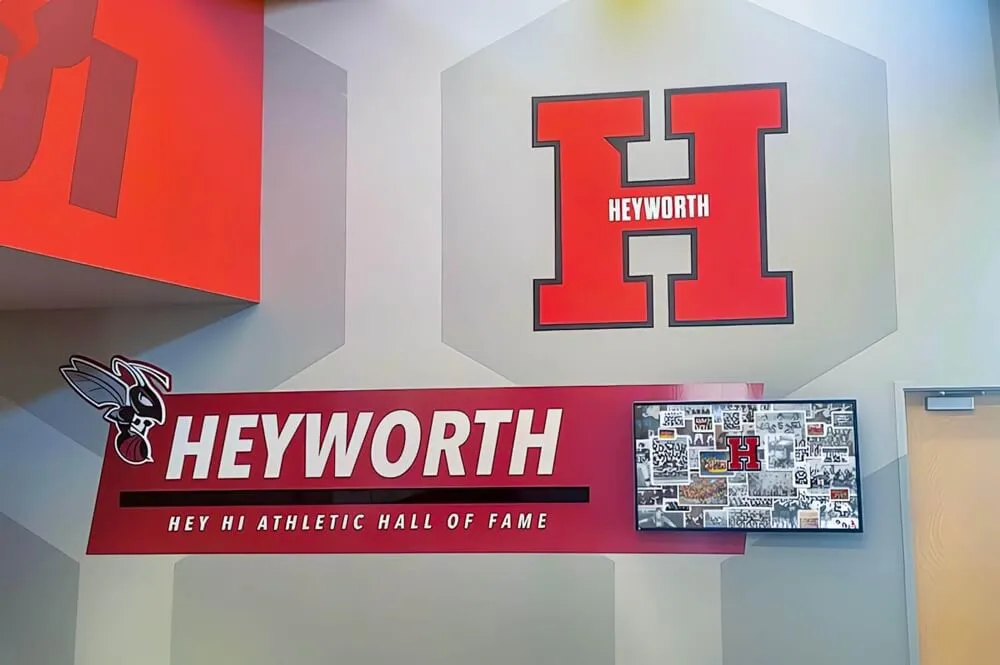
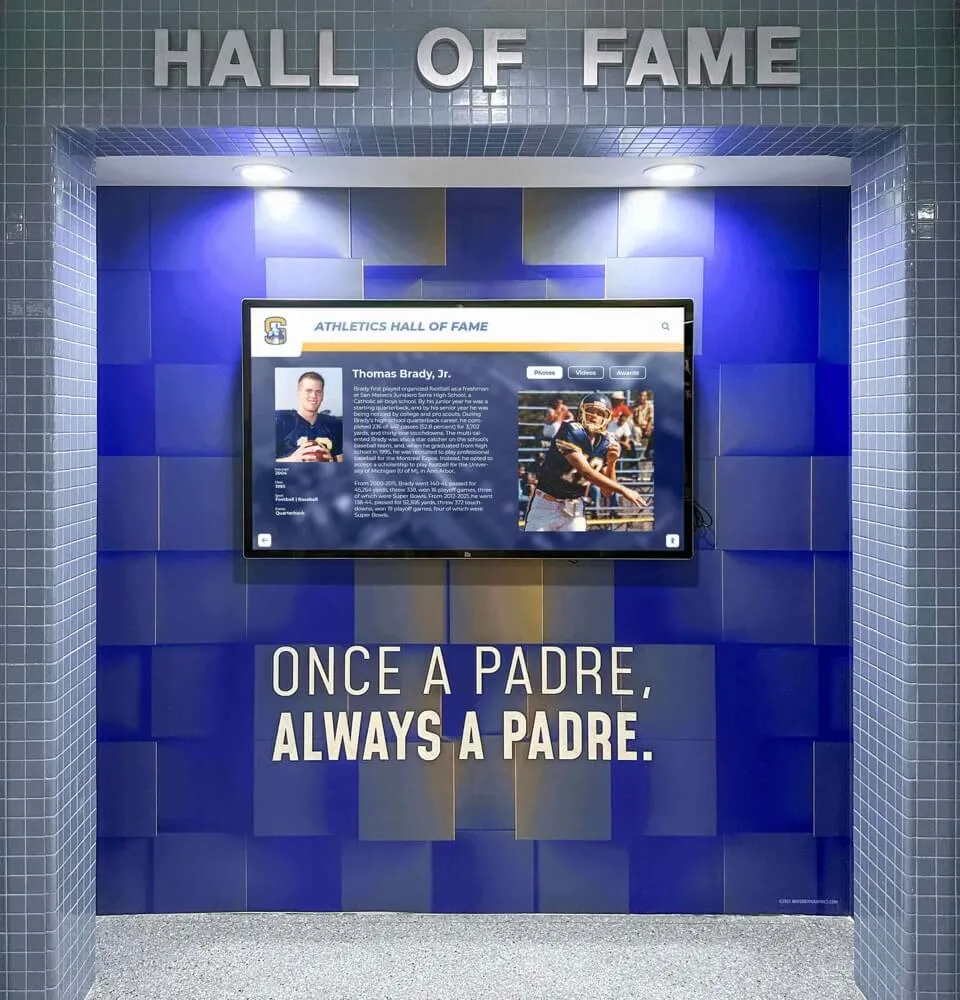
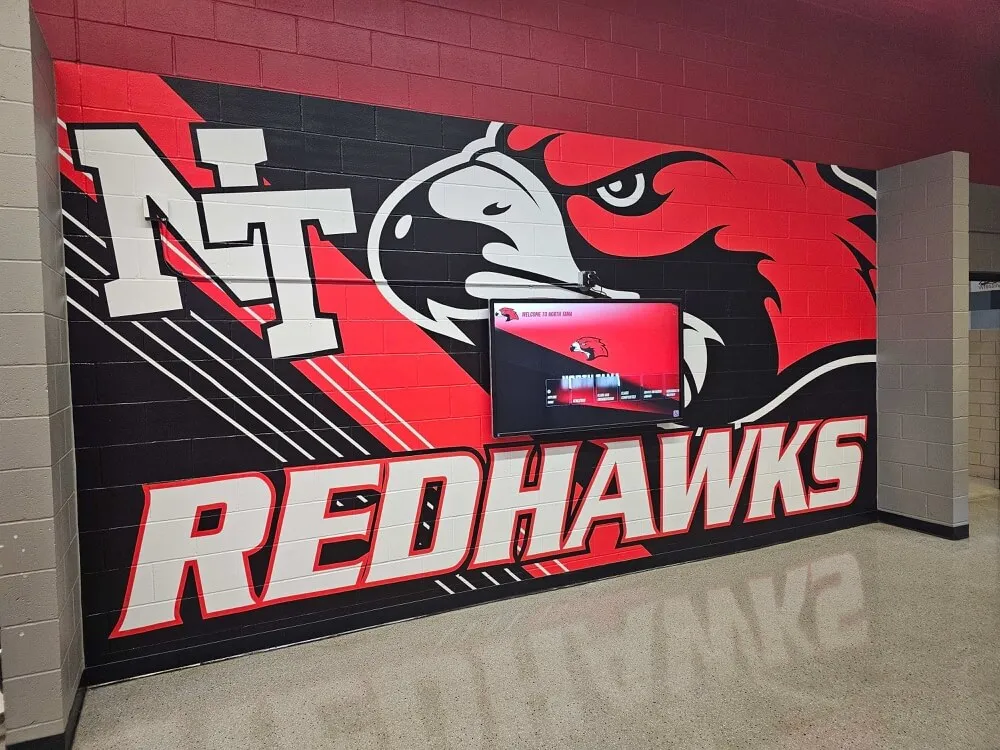
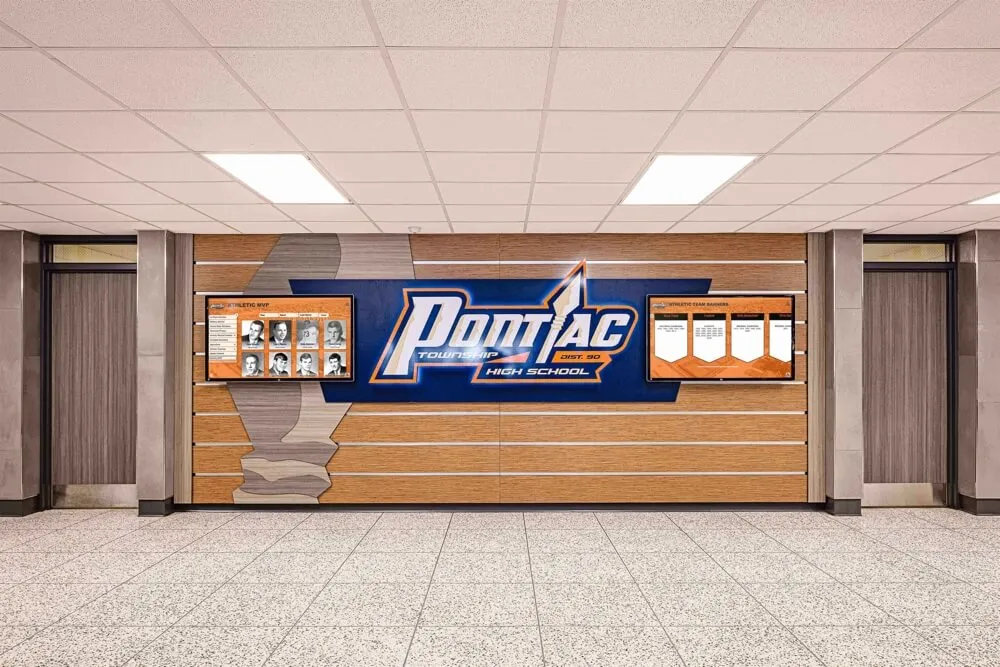
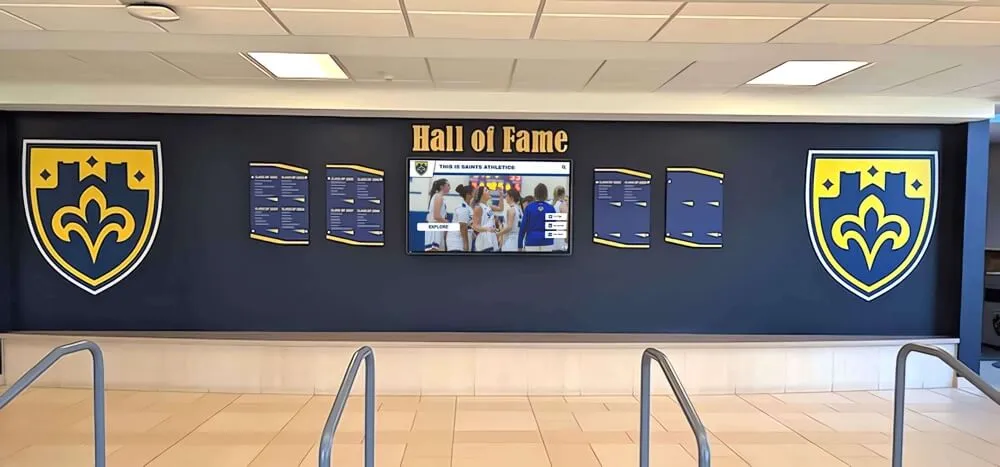
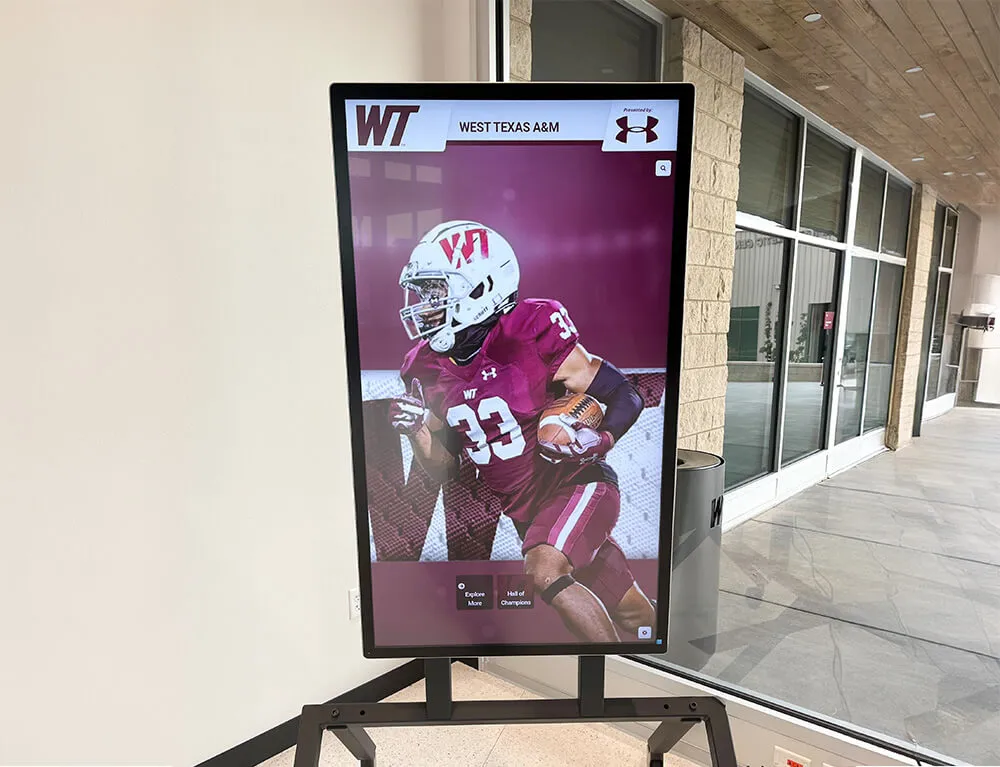
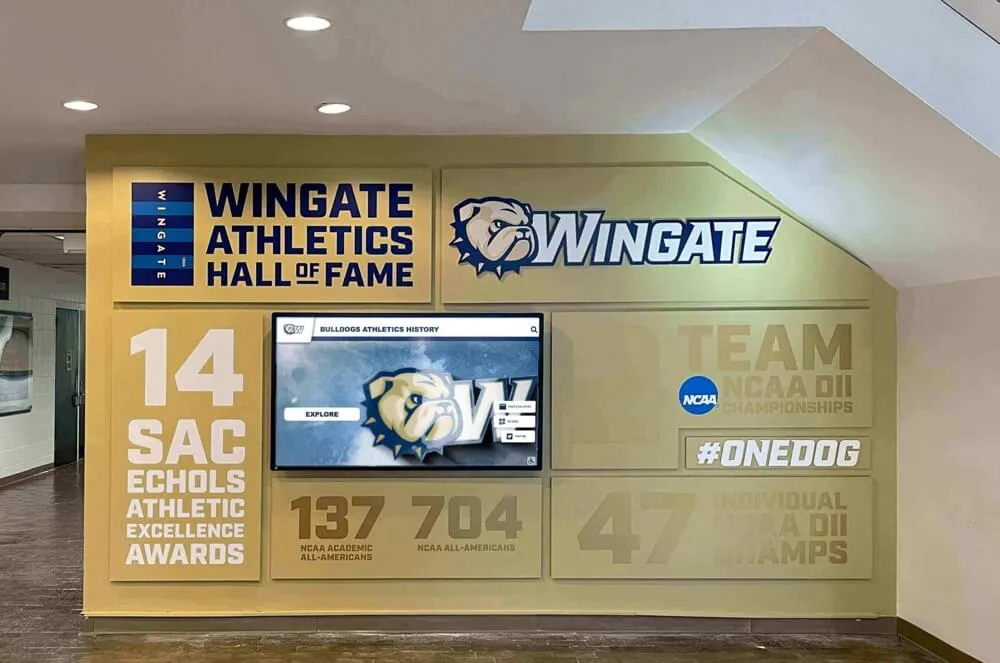
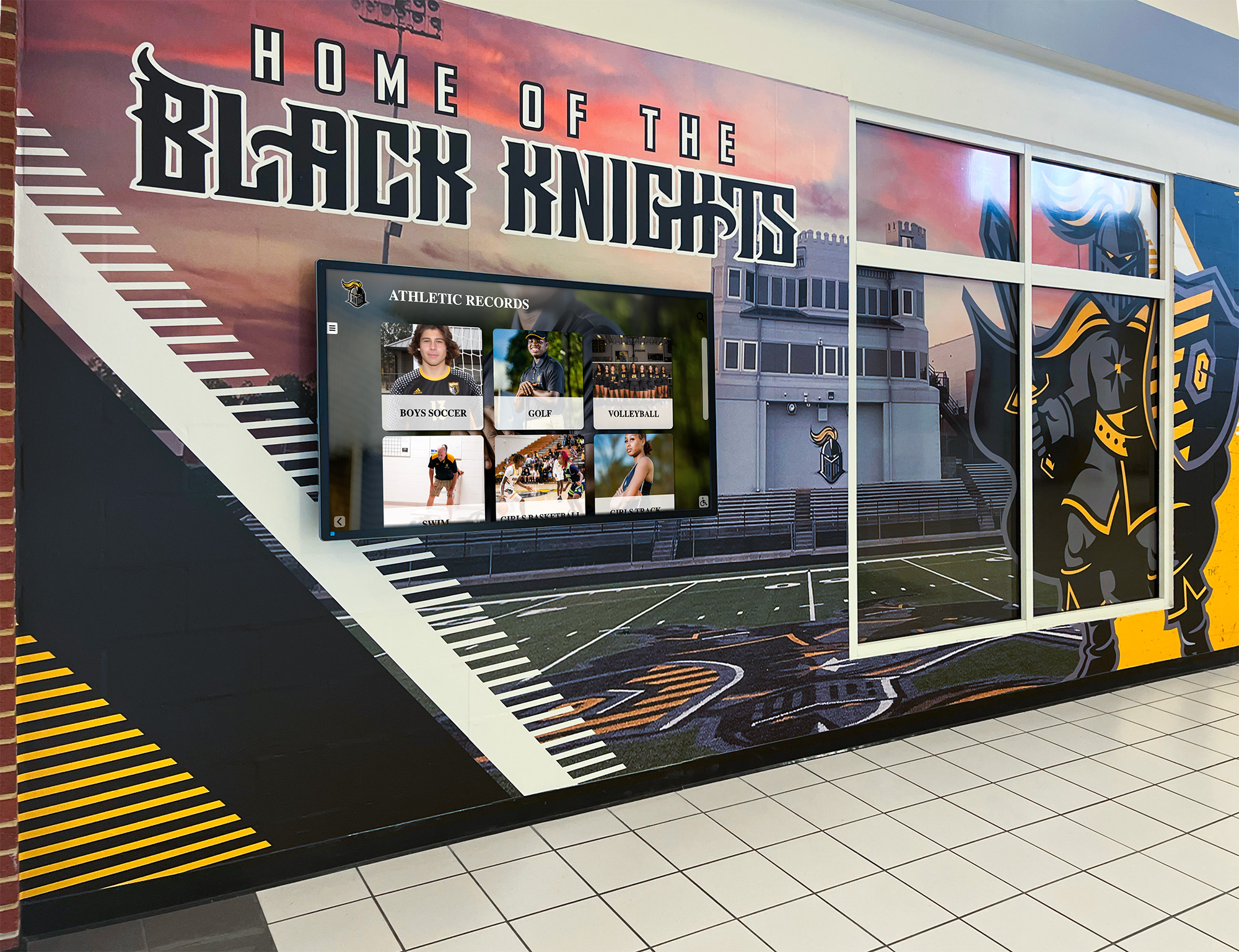
Modern digital record boards integrate with facility design to create impressive athletic recognition that celebrates program history while accommodating future achievements
Understanding Digital Record Boards
Digital record boards are interactive display systems that showcase athletic records, achievements, and team statistics through digital screens instead of traditional painted boards or physical plaques. These systems typically combine dedicated display hardware installed in athletic facilities with cloud-based software platforms enabling authorized staff to manage content, update records, and organize achievements across multiple sports and categories.
Unlike static boards limited by physical space and requiring manual repainting or re-engraving whenever records change, digital systems provide virtually unlimited capacity for displaying records while enabling instant updates from any internet-connected device. This fundamental difference transforms record boards from static historical artifacts into living recognition platforms that grow continuously with program achievements.
Core Components of Digital Record Board Systems
Effective digital record board implementations include three integrated elements:
Display Hardware
Large-format digital screens mounted in gymnasiums, pool facilities, athletic hallways, trophy rooms, or building lobbies. Commercial-grade displays range from 43-inch screens suitable for hallway installations to 75-inch or larger displays creating impressive focal points in gyms and competition venues. Quality systems use commercial displays rated for continuous operation rather than consumer televisions not designed for all-day use.
Display placement strategy significantly impacts visibility and engagement. Premium locations include gymnasium walls facing bleachers where records remain visible during competitions, pool facility entrances celebrating swimming and diving achievements, athletic hallway displays reaching broad student populations, lobby installations greeting visitors and prospective recruits, and weight room placements inspiring training efforts.
Content Management Platforms
Web-based dashboards allowing athletic directors, coaches, and authorized staff to add new records, update existing achievements, upload photos and videos, organize records by sport and category, and manage all displayed content without technical expertise. Cloud-based systems mean updates made from office computers, personal devices, or anywhere with internet connectivity appear instantly across all displays.
Quality platforms distinguish themselves through intuitive interfaces requiring minimal training, visual editors showing real-time previews before publishing, template-based layouts ensuring consistent formatting, batch upload capabilities for efficiently entering multiple records, and comprehensive record history tracking every change over time.
Web Accessibility
Online platforms extending record board access beyond physical facility locations. Web-based systems allow athletes to view records from smartphones, enable alumni to explore historical achievements, provide recruiting tools showing program excellence to prospective student-athletes, offer social sharing capabilities amplifying program recognition, and create 24/7 accessibility regardless of facility hours.
Solutions like Rocket Alumni Solutions integrate all three components—display hardware, content management, and web platforms—into unified systems ensuring consistent experiences whether viewers explore records in gymnasiums or online from smartphones.
Why Schools Are Upgrading to Digital Record Boards
The rapid adoption of digital record boards reflects substantial advantages over traditional approaches that solve longstanding challenges athletic programs face with static recognition systems.
Unlimited Record Capacity
Traditional painted record boards impose hard capacity limits determined by wall dimensions and legible text size. When boards fill completely, programs face difficult choices: stop adding new categories, remove older records to make space, or fund expensive renovations adding more wall space.
Digital systems eliminate these constraints entirely. Schools can showcase unlimited records across all sports, preserve historical achievements dating back decades, recognize diverse achievement types beyond top performances, display team records alongside individual accomplishments, and continuously grow record collections without hardware changes or capacity limitations.
Athletic directors implementing digital record boards consistently report that removing space constraints fundamentally changes recognition philosophy. Instead of selective boards displaying only exceptional records, programs can celebrate comprehensive achievements including conference records, school records, facility records, freshman records, and historical milestones that might never qualify for space-limited traditional boards.
Schools with limited gymnasium wall space particularly benefit from digital capacity. A single 55-inch display can showcase more records than would fit on entire gymnasium walls while maintaining excellent readability and professional presentation.
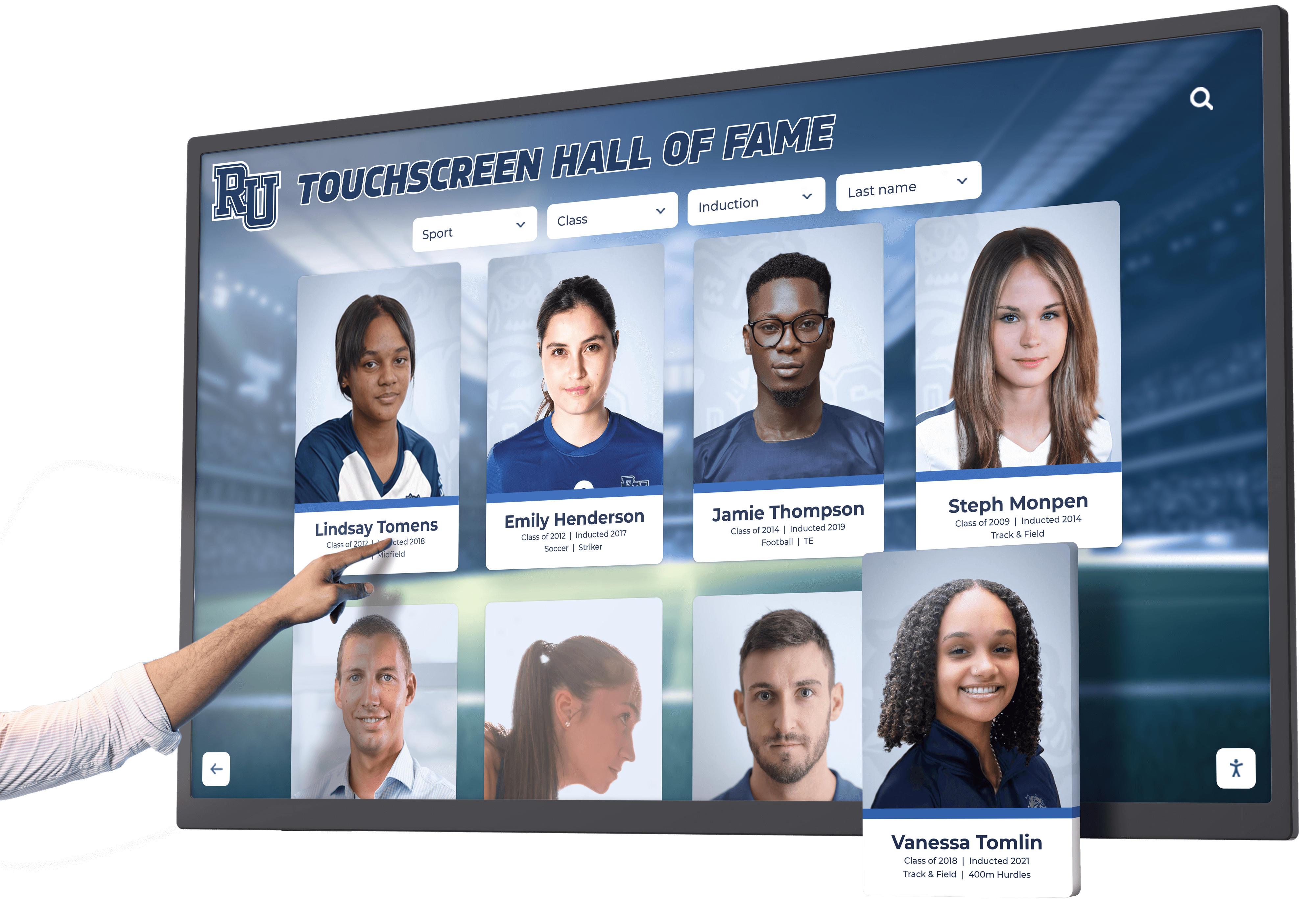
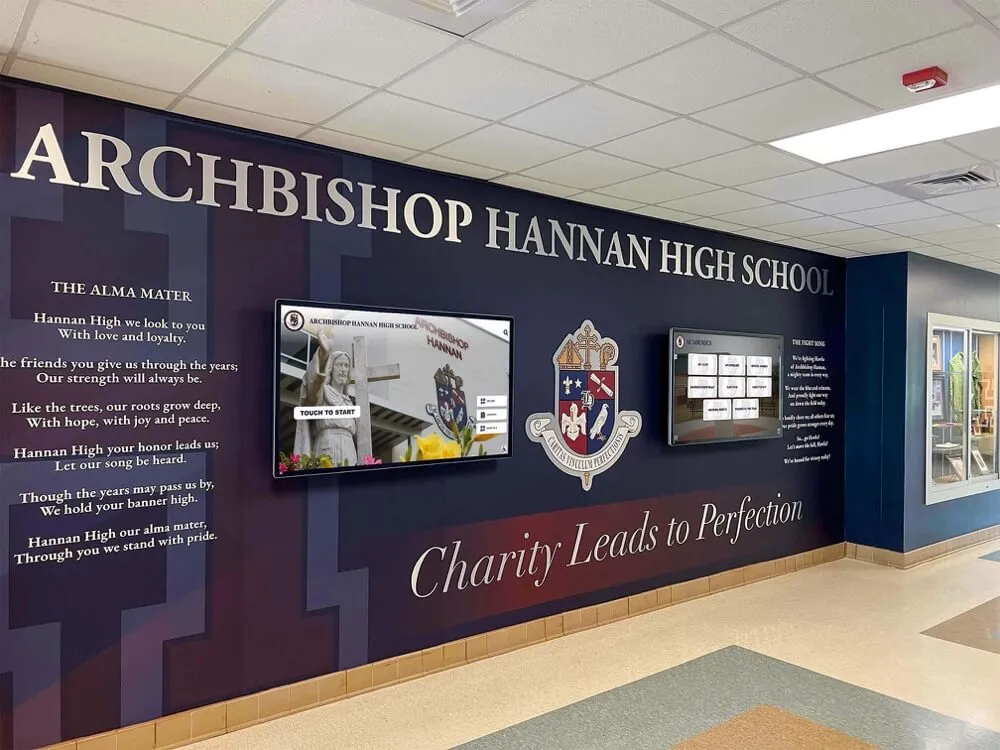
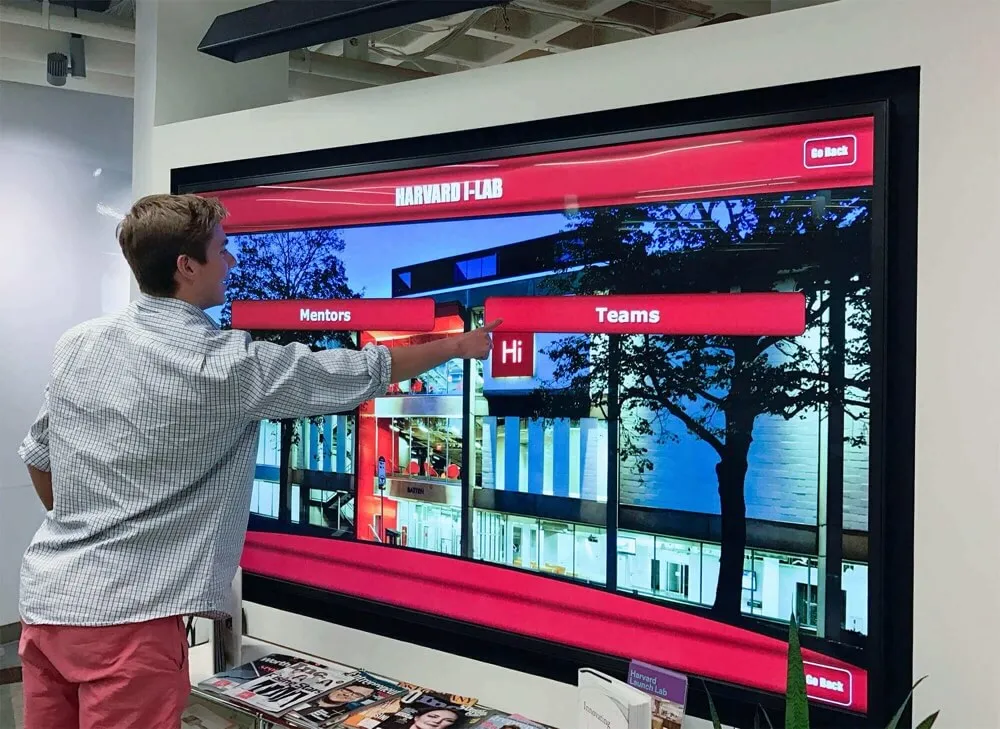
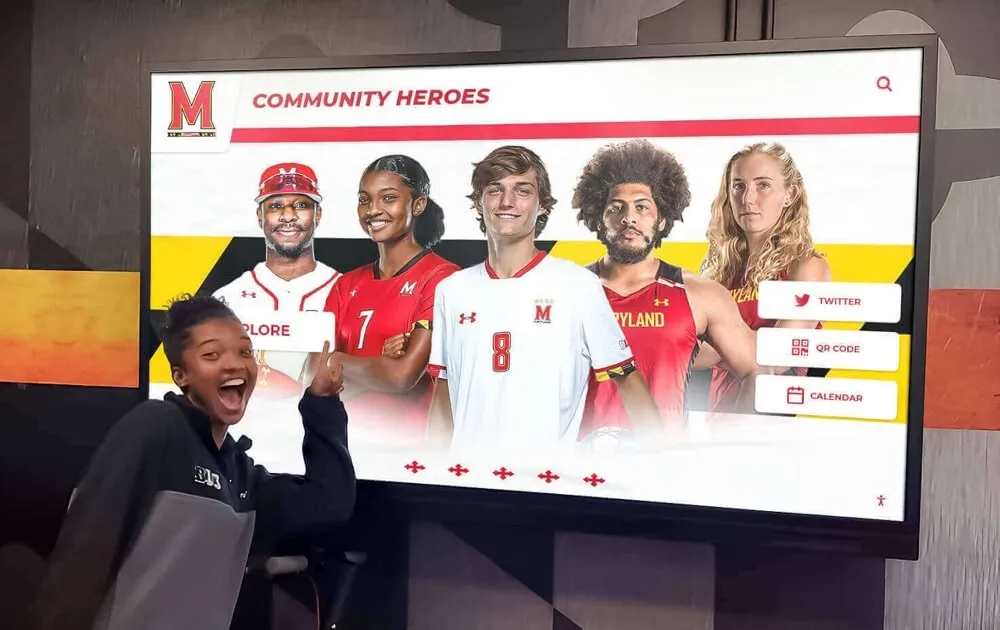
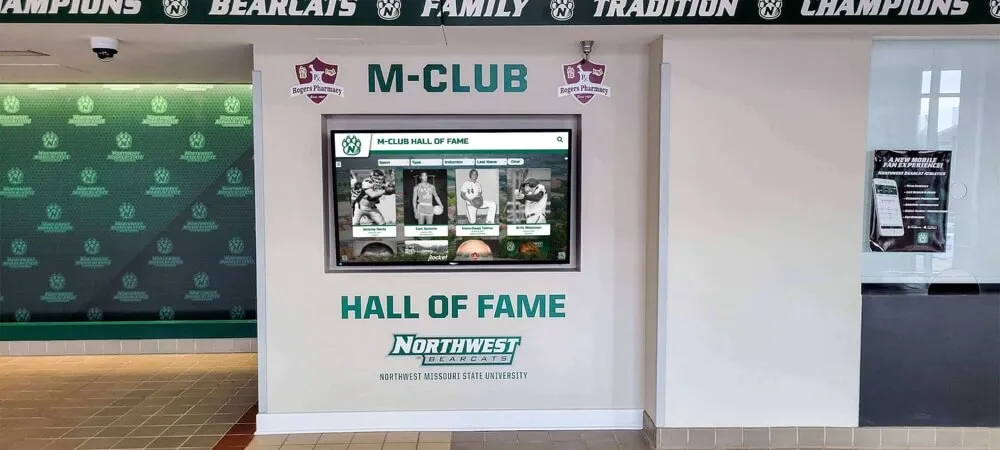
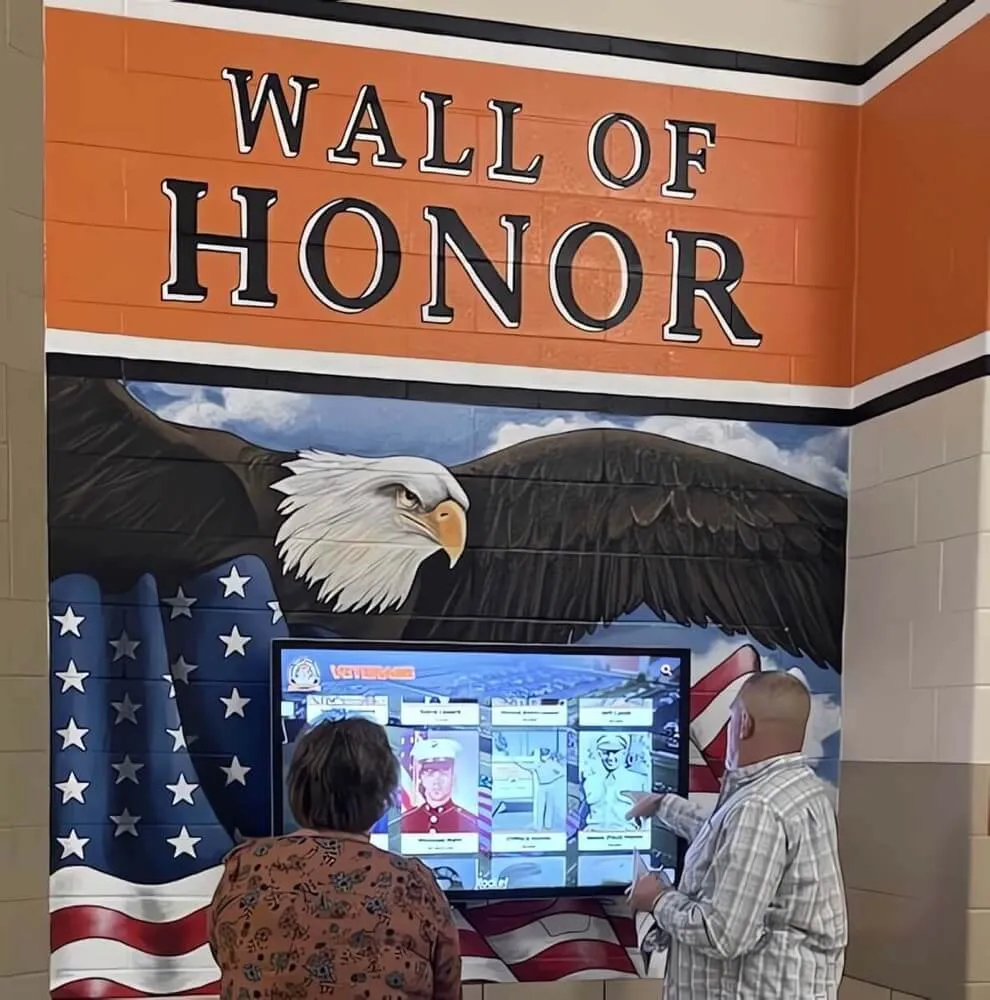
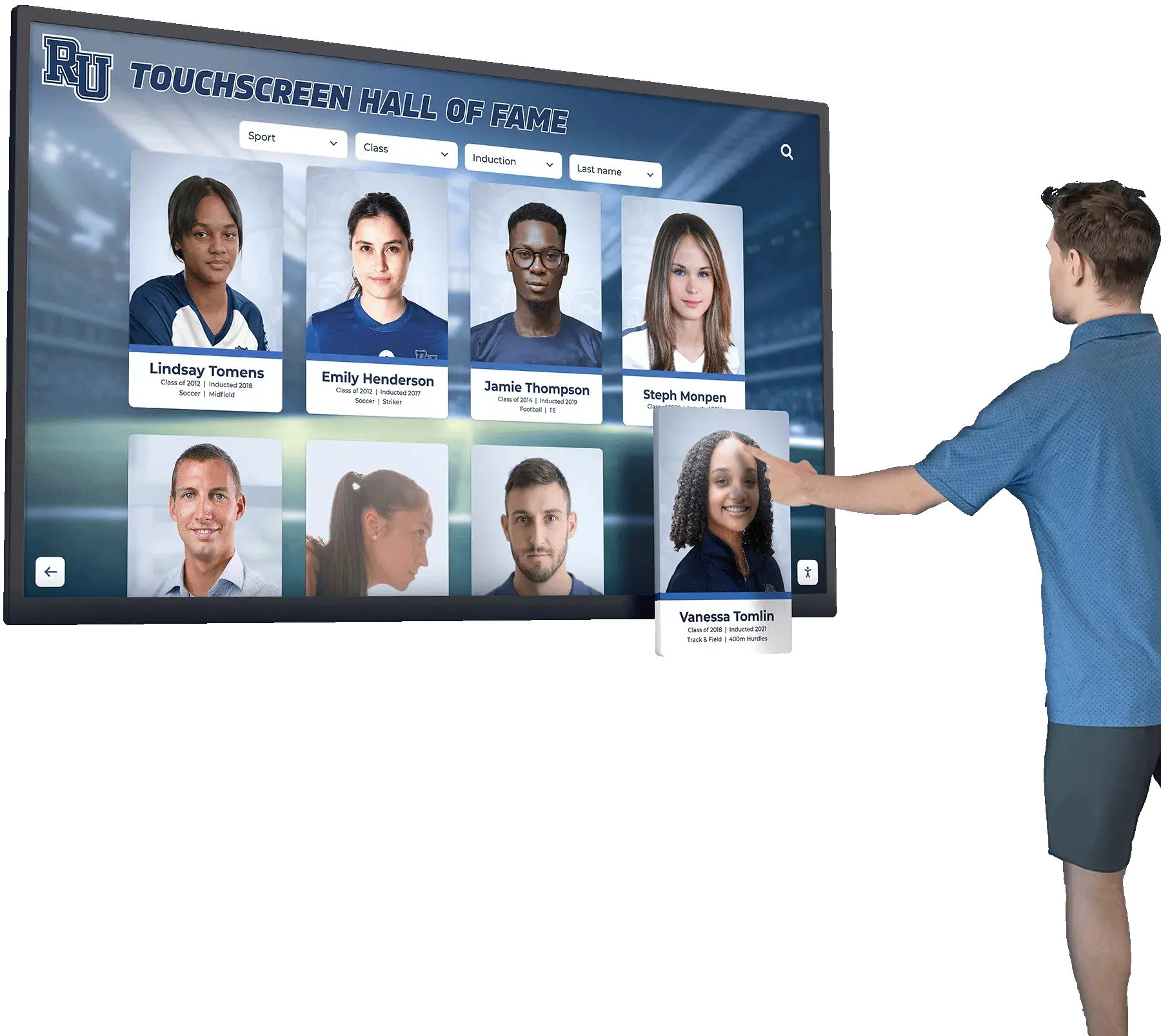
Interactive touchscreen systems enable athletes and visitors to explore comprehensive record collections through intuitive navigation impossible with static painted boards
Instant Updates and Real-Time Recognition
Traditional record boards create frustrating delays between achievement and recognition. When athletes break records during competition, updating painted boards requires:
- Scheduling facility access when gyms aren’t in use
- Contracting painters or sign makers for professional work
- Waiting weeks or months for completion
- Accepting that recognition occurs long after achievement excitement fades
- Living with errors until next repainting cycle
Digital record boards enable immediate celebration. When records fall, authorized staff update displays within minutes through simple content management dashboards. Athletes, parents, and communities see recognition appear during post-game celebrations while achievement excitement remains high rather than waiting weeks for physical updates.
This immediacy extends beyond adding records. Programs can correct errors instantly, update athlete information as careers progress, add context about record-breaking performances, create special recognition for milestone events, and respond to information changes without waiting for renovation cycles.
Schools implementing digital boards consistently report that instant update capability represents one of the most valued features—transforming record recognition from occasional maintenance projects into immediate celebrations reinforcing program excellence and athlete achievement.
Rich Multimedia Context and Storytelling
Traditional record boards display basic information: athlete names, performance marks, and dates. While this captures essential data, it provides no context about achievements, no visualization of performances, and no connection to athletes beyond names.
Digital platforms enable comprehensive storytelling that brings records to life:
- Action photos showing athletes performing record achievements
- Video highlights of record-breaking performances
- Biographical context about athletes and their journeys
- Historical comparisons showing record progression over time
- Meet results and competition details
- News articles and press coverage
- Career statistics and achievement timelines
- Team photos and championship celebrations
This rich content creates emotional connections impossible with name-and-number displays. Visitors don’t just read that someone high jumped 6'4"—they watch video of the performance, learn about the athlete’s background, see the record’s progression over decades, and understand achievement significance within program history.
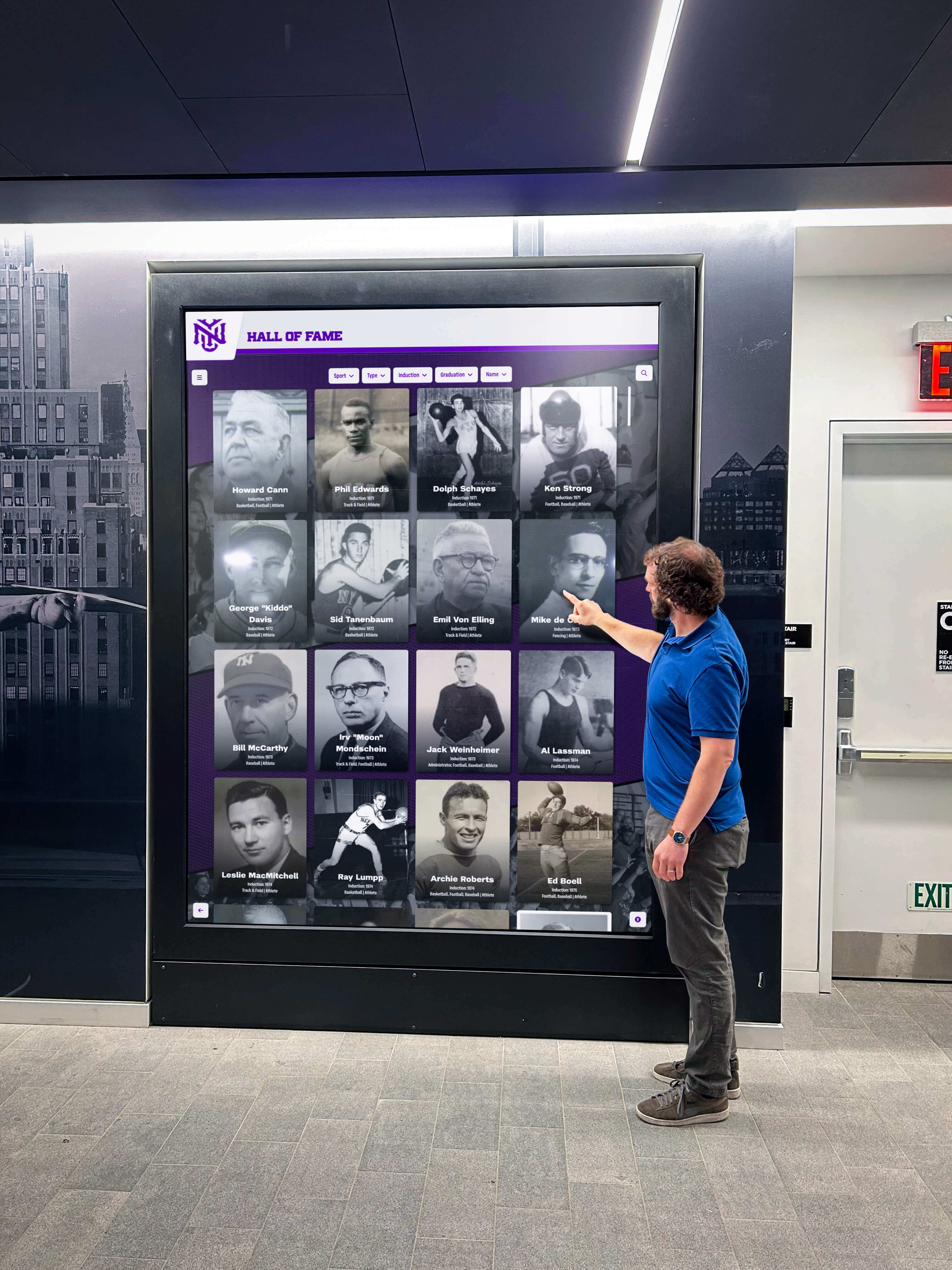
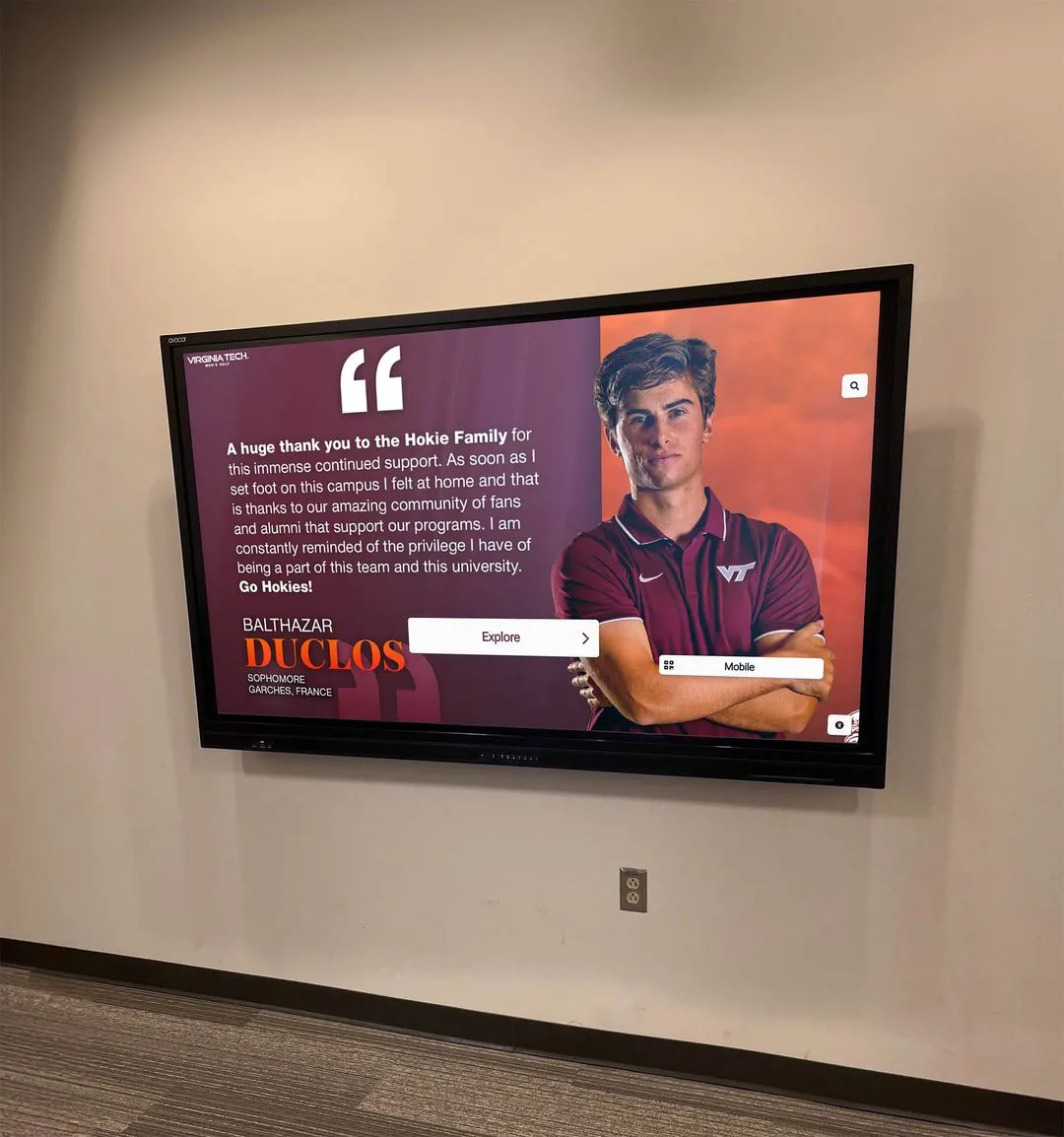
Multimedia capabilities transform basic record lists into compelling stories that inspire current athletes while honoring program heritage
Professional Presentation and Consistent Branding
Visual quality and consistency vary dramatically across traditional record boards accumulated over decades. Painted boards show different font styles, fading and wear, amateur execution, inconsistent formatting between sports, and dated aesthetics revealing lack of recent investment.
Digital platforms ensure professional presentation across all records through unified design templates incorporating school colors and branding, consistent typography and formatting across all sports, professional layouts optimizing readability, modern interfaces reflecting current facility quality, customizable themes maintaining visual identity, and flexible designs adapting to different record types while ensuring coherence.
This professional consistency matters particularly during athletic recruiting visits when facility quality influences prospective student-athlete impressions. Digital record boards demonstrate program excellence and institutional investment in athletic recognition—important signals during competitive recruitment.
Athletic directors report that facility appearance affects recruiting outcomes, and digital record boards significantly improve overall athletic facility presentation while solving practical recognition challenges simultaneously.
Flexible Organization and Multiple Views
Traditional painted boards typically organize records chronologically with newest additions at bottom, alphabetically by athlete name, or by performance mark from top to bottom. Once painted, organization remains fixed regardless of how viewers want to explore achievements.
Digital systems provide flexible organization serving diverse viewing needs:
- By sport: Separate views for each athletic program
- By event: Track records grouped by event type (sprints, distance, field events)
- By gender: Separate recognition for boys and girls programs
- By year: Historical views showing record evolution over time
- By athlete: Individual athlete profiles with all achievements
- By season: Current season records versus all-time achievements
- By team: Relay records and team accomplishments
Users can toggle between organizational views instantly, exploring records in ways most meaningful to their interests. Athletes searching for personal achievements, coaches analyzing program trends, and alumni exploring historical records each benefit from relevant organizational structures.
Schools implementing comprehensive digital recognition systems discover that flexible organization dramatically improves engagement by serving diverse audience needs impossible with single fixed layouts.
Cost-Effectiveness Over Long Timeframes
Initial digital record board investments typically range from $5,000-12,000 for complete systems including display hardware, mounting, software, and implementation support. While this exceeds costs of repainting traditional boards, long-term economics favor digital approaches substantially.
Traditional board costs accumulate continuously: repainting entire boards every 3-5 years ($2,000-5,000 per board), adding sections when space fills ($1,500-3,000 per expansion), correcting errors requiring partial repaints, replacing worn or faded boards, and renovating when capacity exhausts.
Over 10-15 year periods typical for facility planning, these incremental costs often exceed digital system investments. Digital platforms require software subscriptions (typically $800-2,000 annually) but eliminate per-update costs, support unlimited additions without additional fees, avoid renovation and expansion expenses, and provide content management replacing labor-intensive manual processes.
Schools tracking total cost of ownership consistently report that digital record boards achieve cost parity with traditional boards within 5-8 years while delivering dramatically superior functionality, flexibility, and presentation quality throughout system lifecycles.
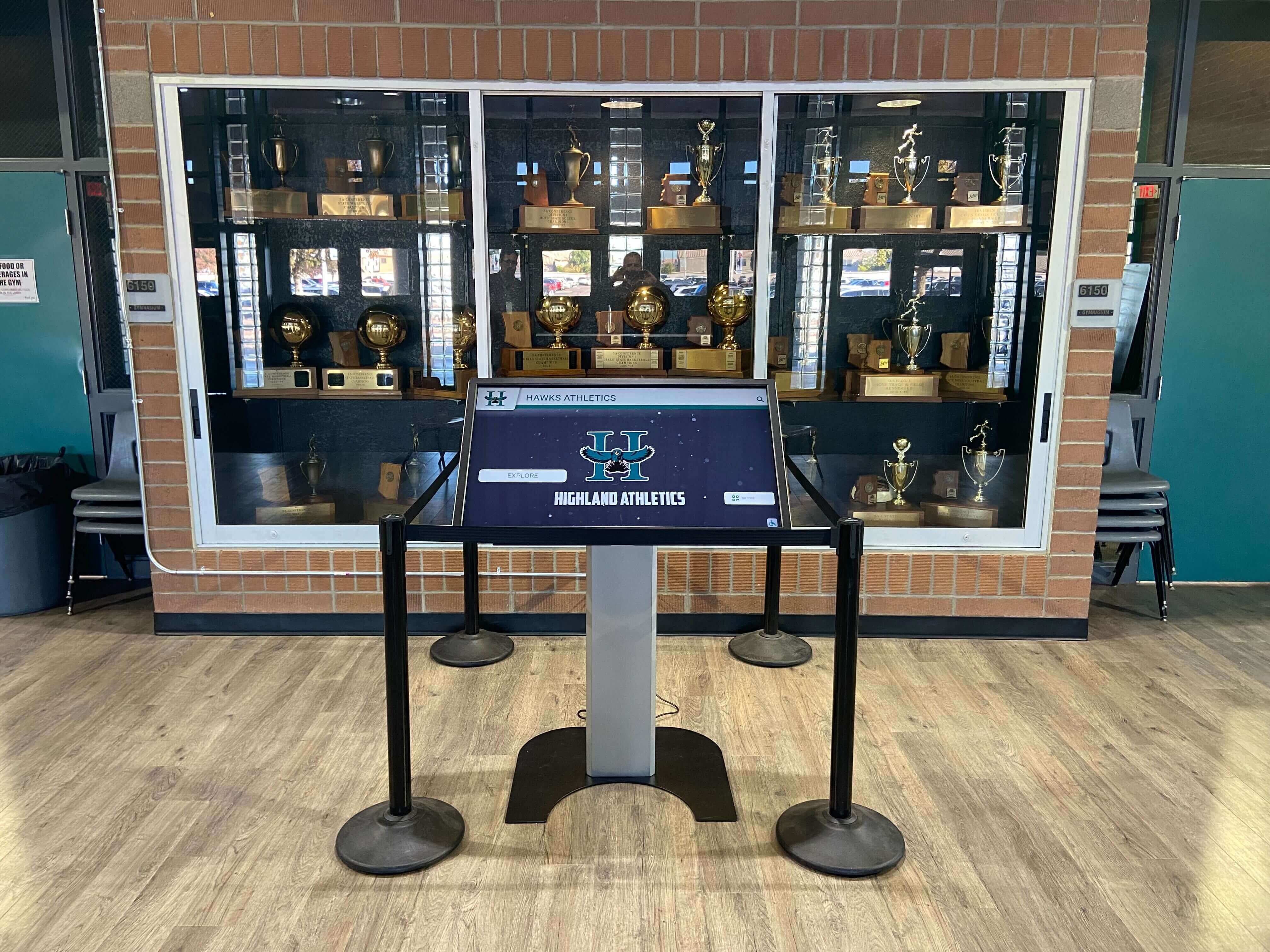
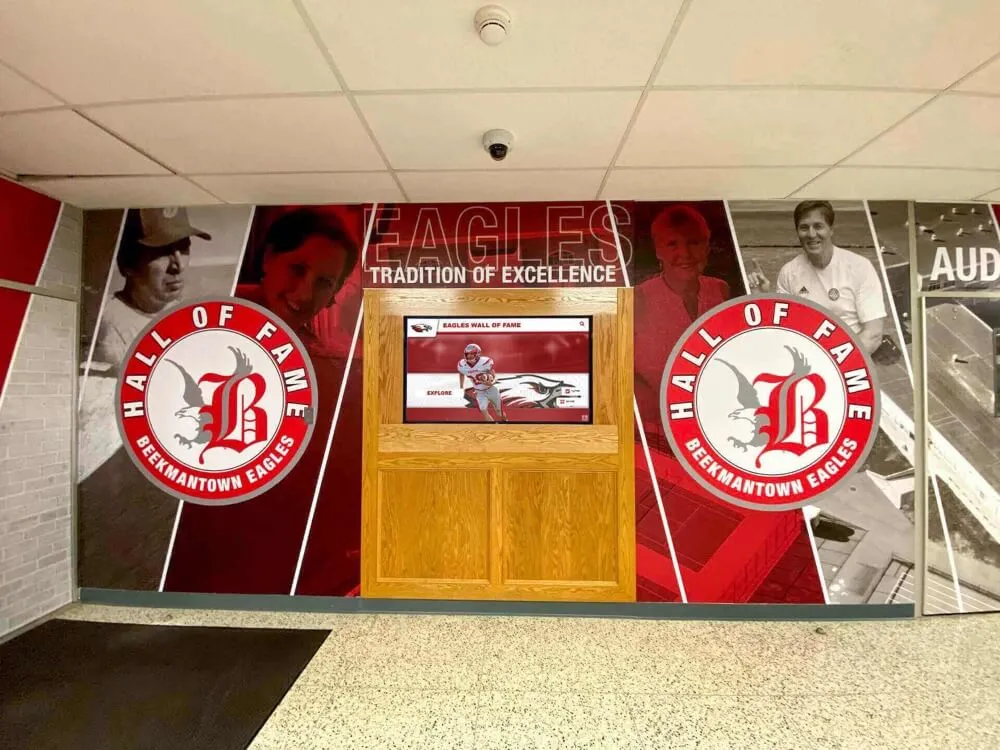
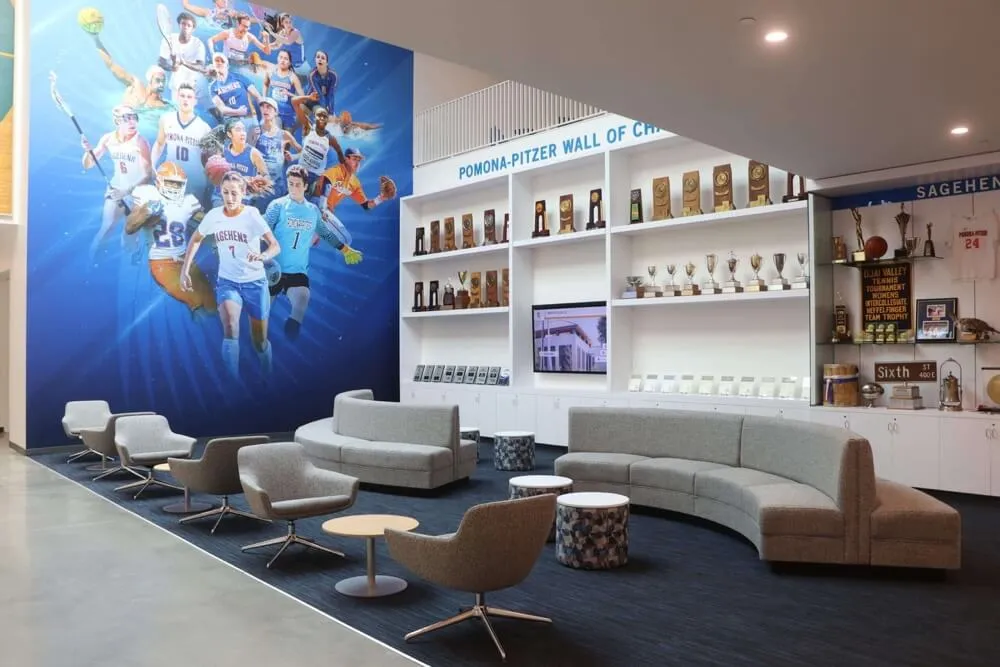
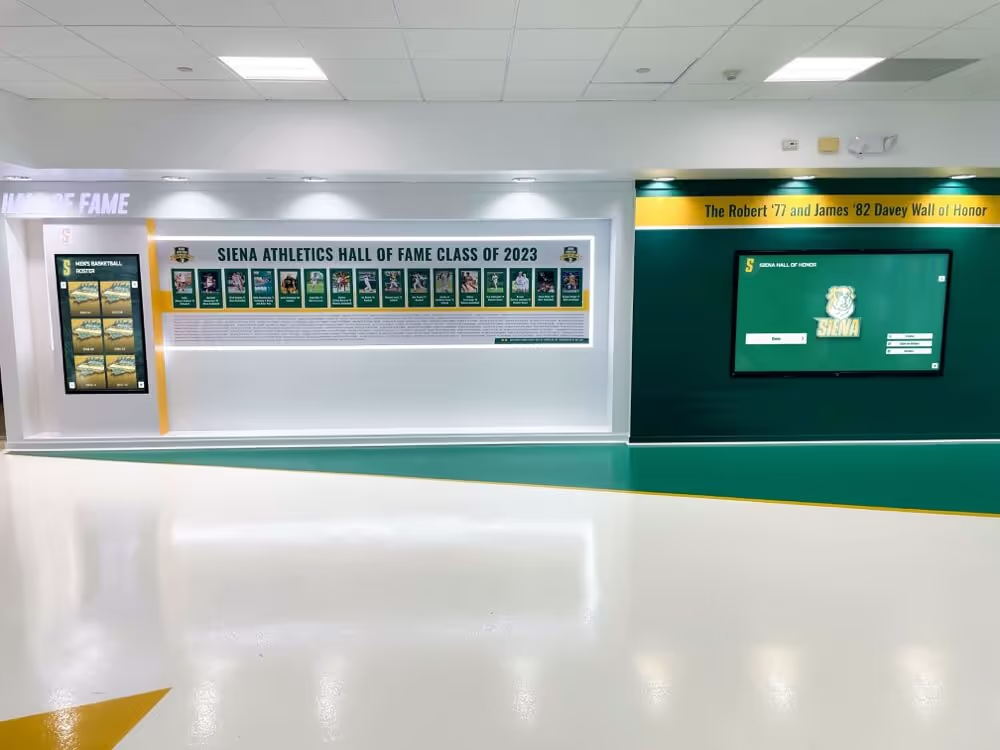
Strategic integration with trophy cases and athletic facilities creates comprehensive recognition environments celebrating program achievements through complementary displays
Essential Features of Quality Digital Record Board Systems
Digital record board platforms vary significantly in capabilities, ease of use, and long-term value. Evaluating potential systems requires assessing specific features determining satisfaction and operational success.
Intuitive Content Management
Content management ease determines whether staff will maintain current, accurate records or whether systems will stagnate with outdated information. Quality platforms provide:
- Visual editors with real-time preview before publishing
- Simple forms capturing essential record information
- Drag-and-drop photo and video uploads
- Template-based layouts ensuring formatting consistency
- Bulk record import from spreadsheets or existing databases
- Intuitive navigation requiring minimal training
- Clear workflows for adding records versus updating existing entries
- Comprehensive search finding existing records quickly
Test content management during evaluation by actually creating sample records. If processes feel complicated or require technical knowledge, staff won’t maintain content consistently after implementation enthusiasm fades.
Schools implementing digital record boards emphasize that content management simplicity represents critical success factor. Complex systems requiring technical expertise or extensive training typically fail to receive consistent updates, defeating primary purpose of maintaining current recognition.
Flexible Record Categories and Custom Fields
Athletic programs need diverse record types beyond standard individual events:
- Individual event records (100m dash, high jump, etc.)
- Relay and team event records
- Season records (points scored, wins, etc.)
- Career records spanning multiple seasons
- Team championship achievements
- Conference and regional recognition
- Facility records specific to home venues
- Age group or grade level records
- Historical milestone achievements
Quality systems support unlimited custom categories with independent organization, flexible data fields capturing category-specific information, customizable templates accommodating different record types, and navigation structures helping viewers explore diverse achievements easily.
Programs managing multiple sports particularly benefit from platforms supporting sport-specific customization rather than forcing all records into identical templates regardless of relevance.
Comprehensive Media Support and Storage
Effective storytelling requires diverse media integration. Evaluate platforms on:
- Photo galleries with multiple images per record
- Video hosting and streaming without external services
- PDF embedding for news articles and meet results
- Sufficient storage capacity (ideally unlimited or very high limits)
- Media organization and tagging for easy retrieval
- Image editing and optimization tools
- Automatic format conversion for compatibility
- Fast loading times for media-rich content
Consider whether storage is included in platform subscriptions or requires separate cloud storage services adding complexity and cost. Solutions including comprehensive media storage eliminate dependencies on external services like Google Drive or YouTube.
Mobile-Responsive Web Access
With most web traffic originating from smartphones, mobile experience is essential for reaching athletes, families, and alumni. Quality platforms provide:
- Responsive designs adapting to any screen size
- Touch-optimized interfaces for smartphone navigation
- Fast loading on cellular networks
- Mobile-friendly search and filtering
- Social sharing optimized for mobile platforms
- Readable text sizes without zooming
- Intuitive mobile navigation patterns
Test web platforms on multiple mobile devices during evaluation. If navigation feels awkward or content doesn’t display well on smartphones, athlete and alumni engagement will suffer dramatically.
Schools implementing digital athletic recognition emphasize mobile accessibility importance for reaching tech-native student populations who primarily access content through smartphones.
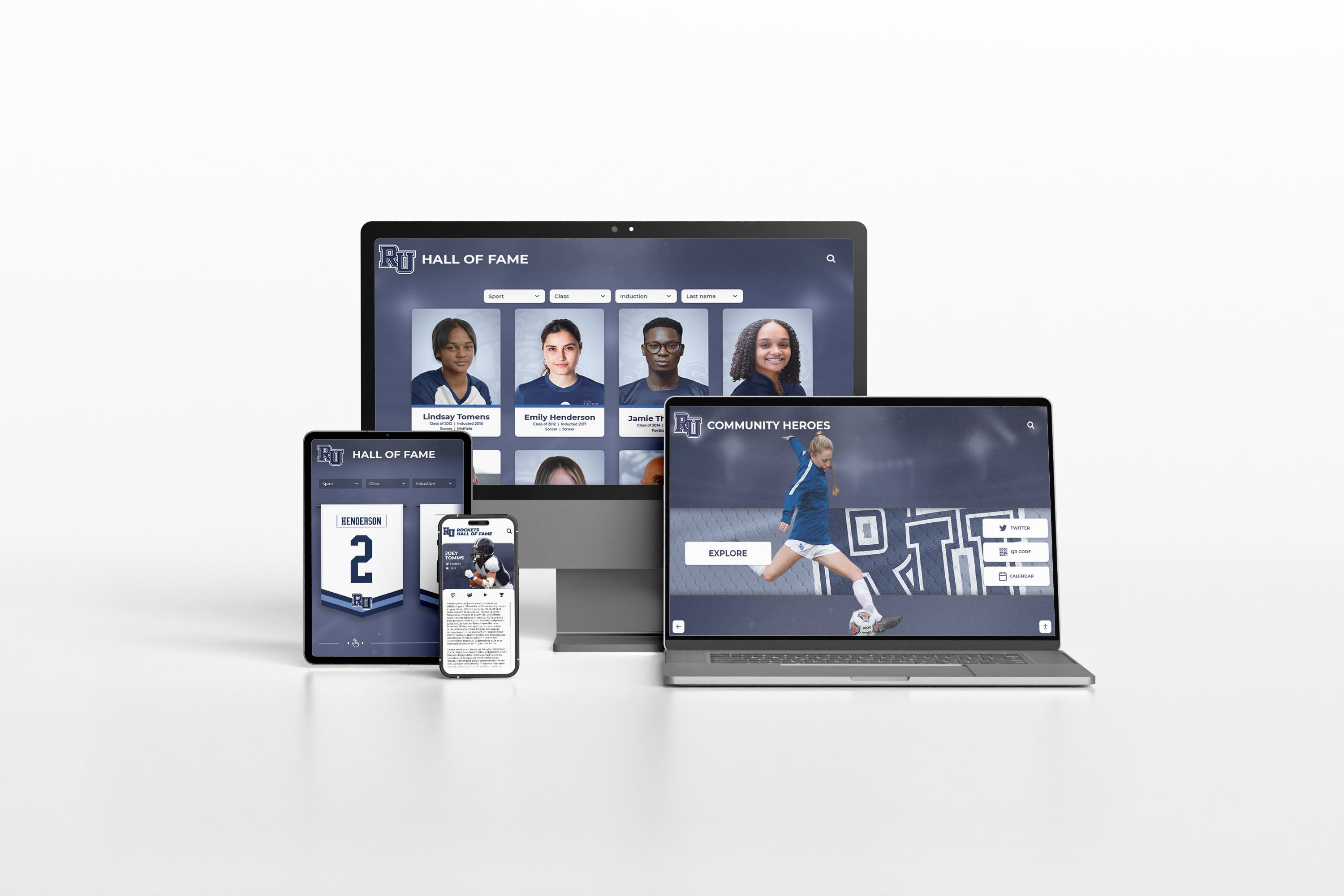
Responsive design ensures excellent experiences across all devices from large facility displays to personal smartphones and tablets
Robust Search and Filtering Capabilities
Visitors approach record boards with specific goals—finding personal achievements, exploring particular sports, comparing current and historical records, or discovering program milestones. Support these diverse needs through:
- Full-text search across all record content
- Advanced filtering by sport, event, year, gender, or custom criteria
- Alphabetical athlete browsing
- Chronological timeline views
- Performance-based sorting (fastest to slowest, highest to lowest)
- Team versus individual record filtering
- Current season versus all-time record toggles
Poor search frustrates users and limits engagement. Difference between finding yourself in seconds versus minutes dramatically impacts satisfaction and likelihood of sharing experiences with others.
Hardware Flexibility and Standards Compliance
Some providers require purchasing specific proprietary hardware creating vendor lock-in and limiting upgrade options. Others support flexible hardware choices allowing schools to:
- Use existing displays when suitable
- Purchase from preferred vendors at competitive prices
- Upgrade hardware independently of software
- Support various screen sizes and orientations
- Accommodate both touchscreen and non-touch displays
- Replace failed hardware without software changes
Hardware flexibility becomes particularly valuable as technology evolves—schools shouldn’t need to replace entire systems because discontinued display models no longer work with proprietary software.
Evaluate whether systems work with standard digital signage displays or require specialized equipment, support modern connection standards (HDMI, Wi-Fi, etc.), provide clear hardware specifications and recommendations, and allow hardware substitution when preferred equipment offers better value or features.
Implementation Support and Training
Launching digital record boards involves substantial initial work: entering historical records and achievements, collecting photos and videos for existing records, organizing content into appropriate categories, configuring layouts and branding, setting up hardware and network connectivity, and training staff on content management.
Quality providers offer comprehensive support including:
- Initial content entry assistance or services
- Template setup and customization
- Staff training and documentation
- Hardware installation guidance or professional installation
- Network configuration support
- Ongoing technical support ensuring quick problem resolution
- Knowledge base and tutorial resources
- Regular software updates and feature enhancements
Compare provider support offerings carefully. Cheapest platforms may become expensive if you must hire consultants for implementation or struggle without adequate assistance.
Analytics and Engagement Tracking
Understanding how people interact with digital record boards informs content strategy and demonstrates value to administrators and stakeholders. Look for platforms tracking:
- Display viewing sessions and durations
- Web platform visits and unique visitors
- Most-viewed records and popular content
- Search queries revealing viewer interests
- Geographic distribution of web access
- Device types and platform usage (facility displays versus web)
- Seasonal engagement patterns
- Record-breaking event traffic spikes
Organizations implementing interactive digital displays use engagement data to optimize content, identify recognition gaps, and justify continued investment in recognition technology.
Planning Your Digital Record Board Implementation
Successful digital record board launches require systematic planning addressing content strategy, technical requirements, stakeholder engagement, and realistic timelines.
Define Scope and Record Categories
Begin by determining which records and achievements your system will display:
Sport-Specific Records
- Individual event records (track and field, swimming, etc.)
- Team and relay records
- Seasonal achievements (points, wins, goals, etc.)
- Career accomplishments spanning multiple seasons
- Single-game or single-meet performances
Program-Wide Recognition
- Conference championships and tournament victories
- State championship achievements
- Coaching milestones (career wins, tenure recognition)
- Facility records specific to home venues
- Historical program milestones and anniversaries
Special Achievement Categories
- Academic All-American recognition
- All-conference and all-state selections
- College commitment and signing day celebration
- Retired numbers and special honors
- Record progression timelines showing evolution over decades
Most schools start with primary sports with abundant existing records, then expand to additional programs as comfort with systems grows. Starting with one or two sports allows manageable implementation while proving value before comprehensive rollout.
Develop Historical Content Collection Strategy
Digital record boards are only as valuable as their content. Plan systematic approaches for gathering historical information:
Primary Record Sources
- Athletic department record books and archives
- Coaching staff files and personal collections
- Historical meet results and competition records
- Yearbook archives providing photos and context
- Local newspaper archives covering achievements
- Alumni office records and biographical information
- State athletic association databases and records
Content Collection Workflows
Assign specific staff responsibilities: researchers gathering historical records from various sources, data entry staff inputting records into systems, photo editors preparing images for display, quality control reviewers verifying accuracy before publishing, and coordinators managing overall content development timelines.
Budget adequate time for historical content collection. Comprehensive multi-sport record boards covering decades of achievements typically require 40-80 hours of research, data entry, and photo preparation for quality implementation.
Schools implementing digital athletic archives discover that systematic content collection processes ensure complete accurate recognition while preventing overwhelming last-minute rushes before launch deadlines.
Establish Ongoing Update Procedures
Digital record boards require ongoing maintenance ensuring current accuracy. Develop clear procedures addressing:
Record Update Workflows
Define who can add records (athletic director, coaches, specific staff), establish verification requirements before publishing, create approval processes for record claims, determine response timelines for record-breaking achievements, and set quality standards for photos and information completeness.
Regular Content Reviews
Schedule quarterly audits verifying record accuracy, annual comprehensive content reviews, systematic checks for outdated information, regular photo and media updates, and athlete information updates as careers progress.
Communication Protocols
Establish how coaches notify about records, create athlete notification processes when records appear, develop social media promotion strategies, and set stakeholder communication about new features or updates.
Clear procedures prevent confusion about responsibilities while ensuring consistent high-quality content management regardless of staff turnover or seasonal workload fluctuations.
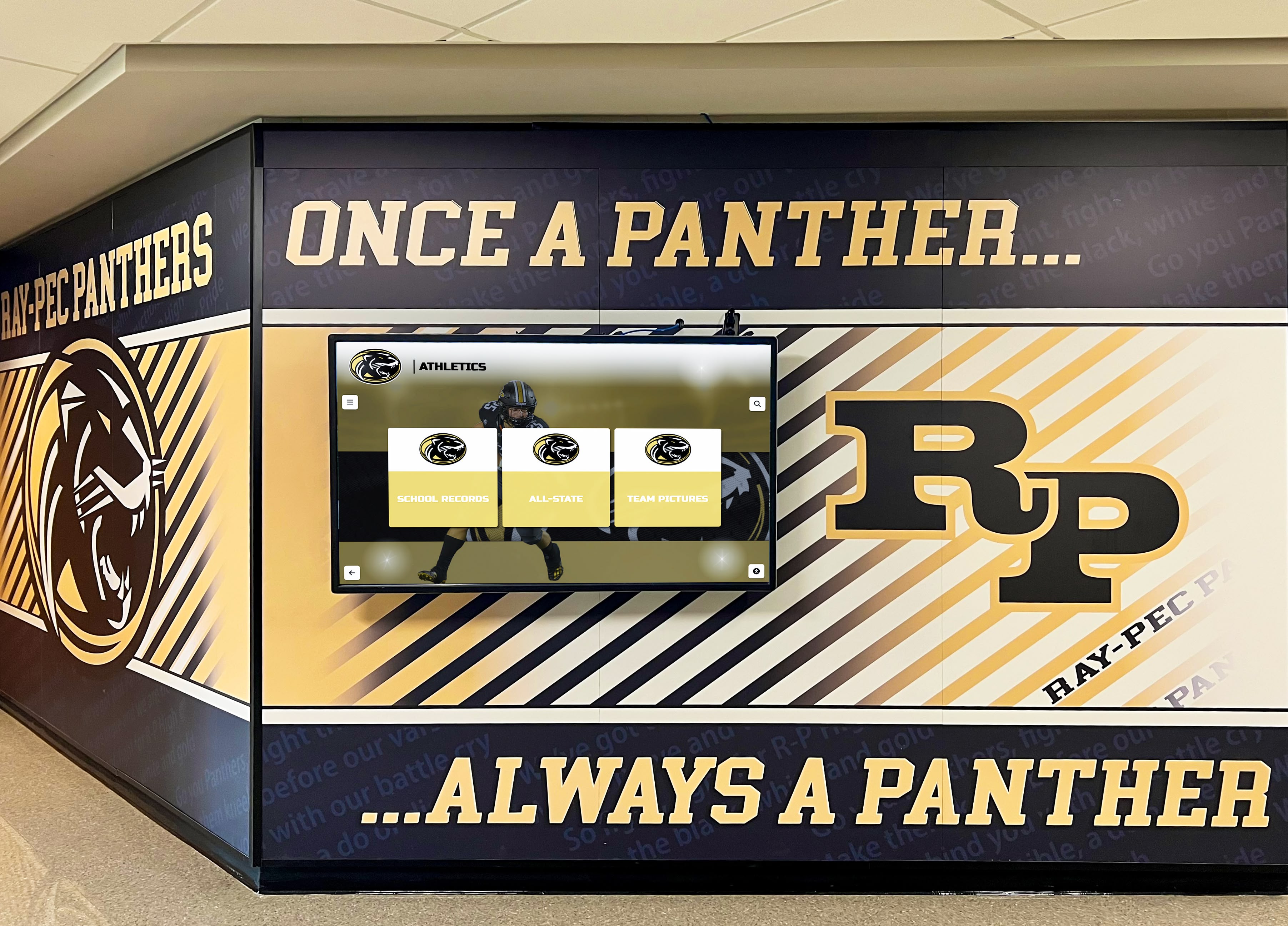
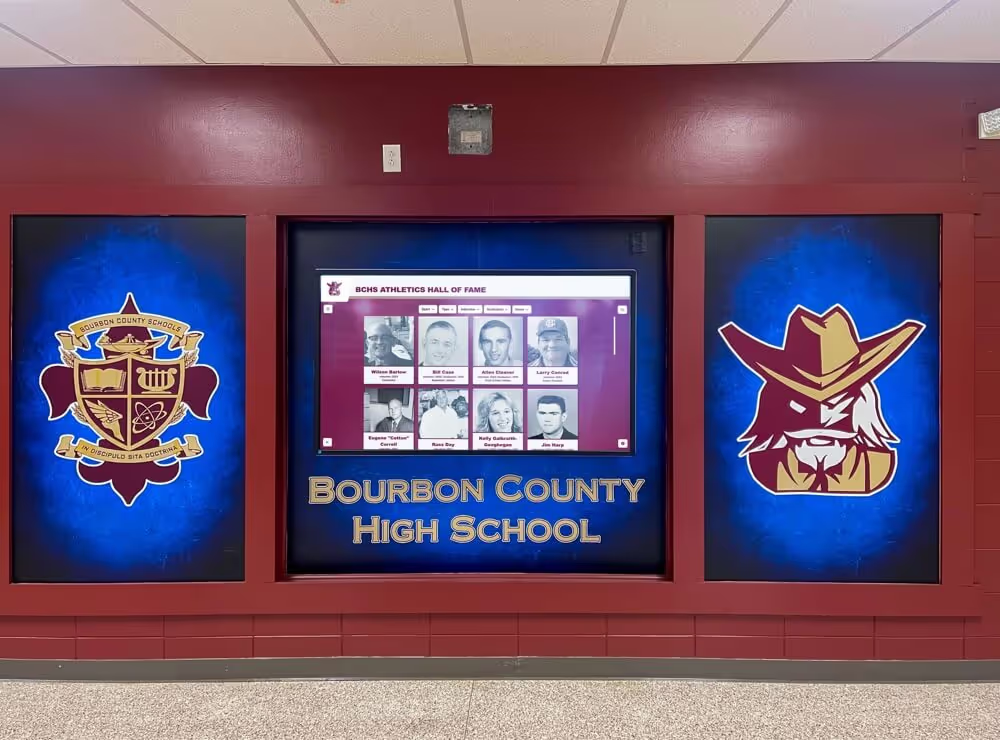
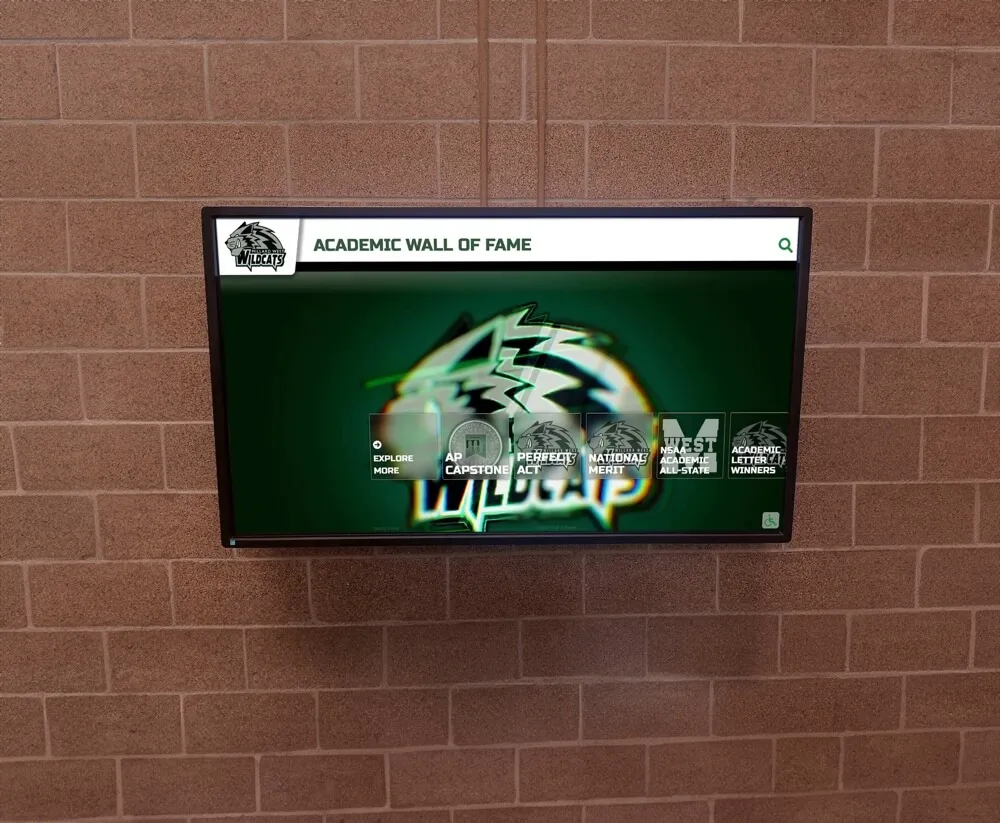
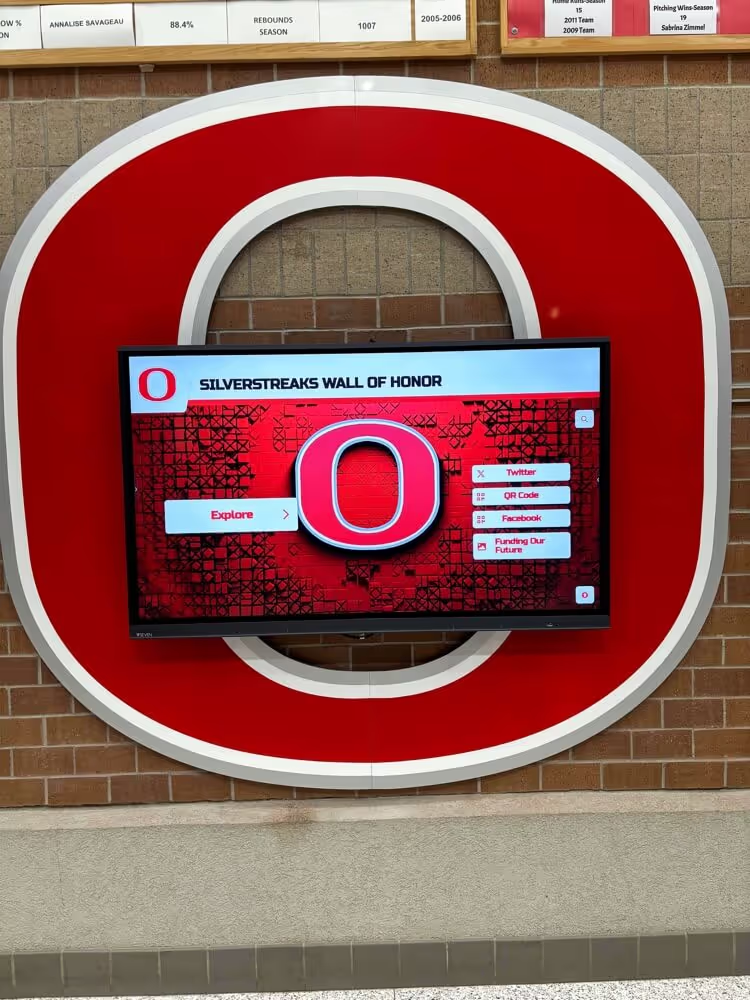
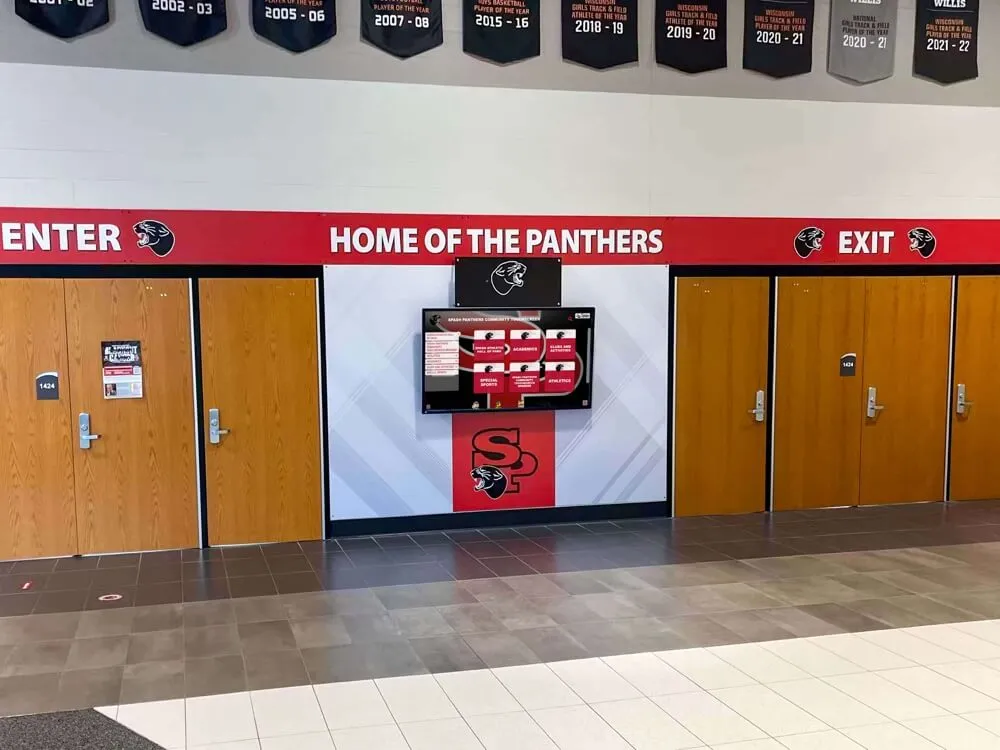
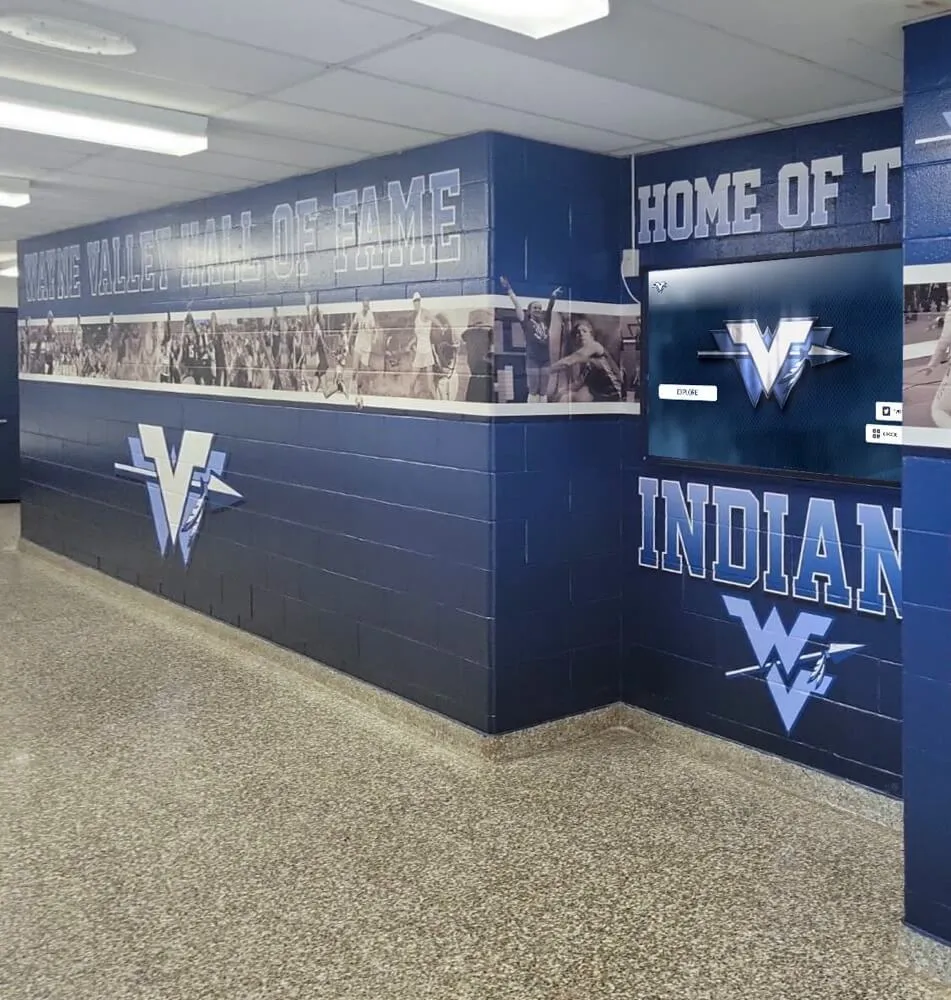
Strategic hallway placement ensures broad visibility reaching entire student populations while creating school pride moments throughout daily campus life
Determine Budget and Funding Sources
Comprehensive digital record board budgets include:
- Display hardware: $800-3,000 per screen depending on size and features
- Mounting and installation: $200-800 per display for professional mounting
- Software platform: $800-2,500 annually for content management and hosting
- Initial content creation: $1,000-3,000 for entering historical records if outsourcing
- Network infrastructure: $500-1,500 if upgrades needed for connectivity
- Training and support: Often included but verify during vendor evaluation
- Contingency: 10-15% for unexpected requirements
Typical complete implementations range from $5,000-12,000 depending on number of displays, screen sizes, content complexity, and support needs.
Explore diverse funding sources beyond general operating budgets:
Booster Clubs and Athletic Foundations
Athletic boosters often fund recognition projects as tangible ways to support programs. Frame digital record boards as permanent tributes celebrating decades of excellence while inspiring current athletes through visible recognition of program heritage.
Corporate Sponsorships
Digital displays offer valuable sponsorship opportunities through logo placement on welcome screens, category sponsorships (swimming records sponsored by local pool company), or individual record sponsorships. Local businesses support schools in their communities and appreciate recognition visibility.
Alumni Campaigns
Anniversary celebrations and milestone reunions provide natural opportunities for funding recognition projects. Alumni respond positively to campaigns ensuring their achievements receive modern permanent recognition.
Capital Campaigns
Major facility renovations often include recognition components. Digital record boards integrate naturally with gymnasium renovations, pool facility improvements, or athletic wing modernization projects.
Schools implementing athletic facility improvements frequently bundle digital record boards with broader improvement projects generating enthusiasm from boosters, alumni, and community supporters.
Create Implementation Timeline
Realistic timelines prevent rushed launches while maintaining momentum:
Months 1-2: Planning and Selection
- Define project scope and recognition categories
- Evaluate vendor solutions and request demonstrations
- Make vendor selection and finalize contracts
- Assemble implementation team with clear responsibilities
- Develop detailed content collection strategy
Months 2-3: Content Development and Hardware Preparation
- Gather historical records from various sources
- Collect photos and media for existing achievements
- Enter records into content management system
- Specify and purchase display hardware
- Prepare installation locations (power, networking, mounting)
Months 3-4: System Configuration and Installation
- Customize templates and branding
- Complete record entry and content upload
- Configure navigation and organizational structures
- Install hardware and establish network connectivity
- Conduct staff training on content management
Month 4: Testing and Launch
- Comprehensive content review and quality control
- Test all display functionality and connectivity
- Develop launch communication and promotion plan
- Plan launch event or ceremony if desired
- Gather initial feedback and usage data
Ongoing: Maintenance and Expansion
- Regular record additions for new achievements
- Periodic content reviews ensuring accuracy
- Hardware maintenance and cleaning
- System analytics review and optimization
- Expansion to additional sports or categories
Schools implementing during summer breaks minimize disruptions while allowing thorough testing before students and visitors arrive in fall.
Creating Compelling Digital Record Board Content
Technology platforms enable recognition, but content quality determines engagement and emotional impact. Effective content strategies balance historical completeness with ongoing additions.
Organizing Records Effectively
Clear organization helps athletes and visitors navigate record collections:
Primary Organization Structures
- By sport: Separate sections for each athletic program
- By gender: Boys and girls records displayed distinctly
- By event type: Grouped by event category (sprints, distance, throws, etc.)
- By record type: Individual versus team records, seasonal versus career
- By era: Historical periods reflecting program evolution
- By achievement level: School records versus facility records versus conference records
Most programs use hierarchical organization: sport → gender → event → record type, allowing intuitive drilling down from general categories to specific achievements.
Test navigation with athletes and parents unfamiliar with systems. If they can’t find relevant records within 30 seconds, reorganize structures for improved discoverability.
Writing Effective Record Descriptions
Strong record descriptions provide context beyond basic performance data:
Essential Elements
- Athlete name and graduation year or class
- Performance mark (time, distance, height, points, etc.)
- Date and location of achievement
- Competition context (conference meet, state championship, etc.)
- Previous record holder and mark (showing progression)
- Notable context (broke 20-year record, first athlete under X time, etc.)
Optional Enhancements
- Race conditions or performance context
- Season statistics and career achievements
- Quotes from athletes or coaches
- Links to video highlights or full performances
- Related records or achievements by same athlete
Balance completeness with readability. Records displayed on screens across gymnasiums require concise descriptions maintaining legibility, while interactive systems allowing close exploration support more detailed content.
Selecting and Optimizing Photos
Visual content dramatically increases engagement and emotional impact. Prioritize:
- Action photos showing athletes performing record achievements
- Meet photos capturing competition environments
- Celebration moments showing joy and team support
- Team photos establishing broader context
- Historical photos connecting past and present
- Portrait photos for individual athlete recognition
Technical Photo Guidelines
Use 1920x1080 minimum resolution for display optimization, maintain consistent aspect ratios within categories for visual coherence, compress images balancing quality and file size for fast loading, standardize brightness and contrast across photo collections, and crop photos focusing attention on athletes and action.
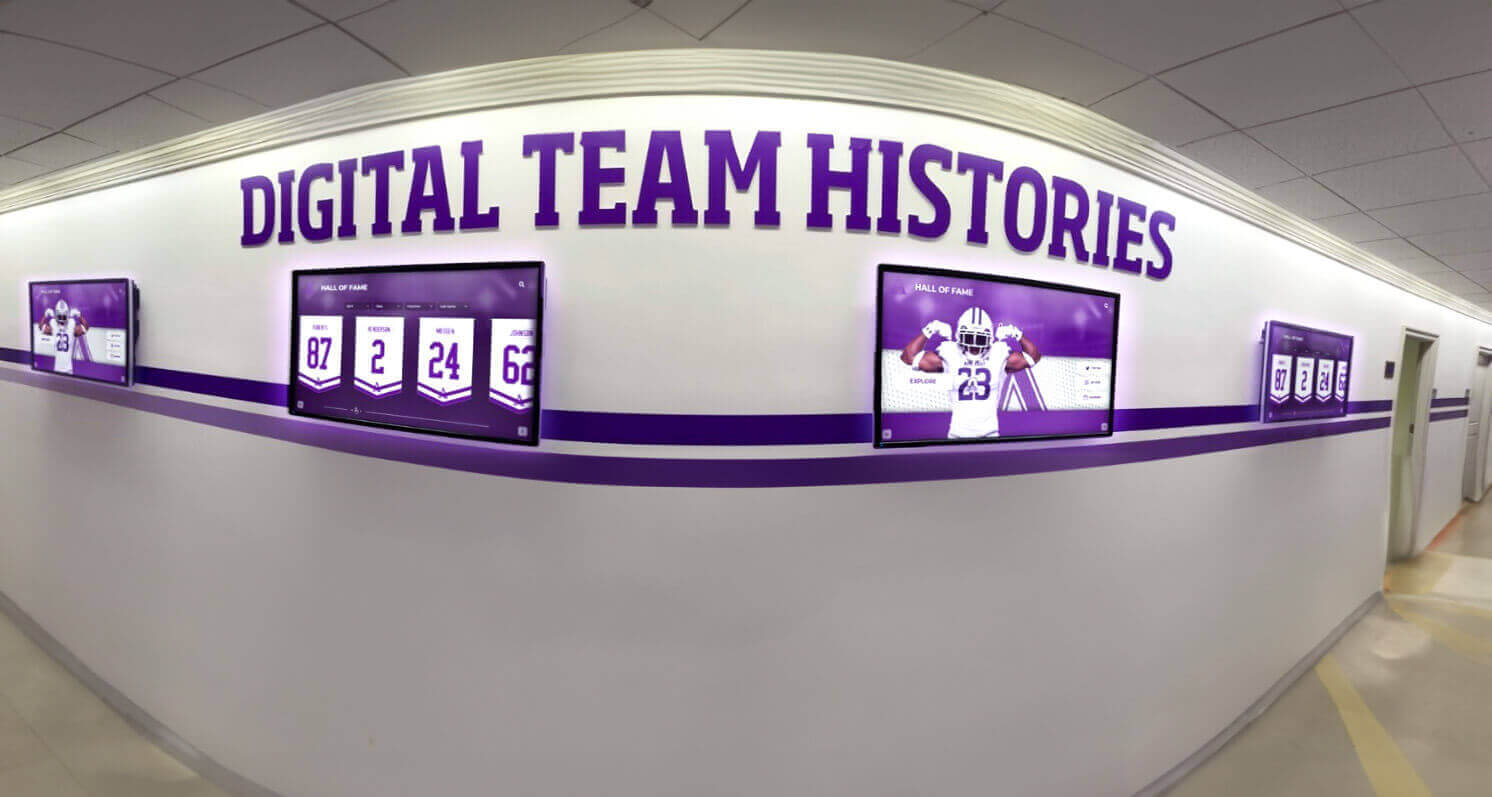
Multiple coordinated displays create comprehensive recognition throughout facilities ensuring visibility regardless of which areas athletes and visitors utilize
Incorporating Video Highlights
Video dramatically increases engagement when used strategically:
Effective Video Types
- Record-breaking performance highlights (30-90 seconds)
- Championship competition clips
- Athlete interviews and reflections
- Historical footage showing program evolution
- Celebration moments capturing excitement
- Side-by-side comparisons of record progression
Keep videos concise—engagement drops significantly beyond 2 minutes. Many platforms work best with videos under 100MB file size requiring compression without excessive quality loss.
Video Organization
Link videos to specific records, create featured video sections highlighting exceptional achievements, rotate seasonal highlights, and organize championship videos separately from individual records.
Schools implementing comprehensive digital recognition report that video content generates 3-5 times longer engagement sessions than photo-only displays while creating powerful emotional connections to program excellence.
Establishing Content Standards
Consistency creates professional impressions across hundreds of records:
Style Guidelines Should Address
- Capitalization conventions (athlete names, event names)
- Date formatting (MM/DD/YYYY versus Month Day, Year)
- Performance mark formatting (10.45 versus 10:45 for track times)
- Abbreviation standards (m versus meters, vs versus versus)
- Photo specifications and cropping guidelines
- Biographical detail standards (graduation year format, hometown inclusion)
- How to handle incomplete information or missing records
Document standards in style guides ensuring multiple contributors maintain consistency across comprehensive record collections spanning decades.
Planning Seasonal Content Updates
Digital record boards require ongoing attention maintaining relevance:
Immediate Updates (Within Days)
- Record-breaking performances during season
- Conference and regional championship achievements
- State qualifying marks and performances
- Individual meet victories and milestones
Regular Updates (End of Season)
- Final season statistics and achievements
- All-conference and all-state selections
- Team championship celebrations
- Coaching milestone recognition
Annual Updates (Off-Season)
- Historical content additions and enhancements
- Photo library expansions
- Biographical updates for graduating seniors
- Career achievement summaries for multi-year athletes
Periodic Reviews (Quarterly or Annual)
- Comprehensive accuracy verification
- Outdated information corrections
- Formatting consistency checks
- User feedback implementation
Assign specific staff responsibilities ensuring consistent content maintenance regardless of seasonal workload fluctuations or personnel changes.
Measuring Digital Record Board Success
Regular assessment demonstrates value while identifying improvement opportunities.
Key Performance Indicators
Track specific metrics showing engagement and impact:
Usage and Engagement Metrics
- Facility display viewing sessions per day
- Web platform visits and unique visitors
- Average session duration and record views
- Most-viewed records and popular sports
- Search queries indicating viewer interests
- Geographic distribution of web access
- Seasonal engagement patterns
Community Impact Indicators
- Athlete feedback and satisfaction
- Parent and family testimonials
- Coach utilization in training and motivation
- Social media shares and engagement
- Media coverage mentioning record boards
- Recruiting prospect feedback during visits
- Alumni engagement with historical content
Operational Efficiency Measures
- Time required for record updates versus previous processes
- Staff satisfaction with content management
- Record update frequency and currency
- Error correction speed
- Content management training requirements
Program Impact
- Athlete awareness of program records
- Record-breaking performance frequency
- Team pride and program culture indicators
- Facility appearance perception improvements
- Booster and community supporter engagement
Collecting Stakeholder Feedback
Systematic feedback collection provides qualitative insights complementing quantitative data:
Feedback Collection Methods
- Athlete surveys about awareness and motivation
- Parent feedback during athletic events
- Coach interviews about training integration
- Staff input on content management experiences
- Alumni responses to web platform accessibility
- Recruit family impressions during facility tours
- Booster club member testimonials
- Administrator observations about facility improvements
Document compelling stories and quotes for presentations to stakeholders, board reports, fundraising campaigns, and future project justifications.
Demonstrating Return on Investment
Translate data and feedback into compelling ROI narratives:
Quantitative ROI Elements
- Comparing digital versus traditional board costs over 10-year lifecycle
- Staff time savings on record updates
- Elimination of repainting and maintenance costs
- Increased record update frequency and currency
- Web platform reach expanding beyond facility visitors
Qualitative ROI Elements
- Improved facility appearance and professionalism
- Enhanced recruiting impressions and outcomes
- Increased athlete motivation and program awareness
- Strengthened program culture and team pride
- Improved alumni engagement and institutional connections
- Community and booster satisfaction and support
Present ROI analysis annually to administrators and stakeholders maintaining visibility of record board value while supporting requests for expansion to additional sports or facility locations.
Organizations implementing athletic recognition programs discover that comprehensive measurement and reporting ensure continued support while identifying optimization opportunities.
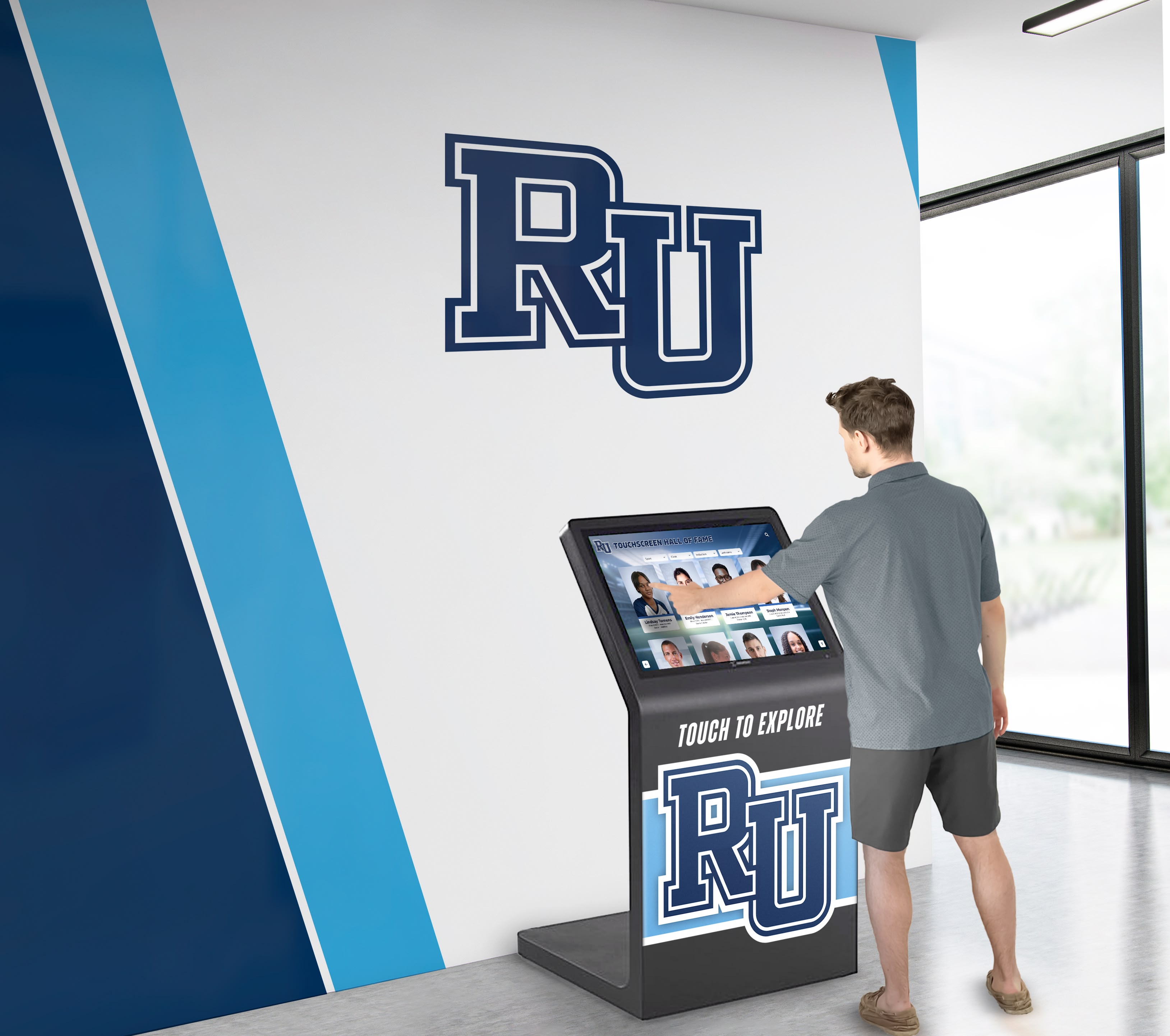
Interactive touchscreen installations transform record exploration from passive viewing to active discovery engaging athletes and visitors deeply with program achievements
Digital Record Board Best Practices
Implementing proven strategies maximizes impact while avoiding common pitfalls.
Start with One Sport and Expand
Beginning with comprehensive multi-sport implementation can overwhelm staff and budgets. Instead, start with:
- Your most prominent sport with abundant existing records
- Sport with engaged coaching staff willing to provide content
- Category with excellent photo and video archives
- Program where athletes will most appreciate recognition
Prove value with focused quality implementation, then expand systematically to additional sports using lessons learned and established workflows.
Prioritize Record Accuracy
Inaccurate records damage credibility and frustrate athletes. Establish verification processes:
- Require original documentation for record claims
- Cross-reference multiple sources for historical records
- Implement approval workflows before publishing
- Conduct regular comprehensive accuracy audits
- Respond quickly to error reports and correction requests
- Document verification procedures for consistency
Accuracy matters more than speed. Taking extra time to verify records prevents embarrassing corrections and builds trust in recognition system integrity.
Balance Historical and Current Content
While honoring program history matters, current athletes need recognition too:
- Feature current season records and achievements prominently
- Create seasonal rotation highlighting recent performances
- Maintain historical context showing record progression
- Celebrate incremental improvements not just all-time records
- Recognize diverse achievement types beyond top performances
- Update current content frequently maintaining relevance
Athletes engage most with systems recognizing them and their teammates, so balance historical completeness with current season emphasis.
Promote Web Access Actively
Simply creating web-accessible record boards doesn’t guarantee usage. Actively promote:
- Share direct links through team communications
- Post QR codes in locker rooms and facilities
- Include links in athletic newsletters and programs
- Promote through social media accounts
- Feature during parent meetings and booster events
- Encourage athletes to share achievements with families
- Create seasonal promotion campaigns around championships
Organizations implementing school digital displays find that active promotion dramatically increases web platform engagement beyond passive facility display viewing.
Integrate with Facility Branding
Digital record boards should complement not clash with facility aesthetics:
- Use school colors and branding consistently
- Coordinate with existing murals and environmental graphics
- Match display mounting styles to facility design
- Consider display placement relative to other recognition
- Balance digital and traditional recognition elements
- Create cohesive visual environments not disconnected additions
Schools planning facility renovations benefit from incorporating digital record boards into architectural design rather than retrofitting existing spaces as afterthoughts.
Plan for Technology Evolution
Technology changes rapidly. Future-proof implementations by:
- Choosing platforms with regular updates and new features
- Selecting standard hardware allowing independent upgrades
- Avoiding proprietary systems creating vendor lock-in
- Budgeting for periodic hardware refresh cycles (7-10 years)
- Staying informed about emerging capabilities
- Maintaining content in formats enabling platform migration if needed
Technology investments should serve recognition goals for decades, requiring thoughtful planning beyond immediate implementation.
Conclusion: Transform Your Athletic Recognition
Digital record boards represent fundamental improvements over traditional static displays—solving space limitations, enabling instant updates, providing rich multimedia storytelling, ensuring professional consistent presentation, and extending recognition access far beyond physical facility boundaries. Schools implementing digital systems consistently report increased athlete engagement, improved facility impressions, simplified content management, and enhanced program pride while reducing long-term recognition costs compared to traditional approaches.
The decision to transition from painted boards to digital systems requires careful evaluation of your program’s specific needs, available resources, implementation capacity, and long-term recognition goals. Yet schools making this transition uniformly report satisfaction with outcomes and wish they had upgraded sooner given the substantial operational and cultural benefits digital systems provide.
Ready to Modernize Your Athletic Record Boards?
Discover how digital record board solutions help schools celebrate athletic excellence while simplifying content management and creating impressive facilities that inspire student-athletes. Explore comprehensive platforms combining display hardware, cloud-based management, unlimited record capacity, and professional support designed specifically for athletic programs.
Book a demo to see how purpose-built technology transforms athletic recognition while eliminating space constraints and maintenance burdens.
Whether launching first digital record board implementations or upgrading existing recognition systems, the strategies explored throughout this guide help athletic programs create meaningful tributes honoring achievements while motivating current athletes through visible celebration of program excellence. Start by clearly defining recognition goals and priorities, evaluating platforms matching your program’s specific needs, developing systematic content collection strategies, establishing ongoing update procedures, and planning realistic budgets and timelines ensuring successful implementation.
Every athlete who breaks a record, every team that wins a championship, and every program milestone deserves recognition that celebrates achievement while inspiring future excellence. With thoughtful planning, appropriate technology selection, quality content development, and consistent implementation, schools create record board systems that truly honor athletic achievement while building engaged, motivated programs sustaining excellence for generations.
Ready to explore modern recognition solutions? Discover digital athletic displays transforming traditional record keeping, explore comprehensive implementation guides for specific sports, or learn about athletic hall of fame systems expanding recognition beyond individual records to comprehensive program celebration.