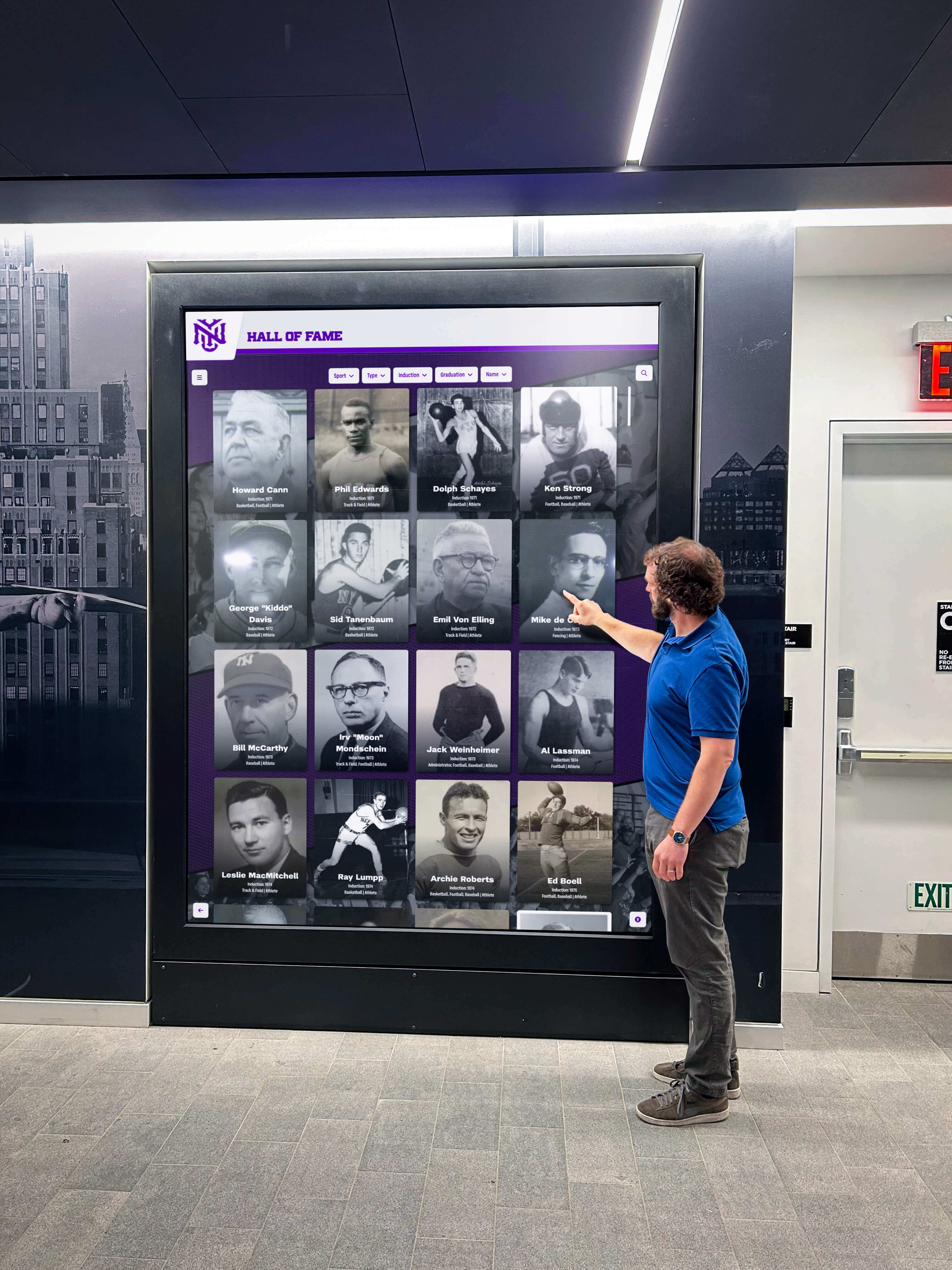




Modern dental practices face a critical challenge: creating calm, informative patient environments while efficiently managing appointment flow, treatment education, and practice marketing in busy reception and treatment areas. Traditional paper posters, outdated magazines, and static wall charts no longer meet the expectations of contemporary patients who expect professional, technology-enabled healthcare experiences. Digital displays have emerged as transformative solutions—combining patient education, wait time management, practice information showcase, and anxiety reduction in elegant systems that elevate patient experience while supporting operational efficiency.
When dental offices implement digital display technology in reception areas, treatment rooms, and throughout facilities, they communicate professionalism, embrace innovation, and demonstrate commitment to patient education from the moment patients enter. These systems serve multiple essential functions: reducing perceived wait times through engaging content, delivering evidence-based treatment education, showcasing practice expertise and services, communicating office policies and procedures, and creating modern environments that distinguish practices from competitors.
This comprehensive guide explores how dental practices leverage digital displays to transform patient experiences, examining the technologies, implementation strategies, and best practices that create measurable improvements in patient satisfaction, treatment acceptance, and practice efficiency.
The Evolution of Patient Communication in Dental Practices
Understanding how dental office communication has transformed helps practitioners appreciate why digital displays have become essential tools for contemporary practices.
Traditional Dental Office Communication Limitations
Dental practices have long relied on conventional communication methods facing significant constraints:
Static Posters and Wall Charts
- Printed educational materials become outdated as dental science advances
- Limited space restricts the breadth of topics covered
- Paper materials fade and deteriorate in clinical environments
- No ability to tailor content to specific patient populations
- Static images cannot demonstrate procedures as effectively as video
- Replacing materials creates ongoing costs and staff time requirements
Outdated Magazine Subscriptions
- Print magazines contribute to clutter in waiting areas
- Content quickly becomes dated between publication cycles
- Shared materials raise hygiene concerns, particularly post-pandemic
- Generic content lacks relevance to dental health topics
- No ability to control messaging or educational focus
- Subscription costs add up across multiple titles
Manual Patient Education Approaches
- Dentists and hygienists must verbally explain procedures repeatedly
- Inconsistent education delivery depending on practitioner communication skills
- Limited appointment time restricts depth of education possible
- Patients struggle to visualize complex procedures from verbal descriptions
- No standardized educational content ensuring comprehensive coverage
- Difficulty accommodating different learning styles and preferences
According to healthcare communication research, patients retain only 25-50% of information presented verbally during appointments, emphasizing the critical need for visual, reinforceable educational methods that digital displays provide effectively.

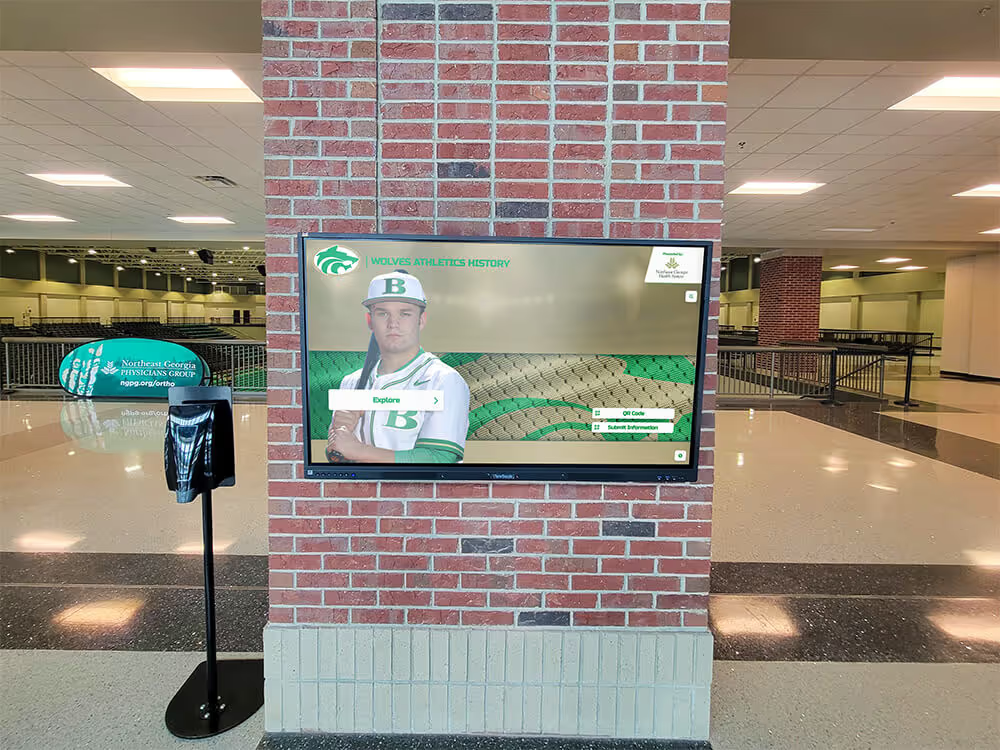
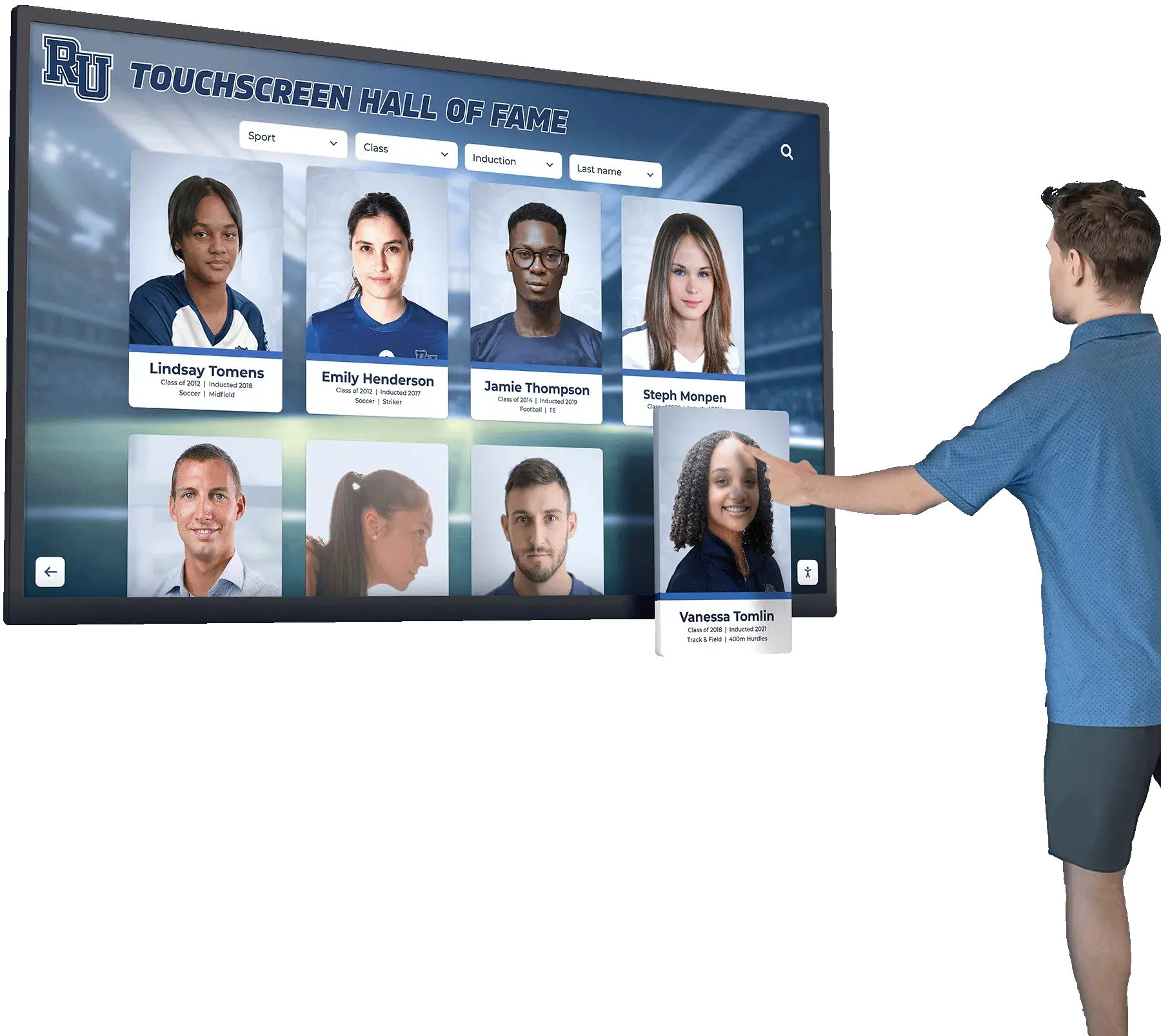
Modern digital displays in dental reception areas provide patients with instant access to treatment information, practice services, and educational content
The Digital Display Revolution in Dental Healthcare
Modern digital signage addresses fundamental limitations of traditional dental office communication:
Dynamic, Current Content Delivery Digital displays provide continuously updated information:
- Evidence-based treatment education reflecting latest dental research
- Seasonal health tips addressing timely concerns like flu season or sports injuries
- Practice announcements about new services, technology, or providers
- Insurance and financial information helping patients understand coverage
- Emergency contact information and after-hours care instructions
- Community involvement showcasing practice values and local engagement
Enhanced Patient Education and Treatment Acceptance Visual content dramatically improves patient understanding:
- Animated procedure demonstrations showing step-by-step treatment processes
- Before-and-after case studies illustrating treatment outcomes
- Preventive care education promoting long-term oral health
- Technology showcases explaining advanced equipment benefits
- Treatment option comparisons helping patients make informed decisions
- Testimonial videos from satisfied patients building confidence
Research in patient communication demonstrates that treatment acceptance rates increase significantly when patients view visual educational content before consultations, as comprehension and confidence both improve through multimedia learning approaches.
Reduced Patient Anxiety and Improved Experience
Dental anxiety affects a substantial portion of the population, and waiting room environments significantly impact stress levels:
Wait Time Perception Management
- Engaging content reduces perceived wait time through distraction
- Entertainment programming creates more pleasant waiting experiences
- Educational content empowers patients with knowledge reducing fear
- Practice information builds familiarity and trust
- Calming visuals and nature content promote relaxation
- Progress indicators showing appointment flow reduce uncertainty
Modern, Professional Environment Creation Digital displays signal practice investment in patient experience and contemporary healthcare delivery, creating first impressions that distinguish practices from competitors maintaining outdated environments.
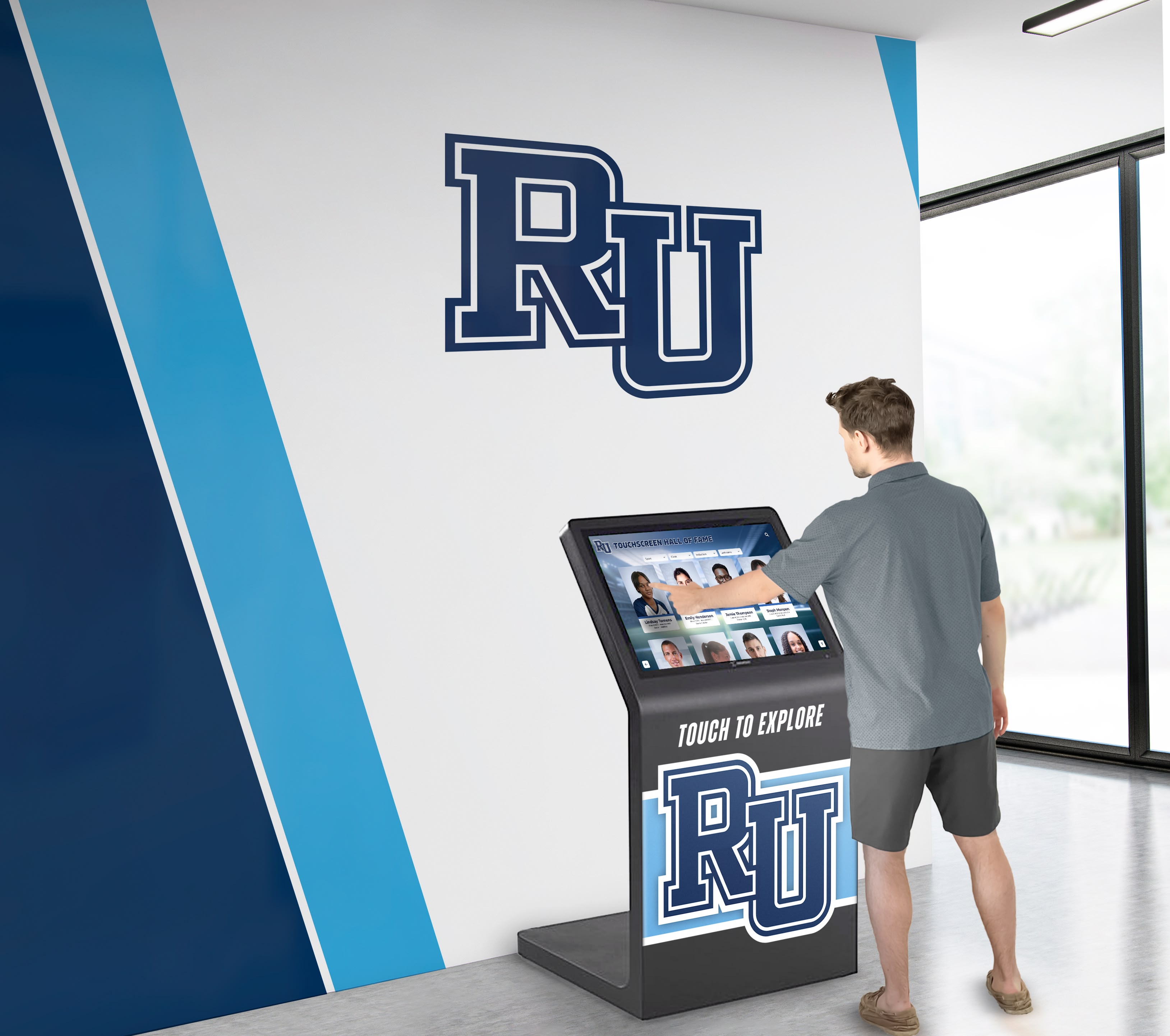
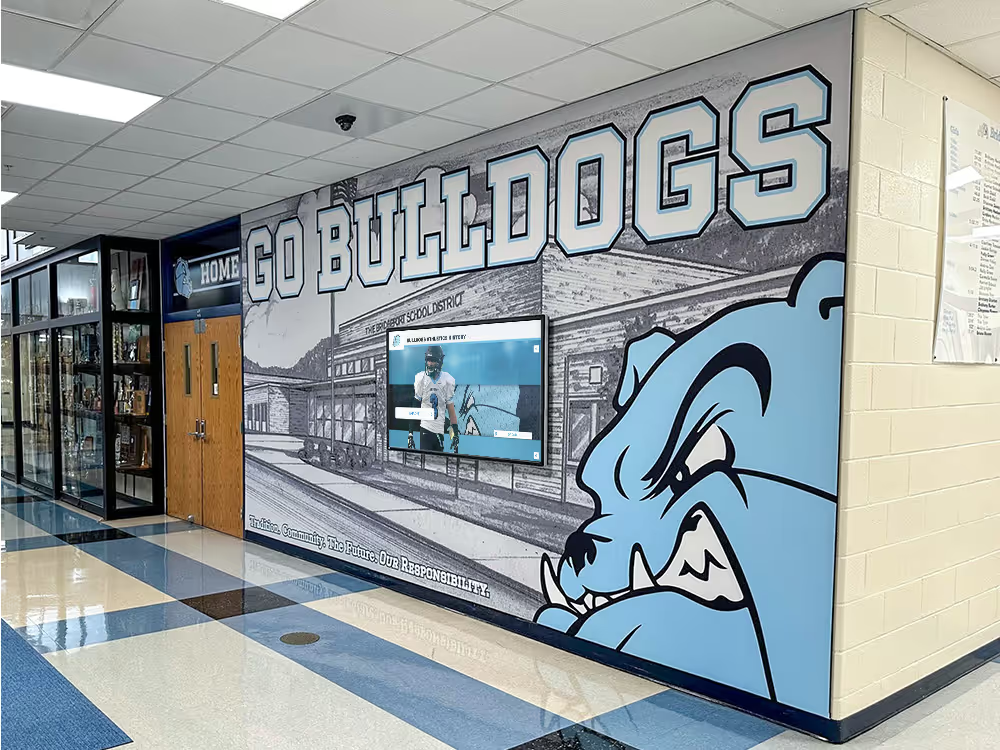
Professional digital kiosks provide self-service access to information while maintaining elegant aesthetics appropriate for healthcare environments
Operational Efficiency and Practice Marketing
Beyond patient-facing benefits, digital displays create substantial operational advantages:
Staff Time Optimization
- Standardized patient education reduces repetitive verbal explanations
- Appointment reminder displays decrease no-show rates
- Self-service information access reduces front desk inquiry volume
- Treatment room displays support clinical conversations with visual aids
- Pre-appointment education enables more focused clinical time
- Consistent messaging ensures all patients receive comprehensive information
Internal Marketing and Revenue Enhancement
- Service promotion highlighting available treatments patients may not know about
- Technology showcase demonstrating advanced capabilities justifying premium fees
- Membership and payment plan promotion encouraging financial commitment
- Product recommendations for home care items available for purchase
- Referral program promotion encouraging patient advocacy
- Provider credential displays building confidence in practice expertise
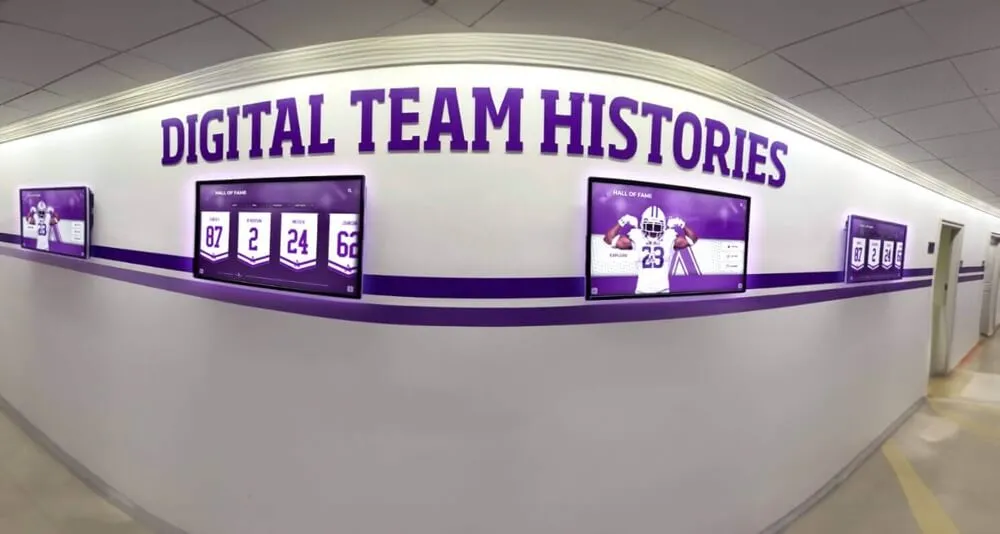
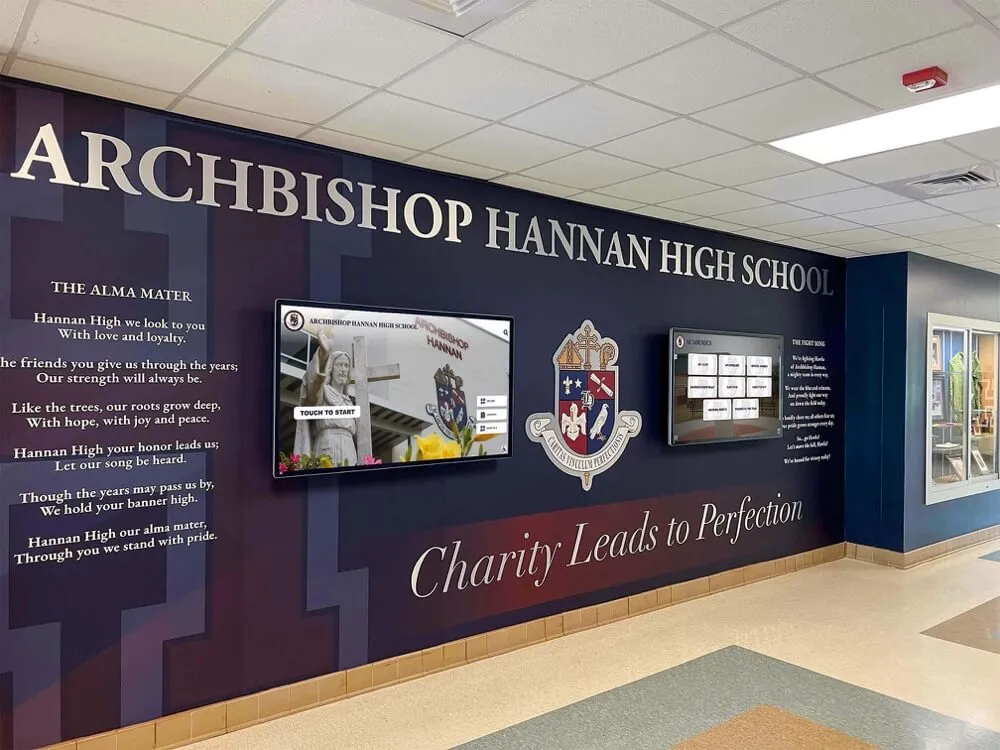
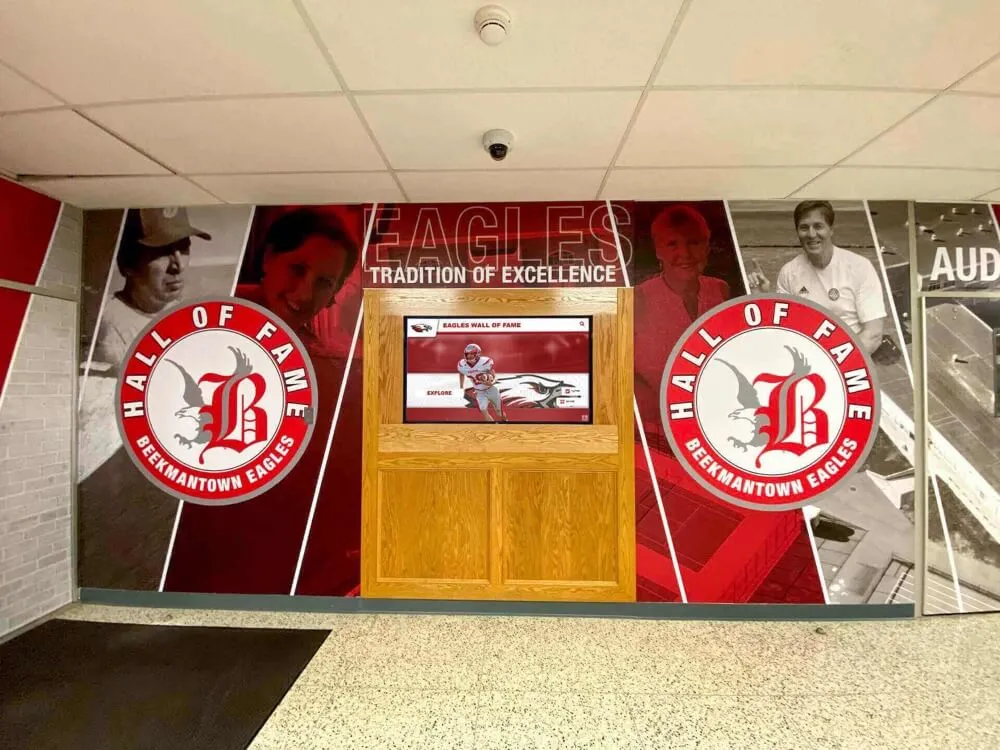
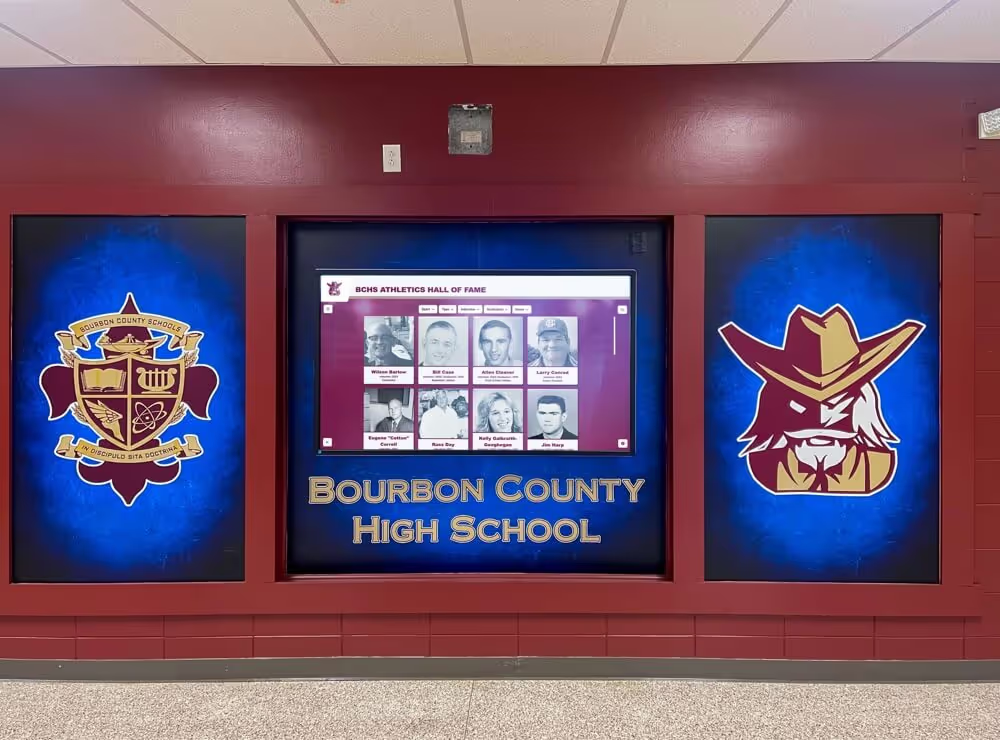
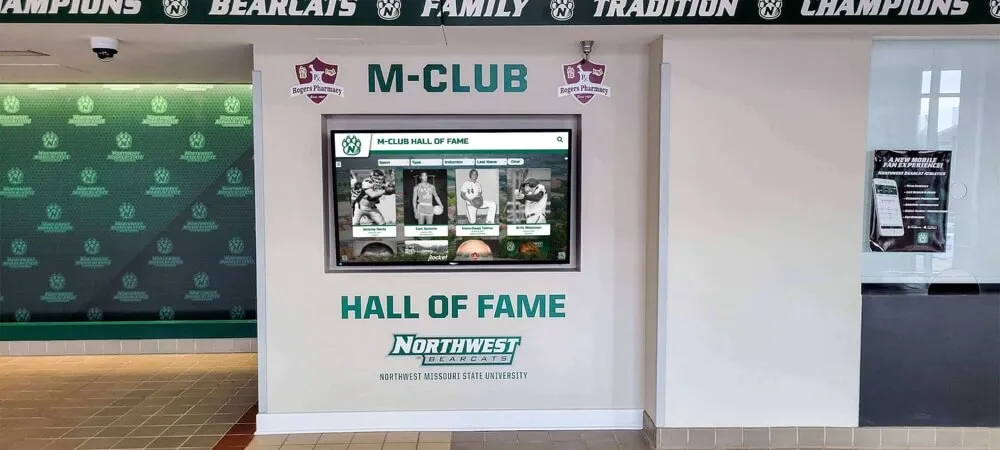
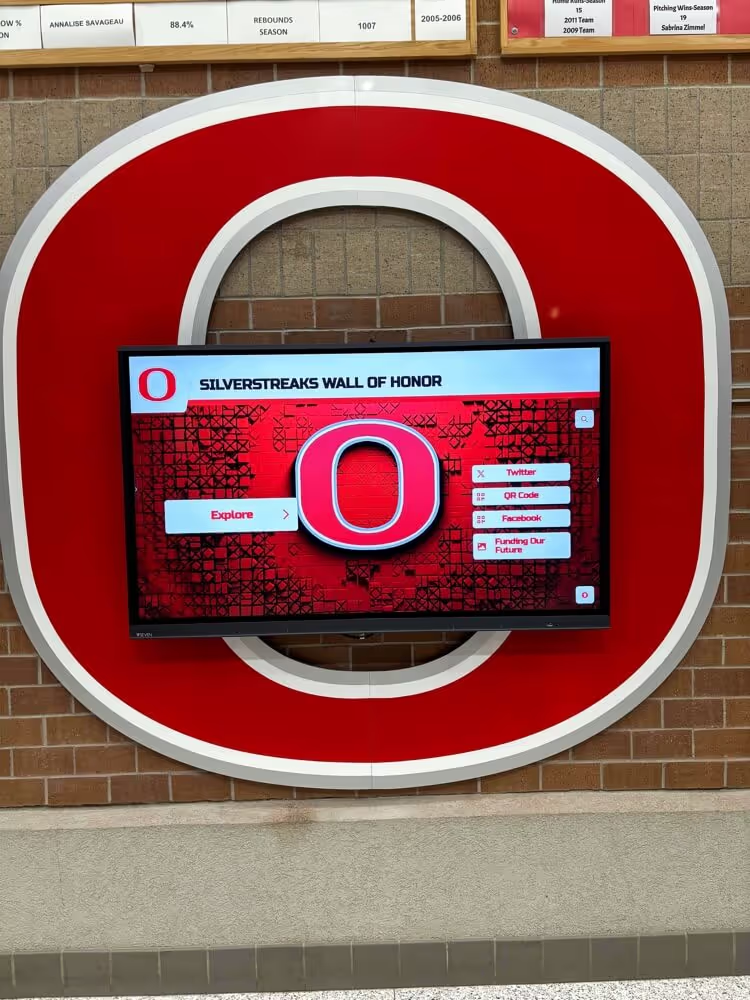
Similar to how interactive displays transform visitor experiences in educational settings, dental office digital systems enhance patient environments through information accessibility and engagement.
Core Applications of Digital Displays in Dental Practices
Understanding how practices effectively use display technology helps maximize digital signage investments.
Reception and Waiting Area Displays
Primary Patient Engagement Locations Reception areas represent critical touchpoints where first impressions form:
Welcome and Practice Information
- Greeting messages creating warm, professional first impressions
- Practice philosophy and values communication
- Provider introductions with credentials and specializations
- Office hours and contact information
- New patient information and registration procedures
- Insurance participation and financial policy information
Patient Education Content
- General oral health education covering topics like proper brushing technique
- Preventive care importance emphasizing regular cleanings and exams
- Common dental problem explanations helping patients identify issues
- Children’s dental health for families in pediatric practices
- Senior dental care addressing age-specific concerns
- Orthodontic information for practices offering these services
Entertainment and Comfort Content
- Local news and weather providing relevant community information
- Nature scenes and calming visuals promoting relaxation
- Health and wellness content beyond dentistry
- Community event information connecting practice to local life
- Practice social media feeds showing community engagement
- Patient testimonials and success stories
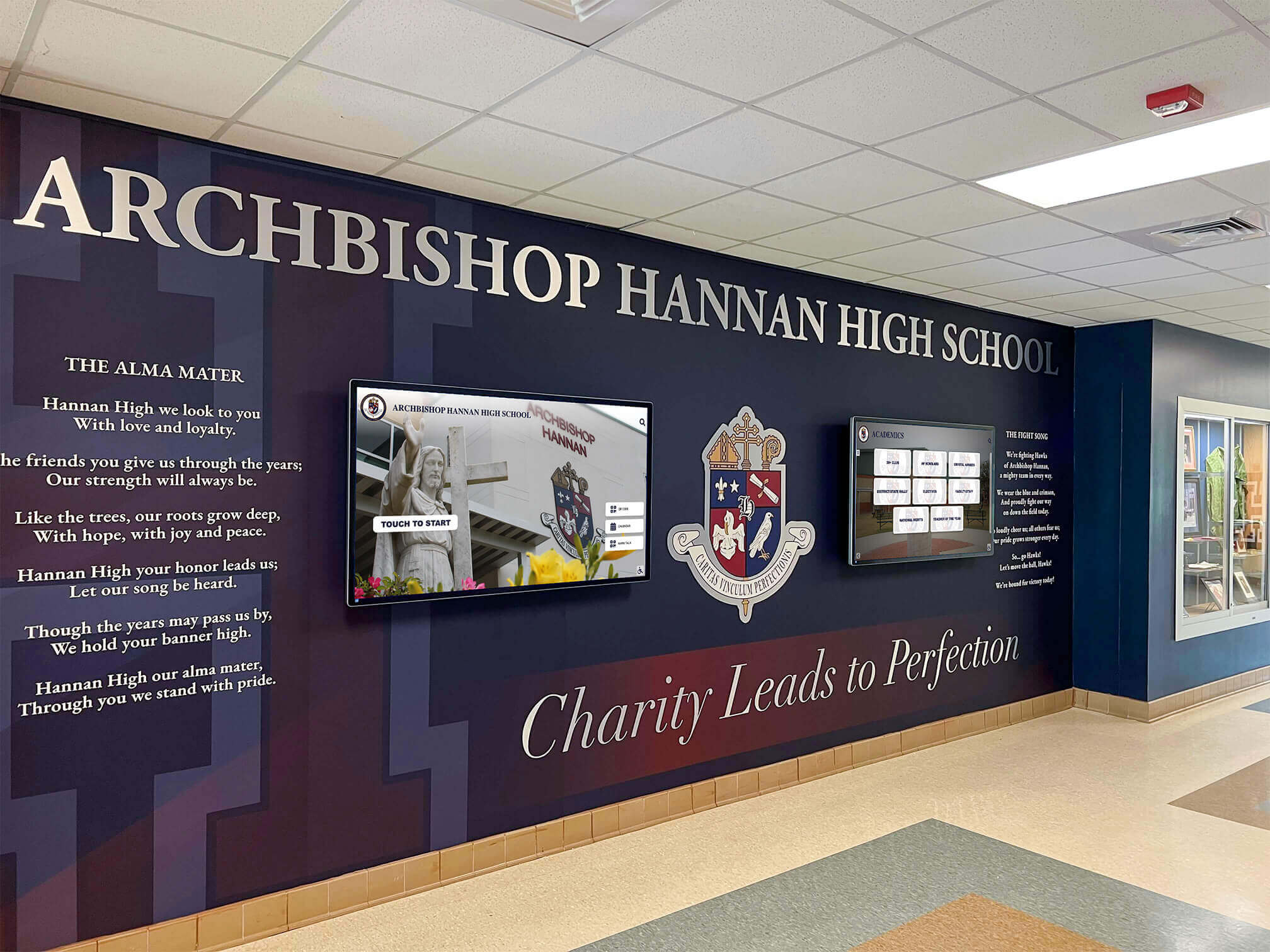
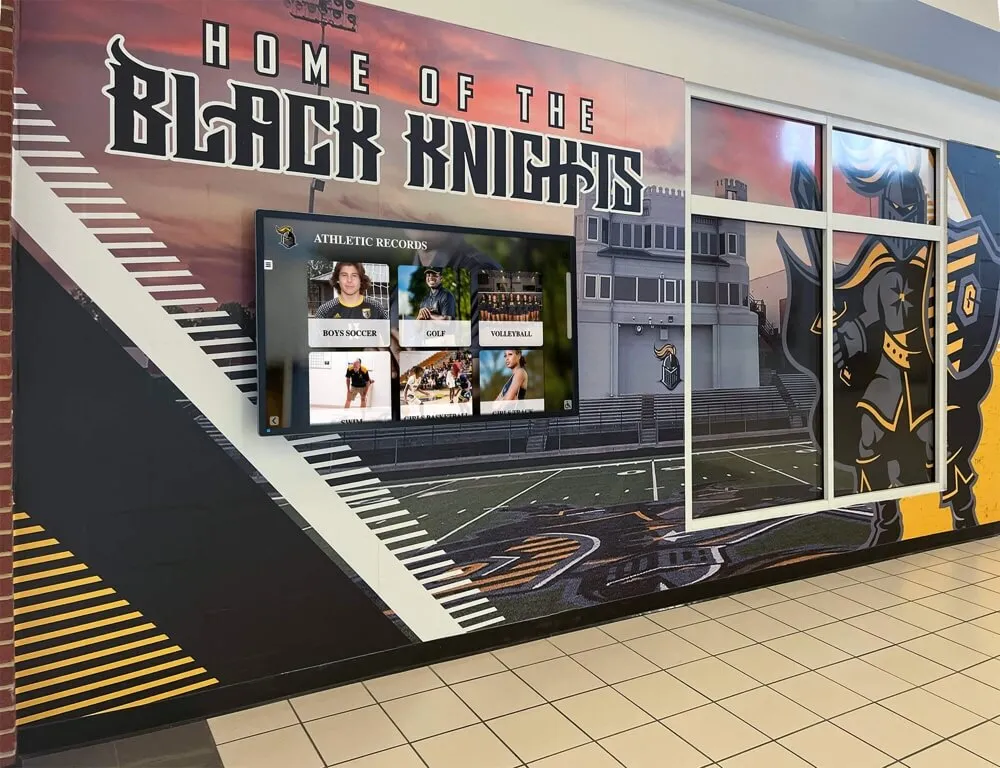
Professional reception areas integrate digital displays seamlessly with interior design, creating welcoming environments while serving multiple communication functions
Treatment Room Educational Displays
Chairside Patient Communication Tools Treatment rooms benefit from displays supporting clinical conversations:
Procedure-Specific Education
- Animated procedure demonstrations preparing patients for treatments
- Step-by-step visual guides showing what to expect
- Healing and recovery timelines setting appropriate expectations
- Post-treatment care instructions patients can review during and after appointments
- Complication prevention education promoting proper home care
- Alternative treatment comparisons supporting informed decision-making
Diagnostic Image Display
- X-ray and intraoral camera image presentation for patient review
- Before-and-after comparisons showing treatment needs and outcomes
- Treatment planning visualization helping patients understand recommendations
- Progress documentation showing improvement over time
- Problem area highlighting directing patient attention to specific concerns
- Comparative imaging showing differences between healthy and diseased tissues
Distraction and Anxiety Management
- Entertainment programming for patients who prefer distraction during procedures
- Nature videos and relaxing visuals for anxious patients
- Music video options providing both audio and visual engagement
- Children’s programming for pediatric patients
- Virtual reality integration for advanced anxiety management
- Procedure progress indicators showing time remaining
Treatment room displays function similarly to digital recognition systems that deliver targeted content based on audience and context.
Hygiene Bay Patient Education Systems
Preventive Care Focus Areas Hygiene appointments represent primary patient education opportunities:
Oral Hygiene Technique Instruction
- Proper brushing technique demonstrations with recommended duration
- Flossing instruction showing correct methods
- Interdental cleaning tool options for patients with specific needs
- Electric toothbrush usage for patients considering upgrade
- Children’s hygiene education with age-appropriate content
- Special needs adaptations for patients with dexterity limitations
Preventive Care Education
- Fluoride treatment benefits explaining preventive options
- Sealant information for cavity prevention in children and adults
- Gum disease progression and prevention
- Oral cancer screening importance and self-examination techniques
- Nutrition impact on dental health connecting diet to oral wellness
- Habit modification for issues like teeth grinding or nail biting
Product Recommendations
- Home care product education about tools and materials
- Specific product demonstrations showing usage
- Practice-available products for immediate purchase
- Online ordering information for patient convenience
- Prescription product education for specialized needs
- Product comparison helping patients choose appropriate options
Consultation Room Presentation Systems
Treatment Planning and Financial Discussion Support Consultation spaces benefit from displays facilitating complex conversations:
Treatment Plan Presentation
- Visual treatment plan reviews with procedure sequences
- Cost breakdowns with procedure-by-procedure detail
- Timeline presentations showing appointment requirements
- Alternative treatment comparisons with pros and cons
- Financing option explanations including payment plans
- Insurance benefit estimations helping patients understand coverage
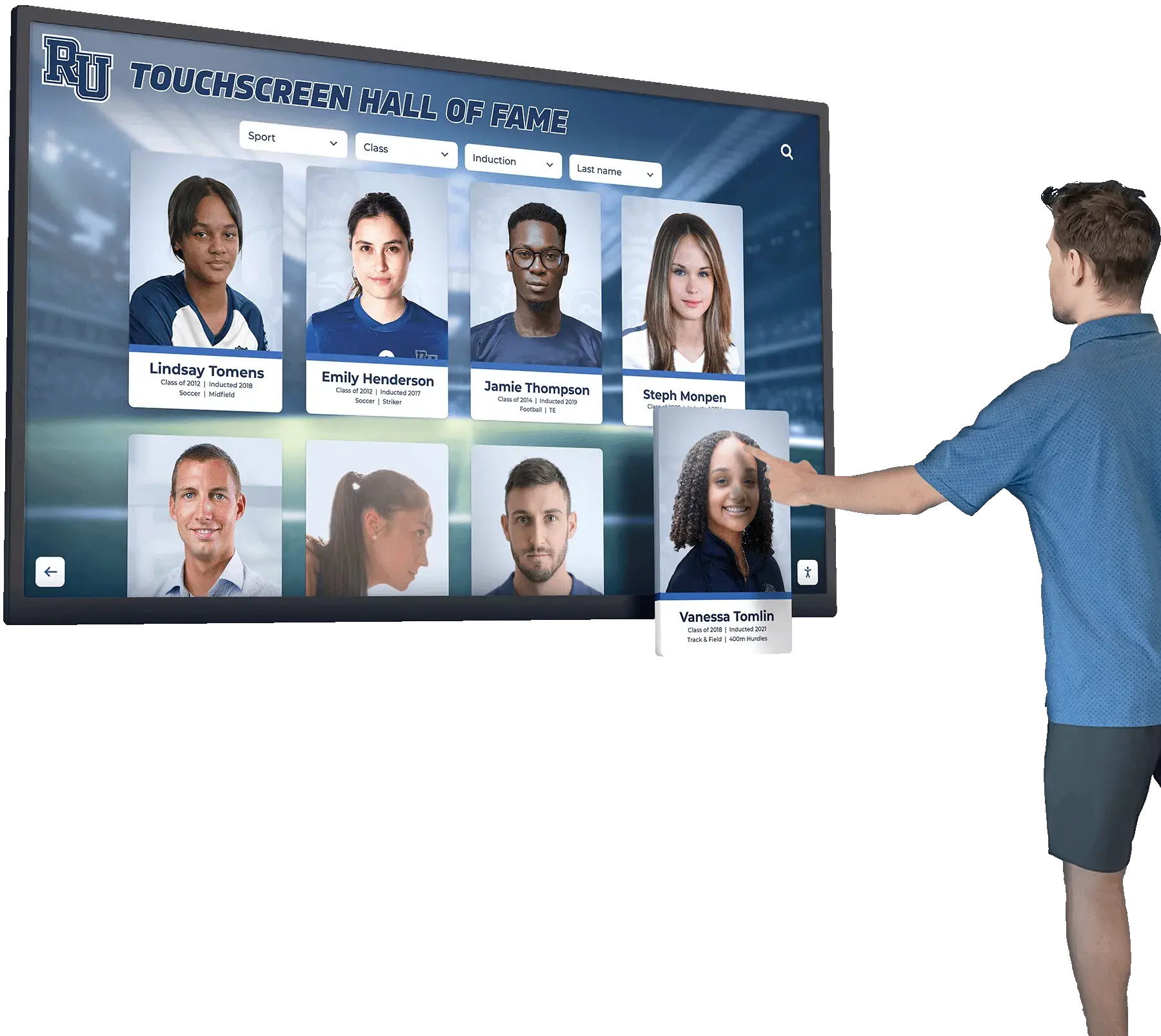
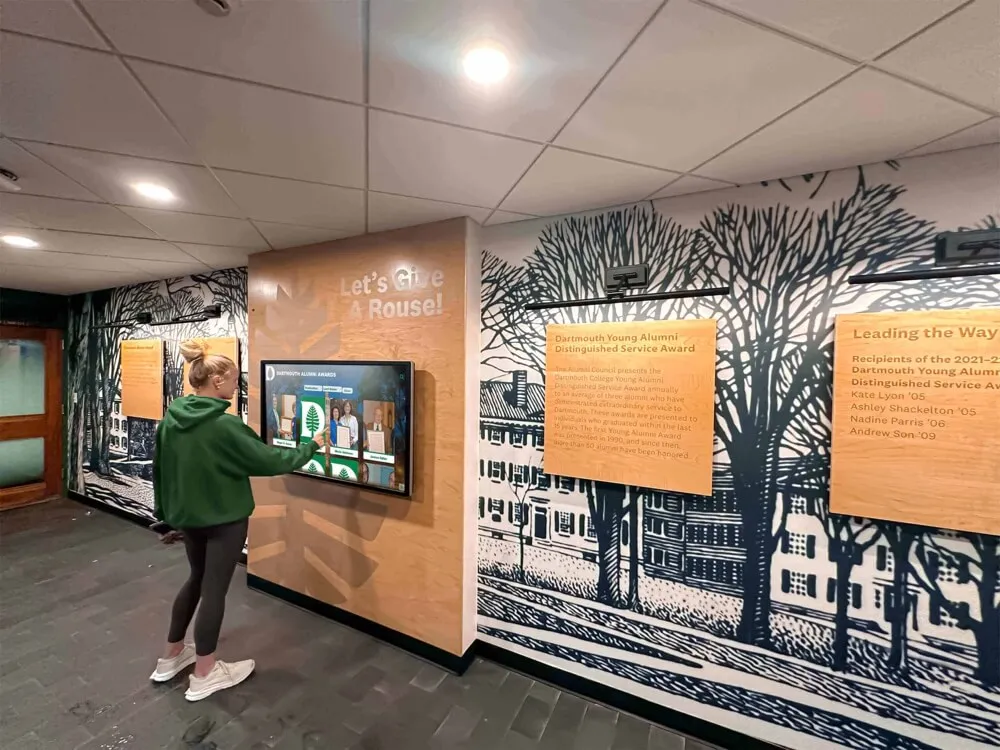
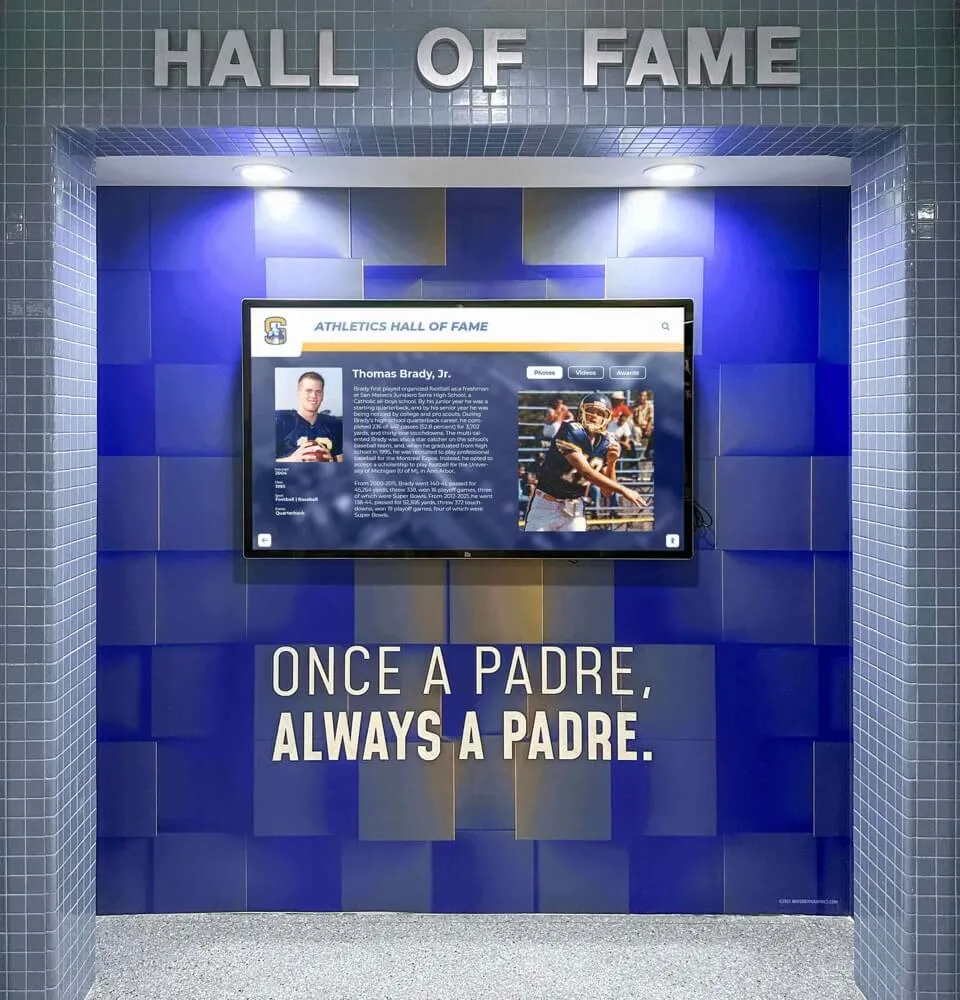
Interactive displays enable detailed information exploration and presentation, supporting complex treatment plan discussions
Case Study Presentations
- Before-and-after galleries showing treatment outcomes
- Similar case demonstrations for patient situations
- Complex case explanations breaking down multi-step treatments
- Technology demonstration videos showing advanced equipment
- Specialist collaboration examples for referred procedures
- Long-term outcome documentation showing treatment durability
Hallway and Circulation Space Displays
Transitional Area Communication Hallways between treatment areas serve supplementary communication functions:
Wayfinding and Directional Information
- Treatment room location guidance for larger practices
- Restroom and amenity location information
- Check-out and scheduling desk directions
- Parking and entrance information for multi-floor buildings
- Accessibility information for patients requiring accommodation
- Emergency exit and safety information meeting building codes
Practice Culture and Values Showcase
- Staff introduction displays with photos and backgrounds
- Community involvement highlighting charitable activities
- Patient testimonials building trust and confidence
- Awards and recognition demonstrating practice excellence
- Continuing education commitment showing ongoing learning
- Technology investment timeline illustrating practice advancement
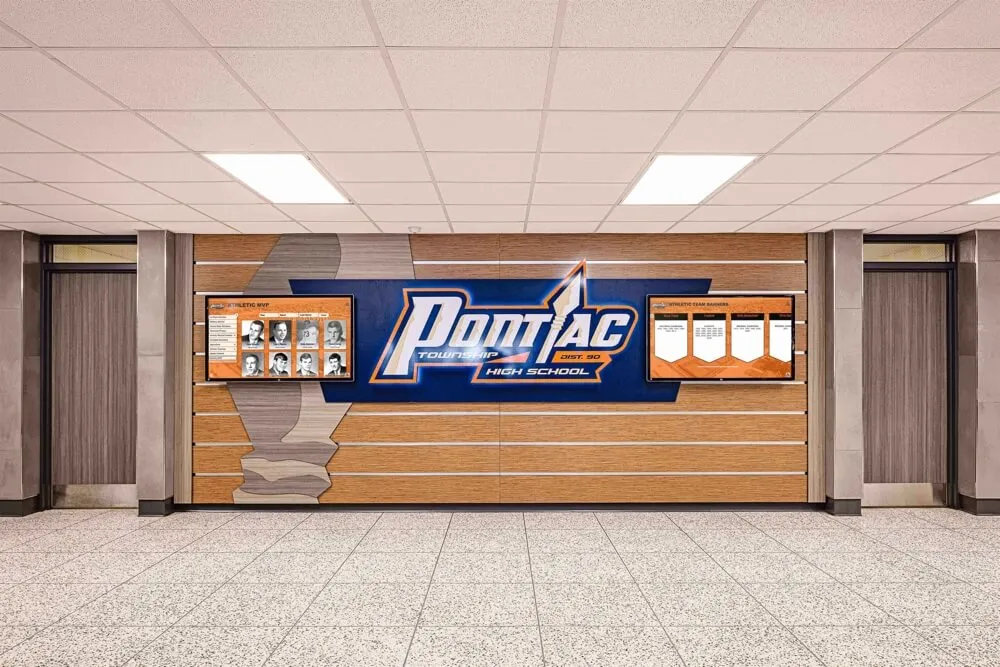
Educational institutions use similar approaches in campus directory displays that guide visitors while communicating organizational information.
Technology Considerations for Dental Office Displays
Successful implementations require careful attention to technology specifications, content management, and clinical environment suitability.
Display Hardware Selection
Screen Specifications for Healthcare Environments Dental office displays require specific technical characteristics:
Essential Hardware Features
- Commercial-grade panels rated for continuous operation (12-16 hours daily)
- Appropriate screen sizes matching viewing distances and room dimensions
- High-resolution displays (minimum 1920x1080) ensuring text readability
- Anti-glare screens maintaining visibility in varied lighting conditions
- Easy-clean surfaces supporting infection control protocols
- Slim profiles minimizing space consumption in compact rooms
- VESA mounting compatibility for flexible installation options
- Adequate brightness levels (300-500 nits) for well-lit clinical spaces
Screen Size Guidelines by Location
Reception Areas (43-55 inches)
- Visible from typical waiting area distances (10-15 feet)
- Large enough for group viewing in multi-patient spaces
- Appropriately scaled for room proportions
Treatment Rooms (24-32 inches)
- Positioned within comfortable viewing range from dental chair
- Sized appropriately for smaller treatment room dimensions
- Angled for patient viewing during procedures
Consultation Rooms (32-43 inches)
- Conference-table viewing distances accommodated
- Professional presentation scale
- Suitable for detailed treatment plan review
Hygiene Bays (22-27 inches)
- Compact sizing for space-constrained areas
- Close-range viewing during hygiene appointments
- Economical option for multiple installation locations
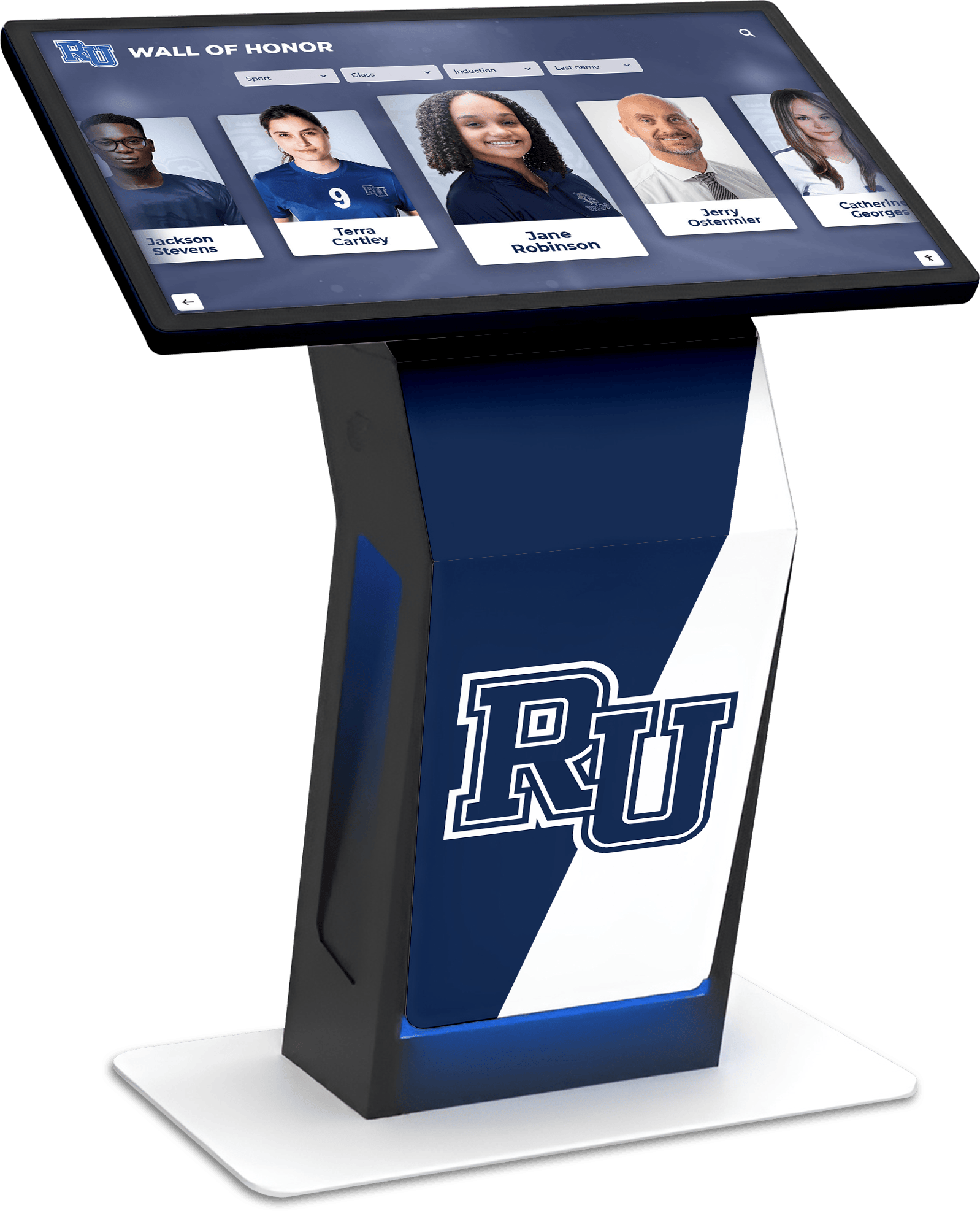
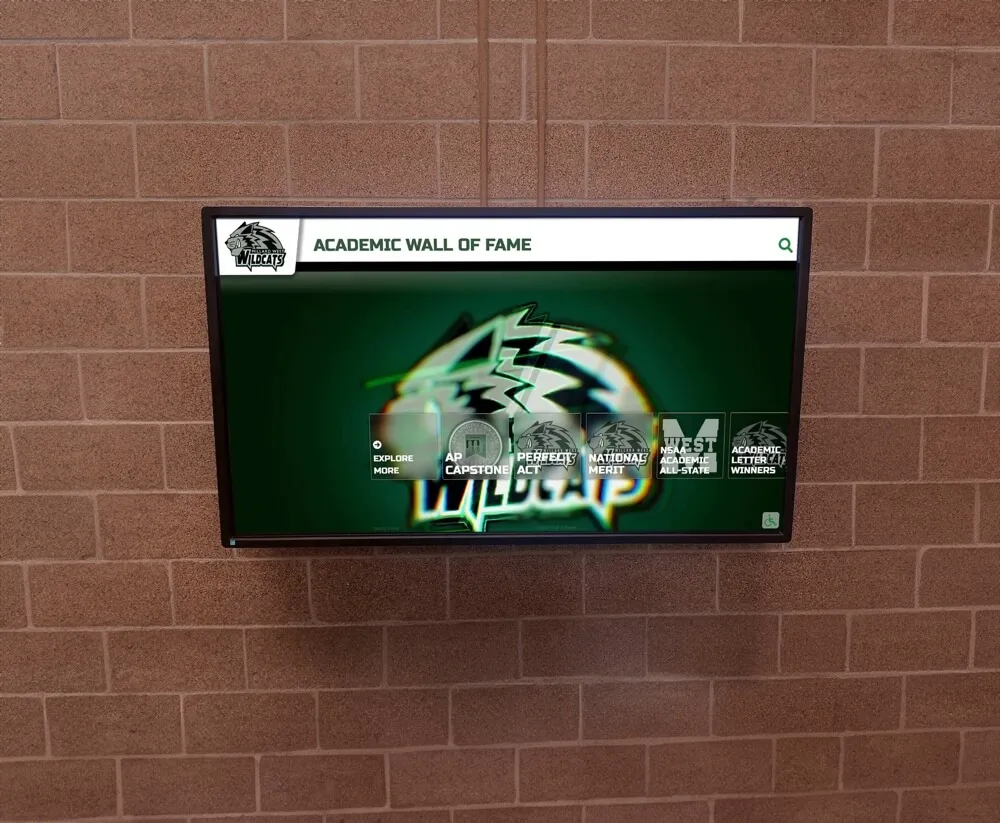
Professional display installations can incorporate practice branding while maintaining clean, clinical aesthetics appropriate for healthcare settings
Content Management and Scheduling
Software Platform Requirements Effective dental display systems require robust content management capabilities:
Essential CMS Features
- Cloud-based administration enabling remote content updates
- Multi-display management updating entire practice network simultaneously
- Content scheduling for time-appropriate information display
- Template libraries simplifying content creation for non-designers
- Playlist creation organizing content into themed collections
- Emergency override capabilities for urgent announcements
- User permission levels appropriate for practice hierarchy
- Compliance features supporting HIPAA and healthcare regulations
Content Scheduling Strategies
Time-of-Day Scheduling
- Morning content focusing on prevention and routine care
- Midday programming emphasizing advanced services
- Afternoon content highlighting convenience services like evening appointments
- Peak hour entertainment during busy waiting periods
- Reduced content intensity during slower periods
Location-Specific Content
- Reception area general information and practice marketing
- Treatment room procedure-specific education
- Hygiene bay preventive care focus
- Consultation room financial and treatment planning content
- Children’s area age-appropriate educational entertainment
Patient Demographics Adaptation
- Pediatric content during school vacation periods
- Senior-focused topics in practices with older patient populations
- Family content during after-school appointment times
- Professional communication during business-hour appointments
- Multilingual content for diverse patient populations
Solutions similar to touchscreen software platforms designed for specific contexts deliver better functionality than generic digital signage adapted to dental applications.
Installation and Infrastructure
Professional Installation Considerations Dental office displays require careful installation addressing clinical requirements:
Physical Installation Requirements
- HIPAA-compliant positioning preventing patient information visibility
- Infection control considerations avoiding contamination risks
- Cable management maintaining clean clinical appearance
- Secure mounting preventing equipment damage or patient injury
- Appropriate viewing angles from patient positions
- Accessibility compliance for patients with disabilities
- Integration with existing office design and décor
Network and Connectivity
- Dedicated internet connection for reliable content delivery
- Adequate bandwidth supporting video content streaming
- Secure network isolation from clinical systems
- Backup content caching for internet outage scenarios
- Remote management access for vendor support
- HIPAA-compliant data transmission and storage
Power and Electrical
- Adequate electrical capacity for multiple displays
- Surge protection safeguarding equipment investment
- Code-compliant installation by licensed electricians
- Emergency power consideration for critical displays
- Energy-efficient operation minimizing electrical costs
- Timer controls for after-hours operation management
Content Strategy for Dental Office Displays
Effective content determines whether displays educate patients and support practice goals or become ignored.
Educational Content Development
Evidence-Based Patient Education Credible educational content requires careful development:
Content Source Considerations
- Professionally produced dental education videos from credible sources
- Content created by dental associations and professional organizations
- Practice-created content featuring practice providers and staff
- Technology vendor educational materials about equipment
- Public health organization resources on preventive care
- University and research institution patient education materials
Educational Content Categories
Preventive Care Education
- Brushing and flossing technique demonstrations
- Diet and nutrition impact on oral health
- Tobacco cessation resources and support
- Sports mouthguard importance for active patients
- Sleep apnea screening and treatment options
- Oral cancer self-examination techniques
Procedure Education
- Fillings and restoration procedures with healing expectations
- Root canal therapy demystification reducing patient anxiety
- Crown and bridge work explaining multi-visit processes
- Implant placement and restoration comprehensive guides
- Orthodontic treatment options and timelines
- Cosmetic dentistry possibilities and considerations
Condition Explanations
- Gum disease progression and treatment approaches
- Tooth decay formation and prevention strategies
- TMJ disorders and management options
- Oral cancer risk factors and screening importance
- Tooth sensitivity causes and treatment
- Pediatric dental development milestones
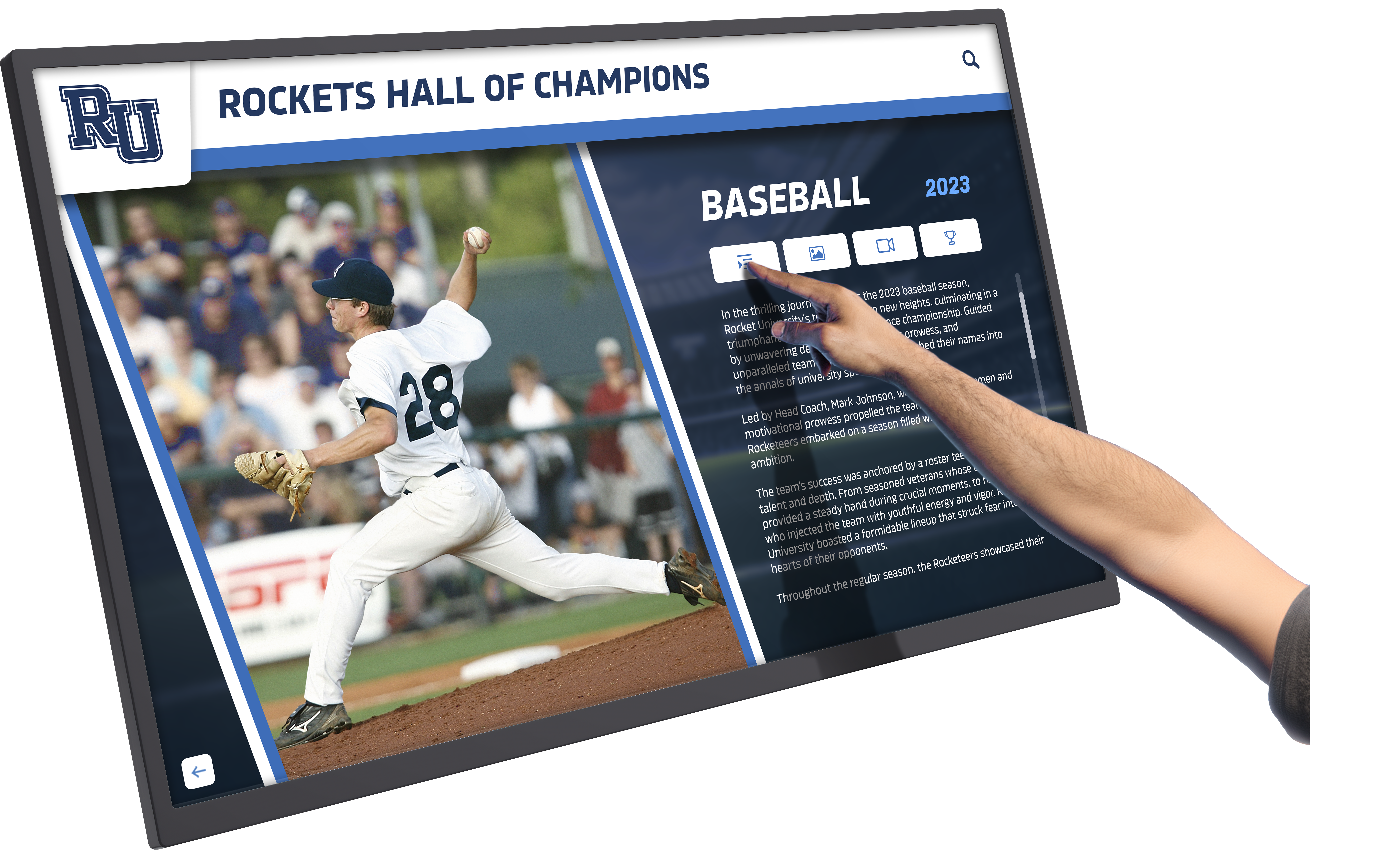
Interactive touchscreen displays enable patients to explore educational content at their own pace, deepening understanding and engagement
Practice Marketing Content
Internal Marketing Through Digital Displays Displays function as continuous internal marketing platforms:
Service Promotion
- New service announcements introducing expanded offerings
- Technology spotlights explaining advanced equipment benefits
- Specialty service promotion for underutilized capabilities
- Seasonal service emphasis like whitening before wedding season
- Membership plan promotion encouraging preventive care commitment
- Sedation dentistry options for anxious patients
Provider and Team Showcases
- Dentist biography and credential displays building confidence
- Specialist introduction for multi-provider practices
- Hygienist spotlights recognizing team contributions
- Continuing education highlights demonstrating ongoing learning
- Community involvement featuring charitable activities
- Awards and recognition celebrating practice achievements
Patient Testimonials and Reviews
- Video testimonials from satisfied patients
- Written review excerpts with patient permission
- Before-and-after case studies with outcomes
- Long-term patient stories highlighting loyalty
- Specific treatment testimonials for services being promoted
- Family dentistry success stories for practices emphasizing this approach
Approaches used in corporate recognition programs translate effectively to dental practice staff and patient recognition strategies.
Entertainment and Comfort Content
Creating Pleasant Waiting Experiences Entertainment content reduces anxiety and improves perceived wait times:
Appropriate Content Categories
- Nature and travel programming with calming visuals
- Health and wellness content beyond dentistry
- Local community information and events
- Weather and news providing useful information
- Cooking and lifestyle programming with broad appeal
- Children’s educational entertainment for pediatric practices
Content Selection Considerations
- Volume control or closed captioning for sound sensitivity
- Inoffensive programming appropriate for diverse audiences
- Ad-free or dental-relevant advertising when present
- Age-appropriate content for patient demographics
- Cultural sensitivity for diverse communities
- Positive, uplifting tone avoiding stressful topics
Measuring Success and Return on Investment
Quantifying display impact justifies investments and guides optimization.
Patient Experience Metrics
Satisfaction and Engagement Indicators Digital displays impact measurable patient experience factors:
Survey-Based Metrics
- Overall satisfaction scores in reception area experience
- Wait time perception compared to actual elapsed time
- Patient education effectiveness ratings
- Likelihood to recommend practice to others
- Comfort level during dental procedures
- Understanding of treatment plans and recommendations
Behavioral Indicators
- Appointment attendance rates showing reduced no-shows
- Same-day treatment acceptance for immediate needs
- Multi-visit treatment plan acceptance requiring commitment
- Preventive care appointment scheduling showing education effectiveness
- Patient portal registration and engagement
- Social media following and online review activity
Treatment Acceptance and Case Value
Clinical Outcome Metrics Effective patient education through displays impacts treatment decisions:
Acceptance Rate Tracking
- Elective procedure acceptance rates before and after display implementation
- Same-day treatment acceptance for immediate opportunities
- Large case acceptance requiring significant financial commitment
- Preventive treatment acceptance like sealants or fluoride
- Referral acceptance to specialists for advanced care
- Product purchase rates for home care items
Revenue Impact Analysis
- Average case value changes reflecting treatment acceptance improvement
- Production per patient increases from additional accepted treatment
- Cosmetic procedure volume growth from awareness
- Preventive care revenue from increased service utilization
- Product sales from in-office recommendations
- Membership program enrollment driving recurring revenue
Operational Efficiency Improvements
Staff Time and Workflow Benefits Displays impact practice efficiency measurably:
Time Savings Quantification
- Reduced verbal education time per appointment
- Decreased front desk inquiry handling
- Faster new patient orientation through self-service information
- Shorter consultation appointments with visual aids
- Reduced post-appointment explanation phone calls
- More efficient treatment coordination through patient understanding
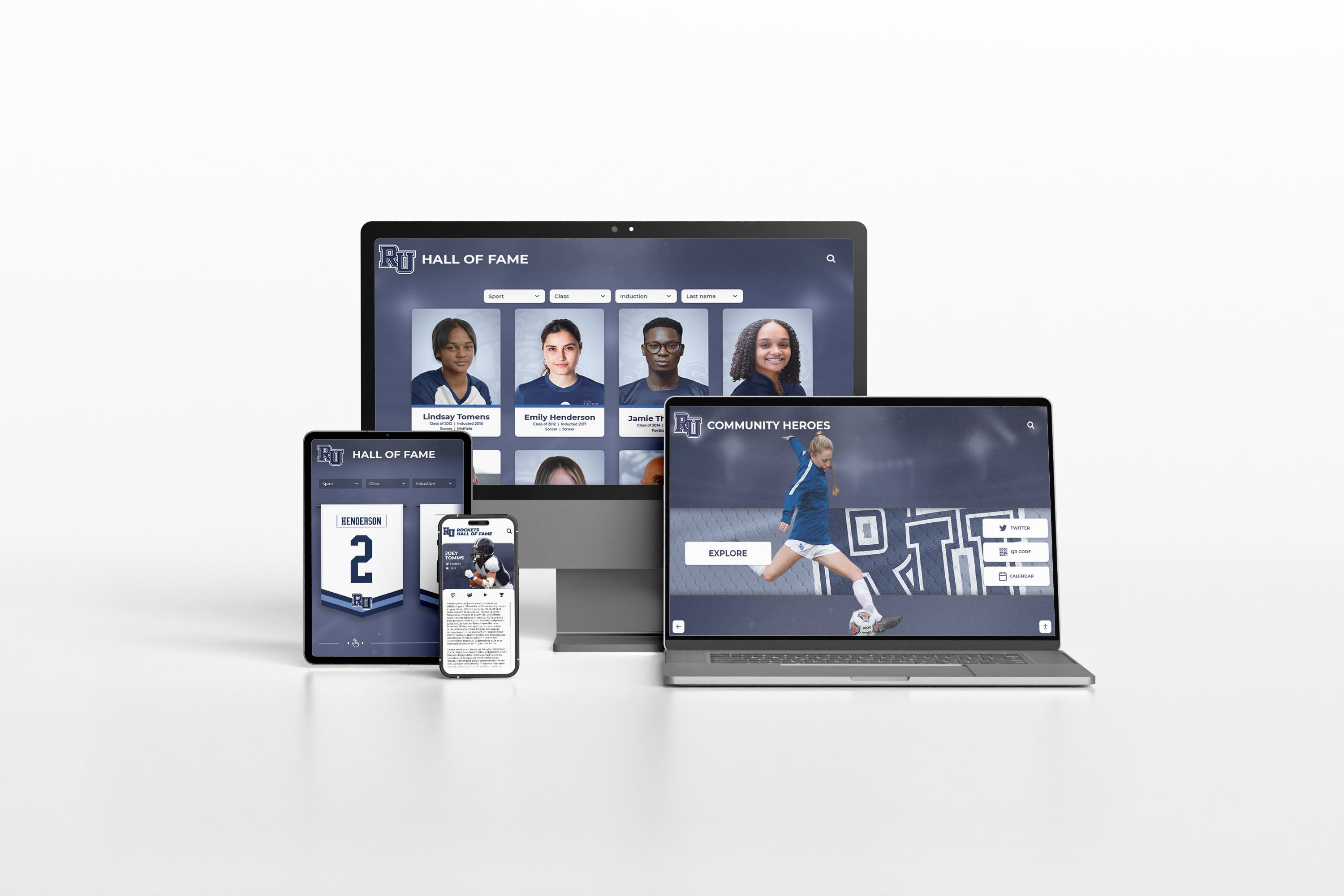
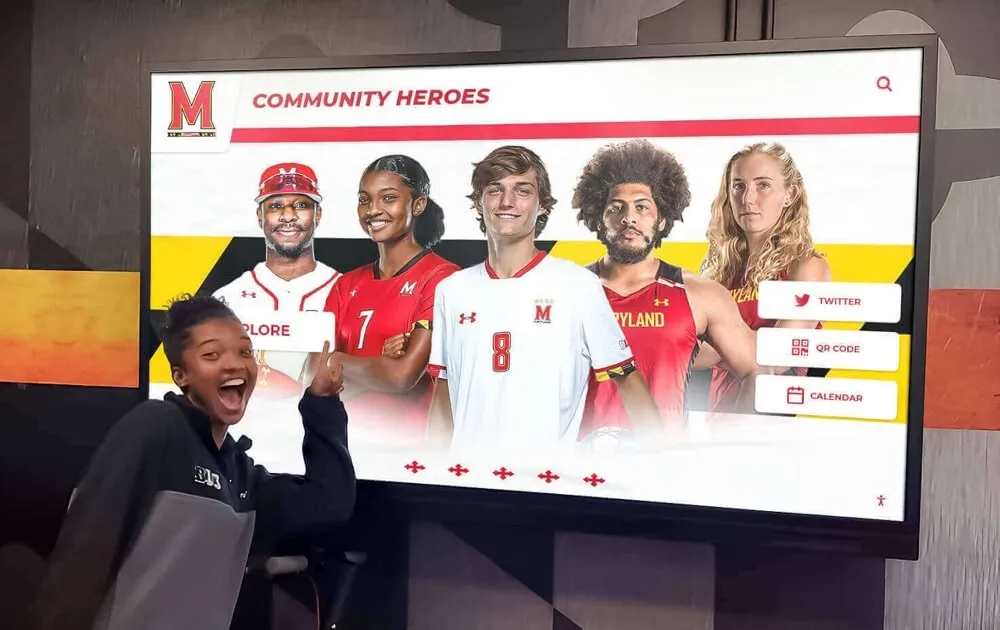
Modern display platforms deliver consistent content across multiple screen sizes and locations throughout dental practices
Communication Effectiveness
- Reduced patient confusion about procedures and expectations
- Improved compliance with post-treatment care instructions
- Better preparation for multi-visit treatment sequences
- Enhanced understanding of financial arrangements
- Clearer communication about insurance coverage and limitations
- More informed decision-making about treatment options
Organizations implementing digital communication systems across facilities demonstrate similar efficiency improvements applicable to dental practice contexts.
Implementation Best Practices for Dental Offices
Successful deployments follow proven strategies addressing content quality, operation, and continuous improvement.
Content Quality Standards
Professional Content Creation All displayed content should reflect practice professionalism:
Production Quality Requirements
- Professional video production with quality lighting and audio
- Clear, readable text with appropriate font sizes for viewing distances
- High-resolution images avoiding pixelation or distortion
- Accurate medical information from credible sources
- Current content reflecting latest dental research and techniques
- Accessible design supporting patients with visual or hearing limitations
Clinical Accuracy and Compliance
- Medically accurate content reviewed by clinical staff
- HIPAA-compliant handling of any patient information
- Appropriate disclaimers for treatment information
- Evidence-based claims avoiding misleading statements
- Balanced presentation of treatment risks and benefits
- Clear identification of promotional versus educational content
Visual Design Consistency
- Practice branding integration including colors and logos
- Consistent visual style across all content
- Professional aesthetics appropriate for healthcare settings
- Clean, uncluttered layouts supporting information clarity
- Appropriate color psychology promoting calm and trust
- Readable text over background images or videos
Staff Training and Engagement
Ensuring Effective Display Utilization Technology requires staff adoption and integration into workflows:
Training Components
- Content management system operation for administrative staff
- Clinical integration strategies for dentists and hygienists
- Patient interaction approaches referencing display content
- Troubleshooting common technical issues
- Content update workflows and approval processes
- Analytics review and performance monitoring
Workflow Integration
- Reception staff highlighting relevant content during check-in
- Clinical staff referencing displays during patient education
- Treatment coordinators using displays in consultation presentations
- Hygienists synchronizing education with display topics
- Front desk staff promoting services featured on displays
- Office managers monitoring content currency and relevance
Ongoing Optimization
- Regular staff feedback collection about content effectiveness
- Patient comment review identifying improvement opportunities
- Clinical staff input on educational content needs
- Administrative feedback on practice marketing priorities
- Technology updates and feature training
- Best practice sharing across multi-location practices

Comprehensive staff training ensures display technology integrates effectively into practice workflows and supports patient care objectives
Content Currency and Maintenance
Sustainable Content Management Long-term success requires ongoing content stewardship:
Regular Update Schedules
- Weekly review of time-sensitive content like promotions
- Monthly assessment of educational content relevance
- Quarterly comprehensive content audits
- Annual complete content strategy review
- Immediate updates for practice changes or emergencies
- Seasonal content planning aligned with dental health themes
Responsibility Assignment
- Primary content manager owning overall display strategy
- Clinical liaison reviewing educational accuracy
- Marketing coordinator managing practice promotion content
- Administrative staff updating practice information
- IT support handling technical maintenance
- Vendor support for platform issues and enhancements
Content Performance Monitoring
- Analytics review showing content engagement if available
- Patient feedback about displayed information
- Staff observations of patient interaction with displays
- Treatment acceptance correlation with educational content
- Question volume changes indicating education effectiveness
- Competitive assessment of peer practice display strategies
Similar to recognition display management, dental office displays require systematic content management ensuring relevance and engagement over time.
Addressing Common Implementation Challenges
Proactive challenge mitigation ensures smoother deployments and operations.
Challenge: Limited Content Creation Resources
Many dental practices lack in-house content development expertise:
Solutions
- Content subscription services providing professional dental education materials
- Vendor-provided content libraries included with display platforms
- Dental association resources offering member content
- Template-based content creation simplifying custom material development
- Professional content development services for unique needs
- User-generated content from practice staff with proper production support
Challenge: Staff Resistance to Technology
Team members may be hesitant about new systems:
Solutions
- Clear communication about benefits for both staff and patients
- Involvement in content selection and display management
- Training emphasizing ease of use and support availability
- Recognition of early adopters encouraging others
- Demonstration of time savings and efficiency improvements
- Gradual rollout starting with enthusiastic team members
Challenge: Content Appropriateness for Diverse Patients
Practices serve varied demographics requiring thoughtful content:
Solutions
- Multilingual content supporting non-English-speaking patients
- Age-appropriate programming for pediatric versus adult practices
- Cultural sensitivity in imagery and messaging
- Accessibility features for patients with disabilities
- Multiple content channels targeting different audiences
- Patient feedback mechanisms ensuring appropriate content
Challenge: Maintaining Clinical Focus
Displays should enhance rather than distract from patient care:
Solutions
- Treatment room content controlled by clinical staff preferences
- Volume settings appropriate for clinical environments
- Content pause capabilities during sensitive conversations
- Emergency override removing displays when needed
- Patient choice options allowing individual preferences
- Screen positioning avoiding clinical workflow interference
Future Trends in Dental Office Digital Displays
Emerging technologies will enhance display capabilities and patient experiences.
Artificial Intelligence and Personalization
AI-Powered Content Delivery Machine learning will enable personalized patient education:
Intelligent Features
- Patient history-based content recommendations addressing specific needs
- Predictive education suggesting topics based on scheduled procedures
- Natural language processing enabling voice-controlled information access
- Automated content generation customizing education to individual situations
- Real-time translation supporting multilingual patient populations
- Sentiment analysis adjusting content based on patient anxiety levels
Virtual and Augmented Reality Integration
Immersive Patient Education Advanced visualization technologies will enhance understanding:
VR Applications
- Immersive procedure simulations preparing patients for treatments
- Virtual office tours for new patient orientation
- Anxiety management through distraction and relaxation experiences
- Dental anatomy education with 3D exploration
- Treatment outcome previews showing expected results
- Implant planning visualization helping patients understand processes
AR Features
- Smartphone integration overlaying educational information
- Treatment area highlighting on patient imaging
- Before-and-after overlays showing potential outcomes
- Home care instruction augmentation with real-time guidance
- Product information overlays in retail areas
- Interactive wayfinding for large practices
Integration with Practice Management Systems
Connected Patient Experience Platforms Displays will integrate more deeply with practice technology:
System Integrations
- Appointment data driving personalized reception greetings
- Treatment history informing educational content selection
- Financial account information supporting consultation discussions
- Patient communication preferences controlling display interaction
- Marketing automation synchronizing displays with multi-channel campaigns
- Electronic health records enabling comprehensive patient education
Transform Your Dental Practice Patient Experience
While solutions like Rocket Alumni Solutions specialize in digital recognition displays for educational institutions and organizations, many of the same principles of effective visual communication apply to dental practices seeking to enhance patient education and practice environments. Discover how modern display technology can transform your patient communication and practice efficiency.
Explore Digital Display SolutionsApplications Beyond General Dentistry: Specialty Practice Considerations
While this guide focuses on general dental applications, display strategies adapt across dental specialties.
Orthodontic Practices
Orthodontics presents unique communication opportunities:
Orthodontic-Specific Content
- Treatment option comparisons between braces and clear aligners
- Age-appropriate treatment timing education
- Retention importance and long-term care
- Progress photo galleries showing transformation timelines
- Technology showcases for digital treatment planning
- Financial planning for multi-year treatment commitments
Pediatric Dental Practices
Children’s dentistry requires specialized approaches:
Child-Focused Content
- Age-appropriate educational entertainment
- Character-driven oral hygiene instruction
- Parent education about developmental milestones
- Anxiety reduction through distraction and fun
- Reward program promotion encouraging positive behavior
- Nutrition education for both children and parents
Oral Surgery and Implant Centers
Surgical specialties benefit from detailed procedure education:
Surgical Education Content
- Detailed implant procedure animations
- Bone grafting and site preparation explanations
- Sedation option education reducing anxiety
- Recovery timeline expectations
- Before-and-after case studies
- Technology advantages of advanced surgical equipment
Organizations can explore interactive display approaches from other contexts adaptable to specialized healthcare communication needs.
Selecting the Right Technology Partner for Dental Offices
Practices investing in digital display technology benefit from selecting experienced partners with healthcare expertise.
Vendor Evaluation Criteria
Industry Experience Assessment
- Demonstrated success in dental or healthcare environments
- Reference clients in dental practices willing to discuss experiences
- Understanding of HIPAA compliance and healthcare regulations
- Content library appropriateness for dental applications
- Case studies documenting implementation approaches
- Awards or recognition in healthcare digital signage
Technical Capabilities Evaluation
- Platform features matching identified practice requirements
- Content management system usability for non-technical staff
- Hardware quality and healthcare environment suitability
- Integration capabilities with practice management systems
- Security and compliance certifications
- Scalability supporting practice growth or multi-location expansion
Support and Service Quality
- Implementation support during deployment and training
- Ongoing technical support response times and channels
- Content update assistance and consultation
- Software update policies and maintenance schedules
- Account management providing strategic guidance
- Training programs for new staff as practice grows
Total Cost of Ownership
- Upfront hardware and installation costs
- Software licensing and subscription fees
- Content development or subscription expenses
- Ongoing maintenance and support costs
- Network and infrastructure requirements
- Long-term upgrade and replacement planning
Solutions like Rocket Alumni Solutions provide comprehensive platforms specifically designed for digital recognition and information displays that can accommodate professional office requirements while ensuring appropriate user experience, security, and aesthetic standards suitable for healthcare environments.
Conclusion: Elevating Dental Practice Communication Through Digital Technology
Digital display technology represents strategic investment in patient experience, clinical education, and practice growth. When dental offices thoughtfully implement display systems—selecting appropriate hardware, creating relevant content, and integrating displays into clinical workflows—they communicate practice values through every patient interaction: professionalism, innovation, patient education commitment, and attention to detail.
The strategies explored throughout this guide provide comprehensive frameworks for successful implementations addressing technology selection, content development, staff training, and continuous improvement. From reception area displays reducing anxiety and showcasing practice services to treatment room screens supporting clinical conversations, from hygiene bay education reinforcing preventive care to consultation room presentation systems facilitating treatment planning, these technologies transform dental office spaces from traditional clinical environments to modern, engaging healthcare facilities that strengthen patient confidence and treatment acceptance.
Modern display technology enables dental practices to implement sophisticated patient education and practice marketing systems that would have been impractical with traditional poster-based communication. Digital platforms eliminate the update burden that caused printed materials to become outdated, enable real-time content ensuring currency, create engaging presentations capturing attention while communicating clearly, and provide measurable analytics showing effectiveness that static materials could never deliver.
For dental practices committed to clinical excellence and patient-centered care, digital displays serve multiple essential purposes: they educate patients improving treatment understanding and acceptance, reduce anxiety through distraction and empowerment, enhance practice environments demonstrating modernity and professionalism, market internal services increasing case value, and improve operational efficiency reducing repetitive staff education time.
Building effective dental office display systems begins with commitment from practice leadership that patient communication truly matters and deserves systematic investment—that display technology represents genuine strategic priority rather than superficial expense. From this foundation, practices can implement systems starting with high-impact locations like reception areas, then expanding systematically to treatment rooms and throughout facilities as experience guides refinement and budget permits enhancement.
Your patients entrust you with their oral health and often significant financial investment in dental care. They deserve professional environments reflecting that trust through every detail—from reception greeting to treatment delivery. Digital display technology represents one component of comprehensive patient experience strategy, ensuring that communication, education, and practice marketing function seamlessly throughout every patient visit.
Ready to explore how digital displays might enhance your dental practice? Learn about assisted living communication strategies adaptable to healthcare settings, or discover interactive display implementations demonstrating effective visual communication in professional environments.